

China has confirmed it will be placing export controls on pure electric passenger cars from 1 January 2026, a move aimed at bringing order to an increasingly chaotic EV market at home while addressing rising criticism abroad.
The announcement came jointly from the Ministry of Commerce, the Ministry of Industry and Information Technology, the customs administration and the market regulator. Officials explained that the measure is intended to ensure the “healthy development” of the new energy vehicle trade. Under the new system, EV exports will require a licence, issued in line with rules first introduced back in 2012. Cars will also have to undergo customs inspection before leaving the country.
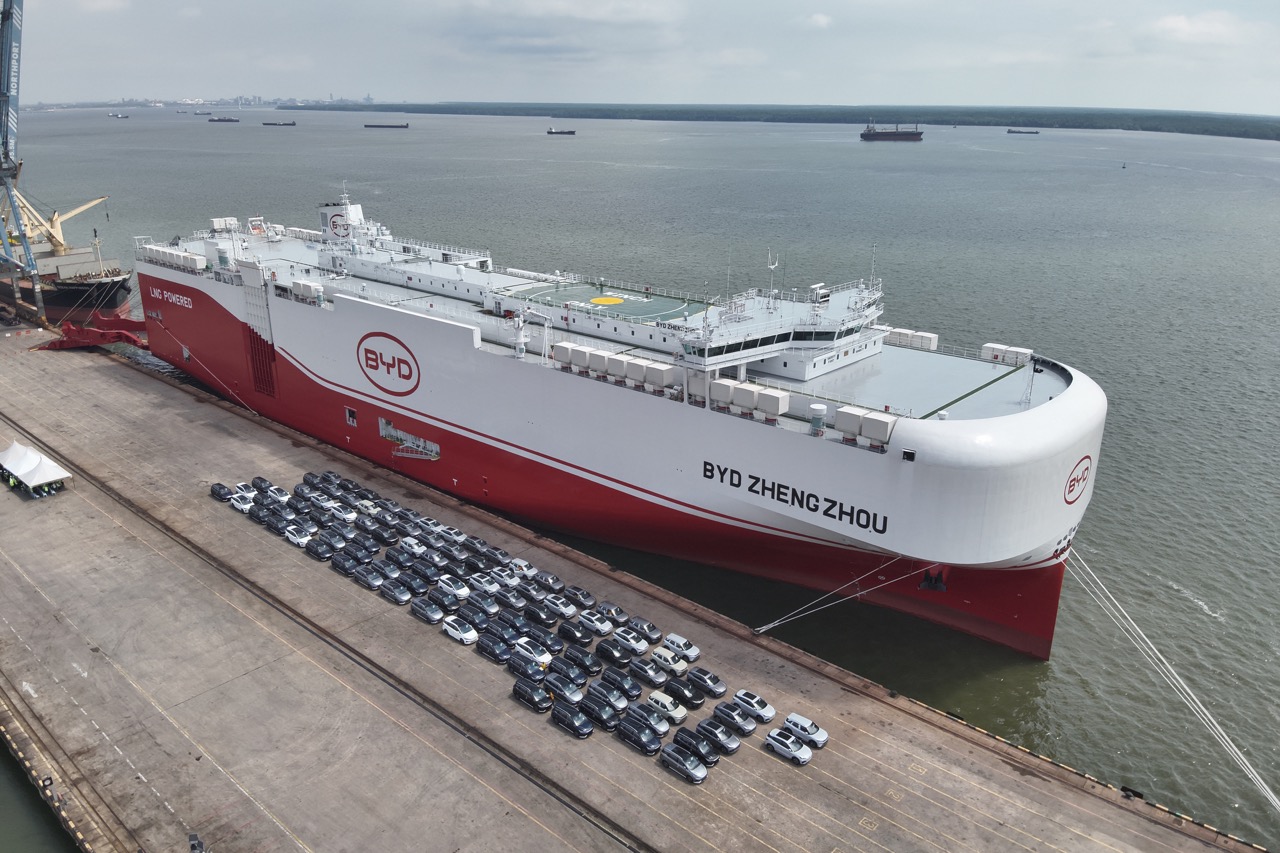
China’s EV makers have been leaning heavily on overseas sales as domestic competition intensifies. Companies like BYD have ramped up exports sharply, with the brand reporting that shipments of new energy vehicles in August were two and a half times higher compared to the same month last year. For Chinese carmakers, foreign markets have become a vital lifeline.
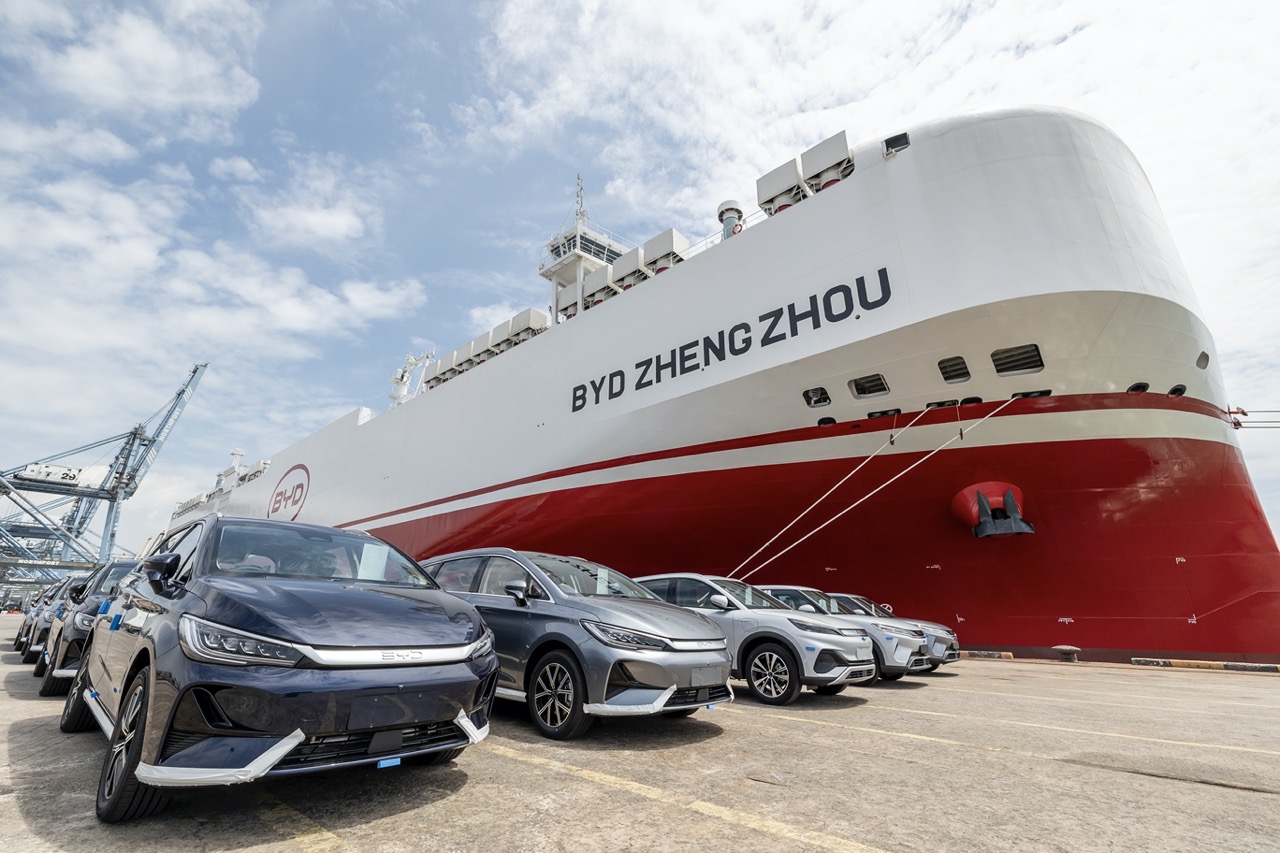
However, this aggressive push abroad has triggered backlash. The European Union recently slapped new tariffs on Chinese EVs, citing unfair pricing and state subsidies. In Mexico – currently China’s largest export market for cars – President Claudia Sheinbaum has put forward a bill to impose new tariffs on over 1,400 goods, including up to 50% duties on vehicles. In response, China’s commerce ministry has said it will be investigating the Mexican proposals, signalling that tensions could escalate further.
The new licensing regime highlights the delicate balance Beijing is trying to strike: supporting its booming EV industry while addressing both internal price wars and external trade disputes. With exports now such a crucial part of the sector, the controls could reshape how Chinese EV makers plan their global strategies in the years ahead.