
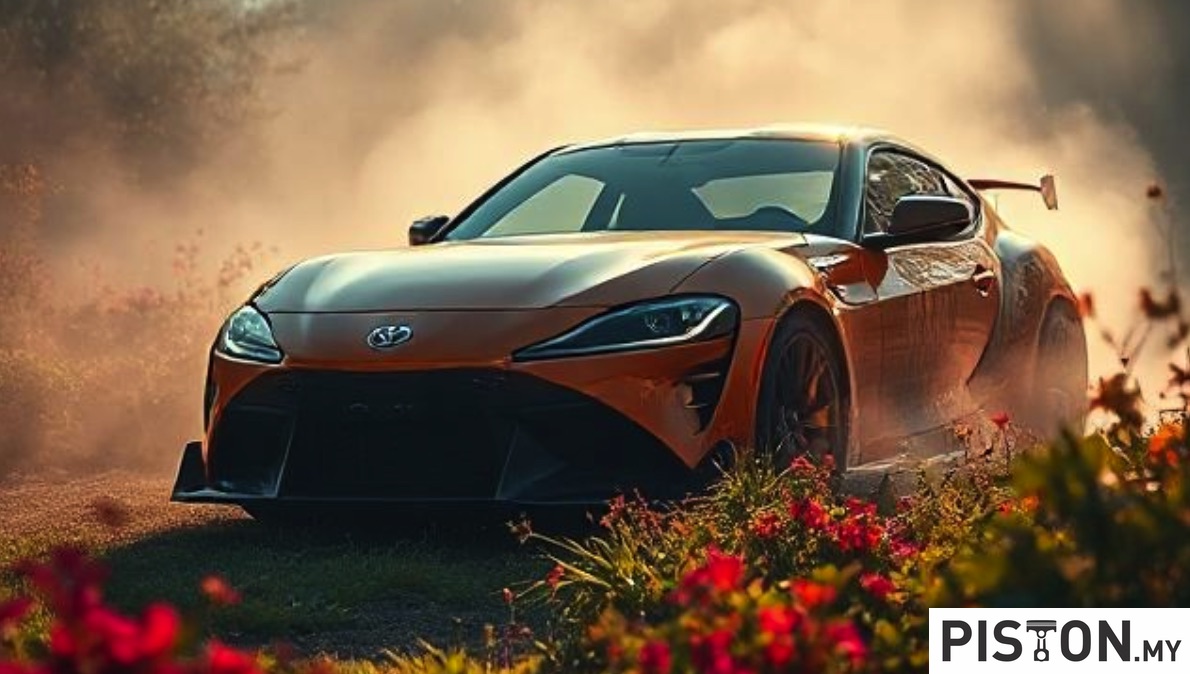
Japan’s leading car magazine Best Car has reported that Toyota and Mazda may be co-developing the next generation of the Mazda MX-5 and Toyota GR86. If true, the collaboration would mark a major shift in Toyota’s sports car strategy and ensure the continued future of two of the world’s best-known affordable performance cars.
Toyota and Mazda first entered into a formal partnership in 2015, later strengthening it into a capital alliance in 2017. Beyond vehicle supply arrangements, the two companies have collaborated on electric vehicles and software-defined vehicle development.
Best Car’s October issue notes that the close ties between Toyota Chairman Akio Toyoda and Mazda President Masahiro Moro have helped strengthen the relationship. Both executives are long-time drivers with experience in competitive racing, which has shaped their shared perspective on building sports cars.
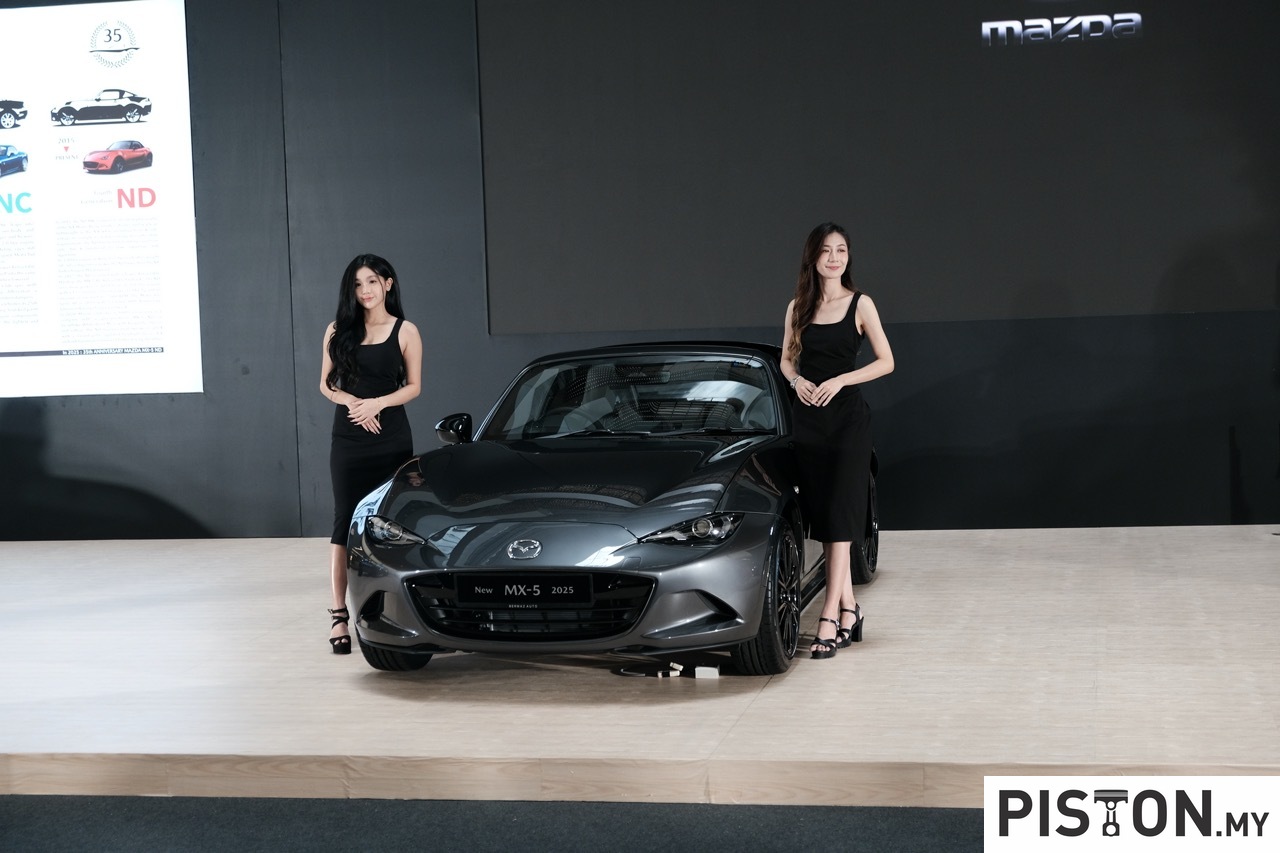
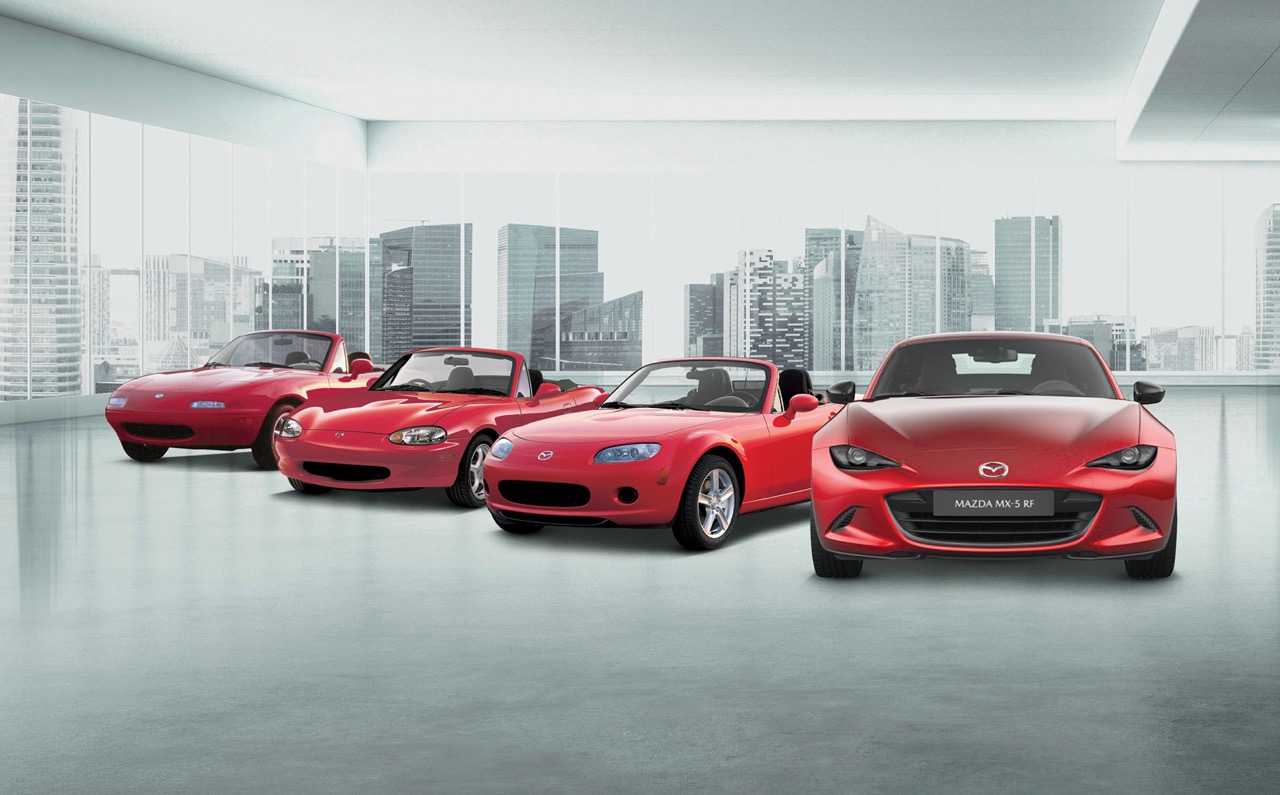
The MX-5 holds a unique position in the global car industry. Since its introduction in 1989, it has been the world’s best-selling roadster and a catalyst for other two-seat sports cars such as the Porsche Boxster, BMW Z3, and Audi TT. Meanwhile, the GR86 has carried Toyota’s reputation in the affordable sports coupe segment, originally developed in partnership with Subaru.
According to Best Car, Mazda engineers have already been sent to Toyota City to work on the joint project, using the current MX-5 as the foundation. Toyota is reportedly providing substantial funding to revise the lightweight platform, making it adaptable for both models. Production is expected to take place in Hiroshima at Mazda’s facility, which will receive upgrades and added capacity with Toyota’s support.
The platform itself will be an evolution of the ND-generation MX-5, with the 990S lightweight model serving as a benchmark. At 990 kg, it impressed Toyota with its agility and handling—qualities that suit both the MX-5 and GR86. However, while the MX-5 will retain its compact two-seat format, the platform will be stretched slightly to accommodate a 2+2 seating arrangement in the next GR86.
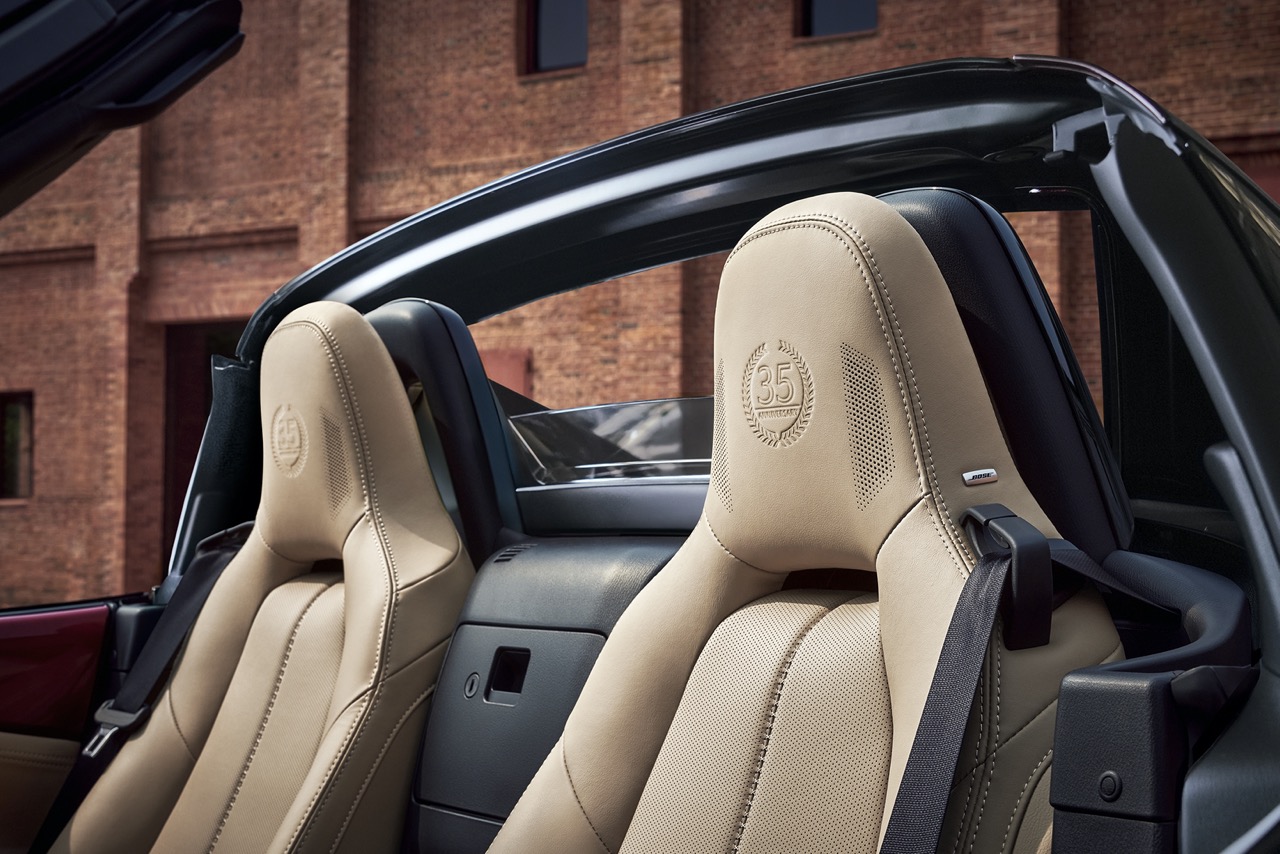
Powertrains are expected to differ between the two cars. Toyota is said to be working on a naturally aspirated 2.0-litre four-cylinder with hybrid assistance, producing over 200 hp. Mazda will continue with a revised version of its current 2.0-litre engine, also potentially with hybridisation, and tuned to deliver similar output.
This would not be Mazda’s first time sharing a sports car platform. The MX-5’s architecture previously underpinned the Fiat 124 Spider, which was built alongside it in Japan but fitted with Fiat’s own turbocharged engine. That project demonstrated the feasibility of producing distinct models from the same platform, an approach now being repeated with Toyota.
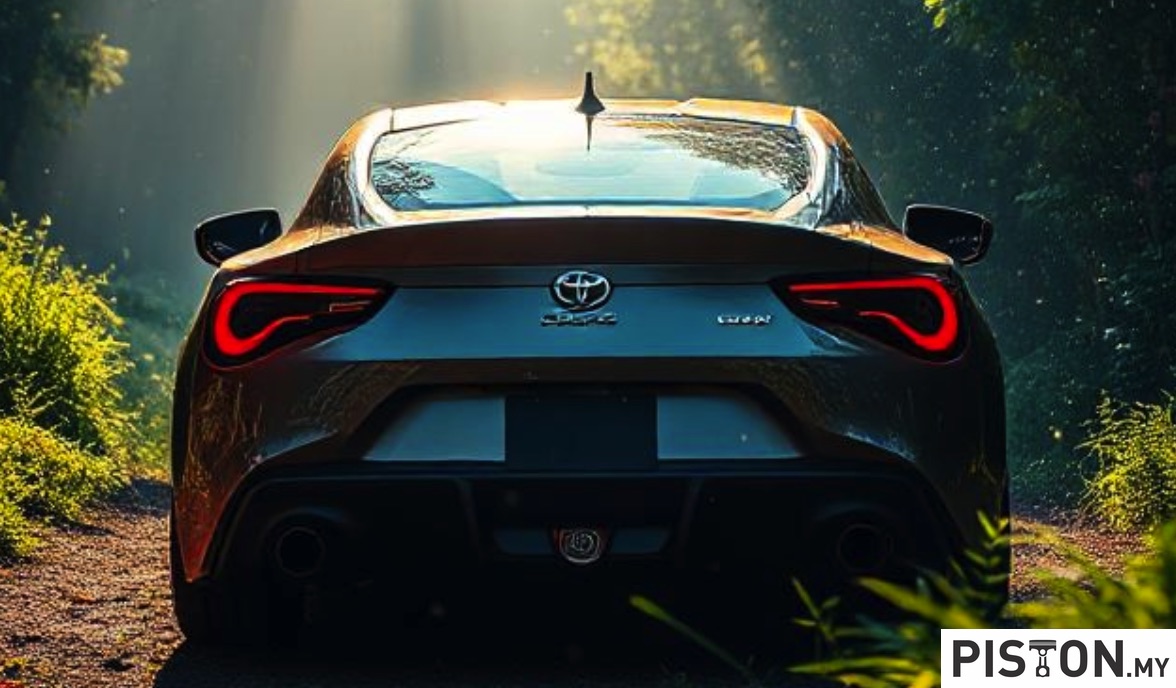
The move comes as sports cars face increasing economic pressure. Sales numbers are small, and developing standalone platforms has become difficult for a single manufacturer to justify. Partnerships—whether between Toyota and BMW on the Supra/Z4, or Subaru and Toyota on the BRZ/GR86—have become the only viable route forward.
The joint Toyota–Mazda effort is expected to deliver new versions of the MX-5 and GR86 by the middle of 2028, ensuring the continuation of both models into the next decade.