

CATL has taken a significant step in intelligent manufacturing by putting humanoid robots to work on its battery production lines, becoming the first company to deploy them at scale in new energy battery pack assembly. The breakthrough is now live at CATL’s Zhongzhou facility, where the robots are already operating in real-world production conditions.
At the centre of this move is a humanoid robot known as Moz, designed to handle demanding and delicate tasks that were previously carried out by human workers. One of its key roles involves precisely connecting high-voltage battery connectors, a process that requires accuracy and steady control due to the risks associated with handling hundreds of volts during final testing stages.
Moz has been integrated into End of Line and Direct Current Resistance testing, two critical checks performed on battery packs before they are shipped. These stages once posed safety concerns and efficiency challenges, as workers had to manually connect high-voltage test plugs with absolute precision. By taking over these operations, the robot has reduced spark risks while delivering more consistent quality and output.
Powered by advanced vision-language-action models, Moz is able to understand its surroundings, adapt to variations in component positioning and adjust its movements in real time. It can fine-tune its posture when alignment changes occur, vary its applied force when handling flexible wire harnesses to avoid damage, and complete connections with a success rate exceeding 99 per cent. In daily operation, its efficiency matches that of experienced human workers while maintaining high consistency.
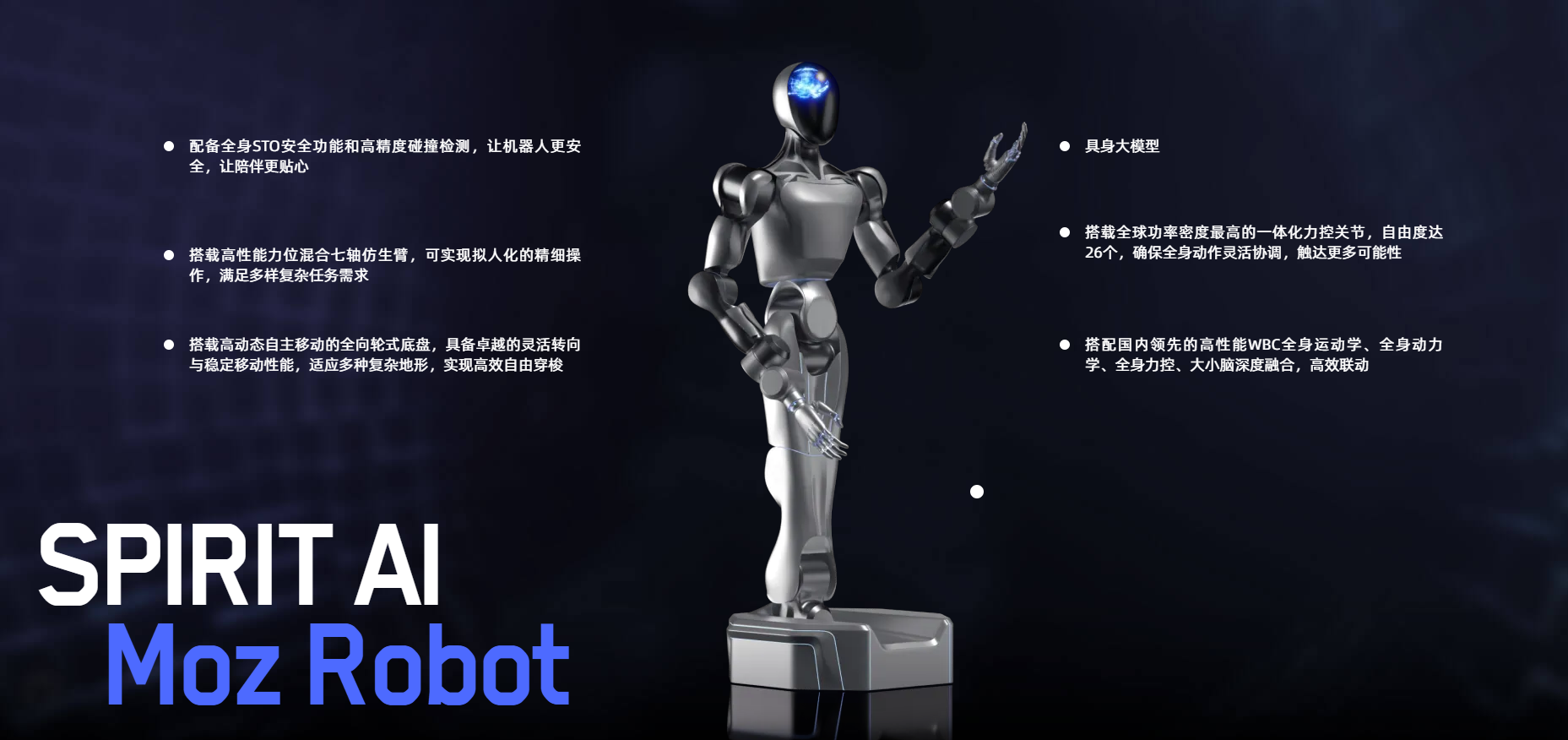
Beyond its core duties, the robot actively monitors wire harness connections, flags irregularities immediately to reduce defect rates, and switches into inspection mode between tasks. When production shifts between different battery models, Moz has shown the ability to cope without interruption, achieving up to three times the daily workload with stable performance.
The robot was developed by Spirit AI, a robotics firm within CATL’s wider ecosystem, and is powered by CATL’s own battery technology, highlighting close collaboration across the supply chain. To ensure the technology could be applied effectively on the factory floor, CATL brought together multiple teams to study real production needs and translate them into practical engineering solutions.
With Moz now embedded in live manufacturing, CATL has demonstrated how embodied artificial intelligence can be used not just in theory, but in high-volume industrial production, setting a new benchmark for automation in the battery industry.