Piston.my

Latest News

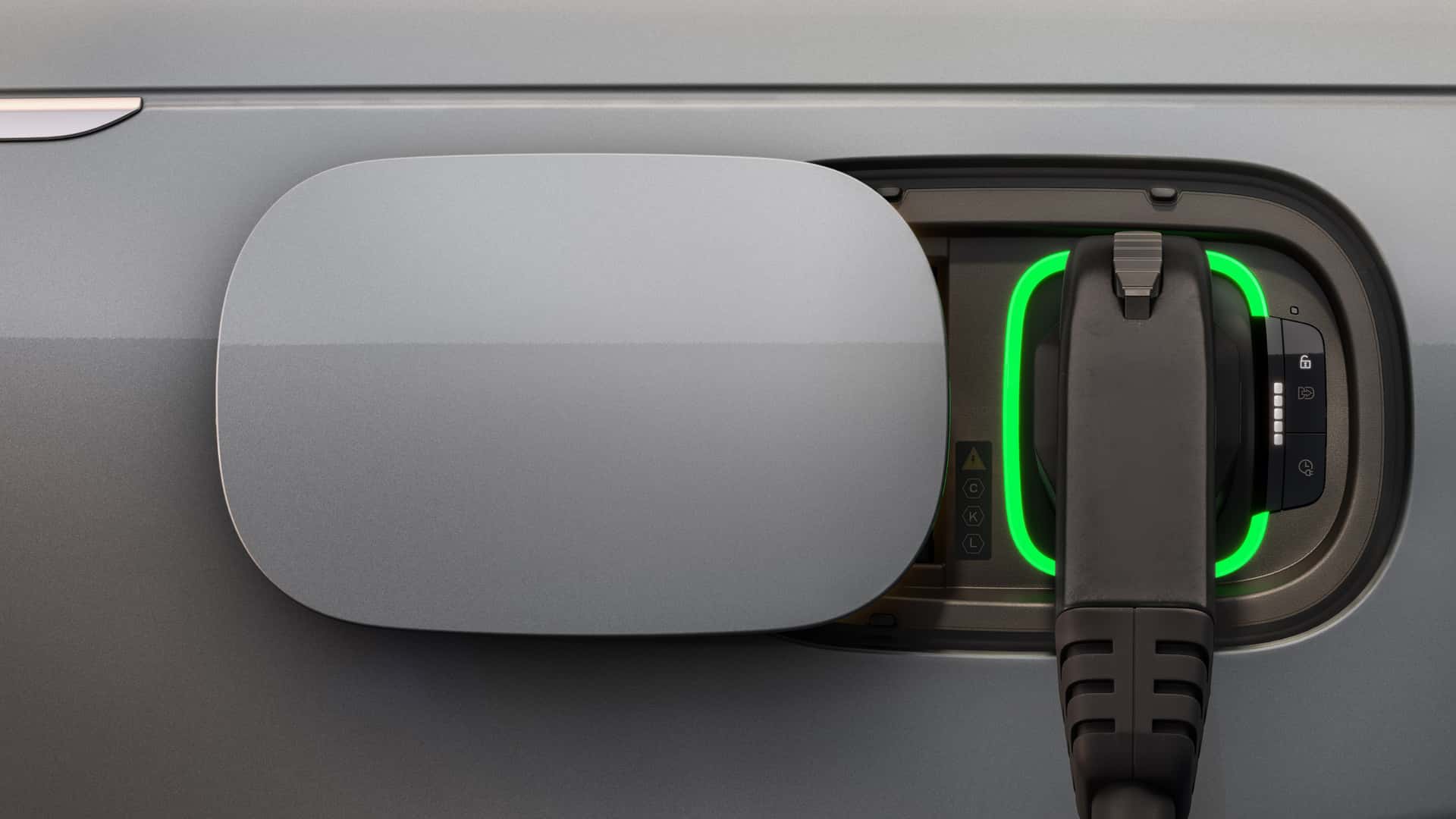
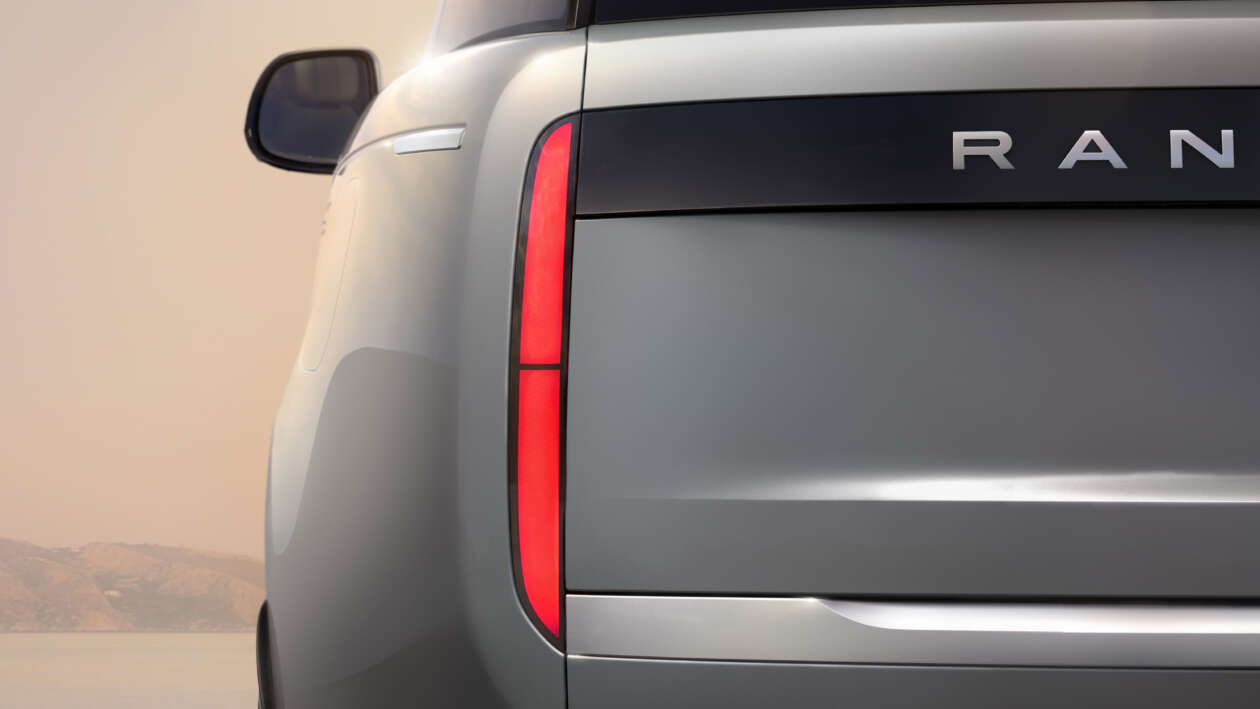
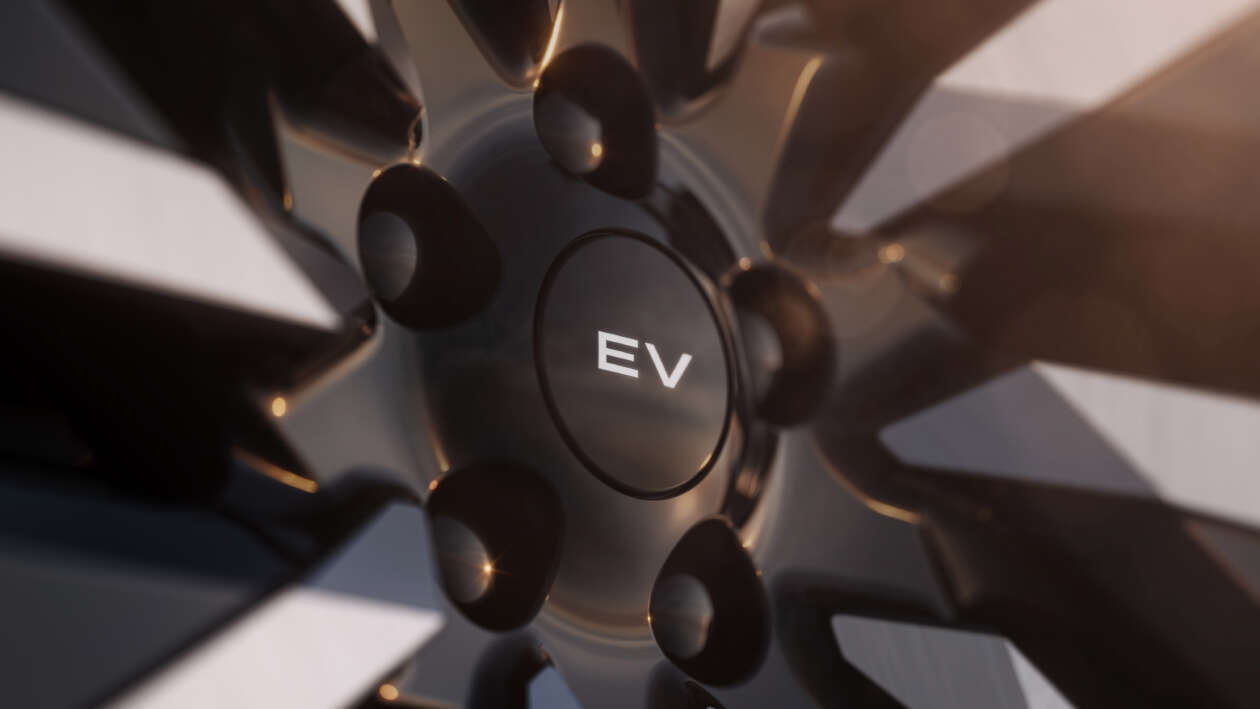
The upcoming electric Range Rover, based on the Modular Longitudinal Architecture (MLA Flex) platform, is inching closer to production and release. The electric SUV is expected to retain the luxurious design of its gas-powered and plug-in hybrid counterparts, aligning with the brand’s emphasis on electrification. Sharing the MLA Flex platform allows the electric Range Rover to maintain its off-road capabilities, a hallmark of the Range Rover lineup.

Jaguar Land Rover (JLR) has initiated rigorous testing for the electric Range Rover, subjecting prototypes to various conditions, including extreme temperatures and challenging terrains. The electric SUV is designed to handle off-road adventures, consistent with the capabilities of traditional internal combustion engine Range Rovers.

Key details, such as battery sizes and estimated driving range, are yet to be officially disclosed. However, the electric Range Rover will feature an 800-volt architecture, enabling ultra-fast charging. The batteries and electric motors for the model will be produced at JLR’s Wolverhampton factory in the UK, while the final assembly will take place alongside the regular Range Rover in Solihull, UK.


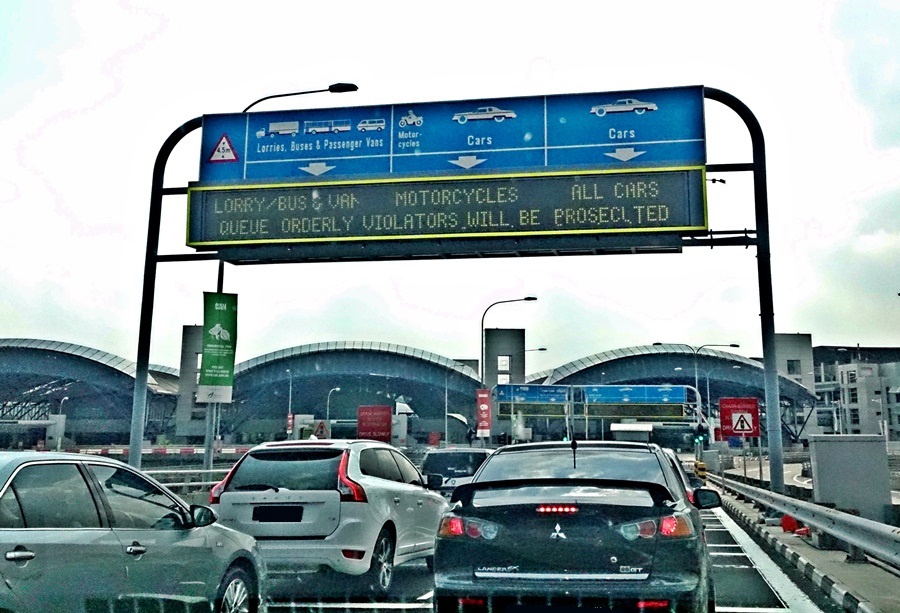
The incident at Woodlands Checkpoint highlights the seriousness of breaching regulations at border crossings and the potential legal consequences. The three-quarter tank rule, requiring vehicles to have a minimum of three-quarters of fuel when leaving Singapore via land checkpoints, is a standard procedure to ensure vehicles have sufficient fuel for their journeys.

According to The Straits Times, The refusal of the motorist to comply with the ICA officer’s instructions and the subsequent acceleration, dragging the officer along, resulted in injuries and the driver’s arrest. The charges of causing hurt by a rash act underscore the gravity of such actions, emphasising the need for motorists to cooperate with checkpoint authorities.

(more…)

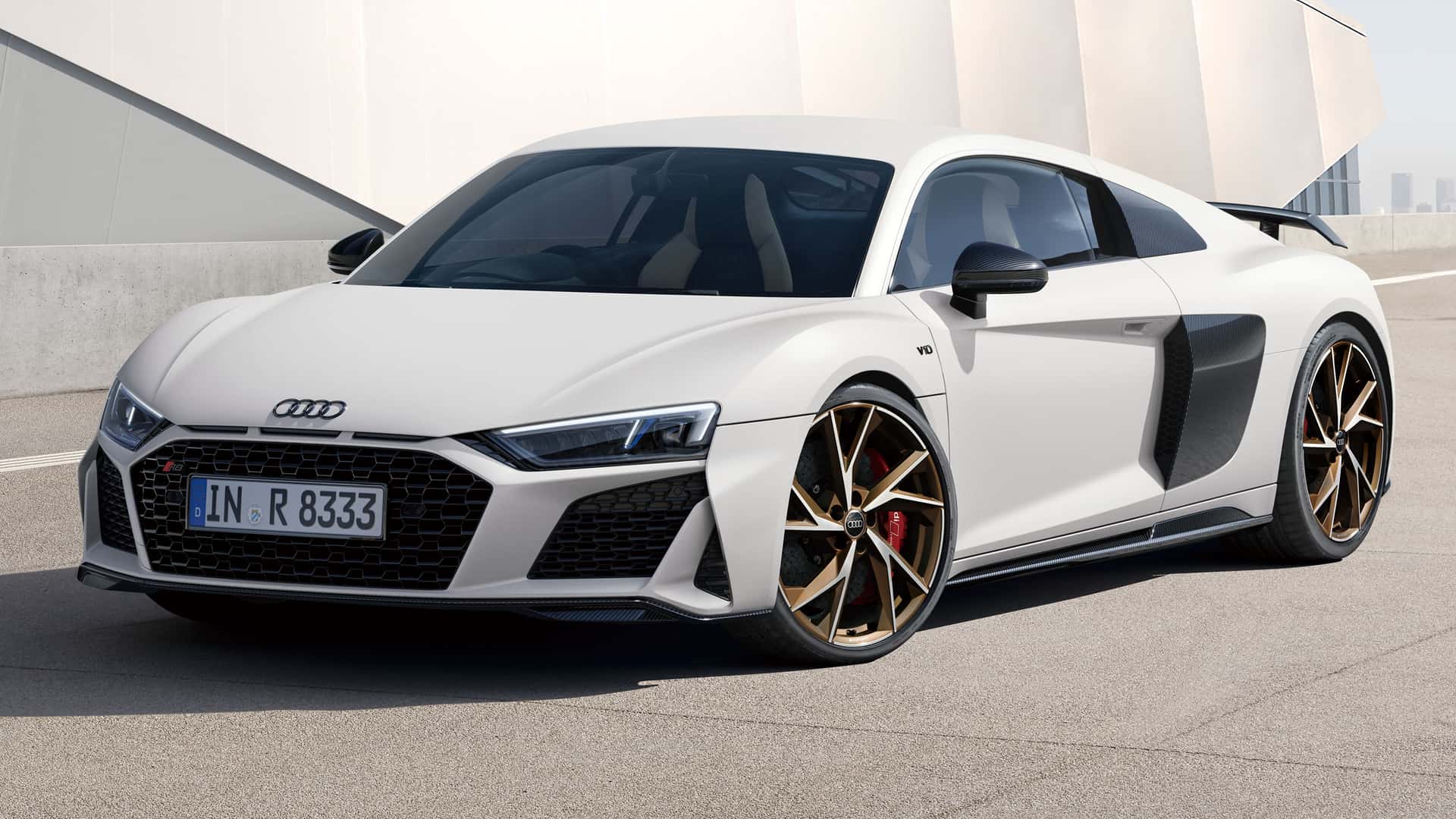
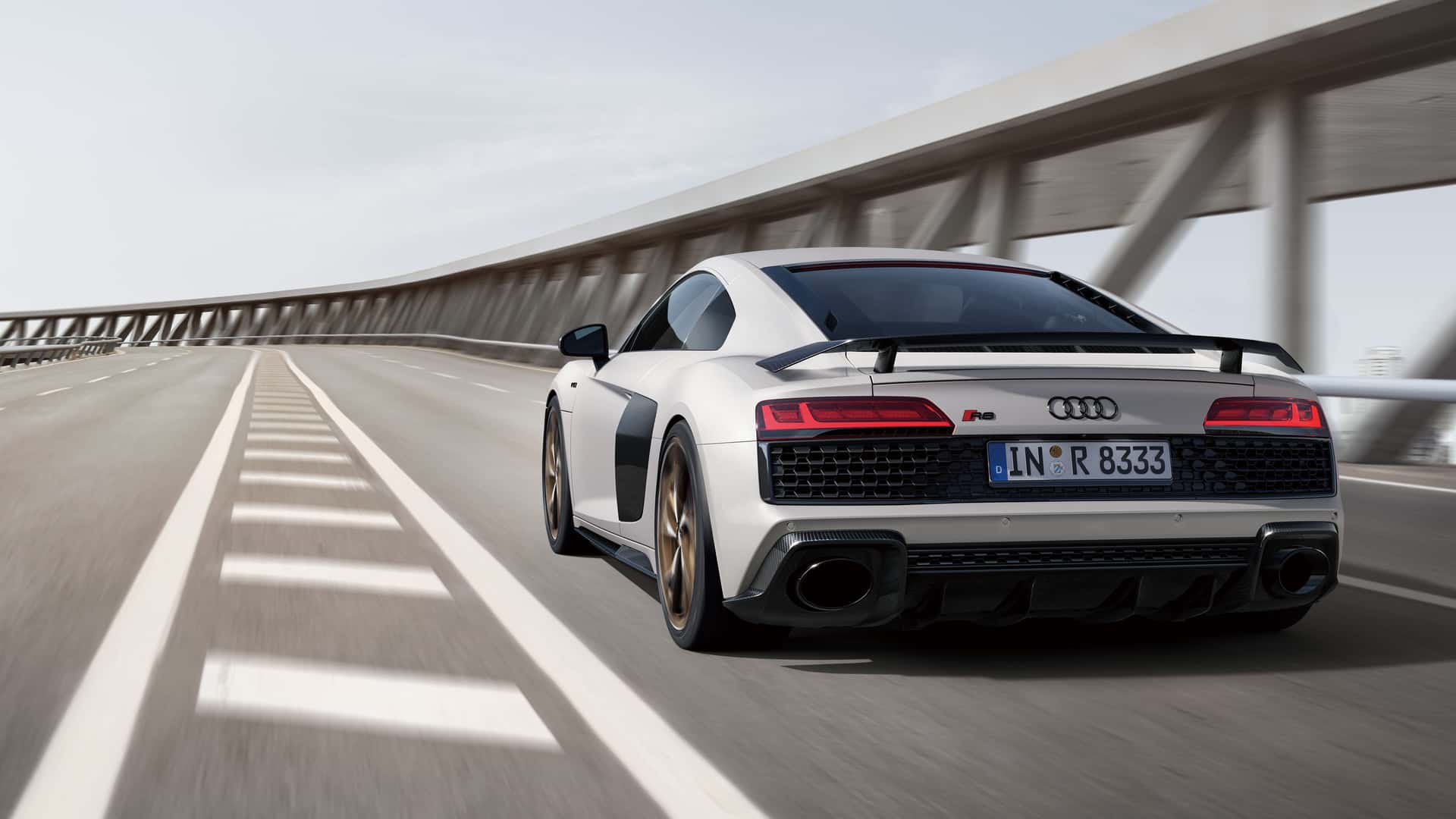
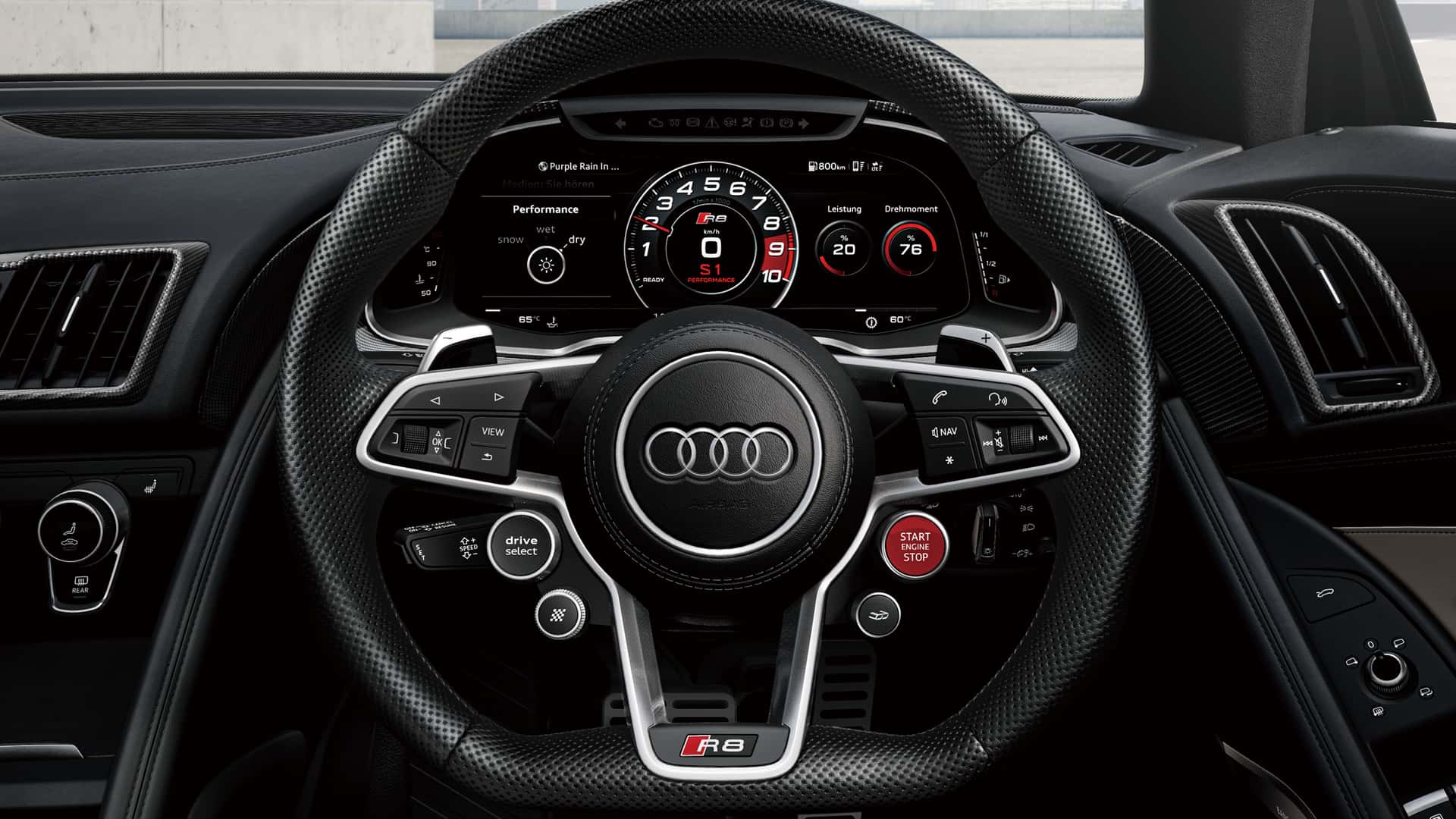
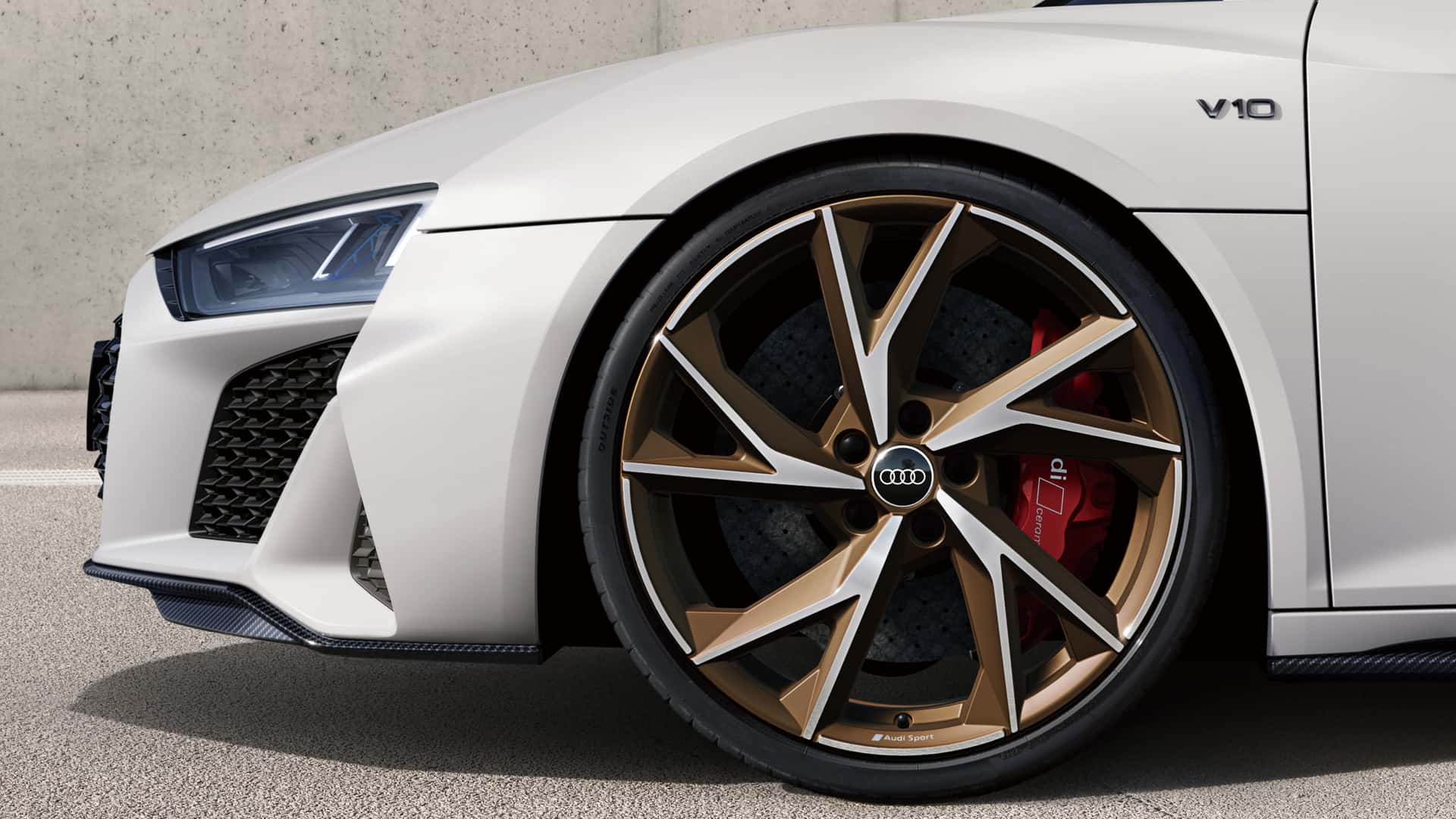
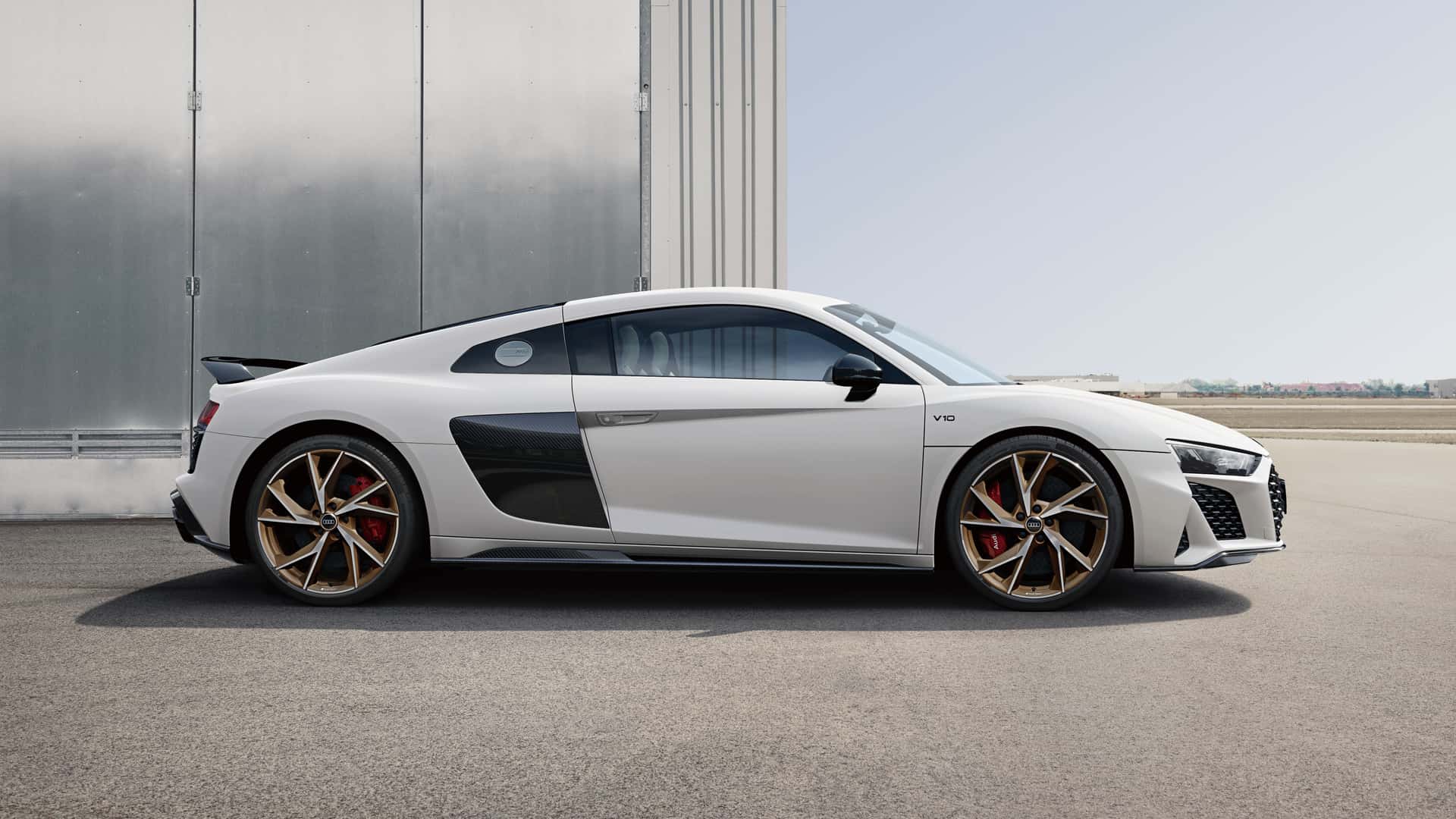
Audi has marked the end of an era for the R8 in most global markets with a special farewell edition limited to just 8 units—the Audi R8 Coupe Japan Final Edition. Based on the V10 Quattro, this model pays homage to Japan with its exclusive design featuring the country’s main colours: white, red, and gold. The exterior showcases an Ibis White Matte finish, carbon fibre aero components, black Audi emblems, and 20-inch alloy wheels in a matte bronze hue.

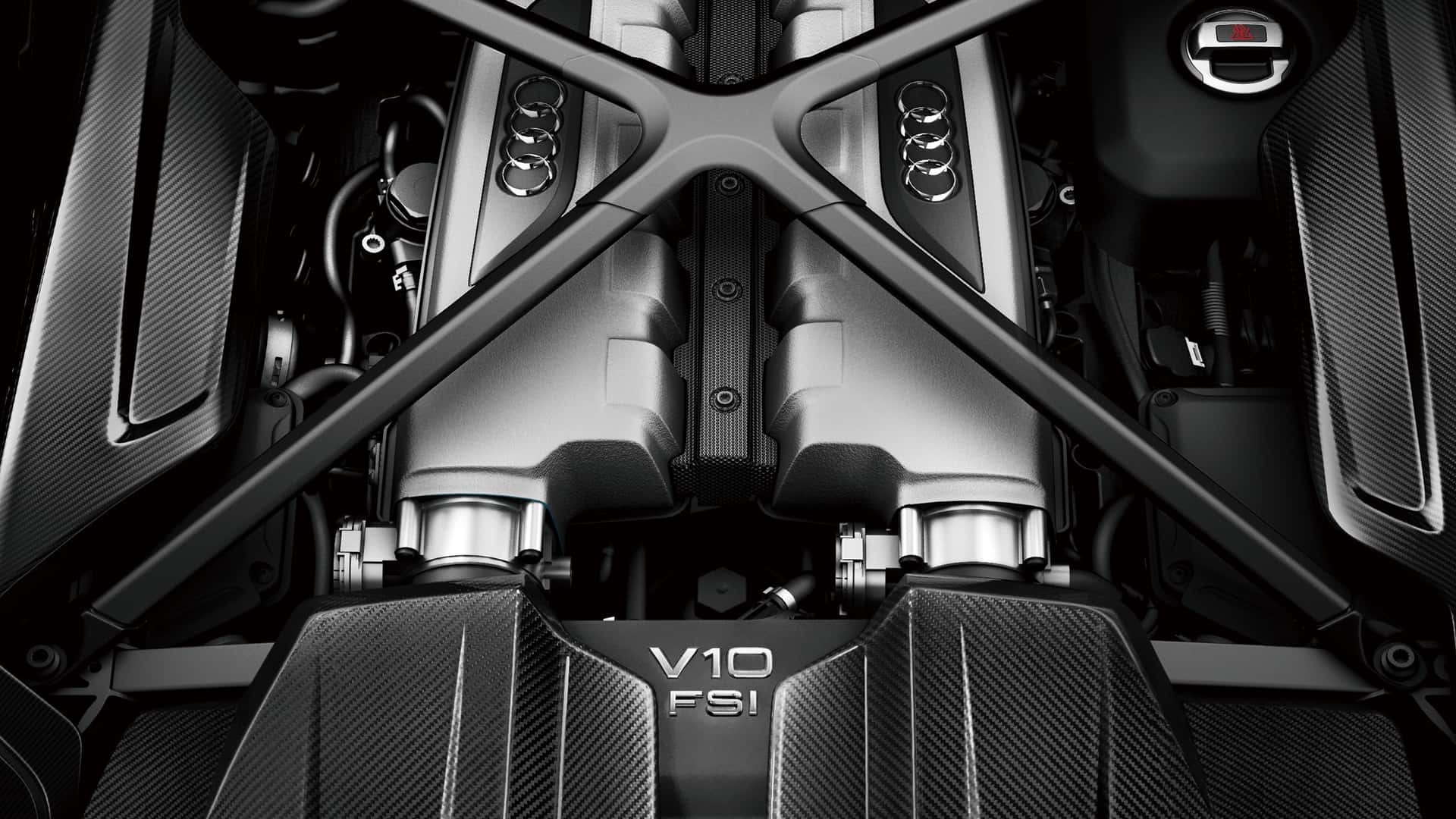
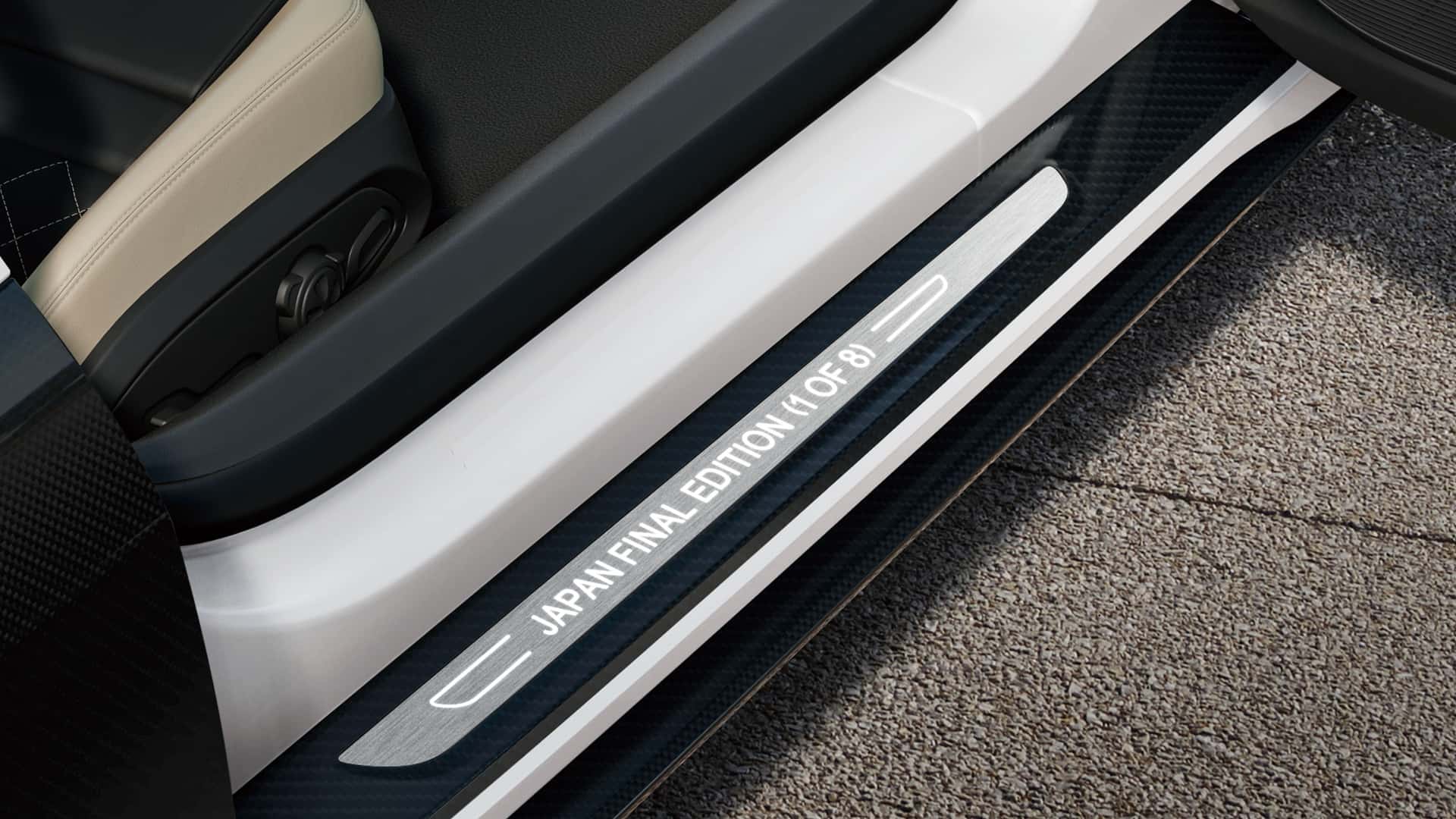
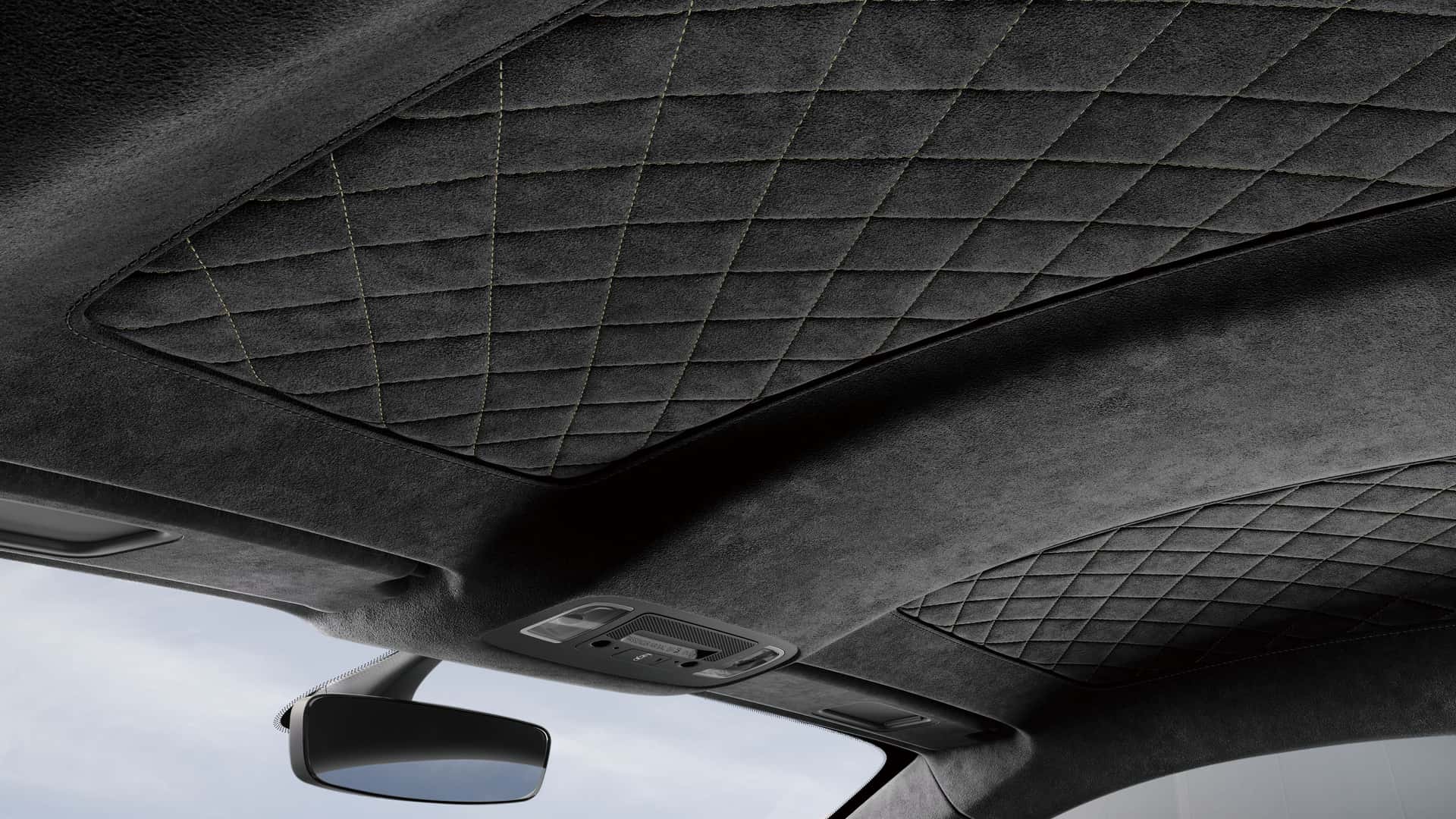
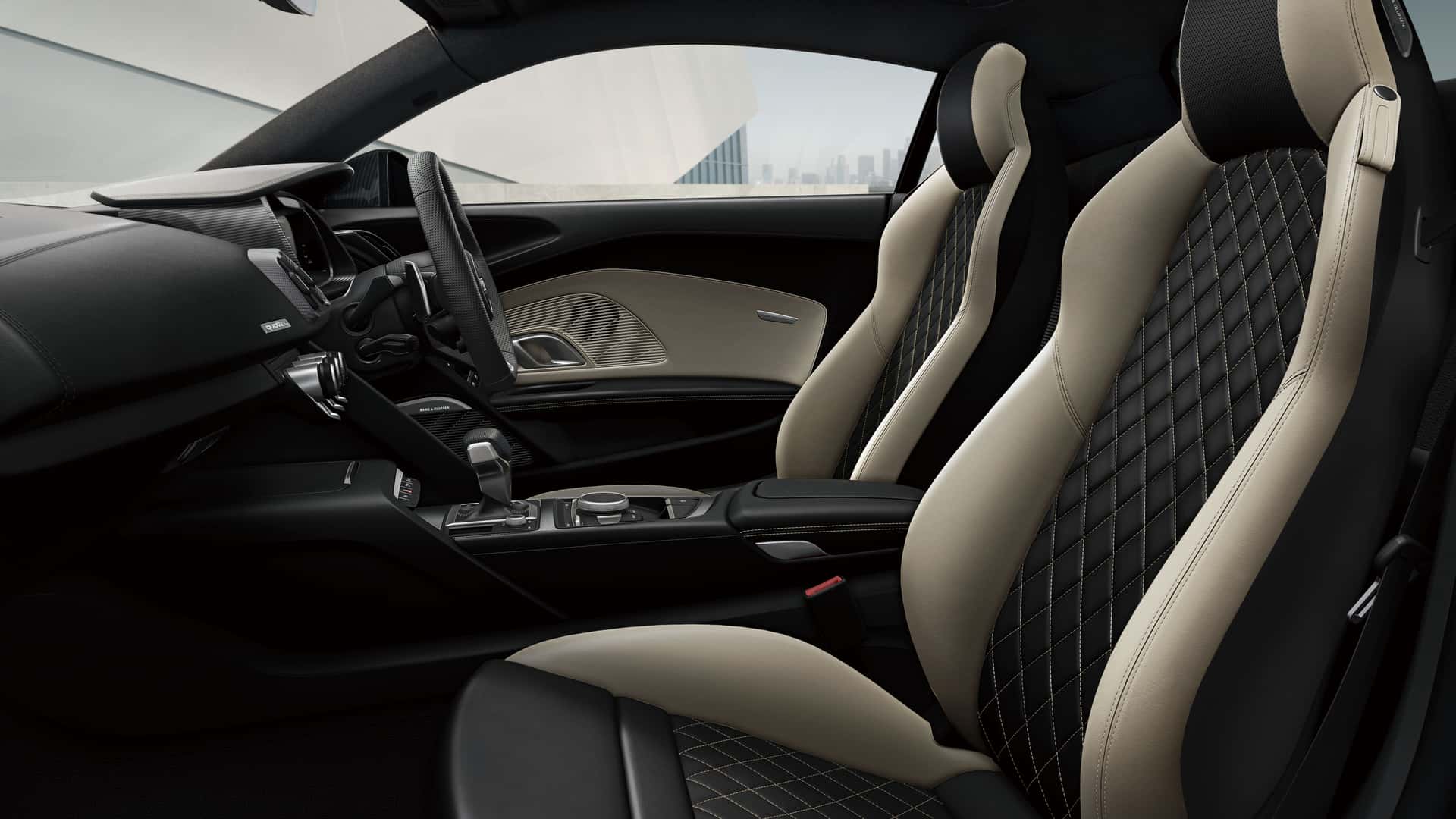
The interior is characterised by black upholstery with Alabaster White accents and diamond stitching. Each of the 8 units comes with individually numbered door sills and “Japan Final Edition” lettering. The V10 engine, likely making its final appearance, generates 612hp and 580Nm of torque, paired with a seven-speed S-tronic gearbox sending power to all four wheels.

The Audi R8 Coupe Japan Final Edition is priced at ¥35,080,000 (RM1,150,698), reflecting its exclusive status and limited availability. Buyers of this special edition will receive a commemorative piece of VIN Art, featuring the engraved chassis number of their respective cars.

Although the V10 R8 bids adieu, there are speculations about a potential return for the nameplate in the form of a high-performance electric vehicle. Audi is reportedly working on an electric platform designed for low-volume, purpose-built sports cars and supercars, suggesting the possibility of an electric successor to the iconic mid-engined R8 in the future.

The limited-edition R8 Coupe Japan Final Edition serves as a symbolic farewell to the V10-powered R8, offering a unique and exclusive model for collectors and enthusiasts. The anticipation of a potential electric successor aligns with the industry’s shift toward electrification, hinting at Audi’s commitment to high-performance electric sports cars in the future.

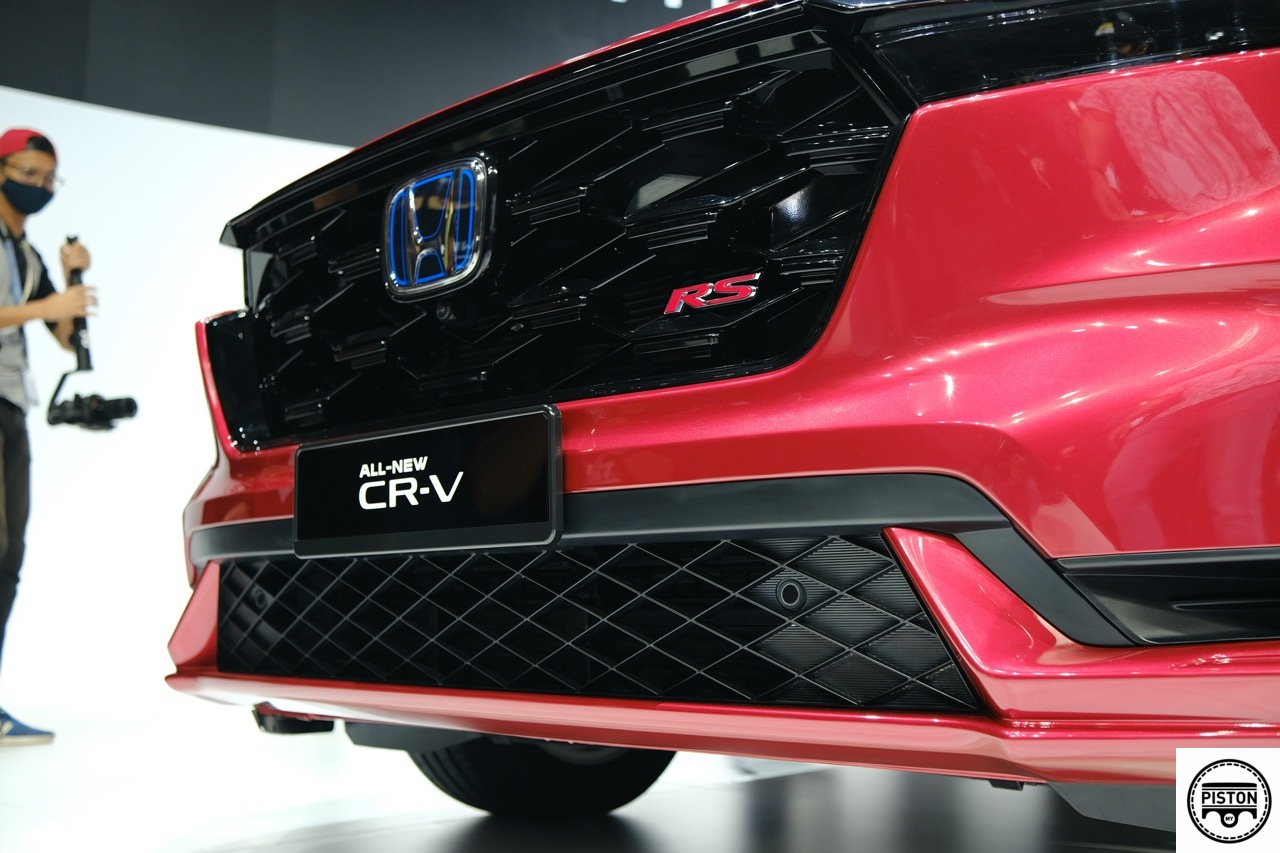
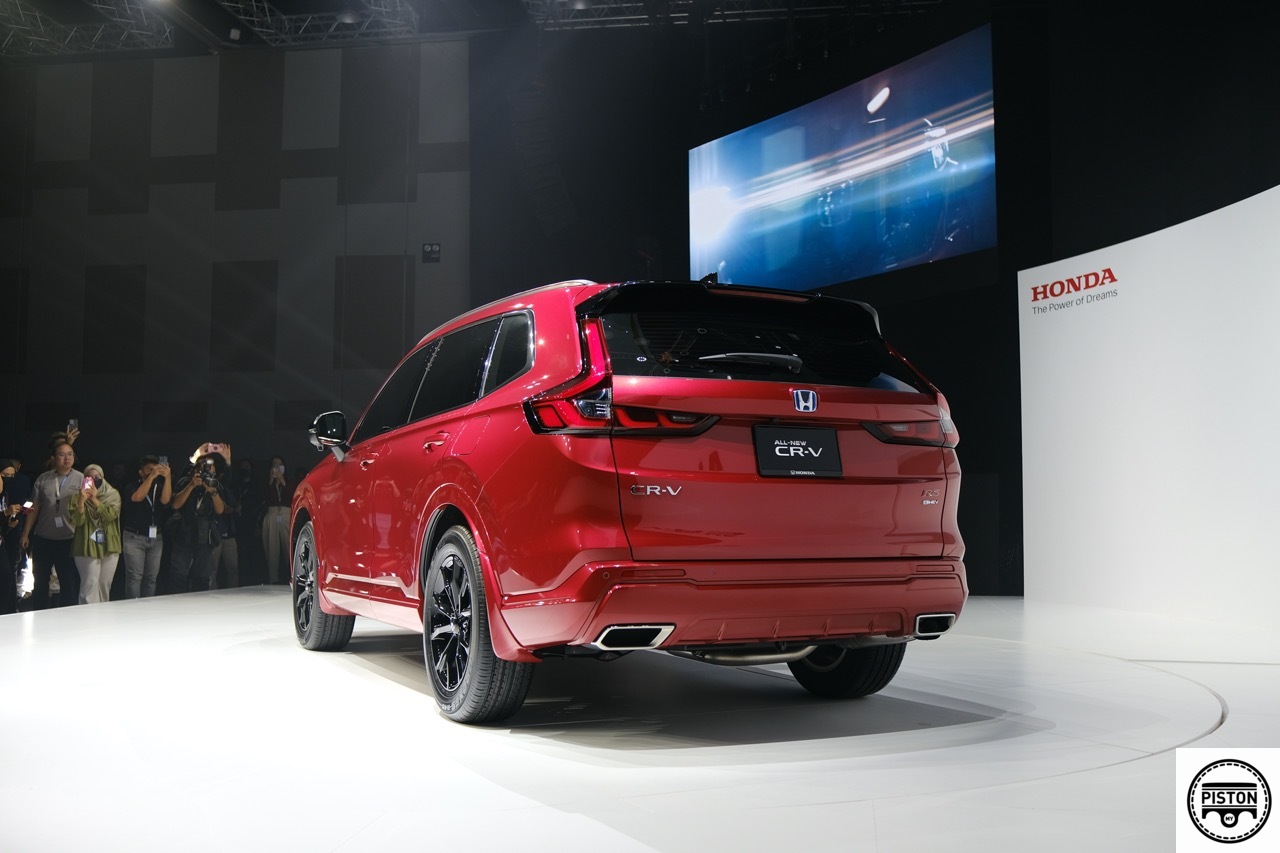
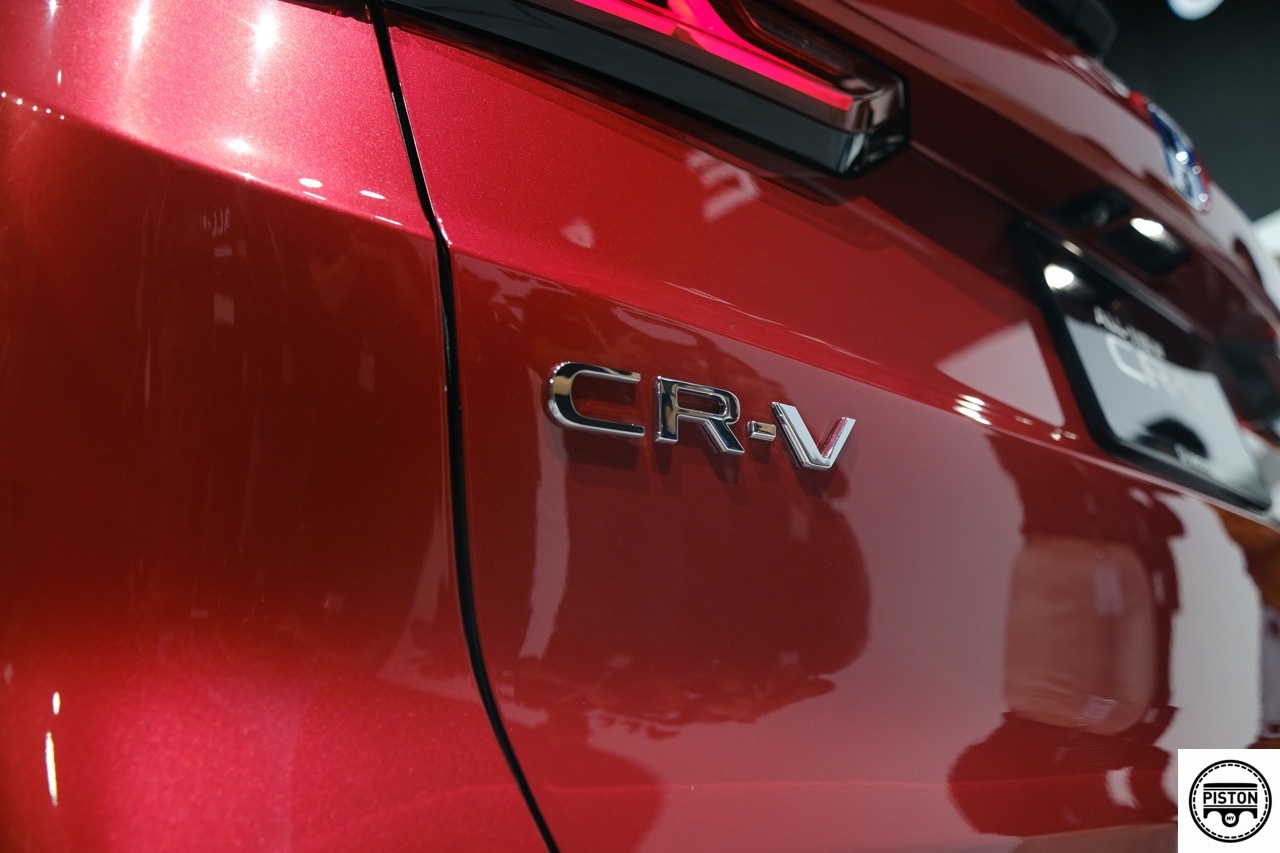
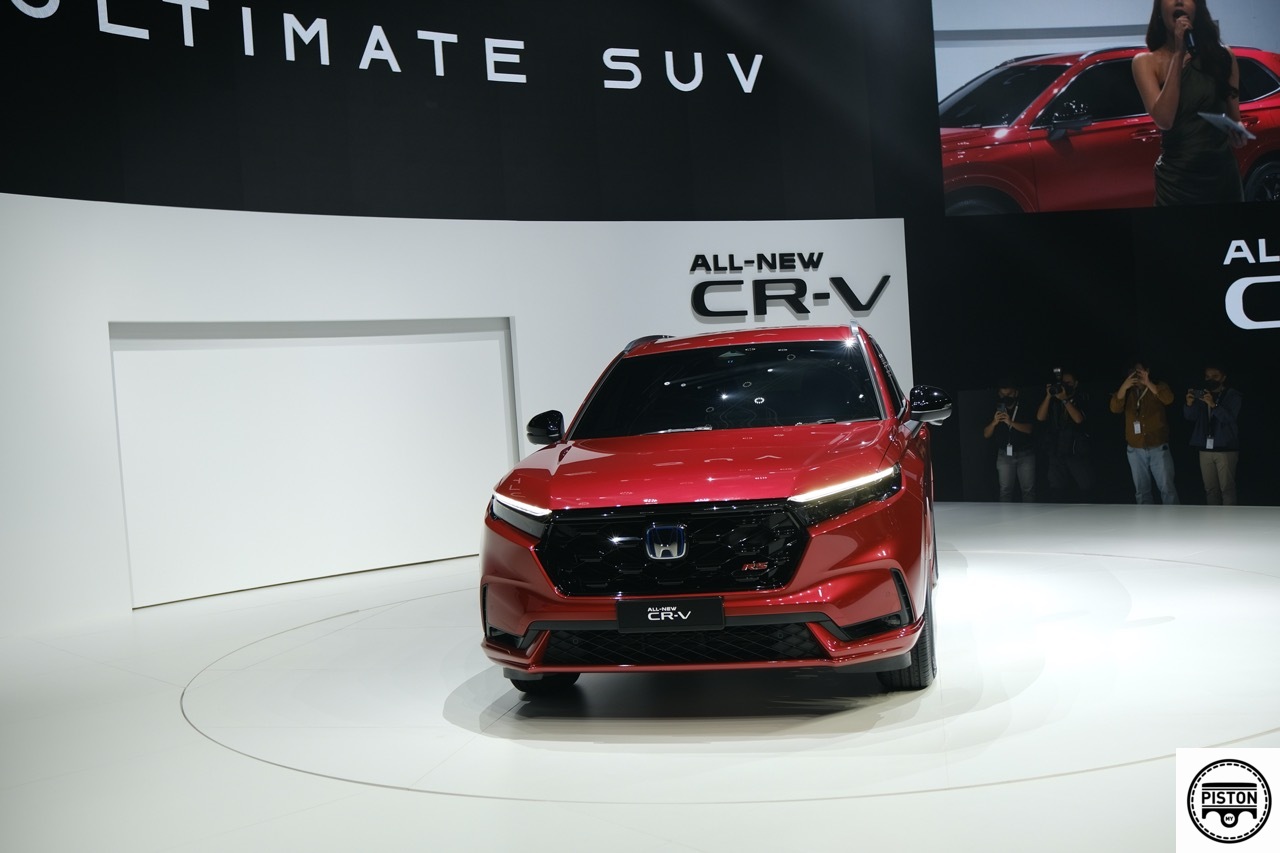
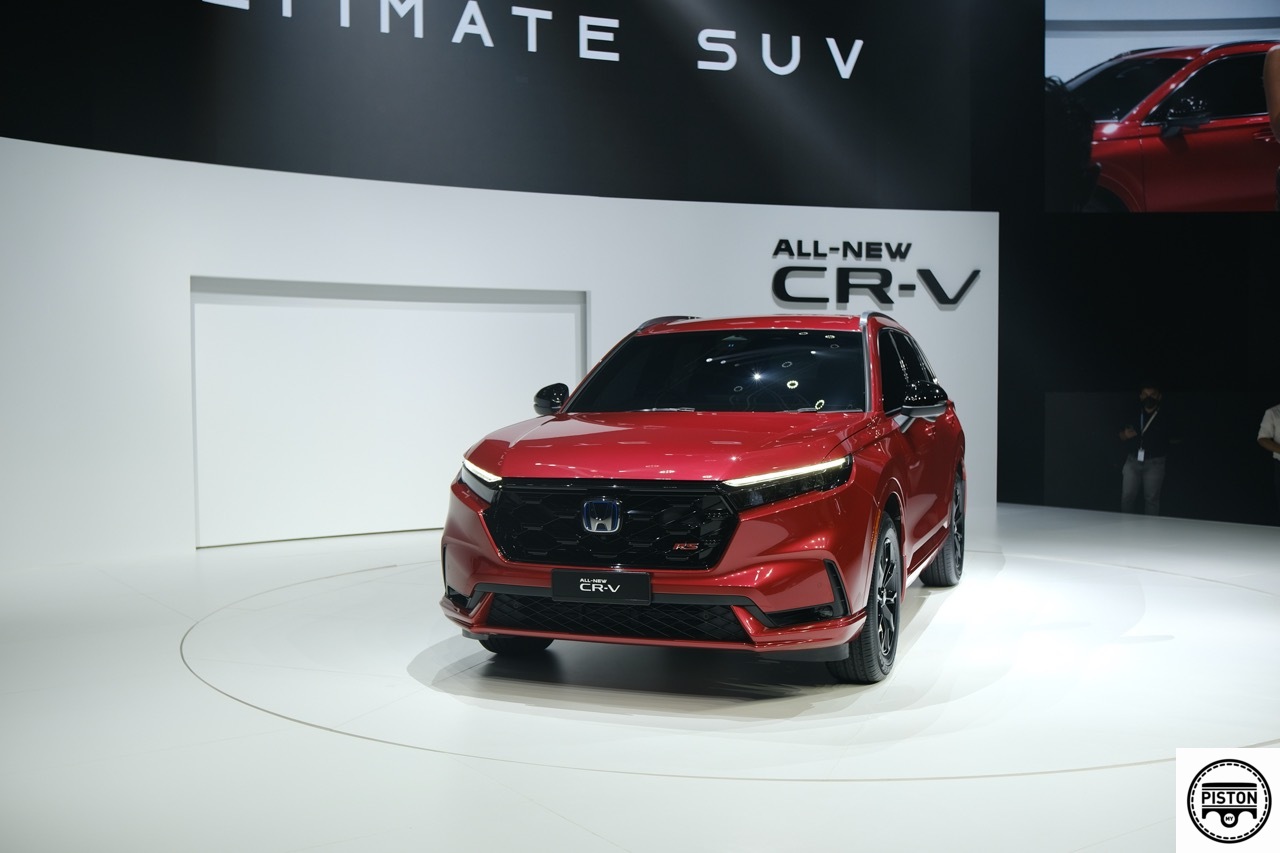
With the all-new Honda CR-V launched in Malaysia, we found another interesting feature besides the body stabilising seats, the active shutter grille.

Since 2017, Honda has incorporated active grille shutters in models like the Odyssey. This system is designed to enhance aerodynamics by utilising vents to regulate airflow through the grille to the cooling system and engine compartment.

The active grille shutters are positioned in front of the radiator and consist of motorised vanes that can move to either allow or block airflow. Controlled by the car’s engine control module, these vanes can be adjusted to various positions, ranging from fully closed to fully open, depending on the cooling air requirements for the condenser and radiator.

When airflow is necessary to cool the engine, the vents open, and when no airflow is needed, they shut. This dynamic adjustment significantly reduces aerodynamic drag, providing benefits in terms of fuel efficiency and emissions reduction. When fully closed, the active grille shutters can contribute to a 2% reduction in CO2 emissions.

Additionally, the system keeps the vanes closed for as long as possible during cold starts, helping the engine reach its most efficient operating temperature quickly and contributing an extra 0.3% to fuel efficiency.

Honda Malaysia has just officially launched the all-new Honda CR-V. We test-drove the new CR-V in Thailand last month and we loved it!

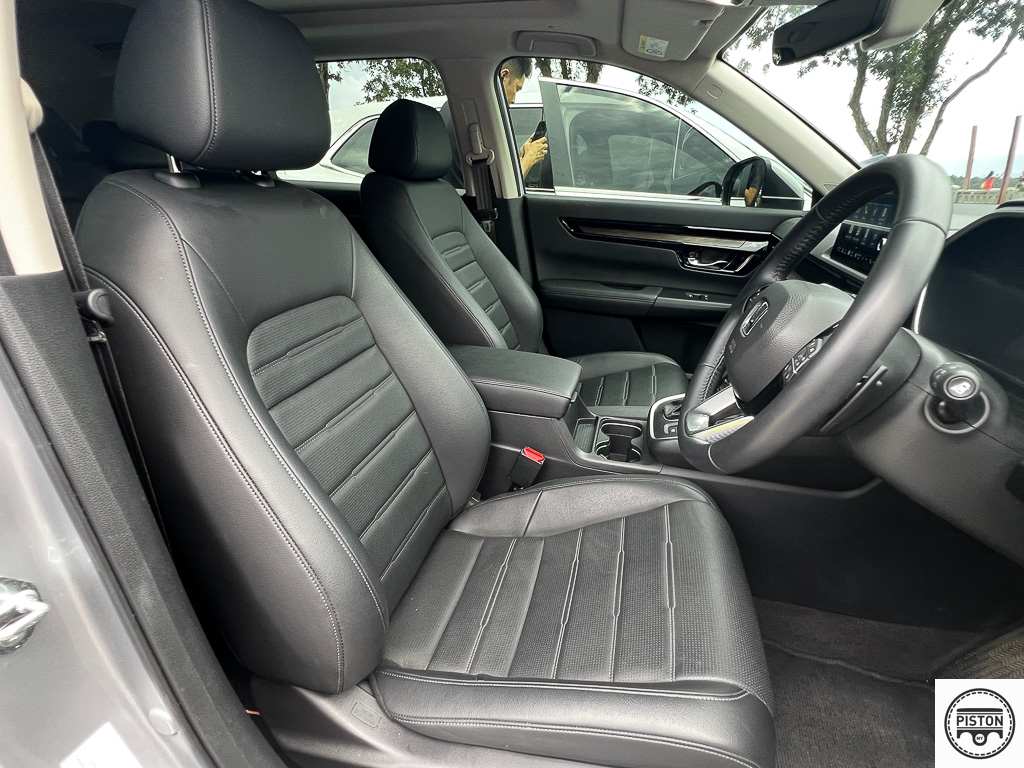
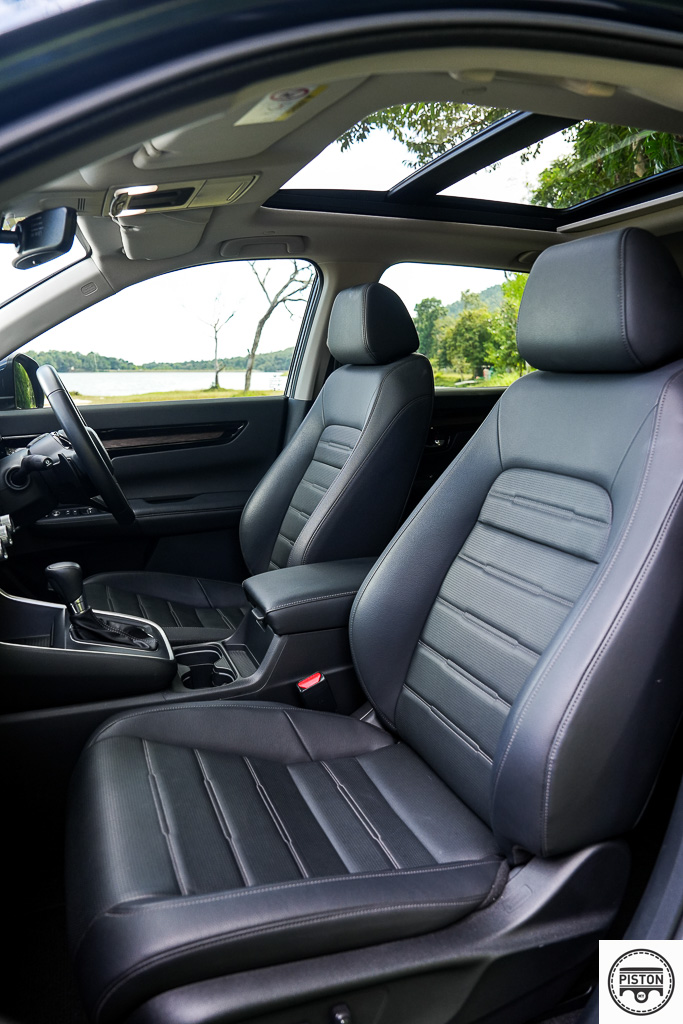
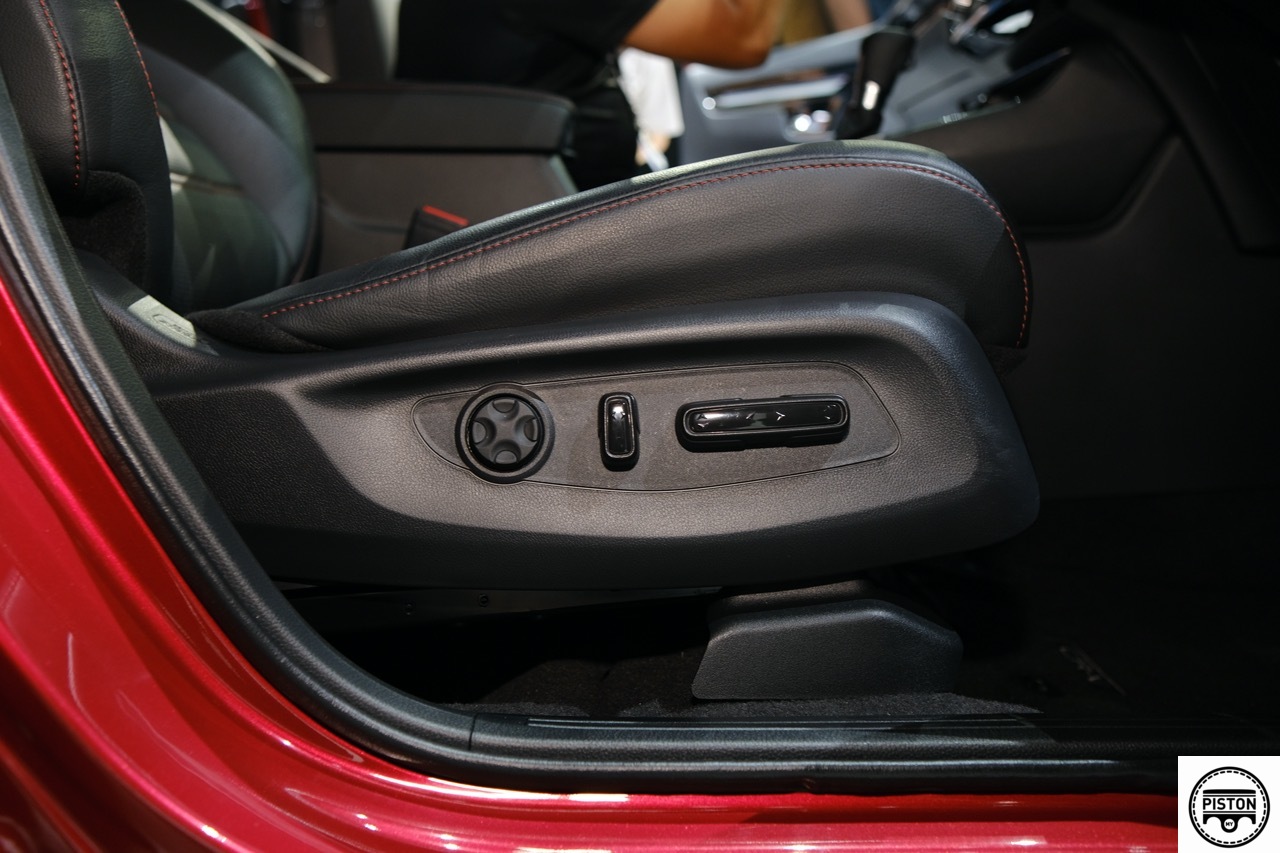
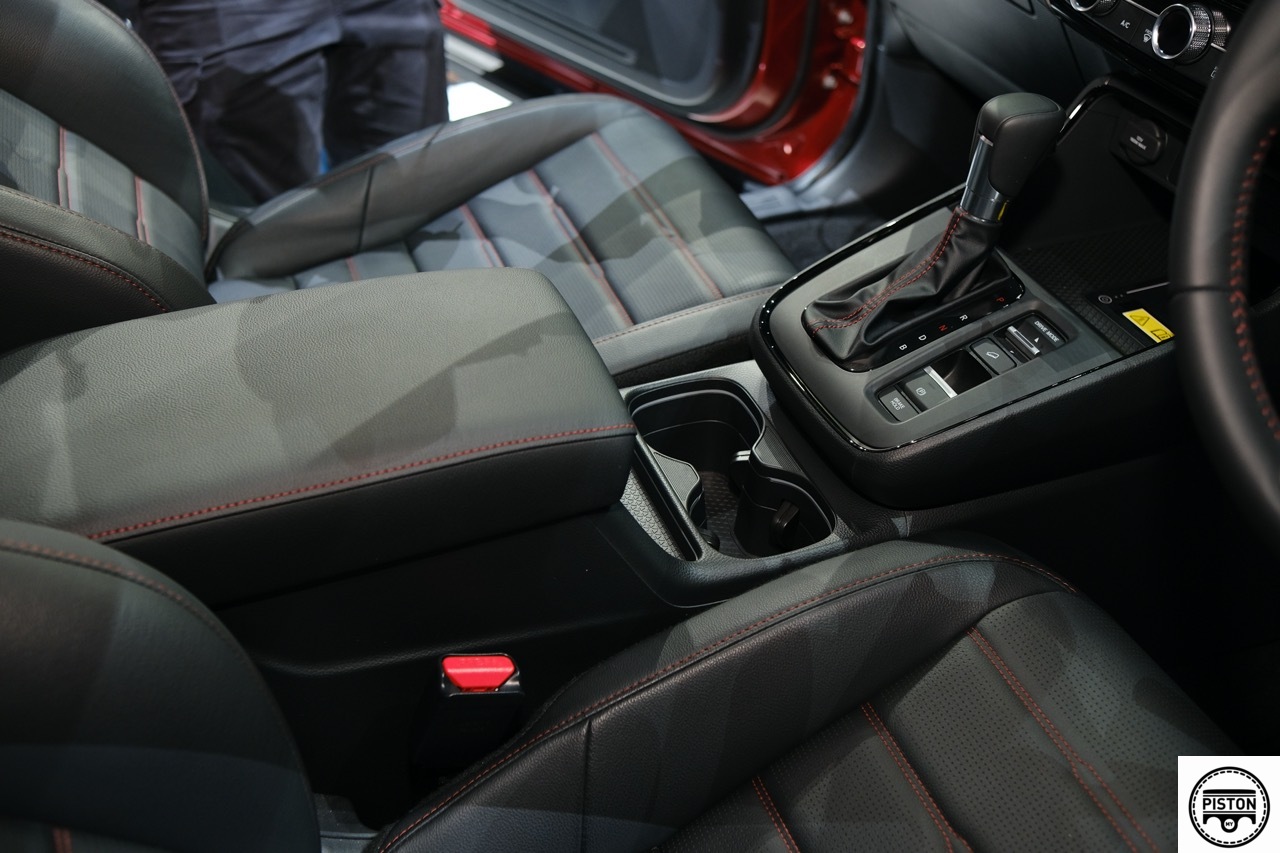
The interior is spacious and provides excellent comfort. To enhance the comfort level, it comes with Honda’s body stabilising seats. This is the first CR-V to use Honda’s body stabilising seat for front passengers.

The enhanced structure in the back of the seat increases lumbar and pelvic support to create a body-stabilising effect. This helps to prevent fatigue, particularly in the hip and waist area of occupants on longer journeys.

Additionally, the new structure makes it easier to maintain a comfortable and stable driving posture, even when cornering and on uneven road surfaces.

The next-generation body stabilising seat, which Honda developed to use for its high-end sedan models, was first available on the fourth-generation Jazz that was unveiled at the Tokyo Motor Show back in 2019.

Bookings for the new Honda CR-V (Comfortable Runabout Vehicle) were open to Malaysians a month ago and now, Honda Malaysia has officially launched the CR-V here. The CR-V, a model with a 20-year history, holds the distinction of being the first Completely Knocked-Down (CKD) model produced at Honda Malaysia’s Melaka manufacturing plant in 2003. It has been one of Honda Malaysia’s most successful models with close to 130,000 units sold.
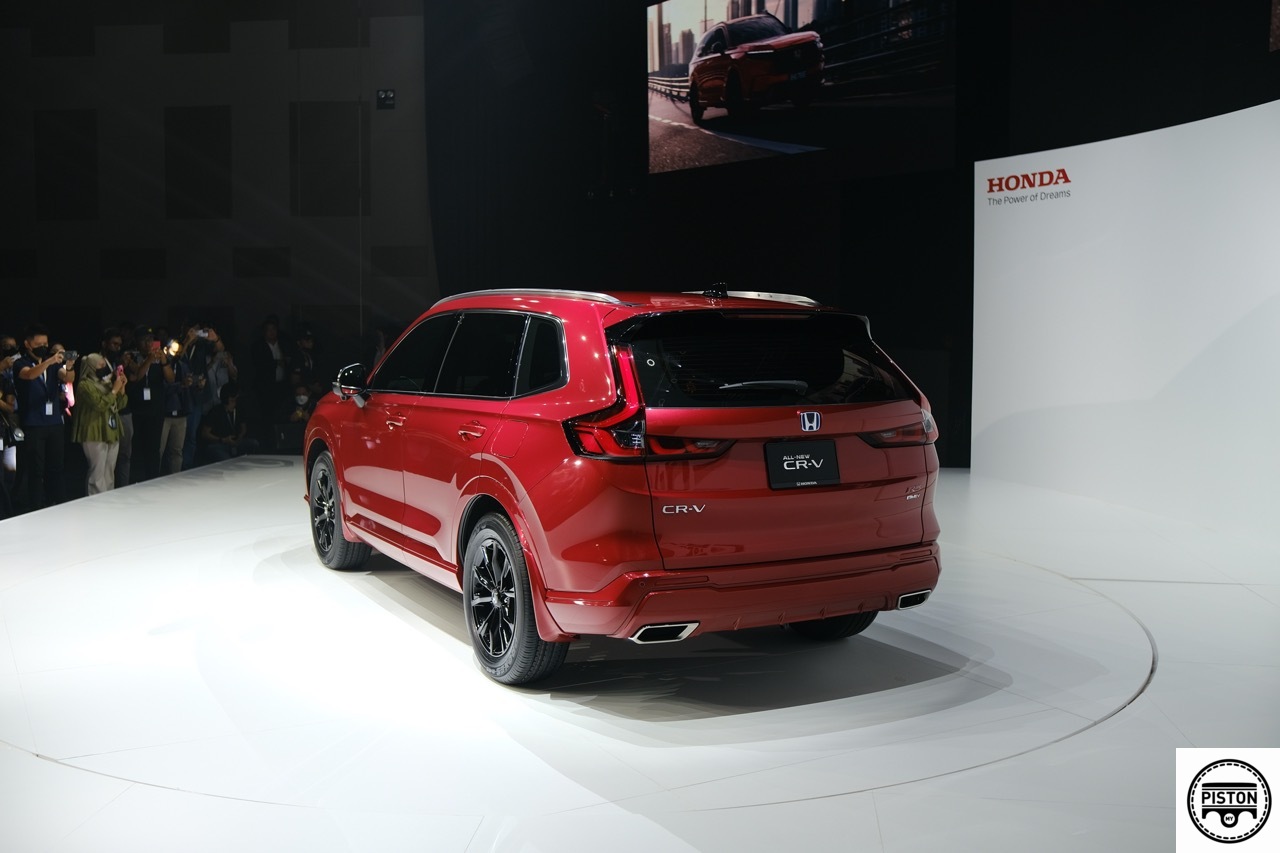
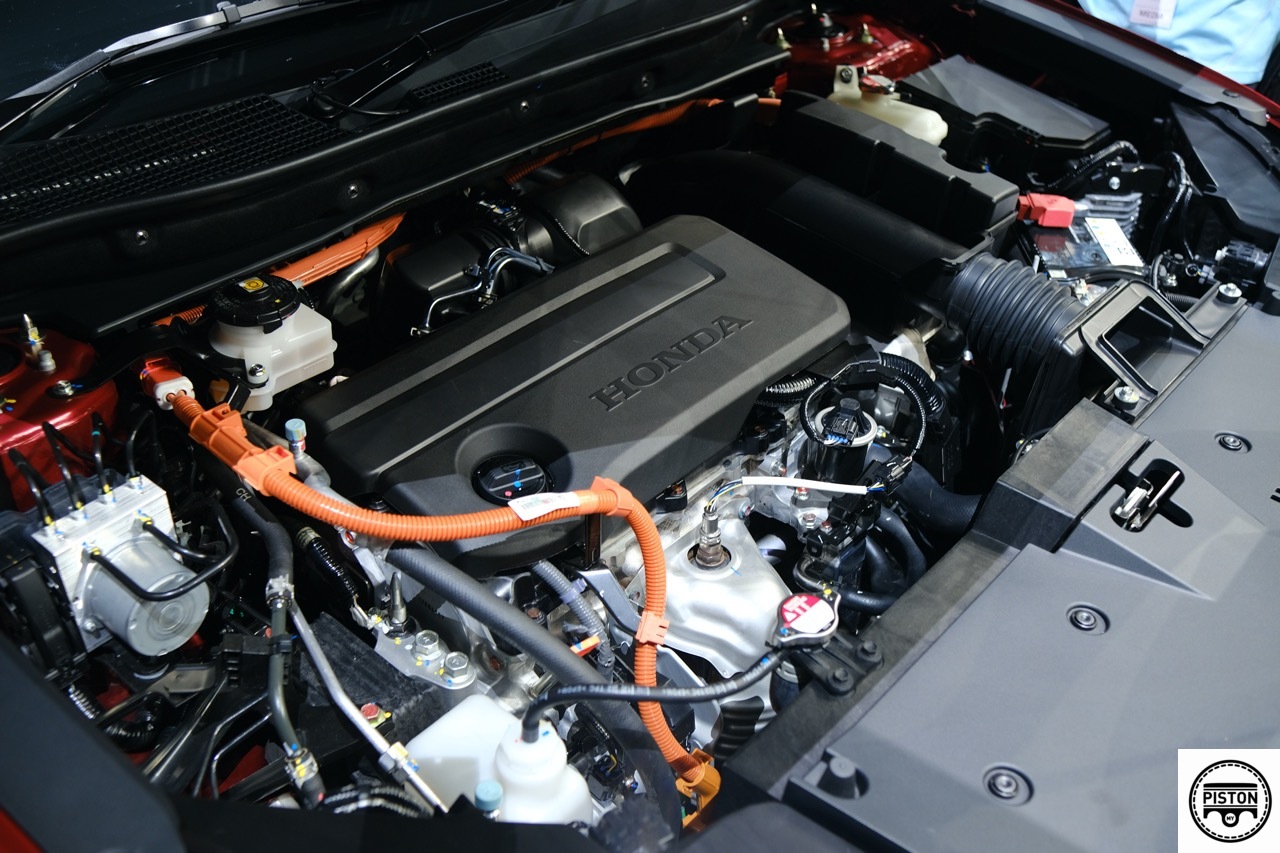
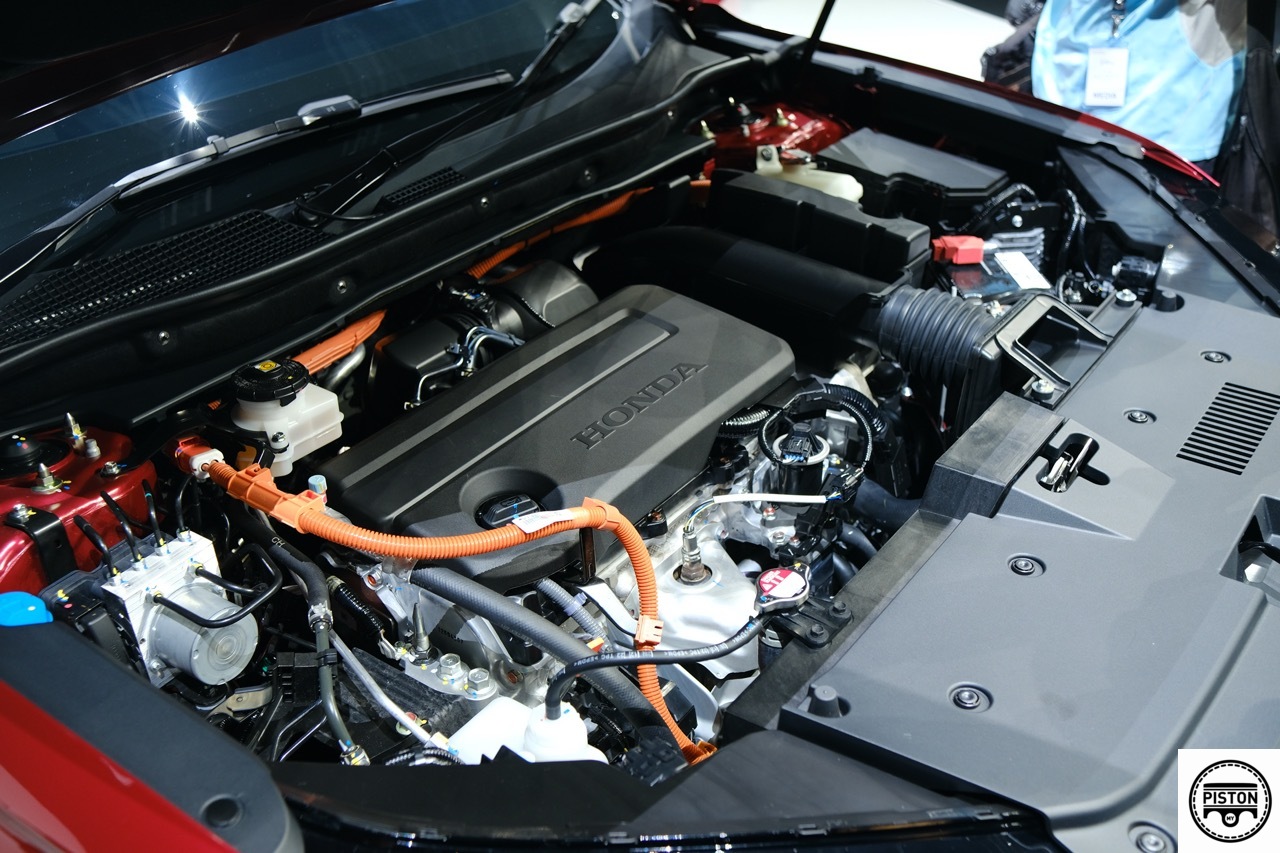
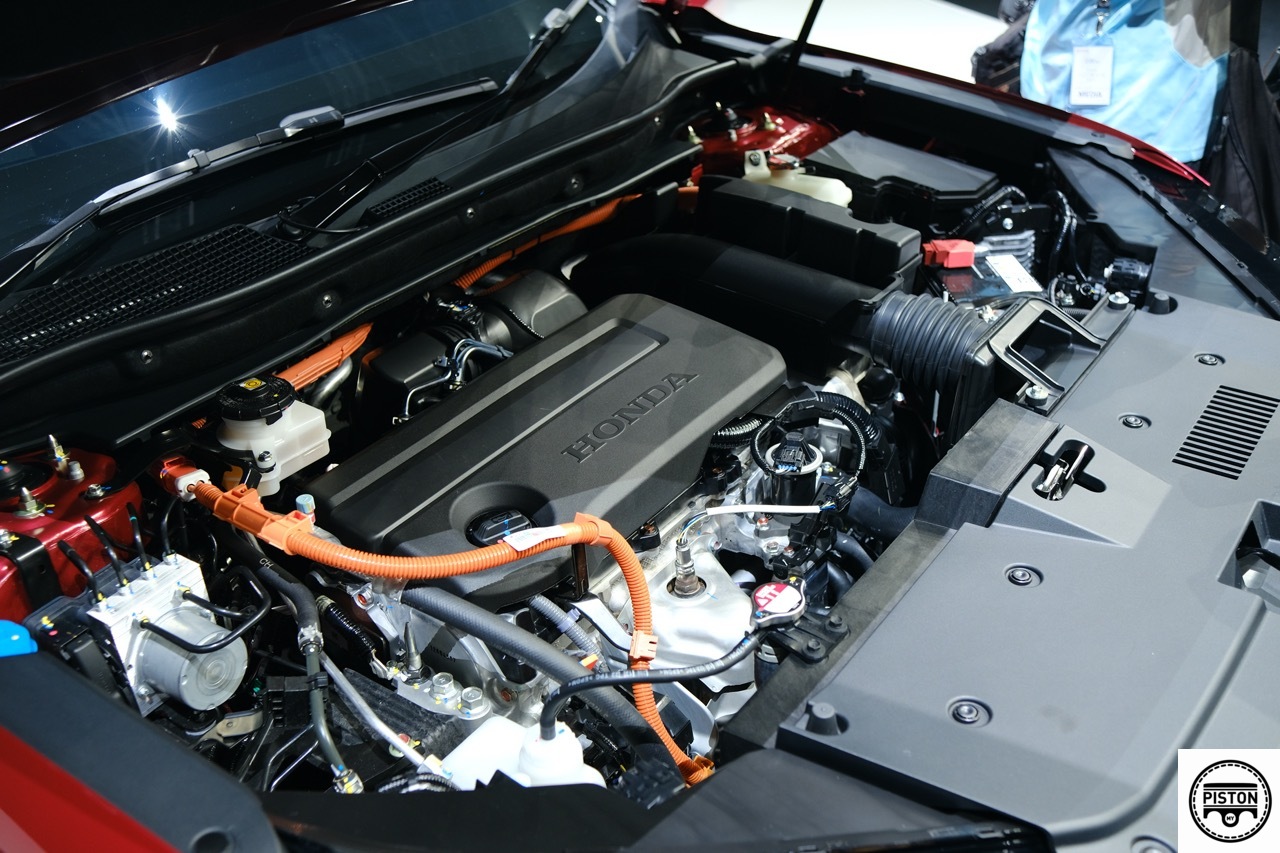
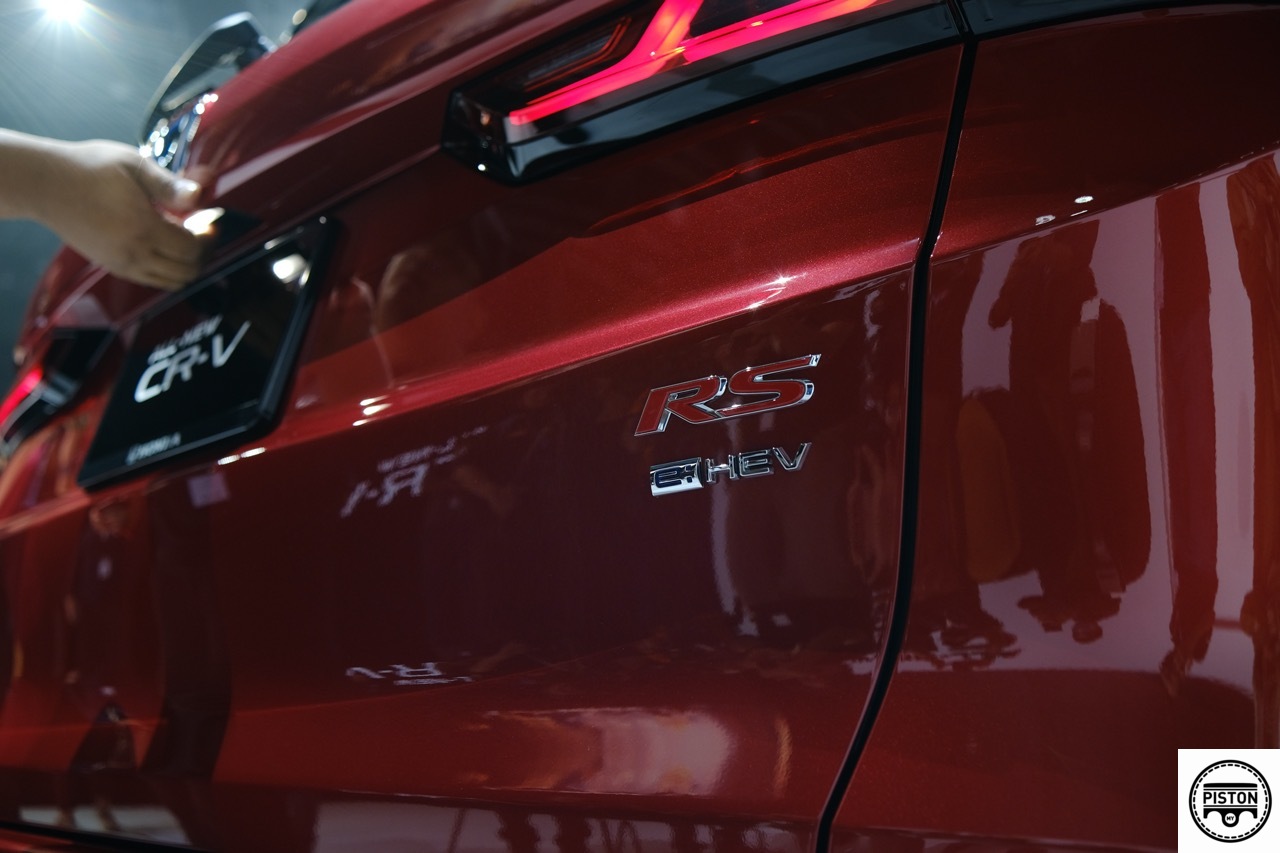
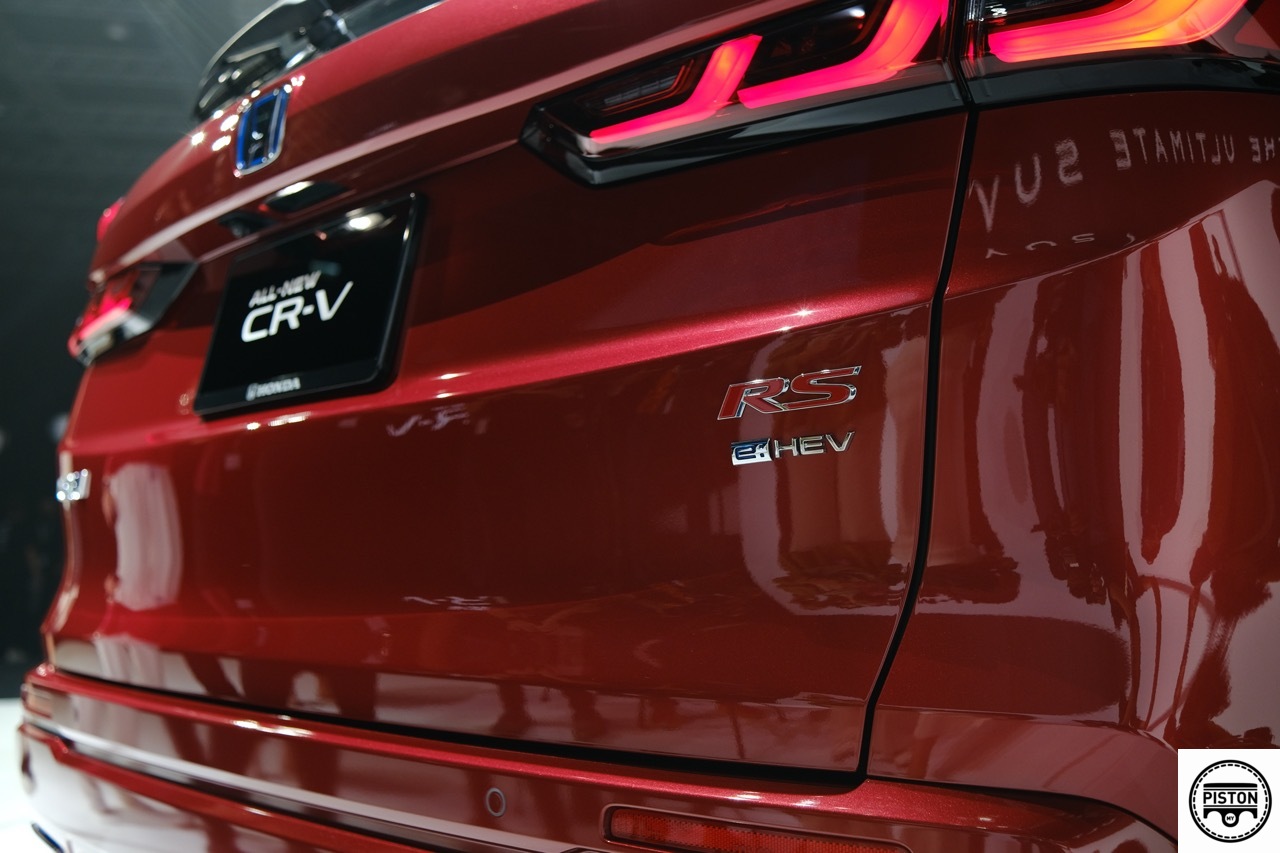
What’s new for the sixth-generation CR-V? First, there are four trim levels to choose from, which are the 1.5L S and 1.5L E, both of which are 2WD models. At the top of the turbo range is an AWD variant, and the 1.5L AWD now has a V-grade identification. The well-known 1.5L VTEC Turbo from the previous generation is present in all three, along with the similarly well-known CVT gearbox and, lastly, sitting at the top is the brand-new 2.0L e:HEV RS, which is a powertrain we first saw in the new Honda Civic.
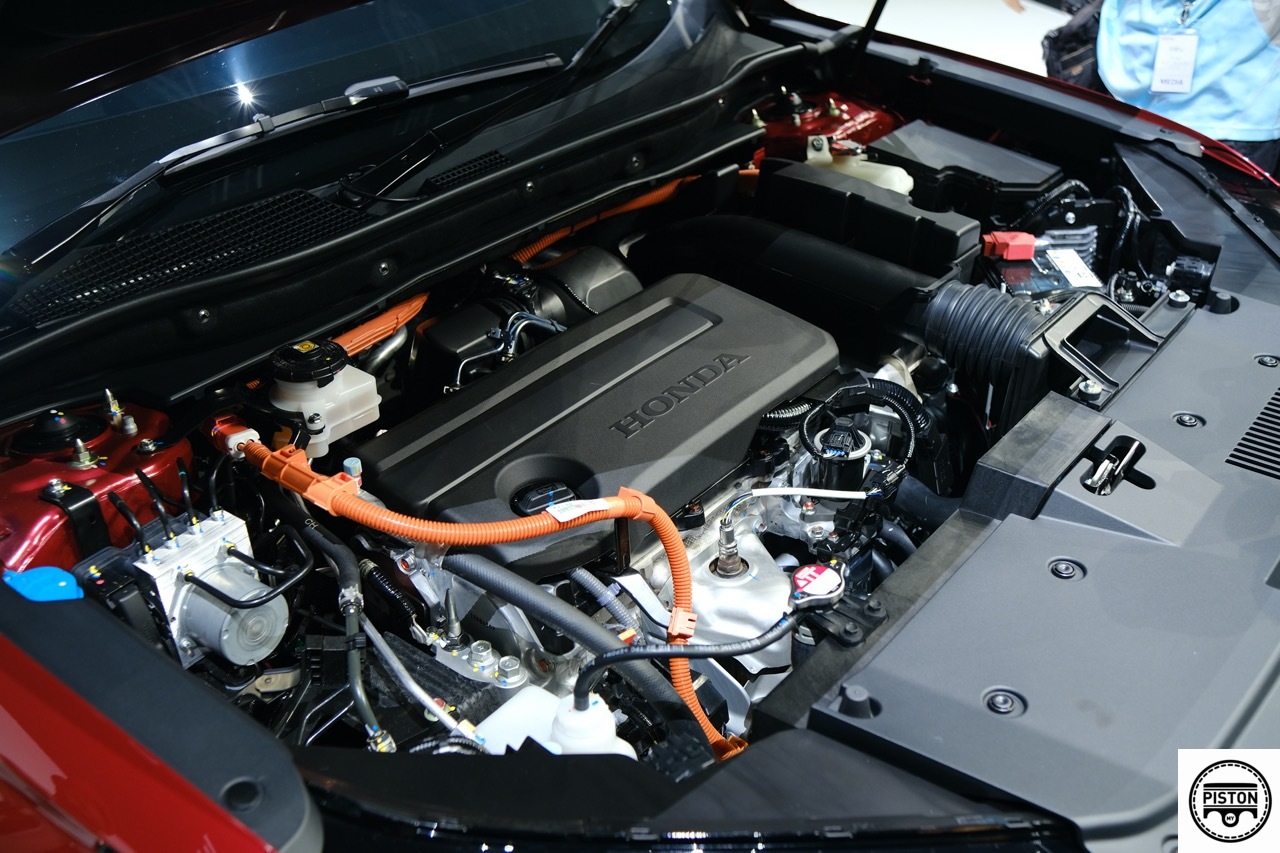
The 2.0L e:HEV powertrain puts out 184PS and 335Nm of torque while the 1.5L turbo puts out 193PS and 243Nm of torque.
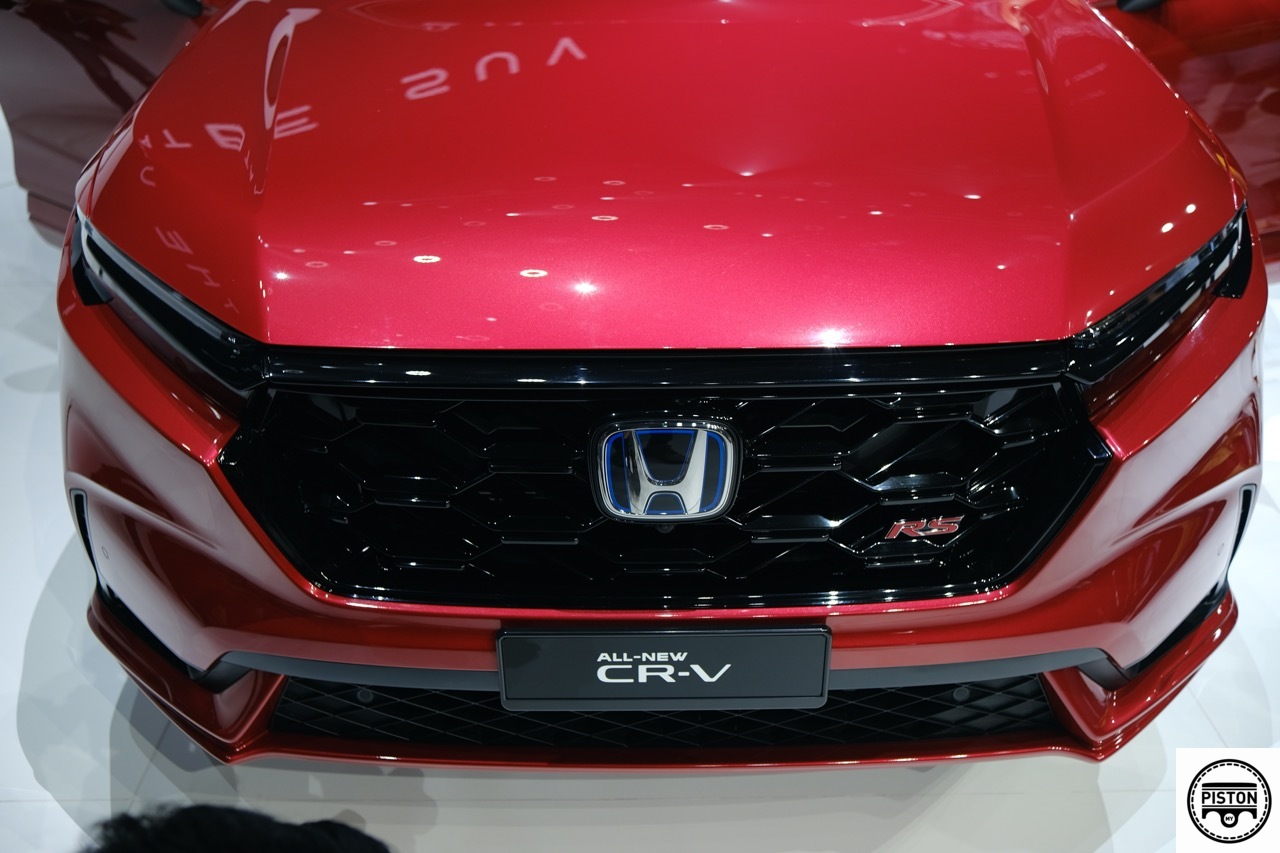
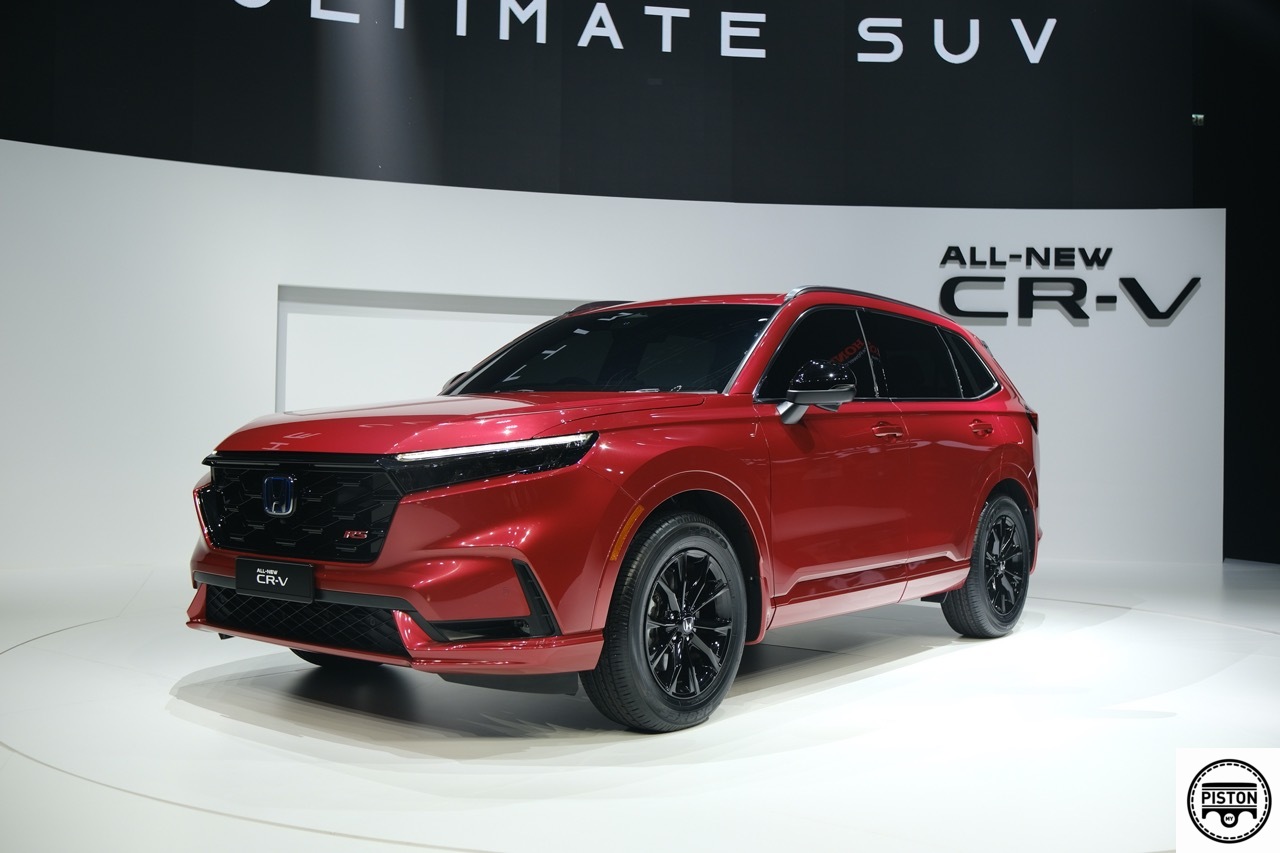
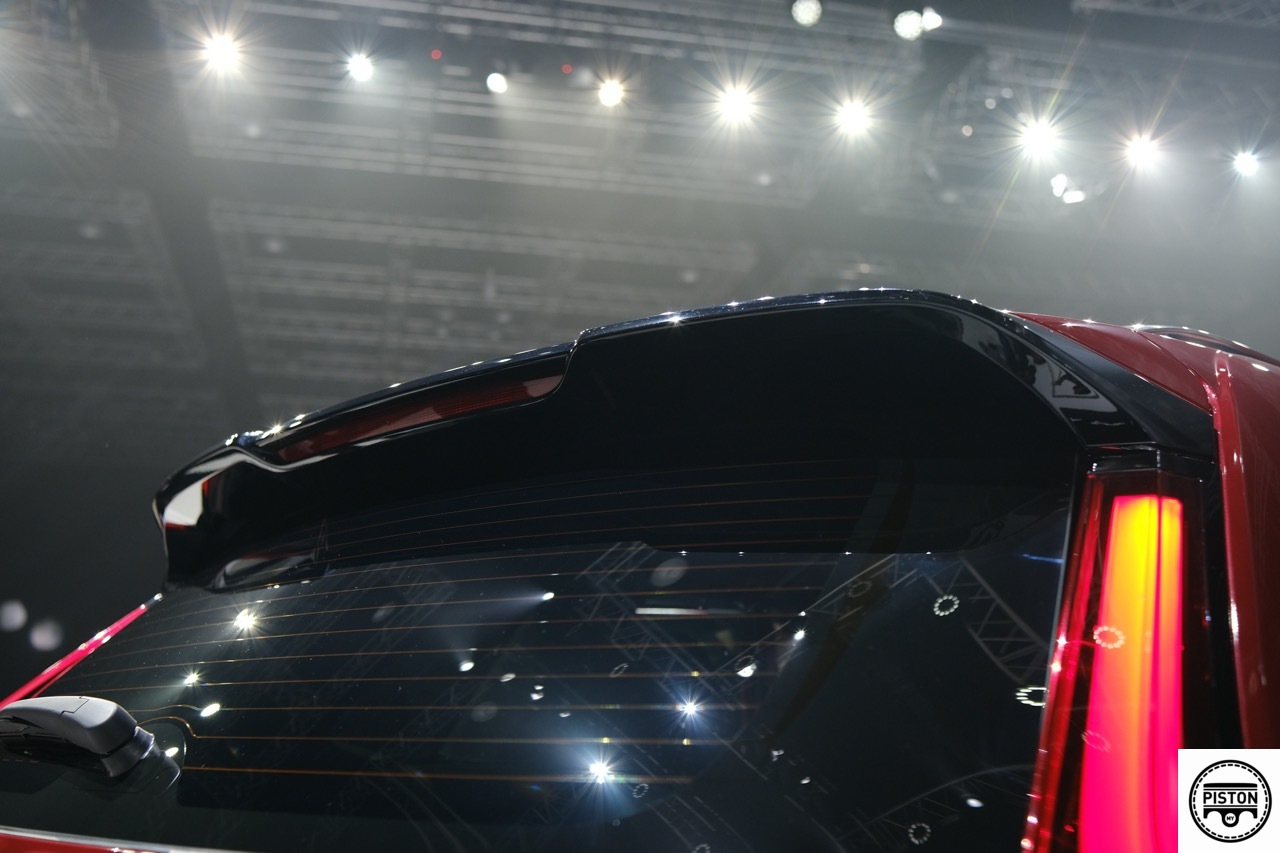
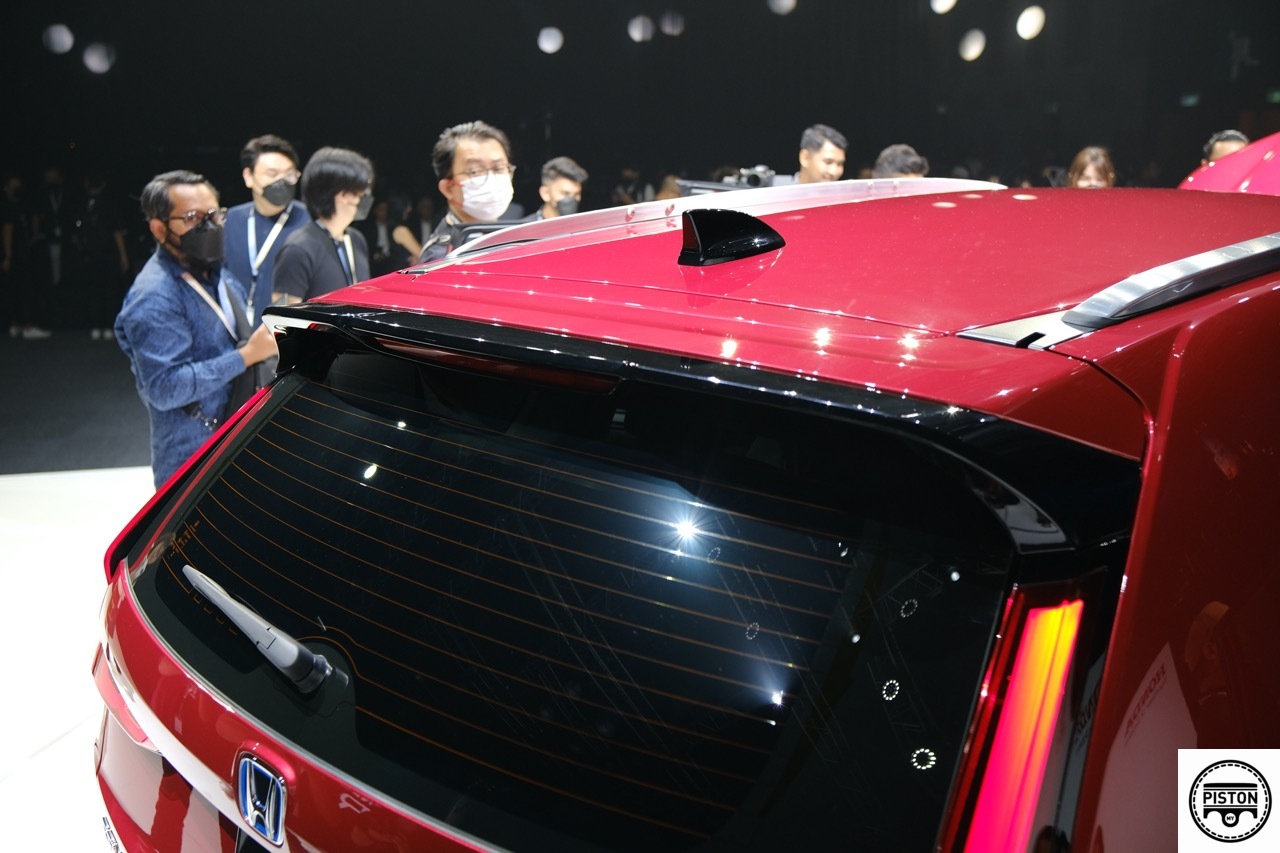
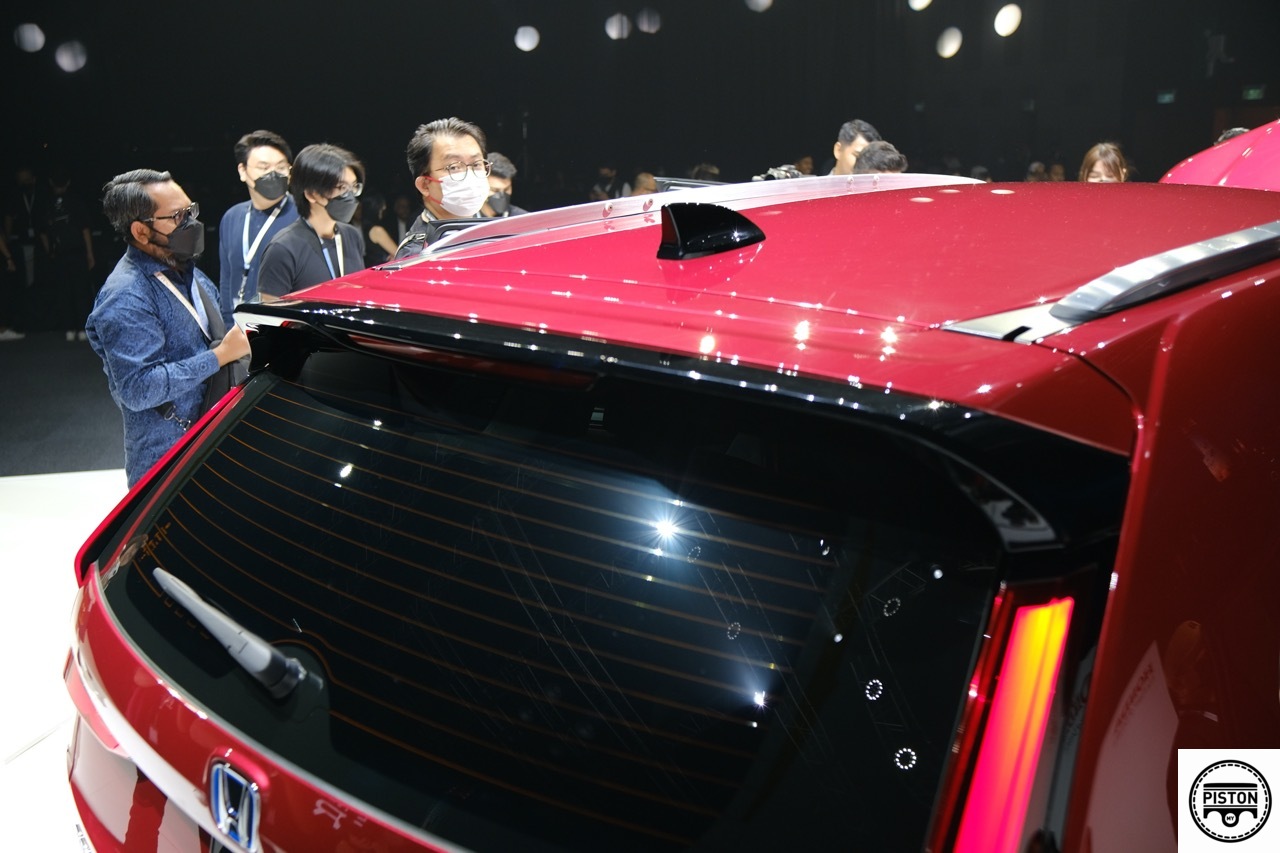
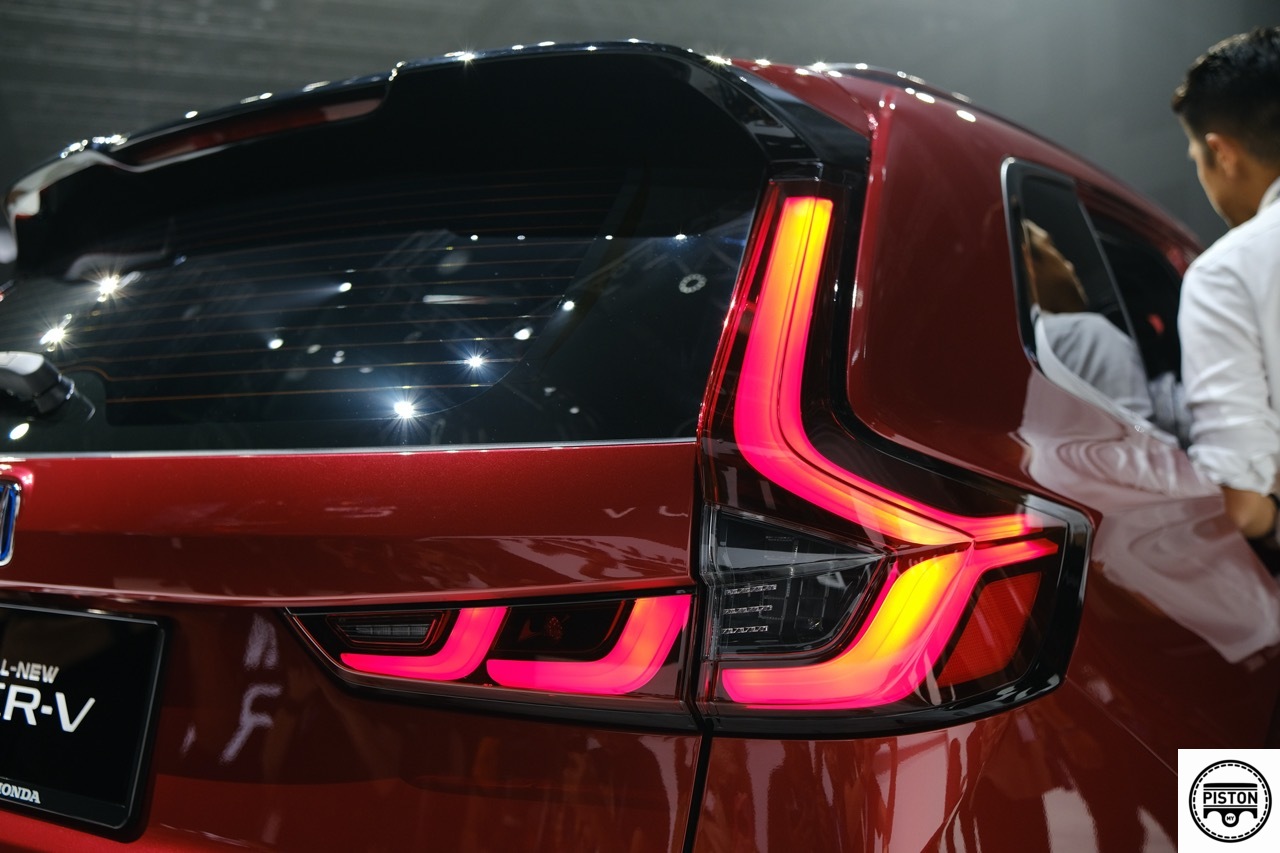
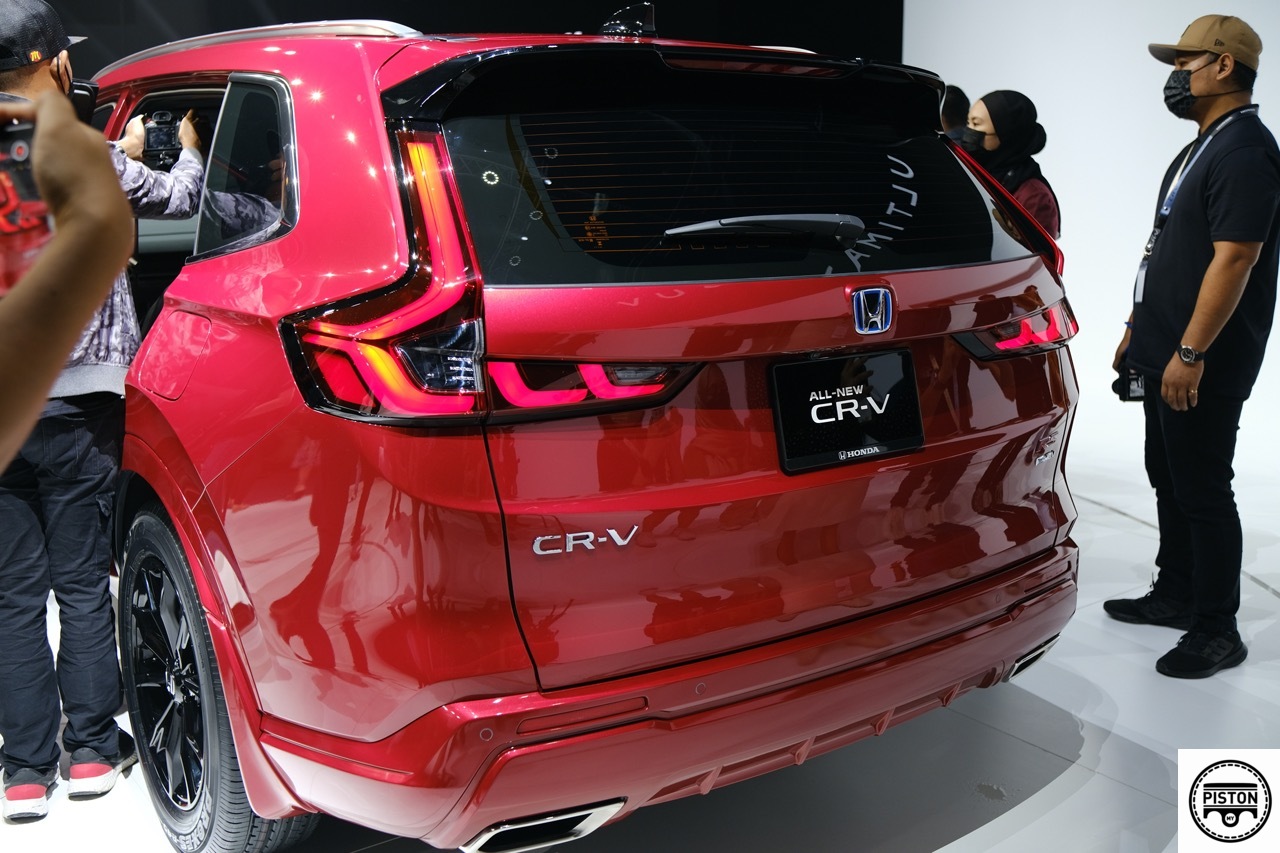
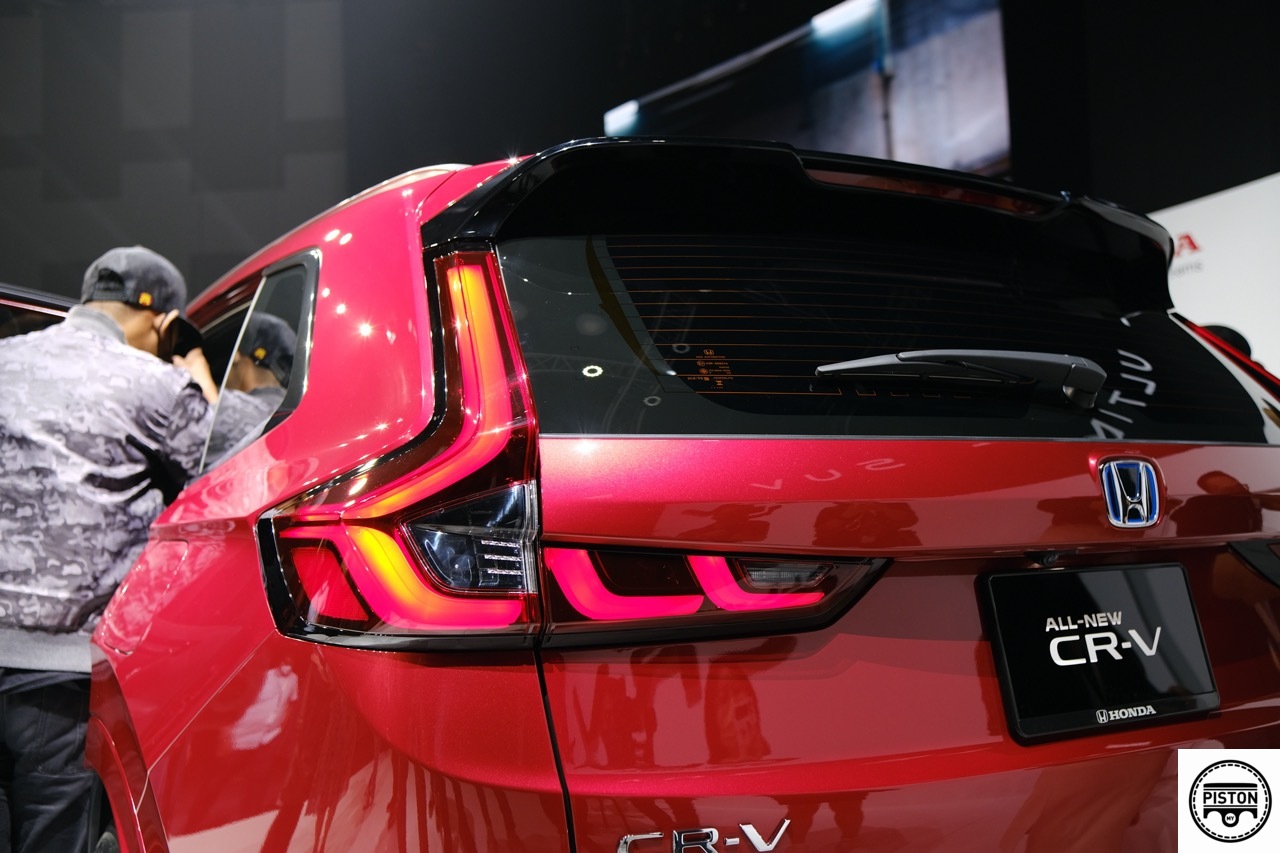
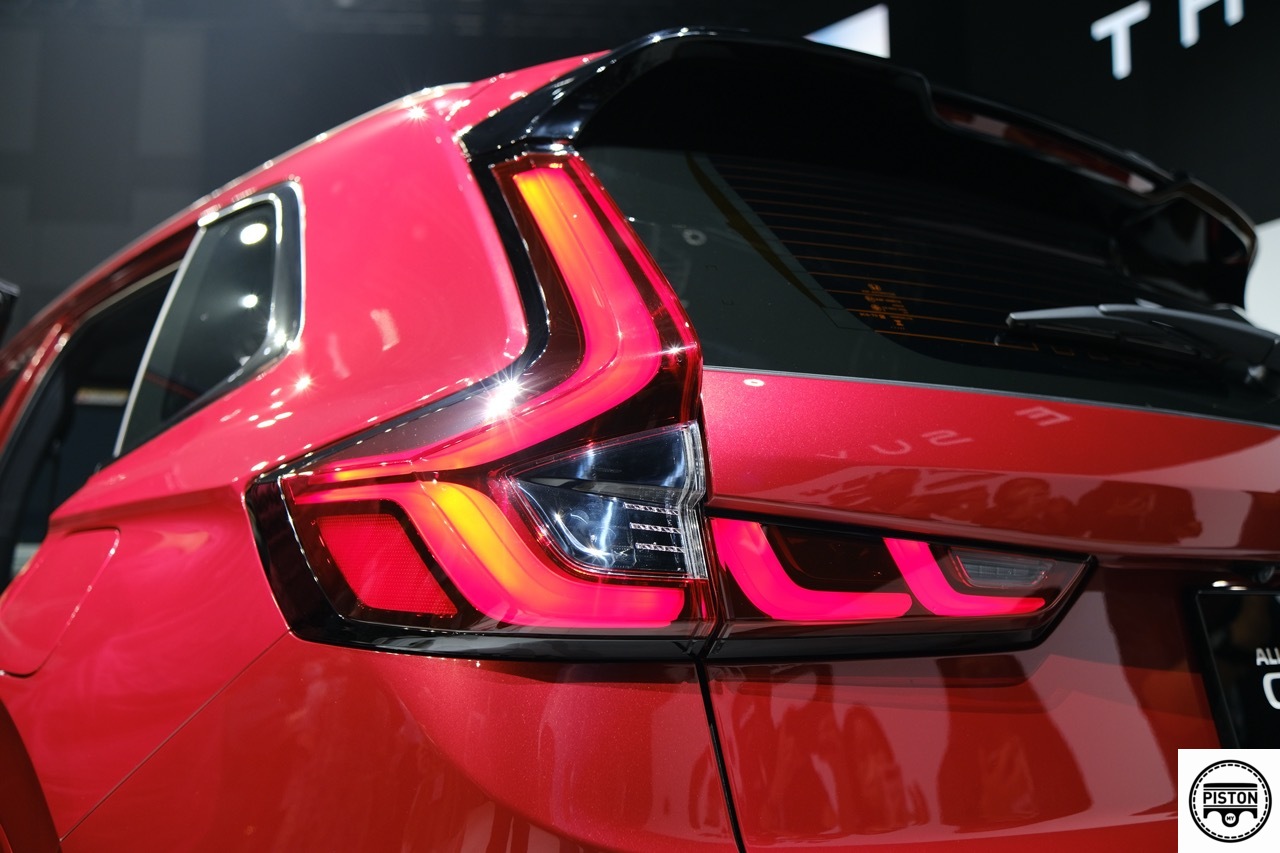
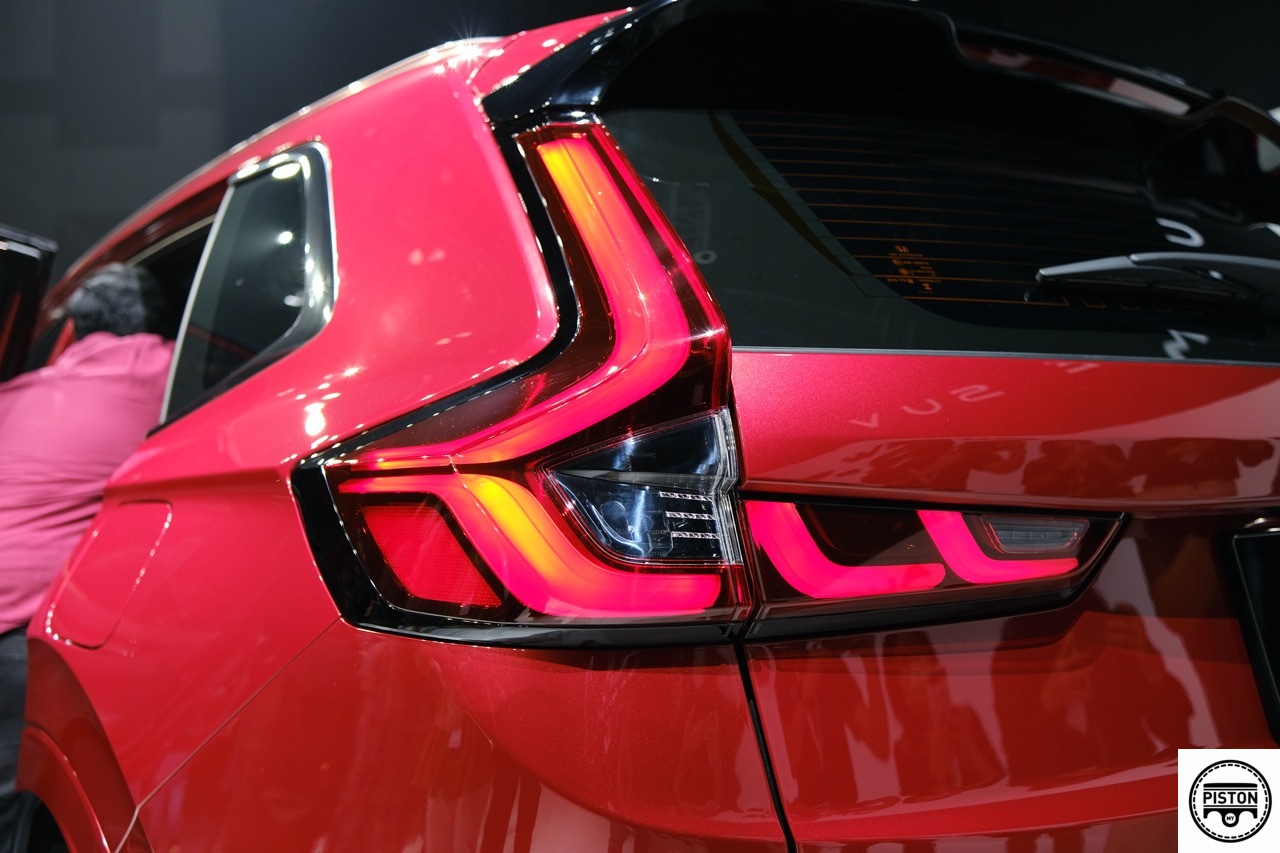
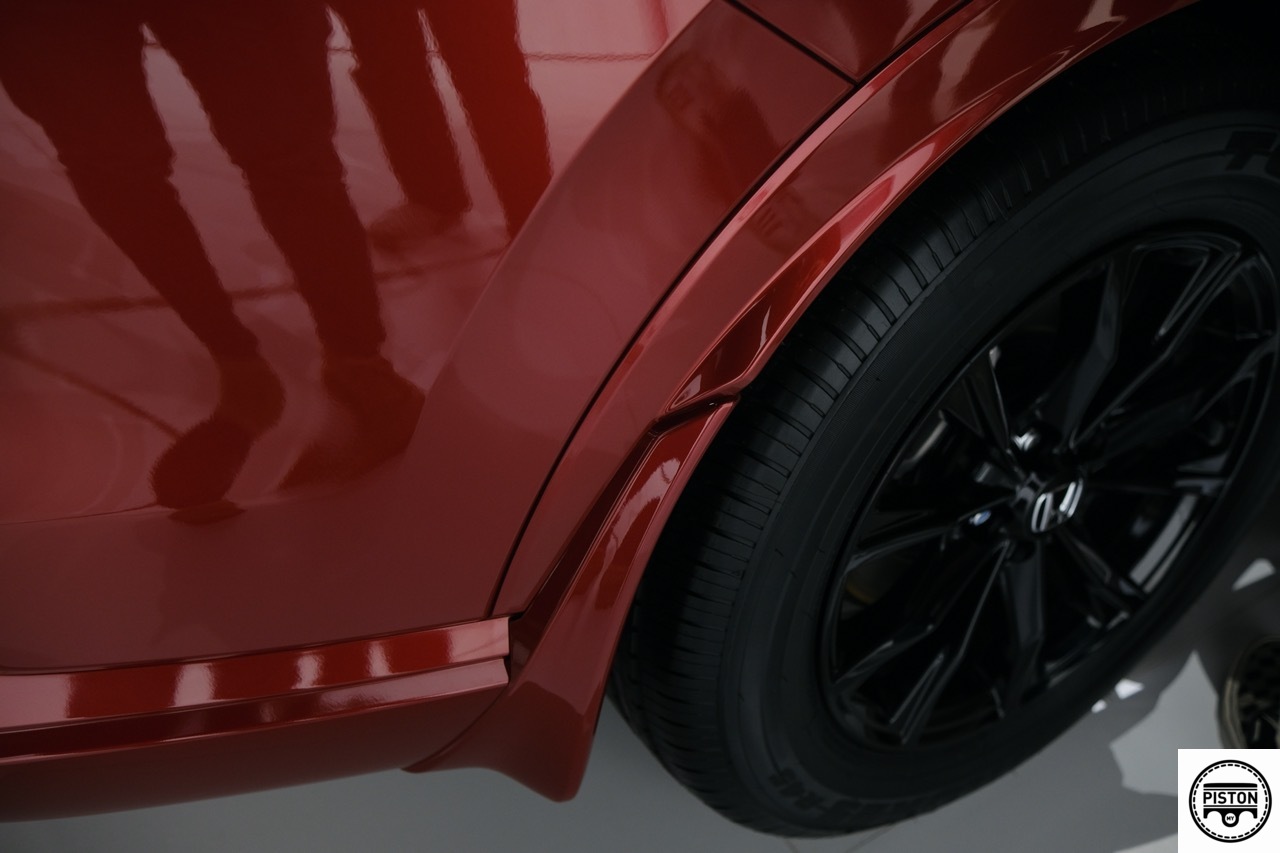
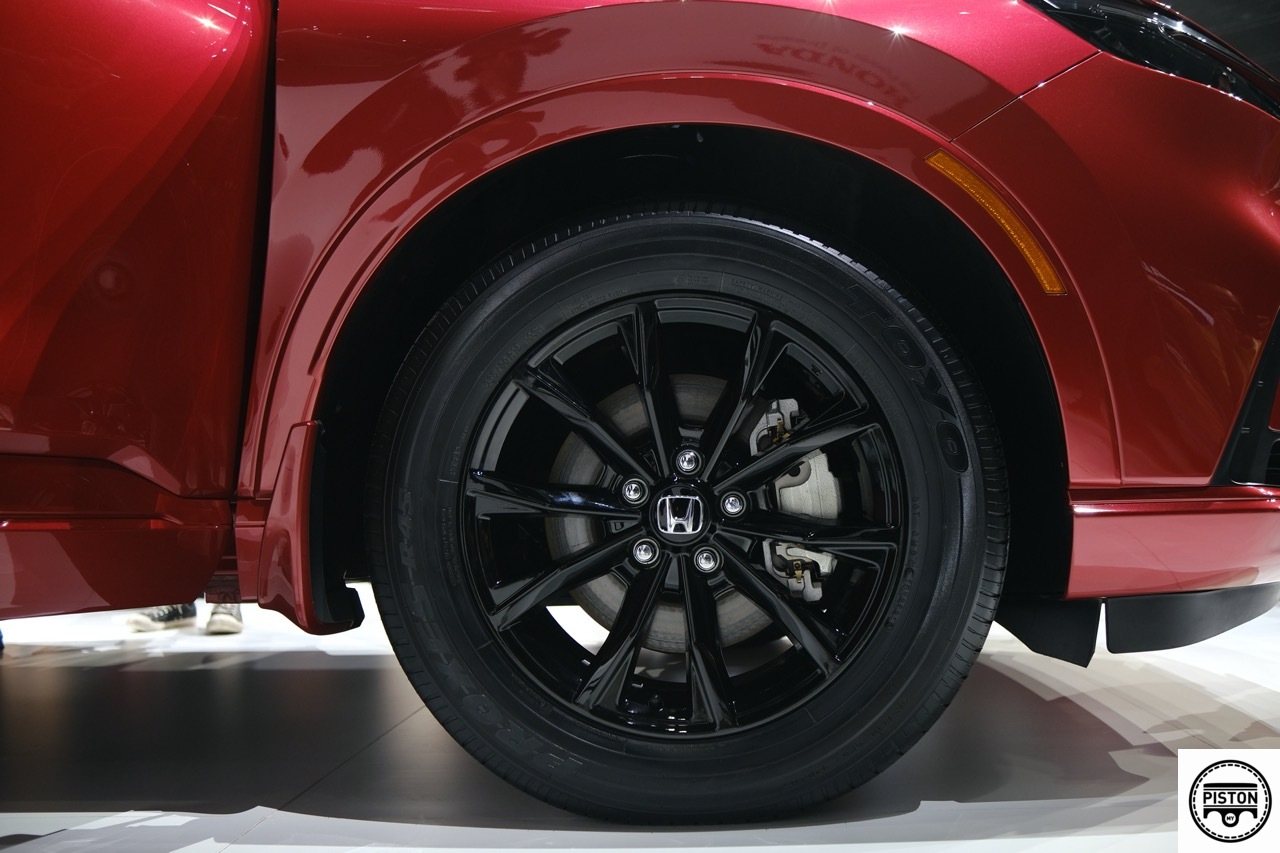
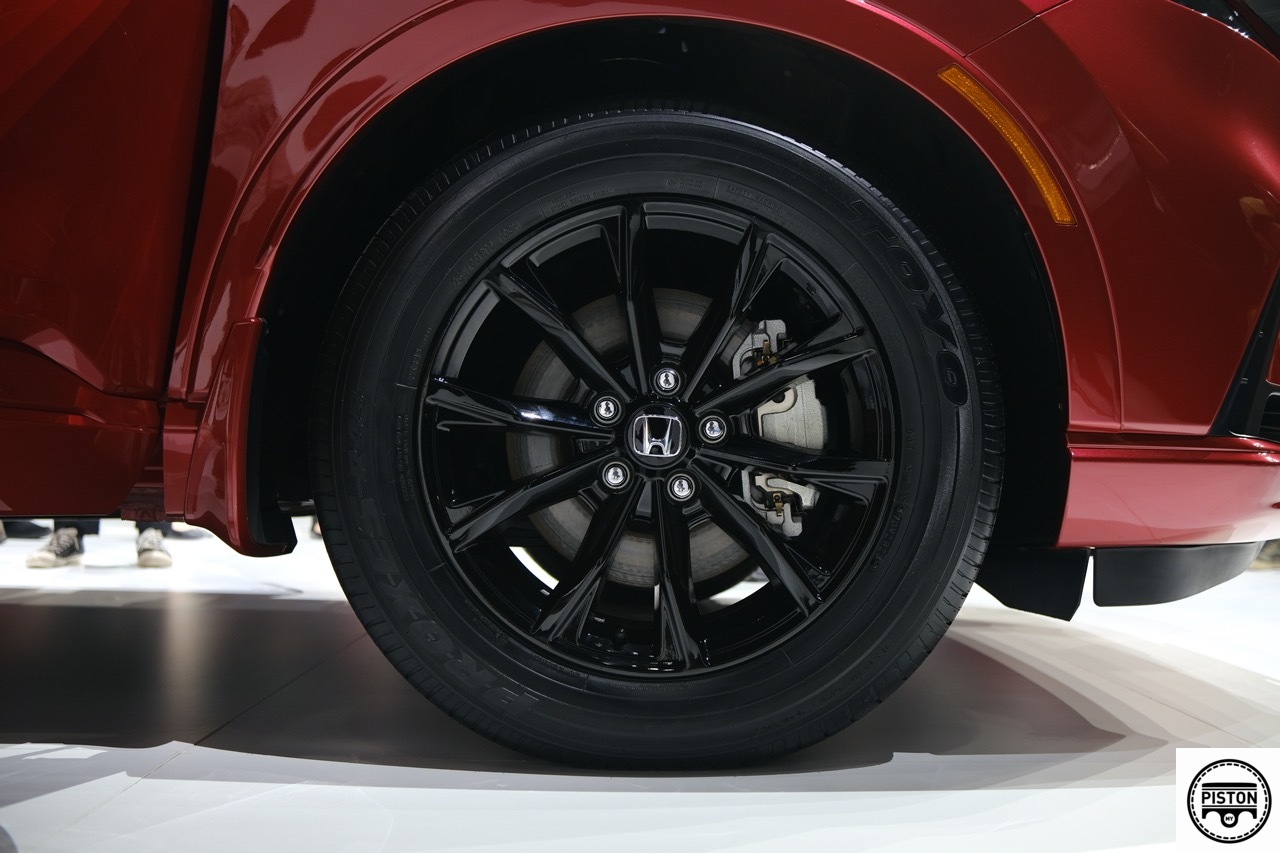
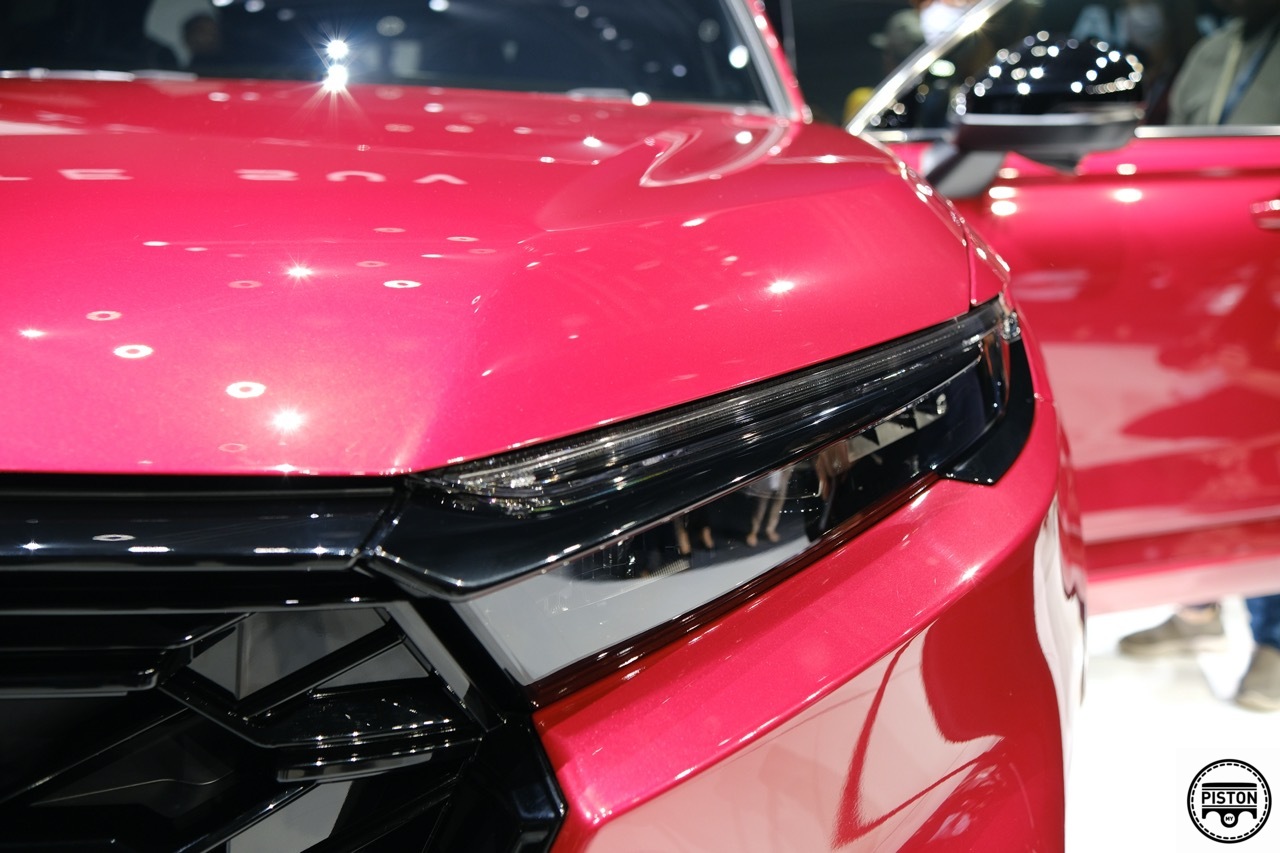
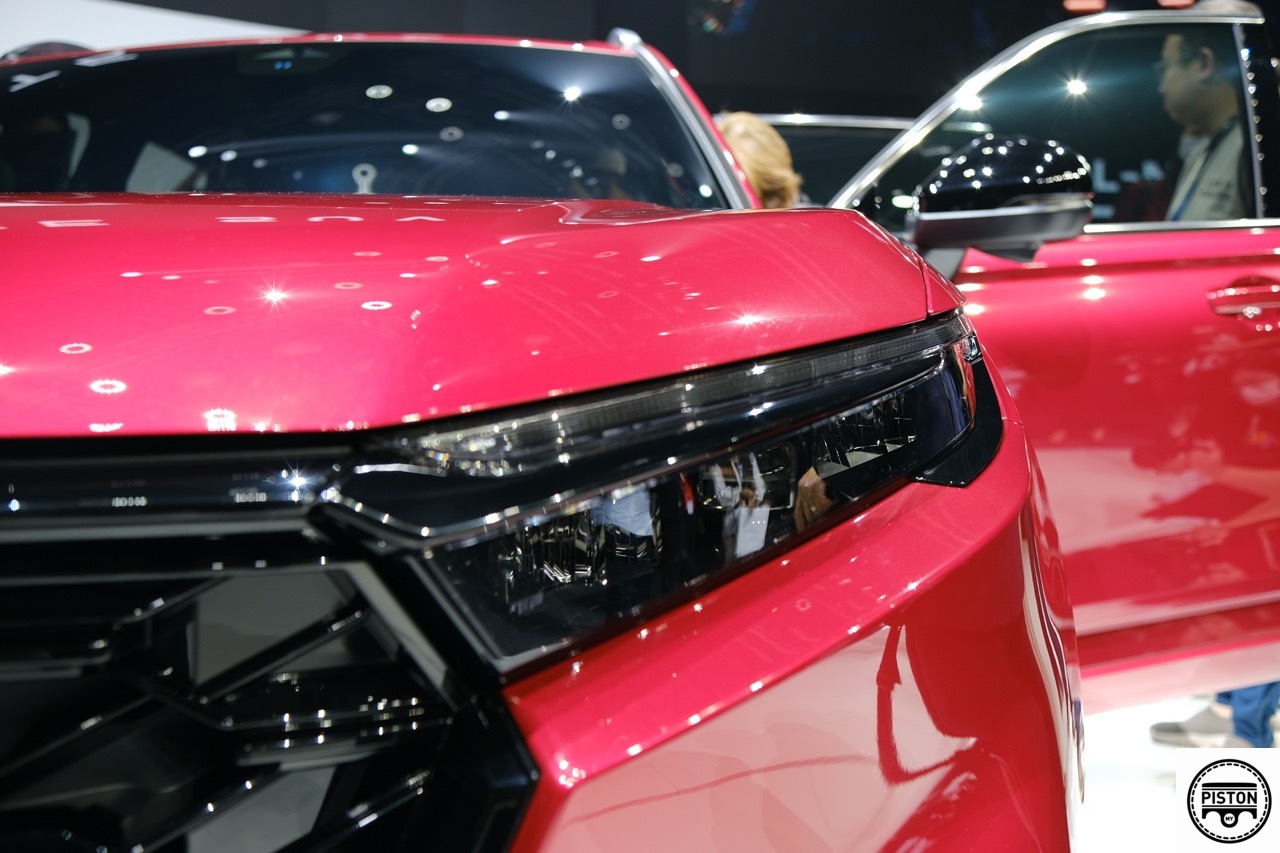
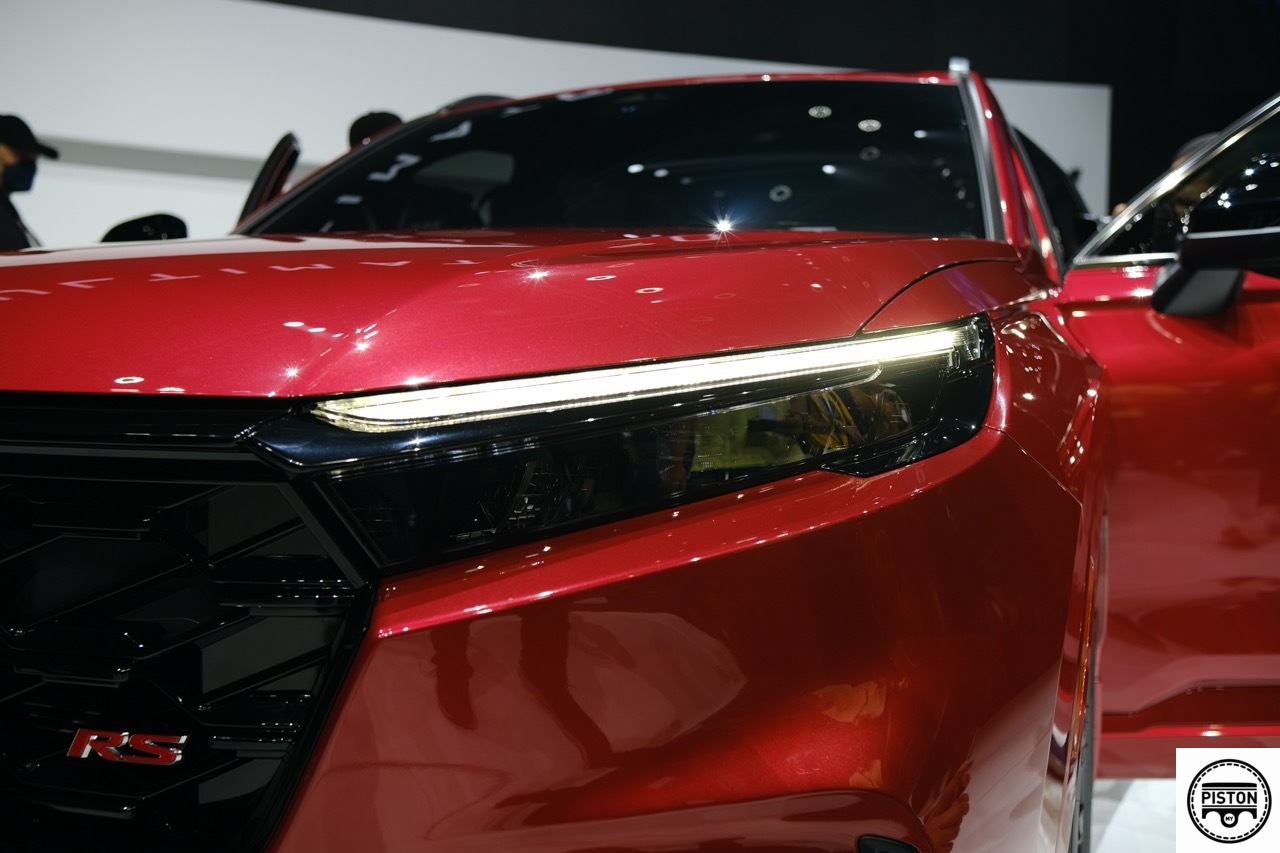
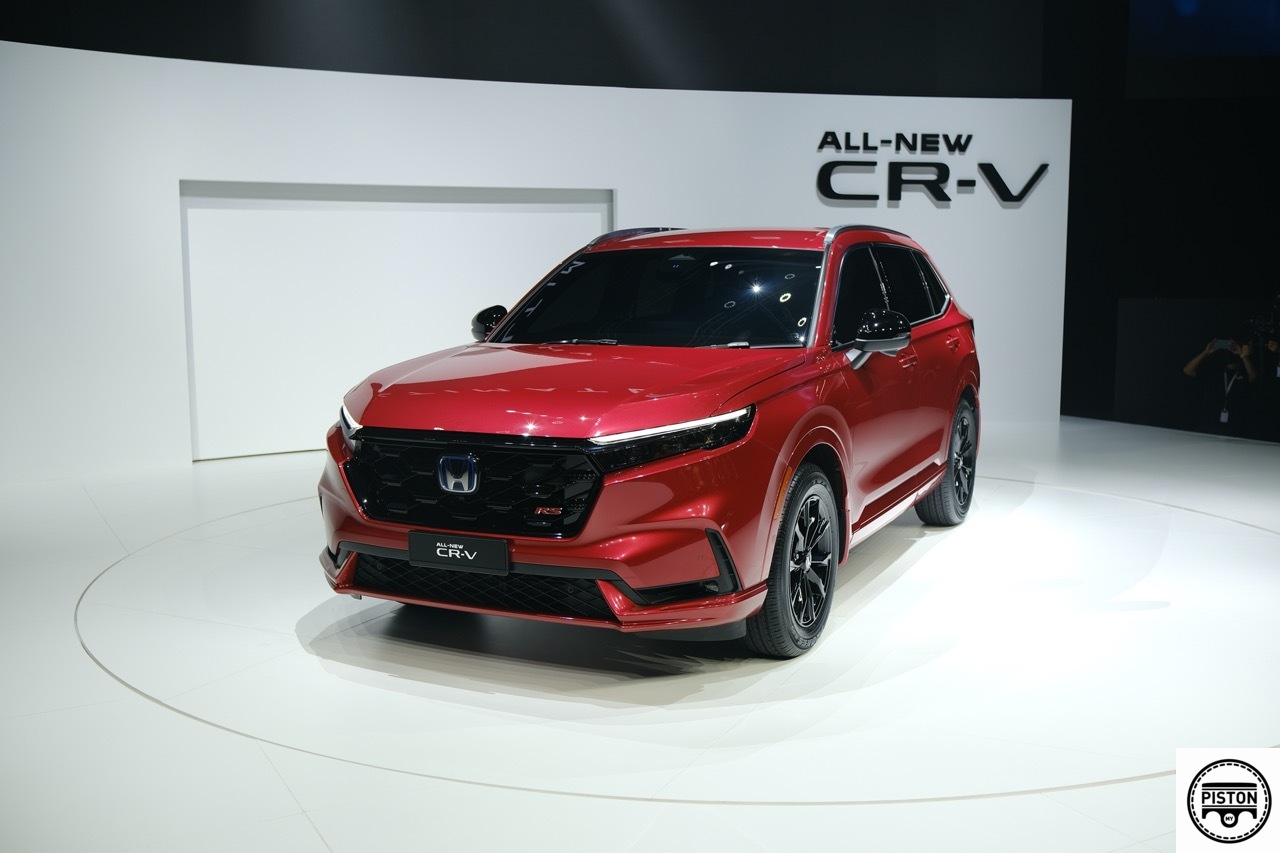
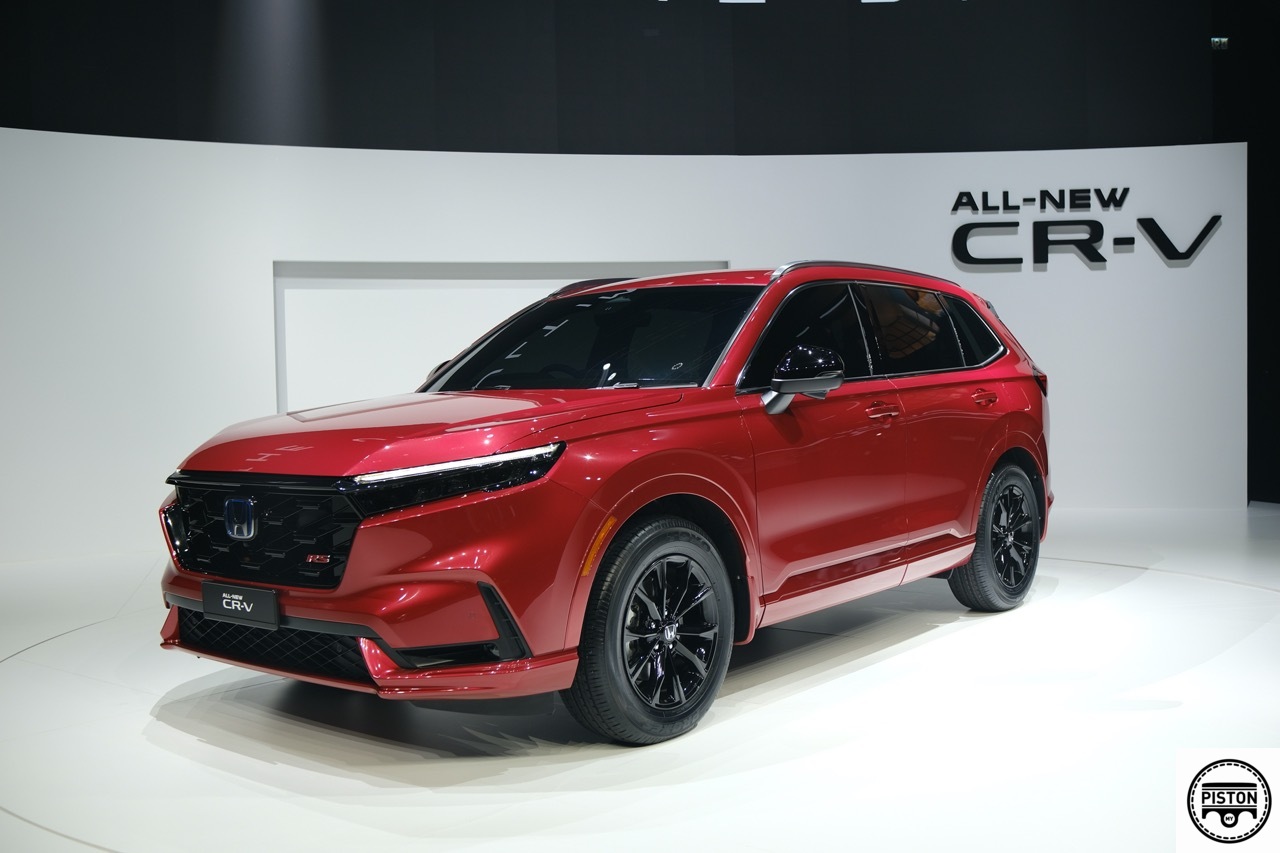
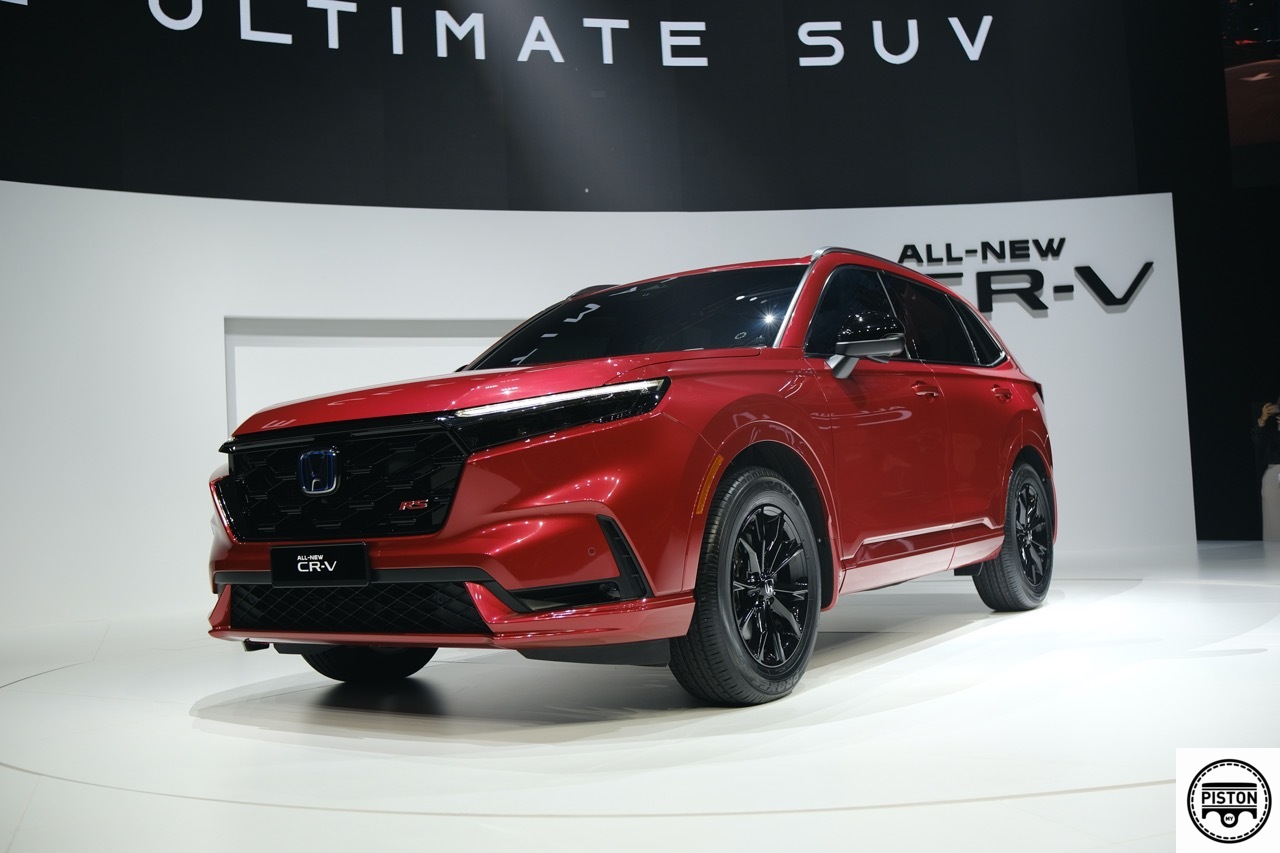
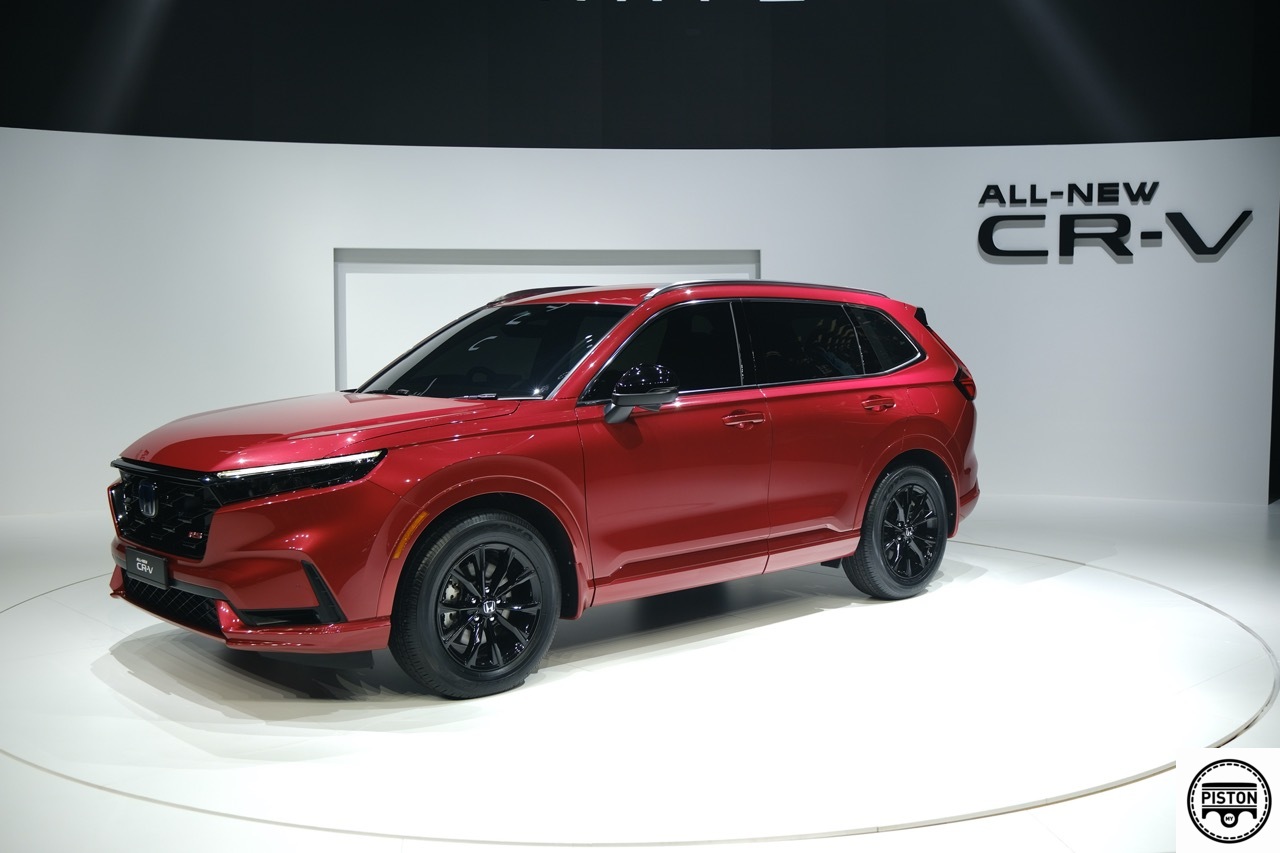
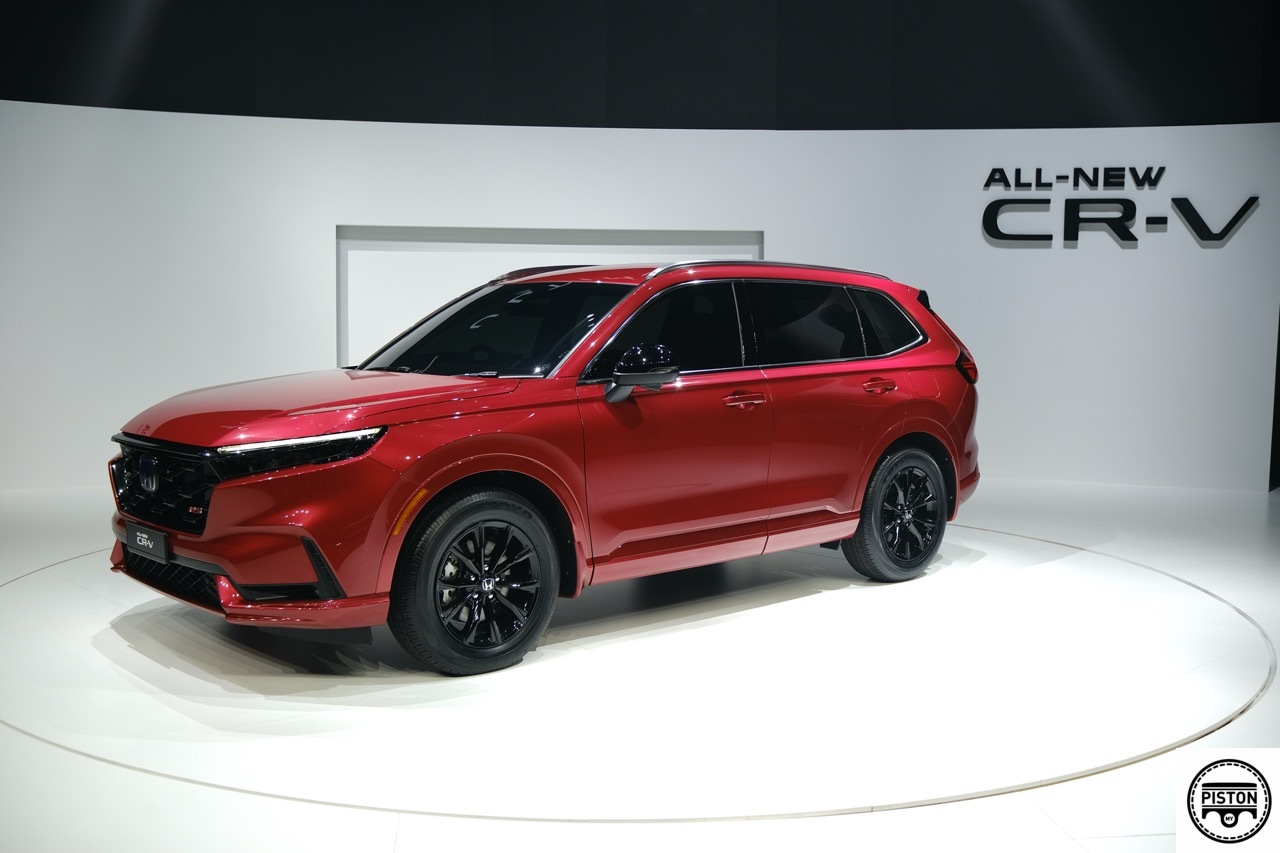
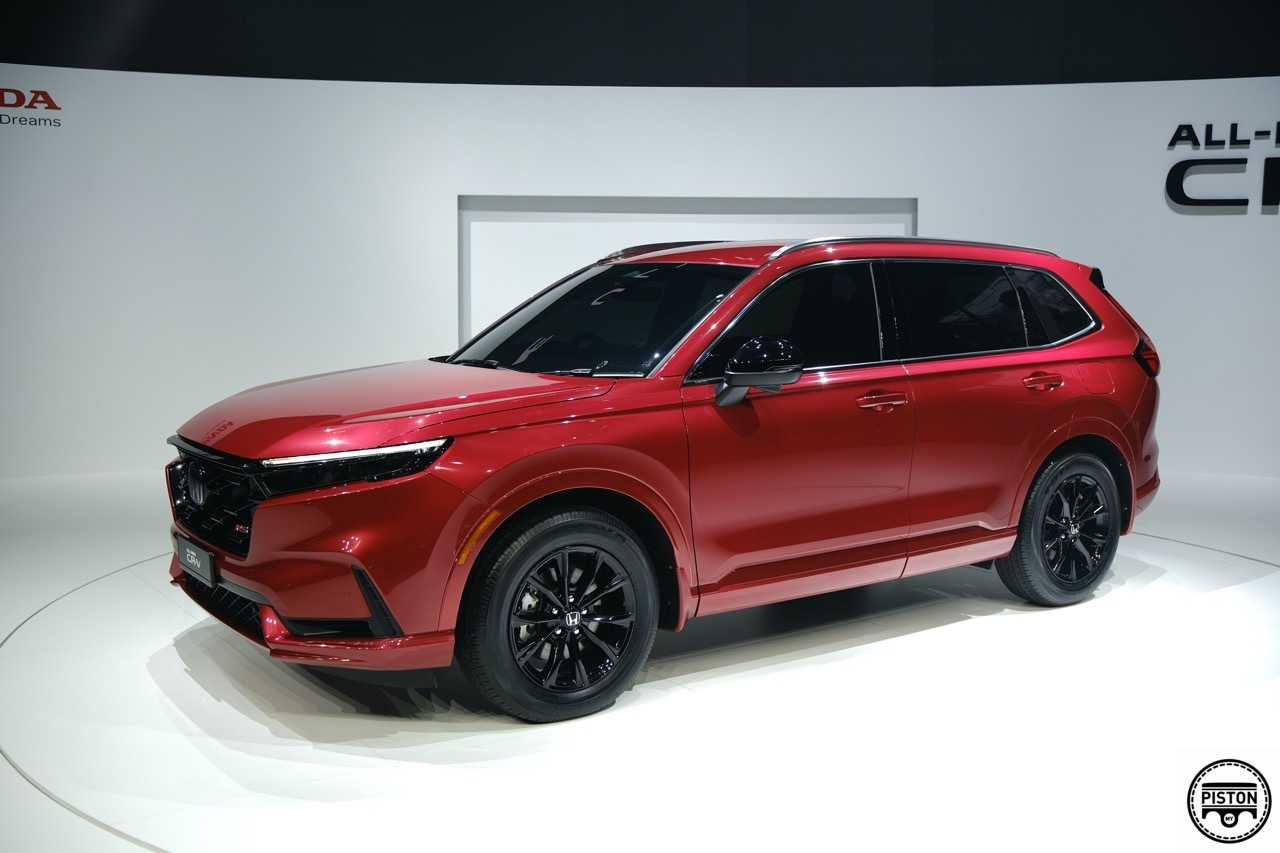
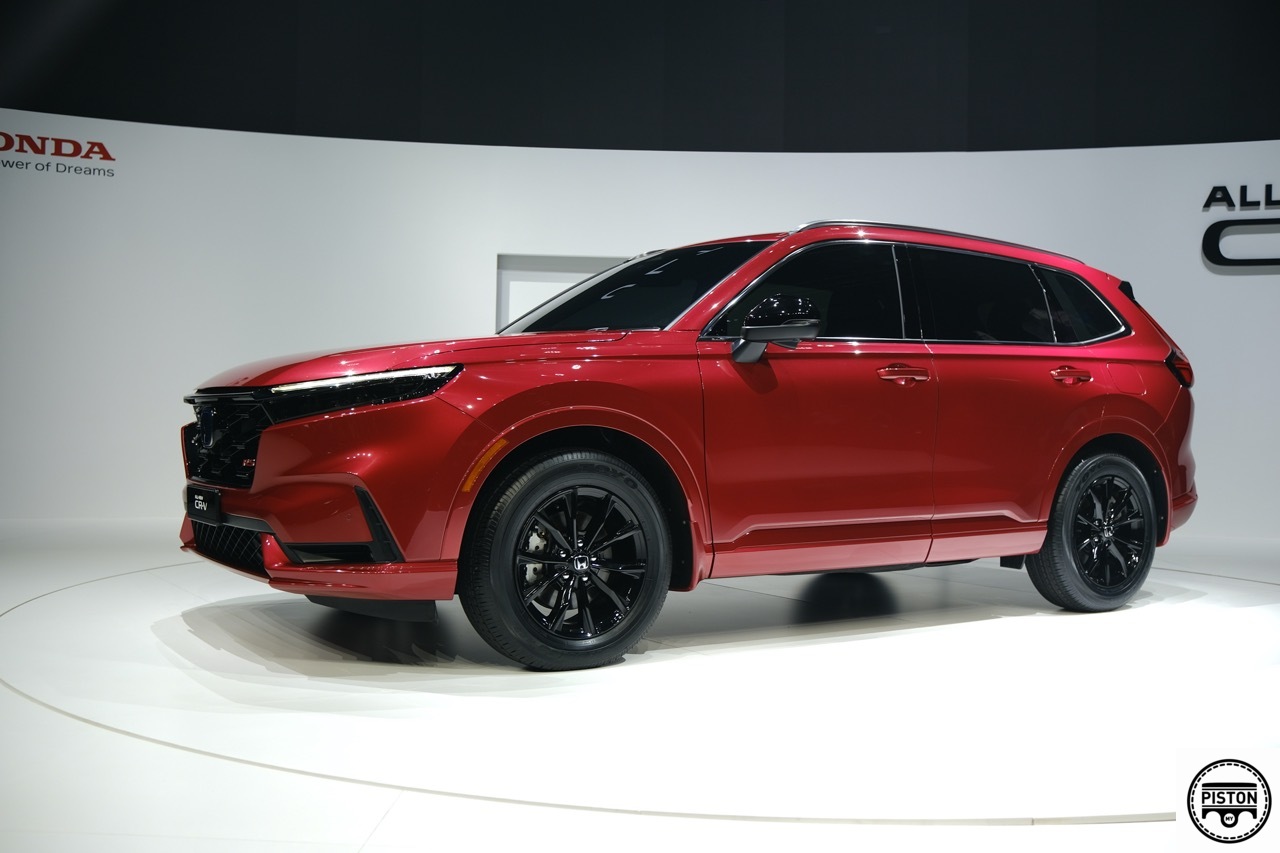
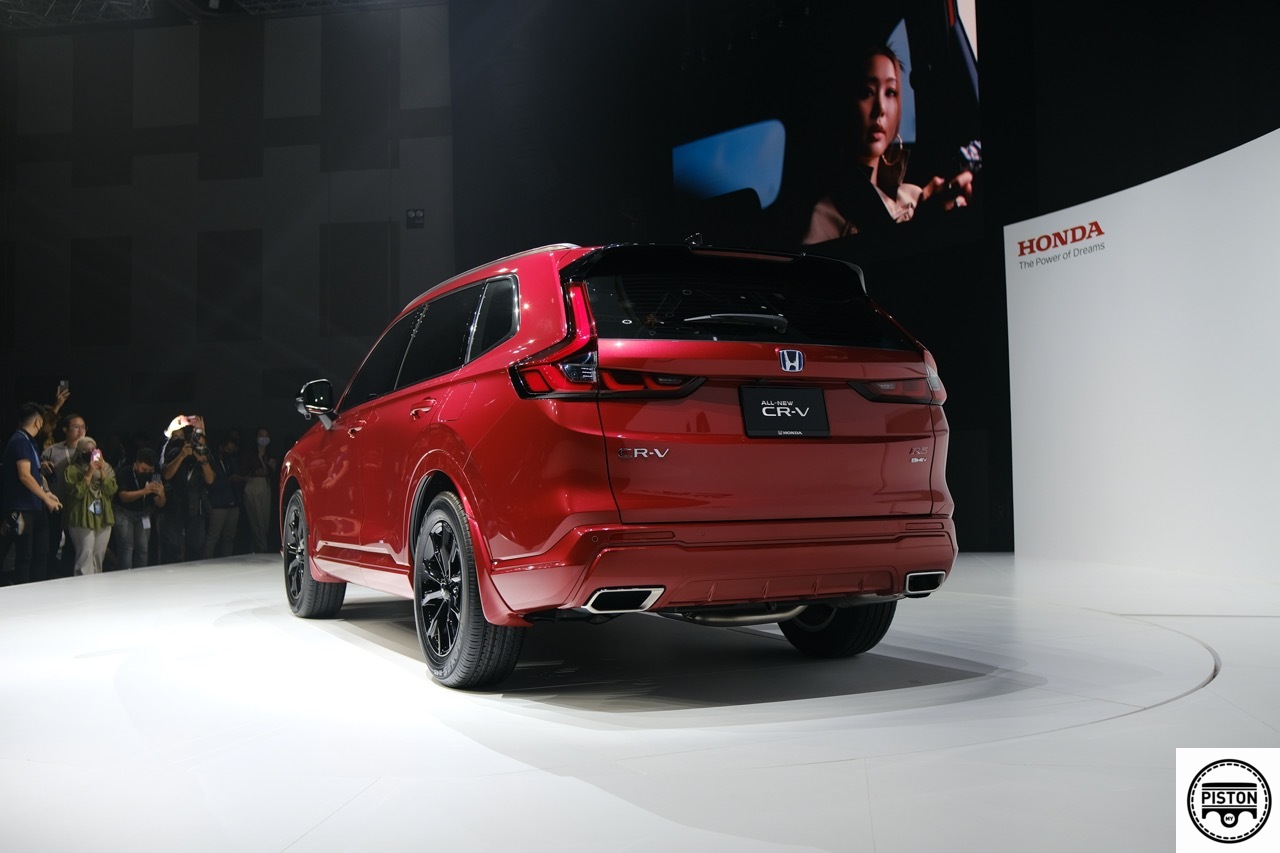
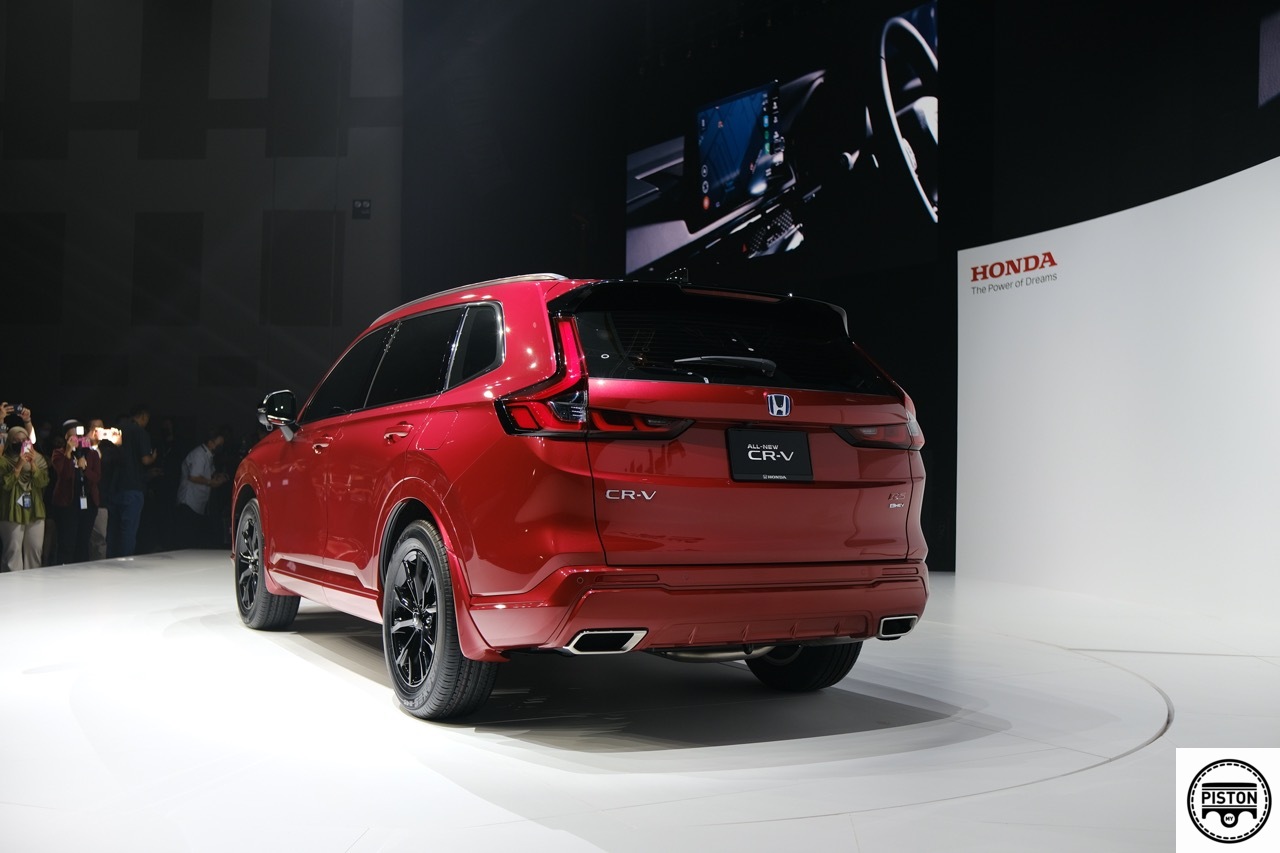
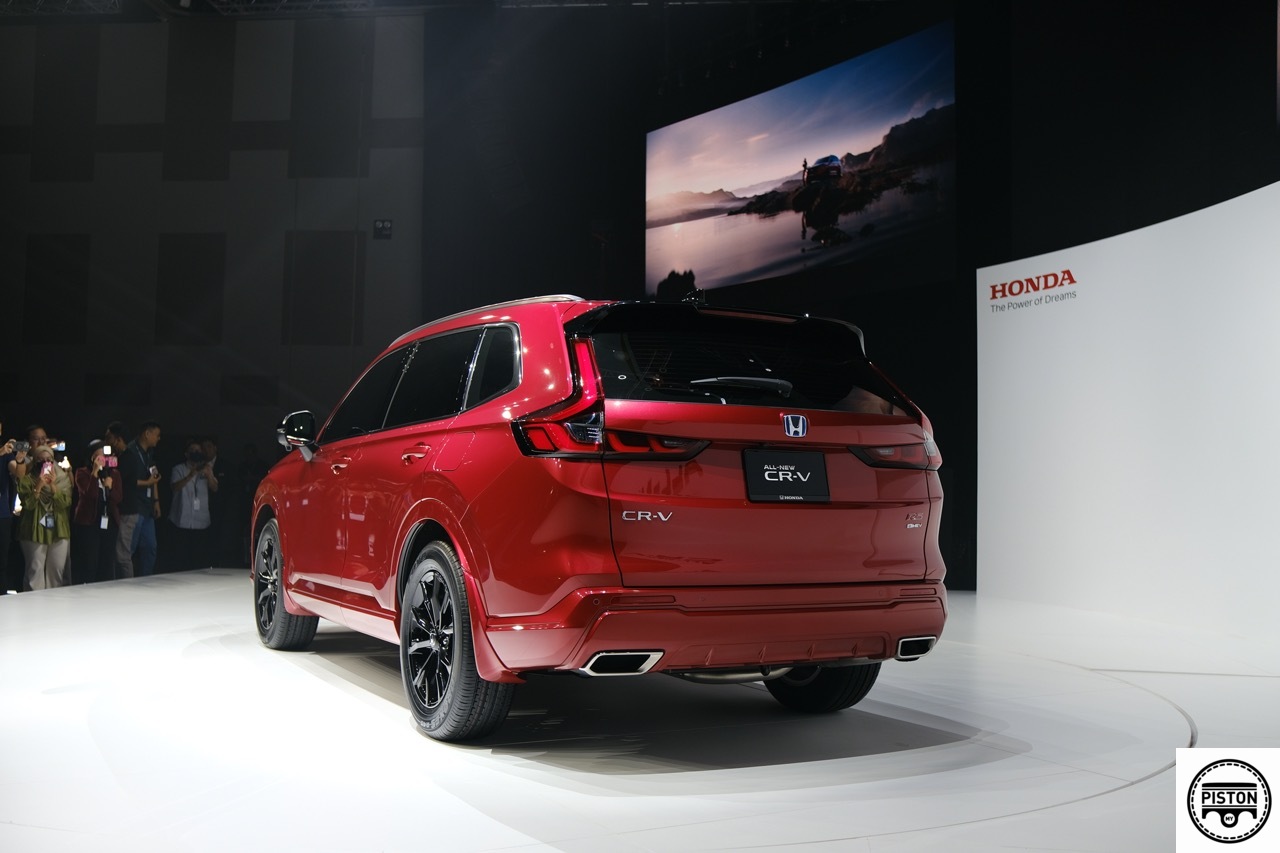
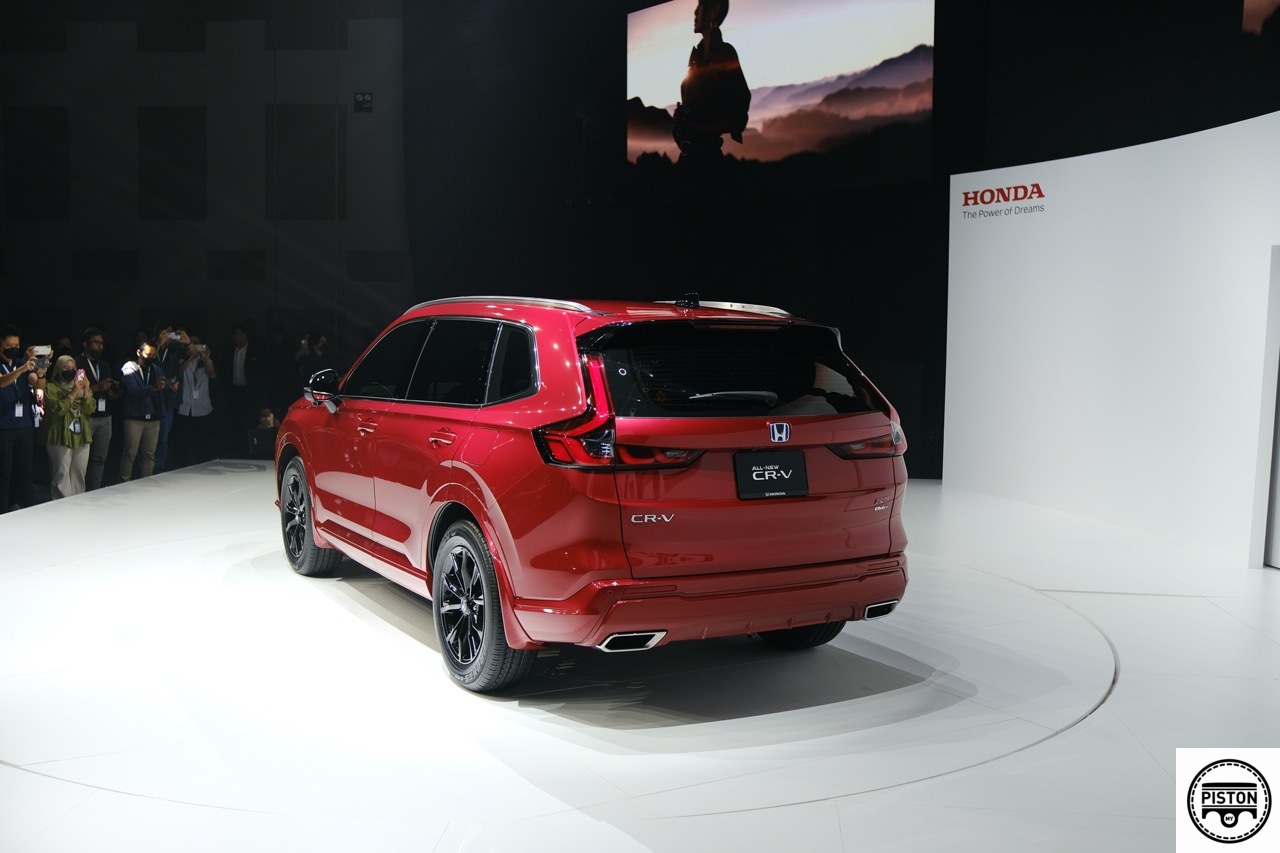
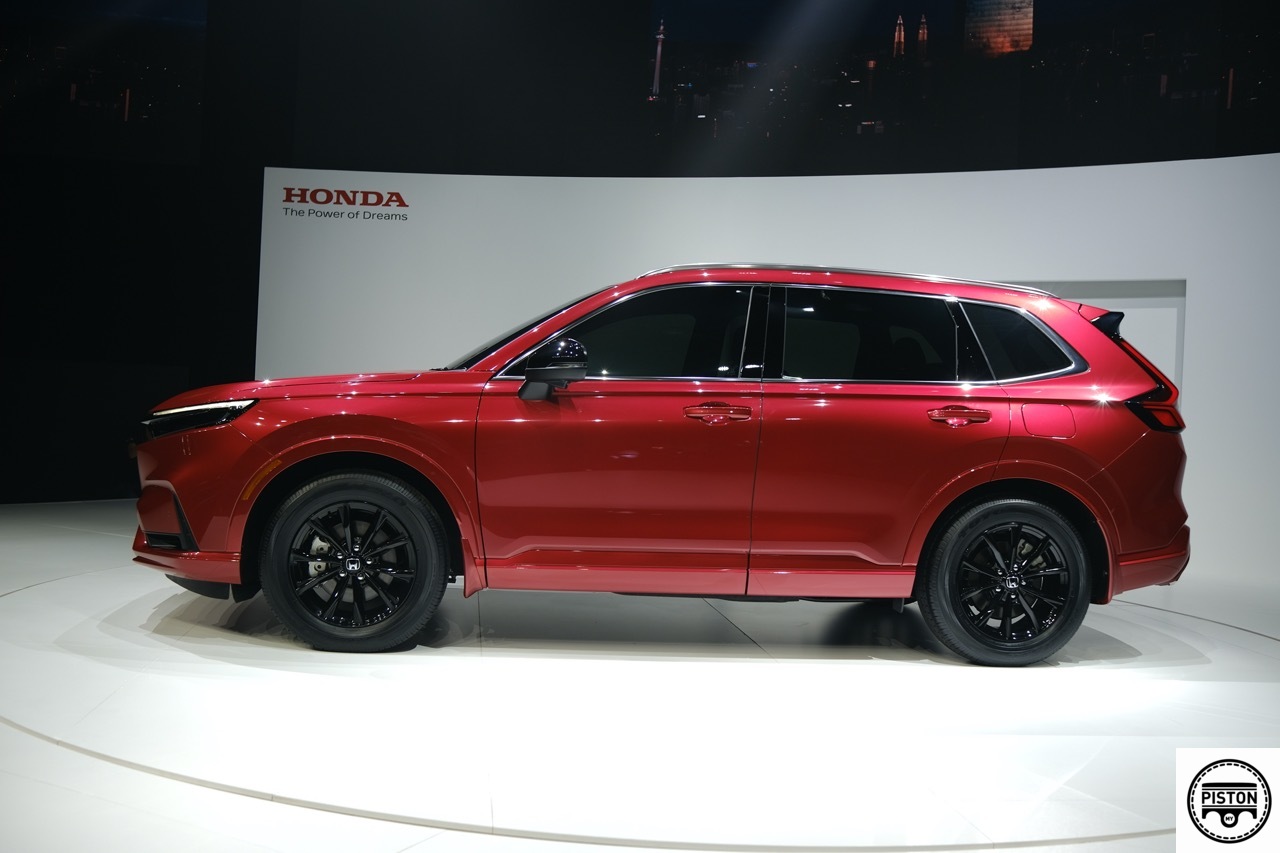
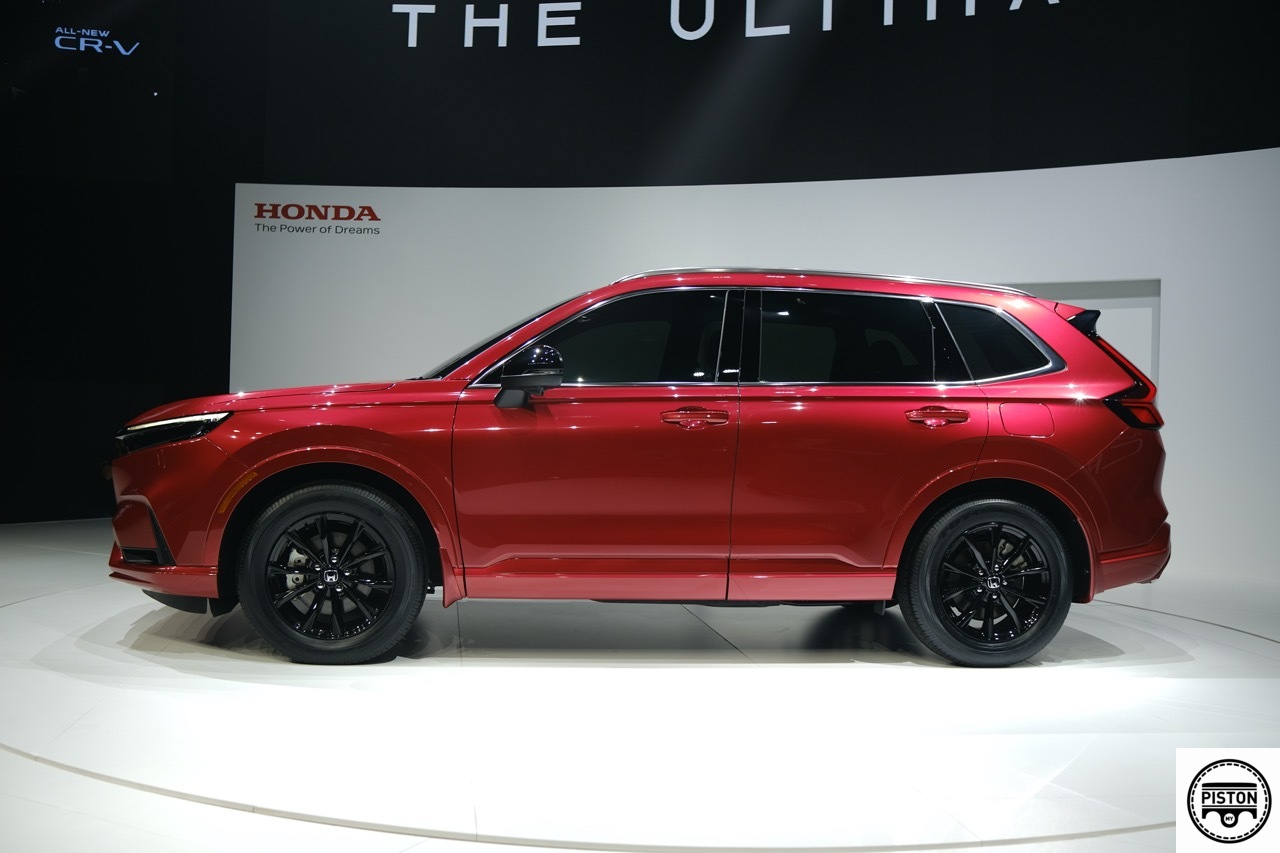
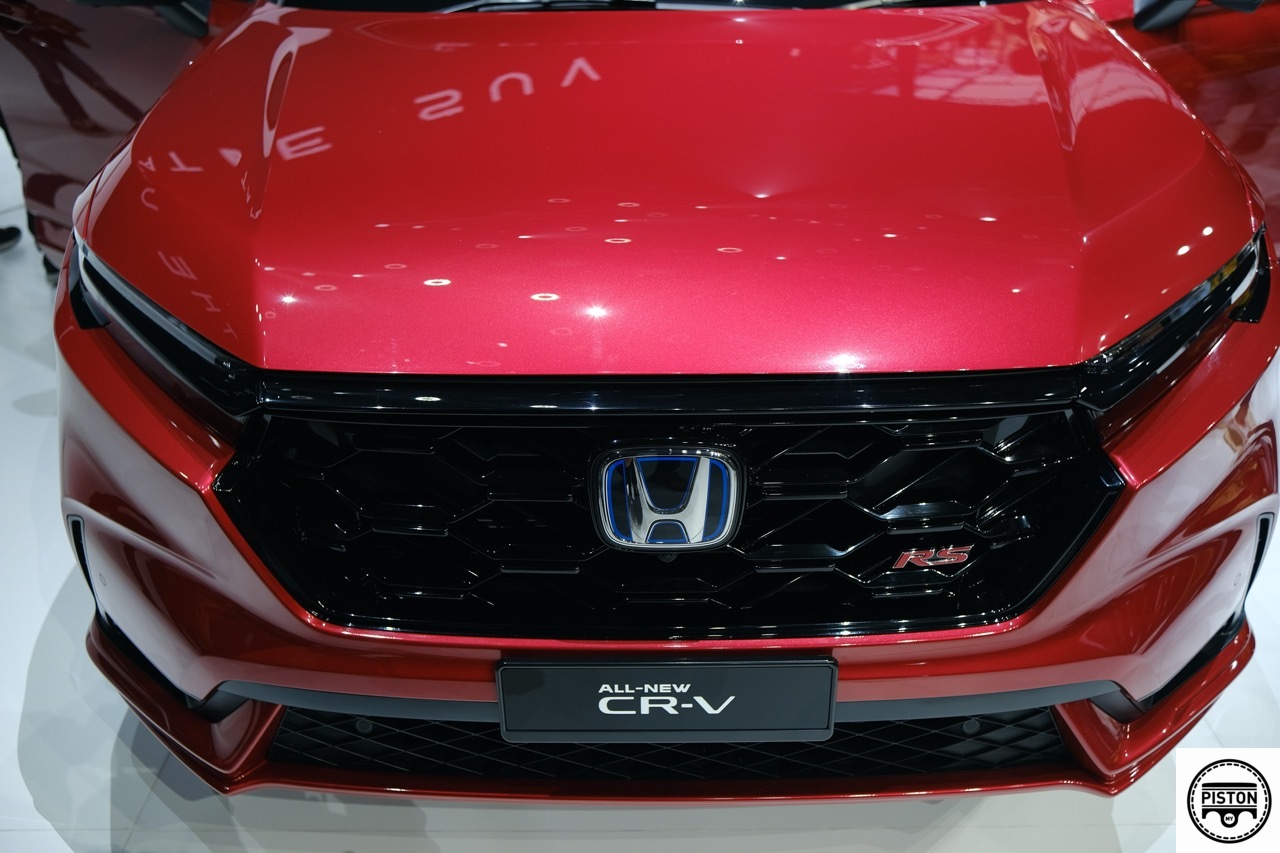
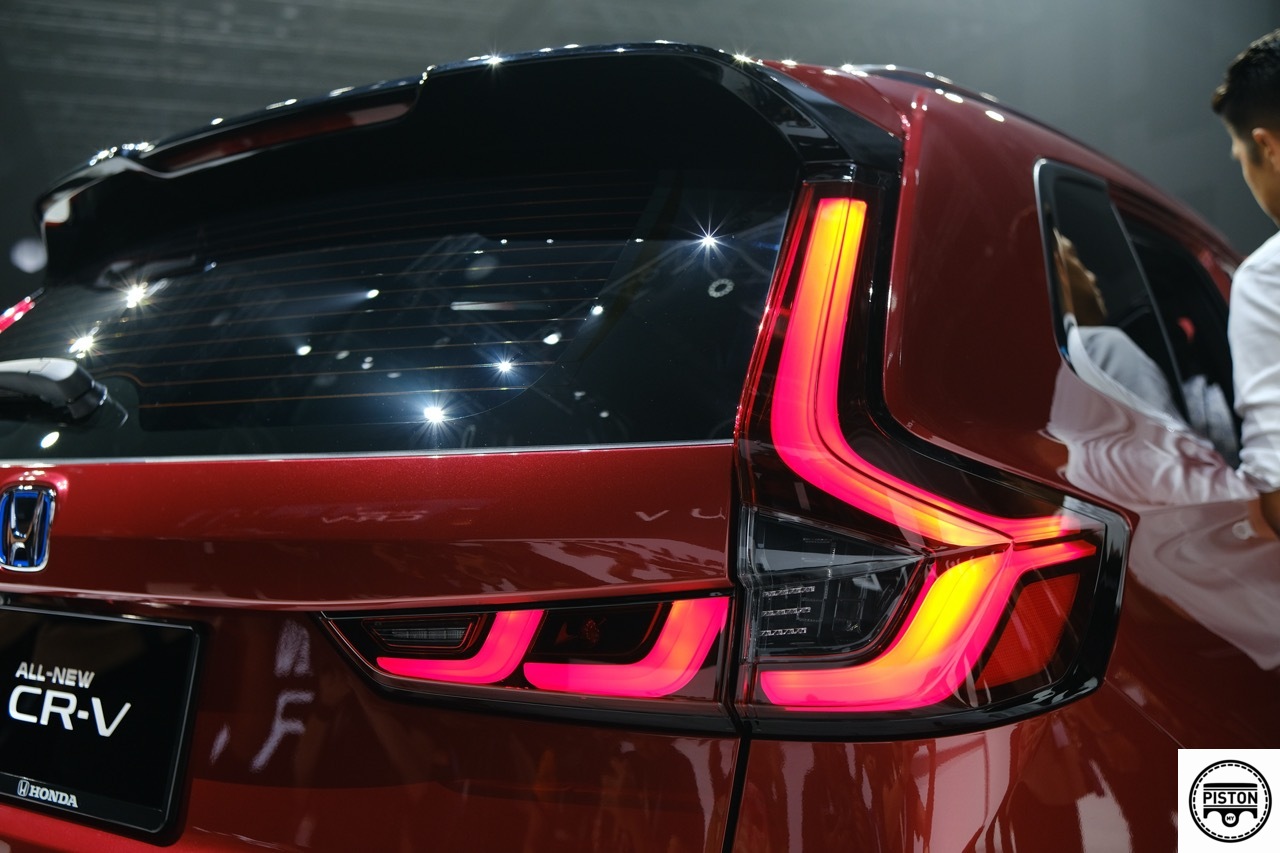
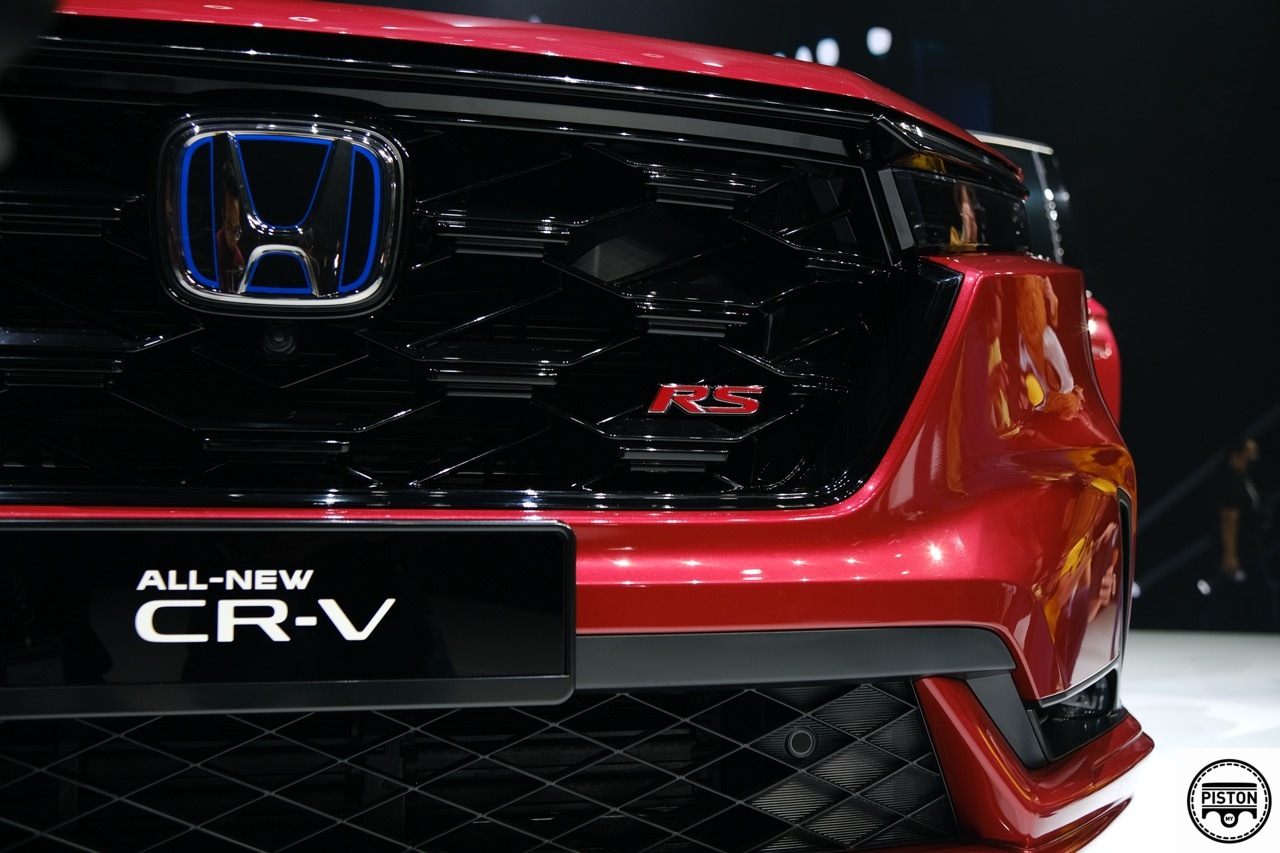
The new CR-V introduces a modern design concept that combines refined elegance with a sophisticated appearance, embodying Honda’s design language. The e:HEV RS has a premium feel with distinct styling, featuring a bold mesh pattern front grille, full LED headlights and tail lights, LED front fog lights, and front LED sequential turn signals. Sleek door handles and Berlina Black 18-inch alloy wheels further contribute to its modern and stylish profile. In terms of sizing, compared to the fifth generation CR-V, the new body is 10mm wider, 80mm longer with a 40mm longer wheelbase.
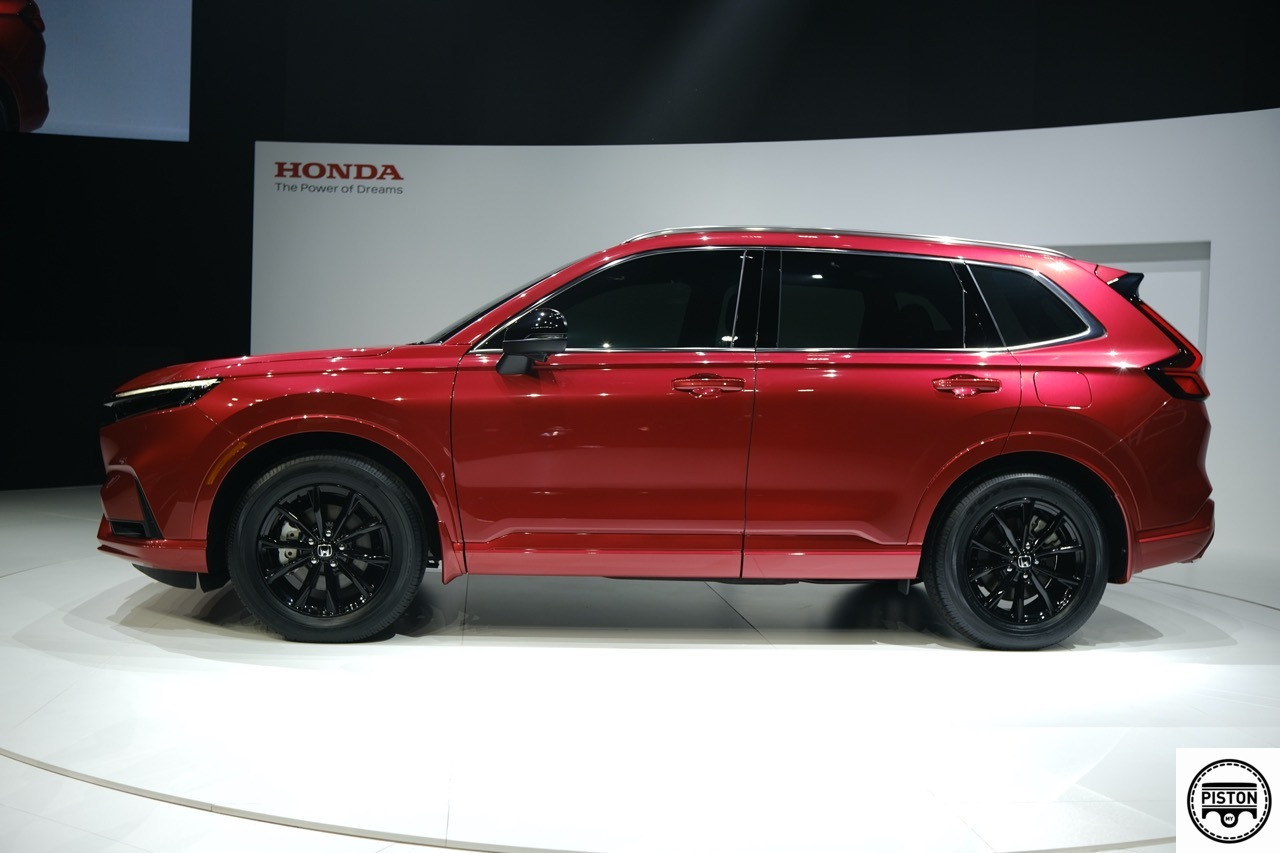
The model (S, E and e:HEV RS variants) is bigger and wider than its predecessor, setting an imposing stance with its 4,691mm length, 1,866mm width, 1,681mm height and 2,701mm wheelbase.
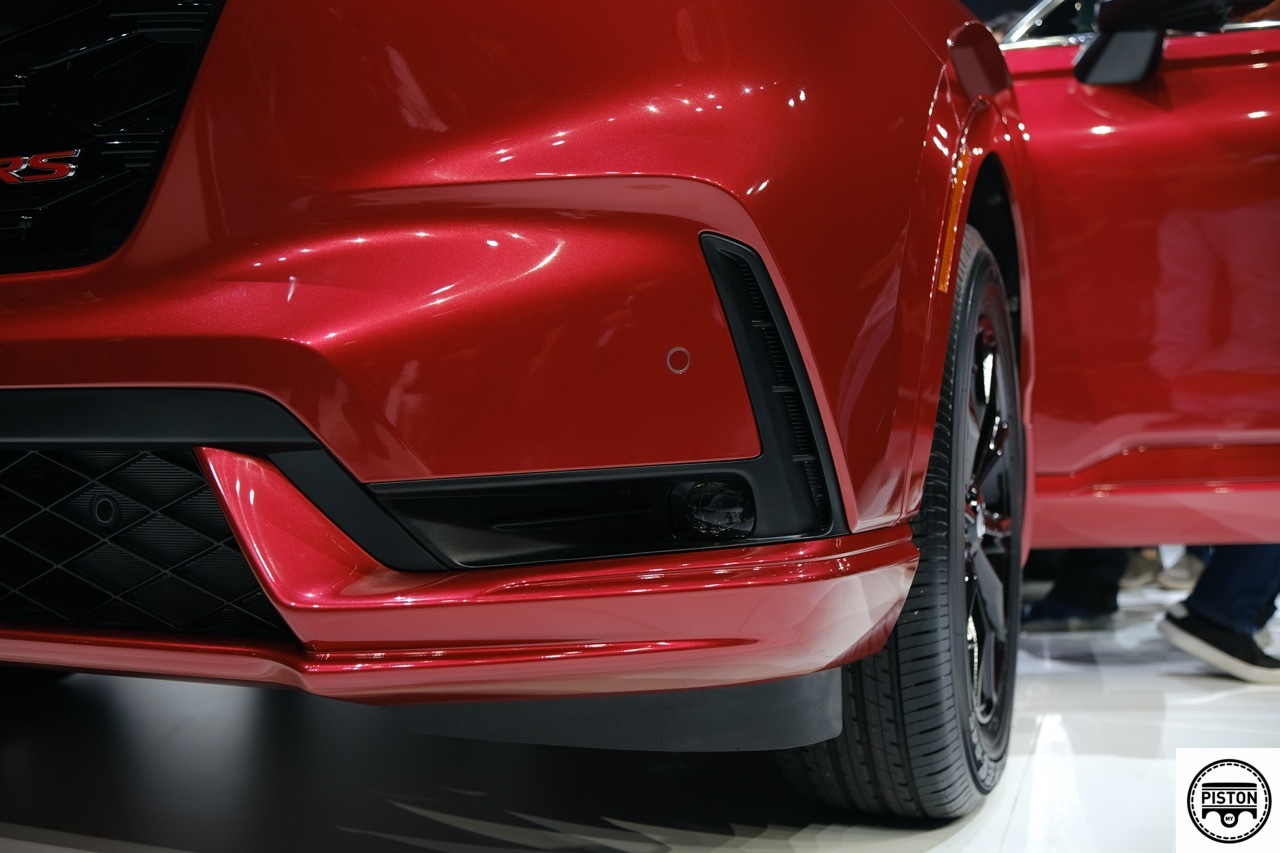
Enhancing both aerodynamics and fuel efficiency, the e:HEV RS variant incorporates an Active Shutter Grille, a first for the CR-V model. This grille, mounted on the Front Lower Bumper, intelligently regulates cooling airflow based on speed, engine temperature, and cooling requirements and it contributes 0.3% to fuel efficiency.
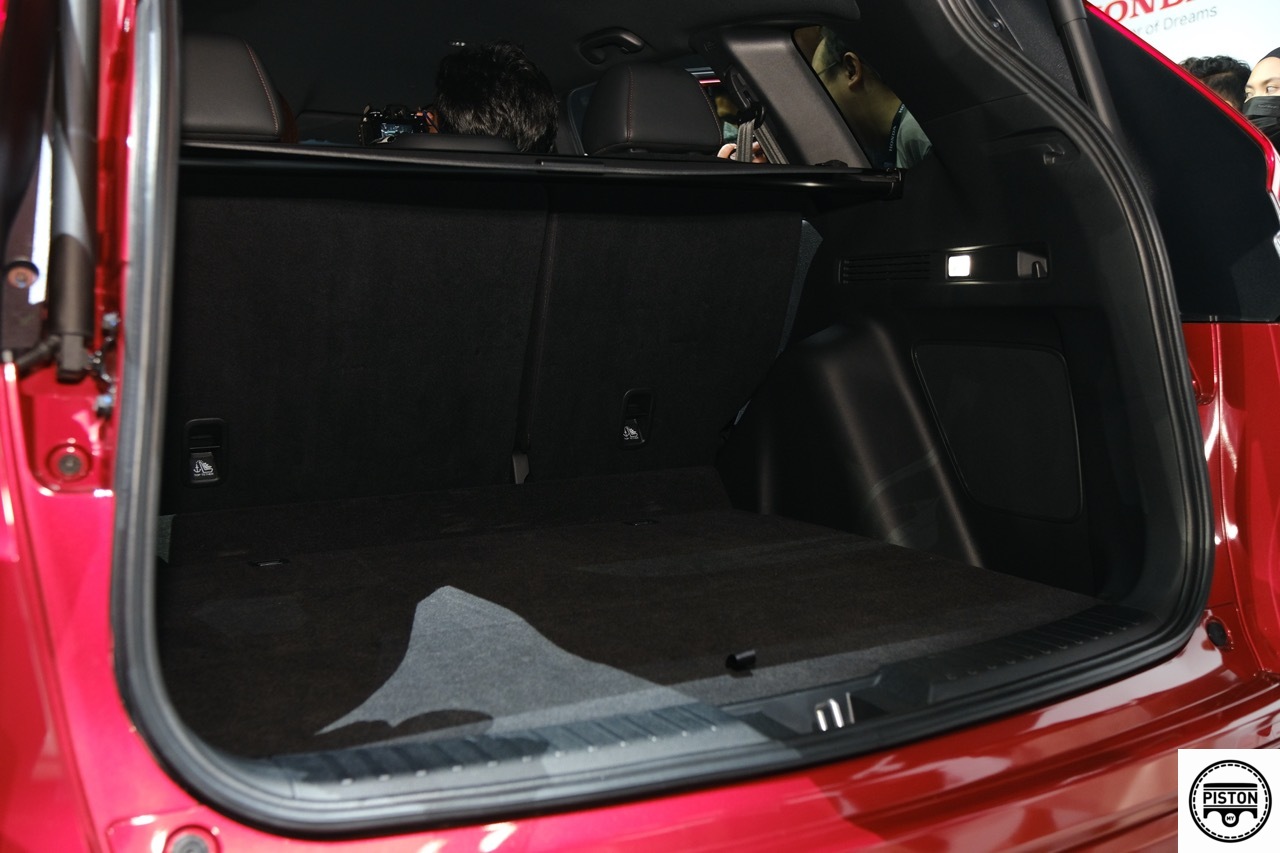
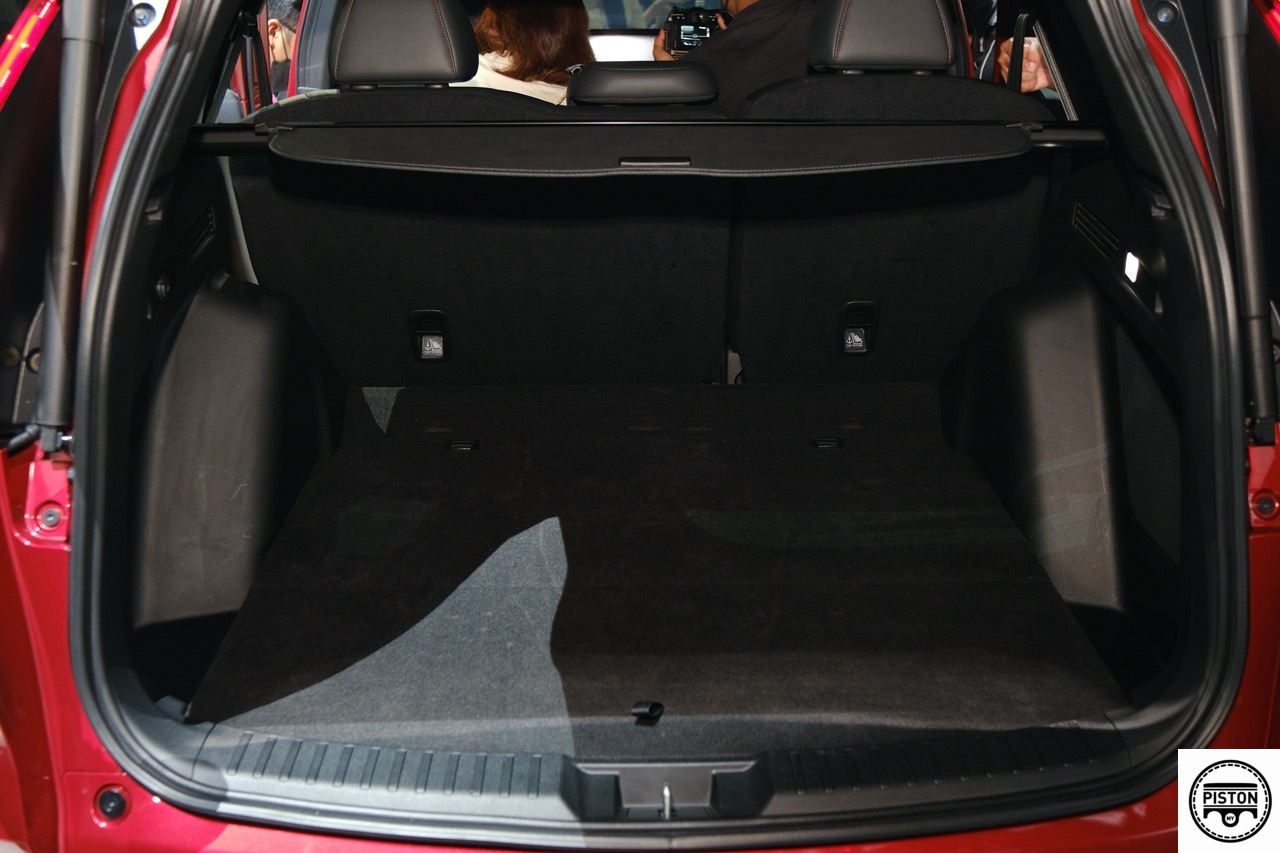
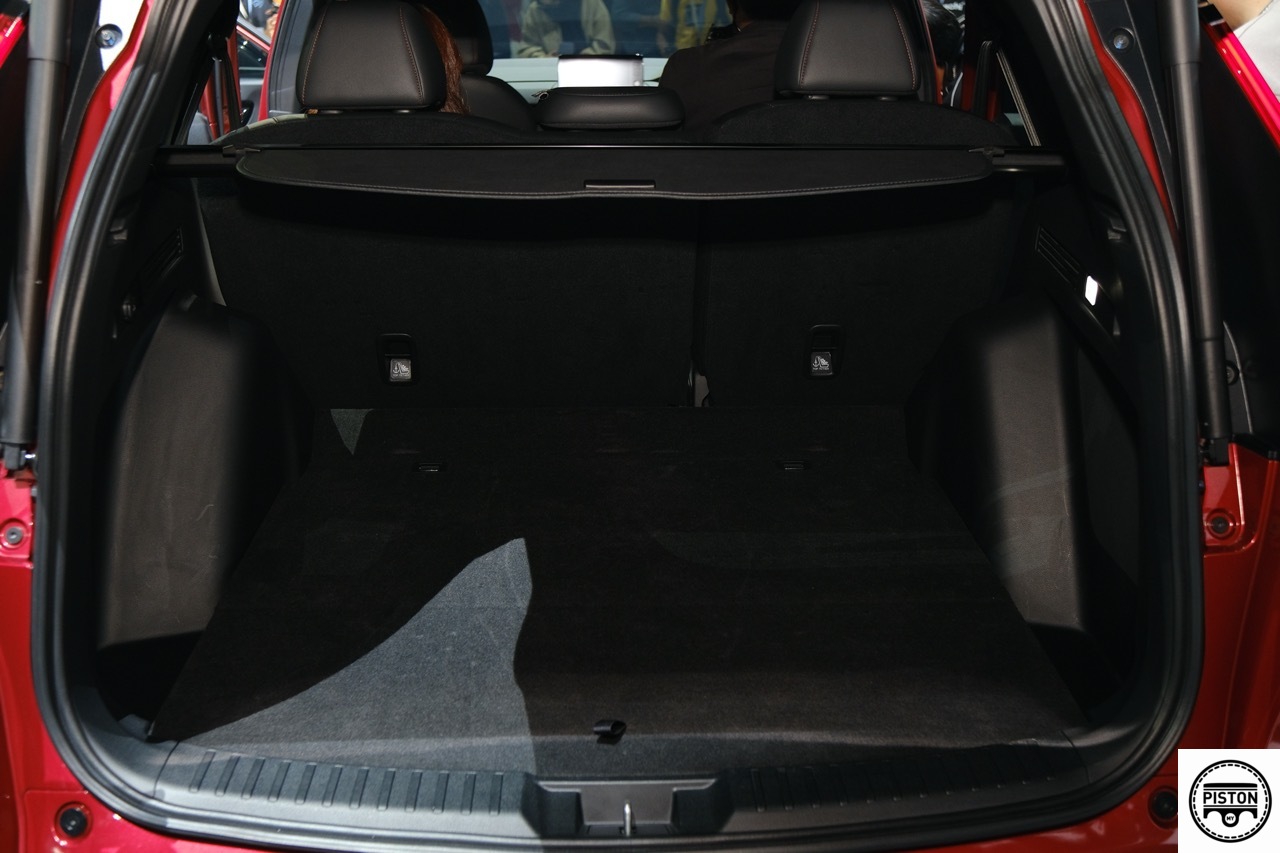
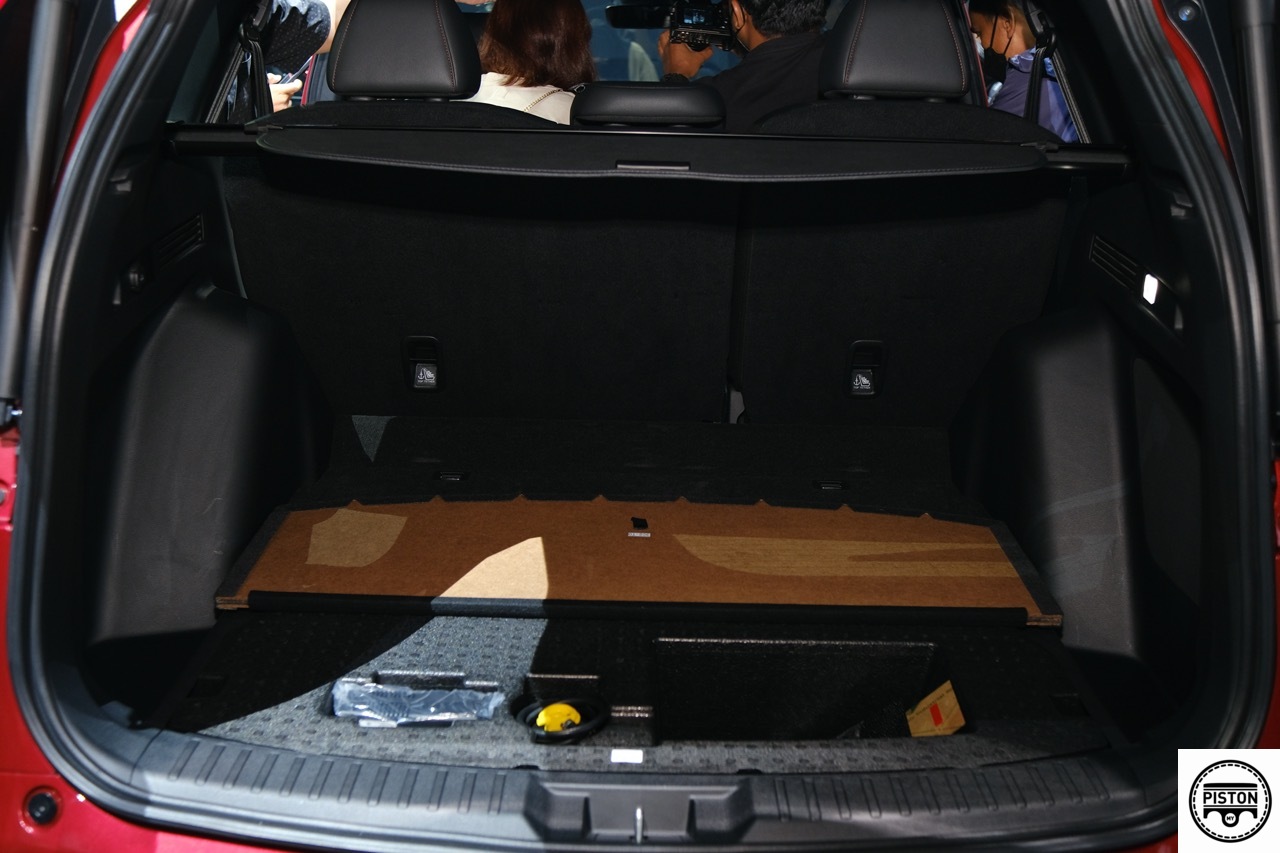
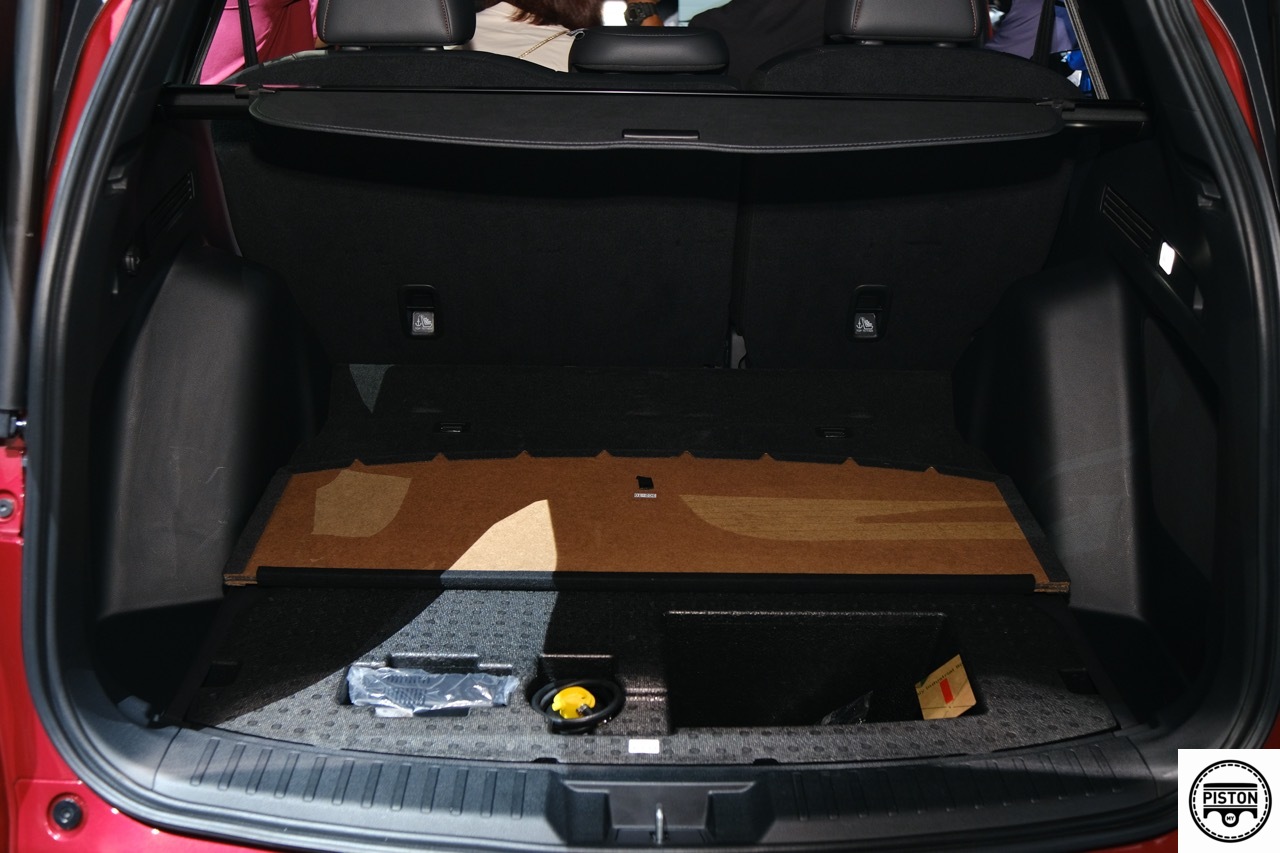
The boot capacity now sits at 589 litres when the rear seats are up and increases to a capacious 1,072 litres when the seats are laid flat. It has a low loading height, making it easy to move heavier items onto and off the SUV.
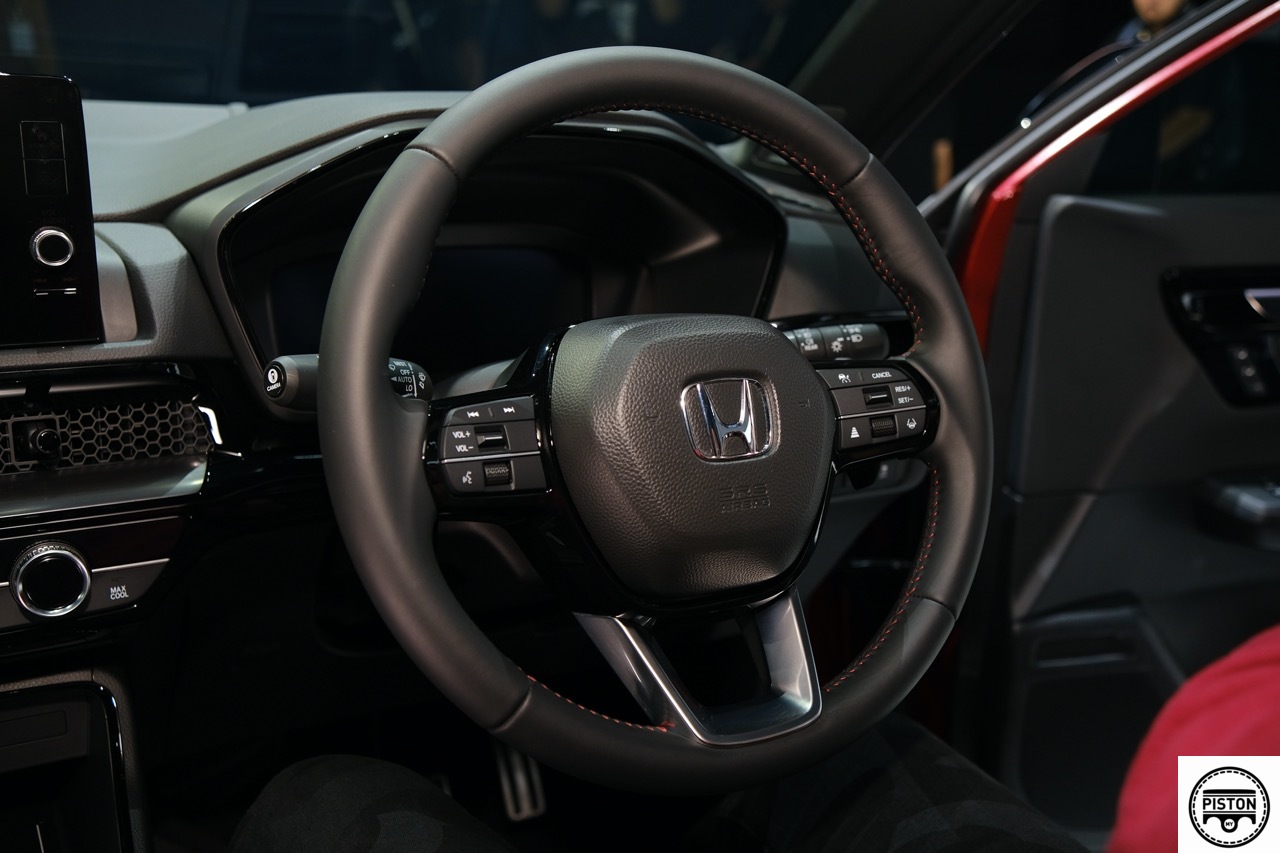
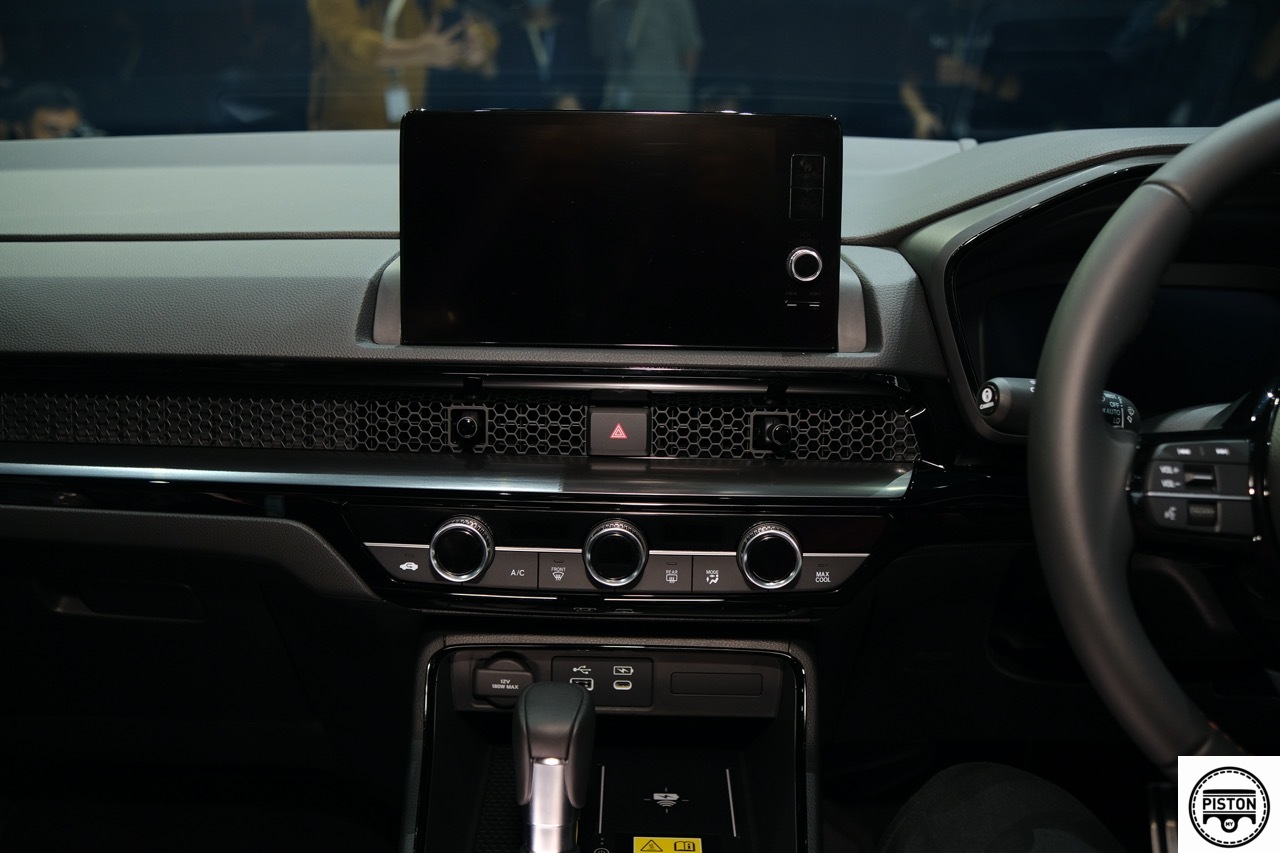
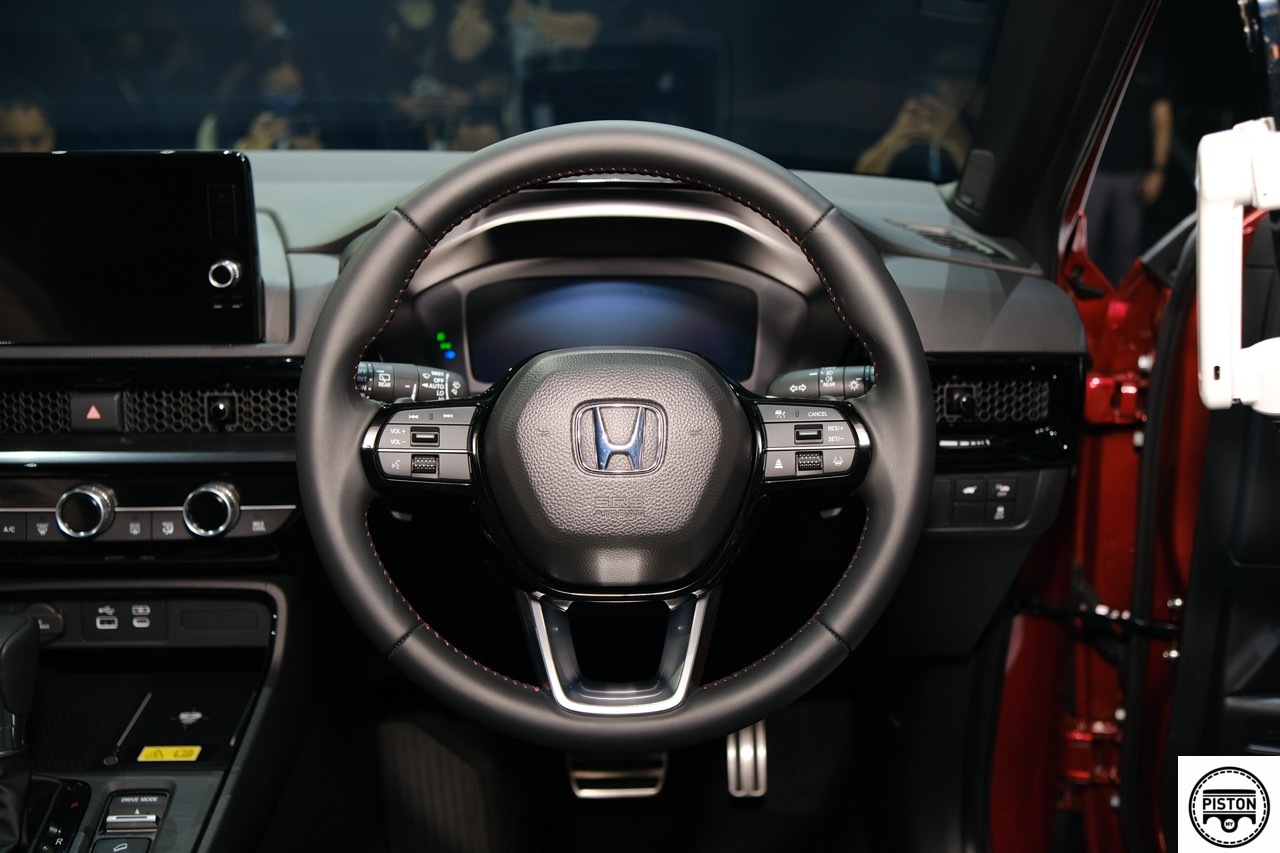
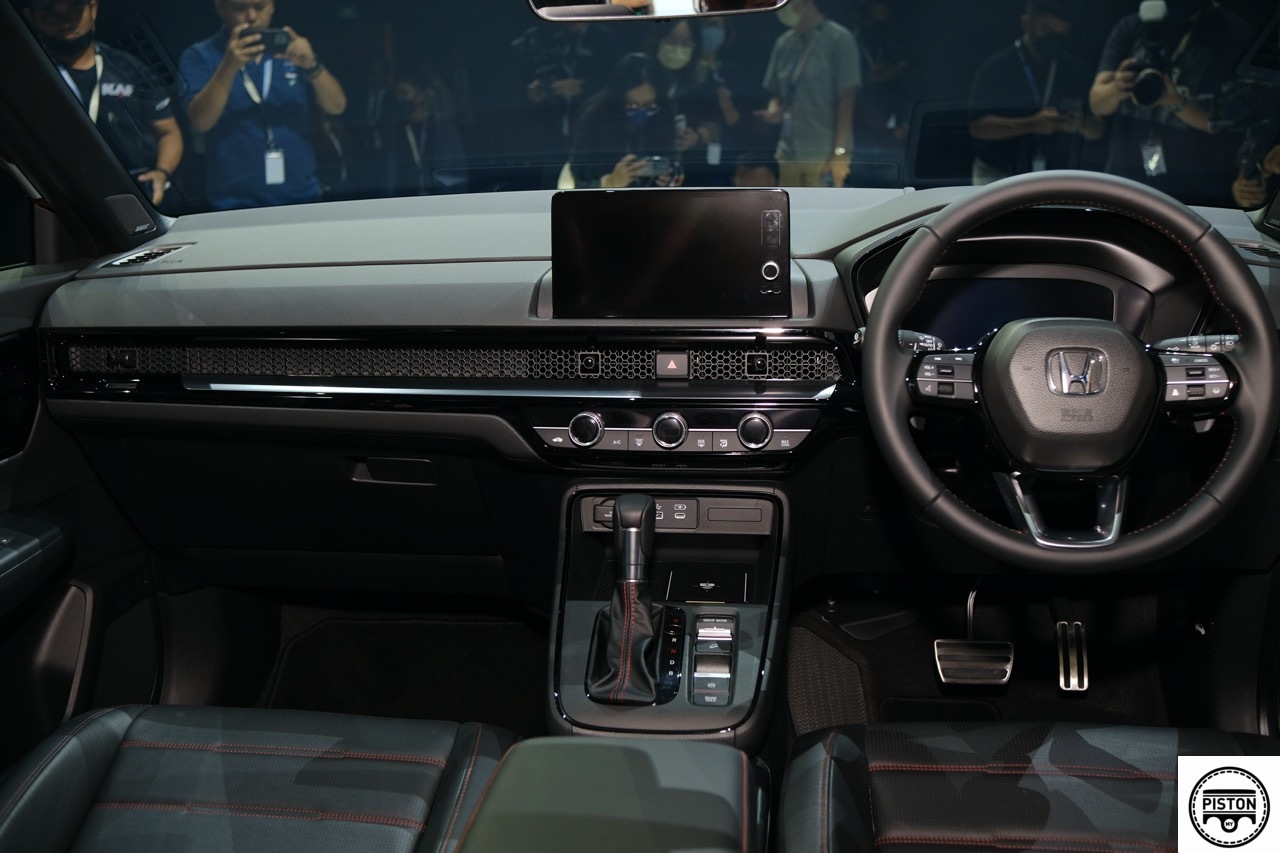
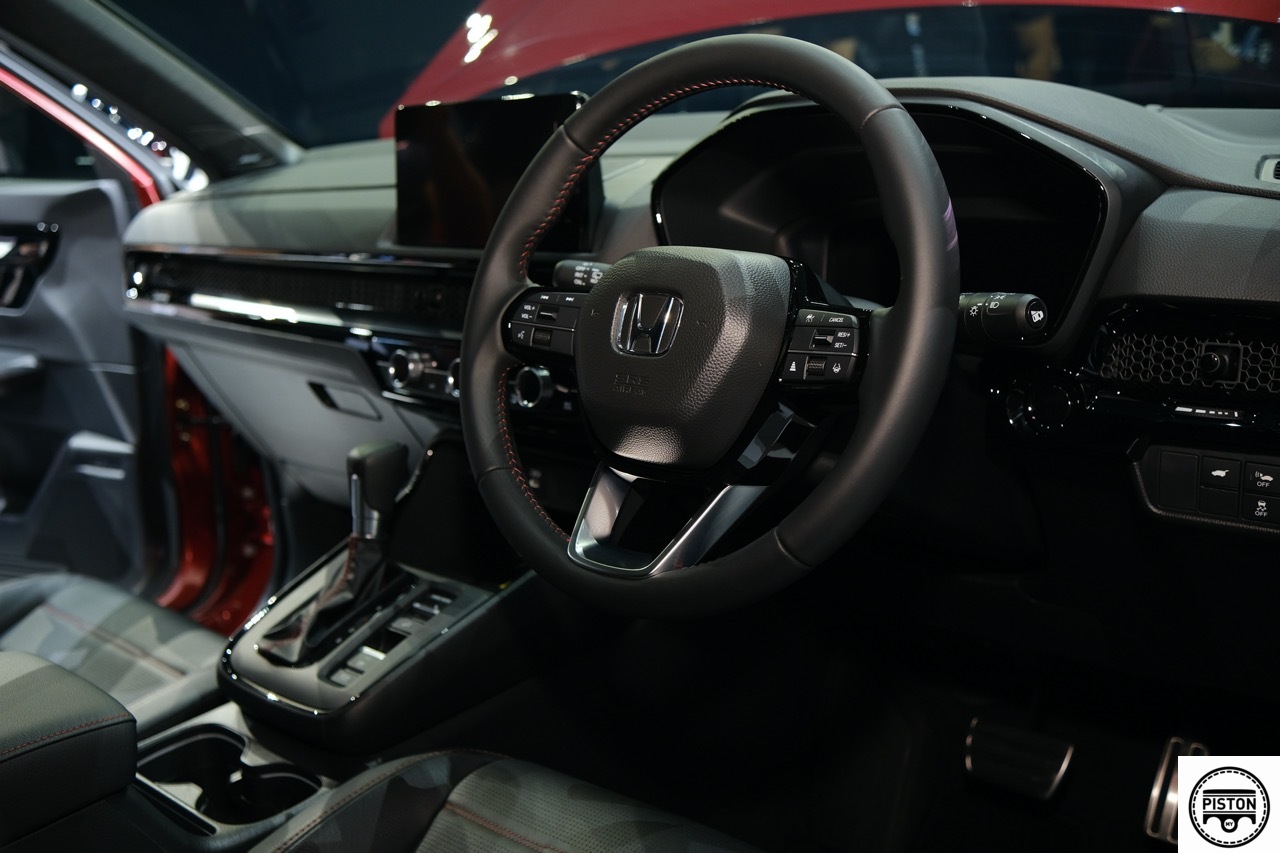
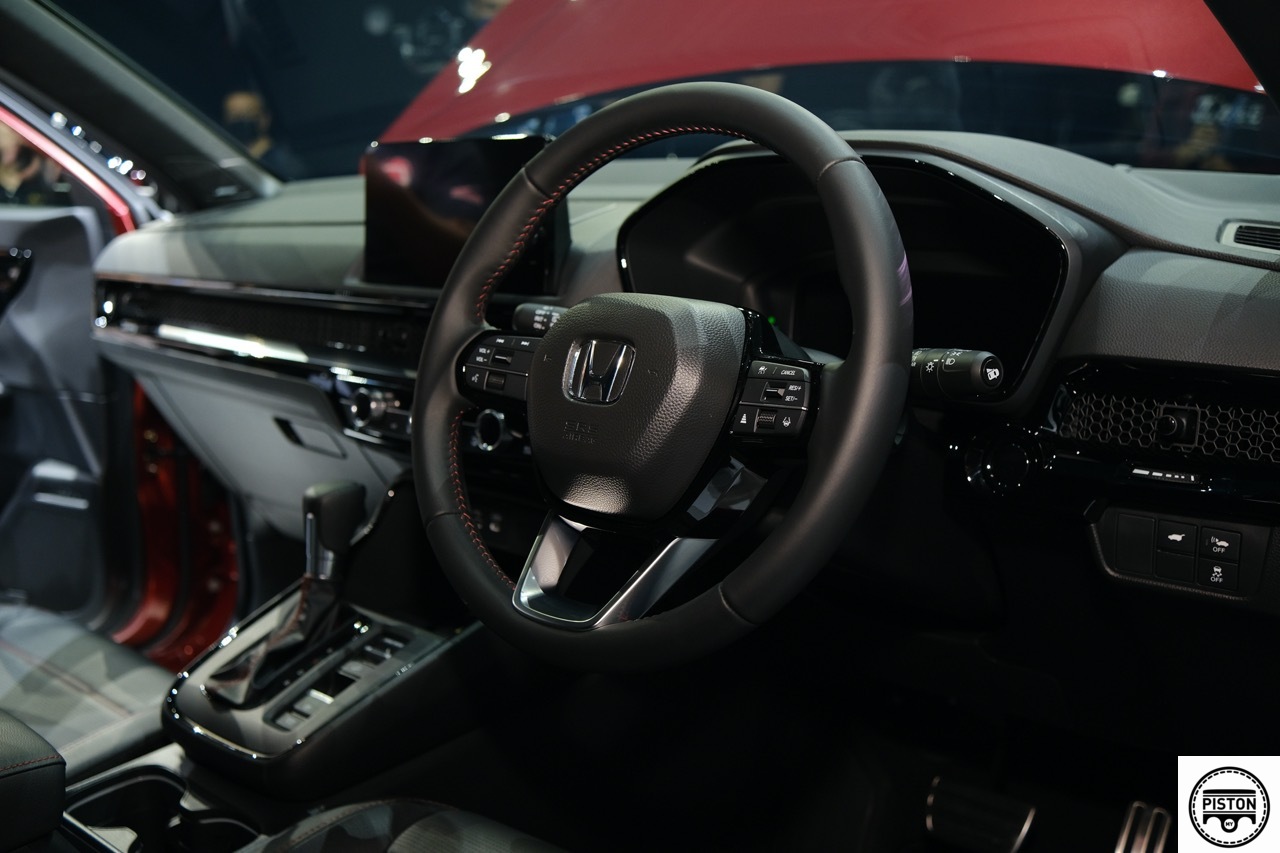
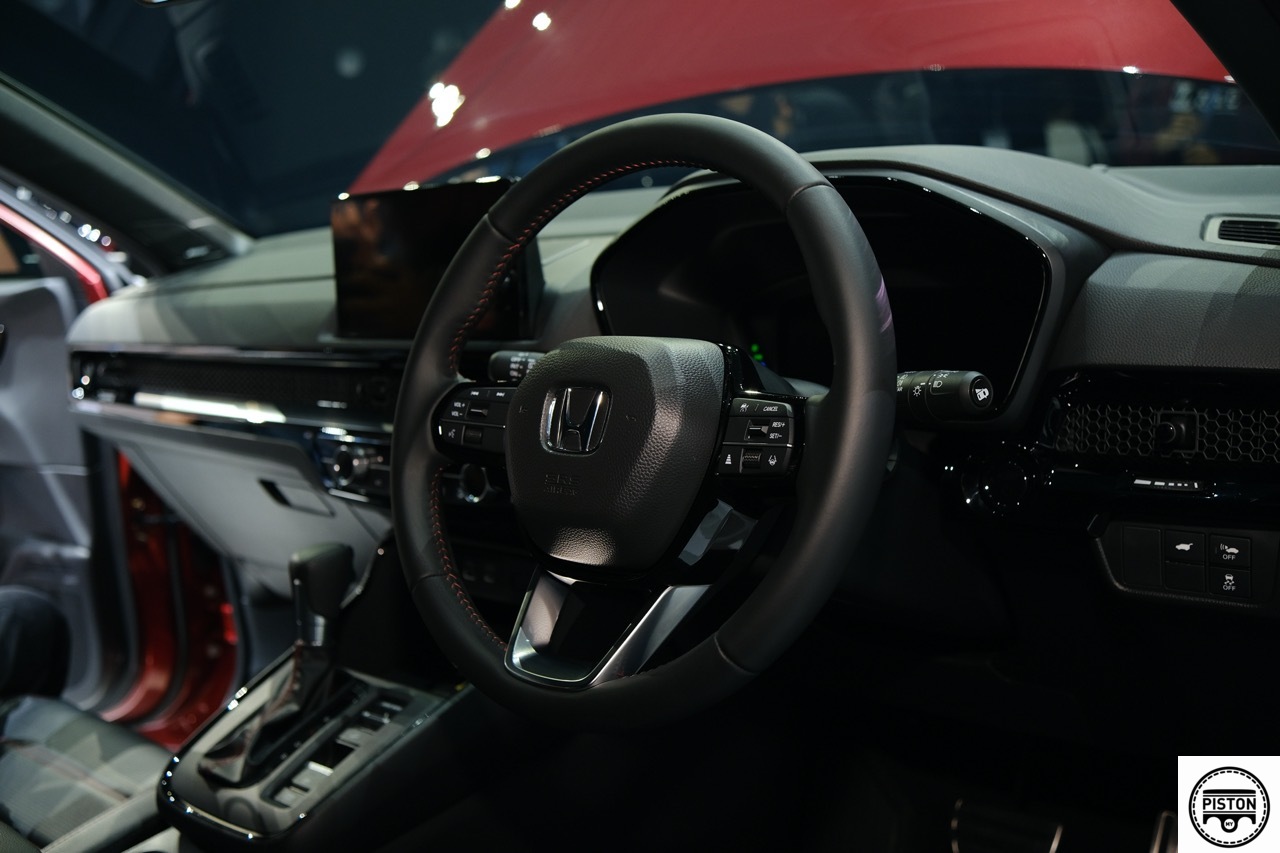
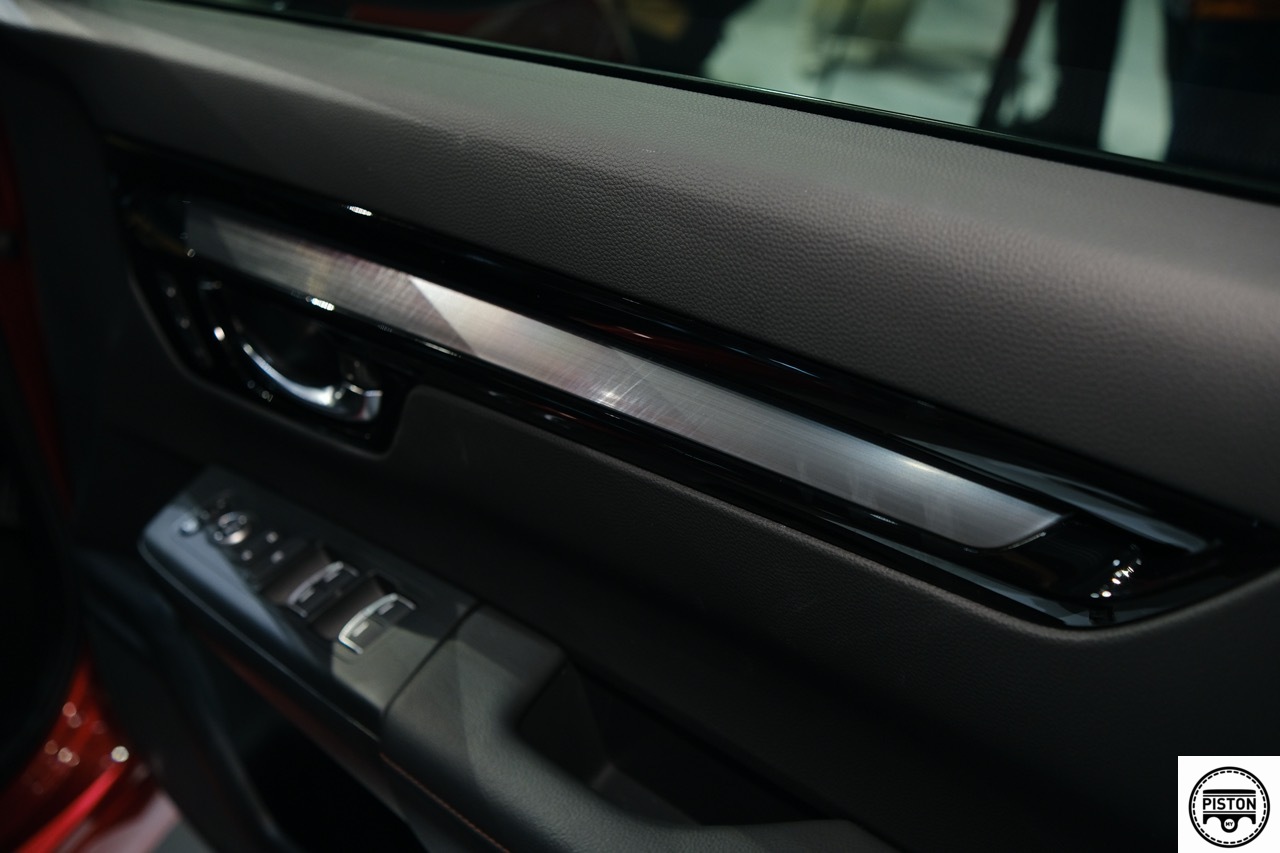
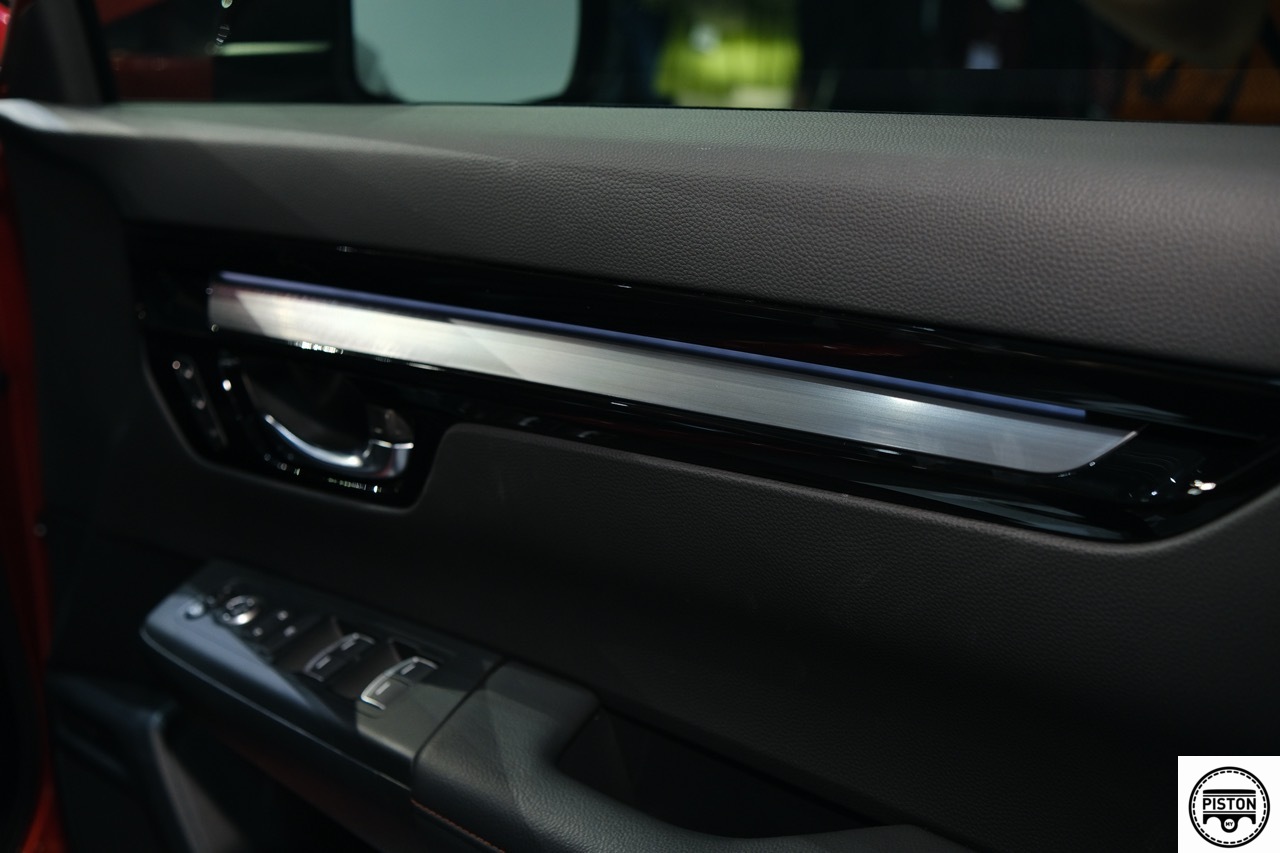
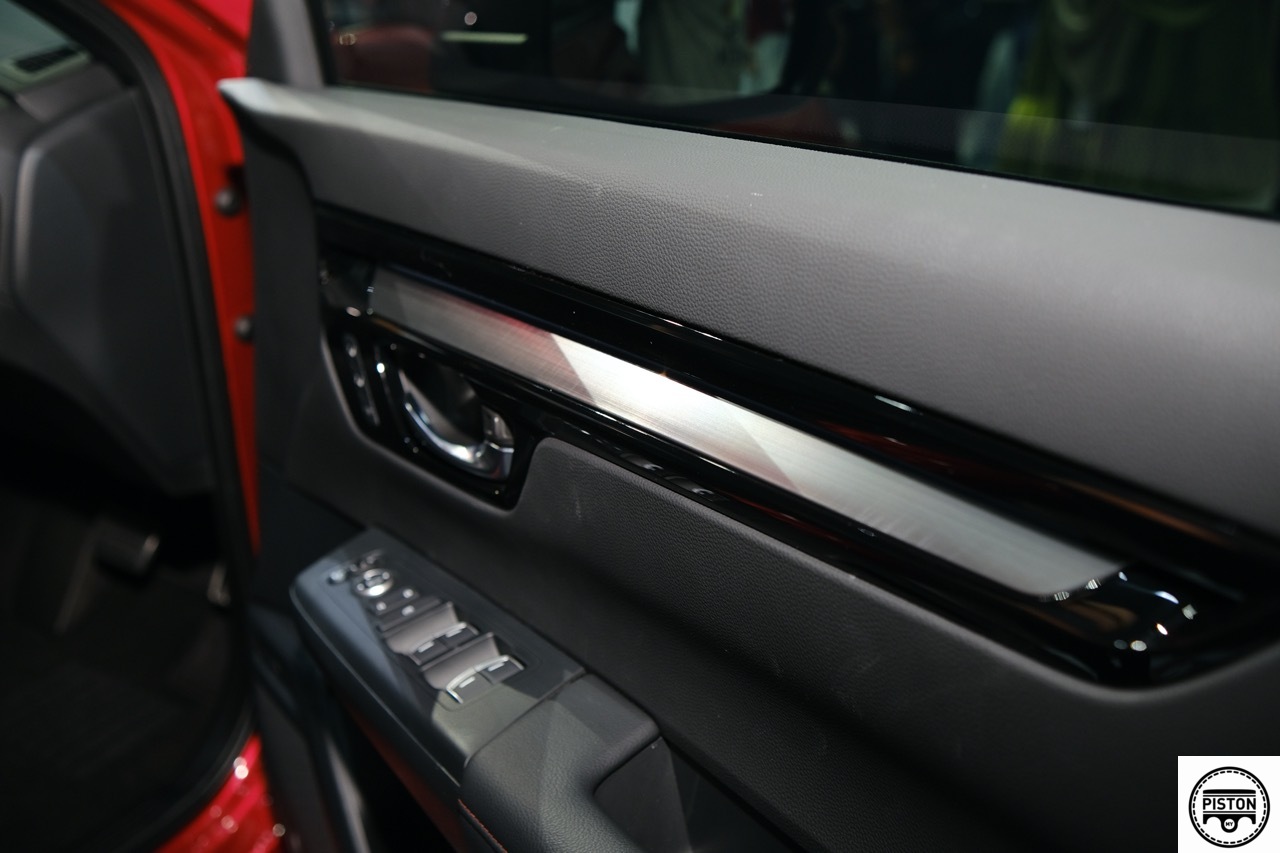
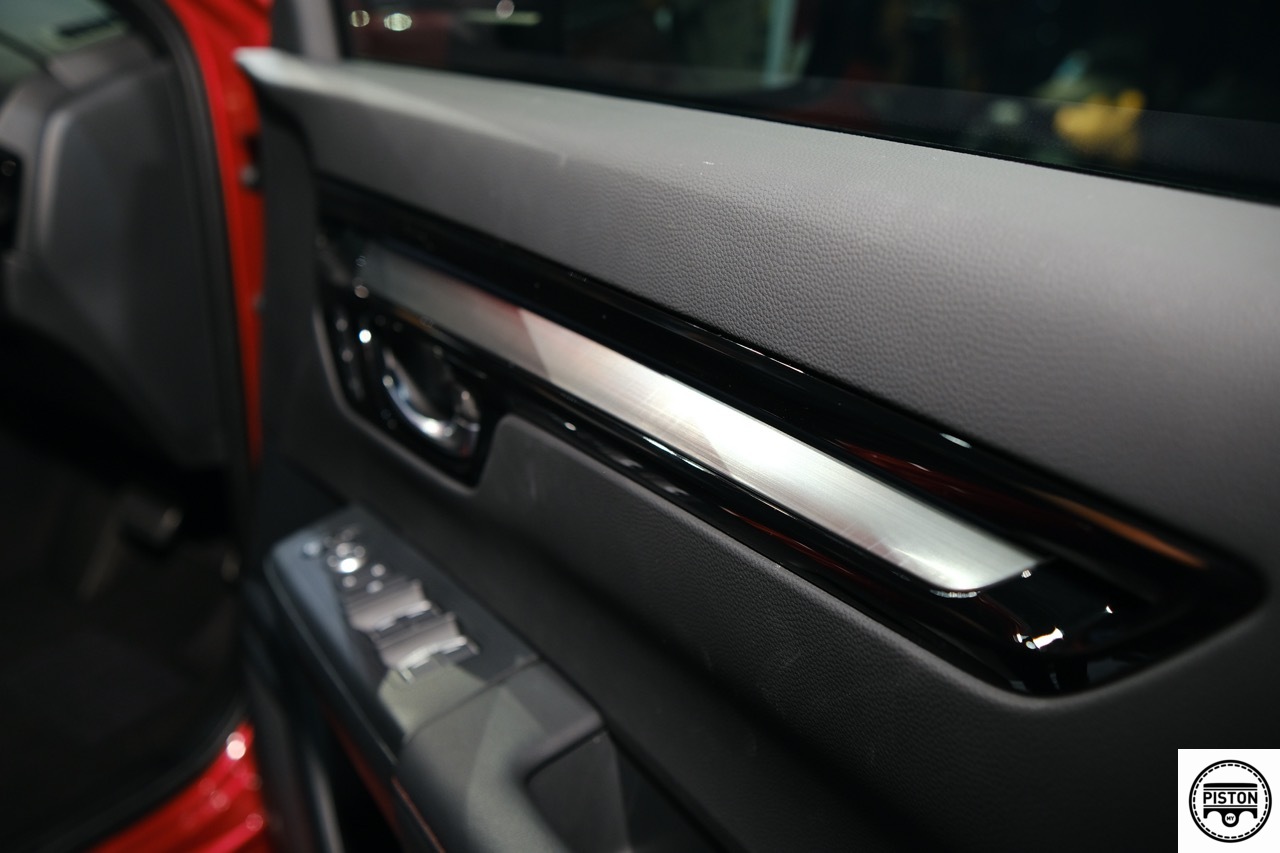
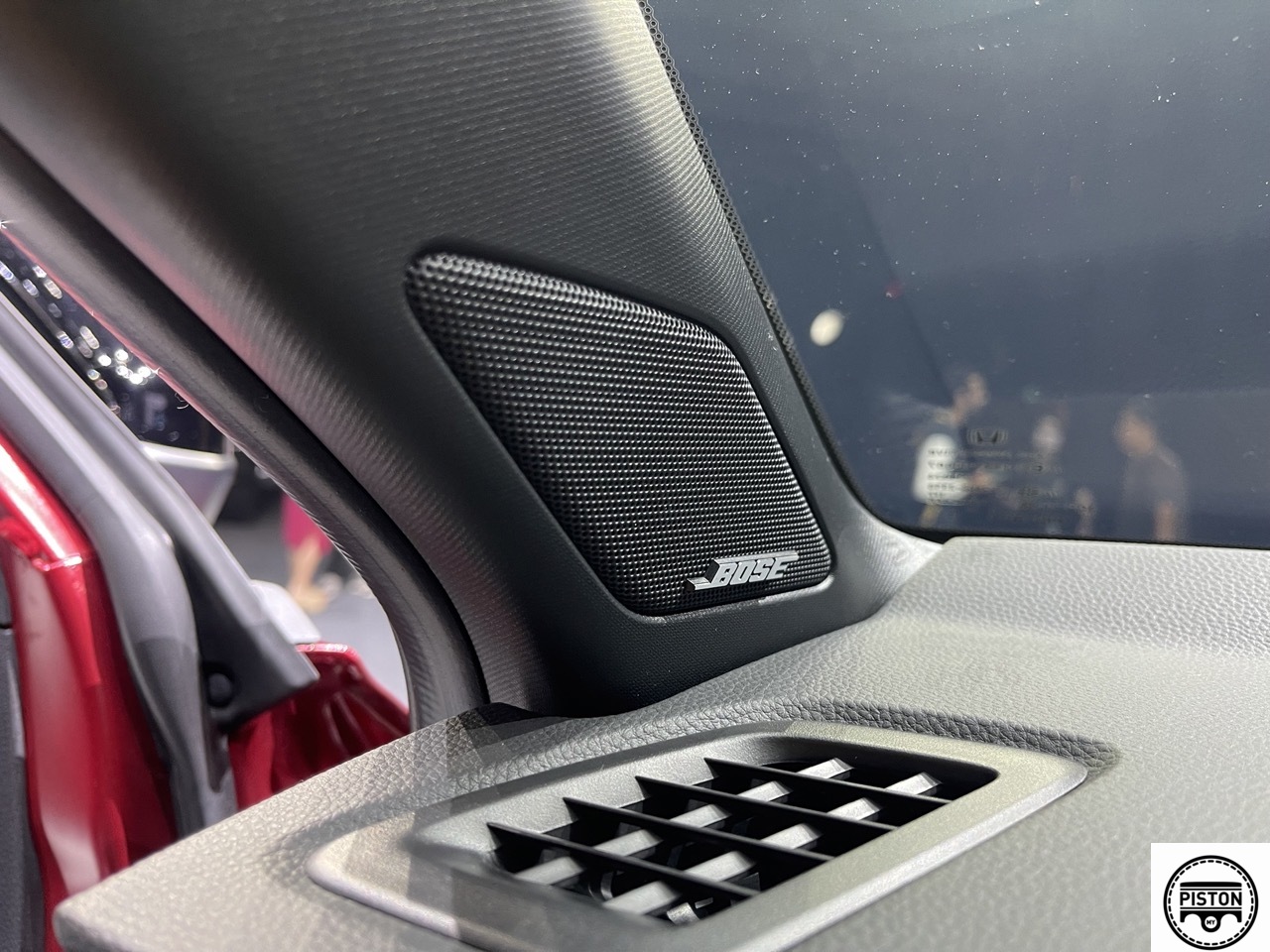
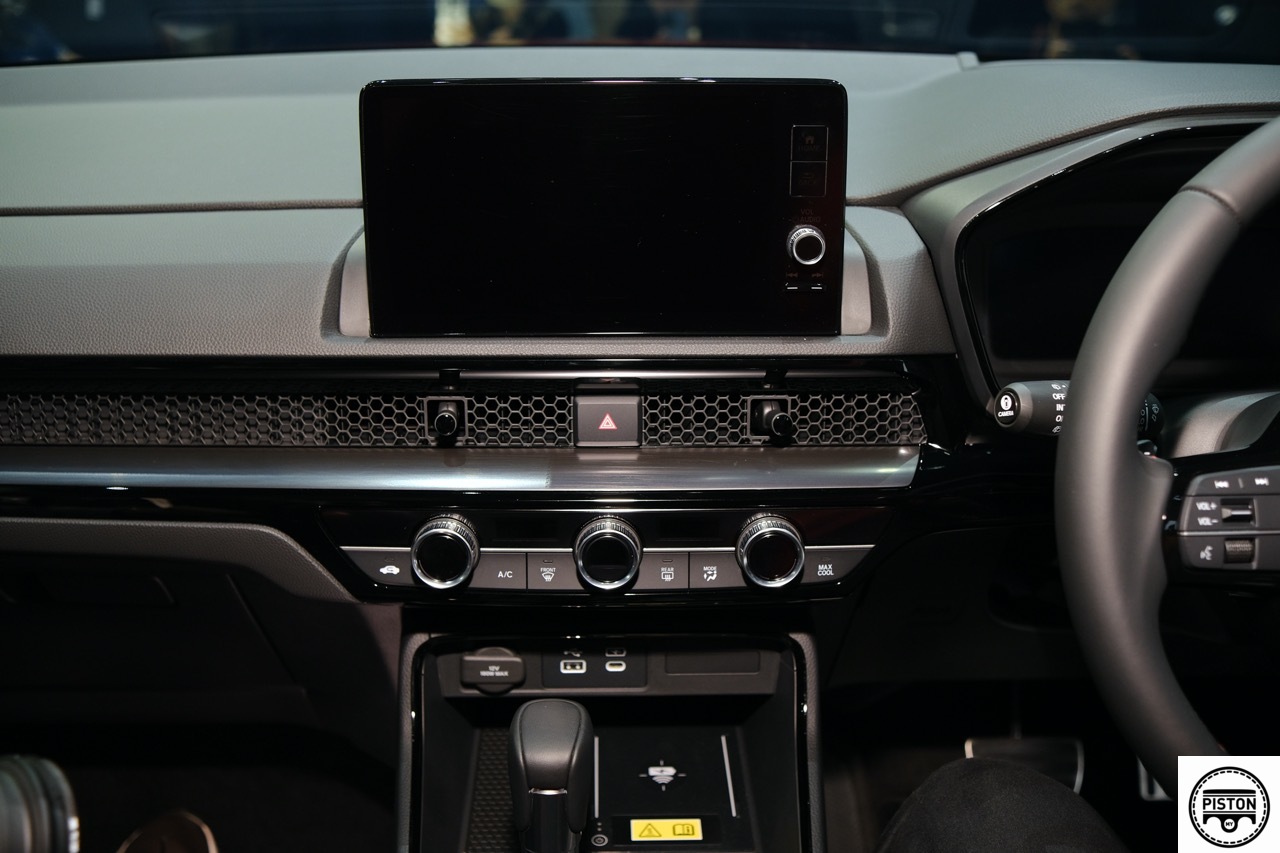
Inside, the new CR-V e:HEV RS comes with a 12-speaker Bose sound system while the other variants come with eight speakers. You will also find an improved dashboard as seen in the Civic and with it is a nine-inch infotainment touchscreen, seven-inch for the base S variant. The V and e:HEV RS variants offer interior ambient lighting.
 

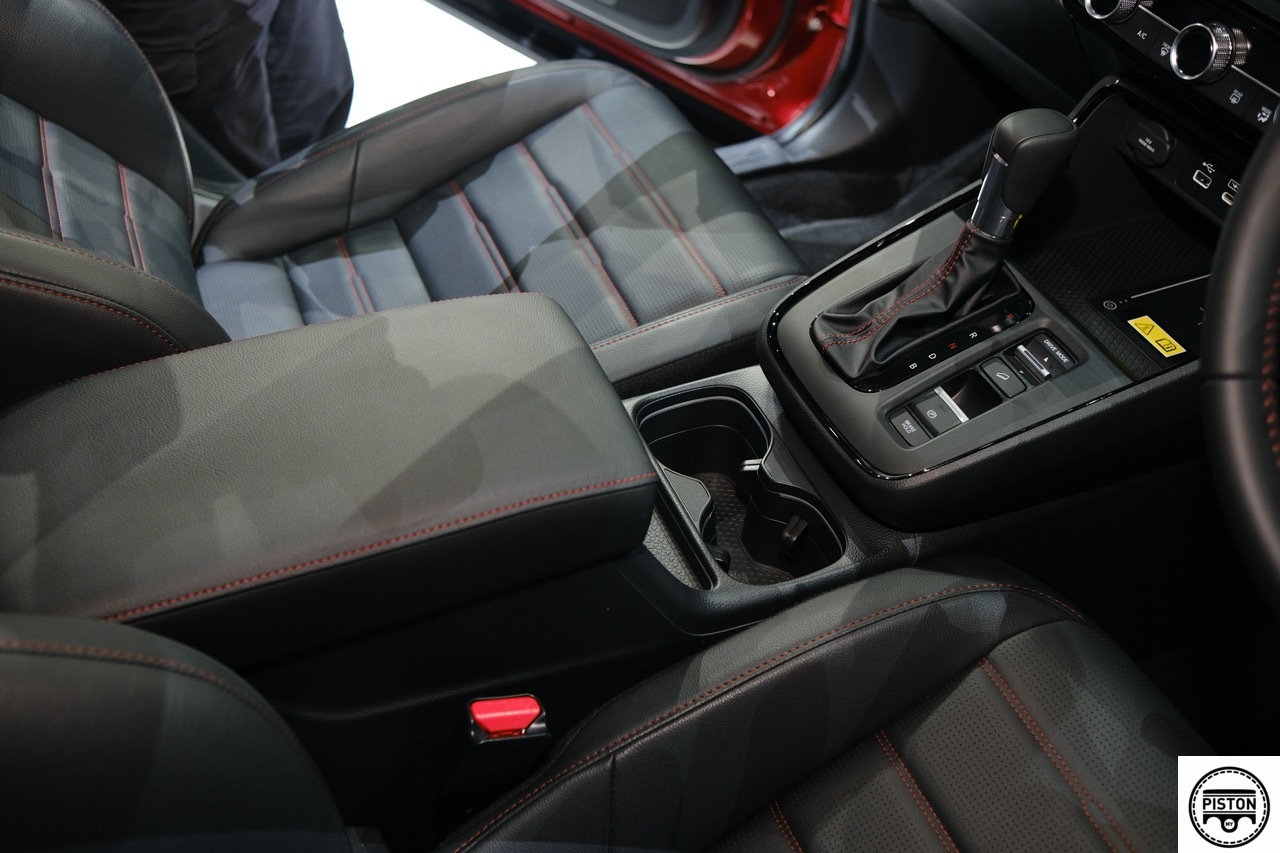
Additionally, the new CR-V features Honda Body Stabilising Seats. This is the first CR-V to use Honda’s Body Stabilising Seat for front passengers, which has a planar resin mat construction to support the occupant’s entire lower body for increased support and stability, extending from the pelvis to the lumbar spine. This raises the hip point position, which facilitates getting in and out of the SUV.
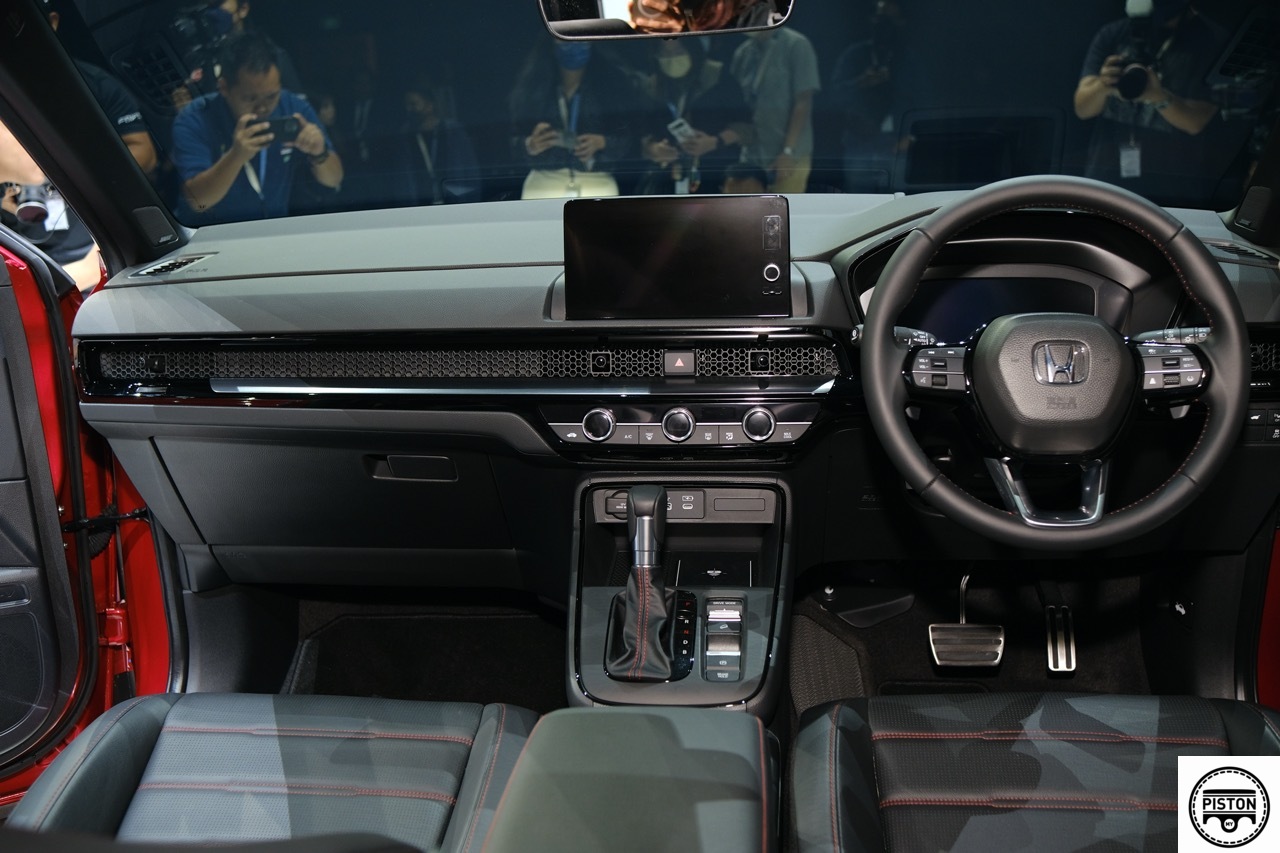
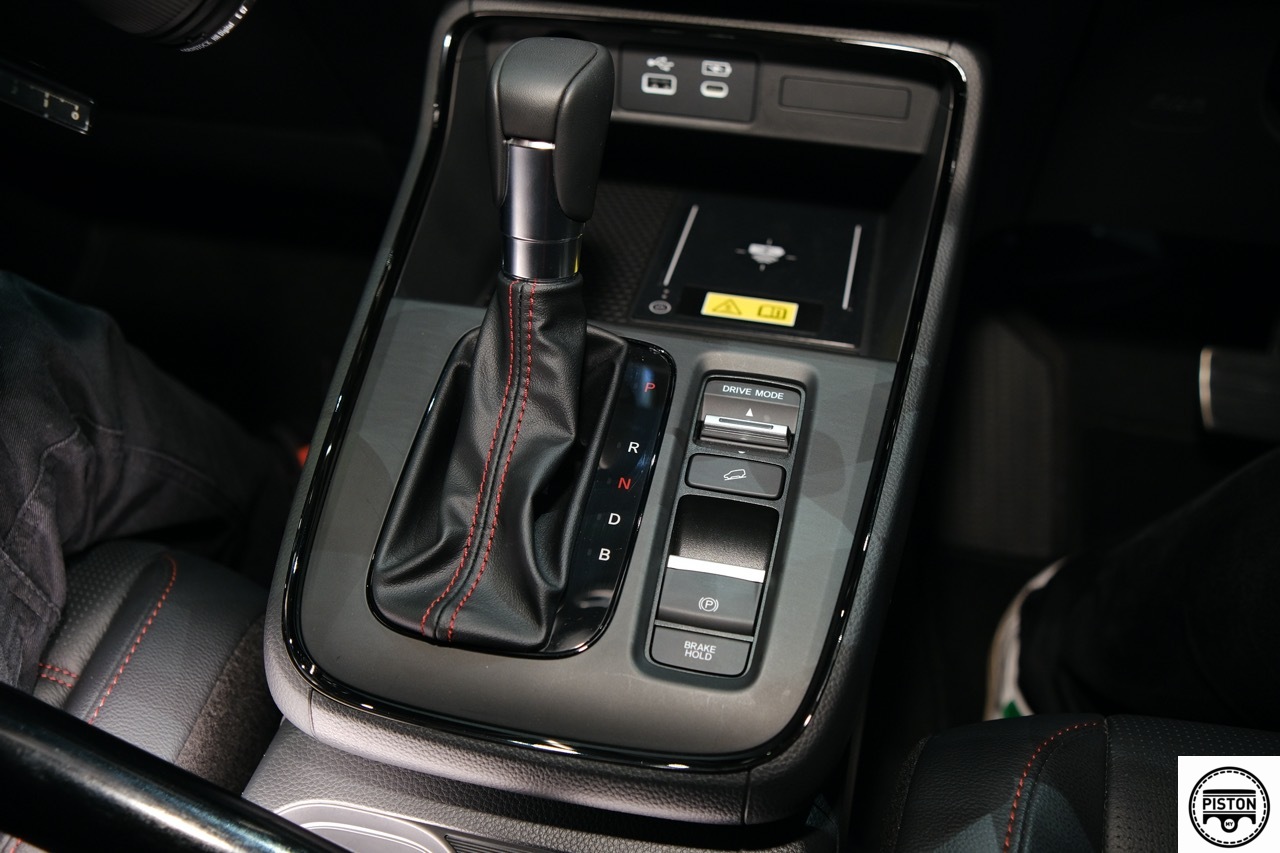
Qi wireless charging, a 360-degree camera, a Honda key card, and wireless Apple CarPlay are among the new features of the CR-V, which also has Android Auto connectivity. Depending on the model, the instrument cluster is either a 10.25-inch fully digital display or a seven-inch semi-digital one with an analogue speedometer, similar to the Civic.
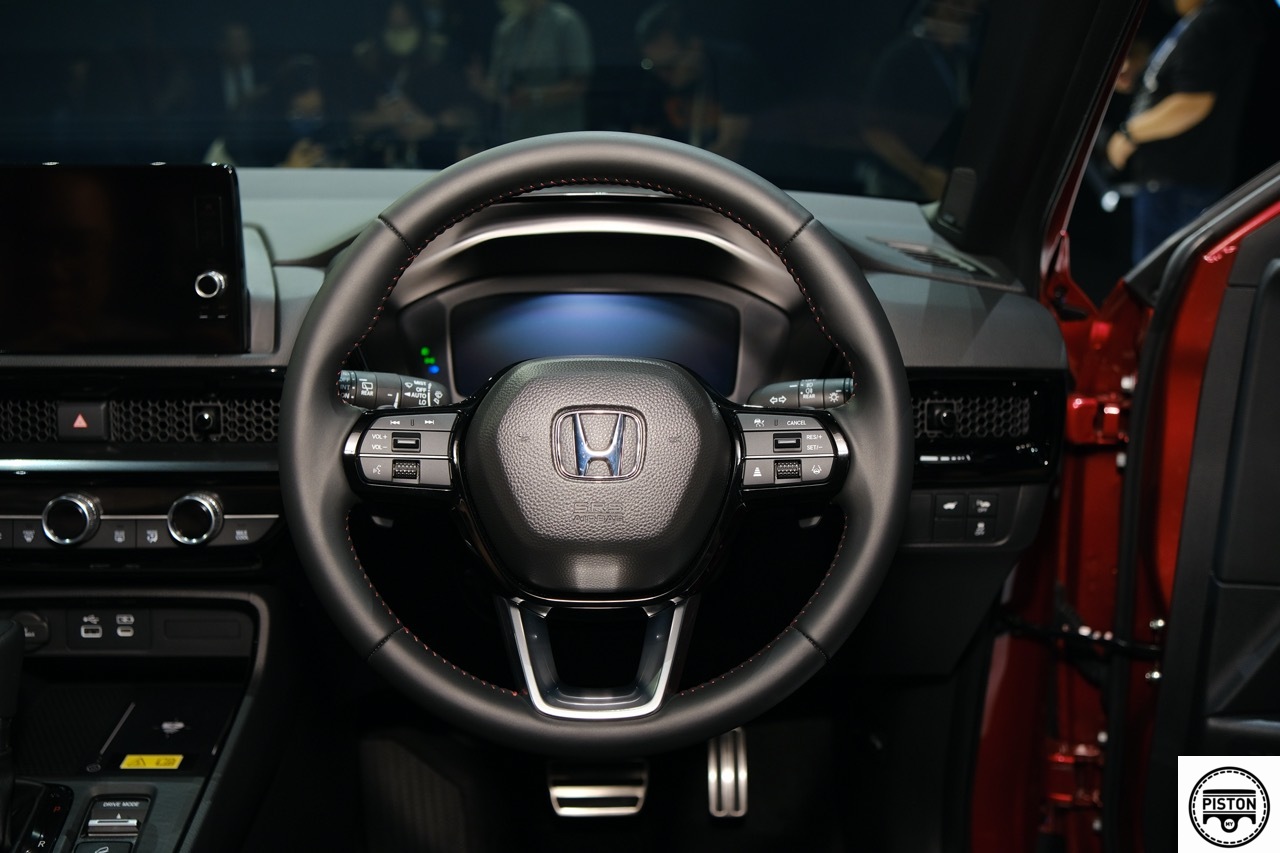
Safety wise, the new CR-V comes with Honda Sensing with advanced technology such as the combination of radar, camera and sonar sensor for better detection angles. This helps with lane departure warning (LDW), road departure mitigation (RDM), lane keep assist system (LKAS), forward collision warning (FCW), collision mitigation braking system (CMBS), lead car departure notification system (LCDN), adaptive cruise control (ACC), low speed follow (LSF), and the RS trim comes with adaptive driving beam.
For the first time in Honda Malaysia, the model incorporates a total of eight Airbags with the inclusion of two Knee Airbags. This feature, along with Honda Connect, comes as standard across all variants.
The all-new CR-V provides customers with a choice of five attractive colours. Available for the first time in Honda Malaysia is Canyon River Blue Metallic, joining the line-up of Platinum White Pearl, Lunar Silver Metallic, Meteoroid Gray Metallic, and Ignite Red Metallic.
The S variant is priced at RM159,900.00, the E at RM169,900.00 and the V at RM181,900.00. The e:HEV RS variant will only be available in early 2024, and Honda Malaysia will announce the price closer to the delivery period.

The comprehensive SUV package of the all-new CR-V contributed to its soaring popularity, amassing over 2,000 bookings in just one month.

This year, Honda is commemorating its 75th Anniversary, coinciding with Honda Malaysia’s celebration of 20 years of Completely Knocked Down (CKD) CR-V production as this model was the first car assembled in its Melaka plant. In conjunction with the celebration of these milestones, the All-New CR-V S Variant is offered at RM157,900 only for 750 units on a first-come, first served basis.

Archive

Follow us on Facebook

Follow us on YouTube