

Piston.my

Latest News

Honda is one of the most dynamic companies in the market. On one end it builds cars like the Honda CR-V, HR-V, Honda City and City Hatchback for regular people to go about their regular lives.
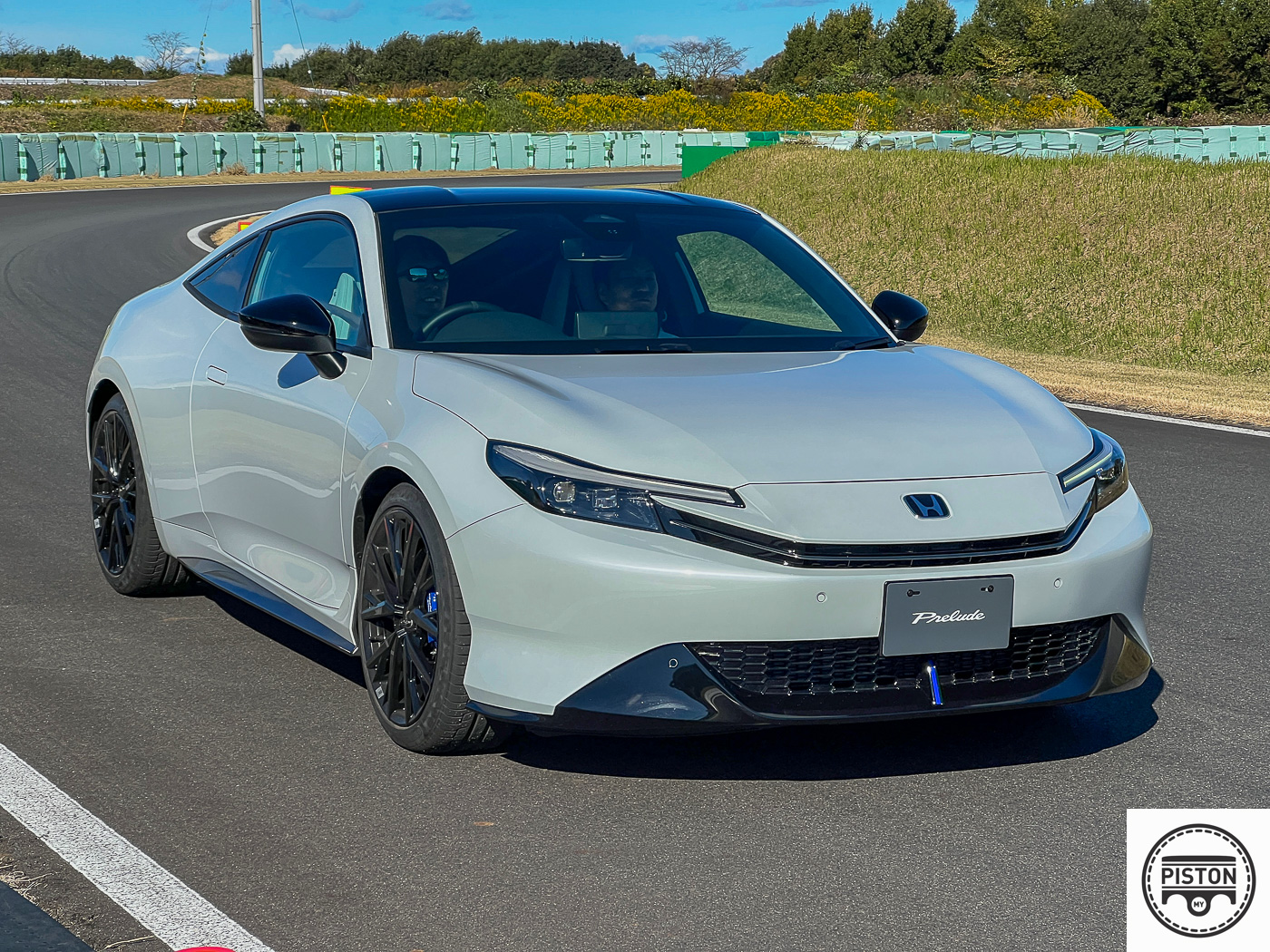
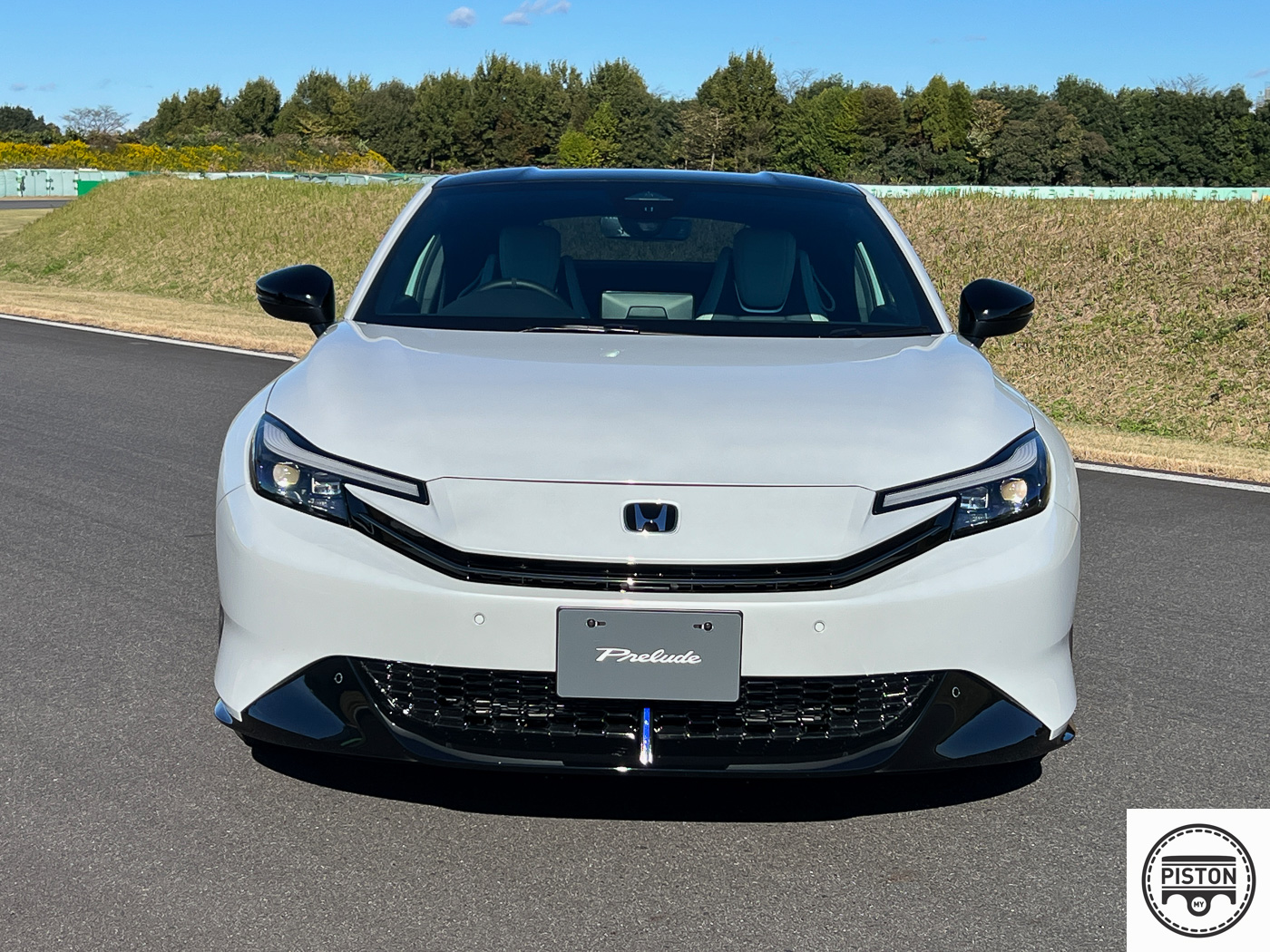
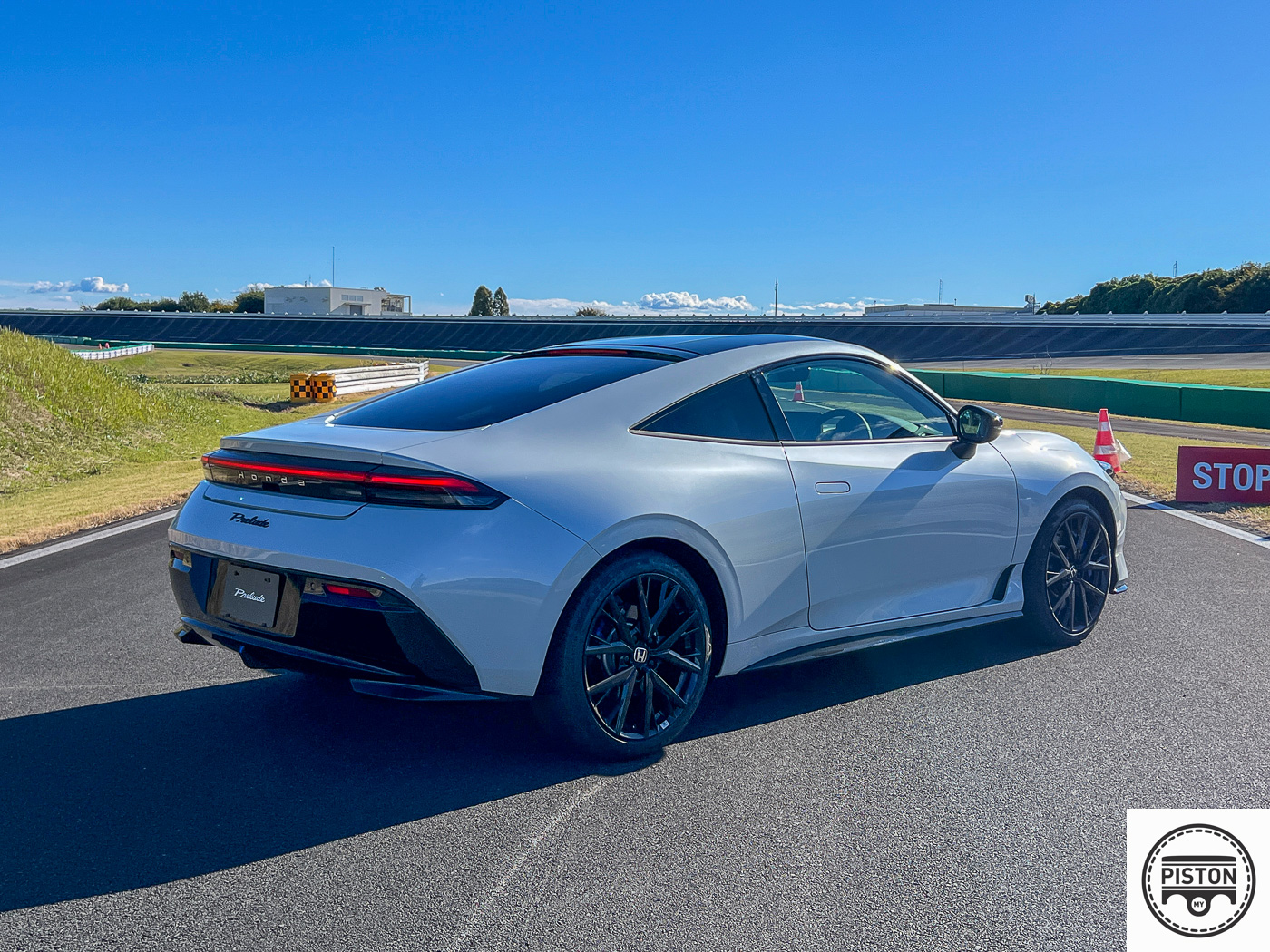
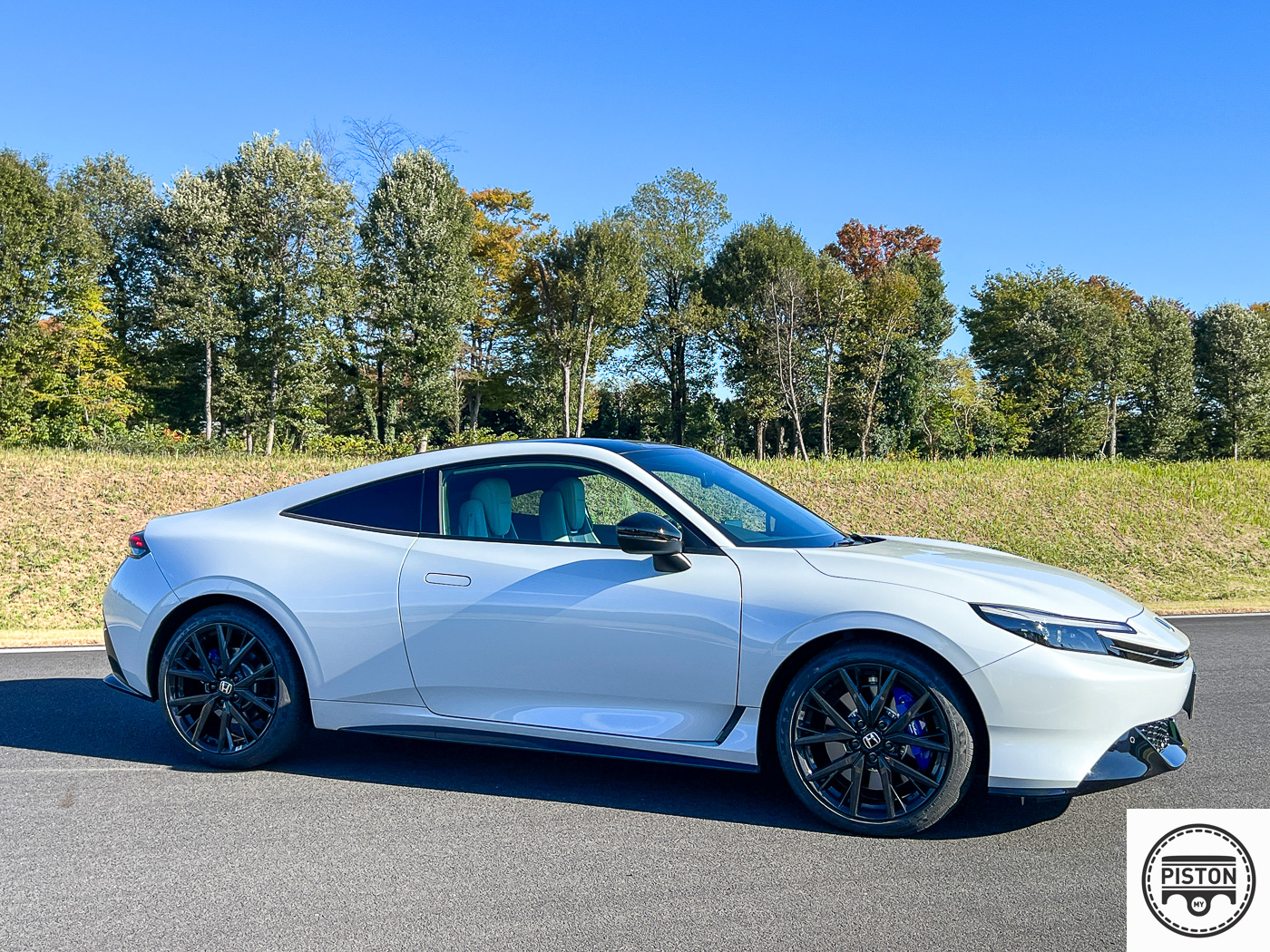
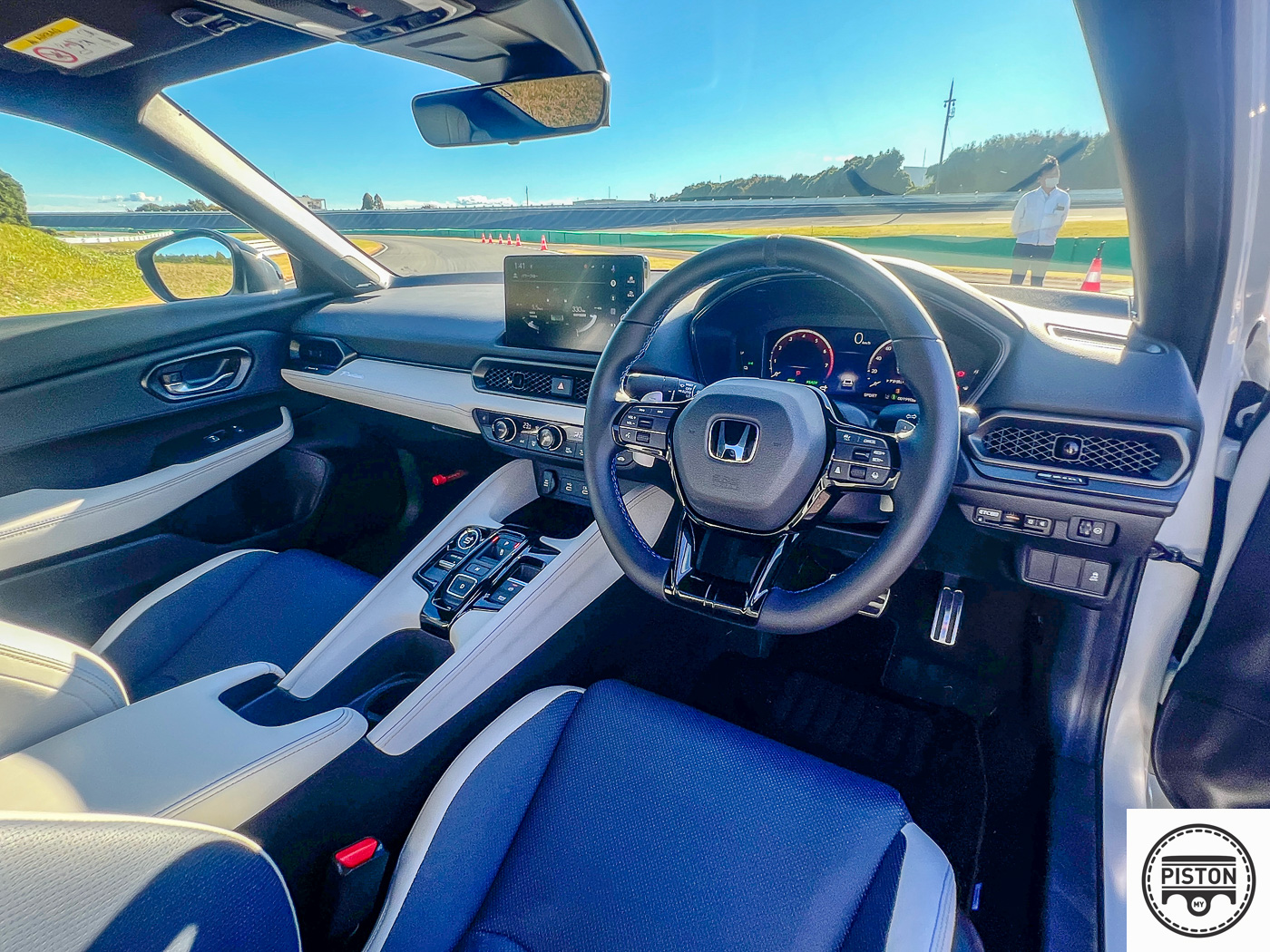
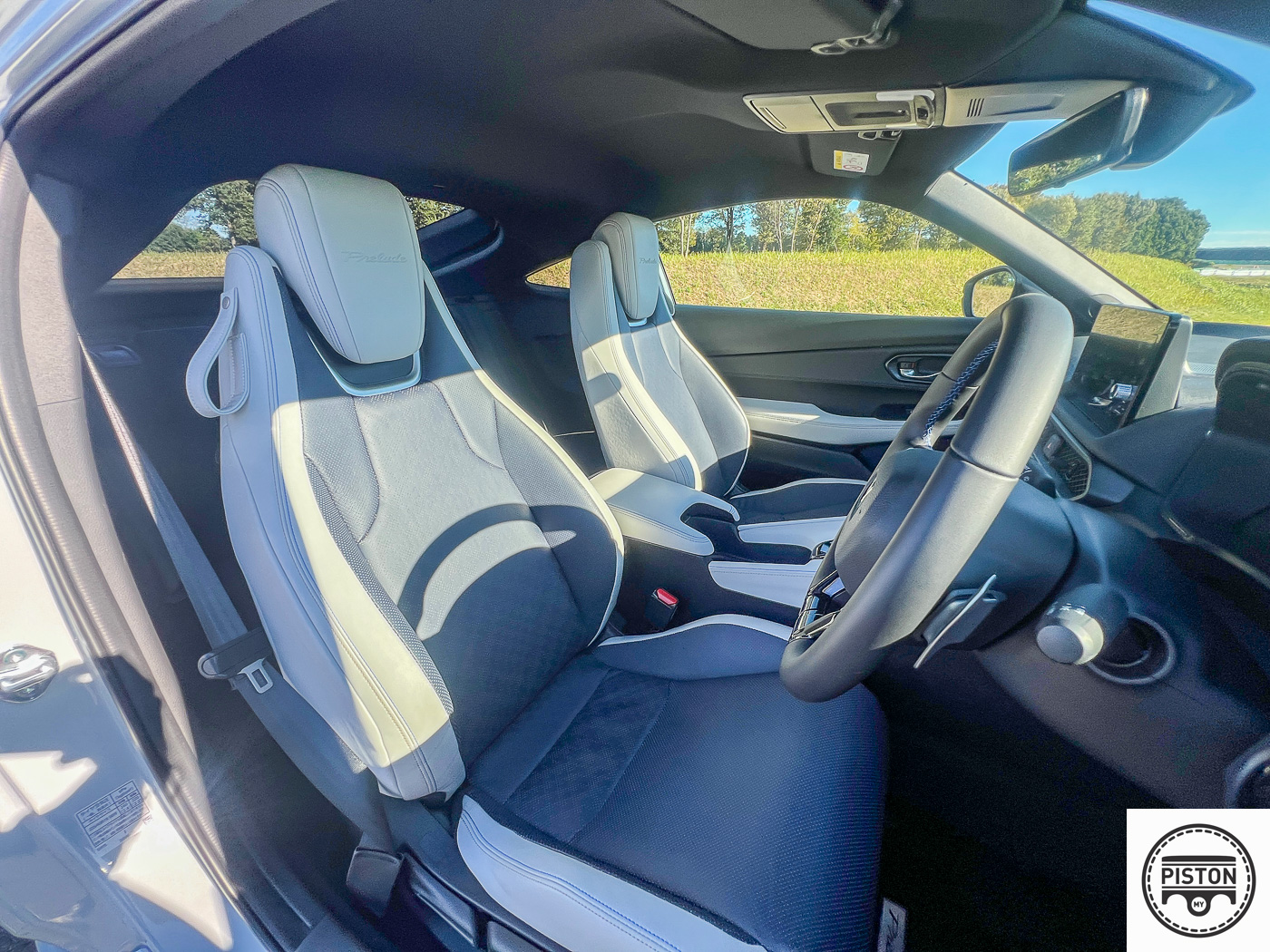
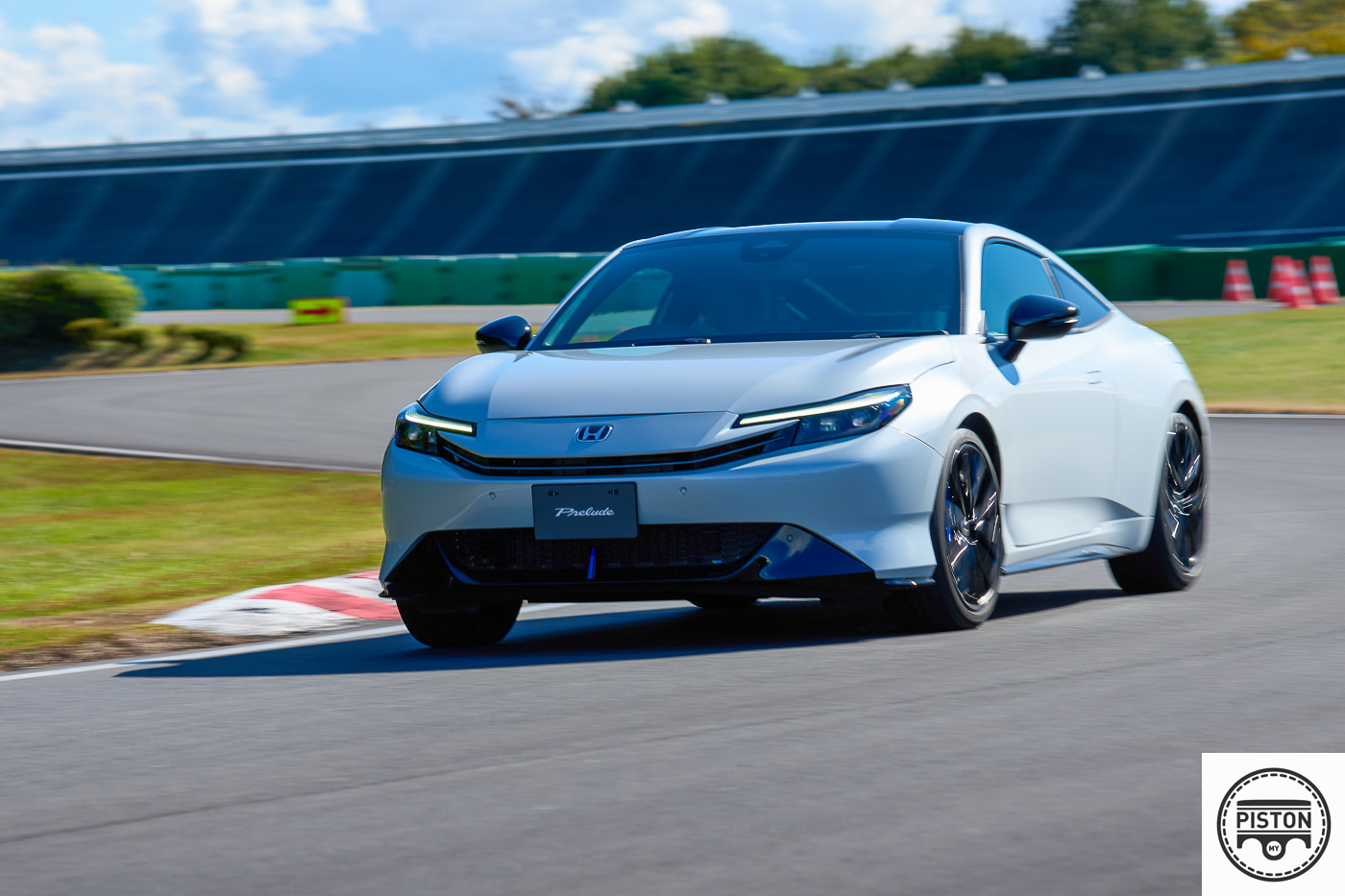
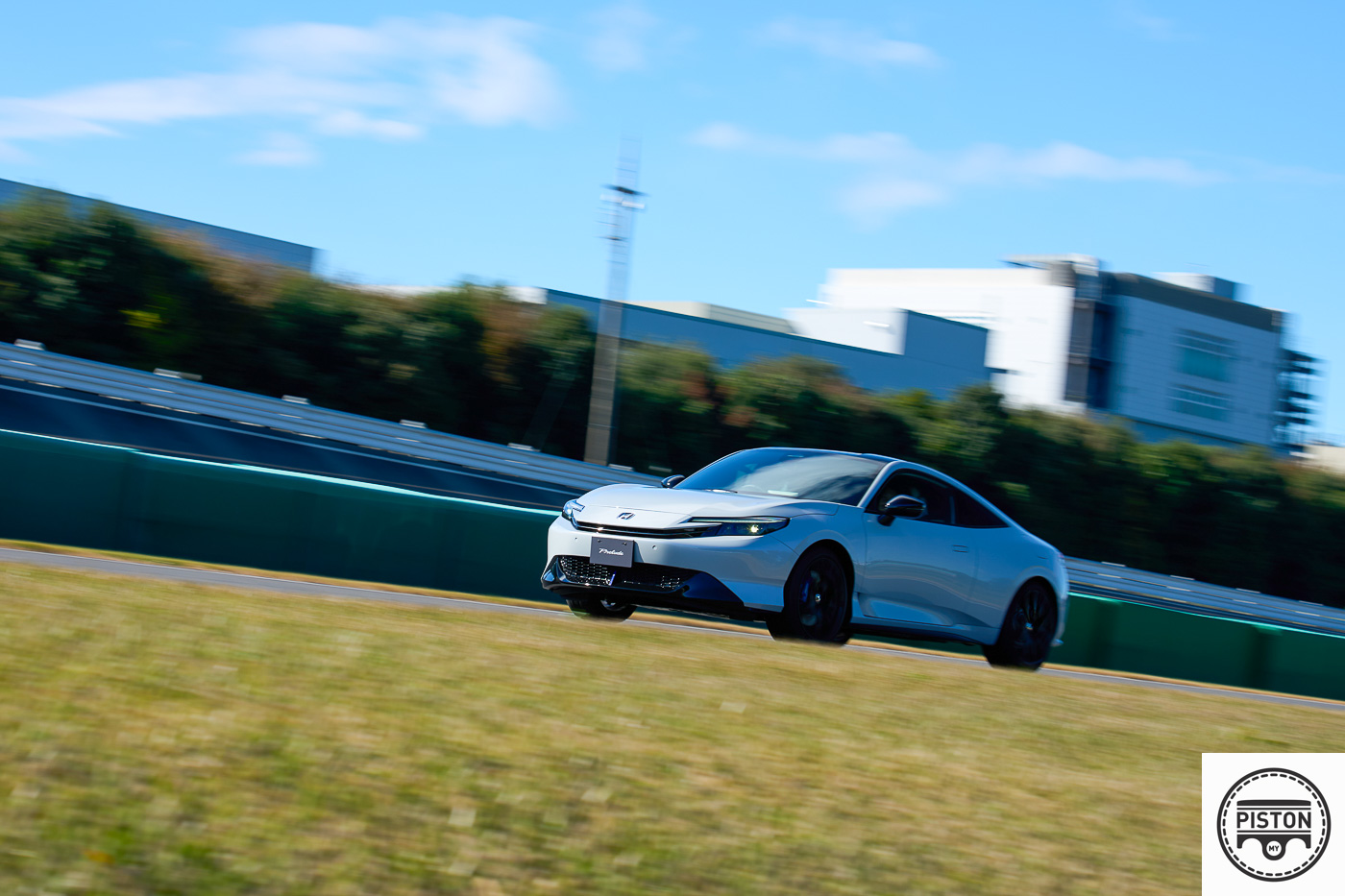
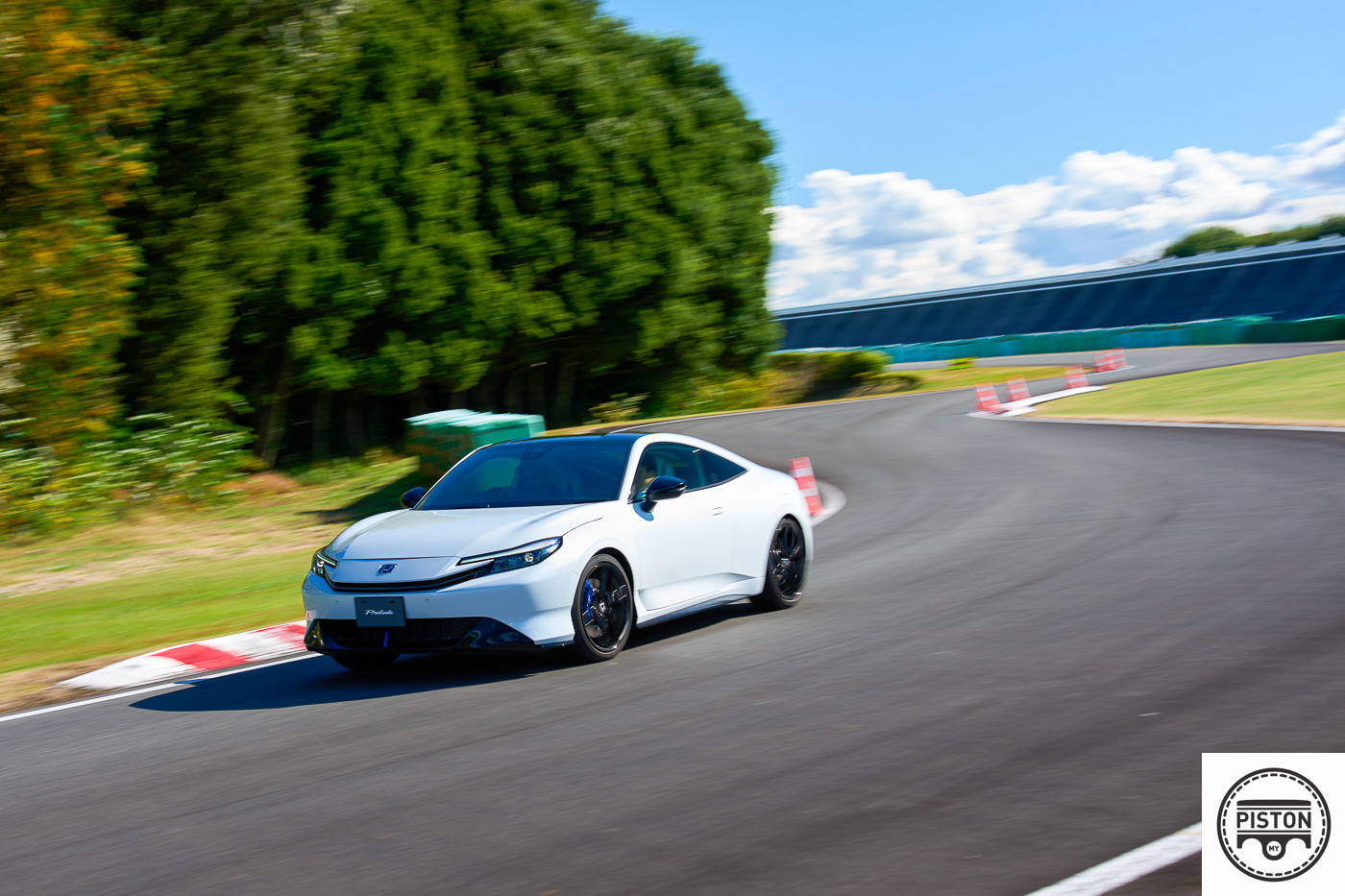
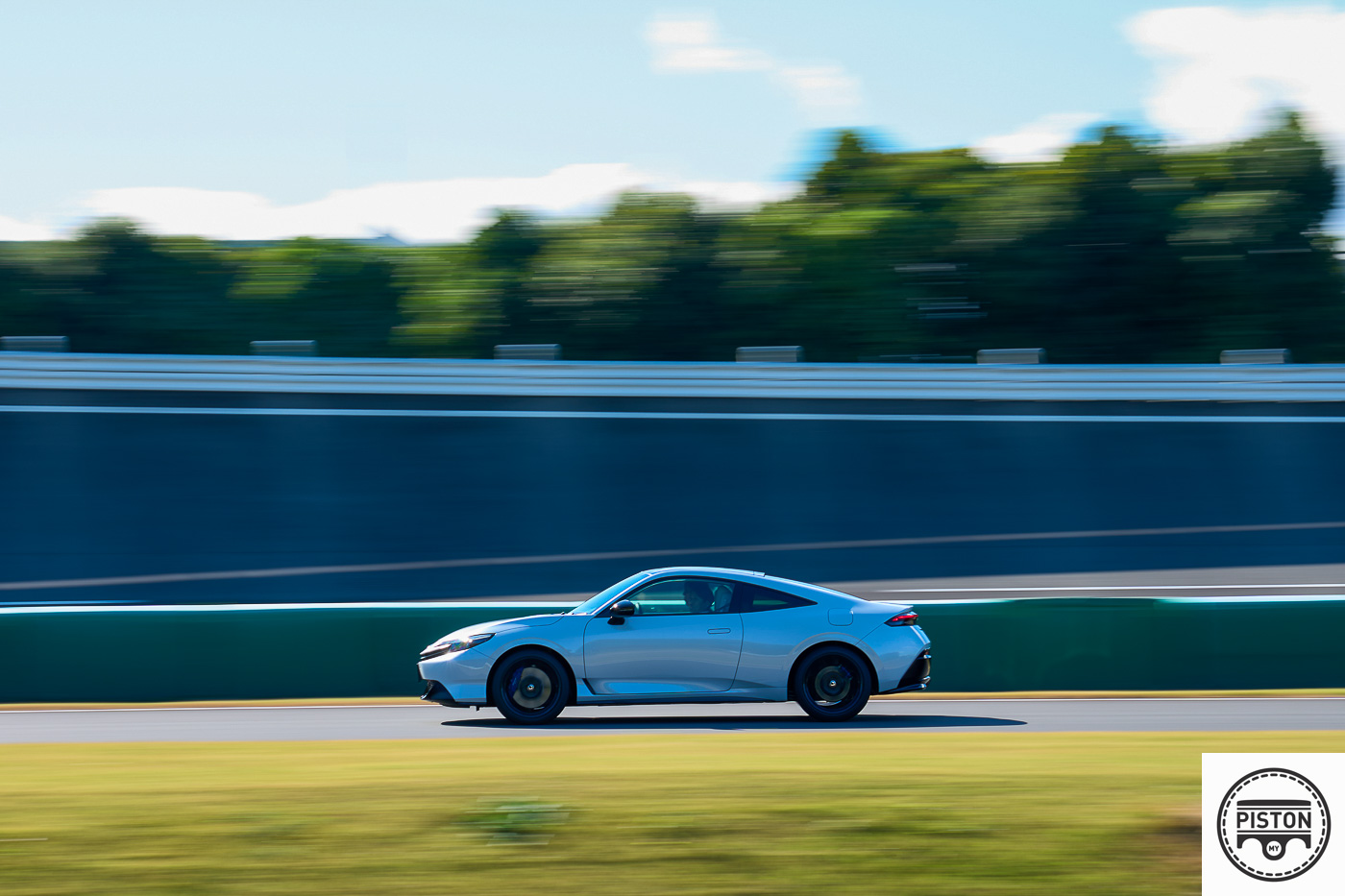
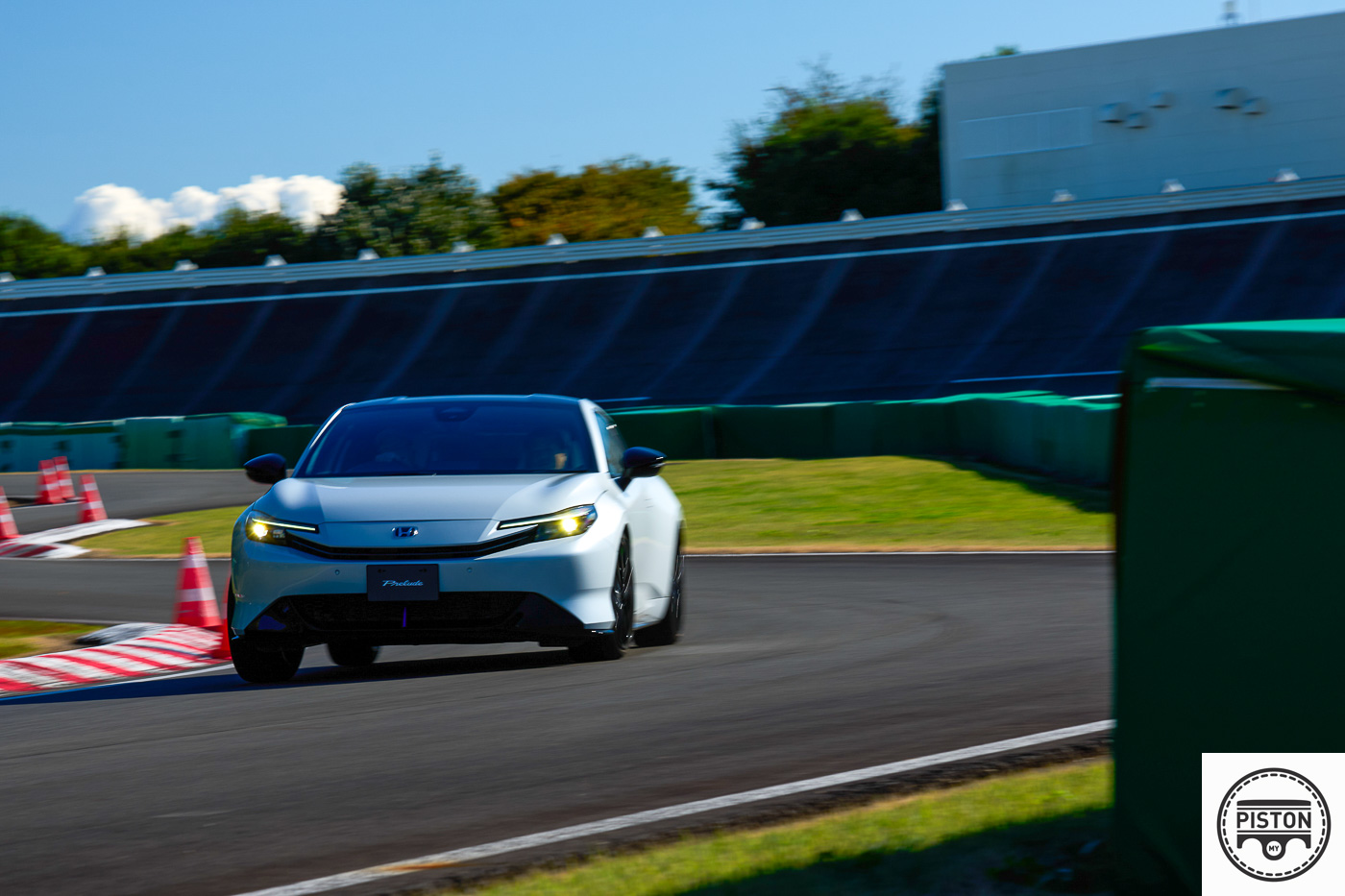
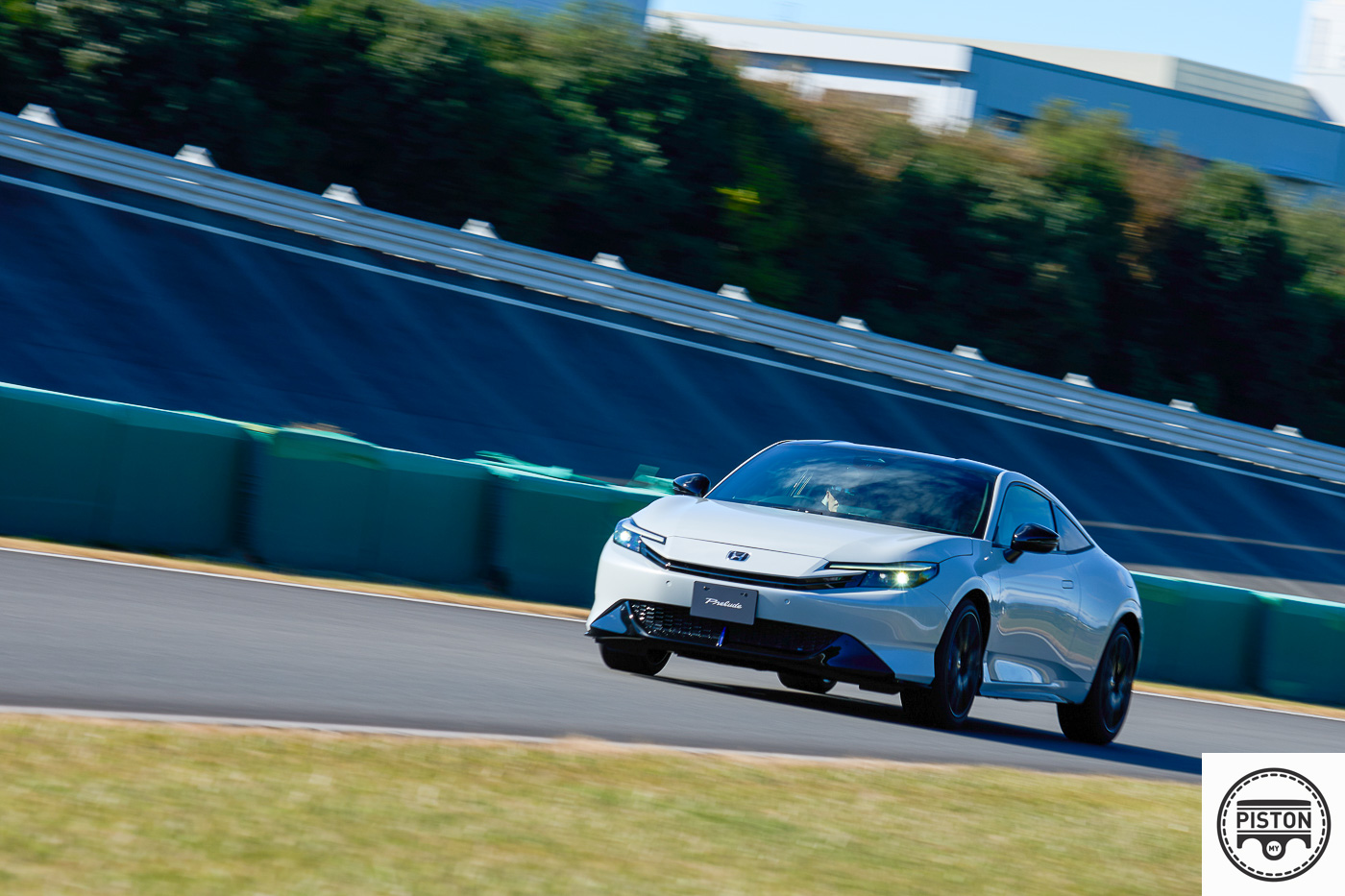
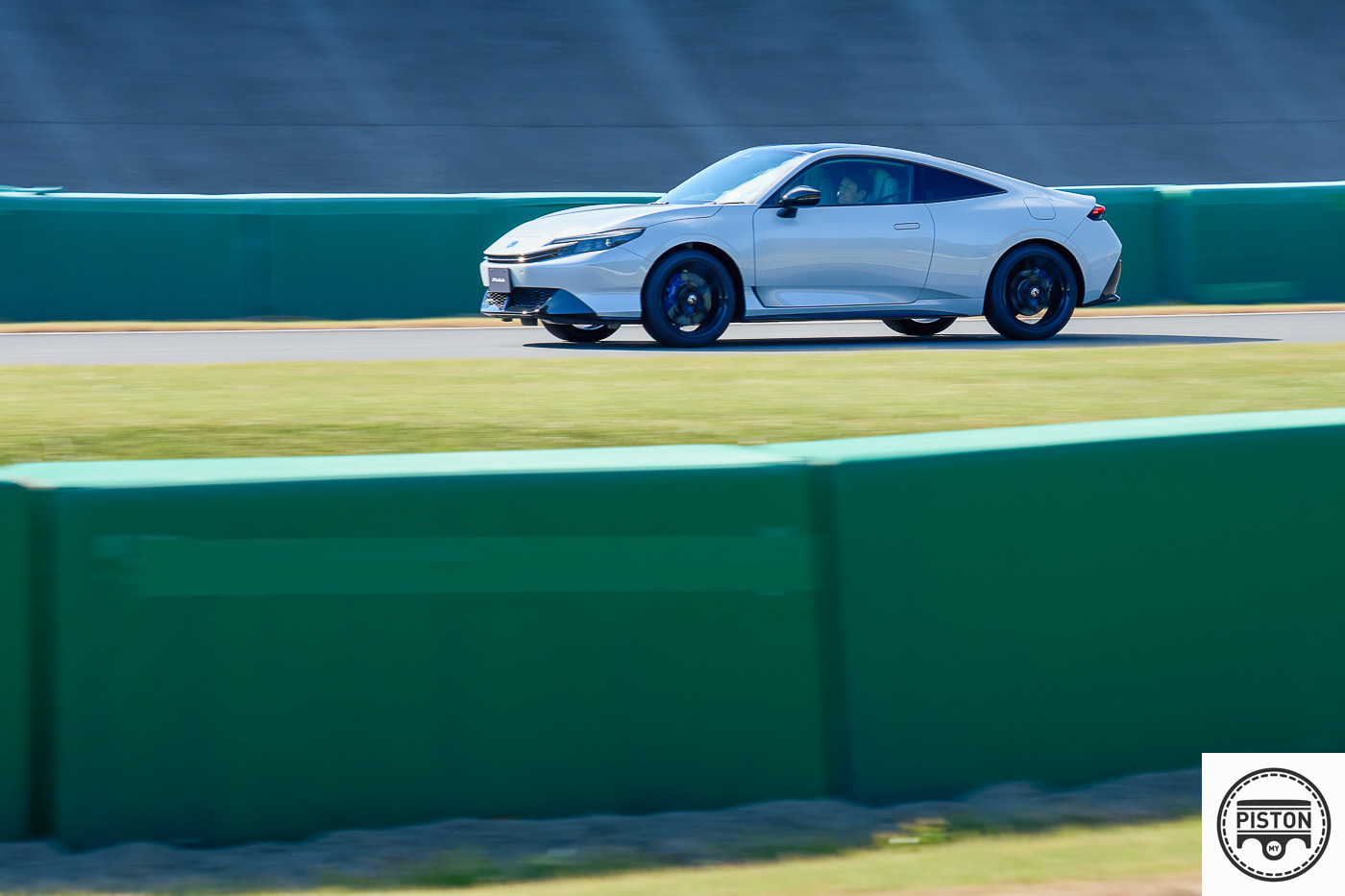
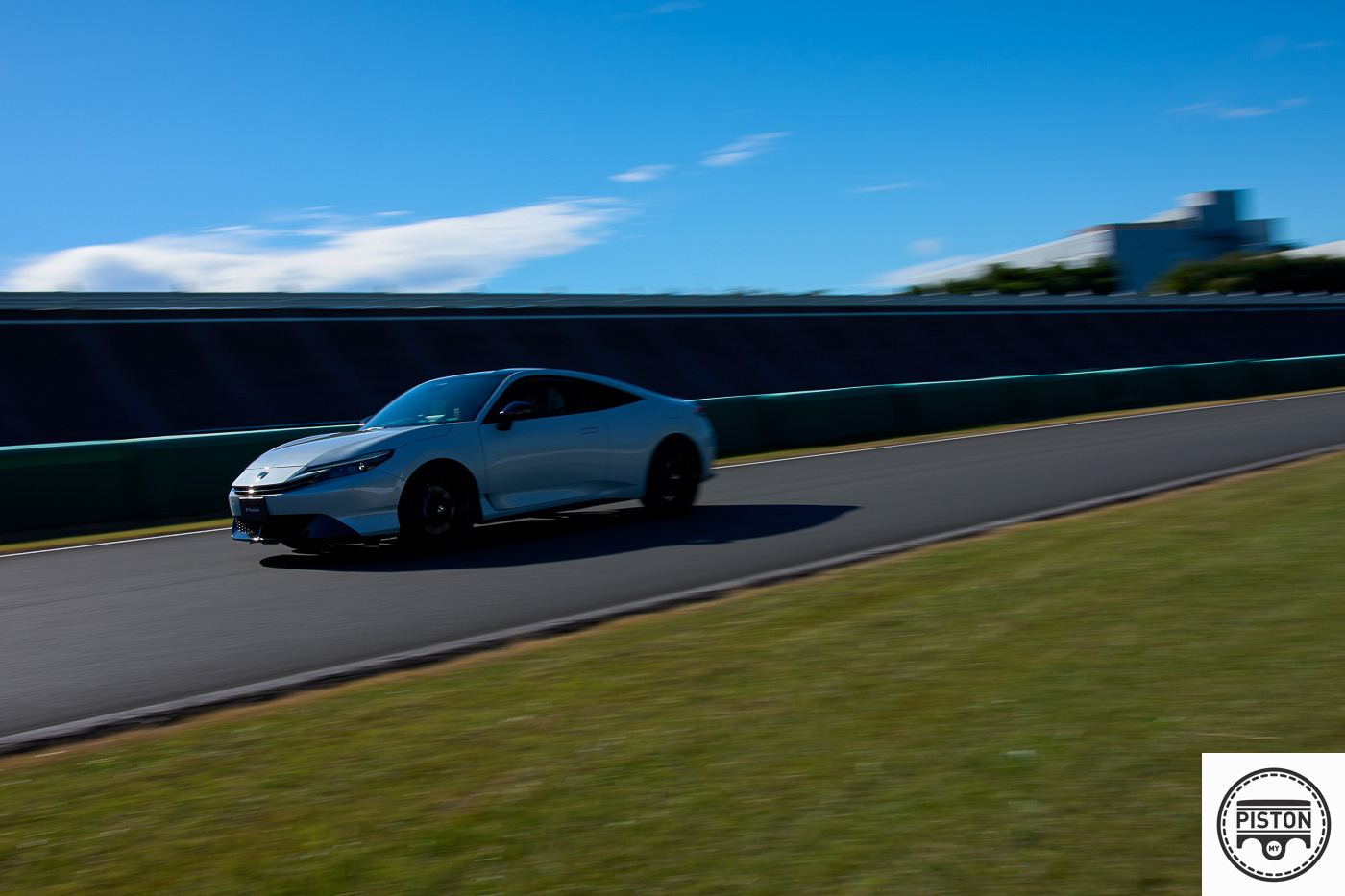
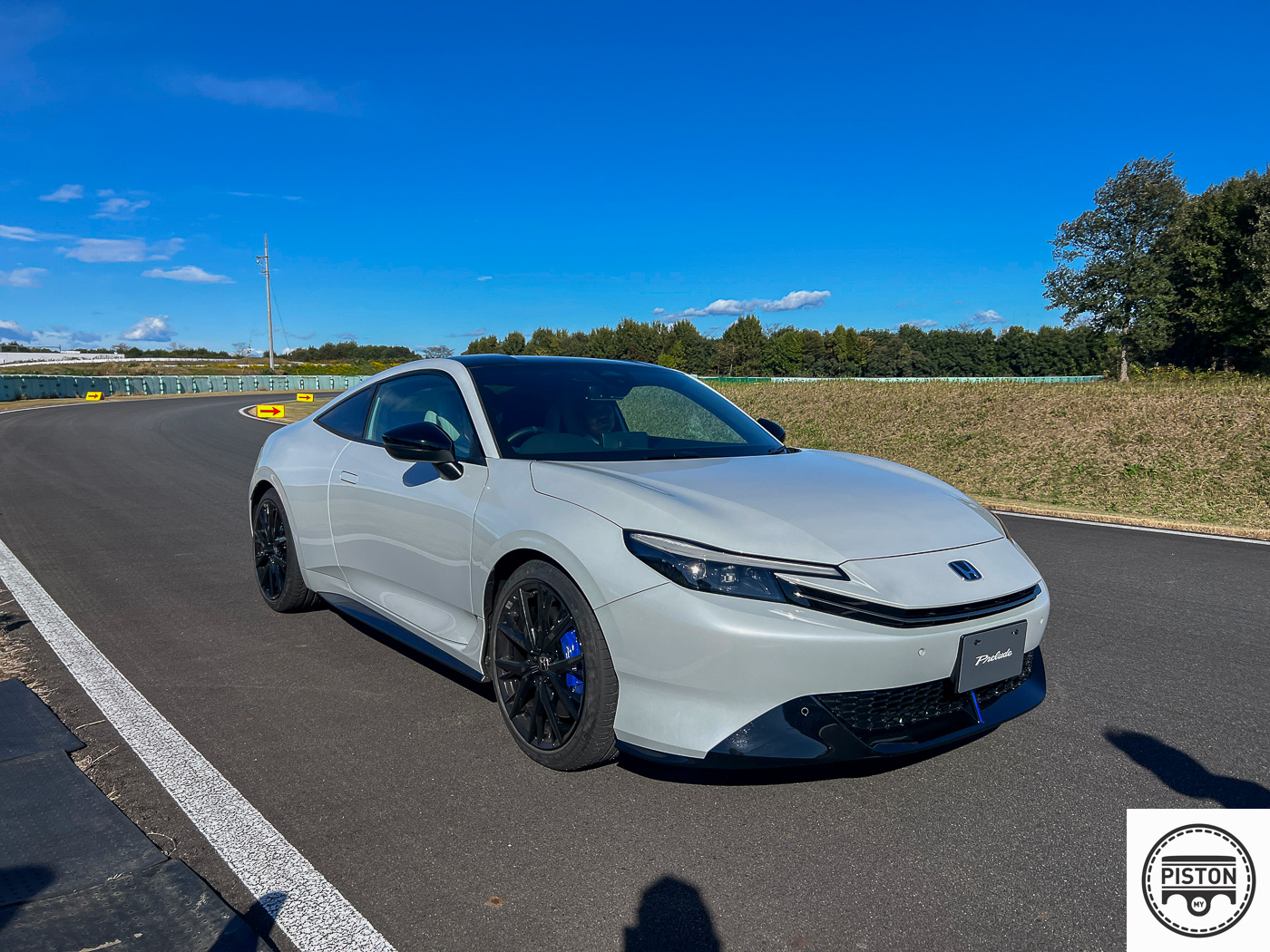
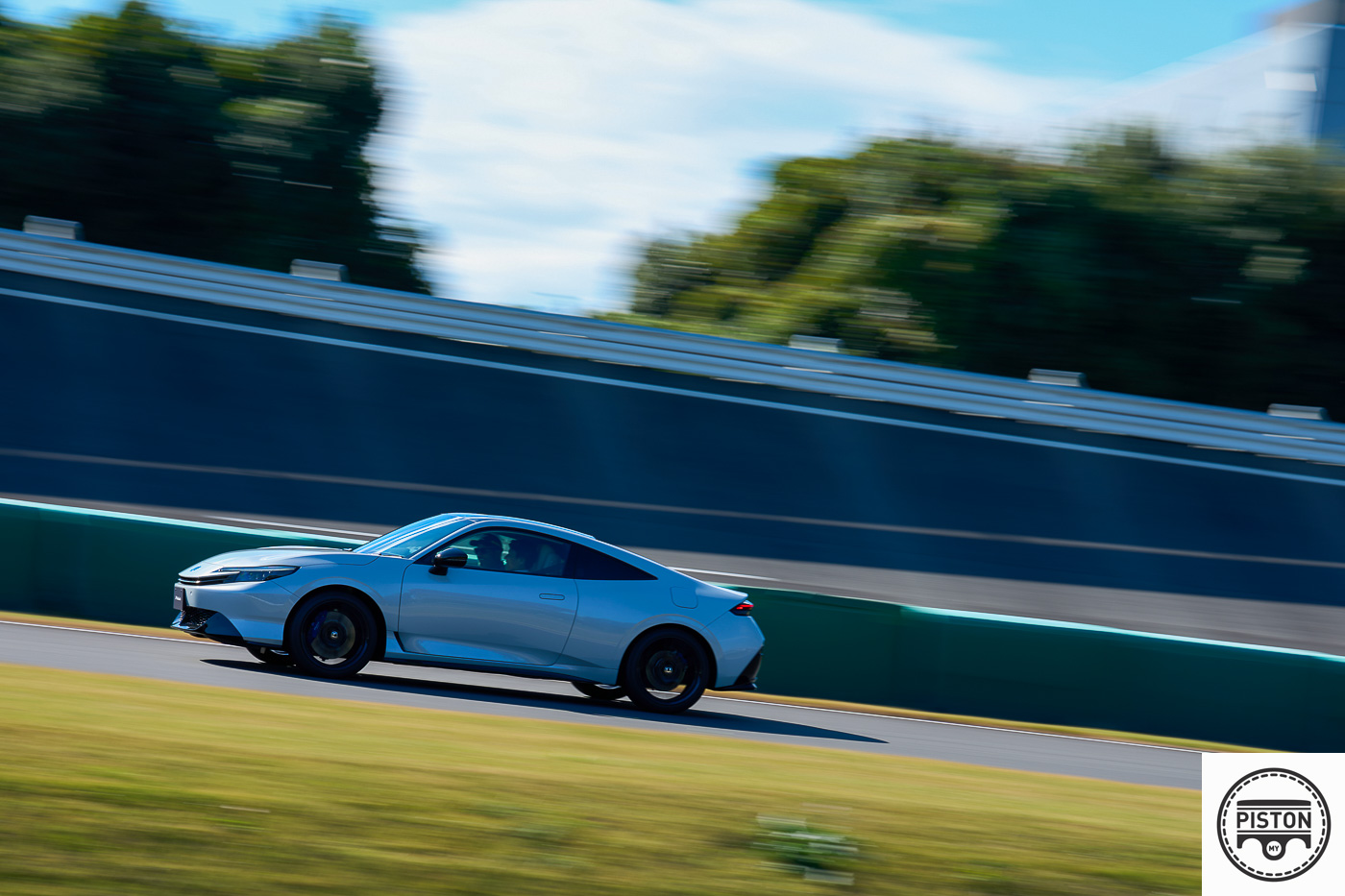
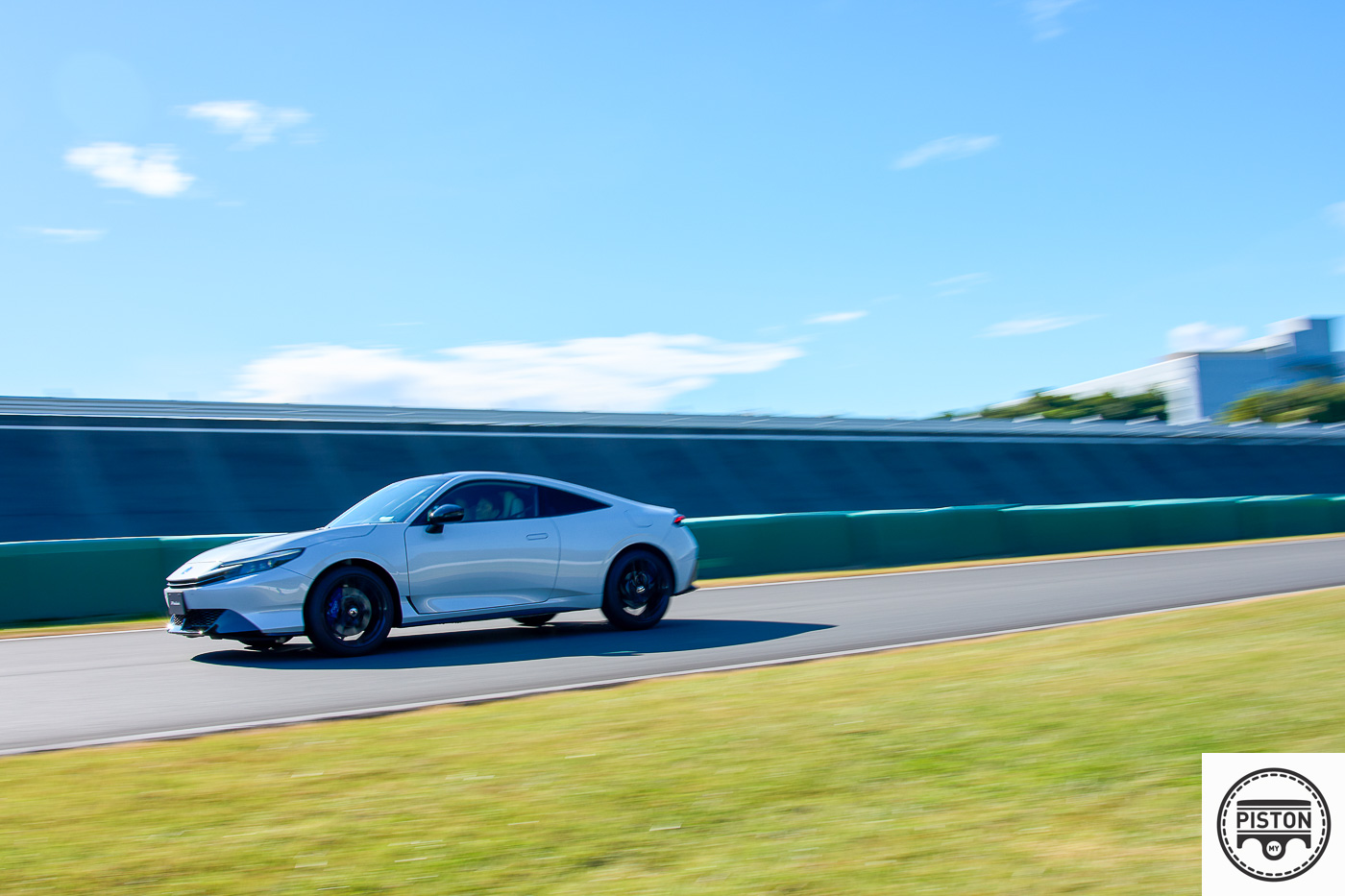
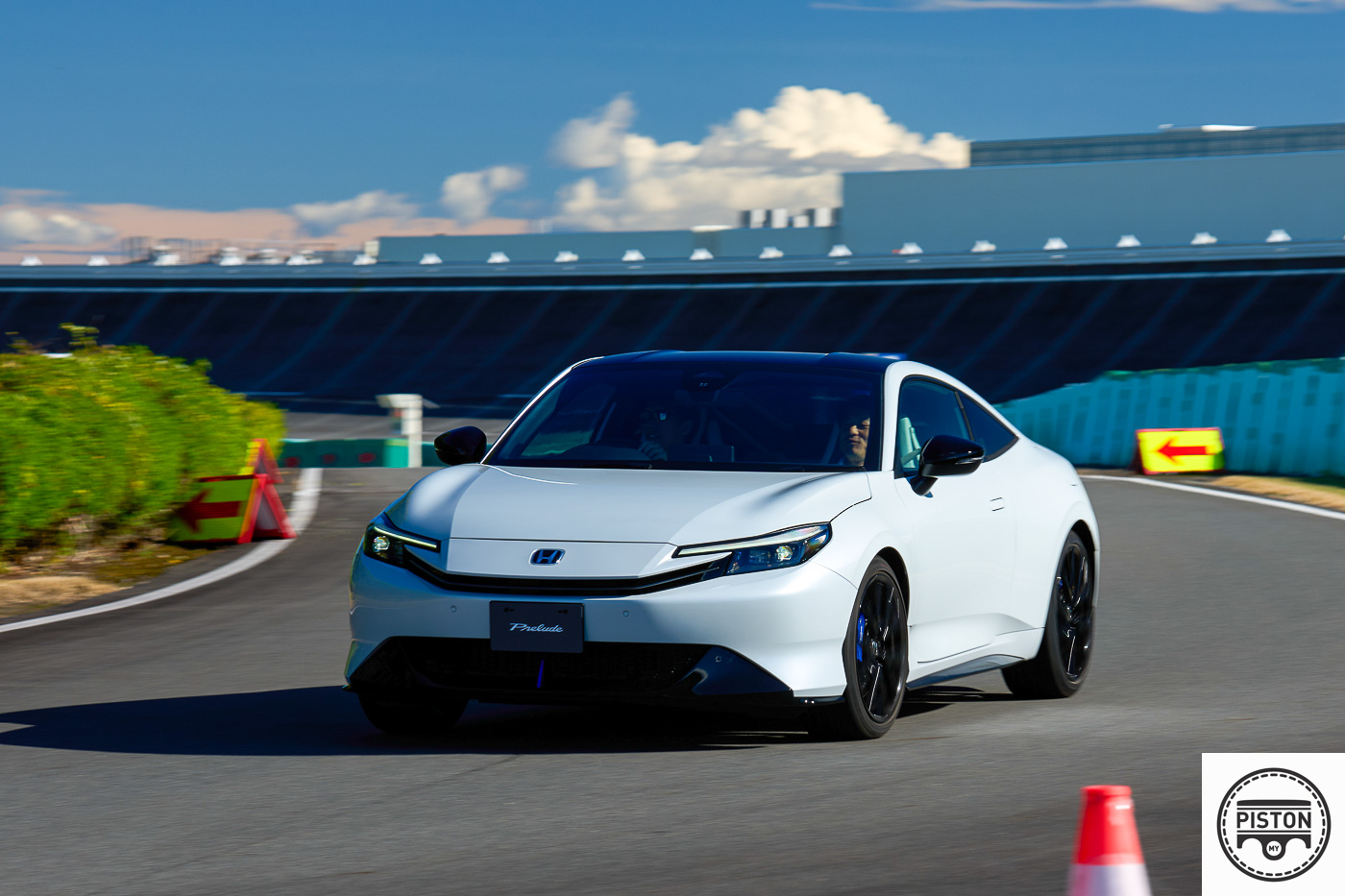
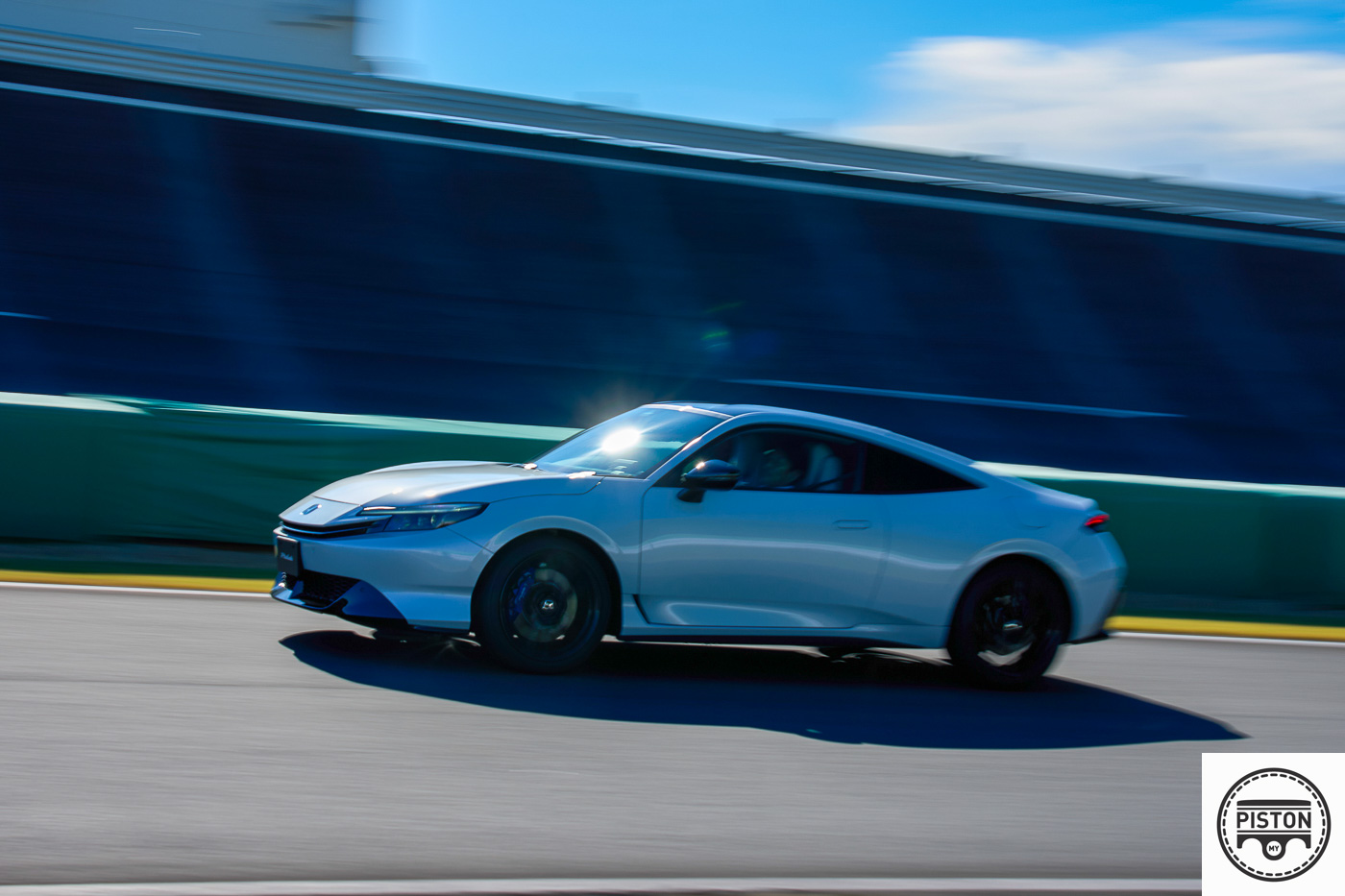
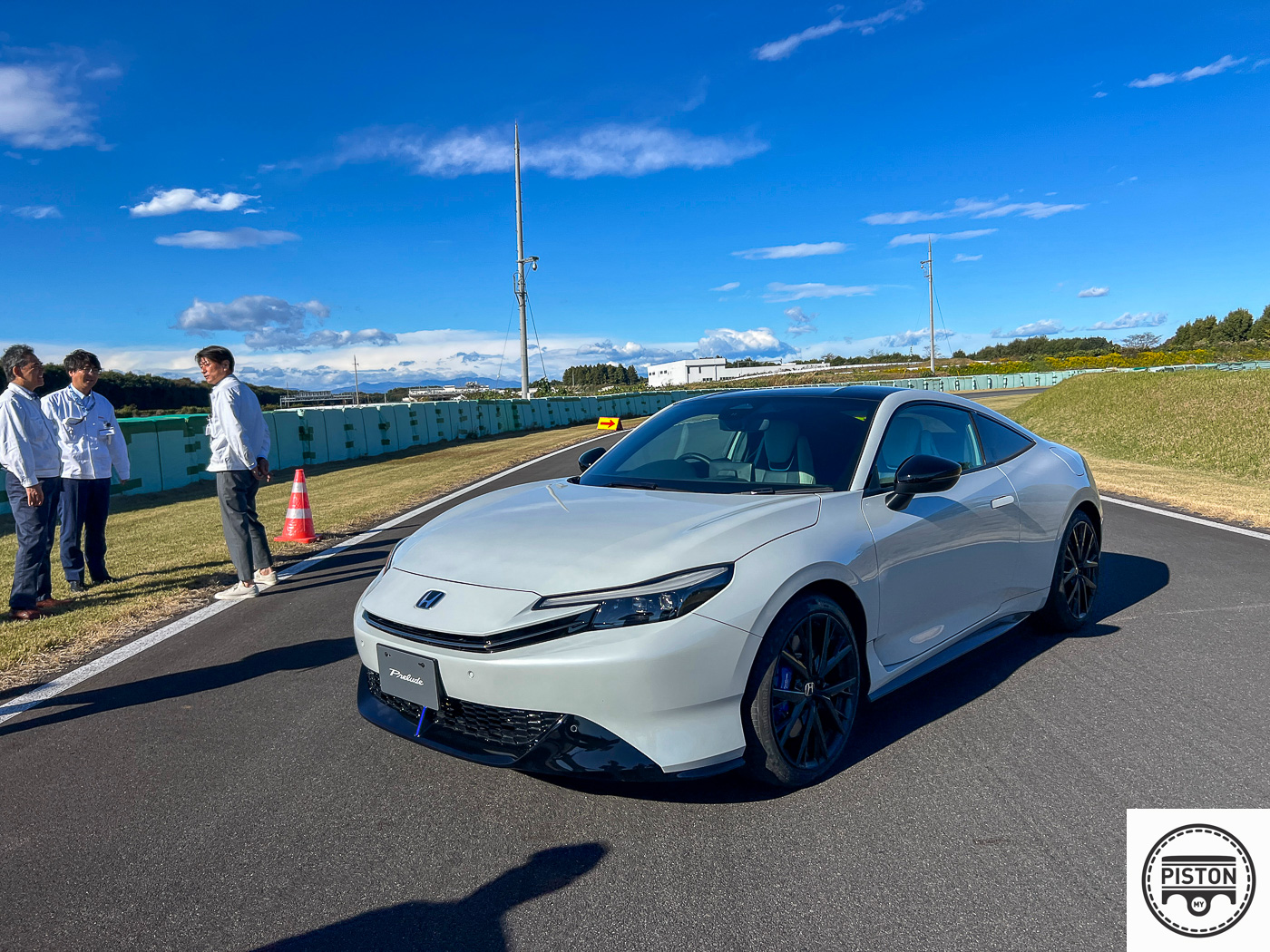
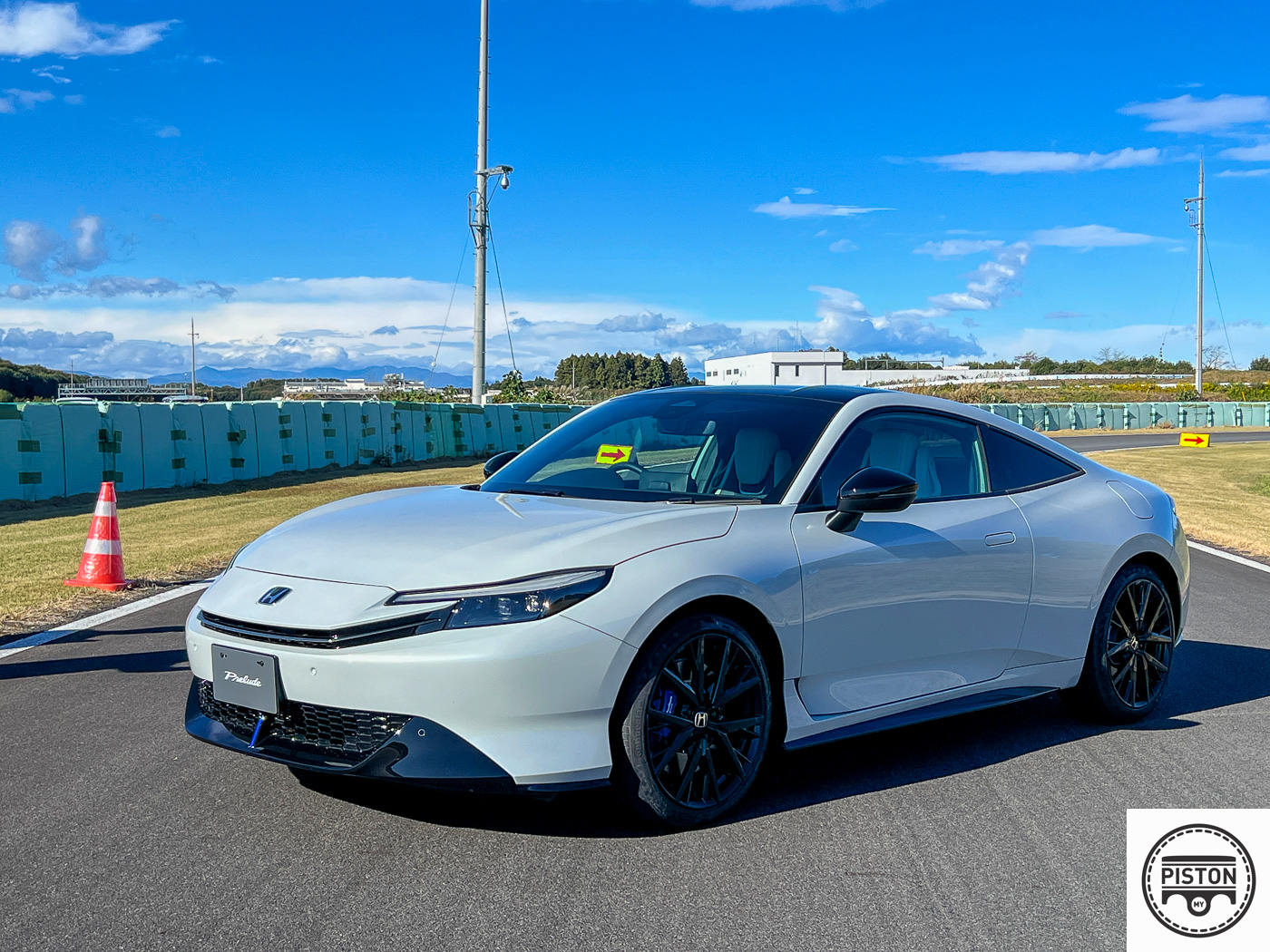
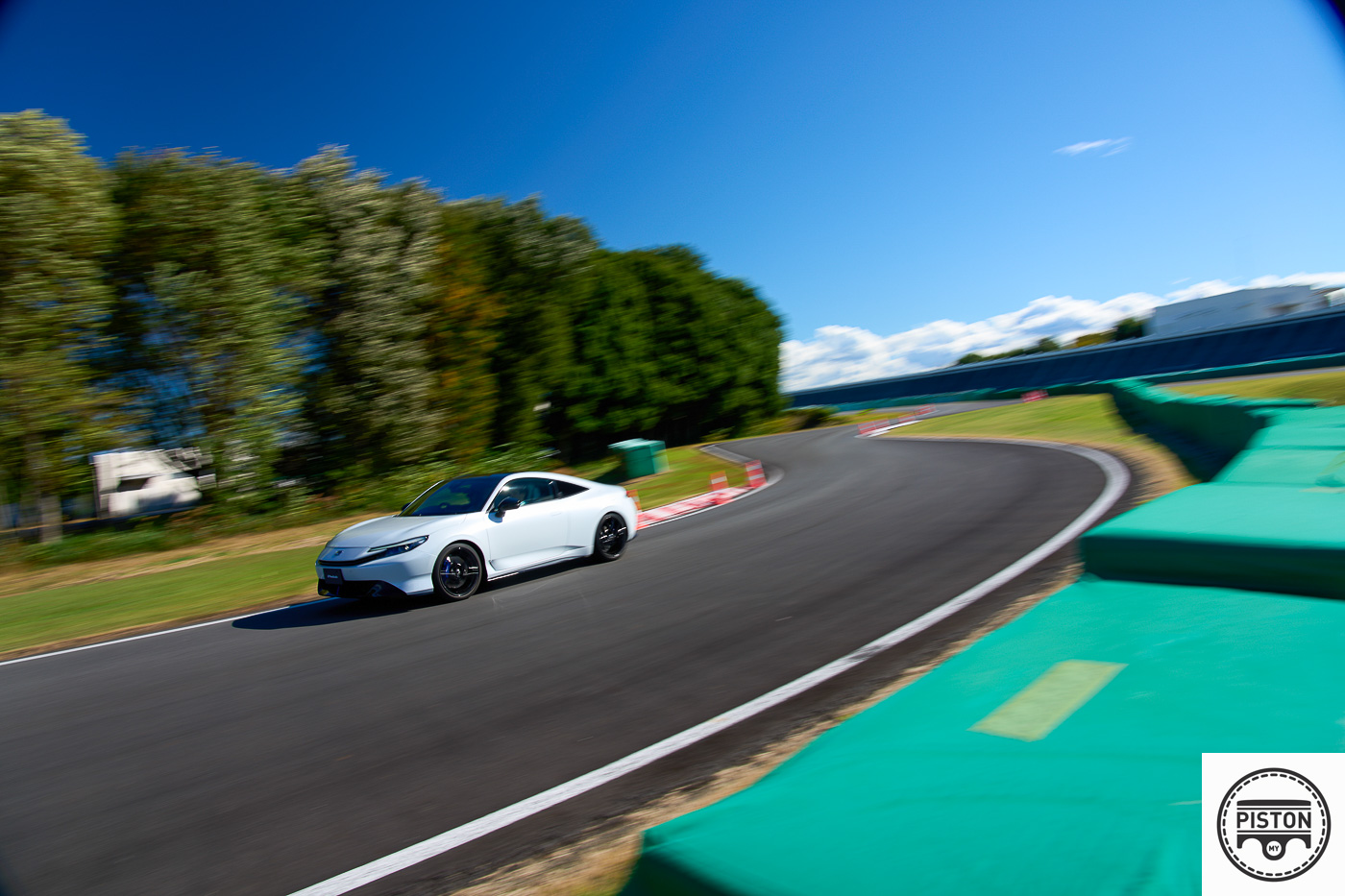
On the other end it builds cars like the Civic Type R and now the Prelude for those who love the joy of driving and want to have fun.

It also builds electric cars such as the e:N1 and the Prologue, the latter available in the North American market only.

In fact, Honda has been building electric cars since 1997, the year it introduced the EV Plus, an exclusively EV only model powered by a nickel-metal hydride battery. Groundbreaking at that time.

Honda is also a firm believer in hybrid technology and has over 25 years of experience in building hybrid powertrains.

On a completely different spectrum, the company builds some of the best motorcycles in the business, marine engines, airplanes, and as of late, has also started delving into reusable rockets to rival that of Elon Musk’s Space X.

All of that without mentioning the decades of success it has enjoyed in the world of motorsport, particularly Formula 1 and MotoGP.

So, believe me when I say that Honda is one of the most dynamic companies in the business.

So, to be able to sit down for a question-and-answer session with the decision makers of the company is nothing short of impossible.

Except that member of the Malaysian automotive press had that exact opportunity recently at the company’s office in Tokyo.

In attendance was the man himself, Toshihiro Mibe, Director, President and Representative Executive Officer of Honda Motor Company, Ltd.

Mibe-san is not your regular executive. He joined Honda in 1987 and began his career in automobile research and development with a focus on engine development.

On Honda’s official press site, Mibe-san is described as a “true engine expert” and has played a key role in the development of some of Honda’s most iconic engines that have powered most of Honda and Acura models for the past two decades.

He was also the President of Honda’s global research and development and has been the driving force in the advancement of Honda’s electrification effort.

So when Mibe-san talks, we listen.

Also in attendance were press members from other countries who asked questions that were specific to their markets, but there were two key takeaways for global markets.

The first being Honda still acknowledges that battery electric vehicle’s play a big role in environmental impact.

Despite heavily backing hybrid technology as the best way forward, Mibe also reaffirmed Honda’s commitment to BEV’s.

During the interview Mibe said, “it is not true that we are scaling back on our development of full EV’s, but compared to our initial forecast, the volume will have to be lower”.

“As I have said before, when it comes to carbon neutrality for passenger cars, battery EV’s are the optimum solution. That remains unchanged. So, it is not that we are scaling back on EV development, but we are just reviewing and revising our models and their volume, and we will continue to work on that”.

Mibe was also quick to reaffirm Honda’s commitment to hybrids, which the company has been building and refining over many years.

“On the other hand, hybrid vehicles is an area where we have many years of experience, and we have been building hybrids for more than 25 years or so”.

“We have plenty of expertise and know how when it comes to hybrid vehicles, so without spending extraordinary amount on development expenses, we can utilise our expertise, keeping down the investment required and we can develop new models out of those (Honda’s experience). Both EV’s and hybrid will continue to support Honda’s automobile business”.

“We will also increase the volume of our hybrid vehicles, by 2030 we are planning for over two million units of hybrid vehicles. Hybrids will be the main portion of our business (by 2030) and for BEV’s, we will continue with our research and development activities.

As part of the trip to Japan, I also had a chance to test drive Honda’s future hybrid technologies. Besides the usual emphasis on efficiency and environmental factors, Honda’s engineers also placed a big importance on making the hybrid powertrains feel as close to a regular internal combustion engine as possible, thus improving the ‘feel good’ factor of Honda hybrid cars.

Honda’s hybrid powertrains do not have transmission boxes and rely on electric motors to drive the wheels. But the engineers have figured out a way to simulate engine noise as well as the “feel” of a transmission shifting gears. That requires a different article altogether, but I will say that Honda has done a fantastic job with that because it comes with the accompanying power cuts that we feel in between shifts.

The second takeaway is Honda’s commitment to safety for its four- and two-wheels business. Back in 2021, Honda announced its zero fatalities by 2050 target, and during the recent interview Mibe reaffirmed the company’s commitment to that target.

Citing Honda’s SENSING technology (which is Honda lingo for advanced driver aid system) and the progress of artificial intelligence, Honda continues with the target of zero fatalities in just 25 years.

So, you may think that Honda cars are lagging behind its competitors especially those from China, but Honda has survived many challenges, has a clear pathway for its future and judging from what I saw and experienced at Honda’s test facilities, this is a company that dismiss at your own peril.

And why they are becoming increasingly popular.

With price of just about everything going upwards, car buyers and owners like you and I are increasingly aware of how much money we spend filling up our fuel tanks. 

Gone are the days of cheap petrol, and I will bet a silver coin that those days will never return. 

So now the big question on everyone’s minds is – how do we extract as much as possible from every Ringgit. 

If you are at the grocery store, it will be easy to maximise value by simply picking the cheaper option, i.e., local produce over imported ones. 

But with a car, it is not that straight forward. 

Some have opted for electric vehicles to save on their fuel bills. But that is not a practical solution for everyone because of the mismatch between charging times and infrastructure against their own lifestyles. 

As such, some are turning to hybrids and rightfully so. Hybrids offer the ideal middle ground between fuel efficiency and lifestyle requirements.

There are two types of hybrid systems that are becoming increasingly popular these days and those are your regular hybrid powertrains as well as plug-in hybrids. 

However, not all car makers offer these options, it is quite rare to have a car maker to offer hybrid and plug-in hybrid powertrains at the same time. 

Chery however is not your regular car maker. 

The Chinese car making giant prefers to give its buyers the true power of choice. While some car makers shy away from offering too many options for fear of sales cannibalisation, Chery offers what its consumers want. 

So, what does Chery have to offer? 

Chery has been putting out hybrid powertrains since 2008 but beyond the experience the company has, it has also dedicated thousands of engineers as well as dozens of facilities to creating hybrid technology. 

Chery’s hybrid technology is divided into two systems; hybrid electric vehicles, such as the Chery Tiggo Cross Hybrid and on the other side of that is the plug-in hybrid systems, such as the one found in the recently launched Tiggo 7 PHEV and Tiggo 8 PHEV. 

What is a Hybrid Electric Vehicle (HEV)?

Simply put, a HEV is a hybrid car with an electric motor, battery and an engine but without the plug-in capabilities. 

This gives you benefits such as improved fuel efficiency thus better range, and the joy of immediate electric power as well. 

The benefit of this system is that you don’t ever have to worry about plugging into a charger and you can drive around as you usually would. 

While this is true for all hybrid systems out there, Chery’s HEV system stands out with its advanced engineering. 

The number one factor that helps it stand out from the rest is its thermal efficiency, rated at an impressive 44.5%, among the best in the industry. 

Thermal efficiency is important for hybrid vehicles because it helps the engine extract more energy from a given amount of fuel. This directly reduces fuel consumption and maximises range. 

In Malaysia, the Chery Tiggo Cross Hybrid has made quite a name for itself as being one of the most efficient B-segment SUV. 

With it’s 1.5-litre, four-cylinder, naturally-aspirated engine making 102PS and 125Nm of torque, it is mated to dual electric motors that put out a combined 204PS and 310Nm of torque. 

This gives the car a sprightly, energetic feel every time you tickle the throttle, a trait you usually find in an electric vehicle. 

The other benefit to that is the electric range that you get courtesy of the 1.8kWh battery. 

Chery does not provide official figures for the all-electric range, but having driven the car, this writer can say that it is good enough to go about a small parking lot without awakening the engine. 

This also means that you get improved fuel consumption benefits, with official figures putting it at 5.4-litres per 100km or 19km per litre. But during a drive back from Terengganu in the Tiggo Cross Hybrid, we saw an astonishing figure of 3.6-litres per 100km. 

The other benefit of Chery’s HEV system is an ultra-smooth ride. This is the hallmark of Chery’s innovative Direct Hybrid Transmission, or sometimes known as the electronic CVT. 

This transmission system is known as a transmission by name only because there are no rotating gears in the traditional sense. 

Instead, power is sent directly to the wheels, and because there are fewer moving parts, you get to enjoy a smooth, vibration free drive quality. 

And this also contributes to the immediate power delivery we were talking about earlier as you don’t have to wait for the gears to shift. 

Final thoughts?

An HEV suits those who want some of the convenience of an electric vehicle without the associated disadvantages. Fuel consumption is better than regular ICE cars and so is performance. 

Data suggests that more people are flocking to HEV’s now than ever before as fuel prices soar. 

But what if you didn’t mind plugging in but still want an engine to take you further? That is where plug-in hybrid systems come in and we will explore that in a separate, upcoming article. 

UMW Toyota Motor (UMWT) has continued its steady sales performance in Malaysia, recording 9,141 units sold in October 2025. This brings the company’s total year-to-date sales to 79,559 units — a result that reflects both sustained market demand and growing consumer confidence in Toyota’s longstanding reputation for quality, durability, and reliability.

Toyota’s wide range of vehicles continues to resonate with Malaysian buyers, thanks to its balance of practicality, innovation, and value. The brand’s “Mobility for All” philosophy remains central to its approach, offering Malaysians an extensive line-up of passenger cars, SUVs, and electrified options, all backed by dependable after-sales support and strong ownership value.

Toyota’s commitment to innovation was further underlined at the Japan Mobility Show 2025, where the company unveiled its three-year regional roadmap to accelerate next-generation mobility across Asia. The plan is built on three key pillars — carbon neutrality, intelligent safety, and inclusive mobility — and reinforces Toyota’s belief that meaningful progress should leave no one behind.

(more…)

OMODA | JAECOO Malaysia brought a fresh sense of creativity to LahLahLand 2025 as the Official Auto Partner, transforming the event into a platform where automotive design met urban culture.

The collaboration introduced three distinctive “Art Cars,” demonstrating how vehicles can also serve as expressions of style and individuality.

Held from 1 to 2 November 2025 at the Mines International Exhibition & Convention Centre (MIECC), LahLahLand 2025 offered an energetic mix of streetwear fashion, live performances, product launches, esports tournaments, and art-driven experiences.

As part of its showcase, the brand unveiled two JAECOO J5 units and one J7 PHEV, each transformed into “Art Cars” featuring custom wraps inspired by the event’s visual themes.

The designs were developed in collaboration with local creatives to ensure they captured the festival’s bold and dynamic identity.

(more…)

Bermaz Motor has officially launched the All-New Mazda BT-50, bringing a new level of refinement, technology, and practicality to Malaysia’s pickup truck segment.

The BT-50 embodies Mazda’s KODO: Soul of Motion design philosophy, translating the brand’s sense of movement and elegance into the shape of a pickup. Every surface and contour has been carefully crafted to balance strength and proportion, giving the vehicle a poised and confident appearance.

The front end features Mazda’s latest signature wing grille, flanked by slim LED headlamps that give the truck a sharp, focused look. A redesigned bumper adds visual width and a sense of stability, while smooth side panels and muscular wheel arches reinforce its off-road capability. At the rear, the truck adopts sleek LED tail lamps and a reprofiled tailgate, framed by a bold Mazda emblem in chrome. The result is a truck that looks composed in urban environments yet purposeful off the beaten path.

Inside, the BT-50 takes cues from Mazda’s passenger car range, offering a cabin focused on comfort, ergonomics, and driver connection. Inspired by the brand’s Jinba Ittai philosophy — the harmony between driver and machine — every control, display, and surface has been arranged for intuitive use.

(more…)

Bermaz Motor has reintroduced the Mazda3 1.5L to the Malaysian market, now equipped with upgraded features and refined specifications that elevate its position as one of the most premium compact sedans in its class. Continuing Mazda’s philosophy of “Car as Art,” the updated model blends design purity, emotional appeal, and dynamic performance.

The Mazda3 1.5L is a continuation of Mazda’s KODO – Soul of Motion design approach, which captures the essence of movement through subtle, flowing lines and carefully sculpted surfaces. Every contour is designed to express energy and elegance, creating a balance between strength and simplicity. Drawing from Japanese aesthetic principles, the car embraces minimalism — allowing proportion, light, and form to define its beauty.

Mazda’s commitment to Jinba-Ittai, the harmony between driver and car, remains central to the Mazda3 experience. The design focuses on connection and confidence, ensuring that every interaction — from steering feedback to cabin ergonomics — feels intuitive and natural. This philosophy shapes not just how the car drives, but how it makes the driver feel — precise, in control, and at ease.

Inside, the Mazda3 1.5L presents a cabin that combines refinement, comfort, and function. Premium materials and soft-touch finishes create a quiet, composed environment, while every switch and control has been positioned with deliberate care. The result is an interior that feels calm and uncluttered, aligning with Mazda’s “less is more” design principle.

(more…)

Archive

Follow us on Facebook

Follow us on YouTube