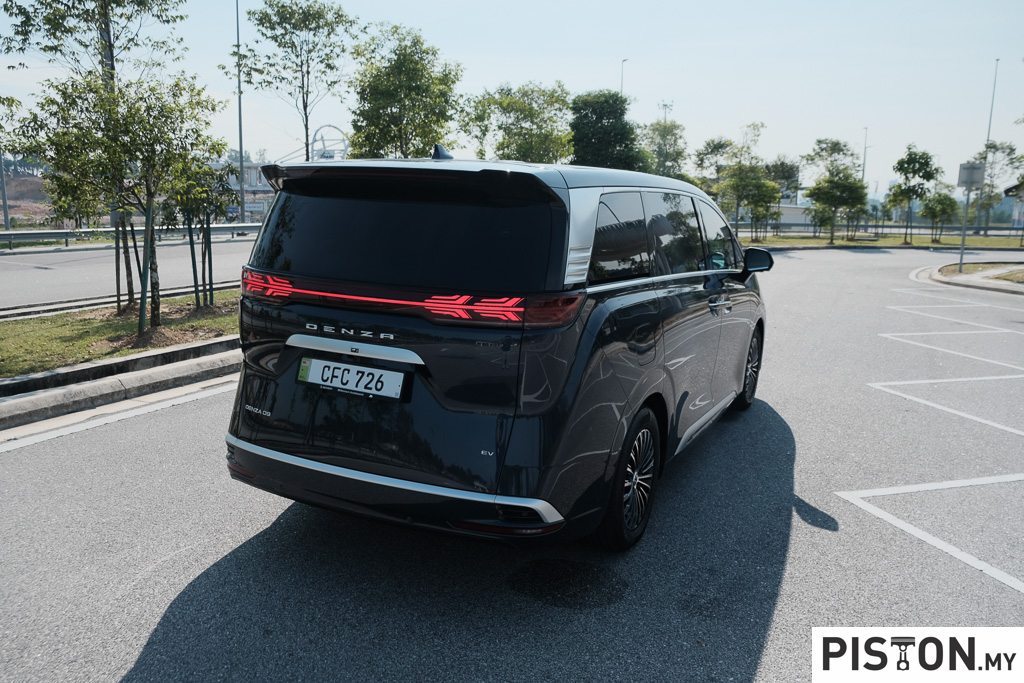
DENZA has passed a significant milestone in Malaysia, recording 1,002 vehicle deliveries since making its local debut in February, a result that underlines the strong reception for the brand’s luxury electric offering. The achievement places the DENZA D9 firmly among the most sought-after premium electric MPVs in the country, reflecting growing confidence in the brand within the high-end EV space.
The pace of deliveries in less than a year highlights the appeal of the D9’s combination of luxury, technology and electric mobility, as well as the increasing acceptance of premium EVs among Malaysian buyers. The result also signals a solid foundation for DENZA as it looks beyond a single-model strategy.
Building on this momentum, DENZA is already preparing to broaden its local line-up, with several new models planned for introduction in 2026. The expansion is expected to further strengthen the brand’s position in Malaysia’s premium electric vehicle segment and offer customers a wider range of choices under the DENZA badge.
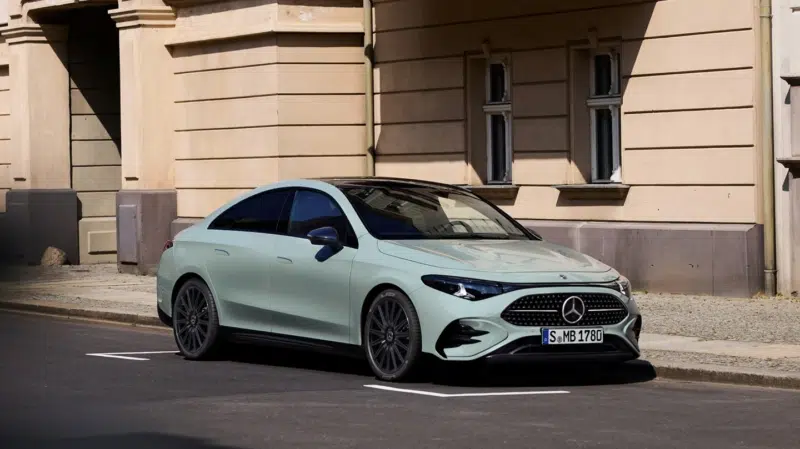
Mercedes-Benz has shed more light on the technical make-up of the 2026 CLA 220 hybrid, offering a clearer picture of how the new sedan is put together as it edges closer to production. The latest information pulls together previously revealed details and confirms that the hybrid powertrain, including the jointly developed engine with Geely, will be built in China, marking another milestone in the partnership between the two automotive groups.
At the heart of the CLA 220 sits the M252 1.5-litre turbocharged petrol engine, developed under Mercedes-Benz’s Family of Modular Engines programme. While Mercedes-Benz led the engine’s architecture and design philosophy, Geely played a key role in engineering development and will handle production duties.
The engine uses Miller-cycle combustion and features an exhaust manifold integrated directly into the cylinder head, a setup intended to improve turbo response, speed up catalyst warm-up and support lean-burn operation without sacrificing performance. On its own, the petrol unit produces 188hp and works in tandem with an electric motor as part of the hybrid system.
That hybrid setup is based around a 48-volt electrical architecture, with a 30hp electric motor delivering 200 Nm of torque. The motor is integrated into the 8F-eDCT dual-clutch transmission and draws power from a compact 1.3 kWh battery. This configuration allows the CLA 220 to drive on electric power alone when demand stays below 27 horsepower, while coasting is possible at speeds of up to 97 km/h. Regenerative braking operates across all eight gears and can recover energy at rates of up to 25 kW, helping to boost overall efficiency.
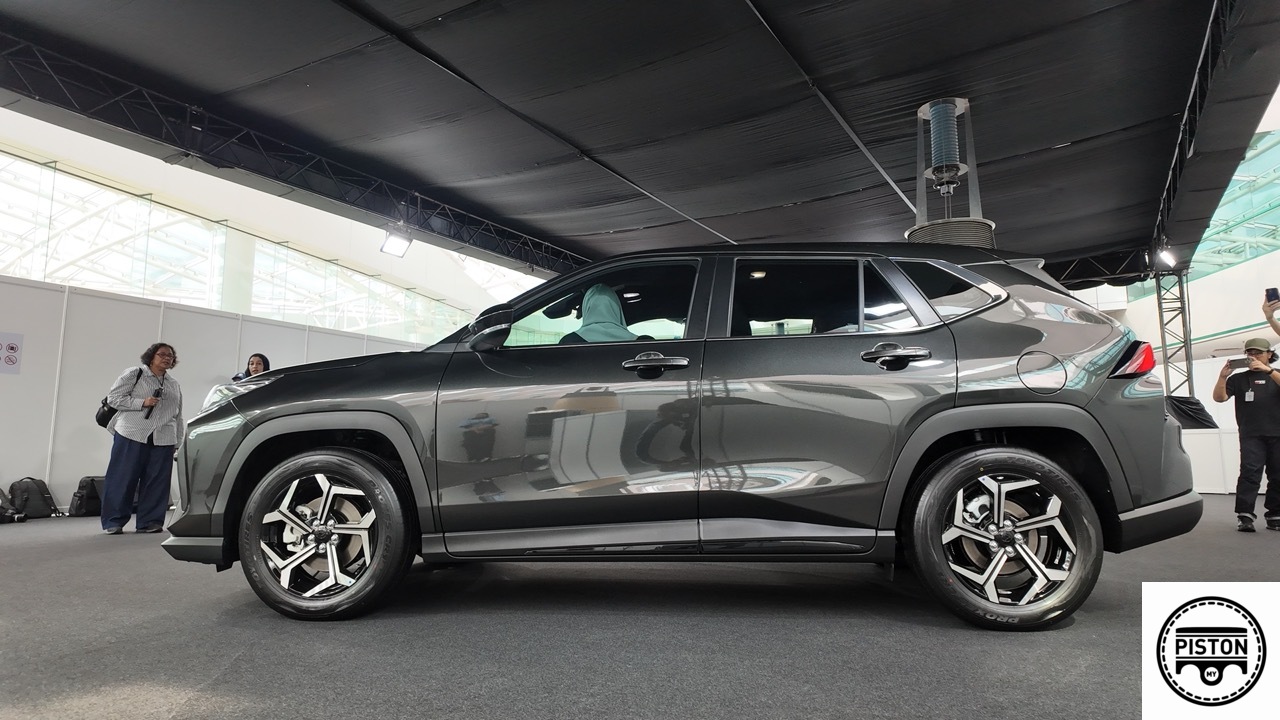
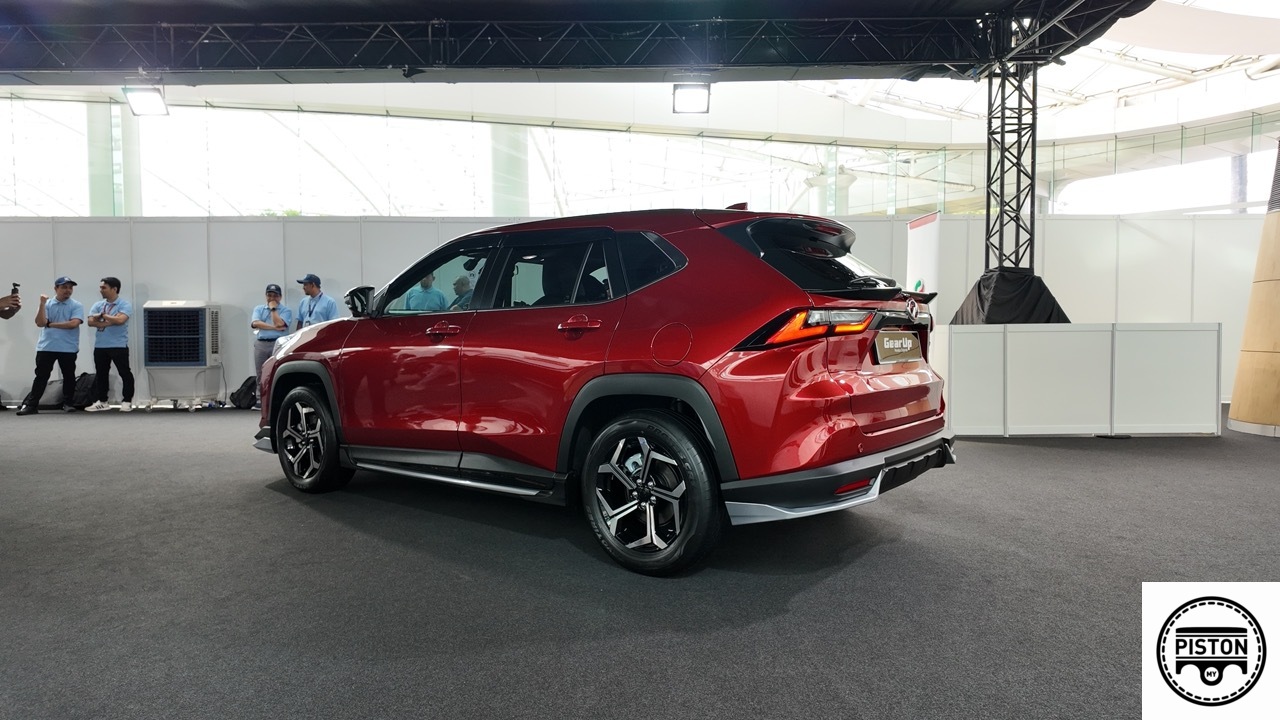
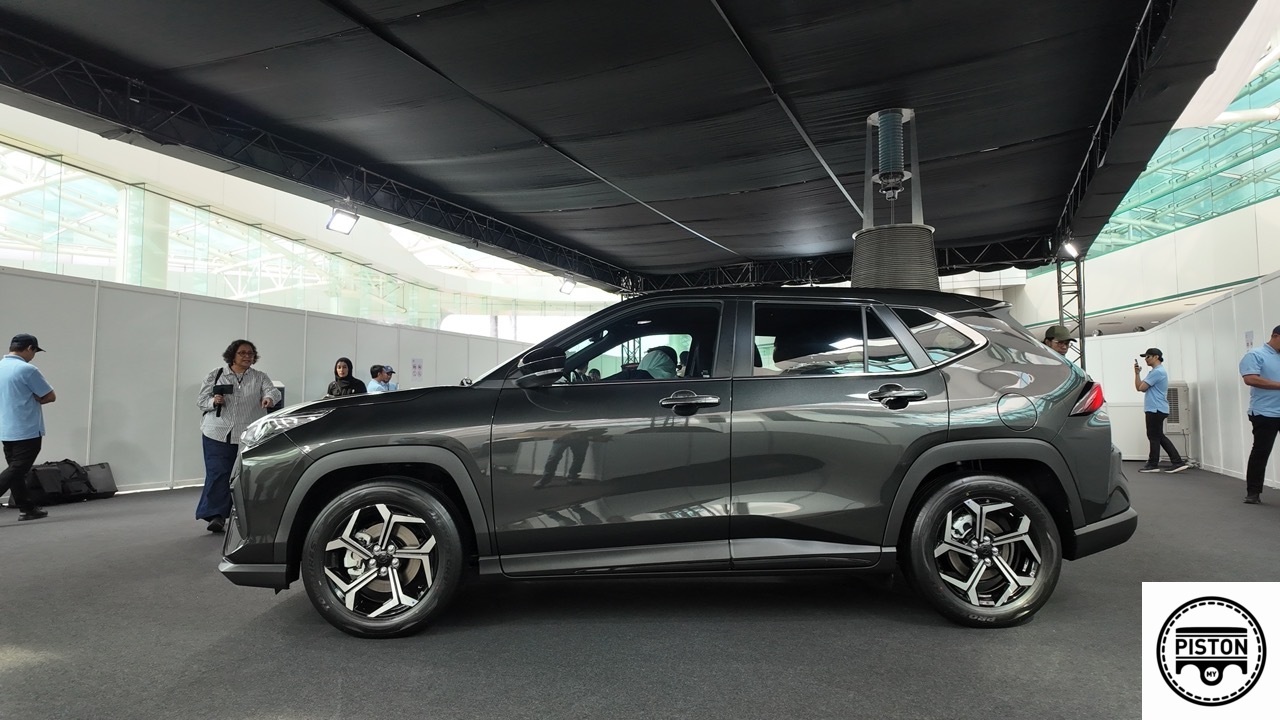
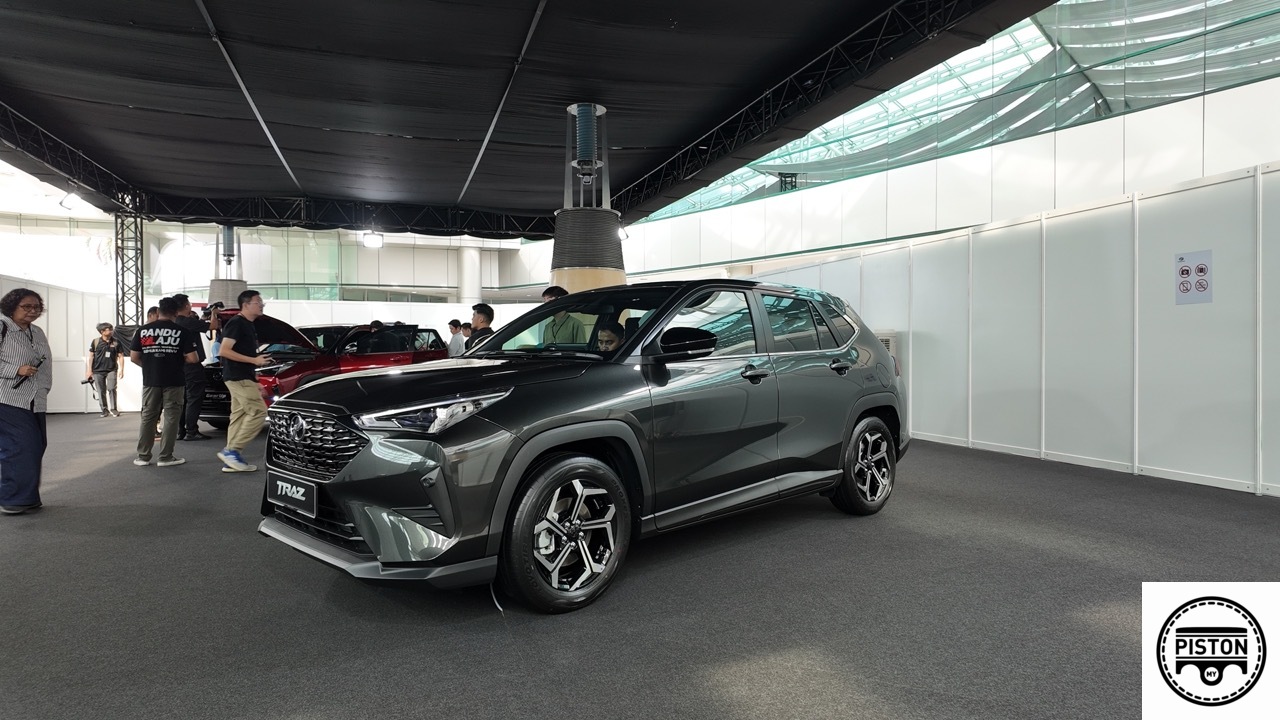
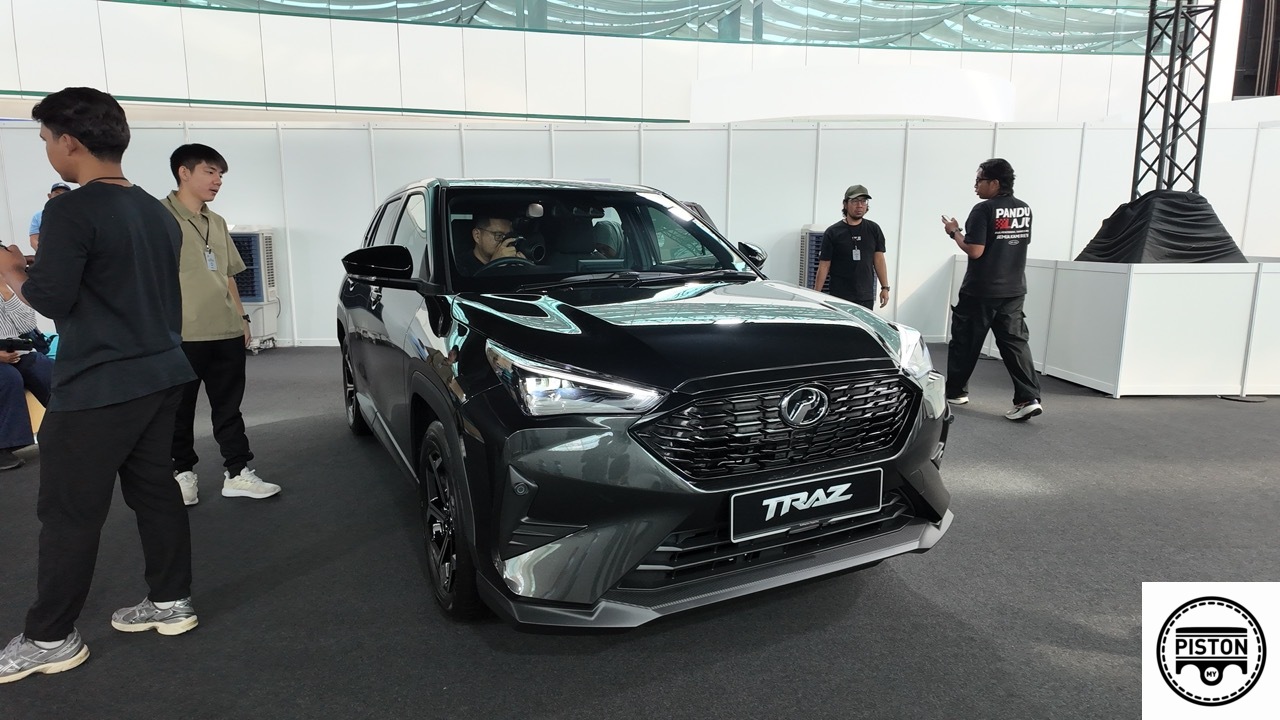
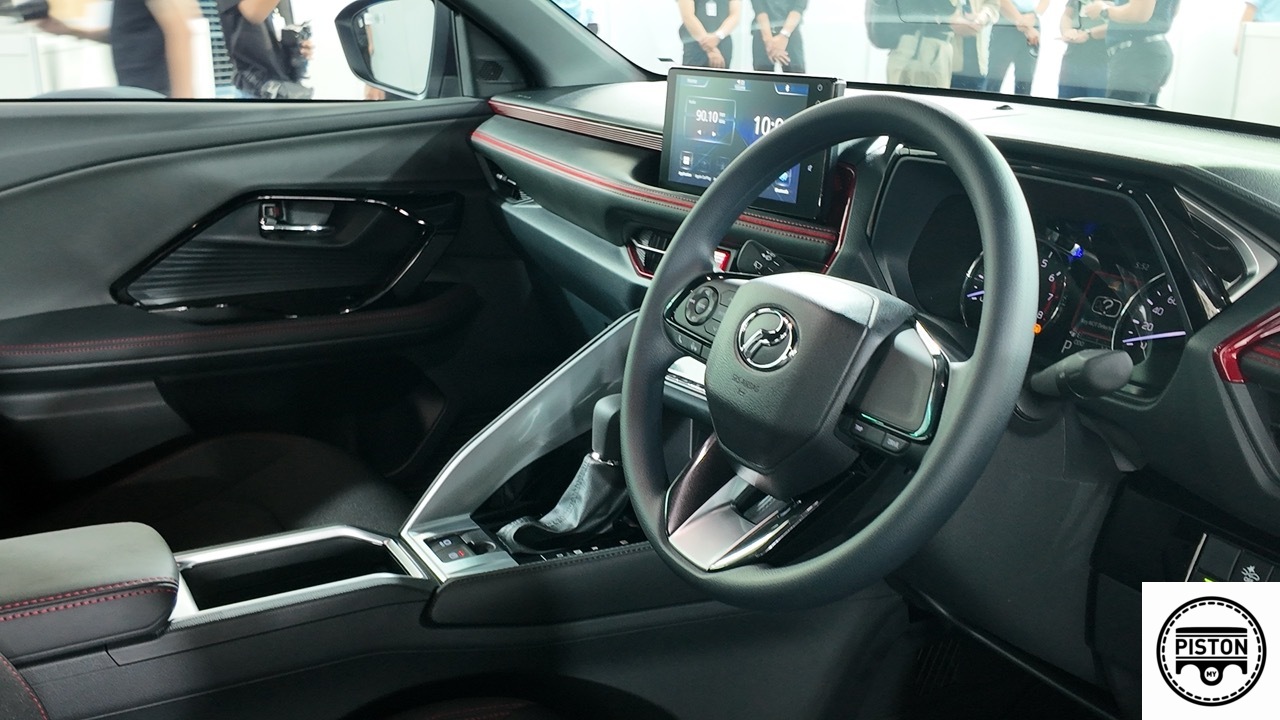
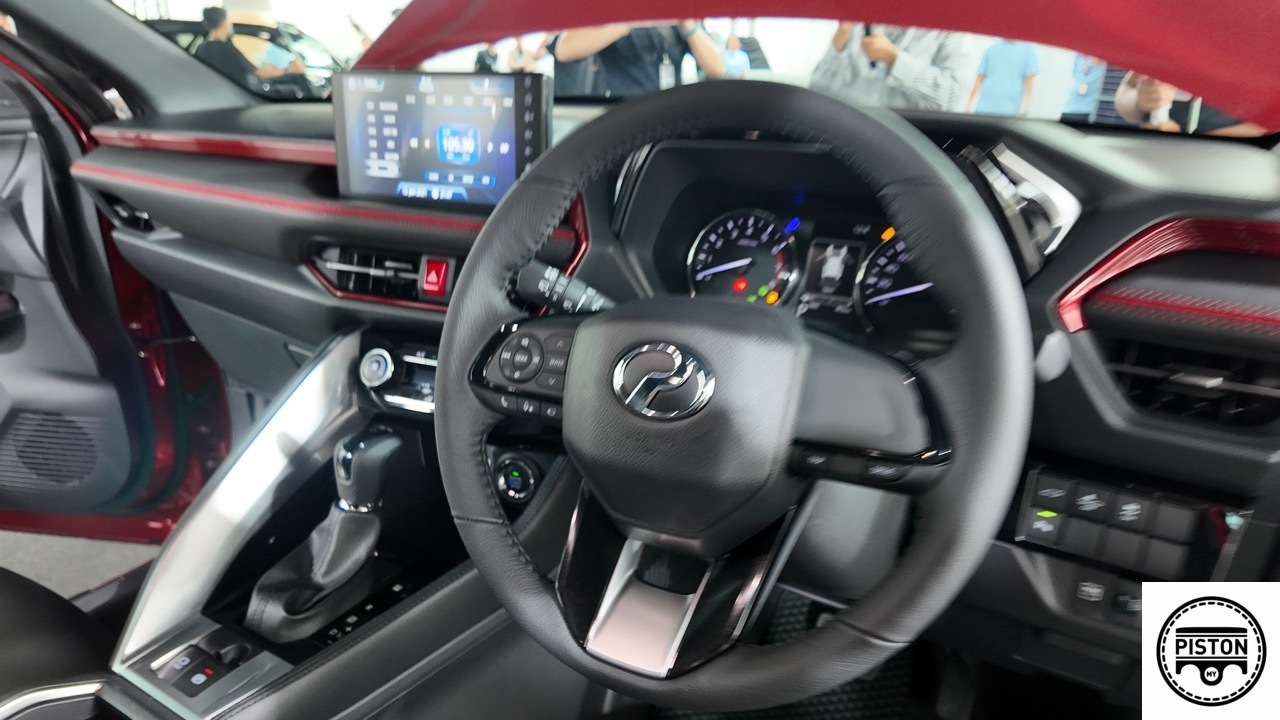
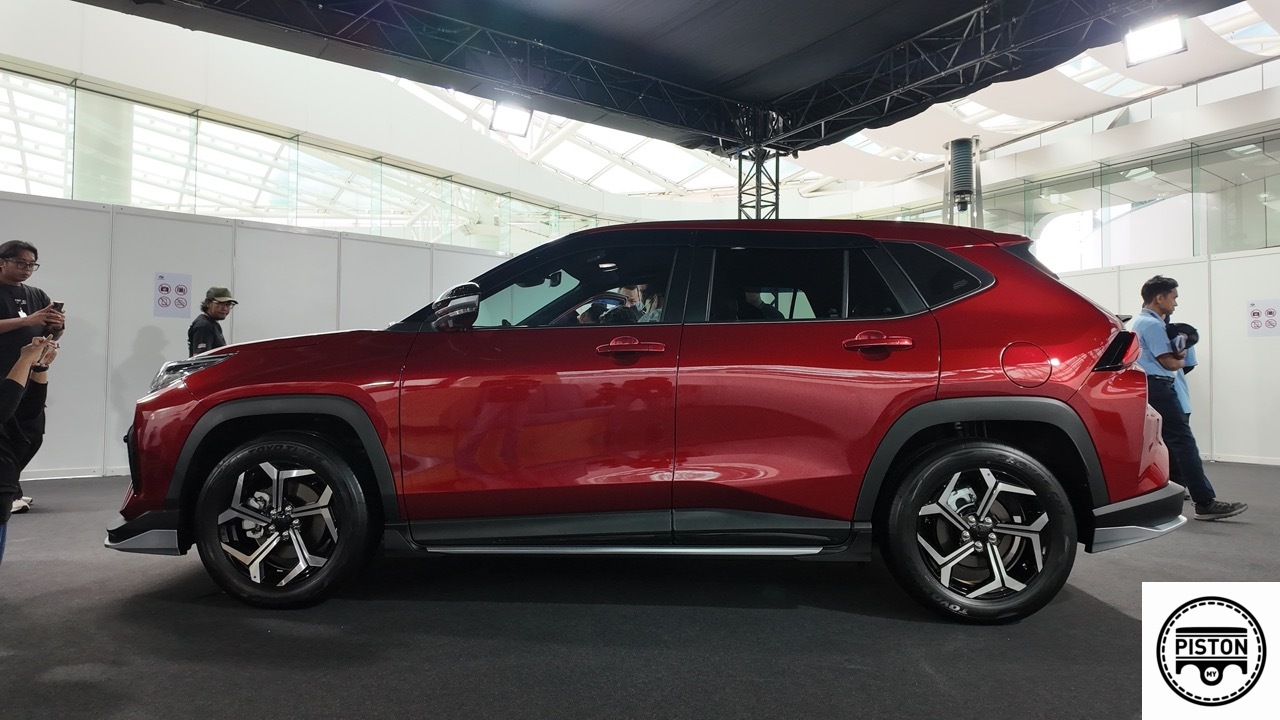
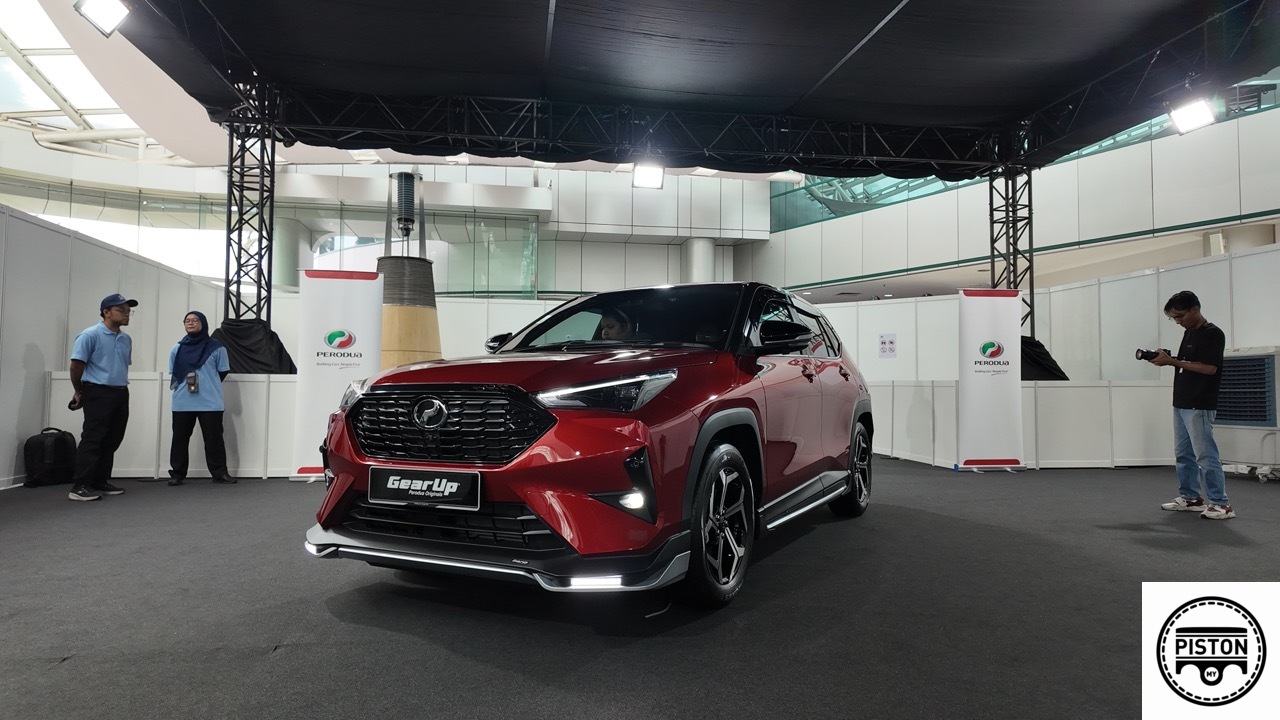
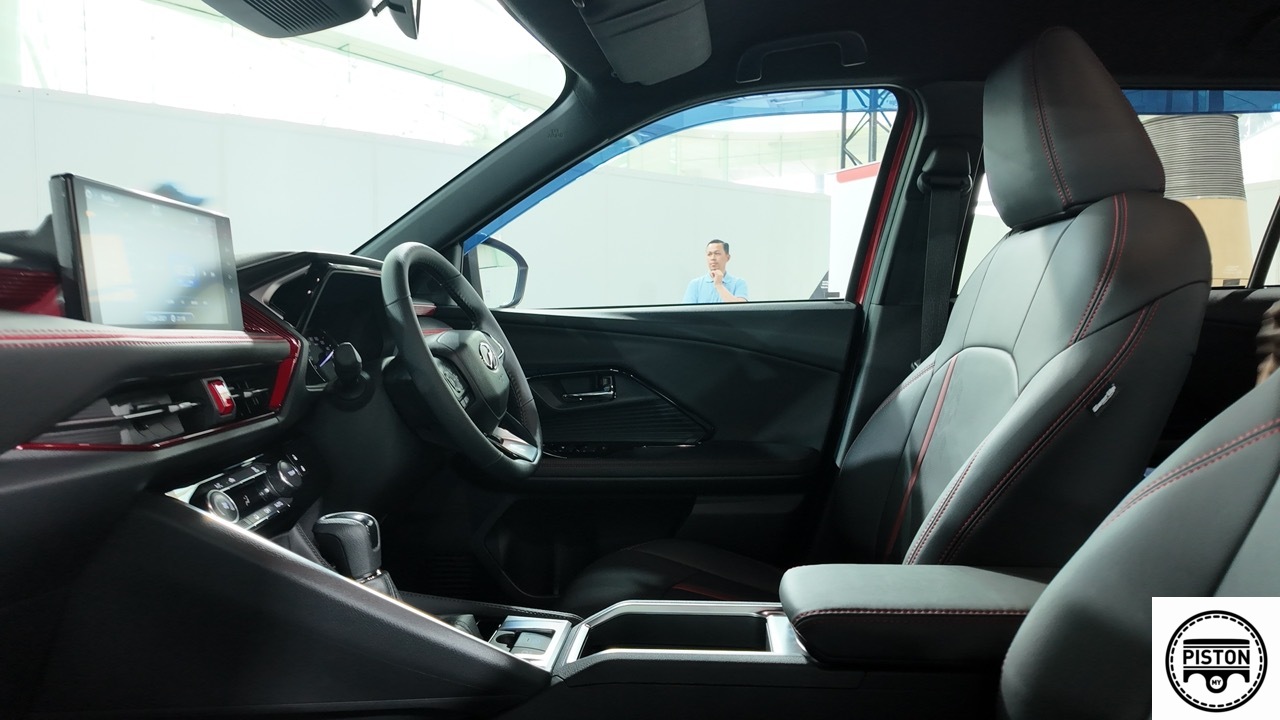
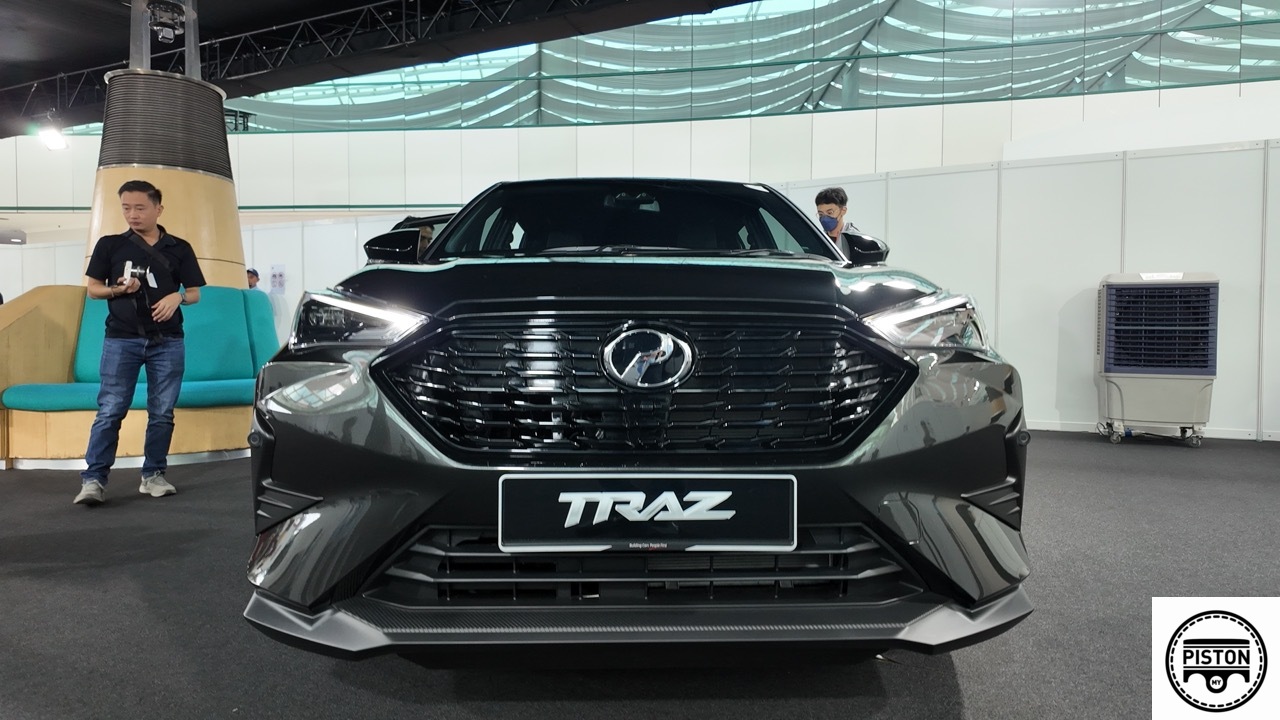
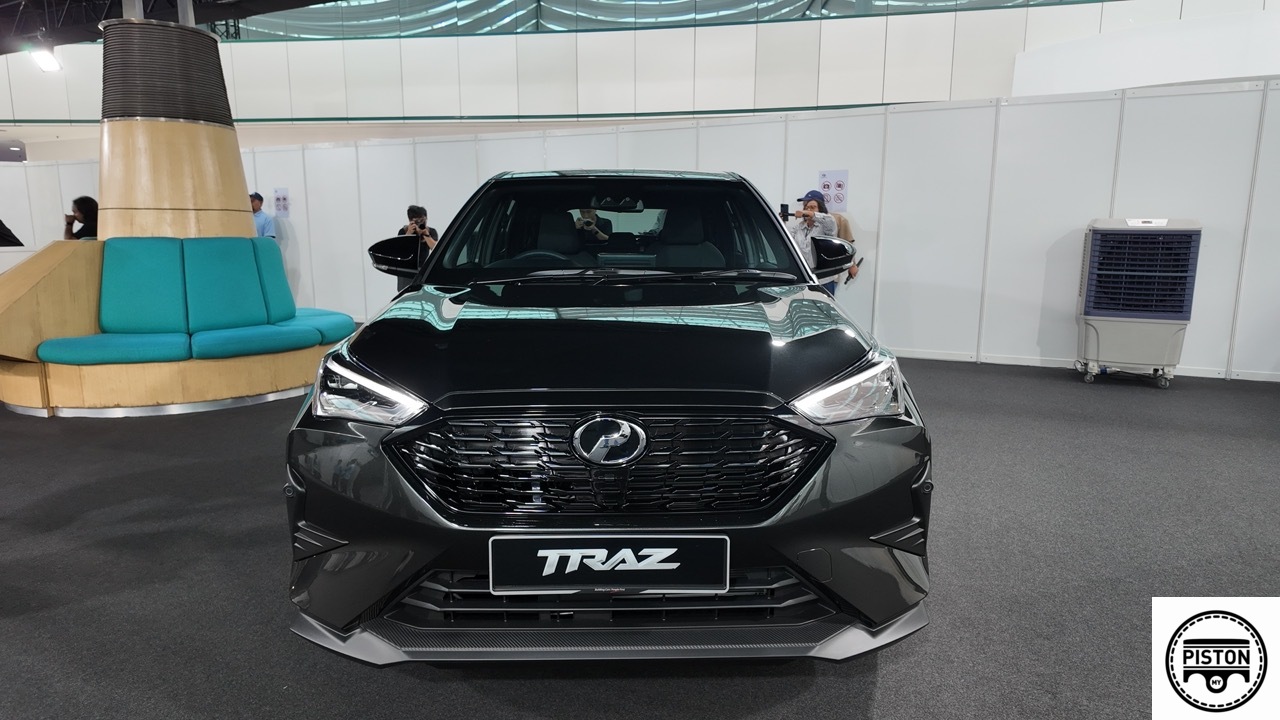
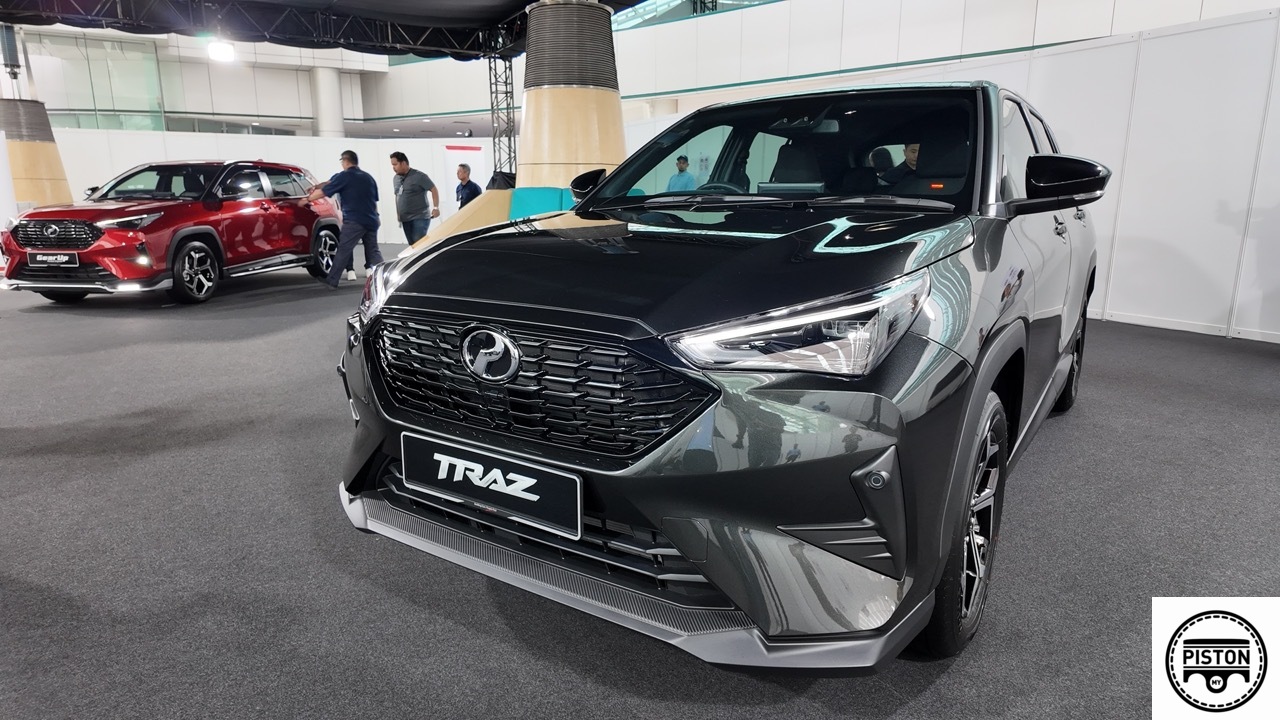
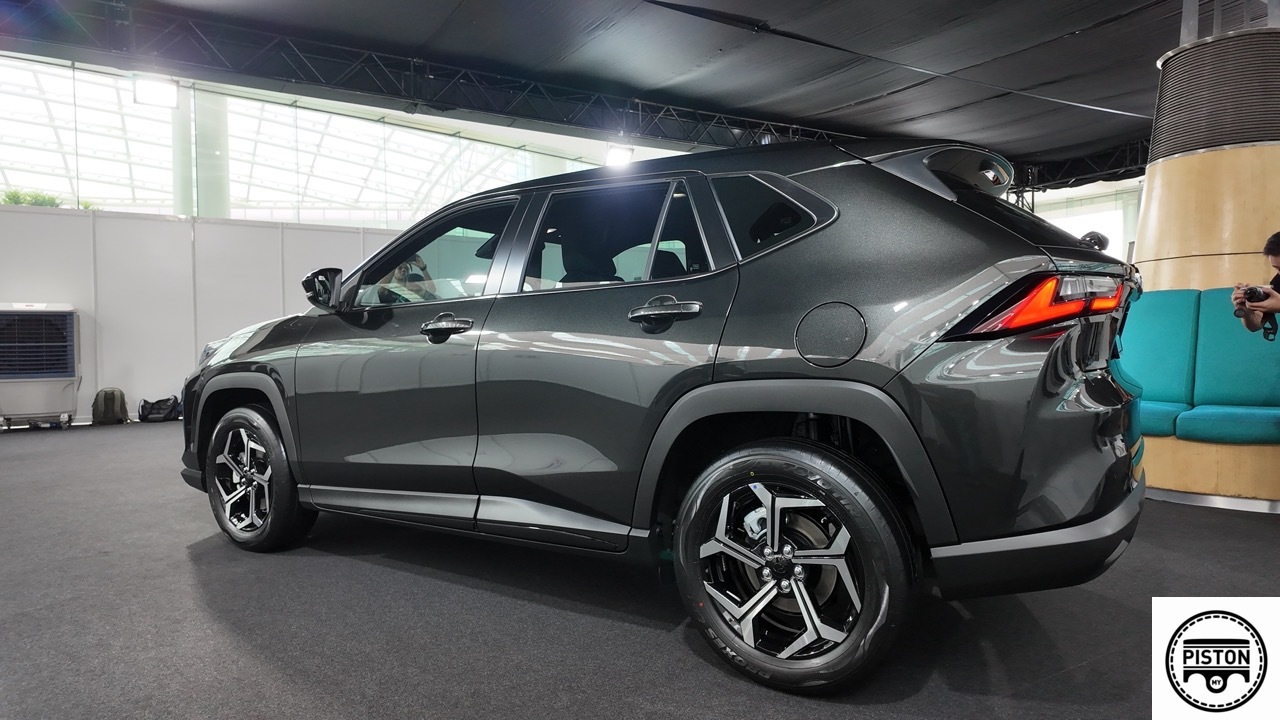
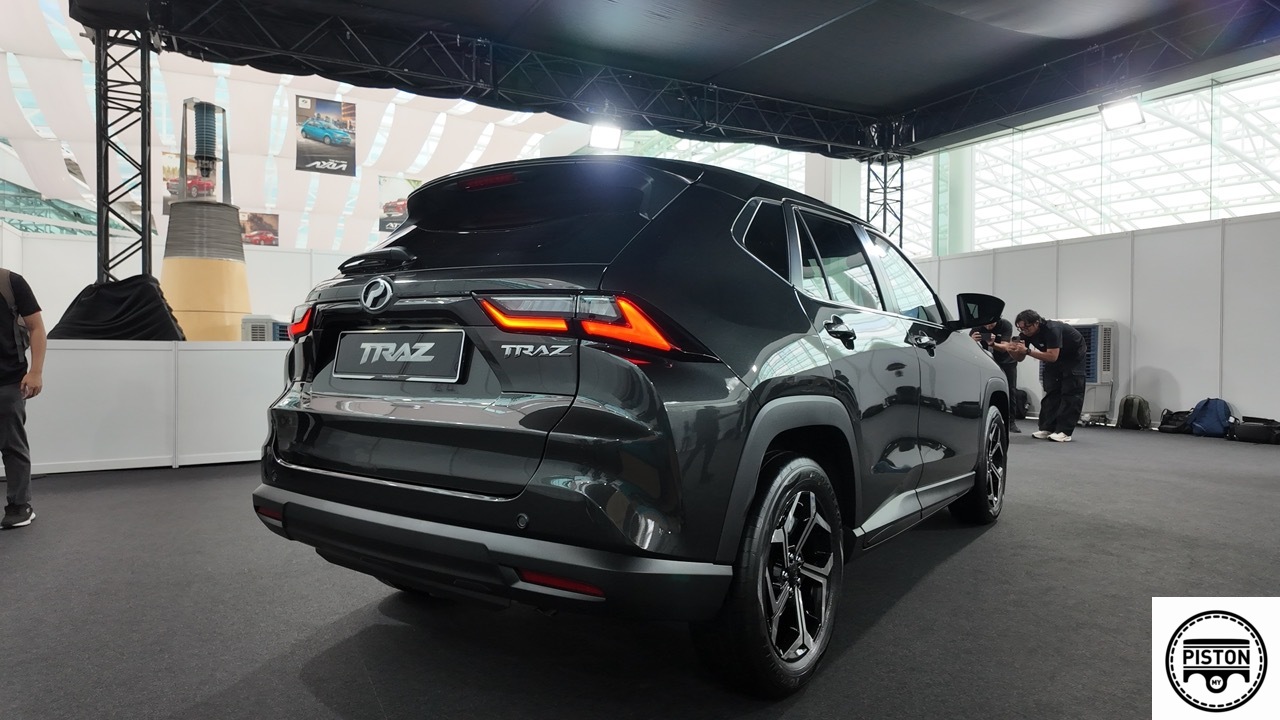
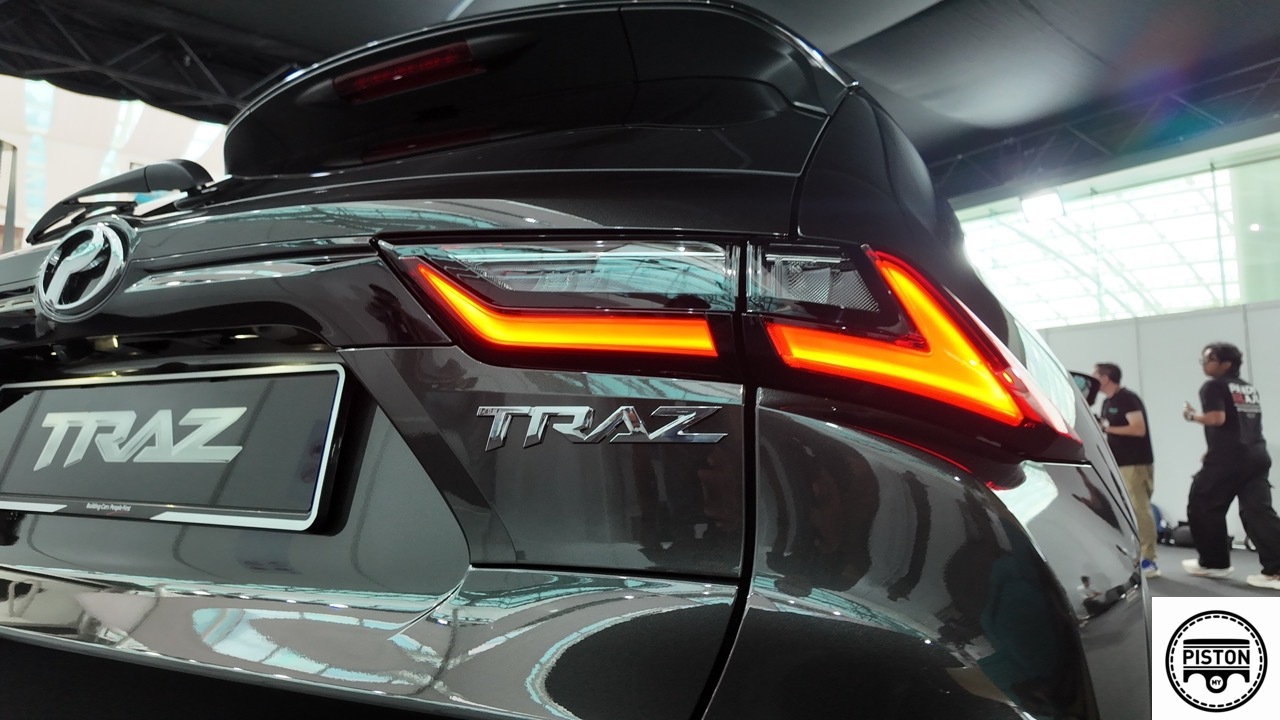
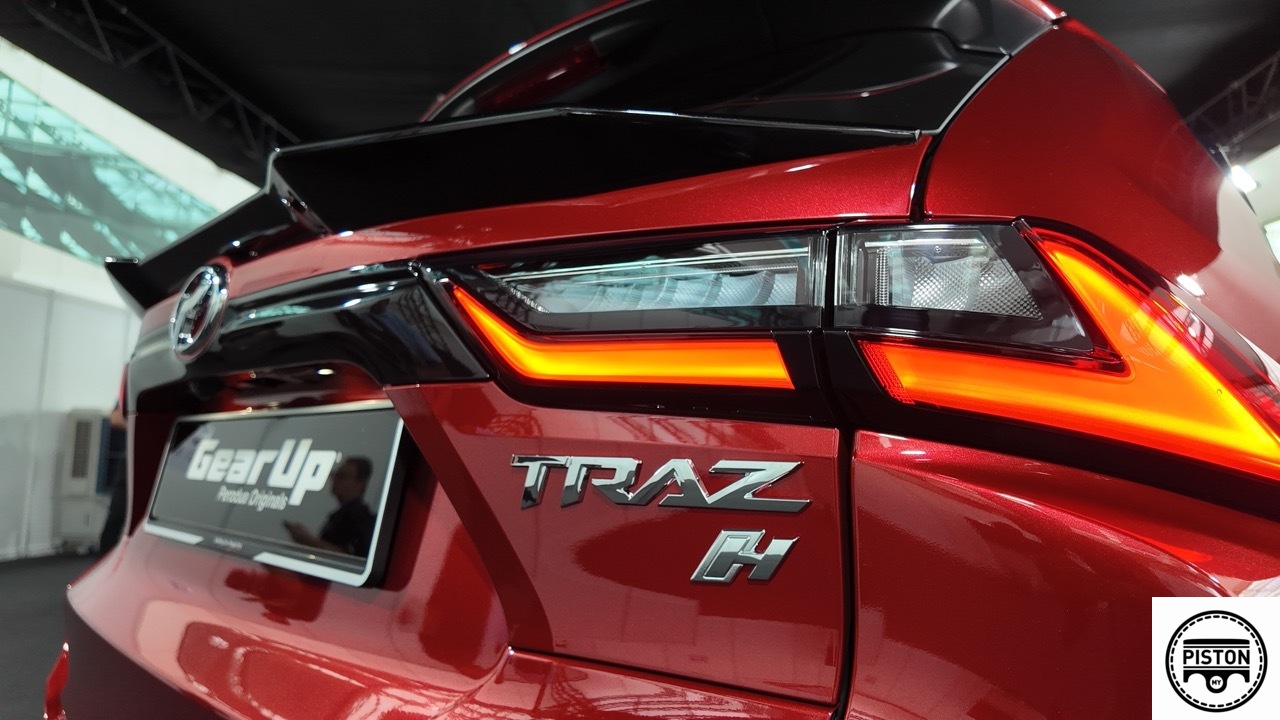
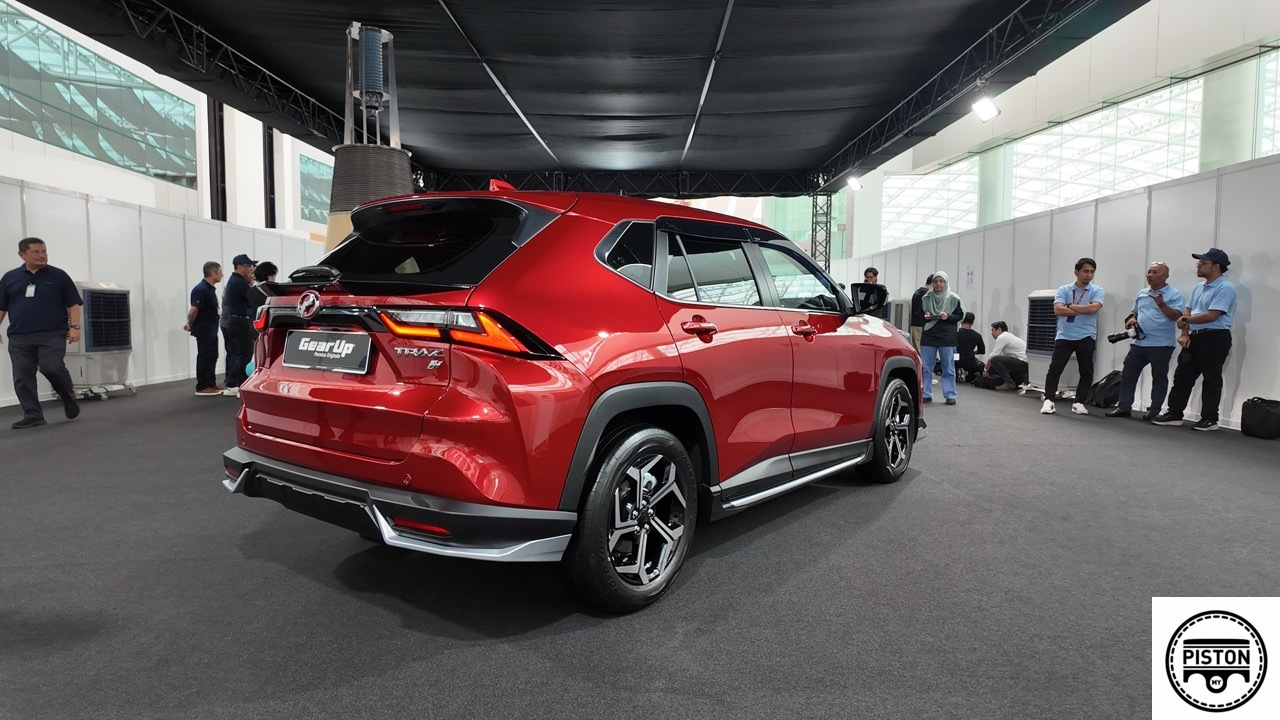
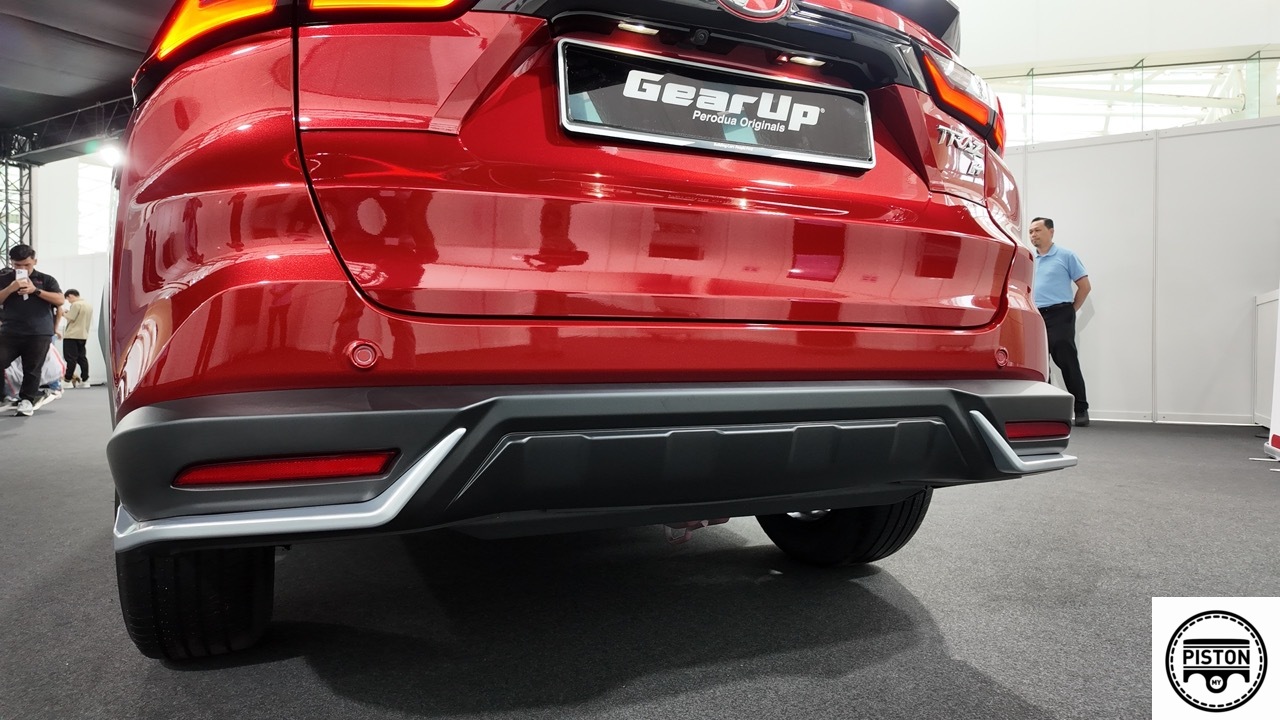
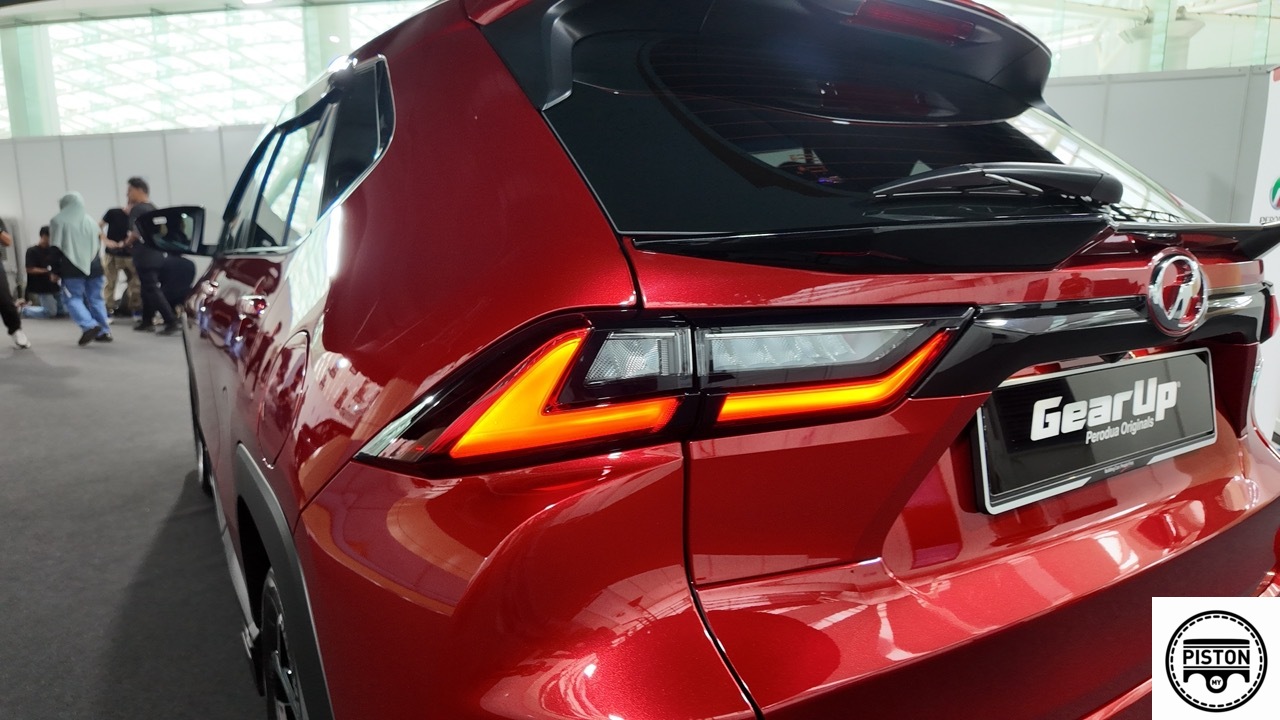
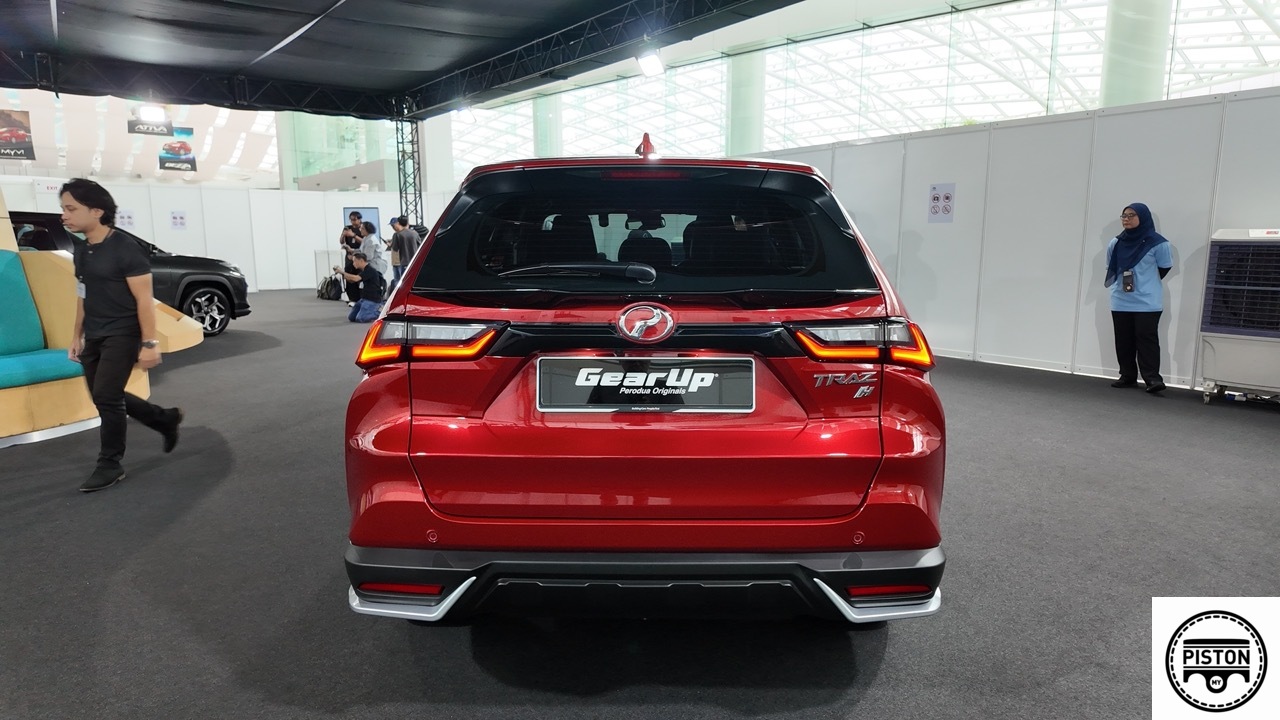
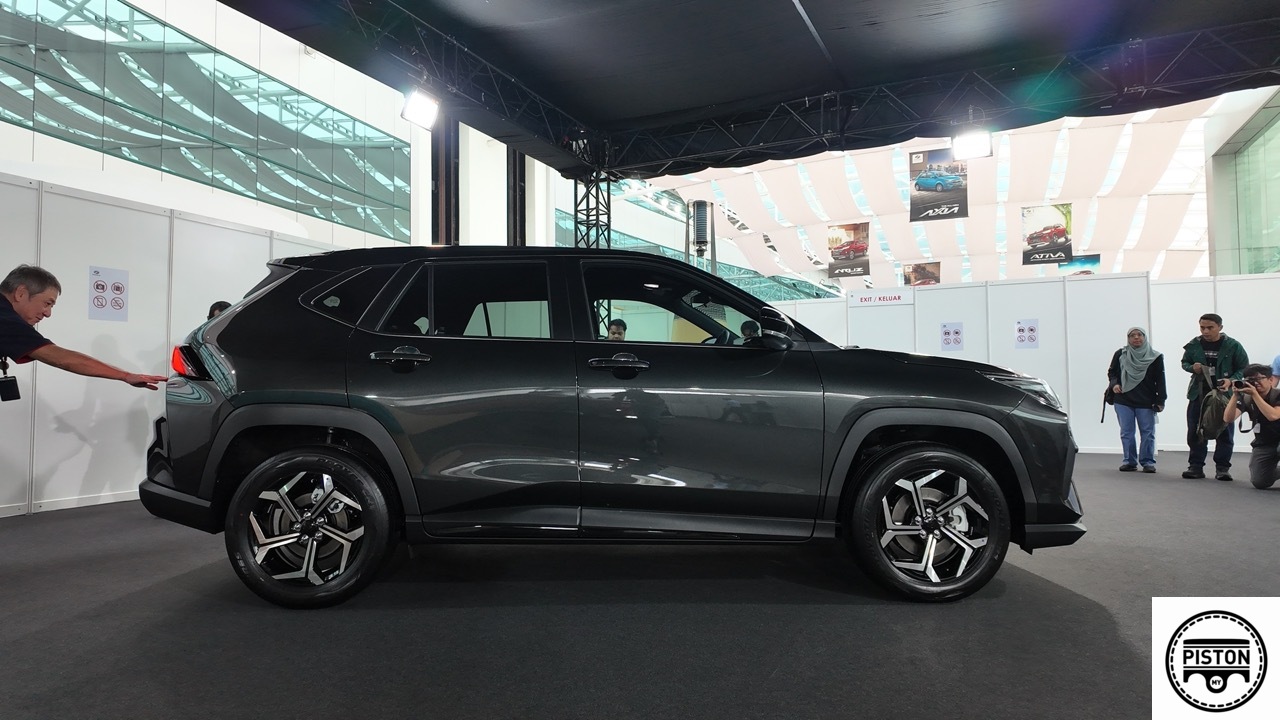
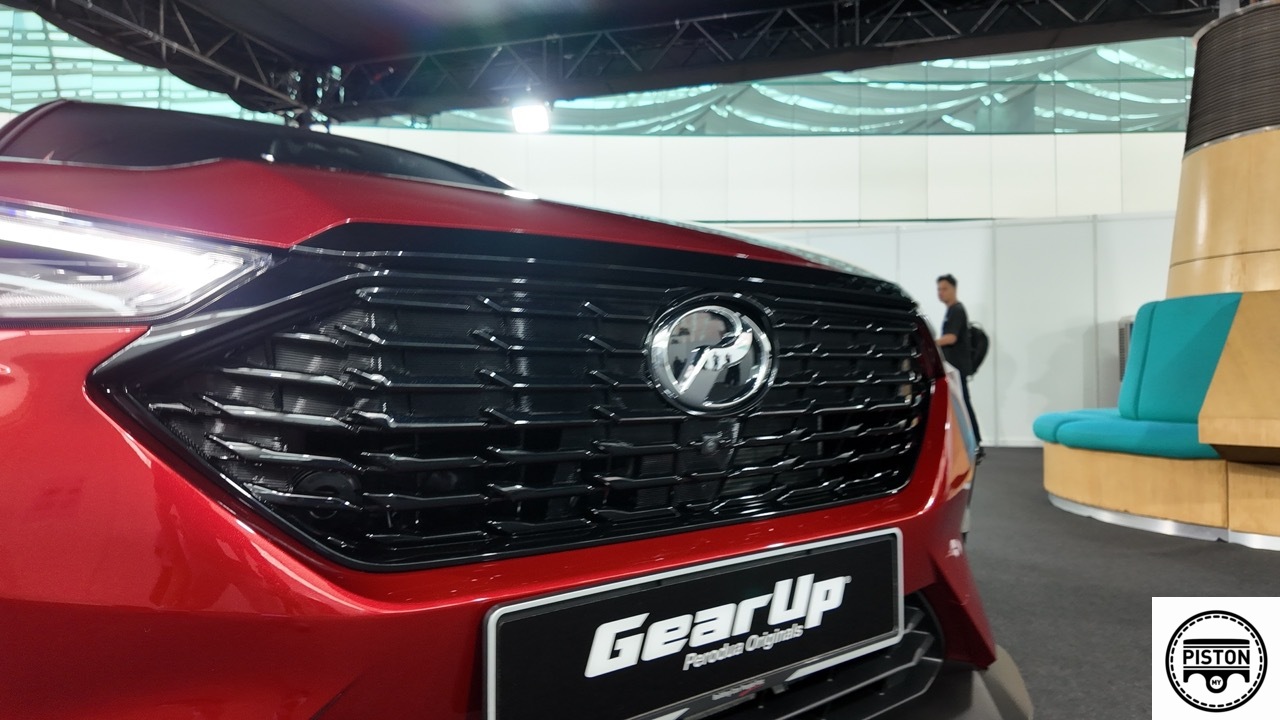
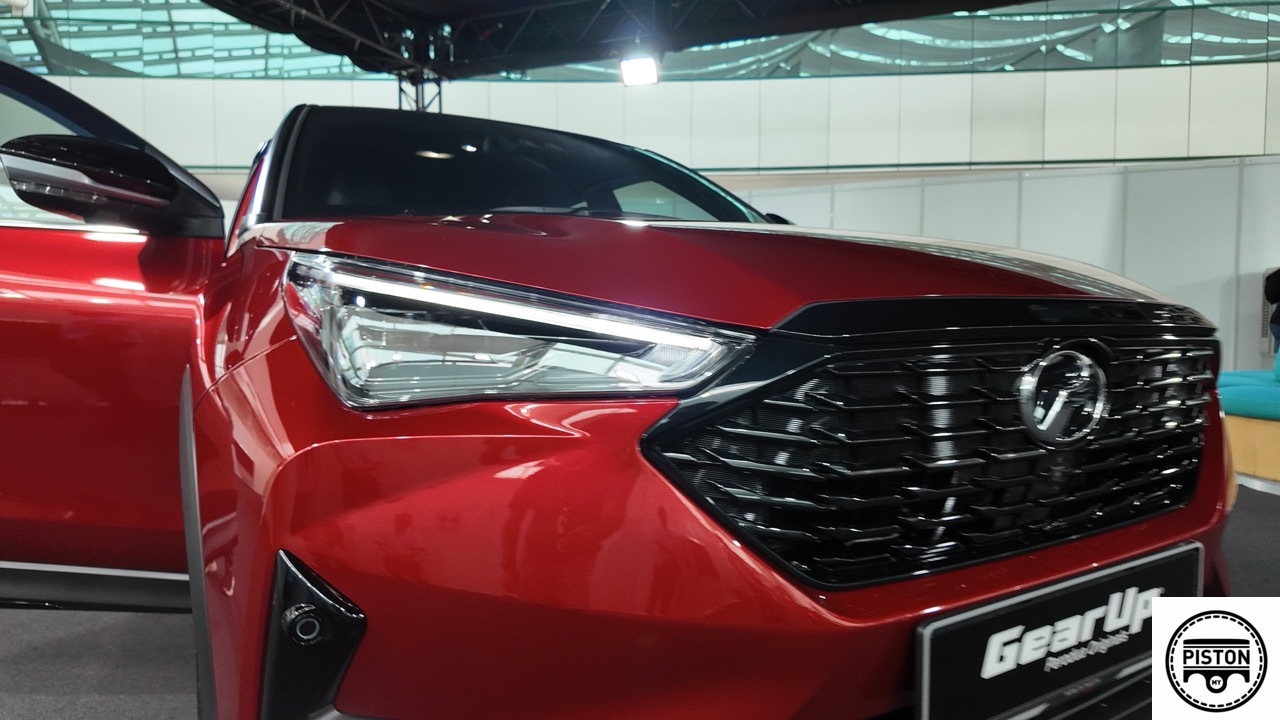
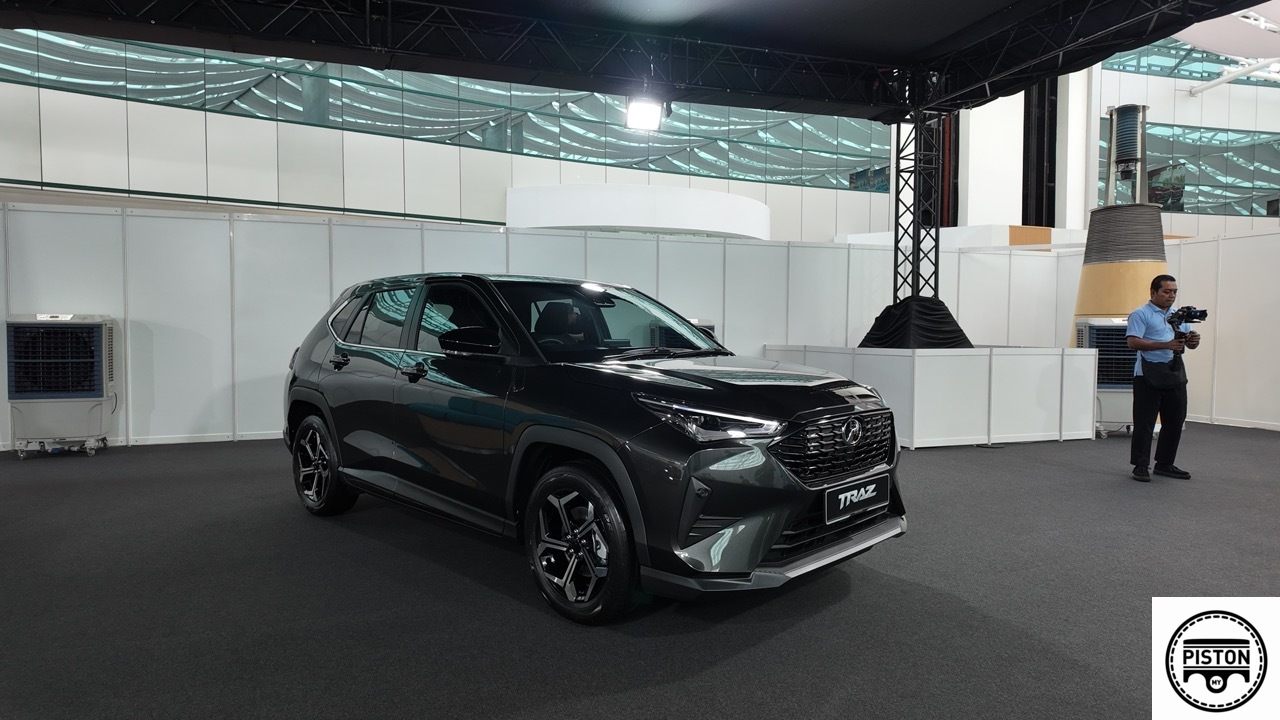
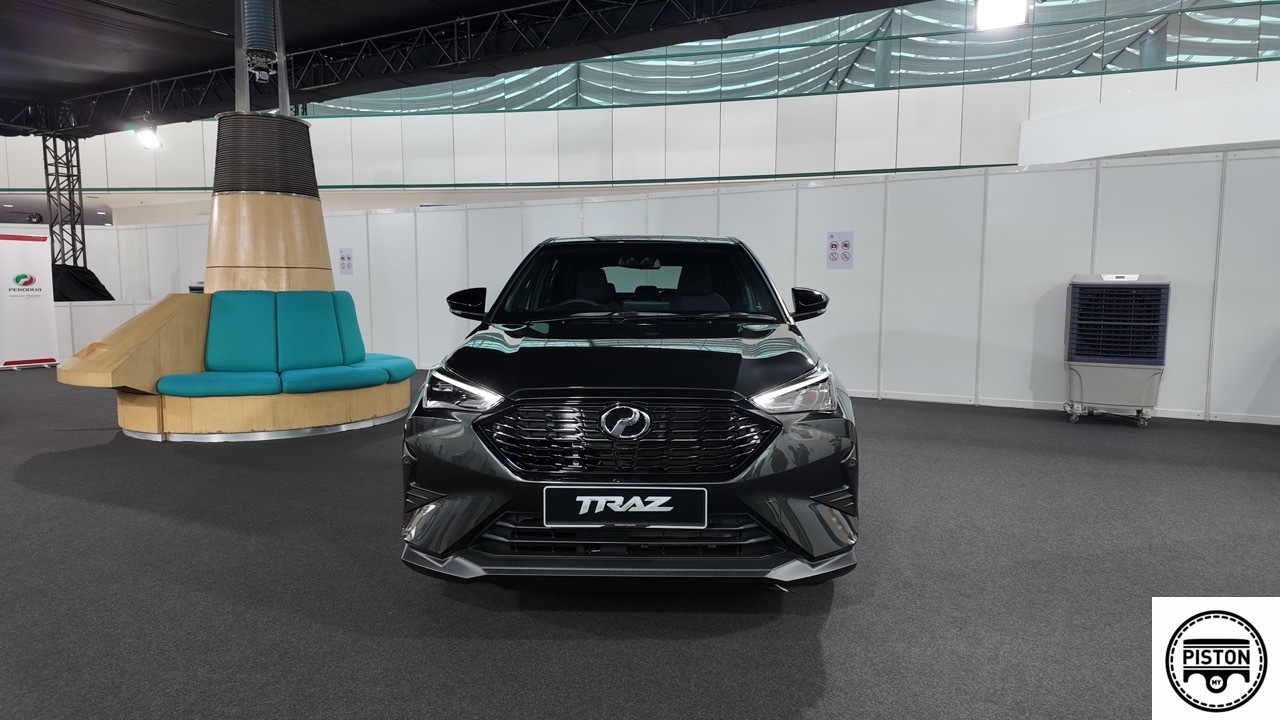
Perodua has ended the year with the launch of its latest sports utility vehicle, the Perodua Traz, a five-seater SUV designed to meet the needs of urban drivers while remaining practical for family use.
Positioned as a user-friendly and accessible model, the Traz is aimed at customers seeking a compact SUV that balances everyday usability with modern features.
Developed under the tagline “Engineered Simply”, the Perodua Traz has been tailored specifically to Malaysian driving preferences and conditions.
The new model is intended to complement Perodua’s existing SUV line-up, sitting alongside the Aruz and Ativa, while offering a fresh alternative for buyers looking for a slightly larger and more feature-rich option in the brand’s portfolio.
The Perodua Traz is offered with a 1.5-litre petrol engine paired with a D-CVT transmission, and is available in two variants, X and H. Pricing starts from RM76,100 and goes up to RM82,000 on the road without insurance, placing it competitively within the compact SUV segment.
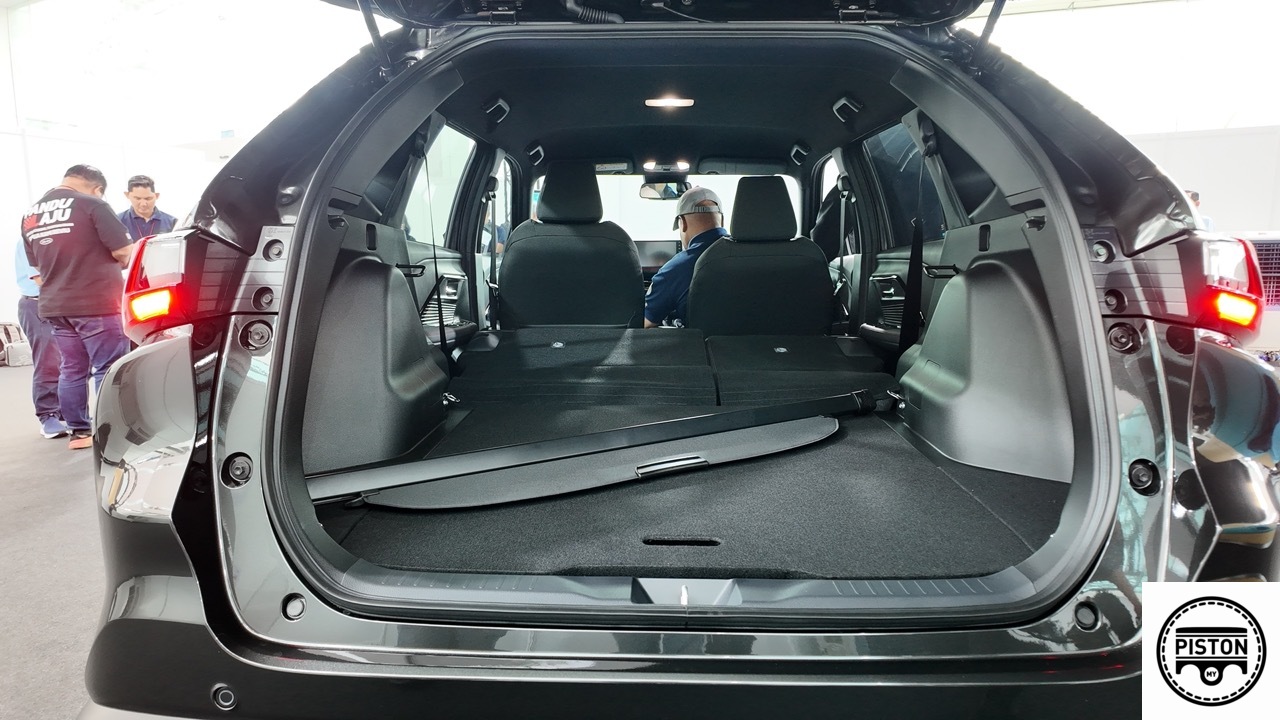
Measuring 4,310 mm long, 1,770 mm wide and 1,655 mm tall, the Traz features a wheelbase of 2,620 mm and a ground clearance of 210 mm, giving it a balanced stance for city driving and light outdoor use.
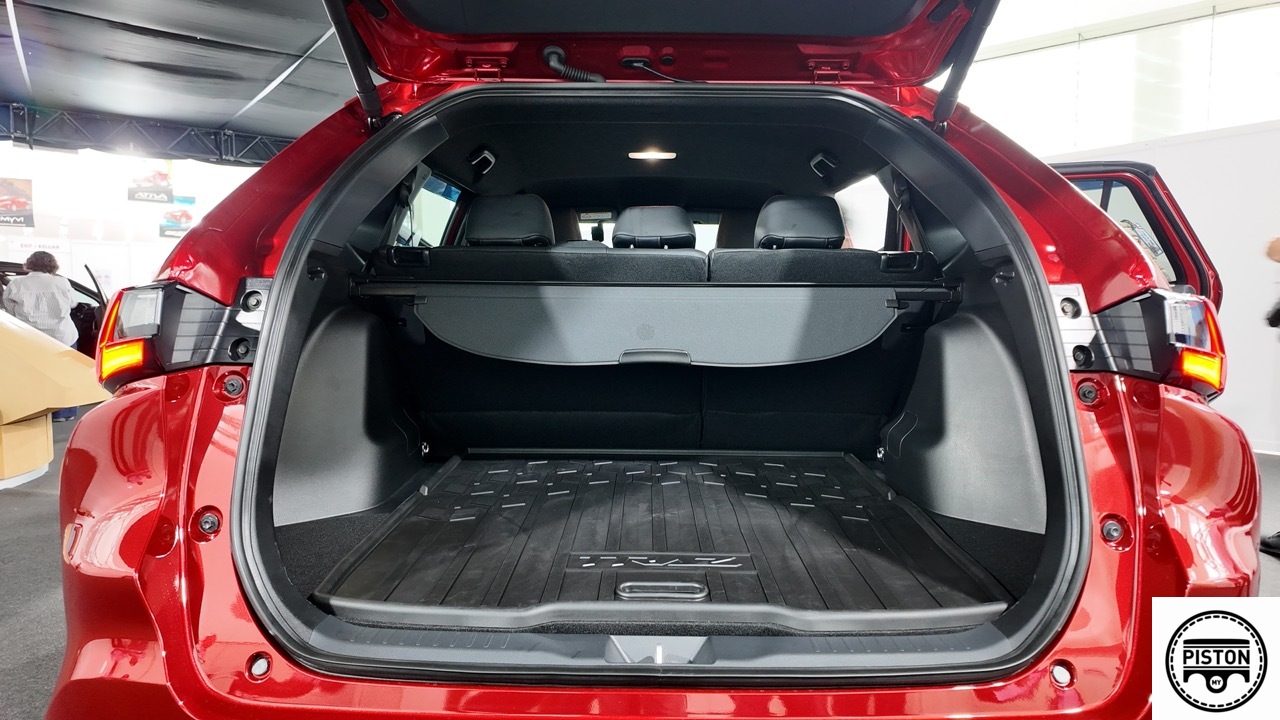
Luggage space is rated at 471 litres, while a 5.2-metre turning radius improves manoeuvrability in urban environments. Kerb weight stands at 1,145 kg for the X variant and 1,150 kg for the H.
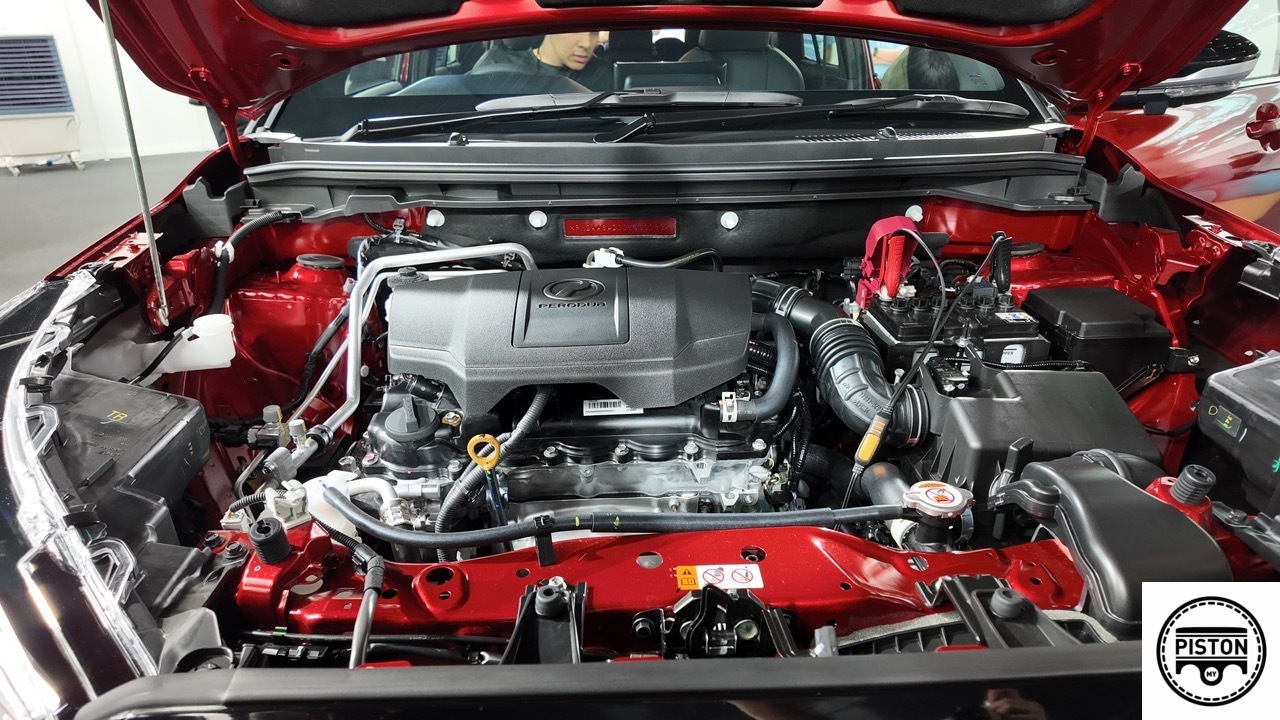
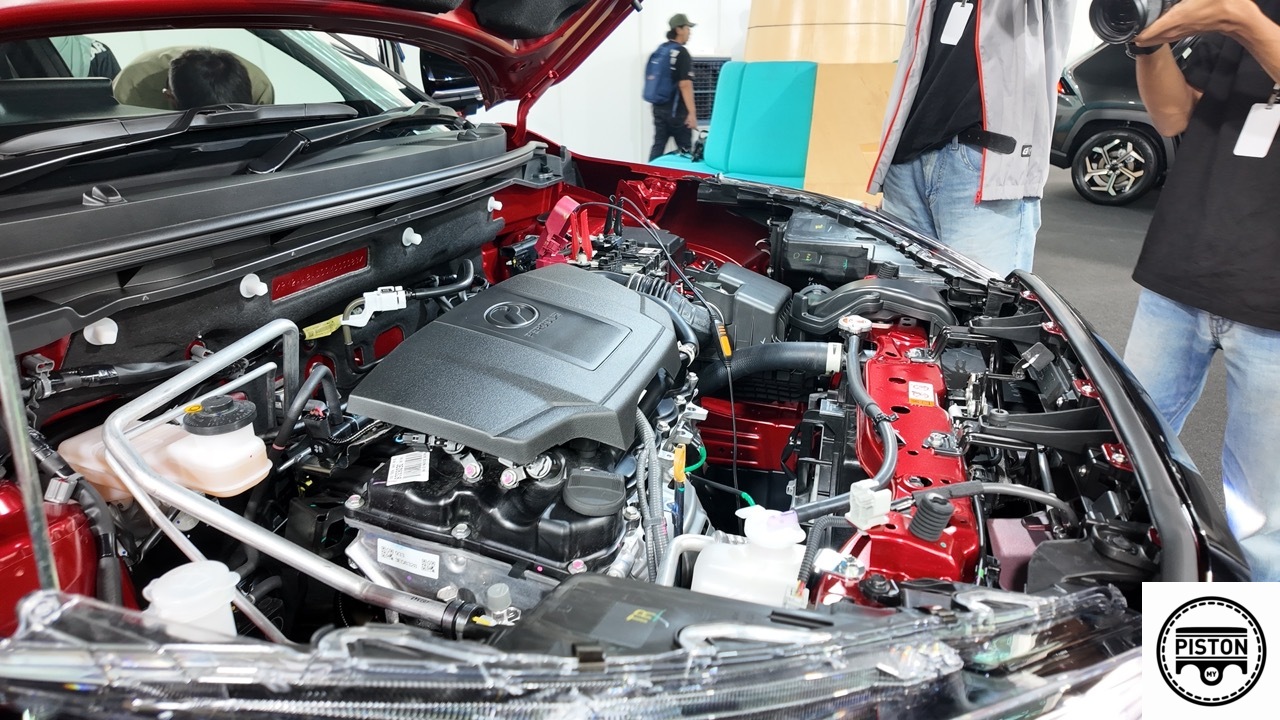
Power comes from Perodua’s 2NR-VE 1.5-litre four-cylinder DOHC engine, producing 104hp at 6,000 rpm and 138 Nm of torque at 4,200 rpm.
Fuel efficiency is rated at 21.3 kilometres per litre based on the Malaysia Driving Cycle, supported by selectable Eco, Normal and Power drive modes. A 42-litre fuel tank is fitted as standard.
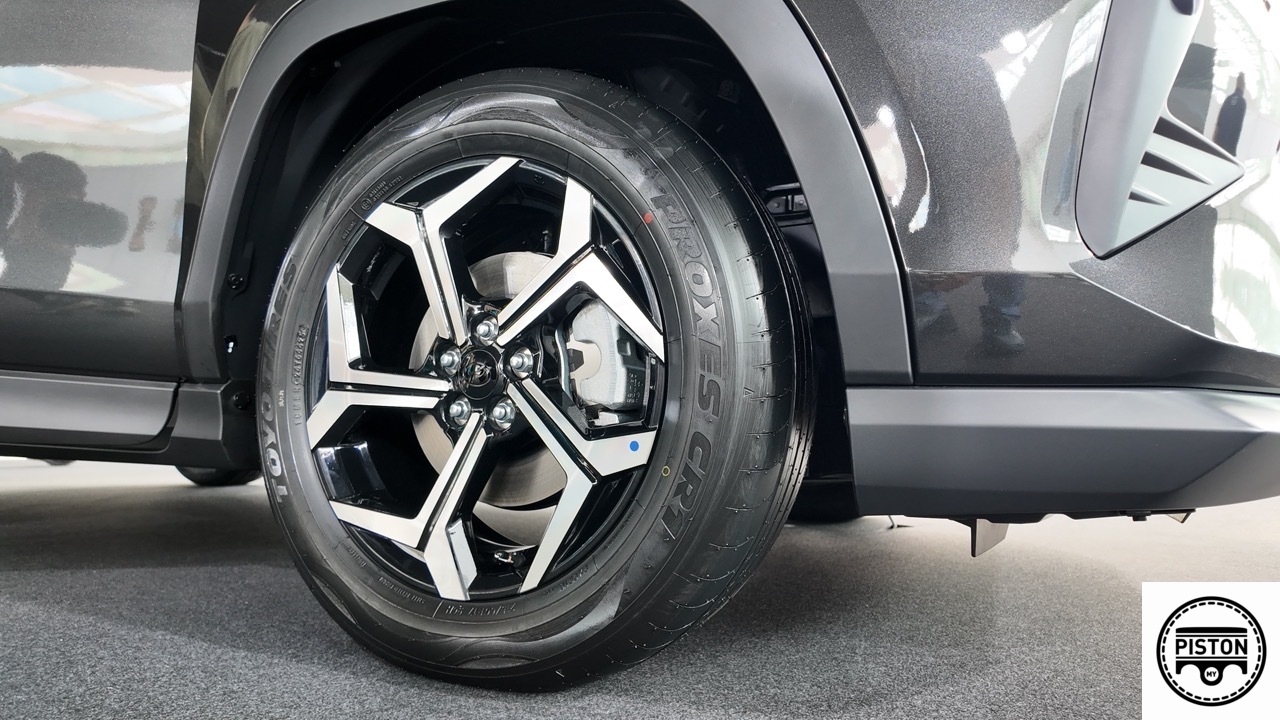
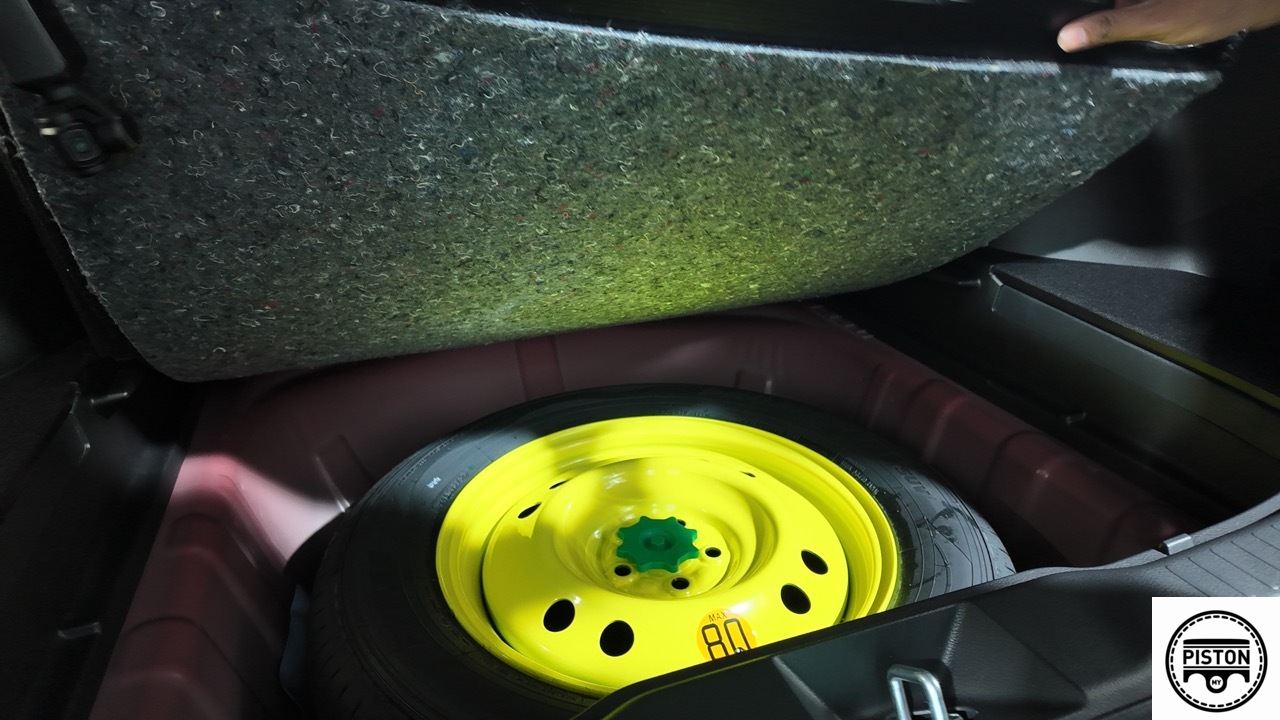
On the chassis side, the Traz is equipped with 16-inch ventilated front disc brakes, solid rear discs, and an electronic parking brake. It rides on 215/60 R17 alloy wheels, with a steel spare wheel provided.
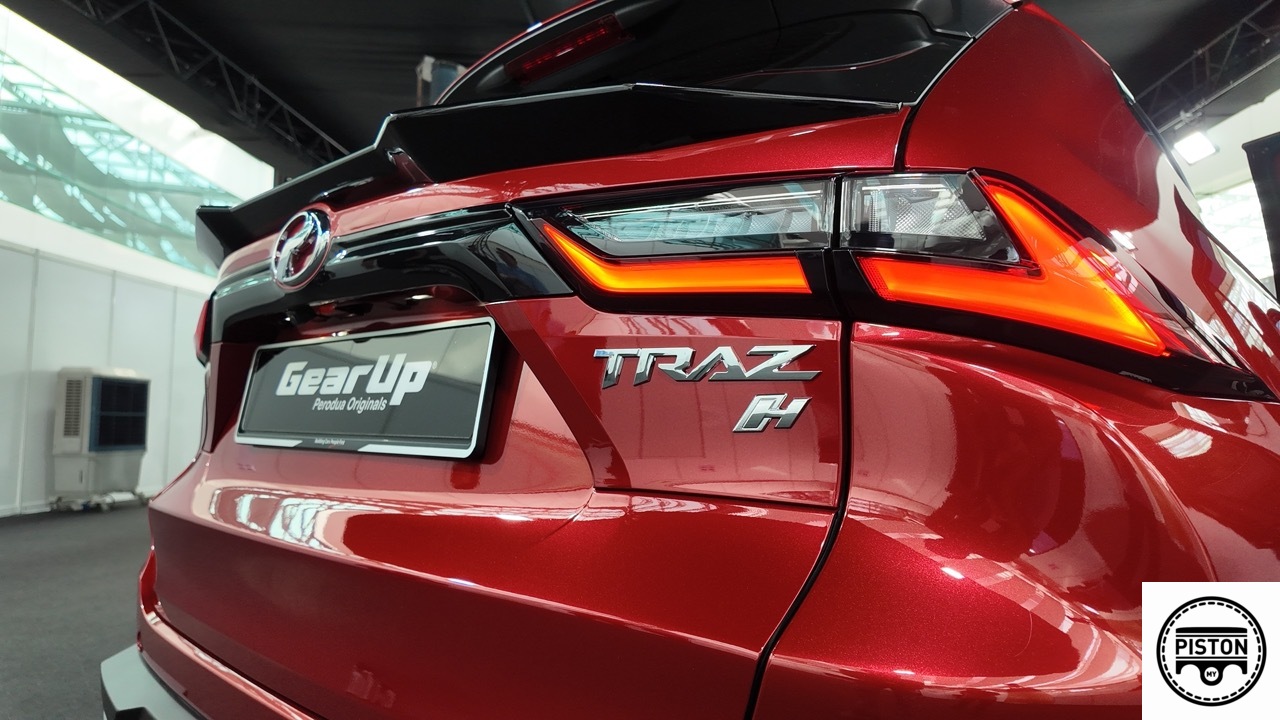
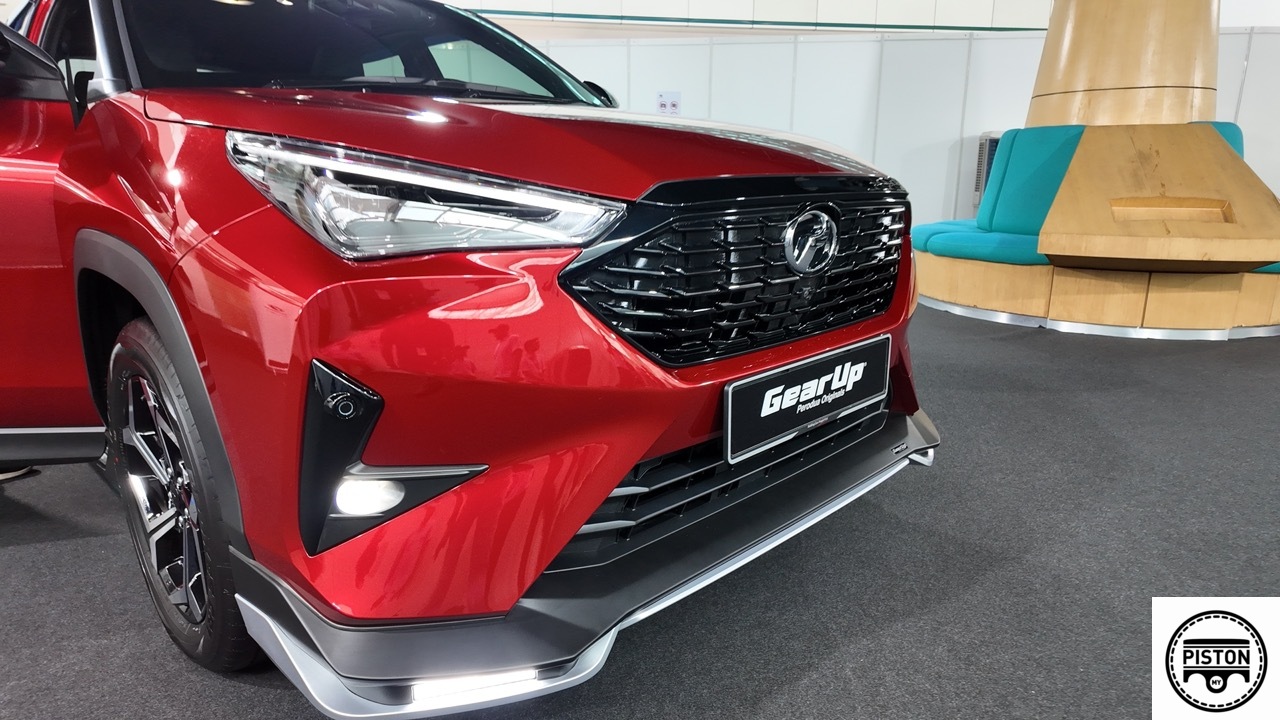
Exterior highlights include full LED headlamps with Follow-Me-Home and Leaving Home functions, LED daytime running lights, LED fog lamps, and auto-retractable side mirrors with integrated welcome lamps. A rear spoiler with an LED third brake light completes the exterior look.
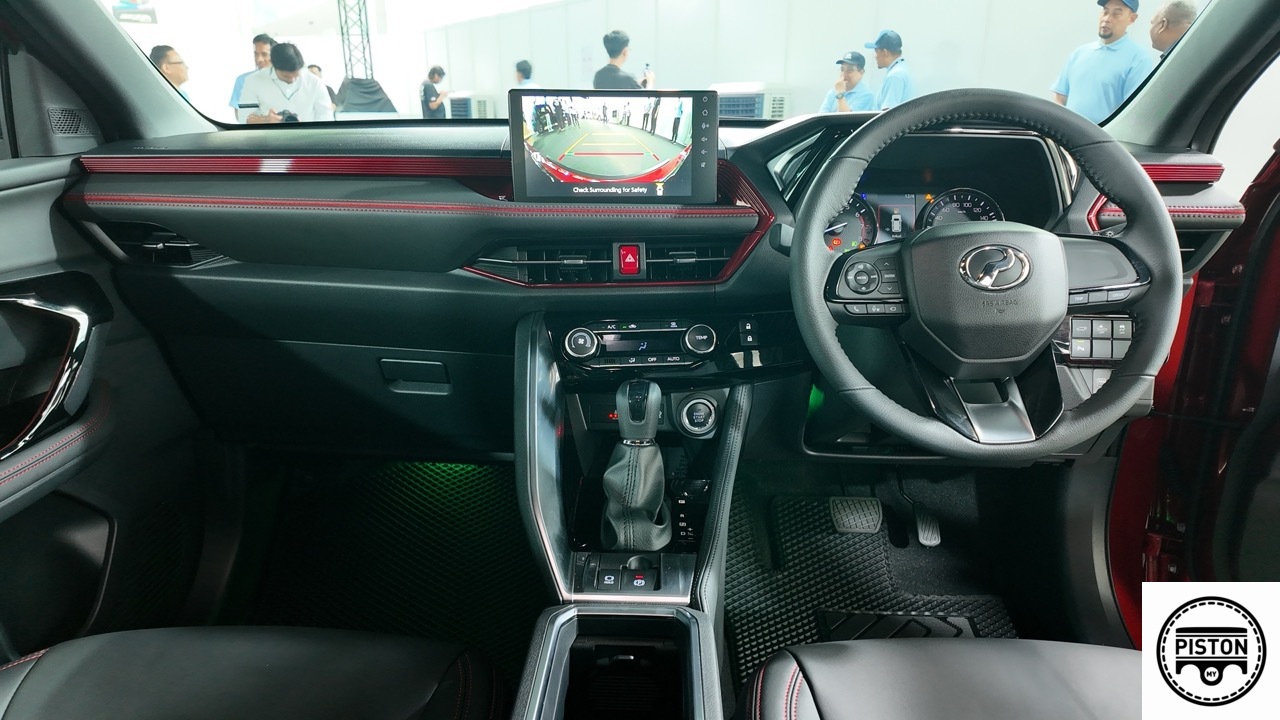
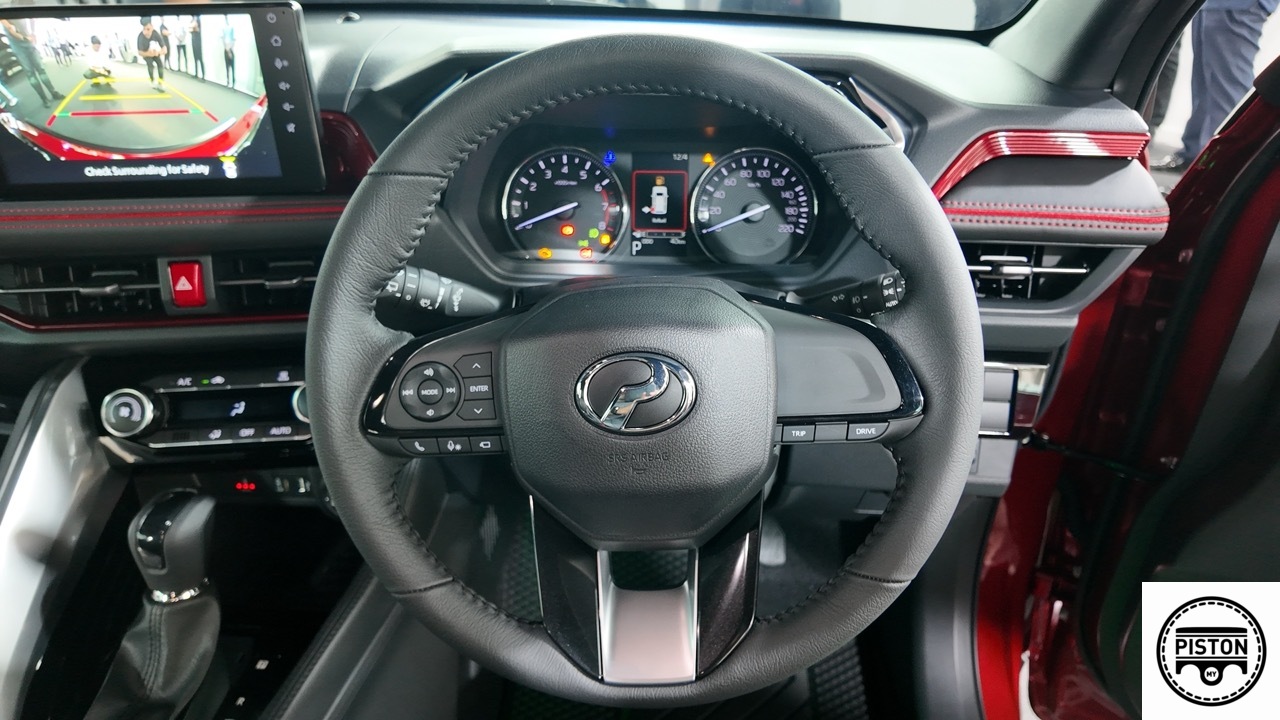
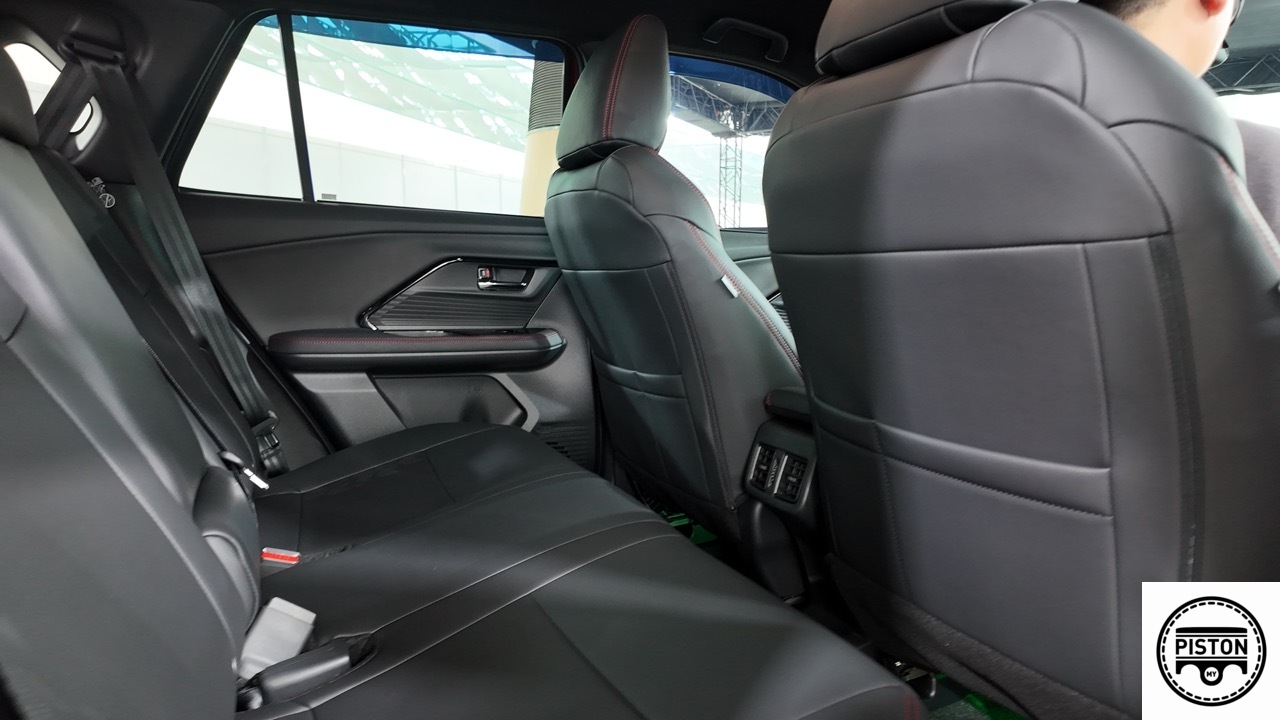
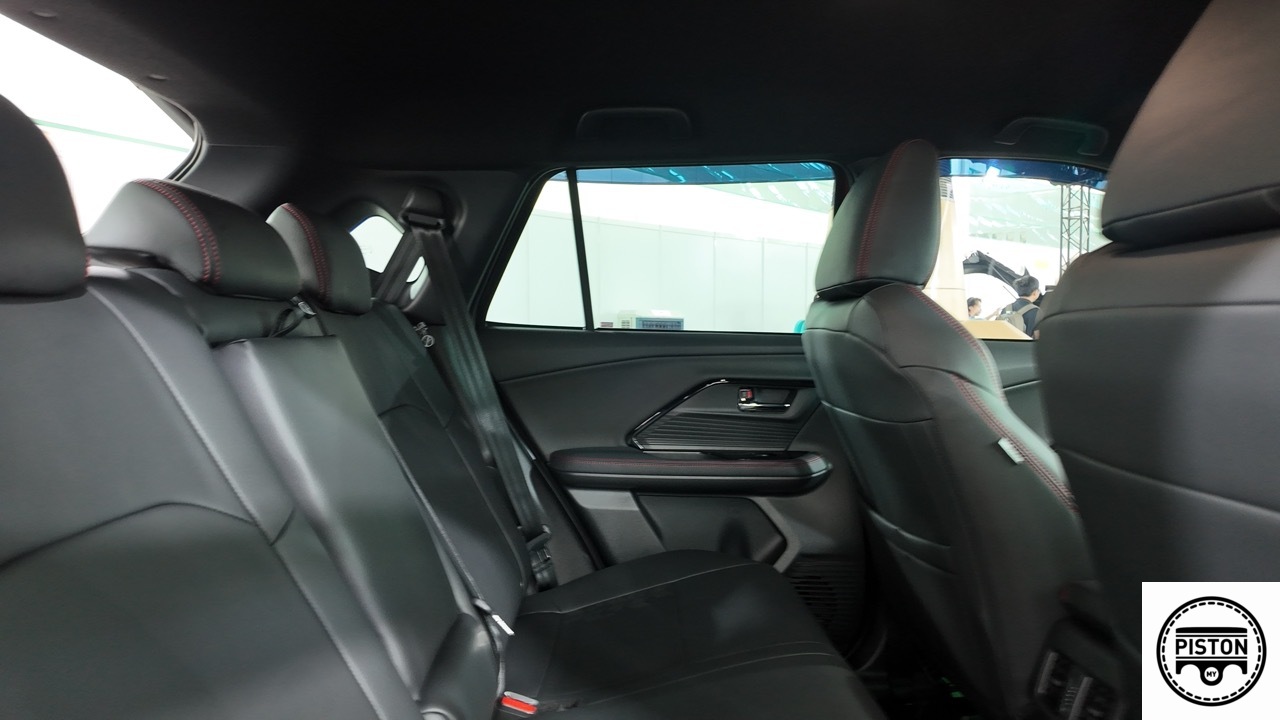
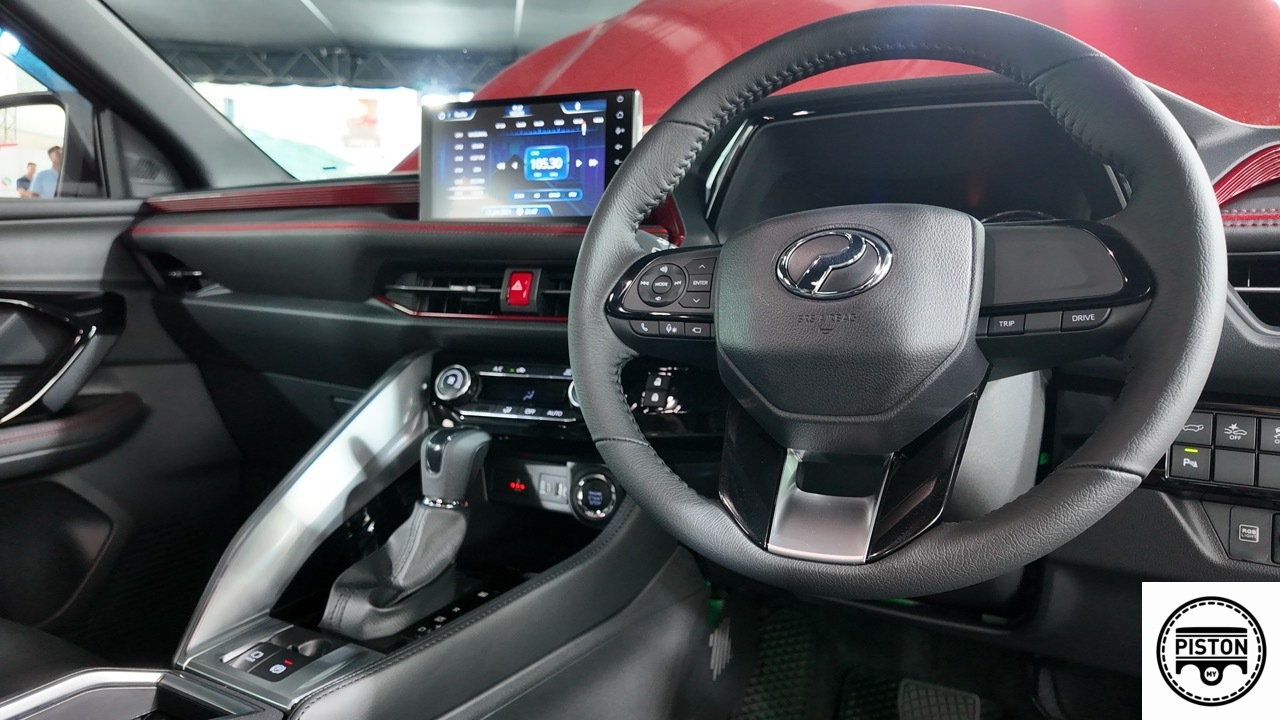
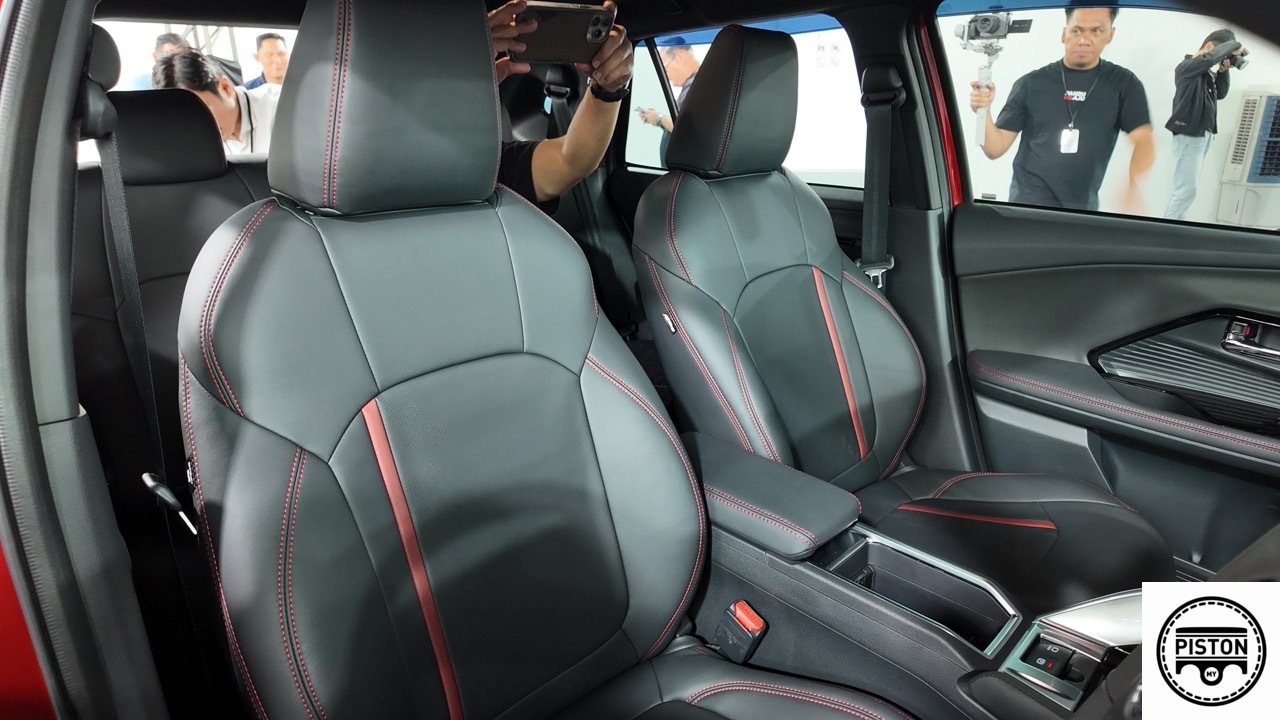
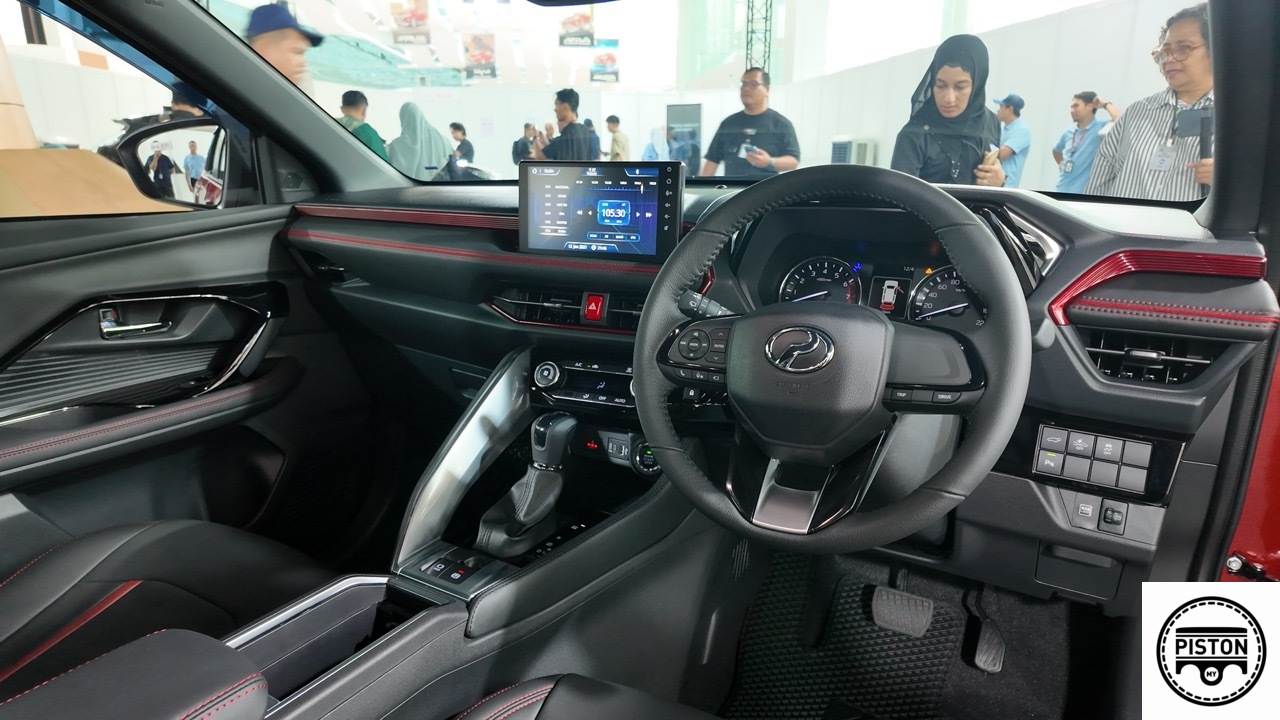
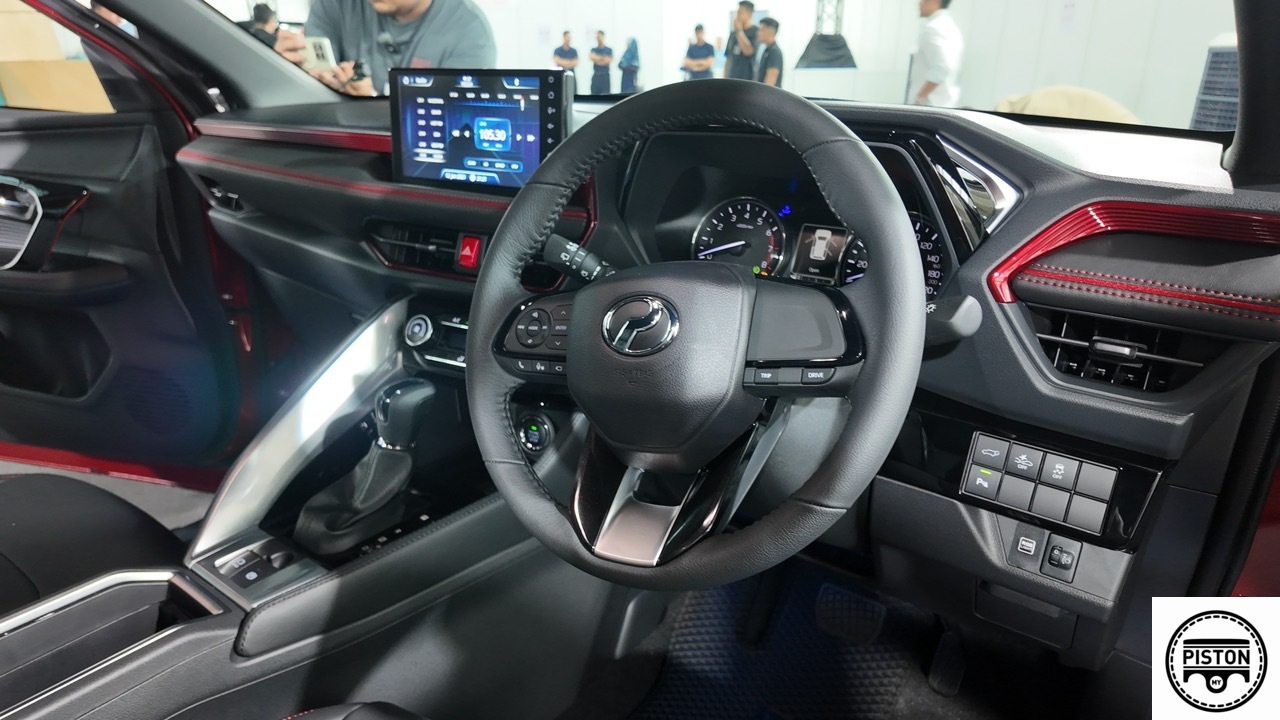
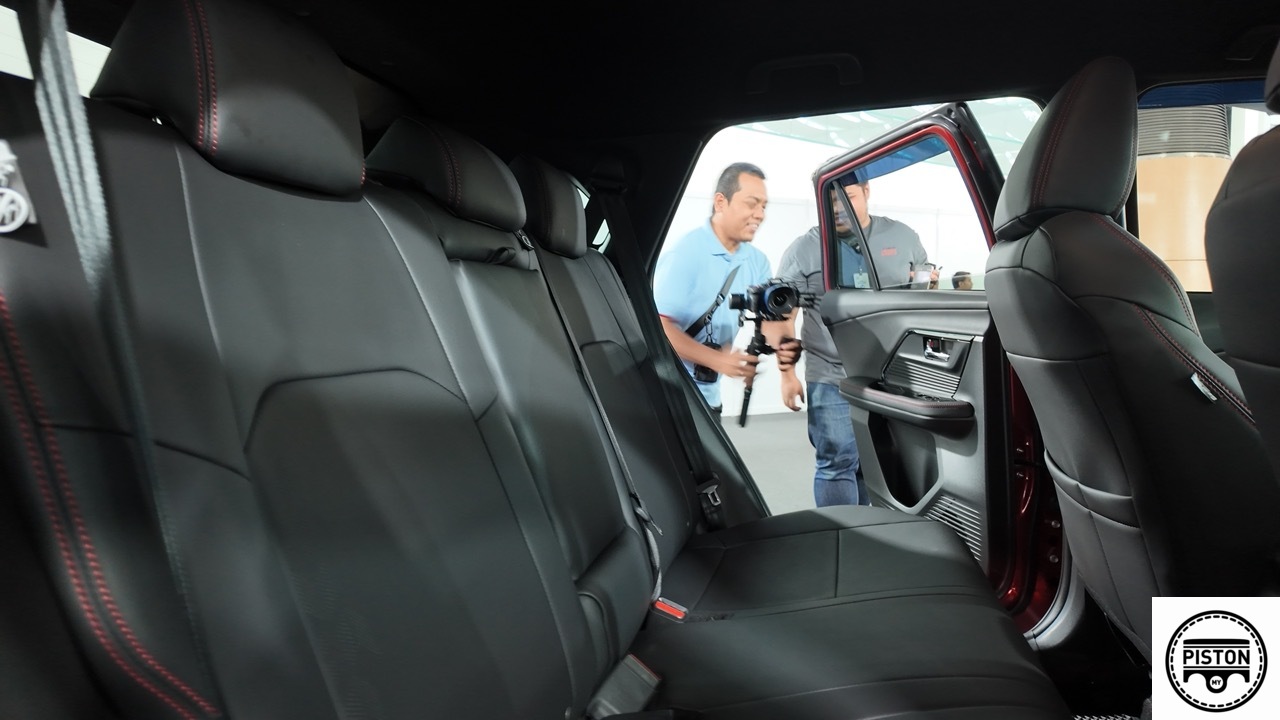
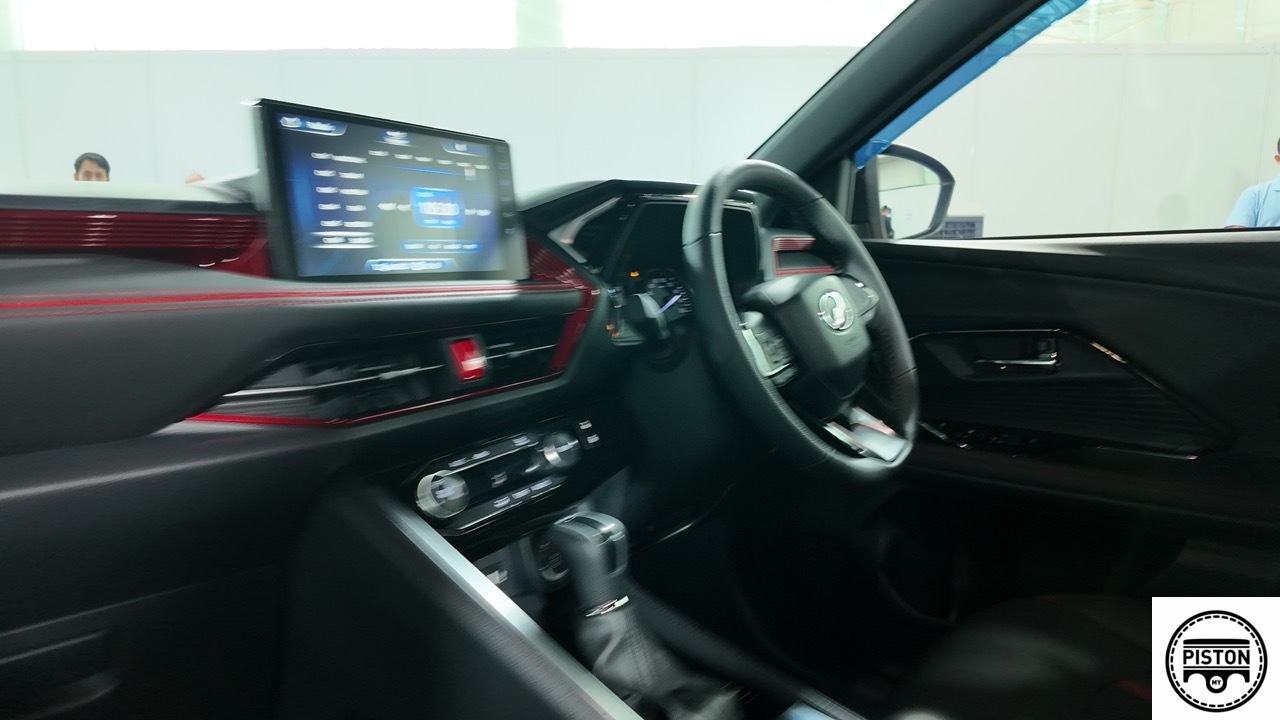
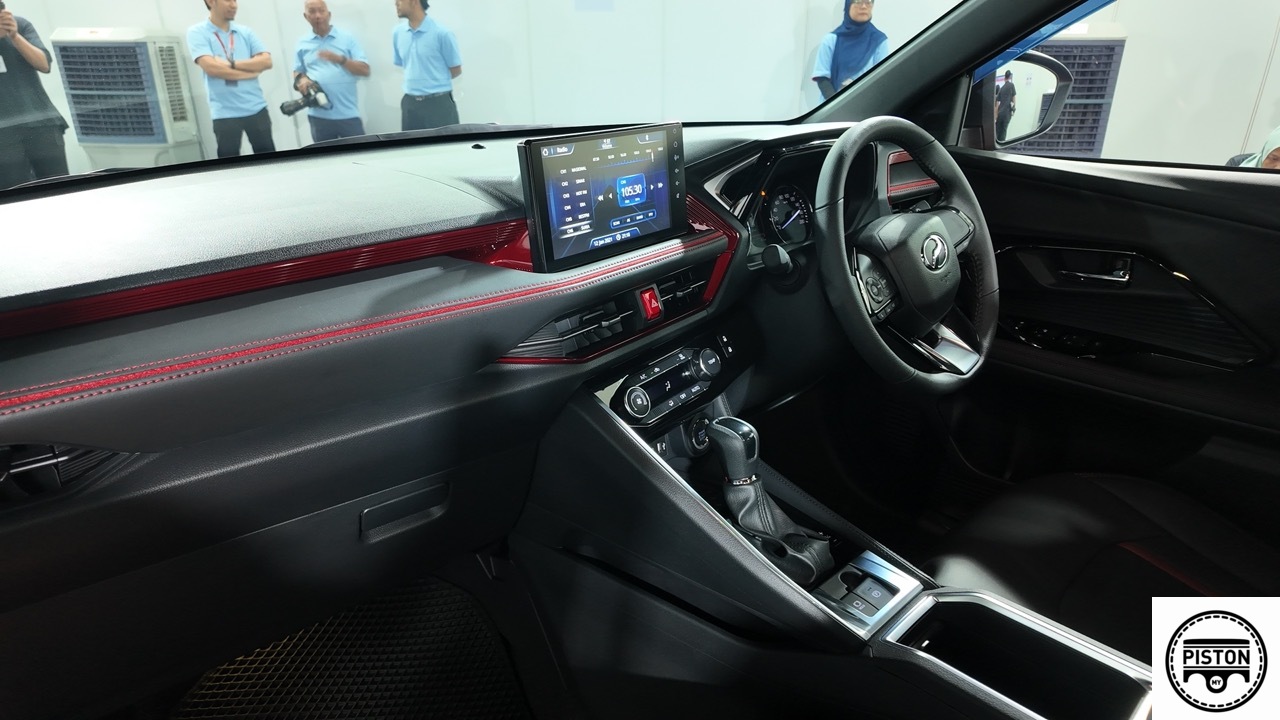
Inside, the cabin focuses on practicality and comfort. The Traz features a 4.2-inch TFT instrument display, fabric seats with different graphic finishes depending on variant, and a rear seat armrest with cup holders.
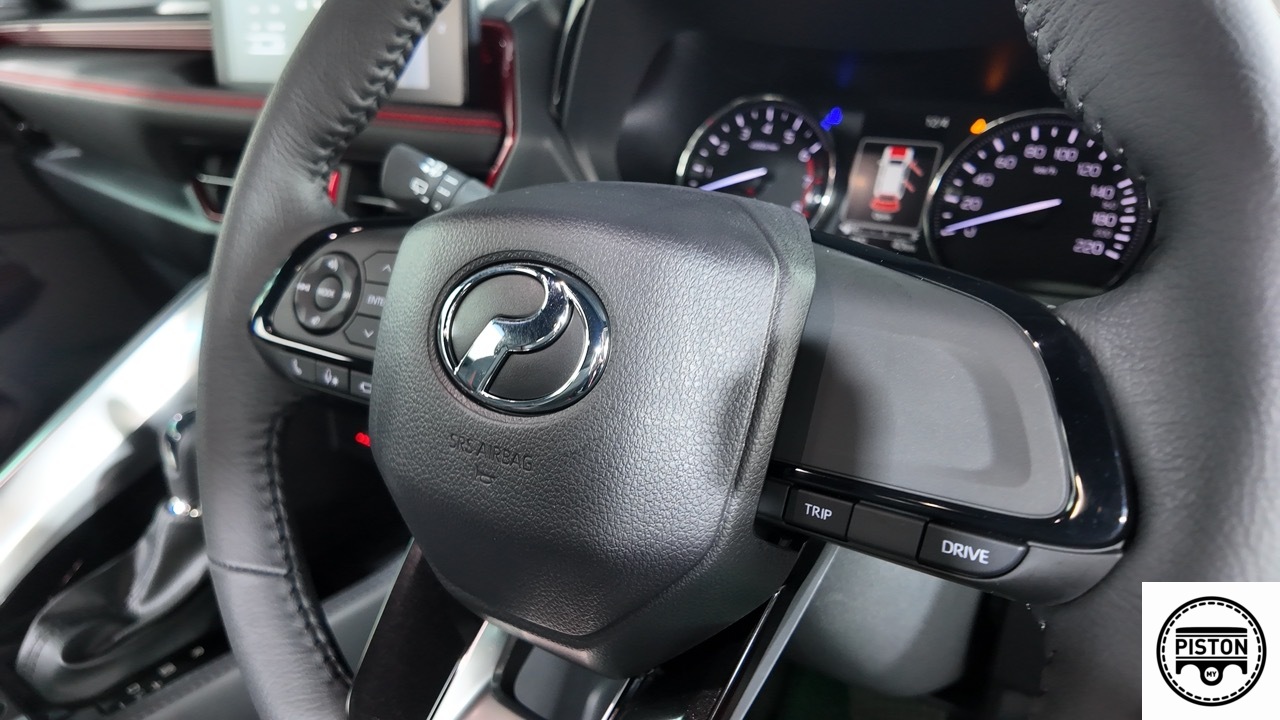
The H variant adds leather-wrapped touchpoints such as the steering wheel and gear selector. A 3-in-1 luggage deck board enhances cargo flexibility, while rear passengers benefit from dedicated air-conditioning vents, a feature highlighted as one of the SUV’s key conveniences.
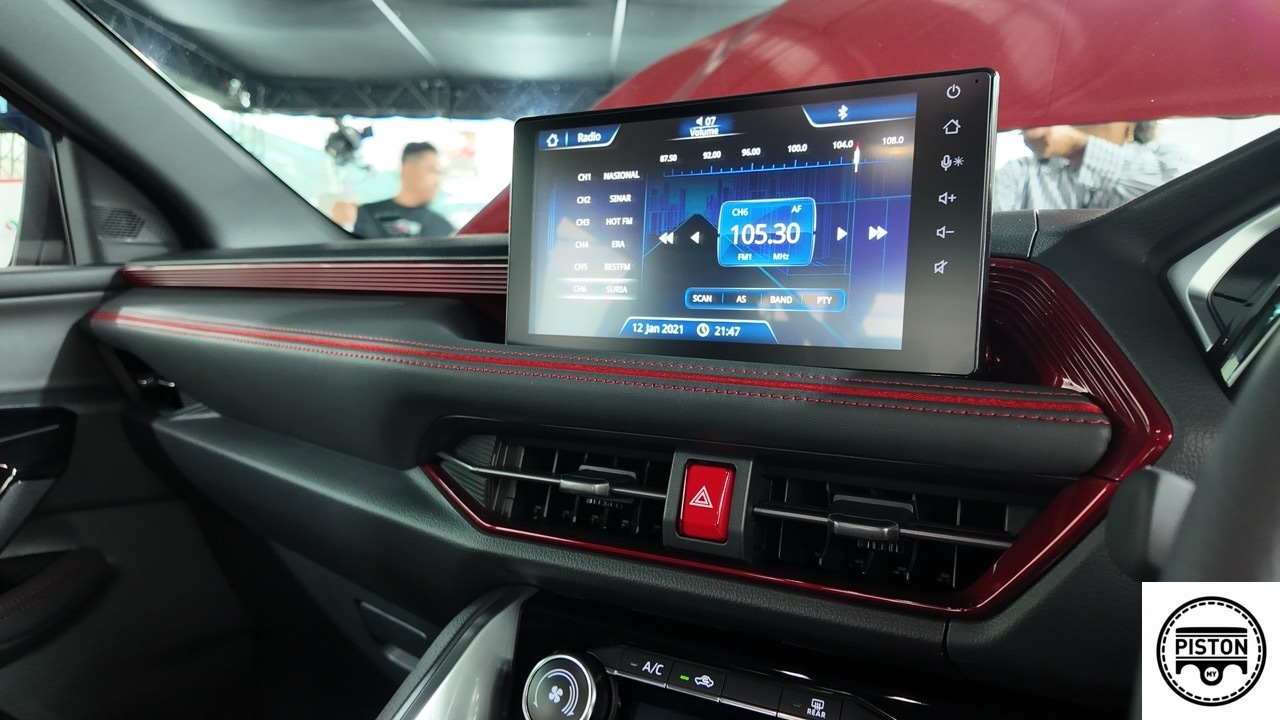
Infotainment is handled by a 9-inch touchscreen display with Android Auto support and Apple CarPlay readiness. The X variant is equipped with four speakers, while the H variant upgrades to six speakers including tweeters. USB connectivity includes Type-A and Type-C ports at the front, dual Type-C ports at the rear, and a 12V power outlet.
Comfort and convenience features include digital air-conditioning, with automatic climate control available on the H variant, tilt and telescopic steering, steering-mounted controls, push-start ignition, and smart entry, with the higher variant offering key-free access with door handle sensors.
One of the standout features is the power tailgate with kick sensor, making boot access easier when hands are full.
Safety is a major focus, with the Perodua Traz achieving a five-star ASEAN NCAP rating. Standard equipment includes six airbags, ABS with EBD and Emergency Stop Signal, and Vehicle Stability Control with Brake Assist.
The Advanced Safety Assist suite brings features such as pre-collision warning, autonomous emergency braking for vehicles and pedestrians, front departure alert, and pedal misoperation control. Additional assistance systems include lane departure warning, lane departure prevention, blind spot monitoring, rear cross traffic alert, and a 360-degree panoramic view monitor.
The Perodua Traz is available in a range of exterior colours, including Cranberry Red, Electric Blue with Black Roof, Glittering Silver, Ivory White, and Granite Grey.
According to Dato’ Sri Zainal, the project involved an investment of RM563.3 million and the vehicle is produced at Perodua Manufacturing Sdn Bhd’s plant in Sungai Choh, Rawang, with 95 per cent local content. He added that the new model is expected to contribute positively to Perodua’s overall vehicle registrations from 2026 onwards, with deliveries set to begin immediately across Peninsular Malaysia.
Customers are encouraged to visit their nearest Perodua showroom to view, test drive and place bookings for the new Perodua Traz.
Geely Auto Group has officially opened the Geely Safety Centre, a facility it describes as the largest and most advanced automotive safety testing complex in the world, marking a major milestone in the company’s long-term push to lead safety innovation. Built at a cost exceeding 2 billion RMB, the centre covers 45,000 square metres and is designed to accelerate the development of next-generation safety technologies while raising benchmarks across the global automotive industry.
The new centre brings together an unusually broad range of testing capabilities under one roof. Beyond conventional crash and occupant protection tests, it supports high-speed impact testing, pedestrian safety assessments, active safety simulations, battery and new energy powertrain evaluations, as well as cybersecurity and health-related safety studies. This wide scope reflects Geely’s view of safety in the intelligent vehicle era, where protection extends beyond physical structure to include digital systems, data security and human wellbeing.
Cybersecurity testing is a key focus at the facility, with CNAS-certified capabilities that evaluate multiple attack scenarios across chips, firmware, data transmission, encryption systems, over-the-air updates, sensors and vehicle controllers. At the same time, the centre addresses environmental and health considerations through its dedicated “Golden Nose” team, which specialises in detecting volatile materials, odours and harmful substances. The goal is to ensure vehicles meet a zero harmful gas and odour standard, reinforcing the idea that safety also includes the quality of the cabin environment.
We all have a car that reminds us of our childhood. Perhaps of our parents, our first drive or something life changing.
For me it is the Honda Prelude, it was life changing because it was the first sports car that I ever drove and this took place way back in 1993.
I was just 11 and I know what you are thinking but times were much simpler then and fathers could teach their kids how to drive from a much younger age. Social media and camera phones make that difficult these days.
The car was a third-generation model belonging to a cousin of mine. The pop-up headlights were befitting of its time and is something we will never be able to see today due to pedestrian safety compliance.
The car I drove back then even came with four-wheel steering, which was revolutionary for its time. And that sums up the Prelude quite well – revolutionary.
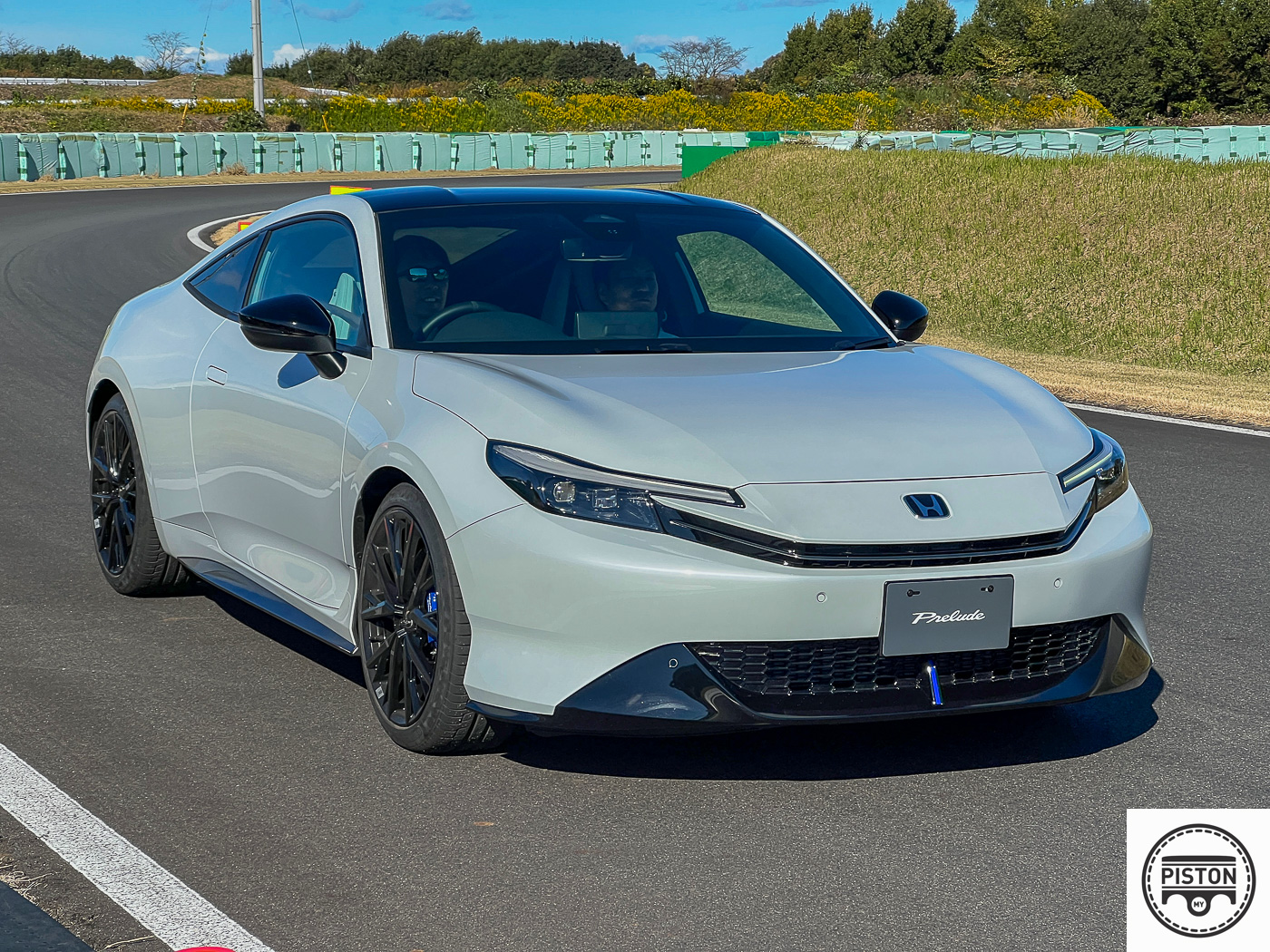
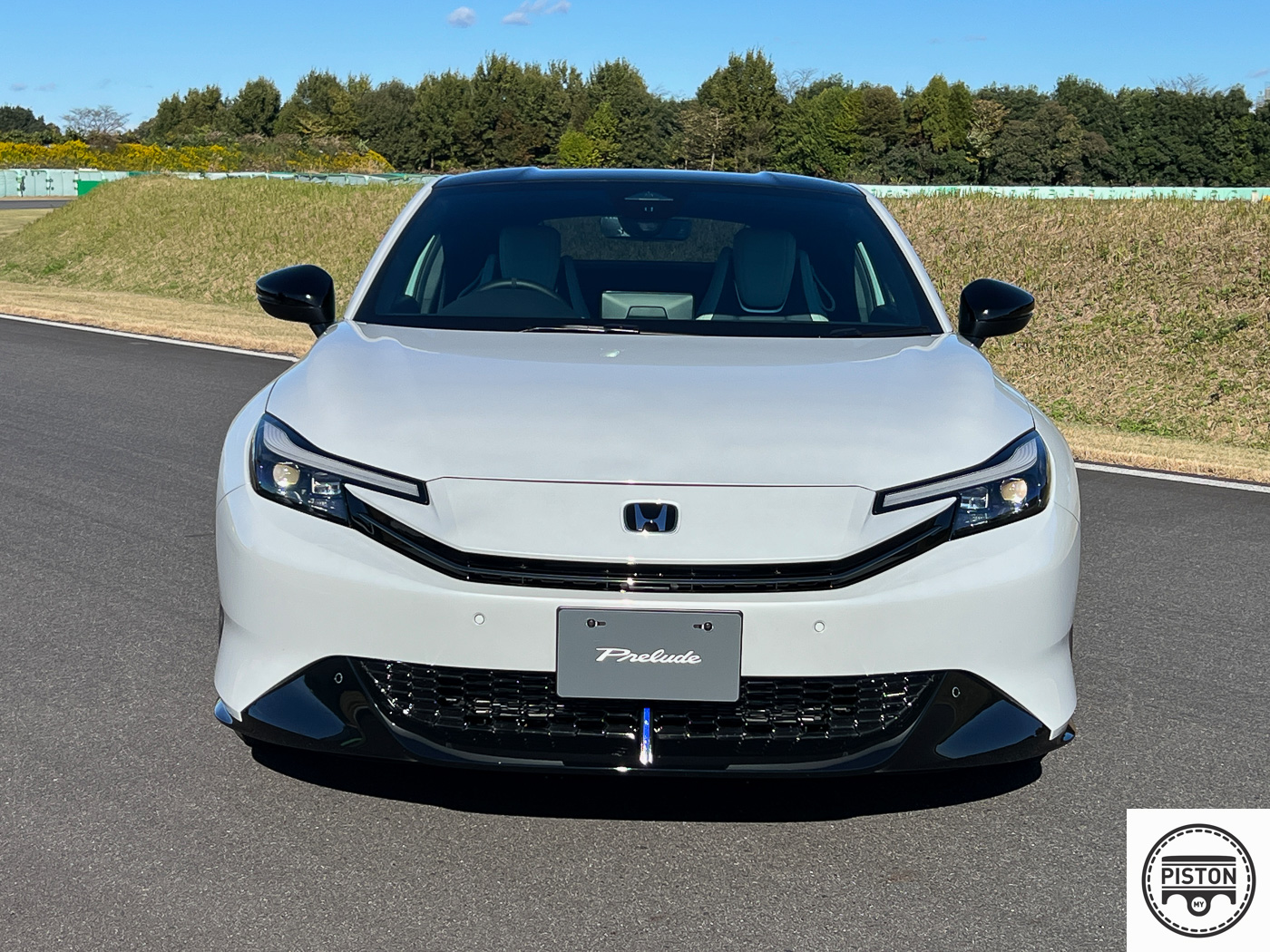
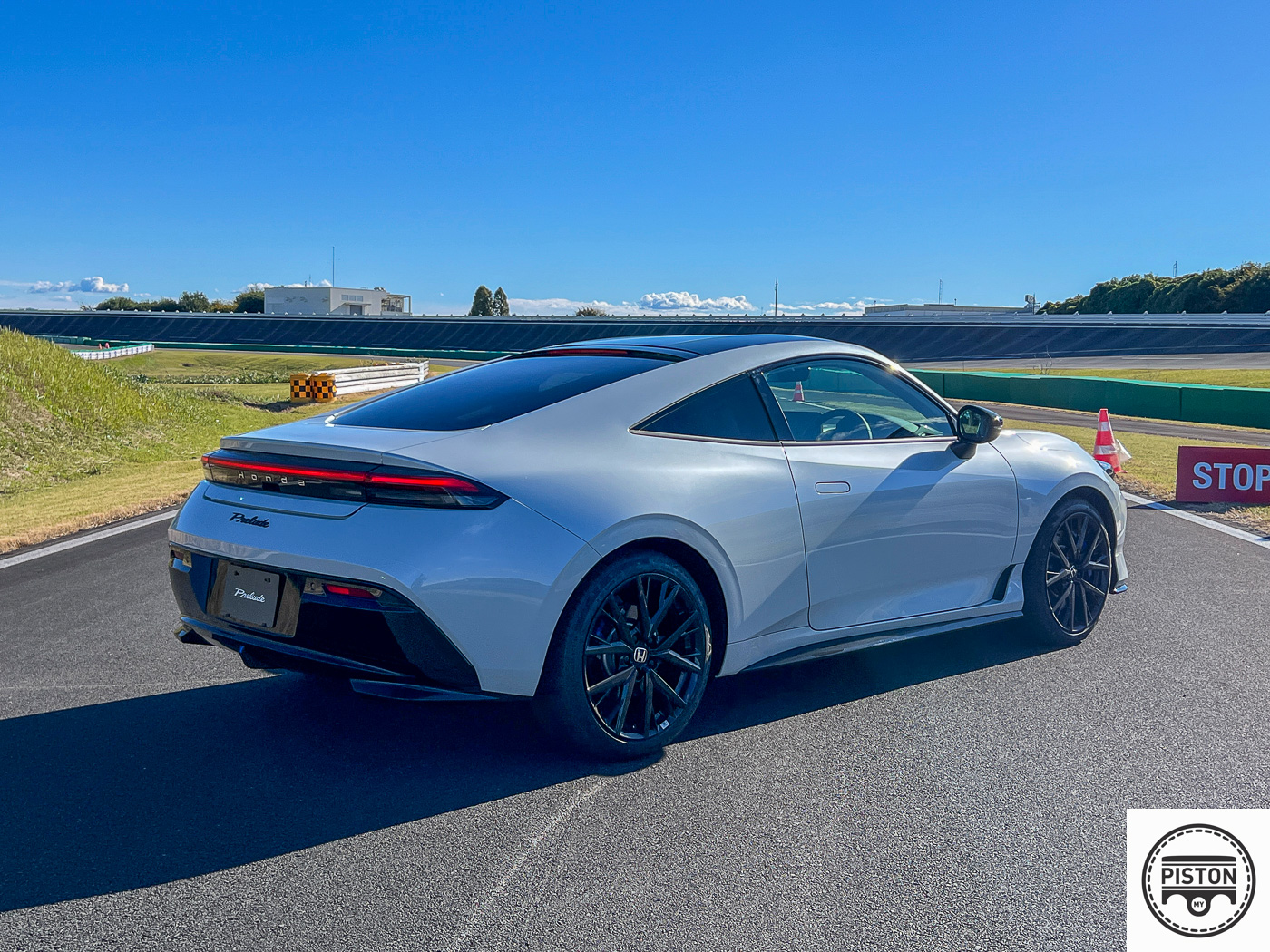
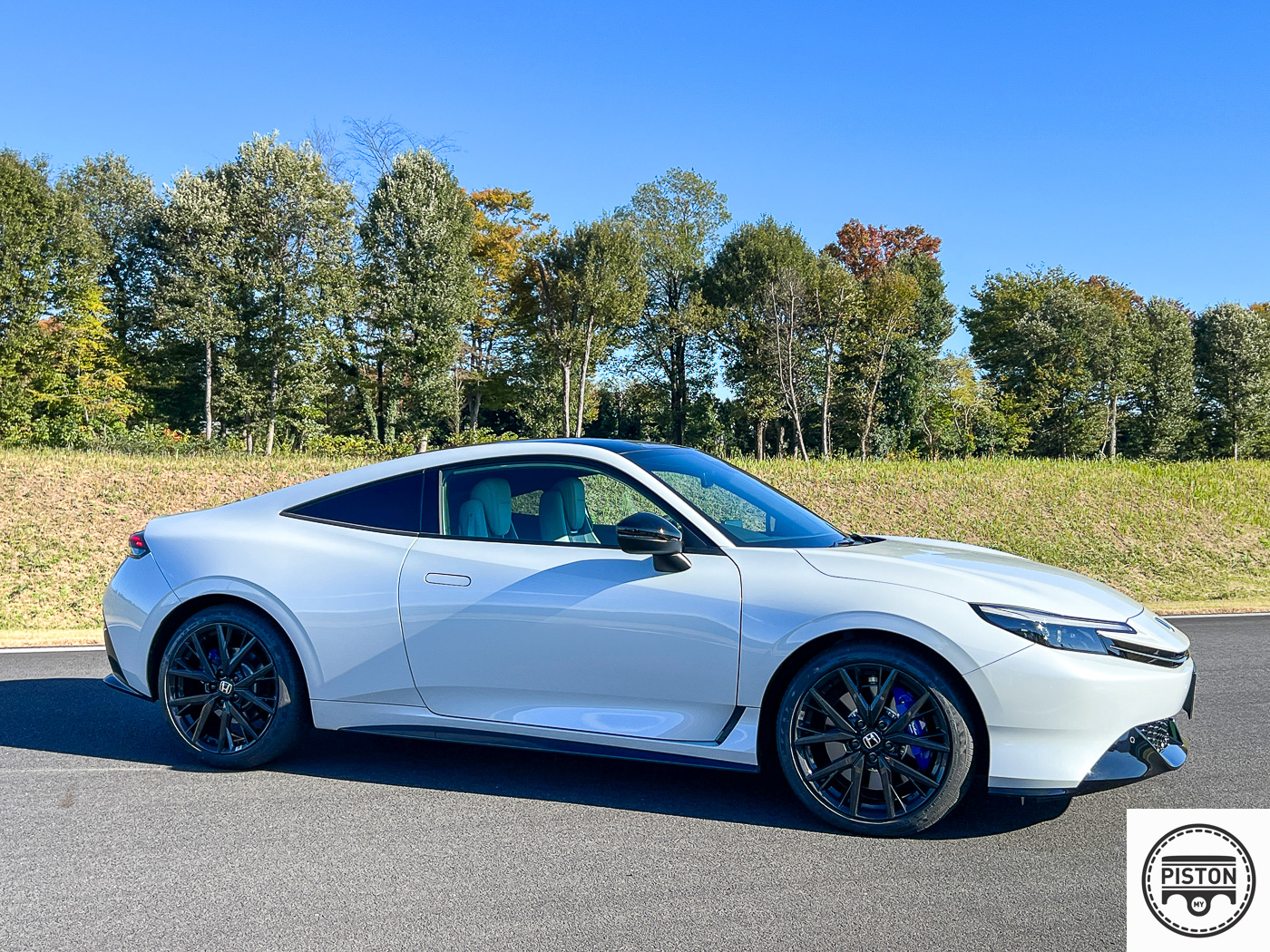
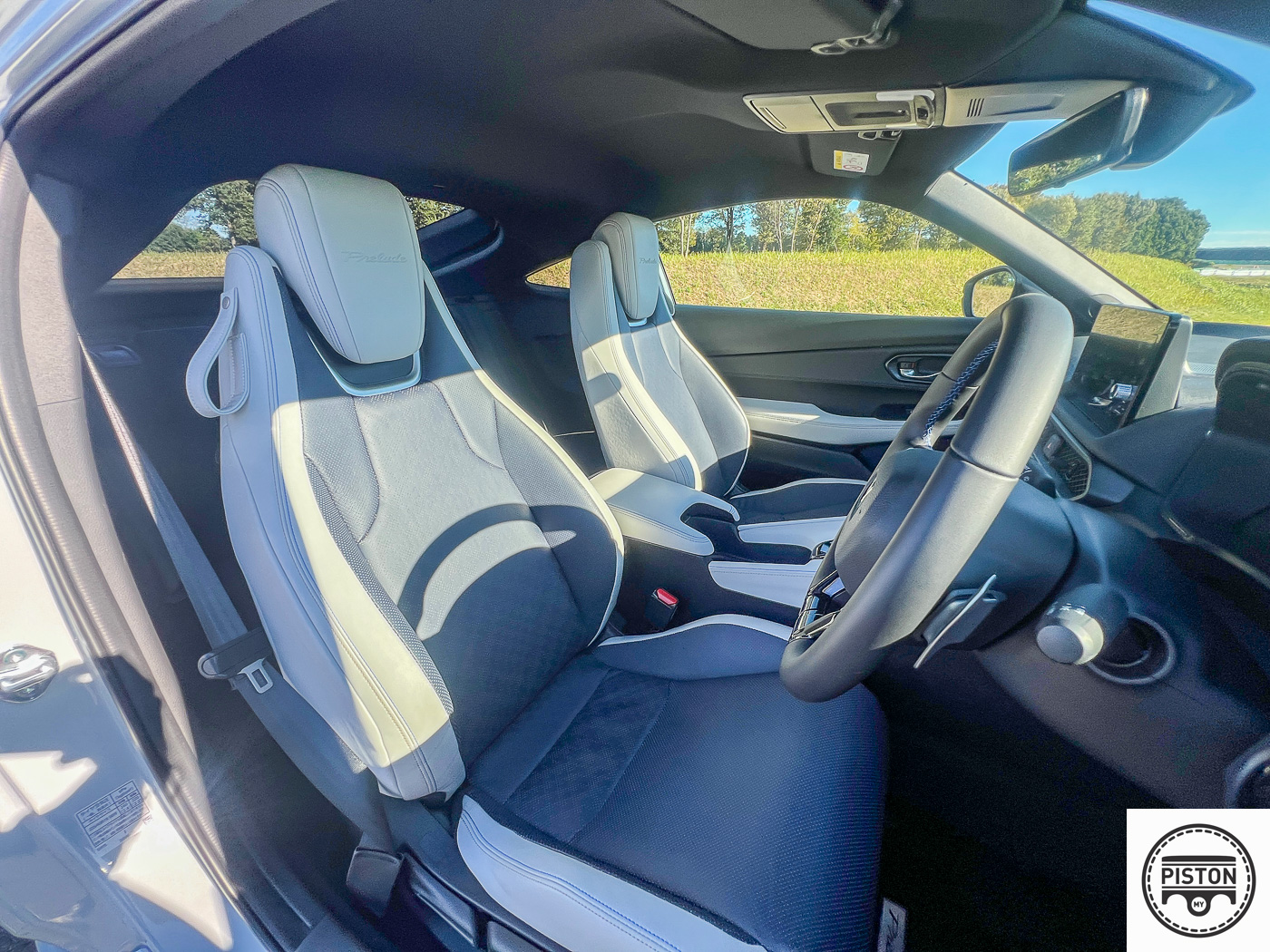
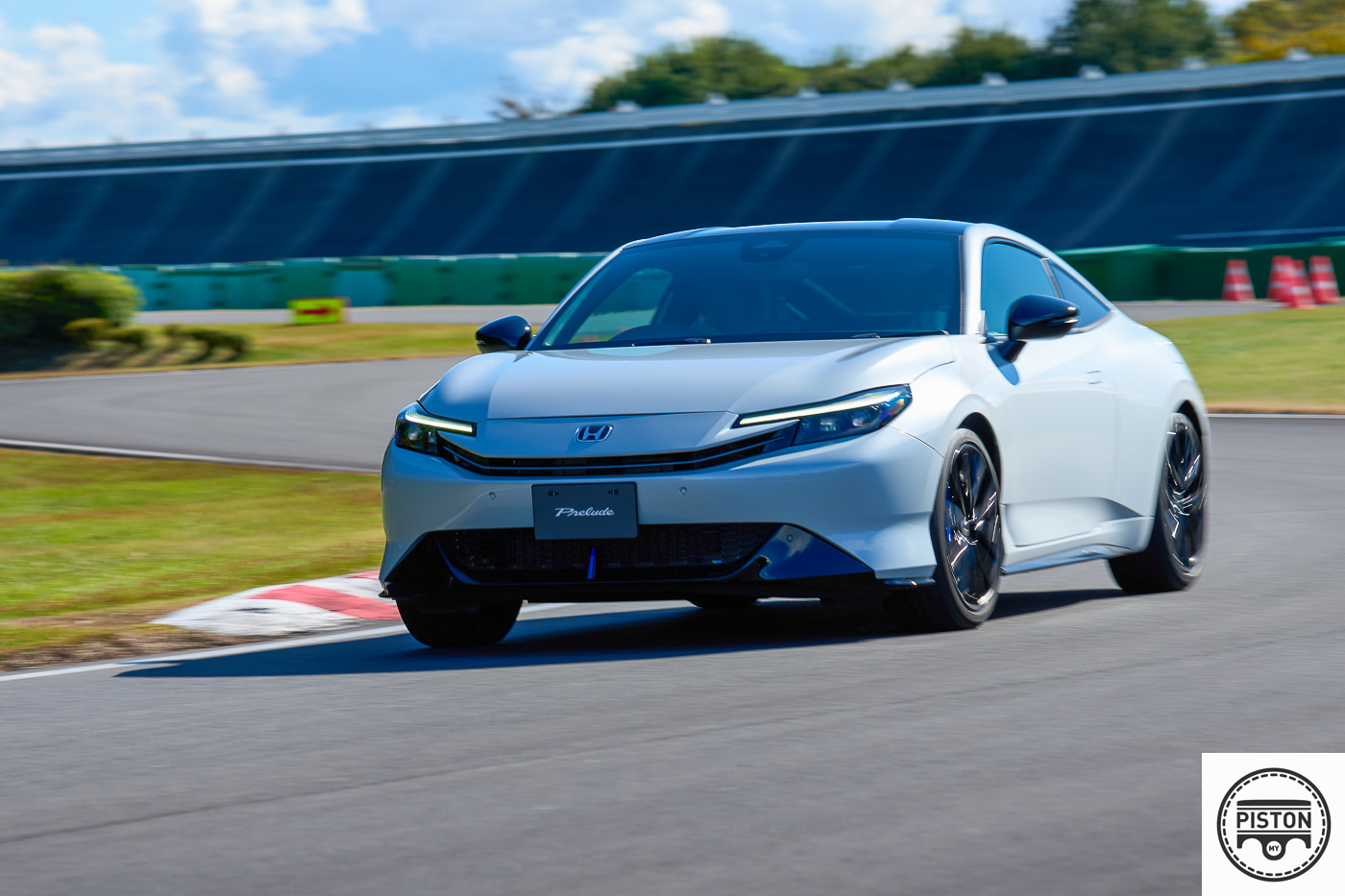
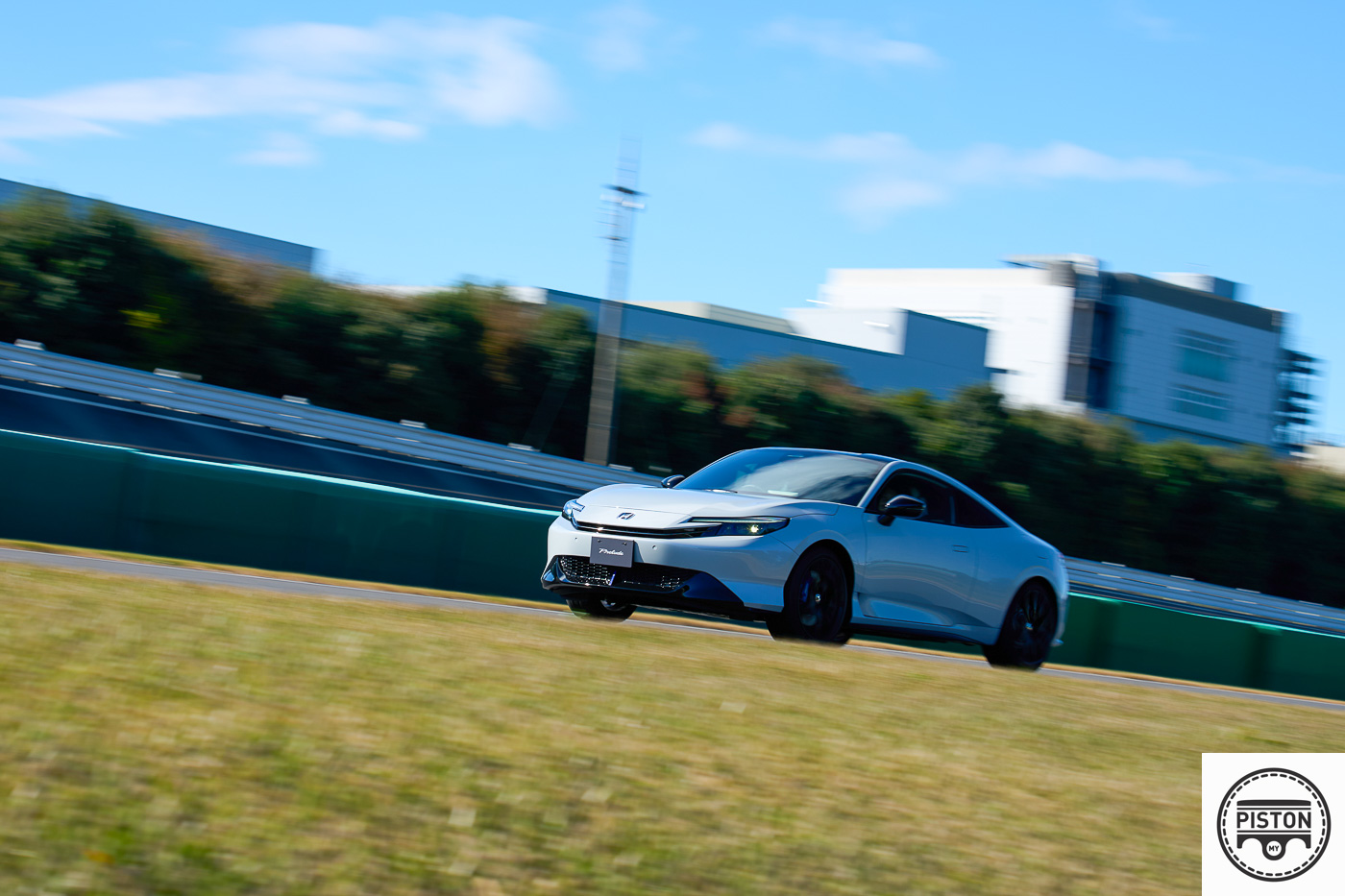
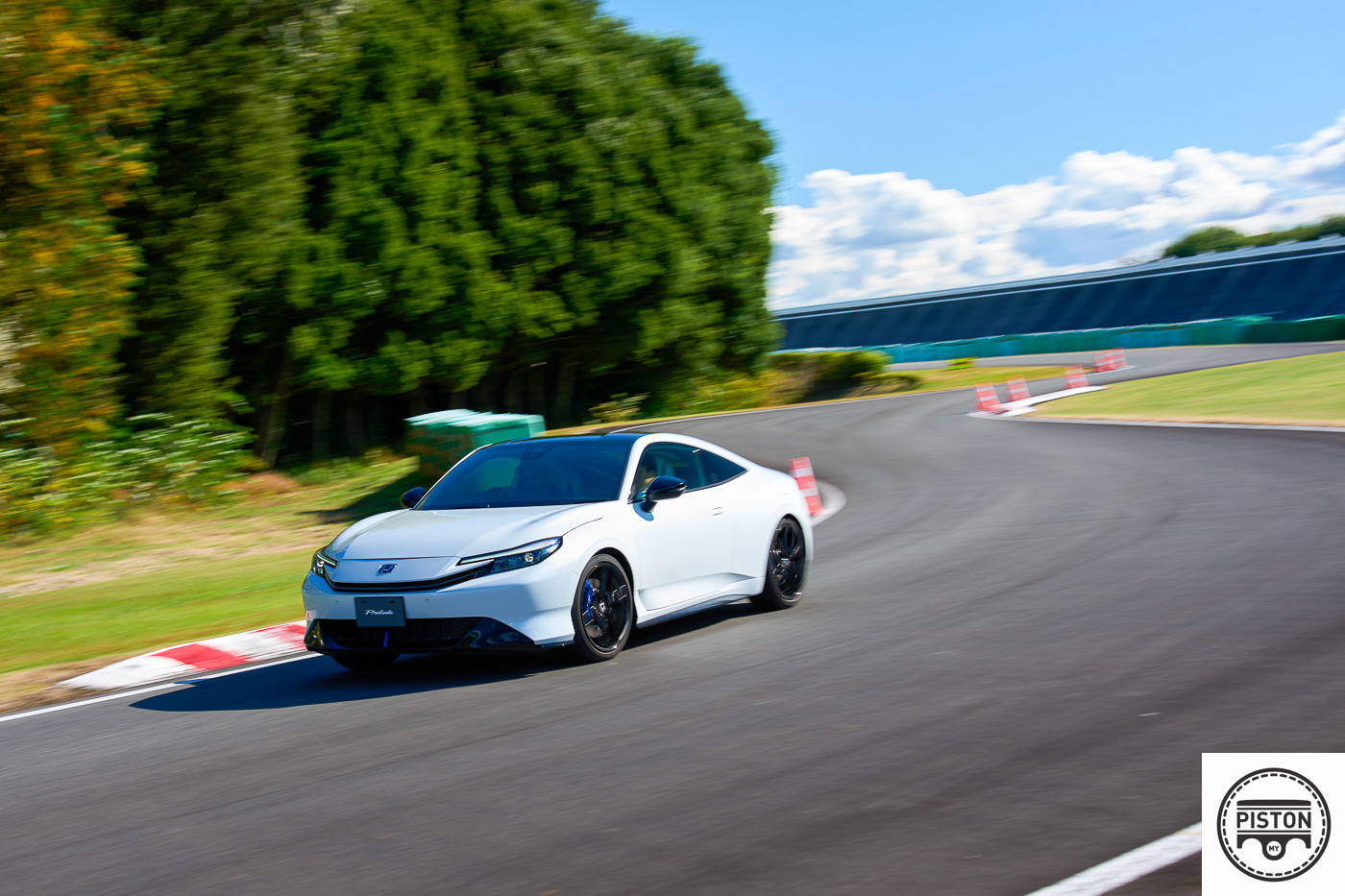
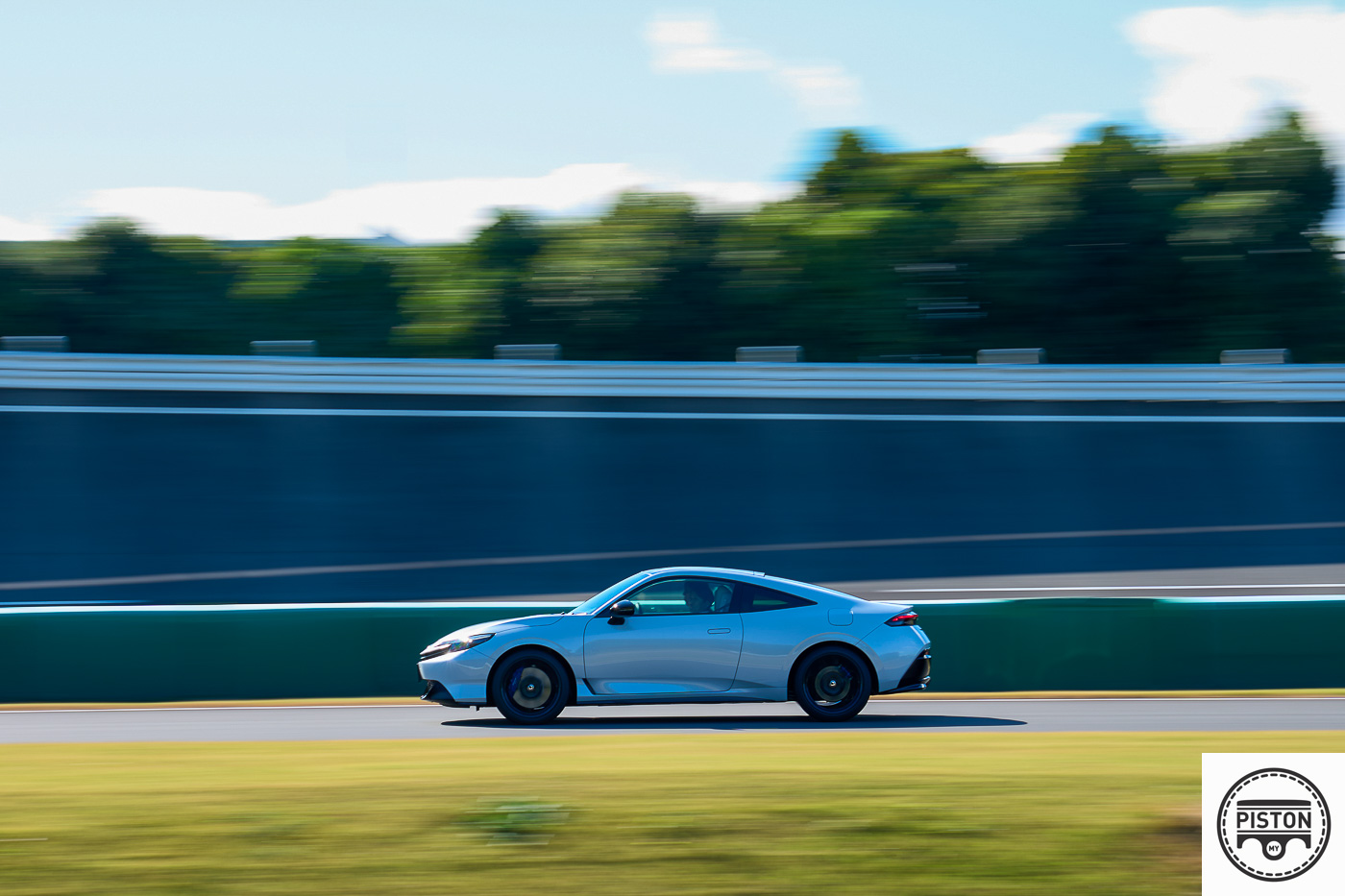
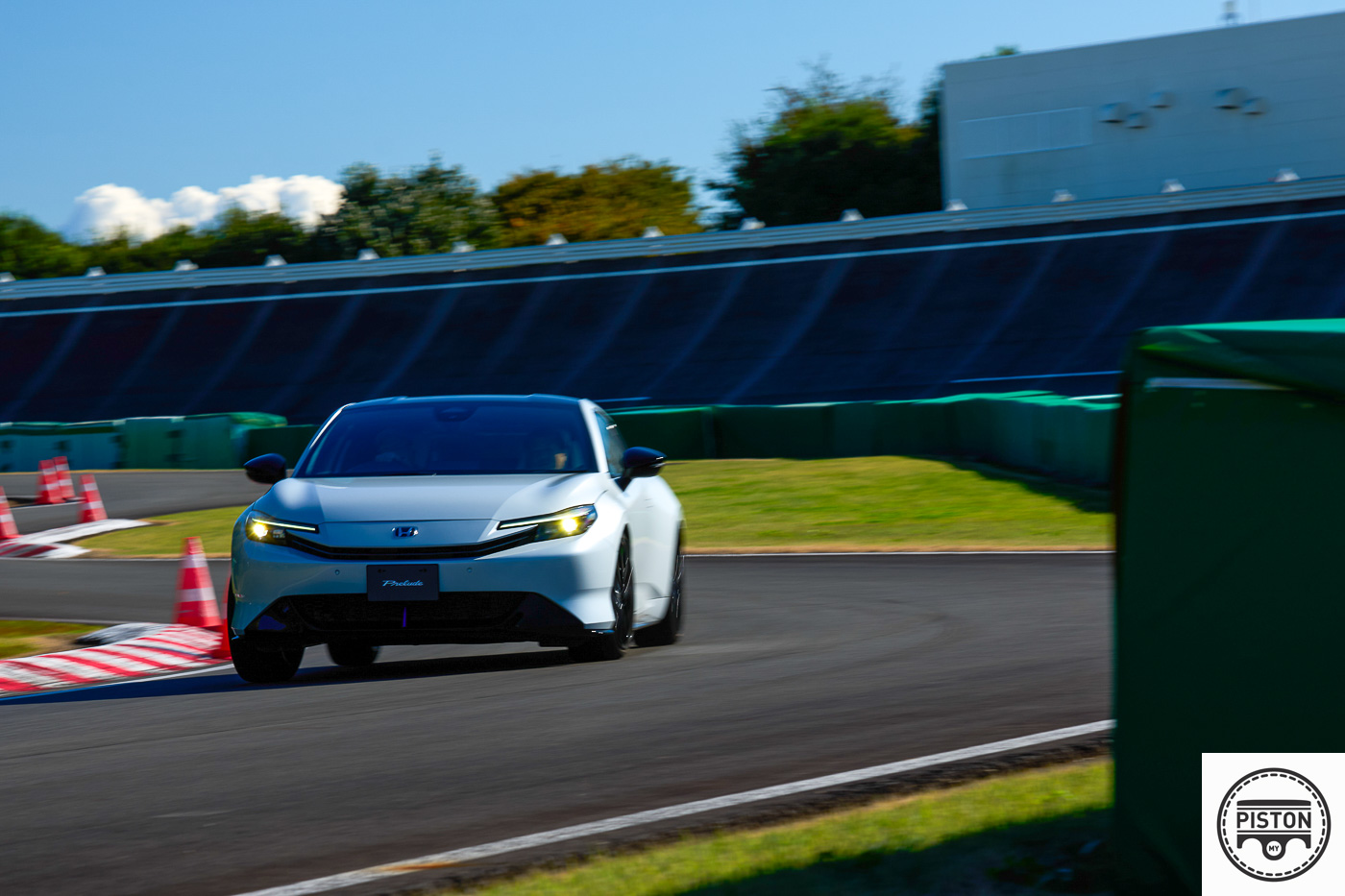
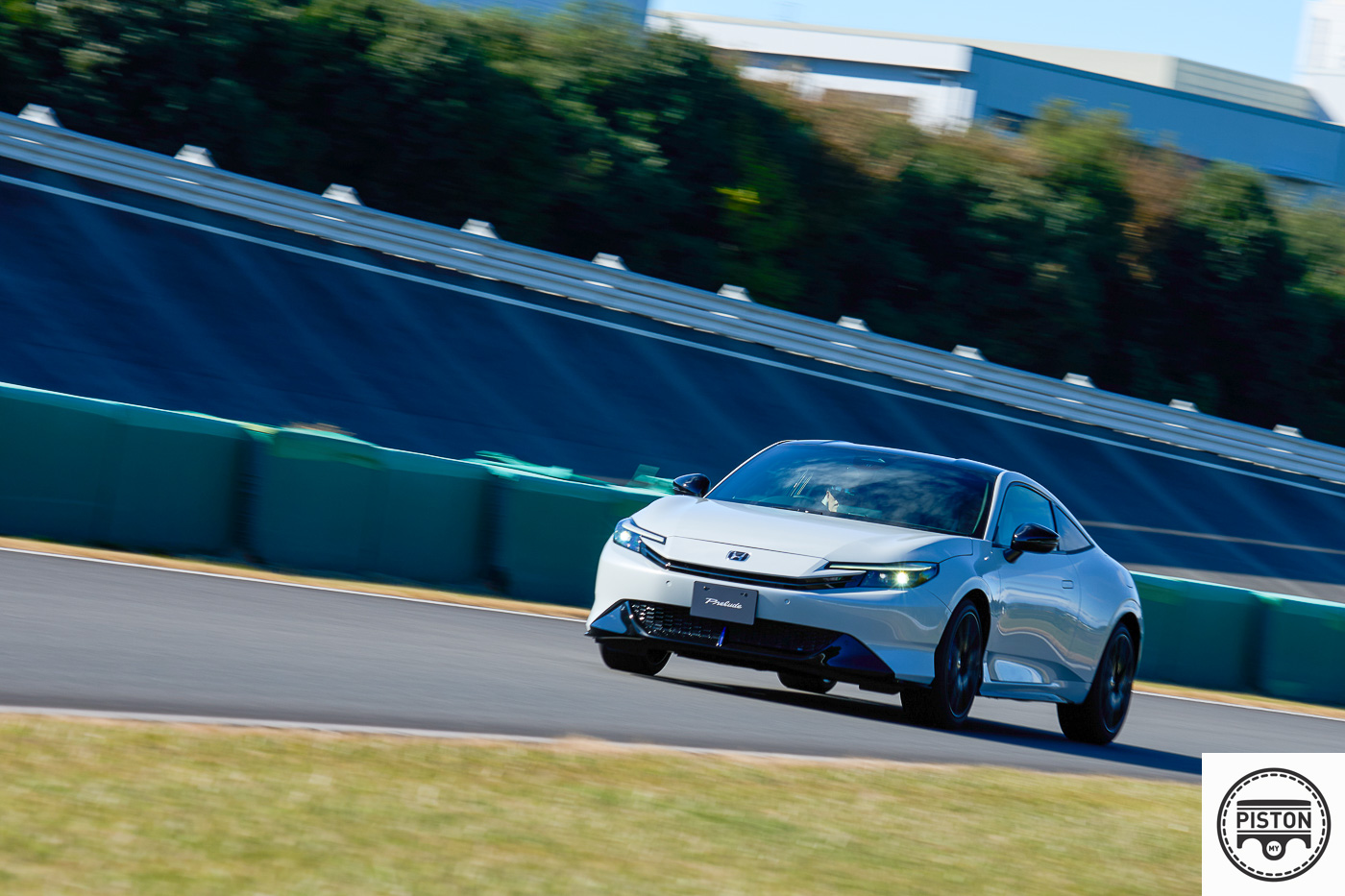
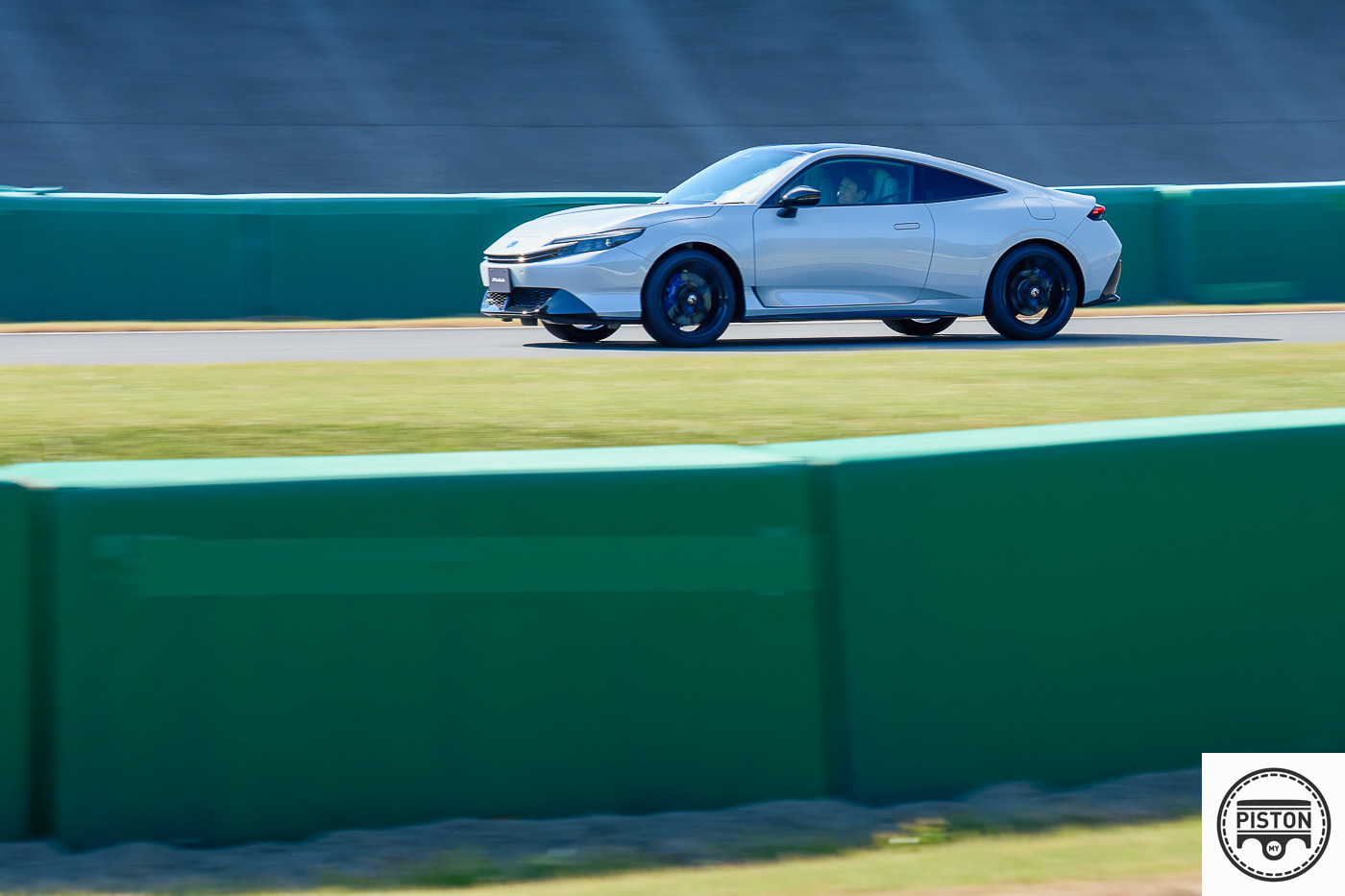
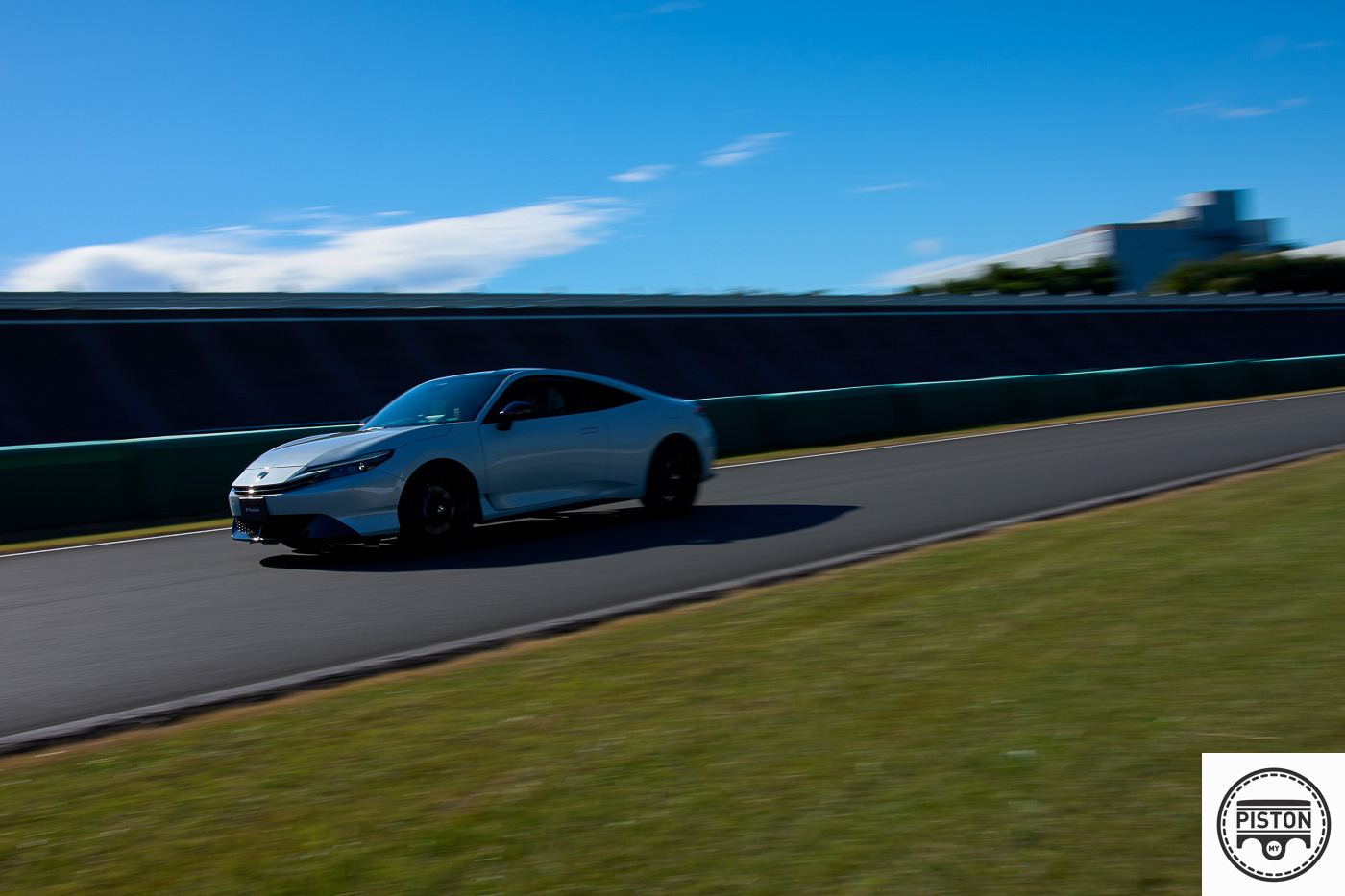
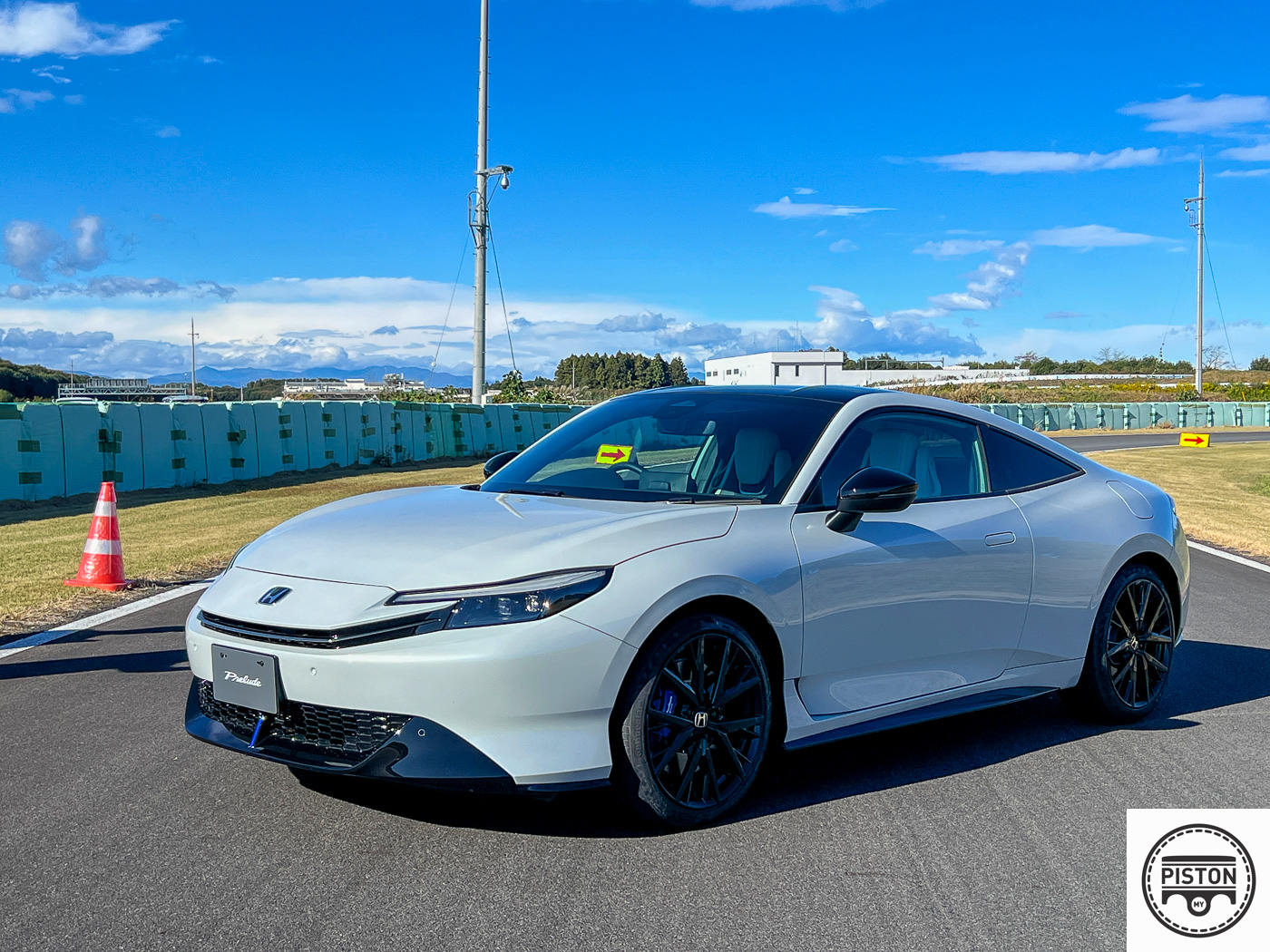
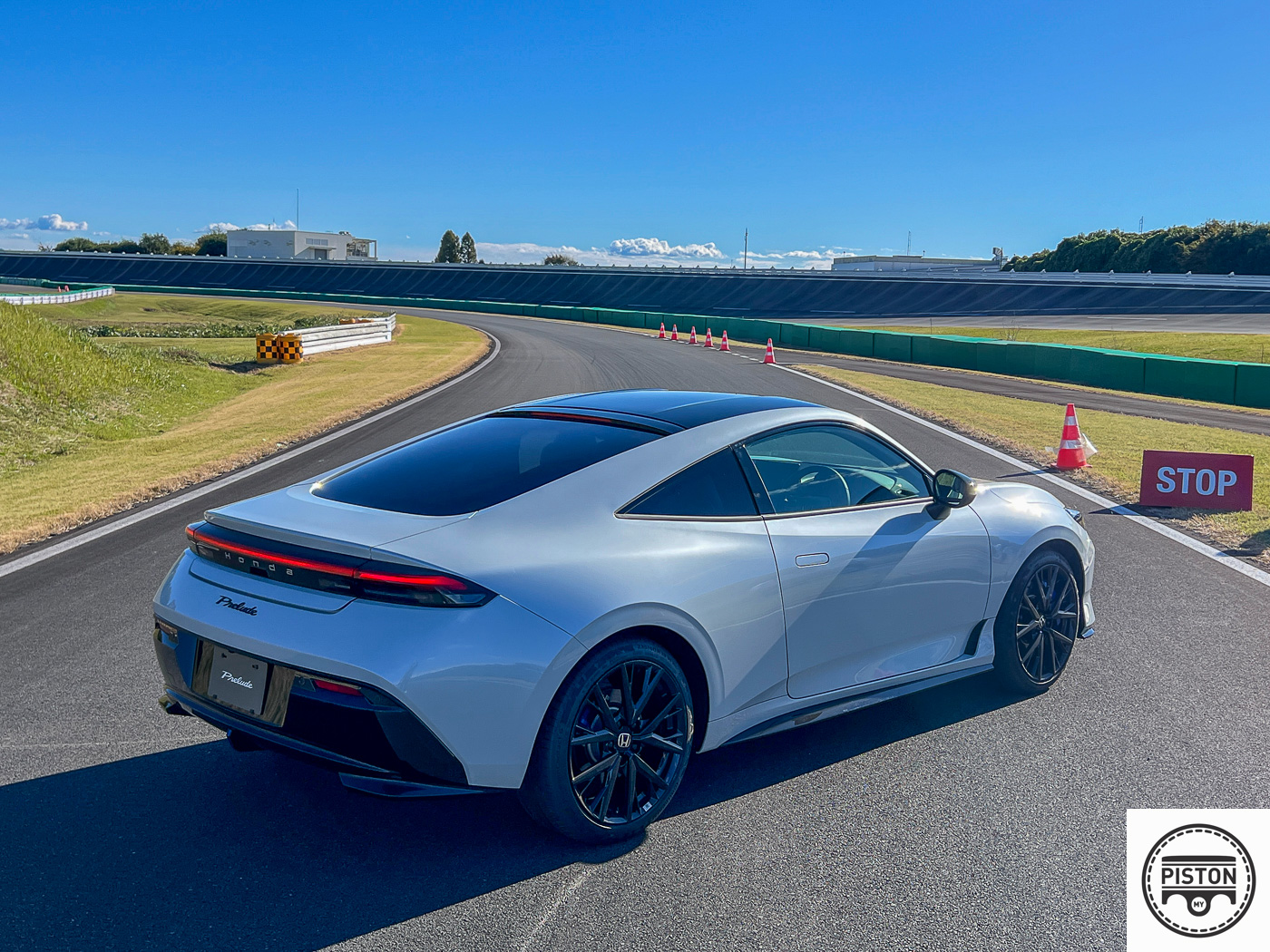
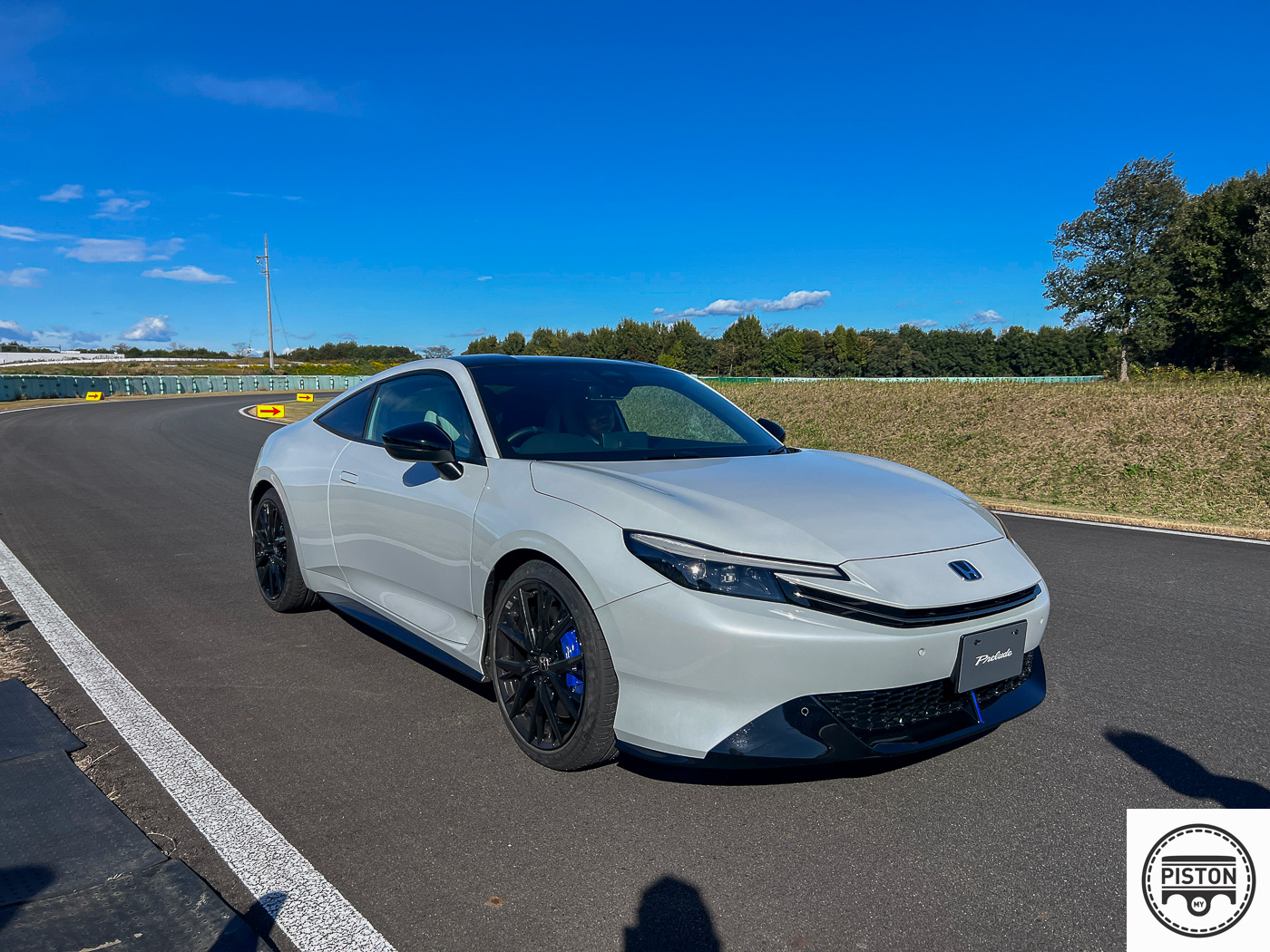
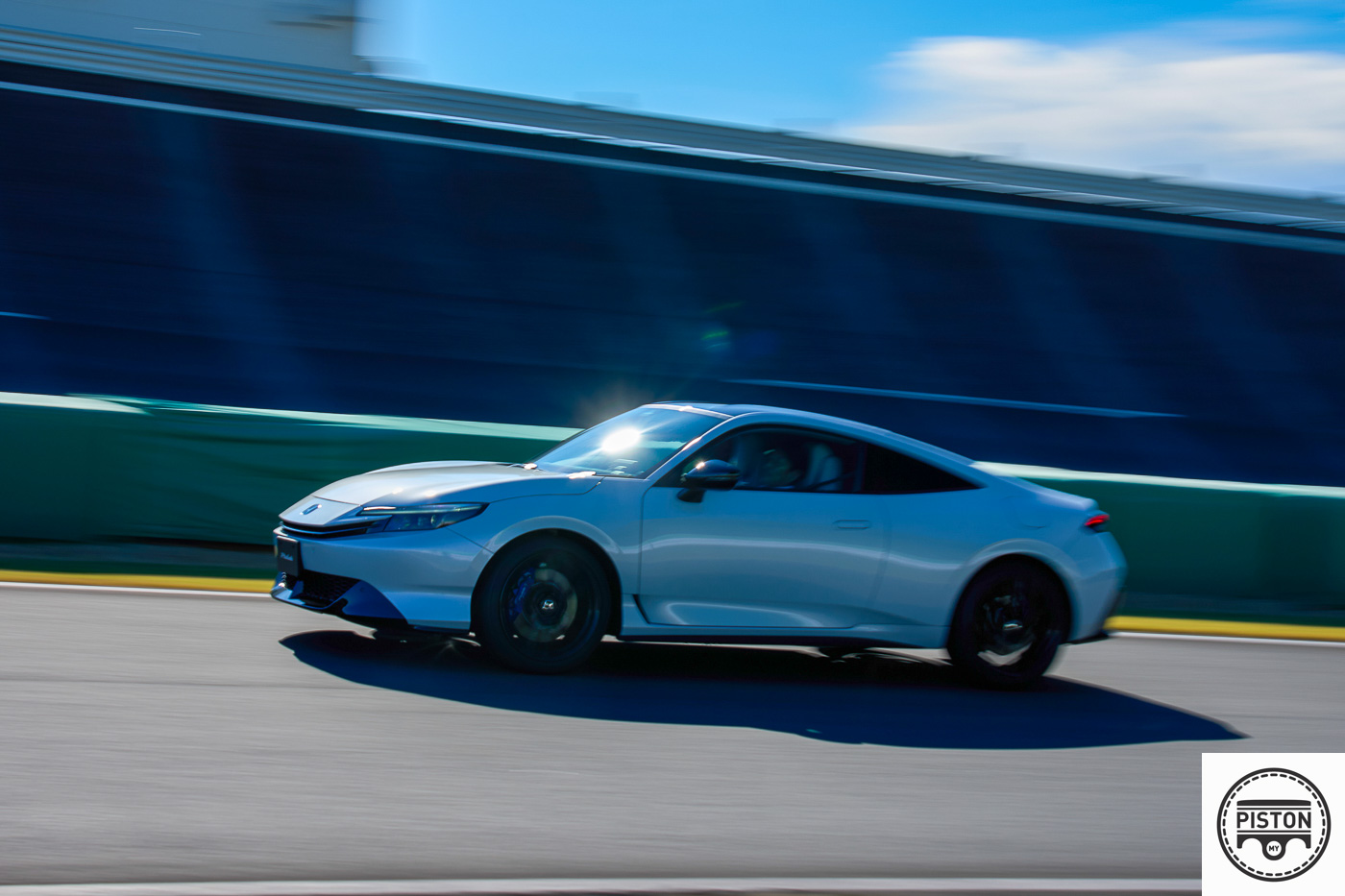
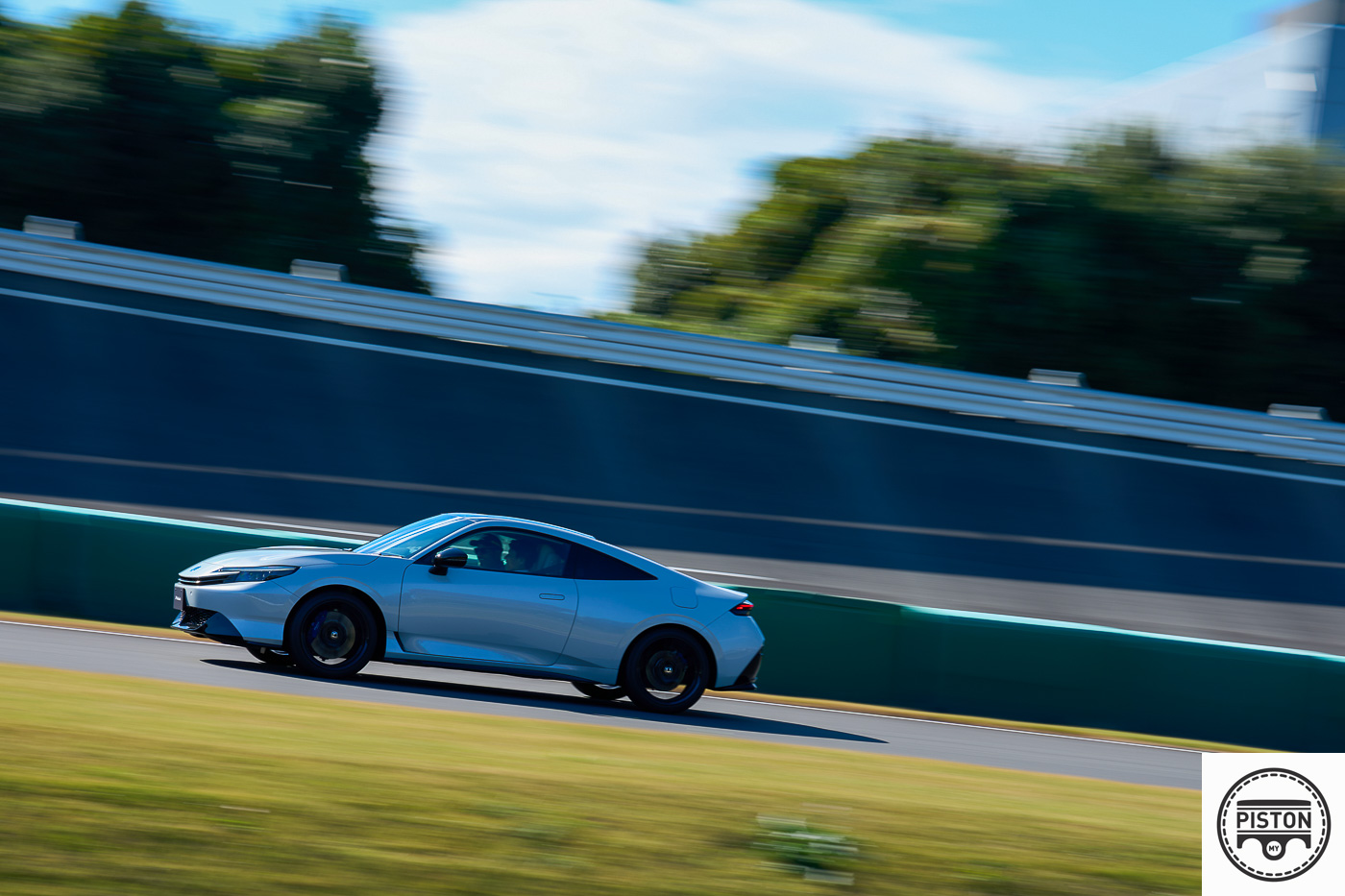
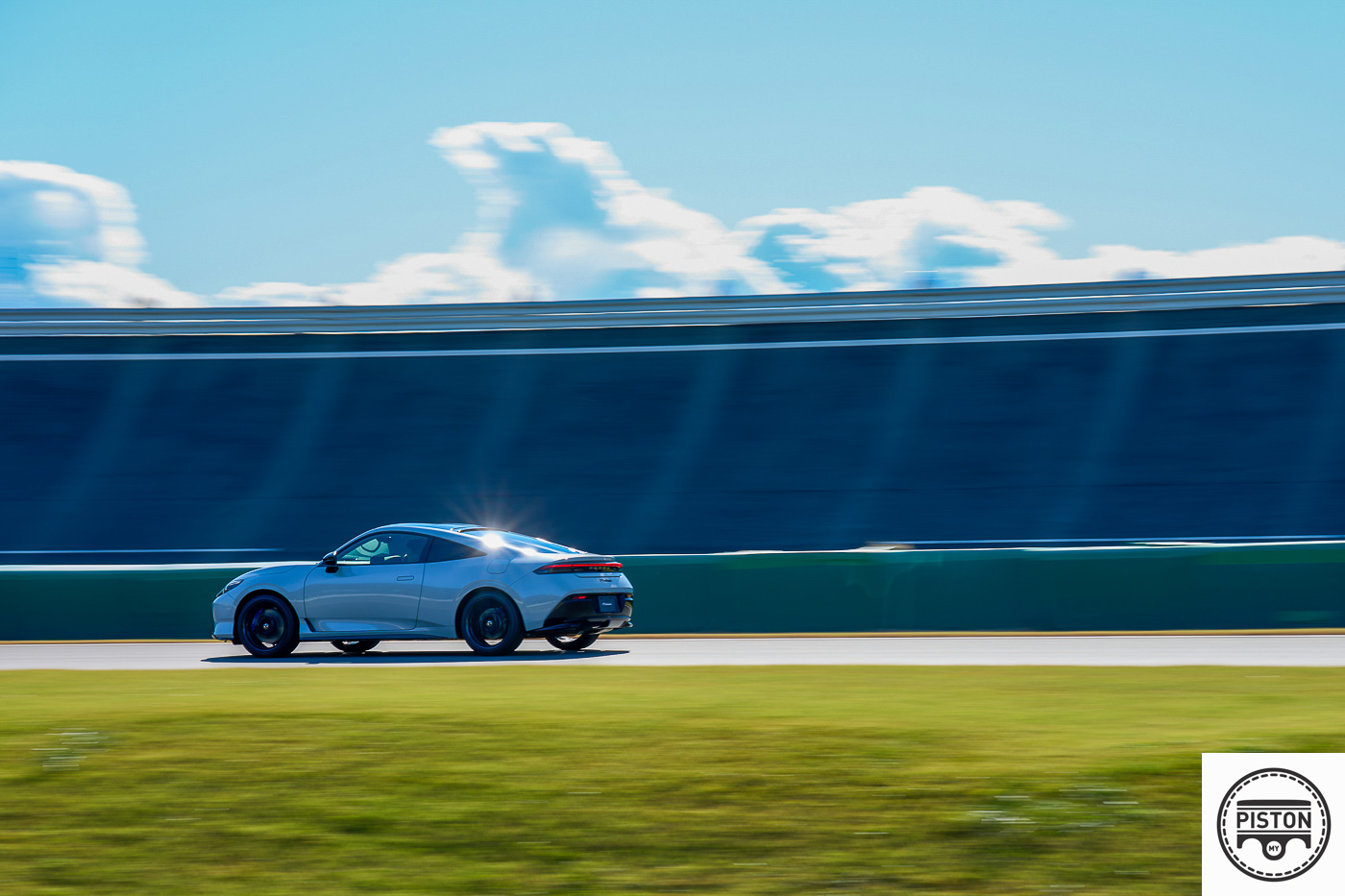
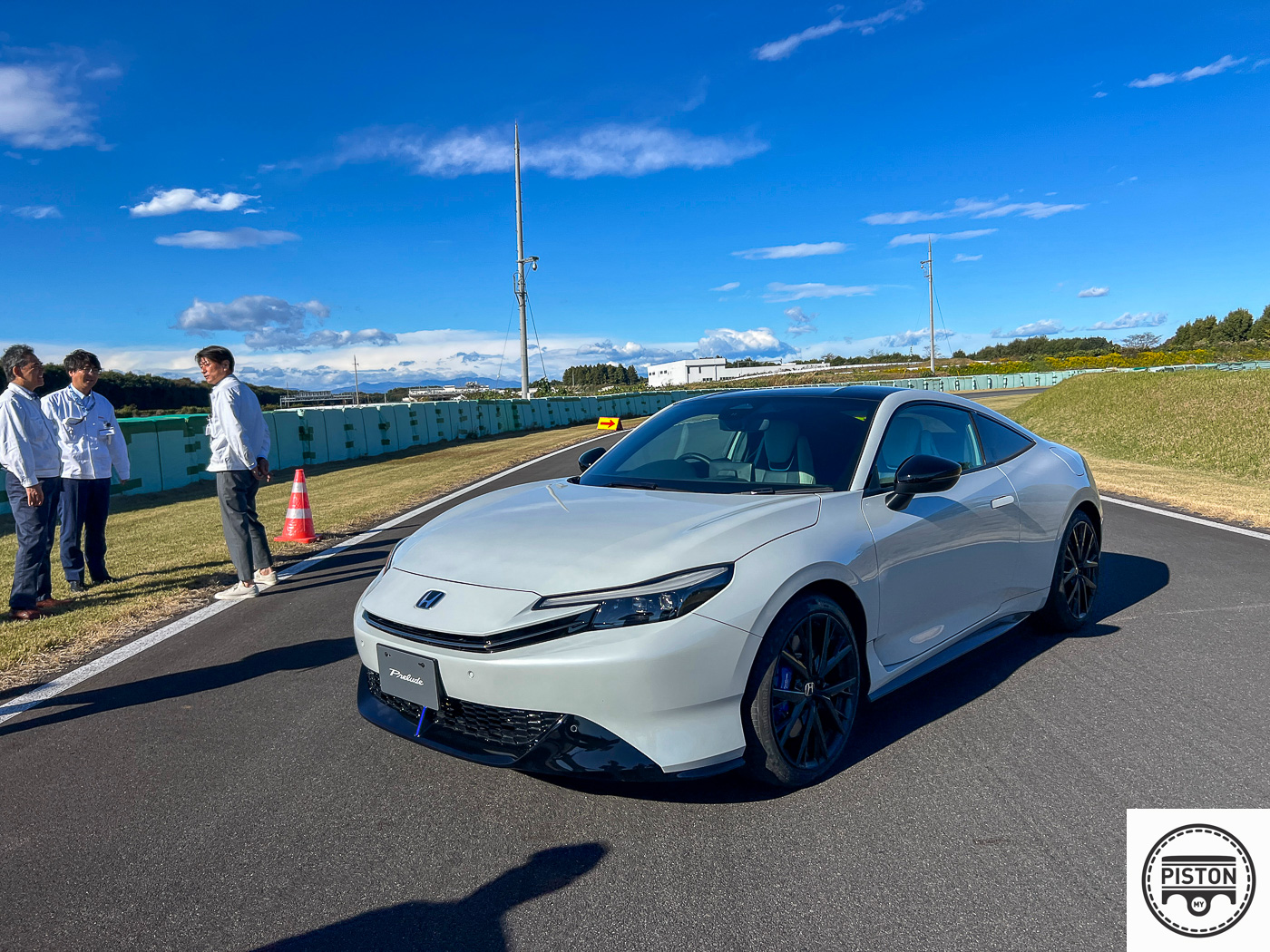
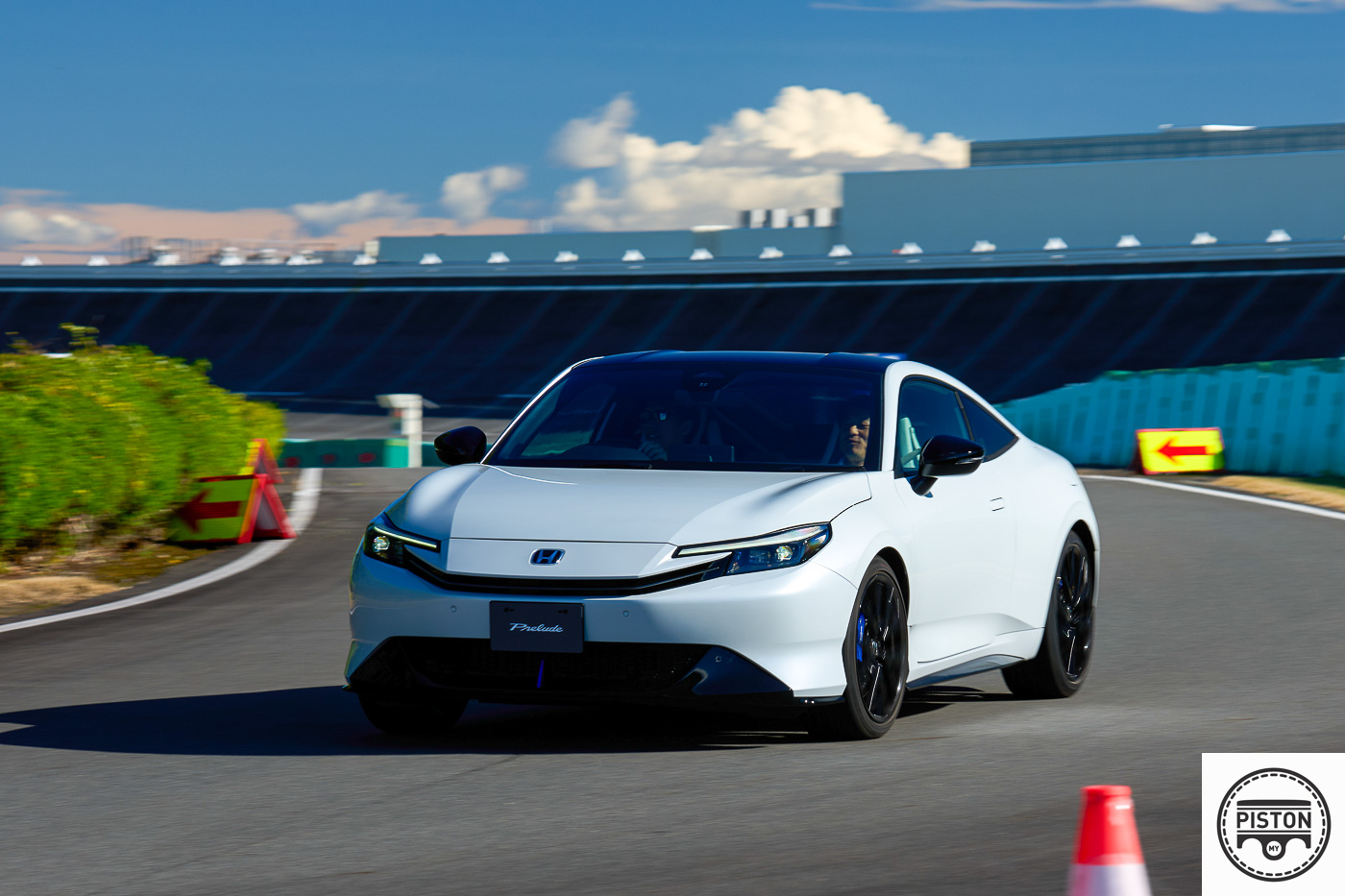
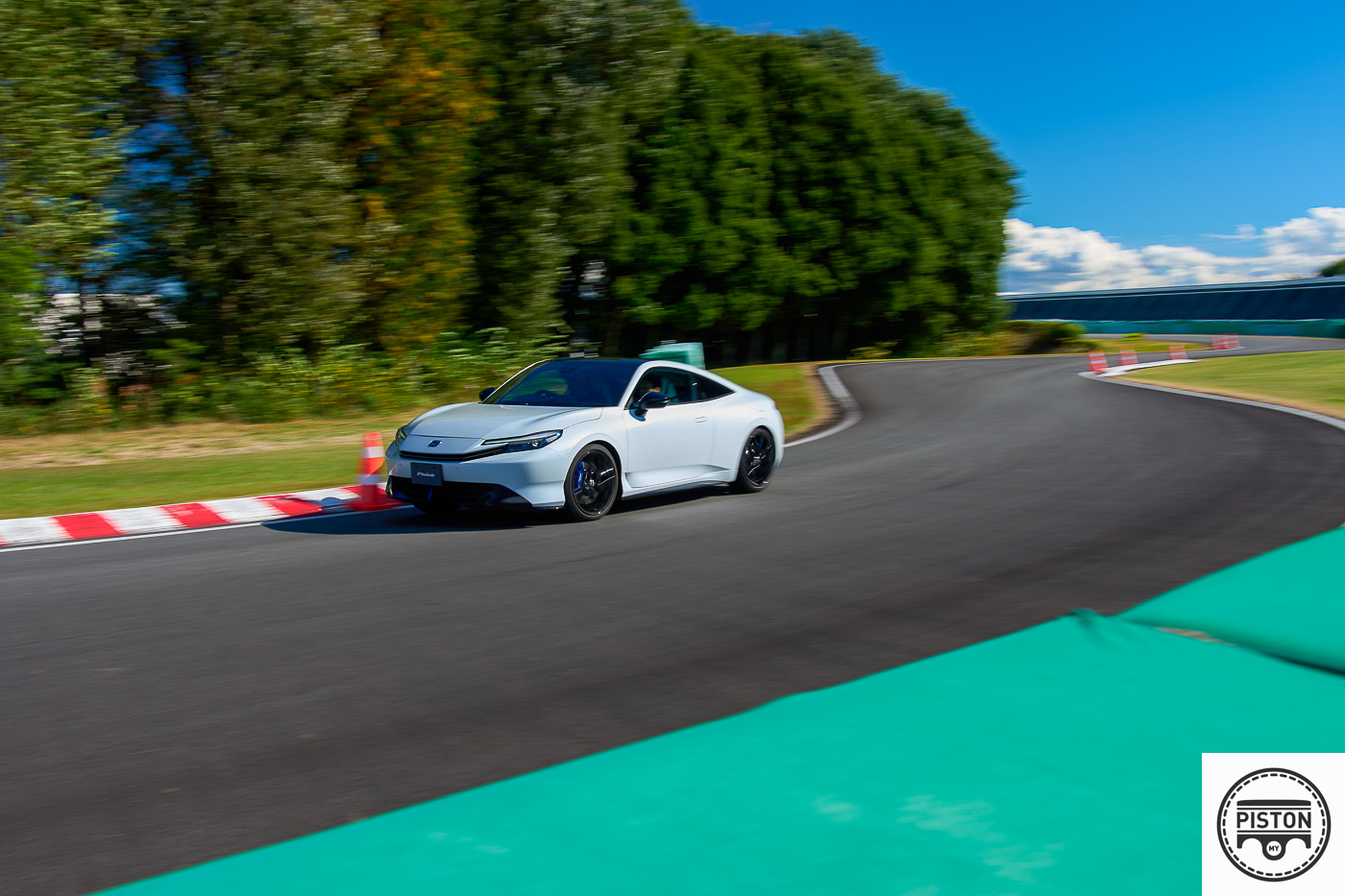
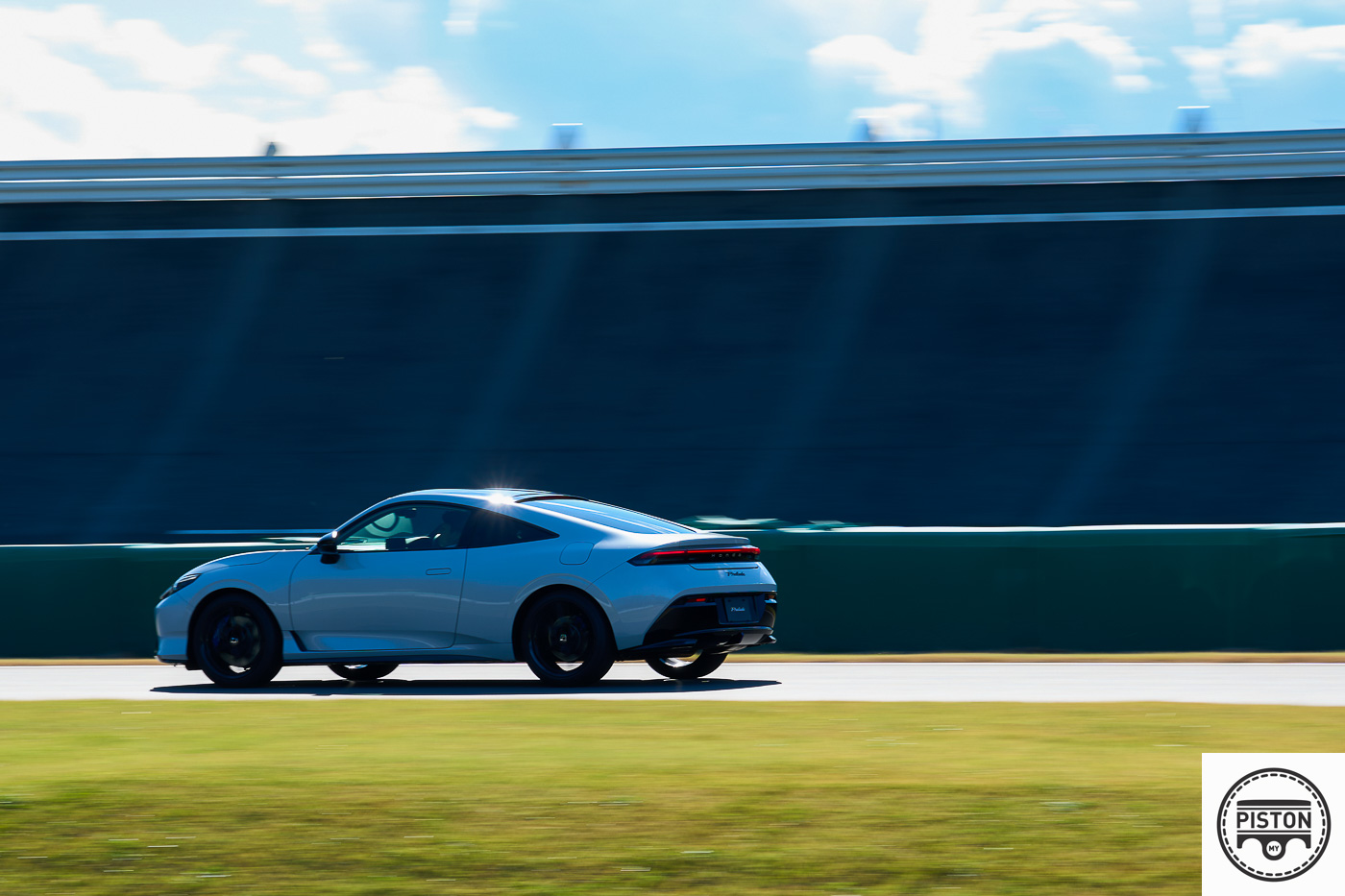
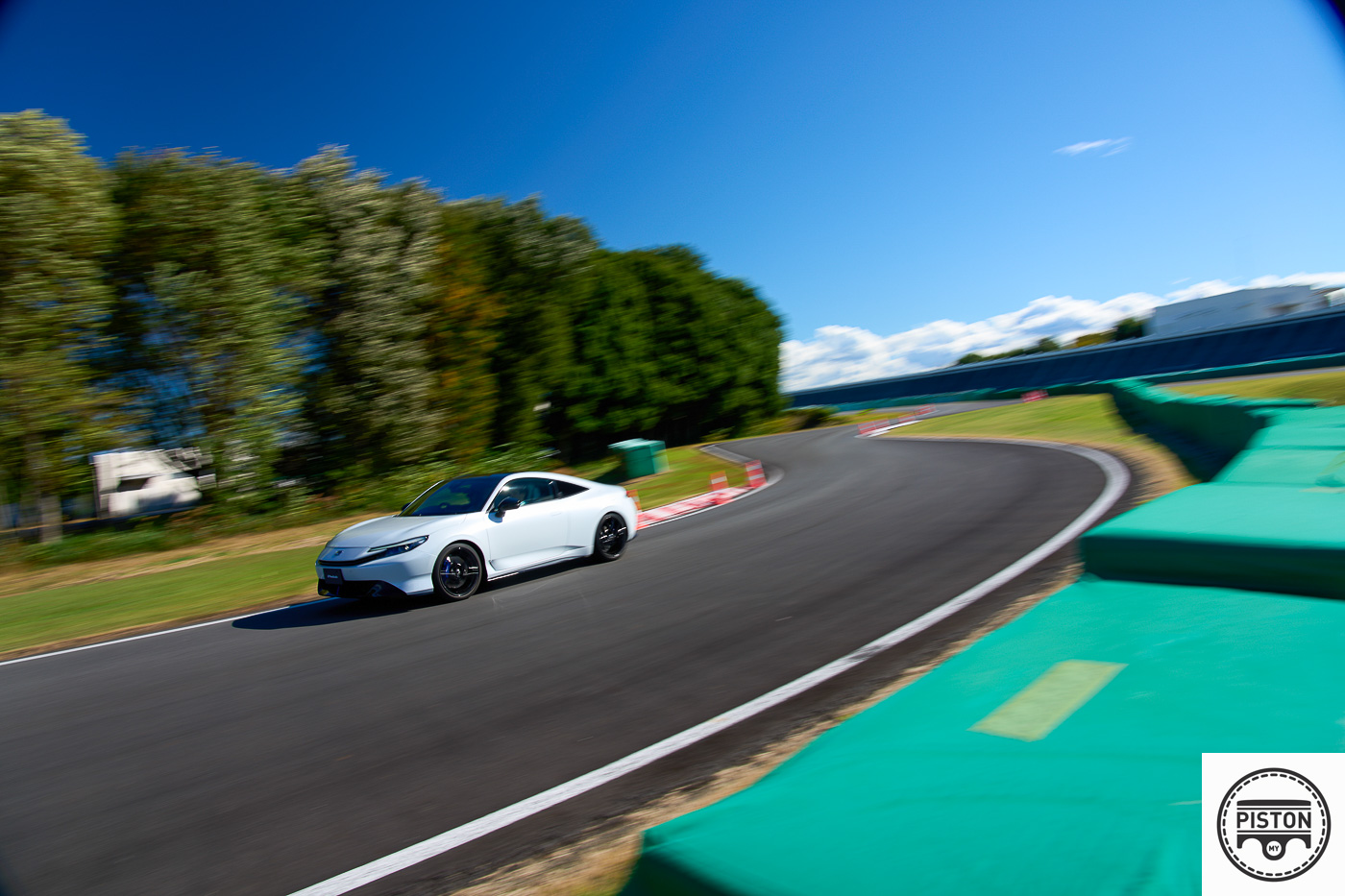
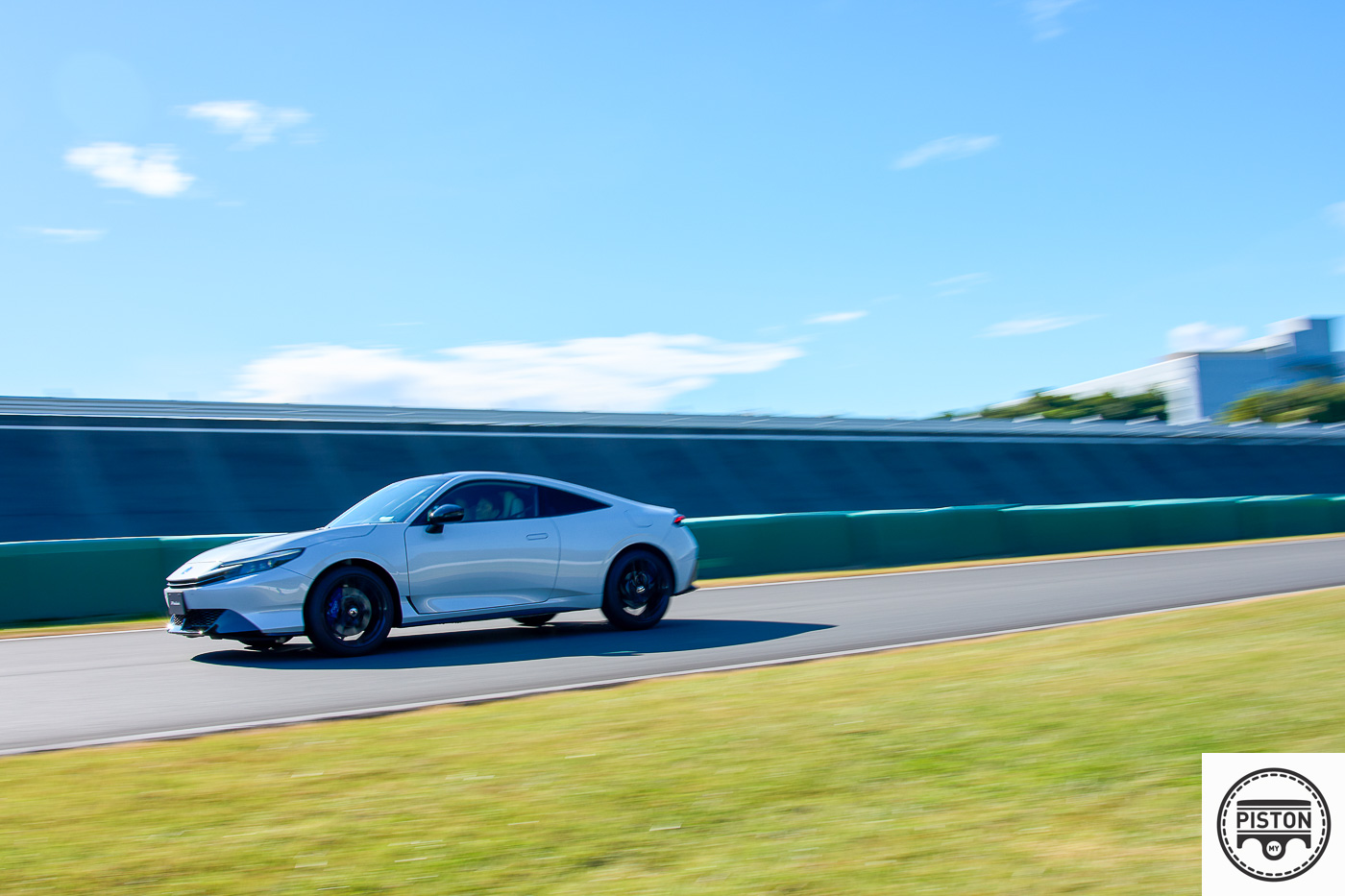
I recently got to drive the latest sixth-generation model around Honda’s Tochigi proving ground in Japan. And though three laps are hardly an indication of a car’s capabilities, it is good enough to show what the car has to offer.
And the Honda Prelude is once again, revolutionary.
First, a backgrounder.
Honda pulled the plug on the Prelude in the year 2001. The fifth generation Prelude divided opinions largely due it losing the iconic pop-up headlights but retaining the overall body shape.
And then the Prelude went silent. Relegated to the pages of history, until 2023 when whispers of the name began spreading around the internet.
And then the concept showed up at the 2023 edition of the Japan Mobility Show.
So why wasn’t there more fanfare around the car then?
During a private media interview with Honda’s top management in Tokyo recently, Toshihiro Mibe, President and CEO of Honda Motor Company, revealed that Honda had worked on the car first and then later decided on the name.
So there really was no plan to revive the Prelude. It seems like Honda’s management liked what they saw, green lighted it, drove it and then decided to exhume the Prelude name.
What’s new?
Everything. You cannot expect a car that had disappeared for about 14 years to suddenly reappear with elements from the last car.
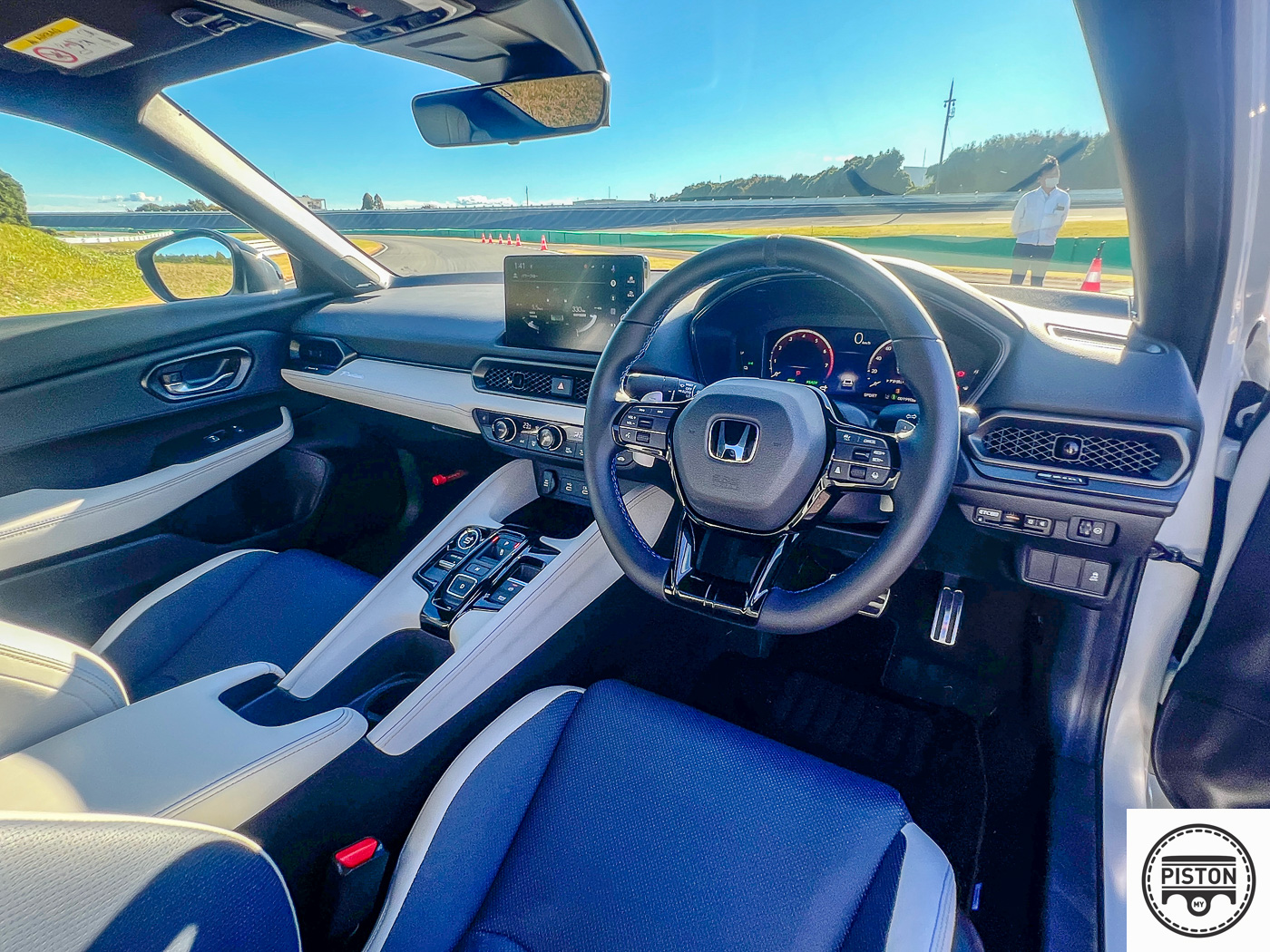
The new Prelude shares more in common with the Honda Civic e:HEV RS (hybrid). The platform, engine, electric motor and dashboard are shared with the Civic.
But that is about it.
The suspension components are from the Civic Type R and there are parts of the car that are entirely new and unique to the Prelude.
And that is where it derives its character from, the new components that give it such a lithe character in the corners, despite it sharing its powertrain with the Civic hybrid.
How does it drive?
I only had about three laps with it, which is far from ideal but that was good enough to tell you three things about it – it sounds better from the inside than it does from the outside, “gearshifts” are spine tingling despite there not being a gearbox, more on that later, and it handles as if it were on rails.
Powering the car is the same 2.0-litre, four-cylinder, naturally-aspirated engine putting out 200hp and 315Nm of torque.
Power is sent directly to the front wheels via an electric motor rather than through a transmission box. So, there are times when the motor drives the car, such as at lower speed and such. S
I did not experience the motor driving the wheels, but I know how that works after spending hours with the Civic hybrid.
Now onto the suspension, which largely contributes to the character of the car.
The front is managed by dual-axis struts, which is carried over from the Civic Type R. This works to reduce torque steer which is important for a front-wheel-drive car.
The rear on the other hand is kept in check by multi-links, which is not at all surprising.
But the Prelude also comes with adaptive dampers which it also shares with the Type R. This works together with the selected drive mode, of which there are four – Comfort, GT, Sport, Individual, to either give you more control of the car or to trudge along in comfort.
The Prelude also has wider track dimensions which improves stability and corner entry. And yes, it is the same as the Type R as well.
Might as well get it out of the way now, even the brakes are the same as the Type R, and yes they are from Brembo.
So, as you have probably figured out by now, a lot of the important bits underneath the car are from the Civic Type R, and that is what gives it its agility in and out of corners.
In long sweeping corners, the car feels planted and confident. Under heavy braking for a tight 90-degree corner, the front bites hard while the rear sticks in place and does not threaten to break grip and swap places with the front.
This is also achieved with a technology called ‘enhanced agile handling assist’. This system works by subtly braking the inner wheels during cornering and thus allowing for a more precise line from corner turn-in to exit.
The handling is short of being on a knife’s edge and that is a good thing because you don’t want a car that feels too fidgety.
The Prelude is ultimately designed to be a GT than it is, say a successor to the Civic Type R.
But there are two elements that make it feel like a proper sports car though.
The first is the engine note. If you have ever driven the Civic hybrid, you may know that the engine does not sound very spirited.
But not in the Prelude, and the reason it sounds so good is because the engine note is augmented and piped into the cabin through the speakers.
And though it may not be real, it sounds so good that it you really wouldn’t mind it.
Then there are the gearshifts. Fake as well because there is no gearbox, power is sent directly to the wheels through the electric motor.
Called the Honda S+ Shift, this simulates a performance transmission by providing downshift blips, rev matching and even seems to hold a gear in fast, flowing corners.
It also simulates the power cuts which we usually experience in between shifts, so you really do get the little jolt in your spine during acceleration.
How Honda has engineered this entire experience is nothing short of phenomenal, and it adds a character to the car that you simply need to experience for yourself to understand.
Is there anything not to like?
The car itself is nothing short of fantastic. We could argue all day about whether or not it is a real Prelude with some saying it probably should be called the successor to the CR-Z since it is a hybrid. But we can all agree that the Prelude name made everyone pay more attention to it than a CR-Z ever could.
The only problem that I may have with it is the price tag. There are rumours suggesting that the Prelude will be priced even higher than the RM399,000 tag on the Civic Type R. That is because coupe’s have a higher tax rate than sedans.
With a price tag of upwards of RM400,000, that may be hard to digest for purists. But I do hope that Honda Malaysia has a couple of tricks up its sleeve since the teasers have already begun and it is only a matter of time till the car is launched here.
Specifications:
Engine: 2.0-litre, four-cylinder, Atkinson-cycle
Transmission: Honda S+ Shift
Power: 200hp
Torque: 315Nm
Price: Not available
We like: Super fun to drive
We don’t like: Might be pricey
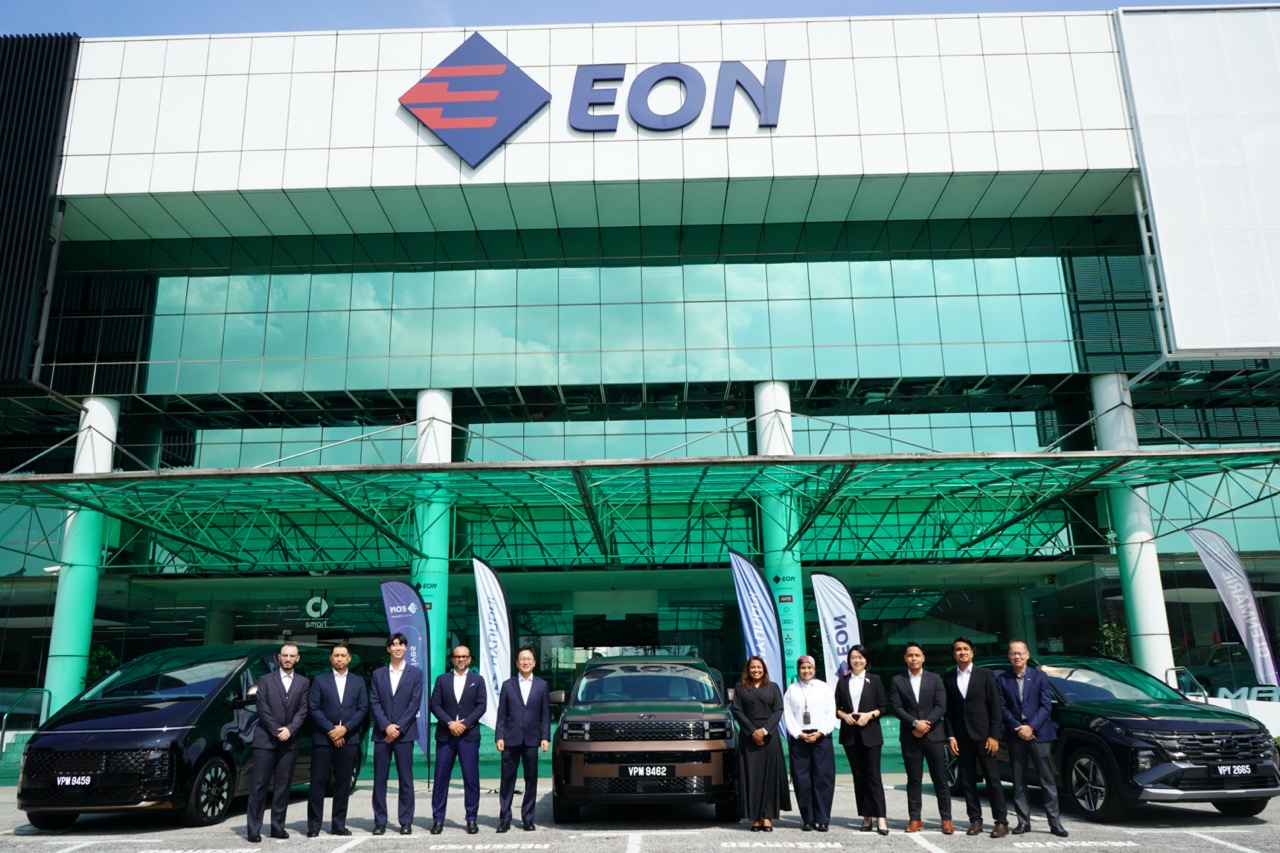
Hyundai Motor Malaysia has taken another step to deepen its roots in the local market after signing a Letter of Intent with Edaran Otomobil Nasional Berhad, better known as EON, setting the stage for a renewed retail expansion across the country. The agreement signals Hyundai’s intent to grow its presence in Malaysia in a more meaningful way, with a clear focus on long-term customer value, stronger service standards and easier access to its products and support network.
Under the collaboration, Hyundai and EON will work together to establish two new Hyundai dealerships in key growth areas, namely the Klang Valley and Penang. Both outlets are targeted to open in the first half of 2026. These locations were selected based on strong demand, growing interest from customers and a noticeable rise in hybrid adoption, making them strategic centres for Hyundai’s expanding line-up.
The upcoming dealerships are intended to bring Hyundai’s sales, service and aftersales operations closer to major population hubs, helping to build trust through more convenient and consistent customer touchpoints. Beyond improving accessibility, the partnership is also expected to help Hyundai reach new groups of buyers while supporting Malaysia’s broader move towards safer, smarter and more sustainable mobility solutions. Over the coming years, Hyundai plans to further develop its local ecosystem by widening dealer coverage and raising service quality across the board.