Piston.my

Global News

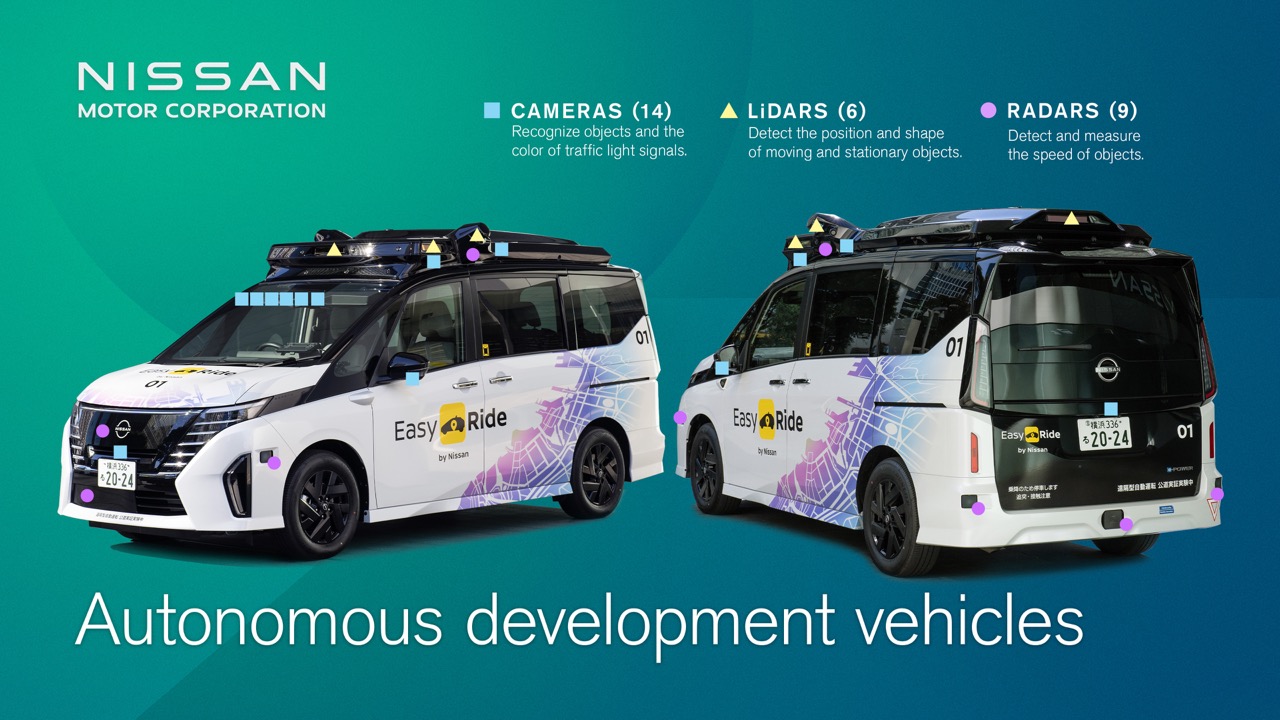
Nissan Motor Co., Ltd. has taken a major step forward in autonomous mobility by successfully conducting Japan’s first test of a self-driving vehicle with no human driver onboard in an urban environment. The trial, which took place in Yokohama’s Minato Mirai district, marks a crucial milestone in Nissan’s efforts to introduce autonomous driving (AD) technology as part of a future mobility service in Japan.

Addressing Mobility Challenges with Cutting-Edge Technology

Nissan’s latest autonomous technology aims to tackle key transportation issues, including the growing shortage of drivers caused by Japan’s aging population. By leveraging its advanced research and global expertise, Nissan is positioning itself as a leader in mobility solutions that offer greater freedom and accessibility.
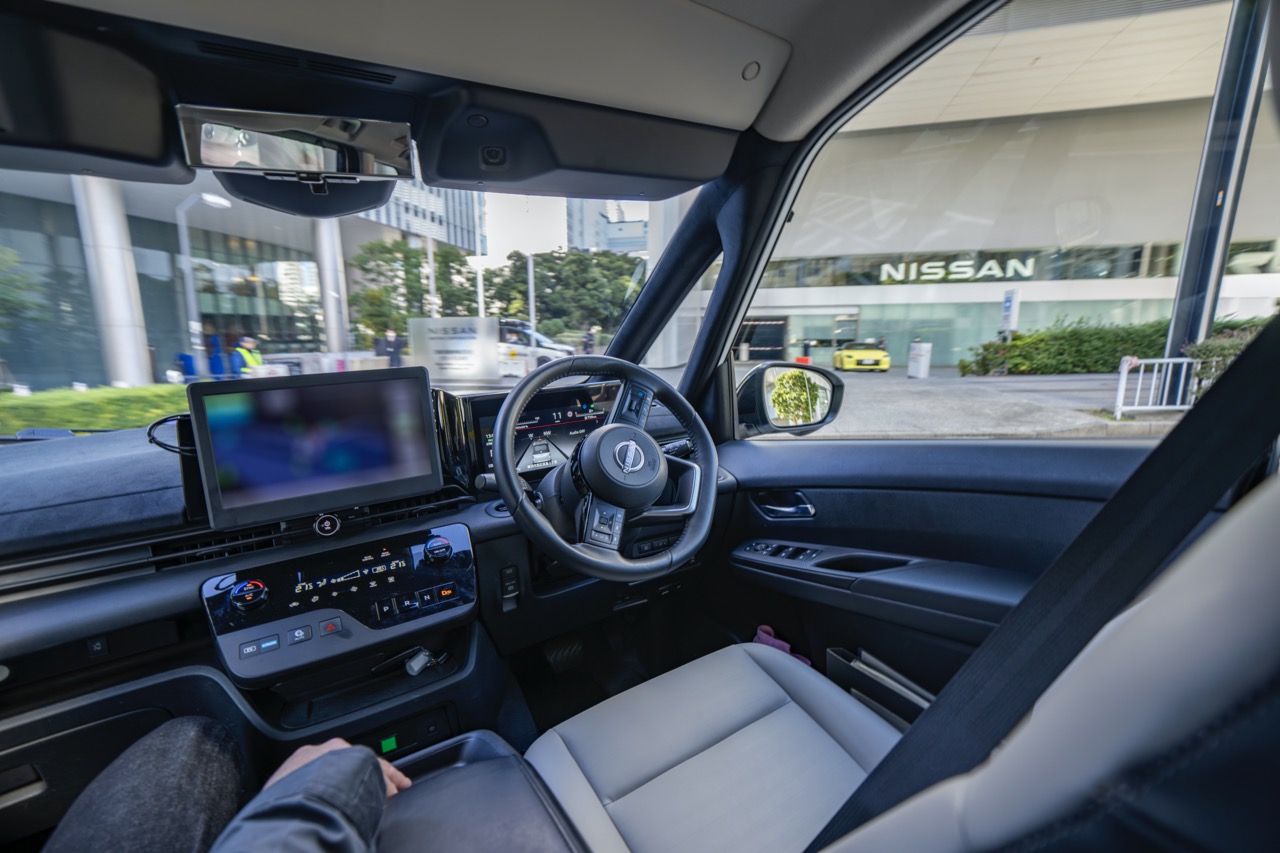
The technology integrates key insights from Nissan’s research in Japan, the Nissan Advanced Technology Center in Silicon Valley, and the U.K.’s evolvAD project. These efforts contribute to the company’s broader goal of ensuring AD systems can adapt to diverse traffic conditions worldwide.
(more…)

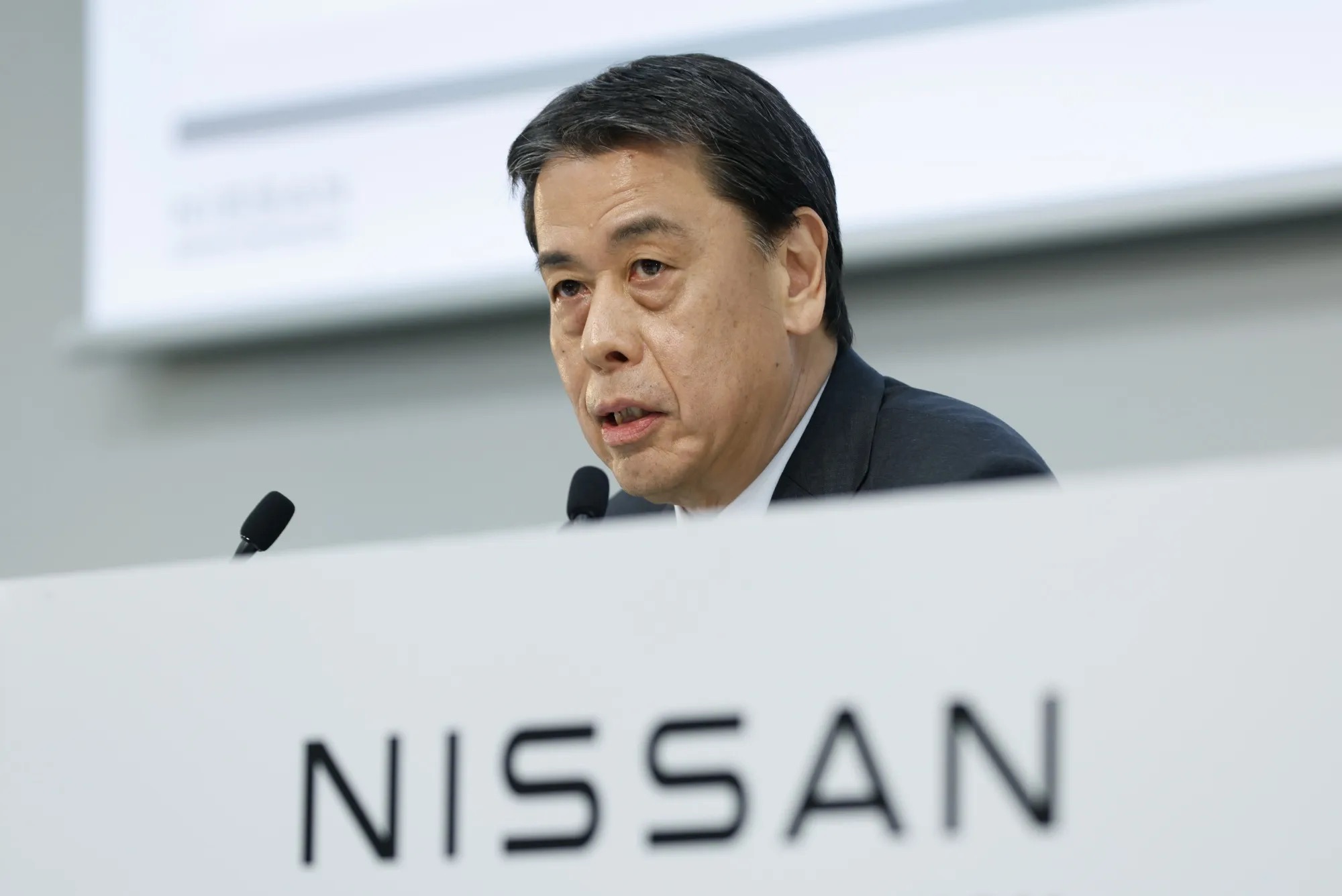
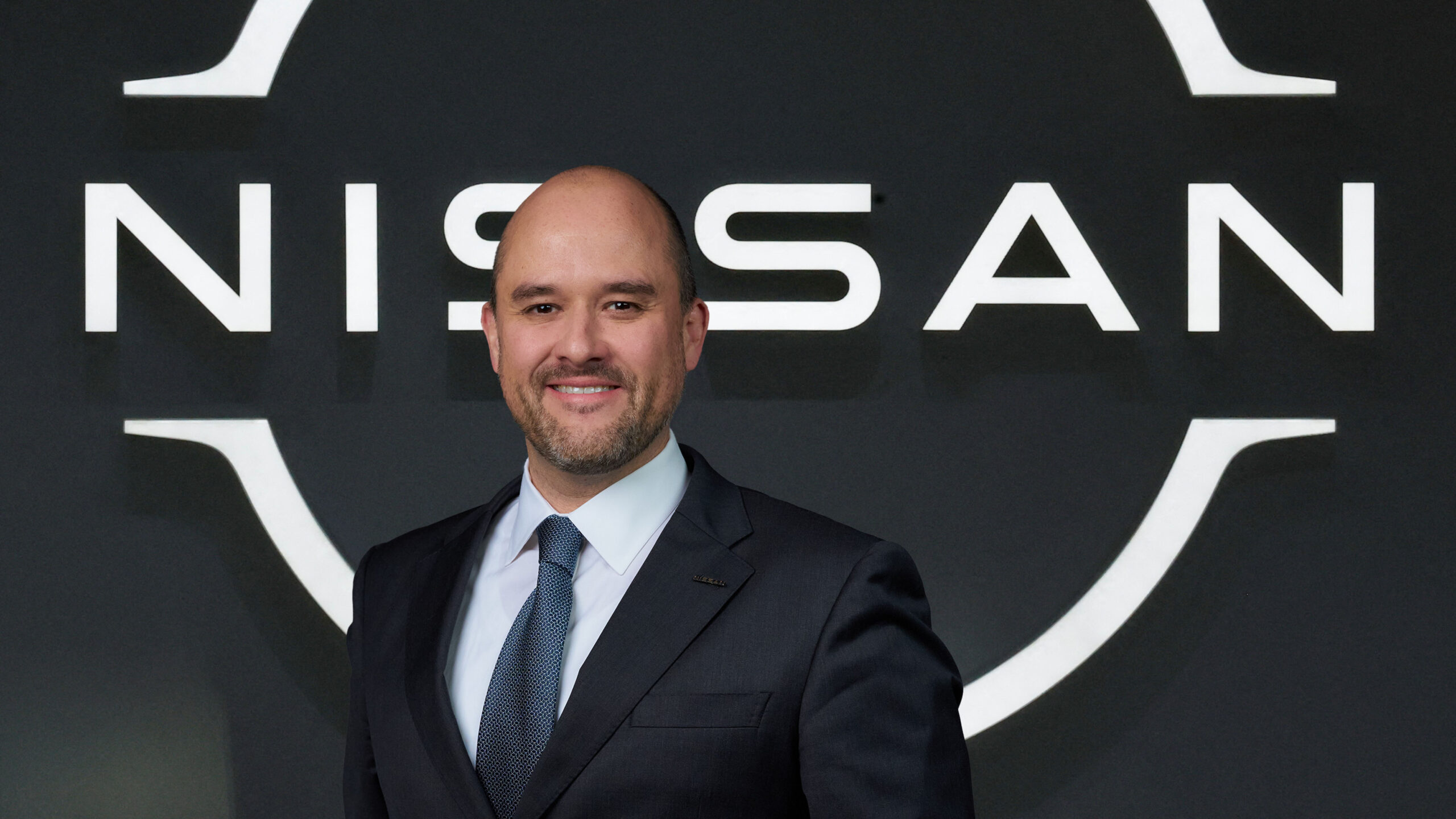
Nissan Motor Co., Ltd. has officially announced a sweeping leadership reshuffle, confirming the departure of CEO Makoto Uchida and appointing Ivan Espinosa as his successor. The leadership change, which will take effect on April 1, follows weeks of speculation regarding Uchida’s resignation amid Nissan’s ongoing financial struggles and increasing pressure from competition in the electric vehicle sector.

Ivan Espinosa/Nikkei Asia

The End of Uchida’s Tenure

Since taking over in 2019, Uchida steered Nissan through a turbulent period following the controversial departure of former CEO Carlos Ghosn. However, his tenure has been marked by persistent challenges, including declining profitability and an inability to secure a long-term strategic partnership. The most notable setback was Nissan’s failed merger talks with Honda, which collapsed due to disagreements over the structure of the partnership. Honda had proposed acquiring Nissan as a subsidiary rather than forming an equal alliance, a condition that Nissan executives strongly opposed.

Makoto Uchida

With Uchida’s exit now confirmed, speculation is mounting over whether Nissan will revisit merger discussions with Honda. Internal sources suggest that while a full acquisition remains unlikely, the company may be open to securing financial backing while retaining its autonomy.

(more…)

Audi is preparing to revive its iconic R8 supercar, with the next-generation model set to arrive in 2027 as a high-performance plug-in hybrid. The new R8 is expected to be the most powerful road-going Audi ever, bringing an electrified twist to the brand’s legendary supercar.

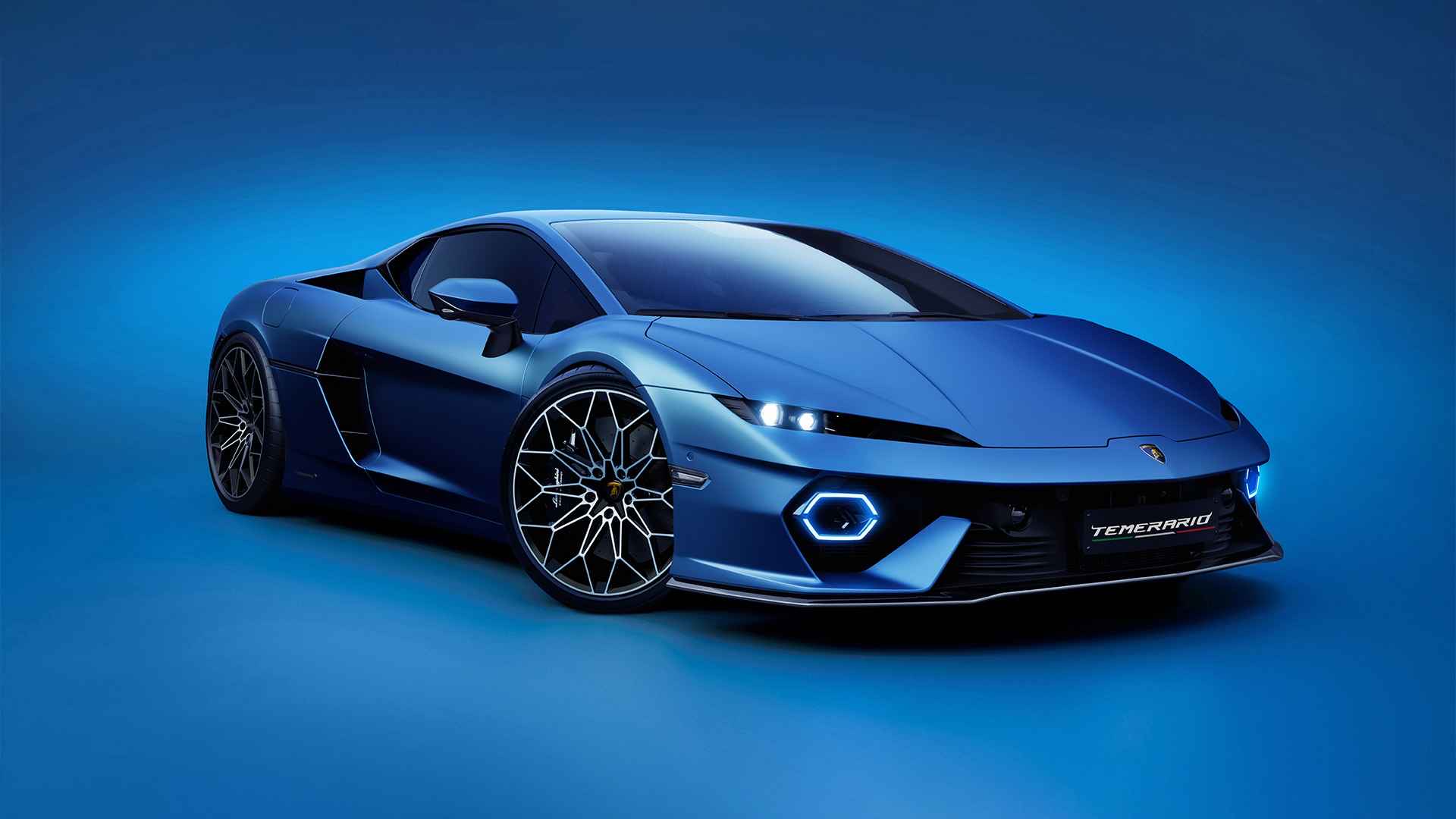
According to Autocar, development of the new model is already underway, backed by Audi chairman Gernot Döllner, marking a major step forward in the brand’s supercar strategy. The upcoming R8 will share its underpinnings with the Lamborghini Temerario, the successor to the Huracán, continuing a partnership that dates back to 2006 when Audi first entered the supercar segment with the original R8 and its mechanical twin, the Gallardo.

While the R8 will share key elements with the Temerario, including its drivetrain, electronics, and chassis, Audi will once again set its model apart by prioritising everyday usability alongside extreme performance. Both coupé and cabriolet versions are expected.

At the heart of the new R8 is a twin-turbocharged 4.0-litre V8 engine, sourced from Lamborghini, delivering 789hp and 730Nm of torque. This already impressive output is further enhanced by a trio of axial-flux electric motors, bringing the total system power to 907hp. A small 3.8kWh lithium-ion battery provides limited all-electric driving capabilities, though its primary function is to support performance. The plug-in hybrid system enables an advanced four-wheel-drive setup, with two electric motors mounted on the front axle and a third positioned between the engine and an eight-speed dual-clutch transmission, optimising energy recovery and acceleration.

(more…)

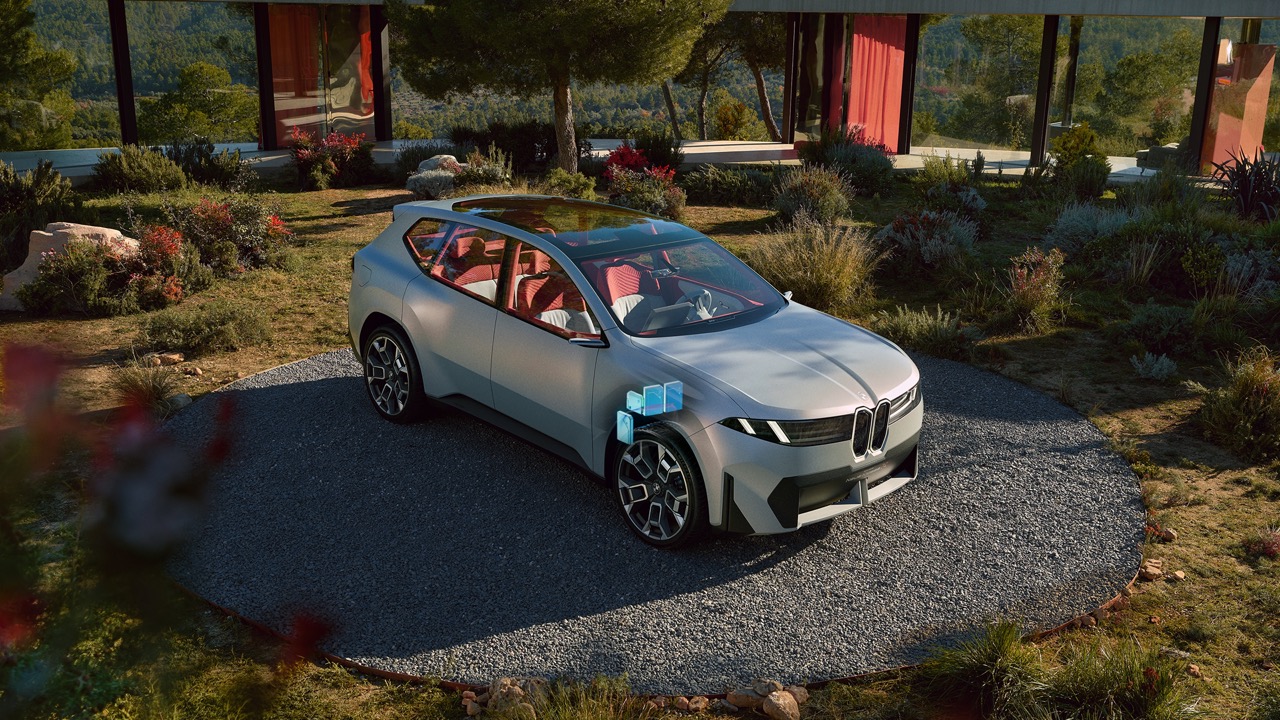
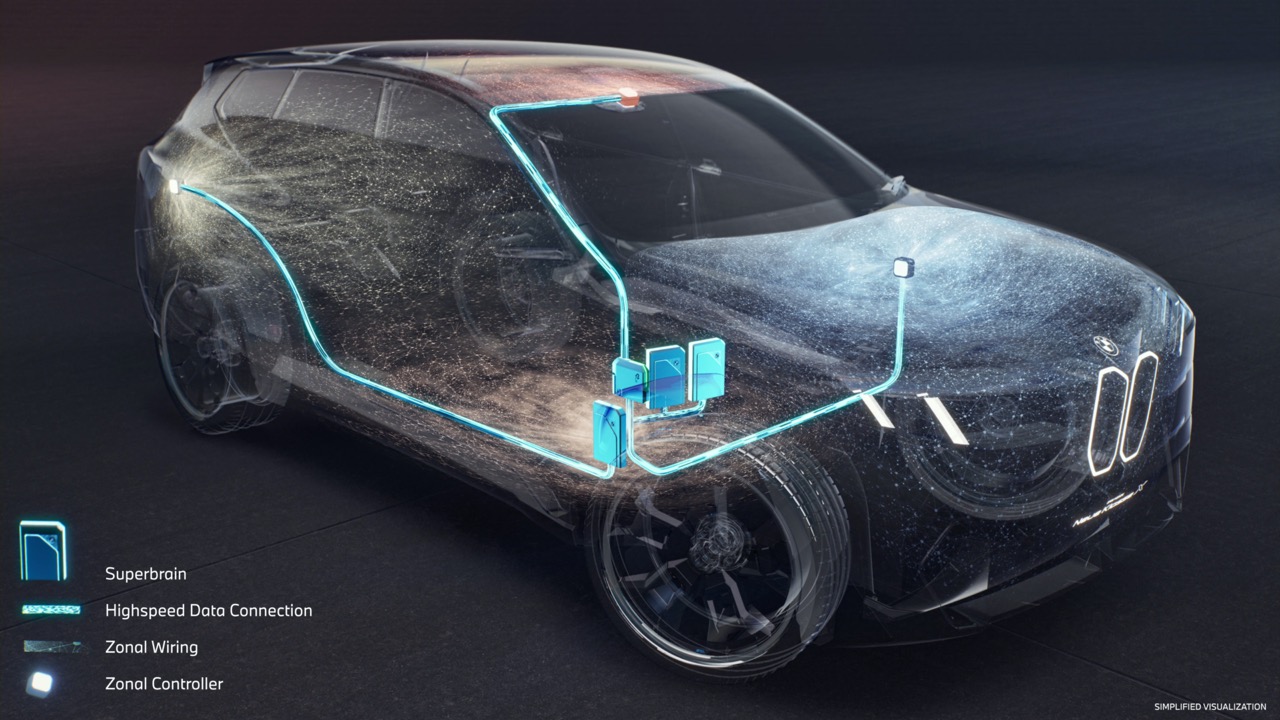
The BMW Group has become the first automotive manufacturer to launch an entirely new digital nervous system, designed for all drivetrain variants and vehicle segments. This cutting-edge system, significantly more intelligent, powerful, and efficient than its predecessors, will debut in the Neue Klasse models.

At the core of this innovation are four high-performance computers, known as “Superbrains,” which consolidate computing power for key vehicle functions, including infotainment, automated driving, driving dynamics, and essential operations such as vehicle access, climate control, and comfort. Compared to the current generation of BMW vehicles, these Superbrains deliver over 20 times the computing power. Additionally, they are built to support future software updates, incorporating artificial intelligence to enhance the customer experience.

BMW’s Board Member for Development, Frank Weber, emphasized the company’s commitment to technological openness. He stated that beginning with the first model of the Neue Klasse, the advanced technologies will be integrated across BMW’s entire future model lineup, spanning all segments and drivetrains. He explained that the newly developed electronic architecture, comprising powerful Superbrains and interconnected software platforms, allows BMW to separate vehicle and software development processes. This approach ensures that all upcoming BMW models remain digitally up-to-date through over-the-air updates, even beyond their initial release.

(more…)

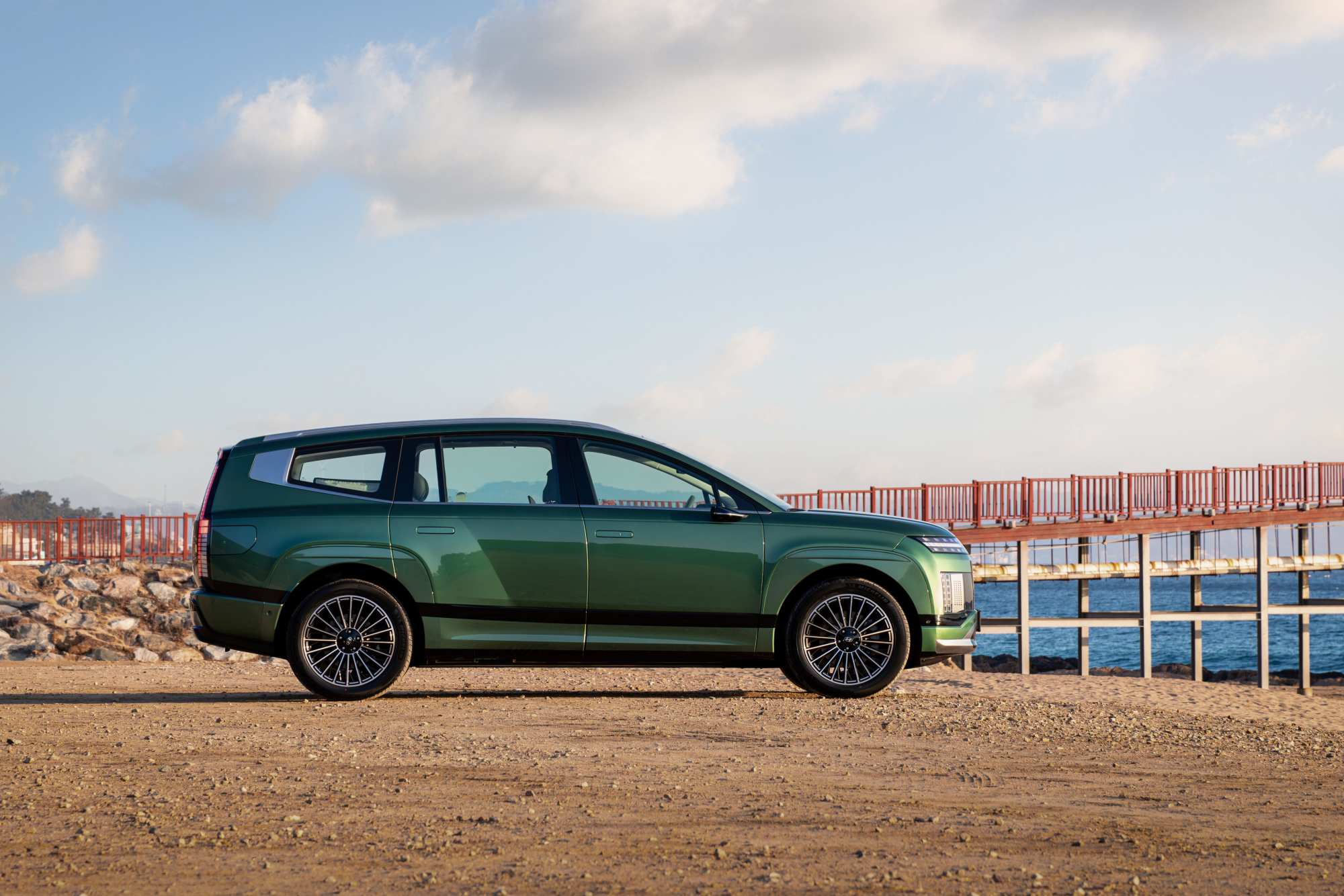
Hyundai’s highly anticipated IONIQ 9 is set to redefine the electric SUV segment with its combination of cutting-edge technology, efficiency, and luxury. The automaker has confirmed that the vehicle will be equipped with a powerful 110.3 kWh battery, providing a range of up to 539km in its highest trim. Designed to perform in extreme conditions, the IONIQ 9 features an advanced heat pump that ensures battery efficiency in colder climates. Certification from Korea’s Ministry of Environment indicates that the SUV can travel nearly 402km even in temperatures as low as -7°C.

Energy efficiency remains a key focus for Hyundai, with several features incorporated to optimise power consumption. The rear-row HVAC system automatically deactivates when no passengers are detected, while an active air flap enhances airflow to improve efficiency. The vehicle’s aerodynamic design includes a 3D-shaped underbody cover, newly developed wheels, and hidden antennas, contributing to a remarkably low drag coefficient of 0.259 Cd. The Long-Range RWD model achieves an energy consumption rate of just 194 Wh/km, making it one of the most efficient large electric SUVs available.

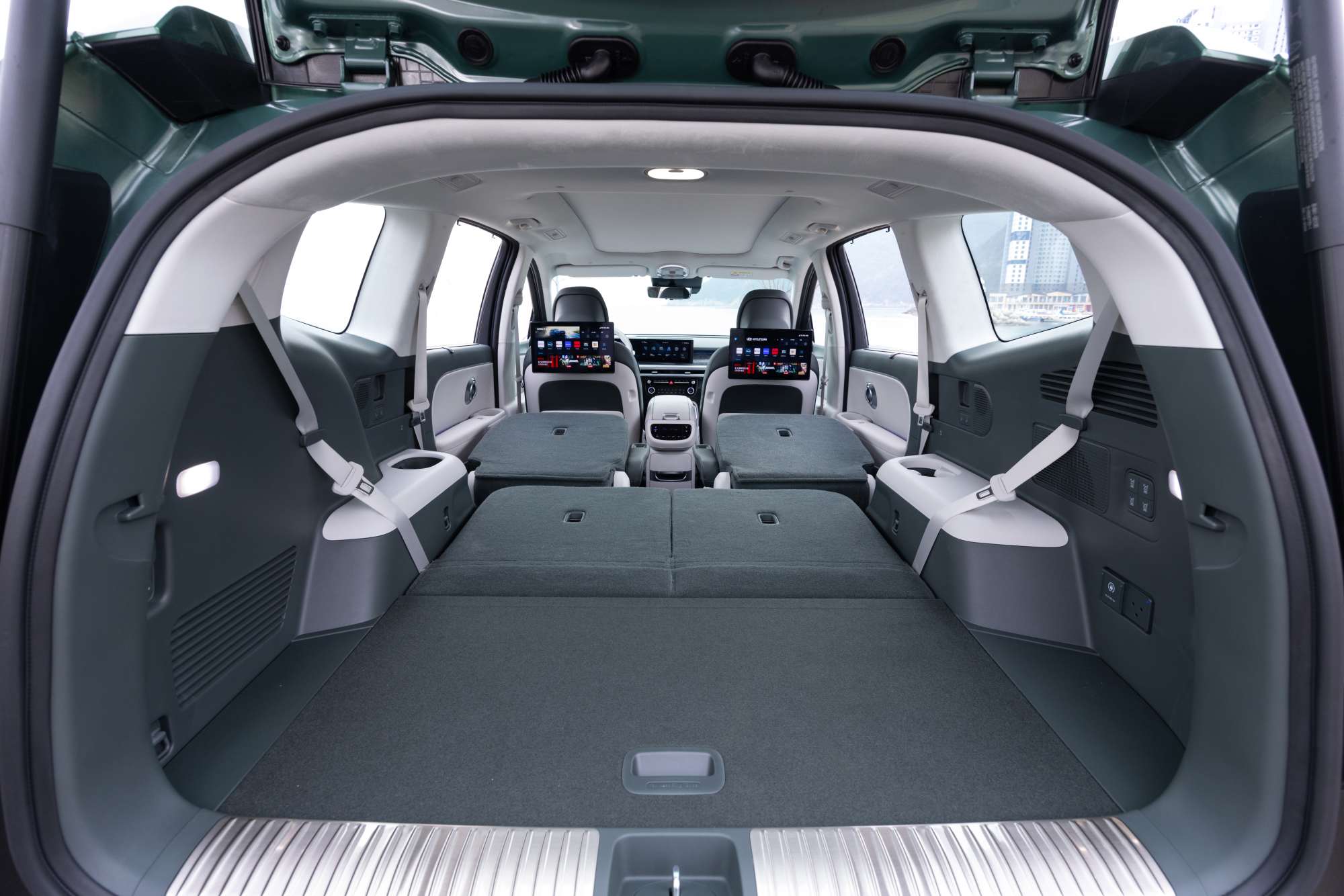
Beyond its performance capabilities, the IONIQ 9 offers a meticulously designed interior to maximise comfort and convenience. Available in six- and seven-seat configurations, certain markets will receive versions featuring swiveling rear seats to enhance passenger interaction. Hyundai is also introducing its Dynamic Body Care system, a sophisticated massage function that uses targeted pressure and vibrations to improve blood circulation and reduce fatigue. The cabin further includes the Universal Island 2.0, a sliding center console that creates a walk-through front-row layout, providing easier access to the rear seating area. With the third row folded down, the SUV offers an expansive 1,322 litres of cargo space.

(more…)

Former Formula 1 World Champion Jacques Villeneuve found himself in an unusual predicament at Milan’s Malpensa Airport while en route to Australia for the season opener. The 1997 title winner was trapped inside a toilet cubicle for 30 minutes before resorting to kicking down the door to escape.

Villeneuve shared the bizarre ordeal with his followers on Instagram, posting a picture of himself looking unimpressed inside the grey cubicle. He revealed that he had been stuck for 20 minutes while airport security struggled to free him. With a touch of sarcasm, he described the experience as “very impressive” and noted that the toilet flushed every 30 seconds, making for an unpleasant wait.

(more…)

Nissan is on the brink of a leadership overhaul as reports indicate that CEO Makoto Uchida is set to resign within the week. According to sources, Uchida’s departure comes as the company continues to struggle financially and faces mounting pressure from increasing competition, particularly in the electric vehicle sector.

Since taking over in 2019, Uchida has led Nissan through a turbulent period following the high-profile exit of former CEO Carlos Ghosn. However, his inability to secure a merger with Honda, a move that was initially seen as a potential solution to Nissan’s ongoing challenges, has reportedly contributed to his departure. Internal sources suggest that significant personnel changes are expected, including at the top level. Among those being considered as potential successors are Chief Financial Officer Jeremie Papin, Chief Planning Officer Ivan Espinos, and Chief Performance Officer Guillaume Cartier. It remains uncertain whether the next CEO will be appointed on an interim or permanent basis.

Discussions between Nissan and Honda earlier this year over a potential merger fell apart due to disagreements regarding the structure of the partnership. Honda had proposed making Nissan a subsidiary rather than an equal partner, a condition that Nissan executives strongly opposed. With Uchida now on his way out, there is speculation that Nissan may be more open to reconsidering Honda’s investment, though a full subsidiary arrangement remains uncertain. Sources within Nissan suggest that talks are likely to resume with a focus on securing financial support while maintaining some degree of autonomy.

(more…)

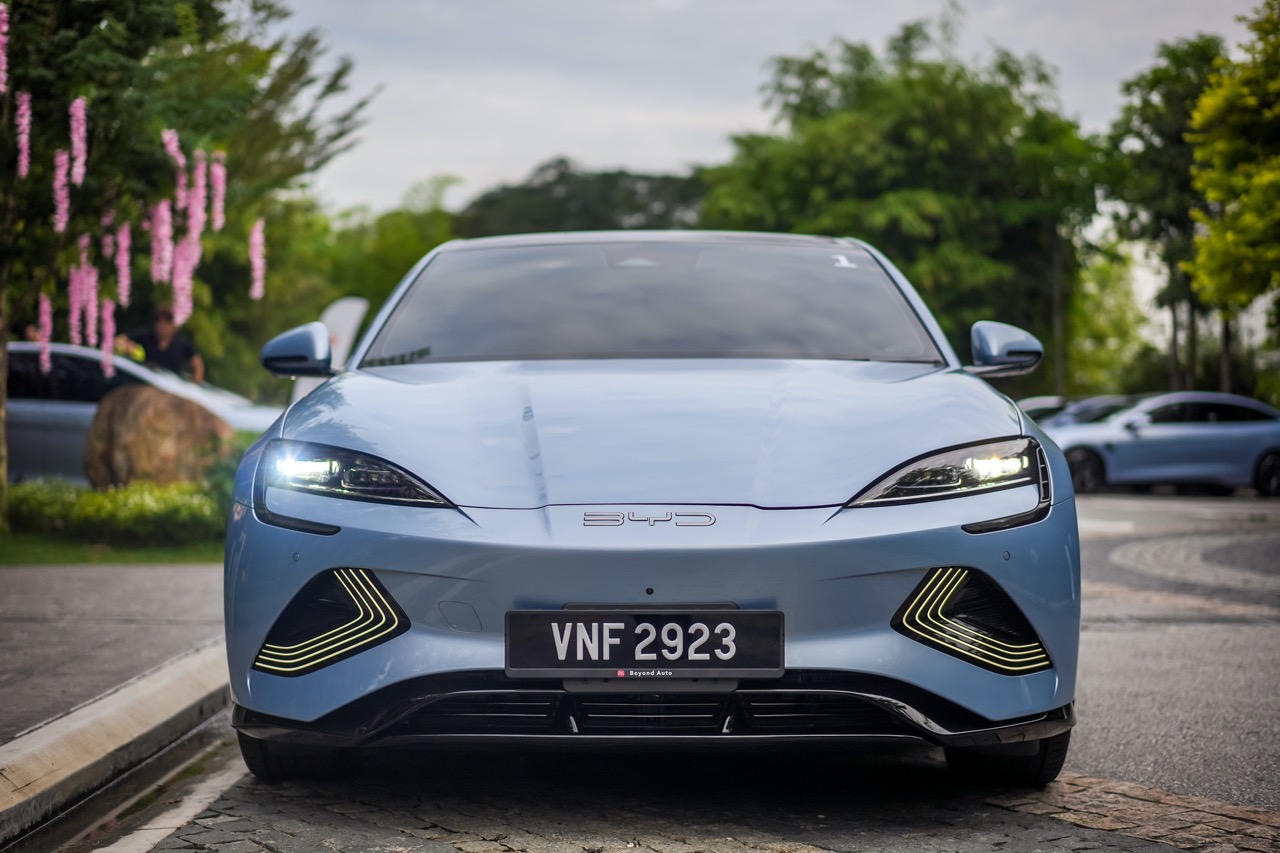
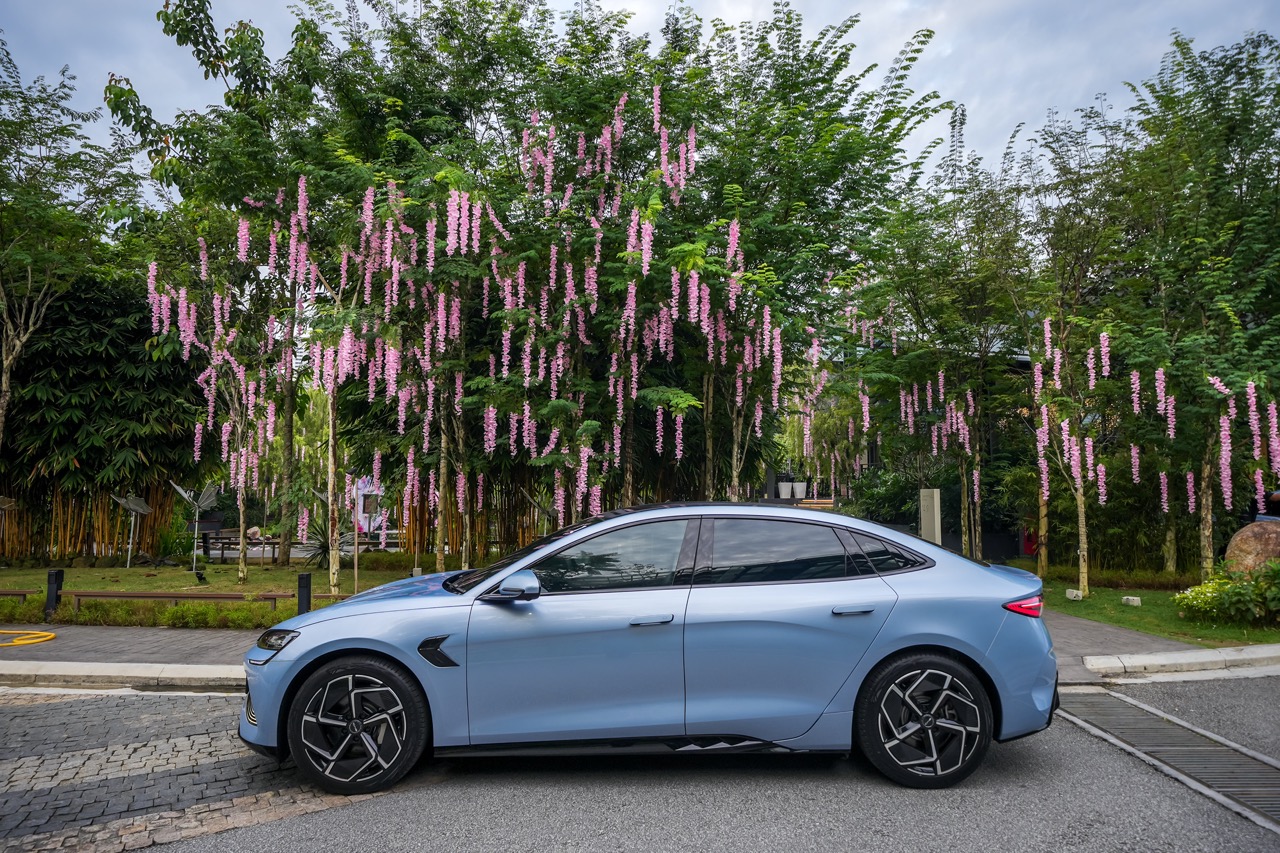
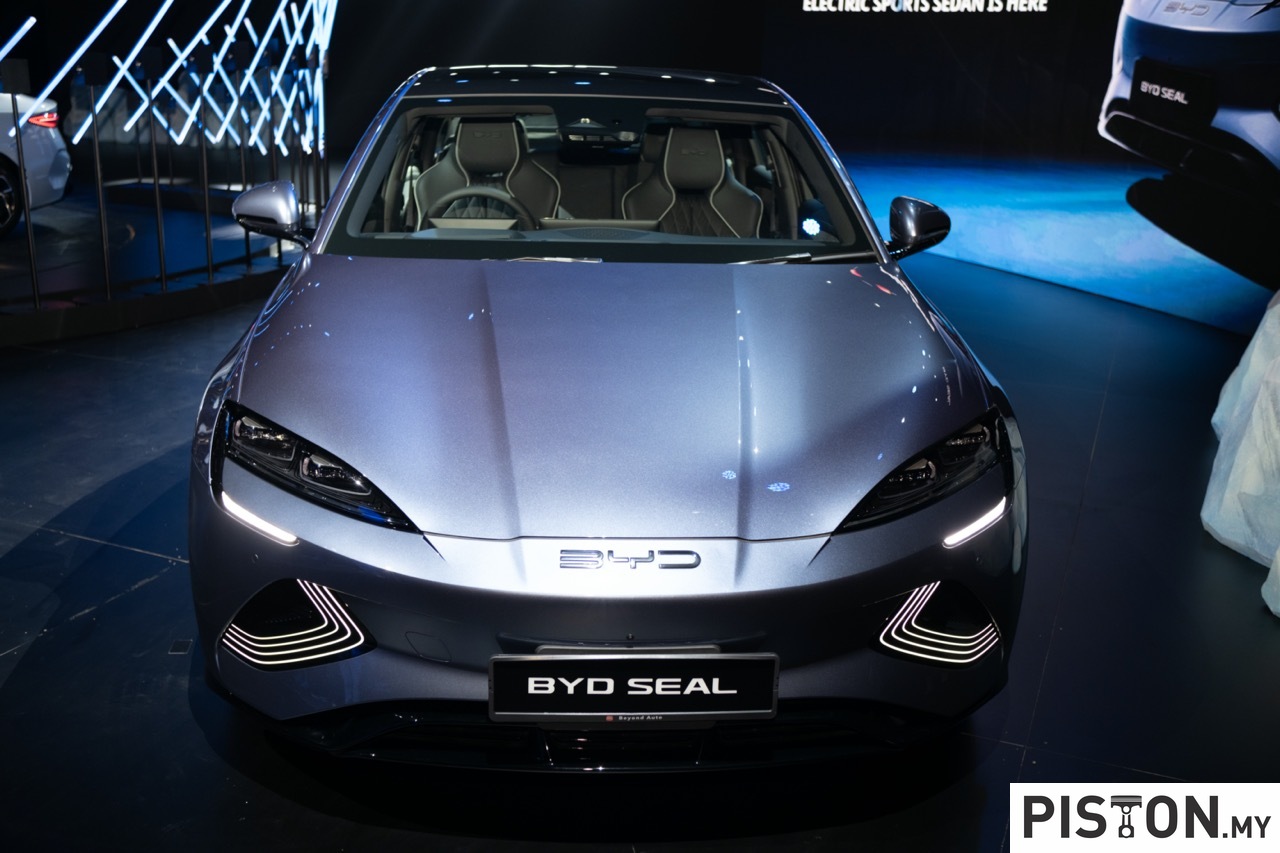
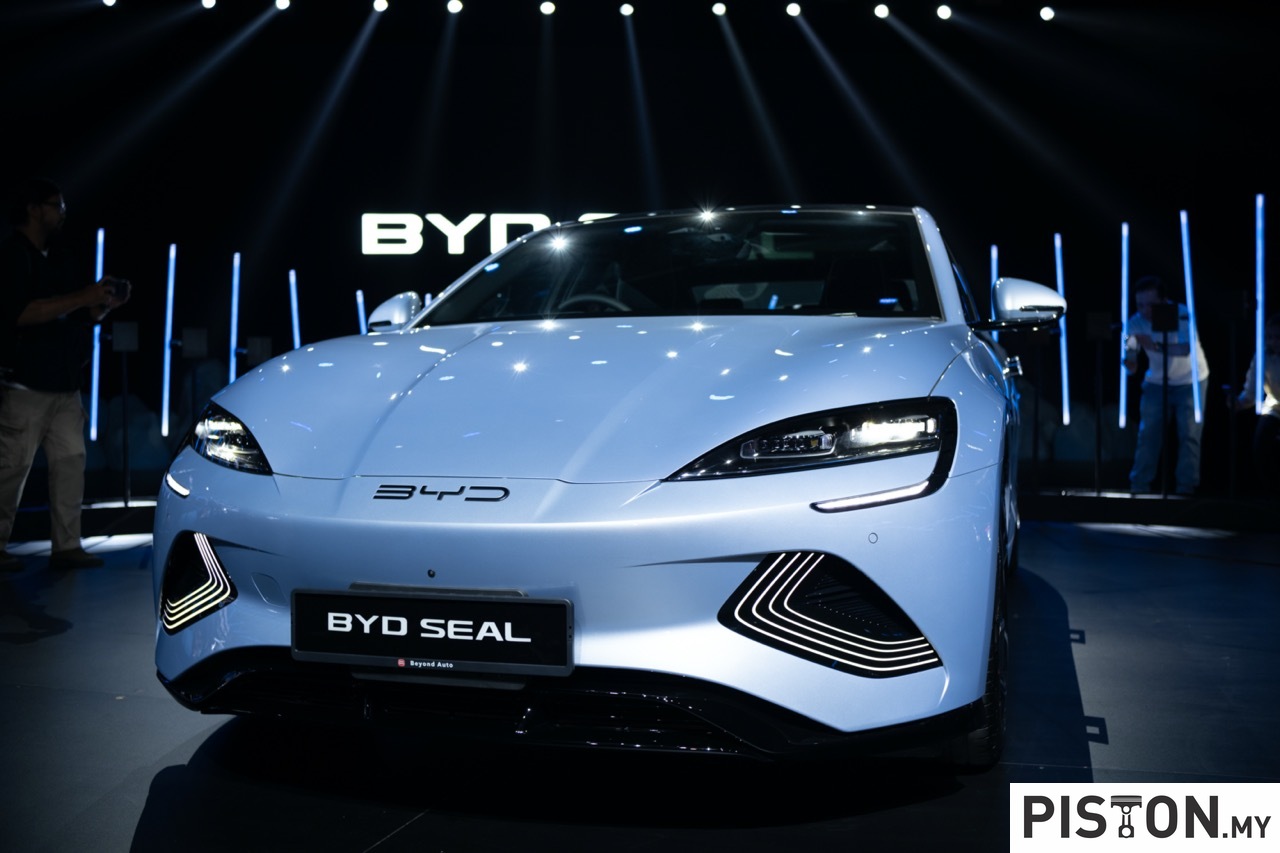
BYD celebrated a major milestone as its Seal EV was crowned the winner of the 3rd Japan Annual EV Awards, marking the brand’s second consecutive victory following the Dolphin EV’s win last year.

The BYD Seal EV edged out strong competitors, including the Honda N-VAN e: and the Hyundai IONIQ 5 N, further cementing BYD’s growing reputation in Japan’s competitive EV landscape. This latest accolade adds to the Seal’s growing list of achievements, having also been named one of the “Top Ten Best Models” for 2024–2025 by the Japan Car of the Year Selection Committee.

Debuting in Japan in early 2024, the Seal EV quickly impressed both the public and industry experts. EVsmart, the organizer of the awards, praised the Seal EV for its “extremely beautiful design style and comprehensive performance,” highlighting its balance of elegant aesthetics and powerful driving dynamics. EVsmart further described the Seal as not only a benchmark for pure electric vehicles but also a standout for its high-quality driving experience.

(more…)

BYD is considering the construction of a third production facility in Europe as part of its strategy to strengthen its presence in the region. This move comes as the European Union’s recently imposed tariffs on Chinese-made EVs push major Chinese automakers to localise their operations in order to remain competitive.

Already a leader among Chinese brands in Europe, BYD outsold rival SAIC Motor’s MG brand by 44% in January. However, with increasing regulatory hurdles and mounting pressure from tariffs, BYD is accelerating its efforts to establish local manufacturing. The company is currently developing two plants: one in Hungary, which is scheduled to begin production later this year, and another in Turkey, which is now in the planning stages. Together, these facilities are expected to deliver a combined annual output of 500,000 vehicles, enabling BYD to significantly reduce its reliance on imports while securing a stronger position in one of the world’s most lucrative EV markets.

Speaking to reporters in Frankfurt, BYD Executive Vice President Stella Li confirmed that the company is evaluating the feasibility of a third European factory. A decision is expected within the next 18 to 24 months. BYD is also exploring the possibility of launching local EV battery production in Europe, though no specifics on location or timeline have been disclosed. (more…)

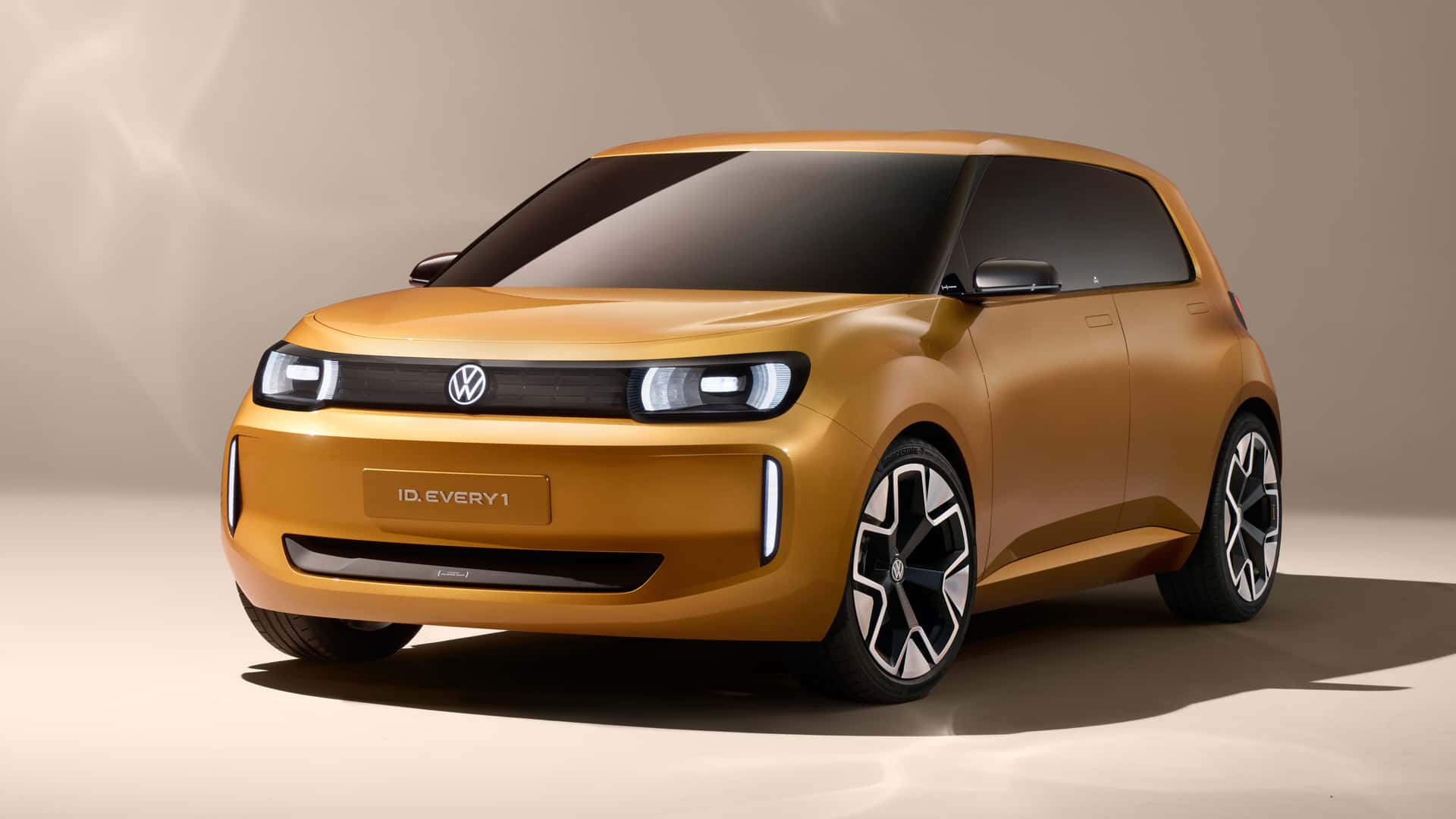
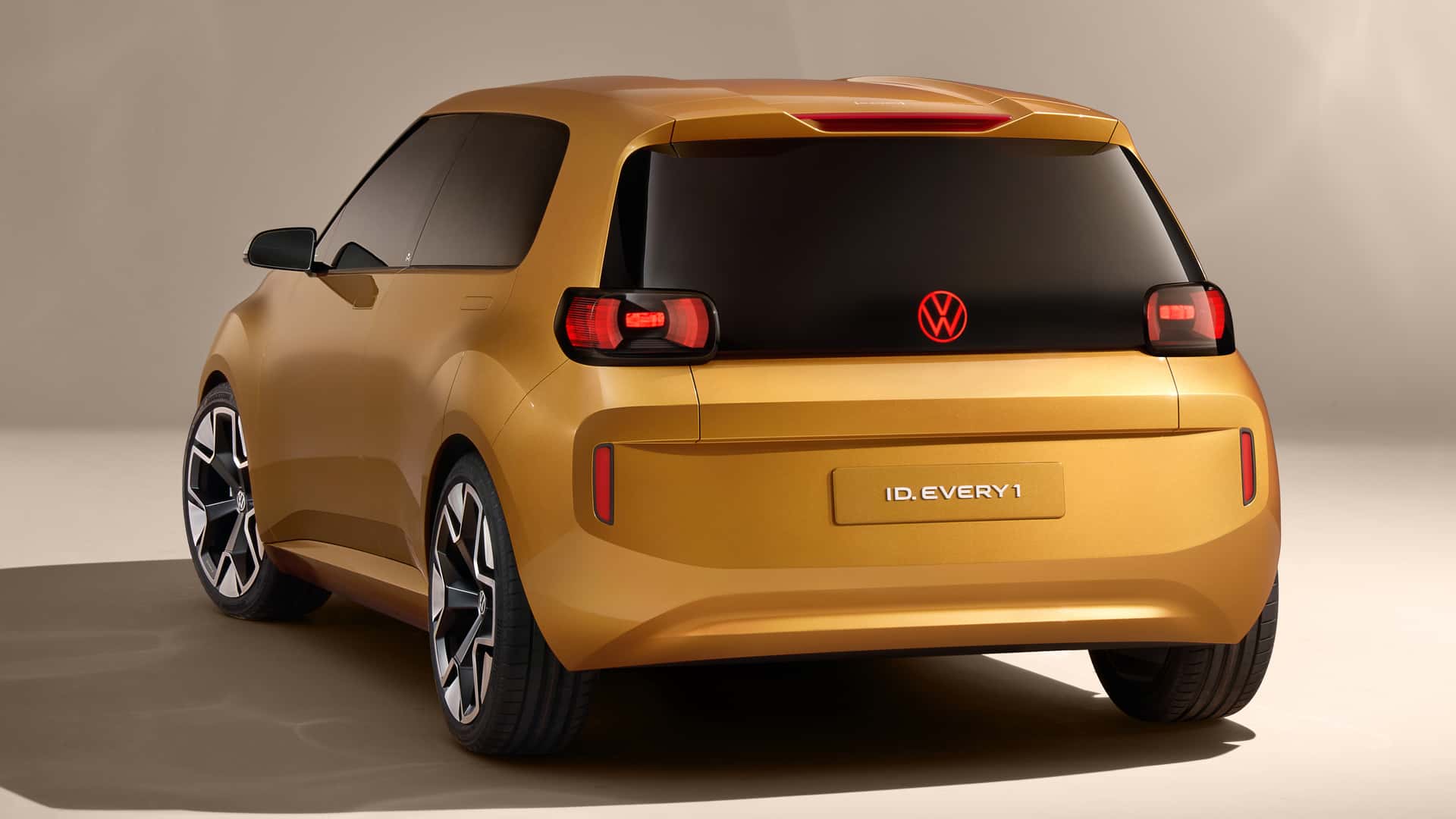
Volkswagen is continuing its long-standing tradition of providing affordable mobility with the introduction of the ID. EVERY1 concept car, a compact and accessible all-electric model designed to serve as the brand’s new entry point into electric mobility. Building on the legacy of the iconic Beetle and, more recently, the Volkswagen Up, Volkswagen aims to make sustainable driving available to a broad audience as it moves deeper into the era of electrification.

Positioned as a key element of Volkswagen’s strategy for the future, the ID. EVERY1 is tailored specifically for Europe, developed as part of the brand’s “Urban Car Family,” which is set to debut from 2026. Volkswagen is working to establish a broad and diverse portfolio across the high-volume segment, offering customers options ranging from efficient combustion-engine models and advanced hybrids to fully electric vehicles.

According to Volkswagen Passenger Cars CEO Thomas Schäfer, the ID. EVERY1 completes the company’s efforts to provide the widest model range in its category. Schäfer emphasised that the brand’s ambition is to ensure every customer finds the right car with the appropriate drive system, including affordable, all-electric solutions. He added that Volkswagen is determined to expand its global leadership in automotive technology by 2030, while remaining a brand that is accessible to everyone, in line with its historical identity.

(more…)

Archive

Follow us on Facebook

Follow us on YouTube