Piston.my

Global News

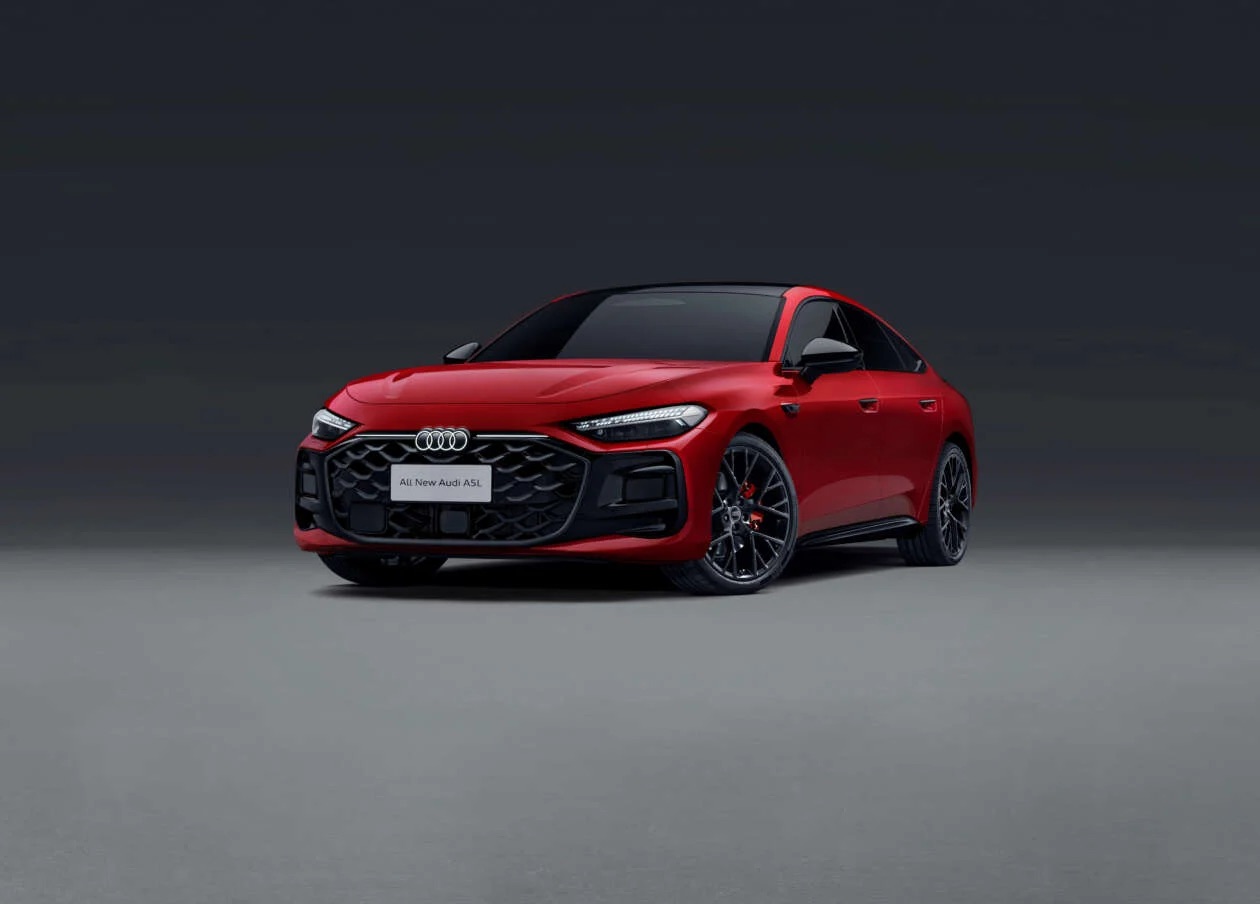
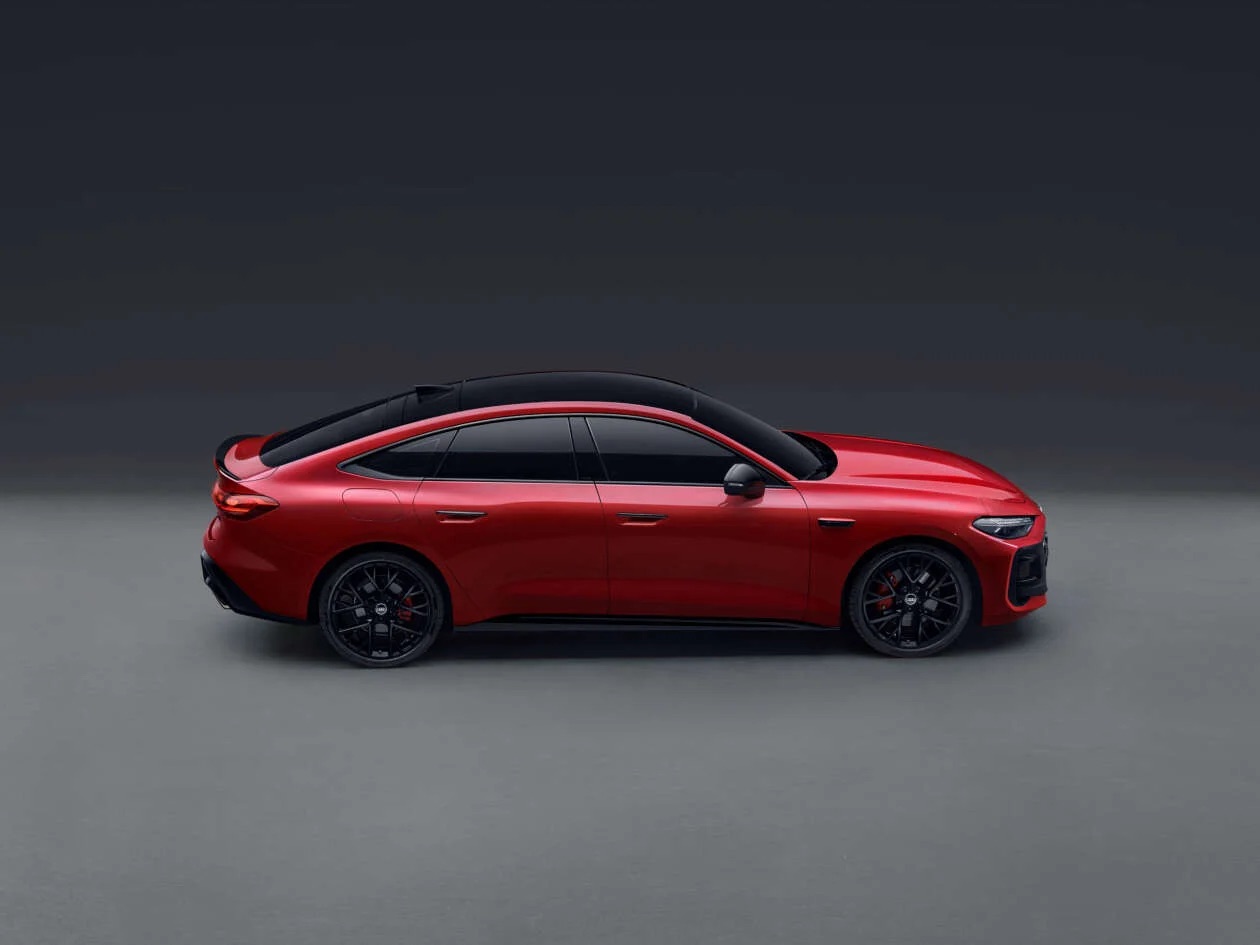
SAIC Audi’s latest offering, the A5L Sportback, has made a notable impact in the automotive market, amassing 9,800 pre-orders on its debut evening. As the world’s first internal combustion engine (ICE) vehicle integrated with Huawei’s advanced driving assistance system (ADAS), the model marks a significant technological leap for combustion-powered cars.

Starting at 259,900 yuan (around RM171,000), the A5L Sportback has attracted considerable consumer interest, with around 30% of initial buyers opting for variants equipped with Huawei’s Qiankun intelligent driving technology. This represents a substantial shift in consumer expectations, with smart features once reserved for electric vehicles now making their way into conventional engine platforms.
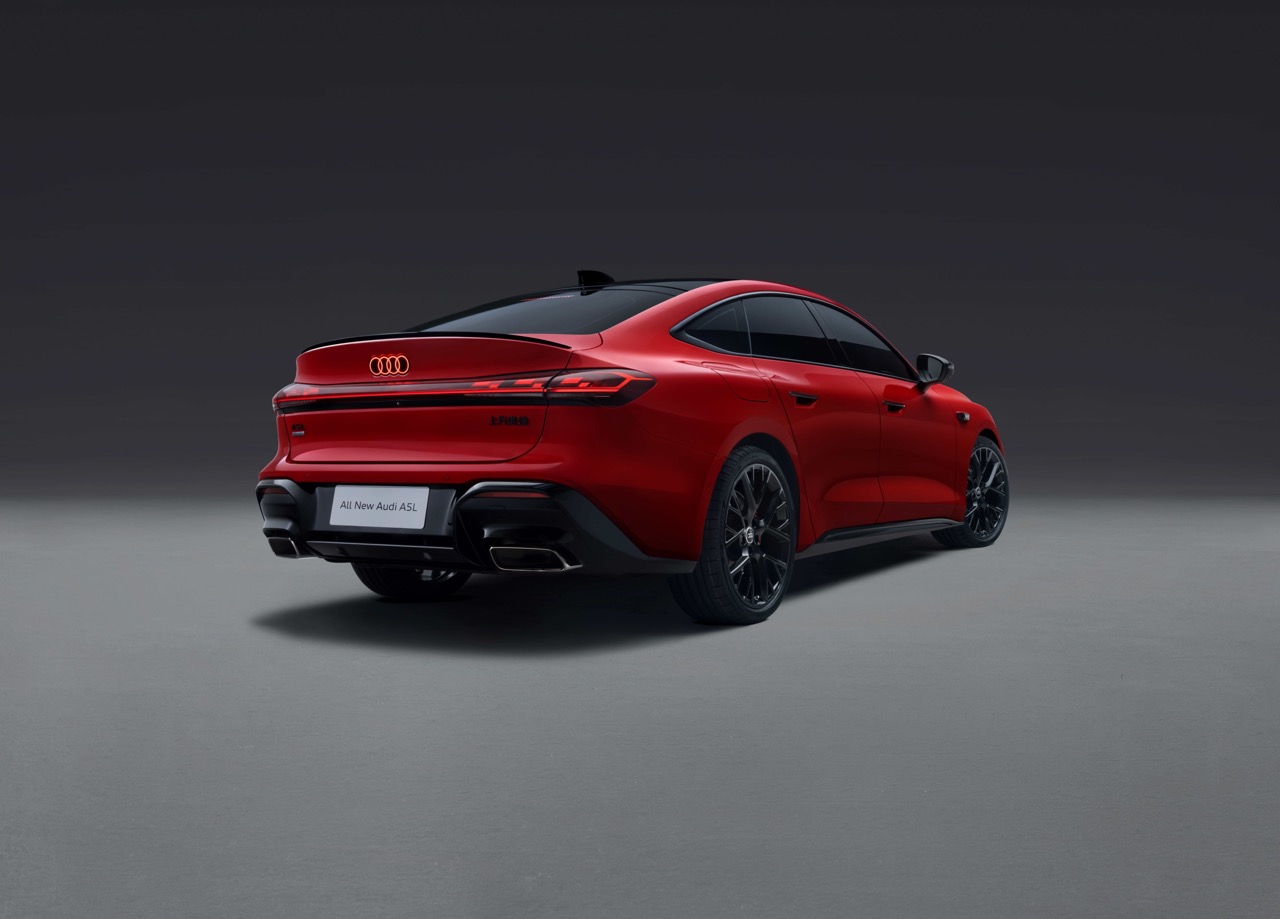
Engineered on Audi’s new Premium Platform Combustion (PPC), the A5L Sportback incorporates the fifth-generation EA888 engine, delivering a maximum output of 268hp. It also features Porsche-derived VTG variable turbocharging technology and the MHEV Plus super mild hybrid system. These innovations combine to enable the vehicle to accelerate from 0 to 100km/h in just 5.6 seconds, demonstrating its performance capabilities despite its focus on comfort and intelligence.

What truly sets the A5L Sportback apart is its pairing of traditional combustion performance with next-generation driving intelligence. Unlike most vehicles currently equipped with Huawei’s ADAS, which typically employ a single LiDAR sensor, this model integrates two LiDAR units, enhancing the system’s spatial awareness and responsiveness on the road.
(more…)

XPeng has officially revealed the new generation of its flagship electric sedan, the P7, in China, marking a significant evolution in both design and technology. Now measuring over five metres in length, the redesigned model brings a bold, futuristic presence to the road while integrating cutting-edge hardware and software developed in-house.

At the core of the new P7’s technological suite are three proprietary XPeng Turing chips, working in tandem with Qualcomm’s Snapdragon 8295P processor. The upgraded model comes with support for 5C ultra-fast charging across all variants, enabling significantly reduced charging times. The vehicle will be offered in three configurations, delivering an impressive CLTC-certified driving range of up to 820km, depending on variant.

Visually, the latest P7 introduces the ‘Xmart Face’ front fascia, characterised by a continuous star-ring light strip intersected with vertical beams that form an H-shaped lighting signature. This design language is echoed at the rear, where matching H-style tail lamps and an active rear spoiler reinforce the vehicle’s symmetrical visual identity. A full-width tailgate and integrated blue-lit intelligent driving indicators in the rear bumper complete the aerodynamic profile. The body achieves a drag coefficient of just 0.201 Cd, enhancing overall efficiency.

(more…)

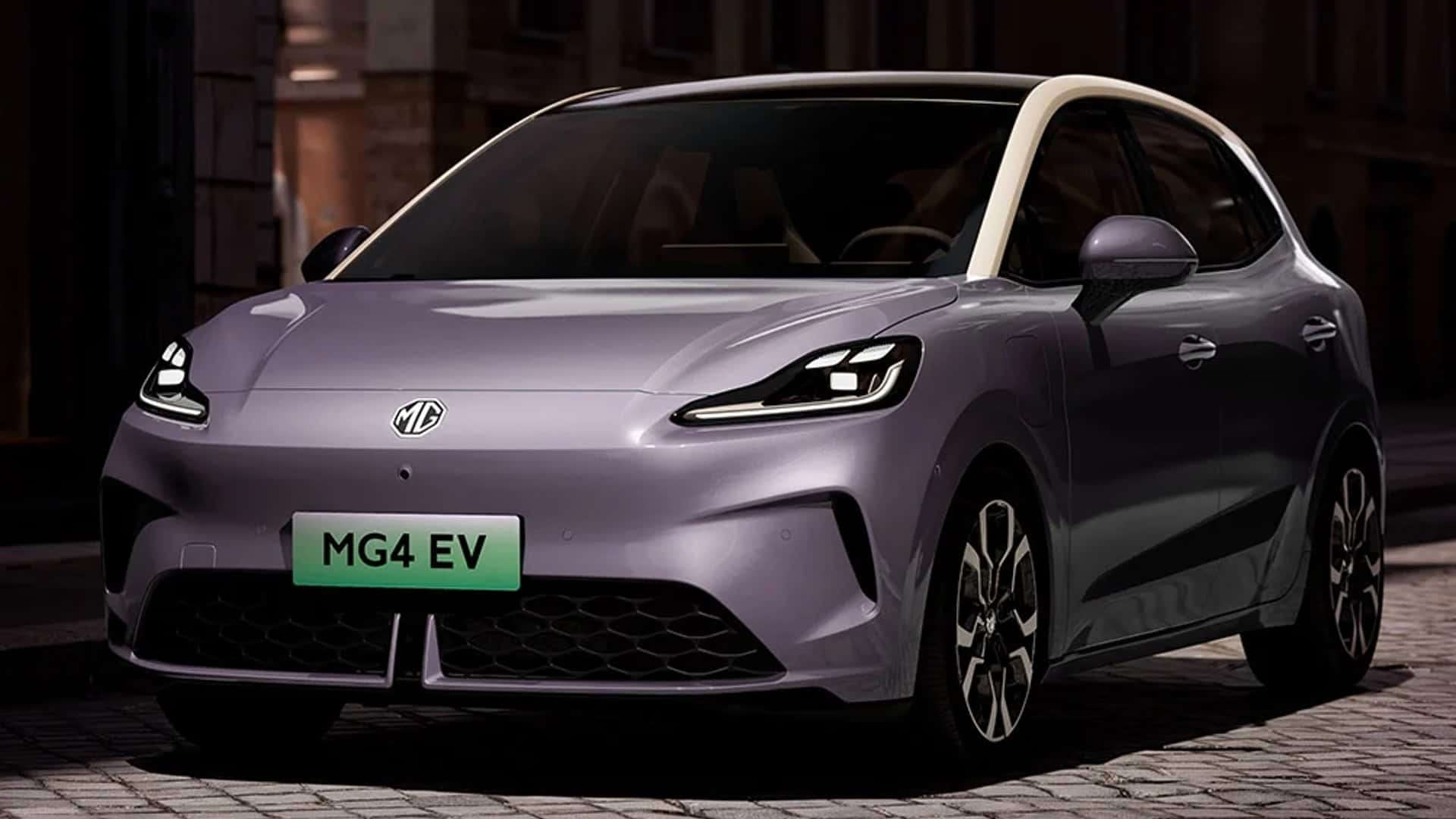
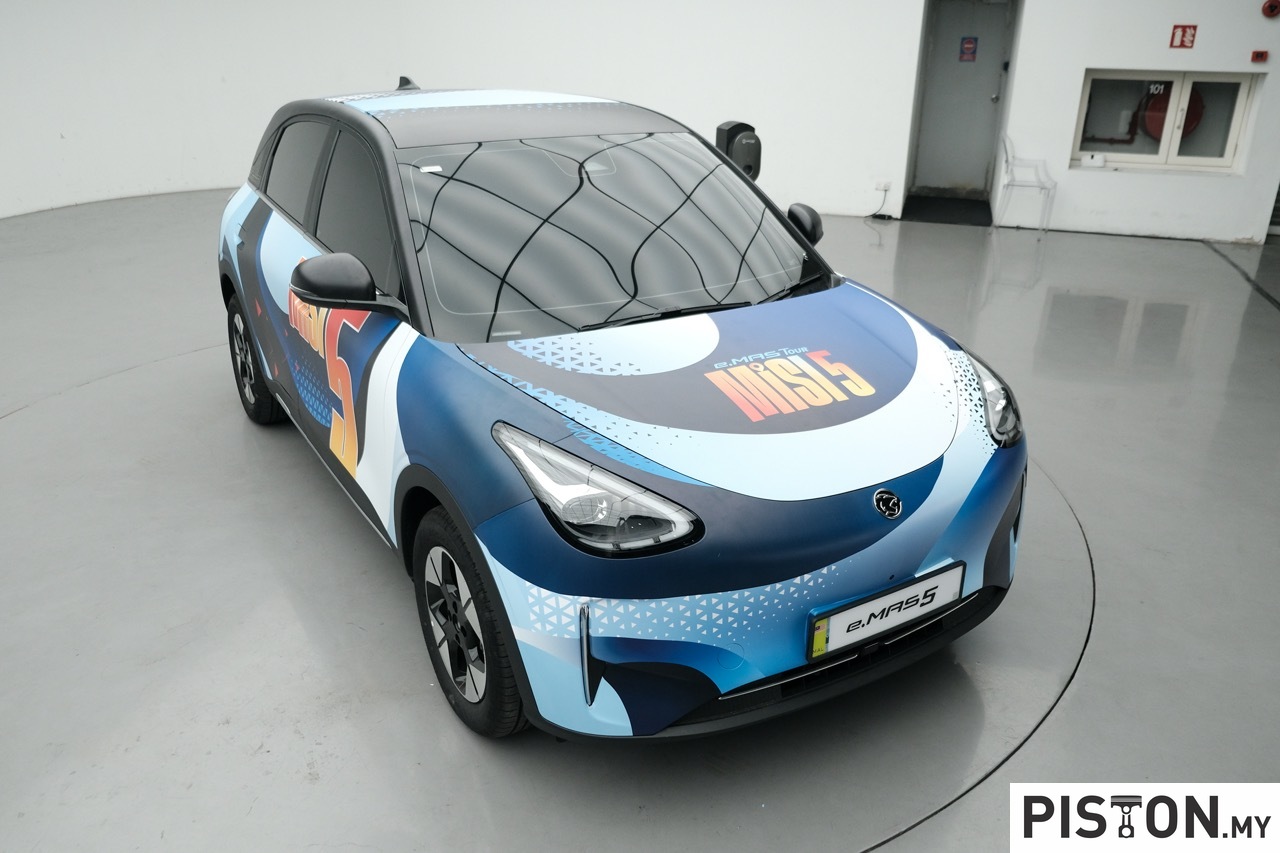
SAIC Motor has officially commenced pre-sales for the latest iteration of the MG4, signalling a bold upgrade to its compact electric hatchback portfolio. With prices starting from ¥73,800 (approximately RM48,100), the new model is available in four variants at launch, while a fifth, featuring a revolutionary semi-solid-state battery, is scheduled for a price reveal in September ahead of deliveries by the end of 2025.

Positioned as one of the first mass-market vehicles globally to offer a semi-solid-state battery, the MG4 aims to reshape consumer expectations in the affordable EV segment. The battery, which has passed stringent three-directional needle penetration safety tests without smoke emissions, delivers improved low-temperature performance, boosting safety and battery longevity. SAIC has invested around ¥500 million (around RM325.7 million) in developing a new aluminium-rare earth alloy battery structure. The material, which incorporates lanthanum and cerium, enhances thermal resistance and structural strength.

Technologically advanced, the MG4 introduces a sophisticated in-car experience supported by a 15.6-inch 2.5K floating touchscreen and powered by Qualcomm’s Snapdragon 8155 chip. A new partnership with Oppo debuts the MG×Oppo Smart Mobility System, enabling comprehensive smartphone integration. This includes digital key access, AI-driven voice commands, app mirroring, and compatibility with Android, Apple, Huawei, Xiaomi and more. Upcoming over-the-air updates will introduce functionalities like remote smartphone-based parking and uninterrupted walking-to-driving navigation transitions.

(more…)

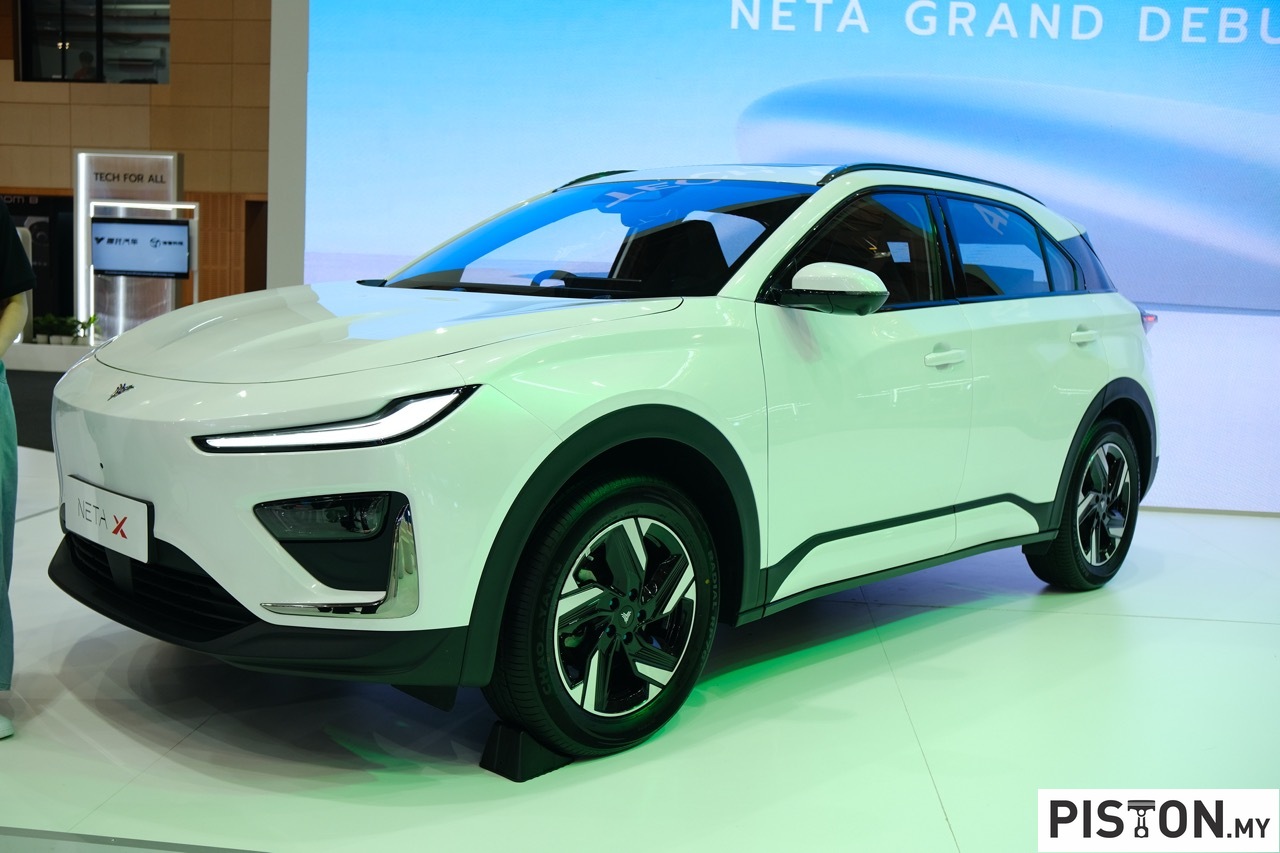
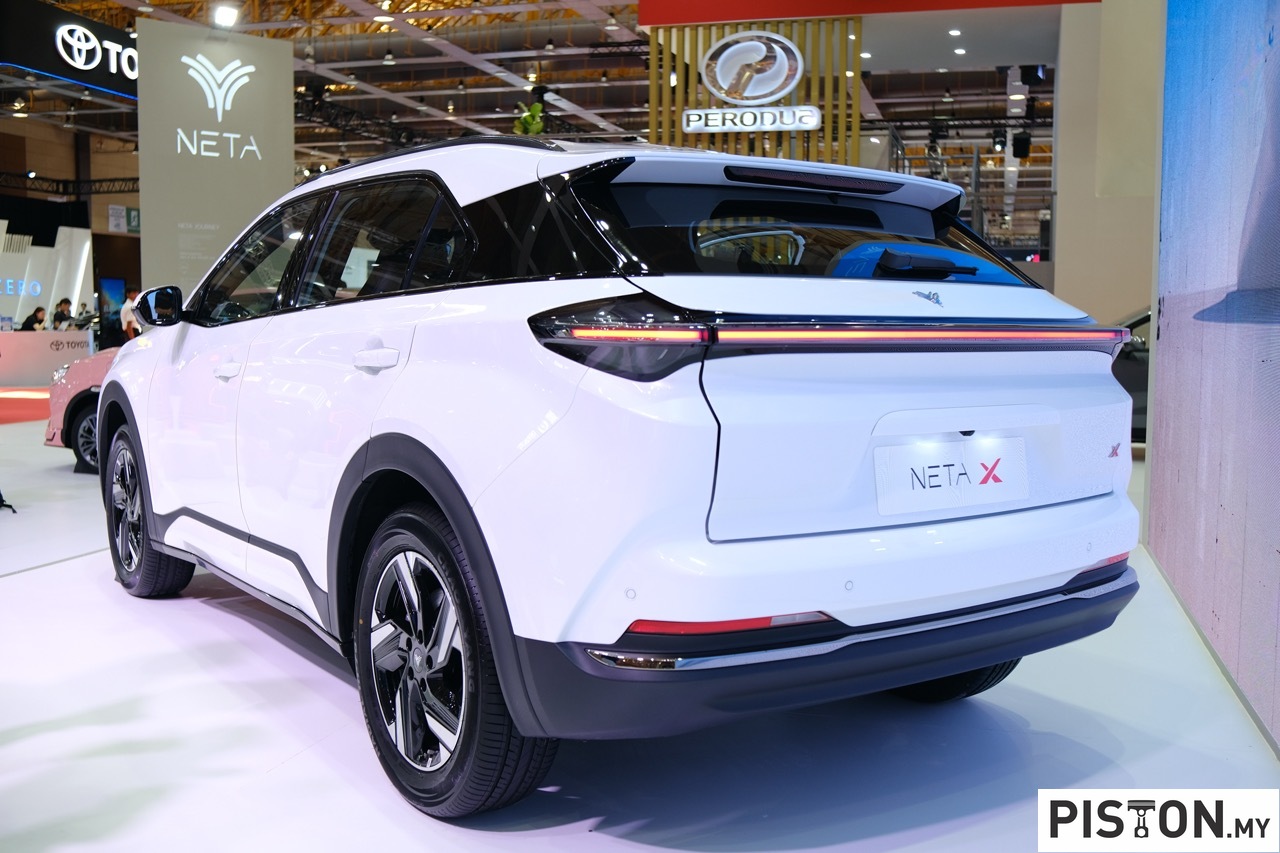
Neta Auto has reinstated full wage payments at its Tongxiang factory as of July 2025, suggesting the electric vehicle maker is making cautious strides towards stabilising operations amidst ongoing bankruptcy restructuring. The development comes after a prolonged period of financial distress that saw mass layoffs, suspended production, and months of unpaid employee salaries.

The update was disclosed by the court-appointed administrator overseeing the restructuring of Hozon New Energy, Neta’s parent company, on 4 August 2025. Hozon is currently in the process of soliciting strategic investors to support its revival, having formally entered bankruptcy reorganisation proceedings in June this year. To facilitate capital inflow, the company opened a pre-registration platform via Alibaba’s asset disposal site on 10 July. Since then, 47 interested parties have expressed formal interest, with potential investors required to place a 50 million yuan (around RM32,500,000) deposit by 15 September 2025.

The identities of the 47 entities that have expressed interest in investing in Hozon New Energy Automobile are not publicly disclosed.

Neta’s financial instability came to a head earlier in 2025, following months of liquidity problems that culminated in delayed salary payments dating back to November 2024. At its peak, the crisis saw the company halve its workforce, with factory staff reduced to receiving partial or minimum payments of just above 2,000 yuan. A viral video in early June captured the rising tensions as employees confronted Neta Chairman Fang Yunzhou at the firm’s Shanghai office, demanding their overdue wages.

(more…)

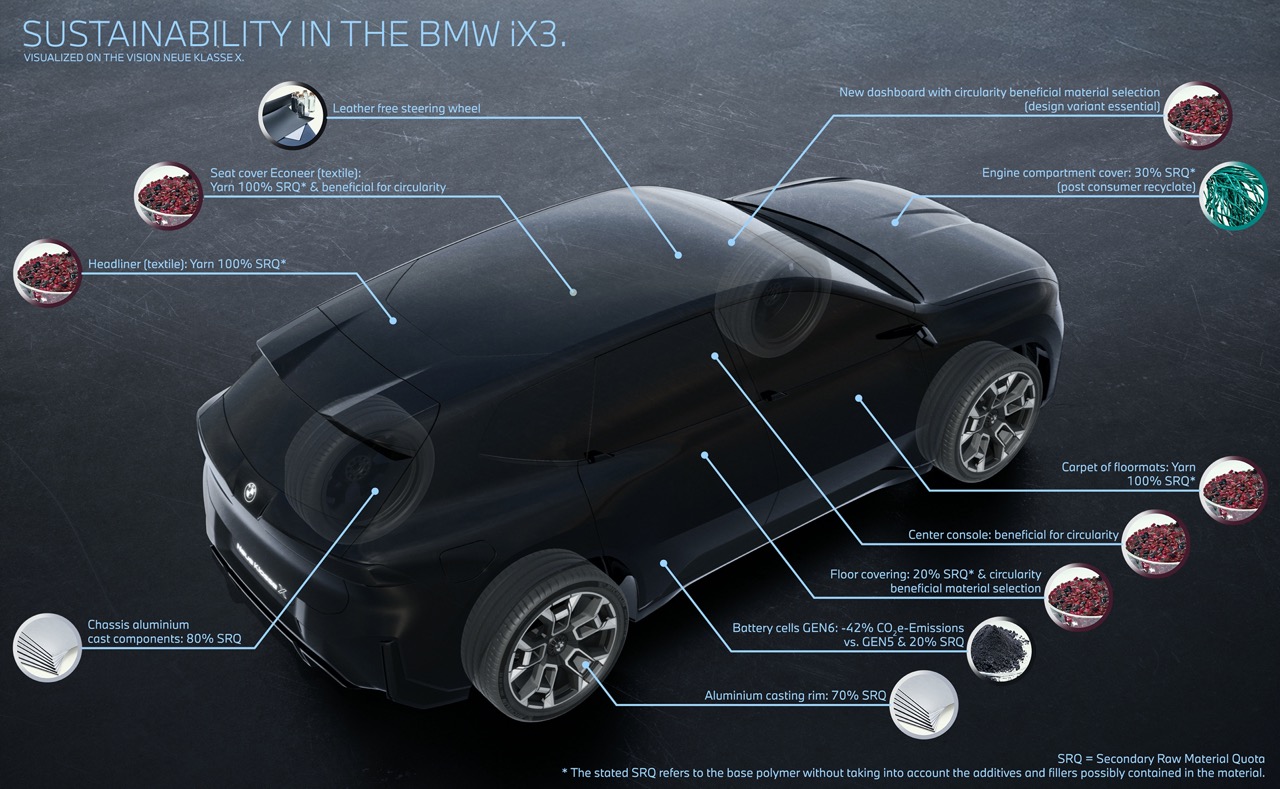
BMW has unveiled its next-generation iX3, signalling a bold step forward in the company’s ambition to integrate sustainability across the full life cycle of its vehicles. Developed as part of the Neue Klasse initiative, the new iX3 embodies the BMW Group’s intensified focus on decarbonisation, responsible sourcing, and energy efficiency, all central to the company’s carbon neutrality targets set for 2030 and 2050.

Through extensive environmental planning during the vehicle’s design, manufacturing, and operational stages, the iX3 50 xDrive demonstrates how BMW is reshaping premium electric mobility. When powered using Europe’s general energy mix, the vehicle achieves a lower CO₂ equivalent (CO₂e) footprint than a comparable internal combustion engine model after just 21,500 kilometres. If charged exclusively with renewable electricity, that break-even point drops to approximately 17,500 kilometres, allowing drivers to offset emissions within the first year of use.

BMW’s sustainability push is most evident in the dramatic changes made across the supply chain. A reduction of 35 per cent in supply chain emissions was achieved during development, largely by relying on recycled materials and renewable energy. The Gen6 battery cells in the iX3’s high-voltage storage system use 50 per cent recycled cobalt, lithium, and nickel. Moreover, the use of renewable energy in both cell production and the processing of anode and cathode materials has led to a 42 per cent reduction in CO₂e per watt hour compared to the Gen5 cell.

(more…)

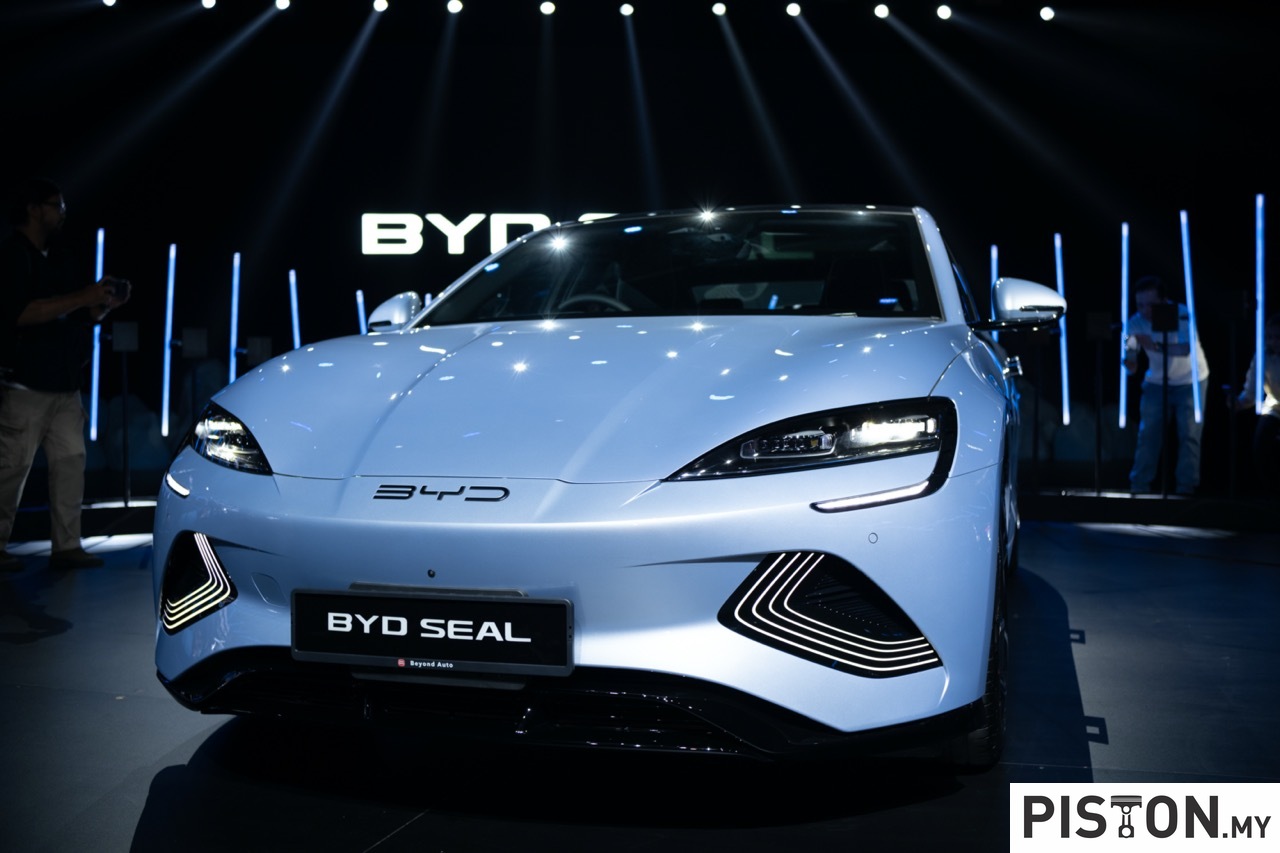
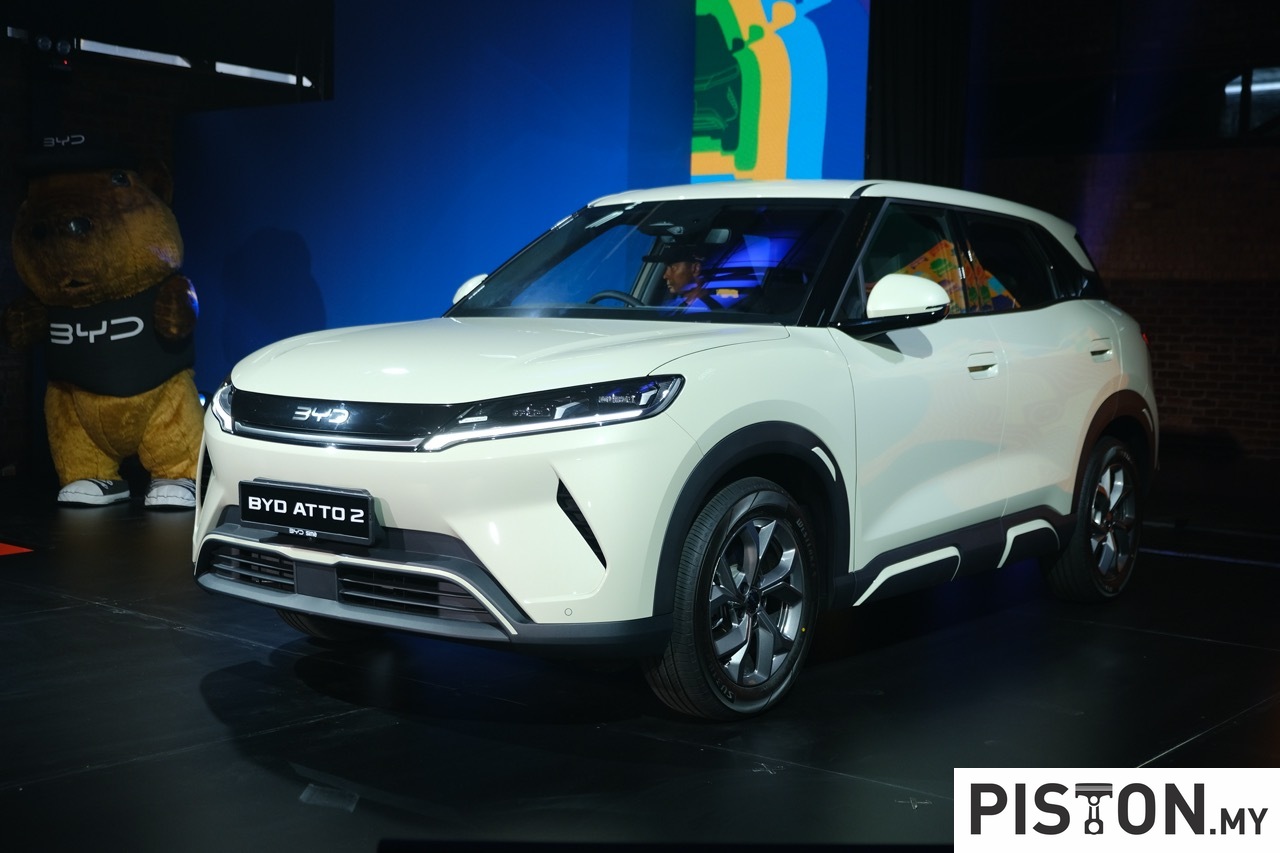
Chinese automotive giant BYD has firmly established itself as a dominant force in the global electric vehicle (EV) sector, leading sales across seven international markets during the first half of 2025.

According to CarNewsChina, the company’s General Manager of Brand and Public Relations, Li Yunfei stated that the automaker topped charts in Hong Kong, Singapore, Thailand, Indonesia, Spain, Italy, and Brazil, with particular strength in the new energy vehicle (NEV) segment comprising both battery electric vehicles (BEVs) and plug-in hybrid electric vehicles (PHEVs).

This global expansion aligns with BYD’s long-term strategy to have half of its total vehicle sales come from markets outside China by the end of the decade. In pursuit of this objective, the company has focused its export efforts across Europe, Southeast Asia, South America, and the Middle East, with continued investment in local production and infrastructure.

Sales data for the first half of 2025 paints a clear picture of BYD’s growing international footprint. In Hong Kong and Singapore, the carmaker emerged as the overall market leader, delivering 4,909 and 4,667 units, respectively. In Thailand, BYD’s performance was even more significant, with 24,072 units sold, representing a year-on-year increase of 64.1%. This volume was nearly four times higher than the second-best performing brand, MG. These results were bolstered by the recent launch of BYD’s Thai manufacturing facility in July 2024, which has an annual production capacity of 150,000 units and serves as a hub for ASEAN exports.

(more…)

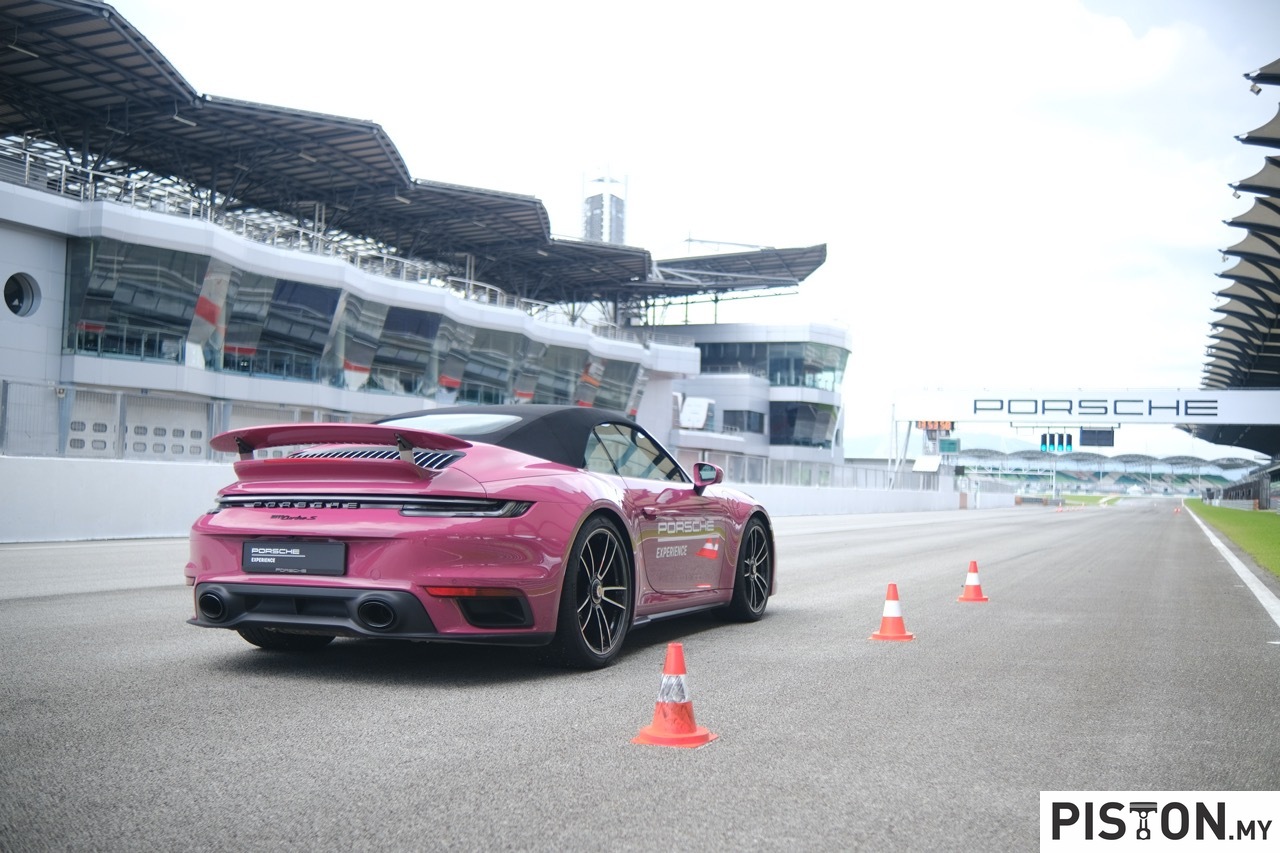
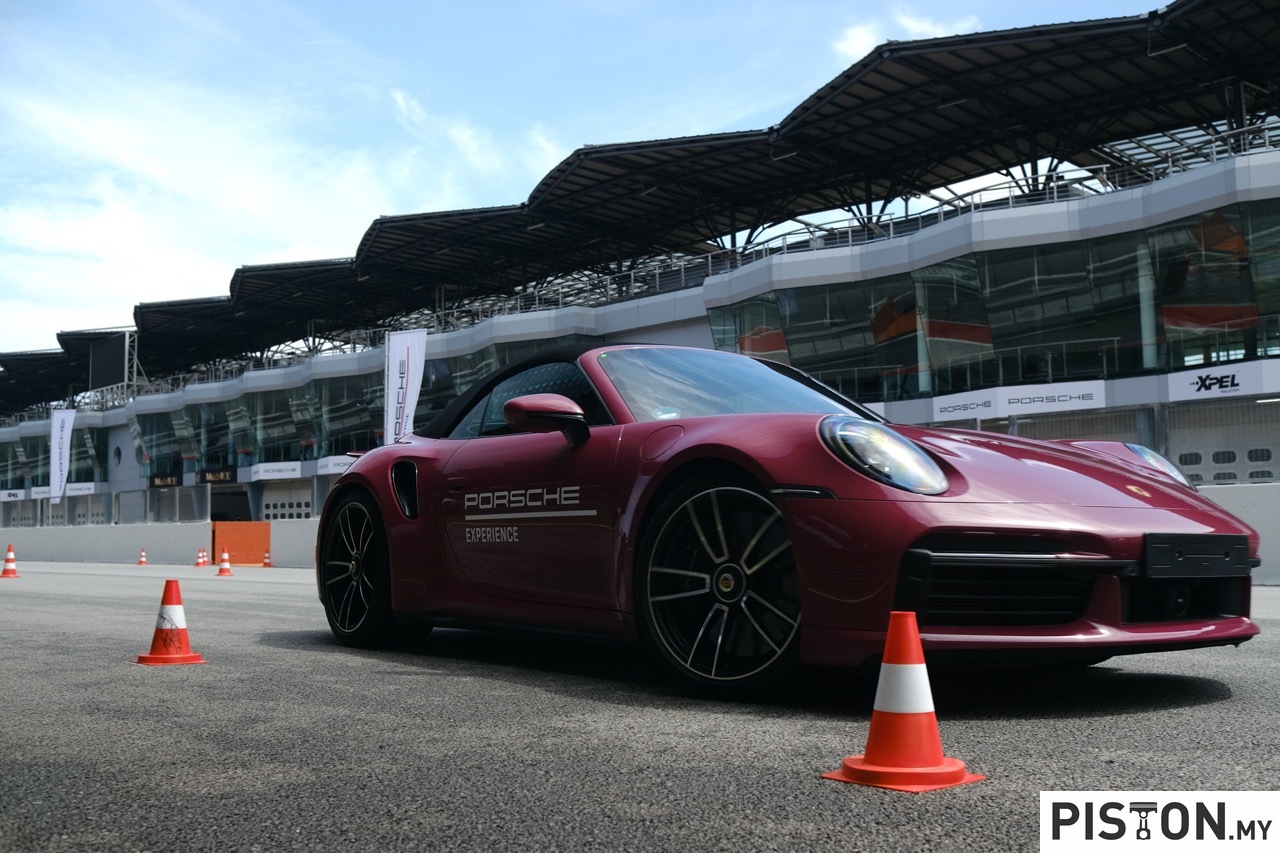
Porsche is preparing to expand its 992.2-generation 911 lineup with the introduction of the new Turbo S variant, which is expected to debut later this year. The announcement was made by Porsche CEO Oliver Blume during the company’s half-year earnings briefing, marking a significant step in the brand’s transition towards electrified performance models.

The forthcoming Turbo S will adopt a hybrid powertrain, a move that aligns with earlier confirmations by former Chief Financial Officer Lutz Meschke in late 2024. The electrified setup signals Porsche’s intent to blend traditional performance with next-generation technology across its iconic 911 range. A standard Turbo model without the “S” badge is also anticipated to follow.

The hybrid system in the new 911 Turbo S will be powered by battery cells developed by V4Drive GmbH, a company Porsche acquired from the Varta AG Group earlier this year. V4Drive, which has since been rebranded as V4Smart, also supplies the cylindrical batteries used in the 911 GTS’s T-Hybrid system. These 1.9-kilowatt-hour battery packs are currently manufactured at facilities in Ellwangen and Nördlingen, with Porsche planning to expand the workforce to 375 employees across both locations to support growing production demands for hybrid 911 models.

(more…)

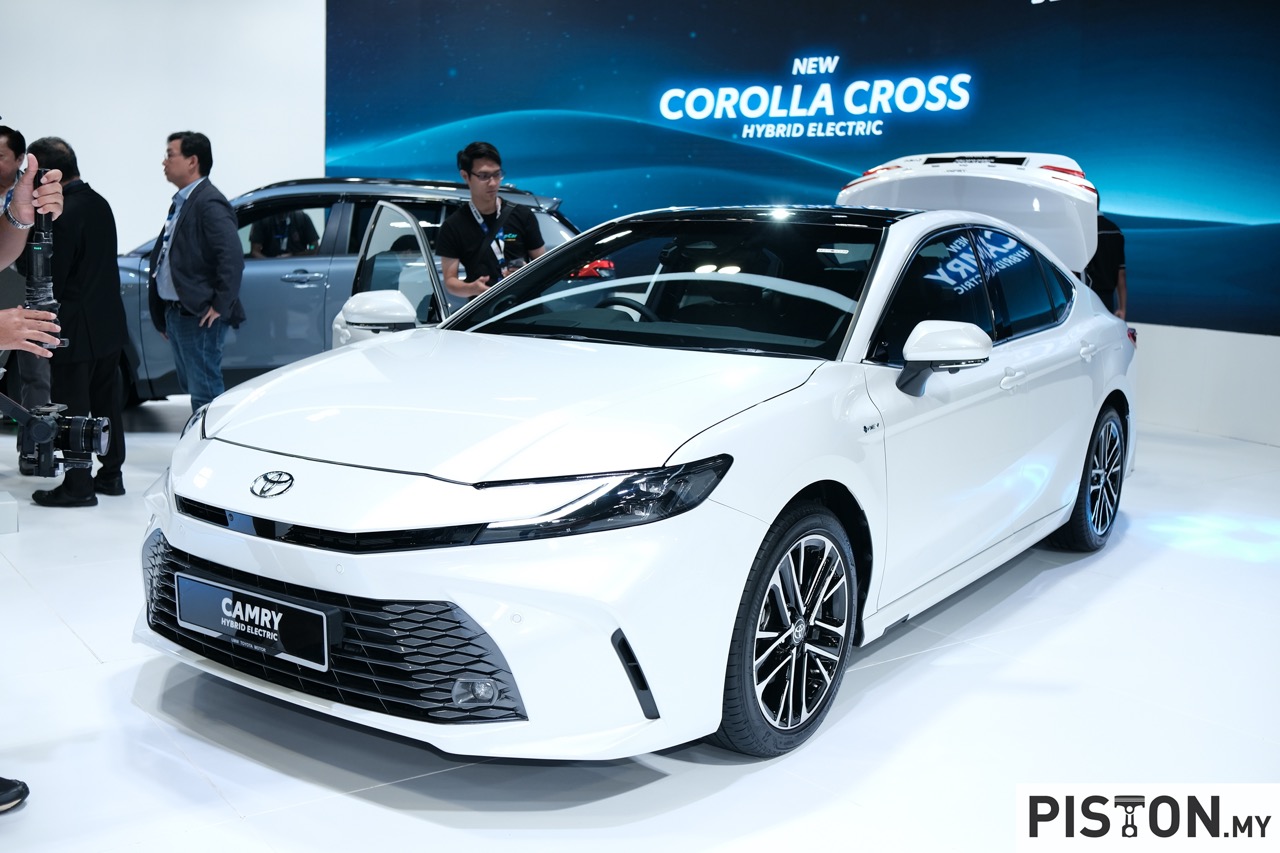
Toyota Motor is reshaping its supply strategy in Southeast Asia, turning to Chinese component manufacturers in Thailand as part of a broader cost-reduction initiative for its upcoming electrified vehicle set for launch in 2028. This strategic realignment, which involves substantial procurement from Chinese firms, marks a notable shift in Toyota’s traditional sourcing model and signals a broader transformation of the automotive landscape in the region.

Thailand, Toyota’s largest production hub in Southeast Asia, is at the centre of this shift. The Japanese automaker has begun to diversify its supplier base by incorporating parts from Chinese companies, a move that includes a partnership between Summit Group and China’s Wuhu Yuefei to establish a new components factory. This collaboration marks the first formal entry of a Chinese parts manufacturer into the Southeast Asian supply chain of a Japanese automotive firm.

The decision reflects growing pressure on Japanese carmakers in the Thai market, where their dominance is waning. Japanese brands now account for 71% of the market share, a drop that coincides with the steady rise of Chinese automakers, whose share has climbed to 16%. The increasing presence of Chinese manufacturers has not only altered market dynamics but also brought more competitive pricing and production advantages.

(more…)

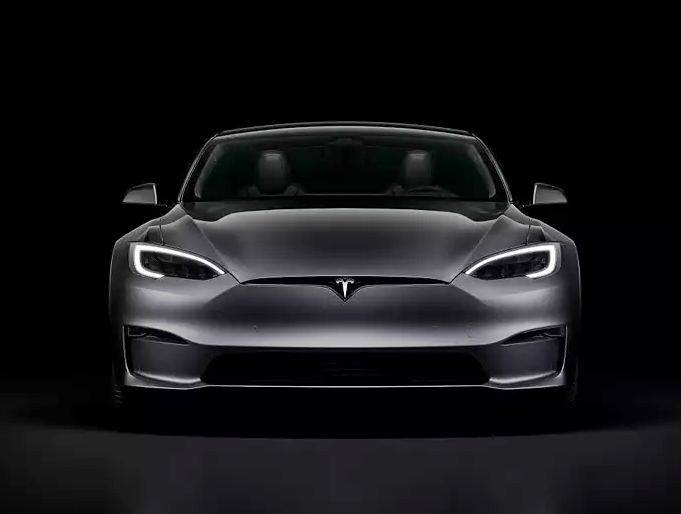
A federal jury in Miami has ruled that Tesla shares responsibility for a fatal 2019 crash involving its Autopilot system, ordering the electric vehicle manufacturer to pay $243 million (around RM1.1 billion) in punitive and compensatory damages. The verdict follows a two-week trial examining the role of Tesla’s self-driving technology in the death of 22-year-old Naibel Benavides Leon.

The case revolved around a collision in which a Tesla Model S, driven by George McGee and equipped with Autopilot, ran through a T-shaped intersection, striking Leon and her boyfriend, Dillon Angulo. Leon died at the scene, while Angulo suffered severe, life-altering injuries. At the time of the crash, McGee had reportedly dropped his phone and lost control of the vehicle. Although the driver admitted fault, the jury concluded that Tesla’s software also played a significant role in the incident.

The plaintiffs were awarded $200 million in punitive damages and approximately $43 million in compensatory damages. The jury’s decision indicates that Tesla’s technology did not perform as it should have, failing to prevent the crash despite data suggesting it recognised the impending danger.

Source: CBS News

(more…)

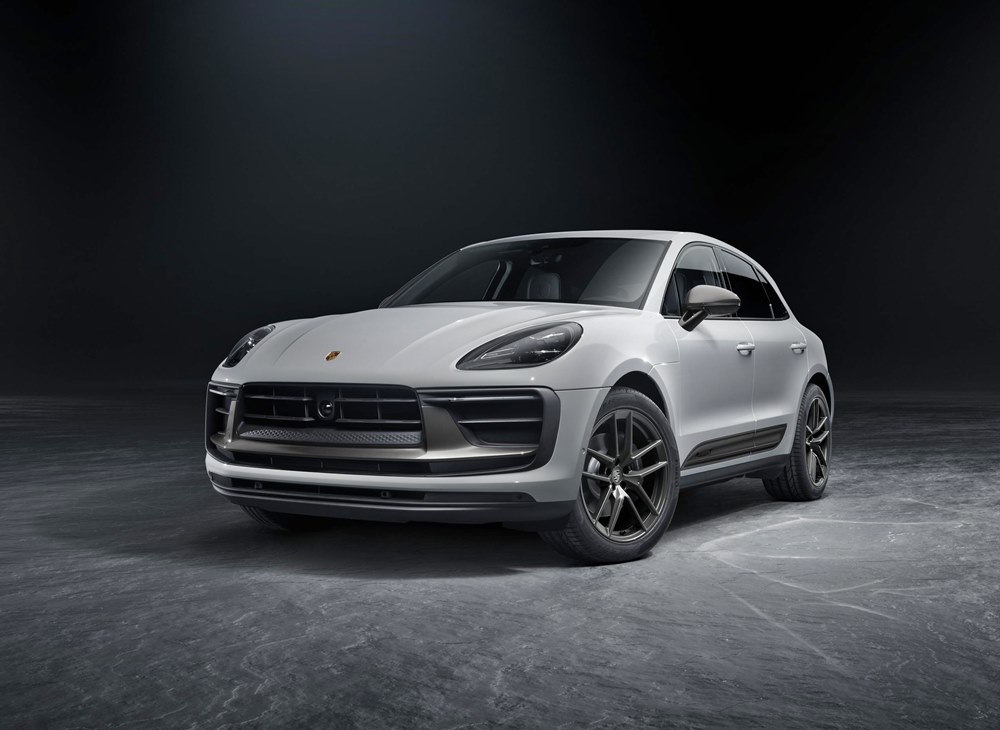
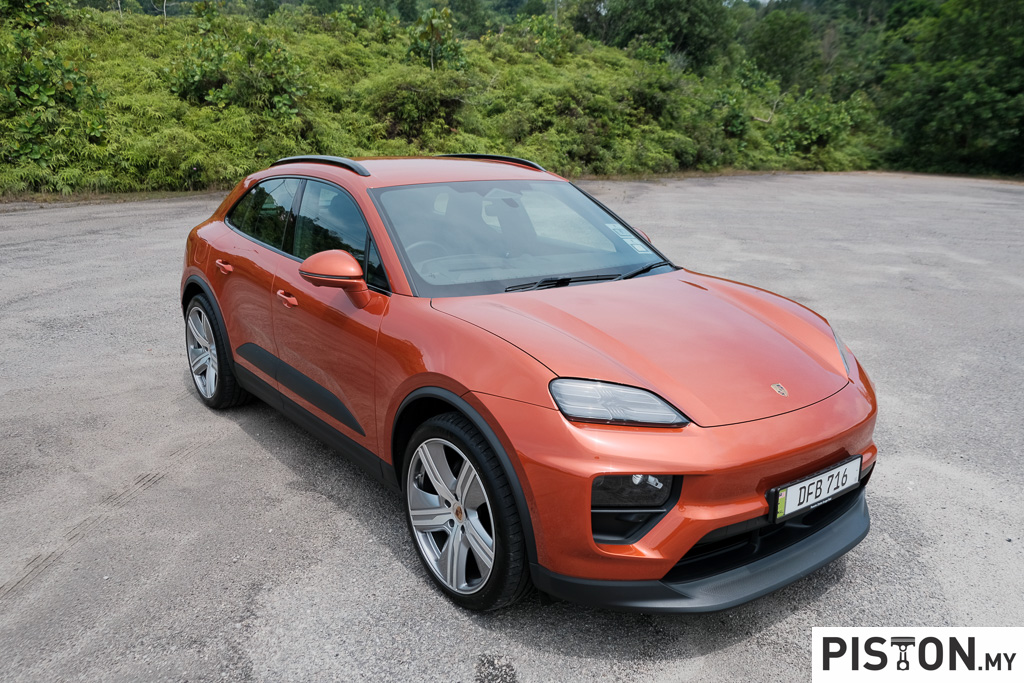
Porsche is set to introduce a new petrol-powered crossover by 2028, following the discontinuation of the first-generation Macan in Europe. The move comes amid tightening safety regulations and a reassessment of market demand for electric vehicles.

The original Macan was withdrawn from the European market in 2024 due to its failure to comply with the updated General Safety Regulation (GSR2), which came into effect in July. While the model will continue to be sold in markets not subject to these rules, global production is expected to cease in 2026, bringing the chapter on Porsche’s best-selling compact SUV to a close.

During the first-half earnings call for 2025, Porsche CEO Oliver Blume confirmed that the company has fast-tracked development of an entirely new combustion-engine crossover. He described the upcoming vehicle as a model that will be unmistakably Porsche, aimed at the same segment as the outgoing Macan but distinctly different from the forthcoming all-electric Macan.

Macan EV

Blume emphasised that the development timeline is being condensed to ensure the new SUV reaches showrooms within three years. Although specific technical details were not disclosed, the swift turnaround suggests Porsche may leverage Volkswagen Group’s Premium Platform Combustion (PPC) architecture. This is the same platform underpinning the latest Audi Q5, a vehicle that has already debuted with petrol, diesel, and hybrid powertrains.

(more…)

Archive

Follow us on Facebook

Follow us on YouTube