Piston.my

English

The smart brand has always been about rethinking mobility. Back in the late 1990s, it started out with quirky two-seater city cars that were perfect for tight European streets. 

Born from a collaboration between Mercedes-Benz and Swatch, the company made its name with the smart fortwo – a tiny, efficient runabout that quickly became iconic in cities like Paris and Berlin.
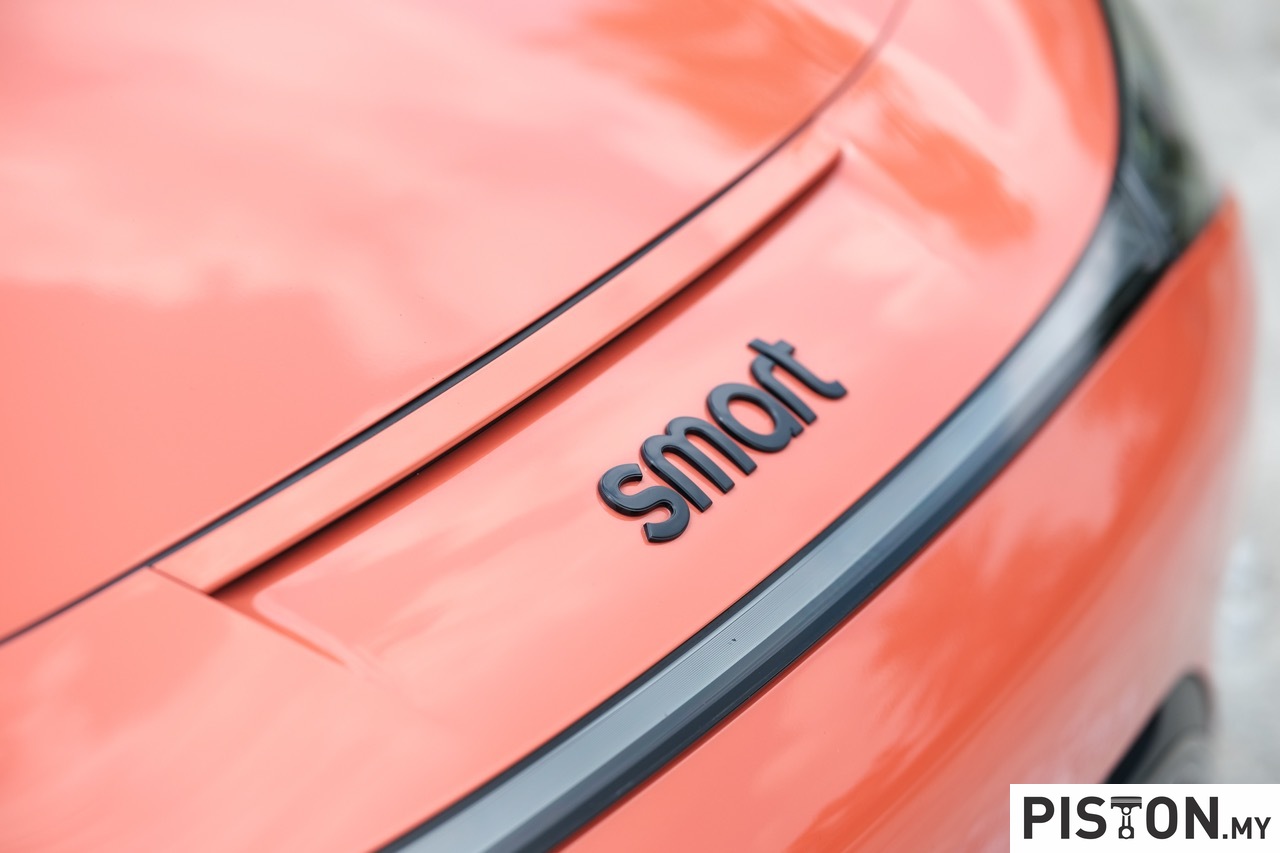
Fast forward to today, smart has evolved into a pure electric brand under the joint venture between Mercedes-Benz and Geely. By 2025, the brand’s image is no longer tied to compact oddballs, but instead stylish, high-tech EVs designed for global appeal. 

In Malaysia, smart is represented by Pro-Net, and the line-up currently includes the smart #1, the larger smart #3 and the soon-to-be-launched smart #5.
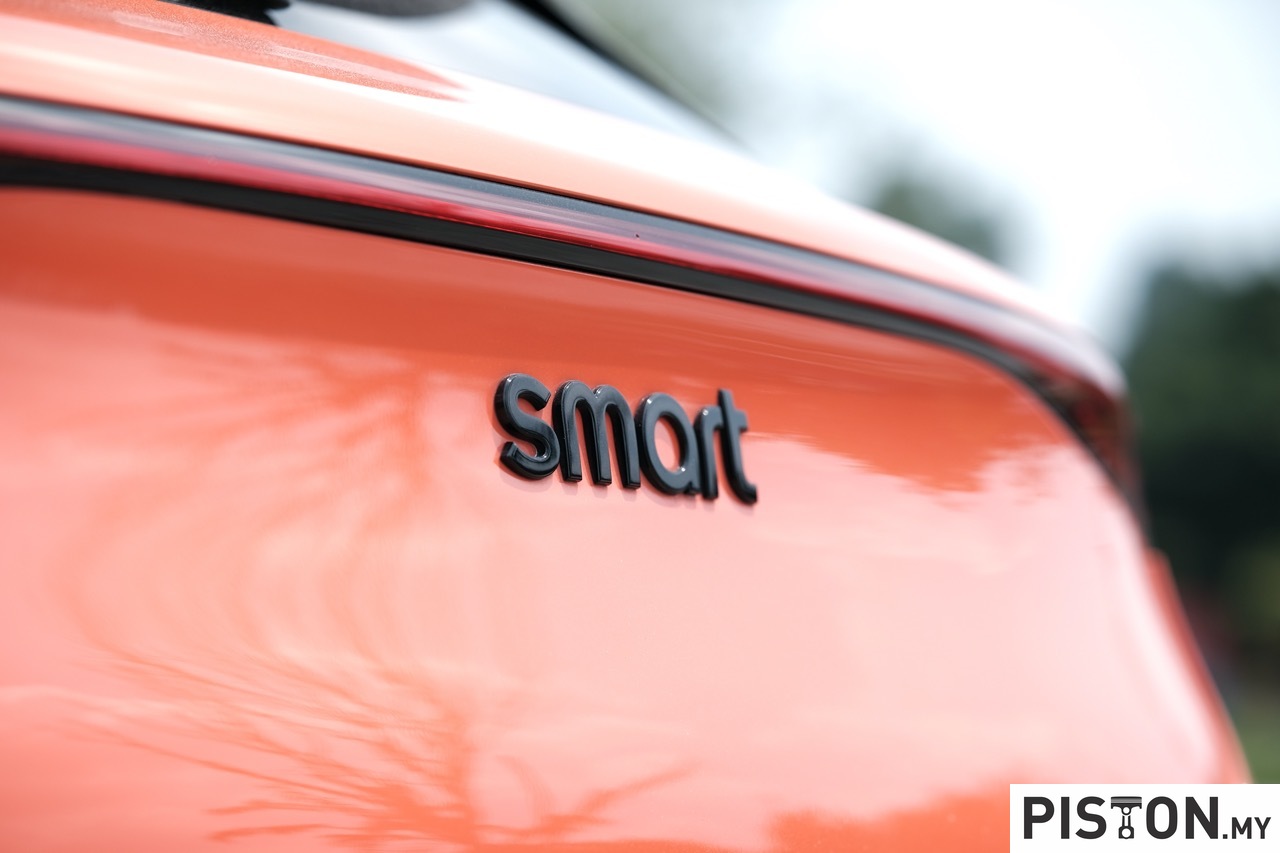
The #3 is a coupe-styled SUV aimed at those who want something more dynamic and sporty, and the Brabus version takes it up another level. 

I recently had the chance to drive it, and here’s how it felt from behind the wheel.
Bold First Impressions

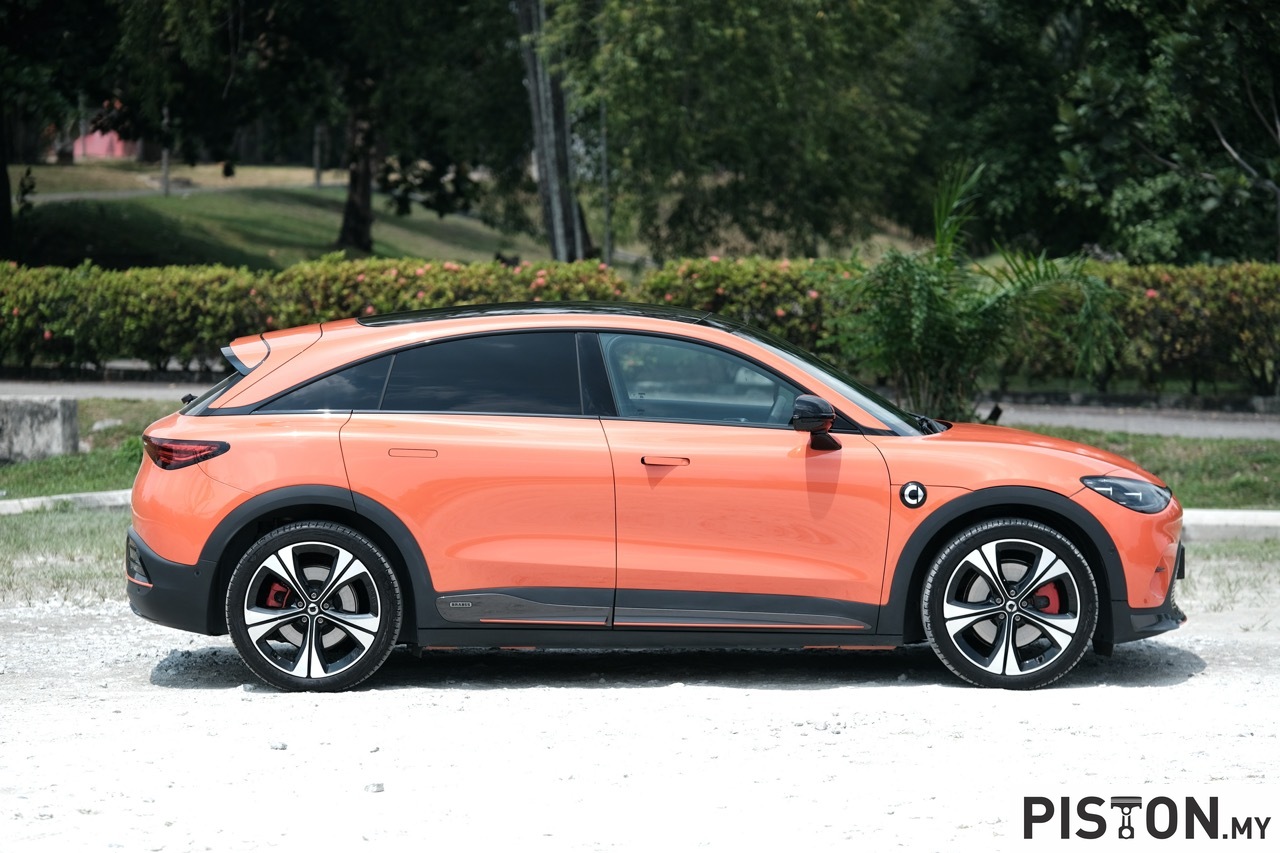
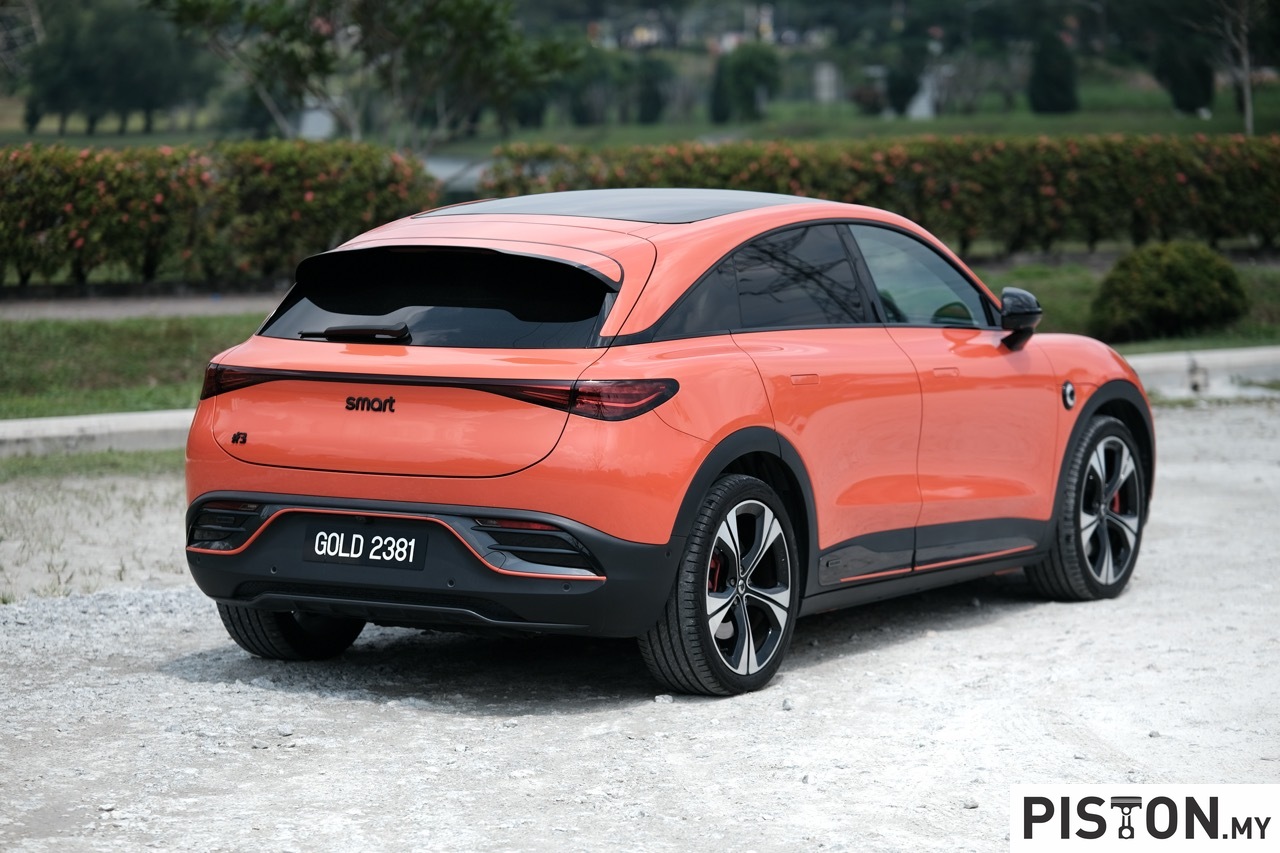
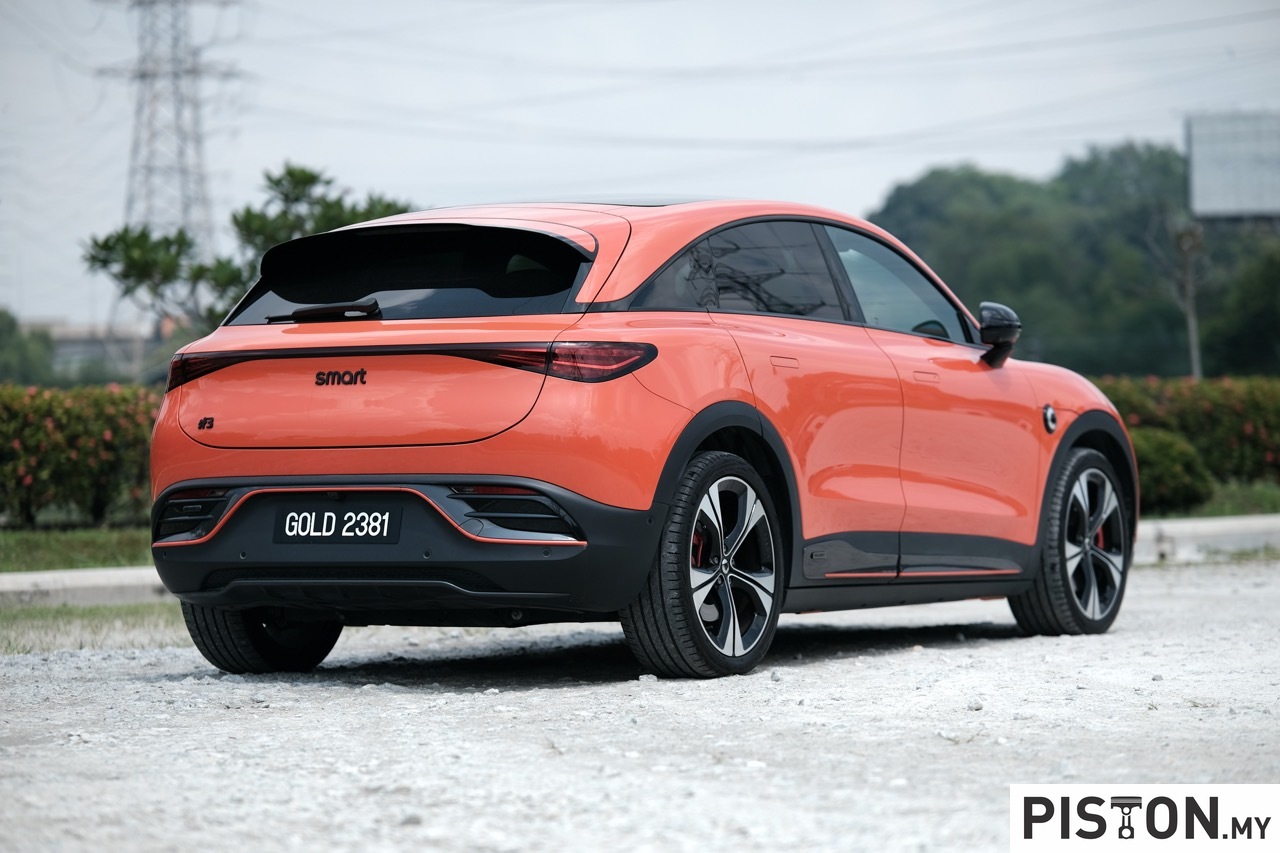
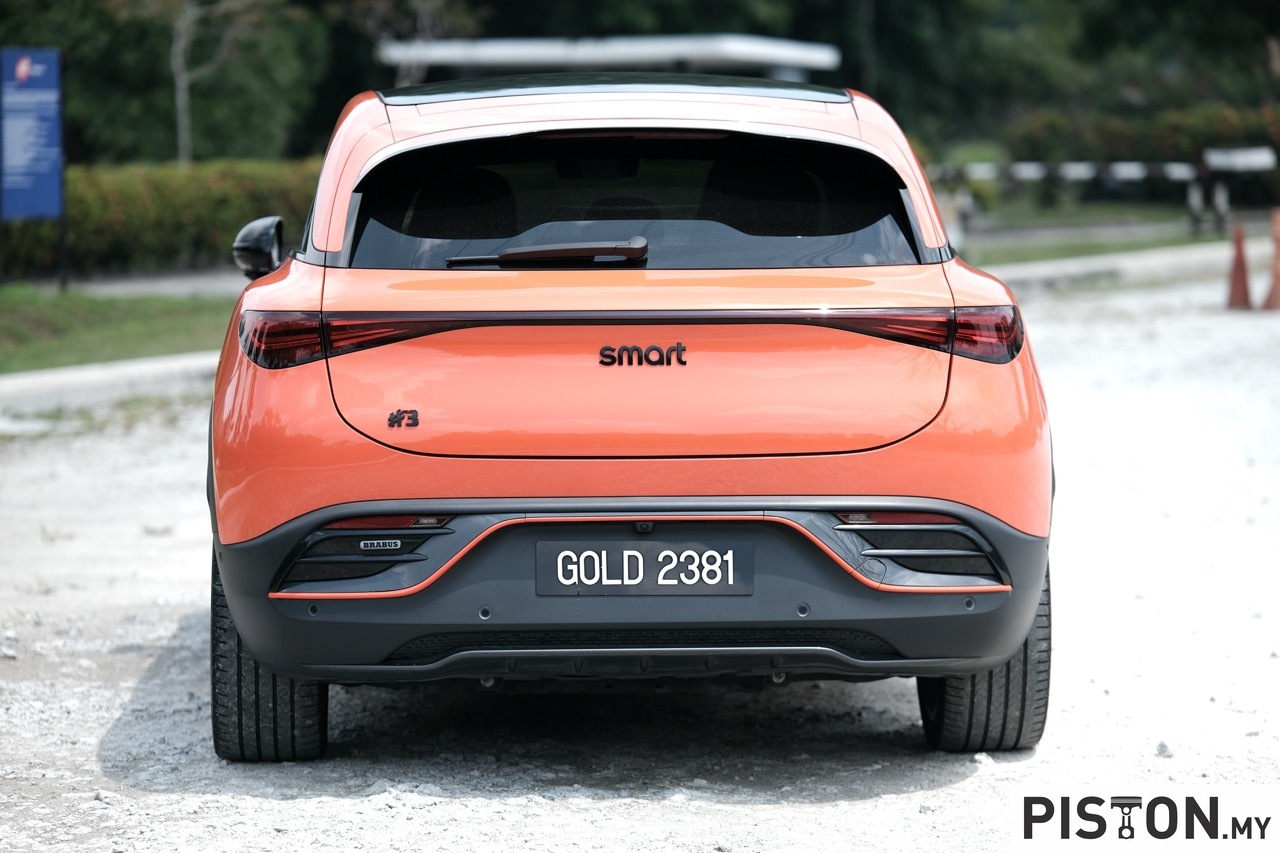
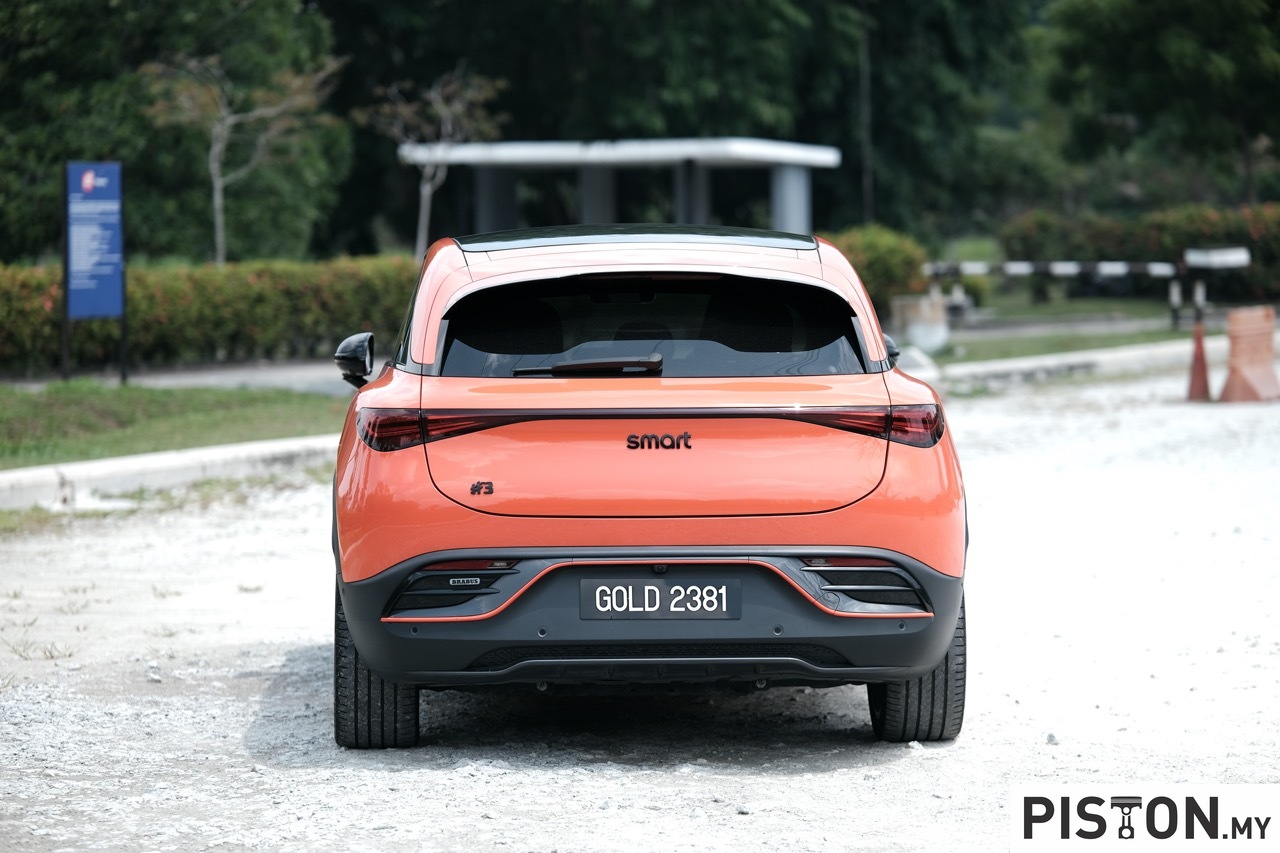
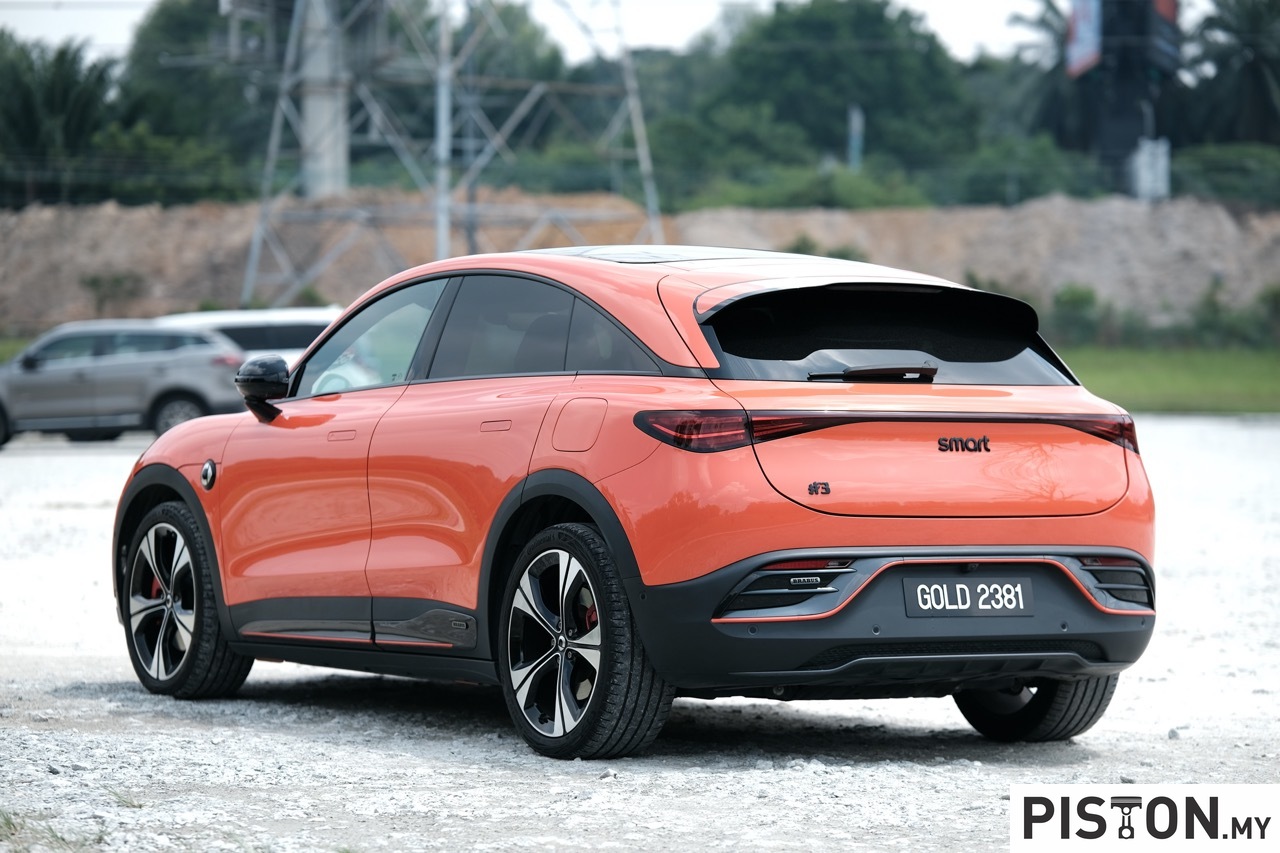
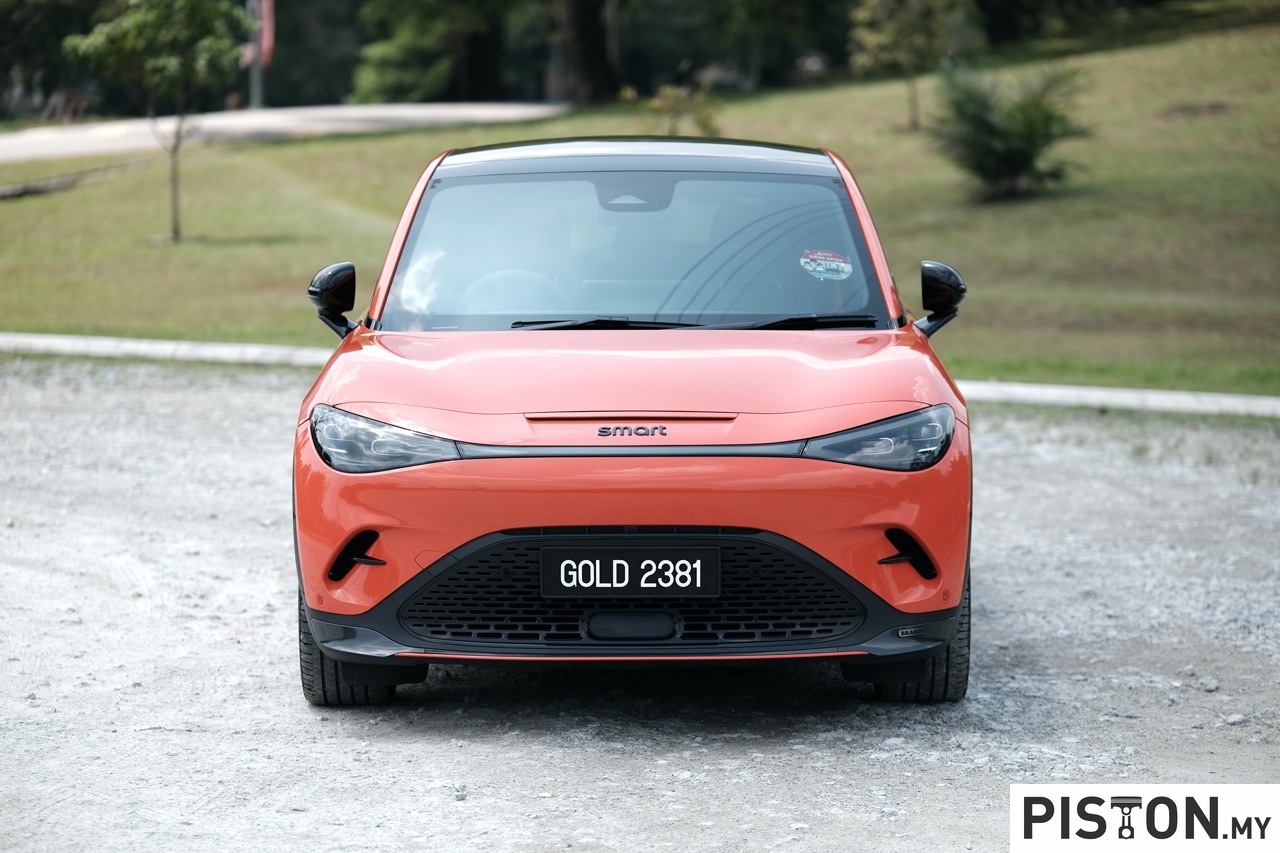
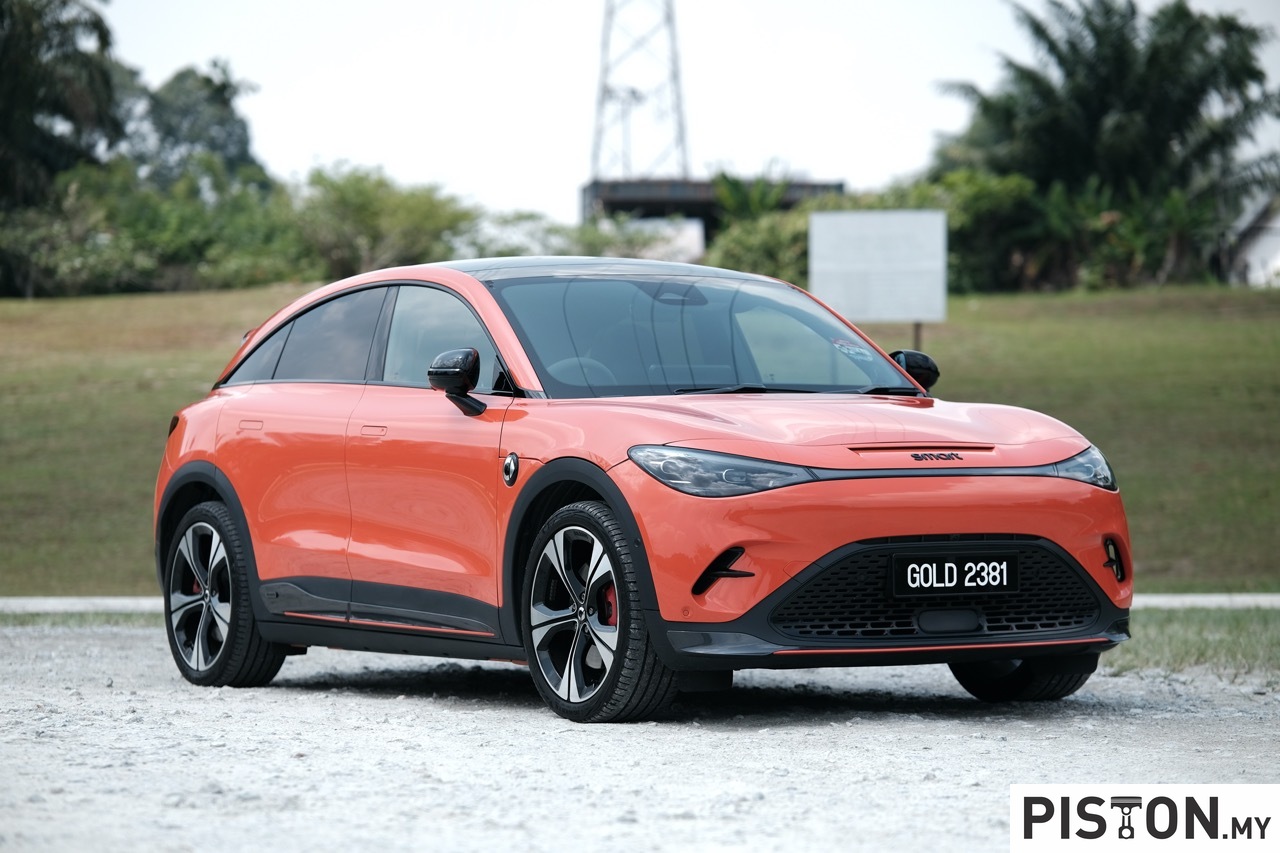
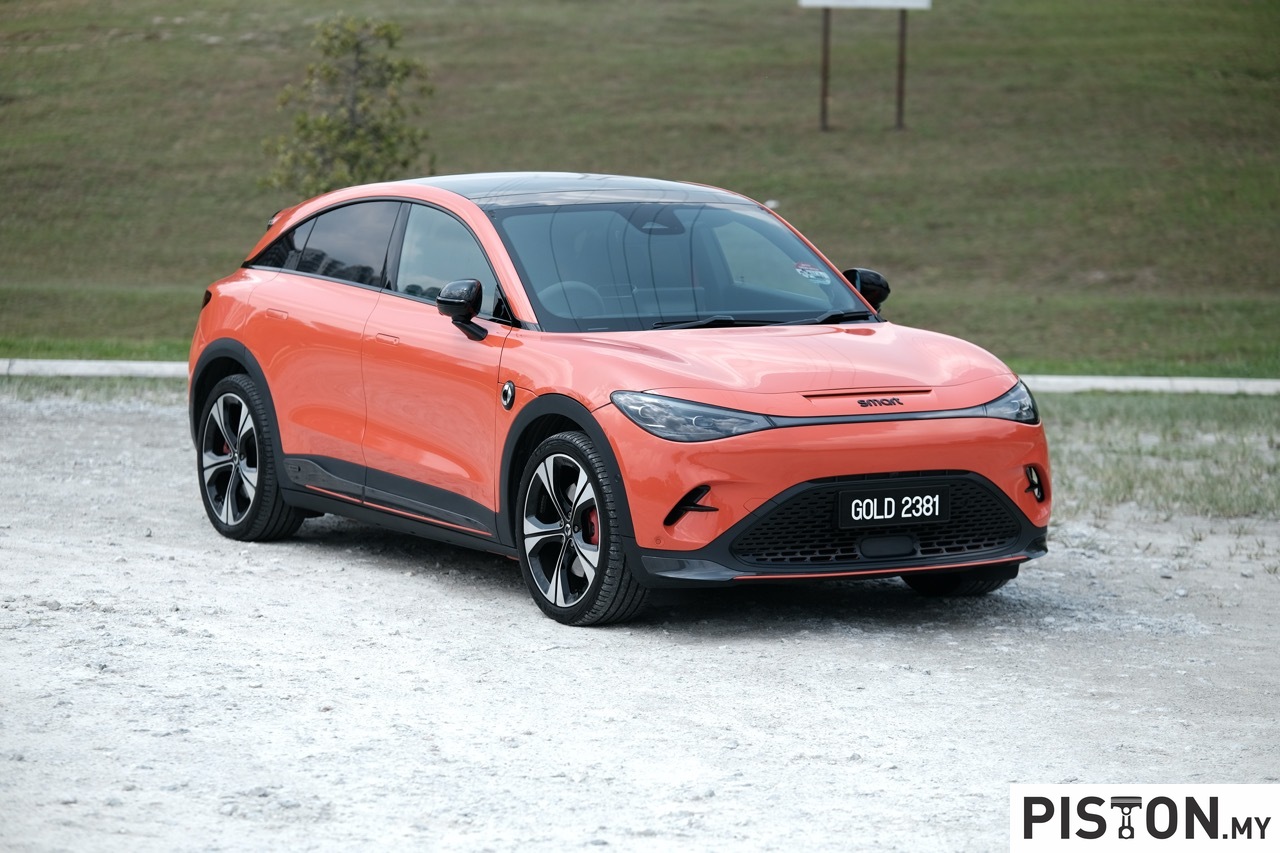
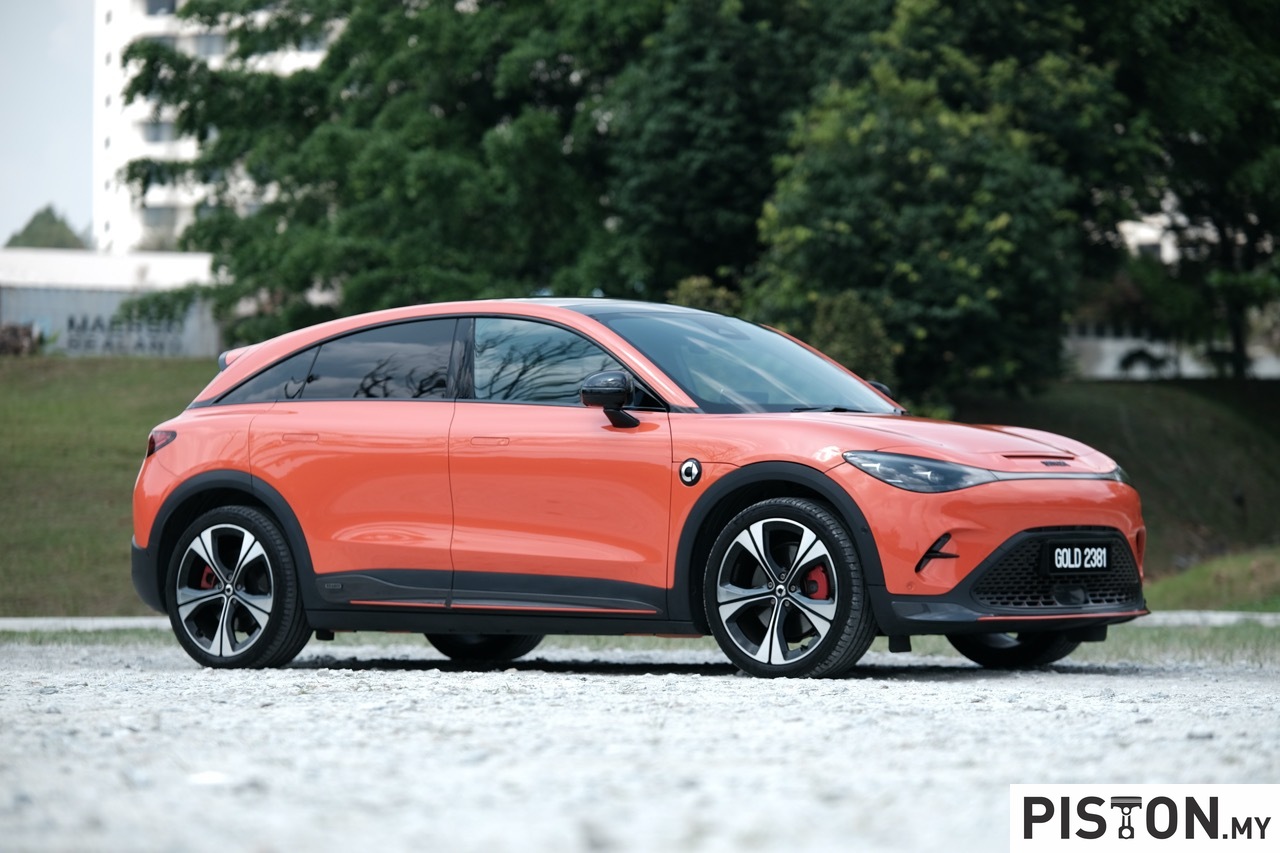
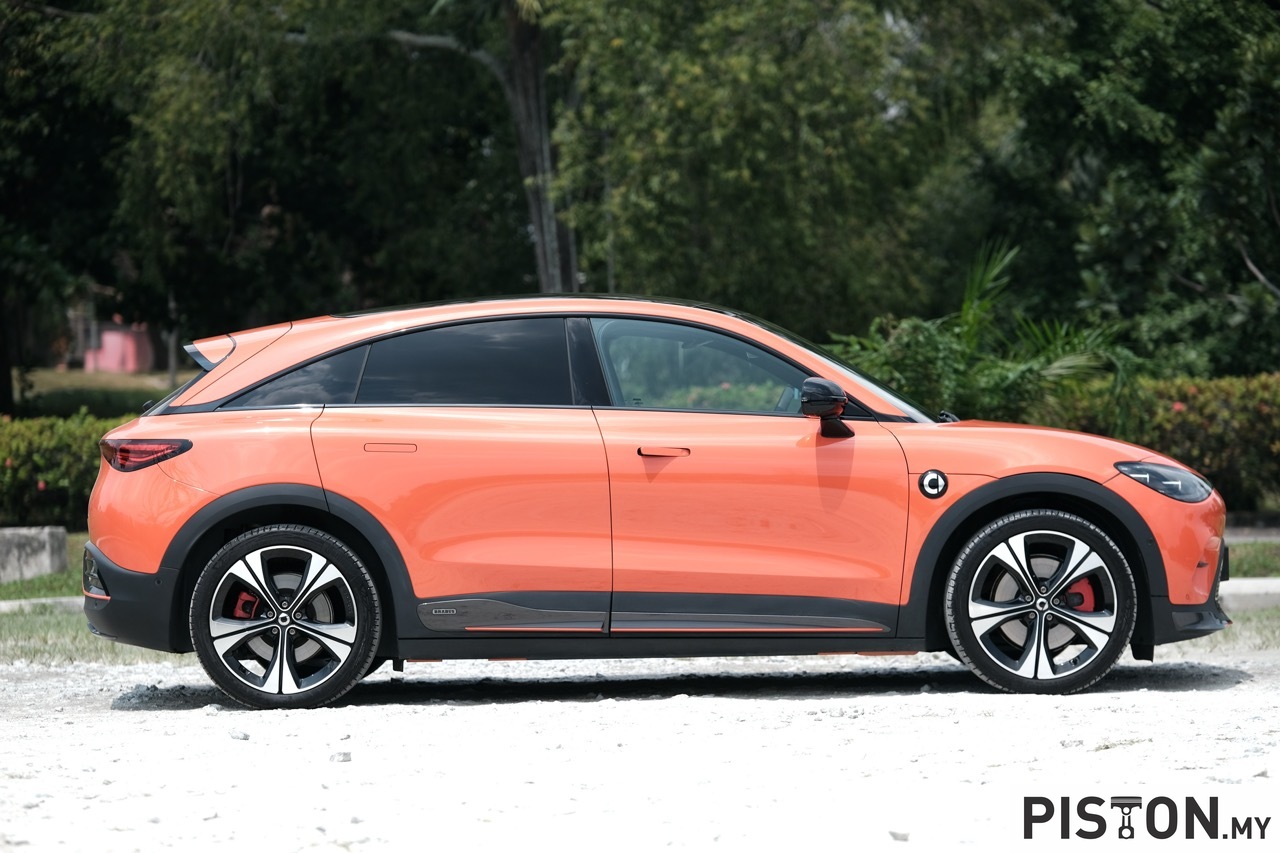
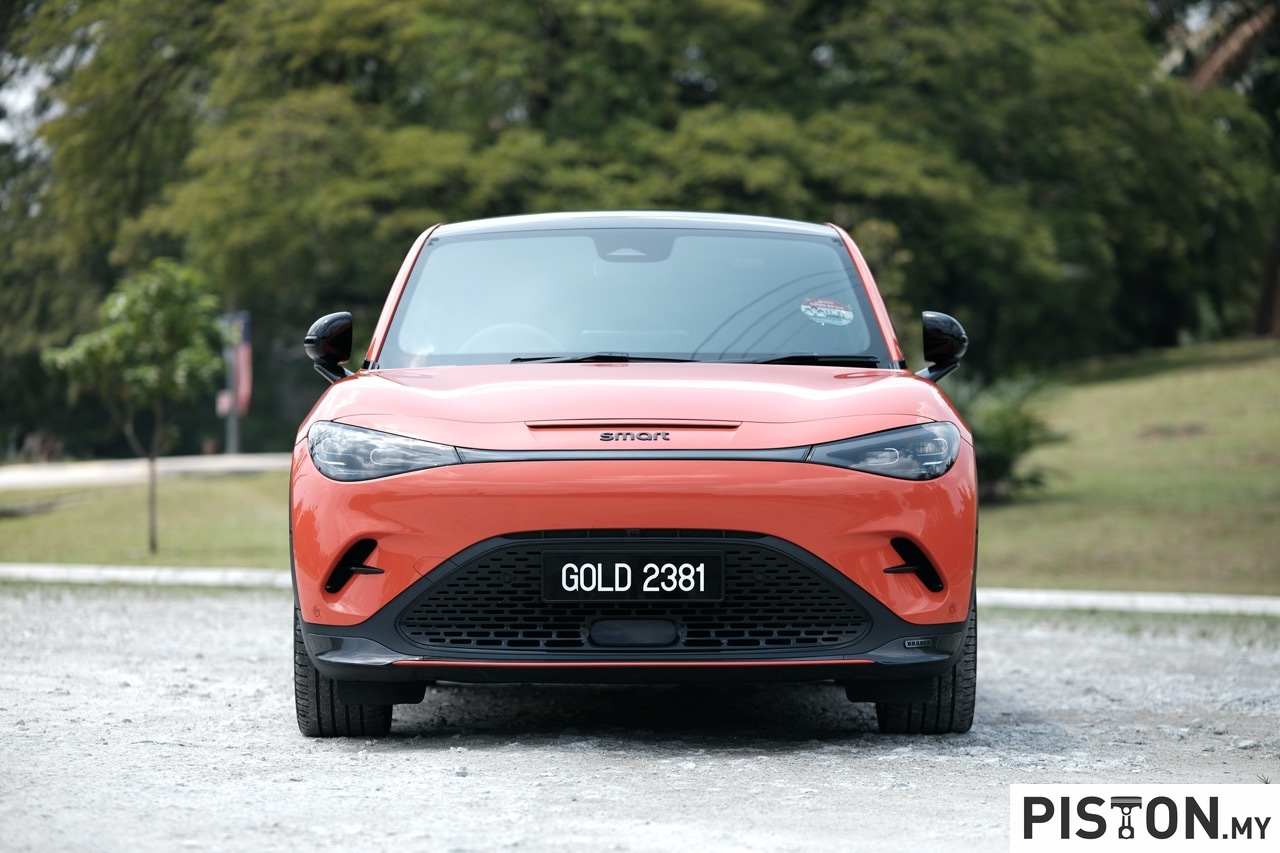
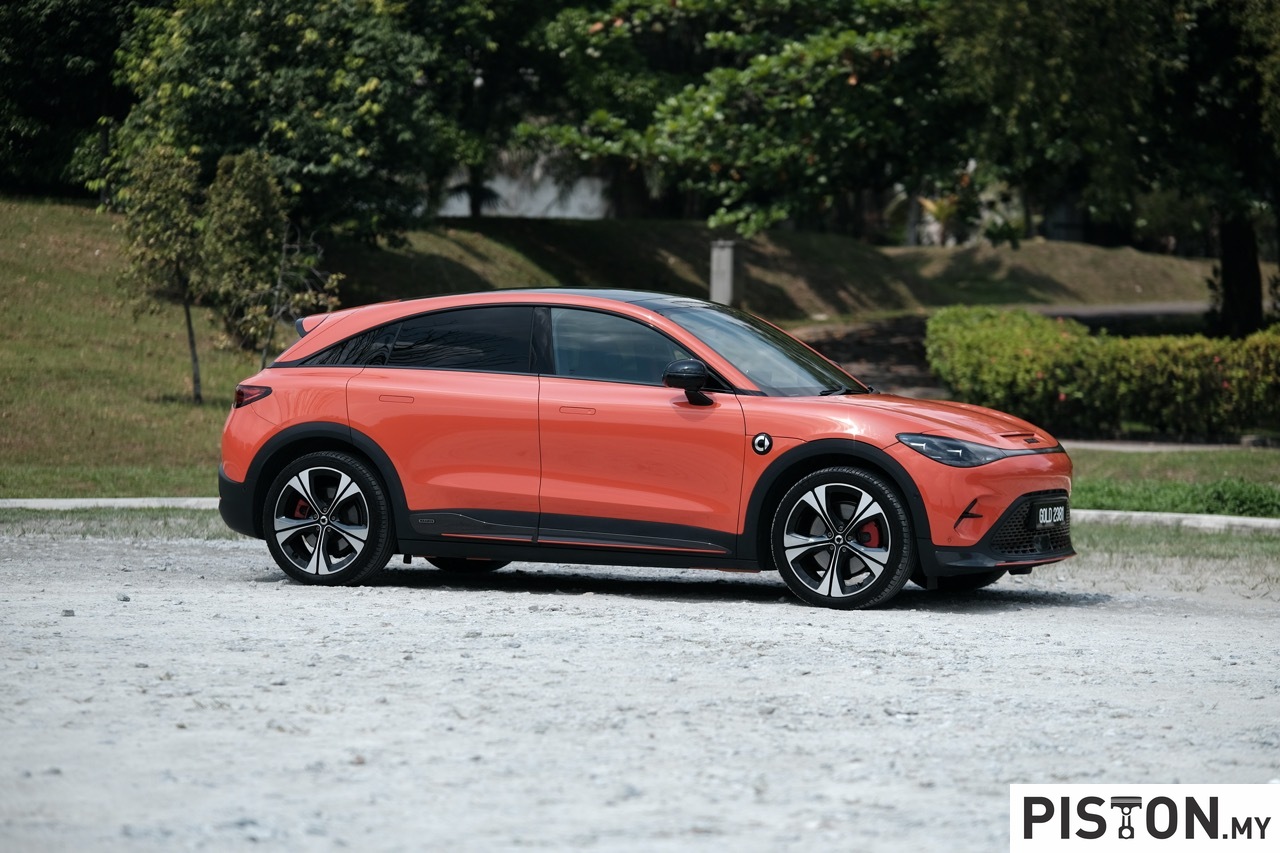
When I first saw the smart #3 Brabus in the metal, it was clear this car is designed to turn heads. Compared to the more upright smart #1, the #3 looks lower, sleeker, and sportier. 
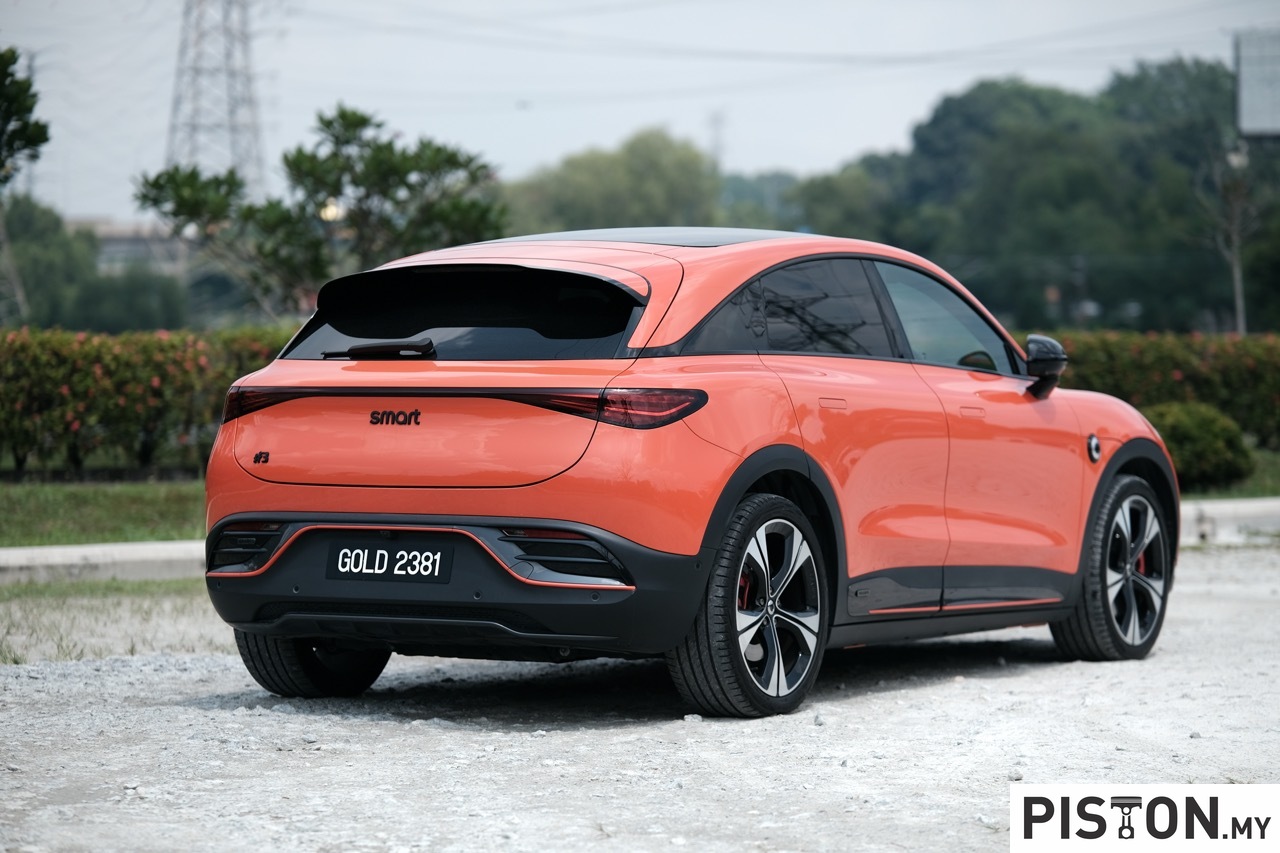
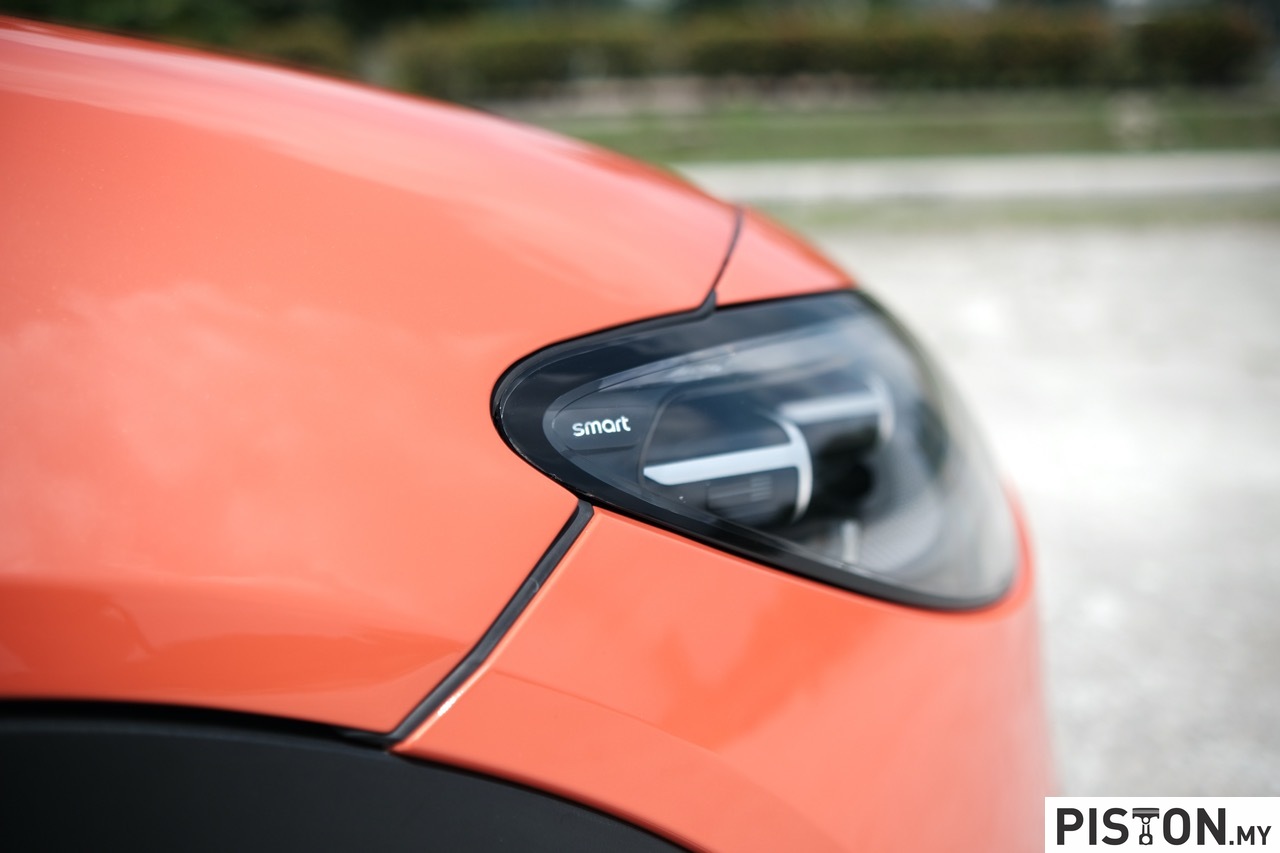
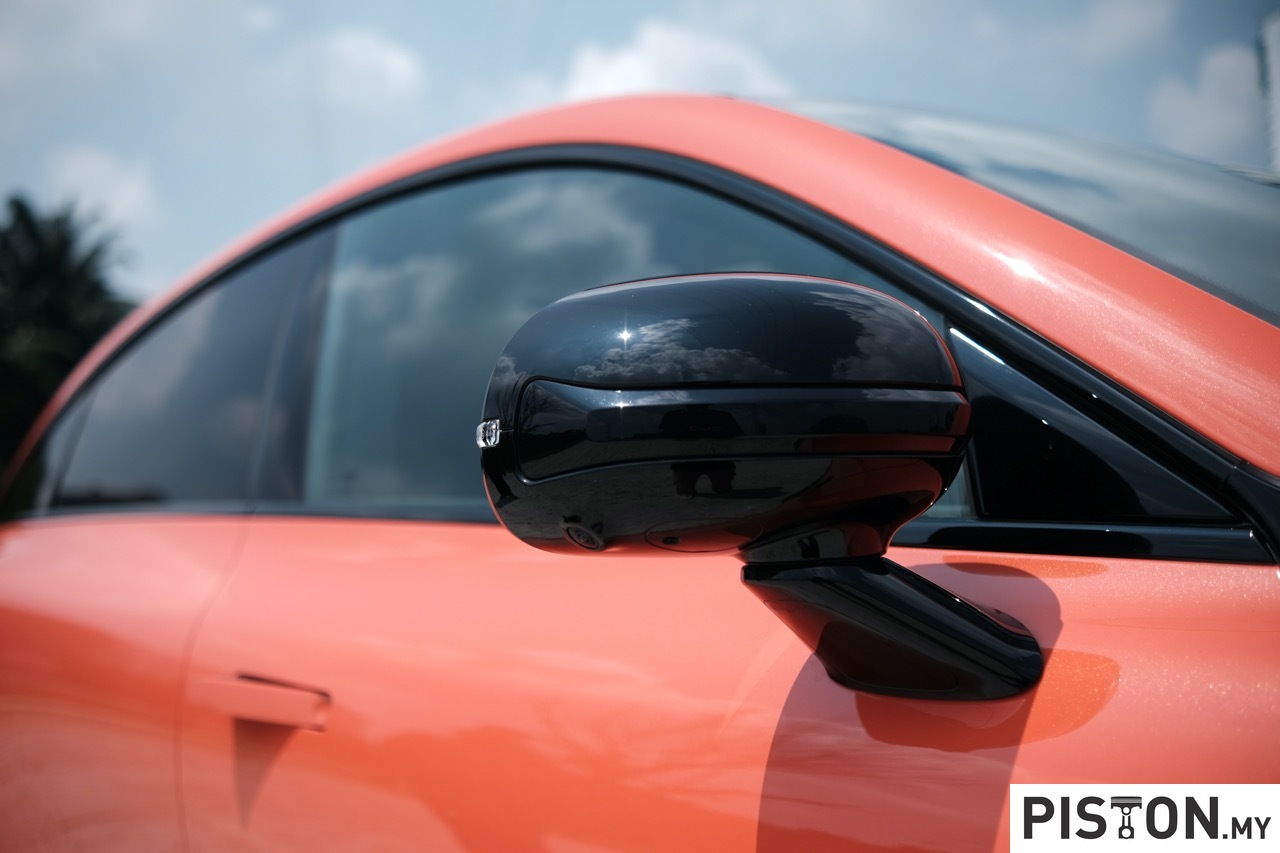
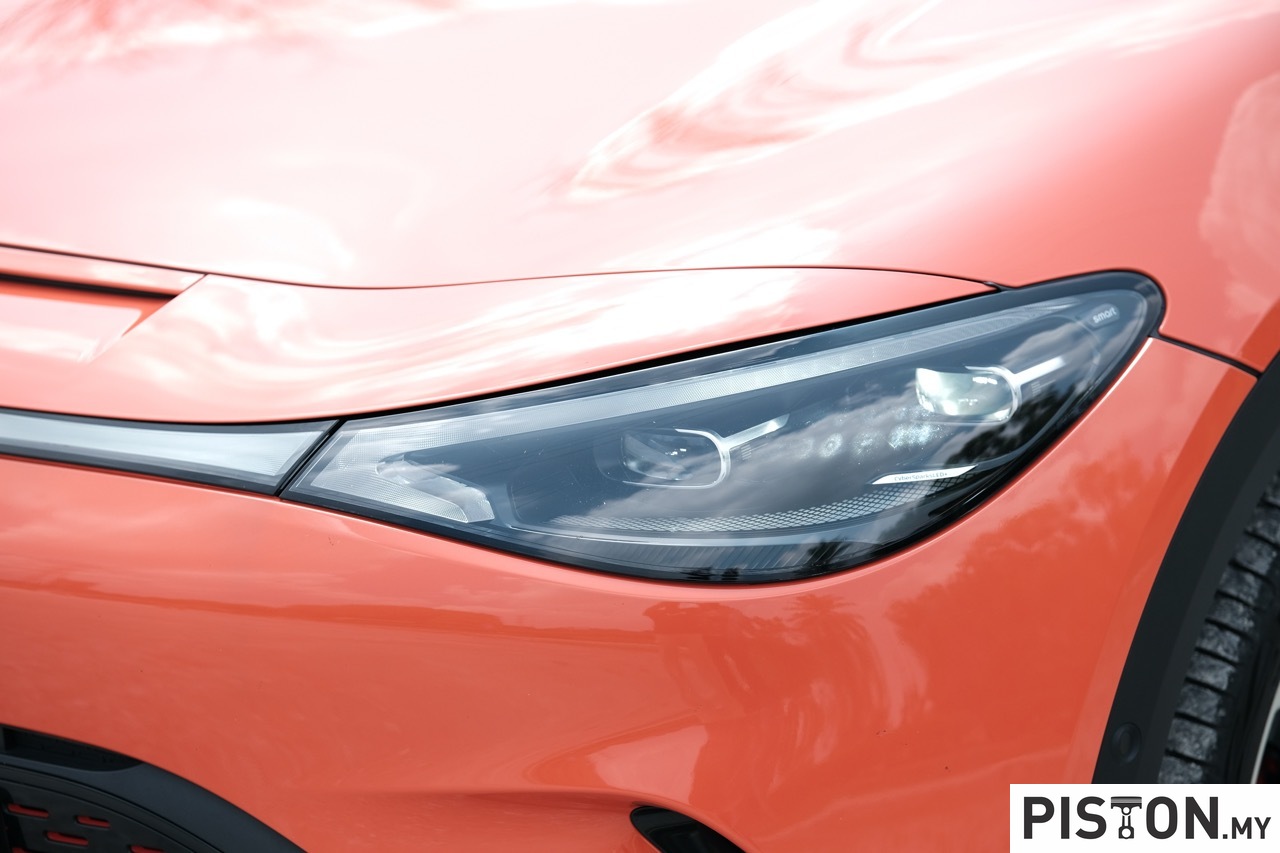
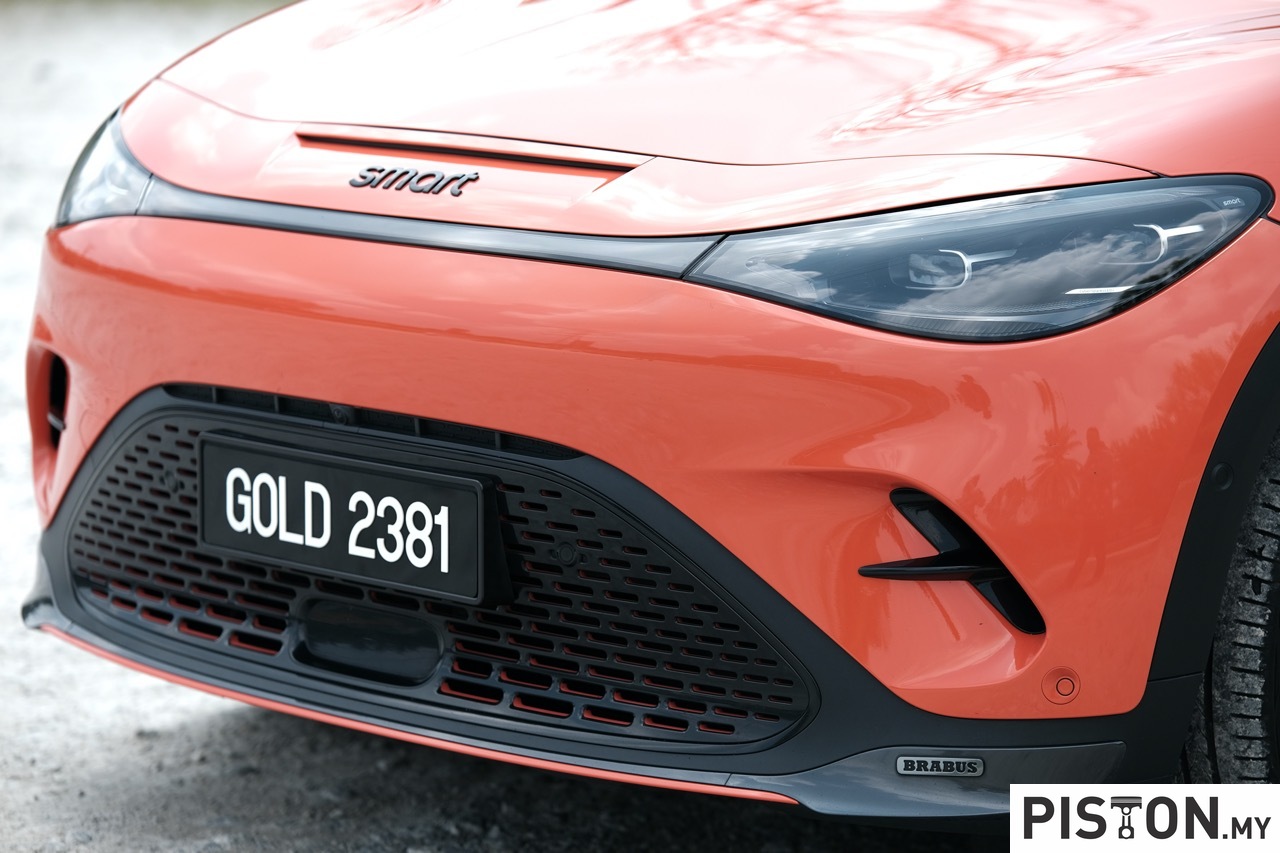
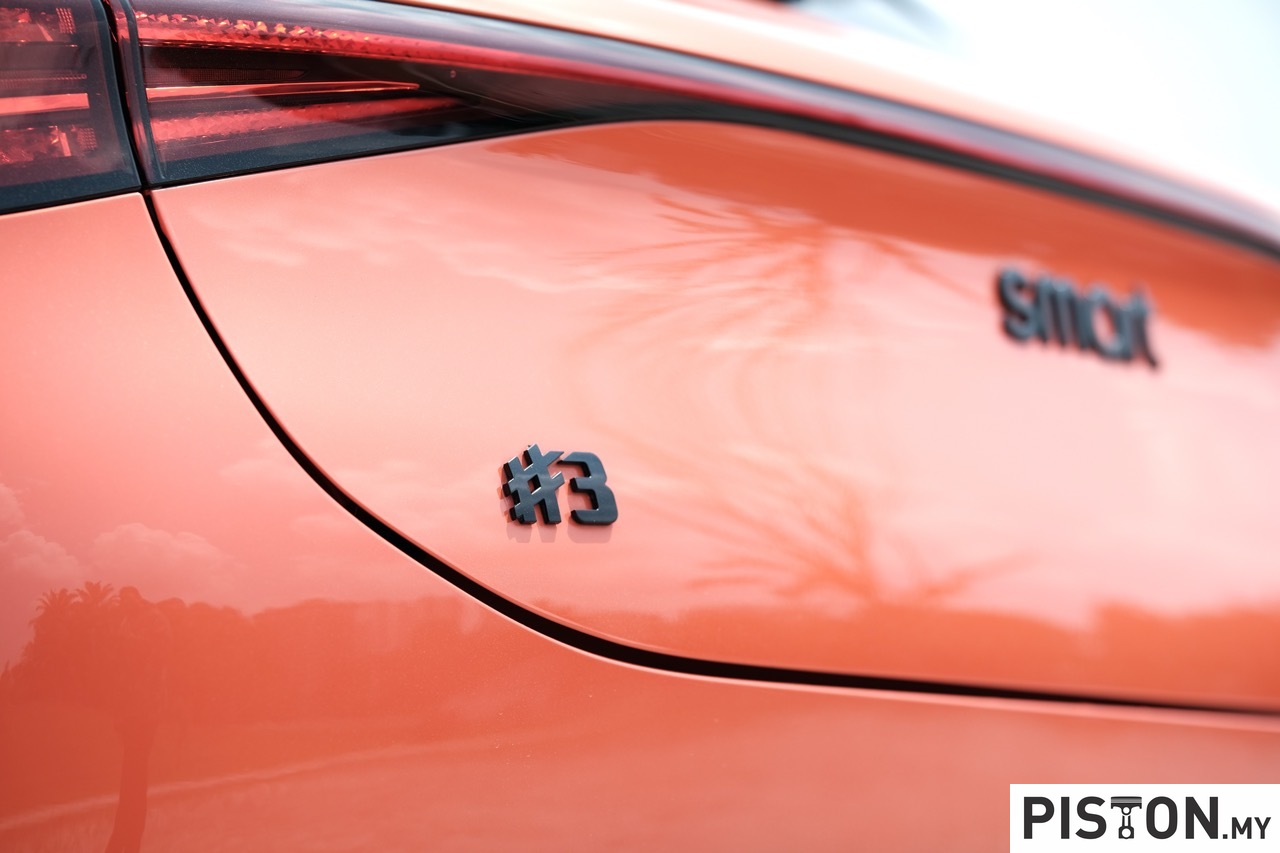
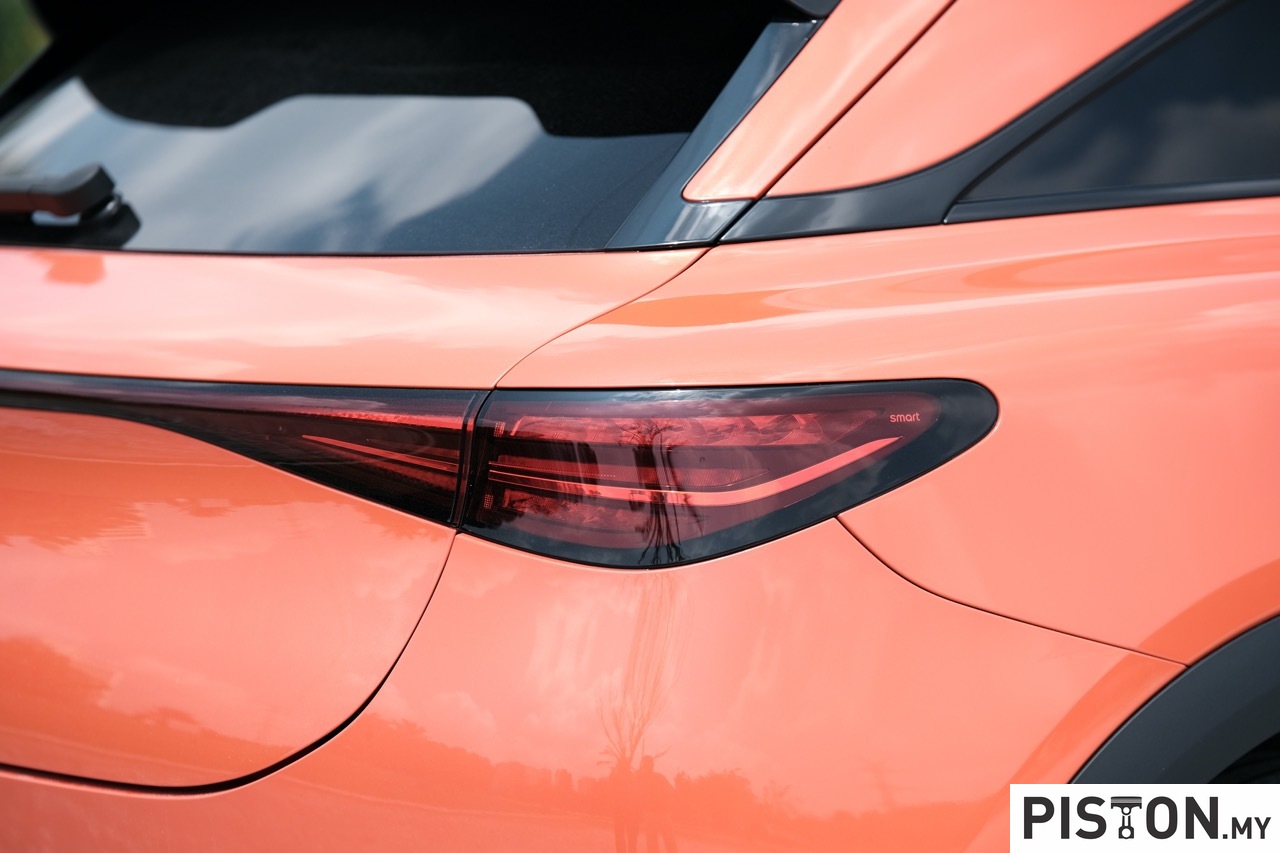
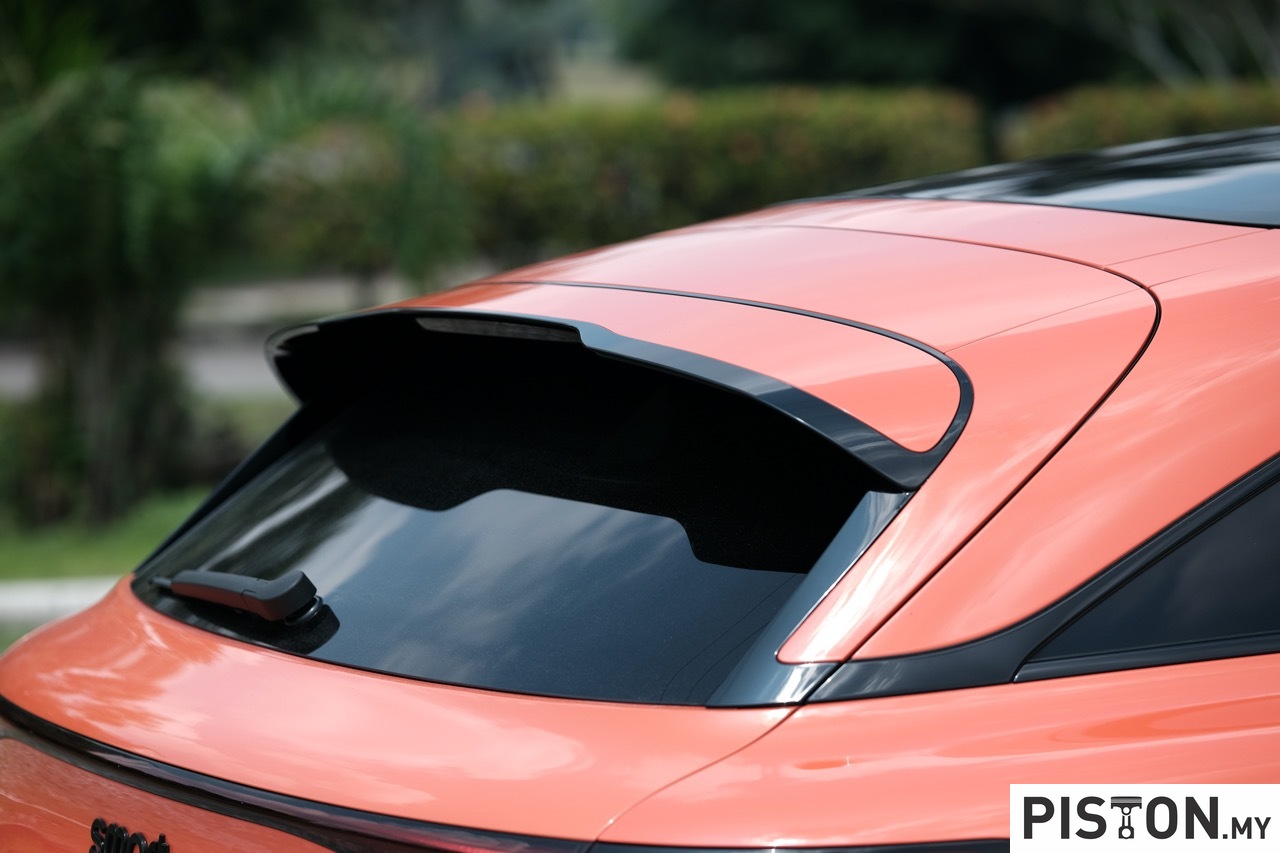
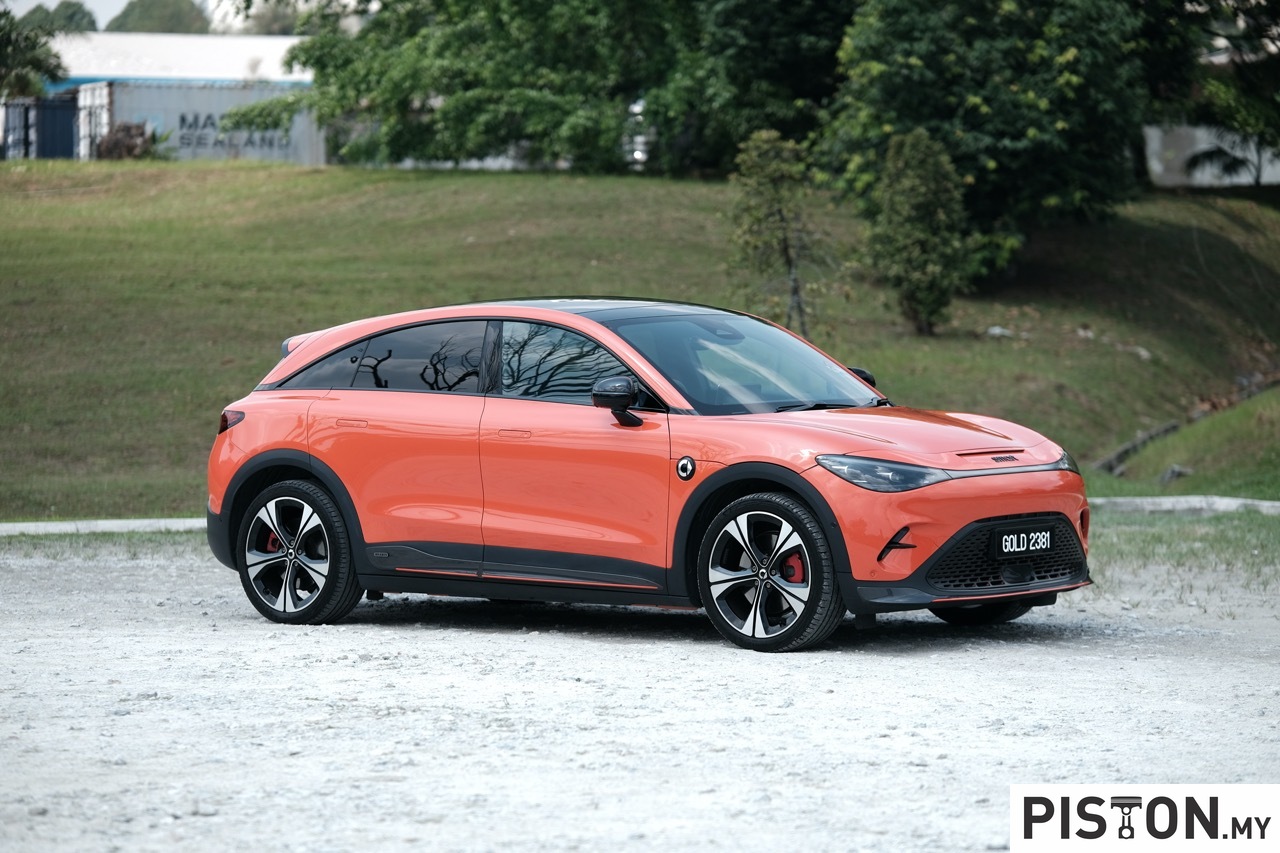
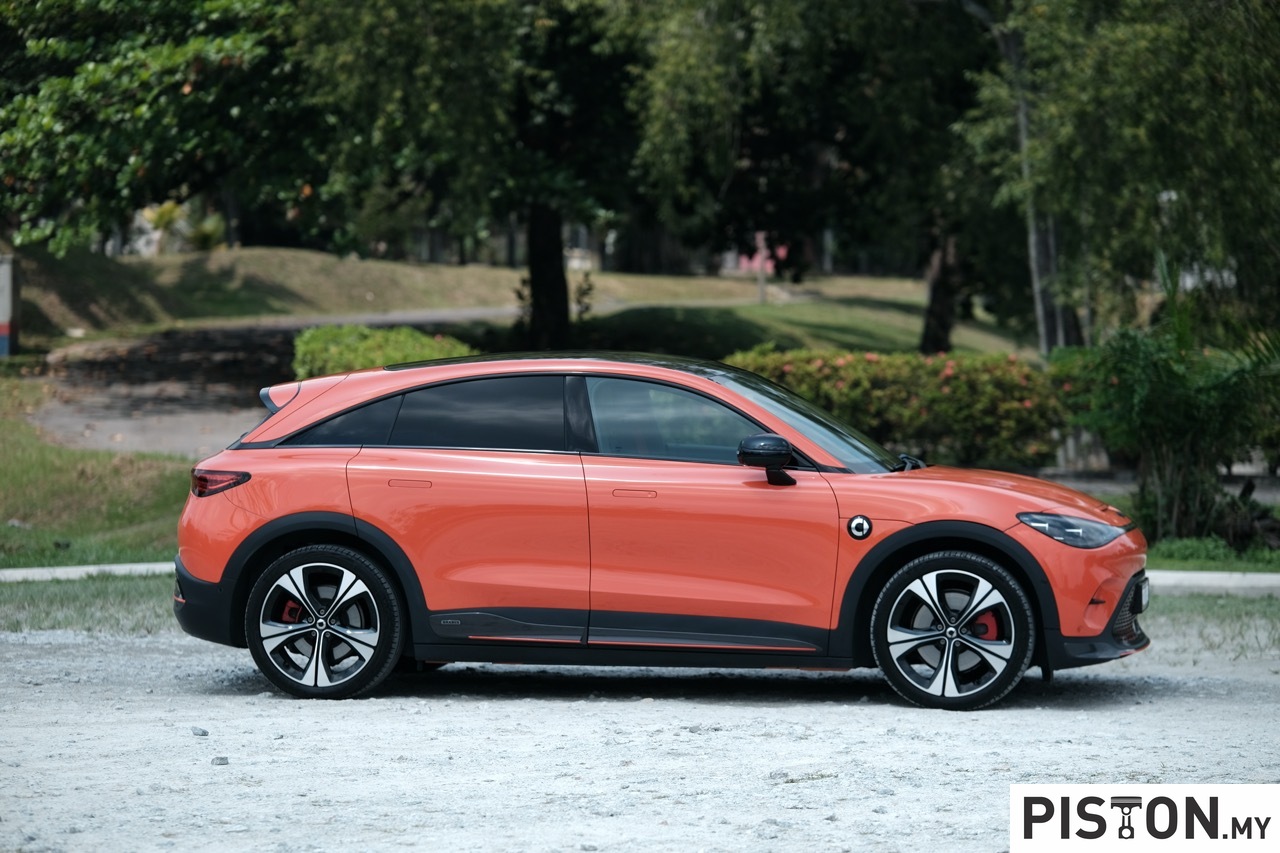
Although others have told me that the car looks too “bubbly” or “round,” to me, the coupe-SUV silhouette works really well in person, especially in the bold Photon Orange paint. The sculpted lines, slim LED headlights, and muscular rear arches all carry hints of Mercedes-Benz design DNA, which makes it look like it is about to pounce.

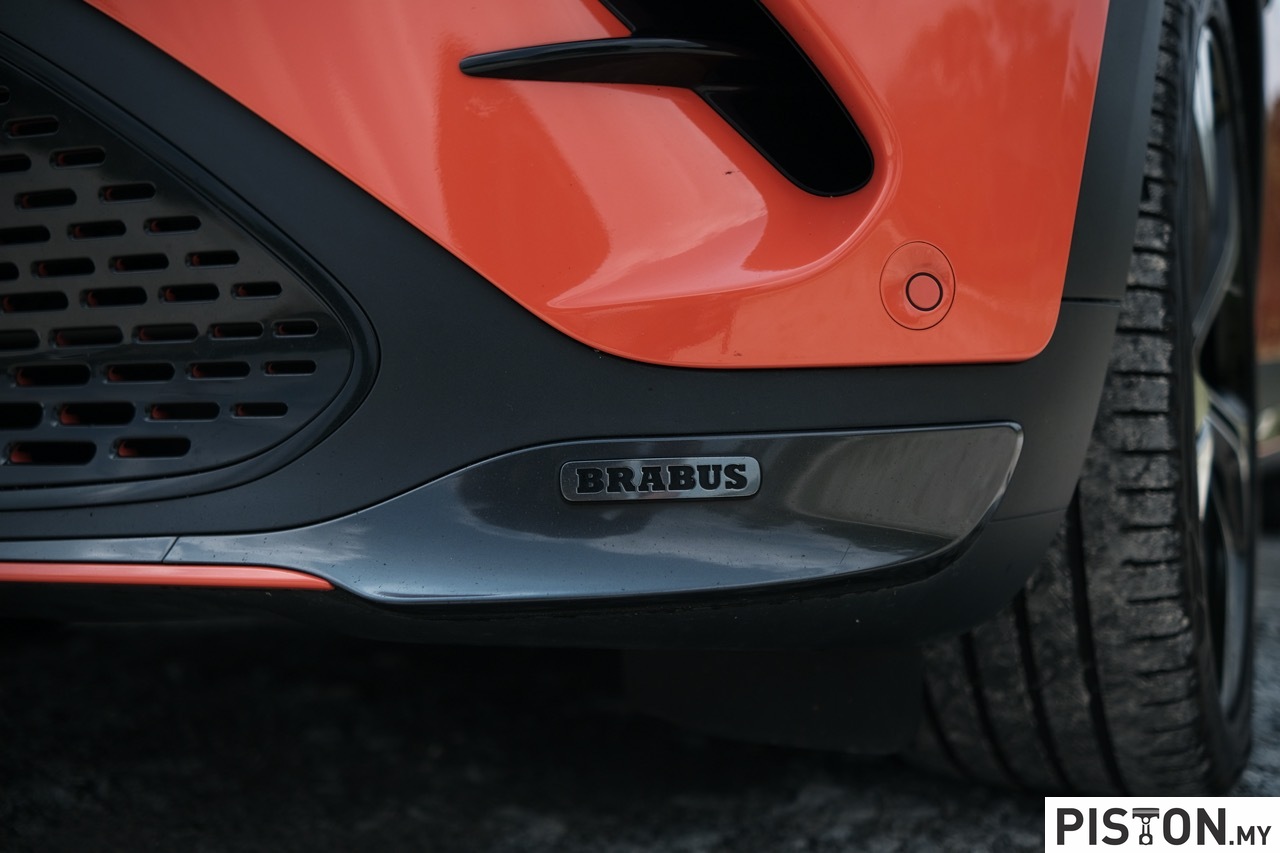
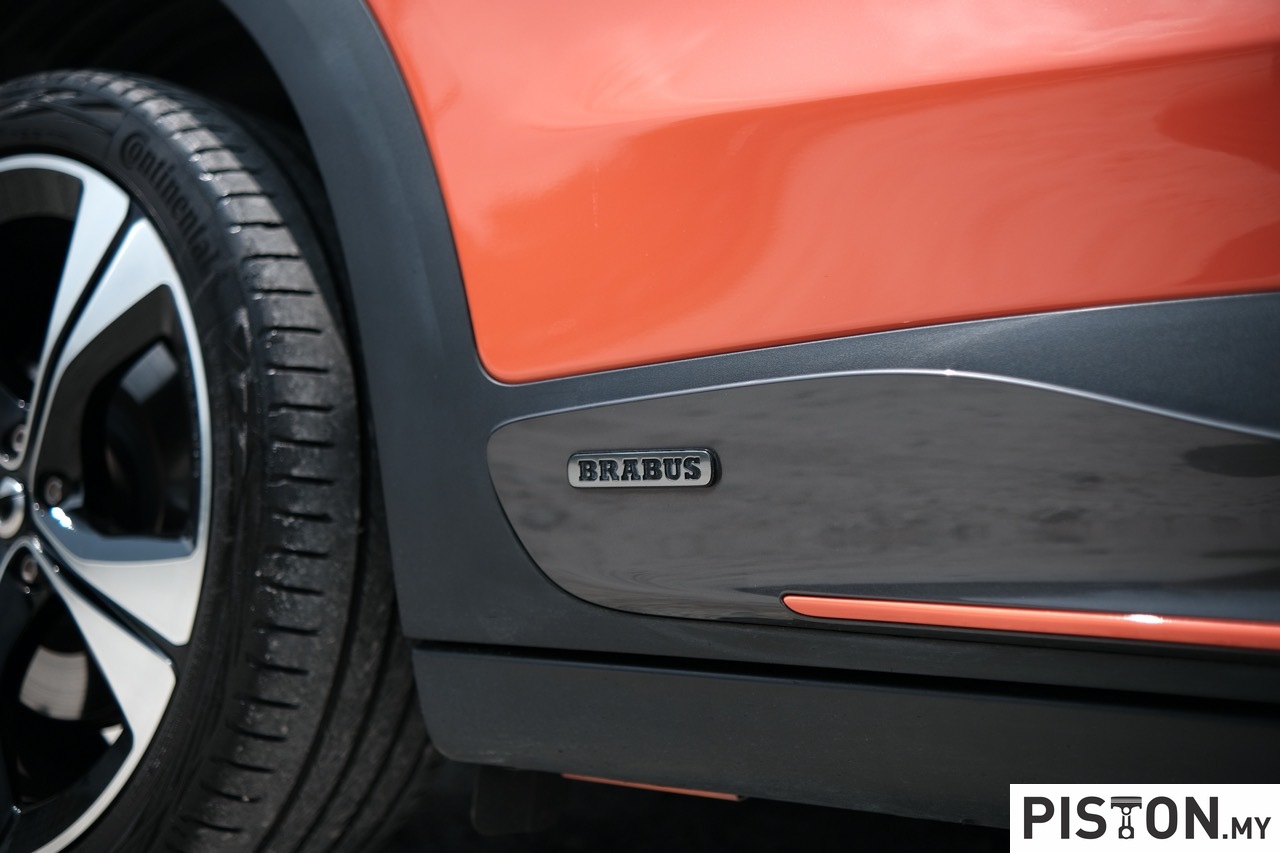
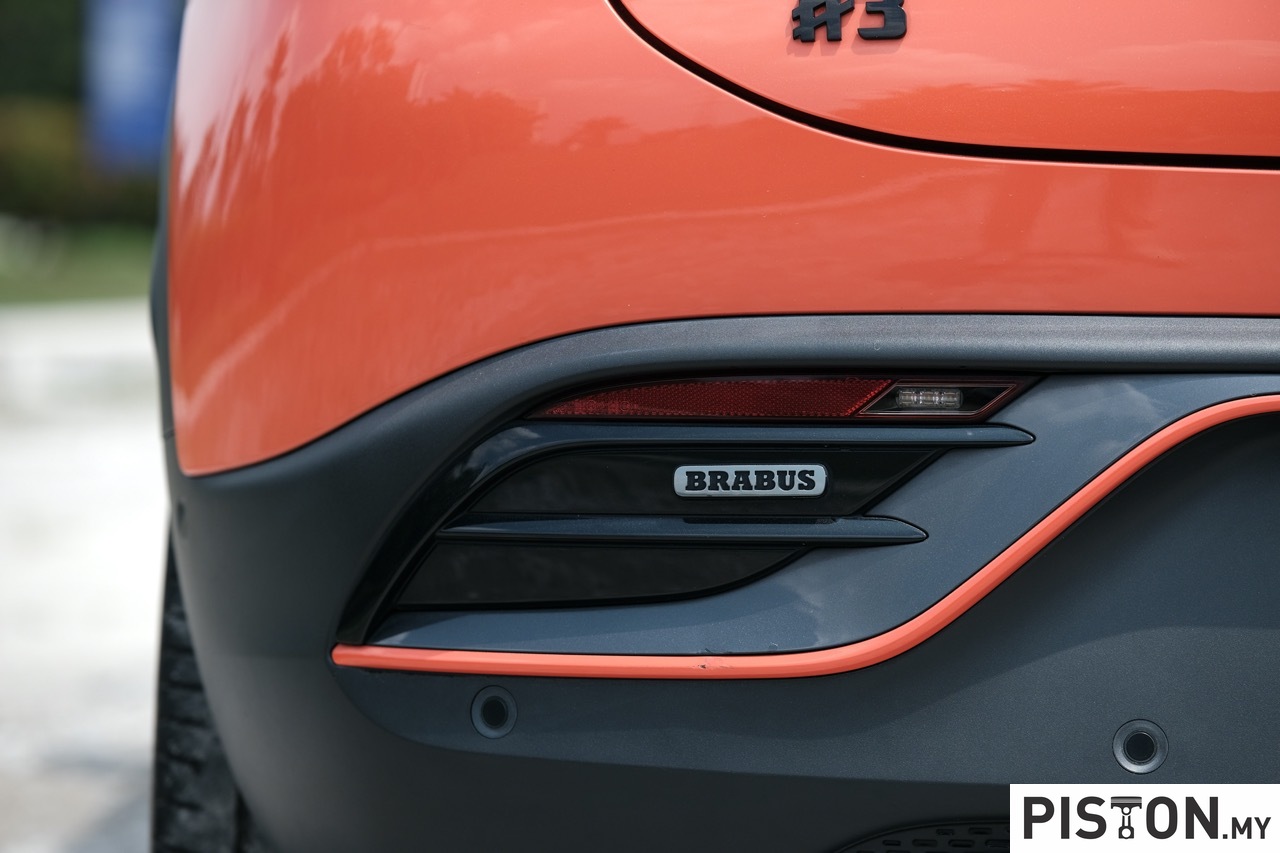
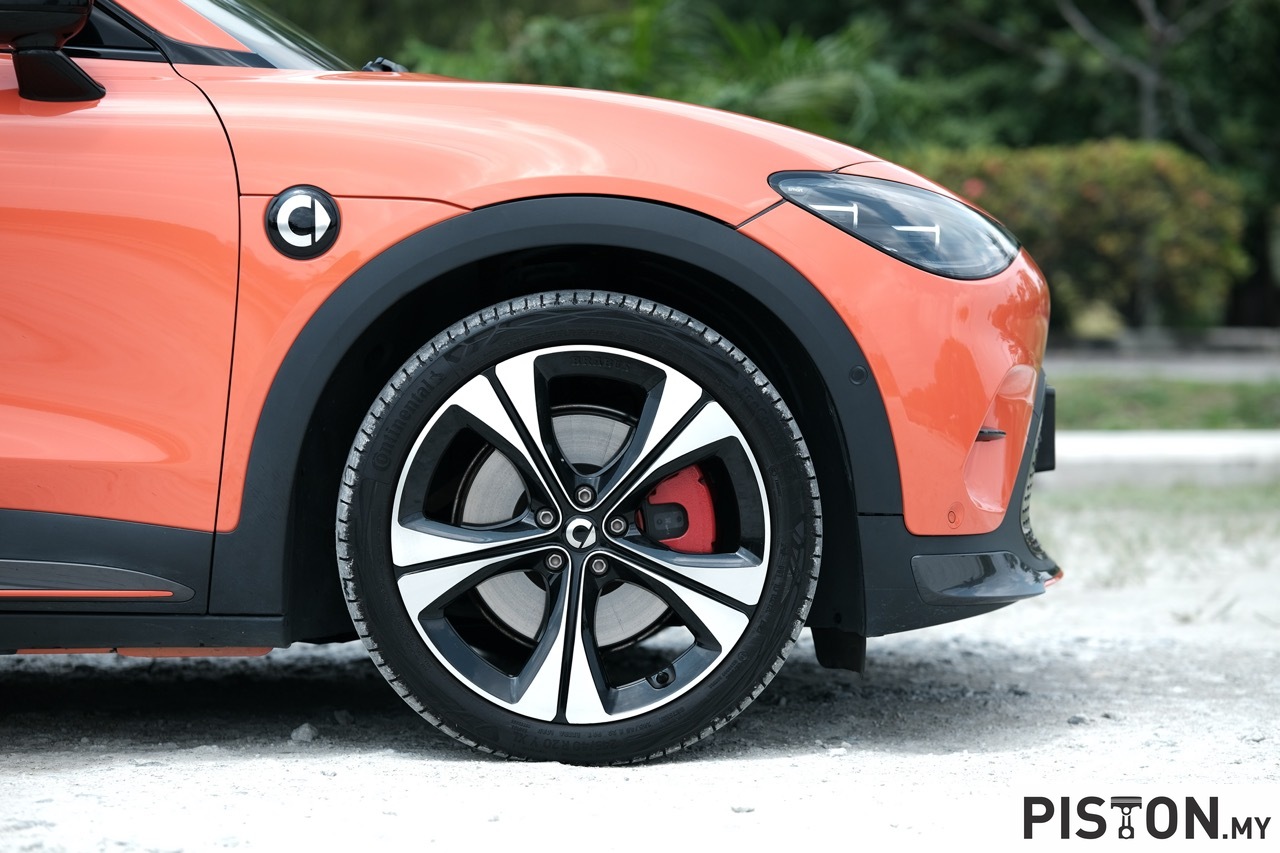
The Brabus touches give it that extra dose of attitude. The larger 20-inch ‘Synchro’ wheels fill the arches nicely, red brake callipers peek through, and the slightly more aggressive bumpers add a sense of purpose.
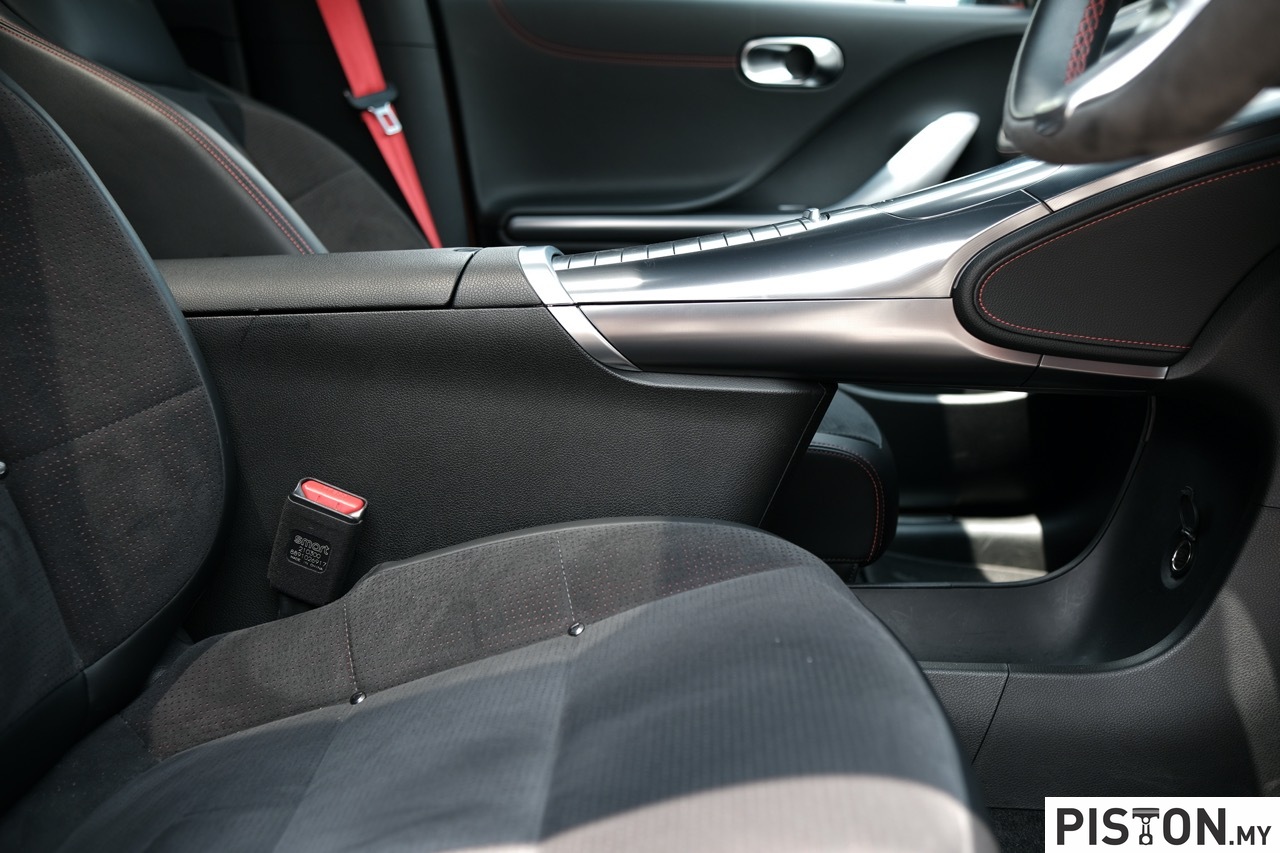
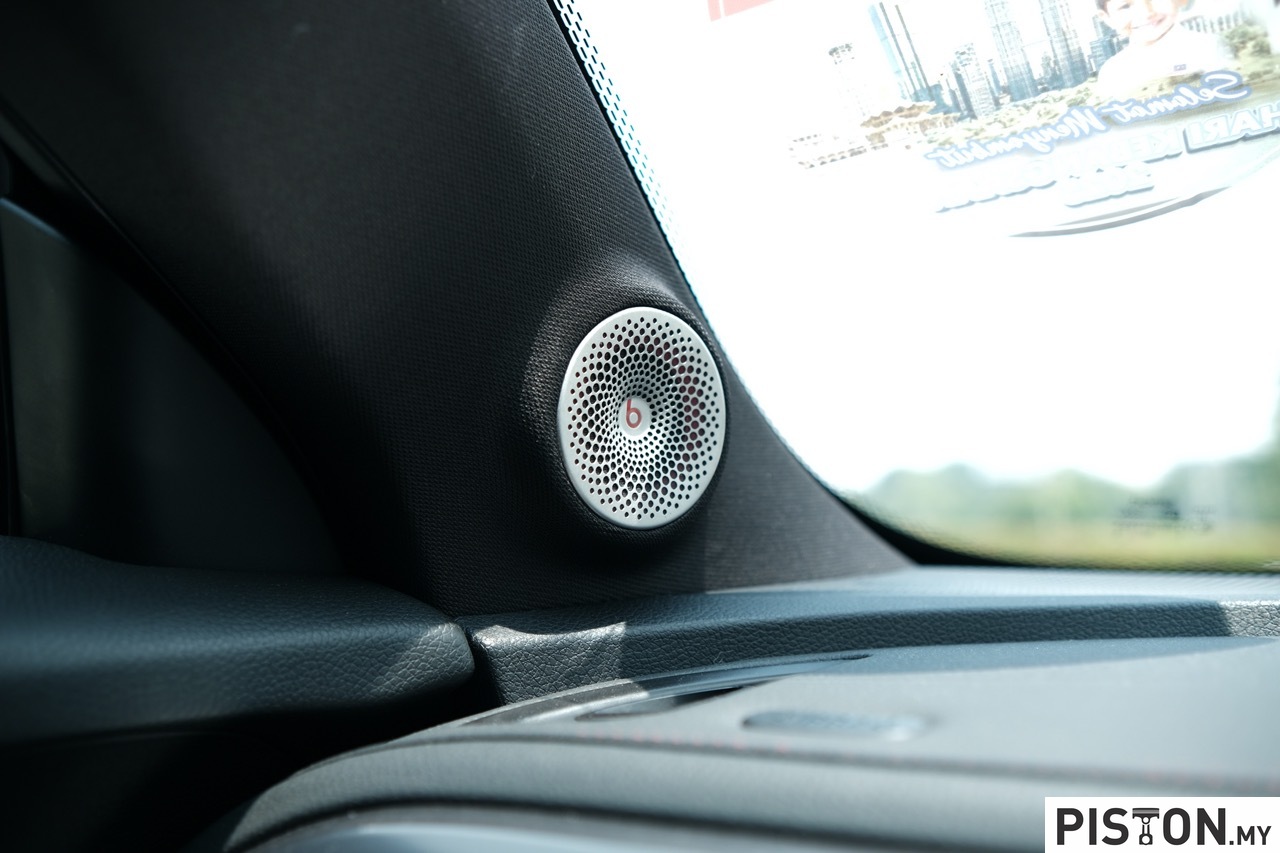
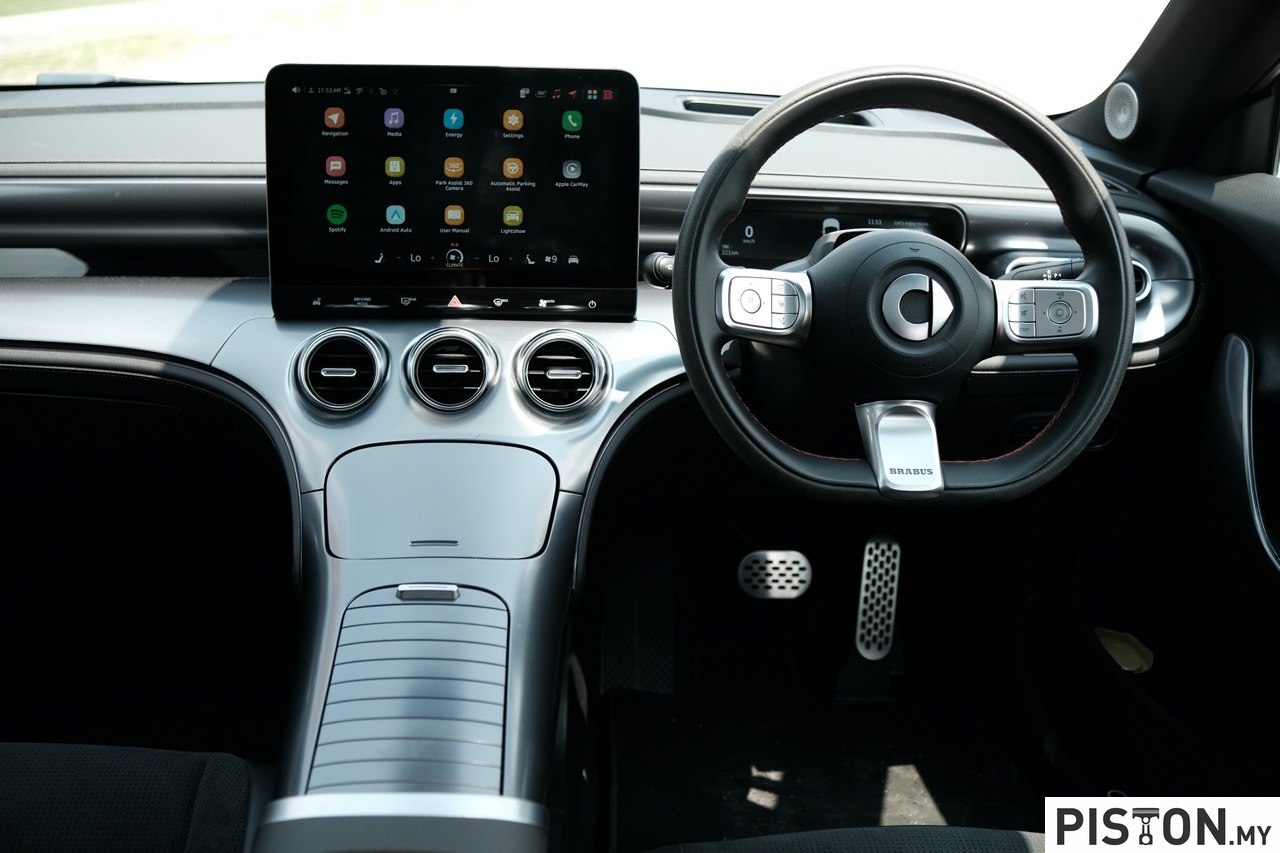
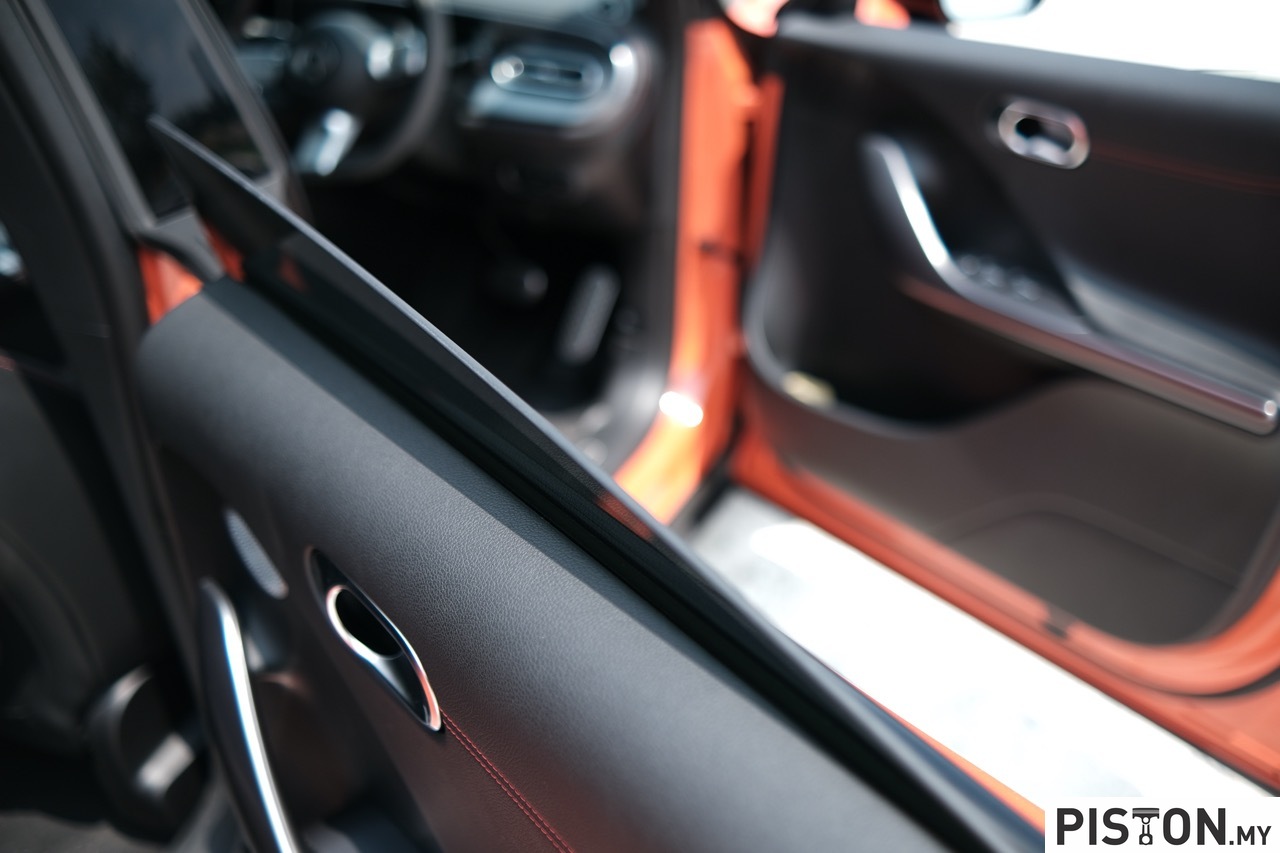
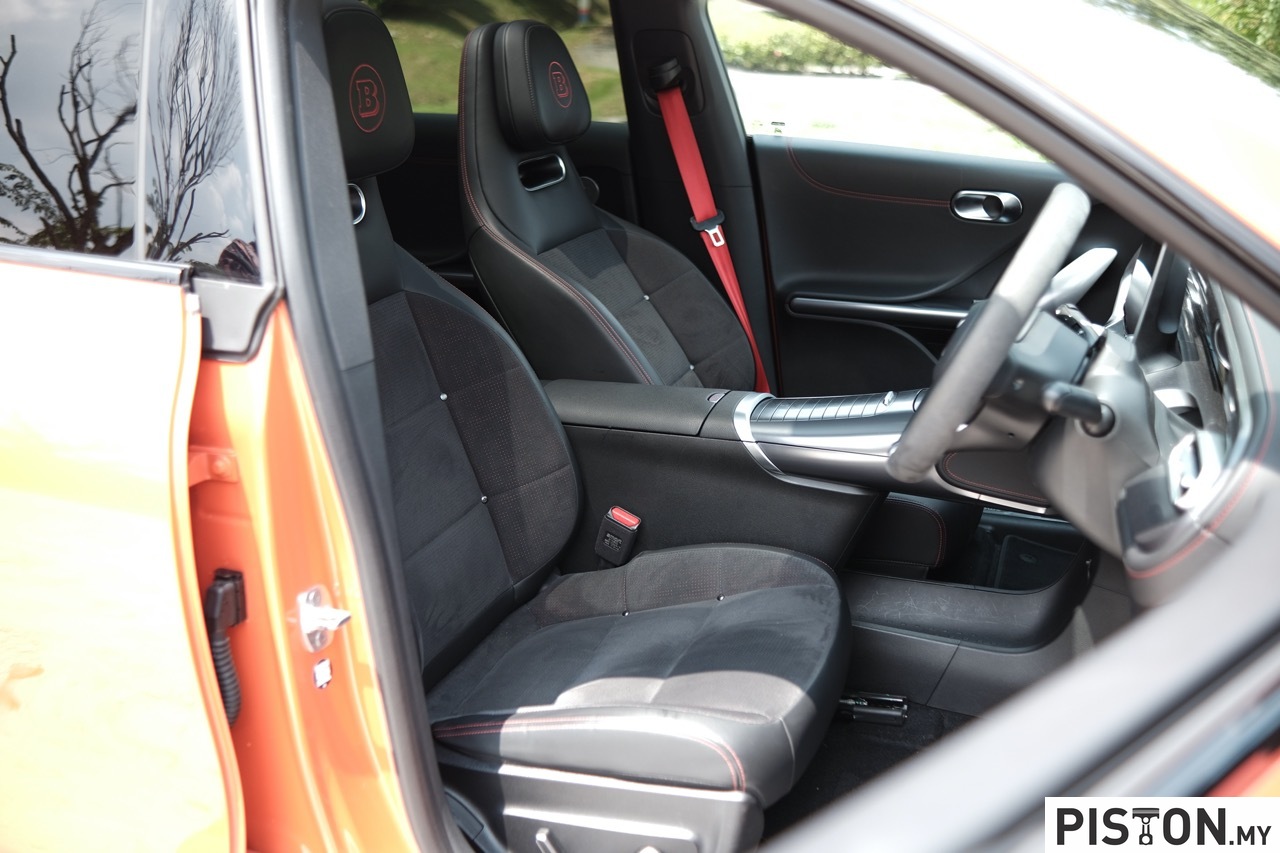
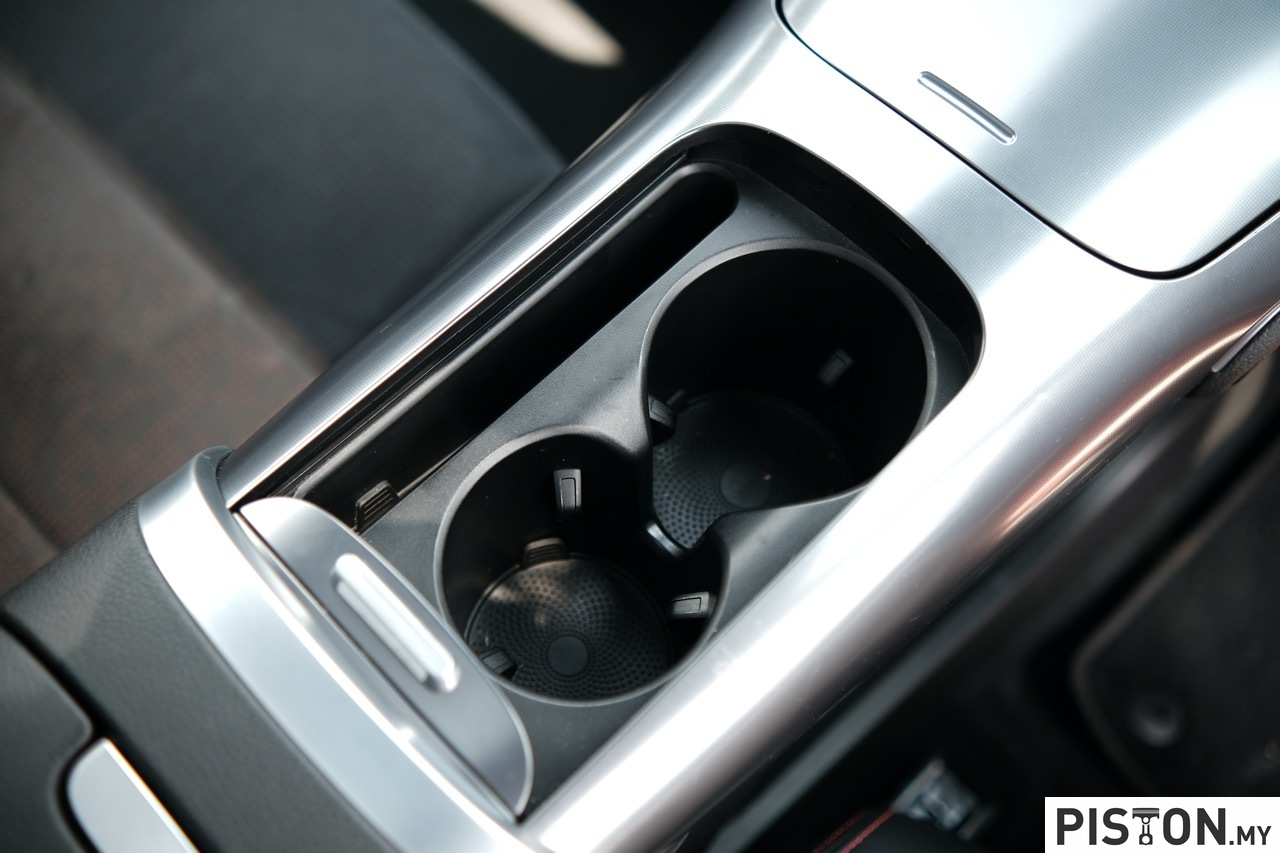
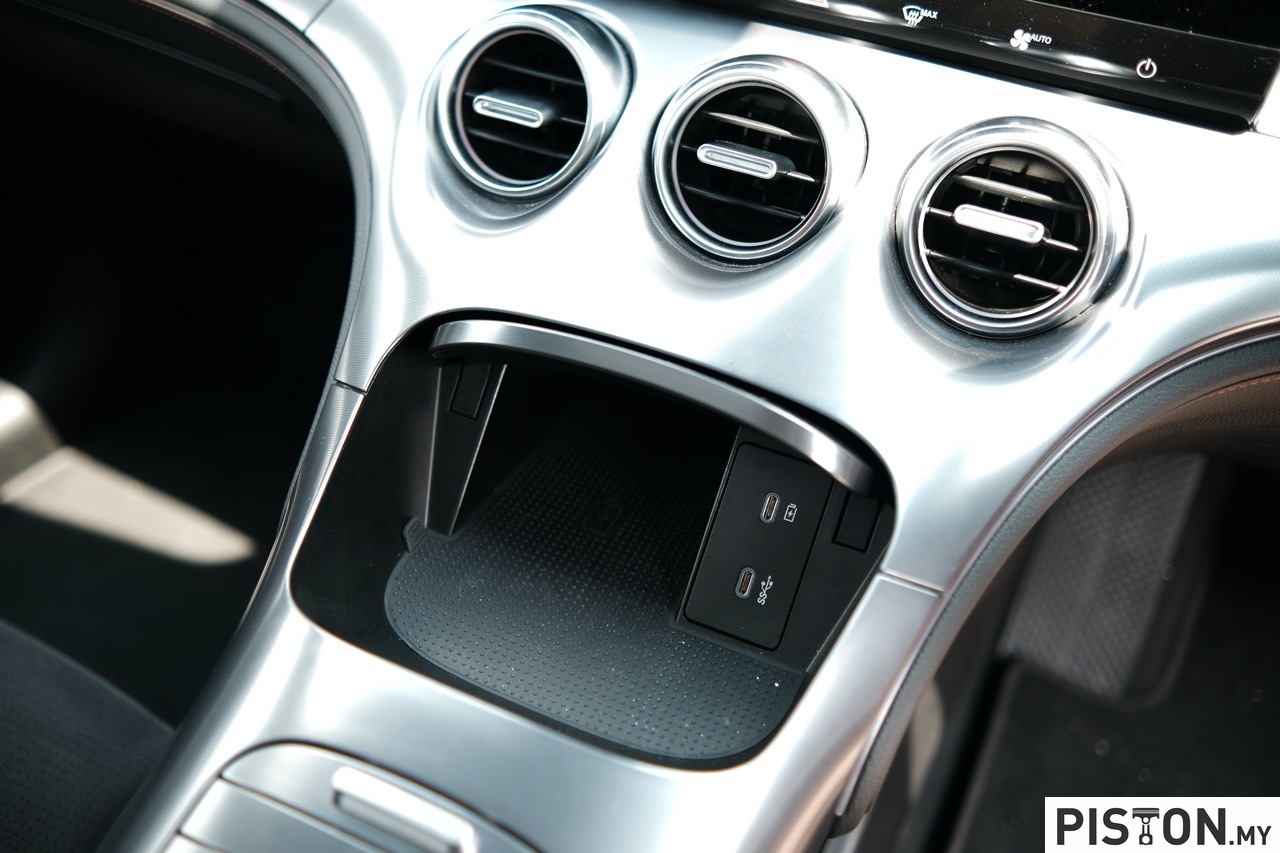
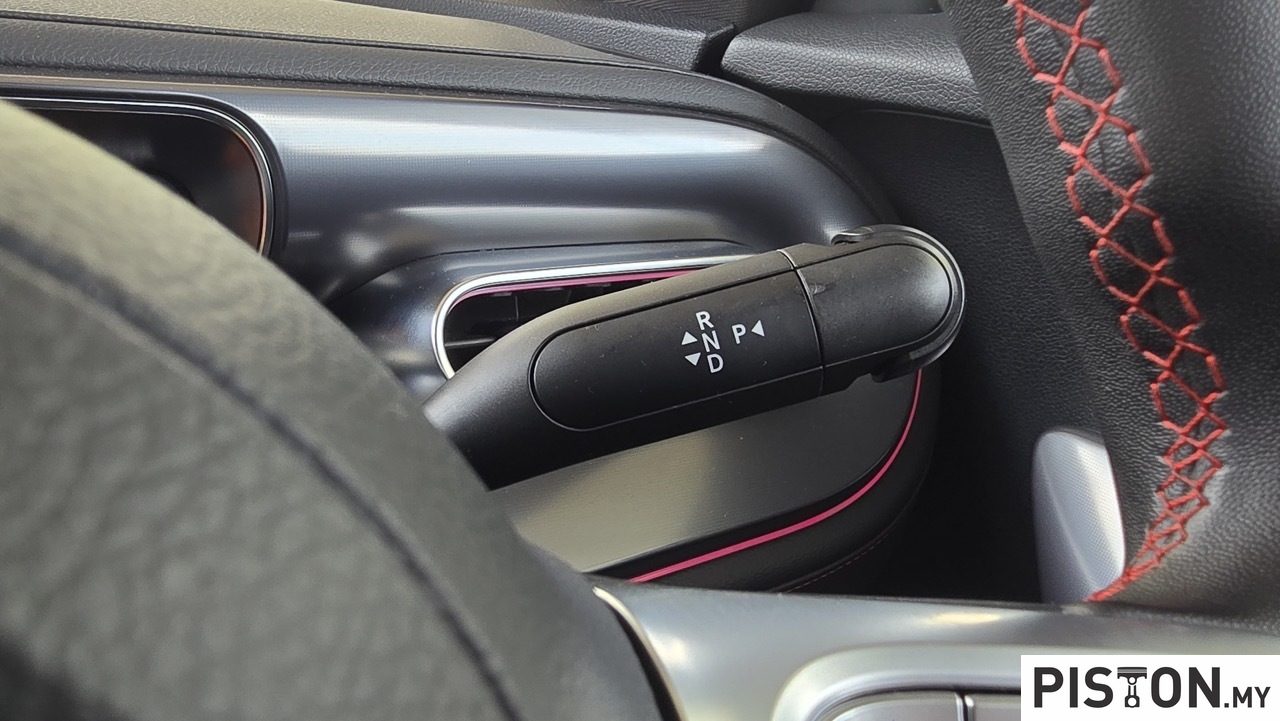
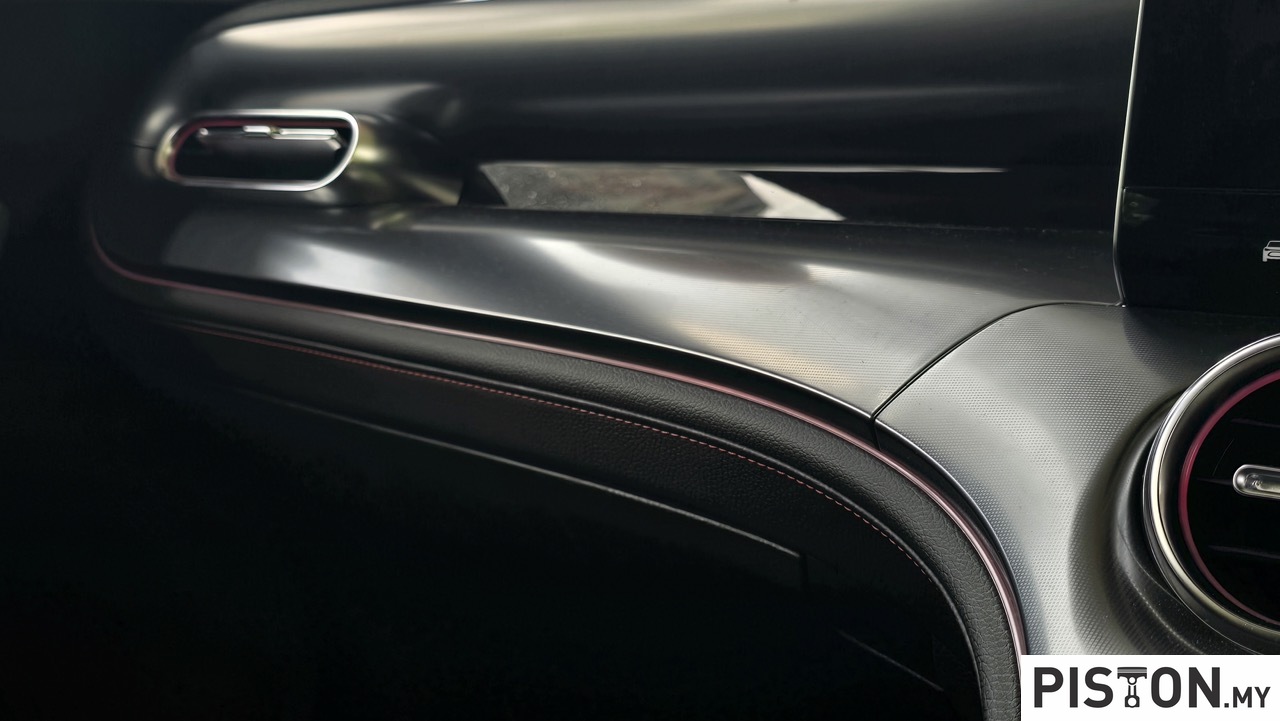
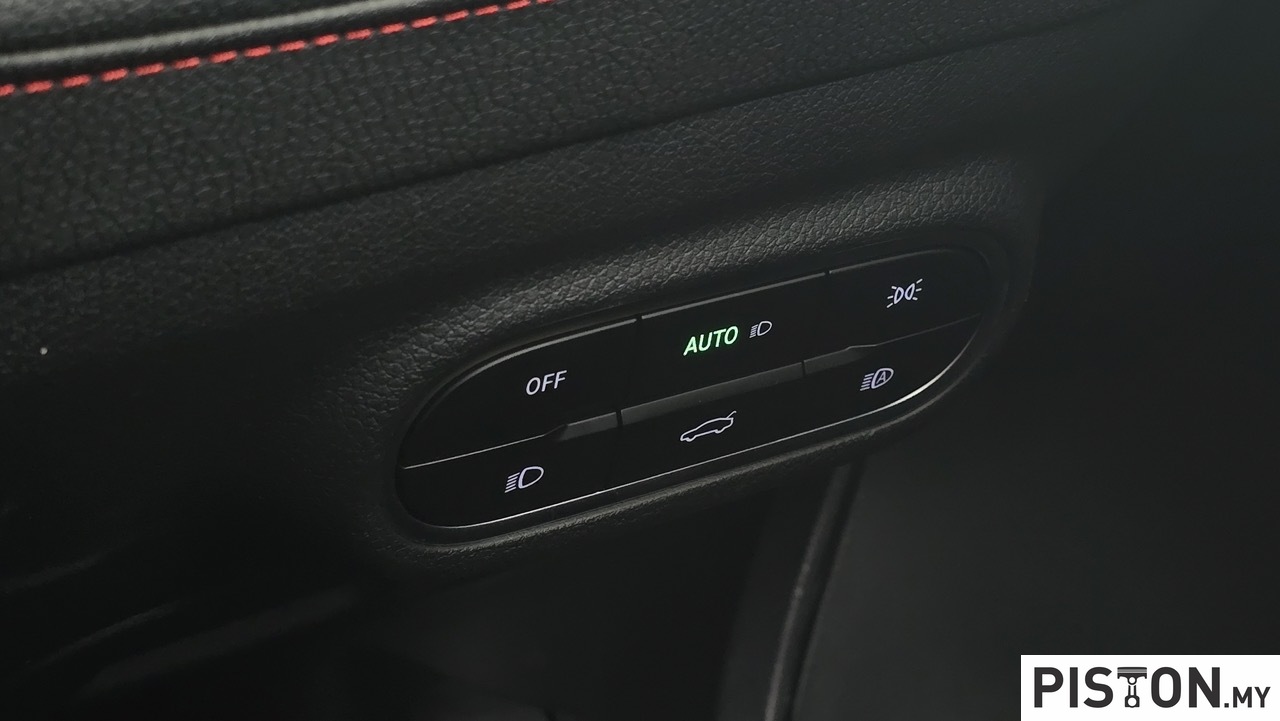
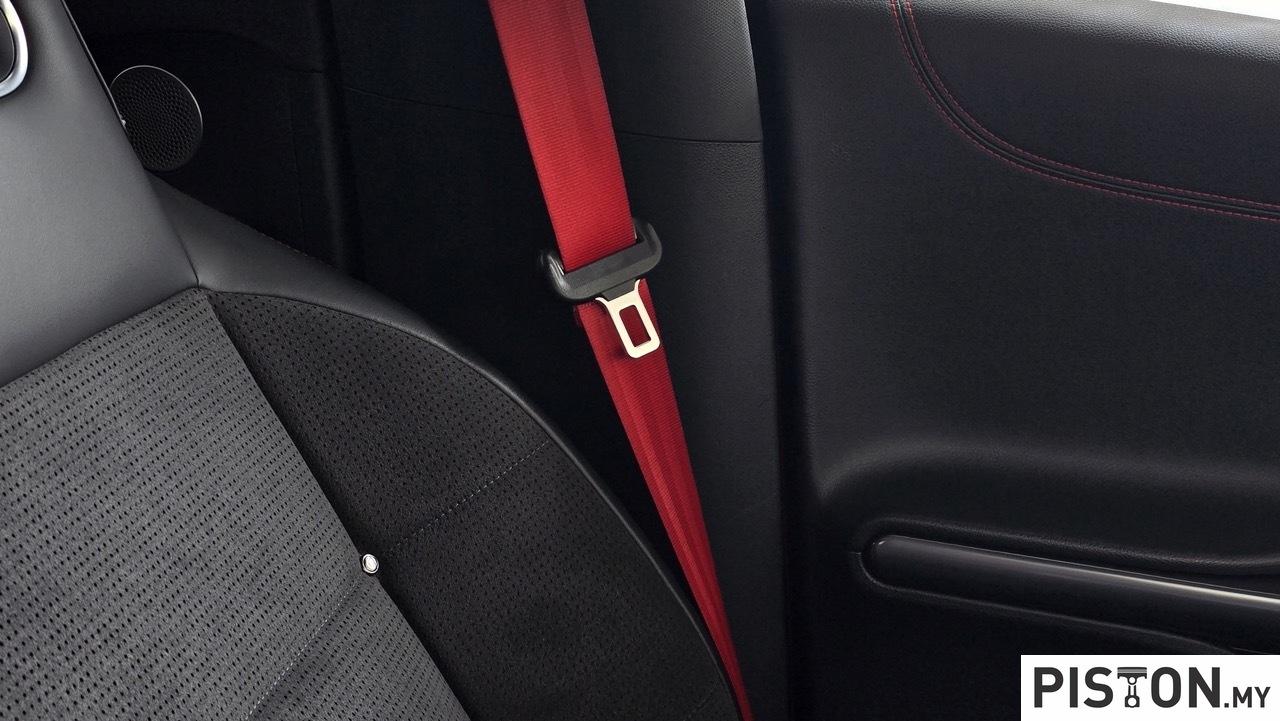
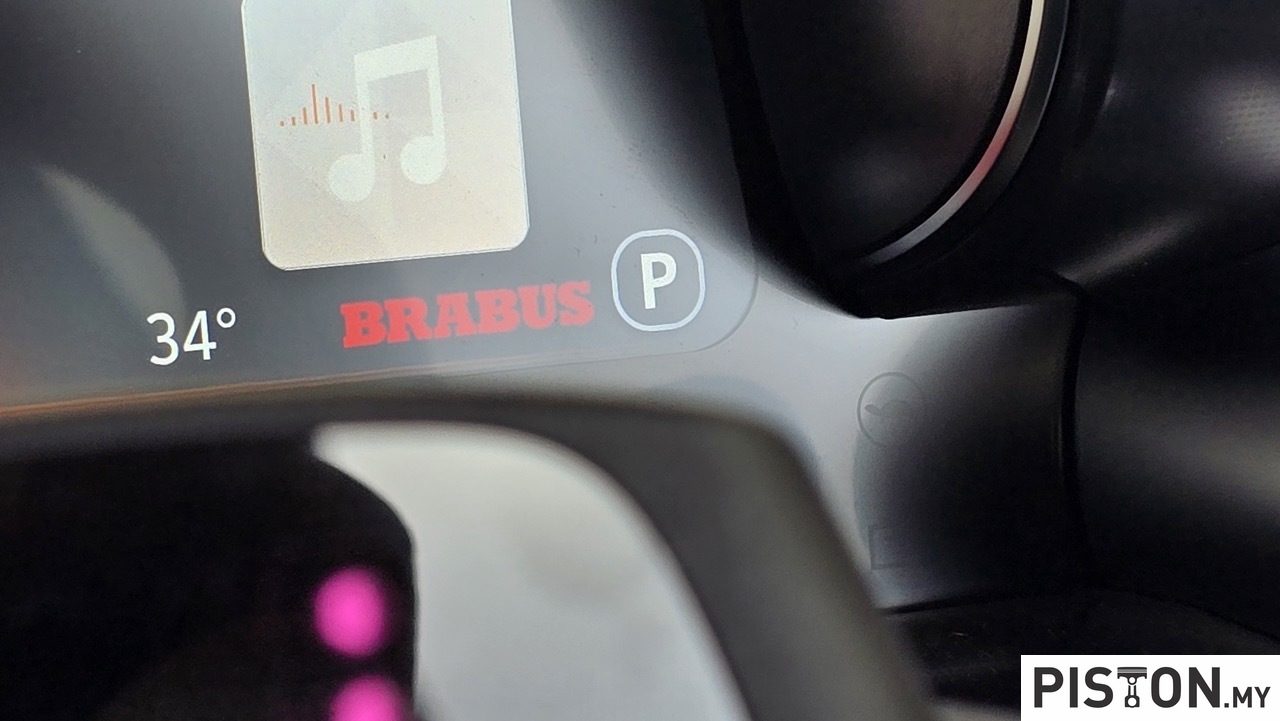
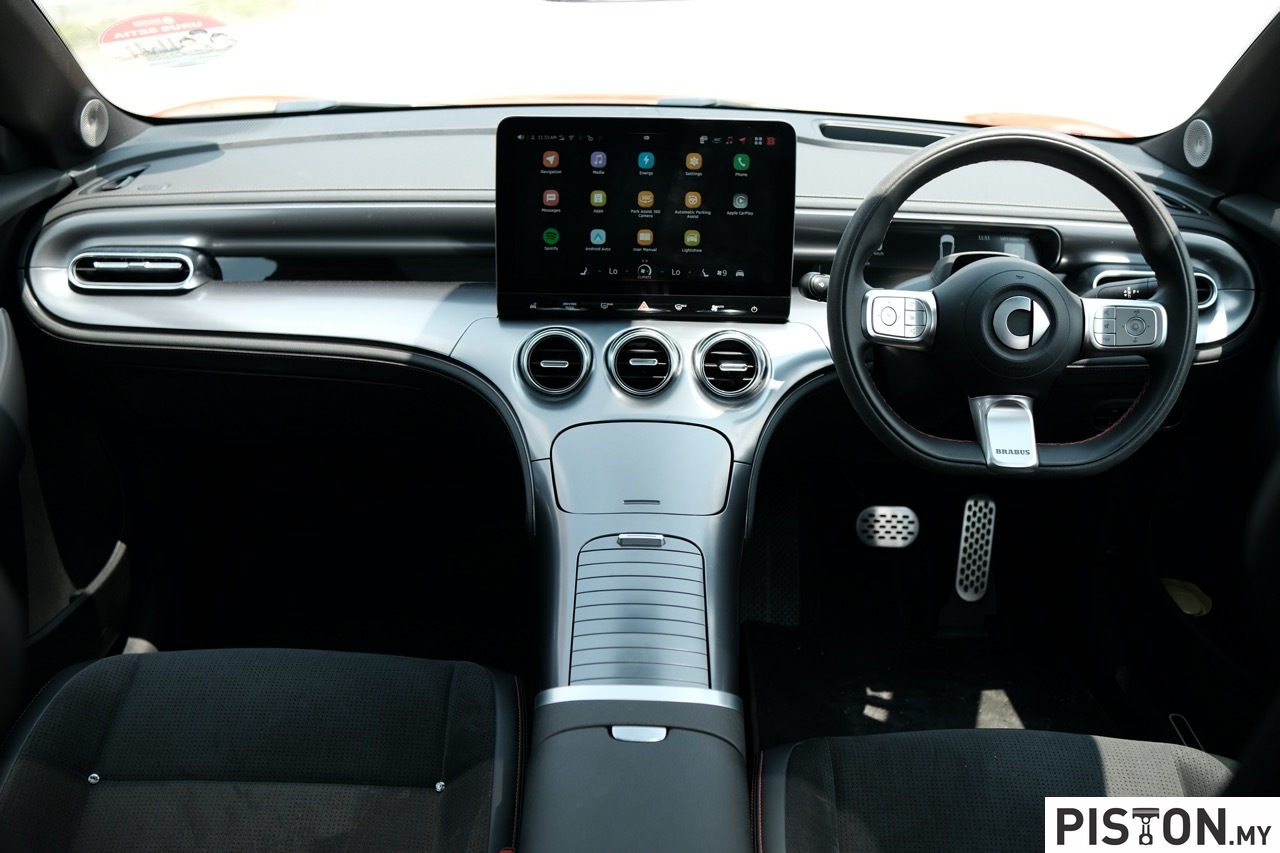
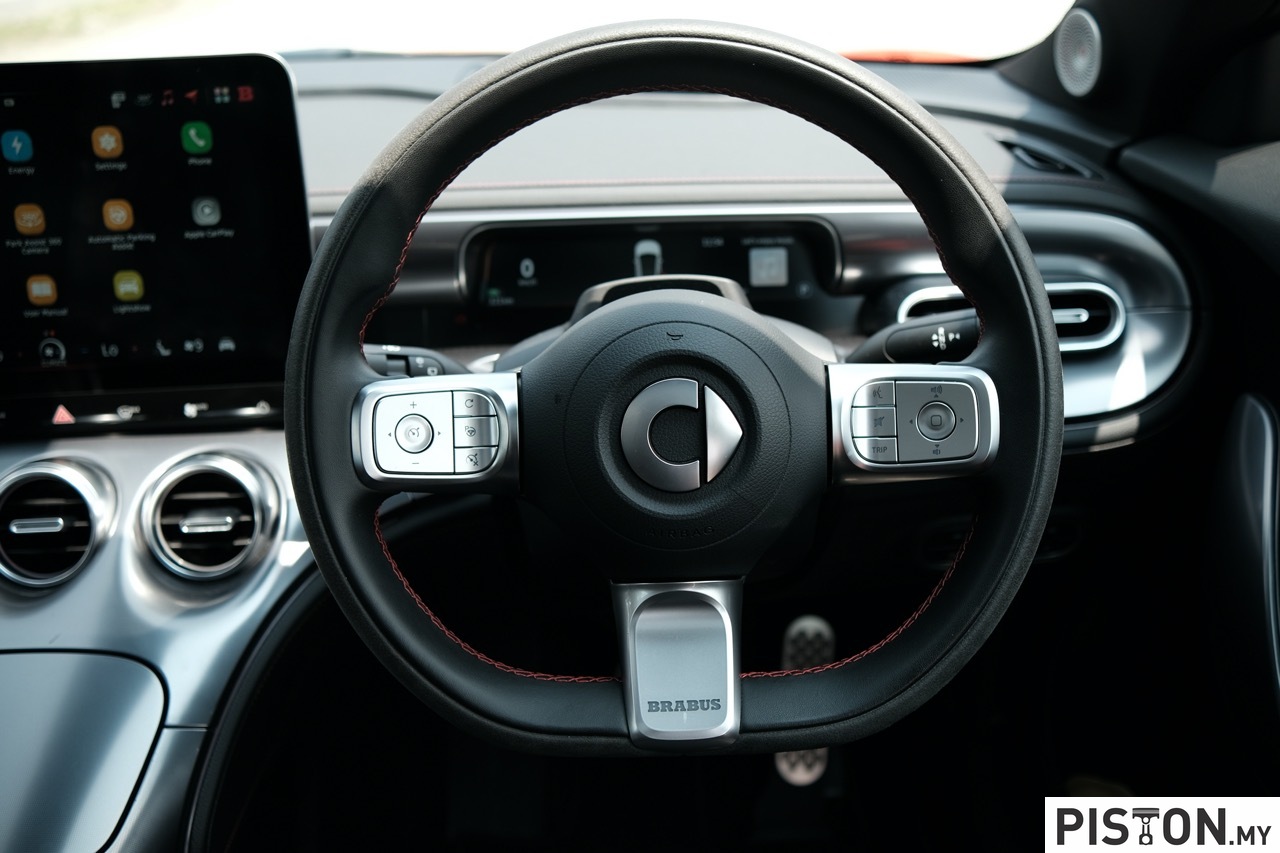
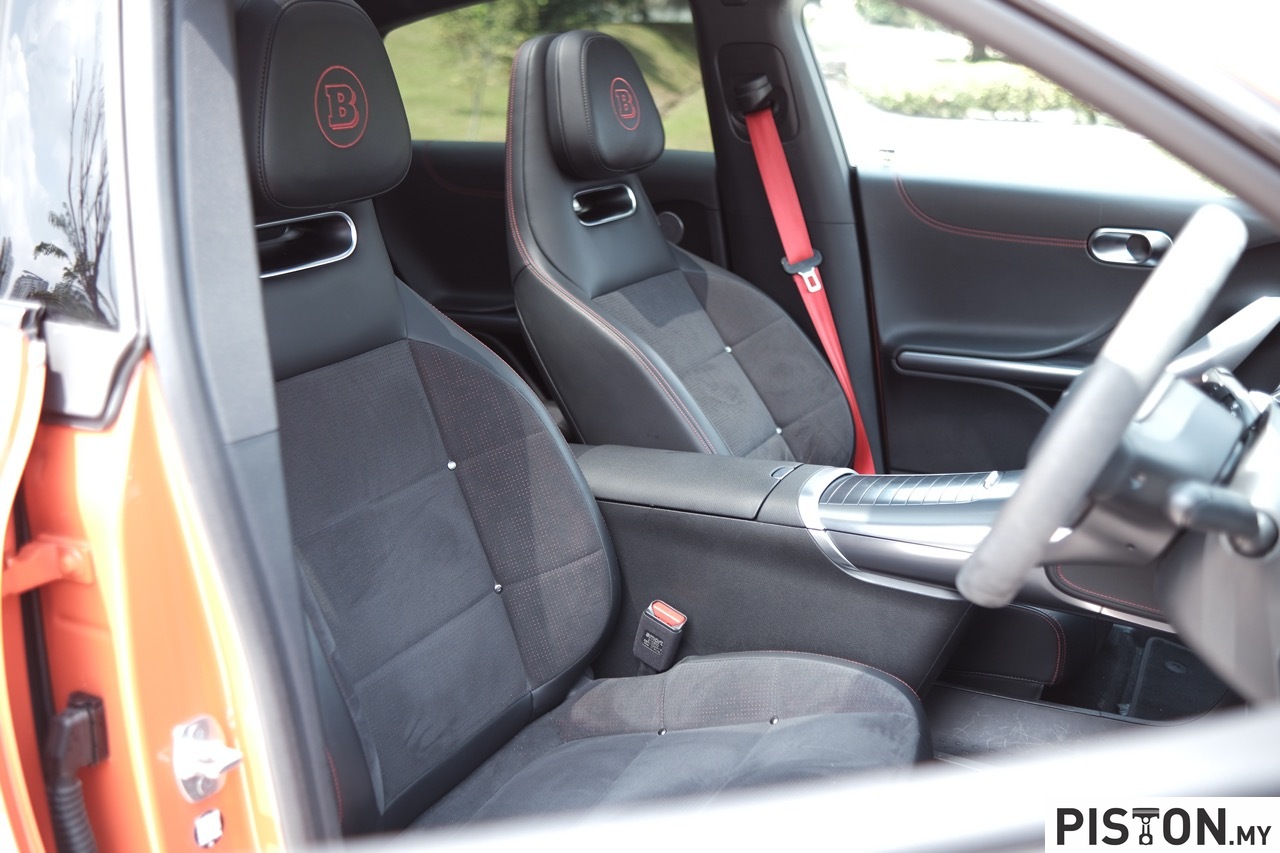
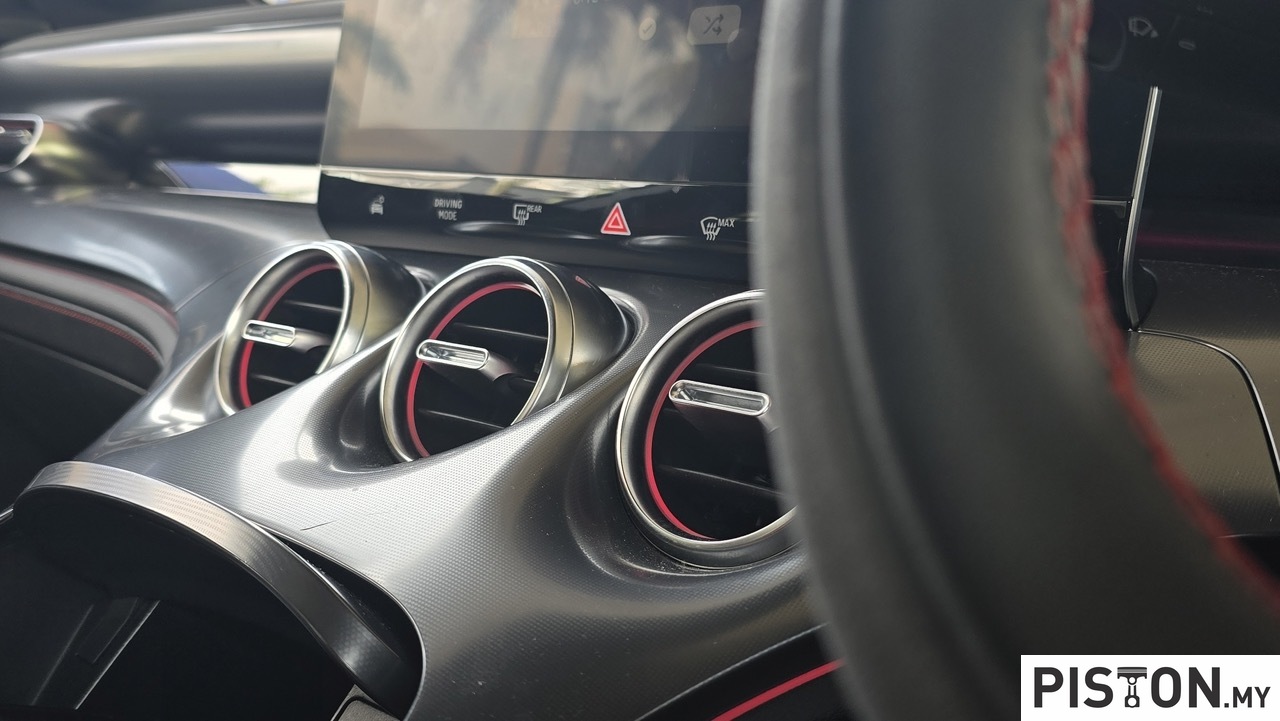
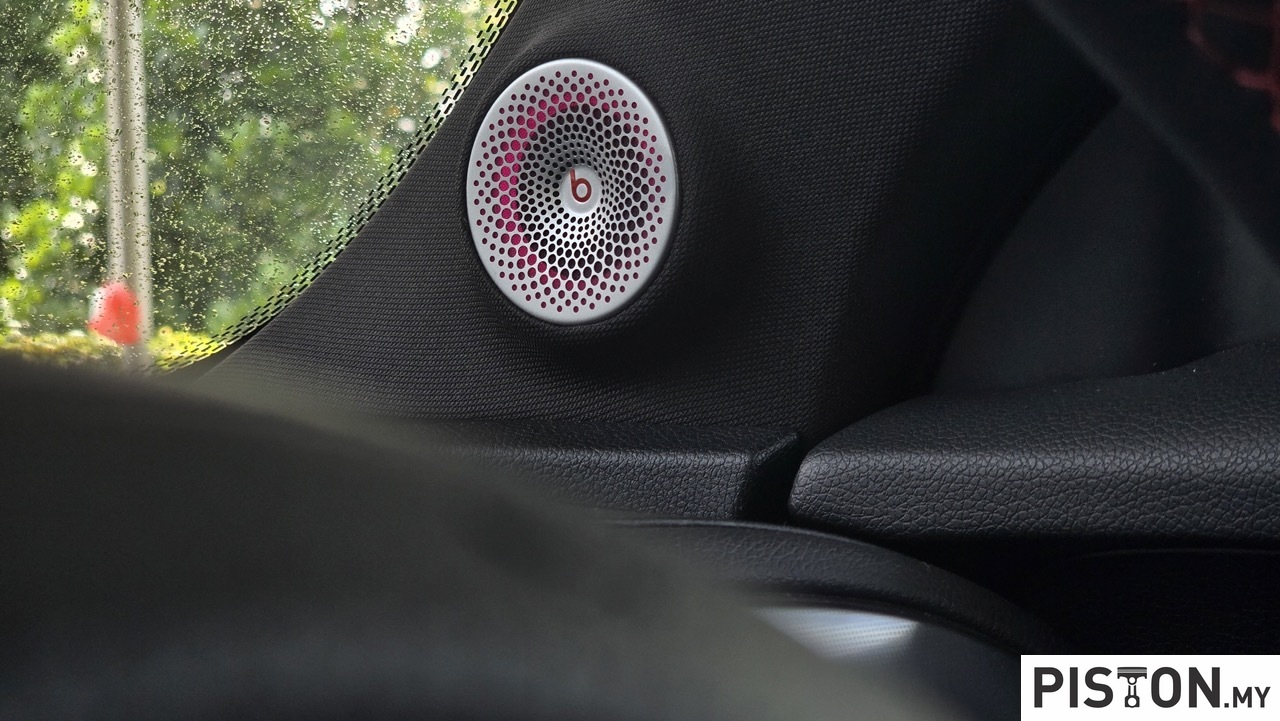
Step inside, and the cabin feels properly special. Alcantara-style upholstery with red stitching, ambient lighting, illuminated Brabus logos, and even sport pedals. It’s premium, it’s sporty, and it feels like a step above the regular versions.
Behind the Wheel

But looks are only half the story – what’s the Brabus like to drive? In a word: quick. With dual motors sending power to all four wheels, the Brabus packs 428PS and 543Nm of torque. 

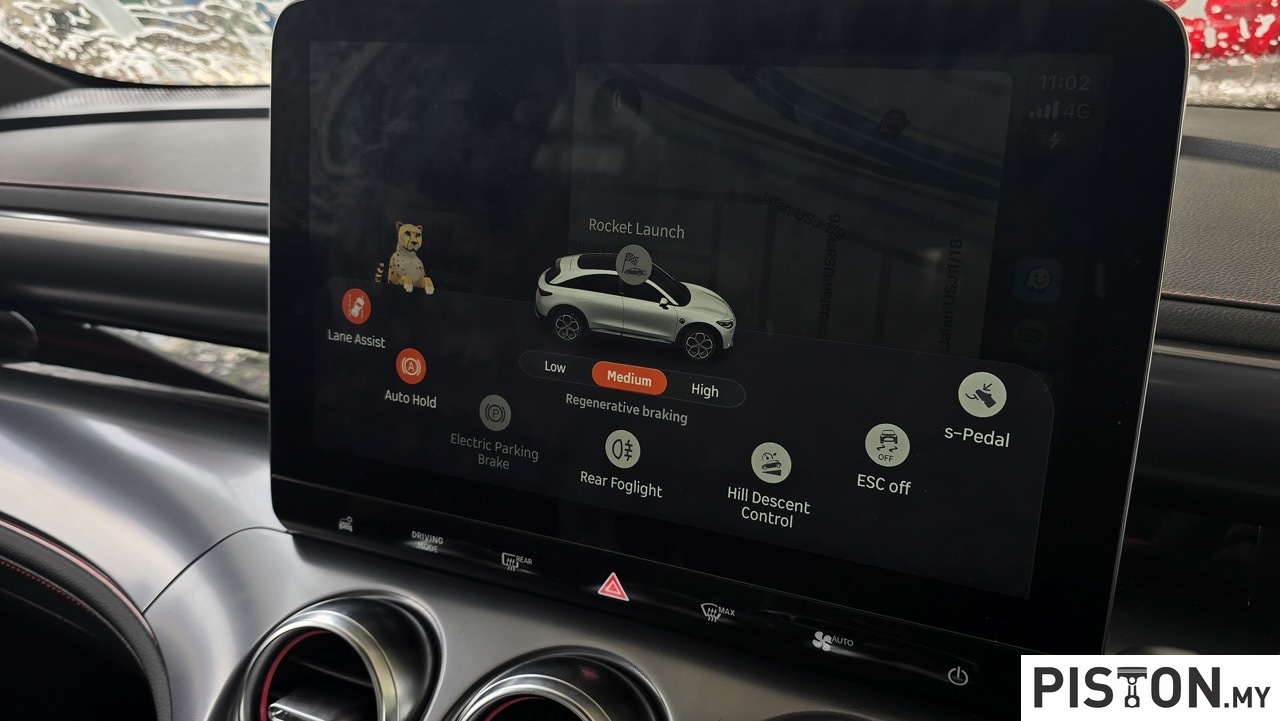
The numbers say 0-100km/h in 3.7 seconds, and it feels every bit as fast. The instant torque shoves you back into the seat, and “Rocket Launch Mode” makes those hard launches addictive.
Around town, the car is effortless. The throttle response is sharp, overtaking is instant, and it makes commuting feel fun instead of a chore. On the highway, it pulls strongly and stays composed at higher speeds. There’s a confidence in the way it puts power down that makes you want to push it.

That said, the performance focus does mean trade-offs. The suspension is on the firm side, and with the big 20-inch wheels, you definitely feel bumps and imperfections on Malaysian roads. 
It’s not uncomfortable, but it’s less forgiving than the Premium variant. On longer drives, the firmness can get tiring, especially if the road surface isn’t great.

Steering is accurate but not as communicative as I’d hoped for in a car carrying the Brabus badge. It’s easy to place the car where you want it, but it doesn’t quite deliver the sharp feedback that would complete the sporty experience.
Living with It

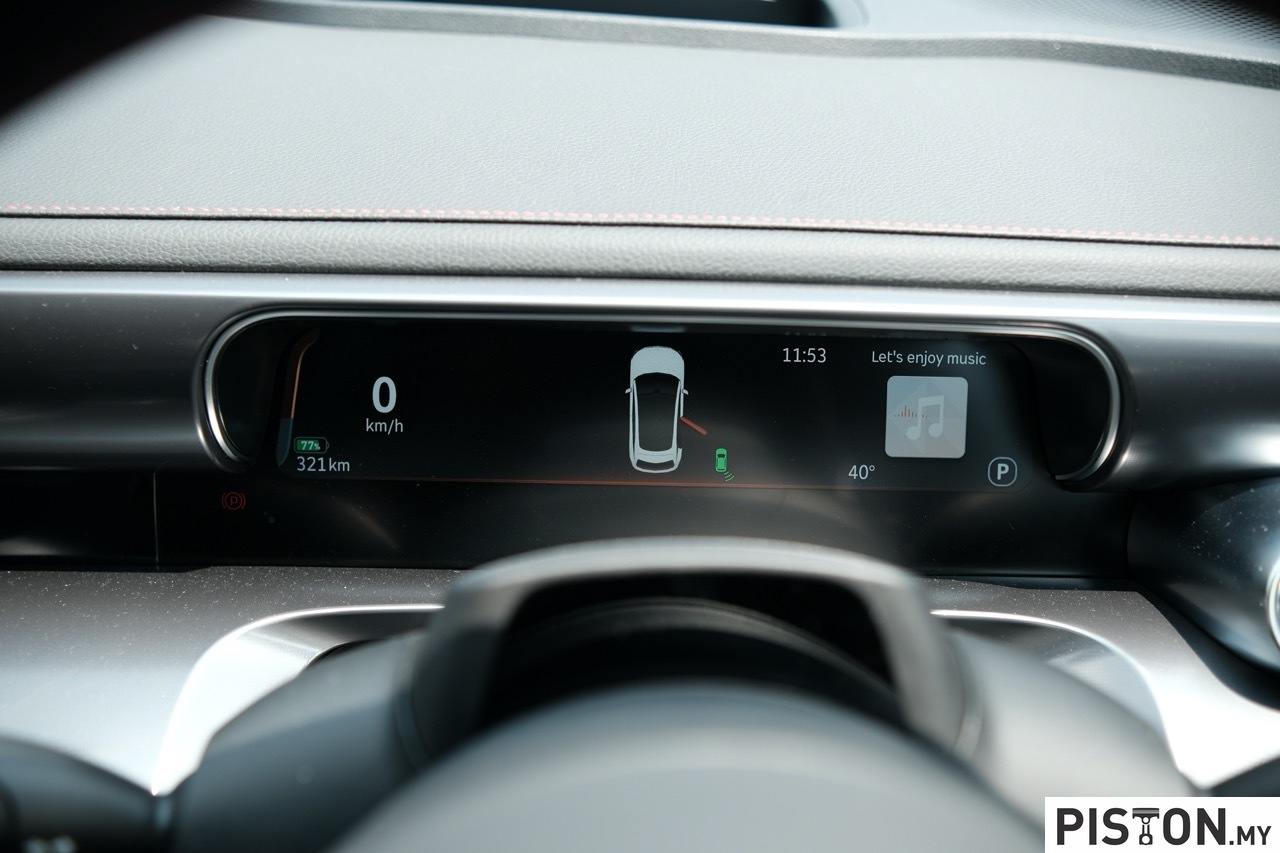
One thing that impressed me was how well the Brabus balances performance with range. Despite the power, it still manages a WLTP-rated 415km on a full charge, which is plenty for daily use. 
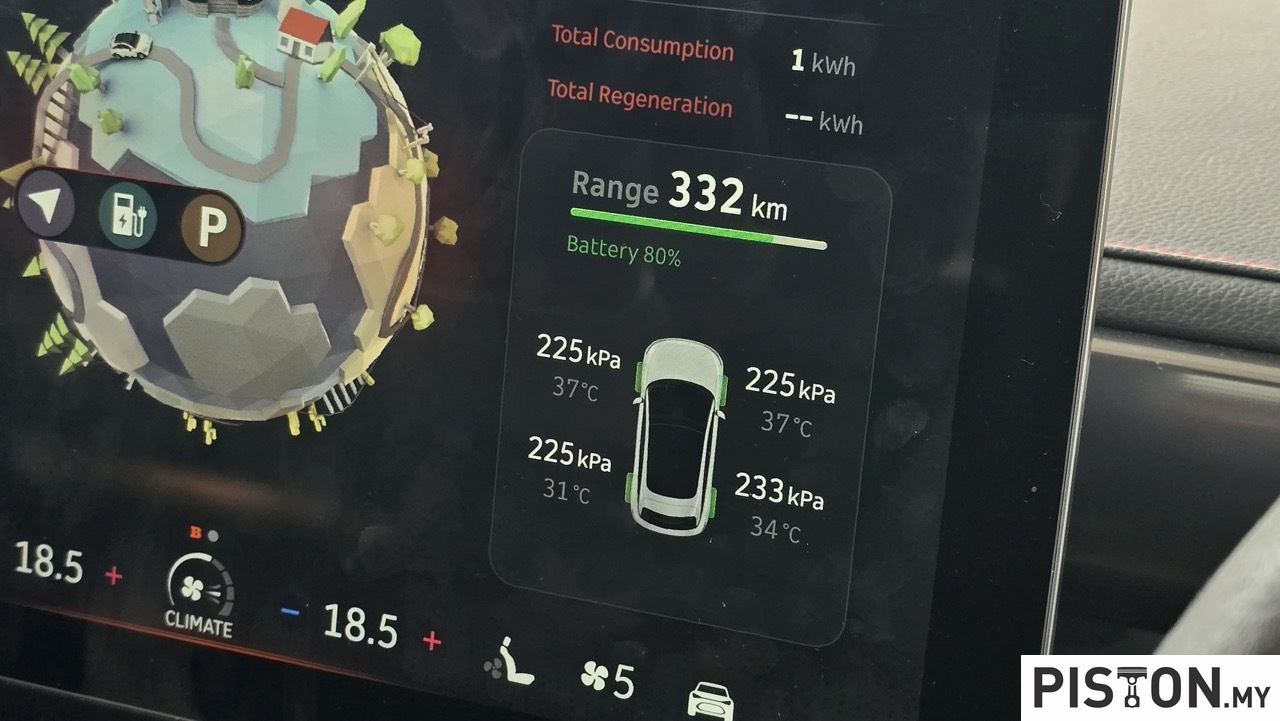
Of course, it doesn’t match the 455km range of the Premium variant, but for a performance SUV, it’s still a solid number.

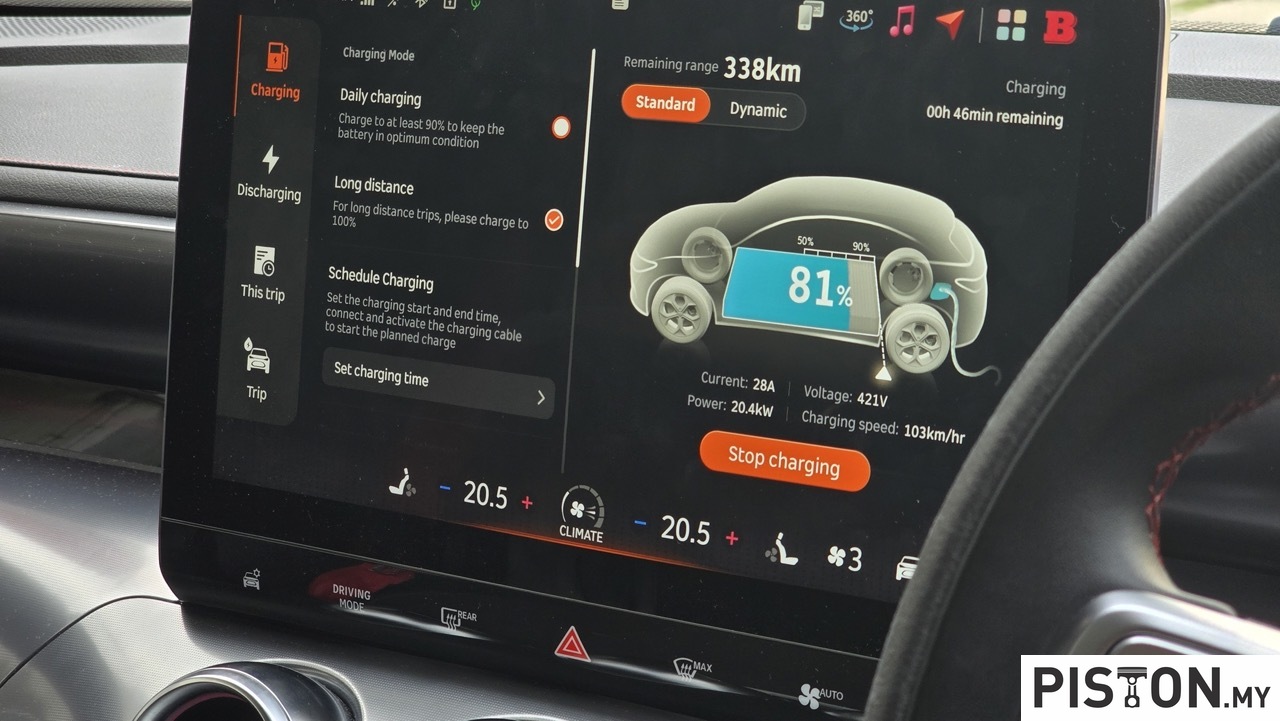
But, with 428PS on tap, I could not keep from flooring it. Every open road meant putting its speed to the test. This will obviously drain the battery faster, so I found myself charging the car more than a normal person would.
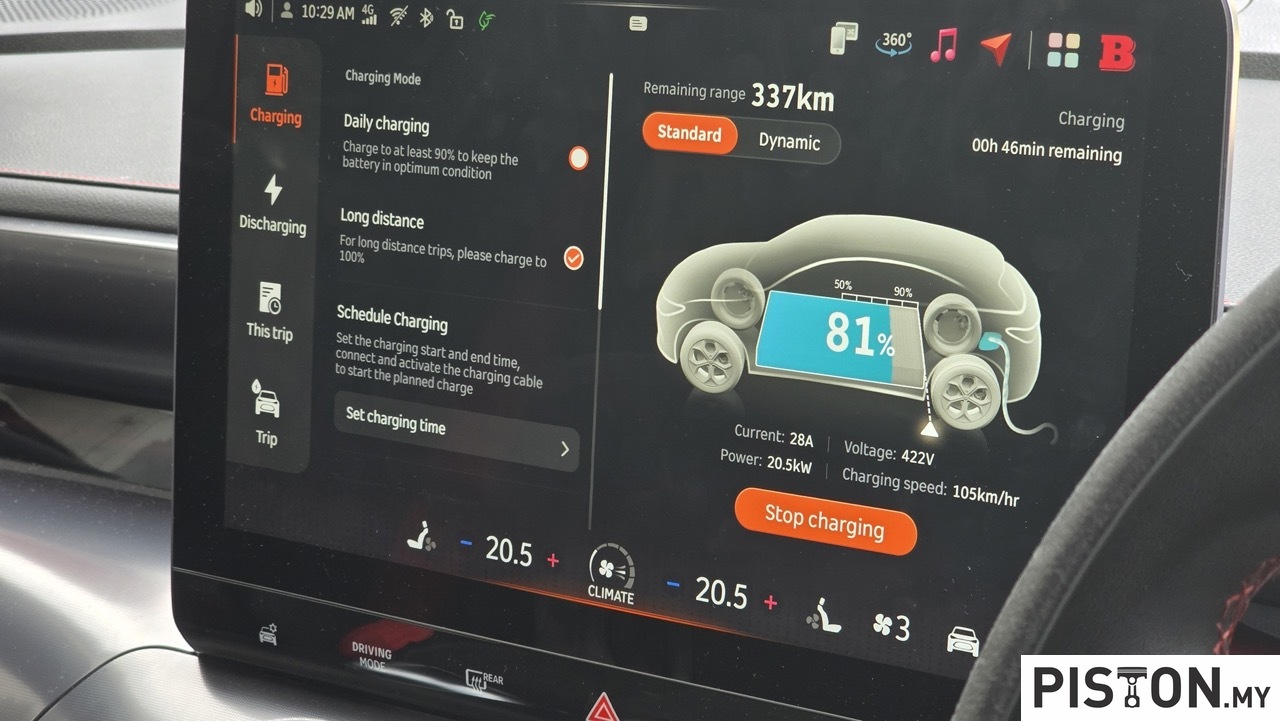
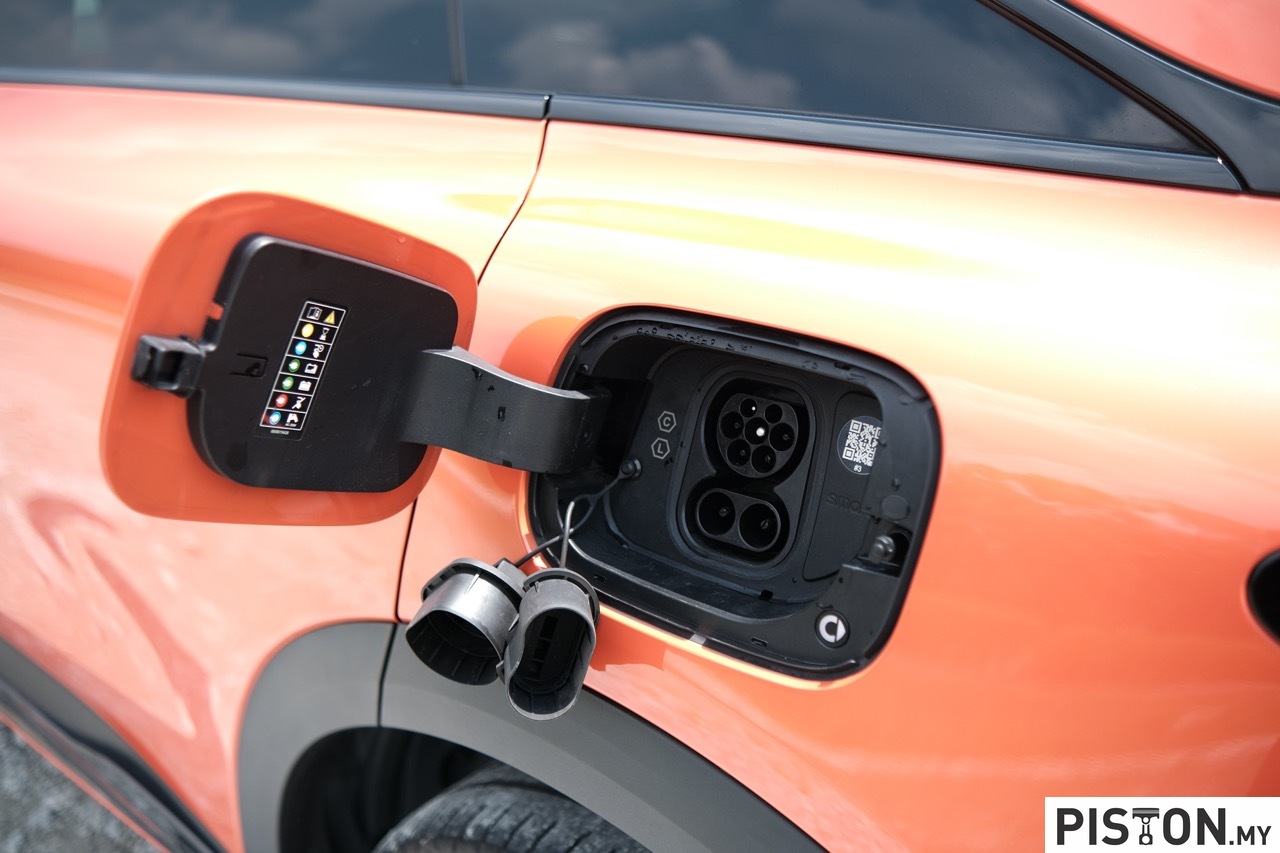
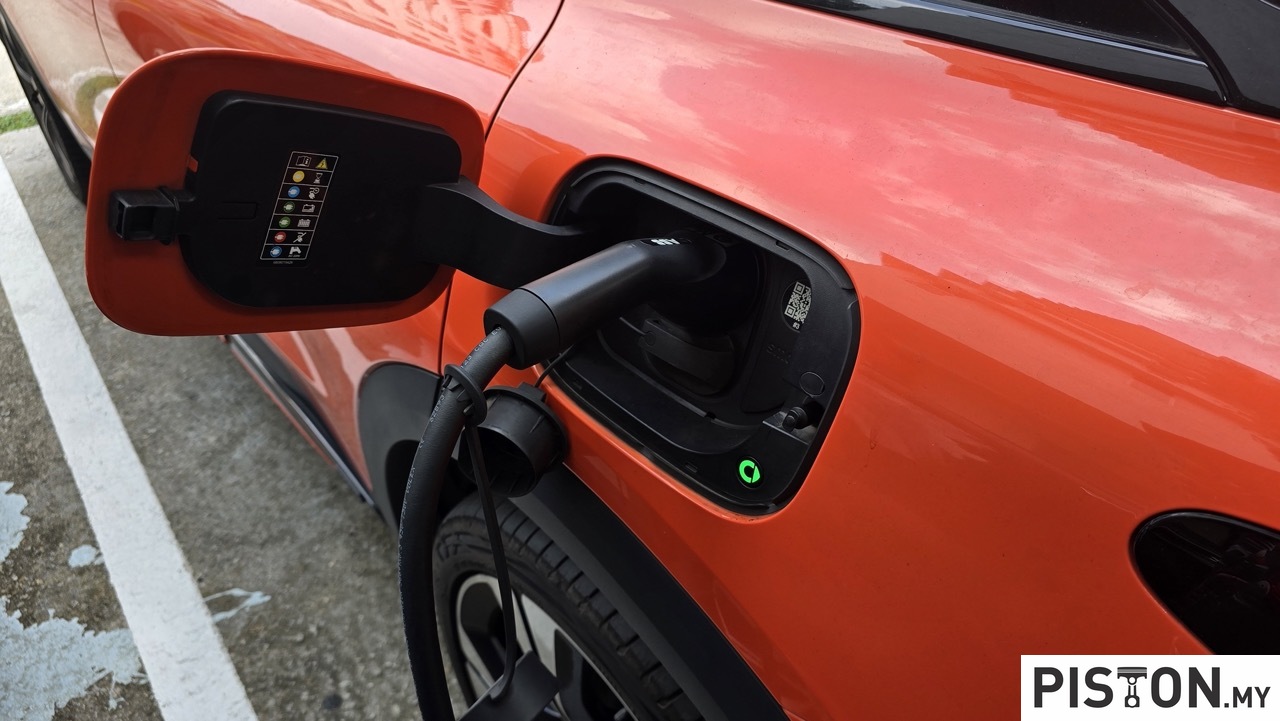
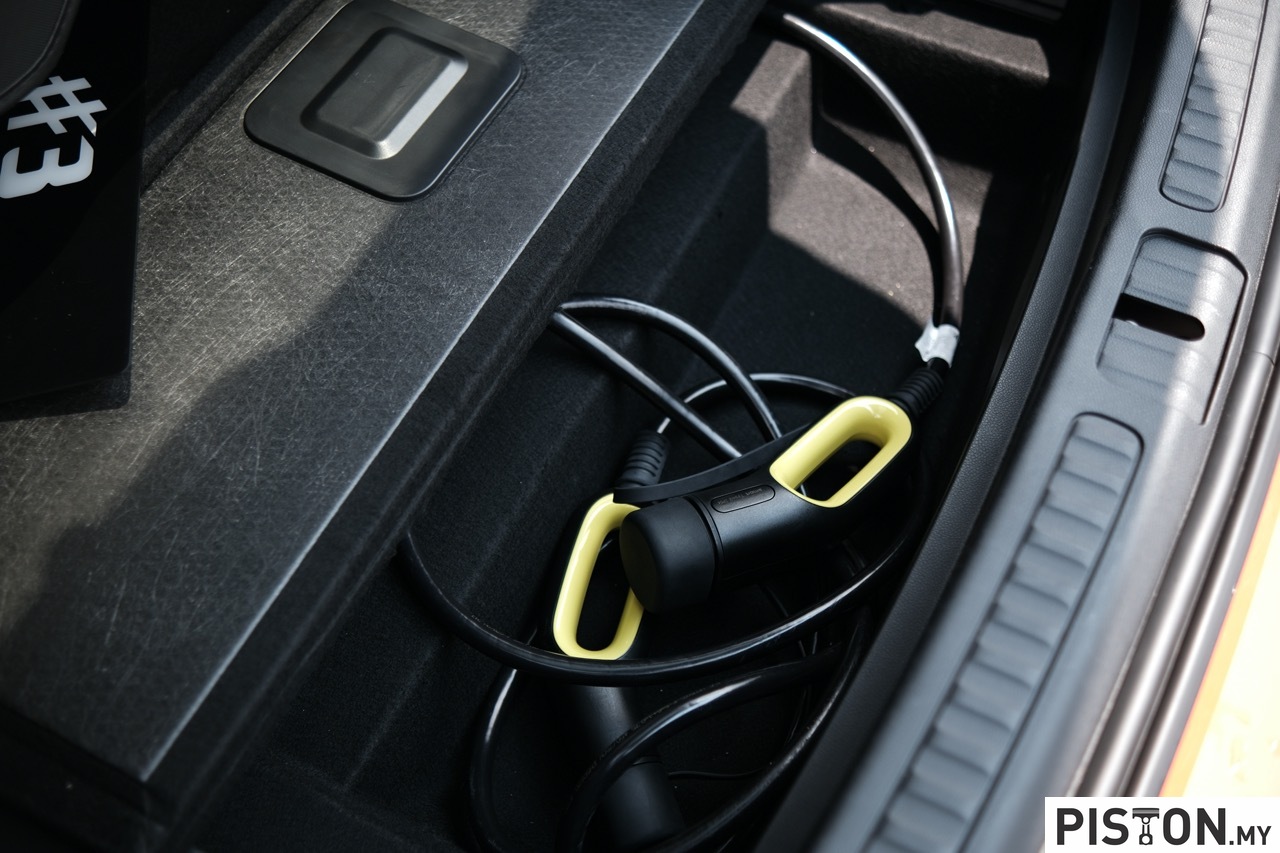
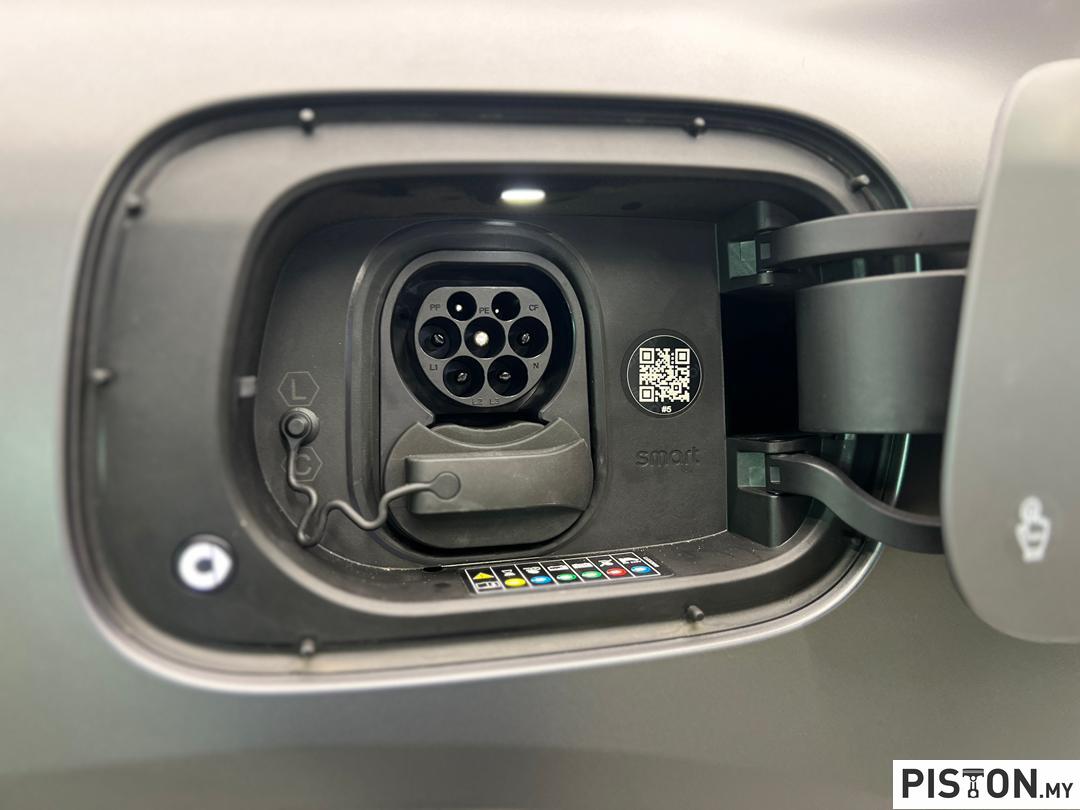
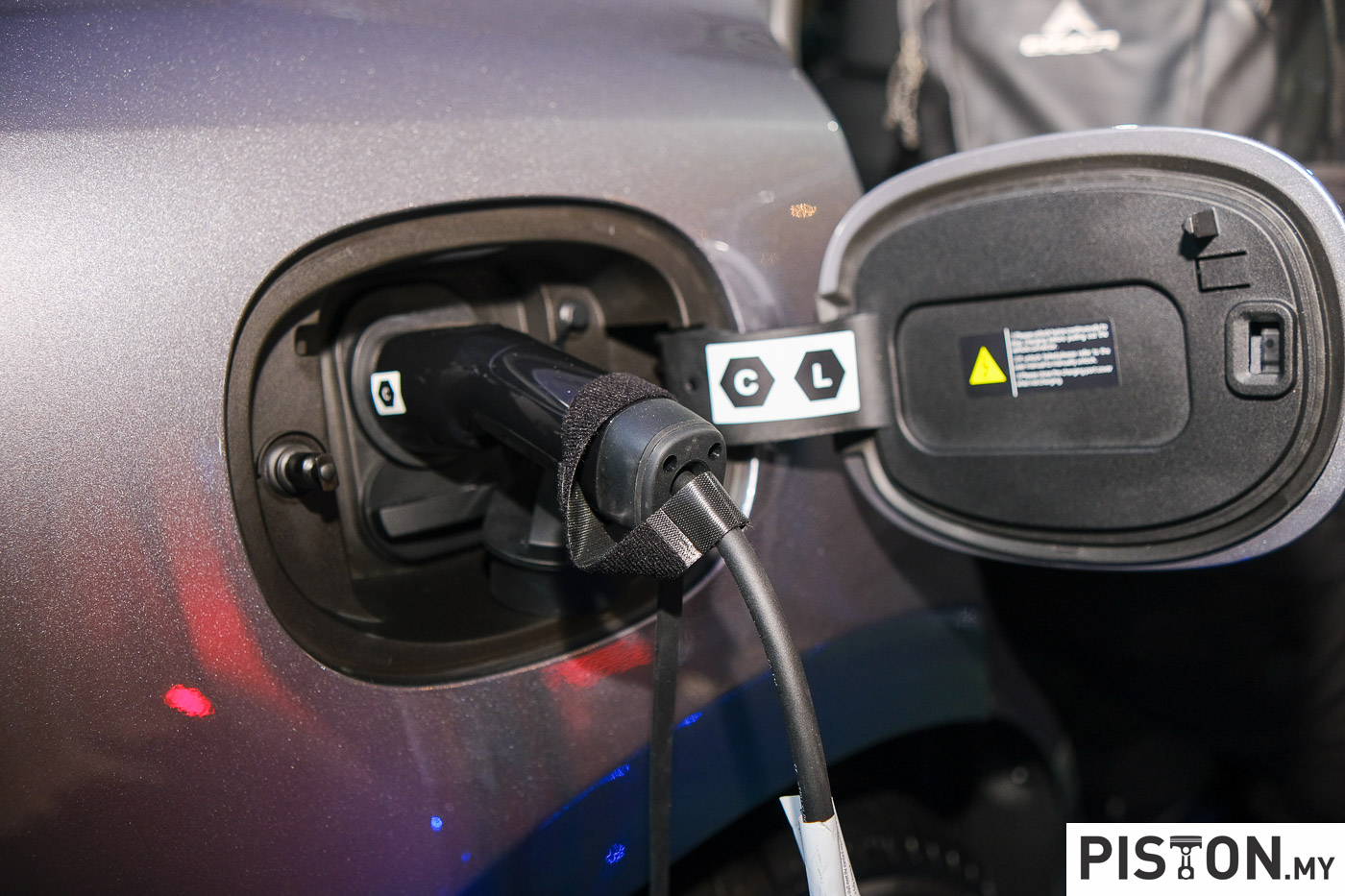
The 66 kWh nickel cobalt manganese (NMC) battery supports 22 kW AC charging for home or office setups, and when you need a quick top-up, 150 kW DC fast charging takes it from 10–80% in under half an hour. That’s convenient enough for most scenarios.

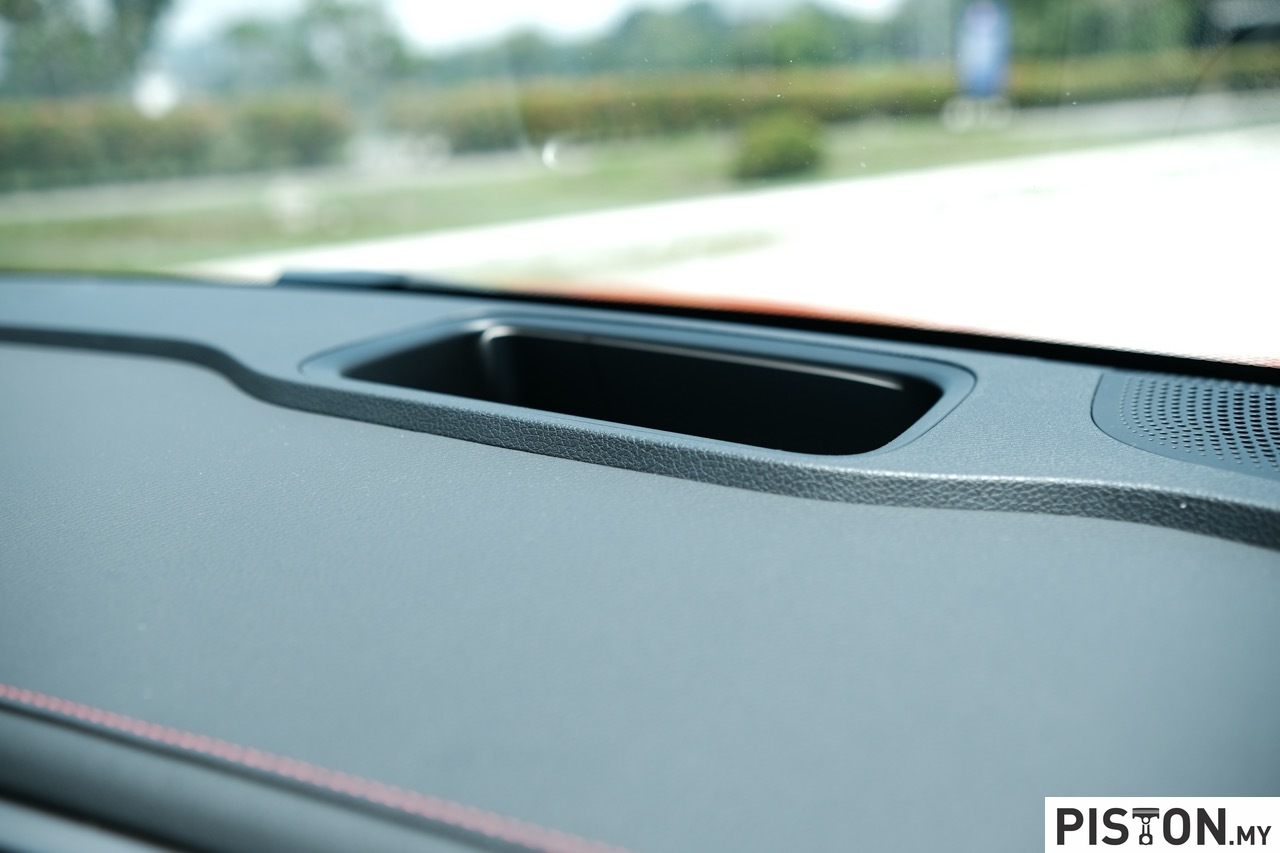
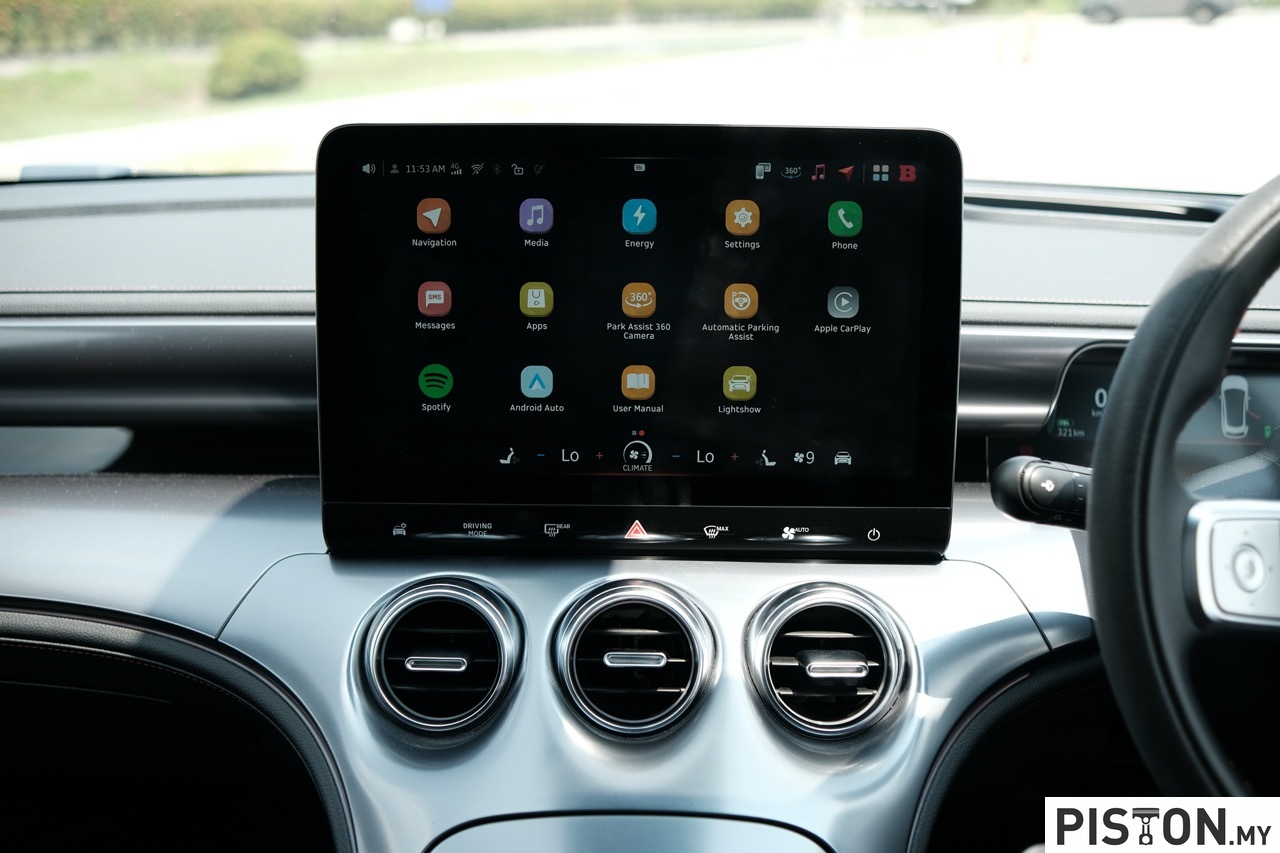
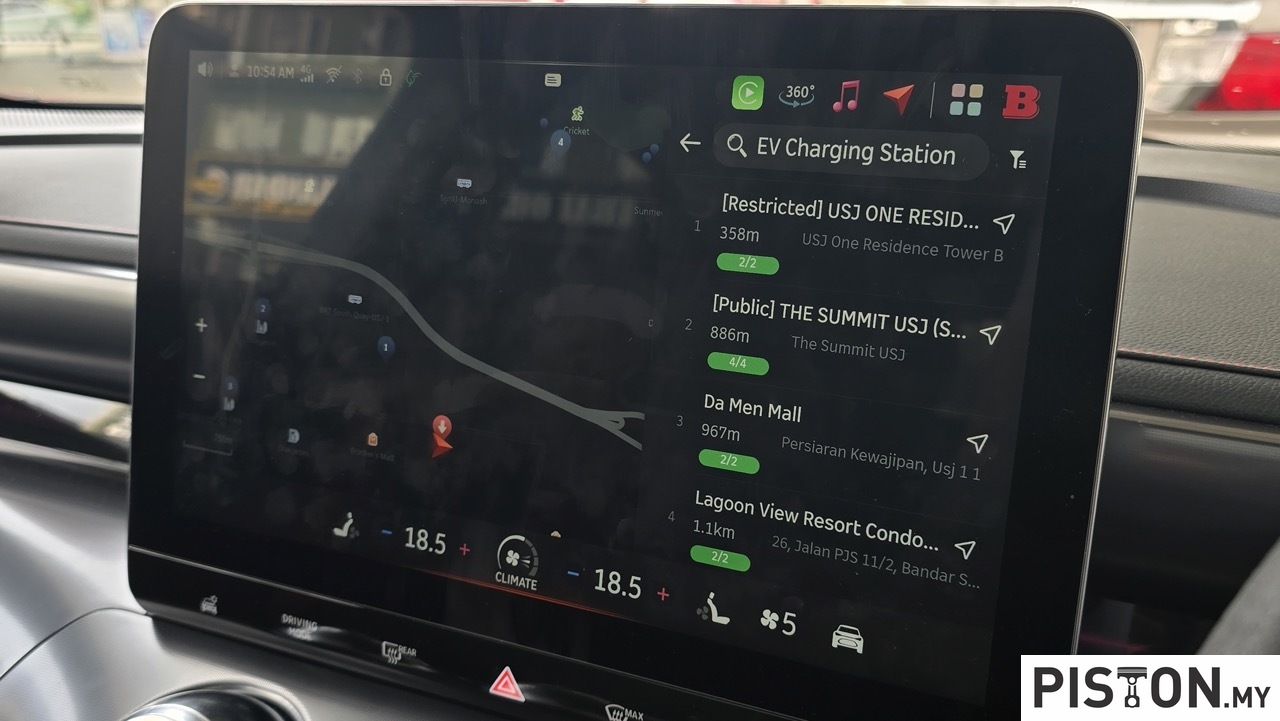
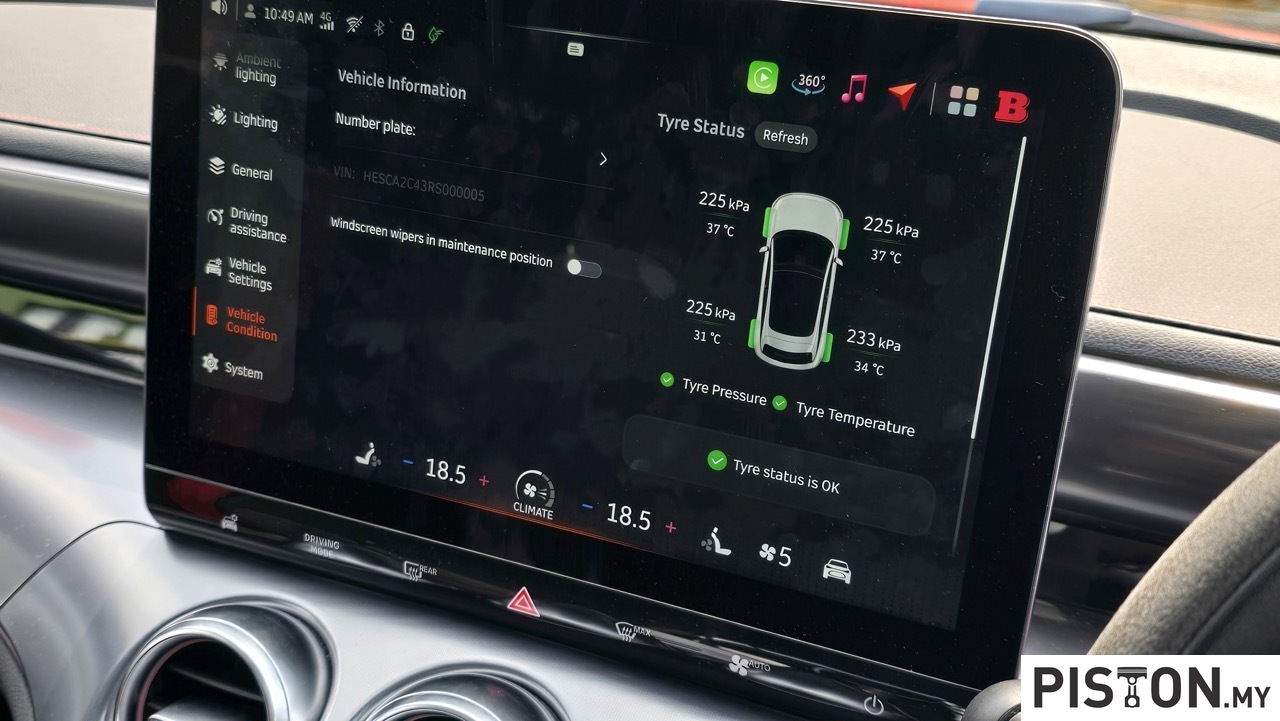
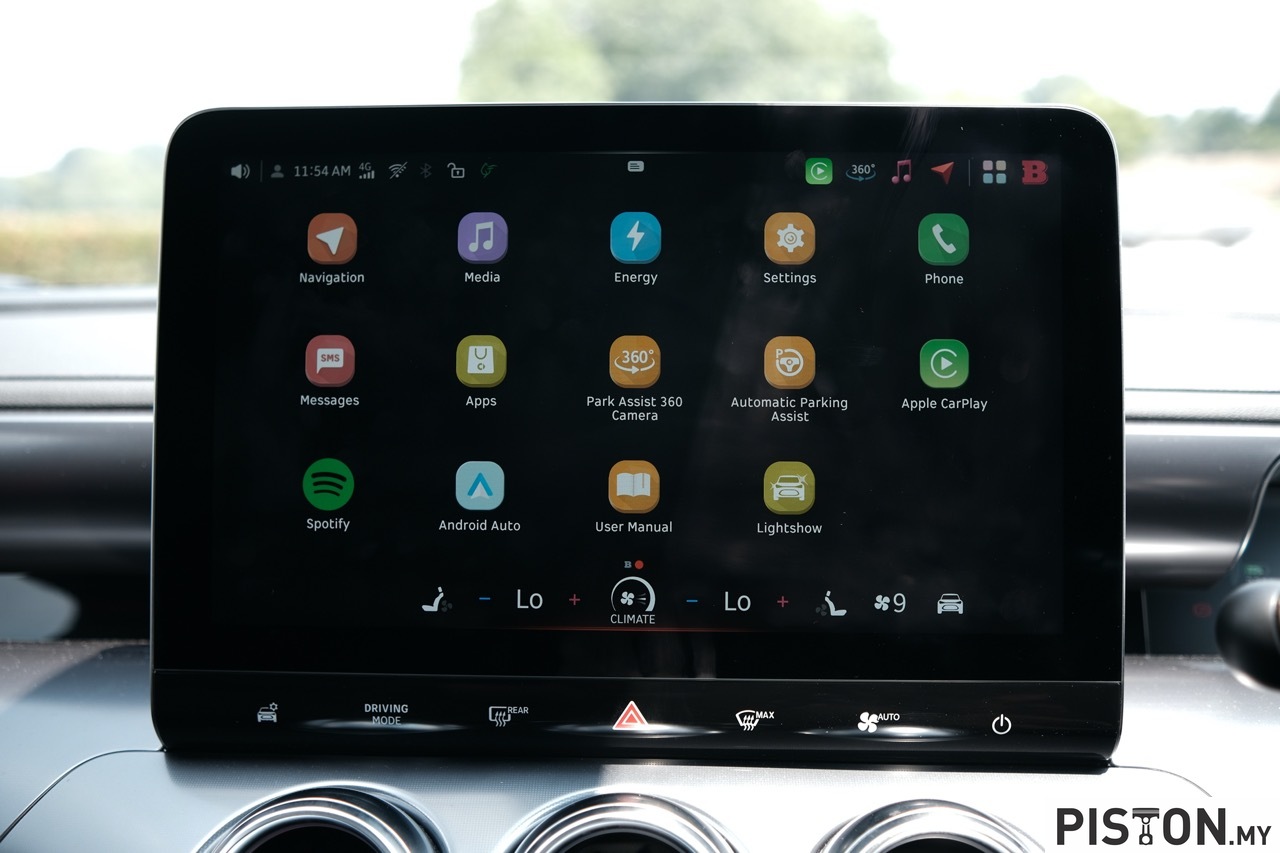
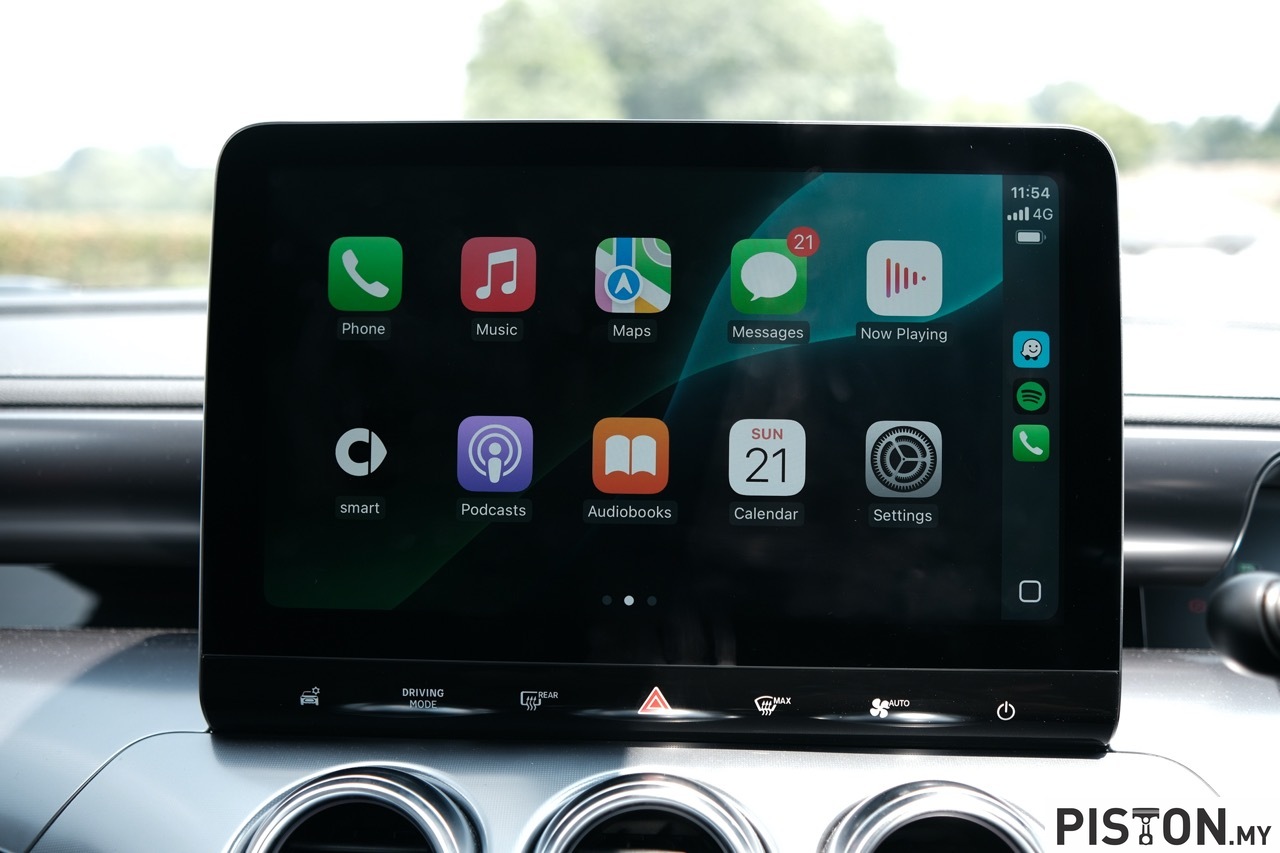
Inside, the car feels properly high-tech. The big infotainment screen dominates the dashboard, and the Mercedes influence is obvious in the design language and materials. 
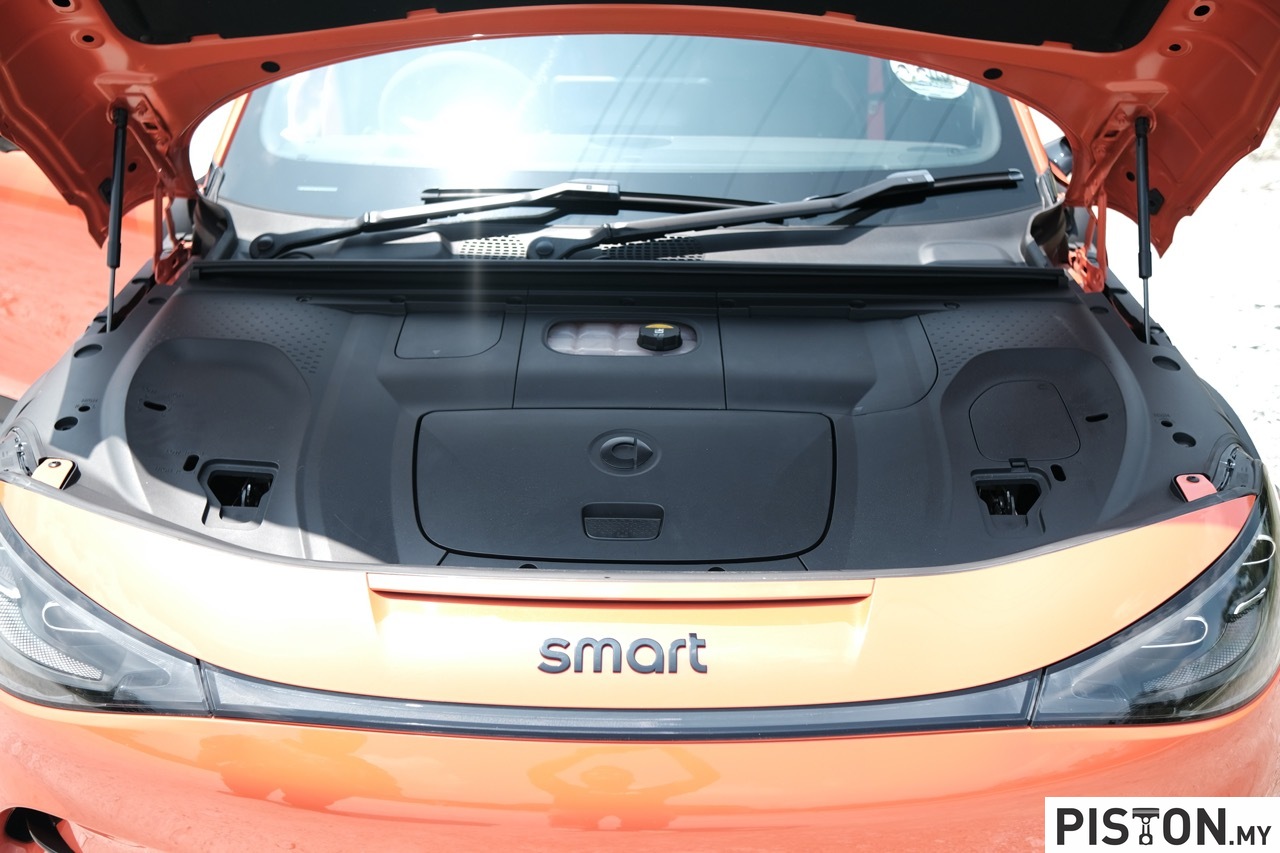
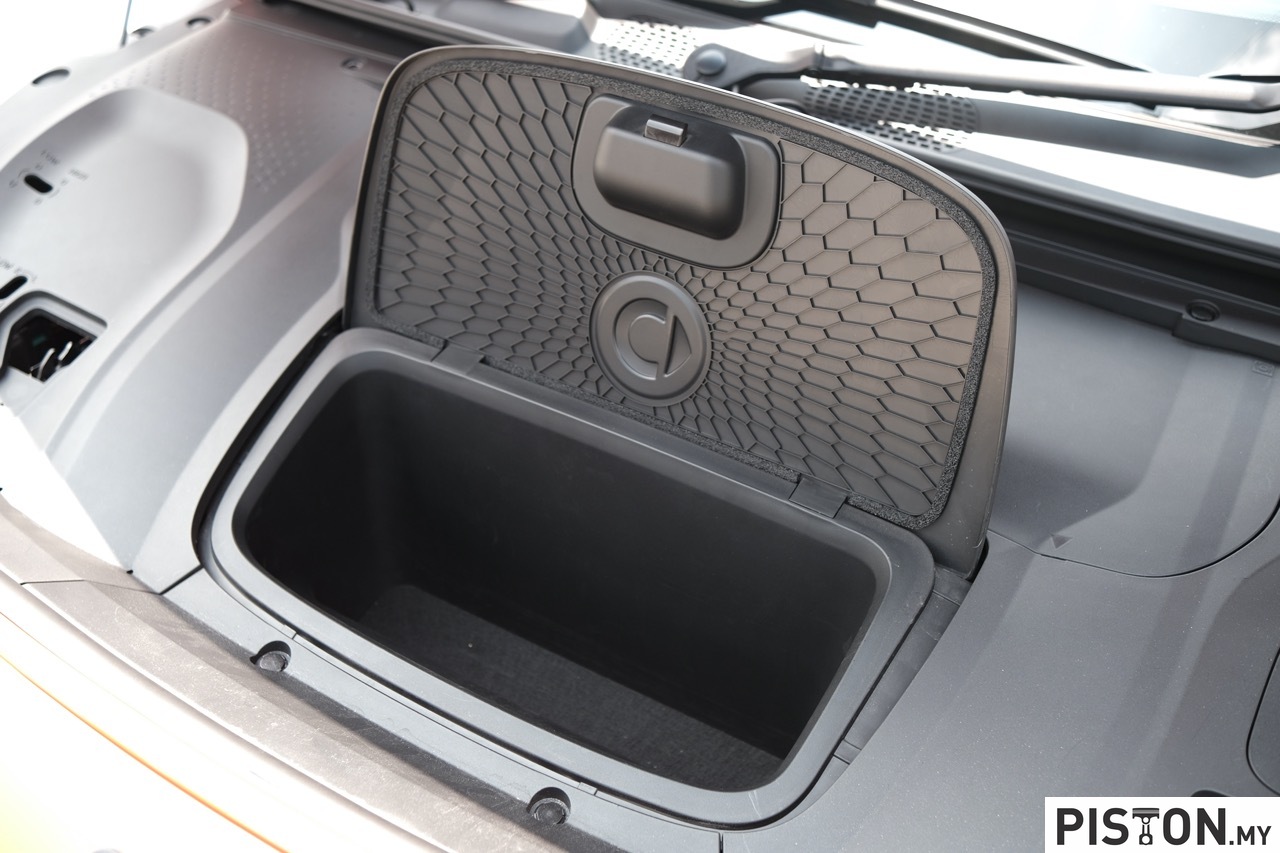
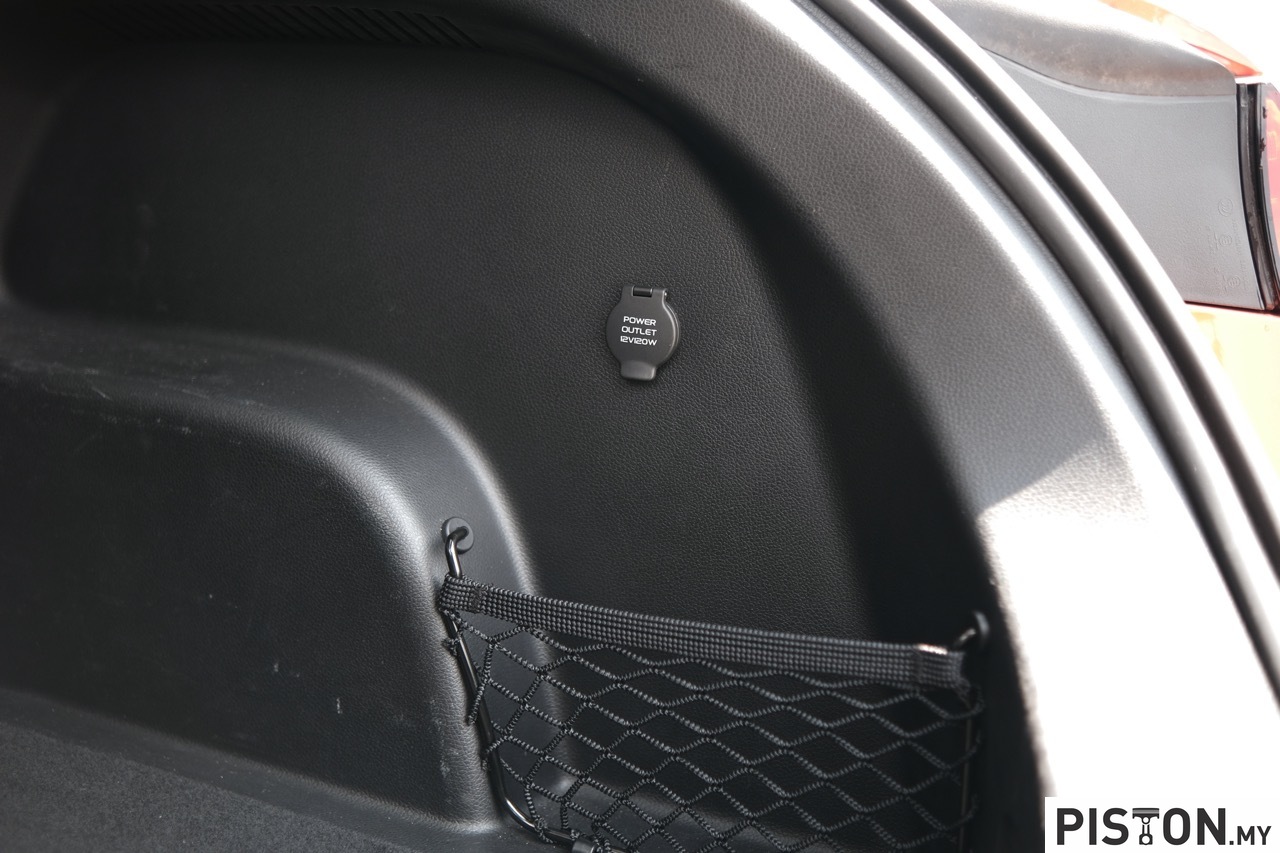
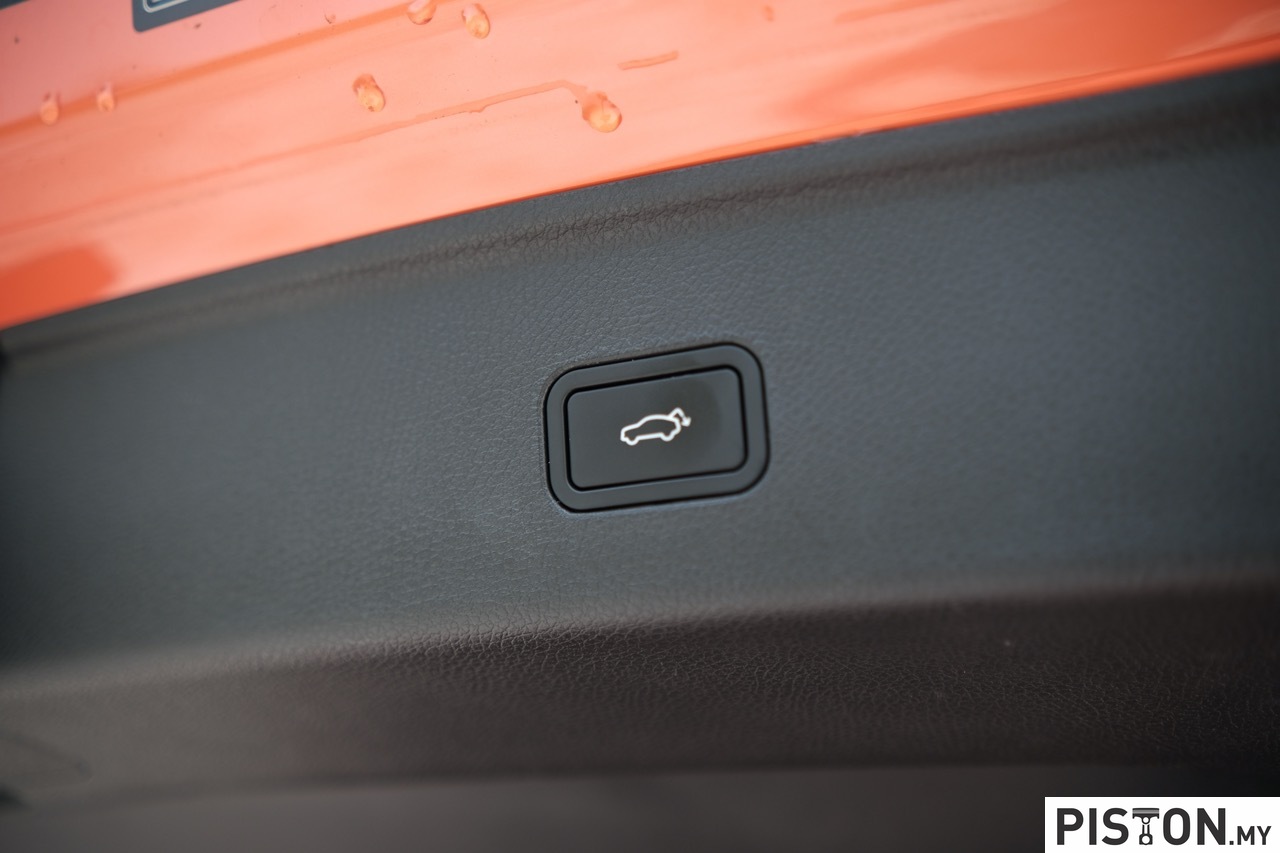
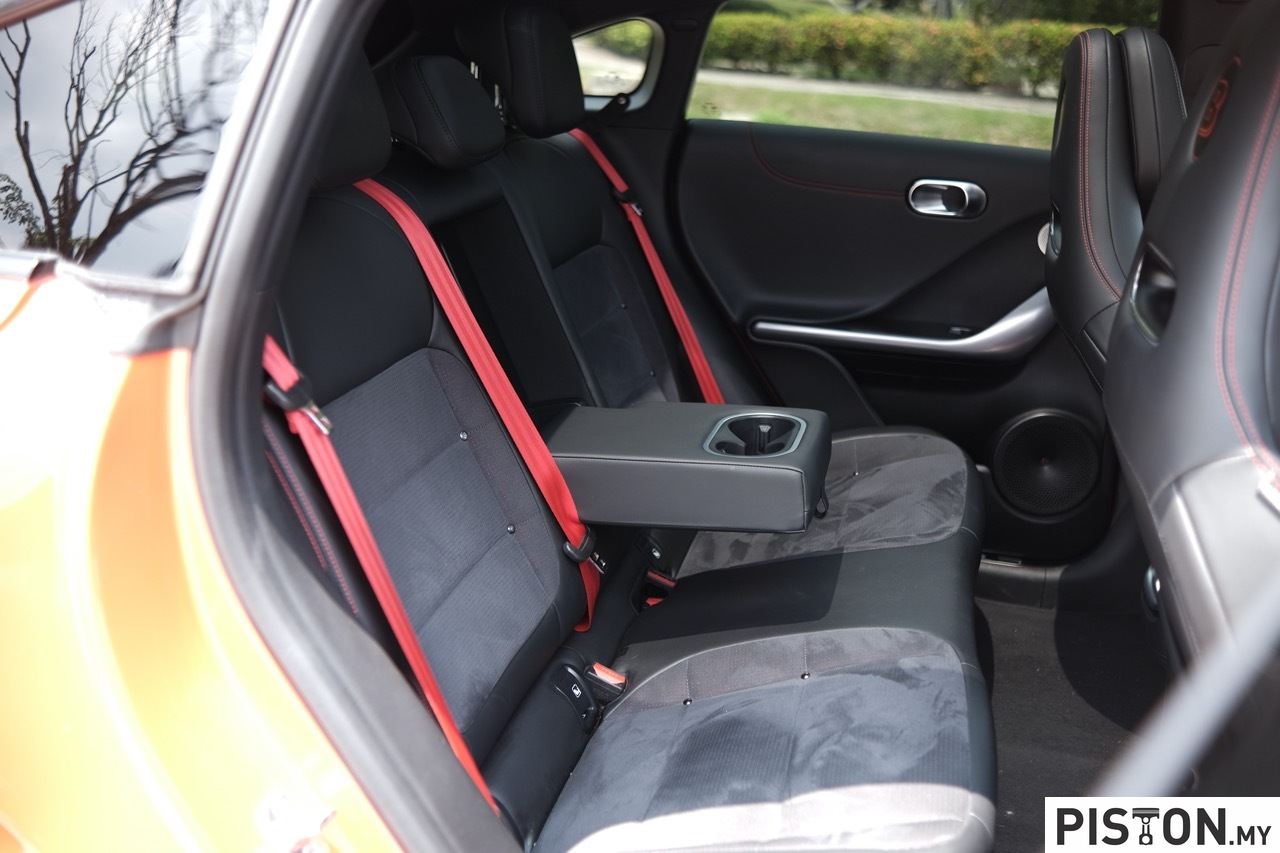
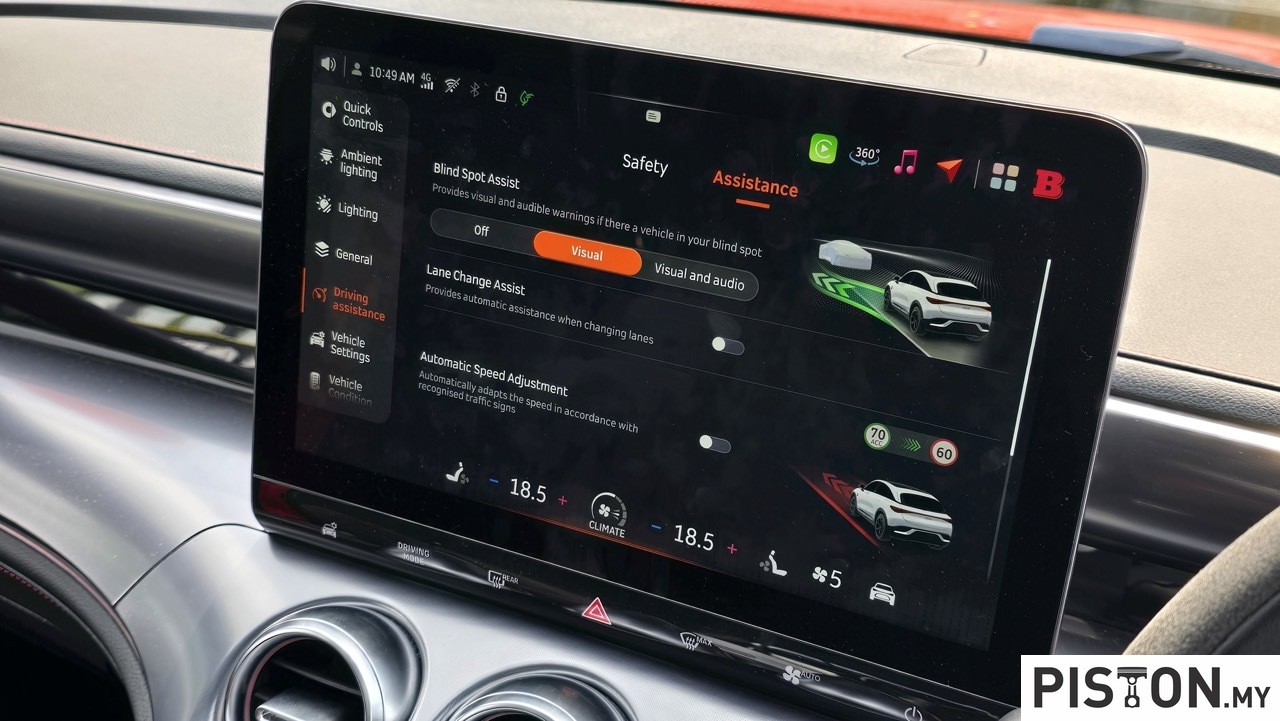
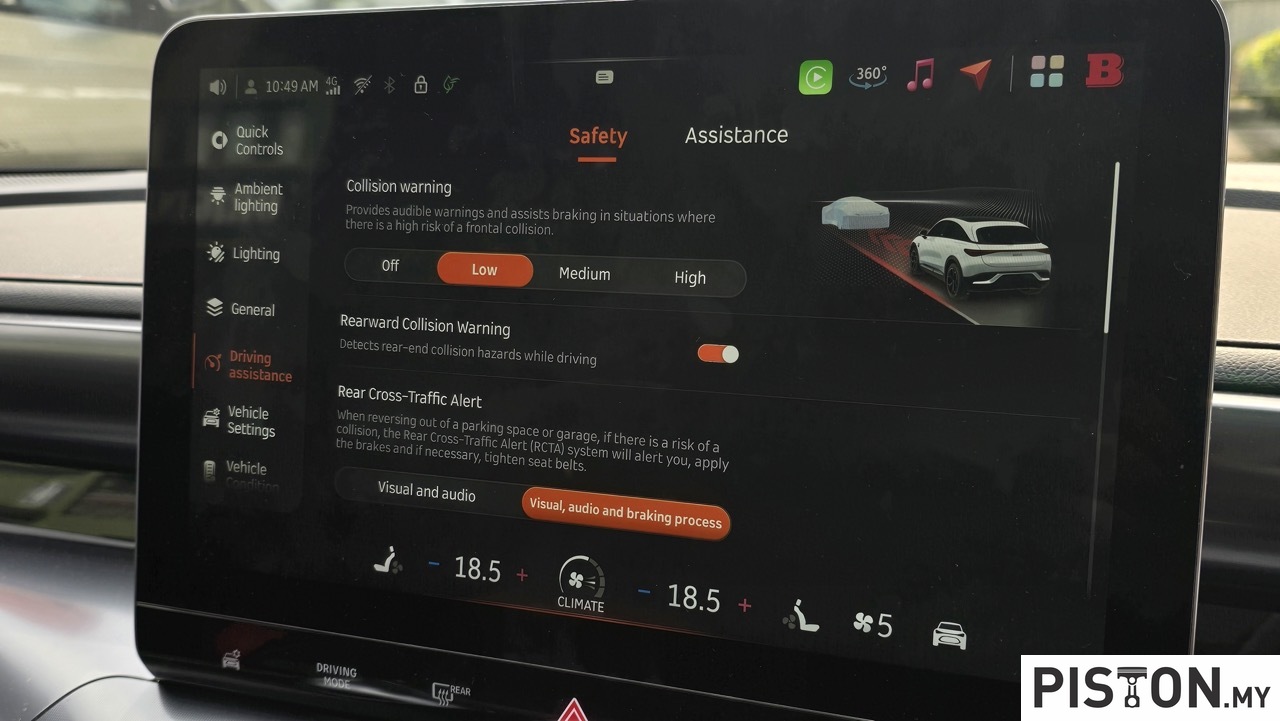
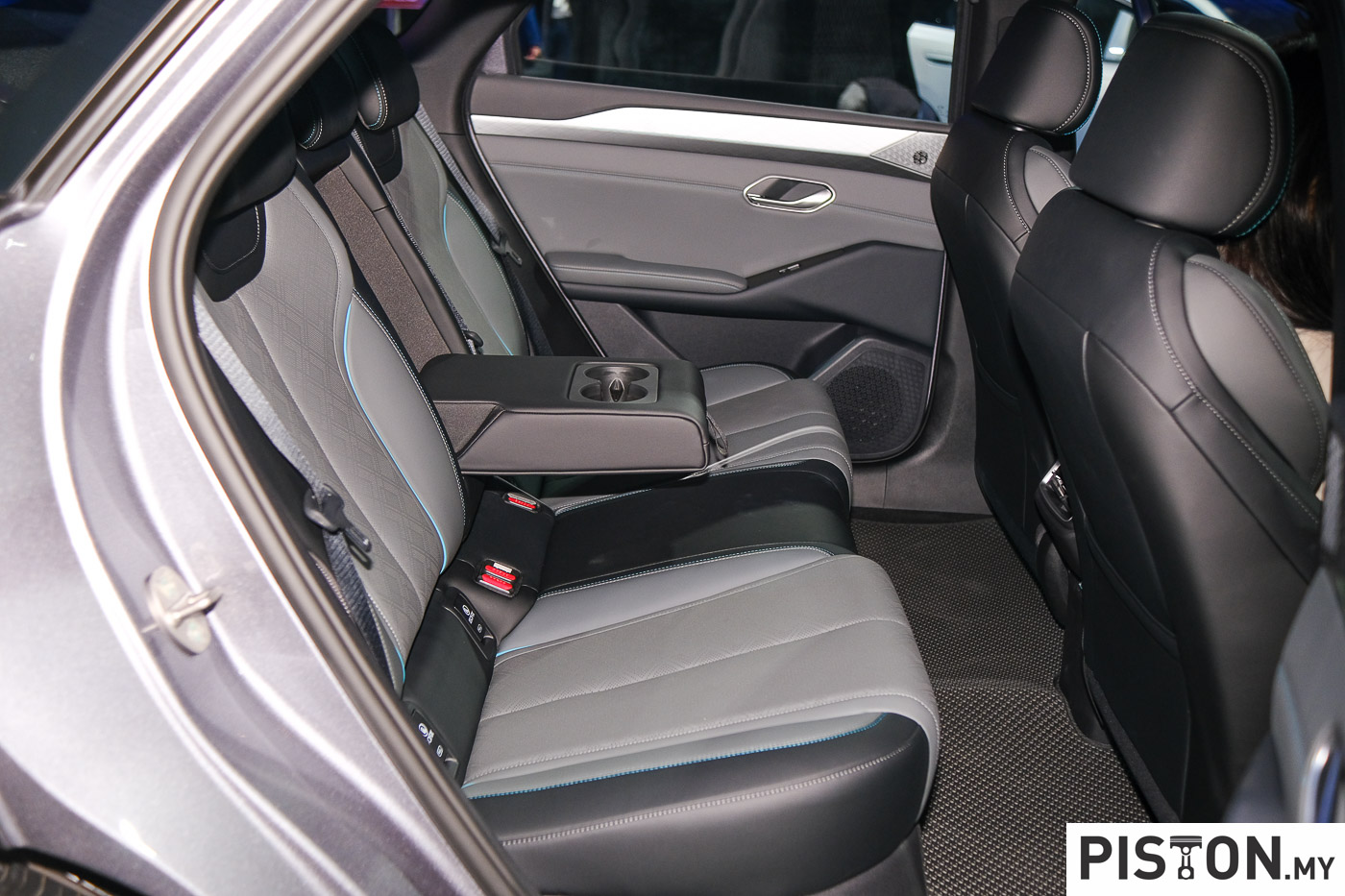
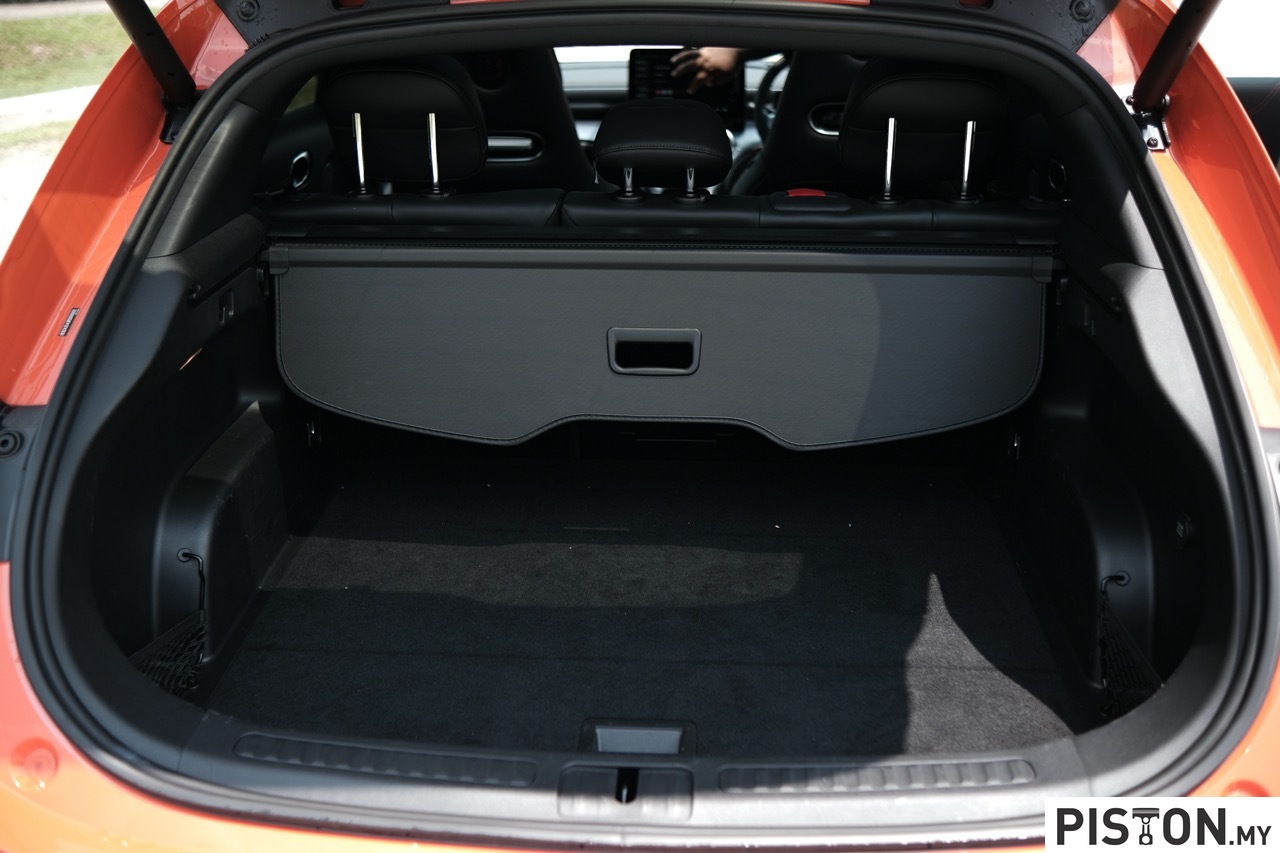
Adaptive cruise control, parking cameras, lane-keeping assist – all the safety and driver-assist tech you’d expect at this price point is included. Space is also surprisingly good. Even with the coupe roofline, the rear seats are usable for adults, and boot space is practical enough for daily life.
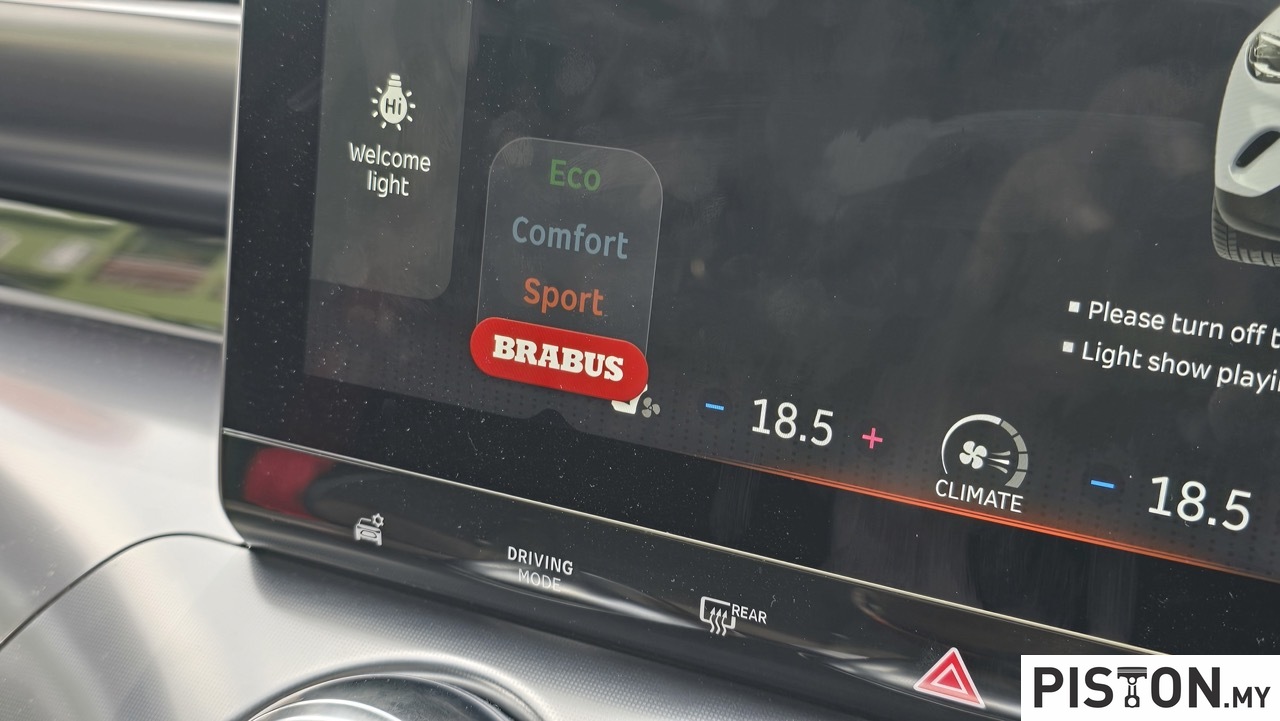
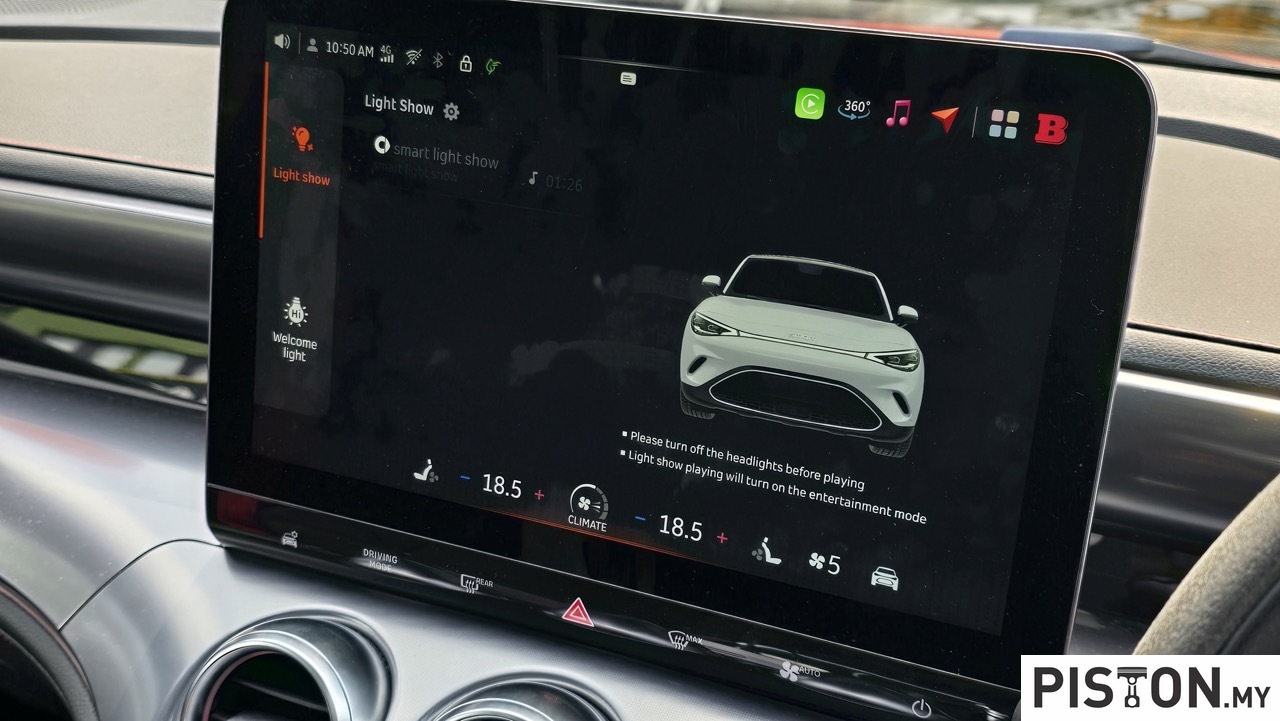
However, this is where some frustrations start to creep in. Almost every single control has been shifted to the screen. 

Adjusting the air-conditioning, tweaking the side-view mirrors – all of it requires navigating through menus. It looks futuristic, but in practice, it slows you down and makes simple tasks unnecessarily fiddly.
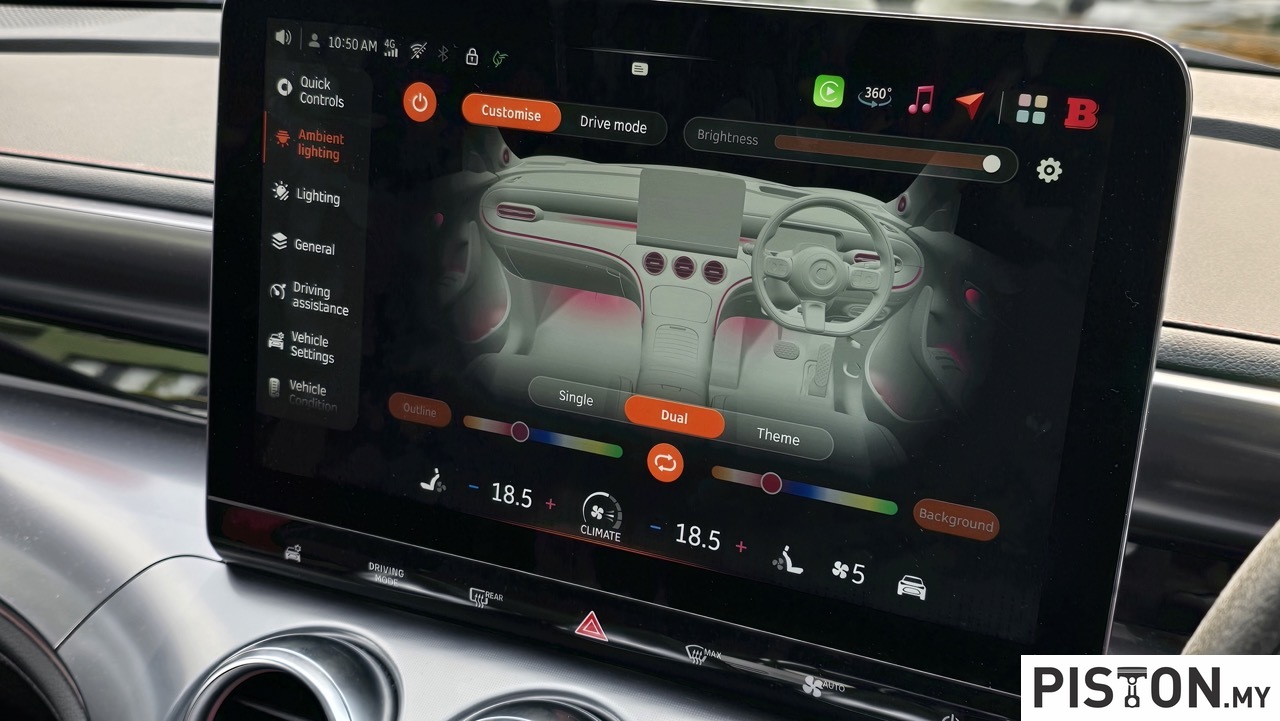
I really wish smart had left at least a few physical buttons for these everyday functions.

Another issue I noticed is the panoramic sunroof. While it’s impressive in size and really brightens up the cabin, there’s no proper shade to block out the sunlight. On hot Malaysian afternoons, the glare and heat pouring in can get overwhelming. 
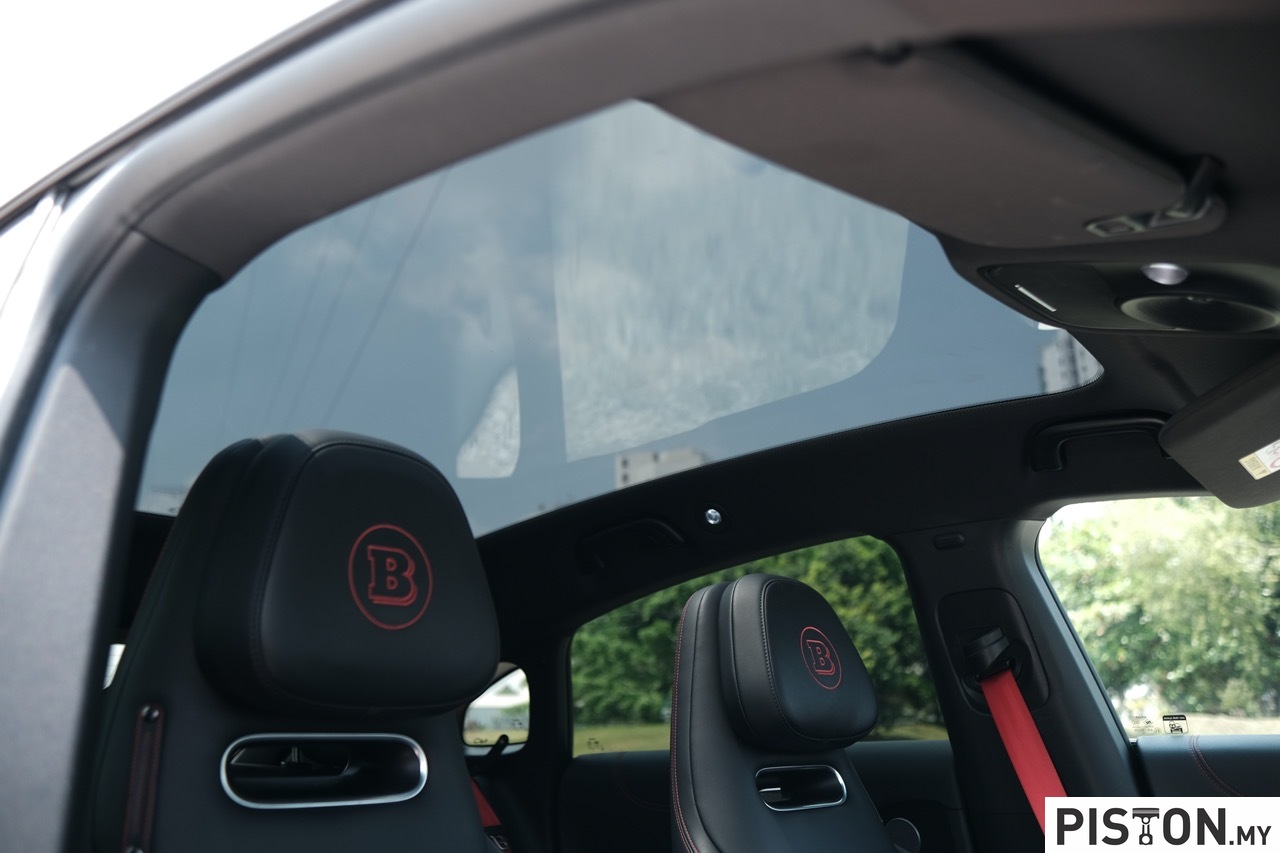
Yes, the glass is tinted, but it’s not enough. For a car at this price point, I expected a retractable cover or an electrochromic dimming system. Instead, it feels like form was prioritised over comfort.

As much as I enjoyed driving the Brabus, there are some areas where it doesn’t quite hit the mark. The firm ride is the most obvious trade-off. It gives the car stability and keeps it planted through corners, but over uneven city streets, you do get bumped around more than I’d like in a daily driver.
Another minor issue is the tyre choice. Despite the Brabus badge, some versions come with tyres that feel more eco-focused than performance-oriented. It’s not a dealbreaker, but with this level of power, I found myself wishing for more grip when cornering hard.

Range is good, but if you’re chasing maximum distance, the Premium variant does better. And then there’s the price – at RM255,000, expectations are naturally very high. 
For that money, I expected everything to be flawless, from infotainment responsiveness to app connectivity. Most of it works very well, but a few small quirks and niggles stand out more because of the price tag.

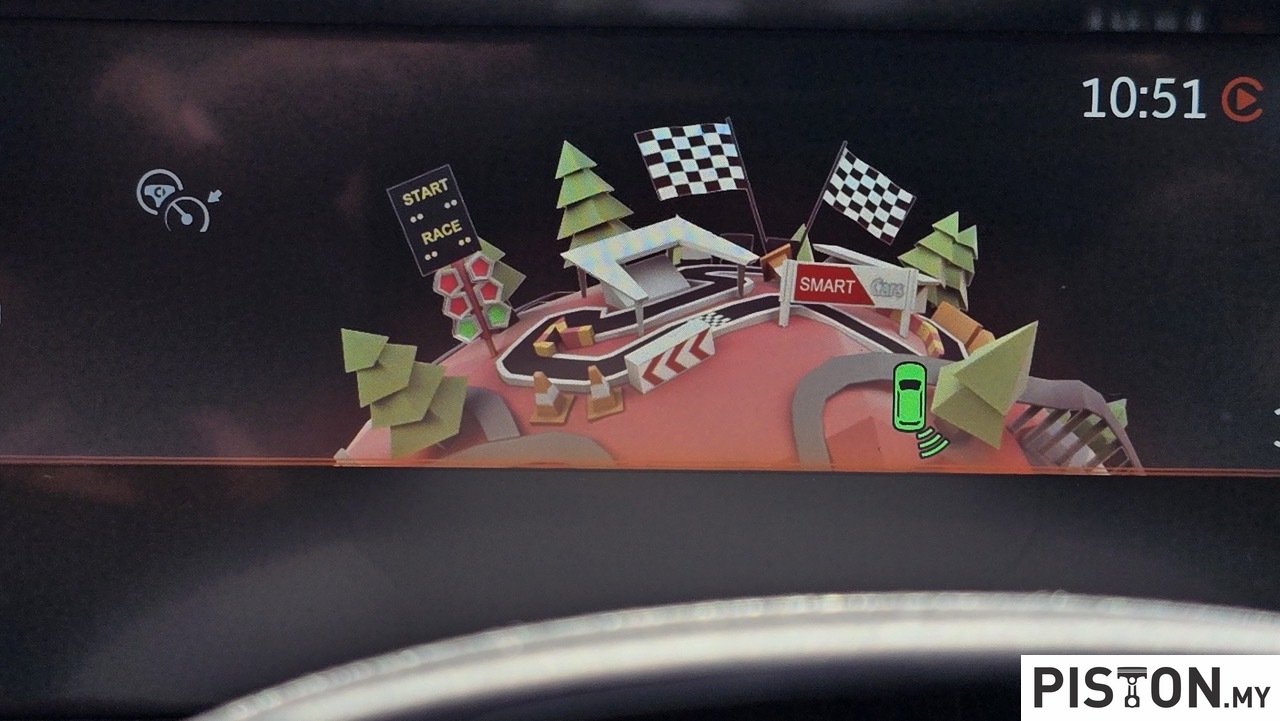
Since it is an electric car, you will not be able to do any “pops and bangs” at car meets. So to compensate for that, the smart has a feature called “Light Show” where, well, the front lights, including the ones on the grille, put on a show with loud music. Not a necessity, but a fun and funky feature to turn heads.
Final Thoughts

Driving the smart #3 Brabus left me with mixed feelings – but mostly positive ones. On the one hand, it’s one of the most exciting EVs you can buy right now in Malaysia. 

It looks fantastic, the interior feels premium, and the performance is genuinely thrilling. It makes every drive feel a bit more special, and in the EV world, that’s not something you can say about every car.
On the other hand, the firm suspension, over-reliance on the touchscreen for basic controls, the lack of a sunroof shade, and the premium price tag mean it is not going to be perfect for everyone. 

If comfort and simplicity are your priorities, the Premium or even the Pro variant might make more sense.
But if you want your EV to stand out, go fast, and make a statement every time you hit the road, the smart #3 Brabus does exactly that. It’s not perfect, but it’s a car that puts a smile on your face, and for me, that’s what driving should always be about.

Specifications

Motor: Dual Electric Motors
Power: 428PS
Torque: 543Nm
Range: 415km
AC Charging: 22kW; 10-80% in 3 hours
DC Charging: 150kW; 10-80% in 30 mins

Price (as tested): RM255,000

We like: Performance and looks
We don’t like: Lack of physical buttons and sunroof shade
Great Wall Motor’s EV brand Ora has launched its first mass-production SUV, the Ora 5, in China. This new compact electric SUV introduces a fresh design and comes with advanced driving assistance features.

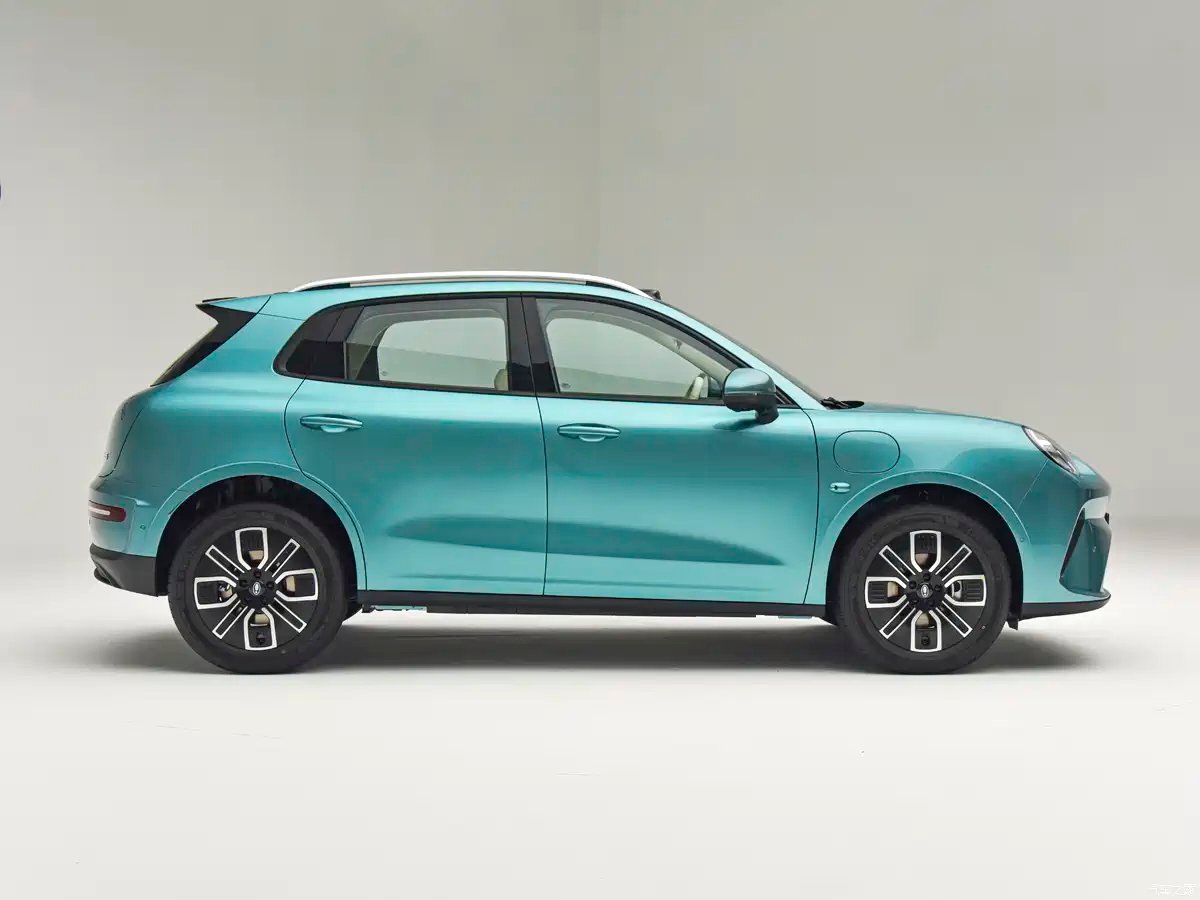
The Ora 5 keeps the brand’s familiar “cat family” styling but with a sharper look, big round headlights, and larger air vents on the front bumper. Buyers can choose from six colours inspired by famous landmarks, including Aurora Green, Senna Grey, Lake Sayram Blue, Cliff White, Sand Dune Beige, and Linzhi Red.

In size, the Ora 5 is larger than the Good Cat, measuring 4,471 mm long, up to 1,844 mm wide, and 1,641 mm tall, with a 2,720 mm wheelbase. It rides on 18-inch dual-tone wheels and has a clean rear design with horizontal taillights and badges showing “GWM,” “ORA 5,” and “Great Wall Motor.”

Photo credits: Autohome

(more…)

From 1 January 2026, electric vehicle (EV) owners in Malaysia will no longer enjoy tax-free motoring. The government has announced that road tax for EVs will be introduced at rates starting as low as RM20 per year, with the highest tier capped at RM850 annually.

The new structure is based on motor output (kW), rather than engine displacement, as applied to internal combustion engine (ICE) cars. By linking road tax directly to motor power, the system indirectly ties in with the price and performance of each EV. Smaller, affordable models will be taxed at the lower end, while high-powered luxury EVs will sit at the top of the scale.

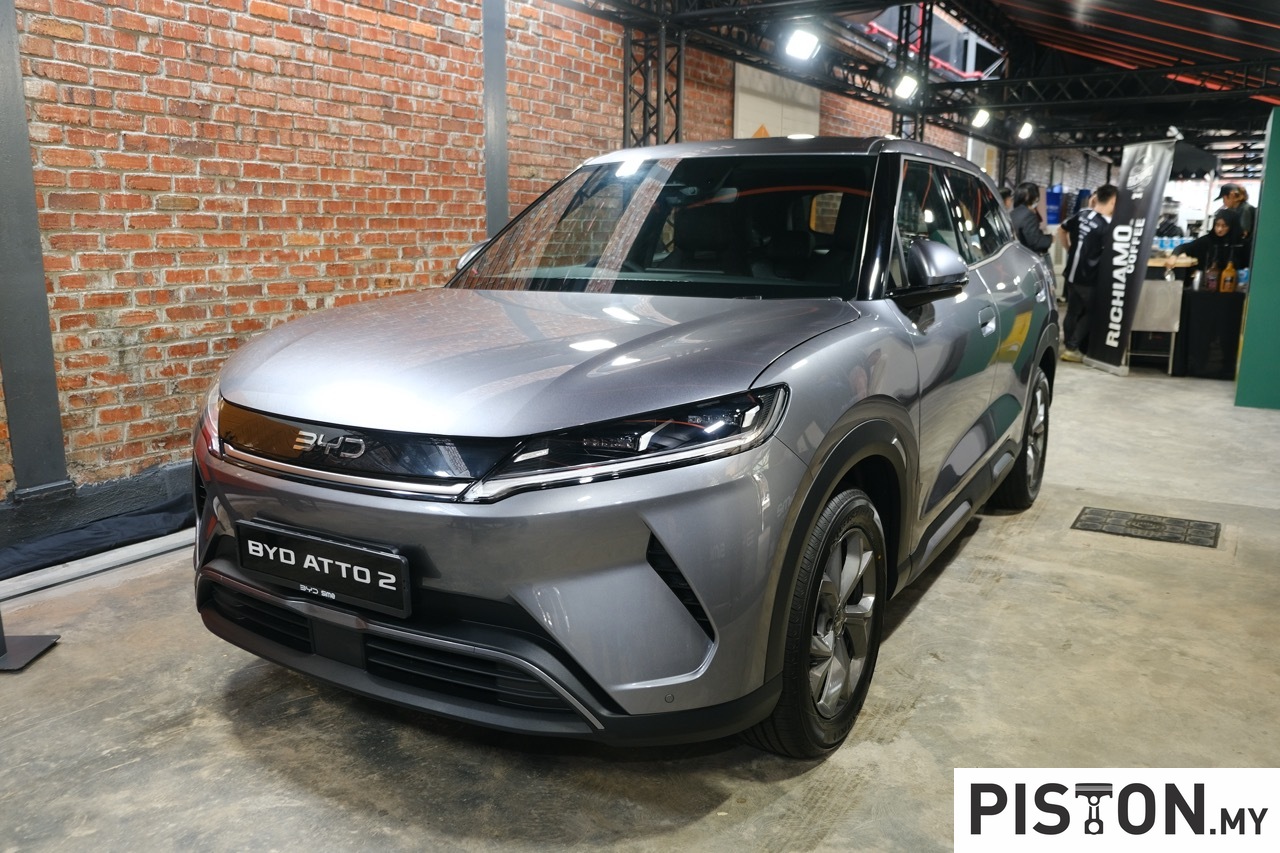
Datuk Shahrol Halmi, President of the Malaysia EV Owners Club, pointed out that the rates are far lower than the pre-2022 formula, which many had feared would return once current exemptions expired. He described the announcement as a welcome surprise, noting that a model like the BYD Atto 2, with a 130kW motor, would only attract an annual road tax of about RM120.

(more…)

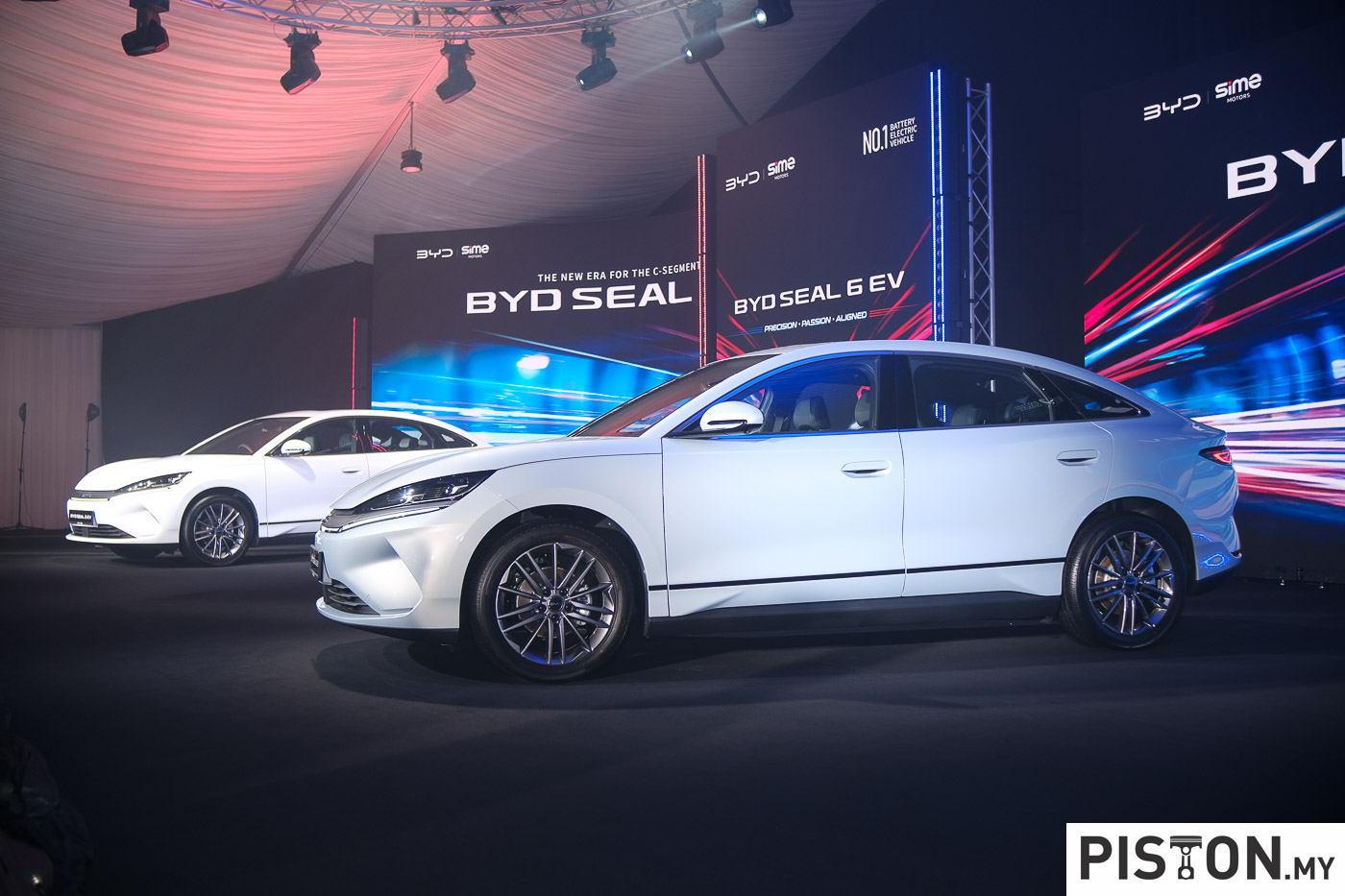
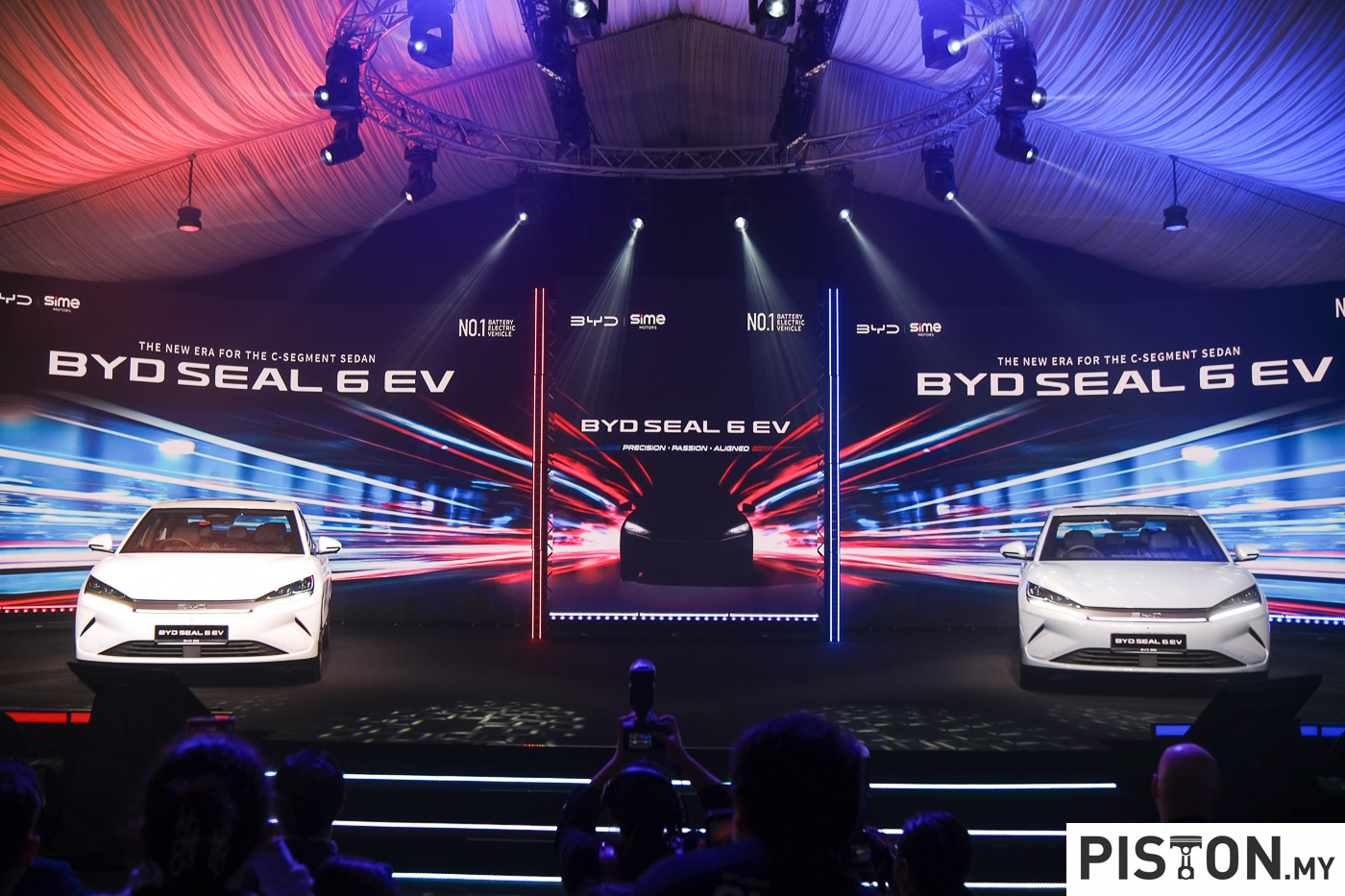
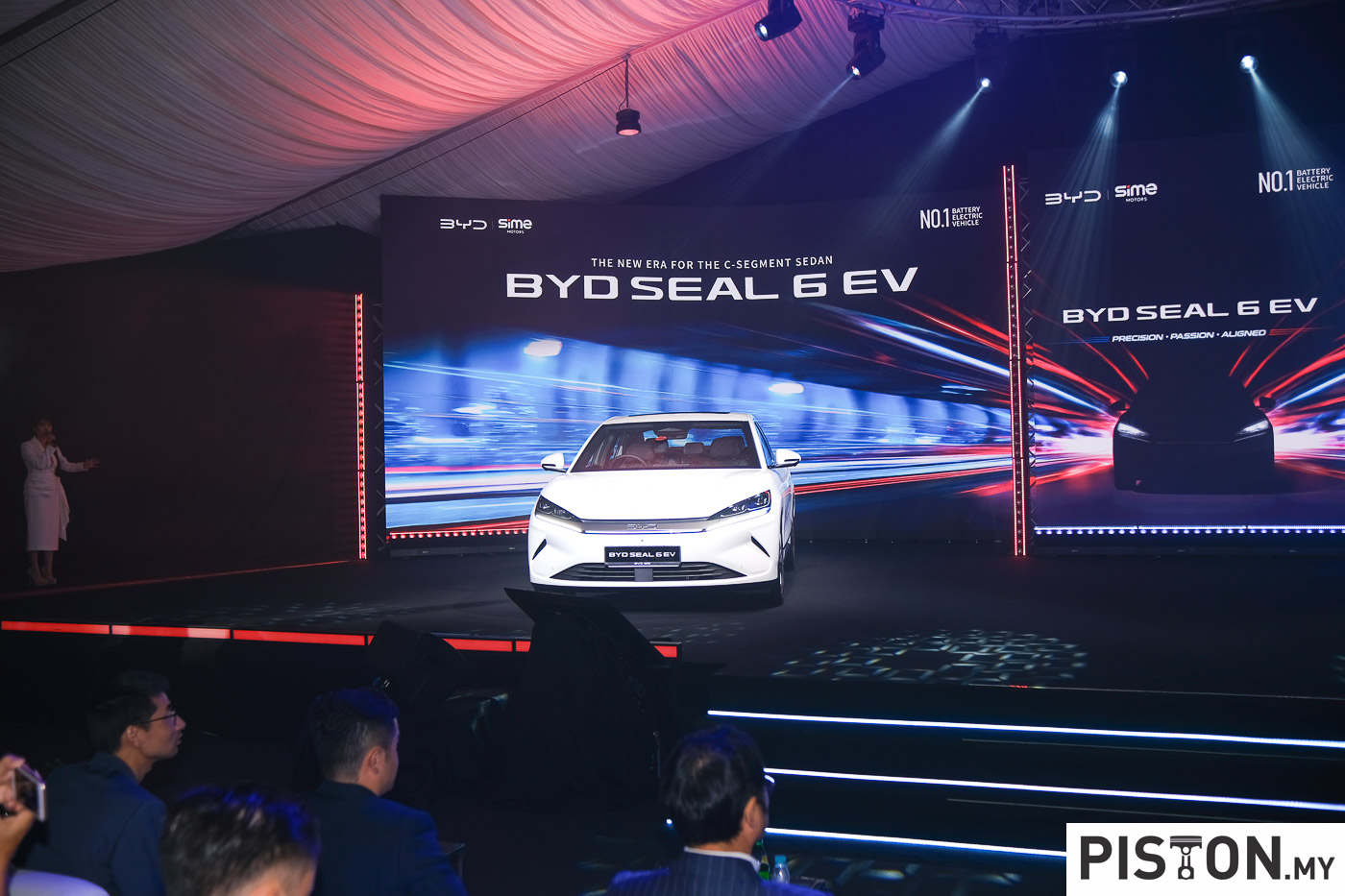
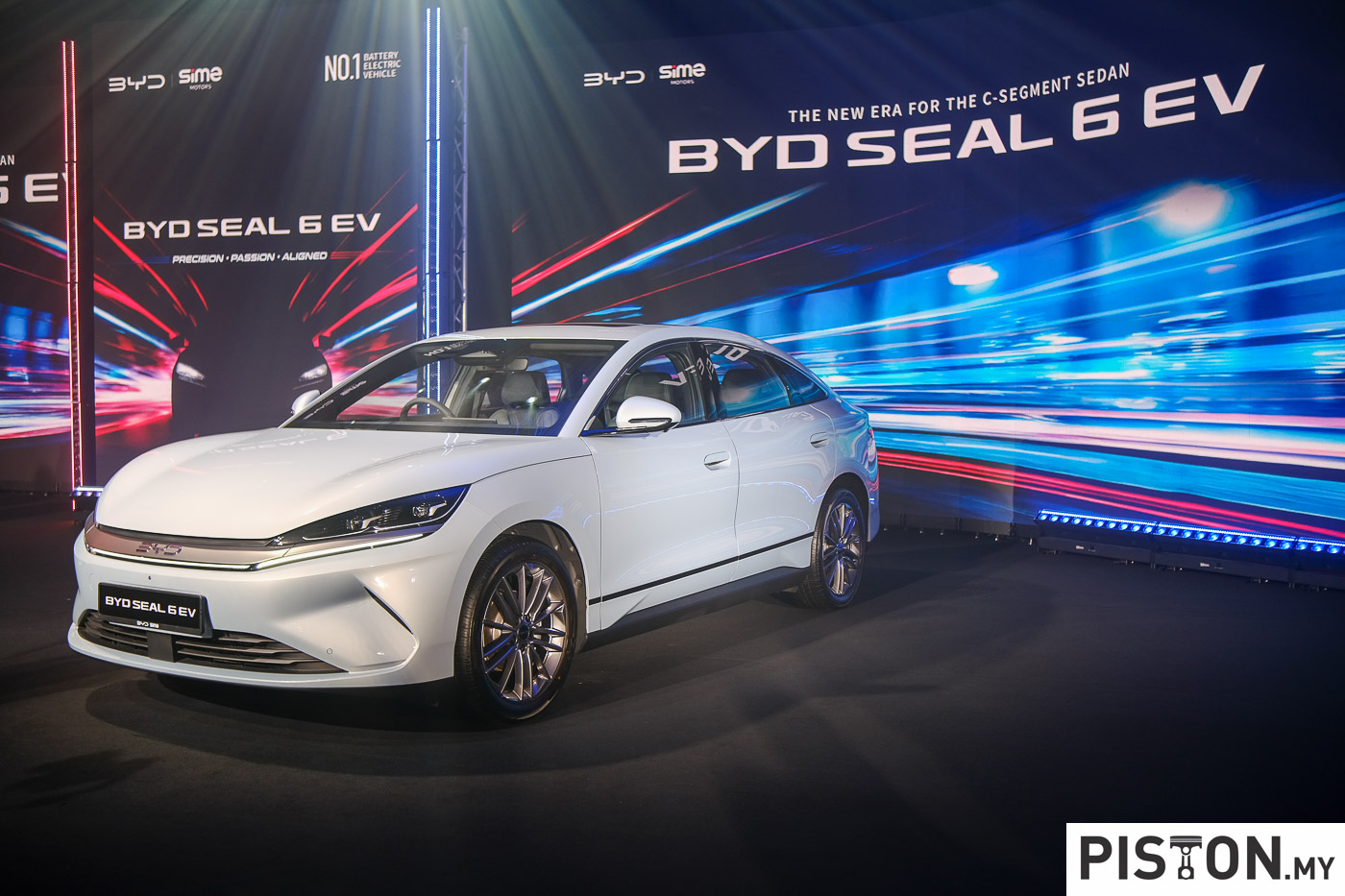
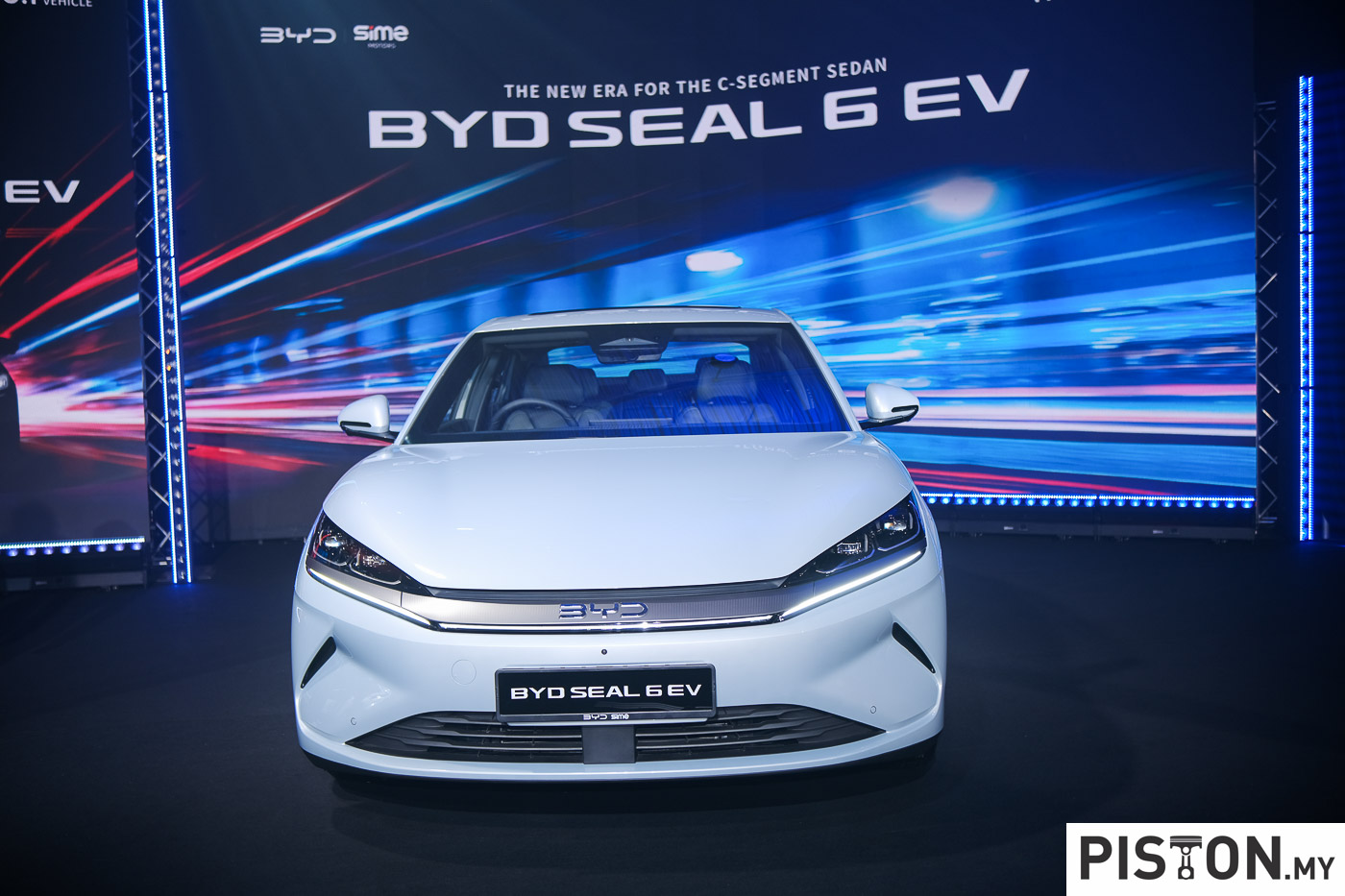
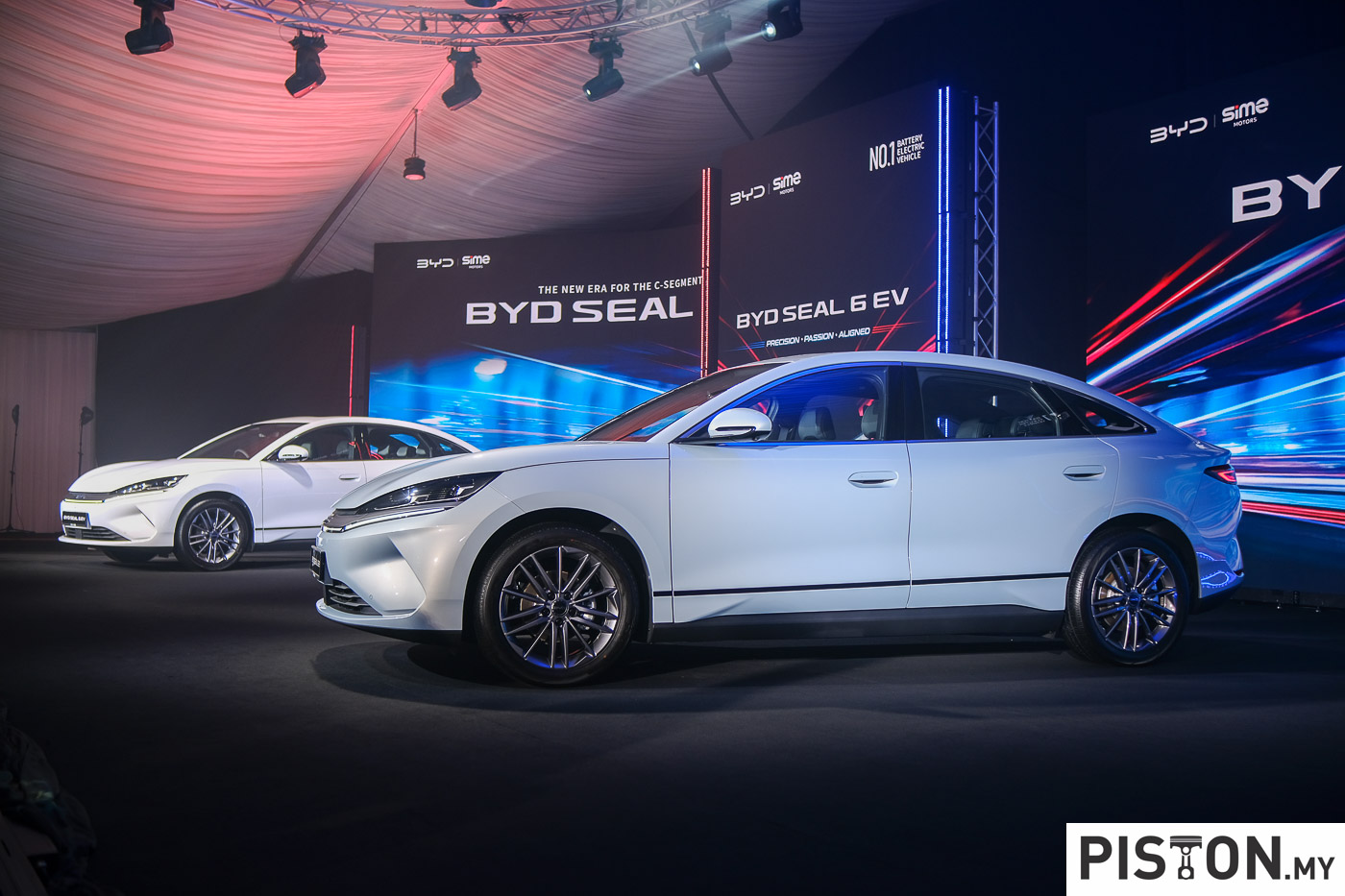
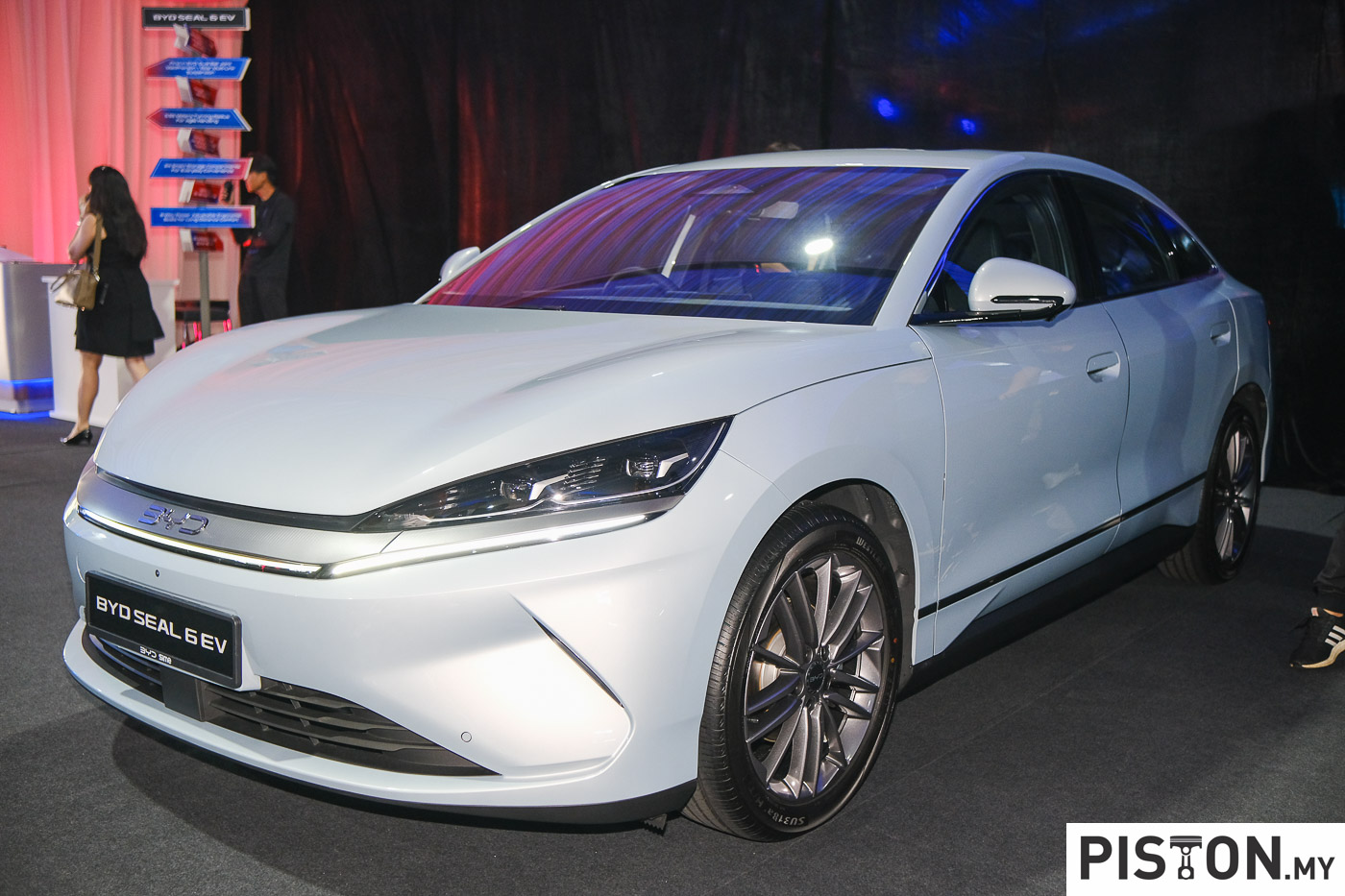
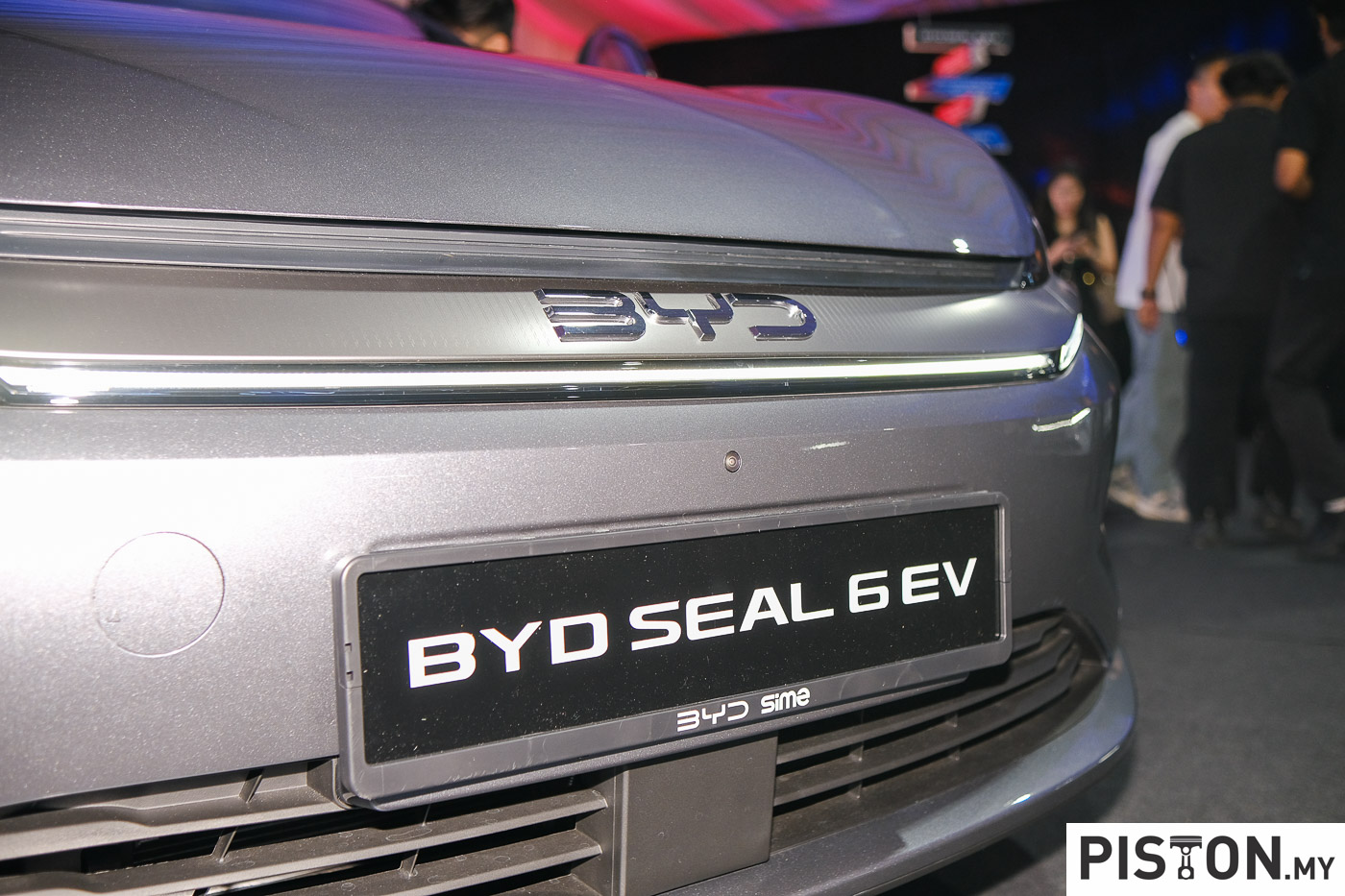
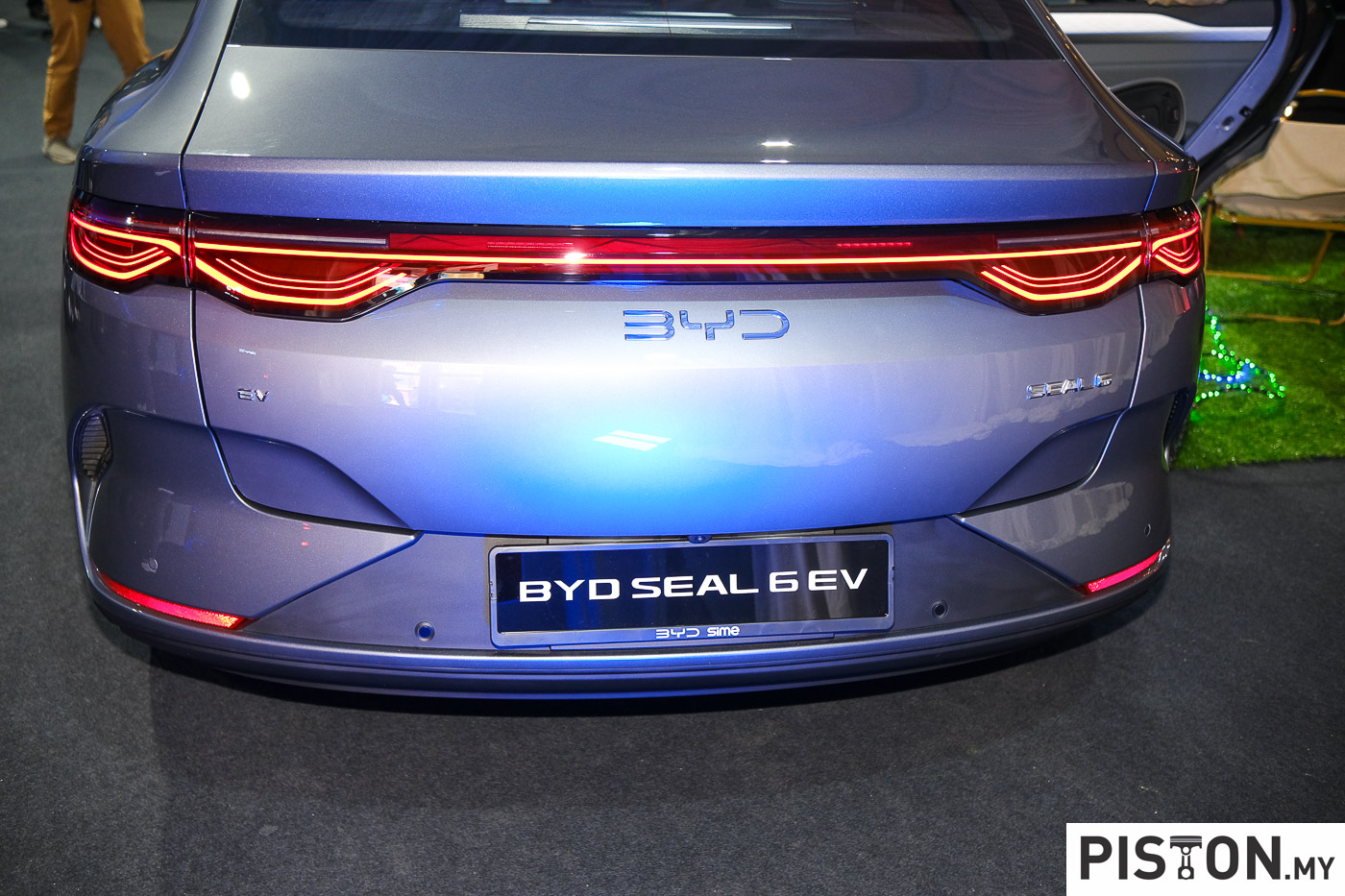
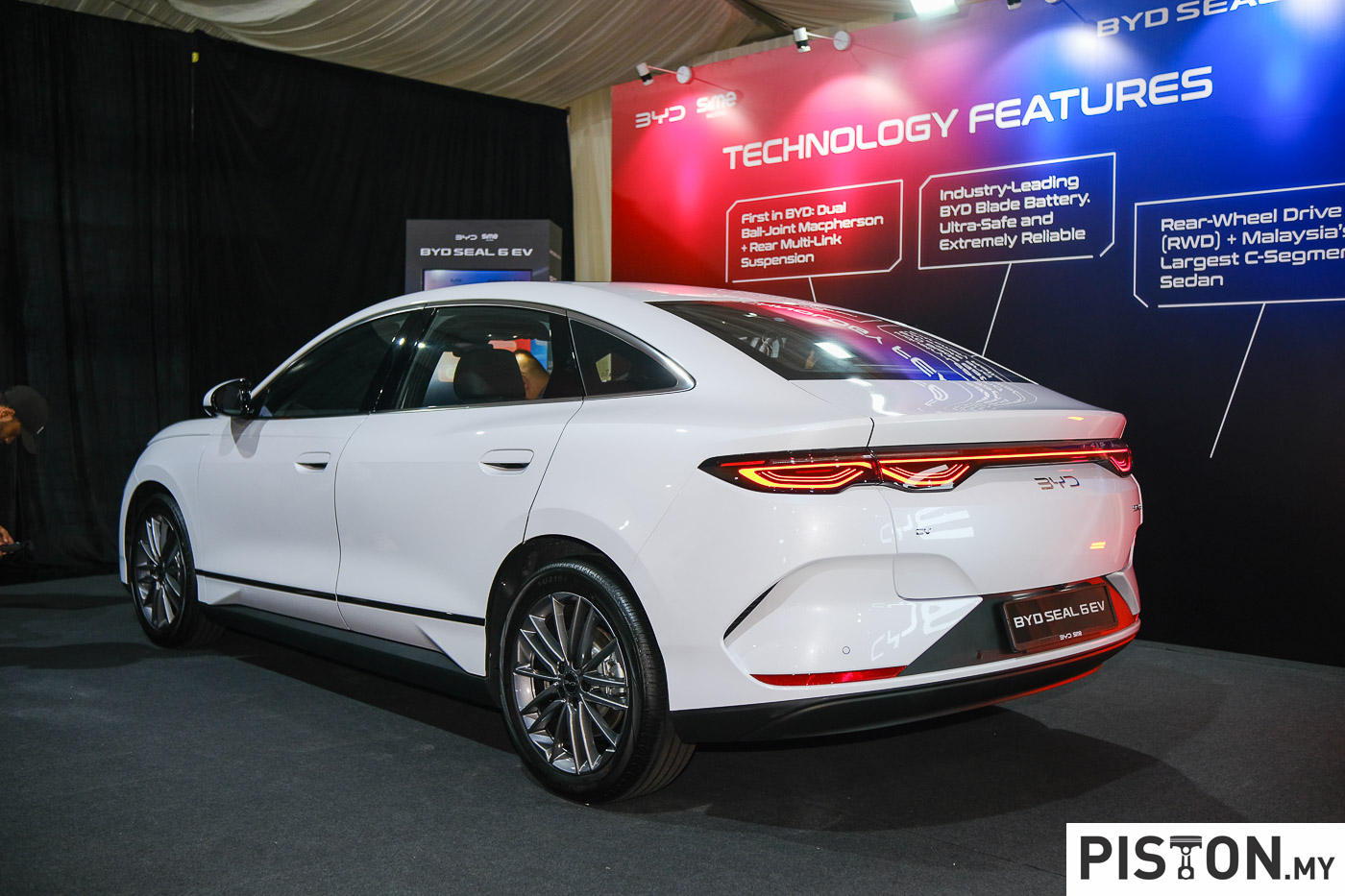
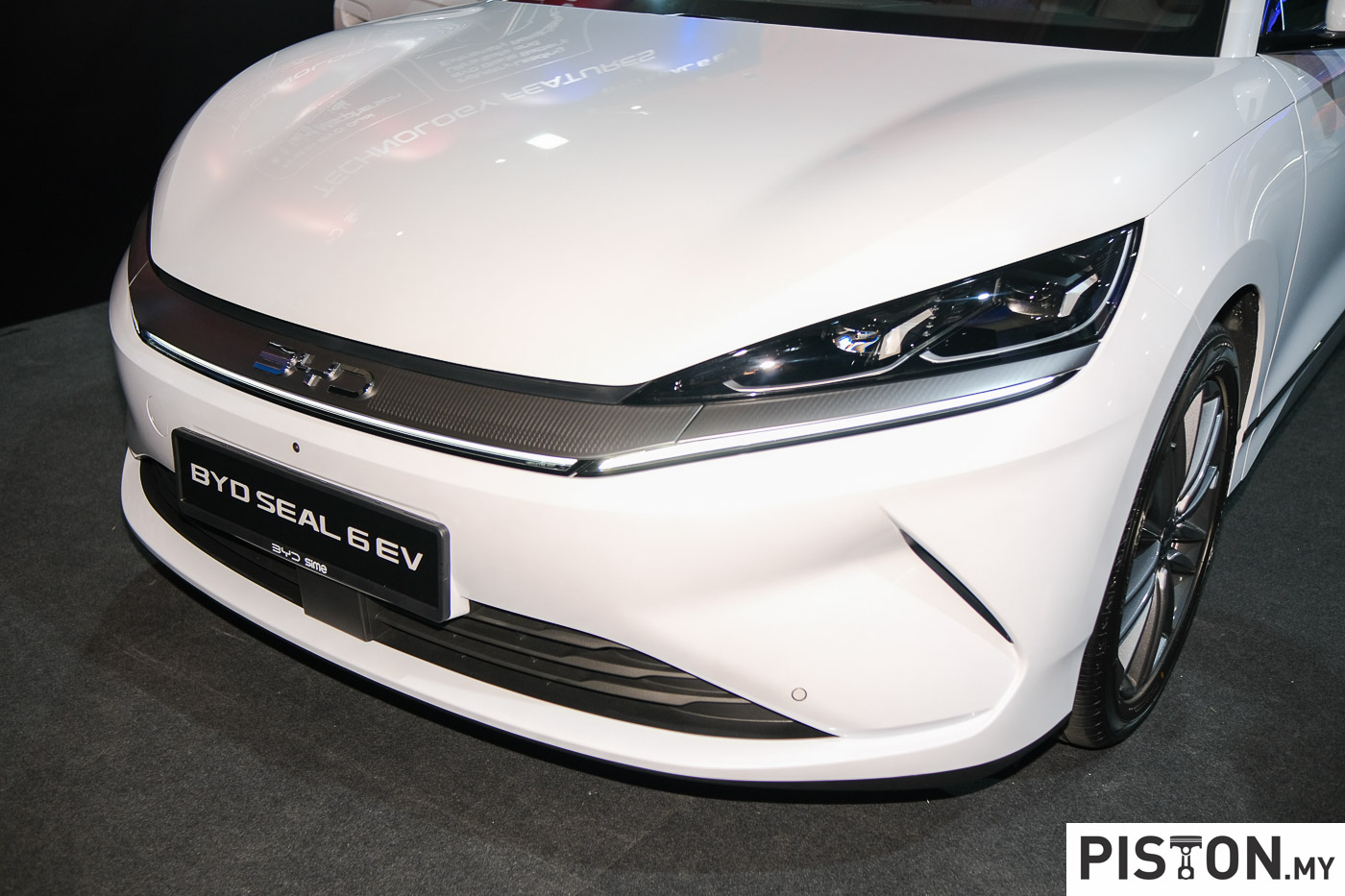
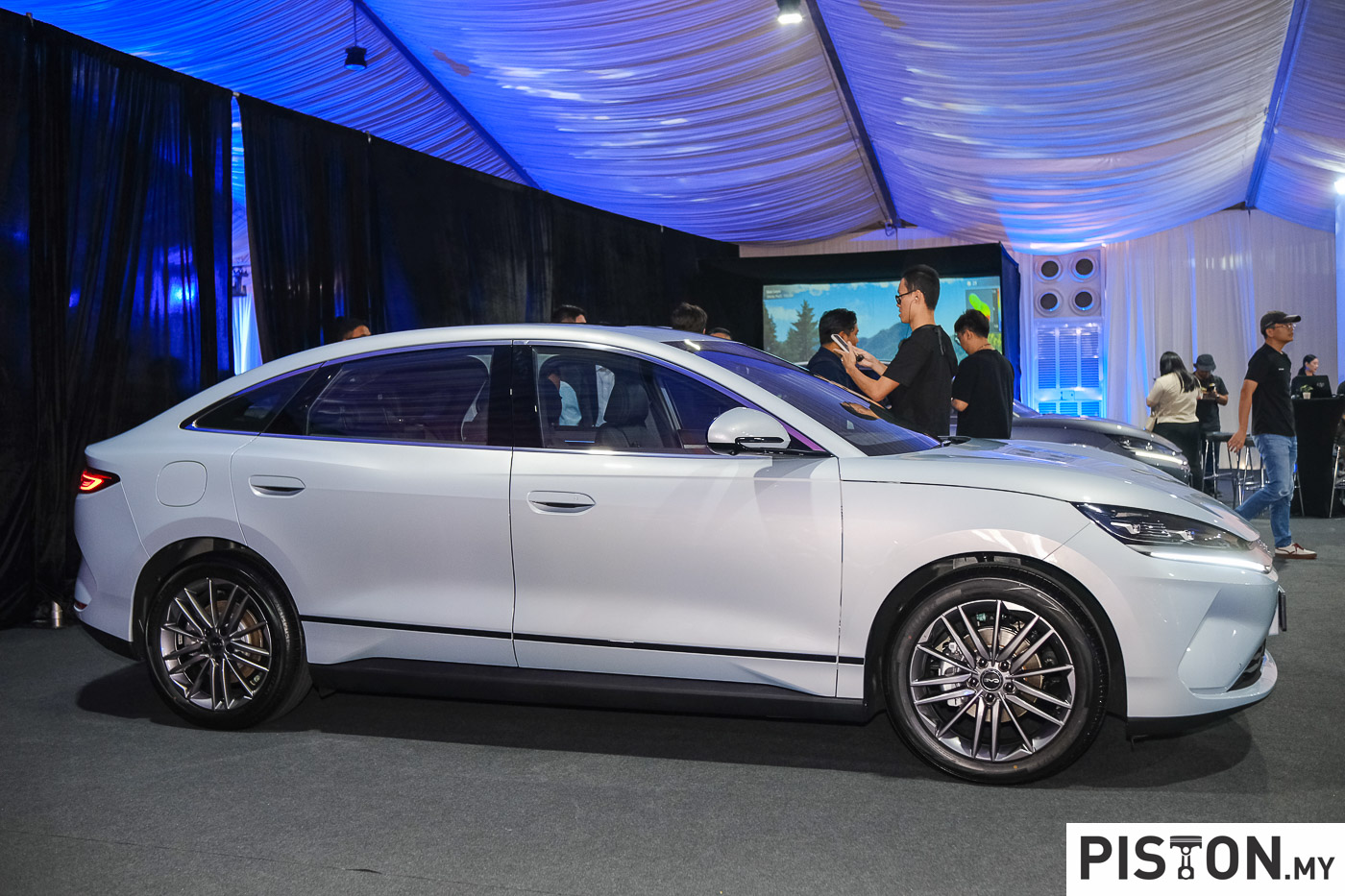
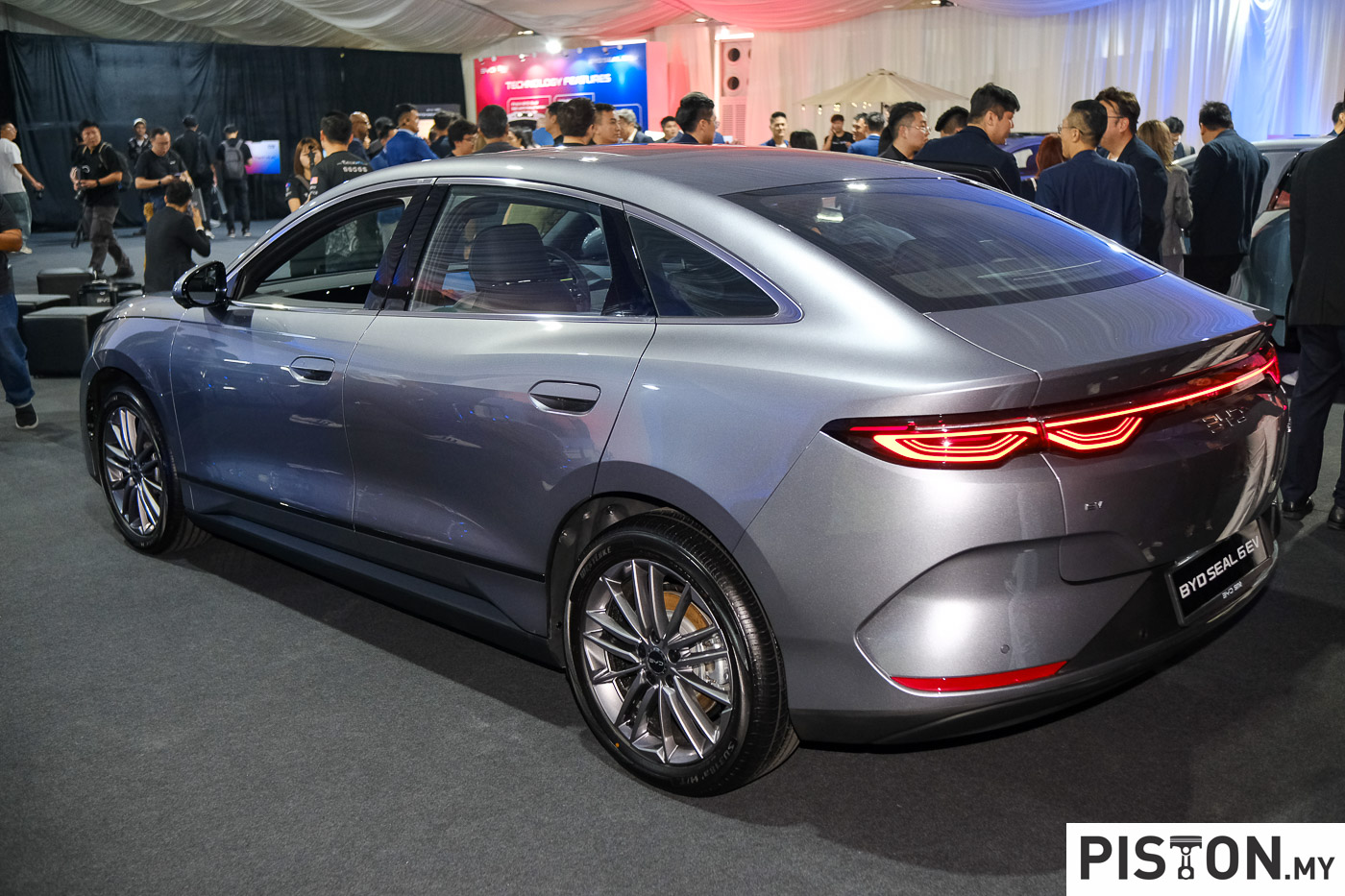
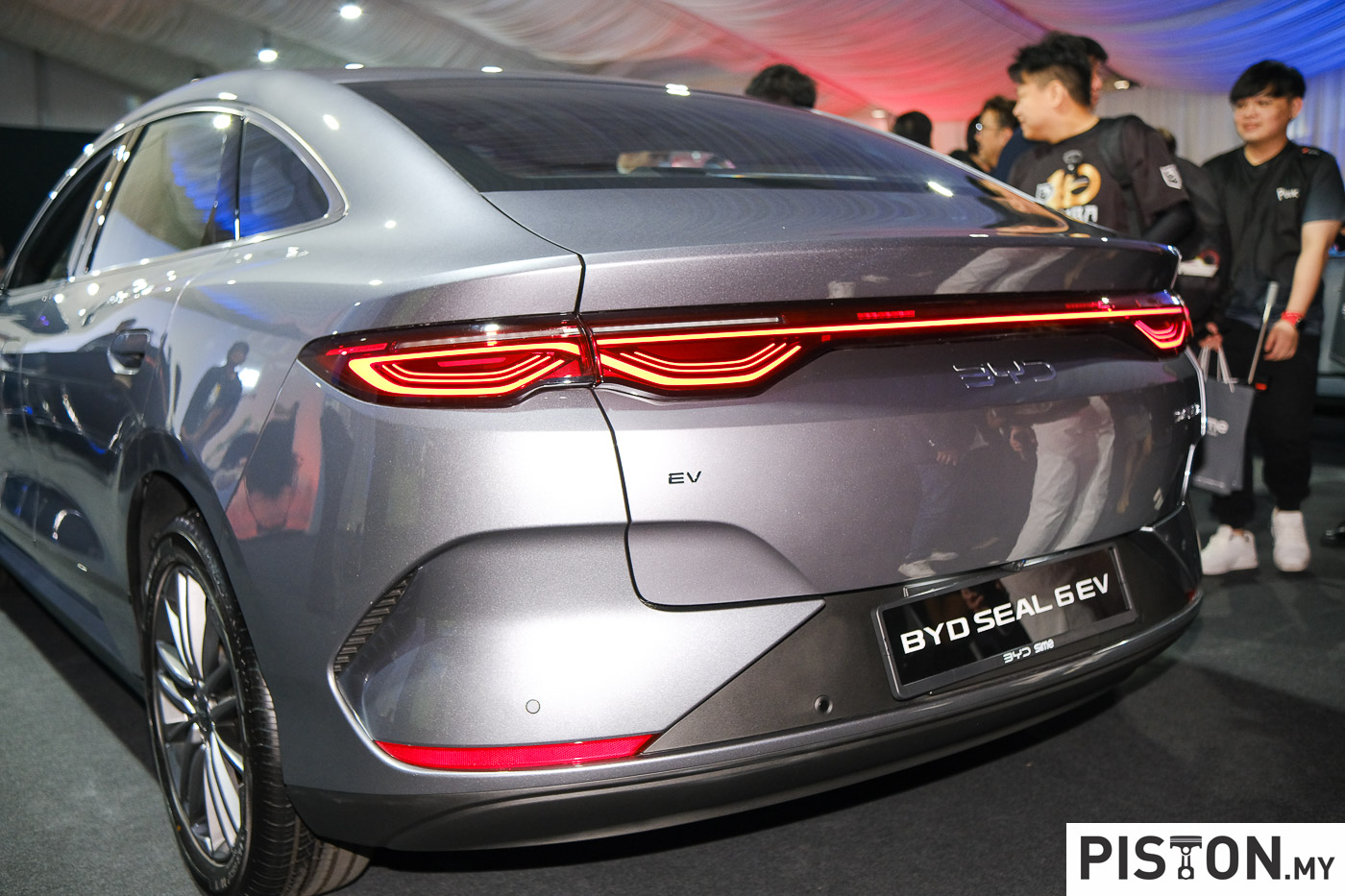
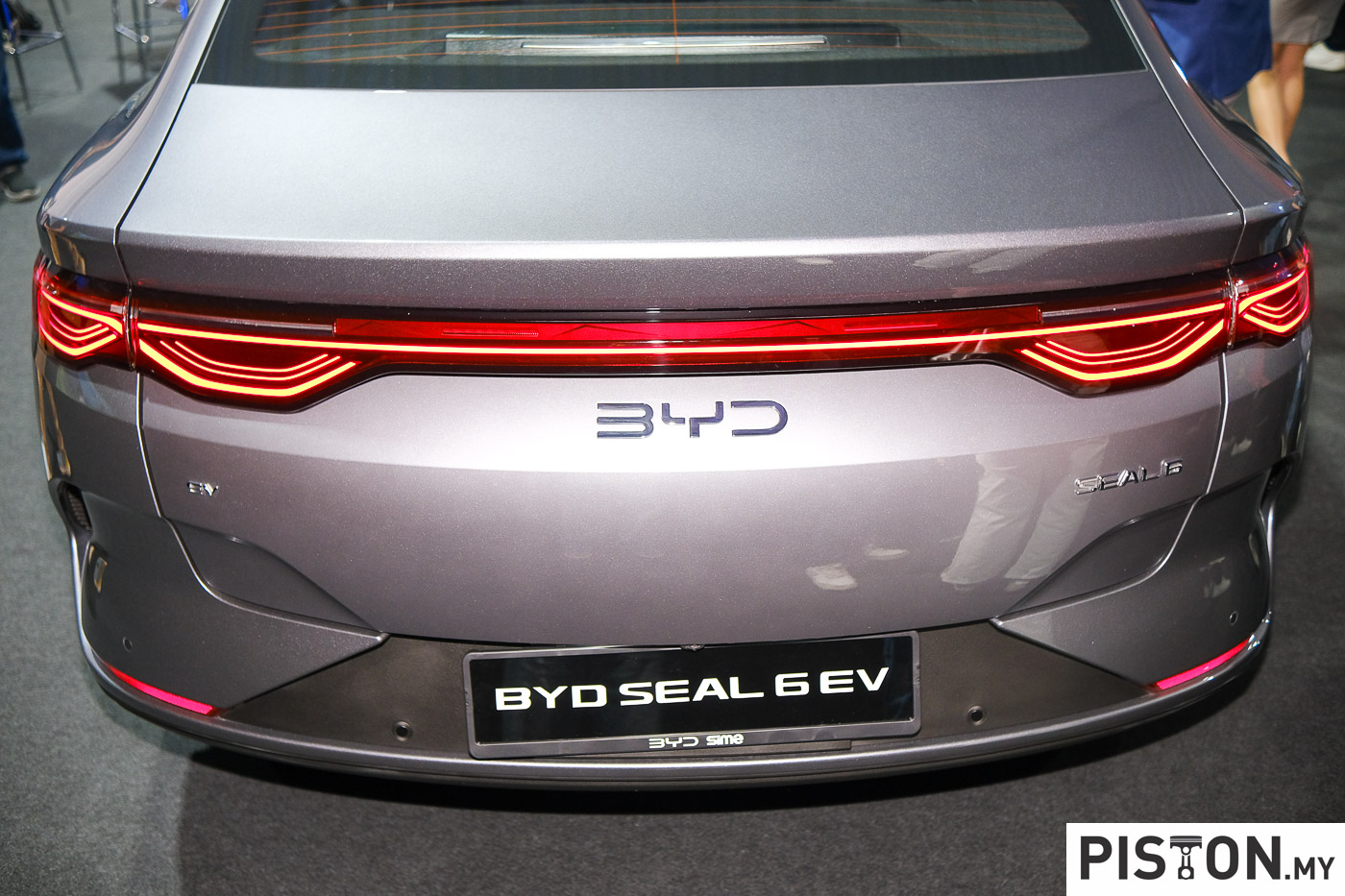
Malaysia has been chosen as the stage for the world’s first reveal of the BYD SEAL 6 EV, with BYD Sime Motors officially pulling the covers off the new model today. The launch not only introduces a fresh contender in the C-segment sedan market but also highlights Malaysia’s growing importance in BYD’s global strategy.

The SEAL 6 EV arrives as the seventh model in BYD’s local line-up, sitting alongside popular choices like the Dolphin and Atto 3. Unlike its stablemates, the SEAL 6 EV is pitched as a more premium and dynamic sedan, aiming to combine modern design, advanced electric technology and day-to-day usability in a package that should appeal to a wide audience.

In Malaysia, the SEAL 6 is being promoted under the tagline “Precision. Passion. Aligned.” This reflects BYD’s intention to blend performance with refinement.

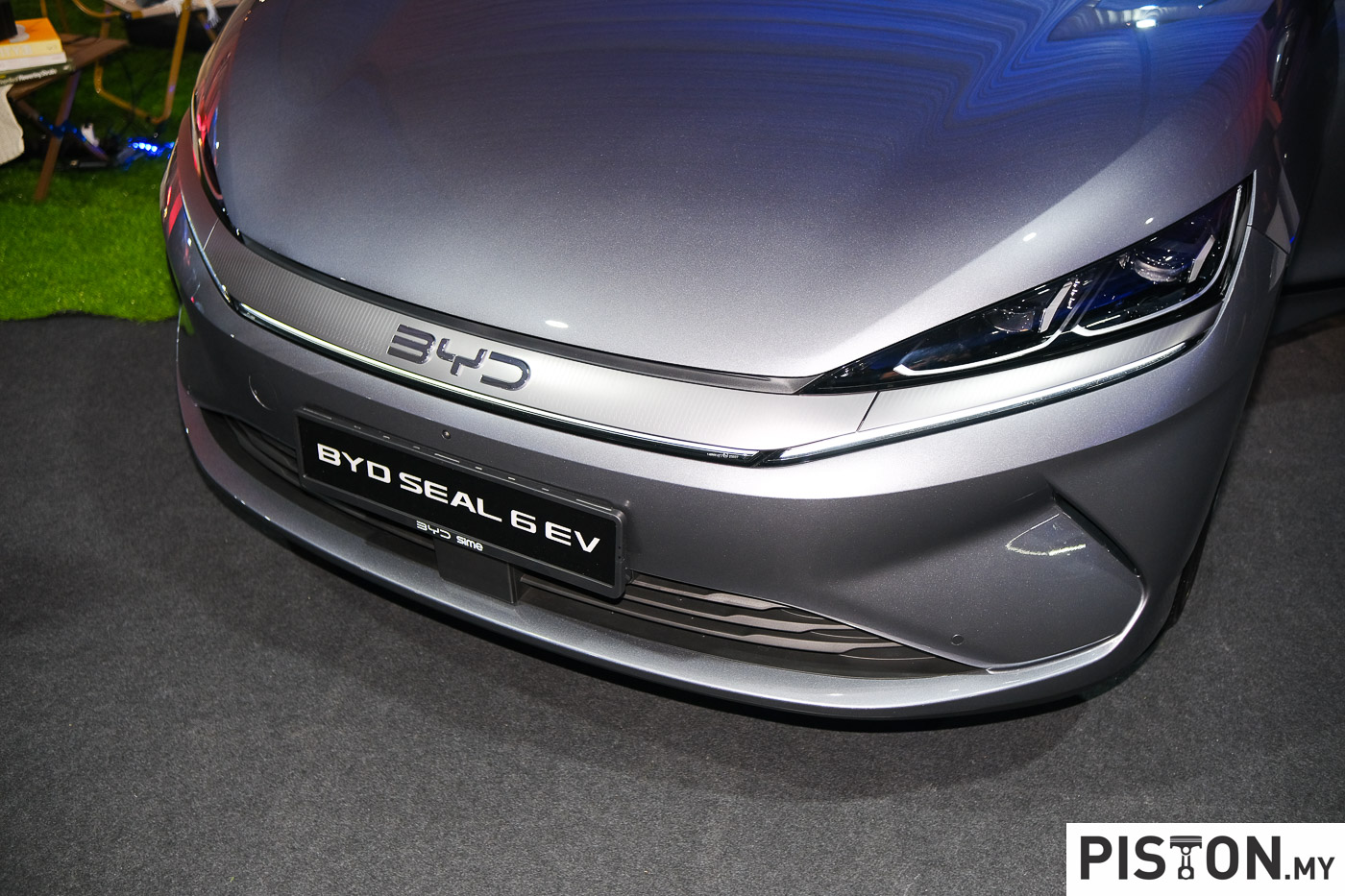
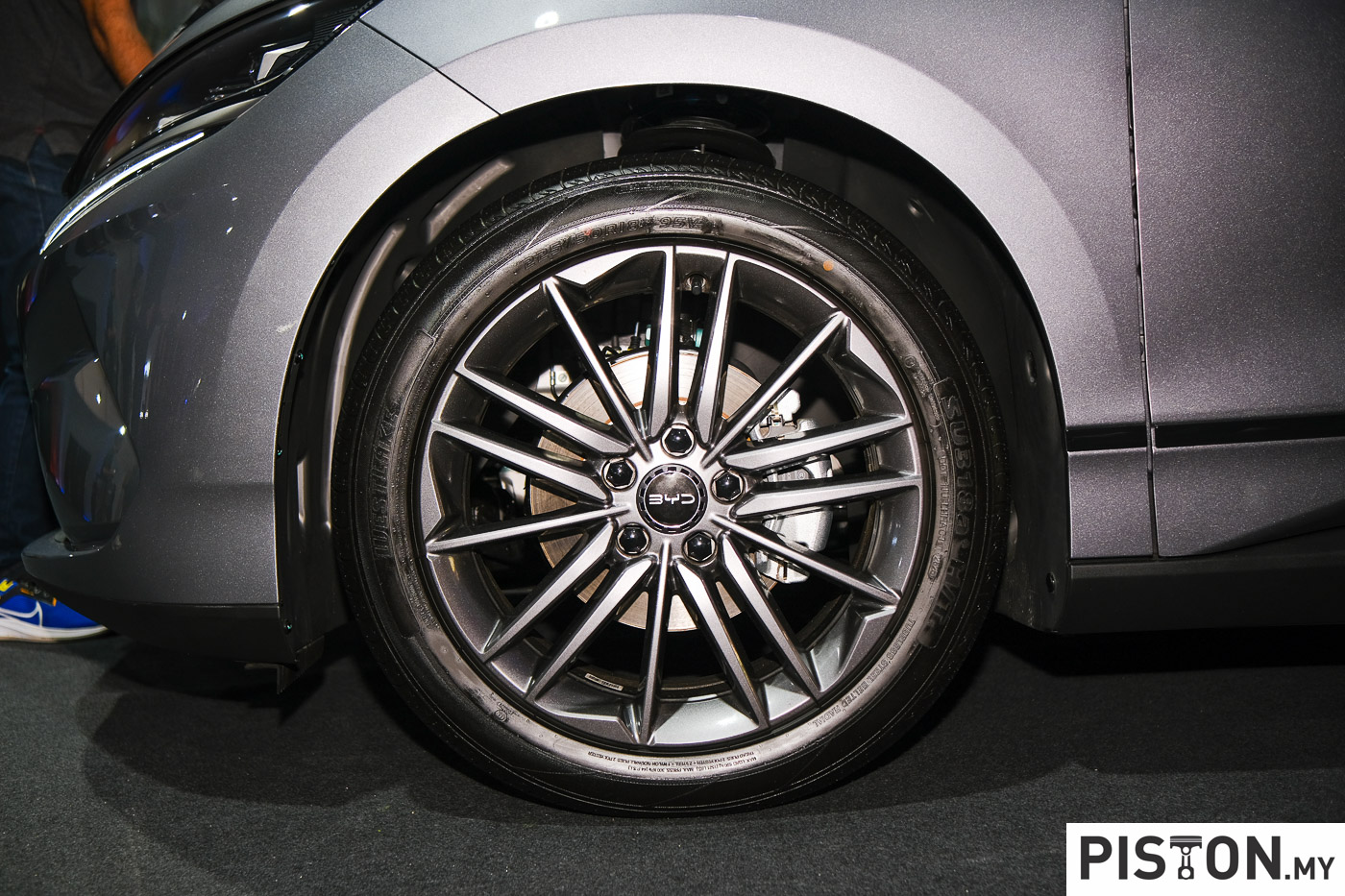
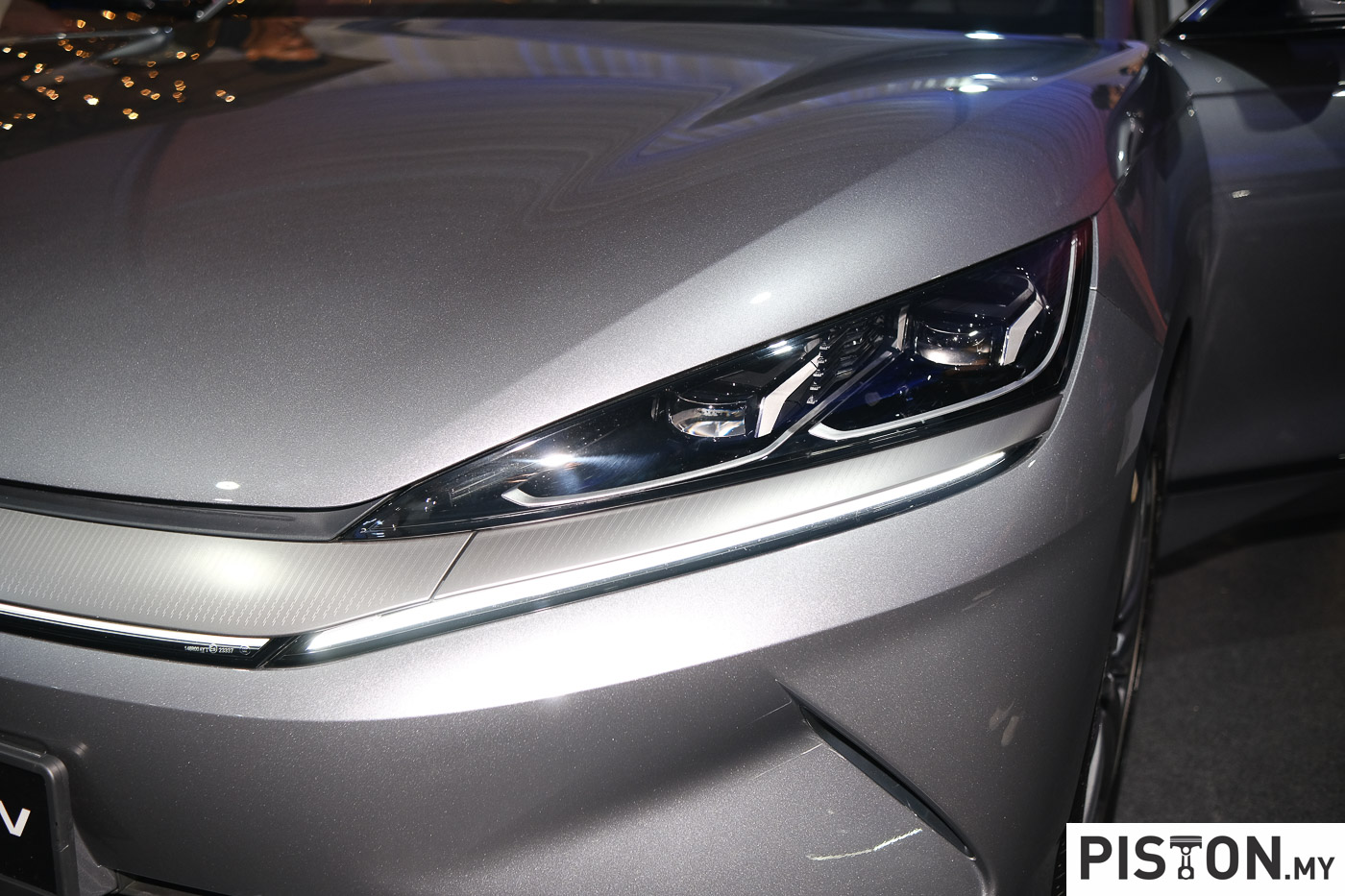
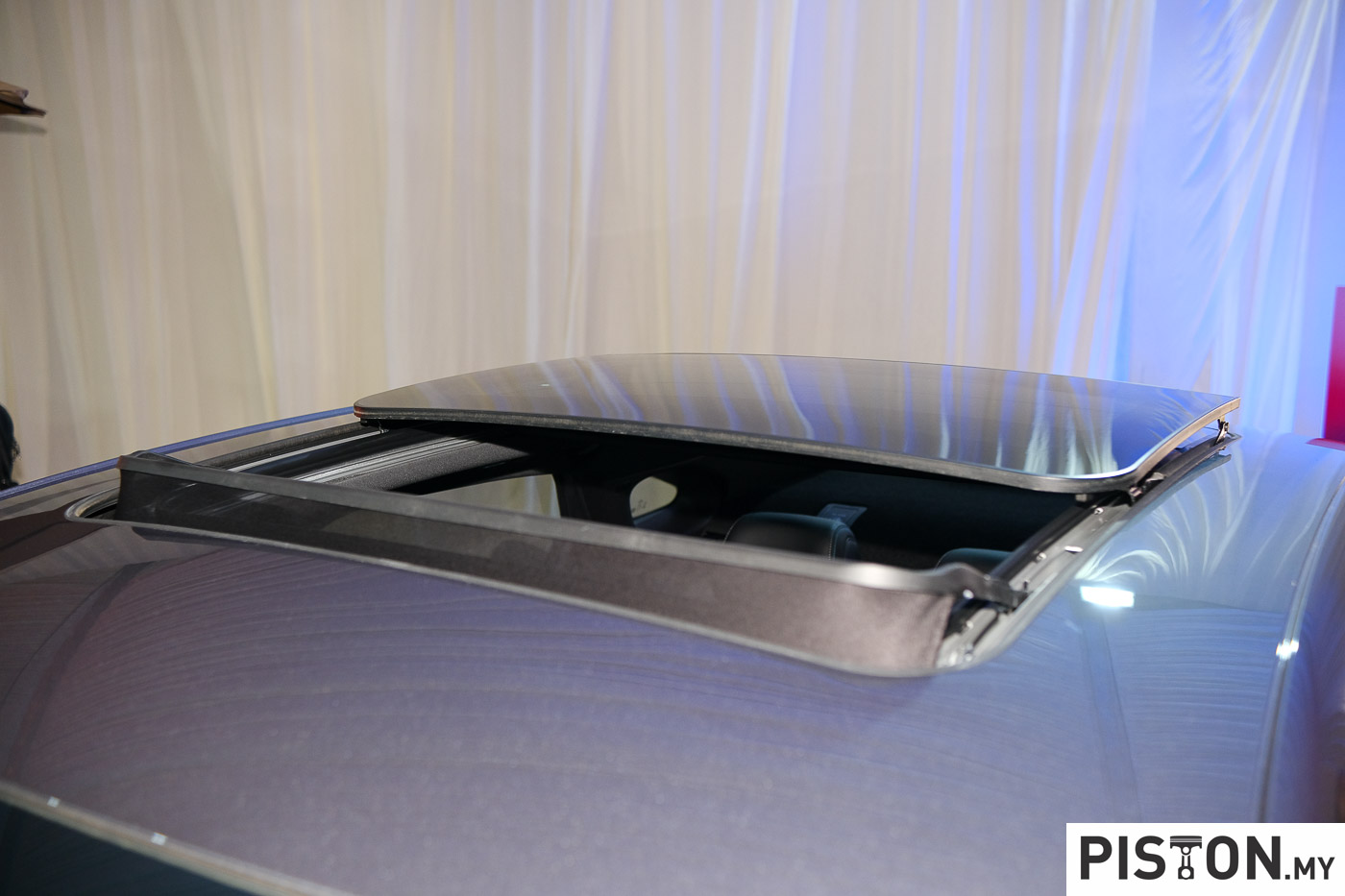
Two variants will be available locally — Dynamic and Premium. The Premium gets an opening panoramic sunroof with a powered shade, 18-inch wheels on 225/50 Westlake tyres, and a full-width LED strip up front. The Dynamic skips the sunroof, runs on smaller 17-inch alloys with 225/55 tyres, and loses the LED strip.

For the first time, a BYD sedan is fitted with an all-new advanced suspension system featuring a dual ball-joint MacPherson strut at the front and a rear multi-link setup. Together with a rear-wheel drive configuration — rare in this segment — the car promises a sportier, more balanced feel, with improved weight distribution and a turning radius of just 5.5 metres.

The electric motor in the Premium variant delivers 214hp and 330Nm of torque, allowing the sedan to sprint from 0-100km/h in 7.5 seconds. Three driving modes are available, catering for both relaxed and spirited driving. The Dynamic variant produces 127hp and 220Nm of torque. The SEAL 6 features a 56.64 kWh BYD Blade Battery, which boasts an NEDC driving range of 485km.
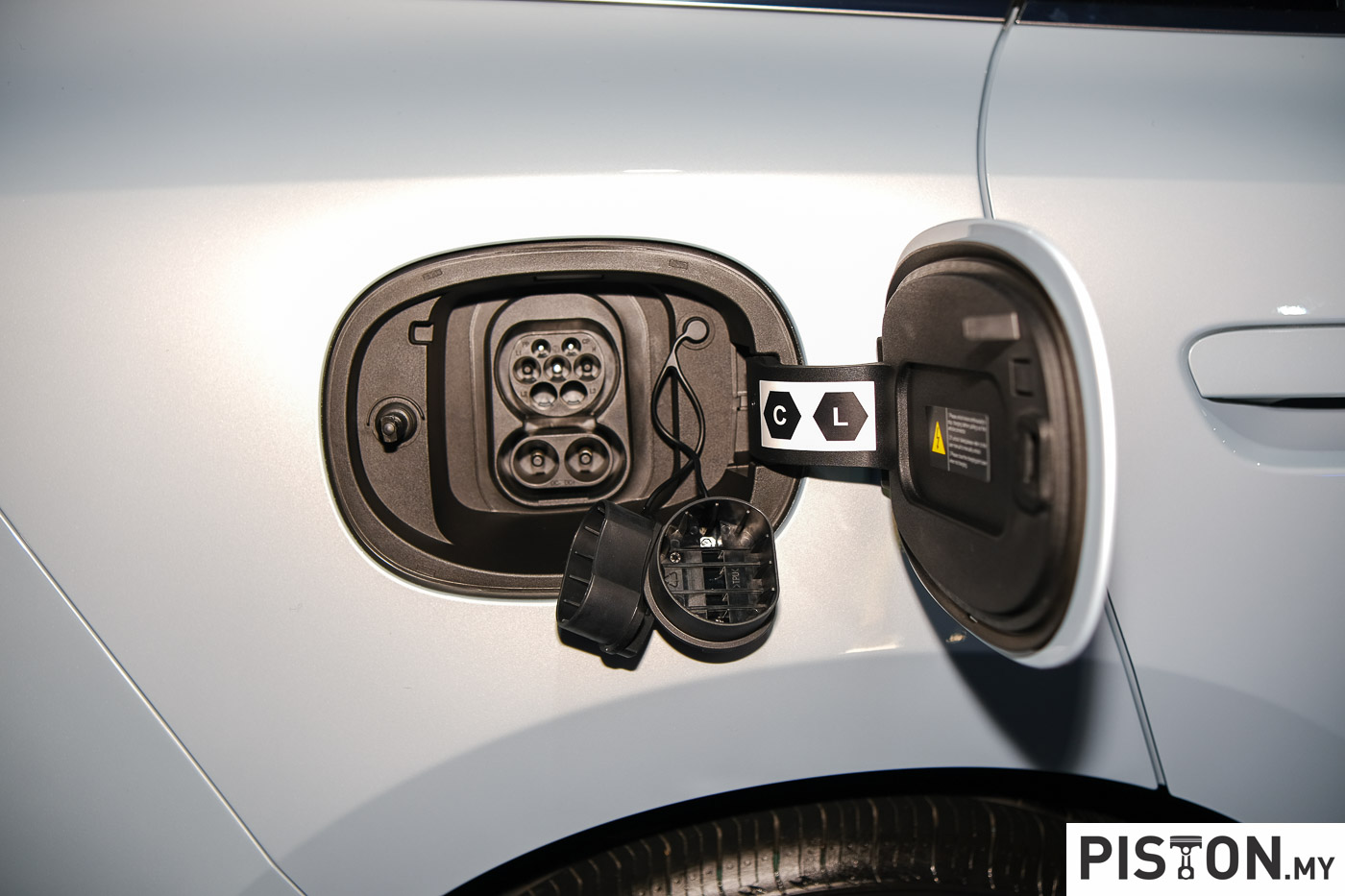
The battery supports DC fast charging at up to 100 kW, allowing it to go from 30% to 80% in just 23 minutes. For slower charging, the onboard Type 2 AC system tops out at 6.67 kW. On top of that, it also comes with vehicle-to-load (V2L) capability, delivering up to 3.7 kW to power external devices.

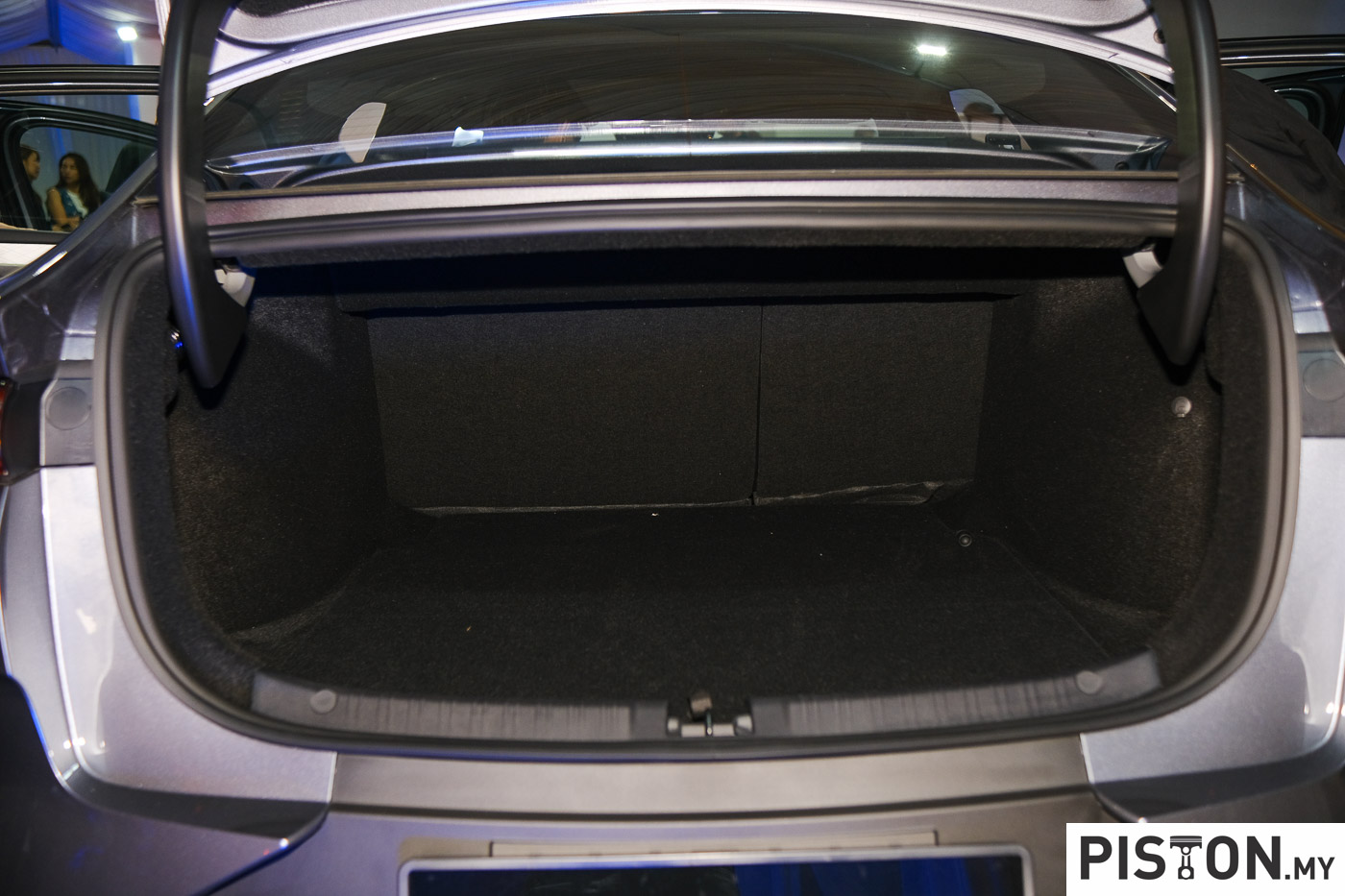
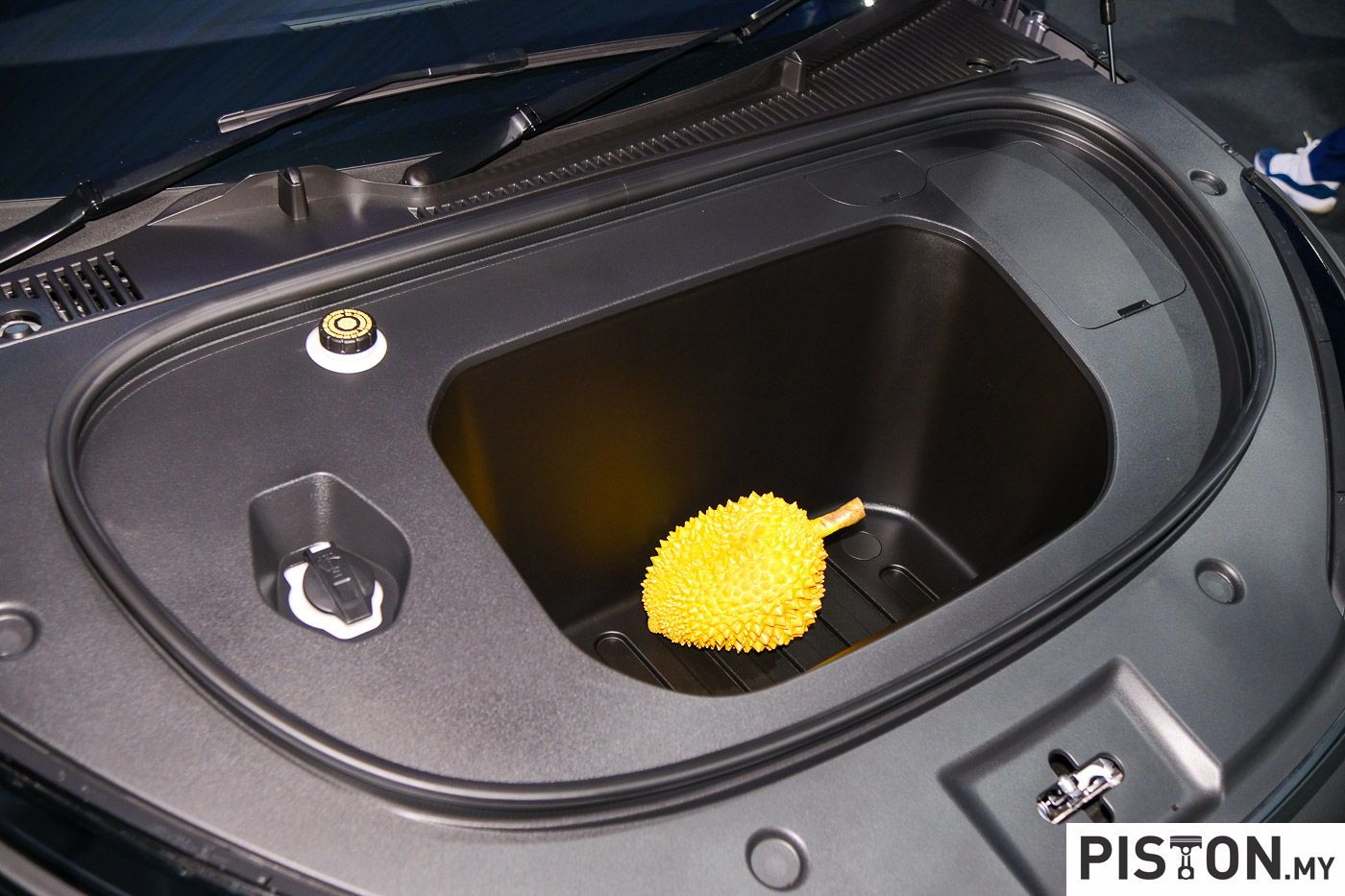
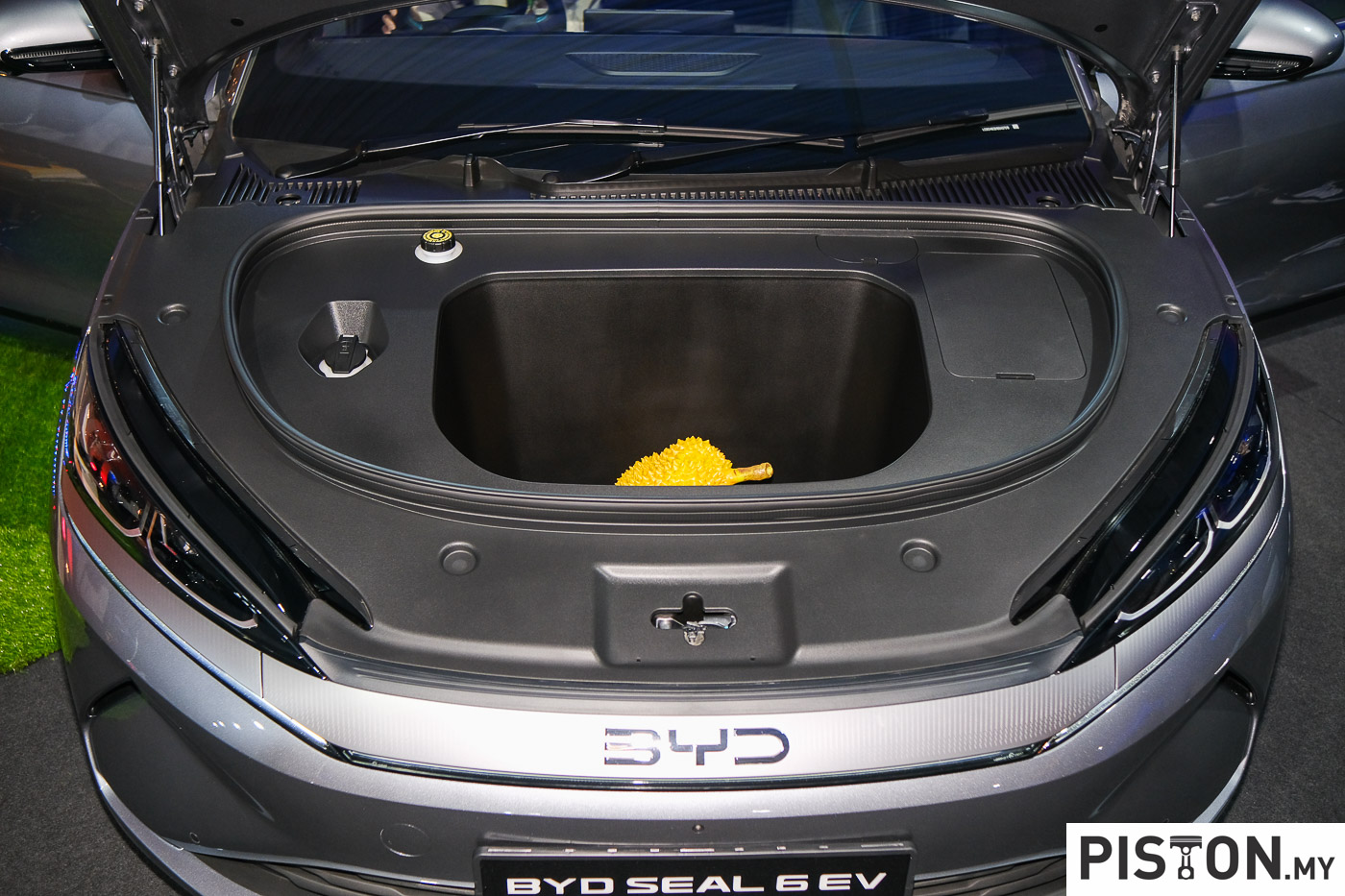
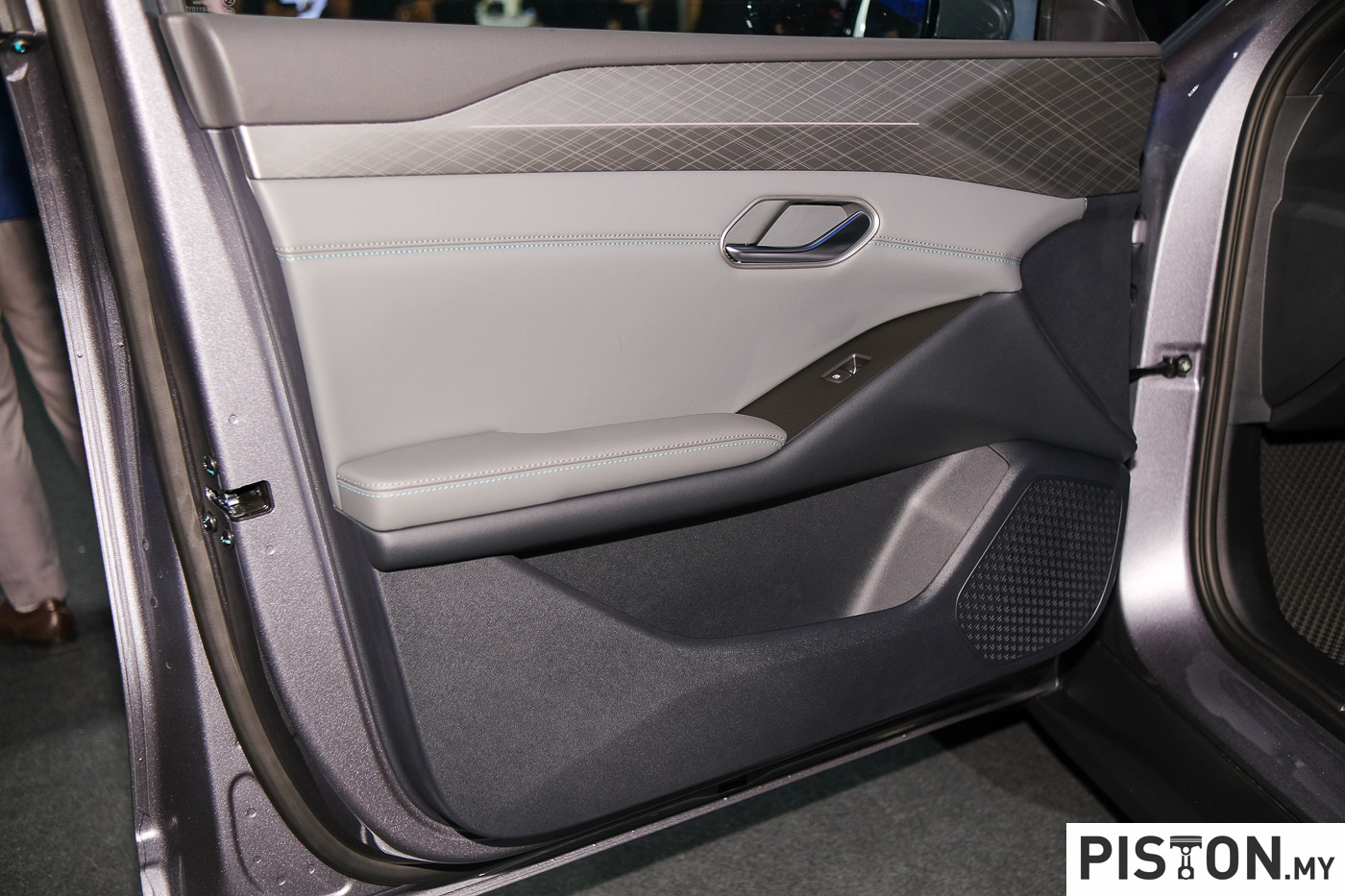
At the same time, the SEAL 6 retains a strong emphasis on practicality, offering 24 storage compartments throughout the cabin and a combined cargo capacity of 525 litres.

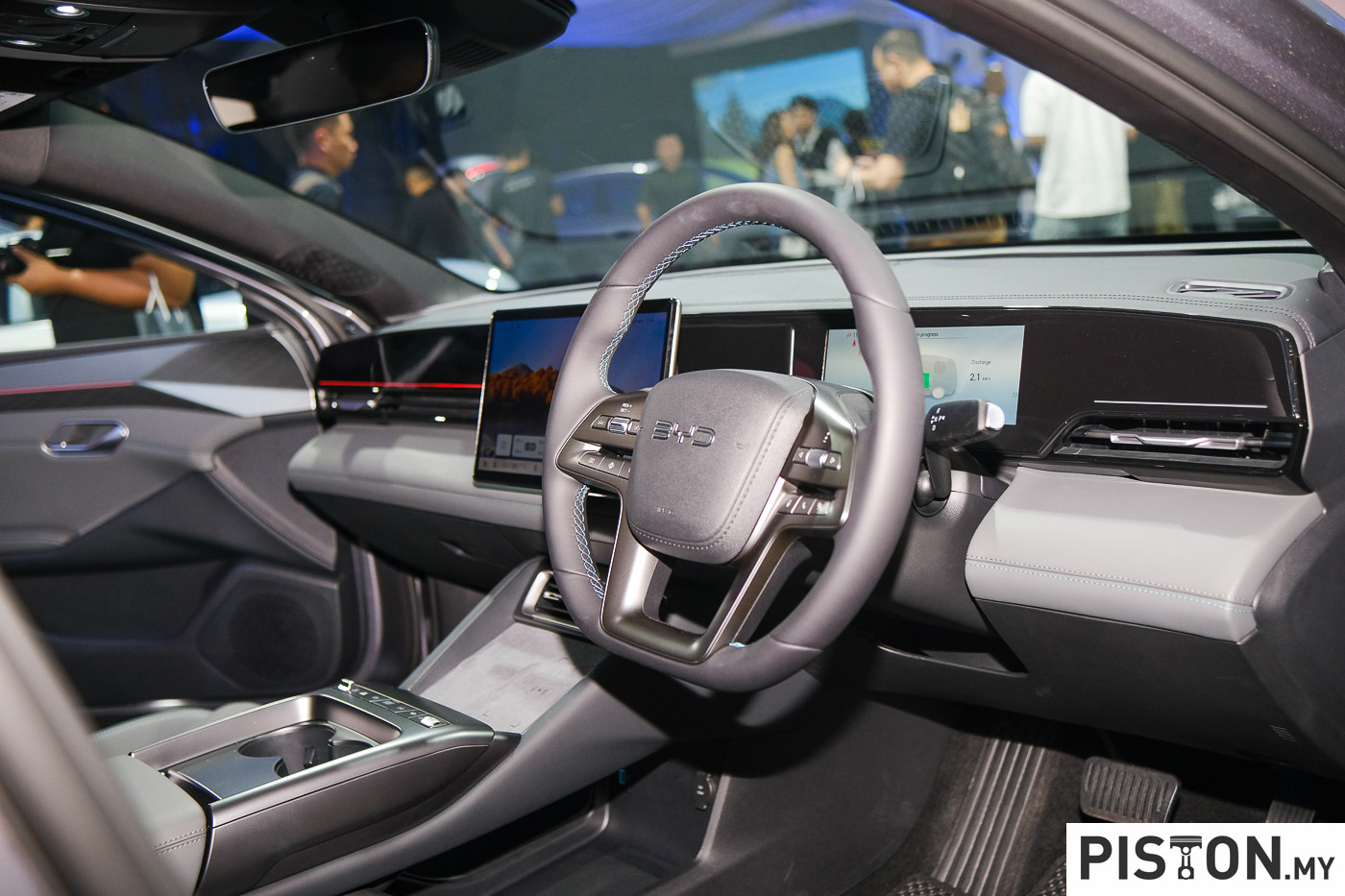
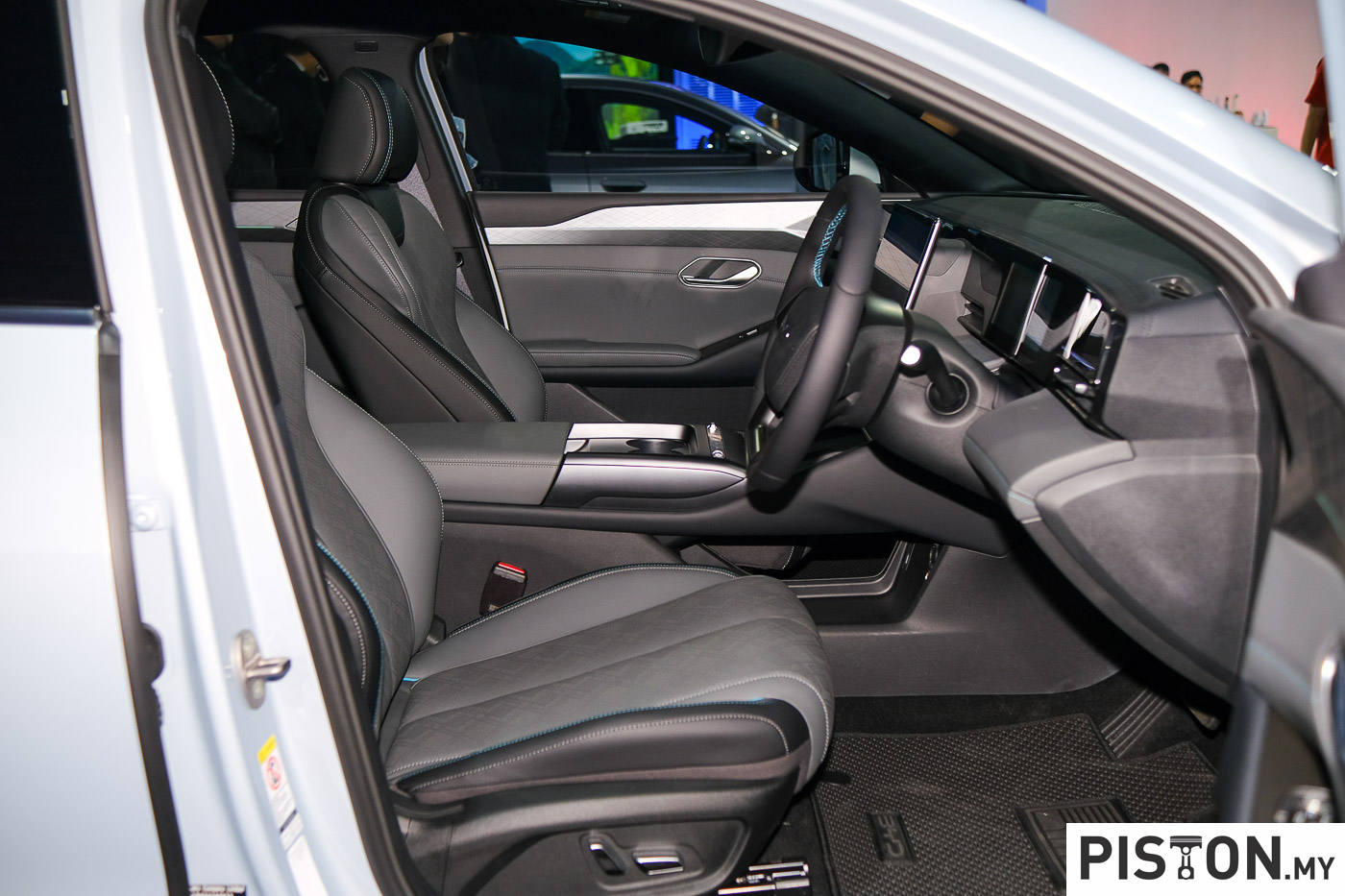
Inside, the car is designed to rekindle the joy of driving, pairing a quiet cabin with premium comfort features and seamless connectivity. The model is also the largest in its class among C-segment sedans sold in Malaysia, which should translate into generous passenger space.

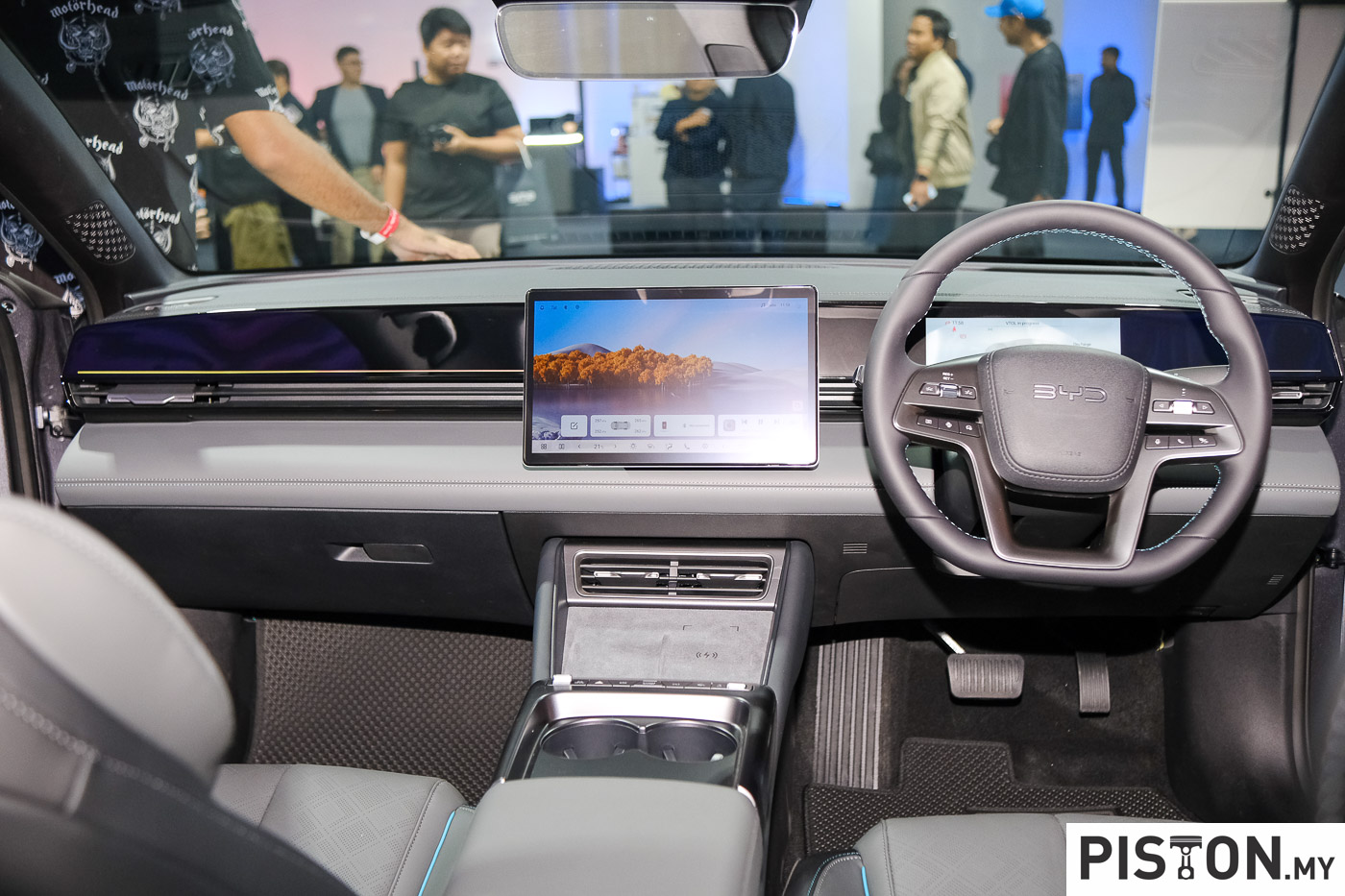
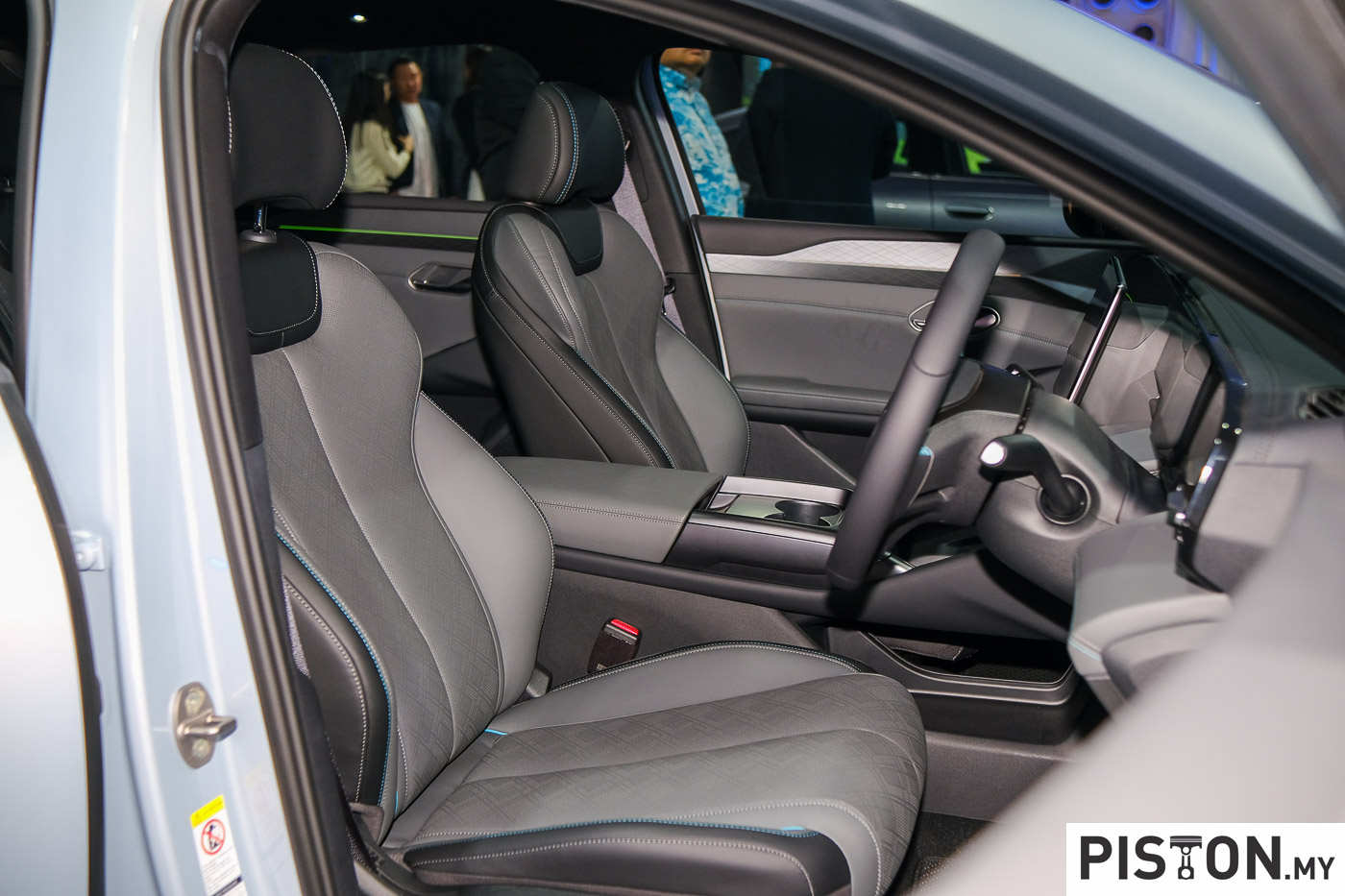
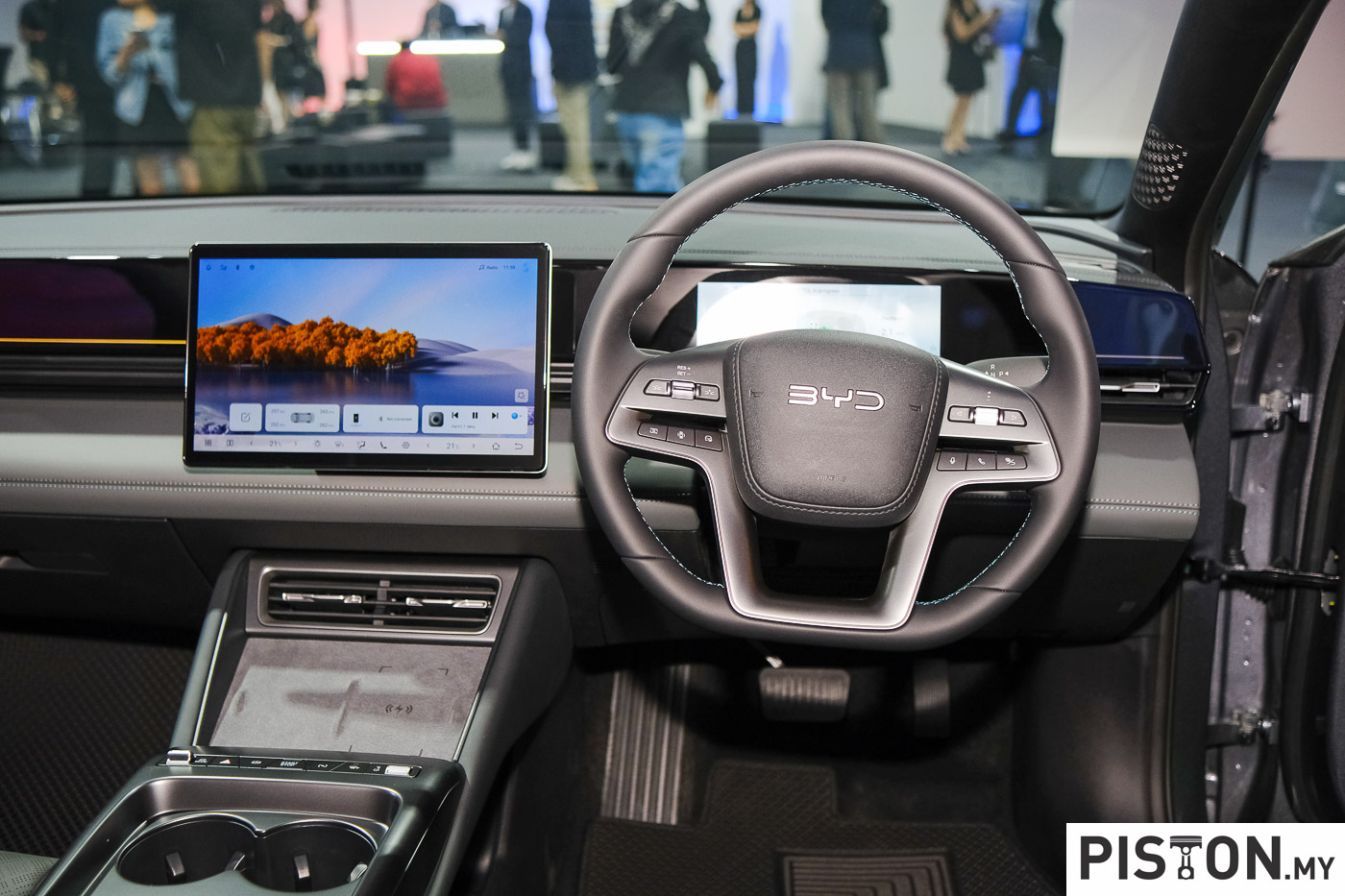
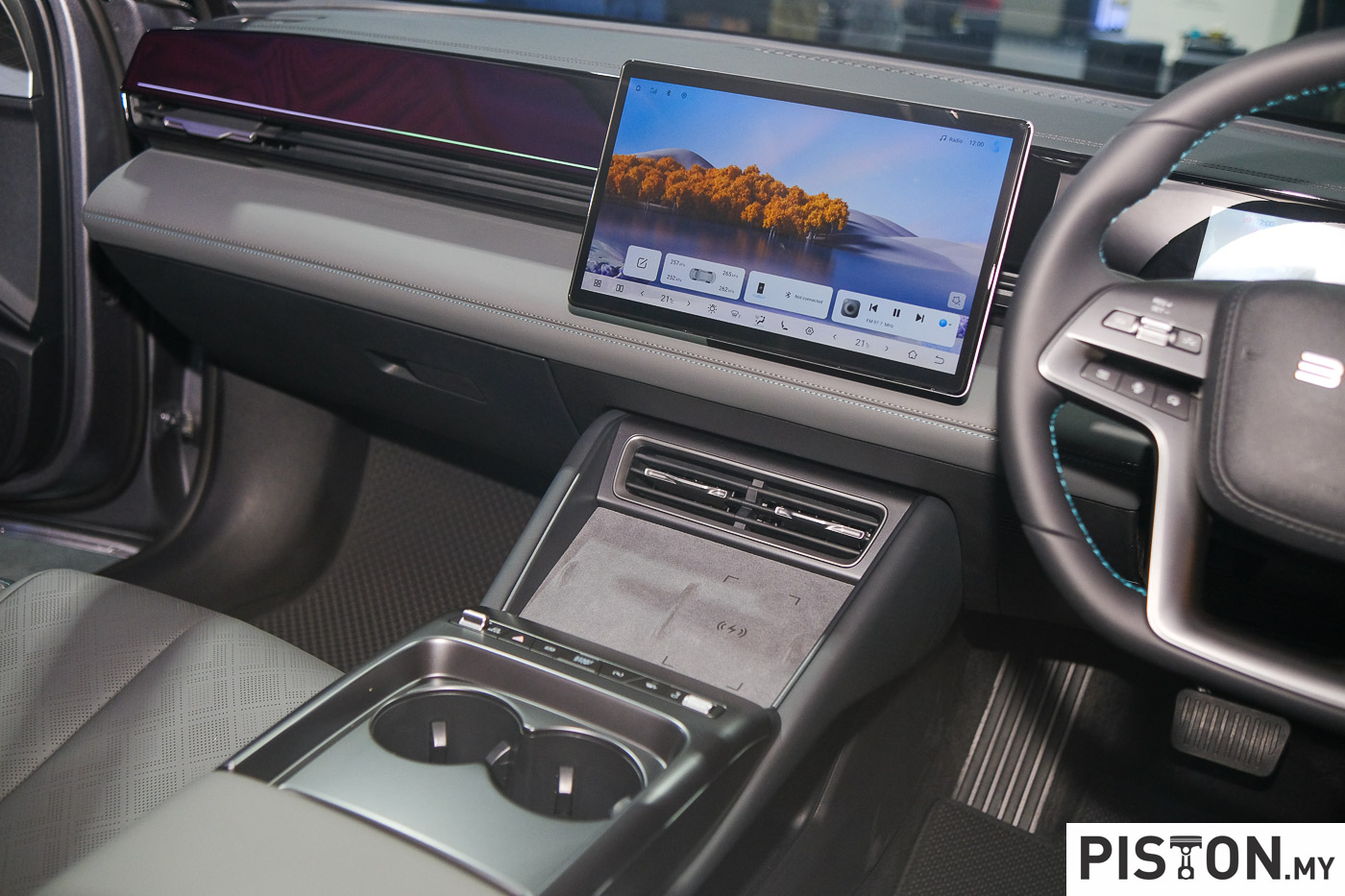
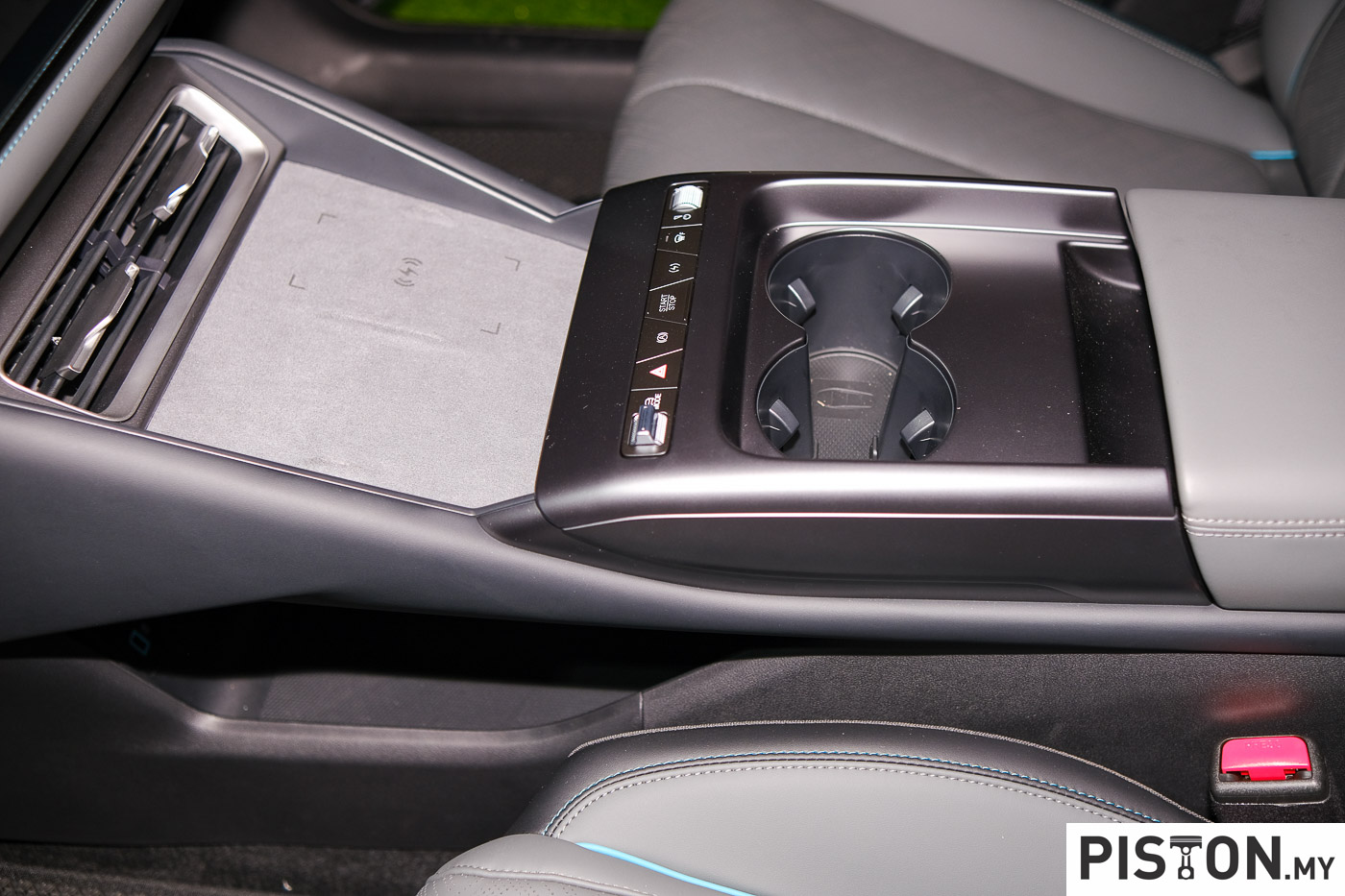
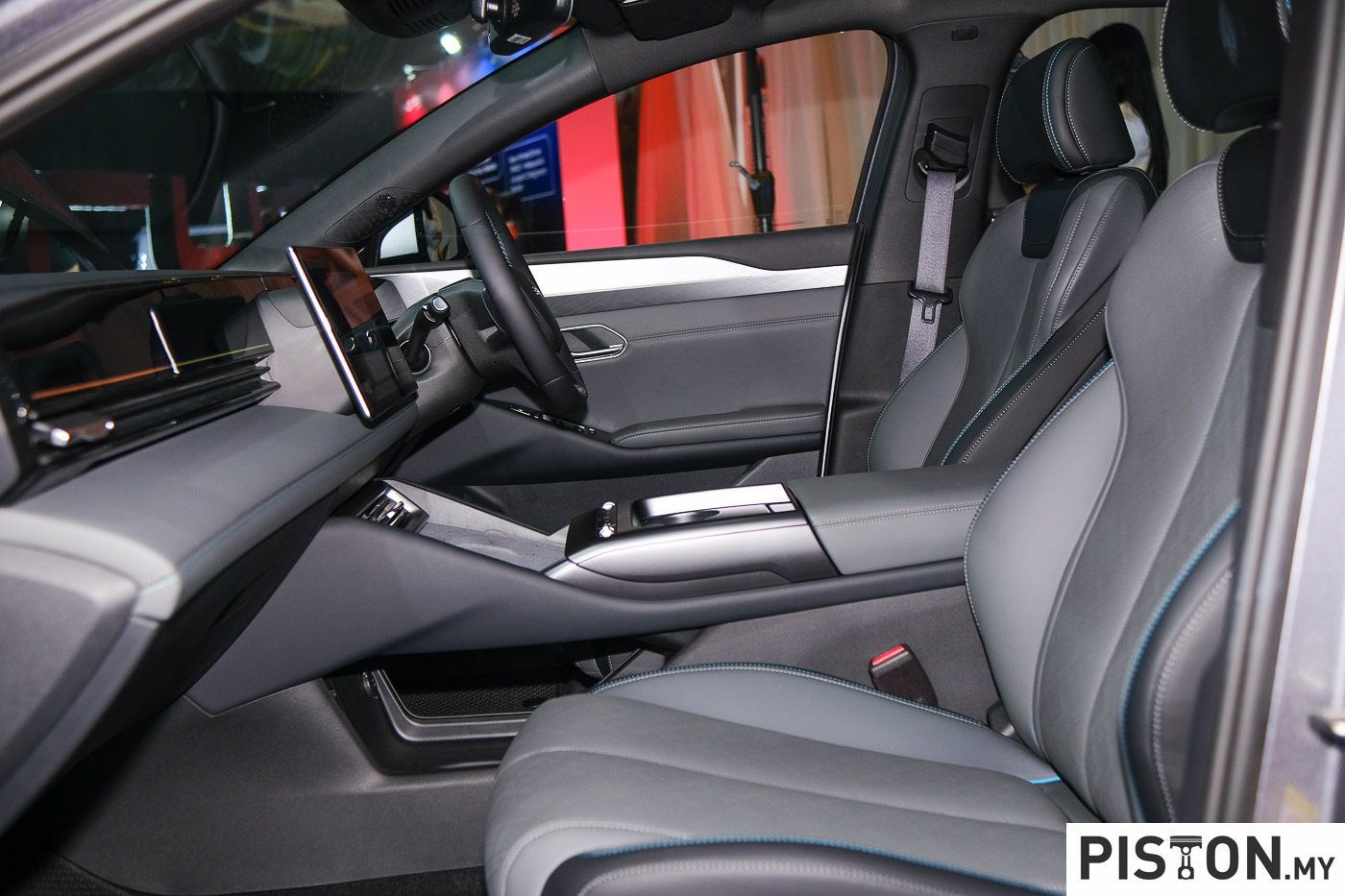
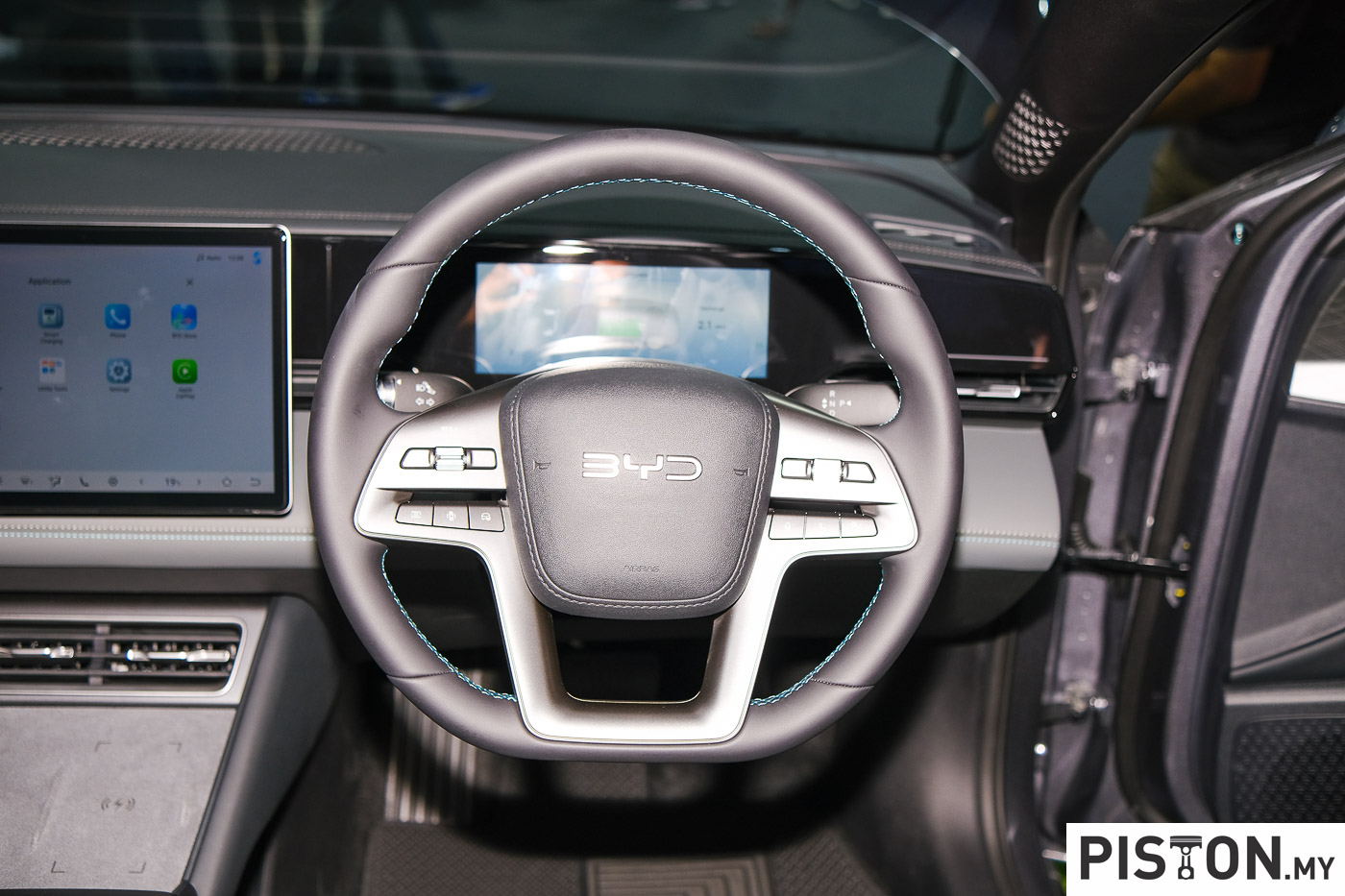
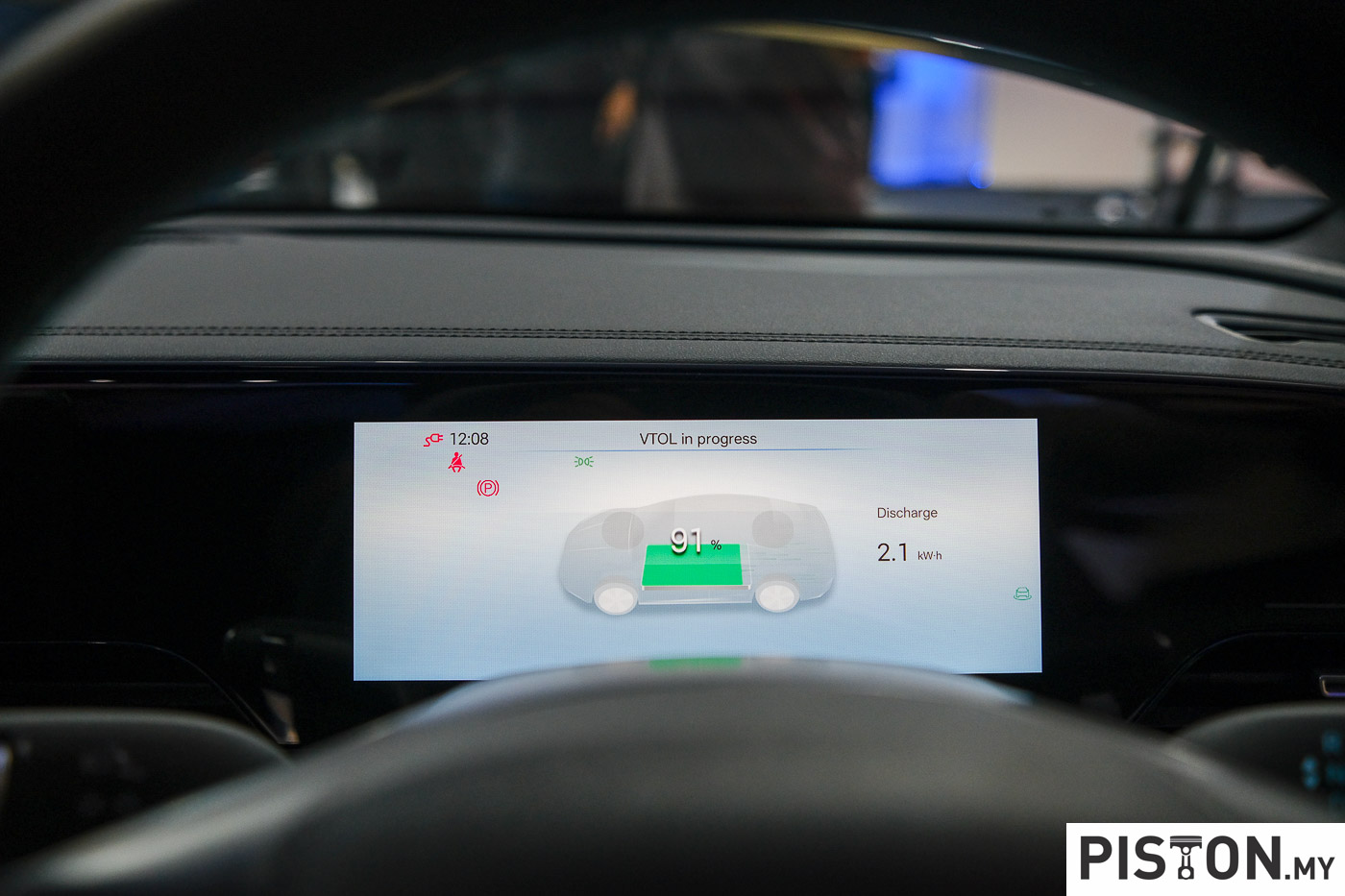
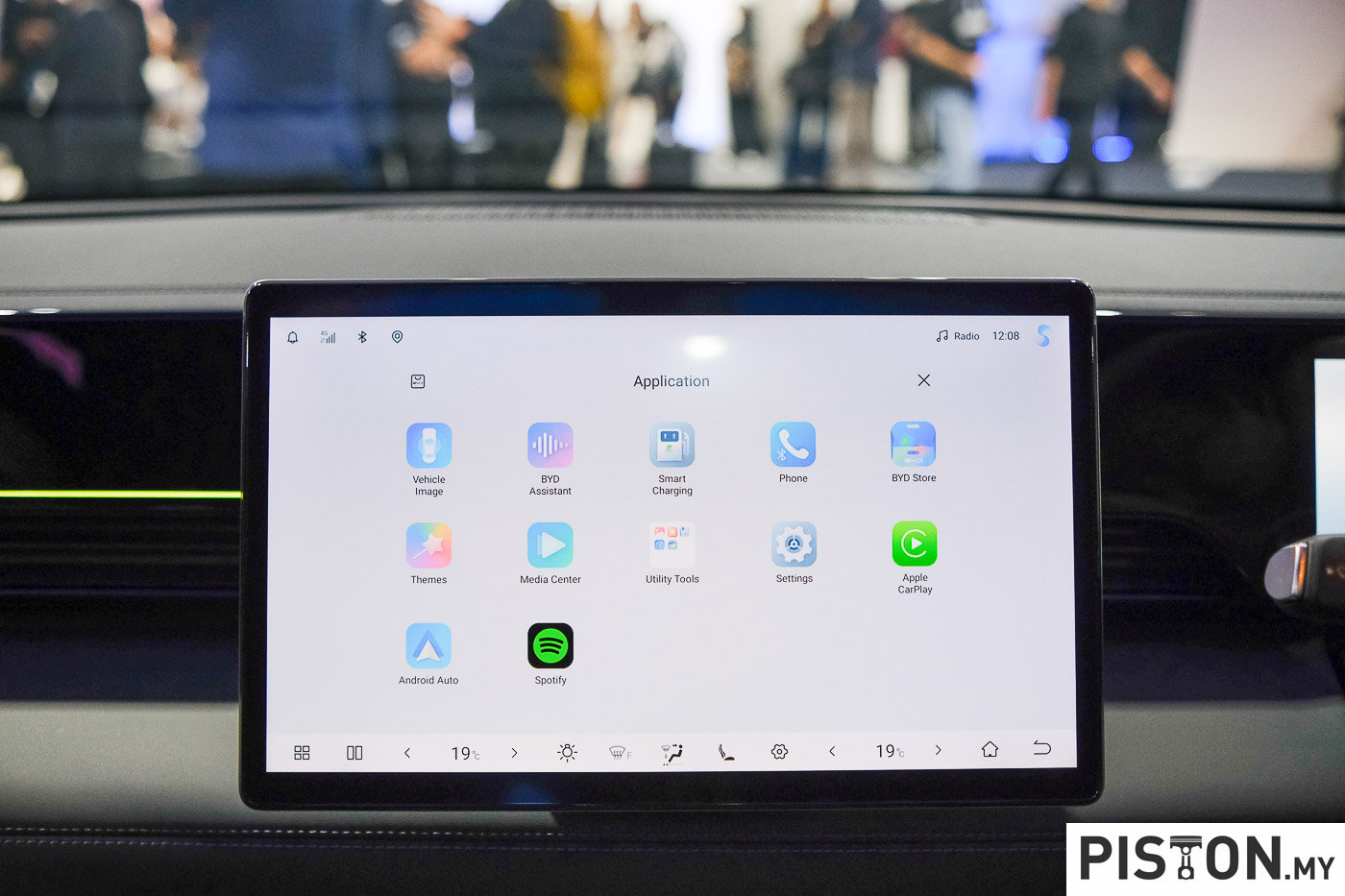
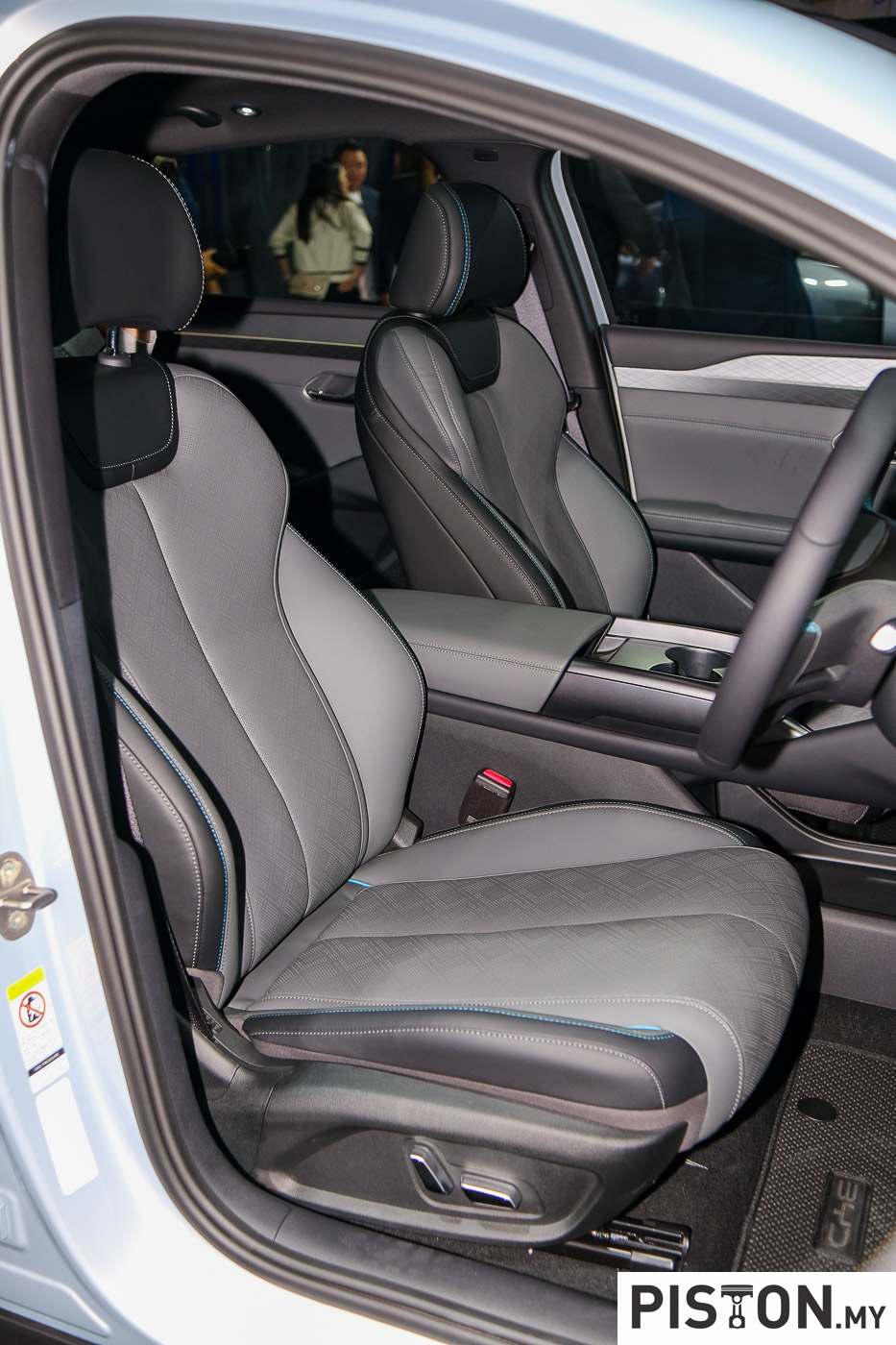
It has a 12.8-inch intelligent touch screen with wireless Apple CarPlay and Android Auto, an 8.8-inch digital instrument panel, synthetic leather seats and a wireless phone charger.

Standard safety features include Stop and Go full speed adaptive cruise control, Automatic Emergency Braking, Front Collision Warning, Lane Departure Warning and Intelligent High Beam Control.
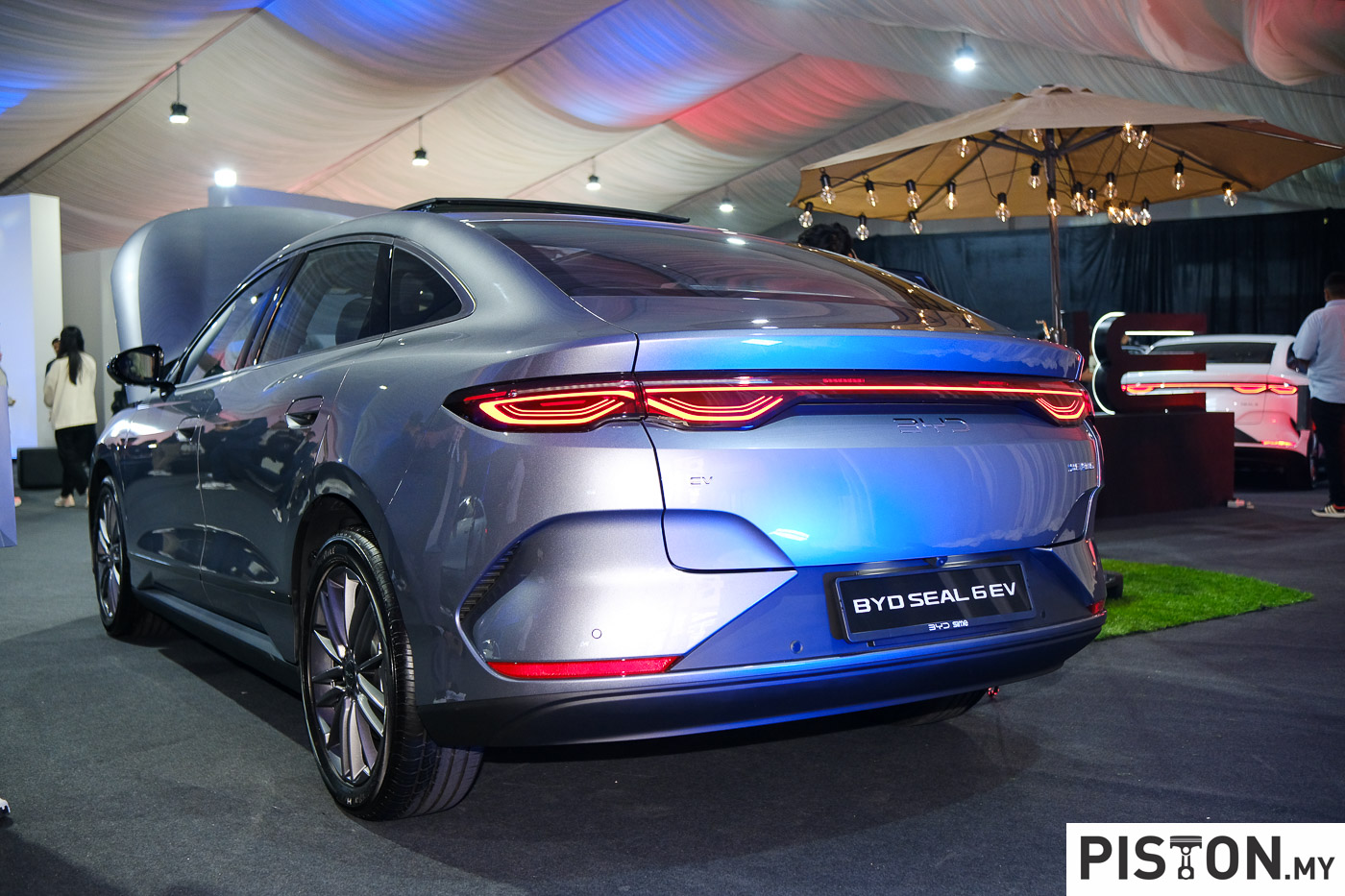
 Colour choices include Arctic White, Harbour Grey and Misty Blue. The interior comes in a black and grey combination. Pricing starts from RM100,000 for the Dynamic variant and RM115,800 for the Premium.

For early adopters, the first 800 customers will enjoy benefits worth up to RM6,288, depending on the chosen variant and housing type. These include complimentary wall chargers, rebates, or even a 12-month doorstep charging programme tailored for high-rise residents.

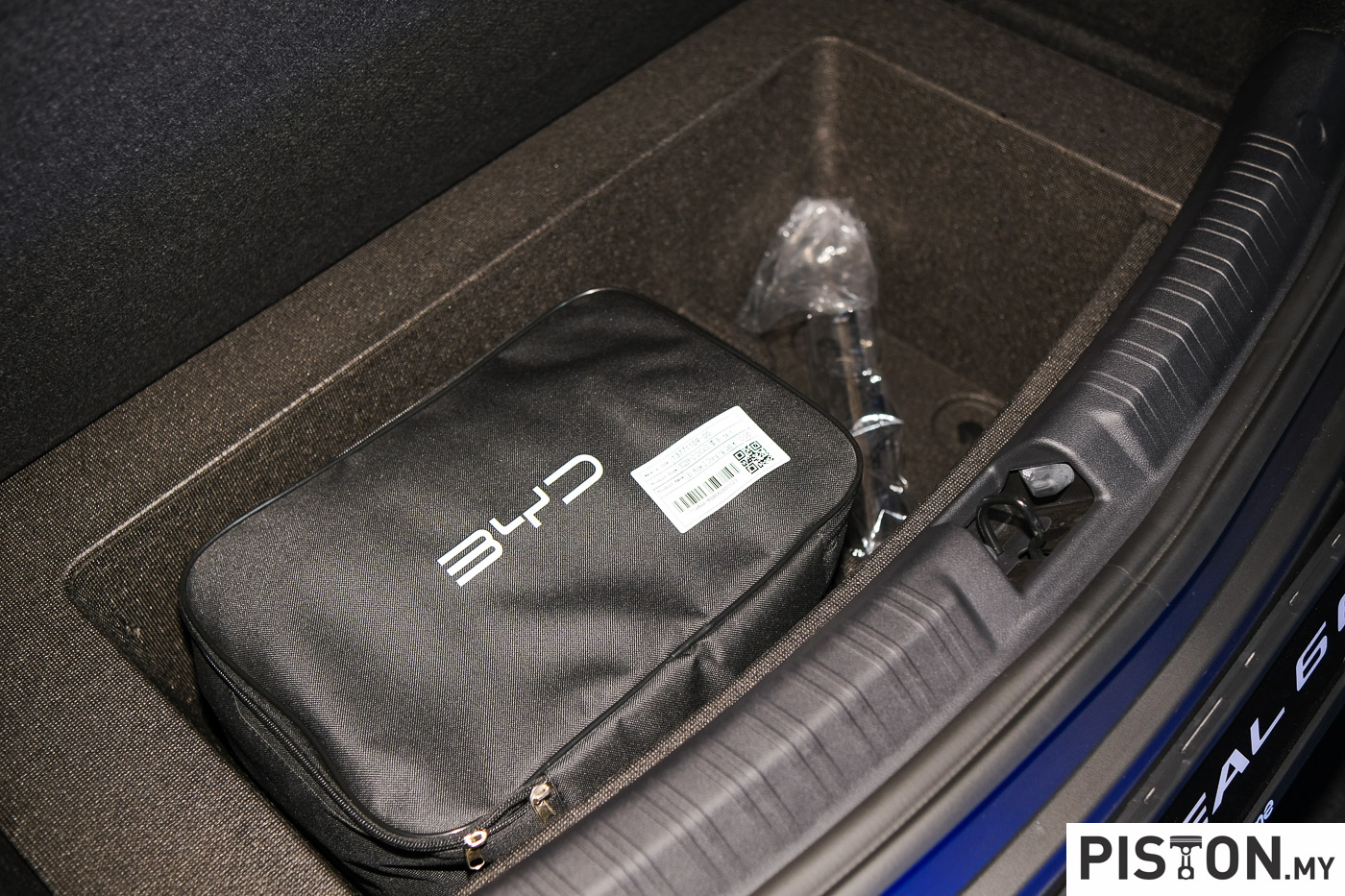
All buyers will also receive a V2L adapter, a Type 2 charging cable and a comprehensive warranty package — six years or 150,000 km for the vehicle, plus eight years or 160,000 km coverage for both the drive unit and the Blade battery.
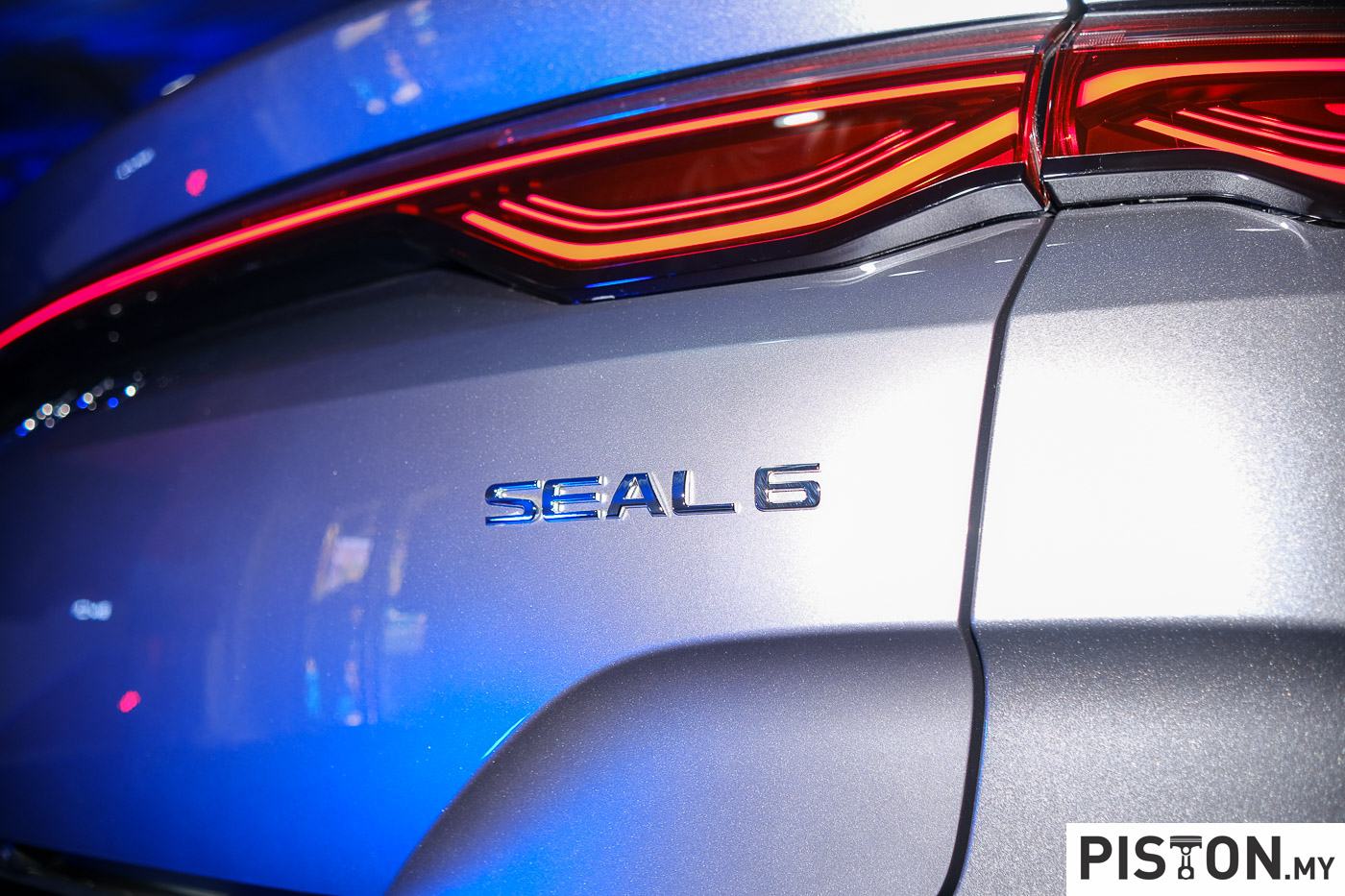
BYD Sime Motors has been expanding rapidly in Malaysia. The brand already operates 37 outlets nationwide and is targeting 50 by the end of 2026. Since its entry into the market, over 20,000 units have been sold, underlining strong customer confidence and growing interest in EVs. With the launch of the SEAL 6 EV, the company expects this momentum to continue.
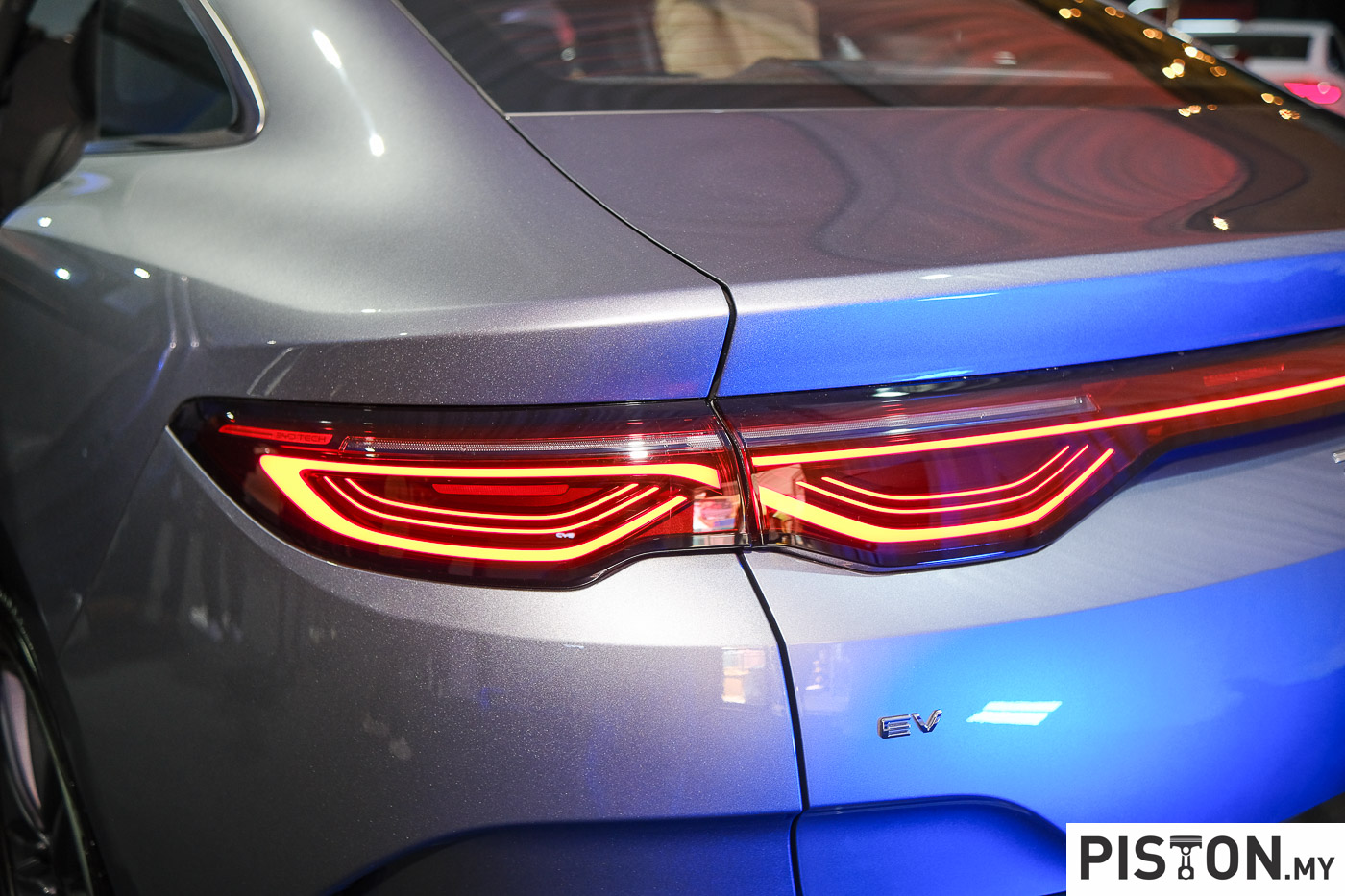
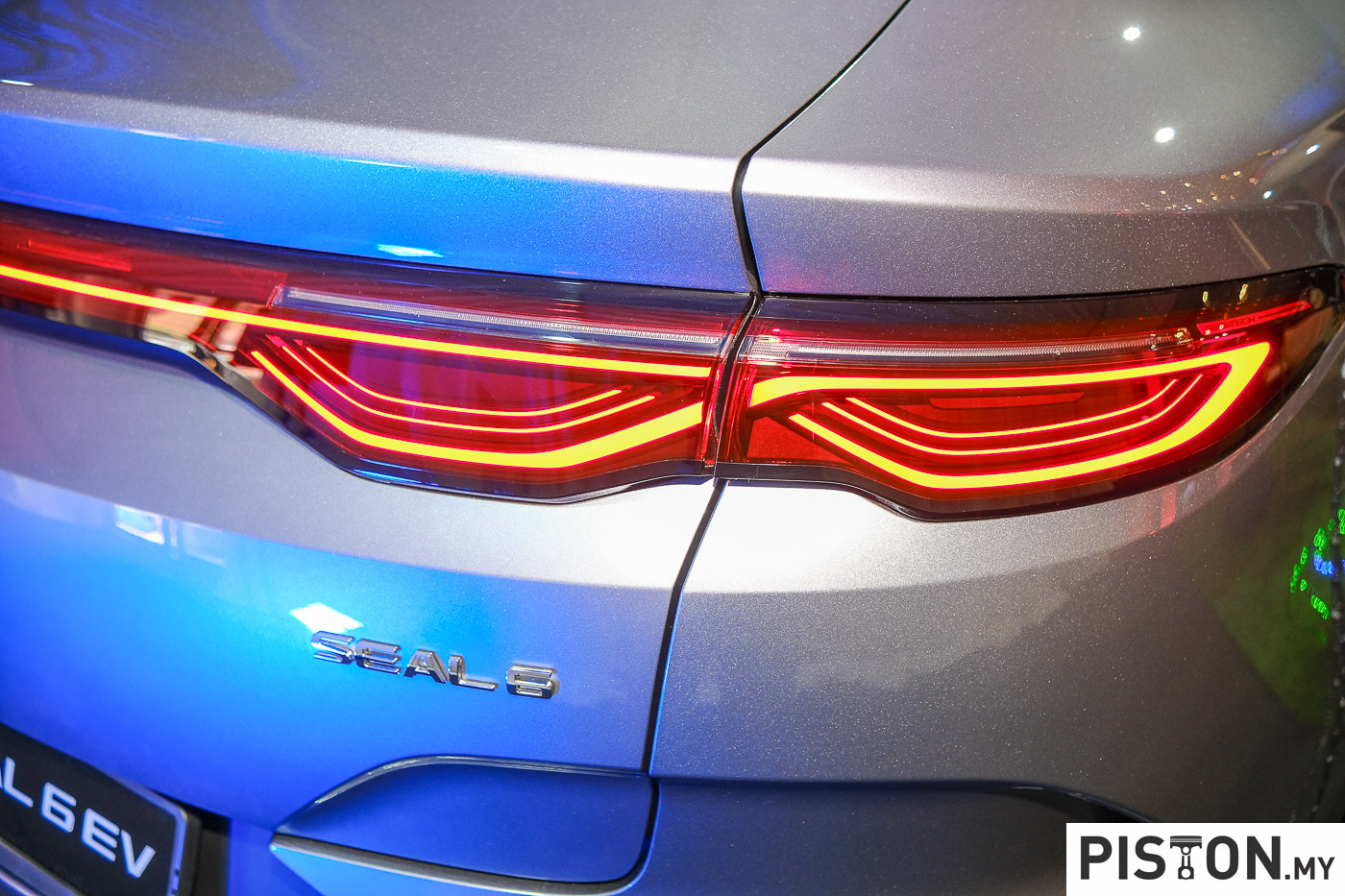
Bookings for the BYD SEAL 6 EV are now open across BYD showrooms in Malaysia.

Mitsubishi Motors Malaysia (MMM), the official distributor of Mitsubishi vehicles in the country, has announced Takashi Sakamaki as its new Chief Executive Officer, effective immediately. He takes over from Shinya Ikeda, who has helmed the company since October 2021.

Sakamaki is no stranger to the automotive world, bringing with him more than two decades of international experience with Mitsubishi Corporation. Over the years, he has worked extensively in China, Indonesia and Mexico, focusing on business strategy, export operations and market development.

His career has seen him take on senior roles that contributed to Mitsubishi’s global growth, from leading business development to handling CBU exports and strengthening OEM supply with global automakers.

(more…)

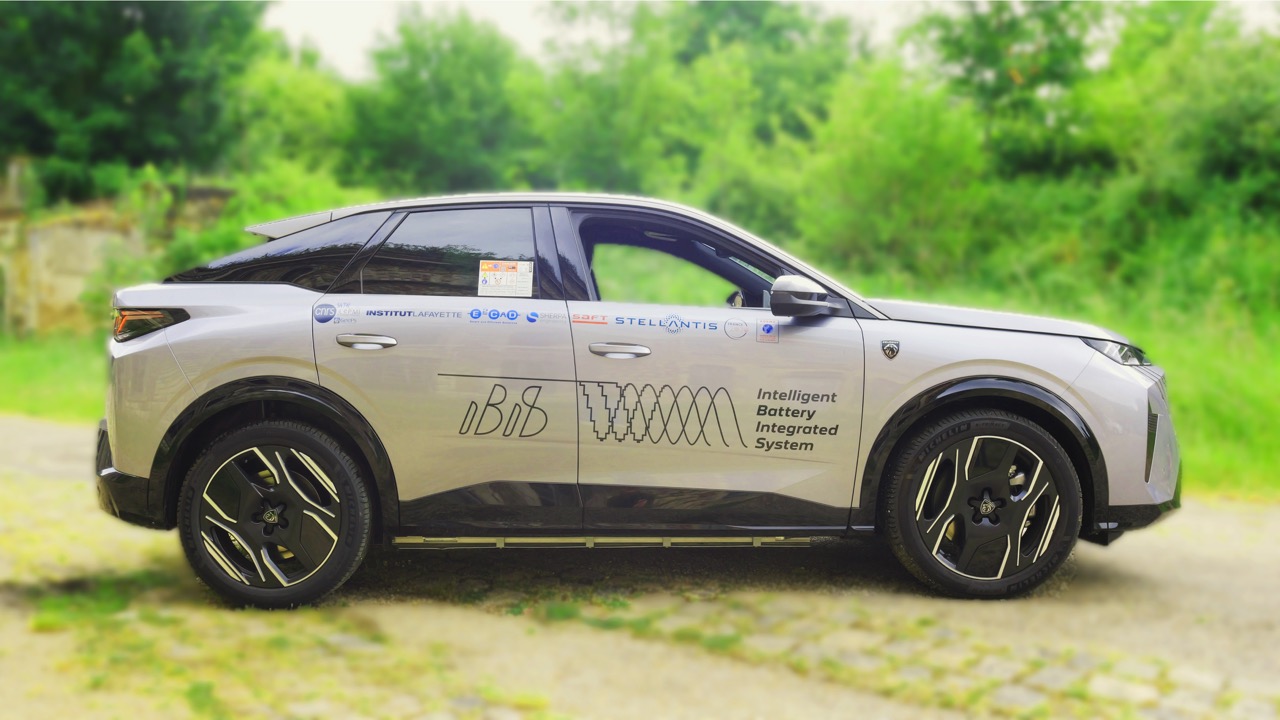
Stellantis is pushing the boundaries of electric vehicle technology with a prototype Peugeot E-3008 that carries something quite different under its skin. In partnership with Saft, the battery subsidiary of TotalEnergies, the carmaker has fitted the SUV with a new system called IBIS, which is now undergoing proper road testing.

IBIS has been in the works for years, developed with support from French research institutions as well as engineering firms like E2-CAD and Sherpa Engineering. Back in 2022, the technology had its first outing in a stationary demonstrator, where it proved its technical viability and generated several patents.

Moving it into a fully operational car is seen as the next logical step in bringing the idea closer to production reality.

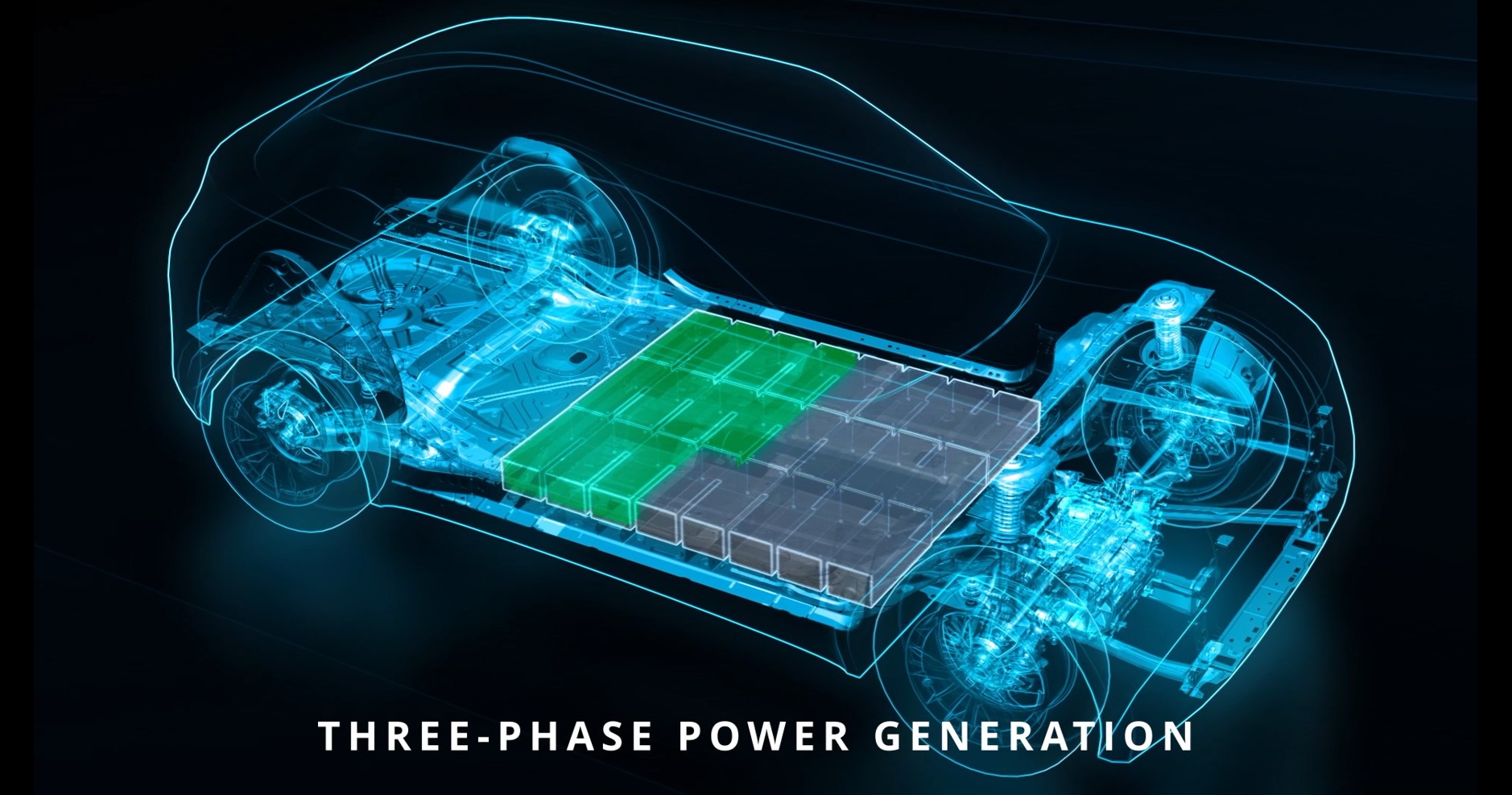
The clever bit about IBIS lies in how it simplifies the electric powertrain. Rather than using separate modules for the inverter and charger, these functions are integrated directly into the battery pack itself. By doing so, the battery can deliver power not only to the motor but also to the grid or to the car’s 12-volt and auxiliary systems, without relying on additional hardware.

(more…)

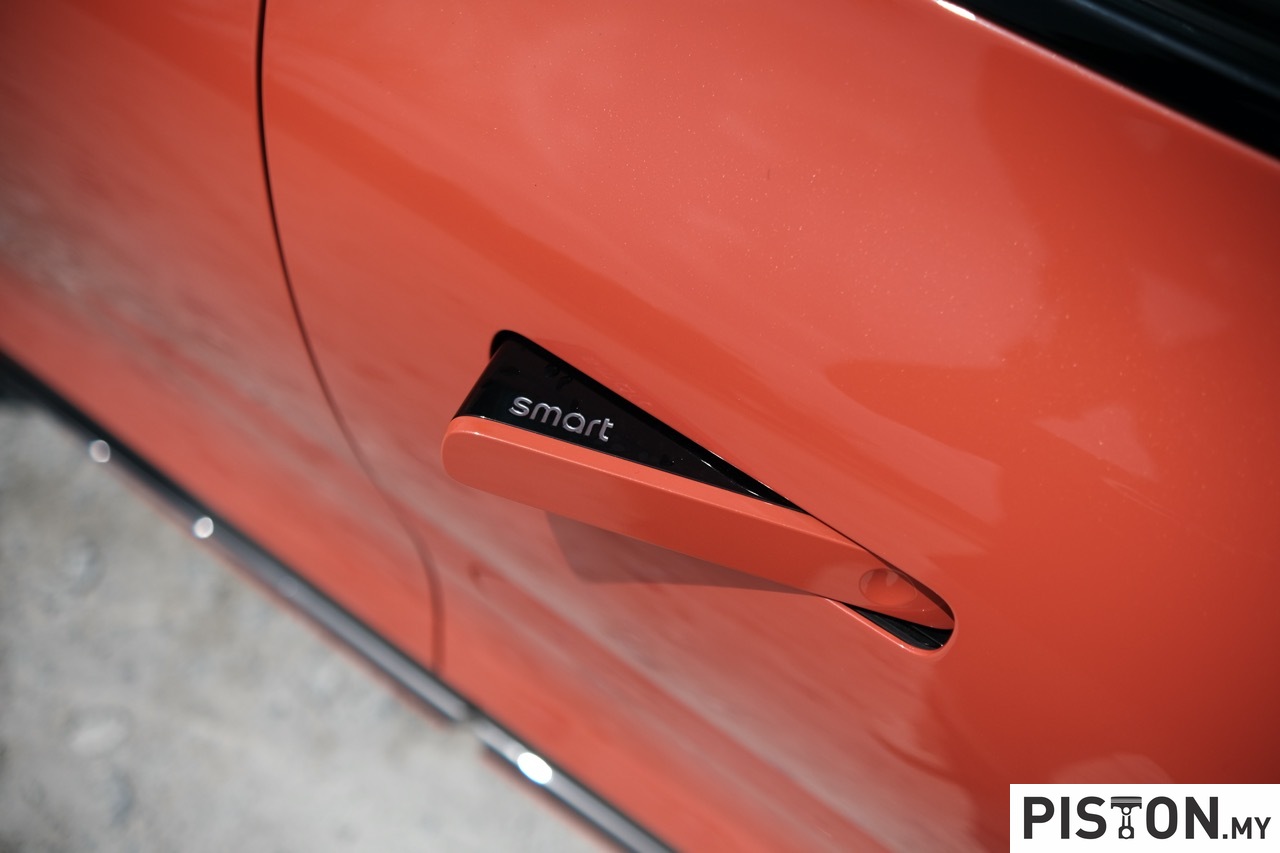
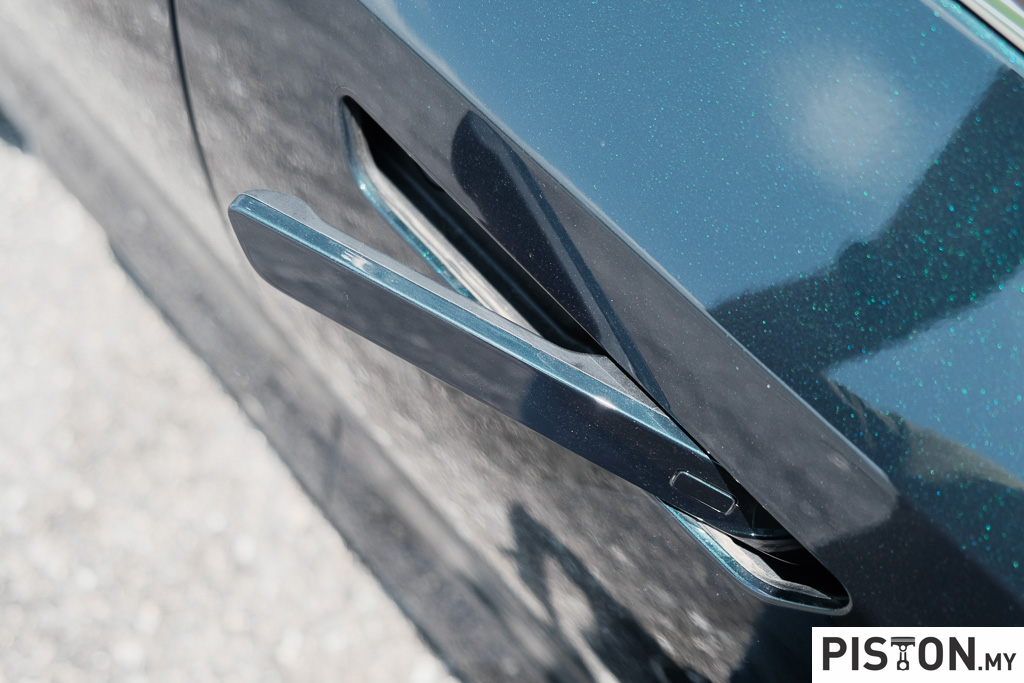
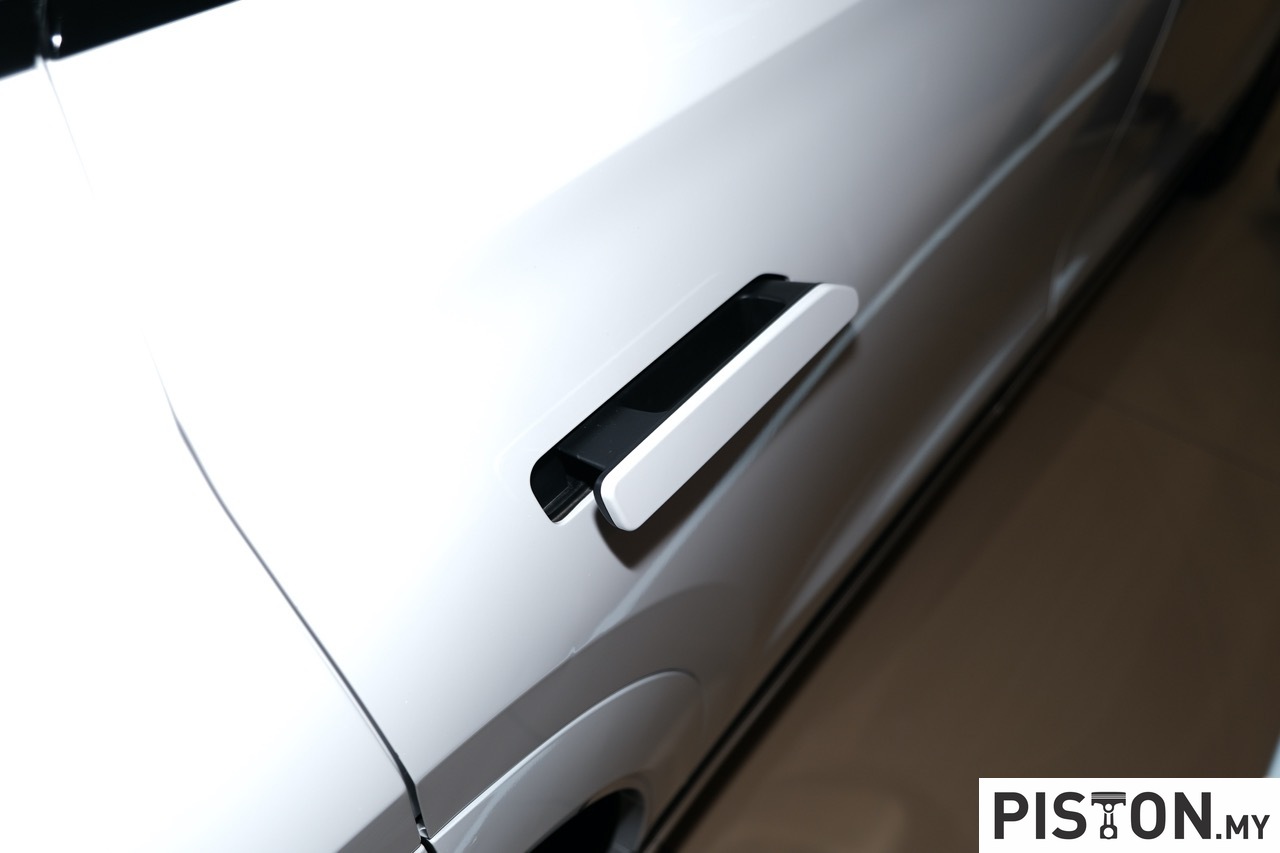
China’s Ministry of Industry and Information Technology (MIIT) is drafting the country’s first mandatory standard for automobile door handles. The proposed regulation, Safety Technical Requirements for Automobile Door Handles, is open for public feedback and aims to address safety concerns linked to the growing use of concealed electric handles in modern vehicles.

With the rise of EVs, door handle designs have become more complex, often prioritising style and aerodynamics over ease of use. This has raised concerns about usability in emergencies, particularly when electrical systems fail. The new standard sets out requirements for handle design, placement, and performance to ensure that doors remain operable in all situations.

As reported by Autohome, development began in 2024 under MIIT’s guidance, with the National Technical Committee for Automotive Standardisation leading the process. Experts from more than 100 automakers, suppliers, and testing agencies were involved, examining over 230 vehicle models and carrying out extensive ergonomic research. Tests on more than 20 vehicles helped validate the requirements.

(more…)

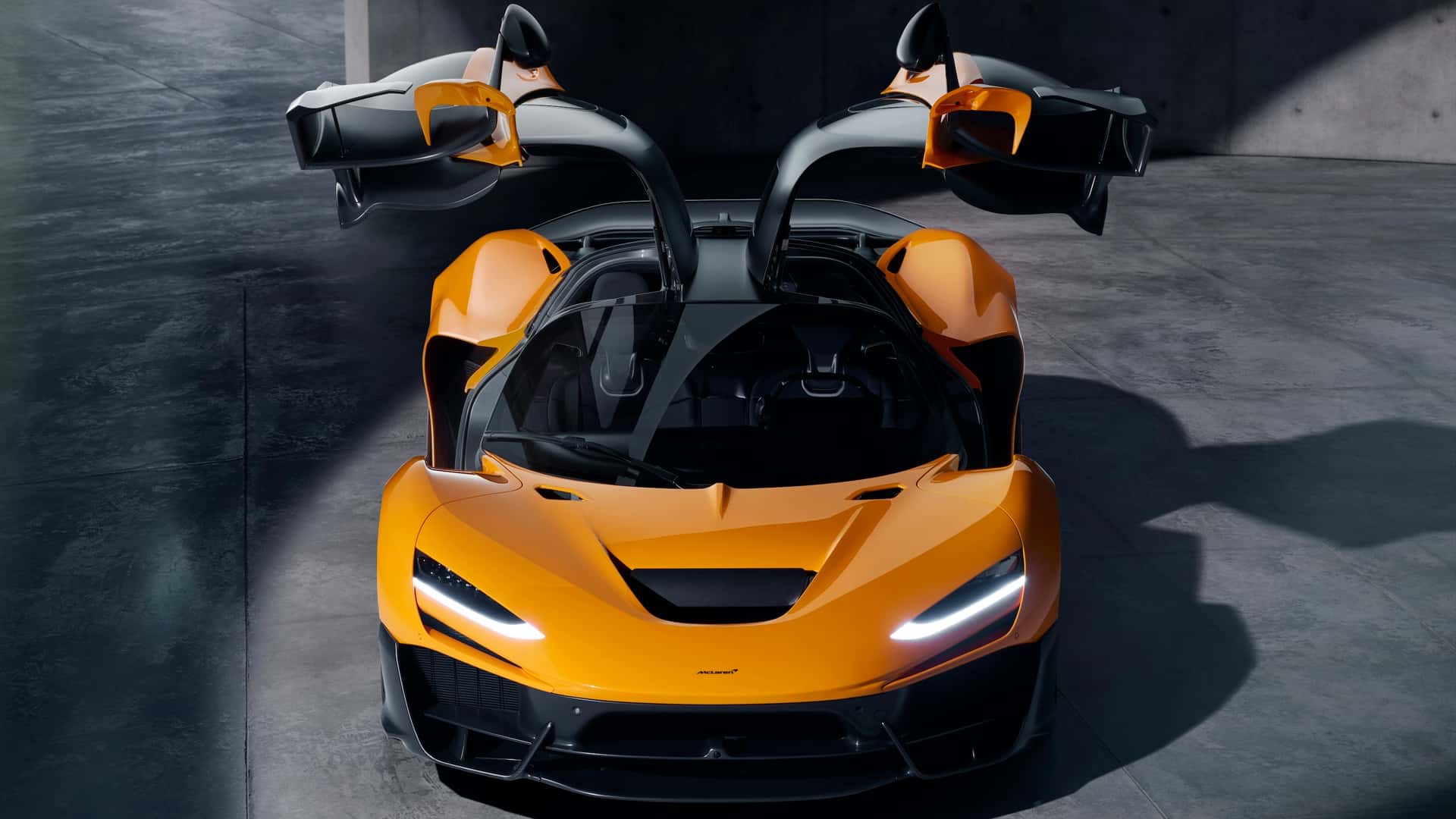
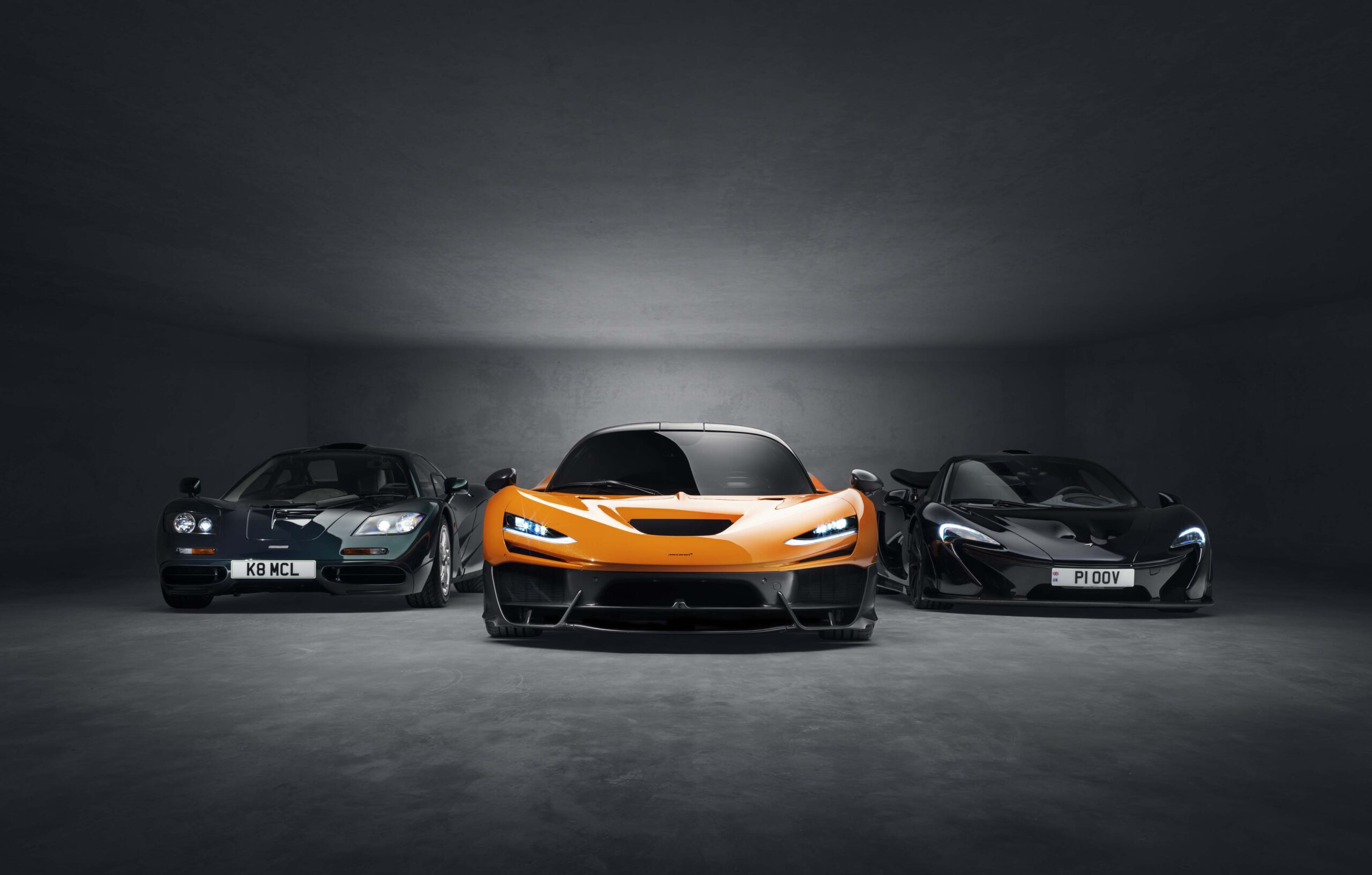
McLaren may have recently unveiled the Artura sports car and the track-focused W1 hypercar, but questions still linger about what the future holds for the legendary British brand. The company has just undergone a major shift in ownership, having been taken over by CYVN Holdings, an investment arm of Saudi Arabia’s sovereign wealth fund, and merged with UK-based EV startup Forseven.

What this means for McLaren long-term is still uncertain, but some clues have started to emerge. Speaking to Car Magazine in the UK, new CEO Nick Collins outlined parts of the plan, and it looks as though McLaren is preparing to stretch beyond its traditional playground of lightweight, two-seat supercars.

Collins stopped short of confirming whether an SUV is on the way, something McLaren has teased before, but he did reveal that the brand will move into what he called “adjacent segments.” Crucially, he confirmed a future model will arrive with more than two seats, which would mark a significant departure from McLaren’s history of strictly sticking to the supercar formula.

(more…)

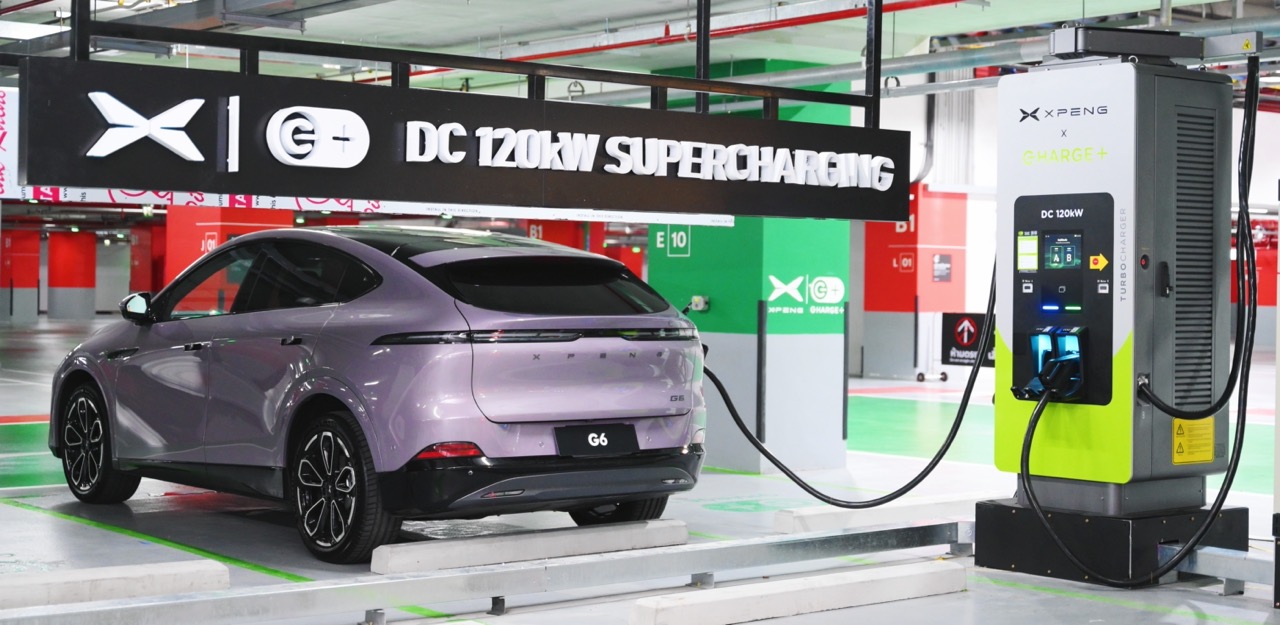
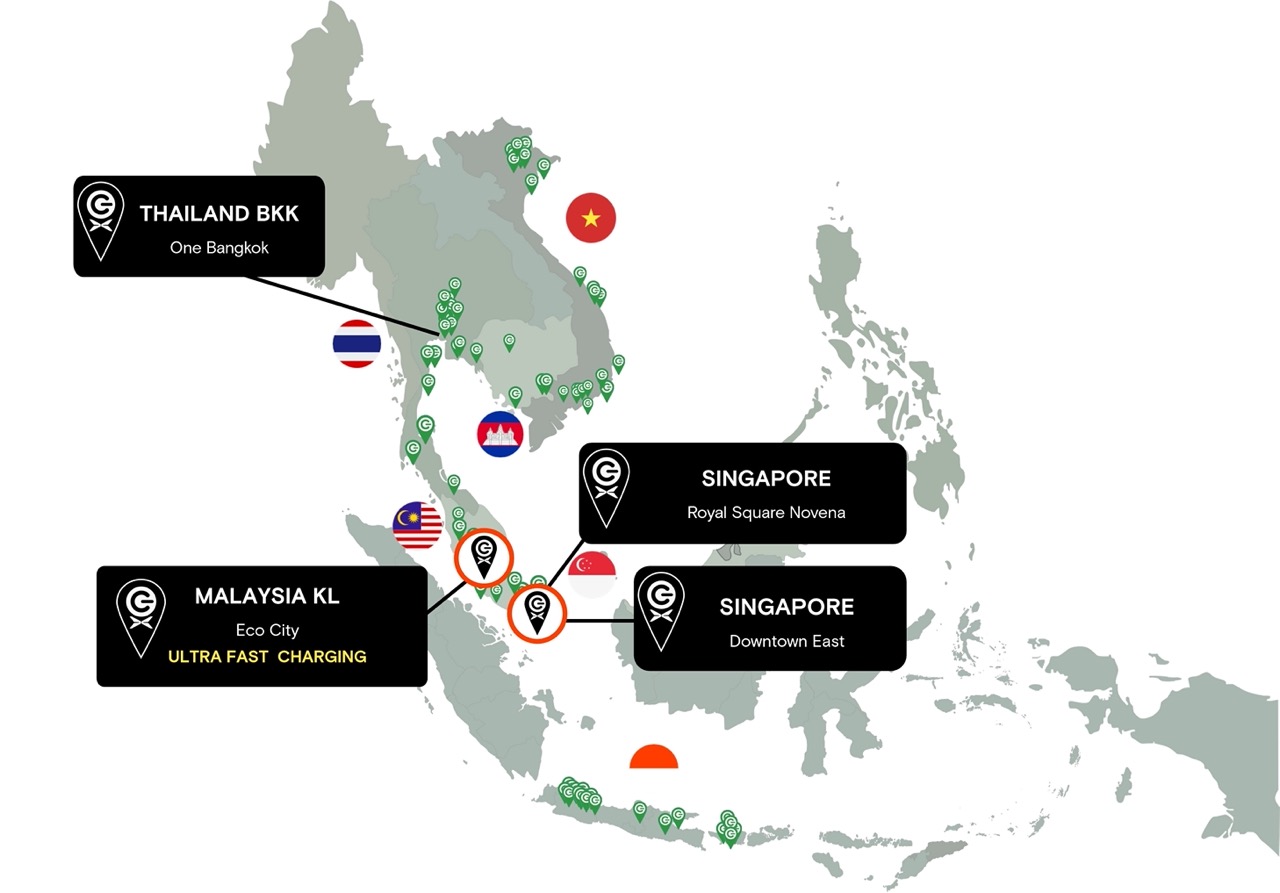
XPENG has announced a major step forward in its charging infrastructure across the Asia-Pacific region. The company’s partnership with Charge Plus will give XPENG drivers access to over 3,800 charging piles in Singapore, Malaysia, and Thailand, as well as stations spanning 5,000km of highways that connect five countries: Singapore, Malaysia, Thailand, Vietnam, and Cambodia.

This marks the first time a Chinese emerging EV brand has collaborated with Charge Plus in Southeast Asia.

Through this cooperation, XPENG vehicles such as the G6, G9, and X9—all of which use an 800V fast-charging platform—will have expanded coverage along key routes, including the entire north-south expressway network in Singapore, Malaysia, and Thailand. In Singapore, the network includes the country’s largest public charging system, which holds more than 30% of the market.

The first XPENG and Charge Plus co-branded charging stations are already operational in major cities across Singapore, Malaysia, and Thailand. XPENG owners using these stations will receive exclusive benefits, including charging discounts by the end of 2025. Real-time station information will also be integrated into XPENG’s in-car displays, allowing drivers to check availability and navigate to stations directly.

(more…)

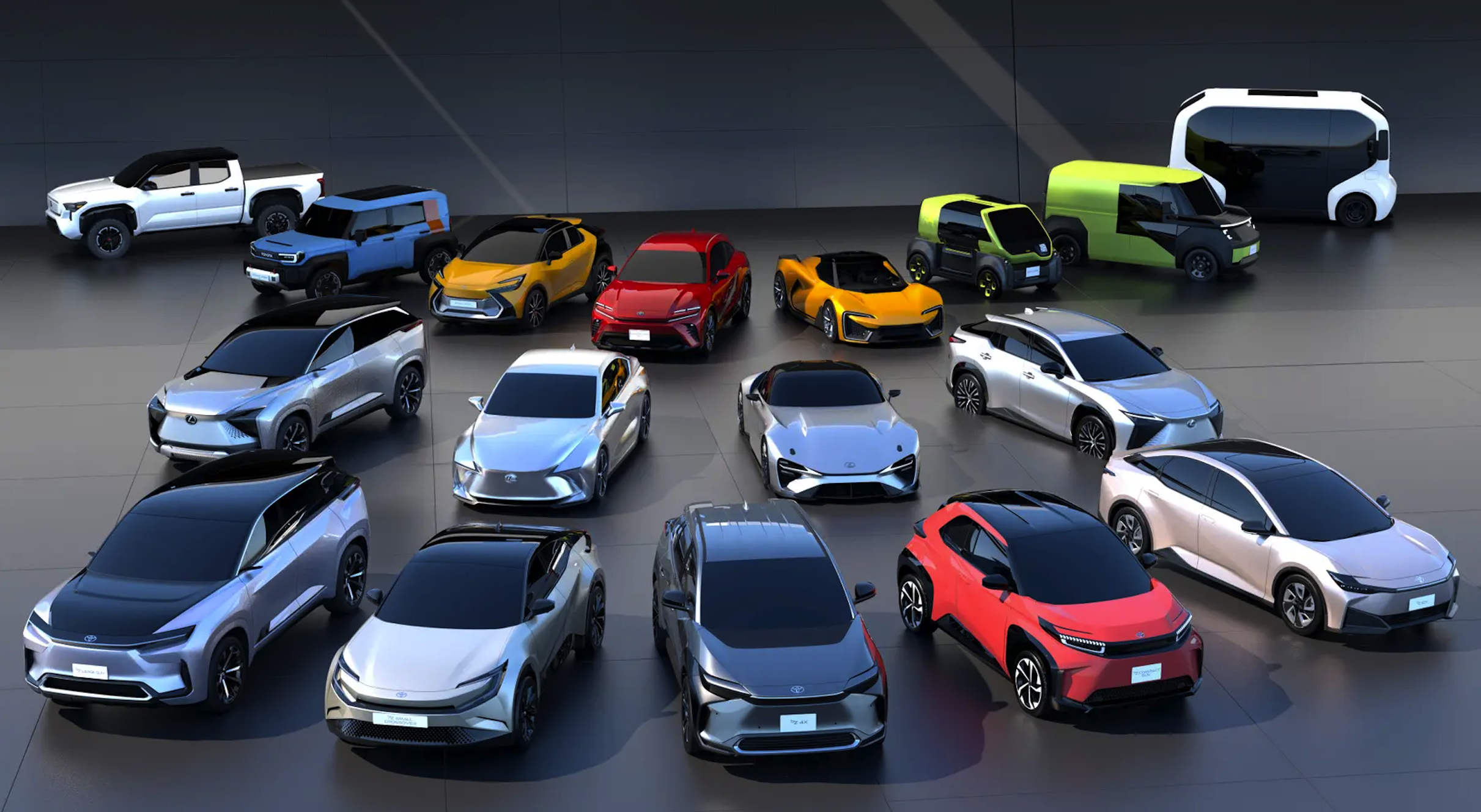
Toyota Australia is thinking about bringing in more electric cars from China as it looks to grow its EV line-up.

Sean Hanley, Toyota Australia’s Sales and Marketing boss, said the company is watching what its partners in China are making. He explained that Toyota already has strong ties with factories there and sees no issue with selling Chinese-built cars in Australia, as long as they meet Toyota’s standards.

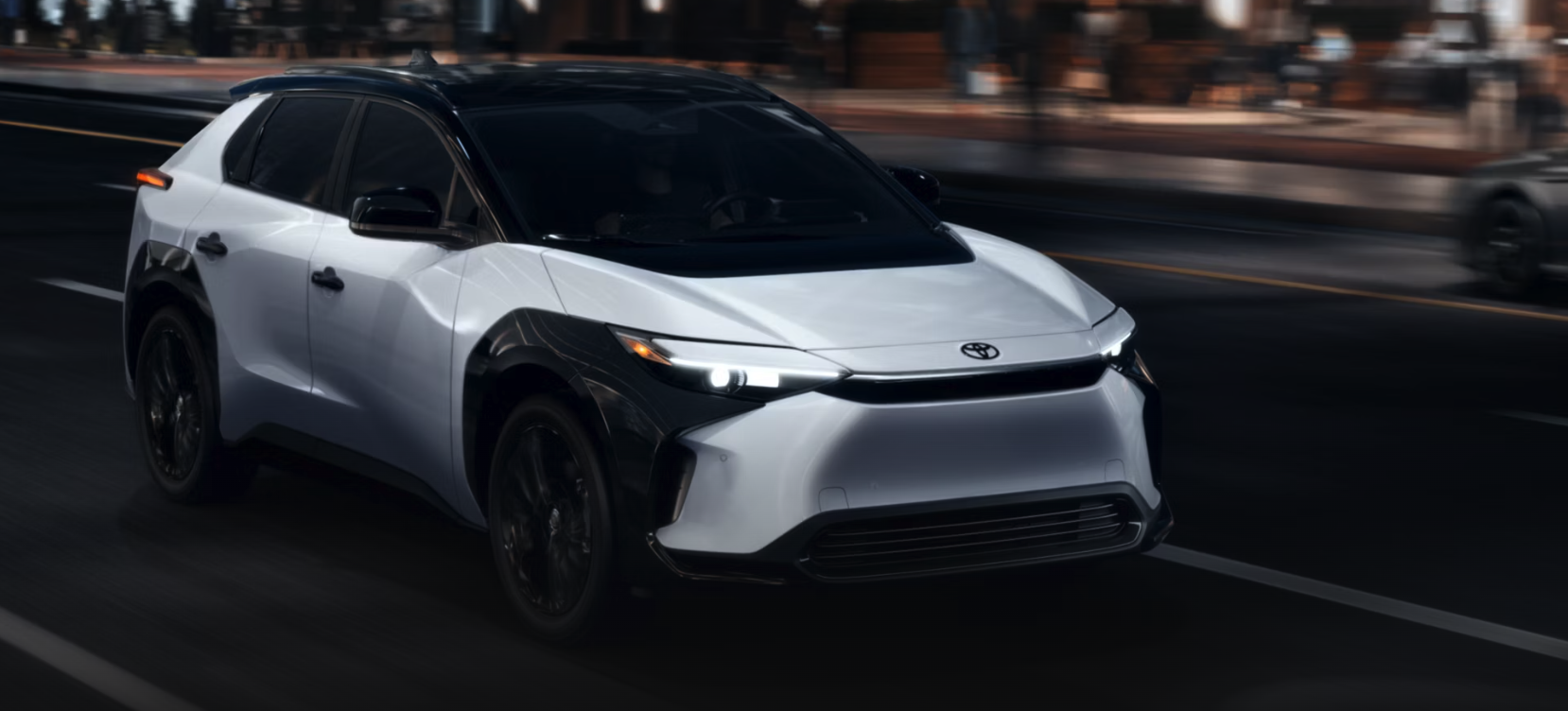
Right now, Toyota only has one electric car worldwide – the bZ4X SUV. An updated version will arrive later this year, and a Touring version with more space is coming in 2025.

In China, Toyota already sells more EVs, such as the bZ3 sedan, bZ5 SUV coupe, and bigger models like the bZ7 and bZ3X SUV. These are built with local partners FAW and GAC.

(more…)

Archive

Follow us on Facebook

Follow us on YouTube