Piston.my

English

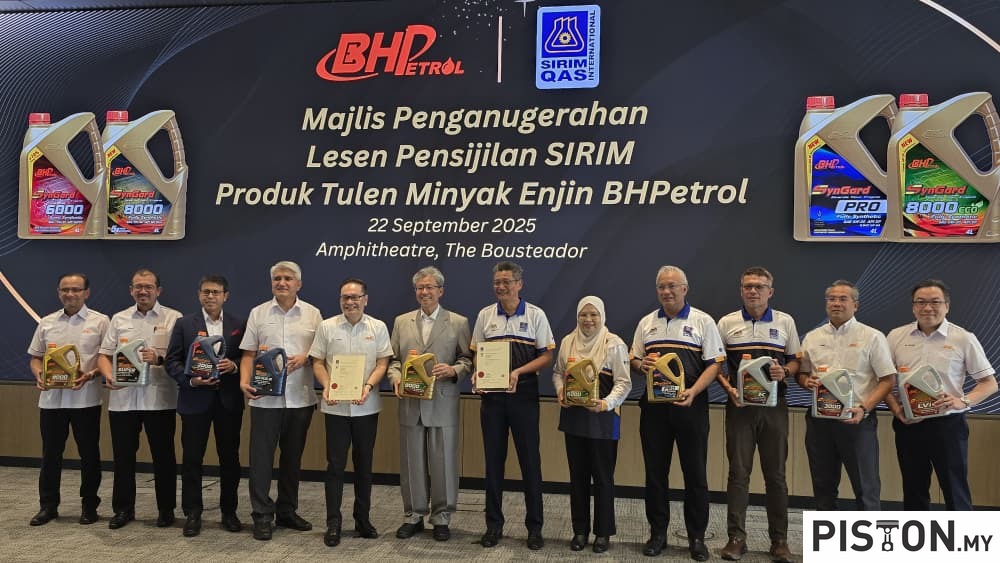
Boustead Petroleum Marketing Sdn. Bhd. (BHPetrol) has taken a big step forward in strengthening consumer confidence, as its range of lubricants has now been officially certified by SIRIM QAS International. The recognition comes in the form of the SIRIM Genuine Product Licensing Certification, awarded under licenses PG000056 and PG000057.

This certification applies across BHPetrol’s core lubricant lines – SynGard passenger car motor oils, Trans commercial vehicle and diesel engine oils, and Dash motorcycle oils – ensuring that each product meets strict quality, safety, and performance standards. The move also aligns with the Ministry of Domestic Trade and Cost of Living’s enforcement measures, which require all engine oil products sold after 7 October 2025 to carry proper SIRIM certification labels.

With certification in place, BHPetrol will soon begin rolling out official light green SIRIM QR code stickers on all newly manufactured and packaged certified lubricants. For products already in storage, light pink QR code stickers will be distributed to business partners. Through its sales representatives, BHPetrol will help coordinate the distribution of these stickers and provide support to ensure smooth implementation across its dealer network.

(more…)

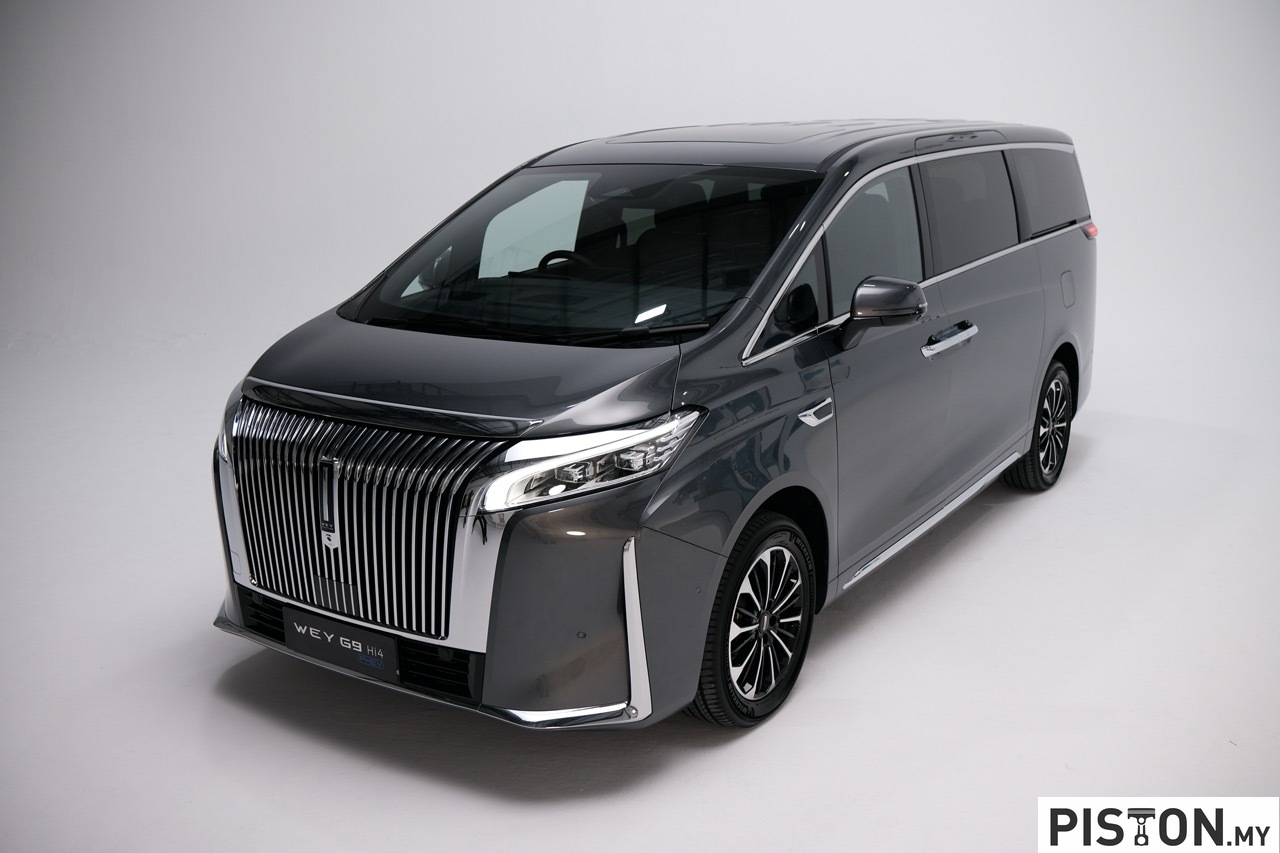
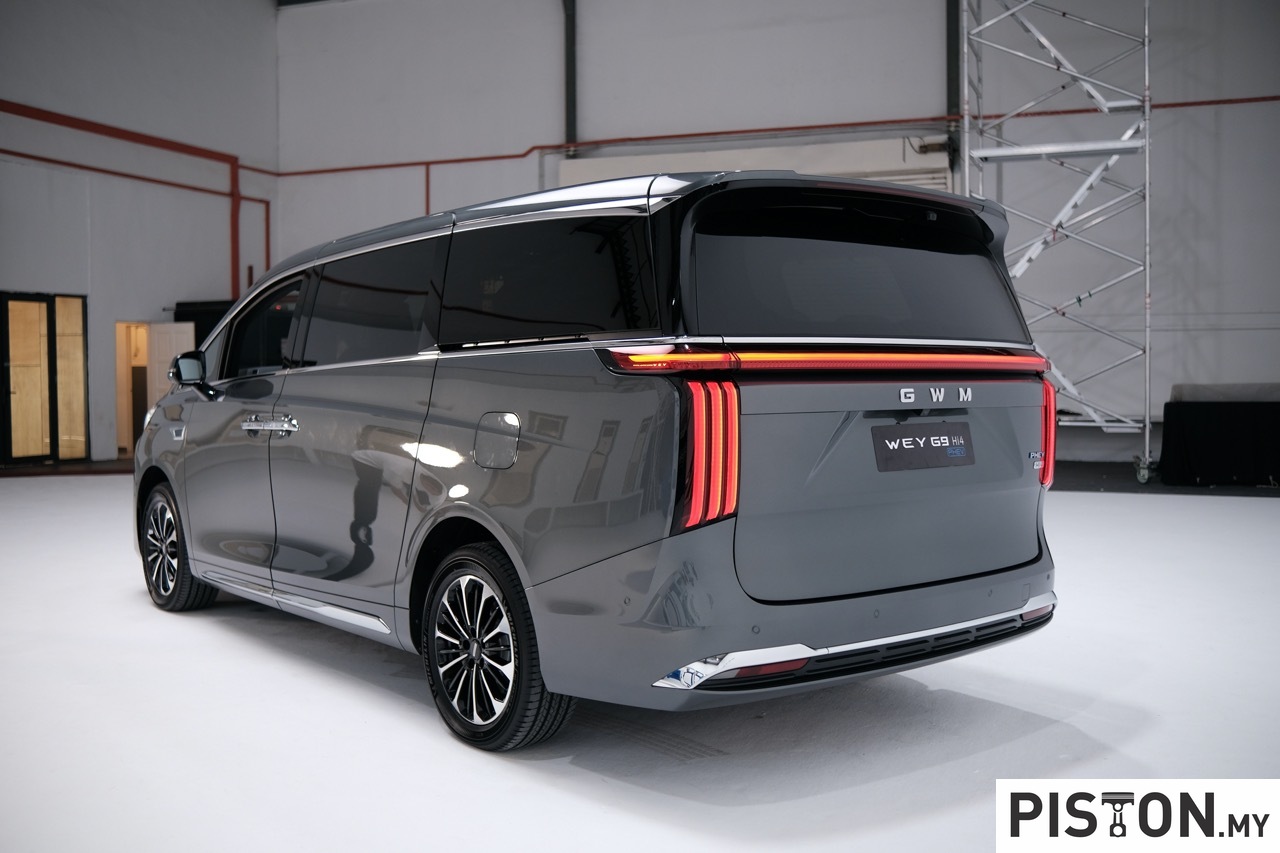
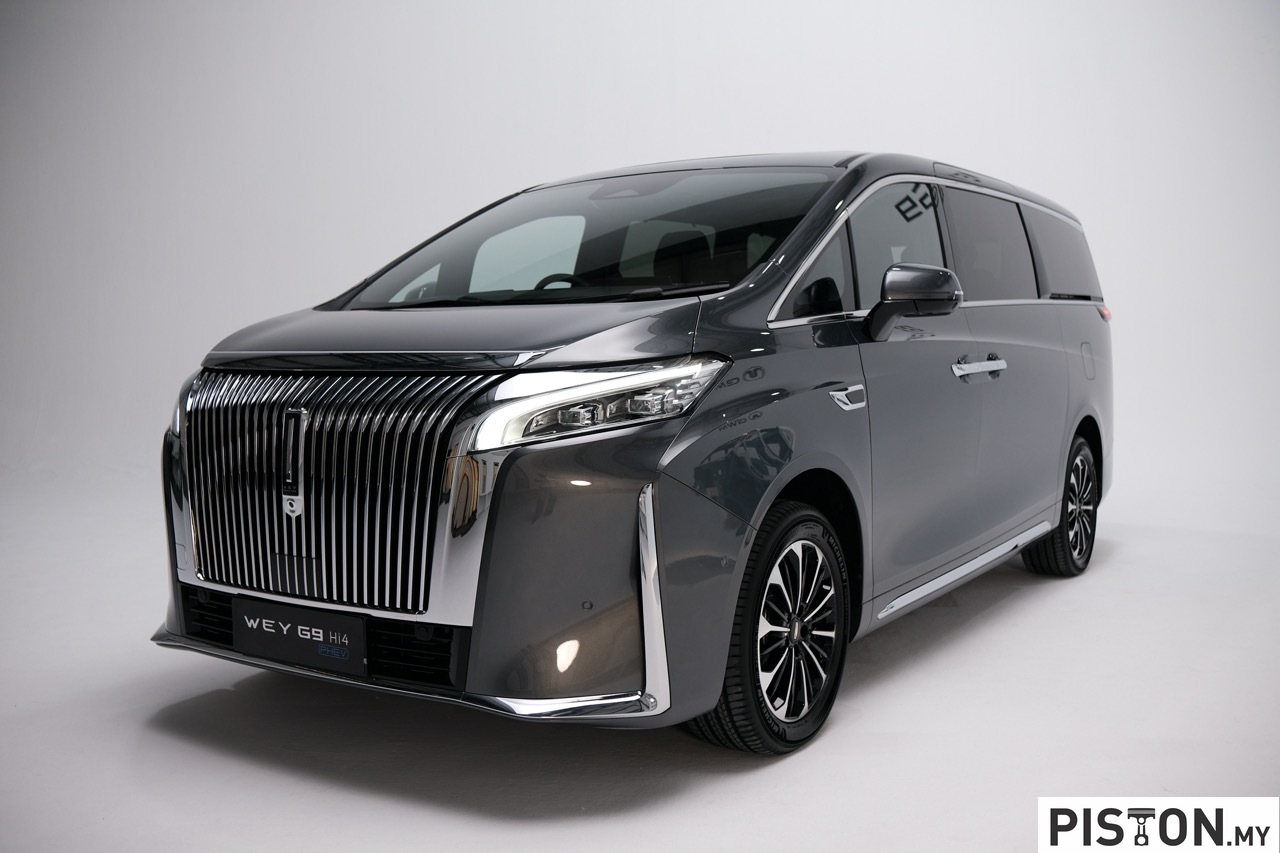
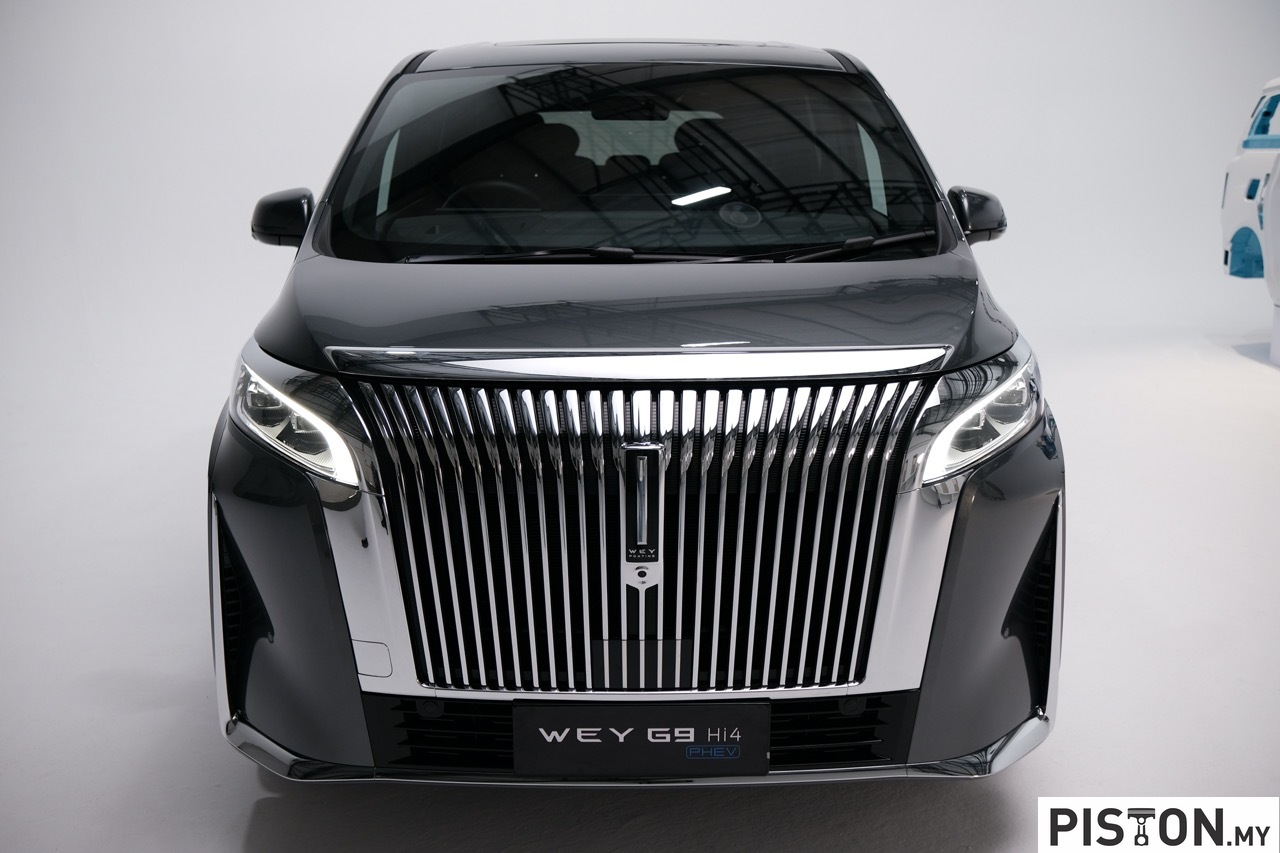
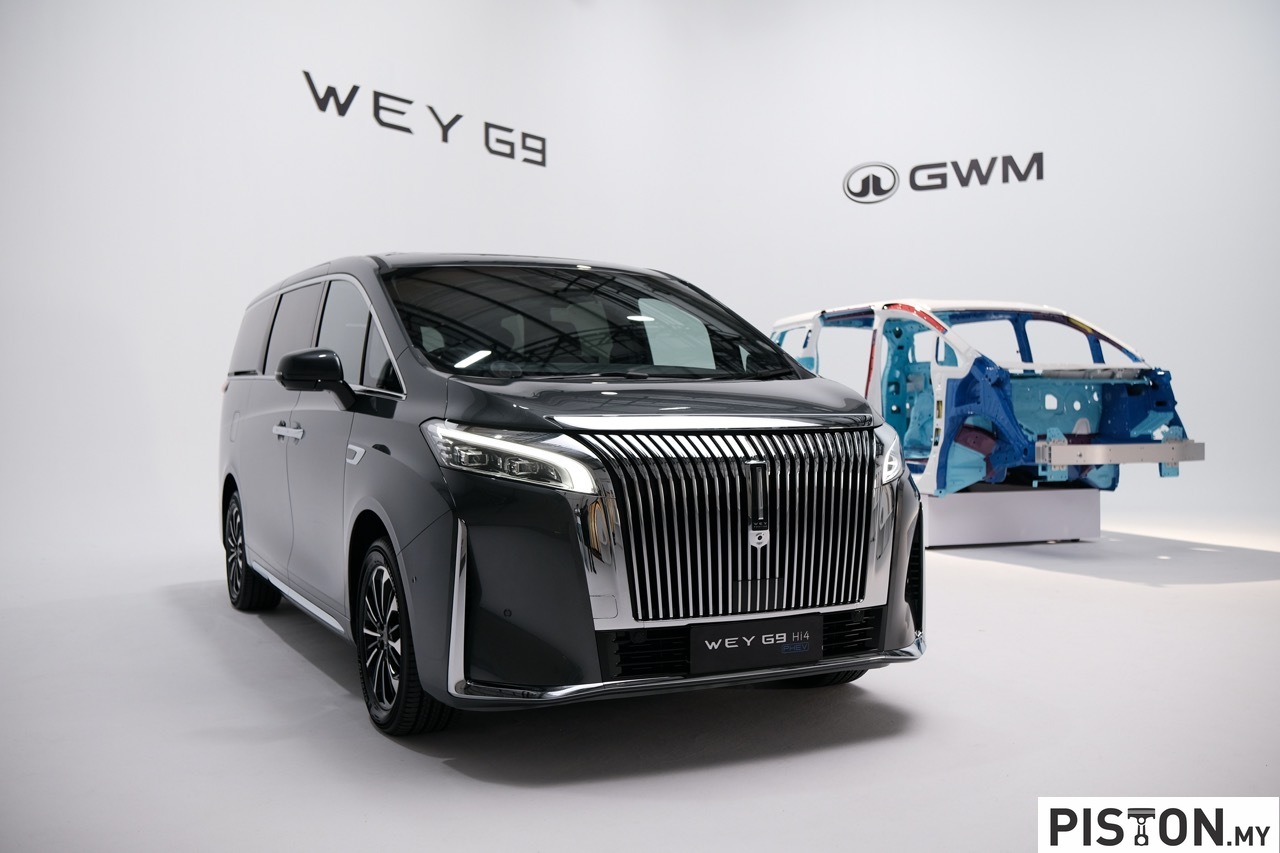
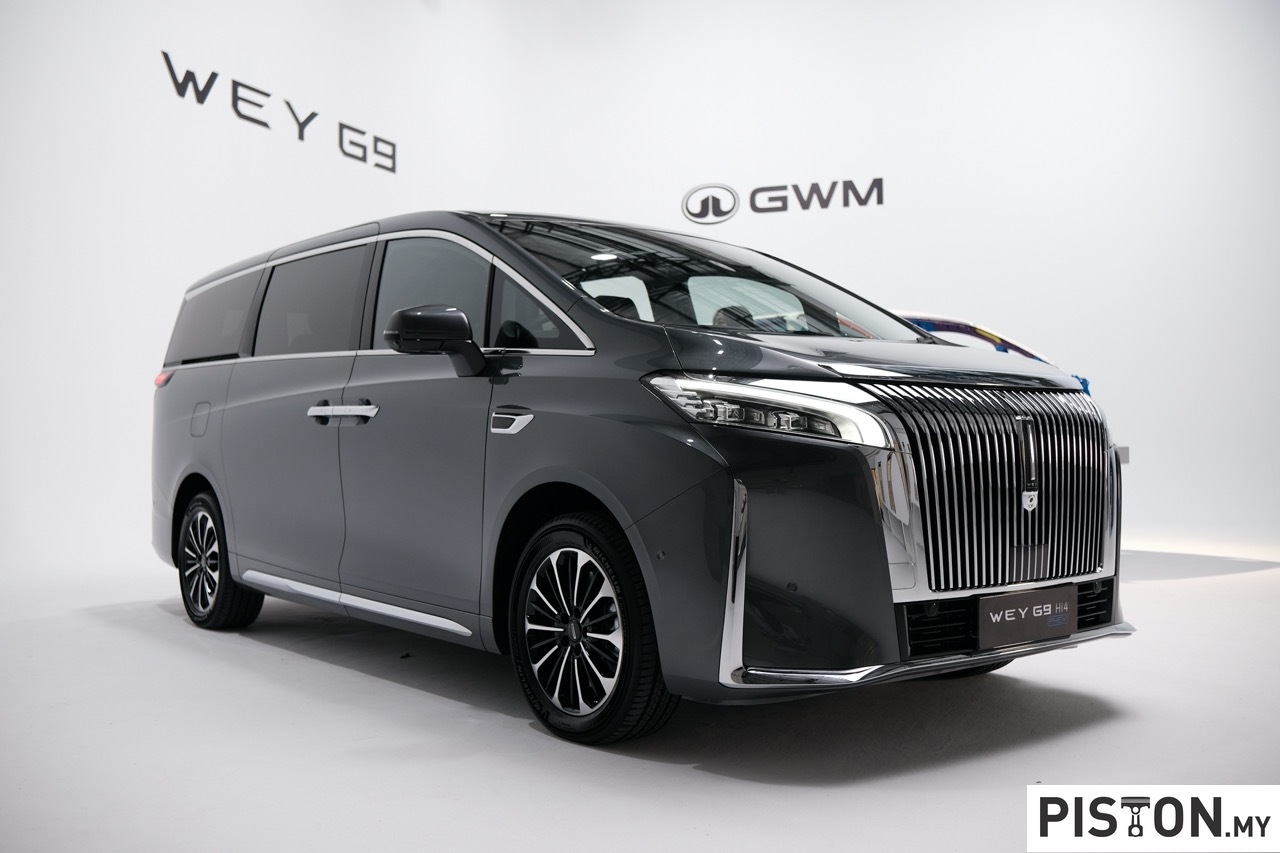
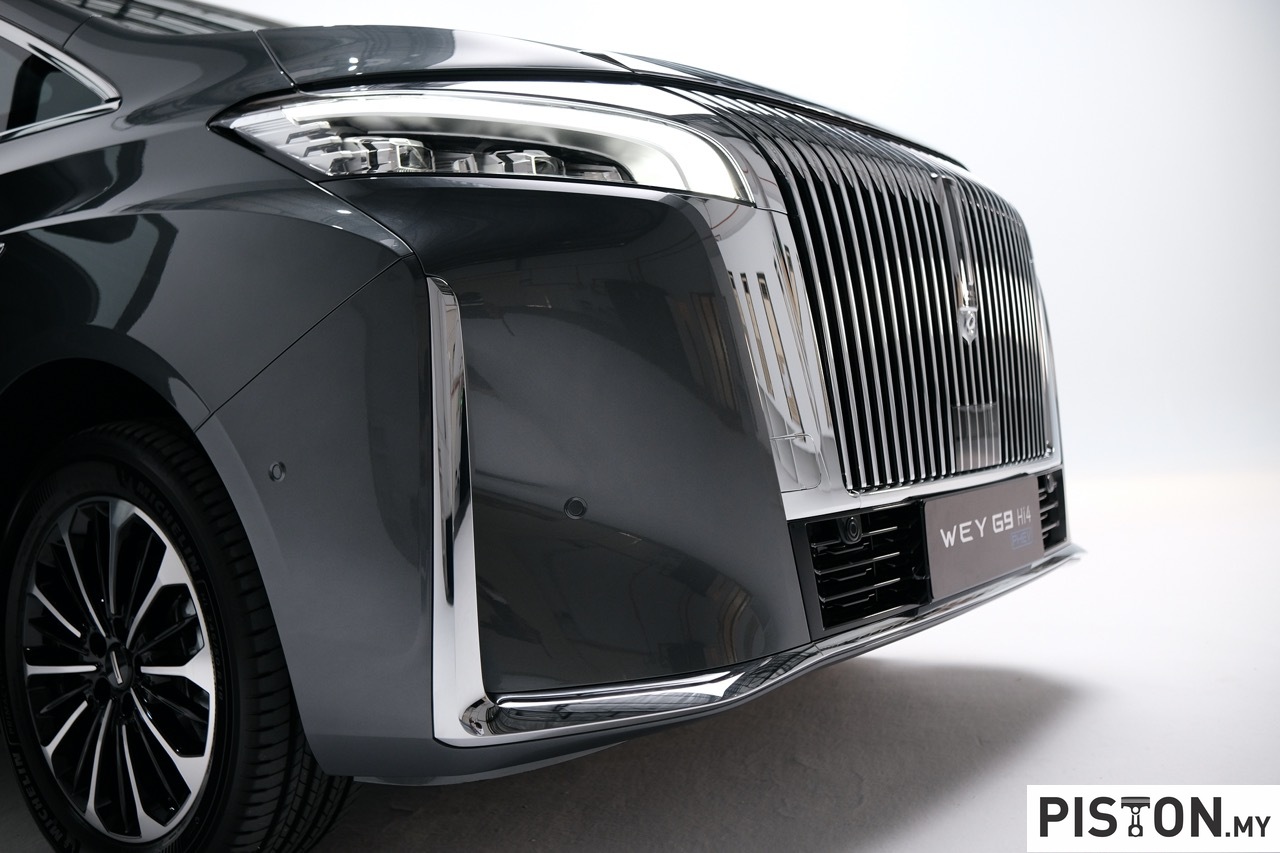
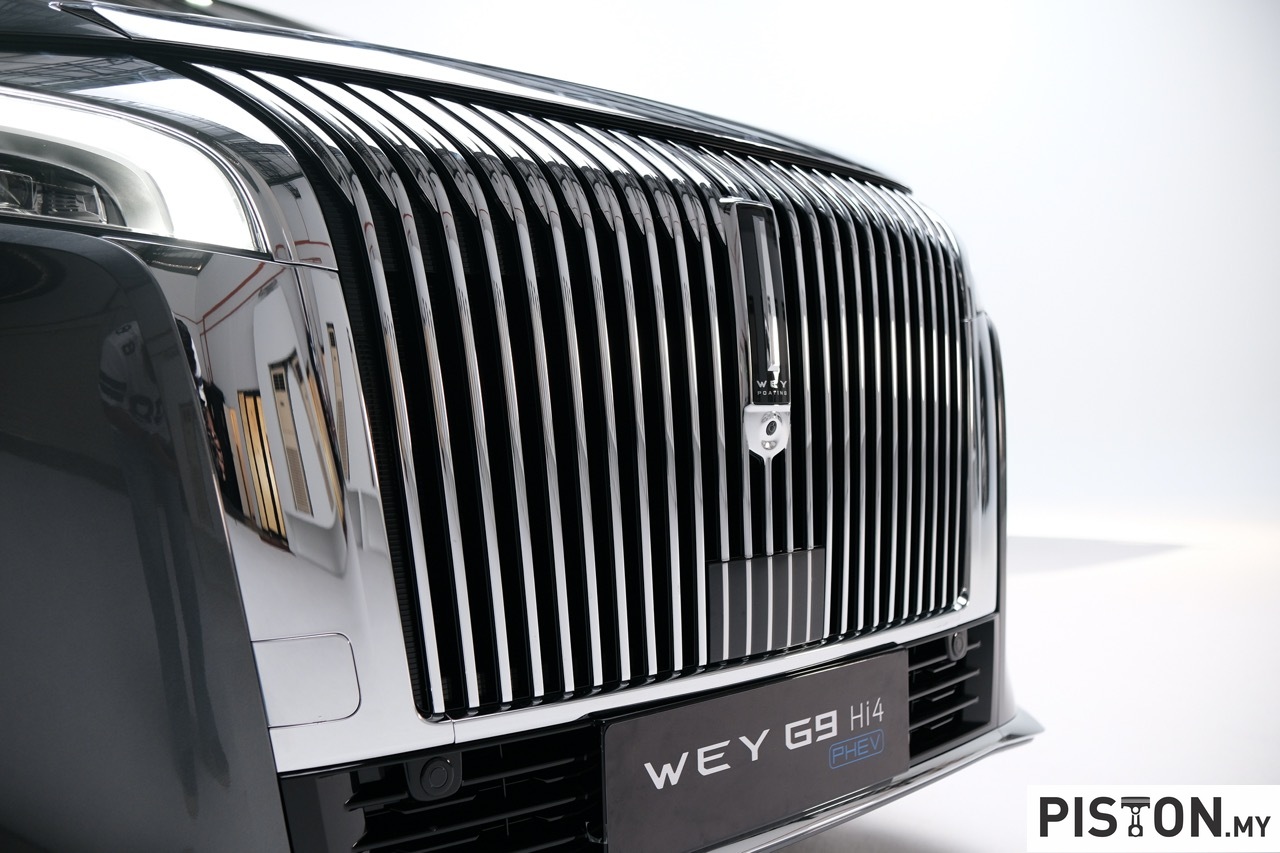
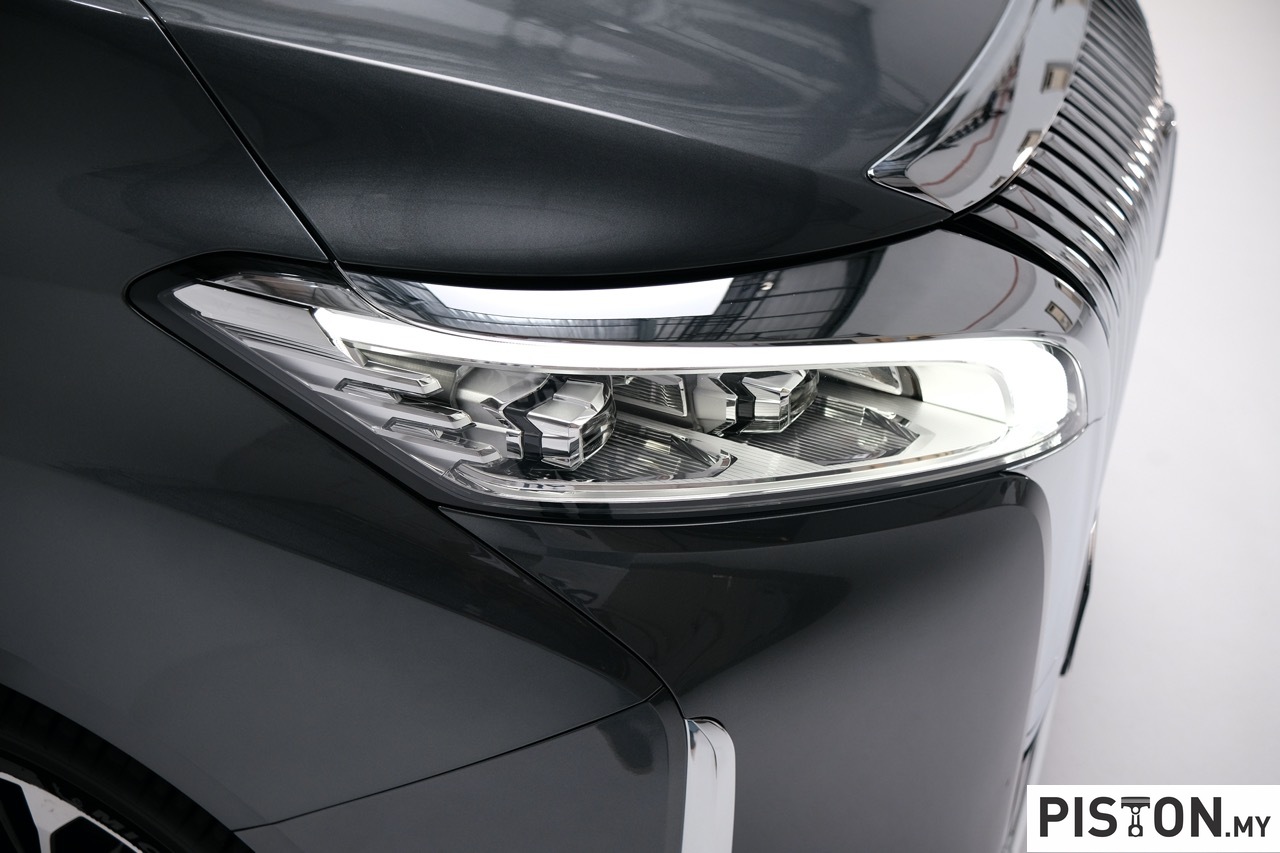
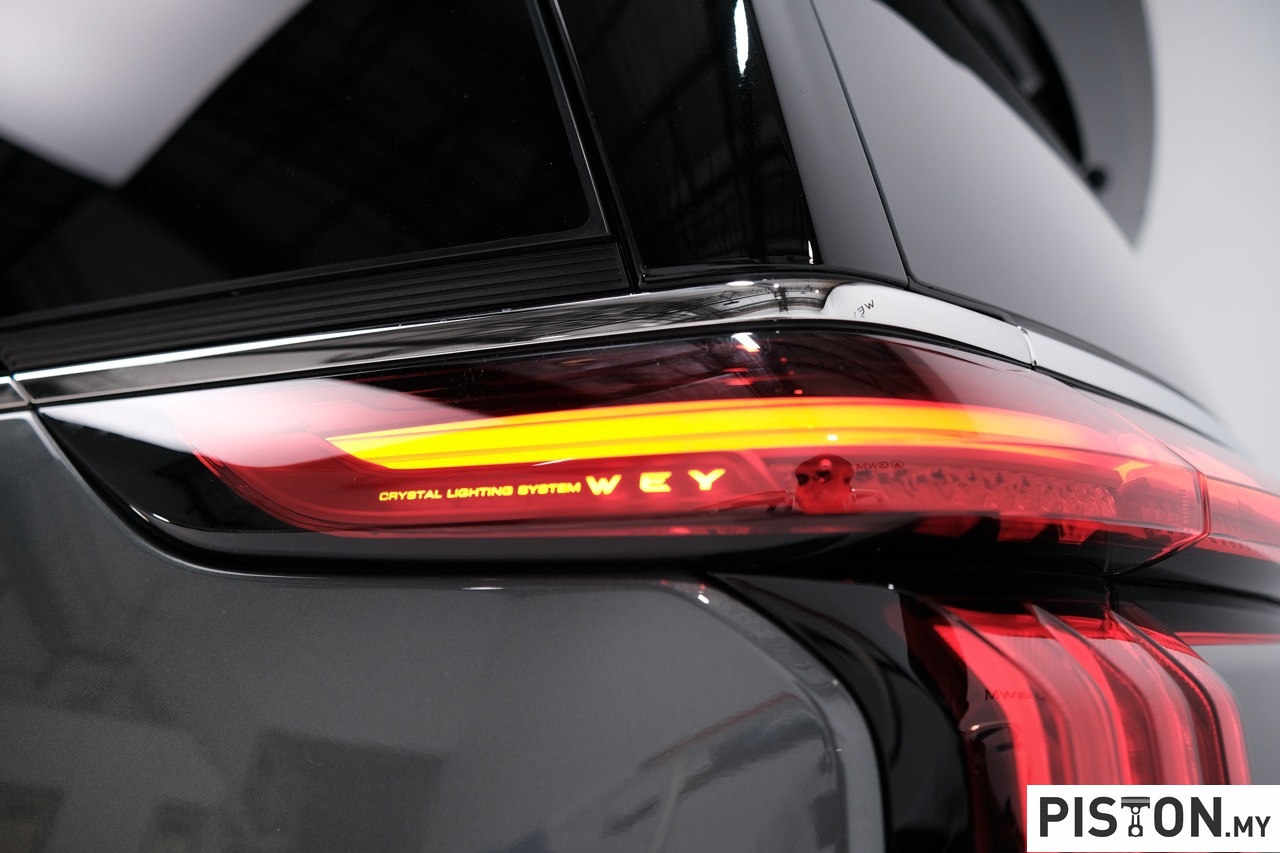
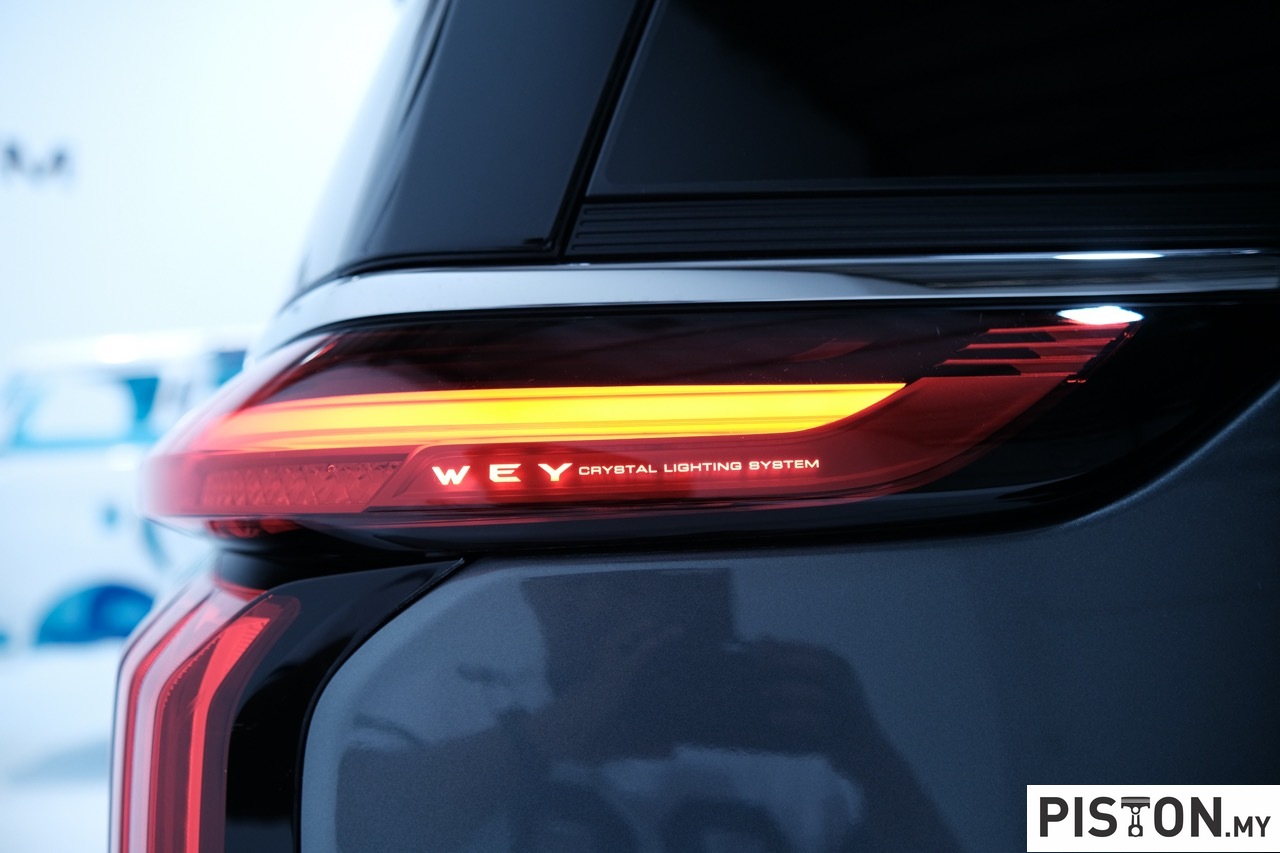
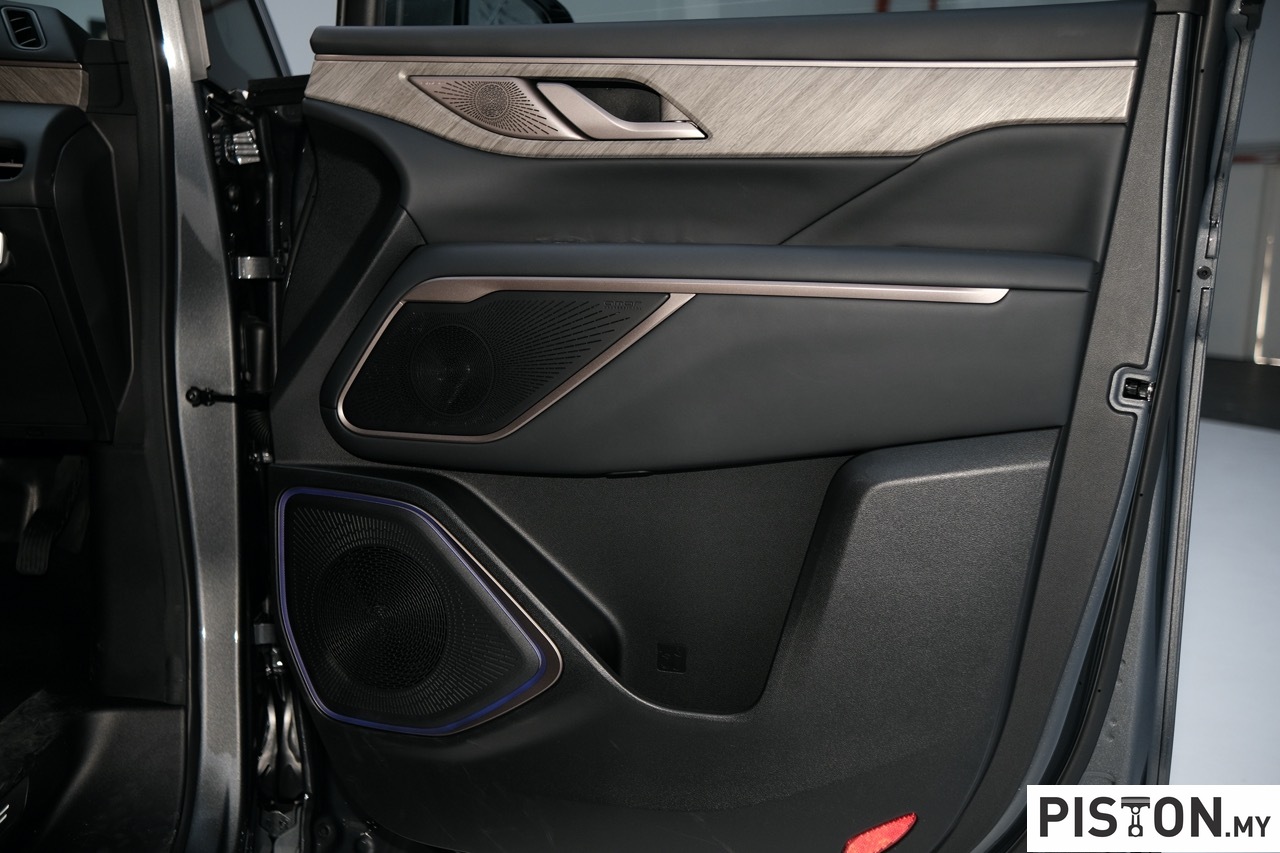
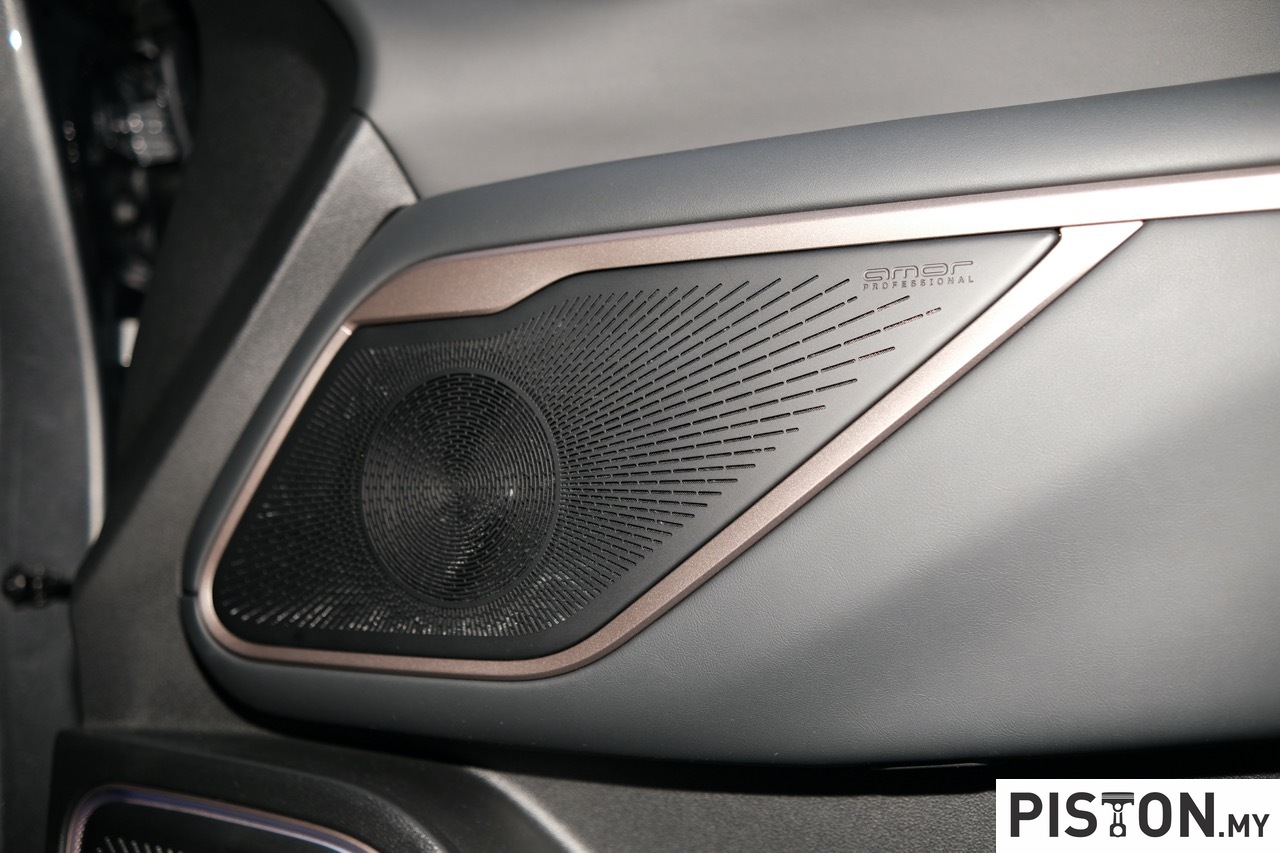
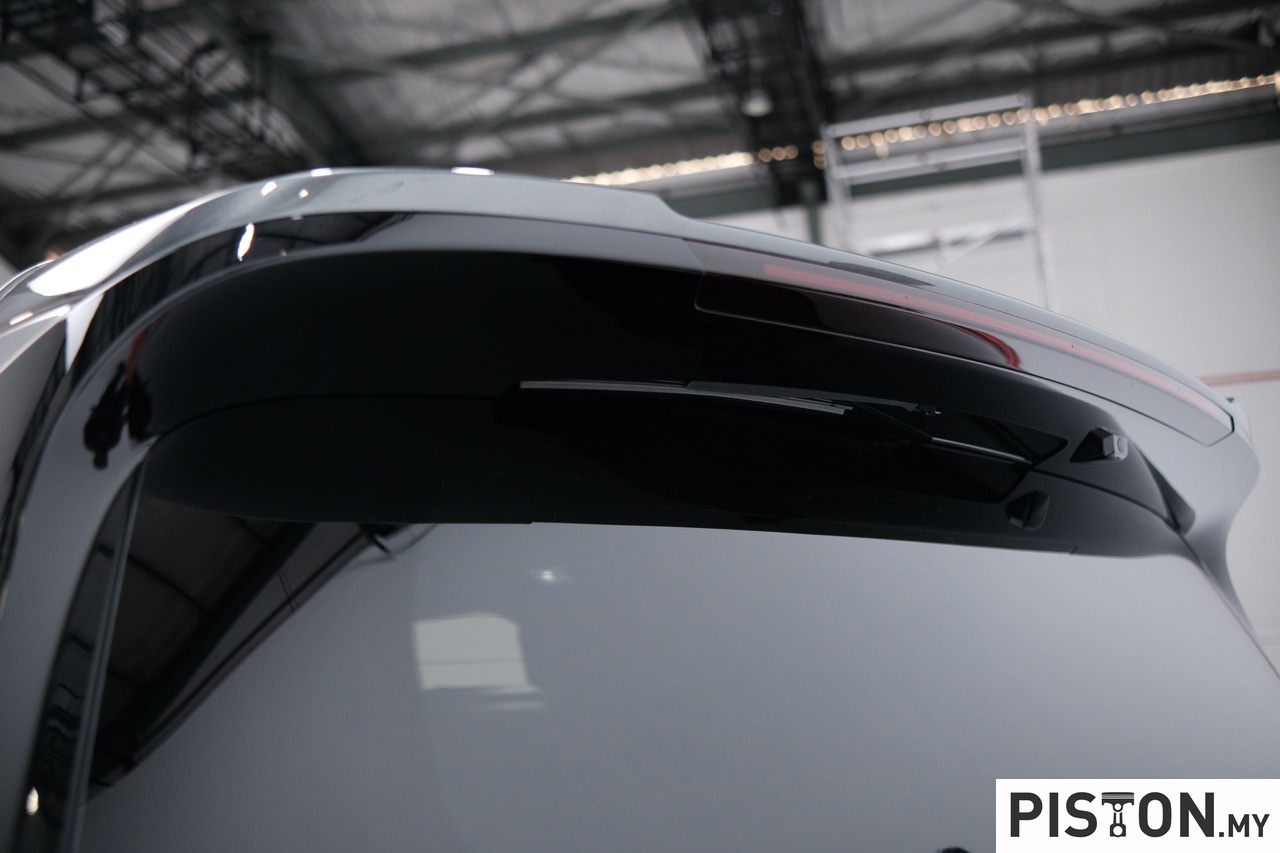
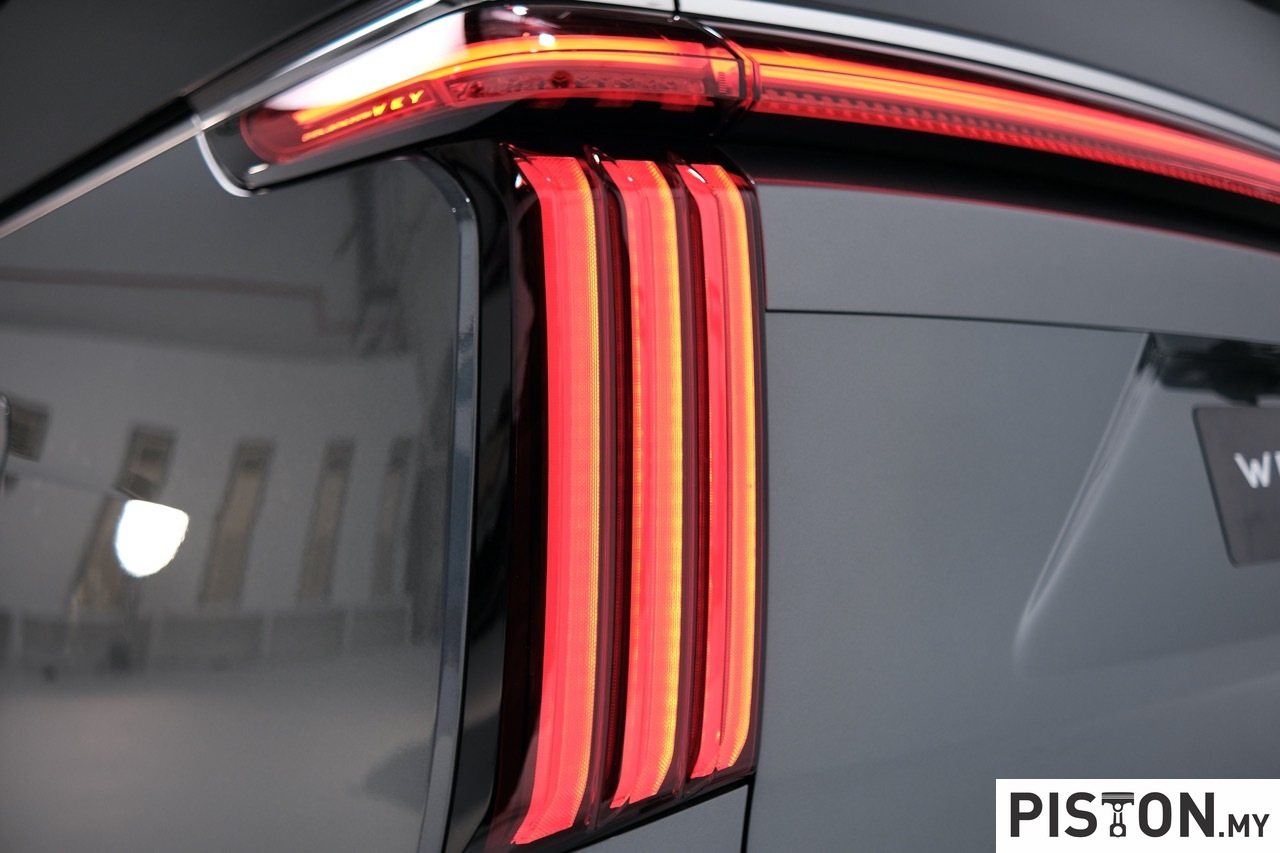
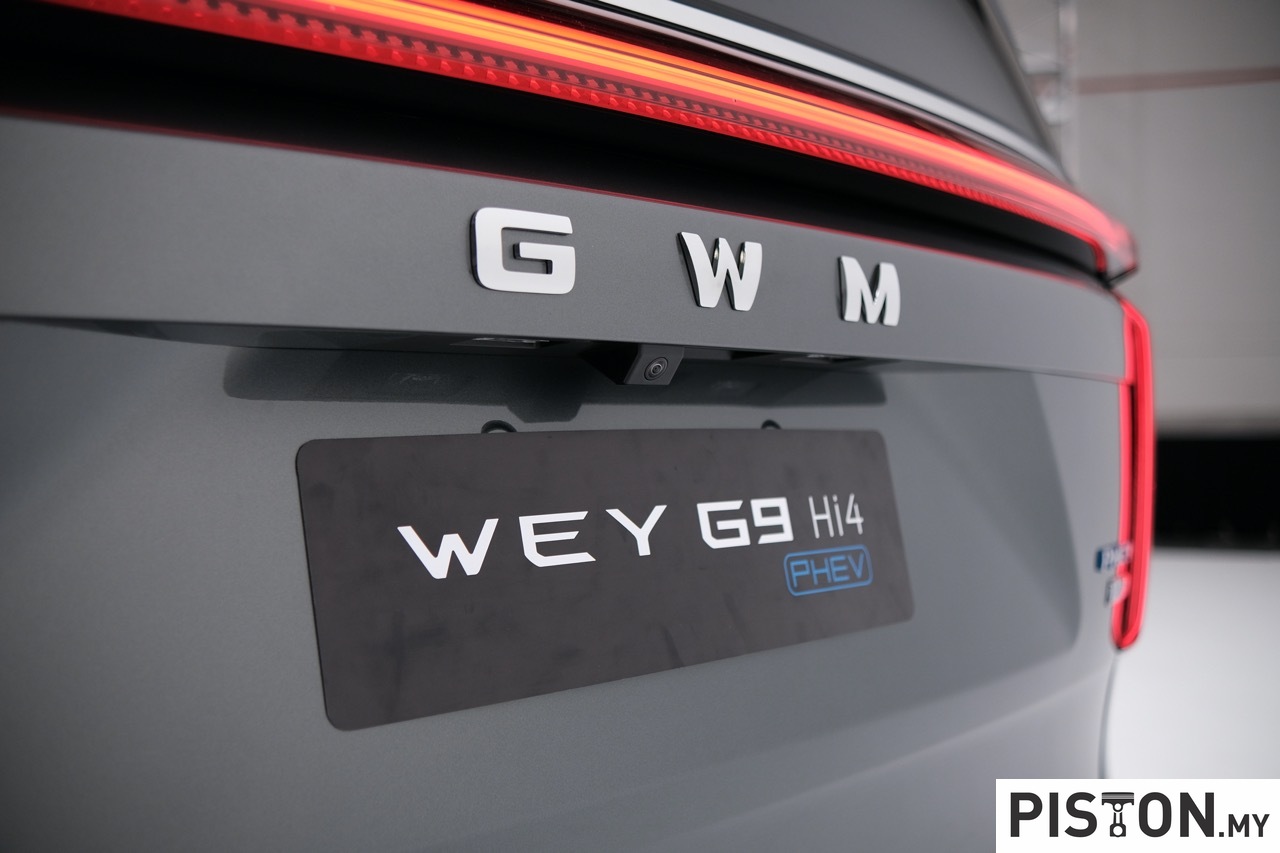
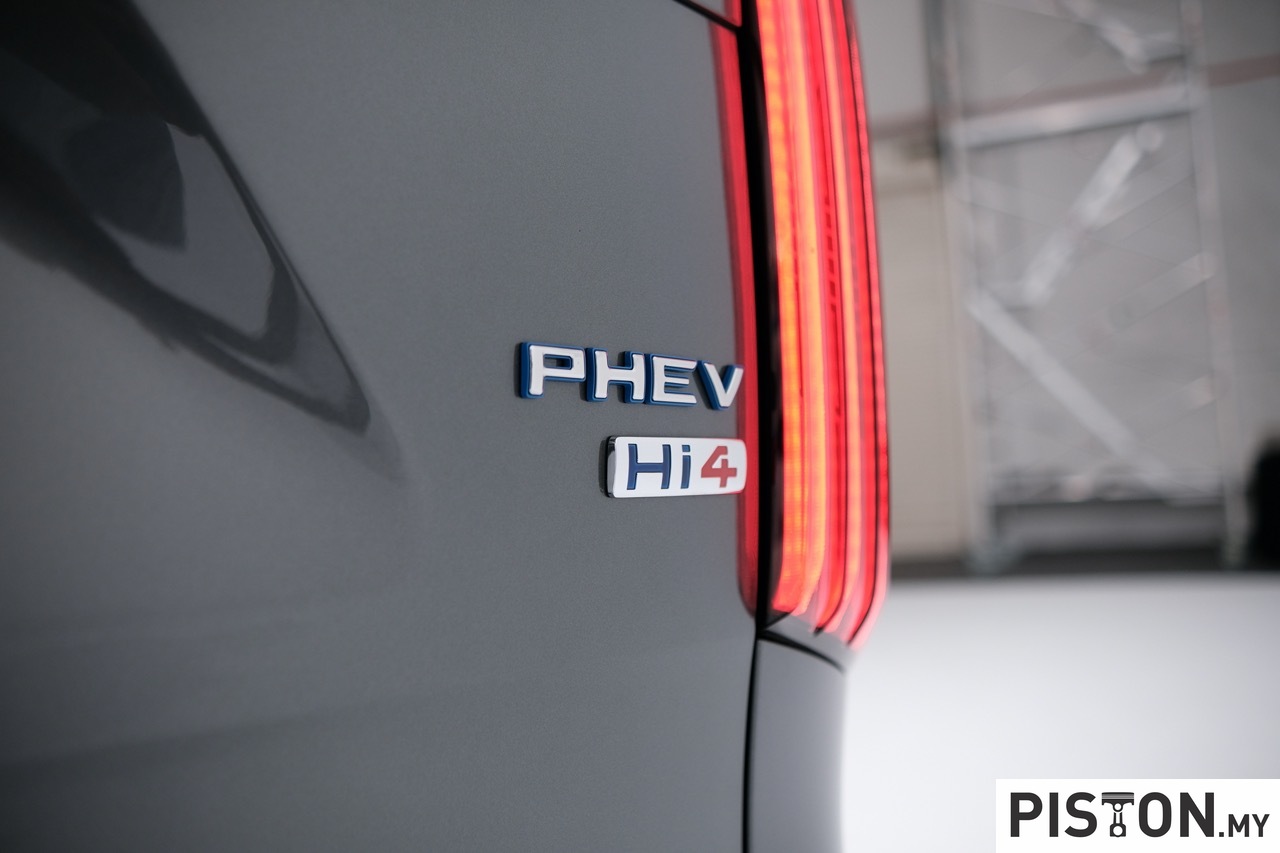
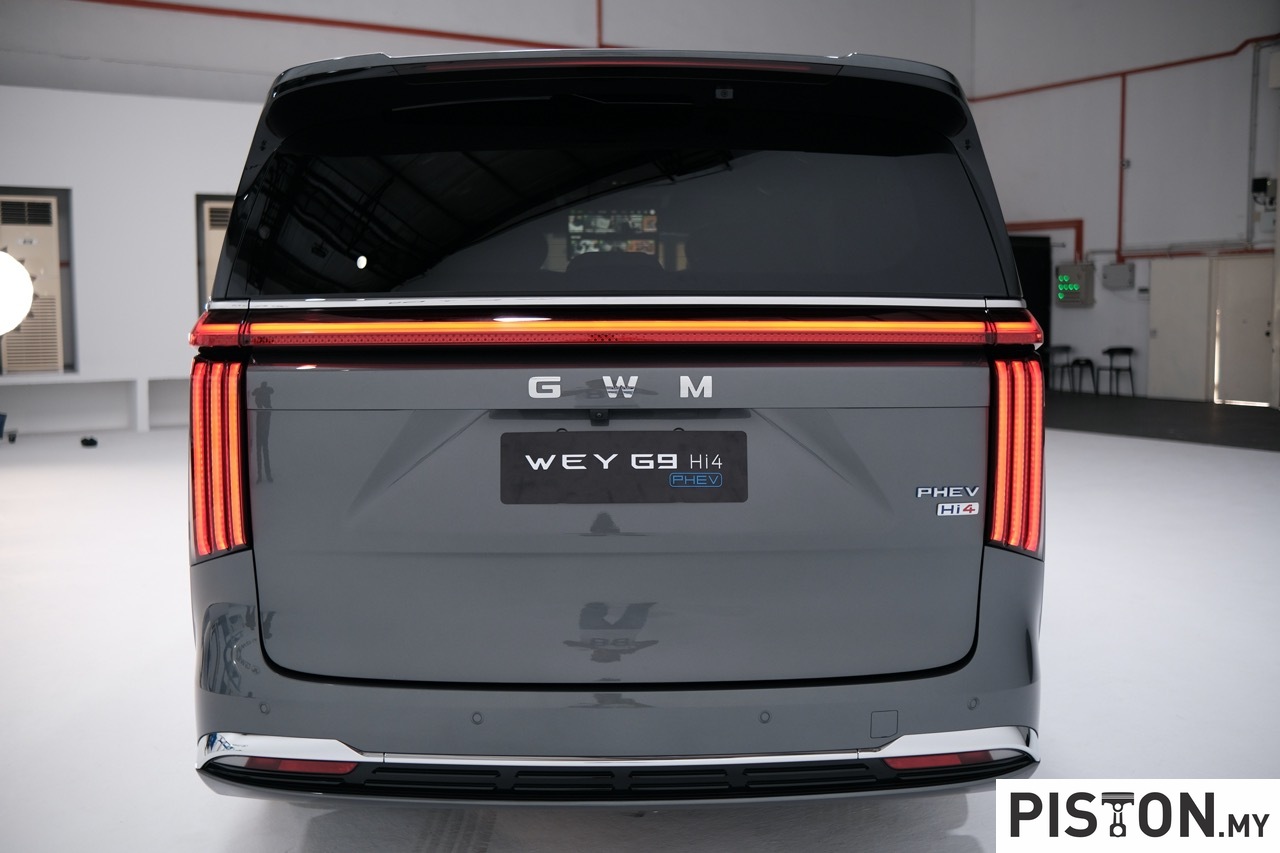
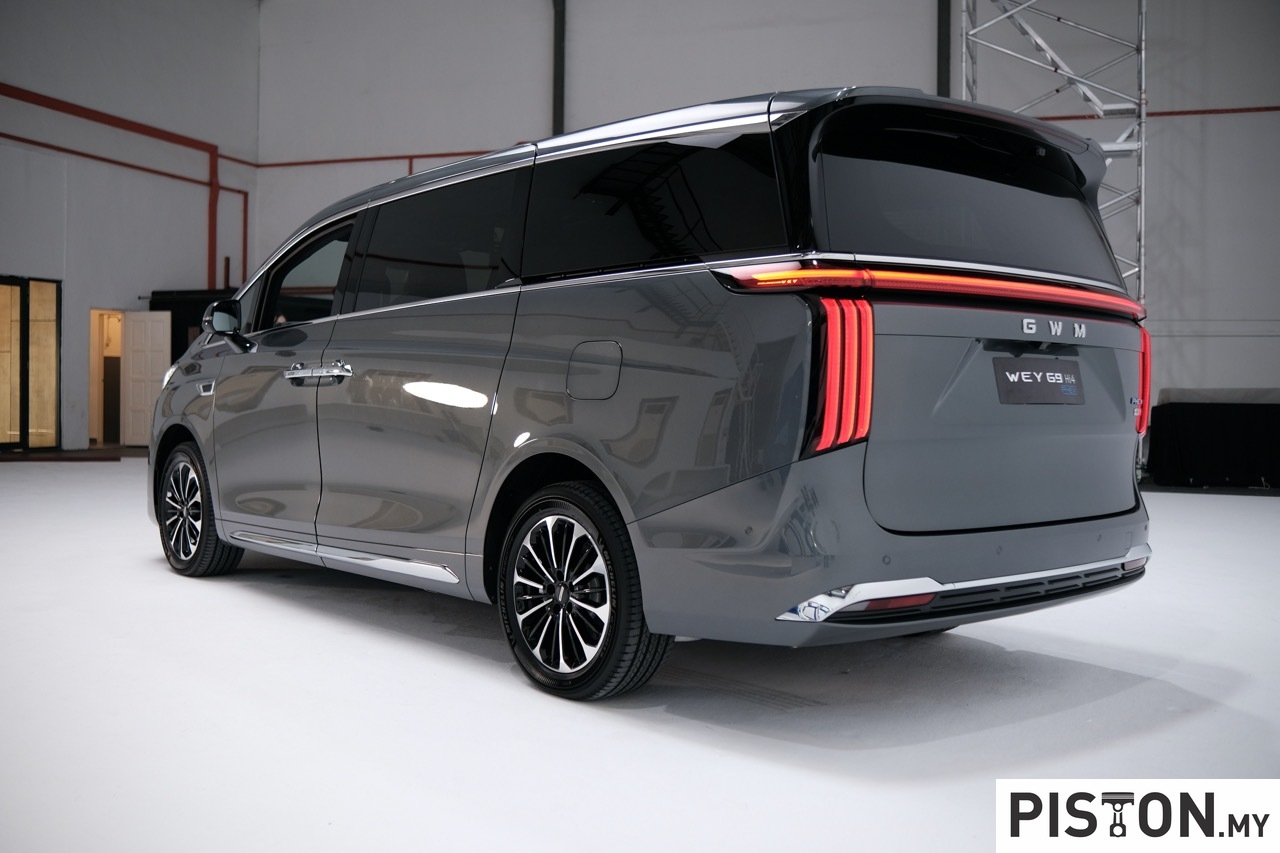
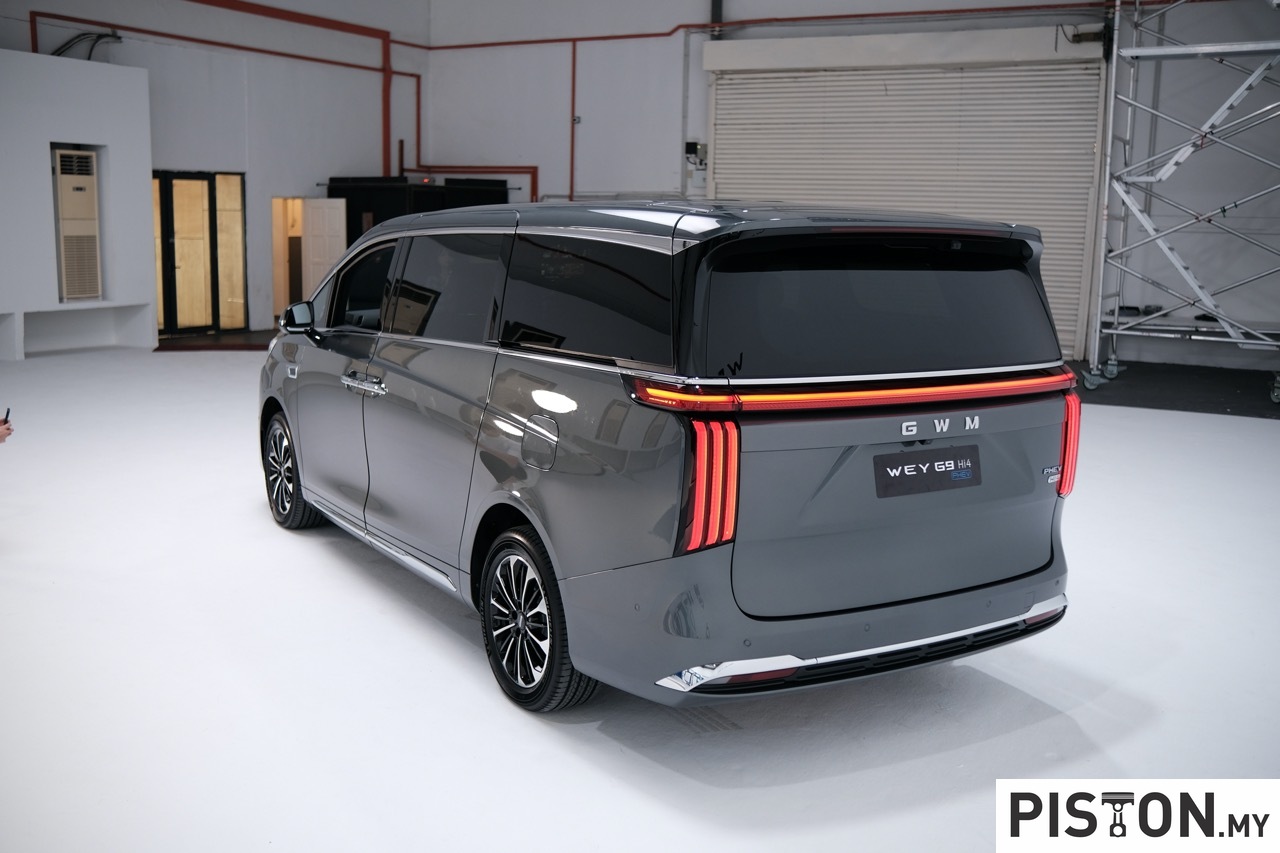
Great Wall Motor (GWM) is preparing to launch the WEY G9 in Malaysia, marking the brand’s first premium new energy MPV for the market. It also becomes the first Chinese premium MPV of its kind to be locally assembled, with pricing confirmed to come in below RM300,000. Beyond Malaysia, right-hand-drive versions of the G9 will also be exported to regional markets including Thailand and Indonesia.

The arrival of the G9 expands GWM’s Malaysian line-up, which already features the HAVAL H6 HEV, the rugged TANK 300 and 500 HEVs, and the fully electric ORA Good Cat and ORA 07. The MPV fits neatly into the company’s “All Scenarios · All Powertrains · All Users” strategy, bringing a mix of advanced safety, practicality, and luxury aimed squarely at Malaysian families.

The model’s name is steeped in meaning. The “G” represents generational love, while “9” stands for unity and wholeness within the family. “WEY” itself pays tribute to brand founder Jack Wey. True to its “mobile living room” tagline, the G9 aims to transform family journeys into experiences that are both comfortable and connected.

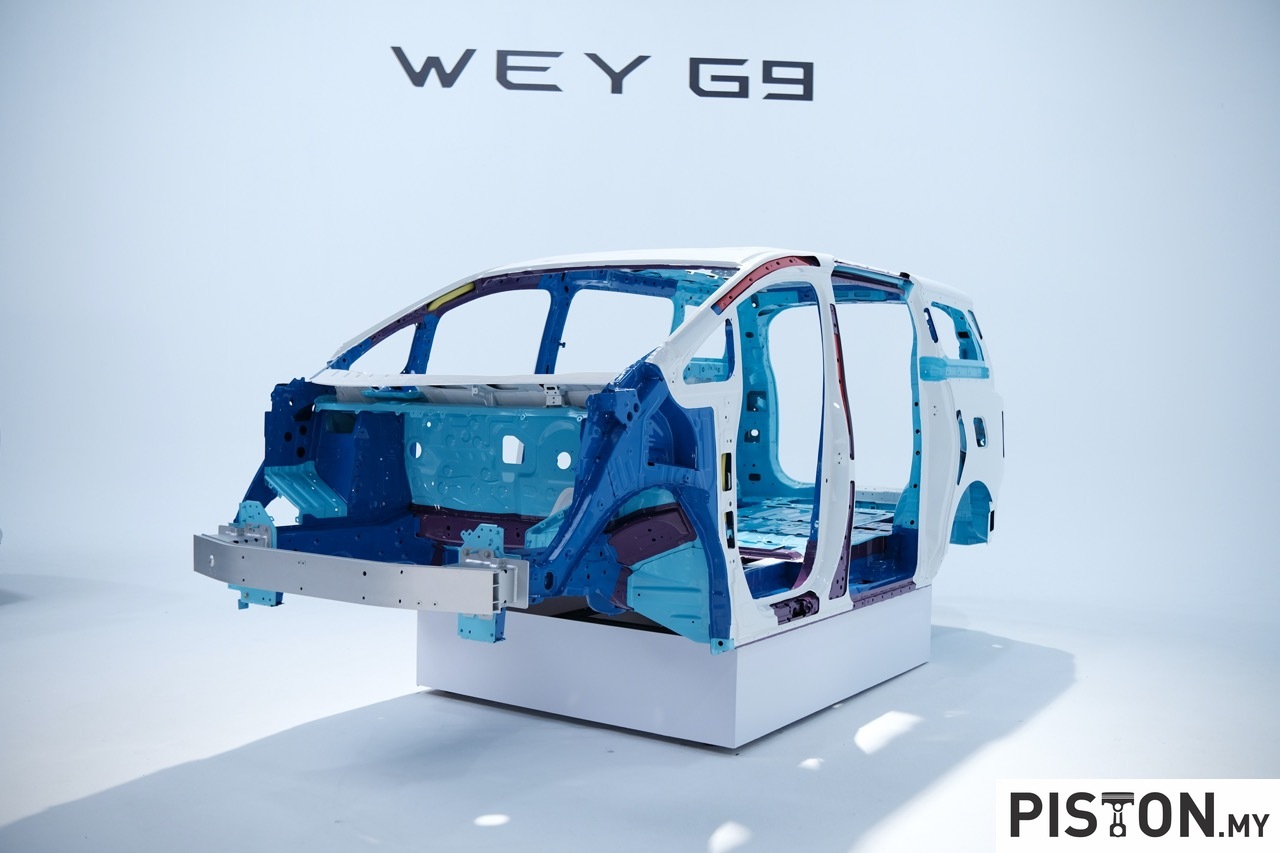
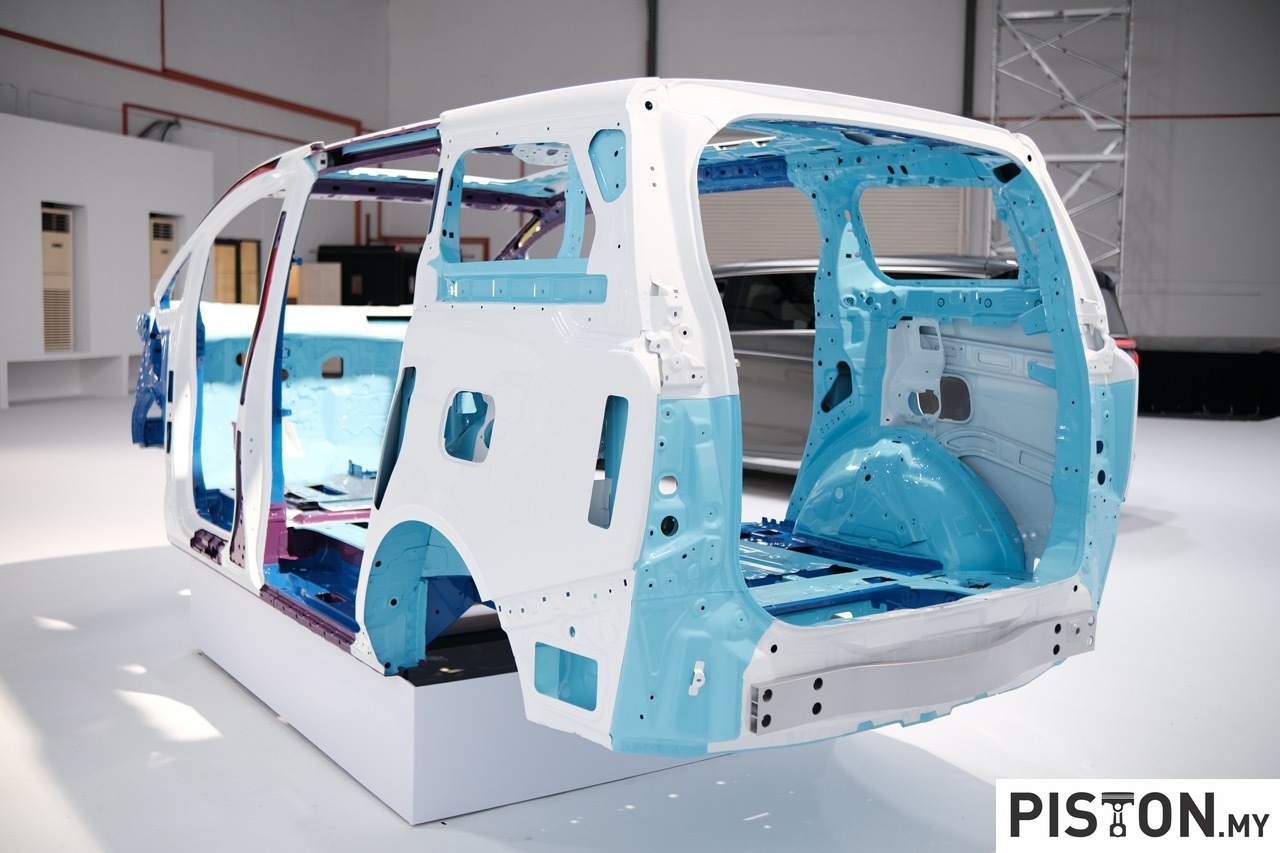
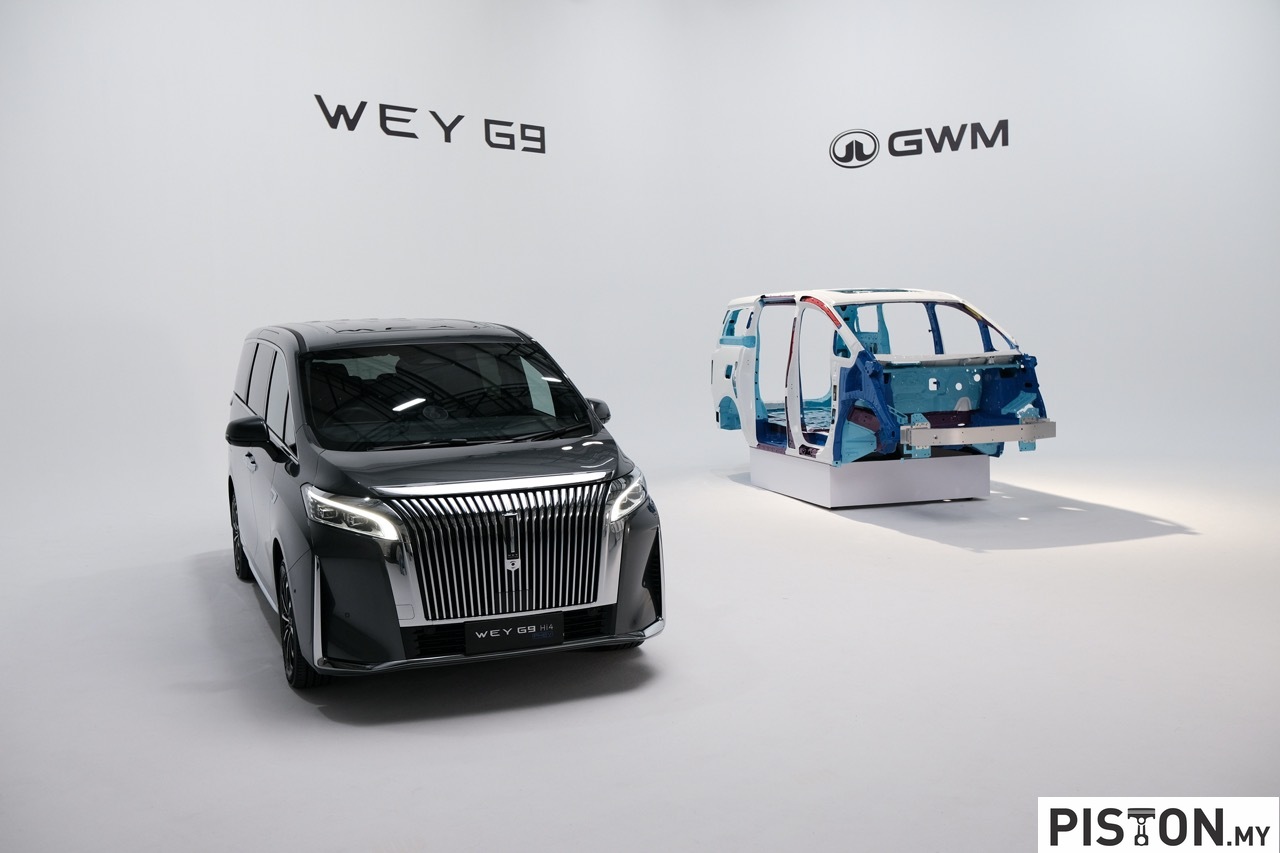
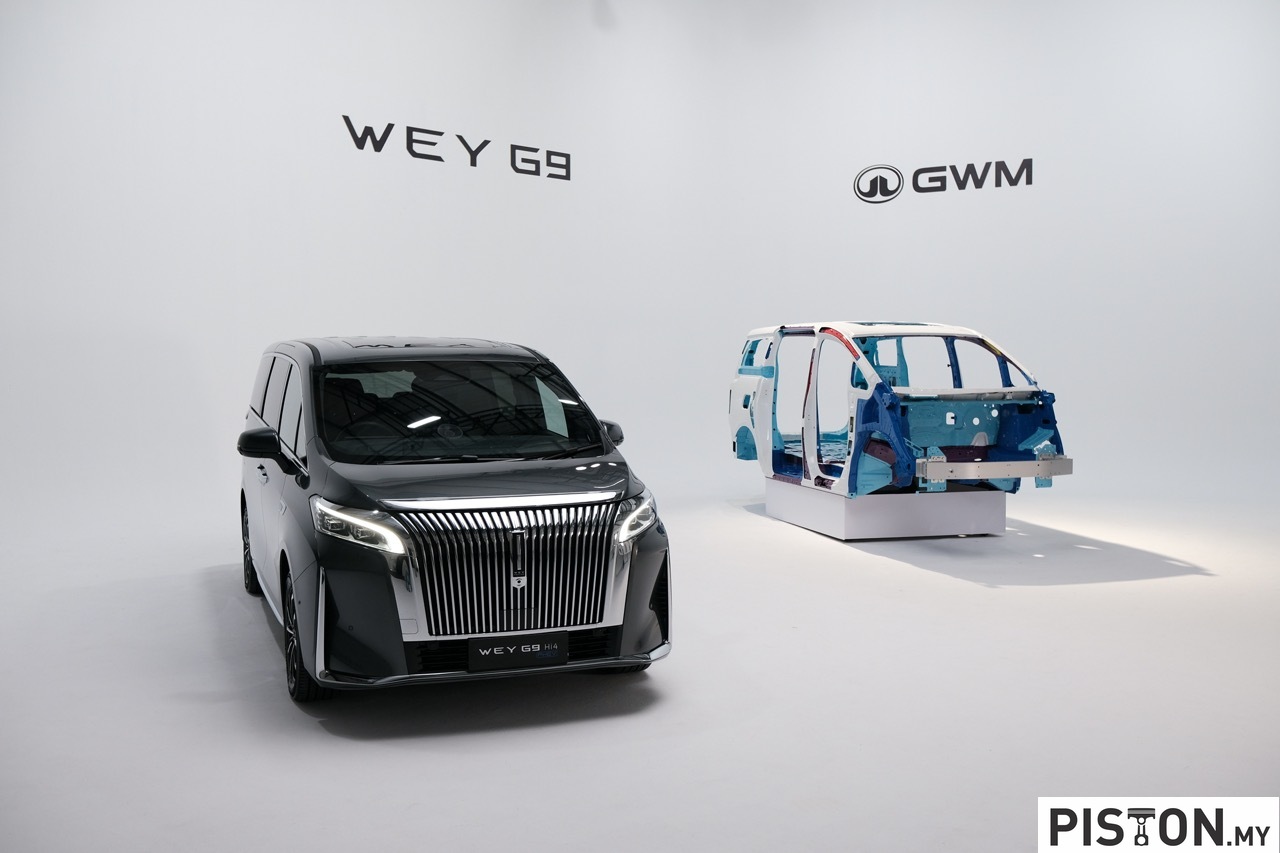
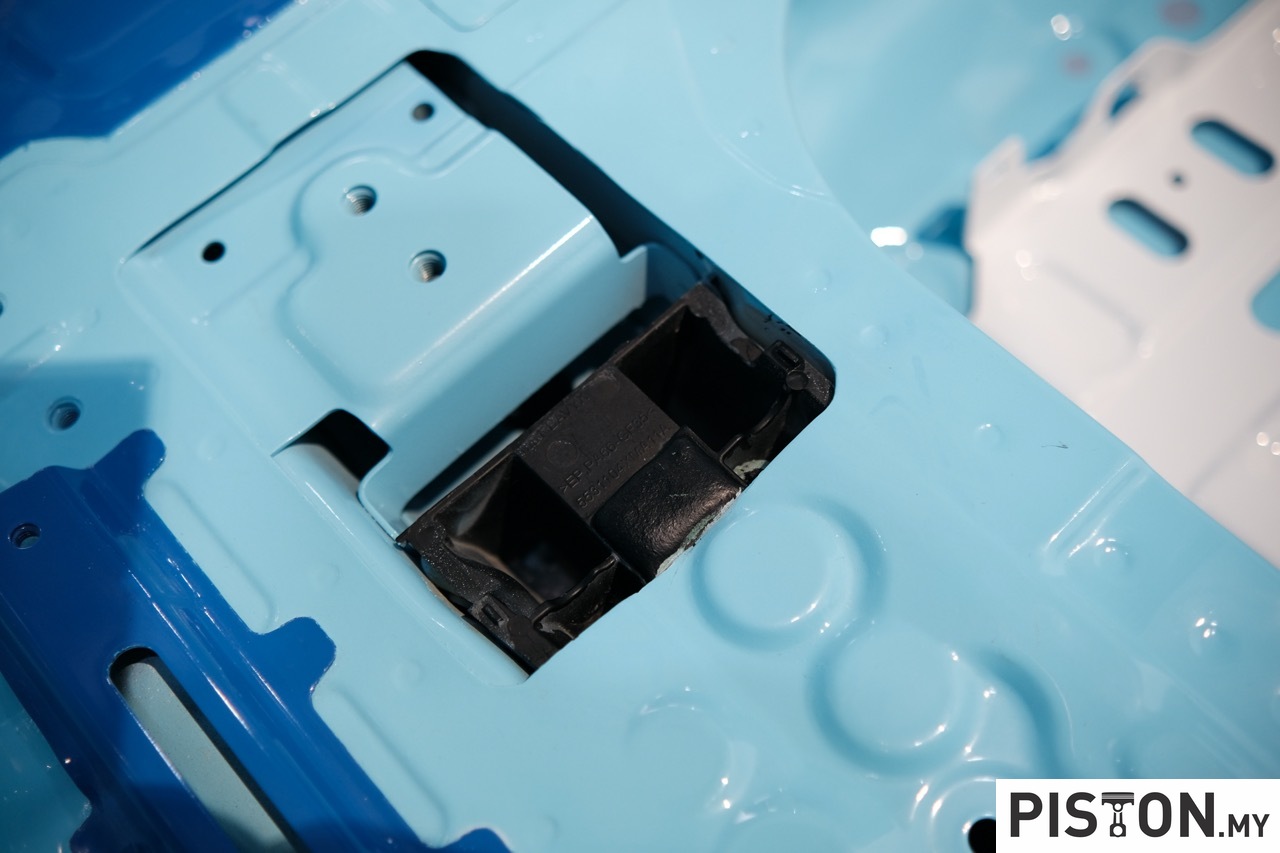
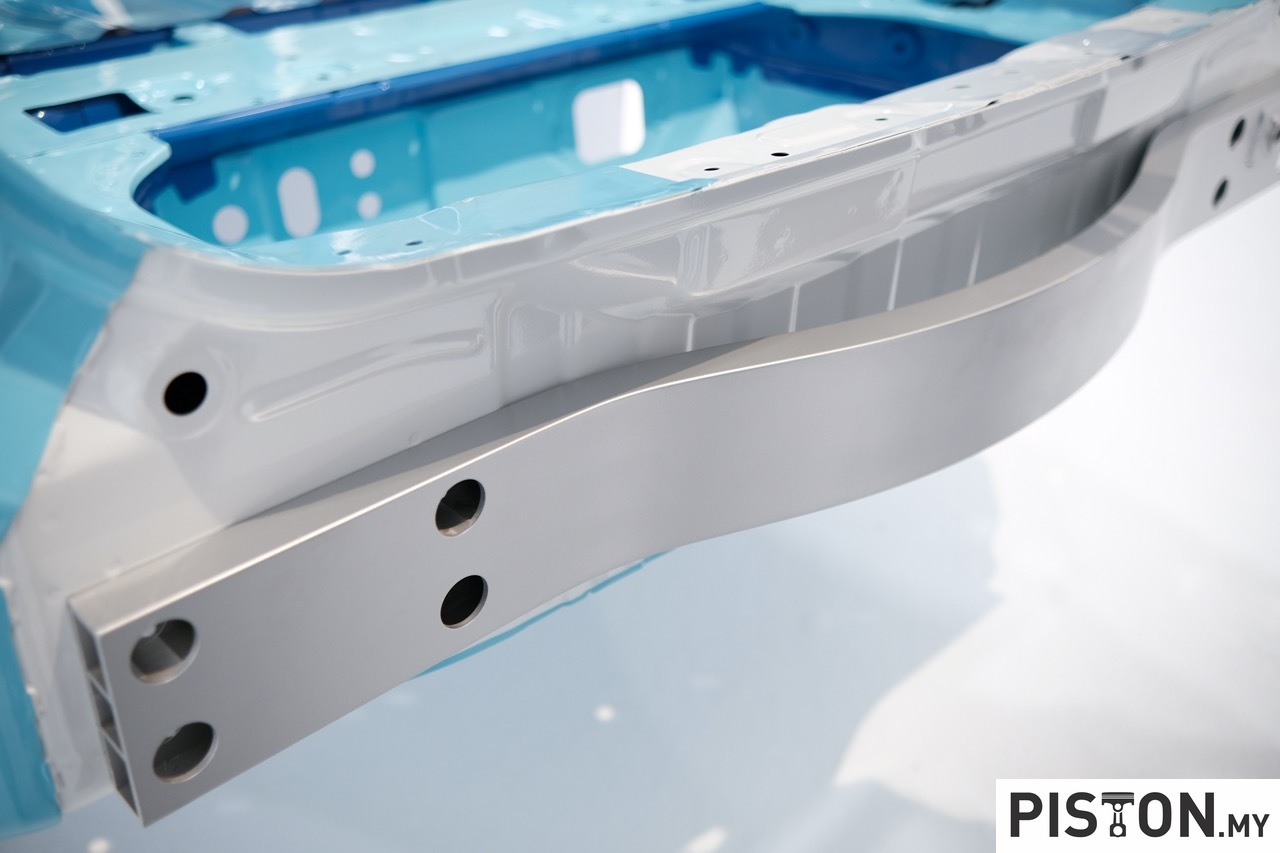
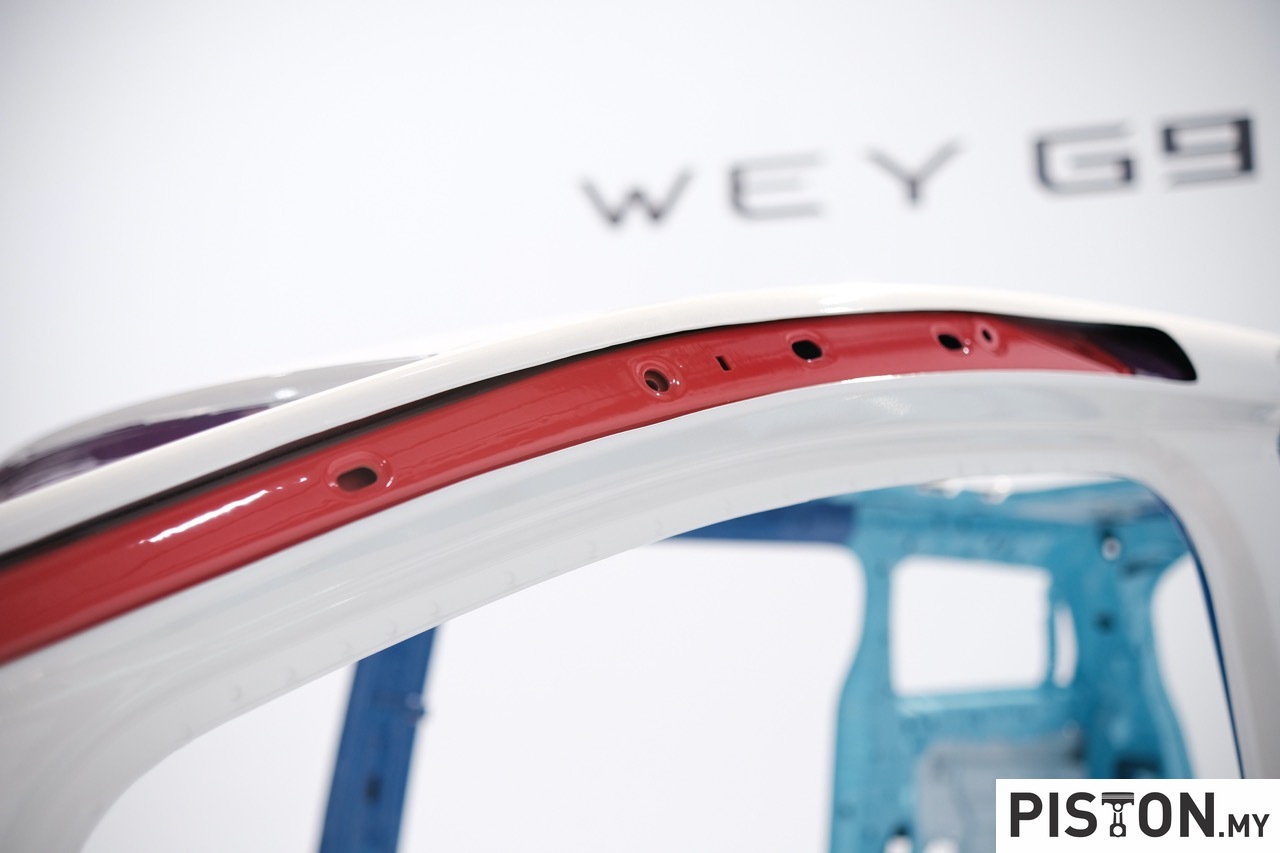
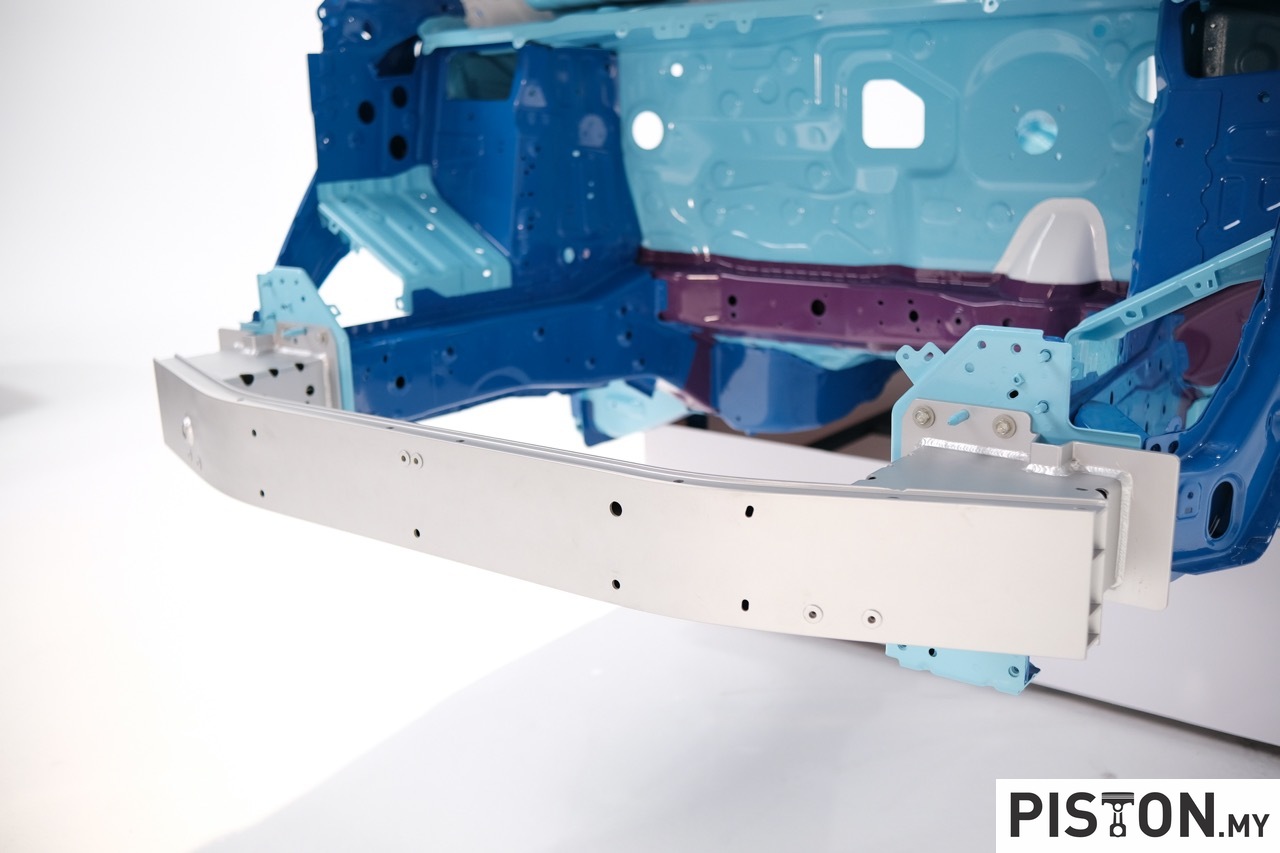
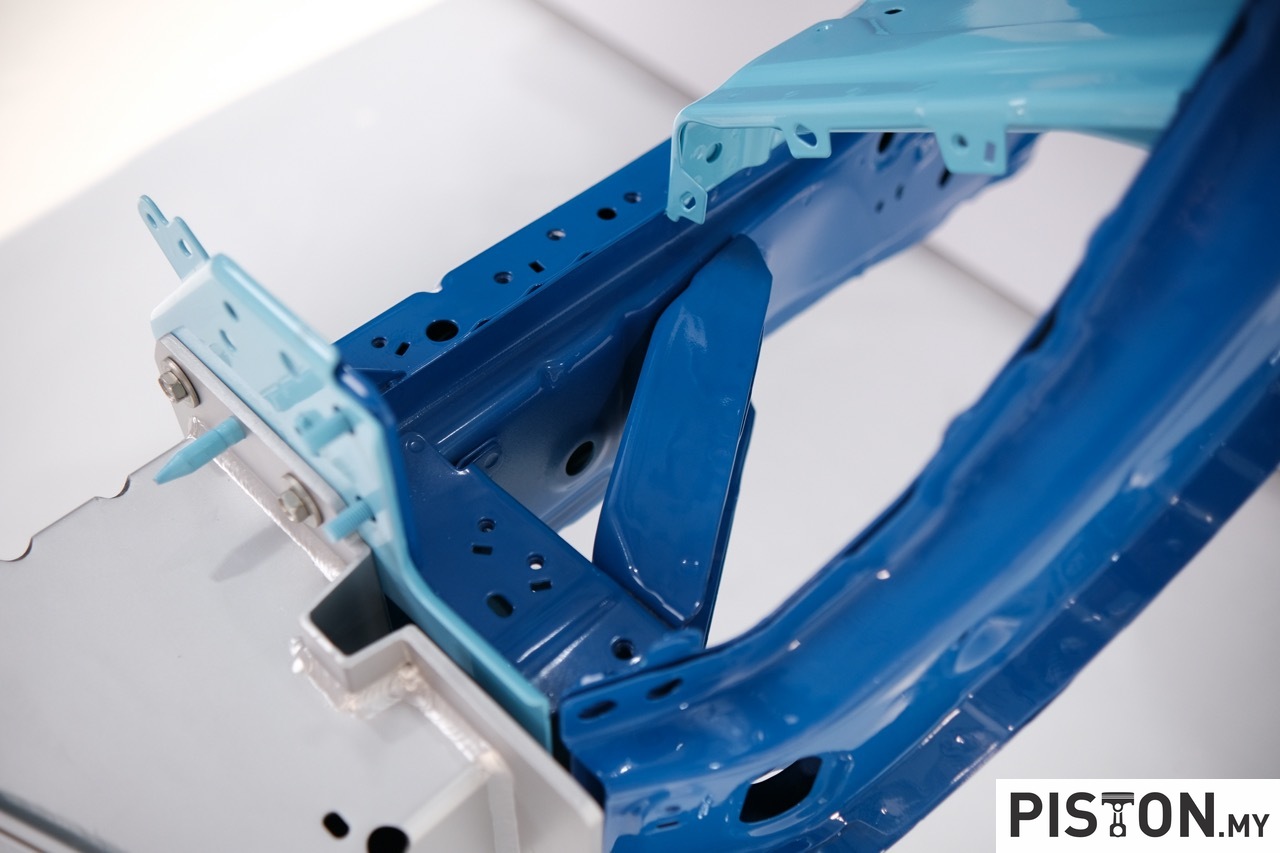
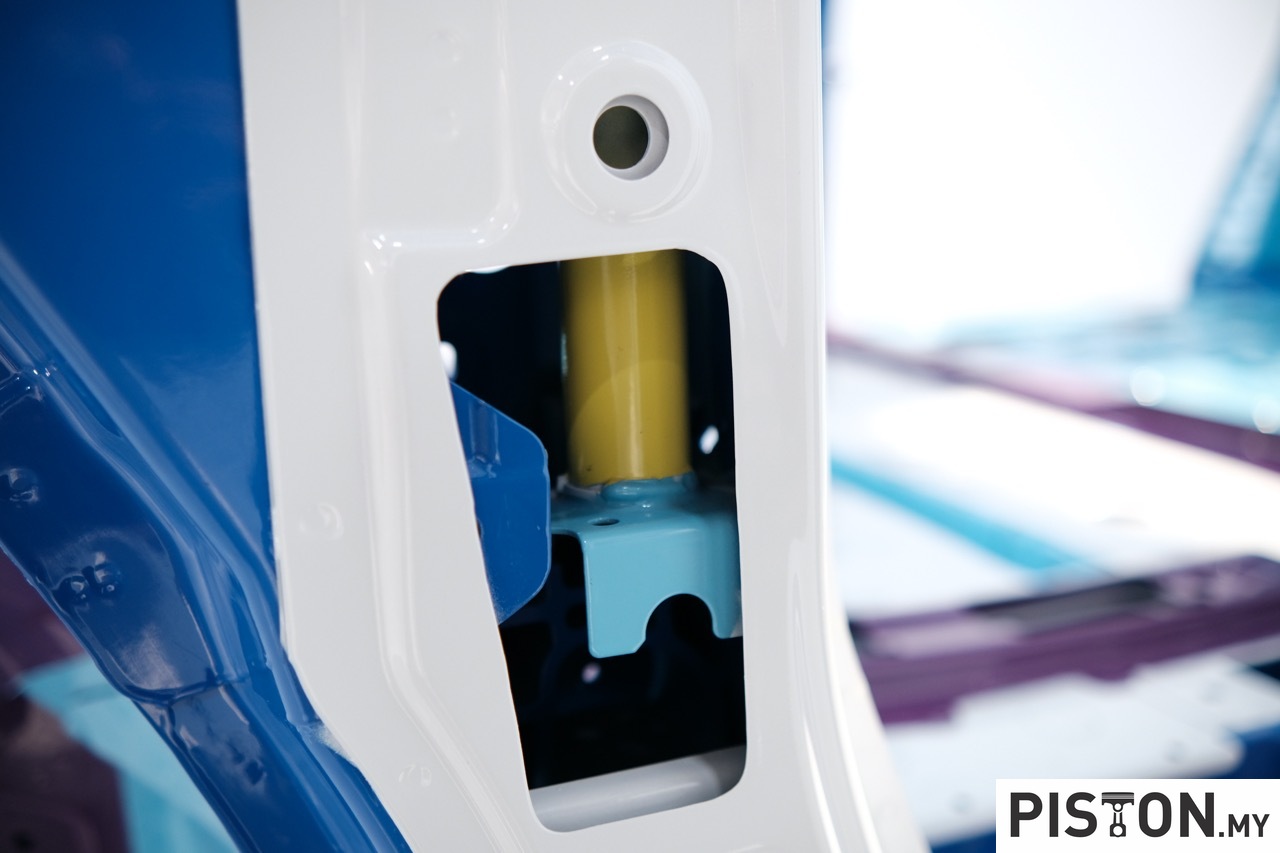
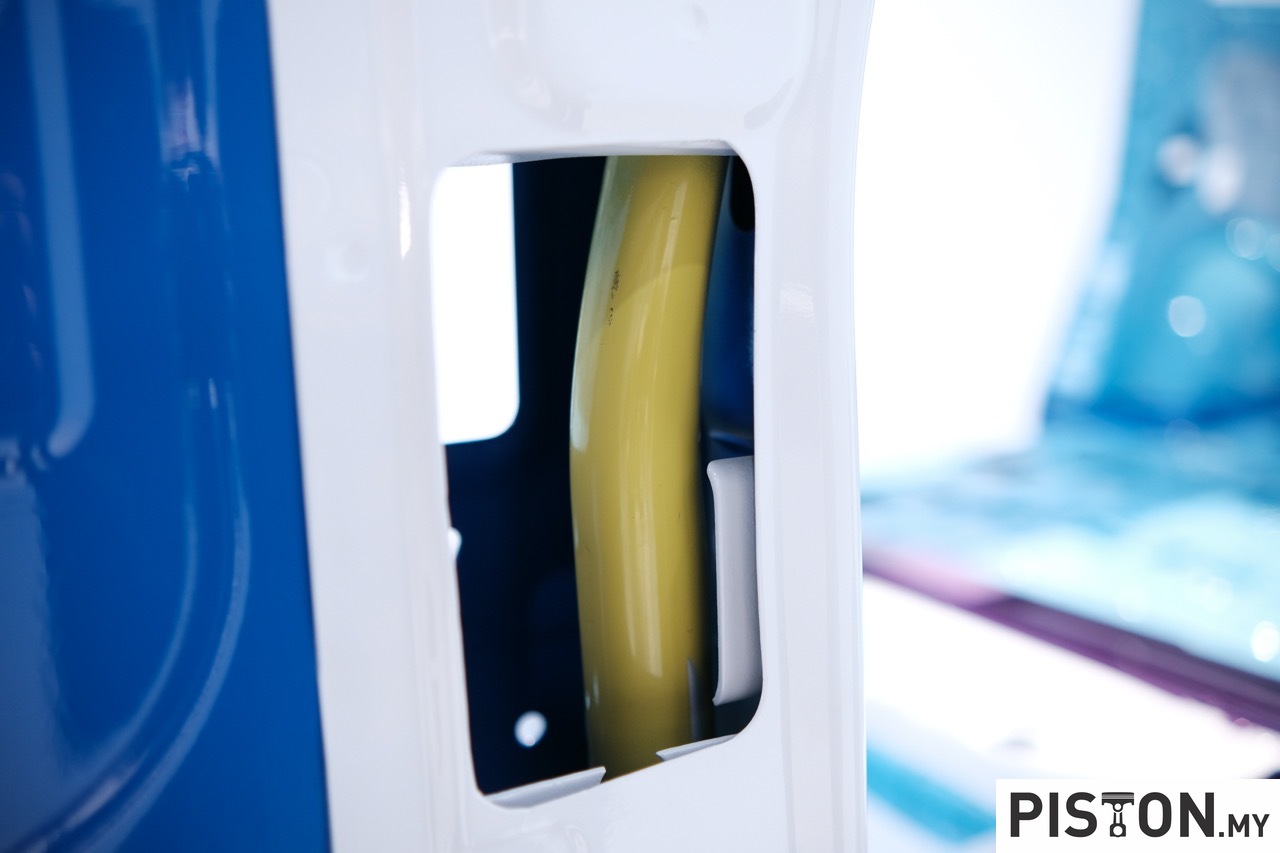
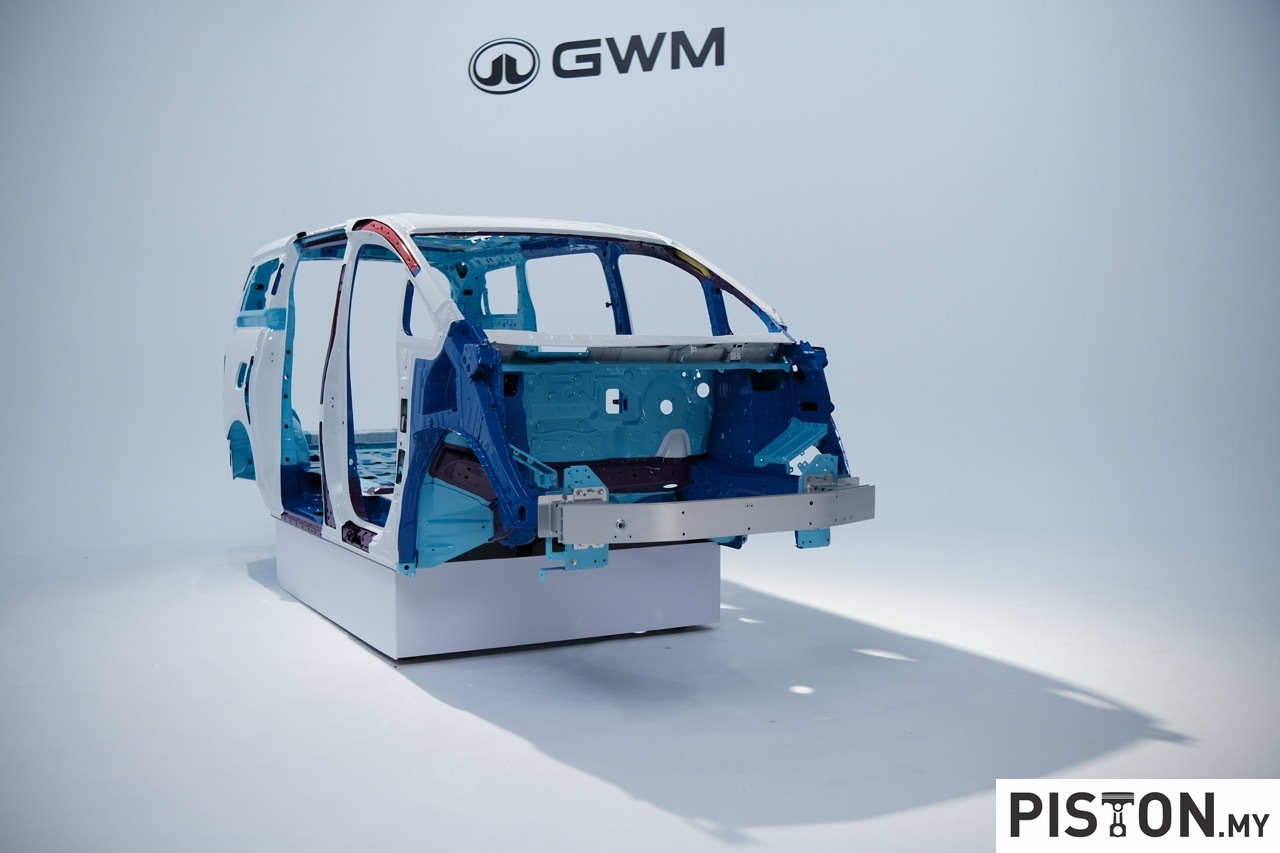
Safety has been built into the very core of this MPV. It recently secured a 5-star C-NCAP safety rating thanks to a series of robust measures. The MPV employs a triple high-strength steel safety cage with more than 81% high-strength steel, ultra-high-strength 2000 MPa A- and B-pillars, reinforced third-row seatbacks, and innovative adhesive blocks to boost rigidity. The roof alone can withstand 12 tonnes of pressure.

To further protect occupants, side curtain airbags stretch over 3.1 metres to cover all three rows and remain inflated for six seconds during severe collisions or rollovers. Impact energy is channelled through a clever four-longitudinal, seven-cross chassis structure, while the battery pack goes through no fewer than 89 test scenarios.

With four-layer side impact protection, six-layer underbody shielding and advanced thermal and water resistance, the system is designed to cope with extremes.

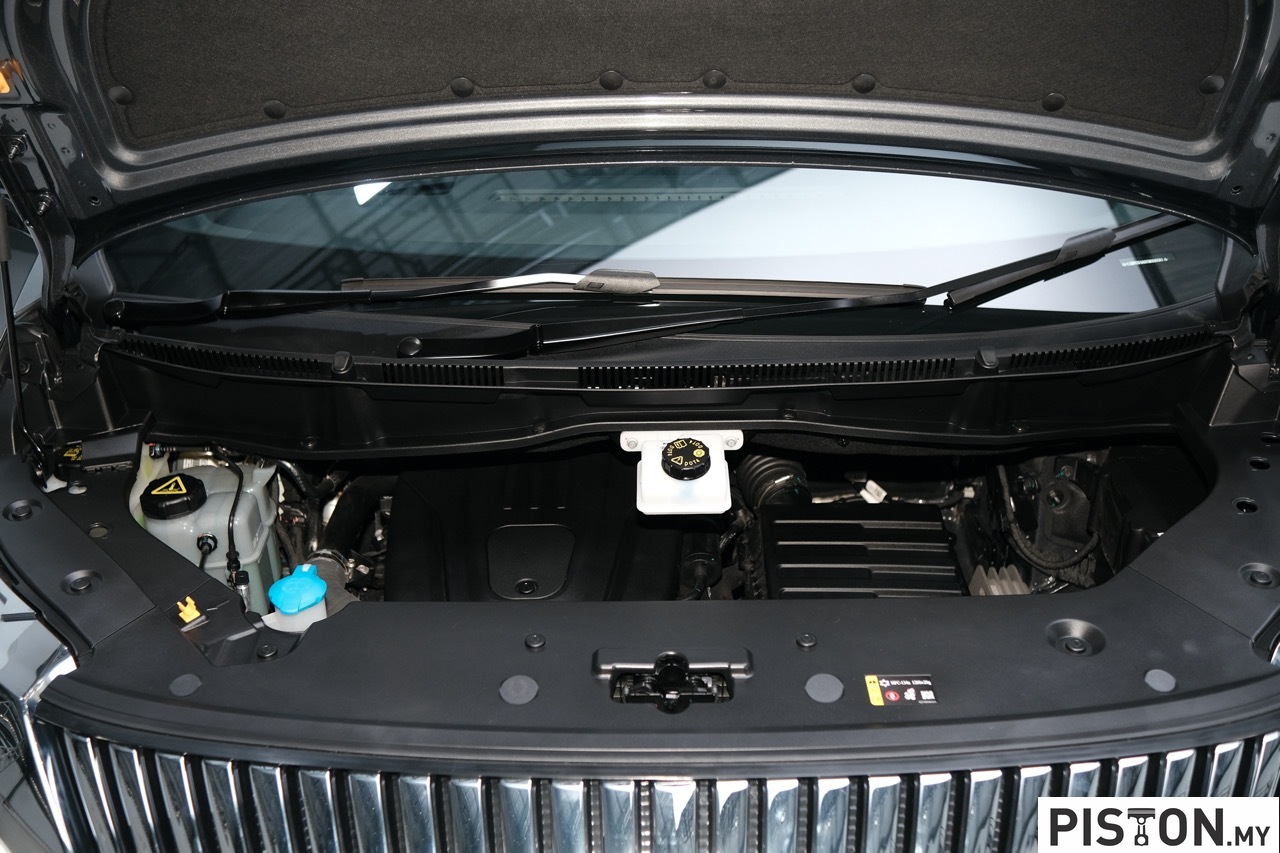
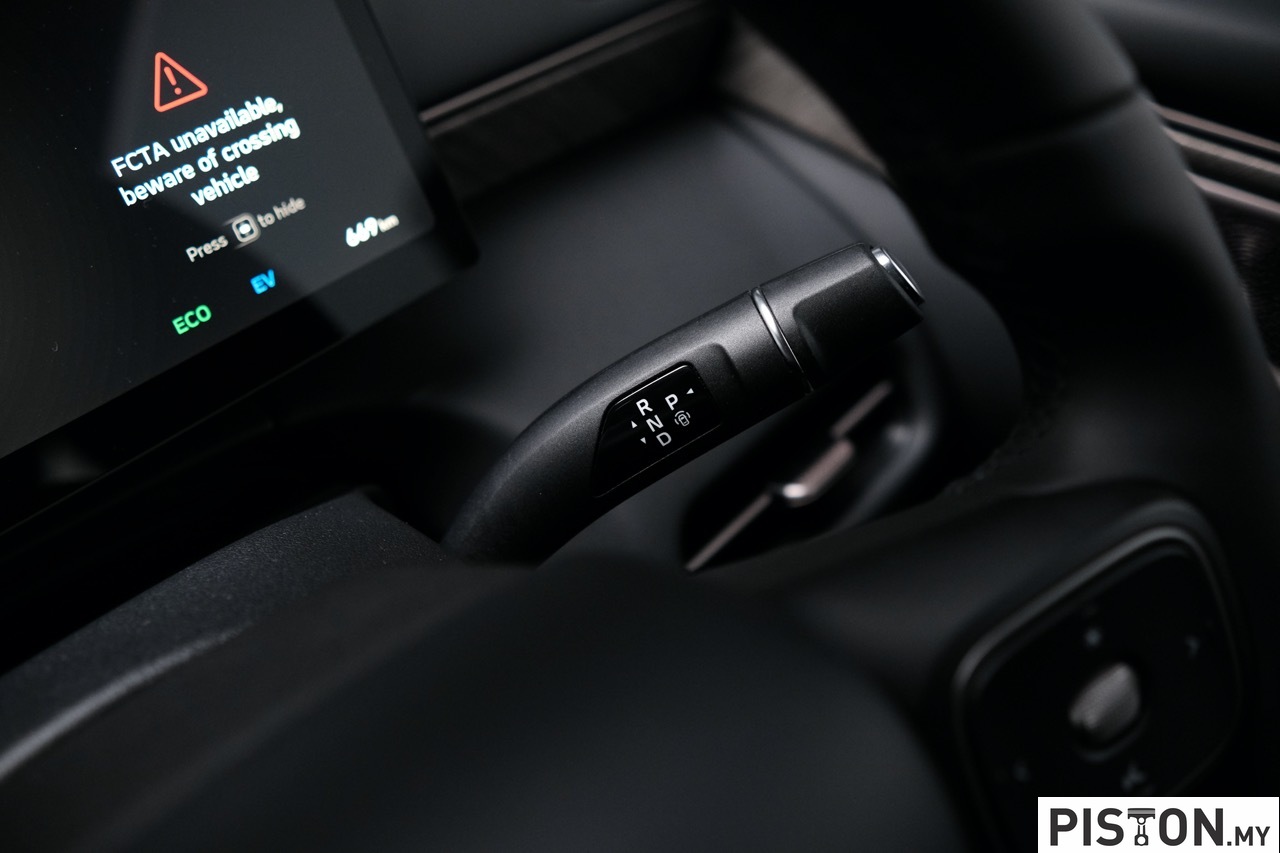
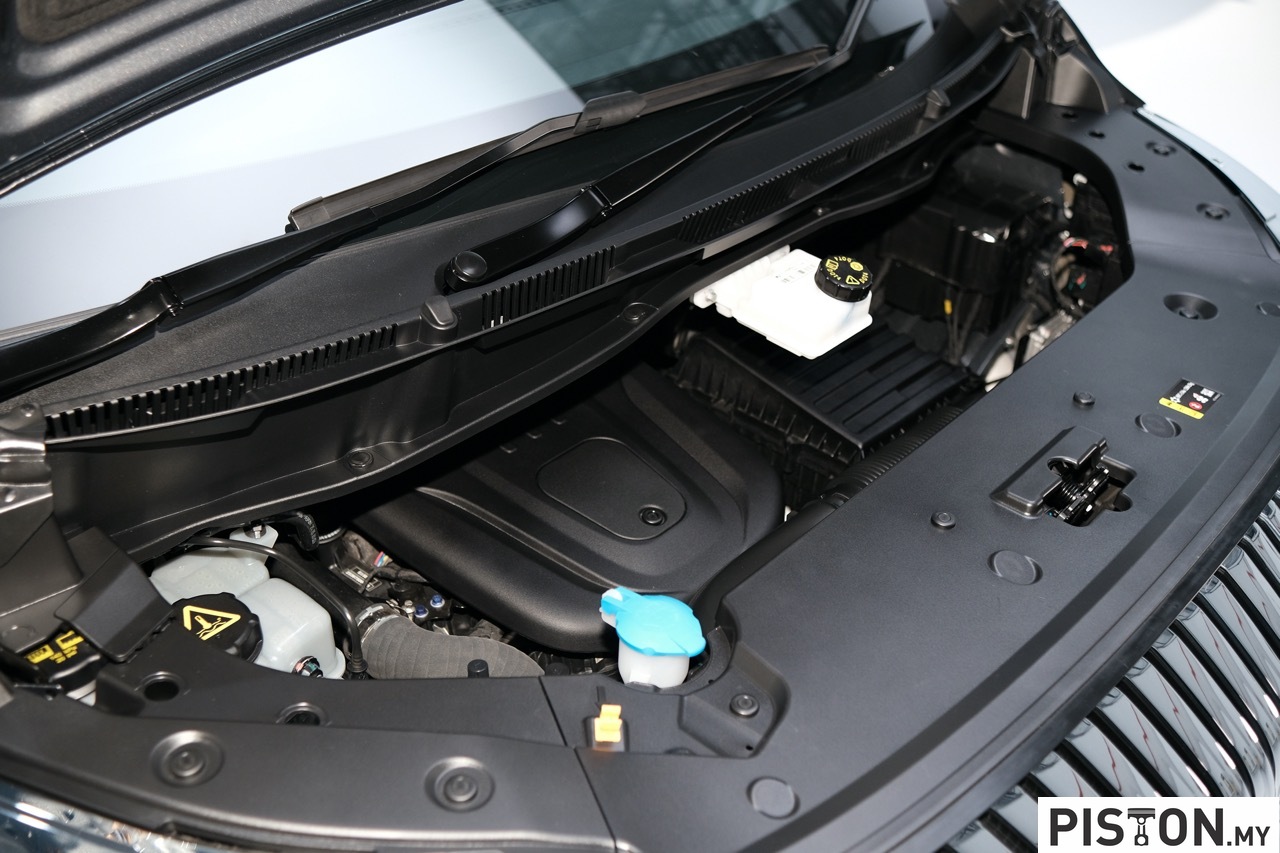
Performance has not been overlooked. Under the bonnet sits a 1.5-litre turbocharged four-cylinder engine working with a dual-motor hybrid setup and a 4-speed Dedicated Hybrid Transmission. Together, the system generates 442PS and 642Nm, enabling the G9 to sprint from 0–100km/h in just 5.7 seconds and reach a top speed of 200km/h.

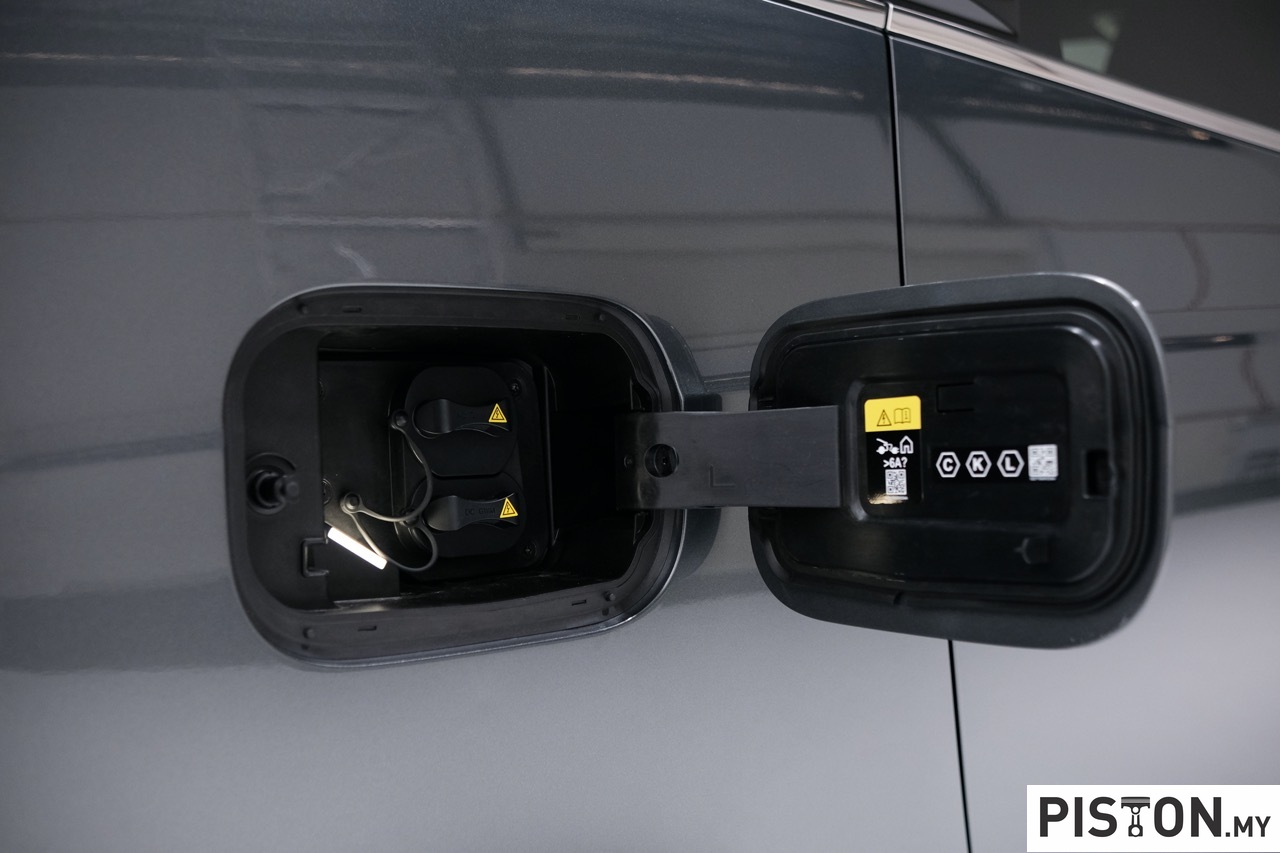
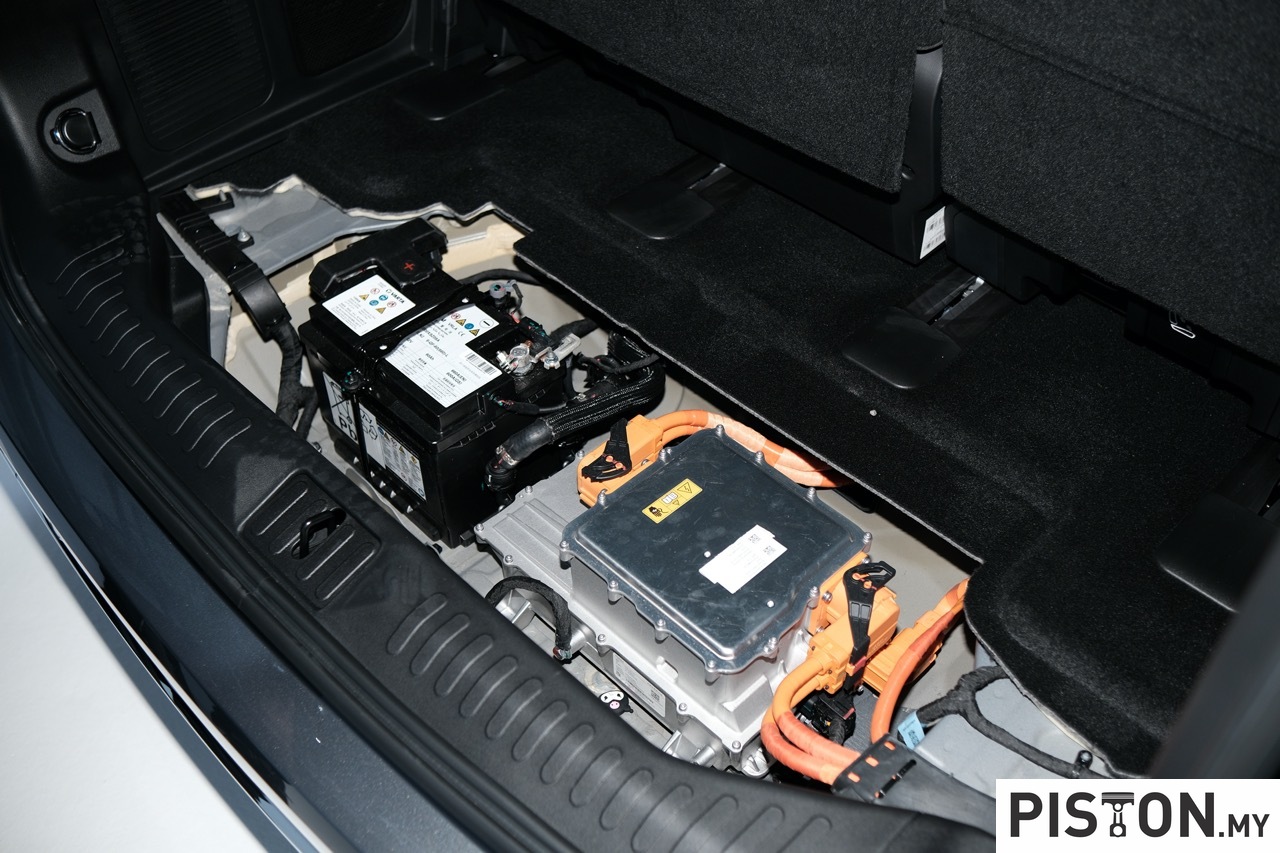
Efficiency is equally impressive, with an electric-only range of 170 km (NEDC) from a 44.2kWh battery and a total range of up to 1,000km. Fuel consumption is rated as low as 1.2 litres per 100 km. Charging is quick too, taking 26 minutes for 30–80% on DC fast charge or 6.5 hours using AC.

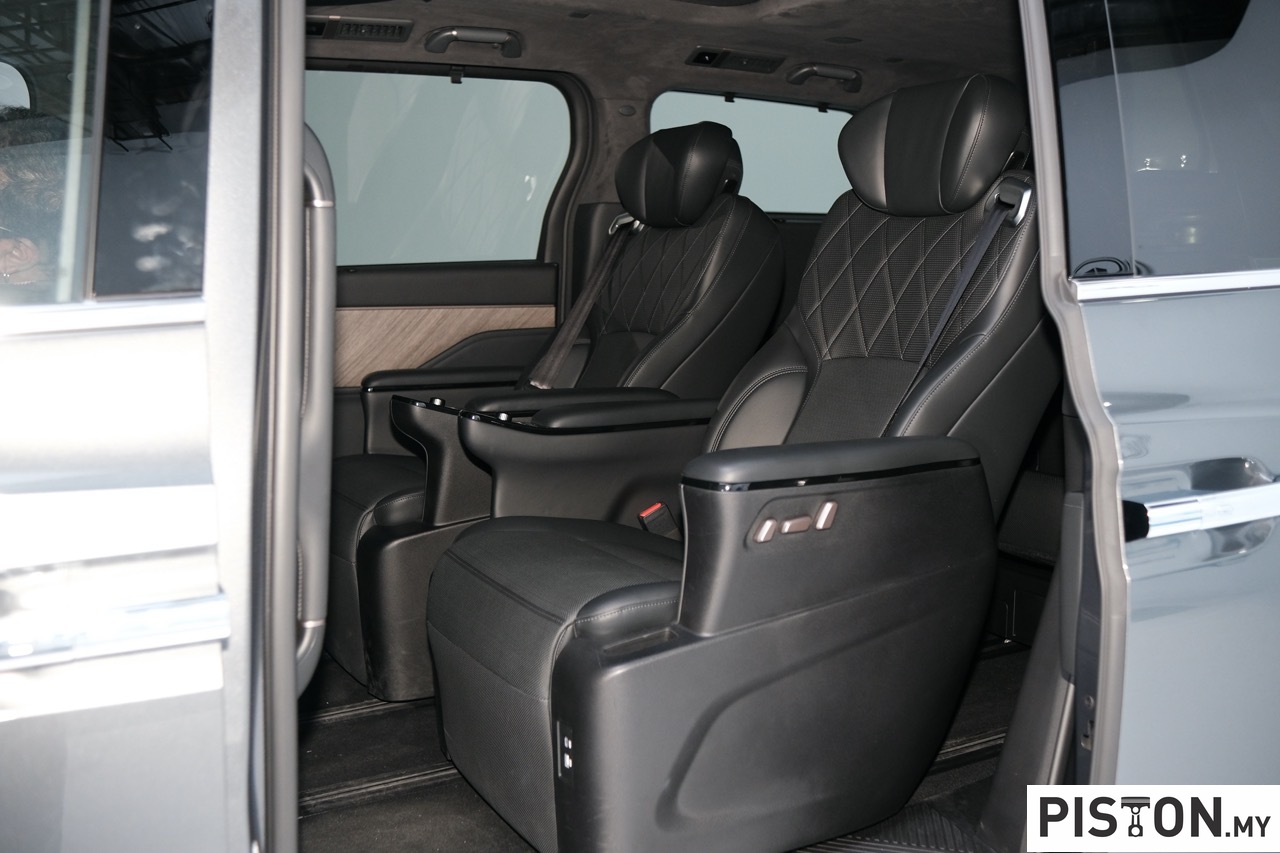
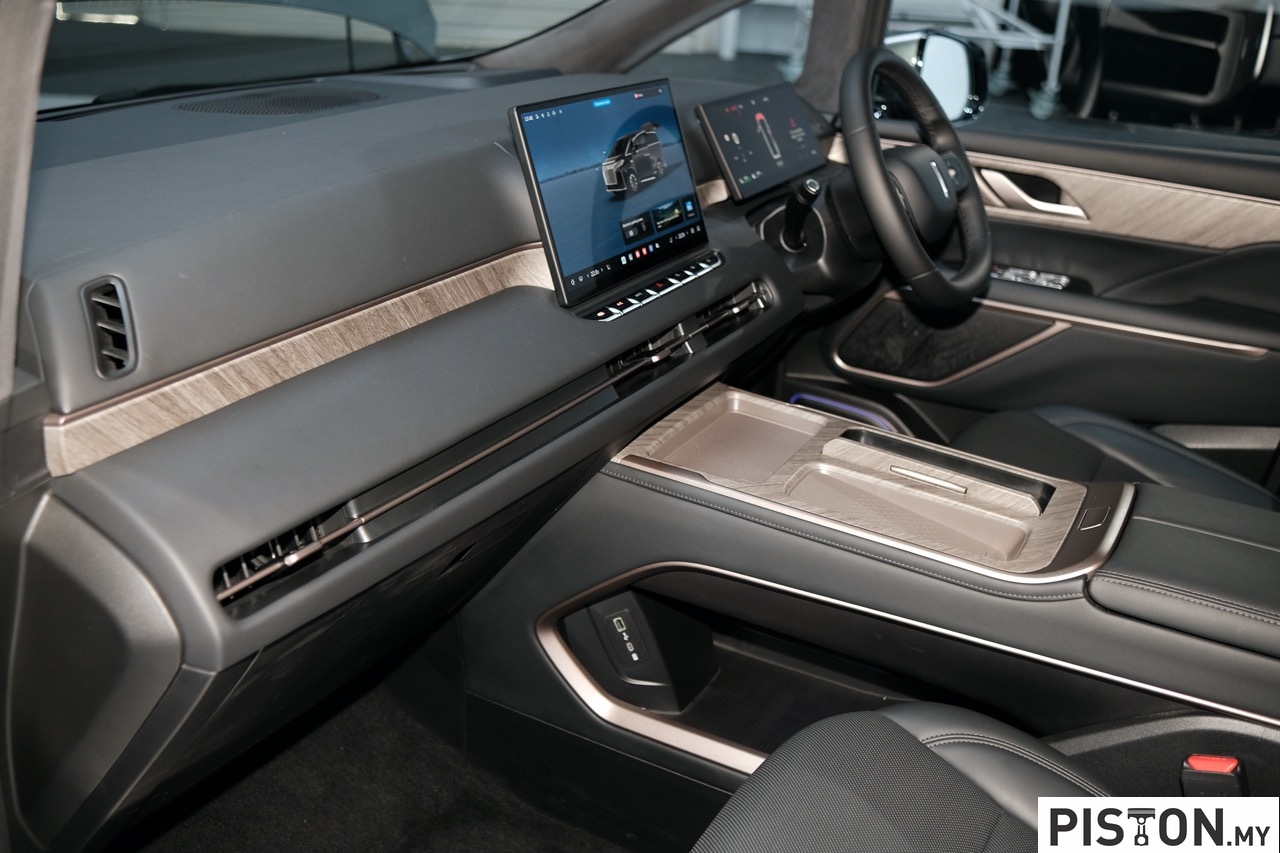
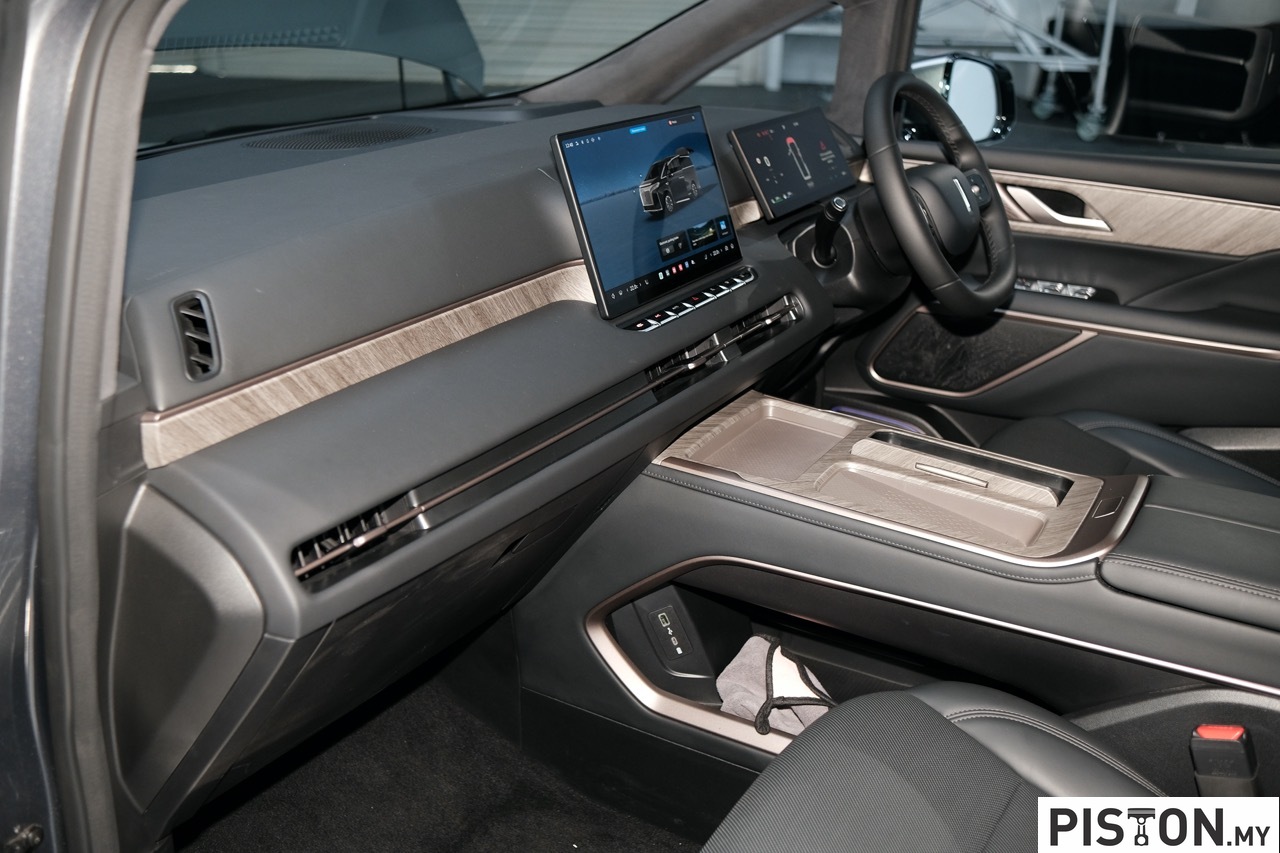
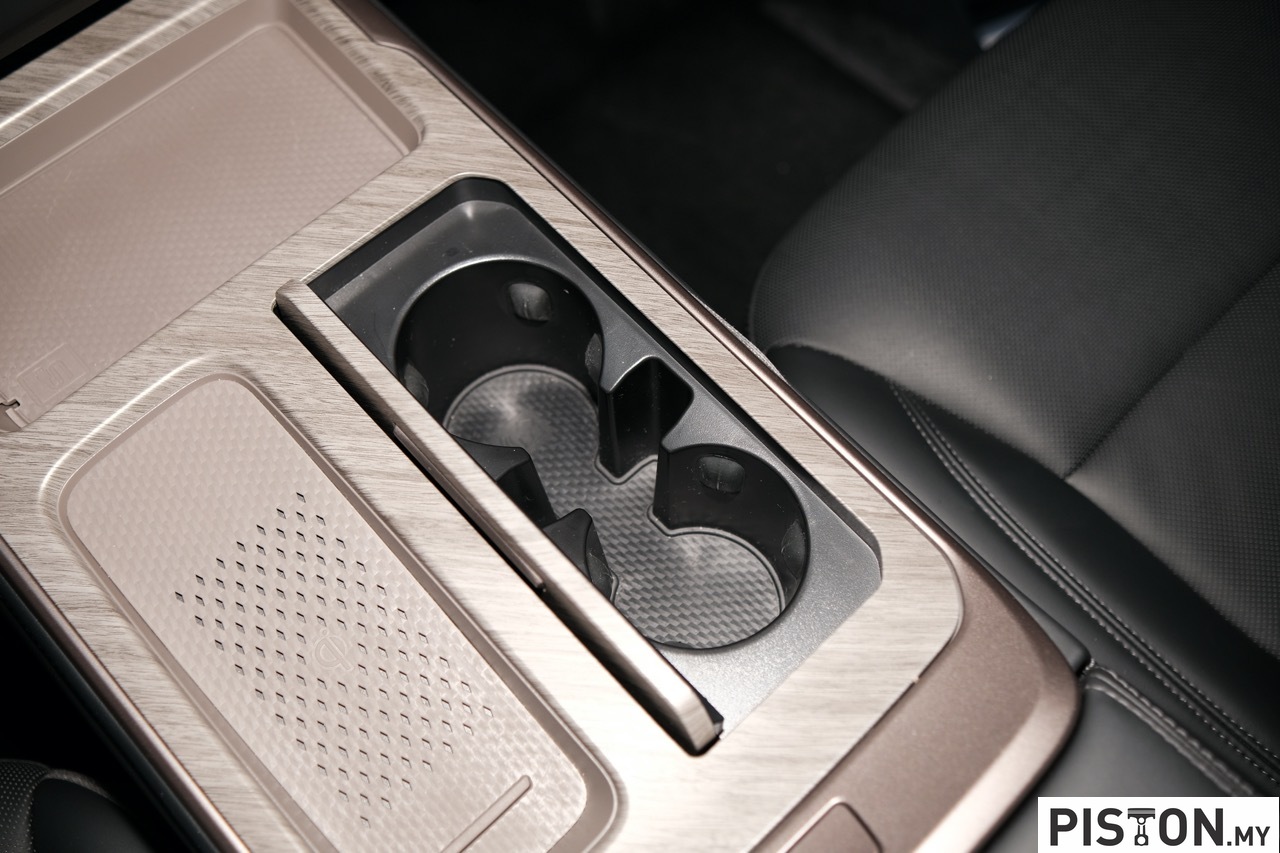
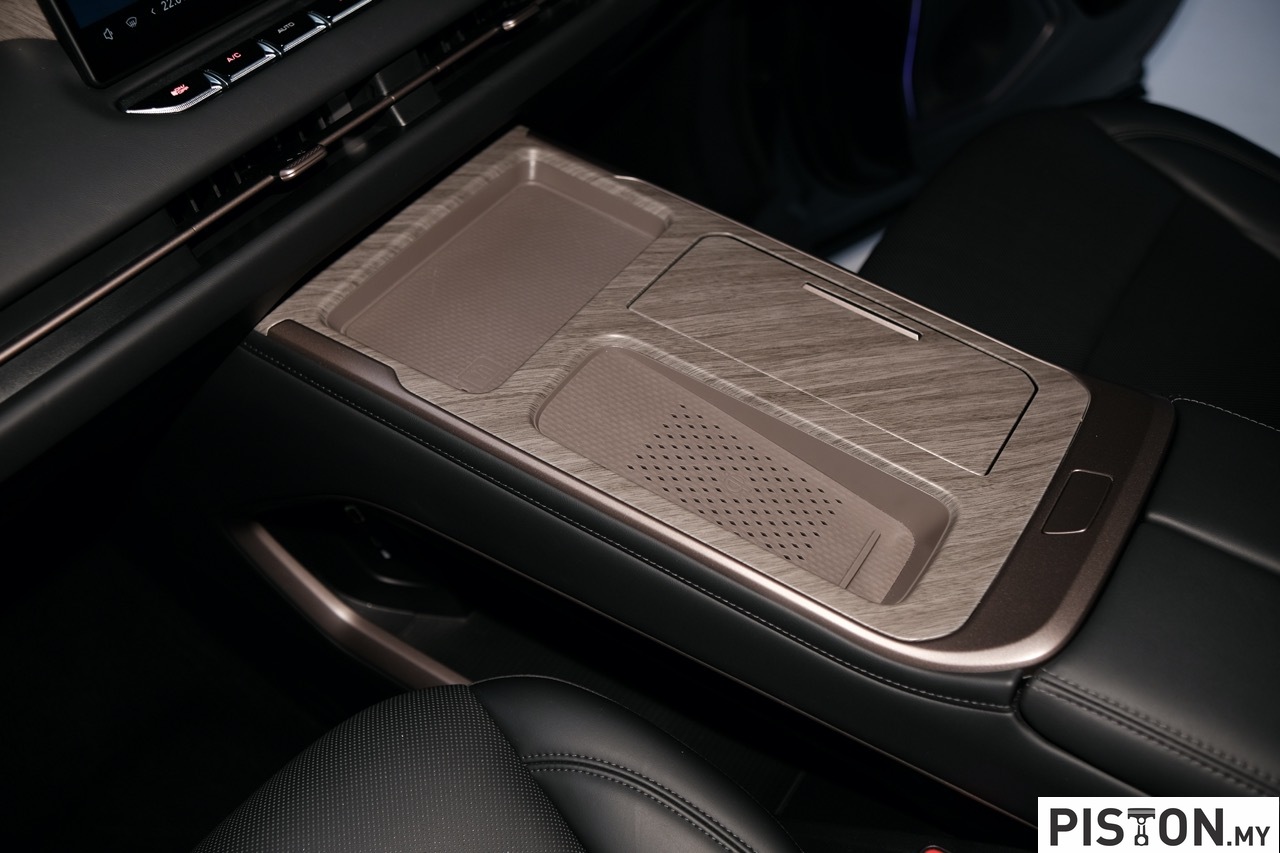
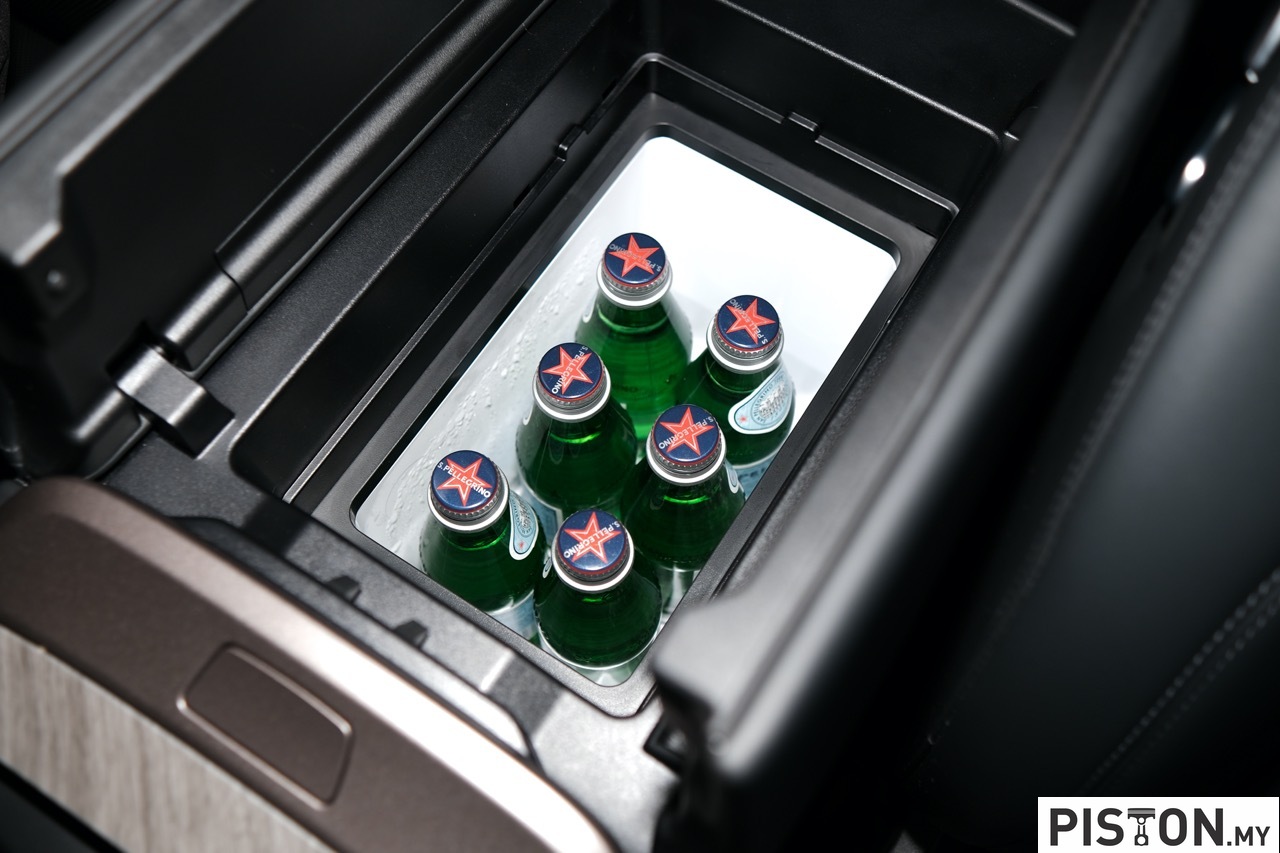
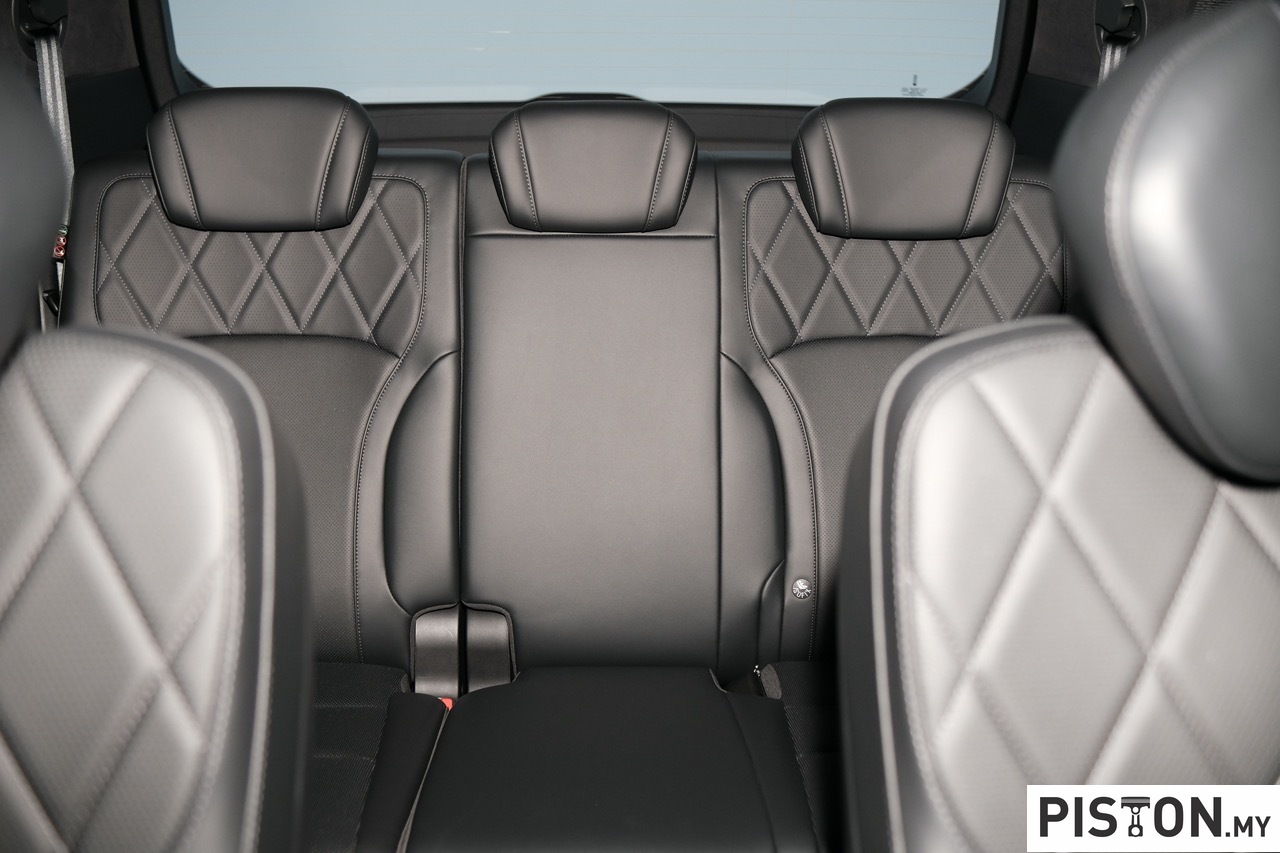
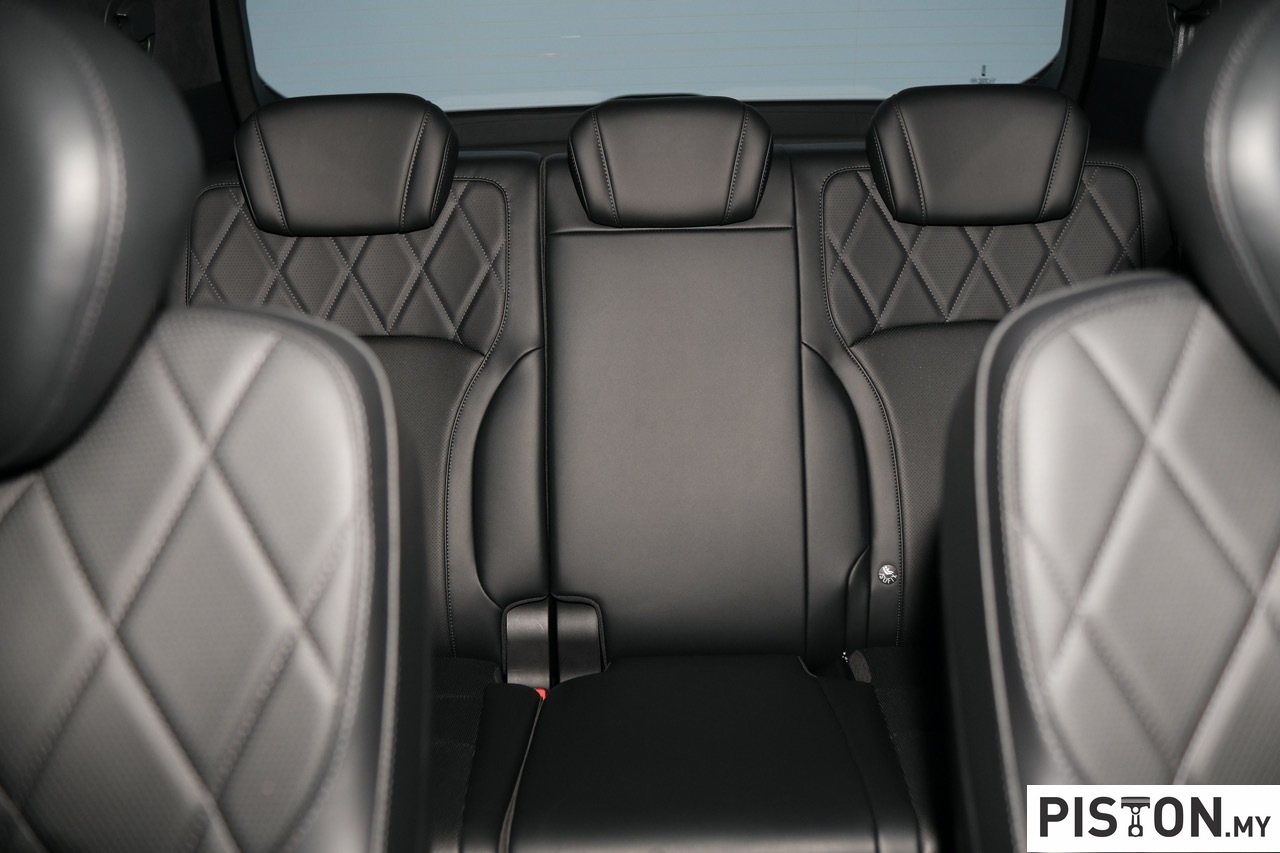
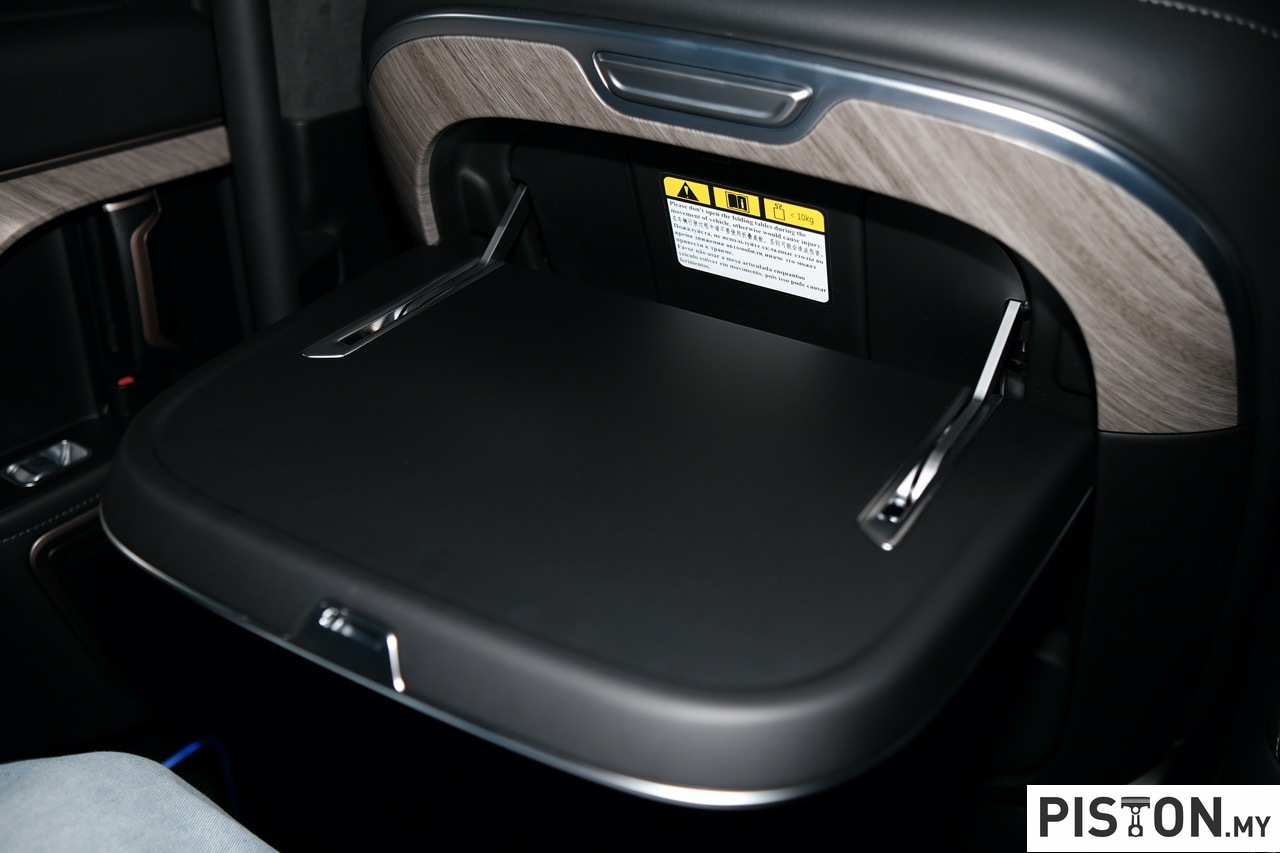
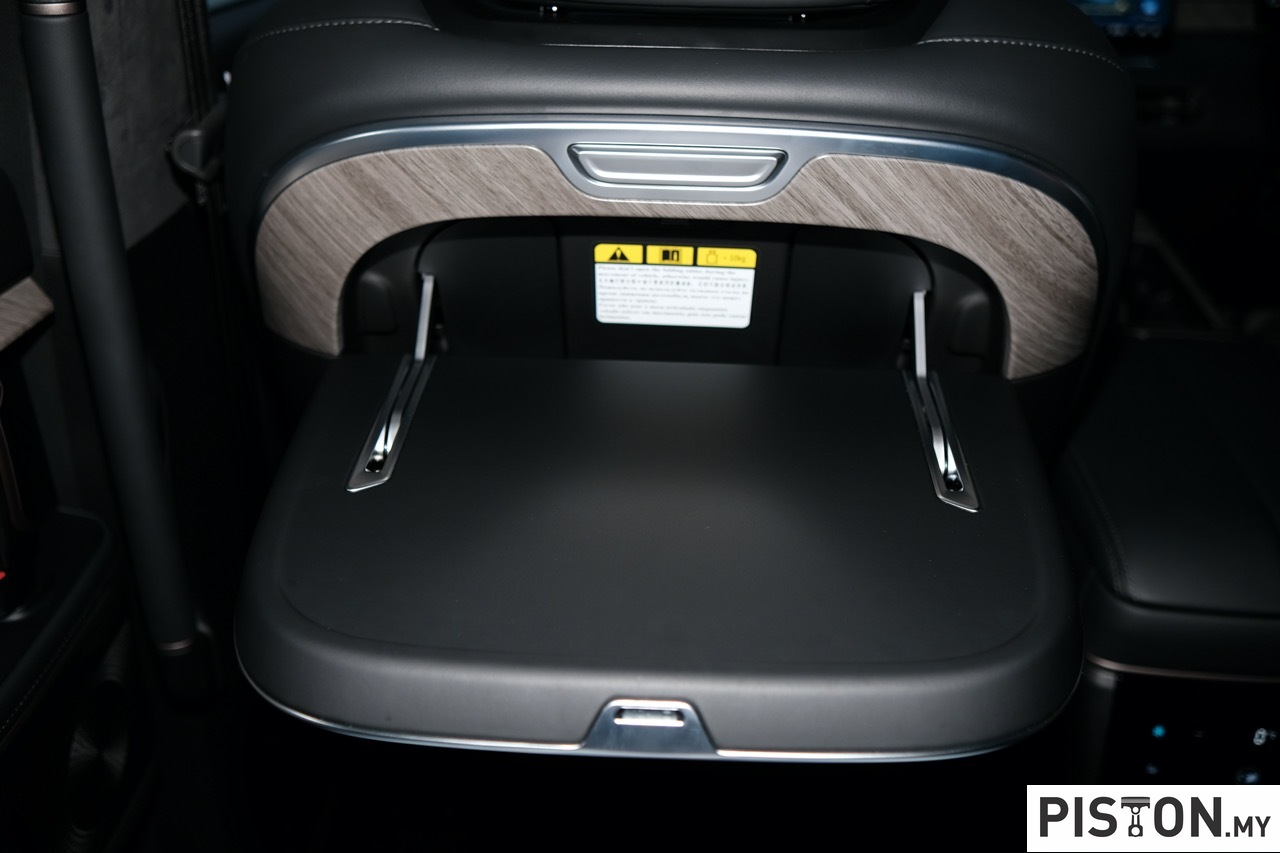
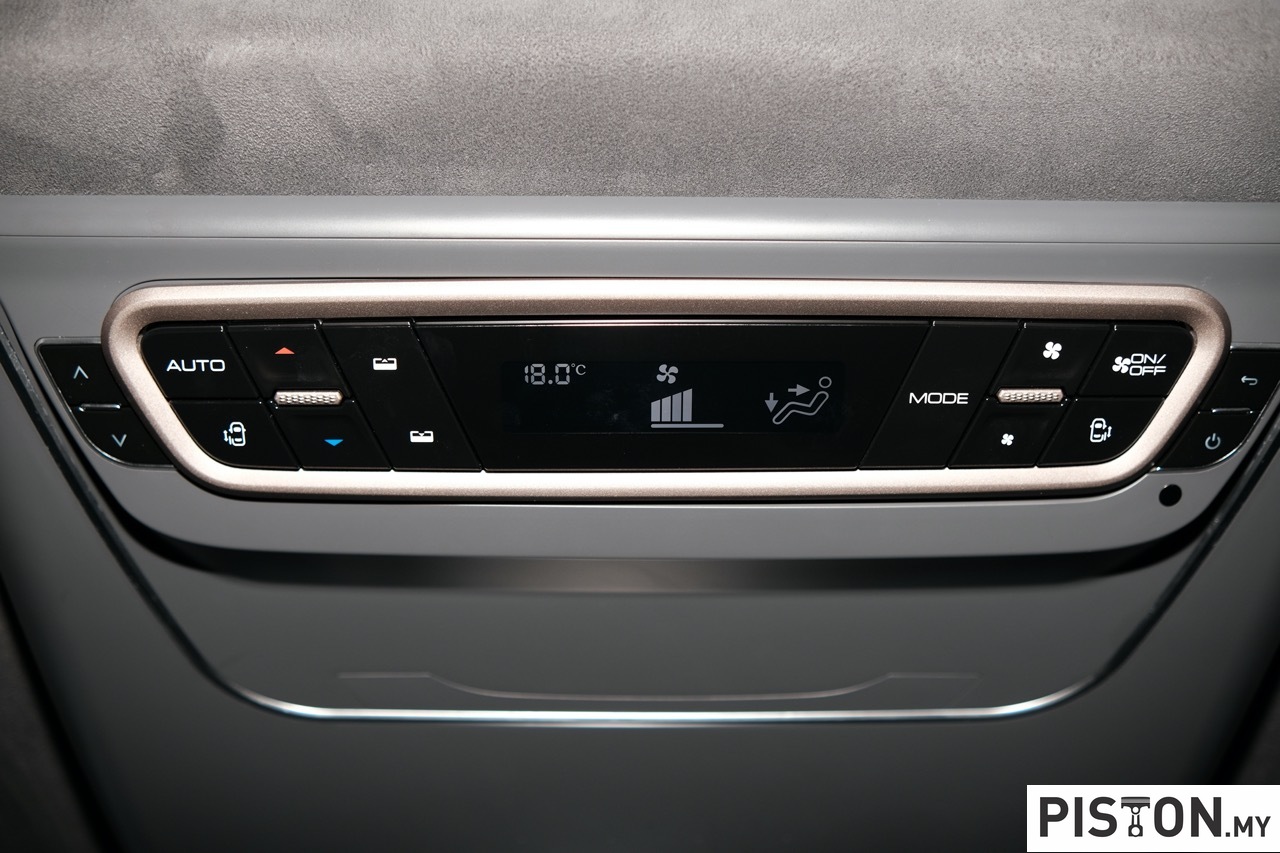
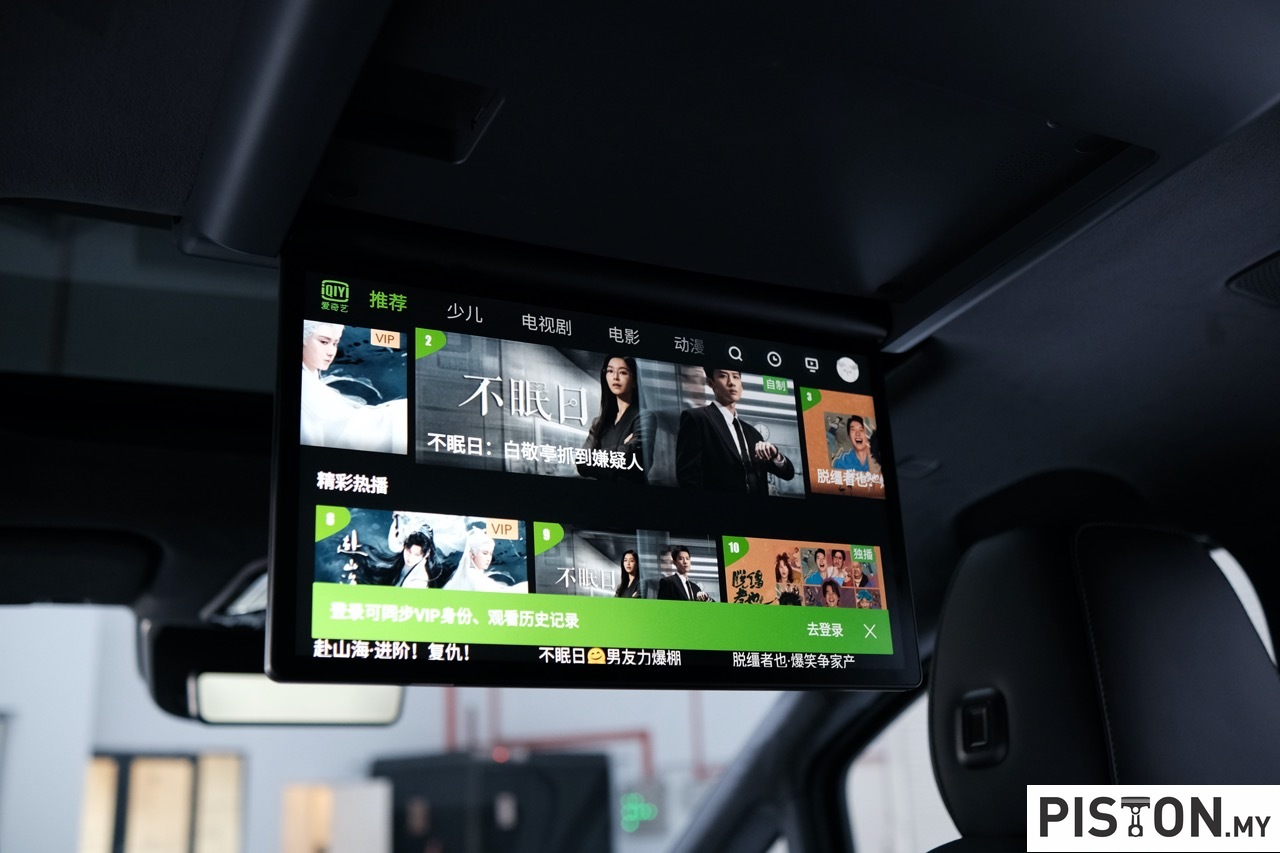
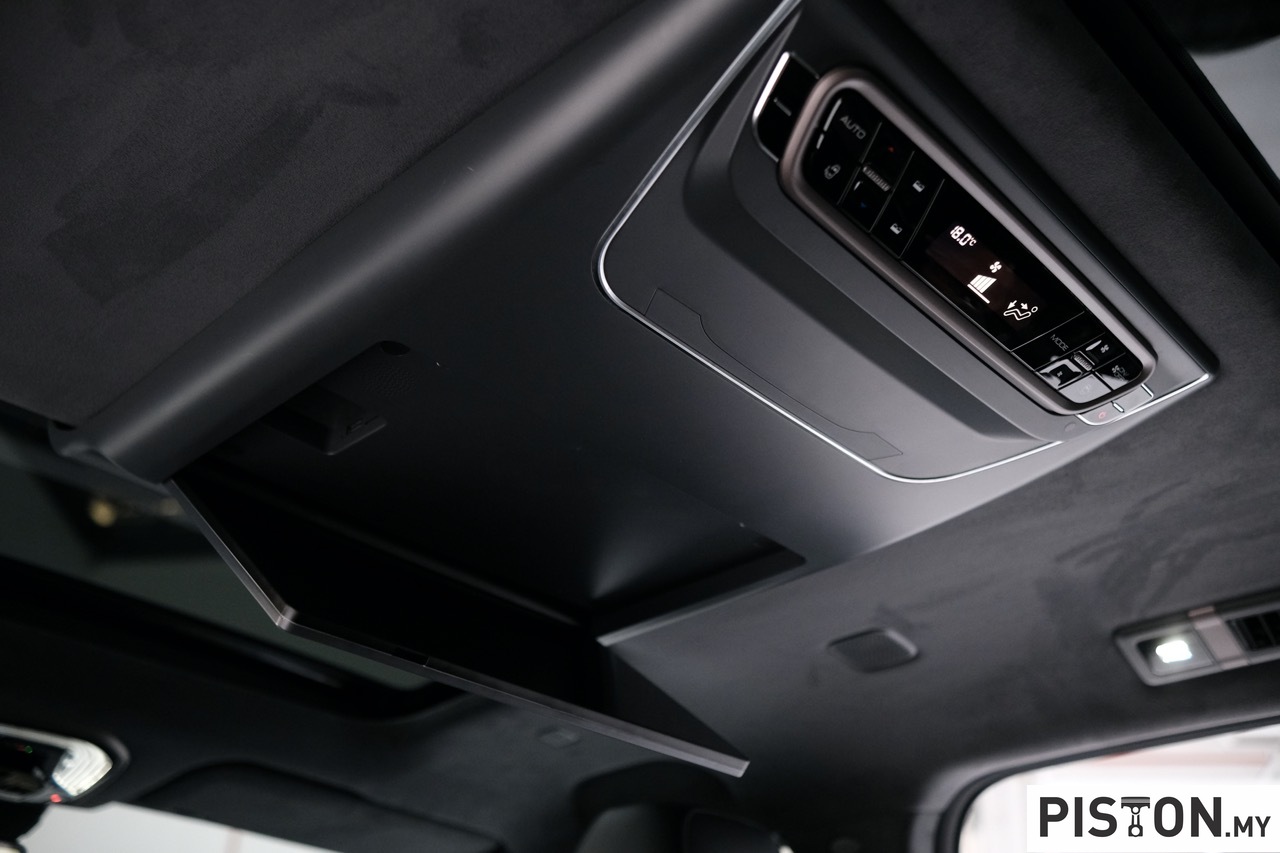
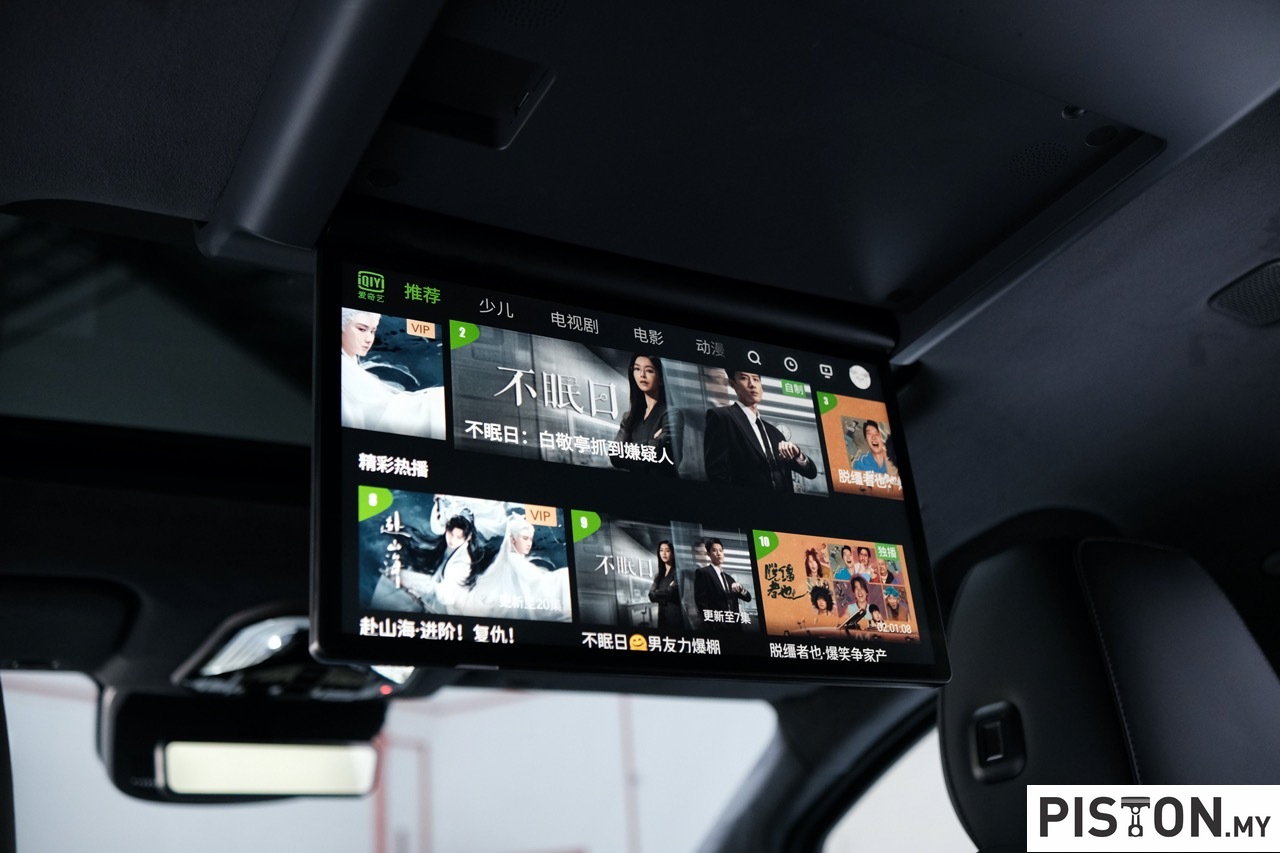
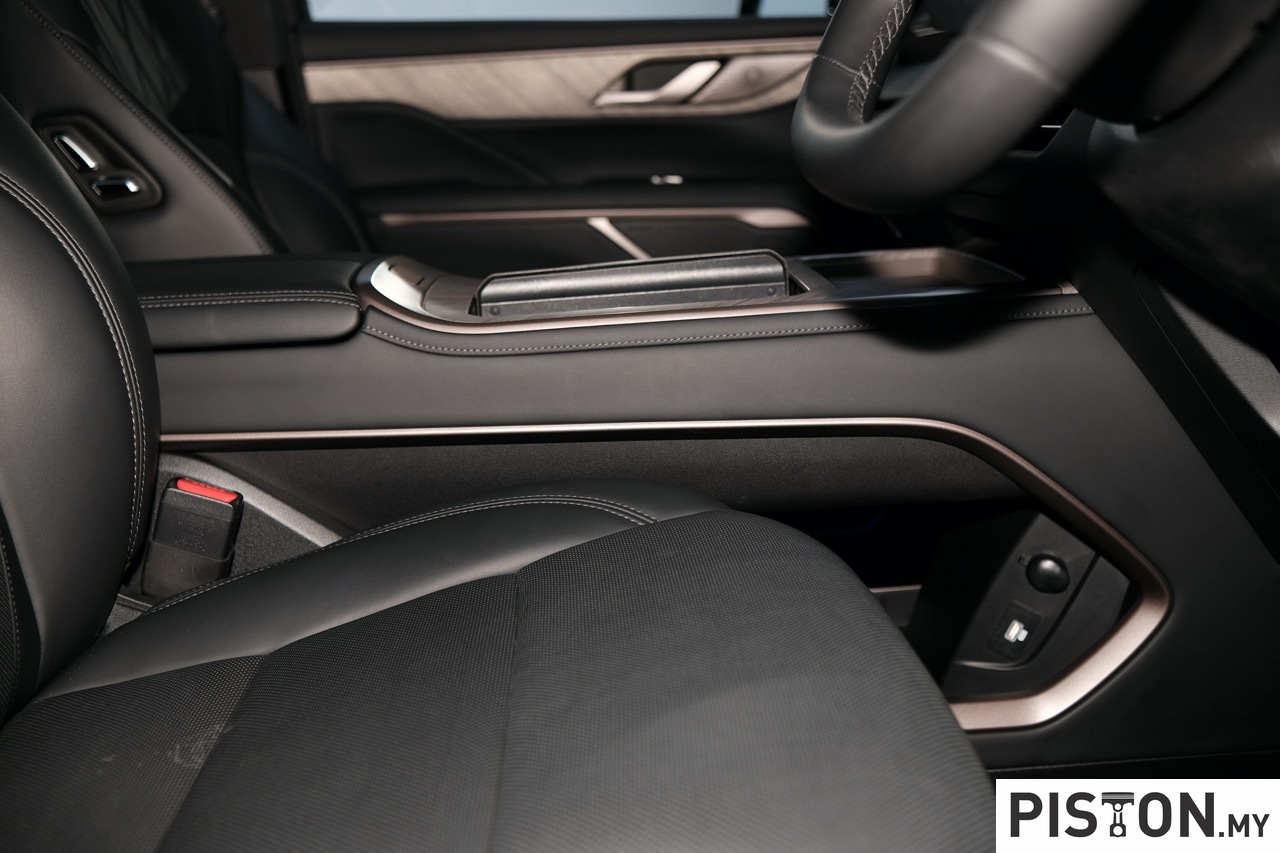
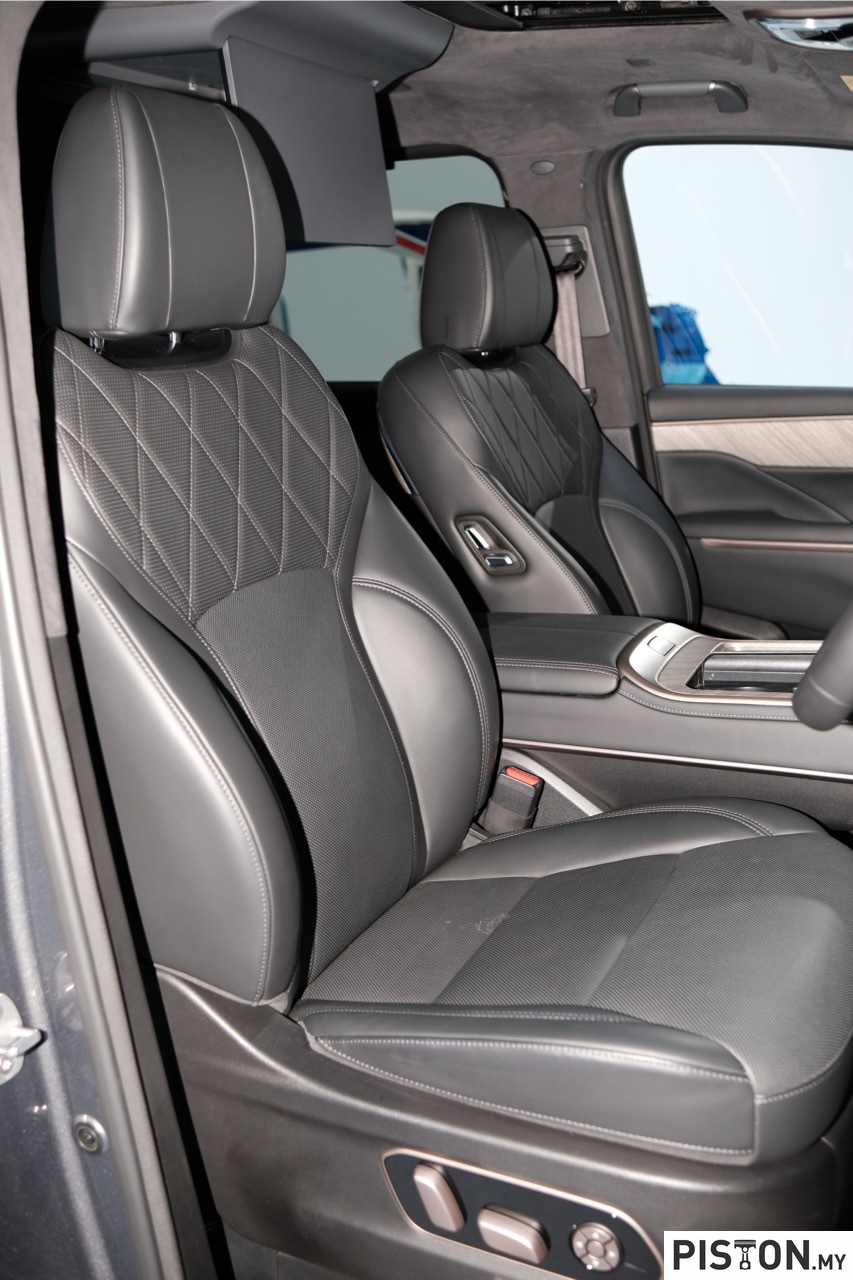
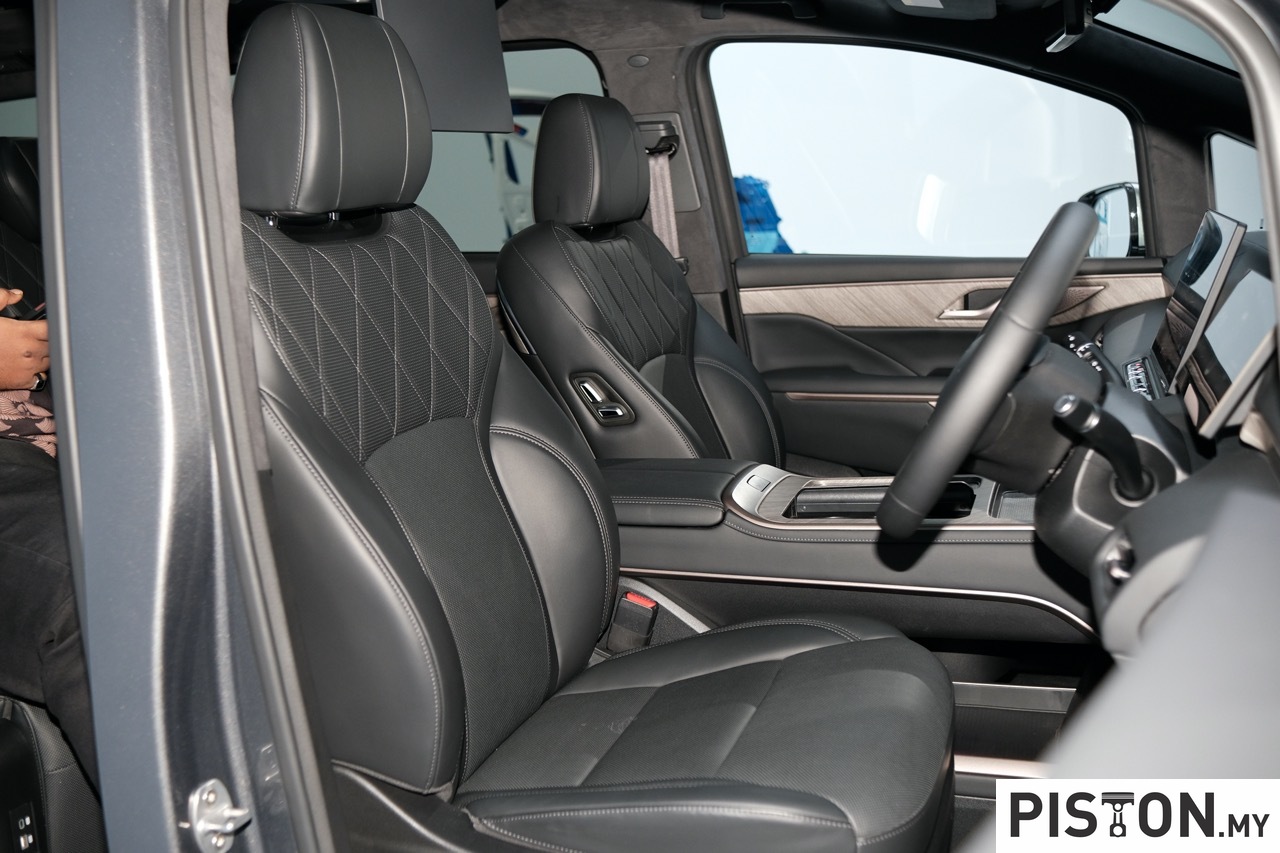
Inside, the cabin has been designed to deliver first-class comfort. Nappa leather zero-gravity seats come with ventilation, massage, and a one-button reset function. A 12.5-litre refrigerator sits between the seats, offering both heating and cooling, and is practical enough to store drinks, medication, or even cosmetics.

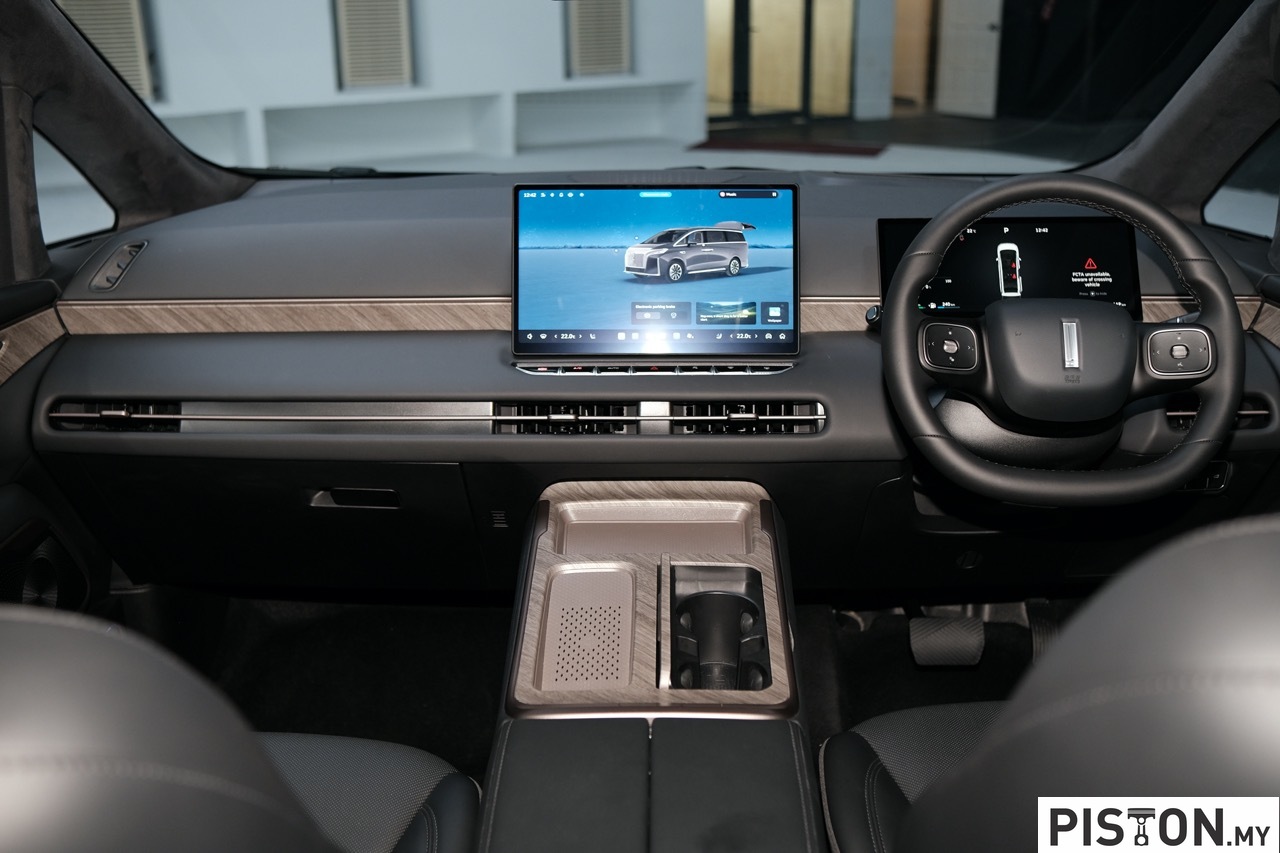
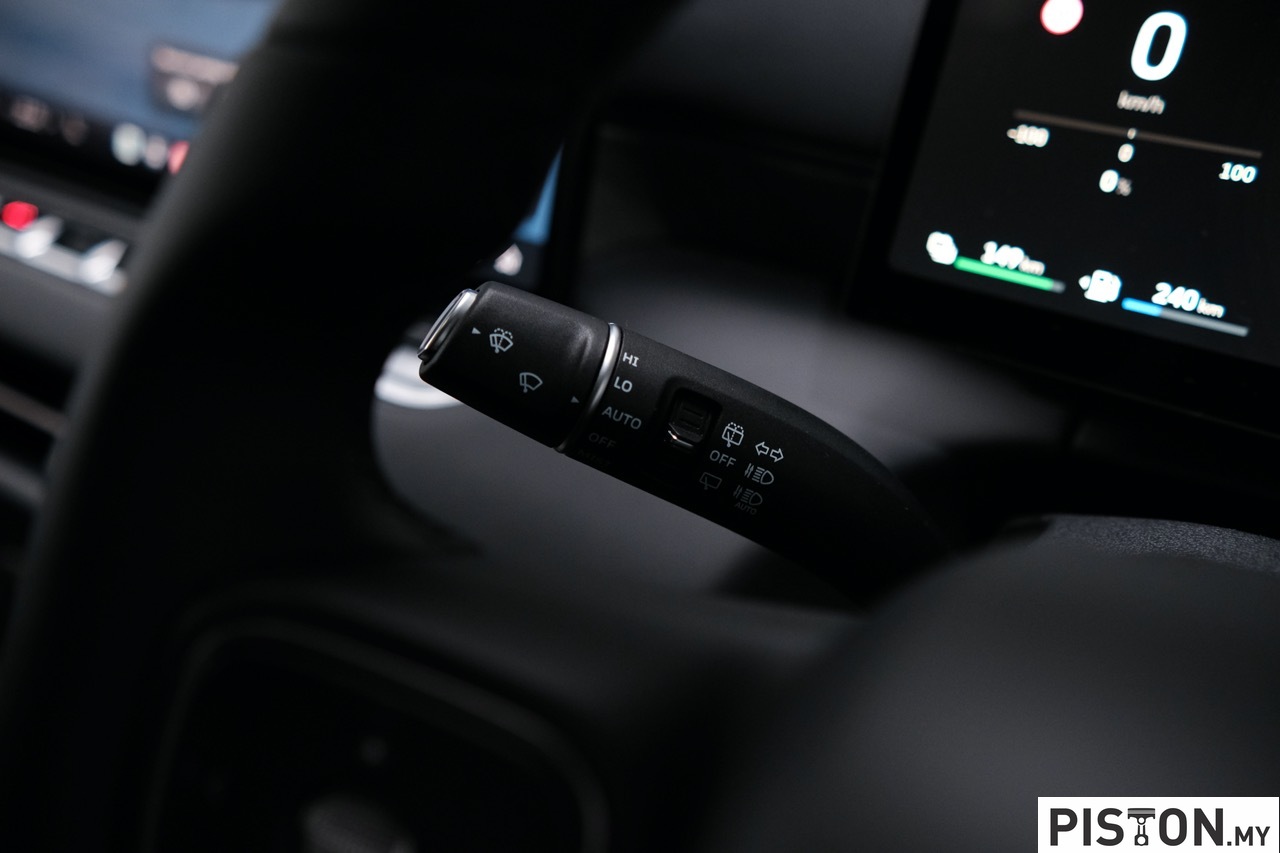
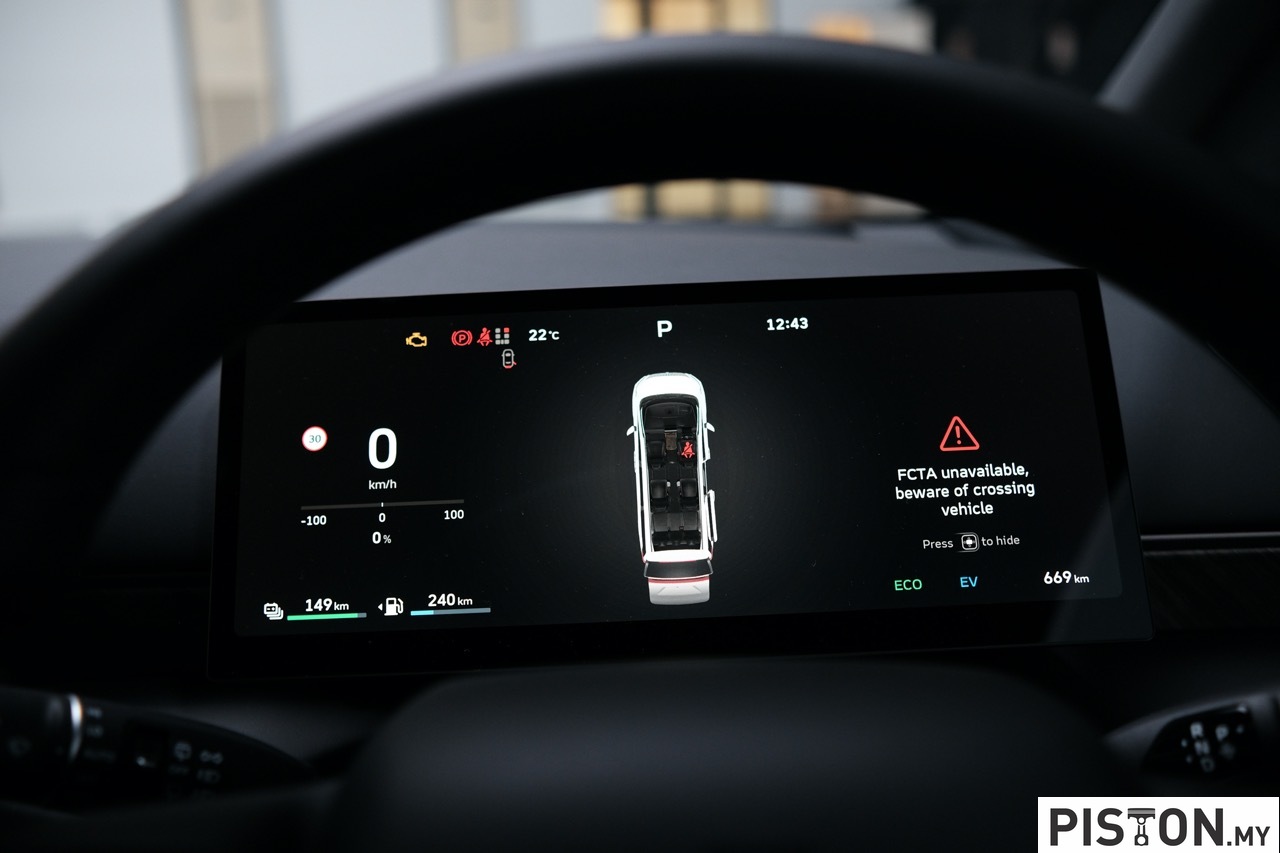
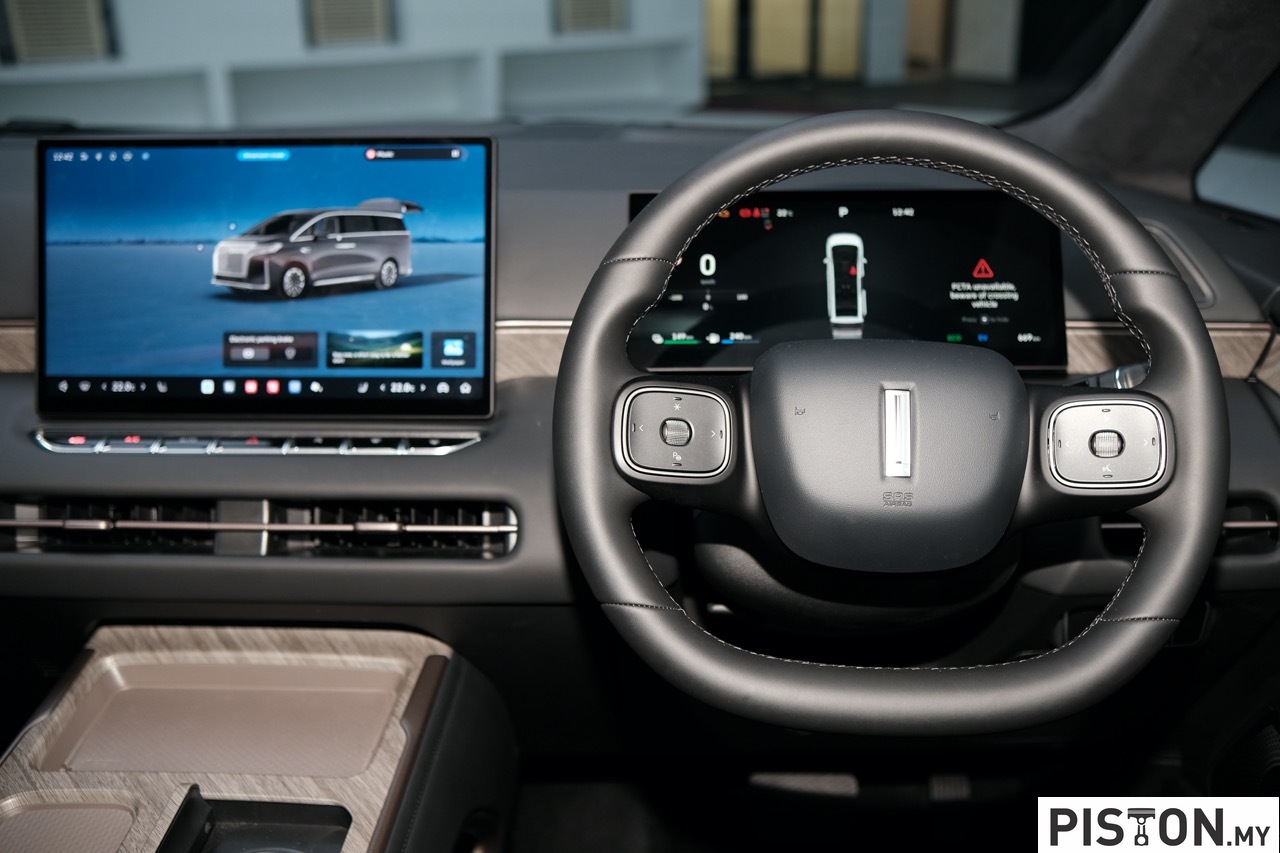
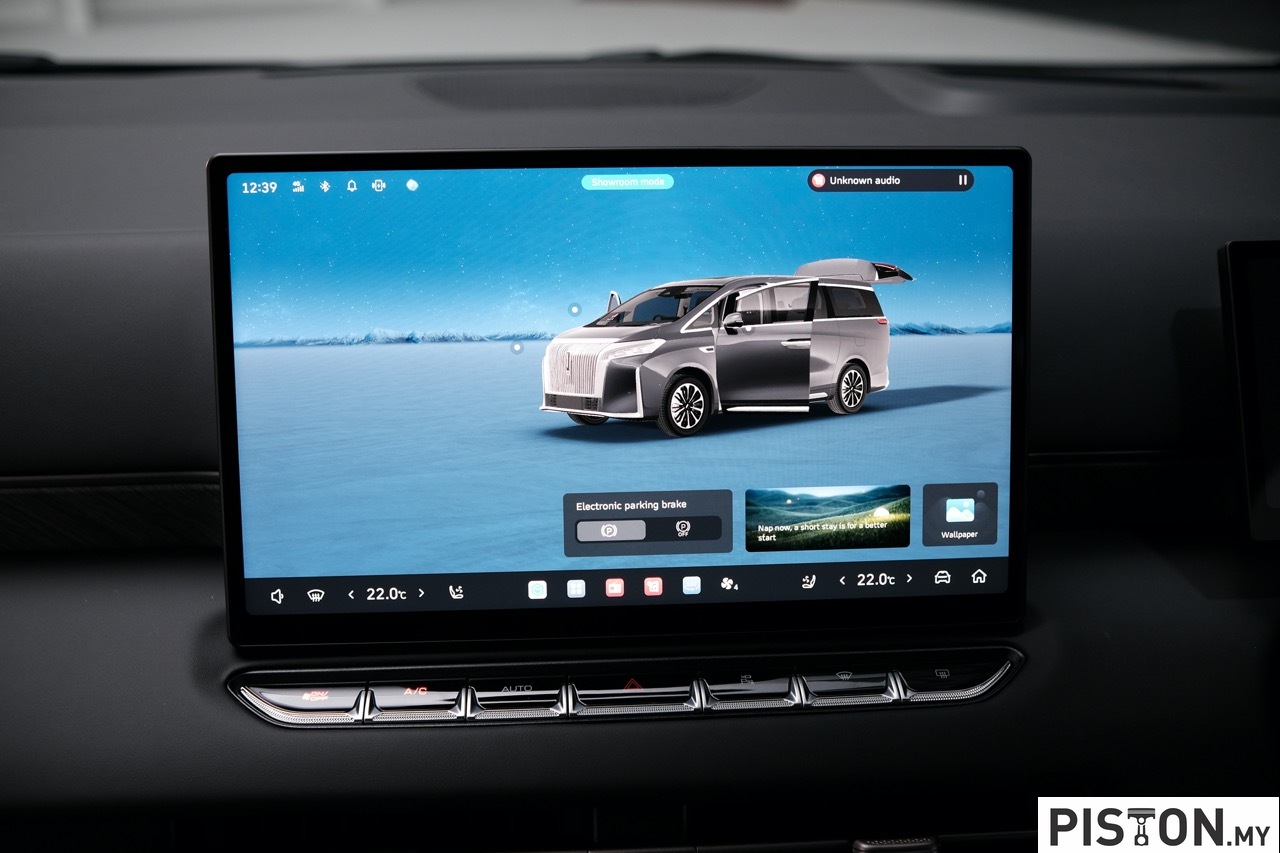
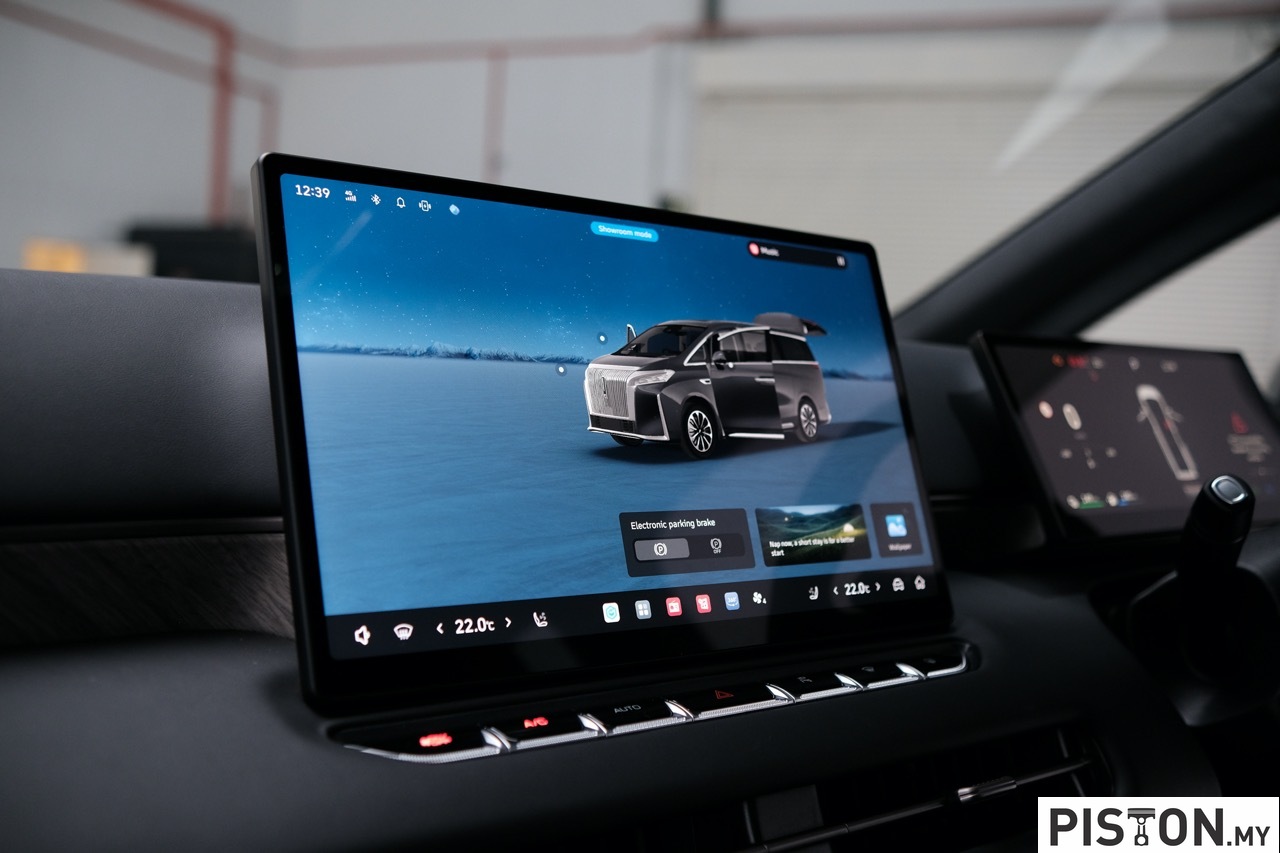
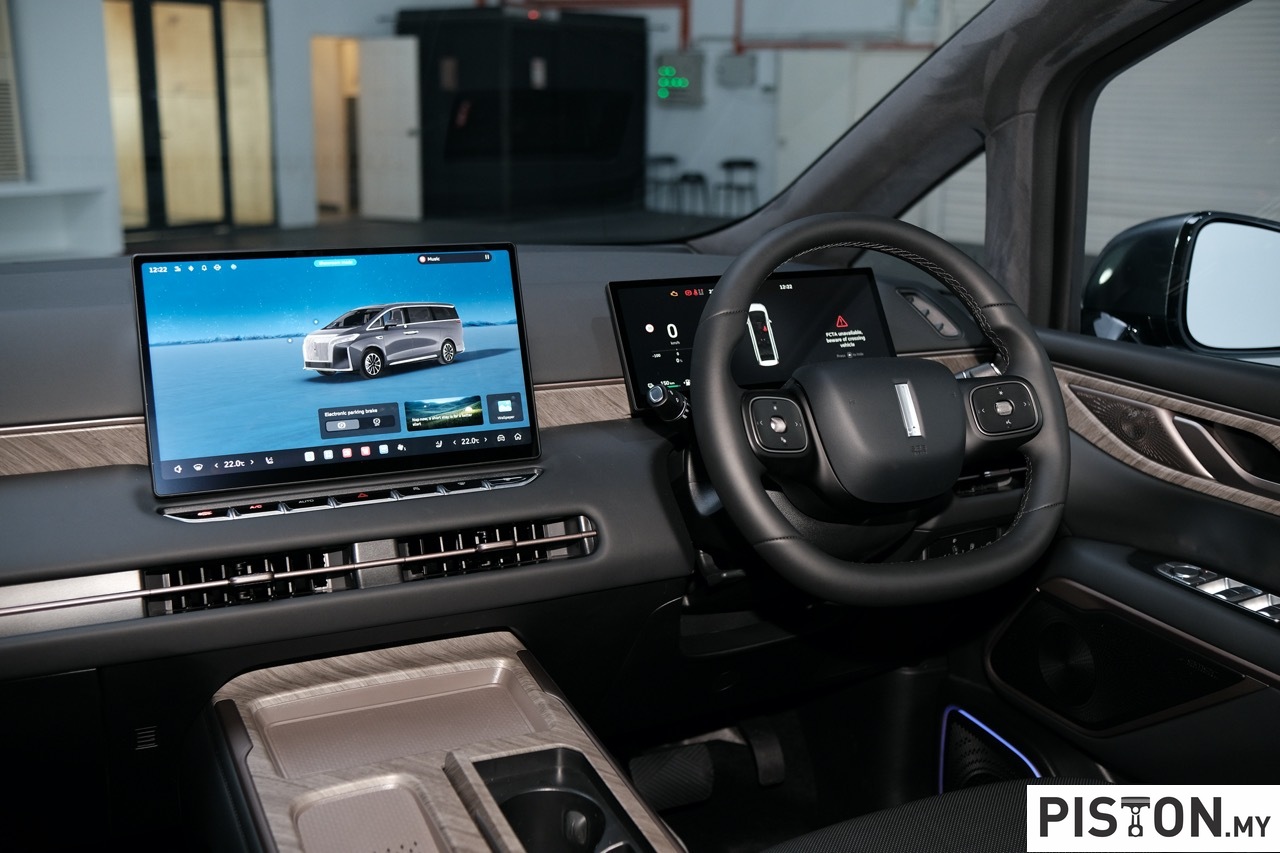
Drivers are met with a two-spoke steering wheel, a 12.3-inch digital instrument display, and a 15.6-inch infotainment touchscreen that runs on GWM’s latest Coffee OS 3.

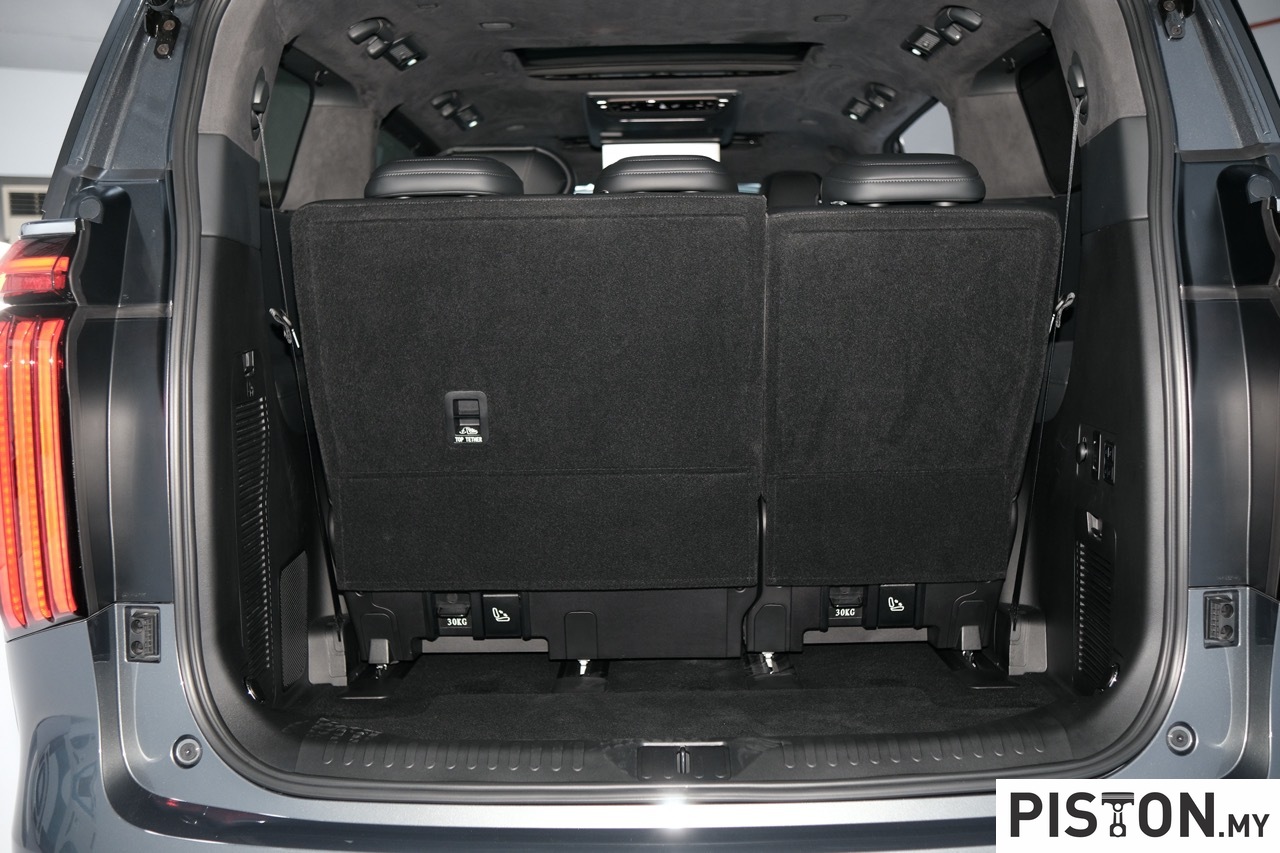
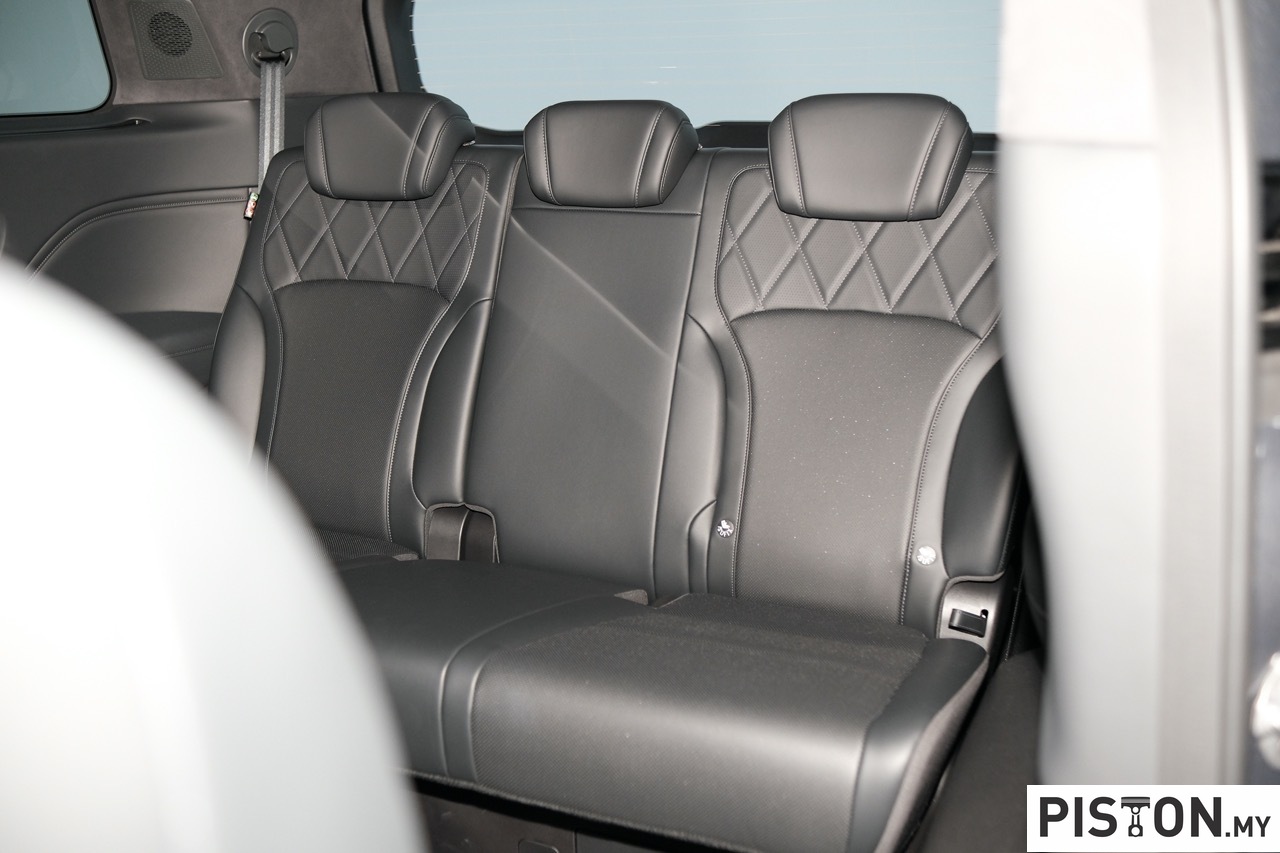
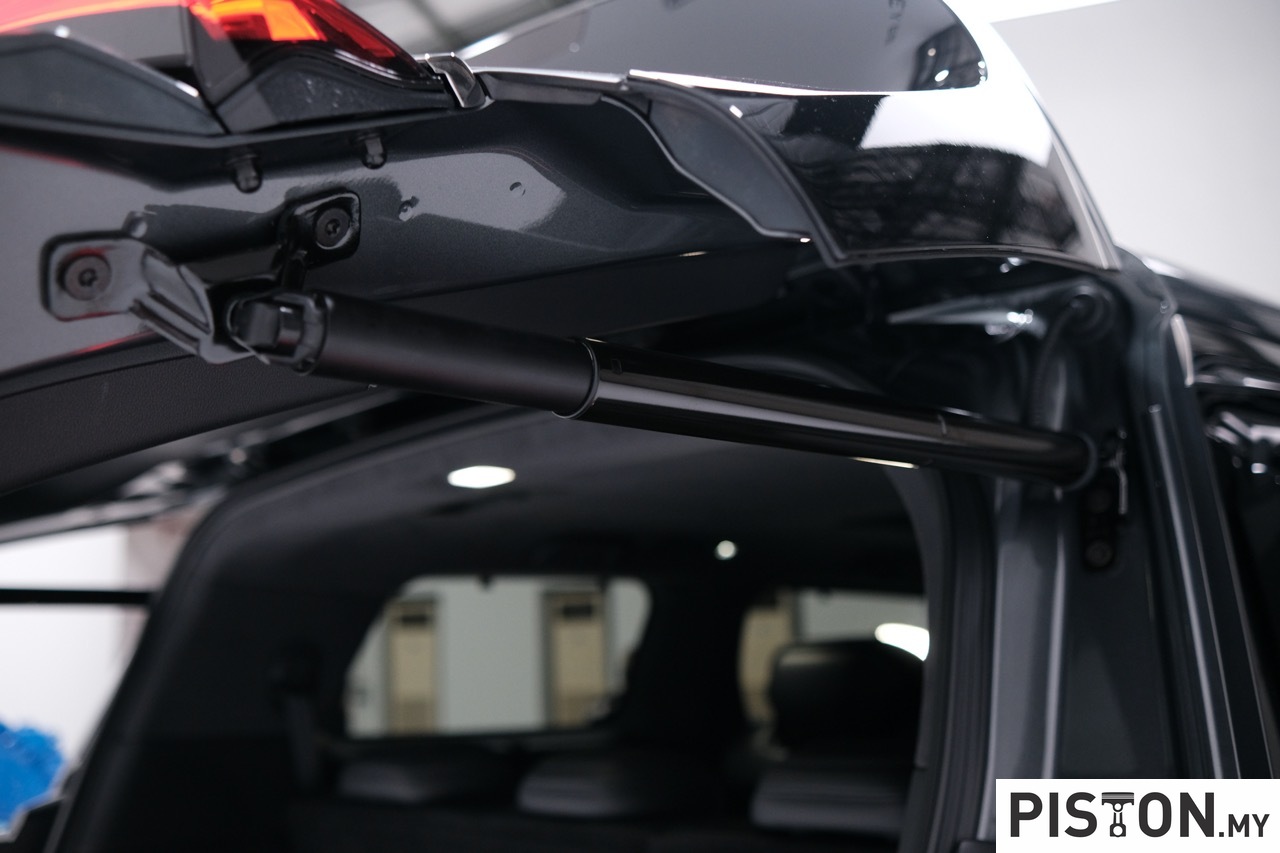
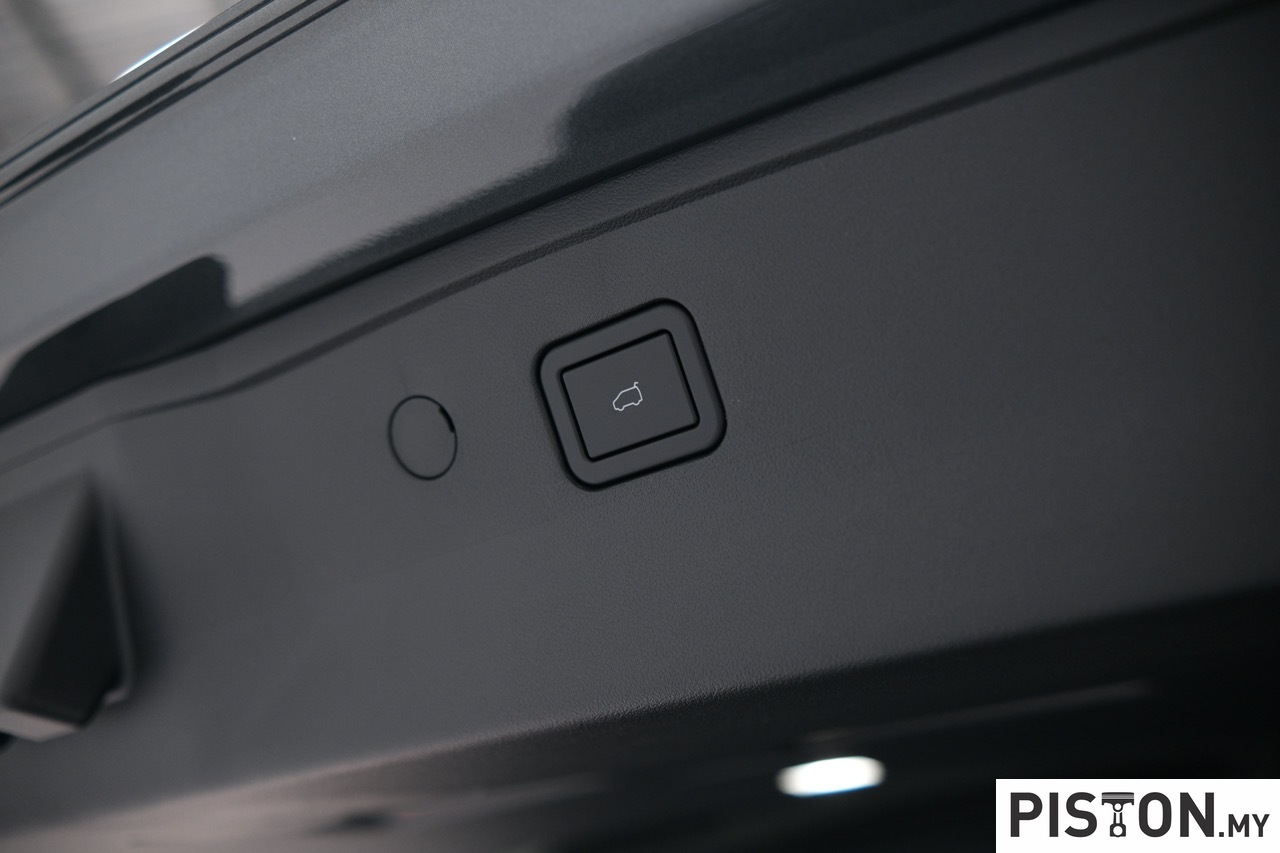
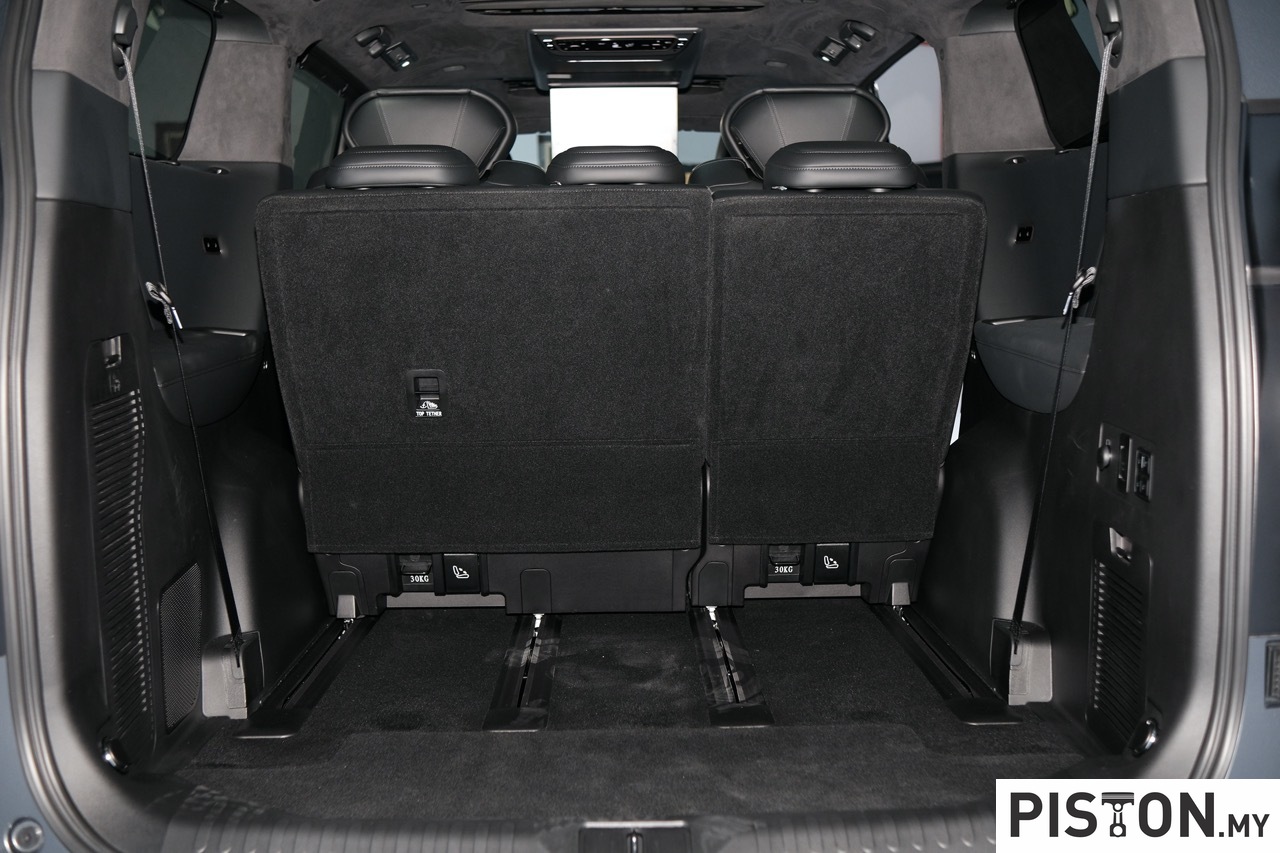
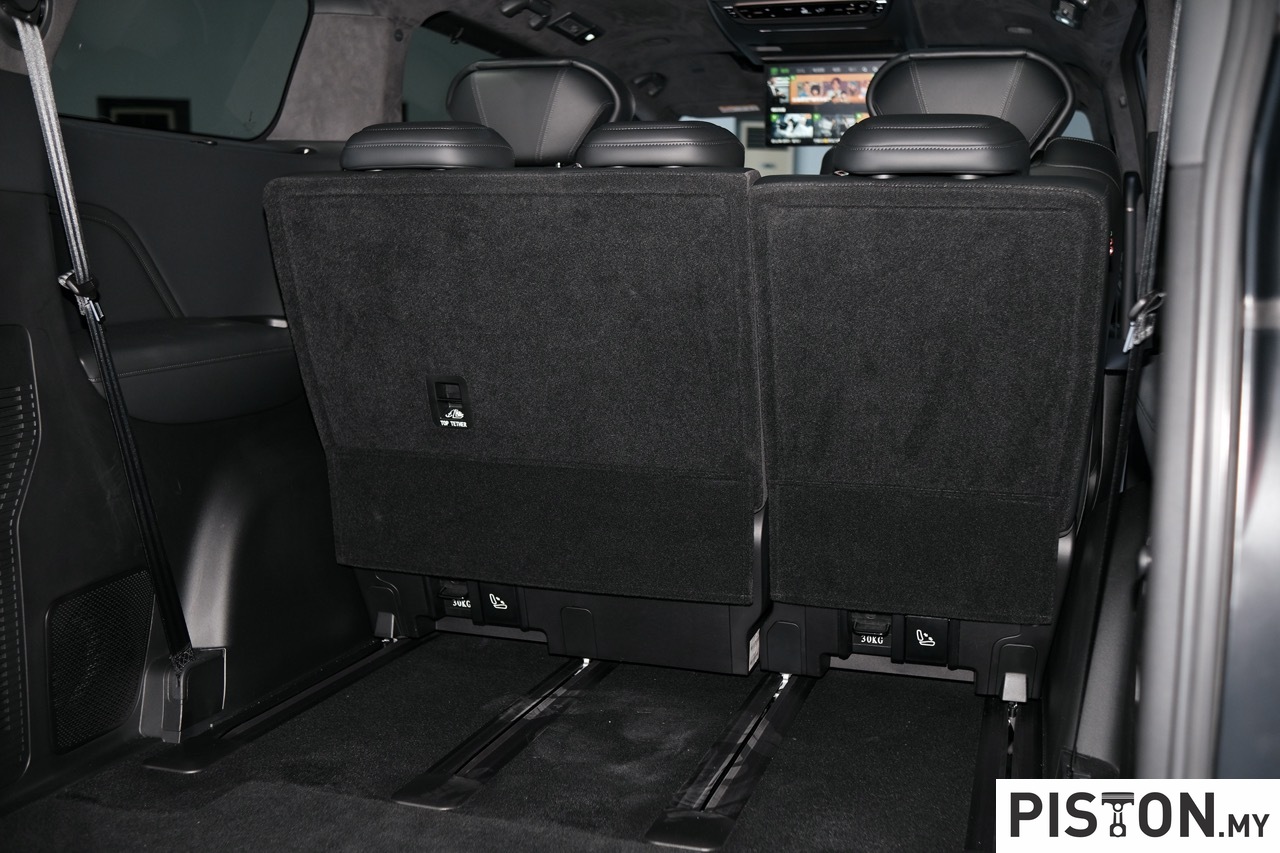
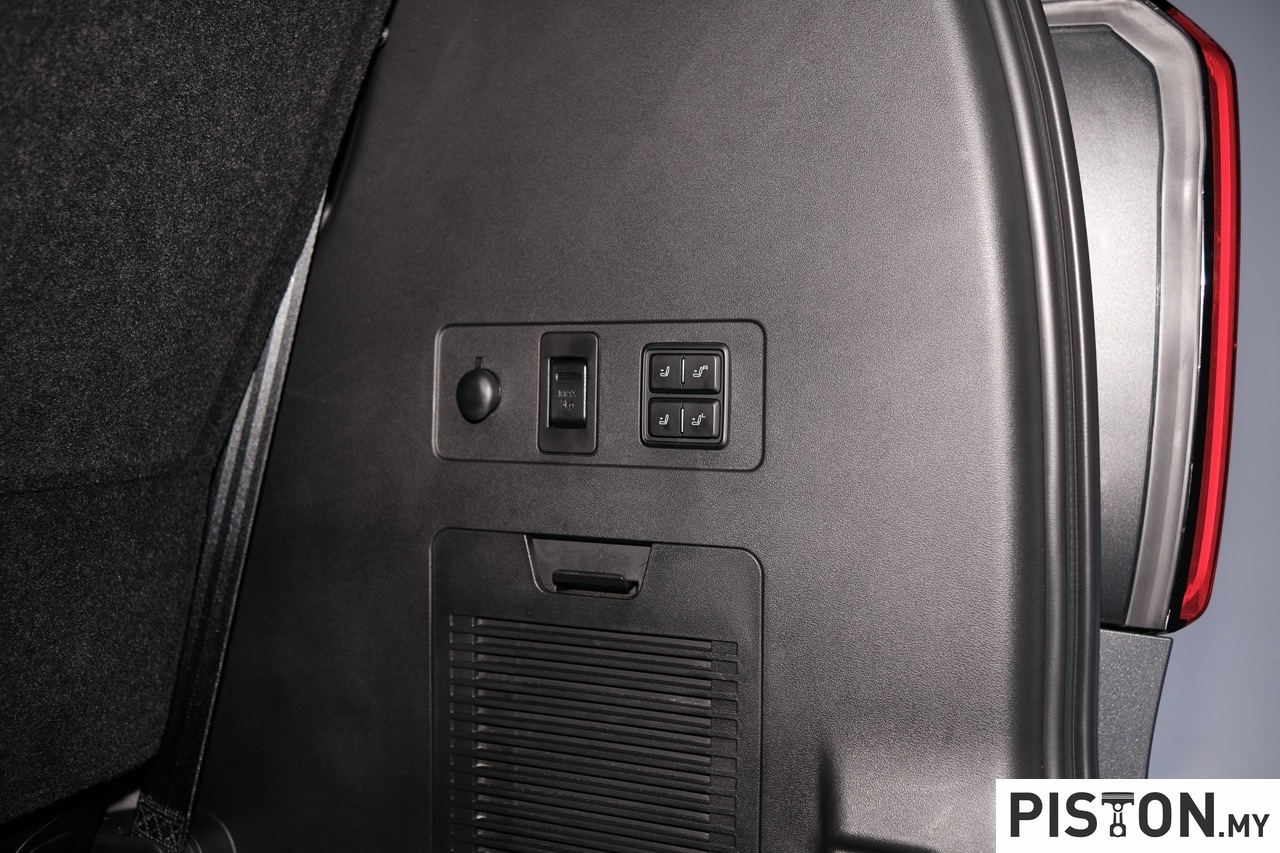
Flexibility is another highlight, with second- and third-row seats sliding on integrated tracks. With all seats in place, the boot holds 233 litres, but folding them down frees up a cavernous 1,725 litres.

The G9 measures 5,050 mm long, 1,960 mm wide, and 1,900 mm tall, with a wheelbase of 3,085 mm, which makes this bigger than a Toyota Alphard. Customers can choose from exterior colours of grey, black, or white, paired with interior trim in either brown or black.

Bookings are already being taken at selected dealerships nationwide, with the official launch set to take place soon. By pricing the WEY G9 below RM300,000 and combining safety, technology, and genuine luxury, GWM looks ready to raise the bar in Malaysia’s MPV segment.

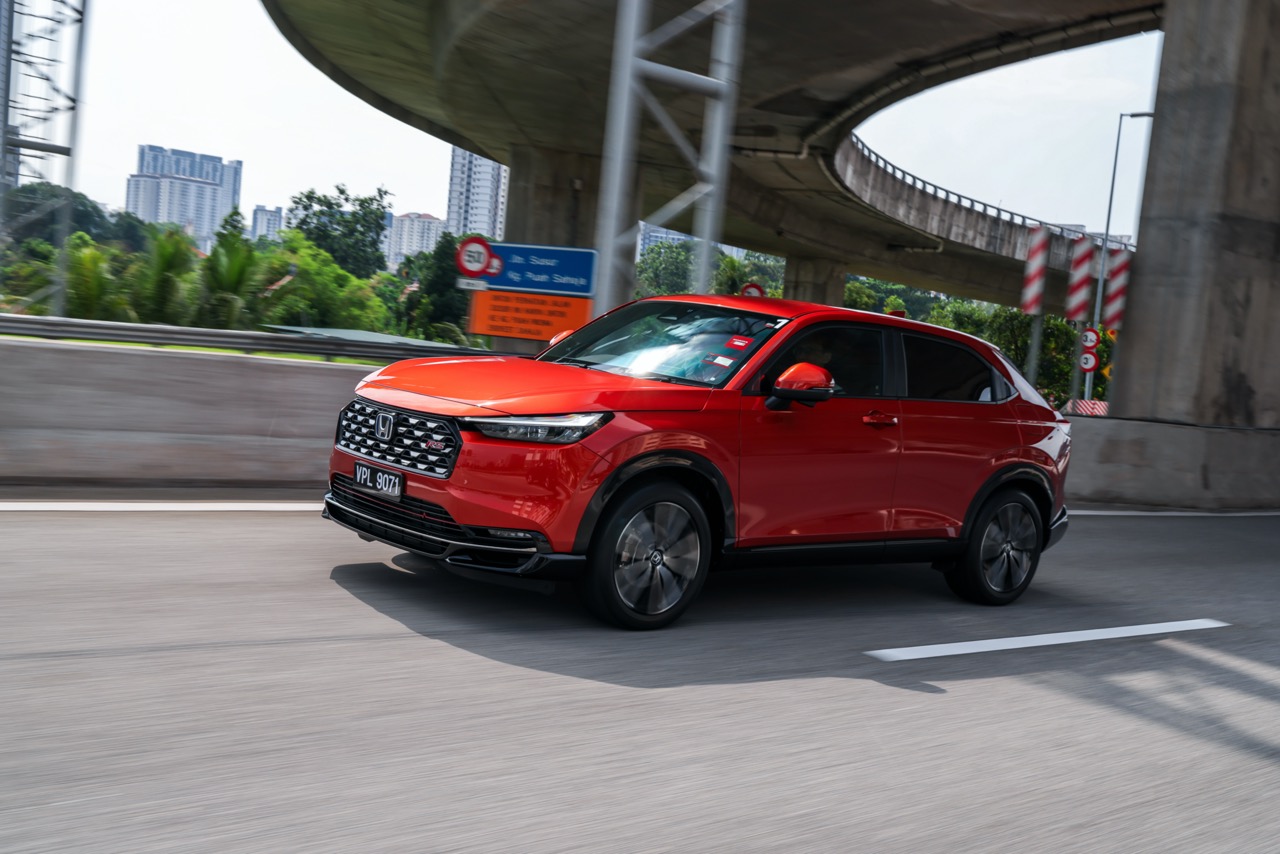
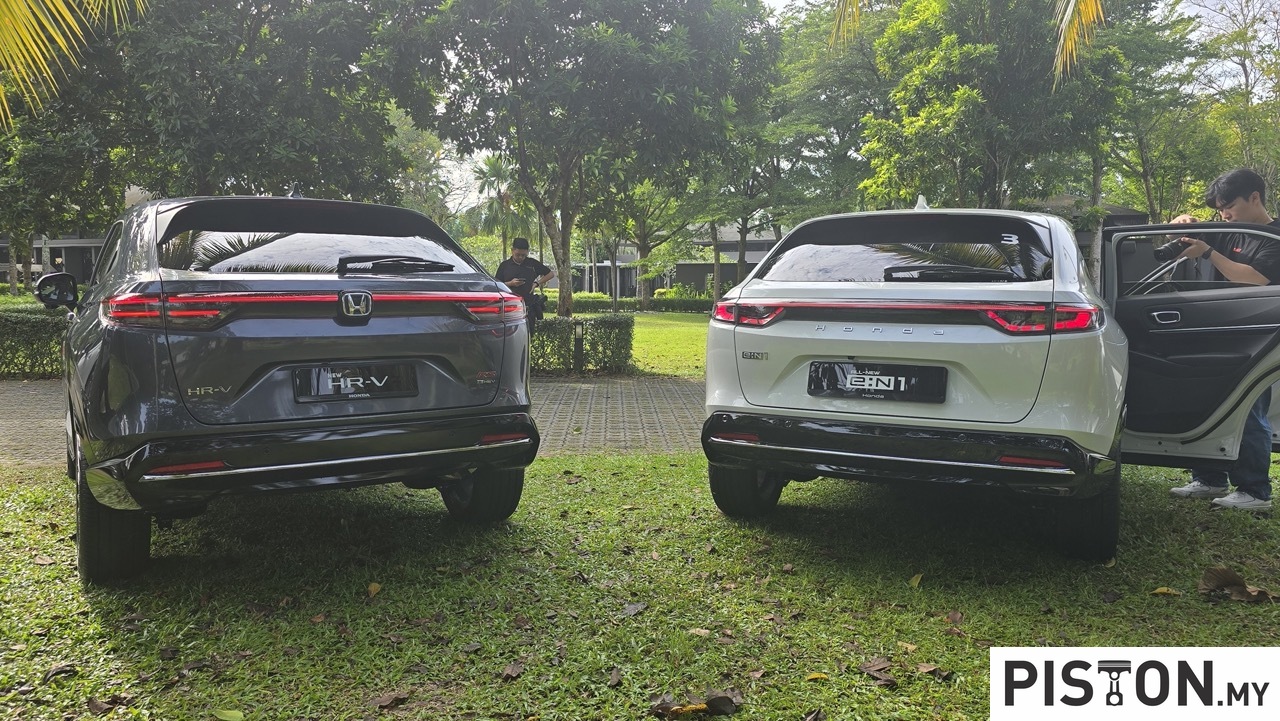
The Malaysian SUV market is one of the most competitive automotive battlegrounds, and Honda has been a consistent front-runner thanks to the enduring popularity of the HR-V. 

Since its first introduction in 2015, the HR-V has built a strong reputation for combining style, practicality, and reliability in a compact package. According to Honda Malaysia, they have sold more than 171,000 units of the HR-V!

With the arrival of the refreshed 2025 Honda HR-V, Honda Malaysia has taken the opportunity to refine what was already a winning formula.
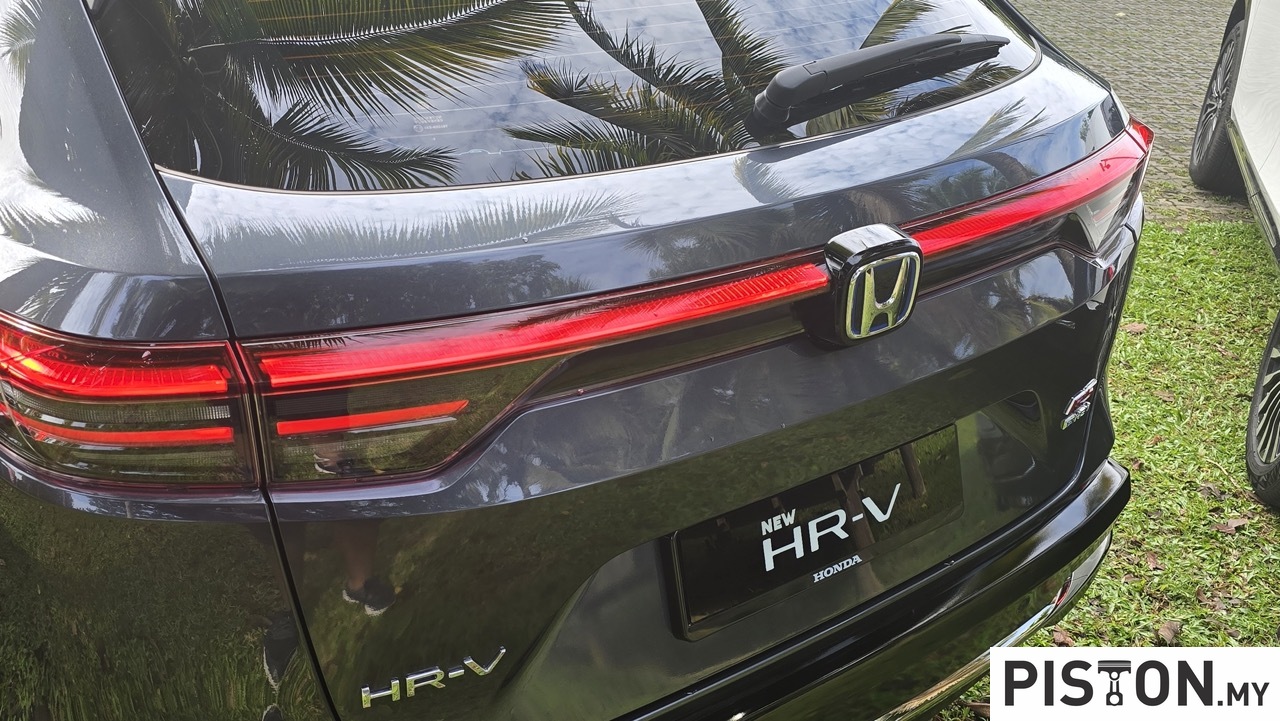
This updated model promises not only subtle styling tweaks but also improvements in comfort, technology, and safety. We spent time evaluating what makes the latest HR-V stand out and whether it retains its place as one of the top choices in the segment.

A Subtle Evolution in Design

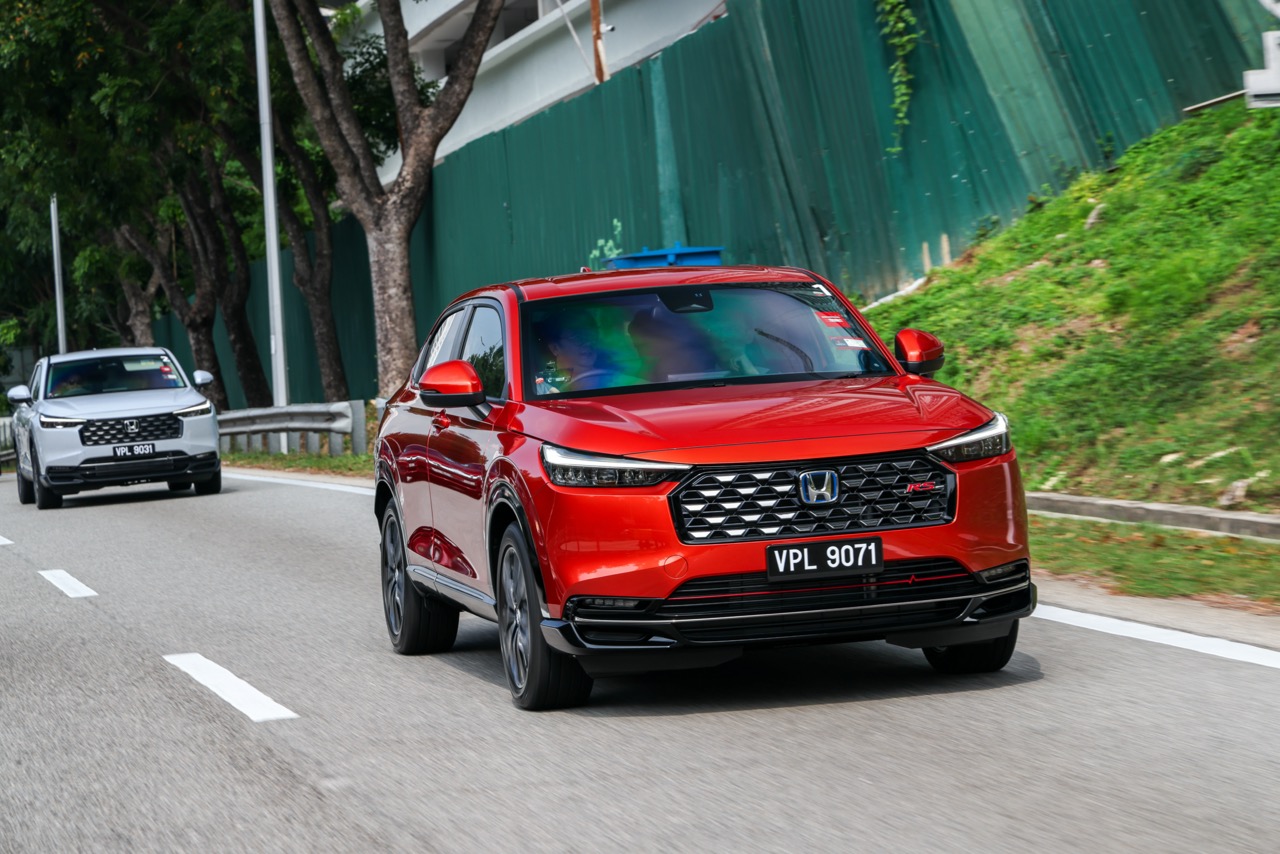
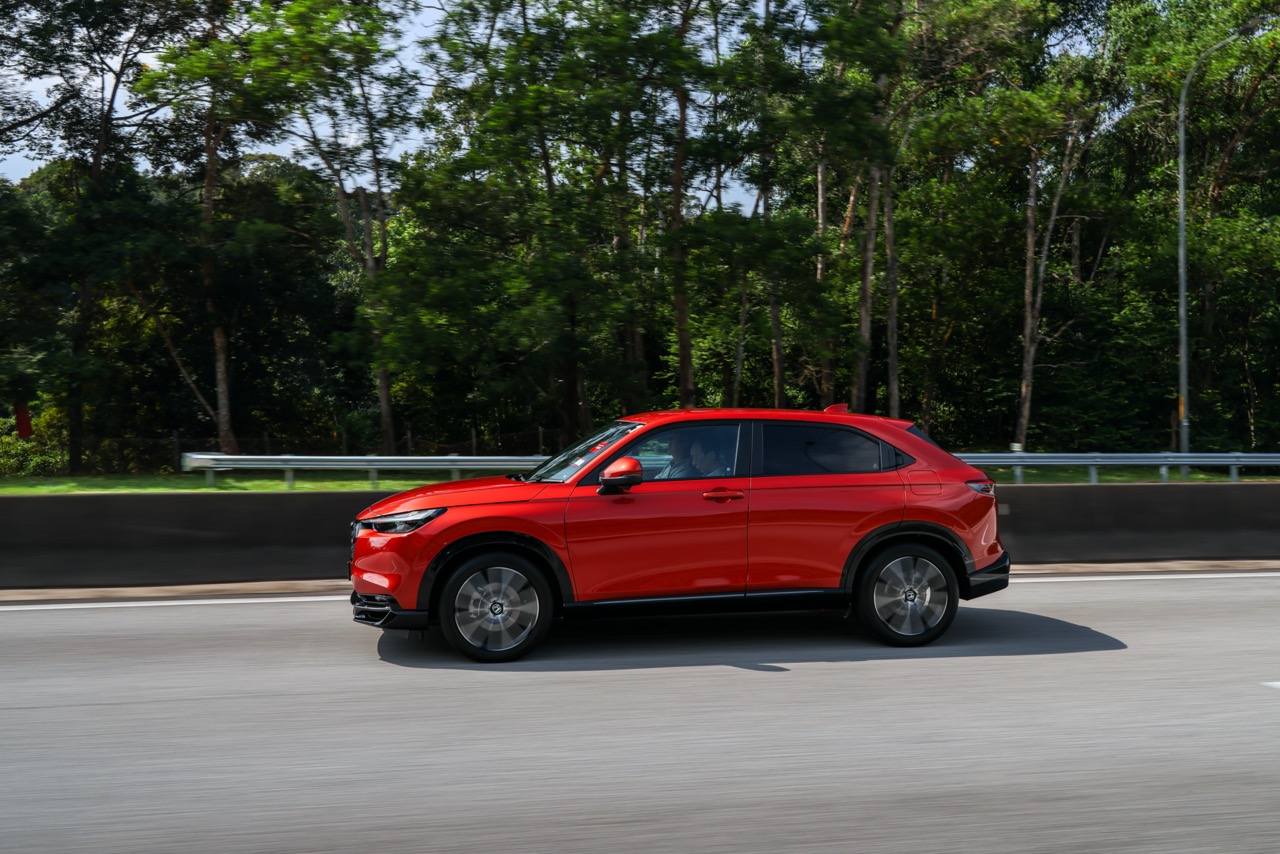
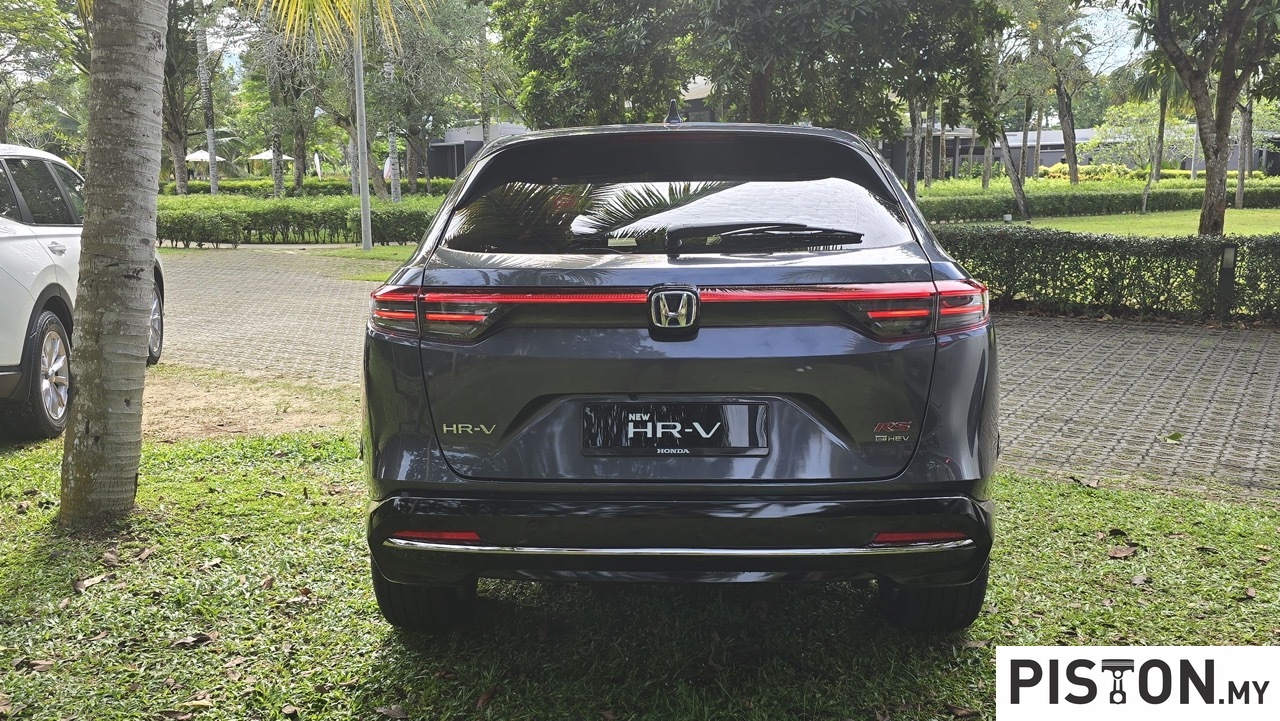
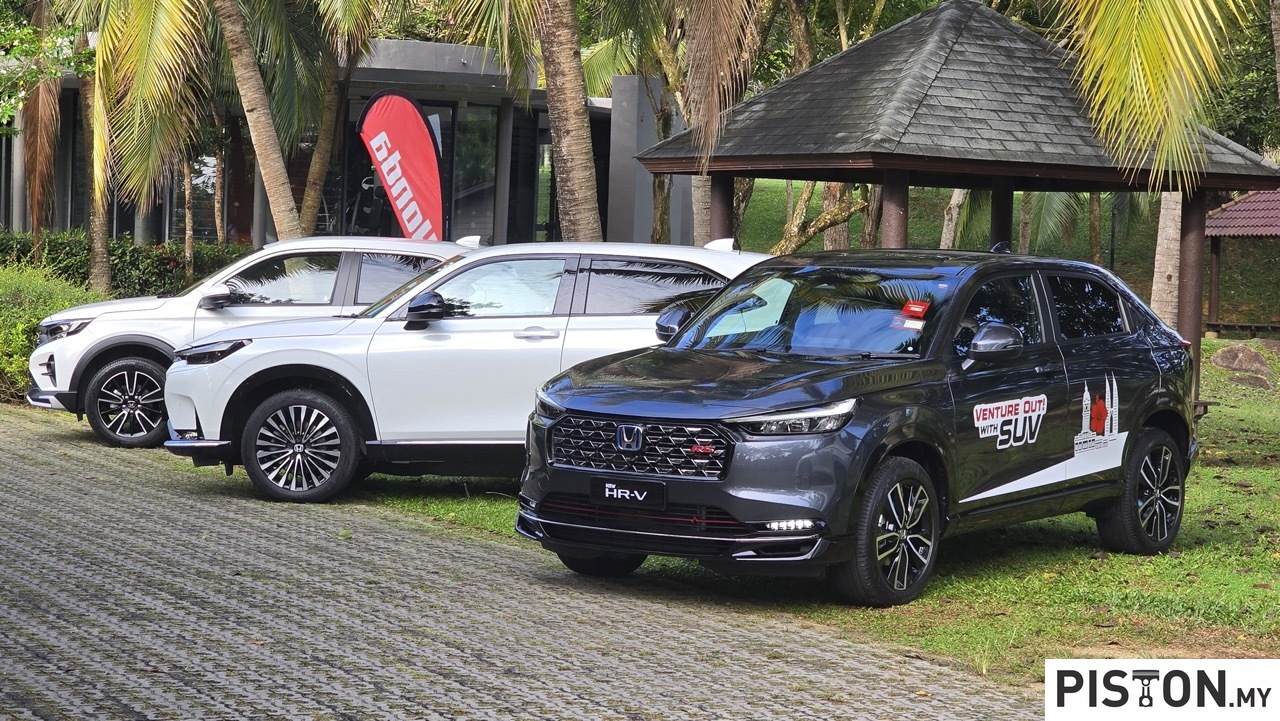
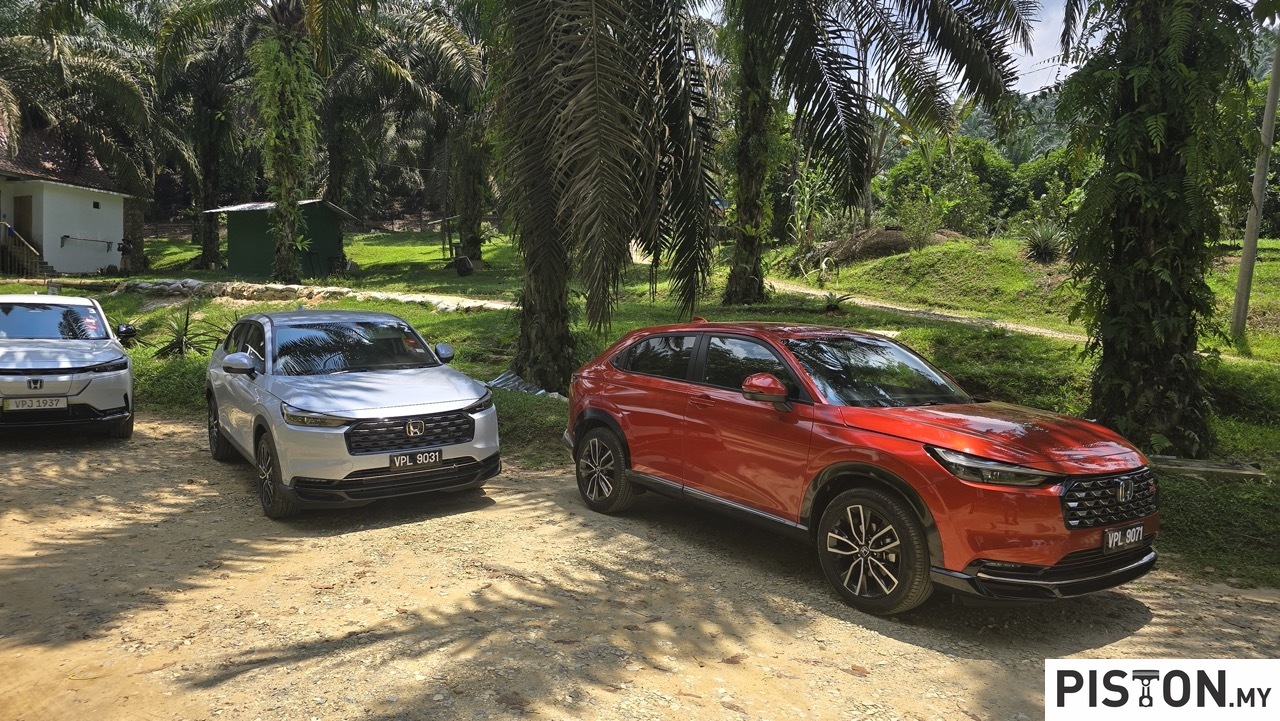
Visually, Honda has not drastically altered the HR-V’s well-established coupe-inspired profile, and that is deliberate. The silhouette, one of the defining features of the model since its introduction, remains intact. Instead, the design team has concentrated on details. 
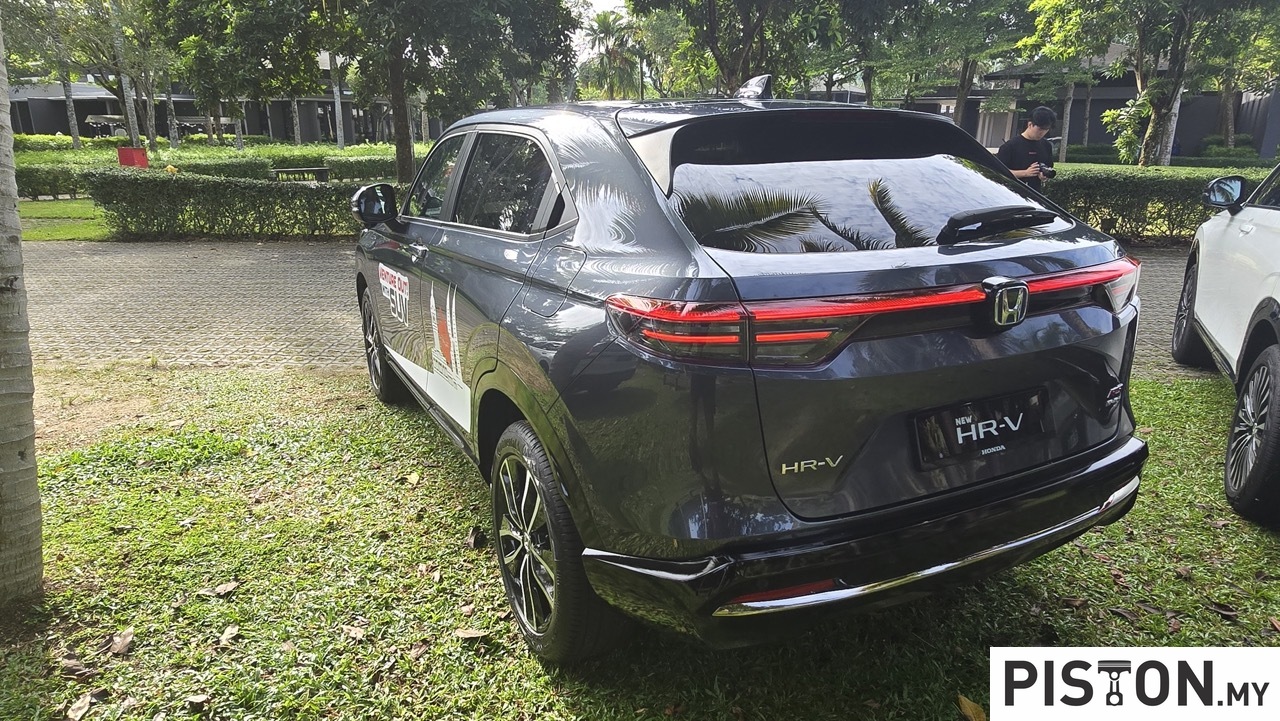
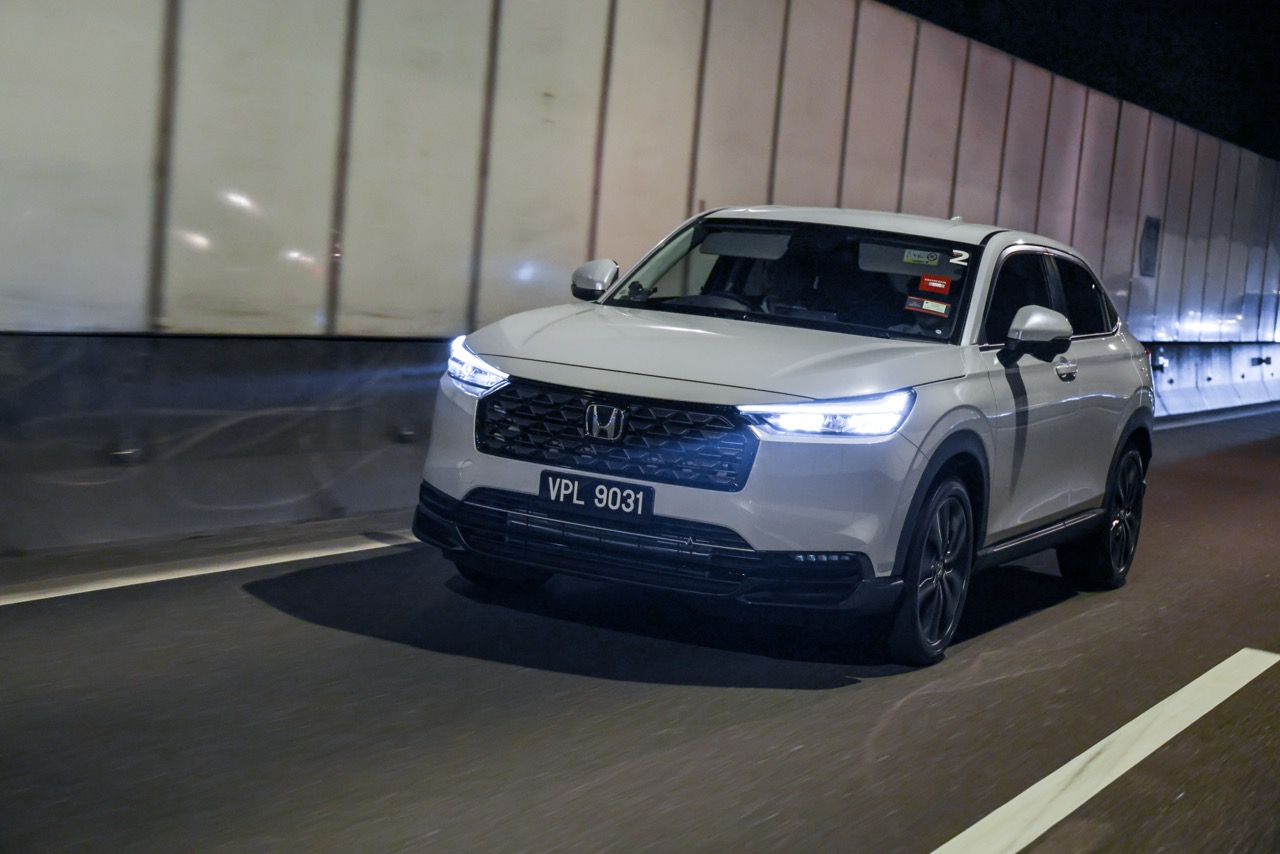
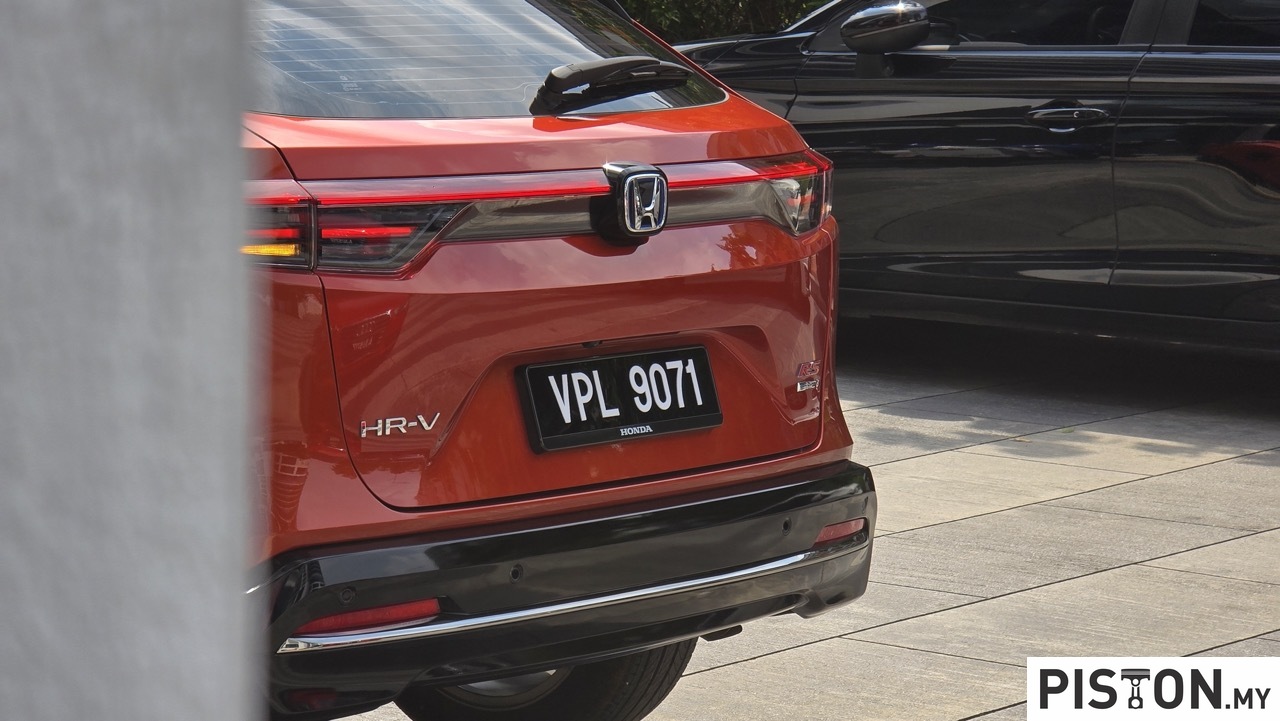
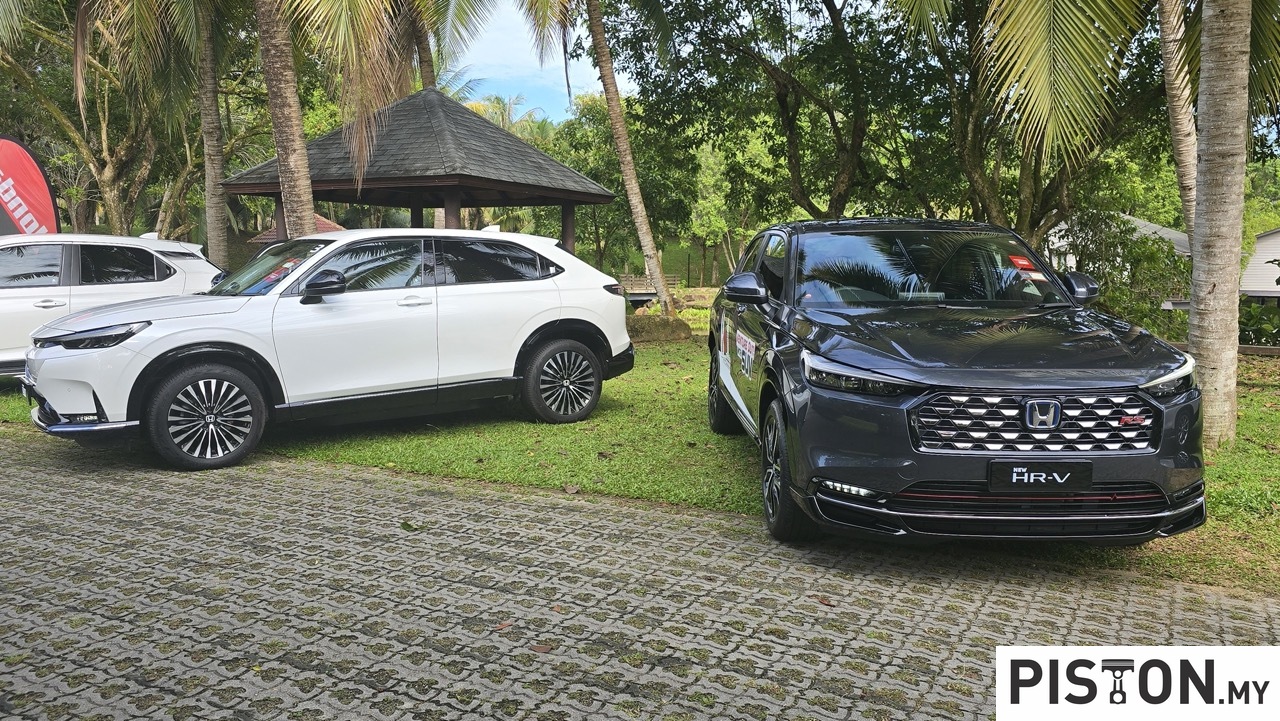
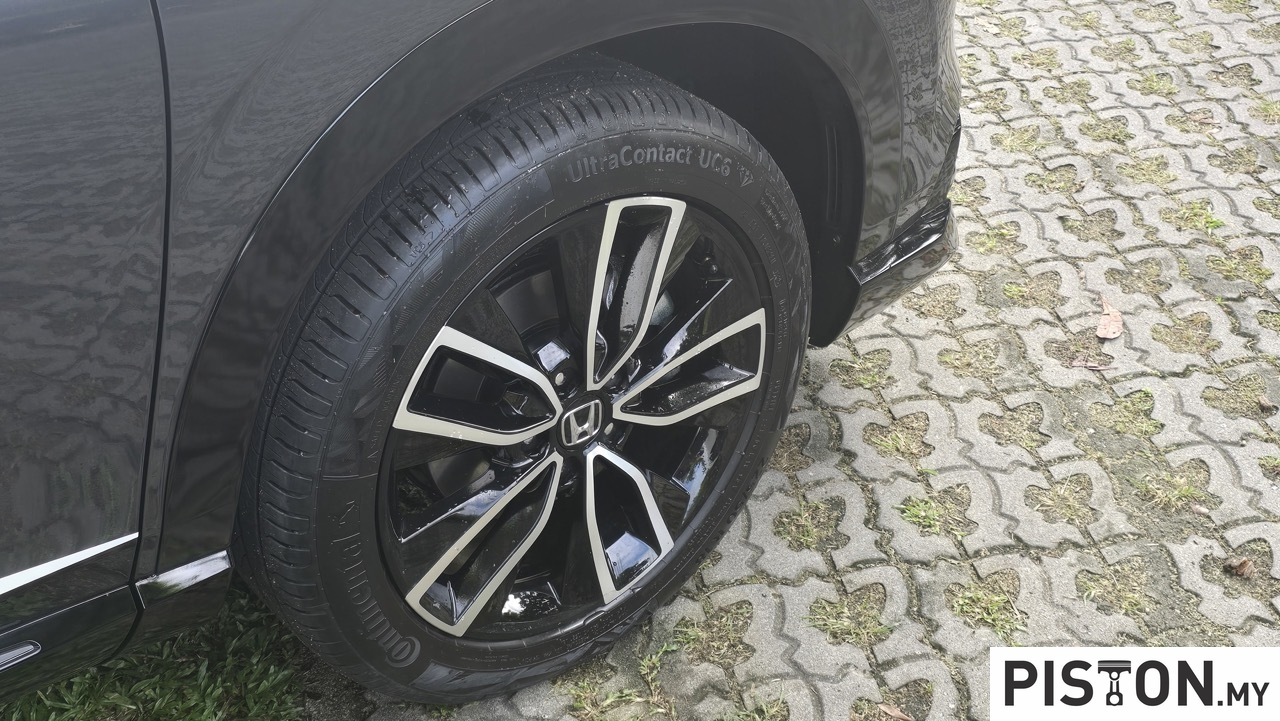
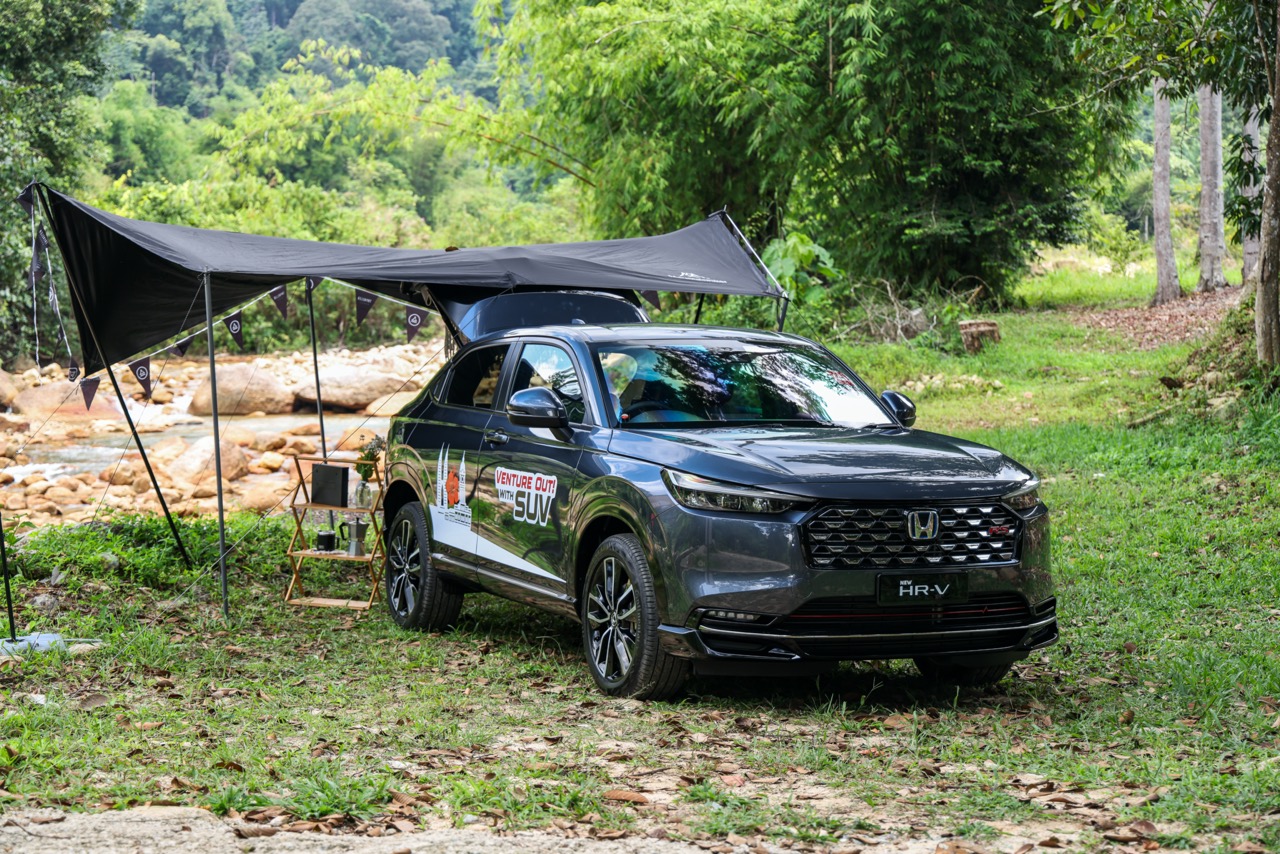
The front grille now has a bolder and wider design, flanked by slimmer LED headlamps that give the SUV a more assertive face. The new alloy wheel designs – 18 inches across all variants – provide a balanced mix of presence and practicality.

The changes may be subtle, but they collectively sharpen the HR-V’s look and ensure it keeps pace with newer rivals. It feels more premium without losing the familiarity that has endeared it to its existing fanbase. 
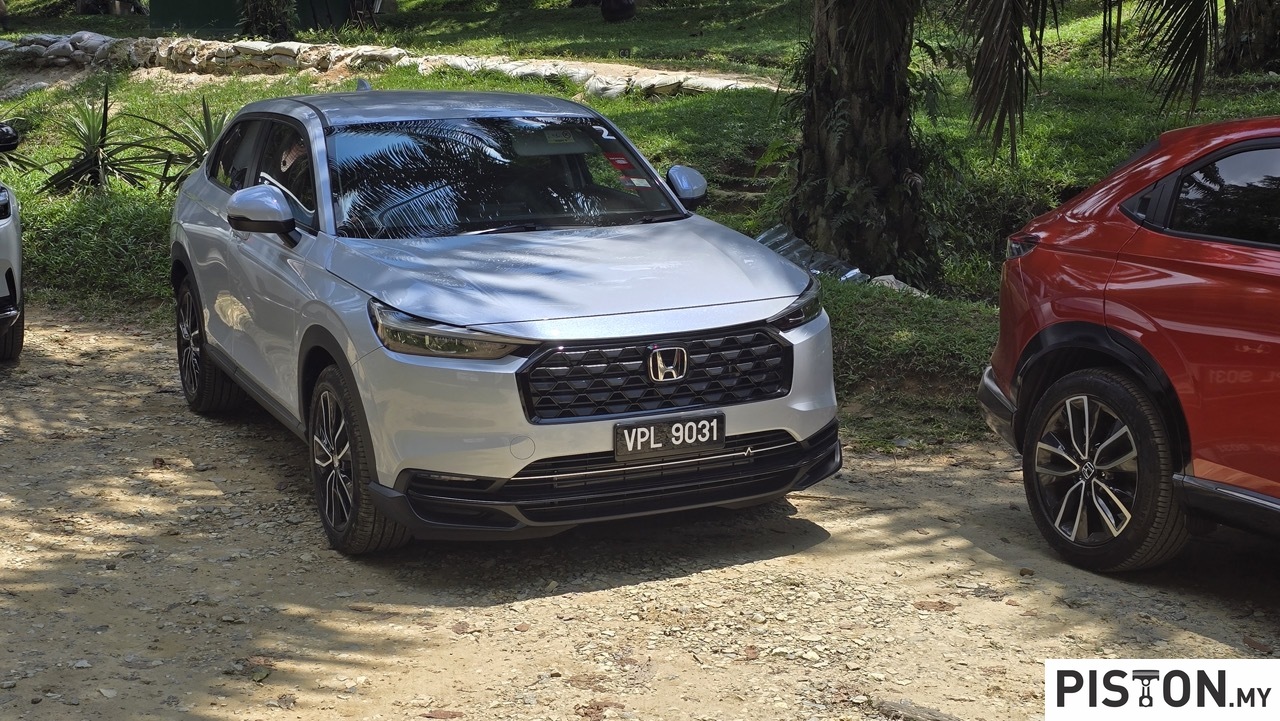
For buyers stepping into the showroom, the refreshed model appears like a natural evolution rather than a radical departure, which is likely exactly what Honda intended.

A Cabin Built for Daily Life

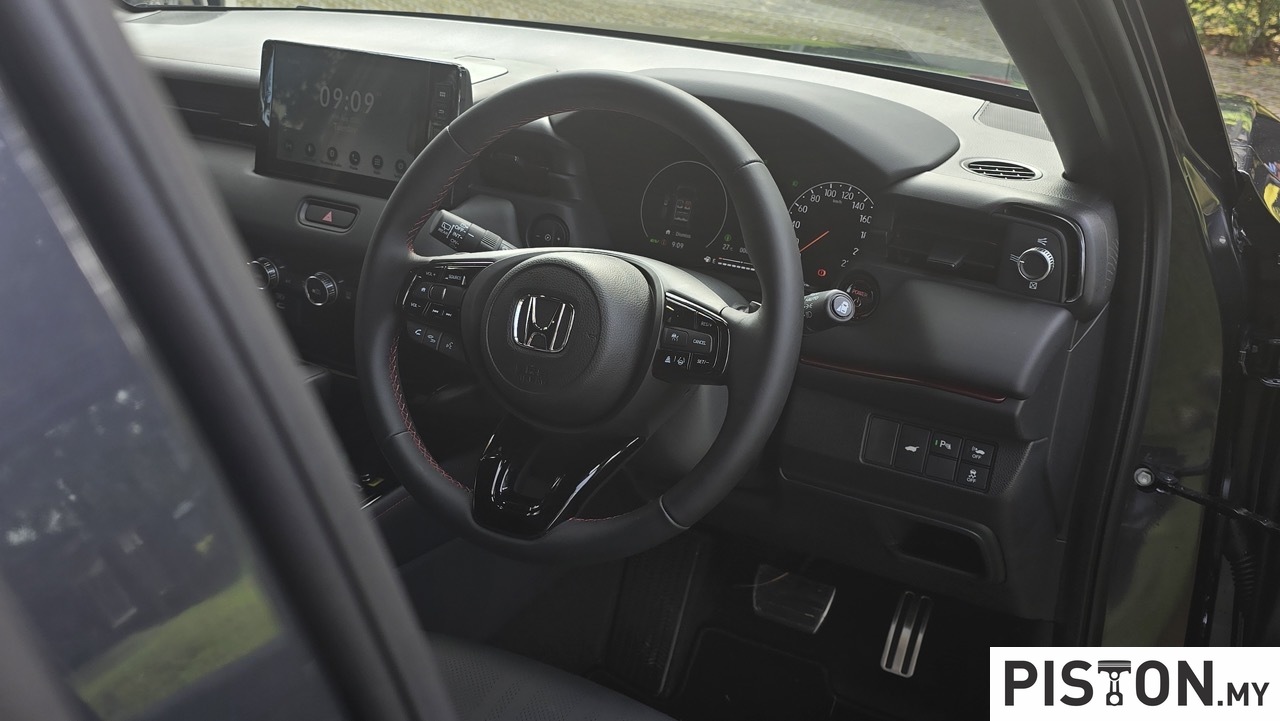
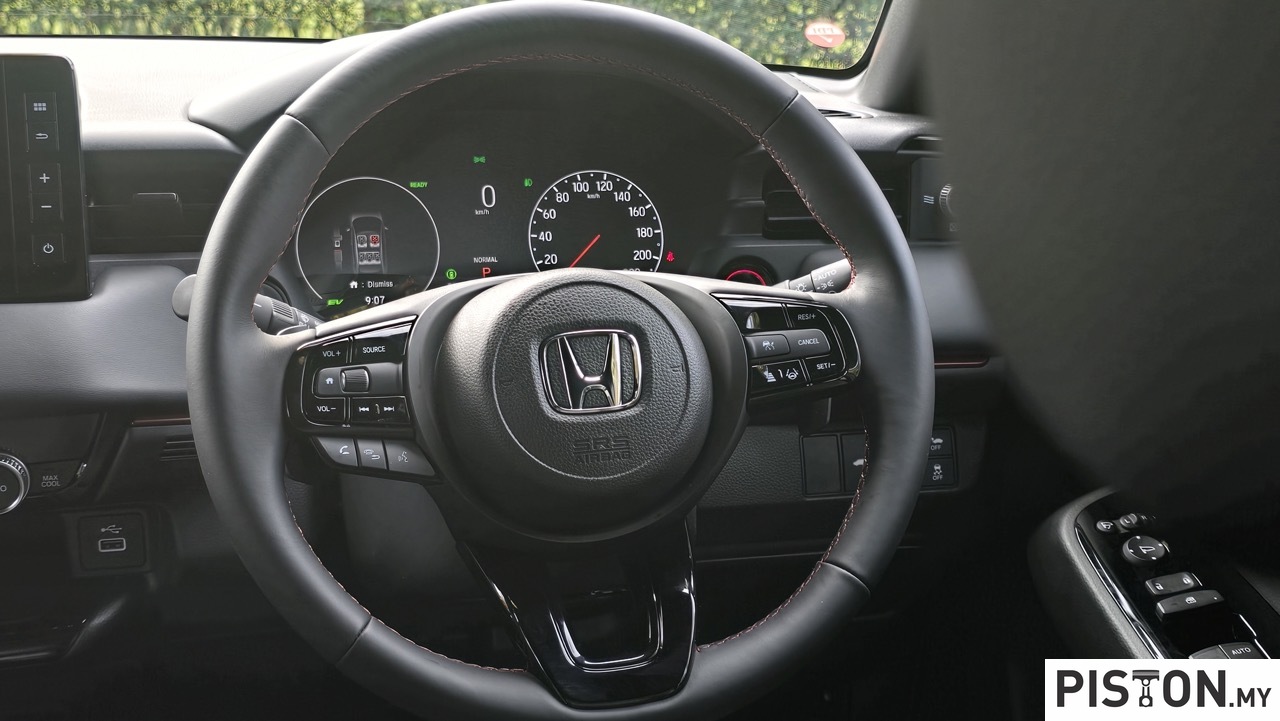
Inside, the HR-V remains one of the strongest in its class for cabin design and usability. The third-generation interior layout, carried over from the 2022 model, continues to impress with thoughtful ergonomics, well-placed controls, and the use of higher-quality materials. 
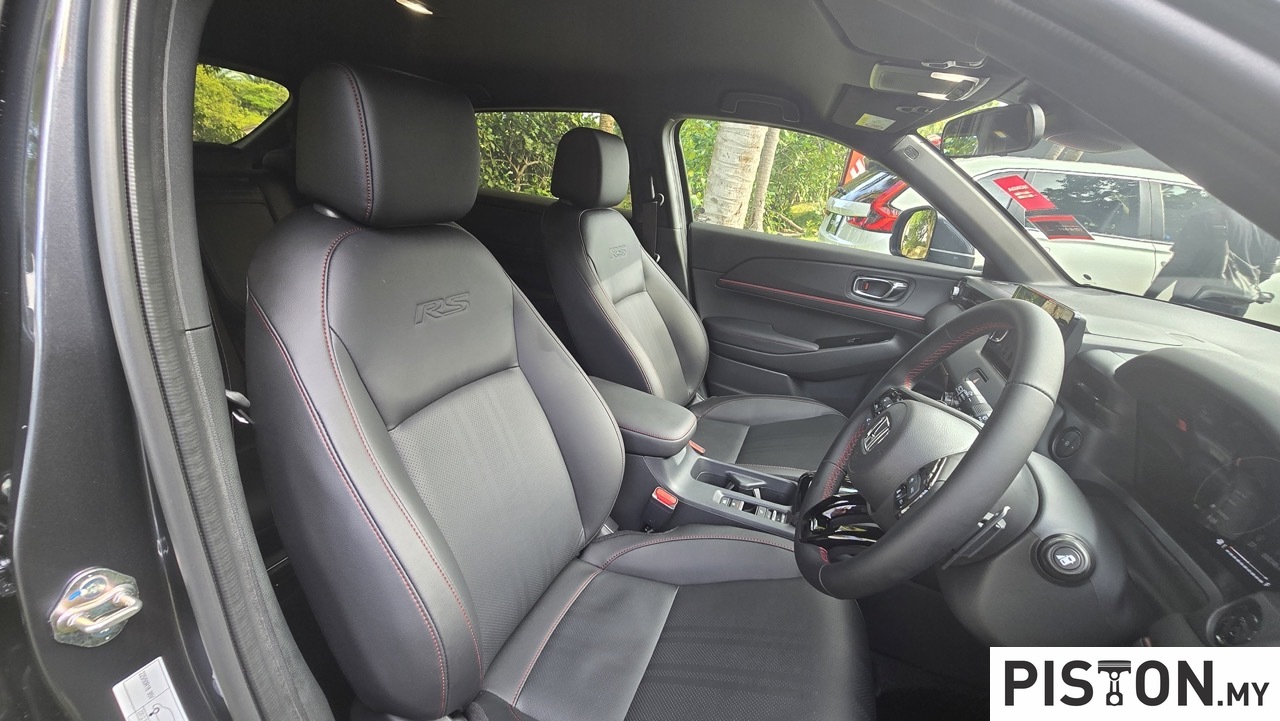
Soft-touch surfaces across the dashboard and door trims lift the overall ambience, while the two-tier centre console demonstrates Honda’s knack for delivering clever storage solutions.

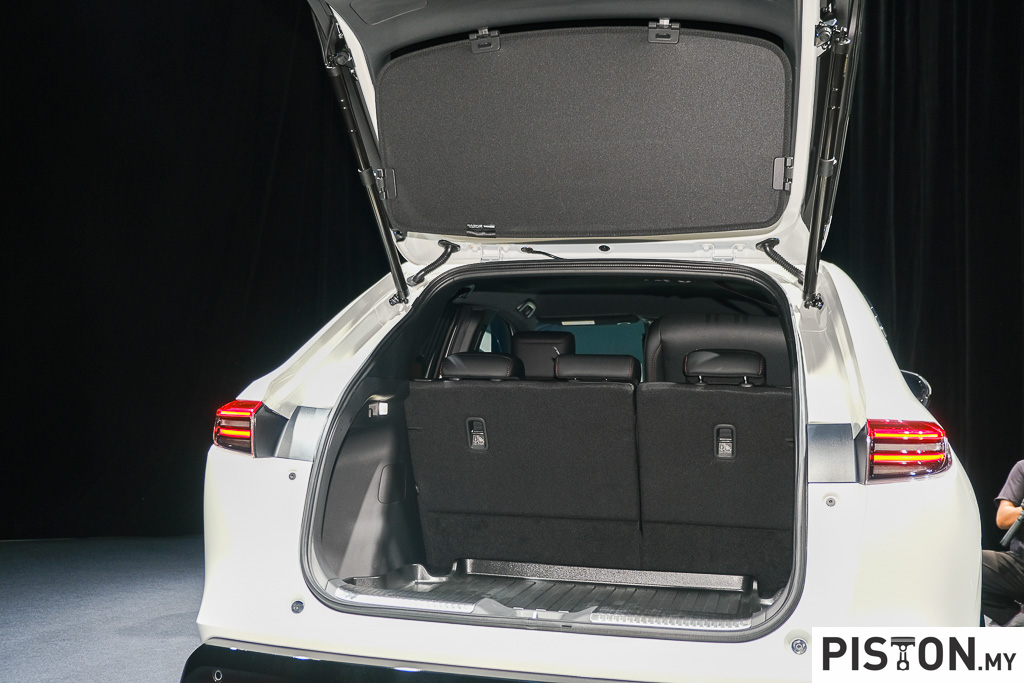
The Ultra Seat system – a longstanding Honda hallmark – once again sets the HR-V apart from many competitors. The ability to configure the rear seats in multiple ways, whether folding flat for bulky loads or flipping up to carry tall items, transforms the HR-V into a far more versatile vehicle than its dimensions might suggest. Boot space is generous, and the low loading lip makes it genuinely practical for family use.
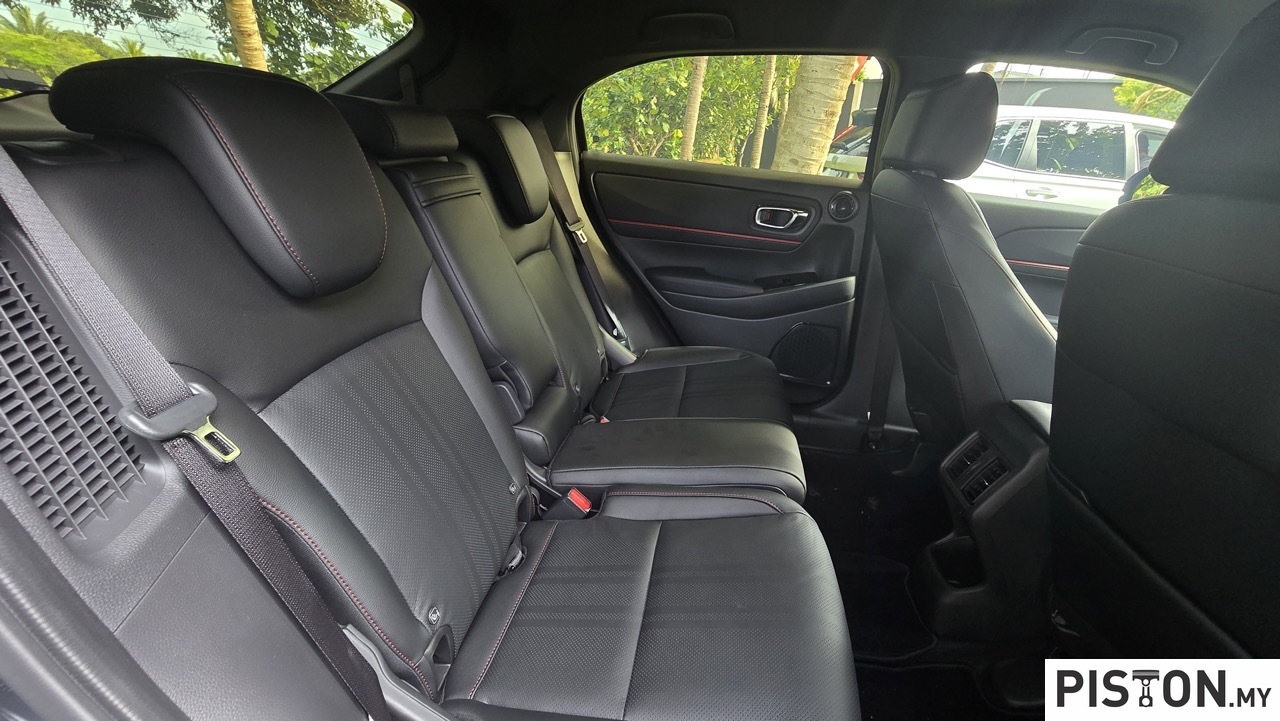
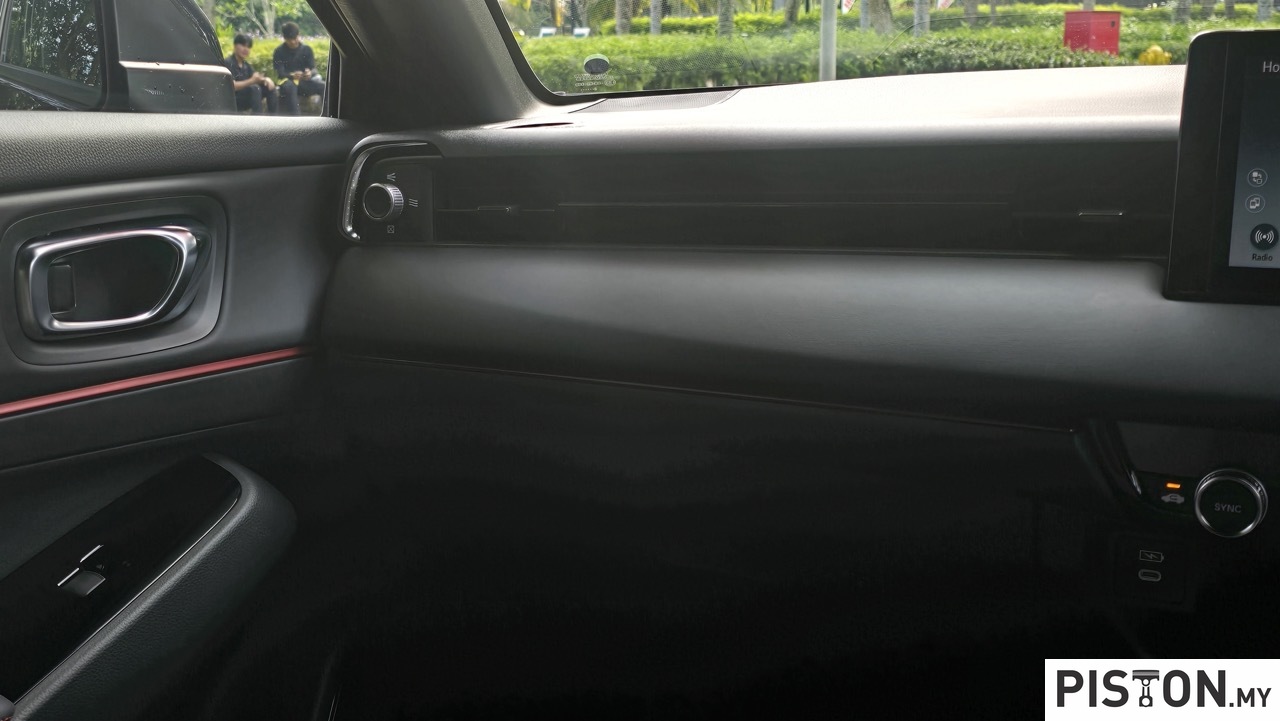
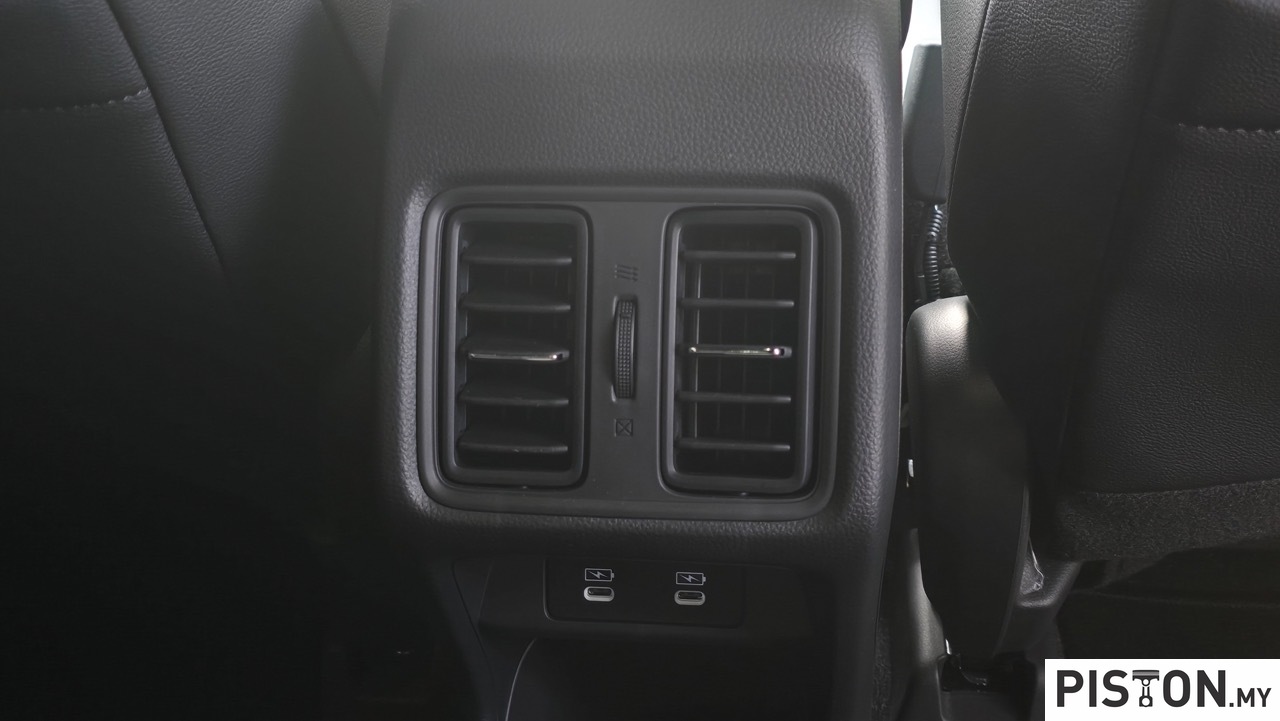
The Honda HR-V also has an Air Diffusion System that delivers a smoother and more comfortable cooling effect inside the cabin. By combining conventional airflow with a softer, diffused mode, it gives occupants flexible control over how air circulates. Paired with the uniquely designed L-shaped vents, the system distributes air naturally throughout the interior, enhancing overall comfort and setting it apart as one of the SUV’s signature features.

Connectivity and Convenience

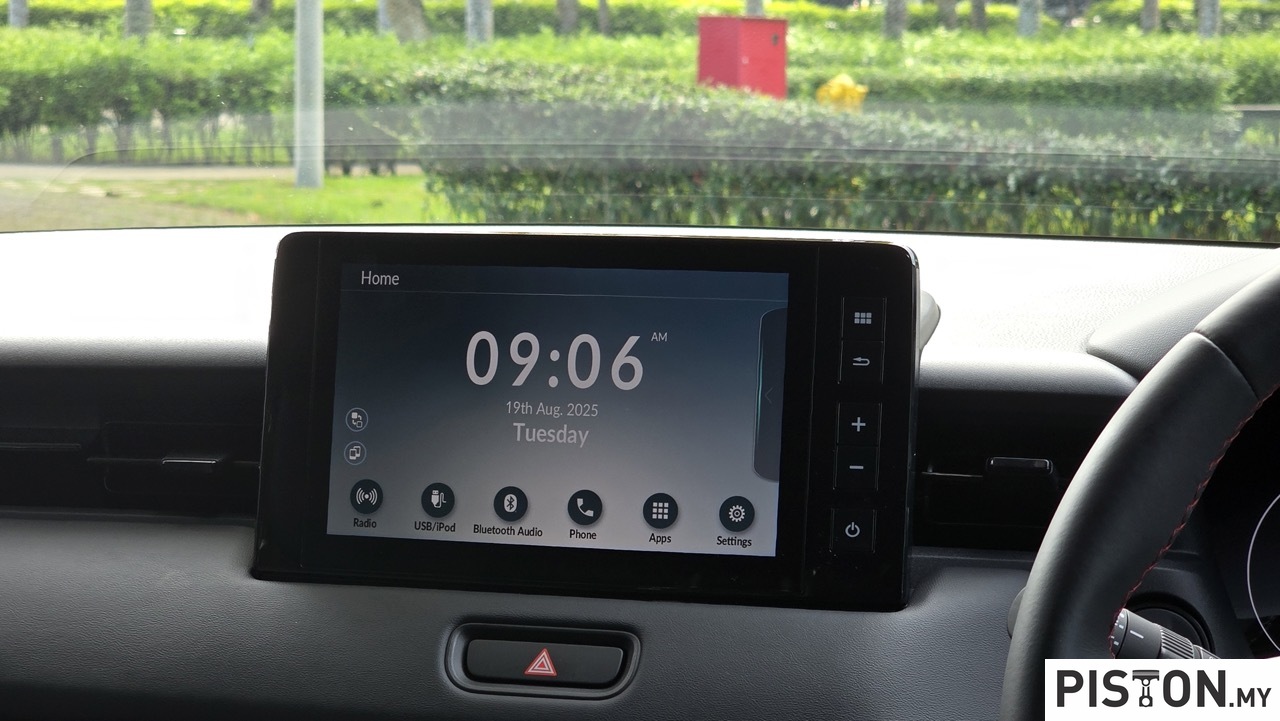
In an era where buyers expect their cars to keep them seamlessly connected, the HR-V delivers with an updated infotainment system. A crisp 8-inch touchscreen comes with Apple CarPlay and Android Auto integration. The system itself is more responsive and intuitive than before, reducing distraction when navigating through menus.
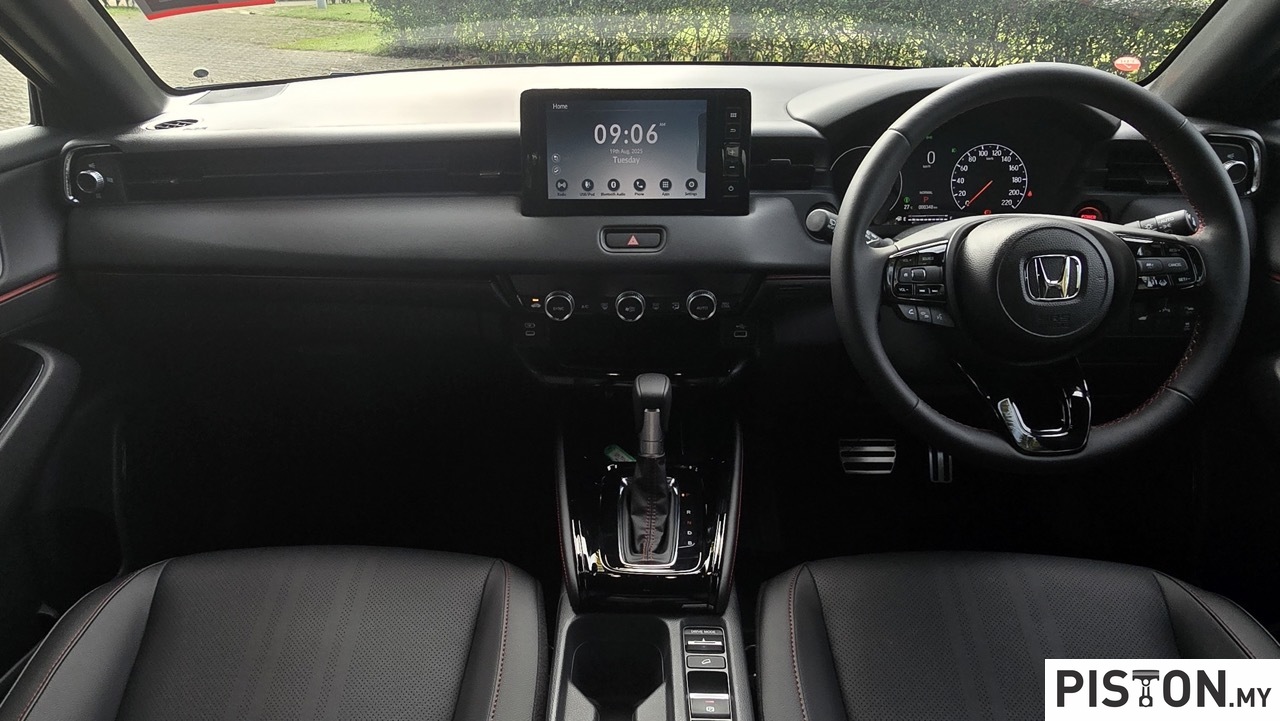
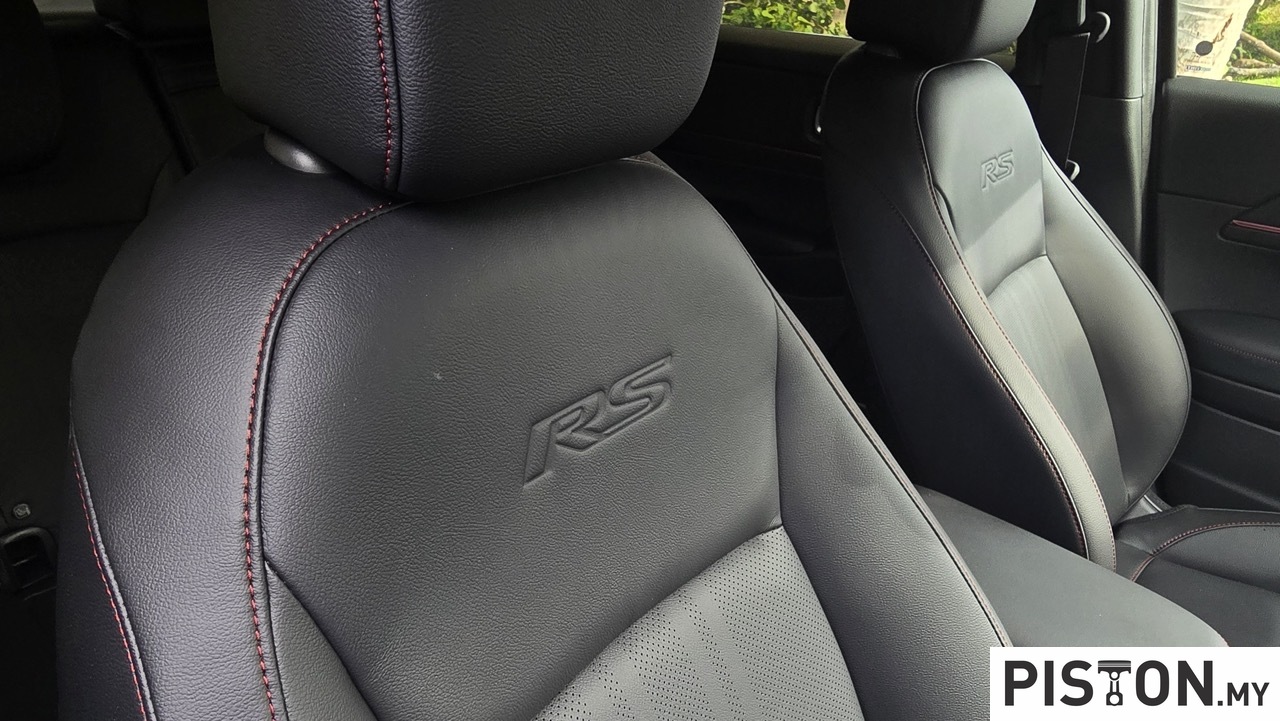
The higher-spec V and RS trims further enhance the experience with premium features such as dual-zone climate control, a wireless charging pad, and a more sophisticated audio system. 

Collectively, these additions push the HR-V closer to premium SUV territory, offering equipment levels that rival more expensive competitors. It’s a sign that Honda understands the changing expectations of Malaysian buyers, who are increasingly unwilling to compromise on technology even in compact SUVs.
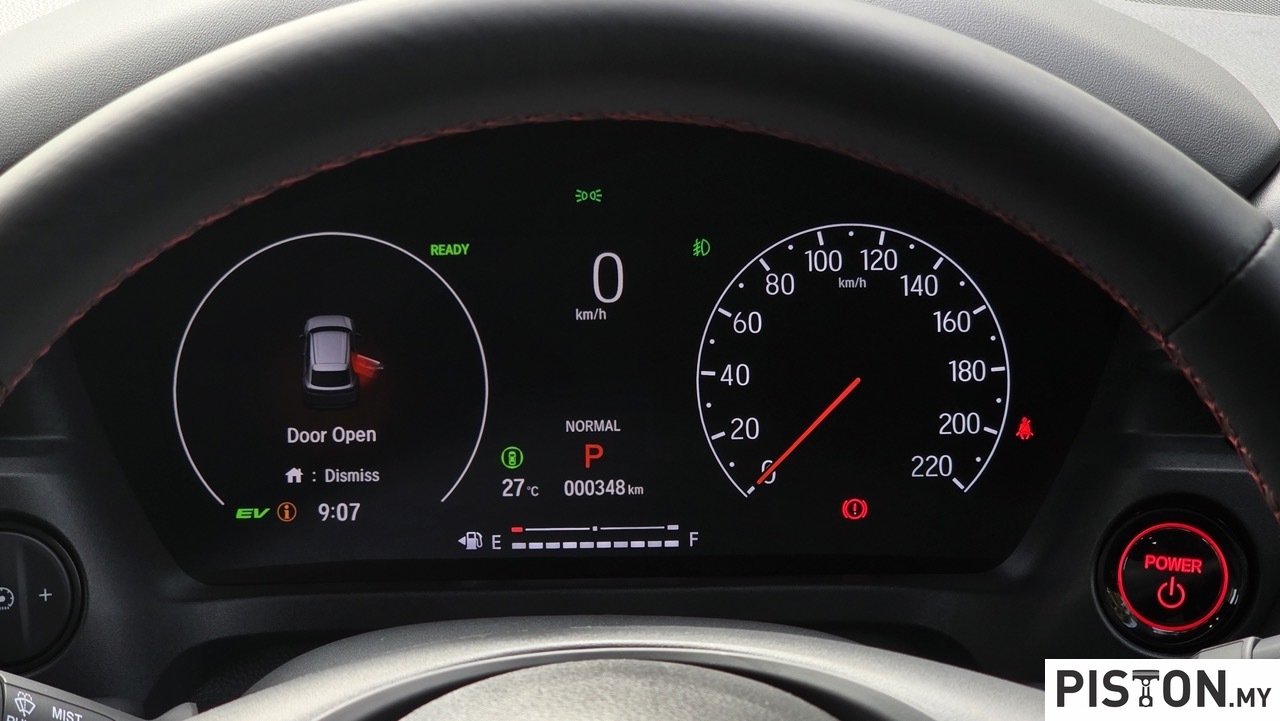
Two Distinct Personalities Under the Bonnet

We tested out two variants, the Turbo V and the e:HEV RS. The Turbo V is powered by a 1.5-litre turbocharged four-cylinder engine delivering 181PS and 240Nm of torque, paired with a CVT. On the road, it provides brisk and linear acceleration, making highway overtakes effortless. 

Switch into Sport mode and the throttle sharpens, giving the SUV a livelier feel that keen drivers will appreciate. While fuel economy is respectable at between 6.5 and 7.5 litres per 100km, it is clear that efficiency is not the Turbo V’s strongest suit. Instead, this variant appeals to those who prioritise performance and responsiveness in their daily drive.
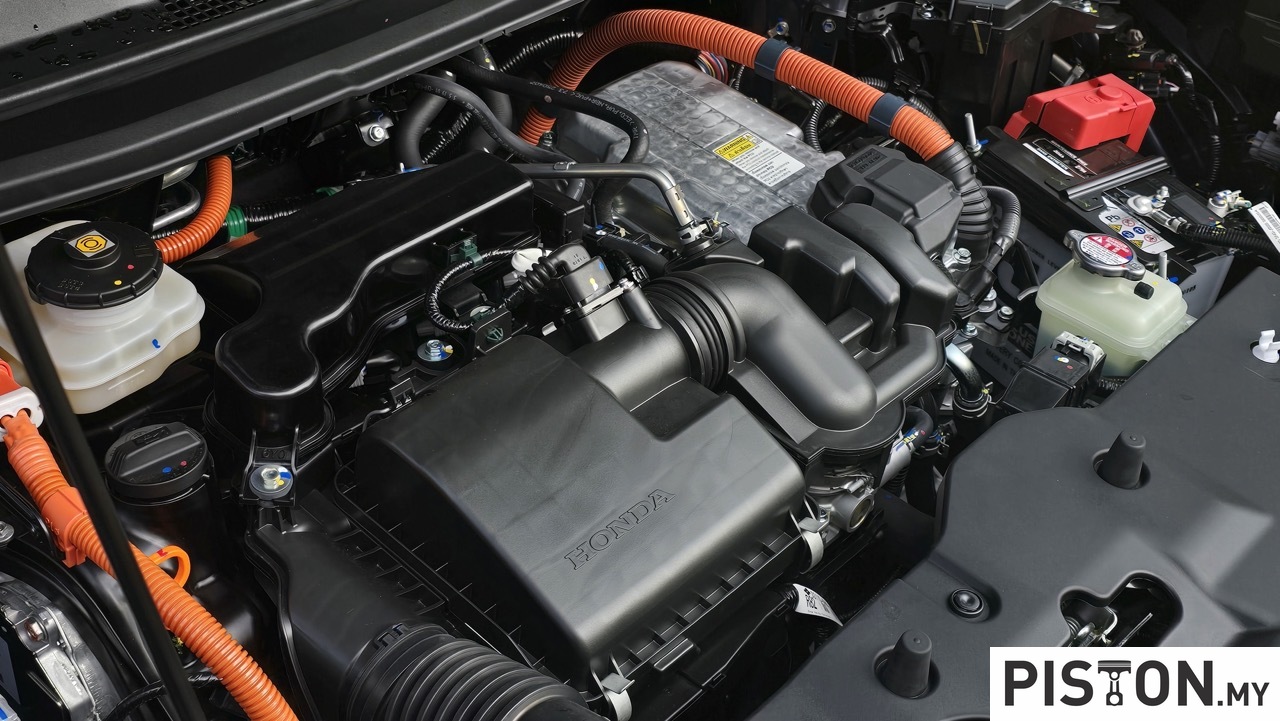
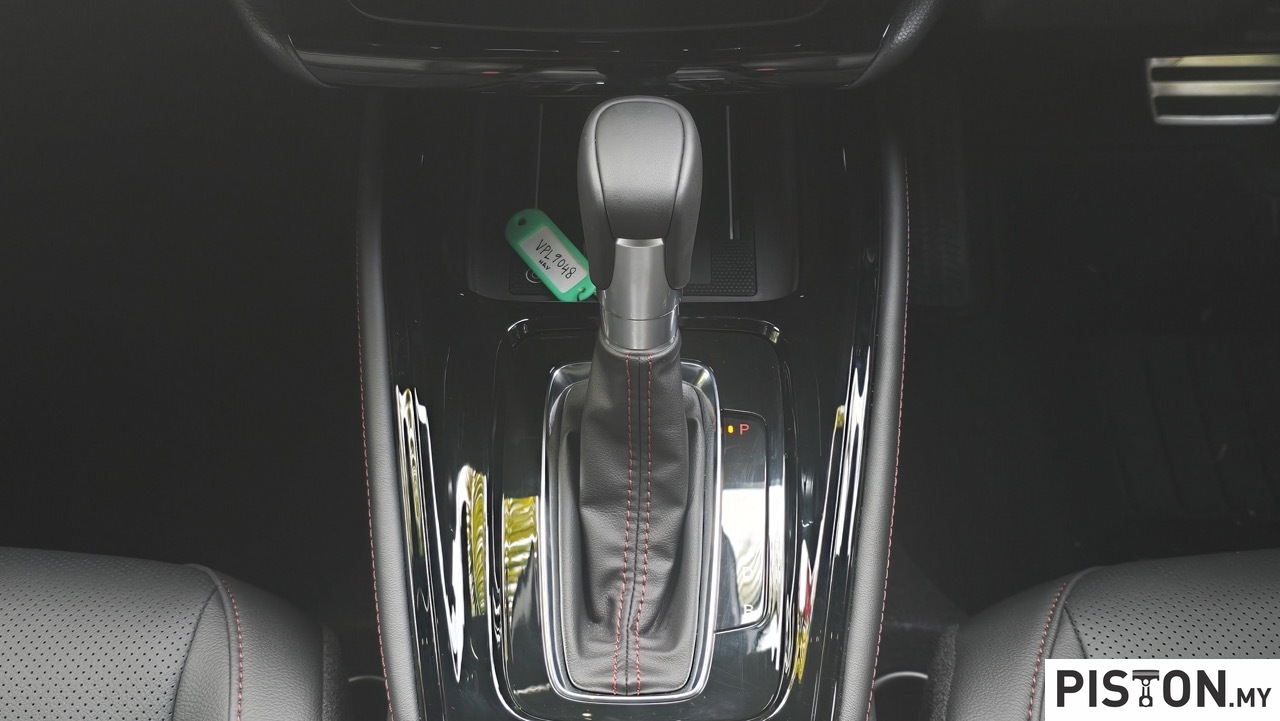
The RS e:HEV hybrid takes a different approach, combining a 1.5-litre Atkinson-cycle petrol engine with an electric motor that acts as a generator. The result is a system output of 131PS and 253Nm. Around town, the hybrid is a revelation, gliding almost silently on electric power at low speeds and delivering remarkable smoothness. Its trump card is efficiency: fuel consumption averages an excellent 4.0 to 4.5 litres per 100km, making it ideal for urban commuters.

However, when pushed hard, the hybrid’s limitations show. The e-CVT produces a noticeable drone under full throttle, and while acceleration is adequate, it lacks the outright punch of the Turbo V. For highway driving or spirited runs, it feels less satisfying, though its refinement in city use is undeniable.
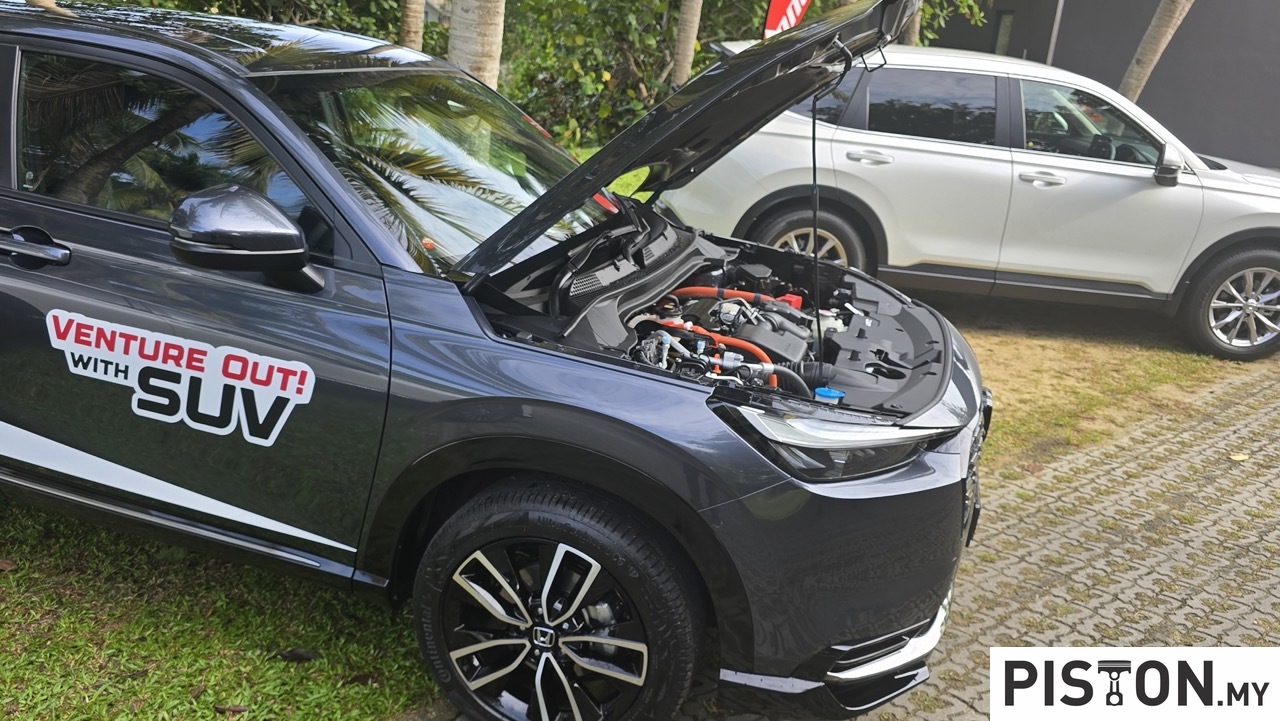
Both variants share the HR-V’s well-sorted chassis. The suspension strikes a fine balance, being firm enough to control body roll yet compliant enough to absorb bumps, potholes and some light off-roading. Steering is light and precise in town, becoming reassuringly weighted at higher speeds. The Turbo V feels more engaging during spirited drives, while the RS e:HEV excels in urban comfort.

Safety at the Core

Safety remains a cornerstone of Honda’s philosophy, and the HR-V continues to reflect that. Both variants come equipped with the Honda SENSING suite of advanced driver assistance systems. This includes adaptive cruise control, lane keeping assist, collision mitigation braking, and traffic jam assist.
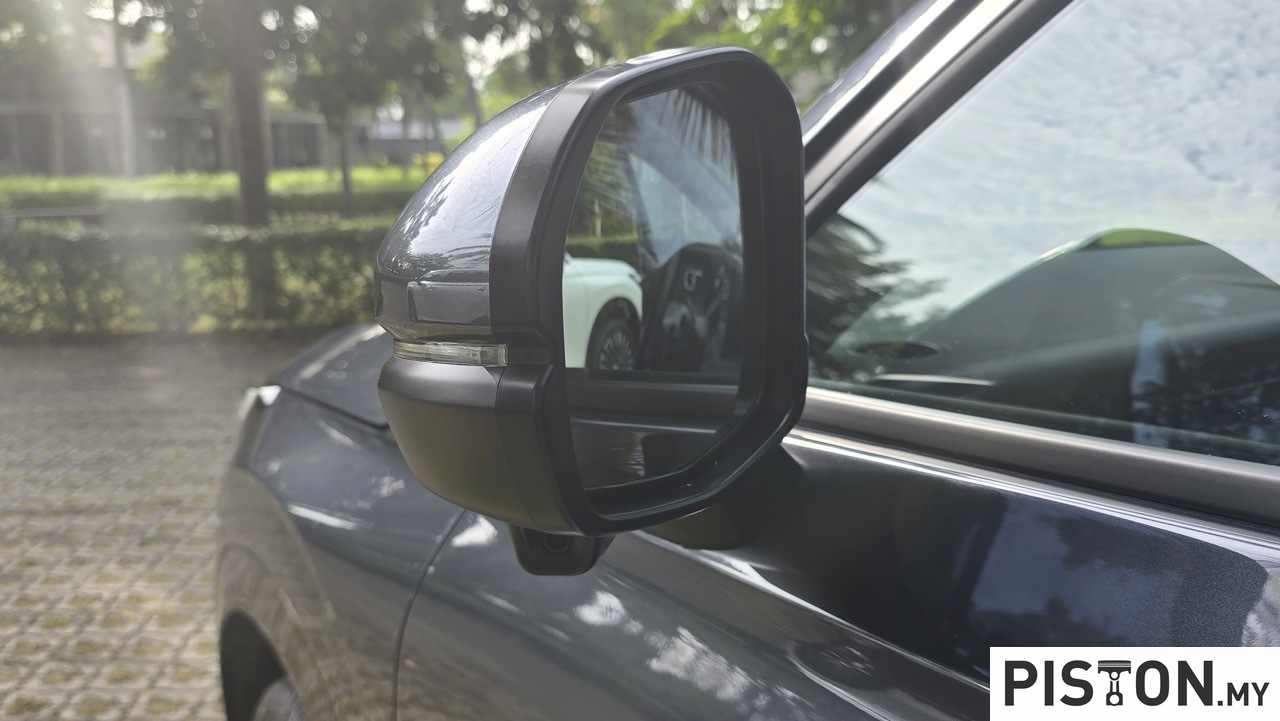
The Turbo V includes Honda’s LaneWatch camera, offering a live feed of the blind spot when indicating. The RS e:HEV, meanwhile, comes with more advanced Matrix LED headlights with active cornering, enhancing night-time visibility. Both variants also feature six airbags, stability control, and ISOFIX mounts as standard, ensuring strong occupant protection across the board.

Value for Money

The HR-V 1.5 Turbo V is priced at RM137,900, while the RS e:HEV comes in at RM143,900. For the additional RM6,000, the hybrid brings greater efficiency, advanced lighting, dual-zone climate control, and enhanced refinement. The Turbo V, however, offers more engaging performance, a lower purchase price, and the practicality of a spare tyre instead of just a repair kit.
Ultimately, the decision between the two comes down to priorities. Drivers who enjoy performance and seek a more connected feel behind the wheel will gravitate towards the Turbo V. Those who value refinement, efficiency, and premium features will find the RS e:HEV the smarter long-term choice, particularly for urban commuting.

Refinement Over Revolution

The 2025 Honda HR-V is not a radical reinvention of the model. Instead, it is a careful refinement of an already successful formula. The exterior updates freshen its appearance without alienating loyal fans, the interior continues to impress with its versatility and quality, and the technology and safety features meet the expectations of today’s buyers.
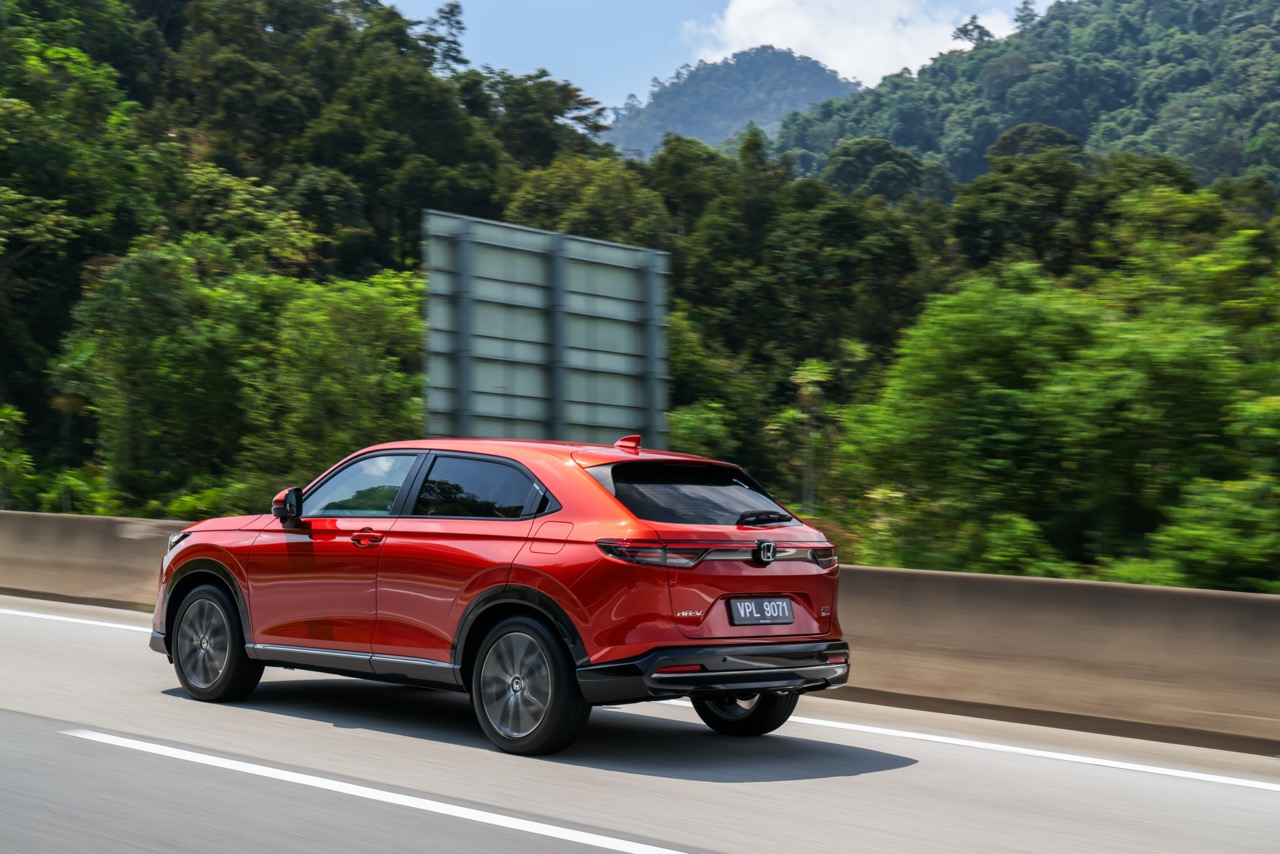
Crucially, the two powertrains offer distinct personalities, giving customers a genuine choice depending on their lifestyle. Whether you want the lively punch of the Turbo V or the smooth efficiency of the RS e:HEV, the HR-V remains a benchmark in the segment.

In a market where new rivals emerge regularly, the HR-V’s ability to adapt and evolve ensures it stays relevant. It may not break new ground, but it reaffirms why Honda’s compact SUV has become such a staple of Malaysian roads – a blend of style, substance, and everyday usability that continues to strike the right balance.
Specifications:

Turbo V

Engine: 1.5 litre DOHC VTEC Turbo engine

Power: 181 PS at 6,600 rpm, 240 Nm from 1,700 and 4,500 rpm

Transmission: CVT

Suspension: MacPherson strut (Front) / Torsion beam (Rear)

Price: RM137,900

We like: Power delivery and comfort

We don’t like: Fuel consumption could be better

e:HEV RS

Engine: 1.5 litre DOHC i-VTEC engine i-VTEC (Atkinson Cycle) with electric motor

Power: 107 PS from 6,000 to 6,400 rpm, 131 Nm from 4,500 to 5,000 rpm

Transmission: e-CVT

Suspension: MacPherson strut (Front) / Torsion beam (Rear)

Price: RM137,900

We like: Driving range and comfort

We don’t like: Droning noise during hard acceleration

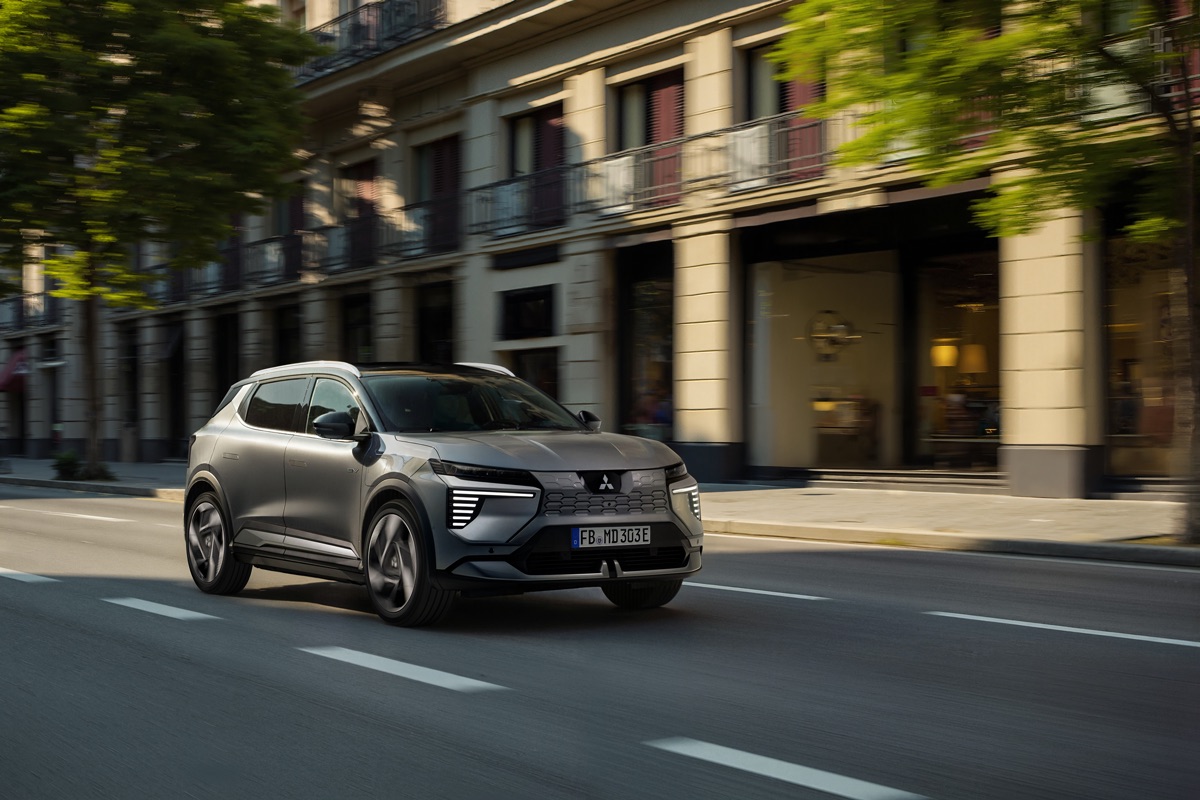
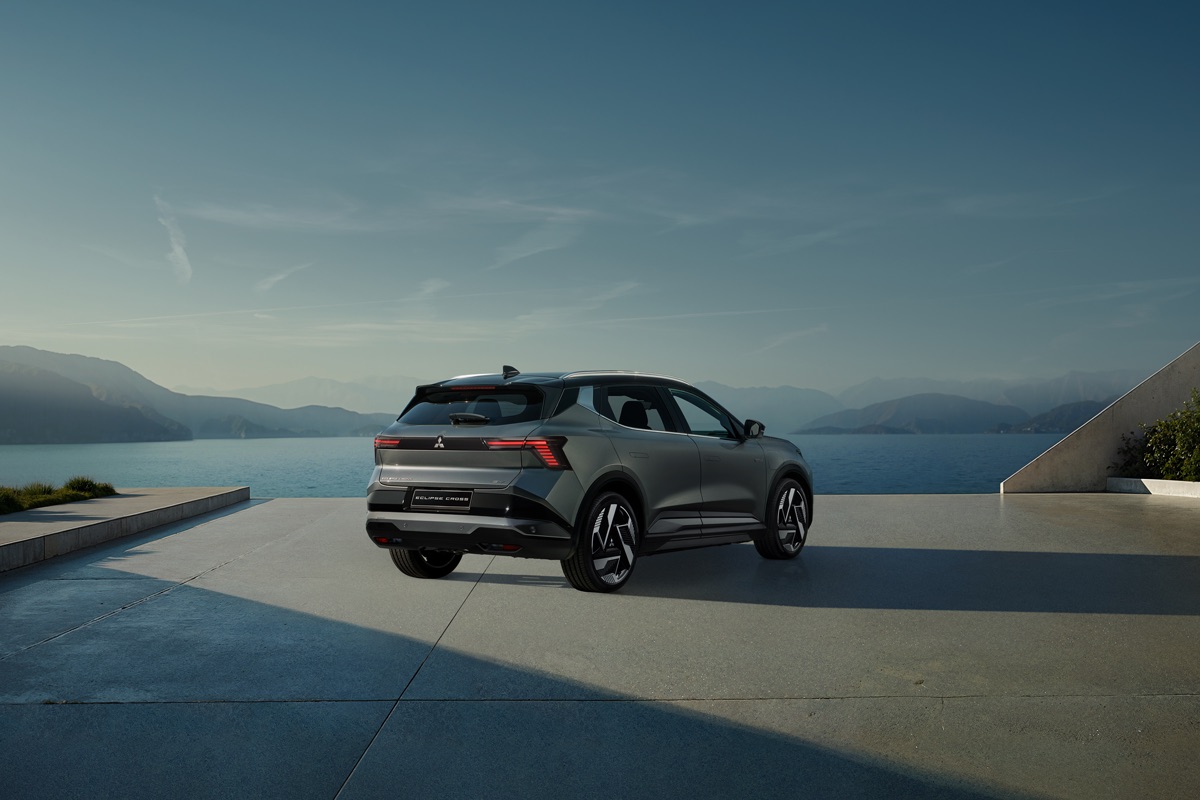
Mitsubishi Motors is gearing up to introduce the all-new Eclipse Cross battery electric vehicle (BEV) to Europe before the end of 2025. Production will take place at Renault’s ElectriCity Douai Plant in France, the EV hub of the Renault Group, under the company’s existing OEM agreement.

This latest model follows the ASX compact SUV, Colt hatchback and Grandis SUV, all of which were also developed with Renault. Built on the CMF-EV platform, the new Eclipse Cross has been designed as a pure BEV, combining Mitsubishi’s familiar design identity with the performance and efficiency required by European buyers.

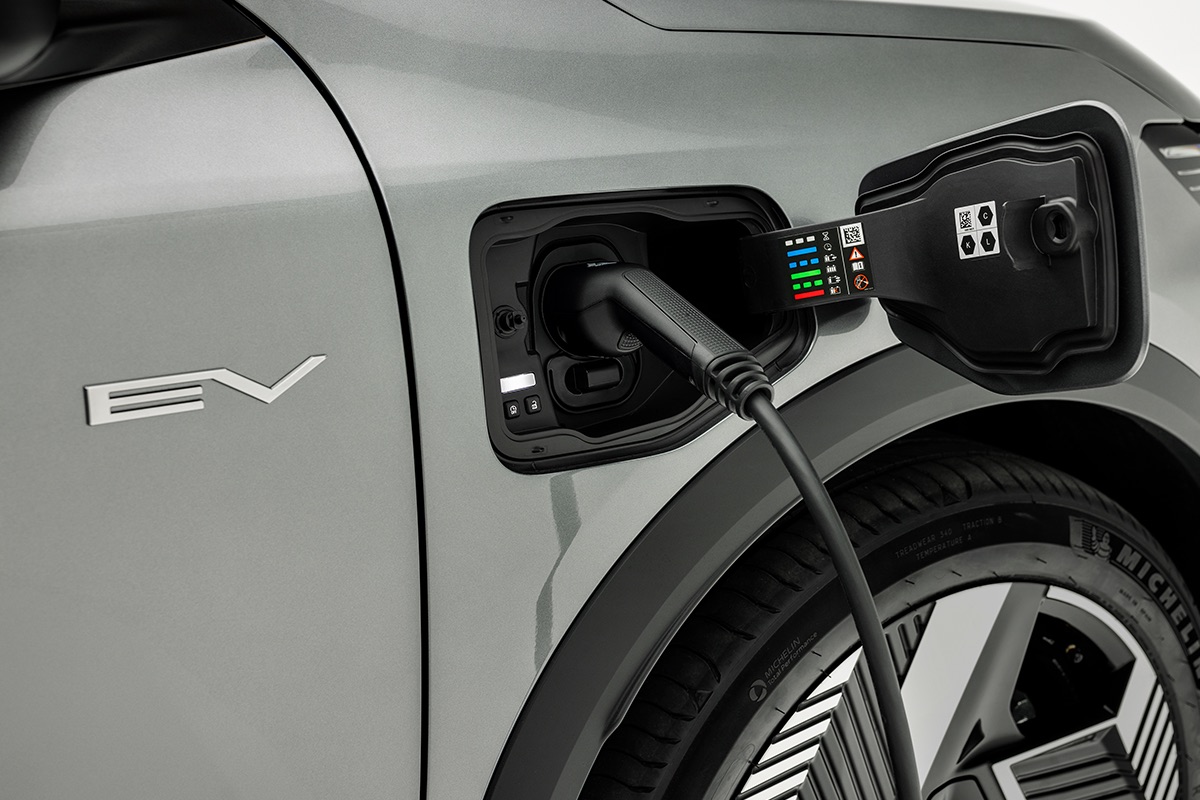
The SUV promises a driving range of around 600km on a single charge, aided by an 87 kWh battery pack. Its electric motor produces up to 214hp and 300Nm of torque, delivering the instant pull EVs are known for. Drivers will also benefit from four selectable levels of regenerative braking via paddle shifters and a one-pedal driving function for effortless city commutes.

Charging options include AC charging up to 22 kW and DC fast charging at 150 kW. A medium-range version, aimed at more cost-conscious buyers, is scheduled to follow in 2026.

(more…)

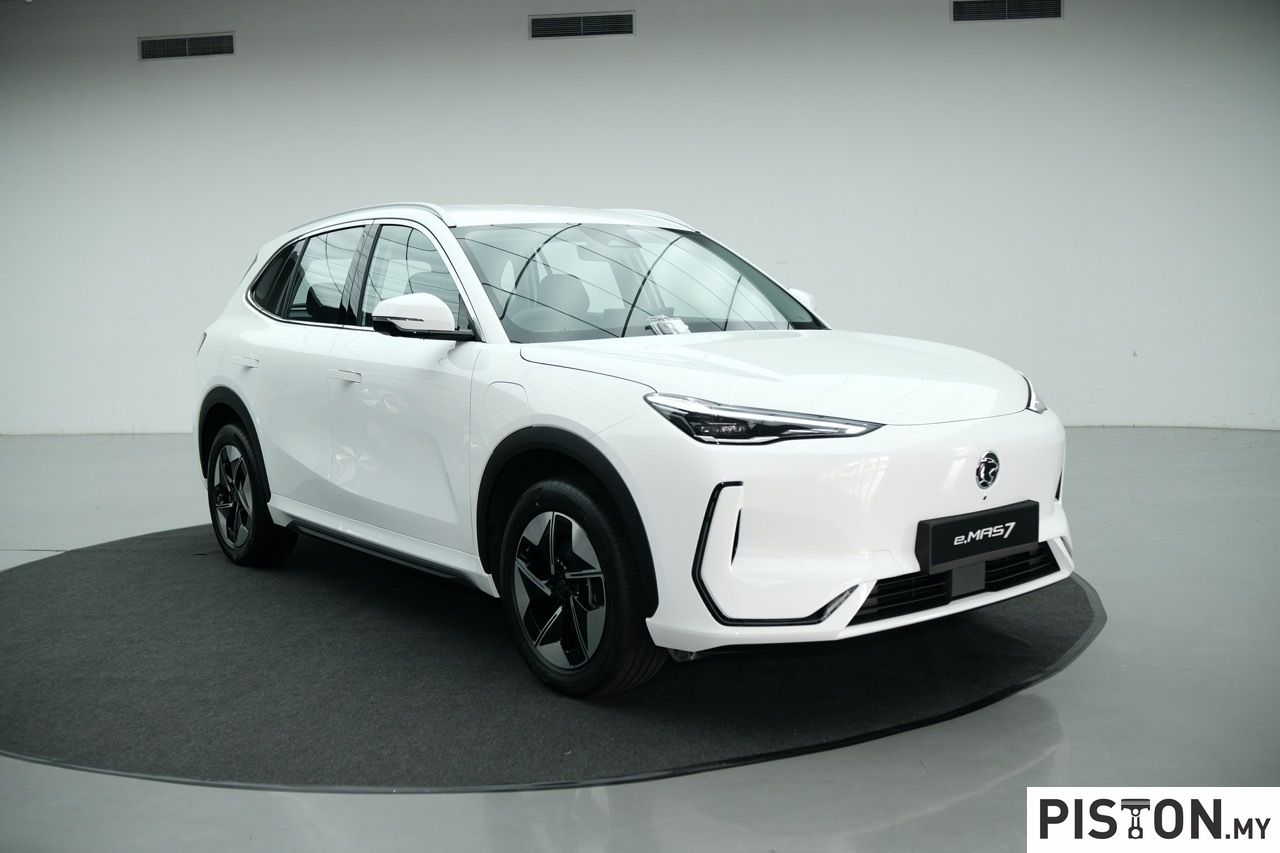
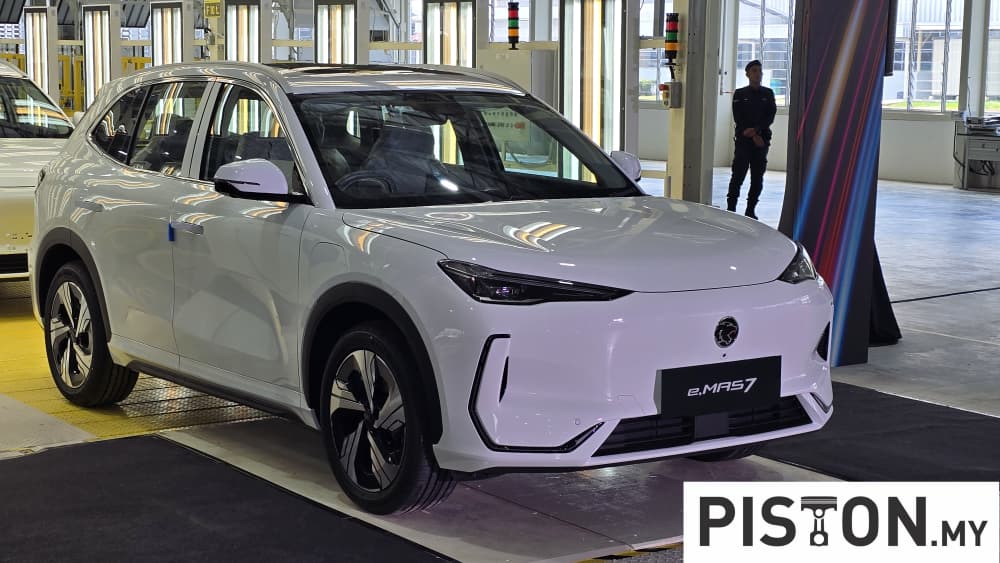
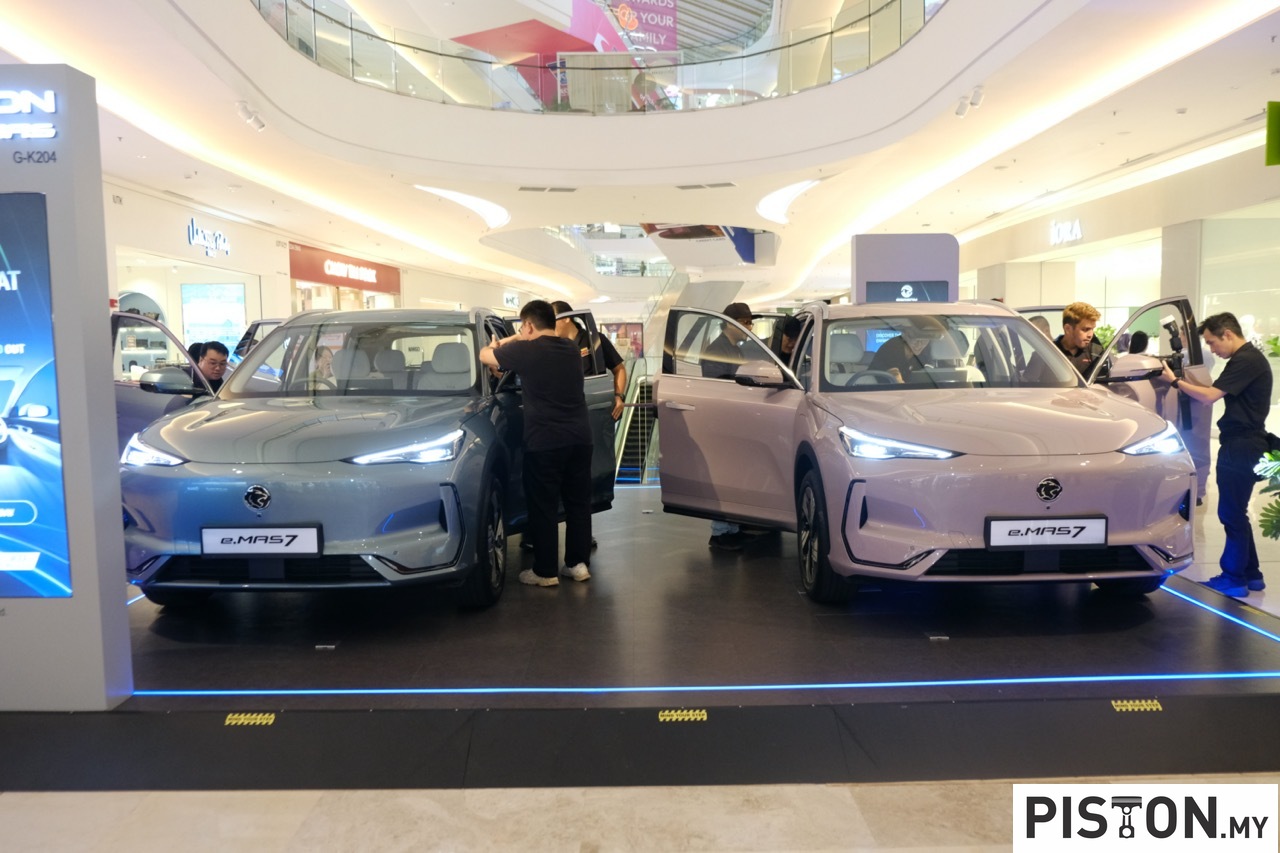
Proton has launched its first electric vehicle, the e.MAS 7, in Singapore, making the brand’s third overseas market for its debut EV. The event also signalled Proton’s return to the city-state after an absence of more than a decade.

The launch brought together senior representatives from Proton and its distributor VINCAR Group, including Proton CEO Dr Li Chunrong, VINCAR CEO Vincent Tan, Proton International Corporation CEO Edmund Lim Meng Thong, PRO-NET CEO Zhang Qiang, and Proton Deputy CEO Ainol Azmil bin Abu Bakar. Officials from the Malaysian High Commission, members of the Singapore media, and VINCAR customers were also present.
(more…)

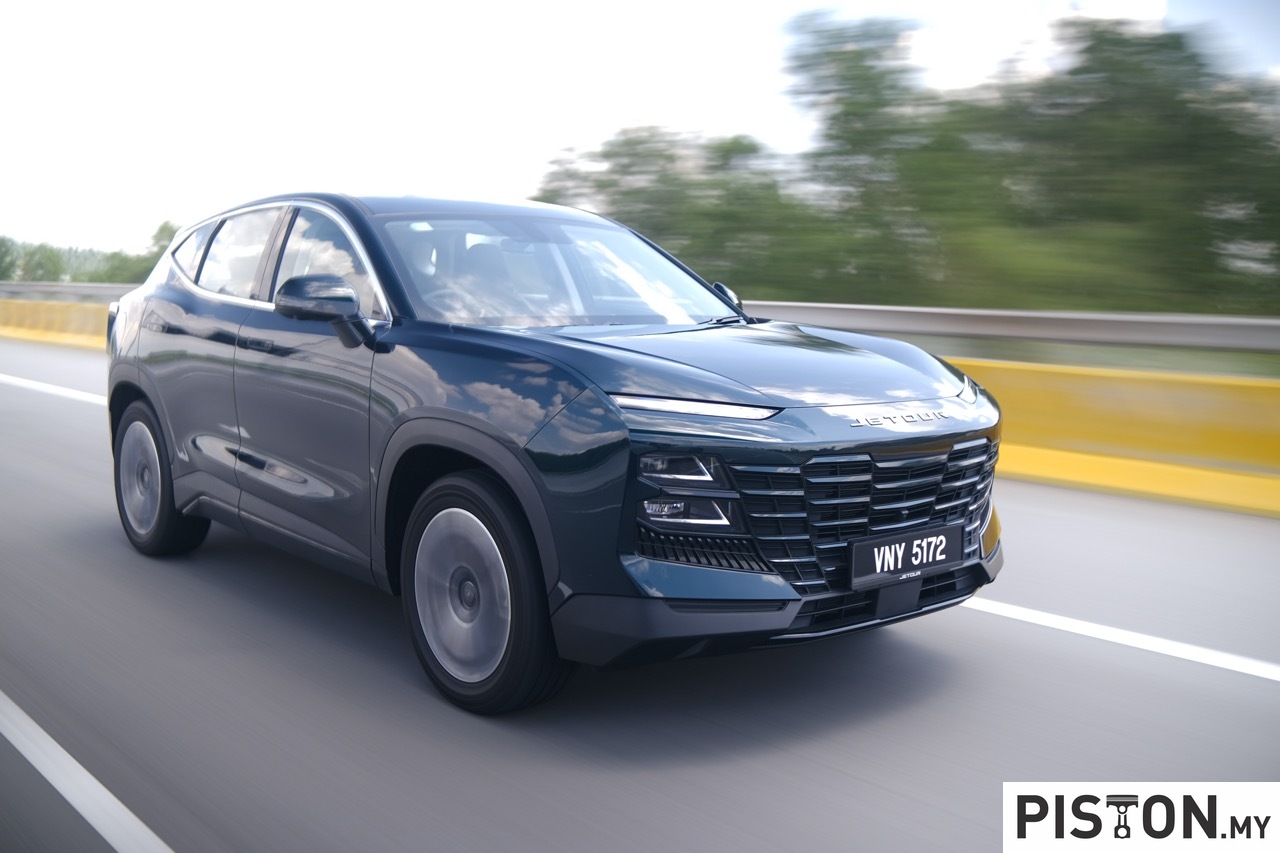
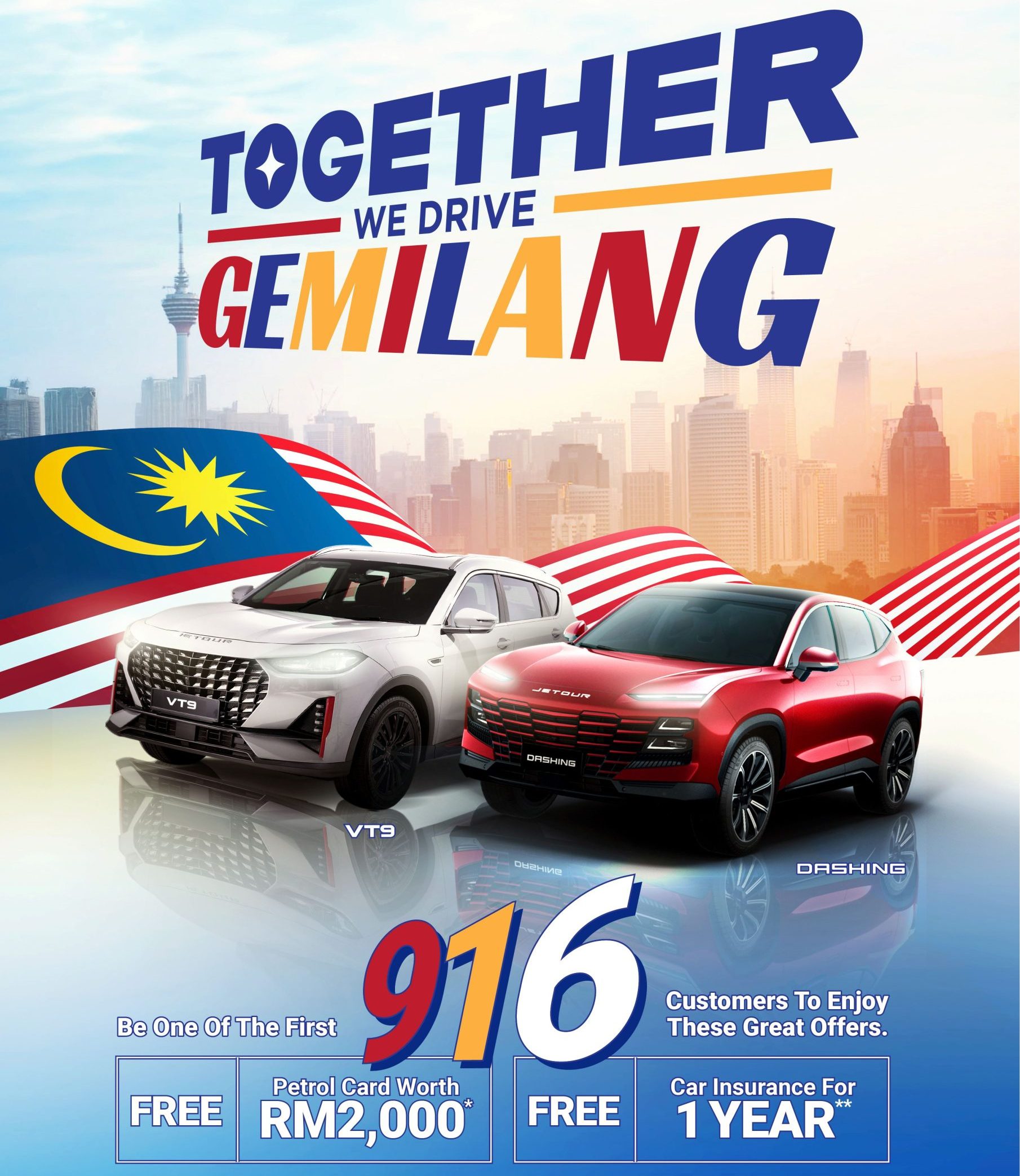
Jetour Malaysia is celebrating Malaysia Day this year by giving back to local customers in a big way. The brand has rolled out petrol rewards worth more than RM1 million, available throughout September, as part of a nationwide initiative to thank Malaysians for their support.

The campaign is straightforward: the first 916 customers will receive an RM2,000 petrol card along with one year of complimentary comprehensive insurance. Civil servants are also being recognised through the Pride of the Nation Programme, which offers them an additional three per cent rebate on top of existing monthly promotions. Jetour says these gestures are designed to deliver meaningful benefits to families while paying tribute to those who serve the community.
The celebrations continue this weekend at KLCC, where Jetour takes on the role of Key Sponsor and Official Car Partner of the Malaysia Sarong Music Run 2025. Visitors to the event can explore the brand’s showcase, engage with product specialists, and arrange test drives or assistance with redeeming the September offers.

(more…)

Toyota Gazoo Racing (TGR) has introduced an updated version of the GR Corolla, with orders now available at Toyota dealers in Japan, ahead of sales commencing on November 3.

Structural and Cooling Upgrades

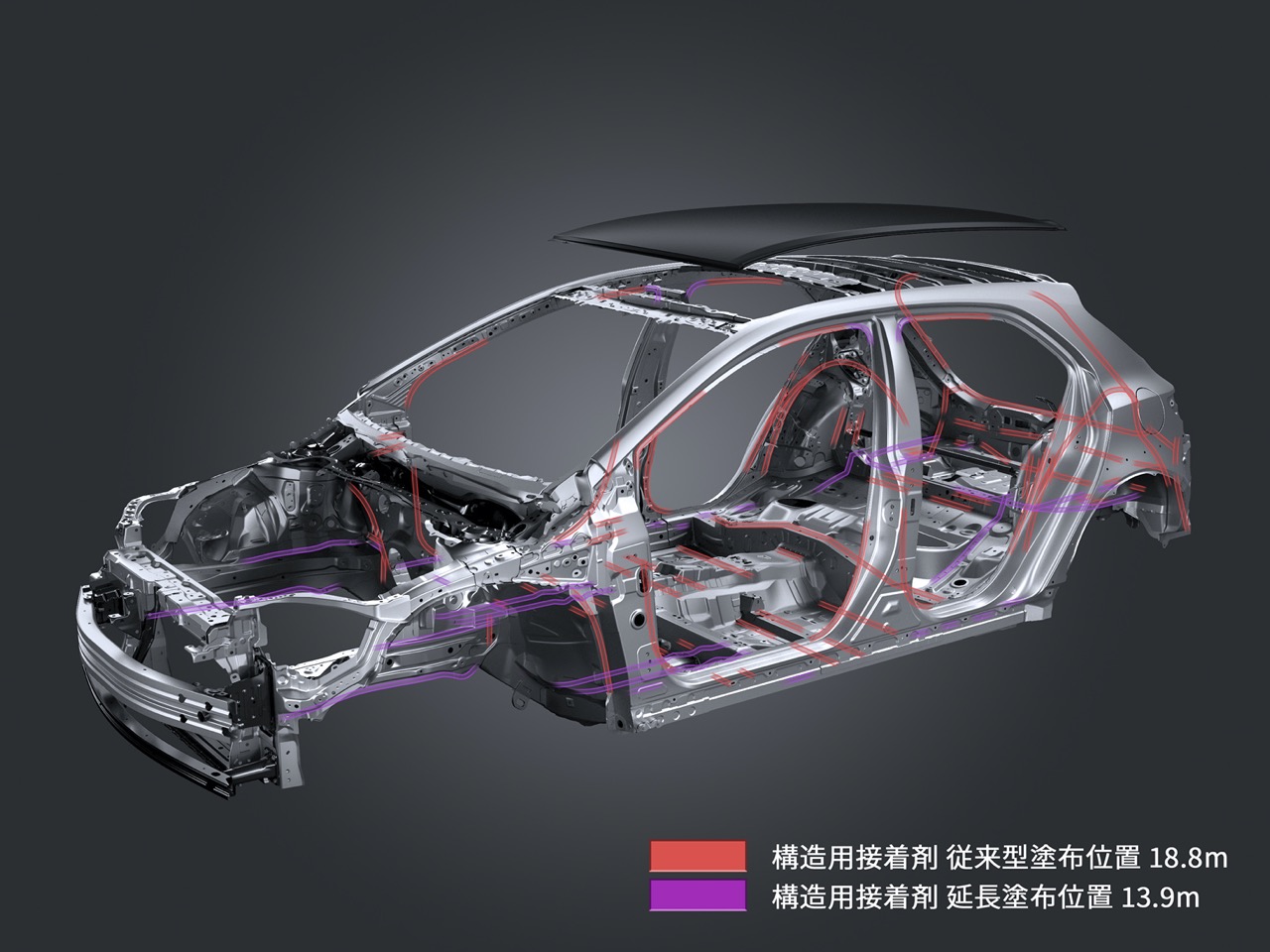
The revised GR Corolla comes with a stiffer body and improved intake cooling. Structural adhesive now extends to 32.7 metres of the chassis—almost 14 metres more than before—mainly around the front, floor, and rear wheel wells. This makes the body more rigid without adding significant weight, helping the car remain composed whether on city streets or race circuits.

To ensure stable performance under heavy load, Toyota has added a high-speed cooling duct to the intake system. By pulling cool air directly from the grille, the duct lowers intake temperatures during sustained hard driving, keeping the 1.6-litre G16E-GTS turbo engine performing consistently at full output.

(more…)

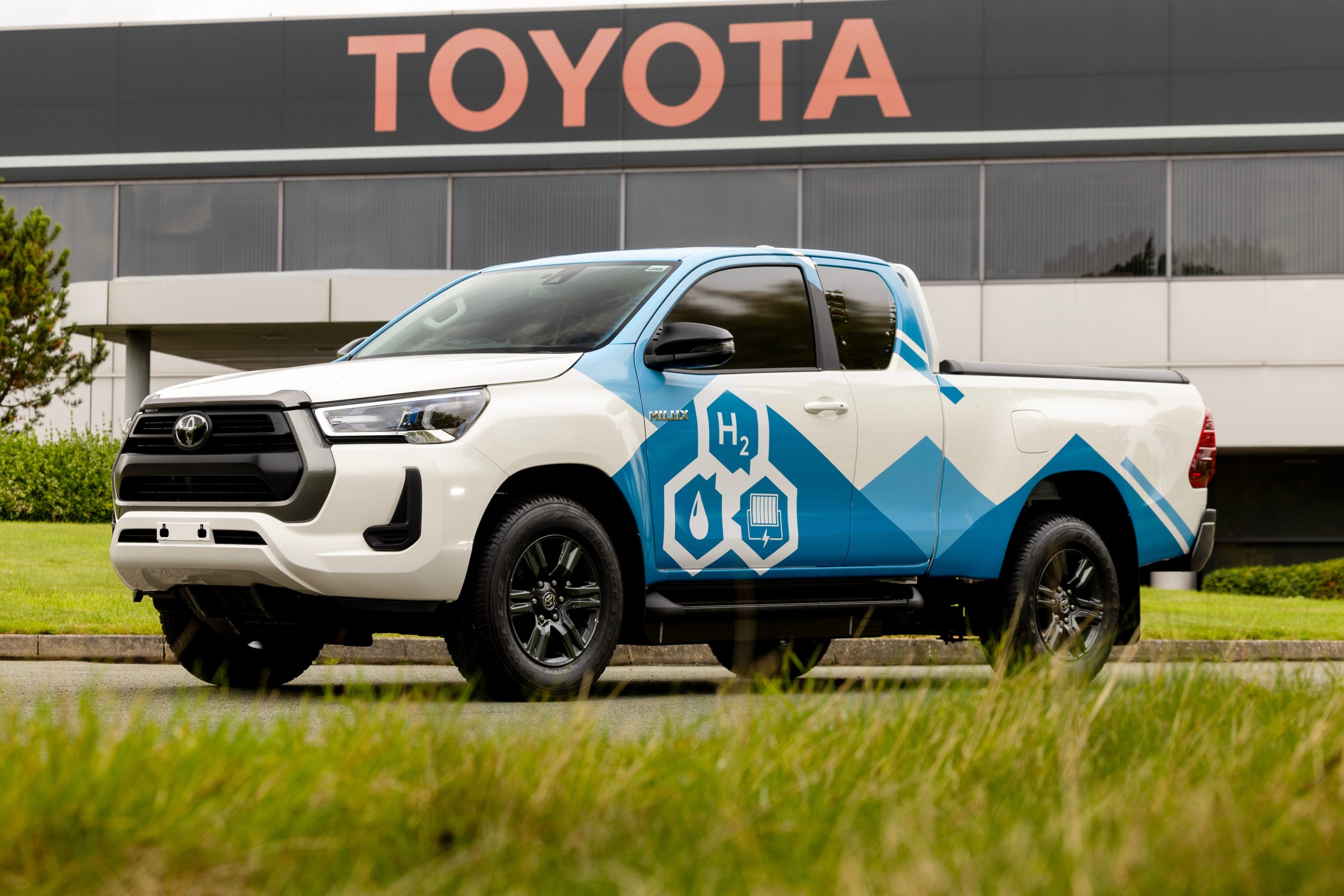
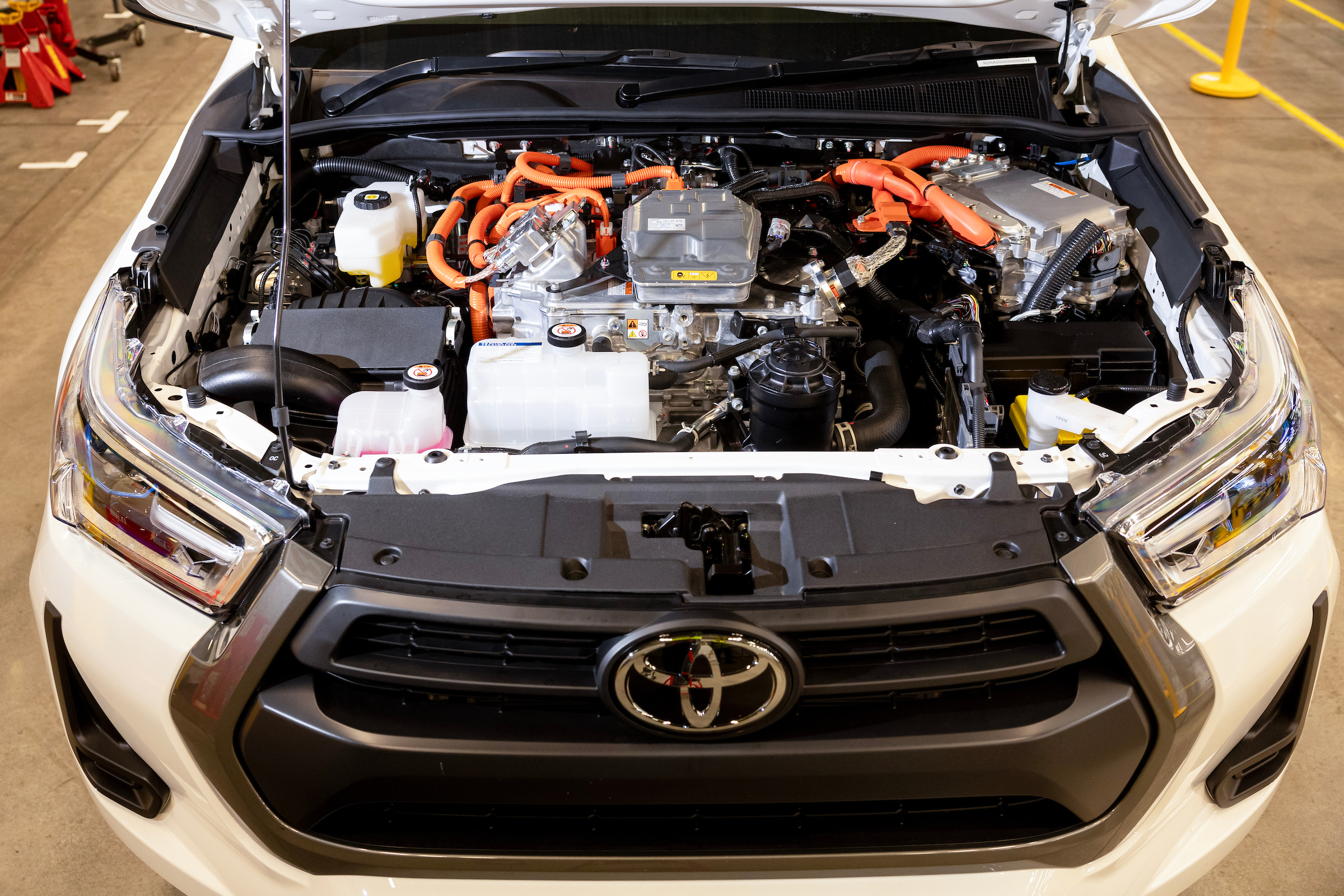
For decades, diesel engines have been the backbone of pickups, large SUVs, and vans across key markets. In Australia, the story has been no different, with diesel still powering almost half of Toyota’s local sales. But according to Toyota Australia, the days of diesel dominance could be numbered, with hydrogen waiting in the wings to take its place.

Out of 163,491 vehicles sold by Toyota in Australia during the first eight months of the year, 48.4 per cent were diesel-powered. Heavy-hitters like the Hilux, LandCruiser, Prado, HiAce and Fortuner continue to drive those numbers. The company admits this strong reliance on diesel won’t disappear overnight, but it believes change is inevitable.

Toyota Australia’s vice president of sales, marketing and franchise operations, Sean Hanley, explained that diesel still has a role to play throughout this decade, but beyond that, hydrogen could be the game-changer. He pointed out that petrol models already match diesel in many respects, and in some areas outperform them, which raises questions over diesel’s long-term relevance.

(more…)

Proton’s electric push continues to gain traction as the Proton e.MAS 7 has once again claimed the title of Malaysia’s number one electric vehicle for August 2025. According to the latest figures, the EV has racked up 5,811 deliveries between January and August this year, with 5,455 units sold locally and a further 356 exported to four international markets.
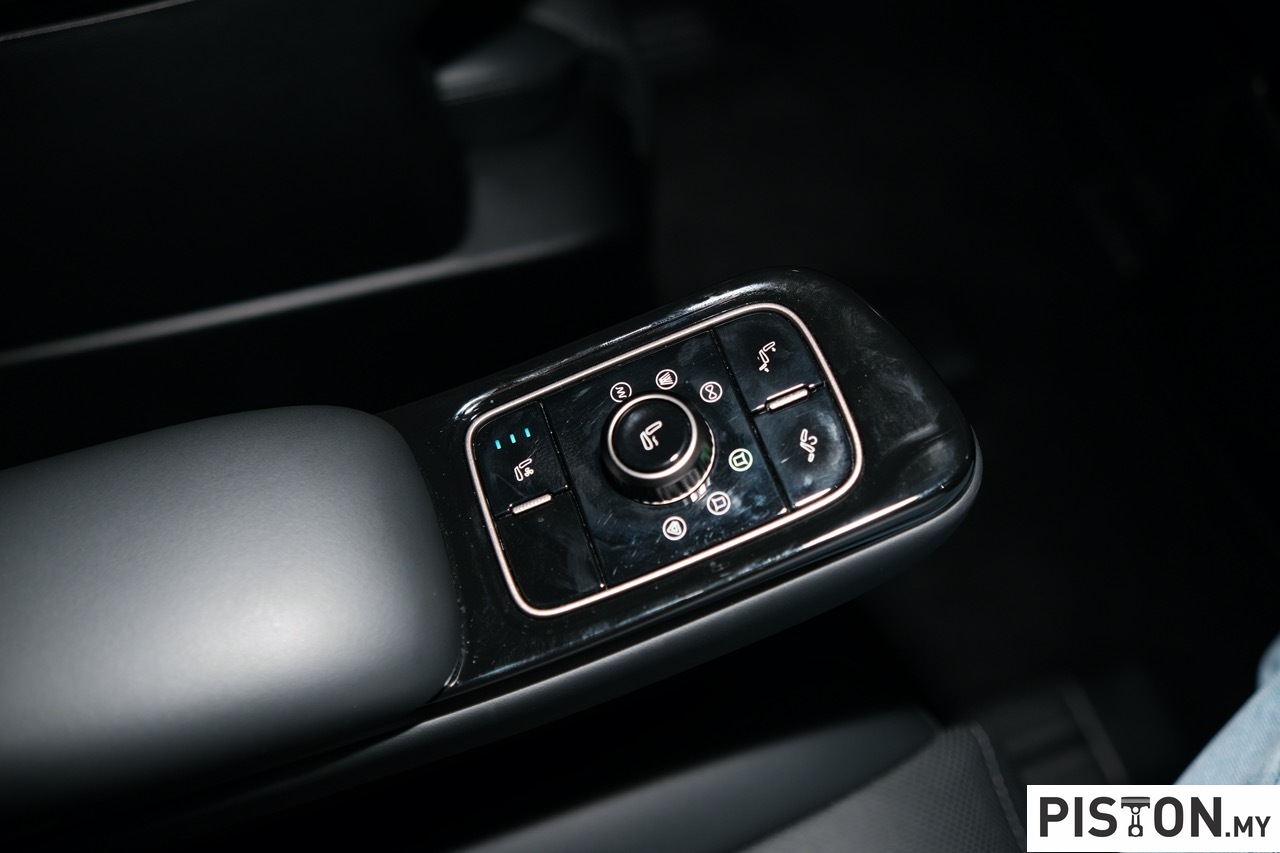
This milestone means the e.MAS 7 has been the country’s best-selling EV for eight consecutive months, maintaining its lead since the start of the year. Based on JPJ registration data, the car holds a 24% market share, meaning almost one in every four EVs sold in Malaysia is a Proton e.MAS 7.
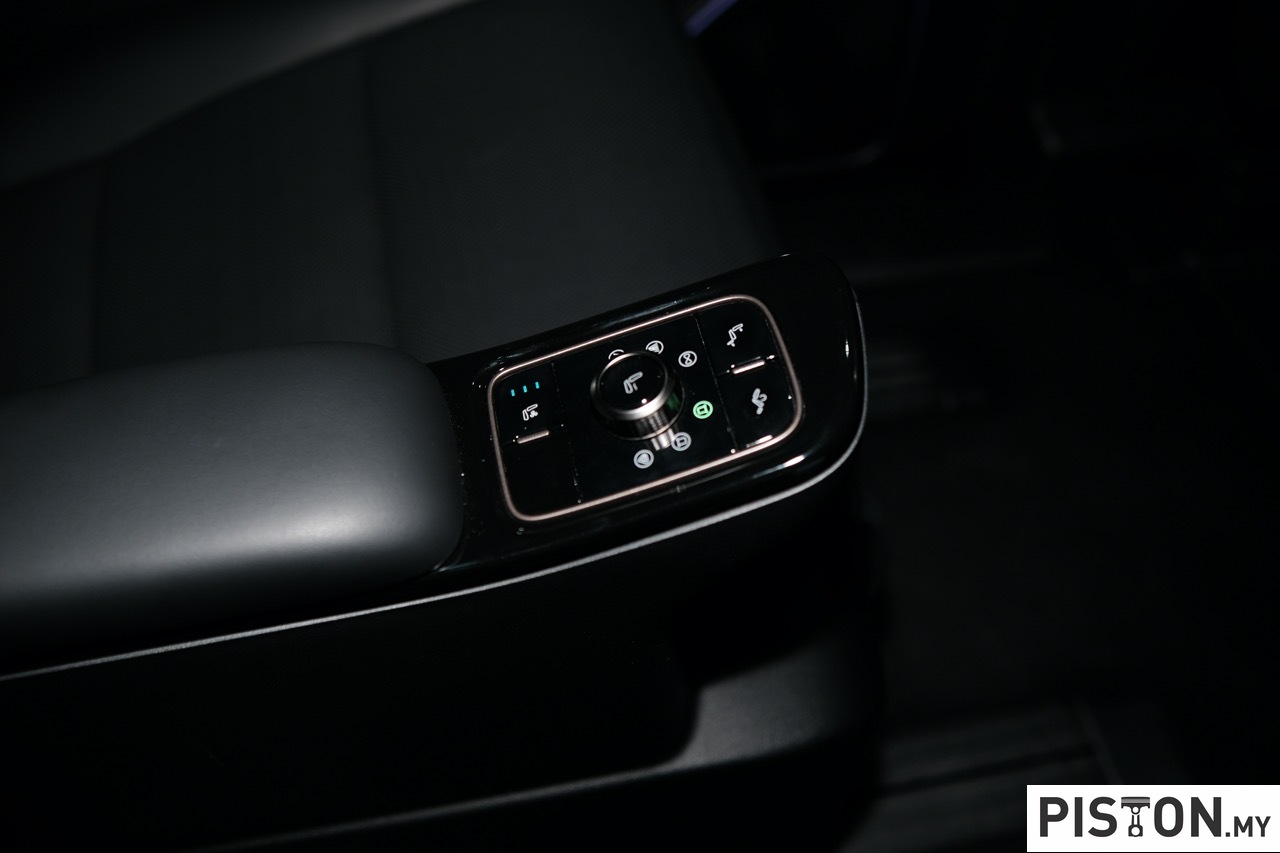
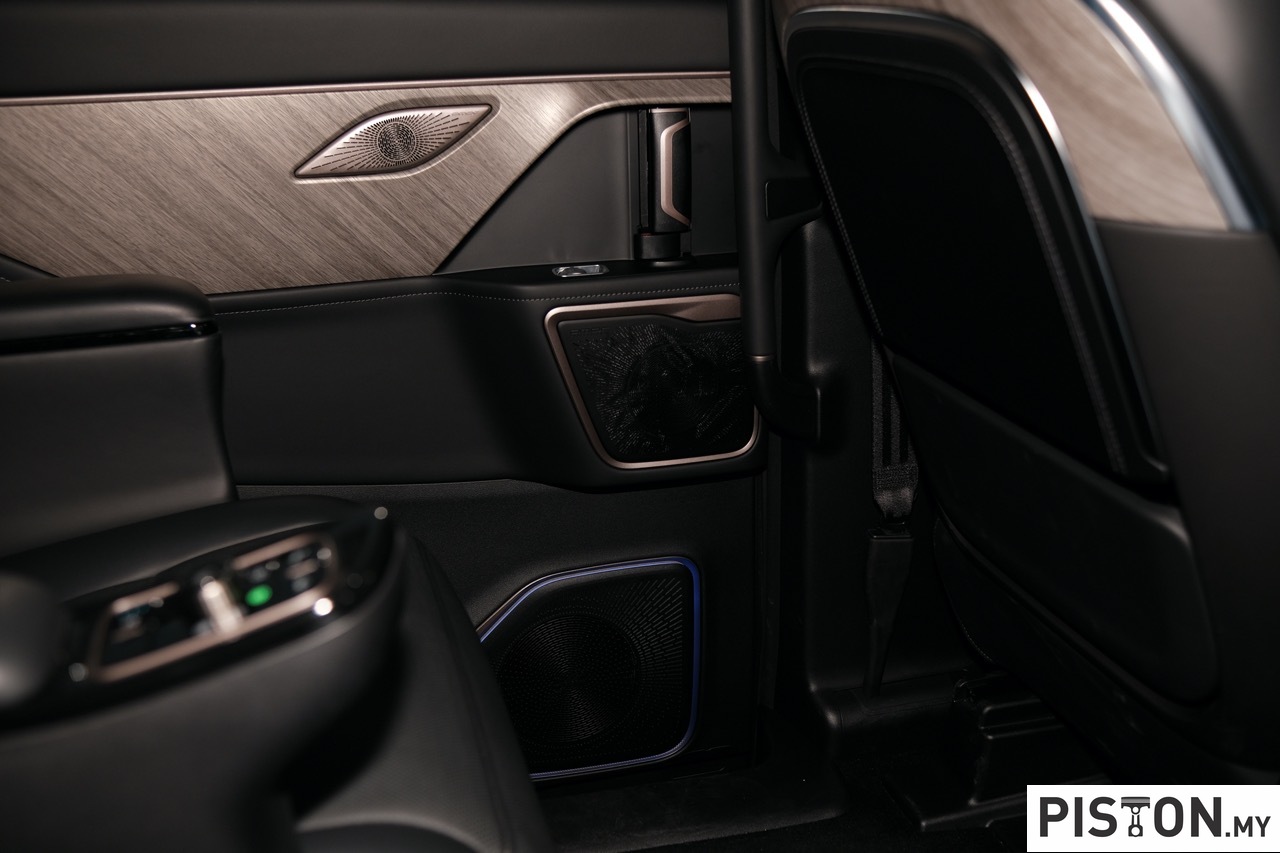
Local Assembly Begins in Tanjung Malim
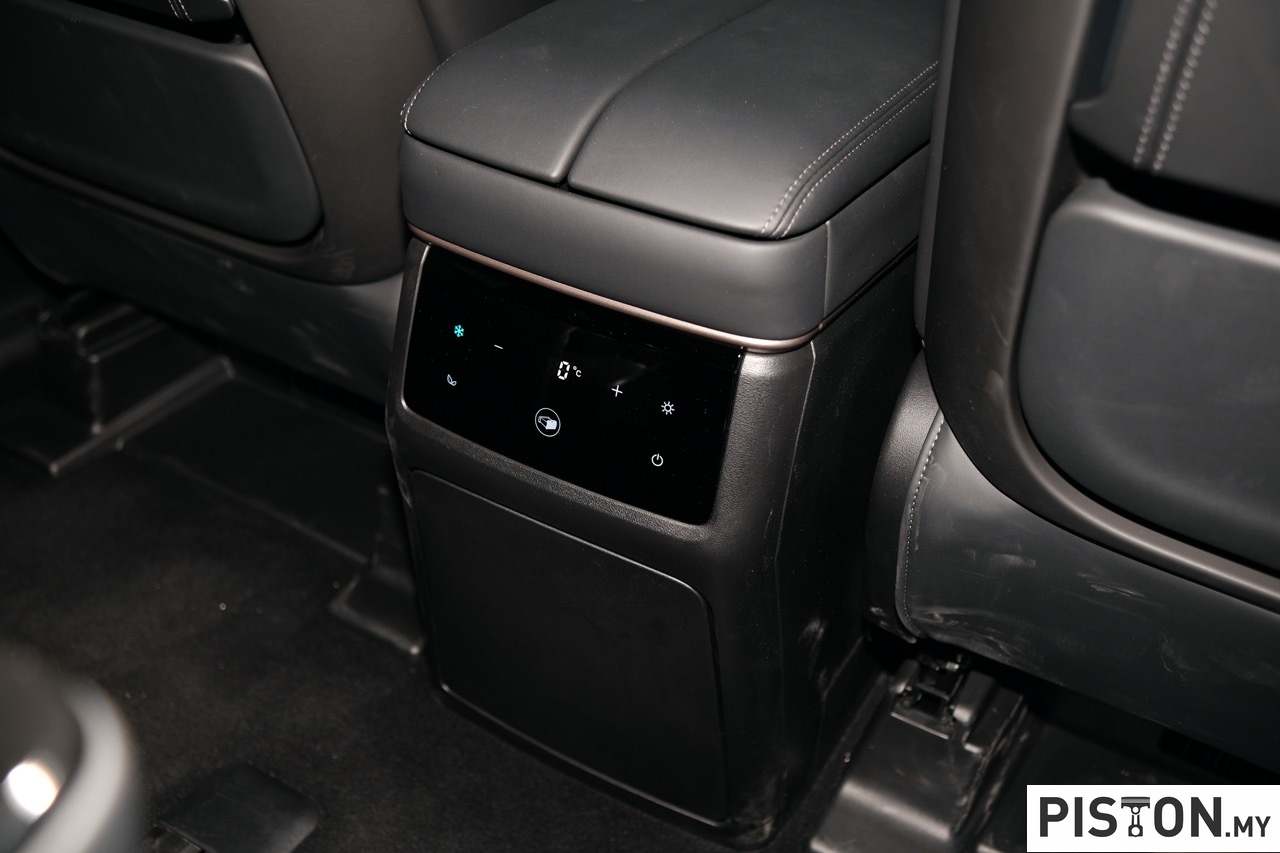
August also marked a significant step forward for Proton with the official opening of its first dedicated EV plant in Tanjung Malim. Up until now, the e.MAS 7 had been brought in as a completely built-up (CBU) model from China to keep up with strong early demand. With the new facility now operational, Proton will soon begin local assembly of the model, making the e.MAS 7 the brand’s first CKD EV.
(more…)

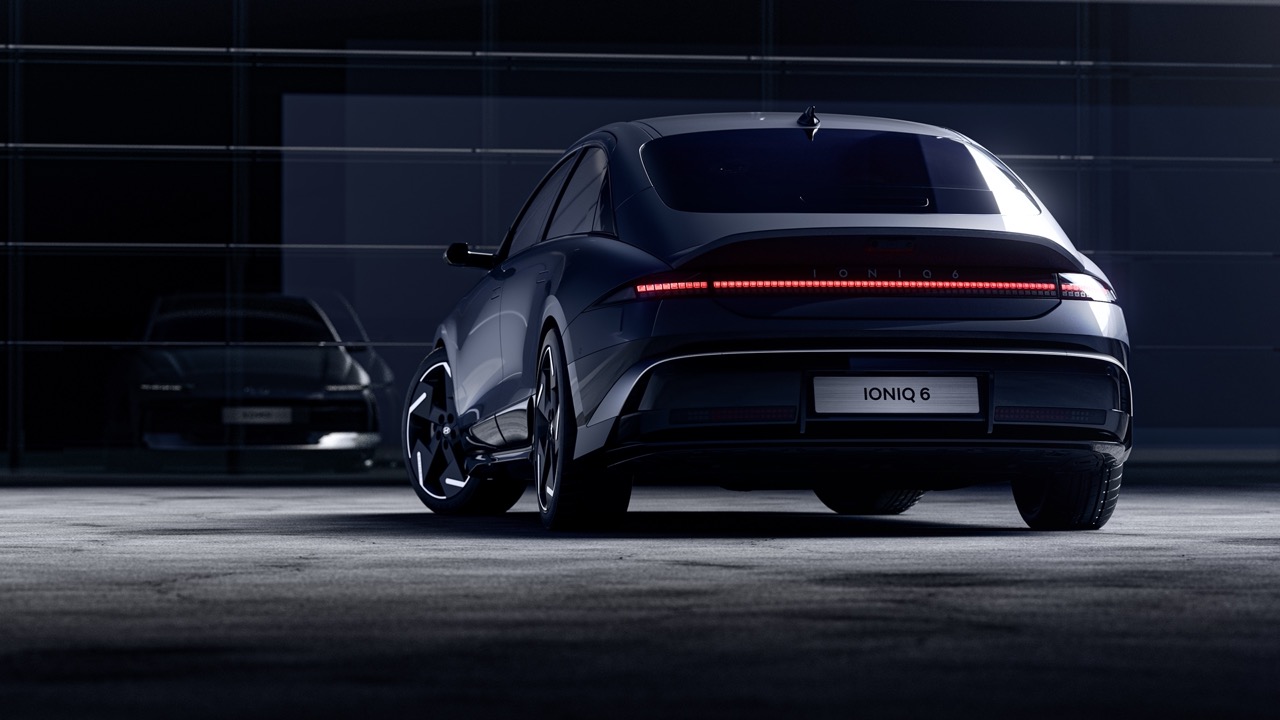
There was a time when cars could be recognised by their tail-lights. But today, many look the same because of one common feature – the LED light bar. From Tesla to Porsche, and especially on Chinese cars, the strip of light has become almost standard.

Hyundai’s design boss, Simon Loasby, thinks this trend is finished. At the launch of the Hyundai Concept Three, he said the light bar once worked well on models like the Grandeur, Kona, and Sonata.

But now, it’s too expensive to make and not every market wants it. In China, customers expect it. In Europe, it’s not as important.

(more…)

Archive

Follow us on Facebook

Follow us on YouTube