Piston.my

English

XPENG has announced the global release of its latest over-the-air software upgrade, XOS 5.8.0, beginning on 25 August. More than a routine update, this rollout represents the company’s push to combine intelligent driving, advanced cabin features and user-driven customisation into a smarter mobility experience for its customers worldwide.

The 5.8.0 update is the third major release of the year, following versions 5.4.5 in January and 5.6.0 in May. Each has progressively expanded XPENG’s technological footprint, enhancing safety, personalisation and driving assistance. With the newest upgrade, the company has again underlined its commitment to listening to user feedback while maintaining its reputation as a pioneer in the intelligent EV space.

One of the key highlights is the introduction of Human-Machine Co-Driving in Europe, making XPENG the first automaker in the region to offer the feature as standard. When Lane Centring Control is engaged, the system now works in tandem with the driver instead of disengaging once steering input is detected. The result is smoother, more natural control, particularly in complex conditions such as highway exits or merges. Adaptive Cruise Control has also been refined to deliver more stable cornering speeds and gentler deceleration, further improving passenger comfort.

(more…)

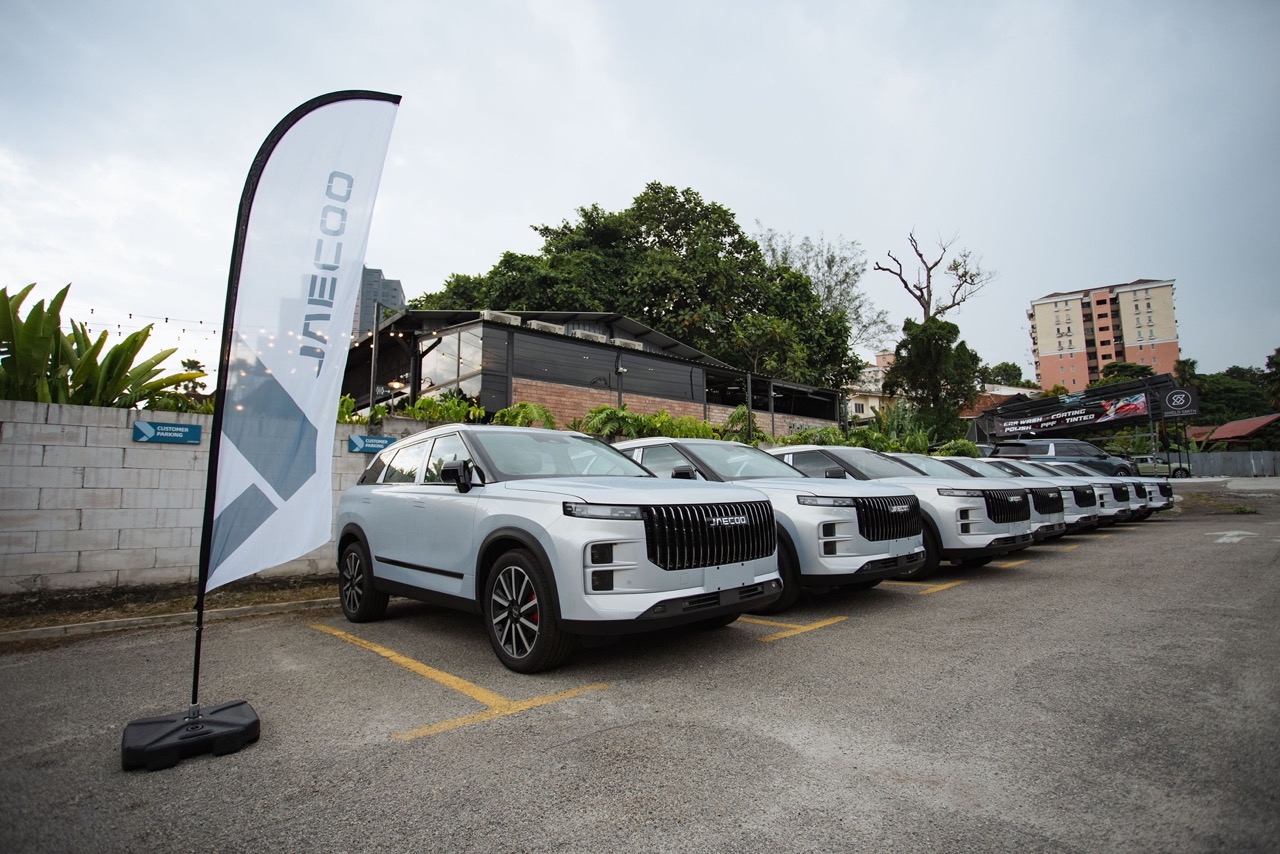
Jetour Malaysia has made a striking entrance into the local SUV market, achieving over 2,000 bookings and delivering more than 1,000 units of its popular Dashing and VT9 models within just three months of commencing local assembly in June 2025.

The brand, which has built a reputation for modern design, advanced technology, and strong value, has quickly positioned itself as a serious contender in Malaysia’s highly competitive SUV segment.

A key driver of this momentum has been the rapid roll-out of Jetour’s nationwide retail and service presence. By August 2025, the network had already grown to 20 authorised dealerships, offering Sales, Service, Spare Parts, and Body & Paint facilities across Peninsular Malaysia.

In the Klang Valley, outlets have been established in prime locations such as Bukit Jalil, Klang, Cheras, Sungai Long, Setia Alam, Kepong, Damansara, Puchong, Shah Alam (Glenmarie), Jalan Kuching, and Ampang. The Northern Region is supported by outlets in Ipoh, Penang, and Alor Setar, while Johor Bahru and Melaka serve the Southern market.

(more…)

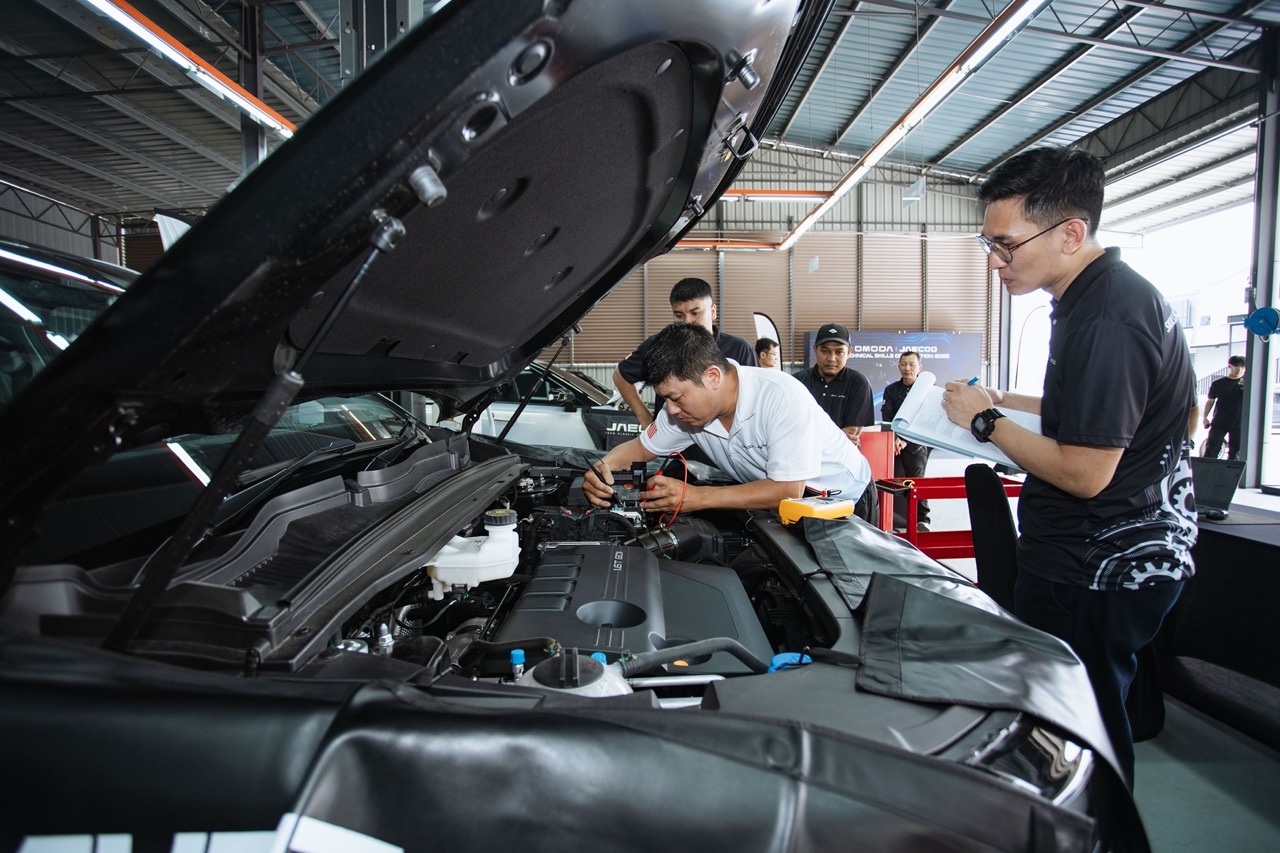
The inaugural OMODA I JAECOO Technical Skills Competition has concluded with an electrifying finale, marking an important milestone in the brand’s commitment to technical excellence and customer care across Malaysia.

The competition, which began with over 132 technical specialists from 48 dealerships nationwide, brought together some of the best talents in the OMODA I JAECOO network. After months of preparation, the contest reached its climax when 10 finalists competed head-to-head for the coveted national title.

At the heart of the event was a shared culture of excellence. OMODA I JAECOO emphasised that the competition was not merely about individual achievements, but about upholding world-class technical standards across the brand’s dealership network. The initiative reinforced the company’s long-term ambition to raise customer satisfaction and service quality in Malaysia, while also preparing its top technicians to showcase their expertise on the world stage.

(more…)

MG Motor Malaysia has confirmed that its flagship all-electric roadster, the MG Cyberster, will take part in the upcoming 68th Merdeka Day Parade in Putrajaya on 31 August 2025. The roadster will appear as part of the electric vehicle contingent led by the Ministry of Investment, Trade and Industry (MITI), reinforcing the nation’s drive towards electrification and sustainable mobility.

The Cyberster, finished with a special MITI decal for the occasion, will be paraded alongside other EV brands in a demonstration of collective support for Malaysia’s green agenda. Its participation is significant not only because it represents MG’s bold entry into the era of electrification but also because it will be the only all-electric roadster in the line-up.

(more…)

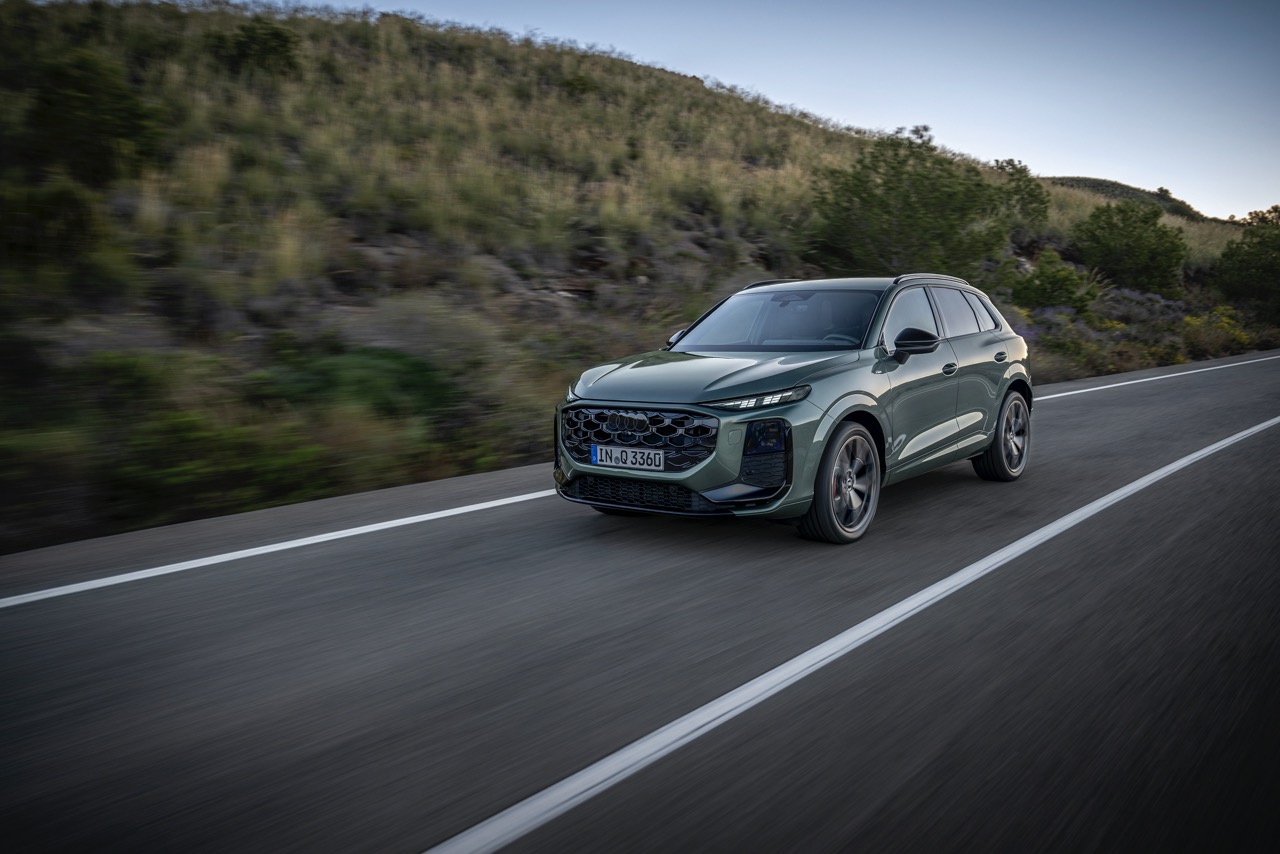
Audi has officially introduced the new-generation Q3, a compact SUV that blends practicality with a sportier coupé-inspired design and cutting-edge technology. Set to arrive in showrooms later this year, the updated Q3 represents a major step forward for Audi’s compact SUV line-up, offering improved efficiency, advanced driver assistance systems, and lighting technology previously unseen in this segment.

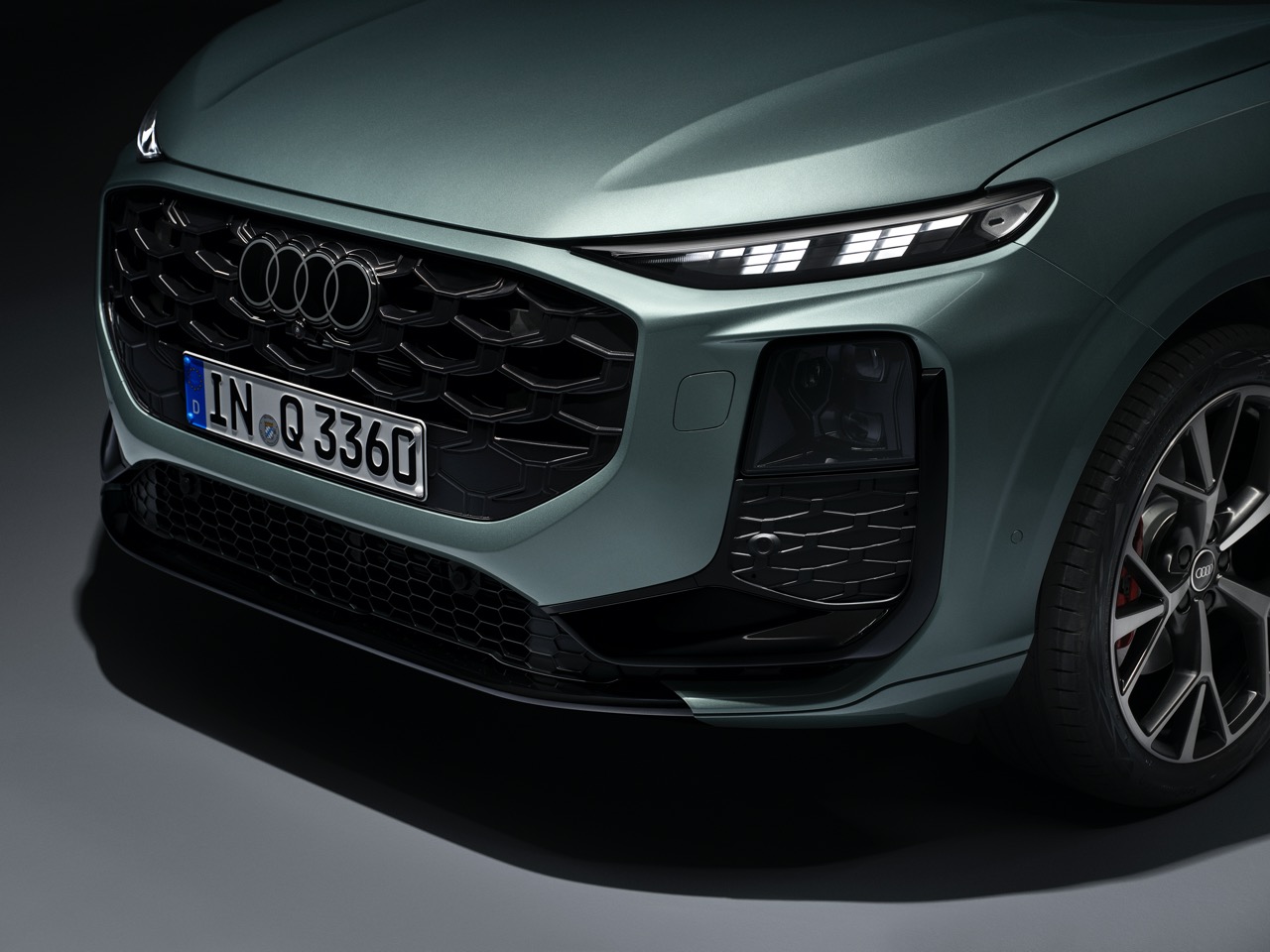
The exterior of the new Q3 adopts a more emotional and striking design language. The wide Singleframe grille and sharply contoured headlights integrate seamlessly into the aerodynamic body. A pronounced shoulder line running between the front and rear lights creates an interplay of light and shadow, emphasising the Q3’s dynamic proportions.

For those seeking a sportier silhouette, the Q3 Sportback brings a coupé-like profile, distinguished by its roofline that slopes 29 millimetres lower than the SUV. This subtle change gives the Sportback a sleeker and more aggressive stance, complementing the practicality that comes as standard with Audi’s SUV family.

(more…)

An SUV, or Sport Utility Vehicle, is basically the all-rounder of the car world. What makes an SUV an SUV comes down to a mix of size, style, powertrain and practicality. 

Stating the obvious here, but they sit higher off the ground than regular cars, which not only makes them look tougher but also gives drivers a better view of the road. Which is why SUV’s have become so popular.

Inside, you’ll find more space, whether it’s for passengers, luggage, or that last-minute IKEA run, making them a favourite for families and road-trippers alike.
Another big part of the modern SUV appeal is adaptability. Some come with different drive modes which allow them to handle everything from rainy highways to the occasional dirt trail. Even if most owners stick to city streets, it’s nice knowing the car could take more.

Honda has built a strong reputation worldwide for making cars that are reliable, practical, and efficient, and their SUV lineup is no exception. The brand started out producing small, economical vehicles, but as customer needs shifted toward bigger and more versatile cars, Honda quickly adapted. 
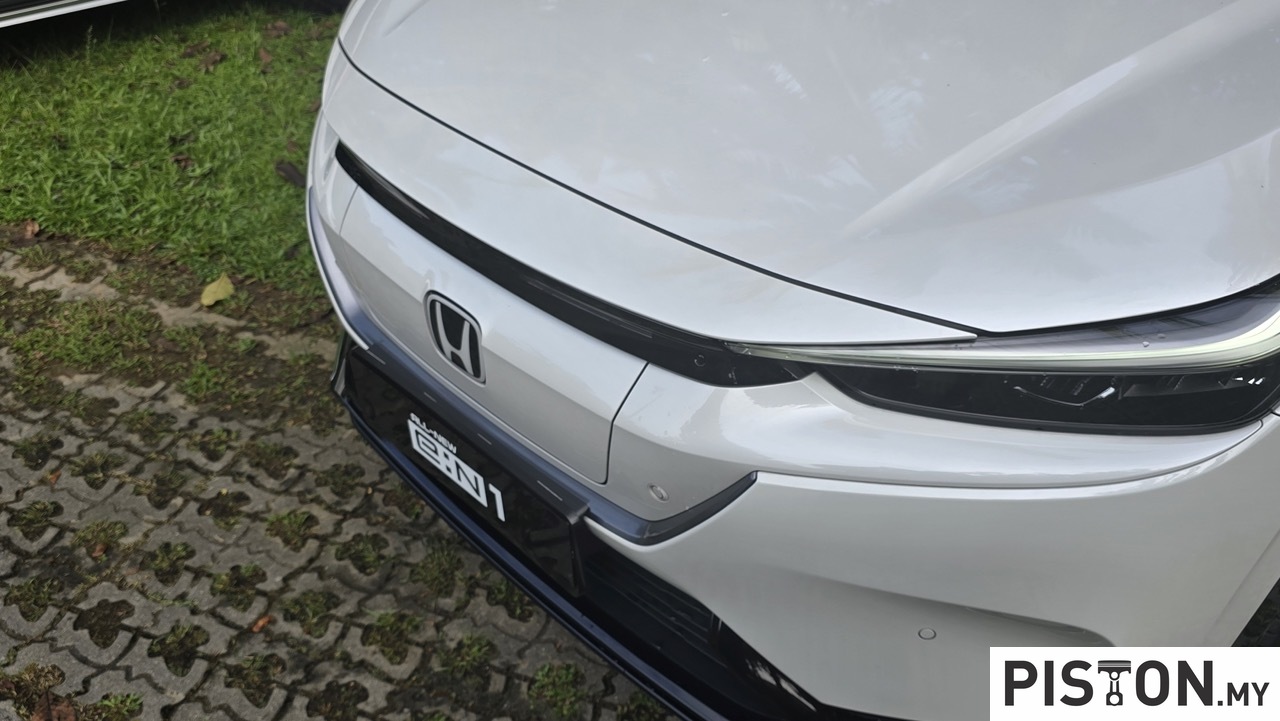
Their SUVs are designed to combine everyday usability with comfort and style, while still carrying Honda’s trademark dependability.

Models like the CR-V have become global best-sellers, striking the right balance between size, fuel efficiency, and family-friendly practicality. In markets like Malaysia, the HR-V has also gained a huge following thanks to its compact footprint paired with surprisingly spacious interiors.
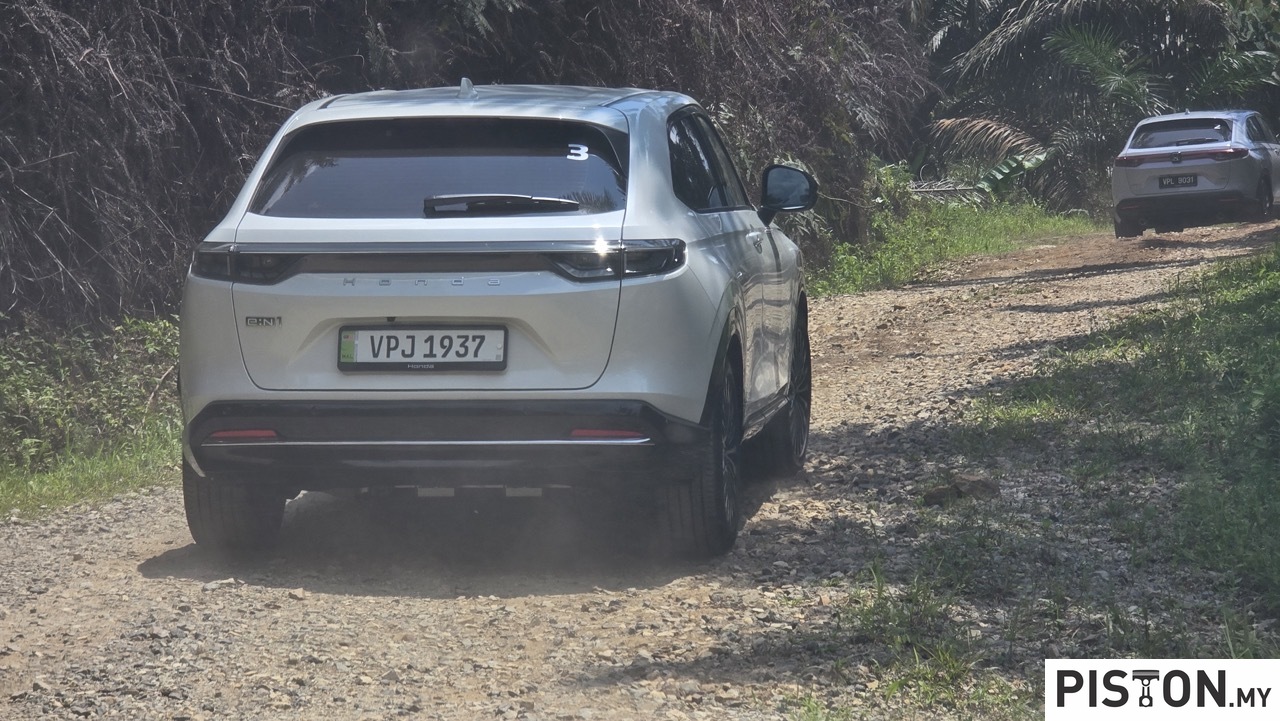
But of course, these come with an internal combustion engine. How about an electric powertrain? The first major leap came with the Honda Prologue, introduced in 2024 for North America. 

Built on General Motors’ Ultium platform, it provided Honda with a quick and competitive entry into the electric SUV segment.
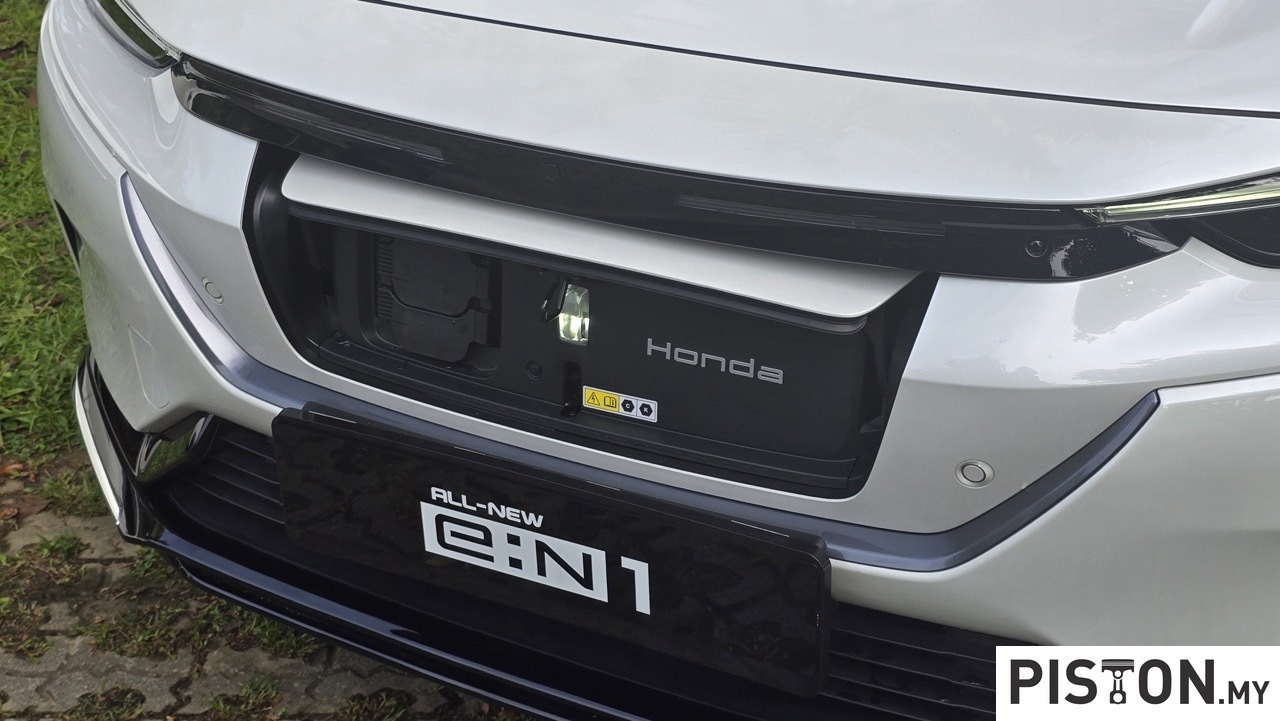
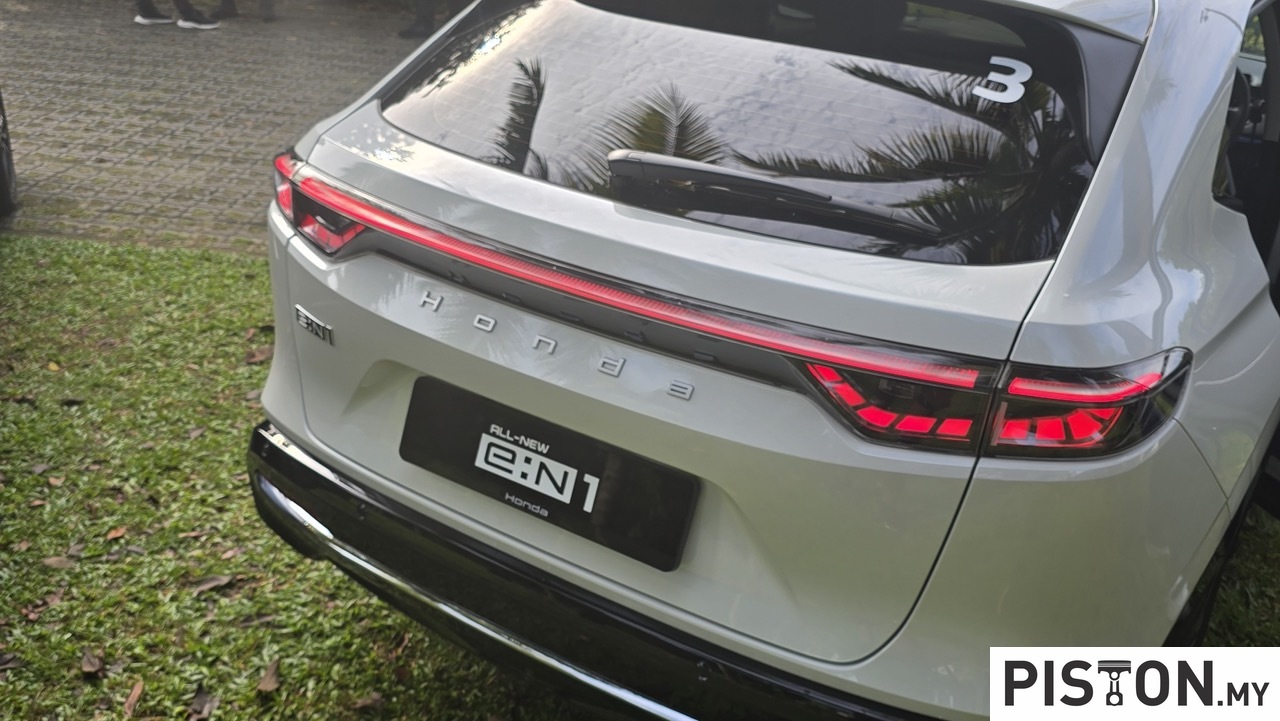
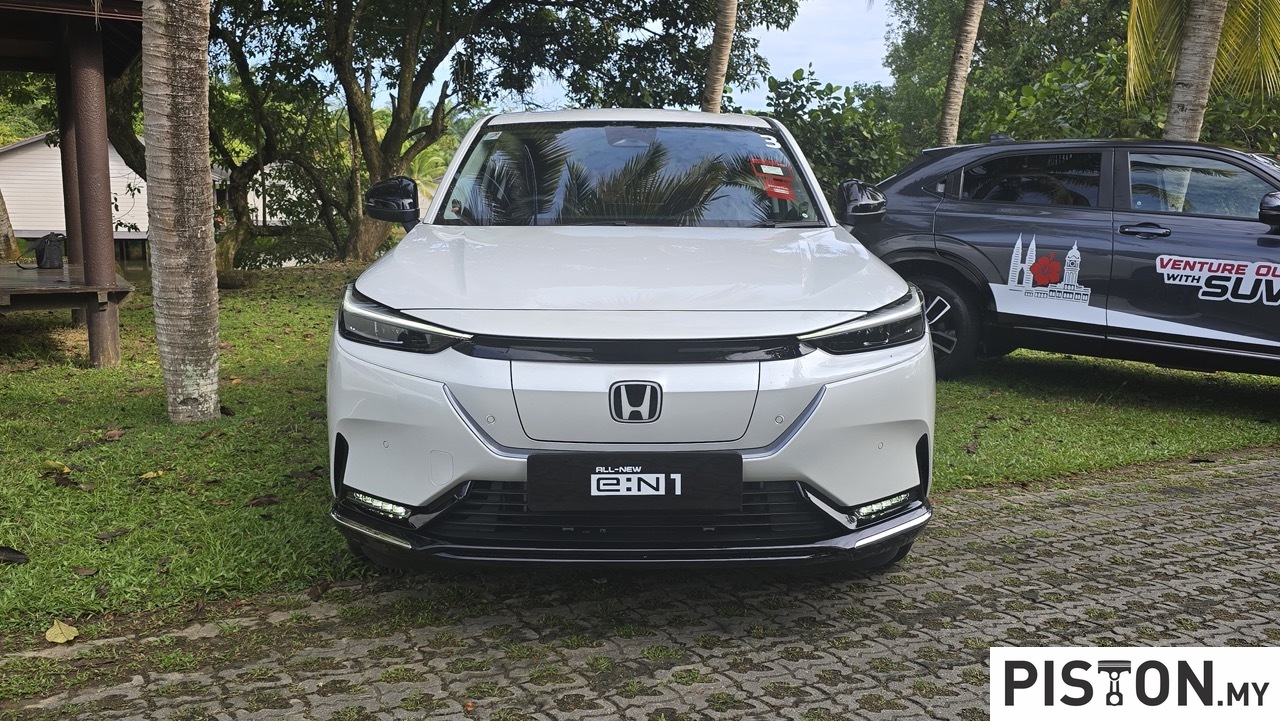
In Asia, Honda has launched its e:N series, starting with models like the e:NP2, e:NS2, and e:N1. These compact electric SUVs are designed for urban buyers, combining sleek styling with practical range figures up to about 545km in China and 412km (WLTP) for the e:N1. 

What is the e:N1?

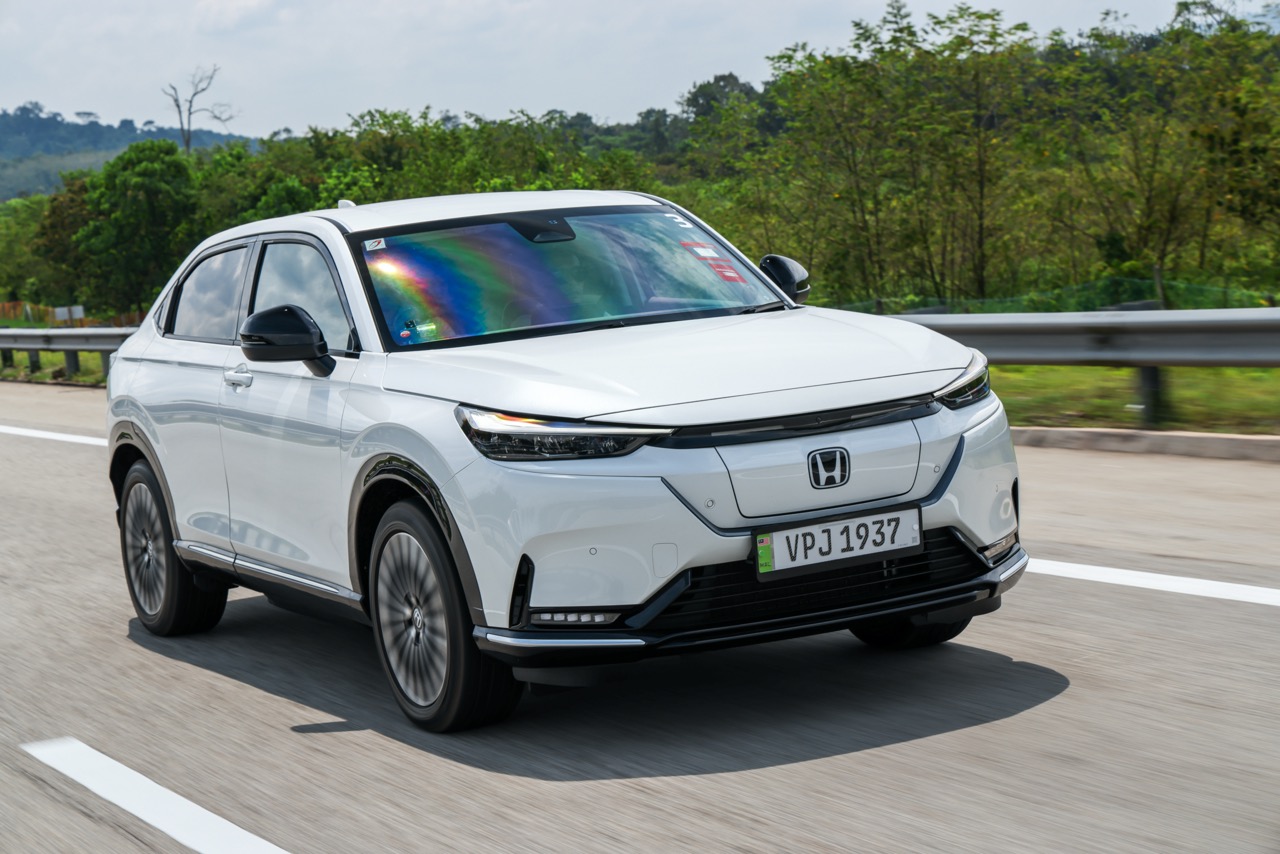
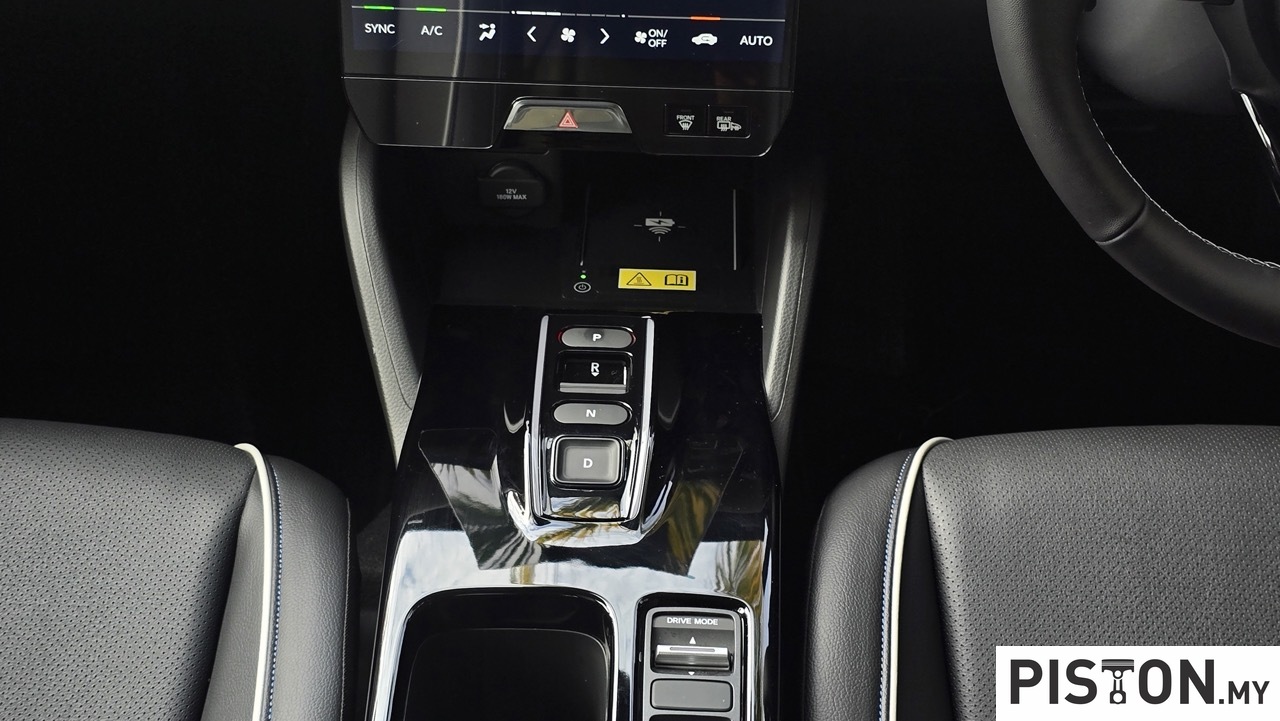
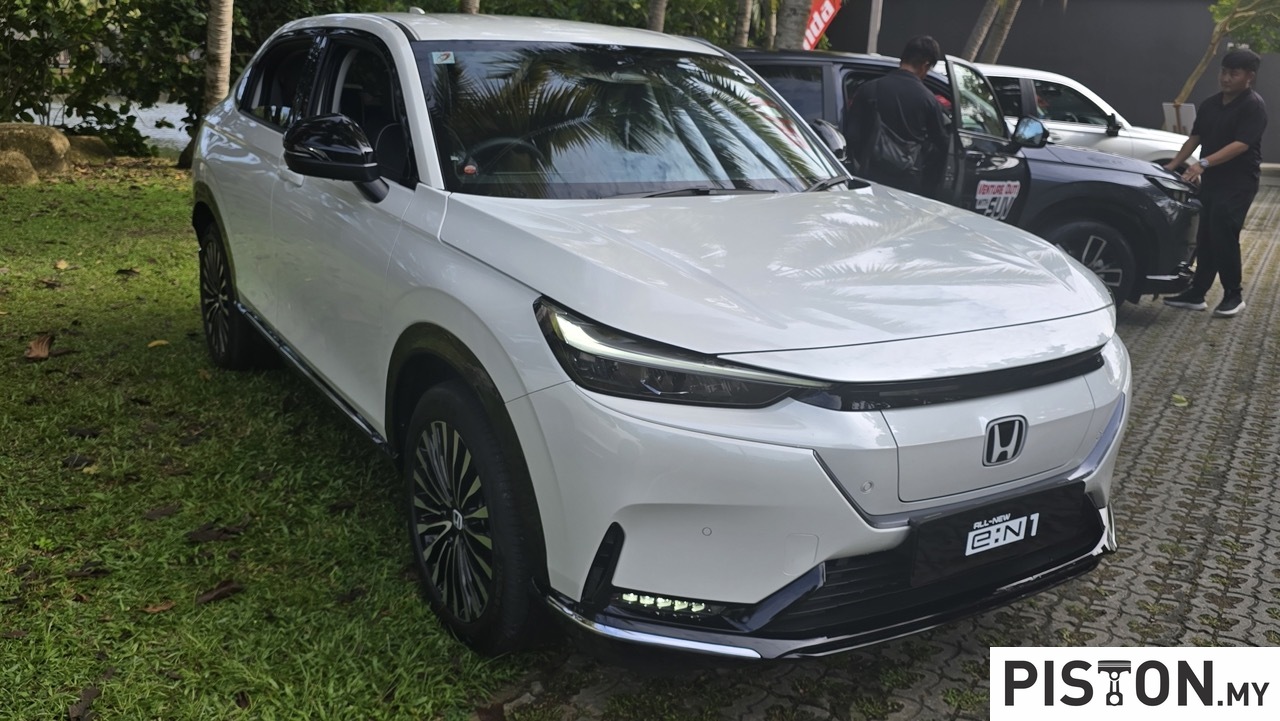
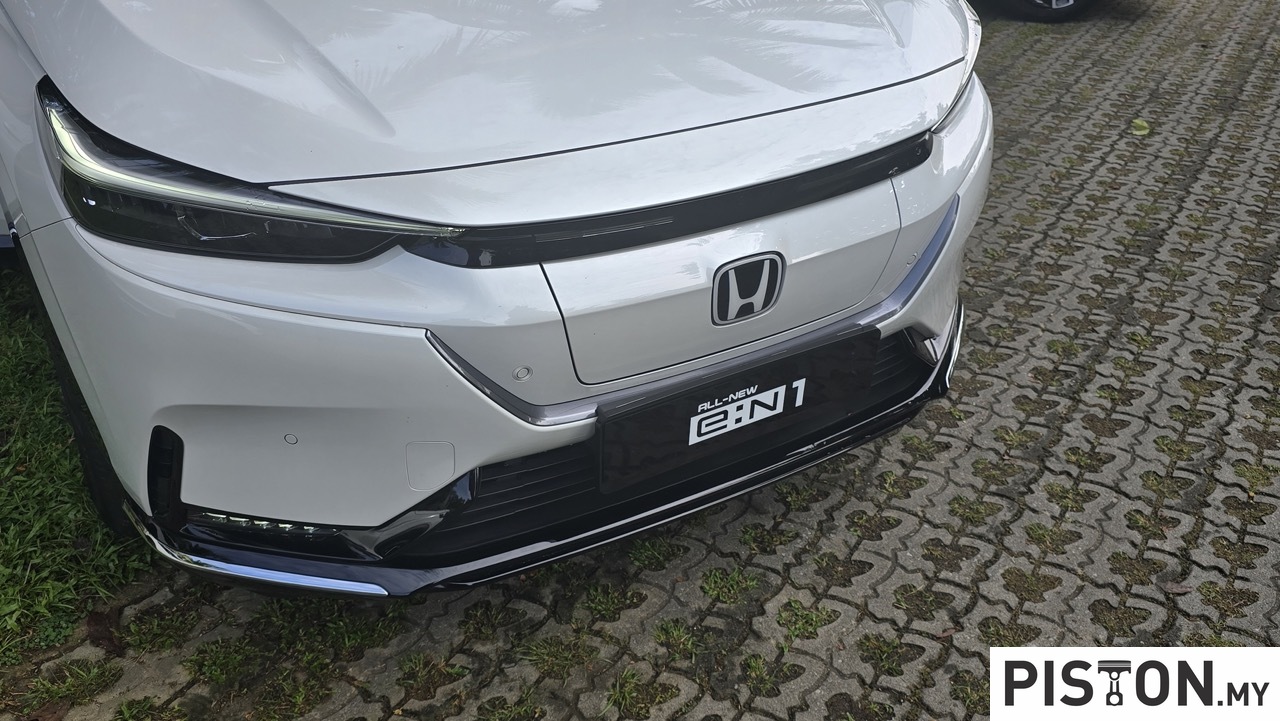
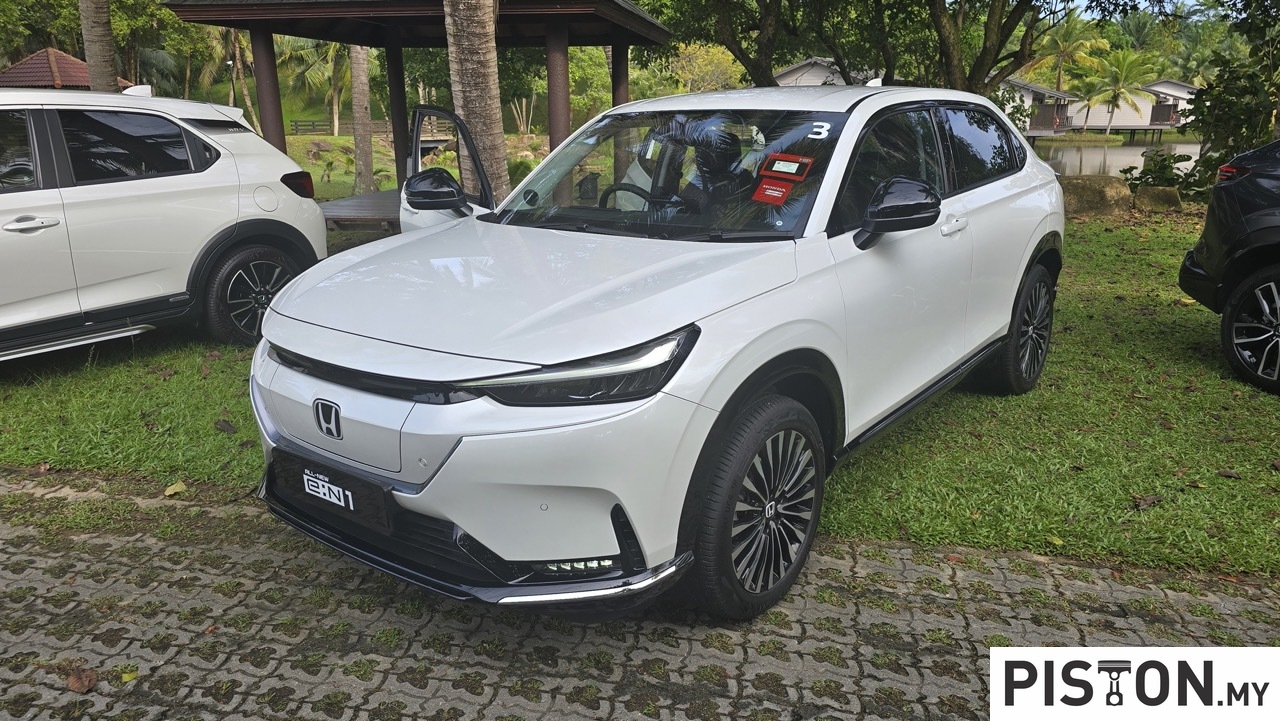
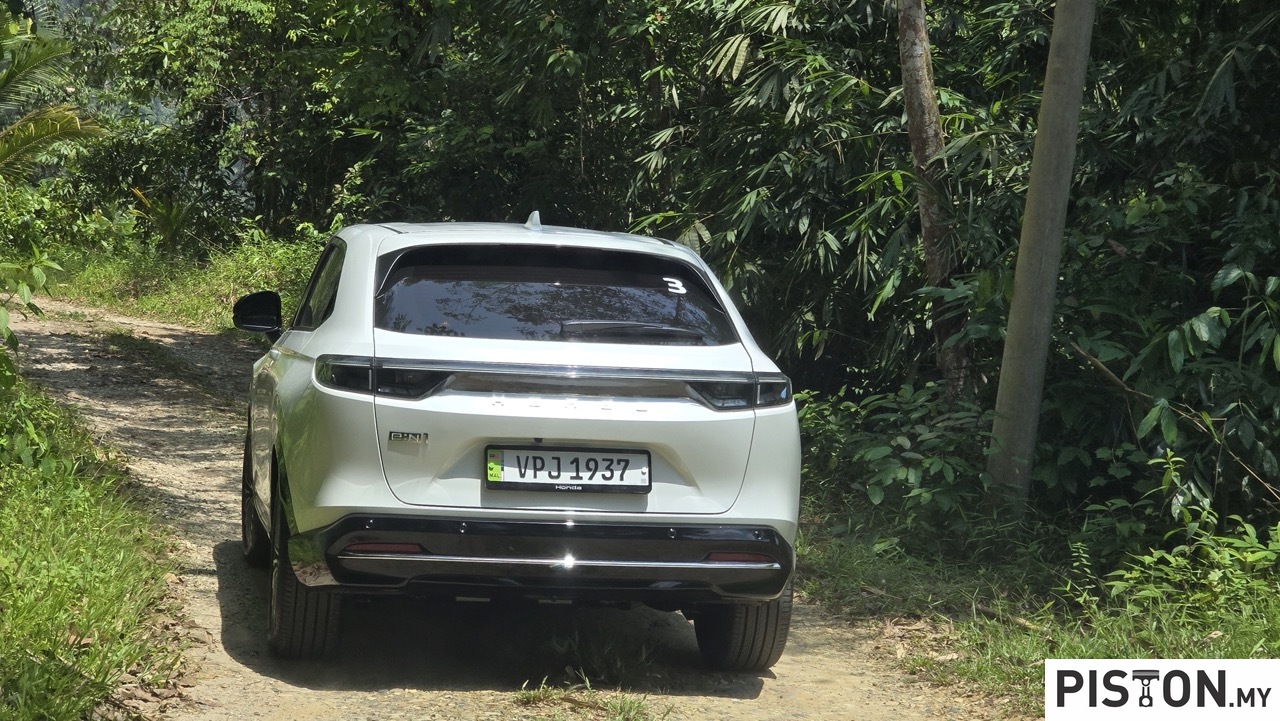
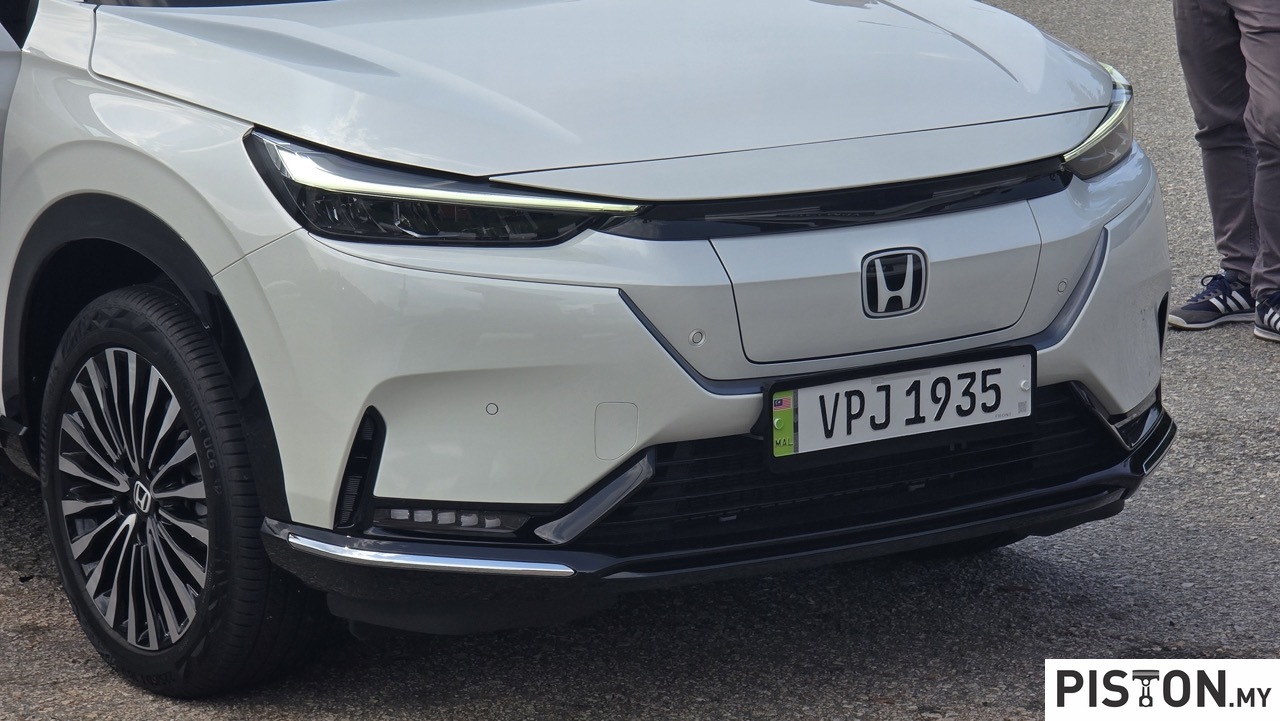
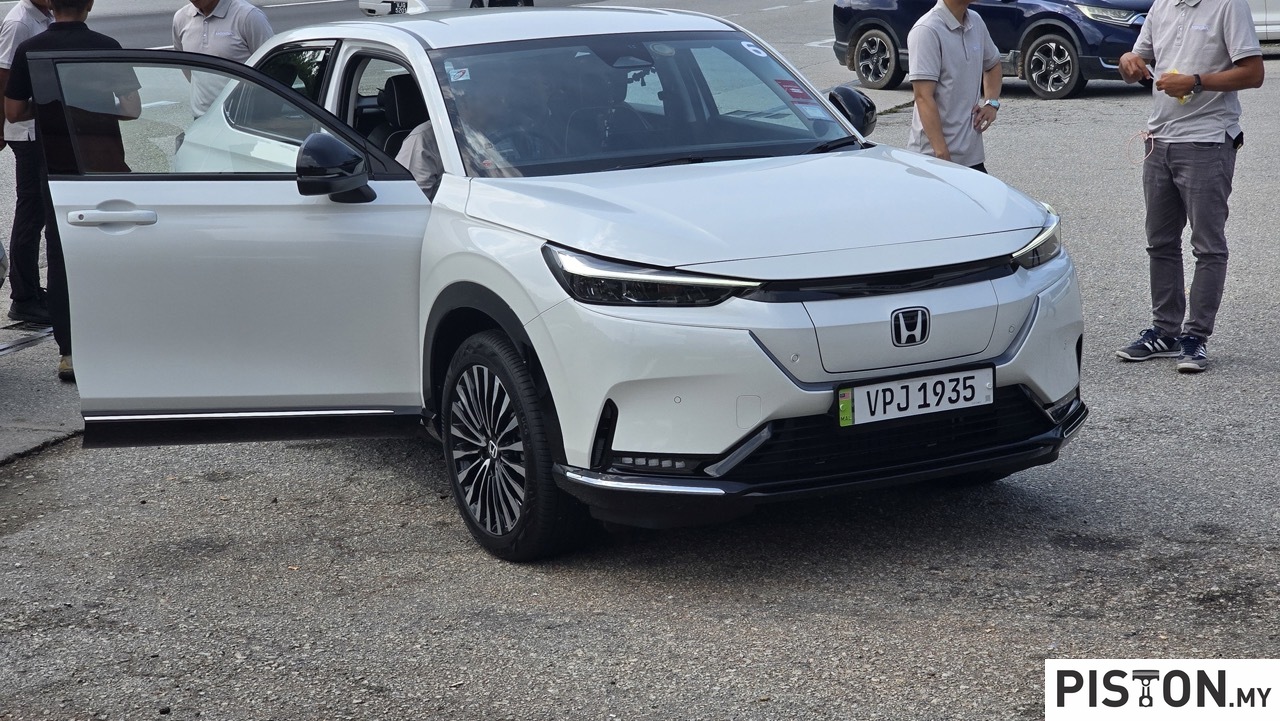
The Honda e:N1 is Honda’s first all-electric SUV that entered the Malaysian market, marking the brand’s serious step into the EV space. Built on Honda’s global e:N Architecture, the e:N1 blends modern styling with practicality, offering a familiar SUV shape while being powered purely by electricity. 
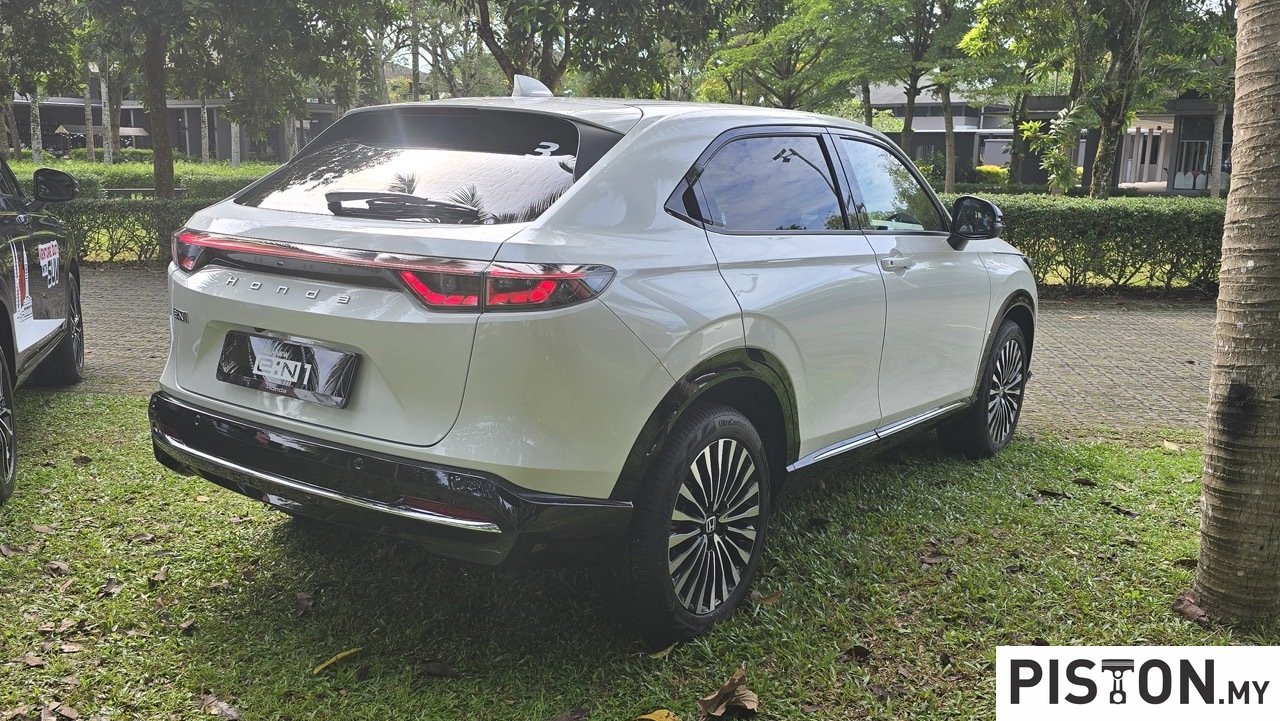
Positioned as an accessible yet premium entry into the EV segment, it delivers a smooth, quiet driving experience with instant torque, all wrapped in a package that feels unmistakably Honda. 

The e:N1 is designed not only to appeal to eco-conscious buyers but also to those who want an easy transition from traditional petrol-powered SUVs into the world of electric mobility.
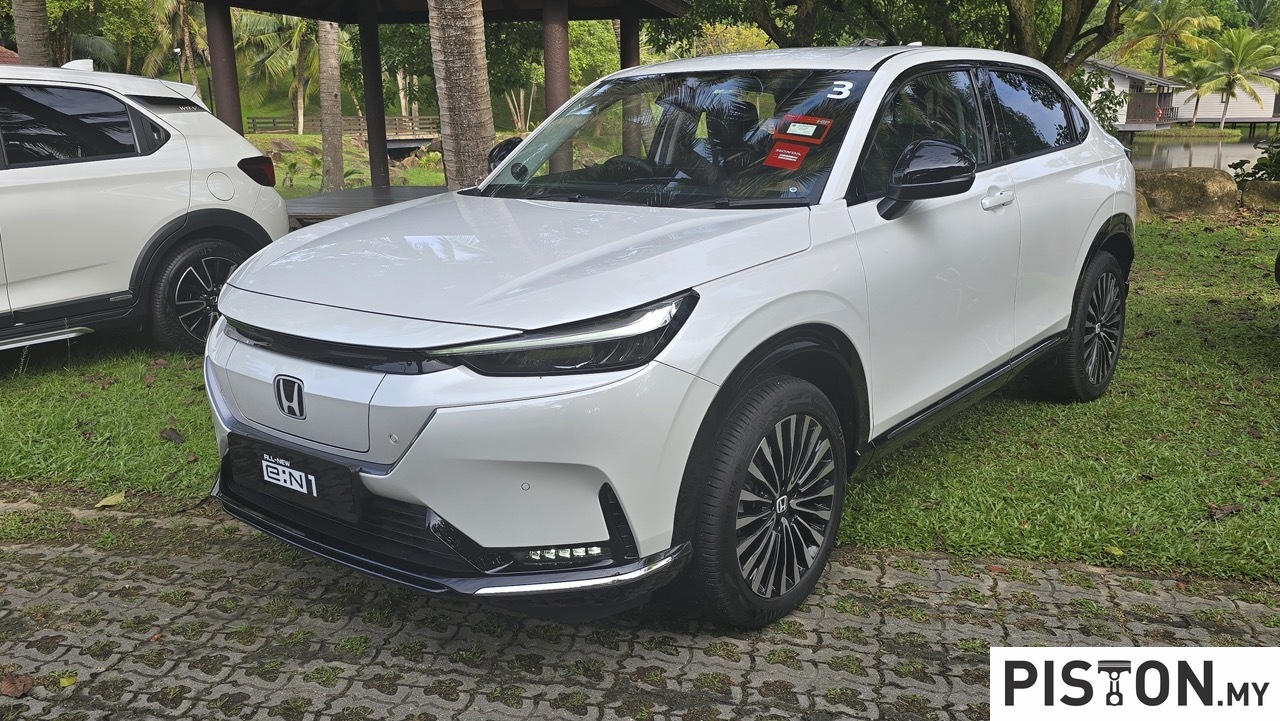
But of course, on paper, any car will look good. So, we put it to the test. 

Difference between the e:N1 and HR-V

At first glance, the Honda e:N1 and the current HR-V in Malaysia look very similar, but underneath, they’re built quite differently. The e:N1 sits on Honda’s dedicated e:N Architecture F platform, which is purpose-built for EVs. This setup gives it a lower centre of gravity and better aerodynamics.
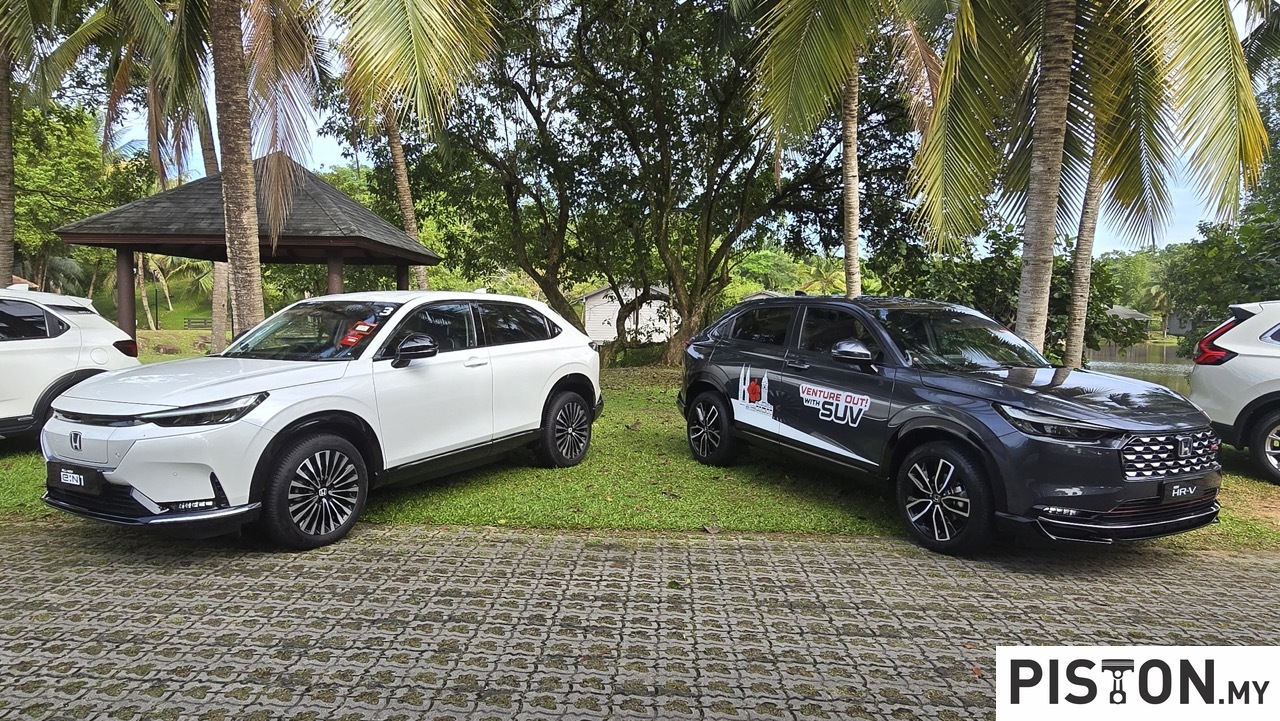
Power comes from a front-mounted electric motor pushing out 204PS and 310Nm, allowing it to hit 100 km/h in just 7.7 seconds. 

Dimension-wise, both SUVs are nearly identical in size, with the same 2,610 mm wheelbase. But because of its underfloor battery pack, the e:N1 rides much lower with just 142 mm of ground clearance compared to the HR-V’s 196 mm (RS) or 183 mm (non-RS). 
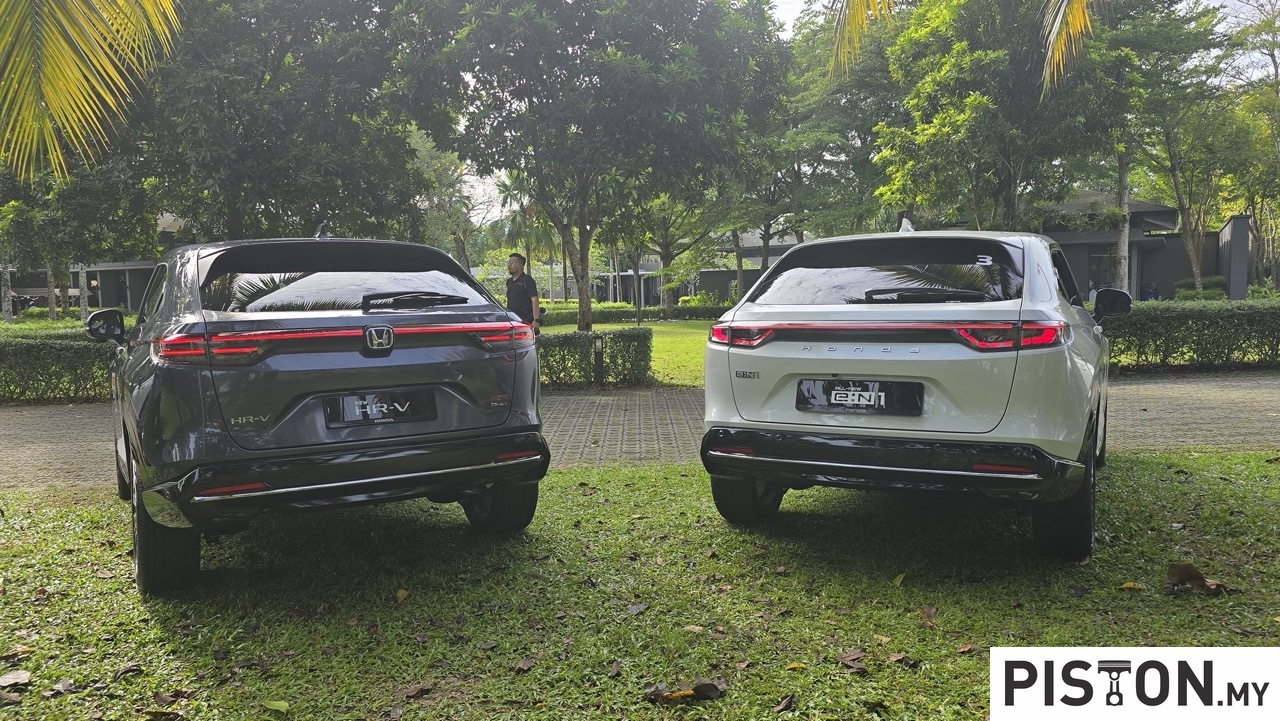
This lower stance improves stability but sacrifices some of the HR-V’s SUV-like ride height. The e:N1 also has a slightly wider turning radius at 5.7 m versus the HR-V’s 5.5 m.

Sufficient driving range for short getaways

Range anxiety is something we all fear when buying an electric vehicle (EV). Does it have enough range for my daily routine? Can I balik kampung with this range? Are there enough charging stations on the way? These are questions that run through our heads when considering buying an EV. 
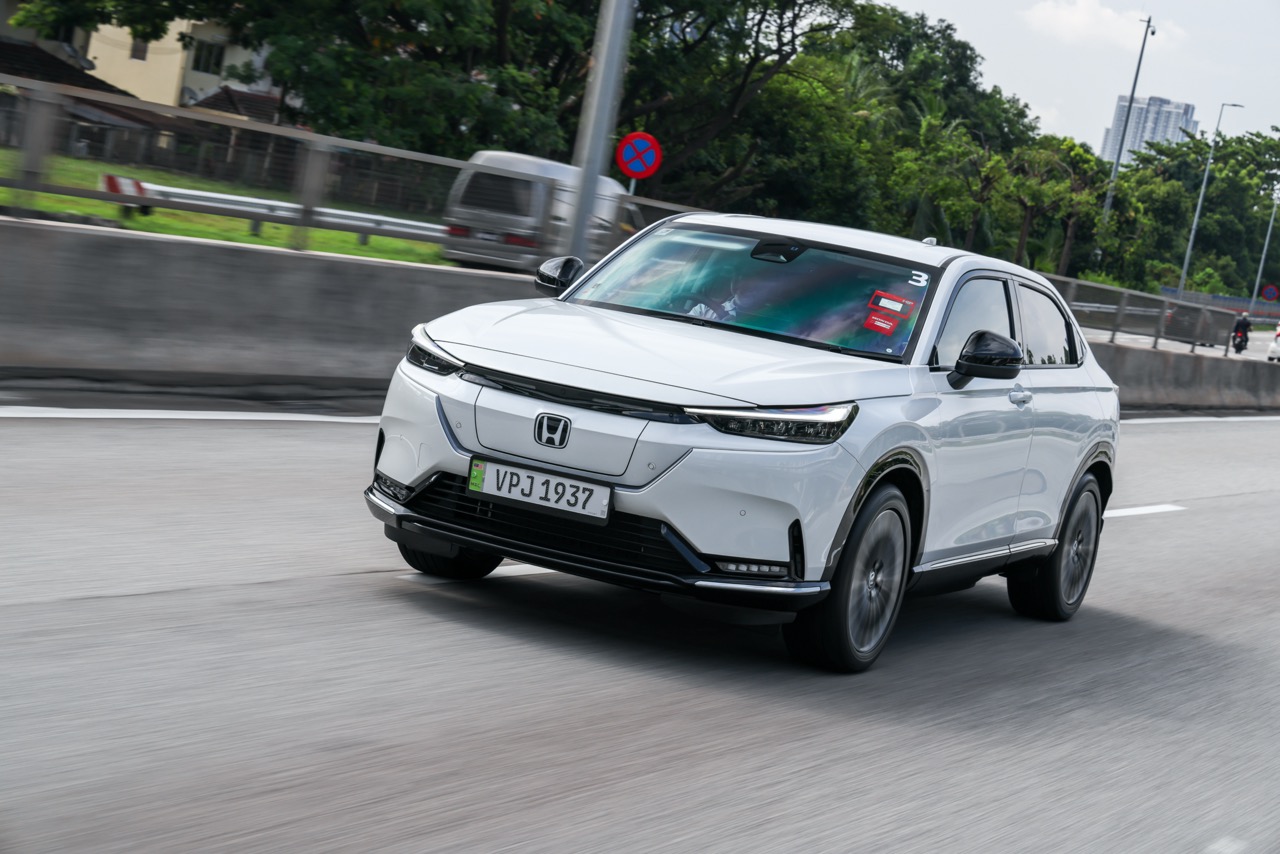
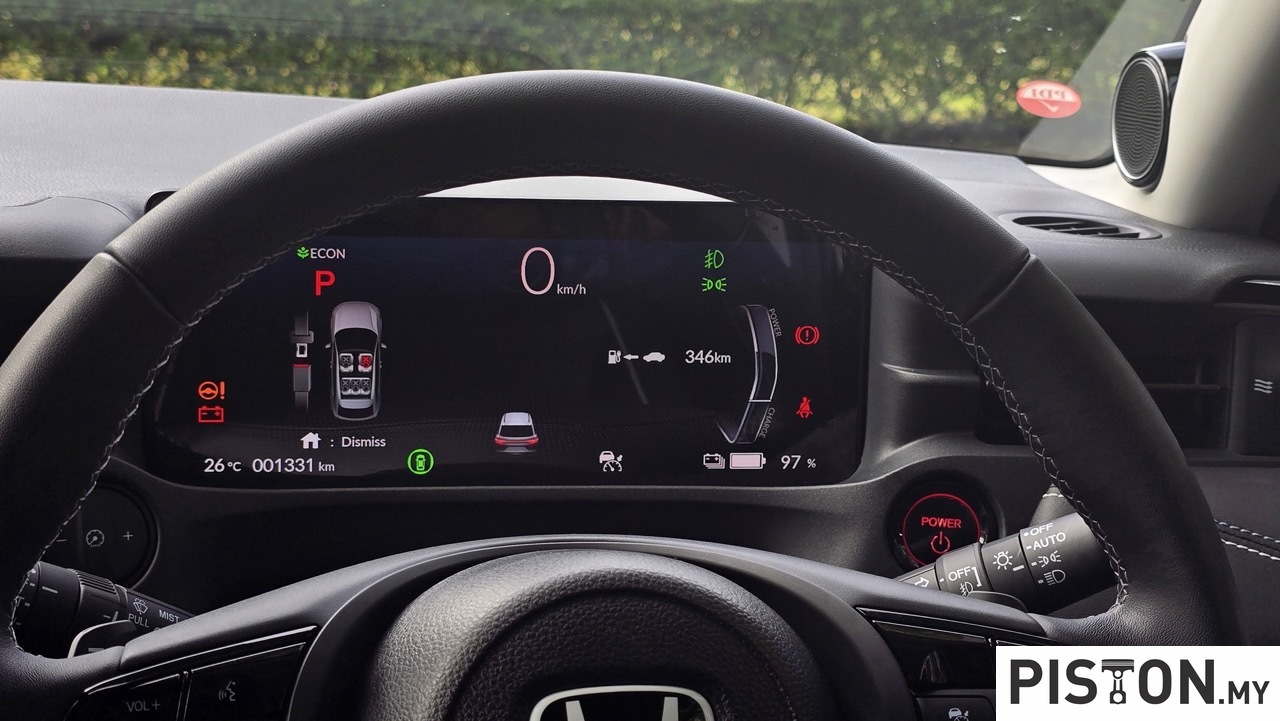
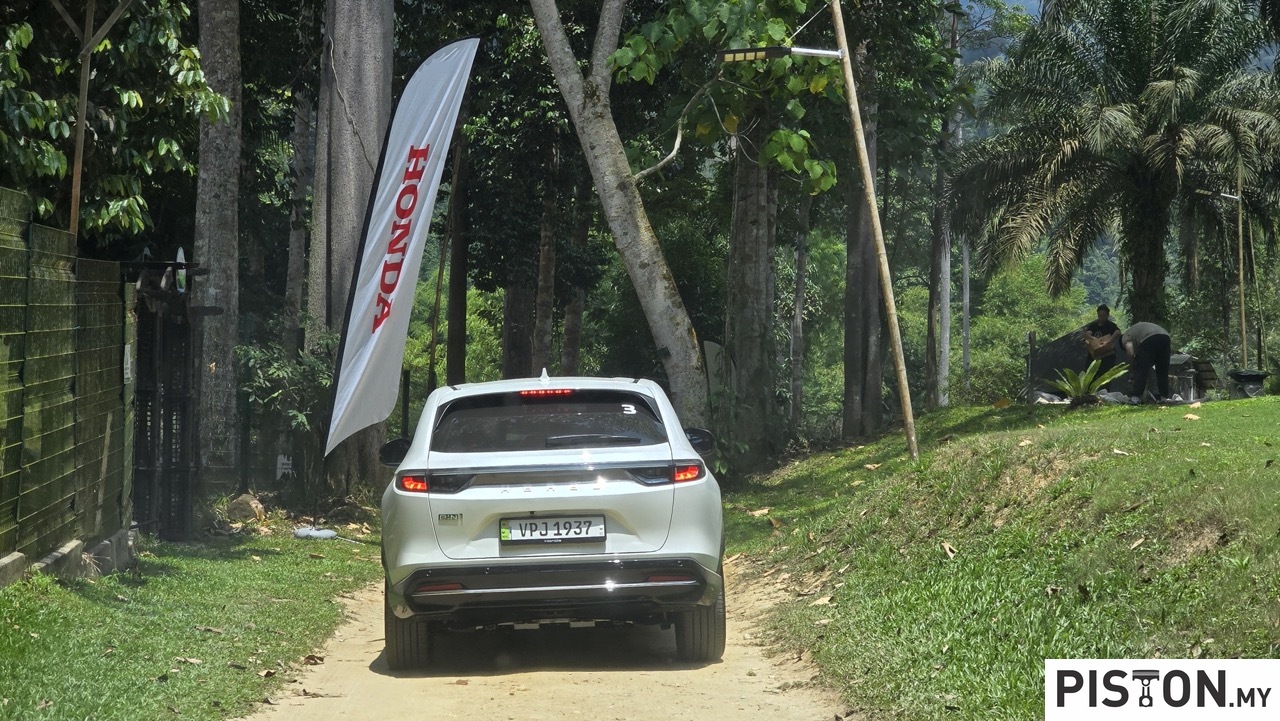
To be honest, when we got into the e:N1, we had around 297km of range with 94% of battery. We were heading from Mangala Estate Boutique Resort, Pahang, to Pineyard, Bentong, for a quick bite, then back to Honda Malaysia, Petaling Jaya. 

The total travel distance was around 226km, according to the GPS, but we still had to take into consideration our driving style and be prepared for unwanted situations. 
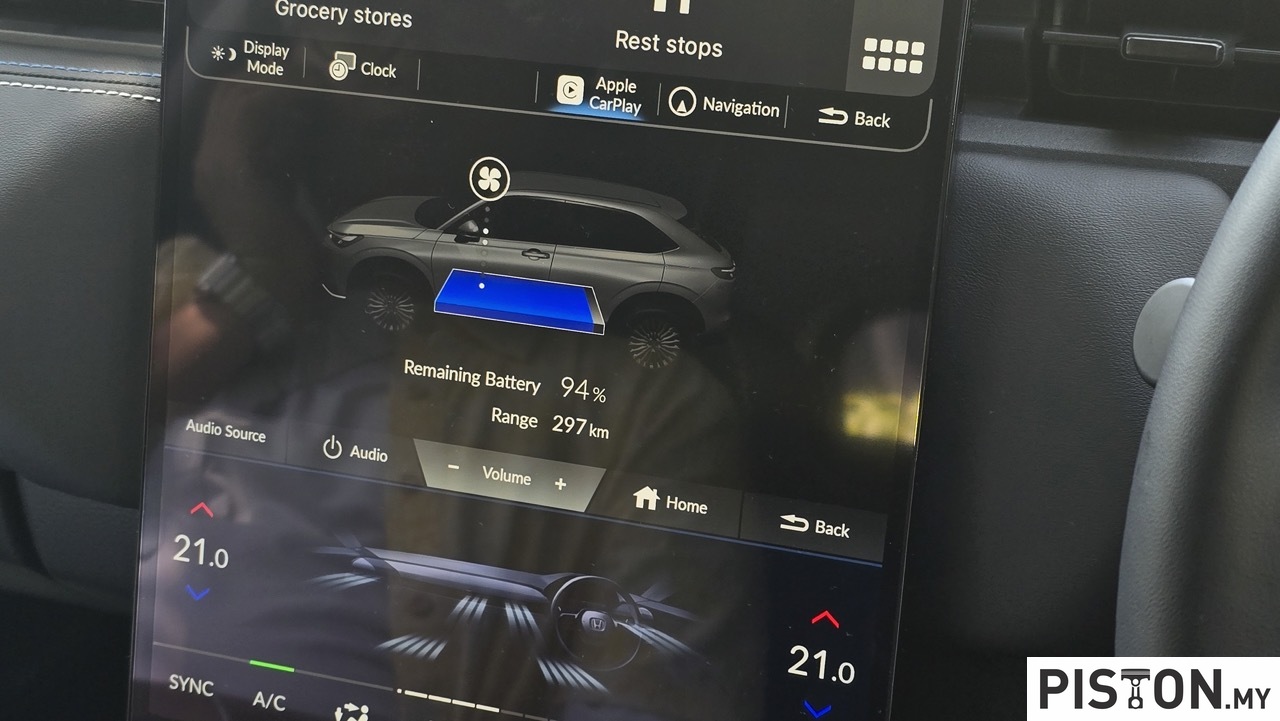
But at the same time, we had to put it to the test. So we drove like our fellow Malaysians and tried out the different drive modes (Normal, Eco and Sport). There were three drivers, so three different driving styles. 

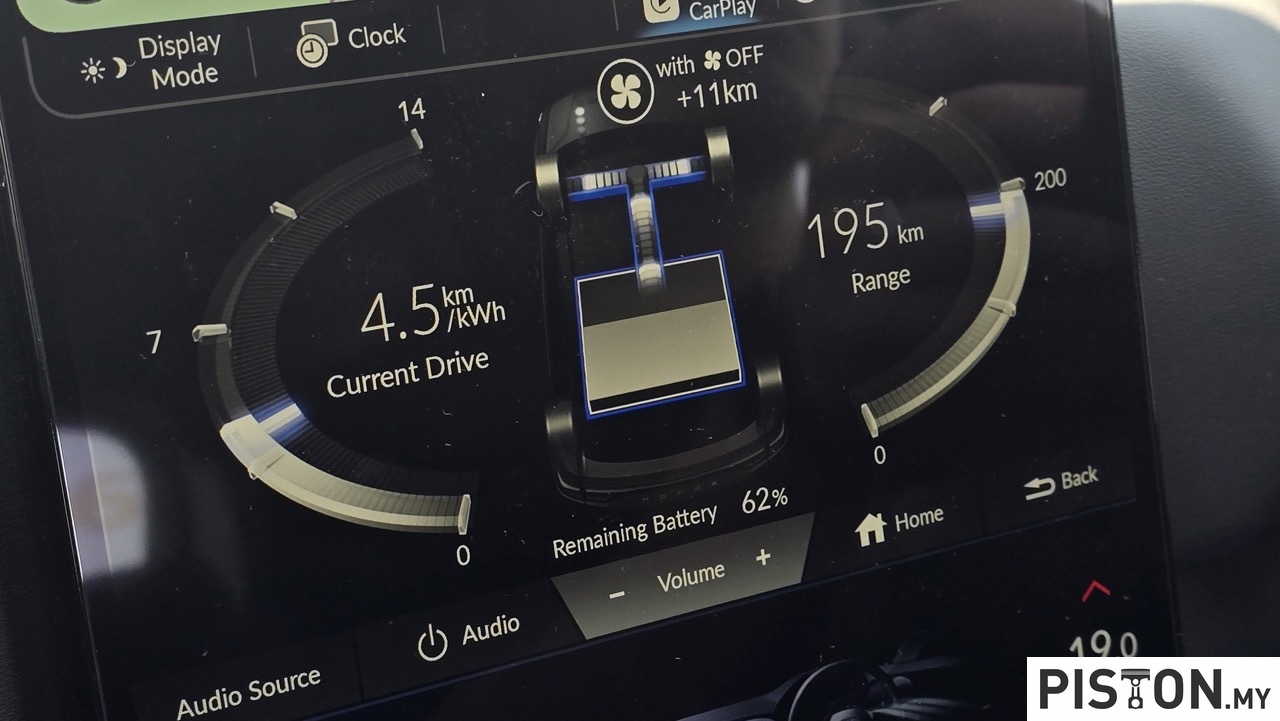
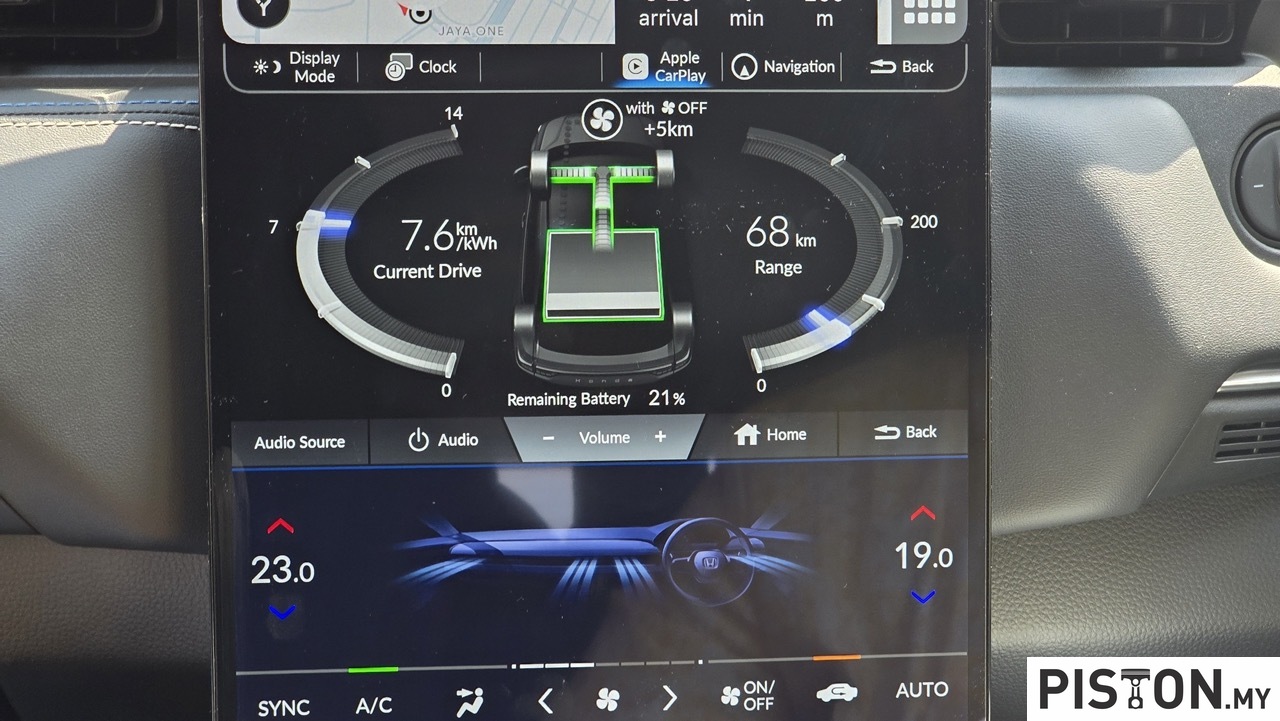
We went through highways, small town roads and winding back roads. So, were we able to make it back without stopping to juice up? Yes, yes, we did. When we parked at Honda Malaysia in Petaling Jaya, we still had 68km of driving range and 21% of battery! This is with an average speed of 125km/h and 7.6km/kWh. 
In Honda we trusted, and it did not let us down. But of course, if you are planning to drive longer distances, you will have to dedicate some time to charging it up. Which is why owning an EV means changing your lifestyle. You will have to properly plan your routes and drive accordingly to the percentage of your battery. 

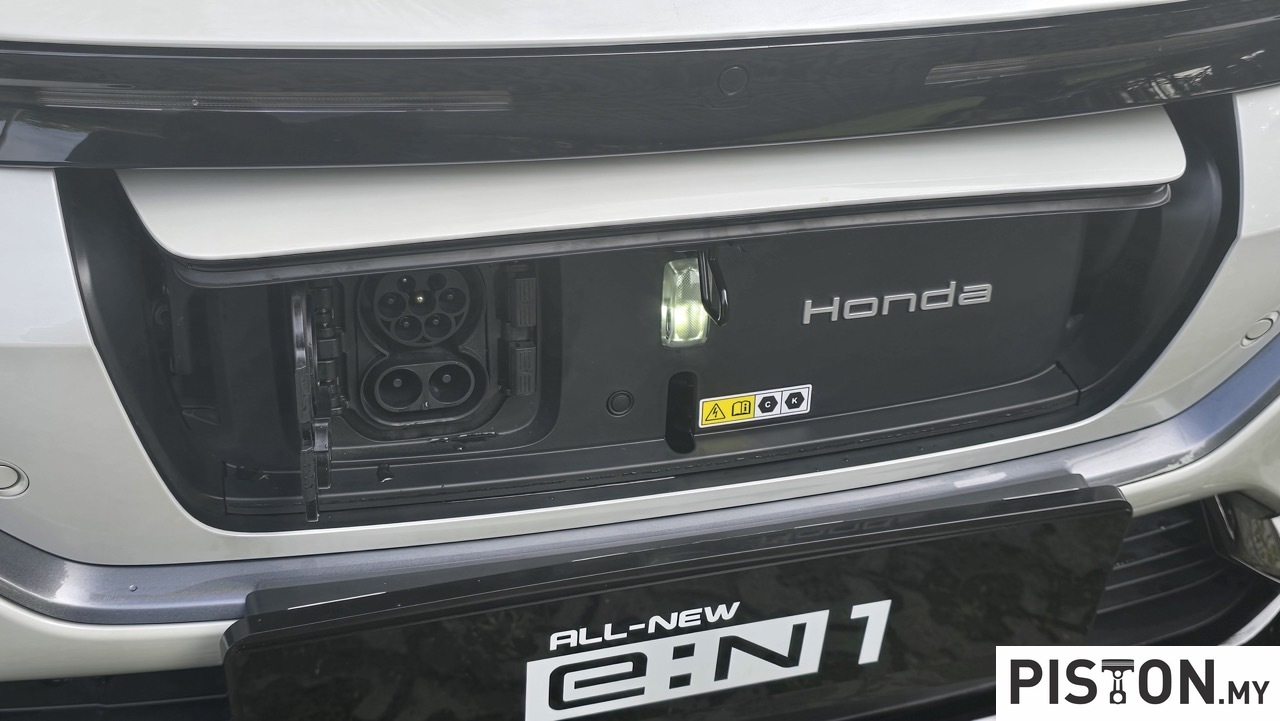
The e:N1 can be fast-charged from 10% to 80% battery in about 45 minutes using a DC CCS2 charger with a 78kW output.
Honda with no LaneWatch and a huge touchscreen?

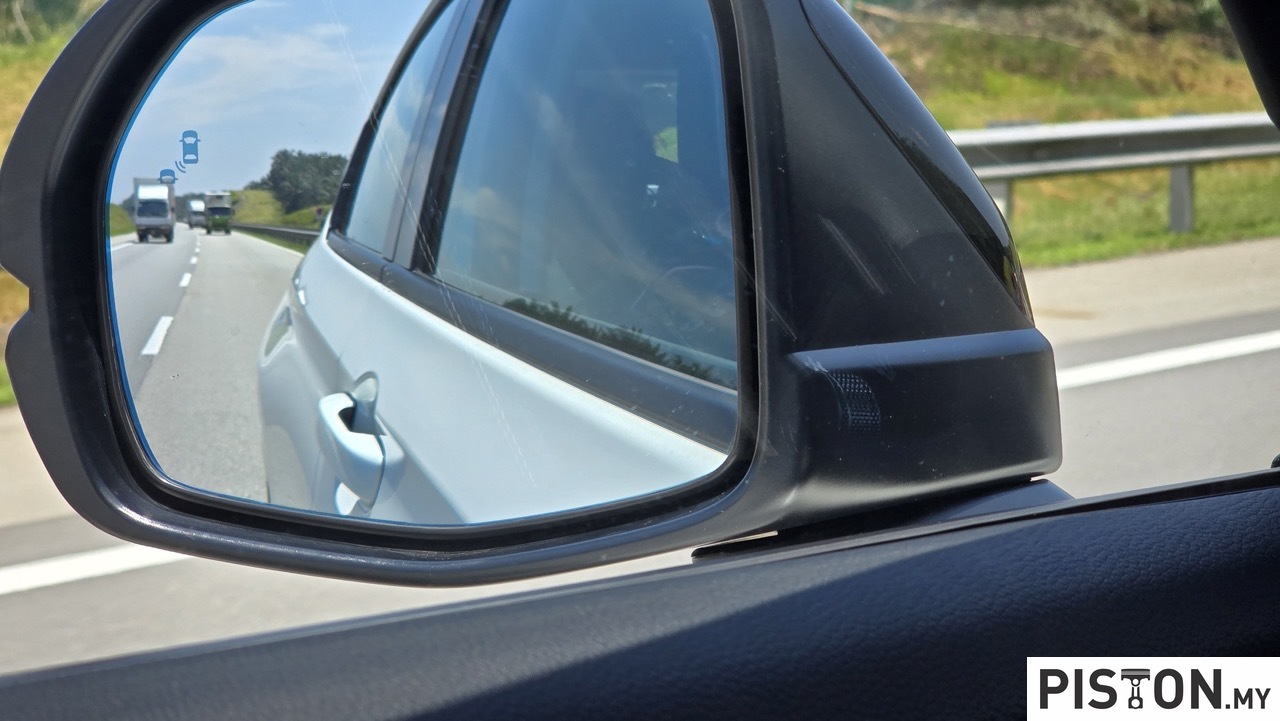
If you have read our previous reviews on Honda models, you will know that we had a love-hate relationship with Honda’s Lane Watch, but eventually got used to it. So, driving the e:N1 that does not have the LaneWatch felt a little weird. Instead of Lane Watch, Honda has replaced it with a Blind Spot Monitor. 

Why do we say it feels weird? Because if you are familiar with the Lane Watch system, you know that it will override your screen, which means you will not be able to see your navigation screen. Of course, you can override it via the signal lever, but that takes some getting used to.
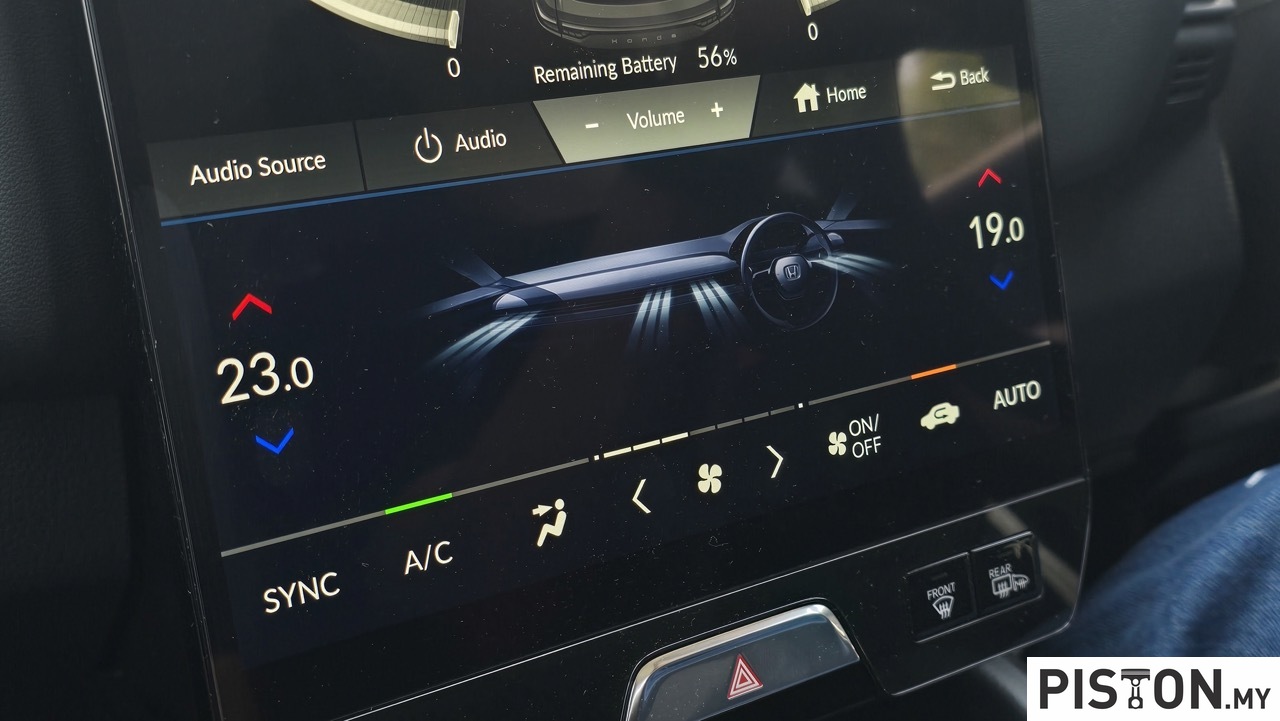
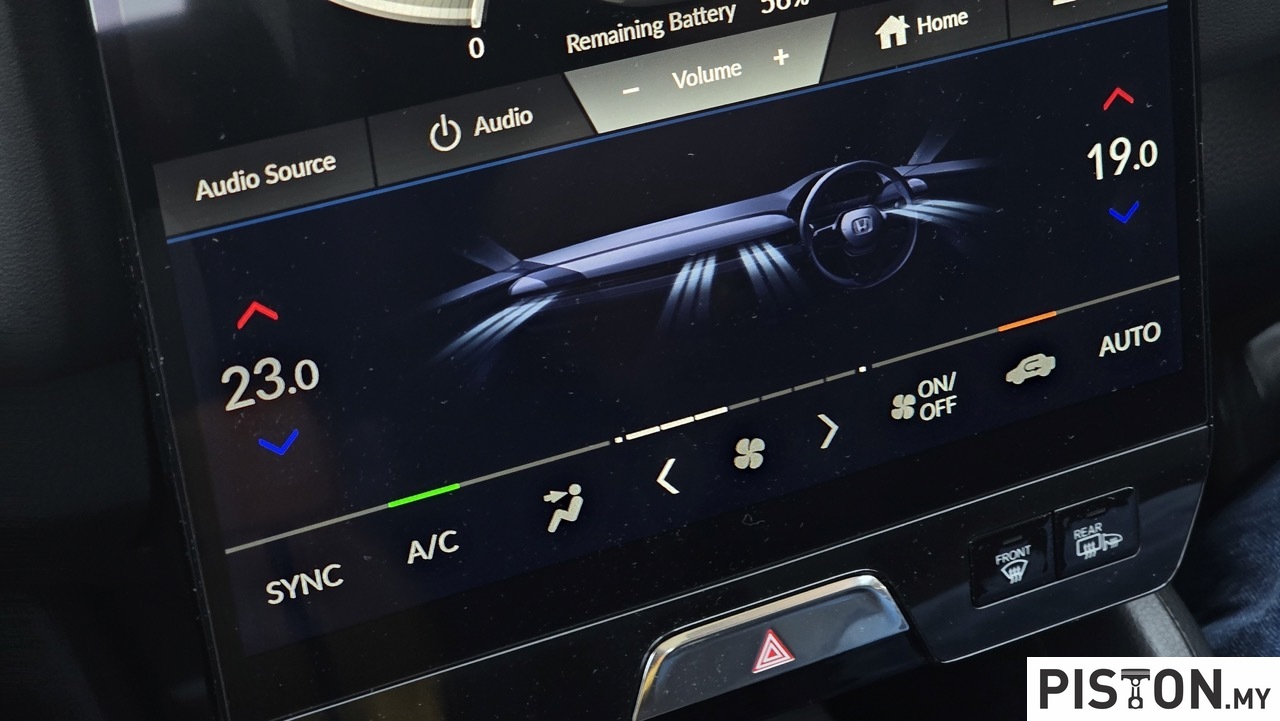
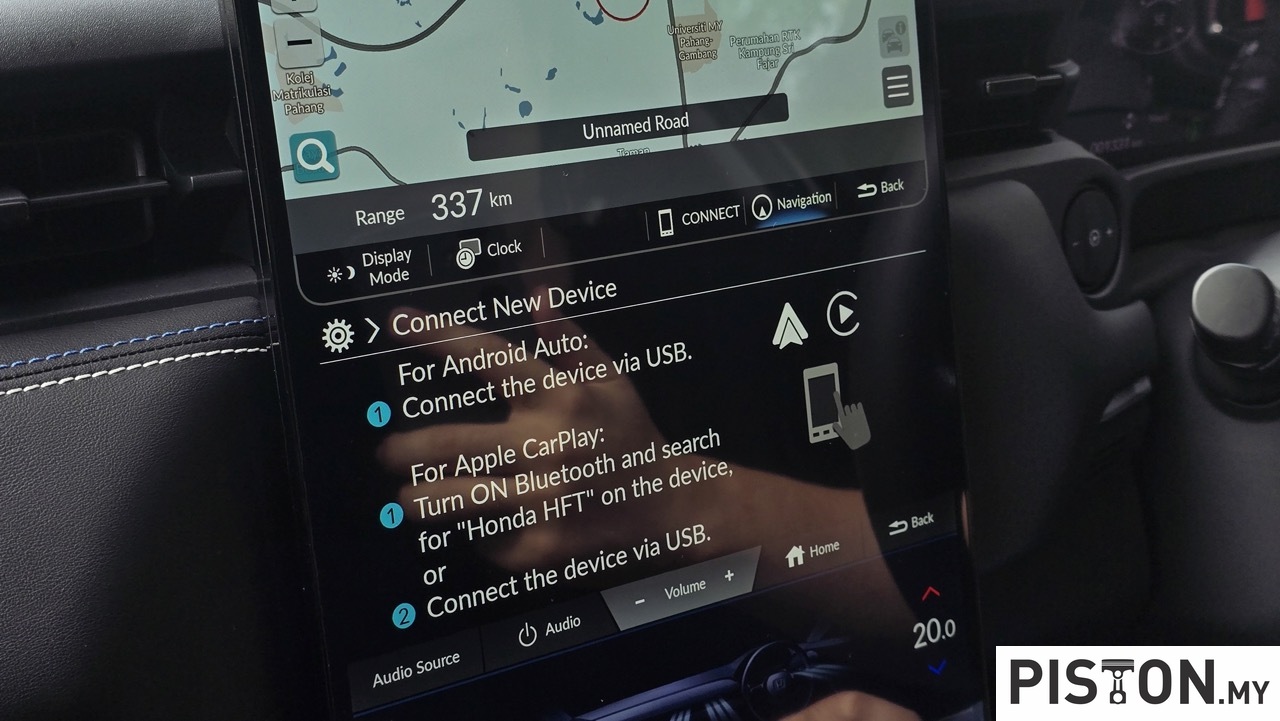
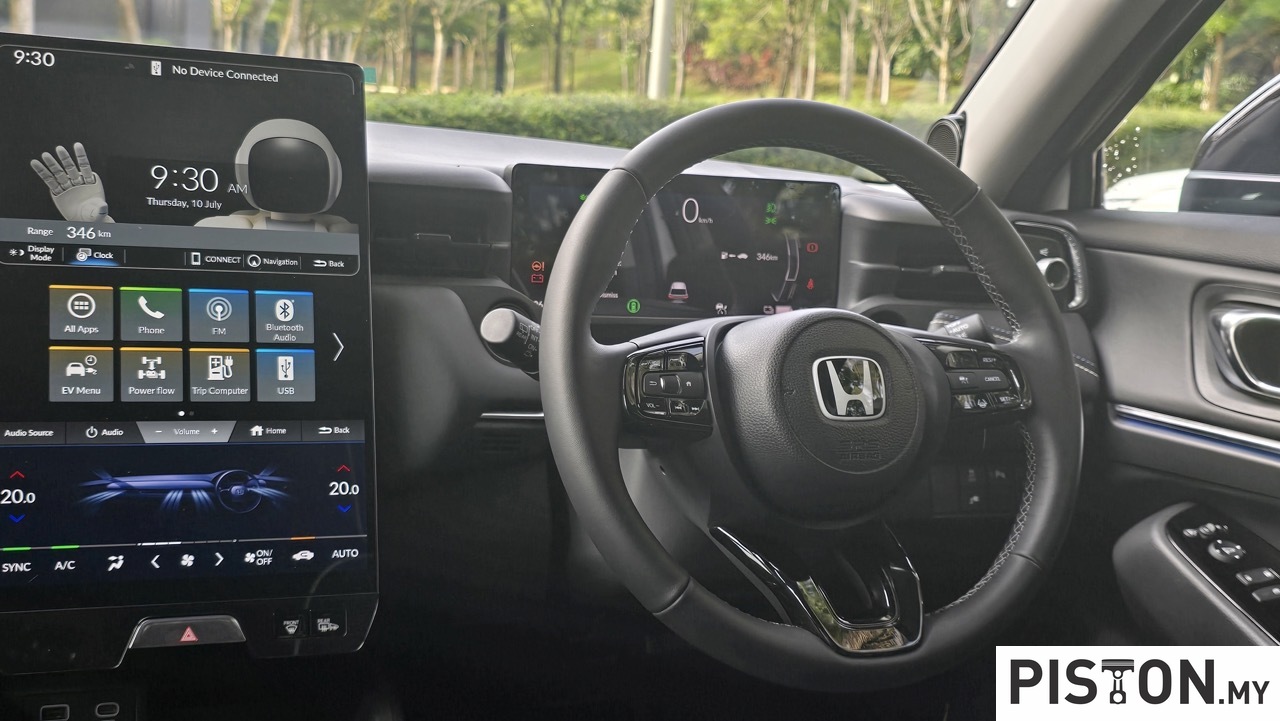
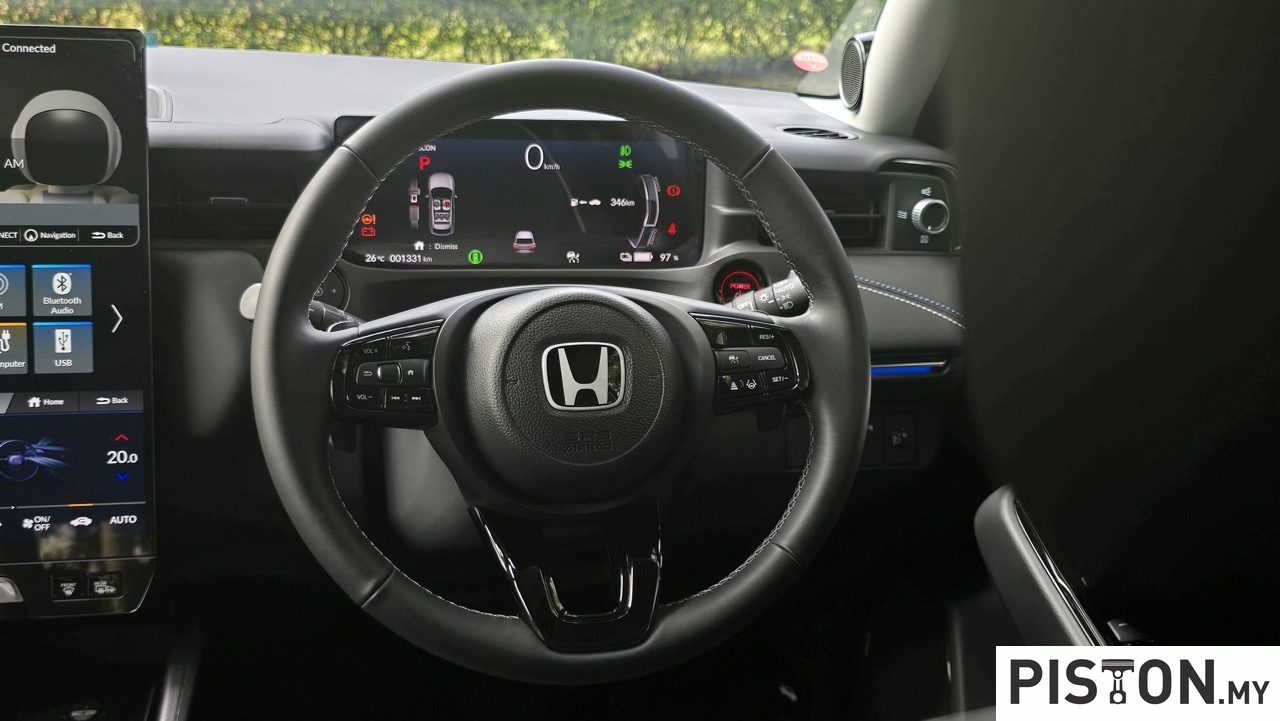
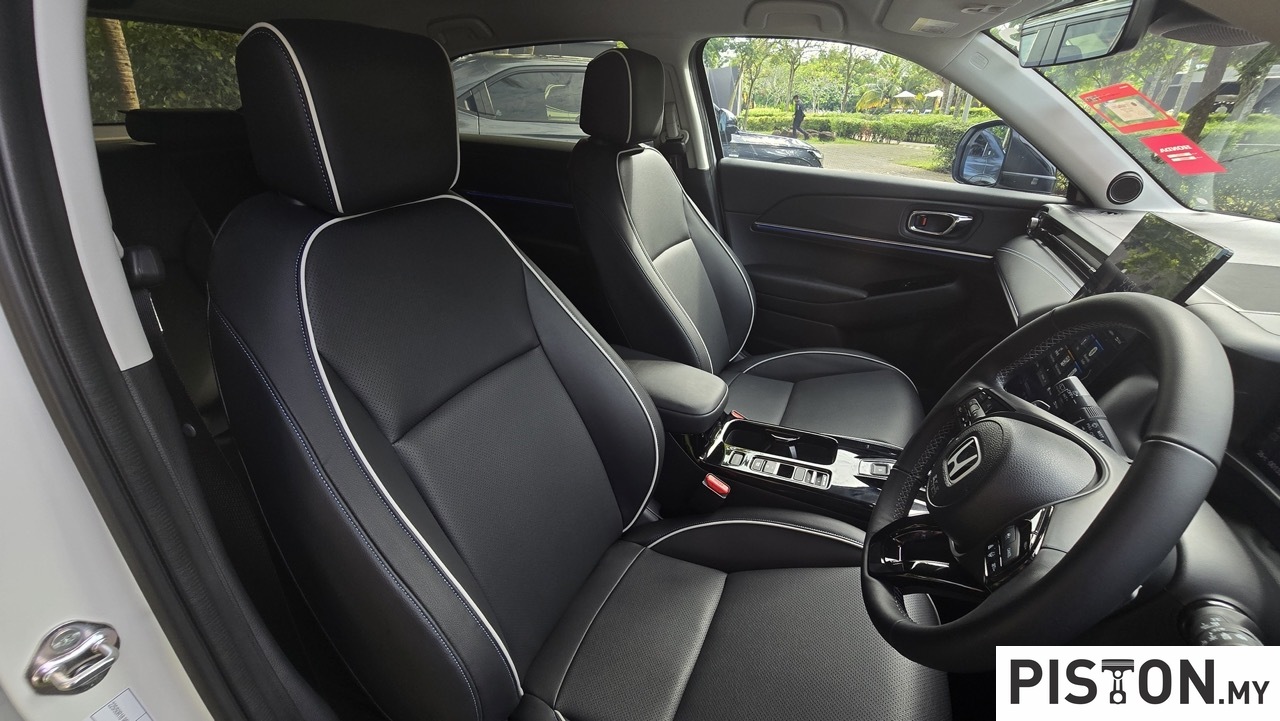
The e:N1, however, has a huge 15.1-inch Advanced Touch Display Audio touchscreen panel! This is brilliantly done because it splits into three different sections. At the top, you have your CarPlay details, which include Spotify and navigation controls. In the middle, you have the information section, which allows you to enter the settings menu, power flow and EV menu.

Finally, at the bottom part of the screen are your air conditioning controls. Which means, you will not have to navigate through menus to get to the controls! 
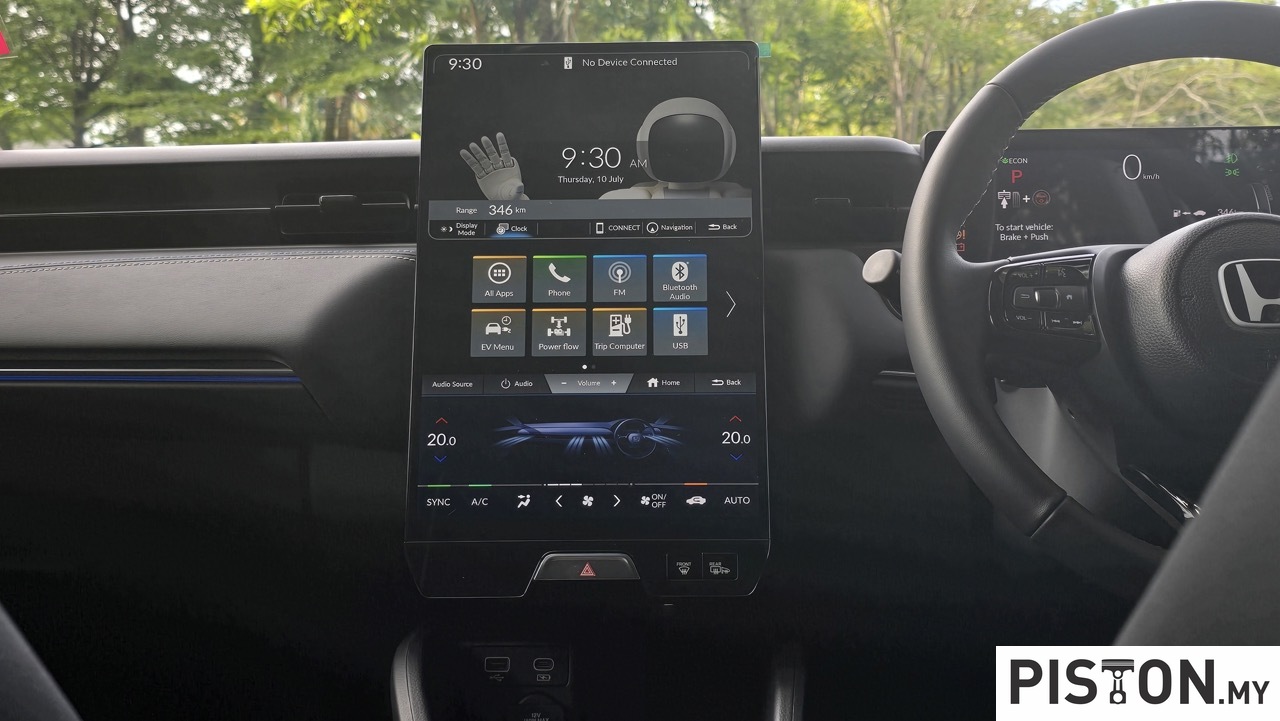
So, we were thinking that Lane Watch would have been perfect for this layout because it would not have to override your navigation screen. But of course, a high-definiton camera compared to the ones in the market now would be a nice touch. 

And a note from the editor also pointed out that having Lane Watch on the right of the car instead of only on the left would be welcomed as well. 
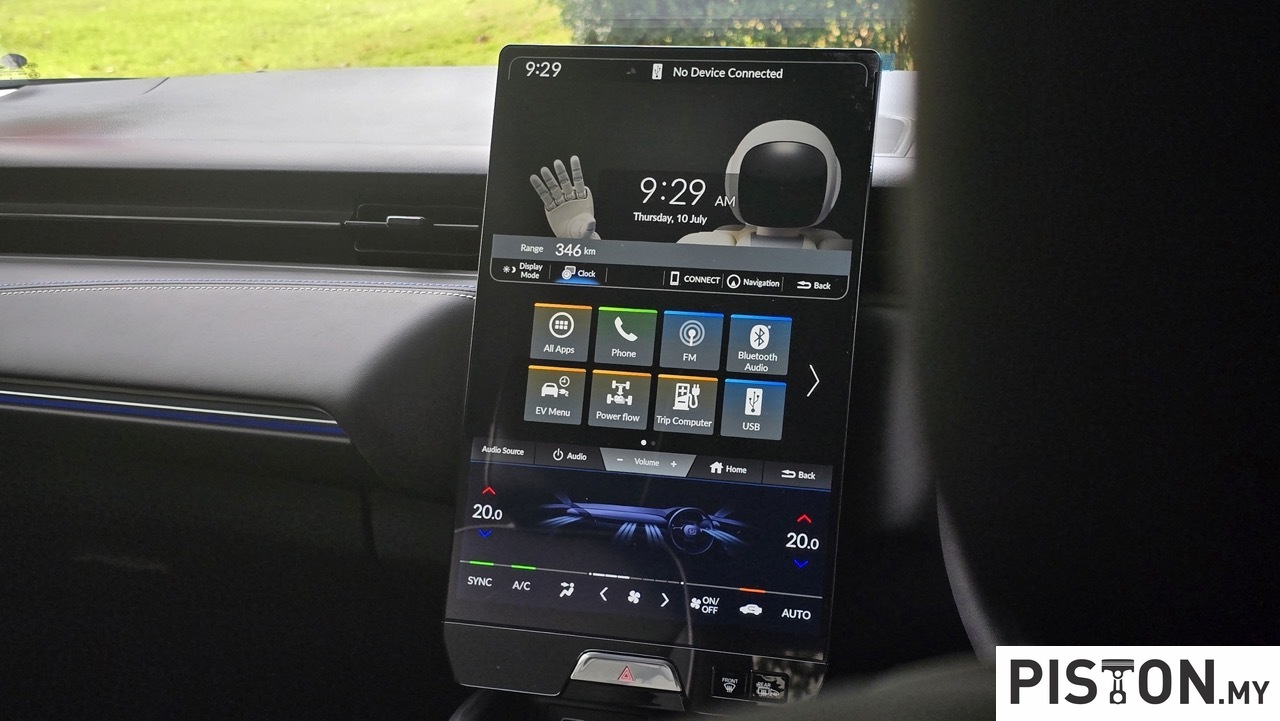
Honda has always made its tech very accessible and user-friendly, even with the smaller screens that you get in other models. So, take that, add a high-def camera on the left and right of the car and incorporate it into this massive screen, and you have the perfect marriage.

Of course, you still get ​​Honda Sensing, which features Adaptive Cruise Control with Low-Speed Follow, Lane Keeping Assist, Collision Mitigation Braking, Auto High-Beam, and a Lead Car Departure Notification system.
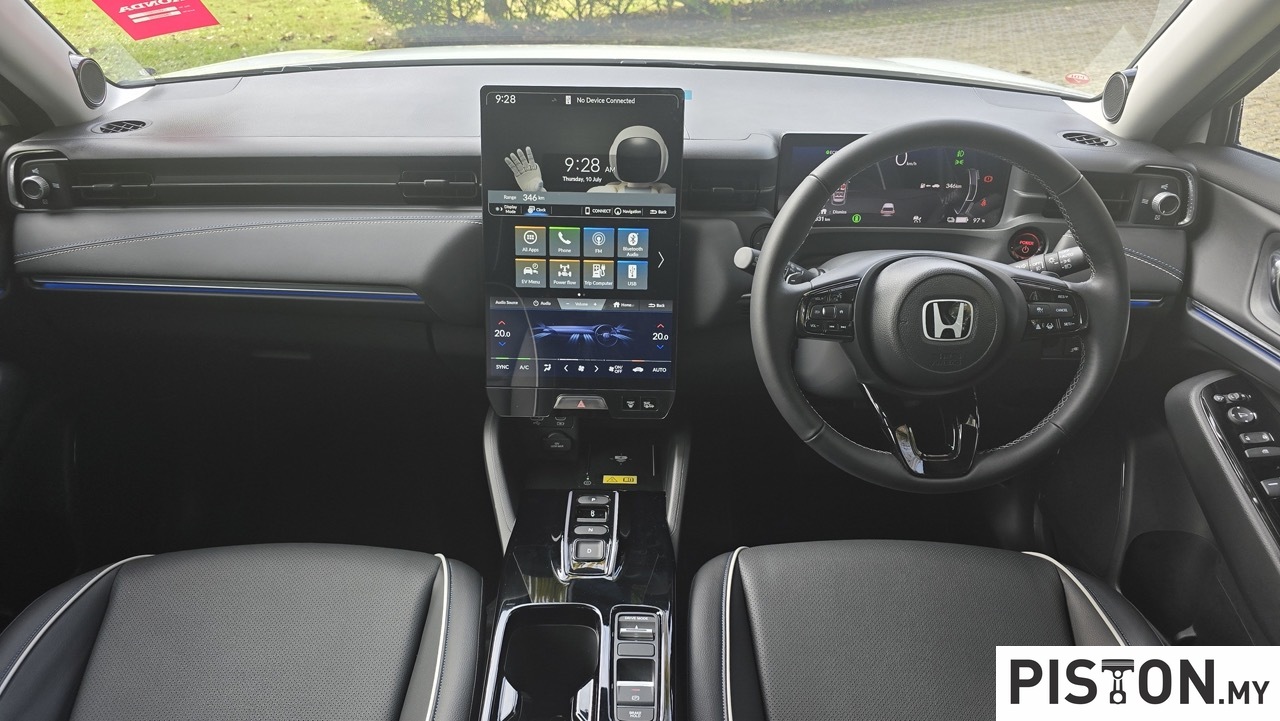
The powertrain is completely at home

We have driven countless numbers of SUVs; some feel overpowered, some underpowered, and some just feel like they’re missing something. However, when we got behind the wheel of the e:N1, pushed it through corners at low speed and high speed, flying on highways, cruising through towns, we felt like this SUV has the perfect powertrain. 

There is power when you need it; 204PS on tap with 310Nm of torque. This is not overpowered because it does not want to break your neck as soon as you floor it, as most electric vehicles nowadays do. It has the perfect launch power to get you out of tricky situations. 
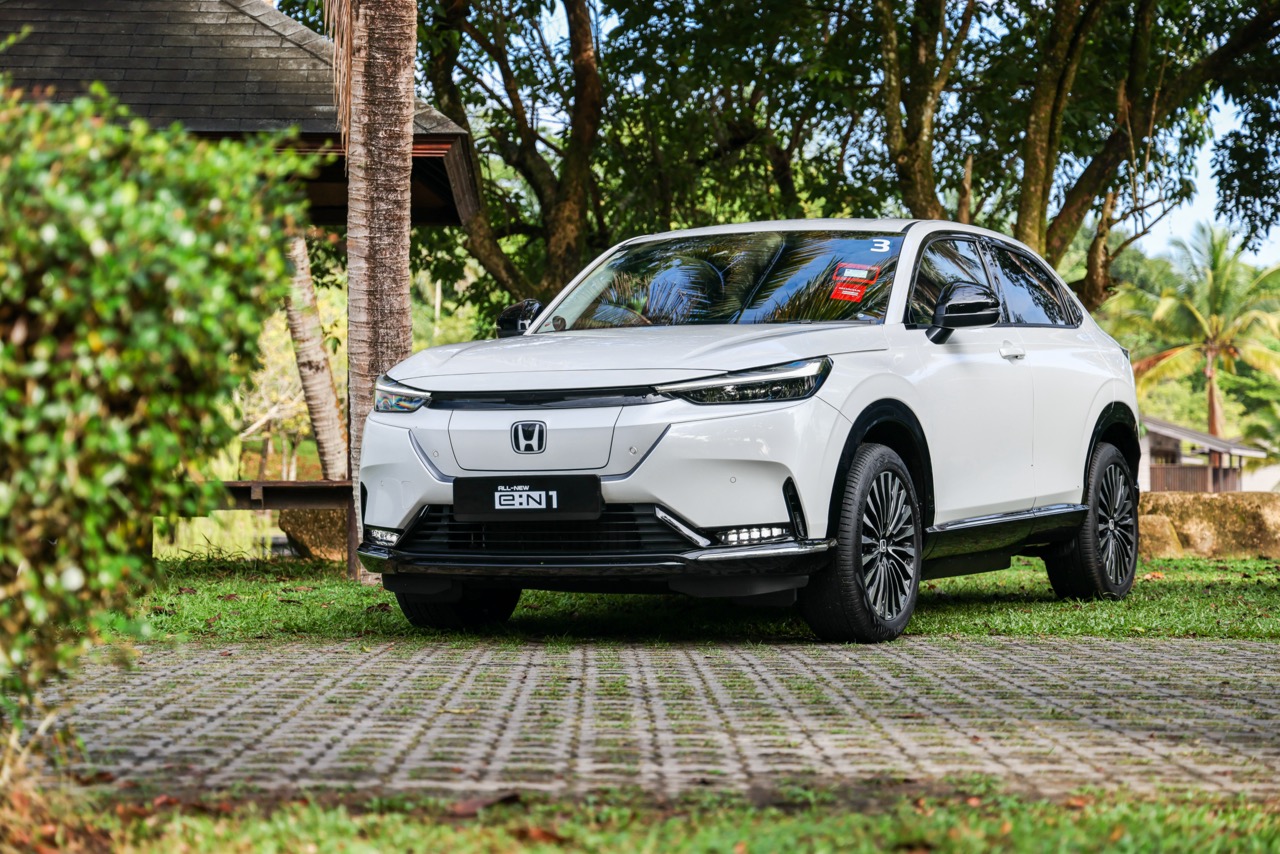
Switching it to sport mode when climbing up winding roads never felt more satisfying in an SUV. There were times when we forgot that we were driving an SUV! At high-speed corners, we were leaning a little, but that’s normal as the seats were not specifically designed for that. However, you do not get that weird body roll that can make you carsick.

It feels stable at corners and high speeds because it has a 1,662 kg kerb weight, which balances the power-to-weight ratio, coupled with a perfectly tuned suspension. 
Final thoughts

For an EV, it drives differently compared to the Stormtroopers you get from China. The e:N1 speaks to the driver; it tells you everything that is going on. The suspension is so well-tuned that it does not feel like you are in a spaceship. This car has a soul and character, so kudos to Honda for making it feel and drive the way it does.

For everything that this SUV offers, we do not mind paying a premium price of RM149,900 for quality. 
Specifications

Motor: Single, front-mounted

Power: 204PS

Torque: 310Nm

0-100km/h: 7.7 seconds

Top speed: 160km/h

Charging: 45 minutes with 78kW DC / 6 hours with 11kW AC

We like: Infotainment layout and driving experience

We don’t like: Not parked in our garage

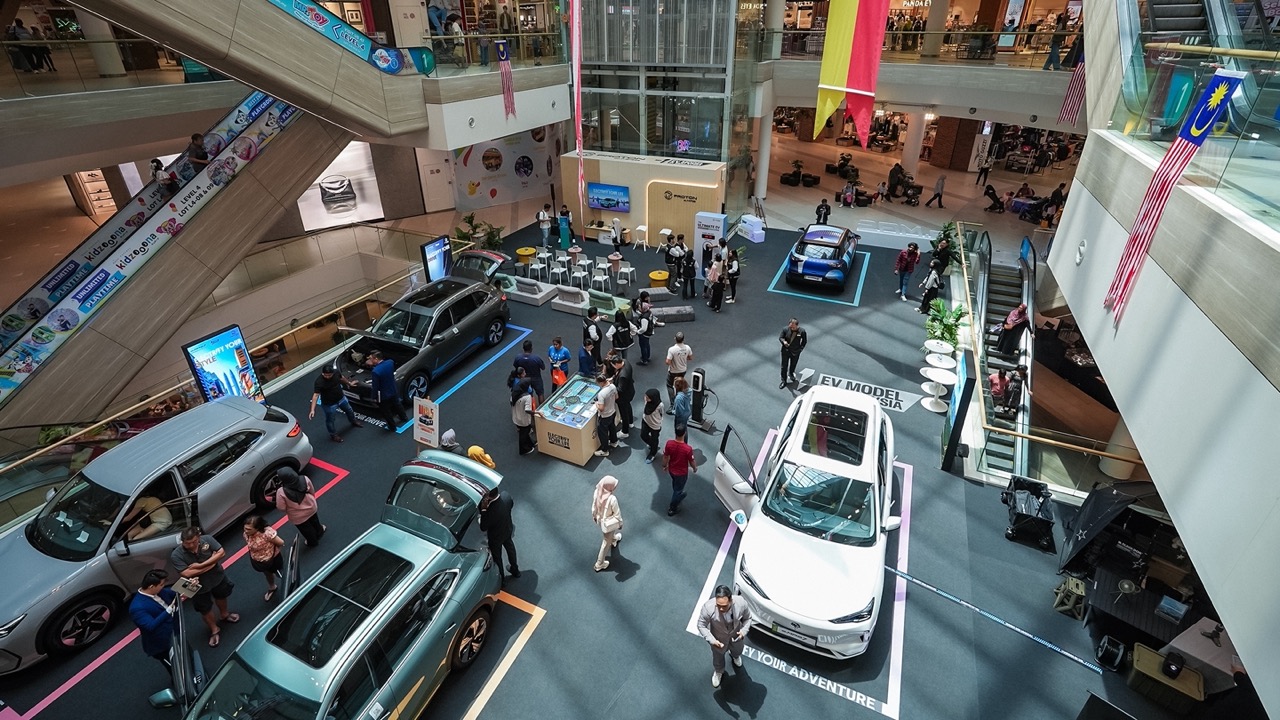
PRO-NET, a wholly-owned subsidiary of Proton, has brought its Electrify Your Life Nationwide Roadshow to a successful close at Central i-City, Shah Alam, following a three-month tour across the country that introduced Malaysians to the brand’s first national electric vehicle, the Proton e.MAS 7.

Launched in May, the campaign has travelled through Kuala Lumpur, Penang, Melaka, Johor Bahru, and Shah Alam, engaging tens of thousands of visitors along the way. Attendees were able to immerse themselves in lifestyle zones, take part in interactive test drives, and gain insights into electric mobility through educational sessions hosted by motoring personalities.

One of the major attractions of the campaign was the Electrify Your Life Contest, which encouraged Malaysians to submit creative slogans. The contest received more than 31,000 entries from roadshow visitors, online participants, and dealership engagements, underlining the strong enthusiasm for Proton’s e.MAS line-up and the growing acceptance of EVs in Malaysia.

(more…)

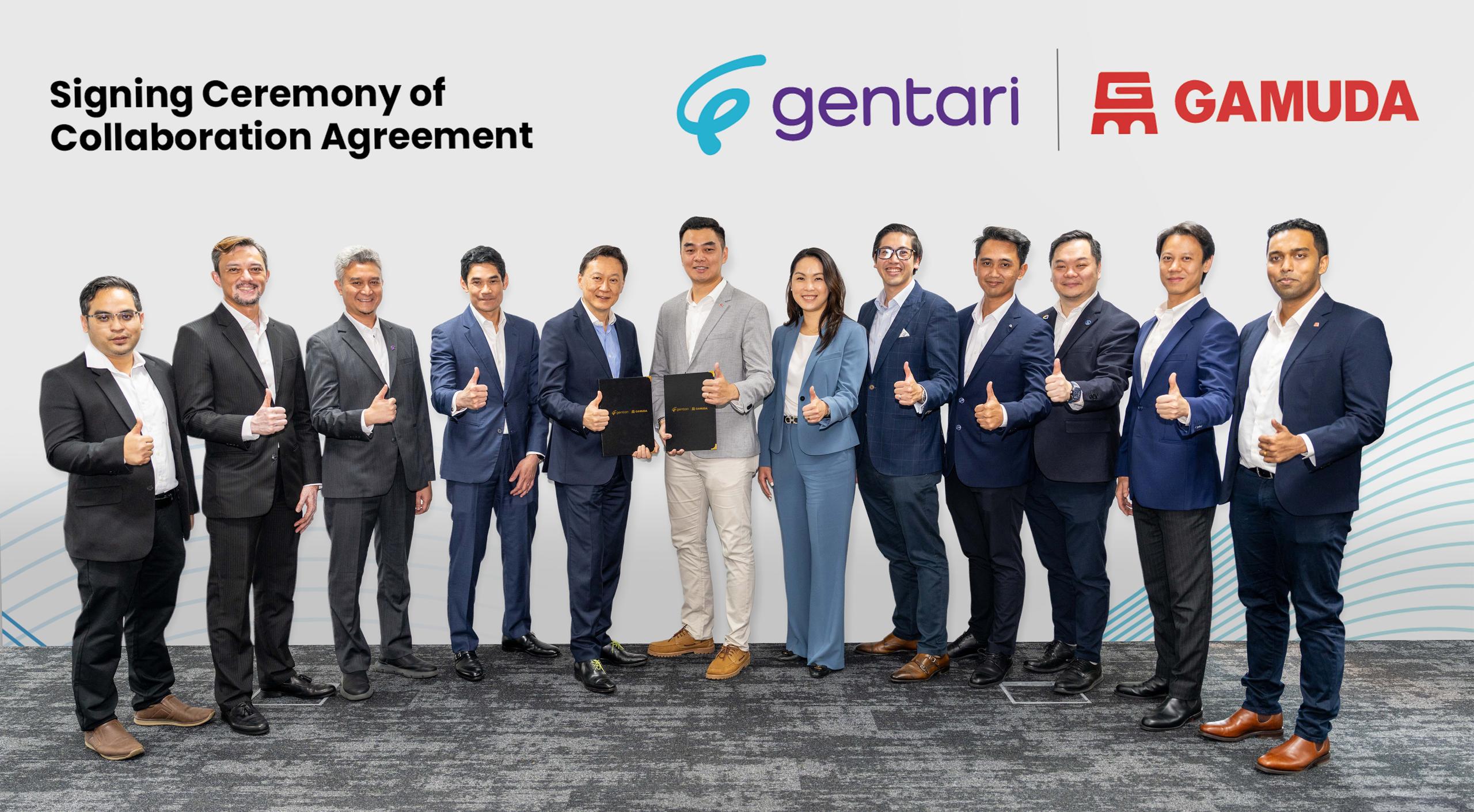
Malaysia’s transition towards clean energy has taken another significant step forward as Gentari Renewables Sdn Bhd, a subsidiary of Gentari, and Gamuda Energy Sdn Bhd, a subsidiary of Gamuda, confirmed a landmark collaboration to develop around 1.5 GW of renewable energy capacity. The project will focus on solar photovoltaic power plants integrated with battery energy storage systems (BESS), designed to supply the growing energy needs of hyperscale data centres in the country.
The new capacity is being established under the Corporate Renewable Energy Supply Scheme (CRESS) framework, reflecting the government’s ambition to accelerate renewable energy adoption. With demand from data centres projected to exceed 5 GW by 2035, the partnership comes at a crucial moment for Malaysia’s energy landscape.

Gentari brings with it a strong record in large-scale renewable energy development and operational expertise, having already built a portfolio of over 8 GW of installed and under-construction capacity across its markets. Gamuda, on the other hand, contributes decades of experience in engineering, construction and delivery of complex infrastructure projects, including renewable energy initiatives. Together, the two companies believe their complementary strengths can help position Malaysia as a regional digital hub while advancing the national net-zero agenda.

(more…)

As the nation celebrates Merdeka and Malaysia Day, Caltex Malaysia also commemorates a milestone of its own – 89 years of fuelling the country’s growth and communities. More than just a fuel provider, the company has long been a part of the nation’s social fabric, shaped by the dedication of its people, its partners and its customers.

Caltex describes its nine-decade journey in Malaysia as one driven by excellence, resilience and innovation. The brand has consistently placed emphasis on the people behind its operations, recognising employees and partners as the true foundation of its success. The company believes that every achievement is a collective one, born from a workplace culture that values commitment, ingenuity and family.

Breaking Barriers in Operations

One example of this spirit is reflected in Vitini Josak, who joined Caltex at 22 as a fresh graduate and rose through the ranks to become a leader. At just 29, she broke new ground by becoming the first female Terminal Manager in Caltex Malaysia’s history—at a time when such positions were almost exclusively held by men. Her leadership not only redefined possibilities for women in the industry but also inspired younger colleagues who saw her as proof that barriers could be dismantled.

Vitini Josak (2nd from right) celebrating 25 years in Caltex Malaysia in 2023

(more…)

As the global shift towards electrification accelerates, one of the most pressing challenges for the automotive industry is deciding what to do with retired electric vehicle batteries. With no single definitive solution, various start-ups and carmakers are developing their own approaches. Toyota’s answer is the Sweep Energy Storage System, a project that has now entered field testing at Mazda’s Hiroshima facility.
The Sweep system takes high-voltage batteries salvaged from electrified vehicles, whether hybrids or fully electric, and integrates them into a large-scale factory energy storage solution. What sets the system apart is its ability to work with batteries of varying chemistries and levels of degradation. An advanced energy management logic developed by Toyota continuously monitors performance, directing power through the strongest units while bypassing weaker ones in real time.

Adding to its cost efficiency, the system also reuses inverters from the donor vehicles, removing the need for expensive power conditioners. Horizon, a science and technology publication, highlights this as a key factor in lowering operational costs and making the system more scalable for wider adoption.

(more…)

Archive

Follow us on Facebook

Follow us on YouTube