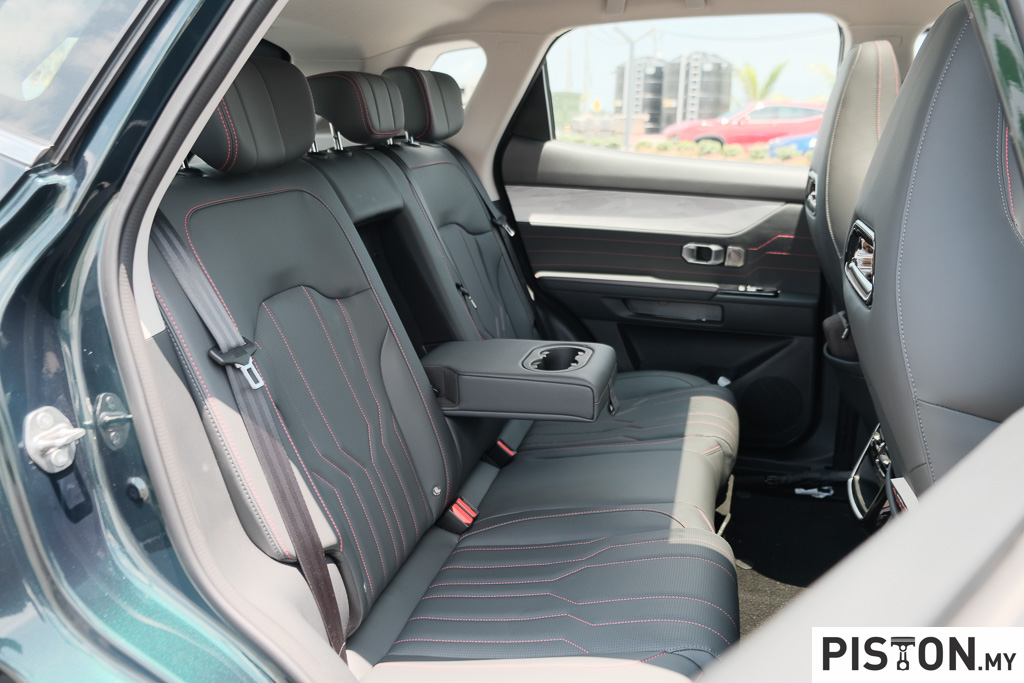
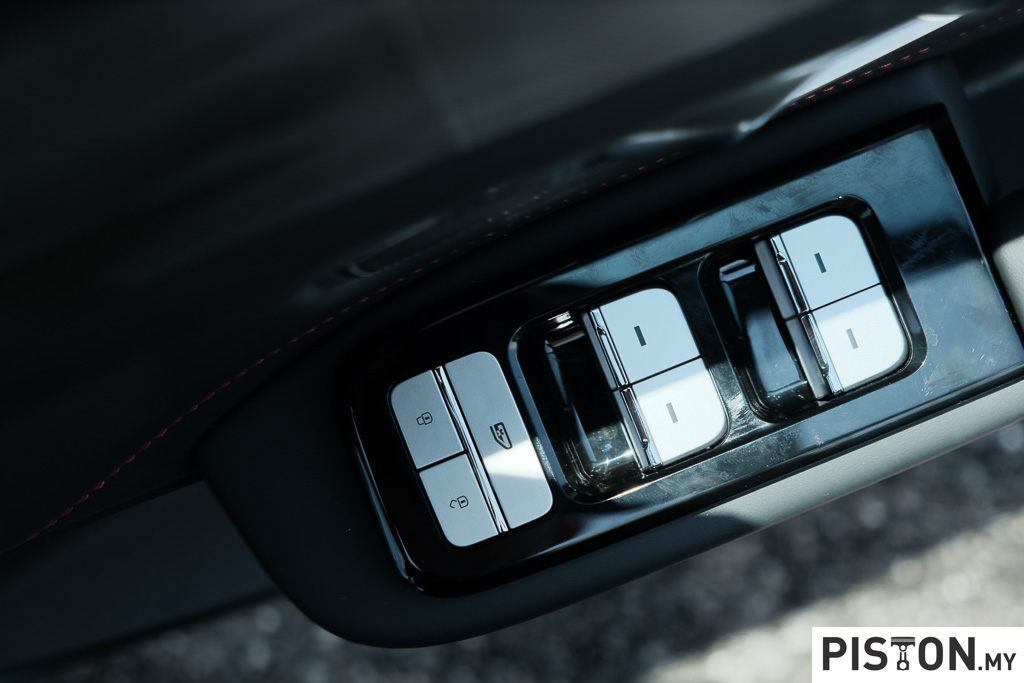
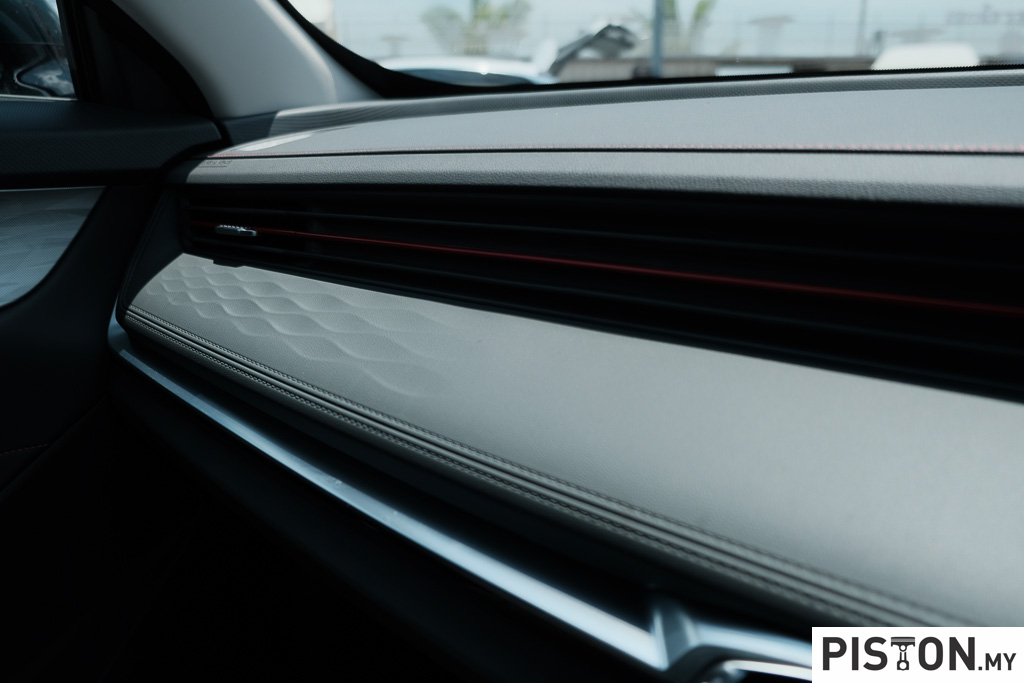
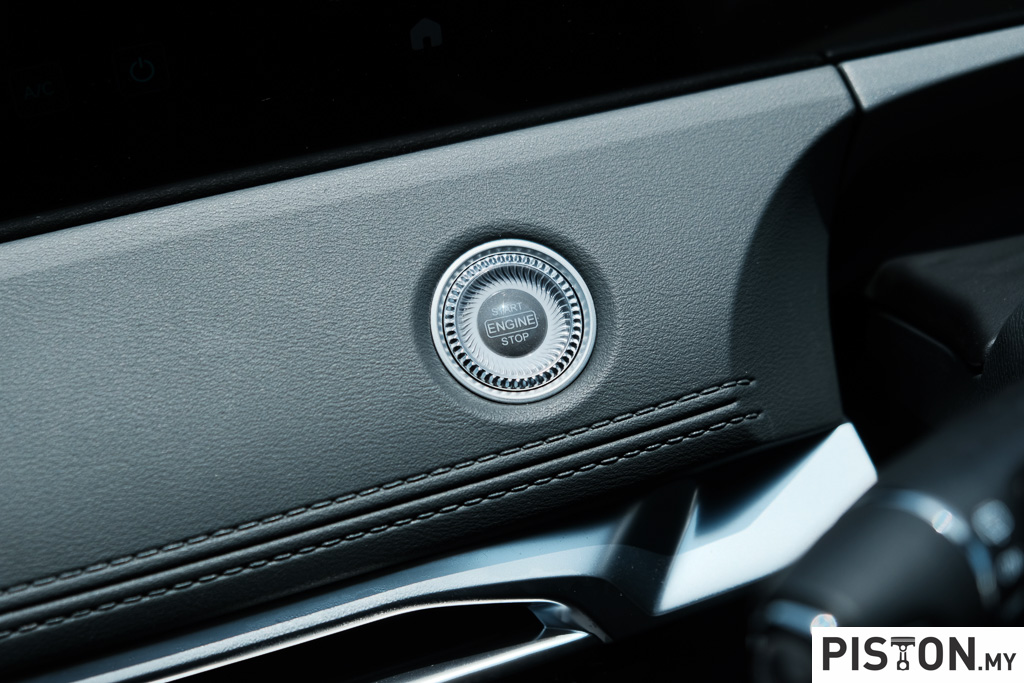
There are a few cars from Japan that represent the joy of driving. I am not talking about sports cars because we all know there are plenty of those from the land of the rising sun.
But before going down this path for this article, I must acknowledge the greatness of the Honda Civic Type R, Nissan GT-R, Mazda MX-5, Toyota Supra and GR86. Even the Lexus LC and its glorious V8 deserves to be mentioned. Among many others of course.
Not acknowledging them would be tantamount to blasphemy.
I am instead talking about SUVs. When was the last time anyone spoke about SUVs from Japan that were fun to drive? There are many that are built well, have space age technology with immaculate craftsmanship and generally do what SUV’s do really well.
But a Japanese SUV that is fun to drive? That can only be a Mazda. (more…)
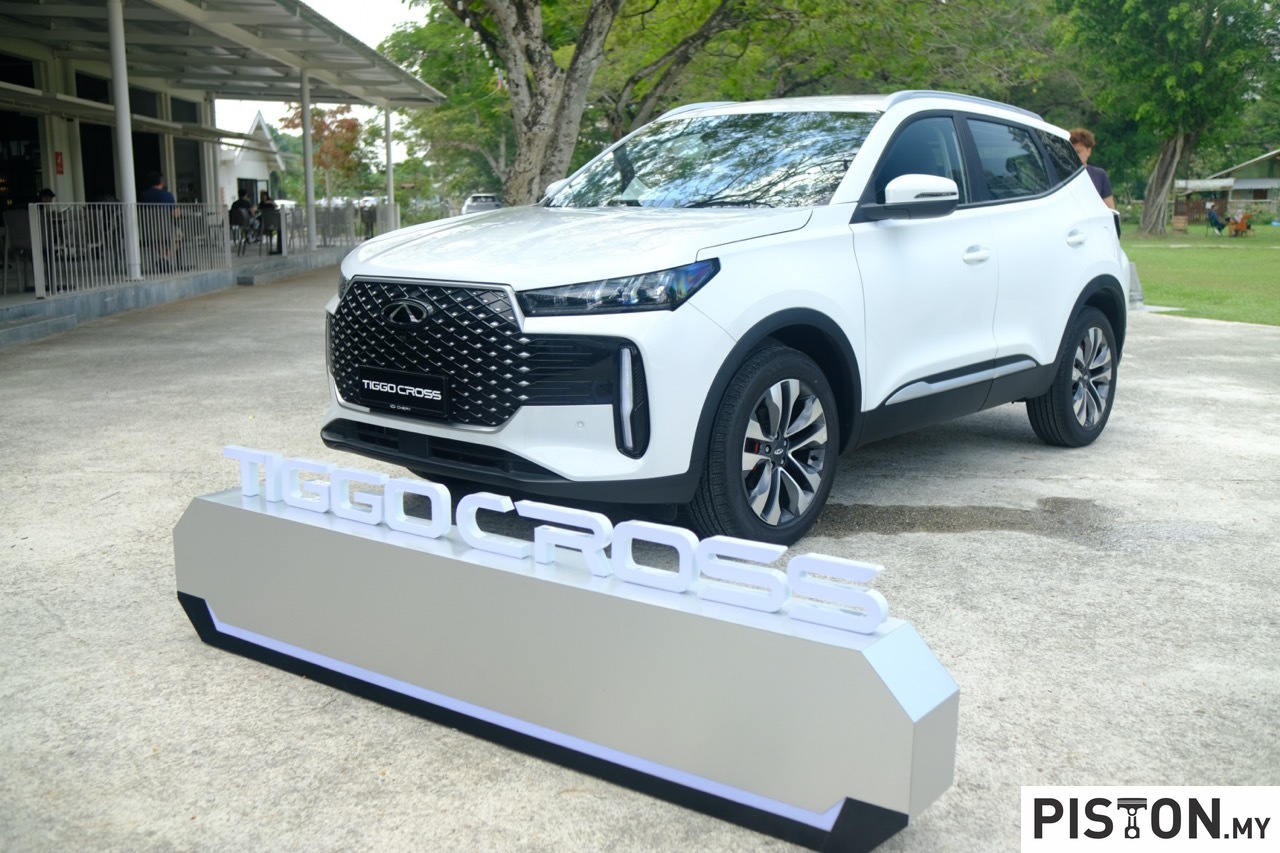
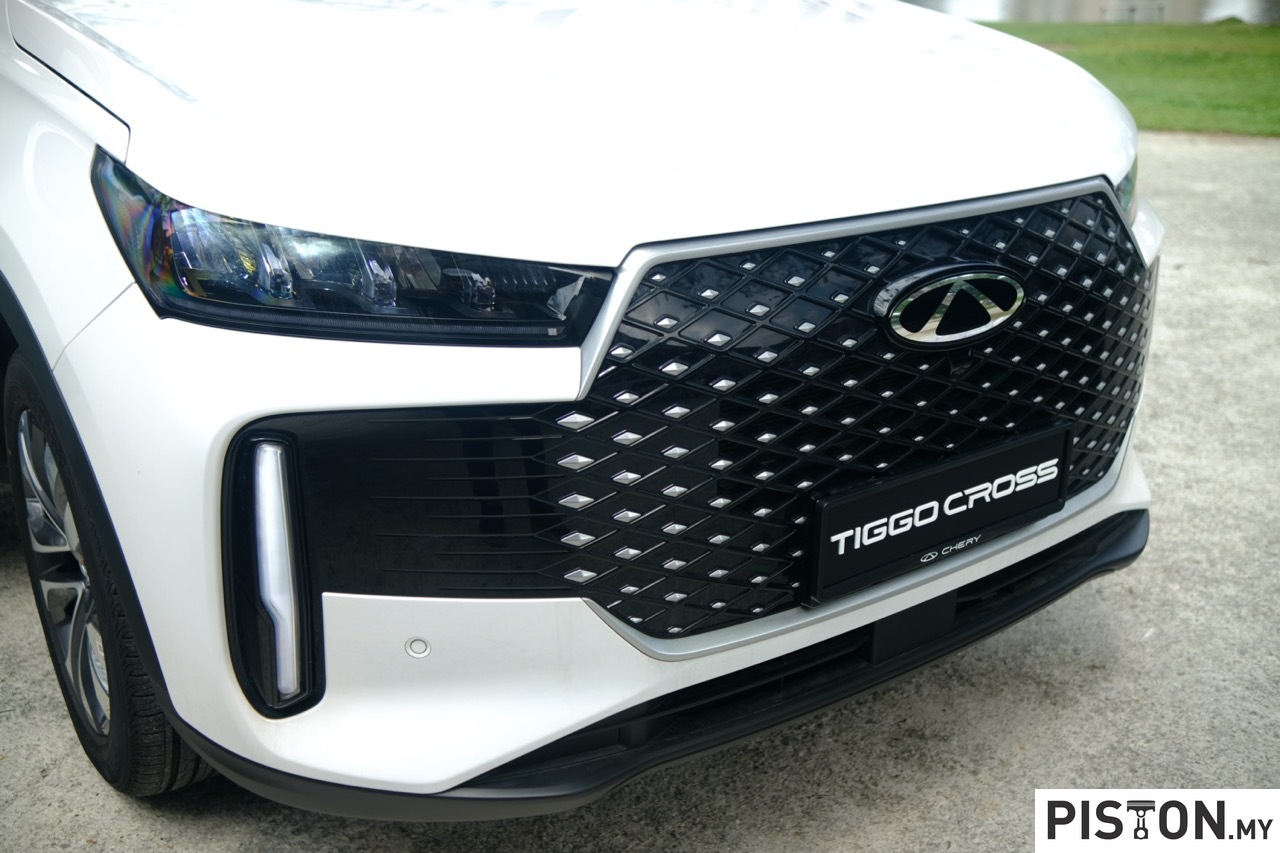
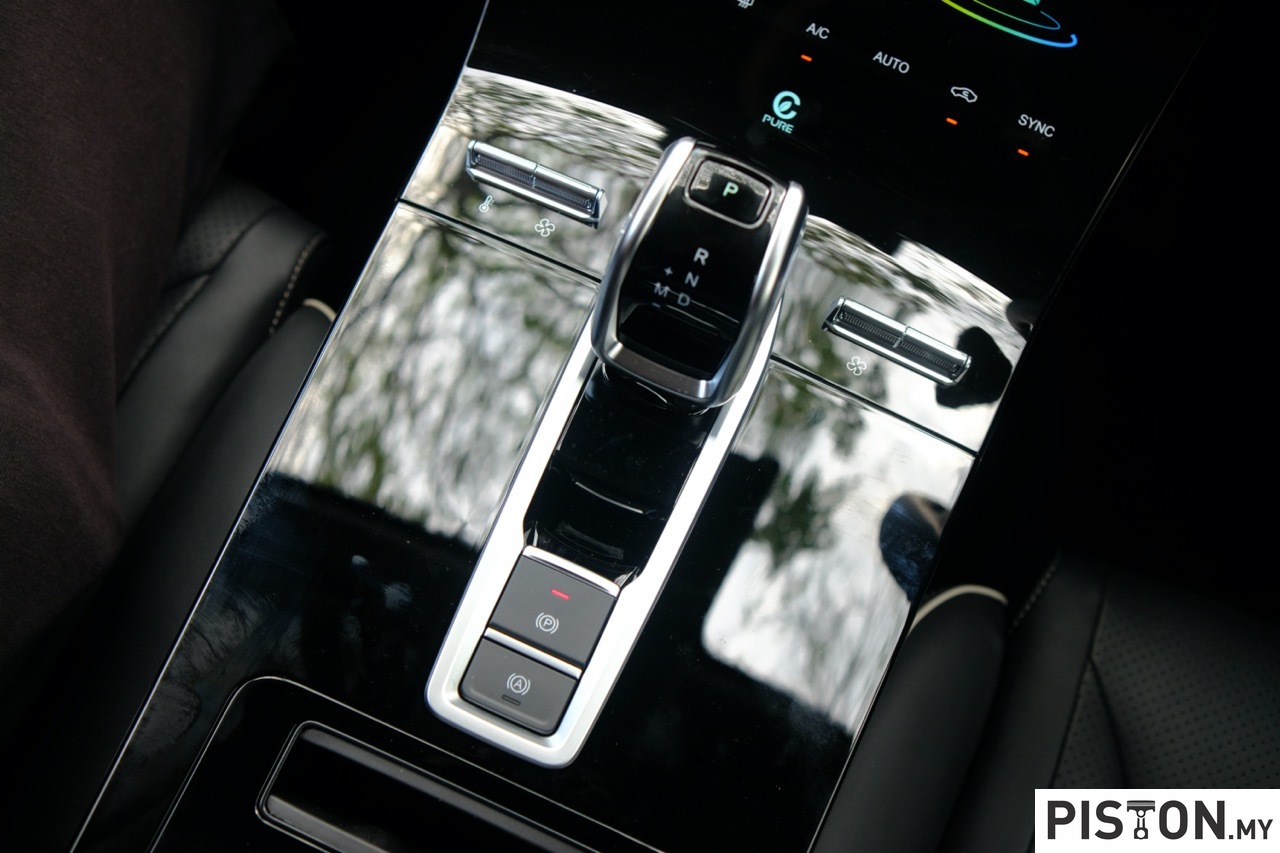
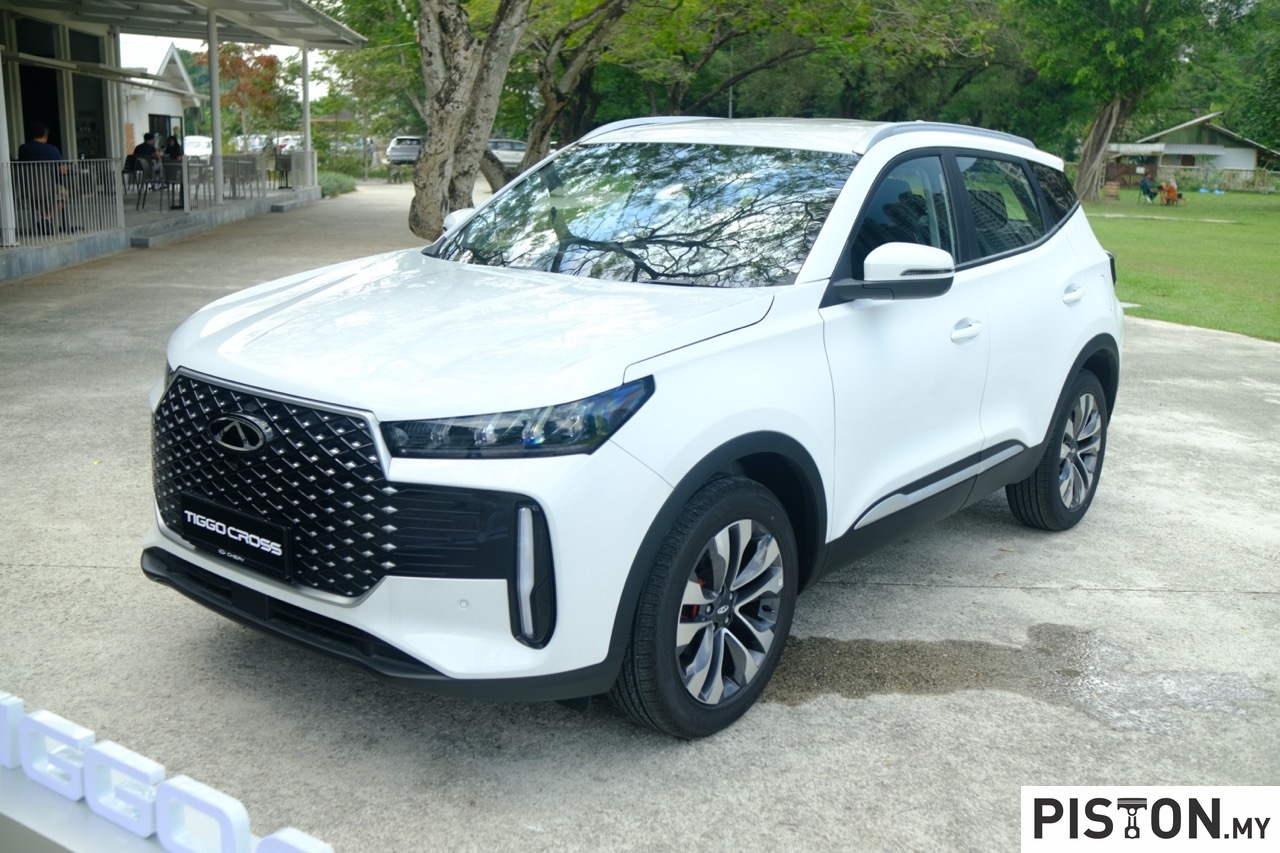
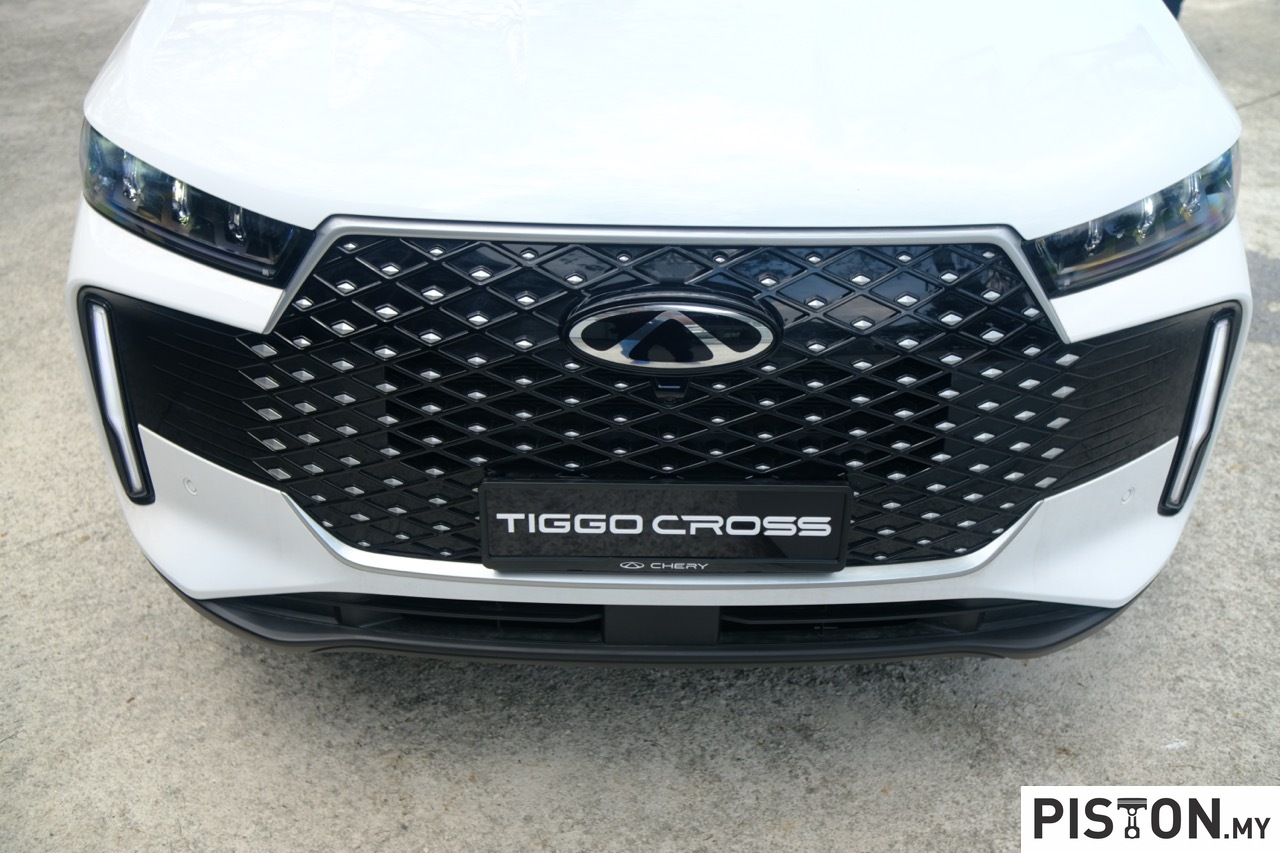
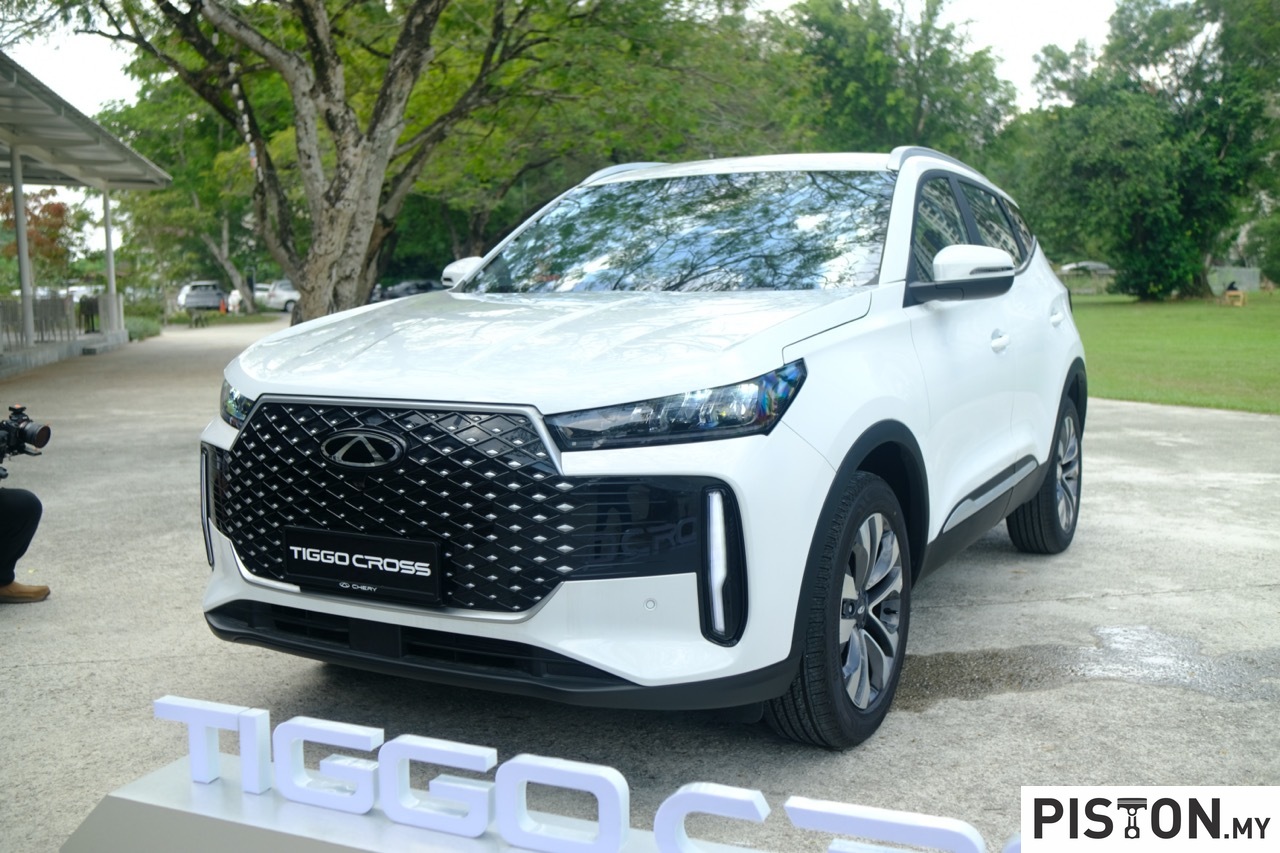
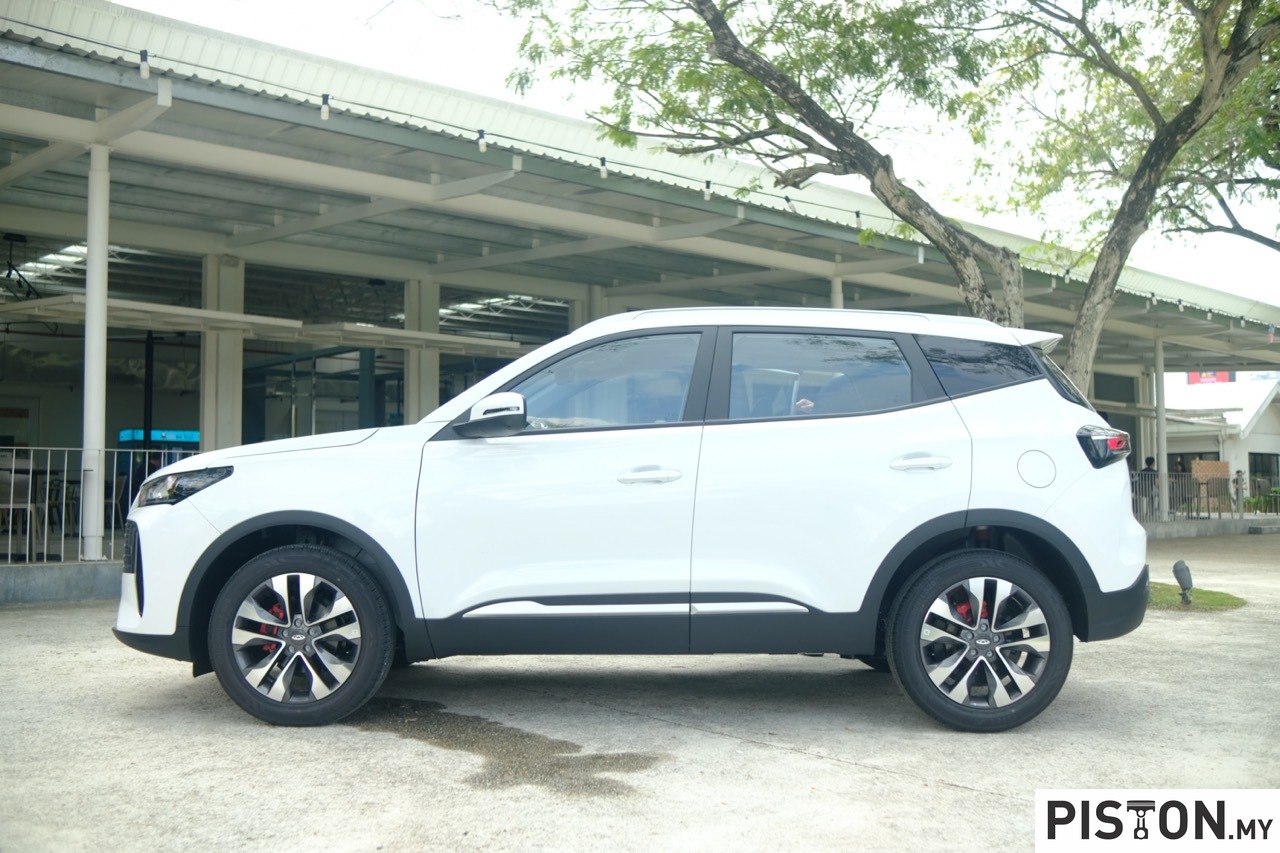
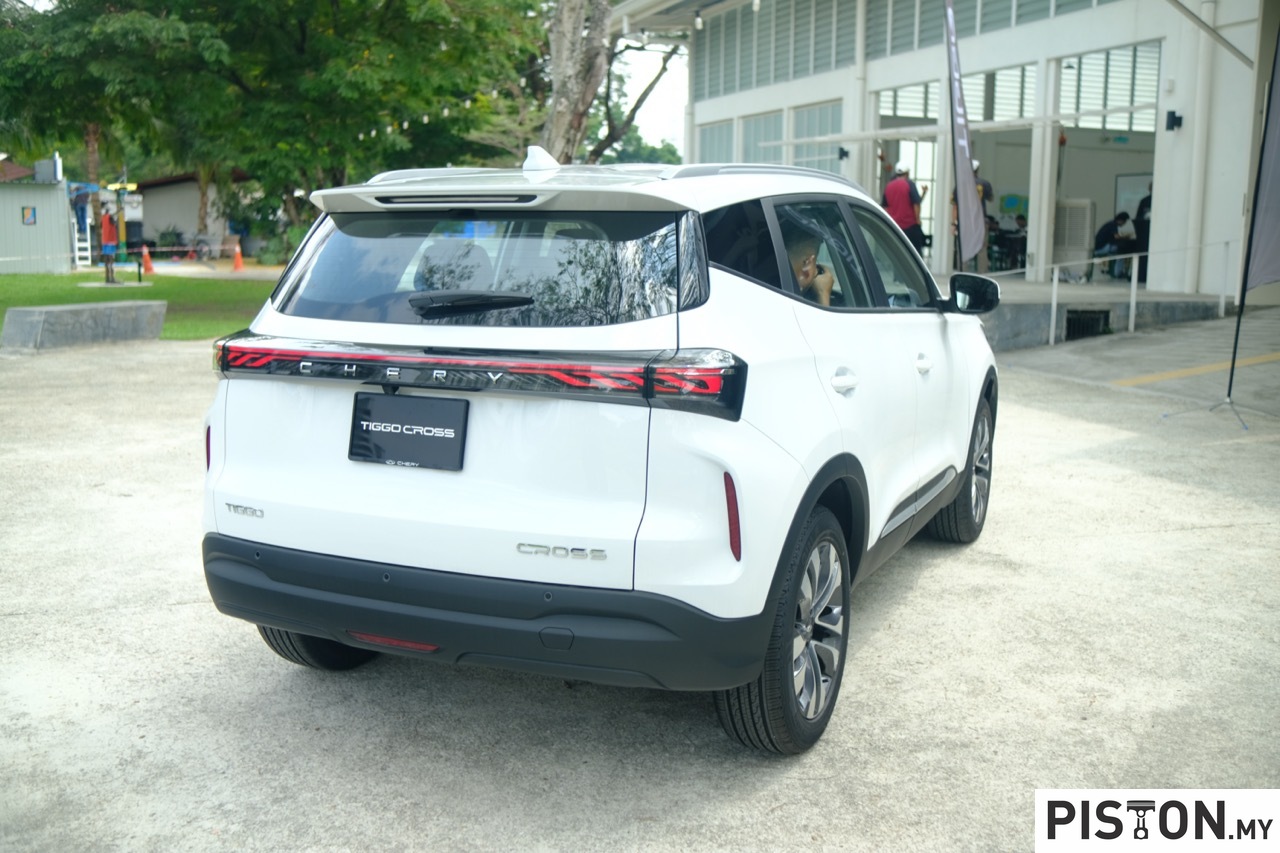
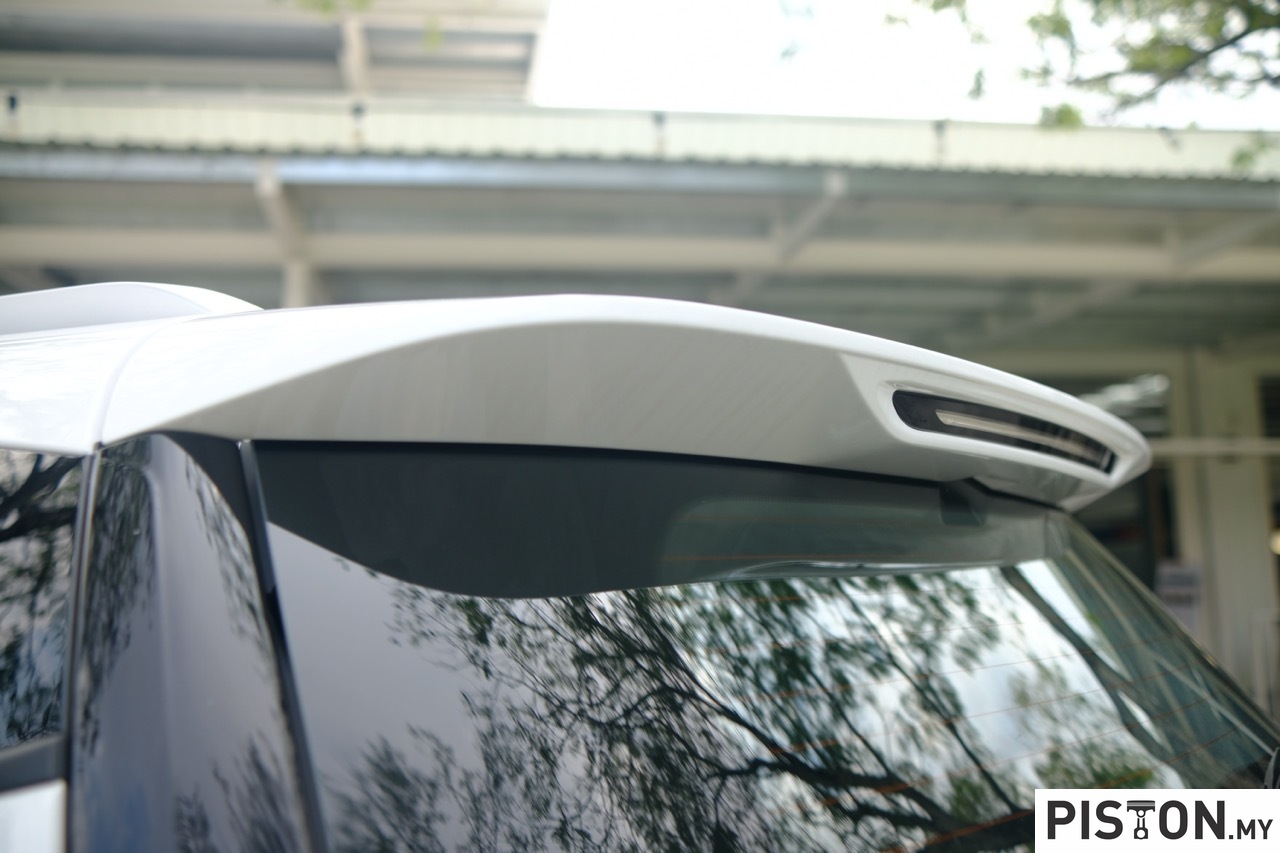
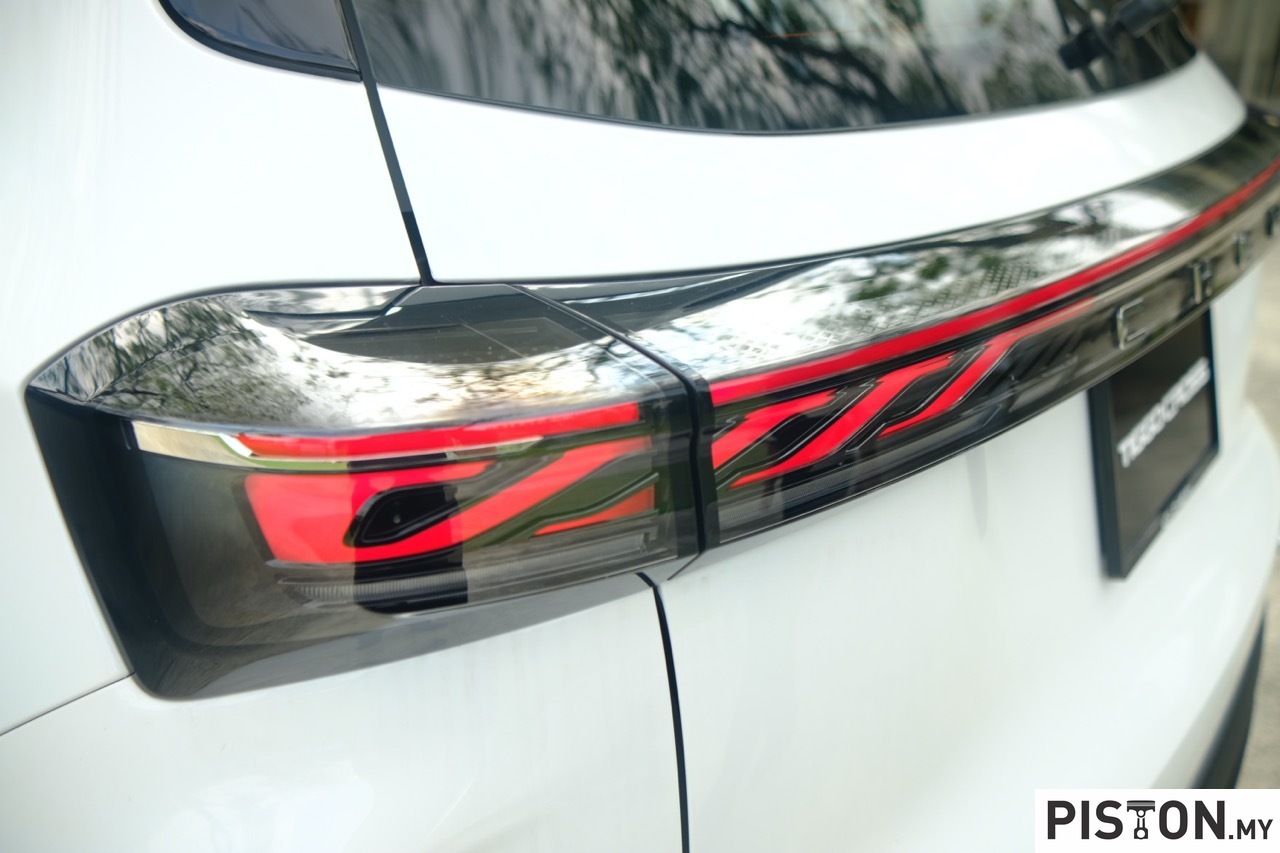
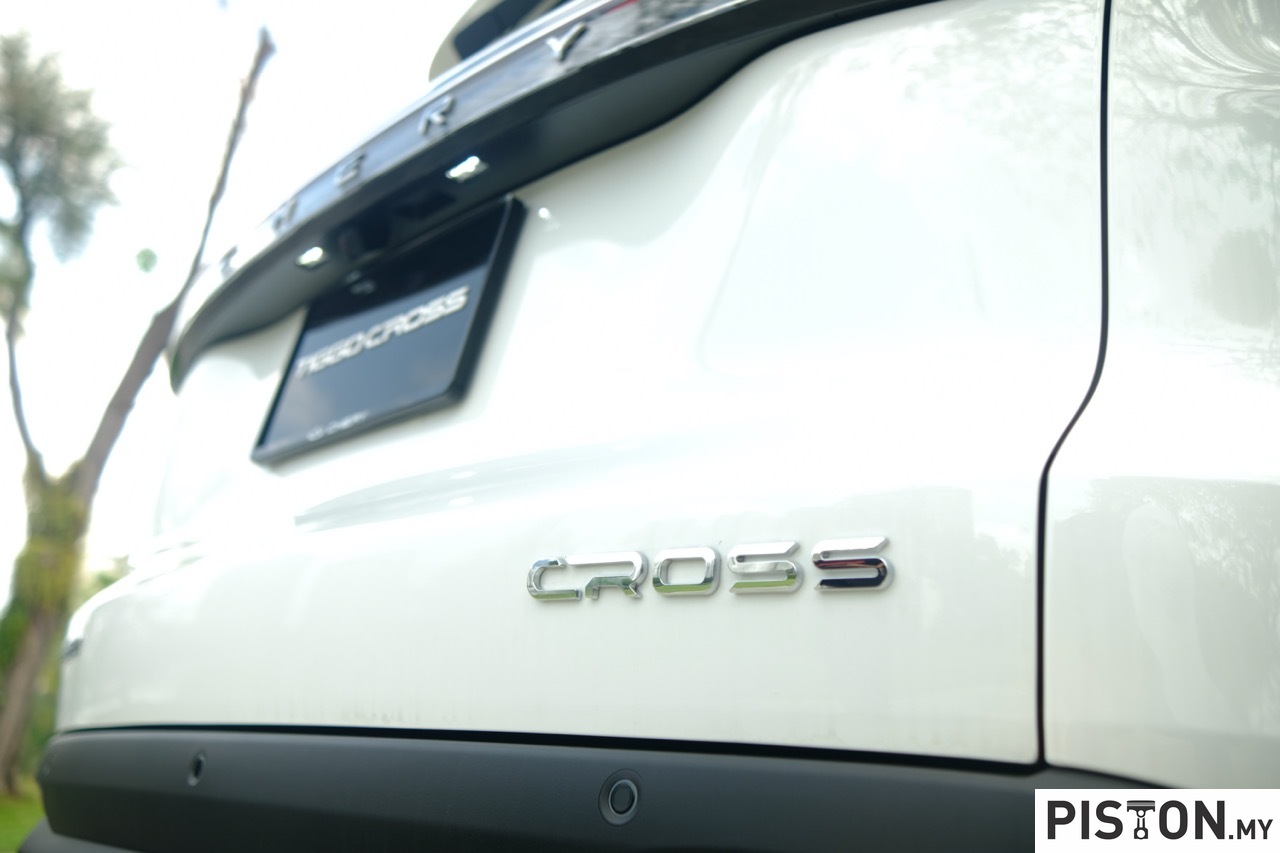
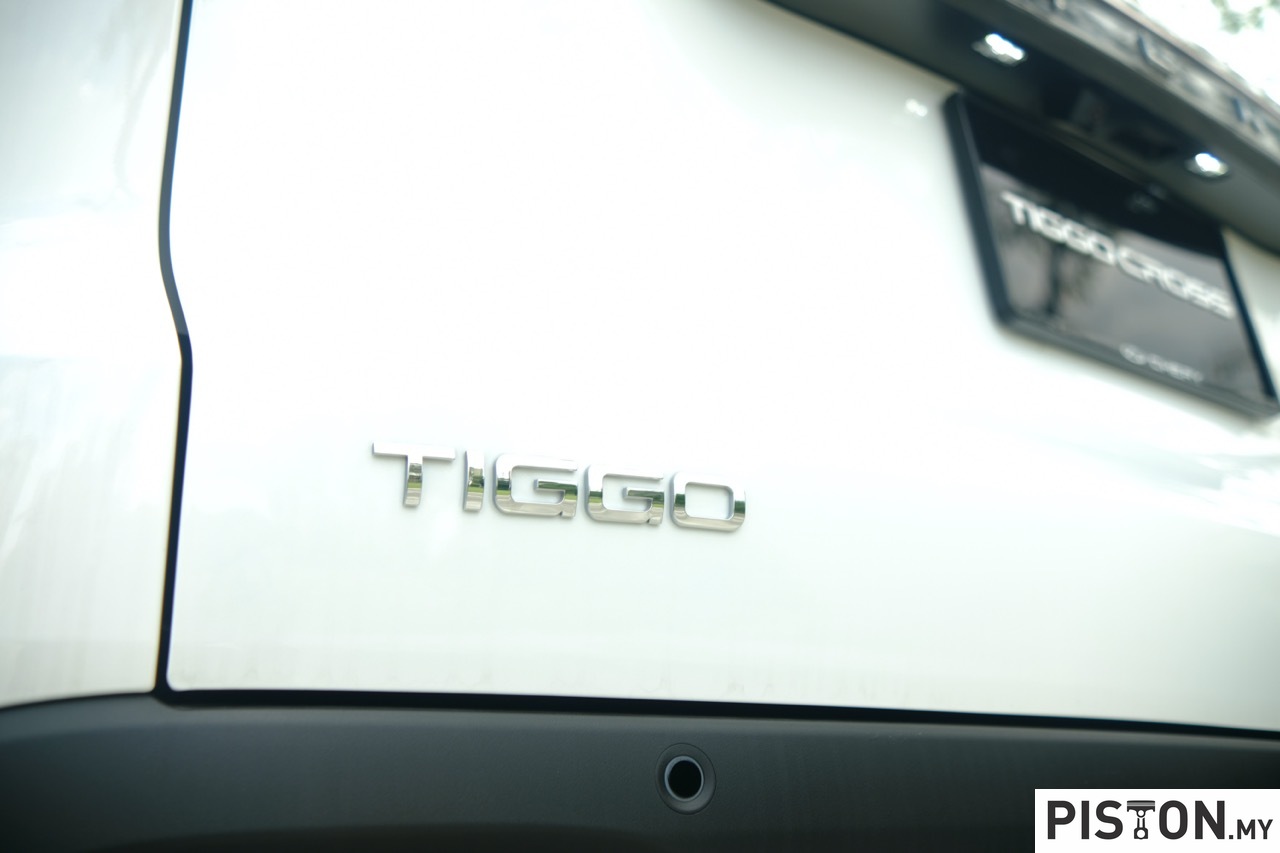
The Chery Tiggo Cross is a b-segment SUV that has defied expectations.
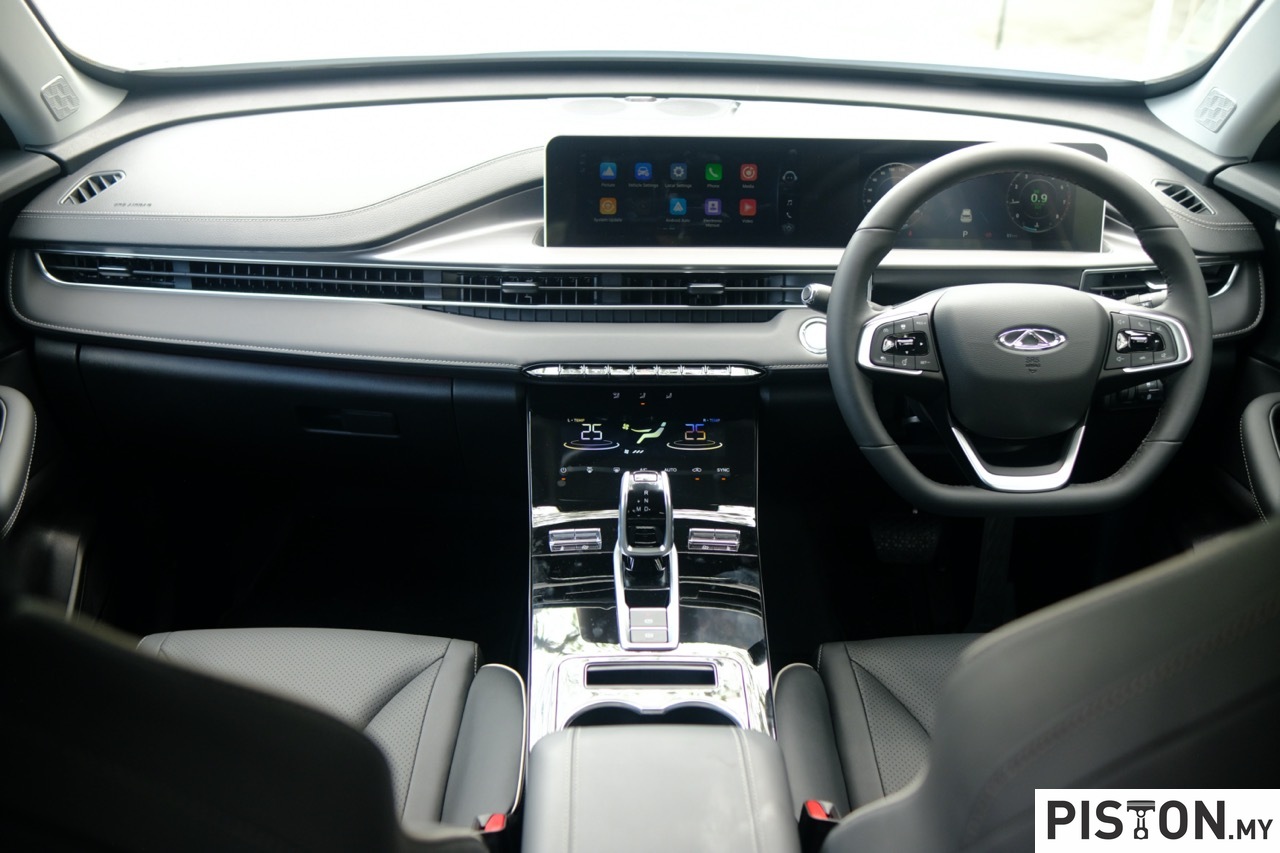
Even though it counts the Perodua Ativa and Honda WRV as direct competitors, it offers features that can put more expensive cars to shame.
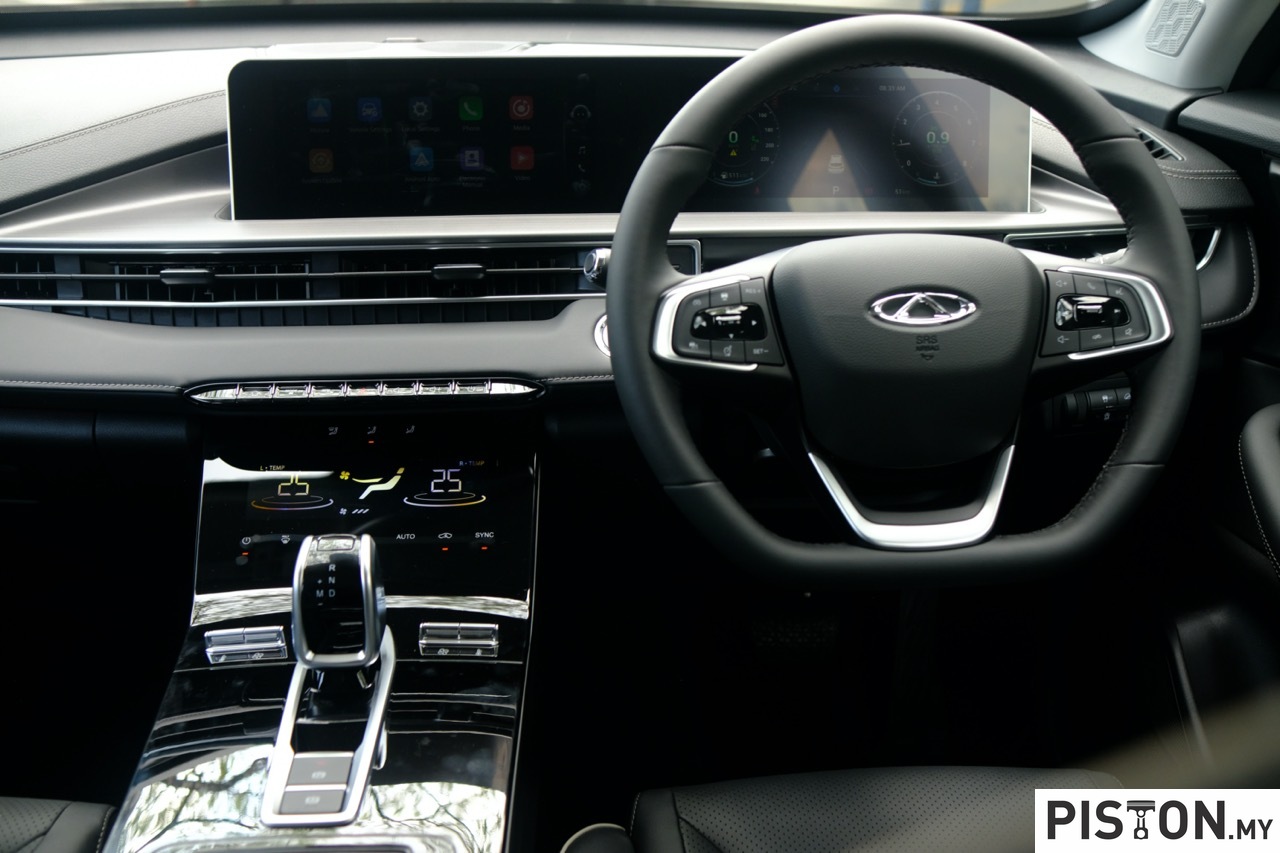
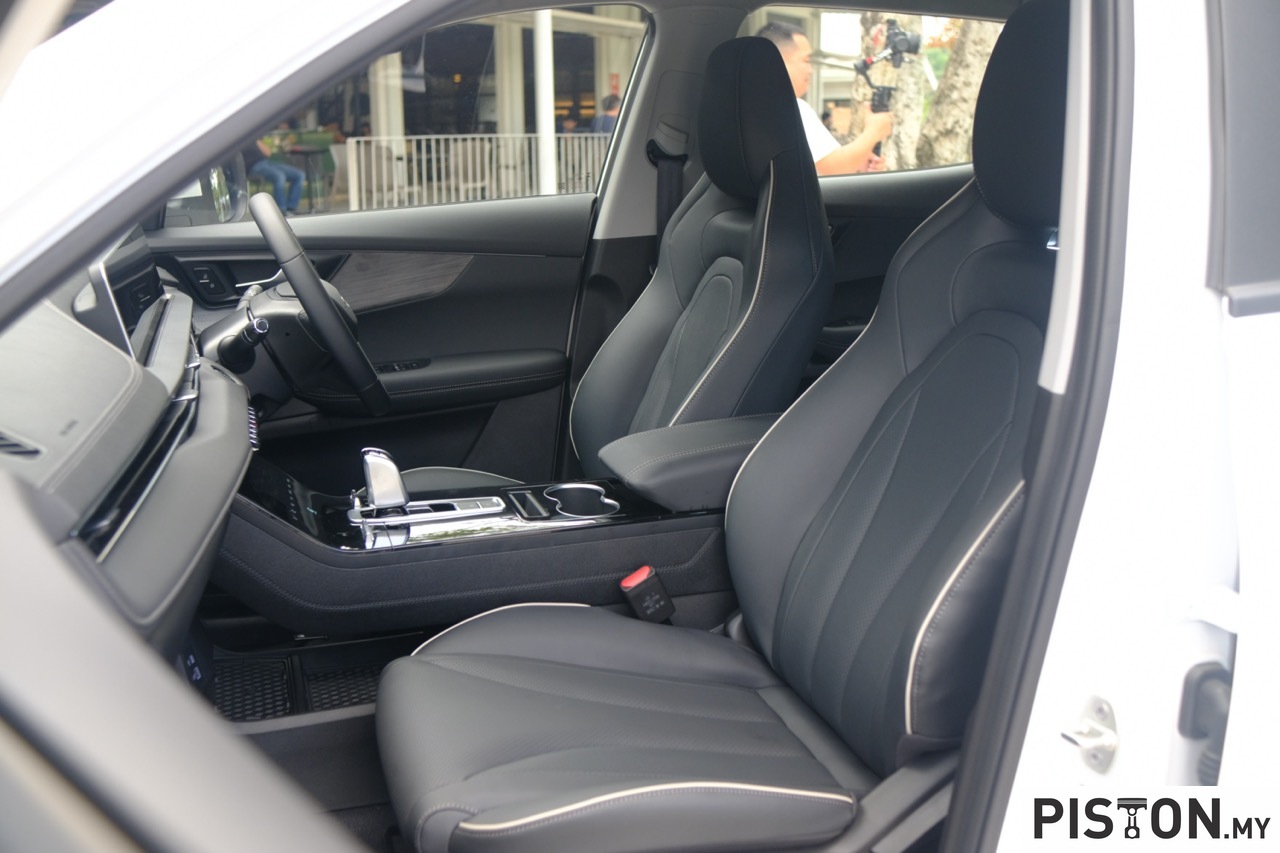
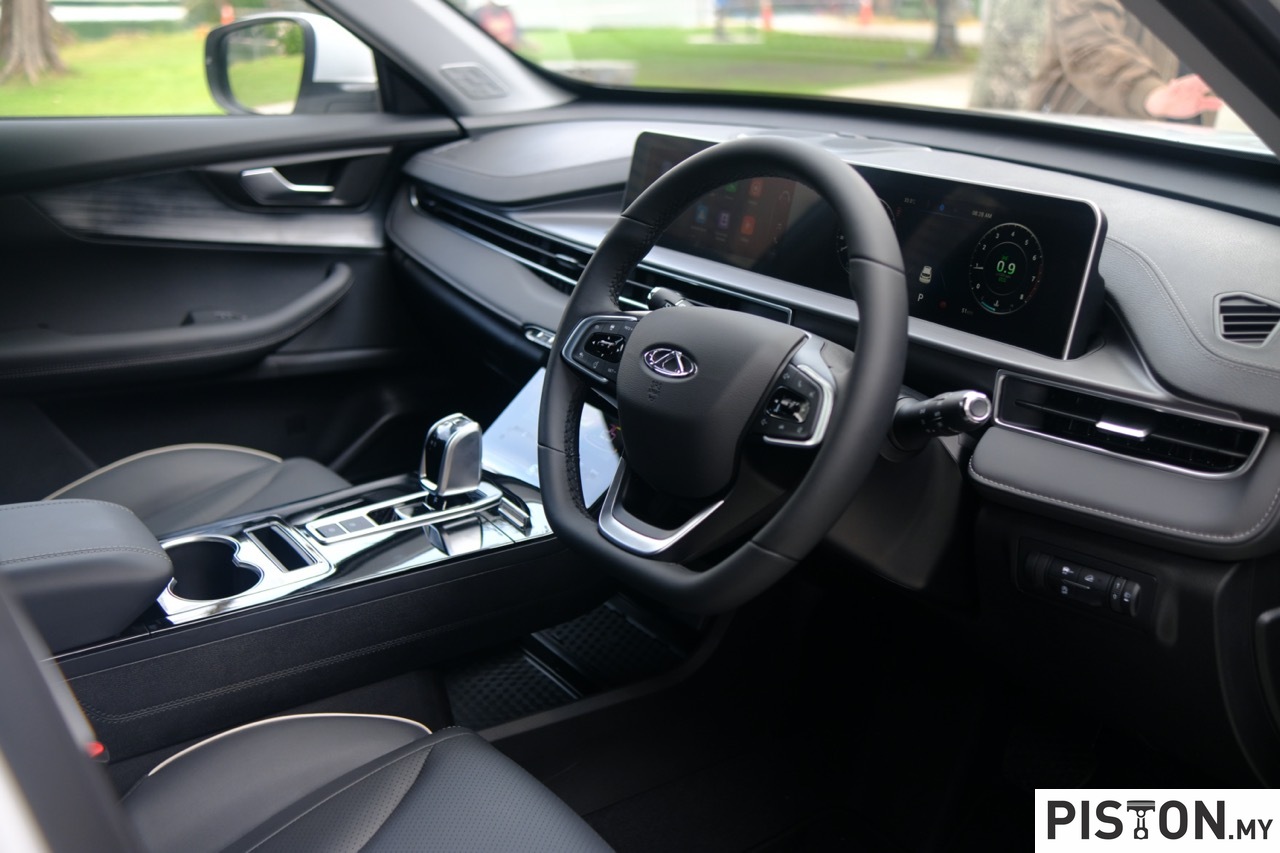
Priced at RM88,800 for the Turbo variant and RM99,800 for the Hybrid, the Tiggo Cross offers a well-built interior and driving dynamics that just about anyone can appreciate.
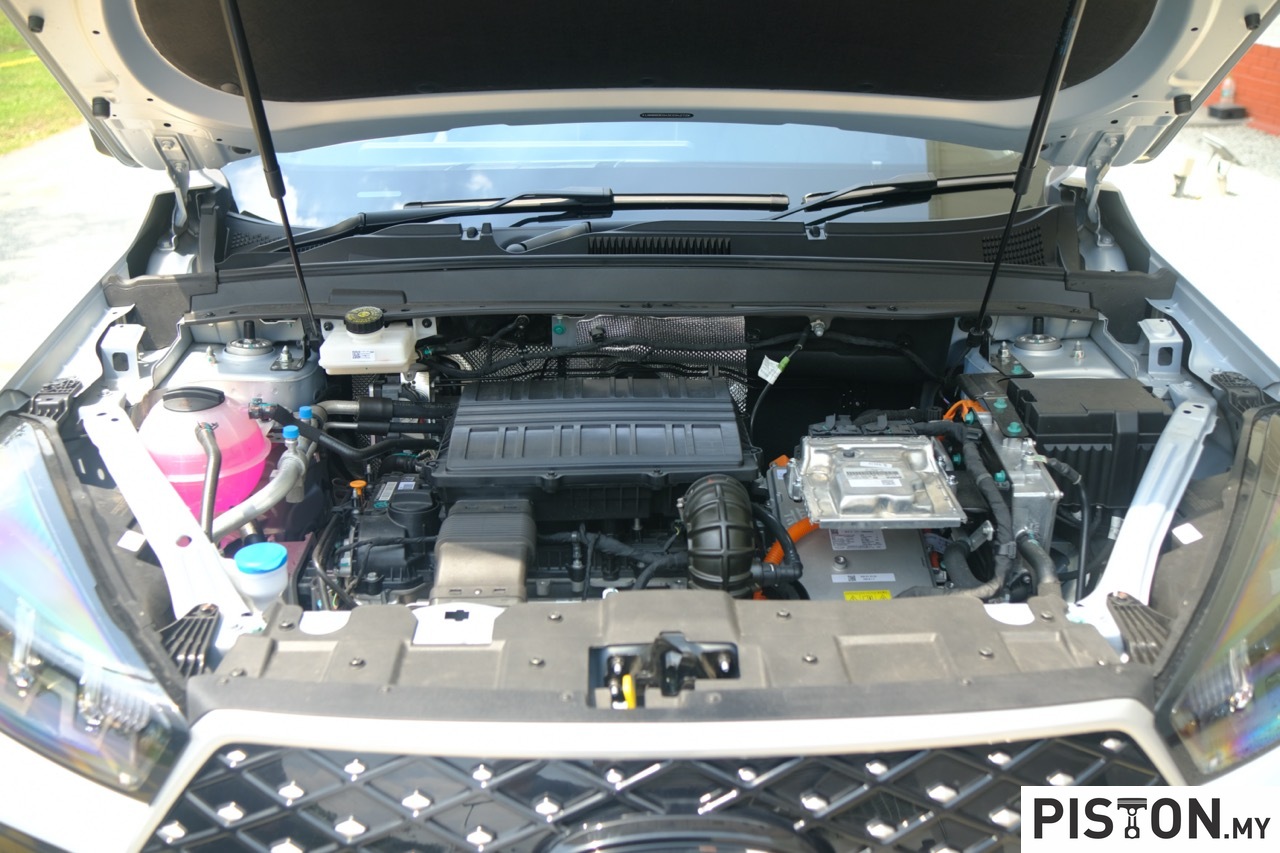
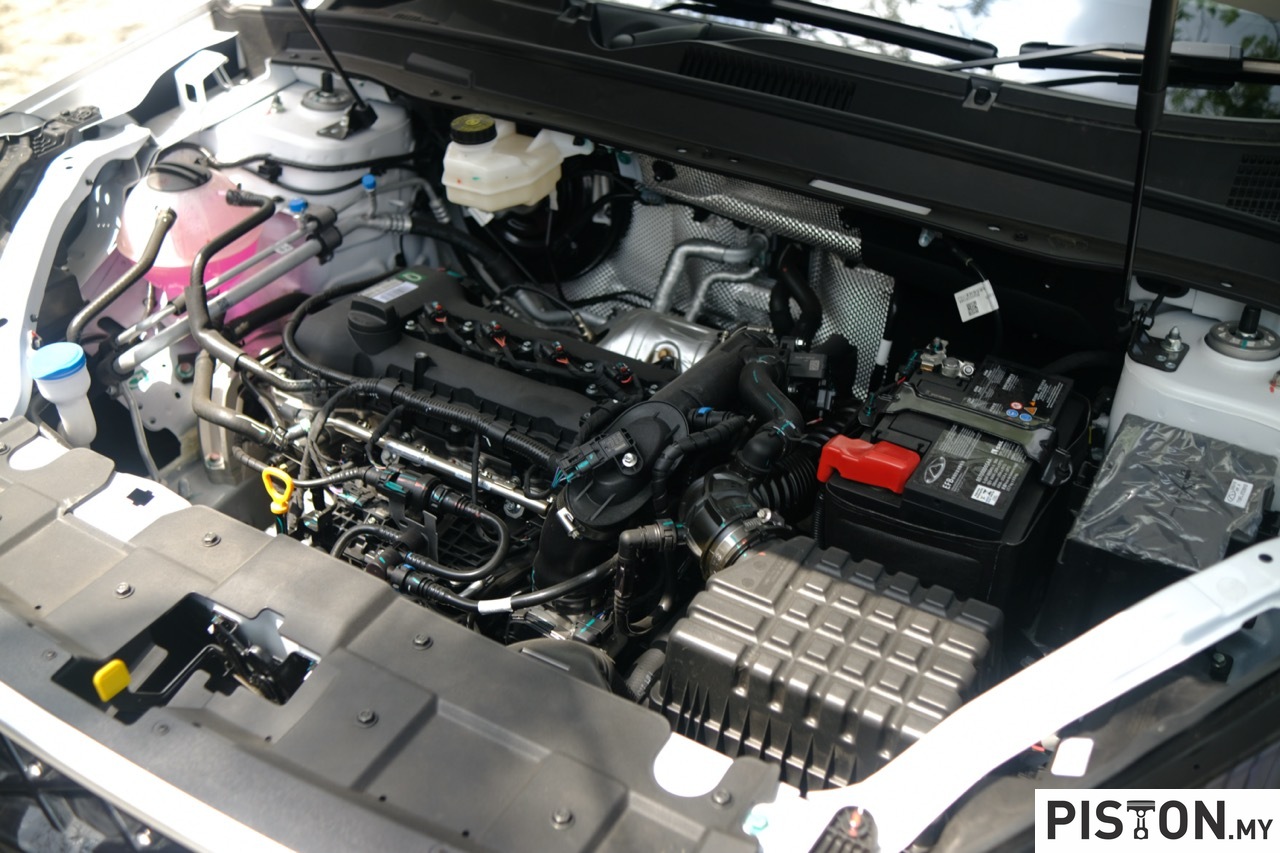
The Tiggo Cross Turbo is powered by a 1.5-litre, turbocharged, inline-four cylinder aluminium engine making 147PS and 210Nm of torque.
Power is sent to the front wheels through a smooth shifting six-speed dual-clutch transmission.
The Hybrid on the other hand is powered by a 1.5-litre, naturally-aspirated, inline-four engine that makes 102PS and 125Nm of torque by itself.
However, it also features two electric motors – one to drive the wheels and another to power the driving motor as well as to charge the 1.8kWh battery. Combined, the powertrain makes 204PS and 310Nm of torque.
Though Chery says the Hybrid has an electronic CVT, the truth is power is sent directly to the wheels and there is no transmission in the traditional sense.
So which should you spend your hard earned money on? We answer that question in the video below, or if you prefer to read, you can find our full review here.
If you don’t understand the automotive segments, don’t fret, it took me a while too. I have been reviewing cars and motorcycles for the better half of 20 years and sometimes I still get it wrong.
So just as a quick refresher, the A-segment generally refers to small cars such as the Perodua Axia. After that is the B-segment which are for sub-compact cars such as the Honda City and Toyota Vios.
Then there is the C-segment with more spacious interiors, better-equipped interiors and include cars like the Honda Civic, Toyota Corolla and the Mazda 3.
The D-segment are for larger sedans such as the Toyota Camry and Honda Accord. Past that is the E-segment for luxury sedans and of course it goes up to the F-segment.
But these days it is not as straightforward as it seems. You have the SUVs that are also defined by their segments and crossovers just muddy everything.
And then there are cars like the Chery Tiggo Cross, which sit in between segments because of its size and specifications. It is technically a B-segment SUV, but some argue that it could even nudge into the C-segment thanks to its features and generous size.
It’s not difficult to understand why some may say that because it really does have a list of features that more expensive cars struggle to match.
But let’s follow the rules and position it as a B-segment SUV, and it has its work cut out for it as the segment includes such heavyweights as the Perodua Ativa, Honda WR-V, Honda HR-V, and the new Proton X50.
We recently drove it to Terengganu and back.
The Chery Tiggo Cross is available in two variants – the Turbo and the Hybrid. And we drove both of them. We drove the Turbo to Tanjung Jara in Terengganu, and the Hybrid back to KL. The distance good enough to properly have a feel for what the Tiggo Cross has to offer.
For some context, the Tiggo Cross Turbo is powered by a 1.5-litre, four-cylinder, turbocharged aluminium engine producing 147PS and 210Nm of torque. Power is sent to the front wheels through a six-speed dual-clutch transmission.
The official fuel consumption figure for the Turbo is rated at 6.3-litres per 100km. (more…)
An SUV, or Sport Utility Vehicle, is basically the all-rounder of the car world. What makes an SUV an SUV comes down to a mix of size, style, powertrain and practicality.
Stating the obvious here, but they sit higher off the ground than regular cars, which not only makes them look tougher but also gives drivers a better view of the road. Which is why SUV’s have become so popular.
Inside, you’ll find more space, whether it’s for passengers, luggage, or that last-minute IKEA run, making them a favourite for families and road-trippers alike.
Another big part of the modern SUV appeal is adaptability. Some come with different drive modes which allow them to handle everything from rainy highways to the occasional dirt trail. Even if most owners stick to city streets, it’s nice knowing the car could take more.
Honda has built a strong reputation worldwide for making cars that are reliable, practical, and efficient, and their SUV lineup is no exception. The brand started out producing small, economical vehicles, but as customer needs shifted toward bigger and more versatile cars, Honda quickly adapted.
Their SUVs are designed to combine everyday usability with comfort and style, while still carrying Honda’s trademark dependability.
Models like the CR-V have become global best-sellers, striking the right balance between size, fuel efficiency, and family-friendly practicality. In markets like Malaysia, the HR-V has also gained a huge following thanks to its compact footprint paired with surprisingly spacious interiors.
But of course, these come with an internal combustion engine. How about an electric powertrain? The first major leap came with the Honda Prologue, introduced in 2024 for North America.
Built on General Motors’ Ultium platform, it provided Honda with a quick and competitive entry into the electric SUV segment.
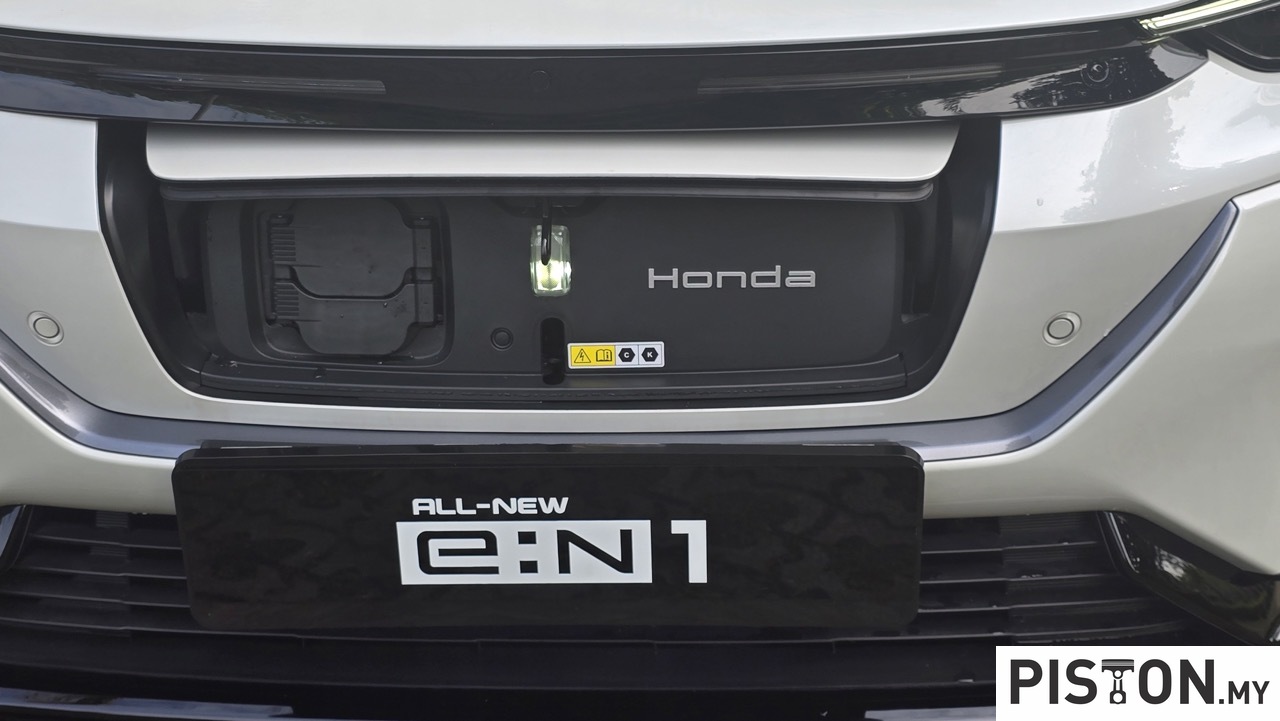
In Asia, Honda has launched its e:N series, starting with models like the e:NP2, e:NS2, and e:N1. These compact electric SUVs are designed for urban buyers, combining sleek styling with practical range figures up to about 545km in China and 412km (WLTP) for the e:N1.
What is the e:N1?
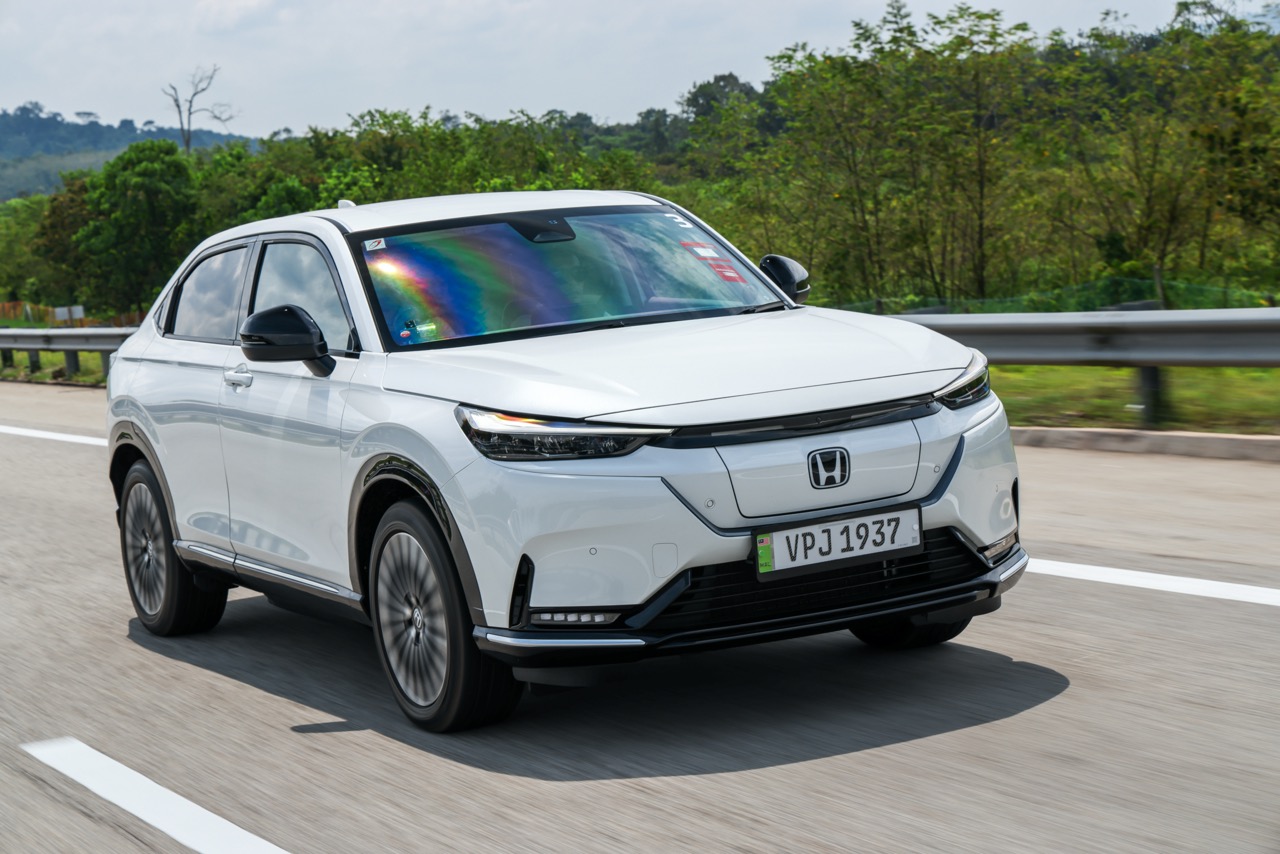
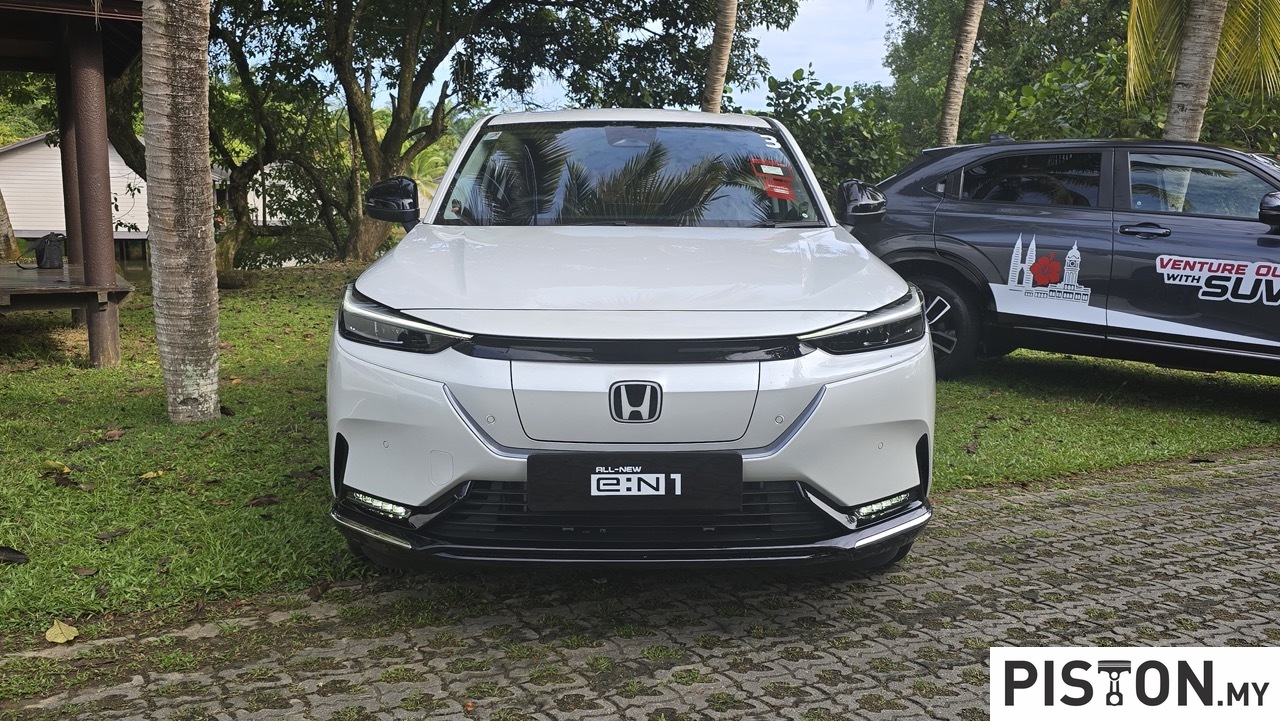
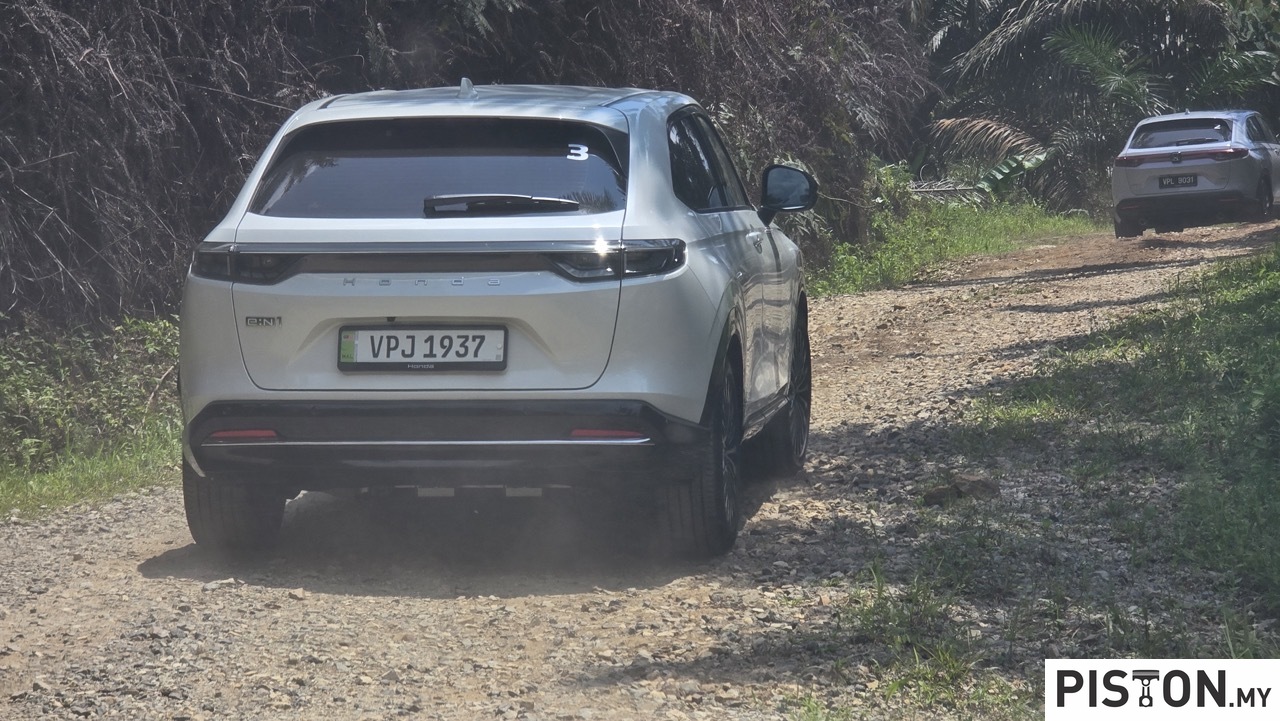
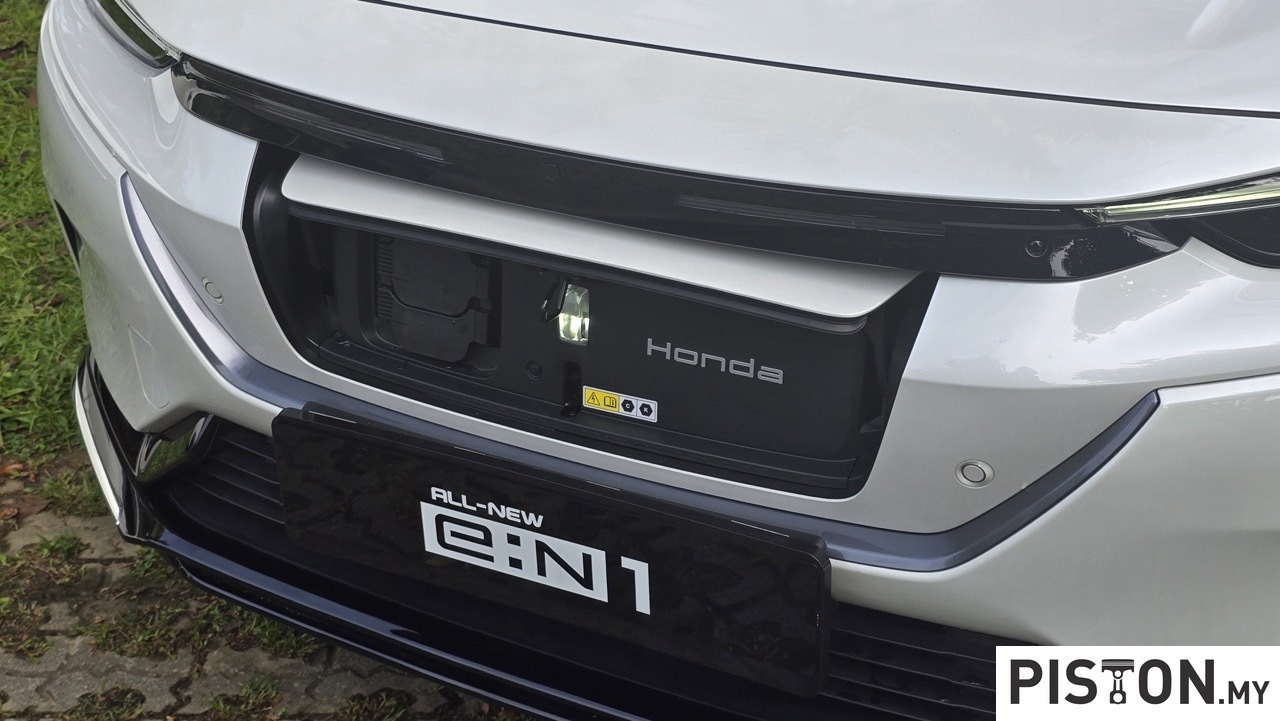
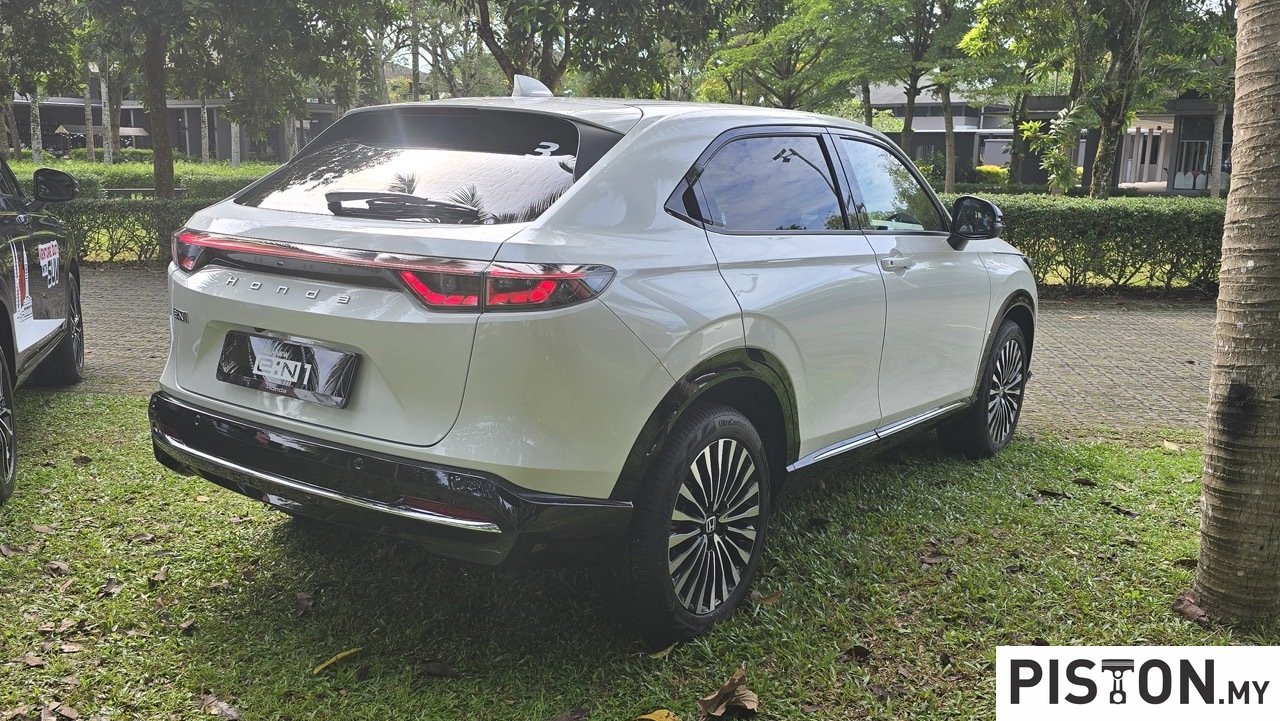
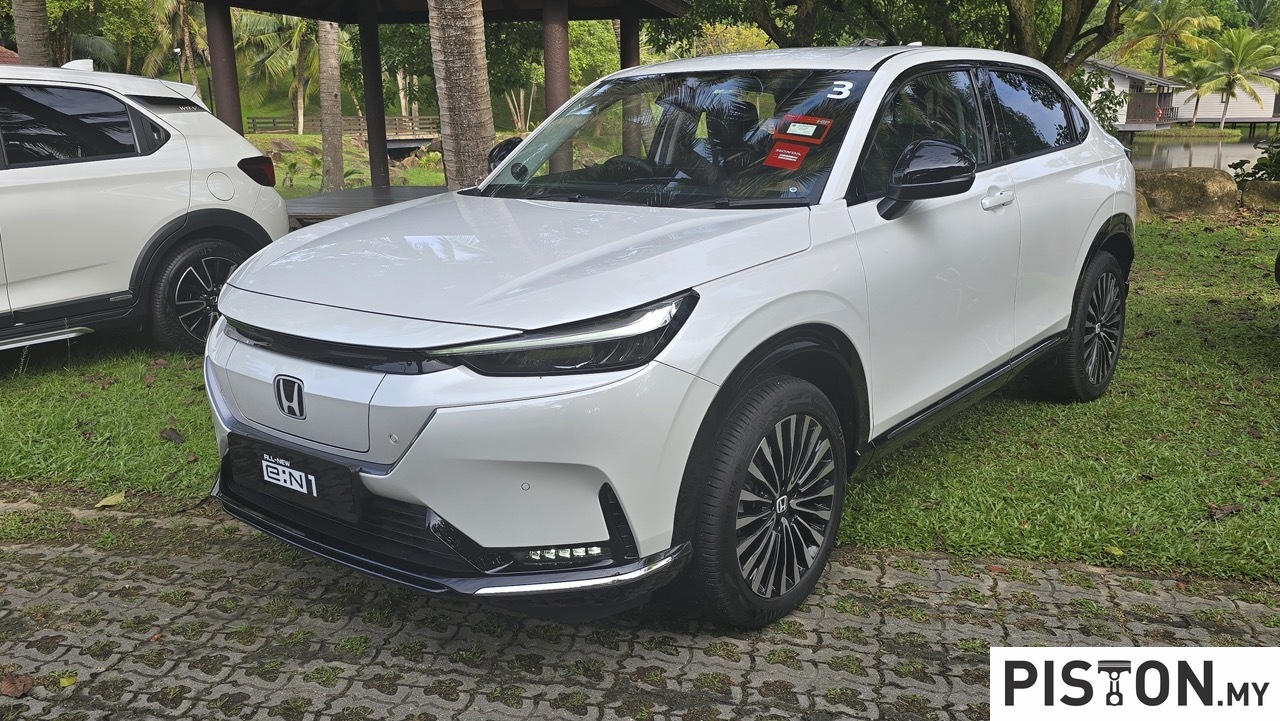
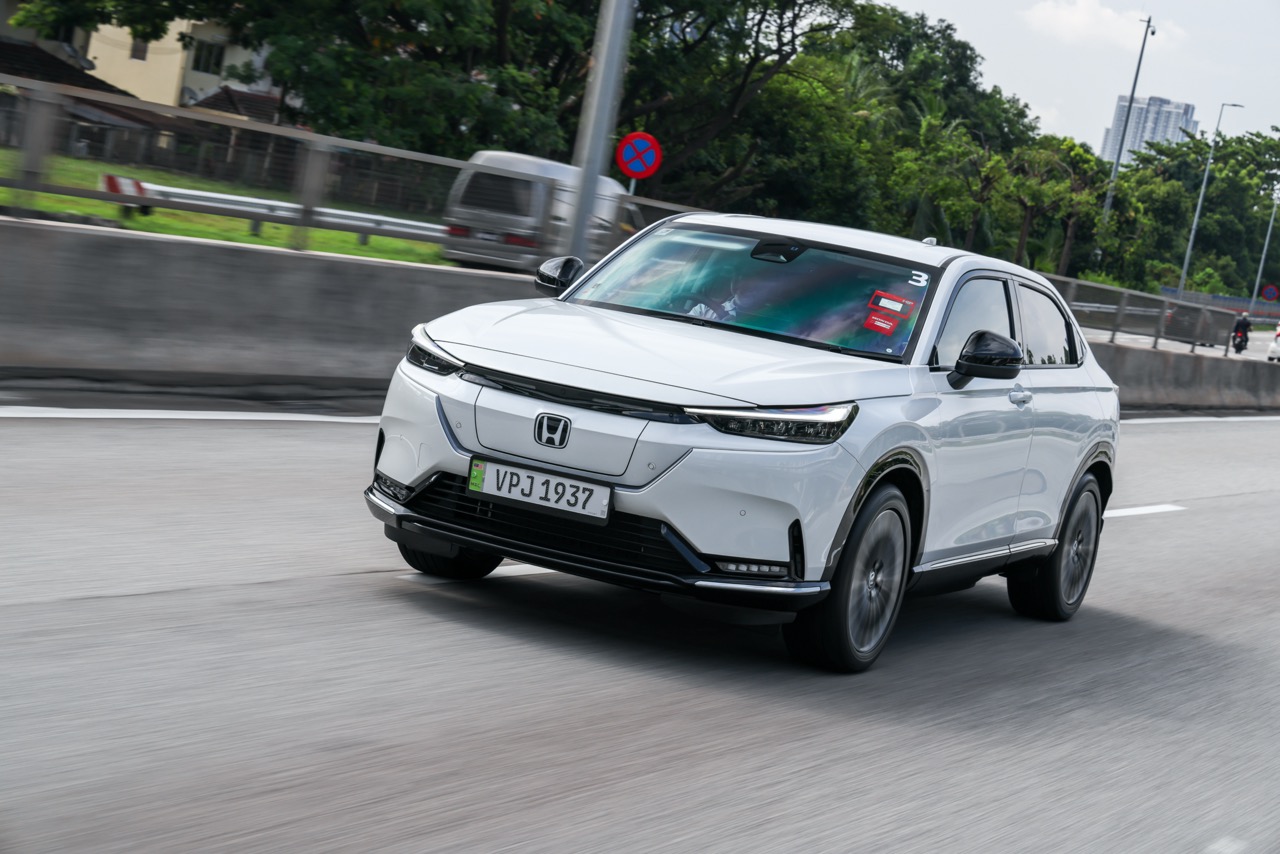
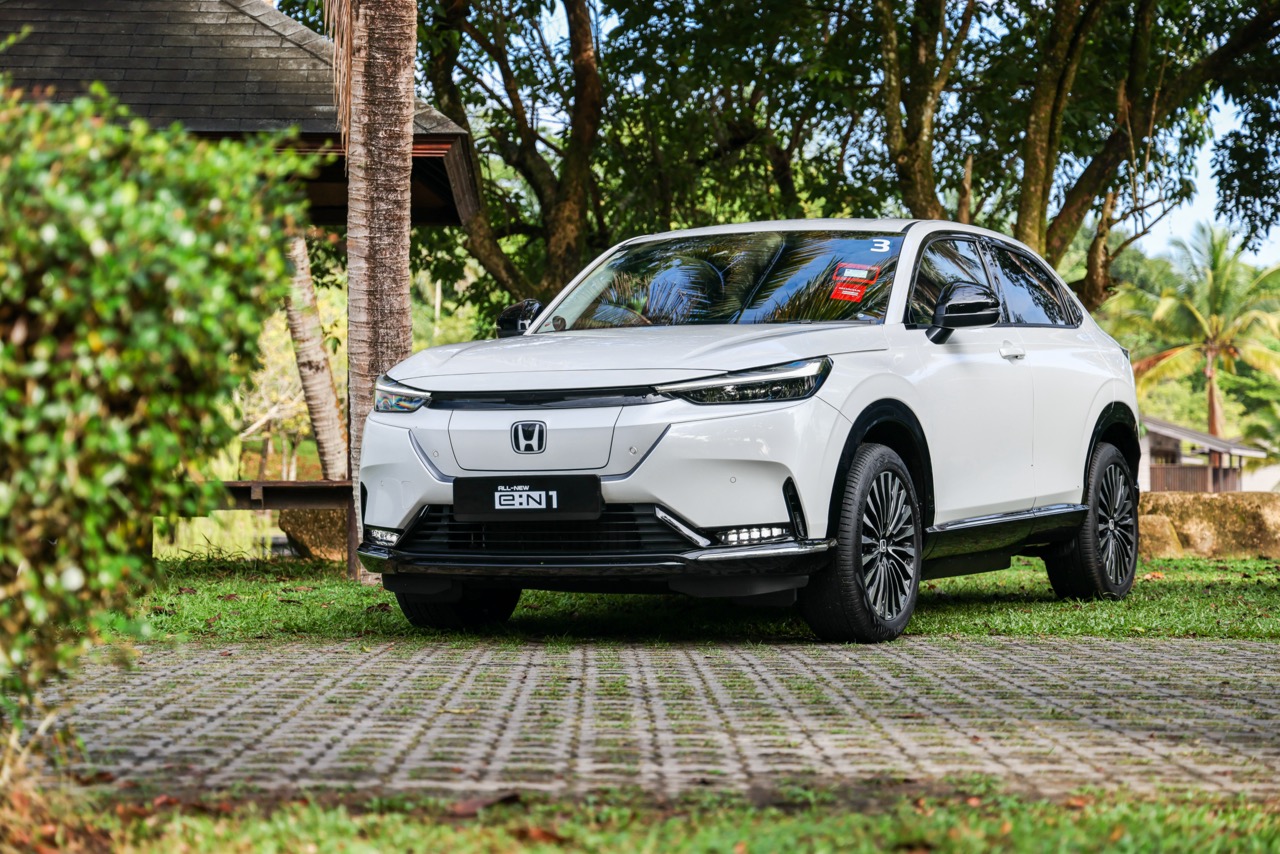
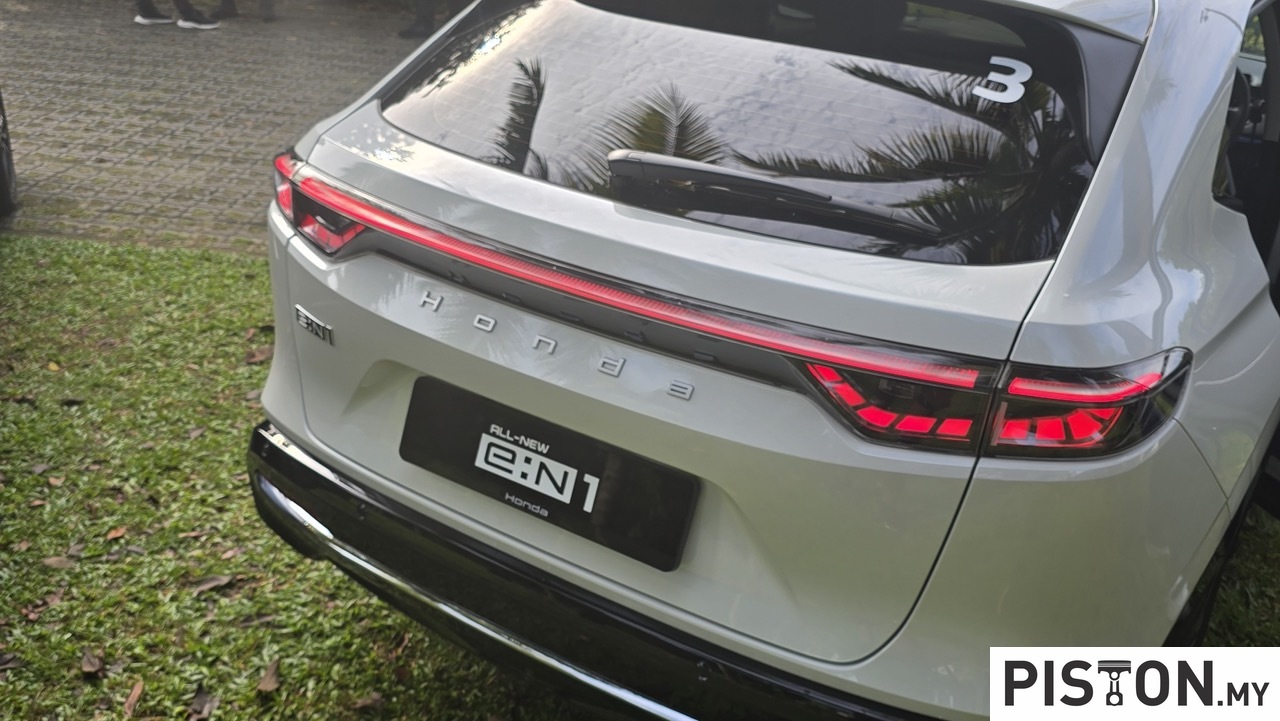
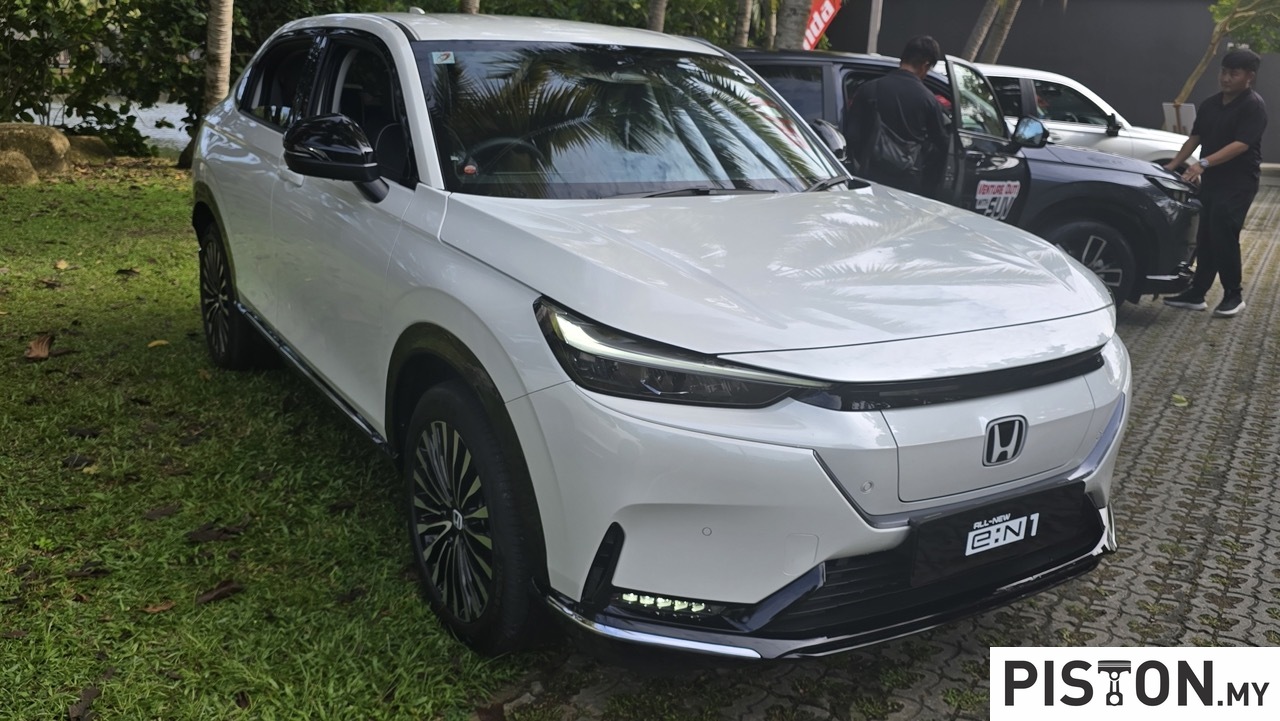
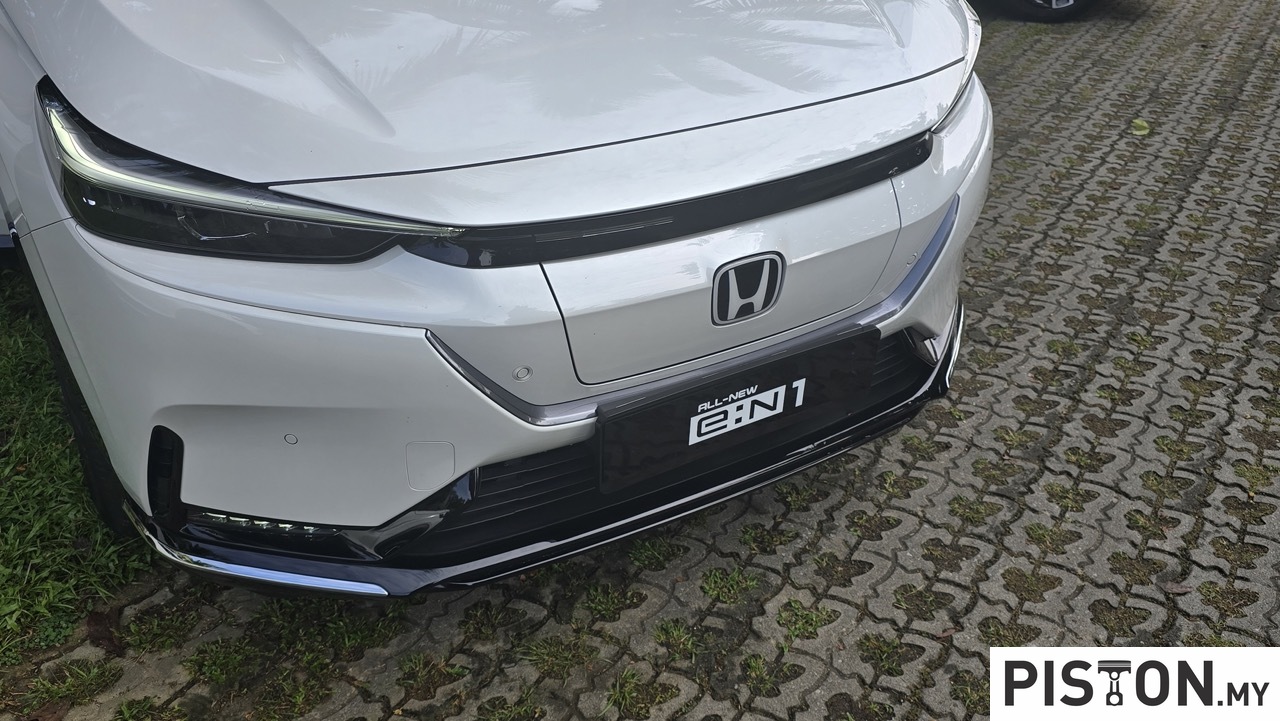
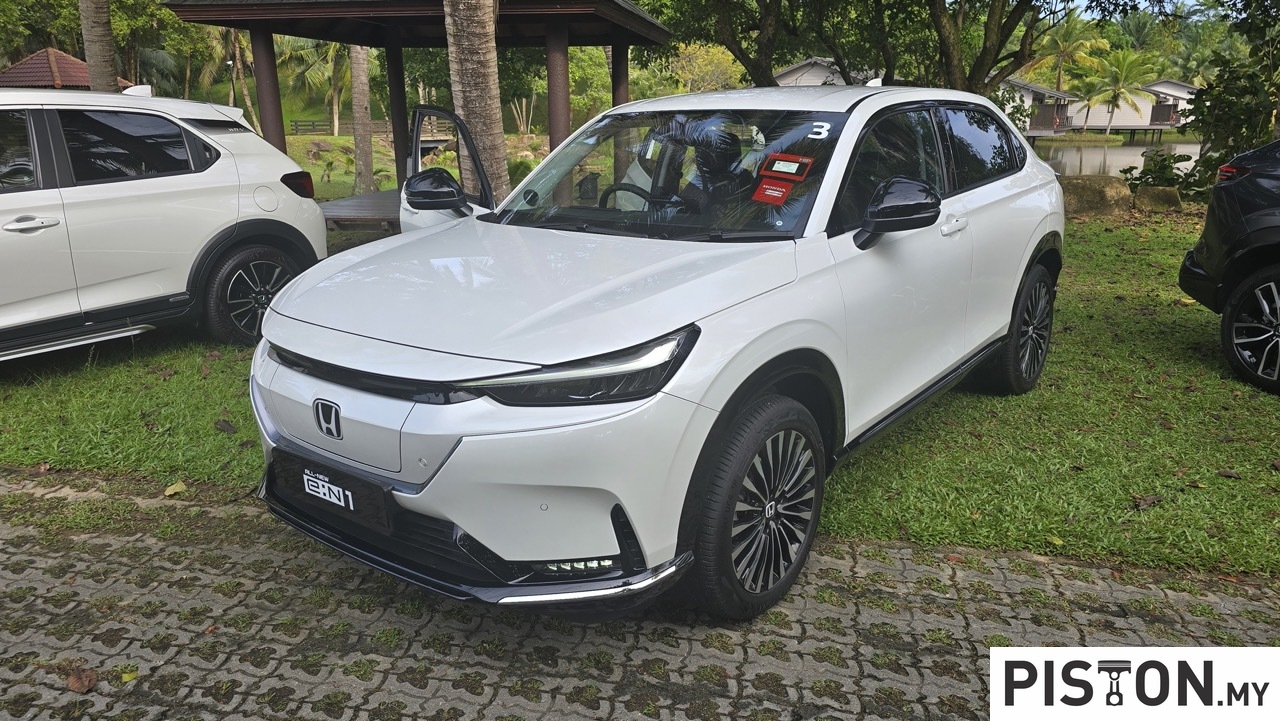
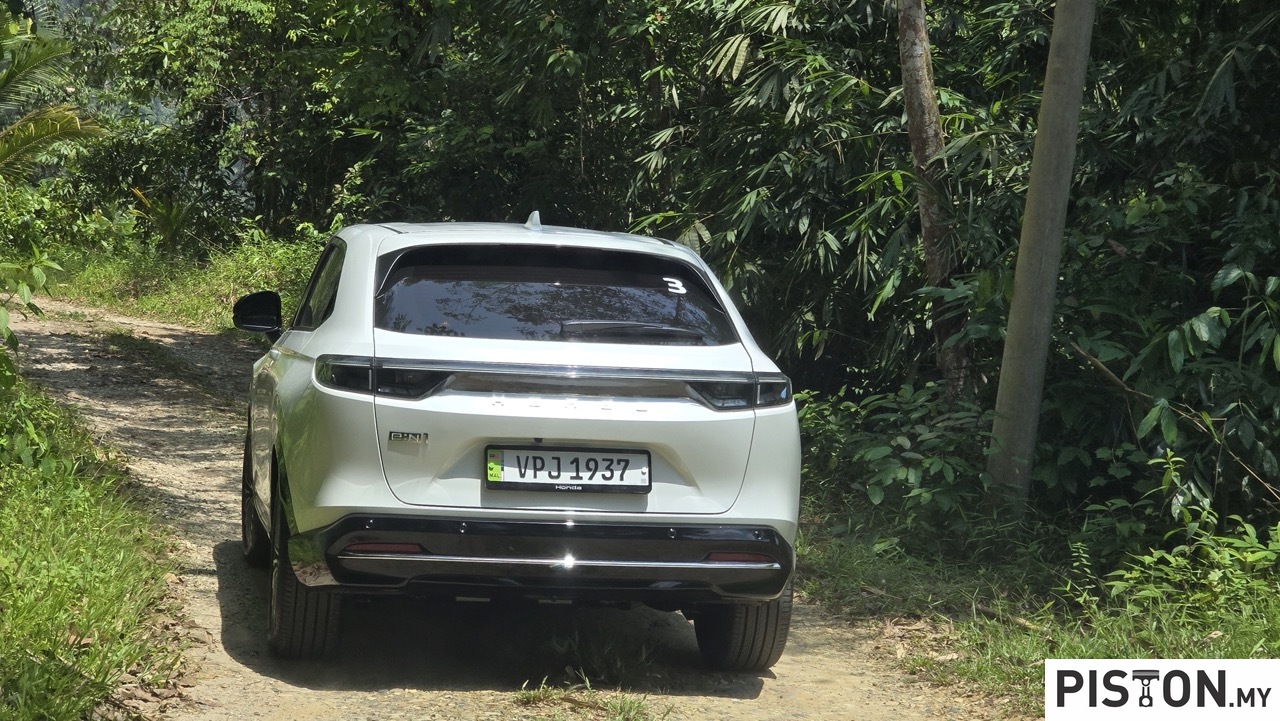
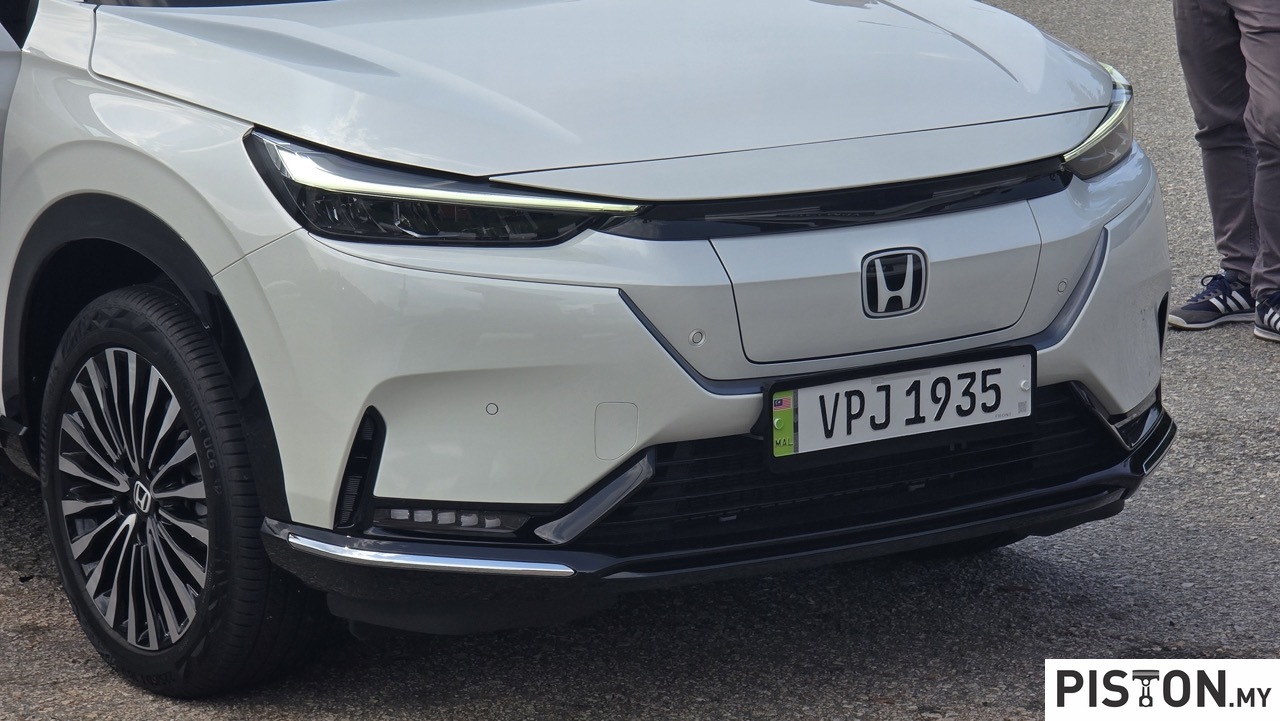
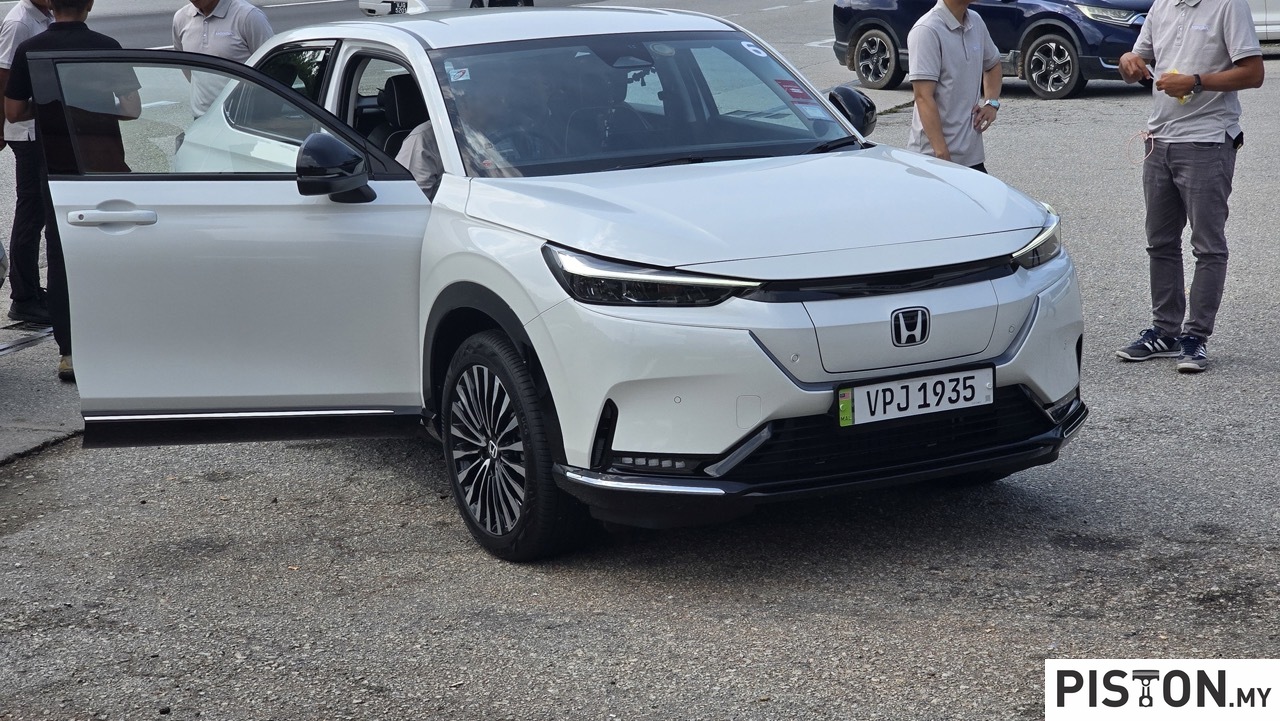
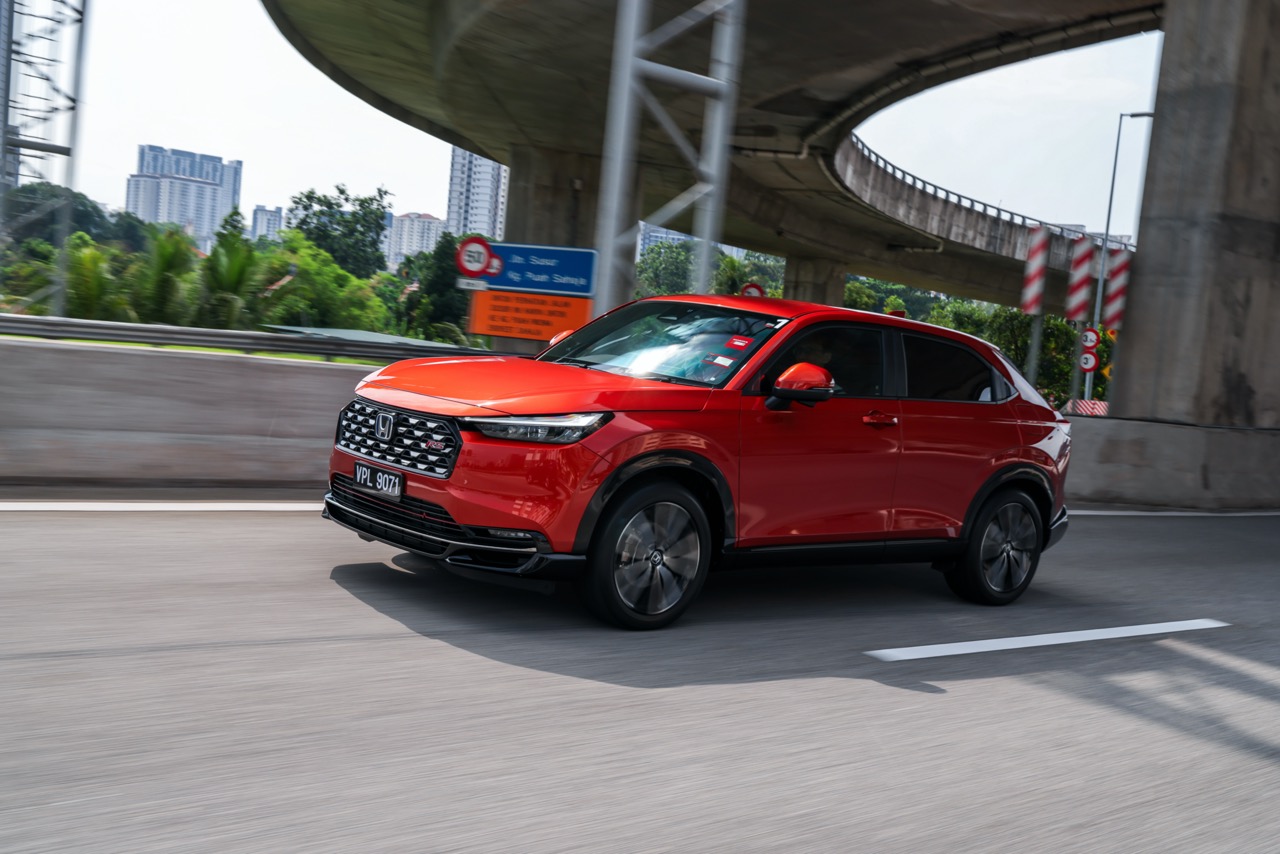
The Honda e:N1 is Honda’s first all-electric SUV that entered the Malaysian market, marking the brand’s serious step into the EV space. Built on Honda’s global e:N Architecture, the e:N1 blends modern styling with practicality, offering a familiar SUV shape while being powered purely by electricity.
Positioned as an accessible yet premium entry into the EV segment, it delivers a smooth, quiet driving experience with instant torque, all wrapped in a package that feels unmistakably Honda.
The e:N1 is designed not only to appeal to eco-conscious buyers but also to those who want an easy transition from traditional petrol-powered SUVs into the world of electric mobility.
But of course, on paper, any car will look good. So, we put it to the test.
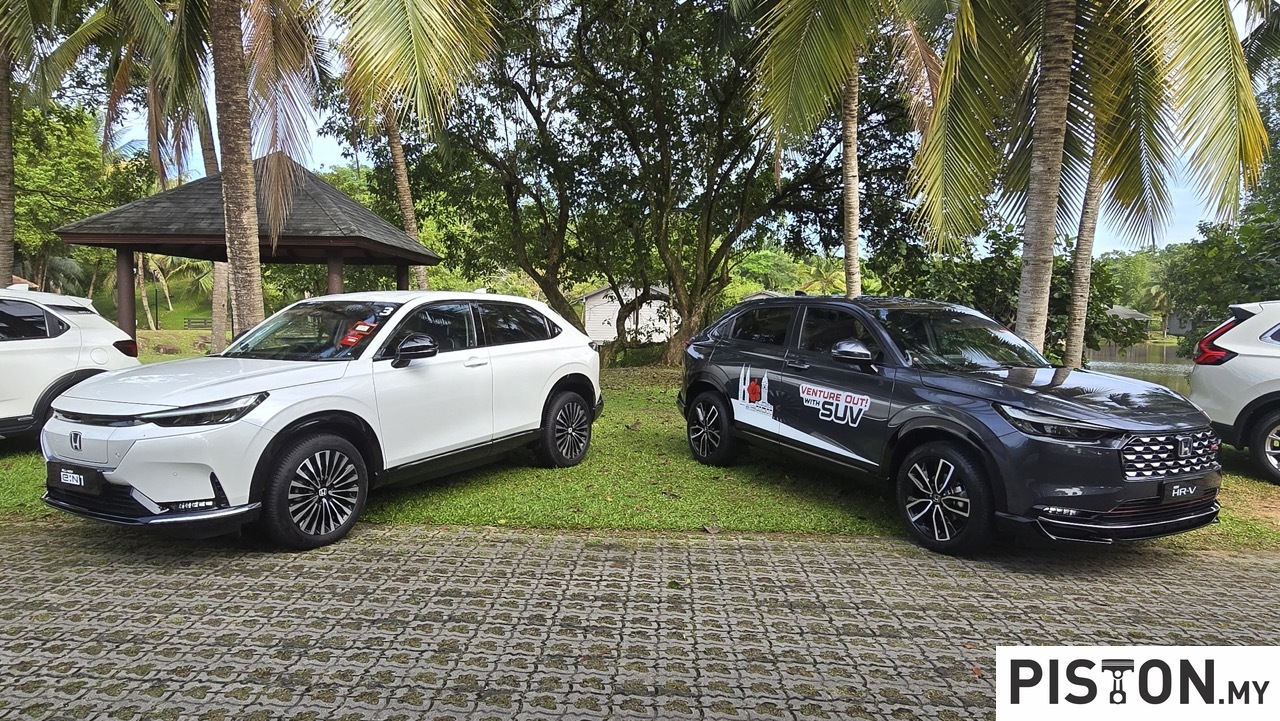
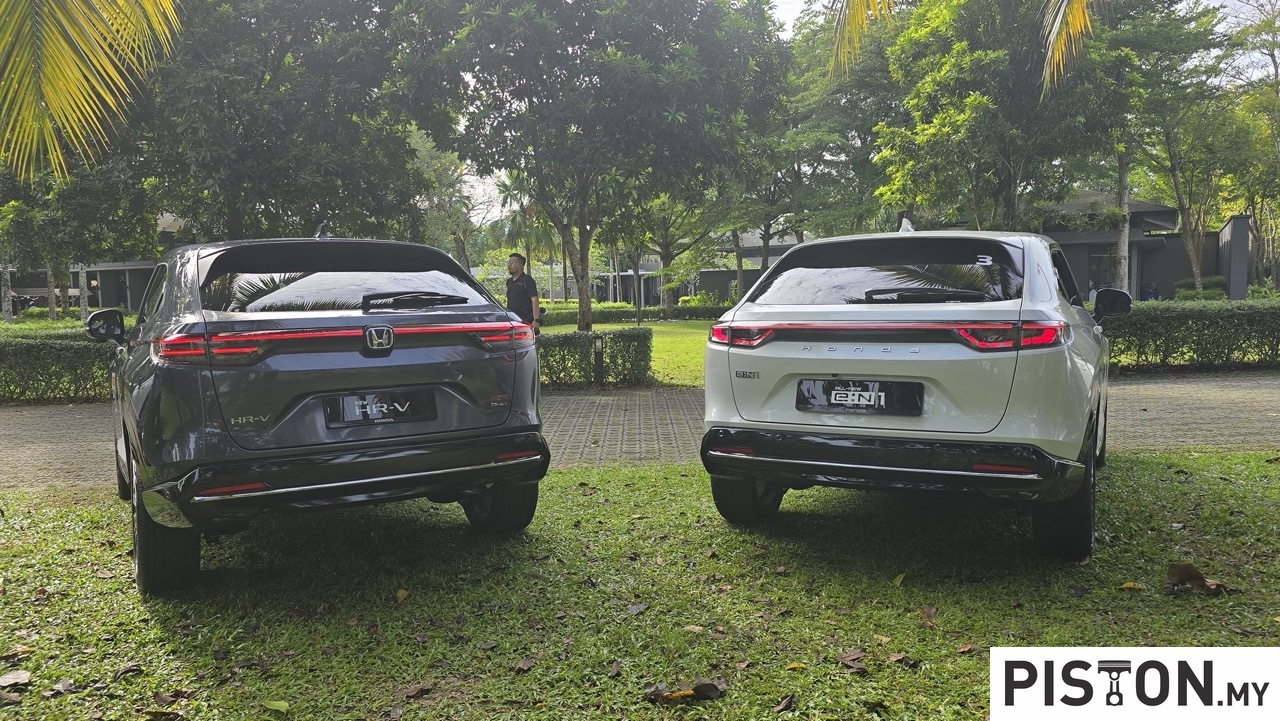
Difference between the e:N1 and HR-V
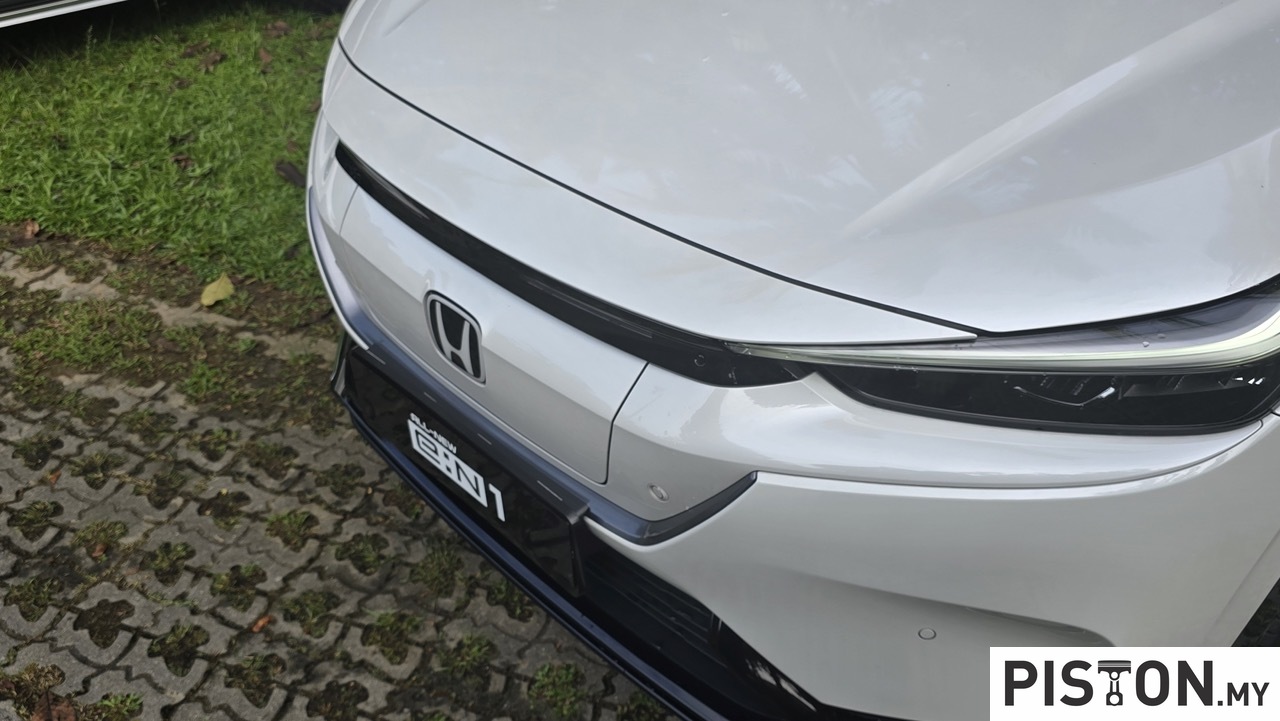
At first glance, the Honda e:N1 and the current HR-V in Malaysia look very similar, but underneath, they’re built quite differently. The e:N1 sits on Honda’s dedicated e:N Architecture F platform, which is purpose-built for EVs. This setup gives it a lower centre of gravity and better aerodynamics.
Power comes from a front-mounted electric motor pushing out 204PS and 310Nm, allowing it to hit 100 km/h in just 7.7 seconds.
Dimension-wise, both SUVs are nearly identical in size, with the same 2,610 mm wheelbase. But because of its underfloor battery pack, the e:N1 rides much lower with just 142 mm of ground clearance compared to the HR-V’s 196 mm (RS) or 183 mm (non-RS).
This lower stance improves stability but sacrifices some of the HR-V’s SUV-like ride height. The e:N1 also has a slightly wider turning radius at 5.7 m versus the HR-V’s 5.5 m.
Sufficient driving range for short getaways
Range anxiety is something we all fear when buying an electric vehicle (EV). Does it have enough range for my daily routine? Can I balik kampung with this range? Are there enough charging stations on the way? These are questions that run through our heads when considering buying an EV.
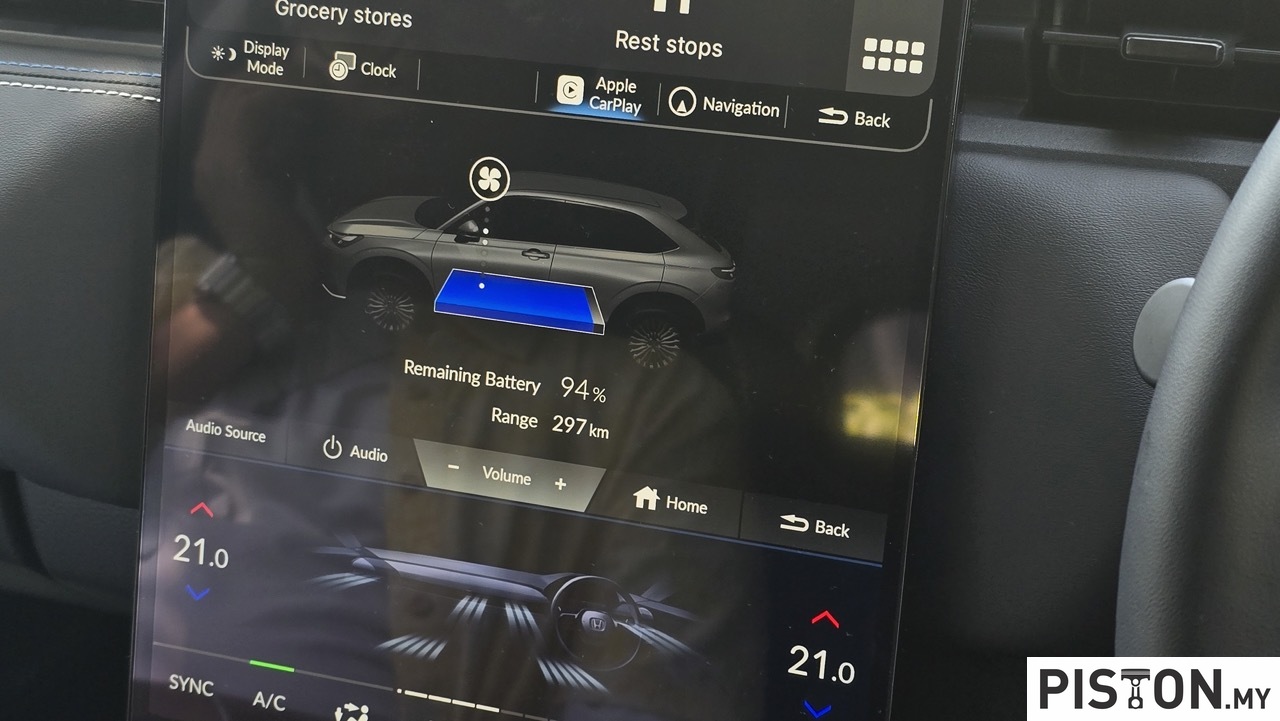
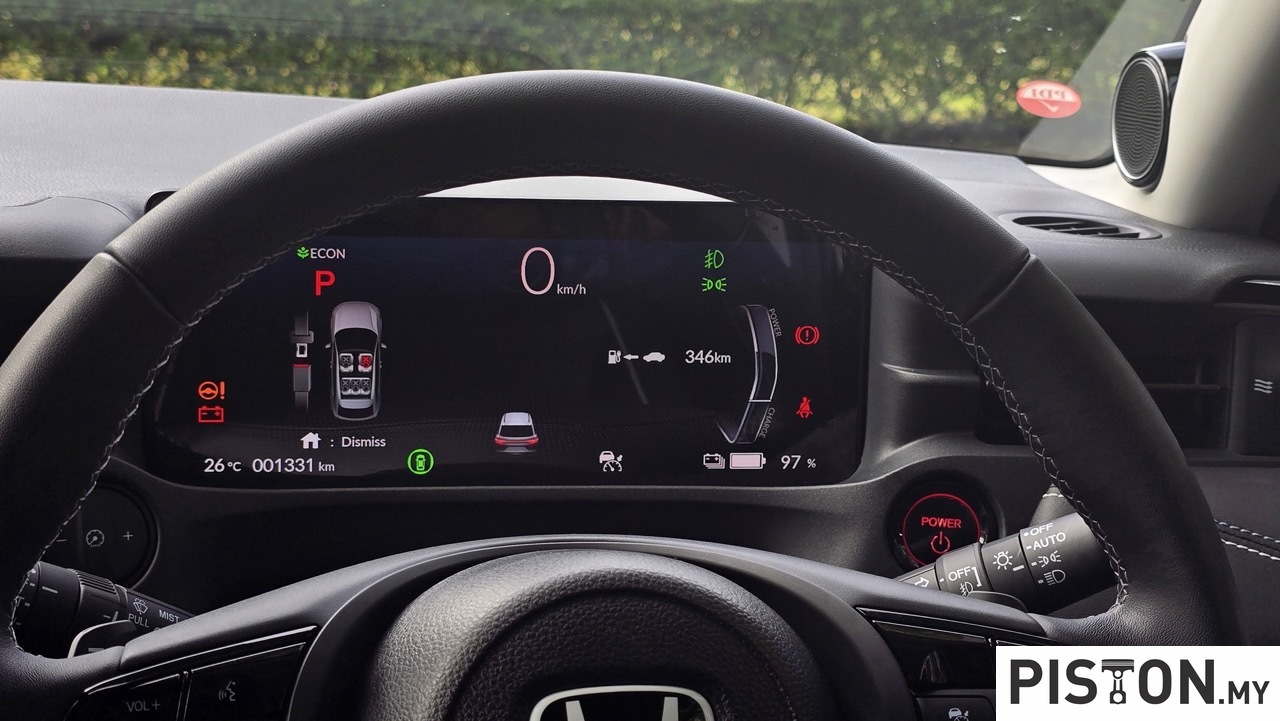
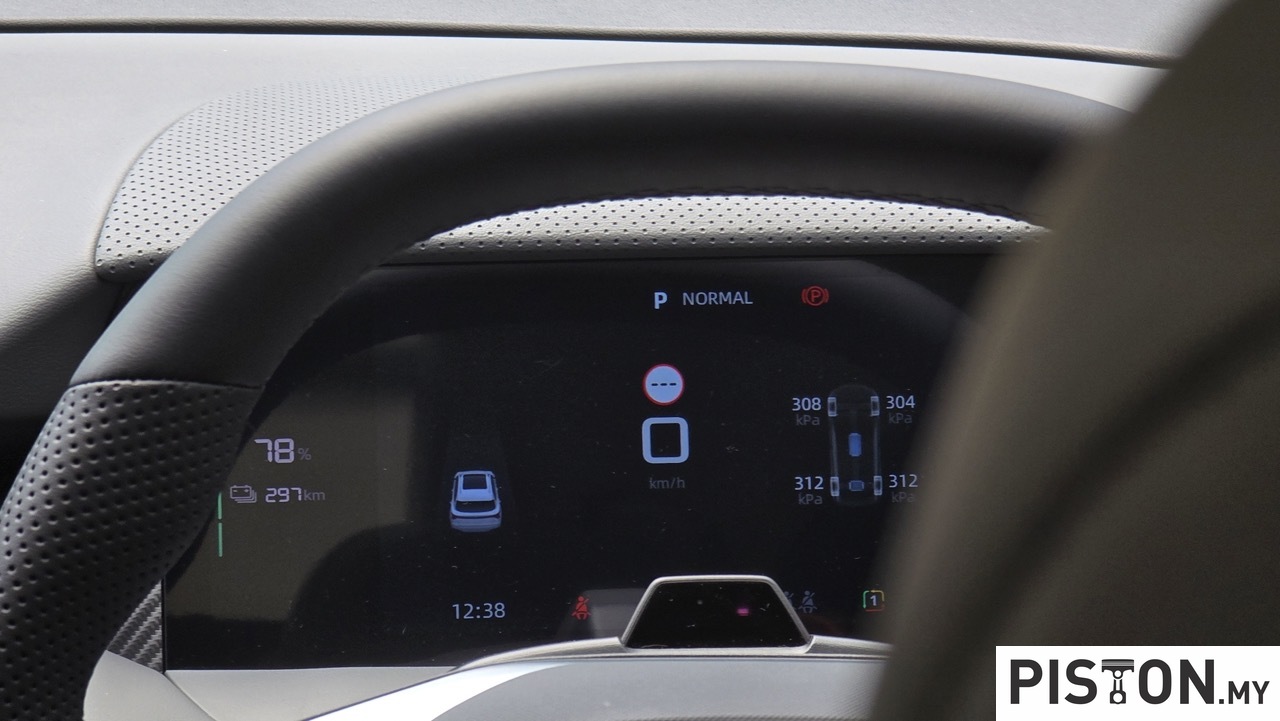
To be honest, when we got into the e:N1, we had around 297km of range with 94% of battery. We were heading from Mangala Estate Boutique Resort, Pahang, to Pineyard, Bentong, for a quick bite, then back to Honda Malaysia, Petaling Jaya.
The total travel distance was around 226km, according to the GPS, but we still had to take into consideration our driving style and be prepared for unwanted situations.
But at the same time, we had to put it to the test. So we drove like our fellow Malaysians and tried out the different drive modes (Normal, Eco and Sport). There were three drivers, so three different driving styles.
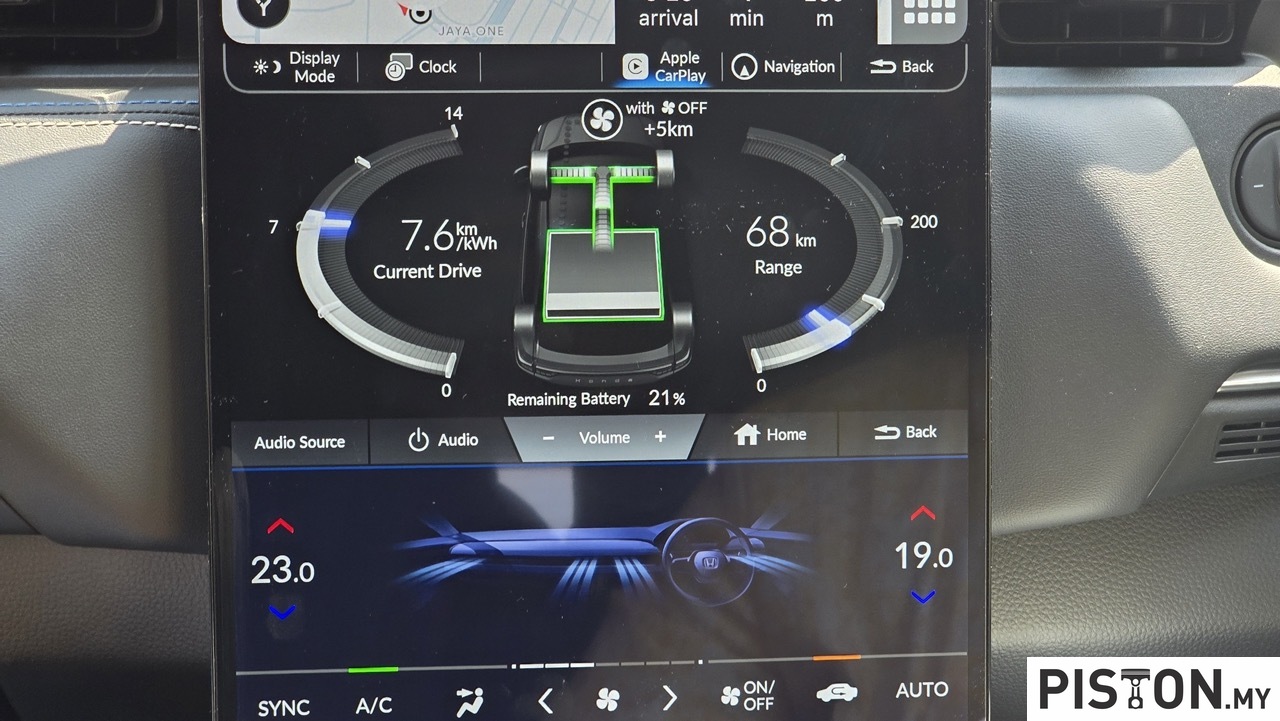
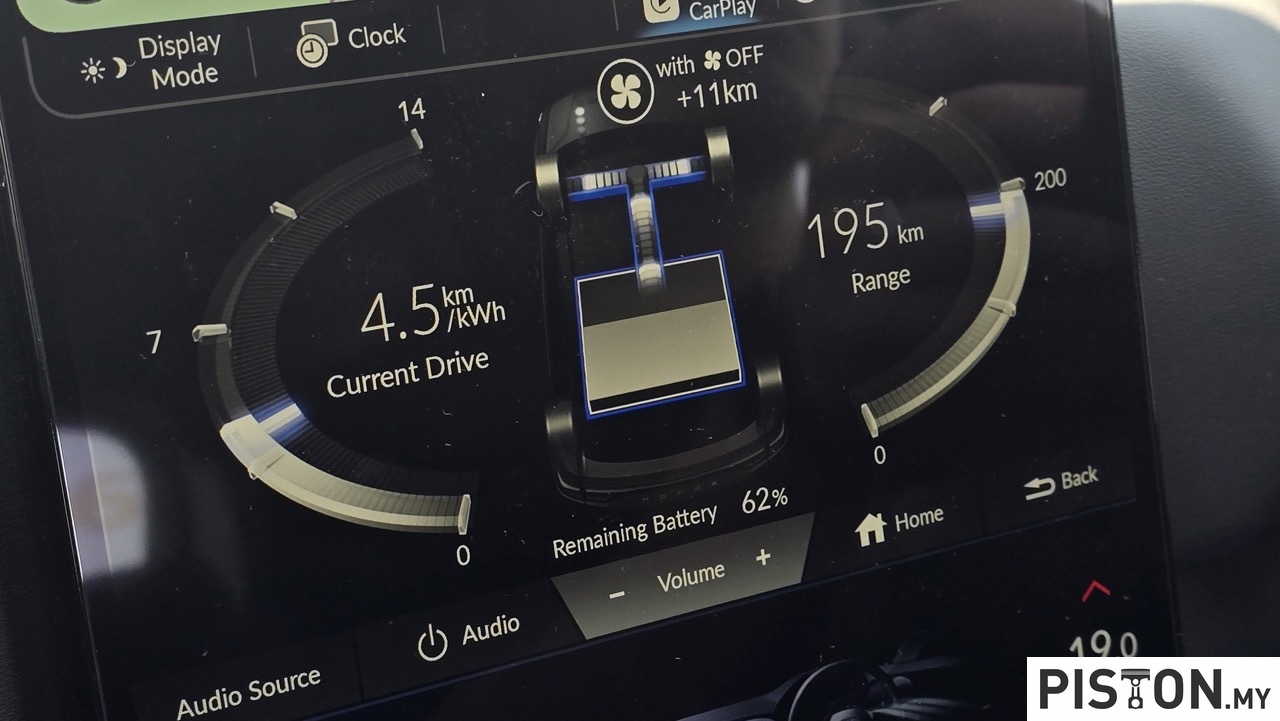
We went through highways, small town roads and winding back roads. So, were we able to make it back without stopping to juice up? Yes, yes, we did. When we parked at Honda Malaysia in Petaling Jaya, we still had 68km of driving range and 21% of battery! This is with an average speed of 125km/h and 7.6km/kWh.
In Honda we trusted, and it did not let us down. But of course, if you are planning to drive longer distances, you will have to dedicate some time to charging it up. Which is why owning an EV means changing your lifestyle. You will have to properly plan your routes and drive accordingly to the percentage of your battery.
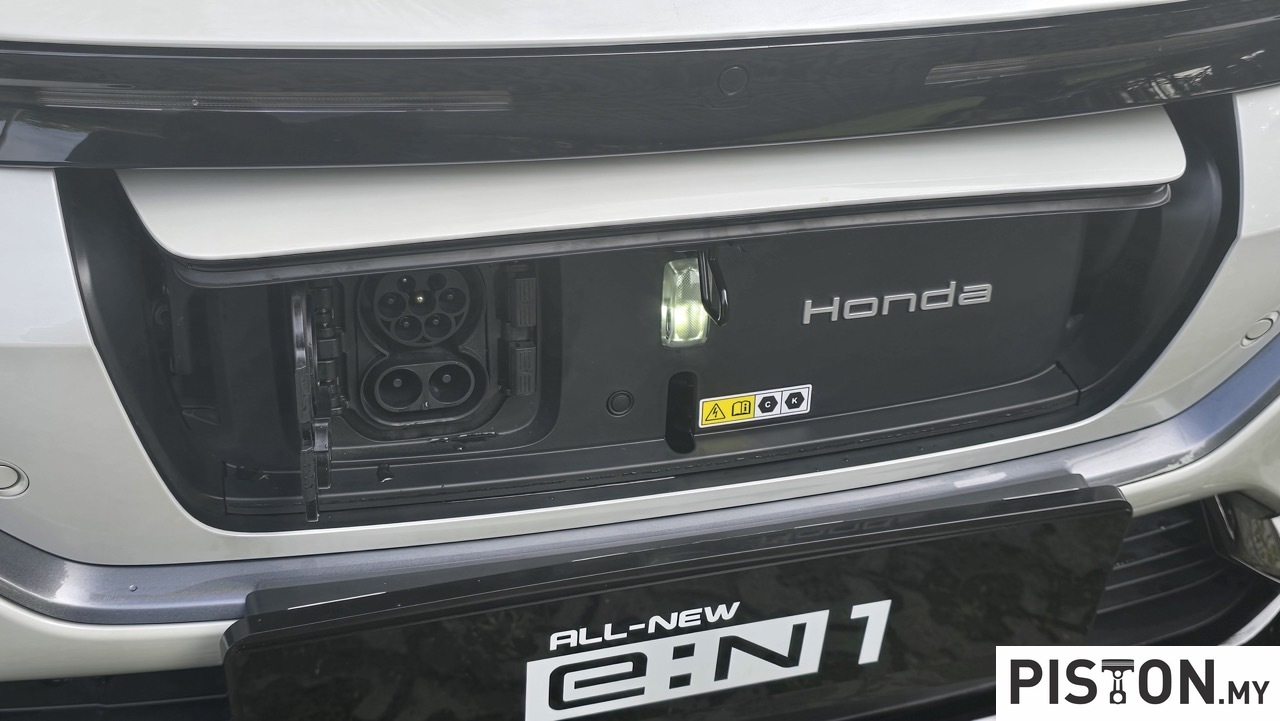
The e:N1 can be fast-charged from 10% to 80% battery in about 45 minutes using a DC CCS2 charger with a 78kW output.
Honda with no LaneWatch and a huge touchscreen?
If you have read our previous reviews on Honda models, you will know that we had a love-hate relationship with Honda’s Lane Watch, but eventually got used to it. So, driving the e:N1 that does not have the LaneWatch felt a little weird. Instead of Lane Watch, Honda has replaced it with a Blind Spot Monitor.
Why do we say it feels weird? Because if you are familiar with the Lane Watch system, you know that it will override your screen, which means you will not be able to see your navigation screen. Of course, you can override it via the signal lever, but that takes some getting used to.
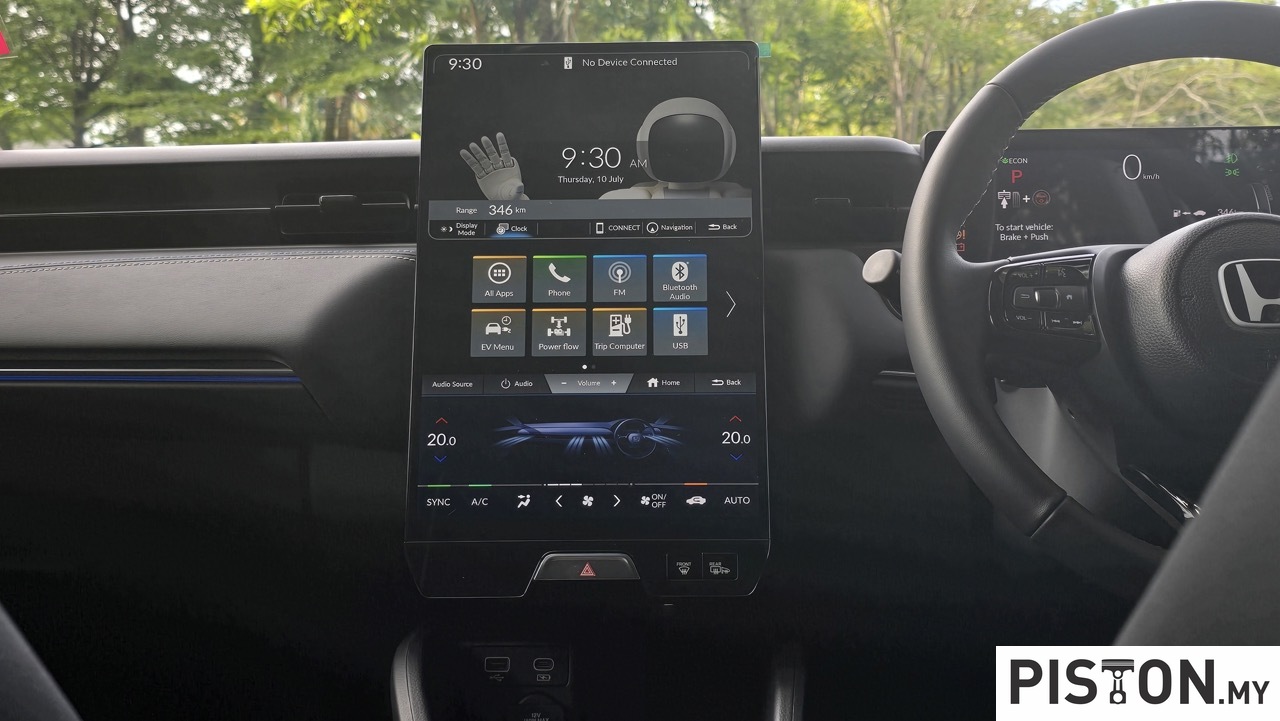
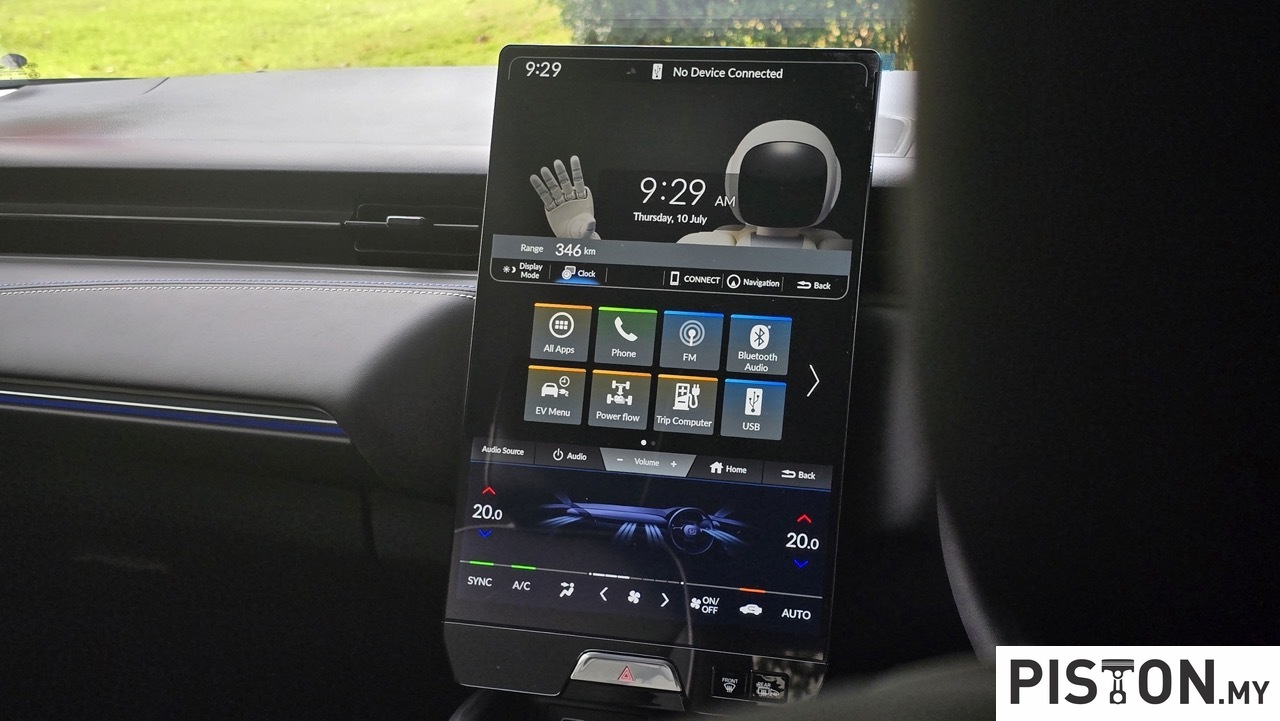
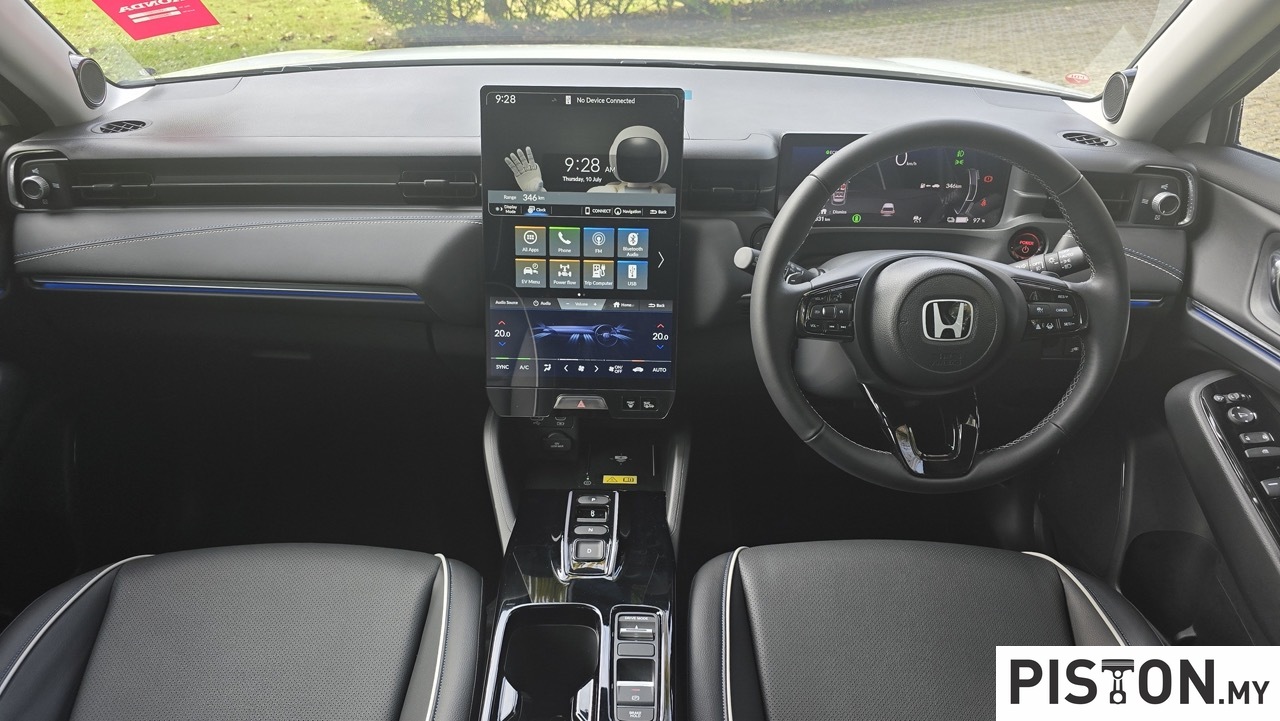
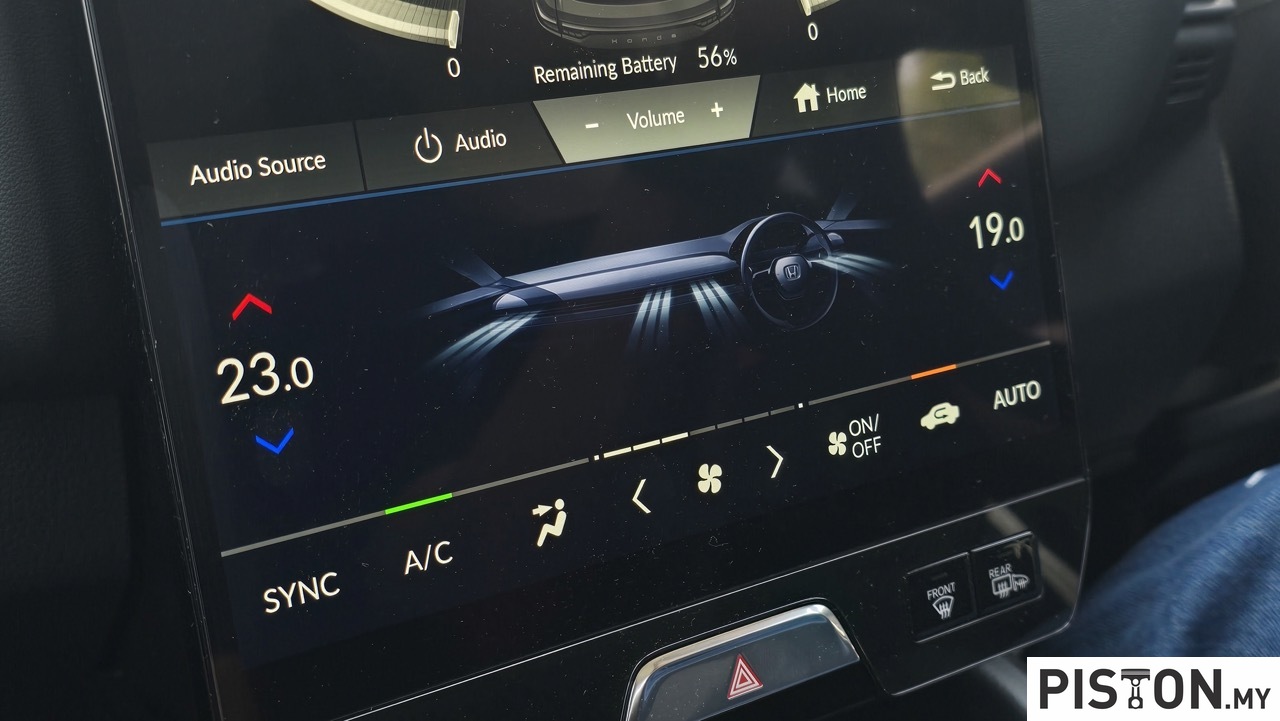
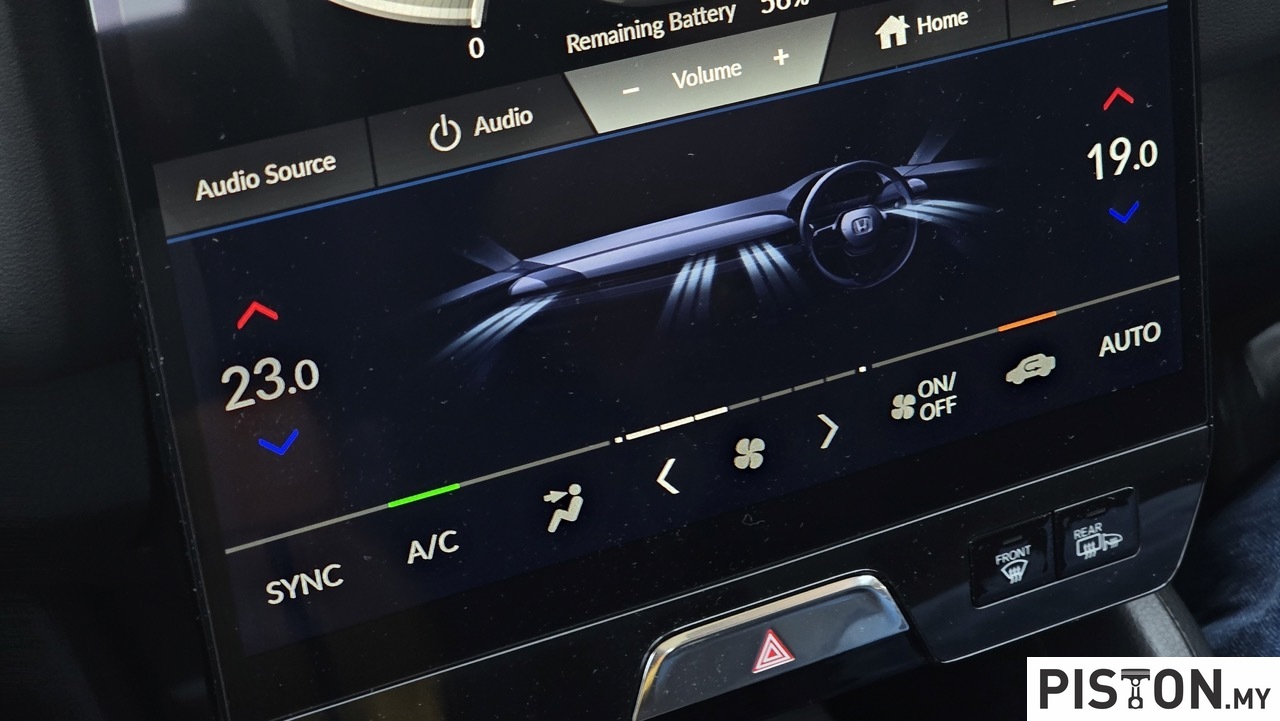
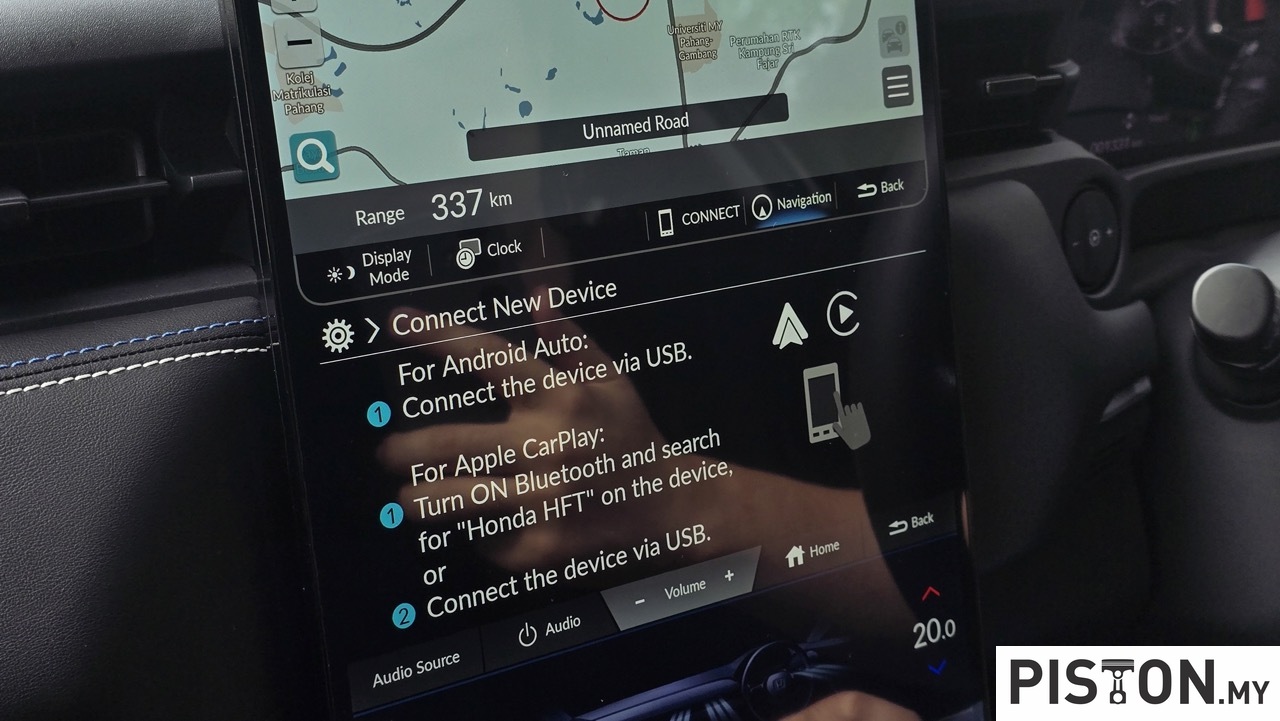
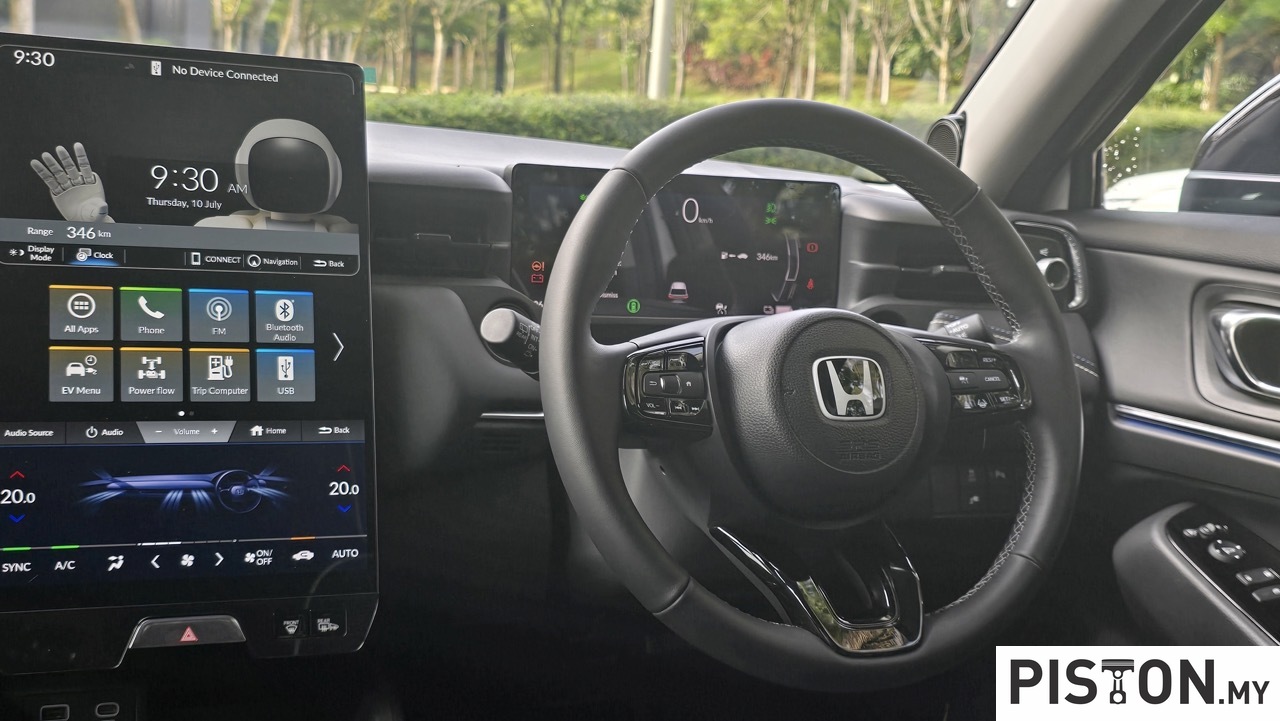
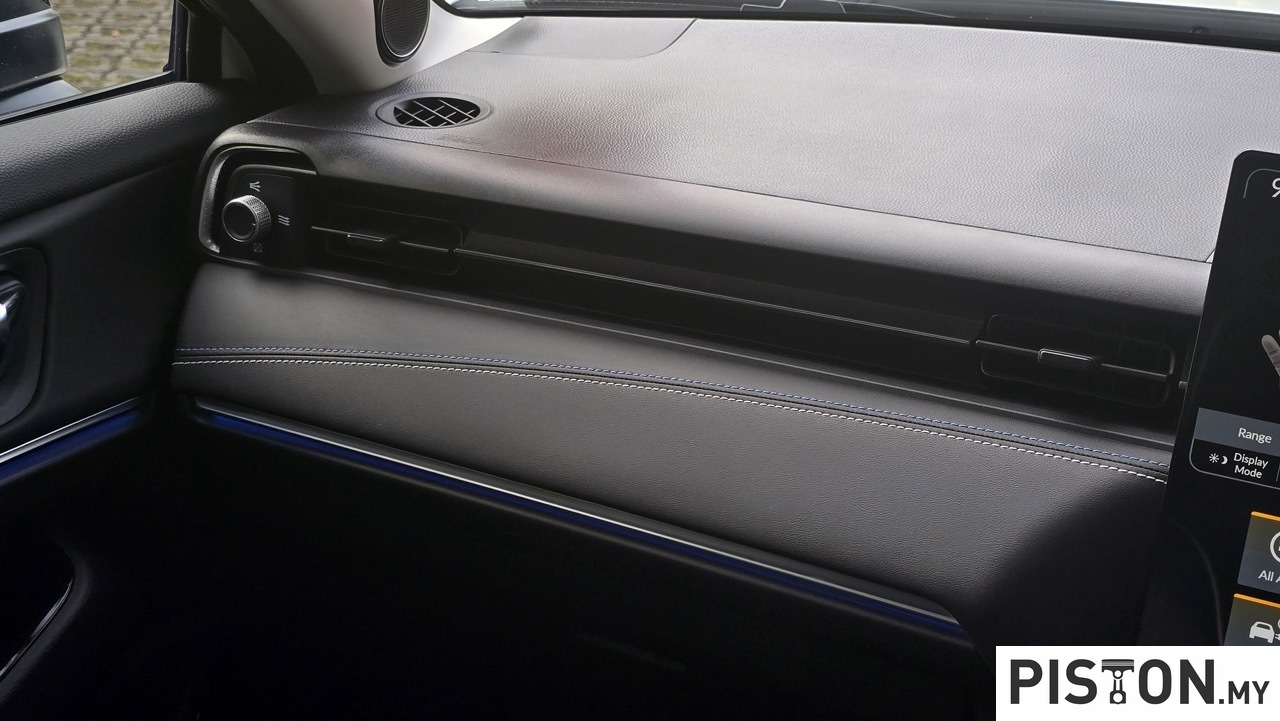
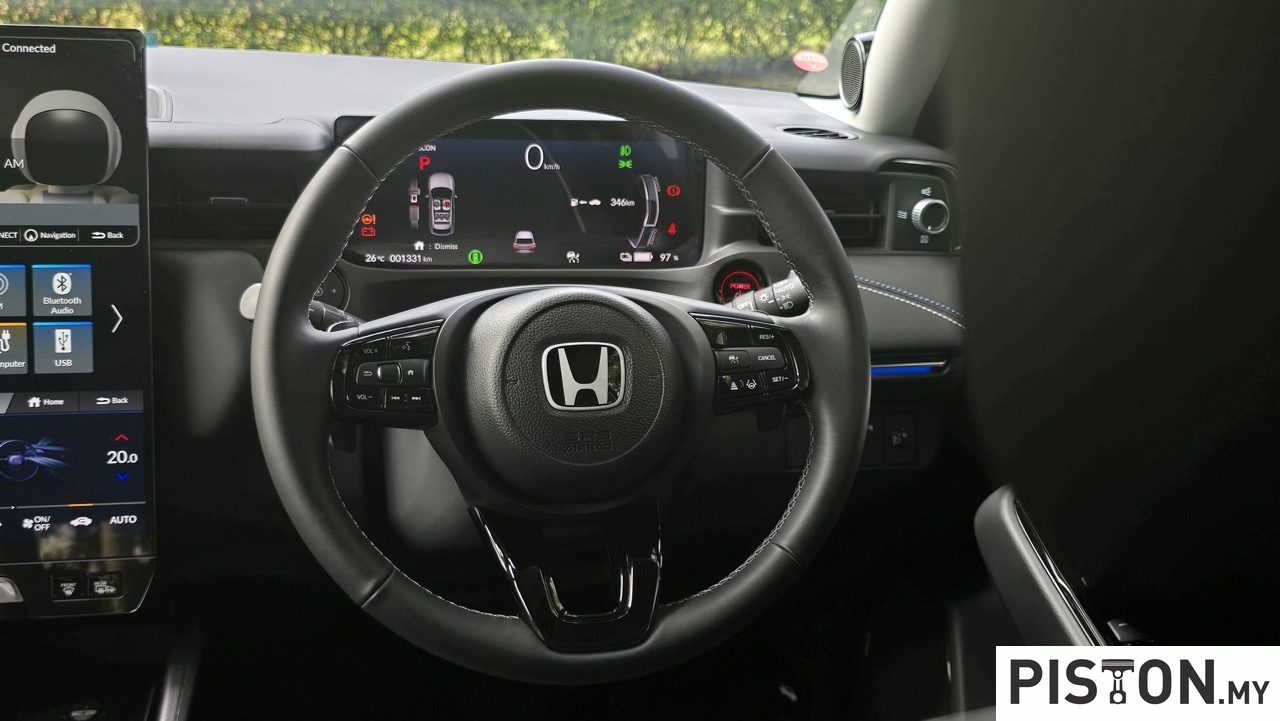
The e:N1, however, has a huge 15.1-inch Advanced Touch Display Audio touchscreen panel! This is brilliantly done because it splits into three different sections. At the top, you have your CarPlay details, which include Spotify and navigation controls. In the middle, you have the information section, which allows you to enter the settings menu, power flow and EV menu.
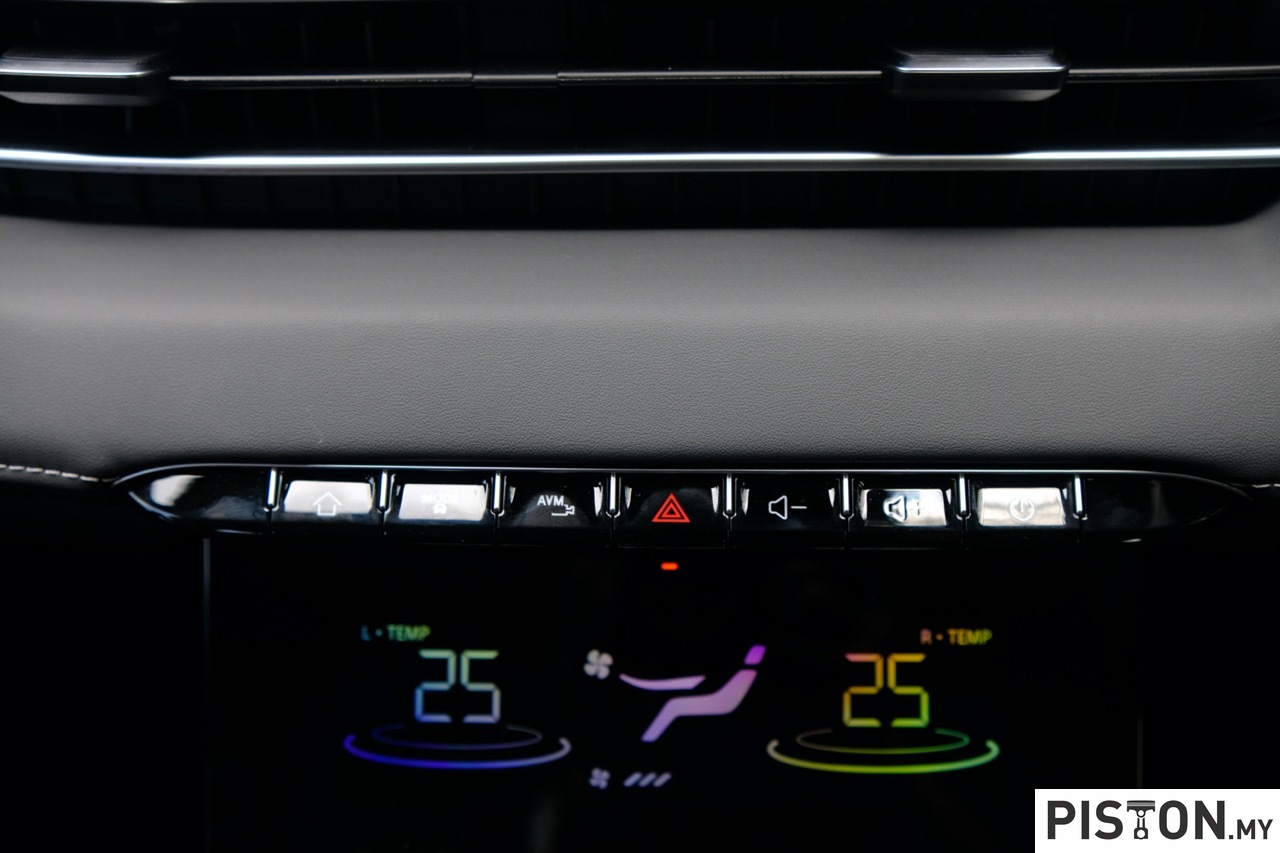
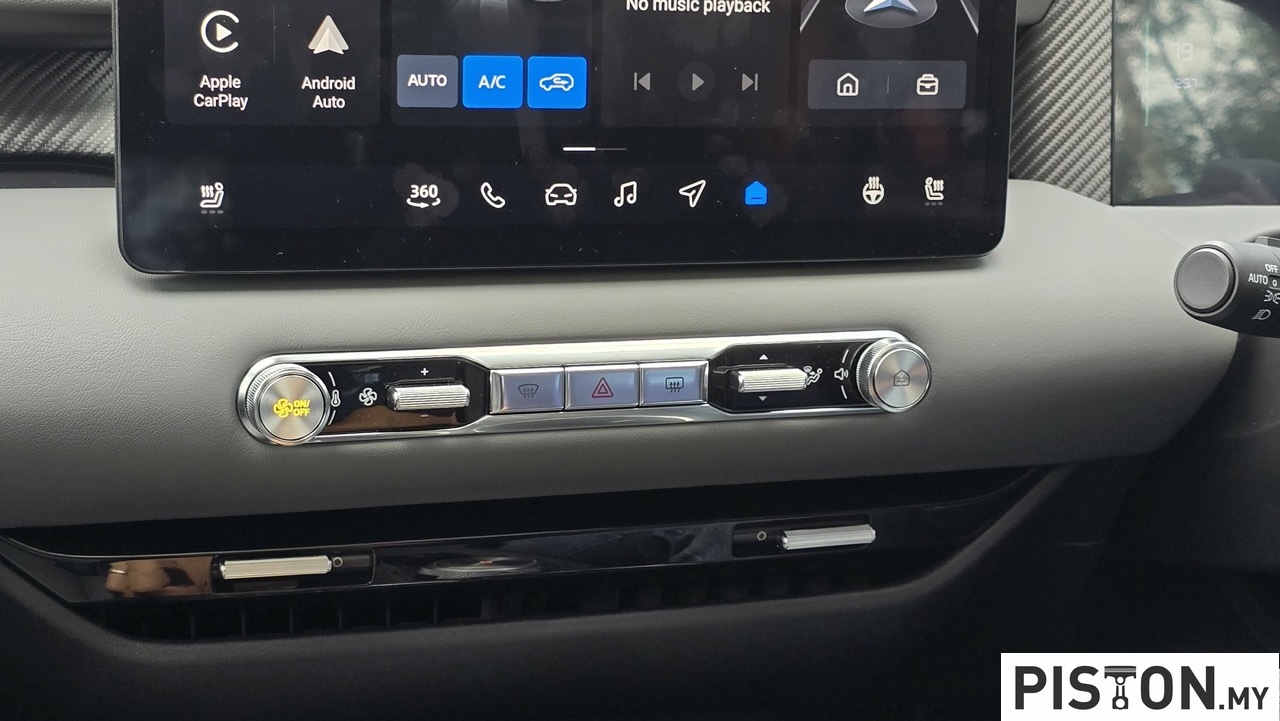
Finally, at the bottom part of the screen are your air conditioning controls. Which means, you will not have to navigate through menus to get to the controls!
So, we were thinking that Lane Watch would have been perfect for this layout because it would not have to override your navigation screen. But of course, a high-definiton camera compared to the ones in the market now would be a nice touch.
And a note from the editor also pointed out that having Lane Watch on the right of the car instead of only on the left would be welcomed as well.
Honda has always made its tech very accessible and user-friendly, even with the smaller screens that you get in other models. So, take that, add a high-def camera on the left and right of the car and incorporate it into this massive screen, and you have the perfect marriage.
Of course, you still get Honda Sensing, which features Adaptive Cruise Control with Low-Speed Follow, Lane Keeping Assist, Collision Mitigation Braking, Auto High-Beam, and a Lead Car Departure Notification system.
The powertrain is completely at home
We have driven countless numbers of SUVs; some feel overpowered, some underpowered, and some just feel like they’re missing something. However, when we got behind the wheel of the e:N1, pushed it through corners at low speed and high speed, flying on highways, cruising through towns, we felt like this SUV has the perfect powertrain.
There is power when you need it; 204PS on tap with 310Nm of torque. This is not overpowered because it does not want to break your neck as soon as you floor it, as most electric vehicles nowadays do. It has the perfect launch power to get you out of tricky situations.
Switching it to sport mode when climbing up winding roads never felt more satisfying in an SUV. There were times when we forgot that we were driving an SUV! At high-speed corners, we were leaning a little, but that’s normal as the seats were not specifically designed for that. However, you do not get that weird body roll that can make you carsick.
It feels stable at corners and high speeds because it has a 1,662 kg kerb weight, which balances the power-to-weight ratio, coupled with a perfectly tuned suspension.
Final thoughts
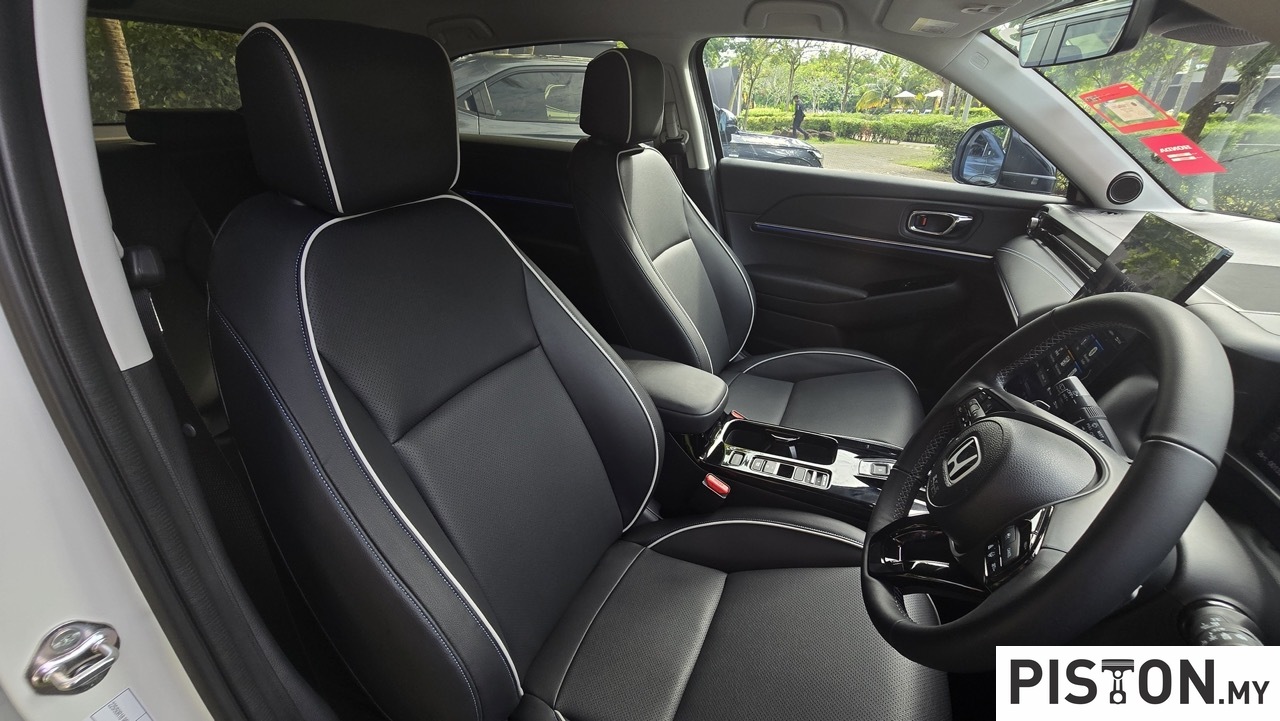
For an EV, it drives differently compared to the Stormtroopers you get from China. The e:N1 speaks to the driver; it tells you everything that is going on. The suspension is so well-tuned that it does not feel like you are in a spaceship. This car has a soul and character, so kudos to Honda for making it feel and drive the way it does.
For everything that this SUV offers, we do not mind paying a premium price of RM149,900 for quality.
Specifications
Motor: Single, front-mounted
Power: 204PS
Torque: 310Nm
0-100km/h: 7.7 seconds
Top speed: 160km/h
Charging: 45 minutes with 78kW DC / 6 hours with 11kW AC
We like: Infotainment layout and driving experience
The SUV market in Malaysia is fiercely competitive, with many options to choose from. So, is there an SUV that looks premium, has your everyday necessities, will not break your bank account and is good value for money?
Jetour is one of the newer names in the SUV world, launched in 2018 as part of the Chery Holding Group, yes, the same Chinese automotive powerhouse that’s been making waves with models like the Omoda 5 and Tiggo series.
The idea behind Jetour is simple: create stylish, practical, and tech-packed SUVs that won’t cost you a fortune. Think of it as the younger, fashion-forward cousin in the Chery family, aiming at younger buyers and growing families who want a little luxury without luxury-brand prices.
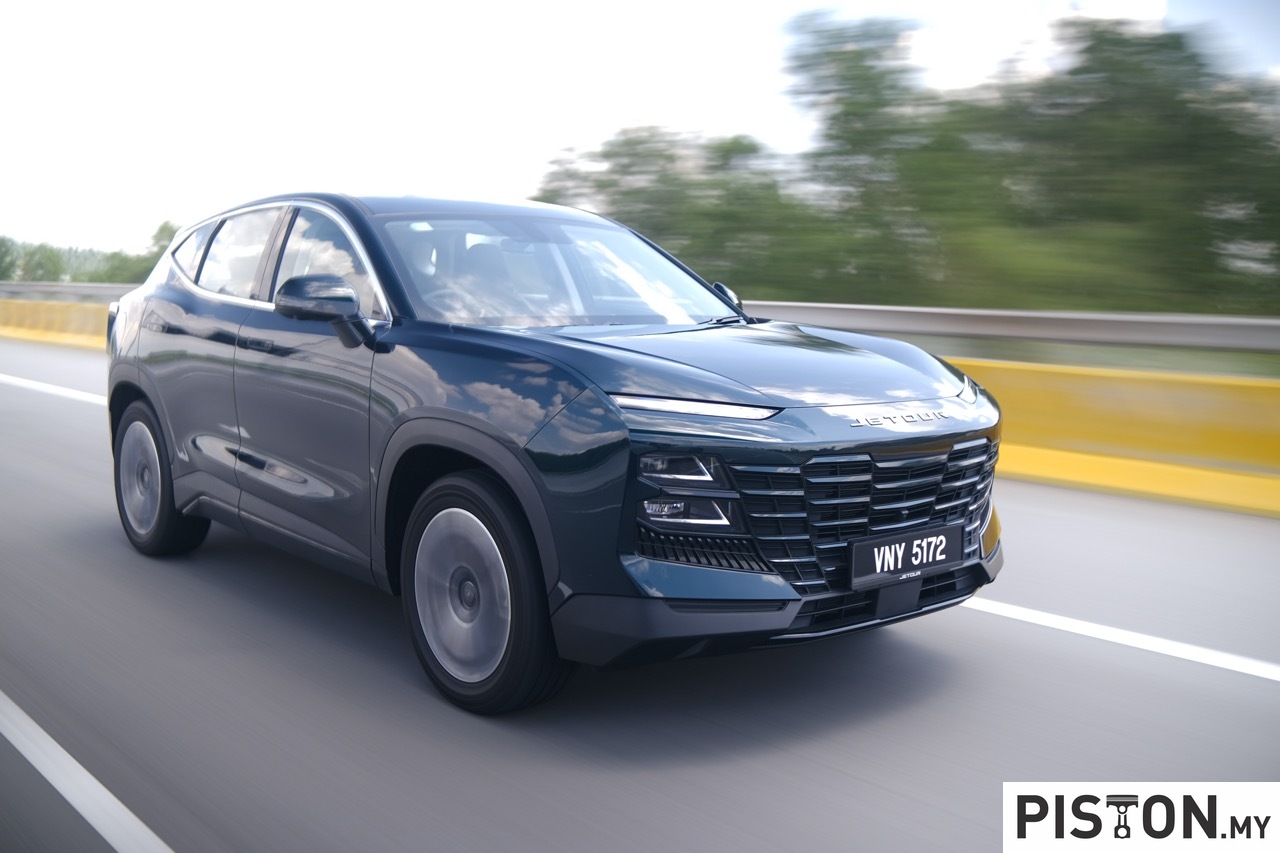
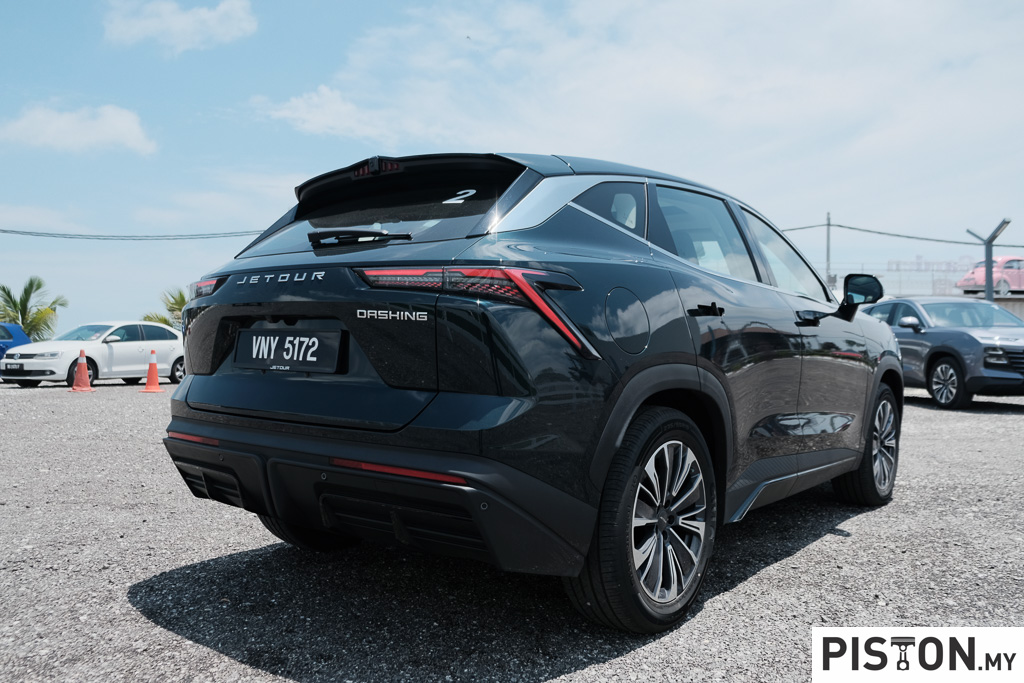
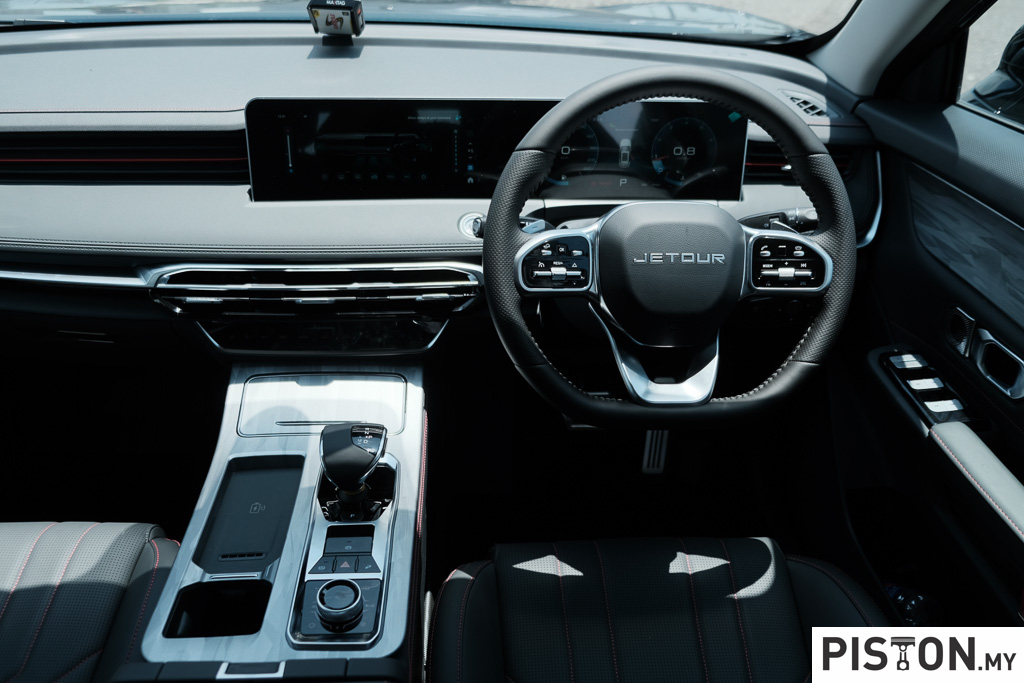
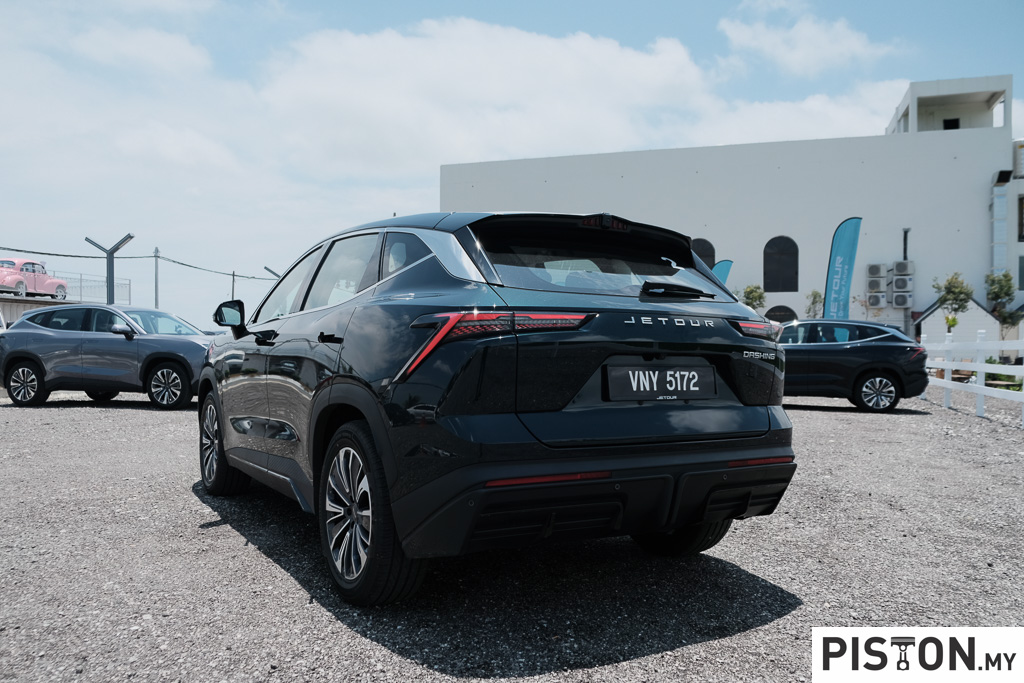
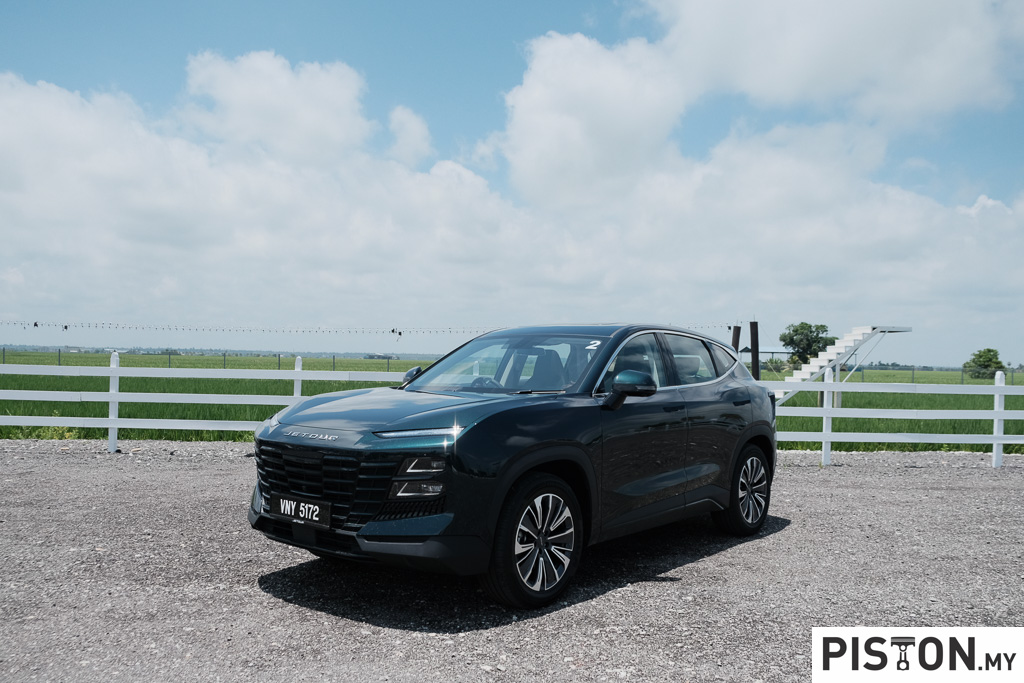
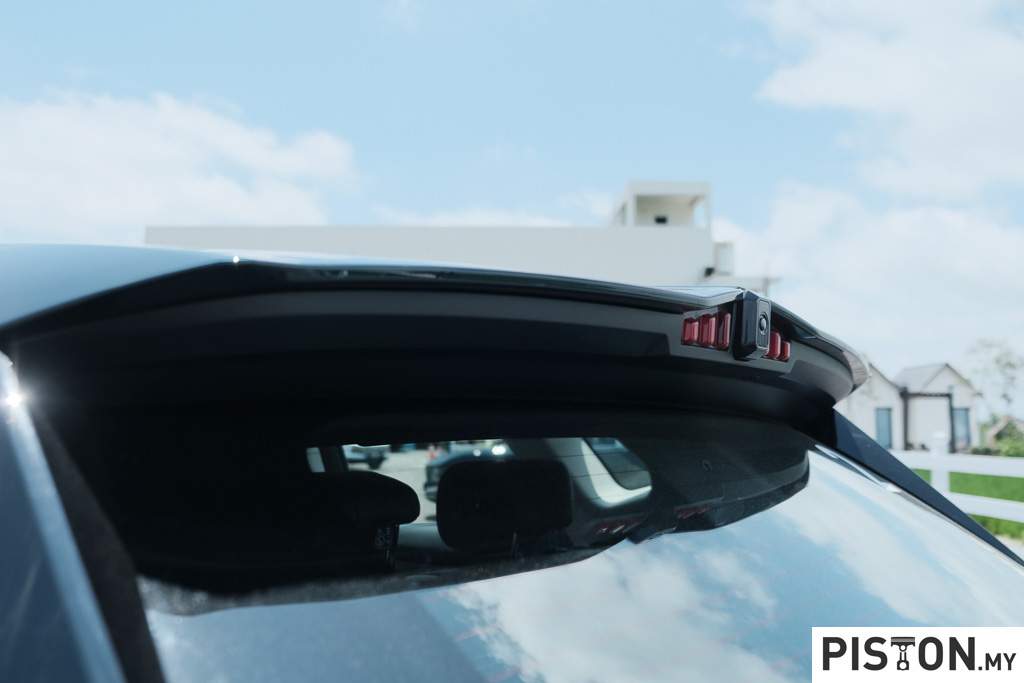
So which model did we test out? Meet the Jetour Dashing, which emerges as a standout, bold, tech-forward, and incredibly well-priced SUV.
Offering generous dimensions, a robust warranty, and feature-rich variants starting at just RM109,800, this C-segment SUV firmly positions itself as a value champion.
After spending quality time with the Jetour Dashing, here’s a look at its design, performance, comfort, technology, practicality, and overall value, along with a few constructive critiques that potential buyers should consider before making a decision.
It’s Called “Dashing” for a Reason
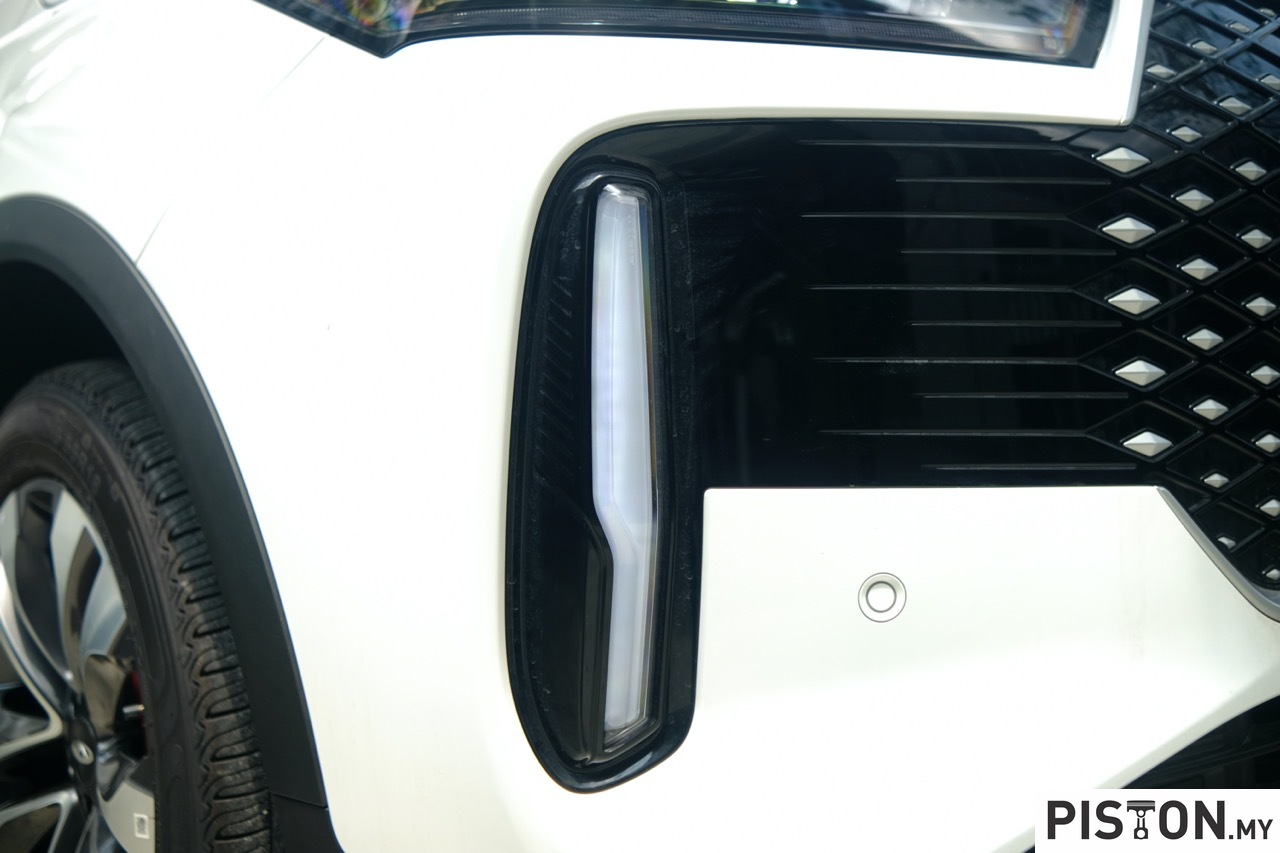
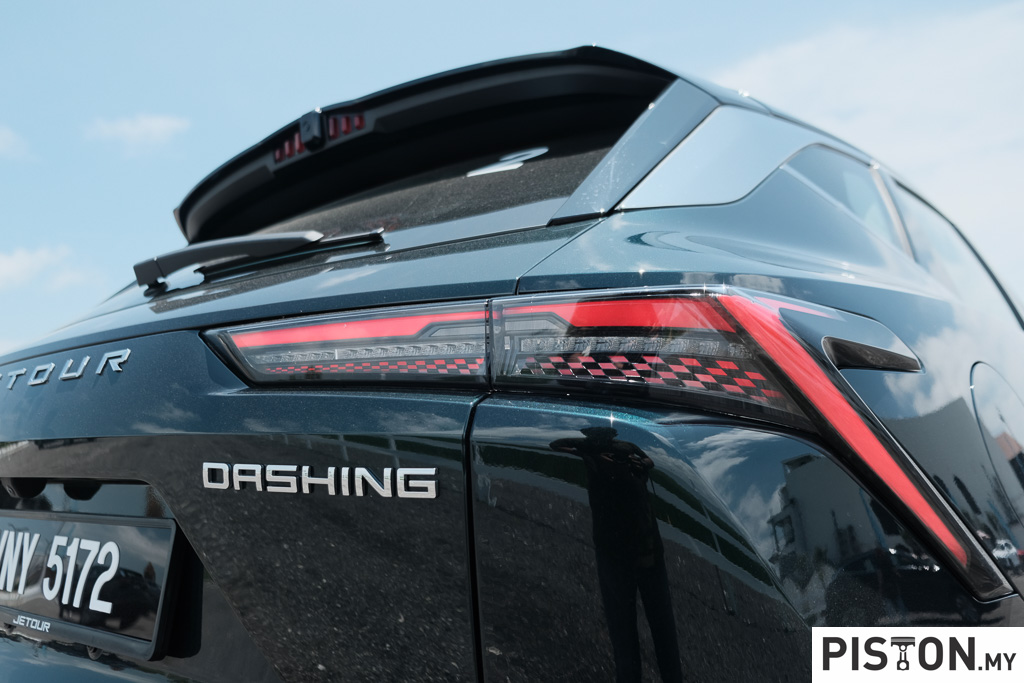
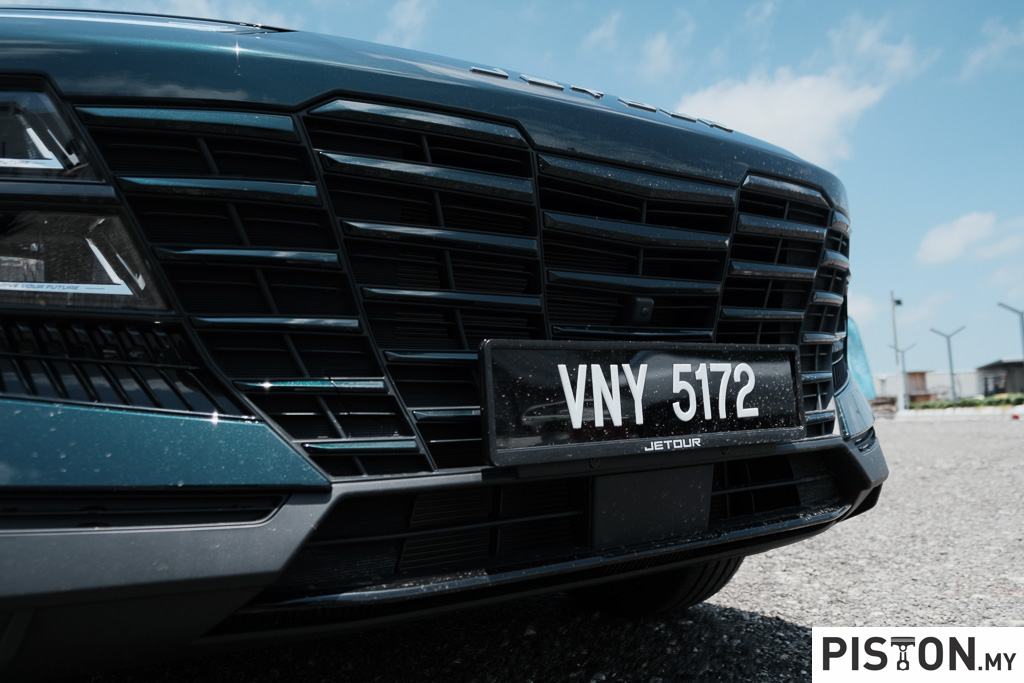
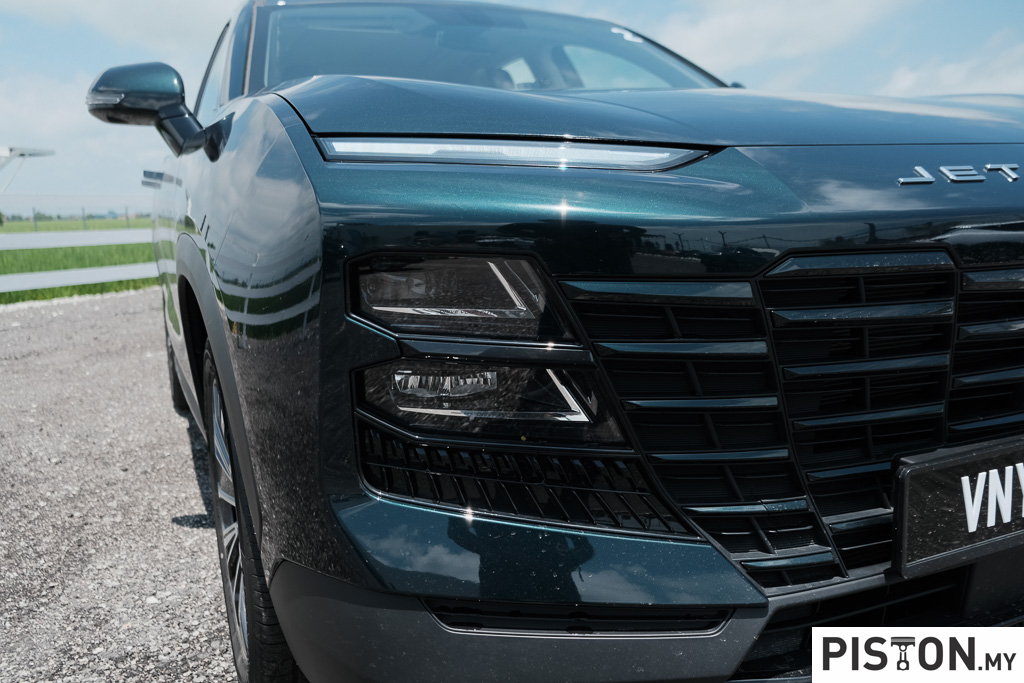
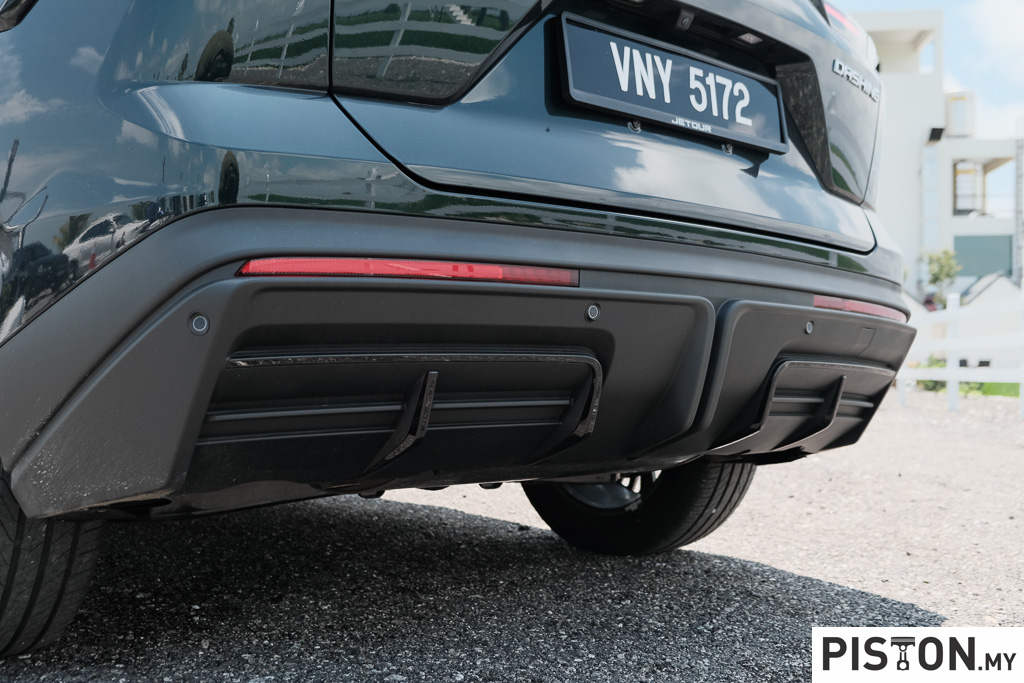
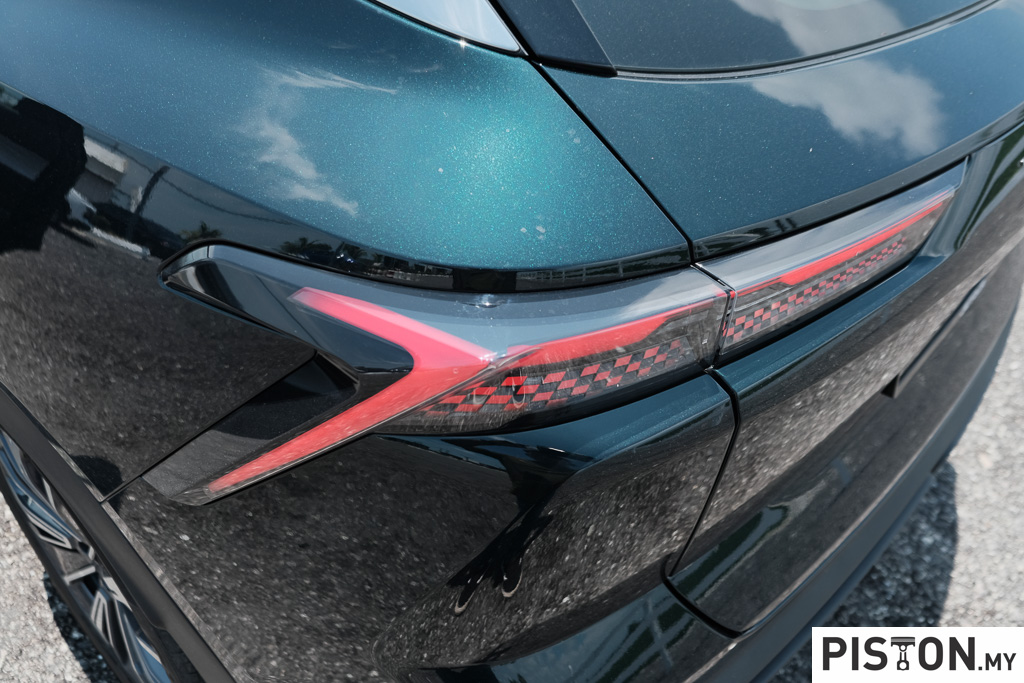
The first time you see the Jetour Dashing, the name suddenly makes sense. This is not a shy, conservative-looking SUV. It’s all sharp lines, muscular curves, and futuristic touches. The front grille blends neatly with slim LED headlights and sports “Mecha-Eyes” split LED DRLs, giving it a concept-car vibe.
The roofline slopes slightly for that coupe-SUV profile, and the seamless door handles add a minimalist, high-end look, the kind of detail you’d expect from something wearing a far pricier badge.
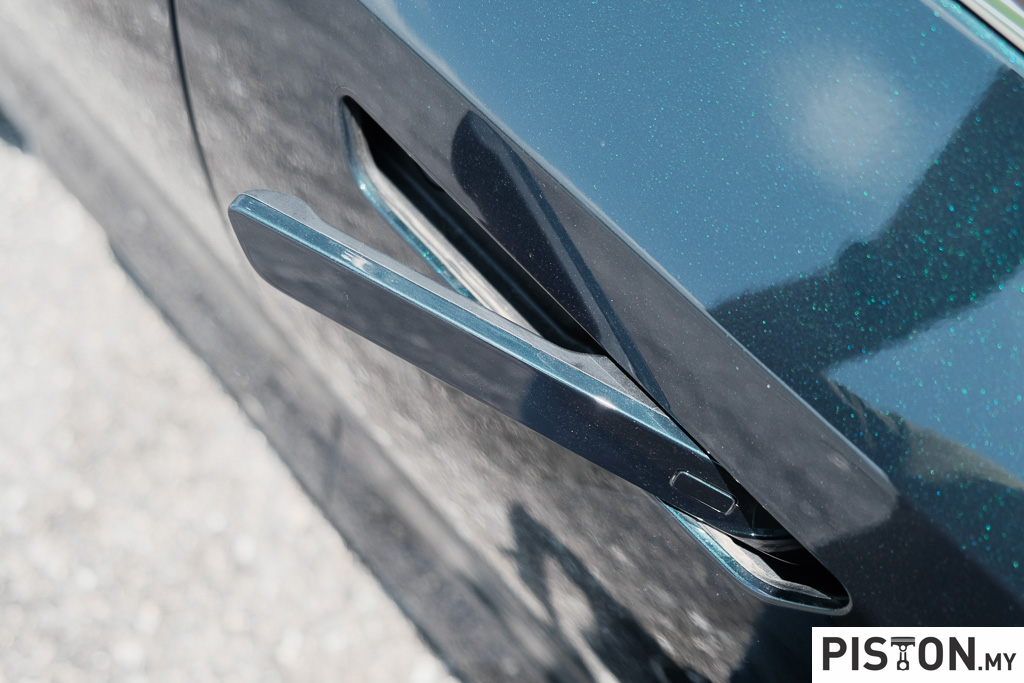
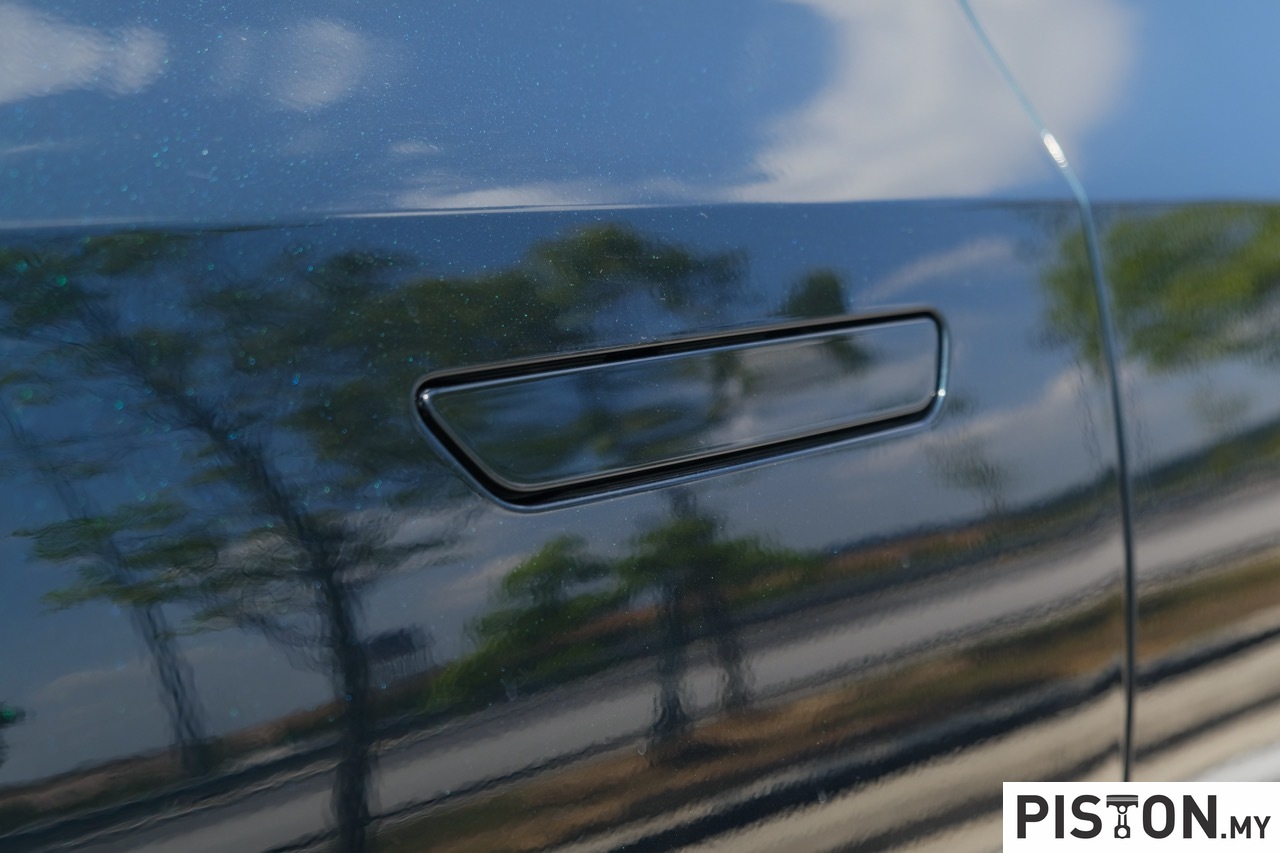
One notable talking point is the concealed, flush-fitting door handles. They blend perfectly into the bodywork for a seamless, upscale appearance and reduce aerodynamic drag, adding a touch of finesse to the SUV’s design.
Now, about those flush, pop-out door handles. They’re sleek. They’re modern. They scream “luxury car.” But they can also be… let’s say, slightly inconvenient.
Case in point: I was shooting the Dashing at my usual lakeside spot in SS12. Out of nowhere, this stray dog comes charging at me. I bolt towards the car, adrenaline pumping, only to realise the handles hadn’t popped out yet. Heart pounding, I fumble for the key, unlock it, and wait for the handles to glide out before diving into safety.
They look great, but in that moment, I’d have traded them for old-fashioned grab handles in a heartbeat. Still, in calmer situations, they do add a touch of finesse to the overall design.
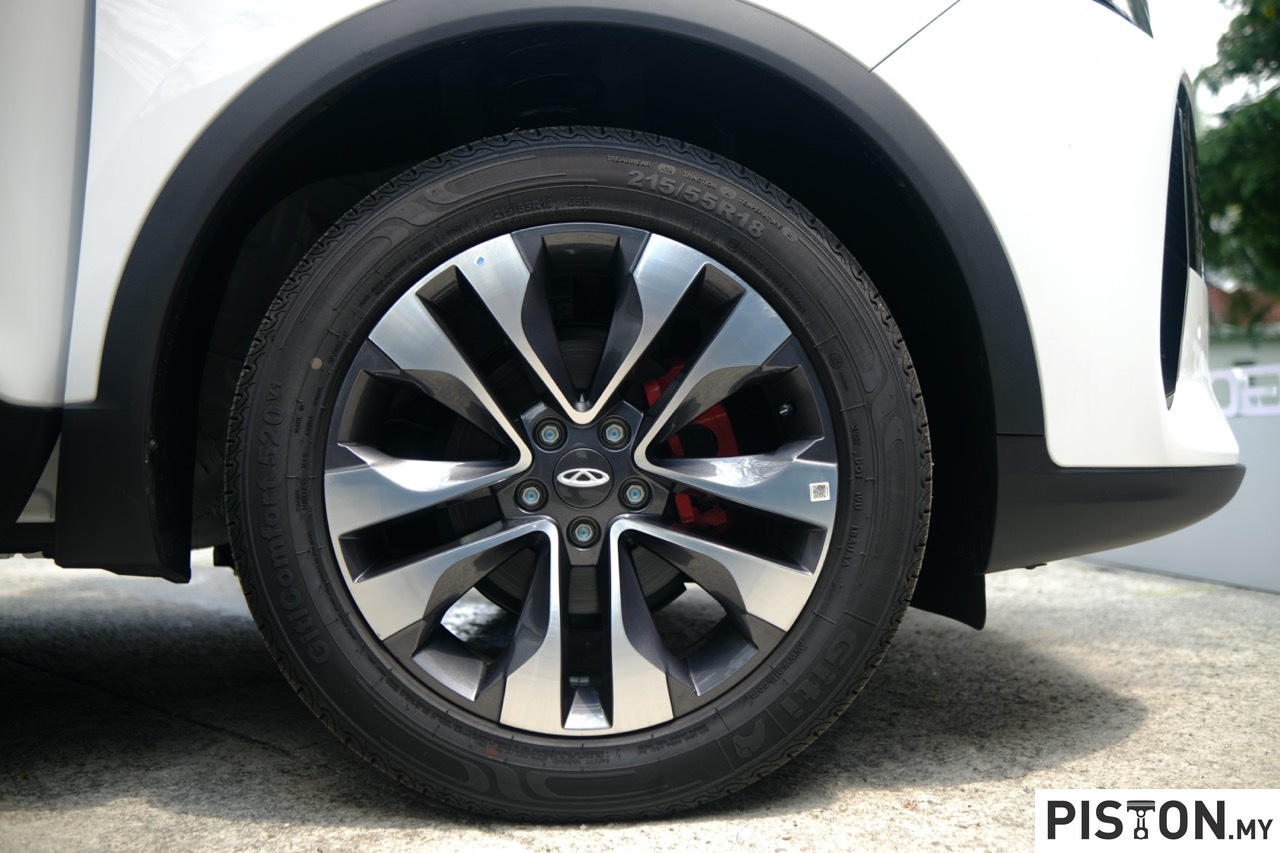
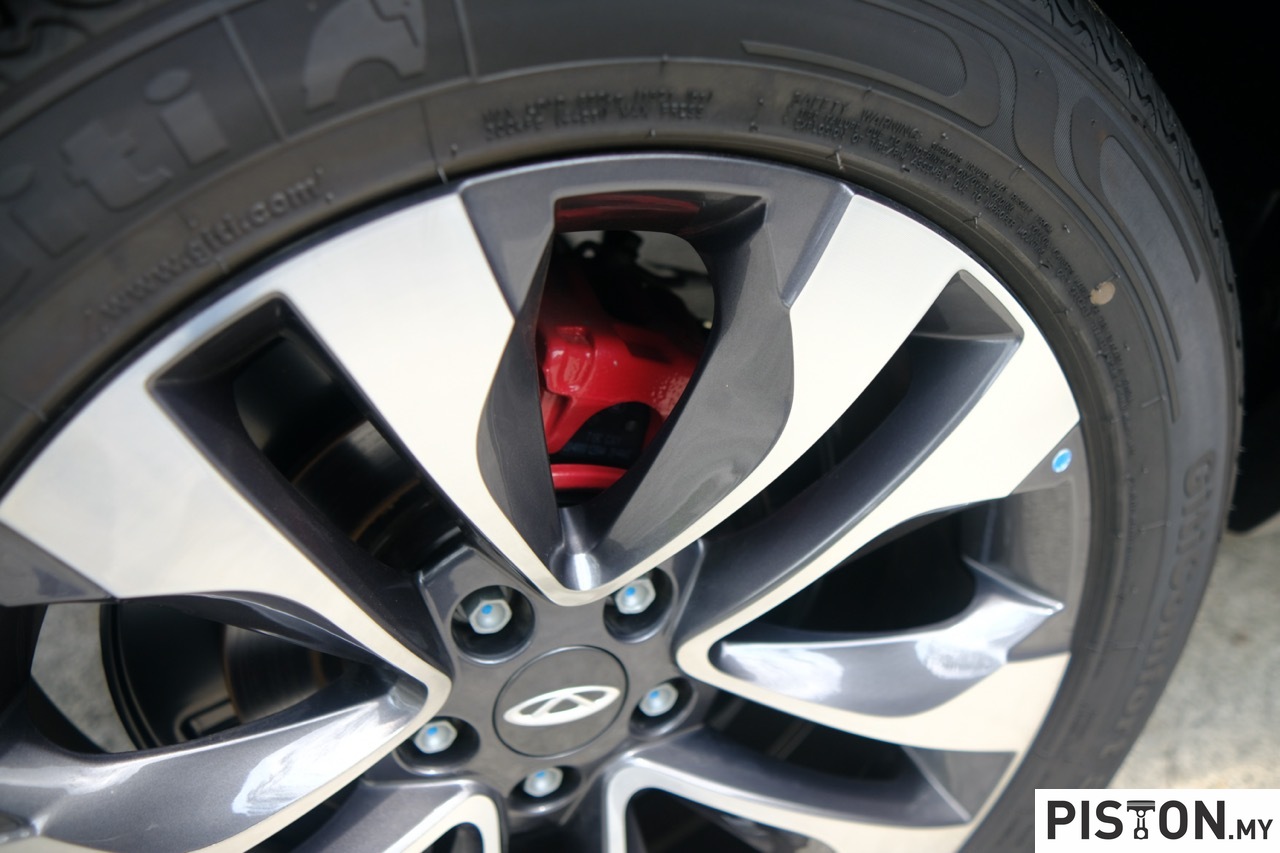
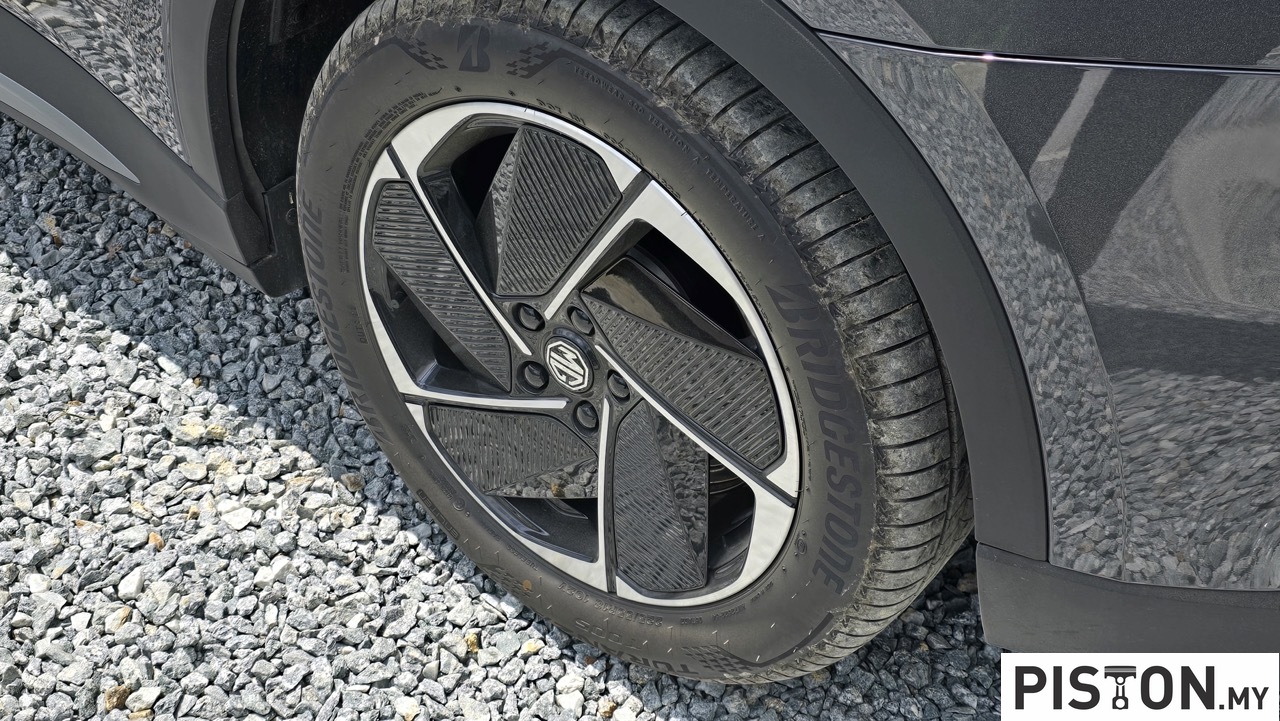
Besides that, the Dashing makes a strong statement on the road, looking far more expensive than its price would suggest. It sits on 19-inch alloys that fill the arches nicely, and the overall stance is confident without being over the top.
In short, it looks like something you would proudly park in front of a cafe on a Saturday afternoon.
Spacious, Comfortable, and Premium for the Price
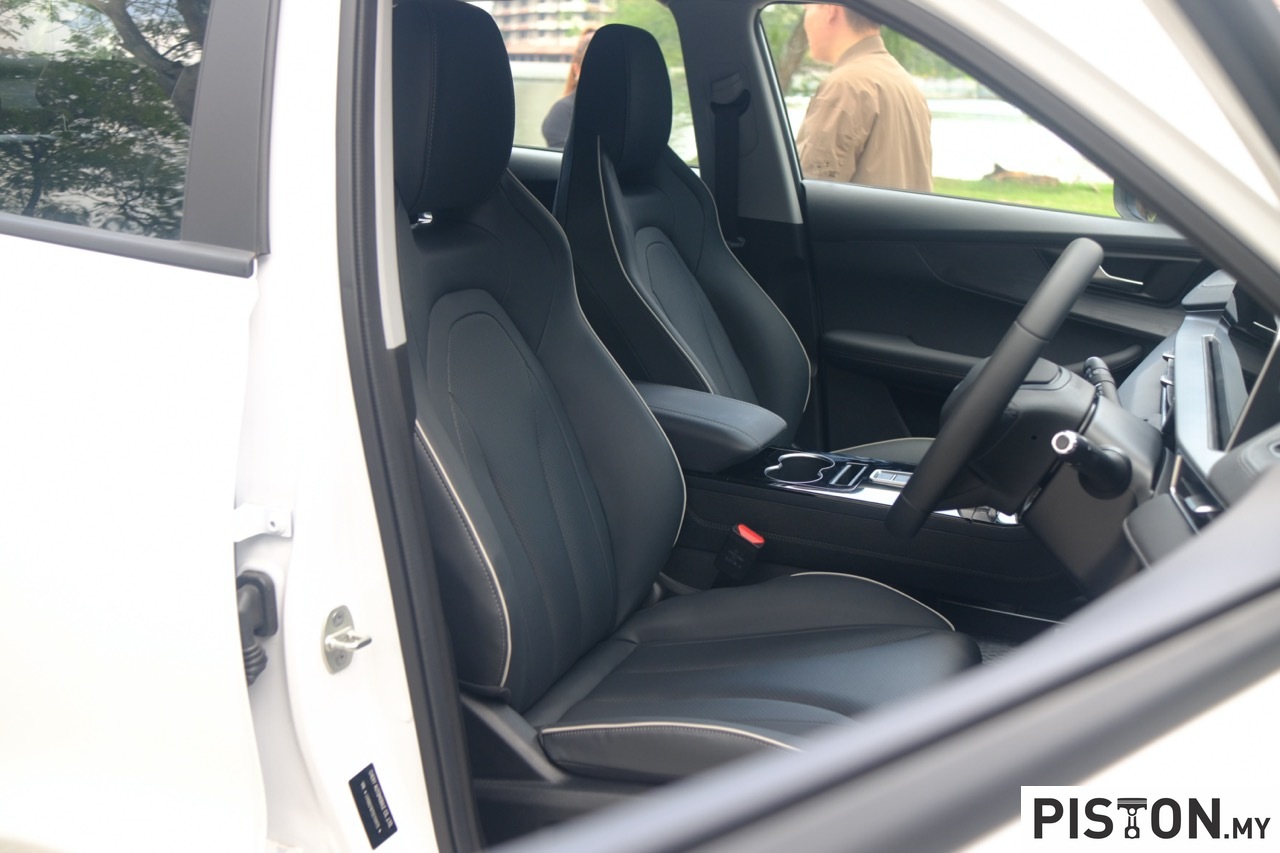
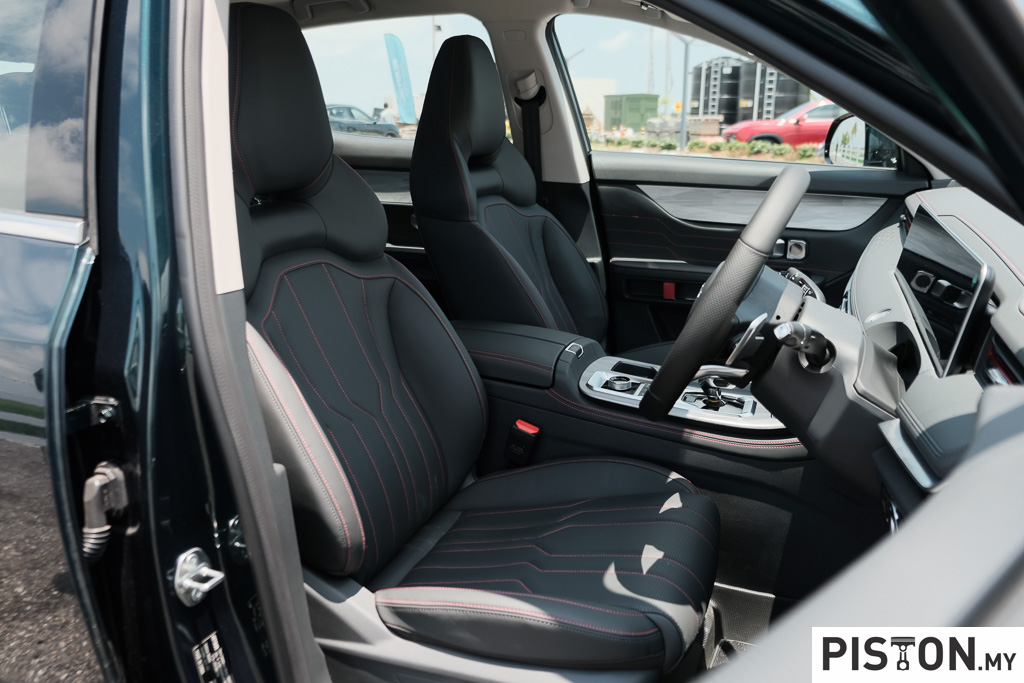
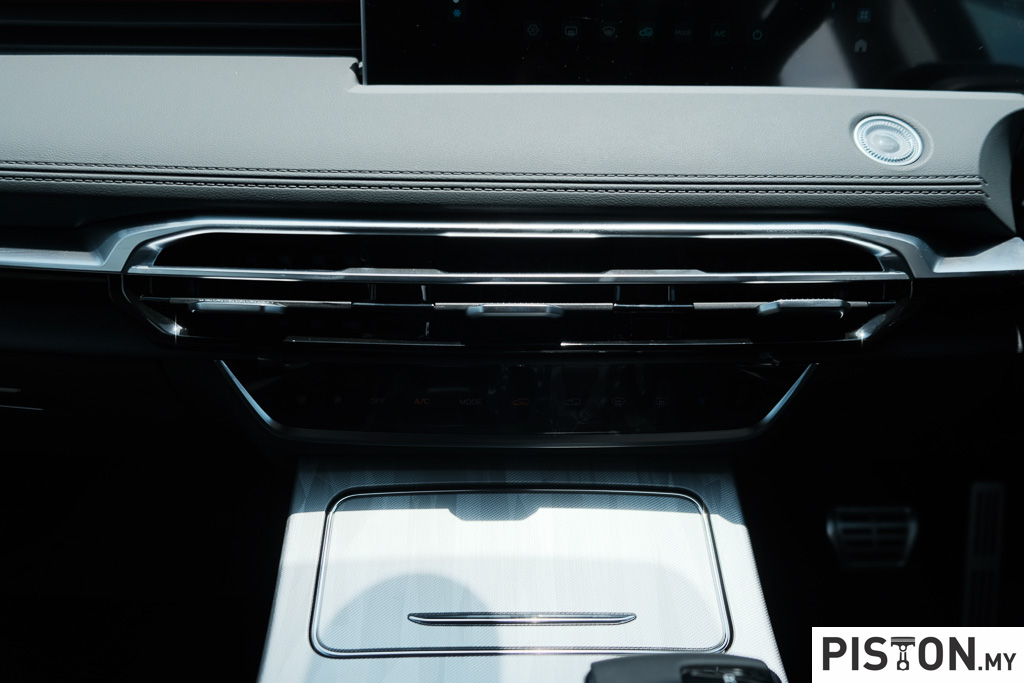
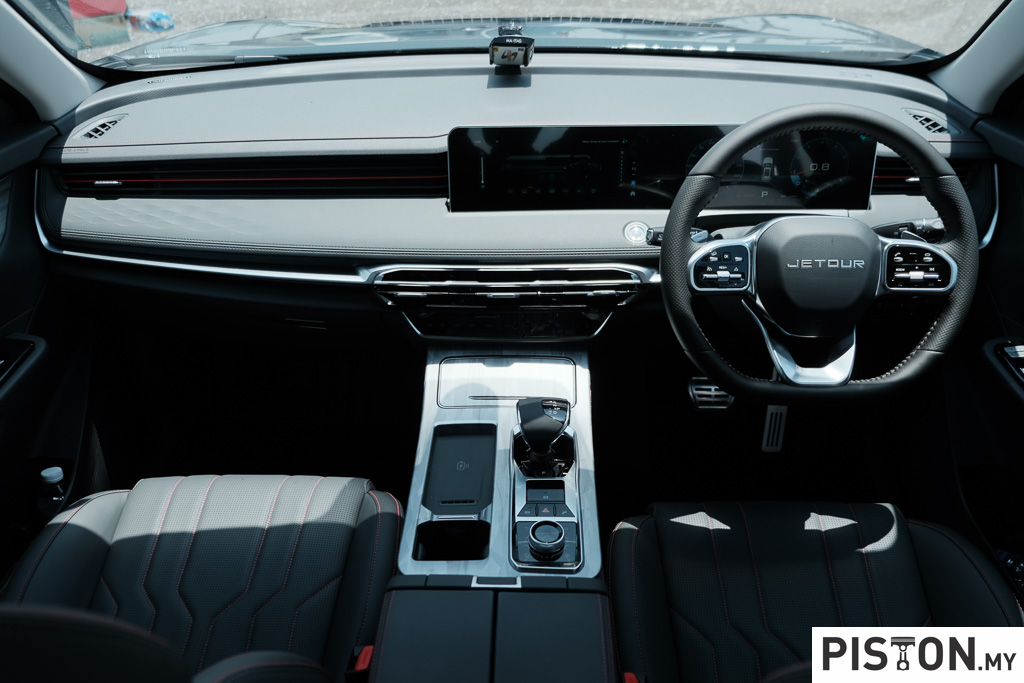
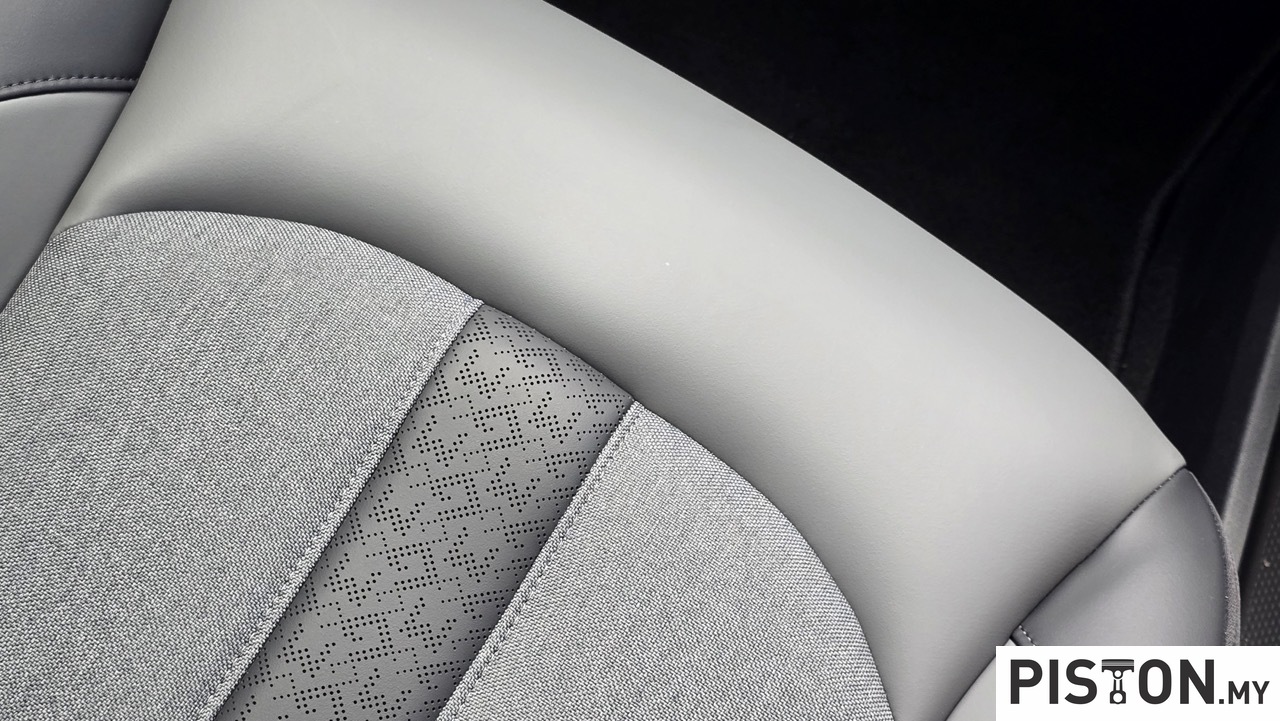
Step inside, and you’re greeted with a cabin that punches well above its price tag. Soft-touch materials cover much of the dashboard, there’s tasteful stitching on the seats, and the overall layout feels premium.
Storage solutions are thoughtfully provided, with multiple compartments for personal items, cup holders, and a reasonably large glove box.
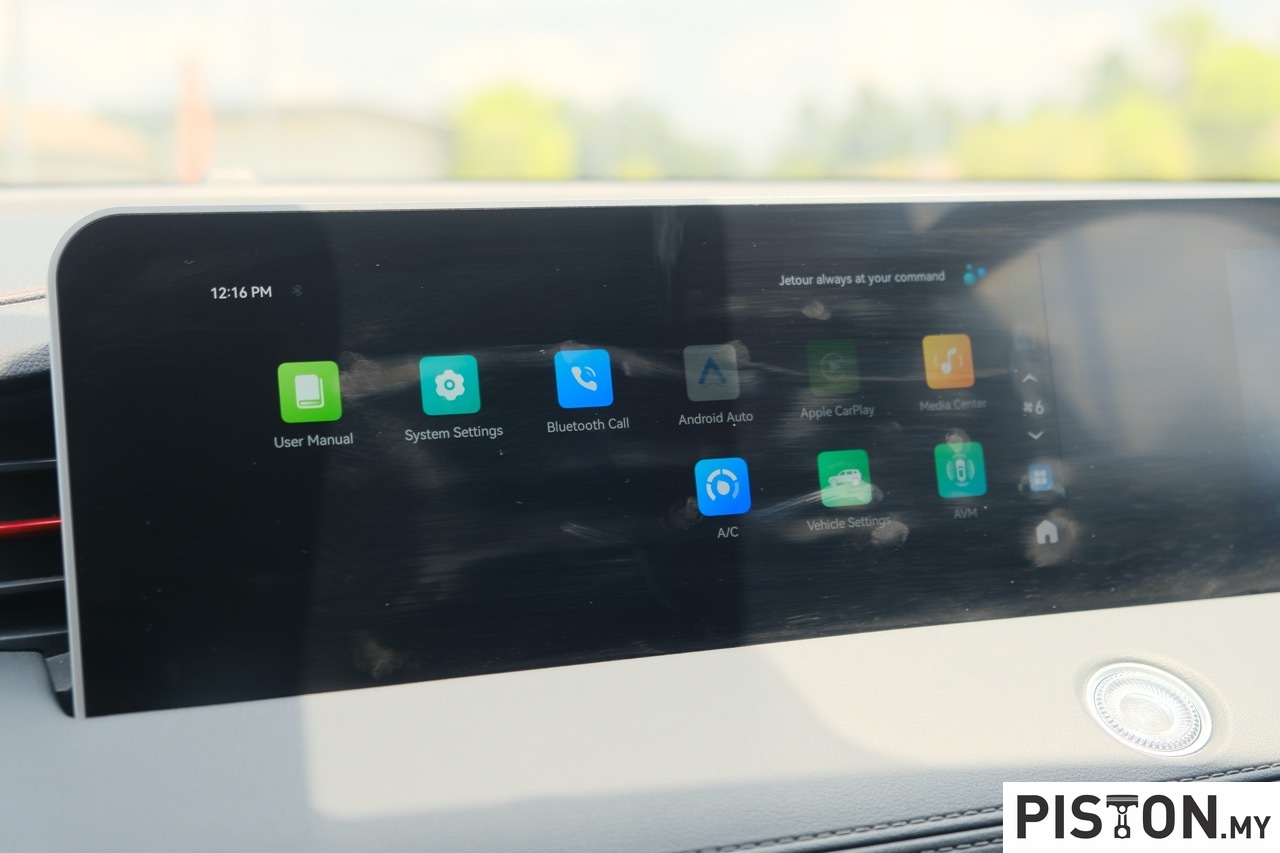
The centrepiece is the 10.25-inch infotainment touchscreen, which controls everything from navigation to climate settings. The graphics are clean, and it’s packed with features, but there’s a slight lag when swiping between menus.
While it gets the job done and covers all essential features, the lack of snappiness might frustrate tech-savvy users who are used to faster systems.
Behind the steering wheel sits a 10.25-inch digital driver display. It gives you all the necessary info, such as speed, revs and trip data, but it feels a bit unfinished. Some text isn’t capitalised properly, which makes it seem like the design team didn’t sweat the small stuff. Functionally, it works fine, but visually, it could be more polished.
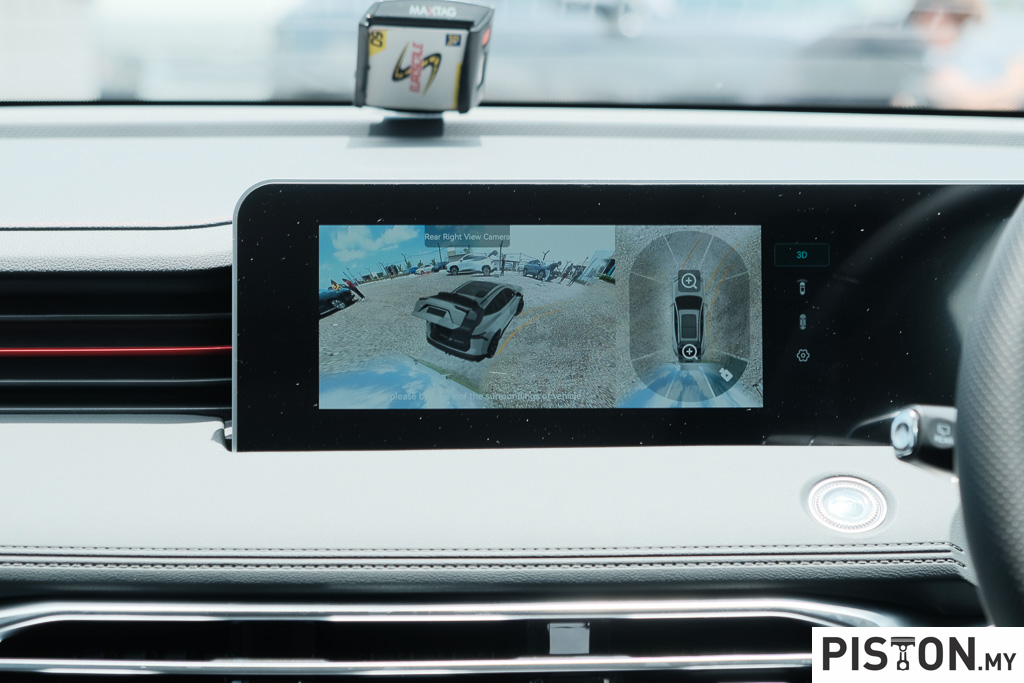
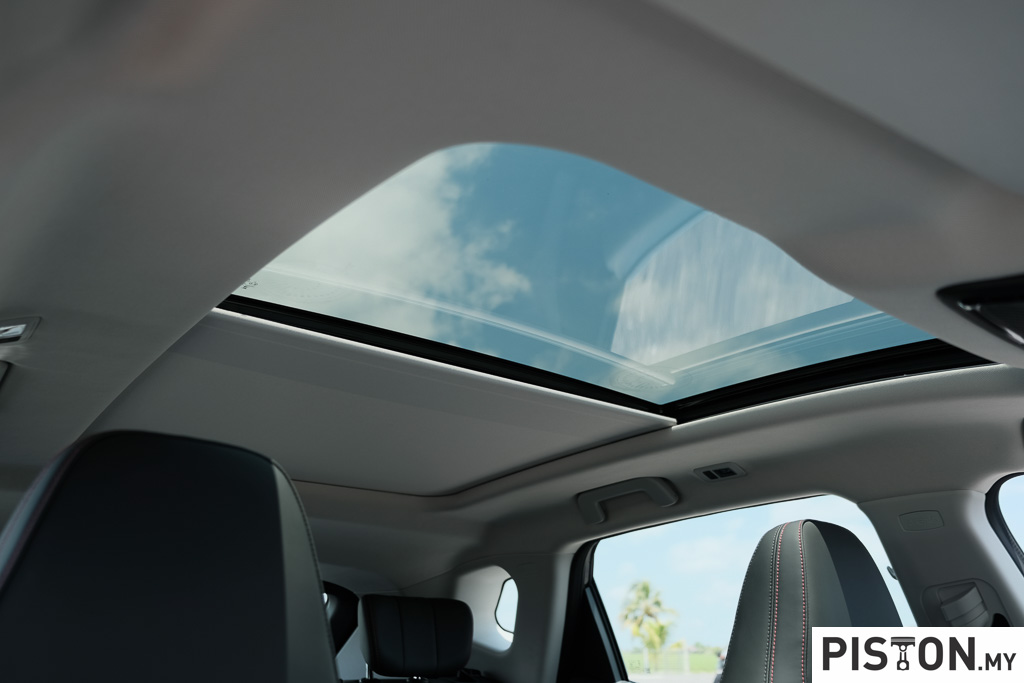
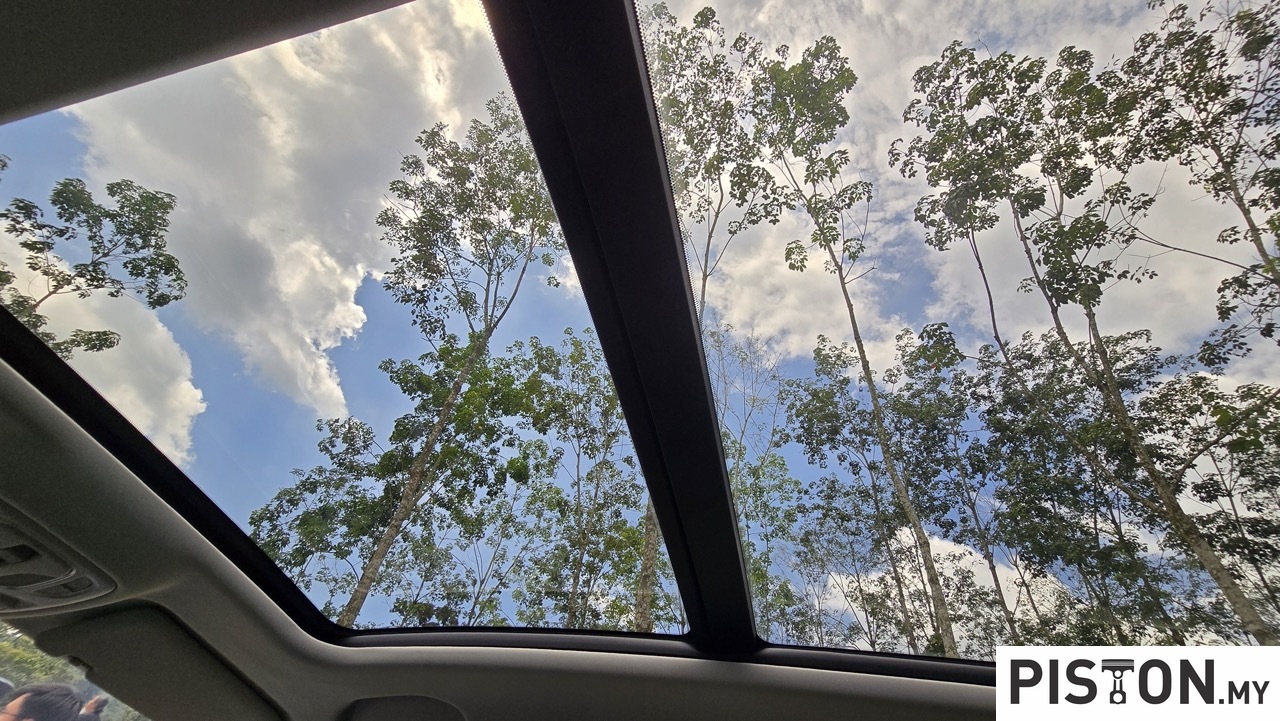
Jetour hasn’t skimped on equipment. You get wireless Apple CarPlay and Android Auto, a panoramic sunroof, a 360-degree camera, remote engine start, rain-sensing windshield wipers, CN95 Cabin Air Filter, ambient lighting and a powered front passenger seat!. For an SUV priced significantly lower than many of its rivals, that’s an impressive list.
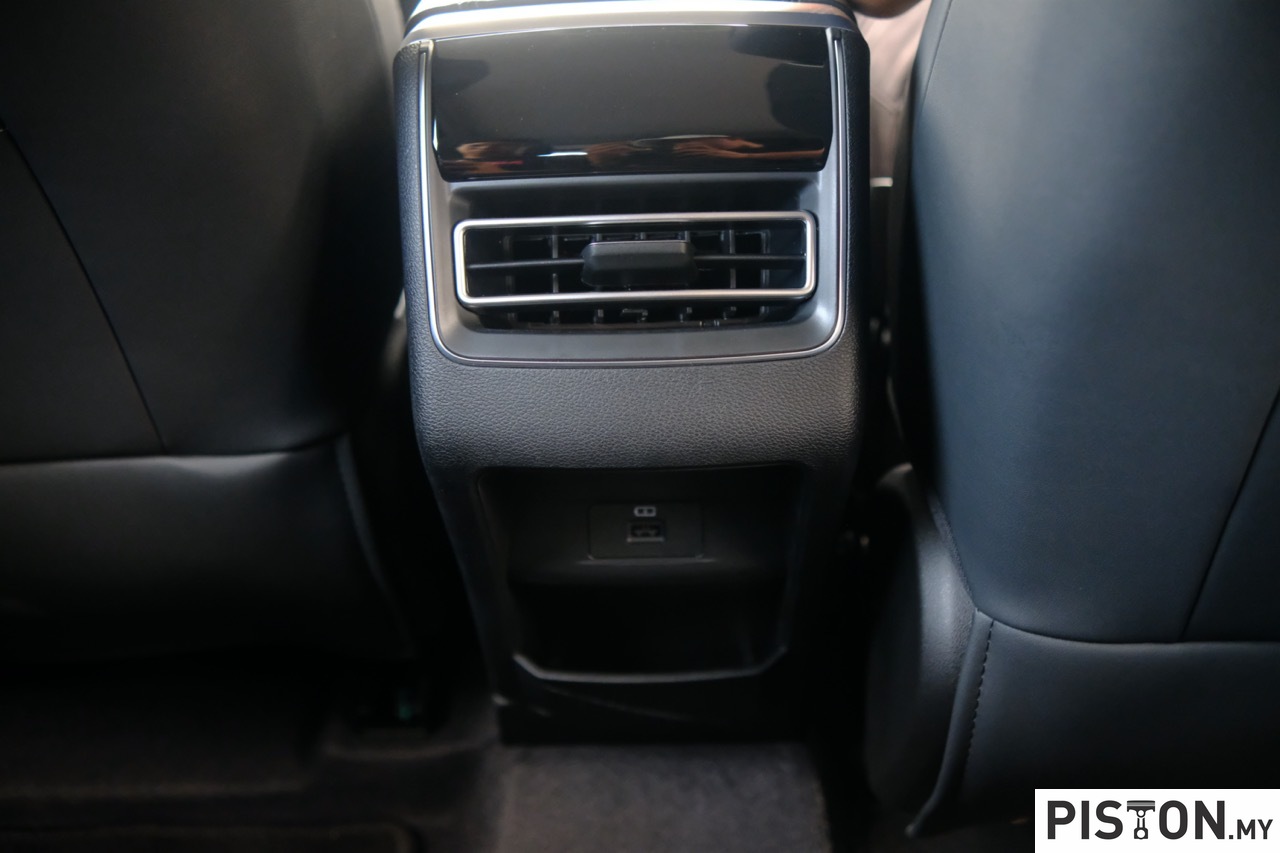
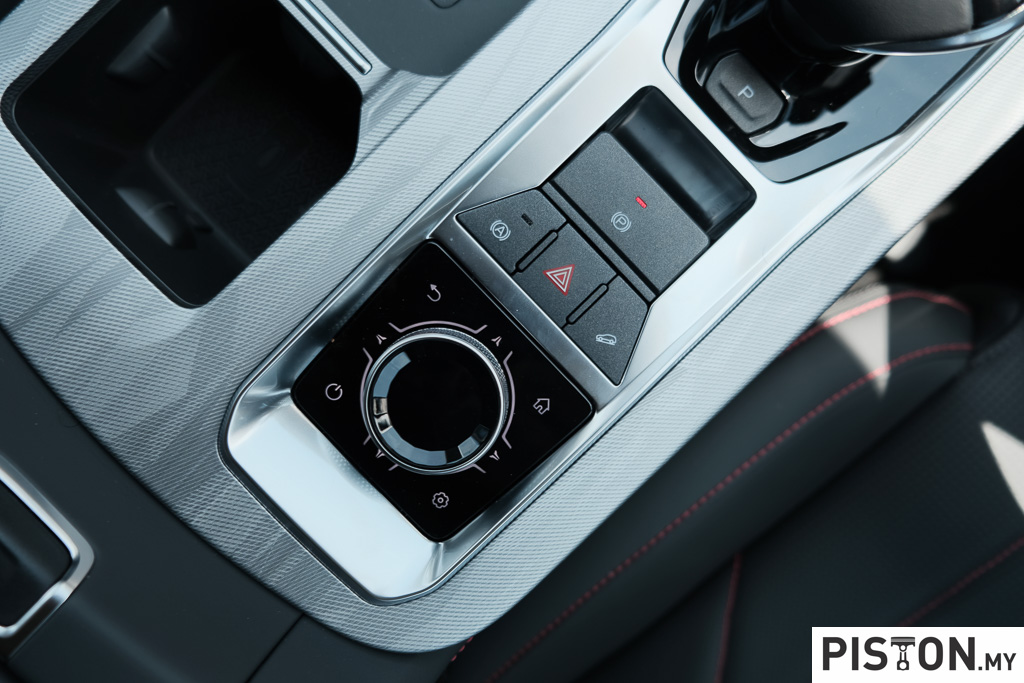
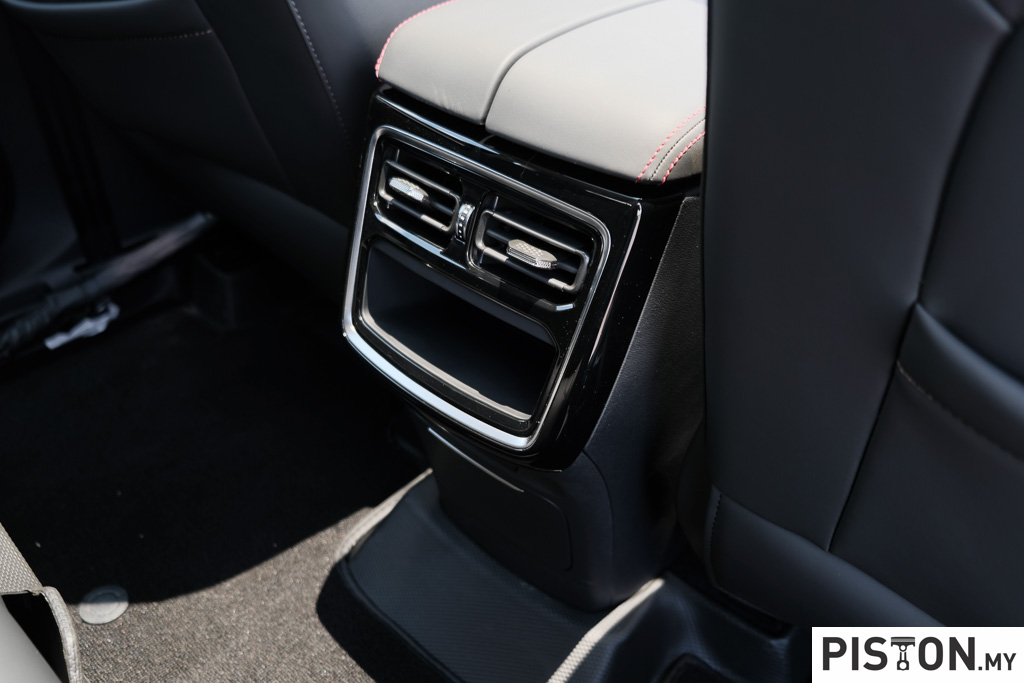
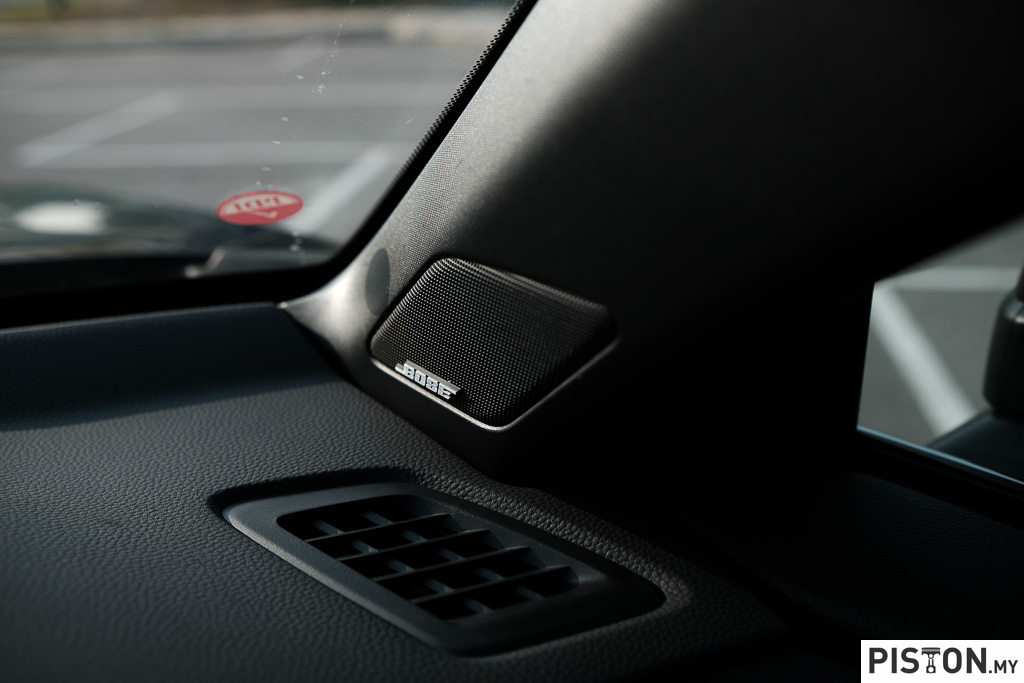
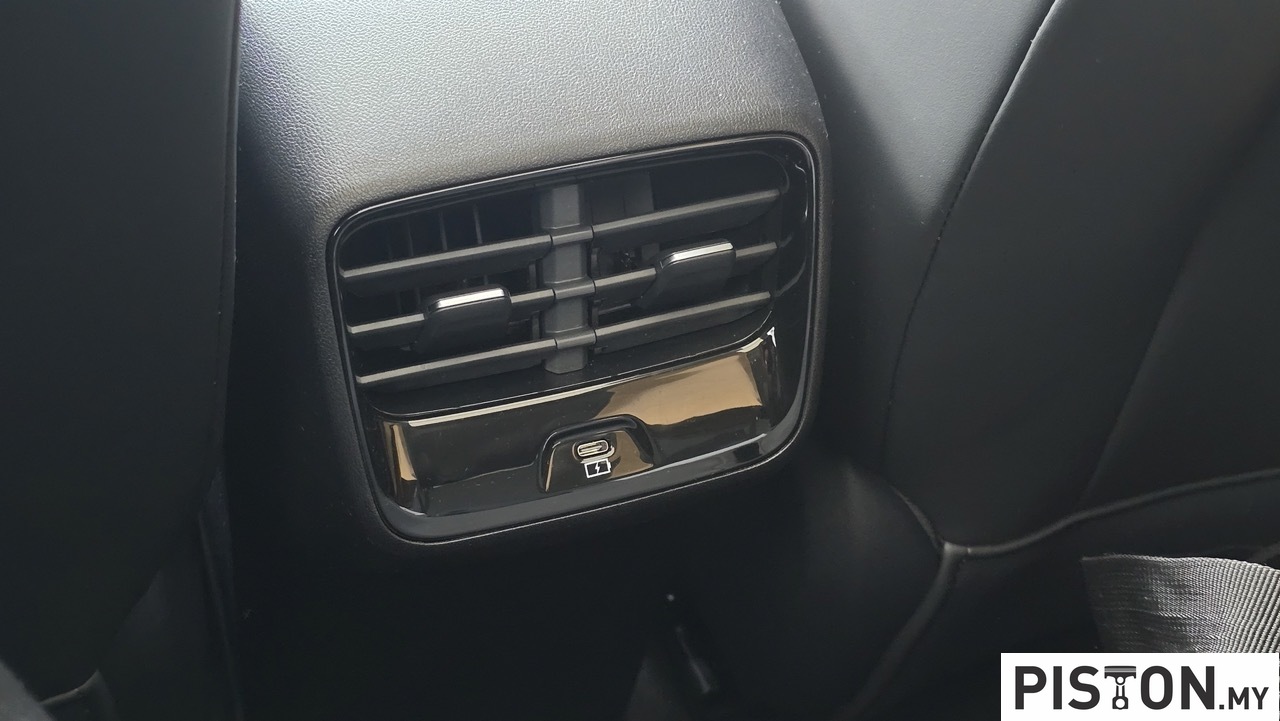
The 6-speaker audio system is not mind-blowing, but it is pretty decent, and there are multiple USB ports plus a 50W wireless charging pad. Air-con performance is solid, with vents for the rear passengers as well.
However, Jetour explains that during hard acceleration, the car detects it and prioritises sending all its energy to give the engine a boost, to maximise power for a quick getaway. As a result, the power for the air-conditioning’s cooling function temporarily shuts off, meaning you will get a brief blast of warm air for a few seconds. We find this a little weird, inconvenient and unnecessary.
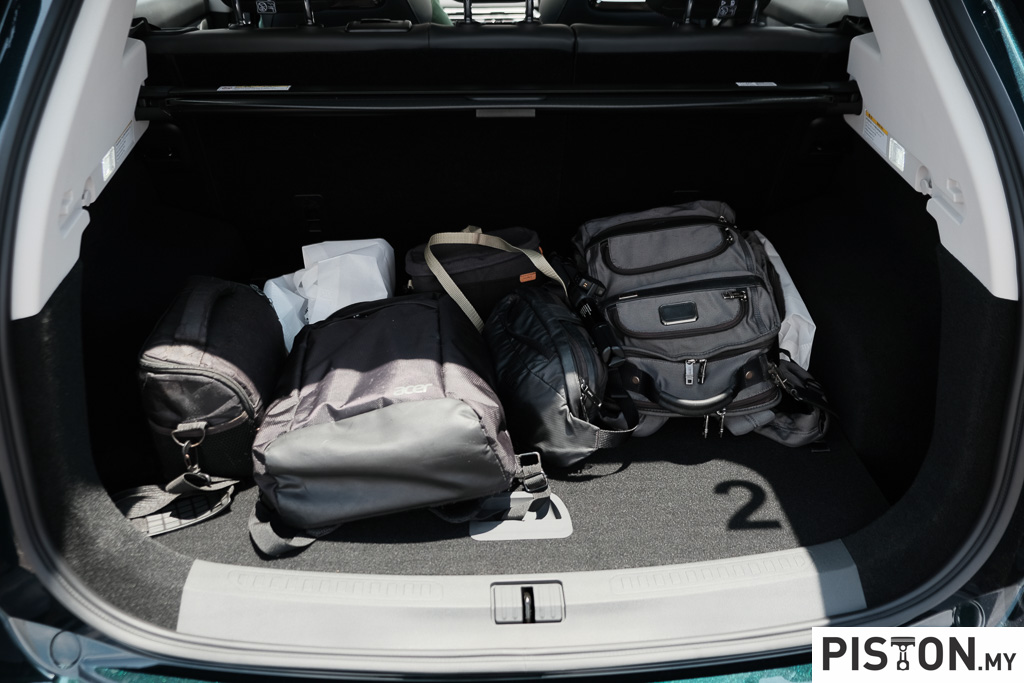
Moving on, there is plenty of space, both front and back. The rear seats are generously sized and recline slightly for comfort, and the boot offers 486 litres of space, enough for a week’s worth of groceries or a family weekend getaway. If more space is needed, fold the rear seats down and you will get 977 litres of space.
Smooth and Capable, with a Hint of Turbo Lag
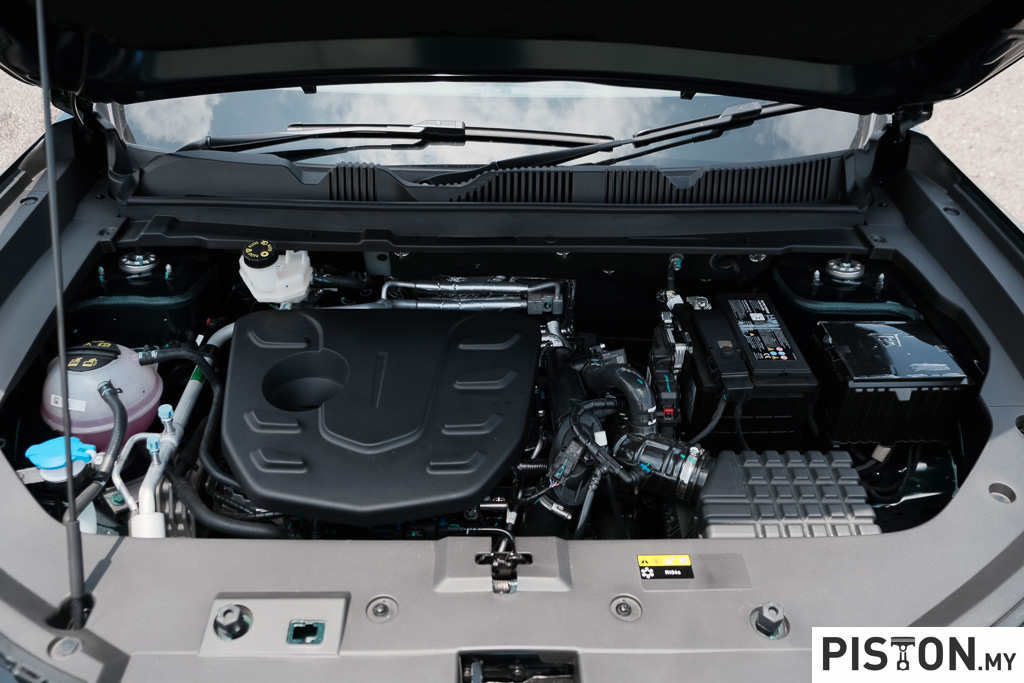
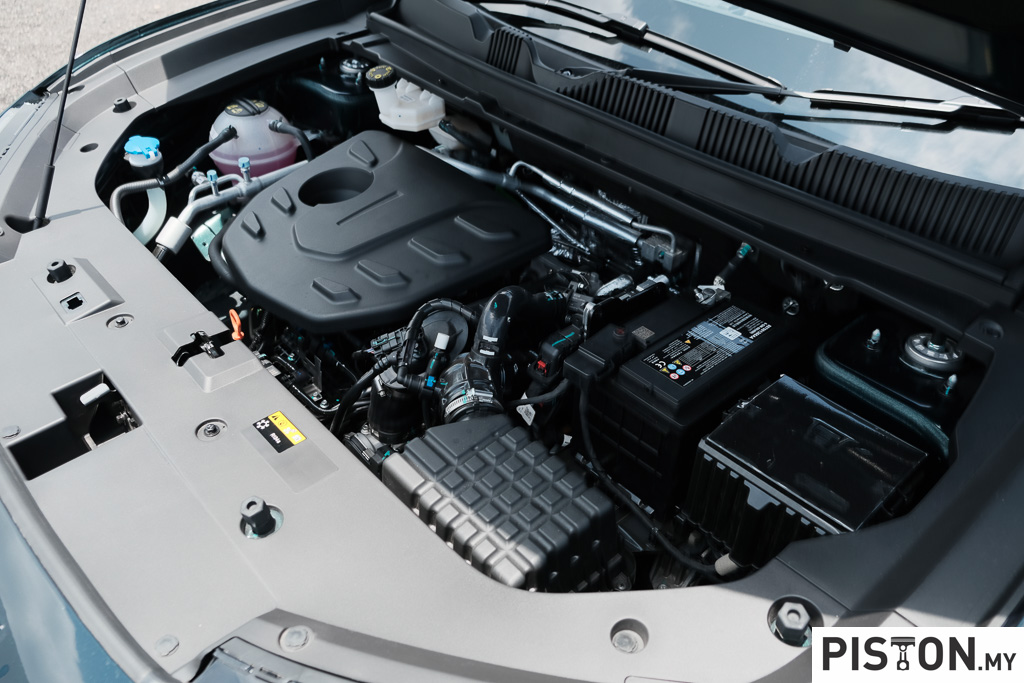
Powering the Jetour Dashing is a 1.5-litre turbocharged inline-four petrol engine that produces 156PS and 230Nm of torque, paired with a six-speed dual-clutch transmission that sends power to the front wheels. On paper, it delivers a healthy output for everyday driving and occasional spirited runs.
On the road, acceleration is smooth and the SUV feels confident at highway speeds, making overtaking manoeuvres straightforward once the turbo spools up.
However, there’s a noticeable pause when accelerating hard from a standstill, particularly when shooting out of junctions. This turbo lag means you need to plan your moves a little more carefully in tight traffic situations. Once the boost kicks in, though, the Dashing picks up speed rapidly and delivers a satisfying surge.
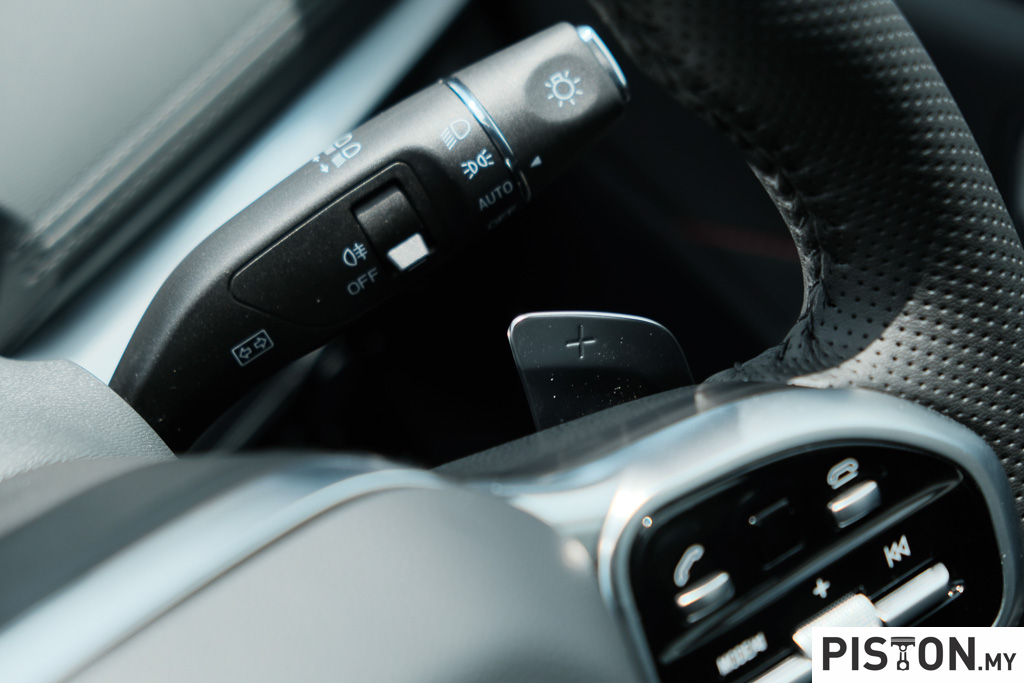
Another interesting thing we noticed is that there are only Eco and Sports drive modes. The steering wheel offers comfort and sports drive modes. We wished that there was a normal or comfort drive mode for the power delivery because in Eco, you do not get the full power, and in Sports mode, you get too much power, so there has to be an in-between.
Ride comfort is tuned for urban and highway use. The suspension (MacPherson Strut for the front and Multilink for the rear) absorbs bumps and potholes well, keeping the cabin composed even on rougher roads. The steering is light and accurate; however, the turning radius could be slightly better.
The Dashing works well as a family car. Door openings are wide, making it easy to get child seats in and out. The ride height offers good visibility, and the reversing camera plus parking sensors make manoeuvring in tight spaces a breeze.
Safety Features for Peace of Mind
Jetour has equipped the Dashing with an impressive array of safety technologies for its price point. These include six airbags, ABS with EBD, traction and stability control, hill-start assist, and a 360-degree camera system for easy parking, cruise control, lane change warning, and blind-spot monitoring.
Safety features may vary depending on the variant. Regardless, the safety package is competitive, offering strong reassurance for family buyers.
A Stylish Newcomer Worth Considering
The Jetour Dashing brings a lot to the table: bold styling, a comfortable and well-equipped cabin, family-friendly practicality, and a price tag that’s hard to argue with. Yes, it has its quirks, the turbo lag, the infotainment’s occasional slowness, and those fancy door handles, but none of them are deal-breakers for most buyers.
If you are willing to live with a few minor imperfections in exchange for standout design and generous features, the Jetour Dashing is one of the most interesting new SUV options in Malaysia right now. It’s a statement car from a brand that is clearly aiming to make waves, and based on this first impression, Jetour is off to a promising start.
Specifications:
Engine: 1.5-litre, turbocharged, inline-4, petrol
Power: 156PS
Torque: 230Nm @ 1750rpm
Transmission: 6-speed dual-clutch
Price (as tested): RM116,800
We like: Design and Spaciousness
We don’t like: Pop-out door handles and the air-conditioning’s power being cut off
Hybrids are becoming more popular. Would you believe that? It is not that hard to believe with petrol becoming more expensive and the cost of replacing batteries dropping significantly.
It was just about a decade ago when car buyers were spooked by the monumental cost of replacing hybrid batteries. Technology has caught up, hybrid batteries are cheaper than ever (in the rare event they need to be replaced), and hybrid cars themselves are more accessible.
But did you know that there are different hybrid technologies available in the market? There are basic capacitor-based technologies. These store energy so that your car can continue to run when the engine automatically shuts off at the traffic light to save precious fuel.
And then there are more sophisticated ones whose sole purpose is to use as little fuel as possible.
Take Honda’s hybrid tech for example, based on the Atkinson Cycle internal combustion engine, it is one of the most efficient systems in the market right now with official fuel consumption ratings of just 20km per litre of fuel (we managed 19.8km per litre during an independent test).
What is Atkinson Cycle?
There are two main but different combustion technologies available in the market. One is the more conventional Otto Cycle which is found in most cars, and the other is Atkinson Cycle.
We are about to get more technical but the fundamental difference between the two is in the stroke ratio. A stroke is described as a “single complete movement of a piston in one direction, either upwards or downwards, within the cylinder”.
There are three important strokes, an intake stroke which draws a mixture of air and fuel into the cylinder. Then there is the compression stroke which compresses the air-fuel mixture when the cylinder moves upwards. And then there is the power stroke, where the compressed mixture is ignited by a spark plug, causing a powerful explosion thus generation power to move the wheels.
To describe the difference between Otto and Atkinson Cycles, we will focus on the compression and the power stroke.
In an Otto Cycle engine, the compression stroke and the power stroke are of equal length. With an Atkinson Cycle, the power stroke is longer than the compression stroke.
The benefits of a longer compression stroke is that all the gases can expand more fully, thus extracting more energy from the fuel before it is sent out as exhaust fumes.
This leads to significantly higher thermal efficiency but there is a trade-off. Atkinson Cycle engines have a lower power density and less torque, especially at lower RPM’s.
Honda’s engineers though, have found a solution to that and that is to mate the more efficient Atkinson Cycle engine to an electric motor.
The motor solve the core issue of the Atkinson Cycle engine because they create almost all their torque from just zero rpm. Providing acceleration akin to an electric vehicle.
So, how does it benefit you?
Simply put, it lets you travel further with lesser fuel.
Honda’s e:HEV system has three modes:
1. EV drive mode: During acceleration and at low speeds, the car is driven purely by the electric motor. The engine is completely shut at this point.
2. Hybrid drive mode: At moderate speed such as in the city, the Atkinson Cycle works as a generator. It works at a constant, highly efficient rpm rate to generate electricity which drives the wheels. The engine does not drive the wheels directly in this mode.
3. Engine drive mode: At high speeds such as on the highway, the engine drives the wheels directly through a lock-up clutch. In this mode, the engine runs at a constant rate where it is most efficient. As such, it can directly power the car without any compensation from the electric motor.
All of this happens with you barely noticing anything. If you really tune in and put your ear down, you can make out a slight hum indicating the engine is working.
Which Honda models offer this tech?
All of Honda’s models have a hybrid variant, and all Honda hybrid models come with technology mentioned above.
But we recently took a Honda Civic and Honda CR-V on a drive to Penang to understand how they work, and there is one thing that surprised us.
As similar as the systems are, the hybrid technologies in the Civic and the CR-V are quite different.
With Honda’s hybrid technology, there is no gearbox in the traditional sense. Instead, the wheels are powered via the electric motors and by the engine at high speed, through a lock-up clutch.
So even though Honda’s specification sheets say there is an e-CVT transmission, the reality is that there are no gearshifts happening underneath the car.
That sound of gears shifting when you drive the car? Well, that is purposefully engineered and piped into the cabin through the speakers. In essence, the sound is artificially augmented for your driving pleasure, and it sounds real good too.
But that is not to say there are no gears whatsoever, and therein lays the key difference between the Civic and the CR-V.
The Civic only has one high gear that drives the wheels at all times. The CR-V on the other hand has a high gear and a low gear.
The reason why the CR- V has a low gear is that in some markets, towing capability is essential. And that is what the low gear is for – towing.
Whether it is towing a jet ski or a motorcycle, the fact of the matter is, the CR-V is built to handle it.
As for towing capacity, the CR-V can manage up to 750kg’s of braked towing, that means a trailer with a braking system. Or up to 600kg’s without a braking system.
What about the cars themselves?
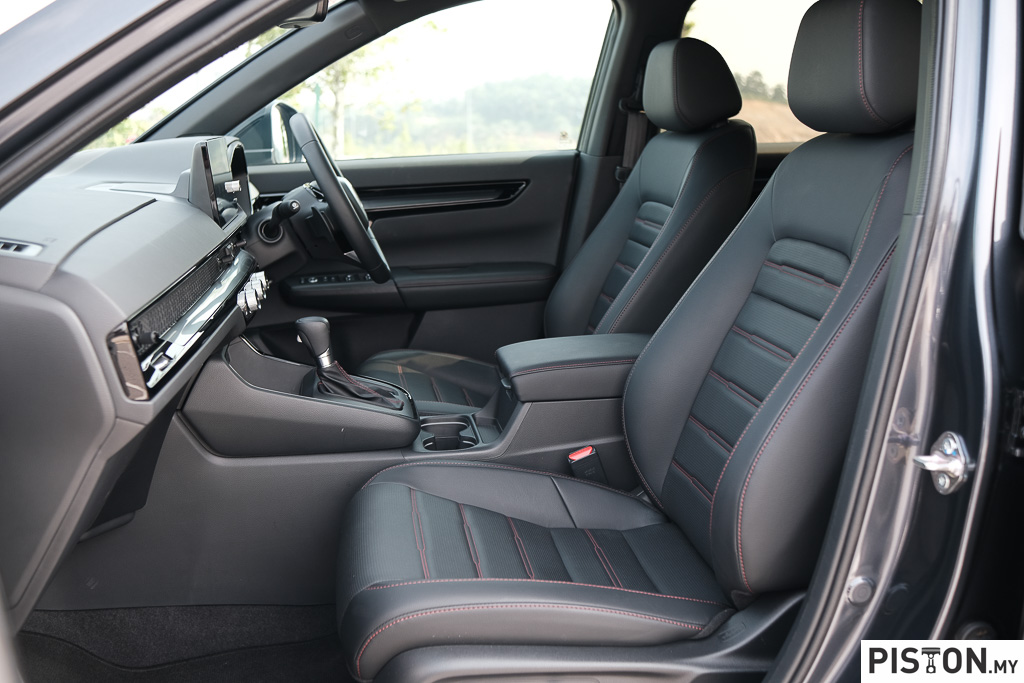
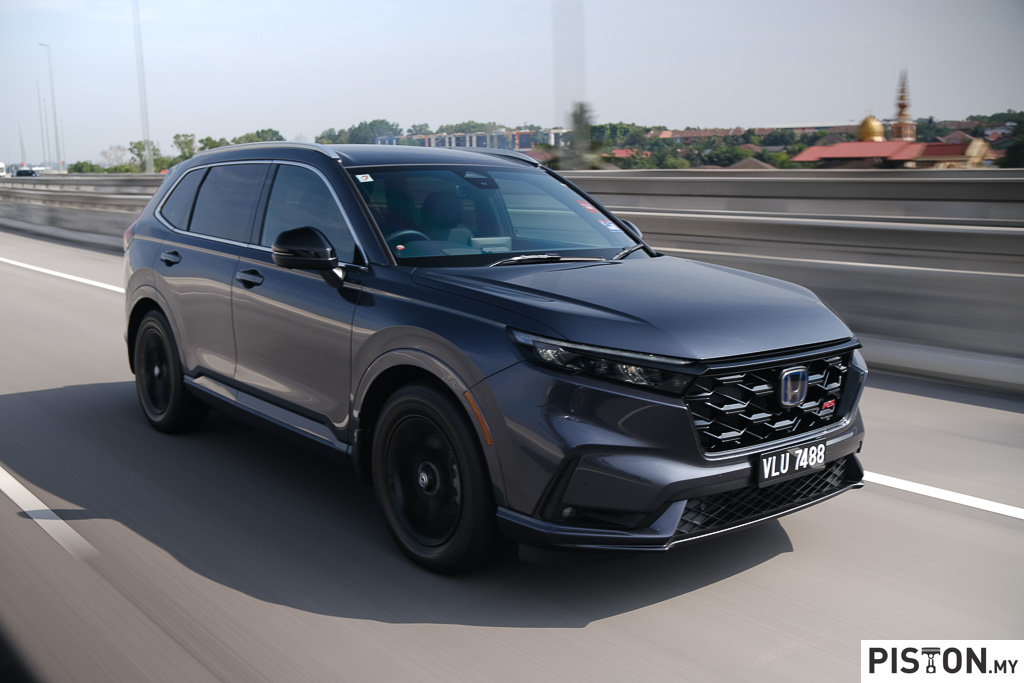
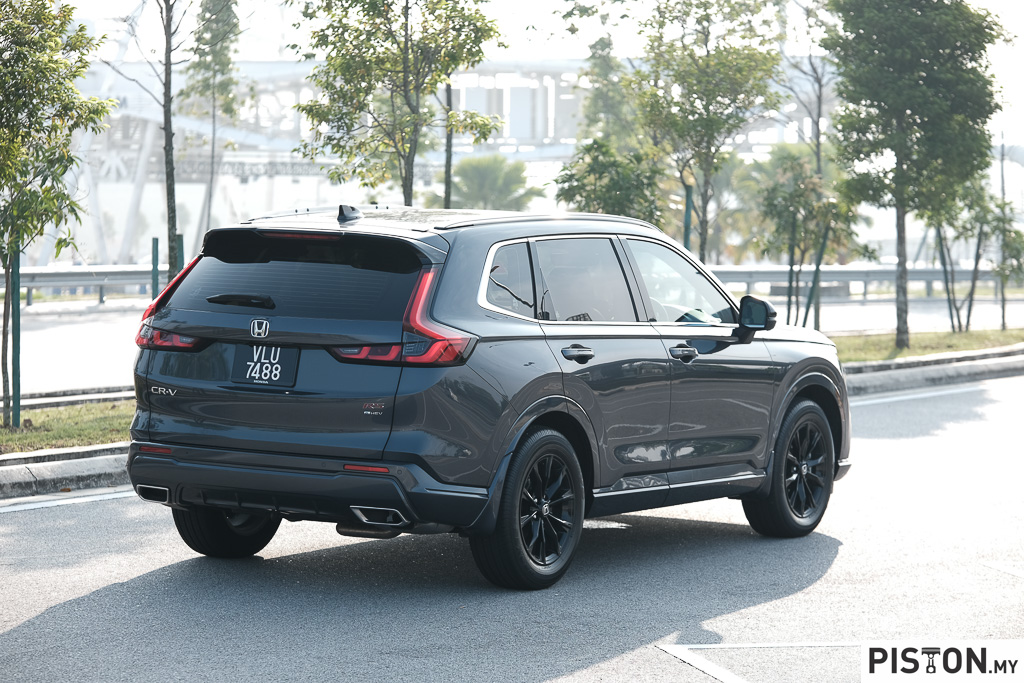
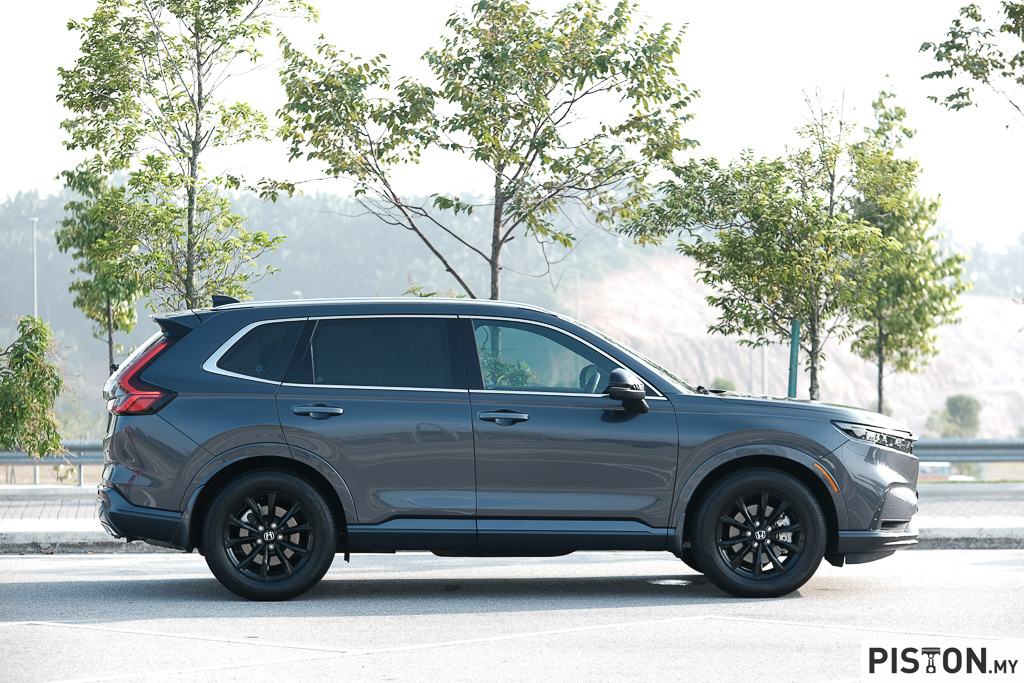
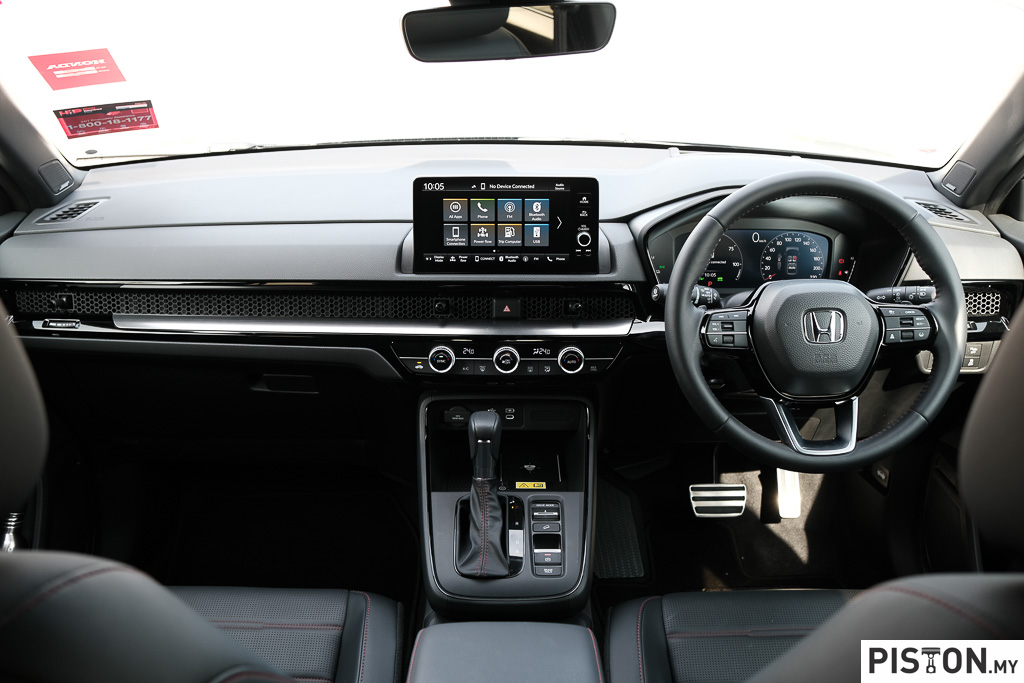
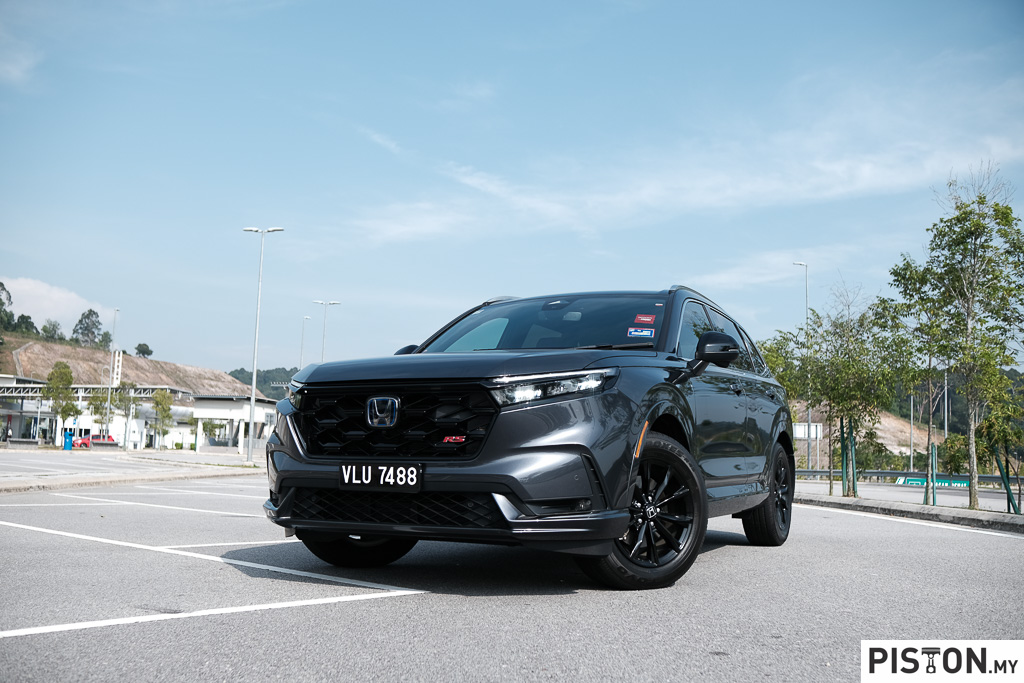
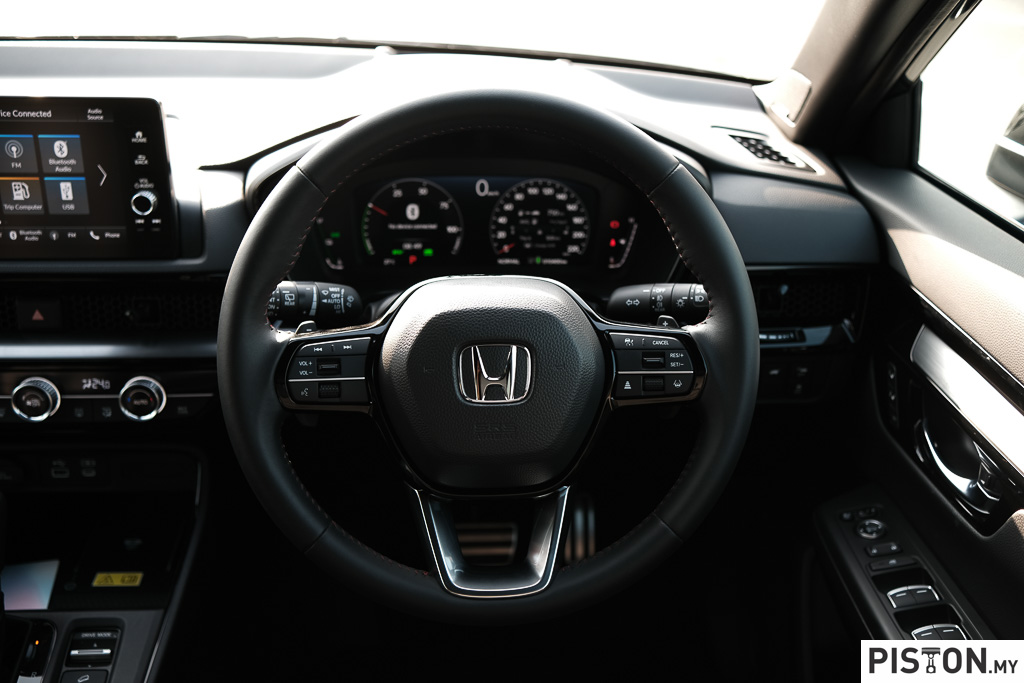
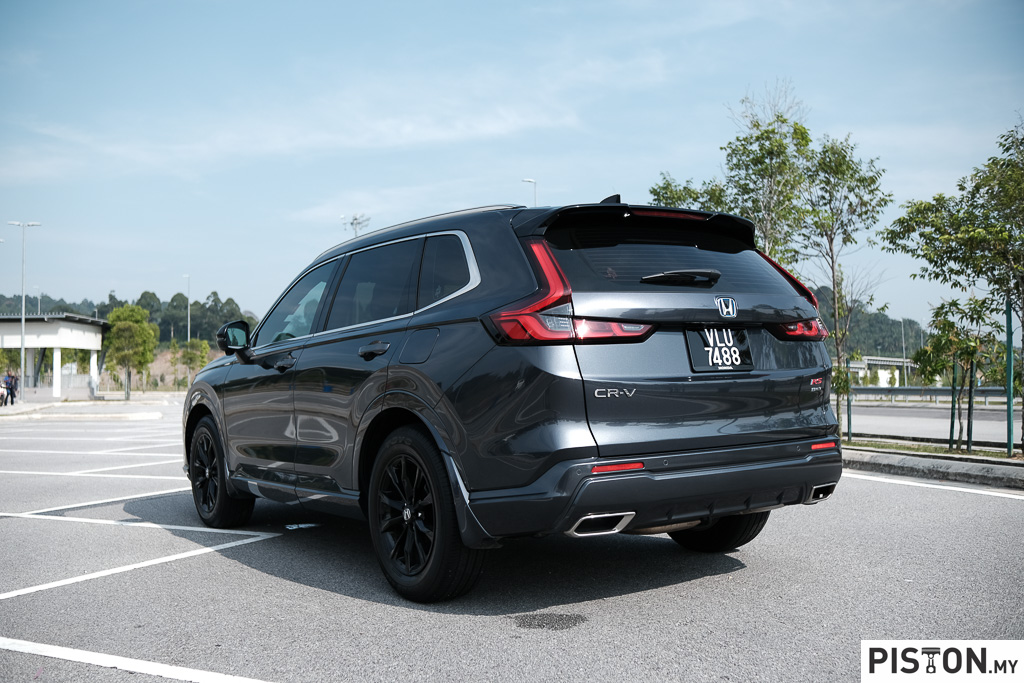
Since we only drove the Civic and the CR-V, we will focus on that. The CR-V e:HEV RS is the flagship Honda for the Malaysian market, and it feels like it too.
It offers a spacious cabin with the 12-speaker BOSE sound system being the jewel of the interior. It is rare for a car of this price range to come with a BOSE sound system so credit to Honda Malaysia for managing that.
Besides being spacious, the interior of the CR-V hybrid is one that is incredibly refined. Achieved through a combination of technologies such as double-glazed windows, noise cancelling technology and even sound resonator wheels. All this works in unison to keep the interior incredibly quiet and refined even at highways speed.
The CR-V is powered by a 2.0-litre, naturally-aspirated, Atkinson Cycle engine with electric motors. It produces a combined system output of 244PS and 335Nm of torque. As for performance, it has a top speed of 187km/h and accelerates to 100km/h in just nine seconds.
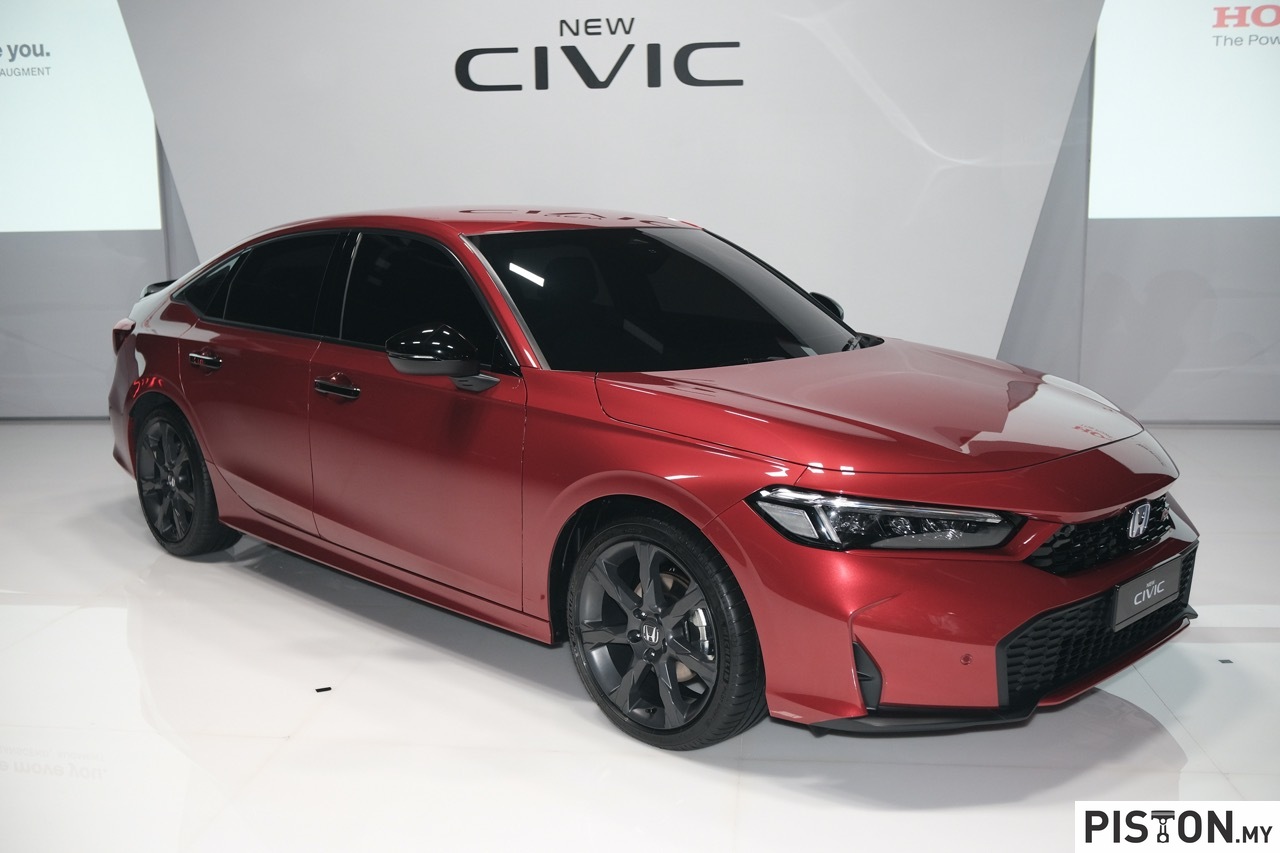
The Civic on the other hand feels a lot sportier. Perhaps it is because you sit closer to the ground, and this makes the entire experience feel a lot more purposeful.
The new Civic has grown substantially and this translates to a roomier interior.
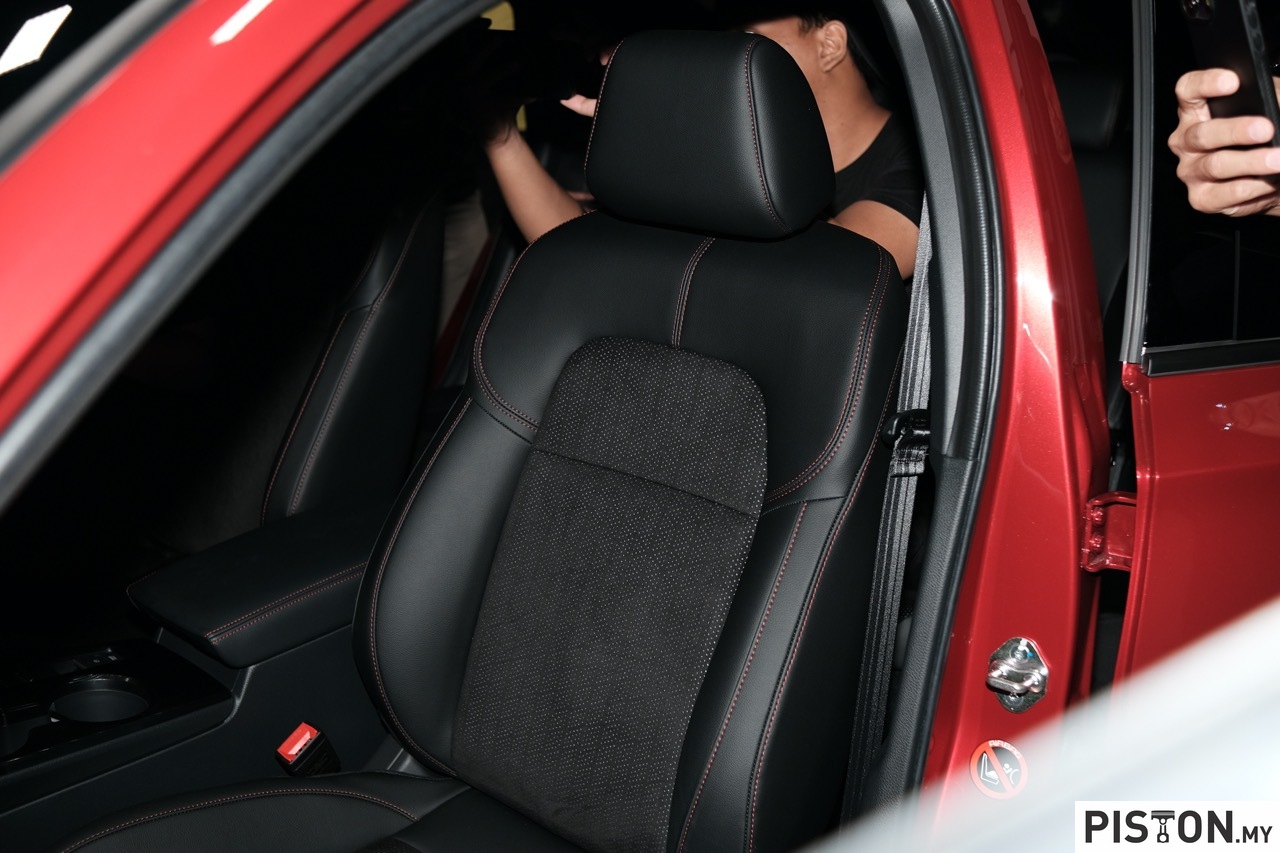
The two cars share similar dashboards but the seats on the Civic e:HEV RS are wrapped in a combination of half leather and suede like material.
This writer personally prefers the leather seat on the Civic V-Spec because it offers more padding and as such feels more comfortable. The seats on the RS feel sportier in comparison. Perhaps age may be a factor.
The Civic does not have as much sound deadening tech as the CR-V, as such you hear more of the world outside.
As for the powertrain, the Civic is also powered by a 2.0-litre, naturally-aspirated, Atkinson Cycle engine mated to an electric motor.
With 235PS and 315Nm of torque, the Civic sees off the charge to 100km/h in 7.9 seconds and tops out at 180km/h.
But where the Civic lacks power, it makes up for in efficiency. The Civic needs just four-litres of fuel to travel 100km while the CR-V needs five-litres.
Final words.
In a world where new car brands are emerging faster than ever, legacy car makers like Honda are important because of their engineering prowess.
Honda Malaysia’s entire management team was on hand to talk about hybrid powertrains.
The hybrid technologies of both the Honda CR-V and the Civic are undeniably impressive. Not only efficient, but power for both models are also available from near standstill.
It is this ability to provide technology to suit everyday life that sets Honda apart from the rest.
There is no doubt that some company will soon reverse engineer Honda’s tech and call it their own with clever acronyms and such.
Honda Malaysia flew in engineers from Japan and locally to teach us about hybrid powertrains.
But Honda has been building and rebuilding since 1999 with the Honda Insight and its hybrid powertrain called the Integrated Motor Assist. It is no wonder that Honda Malaysia has shifted over 60,000 hybrid cars in Malaysia alone.
So, if it’s a reliable, powerful yet efficient powertrain that you want, then the Honda Civic and the CR-V are worth a good hard look. This is a company that innovates and not just reverse engineers.
Every time a new brand is introduced to the Malaysian market, the next question that often follows is about local assembly plans. This is then met with cheers all around when assembly plans are confirmed.
Why? Because that often means that the price of the cars will be reduced as compared to being imported. And more high-value jobs will be created for Malaysians.
But did you know that among all the brands now assembling locally, Volvo has one of the oldest local assembly programs? Volvo has been assembling in Malaysia since 1967. In fact, Volvo does not only assemble cars but also trucks at their plant in Shah Alam.
So, there is a deep-rooted connection between Volvo and Malaysia because there are only a handful of countries where Volvo is assembled. The others being Poland, Belgium Sweden (of course), China and the United States.
Yes, Volvo and Malaysia have a deep bond, and perhaps that is why we see Volvo cars everywhere. Old and new.
And that is why every time a new Volvo is introduced to the local market; it is a big deal with Volvo Cars Malaysia sparing no expense at making it known that another Volvo has hit Malaysian roads.
The latest one is the new Volvo XC90 facelift.
Facelifts rarely are as good looking as the one you see on these pages, but Volvo has done a spectacular job at further refining an already impressive car to begin with.
First, a backgrounder.
The XC90 was Volvo’s answer to the explosive popularity of the SUV segment in the late 90s. The first ever XC90 debuted in 2002 and in true Volvo fashion it featured world-first safety systems such as the Roll Stability Control, Side Curtain Airbags and Integrated Booster Cushion for children.
The second-generation XC90 was introduced in 2014 and it marked a major departure from its predecessor. It was introduced post-Ford ownership and marked a new direction for Volvo under Geely’s ownership.
It was also the first model to be built on Volvo’s then new modular Scalable Product Architecture (SPA) platform. The second-generation XC90 was also the first Volvo to feature the now iconic “Thor’s Hammer” LED daytime running light and a minimalist yet elegant Scandinavian interior, which ultimately set the tone for all future Volvo’s.
Over 1.2 million units of the Volvo XC90 have been sold worldwide, making it one of the most popular Volvos of all time. And just in case you are wondering, the most popular Volvo ever is the 200 Series, which includes the 240 sedan and the 245 wagon.
Moving on to the new XC90
Introduced to Malaysians back in April of this year, the new XC90 is set to carry on Volvo’s colourful history in Malaysia.
It is available in two variants, the flagship XC90 Ultra T8 PHEV priced at RM434,888 and the Ultra B5 priced at RM418,888.
The two offer different powertrains, the flagship is powered by a plug-in hybrid powertrain while the latter offers a more conventional internal combustion engine for propulsion.
Besides the powertrain, the modern icon from Volvo also features several design updates that have transformed the XC90 to an elegant big SUV that exudes regal class on the road. It literally turns heads.
For one, the entire front end is new. The fenders and the bonnet has been redesigned. The criss-crossed grille is now wider and more elegant than ever. The T-shaped daytime running lights is now longer and in turn makes the entire front end appear wider than the predecessor. But in actual fact, the overall dimensions of the car remain the same.
The side profile and the rear of the car remain largely the same while the 20-inch wheels have been slightly redesigned.
More updates inside the XC90.
The interior of the new XC90 retains the same minimalistic design which first debuted with its predecessor. It does not try very hard to impress and retains an elegant charm along the way.
Everything is there to serve a purpose, and everything feels well-built and to the point. No unnecessary drama here. Even the updates feel purposeful.
While the interior may feel familiar with the same layout as before, the biggest update inside is the new 11.2-inch infotainment touchscreen system.
While previously it was embedded into the dash, now it comes across as if it were free-floating on the dash. It even looks like it can be unlatched and taken along with you.
The design of the infotainment system is not the only thing that is new, it also has a pixel density that is 21% higher for a sharper resolution.
It still runs on a Google operating system which to me is the best in-car system, ever. It even has one of the most accurate voice command systems in a car. Apple and Android users will both be able to appreciate the onboard operating system, so you don’t really need Apple Carplay and Android Auto, but the car does offer both, just in case.
Navigation is provided by Google Maps as well, which is arguably the best in the business, for me at least. But you can download applications if you prefer anything else.
Besides that, there is a new bottom chrome frame underneath the dashboard, while the air-conditioning vents have been redesigned. Further updates include new cupholders at the centre console, a repositioned wireless charger and upgraded ambient lighting.
If music is your thing, you will love the 19-speaker Bowers & Wilkins sound system. You can quite literally feel the bass in your heart and the treble at the very edges of your eardrums.
Topping it all off are some of the best seats in the business wrapped in Nappa leather with full electric adjustment and ventilation function as well.
The second row is generously spaced while the third row will fit teenagers and shorter adults comfortably. The good thing is the second and third rows have their own air-conditioning vents so no one will be left wanting.
How does it drive?
I have only driven the XC90 T9 PHEV, so I’ll focus on that instead.
The XC90 is one of the most refined cars in the business. Sound insulation is exemplary while the air suspension makes mince of road undulations and such. You hear or feel nearly nothing of the world outside save for the loudest of exhaust or deepest of potholes.
The refinement levels and ride quality are among the best in the business. In fact, competitors like the Mercedes-Benz GLE and BMW X5 will struggle to match it while the dearer Porsche Cayenne has a firmer, sportier ride quality.
So, if comfort and refinement is what you want then the Volvo XC90 is the Premium SUV you want.
As for the powertrain, the T8 PHEV is powered by a 2.0-litre, four-cylinder, turbocharged engine, in fact both T8 and B8 variants are powered by the same engine. In the T8, the engine produces 317PS and 400Nm of torque, driven to the front wheels through an ultra-smooth eight-speed transmission.
But there’s also an electric motor at the rear axle that churns out a further 145PS and 309Nm of torque. This catapults the total system output to a gargantuan 462PS and a whopping 709Nm, which is the same output numbers as the pre-facelift models.
These power figures are good to slingshot the XC90 to 100km/h in just 5.3 seconds and onto an electronically limited top speed of 180km/h.
You feel the powerplant at work every time you flex your right foot. There’s a gentle push into the seats as a slight hum encroaches into the cabin, indicating that the engine and electric motor are working in unison to propel the car forwards.
And if the electric motor runs out of battery, you have two options to recharge. Being a plug-in hybrid, you can either recharge the 18.8kWh battery by plugging in to a 3.7kW or a 6.4kW AC charger. The former will charge the battery in just five hours while the latter will do it in just three hours. There’s no option for DC charging.
But if plugging in is not your thing, you can still recharge the battery using a dedicated mode that recharges the battery as you drive along. This uses the engine as well as the brakes to charge the battery.
And when fully charged, you get an all-electric drive range of 77km.
Is it worth buying?
The next time you are on the road, keep an eye out for the number of Volvo XC90’s you come across. There’s a very good reason why there are so many of them, and that is because they are good cars.
Some say the XC90 is the best premium 7-seater SUV you can buy today, and I will not argue against that. In fact, I will go further to say that the PHEV model is the only SUV you need if there are three things you want in a car: one for the family, to keep them safe and such. One to enjoy driving. And one to be driven in. The XC90 has all of them in a beautiful package.
And being a Volvo, I don’t even need to mention safety. It is as synonymous with Volvo as a Ramly Burger is with Malaysian street food culture.
So it is not a matter of whether or not it is worth buying, if you are looking for a Premium 7-seater SUV, it simply doesn’t get better than a Volvo XC90 T8 PHEV.
Specifications:
Engine: 2.0-litre, turbocharged, 4-cylinder, petrol
Power: 462PS and 709Nm (combined with electric motor)
Transmission: 8-speed automatic
Fuel consumption: 1.8-litres / 100km
Recharging: 3.7kW & 6.4kW AC charging
We like: Drive quality, power, comfort
We don’t like: Blind Spot Monitoring could do with acoustic warning
Chery Malaysia shook up the local market recently with the introduction of the Tiggo Cross.
Two variants were introduced:
Chery Tiggo Cross Hybrid CSH, priced at RMRM99,800.
Chery Tiggo Cross 1.5 Turbo, priced at RM88,800.
Competing in the Malaysian market, the Chery Tiggo Cross is a game changer not only due to its price but also the technologies that it has to offer. It has amassed 1,000 bookings in just two days, but what makes it so popular?
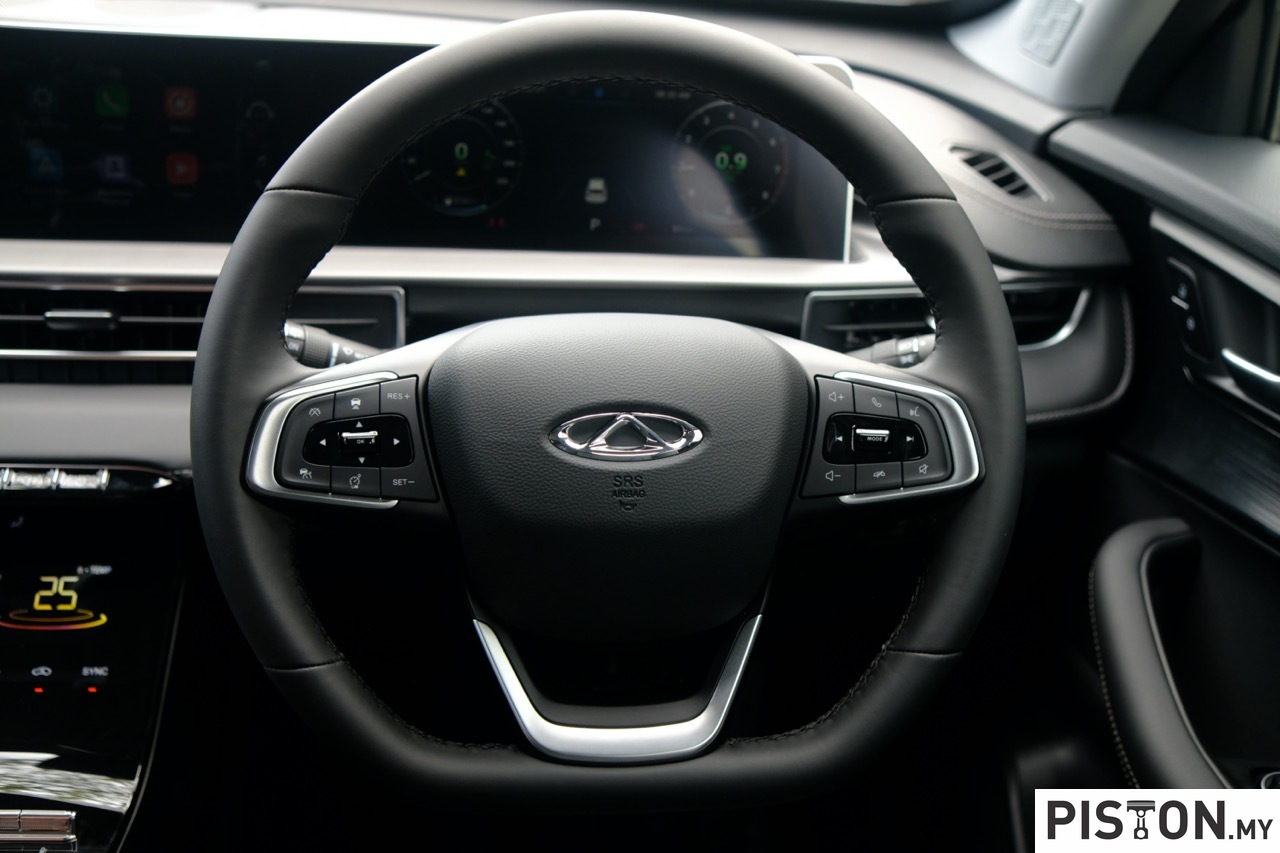
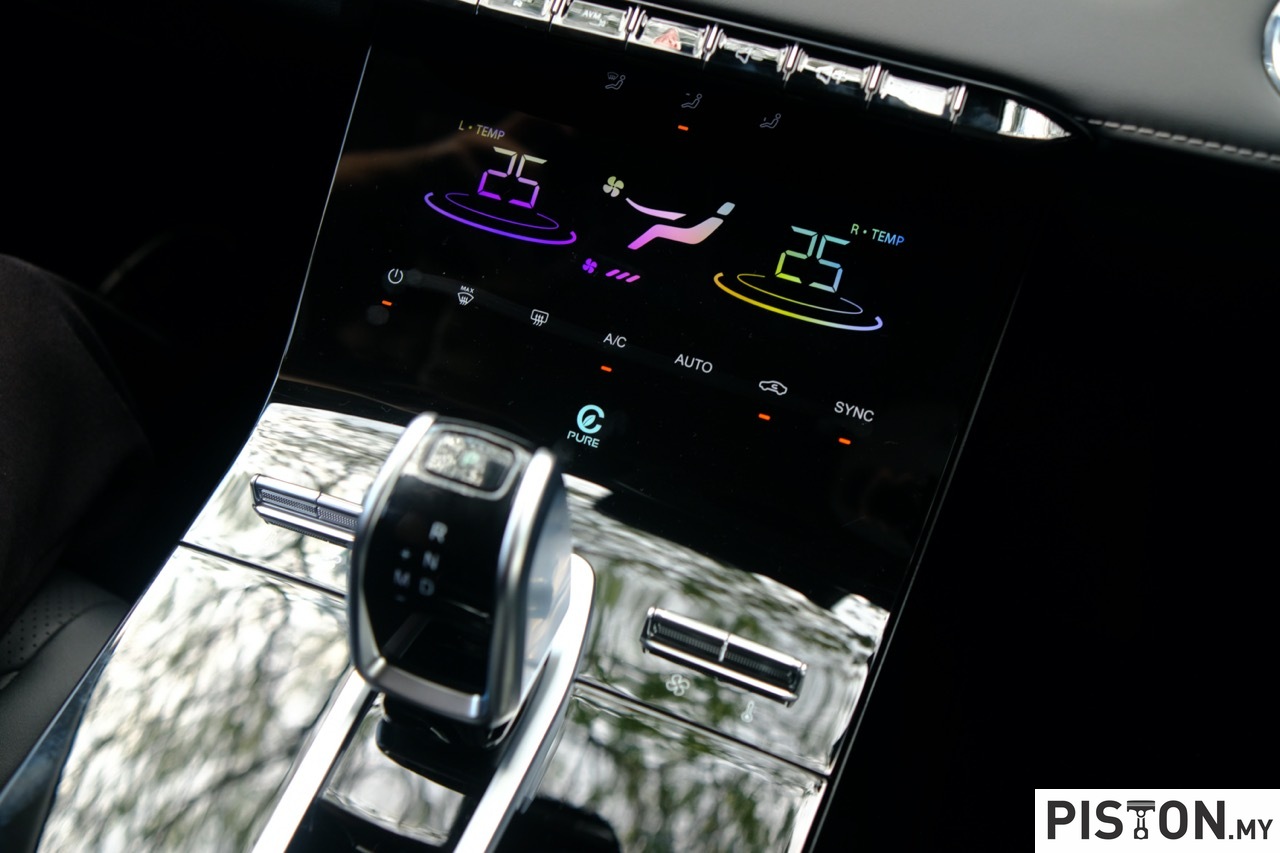
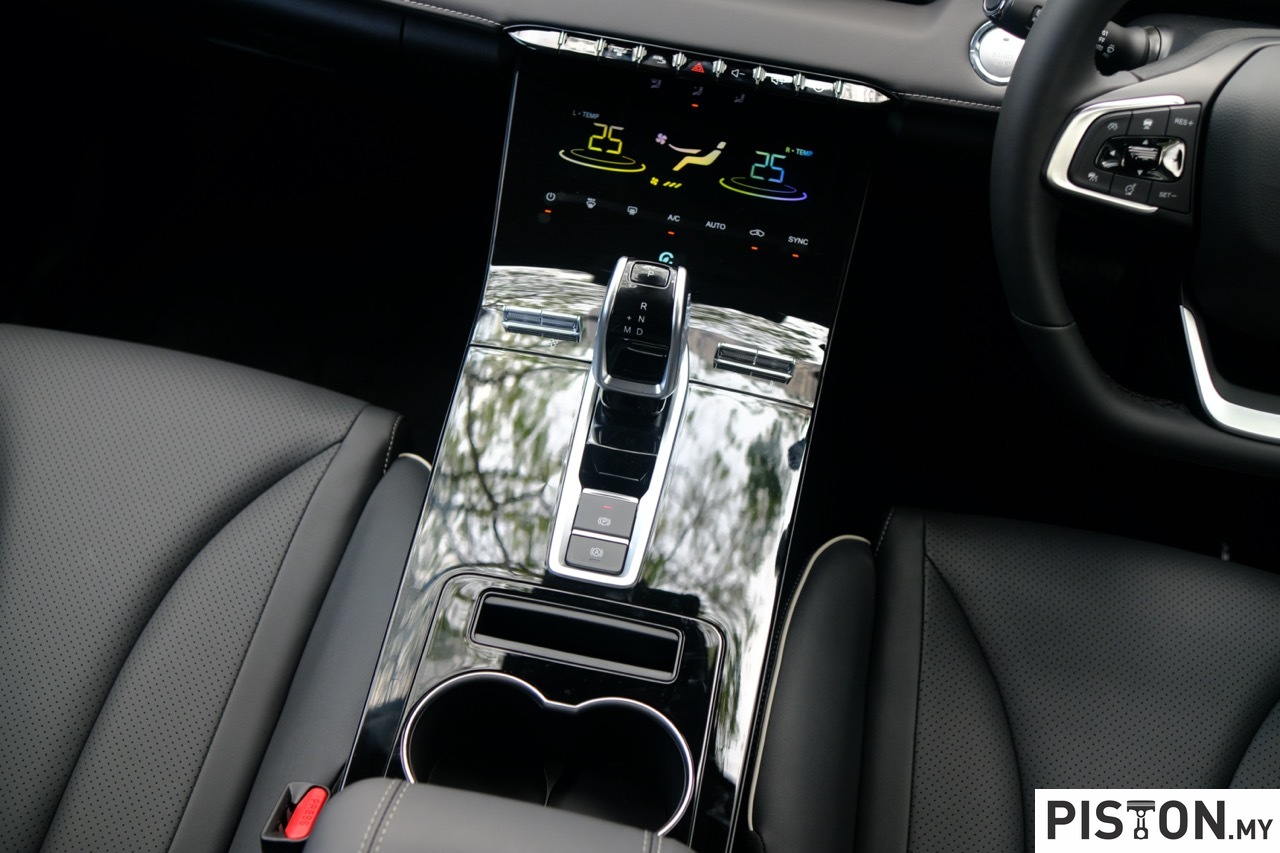
Some of the technologies that are offered as standard for both variants include a 360-degree Panoramic Camera, a 15-watt wireless charger, dual-zone climate control, an electric driver’s seat, Apple CarPlay, Android Auto, as well as a large 10.25-inch infotainment screen and a digital instrument cluster of equal size.
However, the top-of-the-line variant comes packed with 16 intelligent Advanced Driver Assistance Systems.
Some of the systems include:
Blind Spot Monitoring – Alerts the driver about vehicles in blind spots.
Autonomous Emergency Braking – Intervenes in emergency situations by automatically applying brakes.
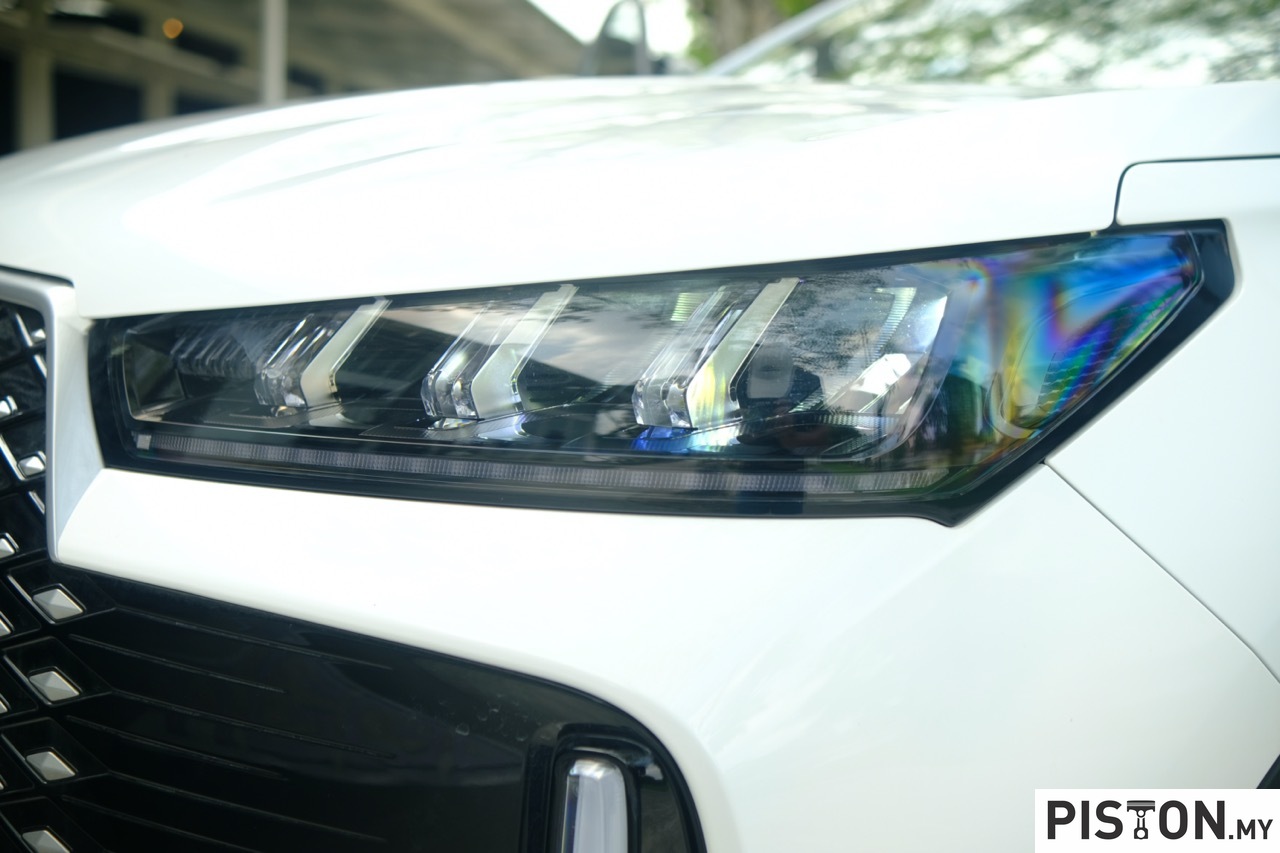
Intelligent Headlight Control – Adjusts headlights automatically so as not to blind oncoming traffic.
Forward Collision Warning – Warns the driver of a potential frontal collision.
Lane Departure Warning – Warns the driver when the car drifts into a different lane.
Adaptive Cruise Control – Maintains a predetermined speed by automatically braking and accelerating.
Rear Collision Warning – Warns the driver of oncoming vehicles behind the car, particularly when reversing.
Lane Change Assist – Monitors traffic behind the vehicle and alerts the driver with audio-visual cues to help with safe overtaking.
The Chery Tiggo Cross 1.5 Hybrid CSH also offers seven airbags for comprehensive safety and protection.
However, the cherry on this Chery is the fact that the Tiggo Cross earned a five-star Safety Rating at the Australasian New Car Assessment Program (ANCAP), the independent voice on vehicle safety for Australia and New Zealand.
But that is not the only reason why the Chery Tiggo Cross has become such a darling among car buyers; it is the hybrid technology that it has to offer as well.
Called the Chery Super Hybrid (CSH), the tech represents Chery’s proprietary cutting-edge hybrid powertrain technology, engineered for a cleaner and more efficient drive.
The system works by combining an internal combustion engine with electric motors as well as a battery management system.
Combined, this system offers class-leading fuel economy, lower emissions, as well as impressive driving dynamics.
The technology is the result of two decades of advancement by a global R&D system that includes eight centres, 300 laboratories and 30,000 R&D professionals. In fact, in its current fifth-generation form, the CSH system sets a new global benchmark with thermal efficiency exceeding 44.5%.
That is quite phenomenal considering that conventional petrol engines operate at a peak thermal efficiency of only 25-35% while some of the competitor hybrid systems are only able to offer 40-43% thermal efficiency.
By now, the question at the back of your mind would probably be, “but how does it work?”
The CSH system works by intelligently switching between several drive modes automatically, depending on driver demand and driving load:
For example, in Pure Electric drive mode, such as at low speed and when the battery has sufficient charge, the Tiggo Cross is driven purely by the electric motor.
The engine is completely switched off, providing the driver with a silent, zero-emission driving experience.
Then there is the Series Hybrid mode, which works when the battery charge is low or at moderate speeds. This is when the engine acts as a generator and provides electricity to the motors.
The engine does not provide drive to the wheels but runs at its most optimal RPM to generate electricity for the motors. Similar to a range-extender, and consumes very little fuel in return.
Further to that, there is the Parallel Hybrid mode. This is when both the engine and electric motors work concurrently to provide power to the wheels, such as at high speed or during acceleration. This is the primary mode during highway driving or overtaking.
But at really high speed, such as when cruising on the highway, the Engine Direct Drive mode kicks in and drives the wheels directly, bypassing the electric motors. But when needed, the electric motors can still provide a boost.
What about recharging, though? You might wonder. The Chery Tiggo Cross 1.5 Hybrid CSH uses regenerative braking that recharges the battery during deceleration or when braking.
The Chery Super Hybrid System is the company’s core technology for its new energy vehicles, and now, with prices starting from just under RM100,000, the technology is available to more car buyers, in turn playing a part in reducing global emissions.
Our short drive experience with the car revealed an impressive refinement level, and in the hybrid variant, the overall performance, such as acceleration, was fantastic to say the least.
In fact, we found that the hybrid variant was smoother with fewer vibrations in the cabin as well.
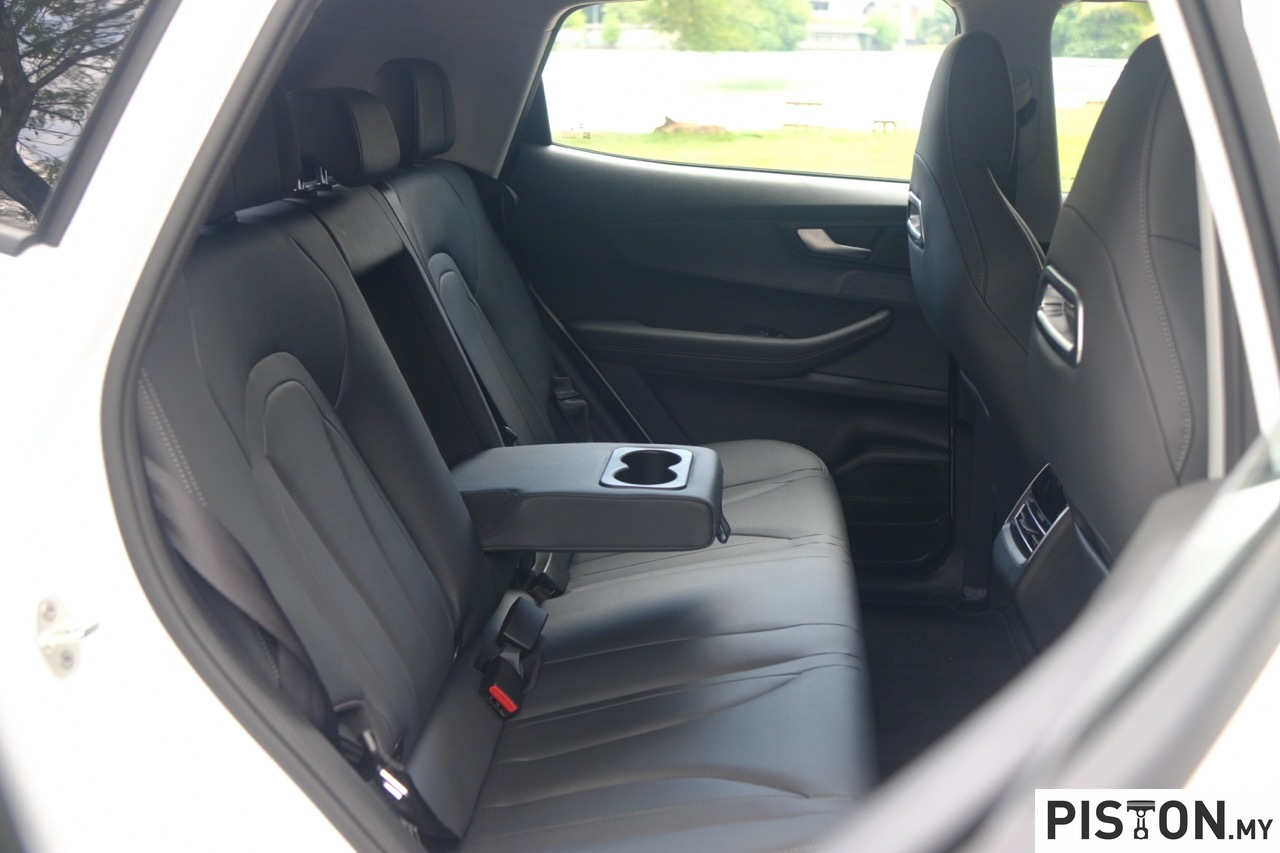
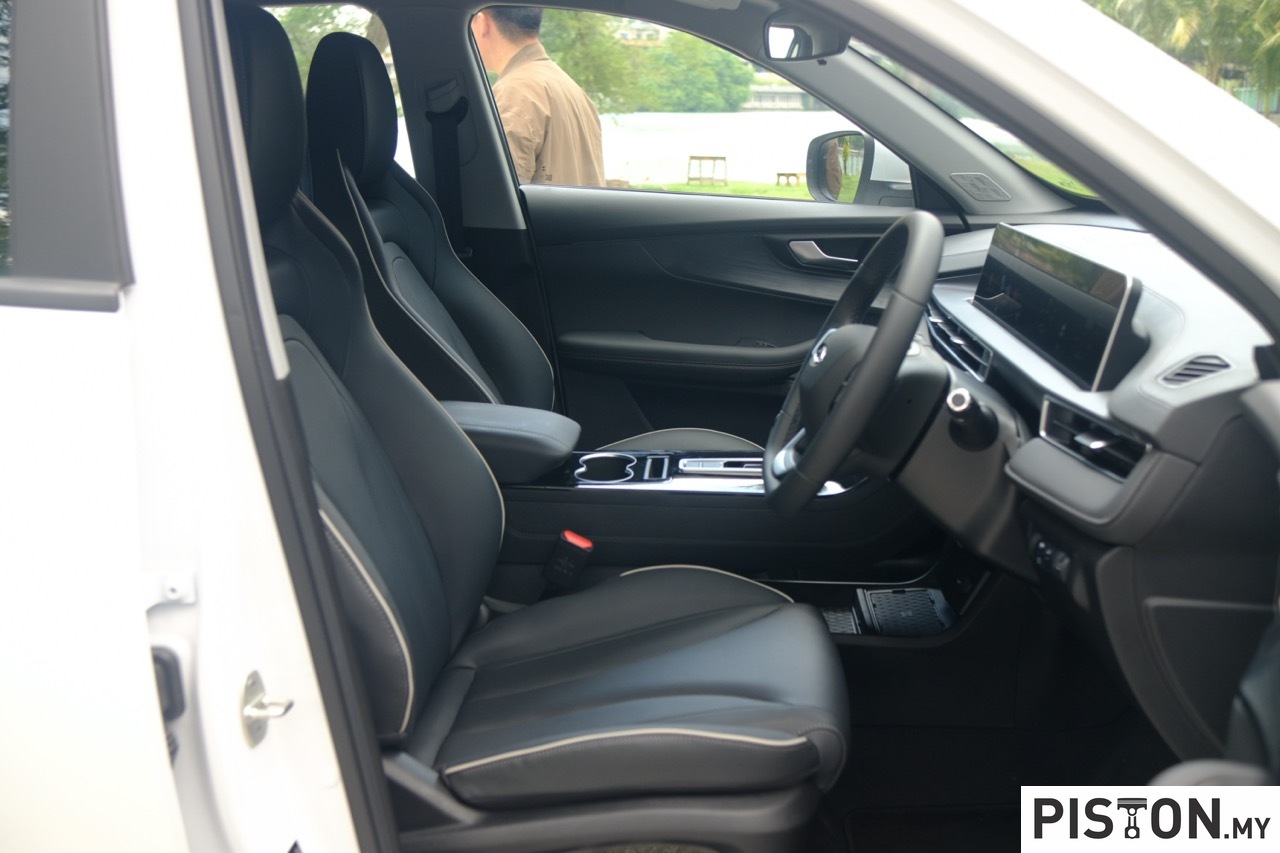
Speaking of the cabin, space was generous in all seats, and equipment levels match that of more expensive cars as well.
Very few cars deserve the term game changer, but the Chery Tiggo Cross is definitely one of them.
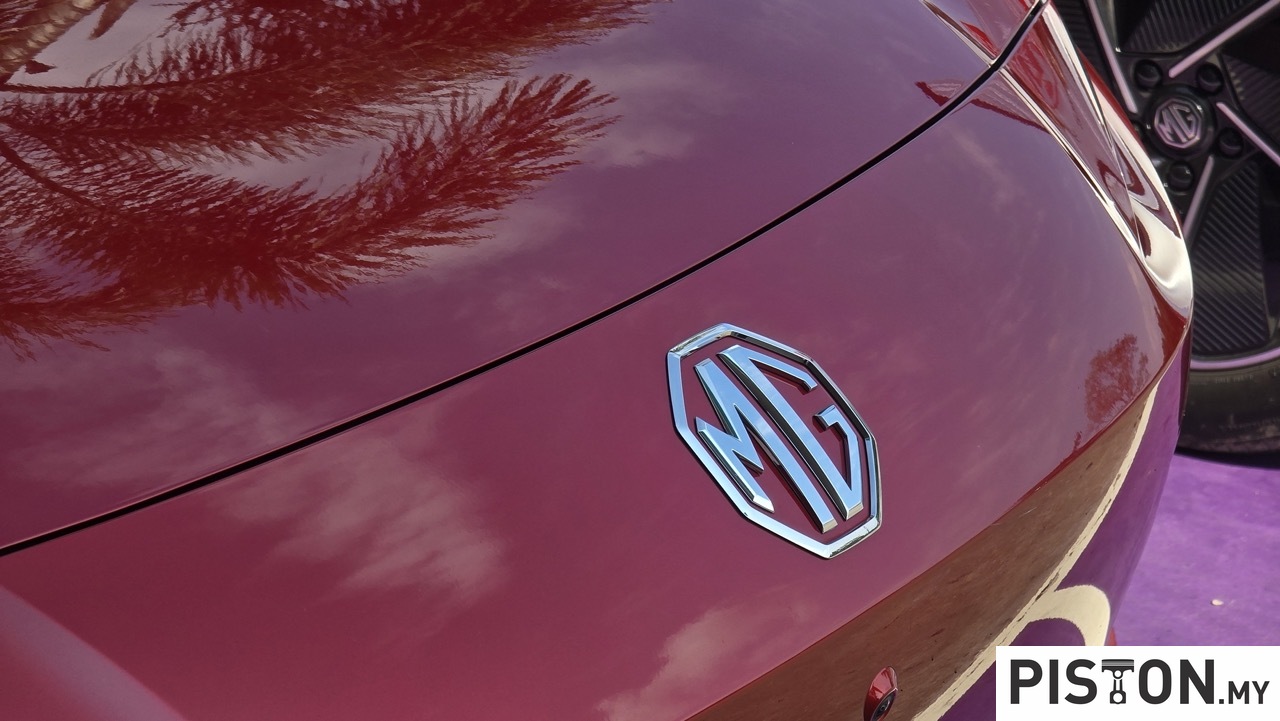
Officially established in 1924, Morris Garages, better known as MG, quickly gained a reputation for producing affordable, lightweight sports cars. Iconic models such as the MG TC, MGB, and MG Midget made the brand a household name, particularly in post-war Britain, and helped define the image of the affordable British sports car worldwide.
Over the decades, MG changed hands multiple times. It became part of the Morris Motor Company in 1935, merged into the British Motor Corporation (BMC) in 1952, and later joined British Leyland in 1968, a group that struggled financially for years.
MG car production ceased in 1980, although the brand was occasionally revived throughout the 1990s and early 2000s under various ownerships, including the Rover Group and MG Rover. However, in 2005, MG Rover collapsed, leaving the brand’s future uncertain.
Following the bankruptcy, two major Chinese carmakers, Nanjing Automobile Group and SAIC Motor Corporation, expressed interest in acquiring MG’s assets. That same year, Nanjing Automobile successfully purchased MG Rover’s assets, including the MG brand and the historic Longbridge factory in Birmingham, England.
In 2007, SAIC Motor, China’s largest automaker, merged with Nanjing Automobile, effectively taking full control of MG and its legacy. SAIC maintained a British presence by continuing limited research and development at the Longbridge site.
Under SAIC’s leadership, MG underwent a complete transformation. The brand moved away from its classic roadsters and adopted a modern product lineup focused on SUVs, family cars, and electric vehicles.
Notable models include the MG ZS and ZS EV, the MG HS, the all-electric MG4 hatchback, and the Cyberster roadster, reviving MG’s sporty heritage in electrified form.
With this new direction, MG has expanded into multiple global markets, including the UK, Europe, Australia, the Middle East, and Southeast Asia.
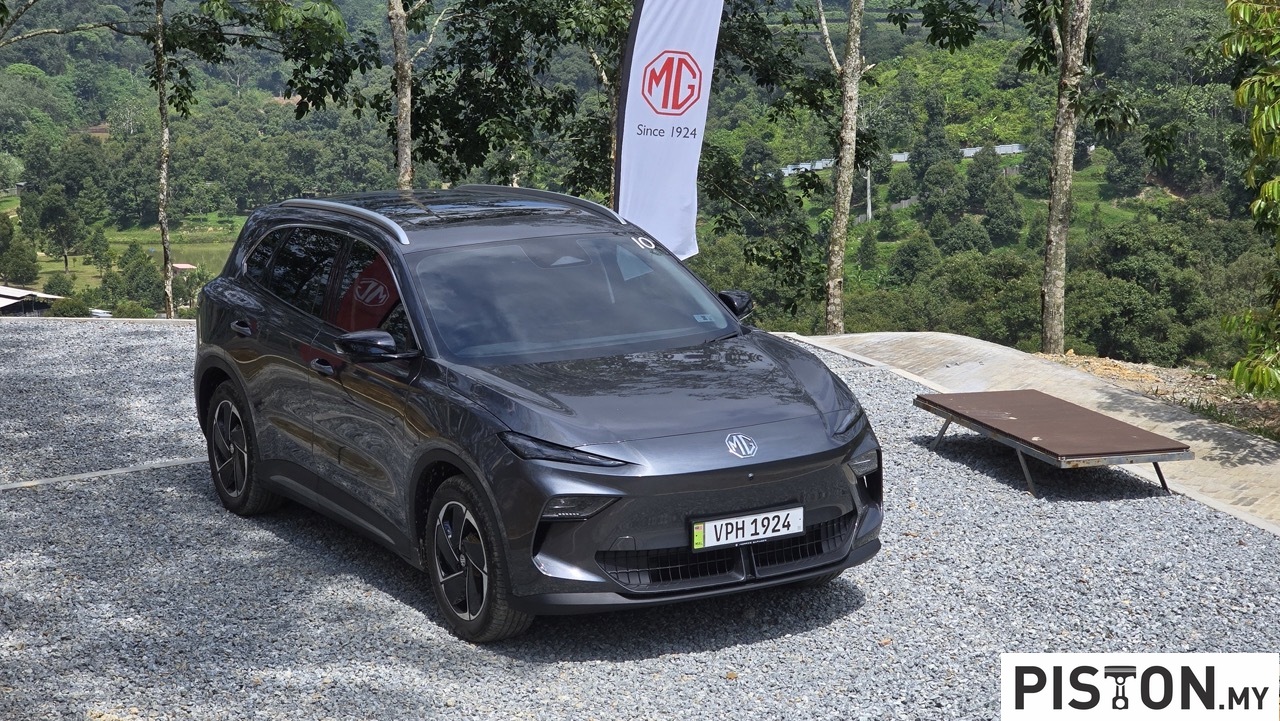
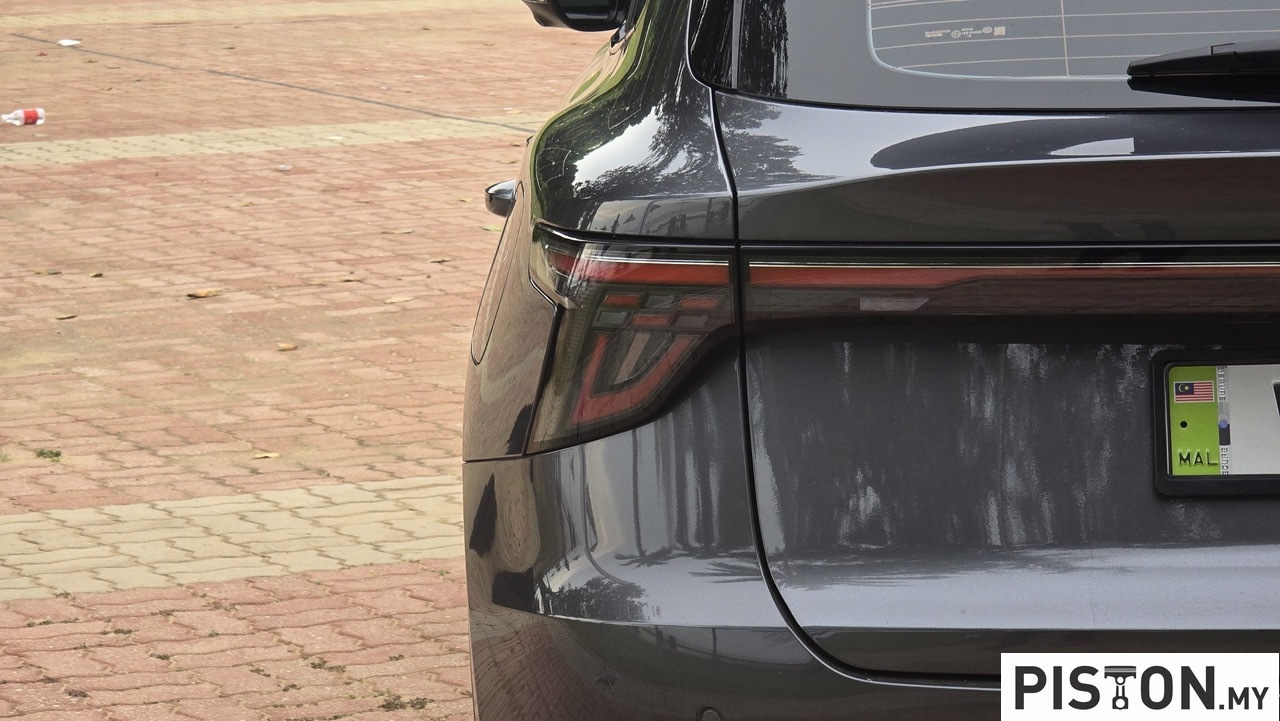
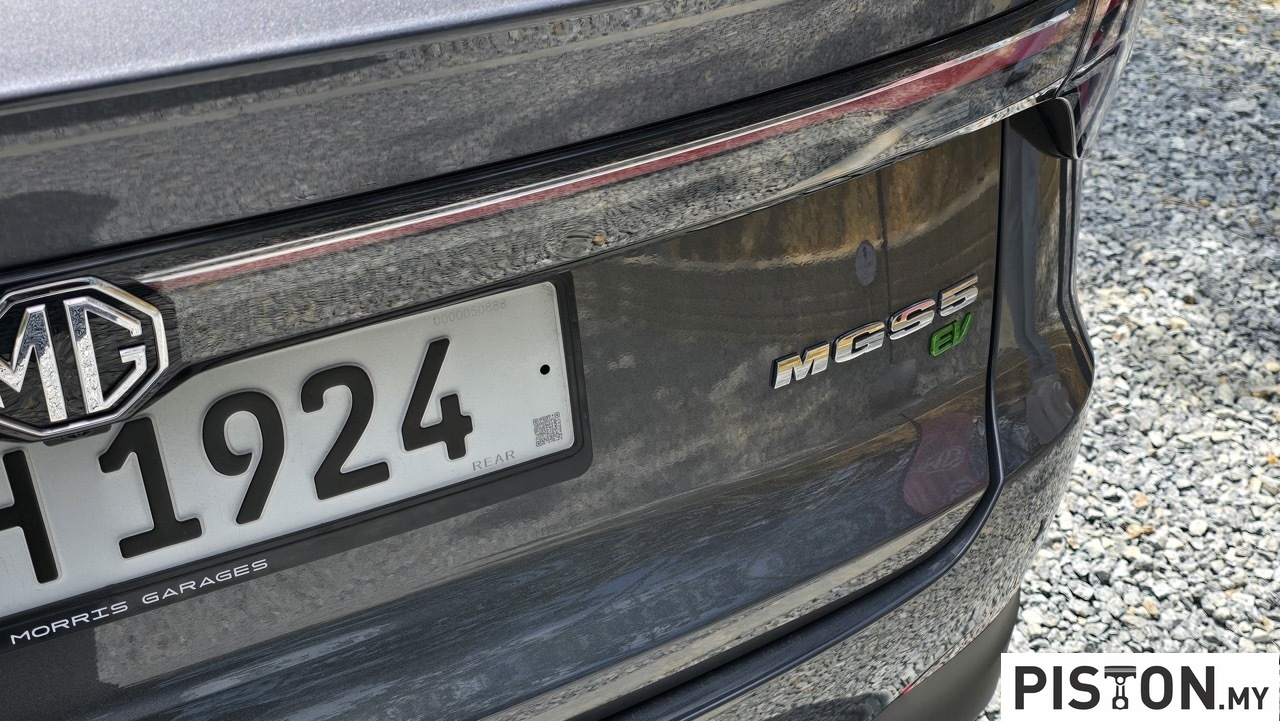
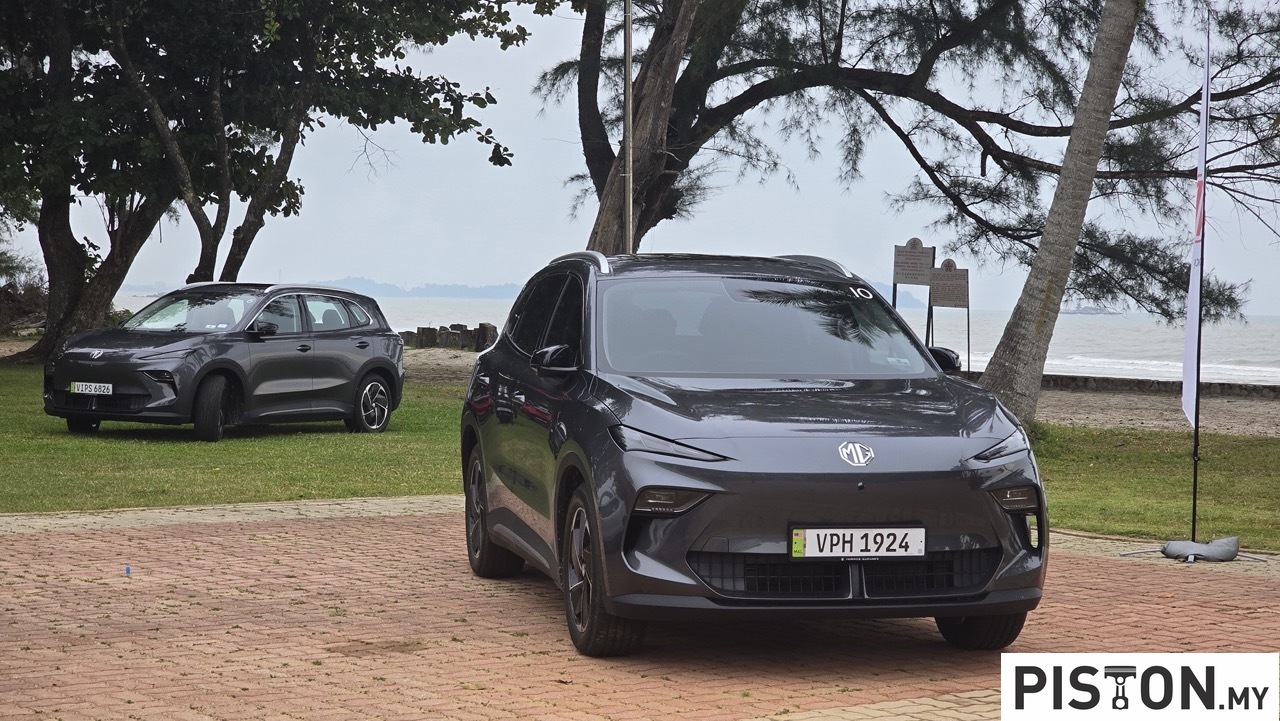
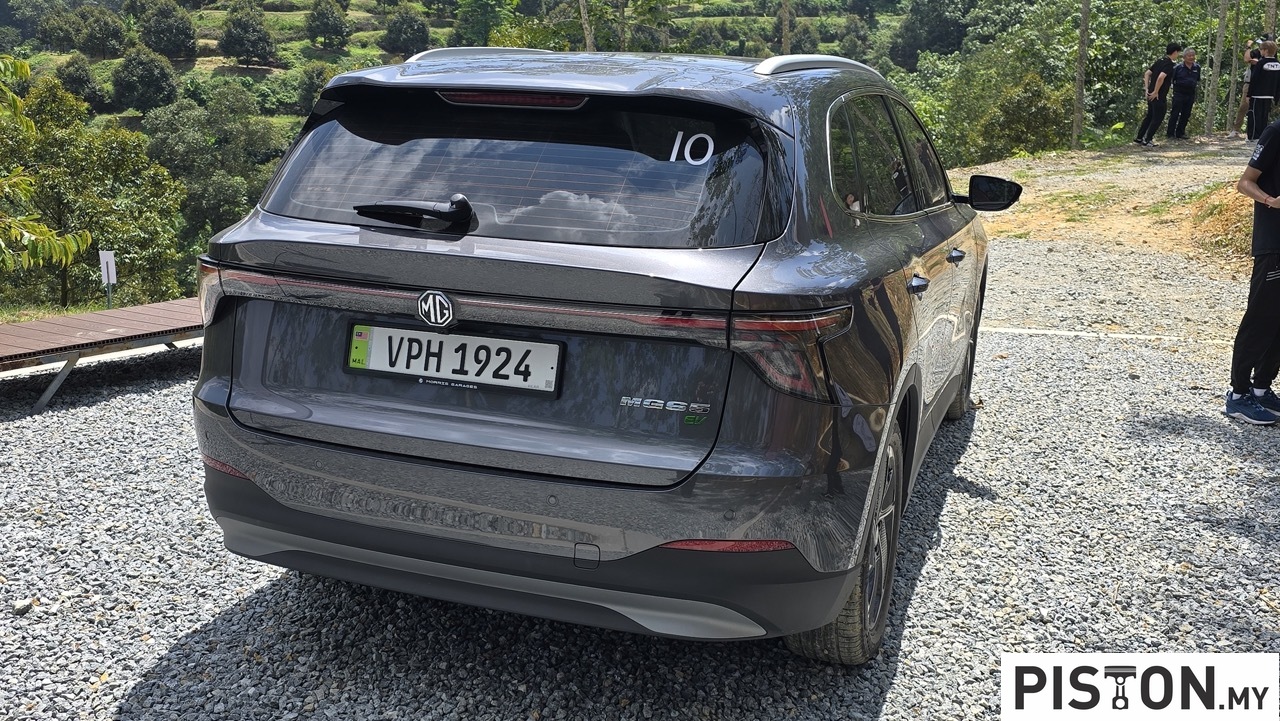
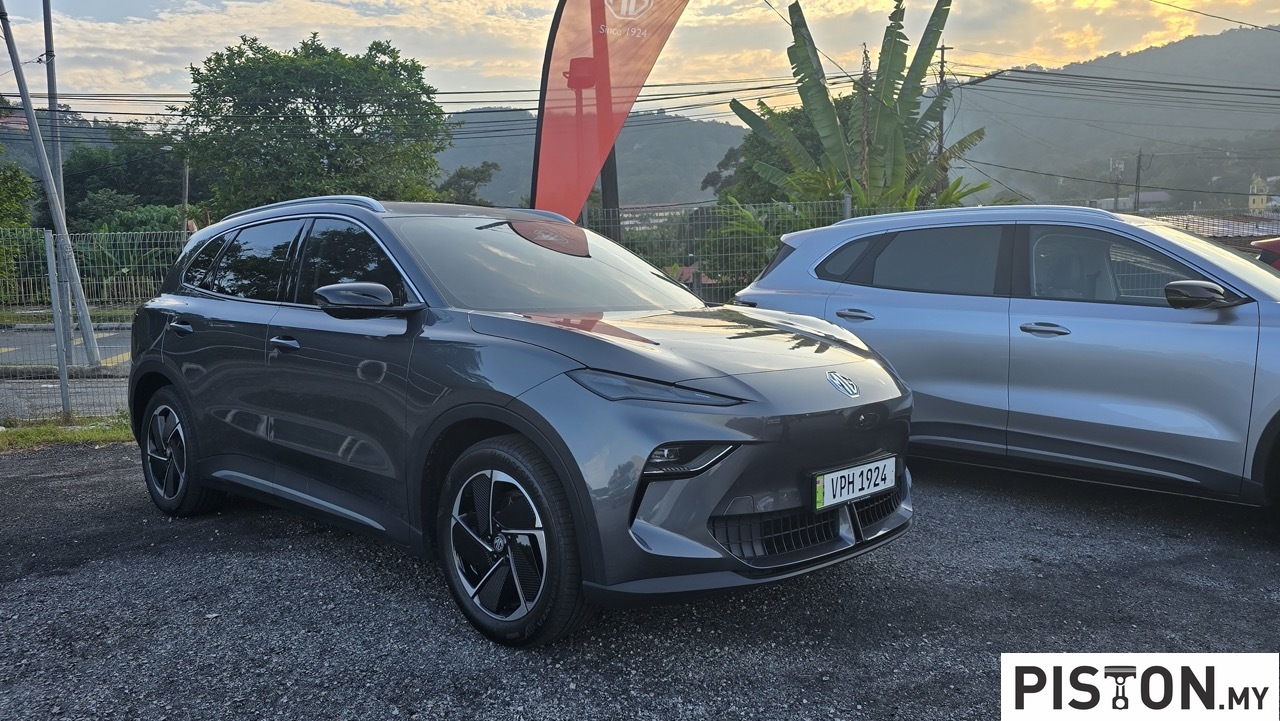
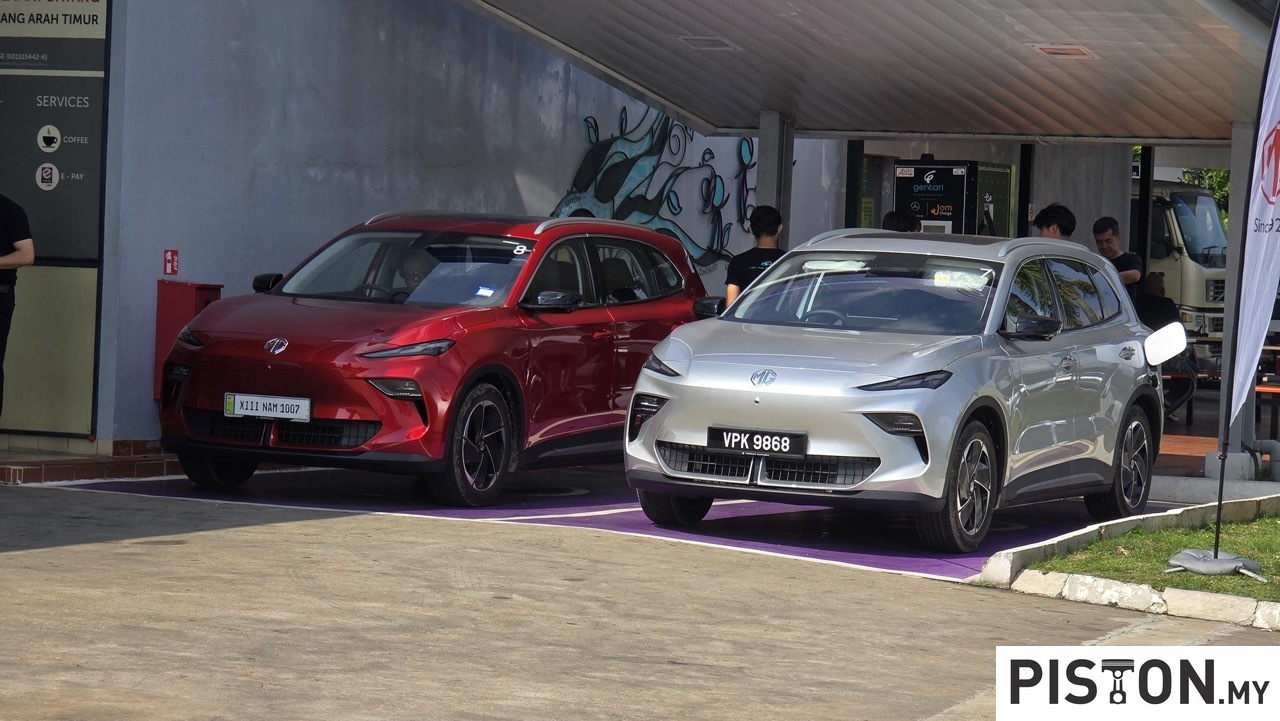
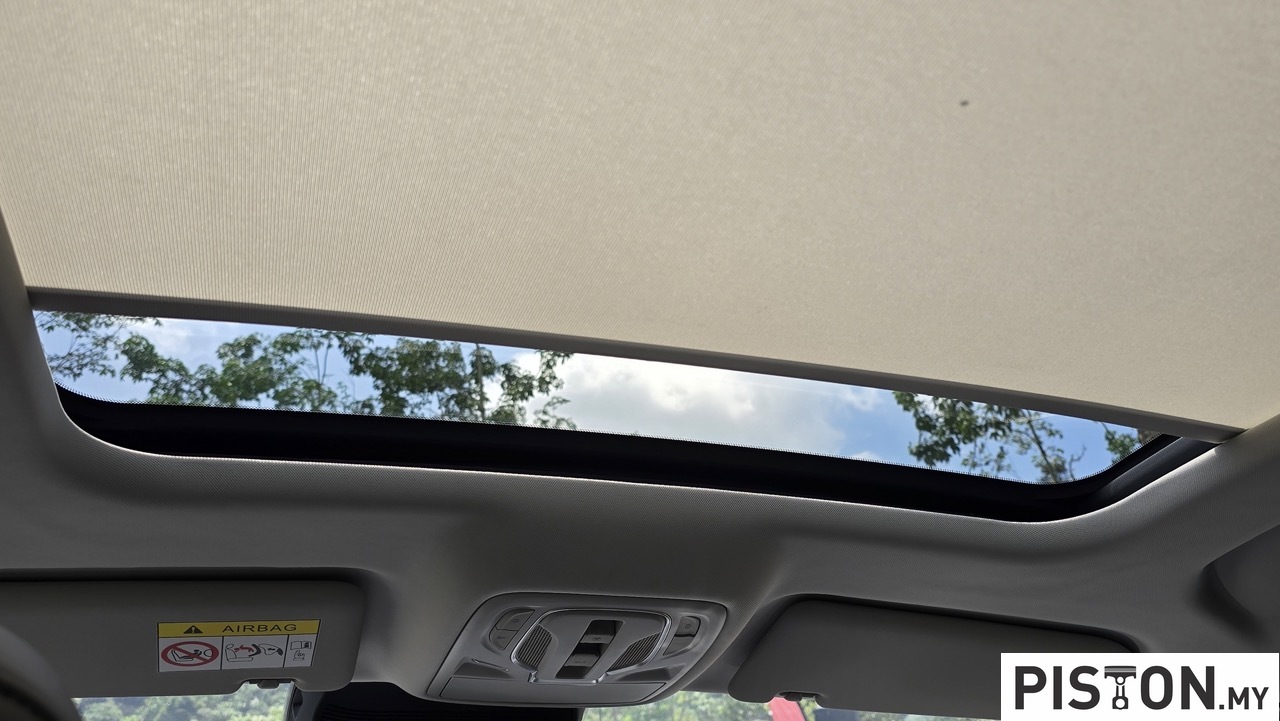
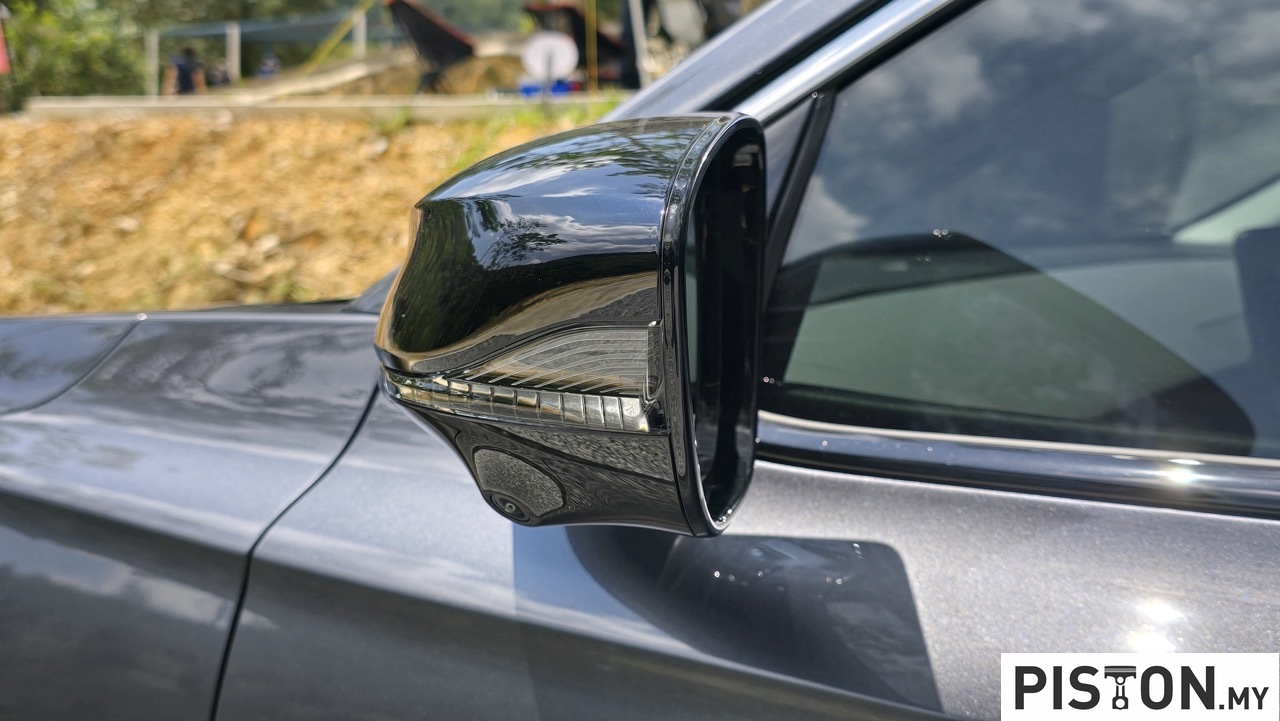
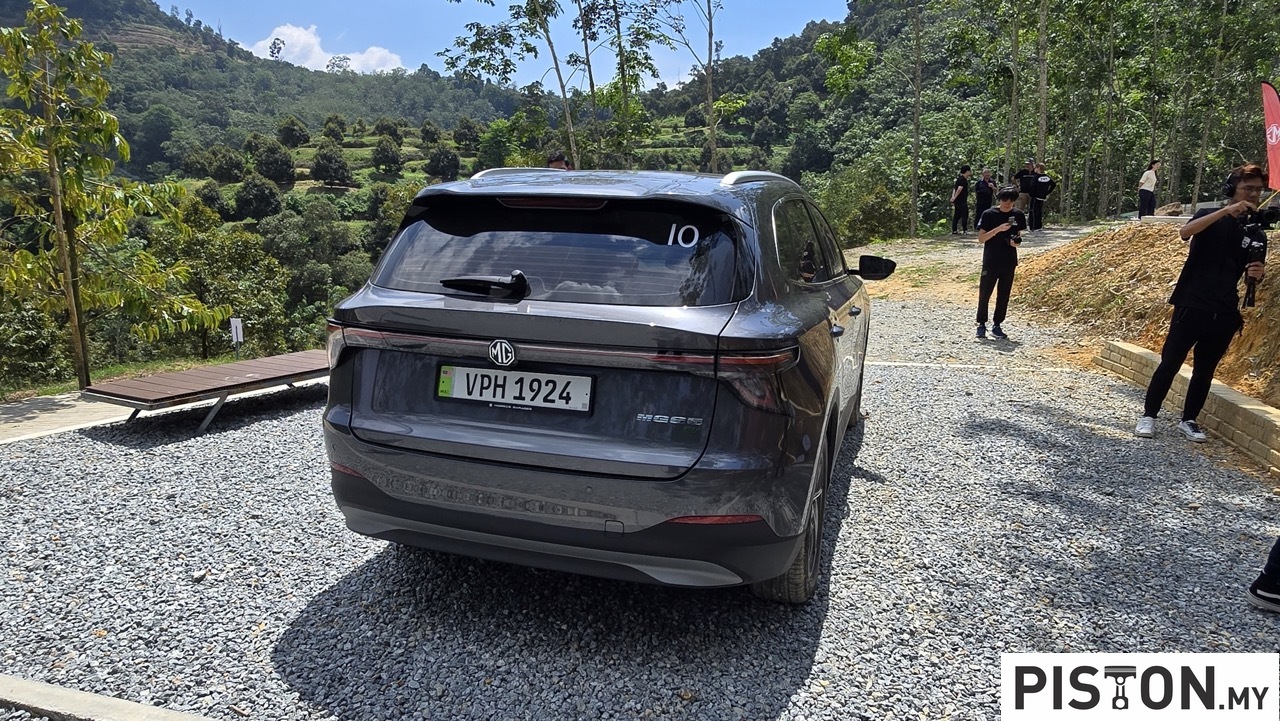
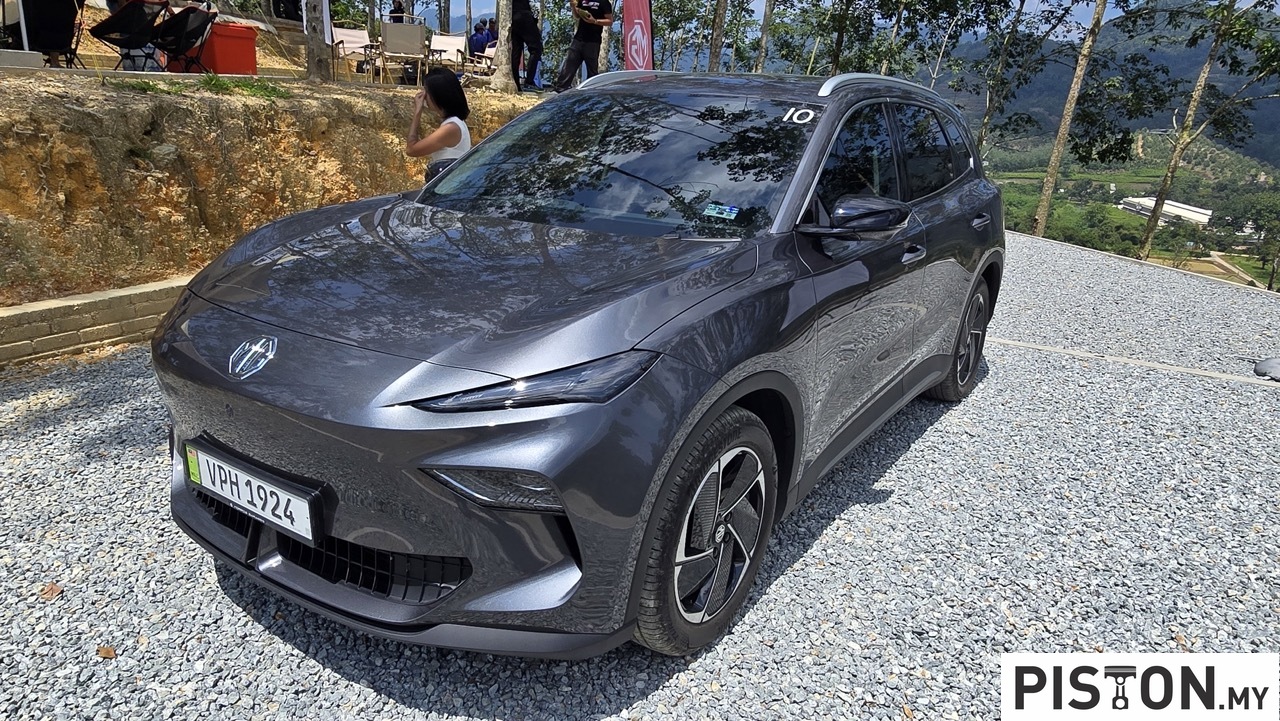
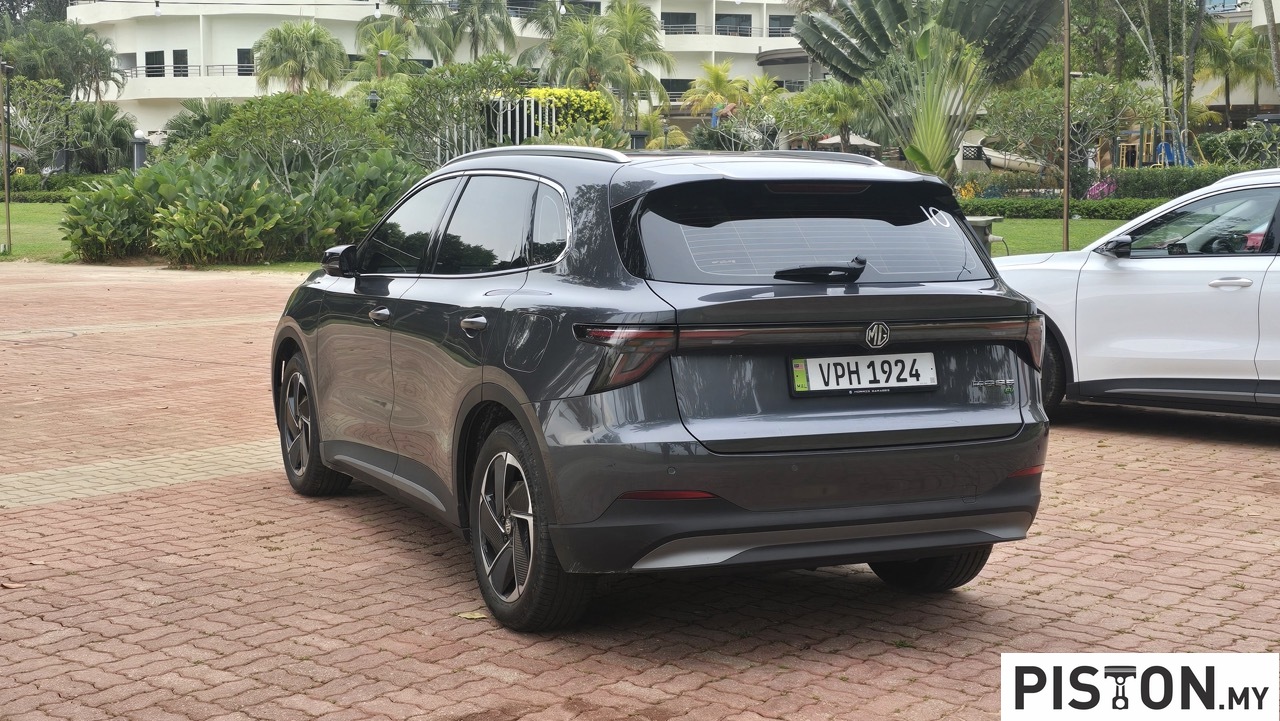
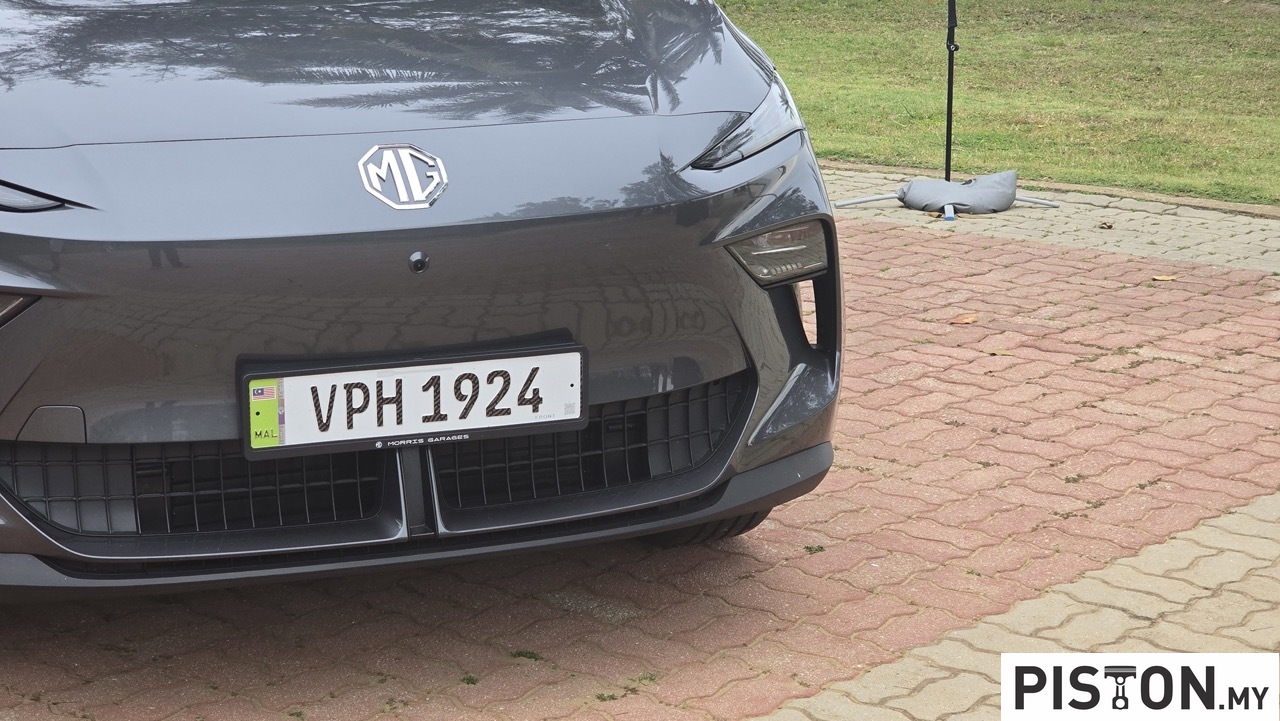
In May 2025, MG Malaysia formally announced the retail price of its all-electric MGS5 EV, setting it at RM115,900 for the COM variant, RM125,900 for the COM Long Range, and RM135,900 for the LUX Long Range.
This came shortly after its public debut at the Malaysia Autoshow 2025, where the company initially hinted at a starting price of RM115,000 and offered exclusive incentives to early adopters.
Fast Charging at Its Finest
The MGS5 EV is available in three trim levels: COM, COM Long Range, and LUX Long Range. The LUX variant comes with a 62 kWh battery and delivers a claimed range of up to 430 km. On paper, these are impressive numbers, but we wanted to put them to the test in the real world.
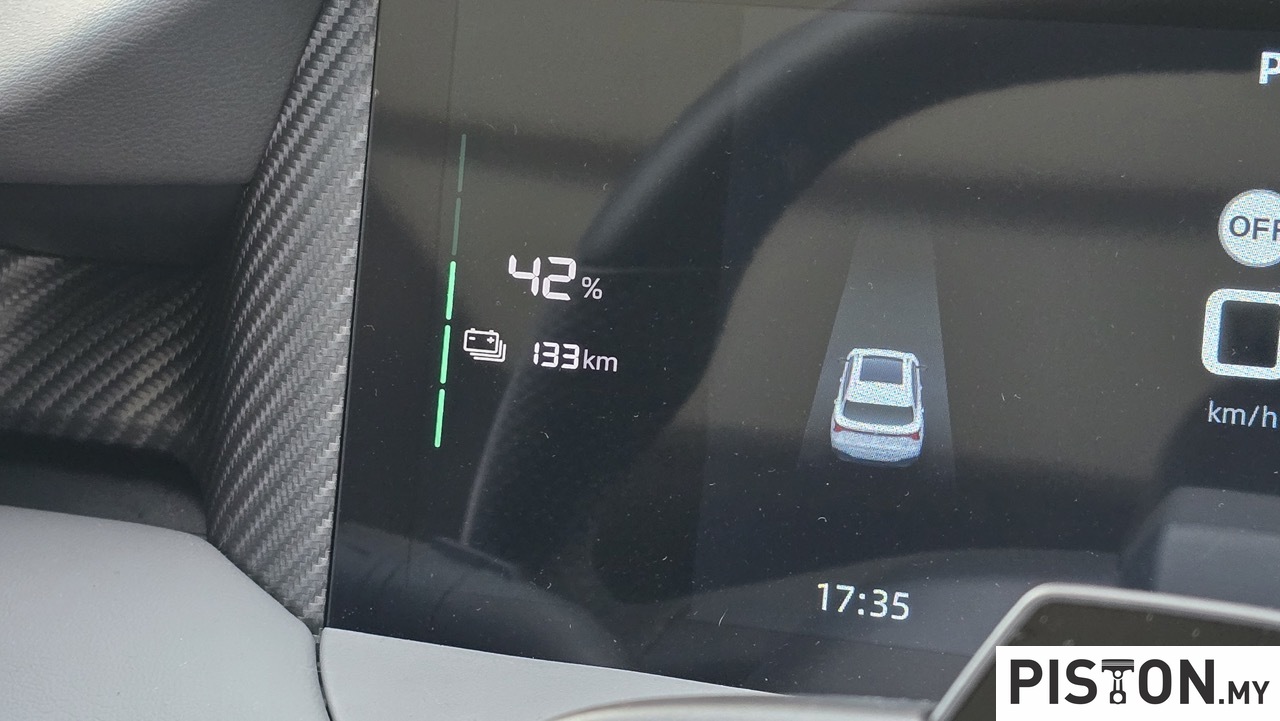
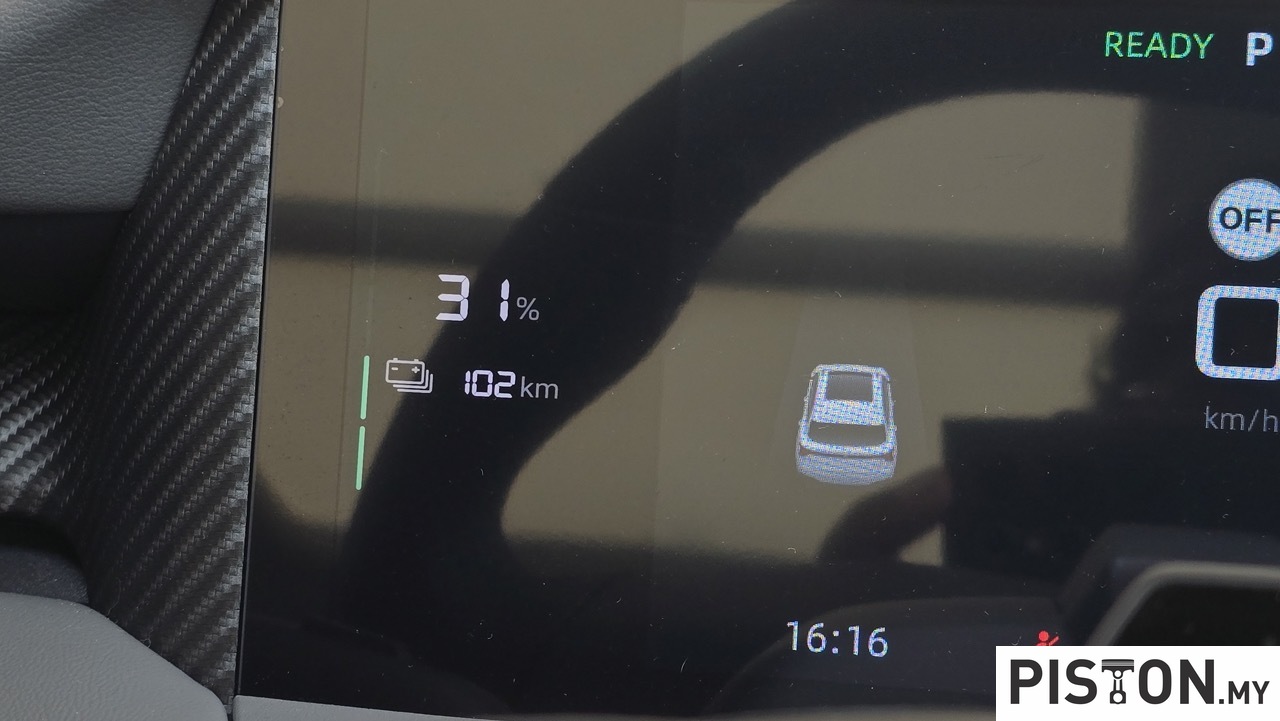
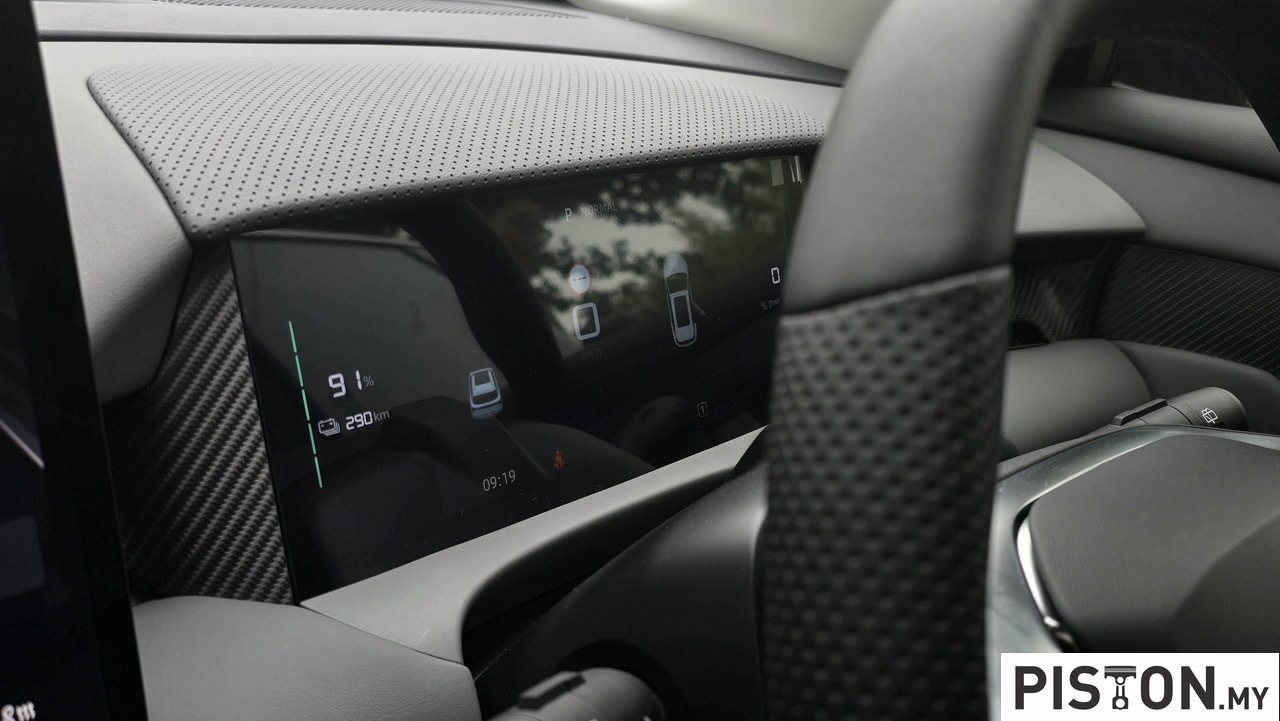
We set out on a drive from Kuala Lumpur to Kuantan, Pahang, a journey of around 263km, typically taking three hours. When we started the trip, the battery was at over 90%, and the system indicated a 400km range. This led us to believe that with a full charge, it could indeed achieve the stated 430km.
What we didn’t account for, however, were our unscheduled stops, including lunch and a visit to GLO Durian Farm, which made a quick charging session necessary.
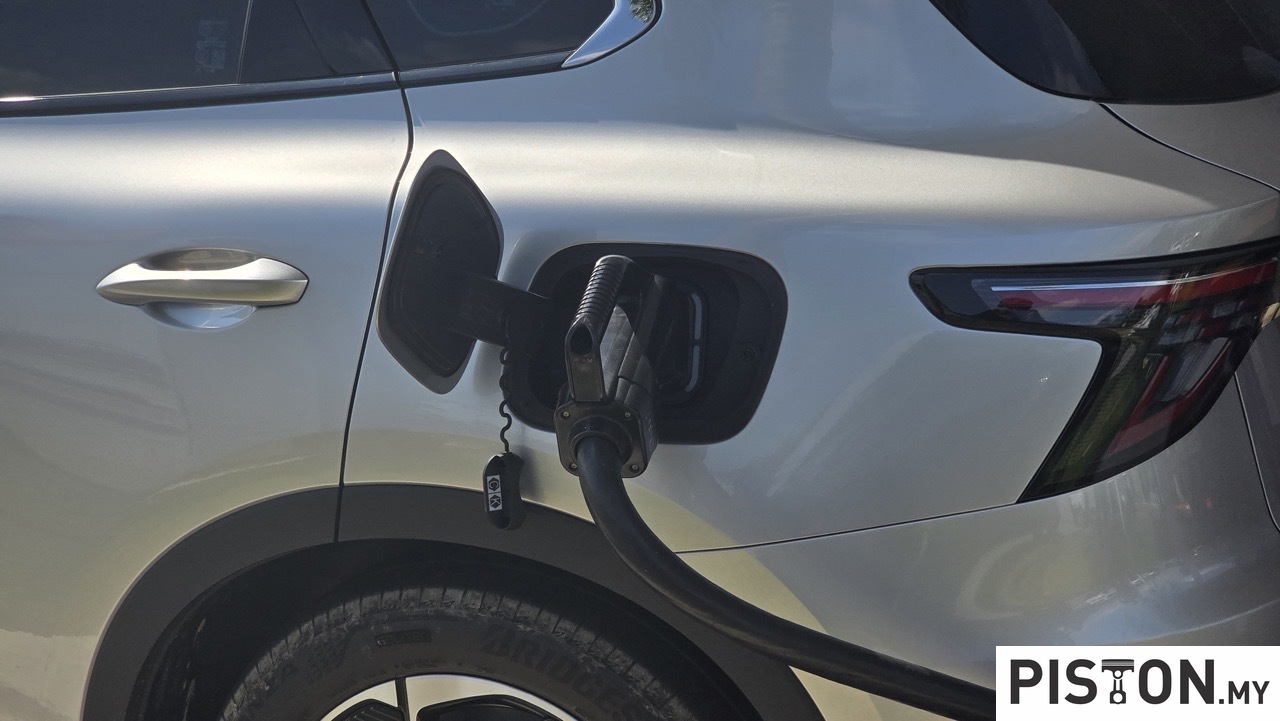
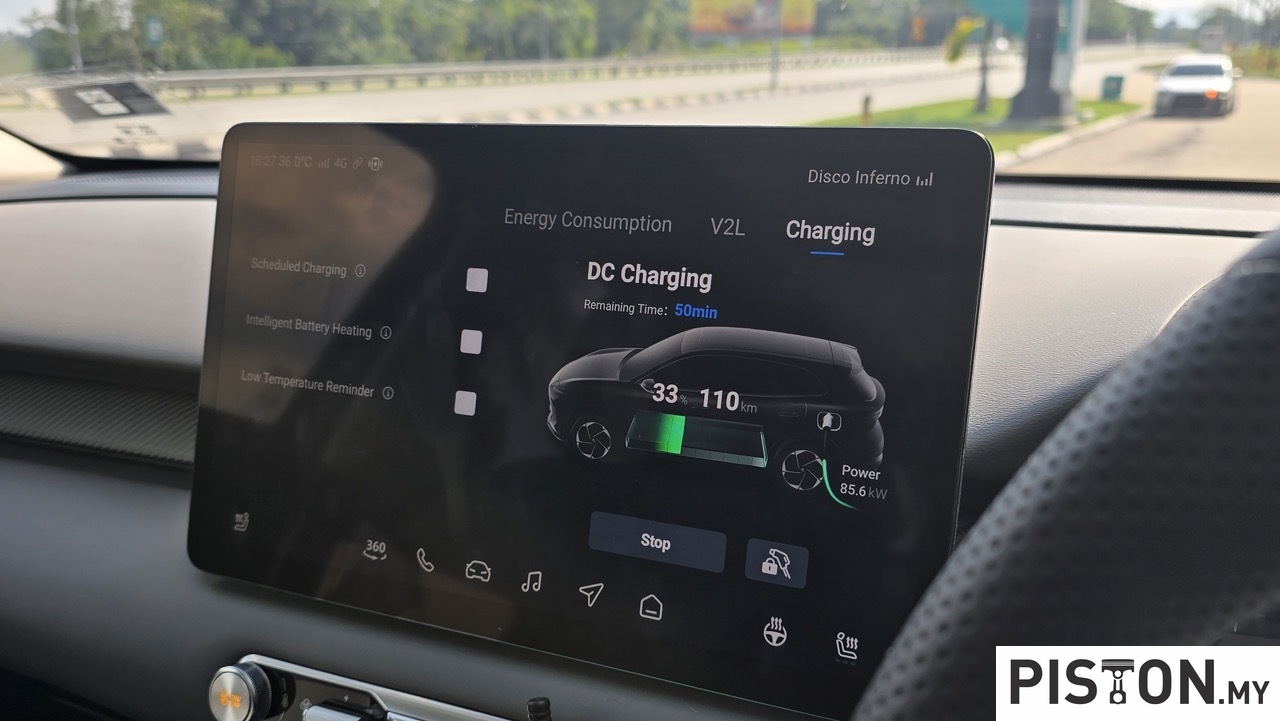
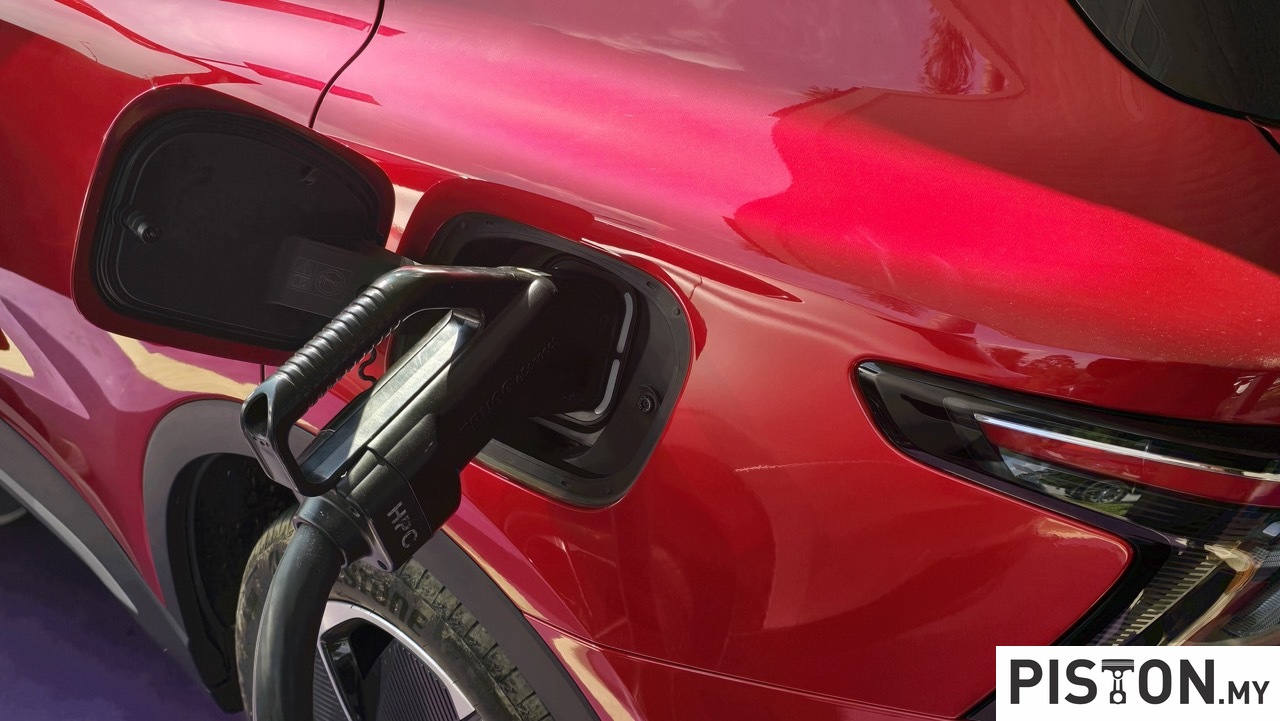
Fortunately, the MGS5 EV supports DC fast charging, capable of going from 10% to 80% in just 24 minutes. When we stopped to charge at around 30% battery, it took only 15 minutes to reach 80%, more than enough to shoot us to our final destination (no pun intended).
For those looking to maximise range, the car offers adjustable regenerative braking settings. This proved incredibly helpful on our return journey to Kuala Lumpur, where energy conservation was critical.
Power and Precision
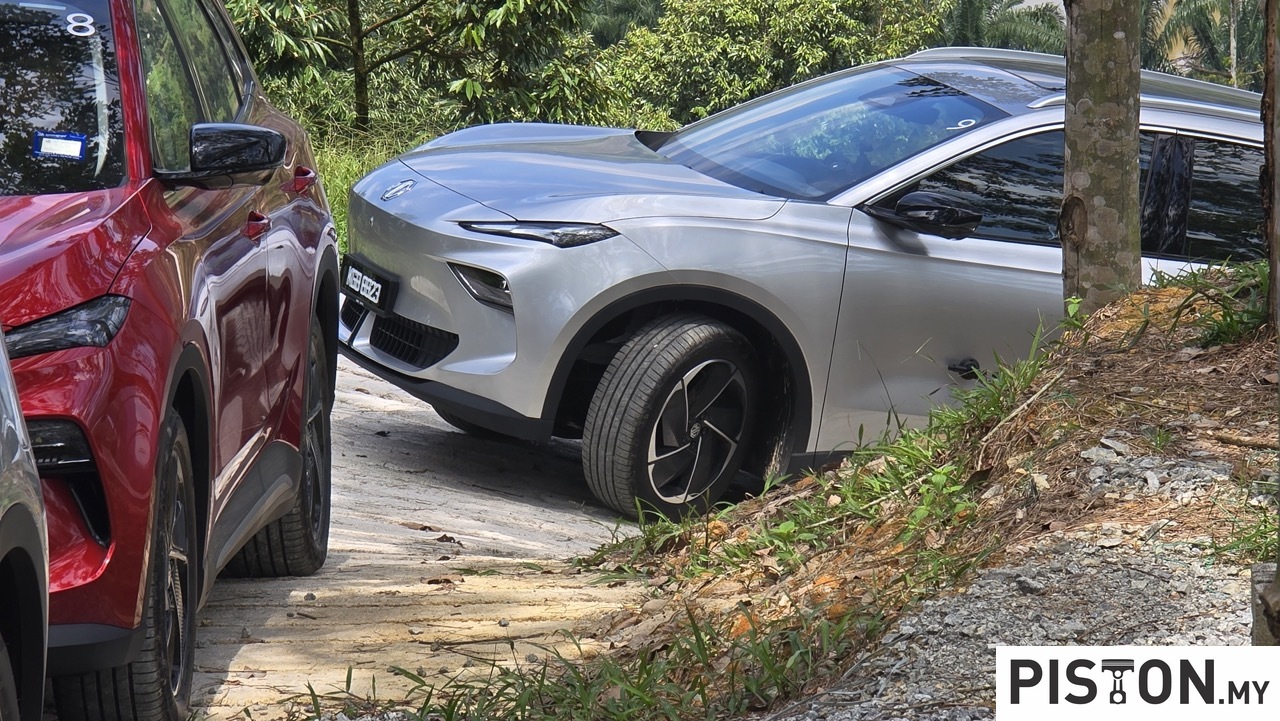
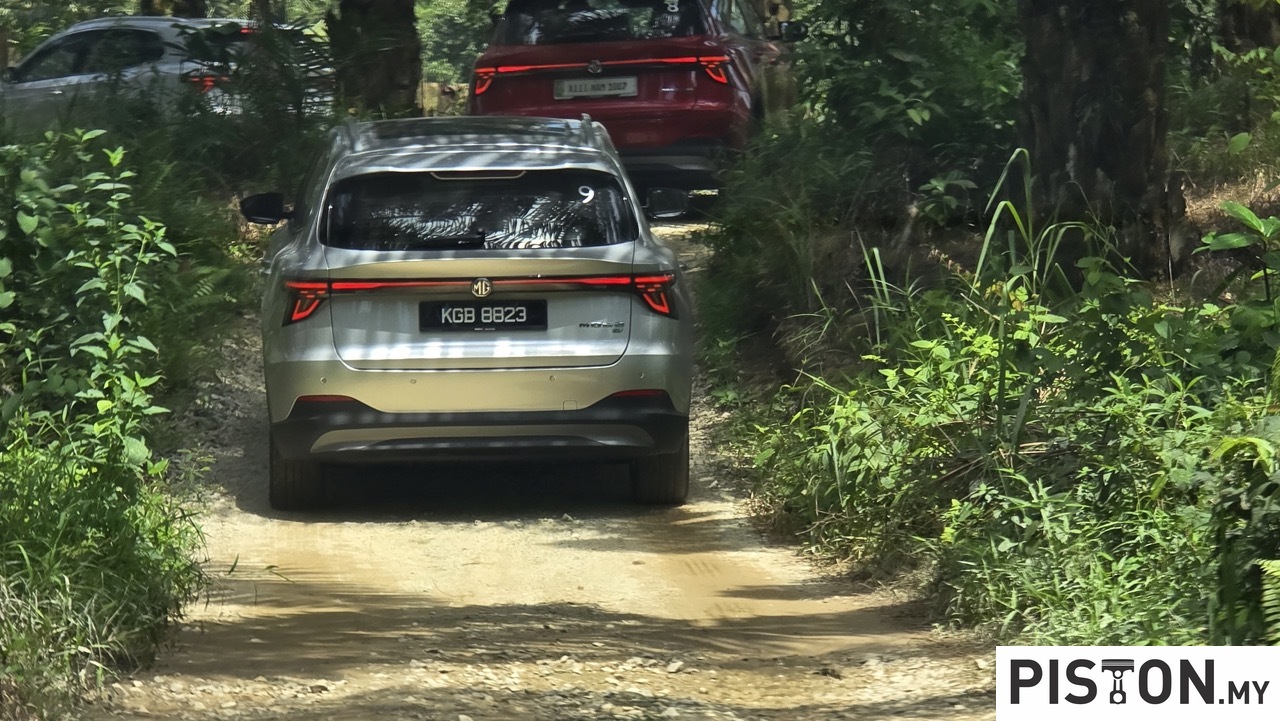
Our route to GLO Durian Farm took us through steep, off-road terrain riddled with mud, gravel, and uneven surfaces. Initially, we were skeptical of the MGS5 EV’s ability to handle such conditions. Despite being a rear-wheel drive SUV, the vehicle surprised us by climbing the hill with remarkable ease and stability.
The MGS5 EV features a rear-wheel drive layout with a five-link independent rear suspension, providing confident and composed handling. Its DP-EPS electronic steering system and XDS cornering dynamic control further contribute to agile maneuverability. The 47:53 front-to-rear weight distribution enhances overall balance, making it surprisingly capable on challenging surfaces.
Performance-wise, the MGS5 EV delivers 170PS and 250Nm of torque, with a 0-100km/h time of 8.0 seconds, more than adequate for a family SUV. On the highway, the car feels far from sluggish. It does not have the instant torque jolt of more aggressive EVs, it delivers a smooth power curve and reaches a top speed of 175km/h, which is impressive for its segment.
Stability and Safety
Even at high speeds, the MGS5 EV maintains impressive stability and comfort. It is engineered to meet Euro NCAP five-star safety standards, with a cage-like structure made from 77% high-strength steel and up to 47% ultra-high-strength steel.
Reinforced crash beams and a hot-formed cross beam provide additional protection for both occupants and the battery.
In terms of active safety, the MGS5 EV is equipped with 16 ADAS (Advanced Driver Assistance System) sub-functions, covering a wide range of driving scenarios. These include Forward Collision Warning (FCW), Automatic Emergency Braking (AEB), Intelligent Headlamp Control (IHC), Adaptive Cruise Control (ACC), Traffic Jam Assist (TJA), and various lane-keeping and driver-monitoring systems.
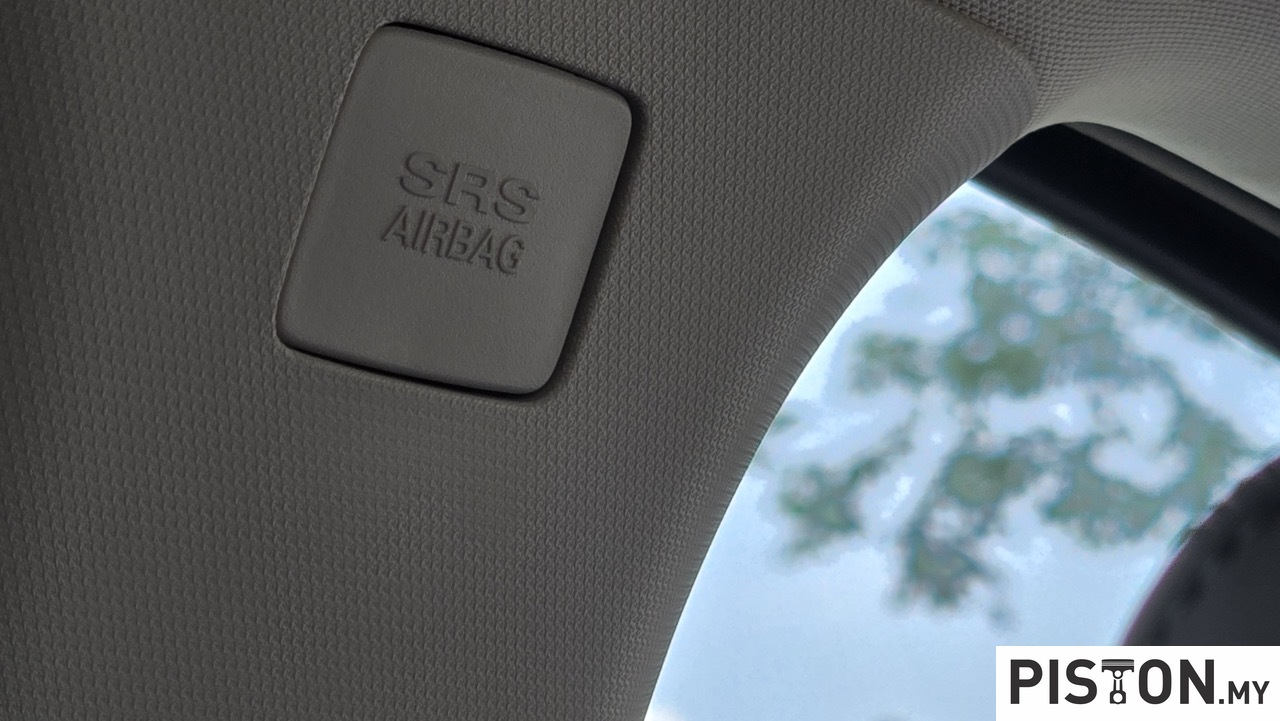
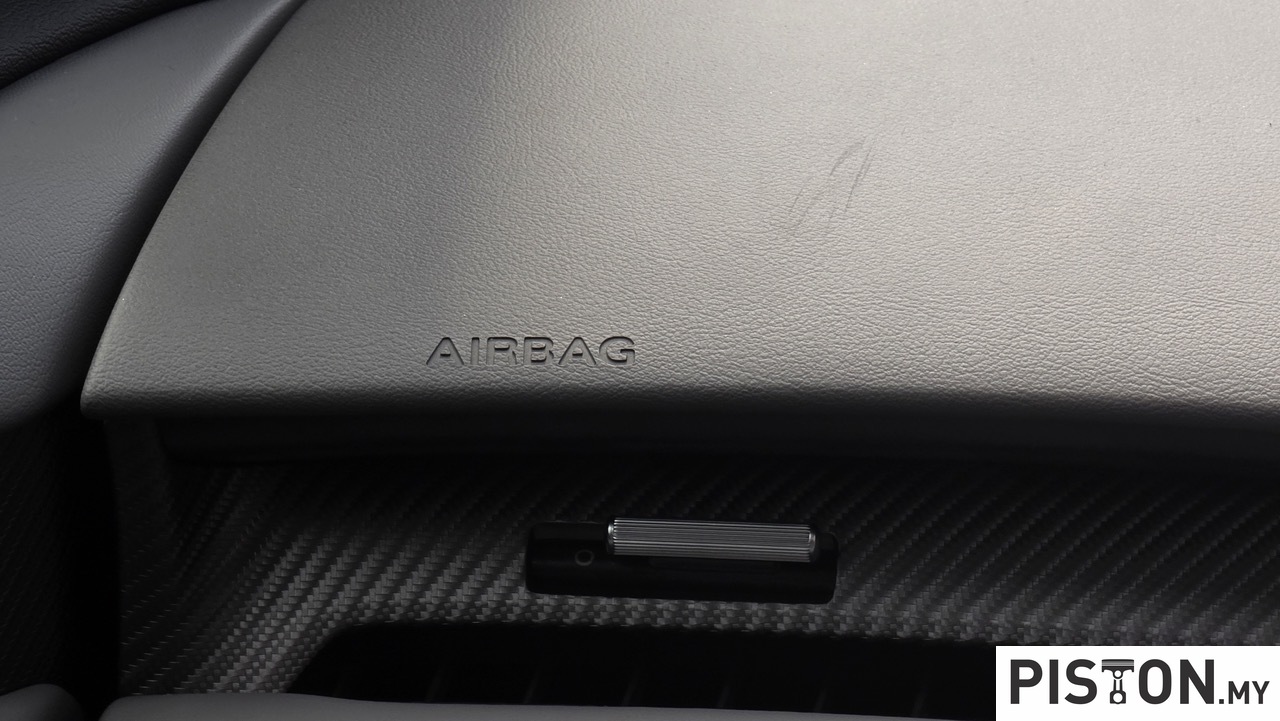
For passive safety, the vehicle includes seven airbags as standard, including a centre airbag that enhances occupant protection in the event of a side impact.
Physical Controls in a Digital Age
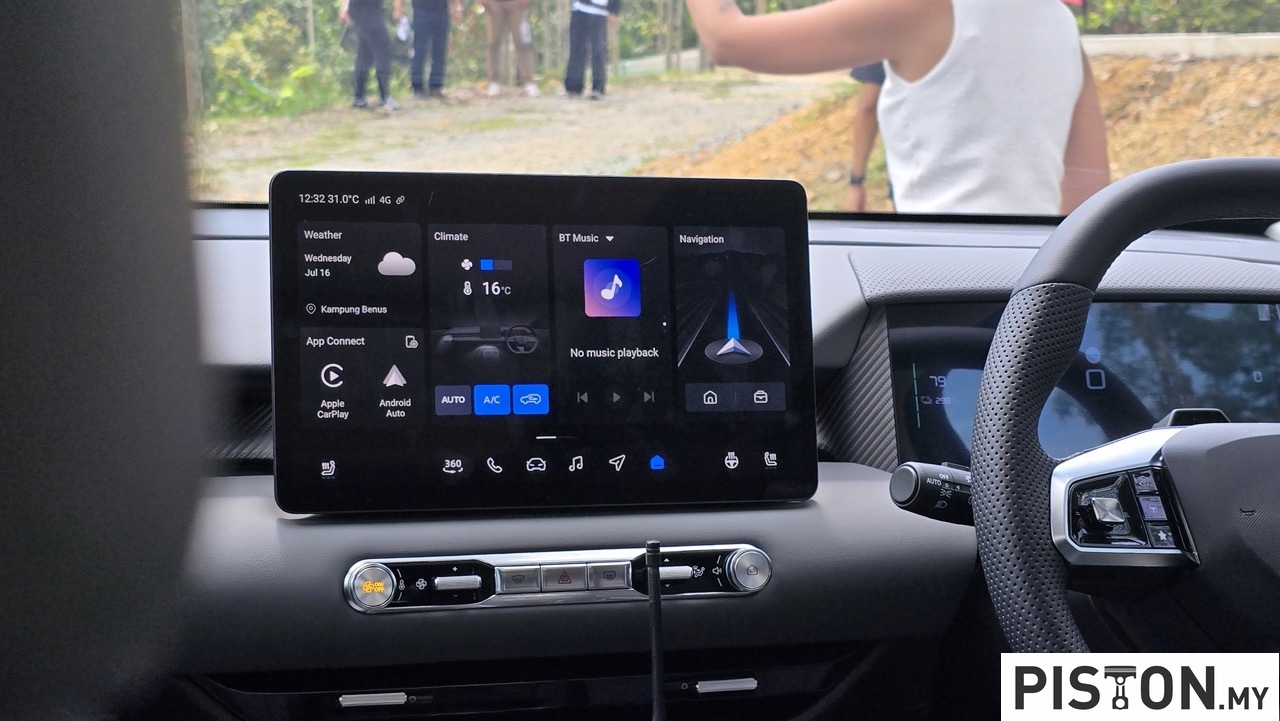
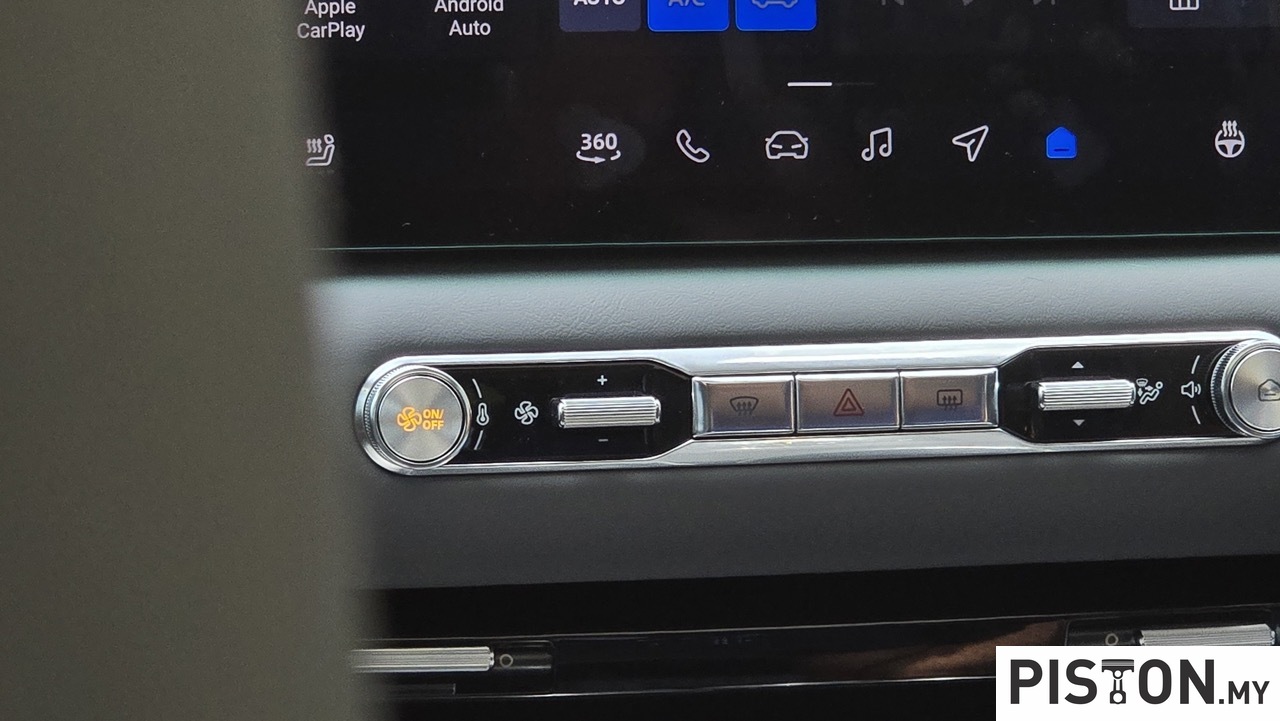
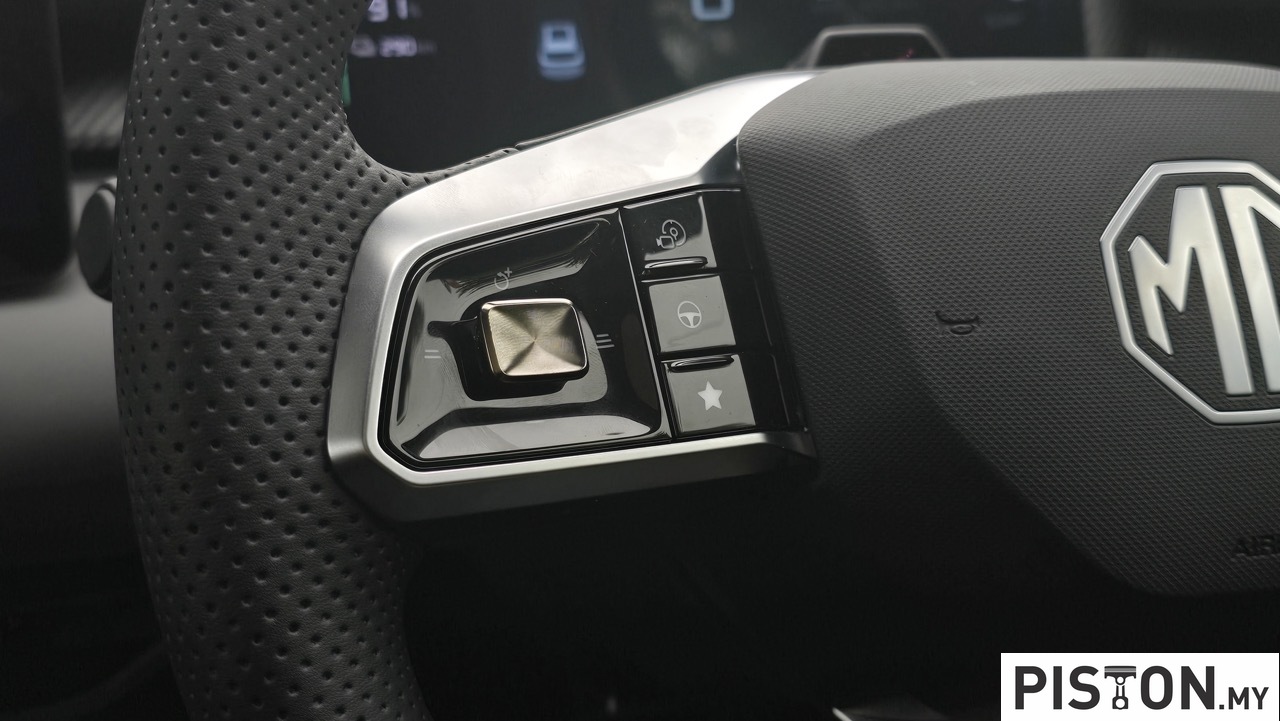
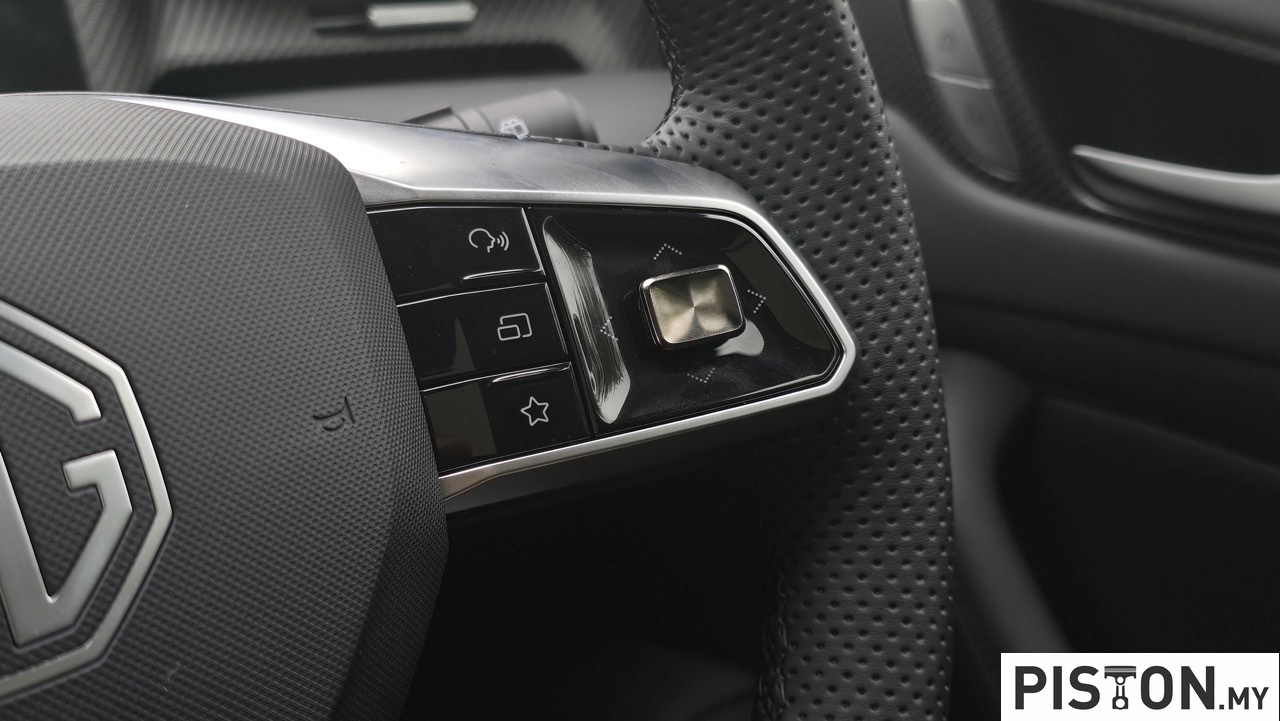
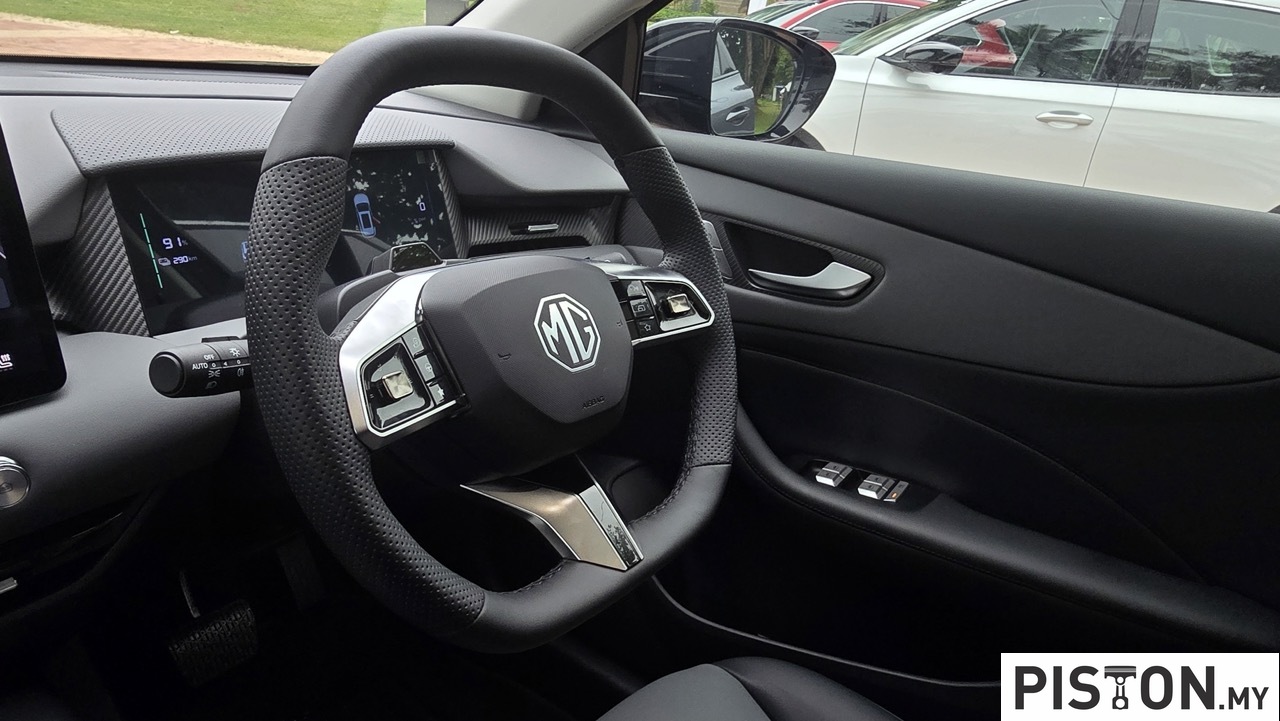
While most modern EVs rely solely on touchscreen controls, even for basic functions like adjusting air-conditioning, the MGS5 EV stands out by including physical buttons and switches. This not only improves ease of use but also reduces driver distraction.
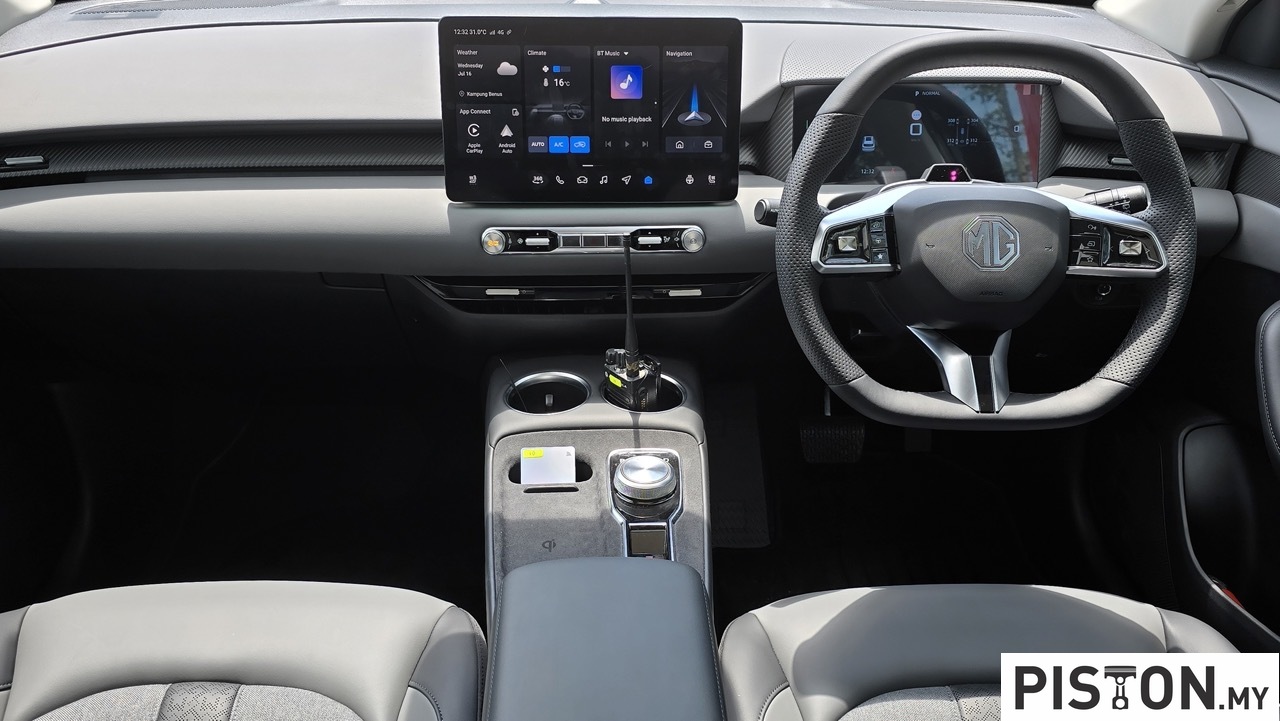
The interior features a 12.8-inch central touchscreen, a layered dashboard design, and a clearly laid-out physical control panel.
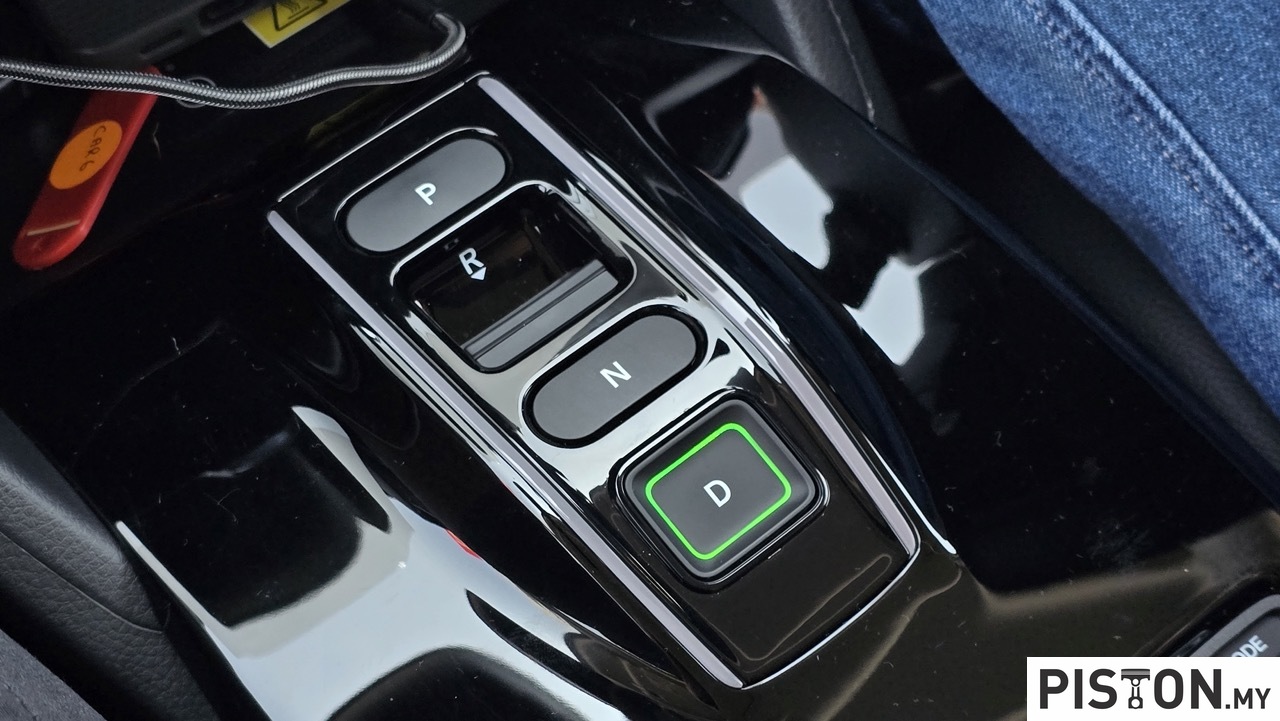
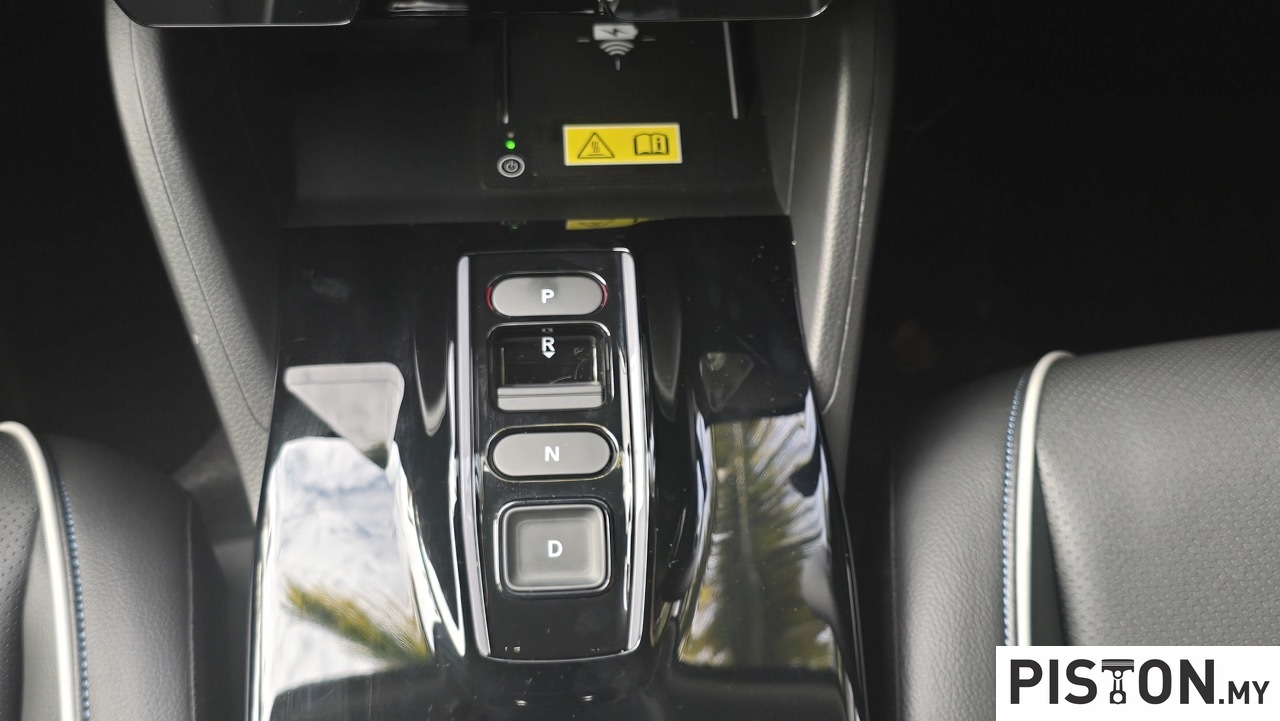
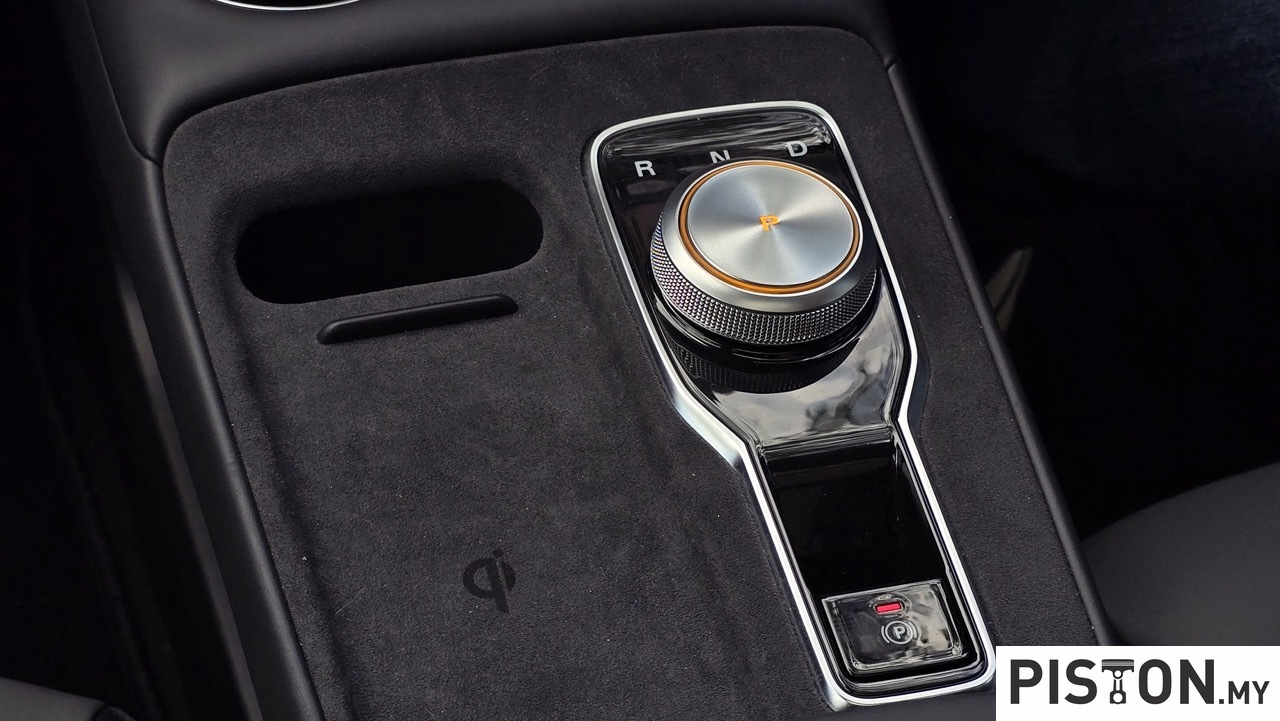
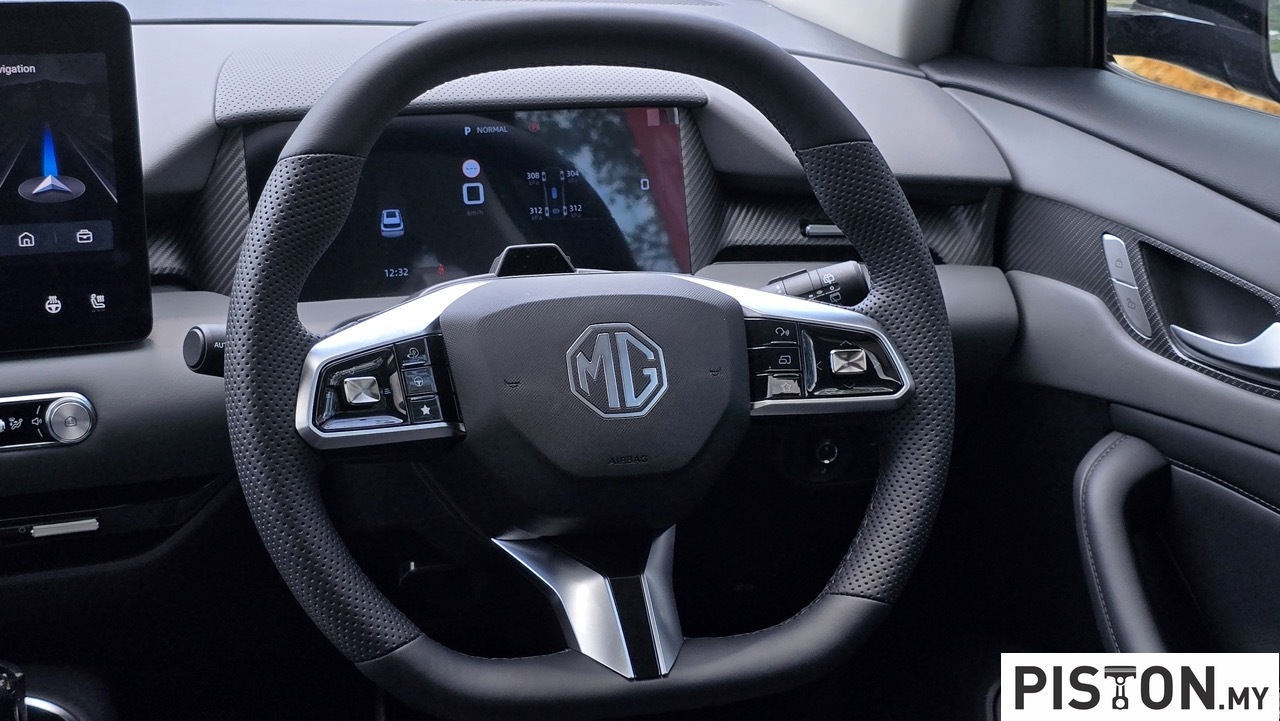
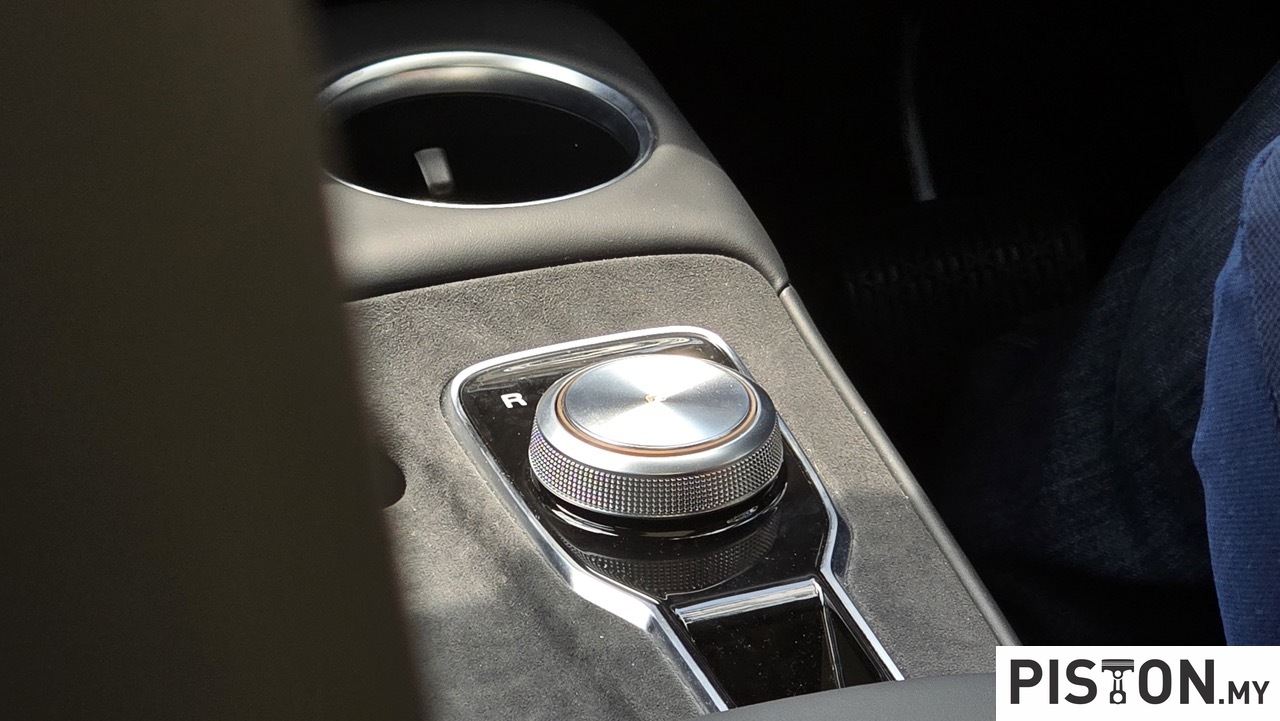
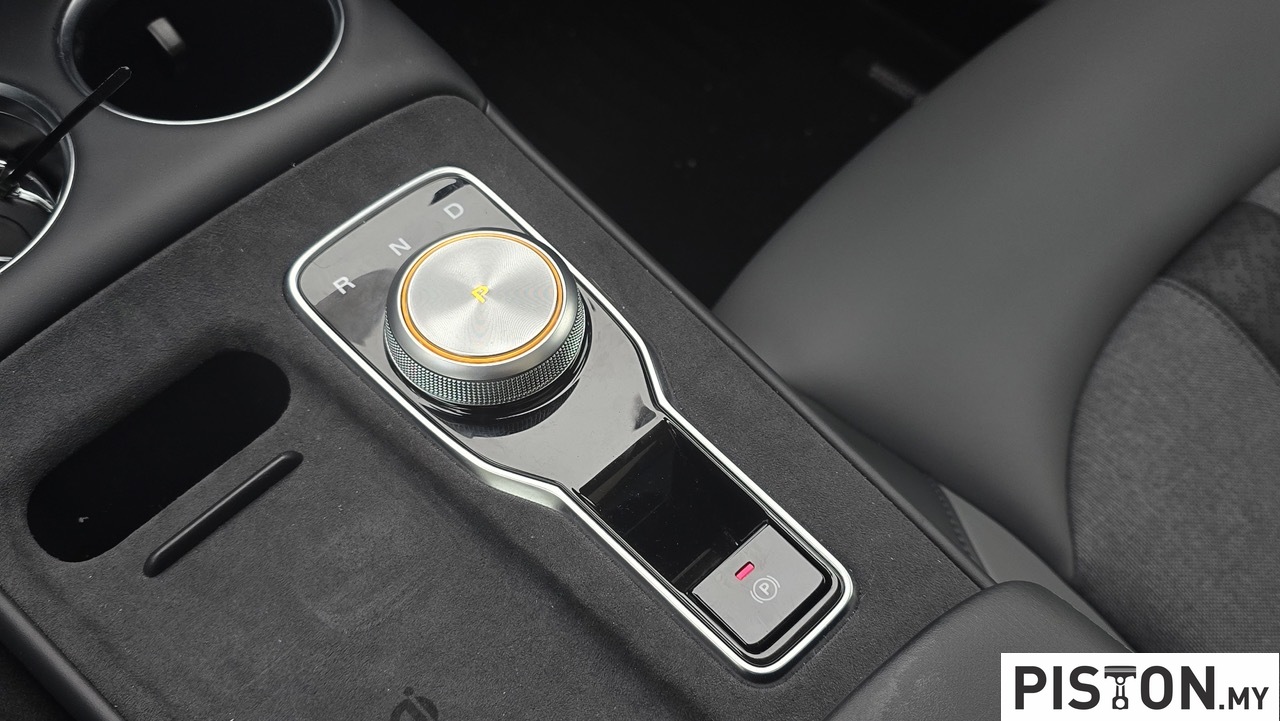
It is equipped with a flat-top-and-bottom 3-spoke steering wheel, a 10.25-inch digital instrument cluster, a rotary gear knob, and a wireless charging pad.
The Voice You’ll Never Forget
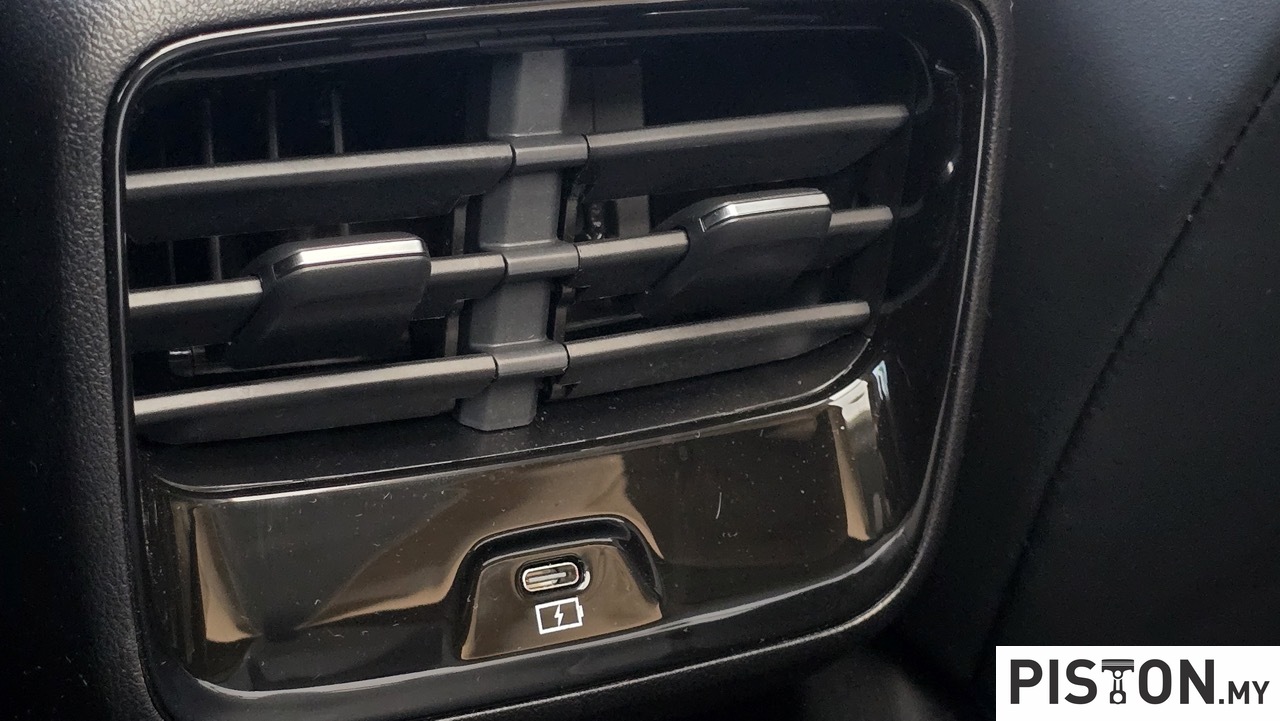
Not everything is perfect. The wireless charging pad was somewhat slow and tended to overheat the phone. Using the USB ports located under the armrest proved more efficient.
But the most frustrating thing with the car during our journey was the speed limit warning chime. This audible alert triggered every two minutes, and there was no way to disable it. MG has since confirmed that an upcoming software update will allow users to mute this feature, something we look forward to, as the repeated warnings became quite bothersome over a long trip.
Worth the Extra Ringgit?
At RM135,900 for the top-spec LUX Long Range, the MGS5 EV is slightly more expensive than some competitors. However, considering the well-rounded feature set, thoughtful design, and impressive performance, the added cost feels justified.
You’re not just paying for an electric vehicle; you’re paying for comfort, usability, and peace of mind on the road.
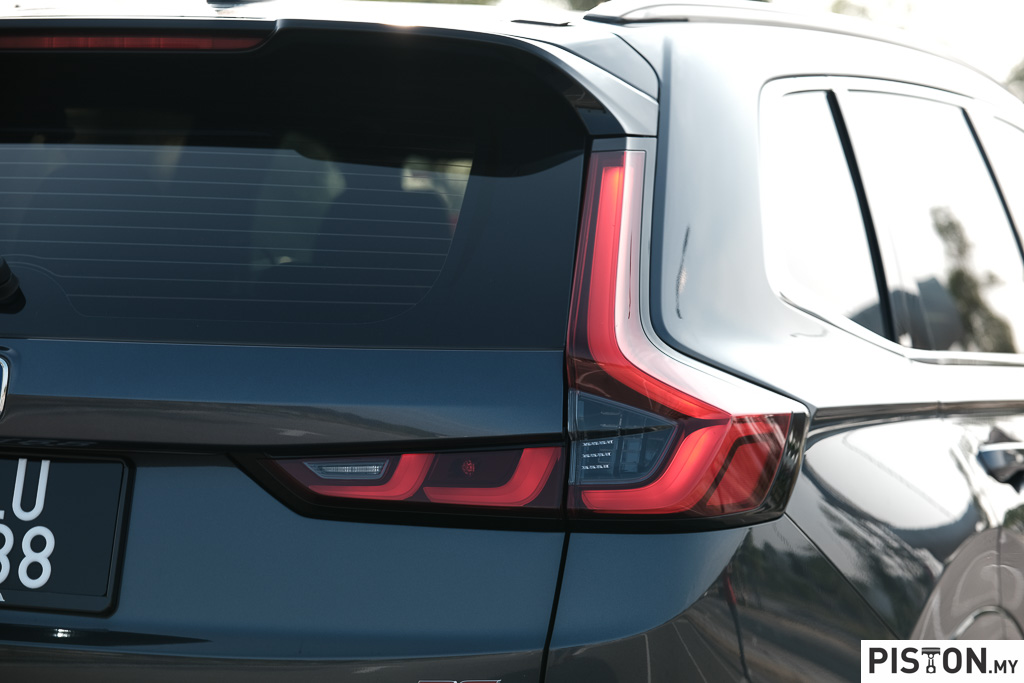
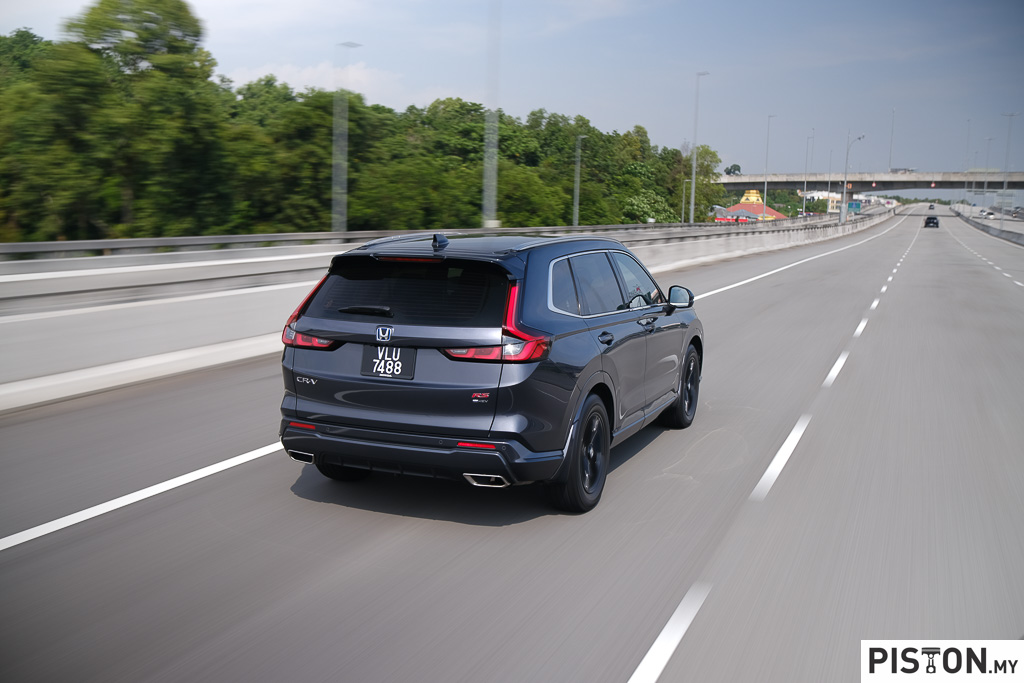
Over the years, the Honda CR-V has cemented itself as the darling of Malaysian car buyers looking for a spacious SUV.
Ever since it was first introduced back in 1997, the CR-V has found a place in close to half a million homes, or perhaps more.
It is not difficult to see why it is so popular either. The CR-V offers a pleasant combination of comfort, practicality and advanced features.
Over the years, the CR-V has found itself in the crosshairs of aggressive competitors. First it was competition from other Japanese marques, particularly the Toyota RAV4, Nissan X-Trail, Subaru Forester and the Suzuki Grand Vitara.
Then came the Koreans with the Hyundai Tucson and the Kia Sportage. Later the Americans joined the fight too with the Ford Escape and Chevrolet Captiva.
Of course, the competition has been relentless with more salvo’s from within Japan with Mazda introducing the CX-7, Mitsubishi and the Outlander / ASX and even the Europeans with the Volkswagen Tiguan and the Peugeot 3008.
Fast forward a couple of years though, and it is safe to say that the competition has never been more heated.
Now, we have fights on almost all fronts. Proton shook things up with the X70 and Chinese marques like Chery and the Tiggo 7 and the Haval H6 has meant that the CR-V is now a big fish in an ever-decreasing pond.
It is a good time to be a buyer though because you are spoilt for choice. So, in a world of choices, does the Honda CR-V still make a solid case for itself to convince you to part with your hard-earned money?
We think so, and here are five reasons why:
1. Efficiency.
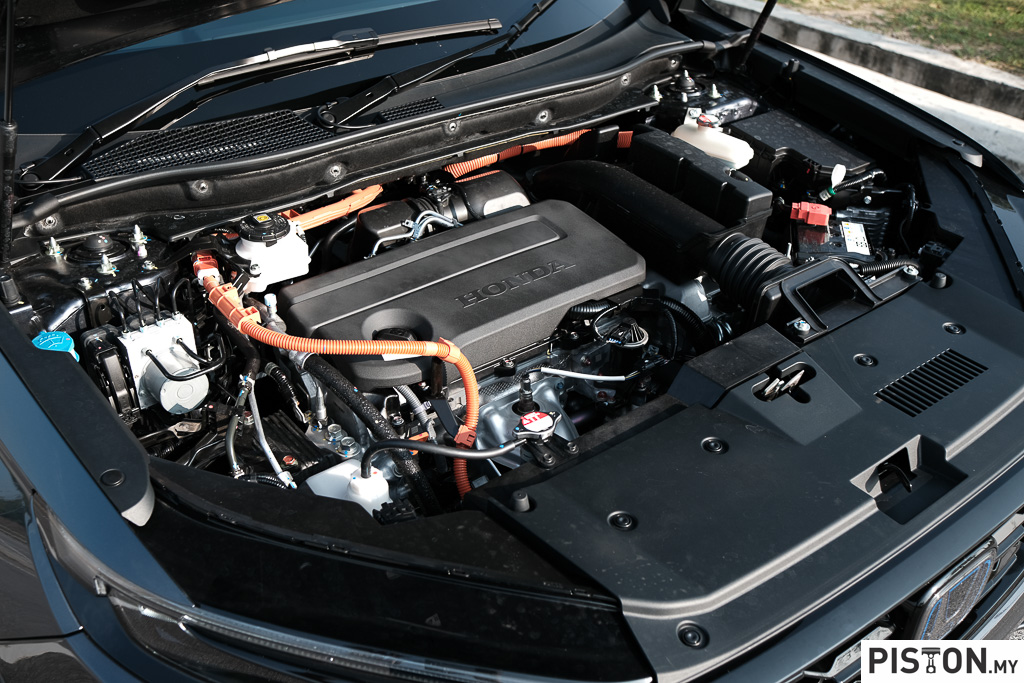
In the context of the flagship Honda CR-V RS e:HEV, efficiency is something that it excels at.
Honda Malaysia claims that the hybrid CR-V can travel 20km on just a litre of fuel. Now car makers have a tendency of overestimating the capabilities of their cars, so we put that claim to the test earlier this year and achieved a remarkable 19.8km per litre. That is pretty close and good enough for us.
So, in a time where everything seems to be getting more expensive and unpredictable, a car that is consistently efficient should be a relief.
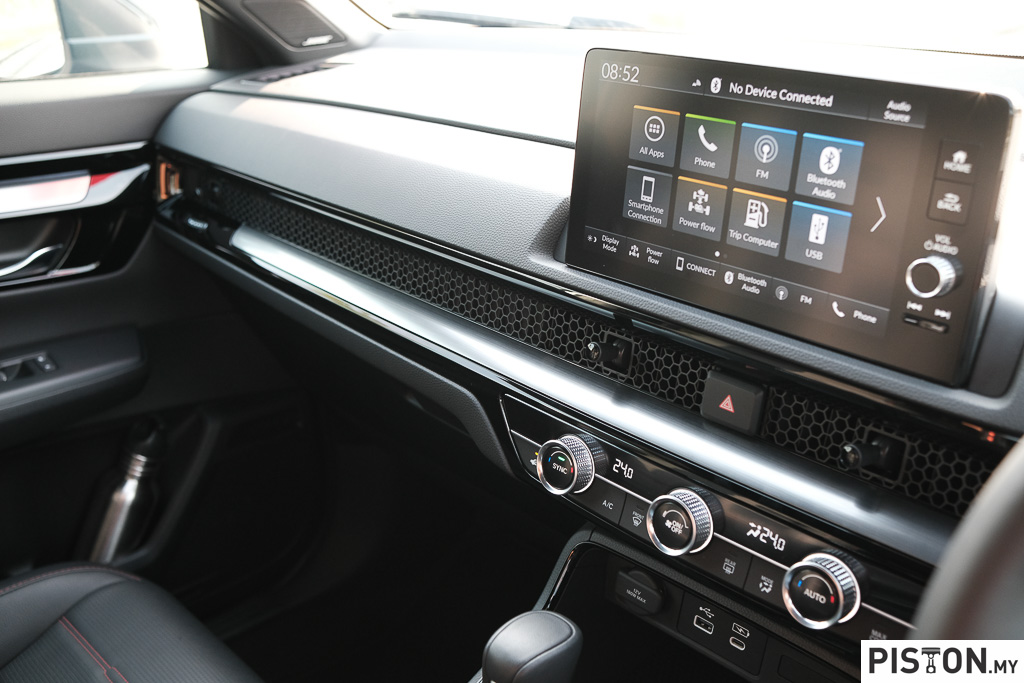
2. BOSE audio system.
A good audio system should never be underestimated. We spend a lot of time in our cars and one of the best things to do is to listen to your favourite music in absolute clarity.
A lot of car makers offer decent connectivity these days with Apple Carplay and Android Auto, but very few offer a good sound system.
We have tried out the BOSE sound system and it is simply remarkable. And let’s not forget that BOSE was once only available in more expensive cars, so the fact that Honda Malaysia is offering it in its flagship CR-V is commendable.
3. Refinement.
Another point never to be underestimated. Not sure about you, but we find it incredibly annoying when wind and tyre noise is noticeable inside the cabin. That is a deal breaker, and a lot of car models have been ticked off the list by buyers simply because their cabins were noisy when on the move.
Not the Honda CR-V RS e:HEV though. It offers a silent, refined interior which it achieves by using two key pieces of technology: wheel resonators and active noise cancellation.
Wheel resonators are small chambers in wheels with enclosed plastic or rubber materials. These are usually attached to the surface of the wheel to absorb sound and vibrations.
And the Active Noise Cancellation technology is a clever piece of technology which was first introduced in the headphones worn by pilots some years ago. This technology emits sound frequencies through the speakers that cancel out ambient sounds, making the cabin quieter.
And there is no better indication of a premium car than a cabin that remains quiet in all situations.
4. Driving dynamics.
How do you tell apart the “OG’s” from the newcomers? From the way they drive of course.
So, there might be a lot of newcomers to the SUV market, but there is one thing that almost all of them will struggle to match and that is the driving dynamics of Honda cars.
This may not be important to all car buyers, but after you have driven a car with a well-tuned ride and handling, it will be difficult to drive anything else.
Have you ever felt dead spots in a car’s steering? The part where you turn the steering wheel, but nothing happens? Annoying, isn’t it? You don’t get that in a Honda.
Honda cars are designed to respond to all your steering input and it is something that you must feel to believe. So, visit your closest Honda showroom to feel it for yourself.
5. Honda Sensing.
Safety, safety, safety. Every car maker talks about it and every car has it. Honda included.
But what is Honda Sensing you might ask? It is basically a suite of advanced safety systems designed to keep you and other road users safe. And the Honda CR-V RS e:HEV comes filled to the brim with safety systems.
It comes with such systems like Forward Collision Warning, Collision Mitigation Braking System, Lane Departure Warning and even Adaptive Cruise Control with Low-Speed Follow.
It has many other systems, but the hybrid variant is the only CR-V to come with Adaptive Driving Beam. This ensures you don’t accidentally blind oncoming cars by automatically moving the light beam away to illuminate other dark spots on the road. Clever, isn’t it? Thought so too.
Never a better time to buy a Honda CR-V.
It’s true. Among the many competitors, the Honda CR-V has made a name for itself as a purveyor of space, comfort and practicality.
And Honda Malaysia has further sweetened the deal with its Mid-Year Bonanza rebates. This is where you will get to enjoy total combined rewards of up to RM13,000* (RM10,000* in cash and RM3,000* service voucher and valid until 31st of July 2025).
So, if a big SUV at under RM200,000 is what you want, the Honda CRV e:HEV RS is the one you want.