Piston.my

Global News

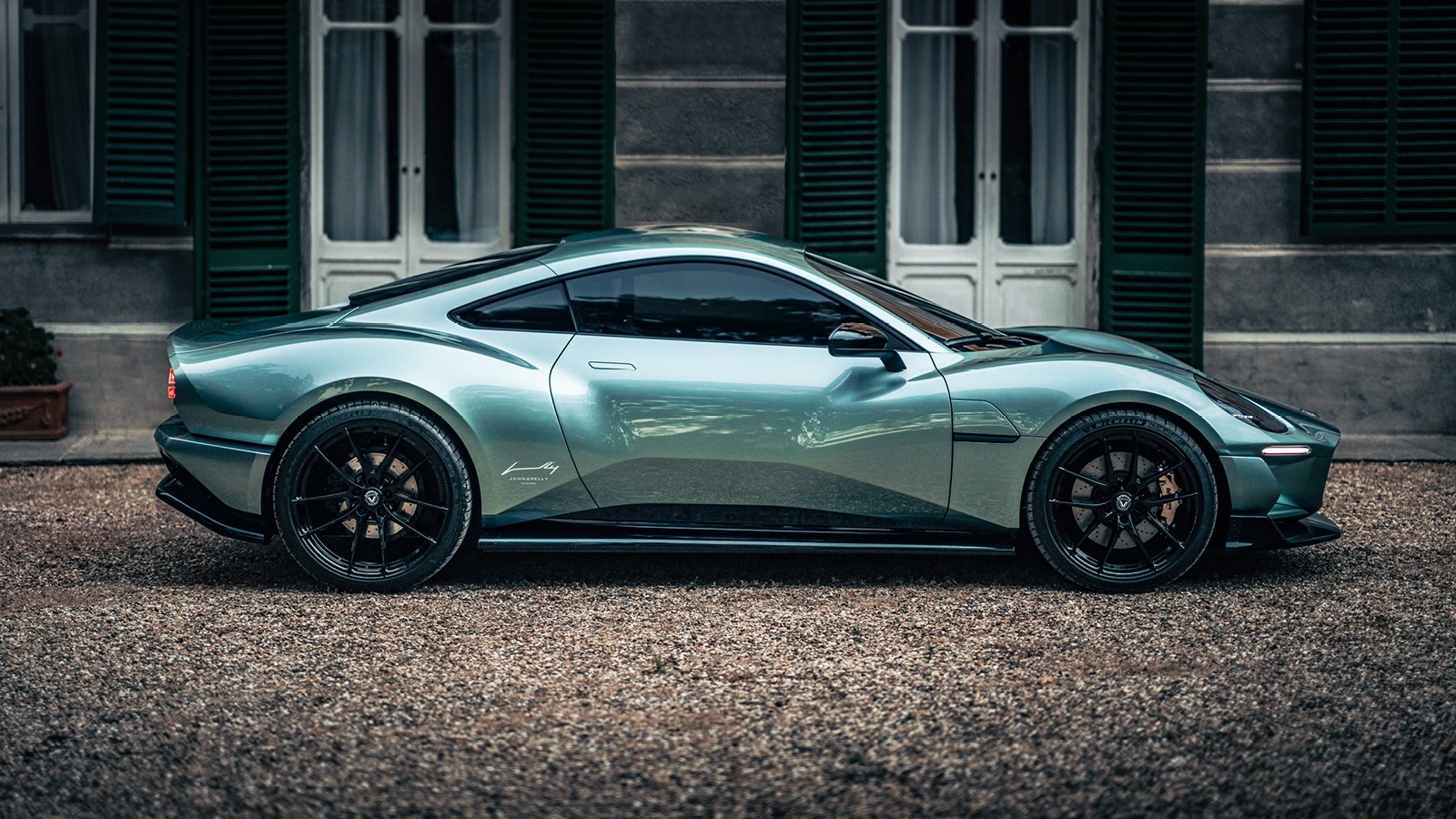
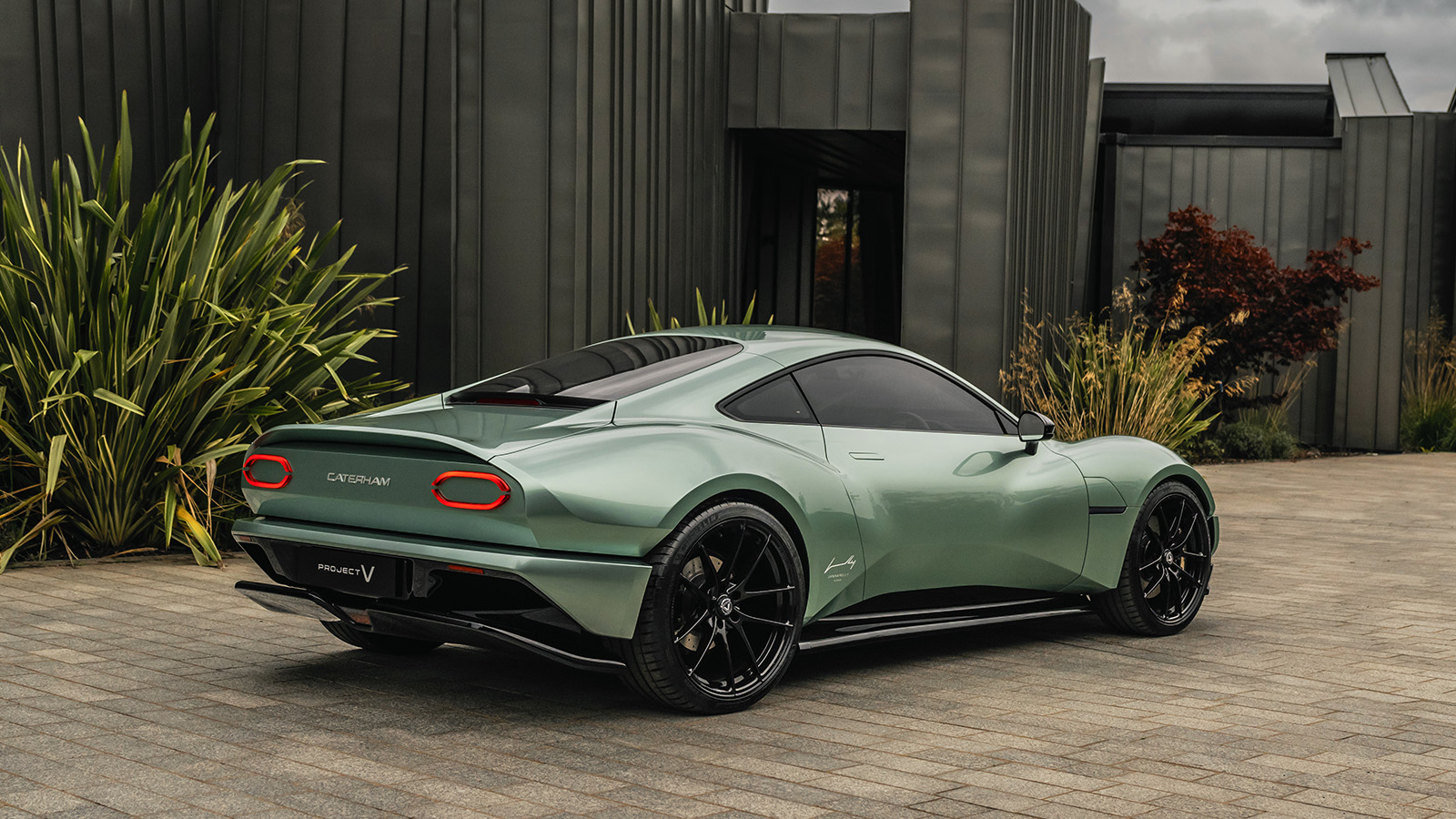
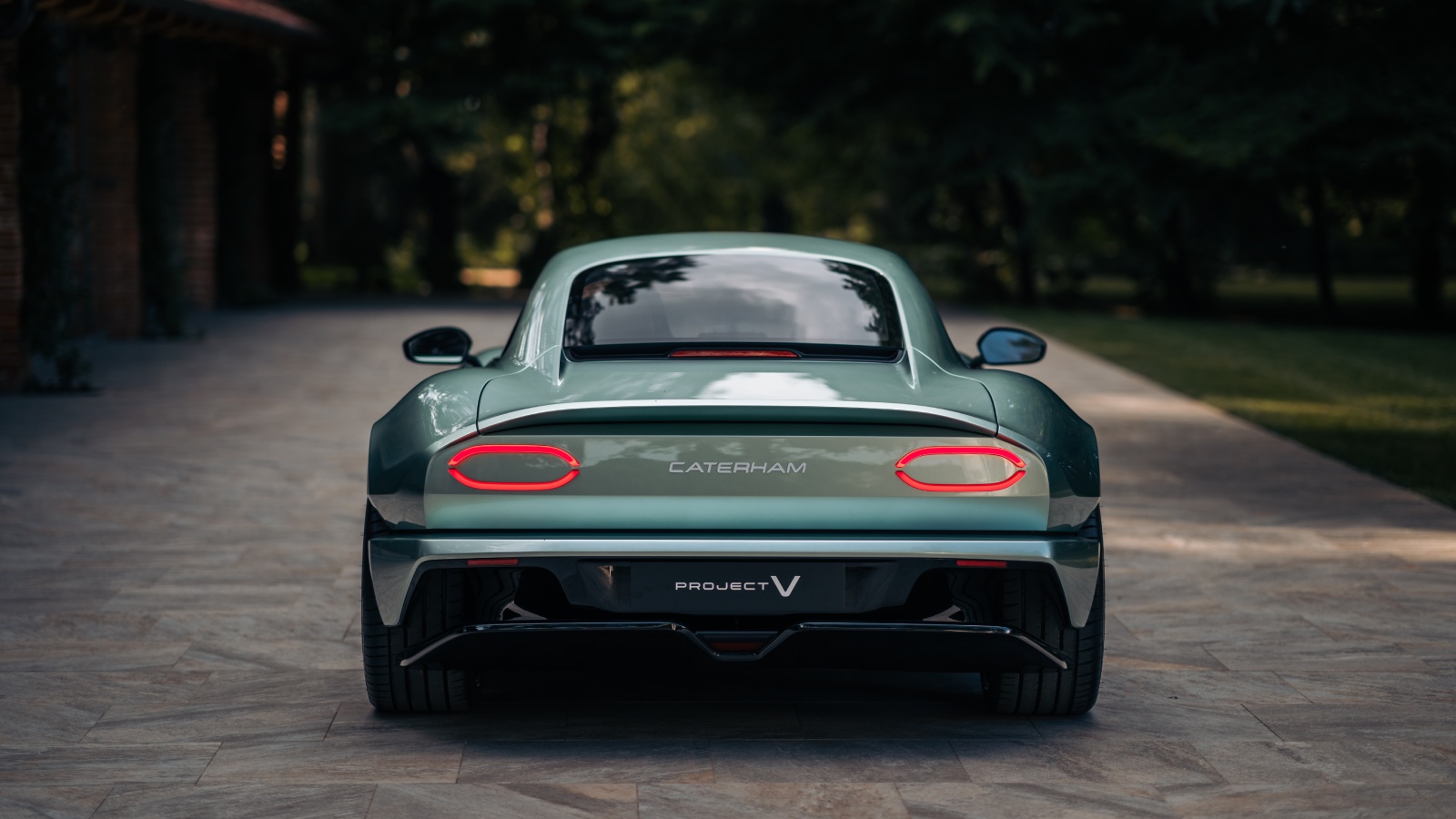
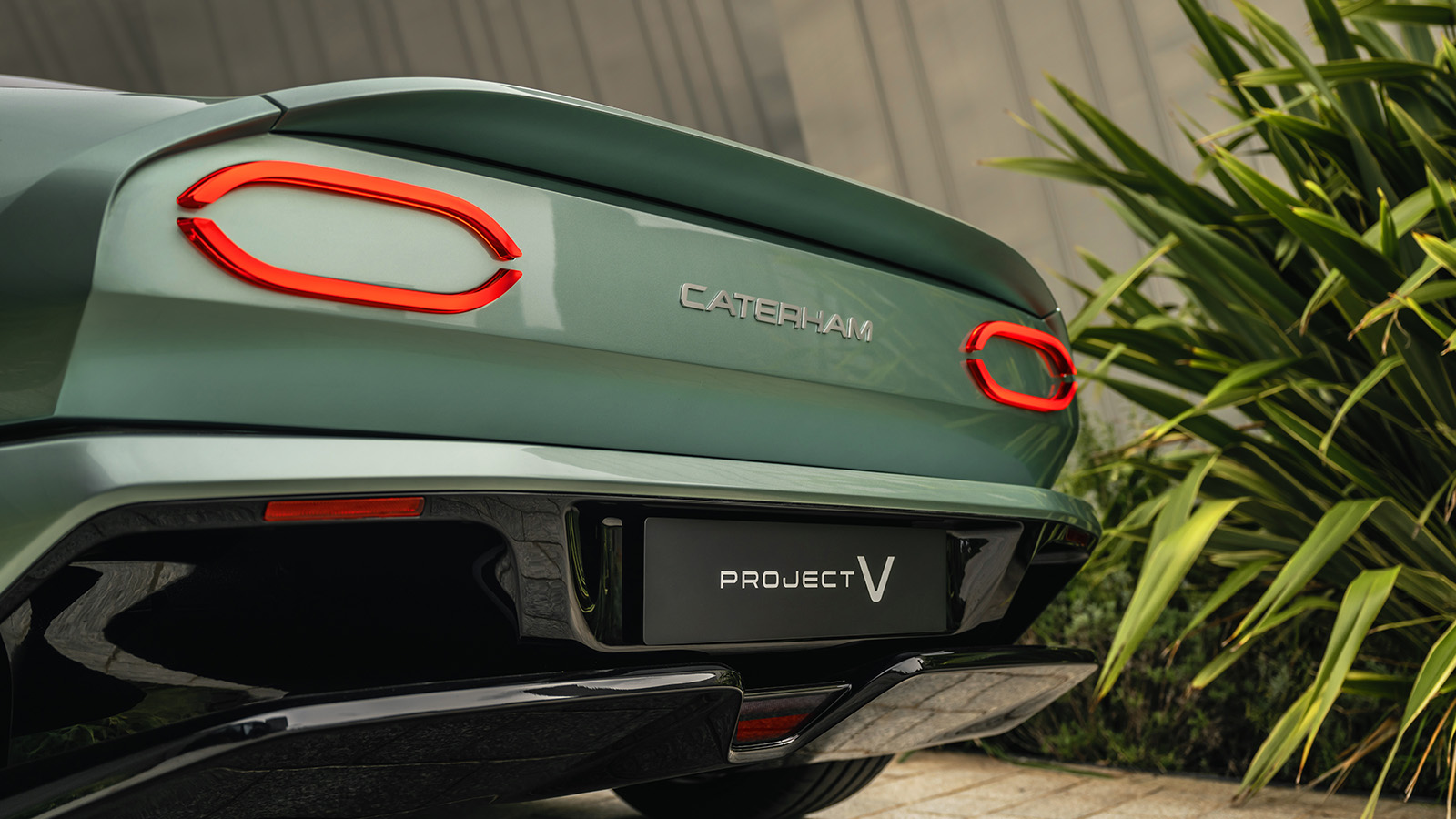
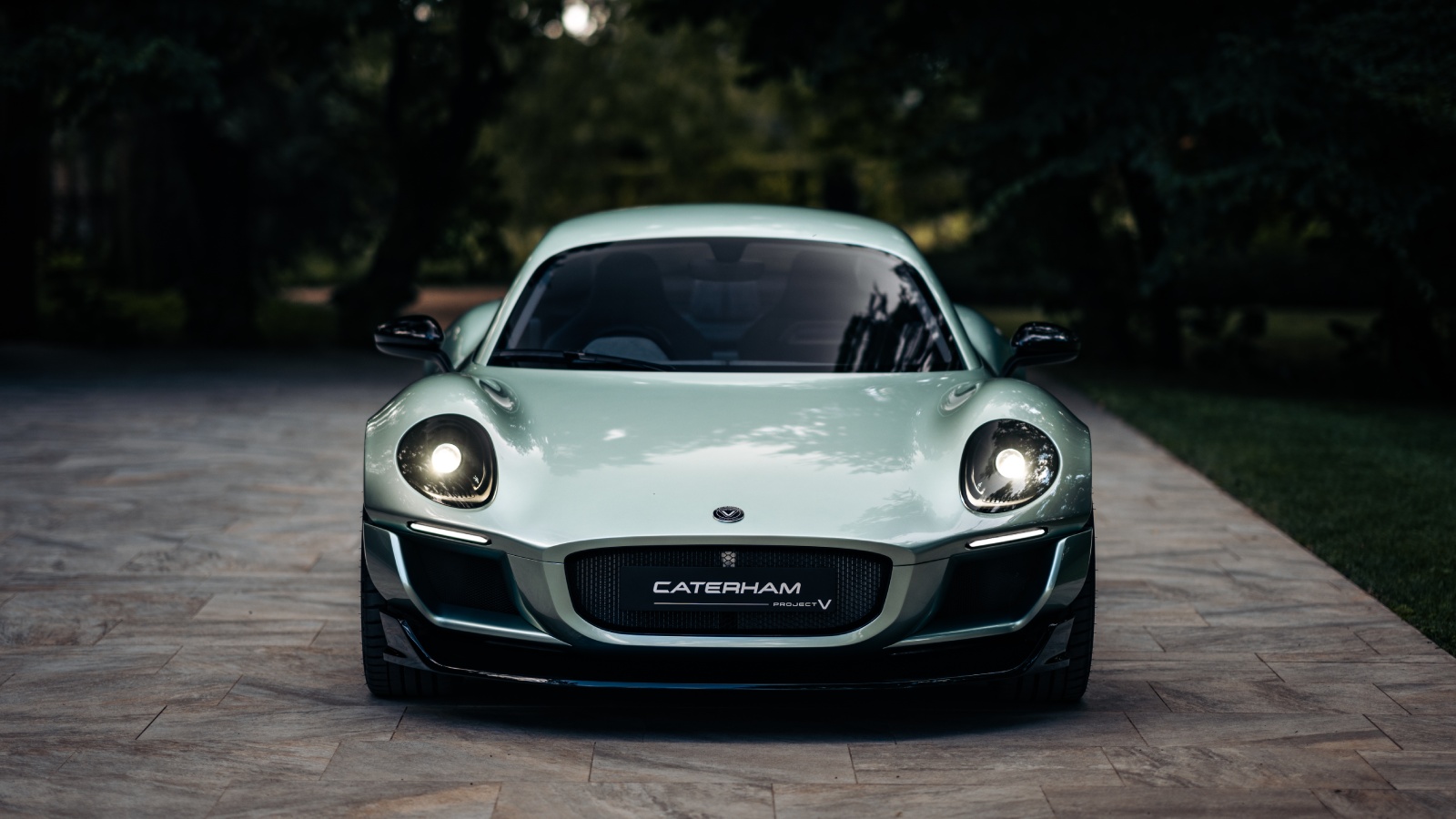
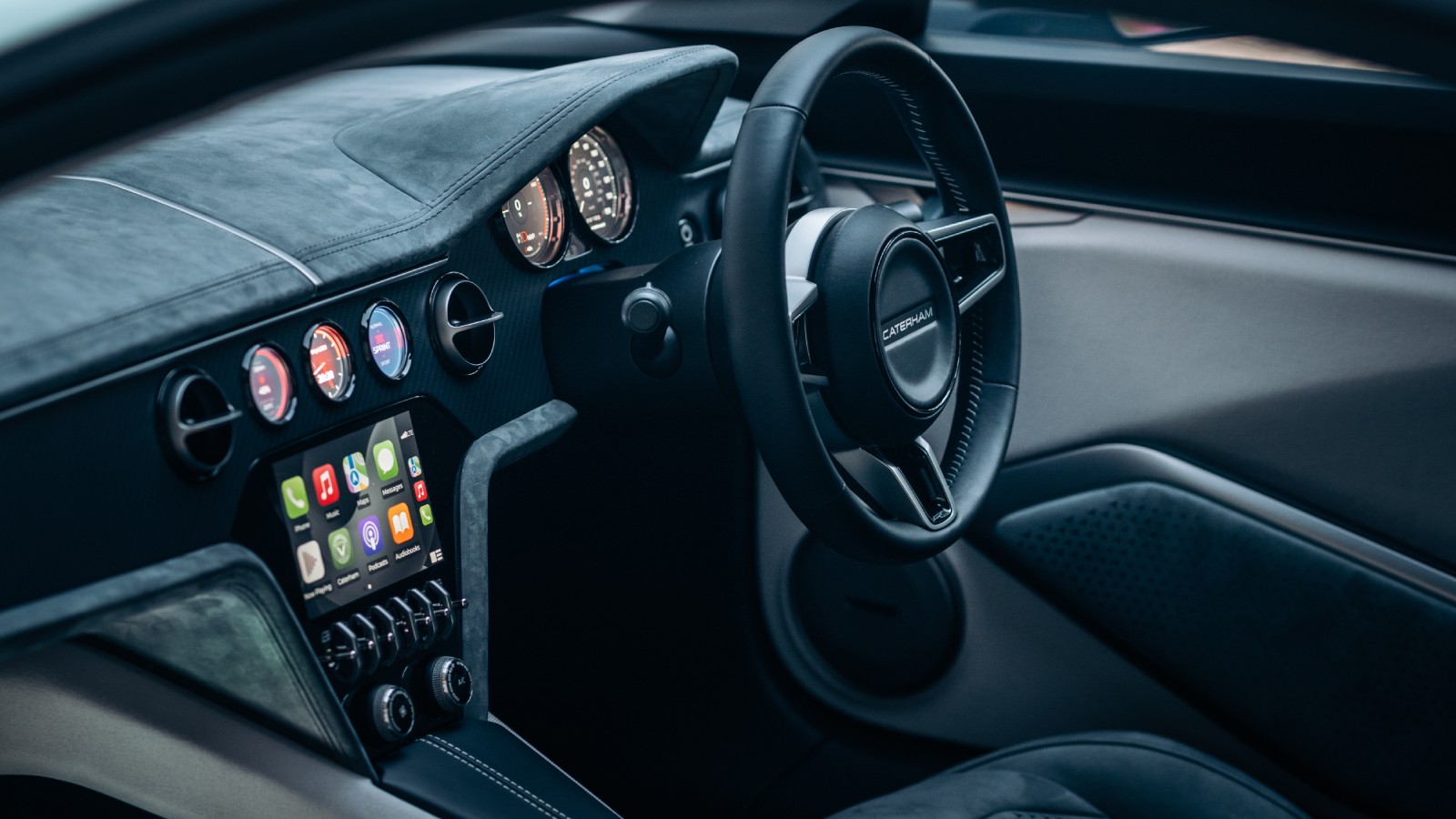
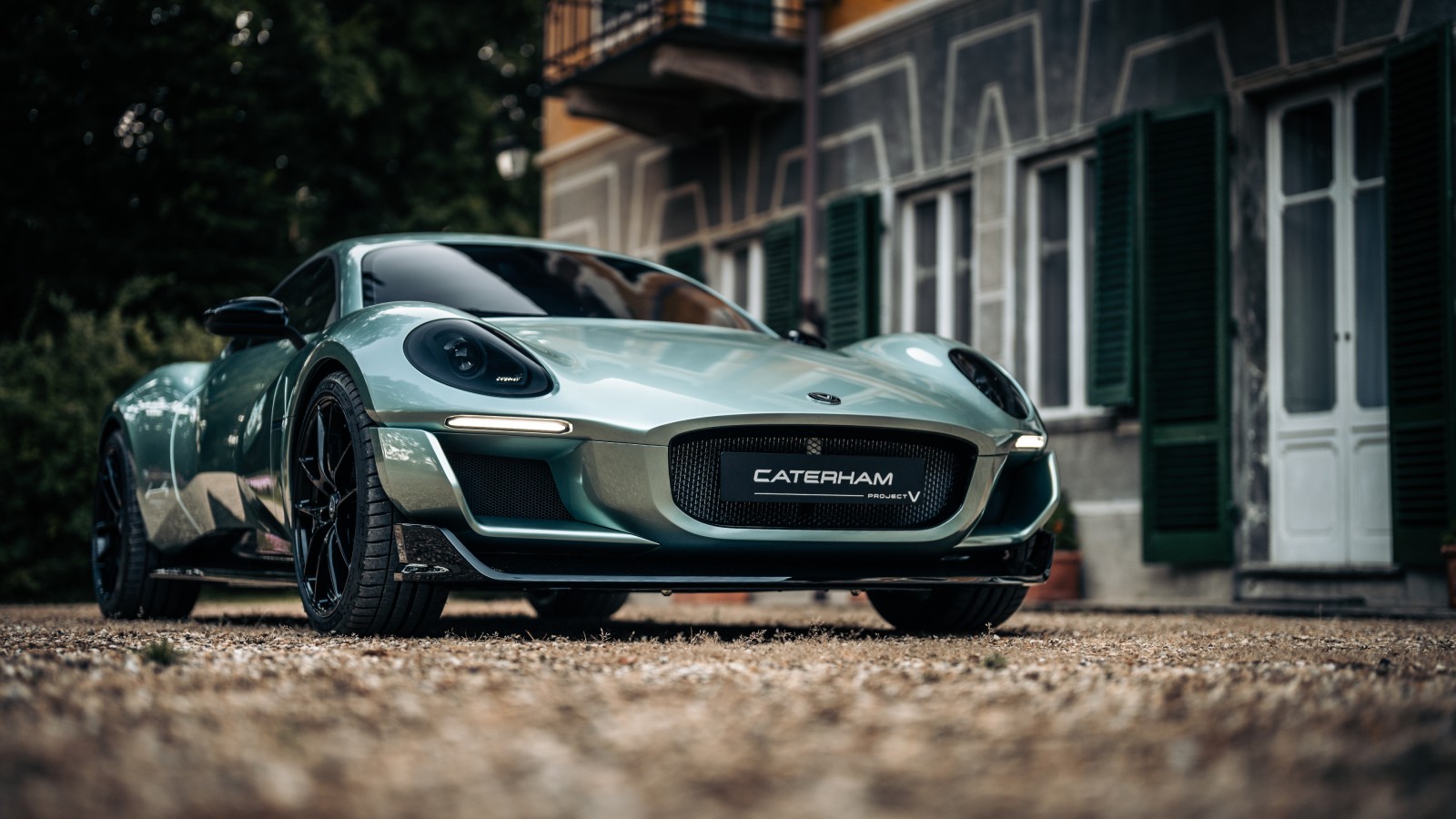
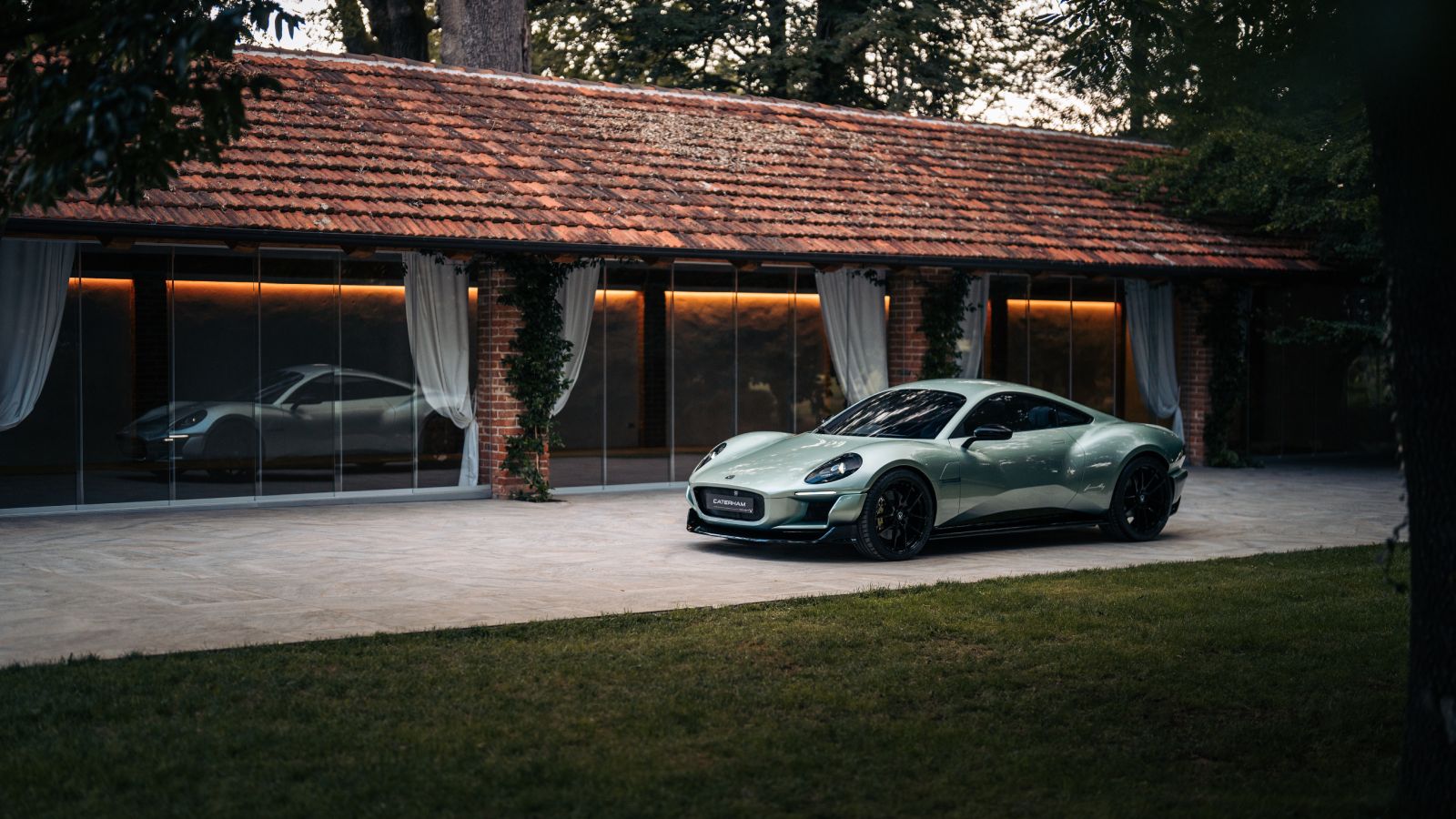
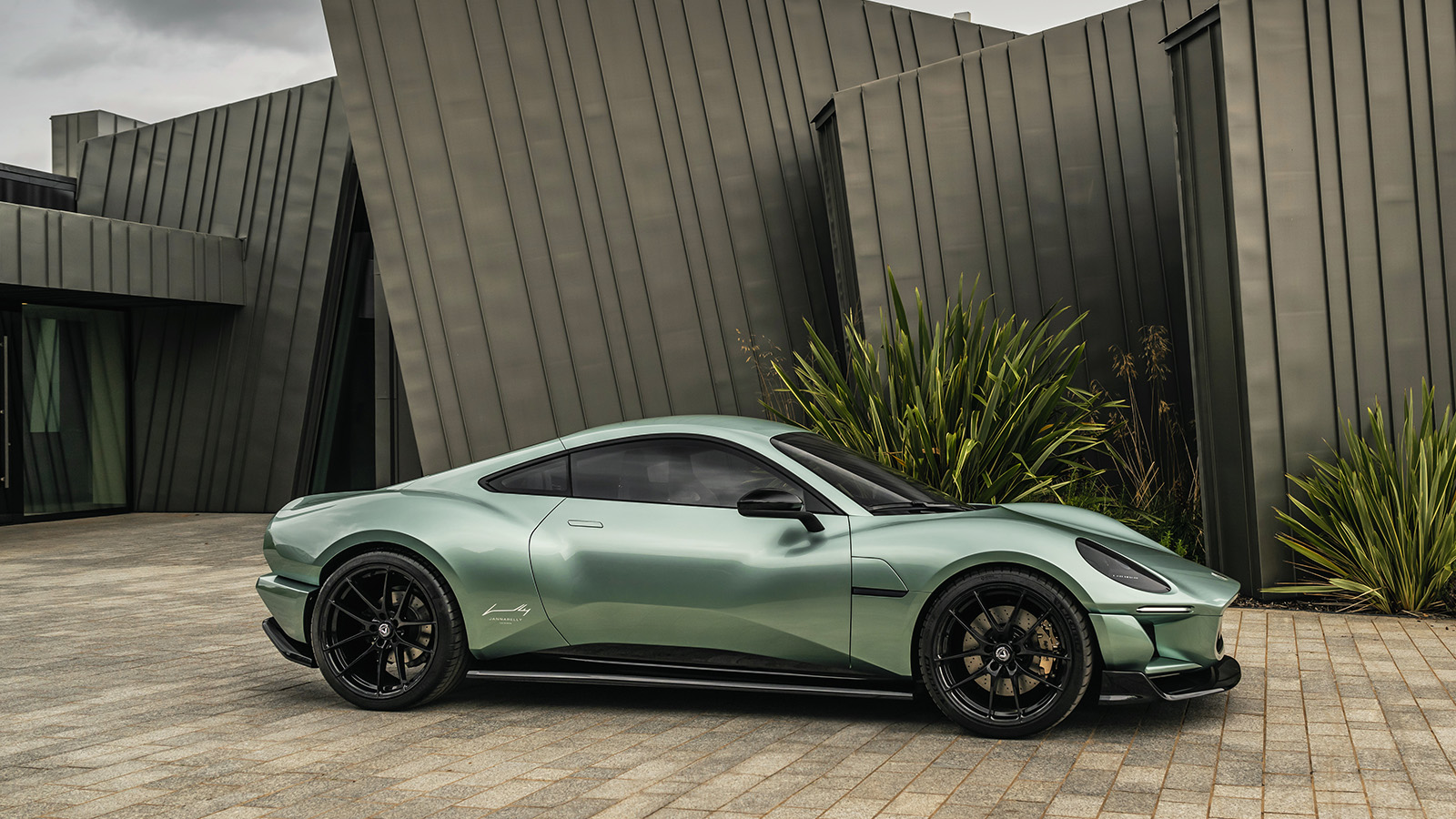
Caterham has confirmed that it will unveil the first working prototype of Project V at the upcoming Tokyo Auto Salon on the 9th of January 2026.

The Project V, built in partnership with Italdesign, was initially announced back in September 2022, and has since undergone multiple updates.

The most significant announcement came in October of 2024 when Caterham announced Yamaha as a development partner, providing e-axel technology which will be built by Tokyo R&D.

Now the company will move on to evaluating Yamaha’s rear-mounted electric motor, as well as the performance of the battery, safety and the durability of the car’s chassis.

Caterham CEO Kazuho Takahashi said this next step will enable the company to complete a comprehensive vehicle testing programme.

Takahasi is also the president and founder of Japanese firm VT Holdings, which acquired Caterham in 2021.

The Project V was first shown to the media and public at the 2023 Goodwood Festival of Speed and back then the company said it will be launched in 2026.

But with a price tag of about £80,000 (about RM441,000 before taxes), an output of 268hp and a range of 400km, it remains to be seen how the company will be received by the market. Particularly now since the market for electric performance cars has slowed down.

As for performance, the Project V will accelerate to 100kmh in under 4.5 seconds and top out at 230km/h.

One of the biggest news in the automotive industry in the past week comes out of Russia, and it should be a source of concern for everyone that has bought or plans to buy a new car.

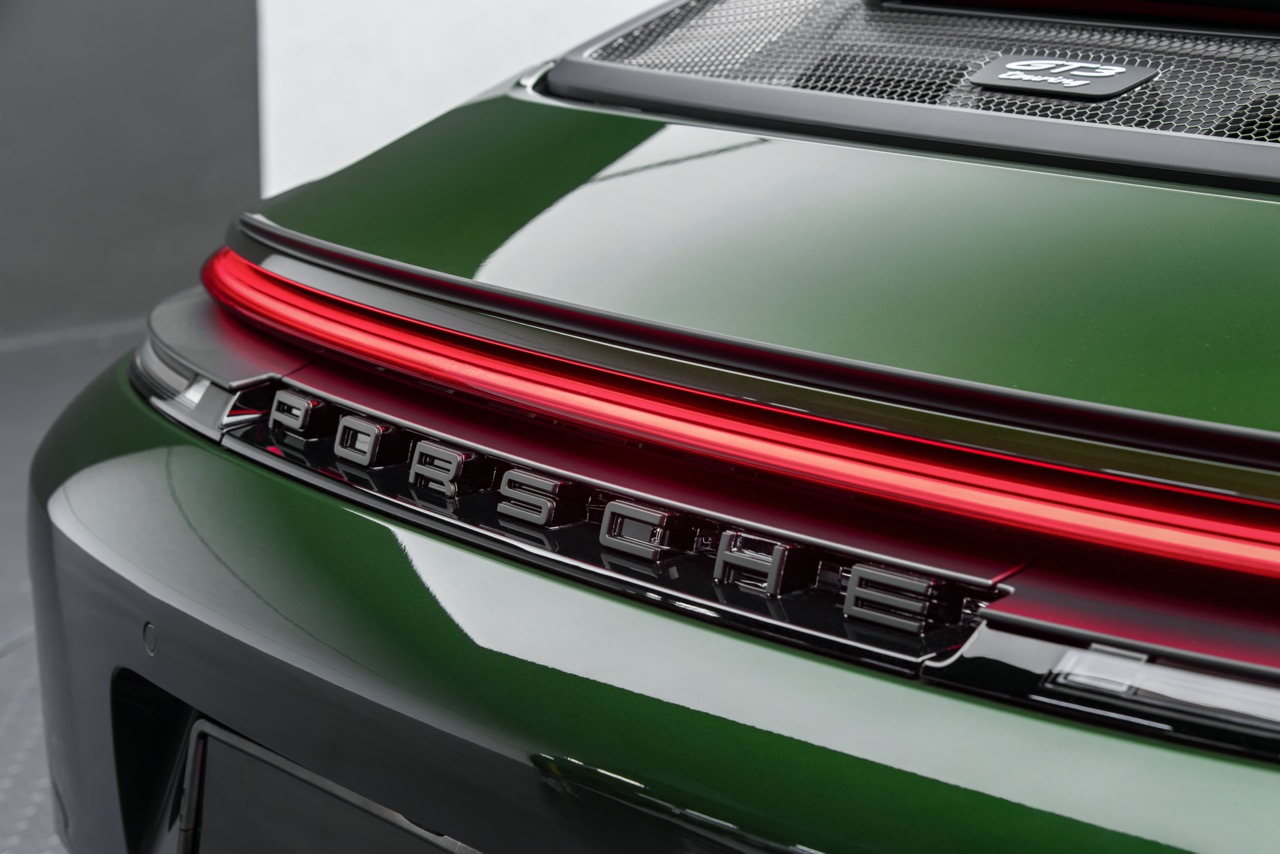
Hundreds of Porsche owners in Russia reported issues with their cars which included not being able to start the engine, or shutting down after ignition or simply not being able to unlock their cars.

Porsche models dating back as far back as 2013 were apparently affected by this supposed attack.

According to international automotive media outlets, owners awoke on December 1st to find that their Porsches were “mysteriously inoperable”.

Media outlets like The Moscow Times were quoted as suggesting that “it is possible this was done deliberately”, though the publication also noted that there was no evidence in support of the theory.

Russian importer Porsche Rusland LLC was also quoted confirming the existence of the problem yet Porsche’s headquarters in Germany has yet to issue a statement at the time of writing.

Yulia Trushkova, Service Director at Rolf (a popular Russian automotive dealership), confirmed that Porsches built post-2013 were affected, “likely due to a coordinated attack on the onboard immobiliser system”.

Such systems are integral parts of a vehicle’s security system and prevents unauthorised operation or theft of a car.
According to cyber security news outlets, Trushkova also speculated that the so called cyber-attacks may be the result of geopolitical tensions, possibly the work of external state-sponsored hackers using advanced cyber capabilities to target Russian consumers and the automotive industry.

So why should this be a cause of concern for you and me?

Because all new cars come with such anti-theft systems installed and if someone wanted to, a new car can easily be remotely accessed as well.

Cybersecurity experts have warned that hackers are now targeting critical infrastructure in more creative ways. And by hacking and disabling a vehicle’s immobilising system, hackers can cause severe transportation disruptions.

Merely disabling a car is only the tip of the iceberg, some cars particularly those with autonomous driving capability can also be remotely piloted as well. An eerie resemblance to the 2023 movie Leave the World Behind where hundreds of Teslas were remotely operated and driven into a massive pile-up on a highway.

As for the Porsche problem in Russia, parent group Volkswagen is said to be tracing the root cause of it though I found no official statement from the group on the official news site.

It is also important to keep in mind that Volkswagen halted all business with Russia in 2022 following the Ukrainian invasion, though it has faced difficulty selling some subsidiaries there since.

Volkswagen was also hit by a data breach in 2021 where the database of three million customers were stolen and then again in 2024 where Volkswagen claimed its IT systems were unaffected, though the ransomware gang behind the attack say they made off with troves of sensitive data.

So our data is more important than ever, and it is not just banking data but now also our automotive data.


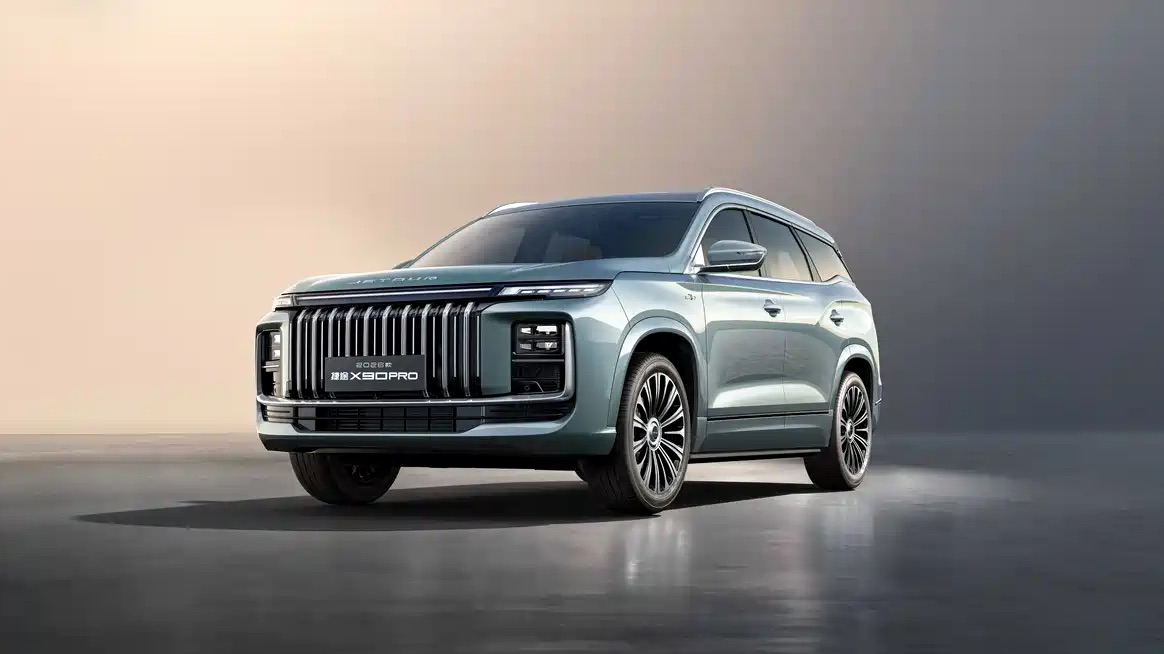
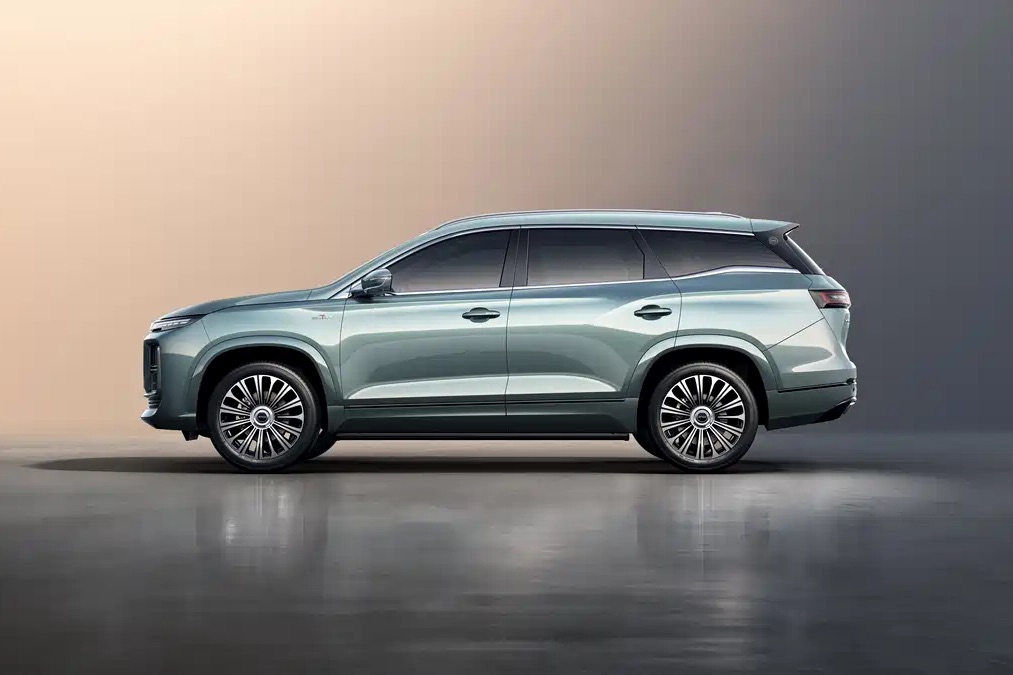
Jetour has introduced the 2026 X90 Pro to the Chinese market, adding a fresh contender to its growing family of SUVs. Five variants are on offer, with prices starting at 135,900 yuan (around RM79,226) and topping out at 167,900 yuan (around RM97,881), placing it firmly in the competitive mid-size segment.

The latest X90 Pro carries Jetour’s updated styling direction, dominated by a bold, upright front grille filled with vertical chrome bars that give the SUV a more assertive presence. The body stretches 4,858 mm from nose to tail, stands 1,780 mm tall and measures 1,925 mm across, while its 2,850 mm wheelbase puts it slightly ahead of the Jetour Dashing in size.

The cabin is configured as standard in a 2+2+2 layout, though five- and seven-seat options remain available for buyers who need either extra cargo room or maximum family capacity. In the five-seat and seven-seat arrangements, the luggage area can be expanded to a substantial 1,634 litres, which should please anyone who regularly hauls bulkier items.

(more…)

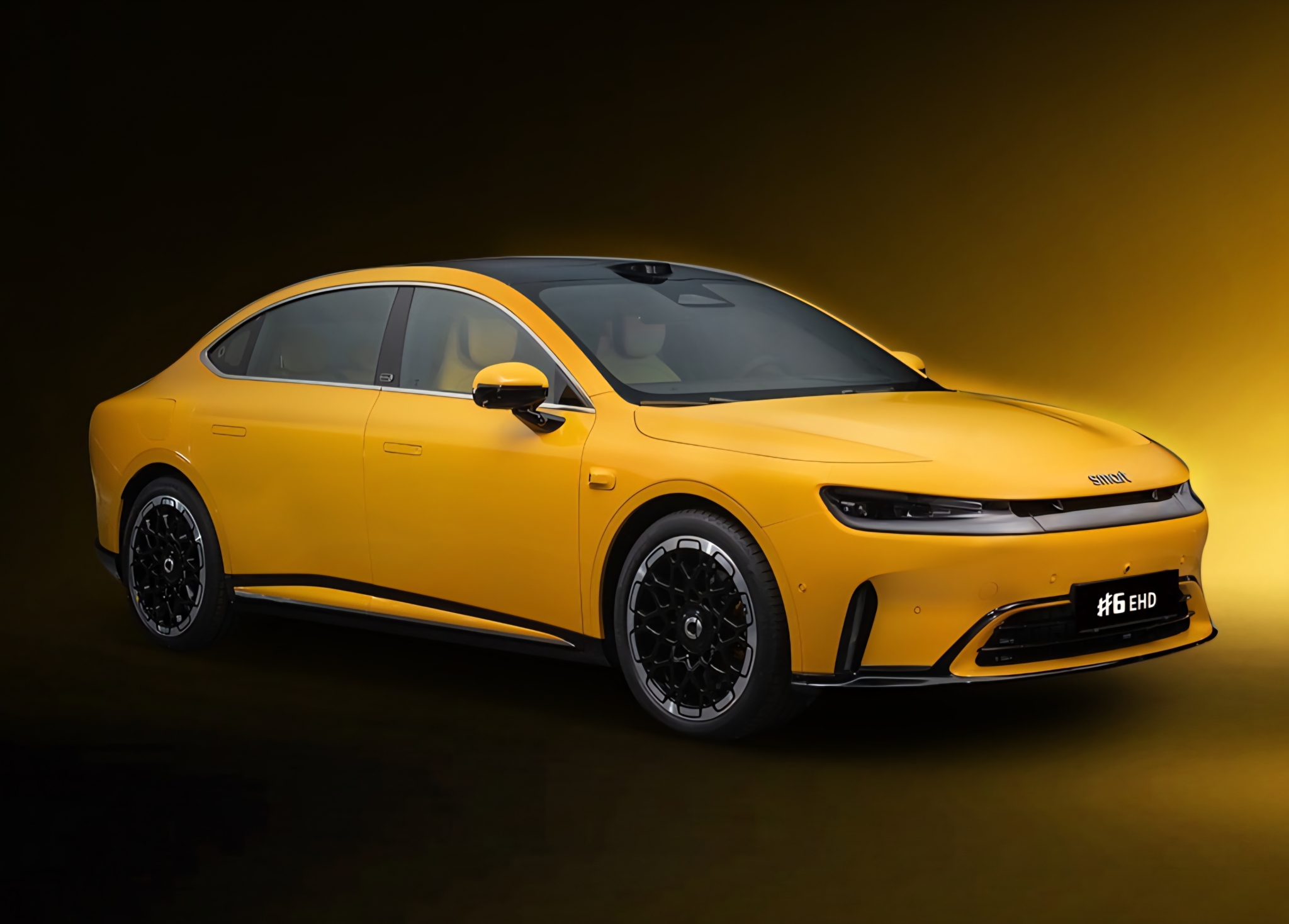
Smart has offered a clearer look at its upcoming #6 EHD, releasing a fresh batch of official images and confirming several major specifications following the model’s earlier appearance in documents from China’s Ministry of Industry and Information Technology. The new material sets the tone for what is shaping up to be the brand’s most ambitious model yet, particularly with its claimed 1,810 km CLTC range, a 285 km electric-only figure and a system output of 429 hp.

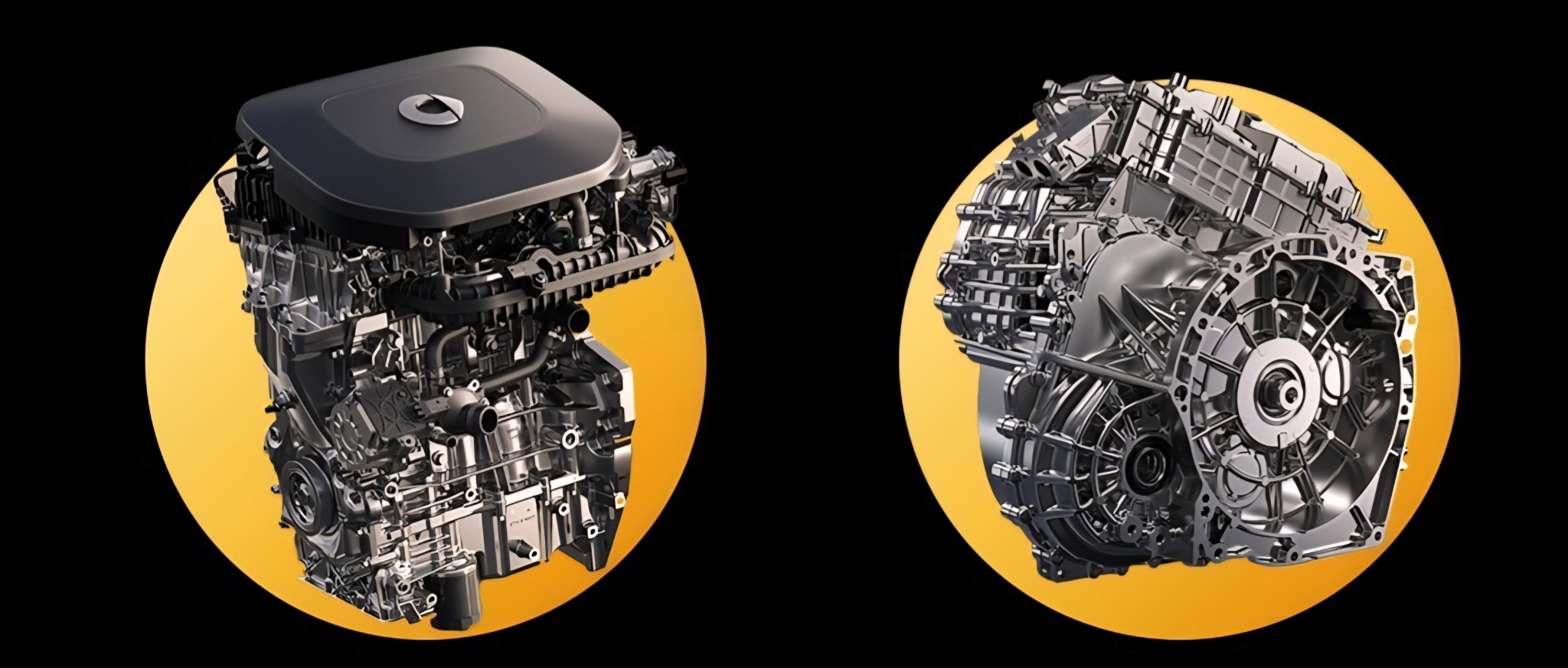
The #6 EHD’s plug-in hybrid setup is built around Geely’s NordThor Hybrid 2.0 technology, a configuration that pairs a 161hp 1.5-litre turbo engine with an electric motor. Power is channelled through a 3-speed DHT, forming a combined output of 429hp. Battery details remain under wraps, though Smart confirmed the use of lithium iron phosphate cells supplied by either SVOLT or CATL. Fuel consumption is said to dip as low as 3.9 litres per 100 km, underscoring the emphasis on efficiency.

Smart has already laid the groundwork for expectations with the previously introduced #5 EHD, which uses a similar formula: a 161hp 1.5T engine paired with a 268hp electric motor for the same 429hp total output and a 3-speed DHT. The #6 EHD, however, is set to surpass it in size and positioning.

(more…)

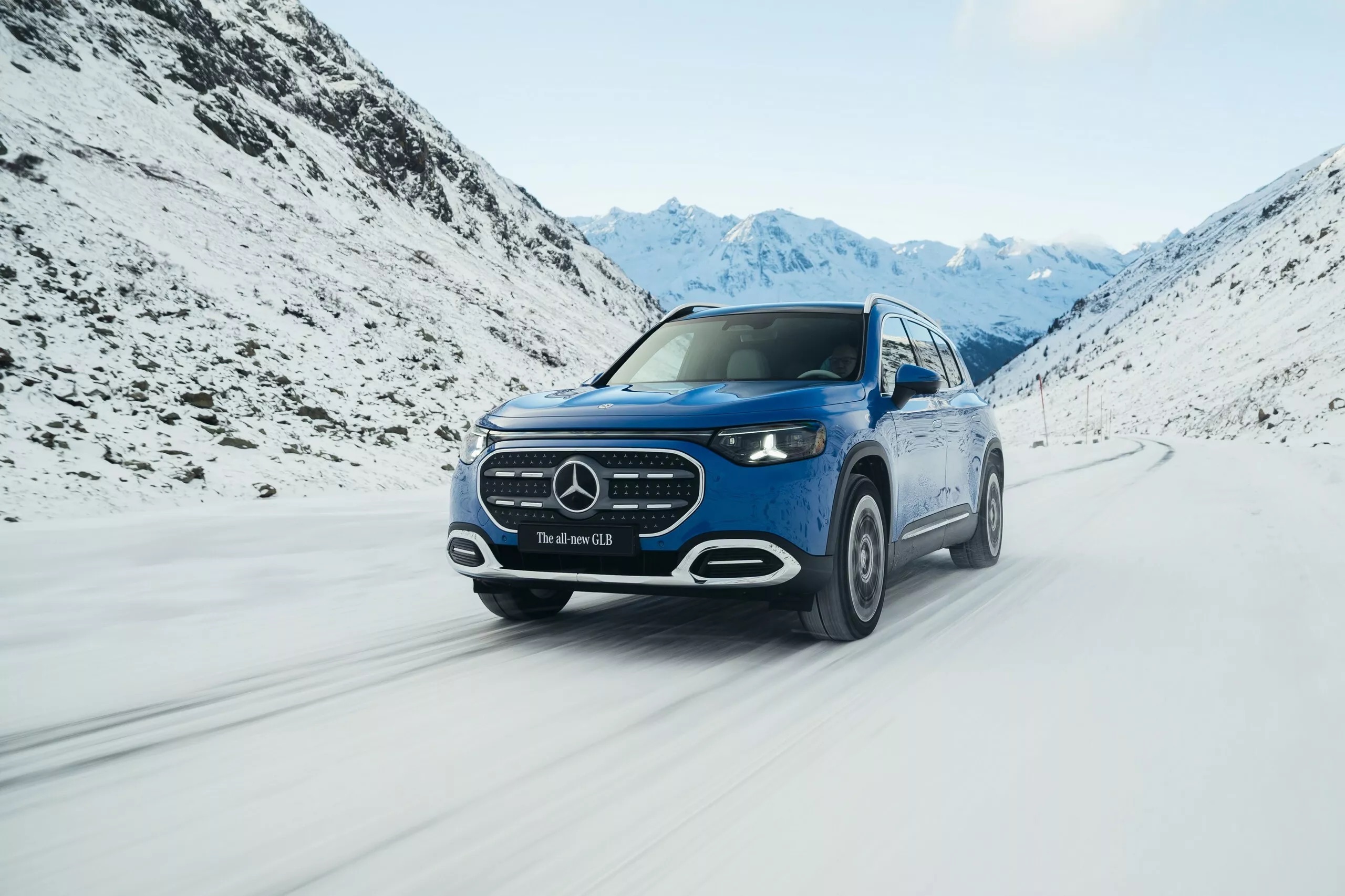
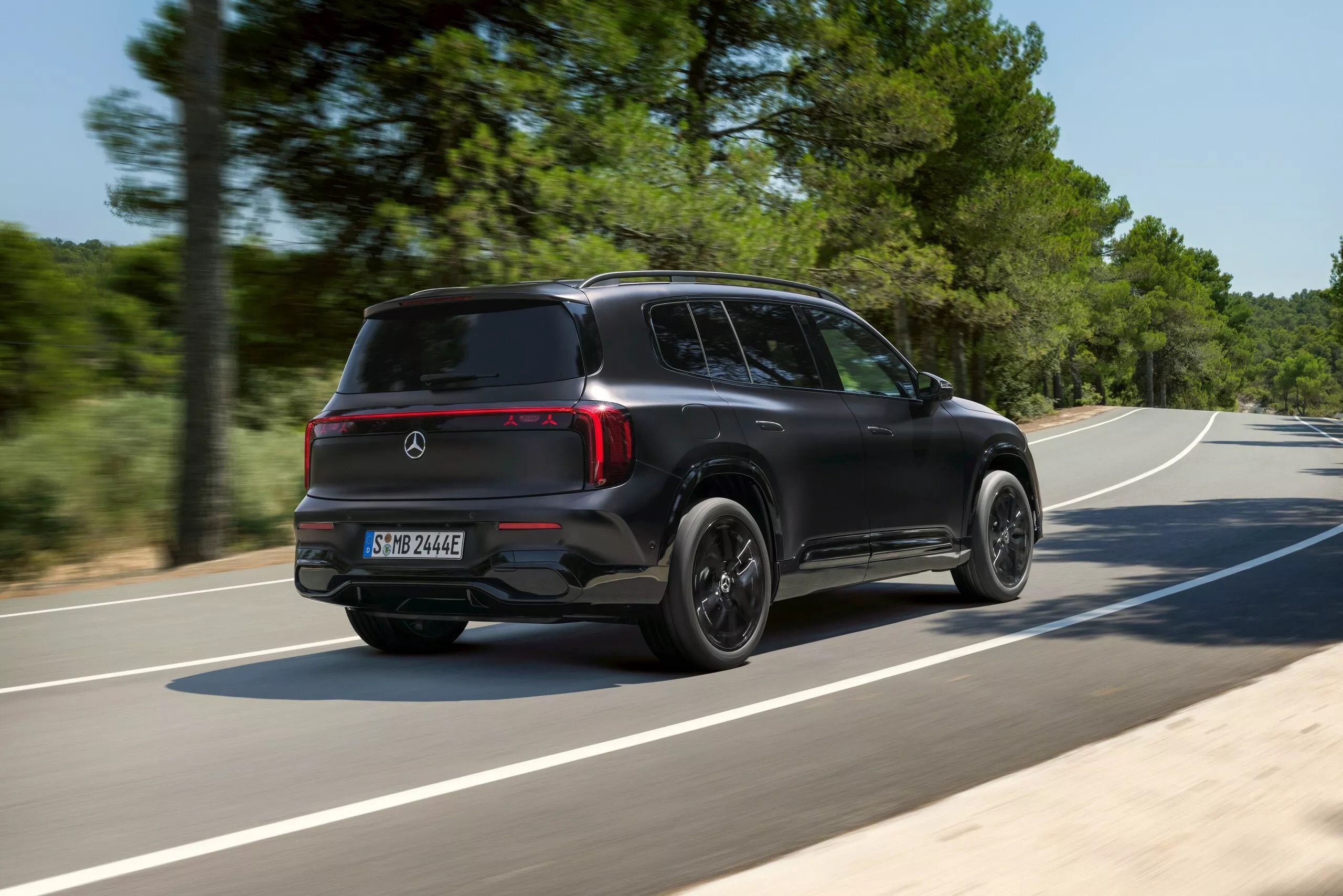
Mercedes-Benz has pulled the covers off the next-generation GLB, and while its familiar upright silhouette remains, almost everything else has been thoroughly reworked. The SUV enters its new chapter as a fully electric model, stepping in as a successor to the EQB despite wearing a different badge. Hybrid versions will come later, but the initial rollout focuses solely on battery power, available in both five- and seven-seat layouts.

The new GLB arrives with two variants at launch. The first is the GLB 250+ with EQ Technology, fitted with an 85 kWh lithium-ion battery and built around an 800-volt electrical system. Power is supplied by a single rear-mounted motor producing 268 hp and 335 Nm of continuous torque, with a short-lived boost function that temporarily increases output to 454 Nm. It manages the 0–100 km/h sprint in 7.4 seconds and offers a travel range of 630 km on a full charge, which places it right at the top of the segment for efficiency and usable distance.

Above it sits the more powerful GLB 350 4Matic with EQ Technology. This version adds a second motor at the front axle for all-wheel drive, raising total output to 349 hp and 515 Nm. Despite the bump in performance, its range dips only slightly to 615 km. The extra power drops the 0–100 km/h time to 5.5 seconds, giving the 4Matic variant some surprisingly lively acceleration for a family SUV.

(more…)

Chery is preparing to expand its Tiggo 5 family with a brand-new model called the Tiggo 5 Pro, a compact SUV that takes a different design direction from the current Tiggo 5x sold in China. While the Tiggo 5 series has so far consisted of the two Tiggo 5x variants, the Pro arrives with a noticeably larger footprint and a fresh look, even though it remains a petrol-powered model.

The Tiggo 5 Pro stretches to 4540 mm in length and 1835 mm in width, making it longer and slightly wider than both existing Tiggo 5x versions, which measure either 4400 mm or 4358 mm long, with both sharing the same 1830 mm width. All three models, however, sit on an identical 2630 mm wheelbase. Its height matches one of the current Tiggo 5x versions at 1588 mm, giving it a similar stance despite its extended body.

What sets the Tiggo 5 Pro apart visually is its new design language, which Chery has reserved for this model. Most striking is the closed-off front end — an unusual choice for a petrol-powered SUV — paired with sharp surface lines and slim headlights. The designers have added a narrow rectangular grille in the middle and a polygonal lower grille that gives the car a layered, more expressive front profile. It’s a cleaner, more modern interpretation that moves away from the busier styling cues often seen on entry-level SUVs.

(more…)

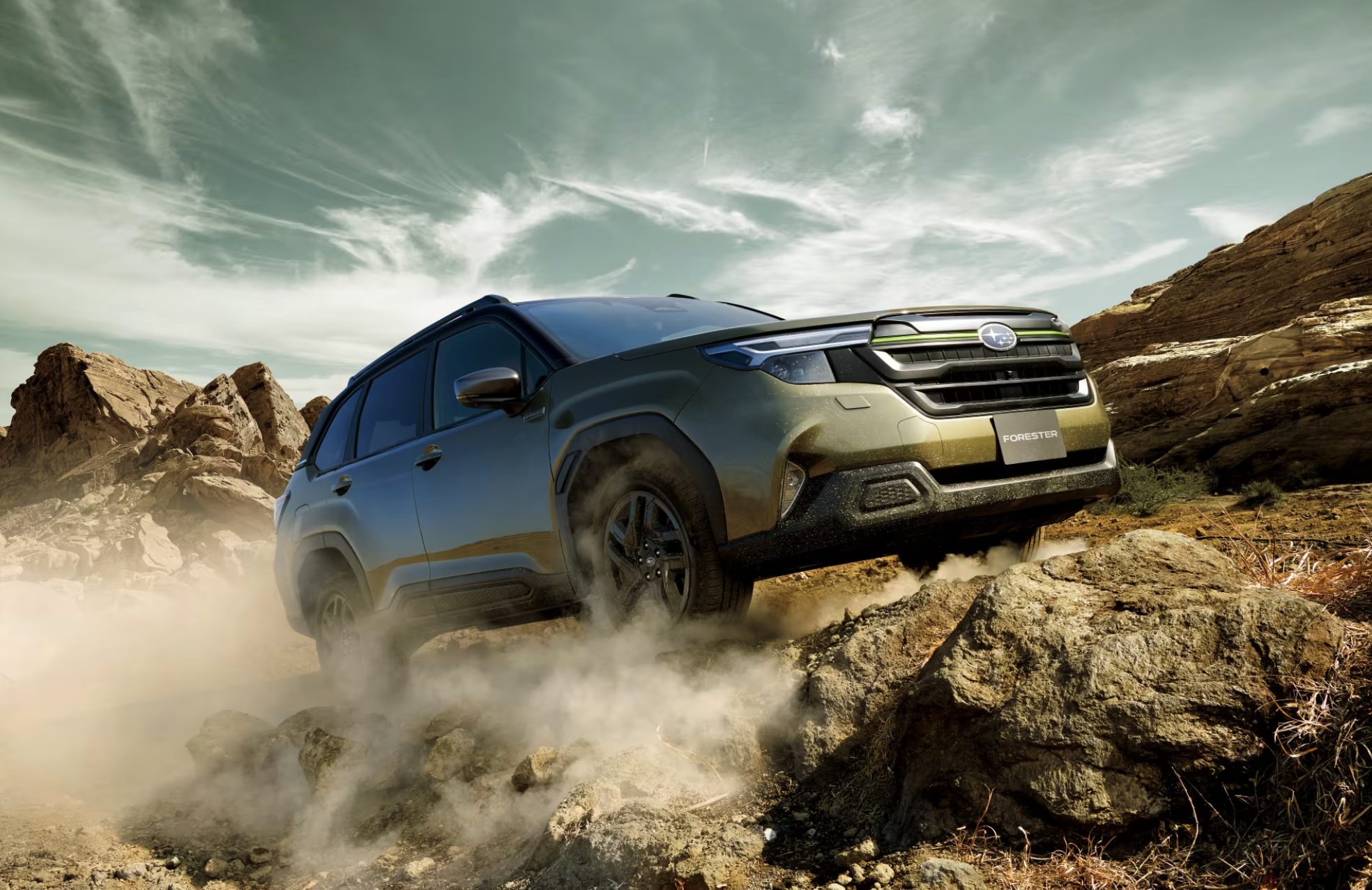
The Japan Car of the Year (JCOTY) award has been presented annually since 1980, beginning with the Mazda Familia—better known to some as the Mazda GLC. Over the decades, Toyota and Honda have dominated the awards, securing 15 and 14 wins each. Subaru, meanwhile, has only occasionally taken the top spot, but when it does, it tends to make an impression.

Subaru’s first JCOTY win came in 2003 with the fourth-generation Legacy, a model that bids farewell this year. The second title arrived in 2016 with the fifth-generation Impreza, followed in 2020 by the second-generation Levorg (sold in some markets as the WRX Wagon). The brand can now add a fourth win to its record.

The Forester Hybrid—marketed in Japan as the Forester e-Boxer—has been named the 2024 Japan Car of the Year. The award recognises the crossover’s balance of performance, everyday usability, efficiency, and safety. In Japan, the Forester e-Boxer is also competitively priced, ranging from ¥4,202,000 to ¥4,598,000 (around RM131,000 and RM144,000).

(more…)

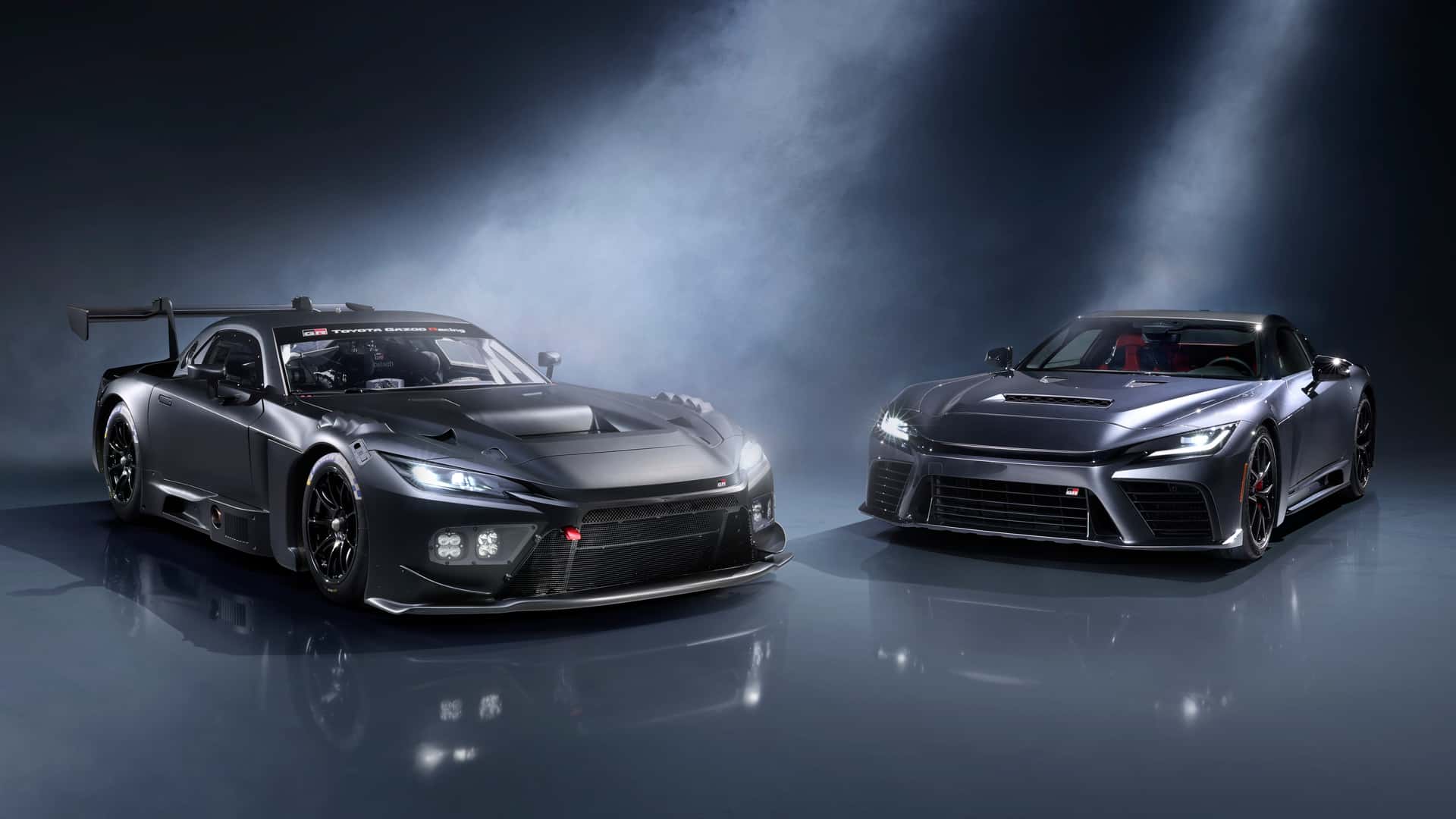
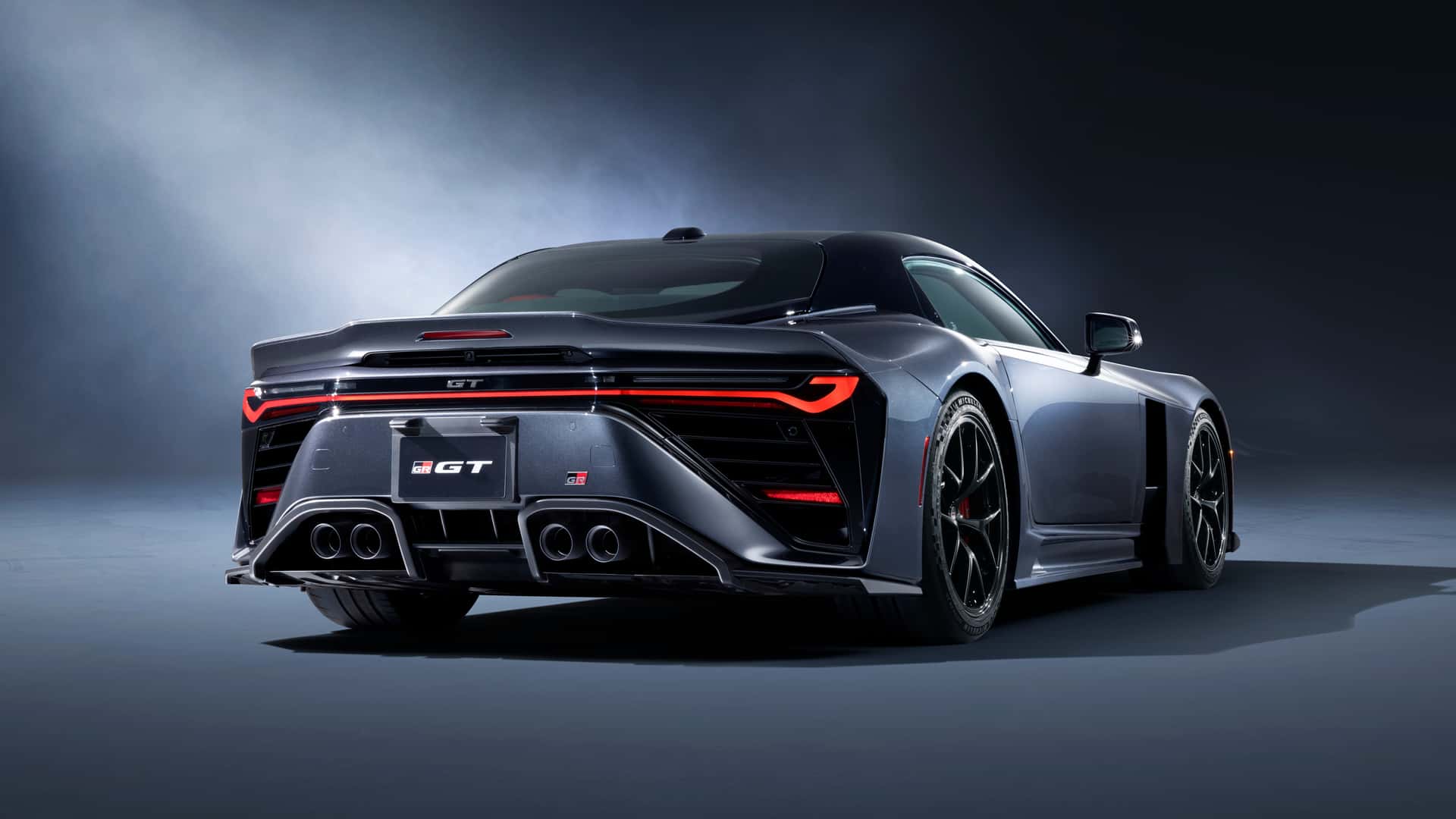
Toyota has announced its latest high-performance model, the GR GT, describing it as a road-legal machine shaped by motorsport engineering. It follows a lineage that began with the Toyota 2000GT and continued decades later with the Lexus LFA, marking a new milestone for the brand’s performance arm, Gazoo Racing.

Development of the GR GT was guided by three priorities: achieving a very low centre of gravity, reducing overall weight, and creating a rigid structure to support aerodynamic efficiency. Early figures suggest Toyota has committed to these goals. The car is expected to produce at least 640hp, its centre of gravity sits strikingly low, and the structure uses Toyota’s first all-aluminium frame to keep weight down.

Power comes from a newly developed twin-turbo V8 paired with a single electric motor mounted within the transaxle. Toyota is targeting a minimum of 640hp and 850Nm of torque, all channelled to the rear wheels through an eight-speed automatic gearbox. Toyota stresses that these figures represent baseline targets for the prototype, hinting that the production version may exceed them.

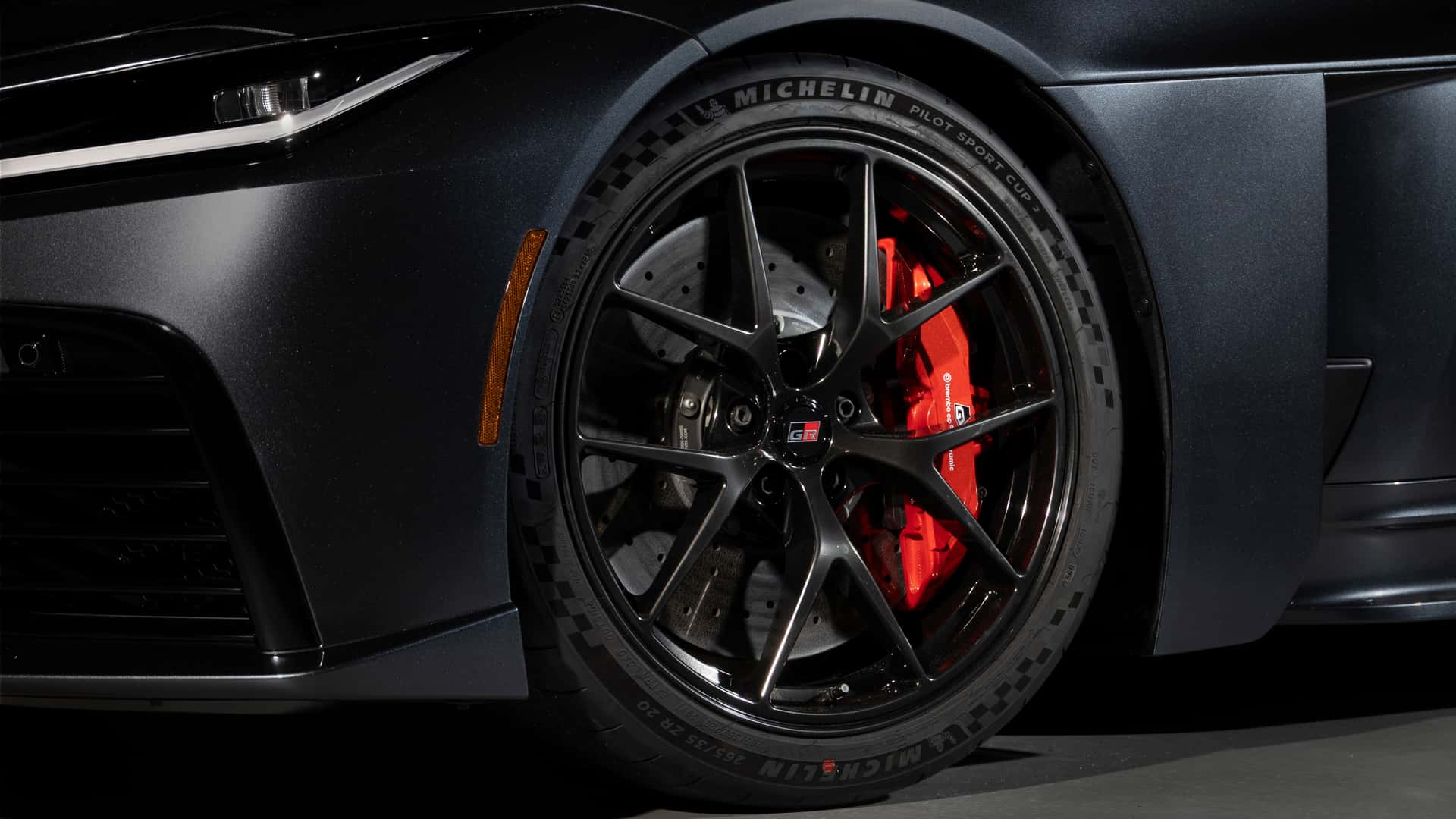
The GR GT’s chassis marks a first for Toyota: a fully aluminium frame, combined with exterior panels made from aluminium and carbon fibre-reinforced plastic. The focus on weight reduction brings a series of benefits, including improved stability, sharper responses, and more effective aerodynamics. Carbon-ceramic brakes and 20-inch wheels wrapped in Michelin Pilot Sport Cup 2 tyres—325-section at the rear—complete the package.

(more…)

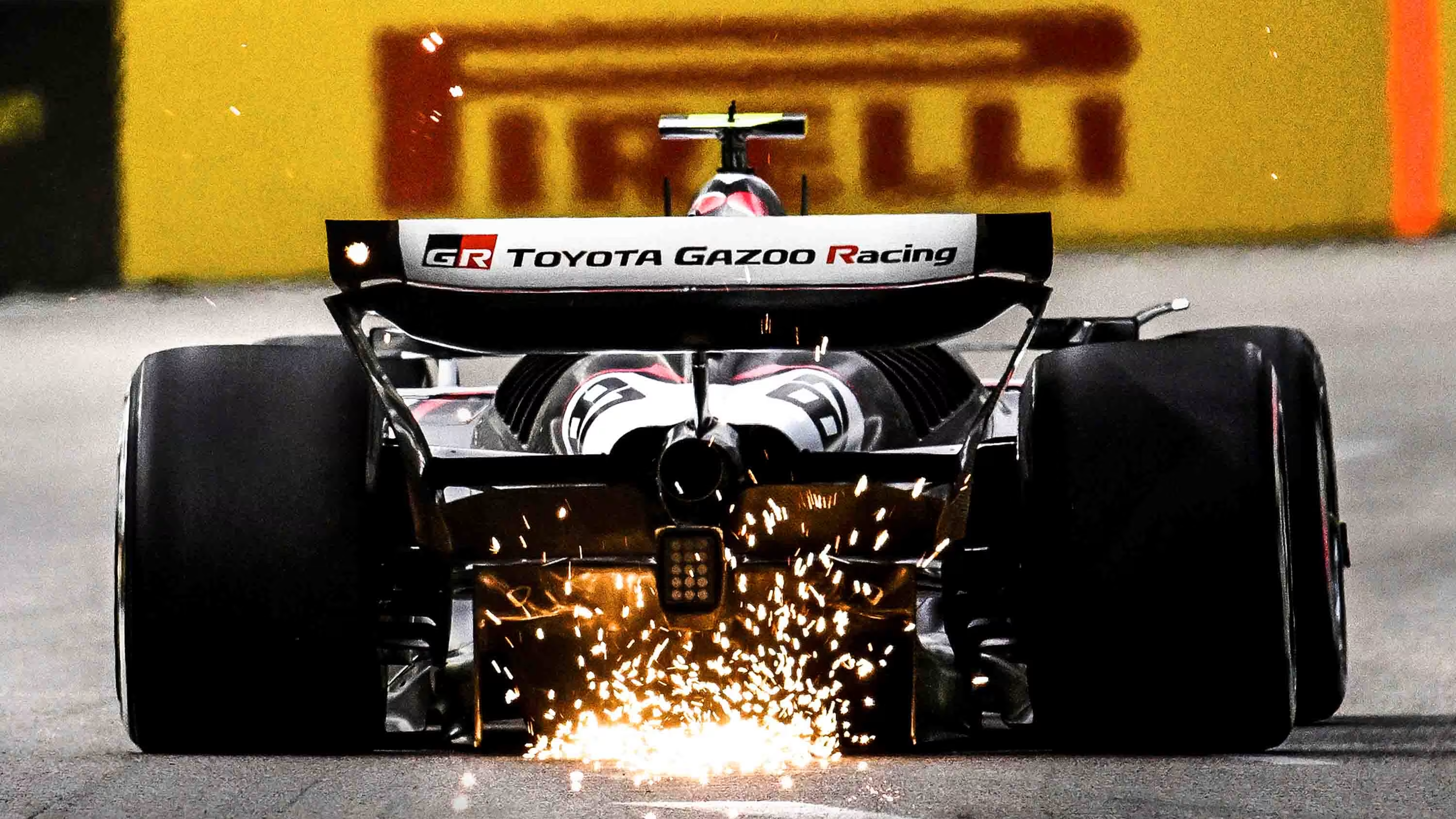
Toyota has announced that it will become the title sponsor of the Haas Formula One Team in 2026, replacing digital payment firm Moneygram.

After officially leaving the sport in 2009, Toyota marked its return to Formula One last year with Haas as part of a technical partnership through Toyota’s motorsport and research and development division Toyota Gazoo Racing (TGR).

The announcement shouldn’t come as too much of a surprise though as a key element of the multi-year partnership was signed back in 2024 and in centred around the creation of Haas’ first Testing of Previous Car (TPC) programme that launched in 2025.

Over the course of 14 days, Japanese race drivers Ryo Hirakawa, Ritomo Miyata, Sho Tsuboi and race veteran Kamui Kobayashi all had outings in the previous generation cars through their TGR associations.

The deal has also allowed for the installation of the team’s first-ever personal simulator at the UK base in Banbury, which is set to come online next season.

Chairman of Toyota Motor Corporation Akio Toyoda said: “Throughout our challenges in the 2025 season, I witnessed young TGR drivers and engineers begin to believe in their own potential and set their sights on even greater dreams.

“Seeing this transformation moved me deeply. And today, I can say this with confidence, Toyota has finally begun to move – really move. I would like to express my sincere gratitude to Gene Haas and Ayao Komatsu (Haas Team Principal) for standing alongside our young members, believing in their potential, and facing the future with the same passion and perspective.

“By taking our partnership with Haas another step forward next year, TGR’s ‘People, Product, Pipeline’ mantra – will accelerate in a way we have never seen before.

“The time has come for the next generation to take their first steps toward the world stage. Together with Gene Haas, Ayao, and everyone at TGR Haas F1 Team, we will build both a culture and a team for the future. Toyota is now truly on the move.”

The new Toyota deal will run alongside Haas’s existing deal with Ferrari, which began when Haas entered Formula One back in 2016, and includes the supply of Ferrari’s power unit, gearbox and other selected parts and use of the Ferrari simulator at Maranello.

Haas is currently eight in the Teams Championship, just seven points behind Aston Martin with one round to go in Abu Dhabi this weekend.

Also with this deal, one can’t help but wonder if Toyota is inching its way forward to a full works team return to Formula One. Now that would be exciting.

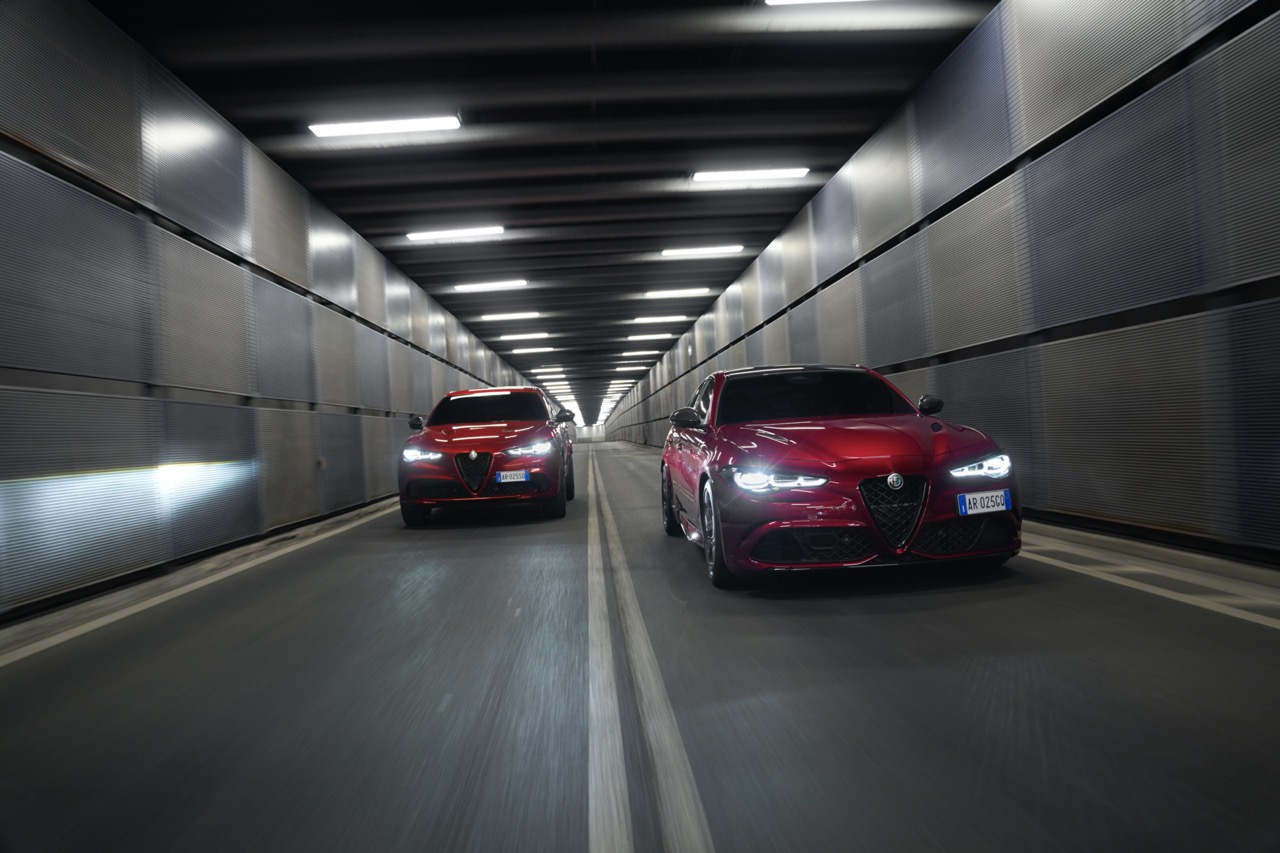
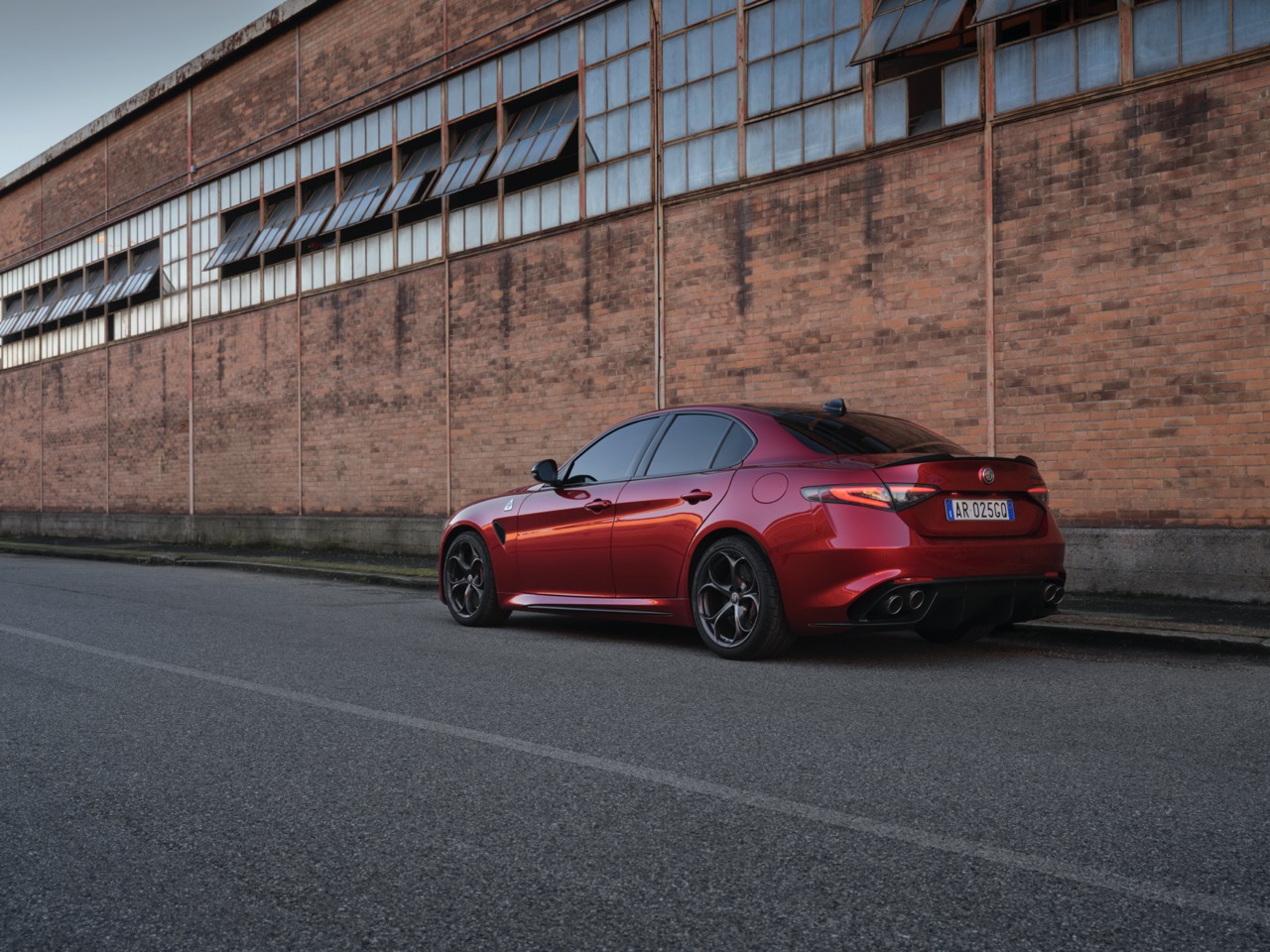
Alfa Romeo has introduced two highly exclusive creations, the Giulia Quadrifoglio Collezione and Stelvio Quadrifoglio Collezione, developed in tribute to one of the brand’s most enduring icons — the Quadrifoglio. The emblem, first painted onto Ugo Sivocci’s Alfa Romeo RL when he won the 1923 Targa Florio, became the mark of the brand’s racing machinery for decades. In 1963 it shifted from the circuit to the road with the Giulia Ti Super, and from then on it distinguished Alfa Romeo’s most powerful and exclusive road-going models.

That pivotal year forms the inspiration for this new Collezione series, which has been limited to just 63 units worldwide. Two Giulia units have been earmarked for the UK, while the rest will be distributed across Europe, the Middle East, China and Japan.

Giulia Quadrifoglio Collezione

Both Collezione models are assembled at Alfa Romeo’s Cassino plant, bringing together traditional Italian craftsmanship and advanced manufacturing techniques. Each car is finished in one of two new interpretations of the ‘Rosso Villa D’Este’ paint made famous by the 33 Stradale. The Giulia wears ‘Rosso Collezione Giulia’, a deep shade that appears almost black depending on the light, while the Stelvio receives ‘Rosso Collezione Stelvio’, a brighter and more open shade of red.

(more…)

Archive

Follow us on Facebook

Follow us on YouTube