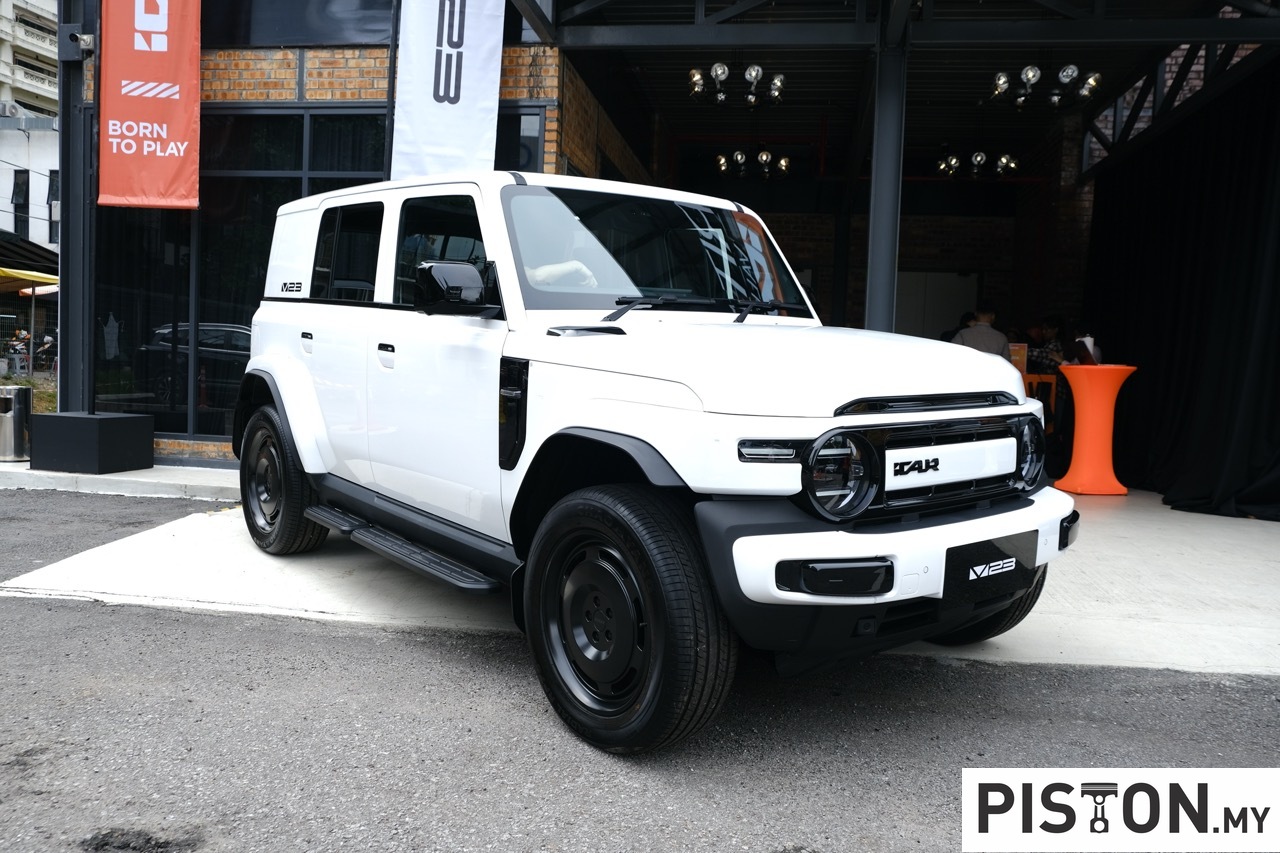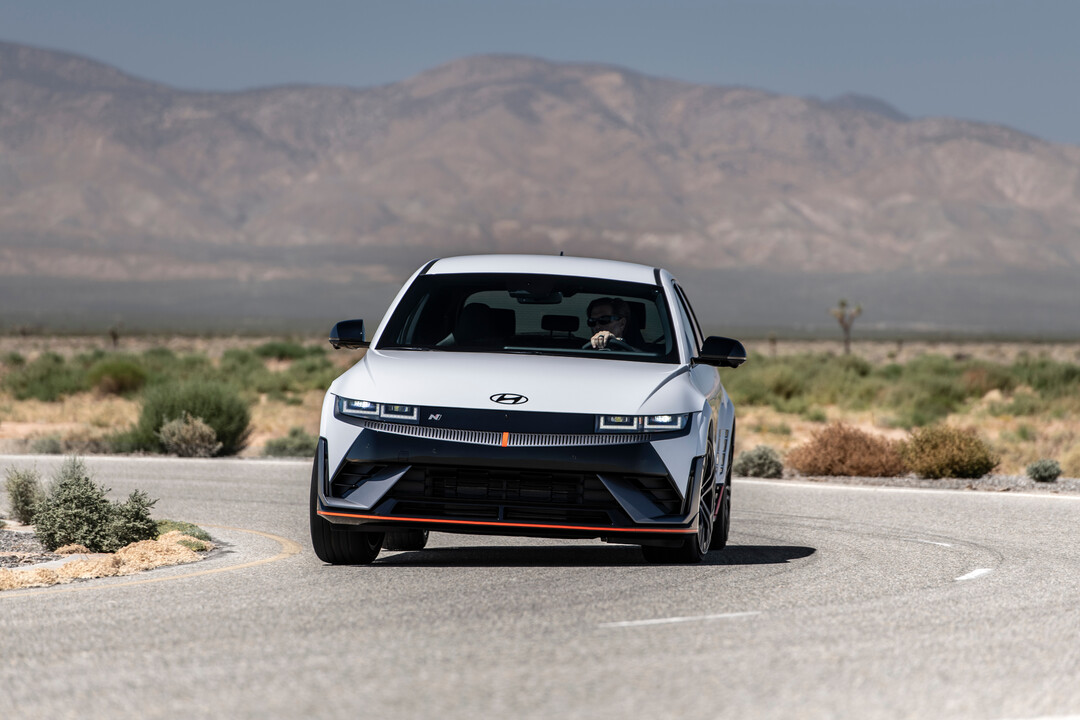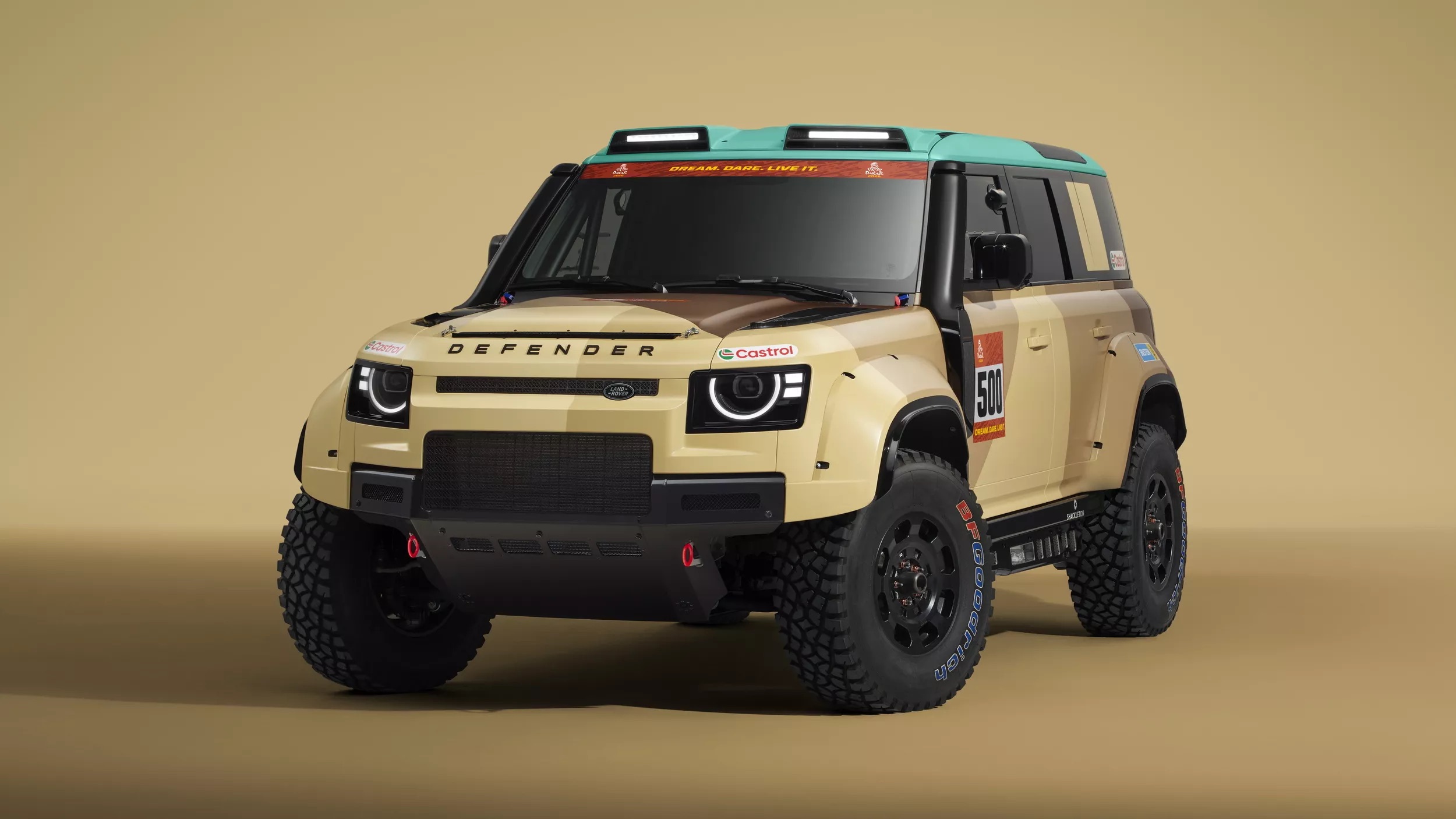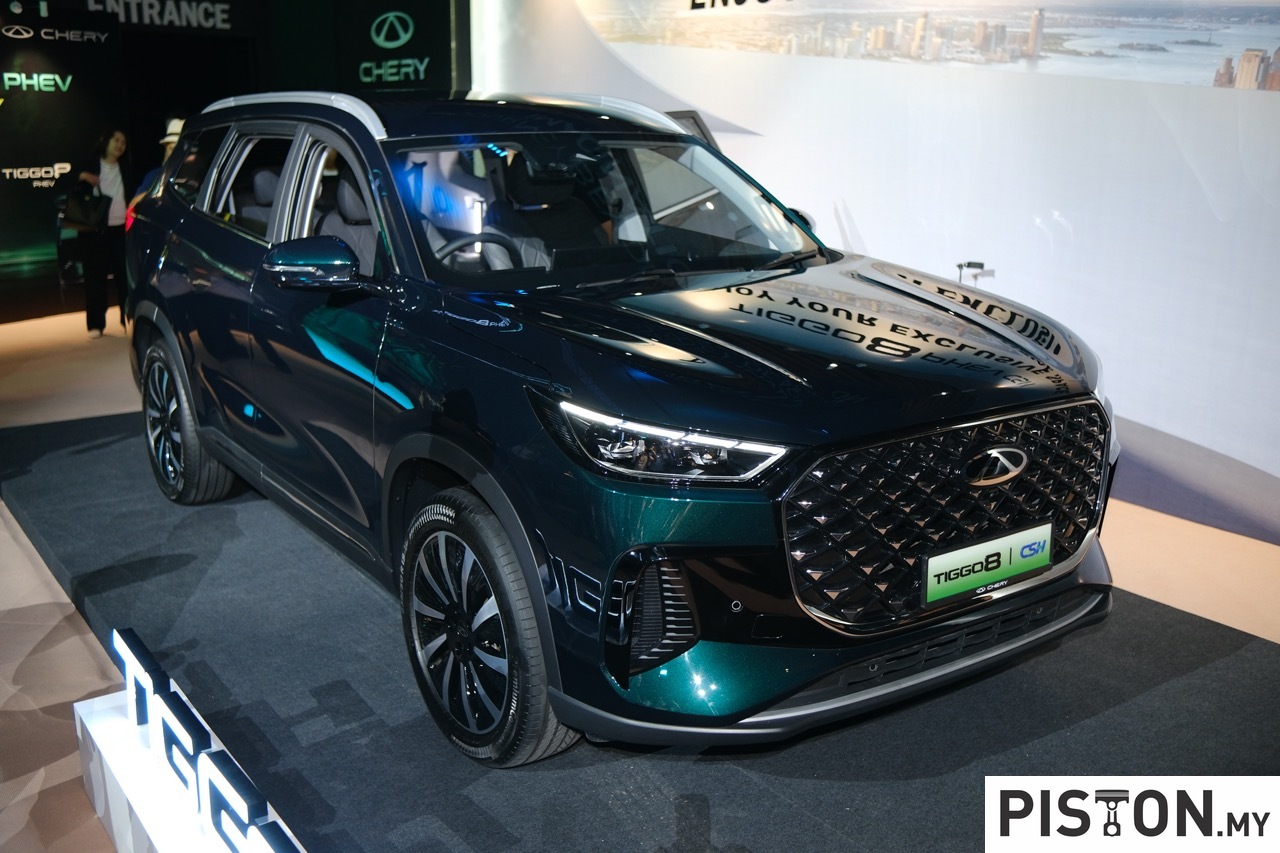
An SUV, or Sport Utility Vehicle, is basically the all-rounder of the car world. What makes an SUV an SUV comes down to a mix of size, style, powertrain and practicality.
Stating the obvious here, but they sit higher off the ground than regular cars, which not only makes them look tougher but also gives drivers a better view of the road. Which is why SUV’s have become so popular.
Inside, you’ll find more space, whether it’s for passengers, luggage, or that last-minute IKEA run, making them a favourite for families and road-trippers alike.
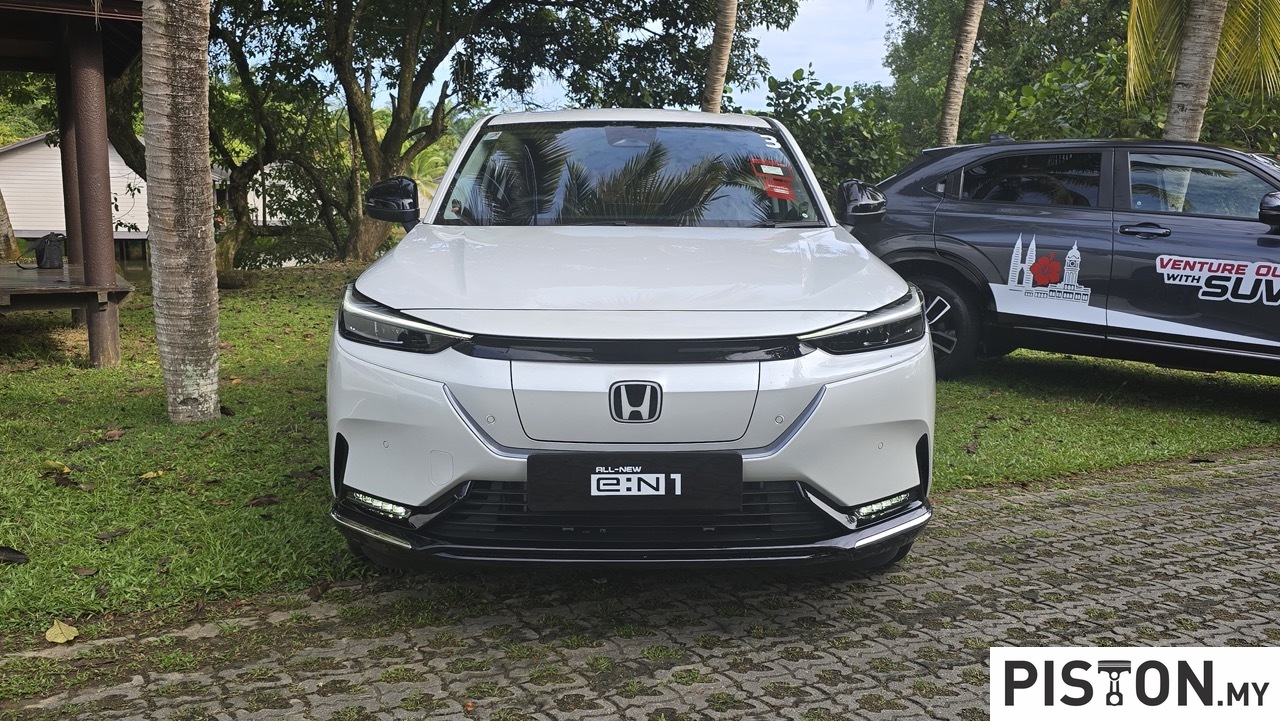
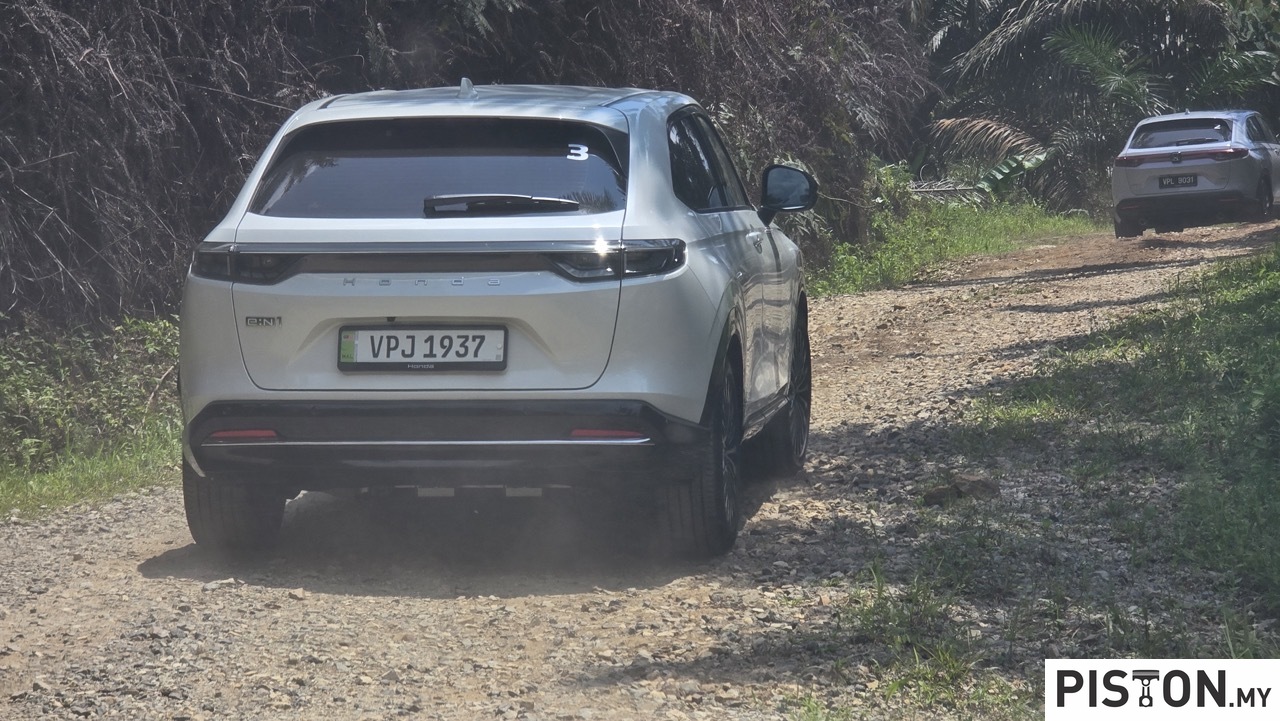
Another big part of the modern SUV appeal is adaptability. Some come with different drive modes which allow them to handle everything from rainy highways to the occasional dirt trail. Even if most owners stick to city streets, it’s nice knowing the car could take more.
Honda has built a strong reputation worldwide for making cars that are reliable, practical, and efficient, and their SUV lineup is no exception. The brand started out producing small, economical vehicles, but as customer needs shifted toward bigger and more versatile cars, Honda quickly adapted.
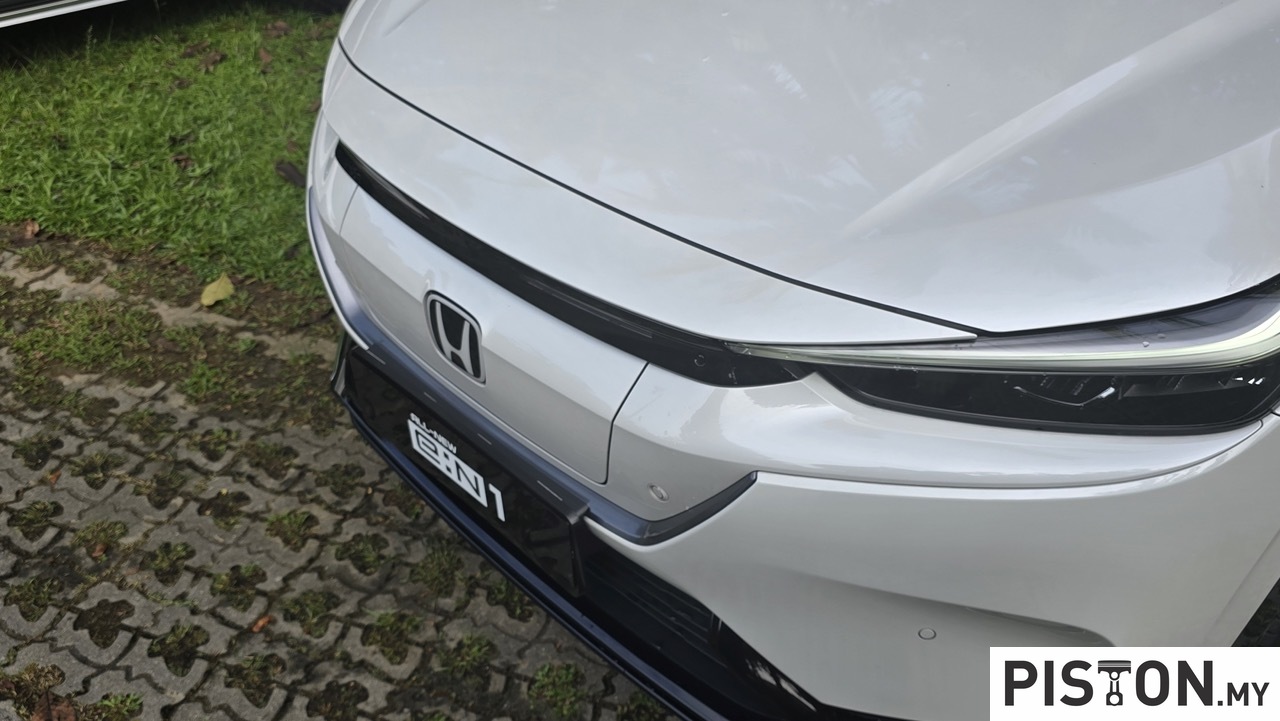
Their SUVs are designed to combine everyday usability with comfort and style, while still carrying Honda’s trademark dependability.
Models like the CR-V have become global best-sellers, striking the right balance between size, fuel efficiency, and family-friendly practicality. In markets like Malaysia, the HR-V has also gained a huge following thanks to its compact footprint paired with surprisingly spacious interiors.
But of course, these come with an internal combustion engine. How about an electric powertrain? The first major leap came with the Honda Prologue, introduced in 2024 for North America.
Built on General Motors’ Ultium platform, it provided Honda with a quick and competitive entry into the electric SUV segment.
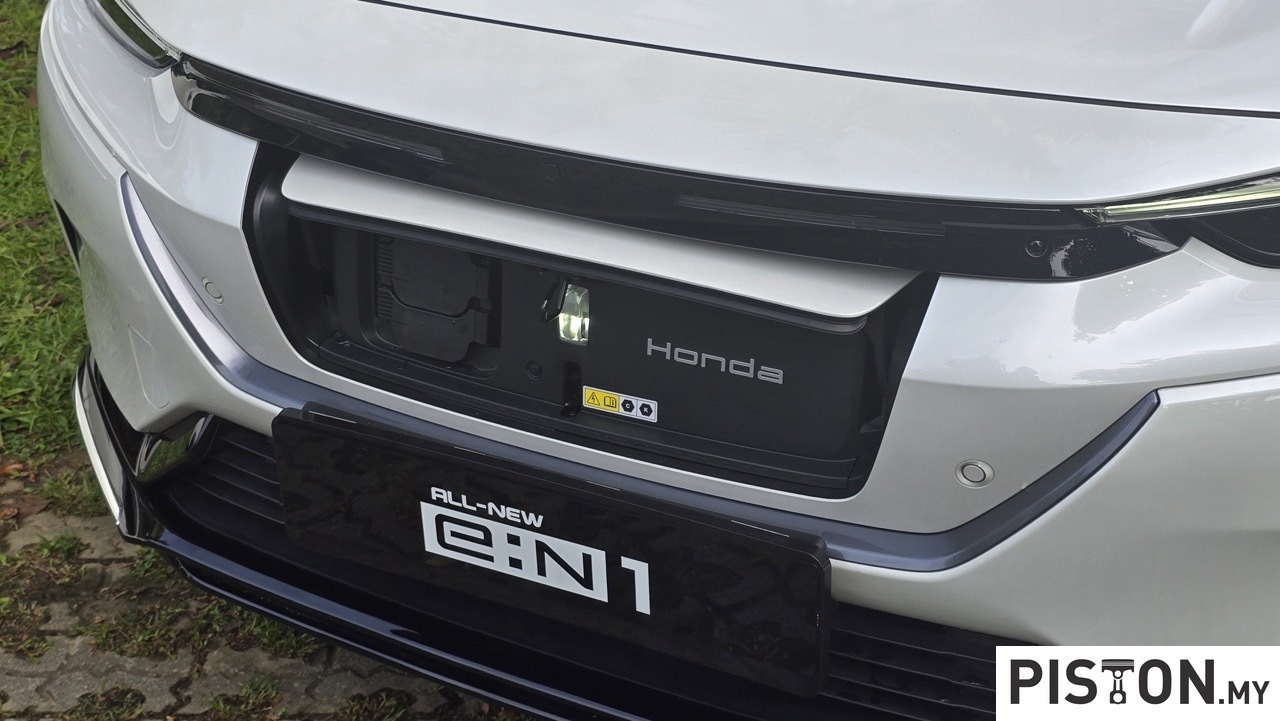
In Asia, Honda has launched its e:N series, starting with models like the e:NP2, e:NS2, and e:N1. These compact electric SUVs are designed for urban buyers, combining sleek styling with practical range figures up to about 545km in China and 412km (WLTP) for the e:N1.
What is the e:N1?
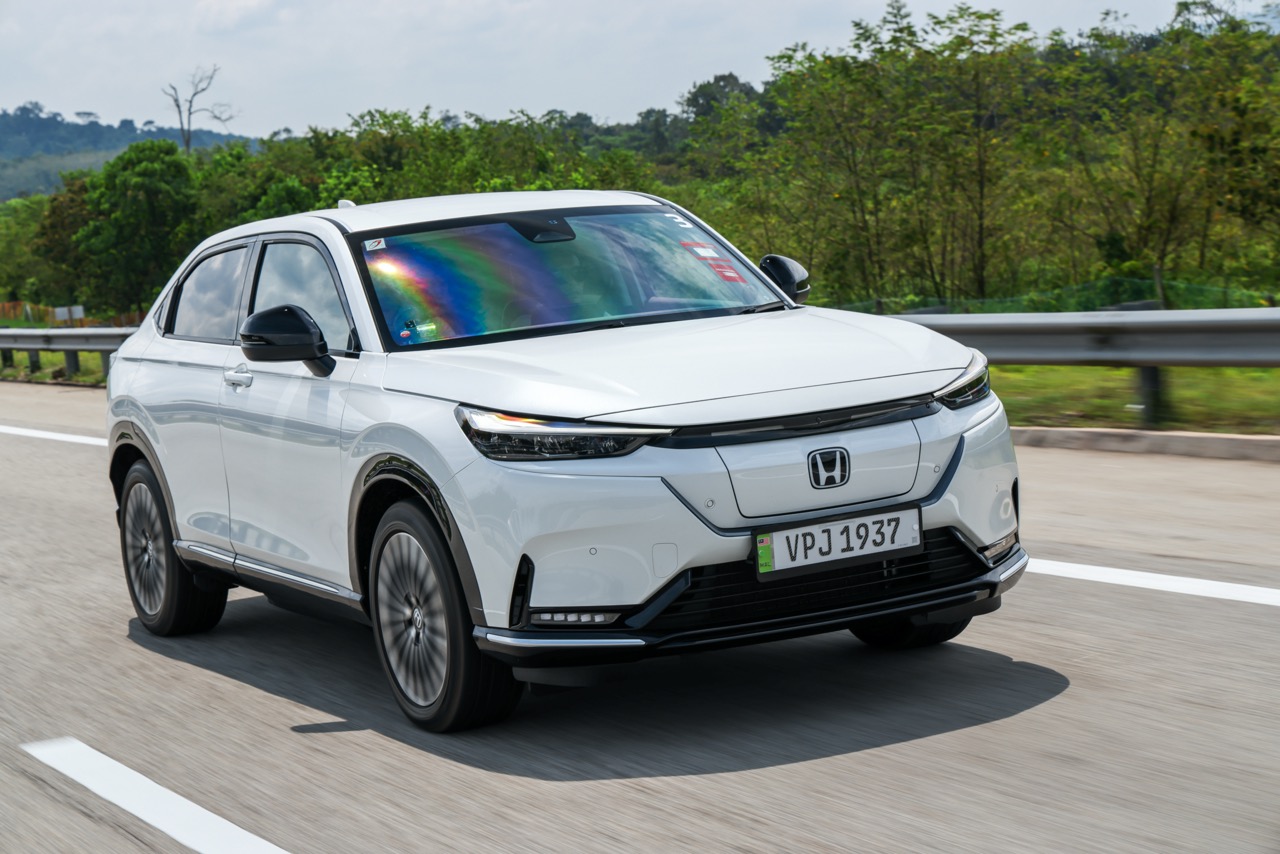
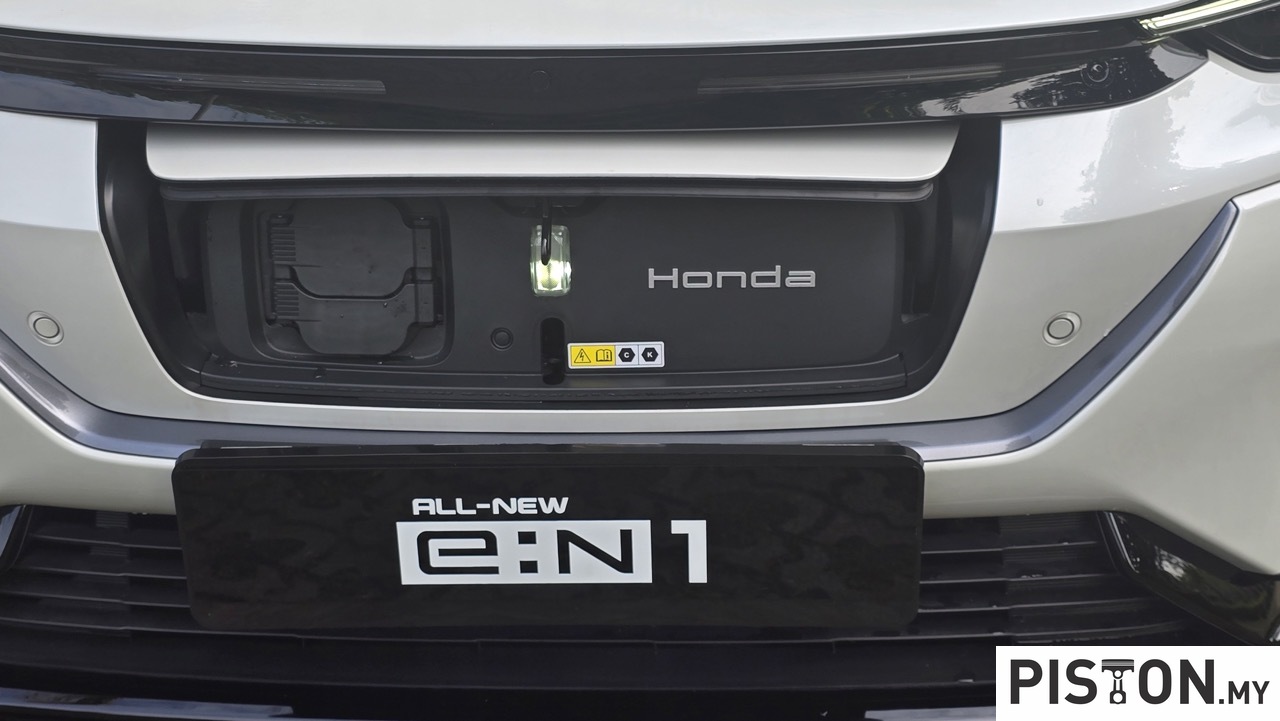
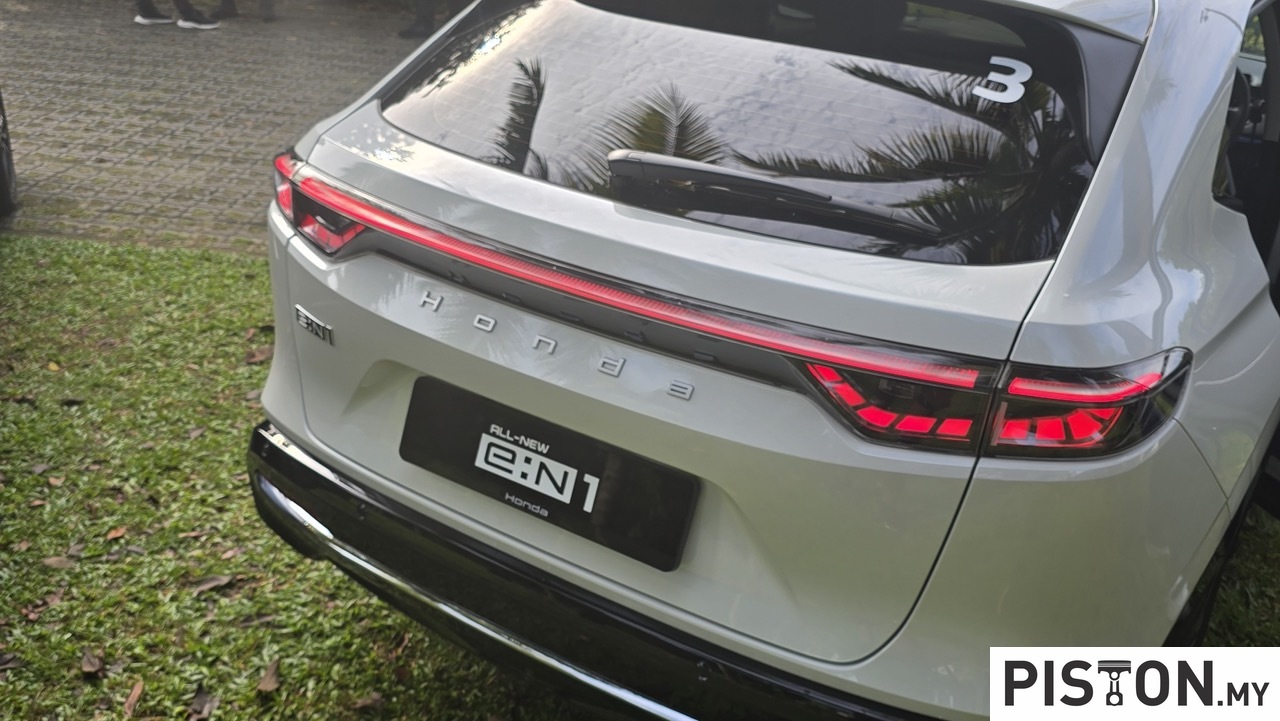
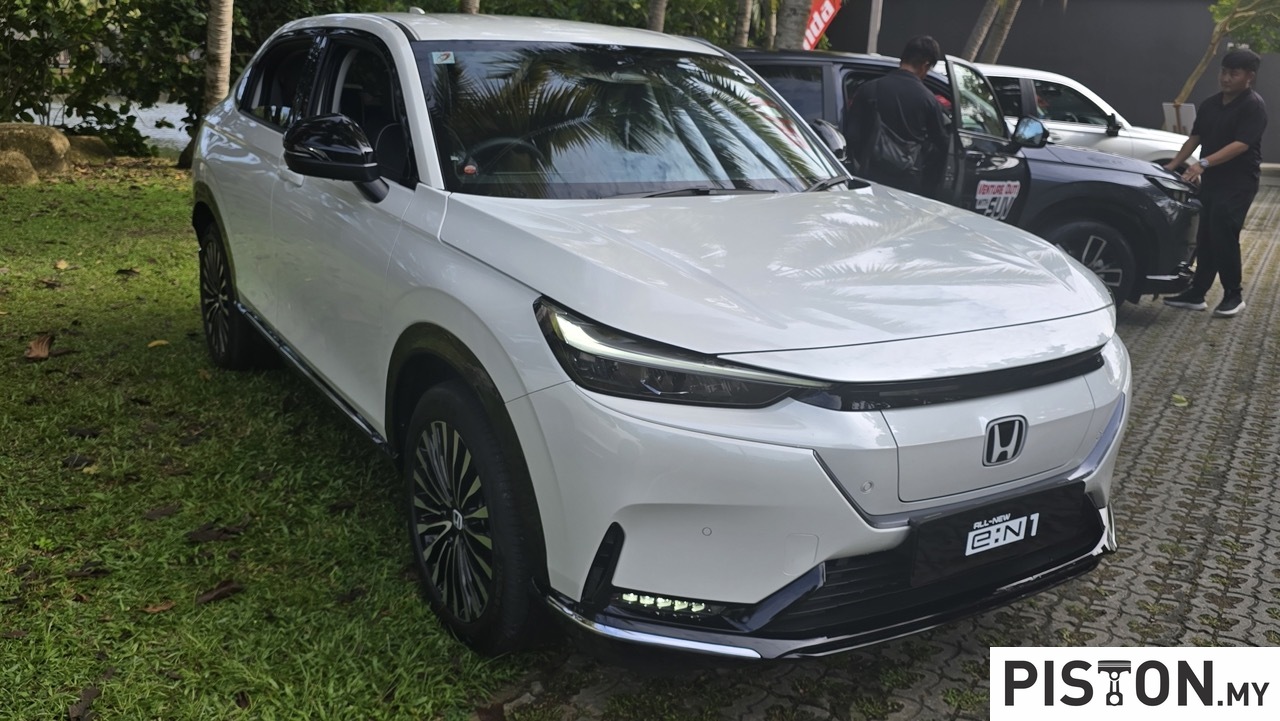
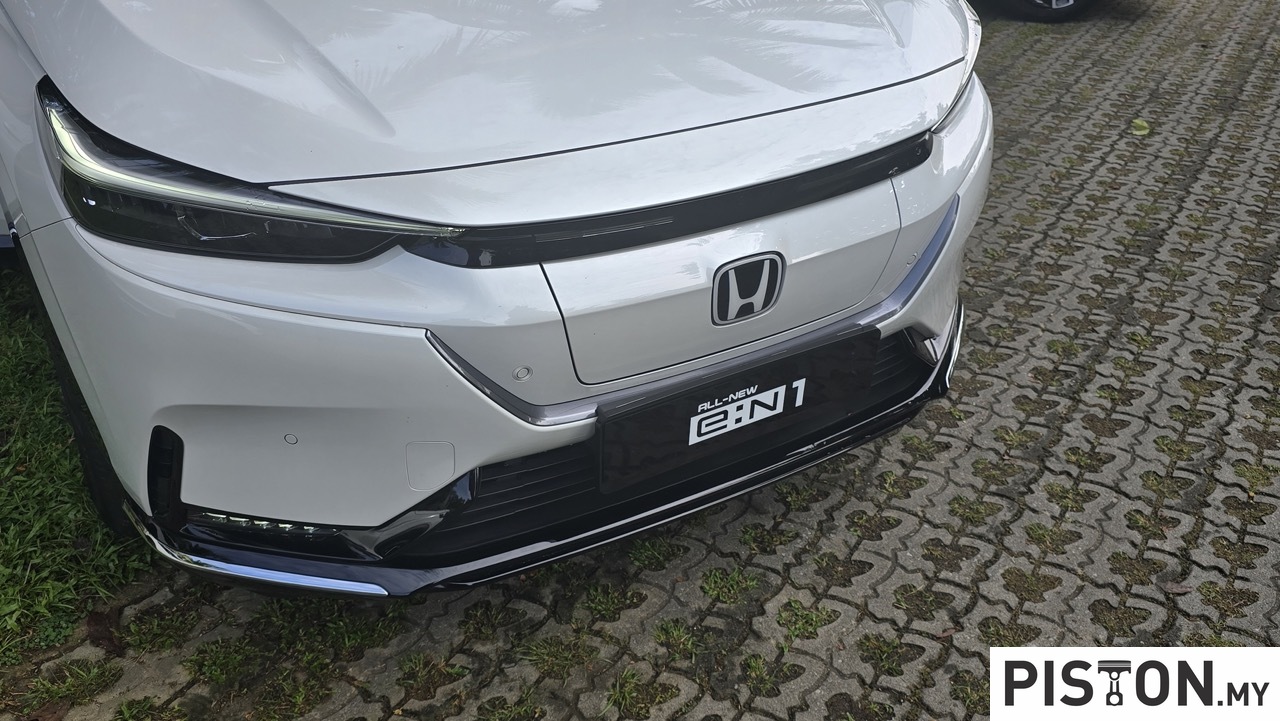
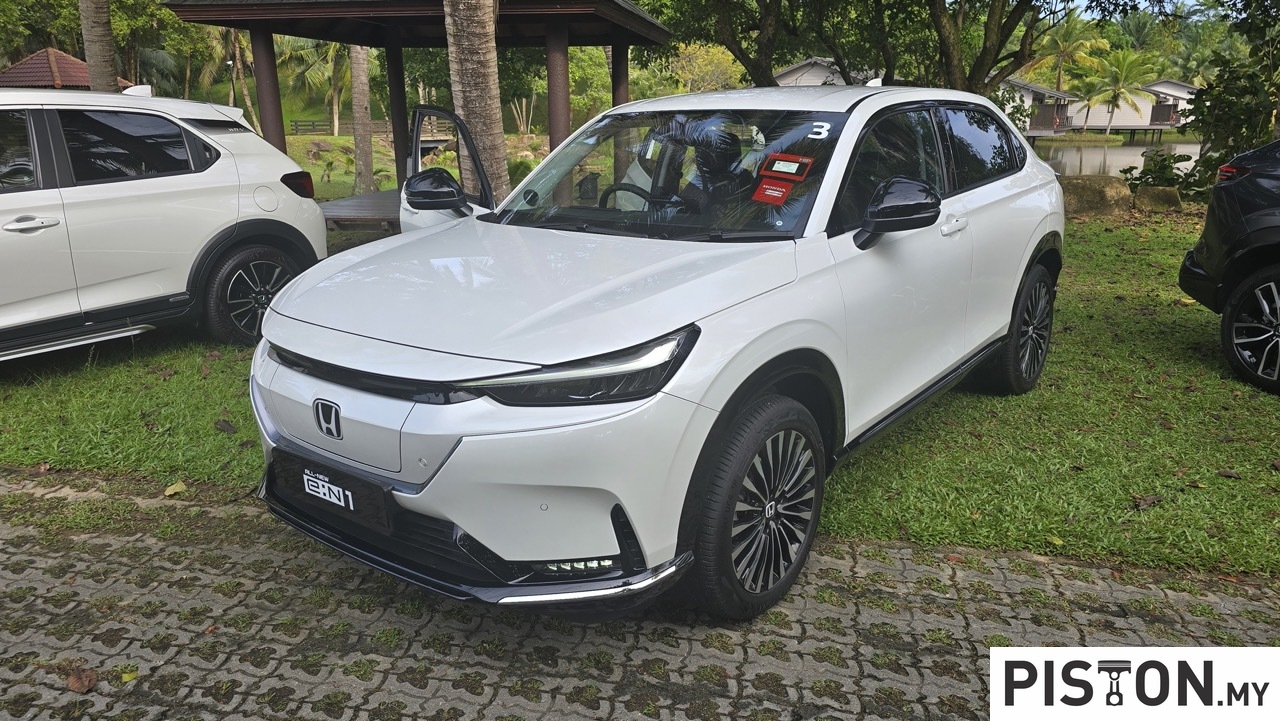
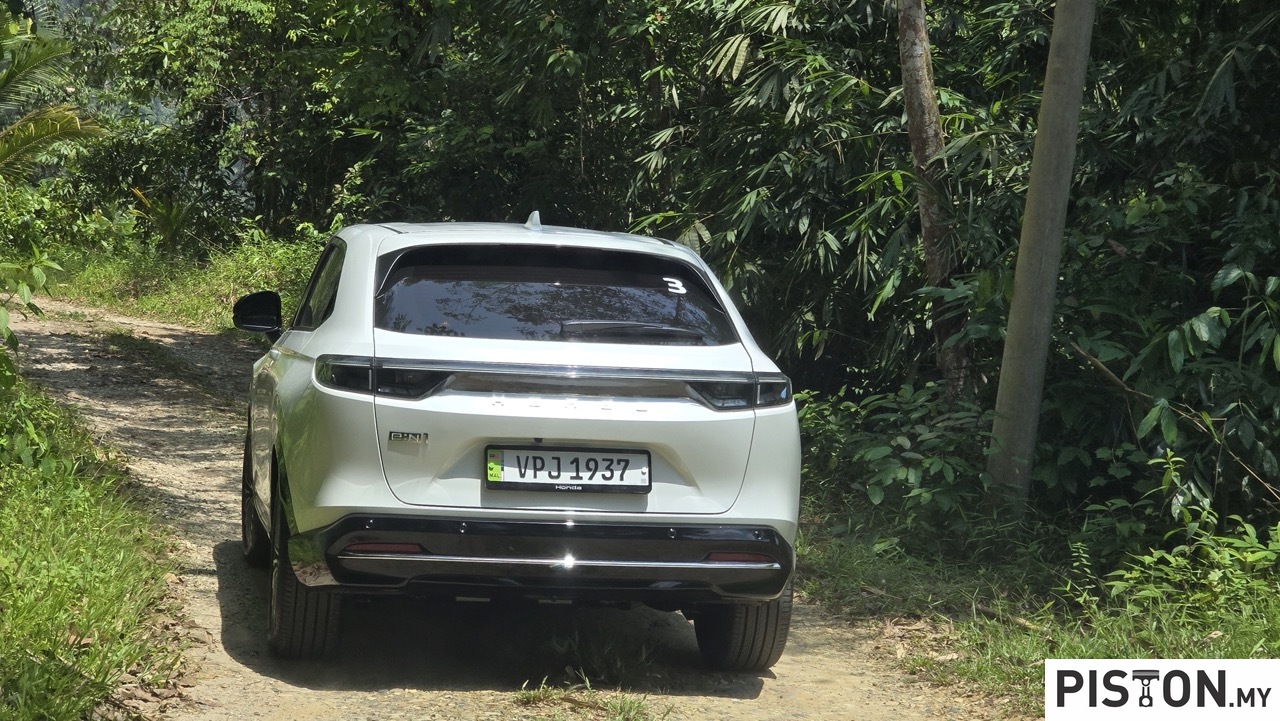
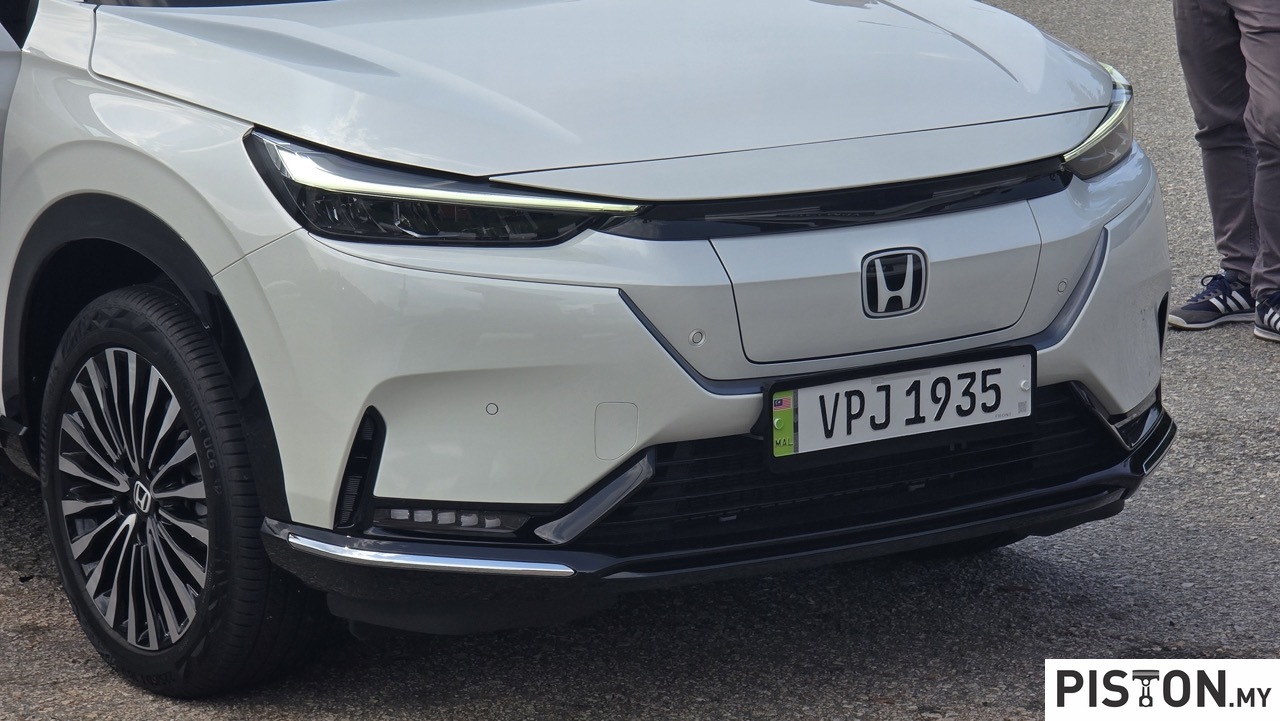
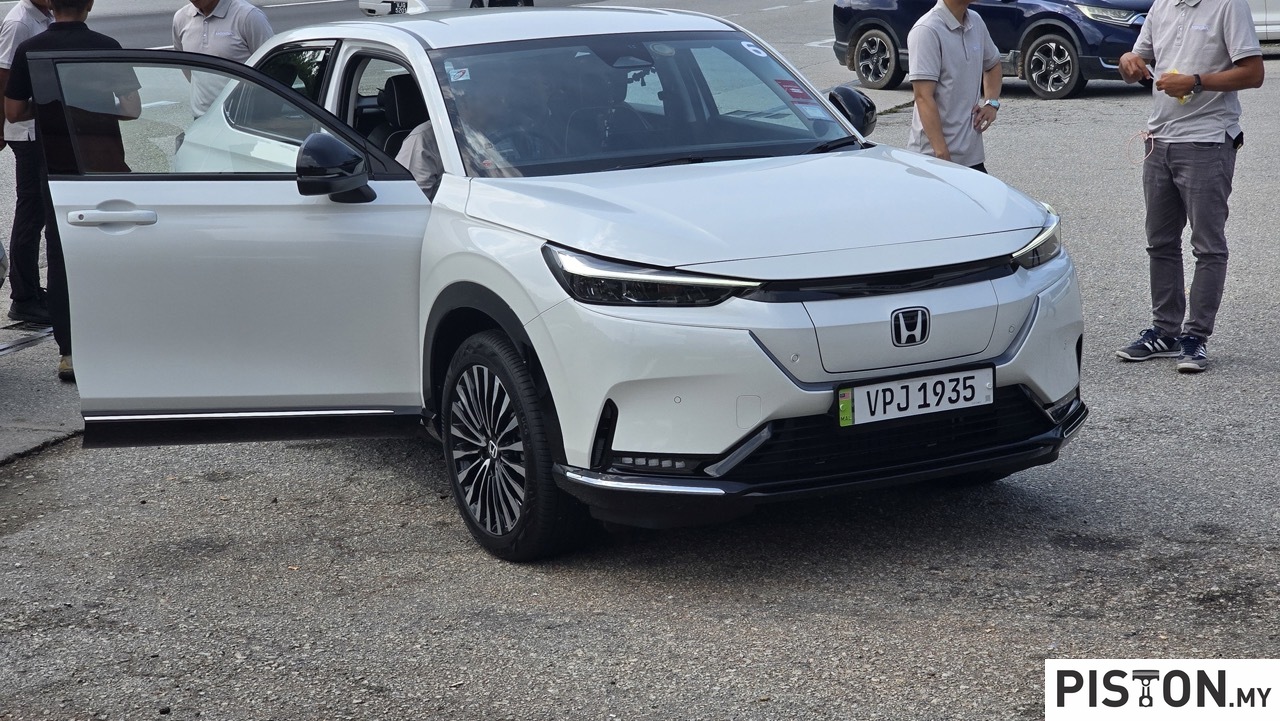
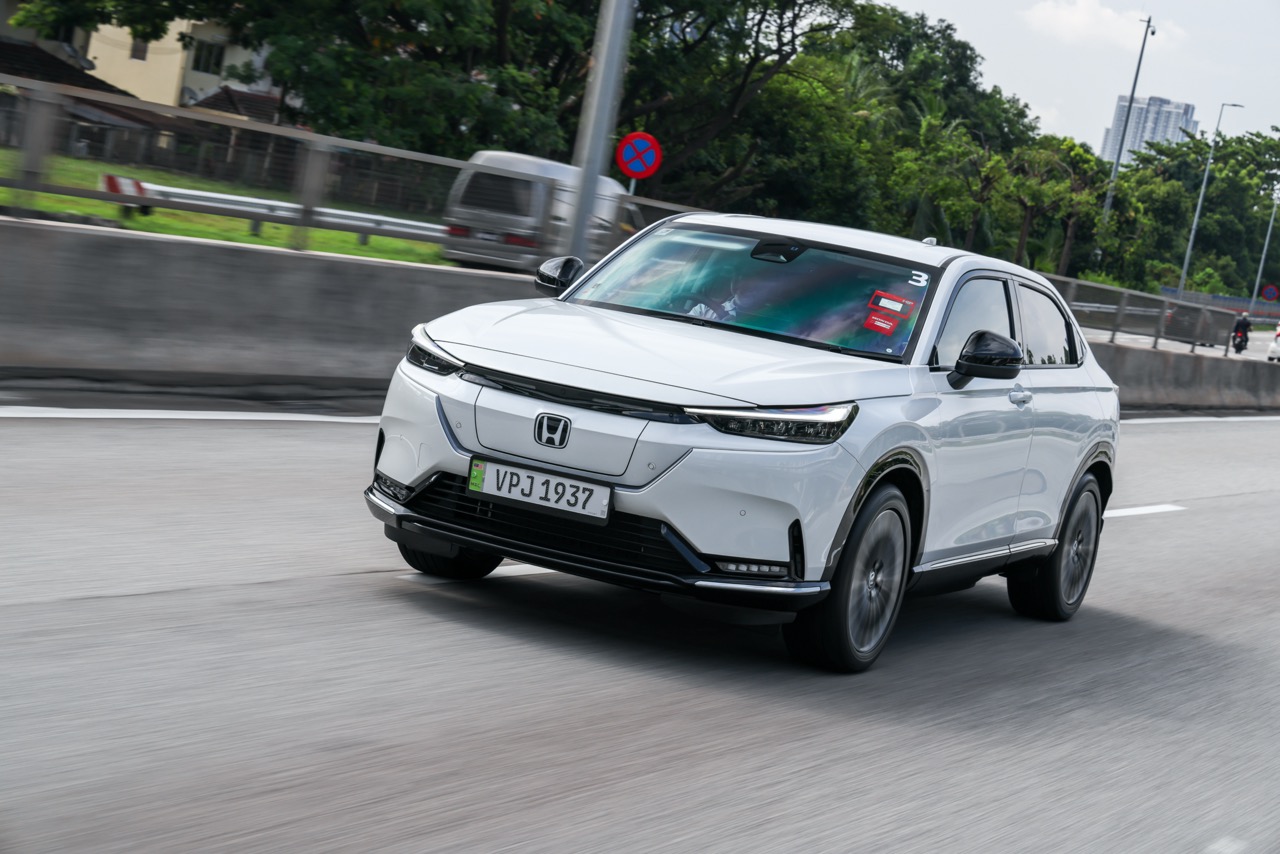
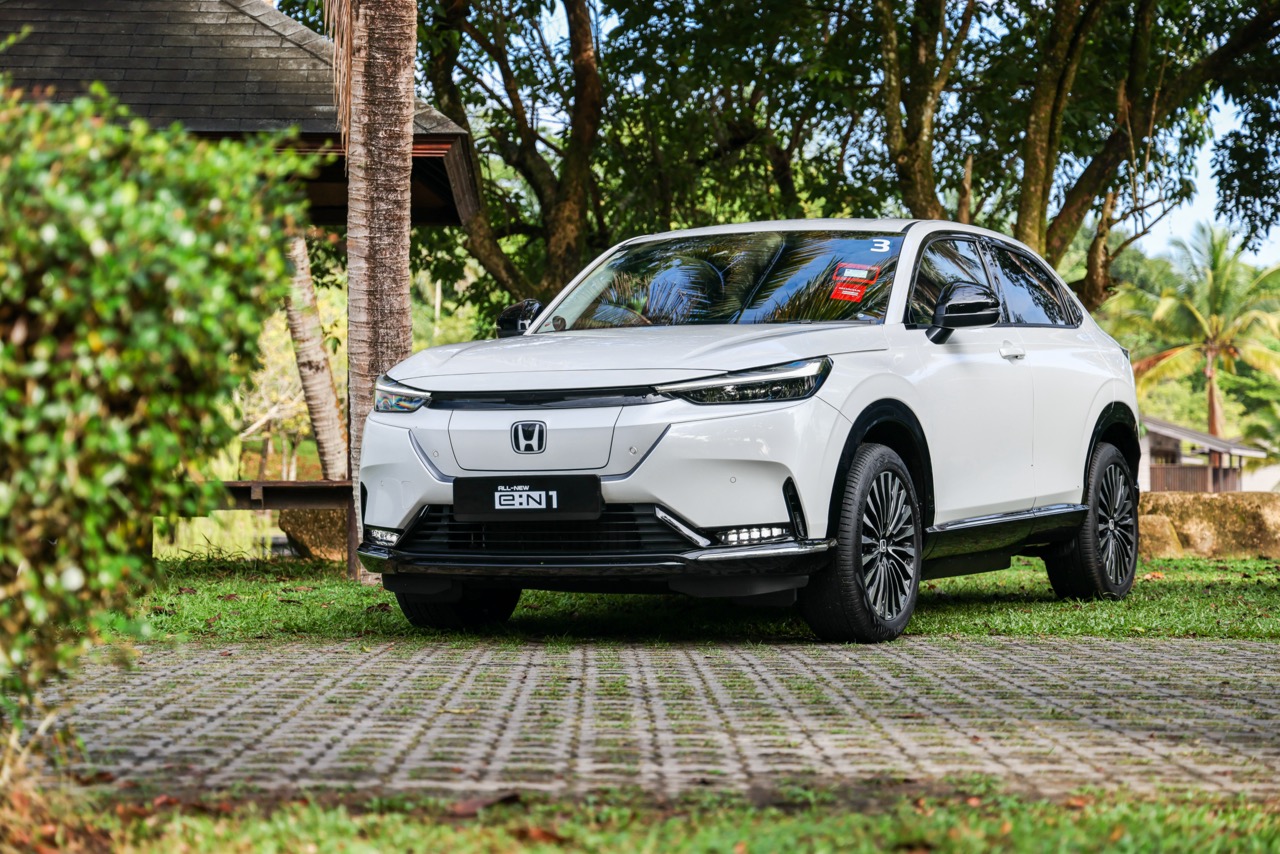
The Honda e:N1 is Honda’s first all-electric SUV that entered the Malaysian market, marking the brand’s serious step into the EV space. Built on Honda’s global e:N Architecture, the e:N1 blends modern styling with practicality, offering a familiar SUV shape while being powered purely by electricity.
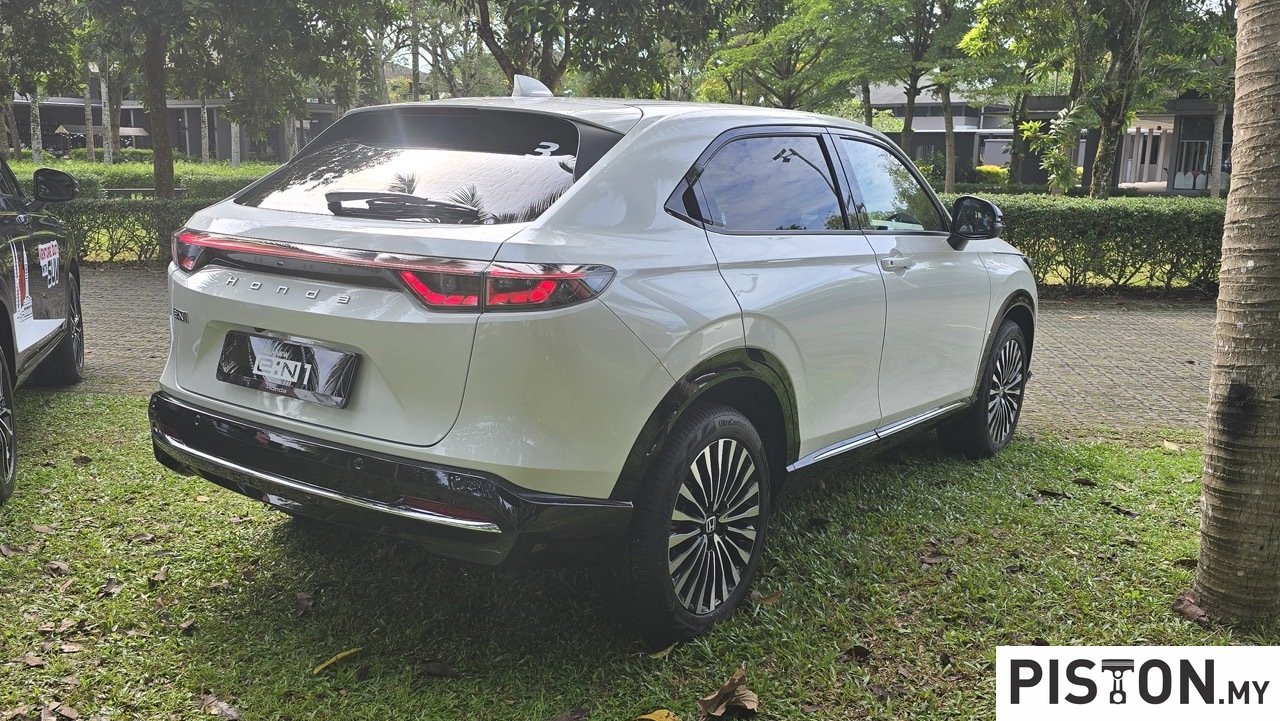
Positioned as an accessible yet premium entry into the EV segment, it delivers a smooth, quiet driving experience with instant torque, all wrapped in a package that feels unmistakably Honda.
The e:N1 is designed not only to appeal to eco-conscious buyers but also to those who want an easy transition from traditional petrol-powered SUVs into the world of electric mobility.
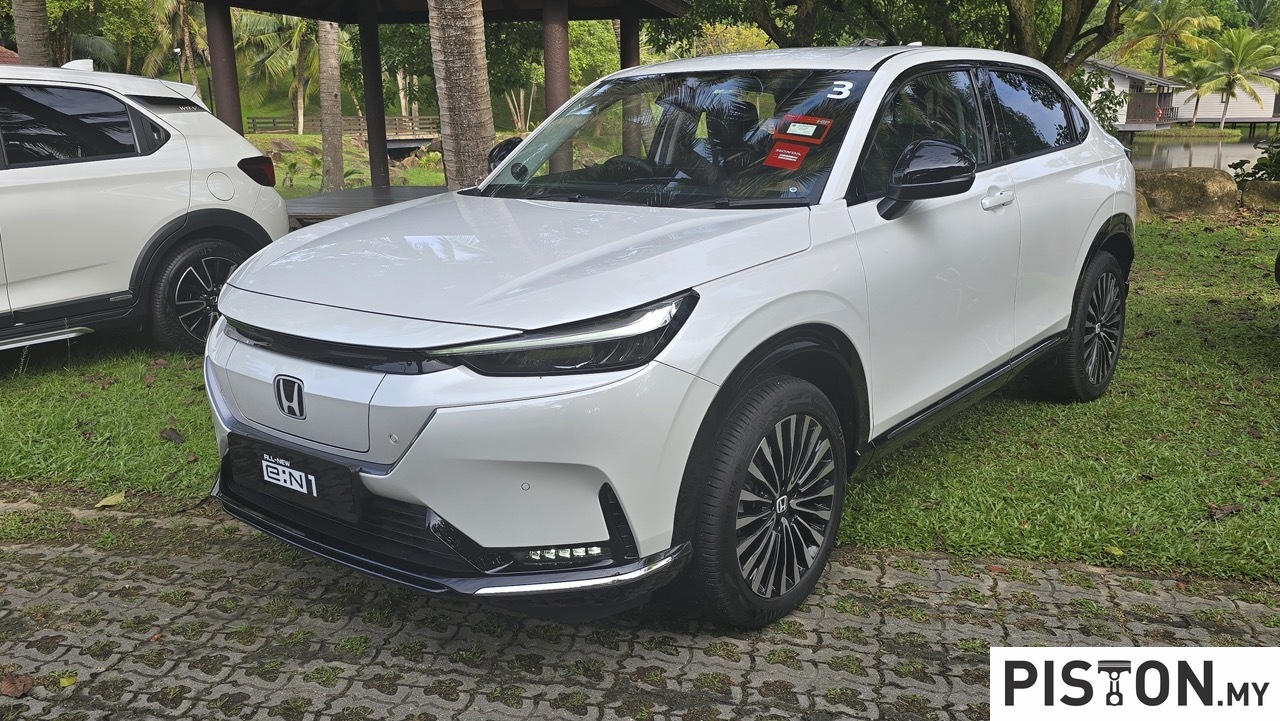
But of course, on paper, any car will look good. So, we put it to the test.
Difference between the e:N1 and HR-V
At first glance, the Honda e:N1 and the current HR-V in Malaysia look very similar, but underneath, they’re built quite differently. The e:N1 sits on Honda’s dedicated e:N Architecture F platform, which is purpose-built for EVs. This setup gives it a lower centre of gravity and better aerodynamics.
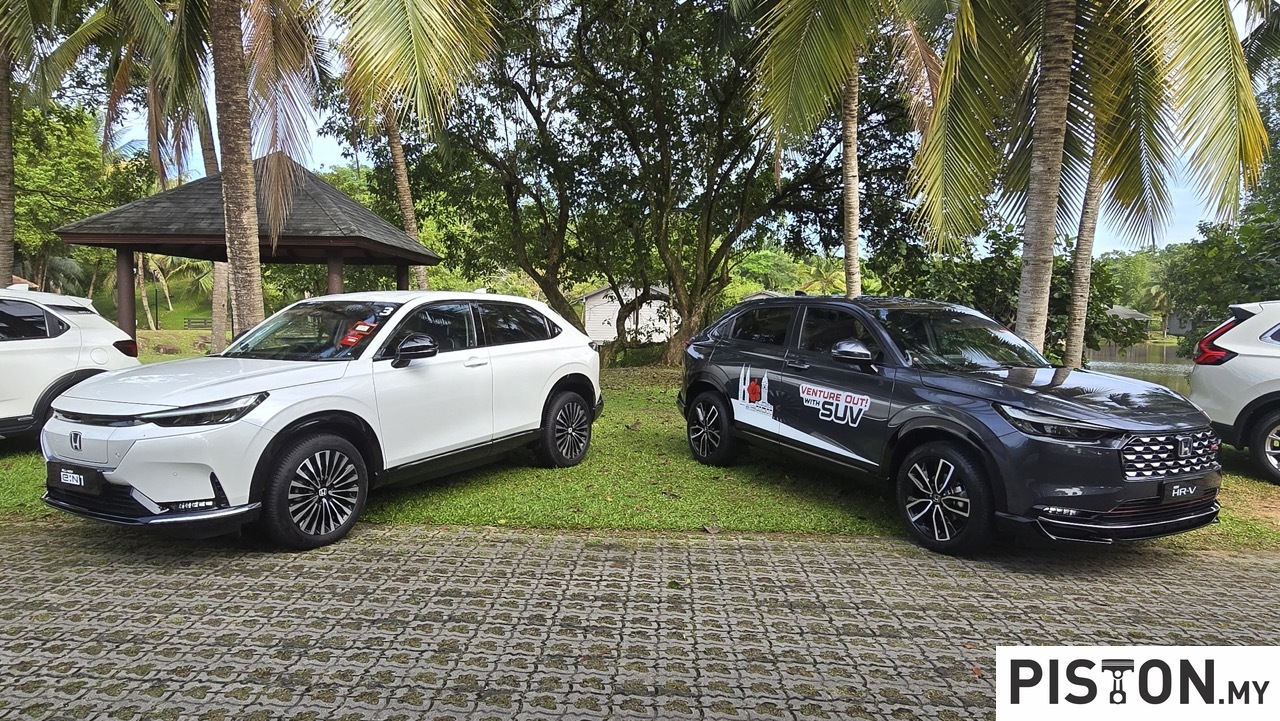
Power comes from a front-mounted electric motor pushing out 204PS and 310Nm, allowing it to hit 100 km/h in just 7.7 seconds.
Dimension-wise, both SUVs are nearly identical in size, with the same 2,610 mm wheelbase. But because of its underfloor battery pack, the e:N1 rides much lower with just 142 mm of ground clearance compared to the HR-V’s 196 mm (RS) or 183 mm (non-RS).
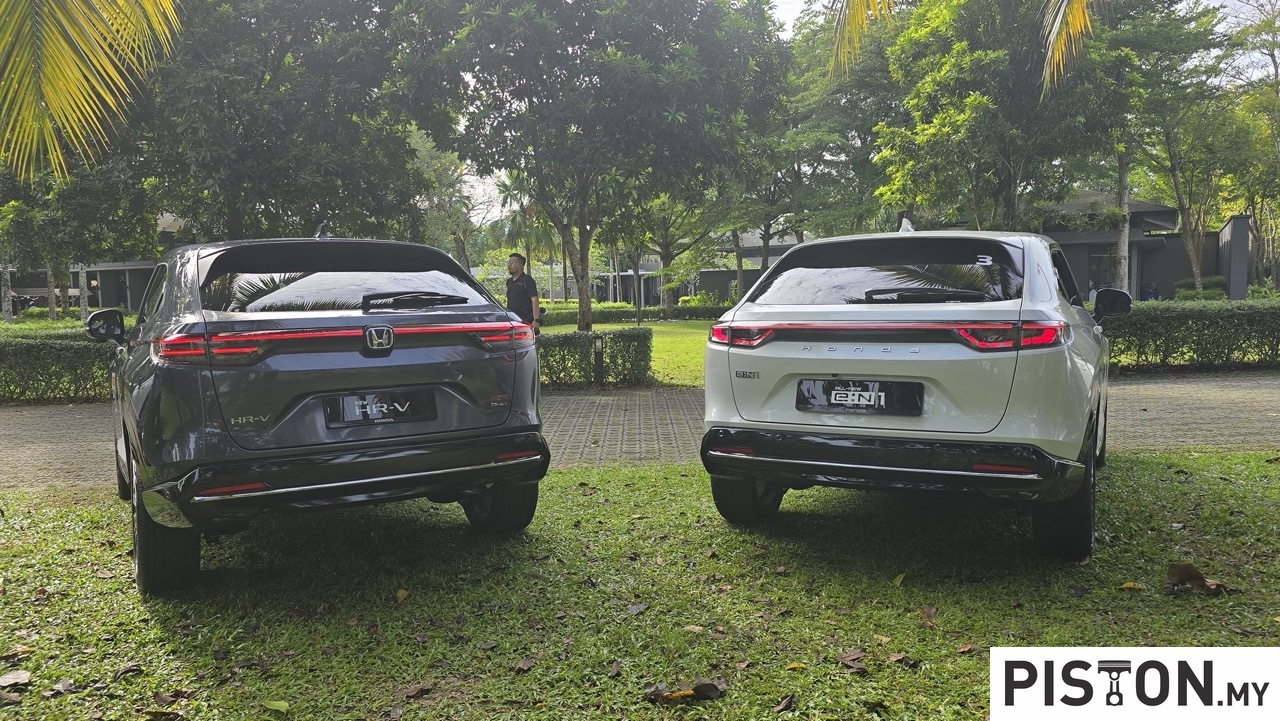
This lower stance improves stability but sacrifices some of the HR-V’s SUV-like ride height. The e:N1 also has a slightly wider turning radius at 5.7 m versus the HR-V’s 5.5 m.
Sufficient driving range for short getaways
Range anxiety is something we all fear when buying an electric vehicle (EV). Does it have enough range for my daily routine? Can I balik kampung with this range? Are there enough charging stations on the way? These are questions that run through our heads when considering buying an EV.
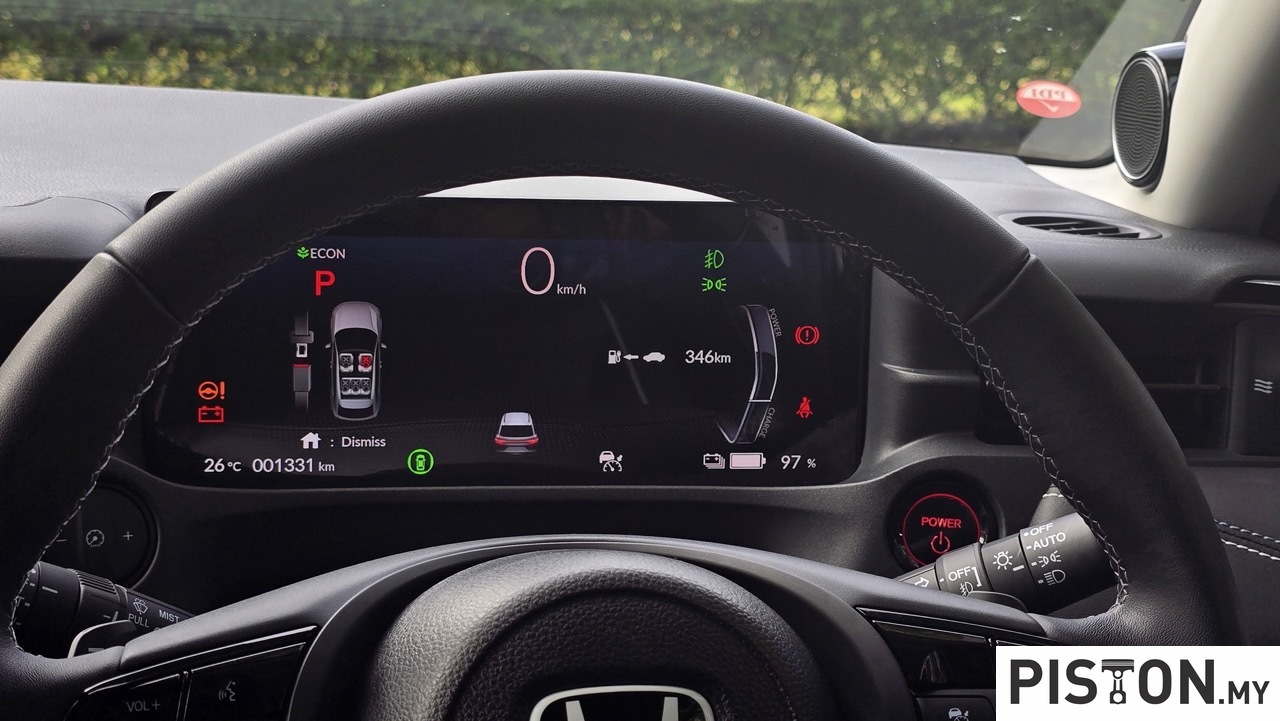
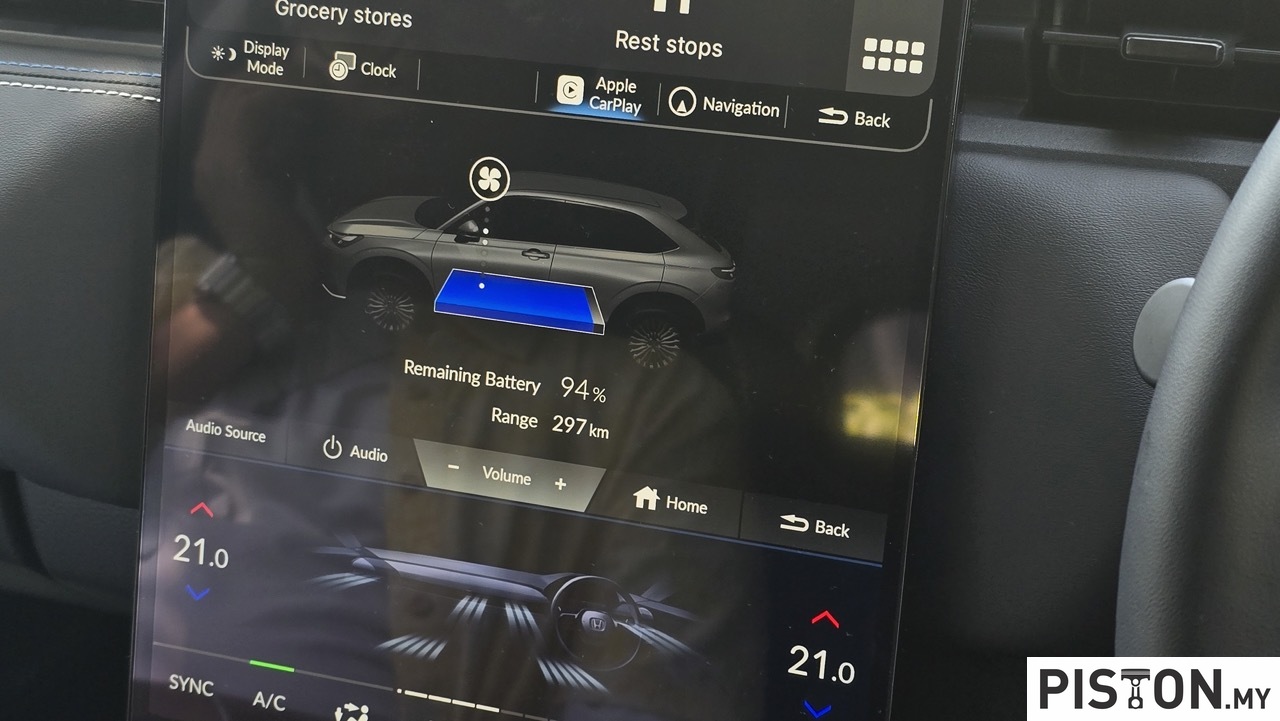
To be honest, when we got into the e:N1, we had around 297km of range with 94% of battery. We were heading from Mangala Estate Boutique Resort, Pahang, to Pineyard, Bentong, for a quick bite, then back to Honda Malaysia, Petaling Jaya.
The total travel distance was around 226km, according to the GPS, but we still had to take into consideration our driving style and be prepared for unwanted situations.
But at the same time, we had to put it to the test. So we drove like our fellow Malaysians and tried out the different drive modes (Normal, Eco and Sport). There were three drivers, so three different driving styles.
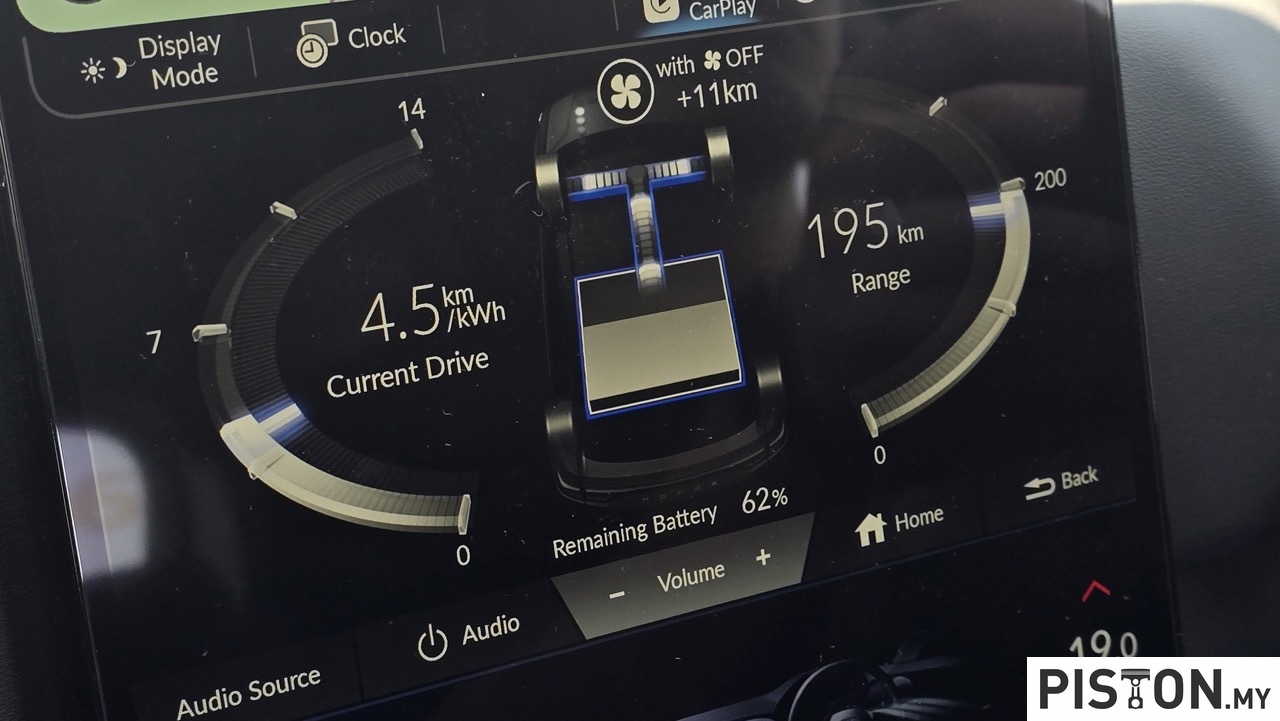
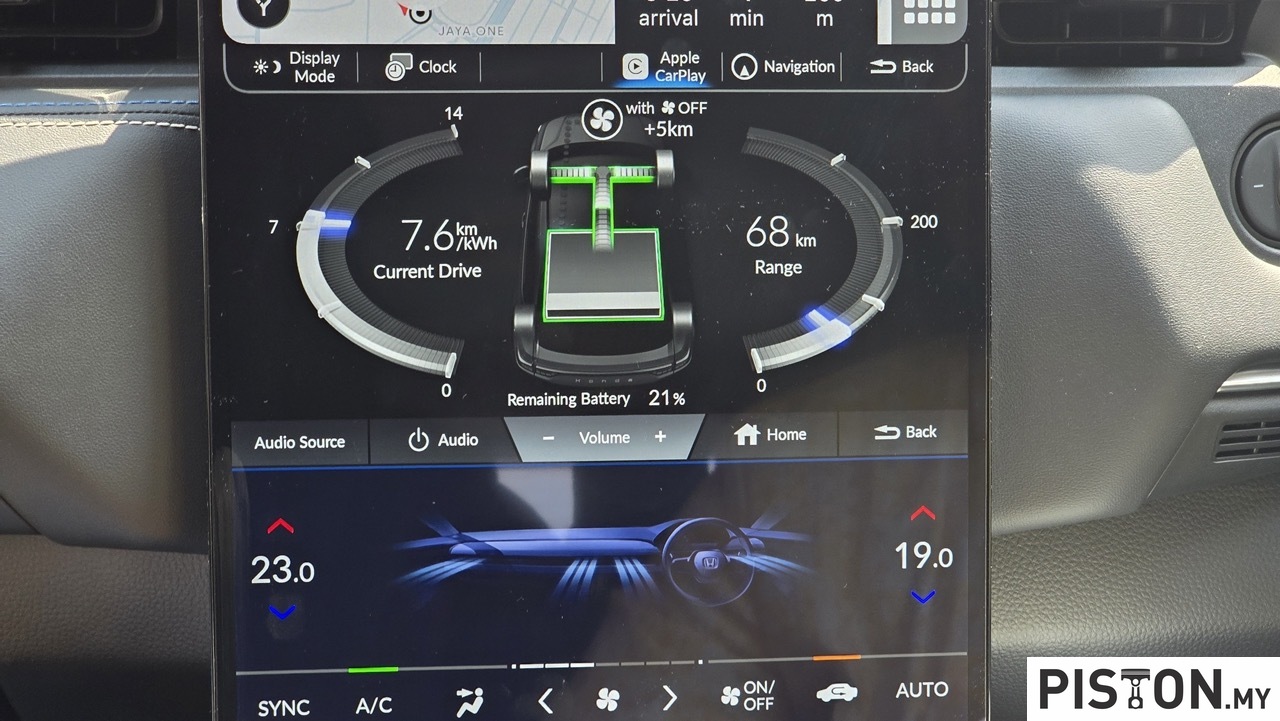
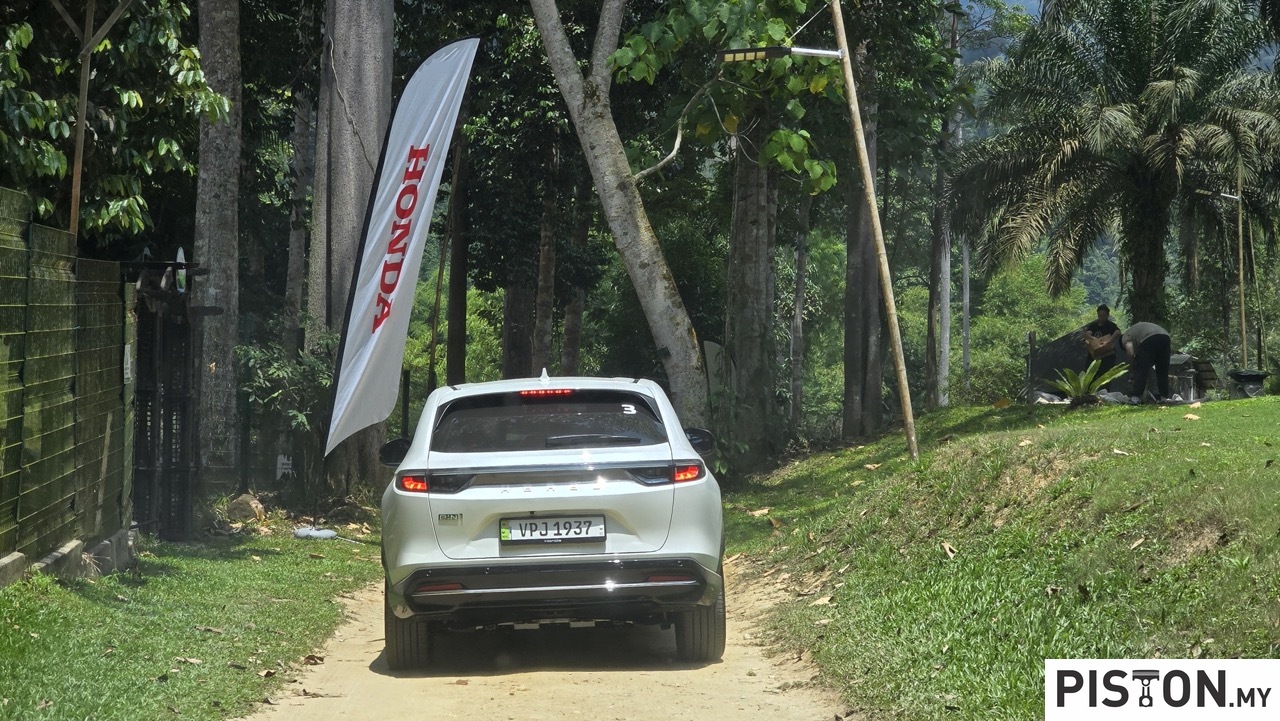
We went through highways, small town roads and winding back roads. So, were we able to make it back without stopping to juice up? Yes, yes, we did. When we parked at Honda Malaysia in Petaling Jaya, we still had 68km of driving range and 21% of battery! This is with an average speed of 125km/h and 7.6km/kWh.
In Honda we trusted, and it did not let us down. But of course, if you are planning to drive longer distances, you will have to dedicate some time to charging it up. Which is why owning an EV means changing your lifestyle. You will have to properly plan your routes and drive accordingly to the percentage of your battery.
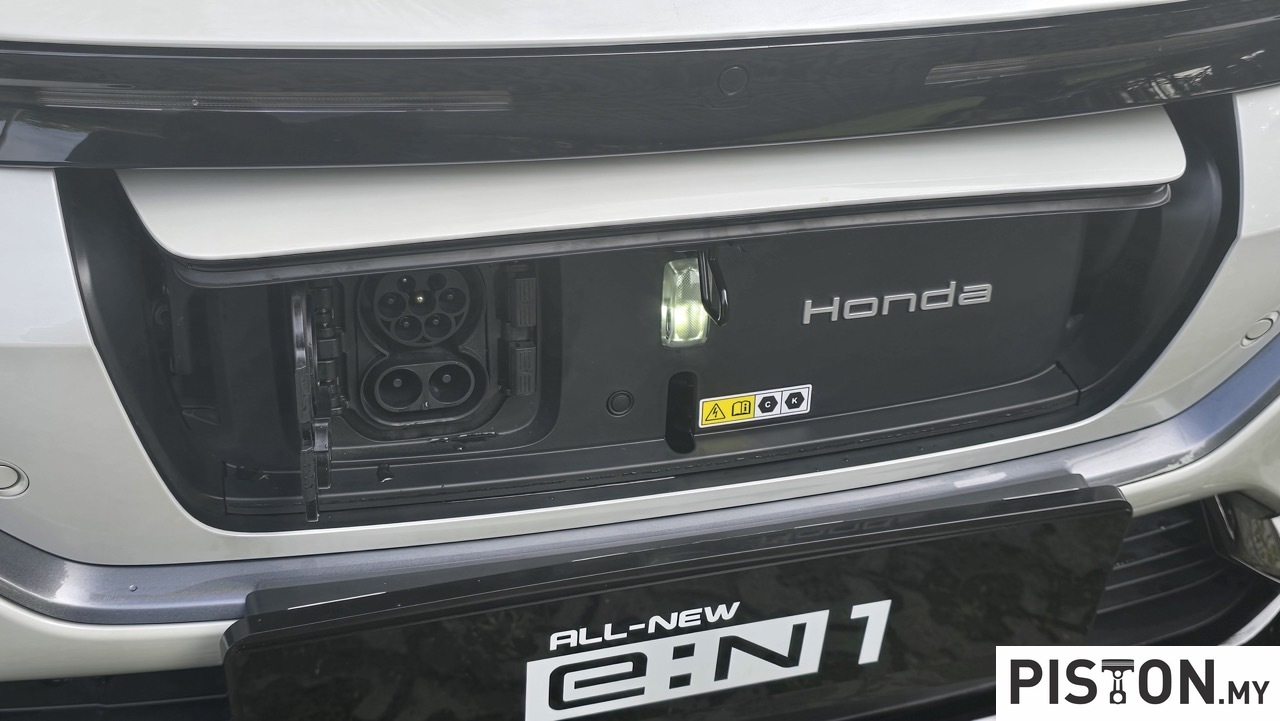
The e:N1 can be fast-charged from 10% to 80% battery in about 45 minutes using a DC CCS2 charger with a 78kW output.
Honda with no LaneWatch and a huge touchscreen?
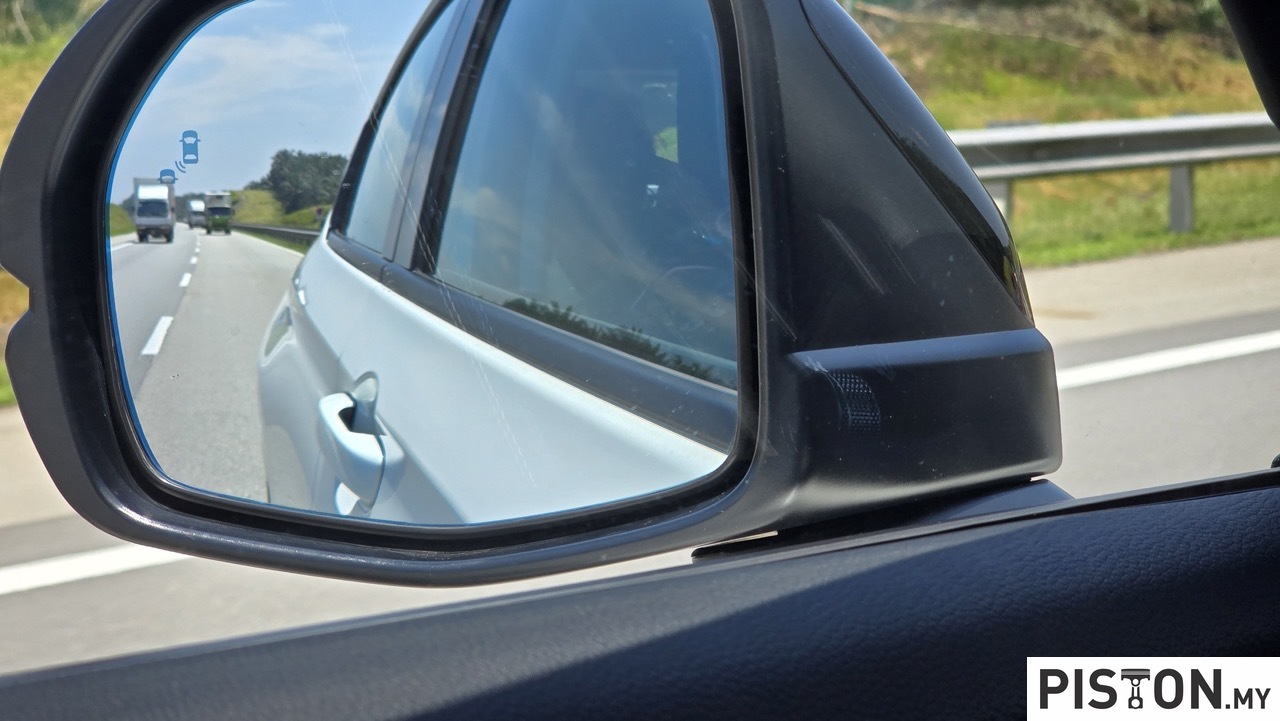
If you have read our previous reviews on Honda models, you will know that we had a love-hate relationship with Honda’s Lane Watch, but eventually got used to it. So, driving the e:N1 that does not have the LaneWatch felt a little weird. Instead of Lane Watch, Honda has replaced it with a Blind Spot Monitor.
Why do we say it feels weird? Because if you are familiar with the Lane Watch system, you know that it will override your screen, which means you will not be able to see your navigation screen. Of course, you can override it via the signal lever, but that takes some getting used to.
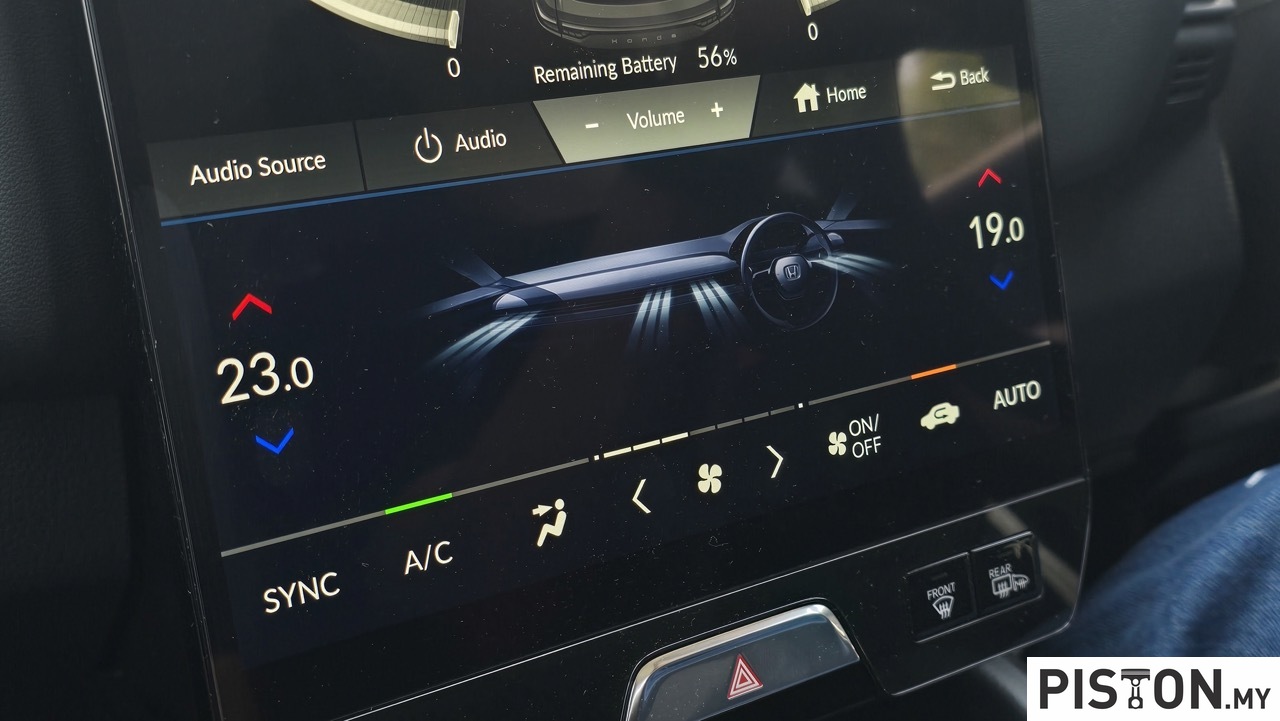
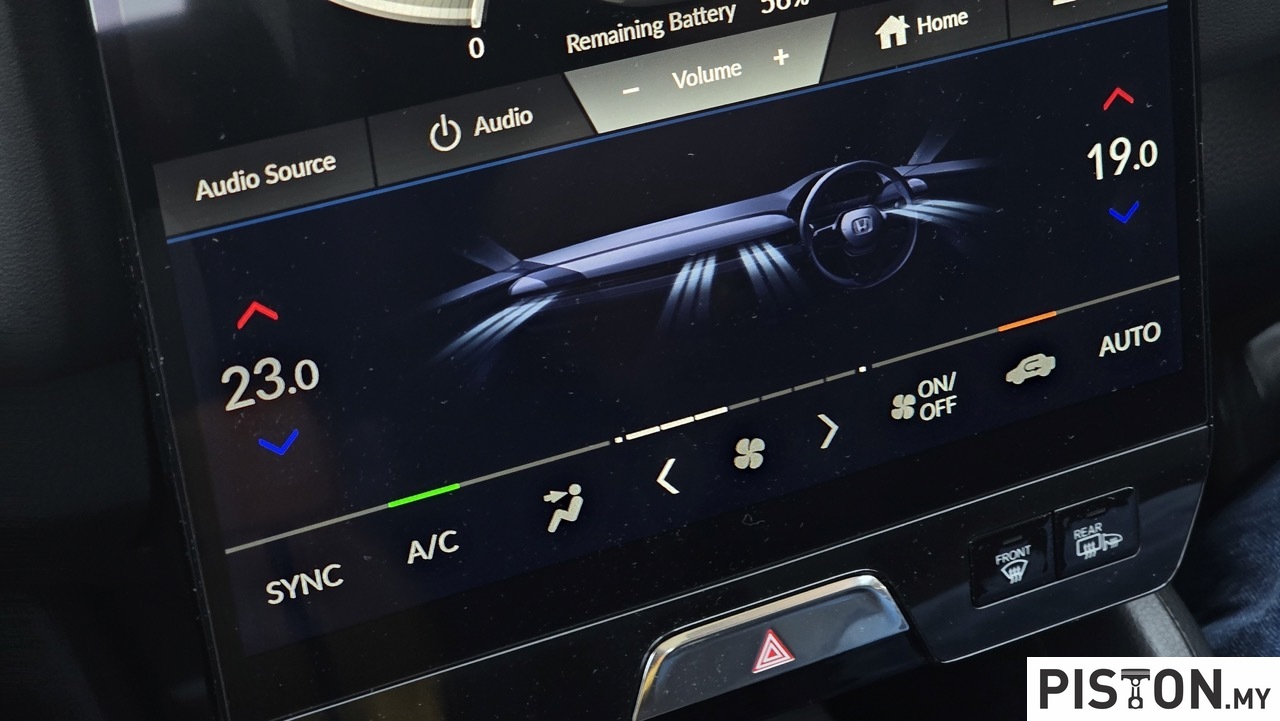
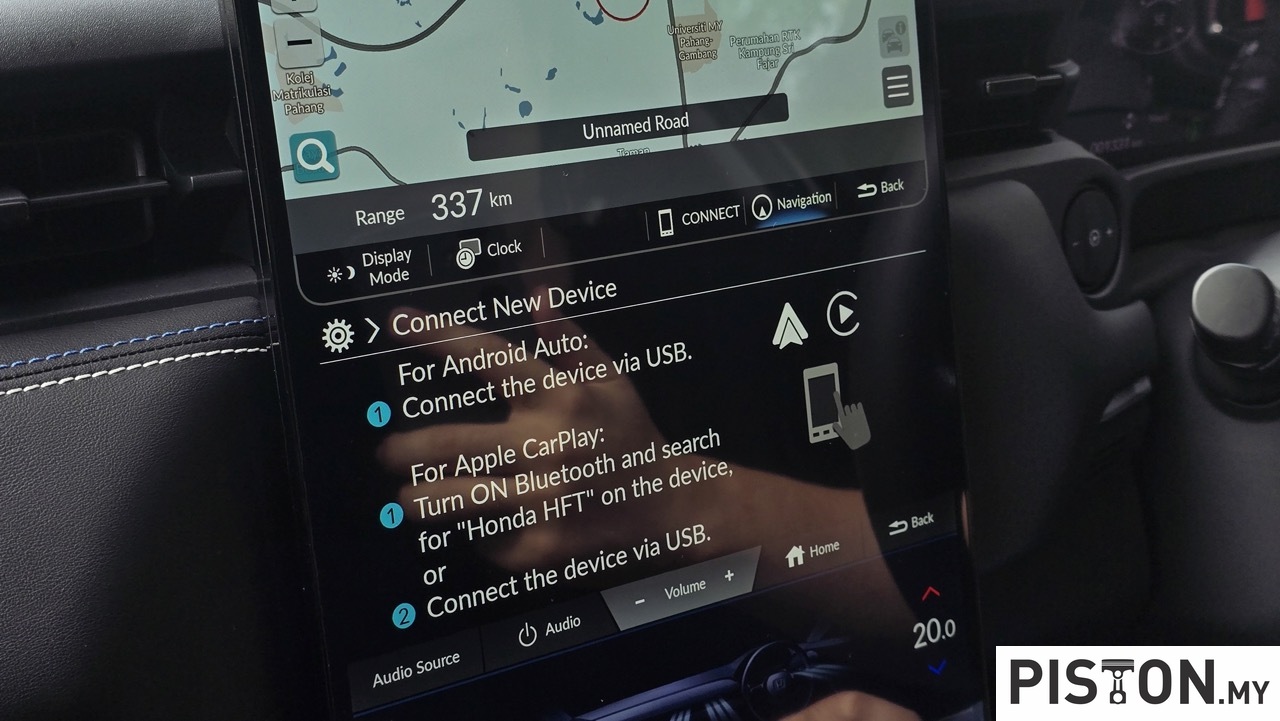
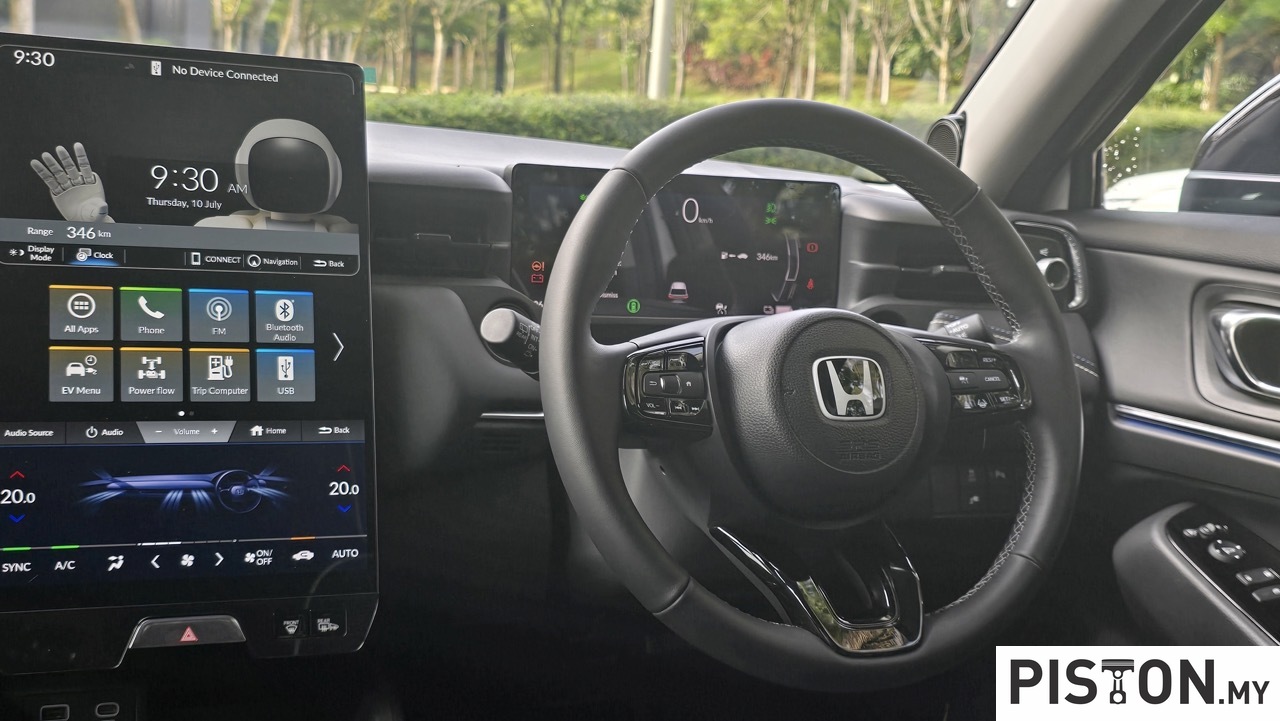
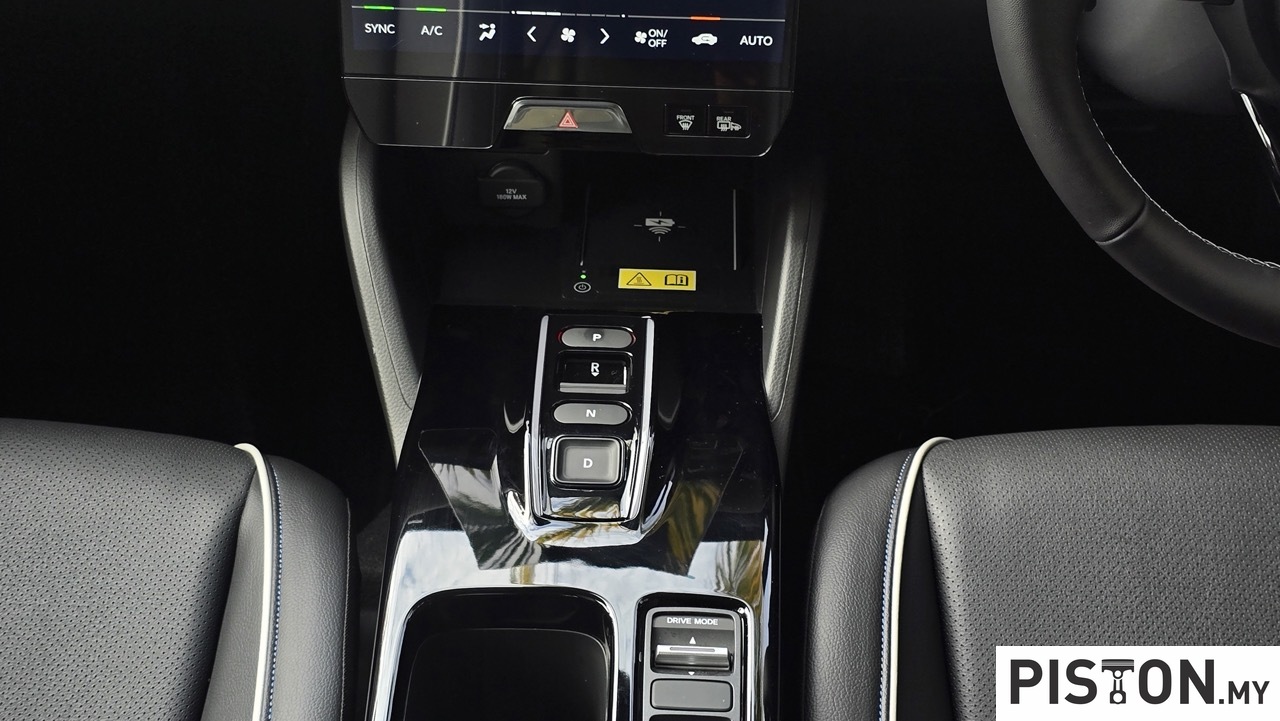
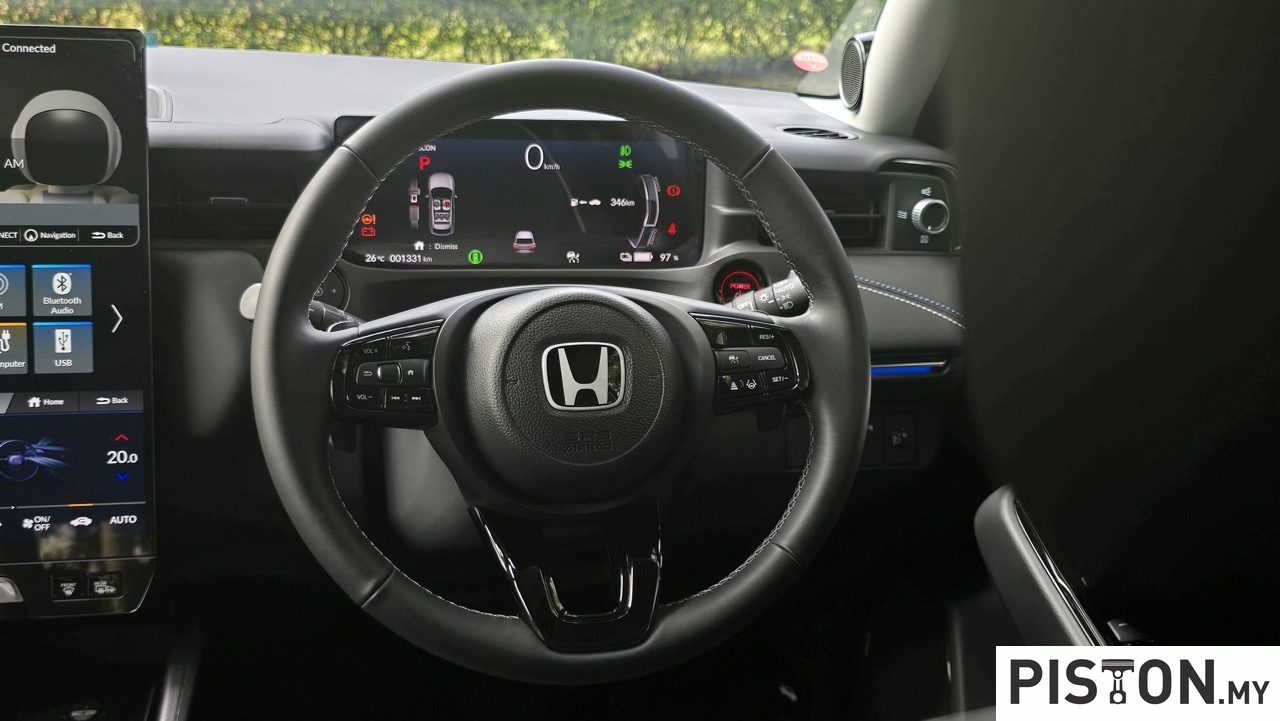
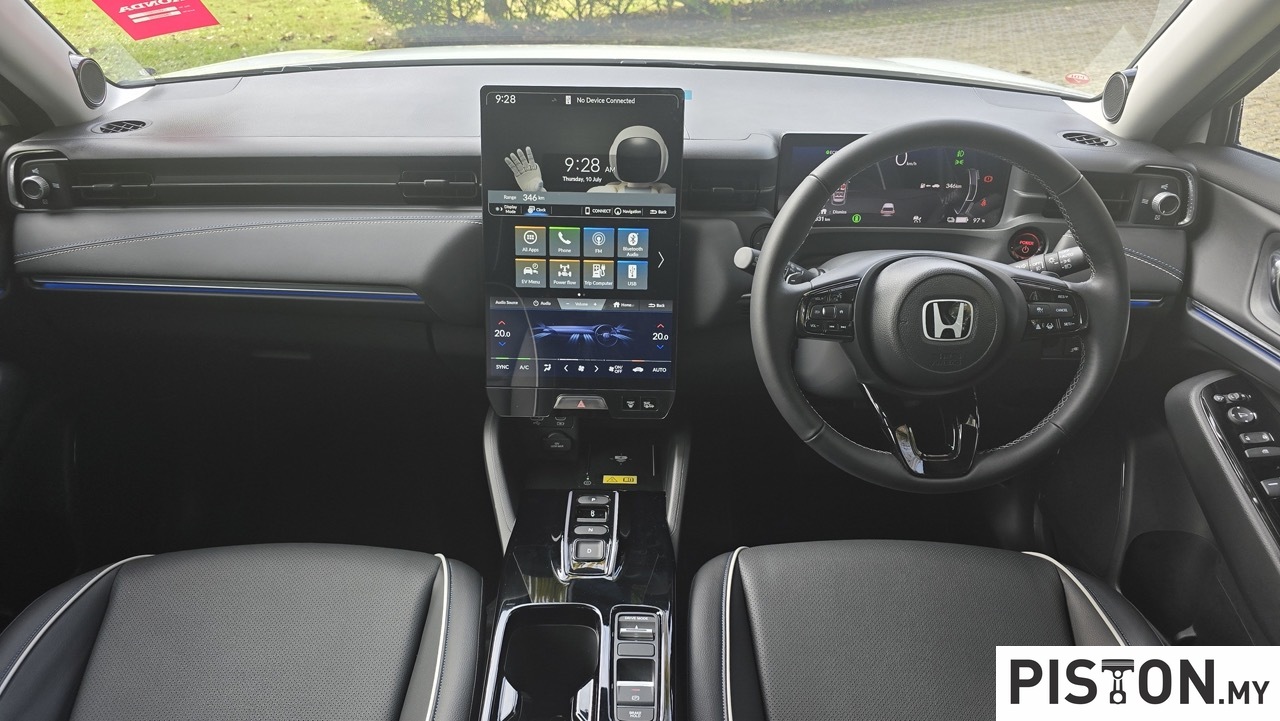
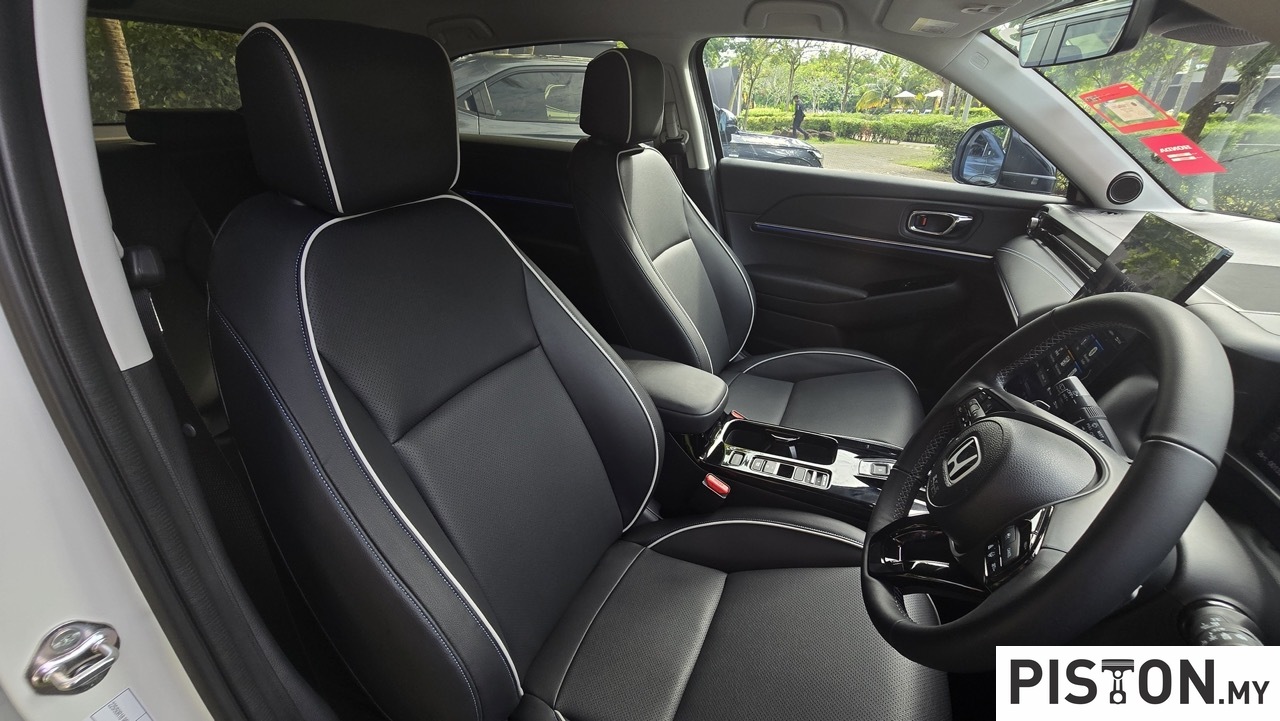
The e:N1, however, has a huge 15.1-inch Advanced Touch Display Audio touchscreen panel! This is brilliantly done because it splits into three different sections. At the top, you have your CarPlay details, which include Spotify and navigation controls. In the middle, you have the information section, which allows you to enter the settings menu, power flow and EV menu.
Finally, at the bottom part of the screen are your air conditioning controls. Which means, you will not have to navigate through menus to get to the controls!
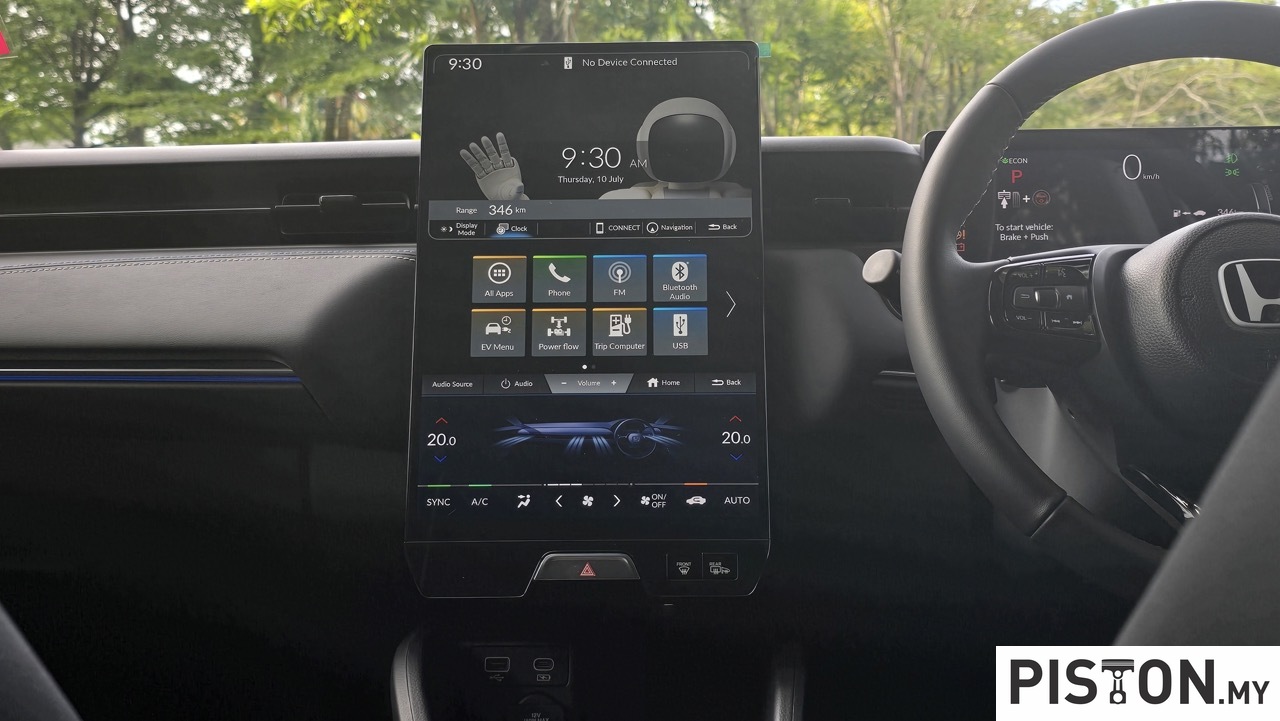
So, we were thinking that Lane Watch would have been perfect for this layout because it would not have to override your navigation screen. But of course, a high-definiton camera compared to the ones in the market now would be a nice touch.
And a note from the editor also pointed out that having Lane Watch on the right of the car instead of only on the left would be welcomed as well.
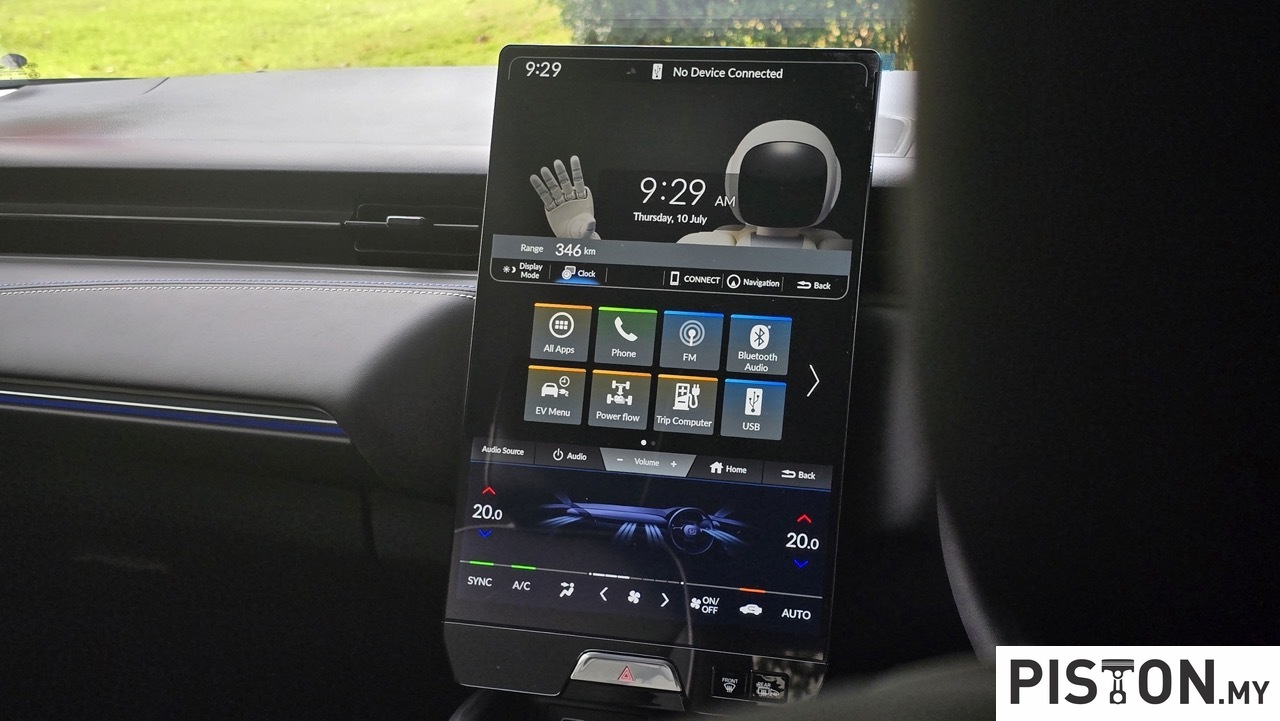
Honda has always made its tech very accessible and user-friendly, even with the smaller screens that you get in other models. So, take that, add a high-def camera on the left and right of the car and incorporate it into this massive screen, and you have the perfect marriage.
Of course, you still get Honda Sensing, which features Adaptive Cruise Control with Low-Speed Follow, Lane Keeping Assist, Collision Mitigation Braking, Auto High-Beam, and a Lead Car Departure Notification system.
The powertrain is completely at home
We have driven countless numbers of SUVs; some feel overpowered, some underpowered, and some just feel like they’re missing something. However, when we got behind the wheel of the e:N1, pushed it through corners at low speed and high speed, flying on highways, cruising through towns, we felt like this SUV has the perfect powertrain.
There is power when you need it; 204PS on tap with 310Nm of torque. This is not overpowered because it does not want to break your neck as soon as you floor it, as most electric vehicles nowadays do. It has the perfect launch power to get you out of tricky situations.
Switching it to sport mode when climbing up winding roads never felt more satisfying in an SUV. There were times when we forgot that we were driving an SUV! At high-speed corners, we were leaning a little, but that’s normal as the seats were not specifically designed for that. However, you do not get that weird body roll that can make you carsick.
It feels stable at corners and high speeds because it has a 1,662 kg kerb weight, which balances the power-to-weight ratio, coupled with a perfectly tuned suspension.
Final thoughts
For an EV, it drives differently compared to the Stormtroopers you get from China. The e:N1 speaks to the driver; it tells you everything that is going on. The suspension is so well-tuned that it does not feel like you are in a spaceship. This car has a soul and character, so kudos to Honda for making it feel and drive the way it does.
For everything that this SUV offers, we do not mind paying a premium price of RM149,900 for quality.
Specifications
Motor: Single, front-mounted
Power: 204PS
Torque: 310Nm
0-100km/h: 7.7 seconds
Top speed: 160km/h
Charging: 45 minutes with 78kW DC / 6 hours with 11kW AC
We like: Infotainment layout and driving experience
We don’t like: Not parked in our garage