

Piston.my

Euro NCAP

The New Car Assessment Programmes (NCAPs) of various countries and regions are conducted by independent organisations and though the scores awarded are not required by authorities in any country for a vehicle to be homologated for sale (provided the vehicle meets regulations). However, consumers pay attention to NCAP scores so as to be better informed when they are considering a vehicle to buy.

Since the mid-1990s, Euro NCAP has been conducting such a programme which includes crash tests. Over the years, the organization has progressively raised its standards and the criteria has evolved, challenging carmakers to make their cars safer and safer. Achieving the maximum of 5 stars and high scores in the various categories of testing can help a model’s sales in the market where buyers are increasingly concerned about safety.

CX-30 has near-perfect score
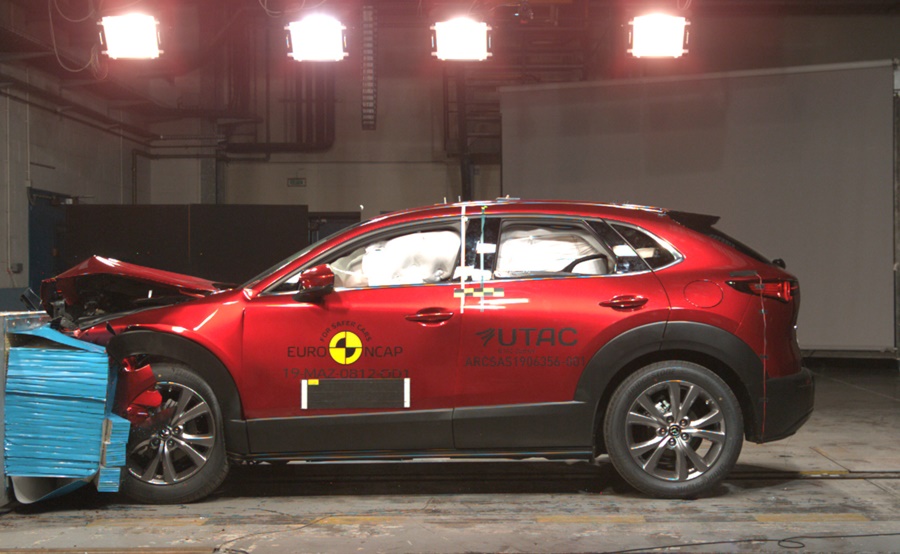
In its latest series of tests on new models sold in Europe, Euro NCAP’s results show that the new Mazda CX-30, a subcompact crossover between the CX-3 and CX-5, achieved a near-perfect 99% score for Adult Occupant Protection (AOP), besides the maximum of 5 stars.
Mazda CX-30 Euro NCAP

The model, which shares much of its DNA with the all-new Mazda 3, now tops the list for this part of the assessment against Euro NCAP’s 2018/2019 protocols. The highest ratings on record have been at the 98% level with the Alfa Romeo Giulia, Mazda3, Volvo XC60 and Volvo V40.

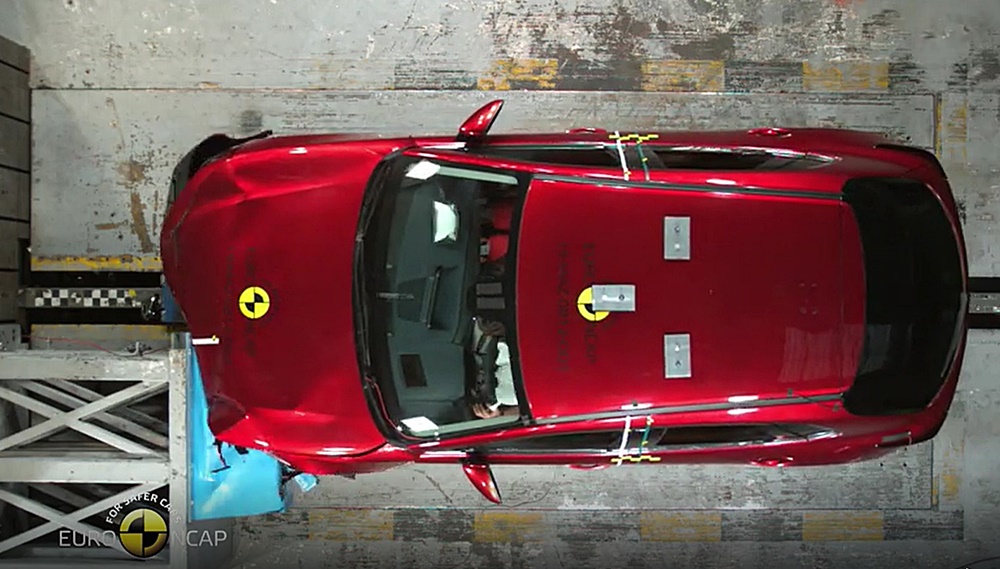
The CX-30’s impressive AOP score was gained by getting maximum points in the different impact tests (side, pole and barrier). Many vehicles don’t perform so well in the pole test where the vehicle is sent sideways smashing into a pole.
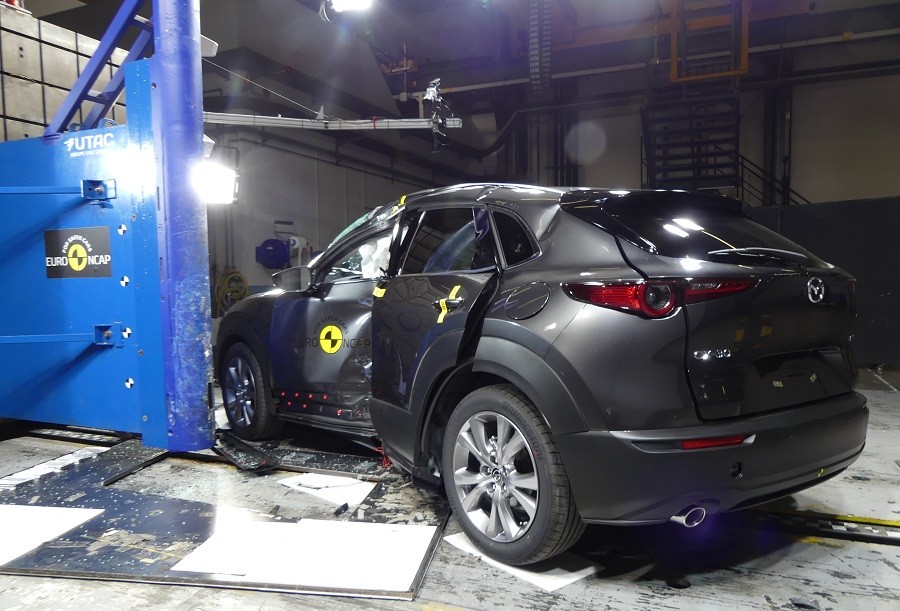
Mazda CX-30 Euro NCAP

The report said the passenger compartment remained stable in the frontal offset test, with good protection of the knees and femurs of both the driver and passenger. A similar level of protection would be provided to occupants of different sizes and to those sitting in different positions.

The standard autonomous emergency braking system or ‘Smart Brake Support’ (SBS) performed well in tests of its functionality at the low speeds, typical of city driving, at which whiplash injuries often occur. With collisions avoided in all test scenarios, the CX-30 scored full points in this part of the assessment.
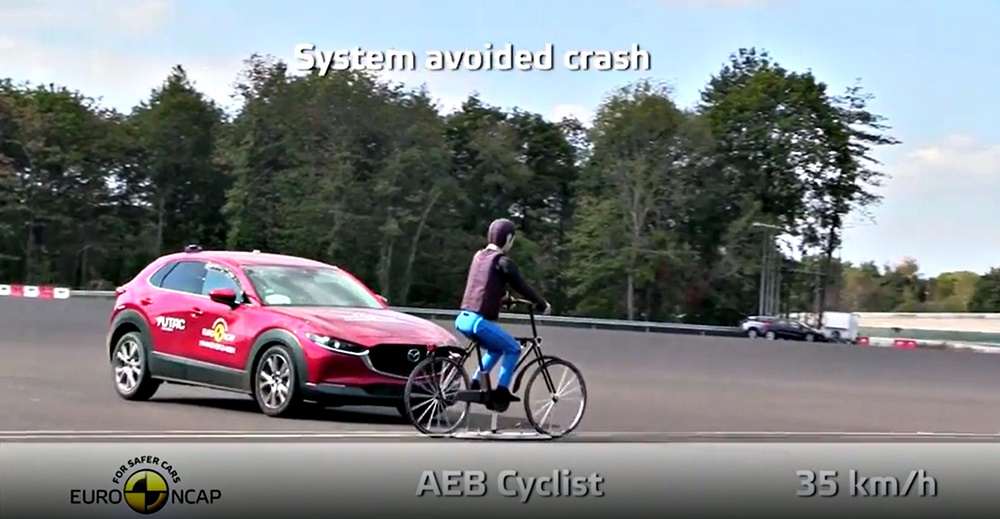
Mazda CX-30 Euro NCAP

Reducing pedestrian injuries
The protection offered to the head of a struck pedestrian was good over almost all of the bonnet surface and adequate over much of the rest. Good protection was provided to pedestrians’ legs by the bumper and protection of the pelvis was also rated as good at all test locations.

The SBS can detect vulnerable road-users like pedestrians and cyclists, as well as other vehicles. In tests of its reaction to such road-users, the system performed adequately, with collisions avoided or mitigated in most scenarios.
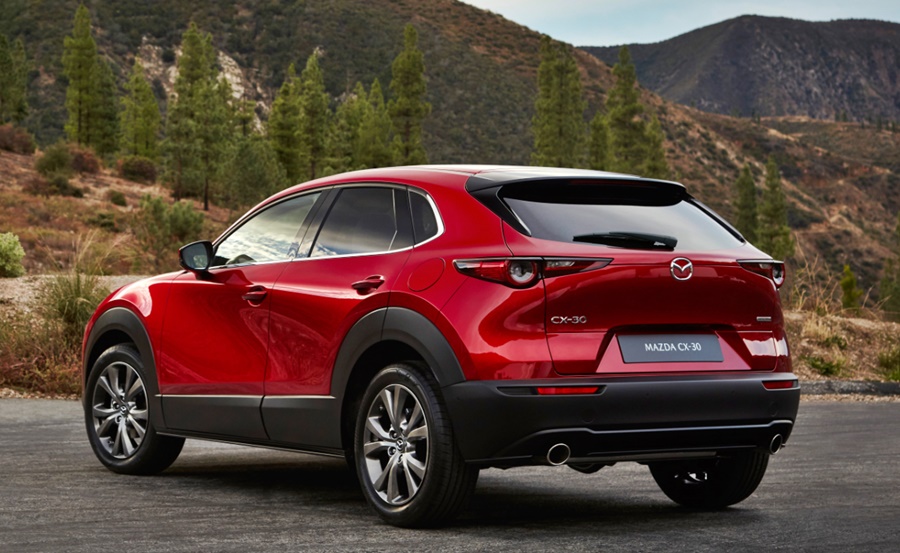
Mazda CX-30

CX-30 for Malaysia?
Bermaz Motor has confirmed that the CX-30 will be available for the Malaysian market but when it will be in showrooms is not known yet. Given the high demand for the new CX-5 (in Malaysia as well as other markets) which is assembled at the Mazda Malaysia plant in Kedah, it seems unlikely that the CX-30 will be assembled locally. This could mean it will be somewhat expensive with the high taxes imposed.

Visit www.mazda.com.my to know more about Mazda products and services available in Malaysia.
(more…)

BHPetrol

Since the early 1980s when airbags started to be installed in cabin, millions of people have benefitted from the extra protection and experienced reduced injuries during accidents. The contribution of airbags to saving lives cannot be understated and as new technology has been developed, the effectiveness of airbags has increased.

Preventing head injuries
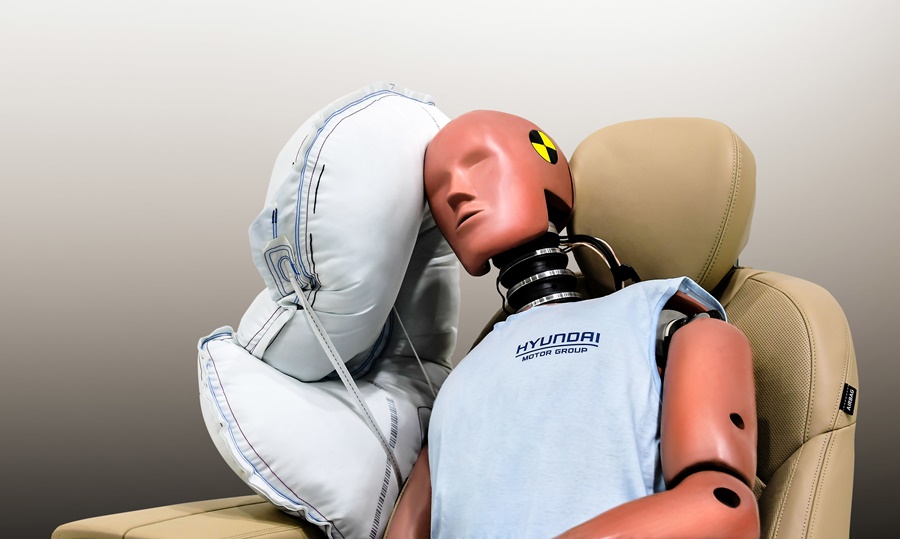
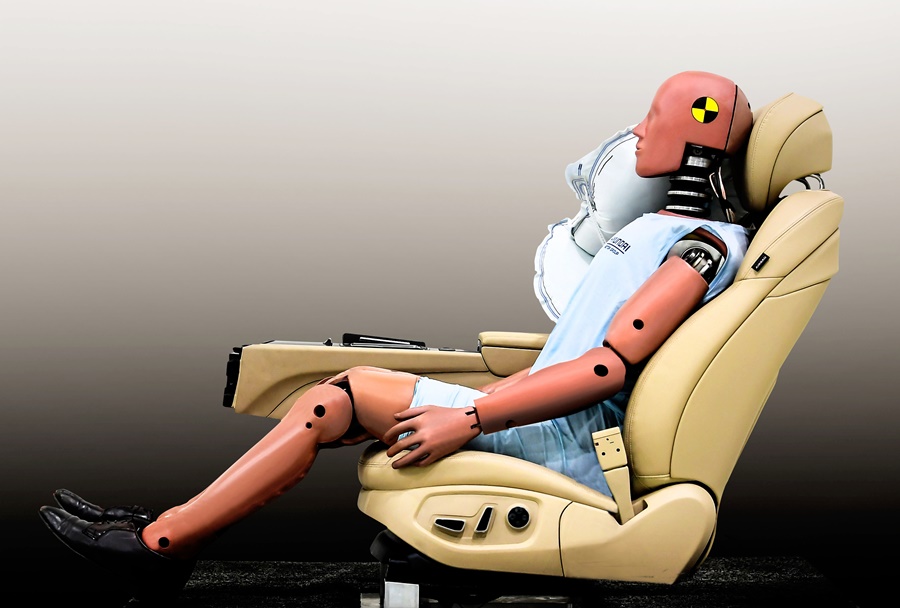
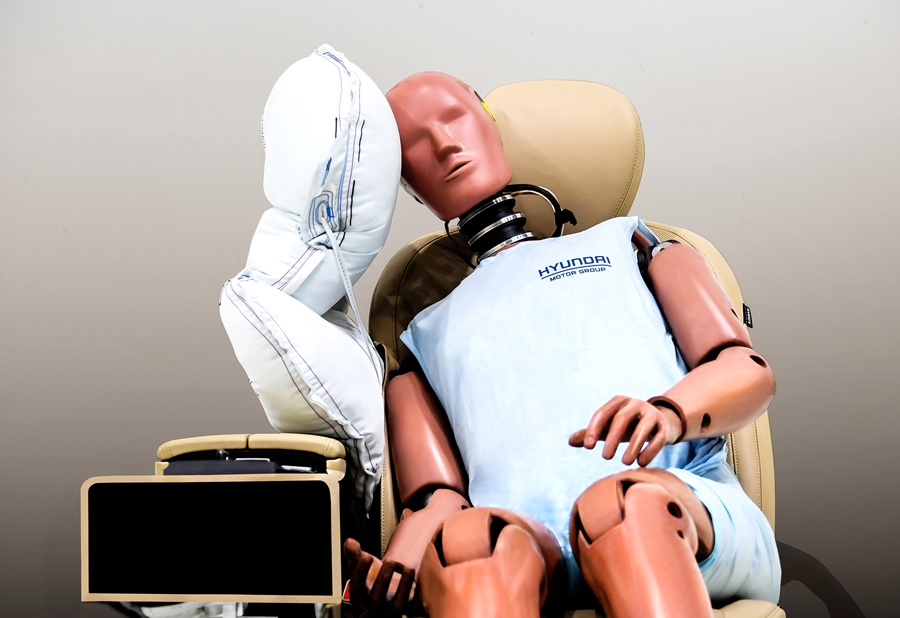
Now the Hyundai Motor Group (HMG) has developed a new centre side airbag, further enhancing the safety of its vehicles’ occupants. This airbag works to separate the space between driver and front passenger by expanding into the space between the front seats to prevent head injuries of the two occupants.

Hyundai Motor Group

If there is no one in the front passenger seat, the airbag will protect the driver from the effects of a side collision coming from the opposite side. The centre side airbag is installed inside the driver’s seat and will deploy once the impact is sensed.

The new centre side airbag is expected to diminish head injuries caused by passengers colliding with each other by 80%. According to the European Automobile Manufacturers’ Association’s statistics, the rate of secondary damage caused by these kinds of collisions or from hitting interior materials is about 45%.

Hyundai Motor Group

Lighter and simpler
The airbag has an internal component called a tether which allows the airbag to maintain its form and withstand the passenger’s weight. HMG has developed a new technology to simplify the design and reduce the weight of components to produce an airbag which is about 500 gms lighter than the competing products. Thanks to the smaller size of the airbag, the design teams will have more flexibility in the type of seat design they envision for future products.

HMG has applied newly patented technology to maintain reliability but reduce the weight and size of the airbag which will be offered in selected models to be introduced in future. Upcoming Euro NCAP assessments are expected to include side impact into its consideration beginning from 2020 and HMG’s airbag is expected to work favourably in such evaluation.

PISTON.MY

Airbags have been in cars since the early 1980s, initially being installed at the front to give additional protection to the passenger and driver. Then airbags were installed at the sides (usually in the seats), giving protection against side collisions. Today, there can be up to 7 airbags on the front and sides of a cabin – curtain airbags over the window openings and a small airbag under the steering column to protect the driver’s knees (the seventh airbag).

Airbags for the rear occupants have been under study for a long time but there have been some issues which are still hard to resolve, preventing them from being offered. For example, the positioning of the passenger is critical and if this cannot be sufficiently controlled, then an airbag could cause injury instead. The mounting point of the airbag would also have to be optimised, especially with the greater area between the passenger and the seat. There are, however, airbags integrated in rear seatbelts available as options in some Lexus, Mercedes-Benz and Ford models.

New dangers from side collisions
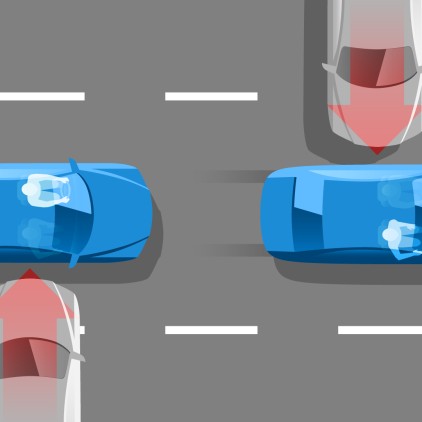
While research continues to find new and better solutions in passenger restraint systems, much attention is now also focussed on side-on collisions on the opposite side of the passenger. If the impact is severe enough, it can throw the passenger’s body toward the middle of the vehicle. The latest results from crash tests have shown this, referred to as the far side in professional circles, and it’s dangerous.

Side collision

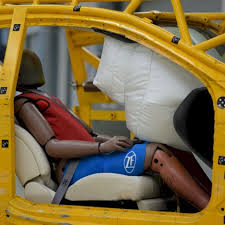
In certain crash events, the test dummies show that the passenger’s torso could bend over the centre console while the seat belt hold the pelvis back in the seat. As a result, the thoracic spine twists and the cervical spine can be overstretched. The dummy data readings indicate that serious injuries could result.

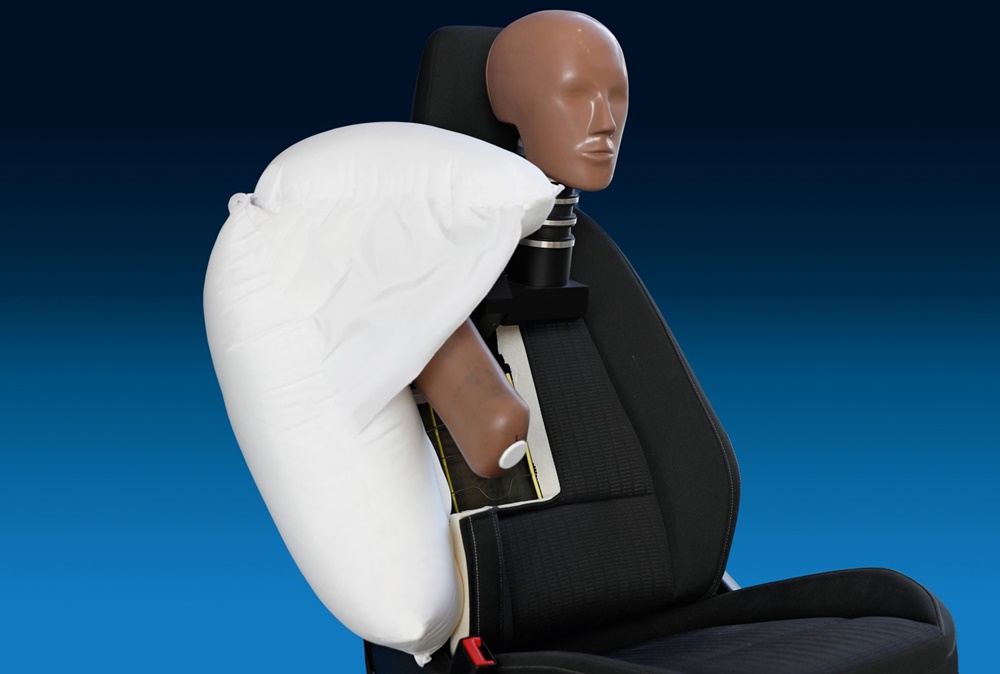
Far-side safety countermeasures present an untapped area for injury reduction and as far back as 2015, ZF showcased a far-side airbag concept for the first time. Installed in the inward-facing side of the driver’s seat, the airbag can help to provide better protection to both the driver and front-seat passenger.

A new Euro NCAP test requirement
Euro NCAP has now become the first safety organization in the world to react to the far-side problem. The new test requirements that will be introduced in 2020 will expand the scope of the investigations into side-on collisions on the side of the vehicle opposite to the passengers. A total of 16 points within the Euro NCAP are awarded to side-on collisions; in future, 4 of these points will focus solely on the topic of far-side collisions. A car can achieve a maximum of 38 points in all four categories for the protection of adult passengers.

Recent evaluations of the national accident data, collected by the US National Highway Traffic Safety Administration from 2004 to 2013, present a detailed picture of the serious injuries that an be caused by far-side collisions: 43% of the injuries suffered were to the chest and abdomen and 23% were head injuries. Around 53% of the chest injuries were caused by contact with the centre console or the backrest, while 21% were caused by the passenger colliding with external structural elements, such as the metal parts of the door.

Different from other airbags
ZFThe design of the ZF far-side airbag therefore focuses on two chambers that are arranged in a specific way to complement each other. “This special design was developed based on the fact that we want to support the head in the upper area as early as possible. The shoulders of the passenger are usually held in place between the two chambers. The entire upper body is therefore better supported on both sides,” explained Dominique Acker, an engineer involved in the preliminary development of side airbags in the Passive Safety Systems Division.

The considerably larger far-side airbag is integrated in the driver’s seat in a similar fashion to a side airbag. In the event of a side-on collision, the airbag control unit can trigger the far-side airbag shortly after the standard side airbag. In order to stabilize the far-side airbag, it is either fixed in place on the seat frame with a strap or supported by the centre console.

It can also be triggered when a collision takes place on the driver’s side. This is due to the fact that if there are people sitting in both of the car’s front seats, lateral acceleration can cause the two car occupants to collide with one another. In this instance, the far-side airbag can help prevent this exact scenario from taking place.

The airbag therefore differs from the front and side airbags: the function of these airbags is to help reduce the body’s momentum by ‘enveloping’ the passenger, while the far-side airbag provides the passenger’s body with more support. “The pressure in the chambers is therefore higher than in most other airbags,” explained Acker, revealing that the airbag will be offered in a compact-class vehicle in 2020.


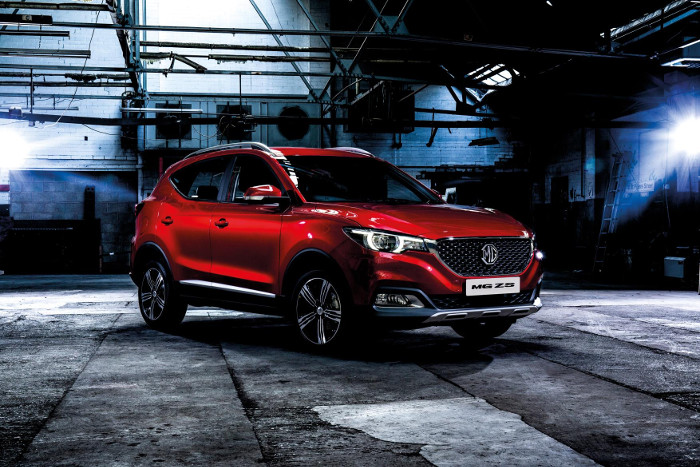
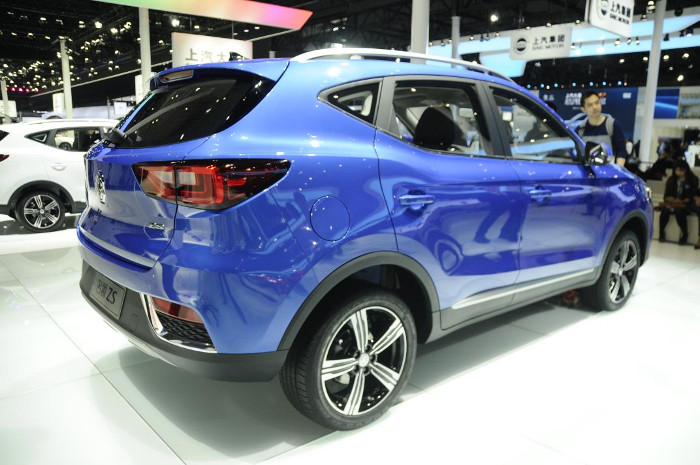
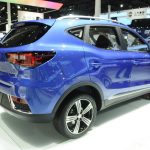
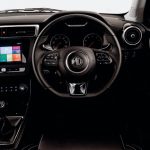
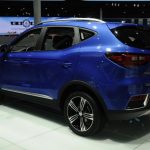
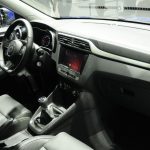
MG’s compact SUV, the MG ZS has been awarded a 3-star safety rating by Euro NCAP, an independent body that classifies vehicle safety based on various frontal and side impact tests. A maximum of 5-stars can be awarded to a vehicle if it copes well with frontal and side impacts as well as offers exceptional level of protection to occupants.

A 3-star rating achieved by the MG ZS, may not be exemplary, but means that the vehicle will provide a satisfactory level of protection during a collision. That said, in both the side barrier test and the more severe side pole impact, the MG ZS scored maximum points. The passenger compartment remained intact, and provided decent protection for driver and passengers.

Harvey France, spokesperson at MG, said, “An achievement of a three-star rating from Euro NCAP is a great result. The body of the car showed great strength in all aspects and the MG ZS scored maximum points in the side barrier and the more severe side pole impact tests, a true testament to the work carried out by the engineering team.”

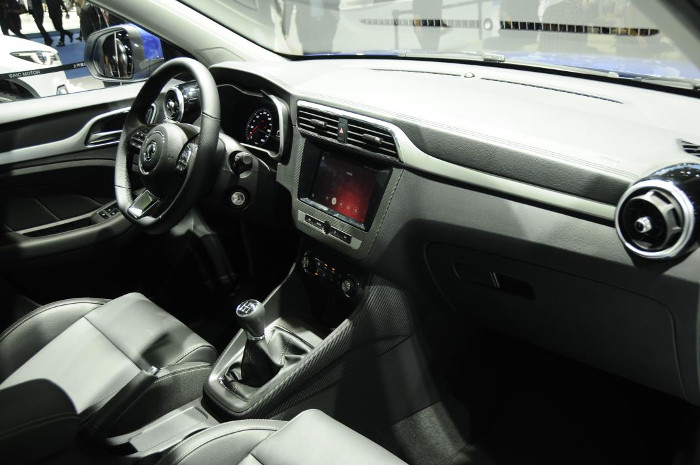
Built at MG’s facility in Longbridge, Birmingham, the MG ZS is a popular vehicle in the UK as it comes with a relatively affordable price tag, decent looks and a slew of options. This include six way adjustable seating and a touchscreen infotainment system that provides Bluetooth connectivity and support for Apple Carplay.

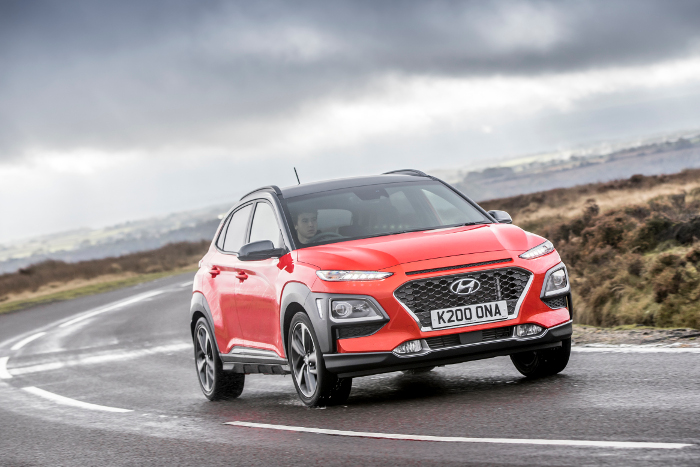
Hyundai’s newest vehicle, the Kona has received high marks in the latest round of Euro NCAP crash safety tests. The independent European body determined that the Kona deserved a 5 star rating, the highest distinction possible in all four categories: Adult Occupant, Child Occupant, Pedestrian and Safety Assist.

“The five-star safety rating from Euro NCAP for the All-New KONA proves that our newest SUV fulfills the highest standards for the safety of our customers,” says Thomas A. Schmid, Chief Operating Officer at Hyundai Motor Europe. “The top result demonstrates that Hyundai Motor not only offers technology-driven and innovative solutions, but also makes them easily accessible to everyone.”

The compact SUV completed the required tests with more than satisfactory results thanks to it’s slew of safety tech. Most notable of the lot have to be Lane Keep Assist and Autonomous Emergency Braking. The former monitors vehicle movements, prompting drivers to keep within the white lines when they stray off course. It does give off audible and visual warnings before stepping in to steer it back on track.

The latter, which is becoming commonplace on many new vehicles, monitors the road ahead via radar and camera sensors. If the system senses an impending collision, it warns drivers both visually and audibly. If the driver continues to ignore the warnings, the system will step in and apply the appropriate braking pressure to avoid or lesson the severity of an impact.

Apart from these, the Kona also benefits from having High-Beam Assist (HBA) with Static Low Beam Assist, Driver Attention Alert (DAA), Blind-Spot Detection (BSD) and Rear Cross-Traffic Alert (RCCA). Together, these safety features makes up Hyundai’s SmartSense system. Adding to this, the car also offers SUV capabilities, allowing drivers to traverse tricky terrain in a safe manner.

Archive

Follow us on Facebook

Follow us on YouTube