
Piston.my

Review

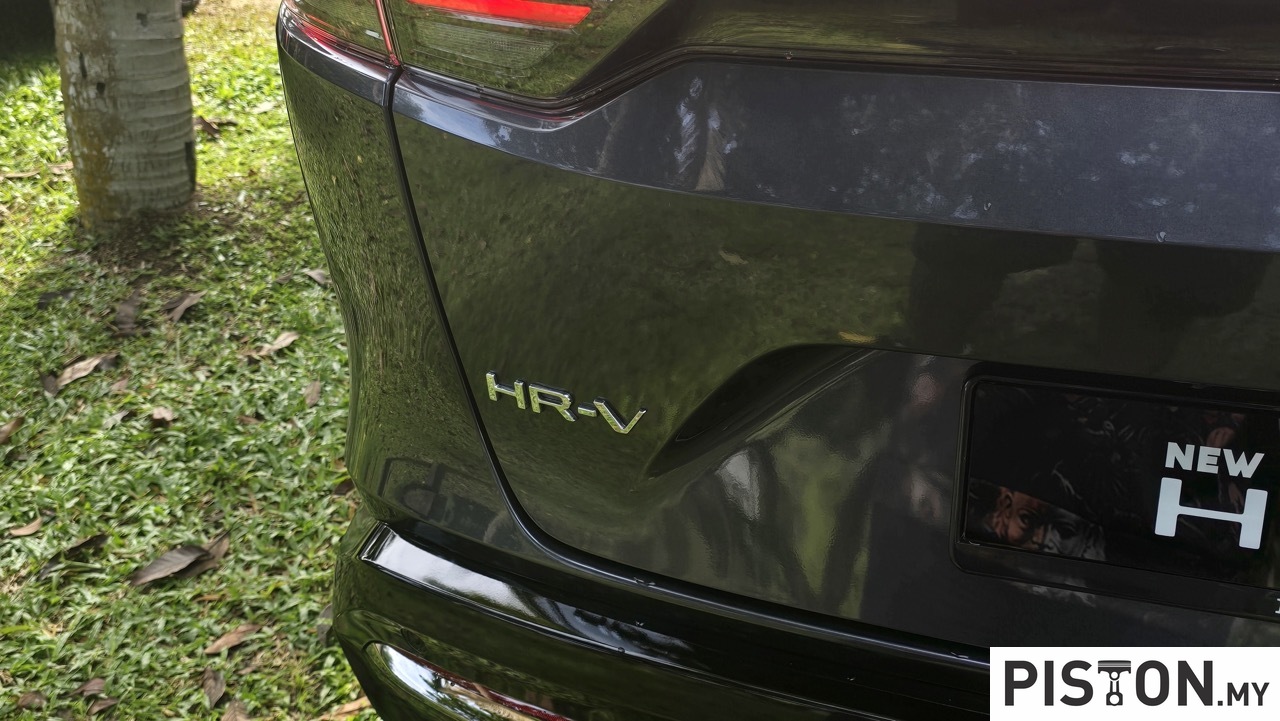
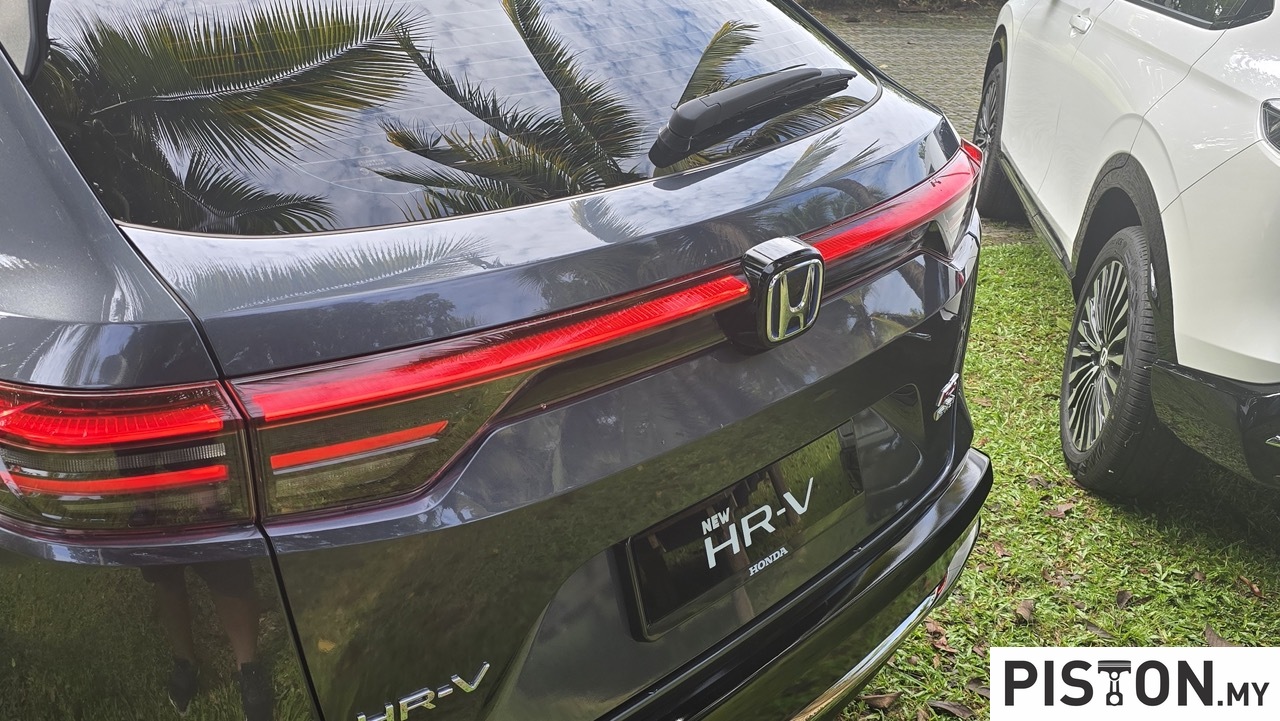
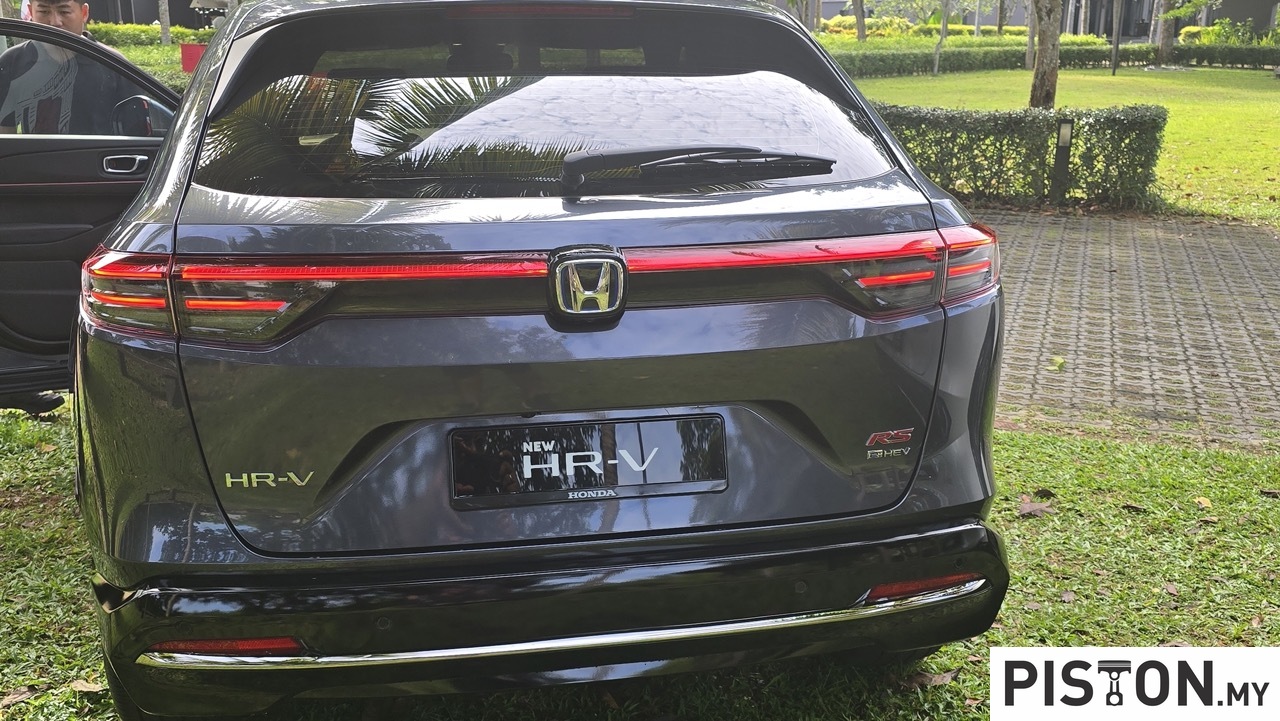
The Malaysian SUV market is one of the most competitive automotive battlegrounds, and Honda has been a consistent front-runner thanks to the enduring popularity of the HR-V. 

Since its first introduction in 2015, the HR-V has built a strong reputation for combining style, practicality, and reliability in a compact package. According to Honda Malaysia, they have sold more than 171,000 units of the HR-V!

With the arrival of the refreshed 2025 Honda HR-V, Honda Malaysia has taken the opportunity to refine what was already a winning formula.
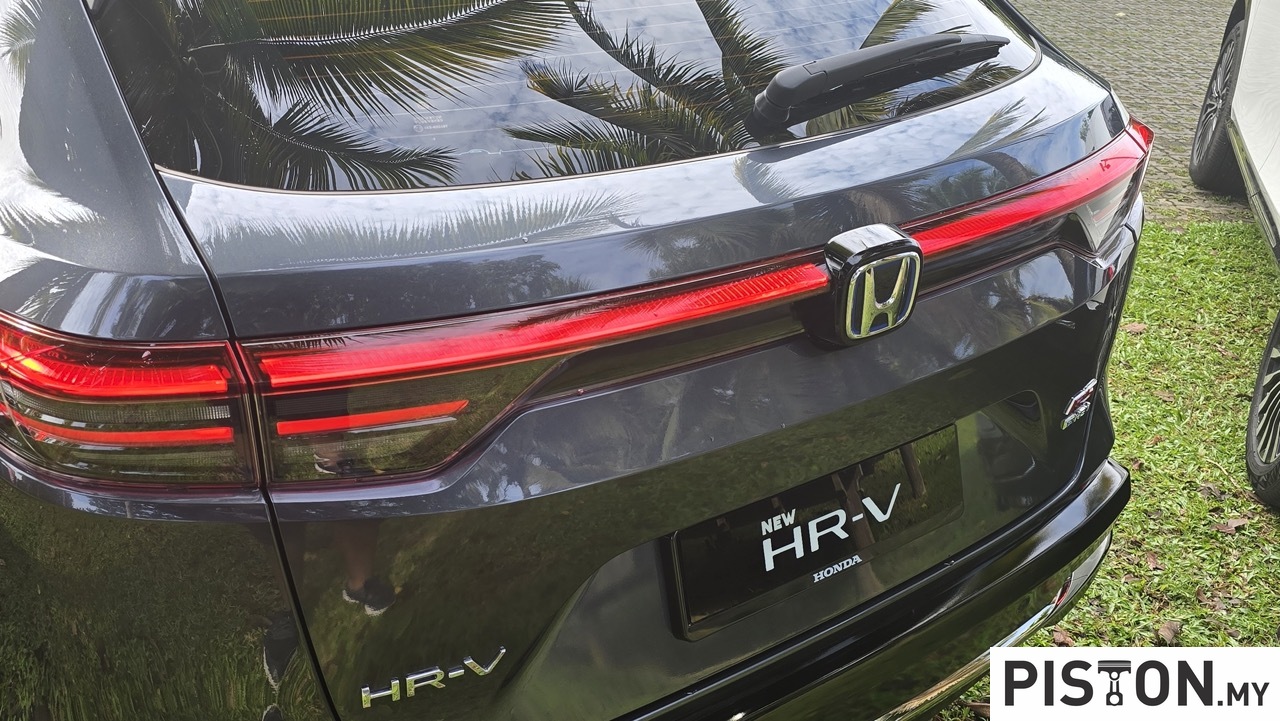
This updated model promises not only subtle styling tweaks but also improvements in comfort, technology, and safety. We spent time evaluating what makes the latest HR-V stand out and whether it retains its place as one of the top choices in the segment.

A Subtle Evolution in Design

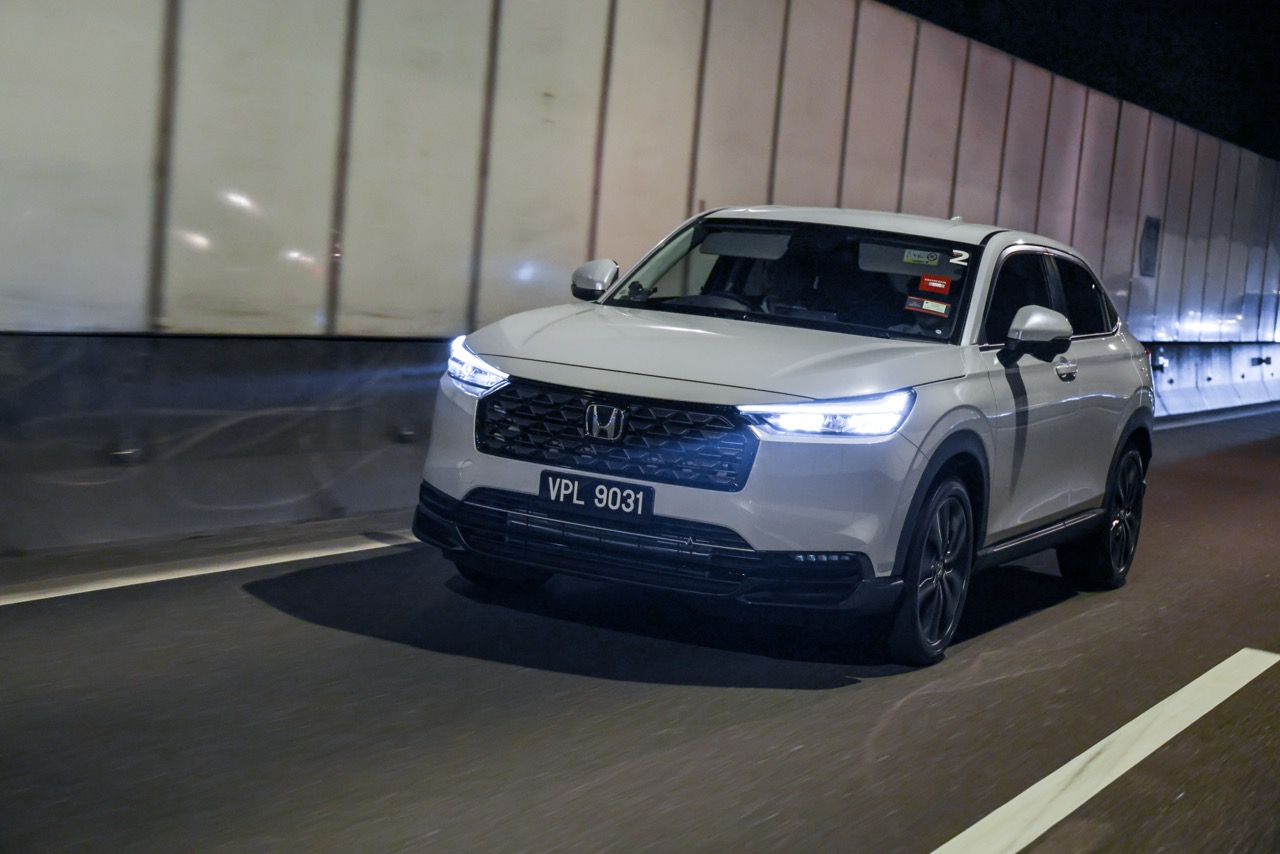
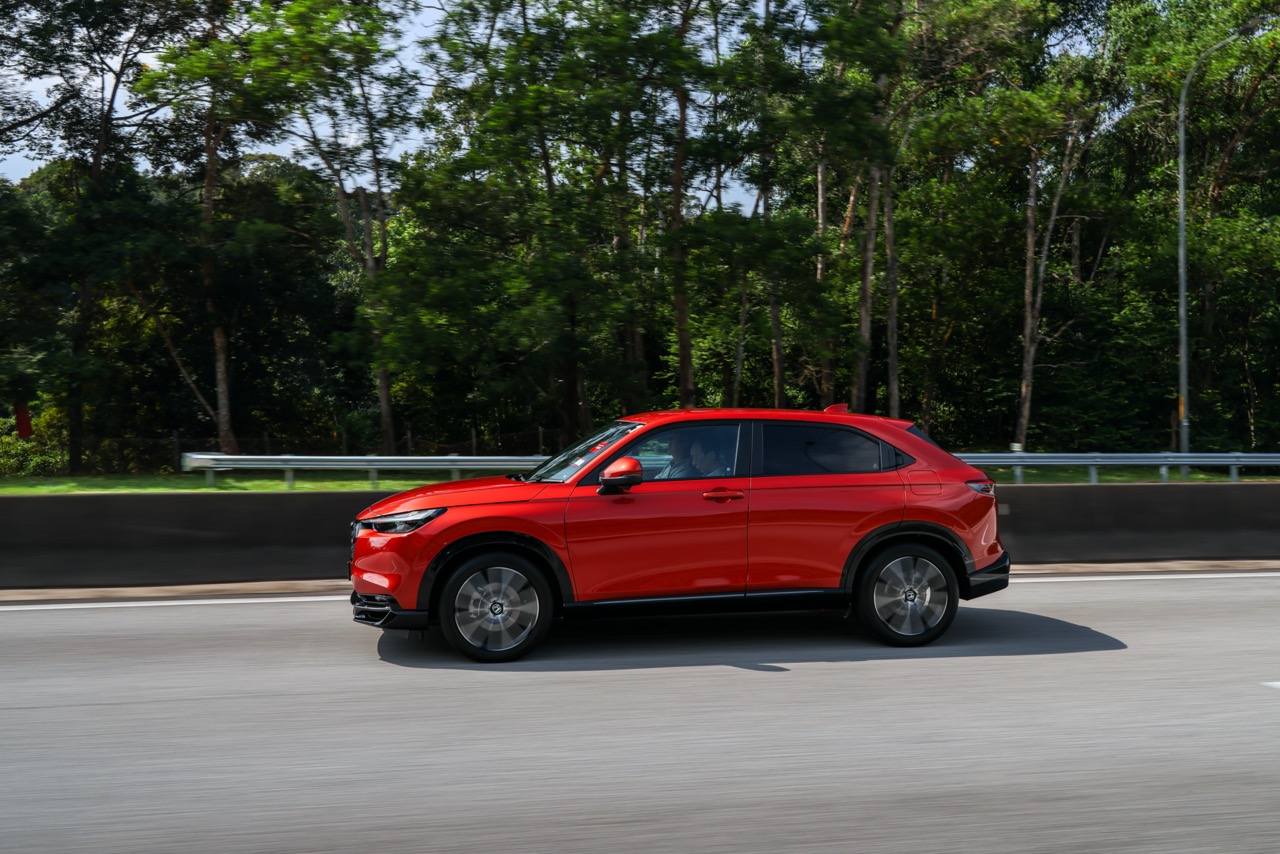
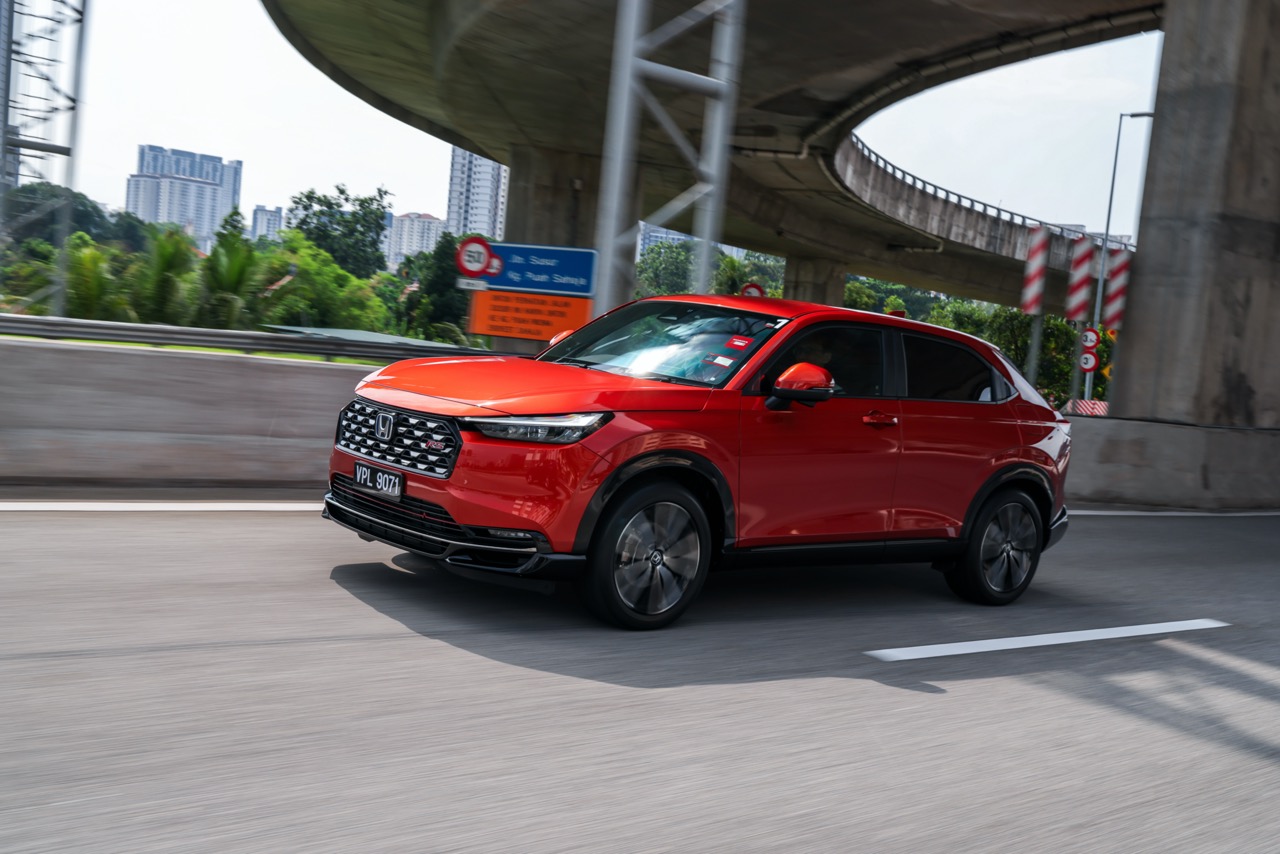
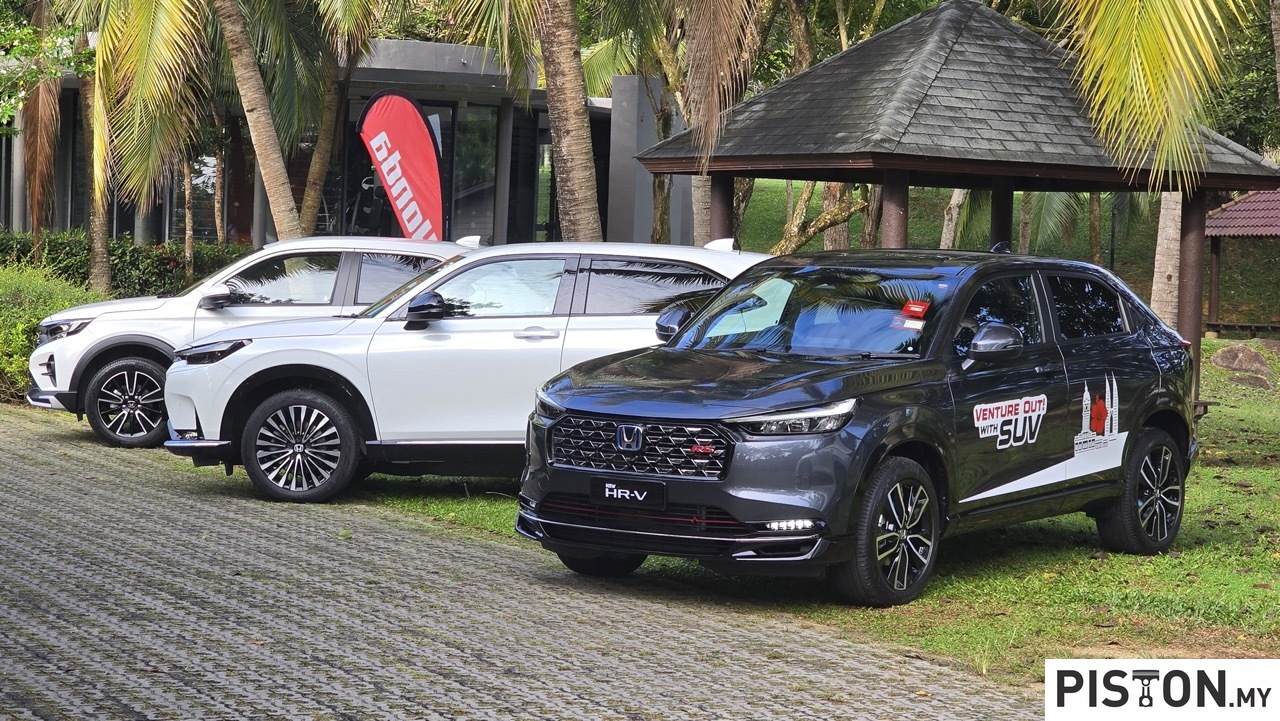
Visually, Honda has not drastically altered the HR-V’s well-established coupe-inspired profile, and that is deliberate. The silhouette, one of the defining features of the model since its introduction, remains intact. Instead, the design team has concentrated on details. 
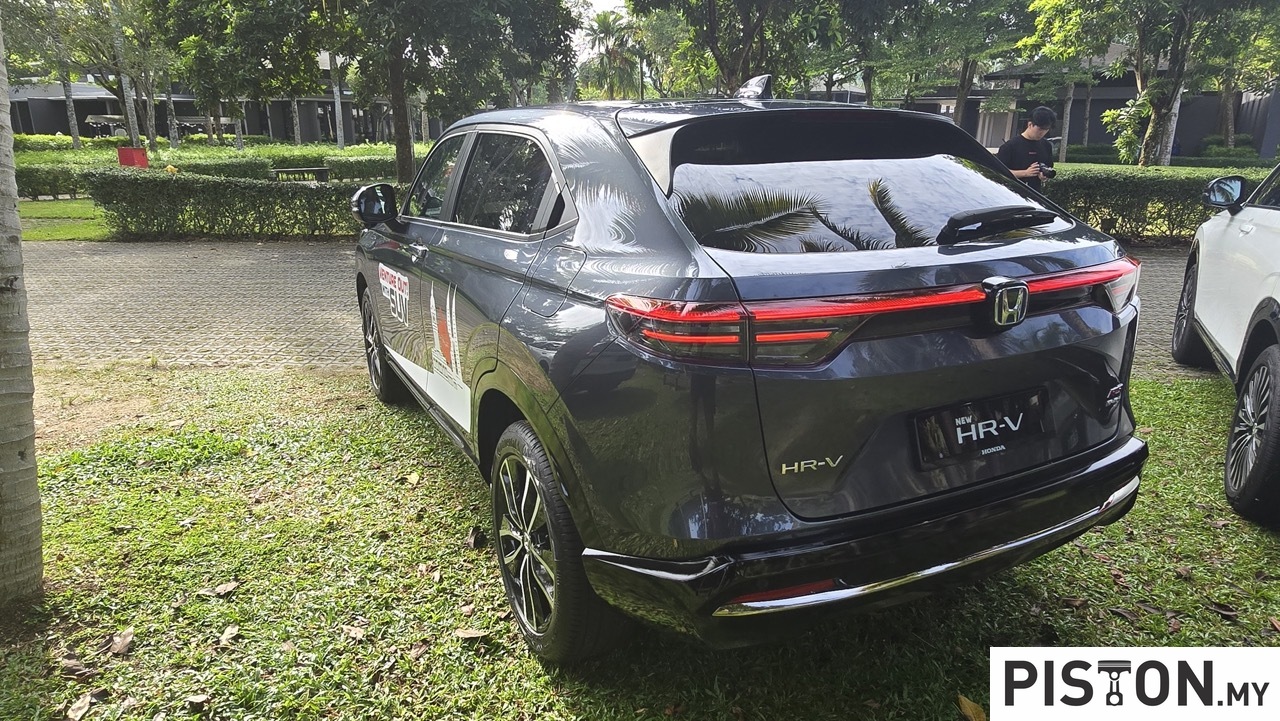
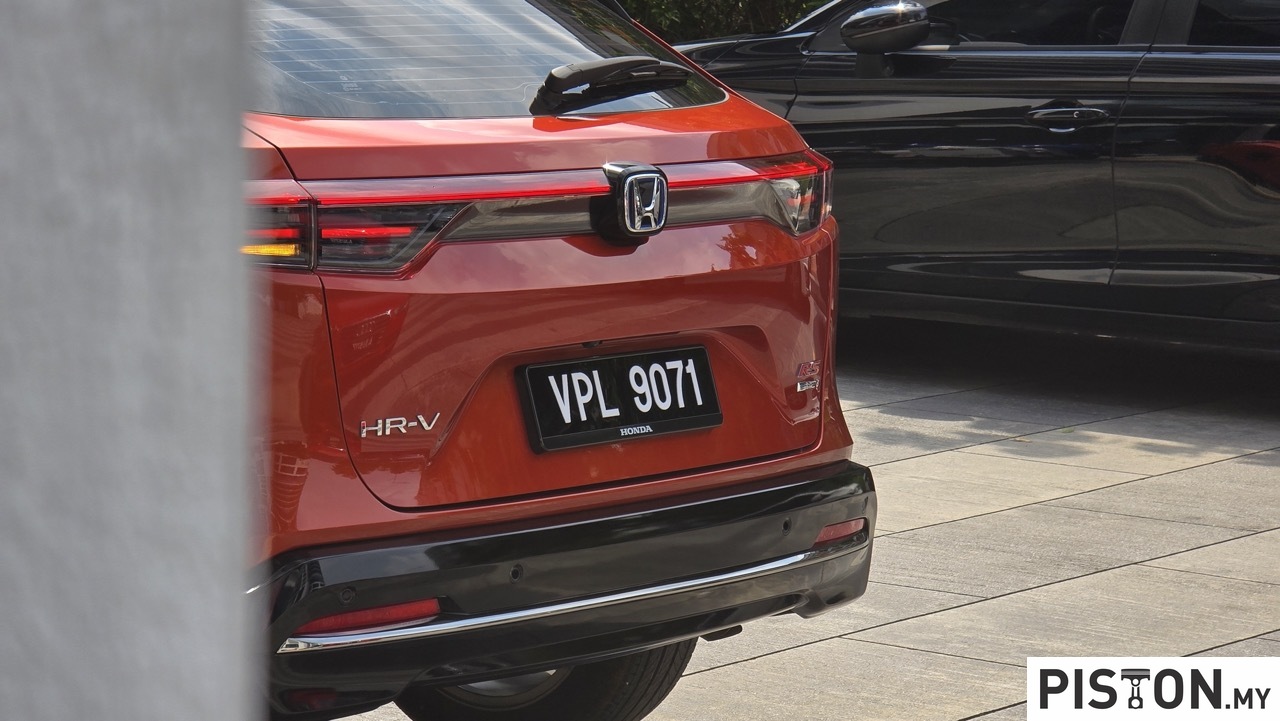
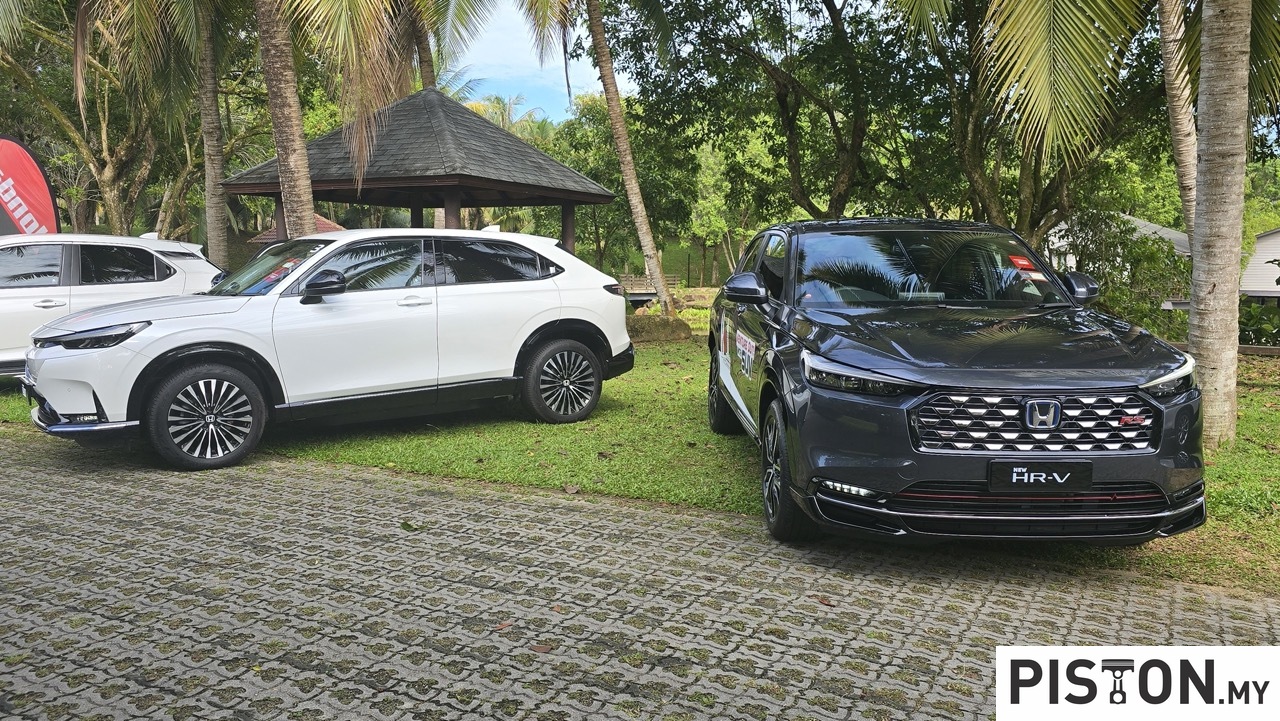
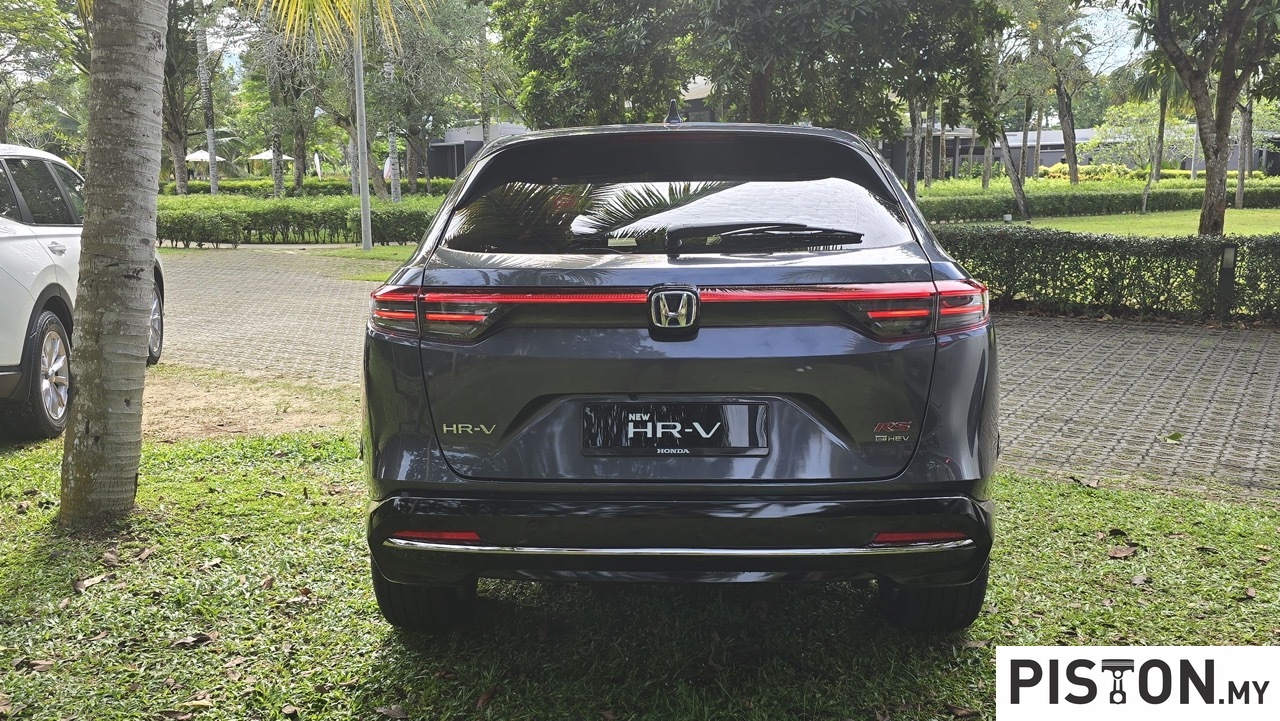
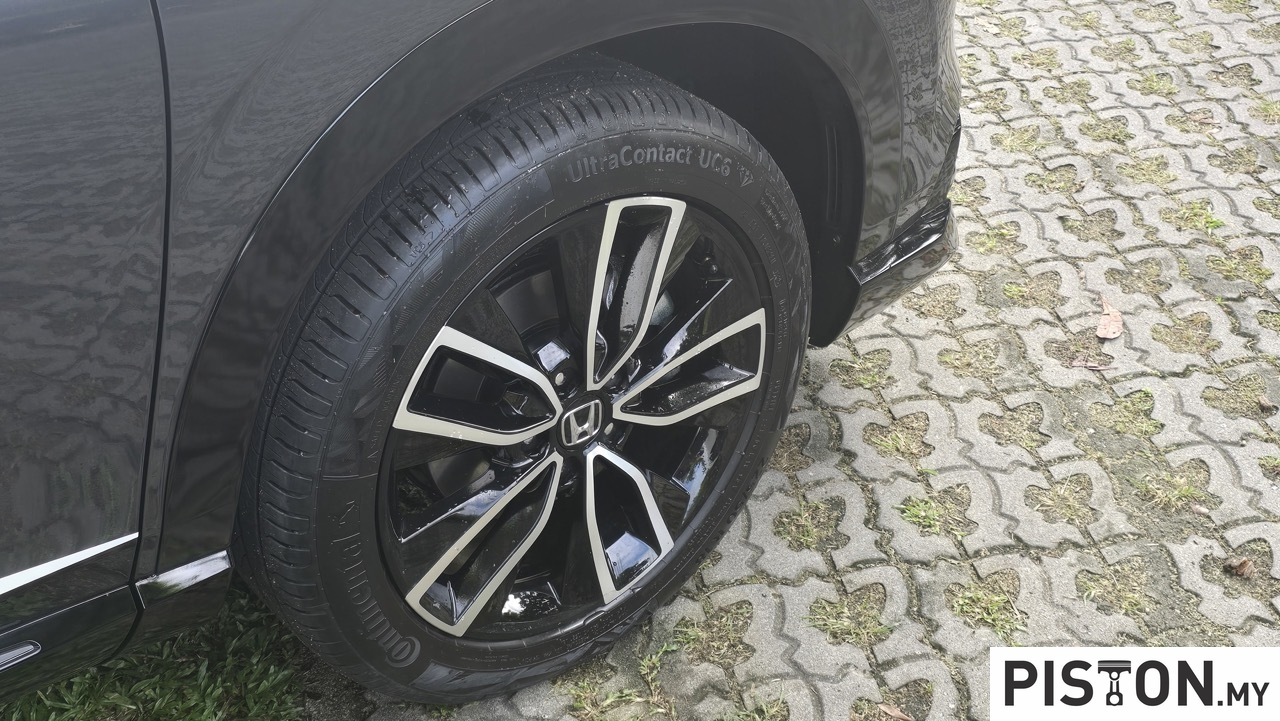
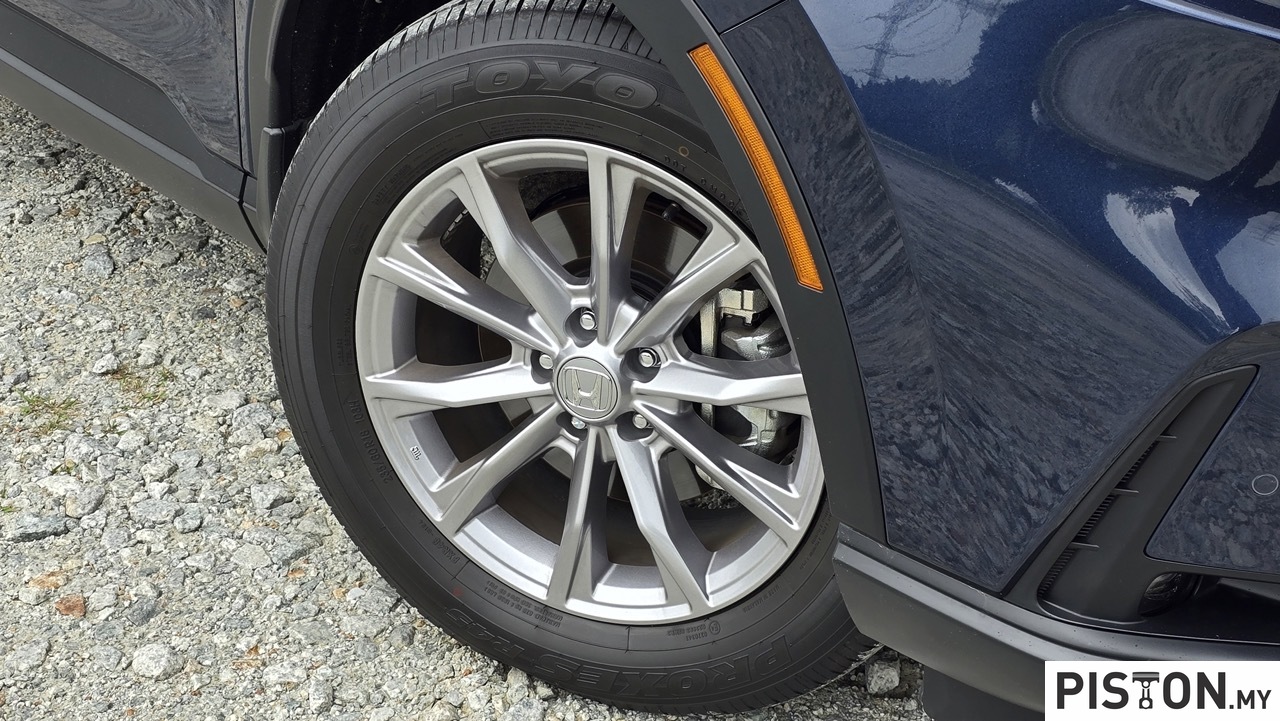
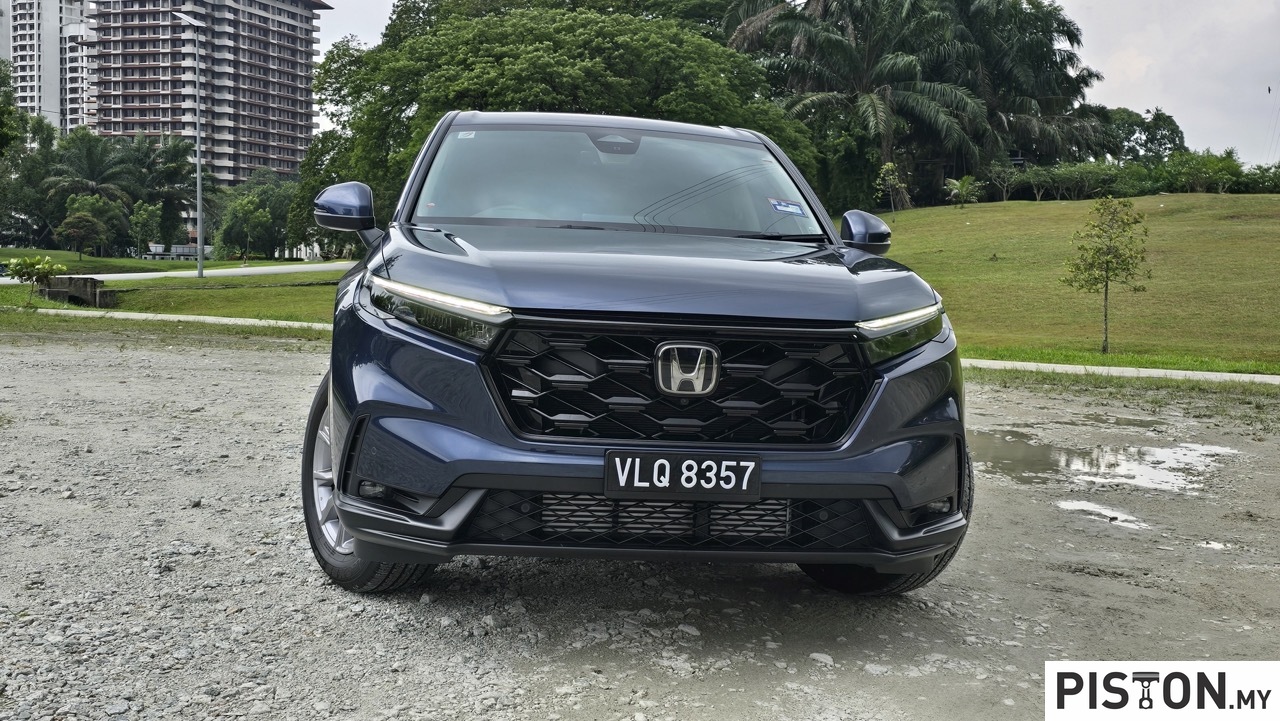
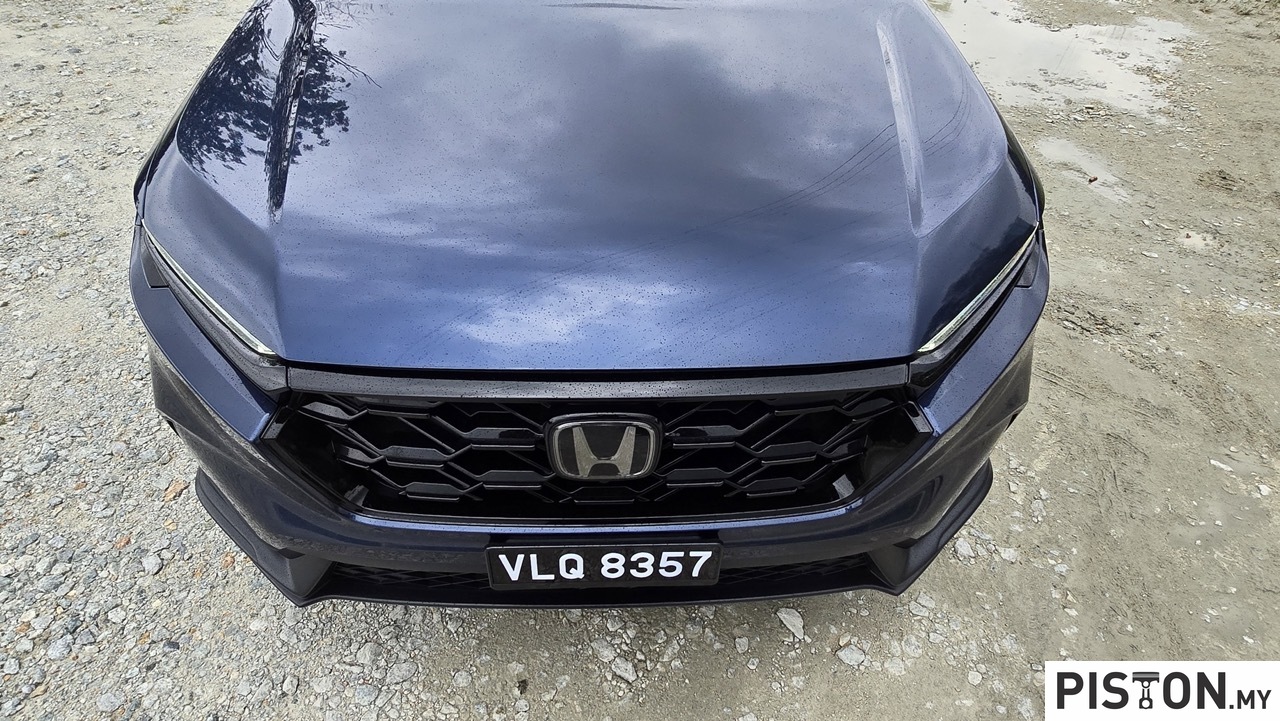
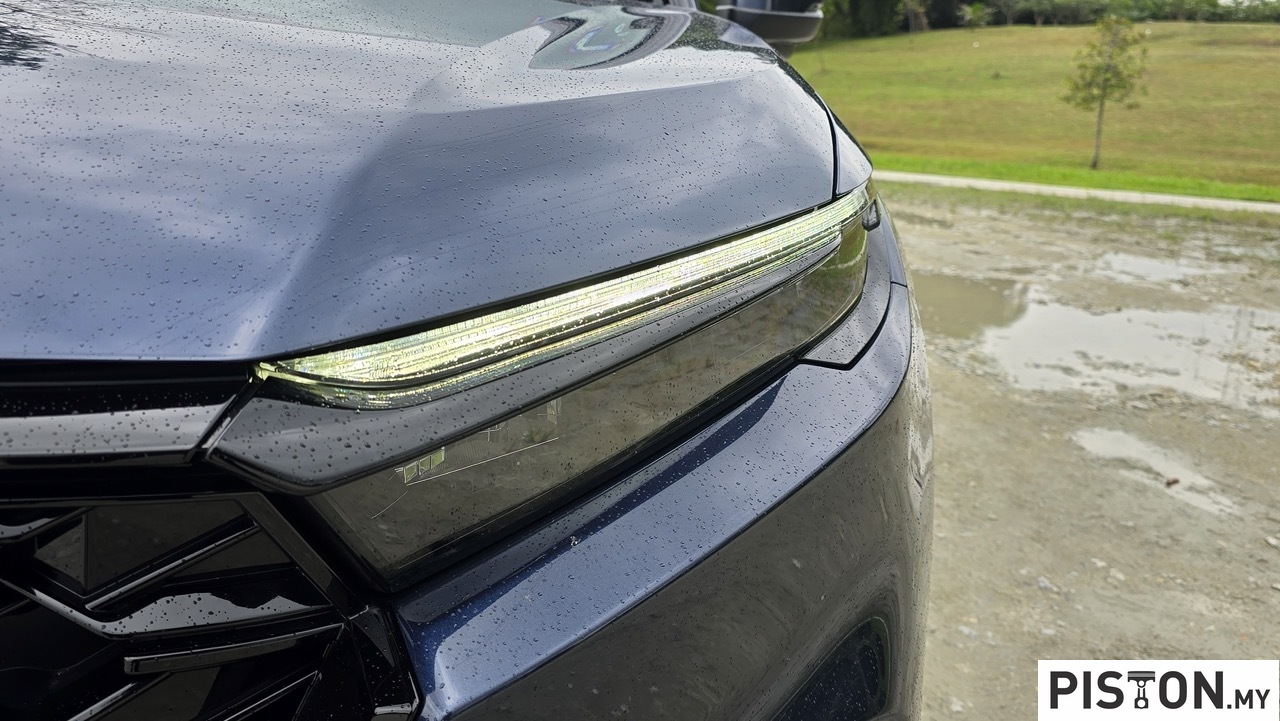
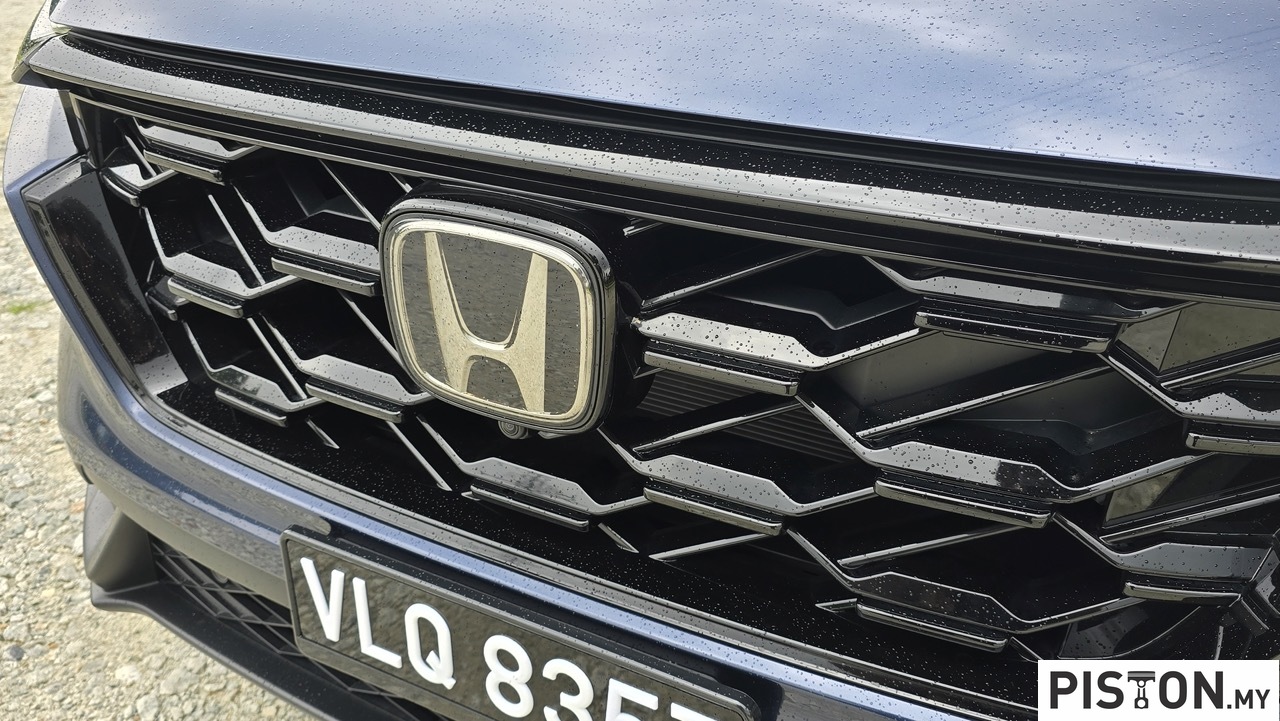
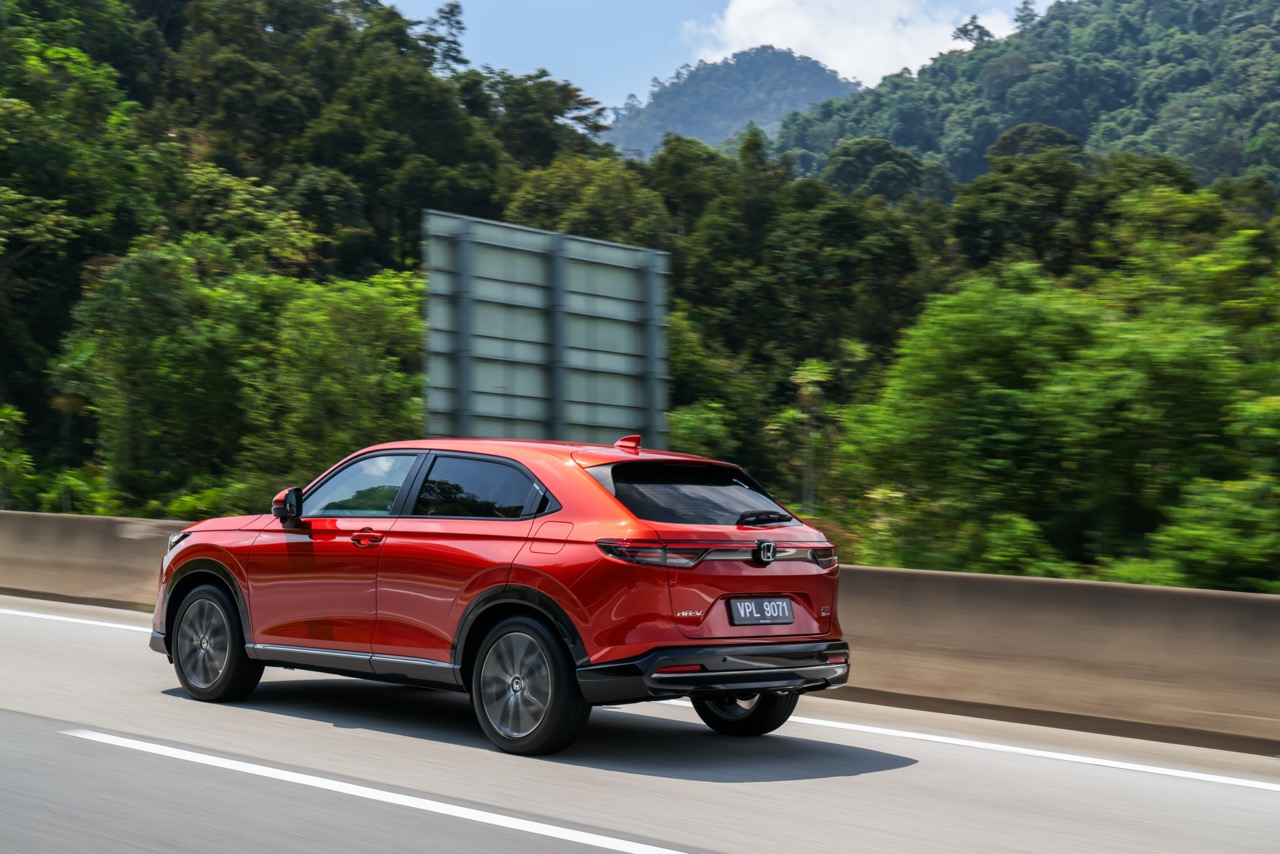
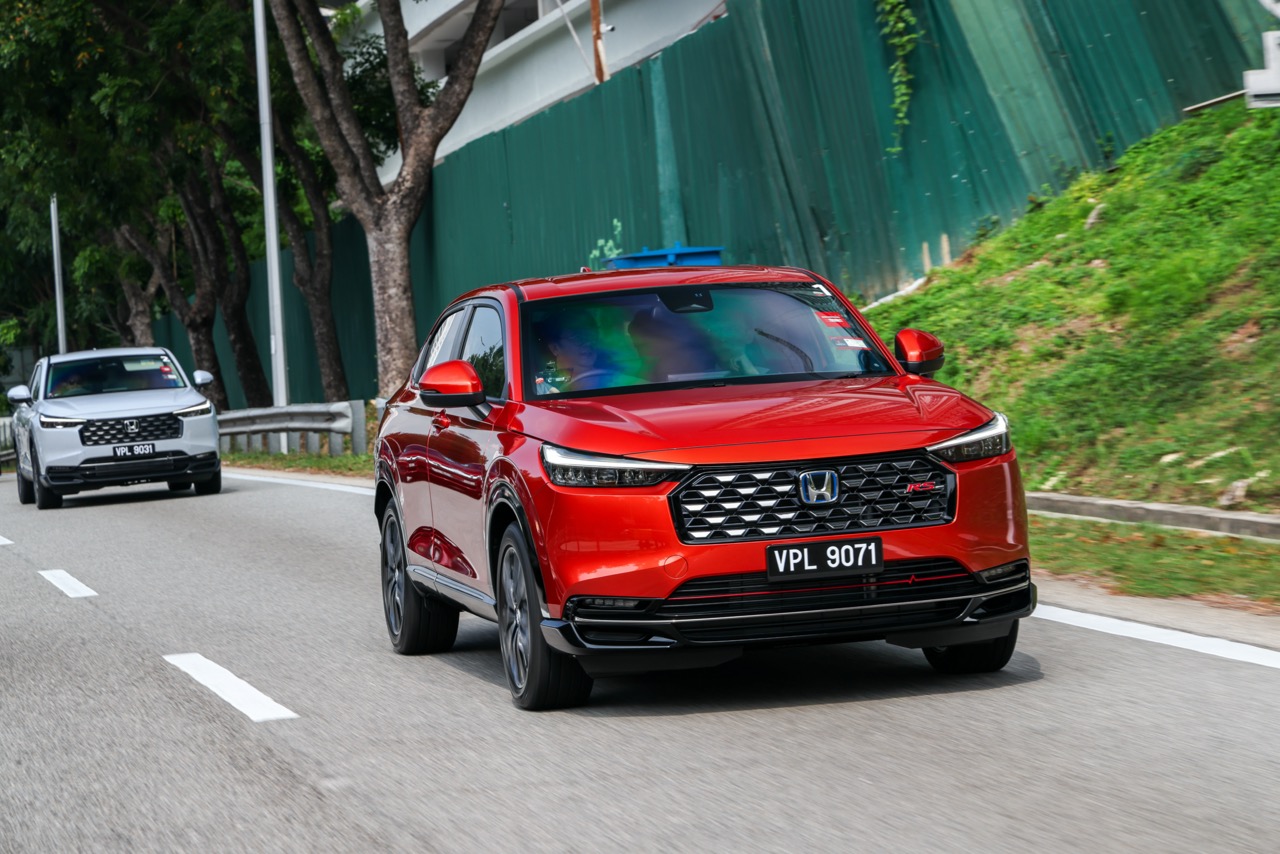
The front grille now has a bolder and wider design, flanked by slimmer LED headlamps that give the SUV a more assertive face. The new alloy wheel designs – 18 inches across all variants – provide a balanced mix of presence and practicality.

The changes may be subtle, but they collectively sharpen the HR-V’s look and ensure it keeps pace with newer rivals. It feels more premium without losing the familiarity that has endeared it to its existing fanbase. 
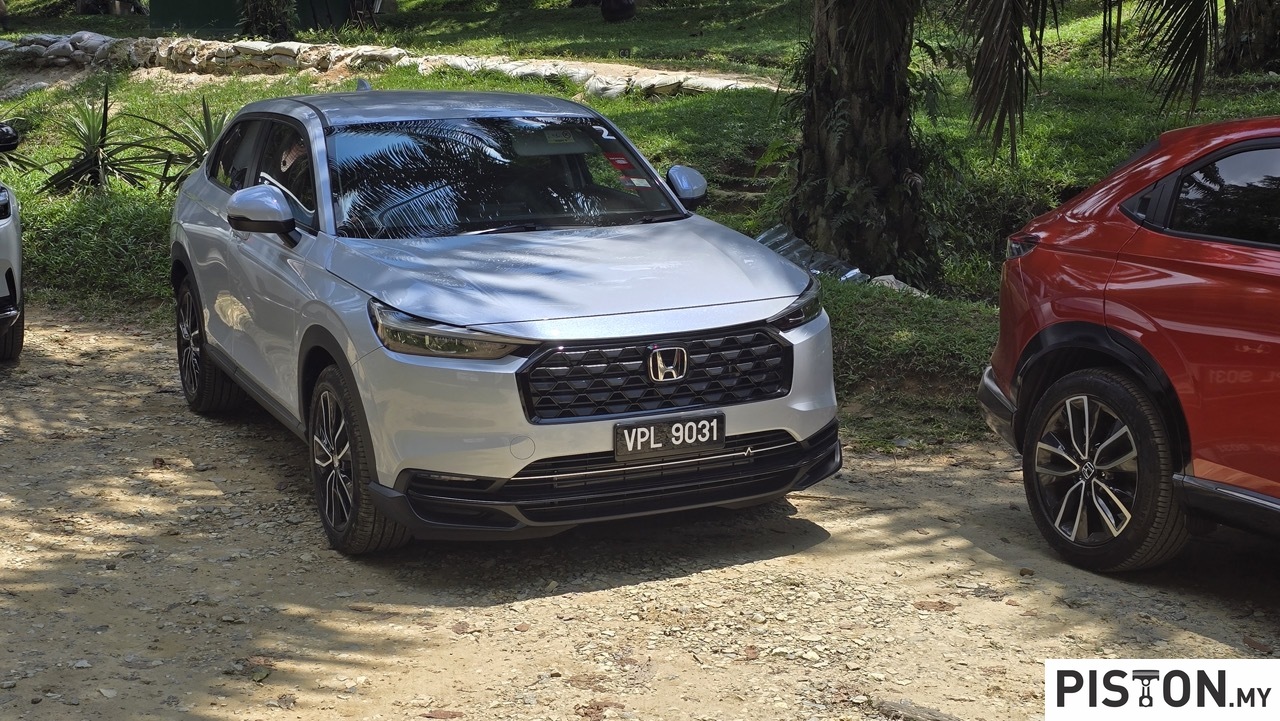
For buyers stepping into the showroom, the refreshed model appears like a natural evolution rather than a radical departure, which is likely exactly what Honda intended.

A Cabin Built for Daily Life

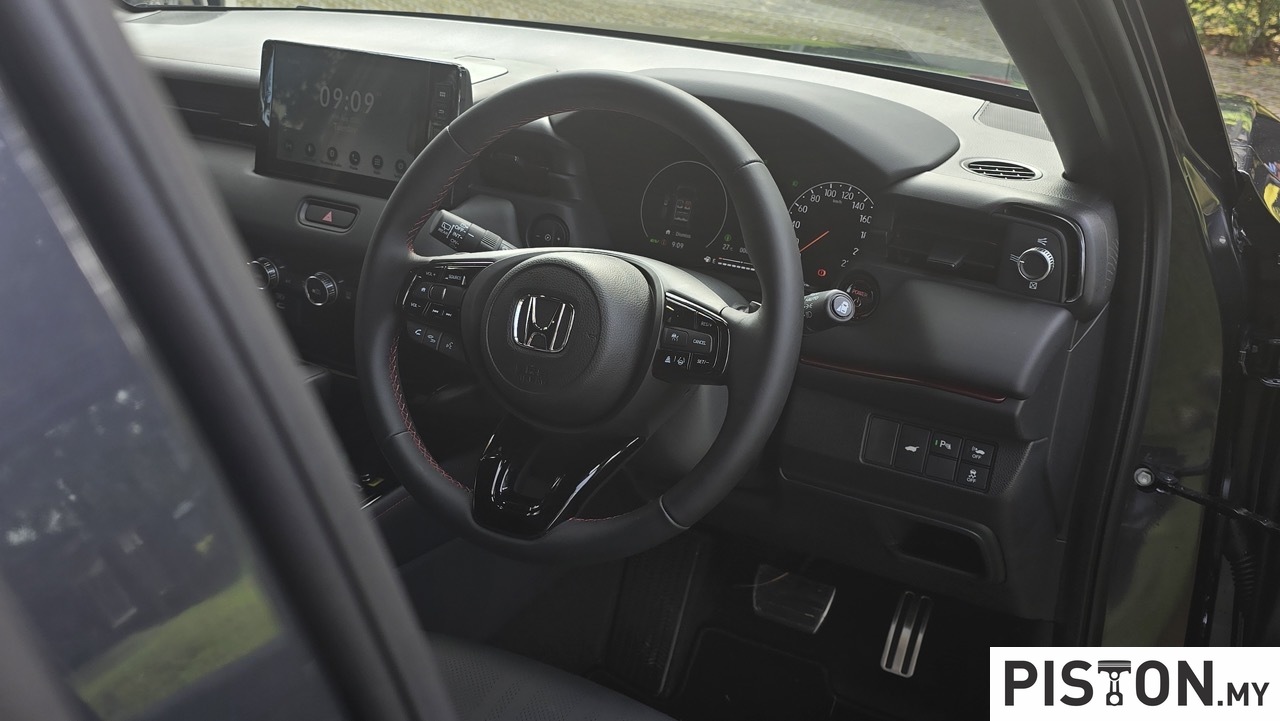
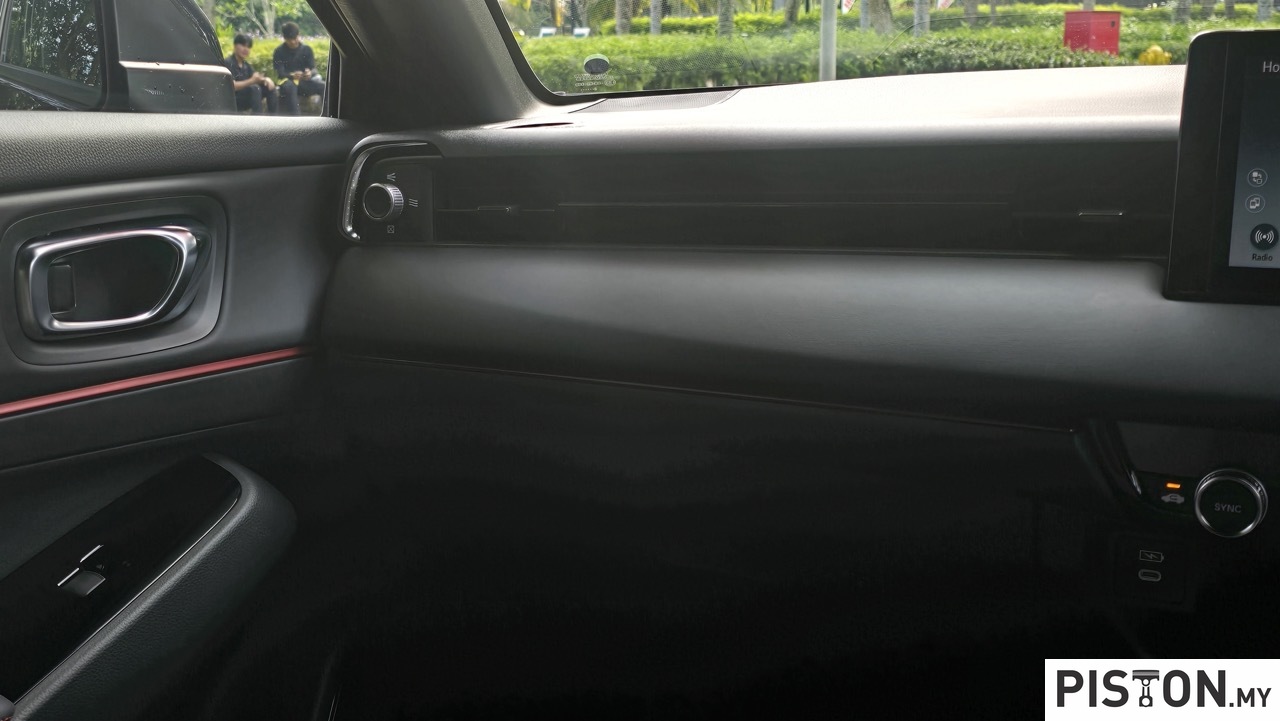
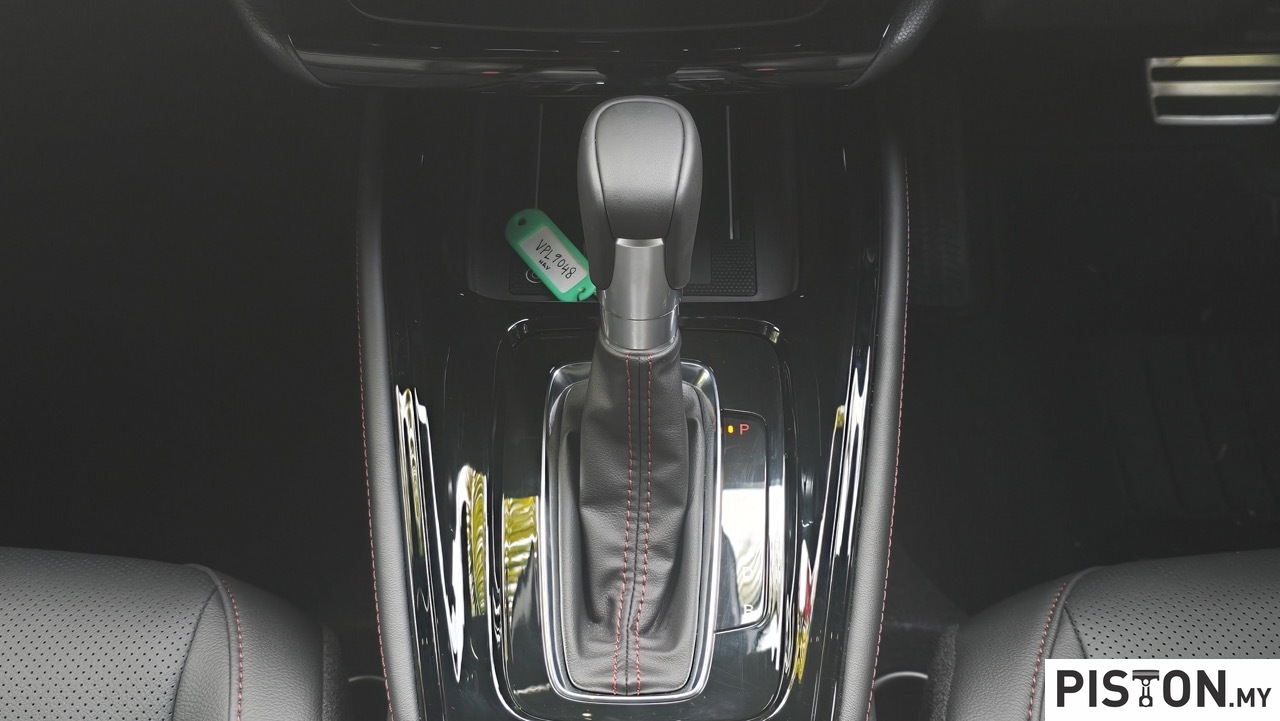
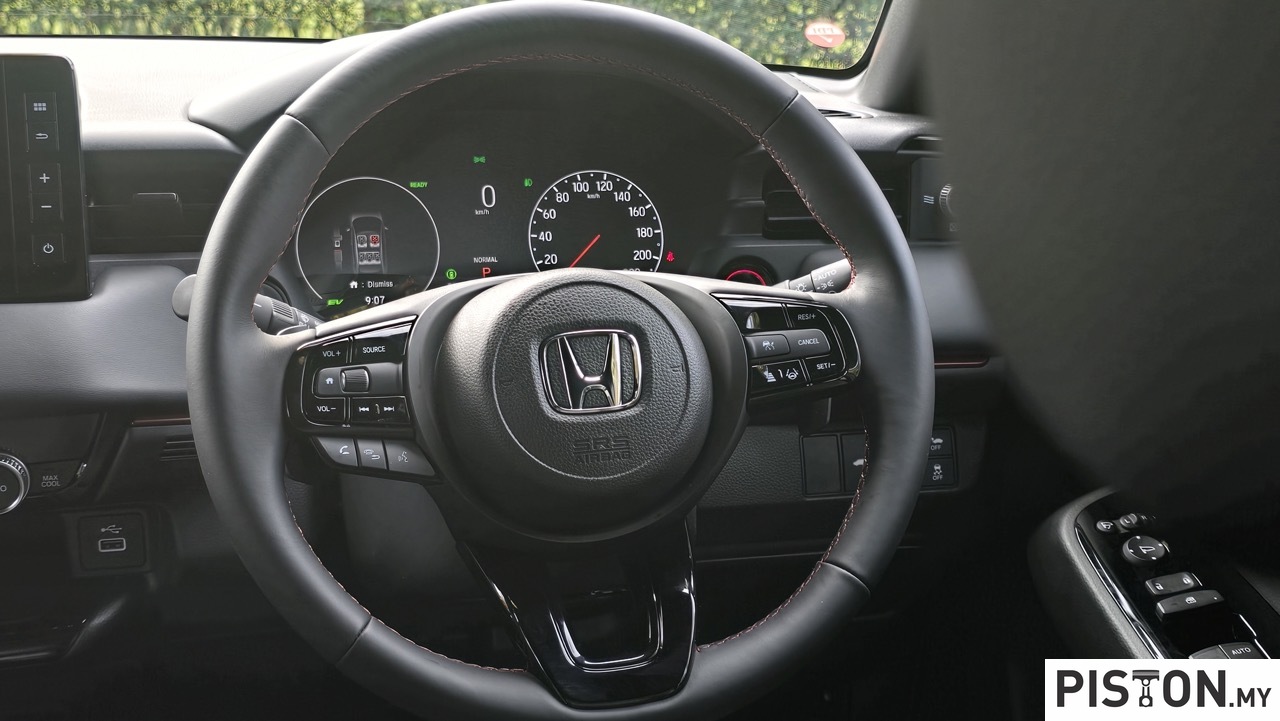
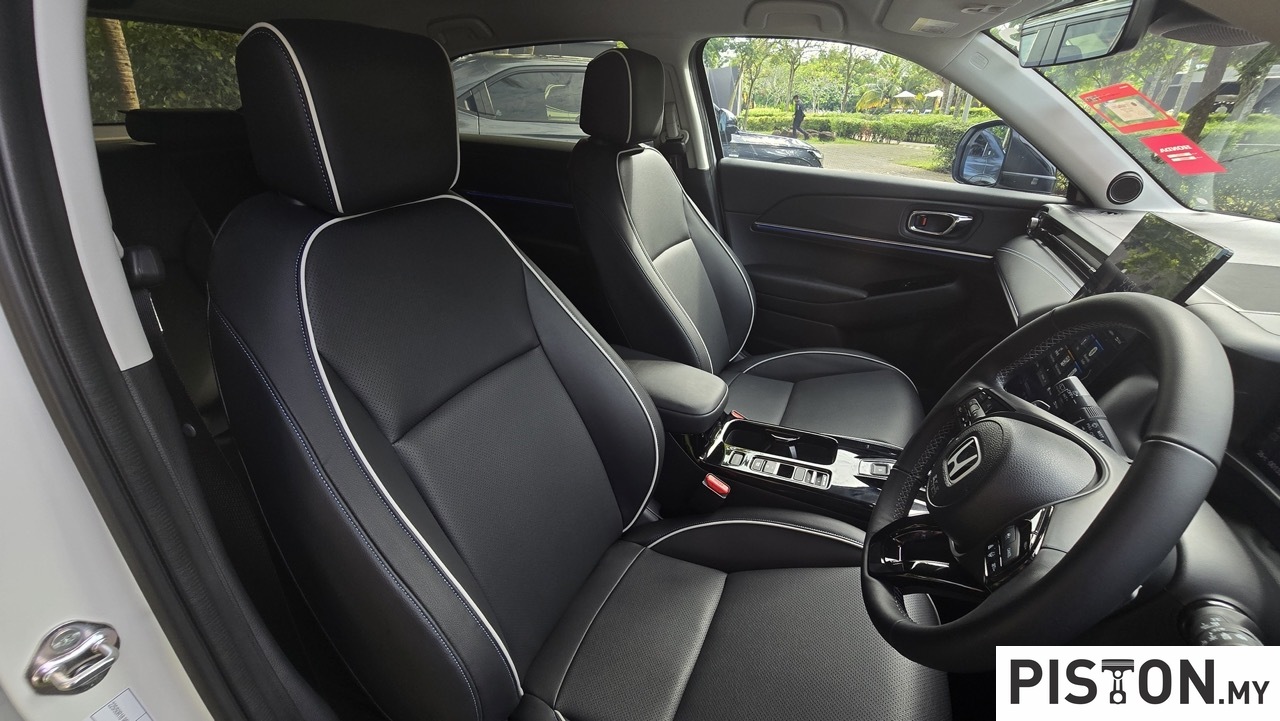
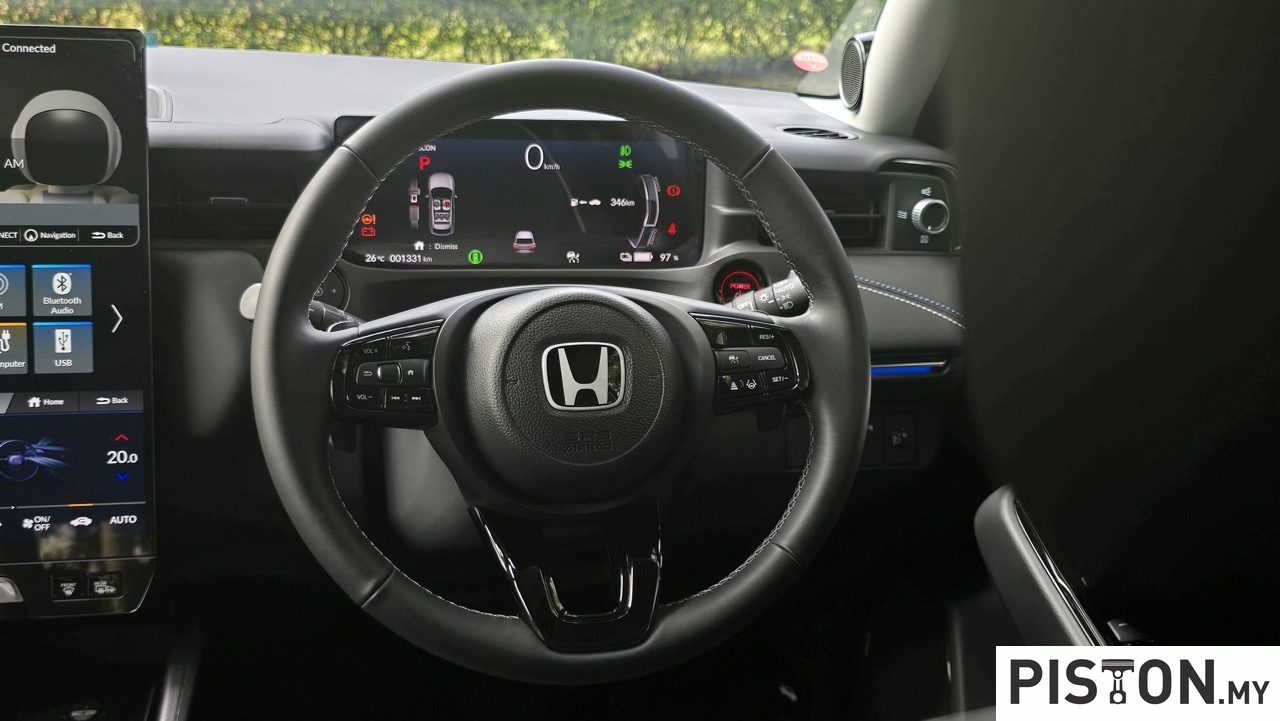
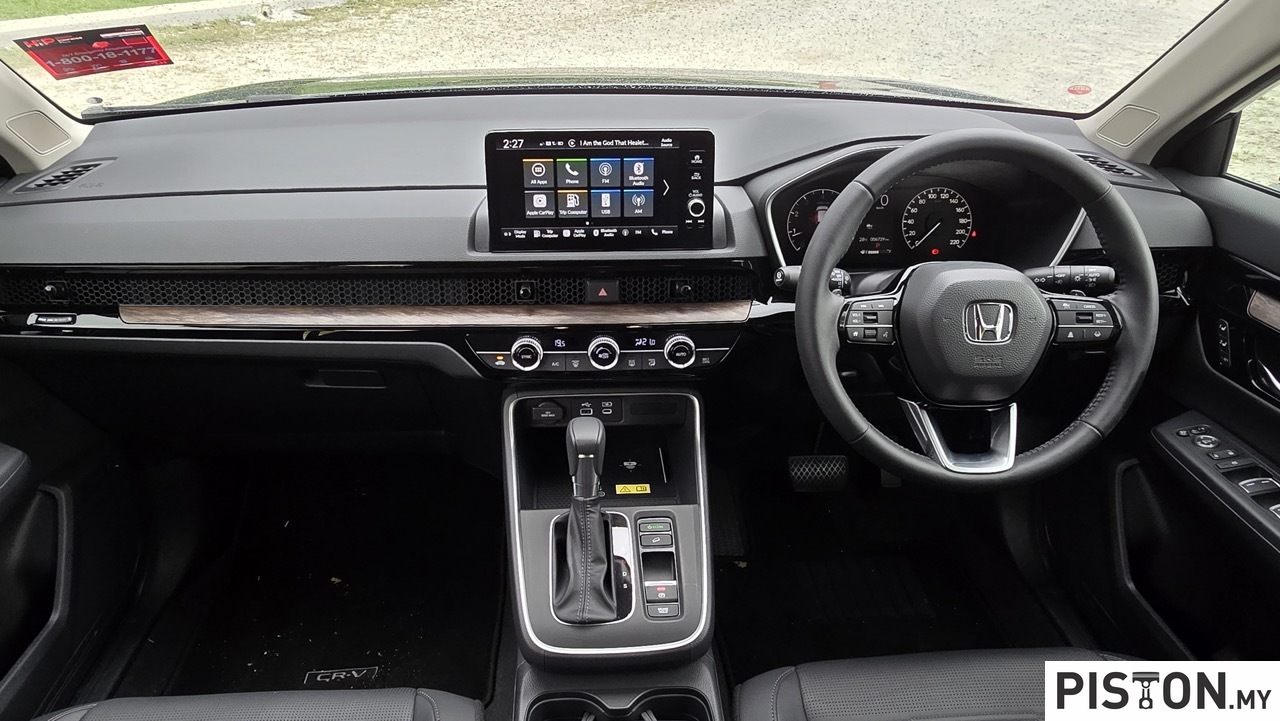
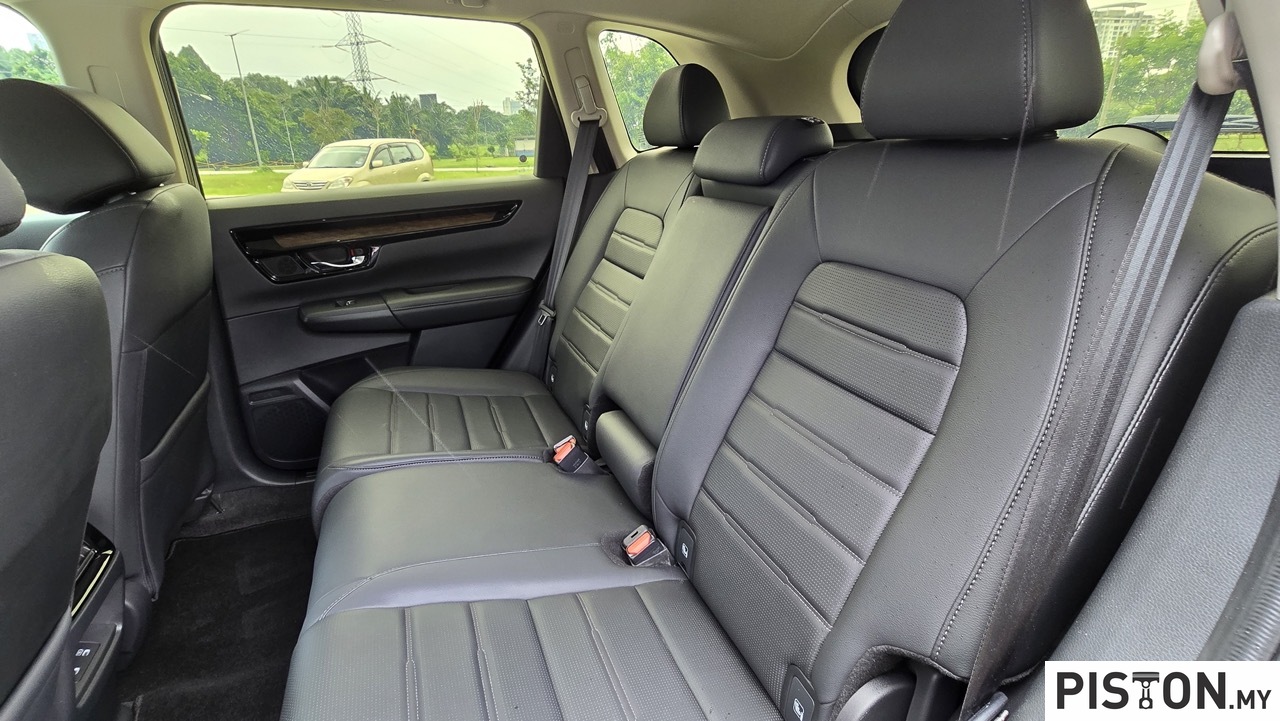
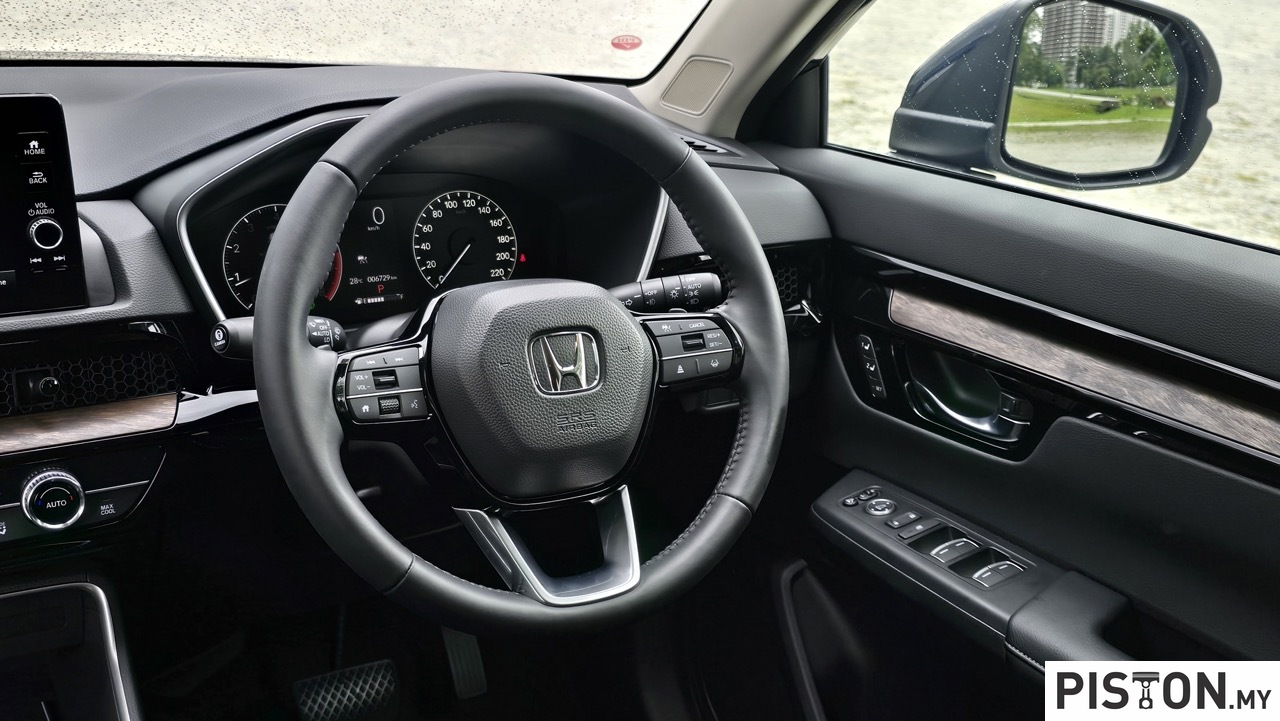
Inside, the HR-V remains one of the strongest in its class for cabin design and usability. The third-generation interior layout, carried over from the 2022 model, continues to impress with thoughtful ergonomics, well-placed controls, and the use of higher-quality materials. 
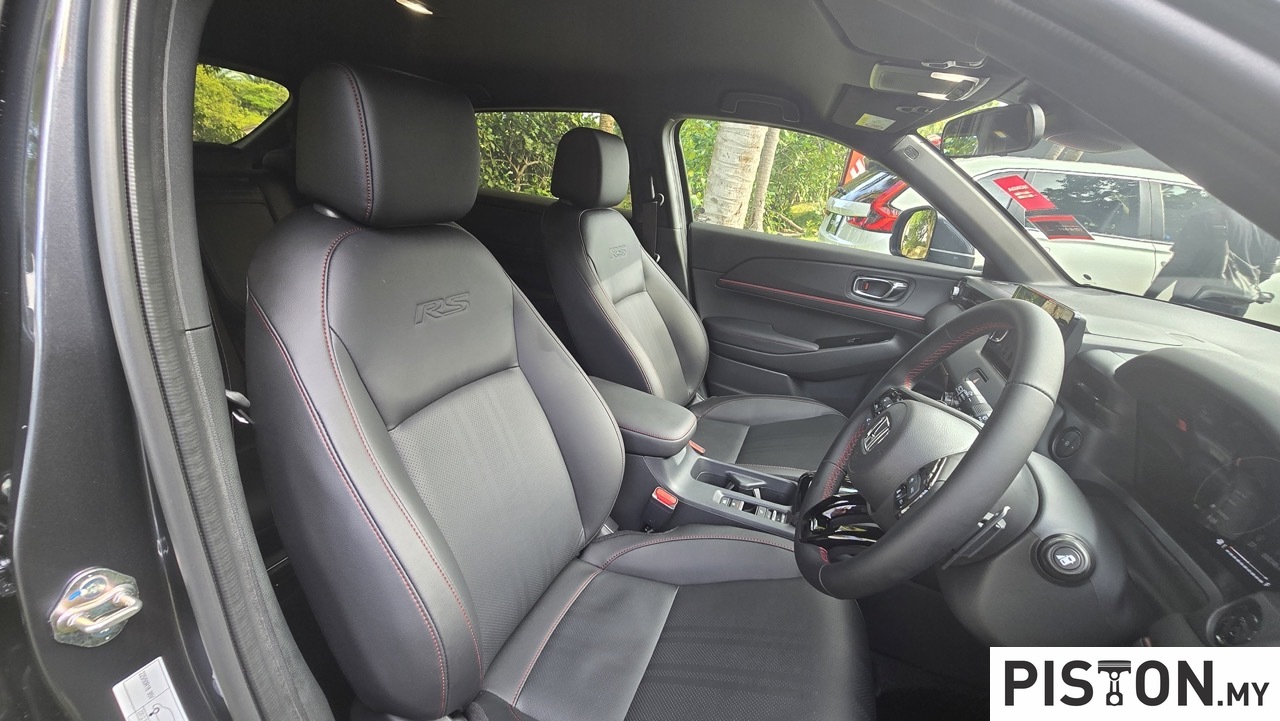
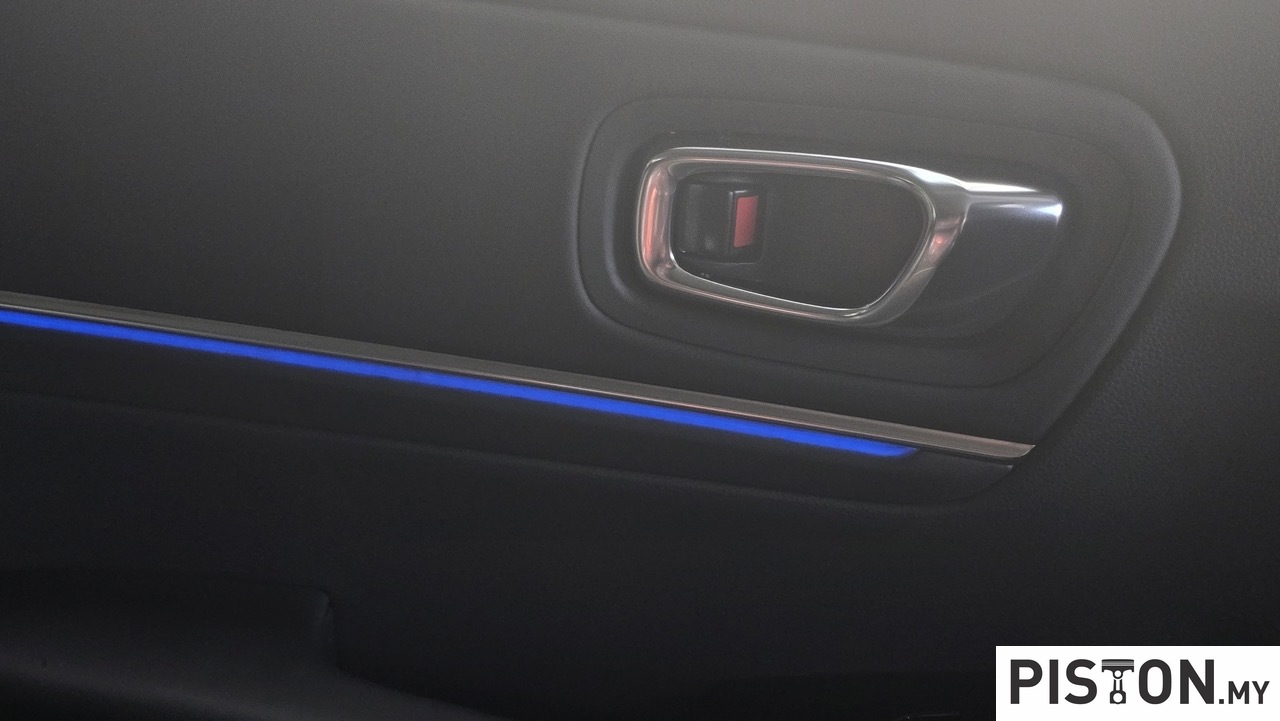
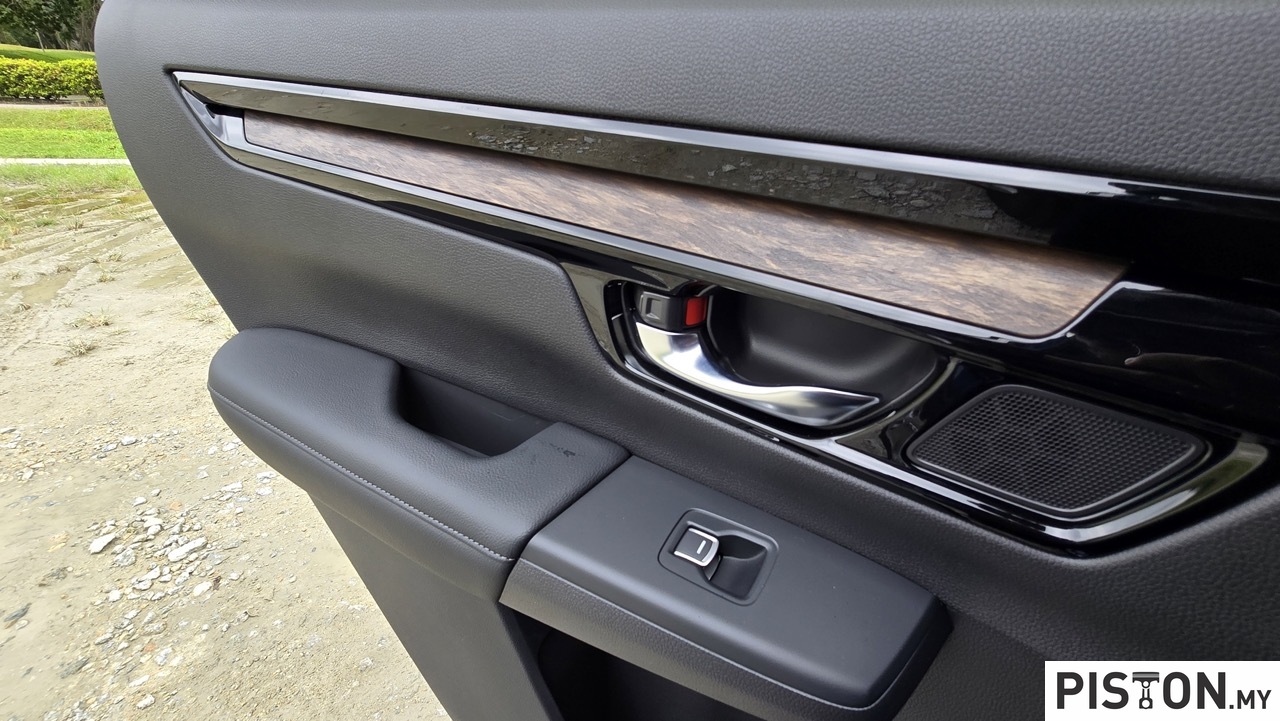
Soft-touch surfaces across the dashboard and door trims lift the overall ambience, while the two-tier centre console demonstrates Honda’s knack for delivering clever storage solutions.

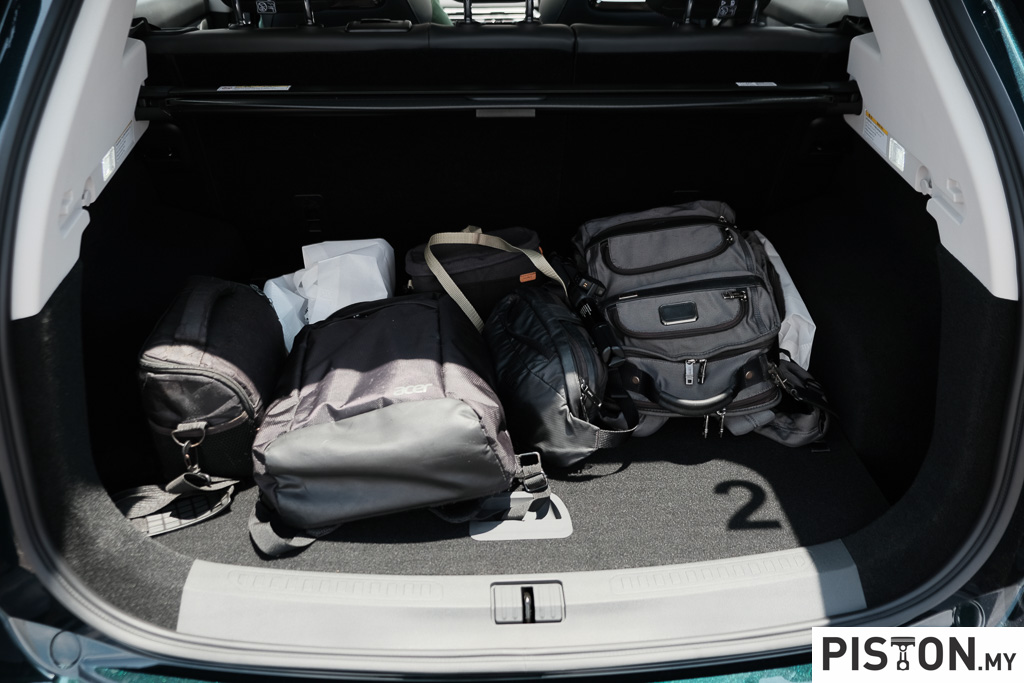
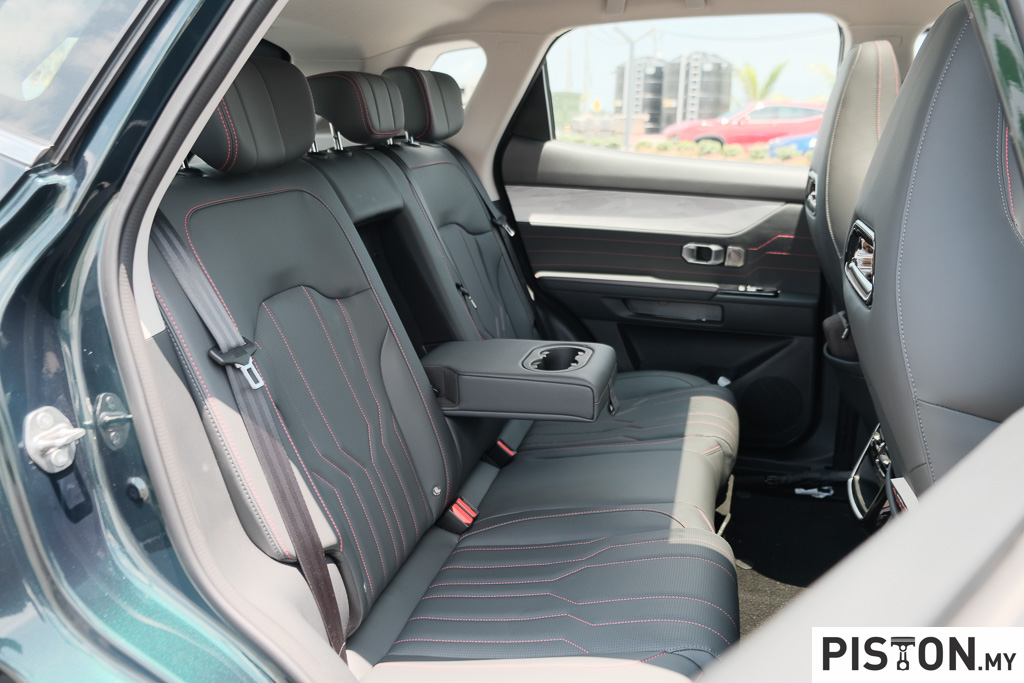
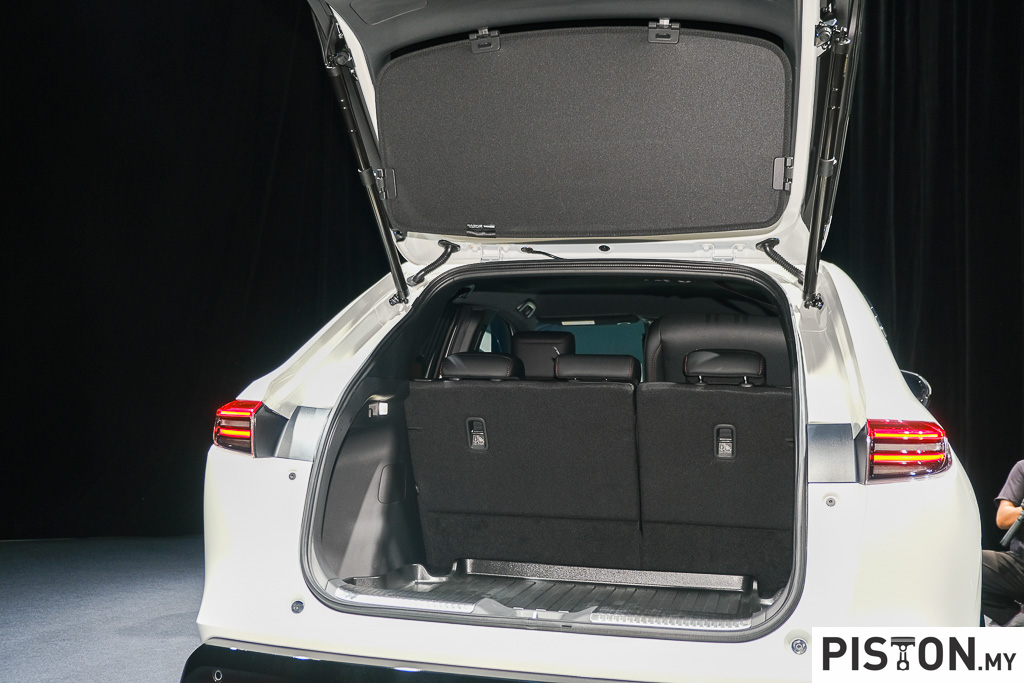
The Ultra Seat system – a longstanding Honda hallmark – once again sets the HR-V apart from many competitors. The ability to configure the rear seats in multiple ways, whether folding flat for bulky loads or flipping up to carry tall items, transforms the HR-V into a far more versatile vehicle than its dimensions might suggest. Boot space is generous, and the low loading lip makes it genuinely practical for family use.
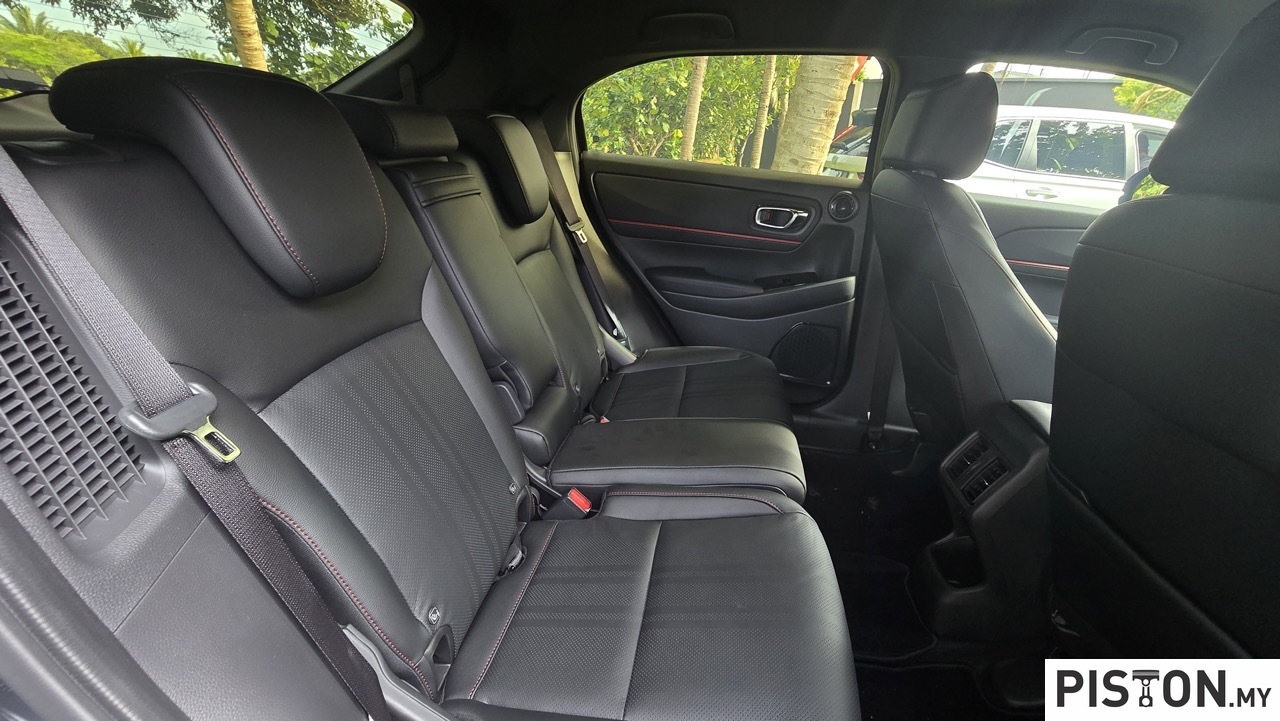
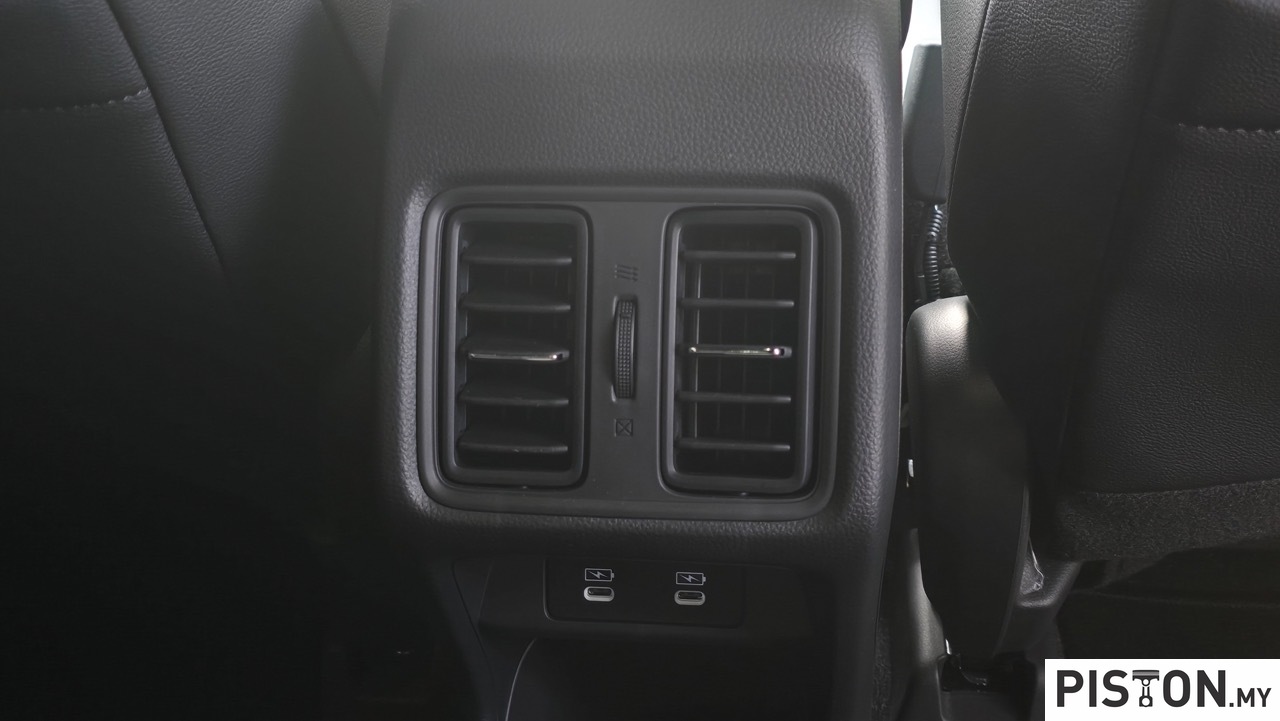
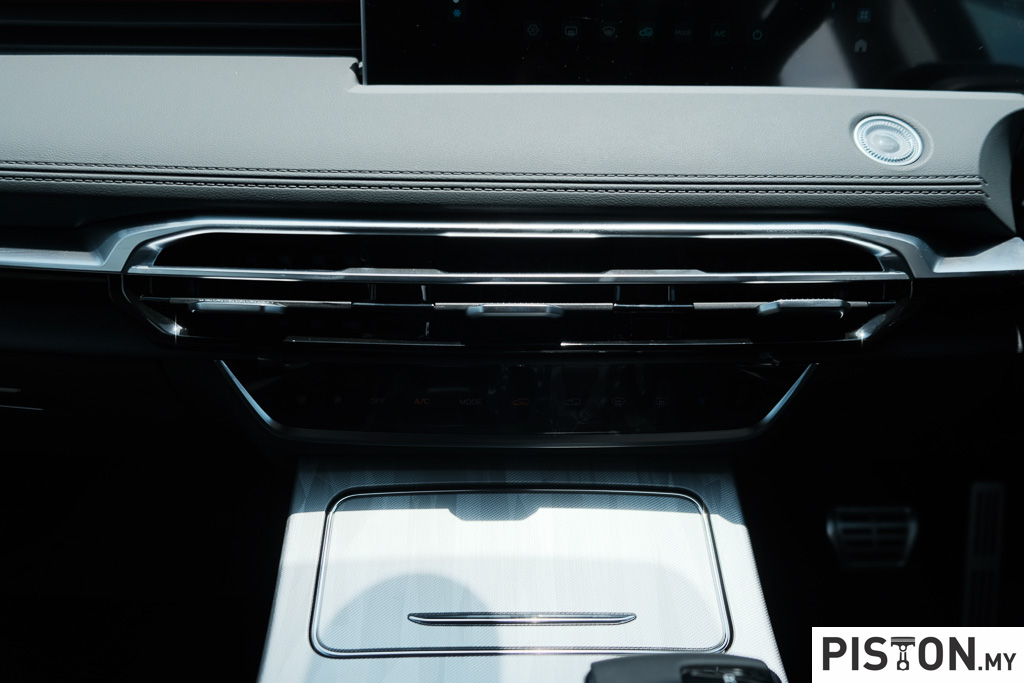
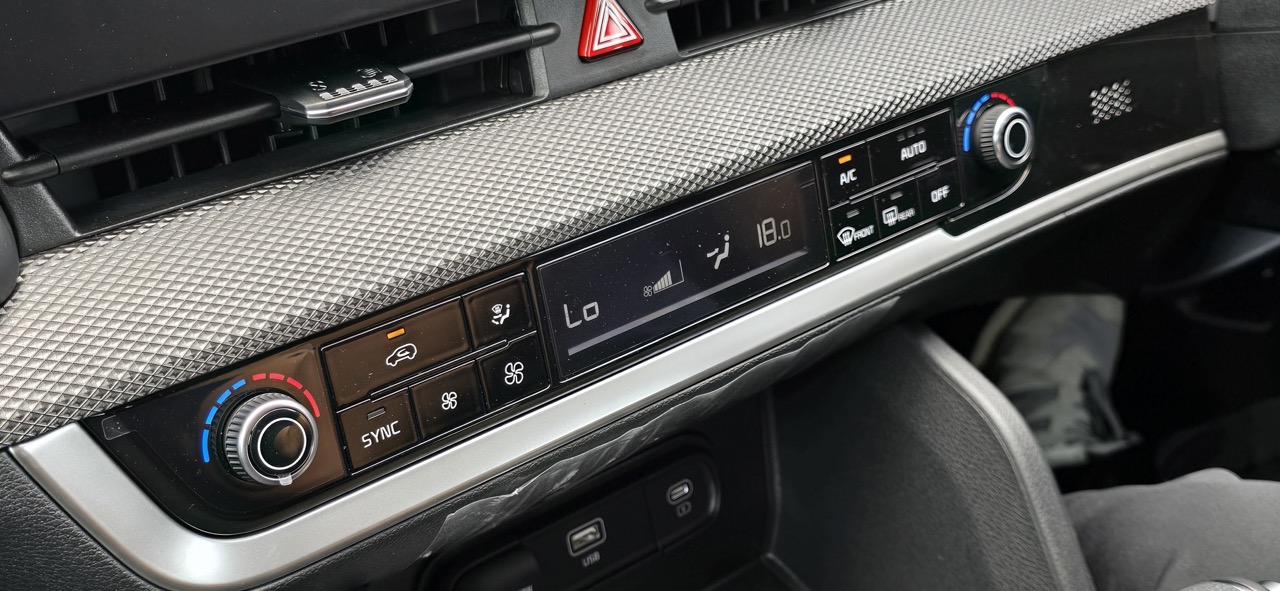
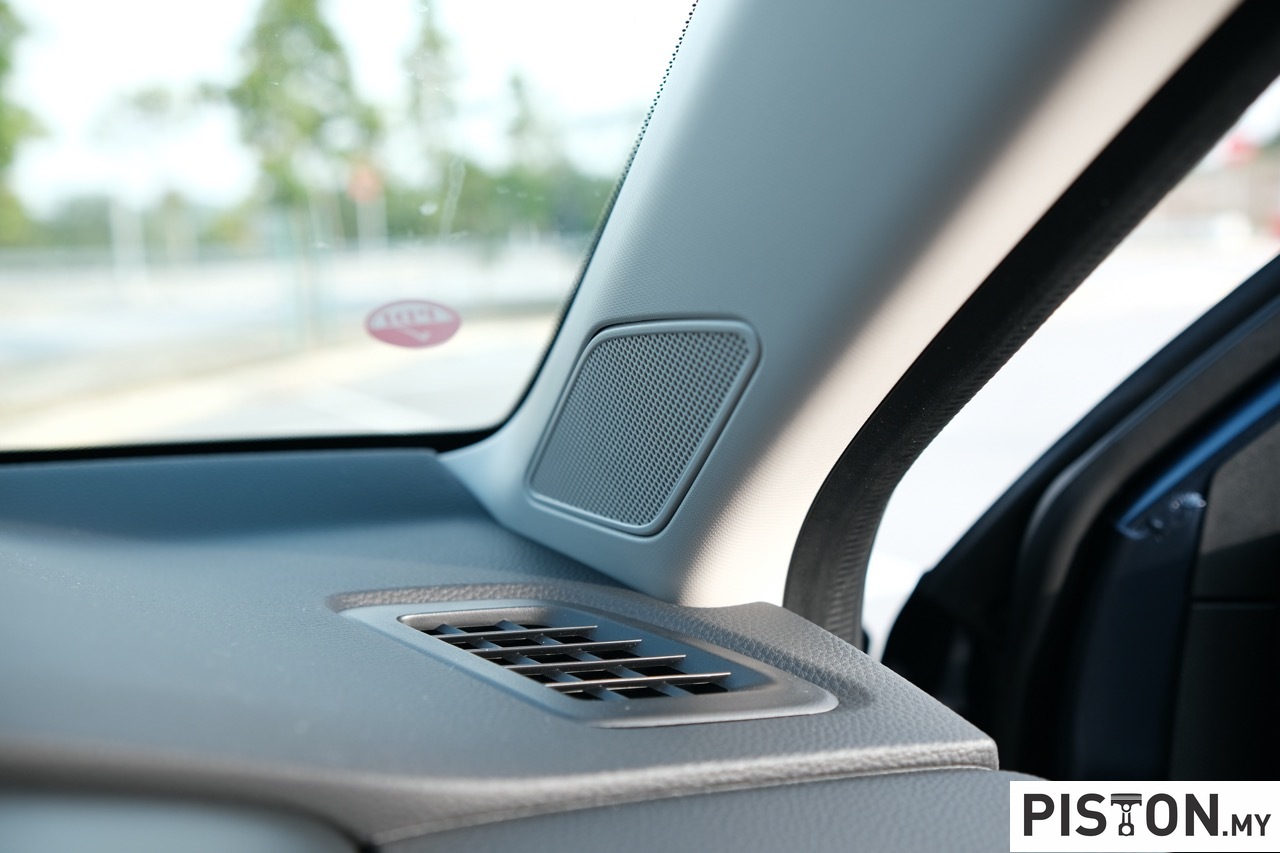
The Honda HR-V also has an Air Diffusion System that delivers a smoother and more comfortable cooling effect inside the cabin. By combining conventional airflow with a softer, diffused mode, it gives occupants flexible control over how air circulates. Paired with the uniquely designed L-shaped vents, the system distributes air naturally throughout the interior, enhancing overall comfort and setting it apart as one of the SUV’s signature features.

Connectivity and Convenience

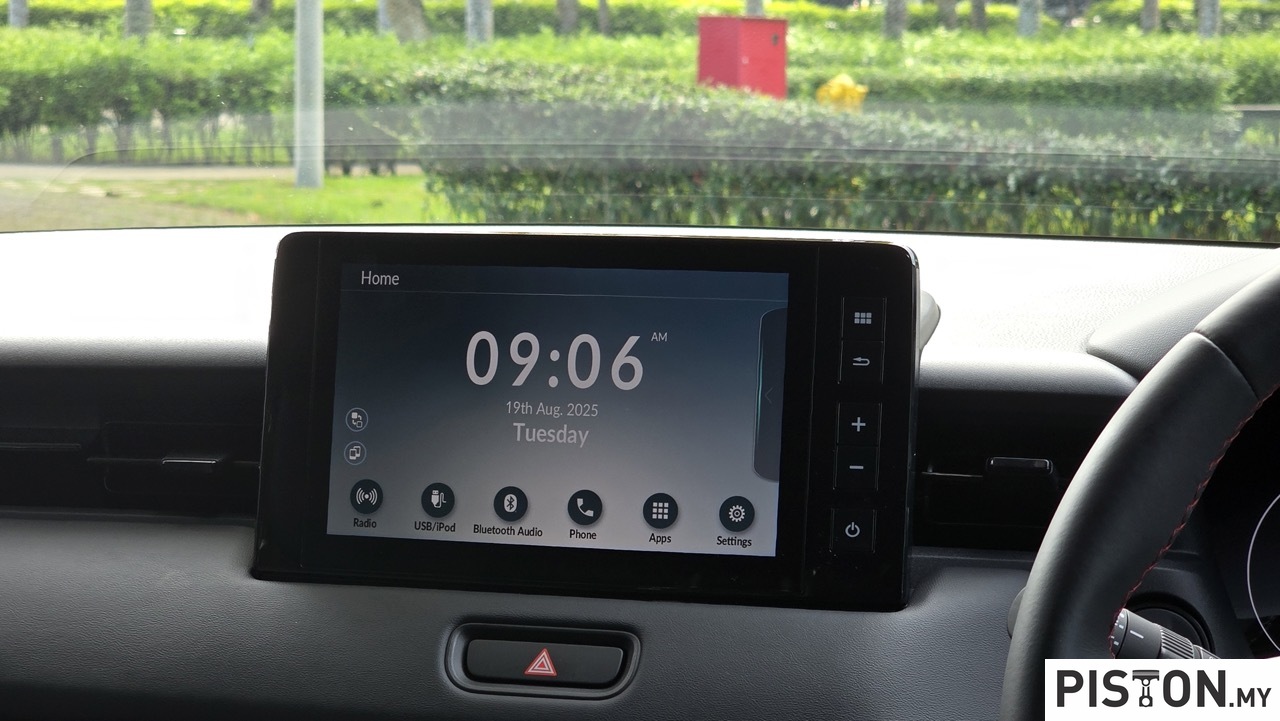
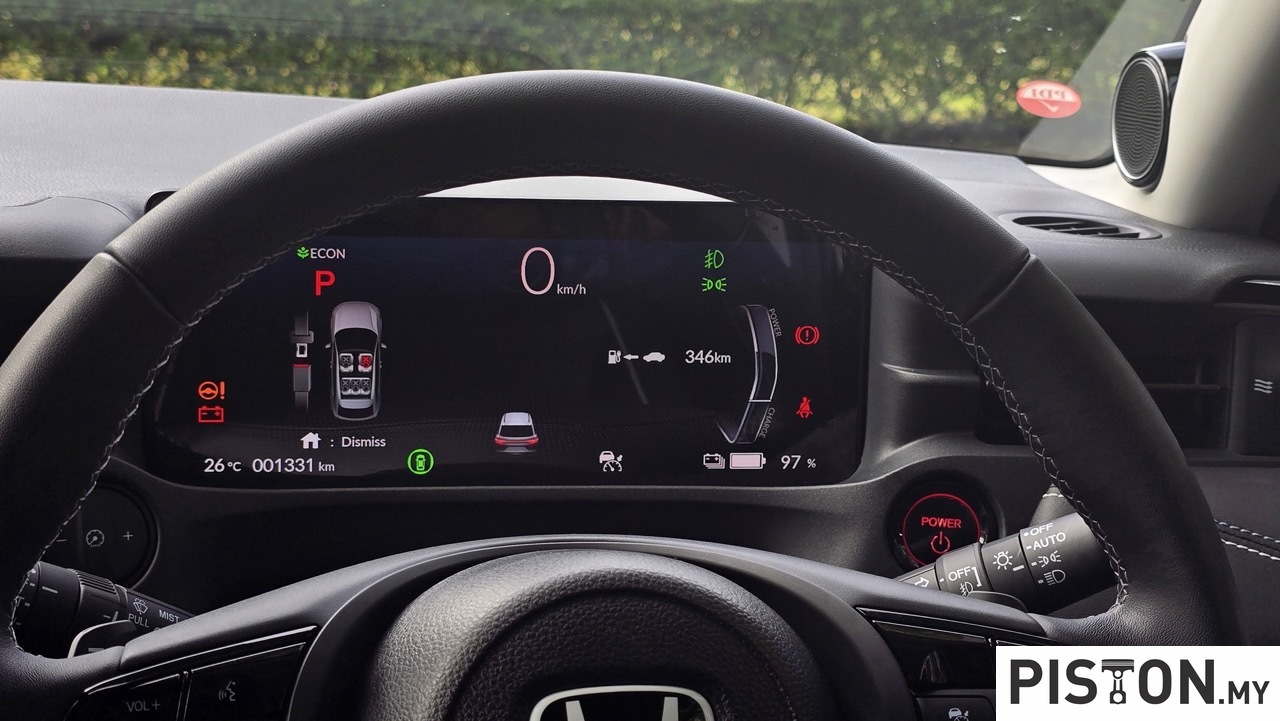
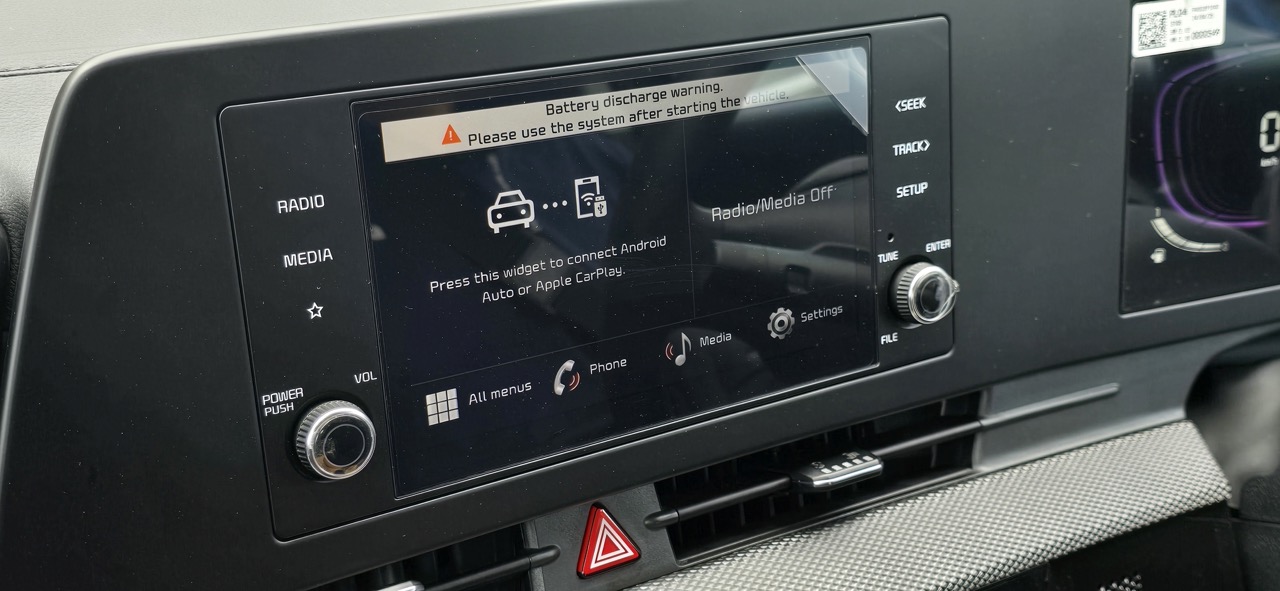
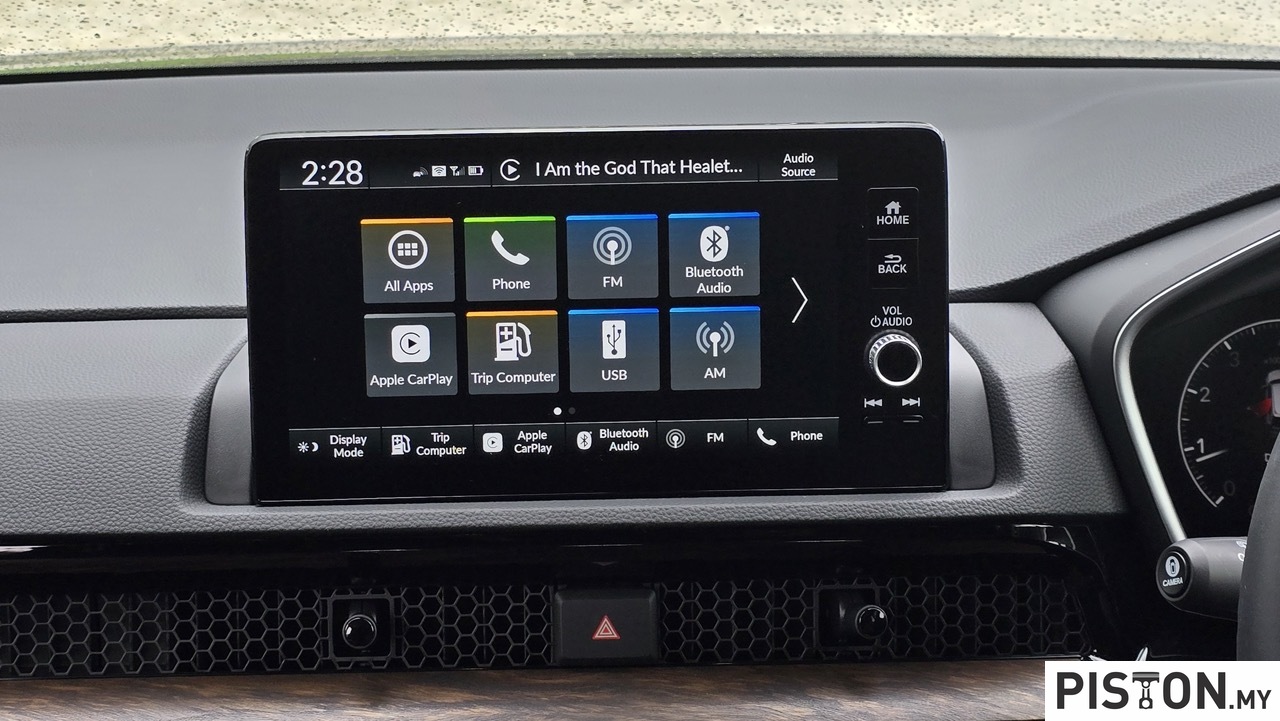
In an era where buyers expect their cars to keep them seamlessly connected, the HR-V delivers with an updated infotainment system. A crisp 8-inch touchscreen comes with Apple CarPlay and Android Auto integration. The system itself is more responsive and intuitive than before, reducing distraction when navigating through menus.
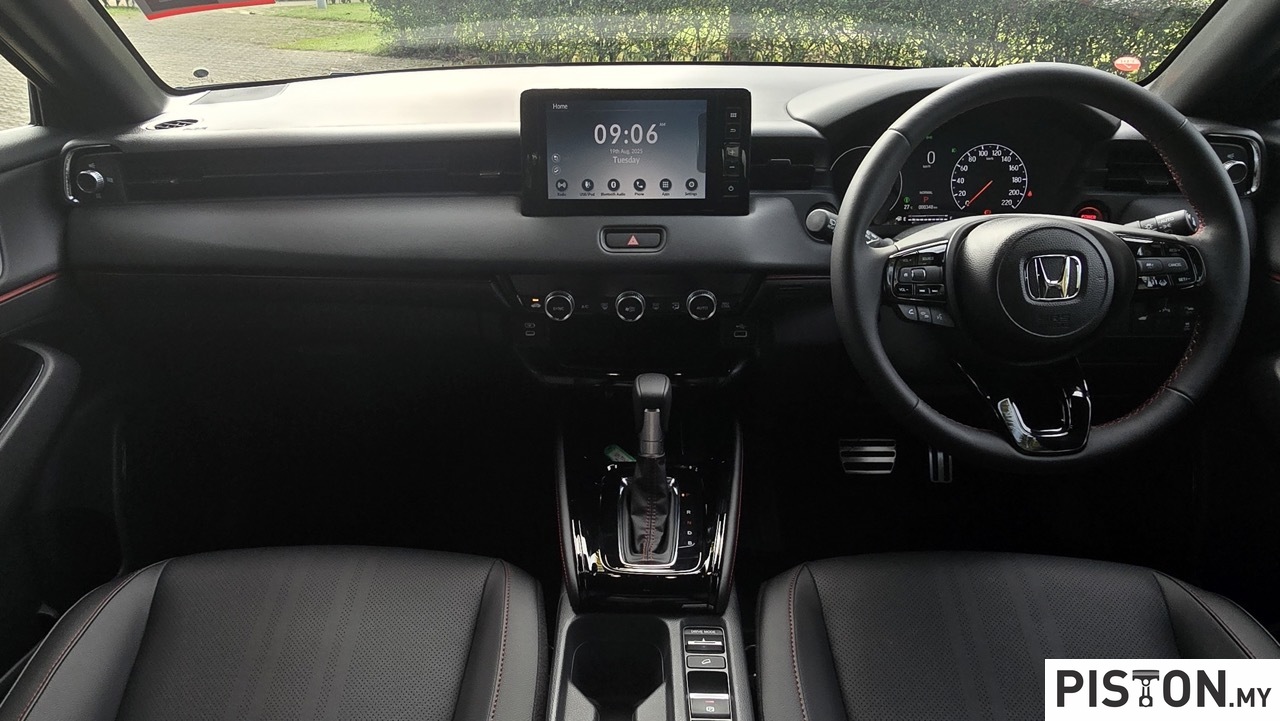
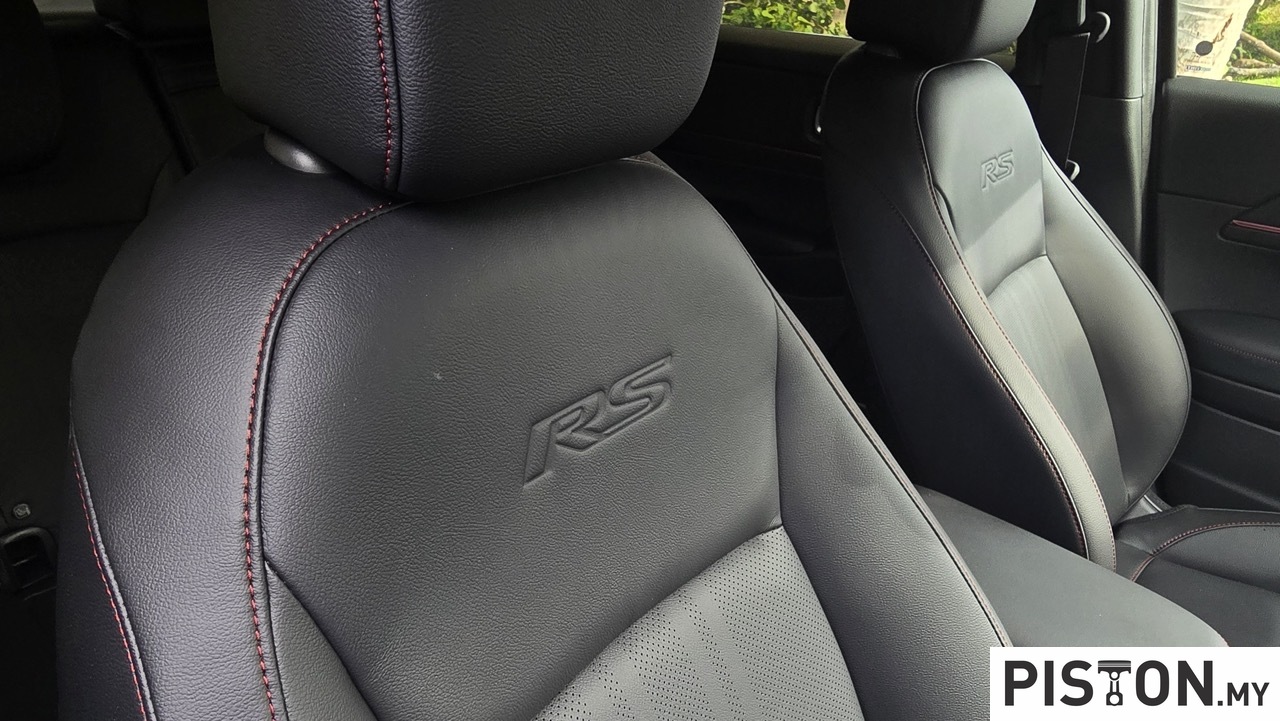
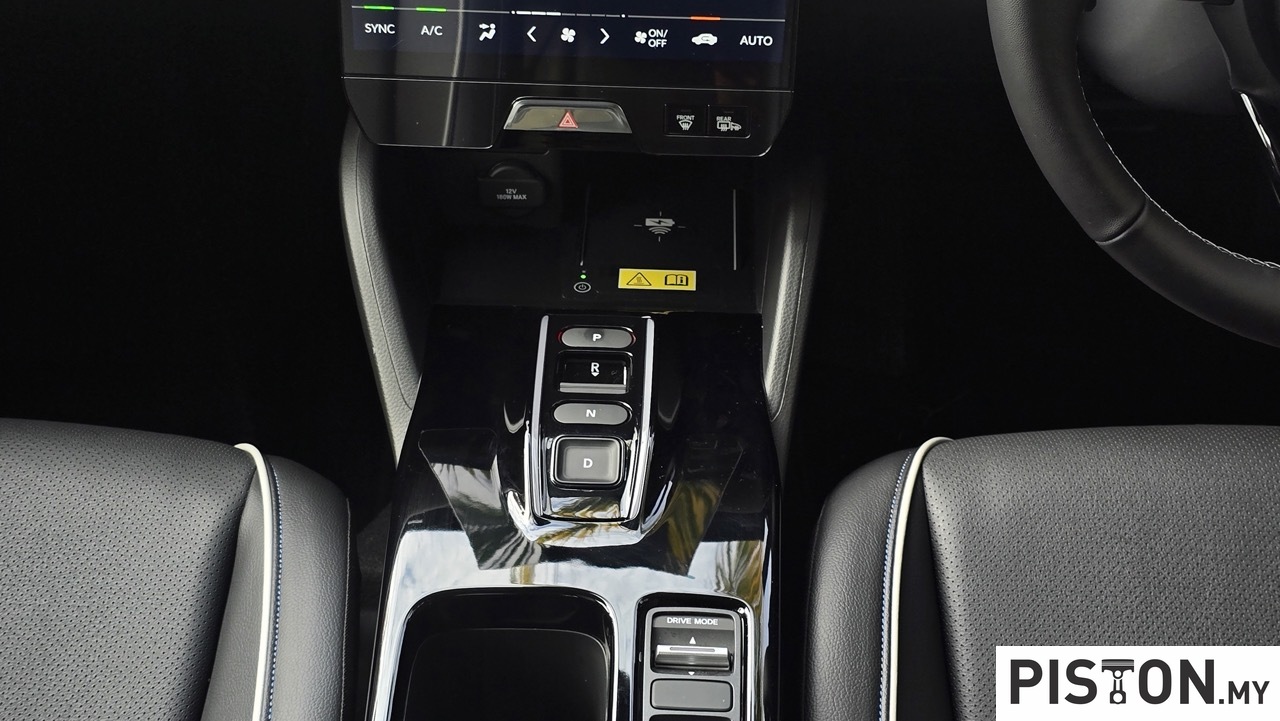
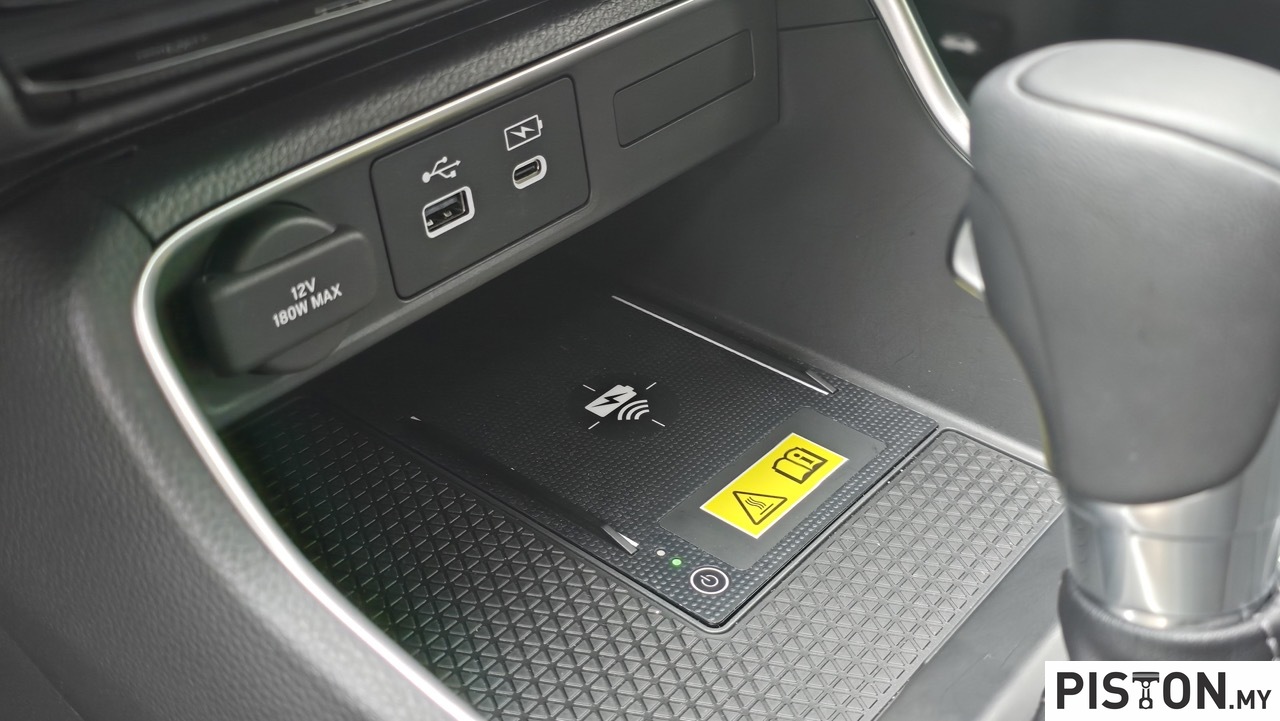
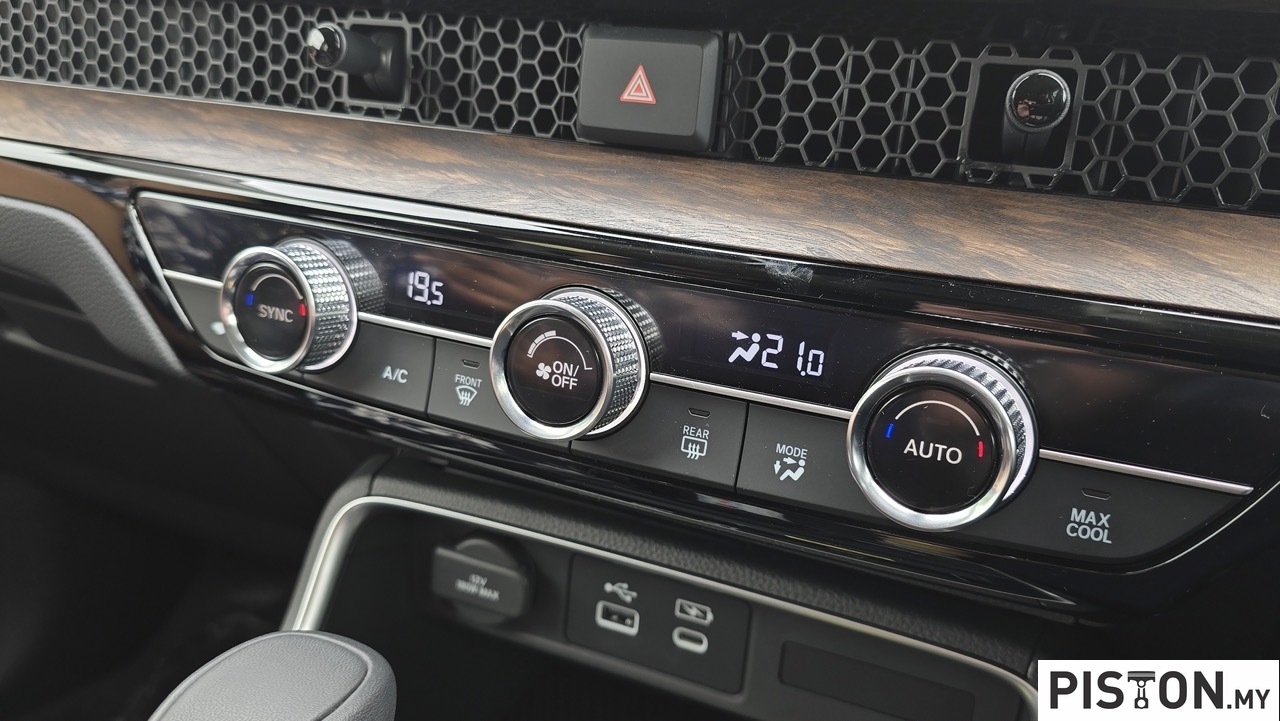
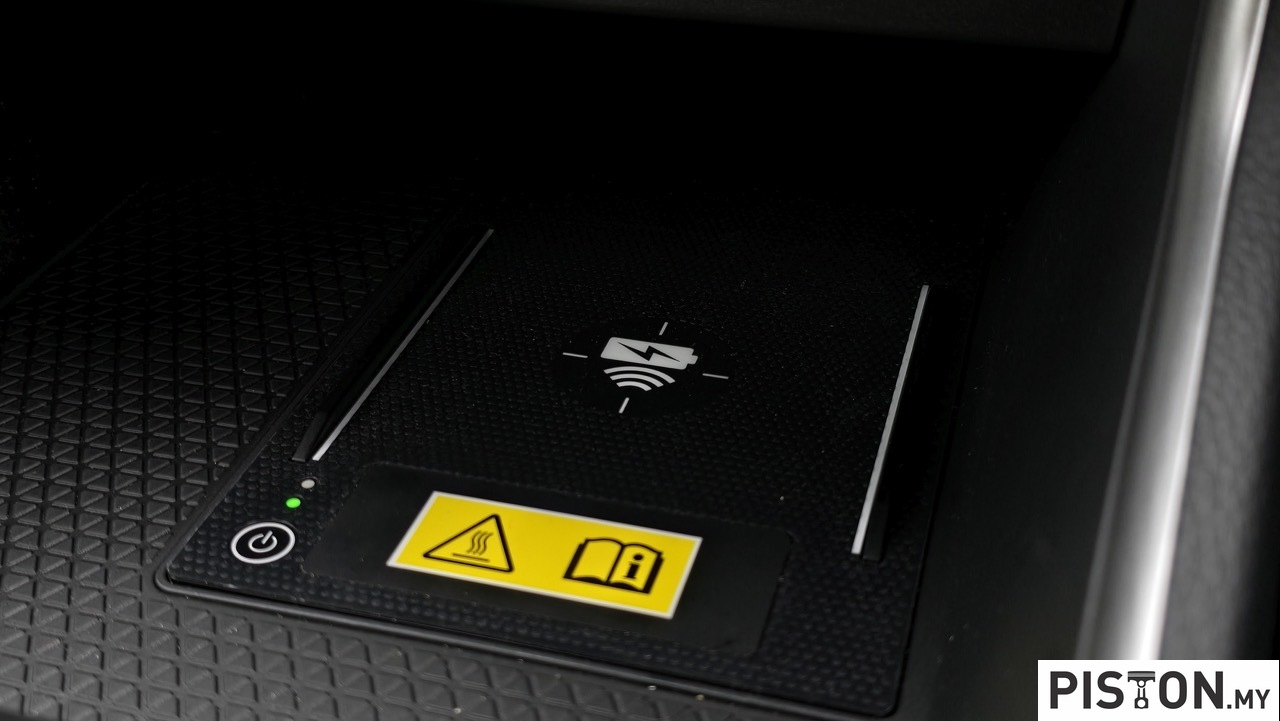
The higher-spec V and RS trims further enhance the experience with premium features such as dual-zone climate control, a wireless charging pad, and a more sophisticated audio system. 

Collectively, these additions push the HR-V closer to premium SUV territory, offering equipment levels that rival more expensive competitors. It’s a sign that Honda understands the changing expectations of Malaysian buyers, who are increasingly unwilling to compromise on technology even in compact SUVs.
Two Distinct Personalities Under the Bonnet

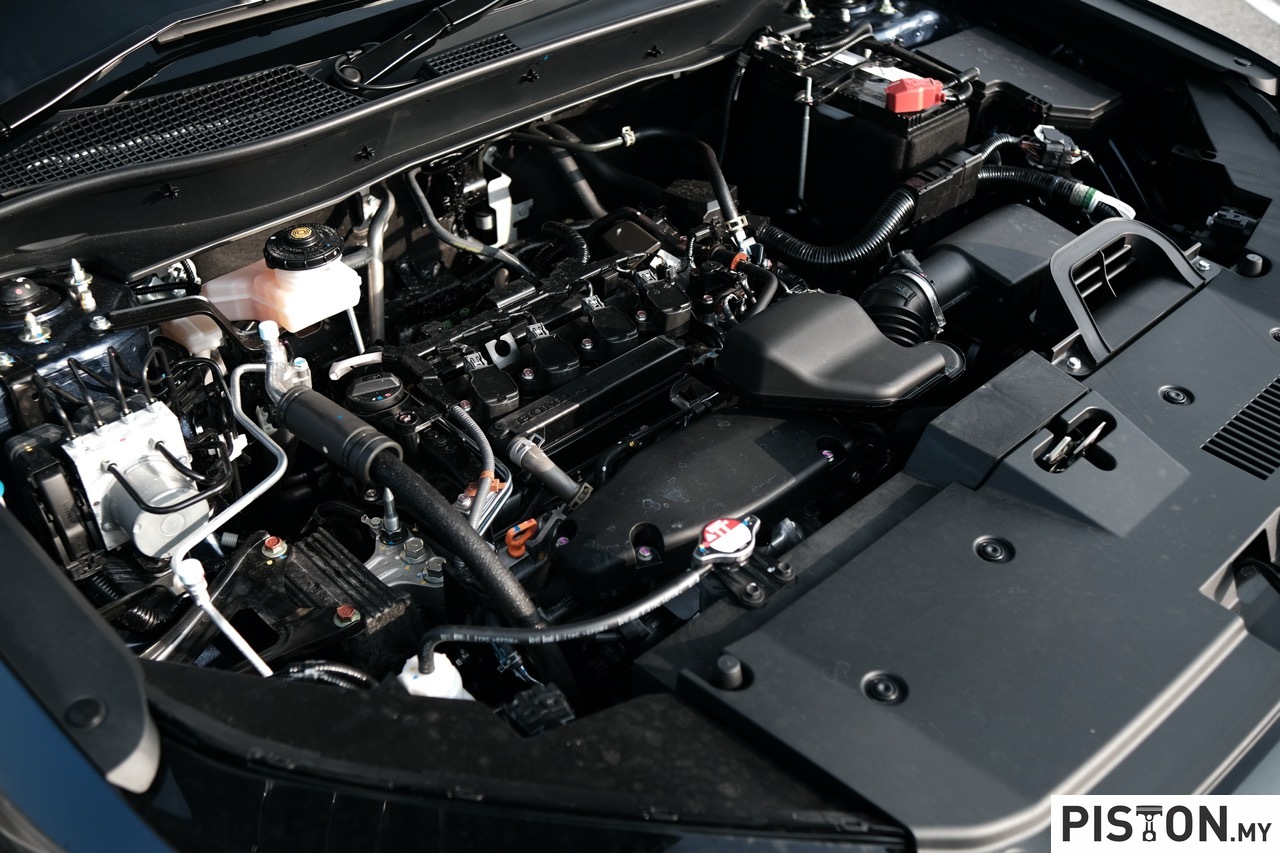
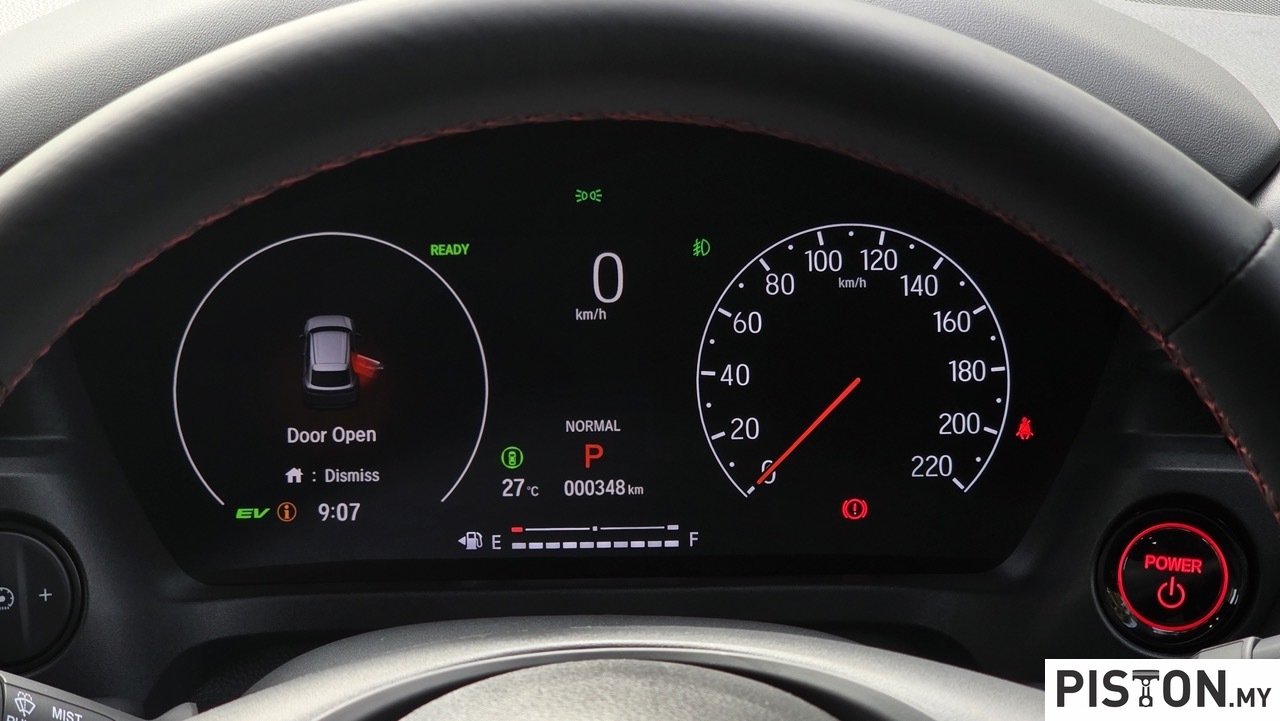
We tested out two variants, the Turbo V and the e:HEV RS. The Turbo V is powered by a 1.5-litre turbocharged four-cylinder engine delivering 181PS and 240Nm of torque, paired with a CVT. On the road, it provides brisk and linear acceleration, making highway overtakes effortless. 

Switch into Sport mode and the throttle sharpens, giving the SUV a livelier feel that keen drivers will appreciate. While fuel economy is respectable at between 6.5 and 7.5 litres per 100km, it is clear that efficiency is not the Turbo V’s strongest suit. Instead, this variant appeals to those who prioritise performance and responsiveness in their daily drive.
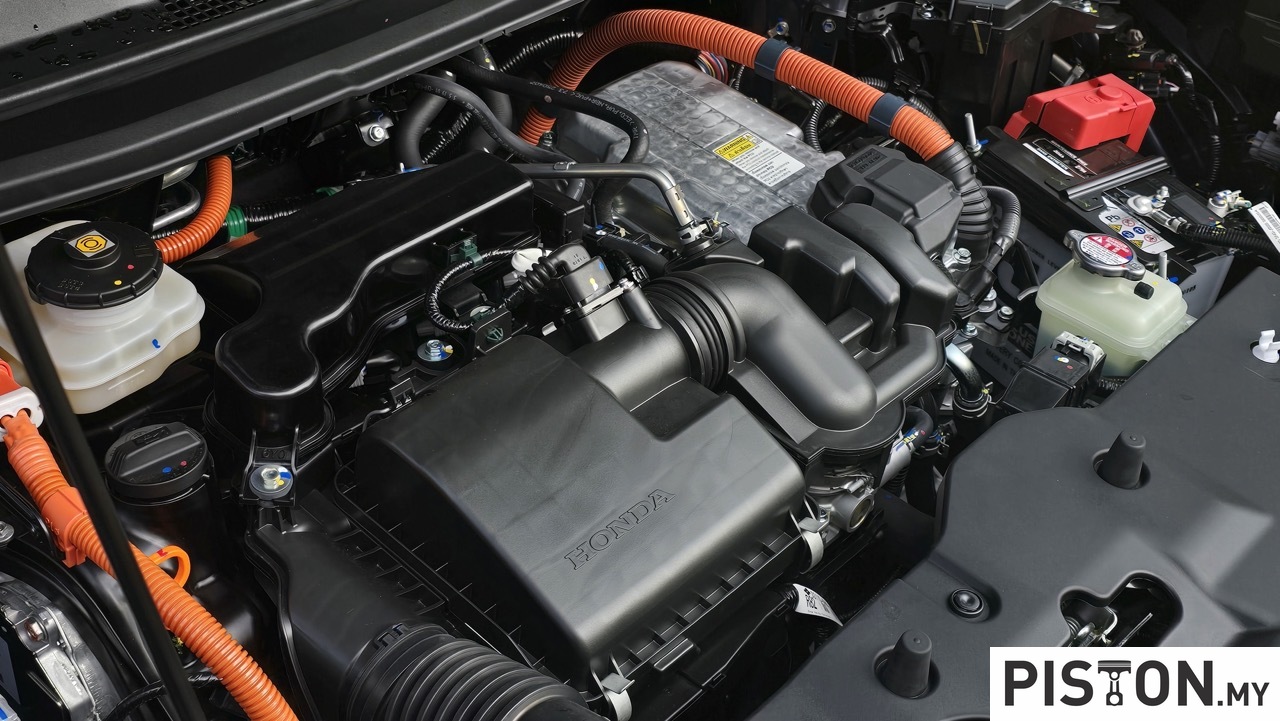
The RS e:HEV hybrid takes a different approach, combining a 1.5-litre Atkinson-cycle petrol engine with an electric motor that acts as a generator. The result is a system output of 131PS and 253Nm. Around town, the hybrid is a revelation, gliding almost silently on electric power at low speeds and delivering remarkable smoothness. Its trump card is efficiency: fuel consumption averages an excellent 4.0 to 4.5 litres per 100km, making it ideal for urban commuters.

However, when pushed hard, the hybrid’s limitations show. The e-CVT produces a noticeable drone under full throttle, and while acceleration is adequate, it lacks the outright punch of the Turbo V. For highway driving or spirited runs, it feels less satisfying, though its refinement in city use is undeniable.
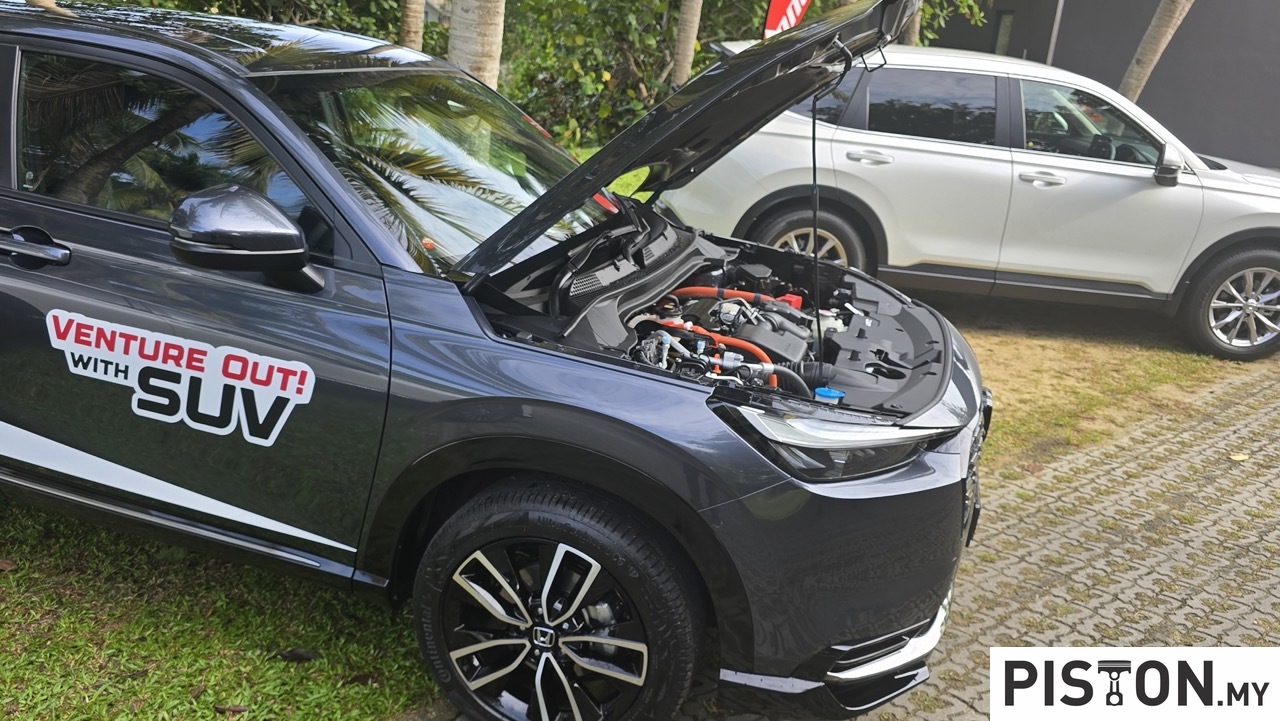
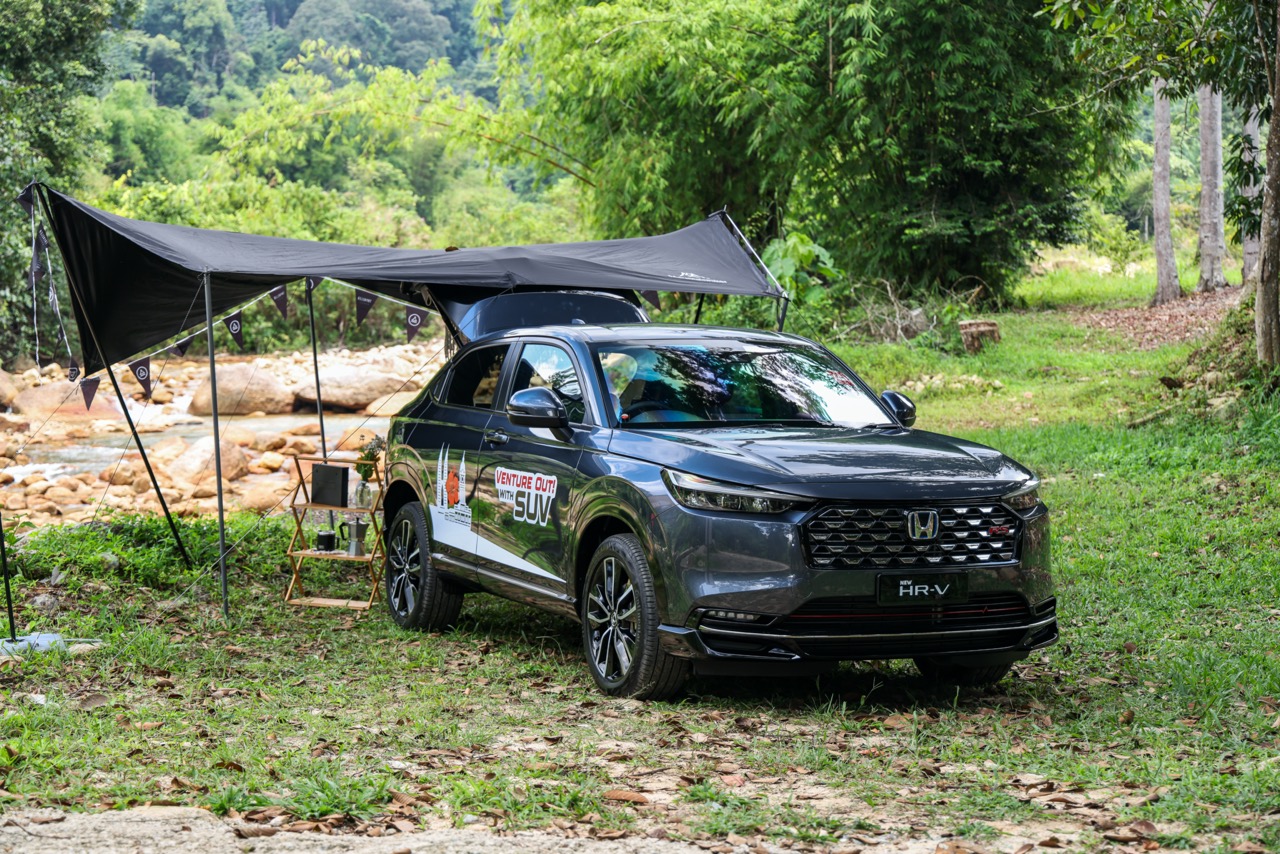
Both variants share the HR-V’s well-sorted chassis. The suspension strikes a fine balance, being firm enough to control body roll yet compliant enough to absorb bumps, potholes and some light off-roading. Steering is light and precise in town, becoming reassuringly weighted at higher speeds. The Turbo V feels more engaging during spirited drives, while the RS e:HEV excels in urban comfort.

Safety at the Core

Safety remains a cornerstone of Honda’s philosophy, and the HR-V continues to reflect that. Both variants come equipped with the Honda SENSING suite of advanced driver assistance systems. This includes adaptive cruise control, lane keeping assist, collision mitigation braking, and traffic jam assist.
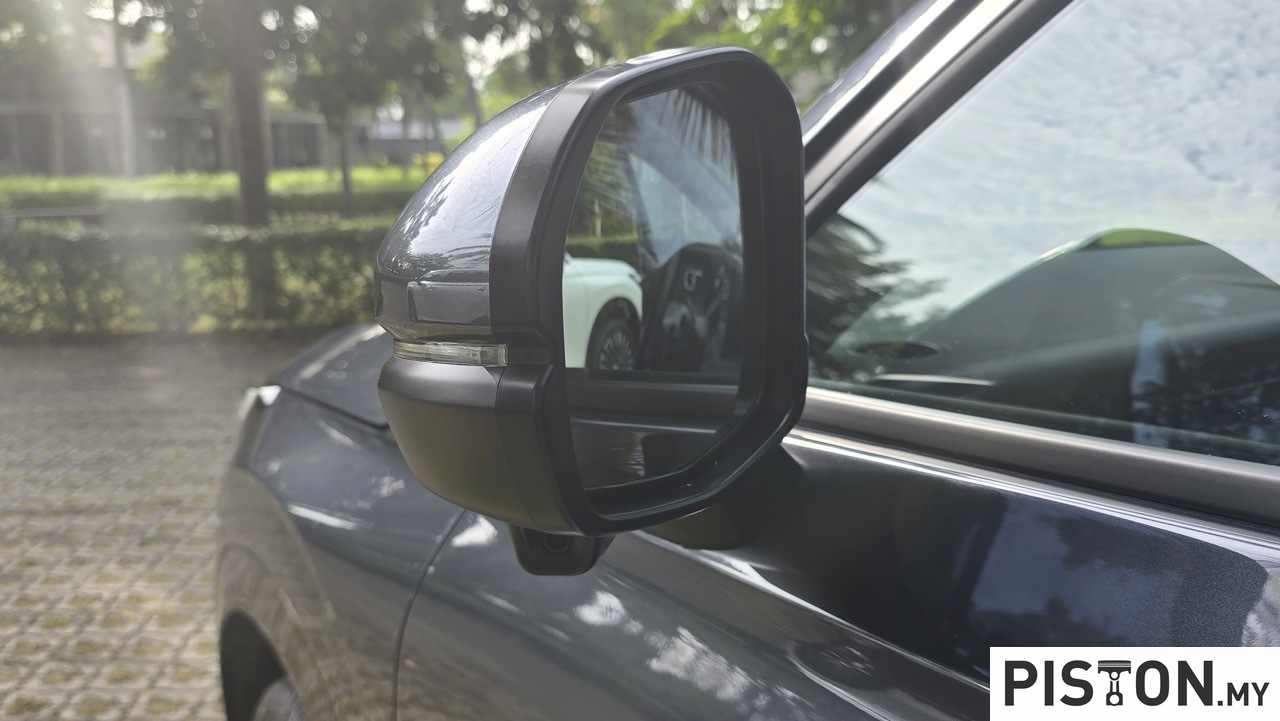
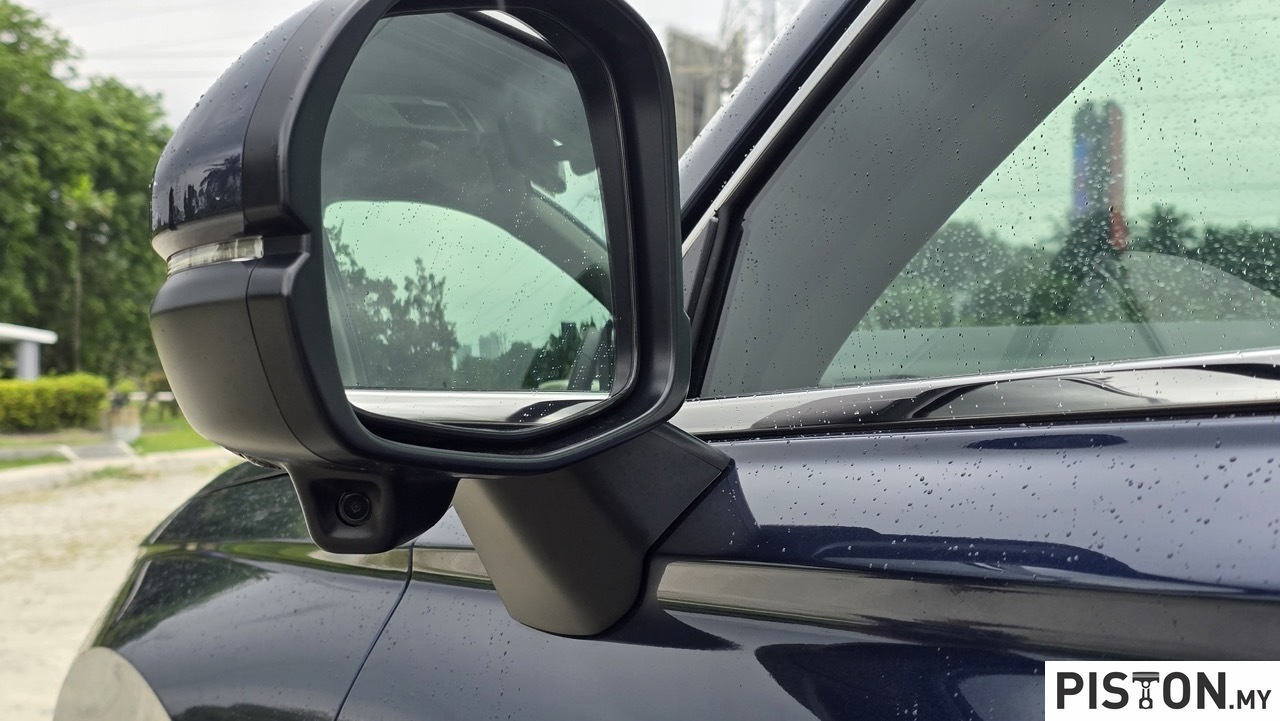
The Turbo V includes Honda’s LaneWatch camera, offering a live feed of the blind spot when indicating. The RS e:HEV, meanwhile, comes with more advanced Matrix LED headlights with active cornering, enhancing night-time visibility. Both variants also feature six airbags, stability control, and ISOFIX mounts as standard, ensuring strong occupant protection across the board.

Value for Money

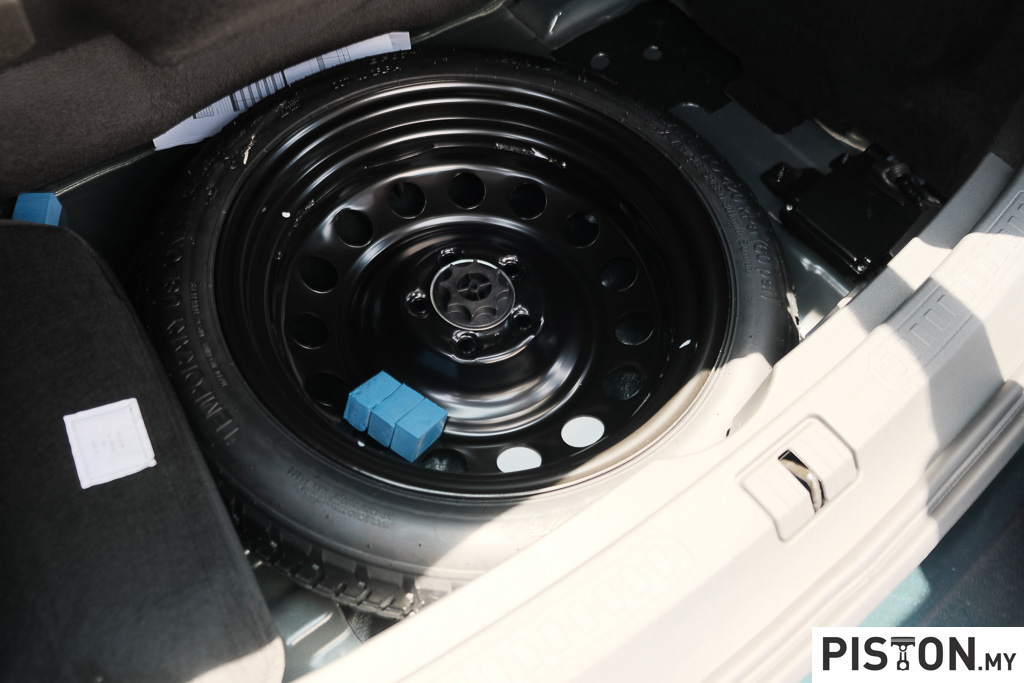
The HR-V 1.5 Turbo V is priced at RM137,900, while the RS e:HEV comes in at RM143,900. For the additional RM6,000, the hybrid brings greater efficiency, advanced lighting, dual-zone climate control, and enhanced refinement. The Turbo V, however, offers more engaging performance, a lower purchase price, and the practicality of a spare tyre instead of just a repair kit.
Ultimately, the decision between the two comes down to priorities. Drivers who enjoy performance and seek a more connected feel behind the wheel will gravitate towards the Turbo V. Those who value refinement, efficiency, and premium features will find the RS e:HEV the smarter long-term choice, particularly for urban commuting.

Refinement Over Revolution

The 2025 Honda HR-V is not a radical reinvention of the model. Instead, it is a careful refinement of an already successful formula. The exterior updates freshen its appearance without alienating loyal fans, the interior continues to impress with its versatility and quality, and the technology and safety features meet the expectations of today’s buyers.
Crucially, the two powertrains offer distinct personalities, giving customers a genuine choice depending on their lifestyle. Whether you want the lively punch of the Turbo V or the smooth efficiency of the RS e:HEV, the HR-V remains a benchmark in the segment.

In a market where new rivals emerge regularly, the HR-V’s ability to adapt and evolve ensures it stays relevant. It may not break new ground, but it reaffirms why Honda’s compact SUV has become such a staple of Malaysian roads – a blend of style, substance, and everyday usability that continues to strike the right balance.
Specifications:

Turbo V

Engine: 1.5 litre DOHC VTEC Turbo engine

Power: 181 PS at 6,600 rpm, 240 Nm from 1,700 and 4,500 rpm

Transmission: CVT

Suspension: MacPherson strut (Front) / Torsion beam (Rear)

Price: RM137,900

We like: Power delivery and comfort

We don’t like: Fuel consumption could be better

e:HEV RS

Engine: 1.5 litre DOHC i-VTEC engine i-VTEC (Atkinson Cycle) with electric motor

Power: 107 PS from 6,000 to 6,400 rpm, 131 Nm from 4,500 to 5,000 rpm

Transmission: e-CVT

Suspension: MacPherson strut (Front) / Torsion beam (Rear)

Price: RM137,900

We like: Driving range and comfort

We don’t like: Droning noise during hard acceleration
An SUV, or Sport Utility Vehicle, is basically the all-rounder of the car world. What makes an SUV an SUV comes down to a mix of size, style, powertrain and practicality. 

Stating the obvious here, but they sit higher off the ground than regular cars, which not only makes them look tougher but also gives drivers a better view of the road. Which is why SUV’s have become so popular.

Inside, you’ll find more space, whether it’s for passengers, luggage, or that last-minute IKEA run, making them a favourite for families and road-trippers alike.

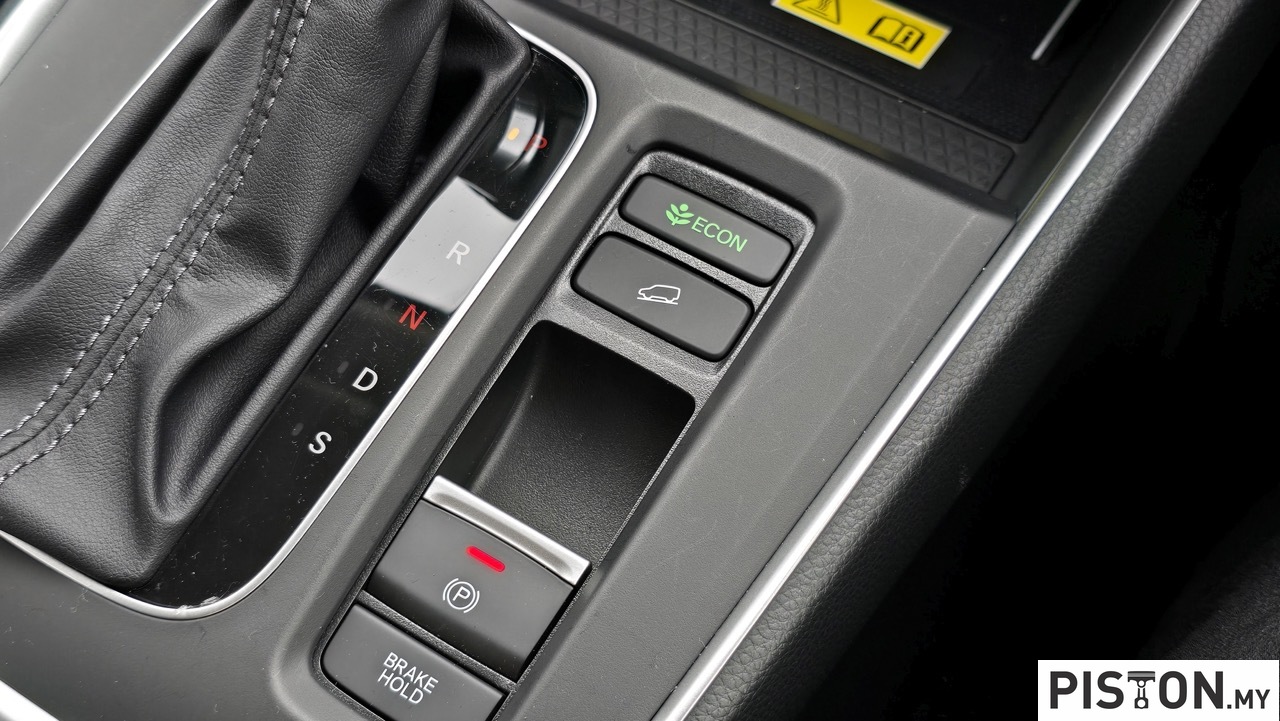
Another big part of the modern SUV appeal is adaptability. Some come with different drive modes which allow them to handle everything from rainy highways to the occasional dirt trail. Even if most owners stick to city streets, it’s nice knowing the car could take more.

Honda has built a strong reputation worldwide for making cars that are reliable, practical, and efficient, and their SUV lineup is no exception. The brand started out producing small, economical vehicles, but as customer needs shifted toward bigger and more versatile cars, Honda quickly adapted. 

Their SUVs are designed to combine everyday usability with comfort and style, while still carrying Honda’s trademark dependability.

Models like the CR-V have become global best-sellers, striking the right balance between size, fuel efficiency, and family-friendly practicality. In markets like Malaysia, the HR-V has also gained a huge following thanks to its compact footprint paired with surprisingly spacious interiors.

But of course, these come with an internal combustion engine. How about an electric powertrain? The first major leap came with the Honda Prologue, introduced in 2024 for North America. 

Built on General Motors’ Ultium platform, it provided Honda with a quick and competitive entry into the electric SUV segment.

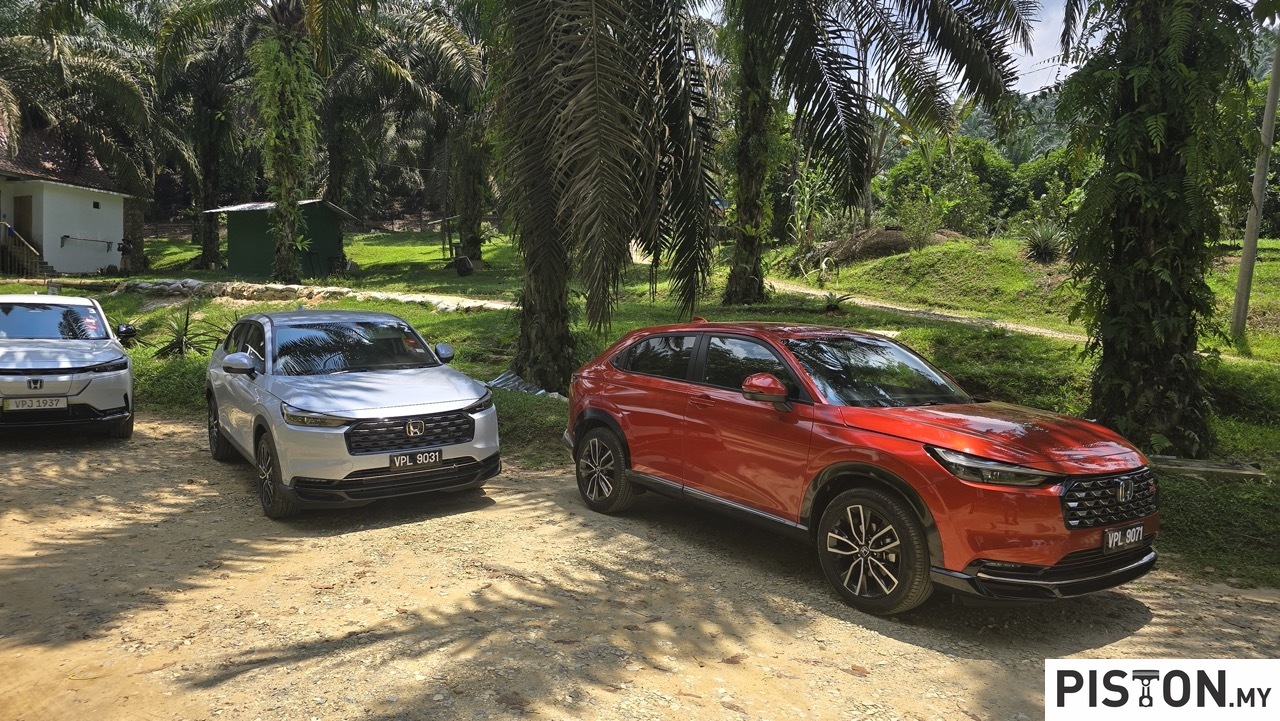
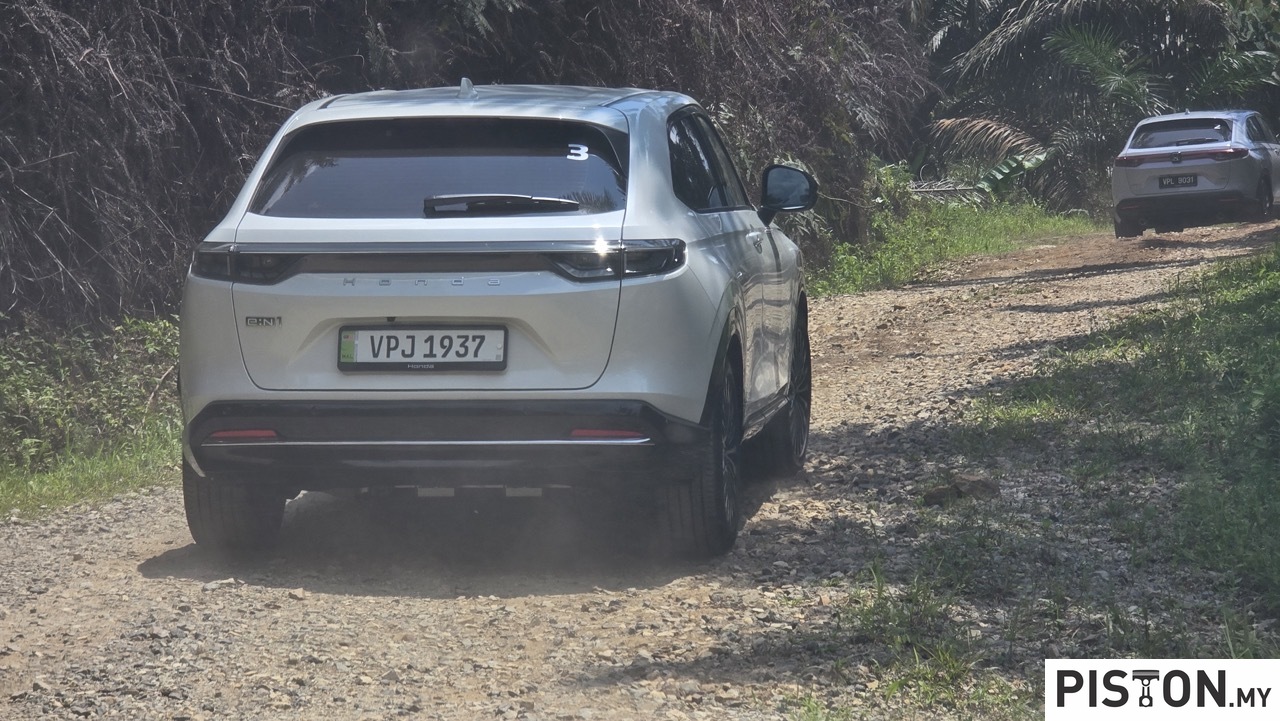
In Asia, Honda has launched its e:N series, starting with models like the e:NP2, e:NS2, and e:N1. These compact electric SUVs are designed for urban buyers, combining sleek styling with practical range figures up to about 545km in China and 412km (WLTP) for the e:N1. 

What is the e:N1?

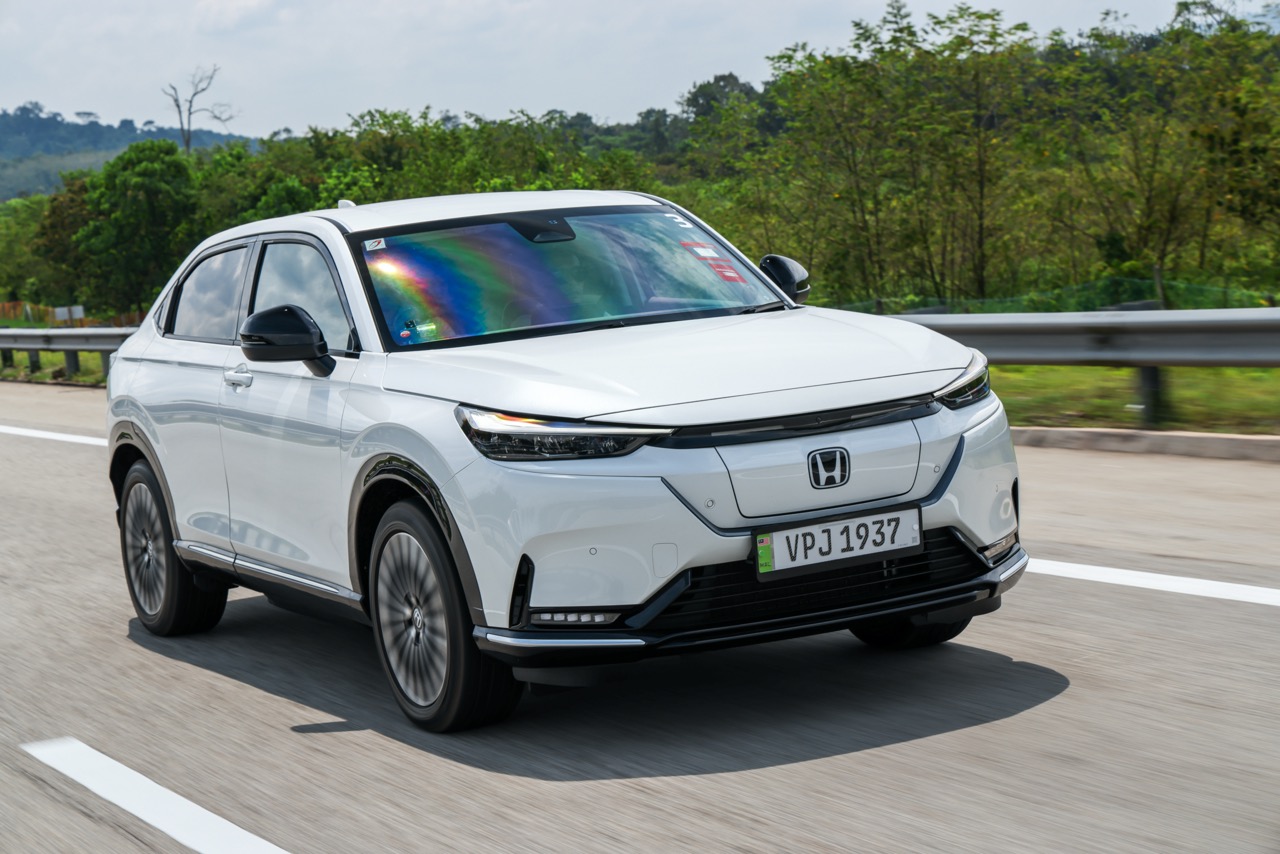
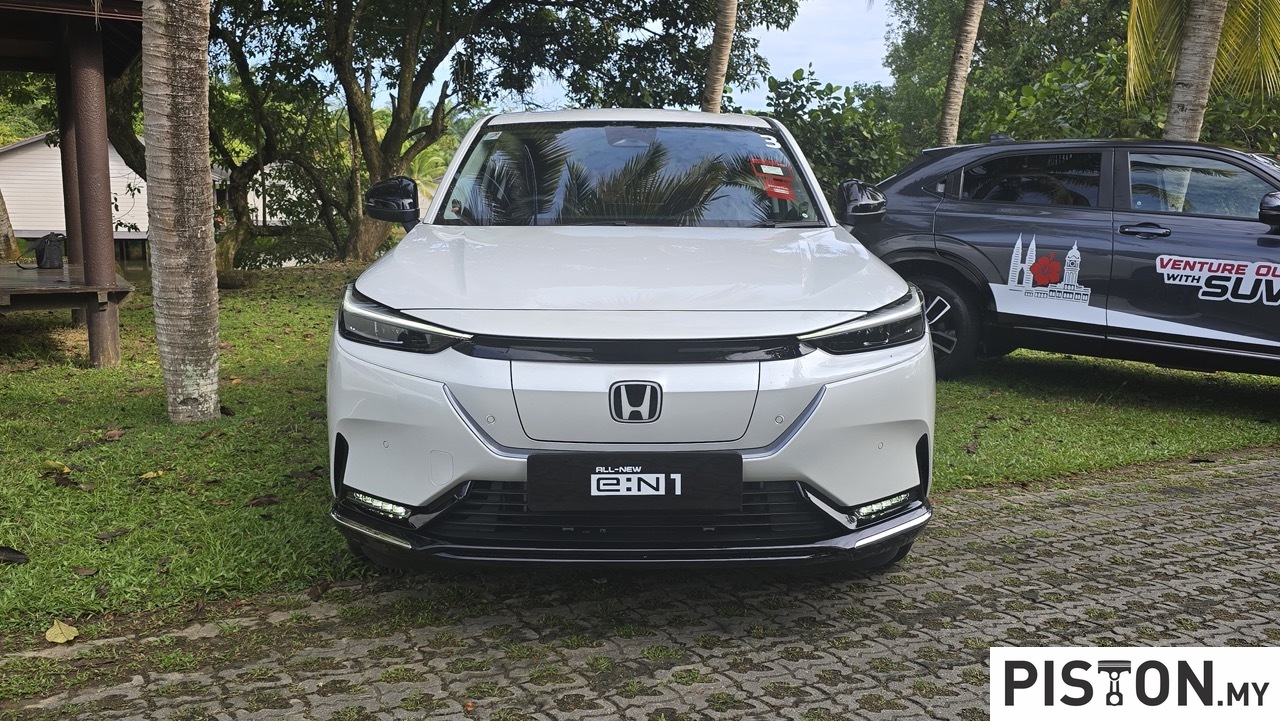
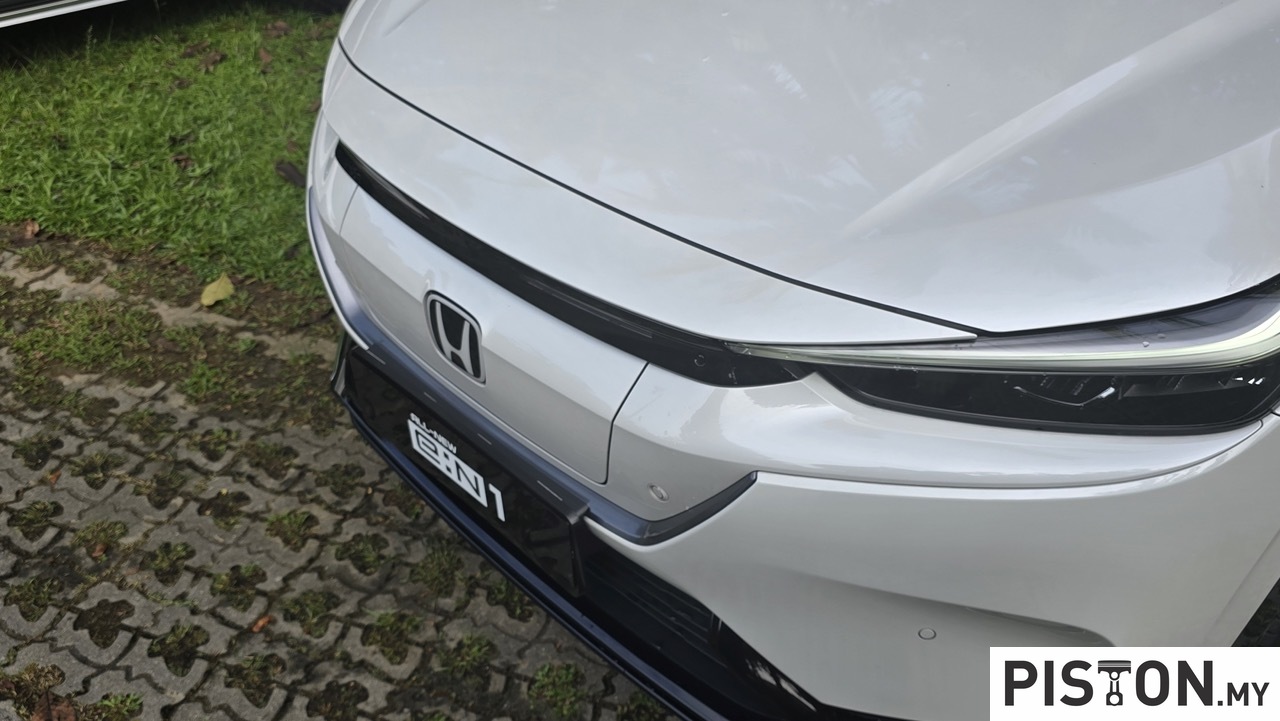
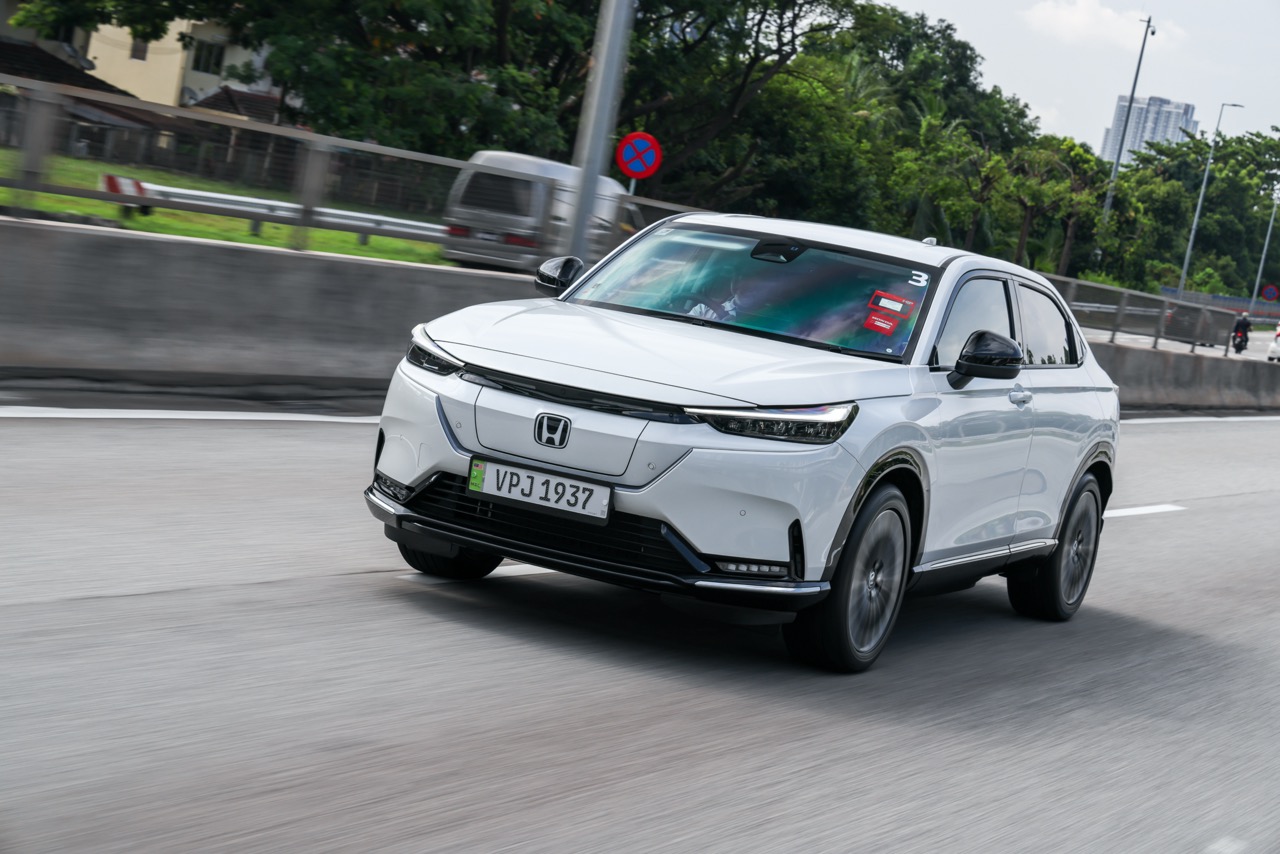
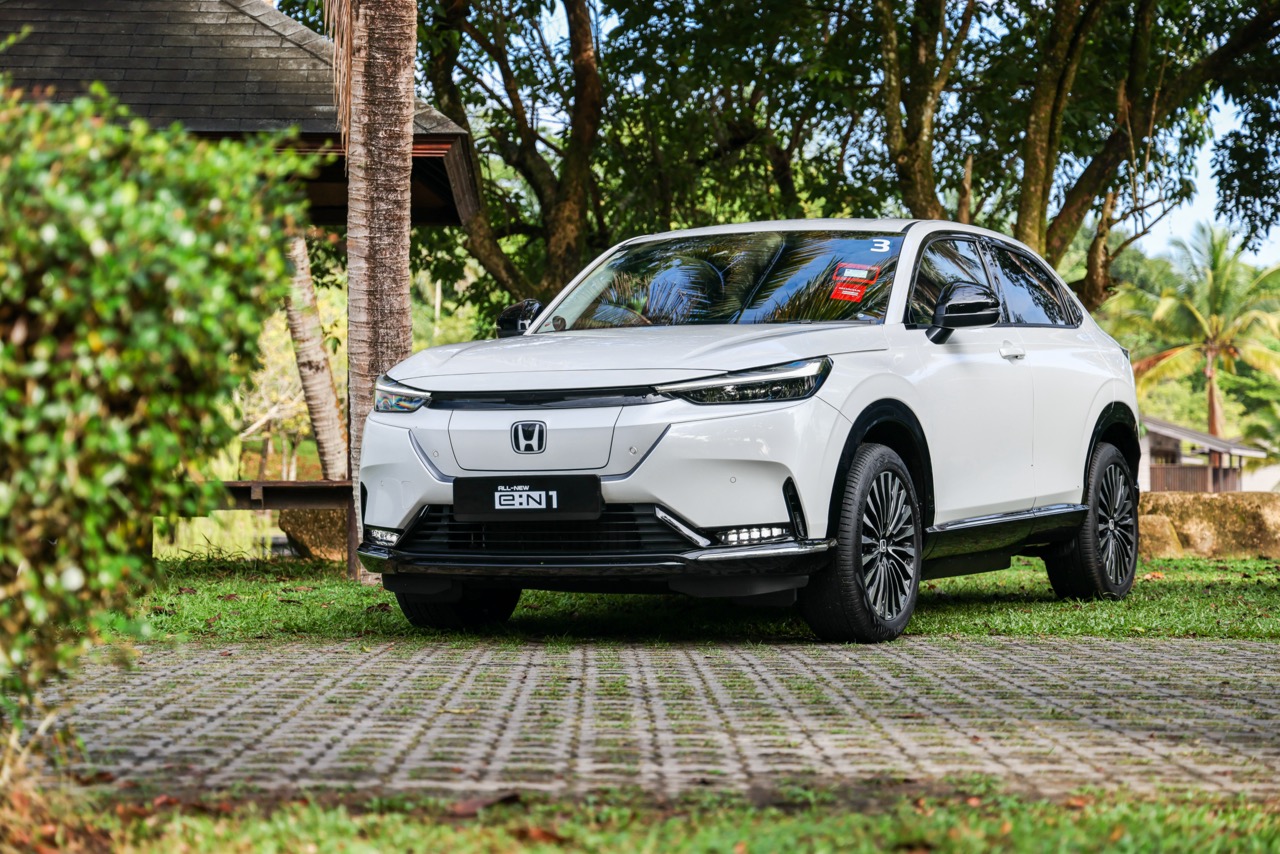
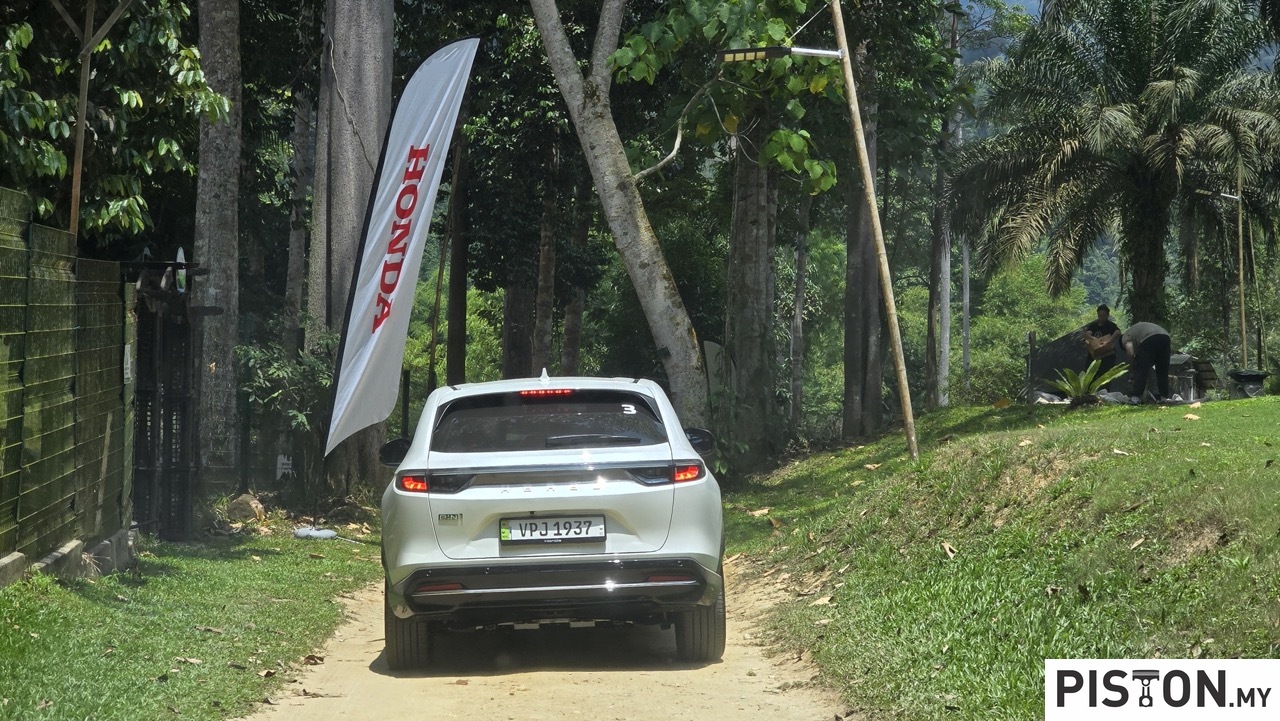
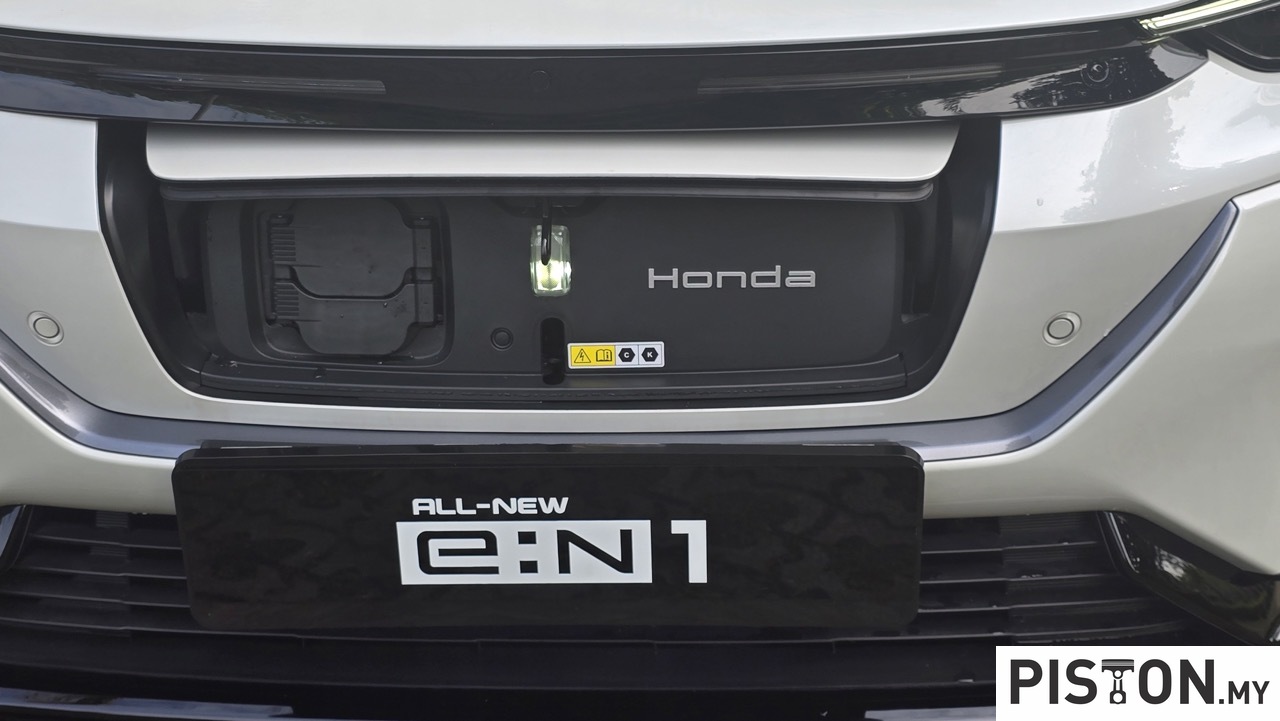
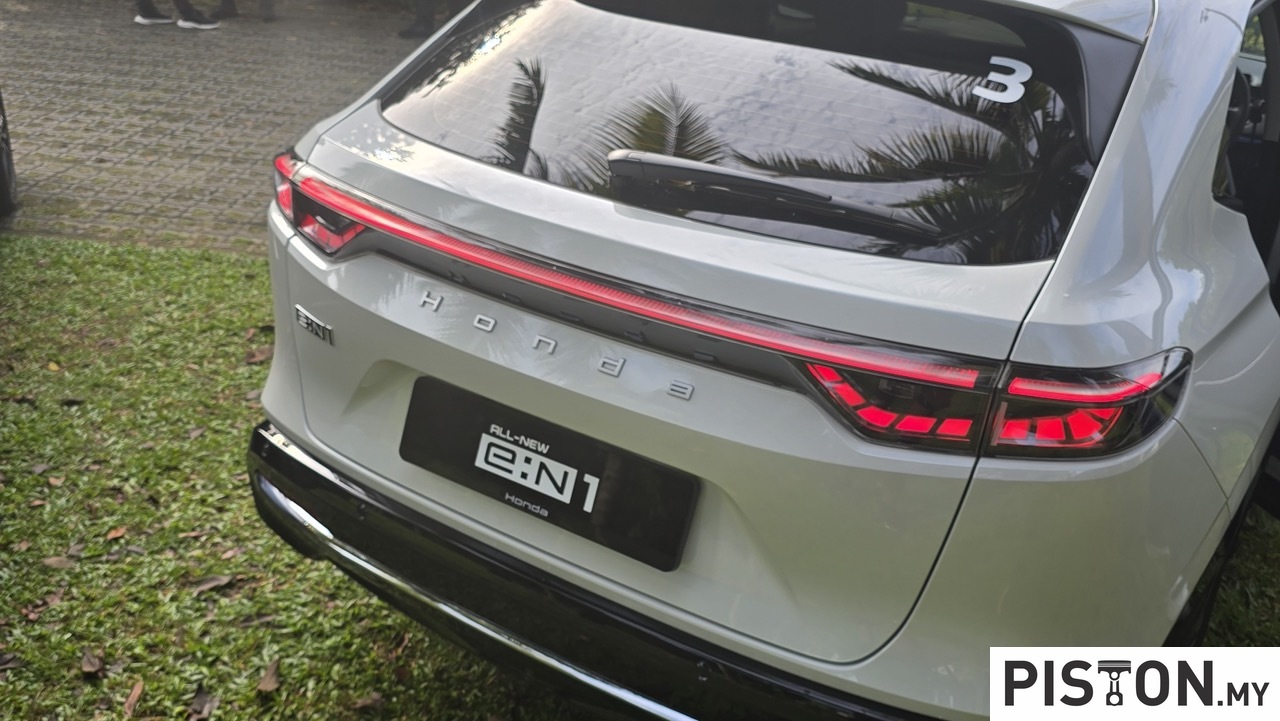
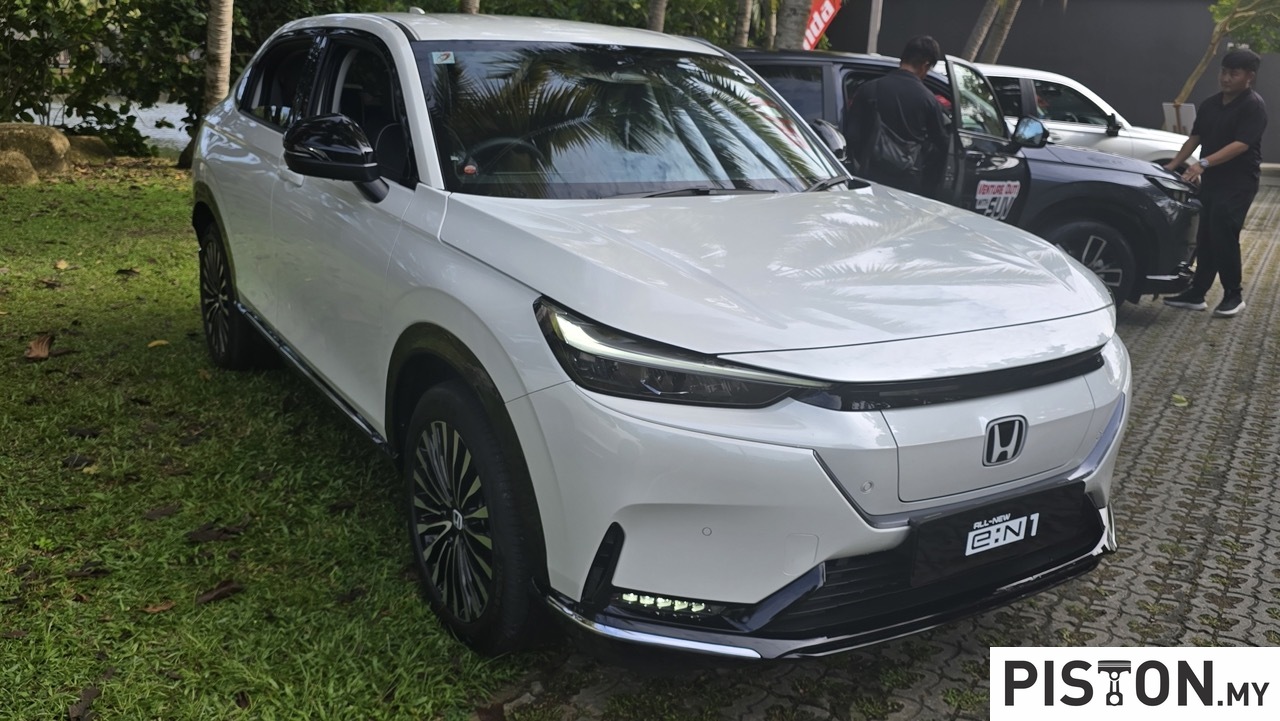
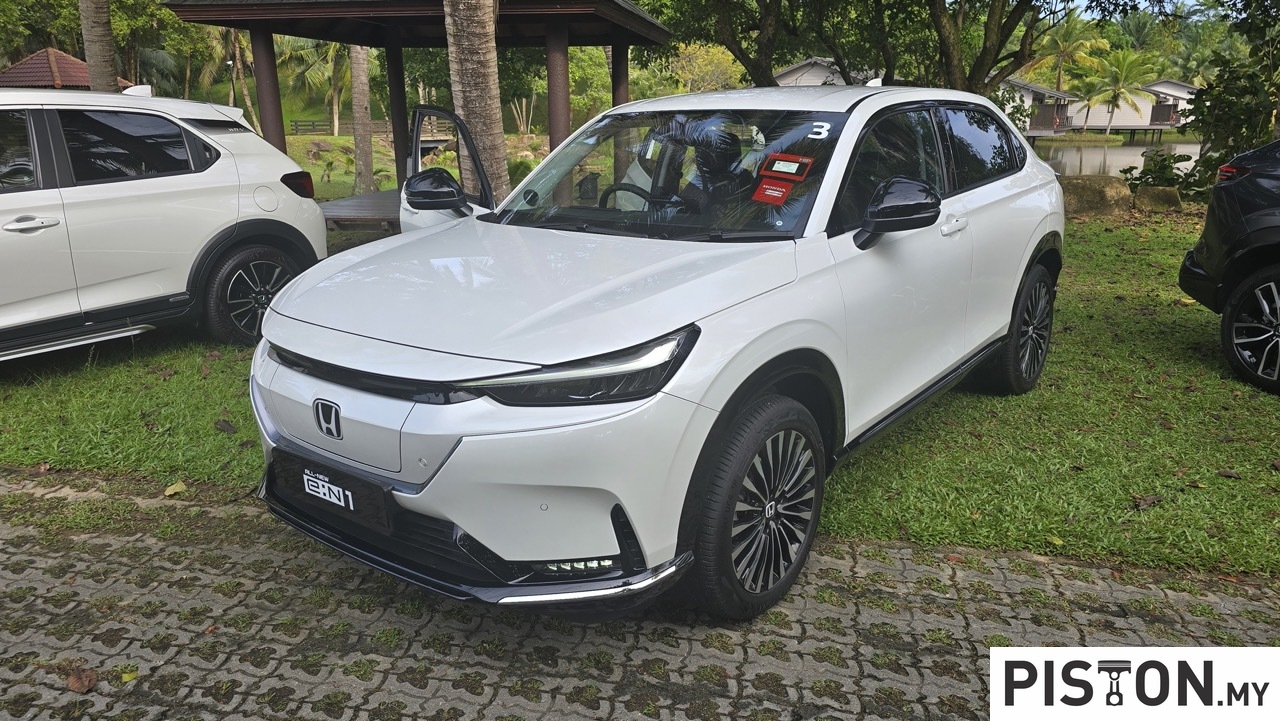
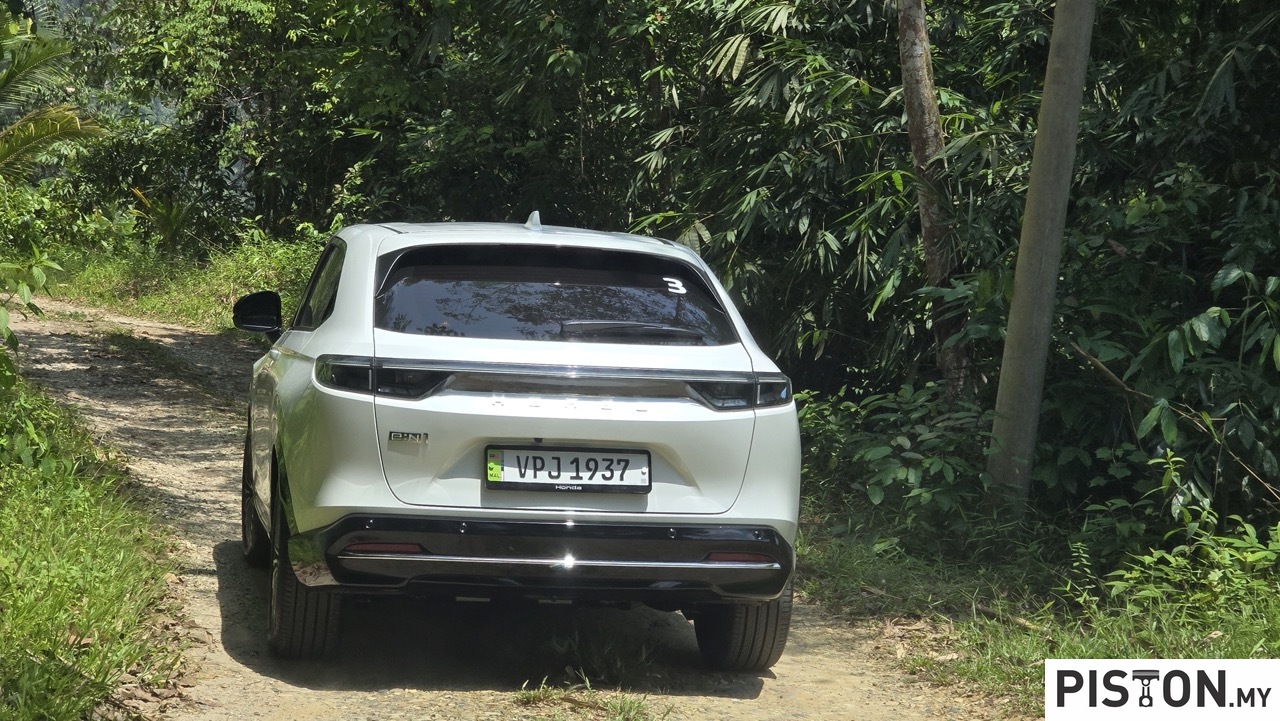
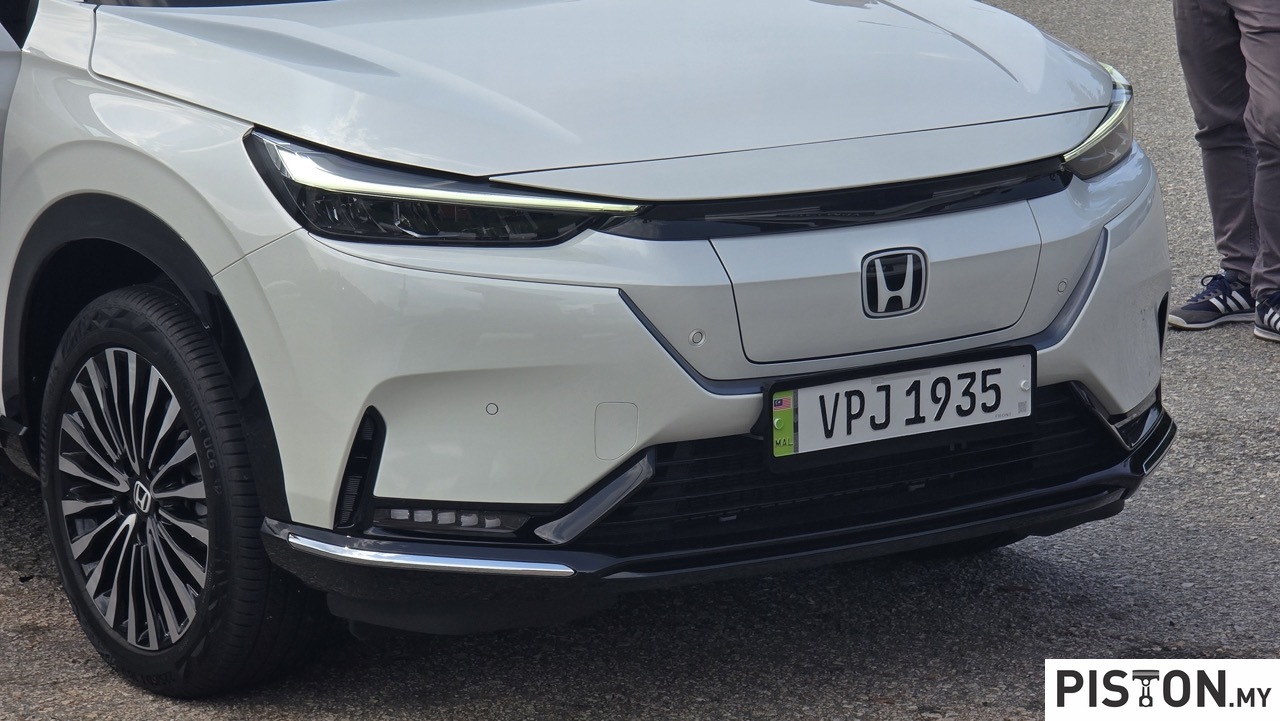
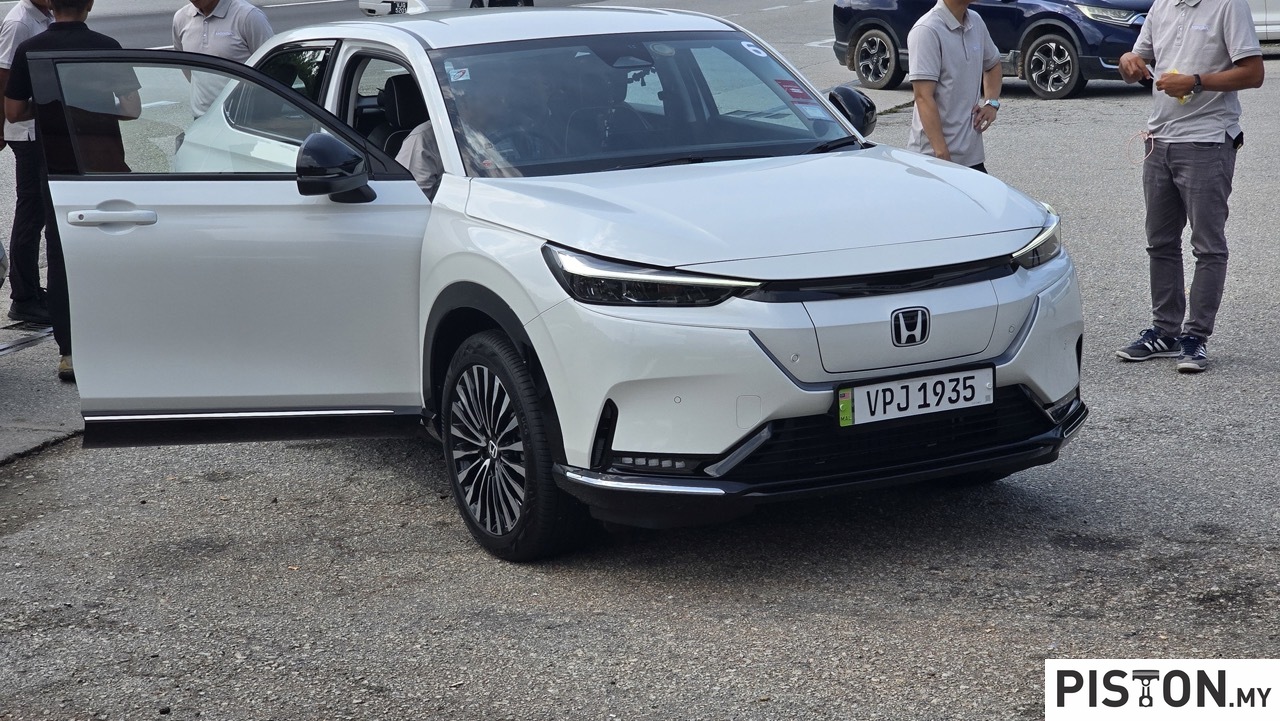
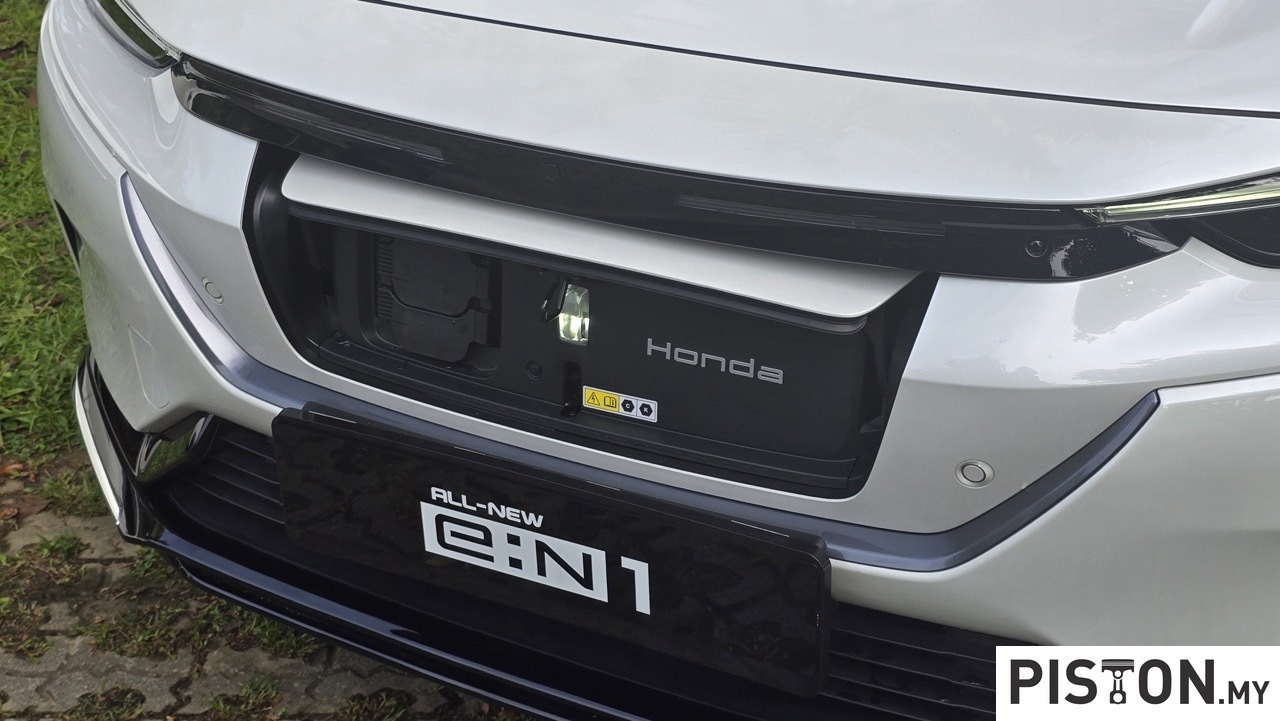
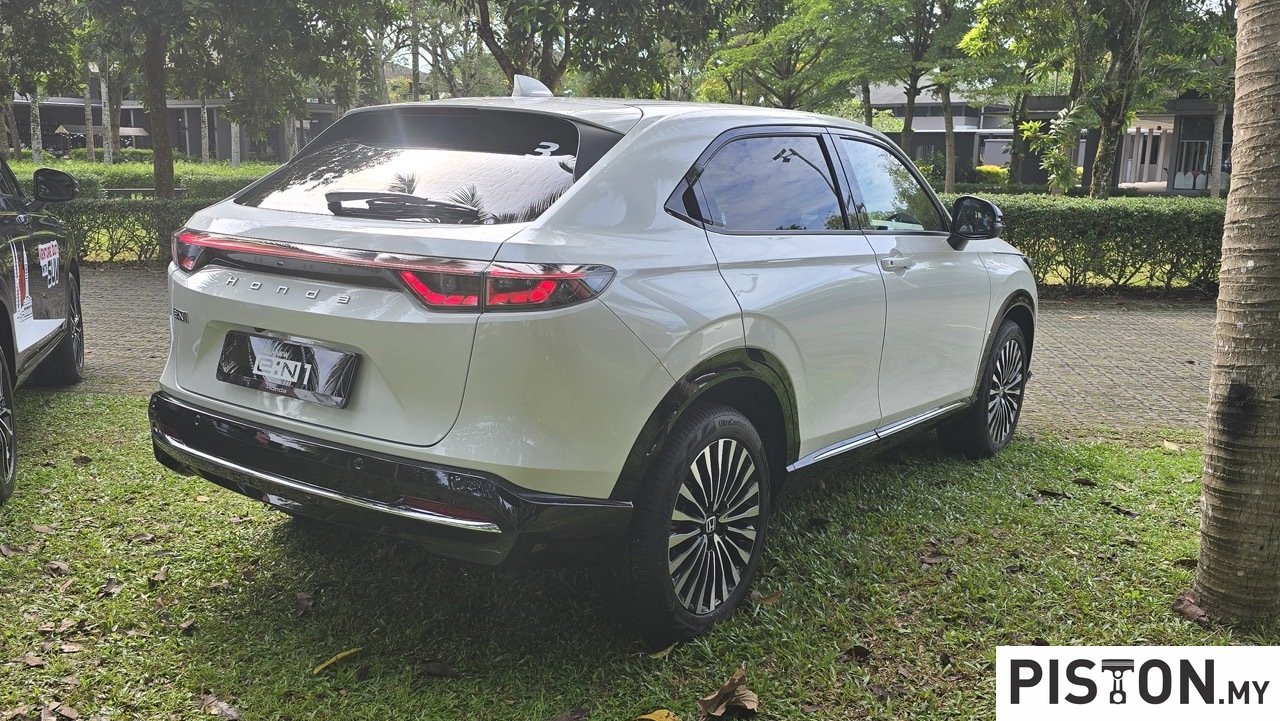
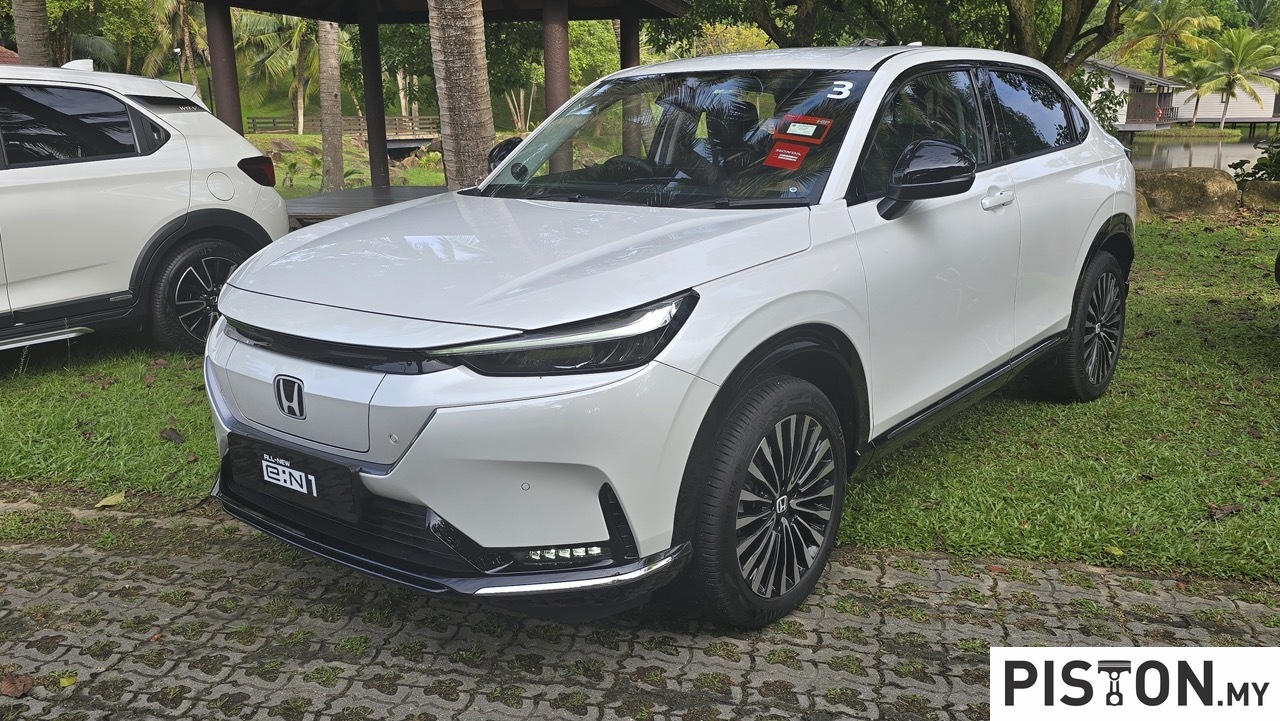
The Honda e:N1 is Honda’s first all-electric SUV that entered the Malaysian market, marking the brand’s serious step into the EV space. Built on Honda’s global e:N Architecture, the e:N1 blends modern styling with practicality, offering a familiar SUV shape while being powered purely by electricity. 

Positioned as an accessible yet premium entry into the EV segment, it delivers a smooth, quiet driving experience with instant torque, all wrapped in a package that feels unmistakably Honda. 

The e:N1 is designed not only to appeal to eco-conscious buyers but also to those who want an easy transition from traditional petrol-powered SUVs into the world of electric mobility.

But of course, on paper, any car will look good. So, we put it to the test. 

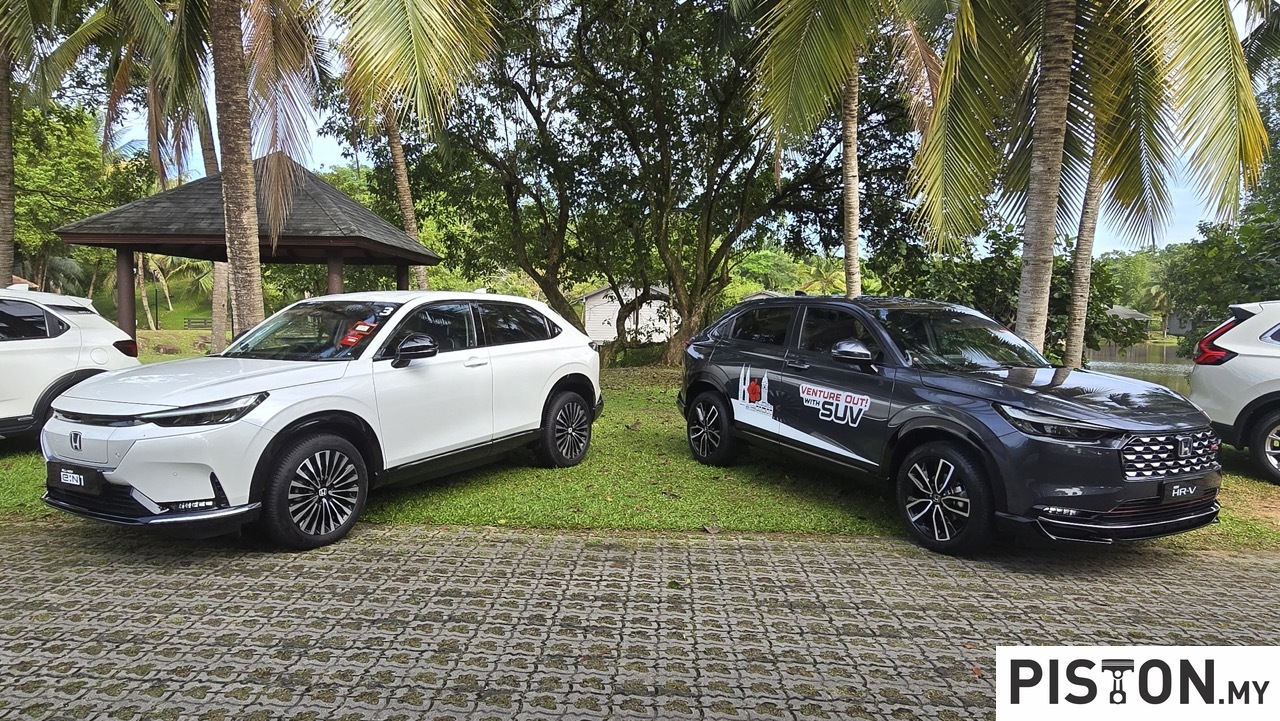
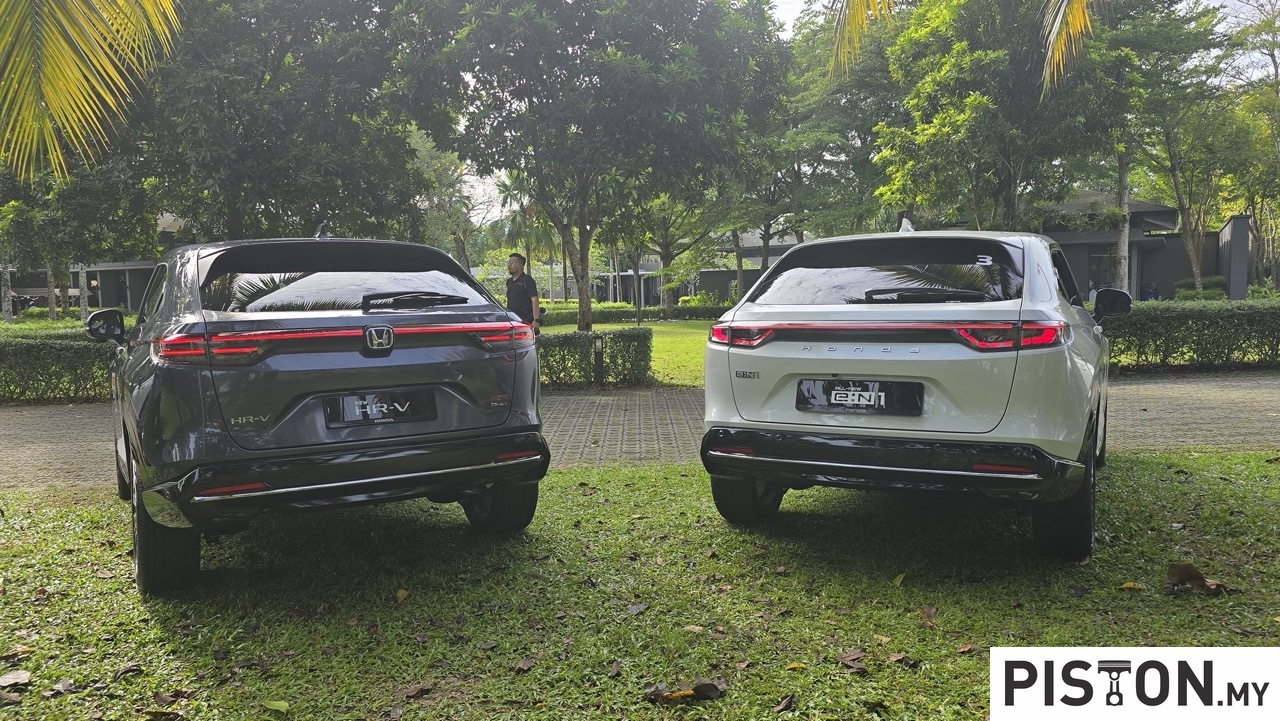
Difference between the e:N1 and HR-V

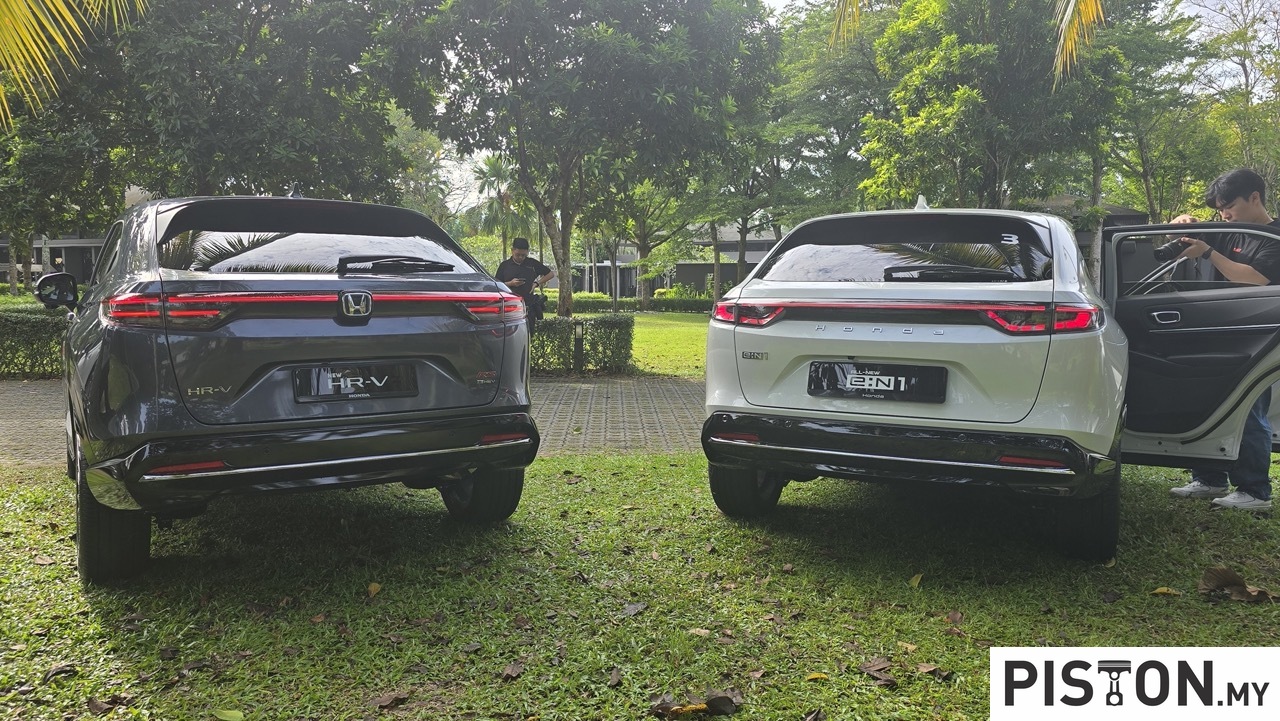
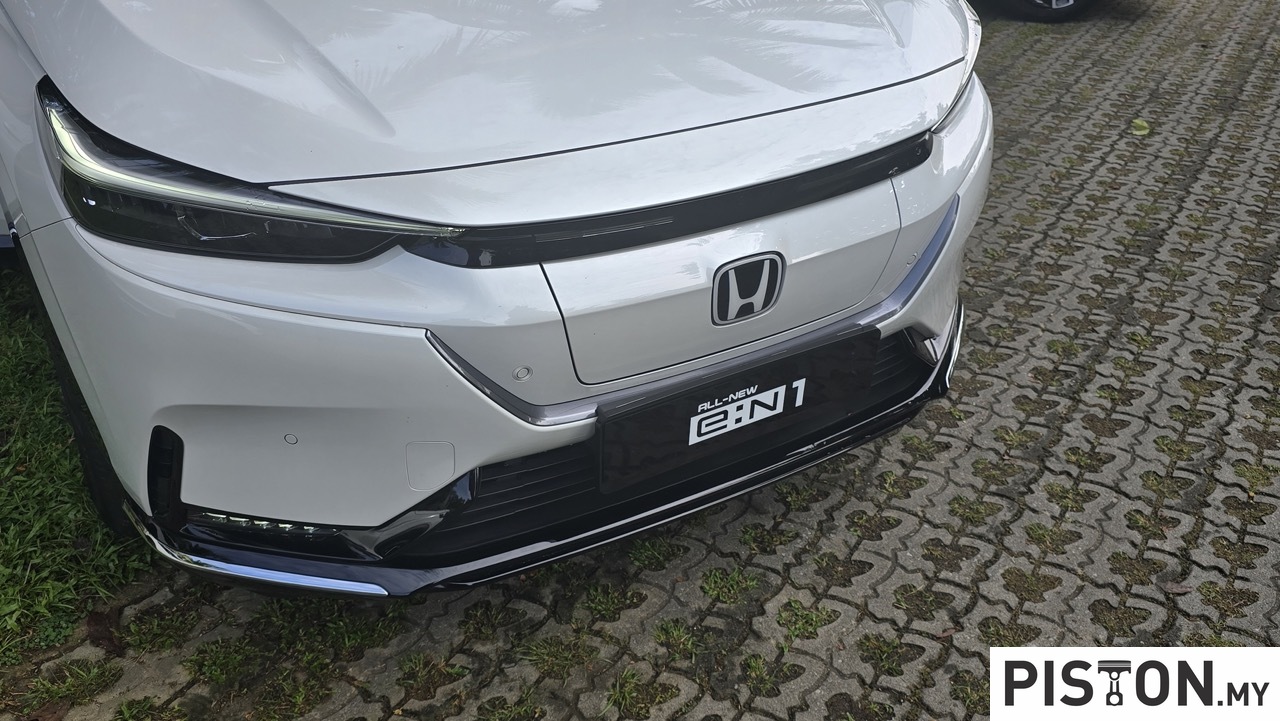
At first glance, the Honda e:N1 and the current HR-V in Malaysia look very similar, but underneath, they’re built quite differently. The e:N1 sits on Honda’s dedicated e:N Architecture F platform, which is purpose-built for EVs. This setup gives it a lower centre of gravity and better aerodynamics.

Power comes from a front-mounted electric motor pushing out 204PS and 310Nm, allowing it to hit 100 km/h in just 7.7 seconds. 

Dimension-wise, both SUVs are nearly identical in size, with the same 2,610 mm wheelbase. But because of its underfloor battery pack, the e:N1 rides much lower with just 142 mm of ground clearance compared to the HR-V’s 196 mm (RS) or 183 mm (non-RS). 

This lower stance improves stability but sacrifices some of the HR-V’s SUV-like ride height. The e:N1 also has a slightly wider turning radius at 5.7 m versus the HR-V’s 5.5 m.

Sufficient driving range for short getaways

Range anxiety is something we all fear when buying an electric vehicle (EV). Does it have enough range for my daily routine? Can I balik kampung with this range? Are there enough charging stations on the way? These are questions that run through our heads when considering buying an EV. 

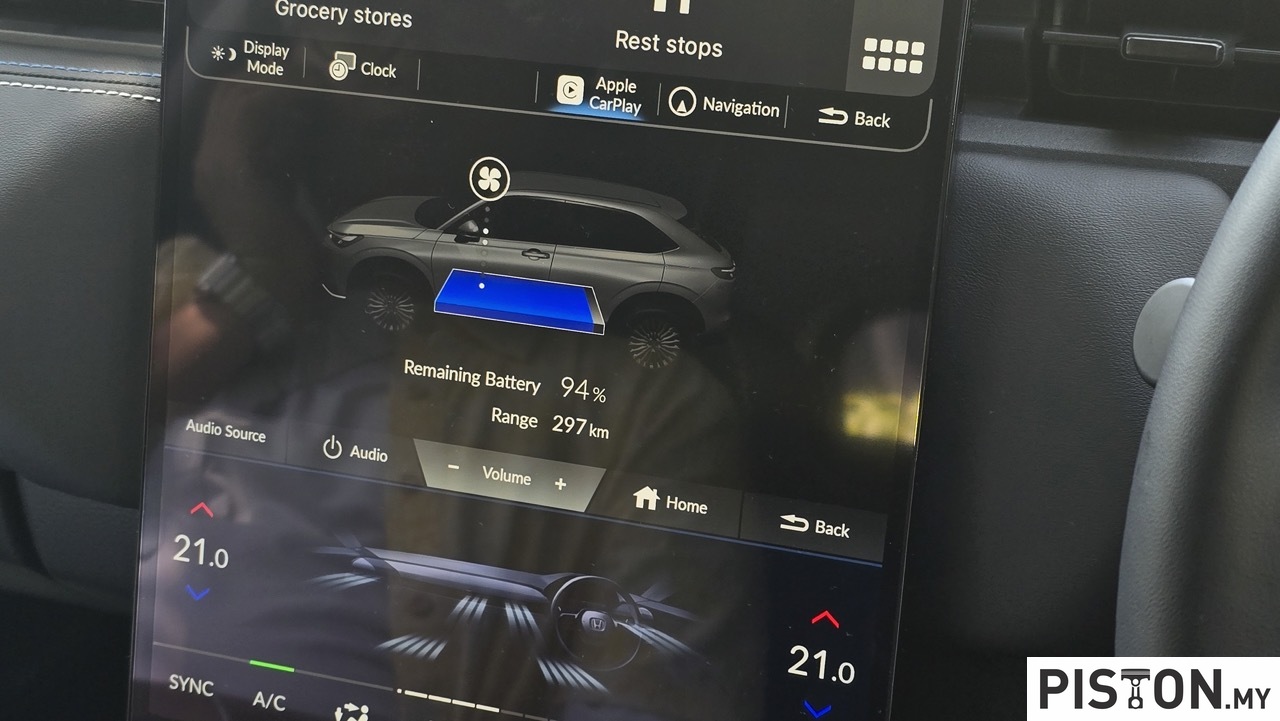
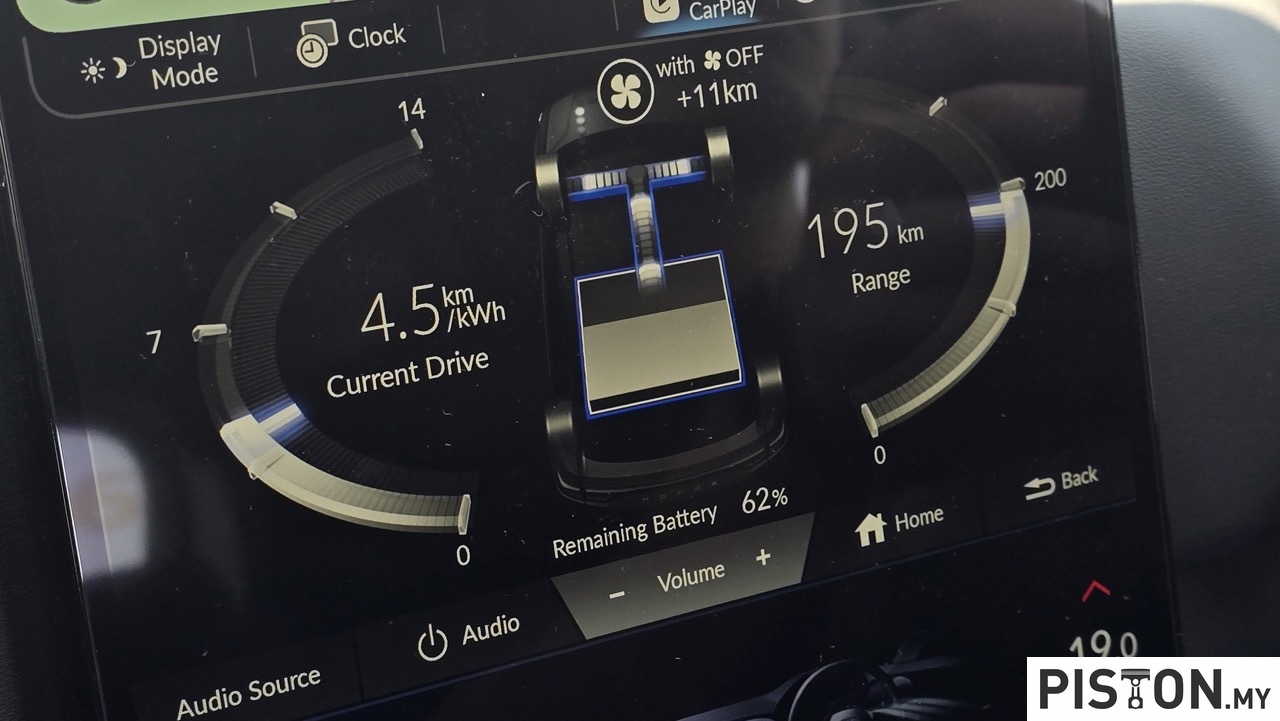
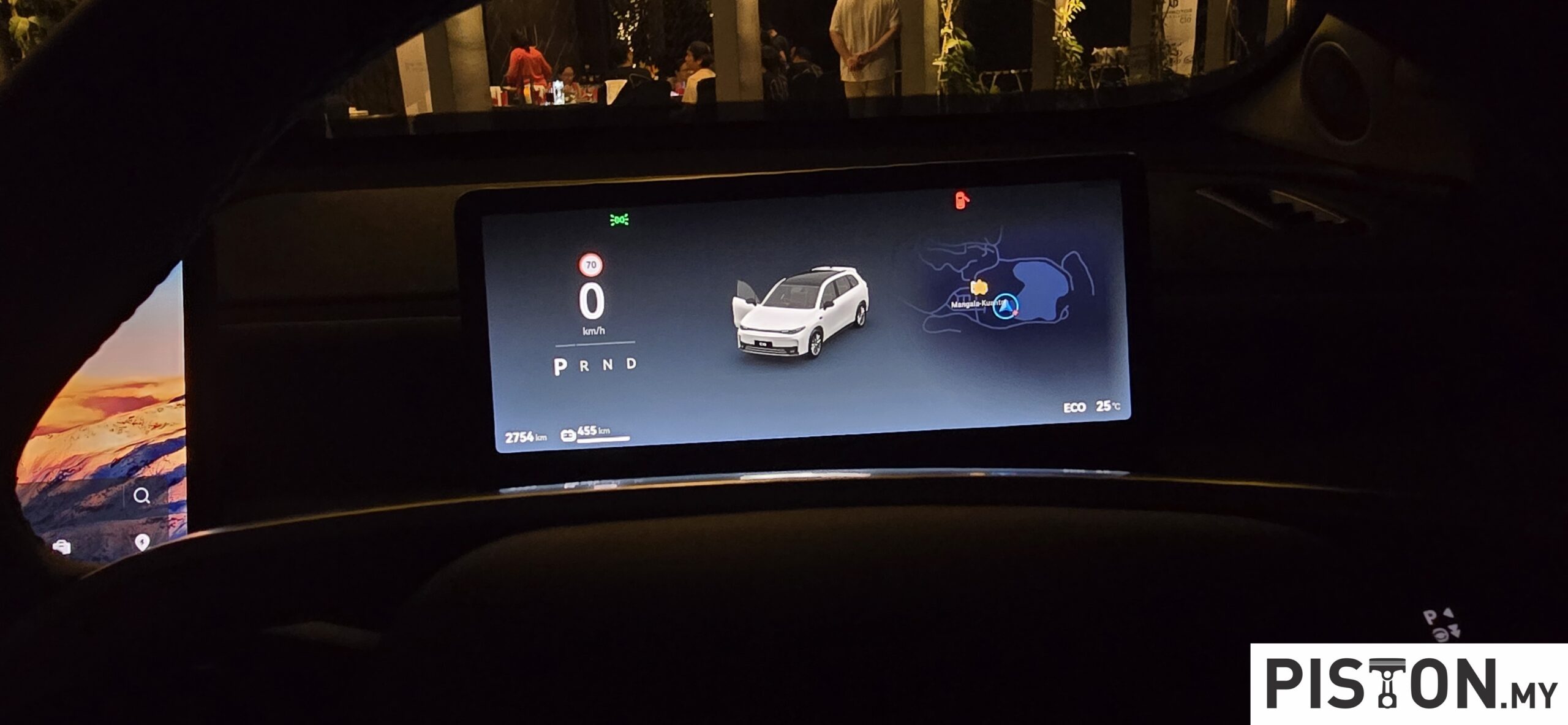
To be honest, when we got into the e:N1, we had around 297km of range with 94% of battery. We were heading from Mangala Estate Boutique Resort, Pahang, to Pineyard, Bentong, for a quick bite, then back to Honda Malaysia, Petaling Jaya. 

The total travel distance was around 226km, according to the GPS, but we still had to take into consideration our driving style and be prepared for unwanted situations. 

But at the same time, we had to put it to the test. So we drove like our fellow Malaysians and tried out the different drive modes (Normal, Eco and Sport). There were three drivers, so three different driving styles. 

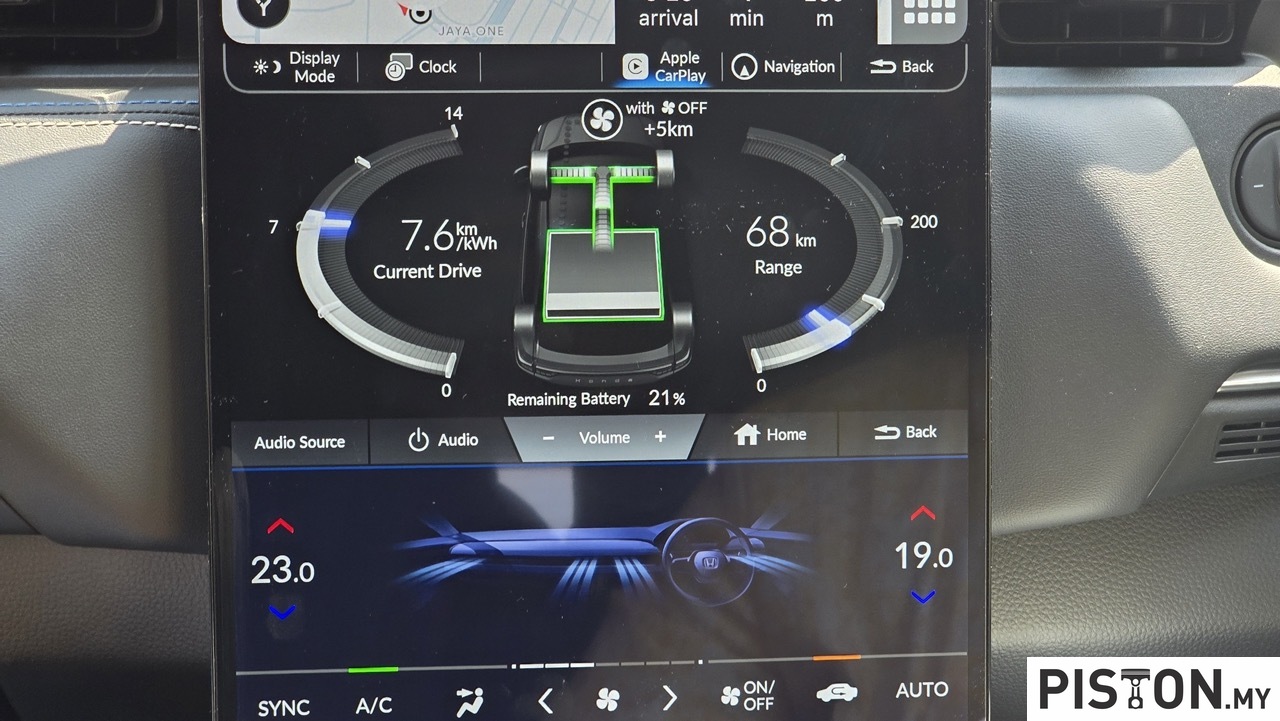
We went through highways, small town roads and winding back roads. So, were we able to make it back without stopping to juice up? Yes, yes, we did. When we parked at Honda Malaysia in Petaling Jaya, we still had 68km of driving range and 21% of battery! This is with an average speed of 125km/h and 7.6km/kWh. 

In Honda we trusted, and it did not let us down. But of course, if you are planning to drive longer distances, you will have to dedicate some time to charging it up. Which is why owning an EV means changing your lifestyle. You will have to properly plan your routes and drive accordingly to the percentage of your battery. 

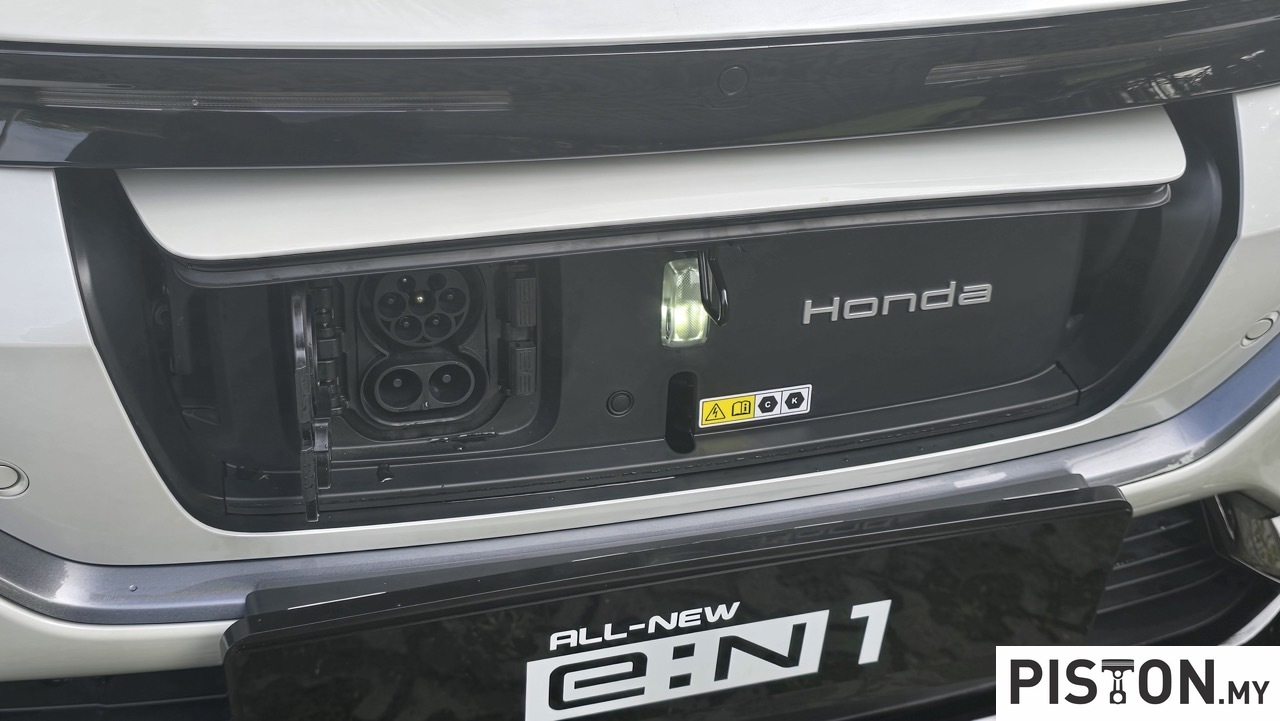
The e:N1 can be fast-charged from 10% to 80% battery in about 45 minutes using a DC CCS2 charger with a 78kW output.

Honda with no LaneWatch and a huge touchscreen?

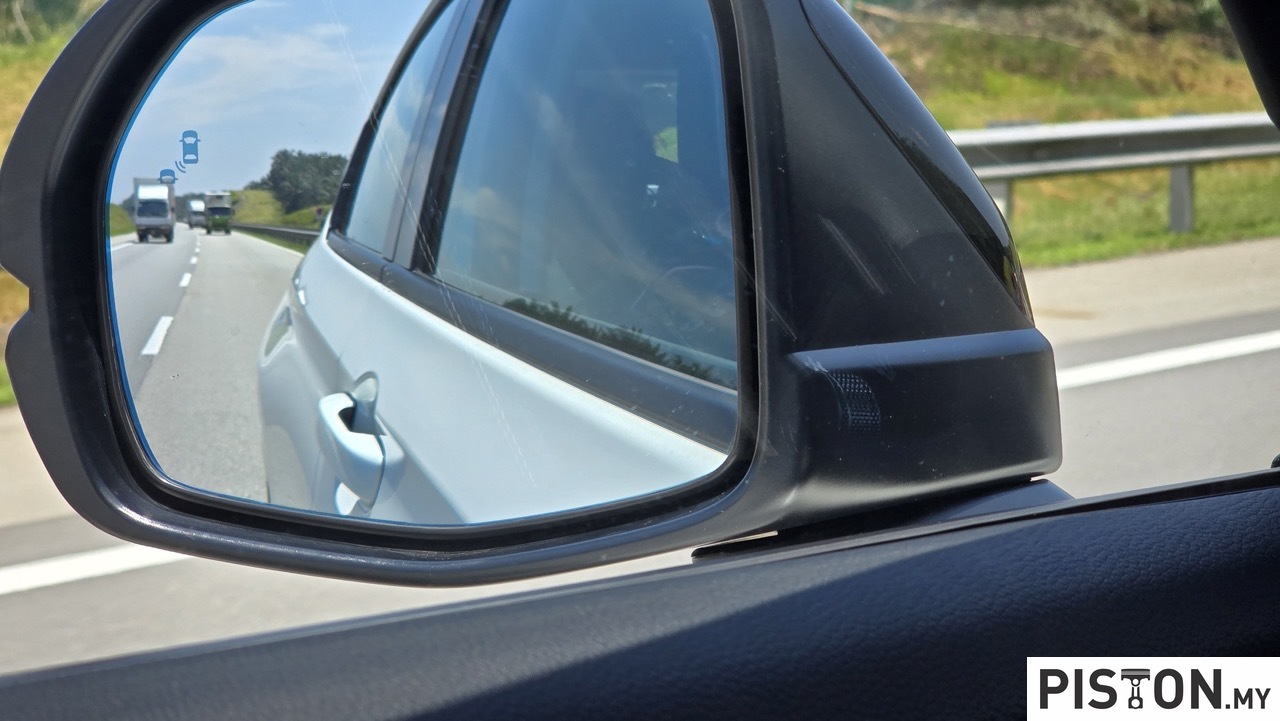
If you have read our previous reviews on Honda models, you will know that we had a love-hate relationship with Honda’s Lane Watch, but eventually got used to it. So, driving the e:N1 that does not have the LaneWatch felt a little weird. Instead of Lane Watch, Honda has replaced it with a Blind Spot Monitor. 

Why do we say it feels weird? Because if you are familiar with the Lane Watch system, you know that it will override your screen, which means you will not be able to see your navigation screen. Of course, you can override it via the signal lever, but that takes some getting used to.

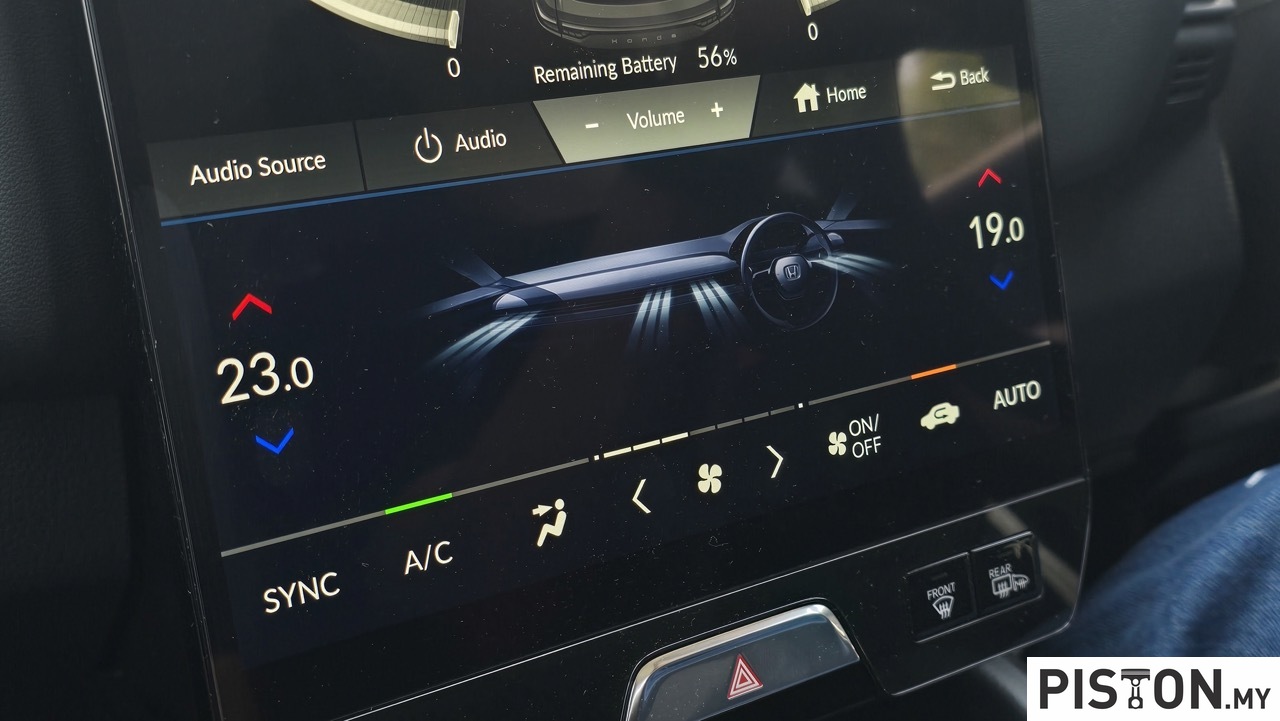
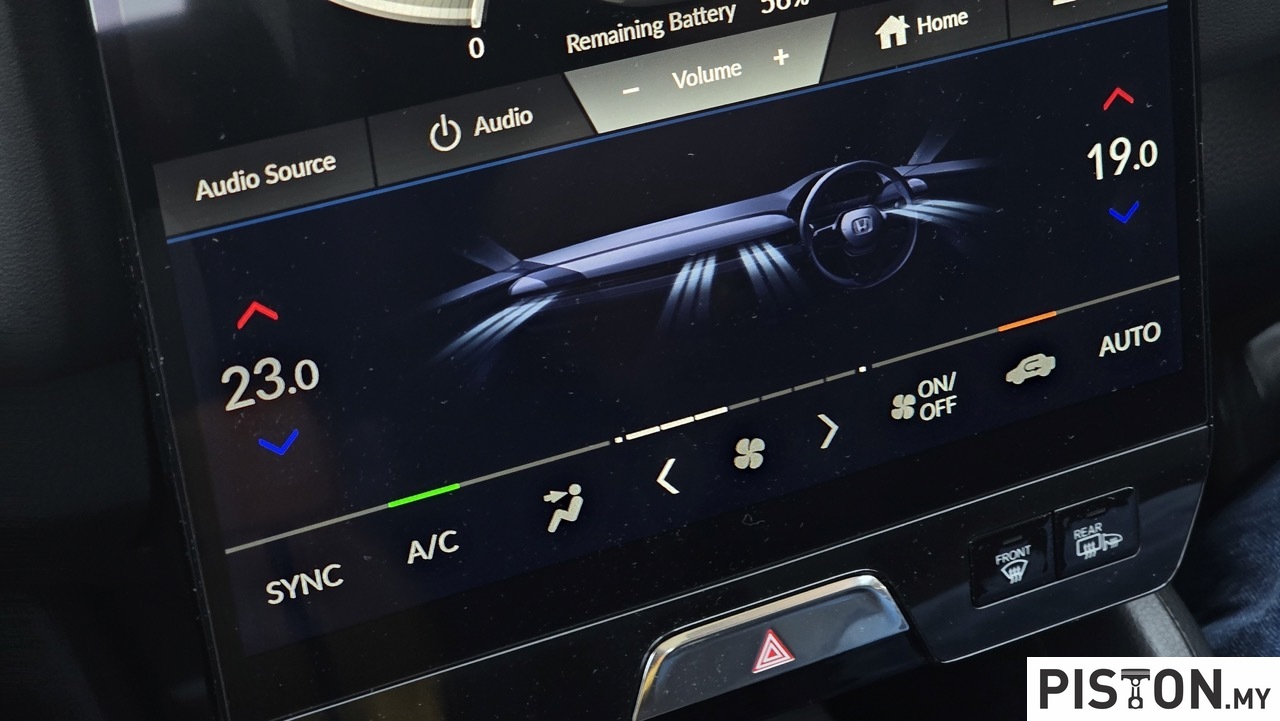
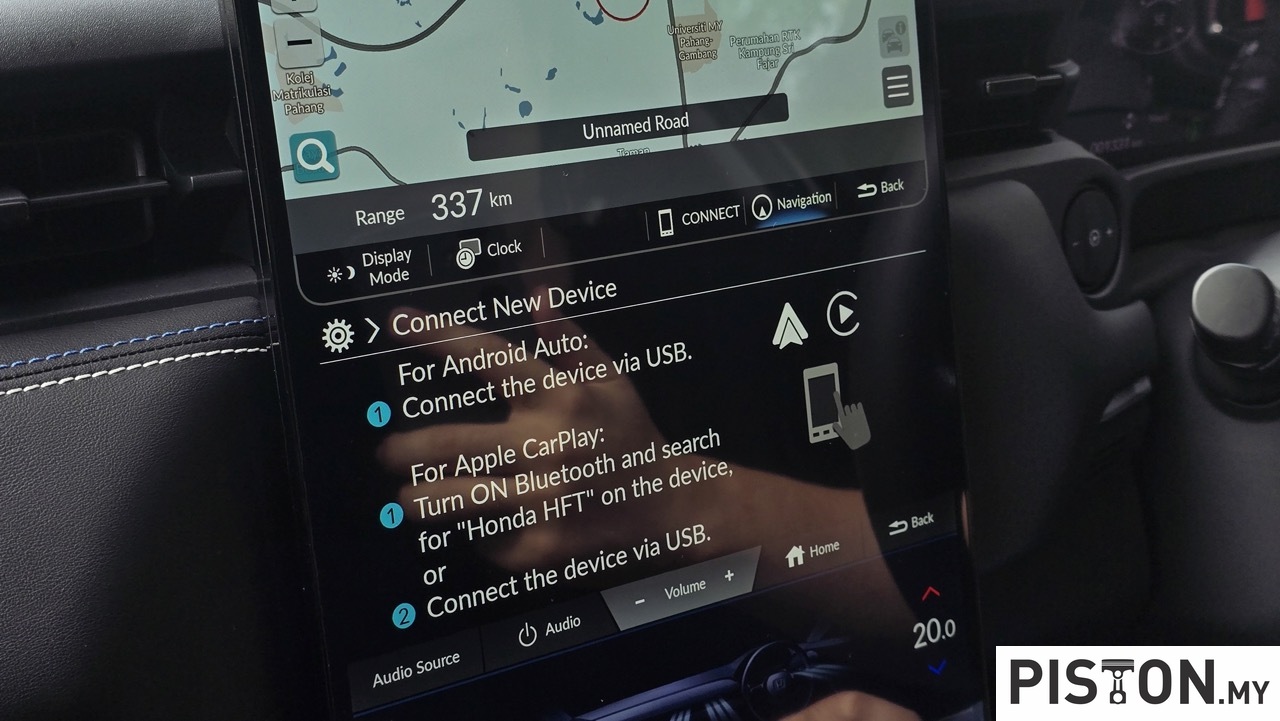
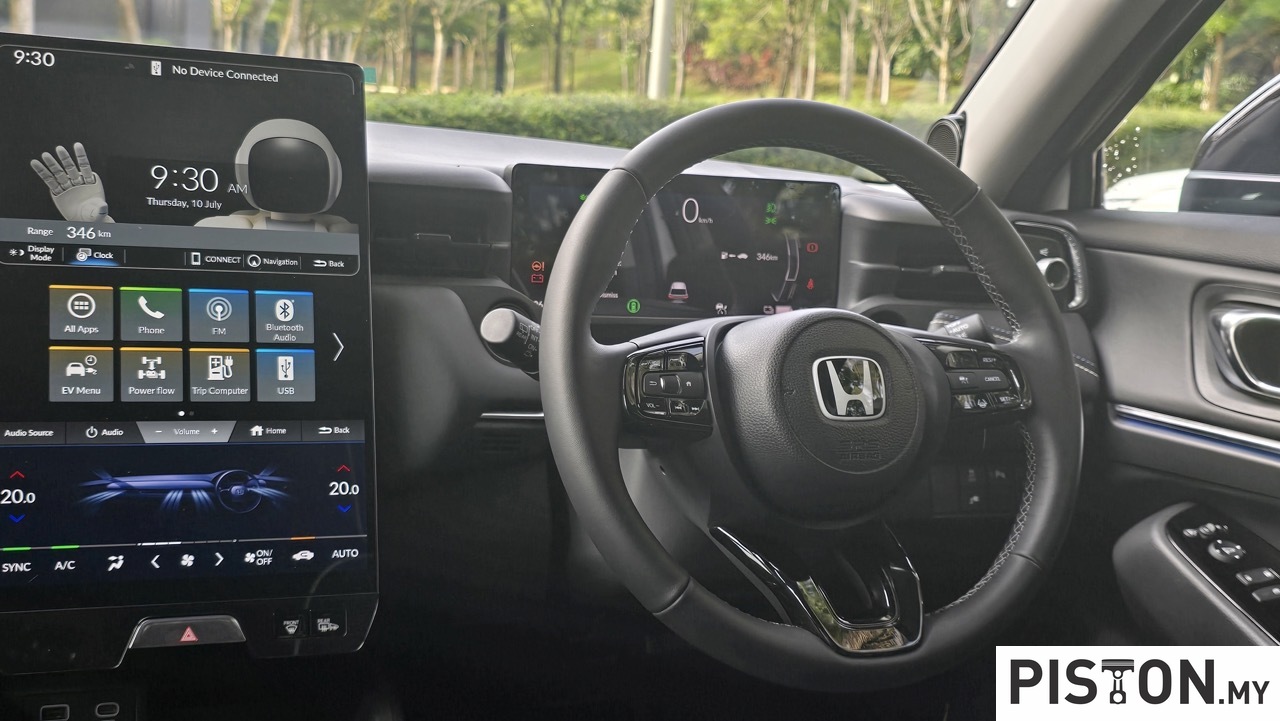
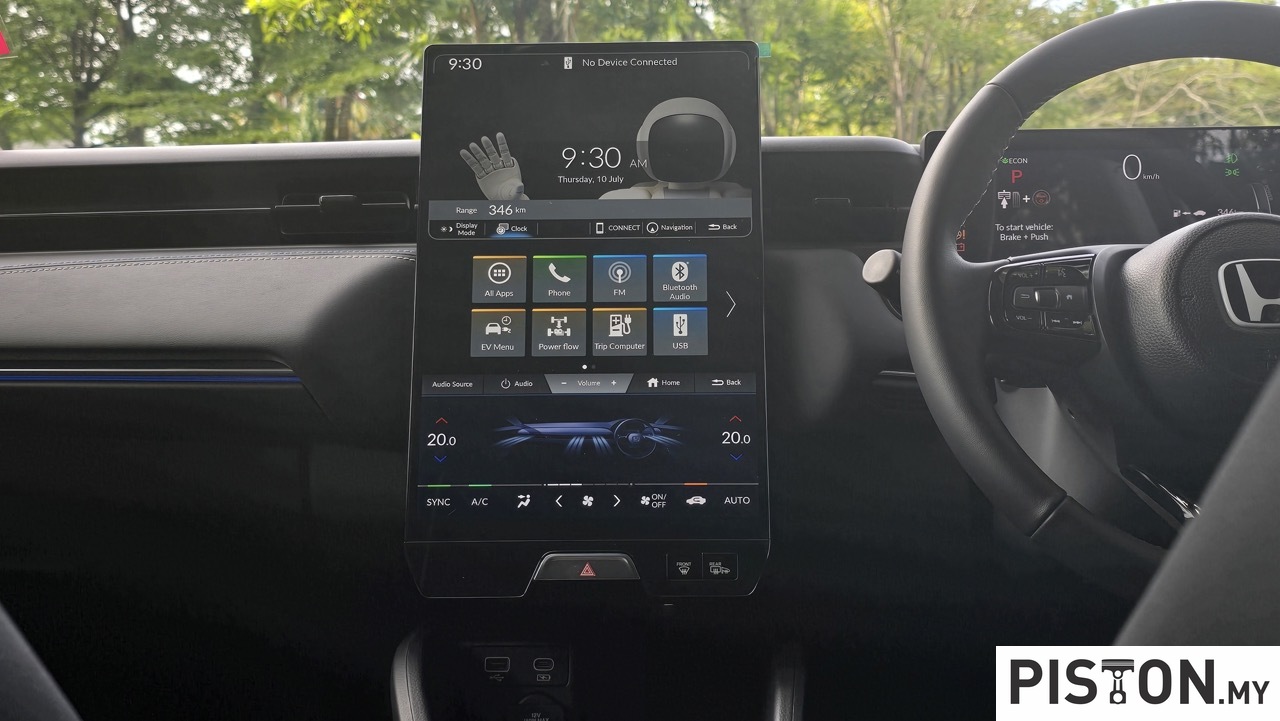
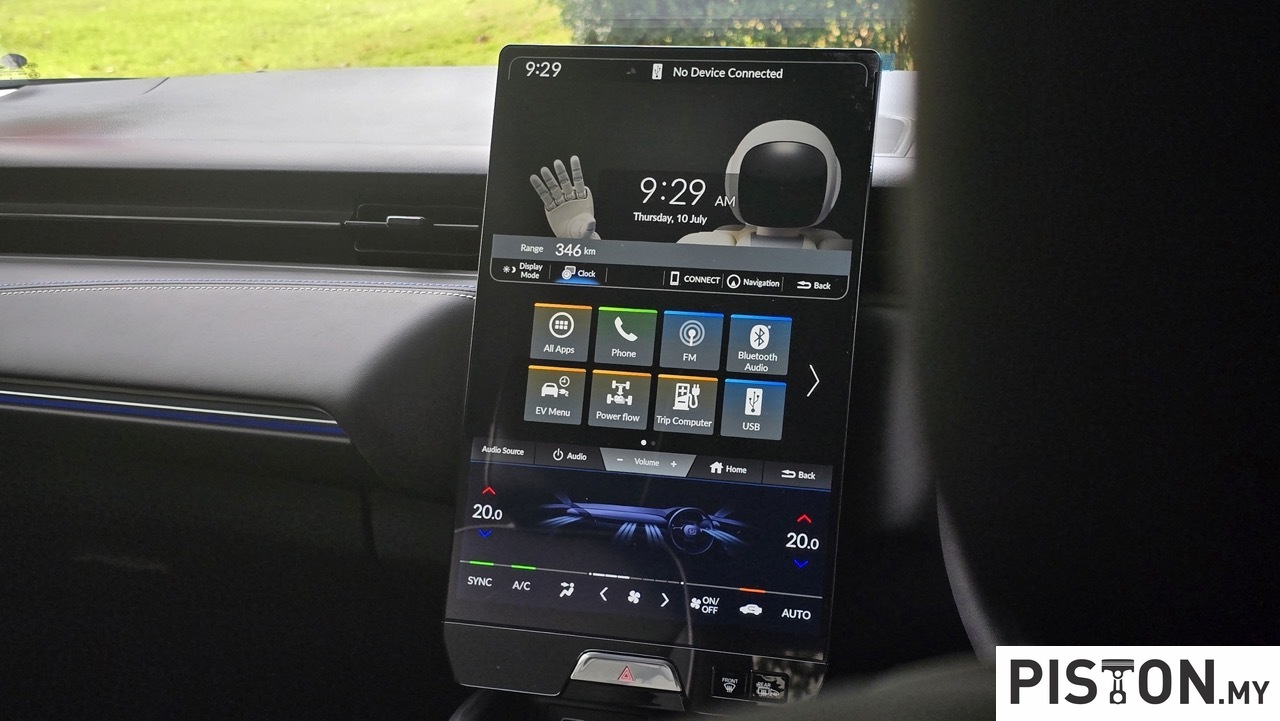
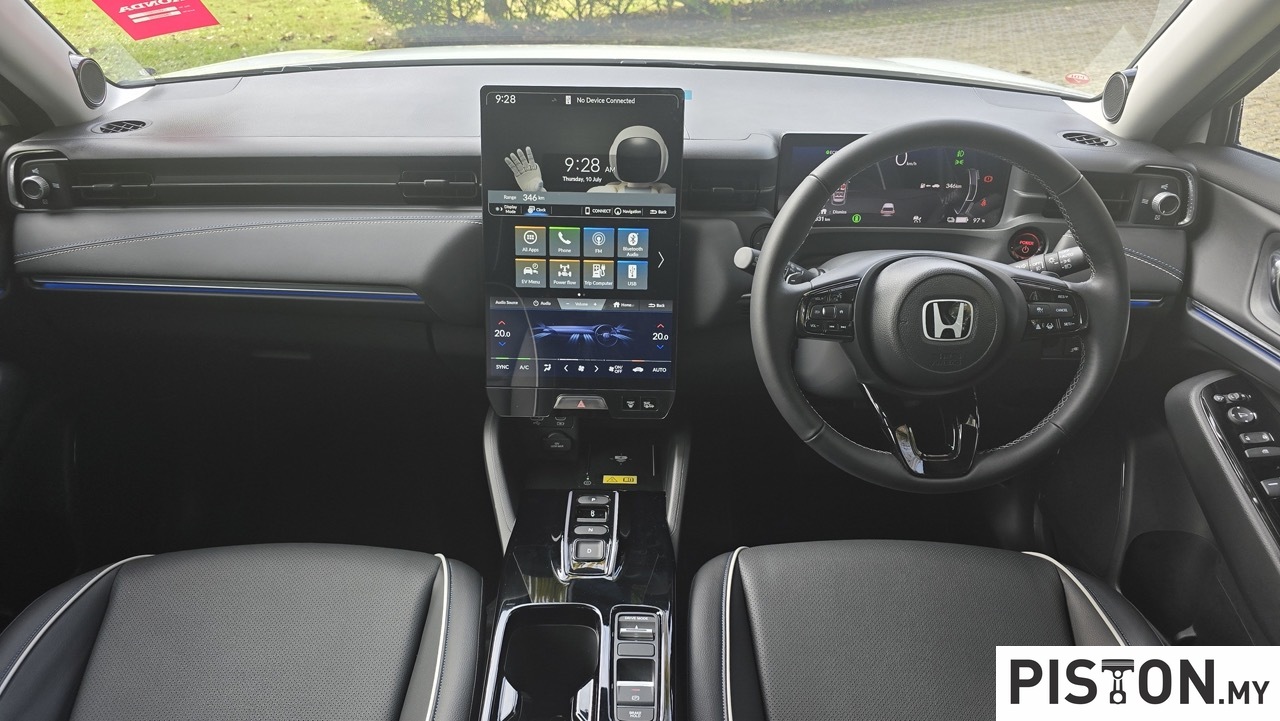
The e:N1, however, has a huge 15.1-inch Advanced Touch Display Audio touchscreen panel! This is brilliantly done because it splits into three different sections. At the top, you have your CarPlay details, which include Spotify and navigation controls. In the middle, you have the information section, which allows you to enter the settings menu, power flow and EV menu.

Finally, at the bottom part of the screen are your air conditioning controls. Which means, you will not have to navigate through menus to get to the controls! 

So, we were thinking that Lane Watch would have been perfect for this layout because it would not have to override your navigation screen. But of course, a high-definiton camera compared to the ones in the market now would be a nice touch. 

And a note from the editor also pointed out that having Lane Watch on the right of the car instead of only on the left would be welcomed as well. 

Honda has always made its tech very accessible and user-friendly, even with the smaller screens that you get in other models. So, take that, add a high-def camera on the left and right of the car and incorporate it into this massive screen, and you have the perfect marriage.

Of course, you still get ​​Honda Sensing, which features Adaptive Cruise Control with Low-Speed Follow, Lane Keeping Assist, Collision Mitigation Braking, Auto High-Beam, and a Lead Car Departure Notification system.

The powertrain is completely at home

We have driven countless numbers of SUVs; some feel overpowered, some underpowered, and some just feel like they’re missing something. However, when we got behind the wheel of the e:N1, pushed it through corners at low speed and high speed, flying on highways, cruising through towns, we felt like this SUV has the perfect powertrain. 

There is power when you need it; 204PS on tap with 310Nm of torque. This is not overpowered because it does not want to break your neck as soon as you floor it, as most electric vehicles nowadays do. It has the perfect launch power to get you out of tricky situations. 

Switching it to sport mode when climbing up winding roads never felt more satisfying in an SUV. There were times when we forgot that we were driving an SUV! At high-speed corners, we were leaning a little, but that’s normal as the seats were not specifically designed for that. However, you do not get that weird body roll that can make you carsick.

It feels stable at corners and high speeds because it has a 1,662 kg kerb weight, which balances the power-to-weight ratio, coupled with a perfectly tuned suspension. 

Final thoughts

For an EV, it drives differently compared to the Stormtroopers you get from China. The e:N1 speaks to the driver; it tells you everything that is going on. The suspension is so well-tuned that it does not feel like you are in a spaceship. This car has a soul and character, so kudos to Honda for making it feel and drive the way it does.

For everything that this SUV offers, we do not mind paying a premium price of RM149,900 for quality. 

Specifications

Motor: Single, front-mounted

Power: 204PS

Torque: 310Nm

0-100km/h: 7.7 seconds

Top speed: 160km/h

Charging: 45 minutes with 78kW DC / 6 hours with 11kW AC

We like: Infotainment layout and driving experience

We don’t like: Not parked in our garage

The SUV market in Malaysia is fiercely competitive, with many options to choose from. So, is there an SUV that looks premium, has your everyday necessities, will not break your bank account and is good value for money? 

Jetour is one of the newer names in the SUV world, launched in 2018 as part of the Chery Holding Group, yes, the same Chinese automotive powerhouse that’s been making waves with models like the Omoda 5 and Tiggo series. 

The idea behind Jetour is simple: create stylish, practical, and tech-packed SUVs that won’t cost you a fortune. Think of it as the younger, fashion-forward cousin in the Chery family, aiming at younger buyers and growing families who want a little luxury without luxury-brand prices.

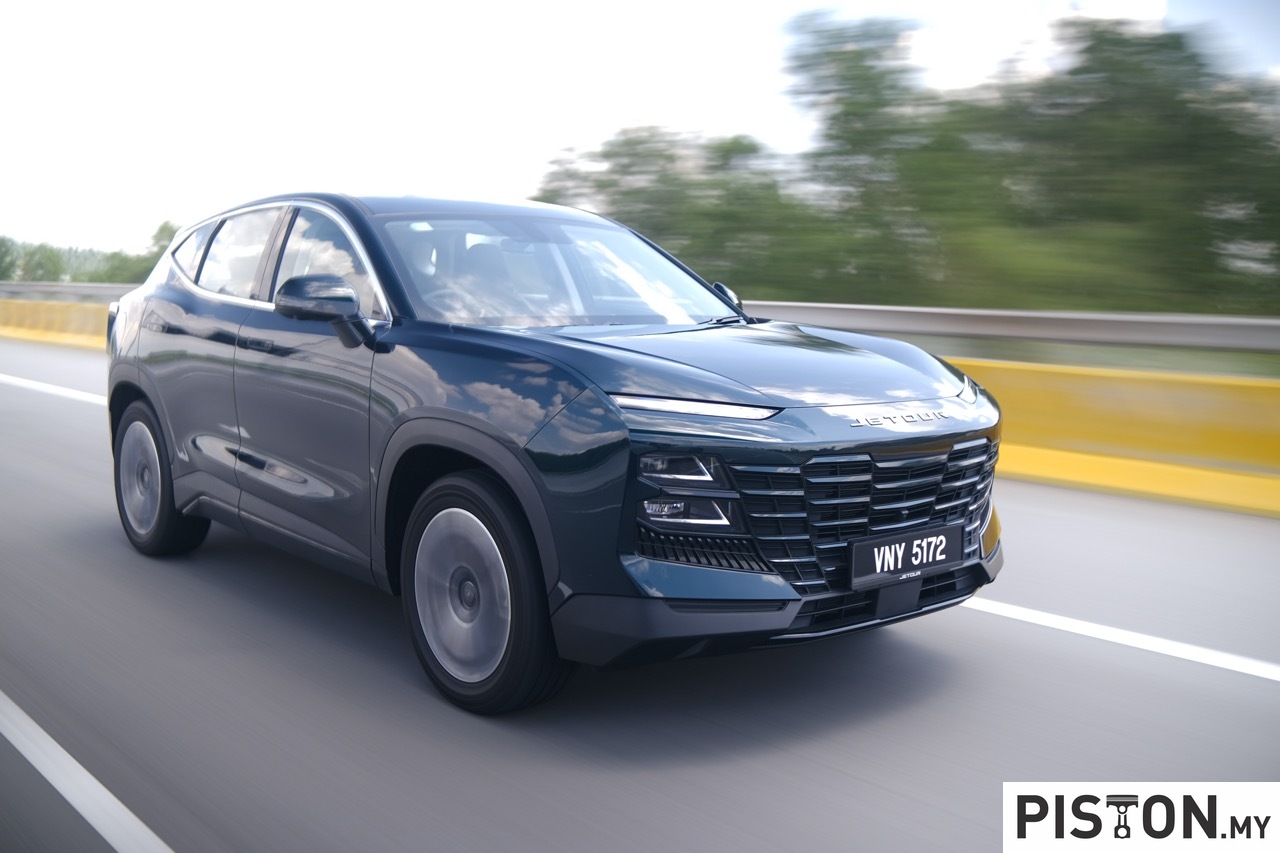
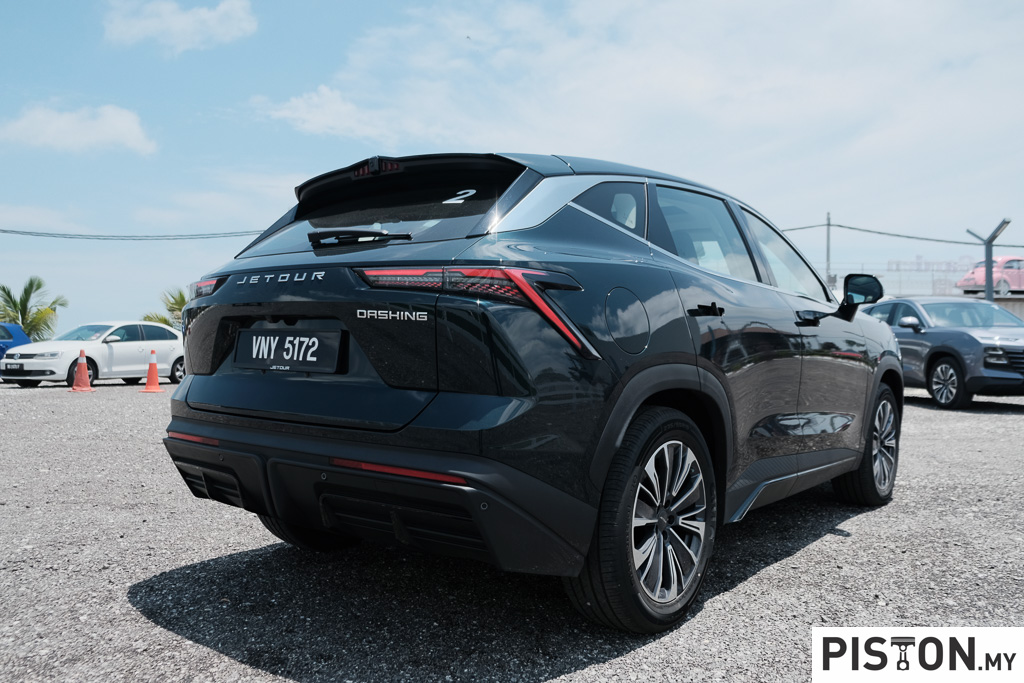
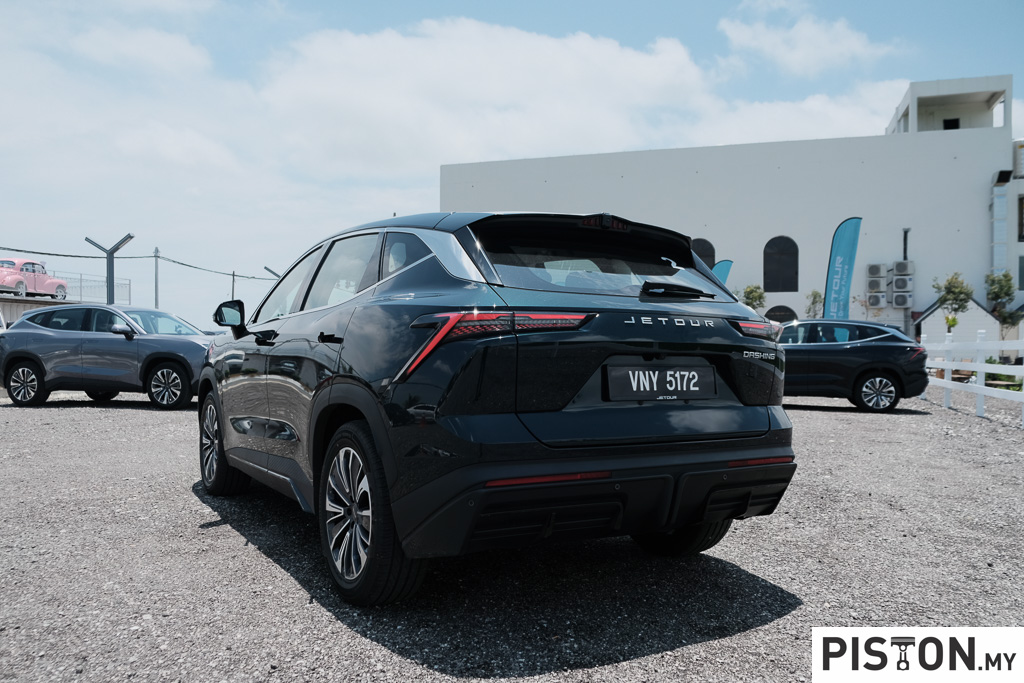
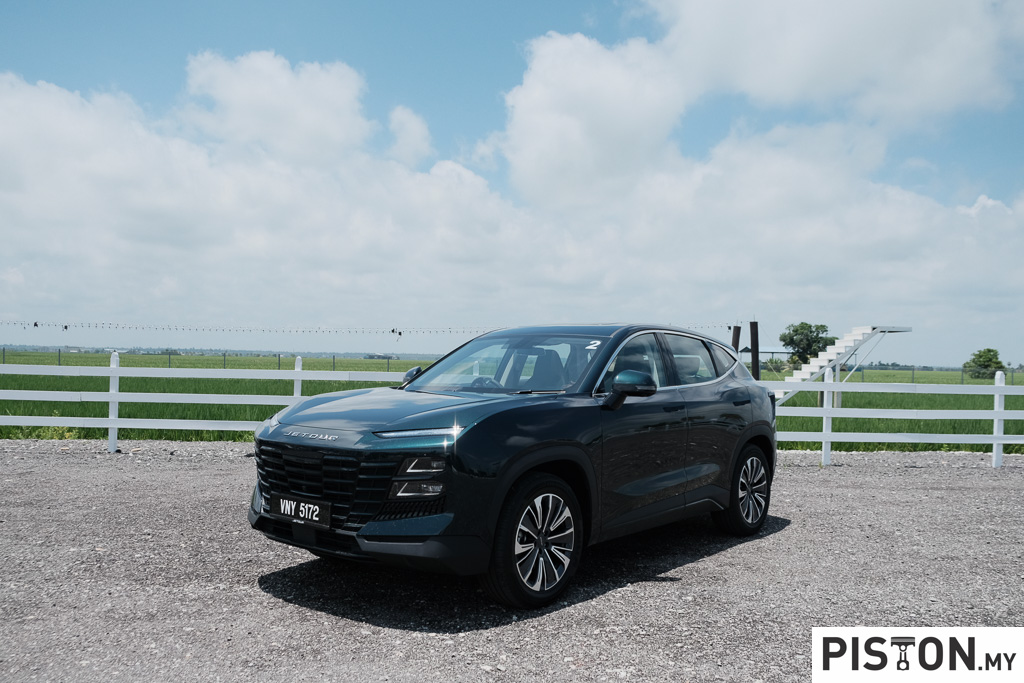
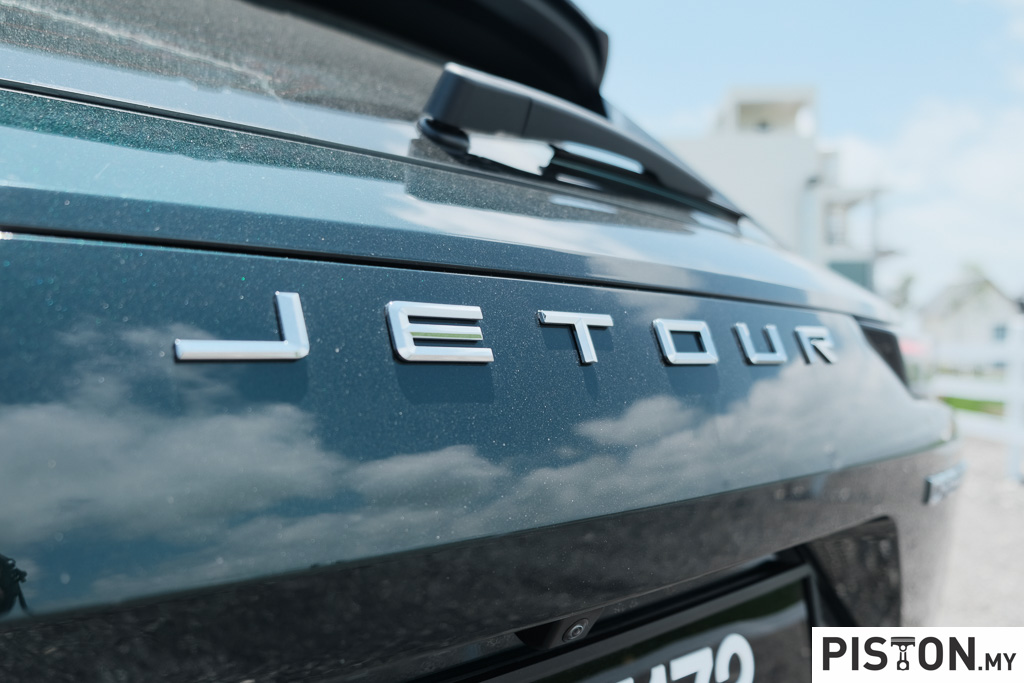
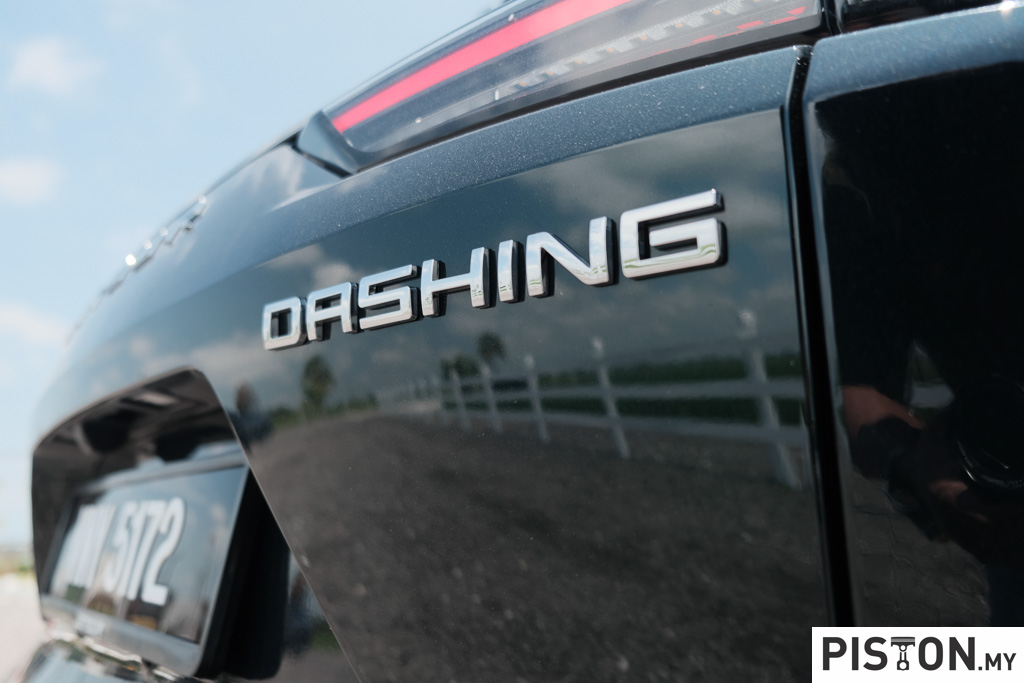
So which model did we test out? Meet the Jetour Dashing, which emerges as a standout, bold, tech-forward, and incredibly well-priced SUV.

Offering generous dimensions, a robust warranty, and feature-rich variants starting at just RM109,800, this C-segment SUV firmly positions itself as a value champion. 

After spending quality time with the Jetour Dashing, here’s a look at its design, performance, comfort, technology, practicality, and overall value, along with a few constructive critiques that potential buyers should consider before making a decision.

It’s Called “Dashing” for a Reason

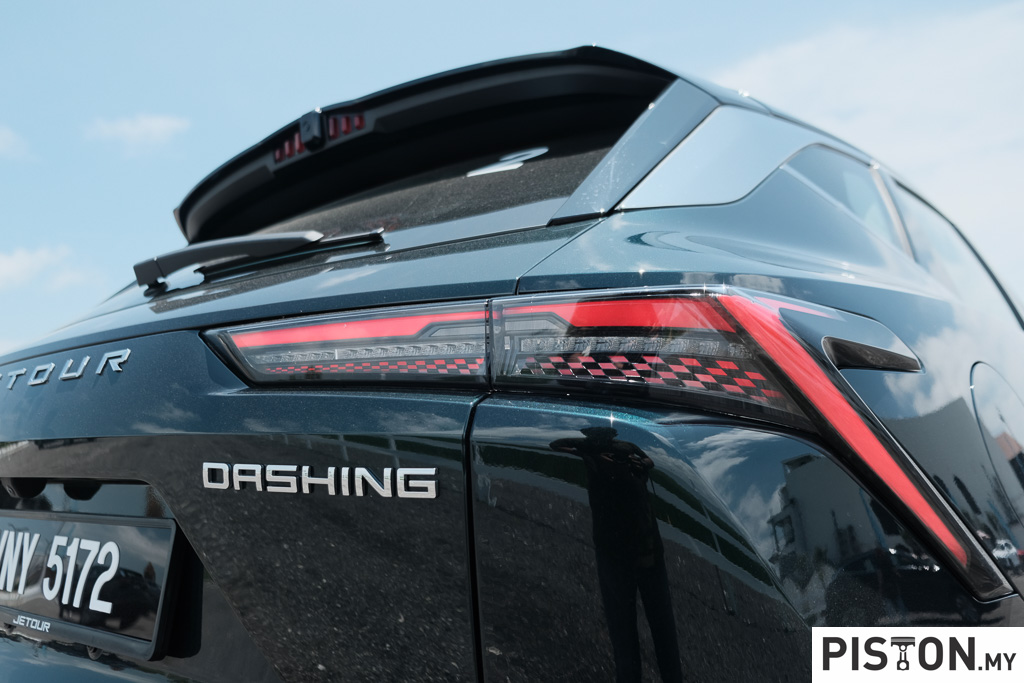
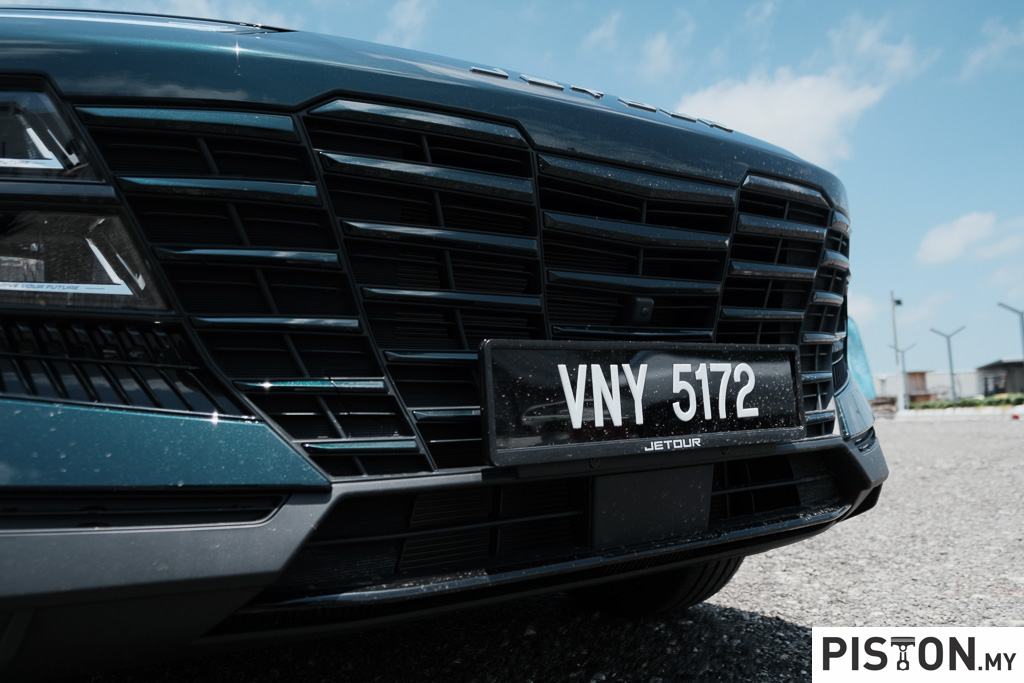
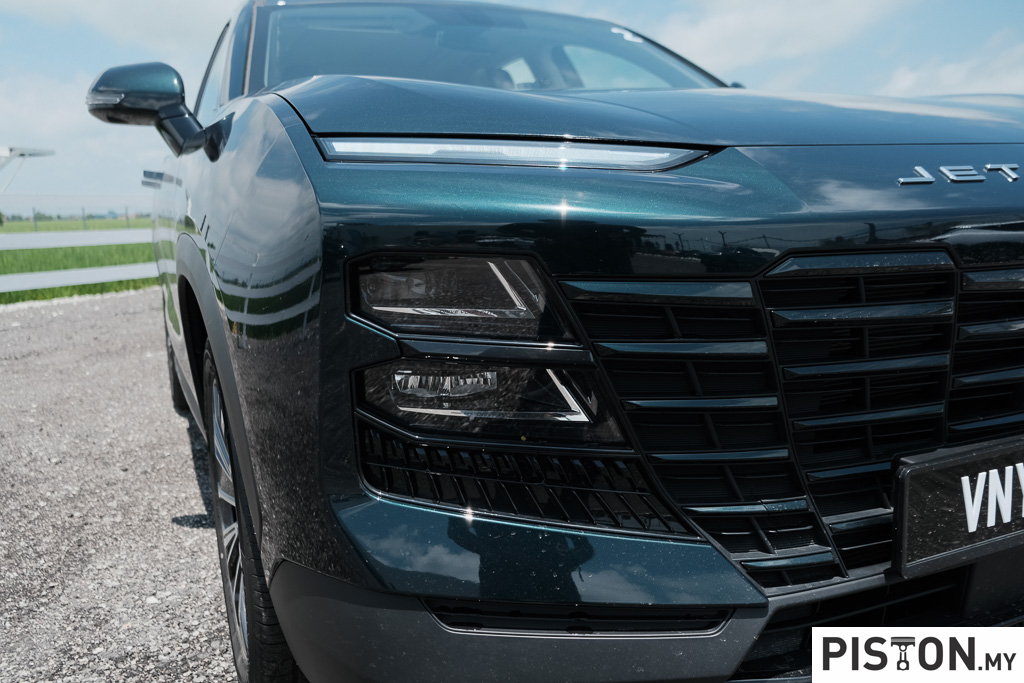
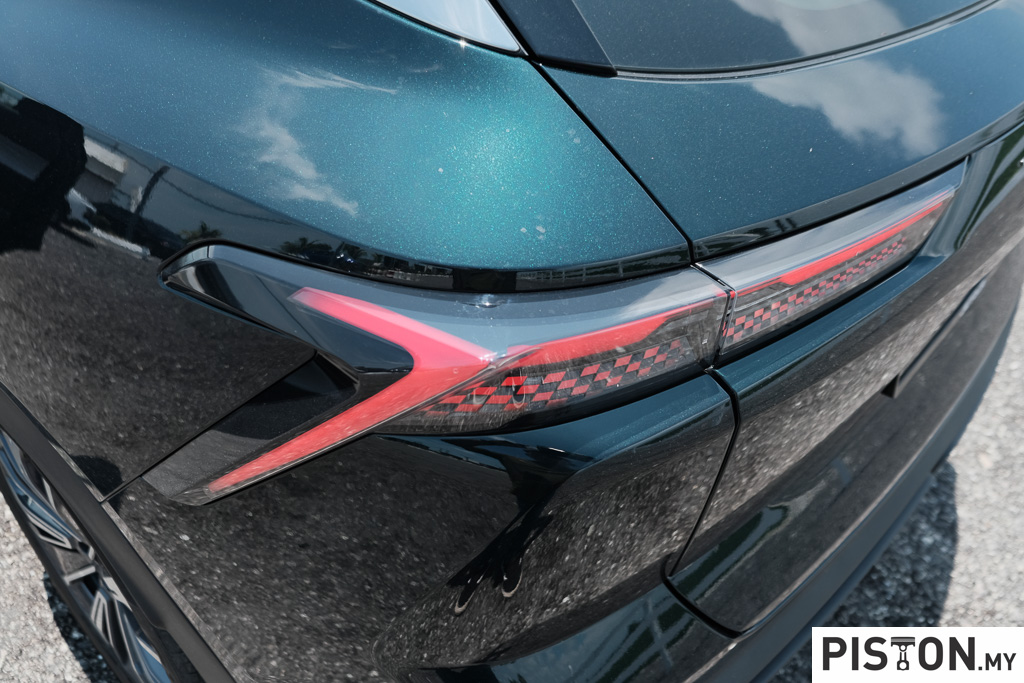
The first time you see the Jetour Dashing, the name suddenly makes sense. This is not a shy, conservative-looking SUV. It’s all sharp lines, muscular curves, and futuristic touches. The front grille blends neatly with slim LED headlights and sports “Mecha-Eyes” split LED DRLs, giving it a concept-car vibe. 

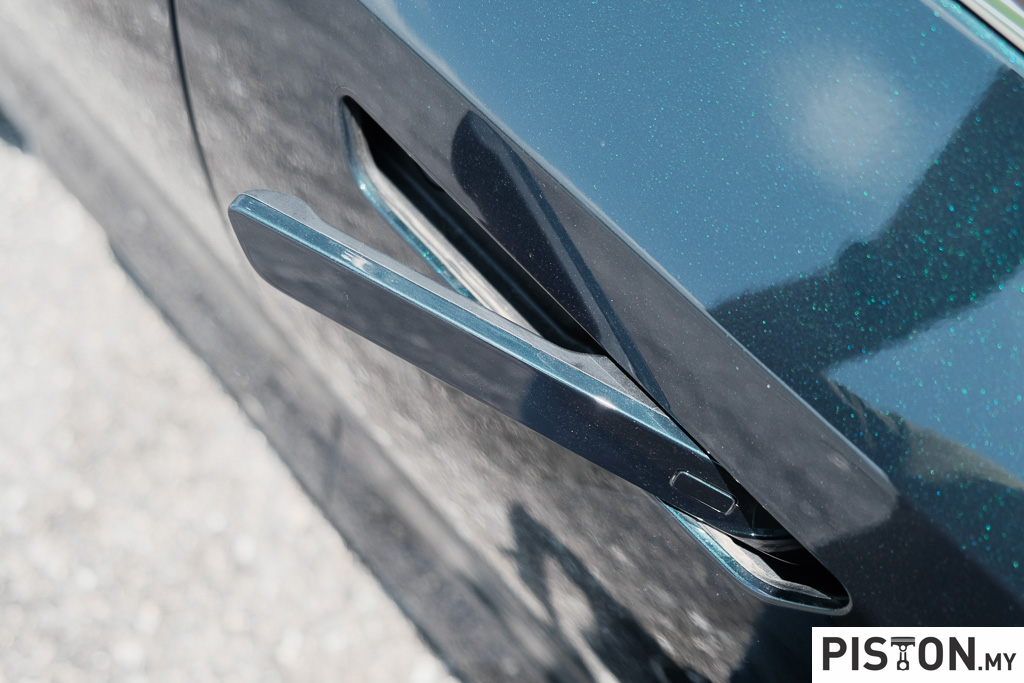
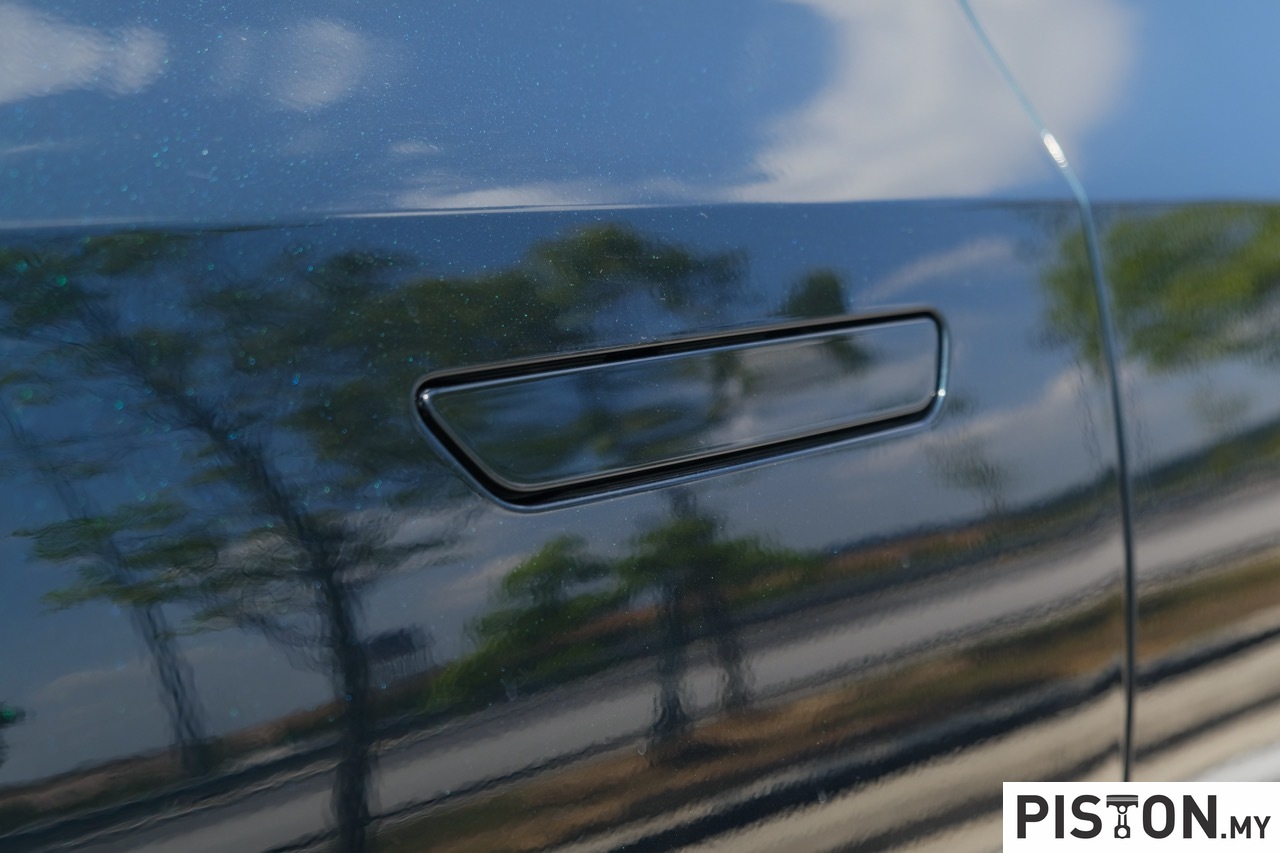
The roofline slopes slightly for that coupe-SUV profile, and the seamless door handles add a minimalist, high-end look, the kind of detail you’d expect from something wearing a far pricier badge.

One notable talking point is the concealed, flush-fitting door handles. They blend perfectly into the bodywork for a seamless, upscale appearance and reduce aerodynamic drag, adding a touch of finesse to the SUV’s design. 

Now, about those flush, pop-out door handles. They’re sleek. They’re modern. They scream “luxury car.” But they can also be… let’s say, slightly inconvenient.

Case in point: I was shooting the Dashing at my usual lakeside spot in SS12. Out of nowhere, this stray dog comes charging at me. I bolt towards the car, adrenaline pumping, only to realise the handles hadn’t popped out yet. Heart pounding, I fumble for the key, unlock it, and wait for the handles to glide out before diving into safety. 

They look great, but in that moment, I’d have traded them for old-fashioned grab handles in a heartbeat. Still, in calmer situations, they do add a touch of finesse to the overall design.

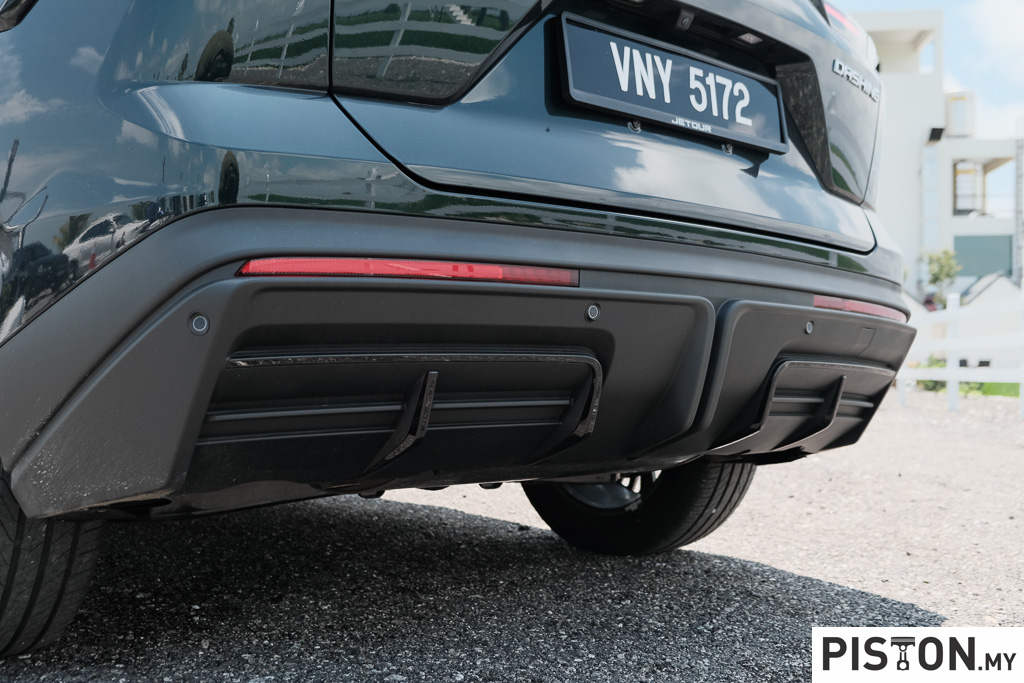
Besides that, the Dashing makes a strong statement on the road, looking far more expensive than its price would suggest. It sits on 19-inch alloys that fill the arches nicely, and the overall stance is confident without being over the top. 

In short, it looks like something you would proudly park in front of a cafe on a Saturday afternoon.

Spacious, Comfortable, and Premium for the Price

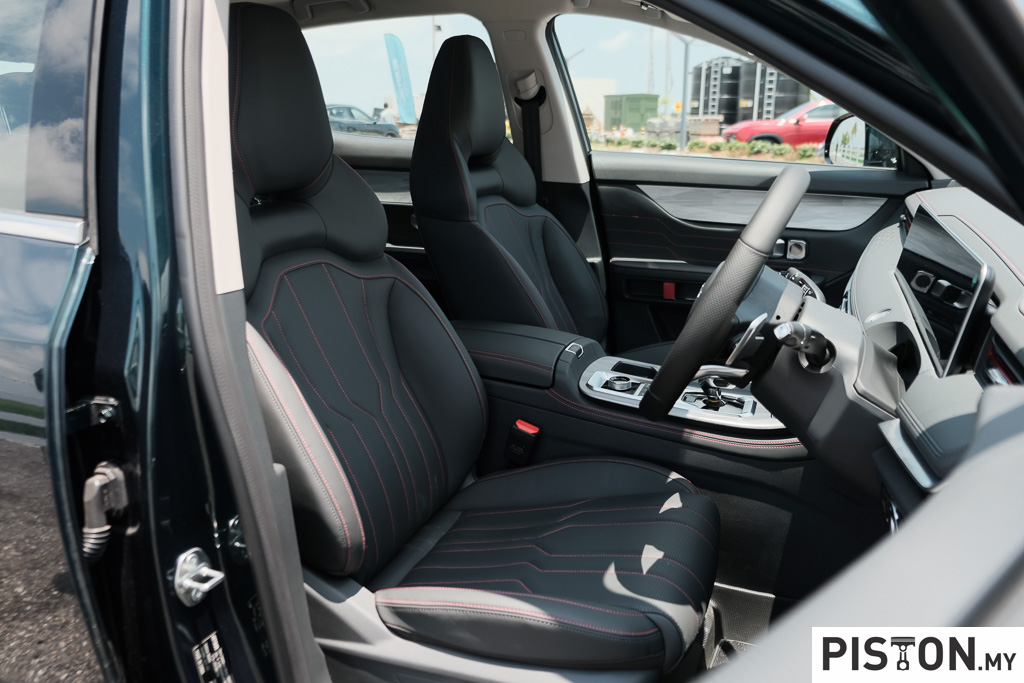
Step inside, and you’re greeted with a cabin that punches well above its price tag. Soft-touch materials cover much of the dashboard, there’s tasteful stitching on the seats, and the overall layout feels premium.

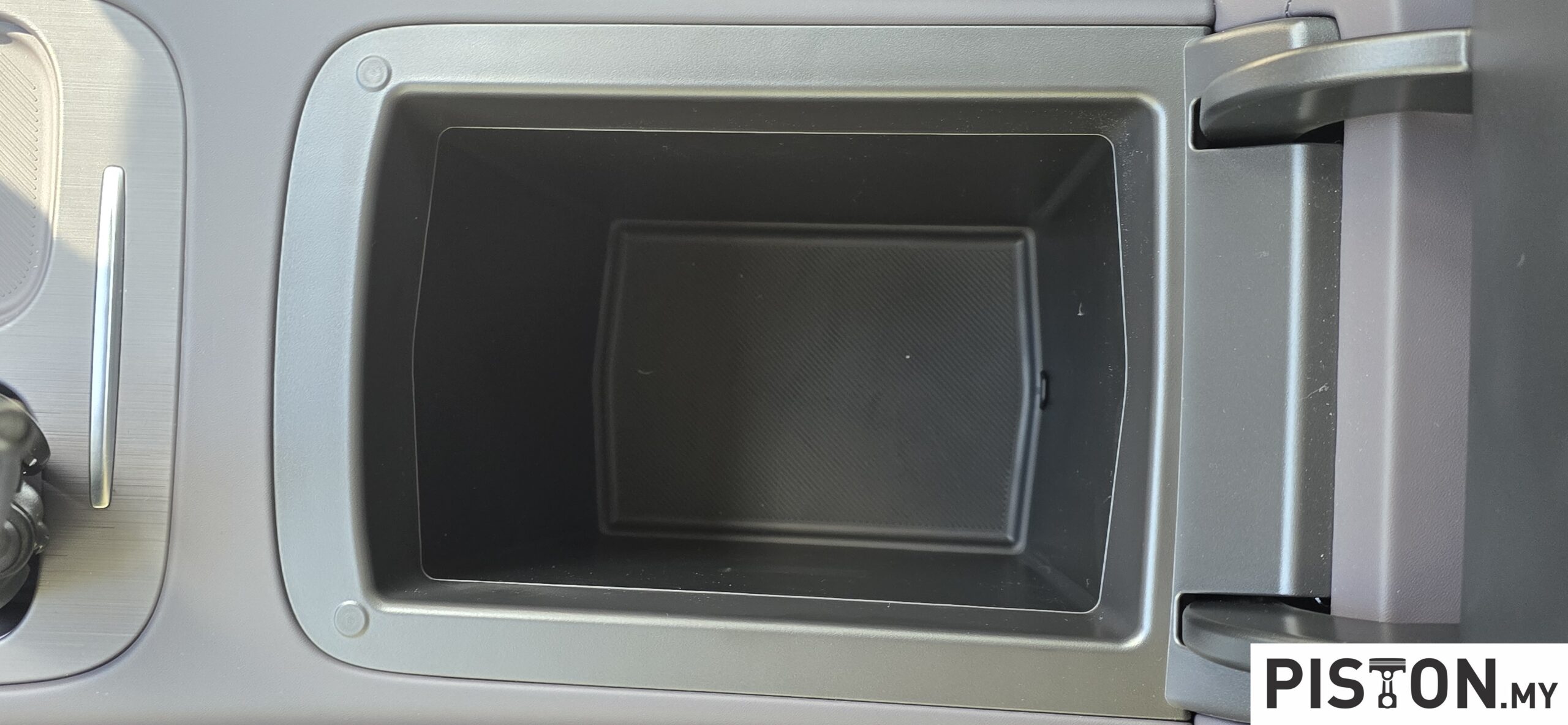
Storage solutions are thoughtfully provided, with multiple compartments for personal items, cup holders, and a reasonably large glove box.

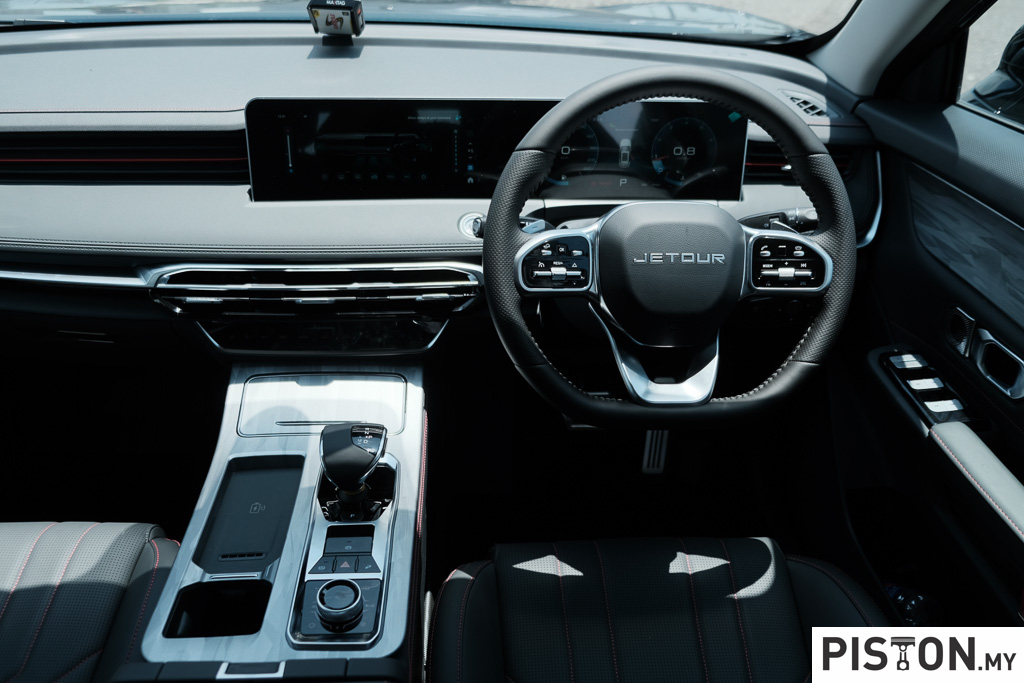
The centrepiece is the 10.25-inch infotainment touchscreen, which controls everything from navigation to climate settings. The graphics are clean, and it’s packed with features, but there’s a slight lag when swiping between menus. 

While it gets the job done and covers all essential features, the lack of snappiness might frustrate tech-savvy users who are used to faster systems.

Behind the steering wheel sits a 10.25-inch digital driver display. It gives you all the necessary info, such as speed, revs and trip data, but it feels a bit unfinished. Some text isn’t capitalised properly, which makes it seem like the design team didn’t sweat the small stuff. Functionally, it works fine, but visually, it could be more polished.

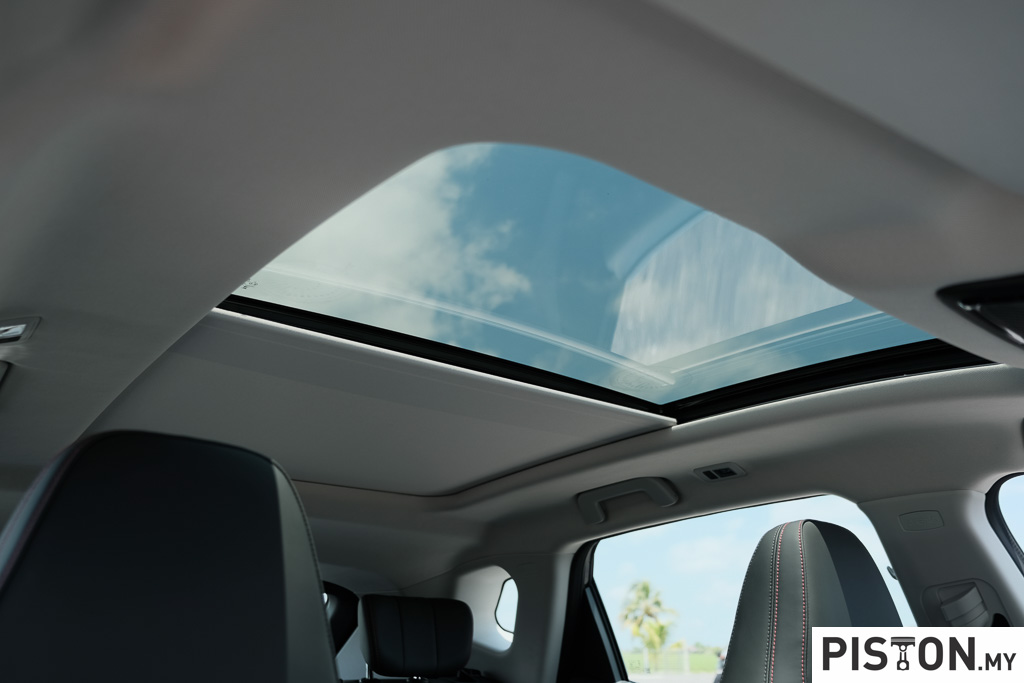
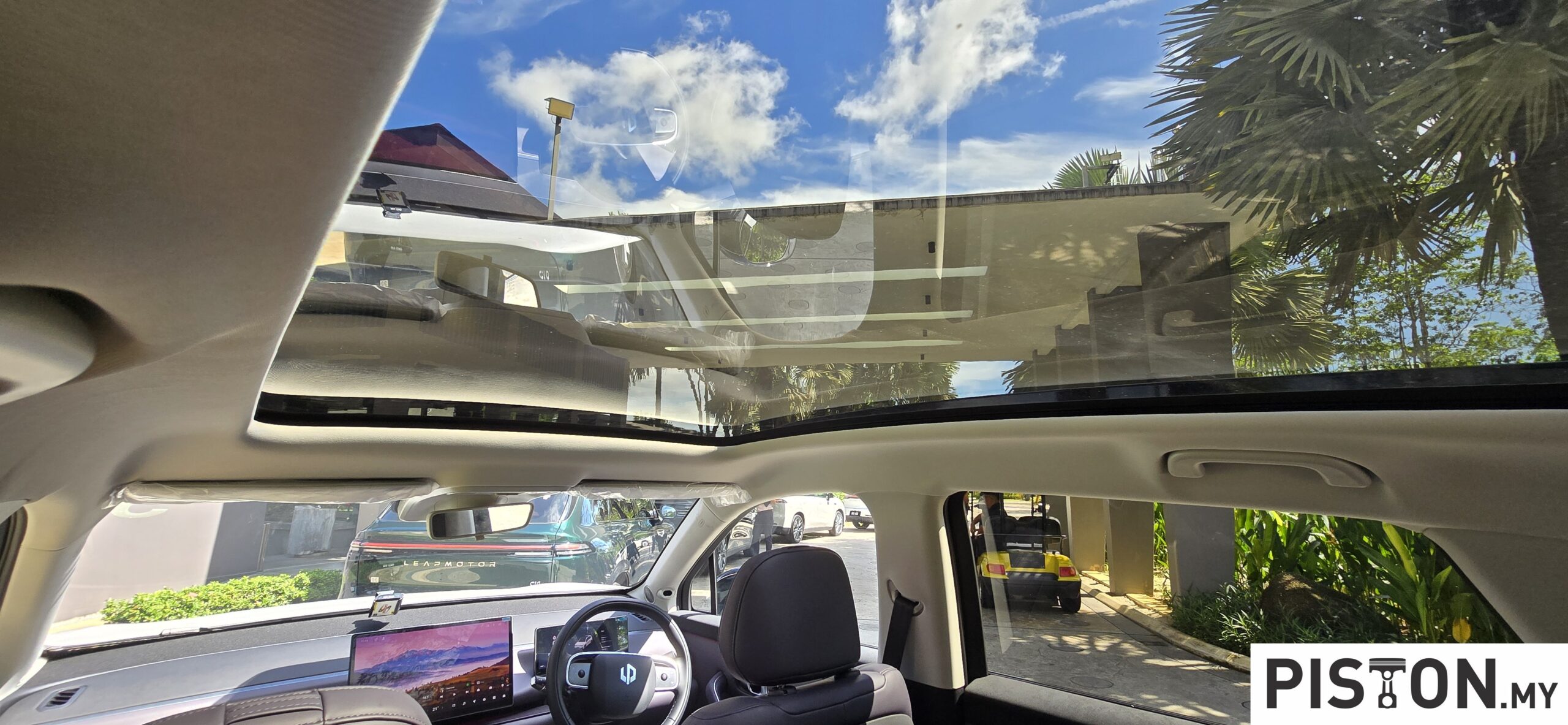
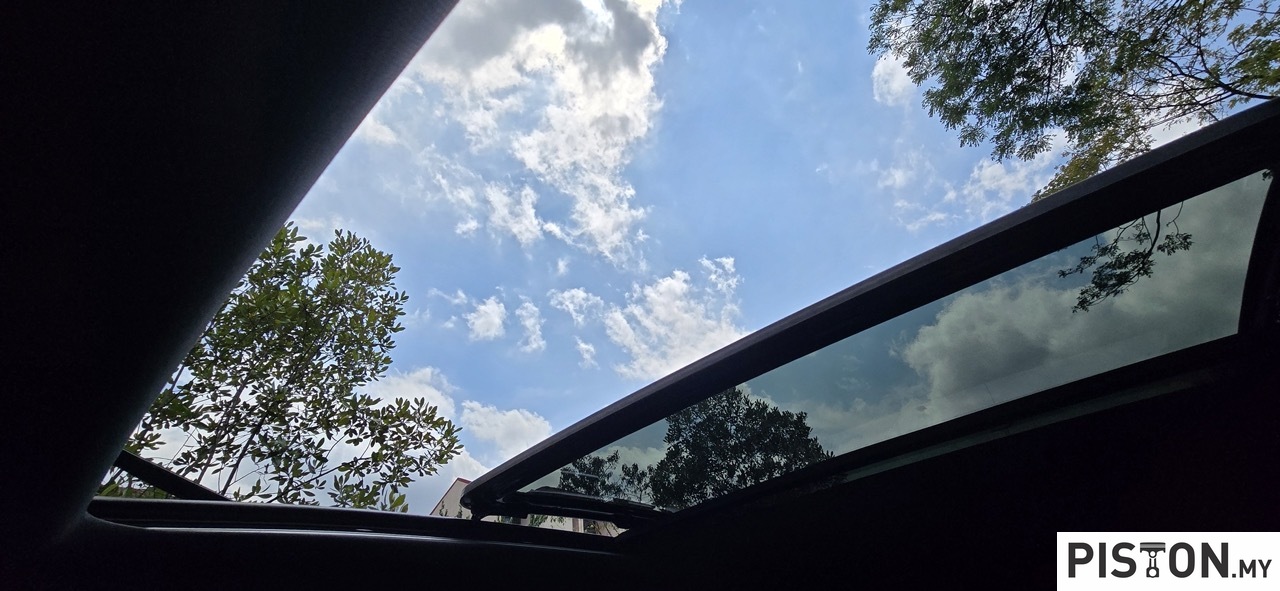
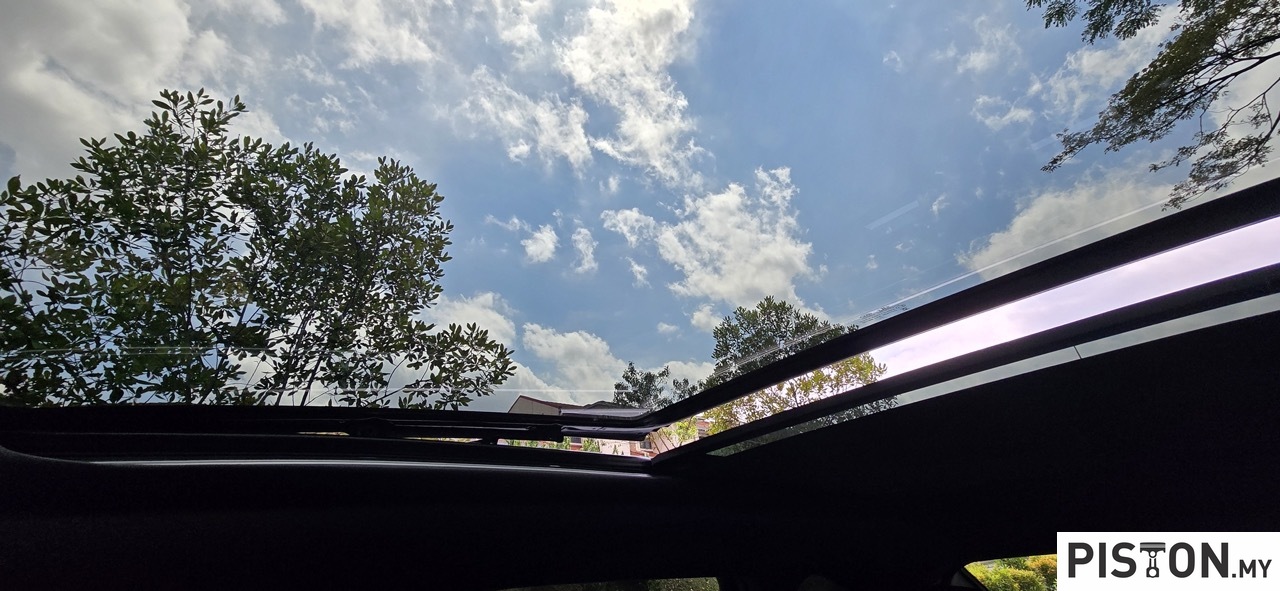
Jetour hasn’t skimped on equipment. You get wireless Apple CarPlay and Android Auto, a panoramic sunroof, a 360-degree camera, remote engine start, rain-sensing windshield wipers, CN95 Cabin Air Filter, ambient lighting and a powered front passenger seat!. For an SUV priced significantly lower than many of its rivals, that’s an impressive list.

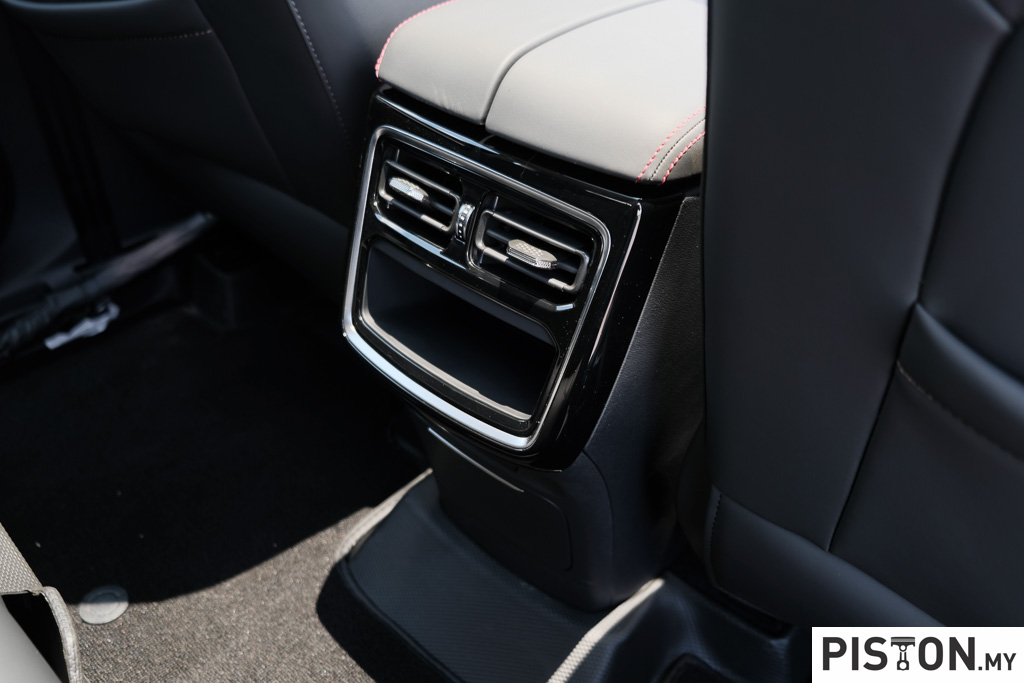
The 6-speaker audio system is not mind-blowing, but it is pretty decent, and there are multiple USB ports plus a 50W wireless charging pad. Air-con performance is solid, with vents for the rear passengers as well. 

However, Jetour explains that during hard acceleration, the car detects it and prioritises sending all its energy to give the engine a boost, to maximise power for a quick getaway. As a result, the power for the air-conditioning’s cooling function temporarily shuts off, meaning you will get a brief blast of warm air for a few seconds. We find this a little weird, inconvenient and unnecessary.

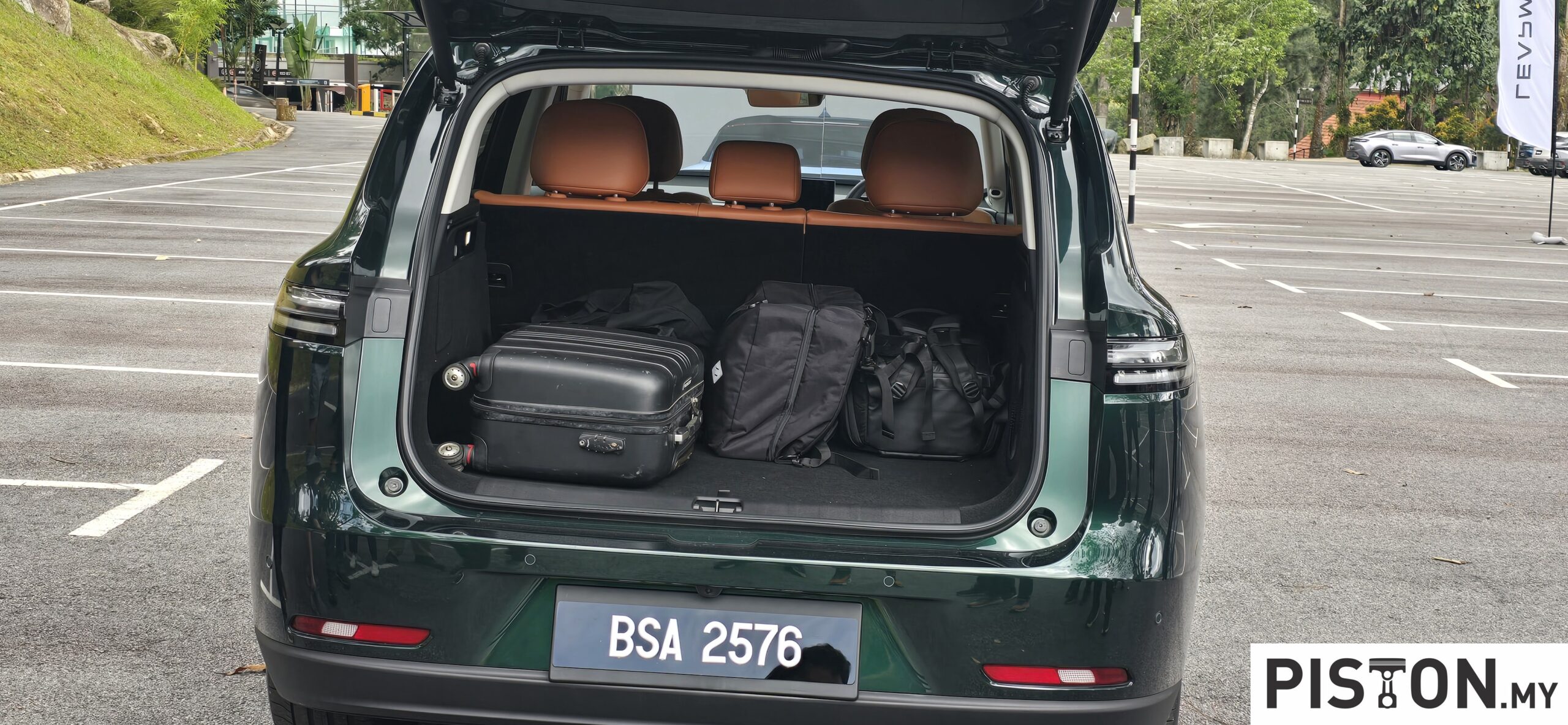
Moving on, there is plenty of space, both front and back. The rear seats are generously sized and recline slightly for comfort, and the boot offers 486 litres of space, enough for a week’s worth of groceries or a family weekend getaway. If more space is needed, fold the rear seats down and you will get 977 litres of space.

Smooth and Capable, with a Hint of Turbo Lag

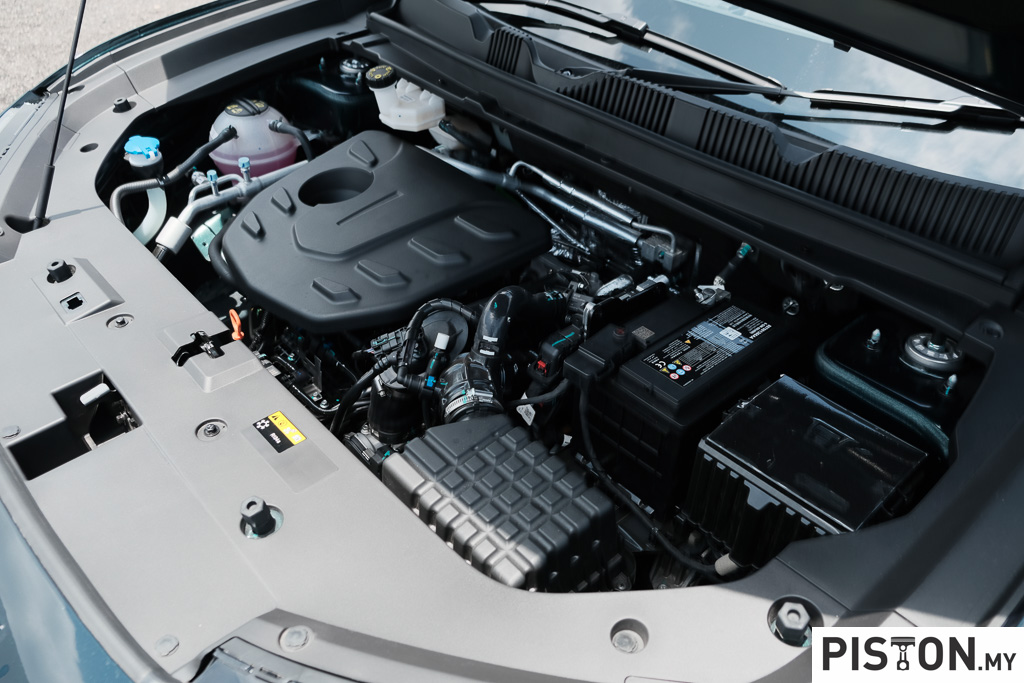
Powering the Jetour Dashing is a 1.5-litre turbocharged inline-four petrol engine that produces 156PS and 230Nm of torque, paired with a six-speed dual-clutch transmission that sends power to the front wheels. On paper, it delivers a healthy output for everyday driving and occasional spirited runs. 

On the road, acceleration is smooth and the SUV feels confident at highway speeds, making overtaking manoeuvres straightforward once the turbo spools up.
However, there’s a noticeable pause when accelerating hard from a standstill, particularly when shooting out of junctions. This turbo lag means you need to plan your moves a little more carefully in tight traffic situations. Once the boost kicks in, though, the Dashing picks up speed rapidly and delivers a satisfying surge.

Another interesting thing we noticed is that there are only Eco and Sports drive modes. The steering wheel offers comfort and sports drive modes. We wished that there was a normal or comfort drive mode for the power delivery because in Eco, you do not get the full power, and in Sports mode, you get too much power, so there has to be an in-between.

Ride comfort is tuned for urban and highway use. The suspension (MacPherson Strut for the front and Multilink for the rear) absorbs bumps and potholes well, keeping the cabin composed even on rougher roads. The steering is light and accurate; however, the turning radius could be slightly better. 

The Dashing works well as a family car. Door openings are wide, making it easy to get child seats in and out. The ride height offers good visibility, and the reversing camera plus parking sensors make manoeuvring in tight spaces a breeze.

Safety Features for Peace of Mind

Jetour has equipped the Dashing with an impressive array of safety technologies for its price point. These include six airbags, ABS with EBD, traction and stability control, hill-start assist, and a 360-degree camera system for easy parking, cruise control, lane change warning, and blind-spot monitoring.

Safety features may vary depending on the variant. Regardless, the safety package is competitive, offering strong reassurance for family buyers.

A Stylish Newcomer Worth Considering

The Jetour Dashing brings a lot to the table: bold styling, a comfortable and well-equipped cabin, family-friendly practicality, and a price tag that’s hard to argue with. Yes, it has its quirks, the turbo lag, the infotainment’s occasional slowness, and those fancy door handles, but none of them are deal-breakers for most buyers.

If you are willing to live with a few minor imperfections in exchange for standout design and generous features, the Jetour Dashing is one of the most interesting new SUV options in Malaysia right now. It’s a statement car from a brand that is clearly aiming to make waves, and based on this first impression, Jetour is off to a promising start.

Specifications:

Engine: 1.5-litre, turbocharged, inline-4, petrol

Power: 156PS

Torque: 230Nm @ 1750rpm

Transmission: 6-speed dual-clutch

Price (as tested): RM116,800

We like: Design and Spaciousness

We don’t like: Pop-out door handles and the air-conditioning’s power being cut off

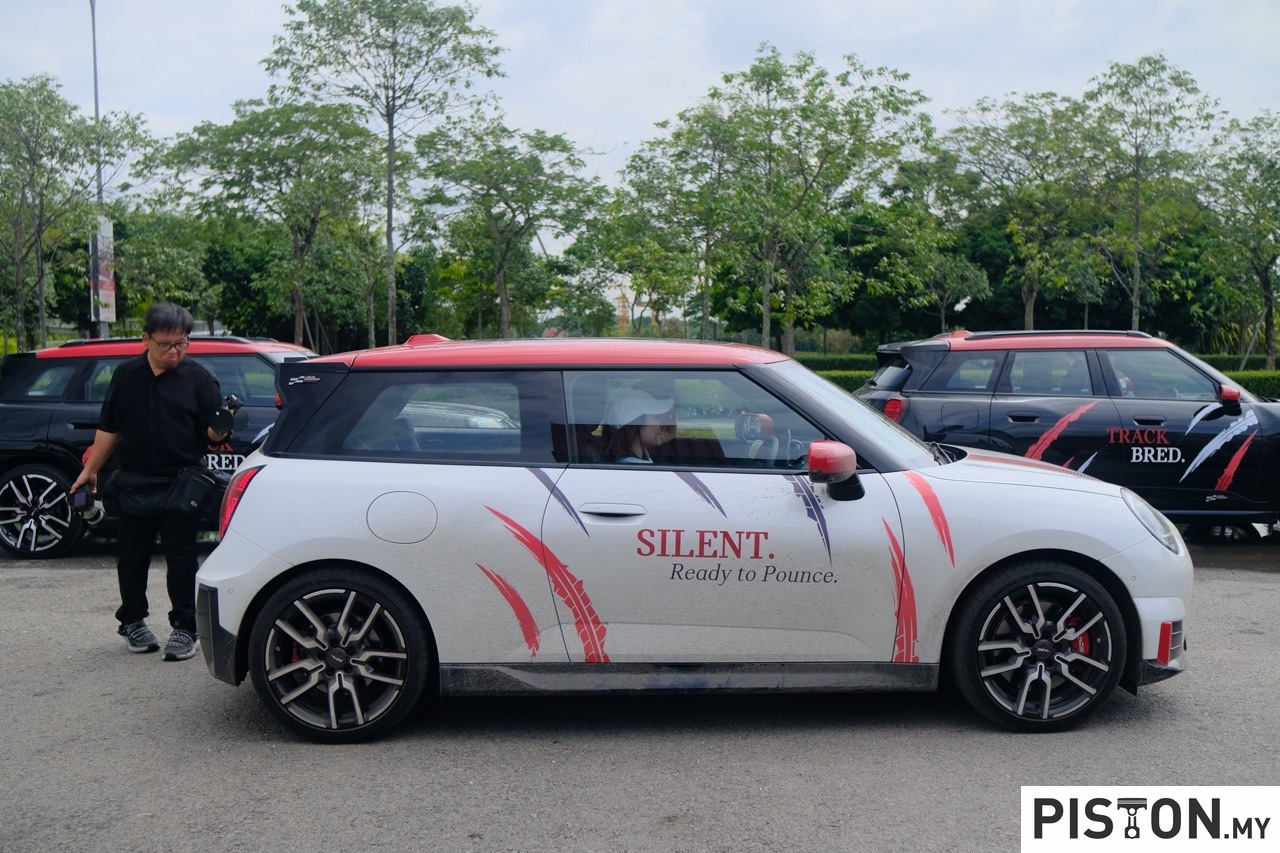
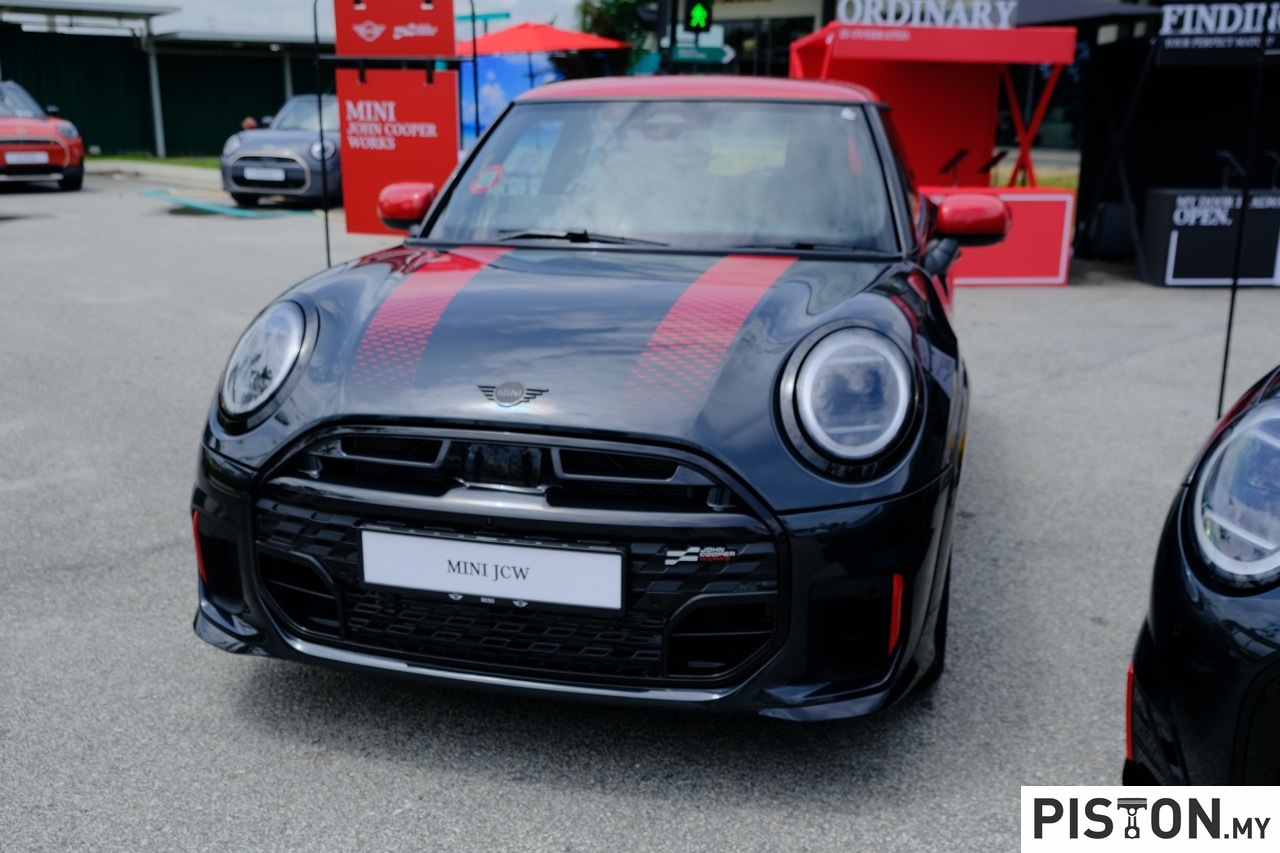
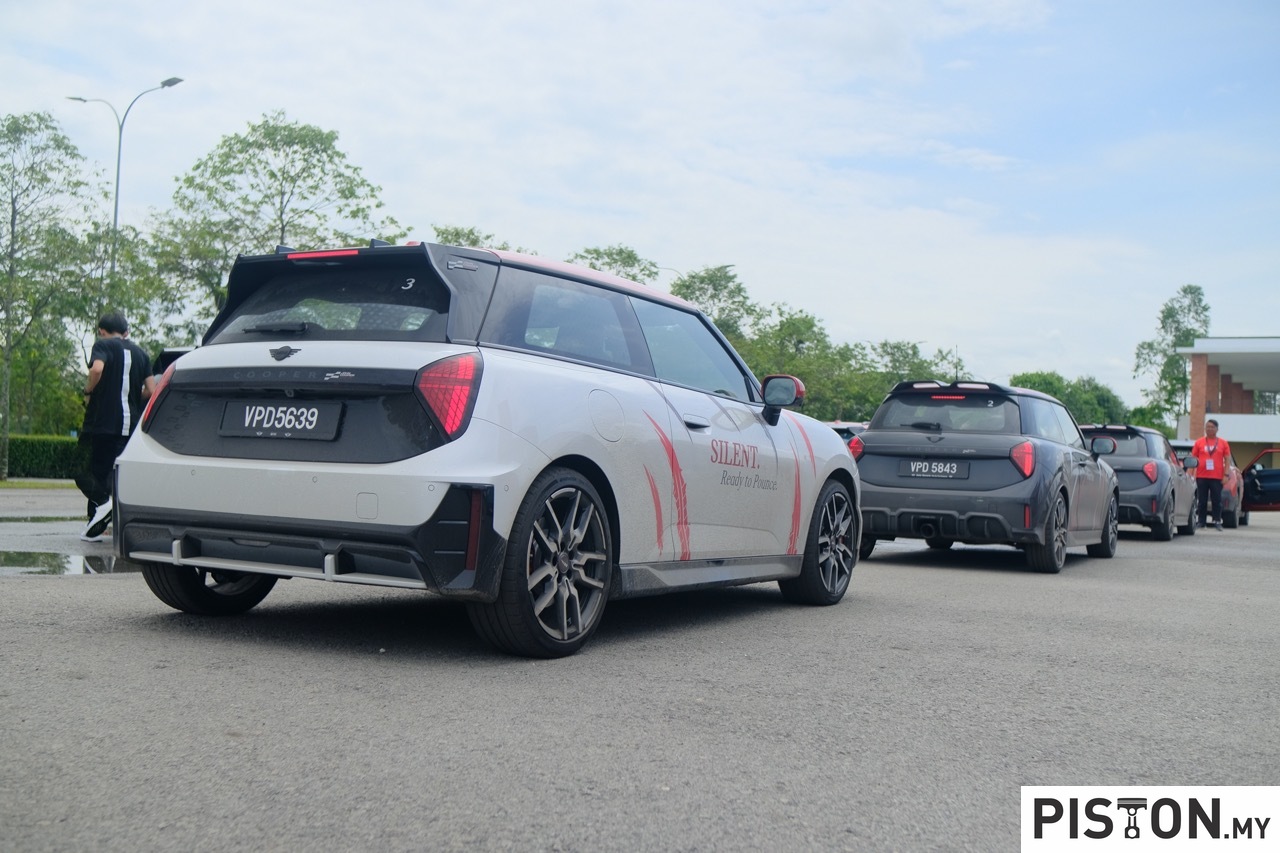
The MINI John Cooper Works (JCW) has its origins in the 1960s, when racing legend John Cooper transformed the original Mini Cooper into a rally champion. The lightweight, agile Mini Cooper S dominated motorsport, famously winning the Monte Carlo Rally three times. This racing pedigree laid the foundation for the modern JCW brand, blending performance with the MINI’s iconic compact design.

When BMW revived the MINI brand in 2001, the John Cooper Works name returned as a high-performance variant. Initially offered as an aftermarket upgrade by John Cooper’s son Michael, JCW soon became an official part of MINI’s lineup after BMW acquired the brand. The first factory-built JCW model arrived in 2006, featuring a 210hp supercharged engine. Over the years, JCW evolved with turbocharging, more power, and sharper handling, cementing its reputation as MINI’s performance flagship.

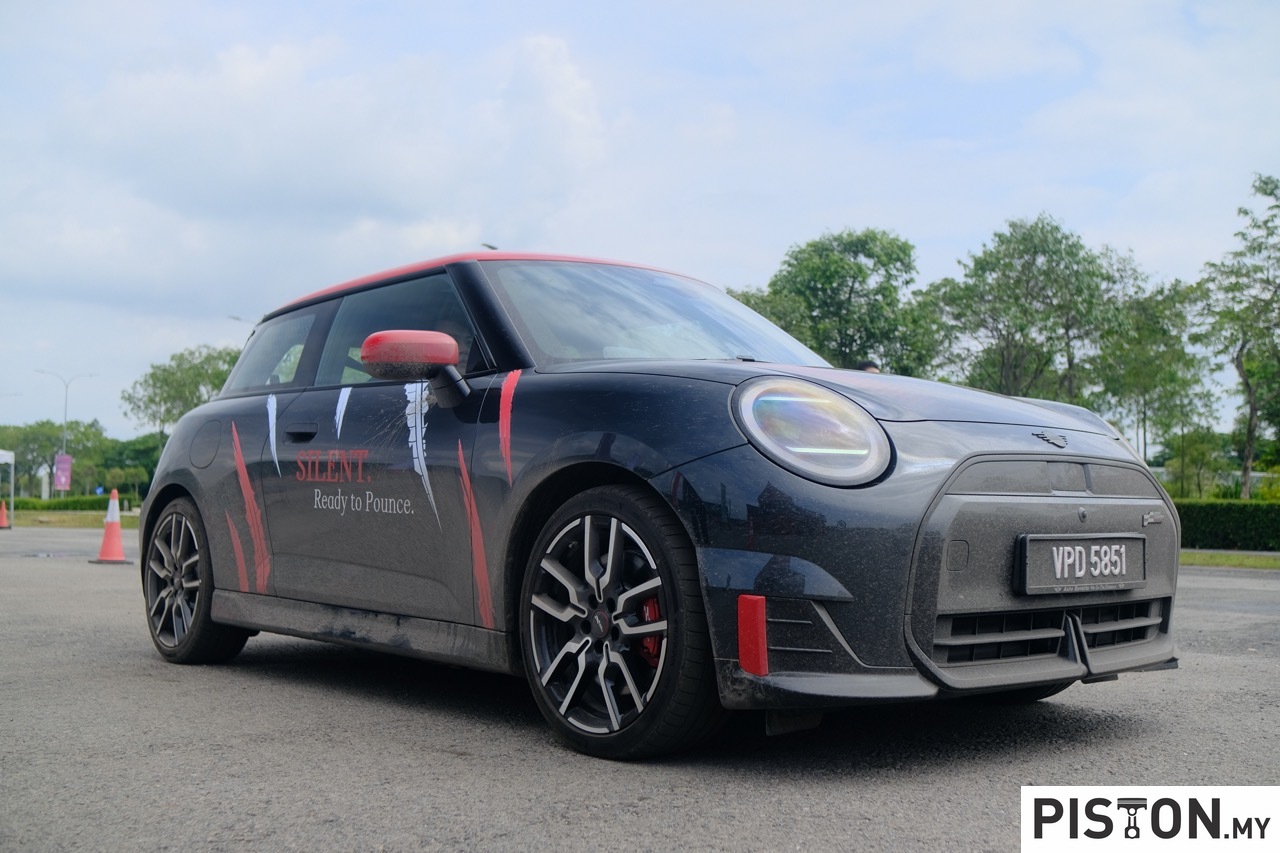
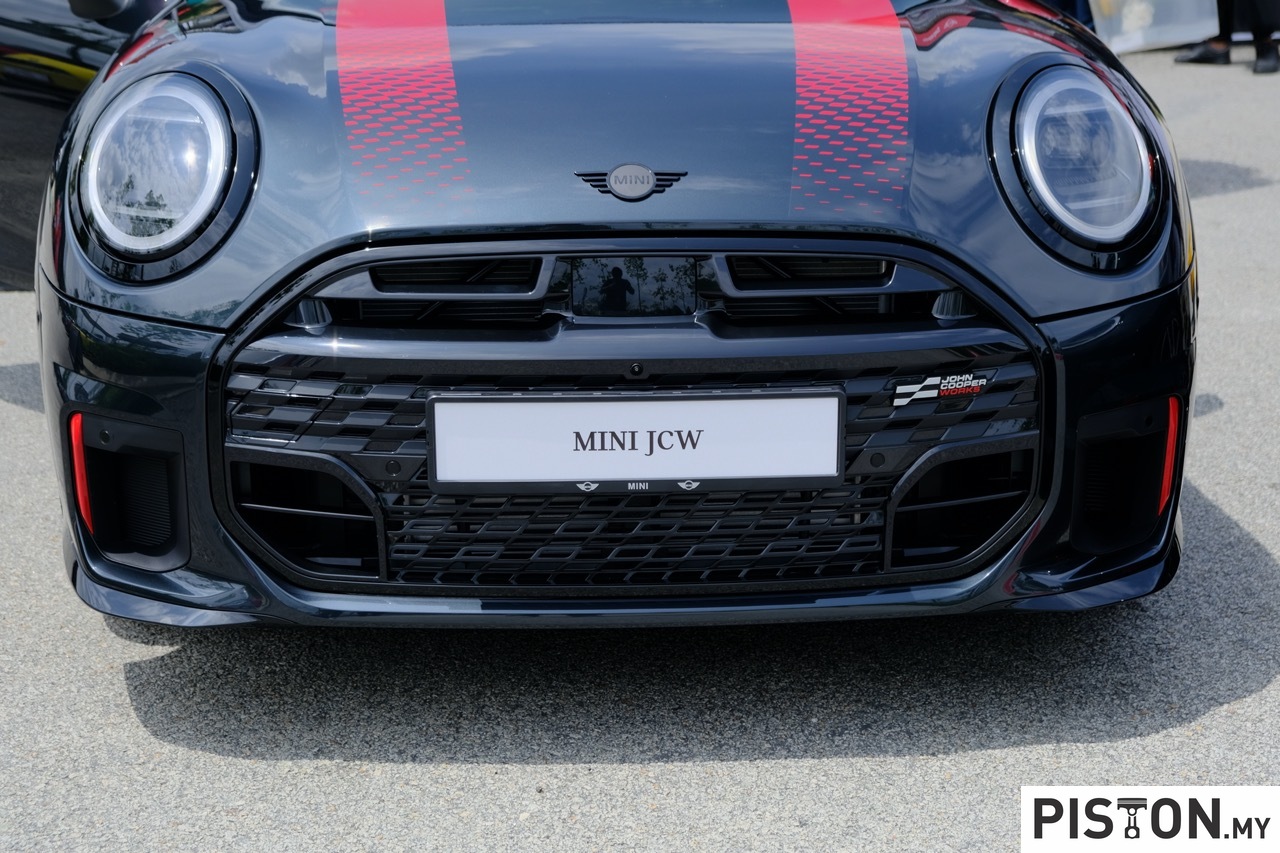
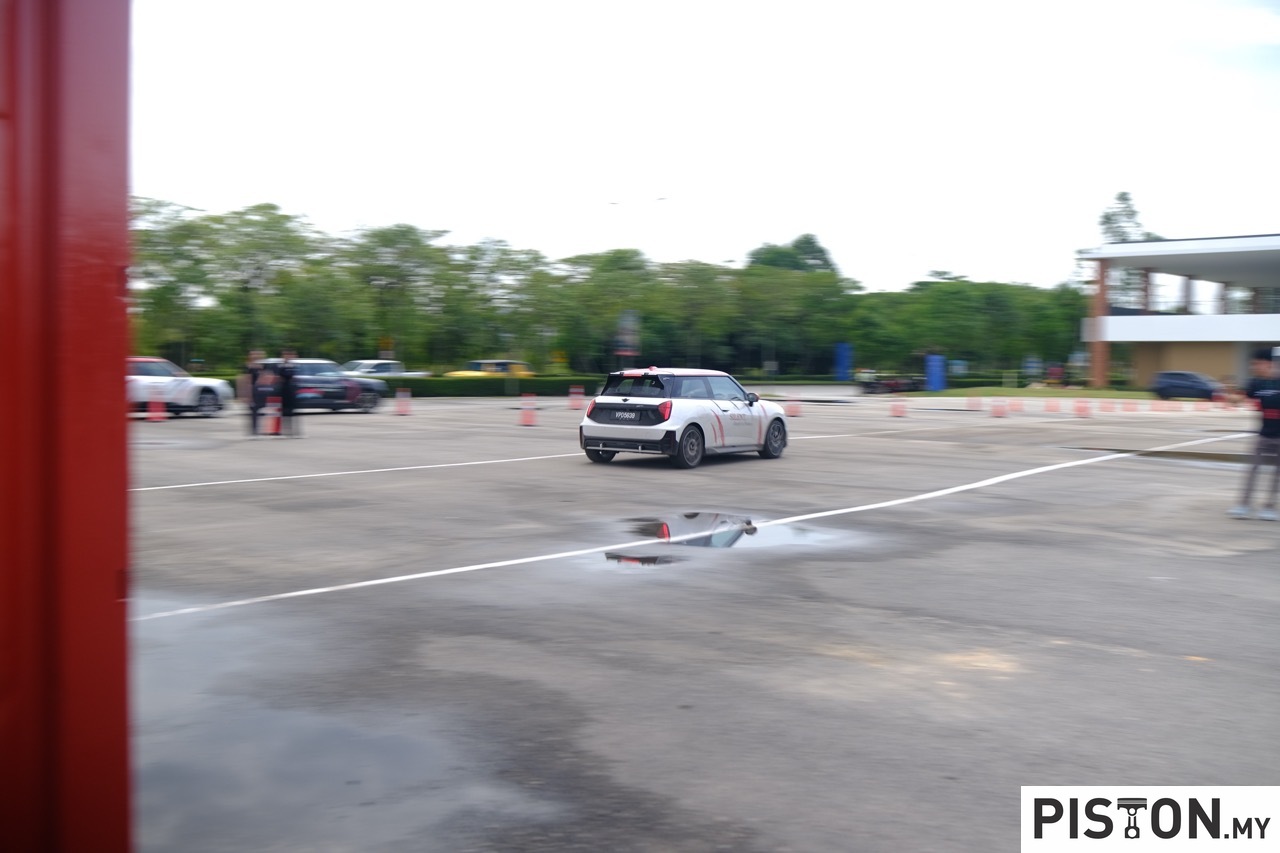
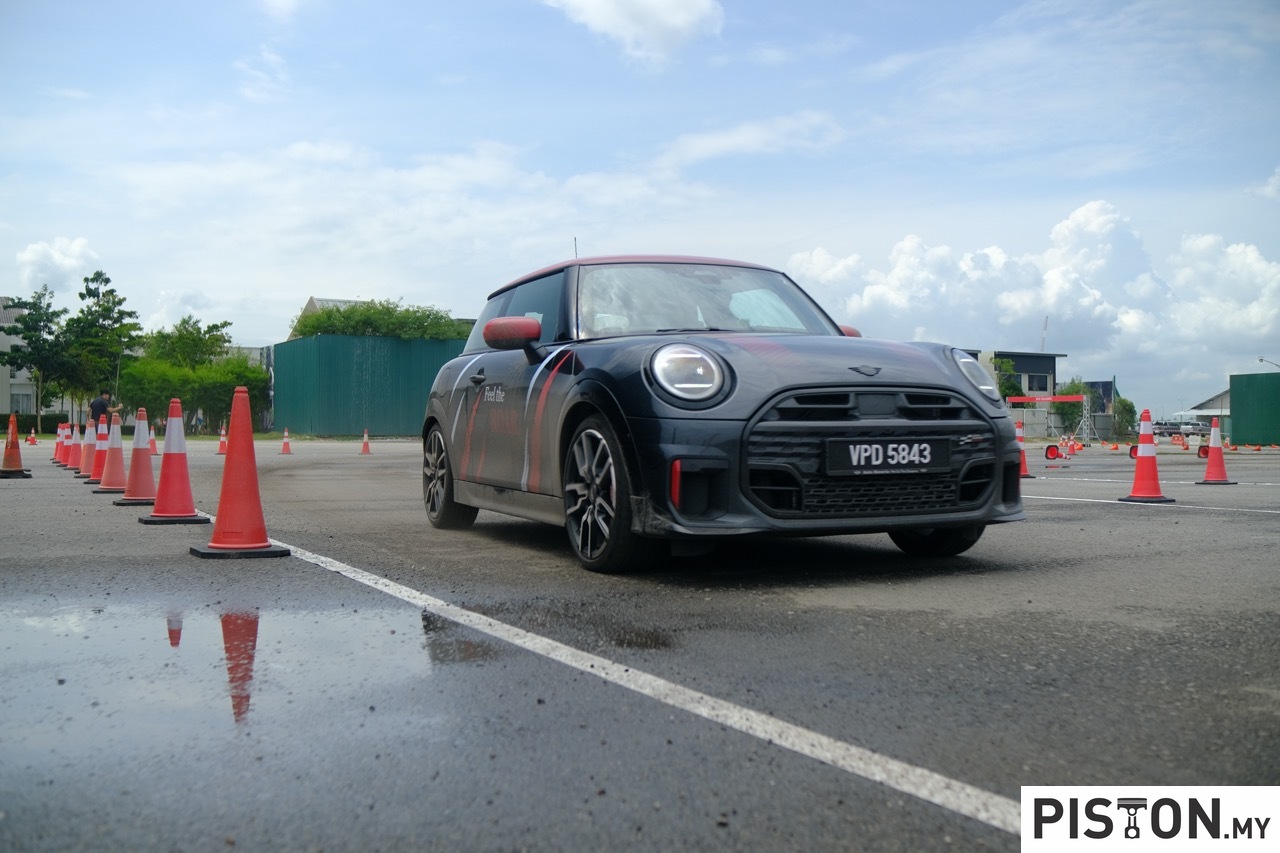
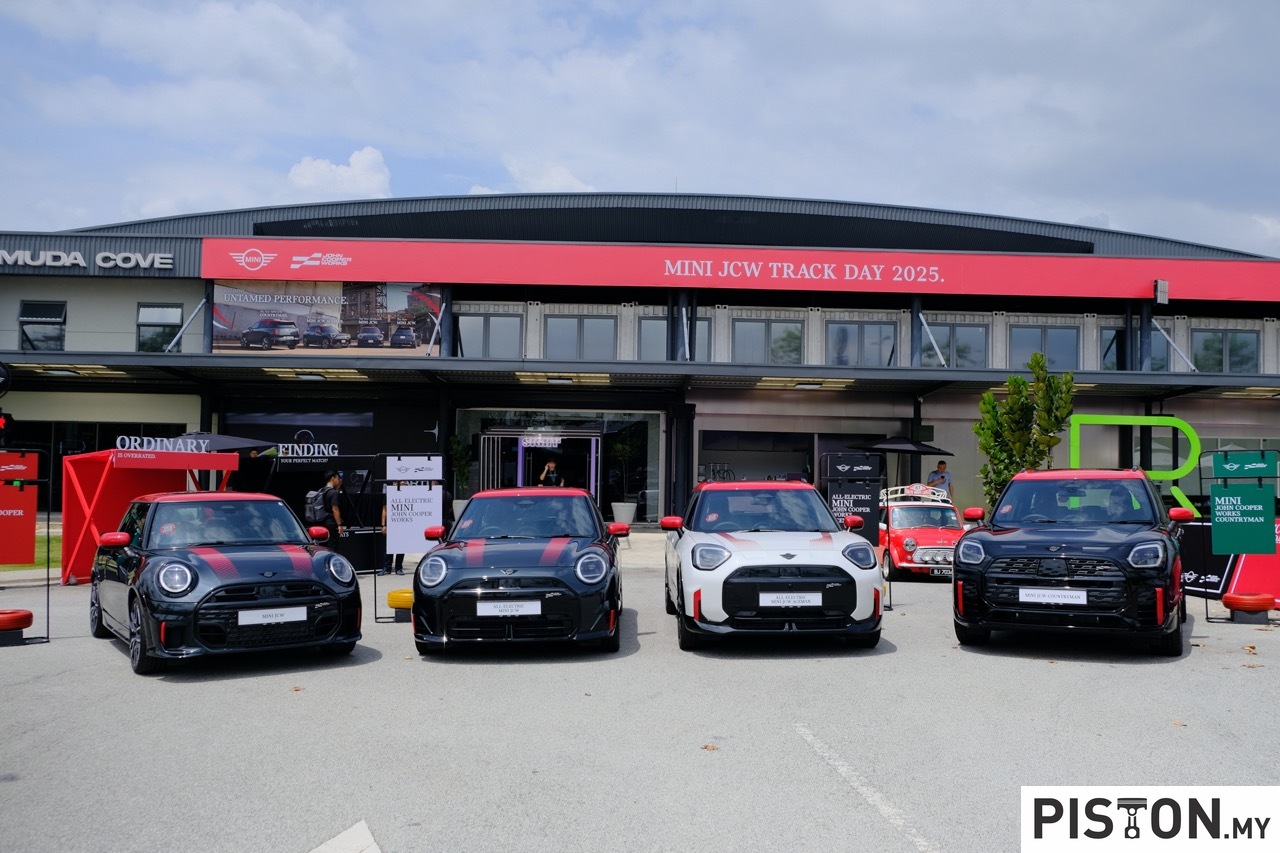
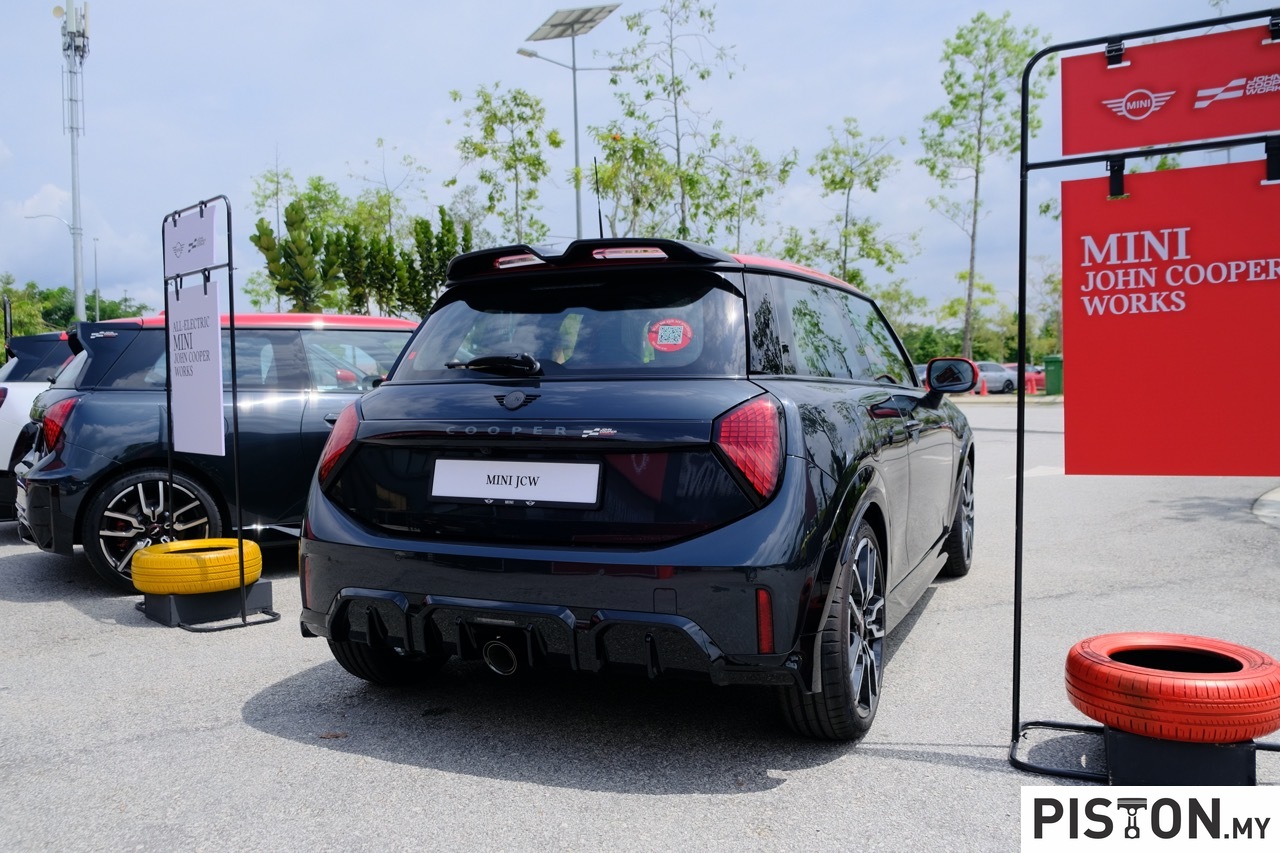
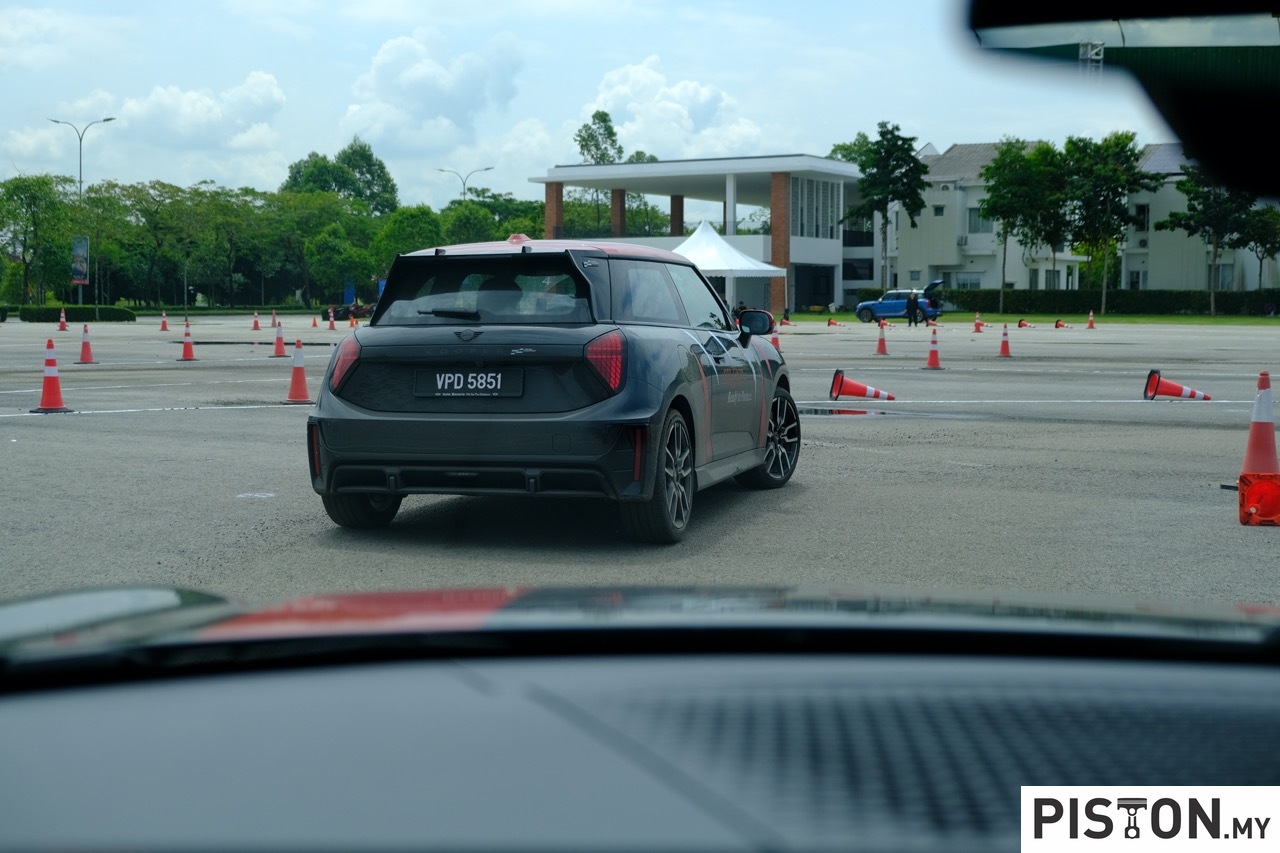
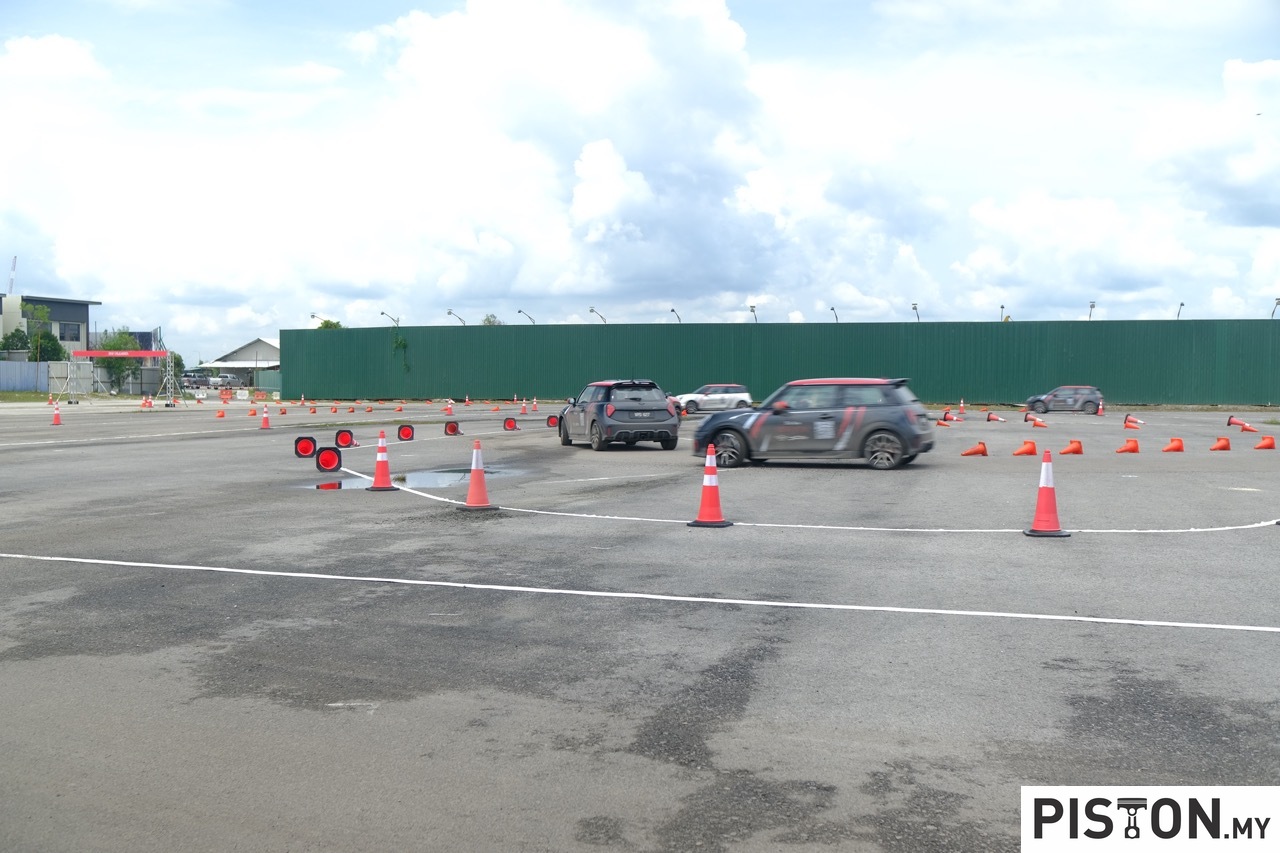
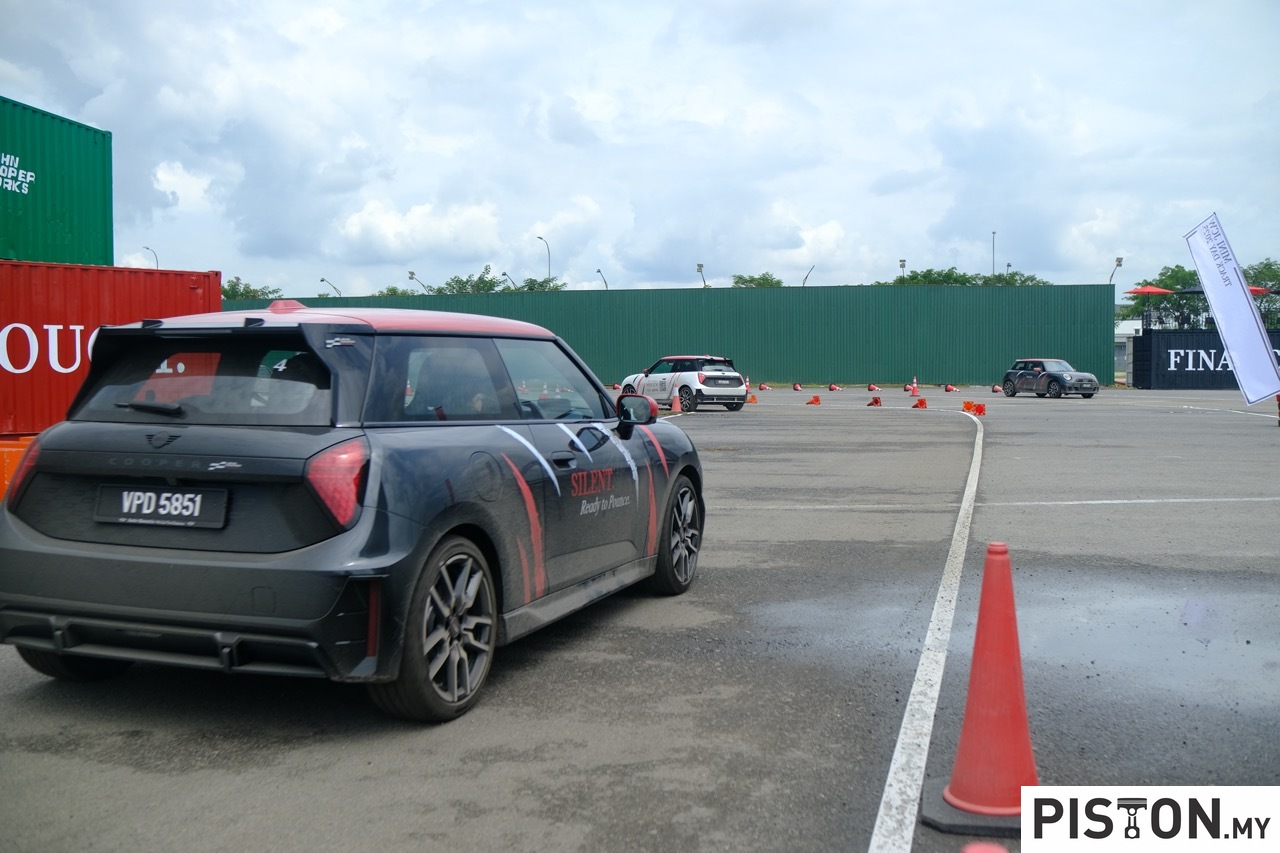
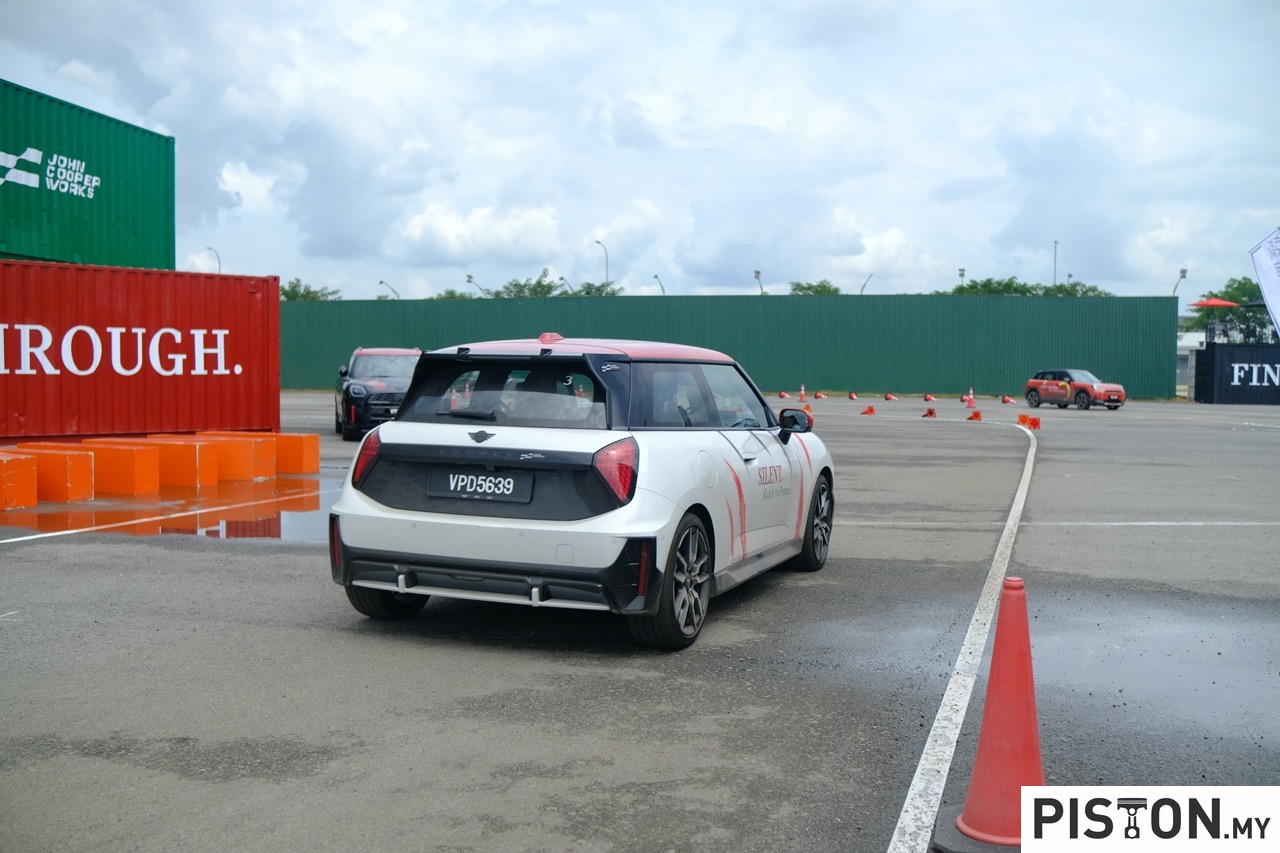
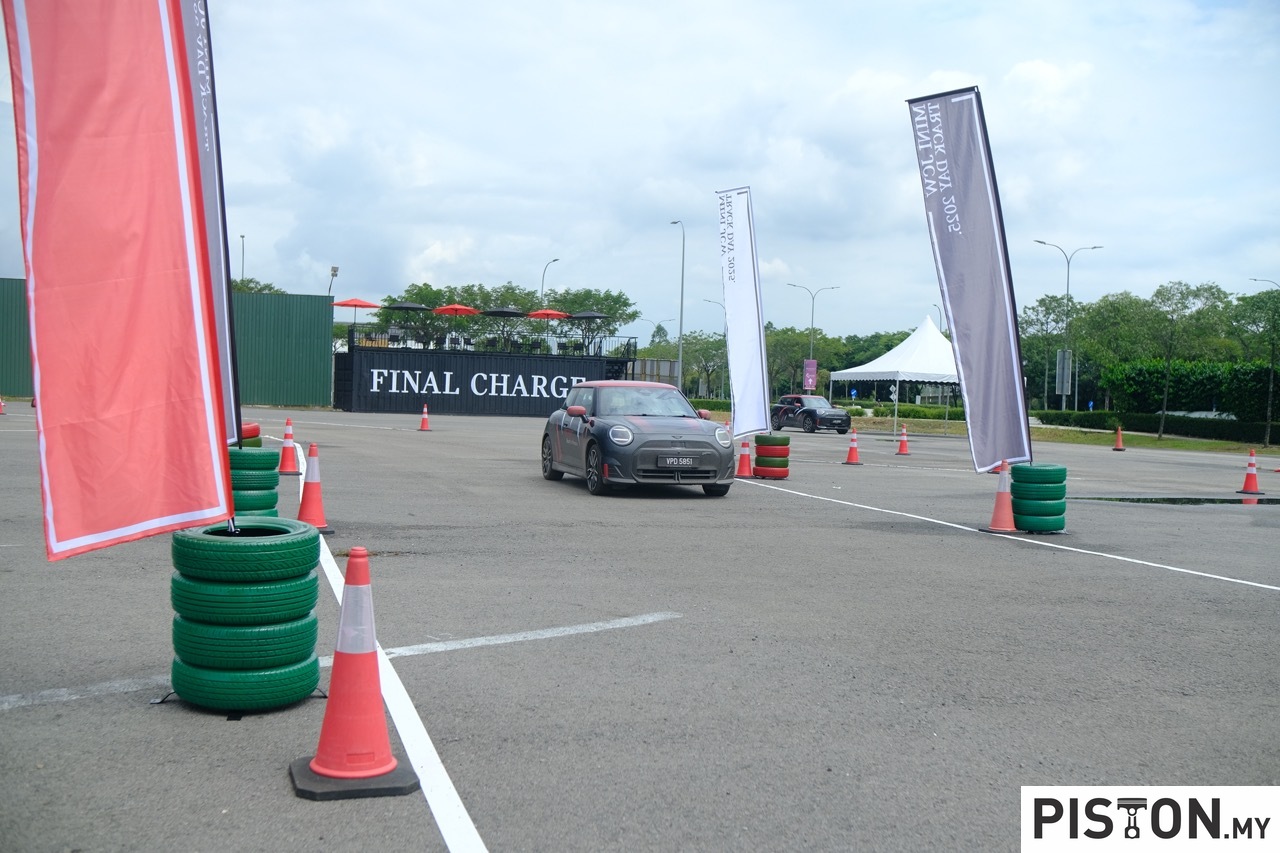
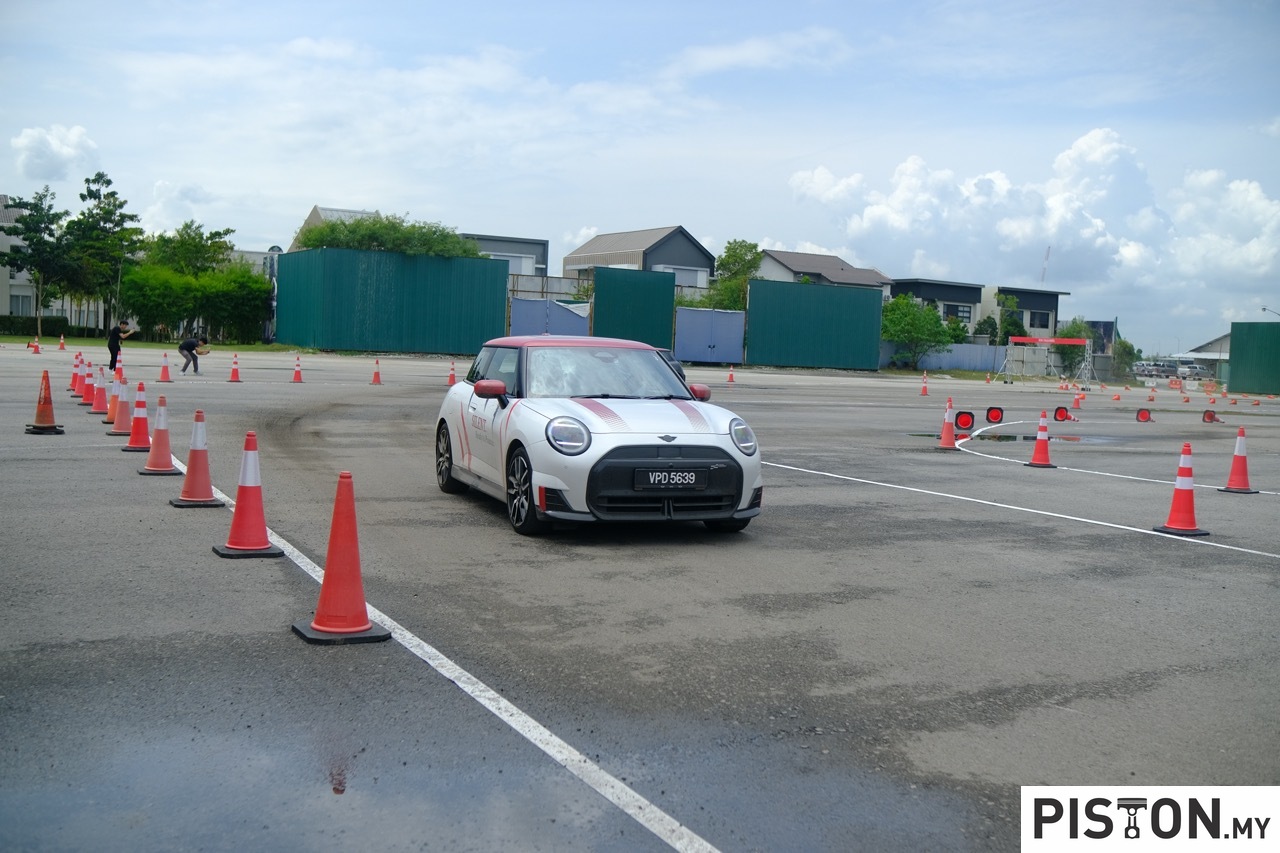
Recently, MINI Malaysia gave us a chance to feel what it is like to be behind the wheel of this go-kart machine. We got behind the wheel of the new petrol-powered MINI JCW and took it to a small track that was designed to put this car to the test. 

Petrol-power

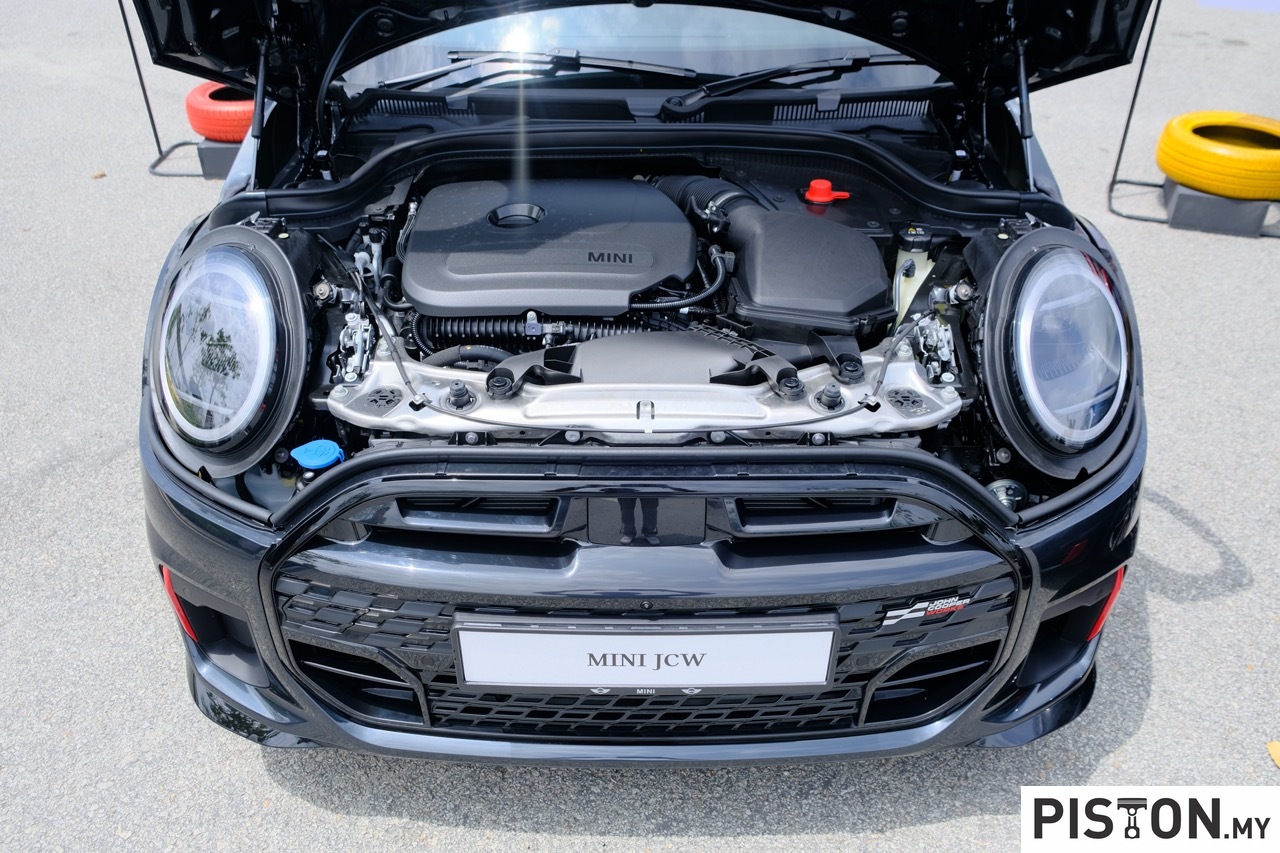
This variant features a 2.0-litre four-cylinder engine producing 231hp and 380Nm of torque. Paired with a 7-speed automatic transmission and front-wheel drive, this mini beast accelerates from 0 to 100km/h in just 6.1 seconds and reaches a top speed of 250km/h.

It may not seem fast on paper, but trust us, this packs a punch. They call it a “corner hunter” and not a speed hunter because tight turns are where this car shines the brightest. How? Well, according to MINI, the JCW variant has a +15% caster angle with stronger self-centring, highly pre-tensioned stabiliser bars with improved handling and dynamics, enhanced Servotronic Electric Power Steering (EPS) which is nicely weighted with enhanced precision. 

Also contributing to this is the JCW sport brakes with 17-inch front and 16-inch rear disc brakes, which give the car more than enough stopping power. The actuator’s contiguous wheel slip limitation (ARB) also has a 10 times faster reaction compared to the standard DSC. It also has an integrated brake system that has seamless transition between regen braking and friction braking. Too technical? In layman’s terms, this is an Anti-lock Braking System (ABS), stability and traction control on steroids.

The Corner Hunter

Now we were amazed by this presentation, and everything looked good on paper. But how did it perform on track? Well, let’s just say we were shaking and filled with adrenaline at the end of the session. We threw the car into tight corners at high speeds, and though we felt like we were going to go out of control and slide off the track, the car pulled us back as if it was not done with us yet. 

Power is nothing without proper handling, and if you were to crash this car, well, we would say that something is wrong with you and not the car. The handling is exceptional and can get you out of tricky situations. The car just wanted more and more with every turn, and we just kept giving it what it wanted. However, there is only so much that the car can do; it also depends on how fast you can steer the car out of the corners, and that plays a major role in corner hunting. As Uncle Ben said to Peter Parker in Spider-Man, “With great power comes great responsibility.”

I would have never thought that a MINI would be this fun, but this JCW variant has proved me wrong. 

A comfortable go-kart

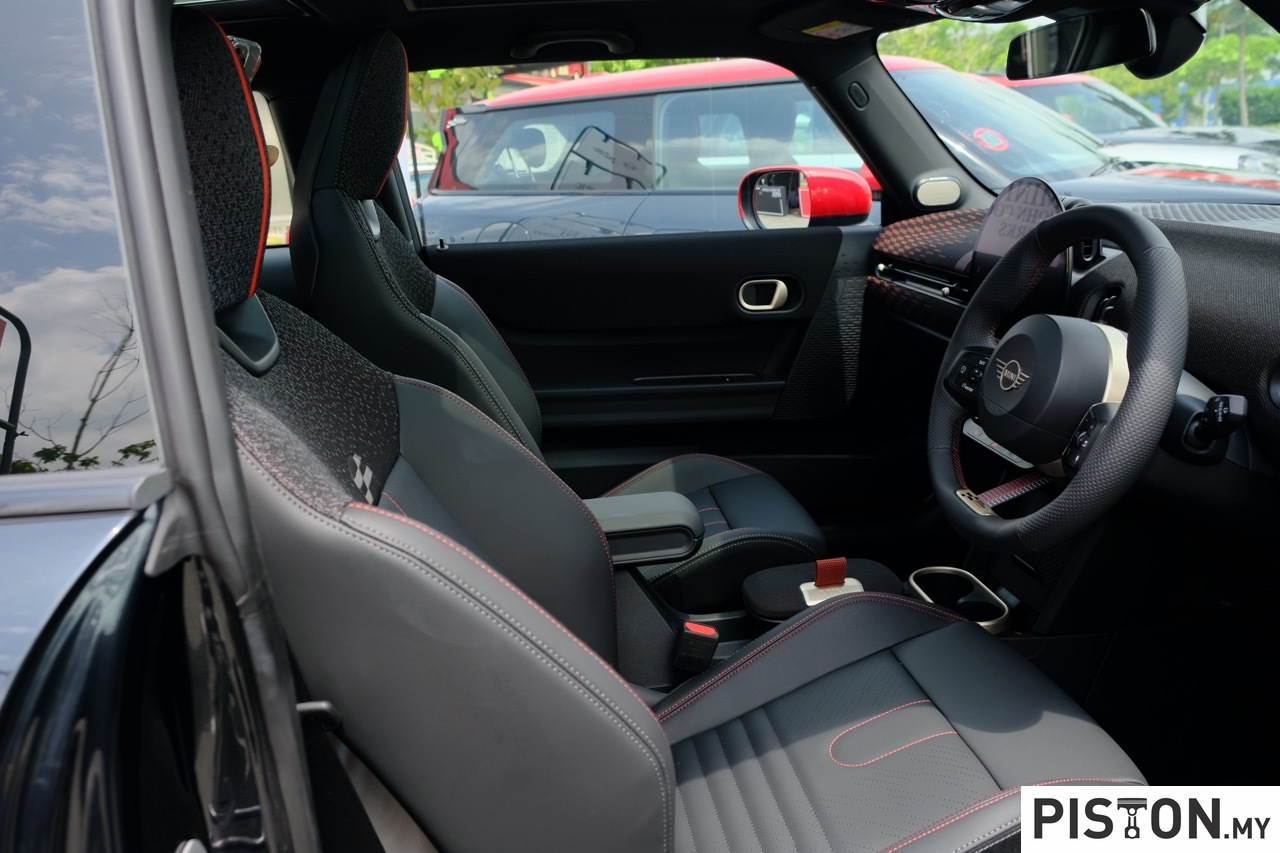
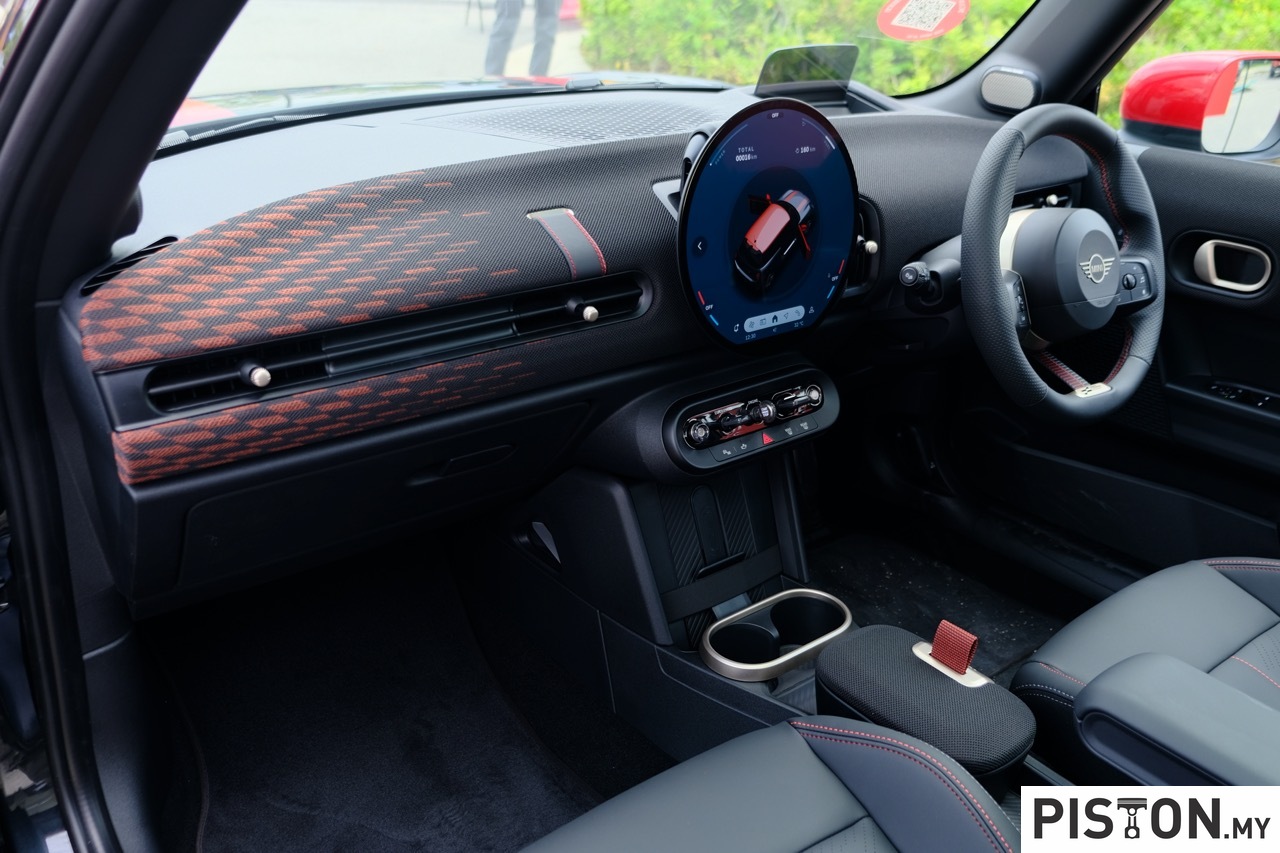
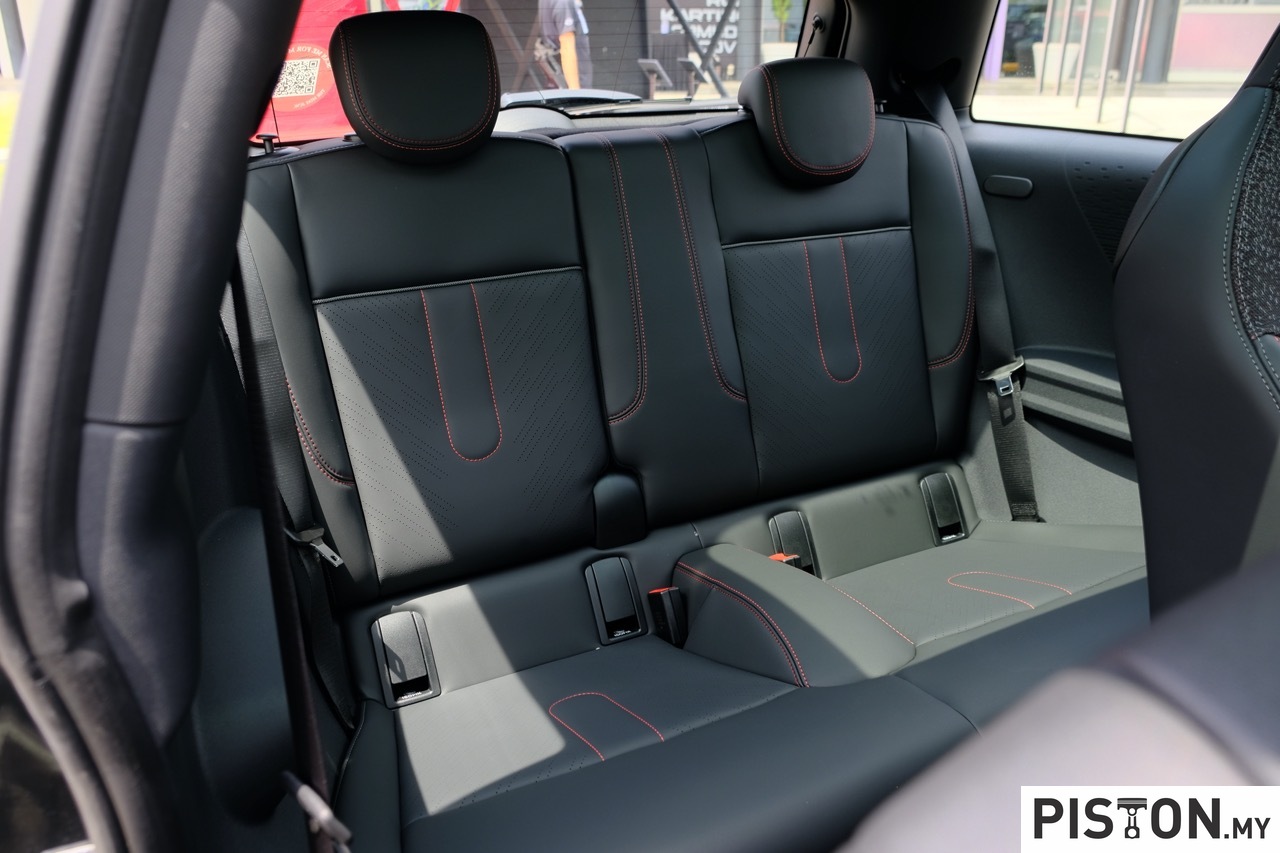
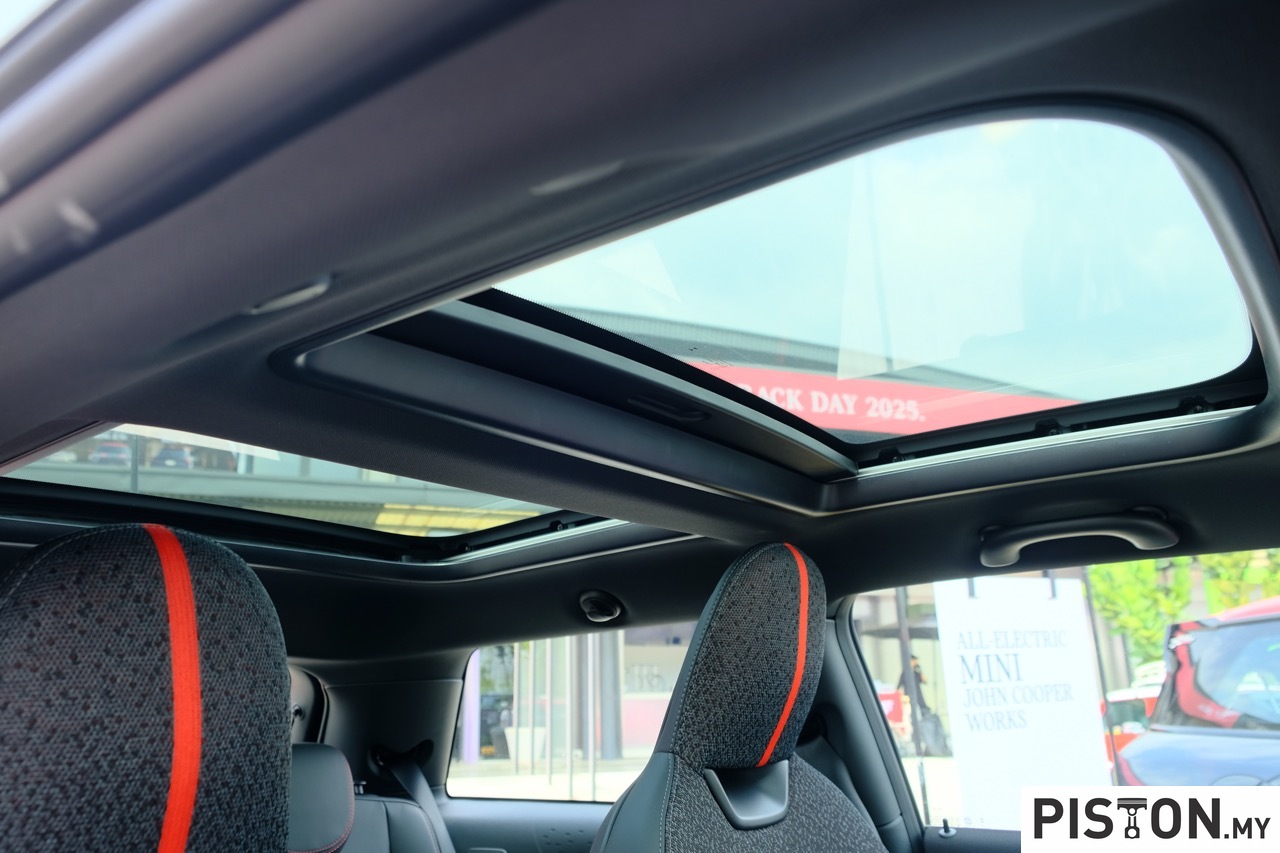
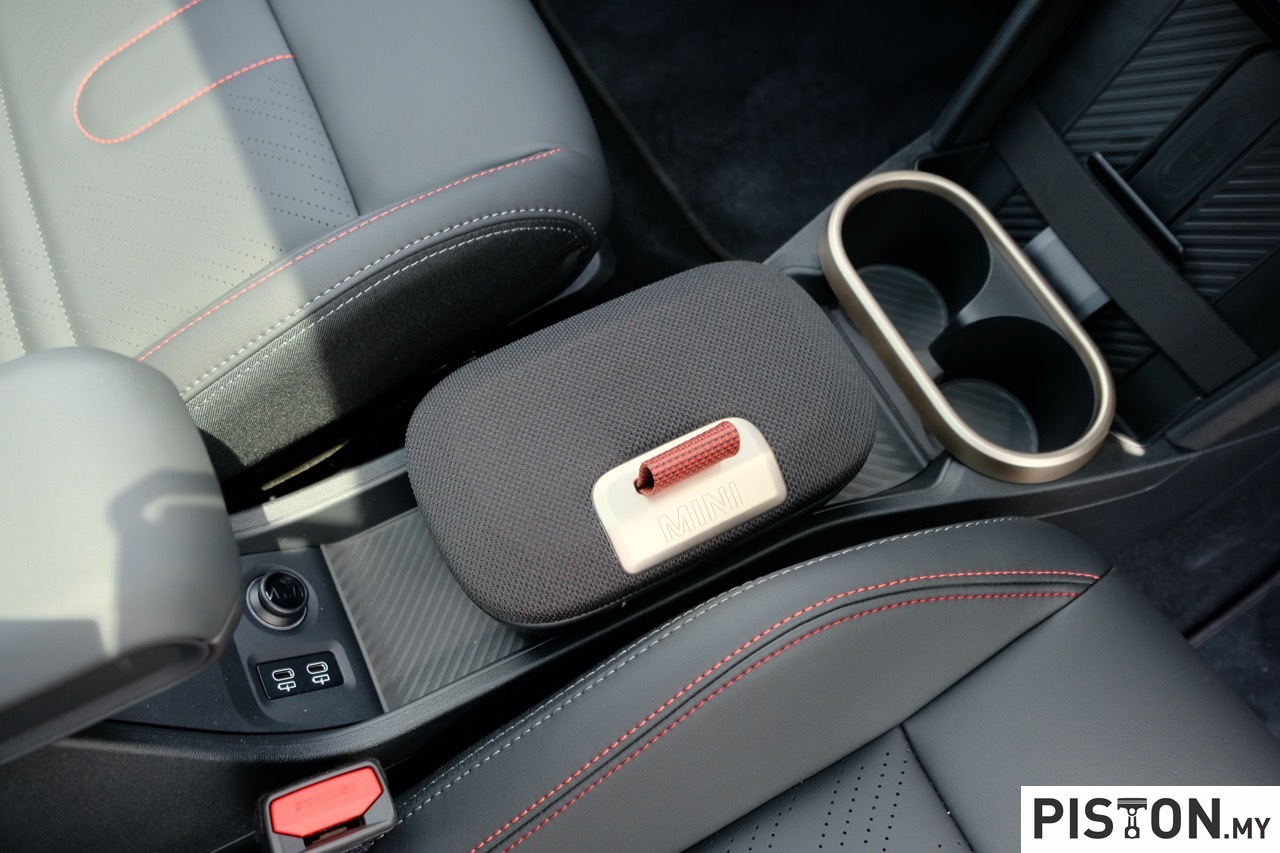
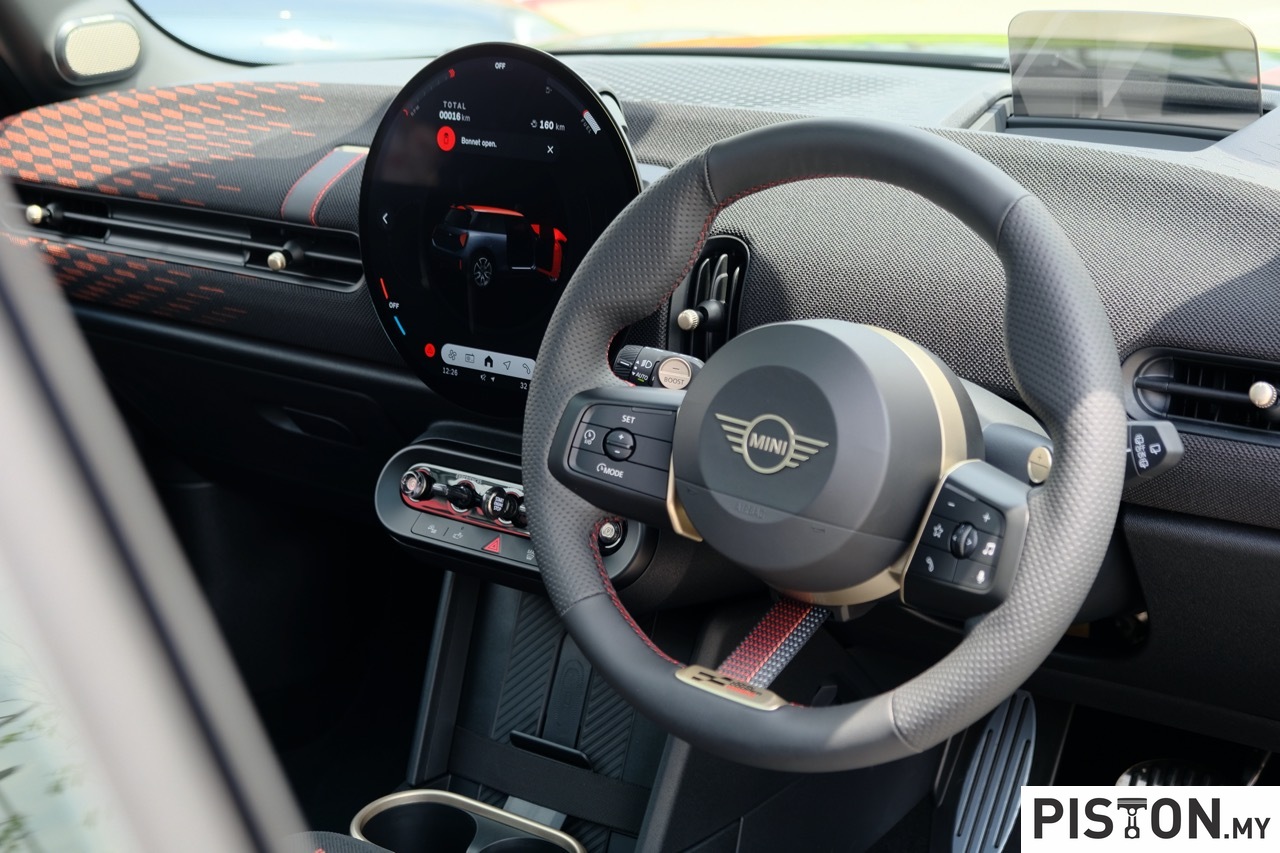
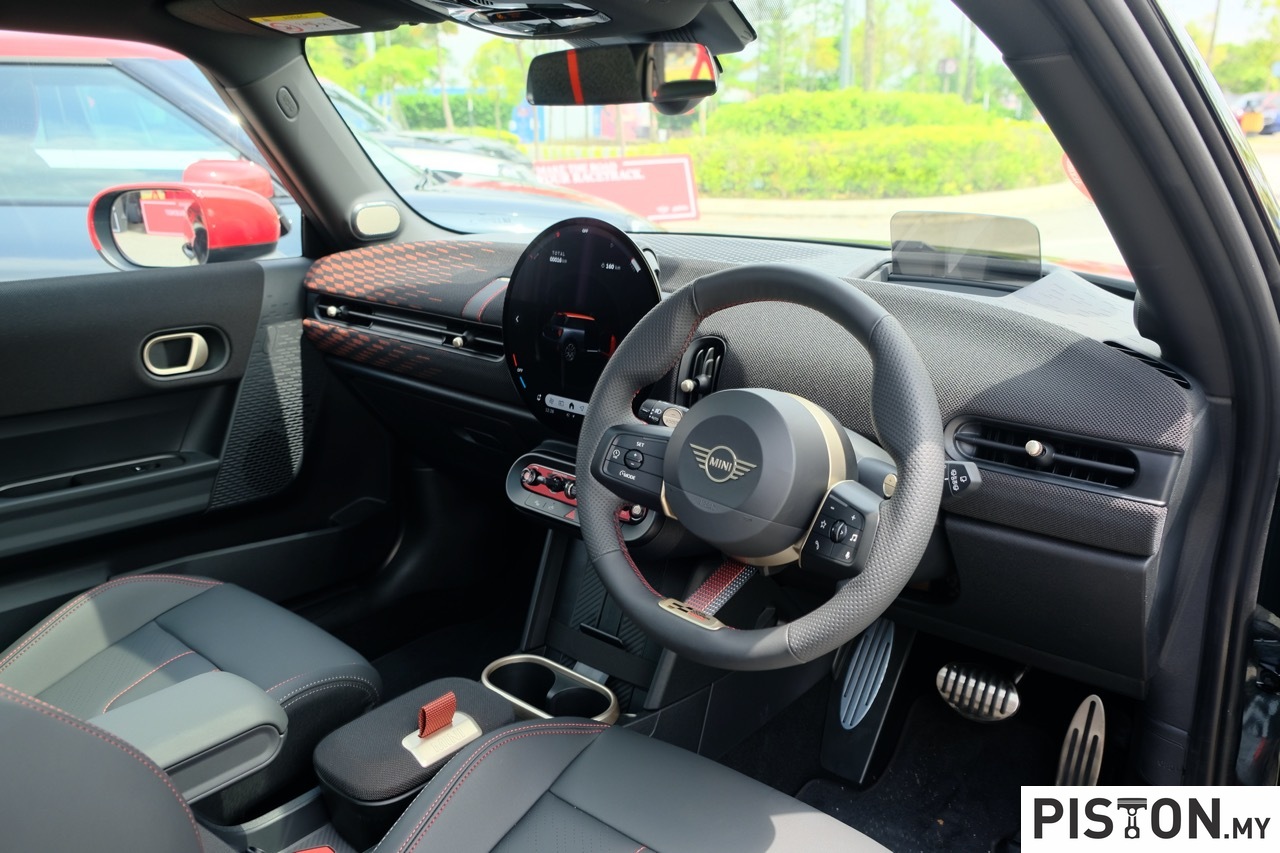
We know how powerful go-karts can be and how comfortable a car is, so why not combine the best of both worlds? Inside, the cabin merges motorsport-inspired design with technological sophistication. A consistent black and red colour scheme dominates, from the dashboard’s knitted surface to the JCW-specific sport seats, finished in synthetic leather with multicoloured fabric accents and red stitching.

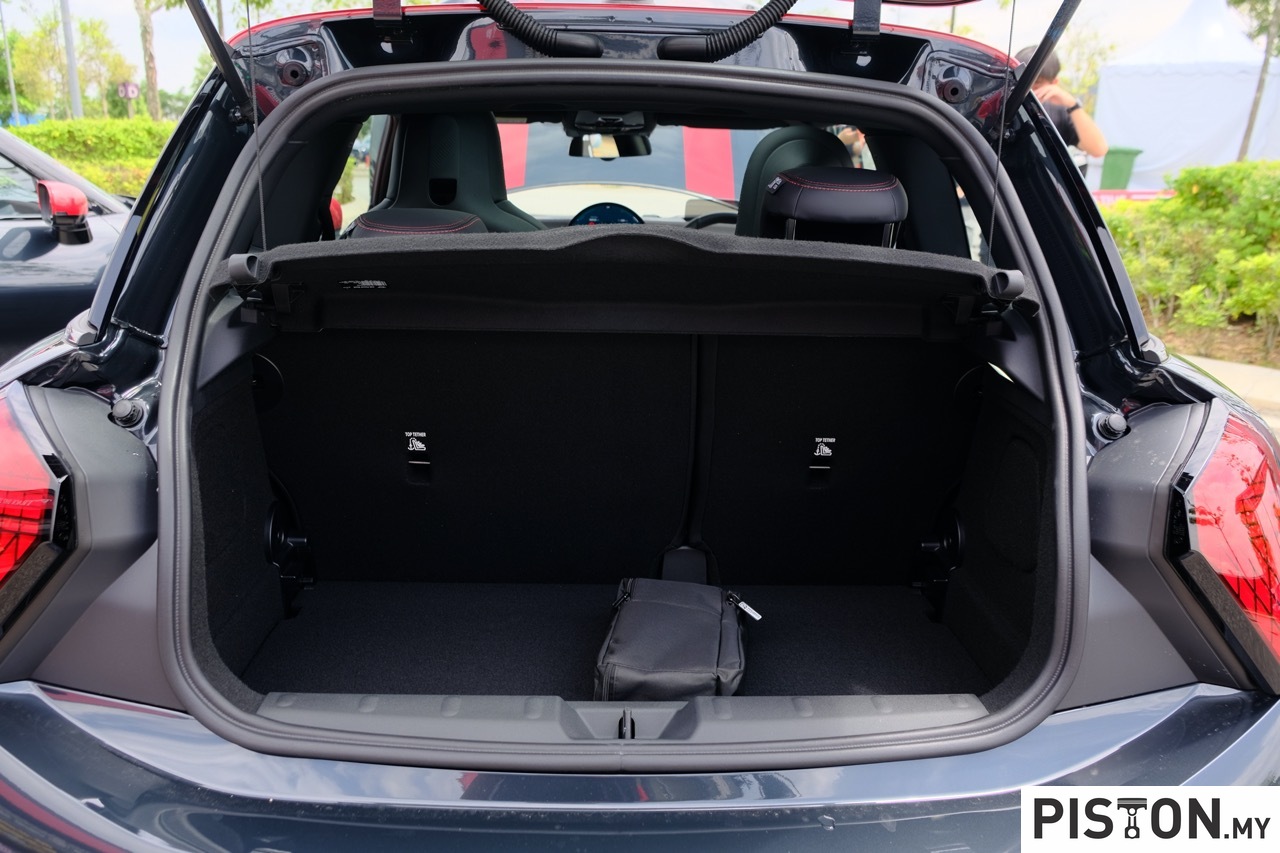
This writer has a big build, so if I say this is a comfortable car to sit in, take my word on it. Everything is positioned perfectly to give you that comfort and go-kart feeling. And honestly, there is more than enough space at the rear, even with my seating position.

At the centre of the dashboard is a 9.4-inch high-resolution OLED display—the Mini Interaction Unit—which doubles as both instrument cluster and infotainment system. Yes, it does come with wireless Apple CarPlay and charging. The speakers are Harman Kardon, and they deliver exceptional sound, which pumped us up even more for the track driving session.

Mini car with a big price tag

Well, nice things are not always cheap, especially if it has the brand “MINI” on them. With everything that the MINI JCW offers, we would say that this is an acceptable price if you have deep pockets. So if you want a go-kart that you can use as a daily driver, the MINI JCW is priced at RM318,888, and an add-on extended warranty and service package will cost you another RM12,100.

Specifications:
Engine: 2.0-litre four-cylinder petrol
Power: 231hp
Torque: 380Nm
Transmission: 7-speed automatic
Price (as tested): RM318,888

We like: Design, Power and Handling
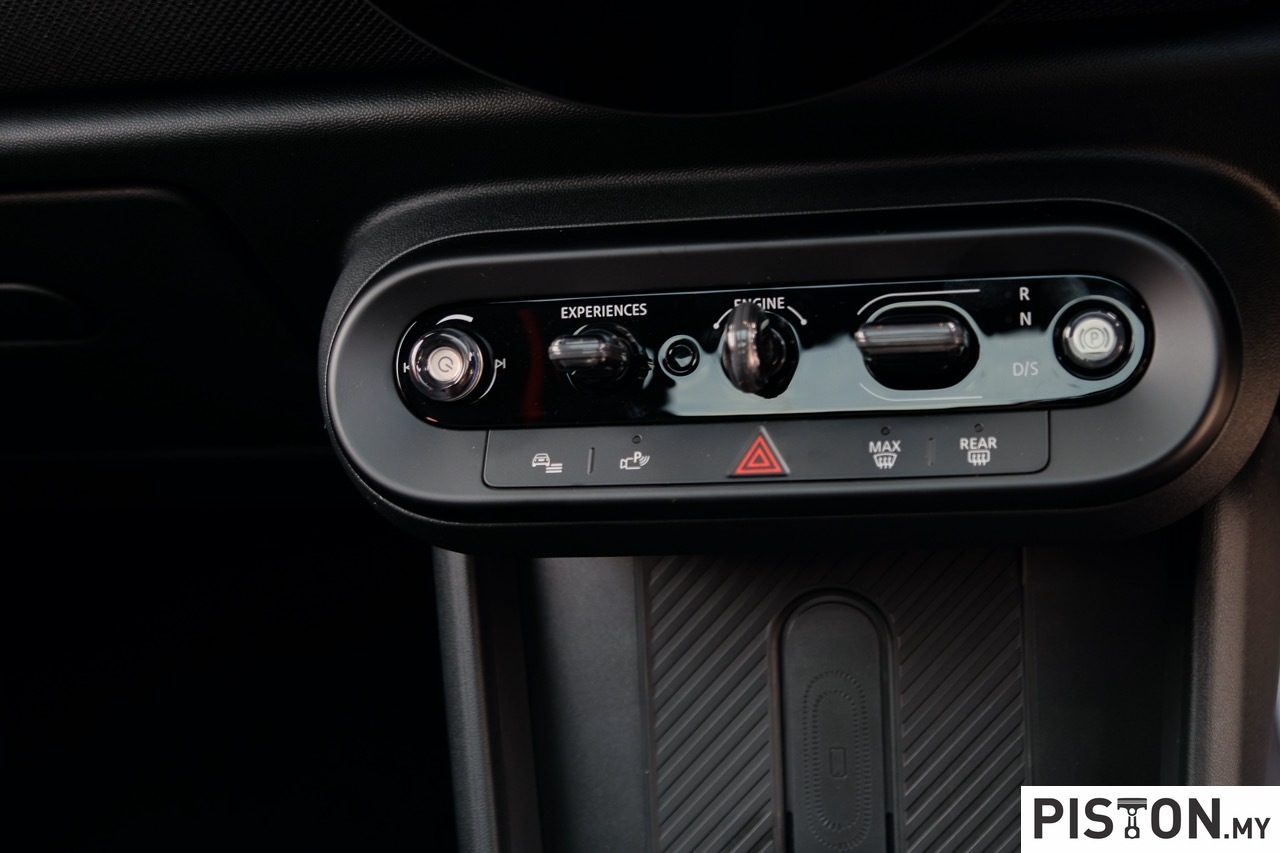
We don’t like: No proper physical controls/buttons

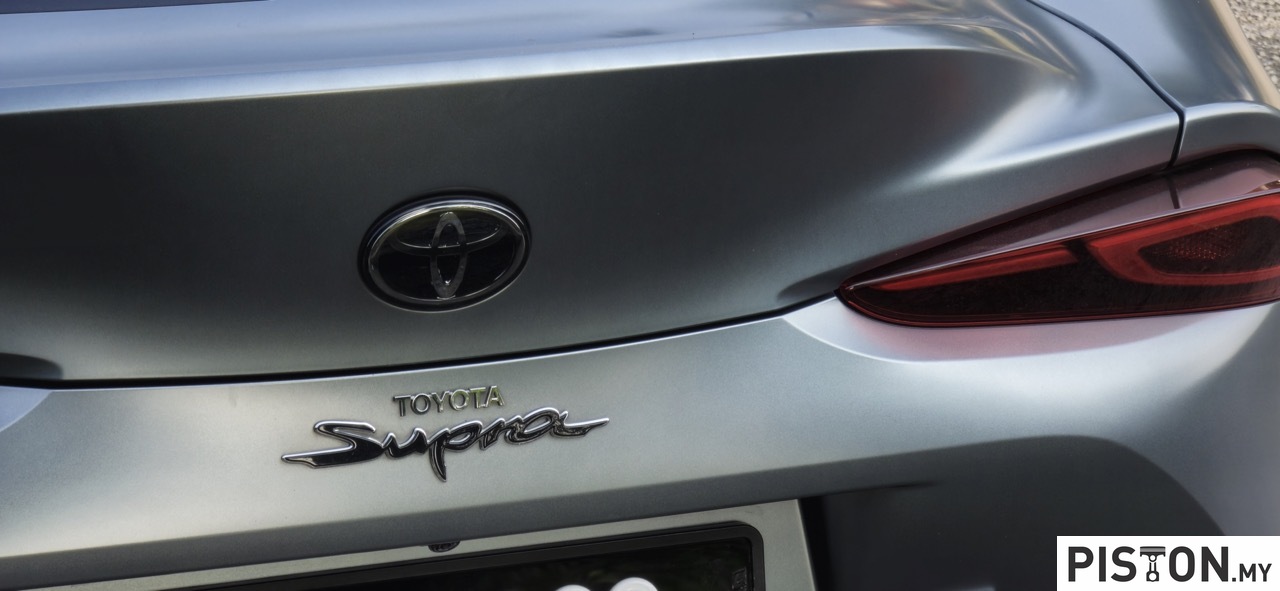
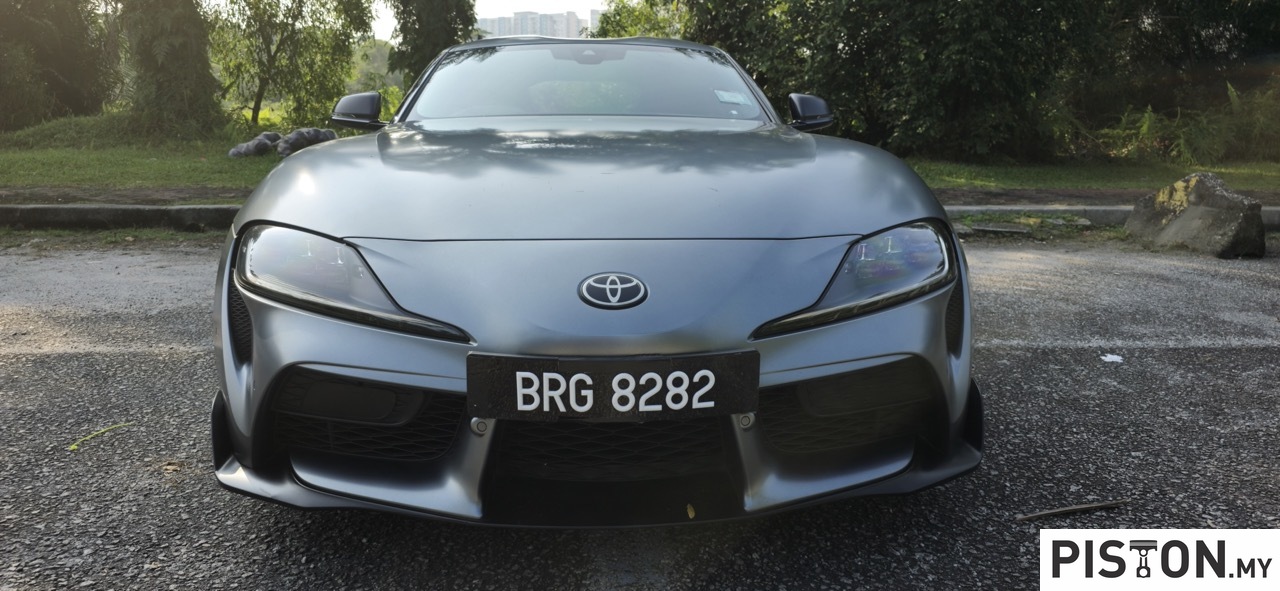
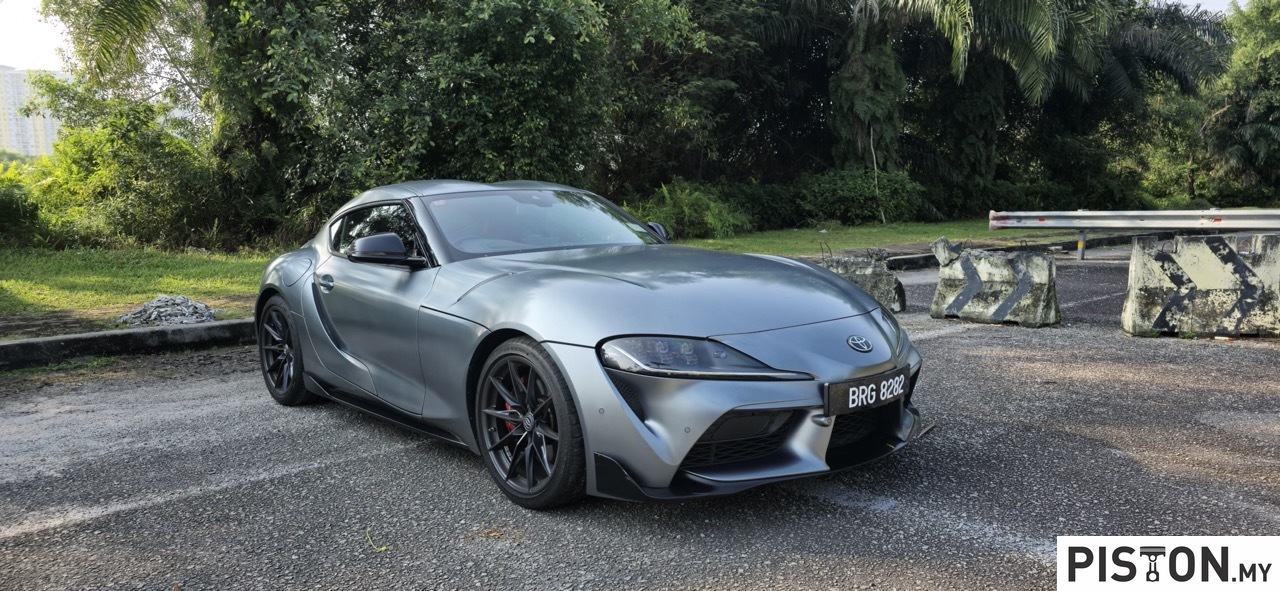
Born in the land of the Rising Sun, the Toyota Supra is not just a car, it’s an emotion, its culture and a testament to power. Over the years, the Supra has undergone several generations of development, each bringing advancements in technology, design, and engineering. 

Originally introduced in 1978 as a variant of the Toyota Celica, the Supra quickly evolved into a standalone model, earning a reputation for its blend of reliability and high performance. 

 From its early days as a sleek, rear-wheel-drive coupe to its legendary status in the 1990s with the turbocharged fourth-generation (A80) model, the Supra became a symbol of Japanese automotive excellence. After a hiatus in the early 2000s, the Supra made a triumphant return in 2019, rekindling its legacy with a modern twist. 

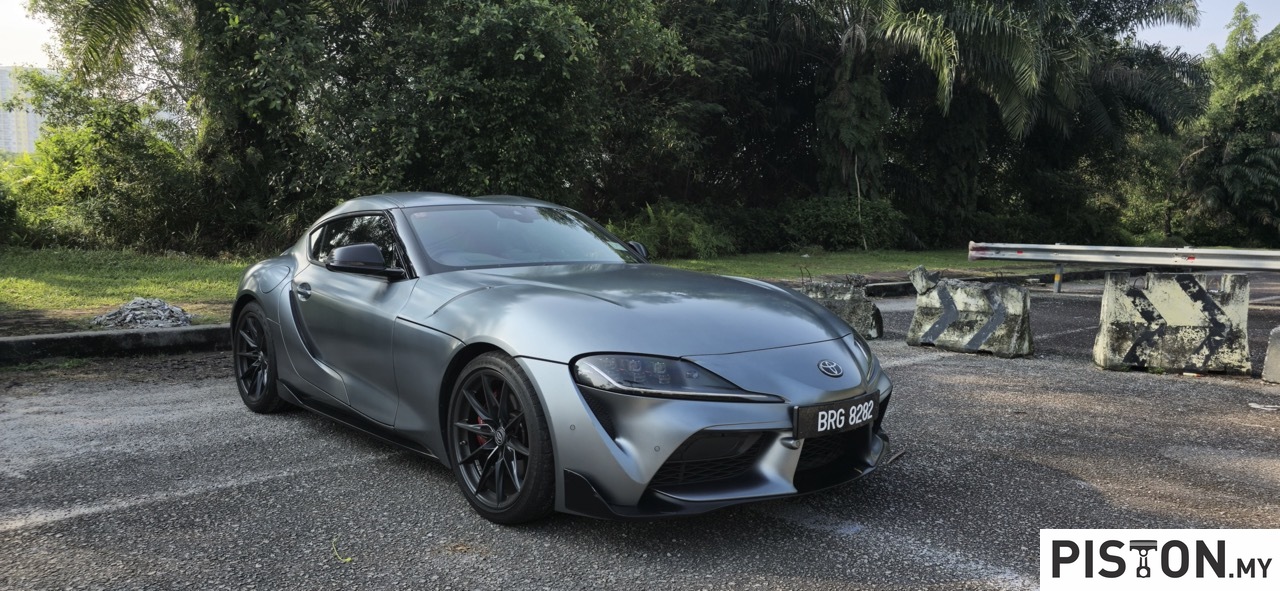
The current Toyota Supra, known as the A90 (and A91 for later variants), marks a thrilling chapter in the model’s storied history, blending modern engineering with nostalgic design cues. Unveiled in 2019, this fifth-generation Supra was developed in collaboration with BMW, sharing its platform and engine with the Z4 roadster. Which has led to people calling it the “BMW Supra.”

While this partnership sparked some debate among purists, the result is a car that delivers exceptional performance, agility, and cutting-edge technology. 

Unleash the Power

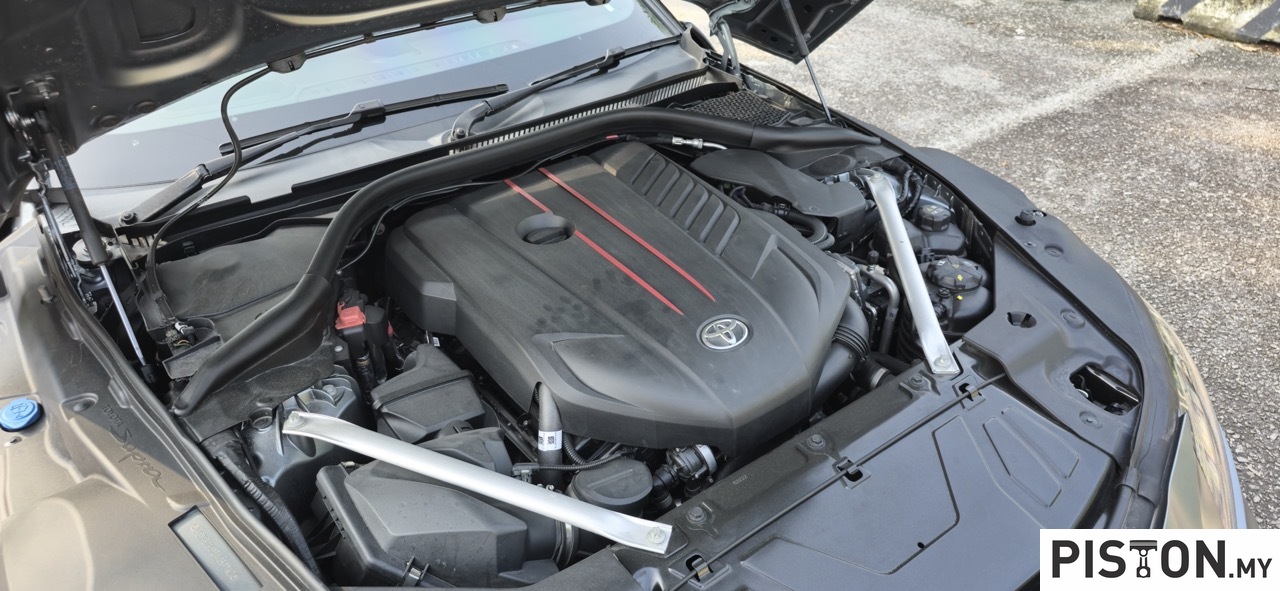
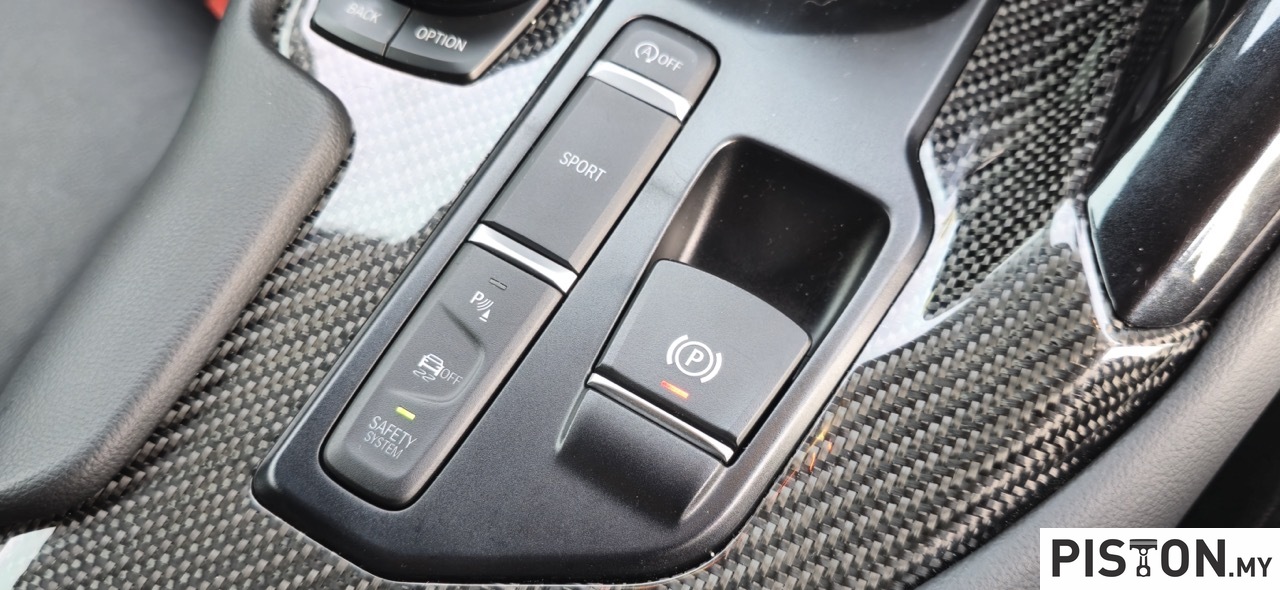
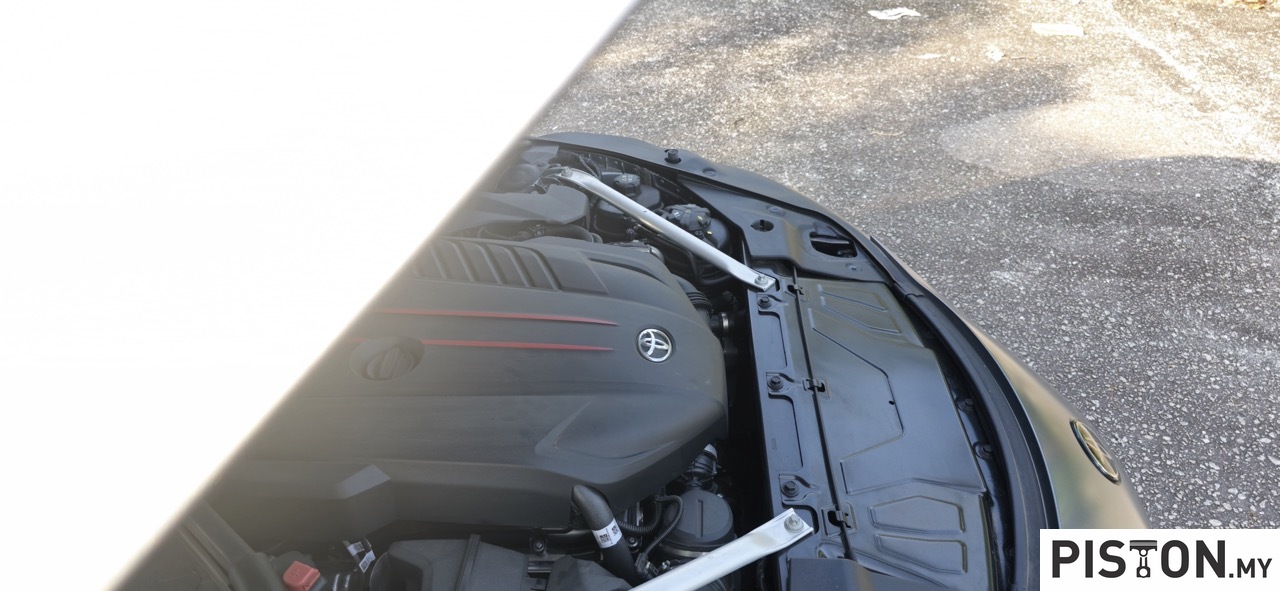
The A90 GR Supra is powered by a turbocharged 3.0-litre inline-six engine, producing 388PS and 500Nm of torque. It also offers a 2.0-litre turbocharged four-cylinder engine in some markets, catering to a broader audience. The car features a rear-wheel-drive layout, an 8-speed automatic transmission, and a near-perfect 50:50 weight distribution, ensuring exceptional balance and agility. This allows the Supra to sprint from 0-100km/h in just 4.1 seconds!

The power delivery is smooth yet explosive, with a satisfying growl from the exhaust that intensifies as you push the car harder. The Supra’s rear-wheel-drive layout and weight distribution make it an absolute joy to drive. 

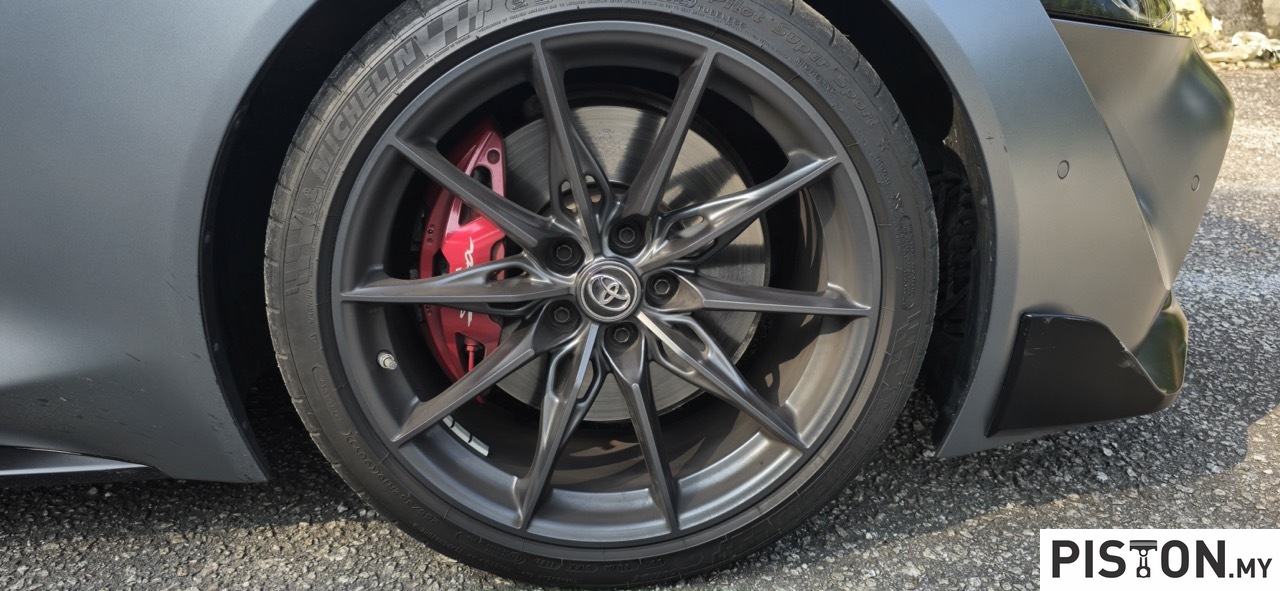
The chassis is stiff, the steering is precise, and the suspension strikes a fine balance between sporty firmness and everyday comfort. Whether you’re carving through winding roads or cruising on the highway, the GR Supra feels planted and responsive. After all, this was made to go up against Nissan’s Godzilla, the GTR, a rivalry that has been around for ages.

We cannot tell you exactly how fast we went in this beast but all we can say is, “The chicken was still warm.” If you are unfamiliar with that line, a quick Google search will show you why that was Jeremy Clarksons most popular line amongst the car guys. 

A Nod to the Past, a Leap into the Future

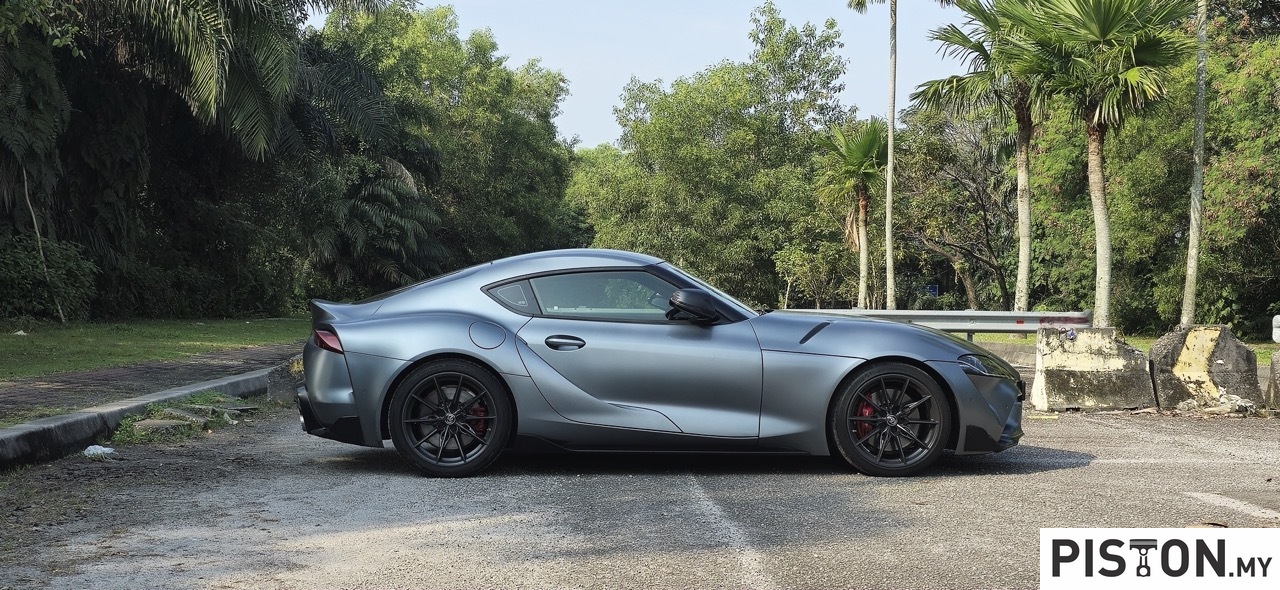
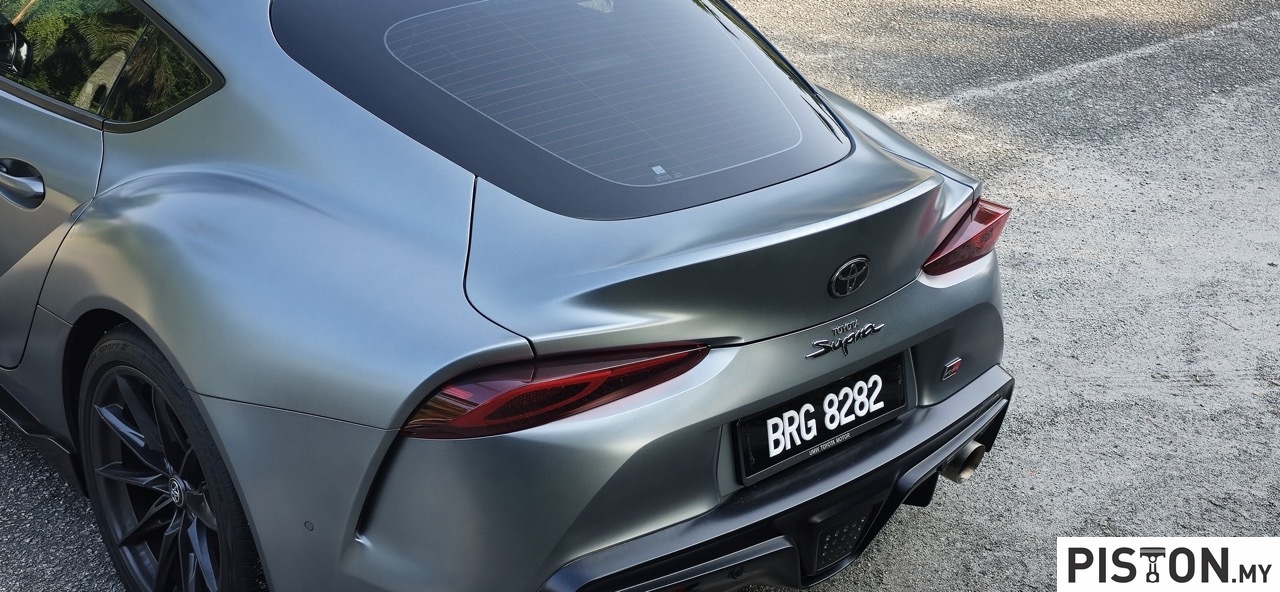
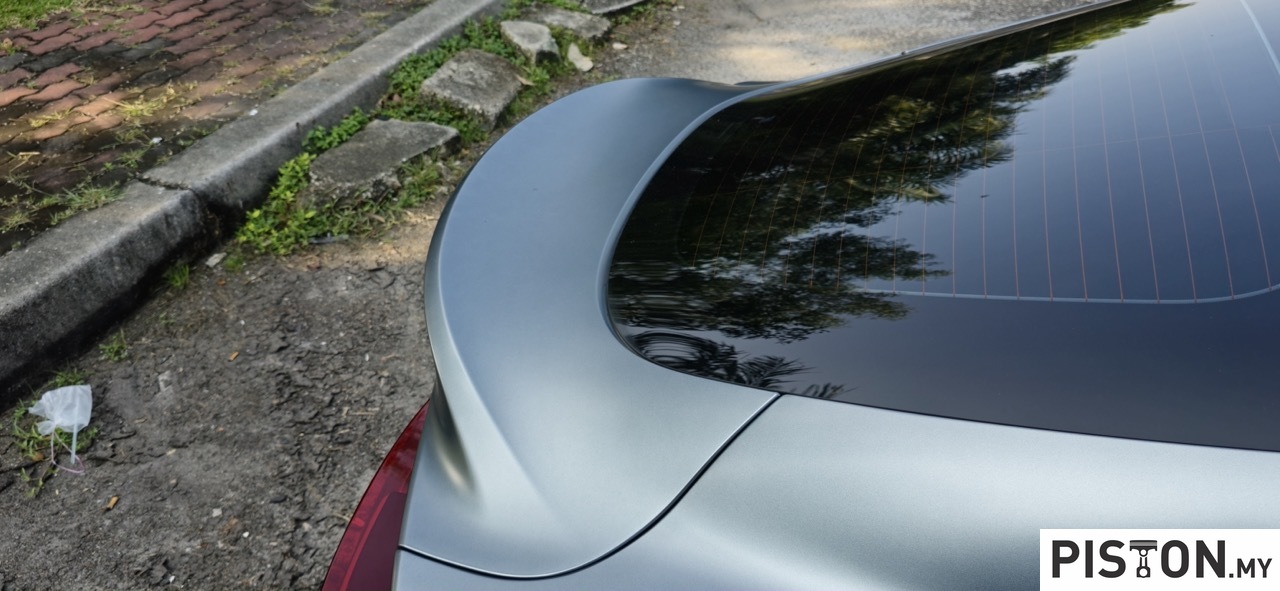
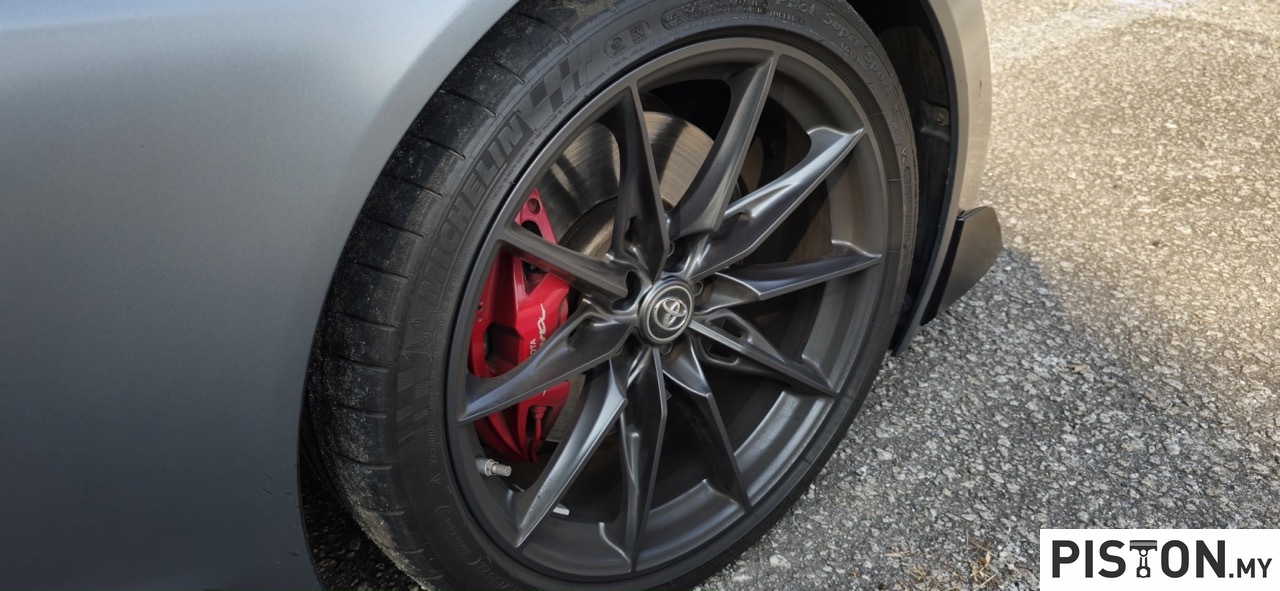
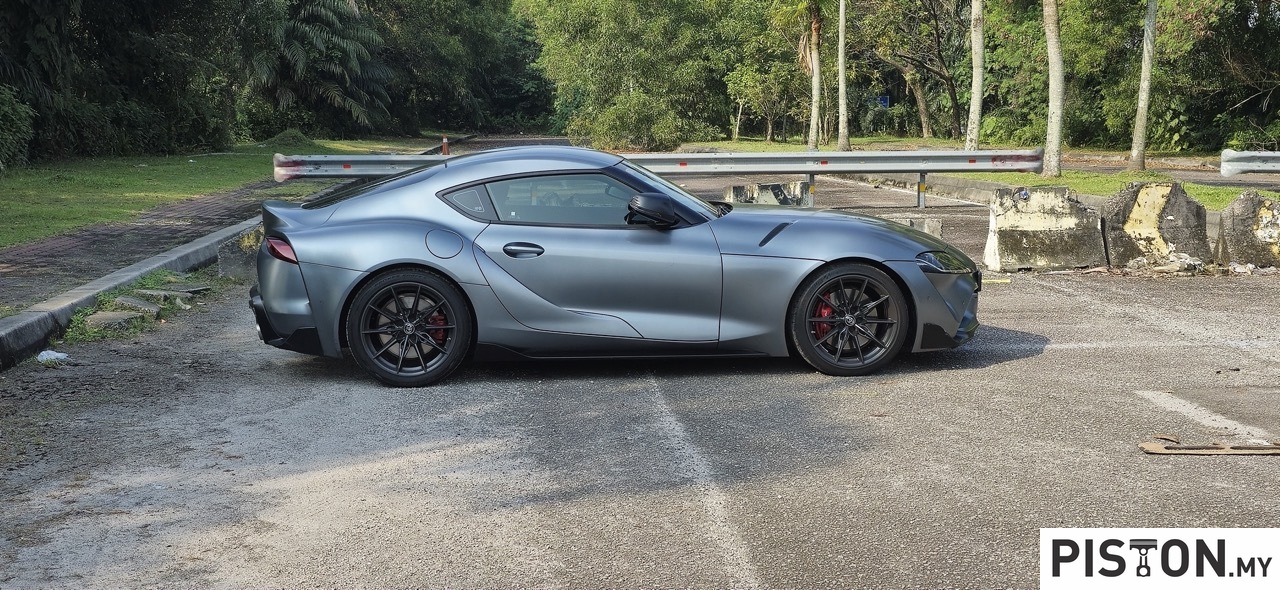
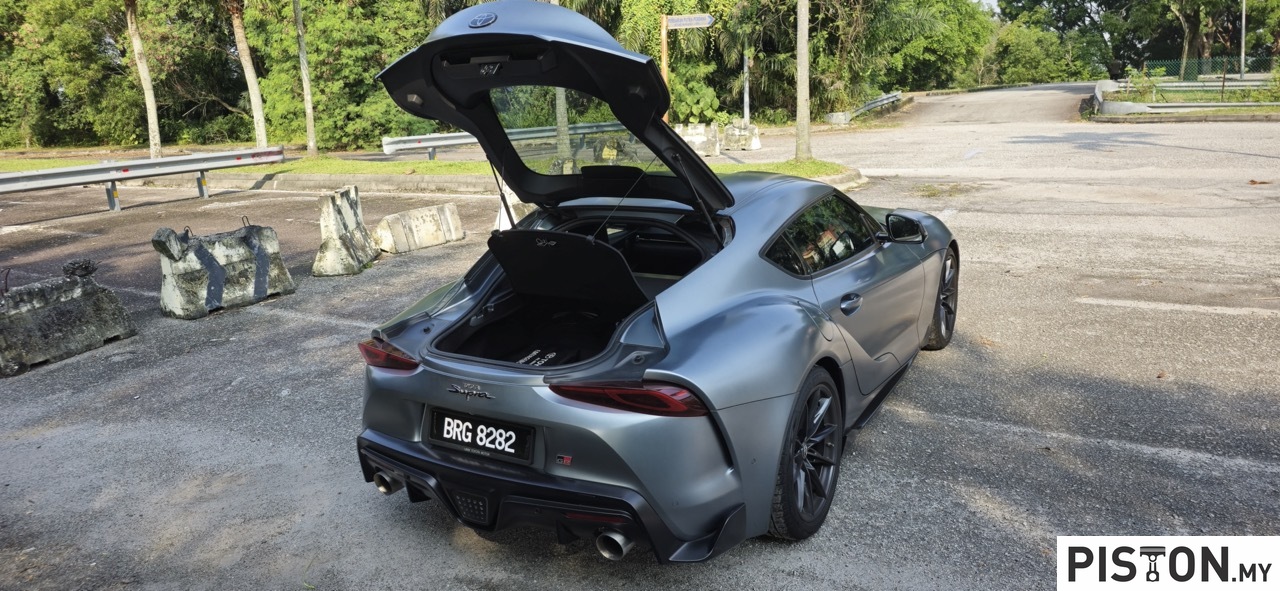
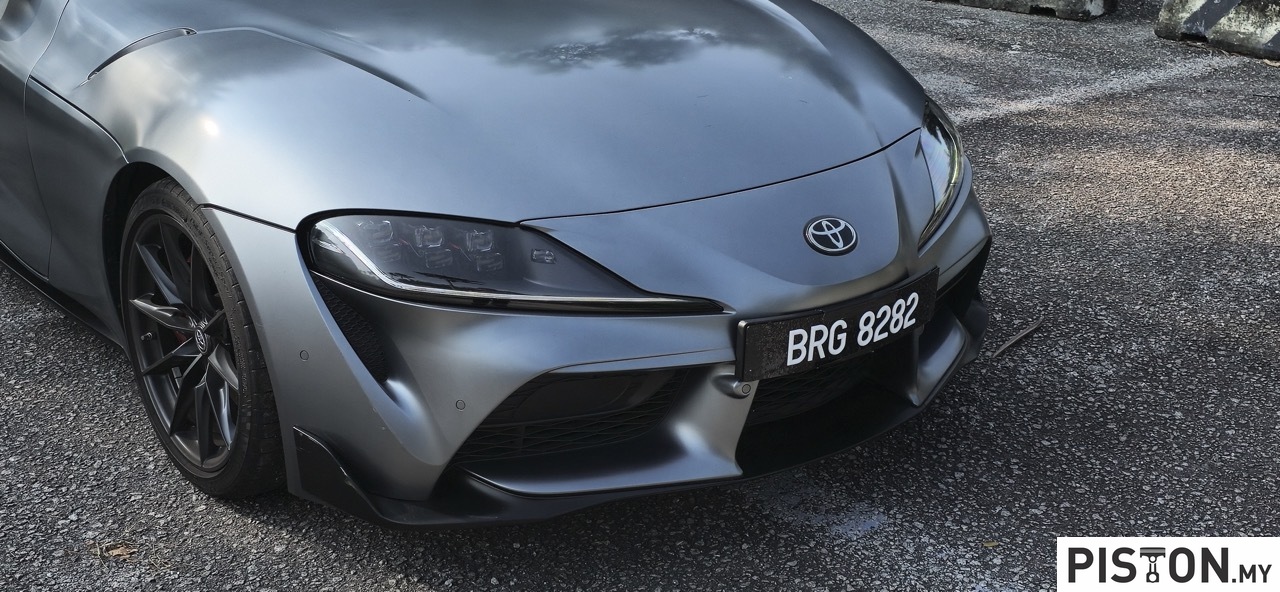
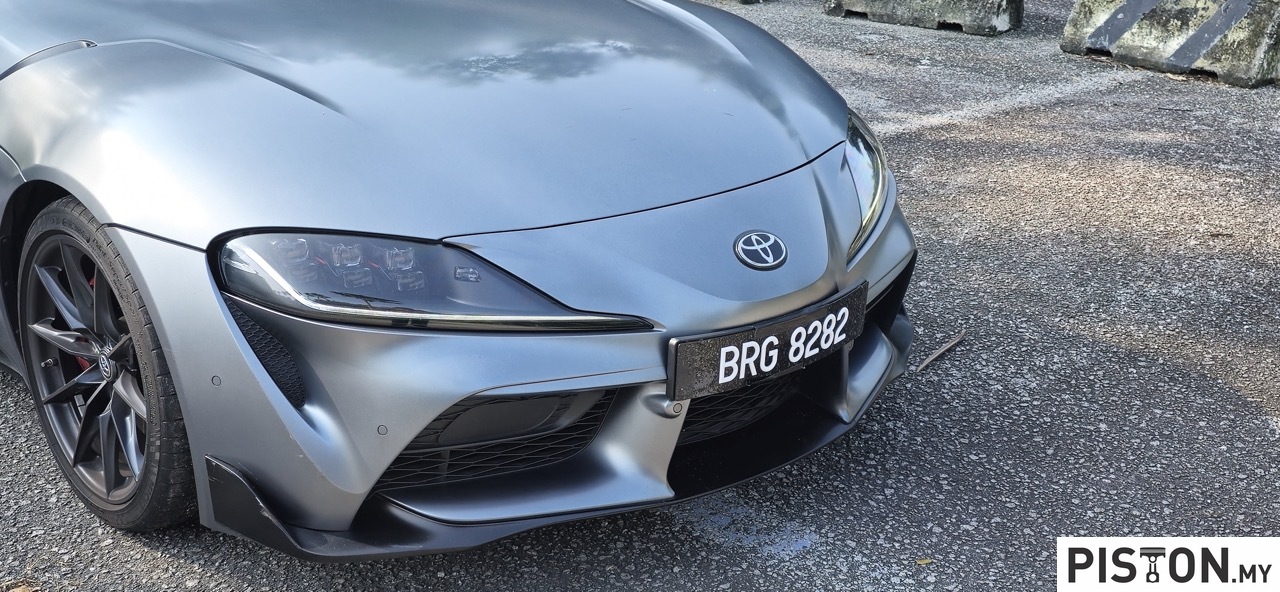
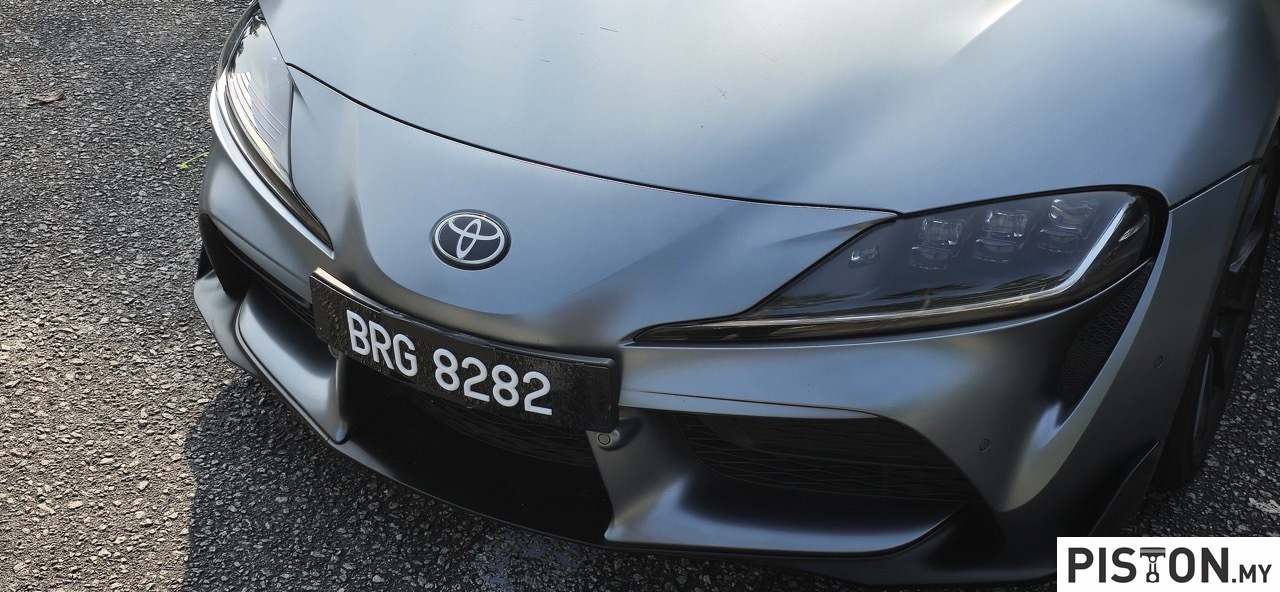
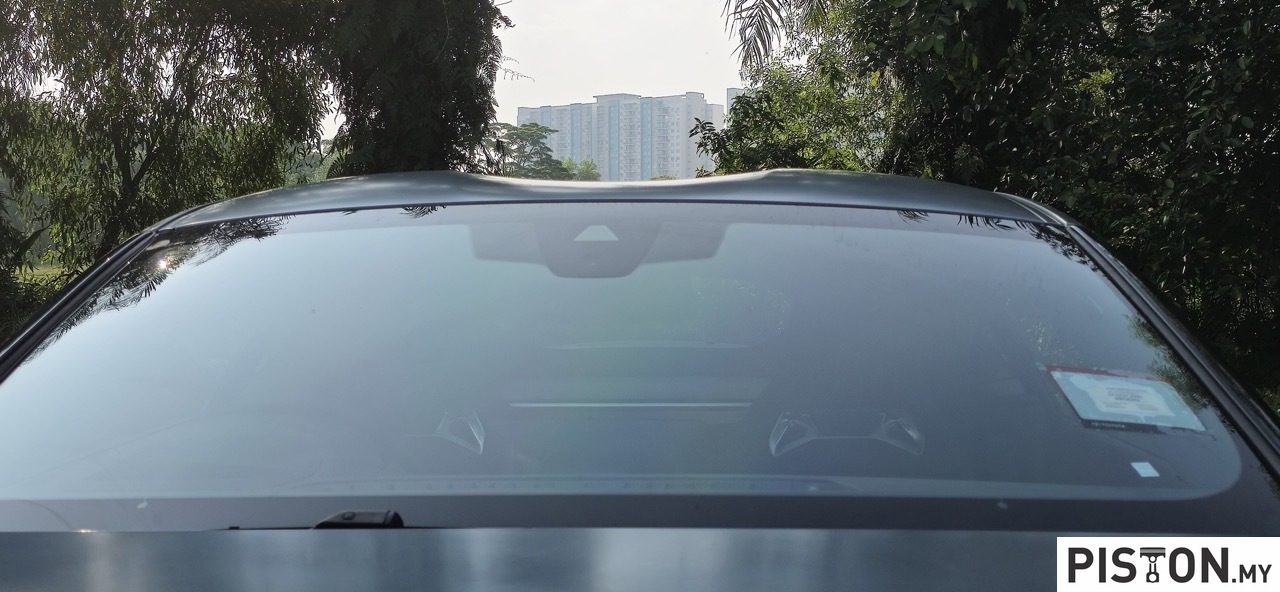
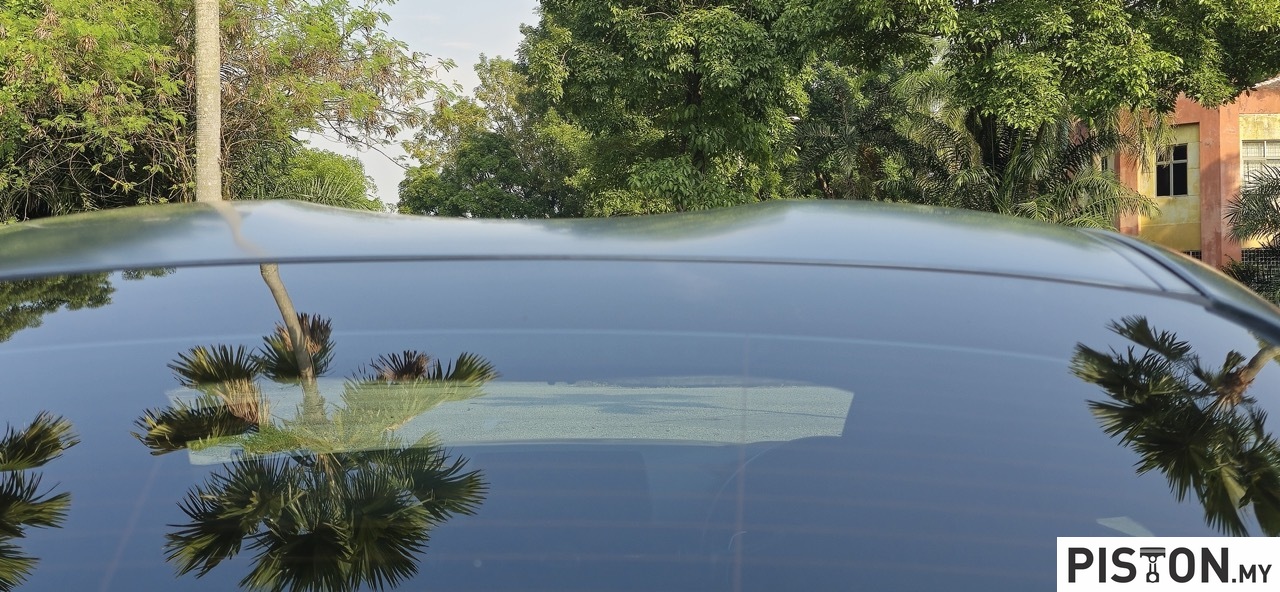
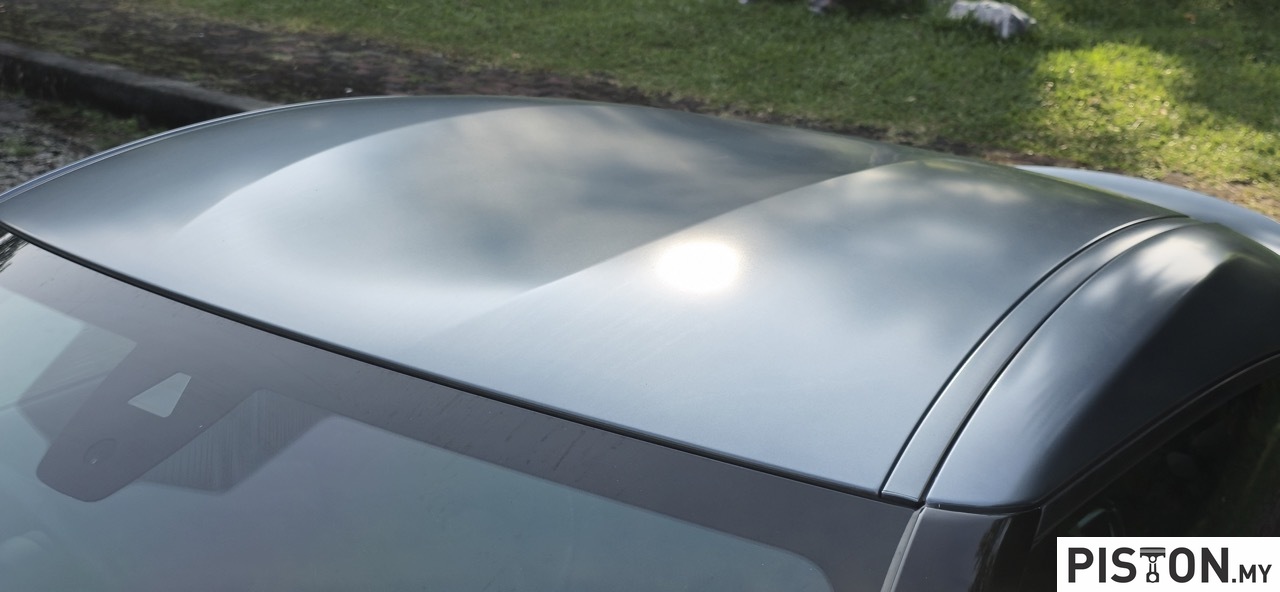
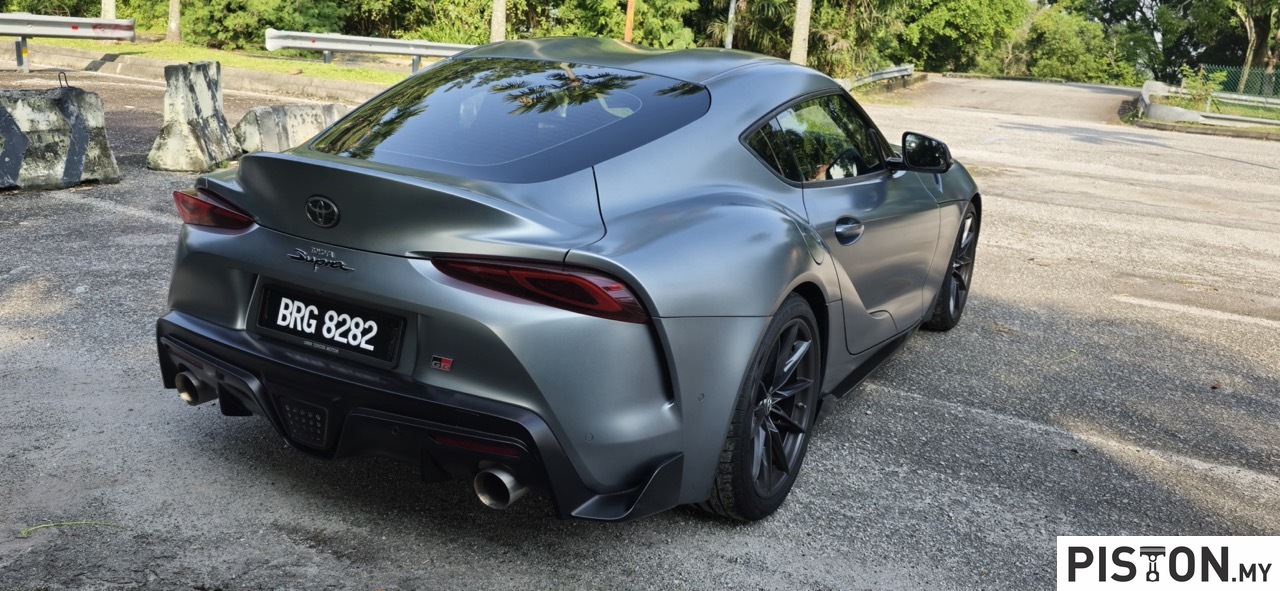
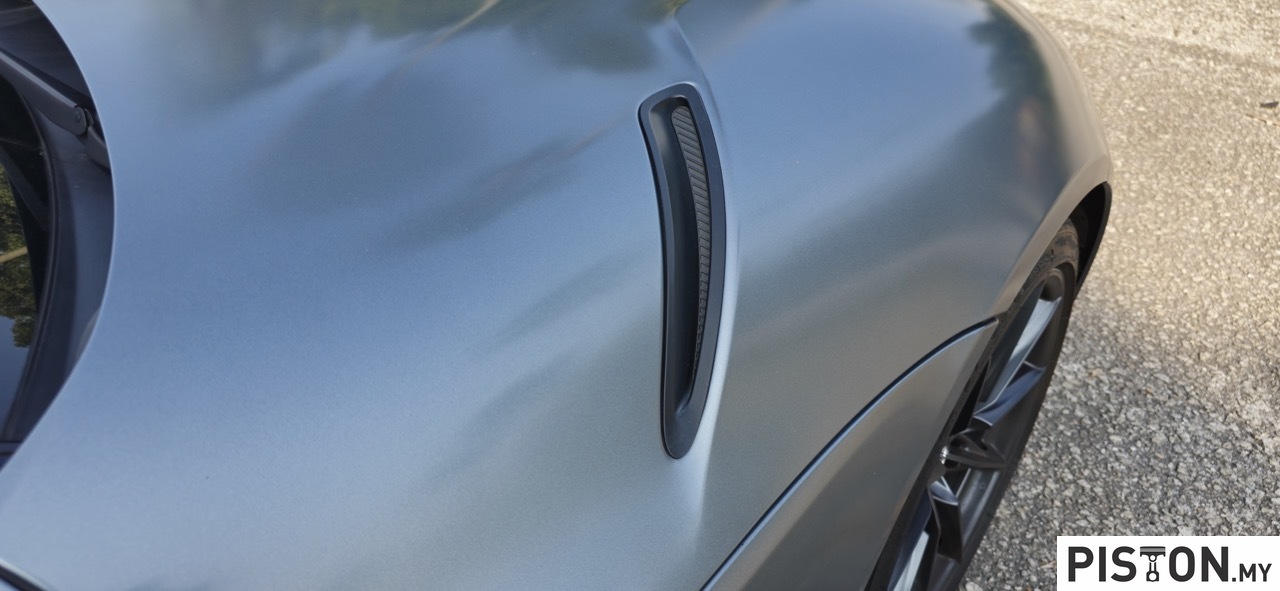
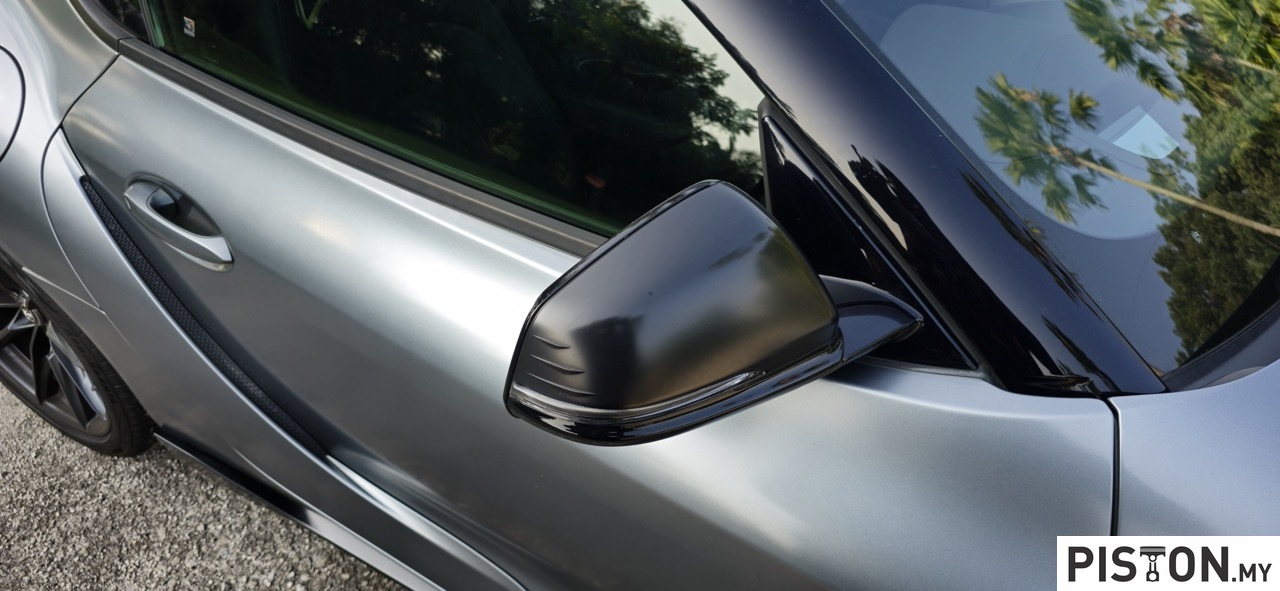
The GR Supra’s design is a masterclass in blending heritage with modernity. Its double-bubble roof, muscular rear haunches, and ducktail spoiler are clear nods to the beloved A80 Supra of the 1990s. 

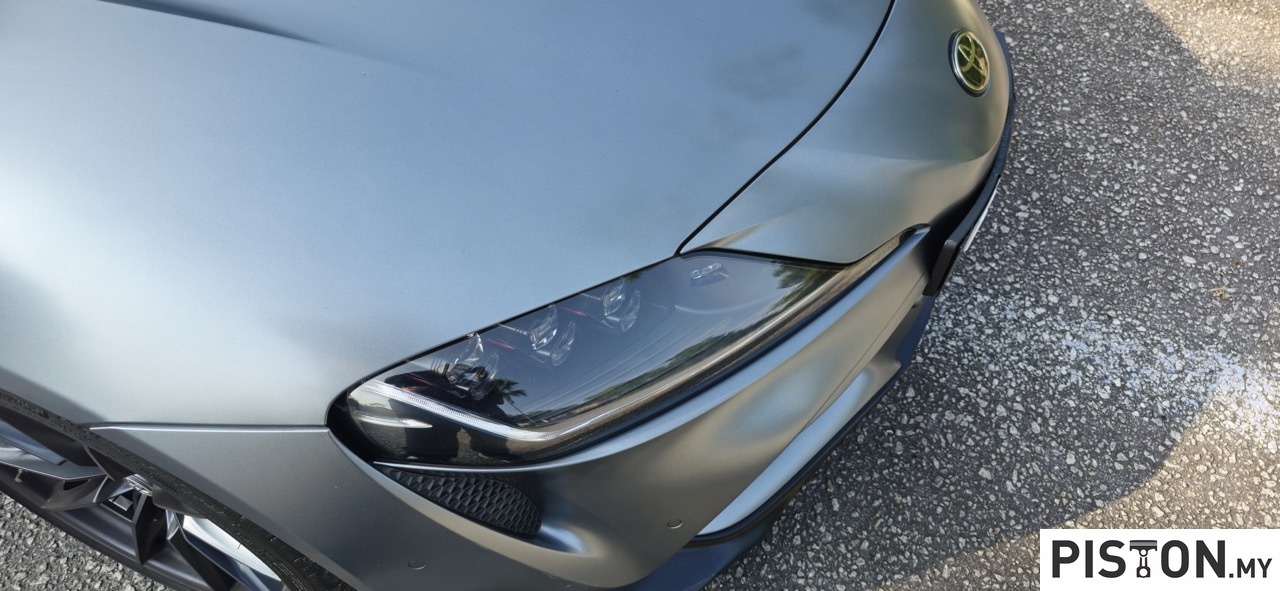
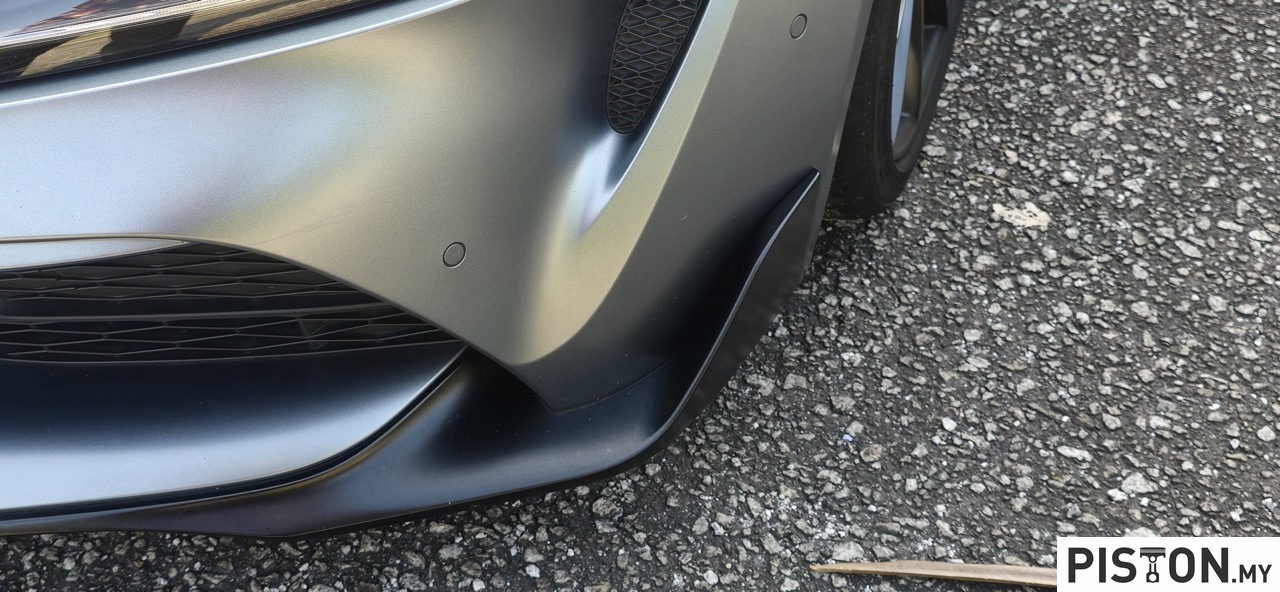
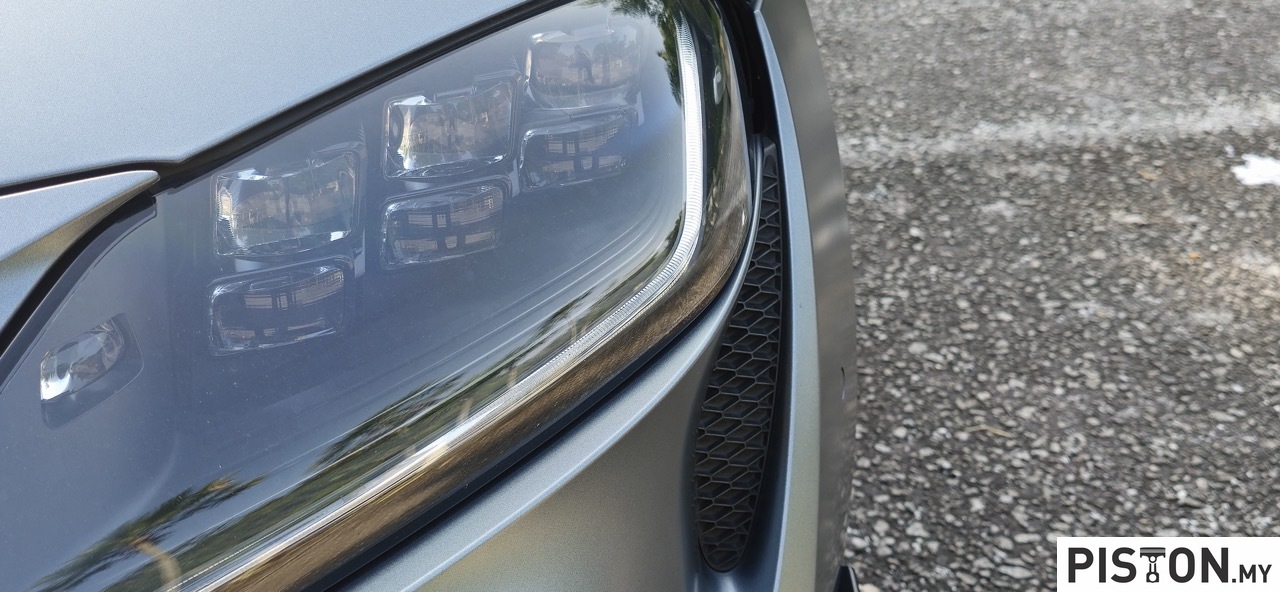
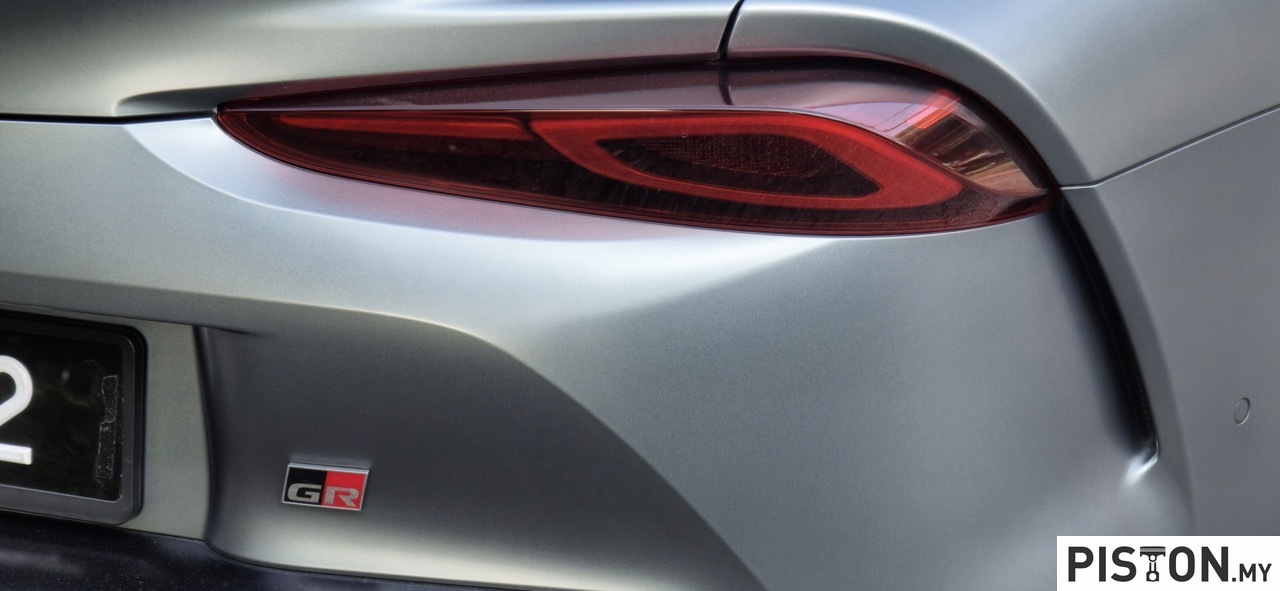
Yet, the A90 stands on its own with sharp, aggressive lines, a low-slung stance, and aerodynamic details that scream performance. The front grille and LED headlights give it a futuristic edge, while the rear’s wide hips and taillights evoke a sense of raw power. It’s a car that turns heads everywhere it goes, whether you’re a Supra fan or not.

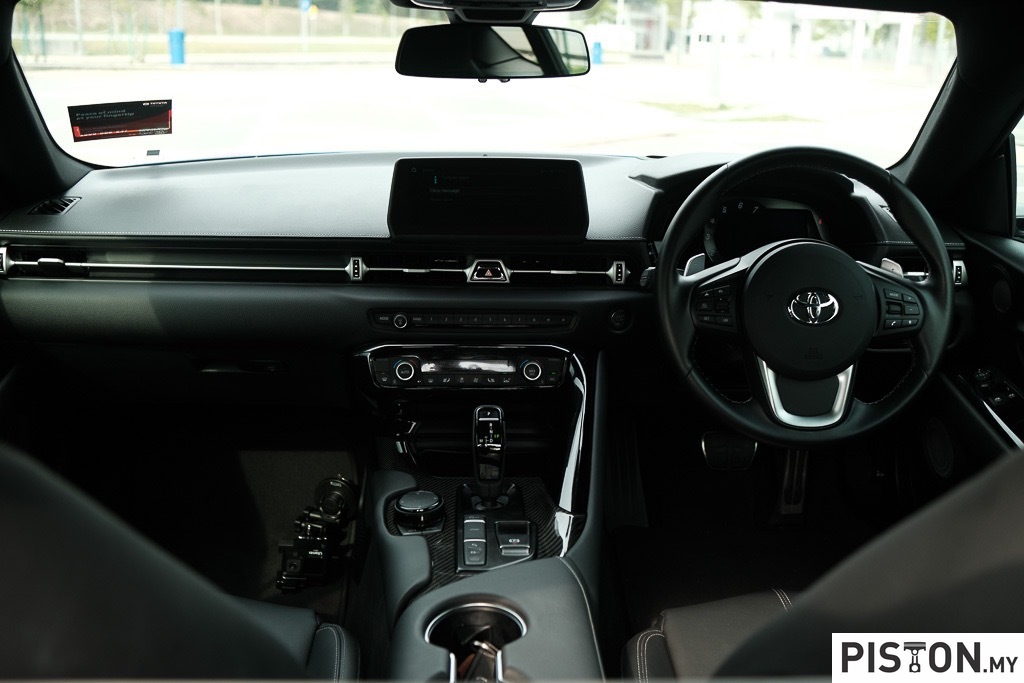
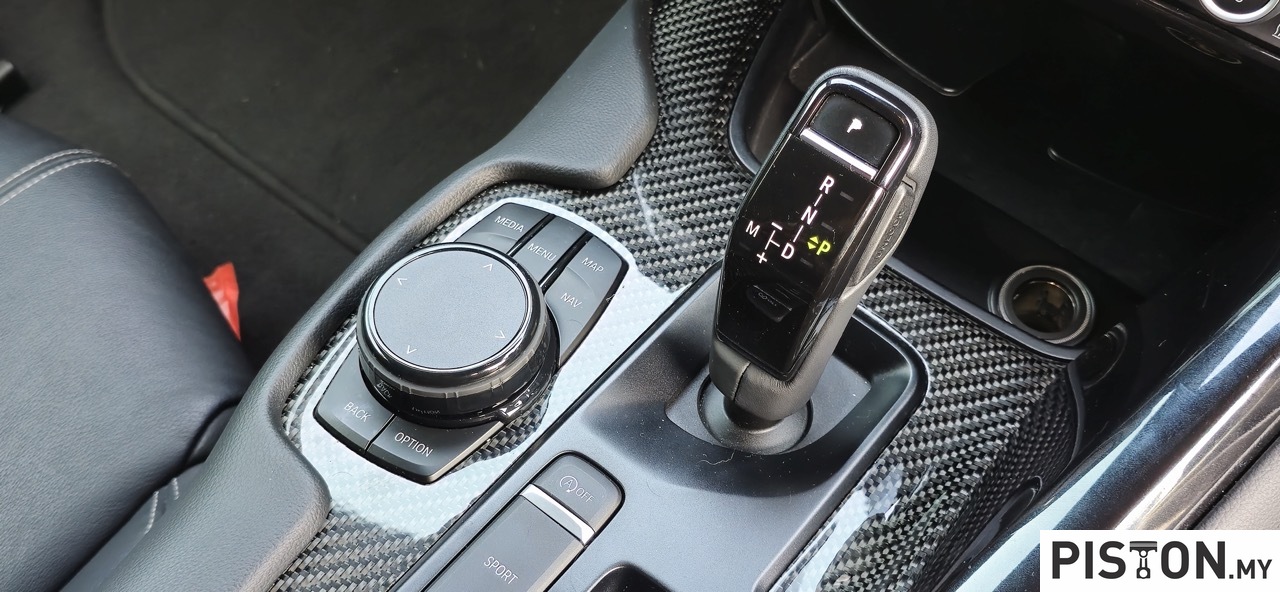
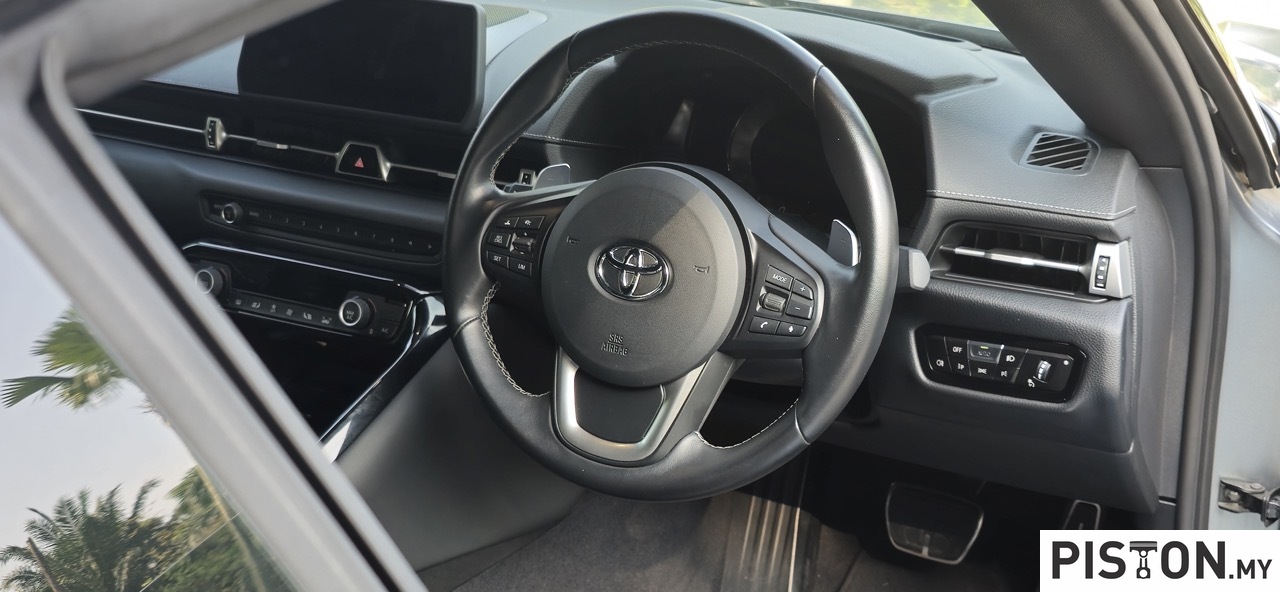
Inside, the GR Supra’s cabin is a blend of sportiness and modern luxury. The driver-focused layout puts all controls within easy reach, and the seats offer excellent support during spirited driving. While the interior shares some components with its BMW Z4 cousin, Toyota has added its own touches, such as Supra-branded details and a unique dashboard design.

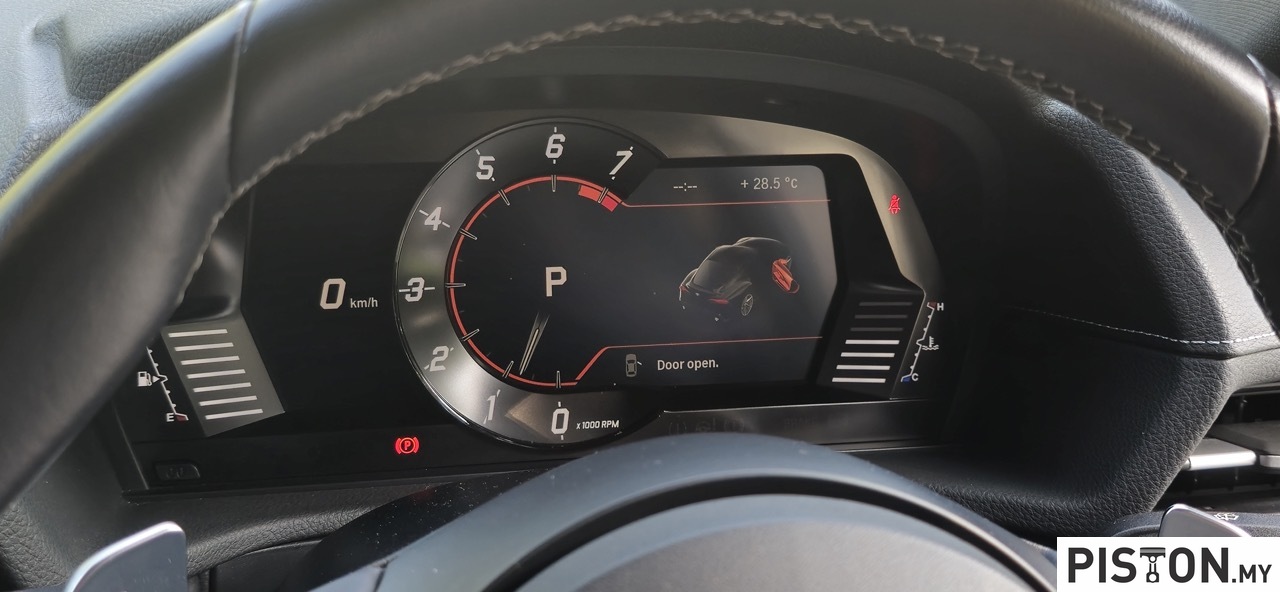
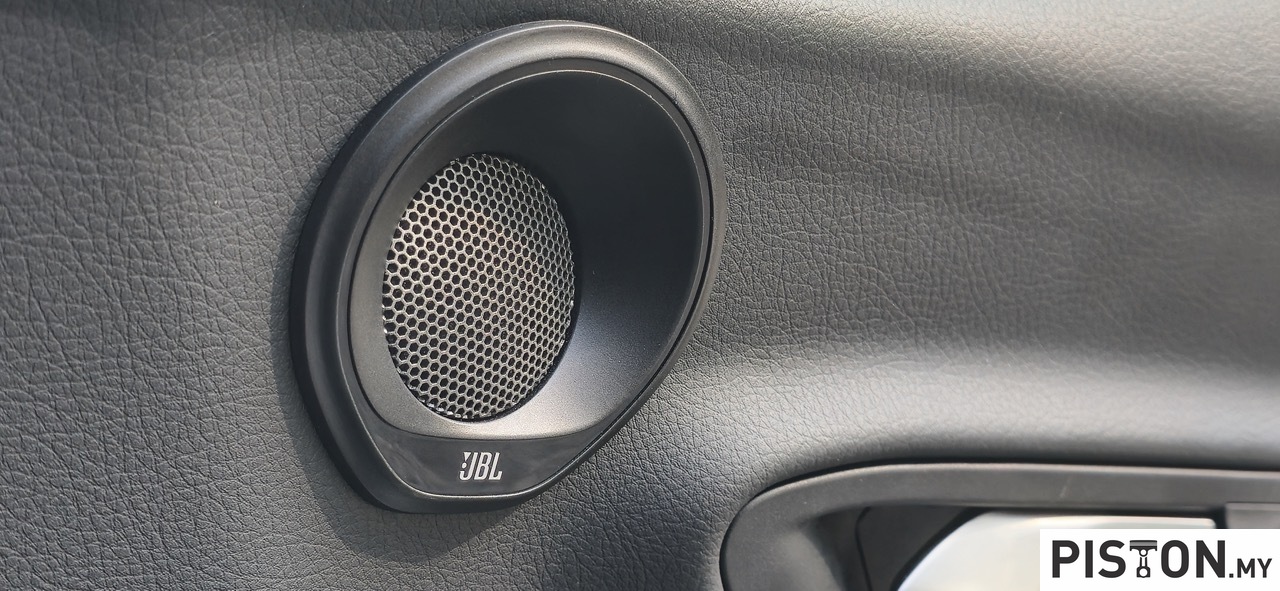
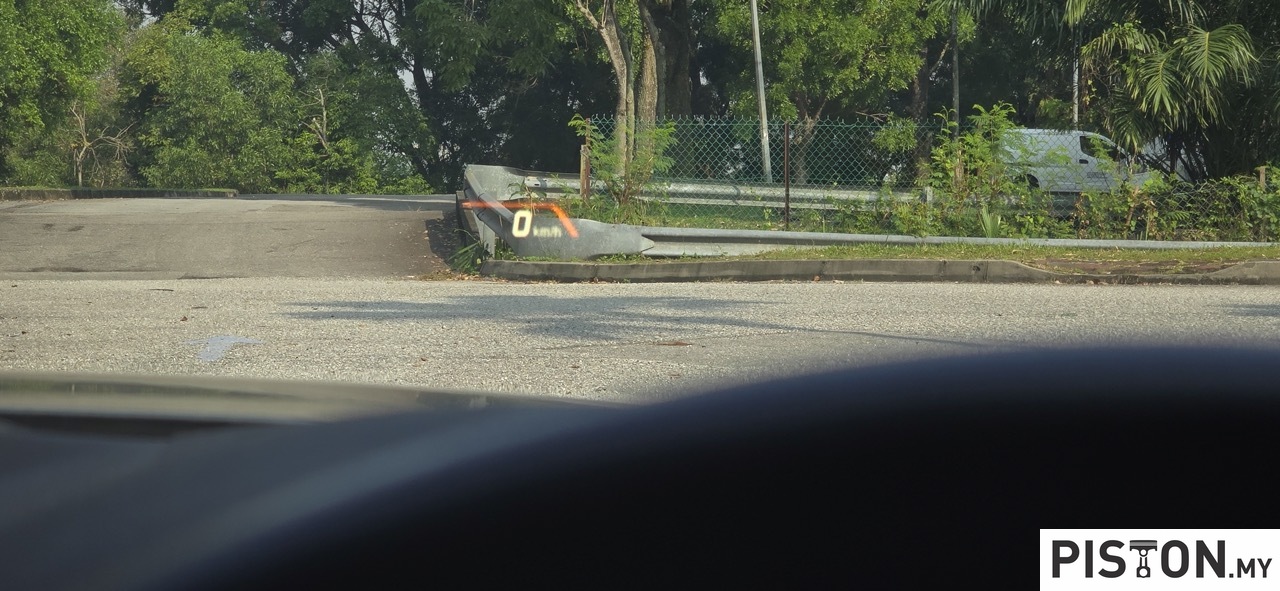
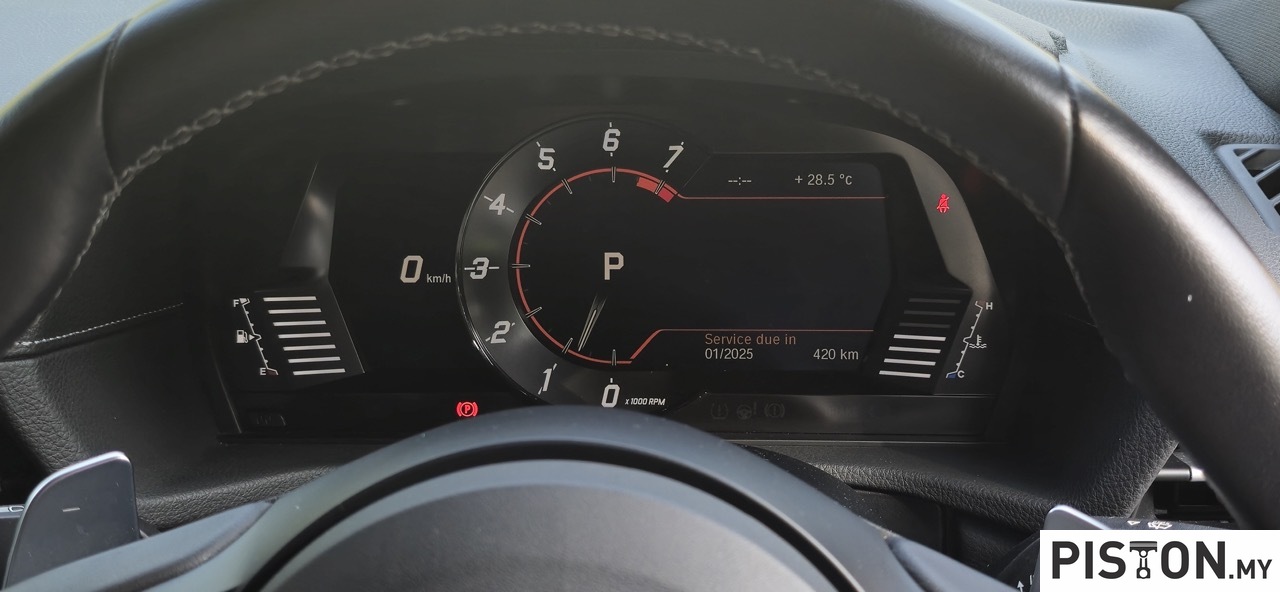
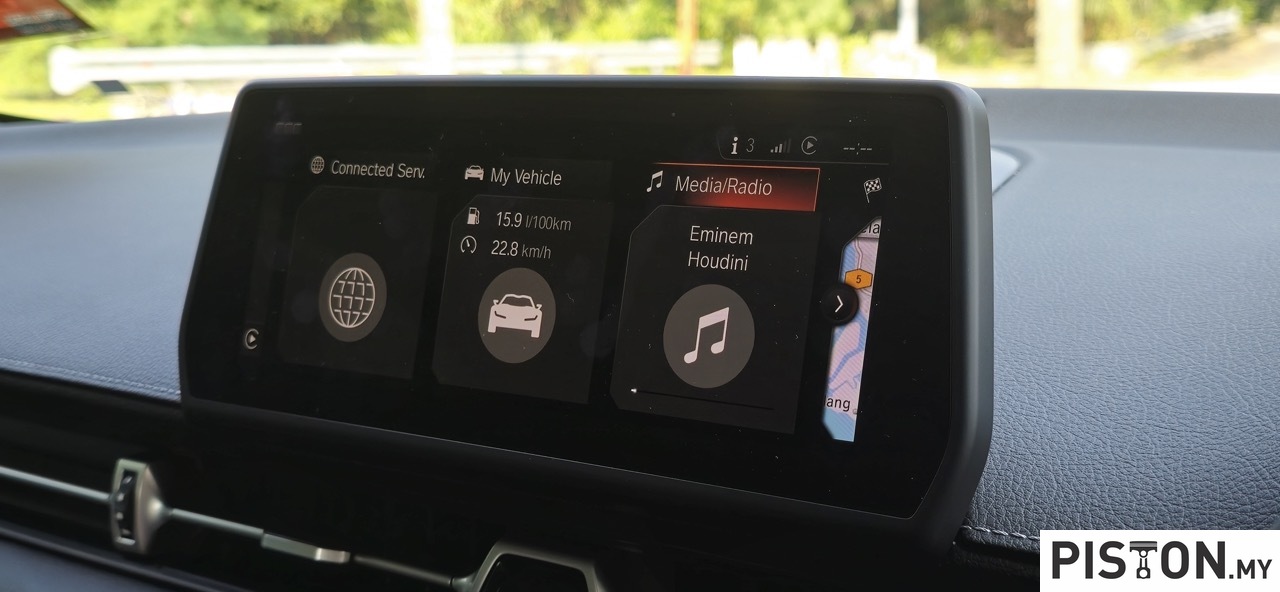
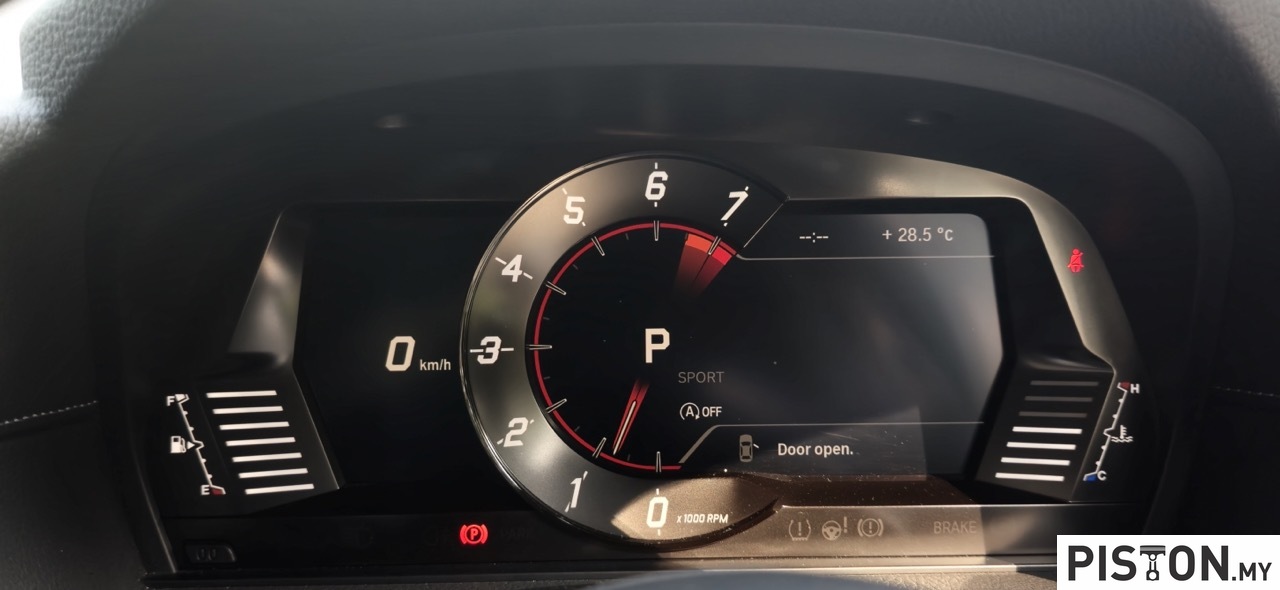
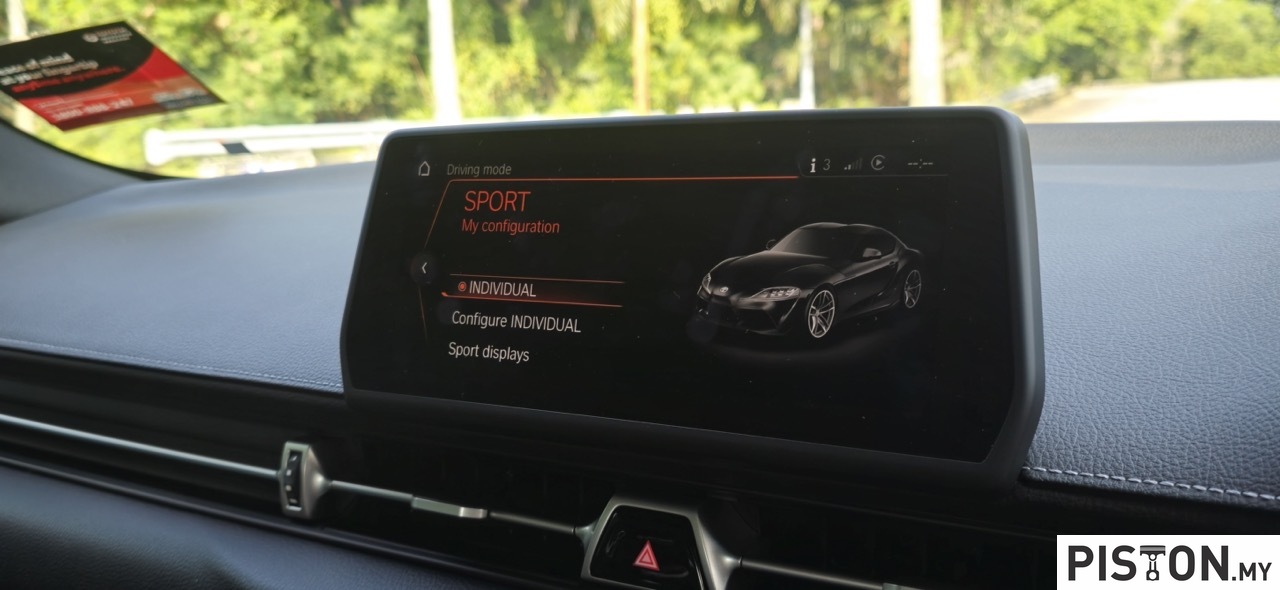
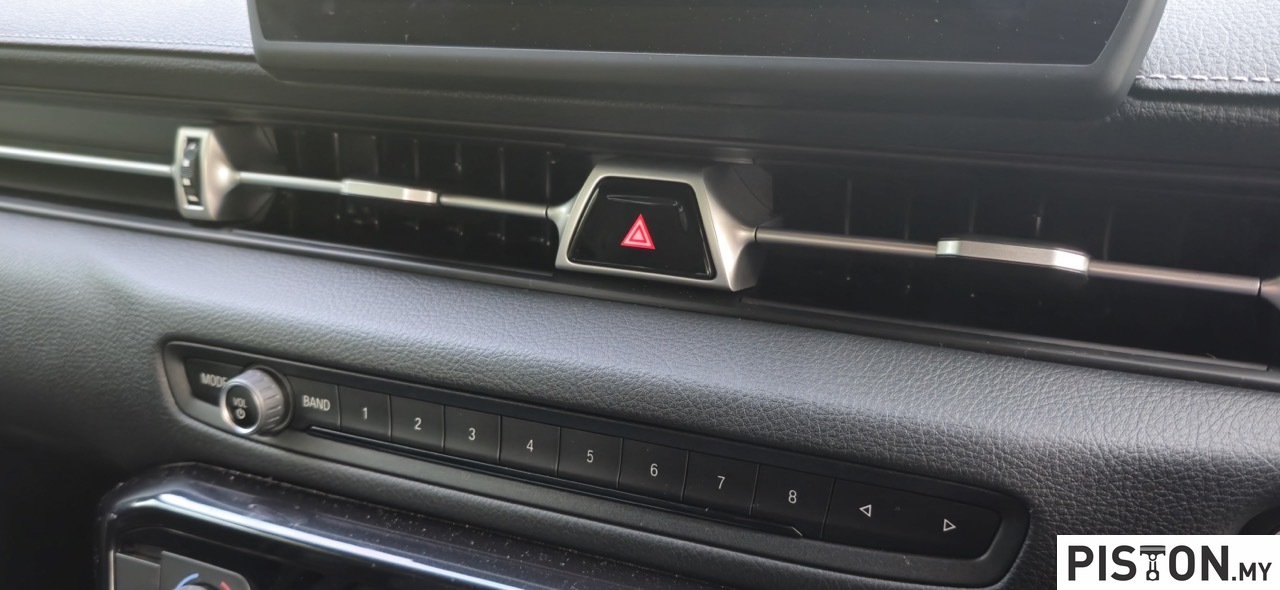
The 8.8-inch touchscreen infotainment system is intuitive and responsive, featuring Apple CarPlay, navigation, and a premium sound system. The digital instrument cluster provides all the essential information in a clean, modern layout. If you have ever owned or driven a BMW, these infotainment controls should not be an issue. If you are new to it, just play around with it for a few minutes and you will get the hang of it.

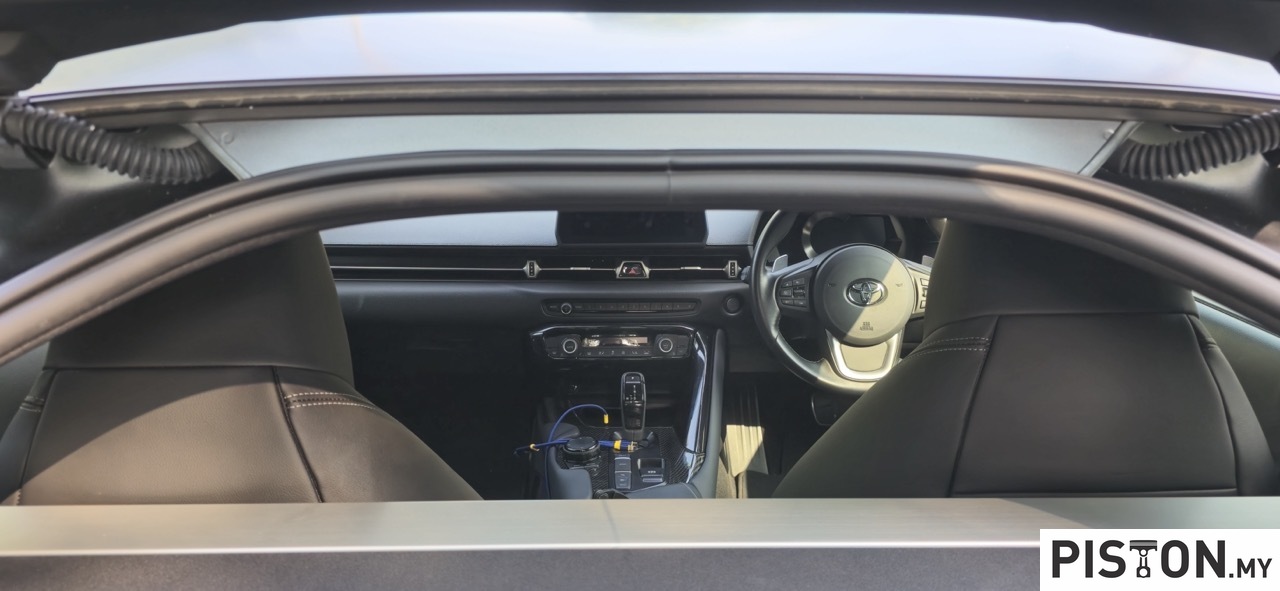
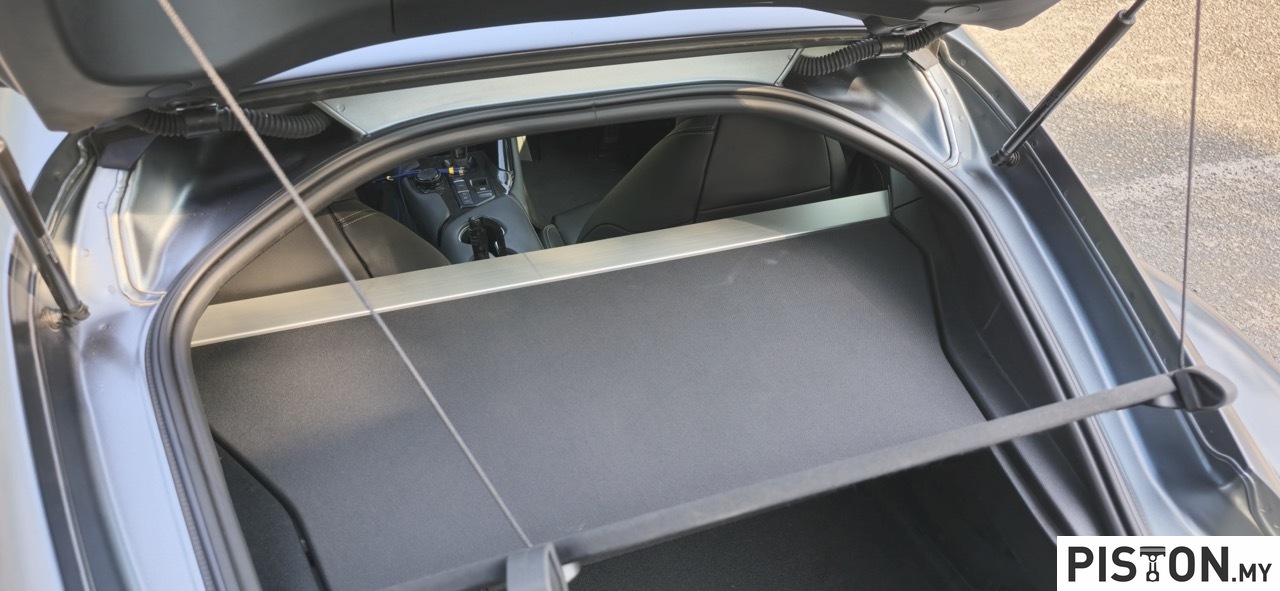
However, the cabin’s compact size and limited visibility may not suit everyone. If you are tall and big just like this writer, the low roofline might be an issue getting in and out of the car, making you look less sexy while doing so. Still, these are minor trade-offs for a car designed with performance in mind.

Driving Pleasure

The GR Supra is not just about straight-line speed; it’s about the overall driving experience. The car feels agile and nimble, with a level of feedback that makes every drive engaging. The turbocharged engine provides ample torque across the rev range, and the exhaust note is addictive without being overly intrusive. Although I wished that the exhaust note was a little louder for a small car with a turbocharged 3.0-litre inline-six engine.

On twisty roads, the Supra shines. Its precise steering and well-tuned suspension inspire confidence, allowing you to push the car to its limits while feeling completely in control, even though it is a rear-wheel-drive car. The optional adaptive suspension further enhances the ride, adapting to different driving conditions with ease.

The GR Supra’s collaboration with BMW has been a point of contention for some enthusiasts. While the shared platform and engine have undoubtedly contributed to the car’s performance and refinement, some argue that it dilutes the Supra’s Japanese identity. However, Toyota has worked hard to infuse the Supra with its own character, and the result is a car that feels distinct and true to its heritage.

Living up to the Supra Name

For enthusiasts who grew up idolising the A80 Supra, the A90 is a dream come true. And for a new generation of drivers, it’s a gateway to the world of high-performance sports cars. The GR Supra isn’t just a revival—it’s a reaffirmation of Toyota’s commitment to performance and a reminder that the spirit of the Supra is alive and well.

The Toyota GR Supra is a modern classic in the making, blending heritage, innovation, and pure driving joy into one unforgettable package.

Would we buy one?

The simple answer is yes. Why? Well because we are fanboys of nameplates such as the Supra and Skyline, so owning these cars would feel just right. As long as Toyota keeps doing it right, we will keep buying them, and as for the A90 Supra, Toyota did it right. 

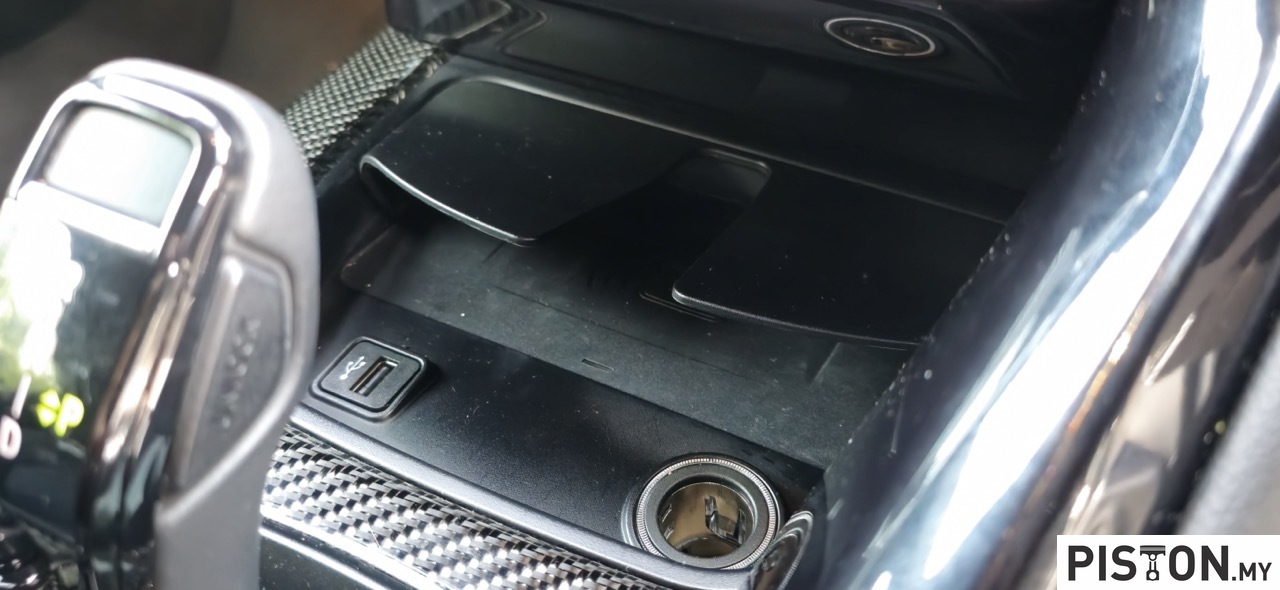
If you have deep pockets and a burning passion for the Supra, the prices start from RM645,000 for the manual transmission and the auto transmission variant that we tested is RM655,000. 

Specifications

Engine: 3.0-litre, turbocharged, inline-six-cylinder

Power: 388PS @ 6500rpm

Torque: 500Nm @ 5000rpm

Gearbox: 8-speed automatic

Top speed: 249km/h

Price (As tested): RM655,000

We like: Power and handling

We don’t like: Small interior and low roofline

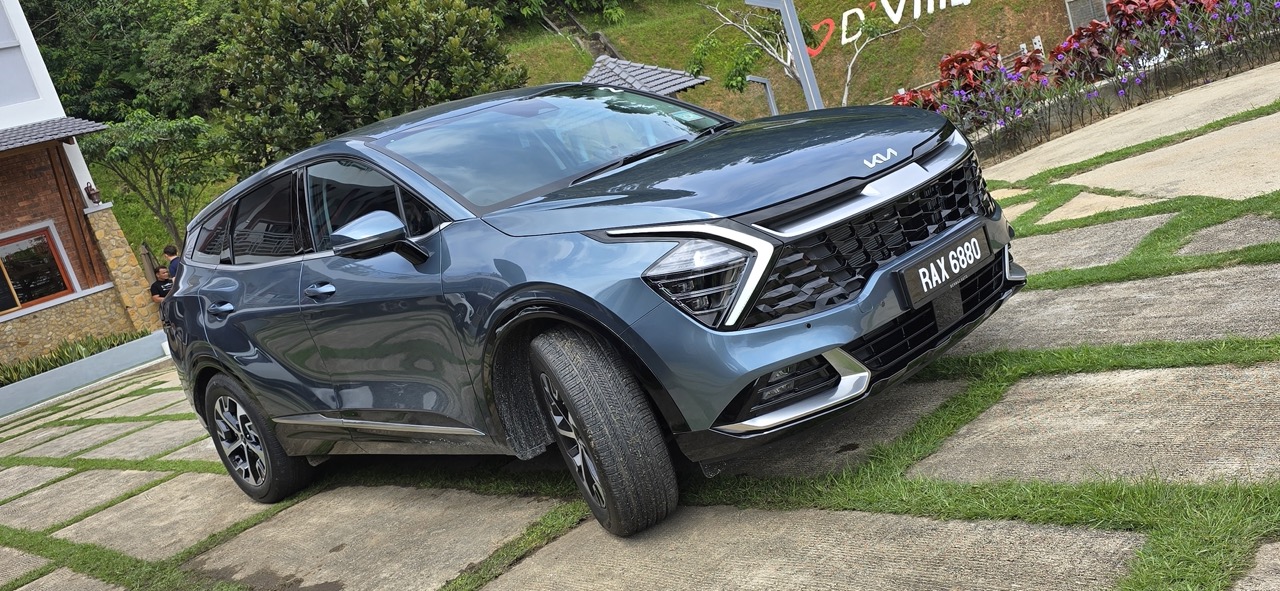
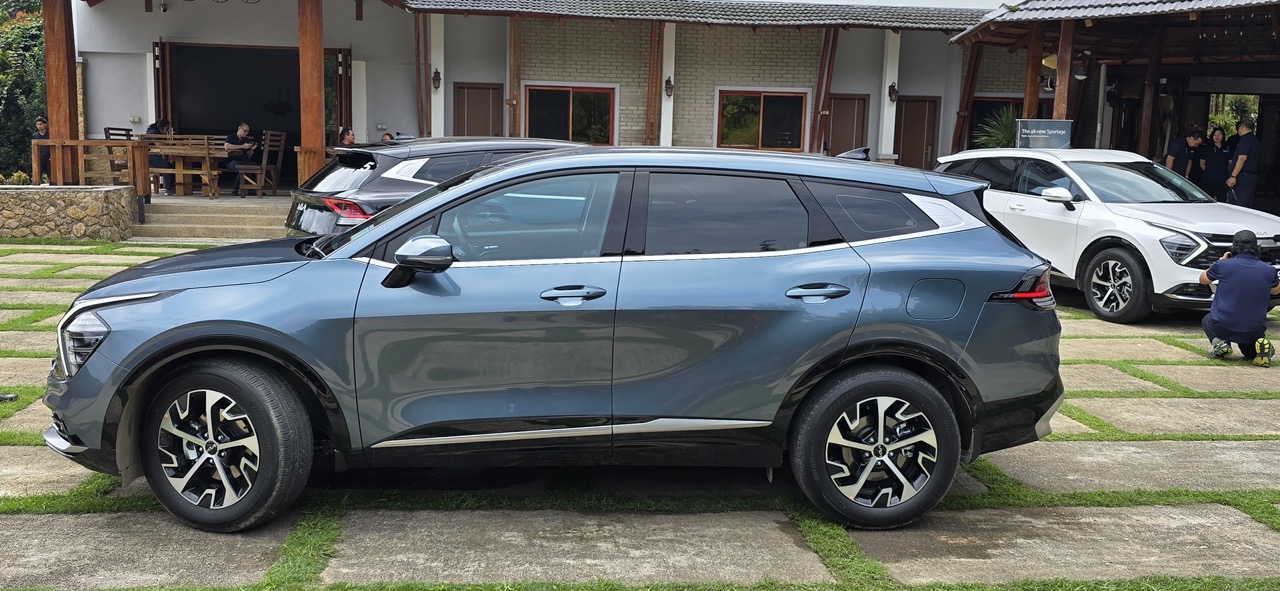
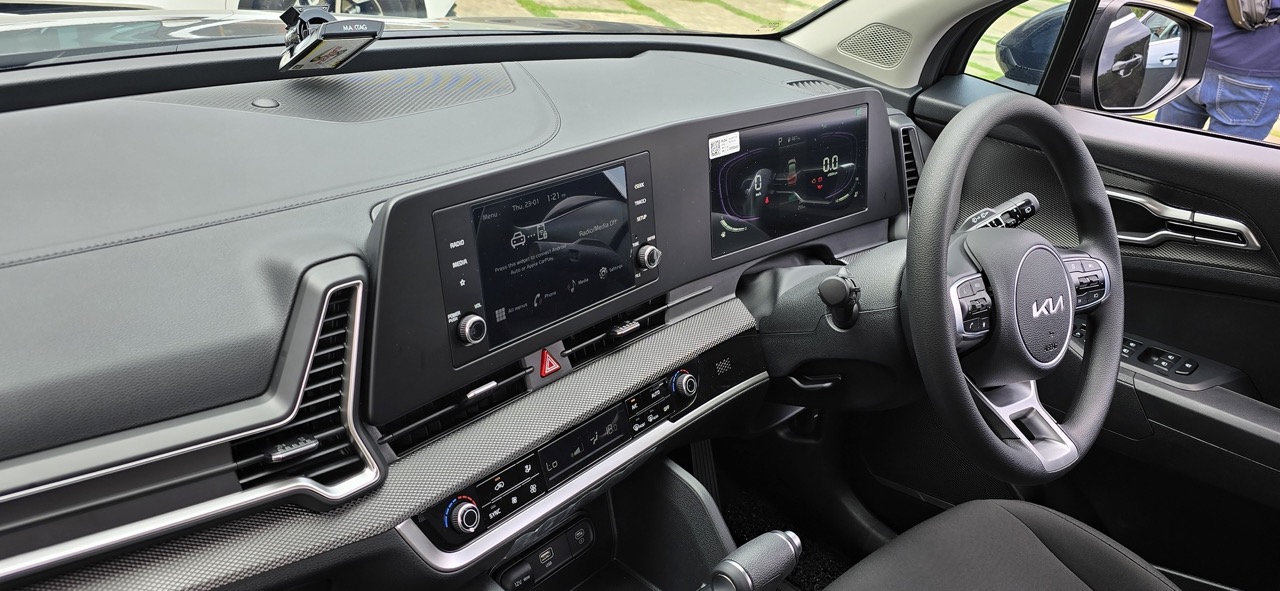
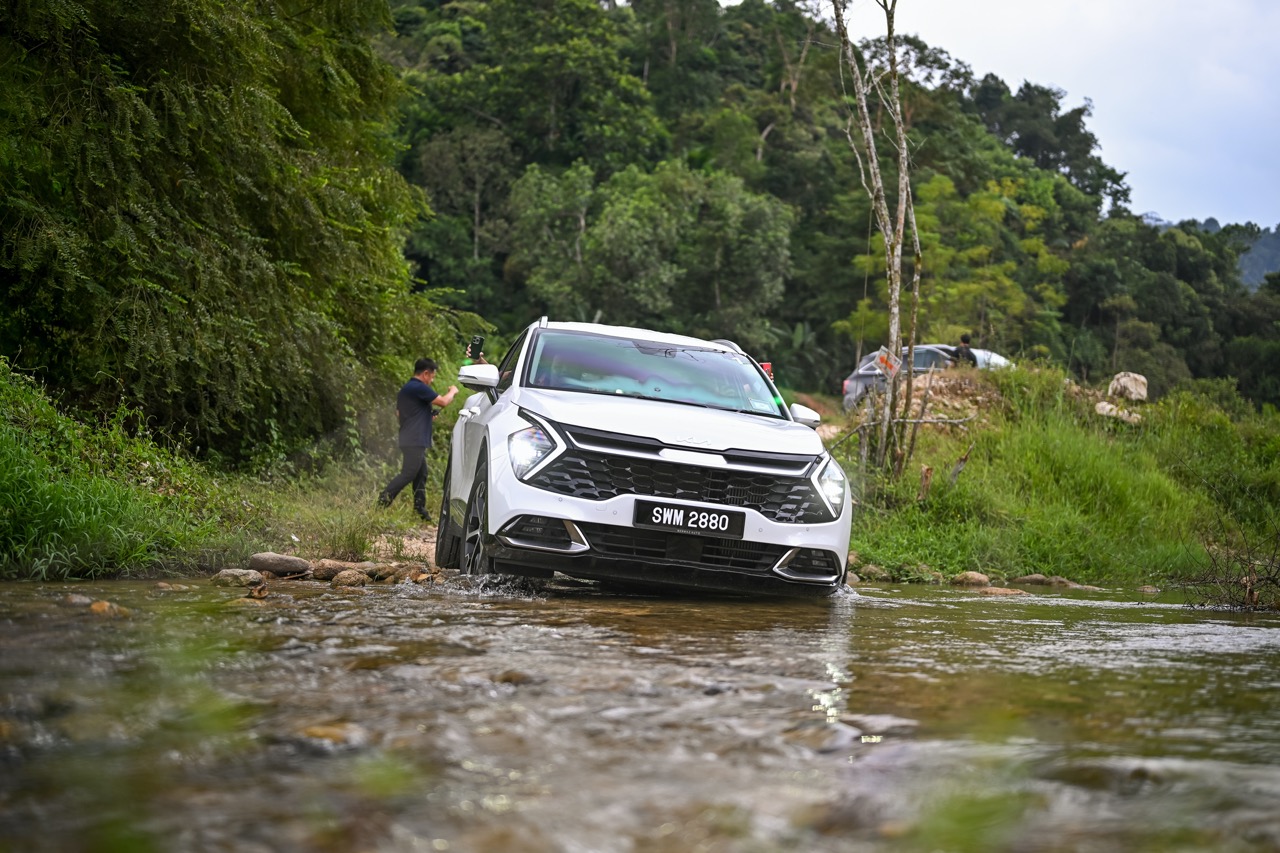
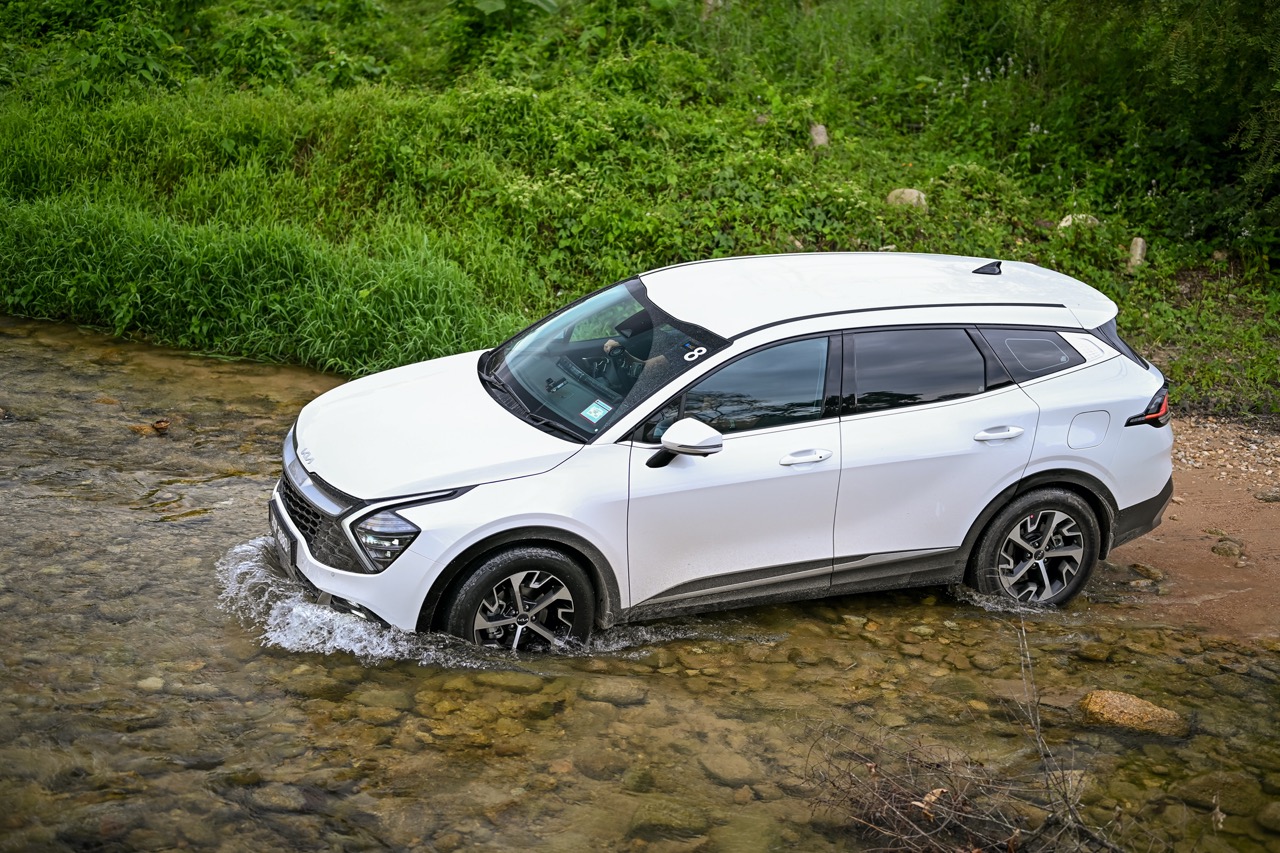
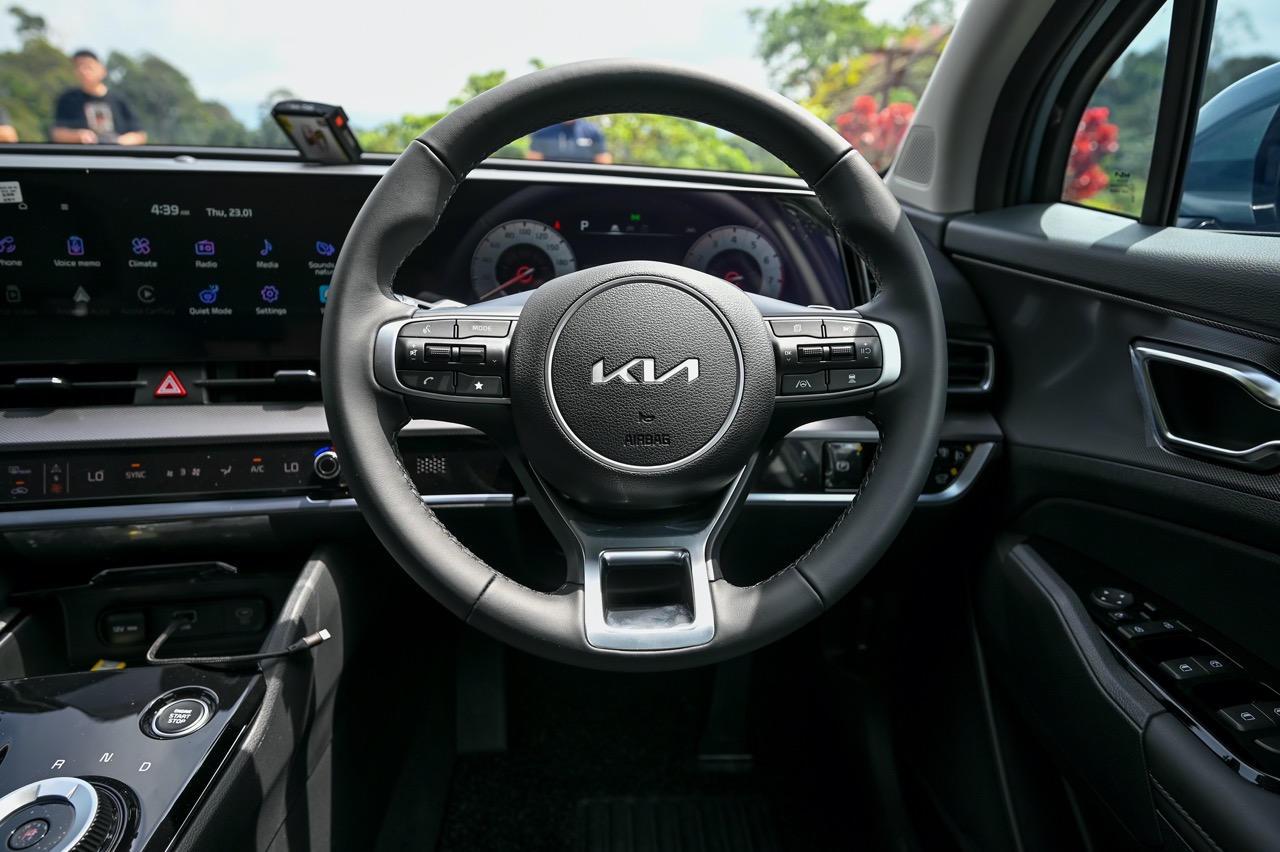
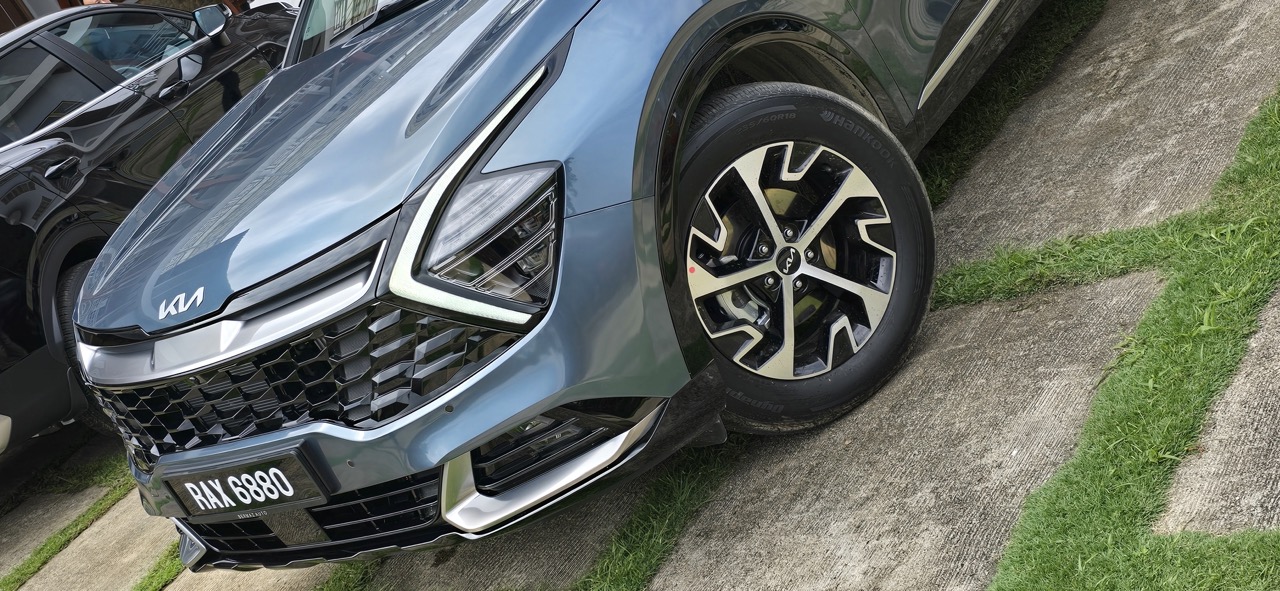
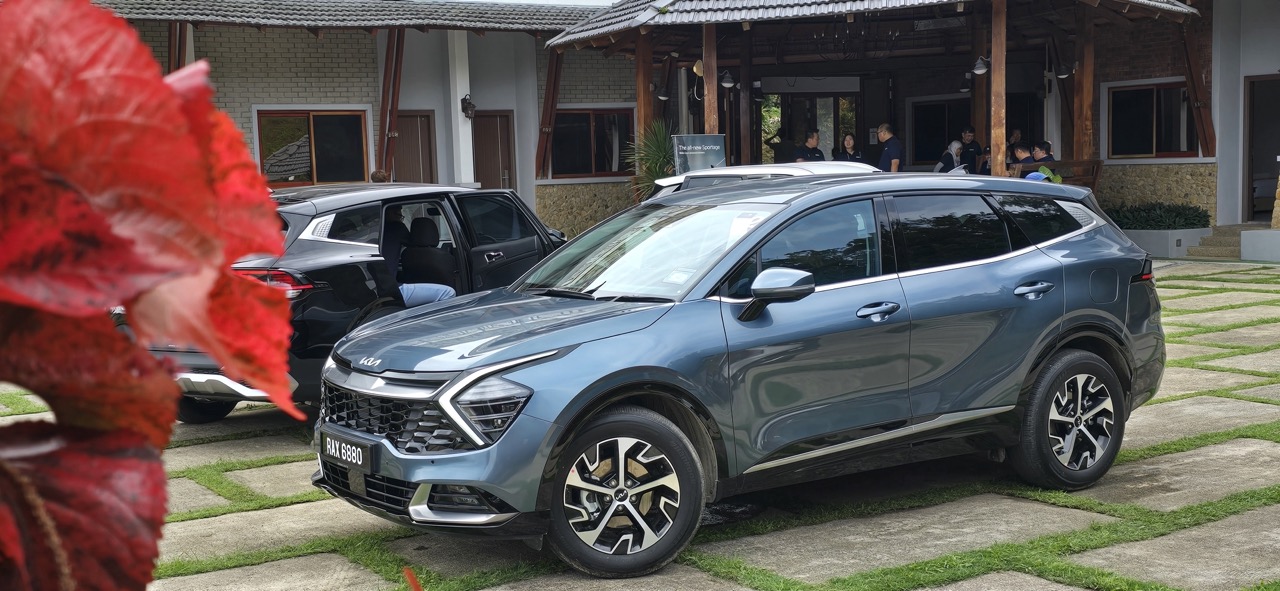
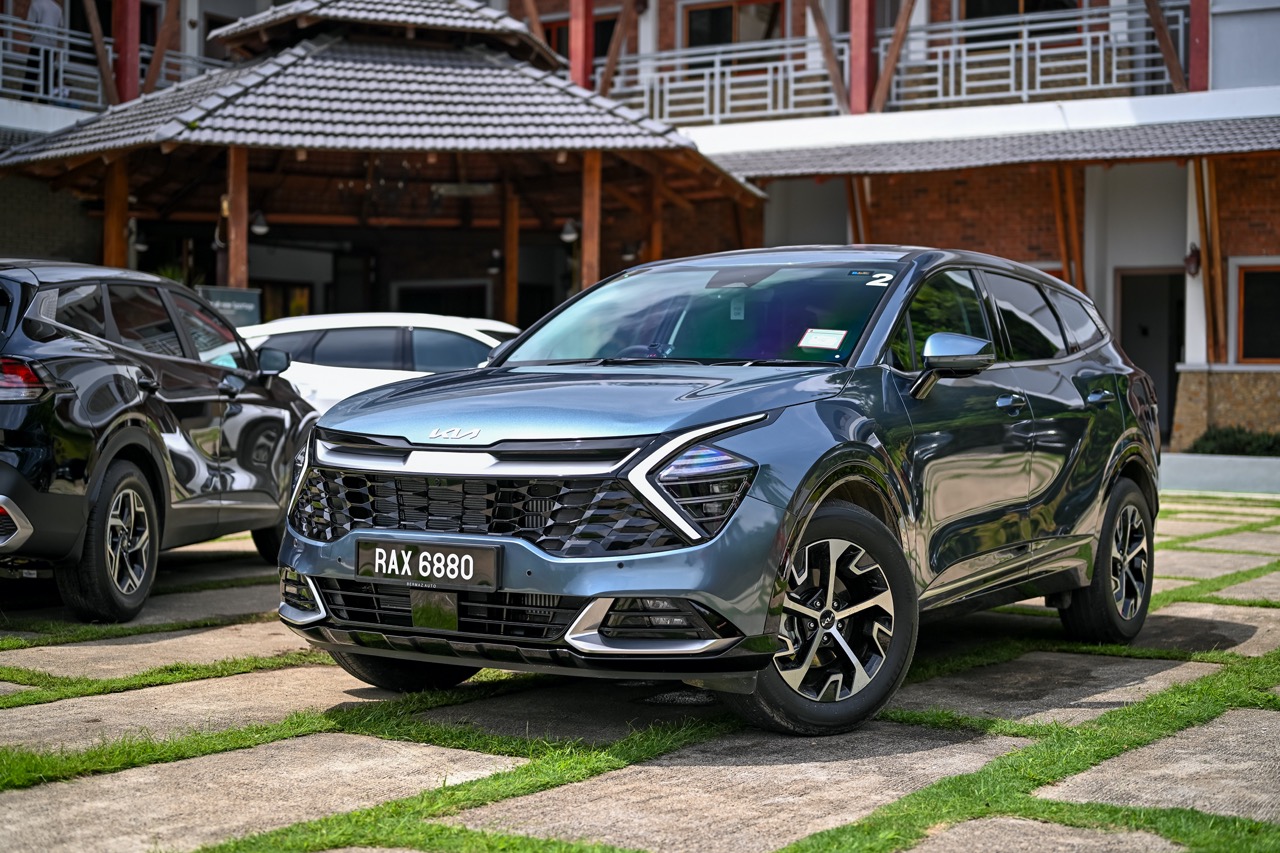
The Kia Sportage has come a long way since its debut in 1993. Originally designed as a compact SUV, it has evolved over the years to become a global best-seller, known for its blend of style, performance, and value. The fifth-generation NQ5 model, introduced in 2021, represents a significant leap forward in terms of design, technology, and engineering.

While Malaysia is currently receiving the pre-facelift version, the Sportage’s core strengths remain intact. Its global success is a testament to Kia’s commitment to innovation and customer satisfaction, and the NQ5 continues this legacy with its modern features and competitive pricing.

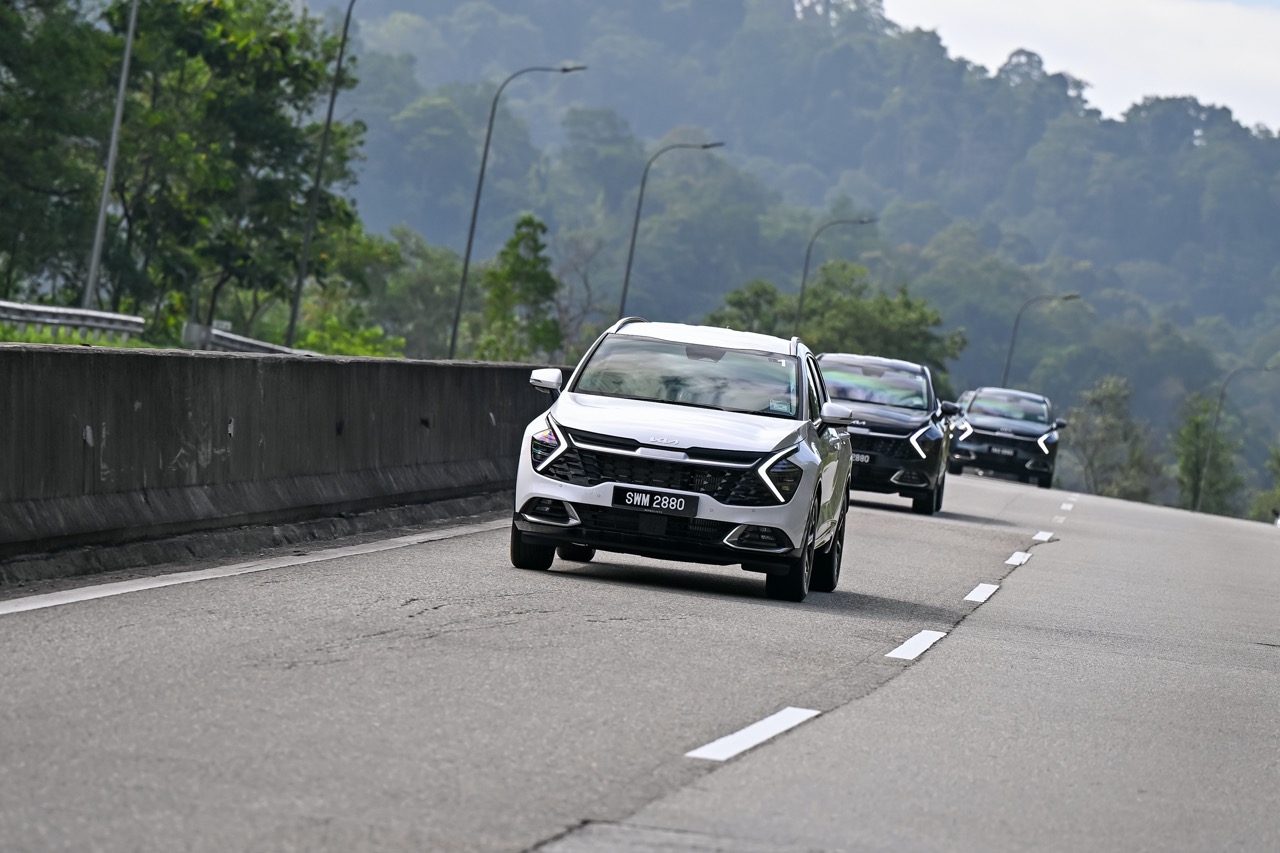
After spending some quality time behind the wheel, we can confidently say that this SUV is a serious contender in the crowded C-segment market. With four locally assembled (CKD) variants priced between RM147,218.60 and RM186,899, the Sportage offers a compelling mix of style, performance, and technology. But how does it fare in real-world driving?

Bold and Eye-Catching

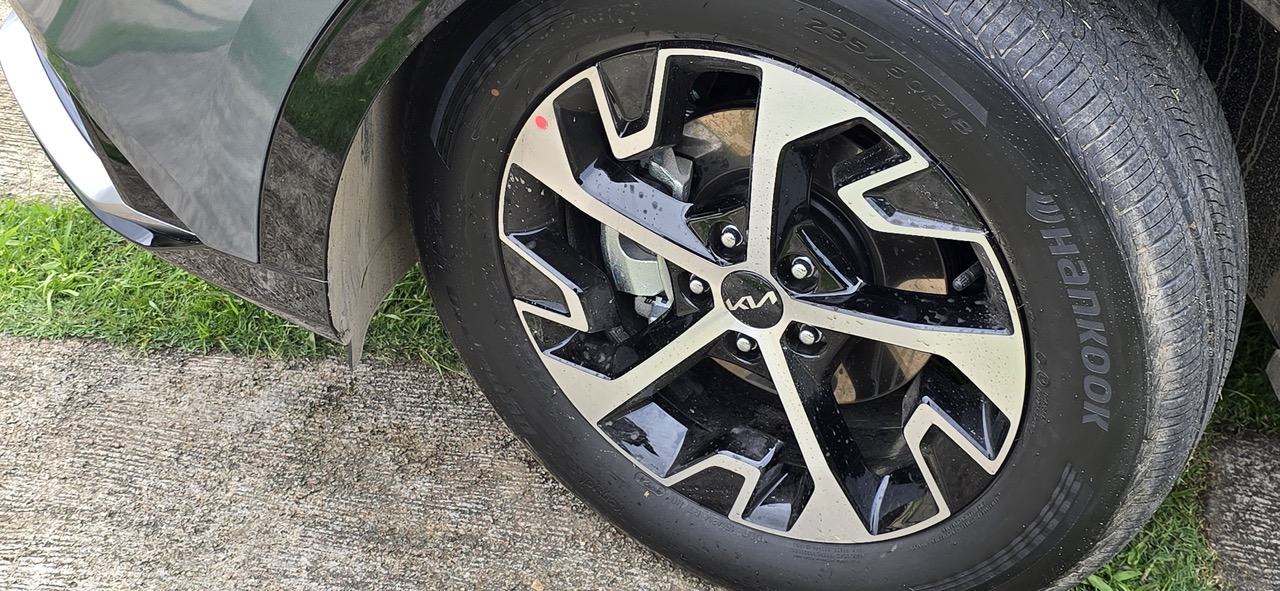
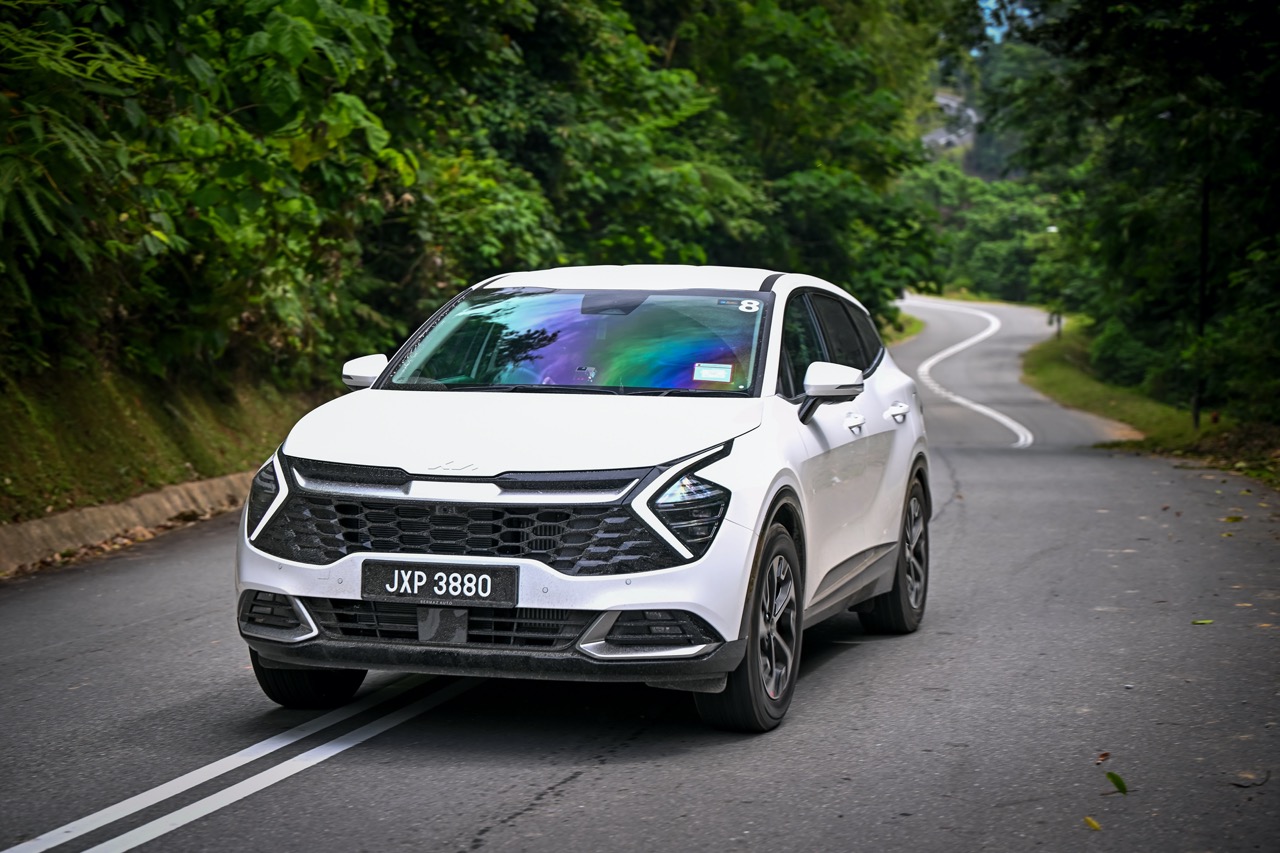
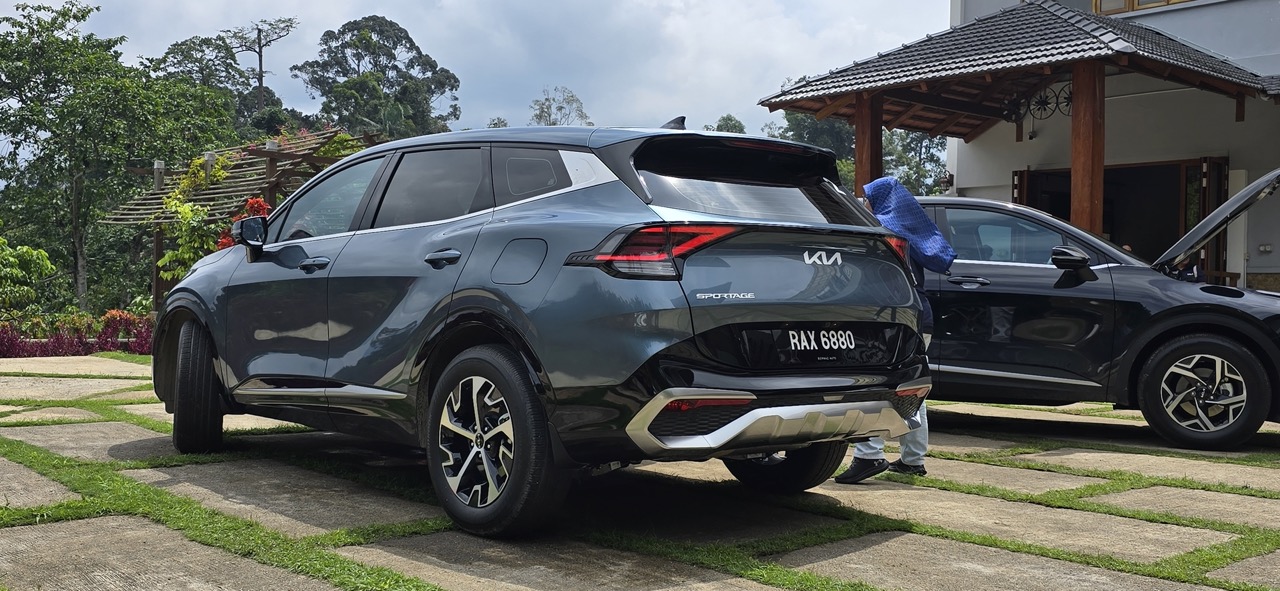
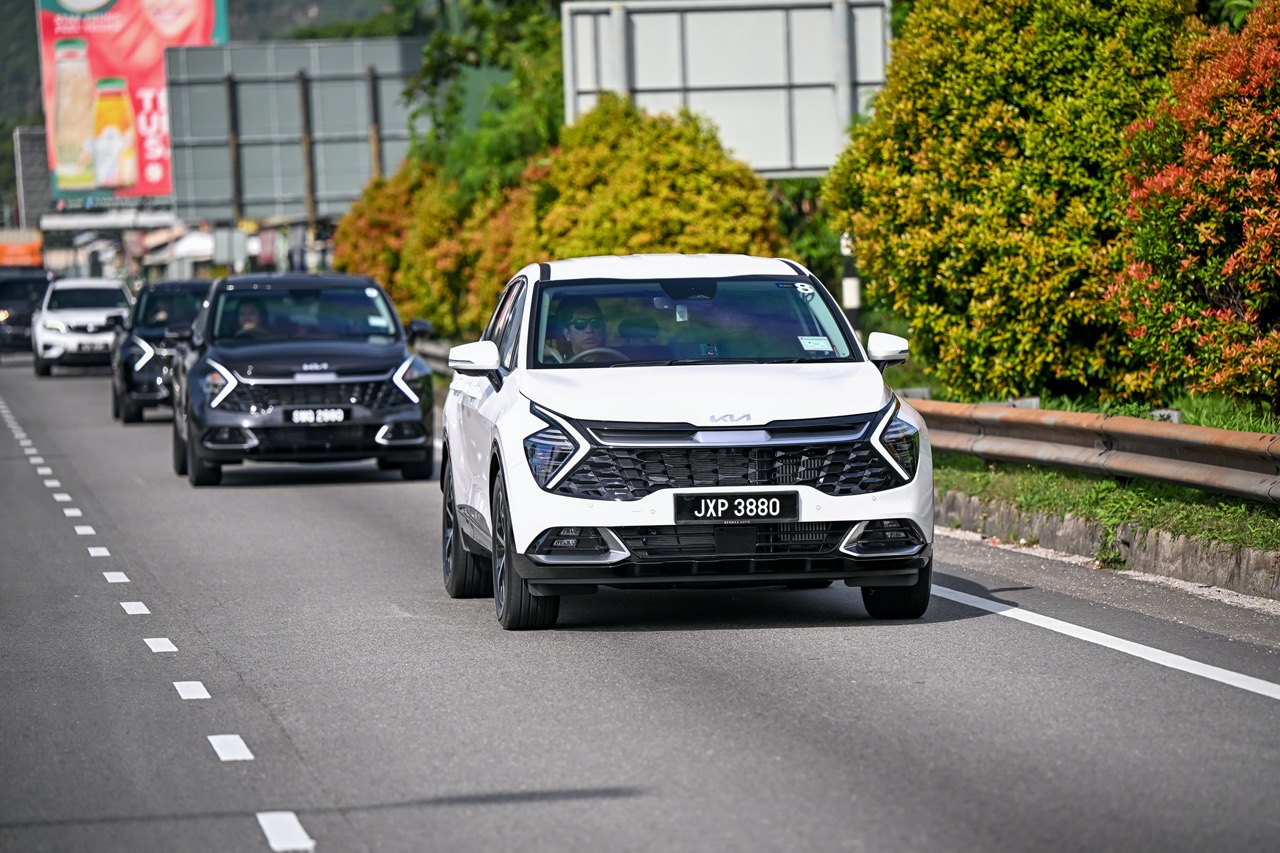
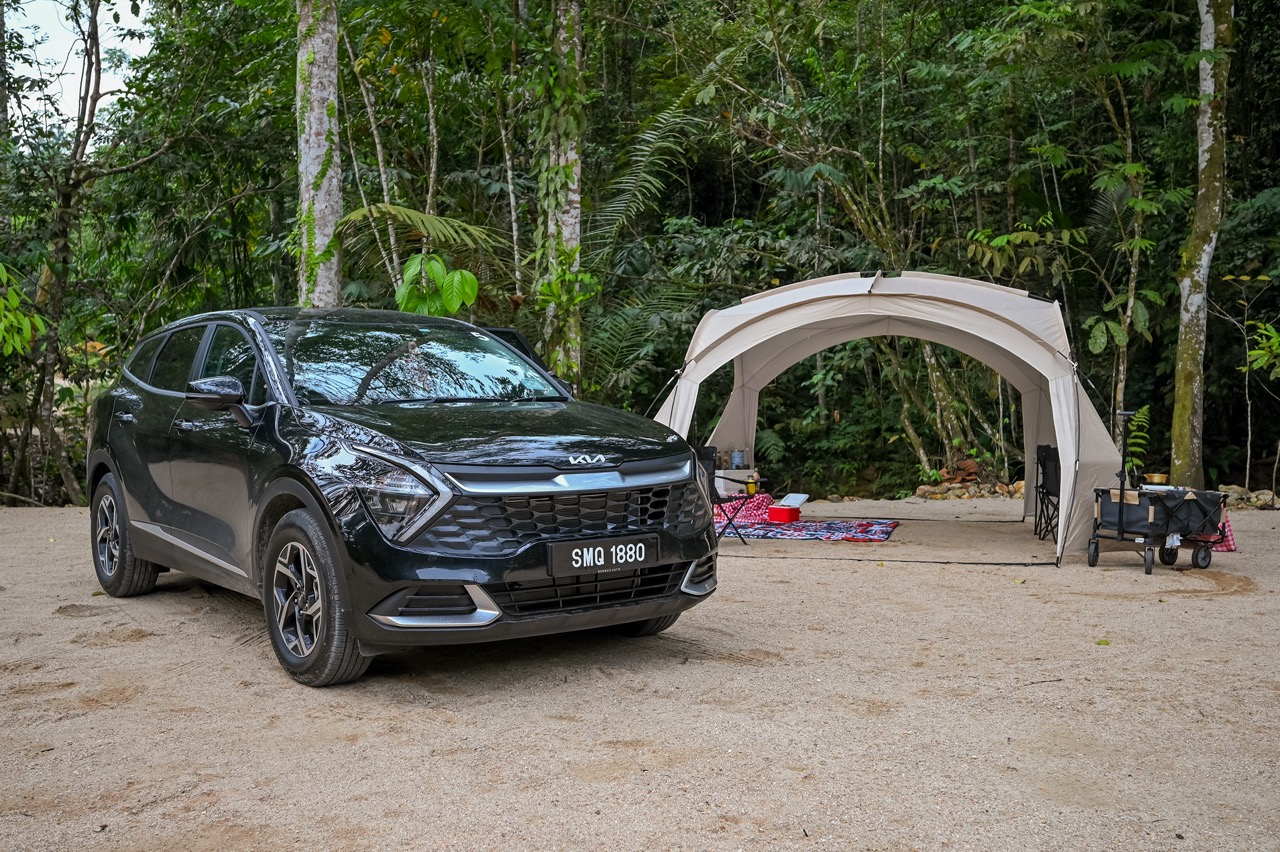
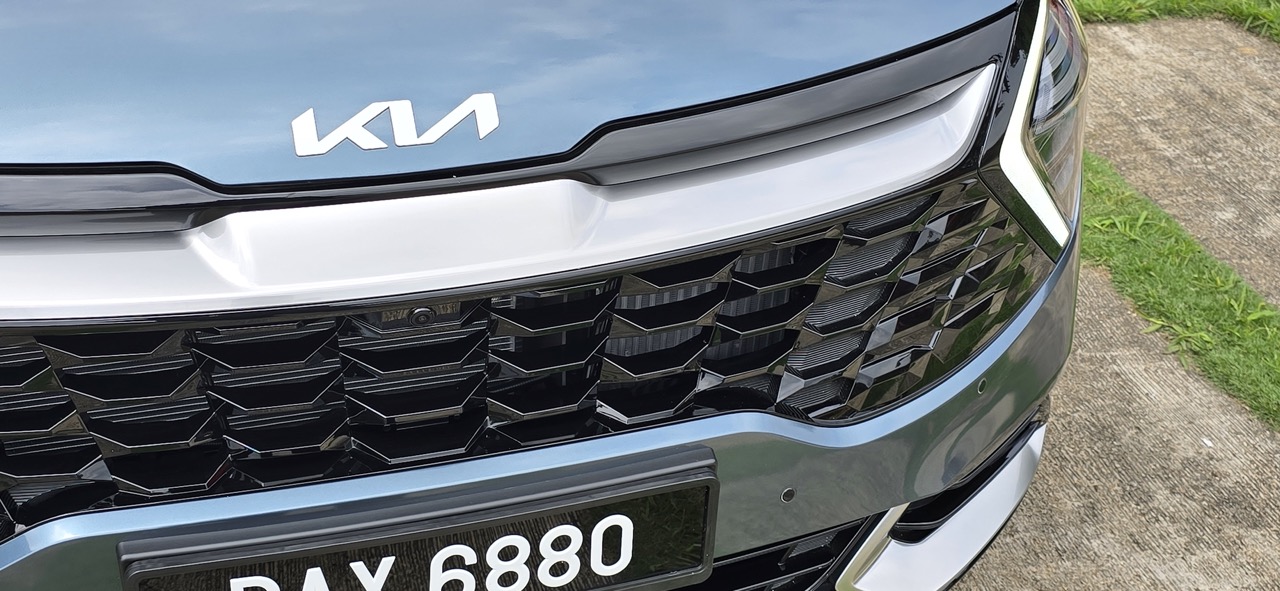
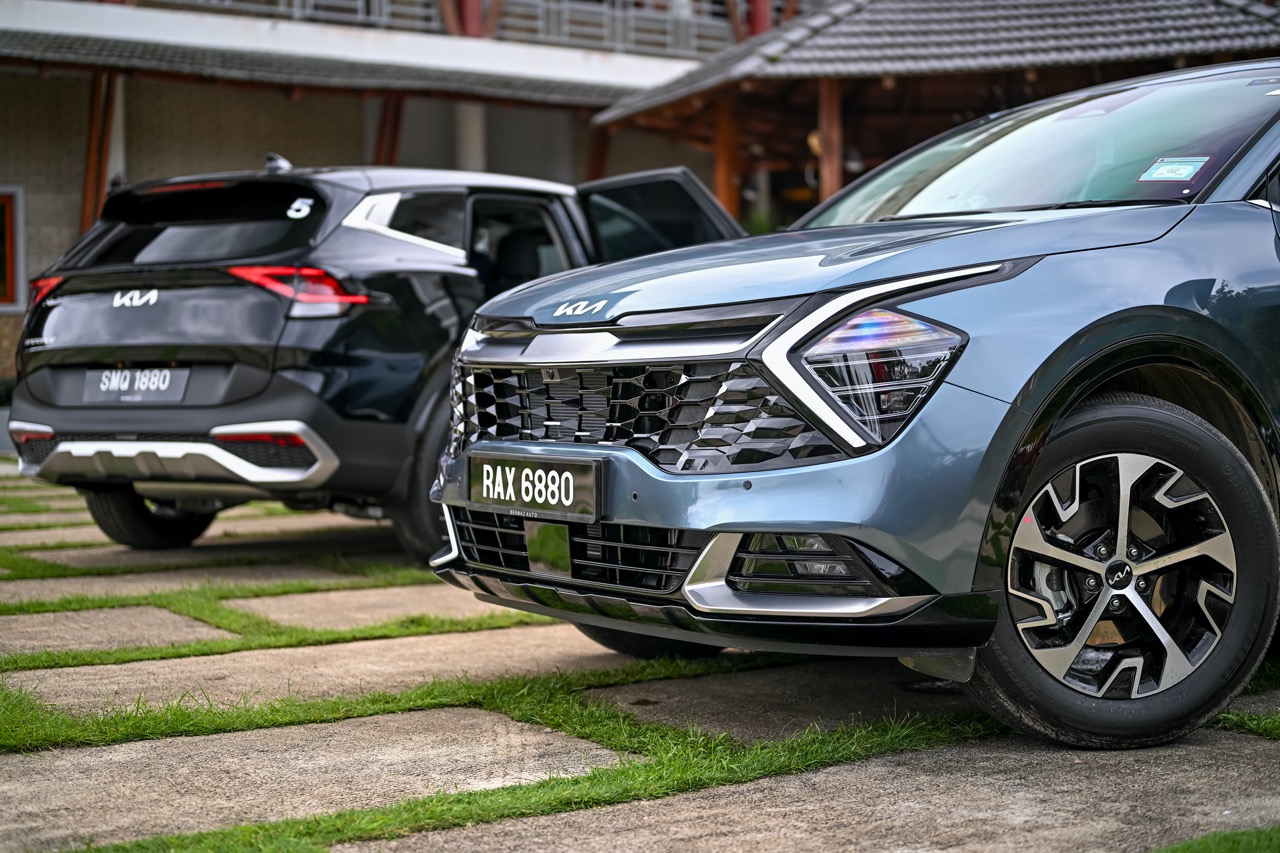
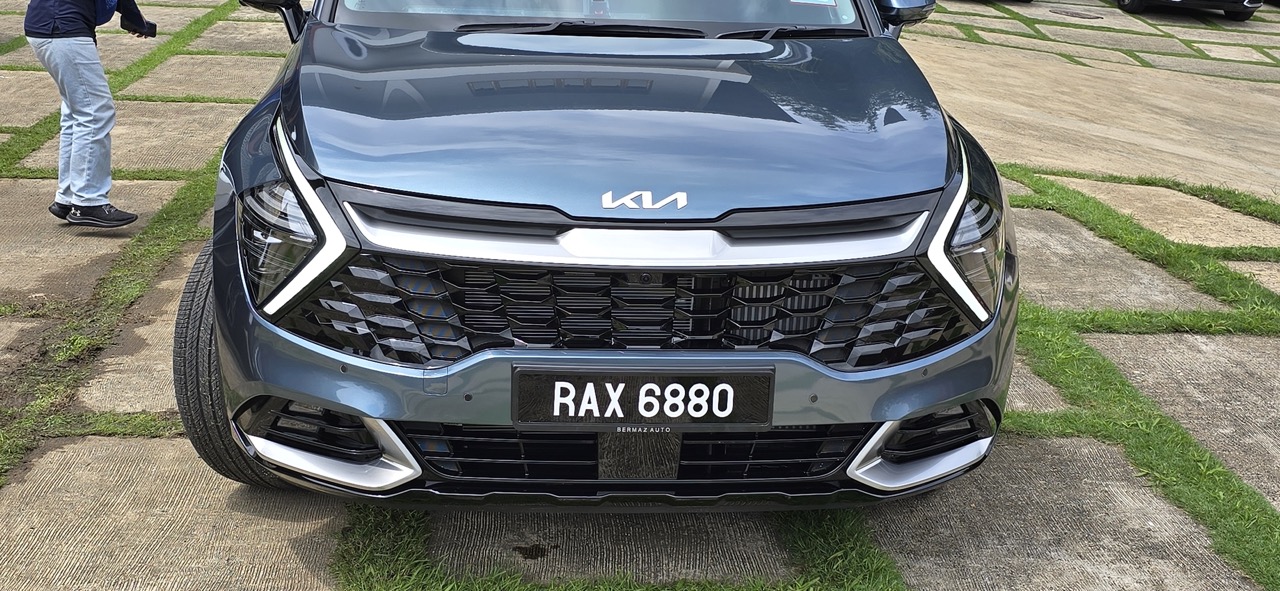
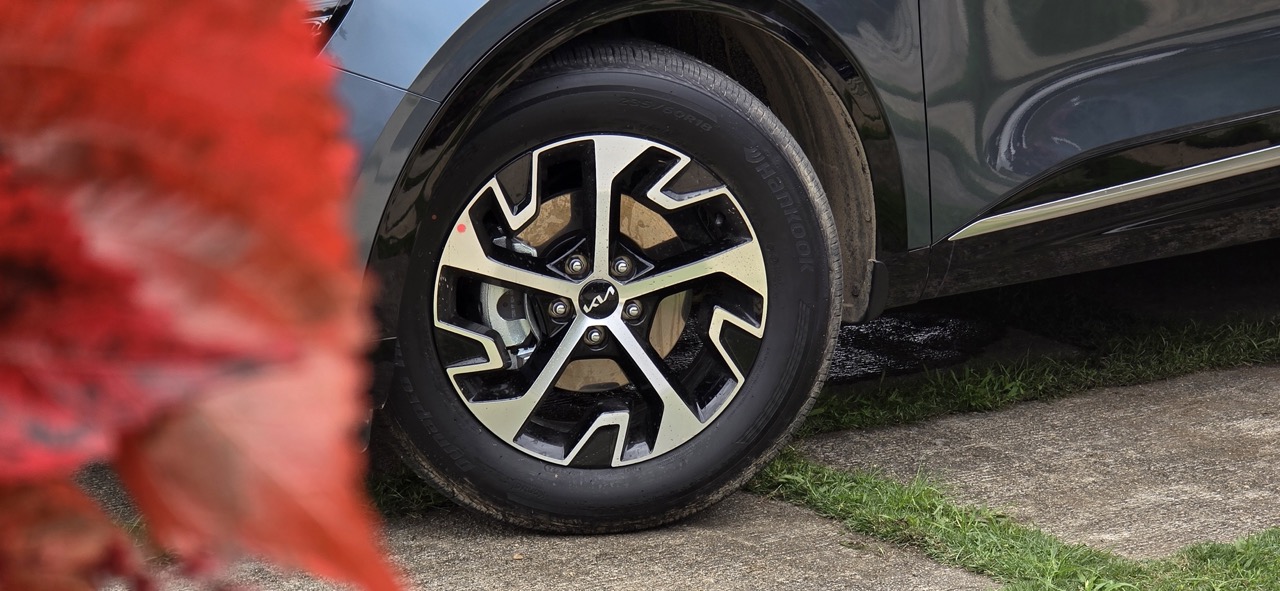
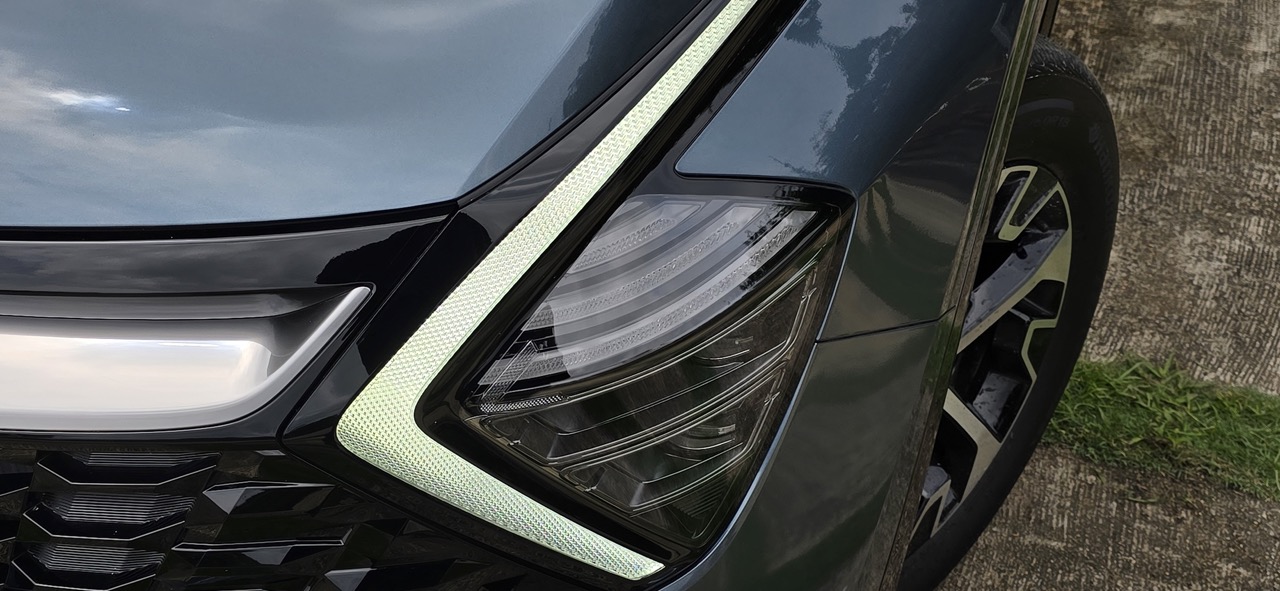
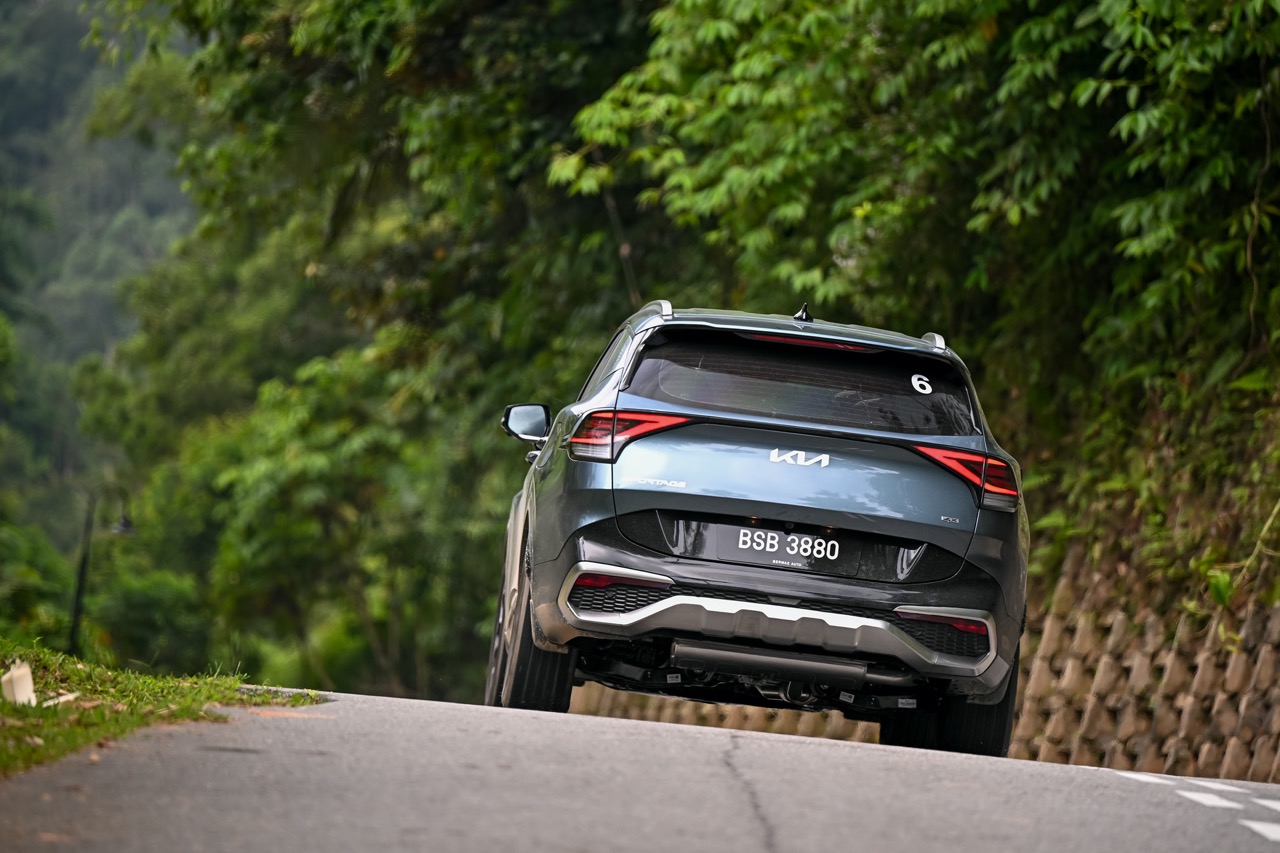
From the moment we laid eyes on the Sportage, its bold and modern design stood out. The pre-facelift version we’re getting in Malaysia may not be the latest iteration, but it still looks fresh and contemporary. The tiger-nose grille, flanked by sleek LED headlamps and DRLs, gives the front end a futuristic and aggressive stance. The base 2.0G 2WD variant comes with 17-inch alloy wheels, which are decent, but the 18-inch alloys on the higher trims add a more premium and sporty touch.

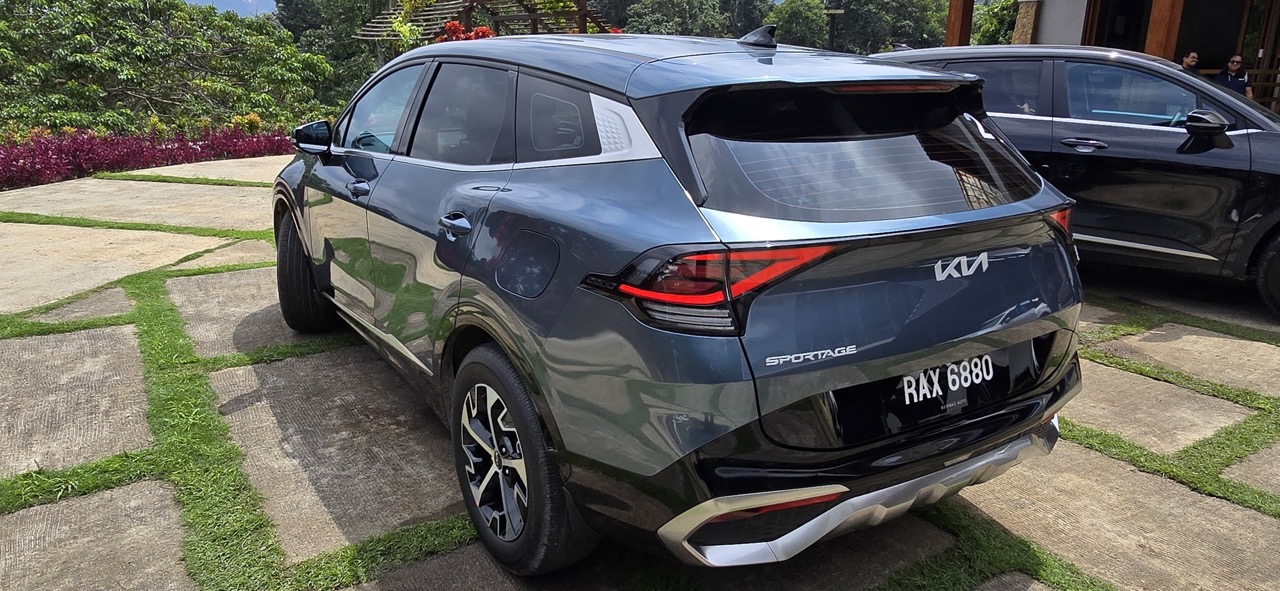
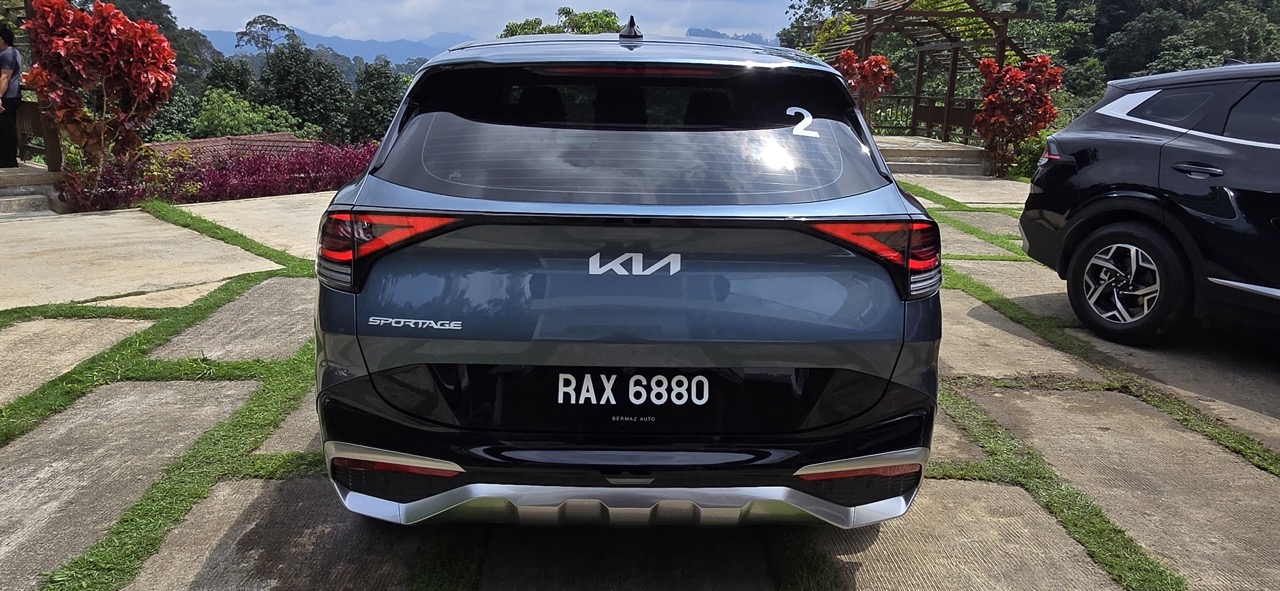
The side profile is equally impressive, with sharp character lines and a slightly raked roofline that gives the Sportage a dynamic appearance. The rear design is clean and modern, with full-LED taillights on the turbocharged variants that look particularly striking at night. Some test units were finished in Astra Blue, a vibrant shade that turned heads wherever we went. Overall, the Sportage’s exterior design strikes a great balance between sophistication and sportiness.

A Tech-Savvy and Comfortable Cabin

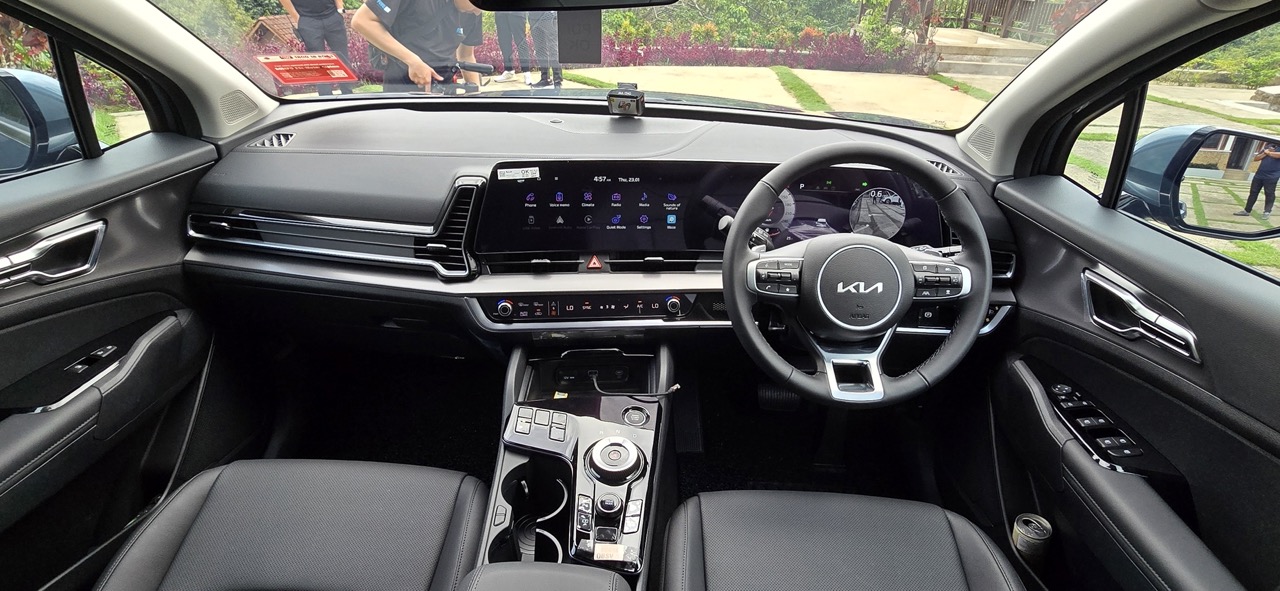
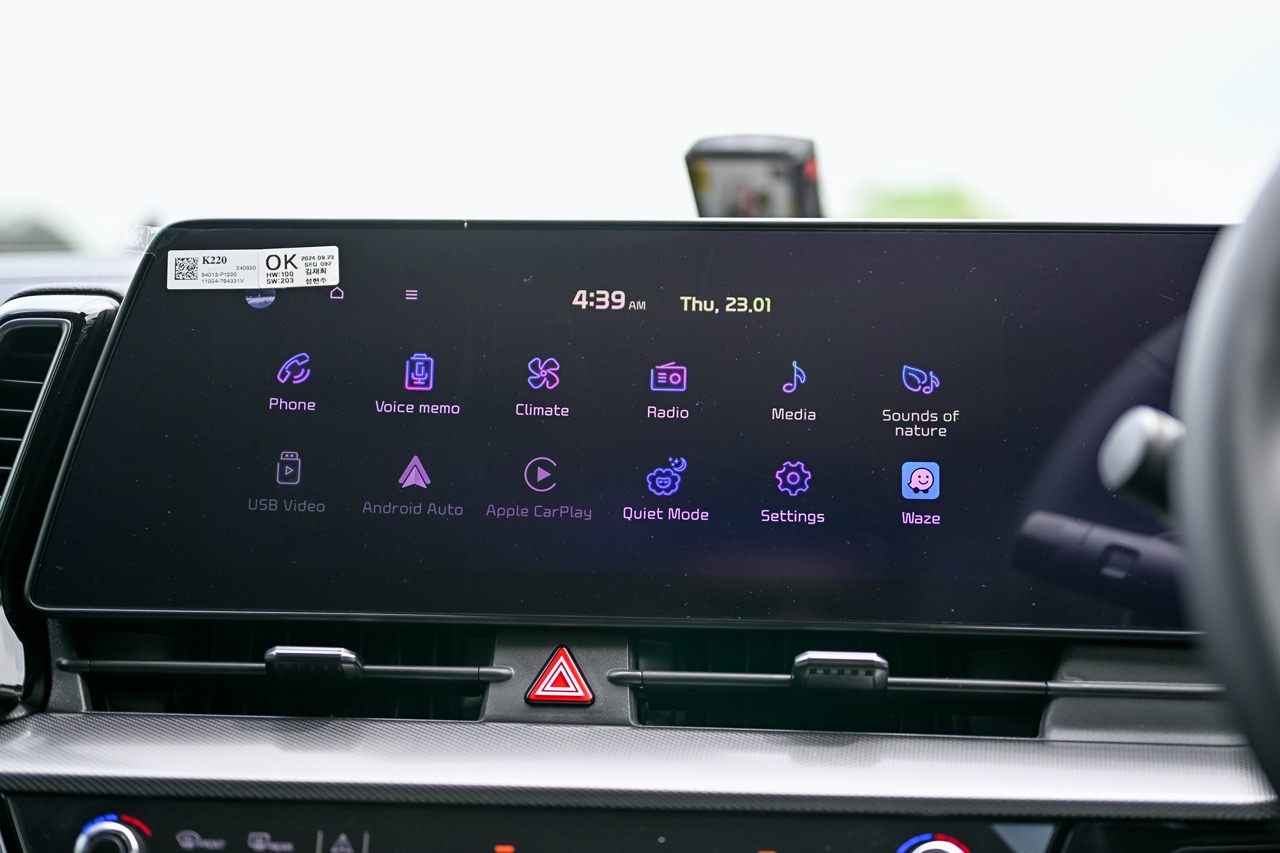
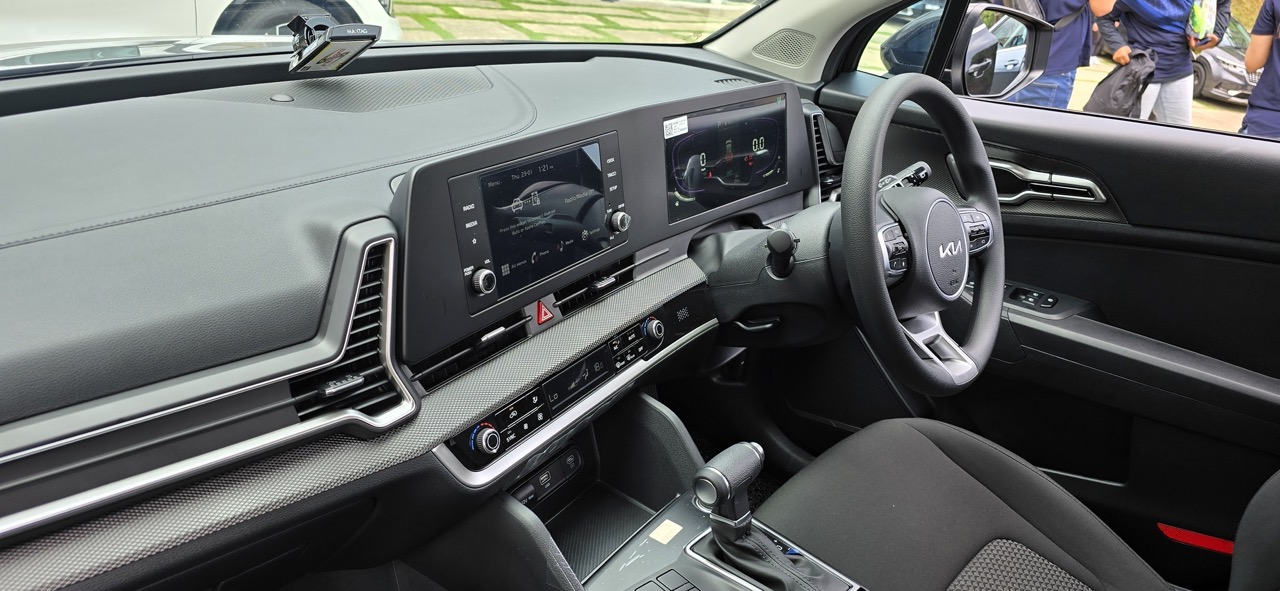
Sliding into the driver’s seat, we were immediately impressed by the Sportage’s well-thought-out interior. The base 2.0G 2WD variant comes with an 8-inch touchscreen infotainment system and a 4.2-inch TFT-LCD instrument cluster, which are functional but feel a bit basic compared to the higher trims. However, stepping up to the 1.6T High variants transforms the cabin into a tech-lovers paradise.

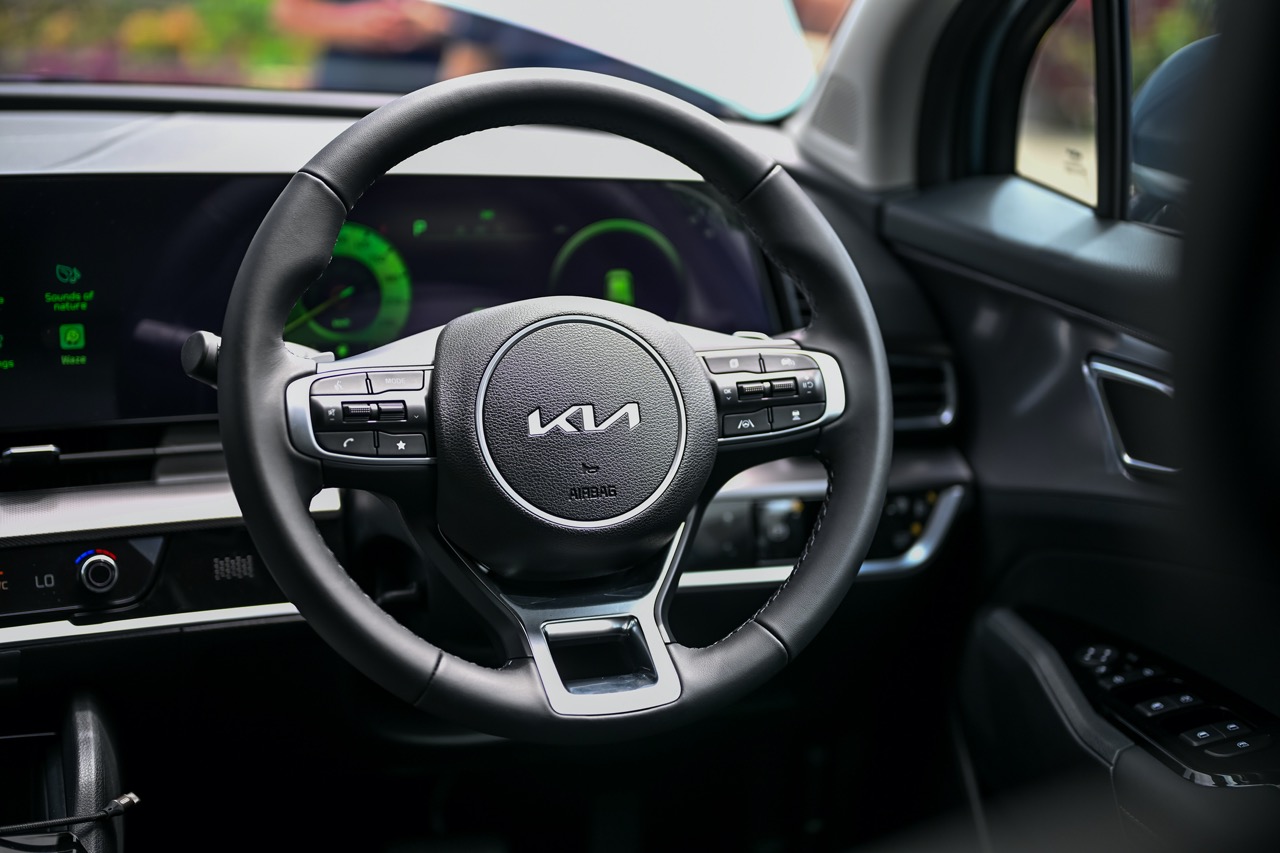
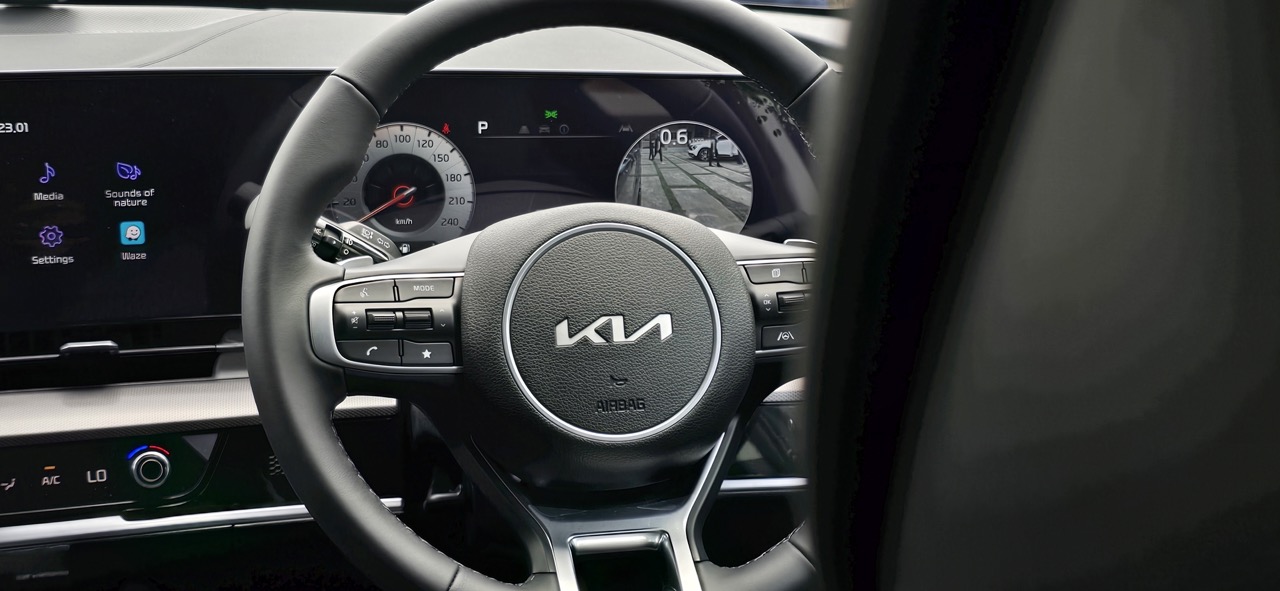
The 12.3-inch digital instrument cluster and 12.3-inch infotainment touchscreen in the turbocharged models are the stars of the show. The crisp displays and intuitive interface make it easy to access navigation, media, and vehicle settings.

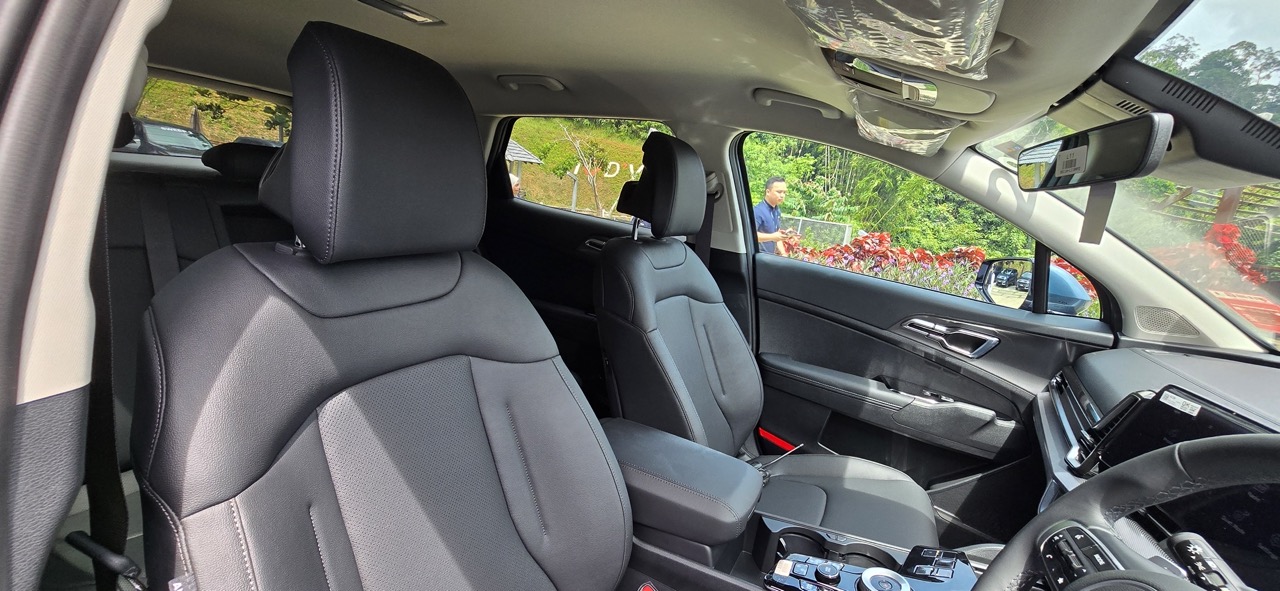
Material quality is solid across the board, with soft-touch surfaces and leatherette upholstery in the higher trims. The Harman Kardon sound system in the 1.6T AWD High variant is a standout feature, delivering rich and immersive audio quality that made my commute much more enjoyable. The cabin feels spacious and airy, with plenty of headroom and legroom for both front and rear passengers. The 60:40 split-folding rear seats add to the practicality, making it easy to carry larger items when needed.

Smooth and Capable

The Sportage offers two engine options, and we had the chance to test both during our time with the SUV. The 2.0G variants are powered by a naturally aspirated 2.0-litre engine that delivers 154hp and 192Nm of torque. While it is not the most powerful engine in its class, it is perfectly adequate for city driving and highway cruising. The six-speed automatic transmission is smooth and predictable, though it can feel a bit sluggish when you need quick acceleration.

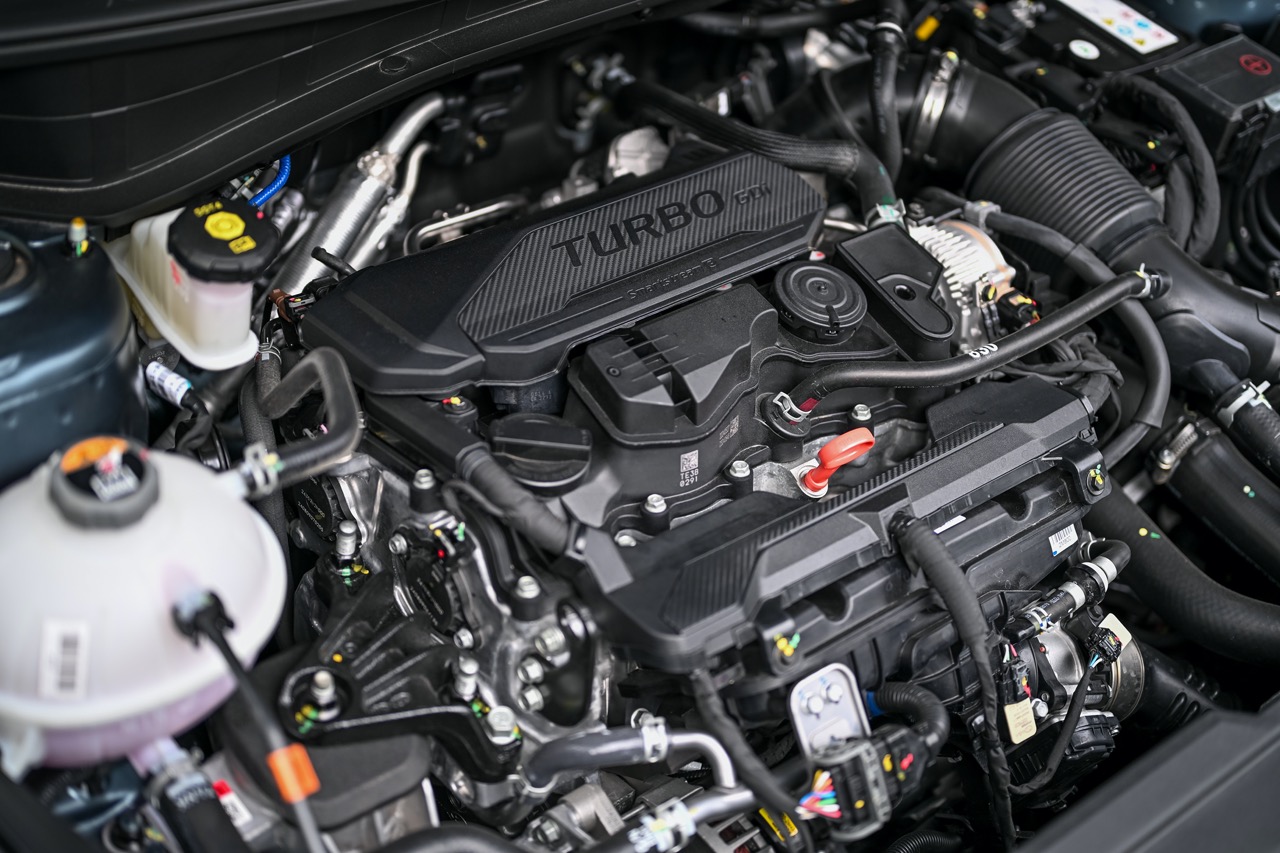
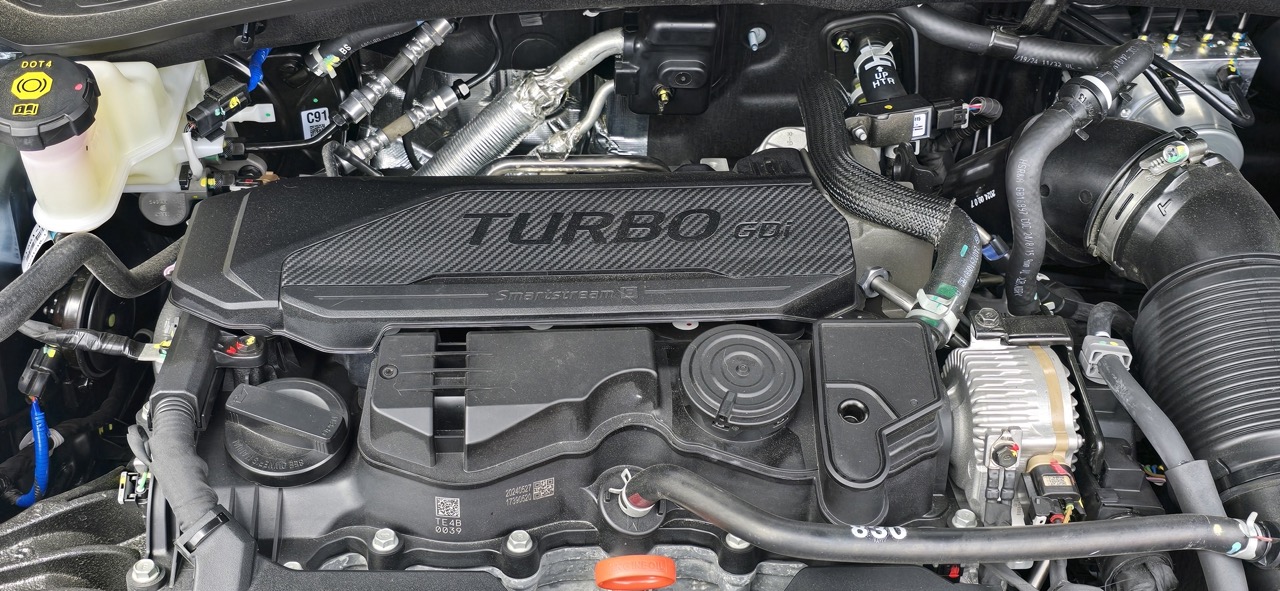
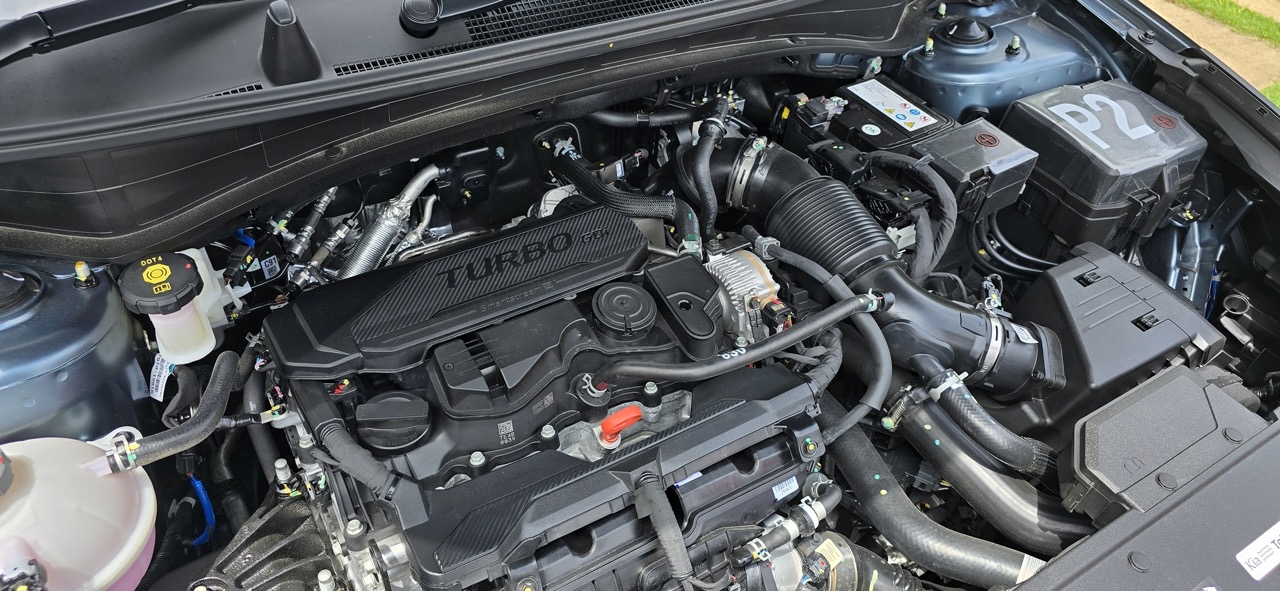
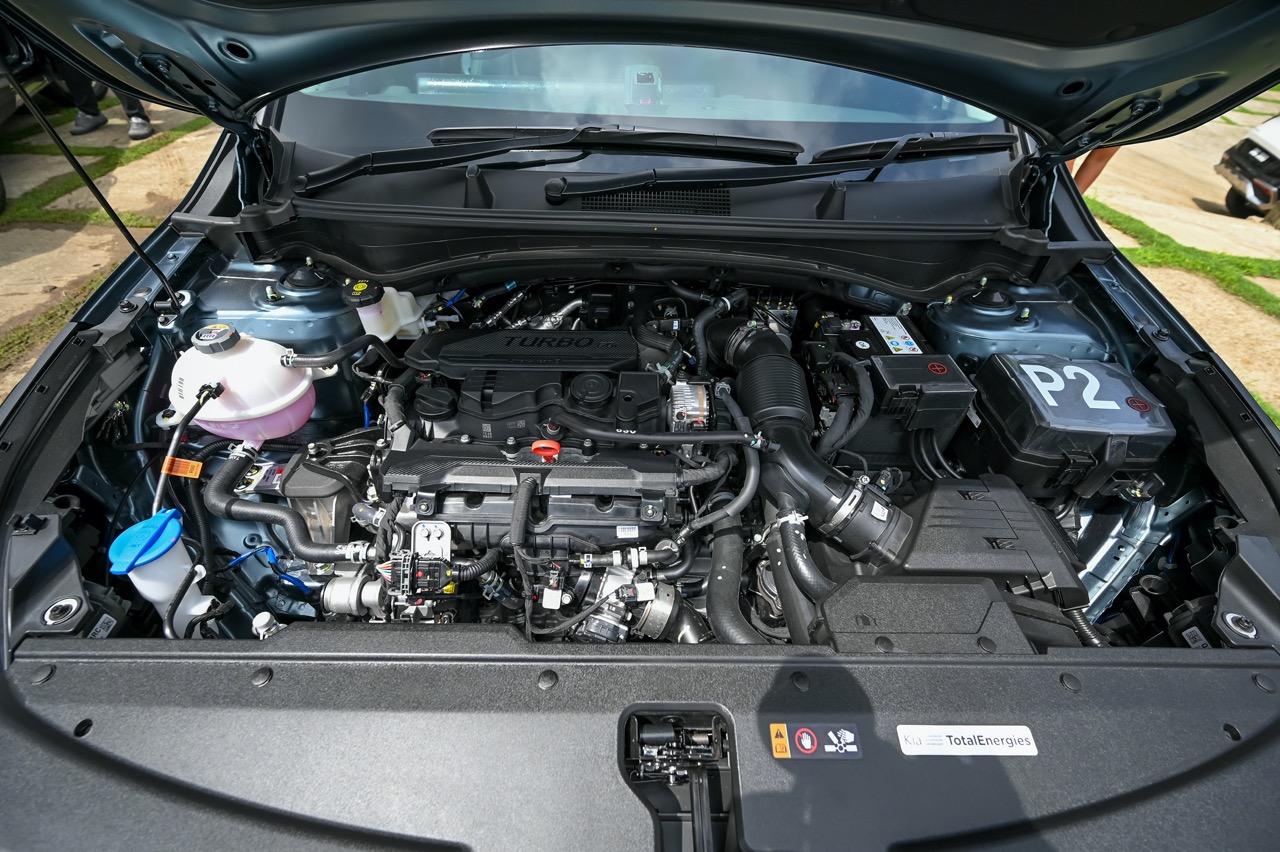
The 1.6T variants, on the other hand, are where the Sportage truly shines. The turbocharged 1.6-litre engine produces 177hp and 265Nm of torque, giving the SUV a much more spirited and engaging driving experience. The seven-speed dual-clutch transmission (DCT) is quick to respond, and the availability of all-wheel drive in the top-tier model adds an extra layer of confidence, especially in wet or slippery conditions.

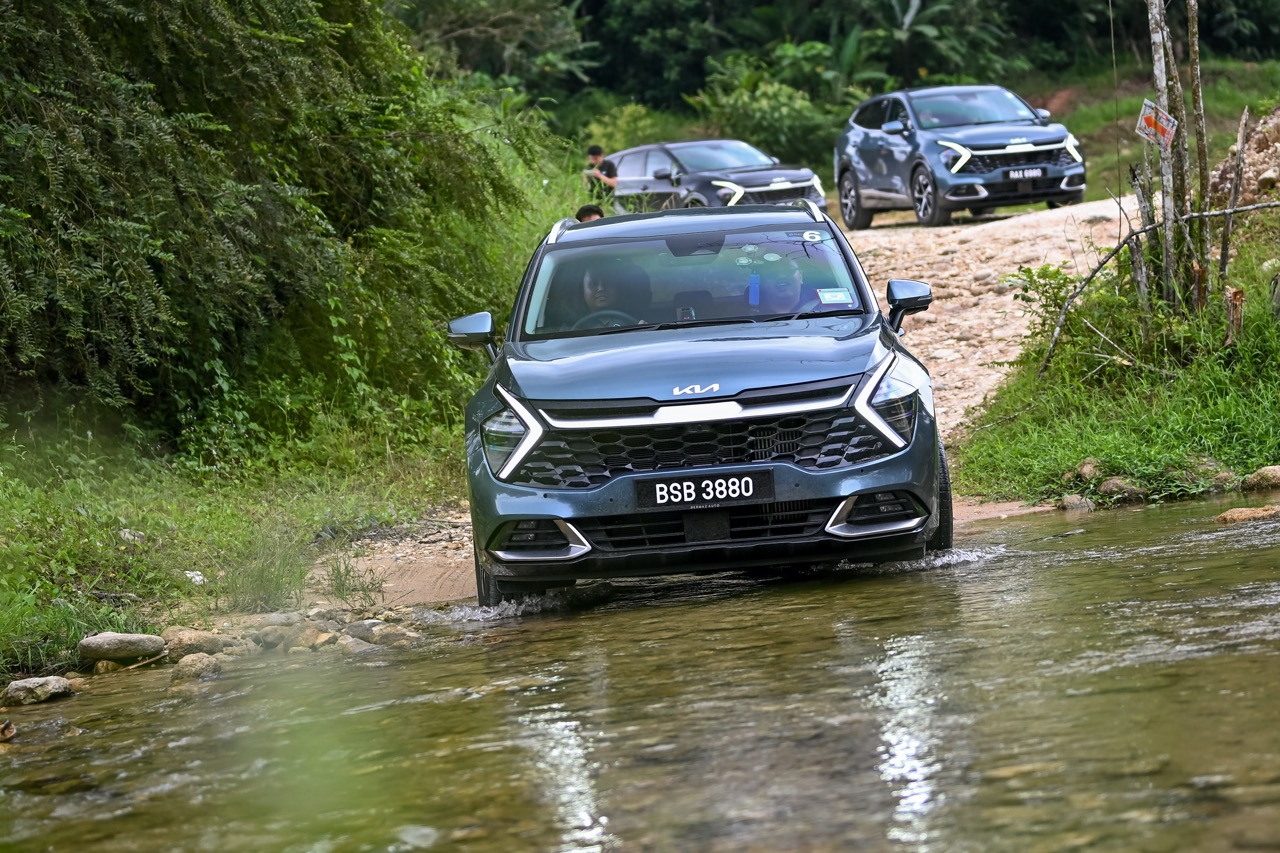
During the test drive, we took the 1.6T AWD High variant on a mix of city roads, highways, and winding country lanes. The turbocharged engine felt punchy and responsive, making overtaking and merging onto highways a breeze. The AWD system provided excellent traction, even on loose gravel roads, and the differential lock came in handy during a brief off-road excursion. The Sportage may not be a hardcore off-roader, but it is more than capable of handling light trails and rough terrain.

Comfortable and Refined

One of the first things we noticed about the Sportage is how comfortable and refined it feels on the road. The suspension is tuned to absorb bumps and imperfections, making it an excellent choice for daily commuting and long-distance trips. The steering is light and precise, offering good feedback without being overly heavy, which makes it easy to manoeuvre in tight spaces.

The turbocharged variants offer a more engaging driving experience. The 1.6T engine’s ample torque ensures strong acceleration, and the DCT transmission delivers quick and smooth shifts. The inclusion of drive modes (Eco, Normal, and Sport) allows you to tailor the driving dynamics to your preferences. In Sport mode, the throttle response becomes sharper, and the steering feels more weighted, adding a touch of sportiness to the driving experience.

Practical and Family-Friendly

The Sportage is a highly versatile SUV, making it a great choice for families and individuals alike. The cabin offers plenty of space for five occupants, with generous legroom and headroom in both the front and rear seats. The 60:40 split-folding rear bench seat adds to the practicality, allowing you to expand the cargo space when needed.

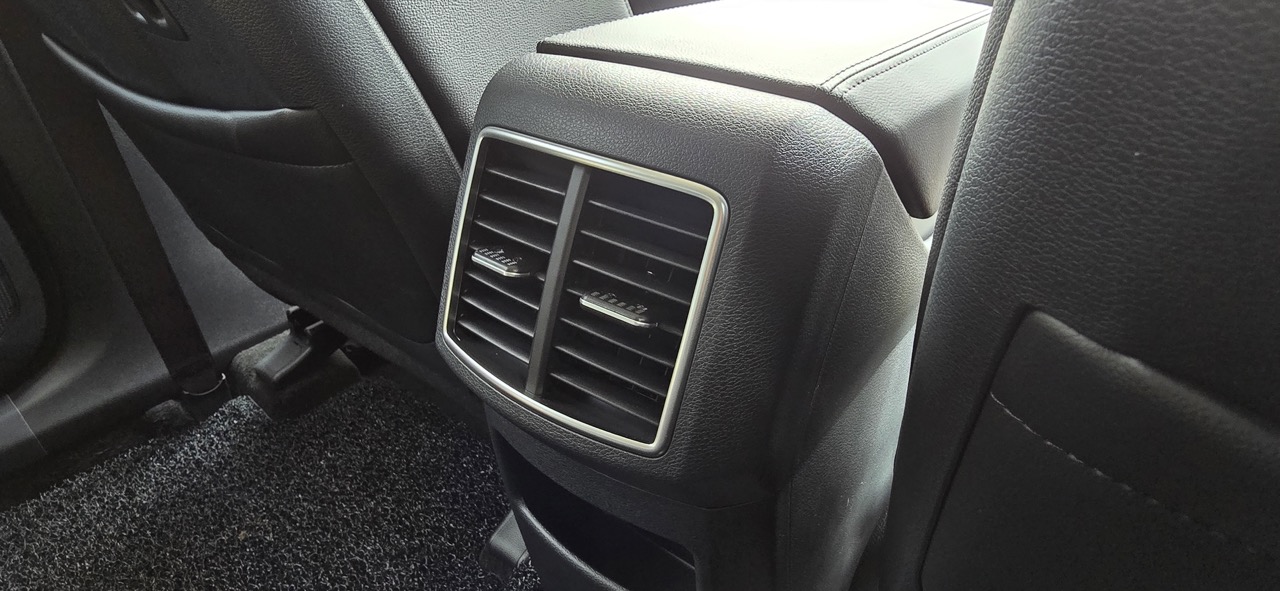
The powered tailgate, which is available in higher trims, made loading and unloading a breeze, while the roof rails in the AWD variant provide additional utility for carrying extra gear. The inclusion of rear air vents and dual-zone climate control ensures that all passengers stay comfortable, even on longer journeys.

Packed with Features

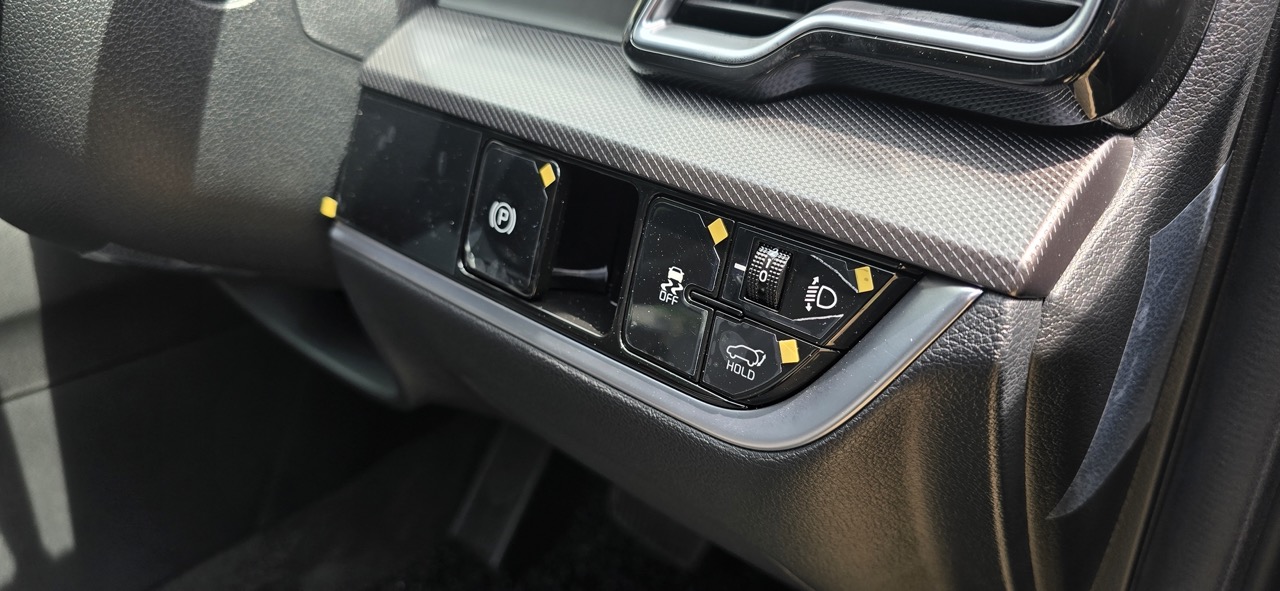
Safety is a key focus for the Sportage, with all variants coming equipped with six airbags, ABS, ESC, hill start assist, and a tyre pressure monitoring system. The higher trims add a comprehensive suite of advanced driver assistance systems (ADAS), including forward collision-avoidance assist, blind-spot collision warning, lane-keeping assist, and adaptive cruise control with stop-and-go functionality.

During our drive, we found the ADAS features to be incredibly useful, especially on busy highways. The adaptive cruise control made long-distance driving less fatiguing, while the blind-spot collision warning and rear cross-traffic collision-avoidance assist provided added peace of mind when changing lanes or reversing out of parking spaces. 

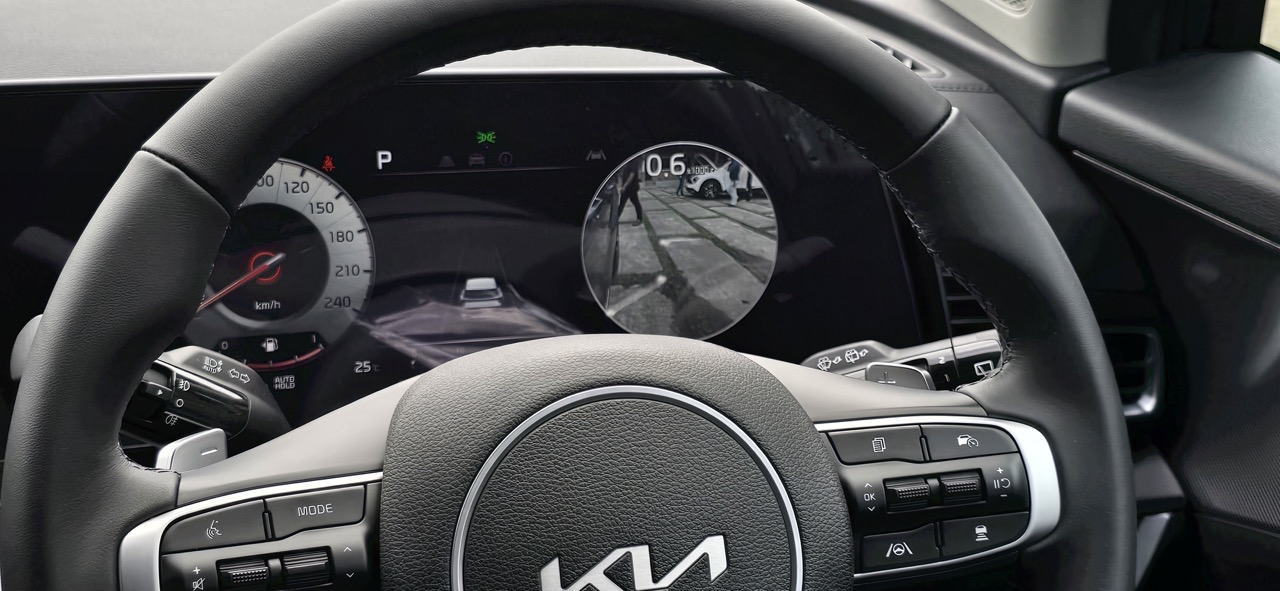
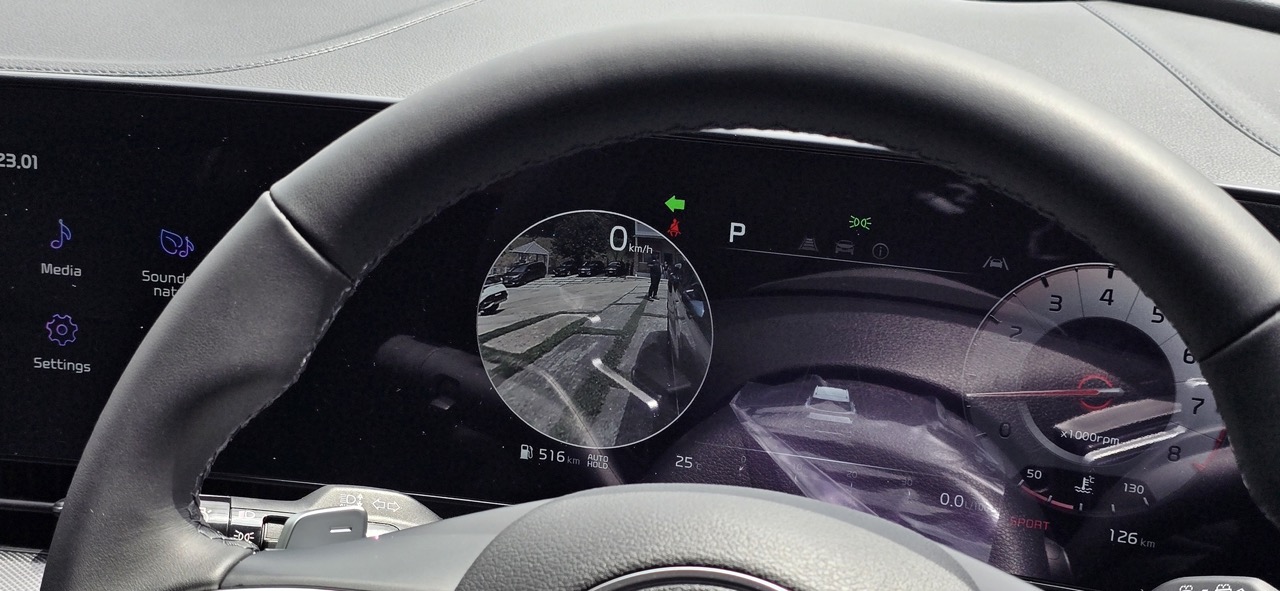
The 12.3-inch digital instrument cluster and infotainment system in the turbocharged variants provide a high-tech driving experience, while the blind-spot view monitor enhances safety by displaying a live feed of your blind spots in the instrument cluster.

A Strong Contender with a Few Quirks

After spending time with the Sportage, we came away impressed by its overall package. It’s a well-rounded SUV that offers a compelling mix of style, performance, and technology. The turbocharged variants stand out for their spirited performance and premium features. However, there are a few quirks worth noting.

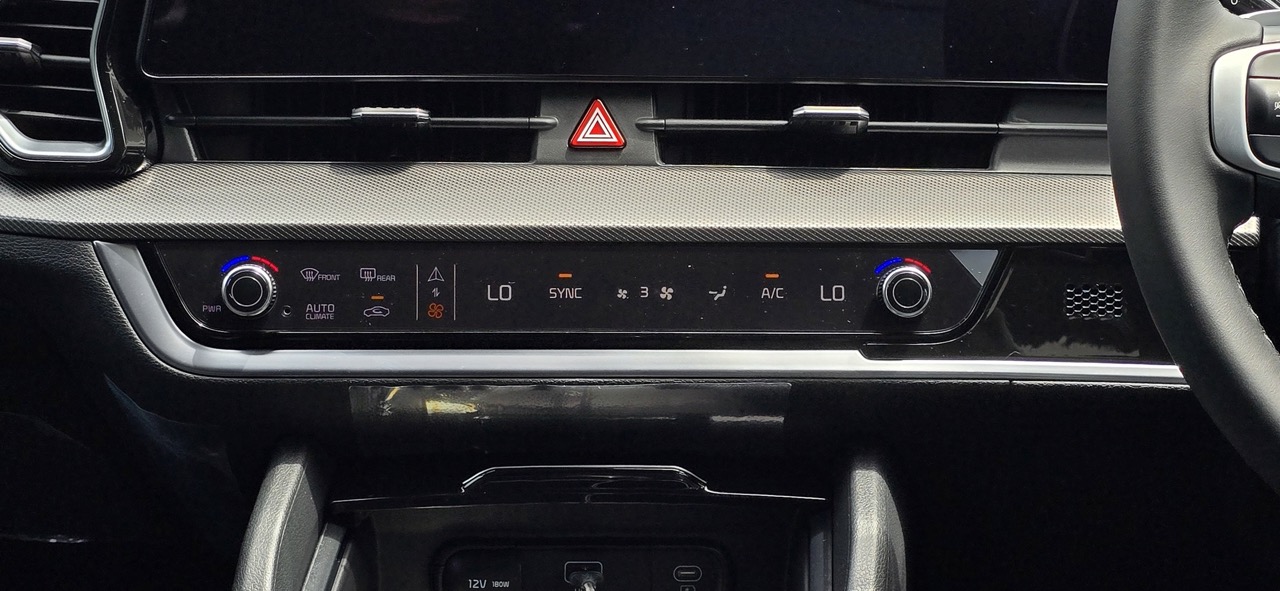
The base 2.0G variants feel a bit underpowered compared to the competition, and the lack of advanced safety features in the entry-level model is a letdown. Additionally, while the digital control panel for the climate system looks sleek, it can be distracting to use while driving. These minor drawbacks aside, the Sportage is a strong contender in the C-segment SUV market.

A Smart Choice for Buyers

The fifth-generation Kia Sportage NQ5 is a well-rounded SUV that offers excellent value for money. While it may not be the newest model on the block, it still holds its own against competitors like the Honda CR-V and Mazda CX-5. With its bold design, comfortable interior, and impressive list of features, the Sportage is a smart choice for Malaysian buyers.

If you’re in the market for a C-segment SUV, the Sportage is definitely worth considering. Whether you’re looking for a practical family car or a stylish daily driver, the Sportage delivers on all fronts. So, will you pick the Kia Sportage over its rivals? Based on my experience, the answer might just be a resounding yes.

Specifications:

2.0-litre

Engine: 2.0 litre naturally-aspirated inline-four

Power: 154PS @ 6200rpm

Torque: 192Nm @ 4500rpm

Gearbox: Six-speed automatic transmission

Top speed: 181km/h

Price (as tested): RM157,218

We like: Comfort, space and practicality.

We don’t like: A little bit underpowered


1.6-litre

Engine: 1.6 litre turbocharged inline-four

Power: 177PS @ 5500rpm

Torque: 265Nm from 1500 to 4500rpm

Gearbox: Seven-speed dual-clutch transmission

Top speed: 201km/h

Price (as tested): RM186,899

We like: Comfort, space, practicality and power

We don’t like: The digital control panel for the climate system

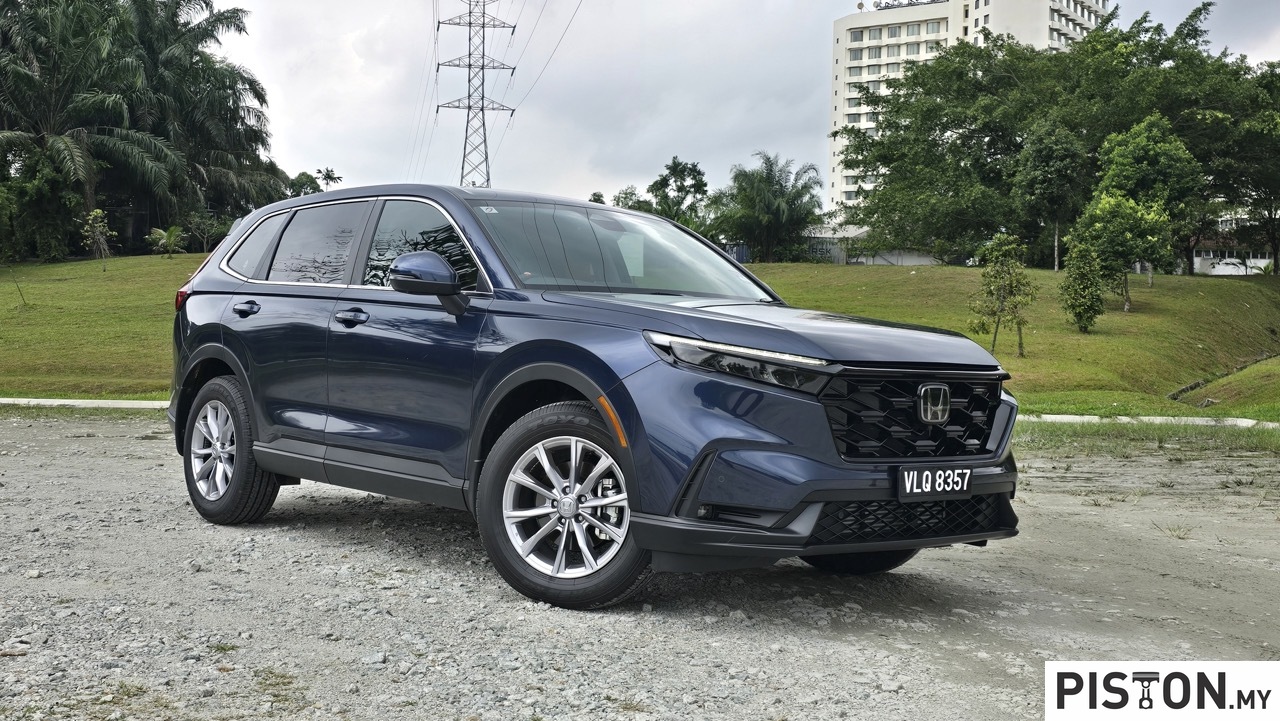
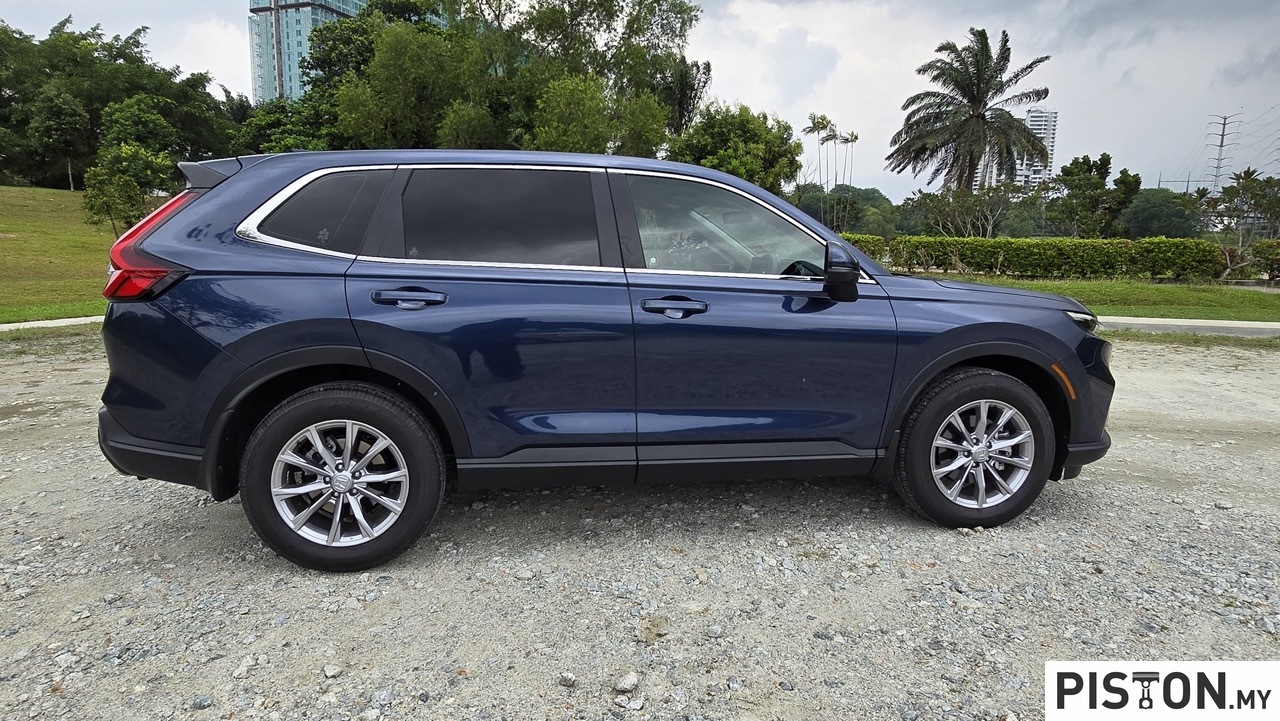
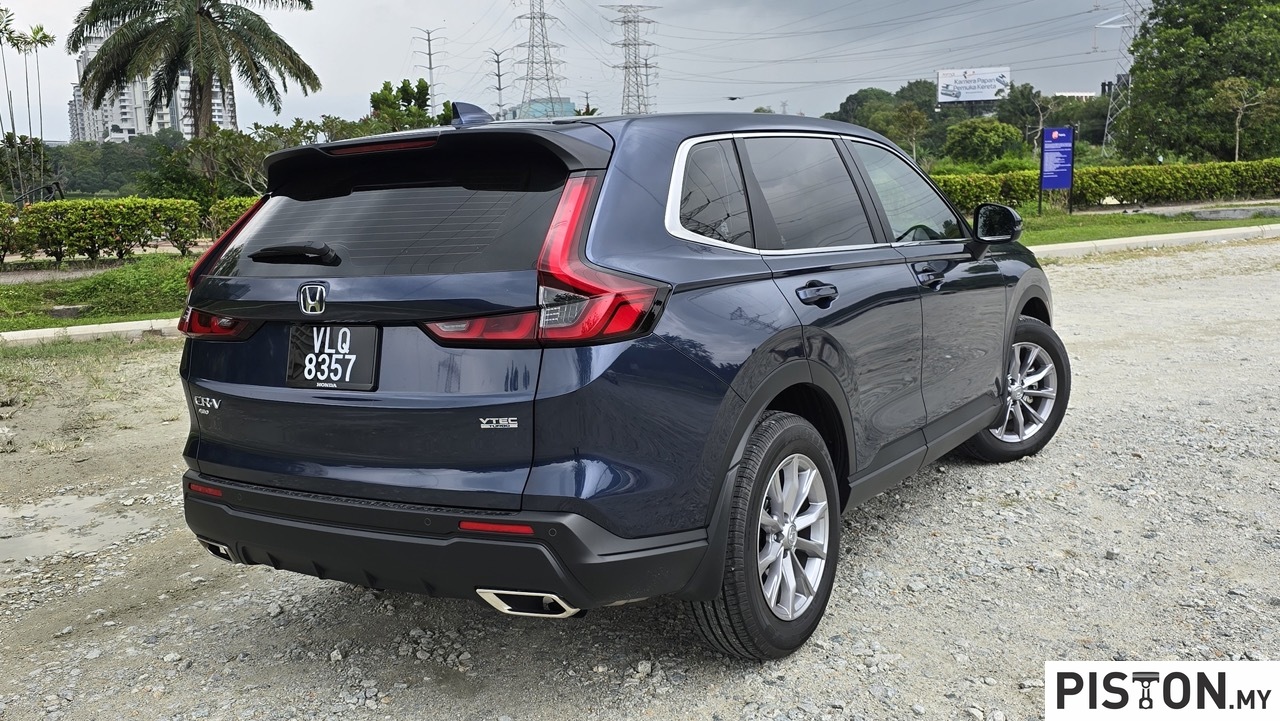
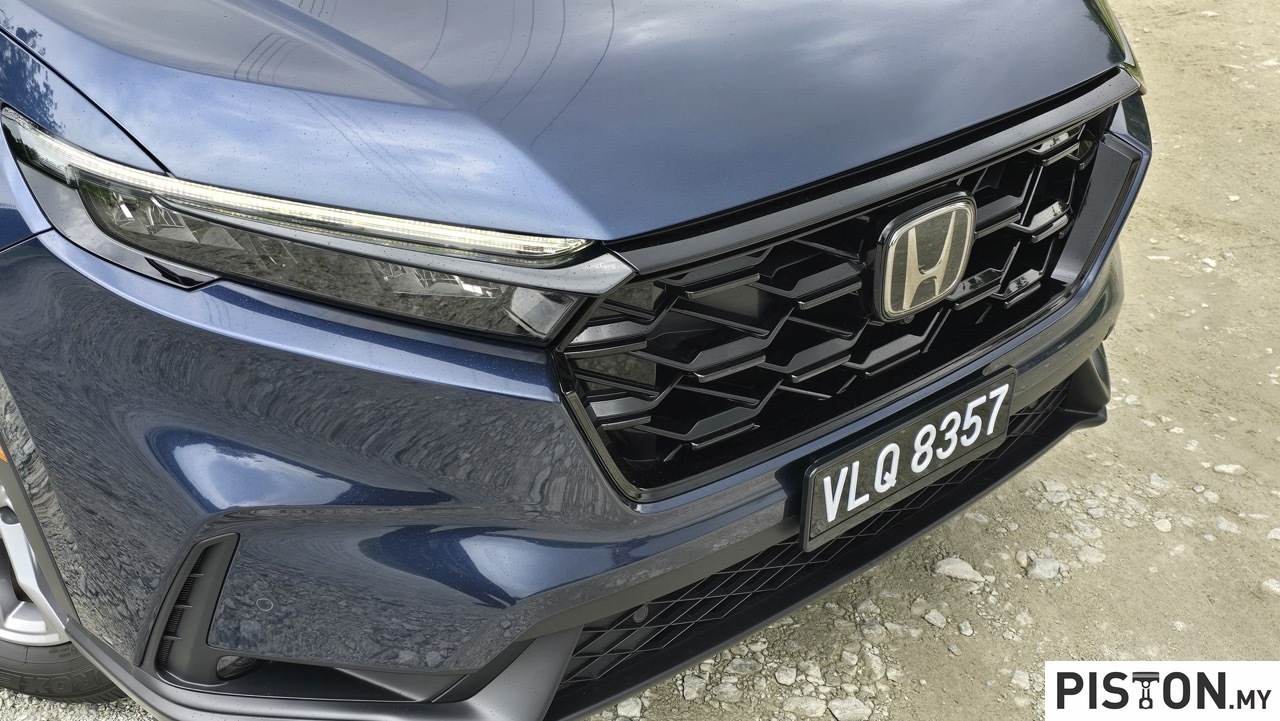
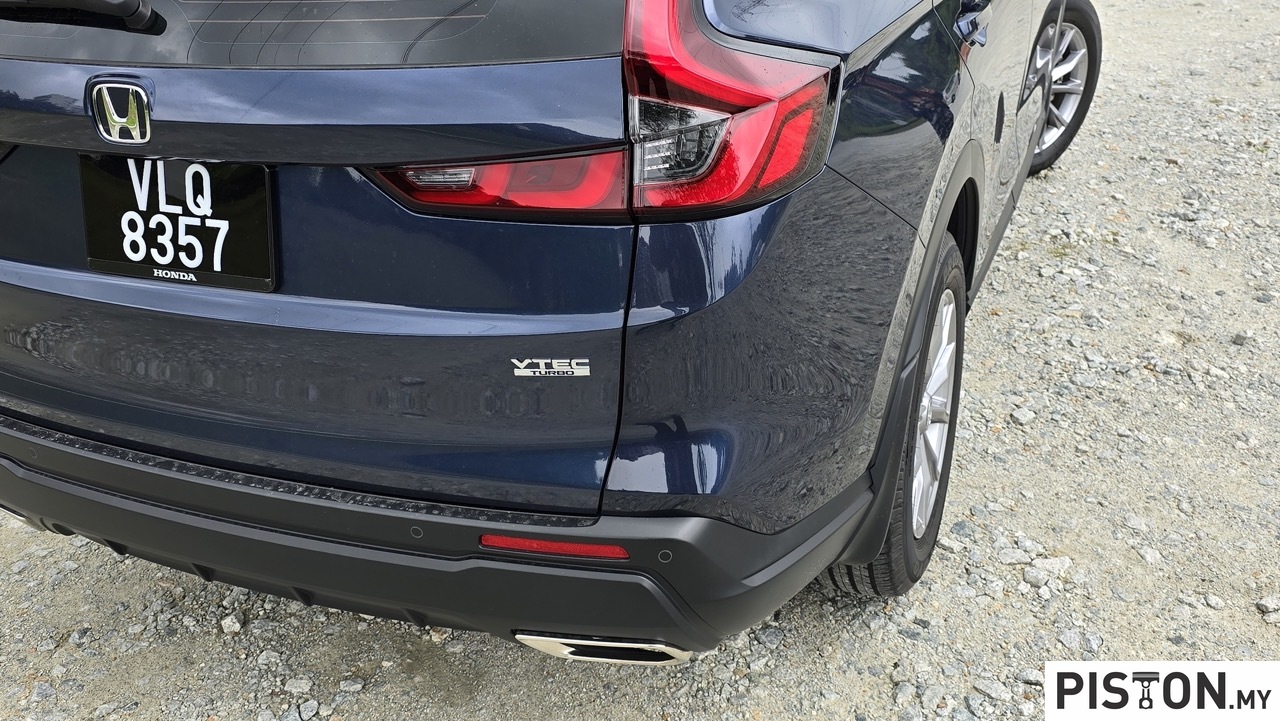
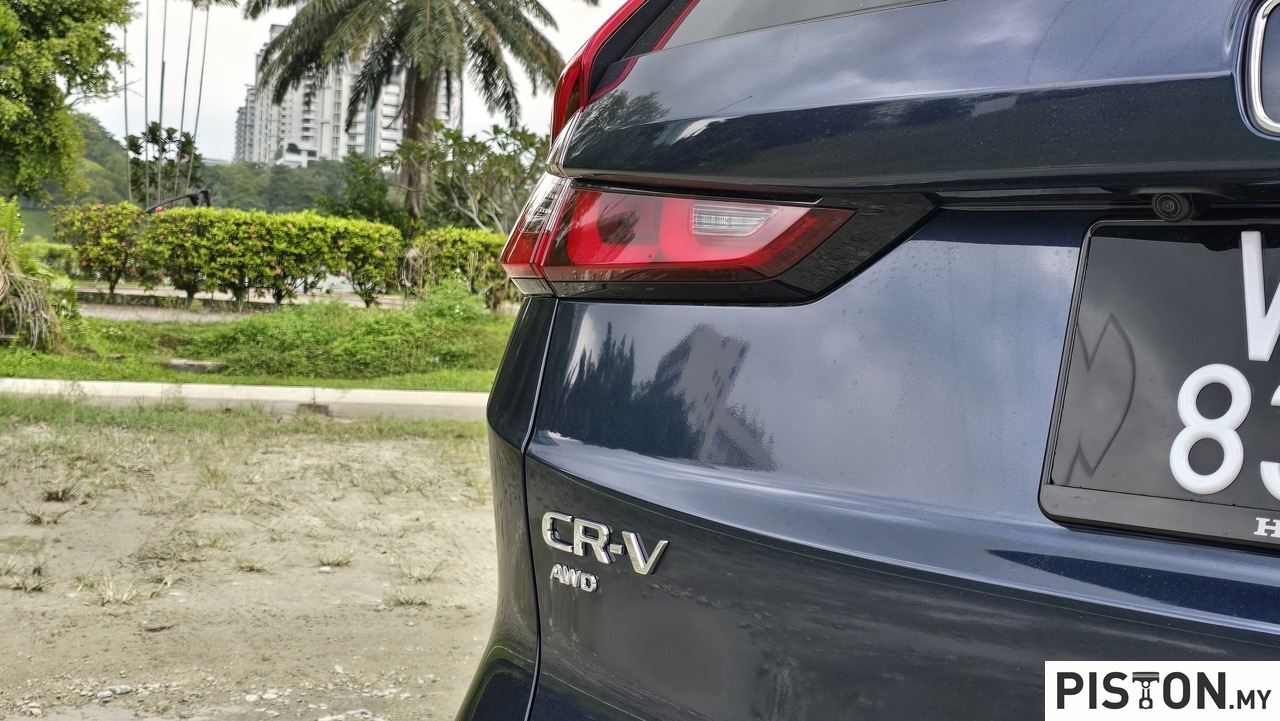
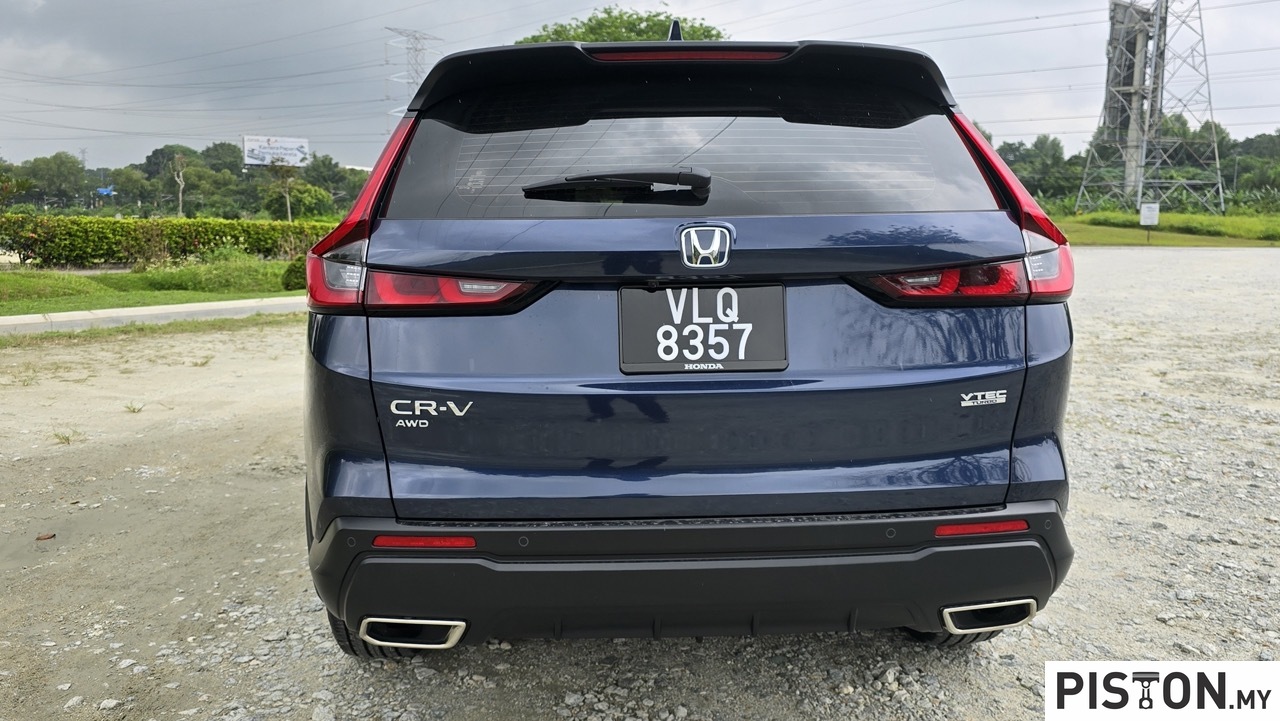
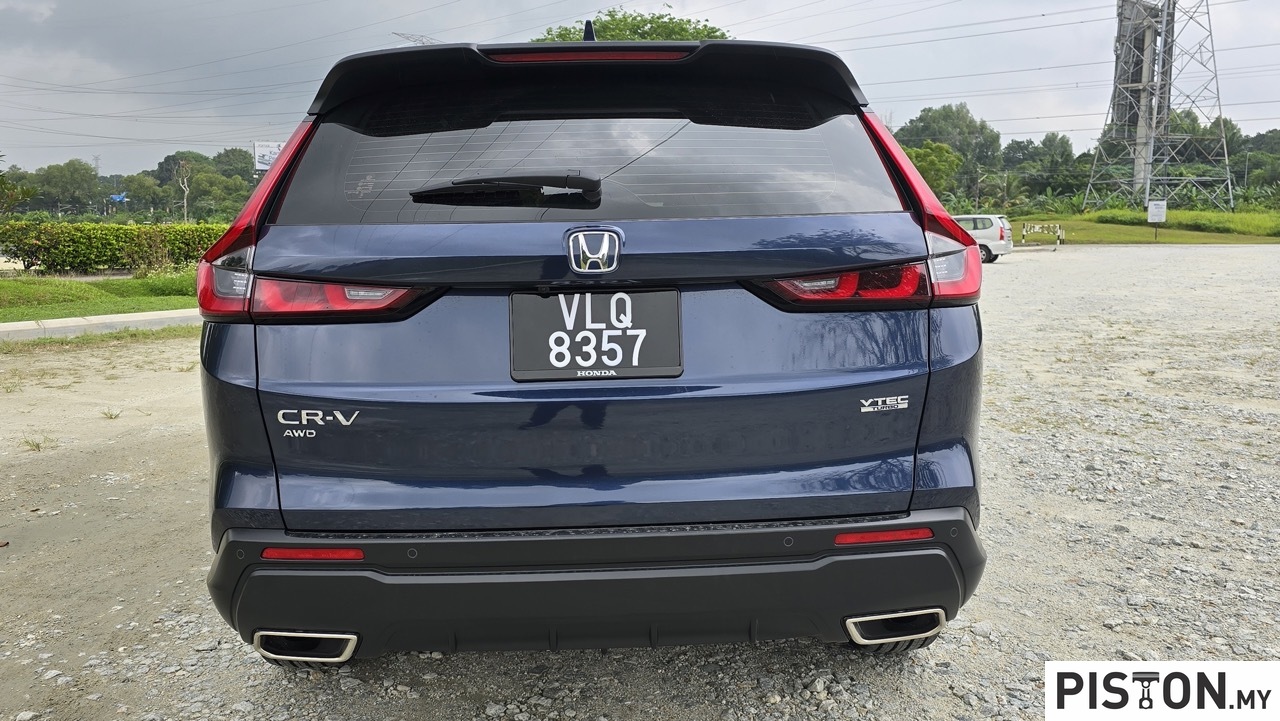
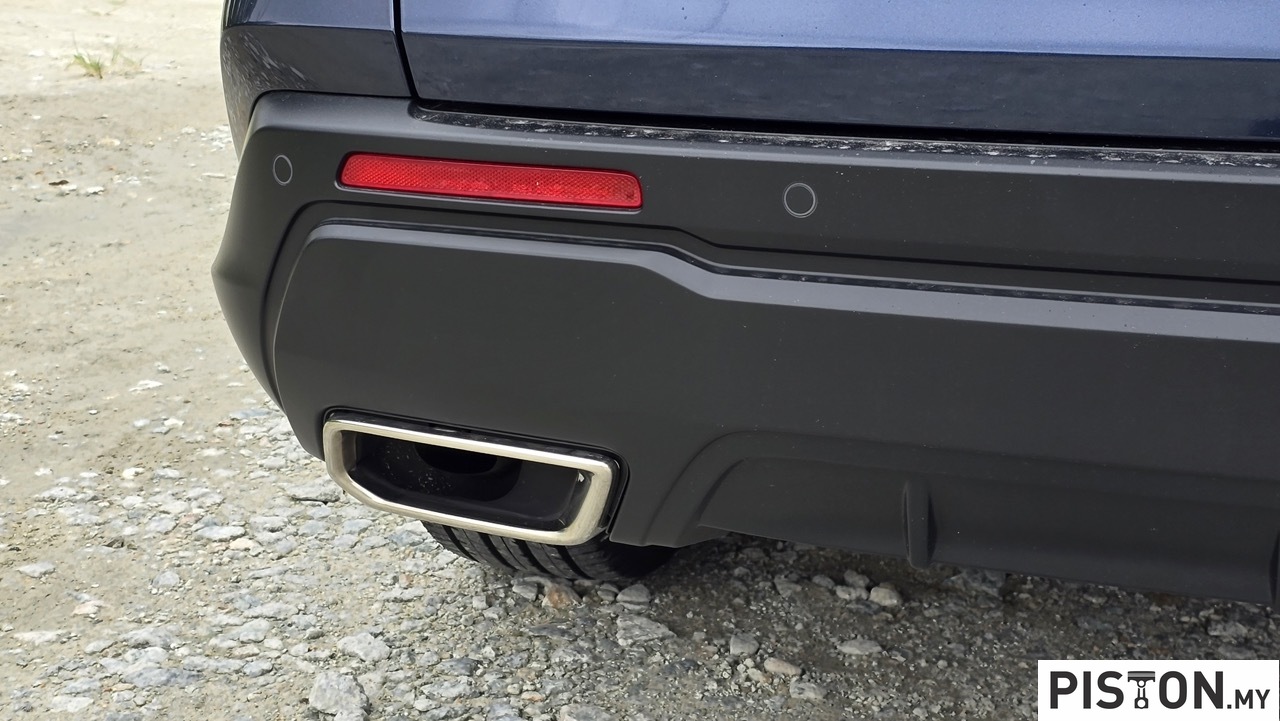
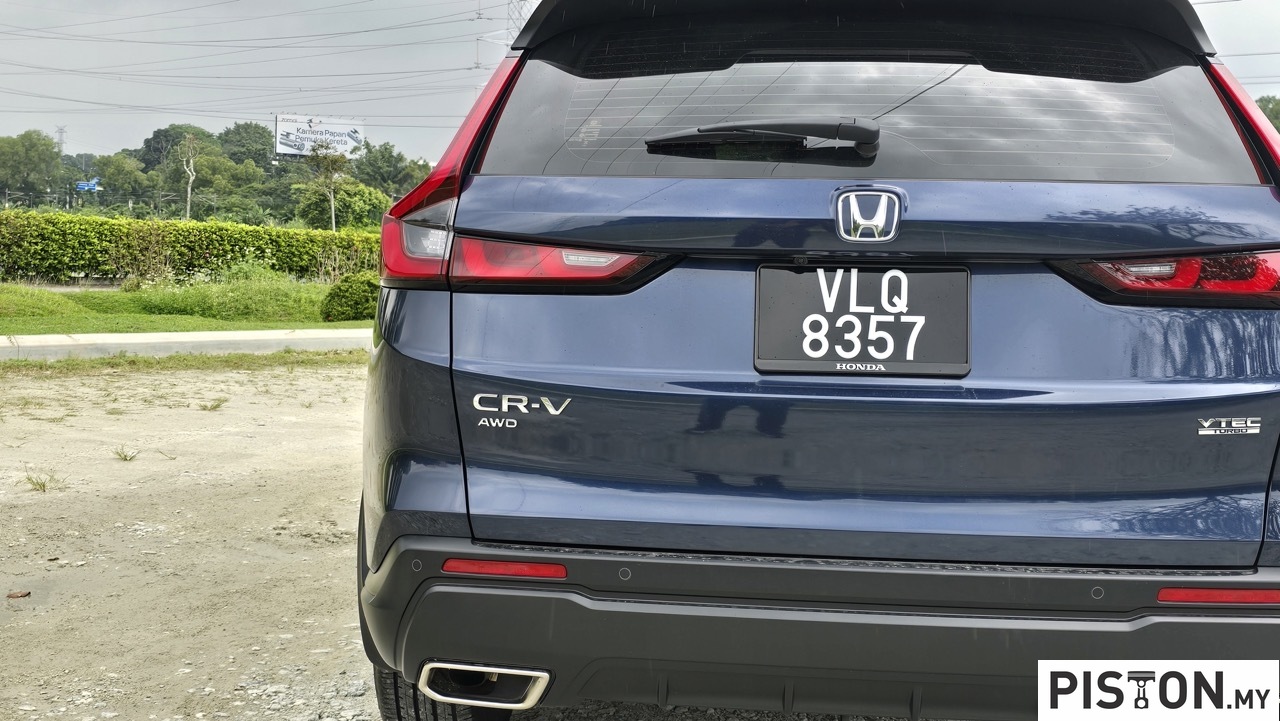
The SUV market in Malaysia has grown immensely in recent months. The surge in popularity is unsurprising – SUVs offer a perfect balance of style, practicality, and functionality. However, with so many options flooding the market, standing out is no easy feat. Yet, the Honda CR-V continues to rise above the competition, cementing its position as one of the best family SUVs in Malaysia.

This sixth-generation Honda CR-V brings a refined design, advanced features, and the reliability Honda is renowned for. Plenty has been said about the CR-V already but we recently got a chance to get reacquainted with it, so let’s take look once again at why it continues to be a top contender for families.

Spaciousness and Practicality

One of the key selling points of the Honda CR-V is its spacious interior. Compared to the previous generation CR-V, this one is 10mm wider, 80mm longer and has a 40mm longer wheelbase – measuring 4,691mm in length, 1,866mm in width, and a wheelbase of 2,700mm – the CR-V offers an abundance of cabin space. This is particularly beneficial for Malaysian families who often take extended road trips or need room for larger families.

While the CR-V isn’t a seven-seater (not in Malaysia at least), its clever interior layout allows for comfortable seating for up to six passengers (including children), thanks to its wide rear bench. The rear ISOFIX anchors ensure easy and secure installation of child seats, catering to families with younger children.

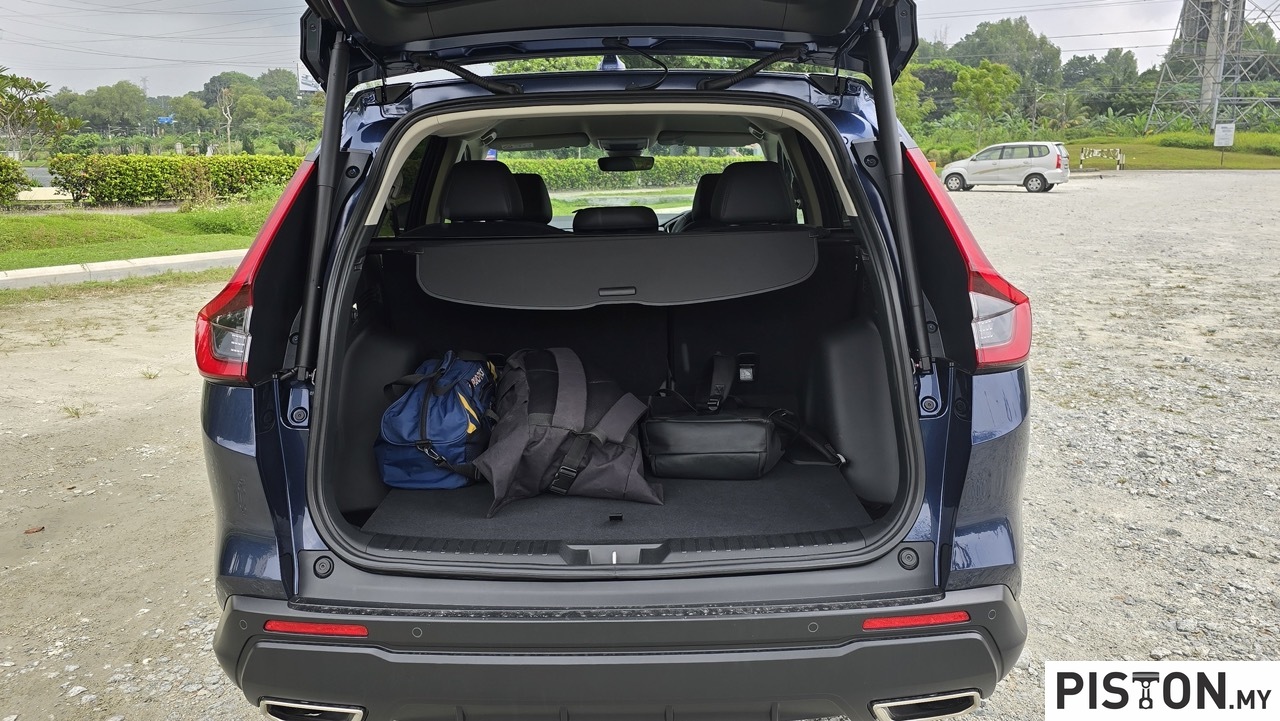
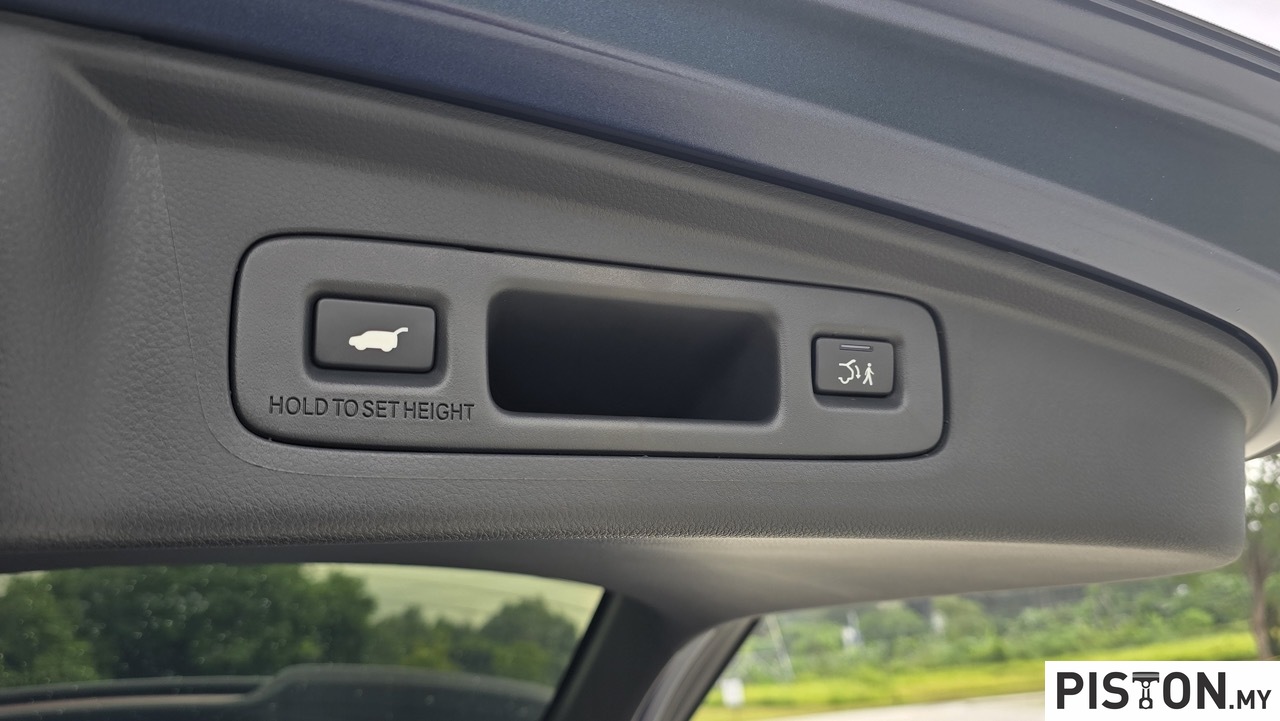
The boot is another highlight, offering an impressive 589 litres of cargo space. Whether it’s luggage for a weekend getaway, a stroller, or even groceries for a week, the CR-V has you covered. The hands-free power tailgate with a walk-away close function adds a touch of convenience, making it effortless to load and unload cargo even when your hands are full.

Comfort for Long Drives

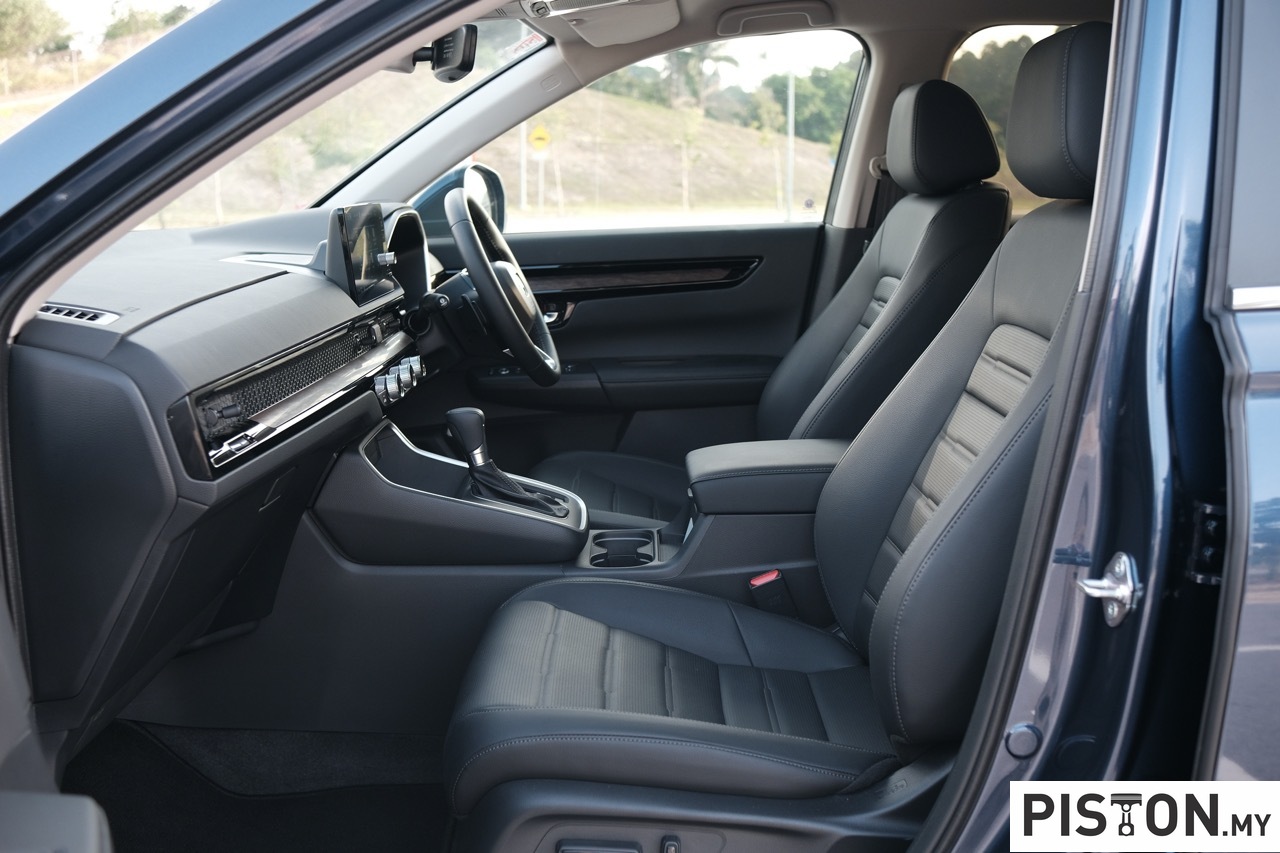
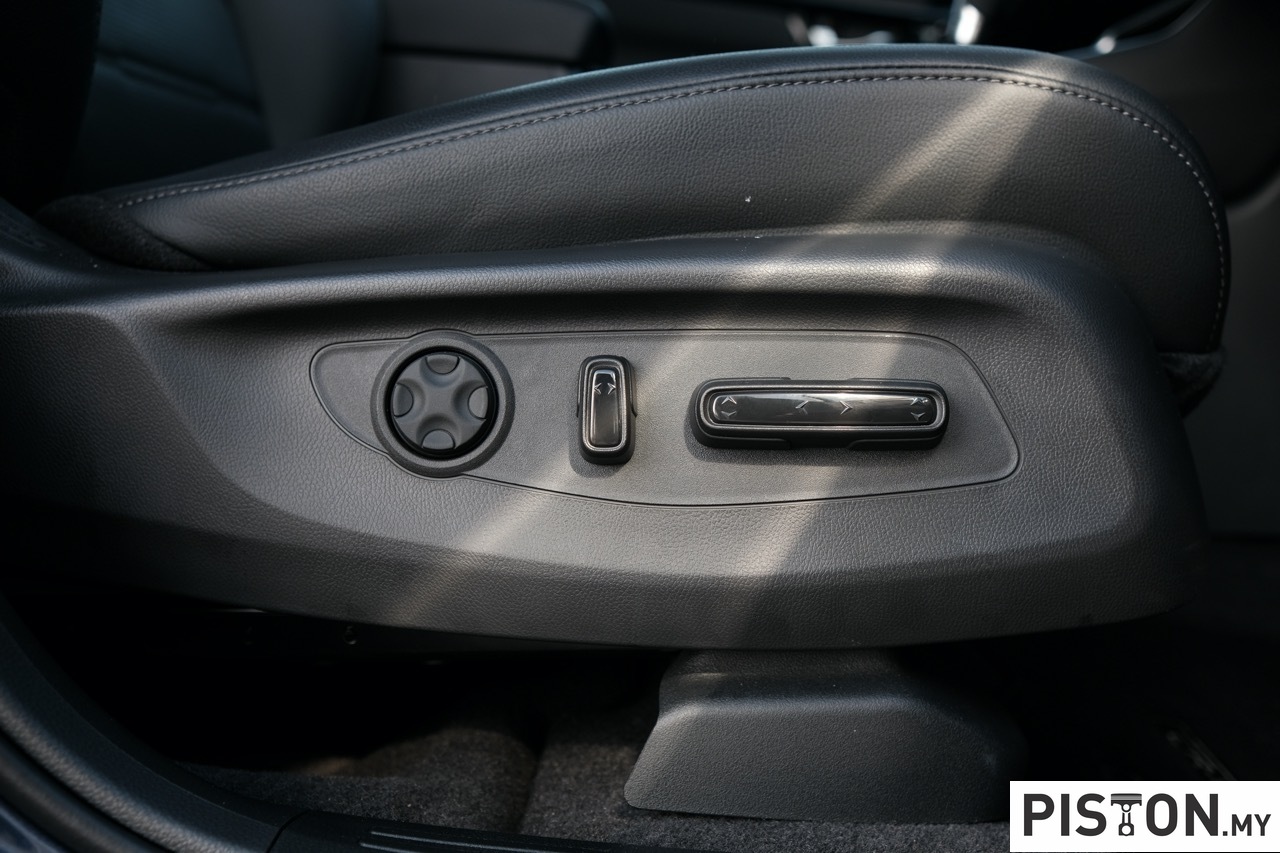
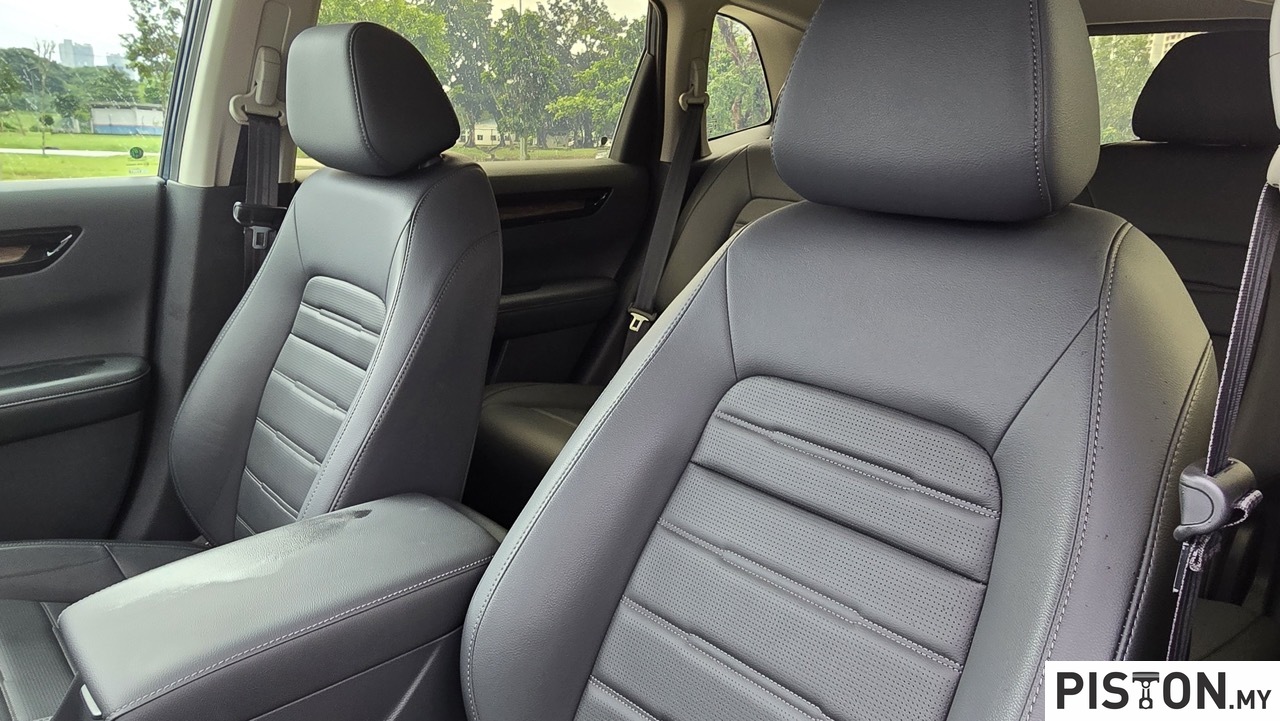
A family SUV must prioritise comfort, and the Honda CR-V excels in this area. Honda’s body-stabilising seats ensure excellent support, particularly during long journeys. The seats are well-cushioned and ergonomically designed to reduce fatigue for both the driver and passengers. Additionally, the driver’s seat position memory function allows multiple drivers to easily revert to their preferred settings.

Noise insulation is another area where the CR-V shines. While the e:HEV RS variant with wheel resonators offers superior NVH (noise, vibration, harshness) performance, the non-hybrid models still provide a quiet and serene cabin environment. This allows families to enjoy conversations or music without interruptions from external noise.

Family-Centric Technology

The CR-V’s infotainment system is designed with user-friendliness in mind. Its nine-inch advanced display audio touchscreen is compatible with Apple CarPlay and Android Auto, making it easy to connect smartphones for navigation, calls, or music streaming. The eight-speaker sound system delivers crisp audio quality, ensuring every road trip is accompanied by great entertainment.

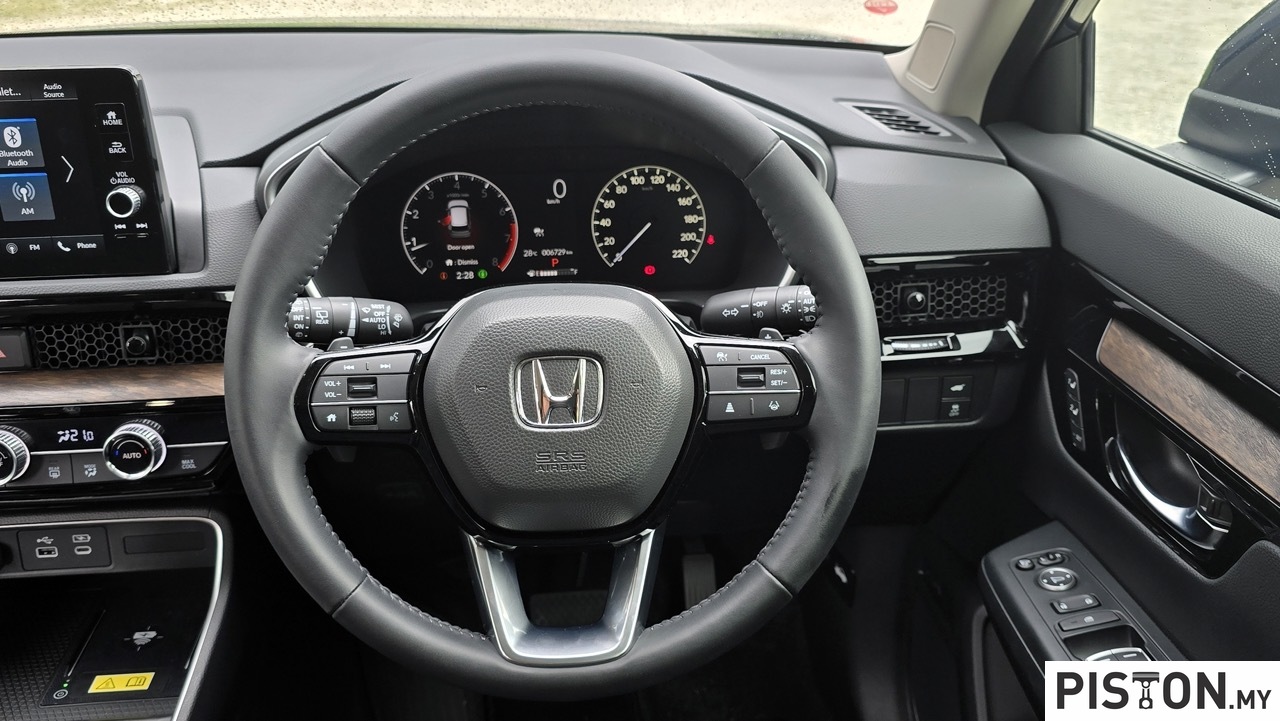
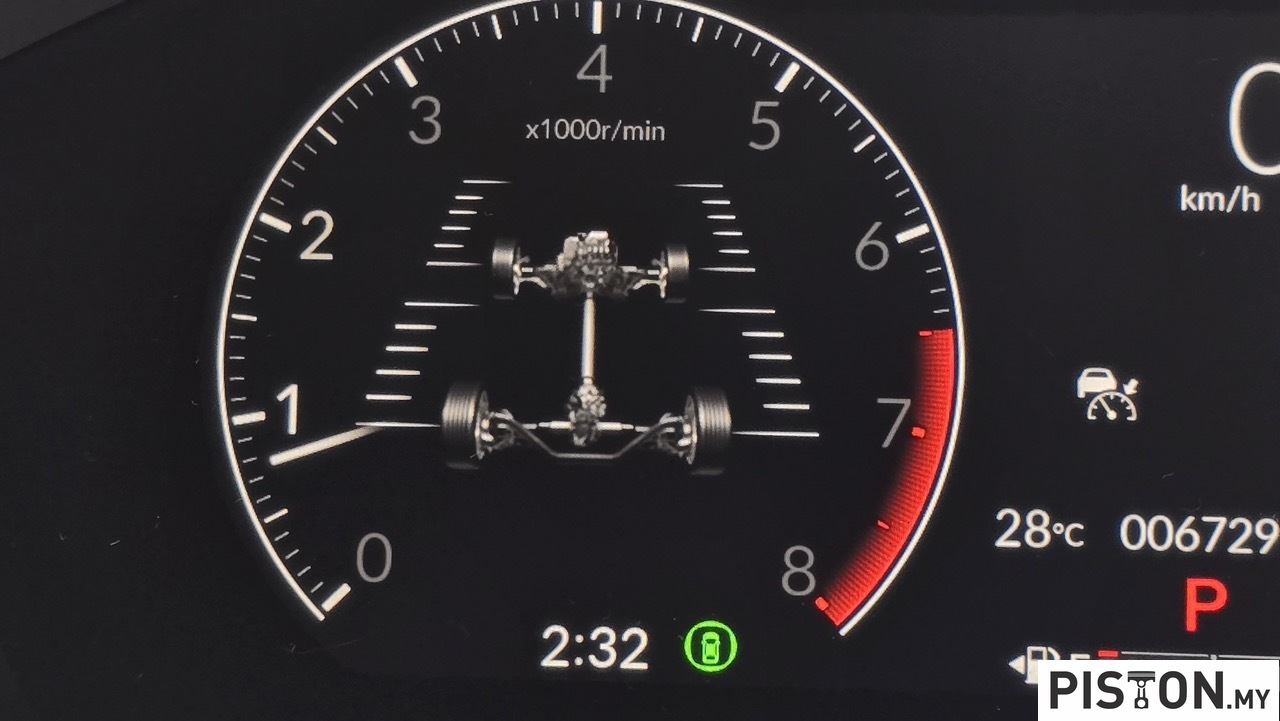
For the driver, the seven-inch TFT instrument display provides essential information at a glance. It is customisable to show details like audio info, fuel range, or all-wheel-drive (AWD) power distribution. Even for those less tech-savvy, the system’s intuitive design makes it easy to navigate.

Safety First

Safety is a priority in the CR-V, with features like autonomous emergency braking, vehicle stability assist, and eight airbags covering the front, sides, side curtains, and knees. 

Additionally, the Driver Attention Monitor alerts drivers when signs of fatigue are detected, promoting safer driving. Adaptive cruise control and low-speed follow functions further enhance convenience and reduce driver fatigue during extended journeys.

Another feature that I really like about the CR-V is the built-in tyre pressure monitoring system. The pressure was low when I collected the car and it kept informing me which I find is really good because I have seen cases of tyres bursting due to negligence of proper tyre care. All you have to do is pump air into the tyres and calibrate the system via the infotainment screen. 

Performance That Delivers

The Honda CR-V’s 1.5-litre DOHC VTEC Turbo engine delivers 193PS and 243Nm of torque. Mated to a CVT gearbox, this setup offers smooth acceleration and reliable performance, whether on city roads or highways. With a 0-100km/h time of 10.4 seconds and a top speed of 200km/h, the CR-V balances power and efficiency effortlessly.
The all-wheel-drive (AWD) system enhances the SUV’s capability on various terrains, making it suitable for occasional off-road adventures. The inclusion of a multi-view 360-degree camera also makes navigating tight urban spaces a breeze.

Small Touches That Matter

Honda is known for its attention to detail, and the CR-V is no exception. Thoughtful features like the walk-away auto-lock, which secures the vehicle automatically as you leave, and the inclusion of multiple USB ports for charging devices, show Honda’s understanding of modern family needs.

The addition of a wireless charging pad is a welcome feature, though it could benefit from faster charging speeds. Families who prefer a clutter-free cabin may find the slower charging speeds slightly inconvenient, as relying on USB cables adds to cabin messiness.

Areas for Improvement

While the CR-V boasts numerous strengths, improvements could be made in some areas. For instance, the absence of a “teh-tarik” hook might inconvenience some users. The LaneWatch system, which activates when the left indicator is used, overrides the infotainment display, temporarily obscuring navigation information. This can be frustrating for drivers relying on GPS guidance but can be turned off, but then again, what is the point of LaneWatch if you are just going to turn it off? A Blind Spot Monitoring system would be a more effective and user-friendly solution.

Another area for improvement is the wireless charging pad, which is slow to charge devices. Although USB ports and a 12V outlet are available as alternatives, they may result in a cluttered cabin with tangled cables. Addressing these issues would further enhance the CR-V’s appeal and functionality.

Value for Money

Priced at RM181,900 for the 1.5 V AWD variant, the CR-V represents excellent value for its segment. Its comprehensive suite of features, spacious interior, and reliable performance make it a worthy investment for families seeking an all-rounder SUV. Compared to rivals, the CR-V’s blend of practicality, technology, and comfort offers a compelling package that’s hard to beat.

The Honda CR-V’s latest iteration builds on its legacy of being a reliable and versatile family SUV. With its spacious interior, advanced safety features, and thoughtful touches, it remains a top contender in the Malaysian market.

Though it has a few minor drawbacks, the CR-V’s strengths far outweigh them, making it an ideal choice for families looking for a dependable, feature-rich vehicle. Whether you’re navigating city streets or embarking on a road trip, the Honda CR-V promises a comfortable, safe, and enjoyable experience for everyone on board.

For families in Malaysia, the Honda CR-V is not just a car—it’s a trusted companion ready to meet the demands of modern life with style and grace.

Specifications:

1.5 V AWD:

Engine: 1.5 litre DOHC VTEC Turbo engine

Power: 193PS @ 6000rpm

Torque: 243Nm from 1,700 to 5,000rpm

Gearbox: CVT

0-100km/h: 10.4 seconds

Top speed: 200km/h

Price (as tested): RM181,900

We like: Comfort, space and practicality.

We don’t like: Slow wireless charging and no “teh-tarik” hook

Electric SUVs have rapidly become a cornerstone of the automotive industry’s shift toward sustainable mobility. Combining the practicality and versatility of traditional SUVs with the eco-friendly benefits of electric powertrains, these vehicles offer a compelling option for modern drivers. 

With advancements in battery technology, enhanced driving ranges, and innovative features, electric SUVs blend performance, comfort, and environmental responsibility.

The EV market in Malaysia is mostly dominated by big and popular Chinese brands such as Chery, BYD, GWM and more. However, there are a few underrated brands that people seem not to notice. One of them is Leapmotor. 

Leapmotor, established in 2015 in Hangzhou, China, is a rapidly growing EV manufacturer focused on delivering innovative and accessible electric mobility solutions. The company was founded with a vision to create smart, high-quality, and affordable EVs that cater to diverse market needs. Leapmotor specialises in the design and production of electric cars and emphasises integrating cutting-edge technologies such as intelligent driving systems, advanced connectivity, and efficient powertrains.

The brand’s lineup includes a range of EVs from compact cars to SUVs, targeting urban commuters and families alike. Leapmotor’s proprietary technologies, such as in-house developed batteries and smart cockpit systems, position it as a serious contender in the competitive EV market. The company has also embraced sustainability, striving to reduce carbon emissions across its production and product lifecycles.

This writer is not particularly interested in EVs, but as the saying goes “you never know unless you try” has played a major role in my life. So I was given the opportunity by Stellantis, the parent company of Leapmotor, to try out their electric SUV, the Leapmotor C10.

Mature Looks

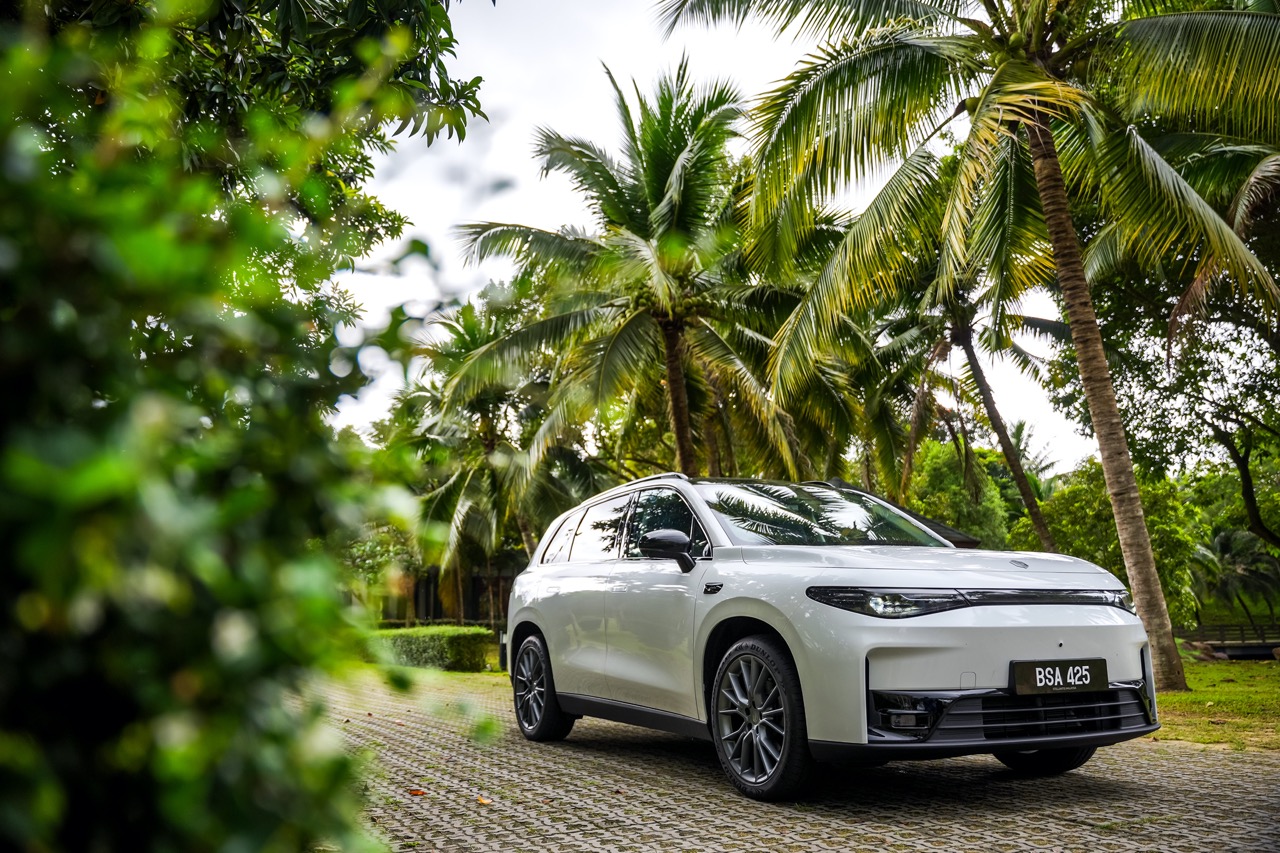
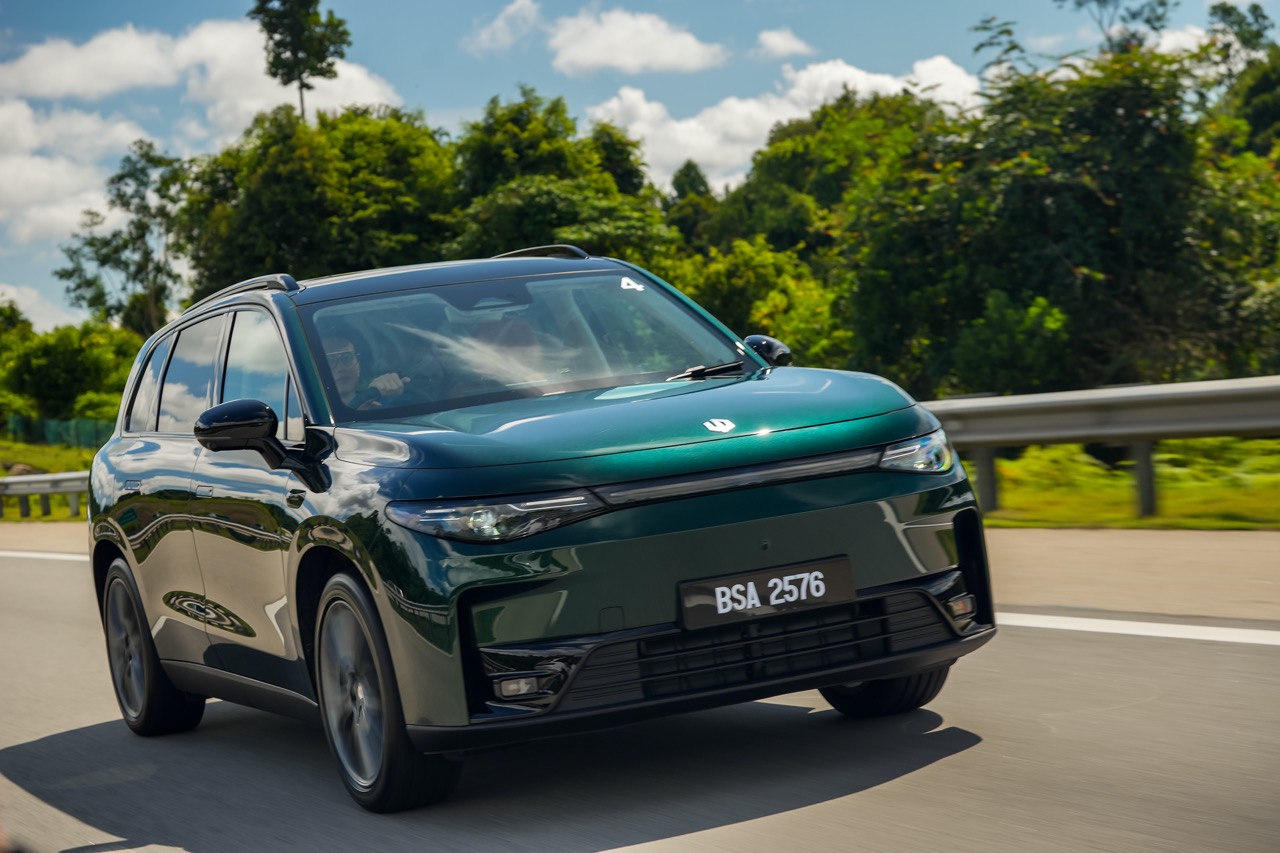
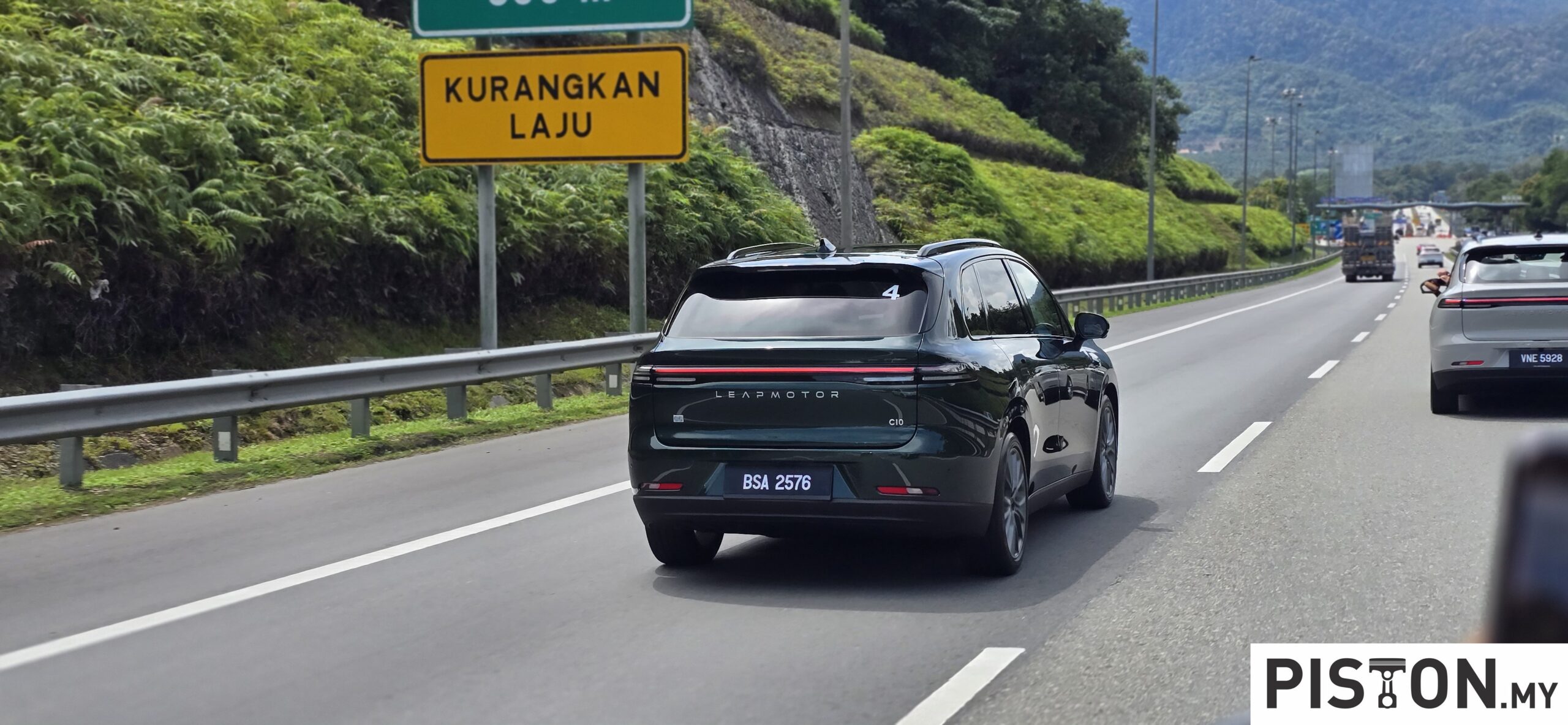
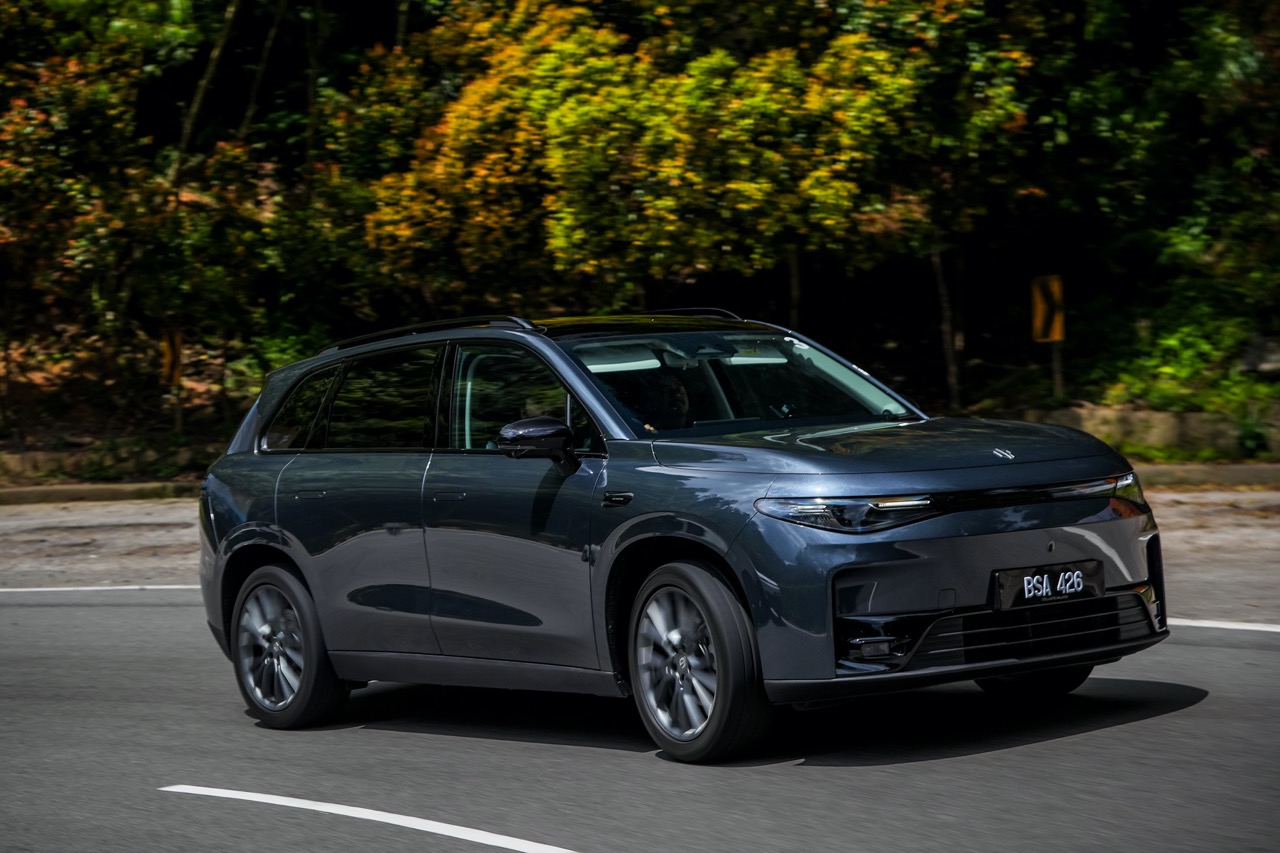
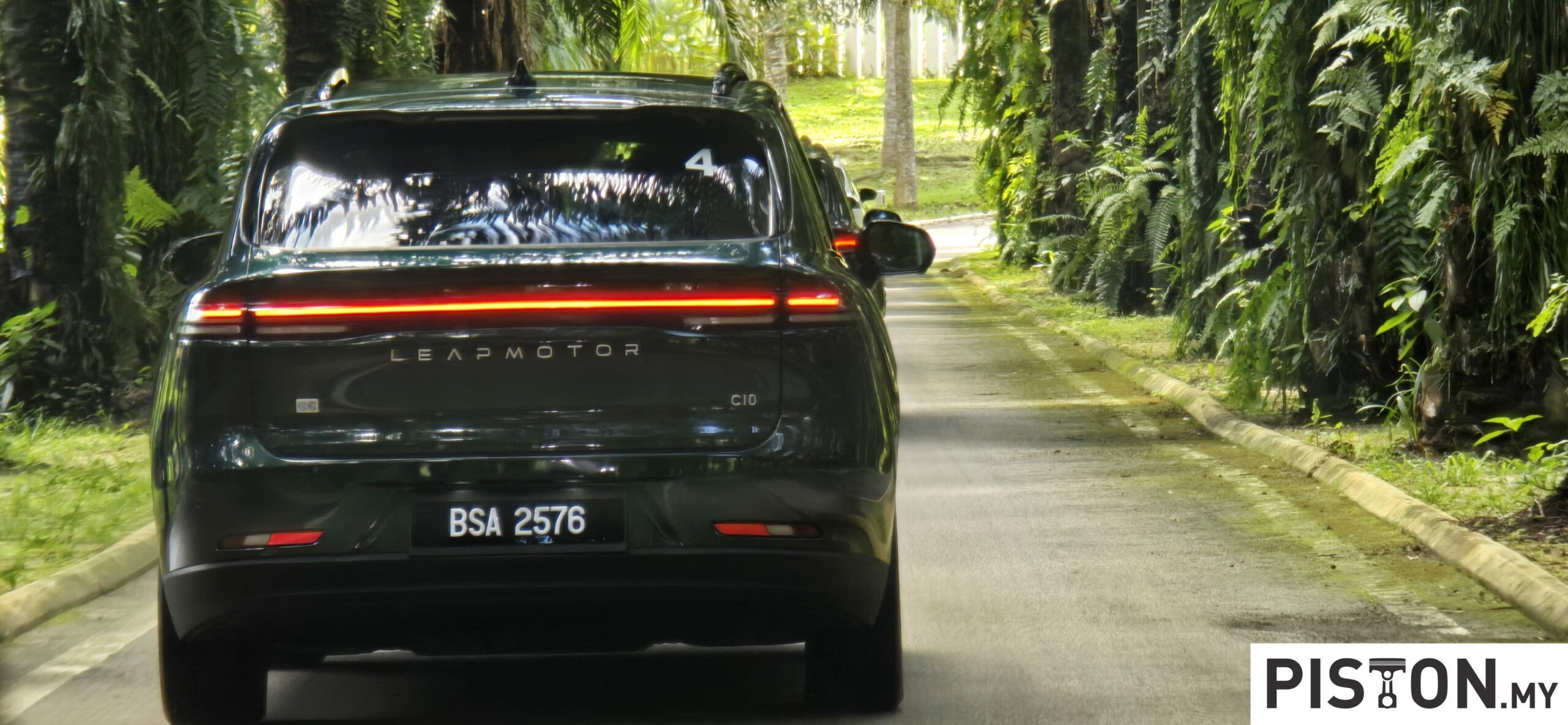
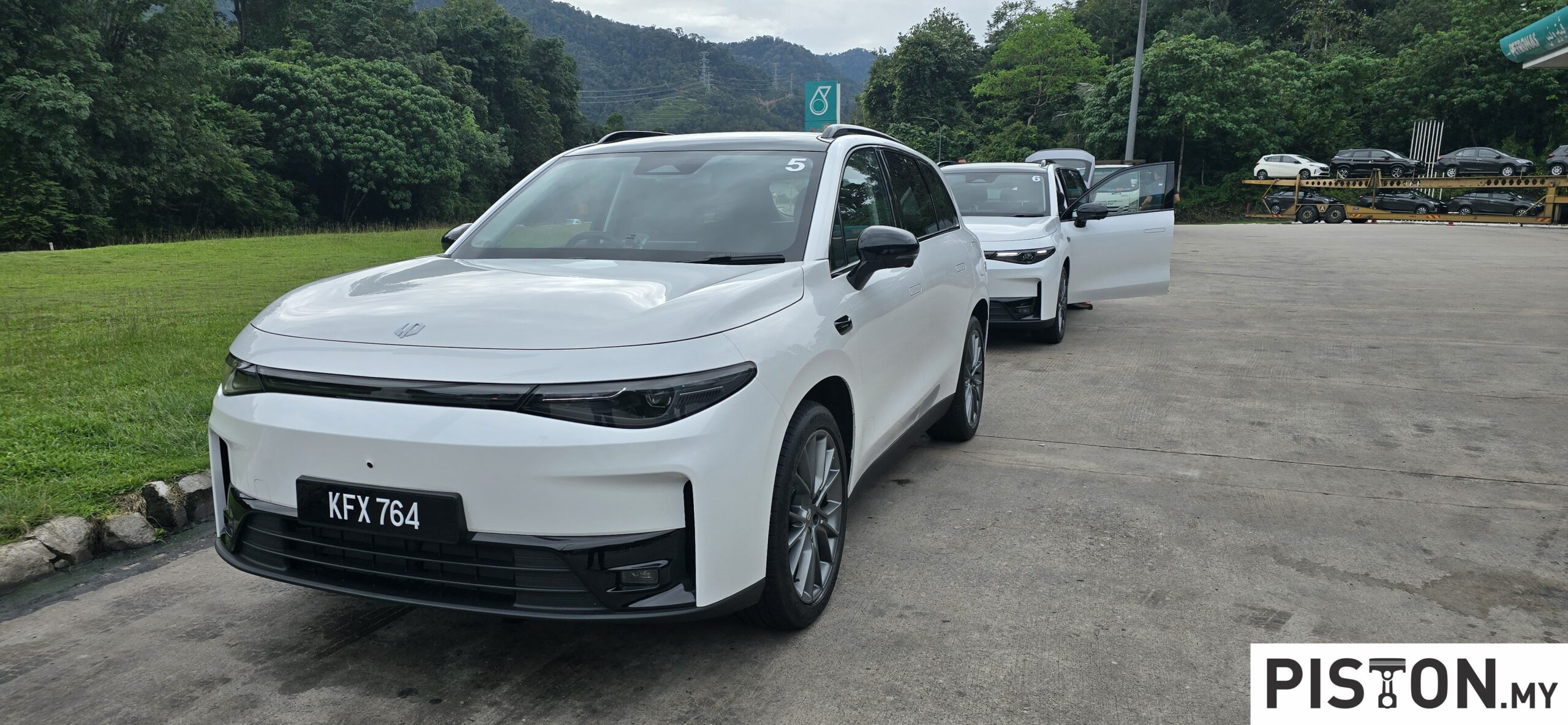
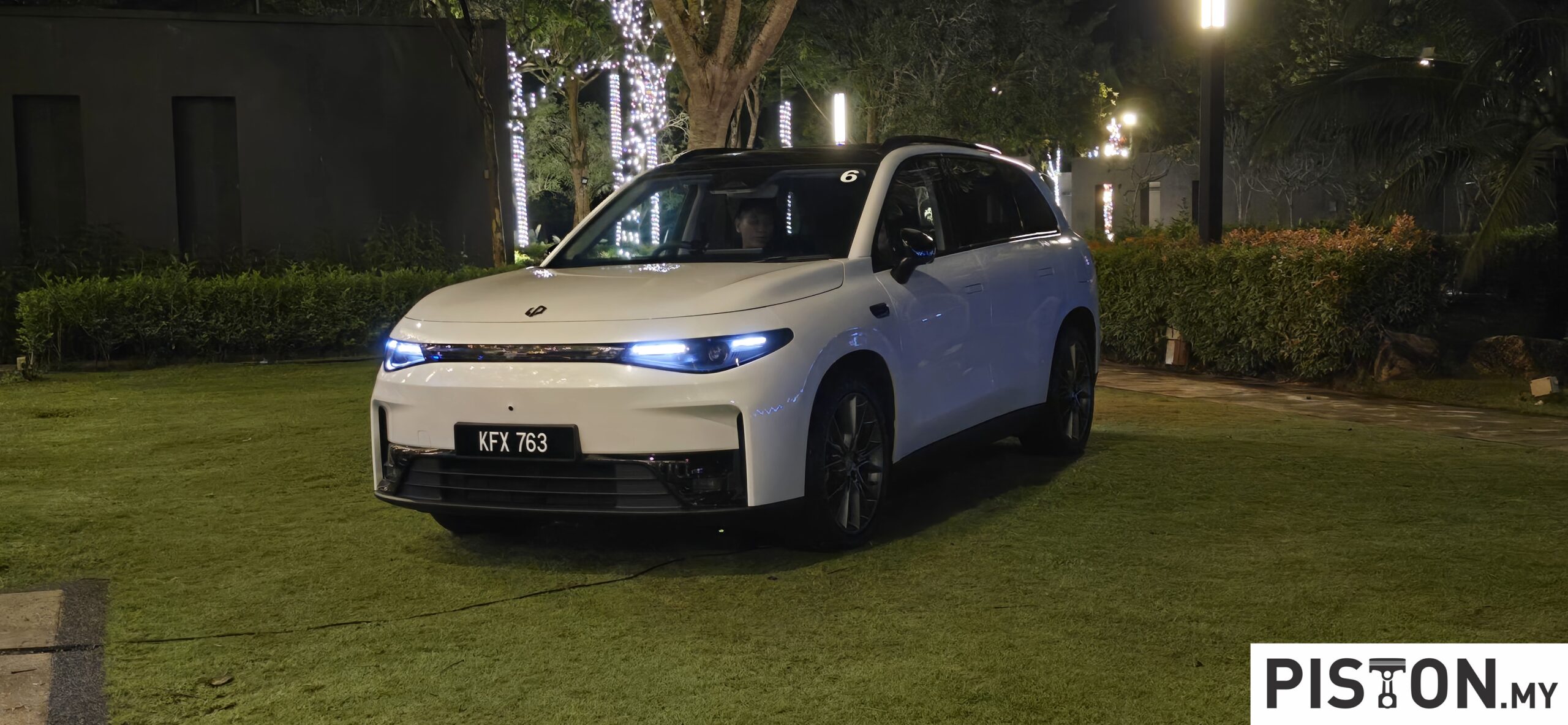
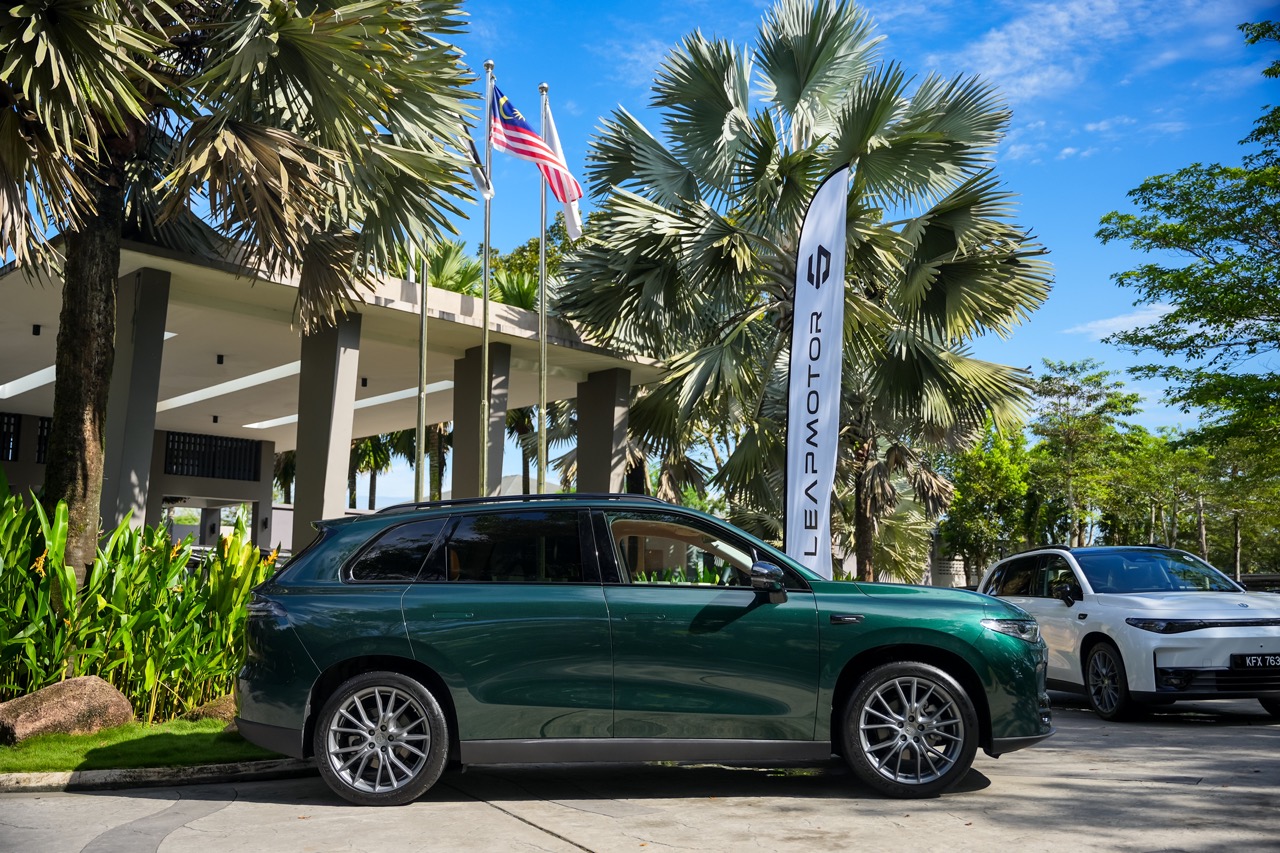
When you first look at the C10, you will notice that it does not look like any of the other Chinese brands. The C10 looks simple and mature. No sophisticated bumpers or weird designs, no unnecessary parts that make it look cheap, just simple and elegant. 

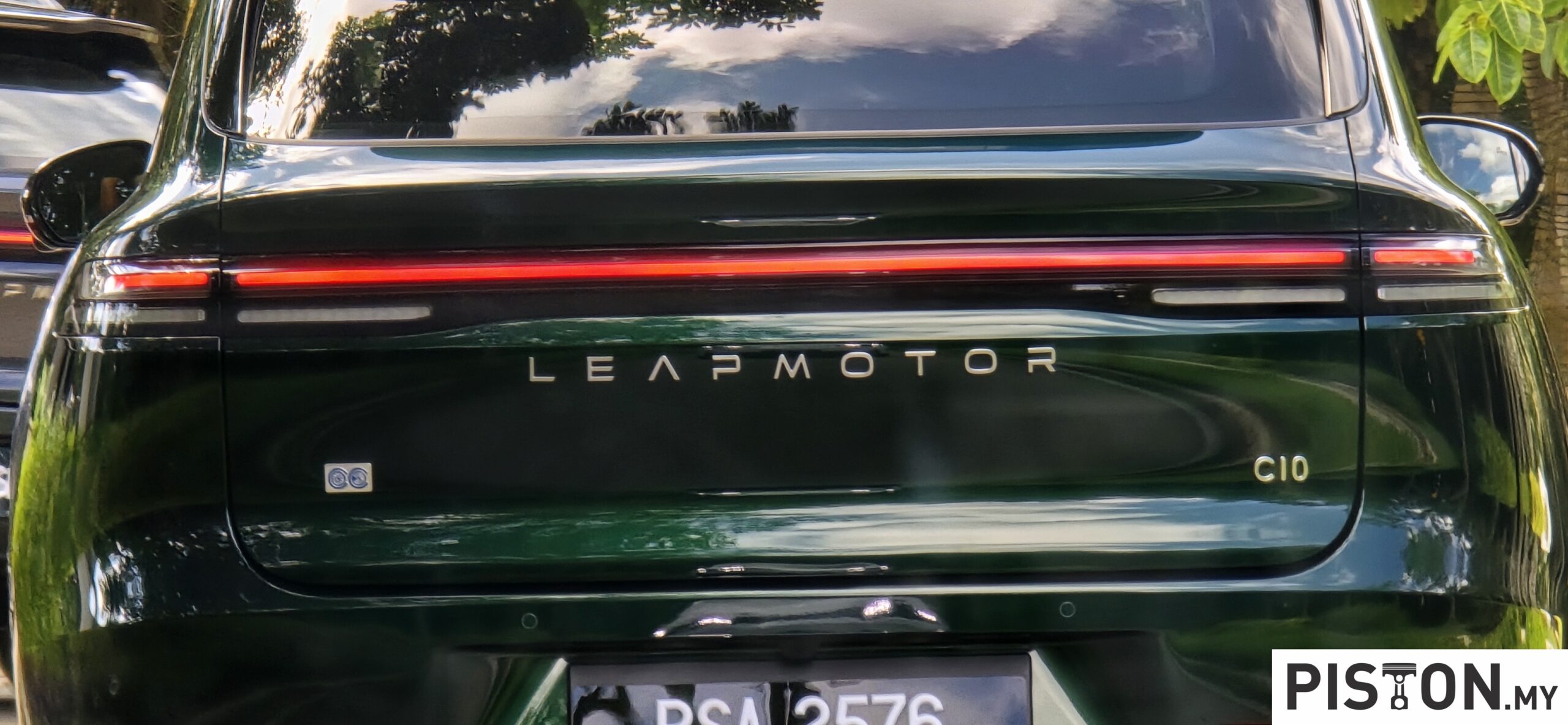
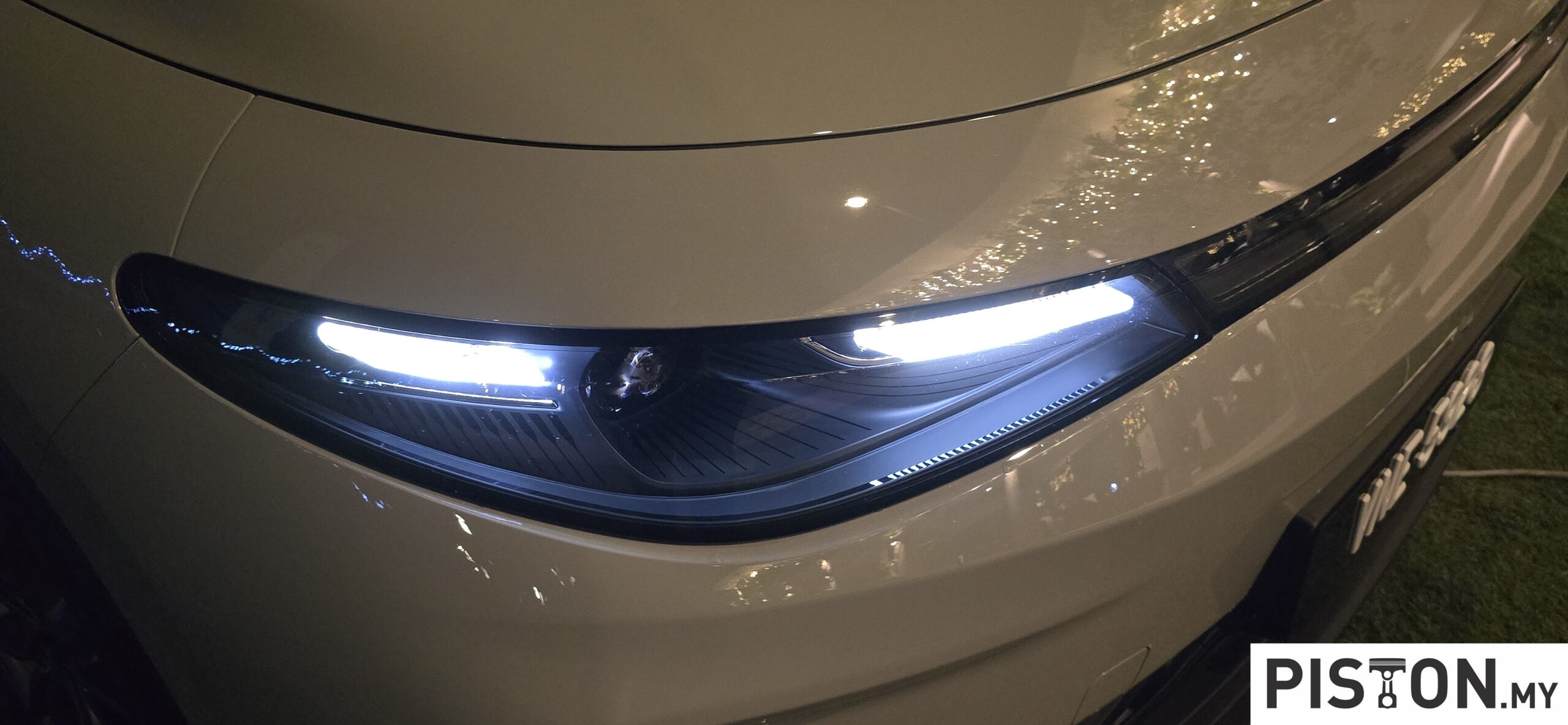
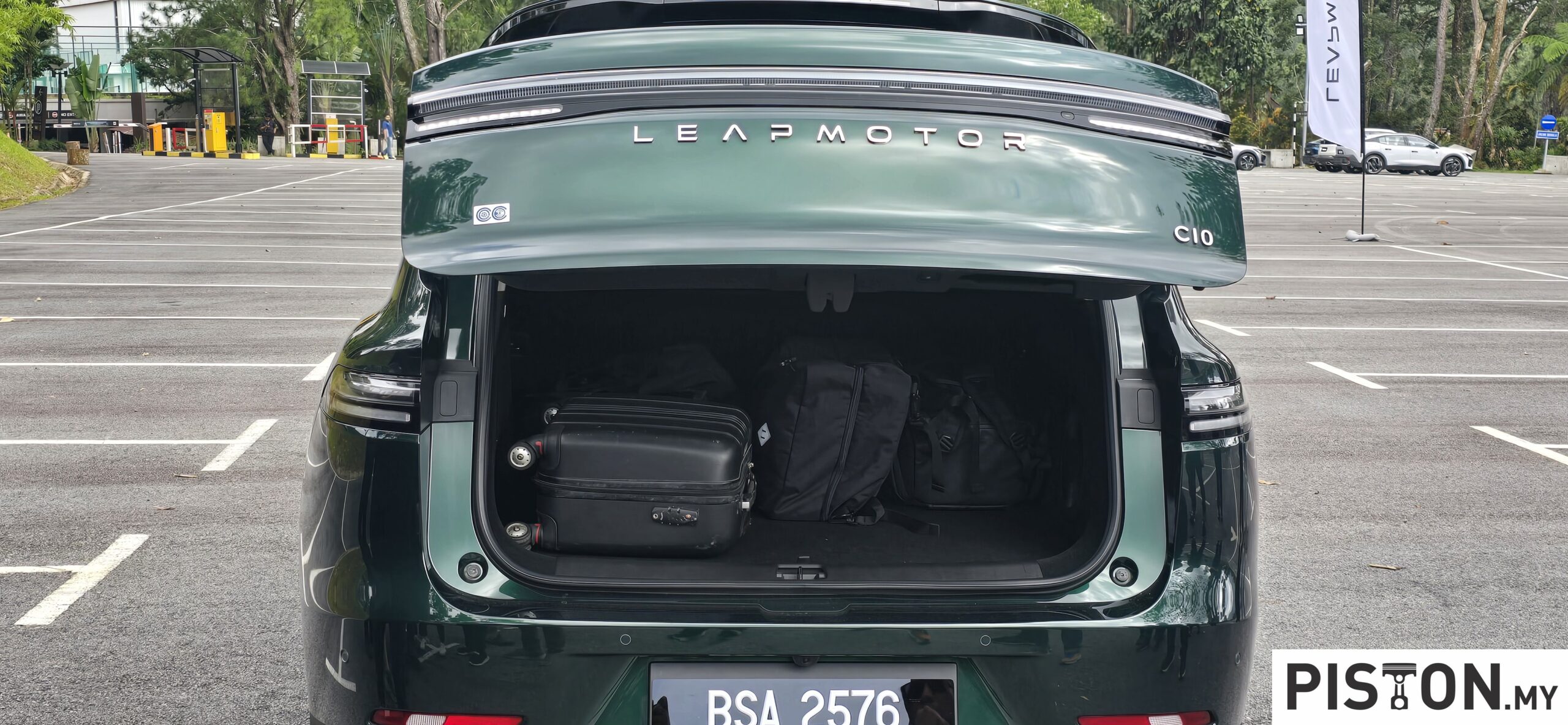
It features fog lamps, LED daytime running lights, dual rear fog lamps and not to mention the rear illuminating lightbar which I am a fan of. Some even say there are hints of a Porsche Macan around the rear.

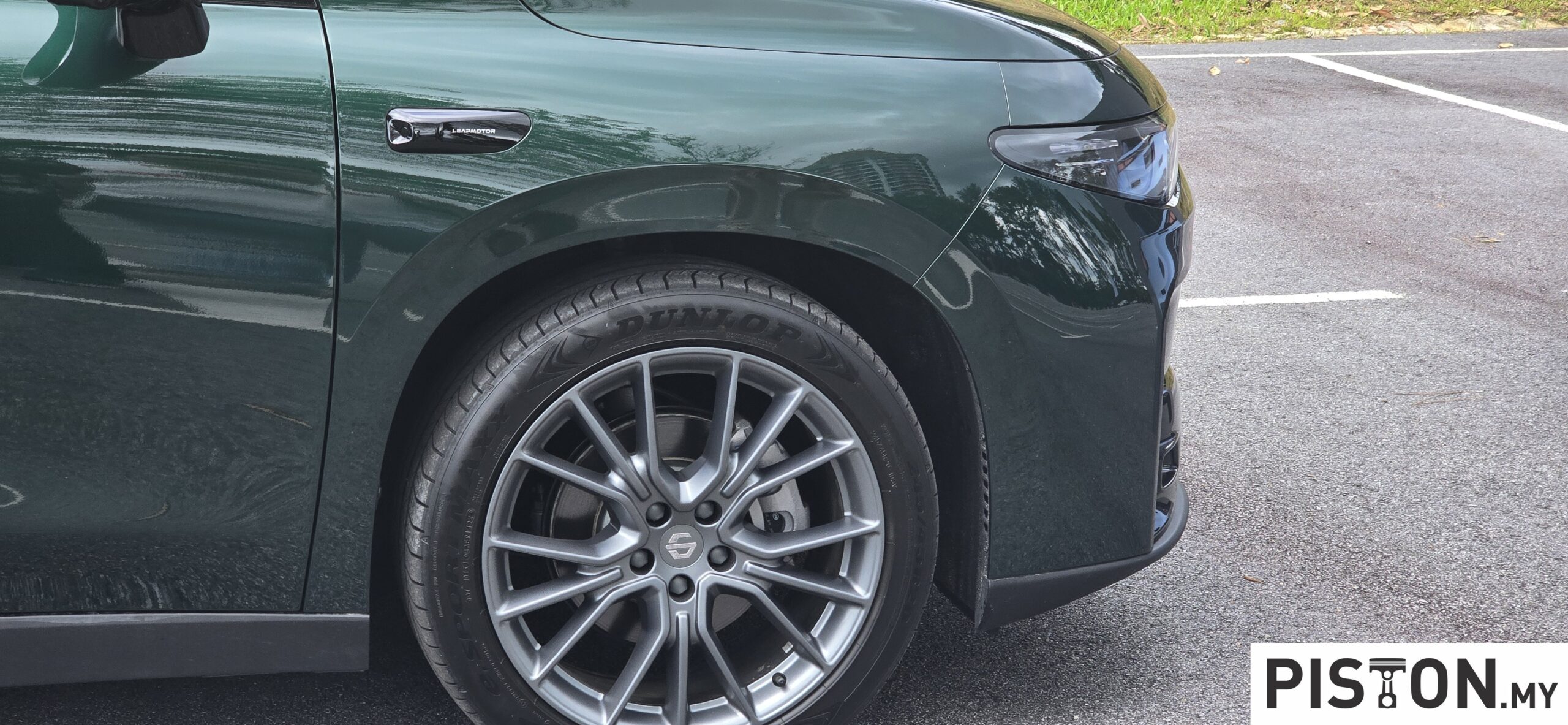
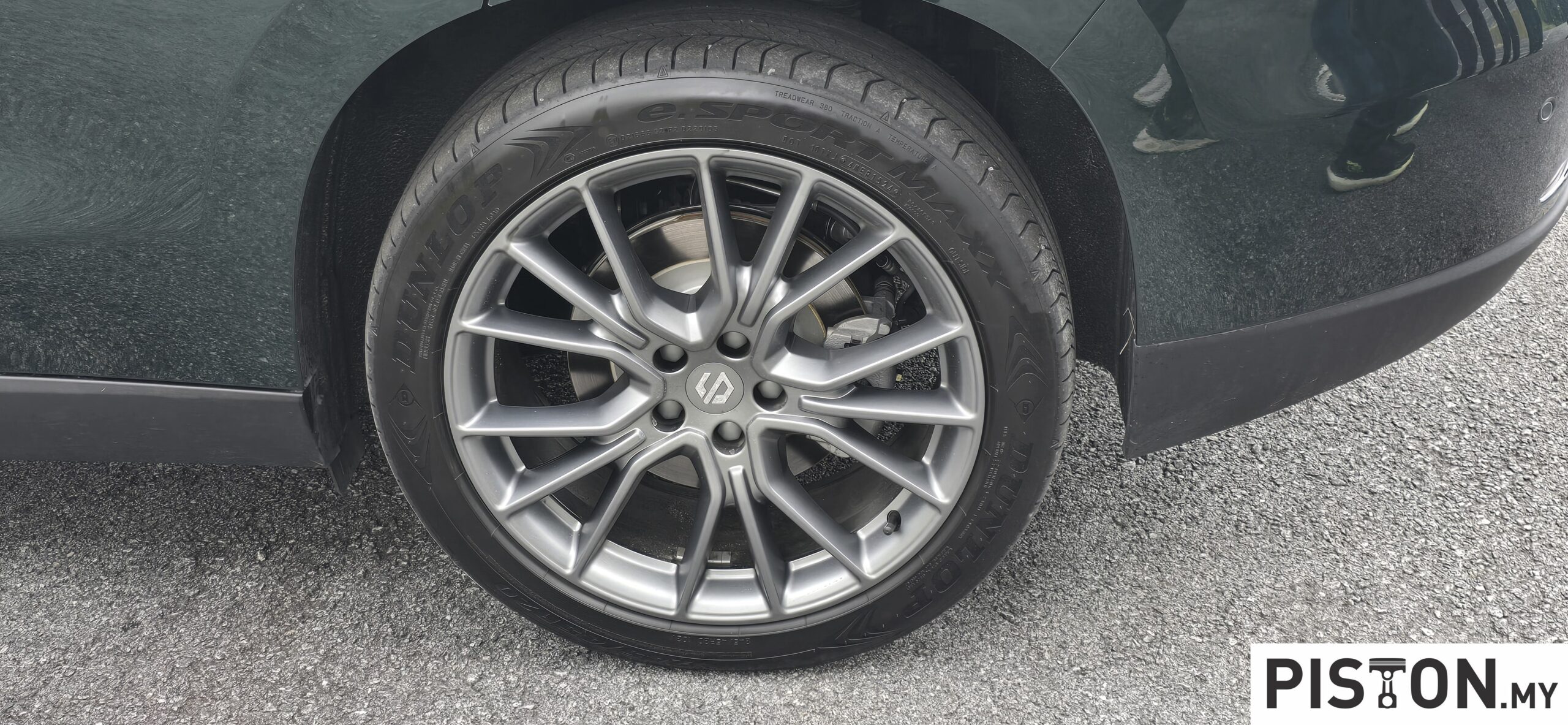
The C10 rides on 20-inch Trident aluminium wheels which suit the whole aesthetics of the car and give it a sportier look with 245/45 Dunlop e.Sport Maxx tyres.

Spacious and Comfortable Interior

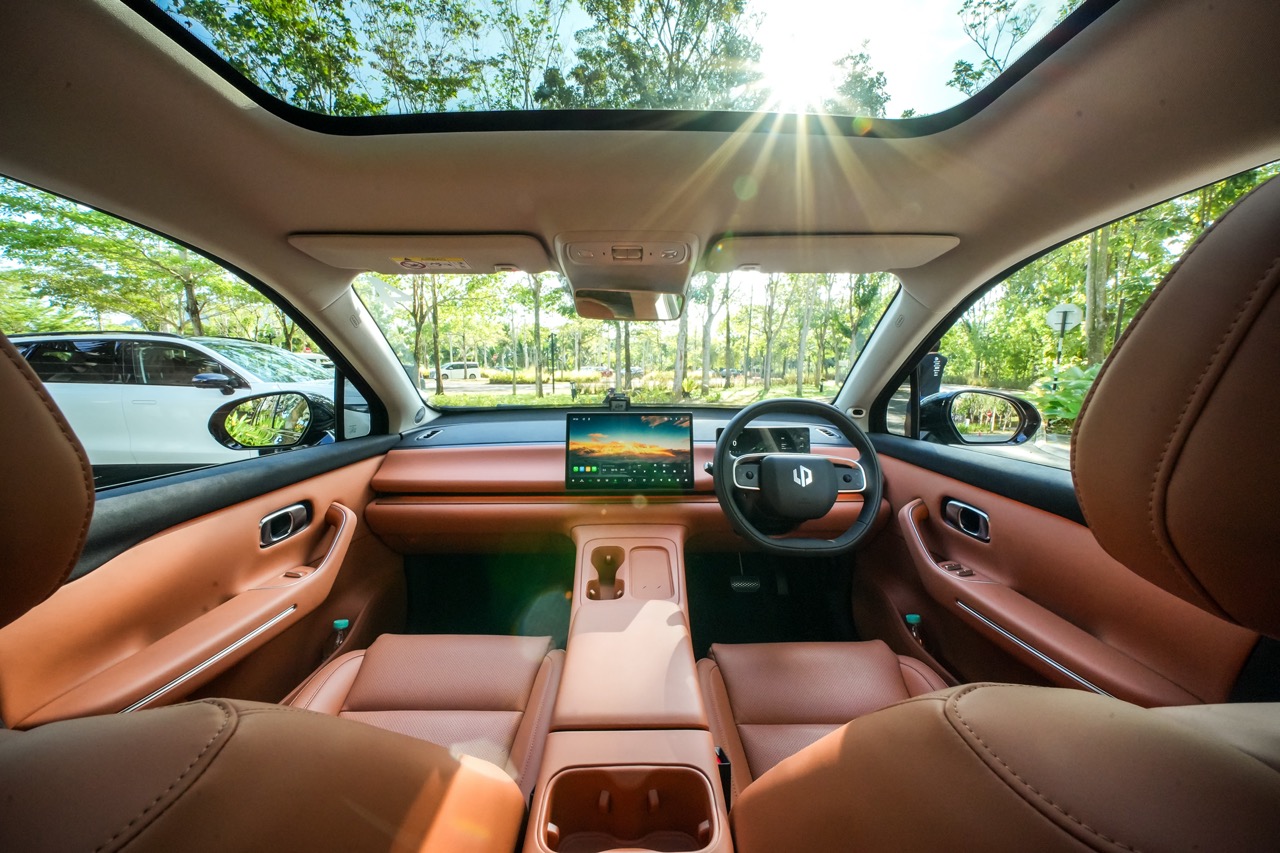
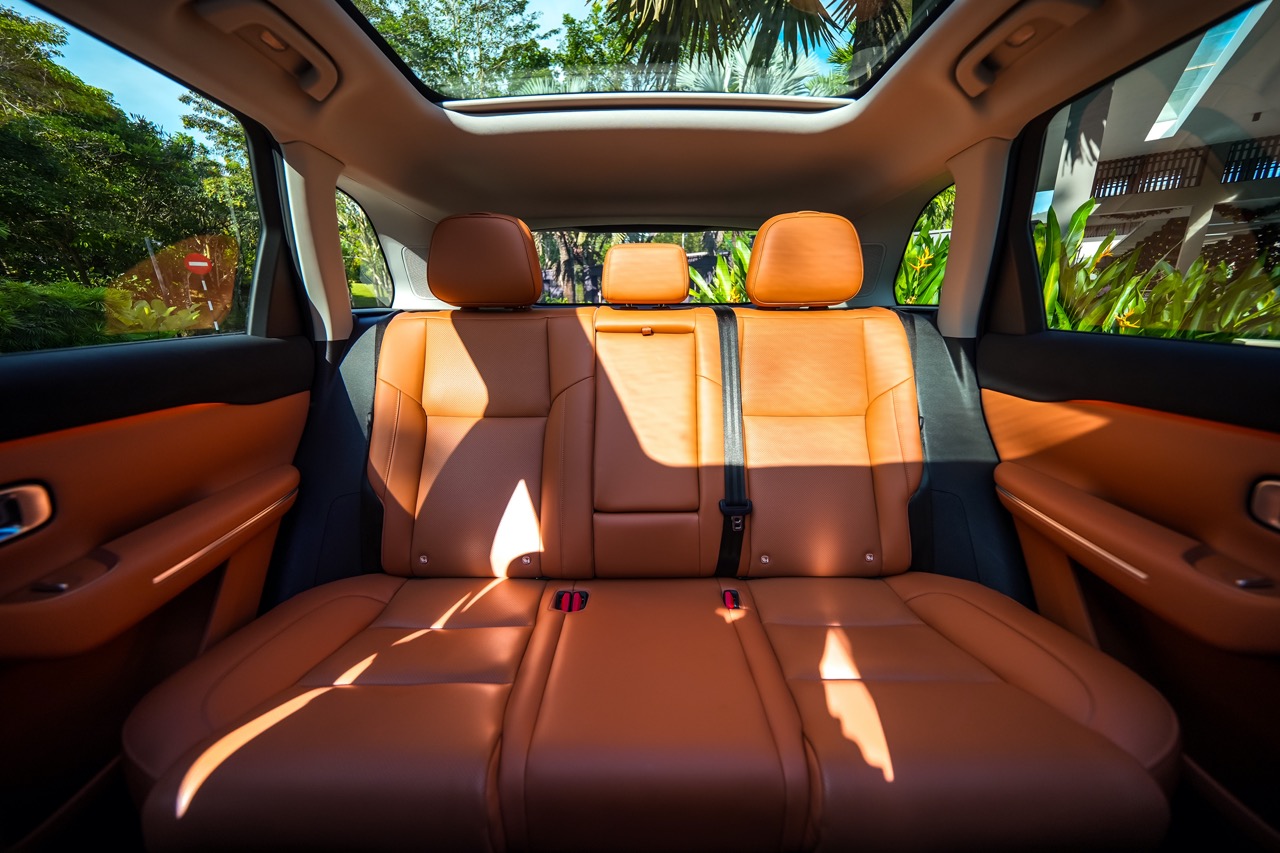
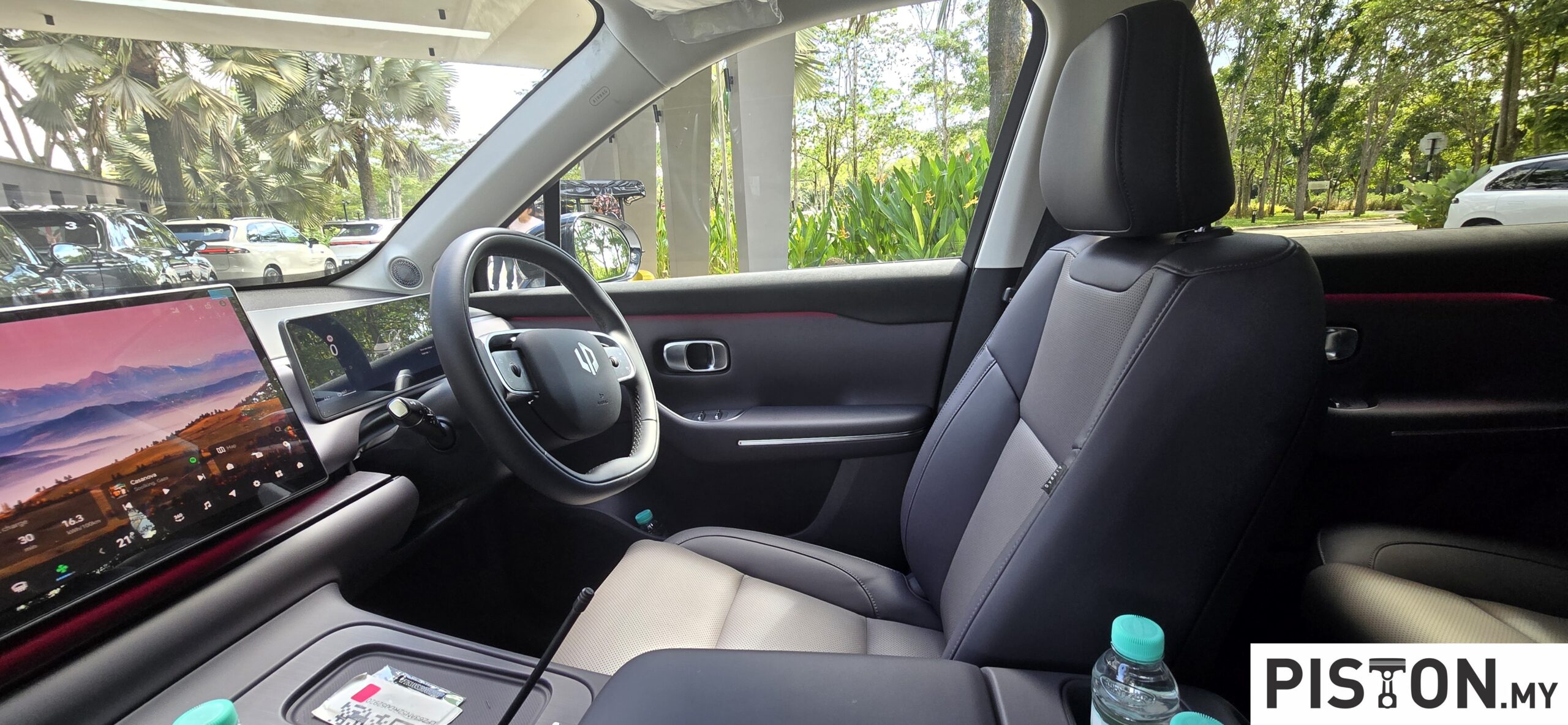
Step inside and you will see what we mean by comfort and space. This writer has a big build, so interior space is crucial when testing cars. Despite how big they look from the outside, we have sat in SUVs that are not that spacious. However, I can confidently say that the C10 is big people friendly. 

The driver’s and front passenger seating is spacious with ample amount of leg room and for the rear passengers, you could fit at least three regular “nasi kandar, tambah nasi” eaters.

Comfort is omnipresent throughout the SUV from soft-touch instrument panels to leather front and rear armrests, heated and ventilated front seats and the rear seats can be adjusted, which is what allowed me to sleep like a baby during our long drive to Pahang. 

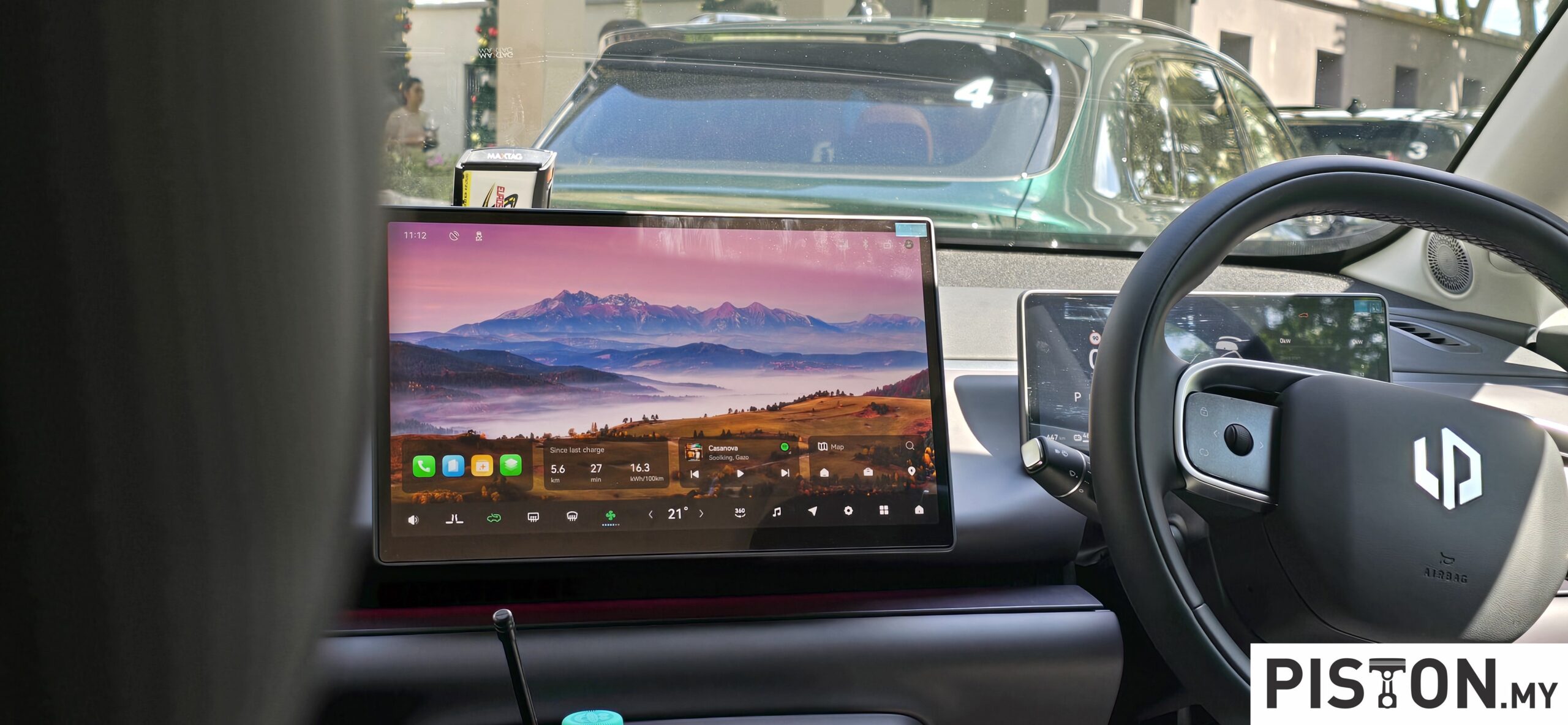
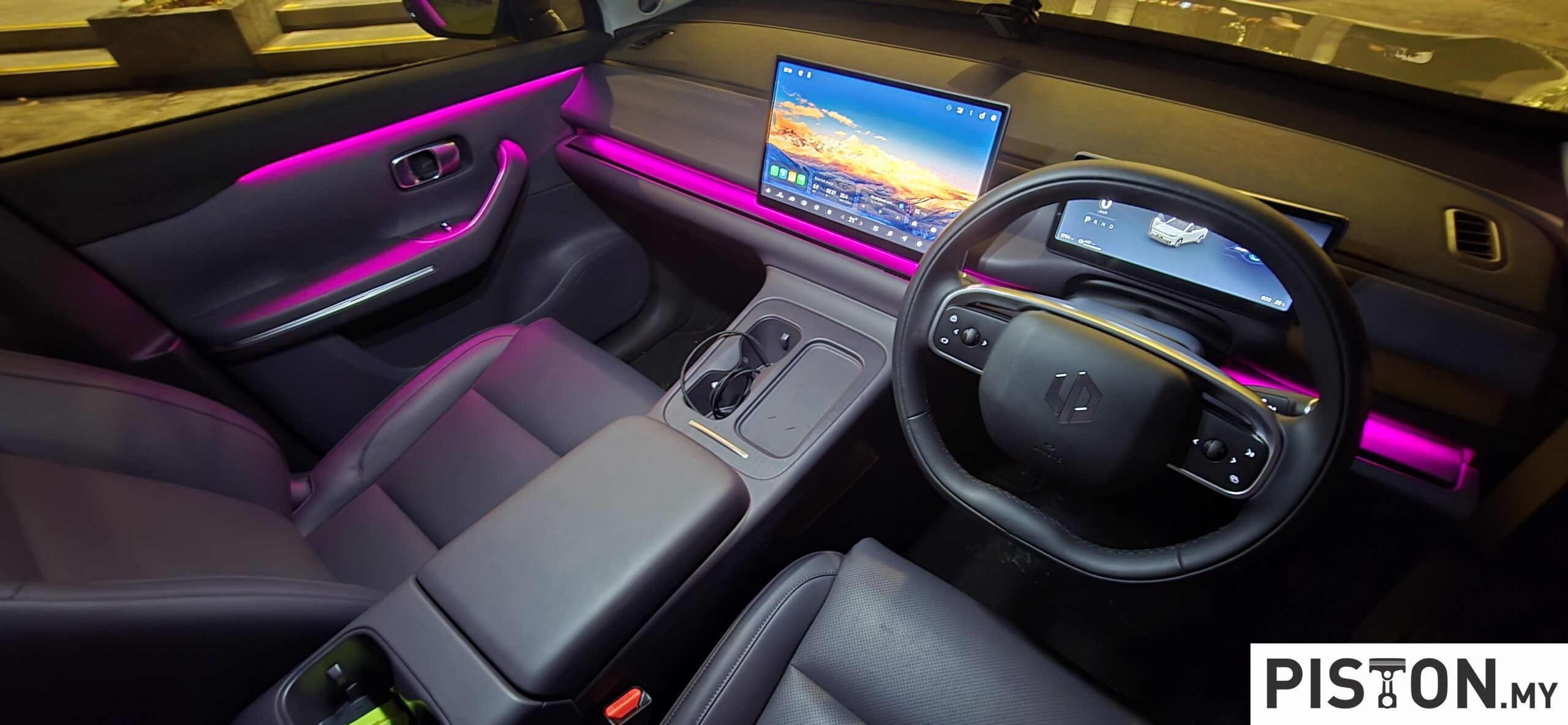
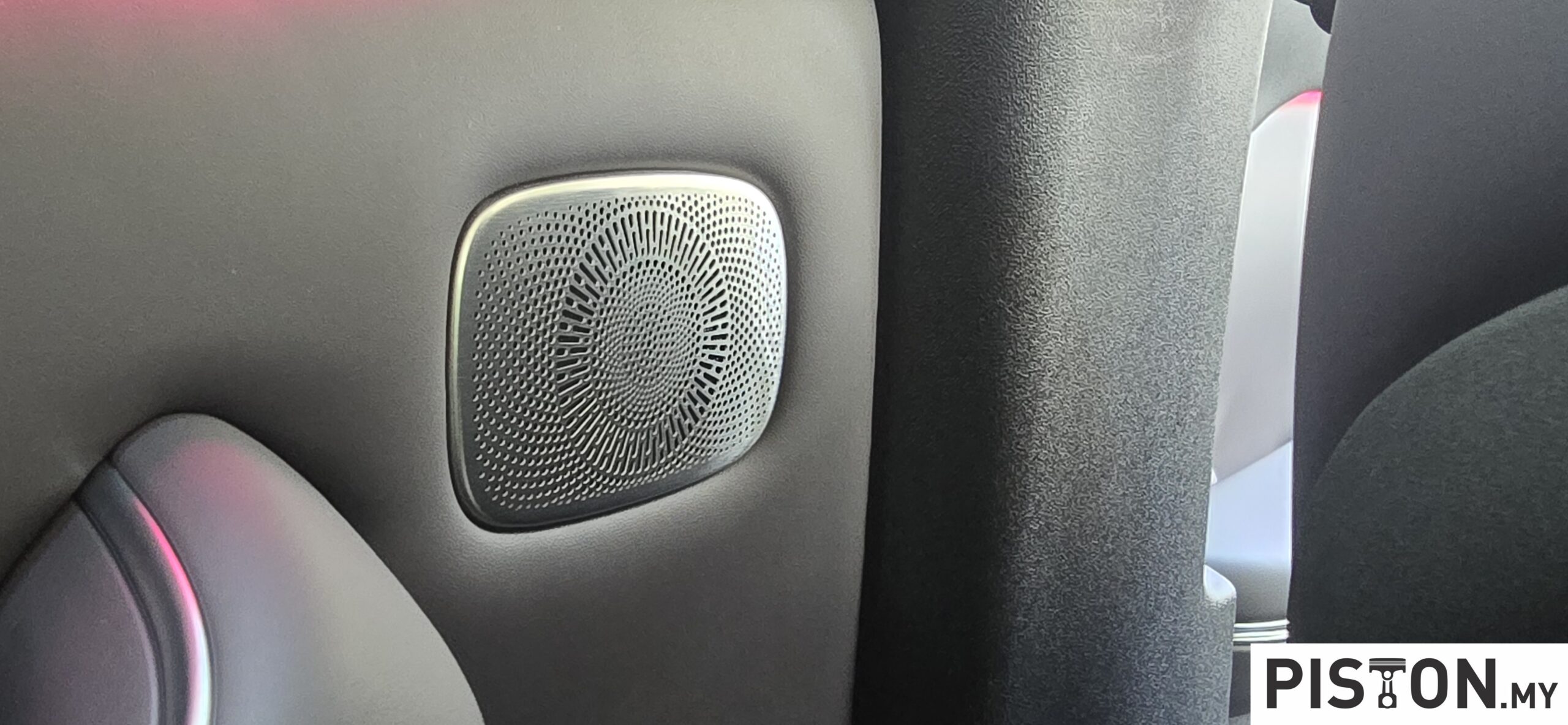
To enhance this in-car experience, the C10 comes equipped with rhythmic ambient lighting, wireless charging, 12 high-quality speakers and a 14.6-inch control touch screen. 

The Big Screen

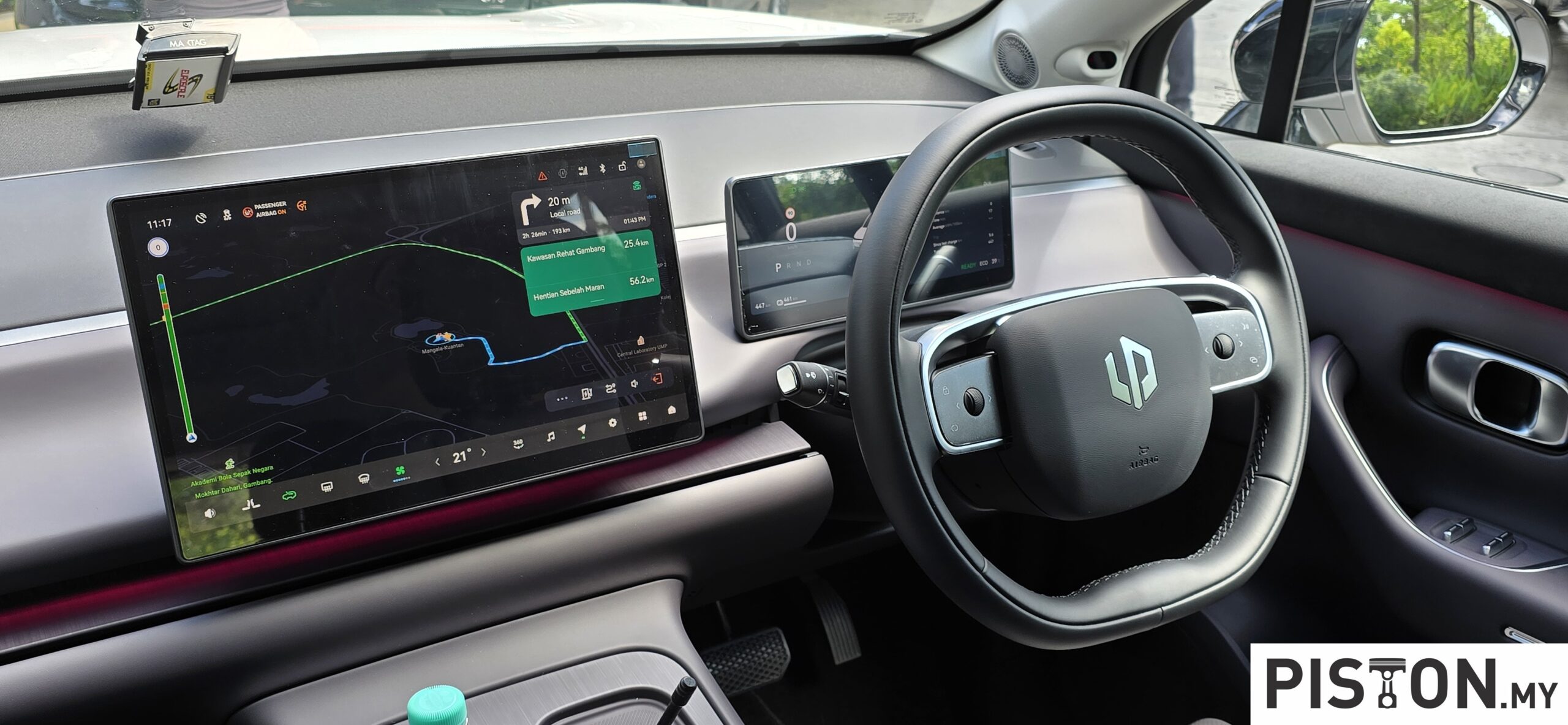
Now, every car has its flaws and one common flaw in most cars nowadays is the lack of physical buttons and controls for simple things such as adjusting the air-conditioning. Everything is controlled via the big infotainment screen that you get at the centre. Yes, it’s futuristic and very modern but it is also a hassle at the same time.

The C10 comes with concealed air vents, which means you will not be able to adjust the vents by adjusting them using a traditional knob. You will have to go through the centre screen to do so. This can be fairly frustrating for the driver because you have to take your eyes off the road.

Many other functions can be accessed through the screen as well, but we did not have enough time to learn the car and mess around with all the other settings. This is a learning curve and there are plenty of “oh it does that” moments, so be prepared to spend a couple of days, or weeks to get to know the intricacies of the car. 

Another flaw of the C10 is that it does not come equipped with Android Auto and Apple CarPlay. Yes, you read that right. So for navigation, you have to use the in-built one and it also comes with a Spotify application. To use this, you will need internet access which can be done if you purchase a sim card or use your mobile hotspot.

Maserati-Tuned

Tyres play a huge role when it comes to a vehicle’s handling performance but many people overlook the fact that the driving dynamics of the car play a major role too. So how did the C10 perform? We were actually surprised at how well the grip and handling were. We tackled the hills of Genting with no issues whatsoever. This is possible because the driving dynamics have been tuned and optimised by Maserati. 

It simply did not feel like we were in an SUV. It was agile and smooth, and we could barely feel the turns because of how well the SUV manoeuvred. Given the fact that this is a family SUV, it was not built for speed so this rear-wheel-drive SUV can do 0-100km/h in 7.5 seconds and the top speed is around 173km/h. The best part is that even at this speed, the cabin is quiet because of how good the NVH levels are. 

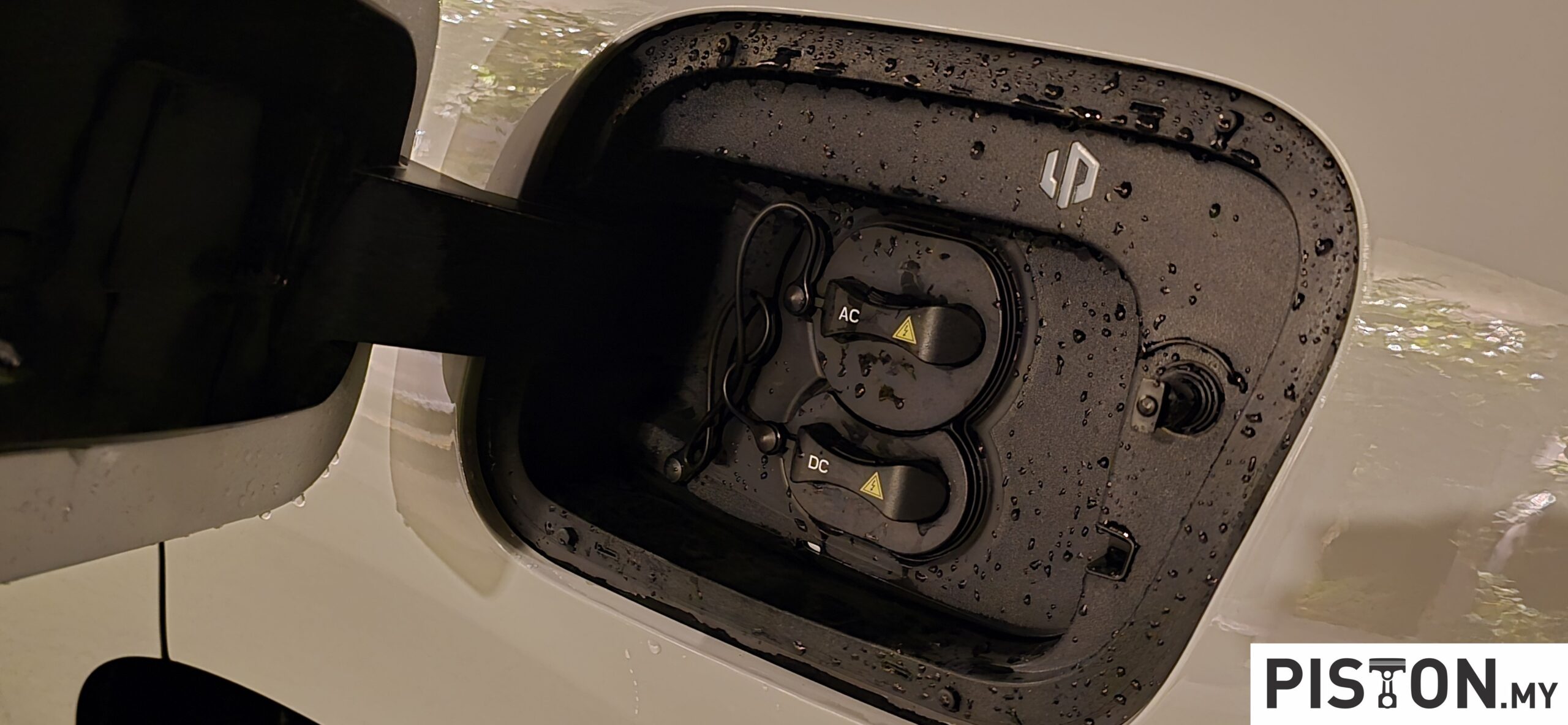
The 69.9kWh Lithium-Iron Phosphate (LFP) battery offers a range of up to 424km (WLTP), and the C10 can charge from 30% to 80% in just 30 minutes using a DC fast charging. The single motor configuration produces 218PS and 320Nm of torque which is more than enough to drive this 1,980kg SUV.

We found the power to weight to be balanced, because of how our fellow Malaysians drive and ride, we had to do some quick manoeuvres to avoid hitting them and the steering response was sharp enough to pull off these quick stunts without losing control. 

What is that beeping sound?

Safety systems are a crucial part of a vehicle and the question people ask nowadays is “Got ADAS ah?” 

Well, safety is paramount in the Leapmotor C10, which comes equipped with a comprehensive suite of seven airbags and Level 2 ADAS (Leap Pilot). This includes Adaptive Cruise Control, Lane Centering Control, Autonomous Emergency Braking, and many other advanced driver assistance features that are too long to be listed here. 

The thing is, there are too many functions for us to remember so we had to learn them on the go. Every now and then there will be a different beeping sound and we will be like “That one is new, what is that beeping sound?” So we experimented with most of the functions and decided to turn some off because of how sensitive they were. In order to turn certain safety features off, you will need to put the car in park, otherwise, the system will not allow you to do so. 

We were even shown a demonstration of how effective the Autonomous Emergency Braking is and we can safely say that it is one of the best ones out there. 

Is this the SUV for you?

If you are a fan of EVs then yes. With everything the car offers, it is only priced at RM159,000! That pricing and how much the SUV has to offer is considered a steal. Stellantis told us that they want to offer a D-segment SUV with a C-segment price so that people can afford luxury, comfort, space and performance all in one. We can say that the C10 delivered what it was designed for.

The Leapmotor C10 is available in four colours: Glazed Green, Pearly White, Canopy Grey, and Tundra Grey. Interior options include Criollo Brown (exclusive to Glazed Green) and Midnight Aurora.

It comes with a six-year or 150,000km warranty, and an eight-year or 160,00 km Battery warranty, whichever comes first. 

Specifications
Motor: Single-electric motor
Power: 218PS
Torque: 320Nm
Acceleration (0-100km/h): 7.5 seconds
Top speed: 173km/h
Price (As tested): RM159,000

We like: Mature looks, spacious interior and handling
We don’t like: No Android Auto and Apple CarPlay

The SUV market in Malaysia is currently being flooded by various brands, most of them from China, so we do not blame you for not knowing which one to choose. If you’re looking for an SUV, it means you probably want something that can carry your family, or you might just be an SUV enthusiast.

The price point is the main factor that plays a huge role in selecting one. Which one of these big boys is affordable and can still make you feel like a boss? You have options like the Toyota Harrier, the Proton X90, the Chery Tiggo 8, and so on. However, there is a brand that is currently growing here: Jaecoo. I’m pretty sure you have seen a few Jaecoo J7s on the road.

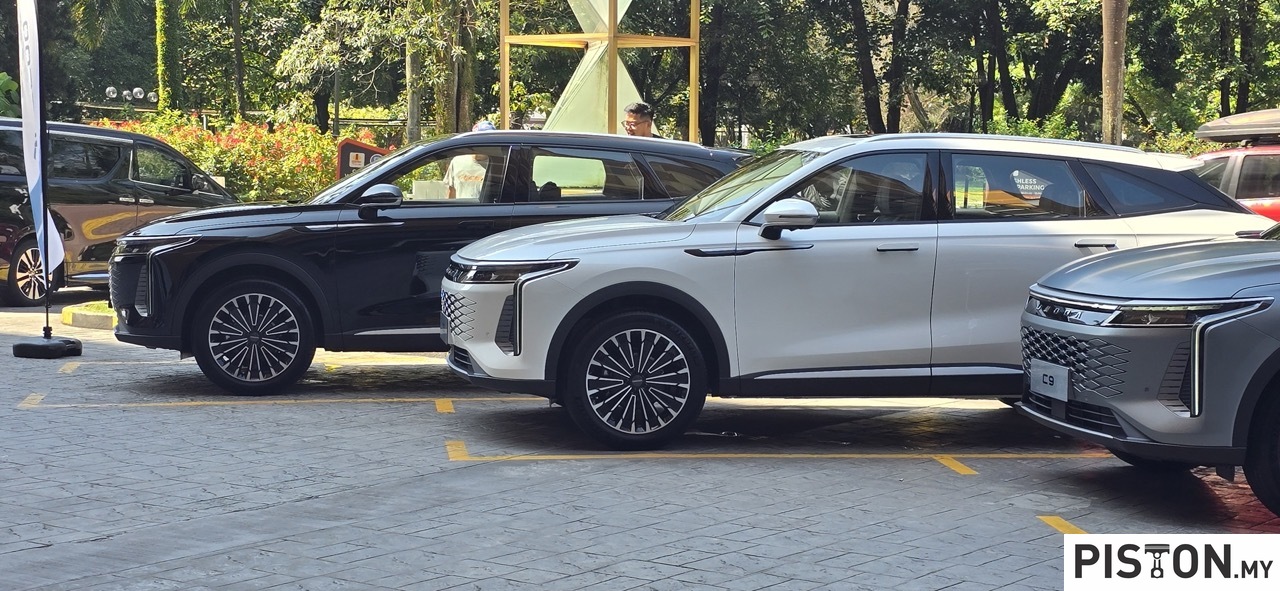
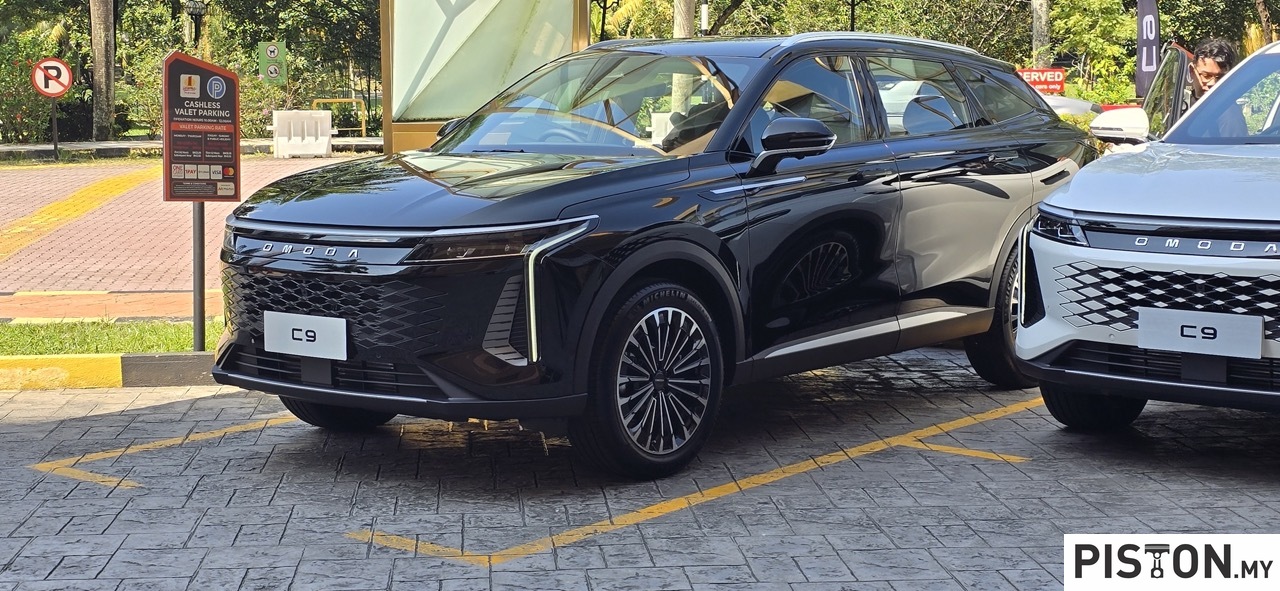
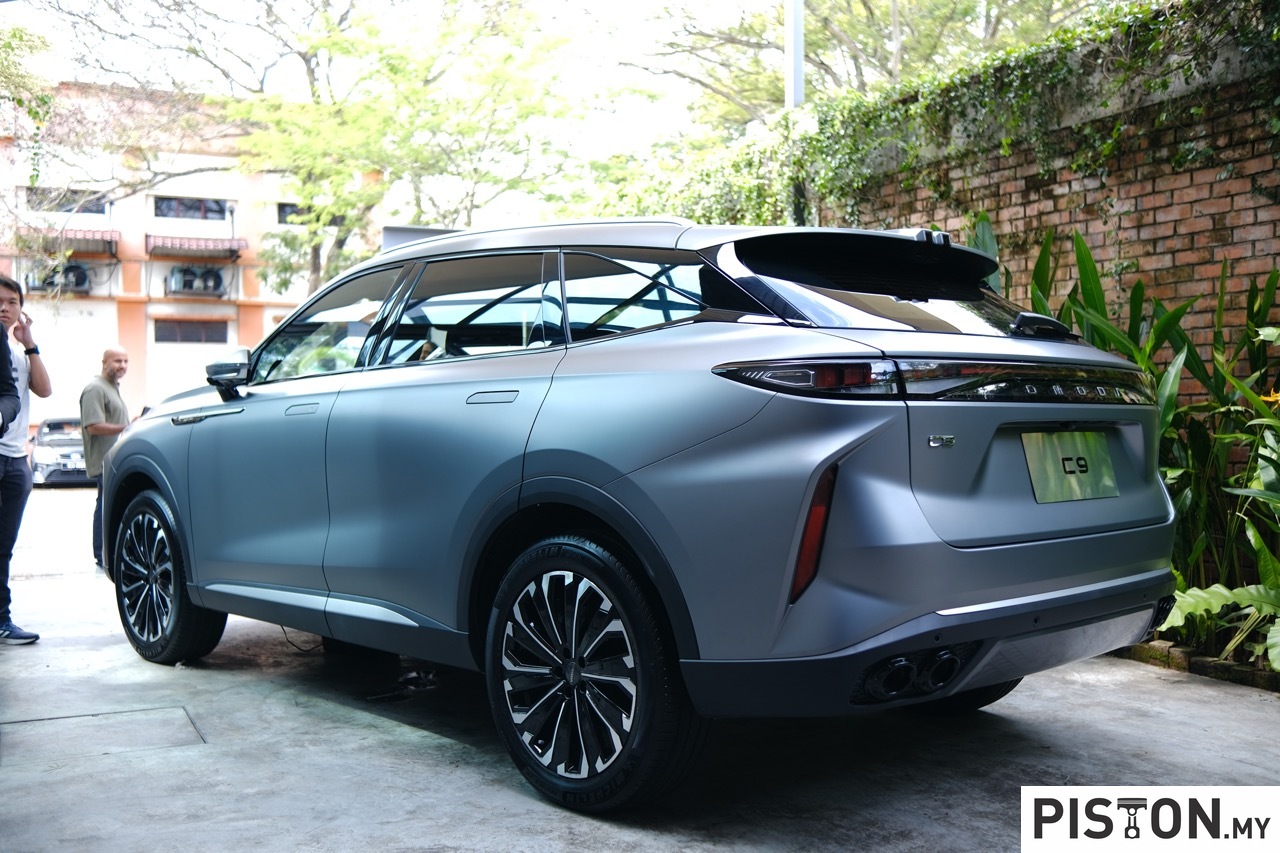
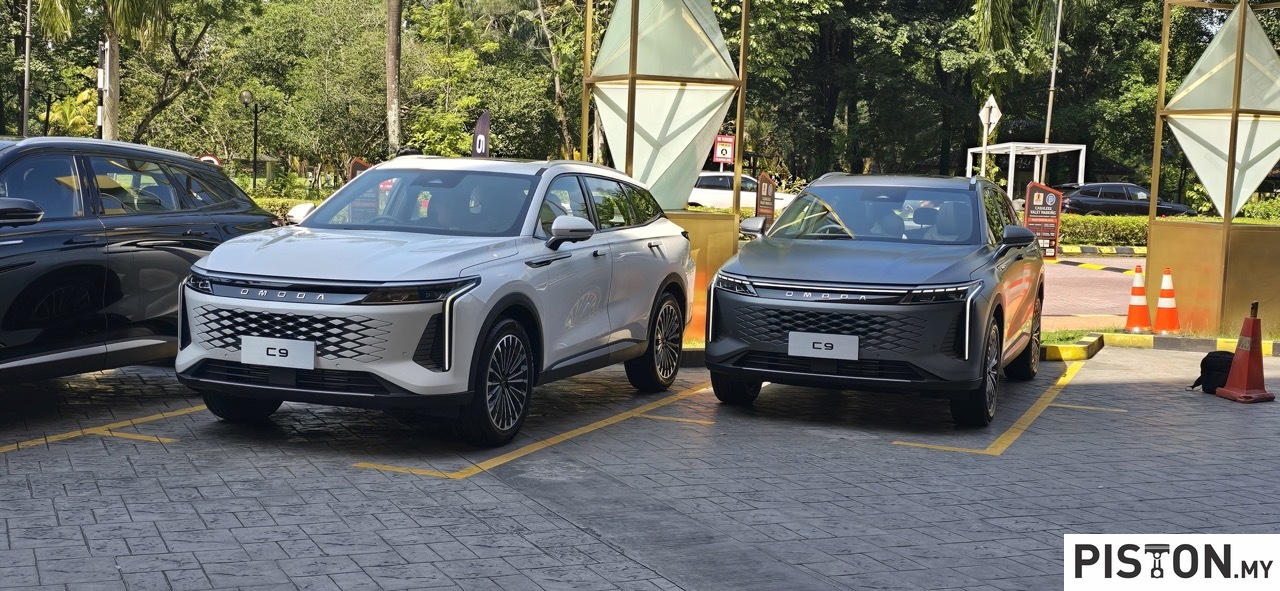
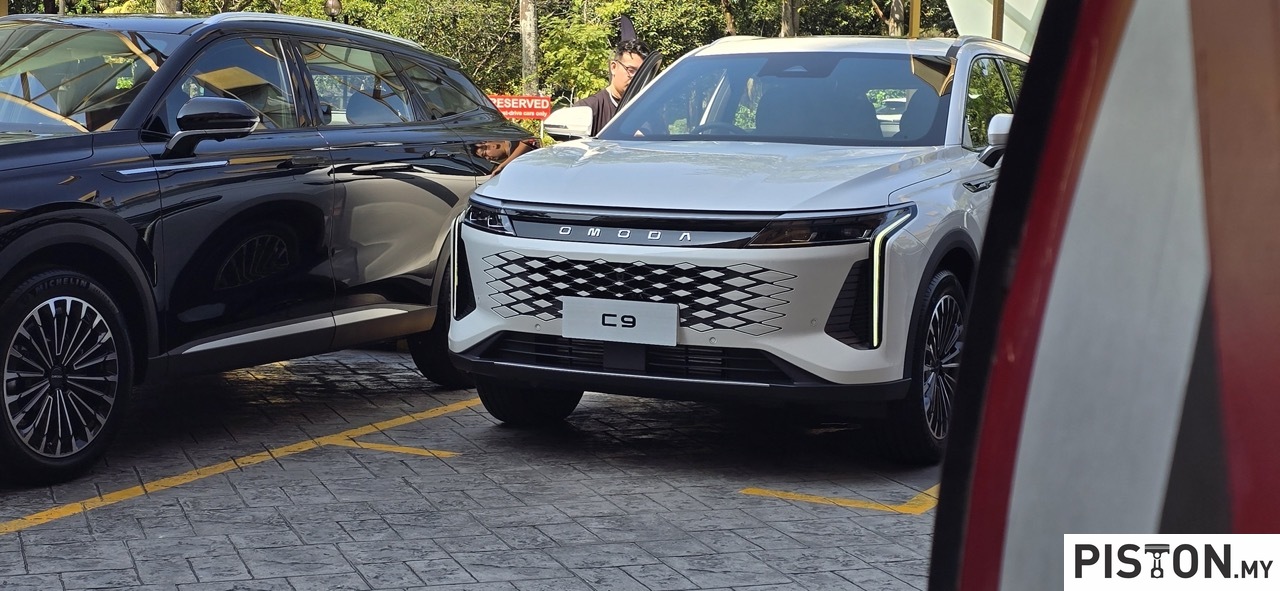
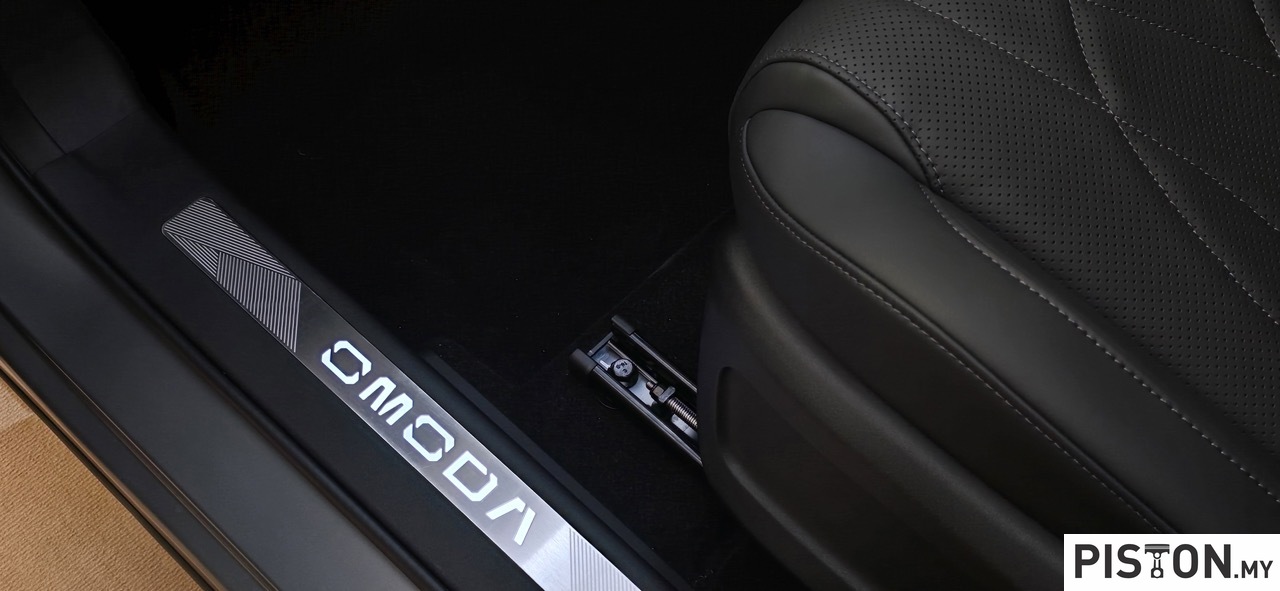
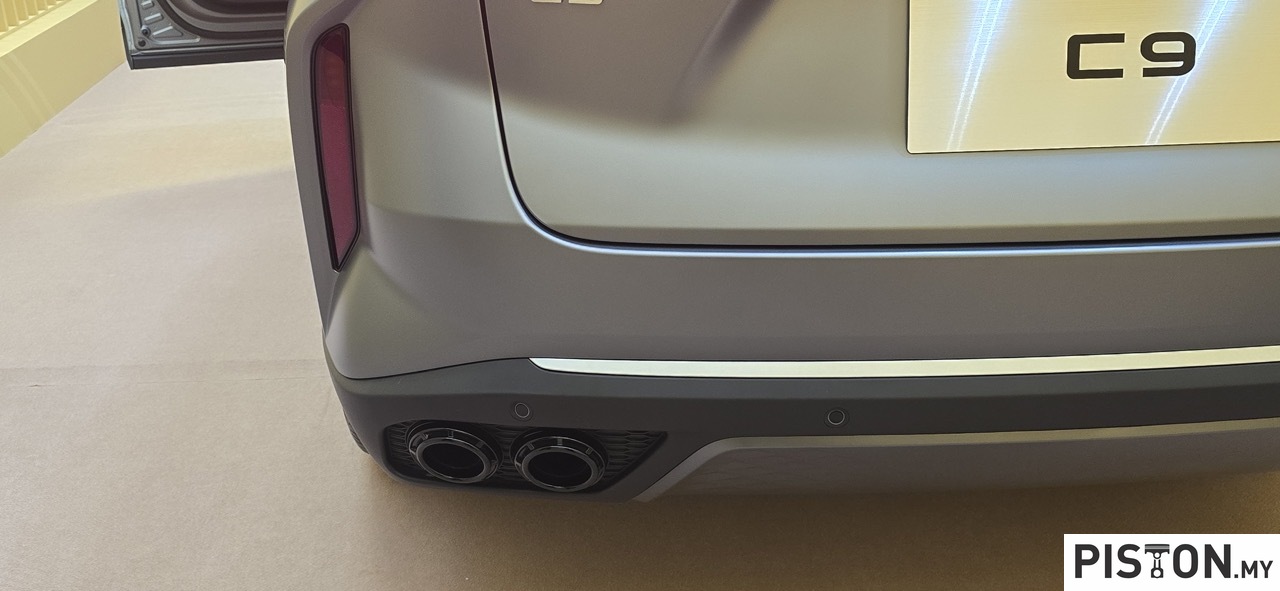
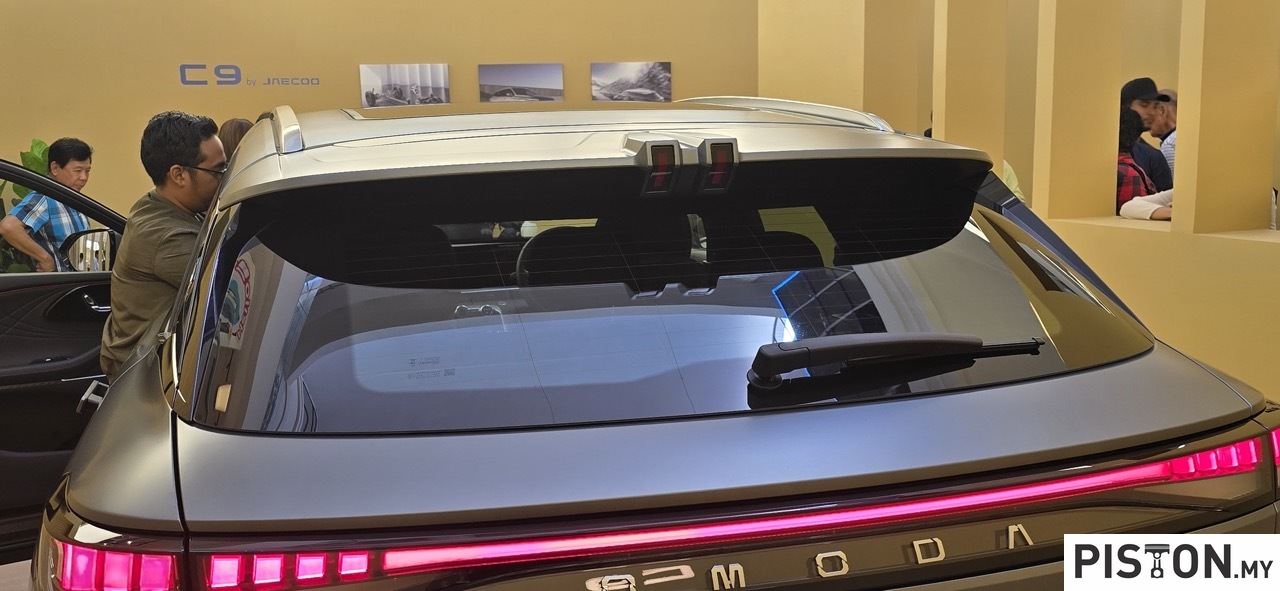
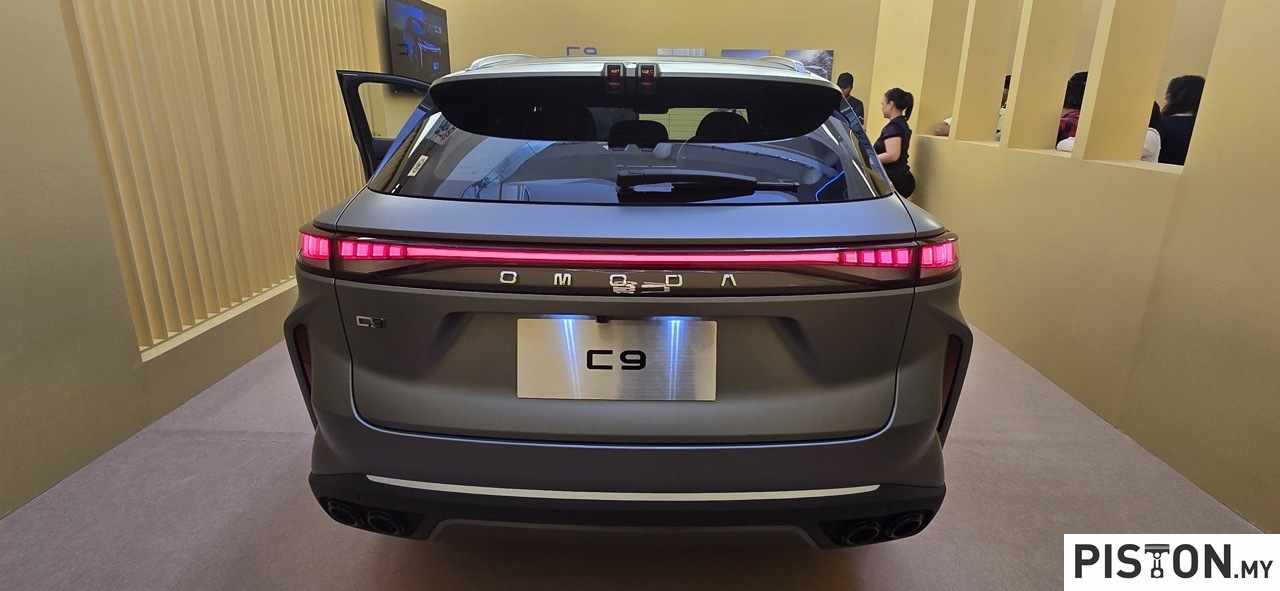
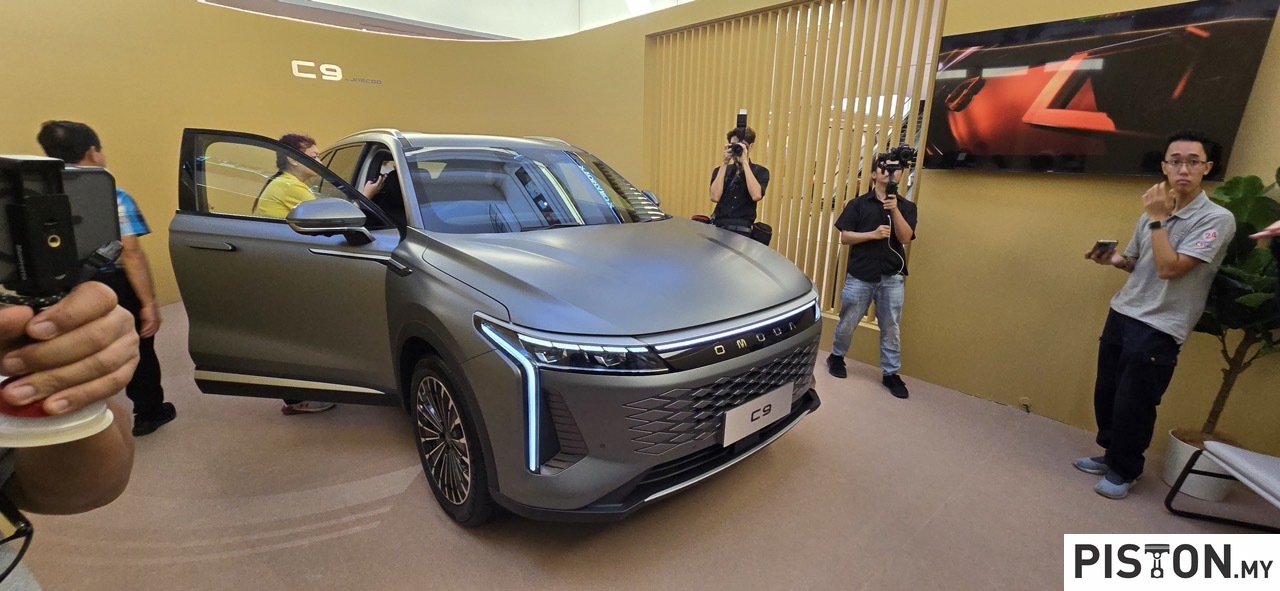
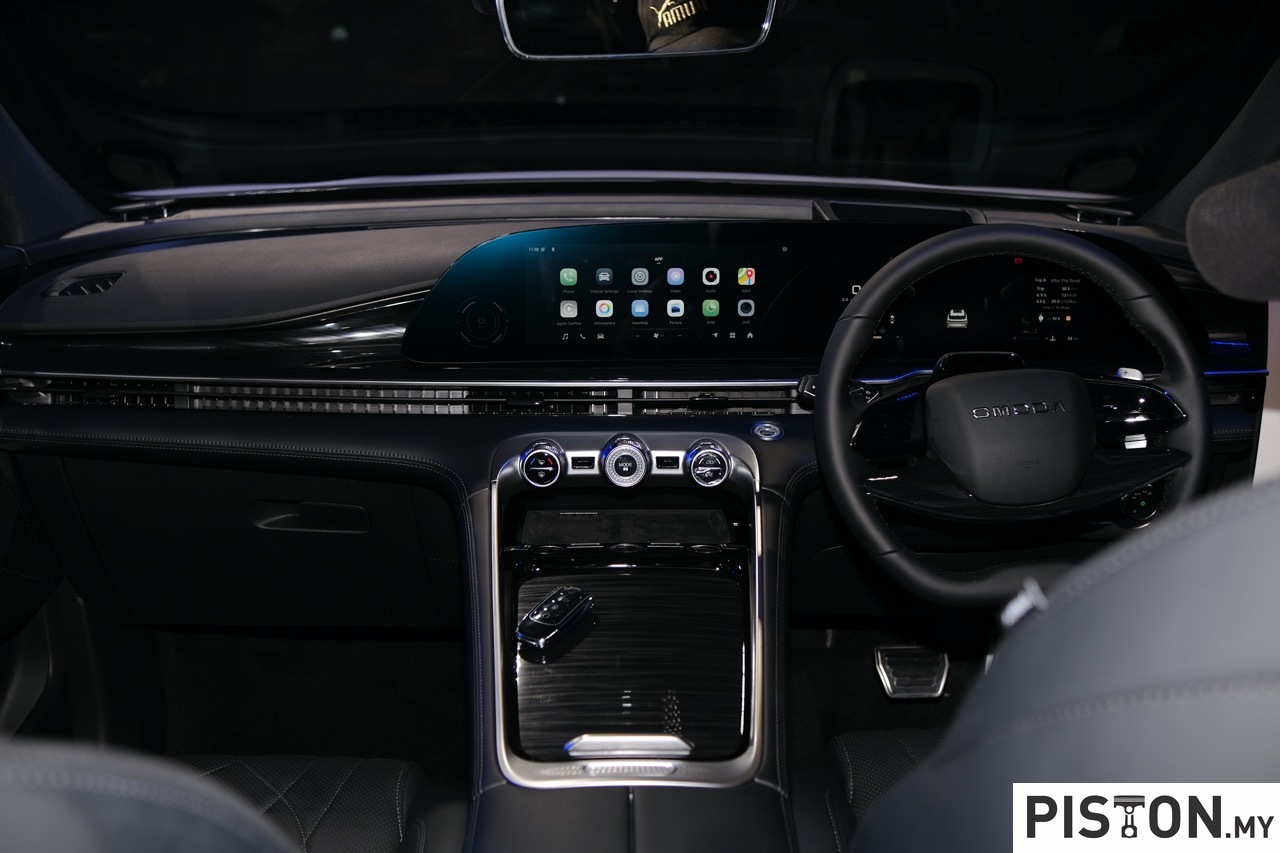
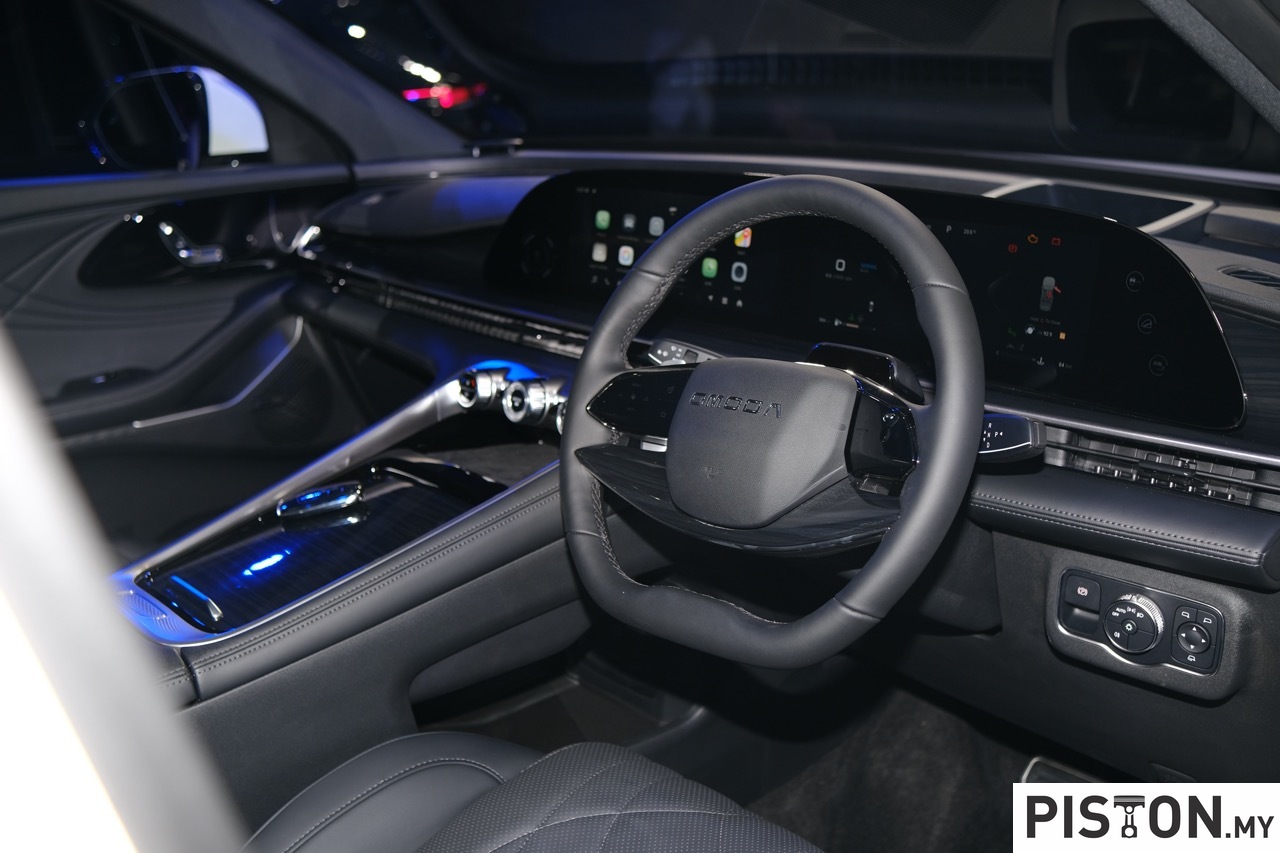
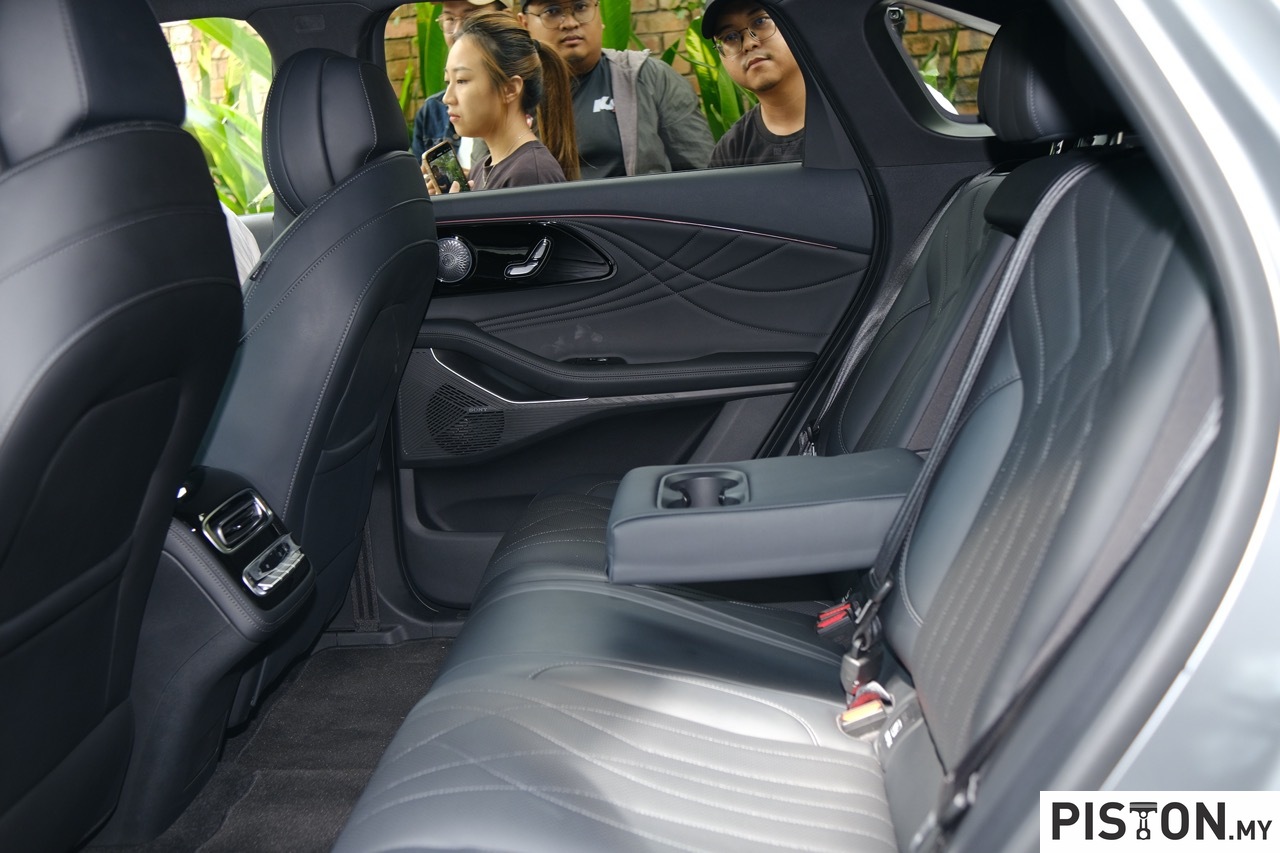
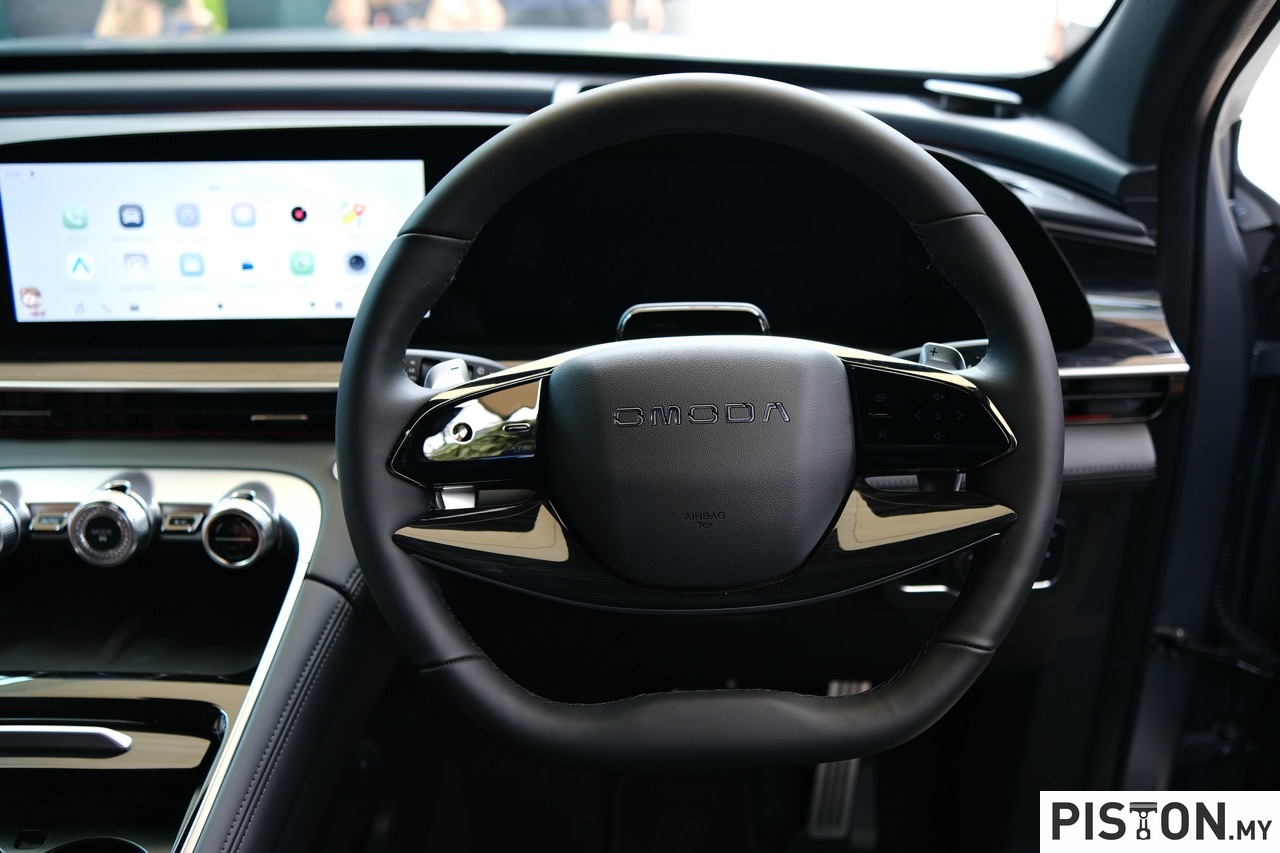
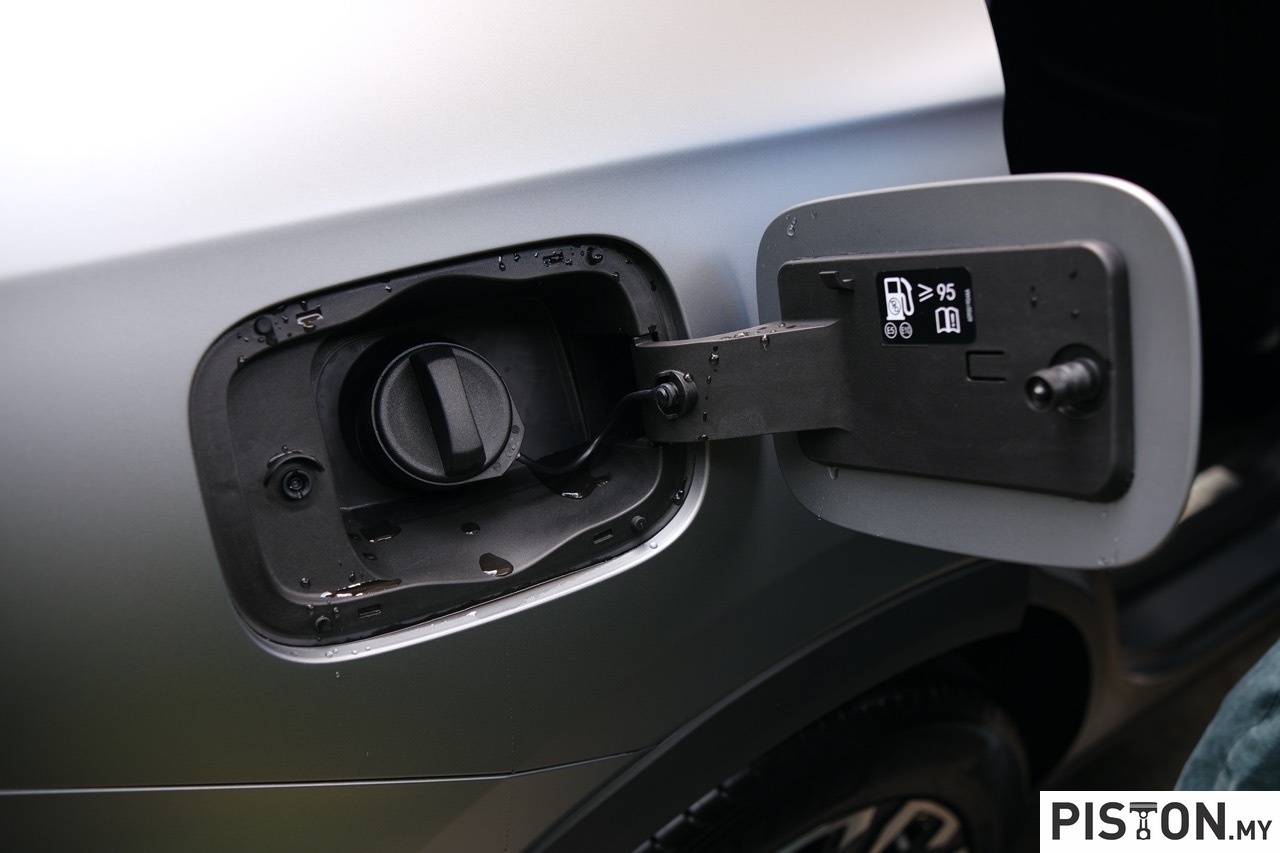
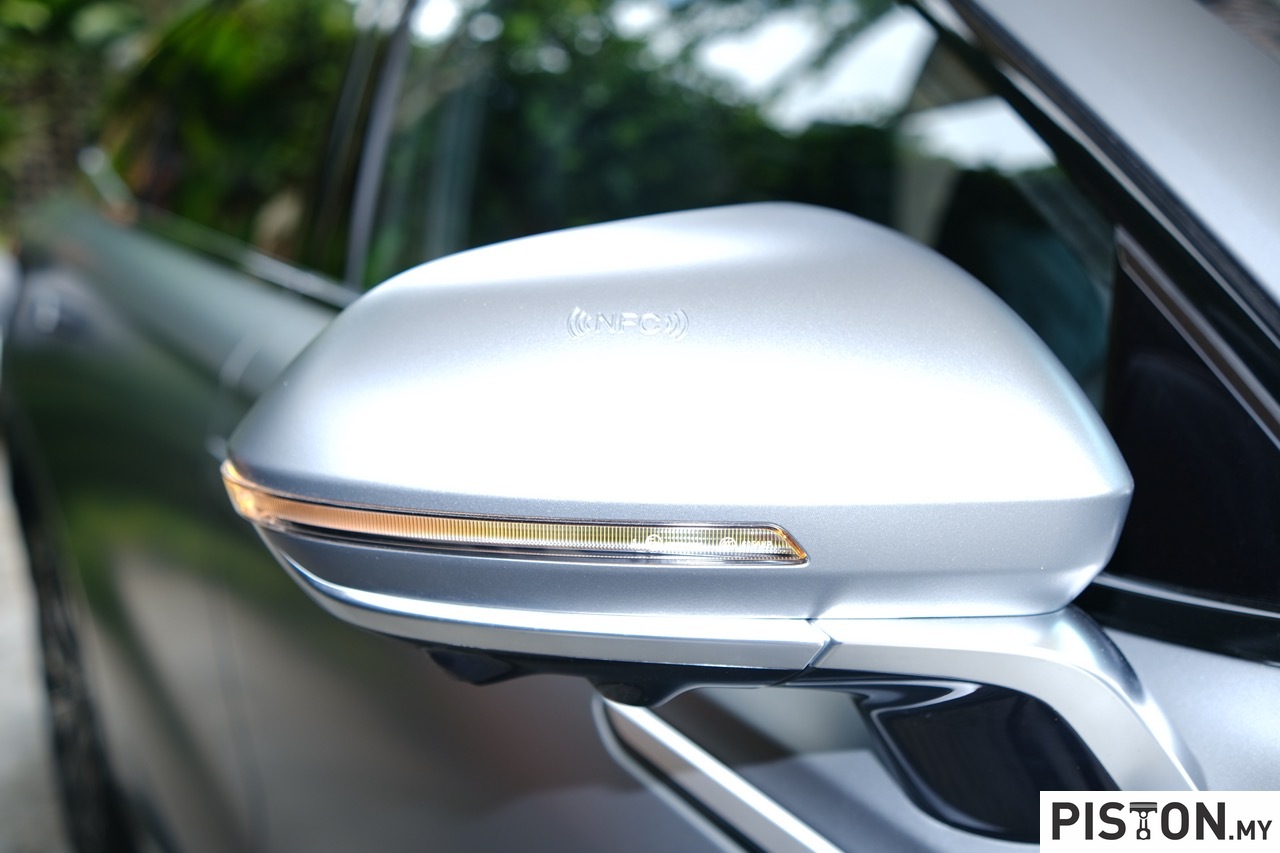
If you didn’t already know, Jaecoo is the luxury division of Chery. Now, the naming of these models might be confusing, as Omoda is associated with the Chery Omoda 5 and E5. But just recently, Jaecoo unveiled the Omoda C9, a coupé SUV under the Jaecoo name and not Chery. This is because the C9 is meant to be a luxurious model, which Jaecoo handles.

Futuristic Design
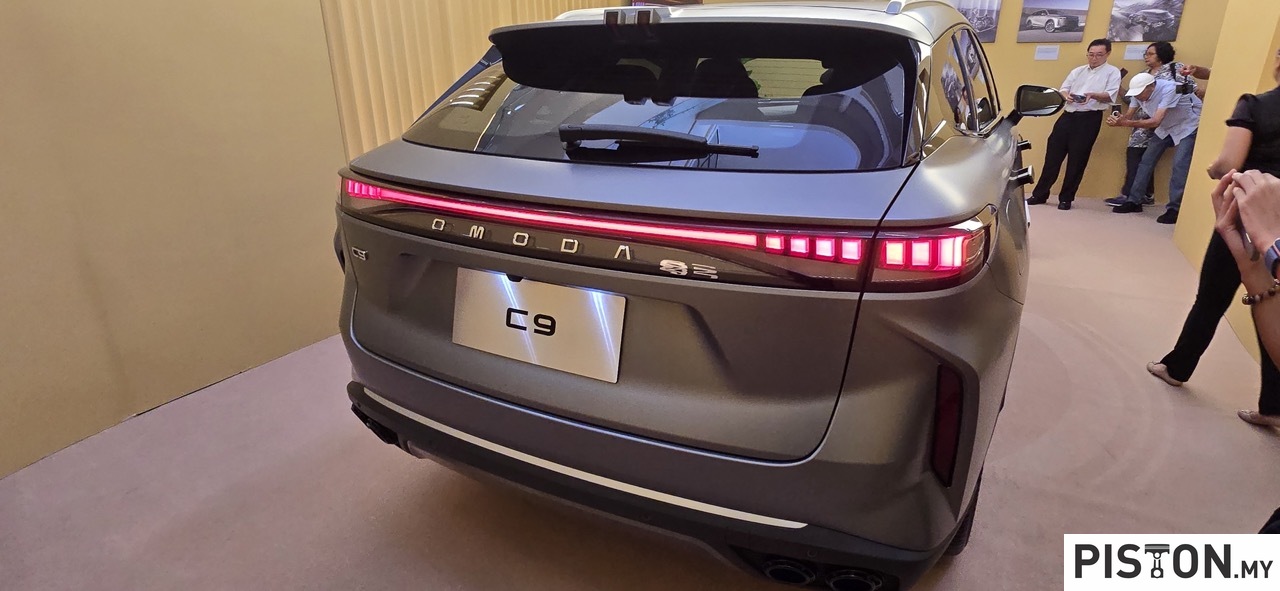
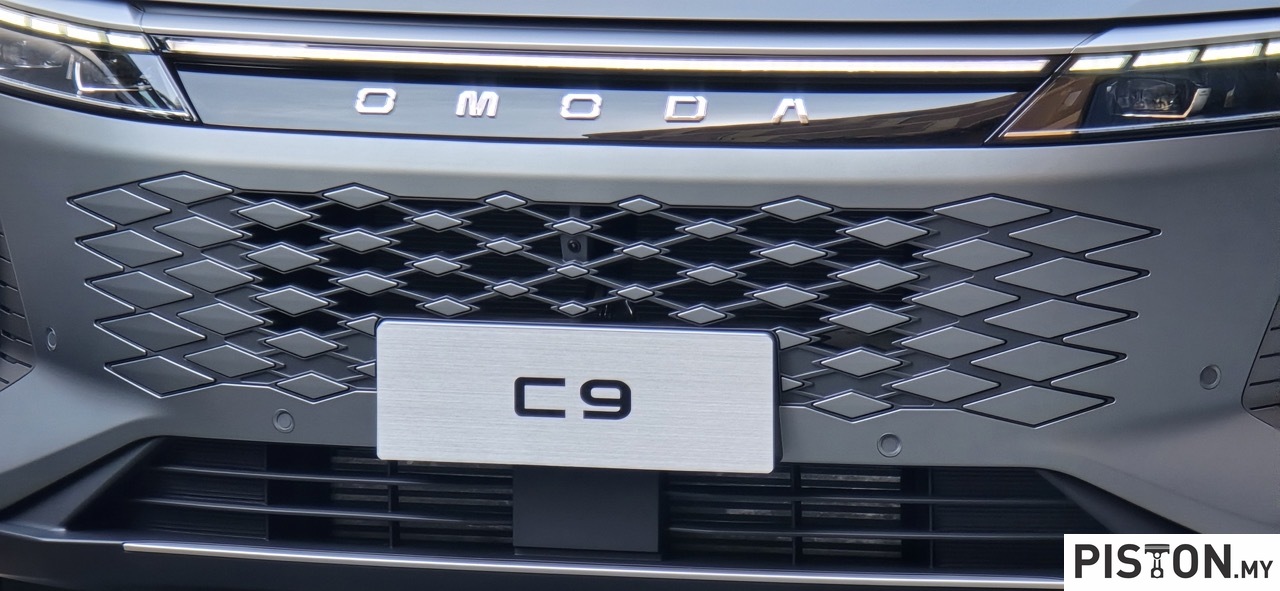
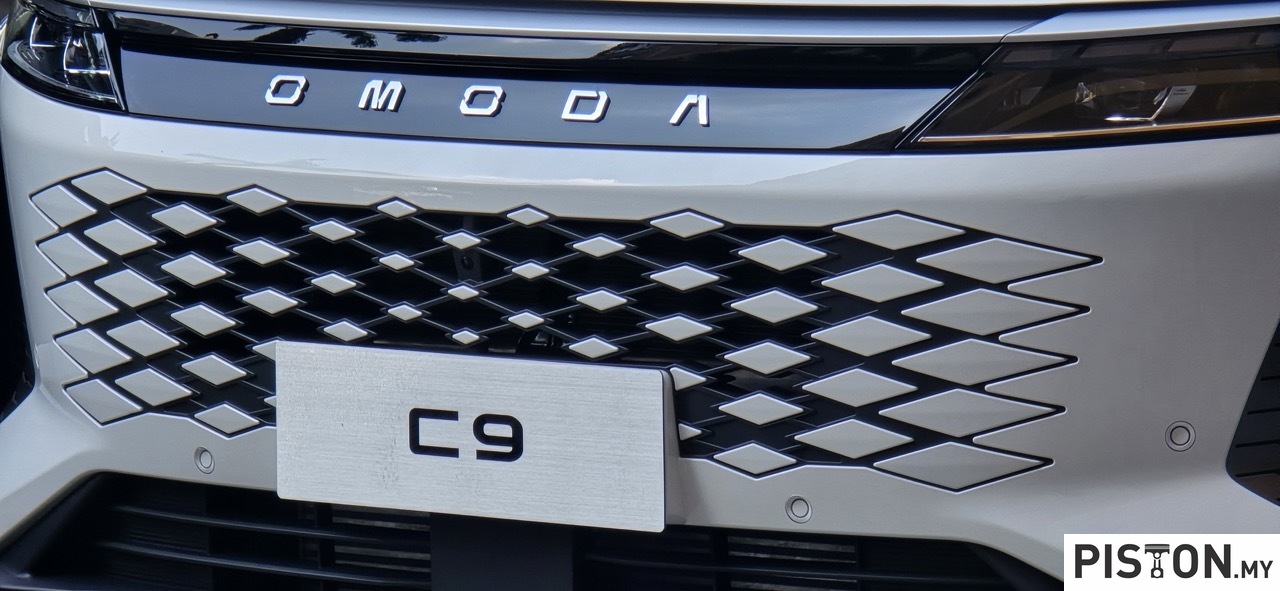
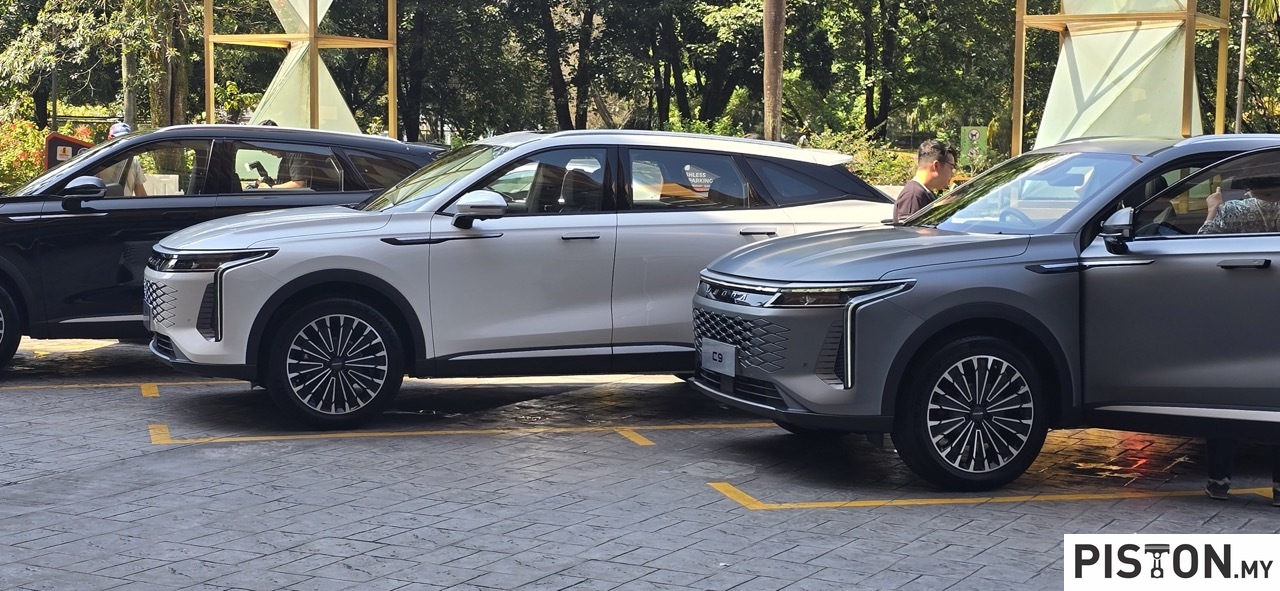
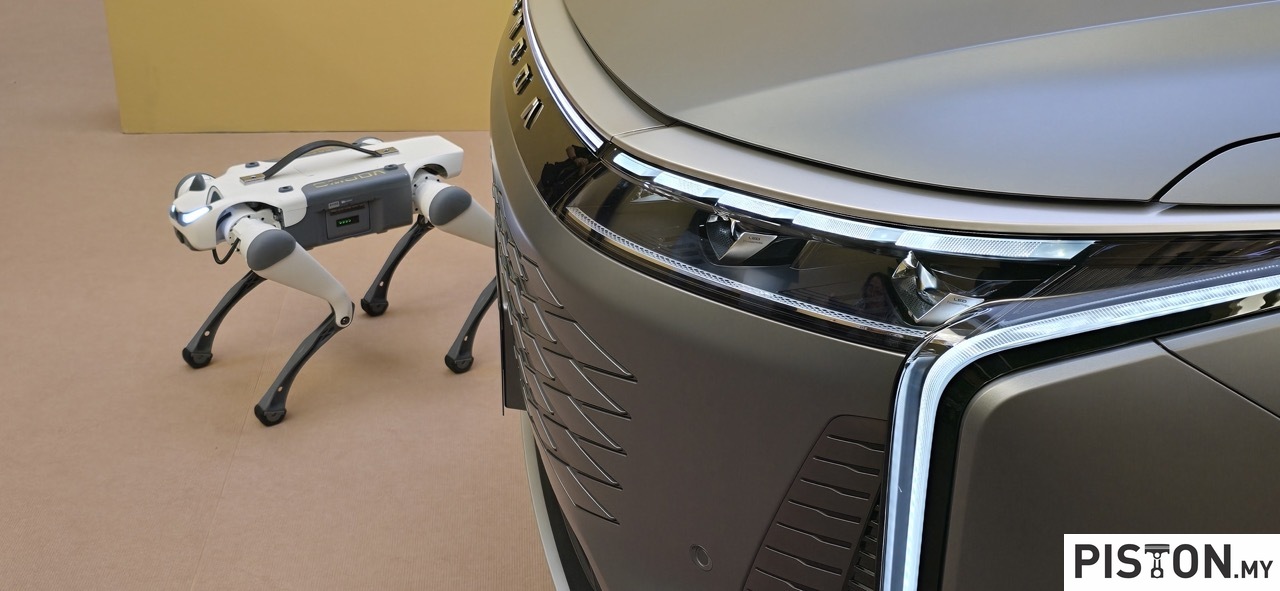
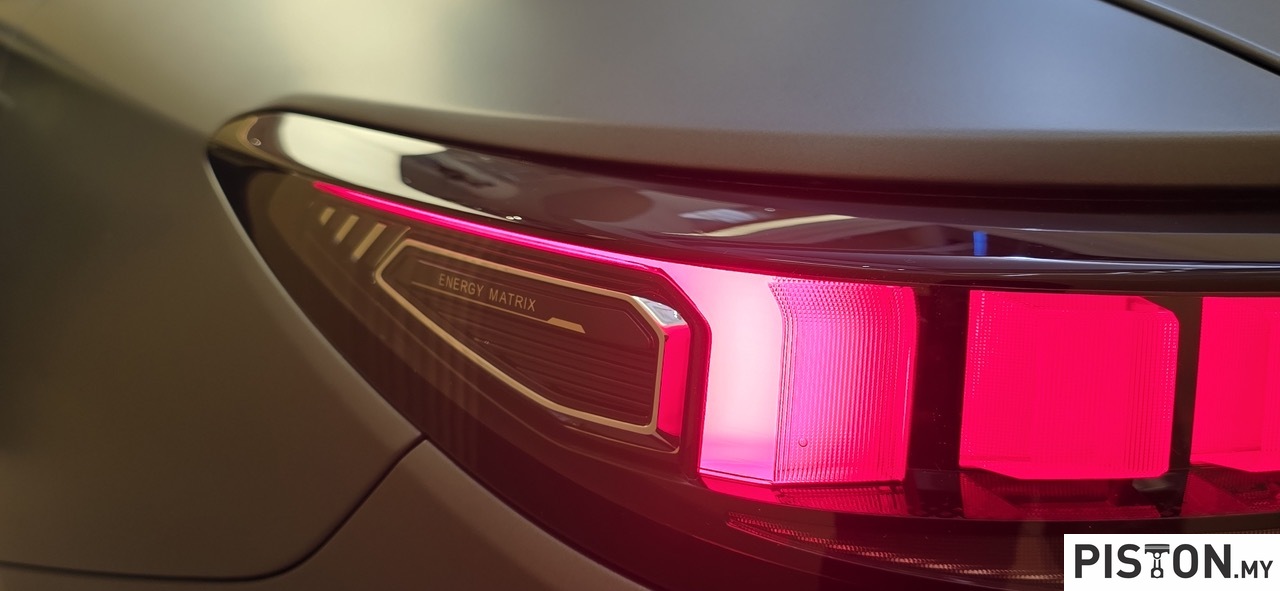
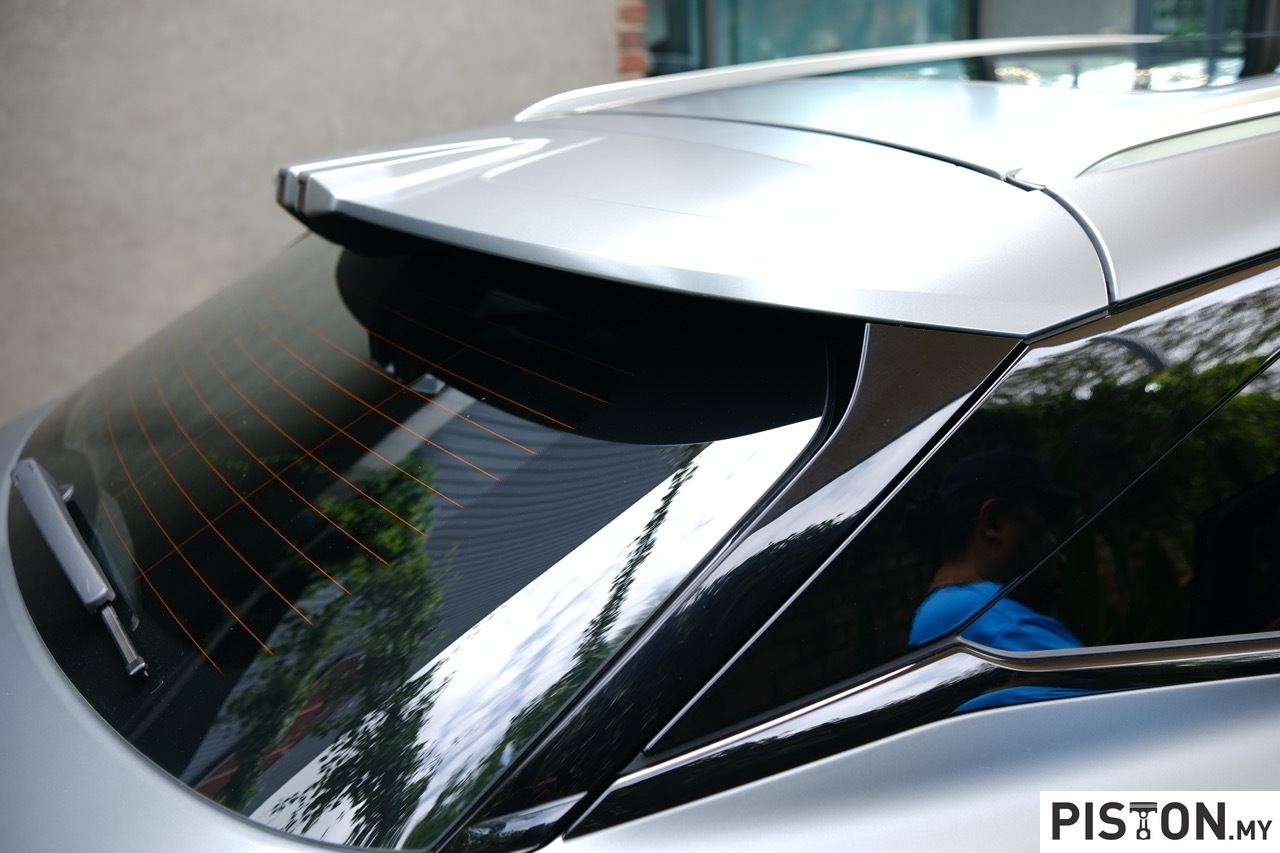
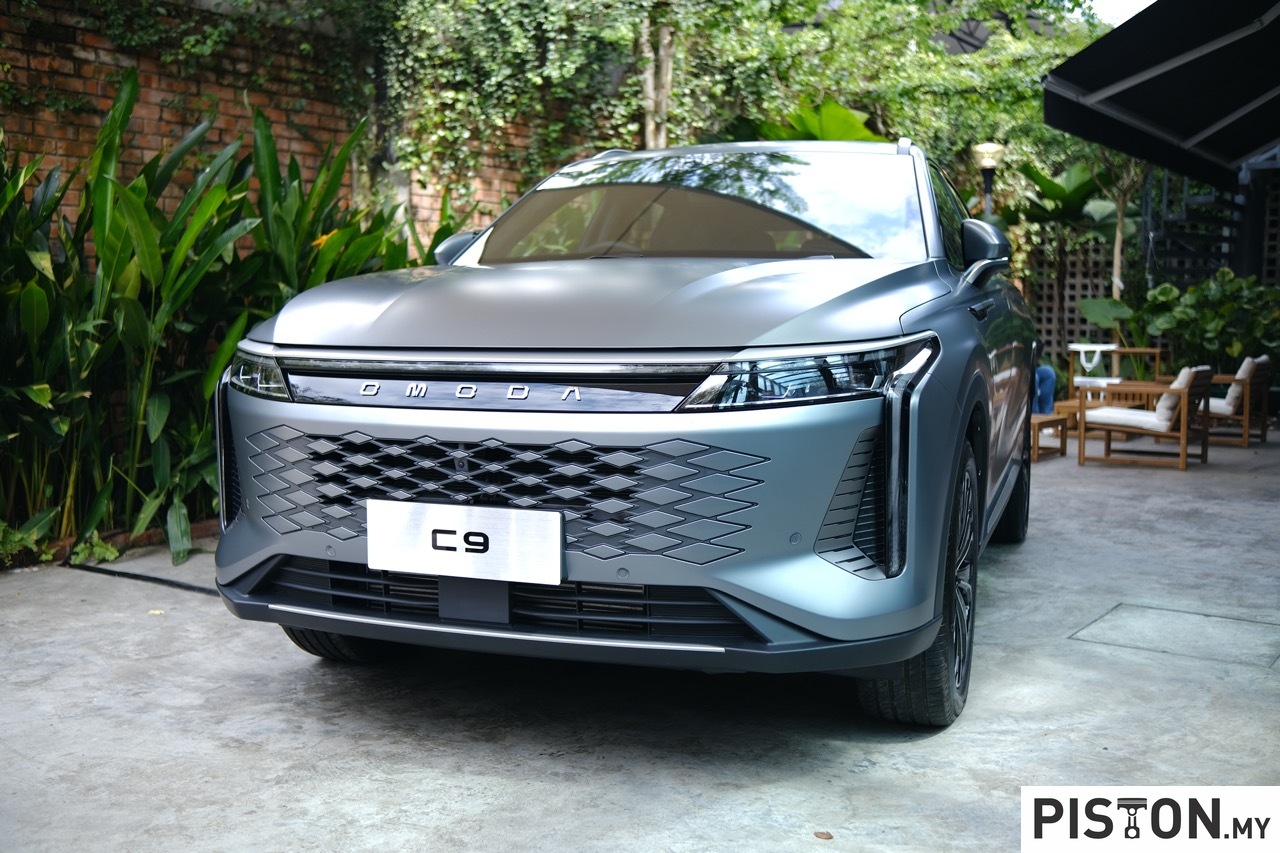
Taking cues from the Omoda 5, the C9 is a more refined and mature-looking SUV. It also displays a futuristic and luxurious look that would definitely turn heads. The section that attracted me was the front design. It has a mean and commanding look that would definitely scare me on highways at night. It features a unique diamond matrix grille, sigma-inspired daytime running lights, and adaptive LED headlights.

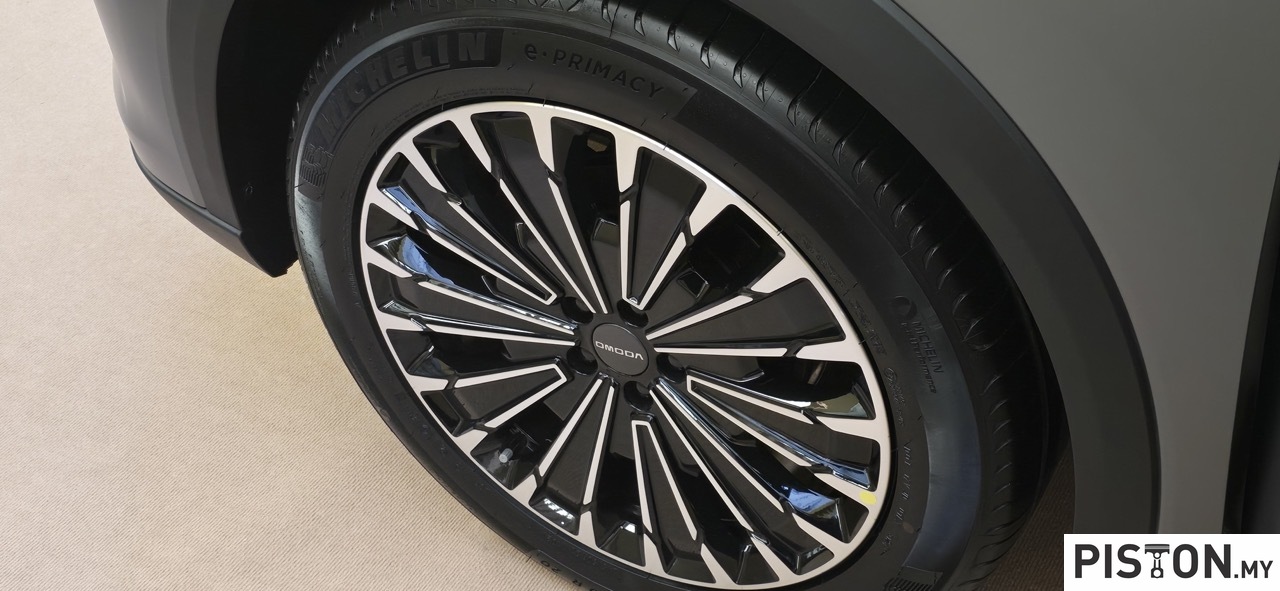
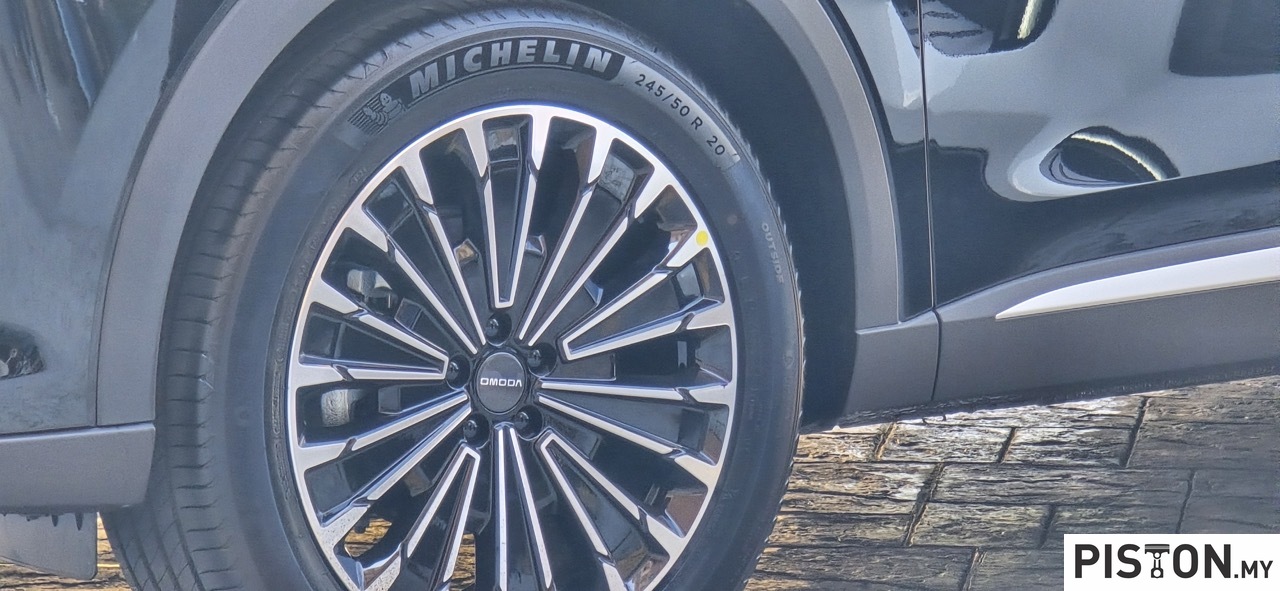
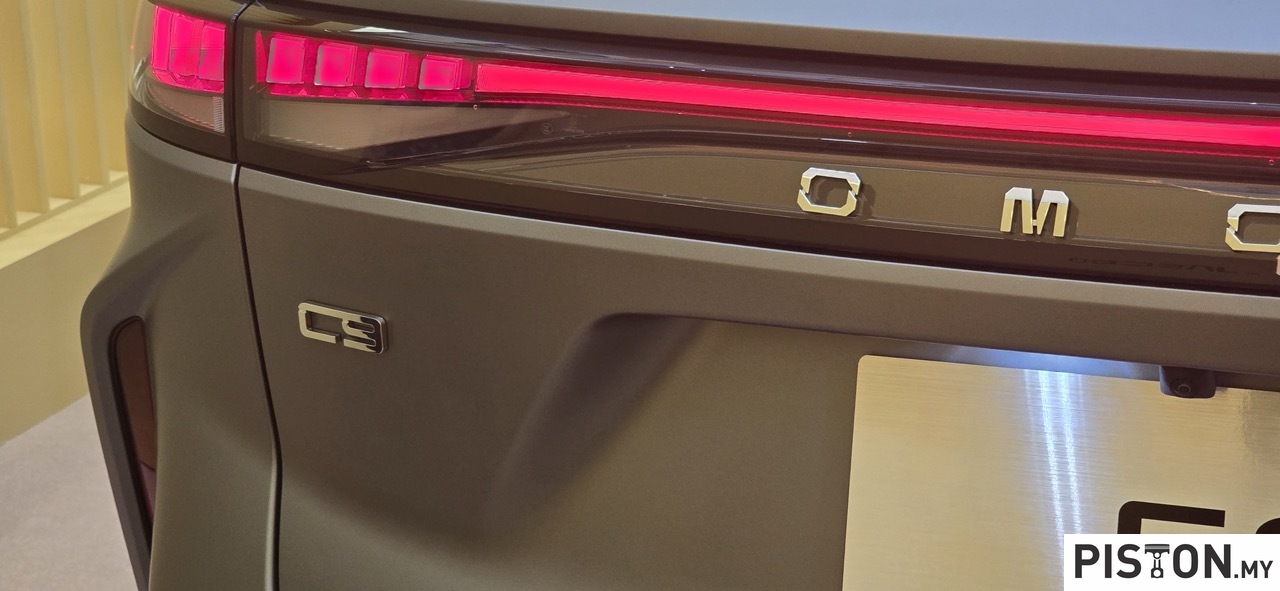
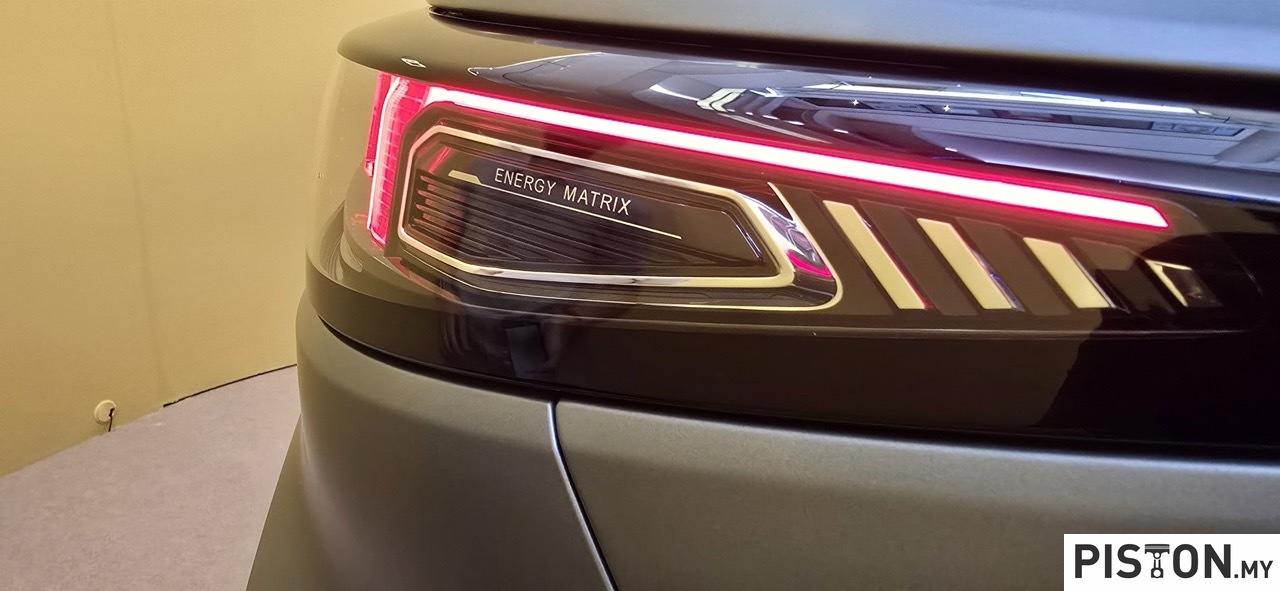
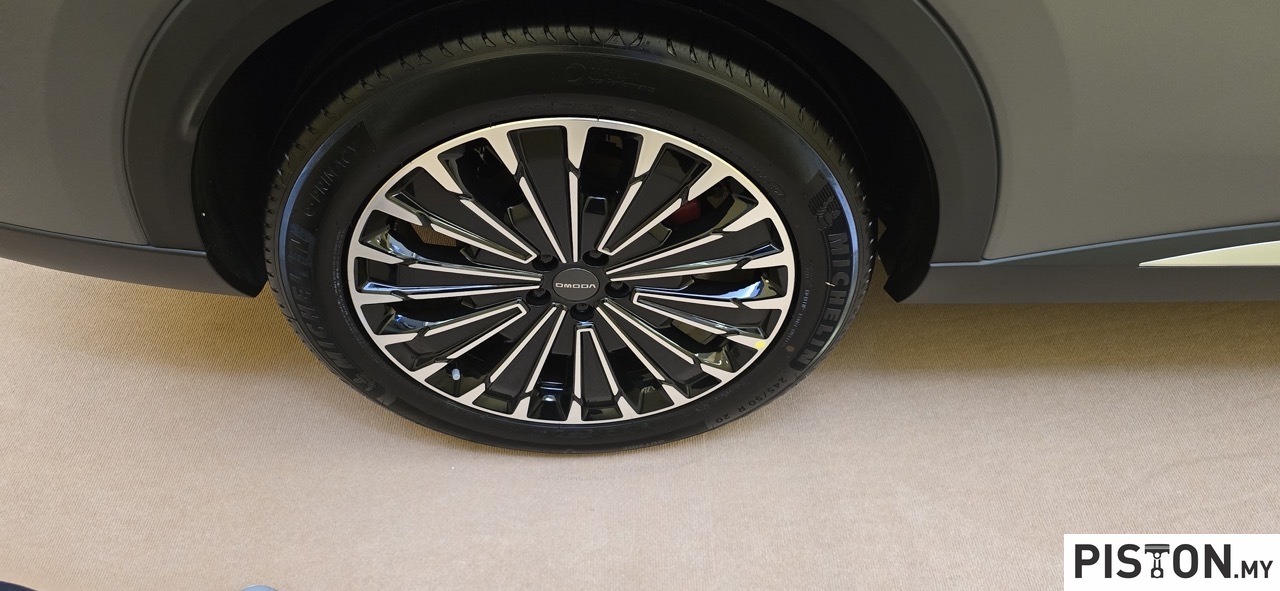
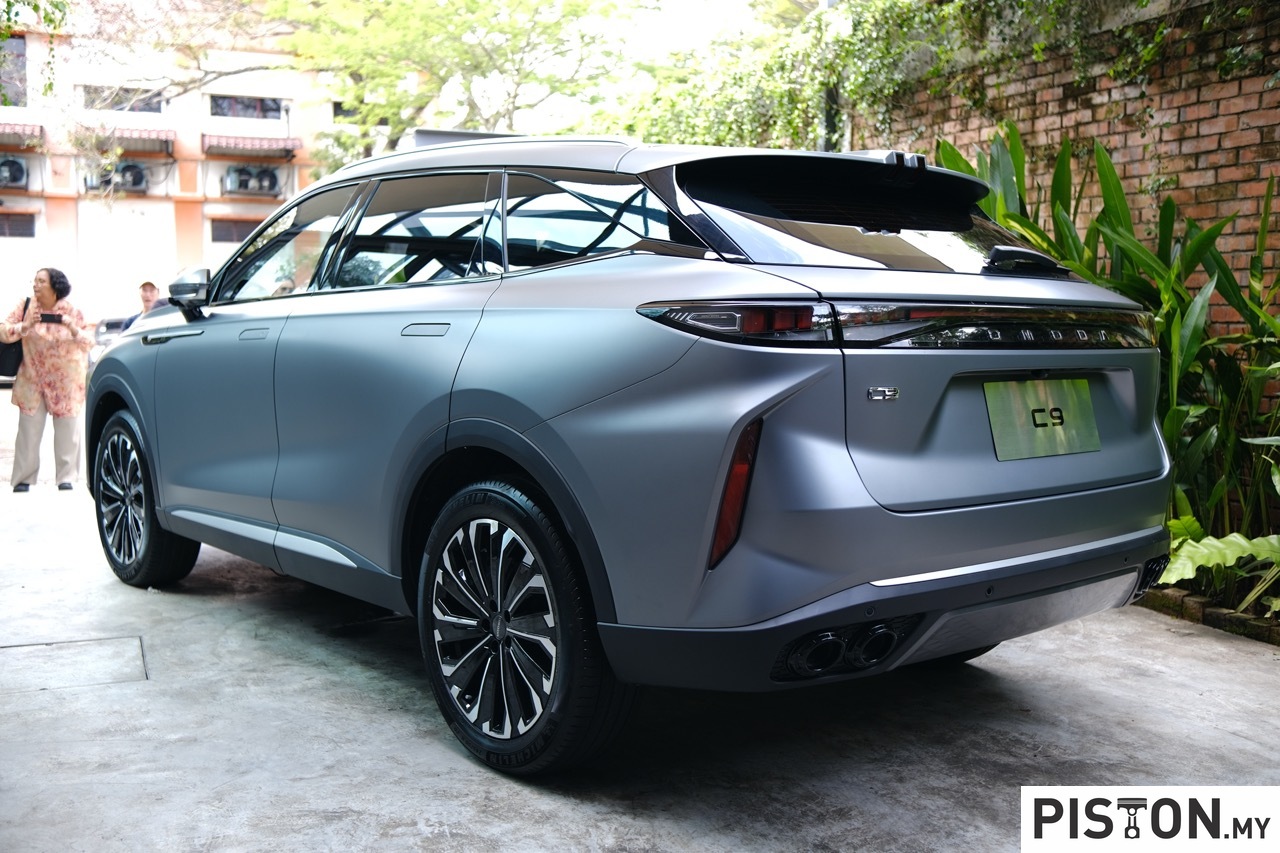
Moving along to the side, you’ll find a sleek, distinctive look with lines and curves that complement the overall futuristic appearance. You will also notice the 20-inch multi-blade alloy wheels and high-performance Michelin tires. The rear features LED tail lights and a tailgate with an auto-sensing function.

Comfortable and Luxurious Interior
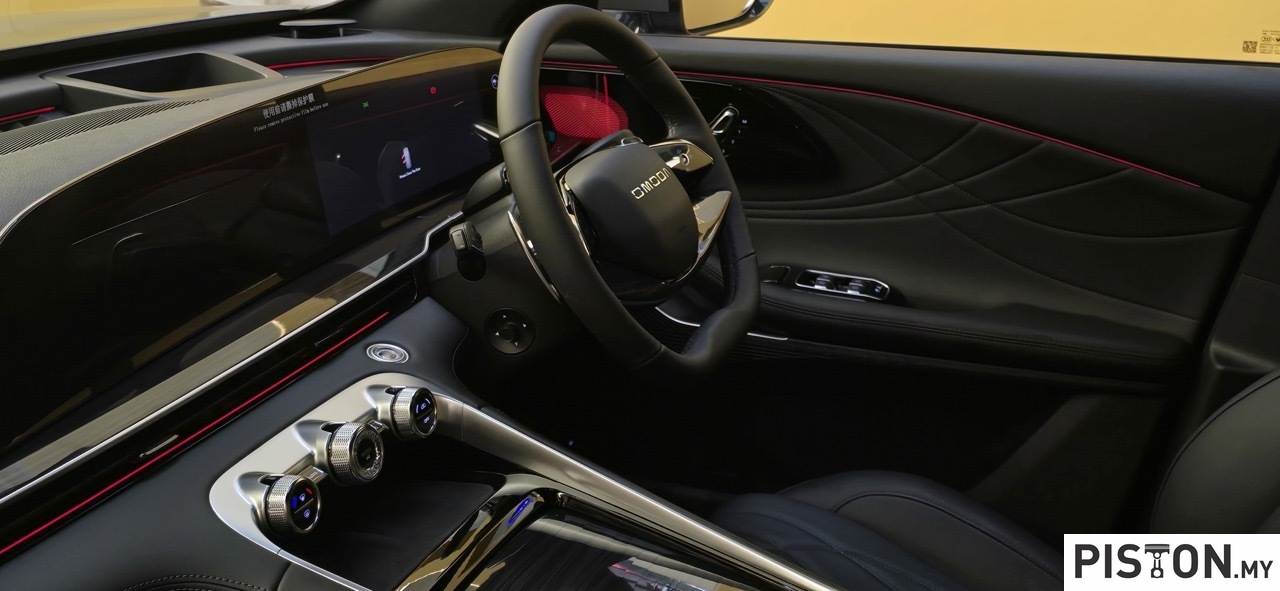
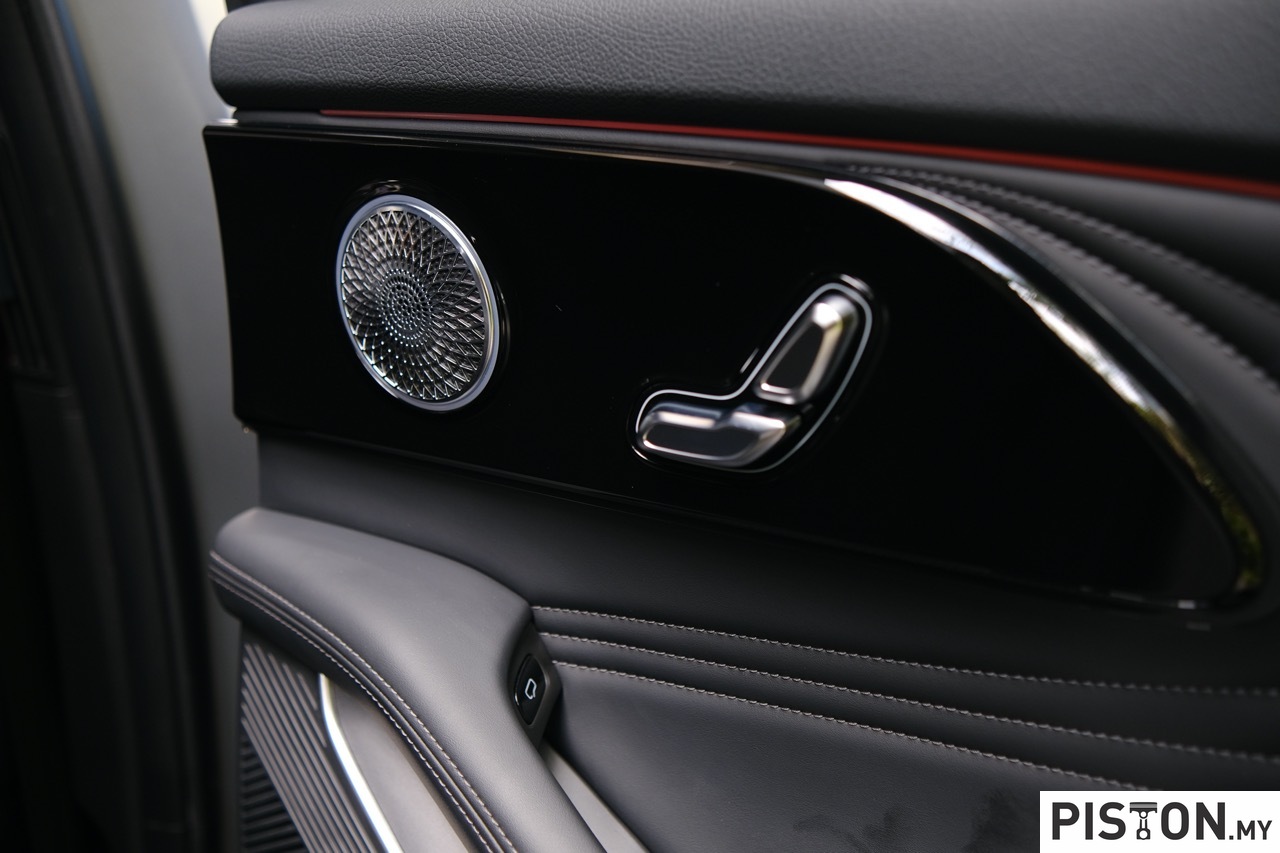
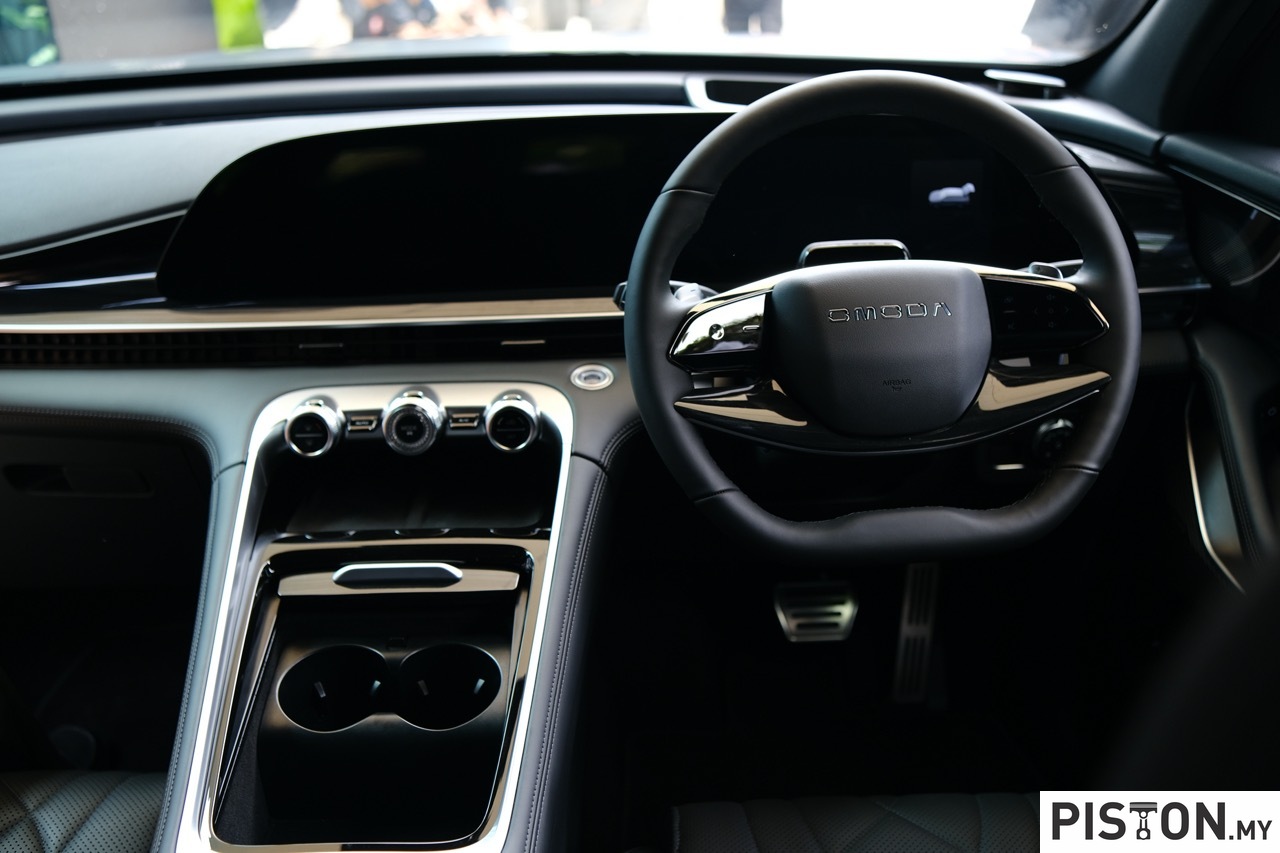
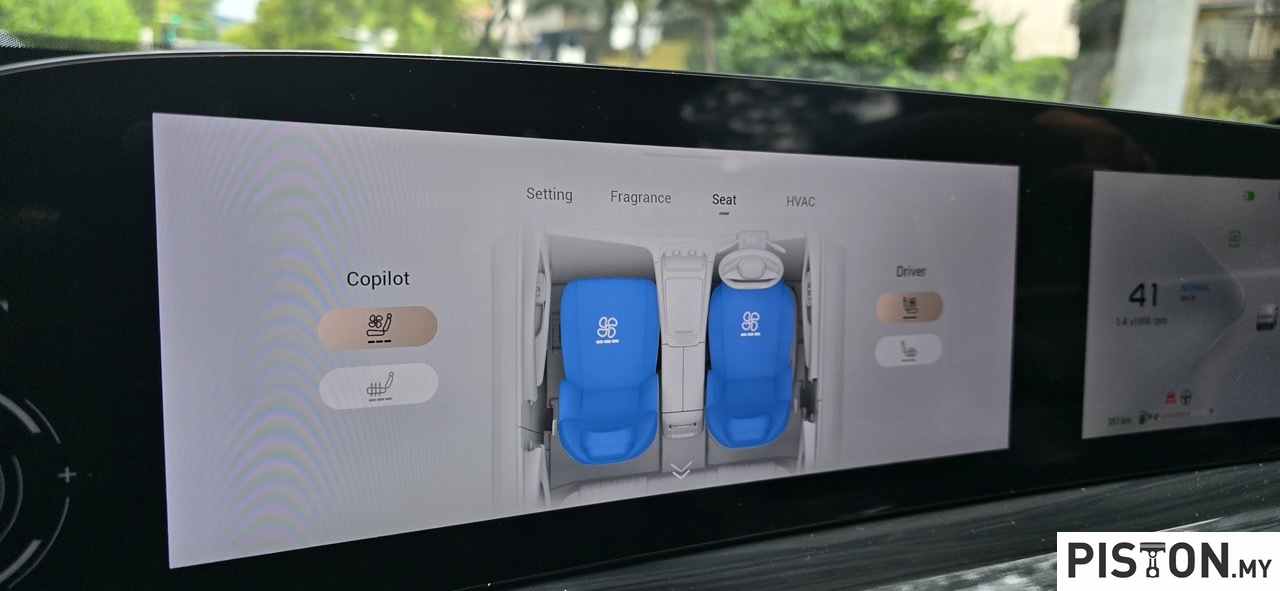
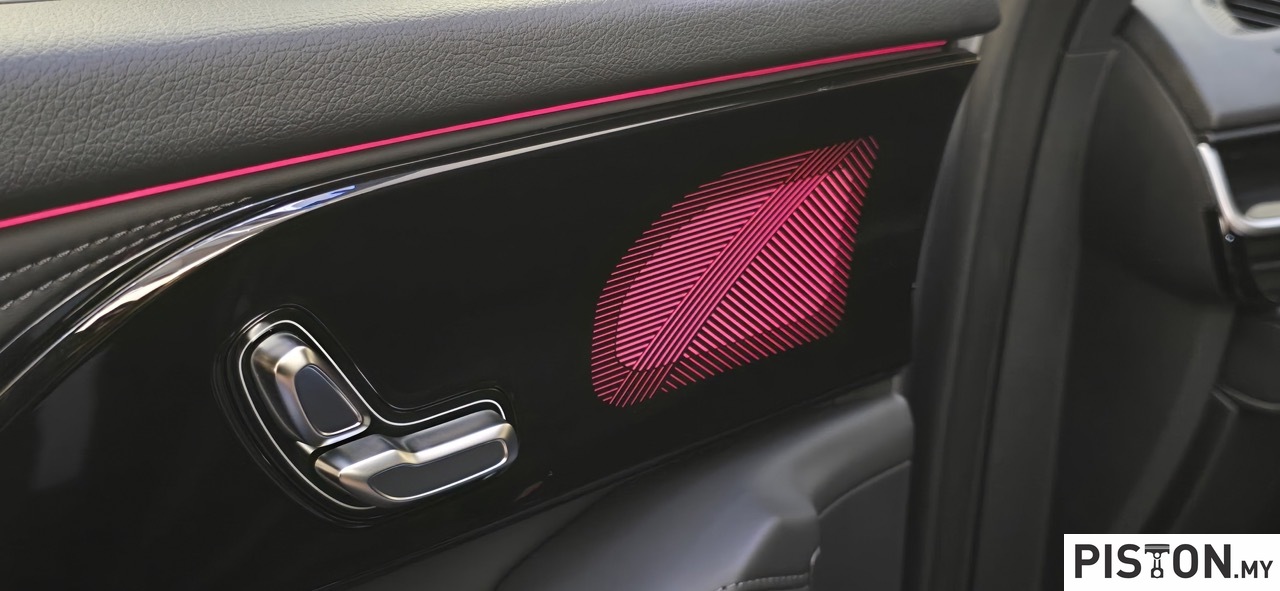
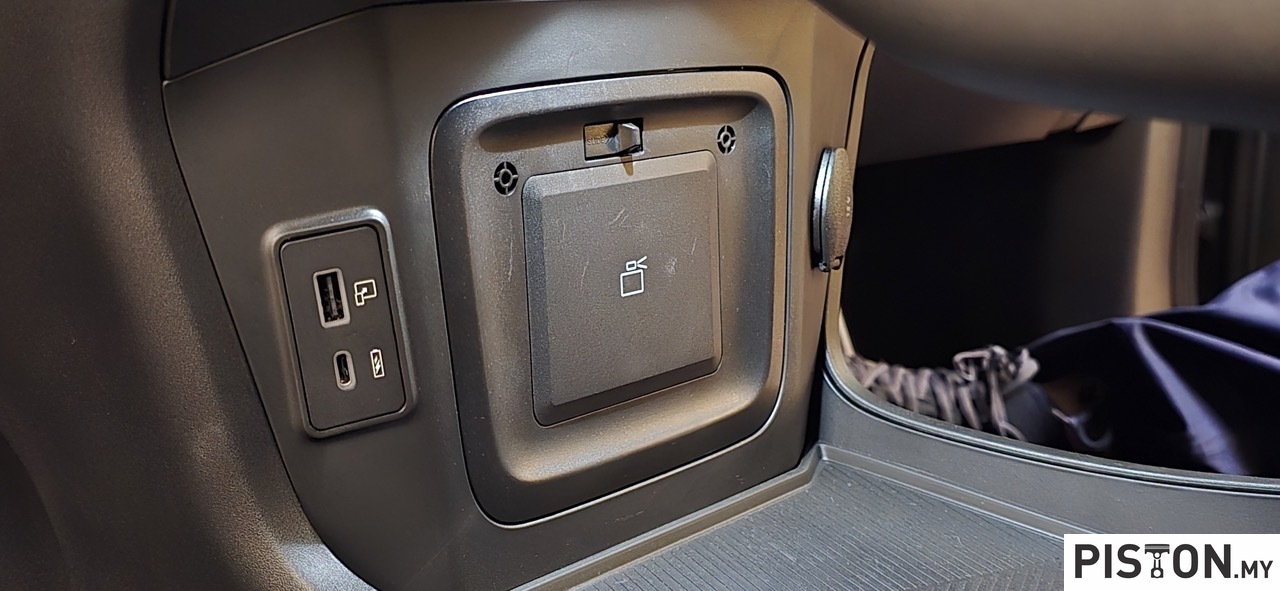
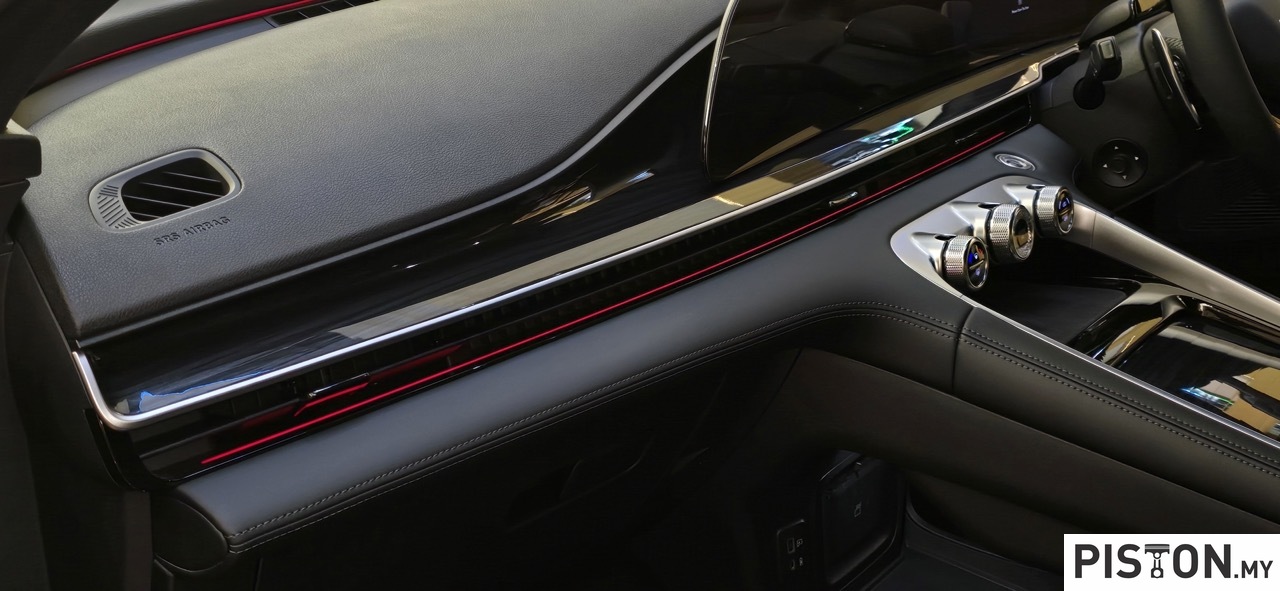
Step inside, and you’ll know why the C9 is under the Jaecoo brand. It features active ambient lighting, a 24.6-inch HD display, and a spacious centre console equipped with wireless mobile charging and air vents.

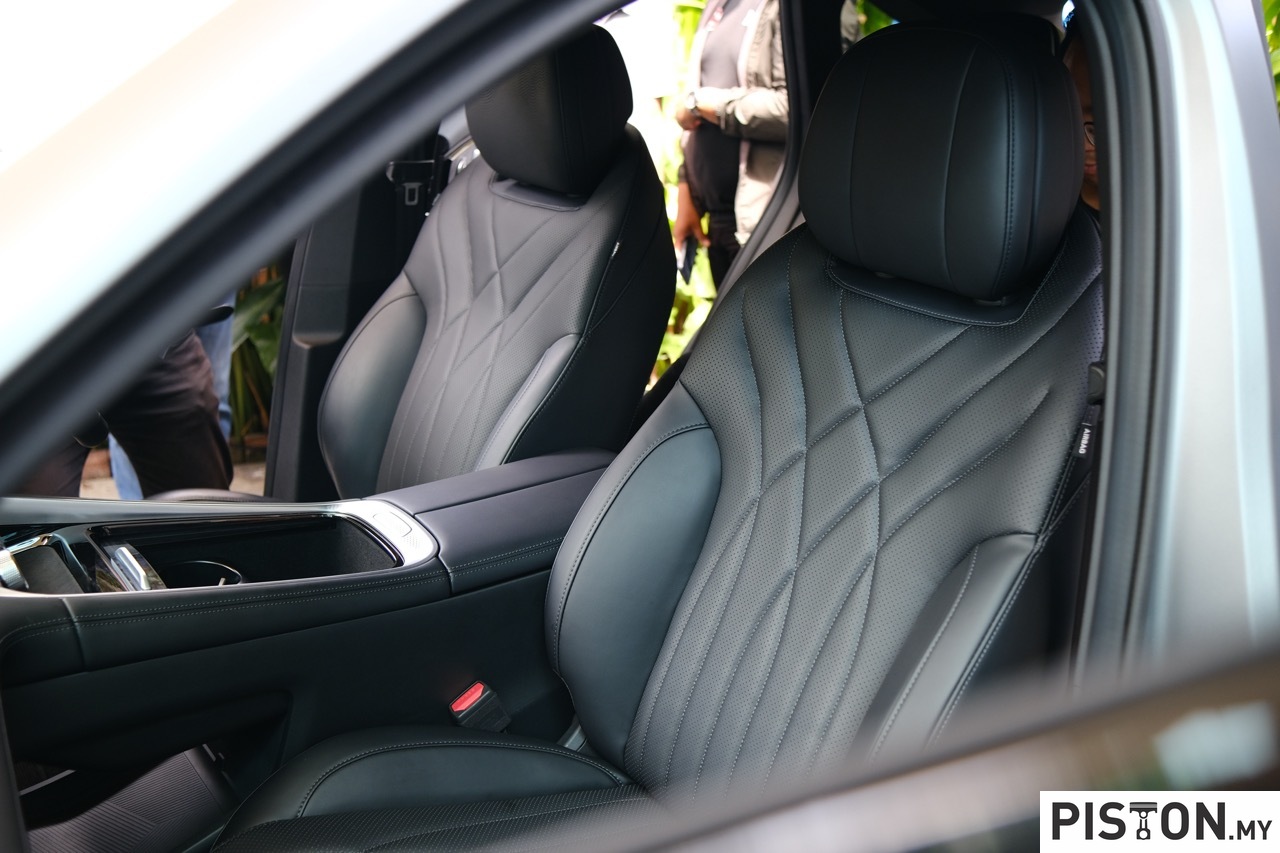
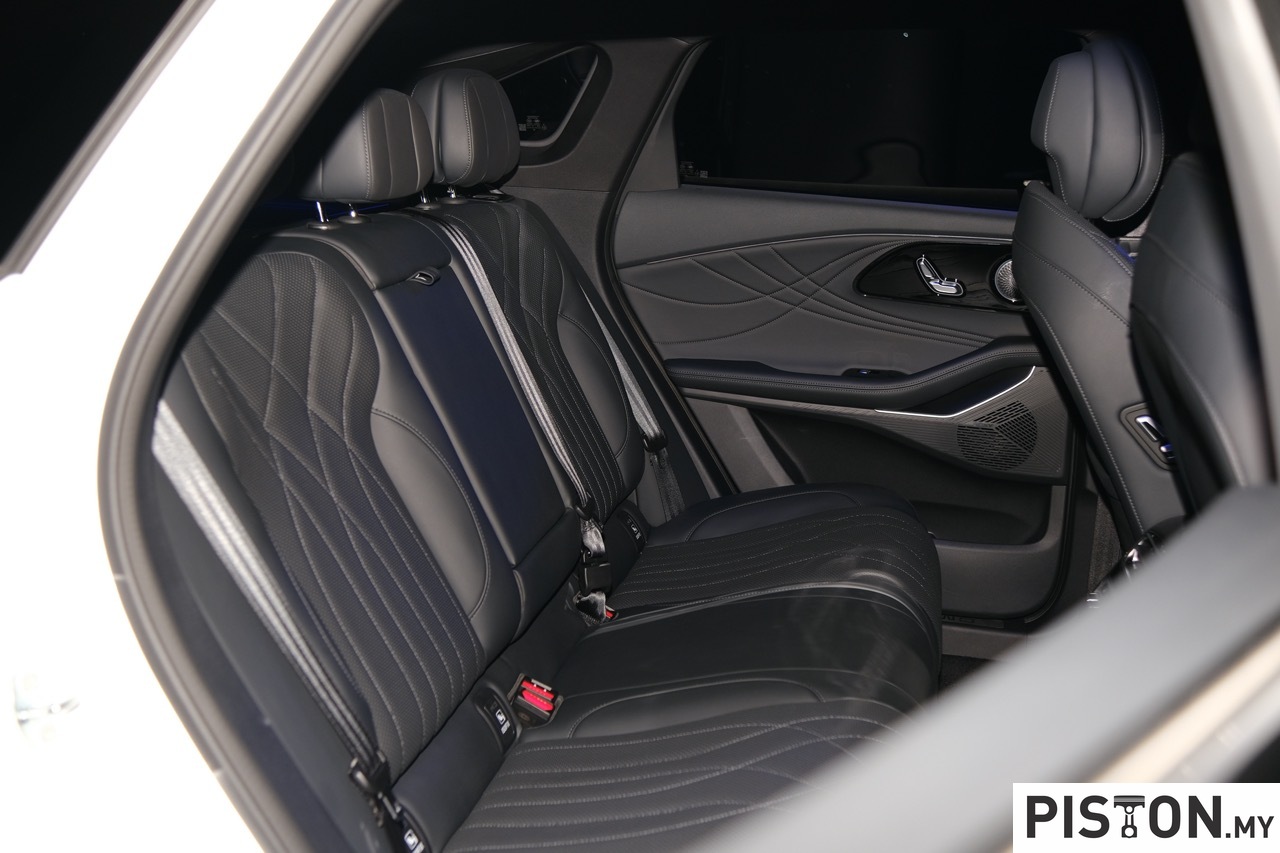
The cabin is enhanced with premium soft-touch leather finishes, three-zone air conditioning with an air quality system, and a fragrance dispenser for added comfort.

If you’re built slightly bigger than the average human, just like this writer, you won’t have to worry about space because, during our drive, I was as comfortable as ever. To enhance this comfort experience, both the driver and passenger seats are ventilated, allowing us to cool our bottom and back.

Powerful Petrol Engine
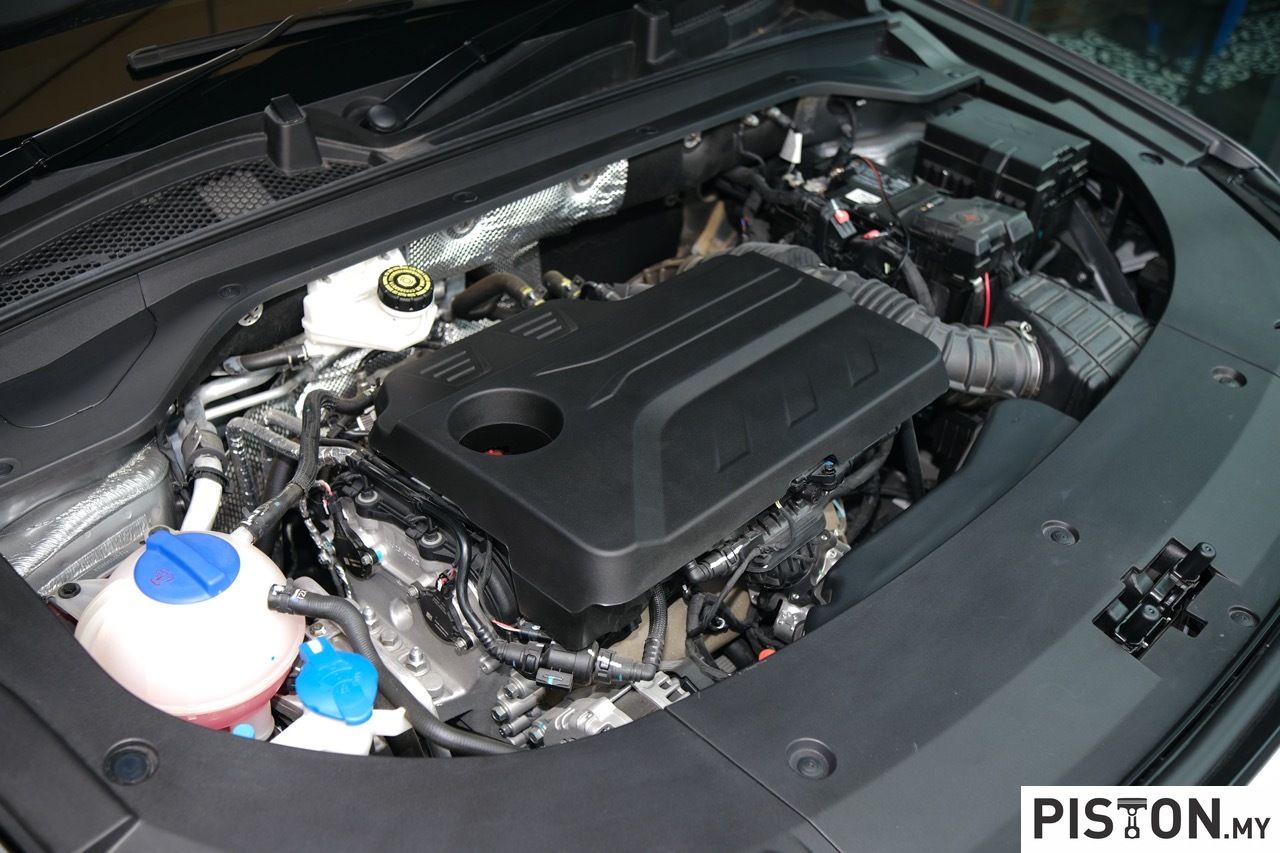
The C9 comes with the whole package, including power. It is powered by a 2.0 TGDI inline four-cylinder petrol engine, delivering 257hp and 400Nm of torque. Yes, that is a lot of power for an SUV coupé.

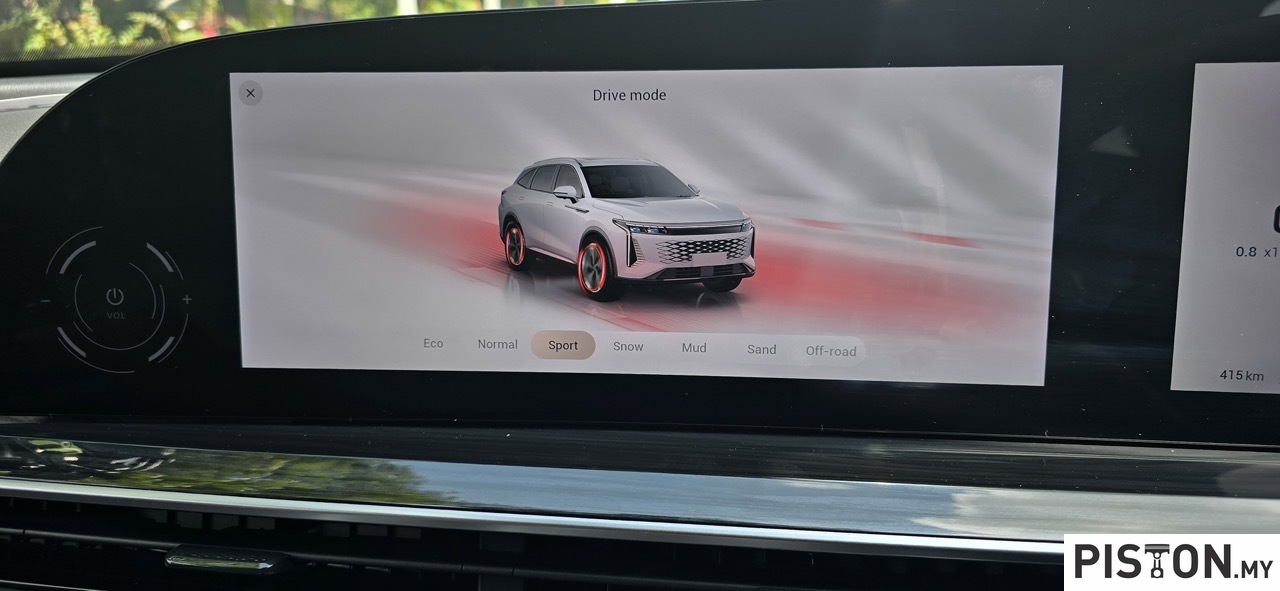
This amount of power can be put down on any terrain because the C9 comes with not only Eco, Normal, and Sport modes, but also Snow, Mud, Sand, and Off-road modes, which means you can probably get out of most unwanted situations.

Crazy Amount of Tech and Features
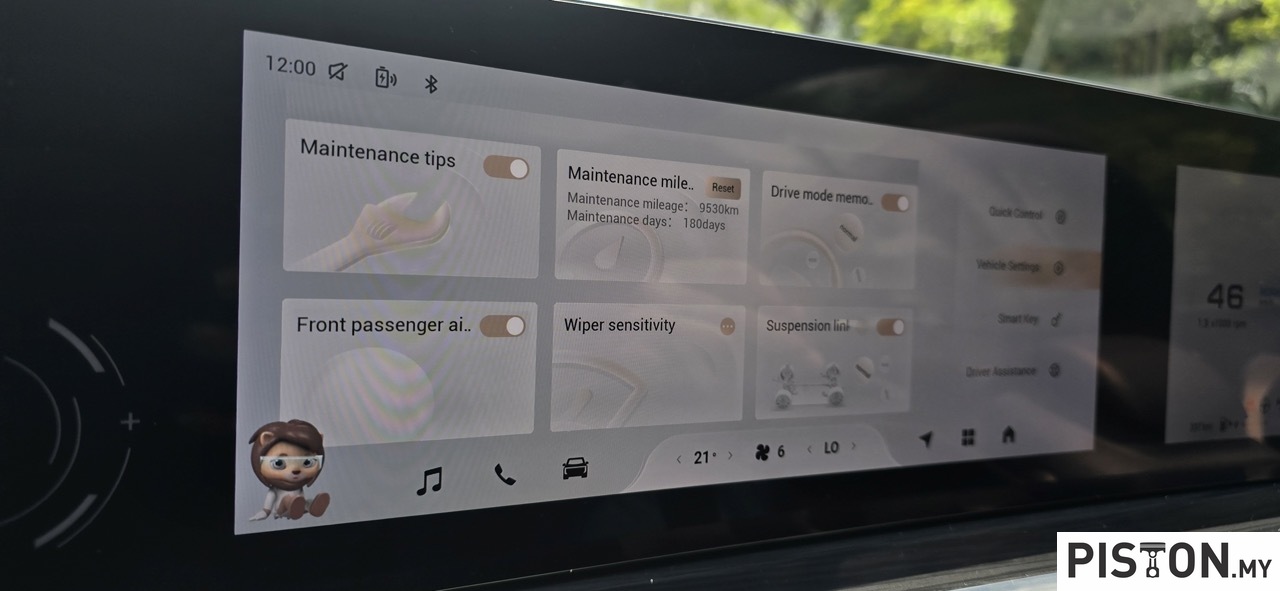
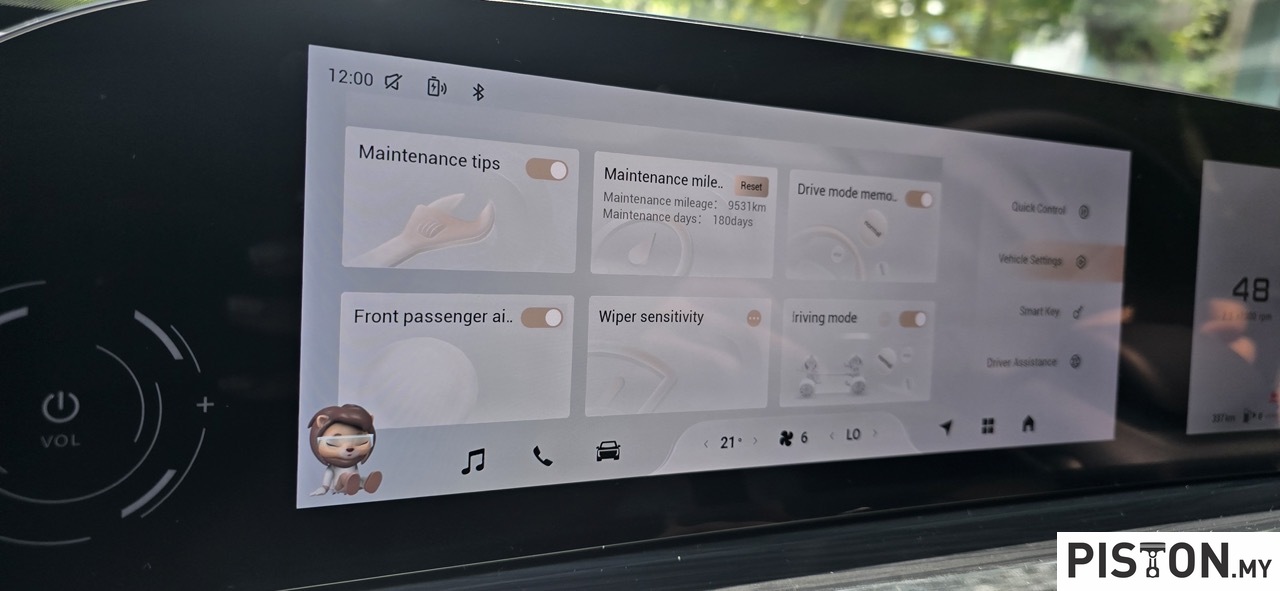
Once you start to mess around with all the options and features available on the 24.6-inch HD display, you’ll feel a little overwhelmed. Why? Because there are so many things to fiddle with. One of them is your different drive modes; then you have the HVAC, seat ventilation, fragrance drive mode memo, wiper sensitivity, maintenance tips, suspension linking to drive modes, and many more.


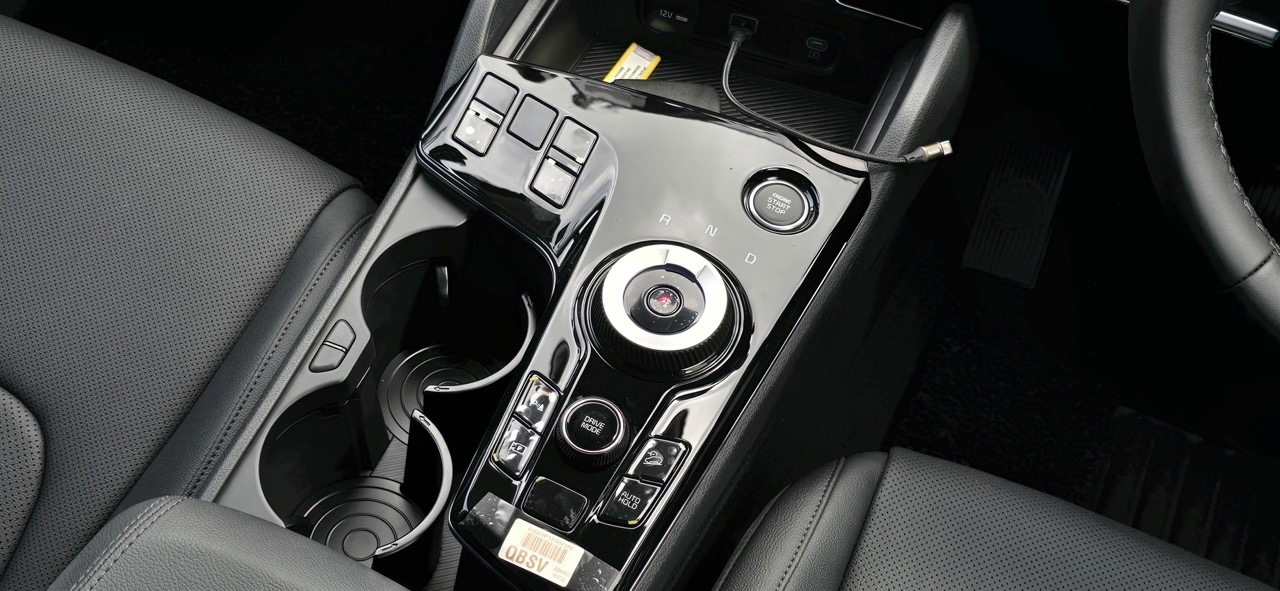
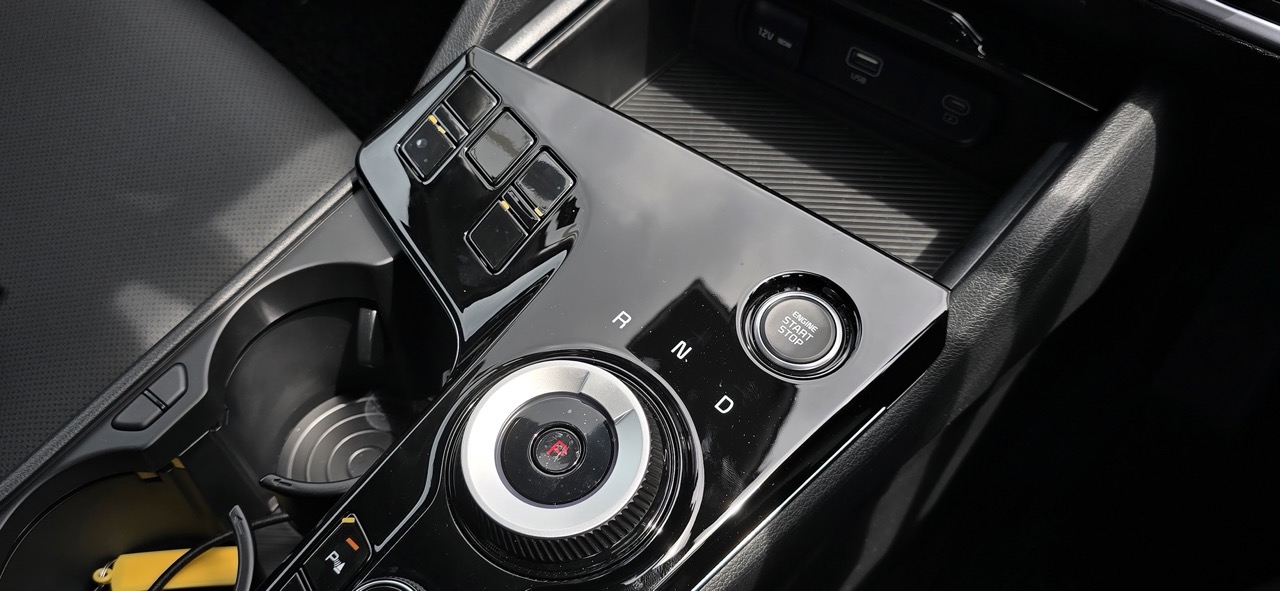
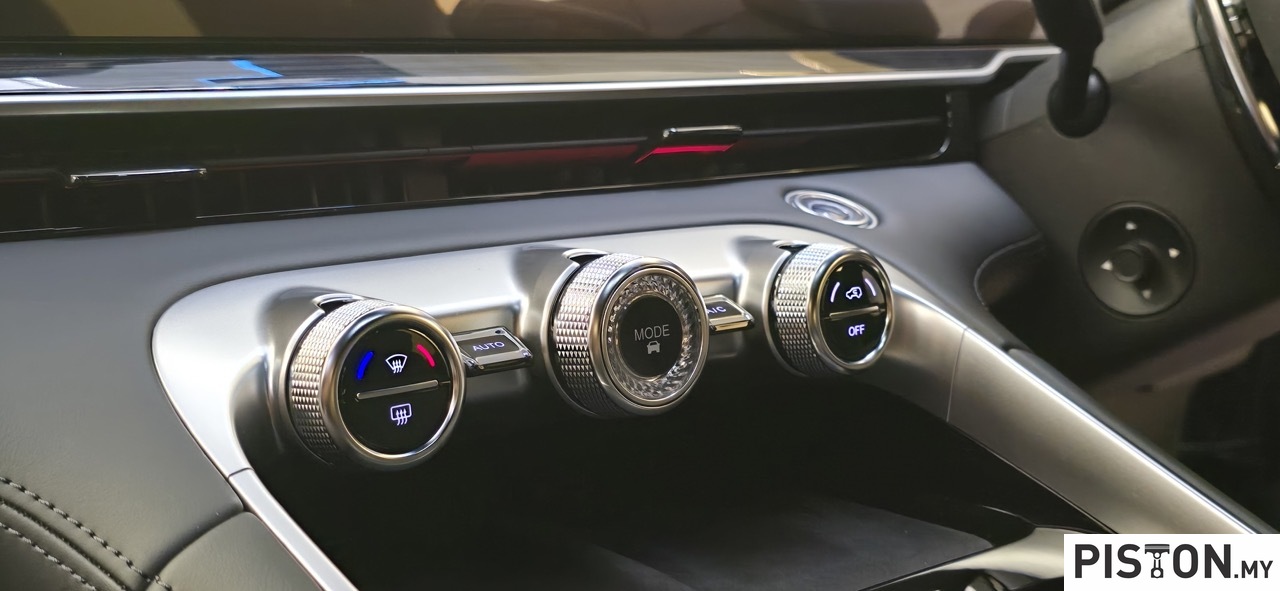
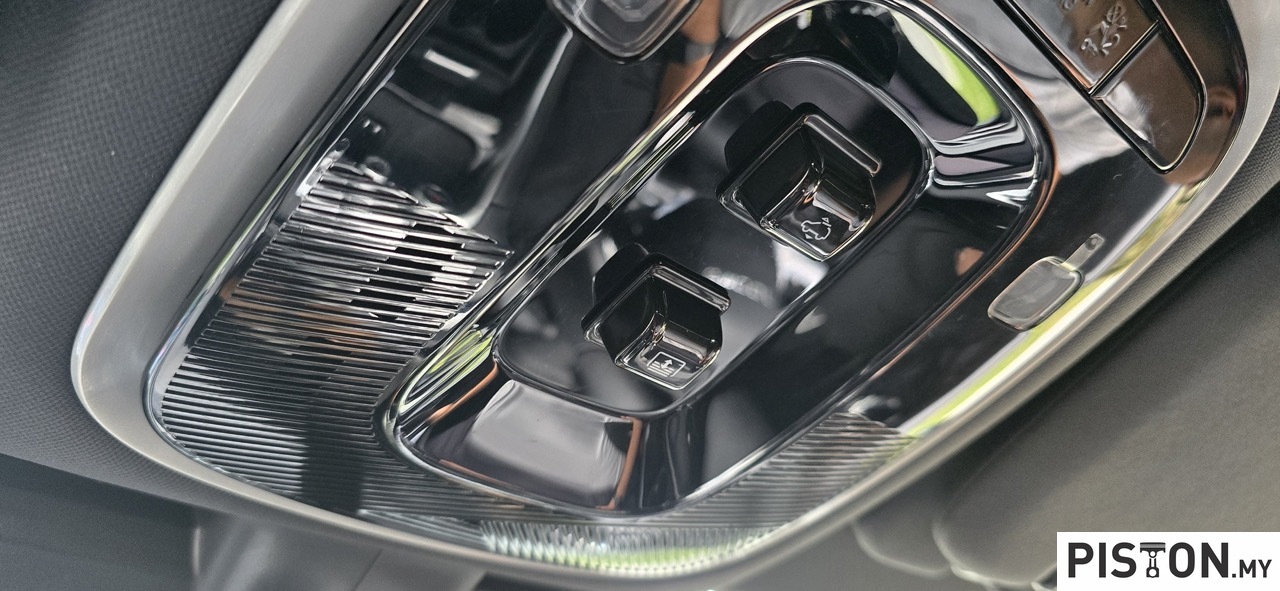
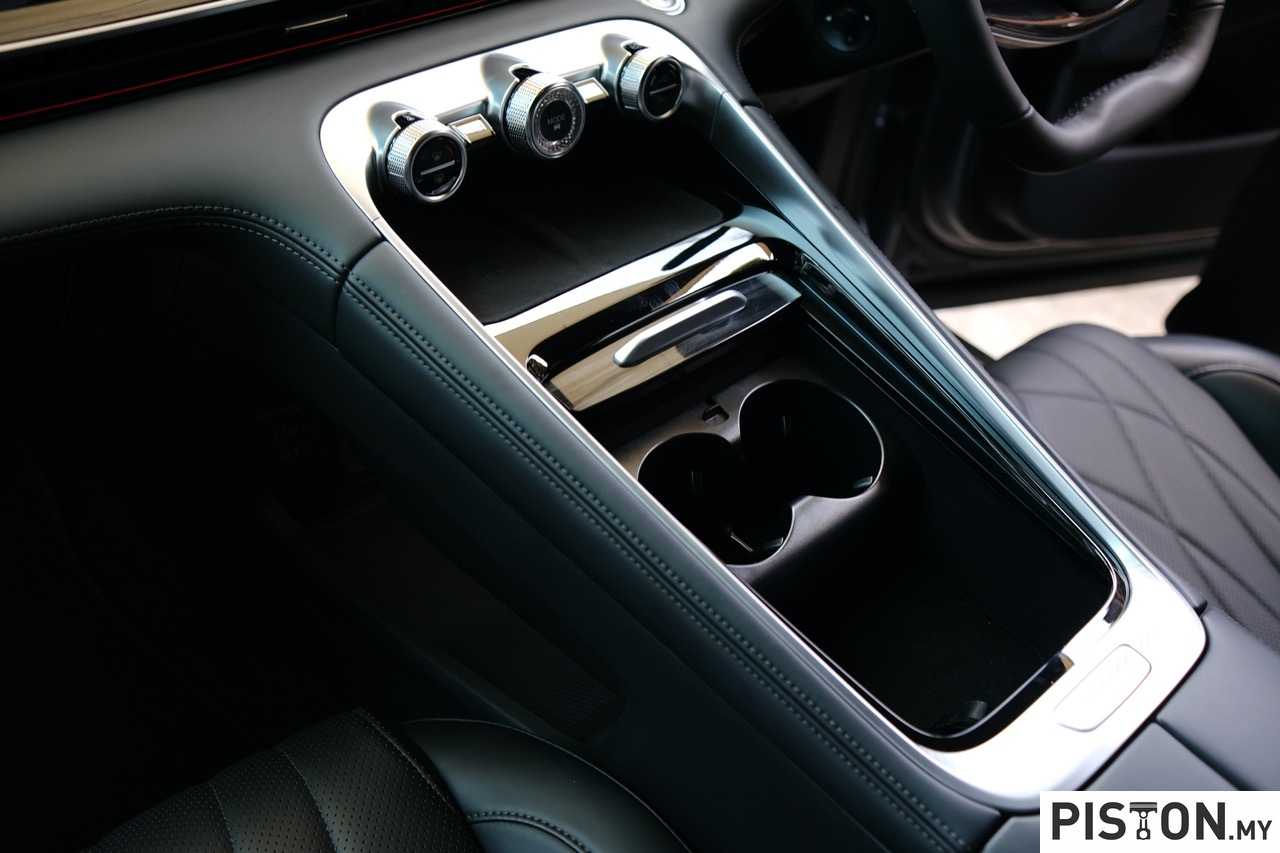
Thankfully, not everything is only accessible through the screen; you also get physical buttons. Yes, in a 2024 vehicle, there are buttons such as the air conditioning knobs, the sunroof controls, and the drive mode selection knob.


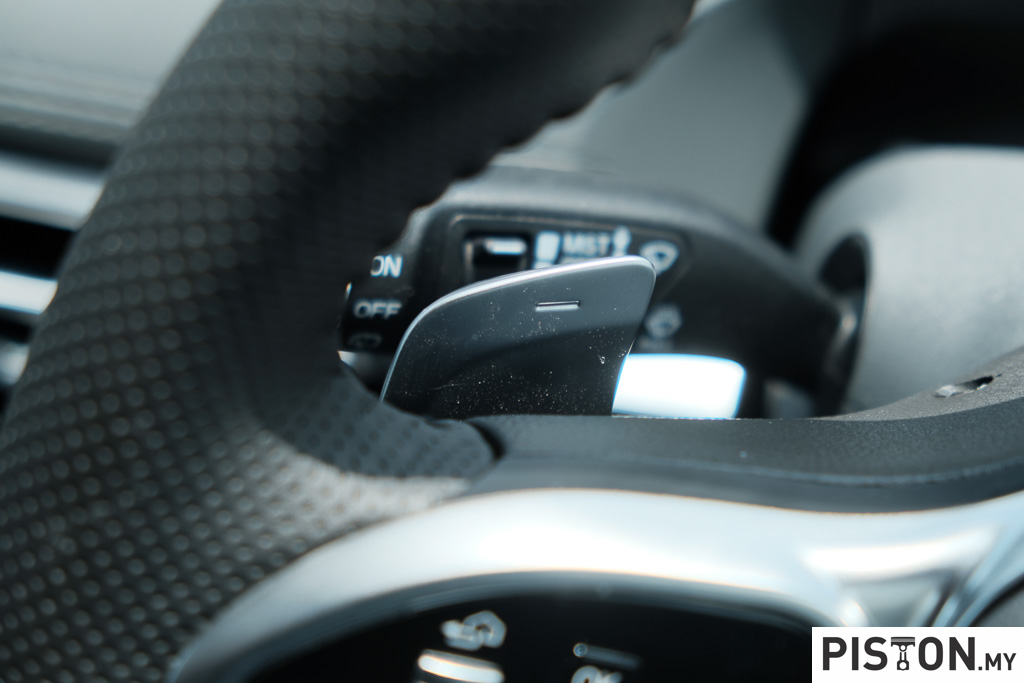
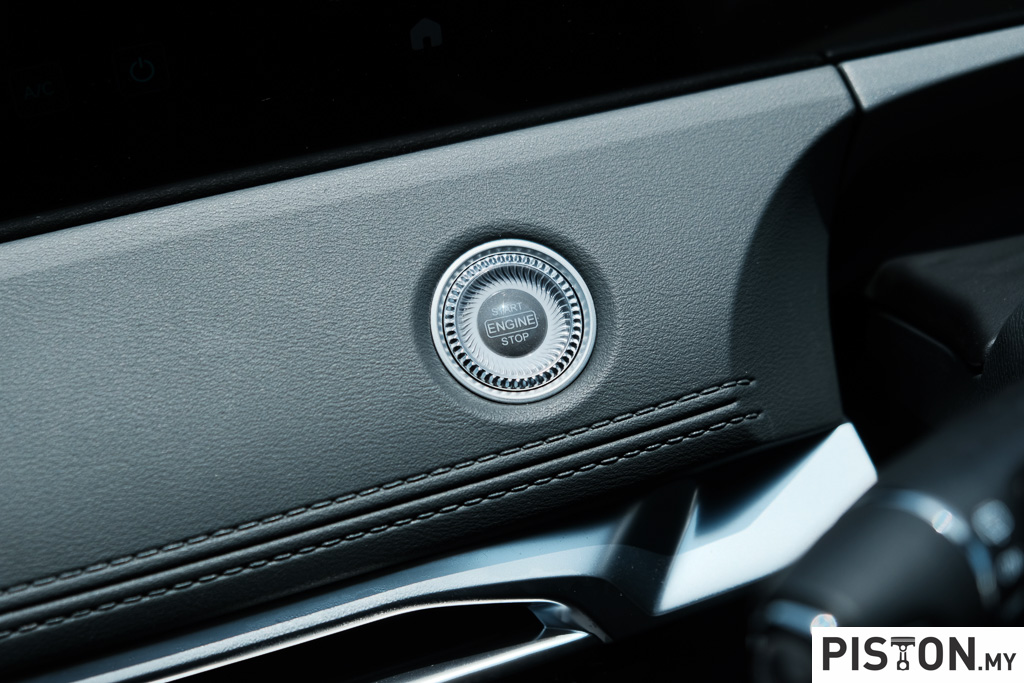
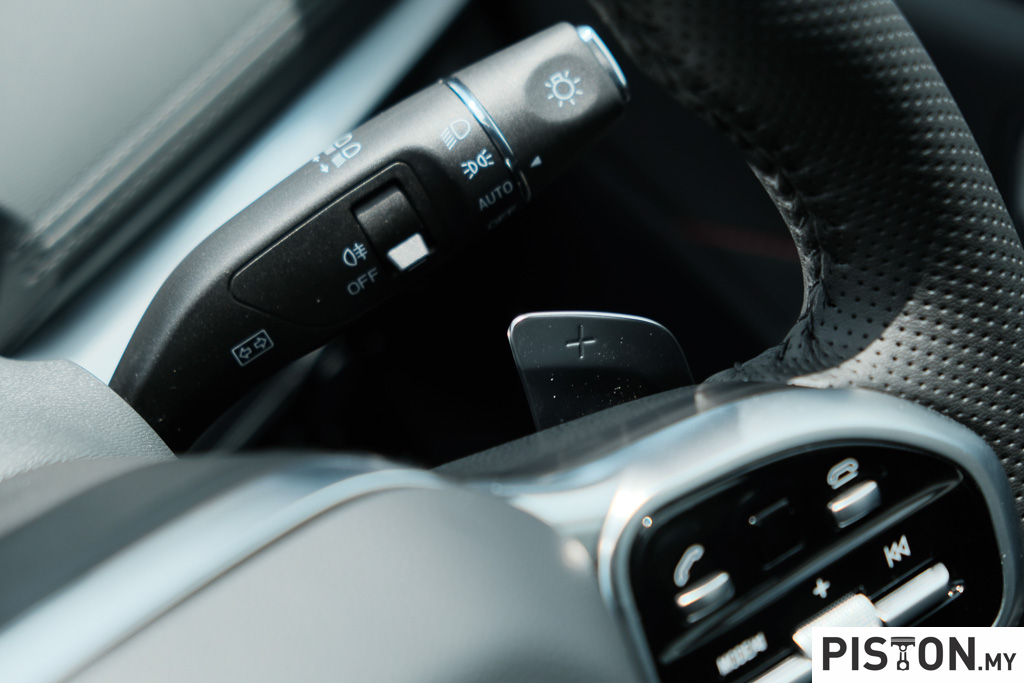
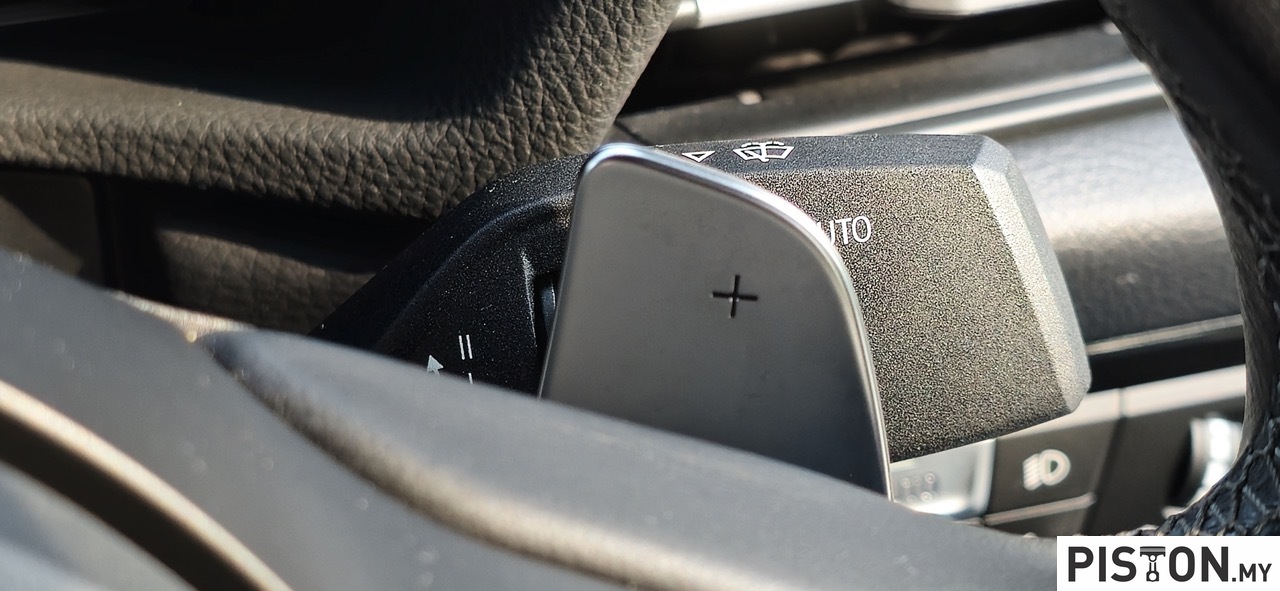
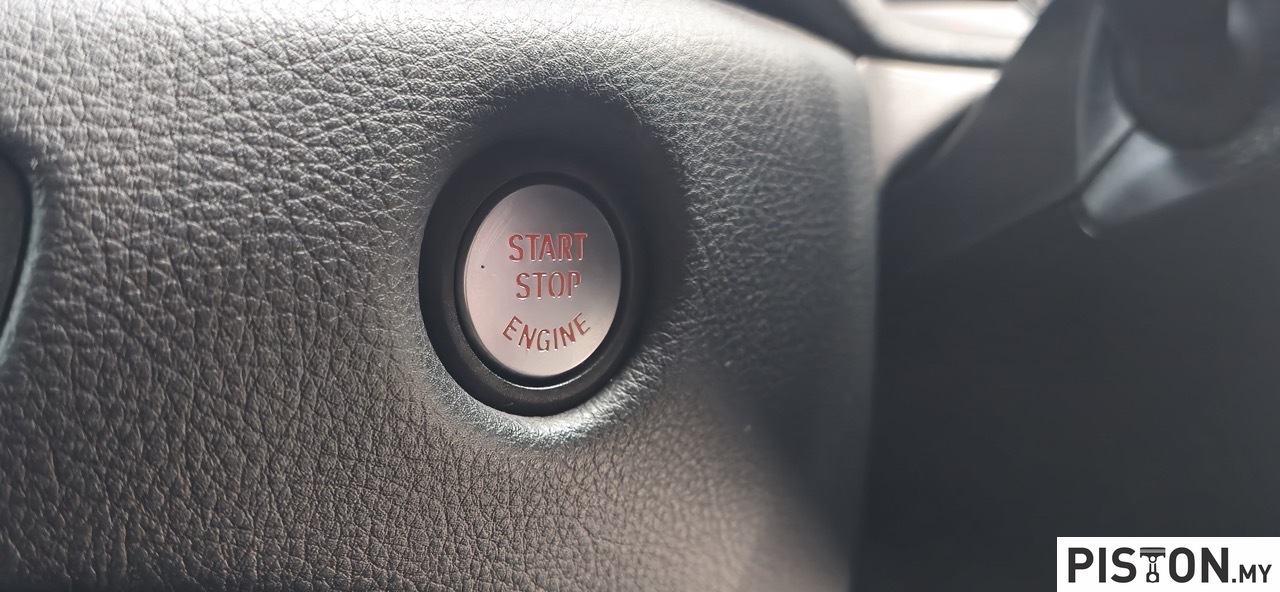
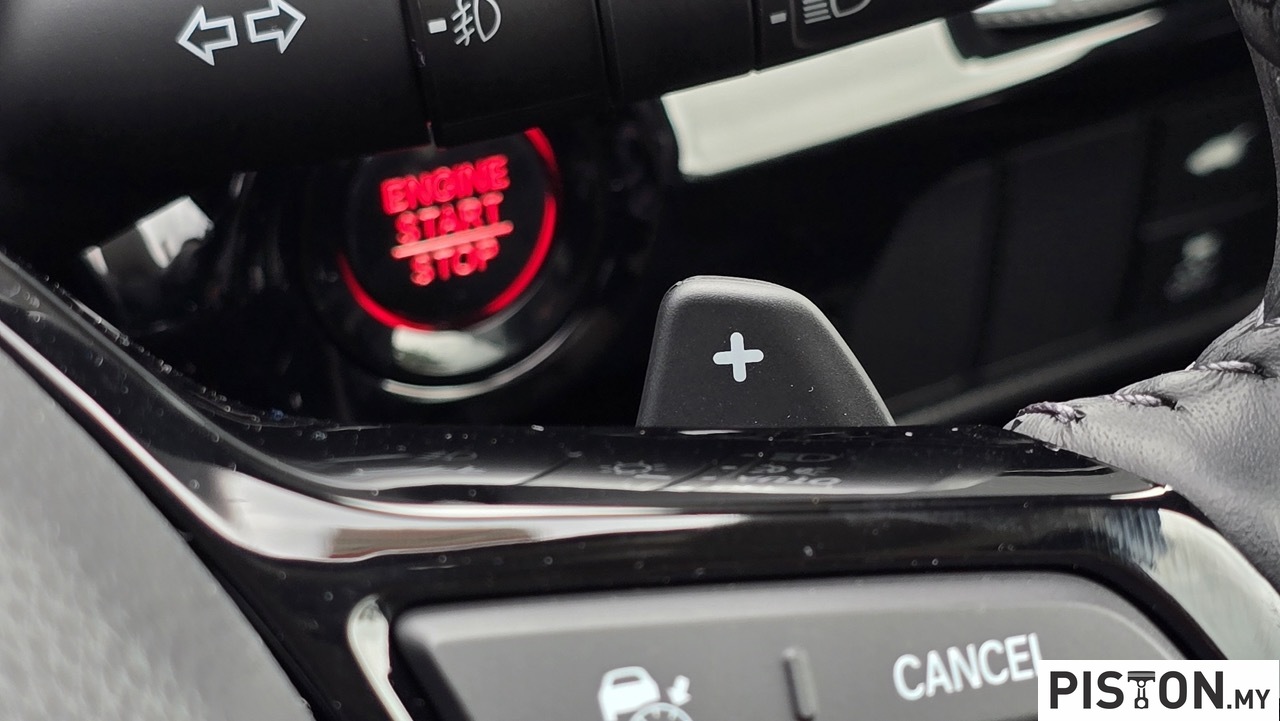
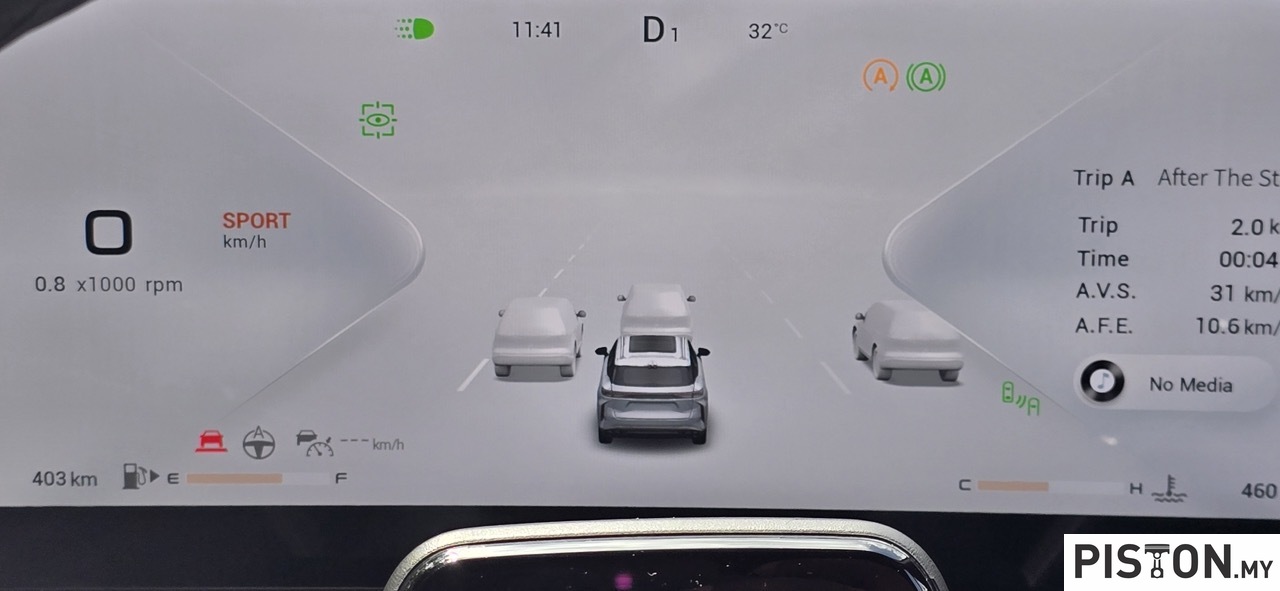
Gear changes can be done via a lever behind the steering wheel, similar to a German brand. You also get paddle shifters just for the fun of it and a push-to-start button.

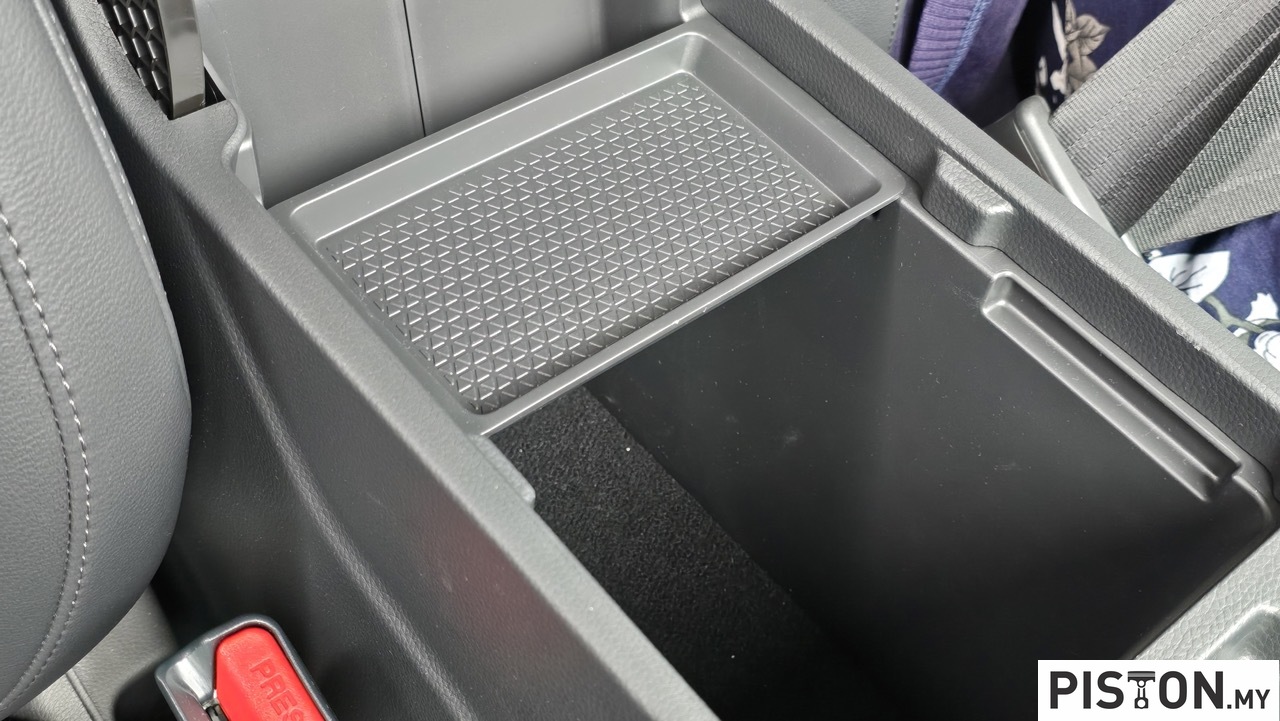
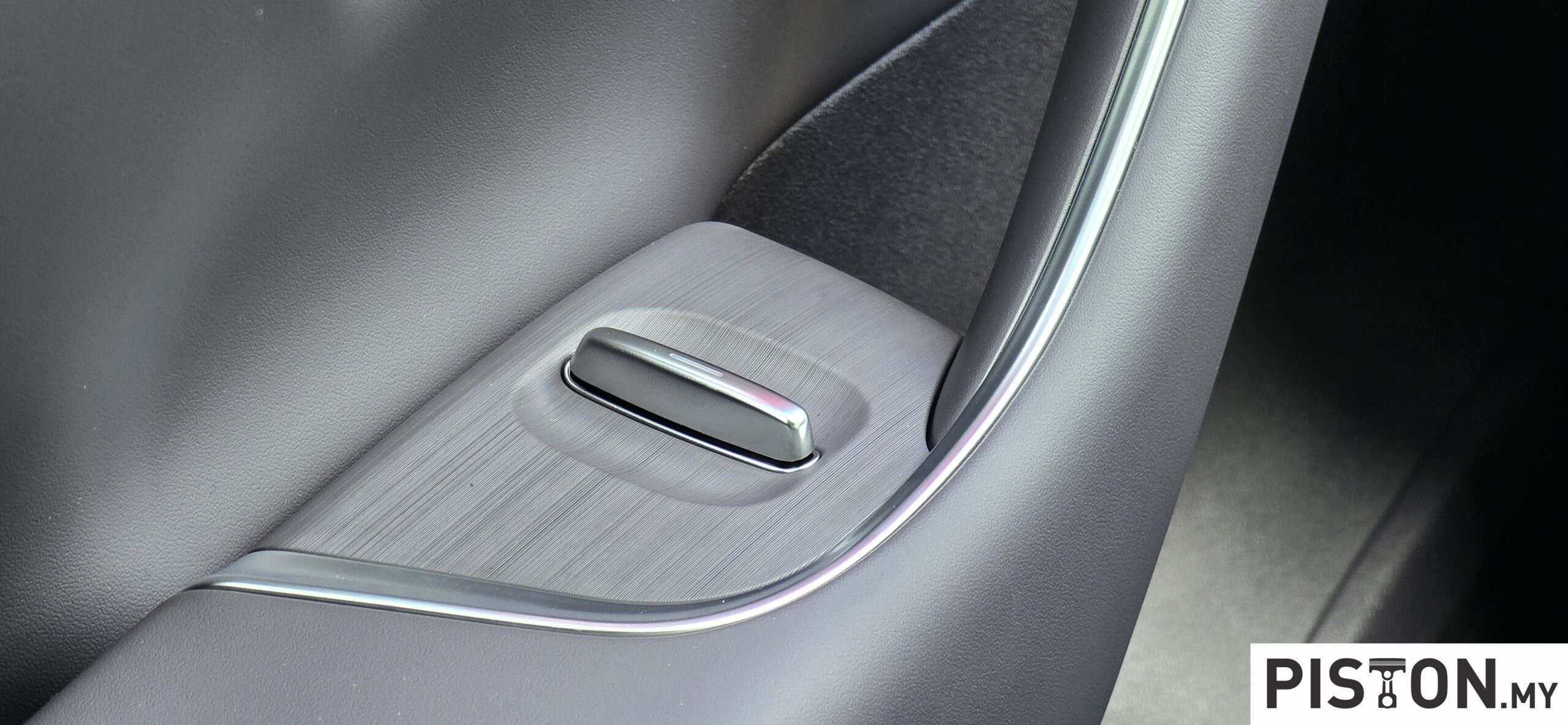
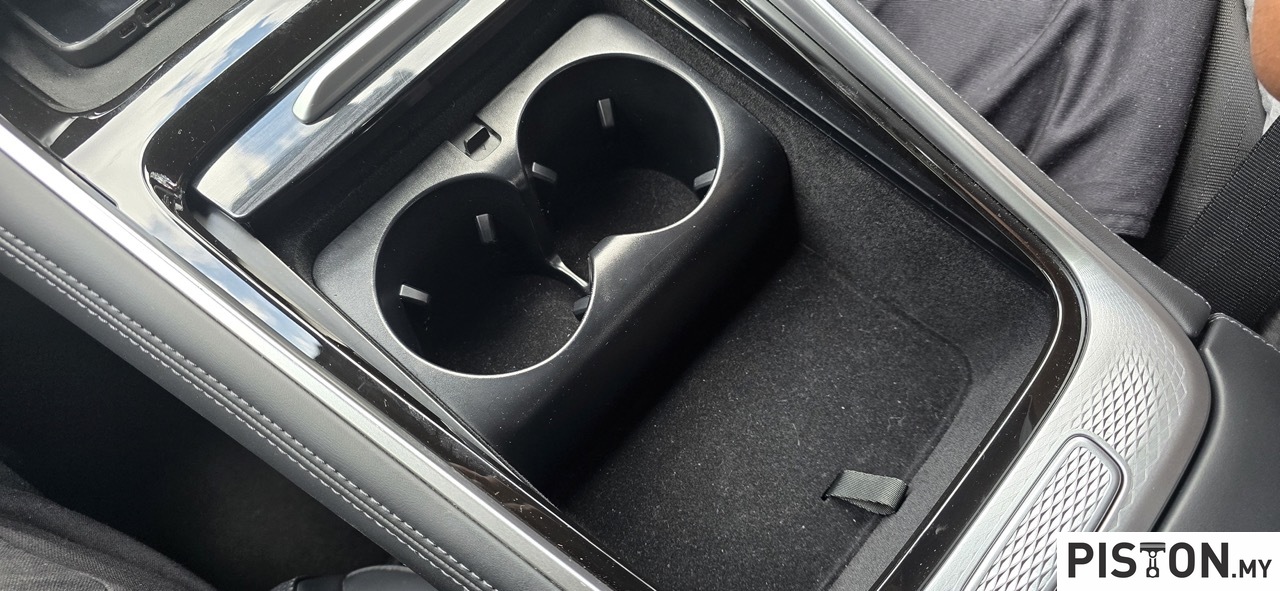
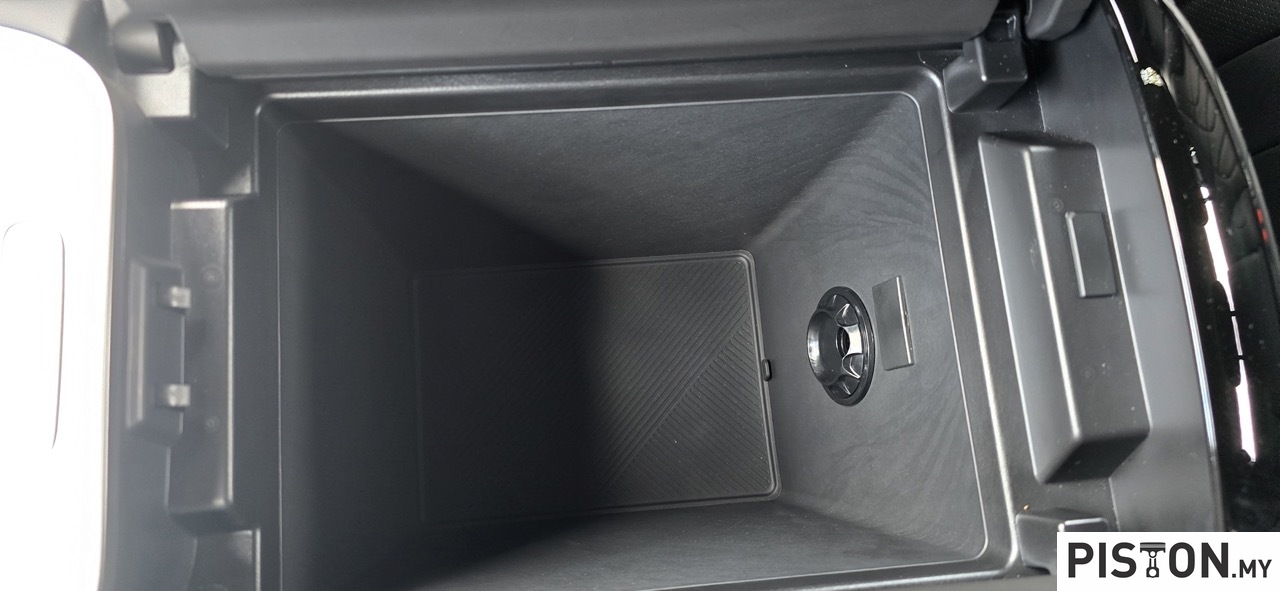
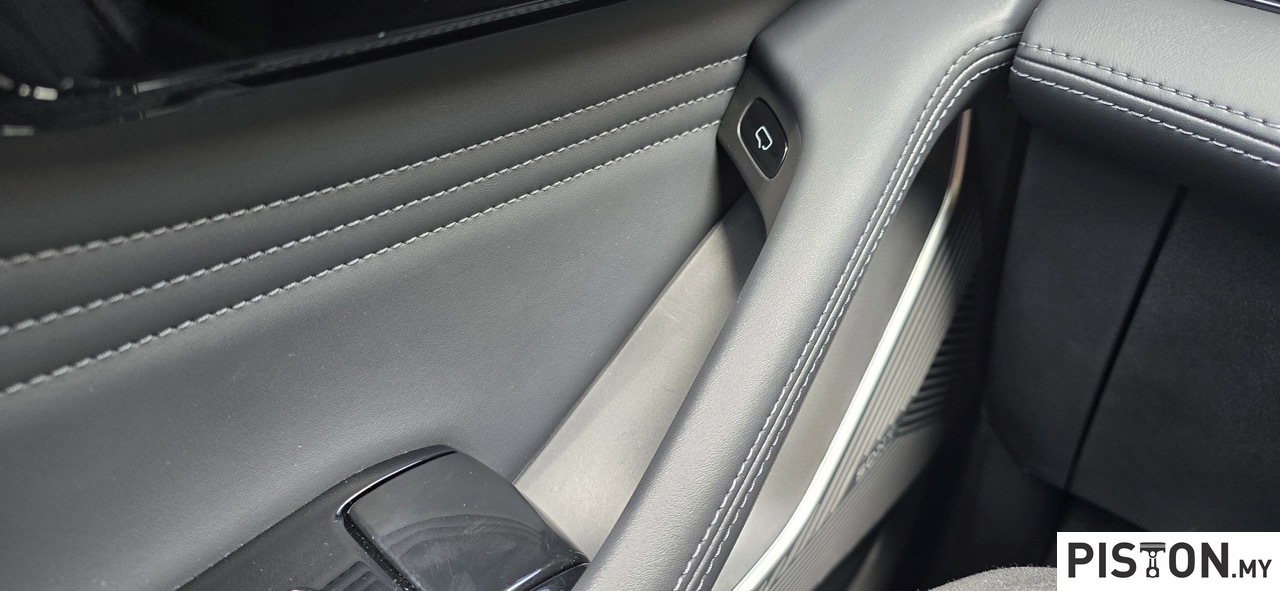
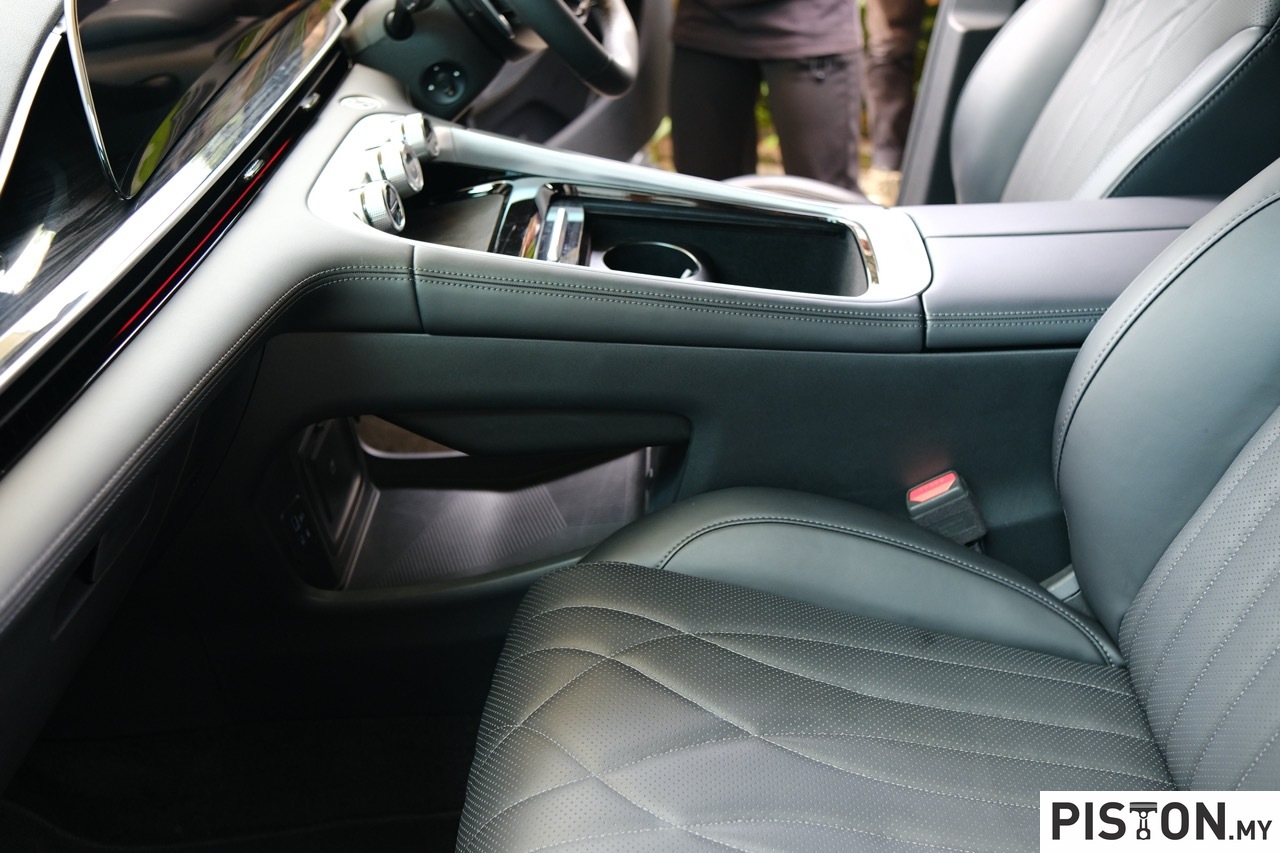
You also get a decent amount of storage space at the center console, and the armrest that houses a cooled compartment can be opened up to store your cold drinks. Another cool feature is the two options given to open the doors. You get the standard manual lever that you pull to release the door and a button that activates the electrical door release.

Safety at Its Finest
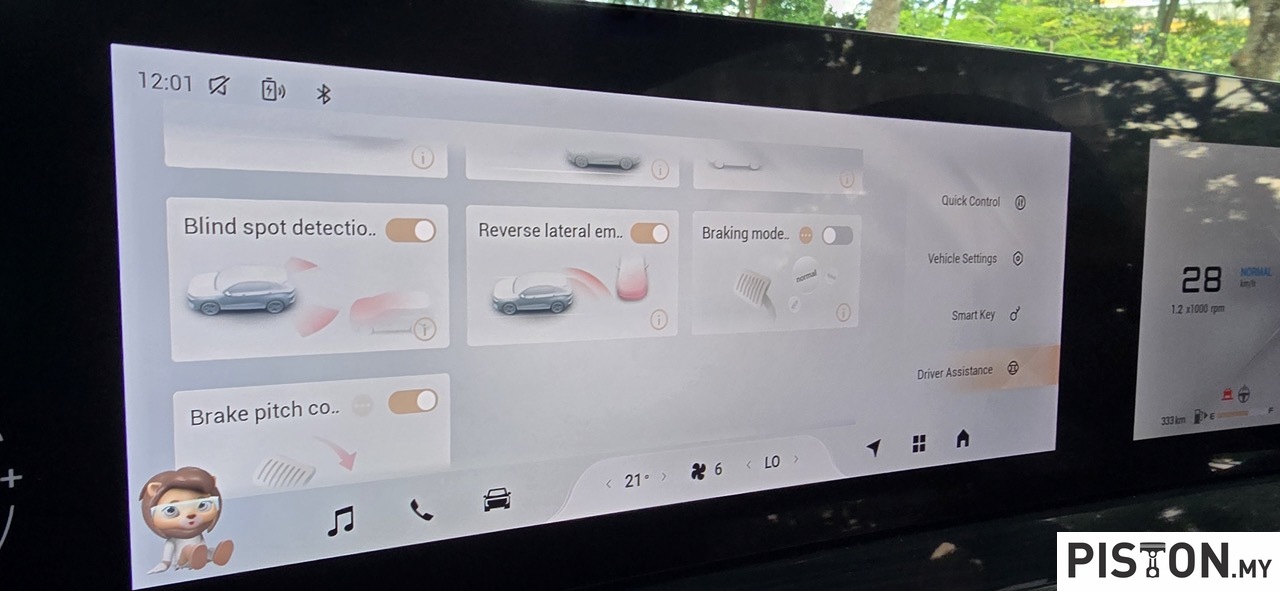
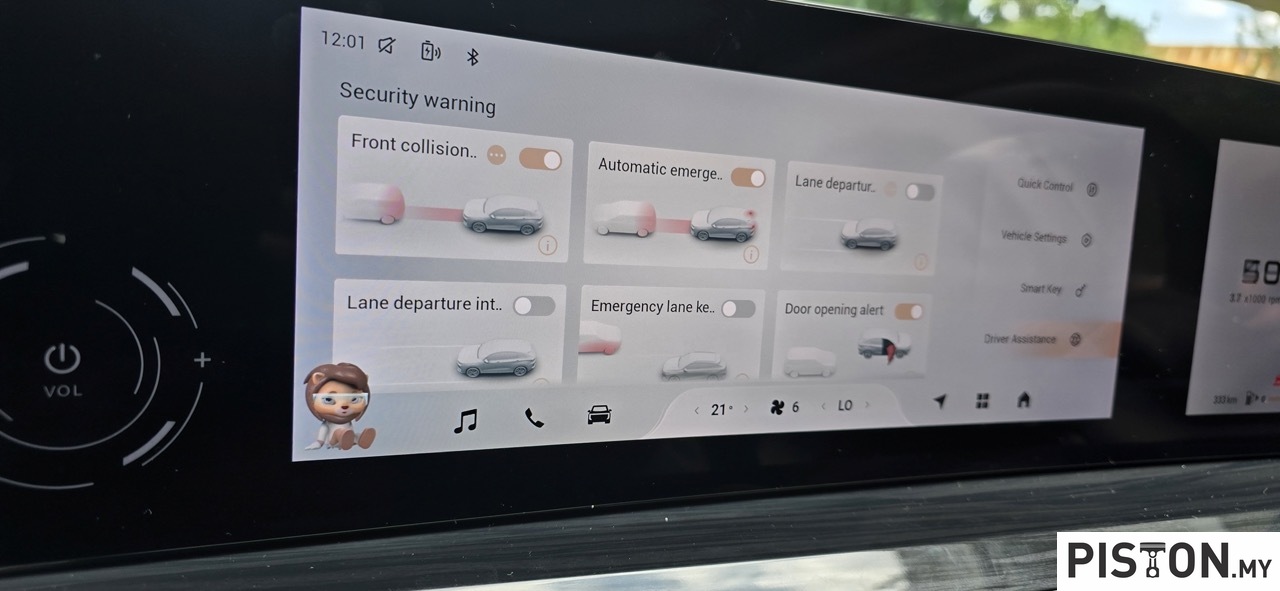
Safety is at the forefront of the C9’s design, with Continuous Damping Control (CDC) providing real-time adjustments based on road conditions to ensure a comfortable ride. The SUV is also equipped with level 2.5 Advanced Driver Assistance Systems (ADAS), including Blind Spot Detection (BSD), Lane Departure Prevention (LDP), and Emergency Lane Keep Assist (ELKA). All these can be accessed through the main screen. It’s a good thing that we can adjust and set them to the way we want because not all of us use certain features.

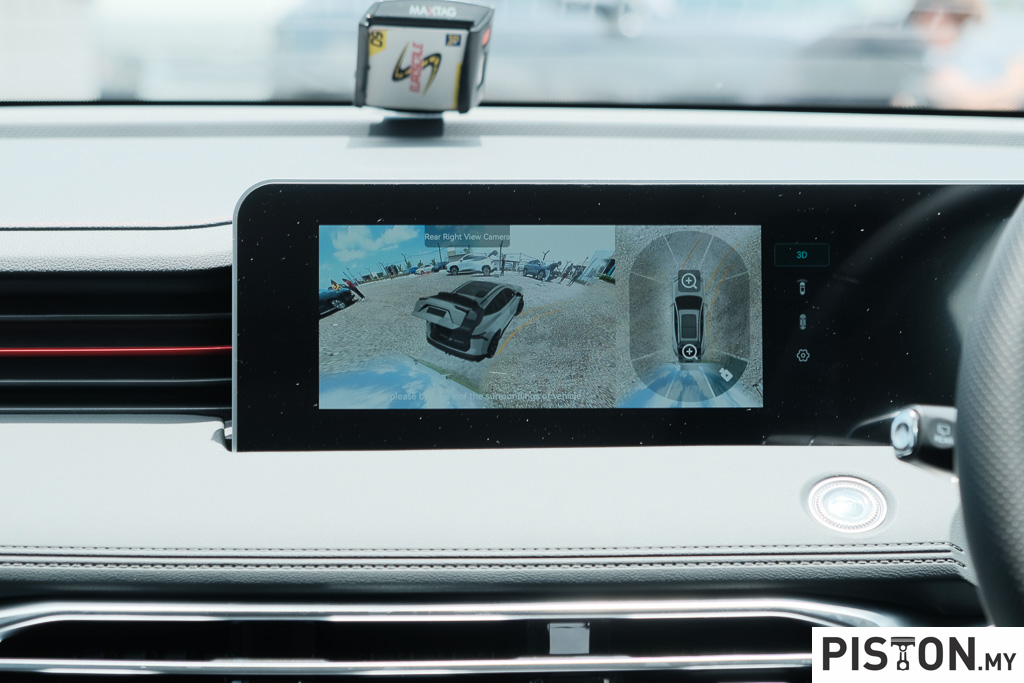
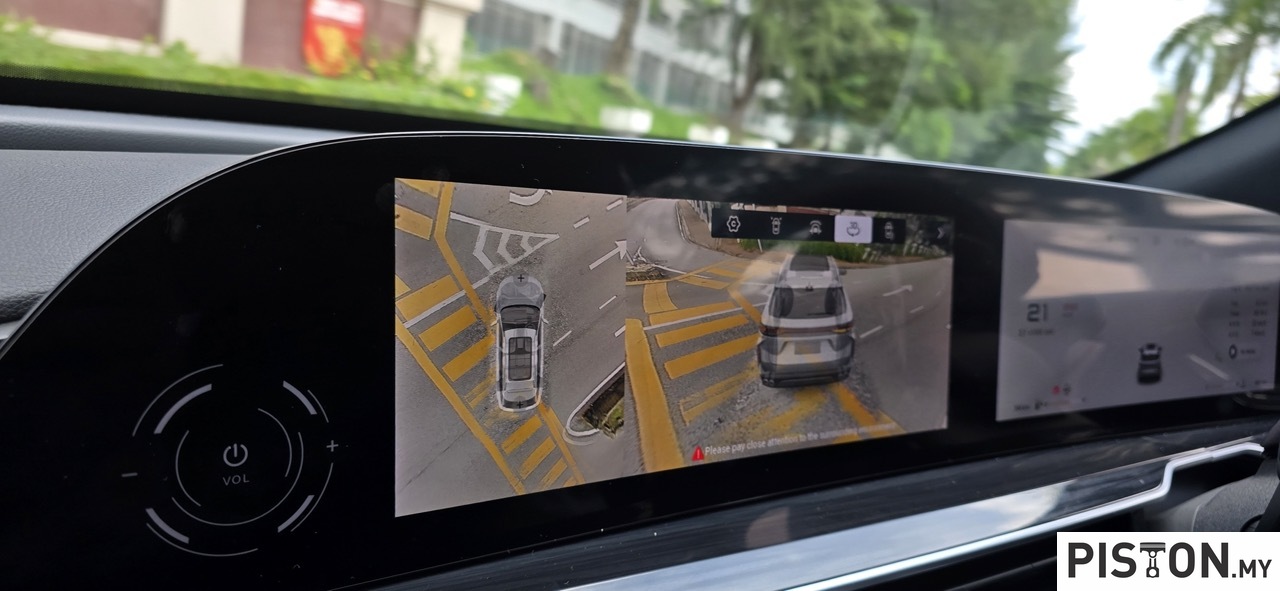
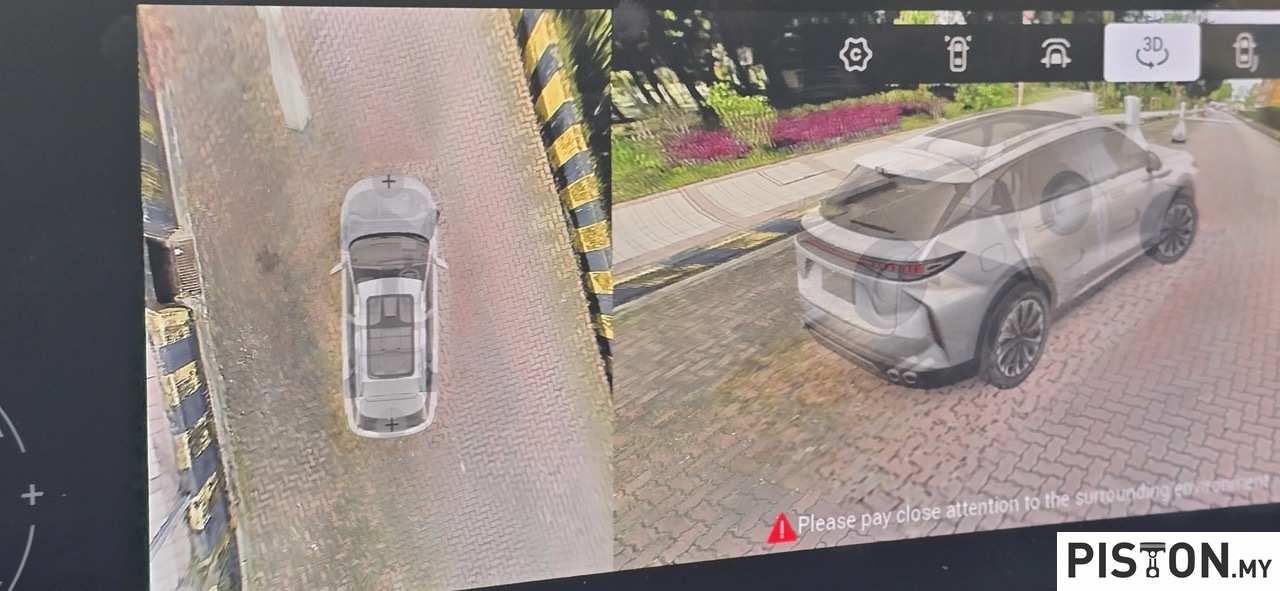
You can also adjust the braking modes that function depending on the drive mode the SUV is in. There is also a built-in 540-degree around-view monitor and digital video recorder (DVR) for enhanced visibility of obstacles and blind spots.

Is the Ride Comfortable?
Comfort-wise, we have nothing to complain about because the noise, vibration, and harshness (NVH) levels are decent. The C9’s adaptive suspension system, featuring MacPherson struts at the front and a multilink setup at the rear, enhances the comfort levels while driving. You don’t really feel all the bumps and imperfections that our Malaysian roads have to offer.

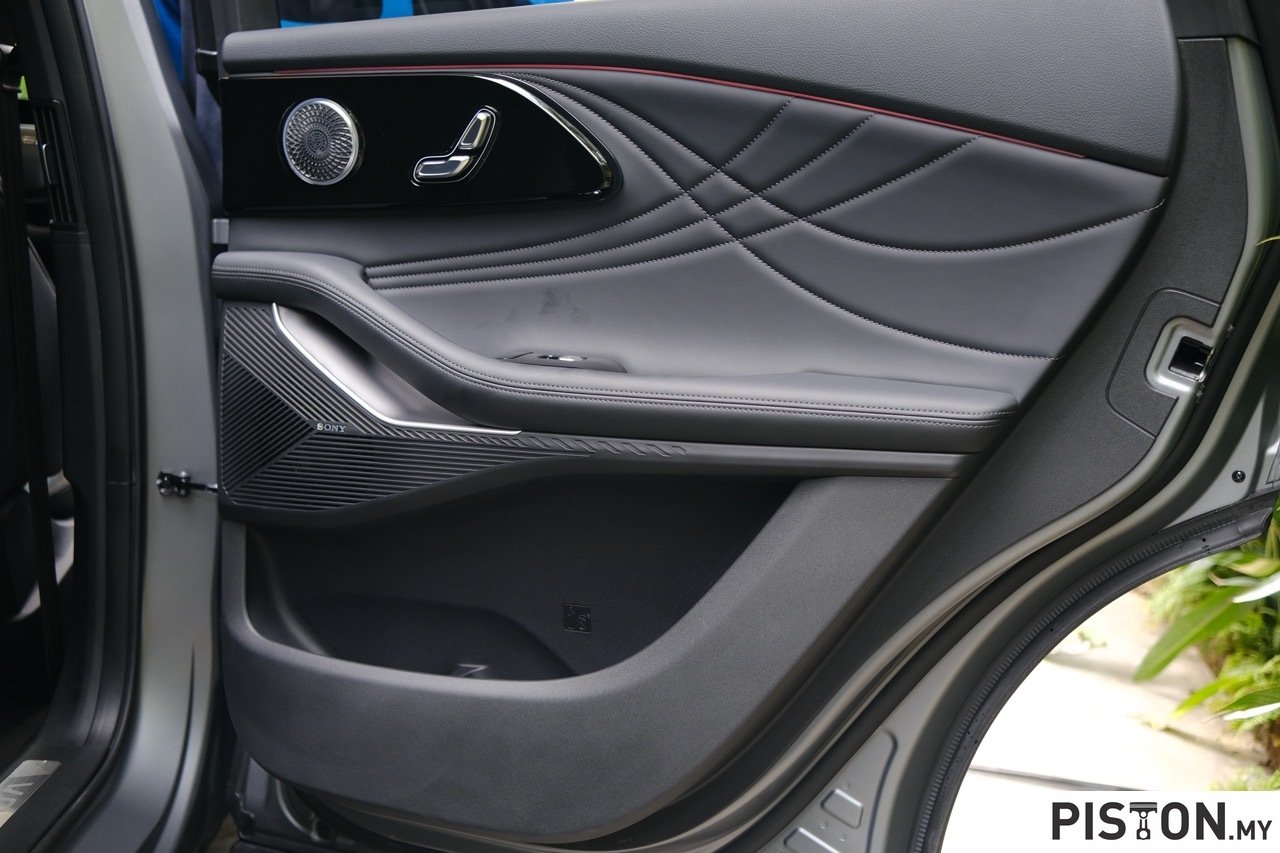
However, the only thing that was bugging us the entire time was the harshness of the engine sound. Each time you come to a stop and step on the gas again, the roaring sound of the engine is noticeable in the cabin. It’s a minor issue, and if you have songs blasting in the background through the Sony speakers, you probably won’t notice it.

The braking, however, could be improved. The gap between the brake lever and the biting point takes some time, as we tested a bit of hard braking and slow braking. So if there is a need for you to hit the brakes, you may need to do it faster.


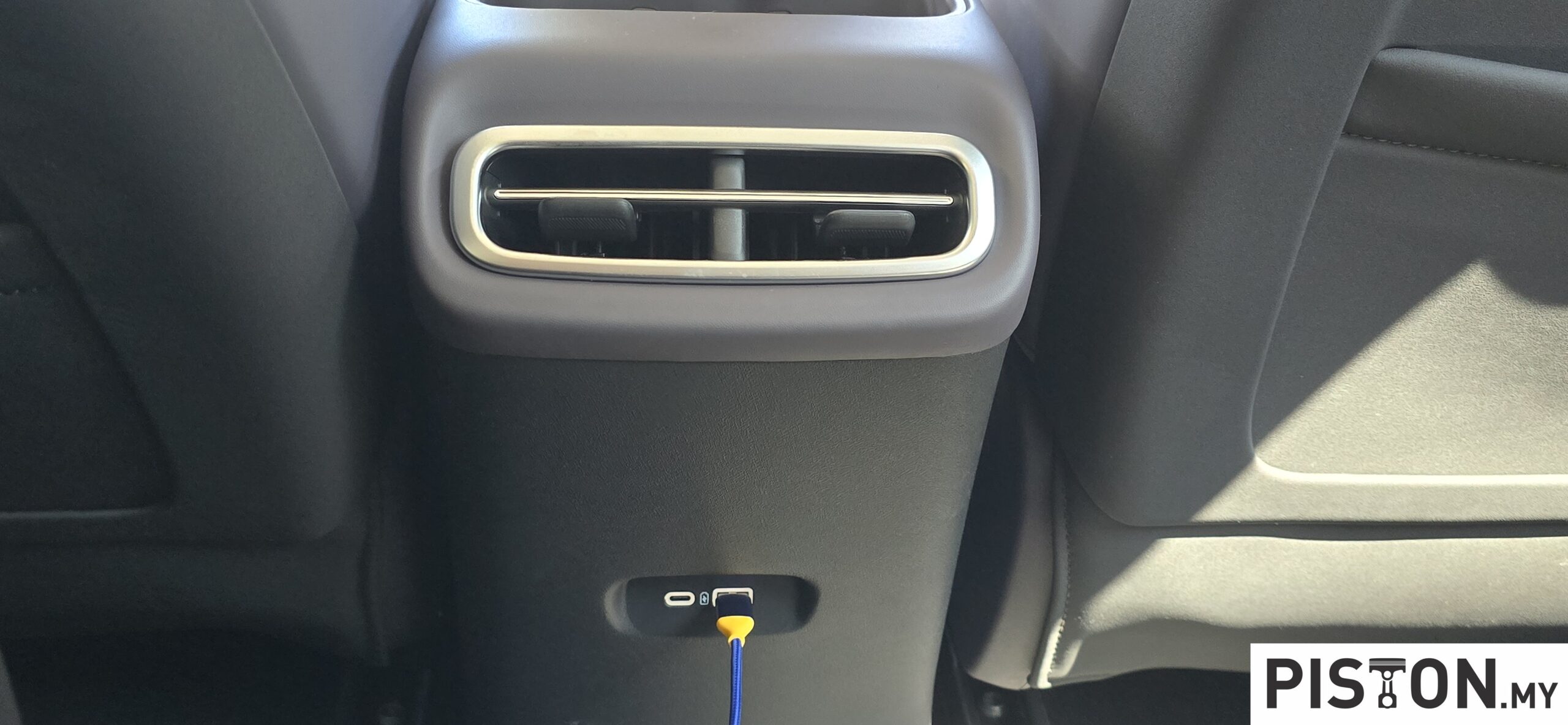
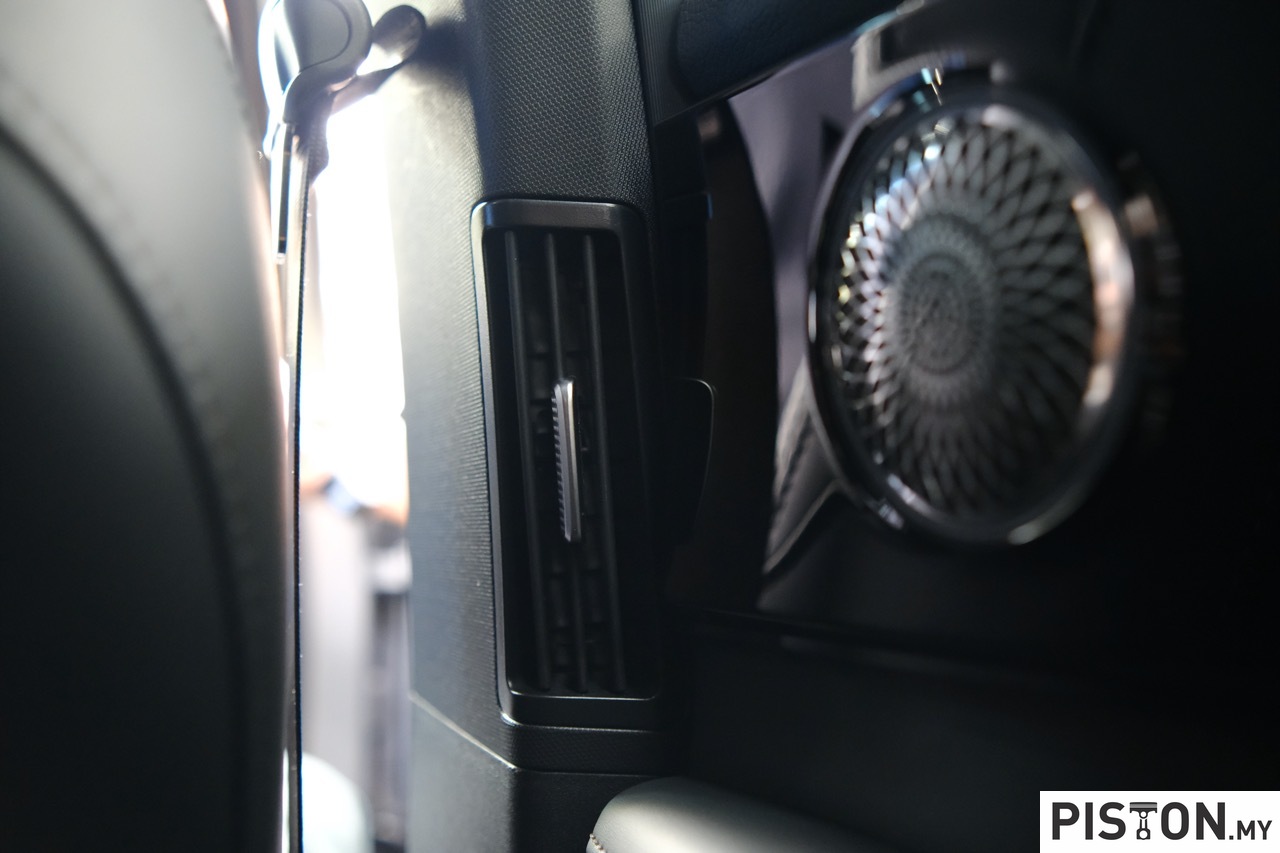
Rear seat passengers do not have to worry about comfort either; there is an ample amount of legroom and headroom available. You have air conditioning vents in the middle and at the side pillars. Because of how smooth the ride feels, you’ll be able to sleep like a baby during long drives.

How Affordable is Affordable?
The C9 has not been officially launched yet. According to Jaecoo, the official launch will take place by the end of this year. Compared to the C9’s competitors, in terms of features, technology, and pricing, there’s no question why you shouldn’t consider getting one. Jaecoo has opened registration of interest for the Omoda C9, with the 2WD variant priced at around RM185,000 and the AWD variant estimated at RM195,000.
In our books, that’s a really good price range for the package that the C9 offers.

Specifications:
Engine: 2.0-liter turbocharged petrol four-cylinder
Power: 257hp
Torque: 400Nm
Transmission: Eight-speed torque converter automatic
Suspension: MacPherson struts in front and multi-link setup at the back with Continuous Damping Control (CDC) adaptive suspension
Price (as tested): Estimated at RM195,000
We like: Futuristic look, spacious, luxurious, and comfortable interior
We don’t like: The braking system could be improved

In case you didn’t know, cars are categorised into various segments based on their sizes. The list of segments begins with the A-segment which comprises the smallest cars in the market such as the Perodua Axia, Proton Saga, Perodua Bezza, and the Hyundai i10 just to name a few.
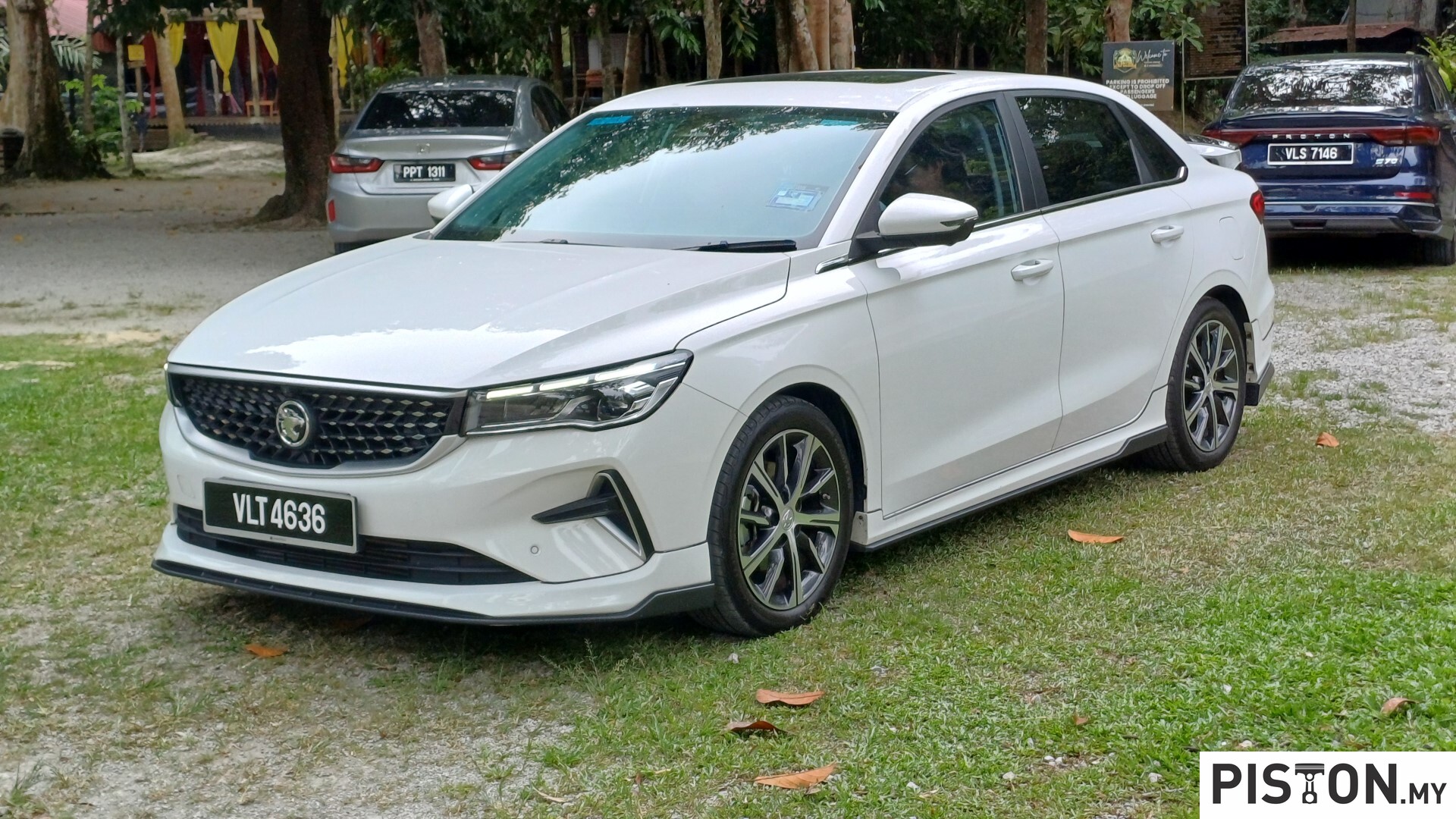
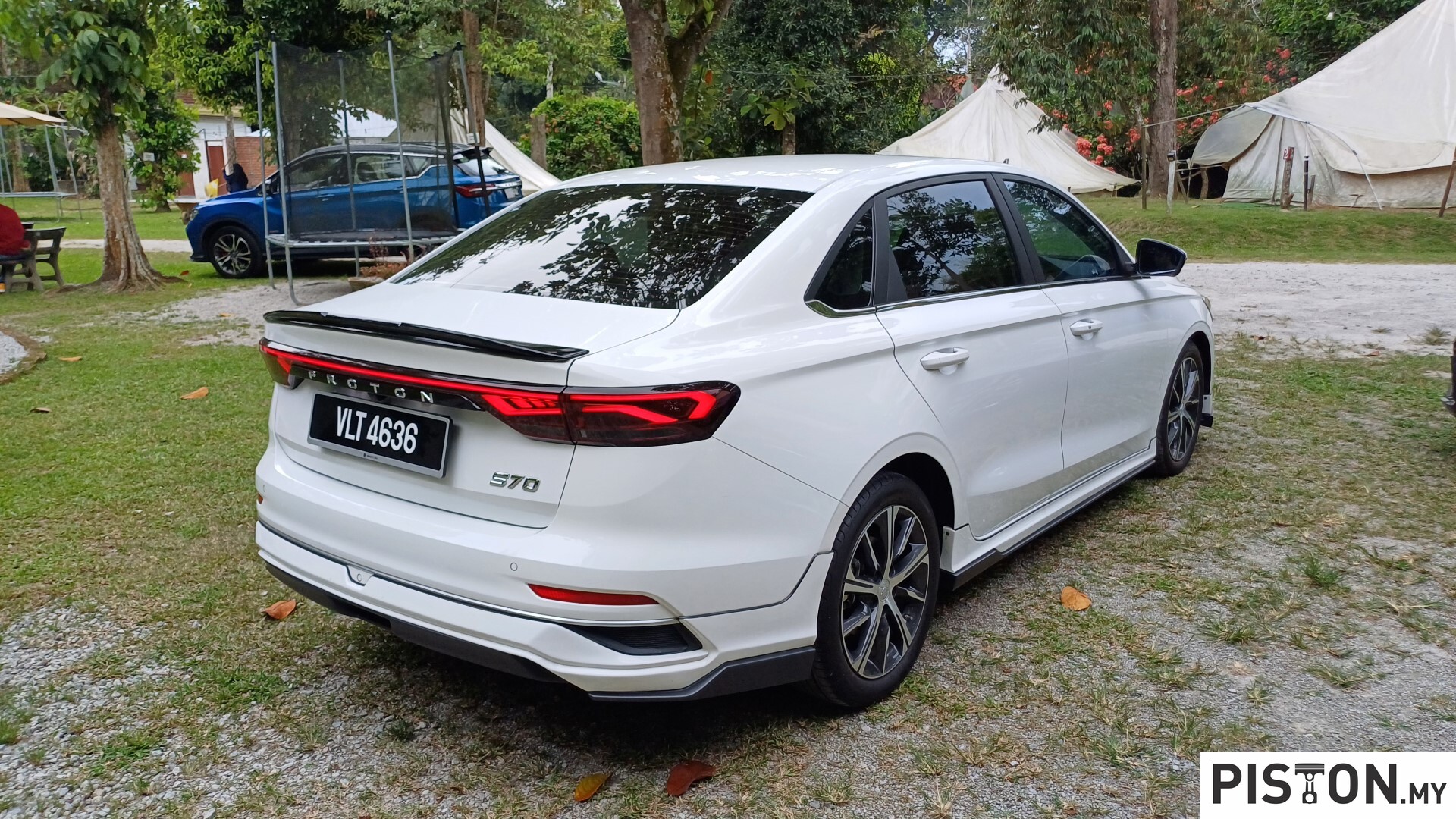
Moving up the ladder, we have the B-segment which comprises models like the Honda City, Toyota Vios, and the MG5, followed by the C-segment which the Proton S70 here is a part of, alongside models like the Honda Civic, Toyota Corolla Altis, and the Mazda3. 
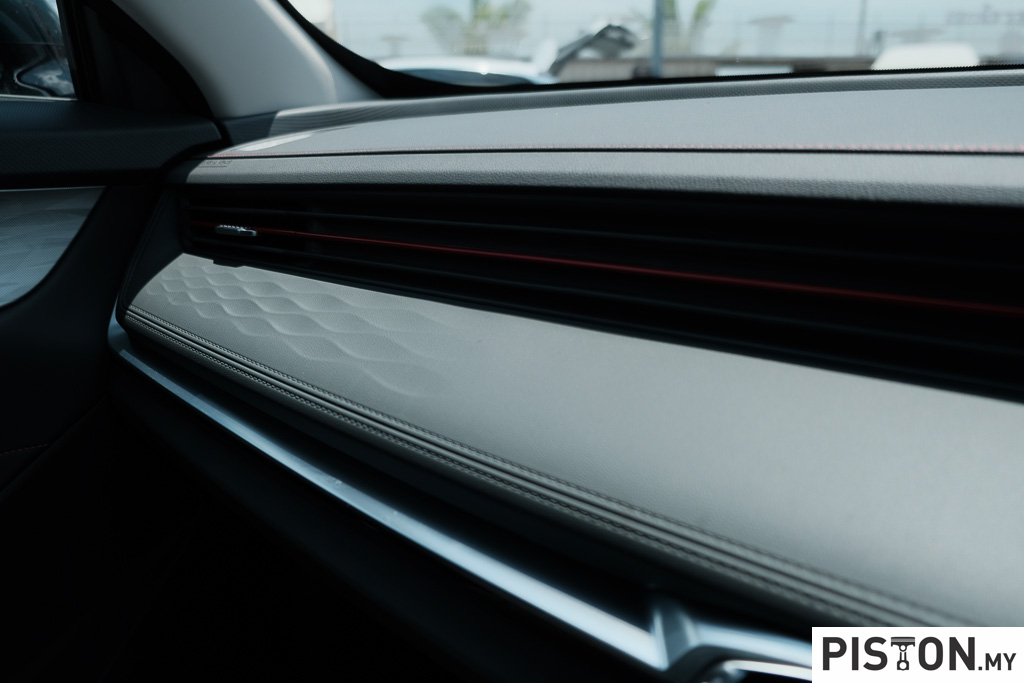
If we keep going, there’s the D-segment with mid-sized executive sedans like the Honda Accord and Toyota Camry, the E-segment with cars like the Mercedes-Benz E Class, limousines such as the BMW 7-Series, sports cars, MPVs, and SUVs.

While most of these models compete with each other in the same segment, there are a few special models such as the Proton S70 here which also compete with cars in other segments. 

(more…)

Archive

Follow us on Facebook

Follow us on YouTube