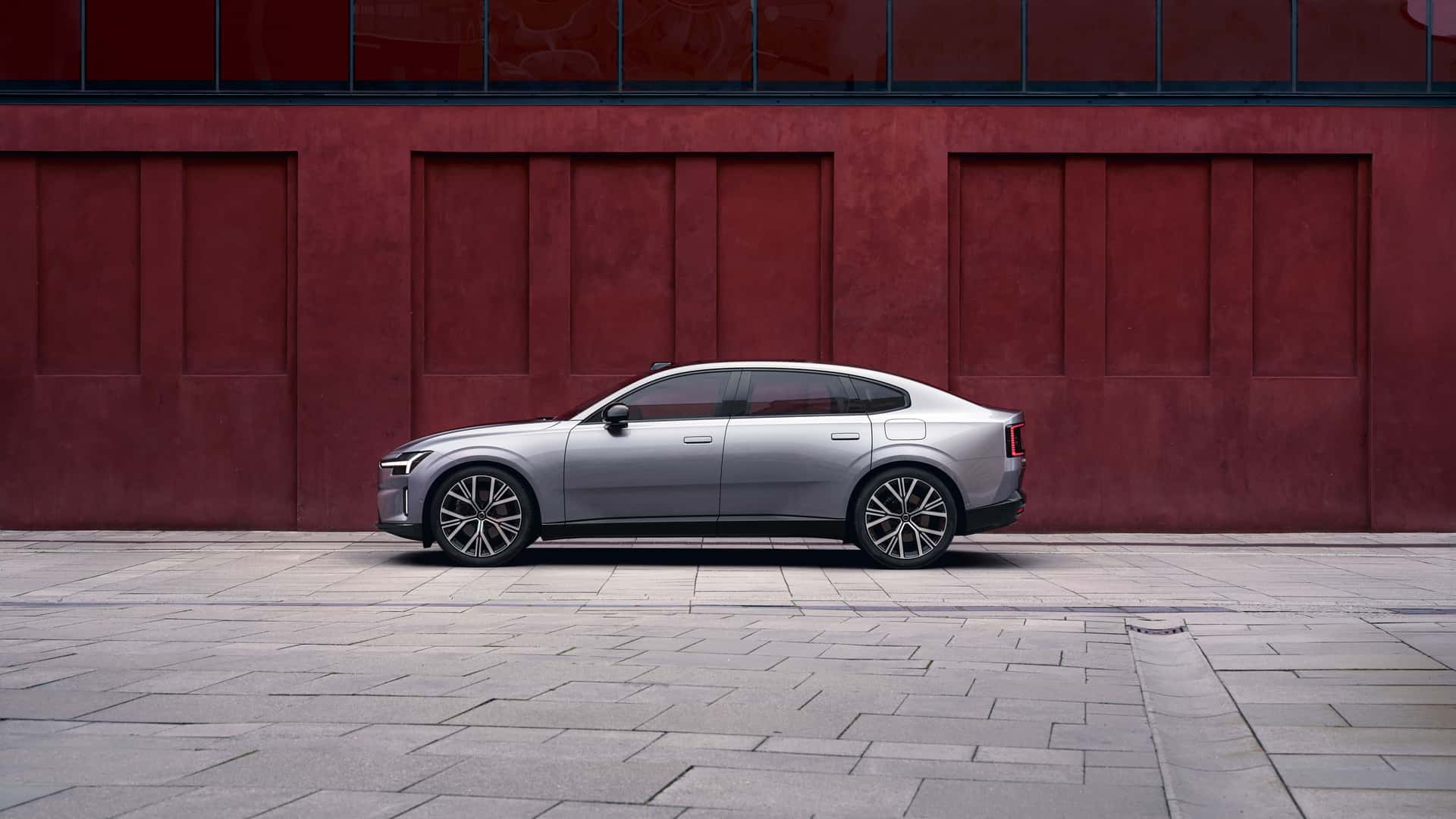
Volvo Cars is ushering in a new era of sustainability with the introduction of the ES90, a fully electric flagship model set to enter production this year. Engineered with an emphasis on reducing environmental impact throughout its lifecycle, the ES90 not only marks a leap forward in electrification but also reflects the Swedish automaker’s commitment to transparency and climate responsibility.
According to Volvo’s latest Life Cycle Assessment (LCA) report, the ES90 has a total carbon footprint of just 31 tonnes when charged using the standard European energy mix. This figure is further reduced to 26 tonnes when powered exclusively by wind energy. The LCA, which has been independently verified by a third party, calculates the environmental impact of the ES90 from raw material extraction and refinement to the vehicle’s end-of-life phase.
Compared with other models in the Volvo range, the ES90 stands out for its minimal environmental impact. It generates around 50 per cent less carbon emissions than the S90 mild hybrid and 30 per cent less than the S90 plug-in hybrid. It also posts a smaller carbon footprint than the electric EX40 and EC40, making it one of the cleanest cars Volvo has ever produced.

Volvo first pledged to release LCA reports for all of its fully electric vehicles when it launched its initial EV offering in 2019. With the addition of the ES90, the brand has now issued six of these reports, covering the EX40, EC40, EX30, EX90 and now the ES90. The initiative is aimed at helping consumers make informed, environmentally conscious decisions when choosing their next vehicle.
Built at a facility powered entirely by climate-neutral energy, the ES90 benefits from advanced technology and sustainable engineering. It is the first Volvo to be equipped with an 800-volt electrical architecture, which enhances charging efficiency and allows for the use of lighter components, thereby reducing overall vehicle weight. The ES90 also features a best-in-class drag coefficient of 0.25, improving its aerodynamic performance and contributing further to its energy efficiency.
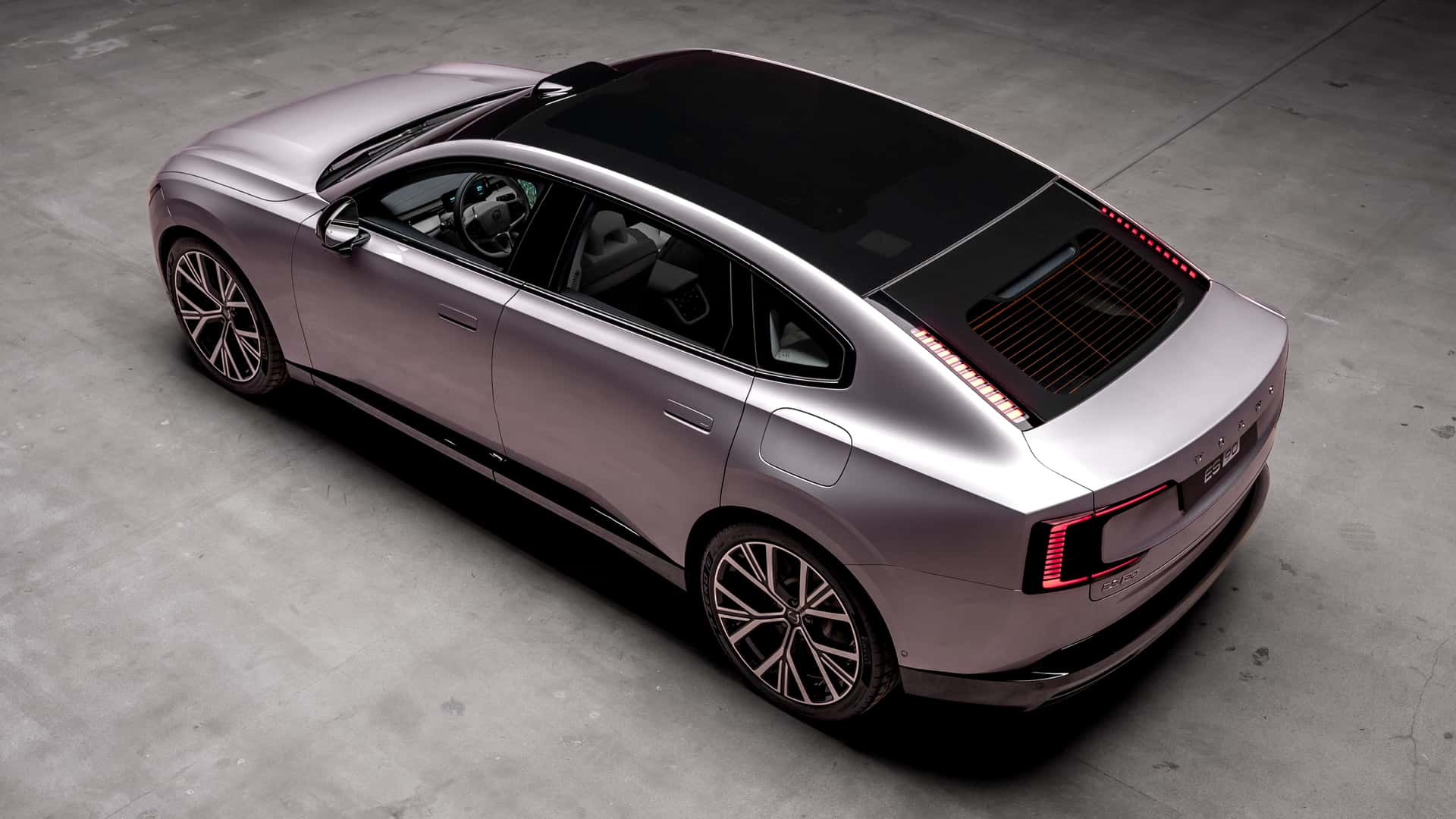
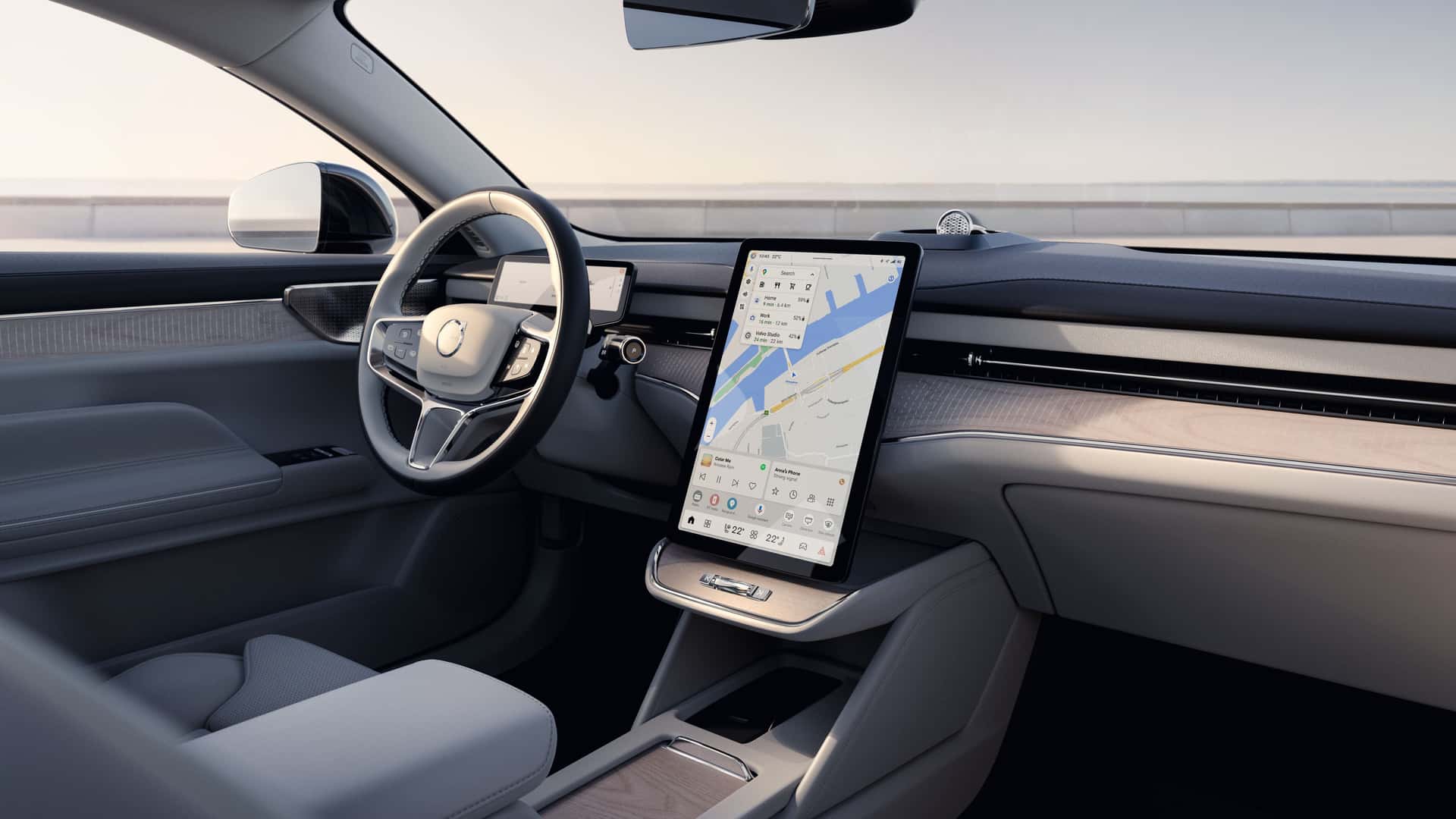
The vehicle’s construction includes a significant proportion of recycled materials: 29 per cent of the aluminium used is recycled, alongside 18 per cent recycled steel and 16 per cent recycled polymers and bio-based elements. The interior highlights Volvo’s sustainable design ethos, offering a Nordico upholstery option made from recycled PET bottles and bio-attributed materials. Real, FSC-certified wood accents elevate the cabin’s aesthetic while maintaining an eco-conscious profile.
Additionally, the ES90 debuts Volvo’s blockchain-based battery passport, a world-first feature that provides transparent tracking of raw material sourcing and real-time health monitoring of the battery pack. This innovation underlines Volvo’s dedication to ethical sourcing and long-term battery sustainability.
The model is already available for order in a range of European markets, including the United Kingdom, France, Germany, Italy, Spain, and the Nordic countries, with more regions to follow later in 2025 and into 2026.