Ferrari’s victory in reclaiming the legal rights to the iconic “Testarossa” name appears to be more than a symbolic gesture, as the Italian marque has swiftly moved to trademark the name “Ferrari 849 Testarossa” in Iceland. The filing, discovered less than a month after the conclusion of a protracted legal battle in Europe, suggests the legendary moniker may soon be revived on a new model—potentially as part of Ferrari’s ultra-limited Icona Series.
The trademark registration follows a recent decision by the European Union General Court, which overturned the European Intellectual Property Office’s earlier ruling that the Testarossa trademark was no longer valid due to alleged inactivity. The court sided with Ferrari, affirming that activities such as selling spare parts, licensing the name, and producing scale models constituted legitimate use, allowing Ferrari to reassert global control over one of its most storied badges.
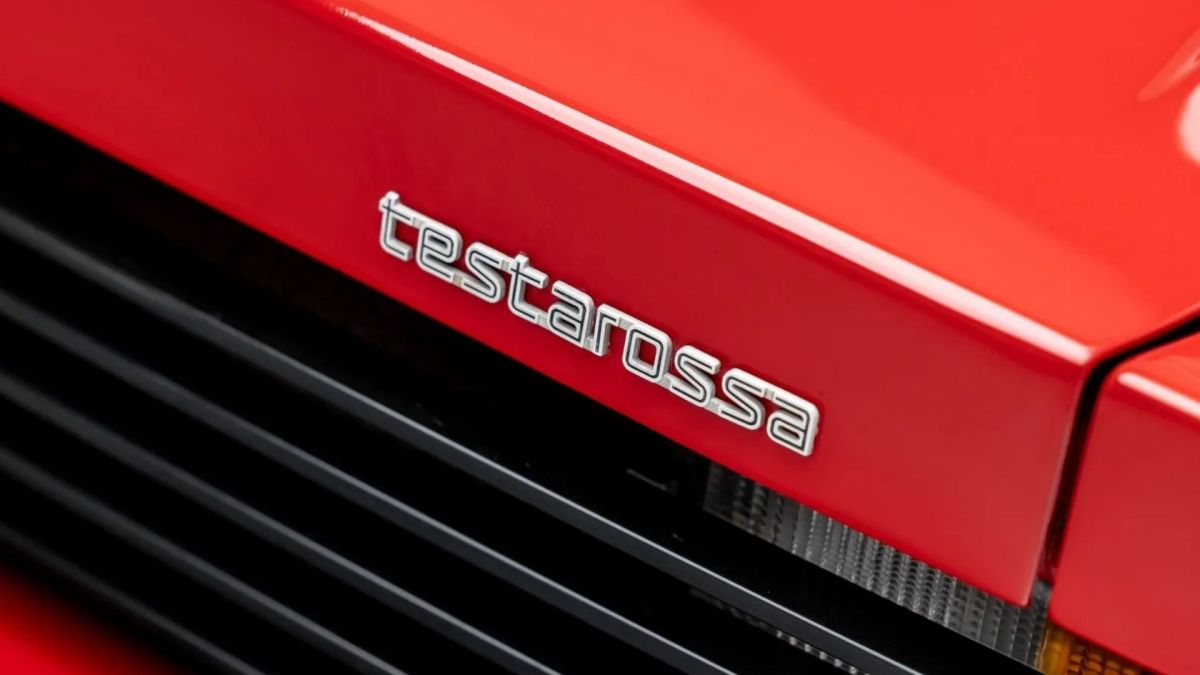
The “849” prefix attached to the newly filed name aligns with Ferrari’s contemporary model naming convention, seen in vehicles like the 812 Superfast and 296 GTB. While the exact significance of “849” remains unclear, it has fuelled widespread speculation that Maranello could be preparing to unveil a successor to the original Testarossa—one of the most recognisable and revered Ferraris of the 1980s and 1990s.
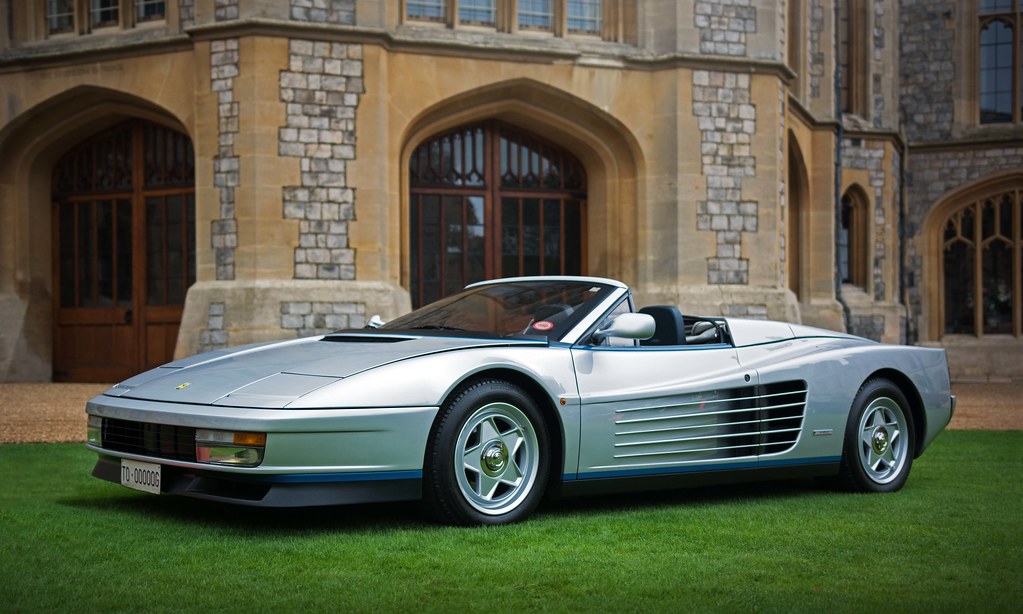
Originally launched in 1984, the Ferrari Testarossa was known for its dramatic styling, wide rear haunches, and, crucially, its mid-mounted 4.9-litre flat-12 engine. Producing around 385hp and 490Nm of torque, it enabled the rear-wheel-drive coupe to accelerate from 0 to 100 km/h in under six seconds, with a top speed nearing 290km/h. The car quickly became an icon, both on the road and in popular culture.
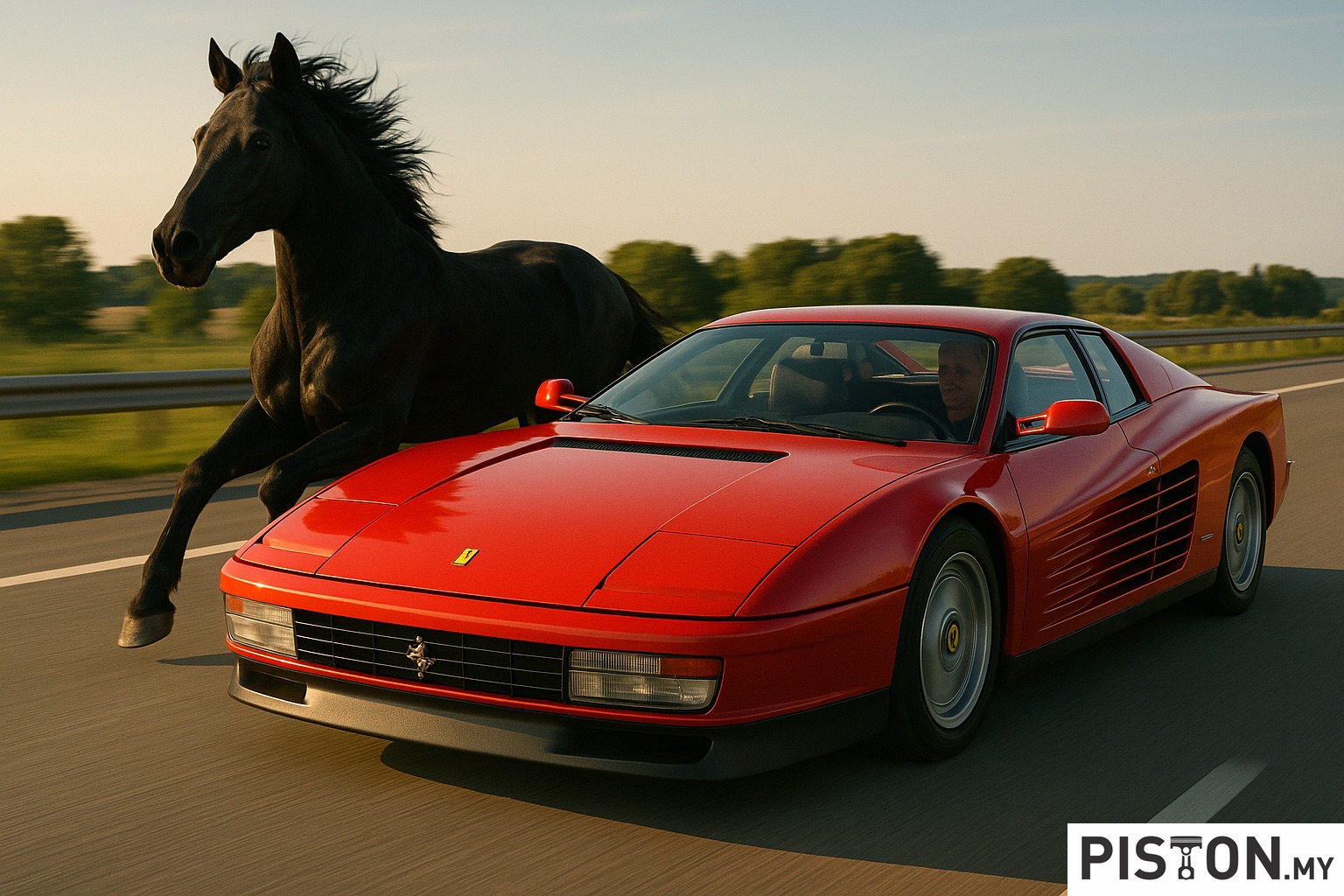
With the emergence of the “849 Testarossa” name, enthusiasts are hopeful that Ferrari will honour the original’s architecture by preserving its mid-engine layout and possibly even its twelve-cylinder configuration. While the flat-12 may no longer be practical from an engineering or emissions standpoint, the Daytona SP3—another Icona model—demonstrates that Ferrari is still capable of building a modern V12 halo car.
However, Ferrari’s current philosophy does not strictly require a twelve-cylinder engine for prestige. The F80 supercar, for instance, proves that smaller engines can occupy the upper tiers of Ferrari’s range. A V6 could be justified in a modern Testarossa by drawing parallels with the original’s low centre of gravity and compact layout. Additionally, the “Testarossa” name—literally translating to “red head”—has historically referred to the red-painted valve covers, offering Ferrari the flexibility to apply the title across various powertrain formats.

As of now, no official confirmation has been given by Ferrari regarding the production of a new Testarossa. The trademark filing may be precautionary, a strategic move to preserve naming rights. Yet the timing—coming so soon after the EU court decision—strongly implies more than a mere formality.
If the 849 Testarossa does become a reality, it could mark a unique fusion of Ferrari’s heritage with its modern design and engineering capabilities. Whether it emerges as a high-revving V6 hybrid, a naturally aspirated V12, or an entirely new concept altogether, one thing is certain: the Testarossa name is back in Ferrari’s hands, and the world will be watching to see how it is used next.