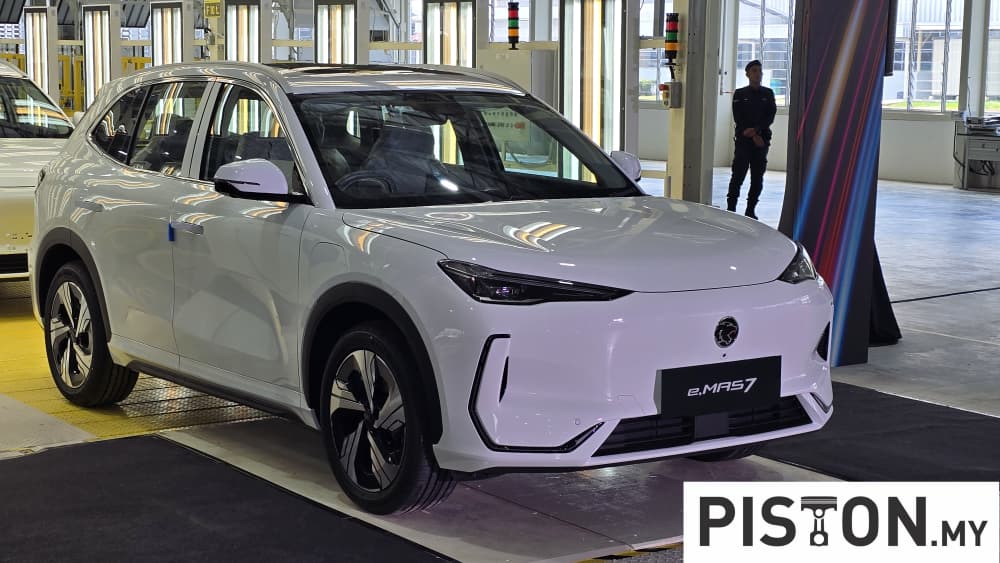
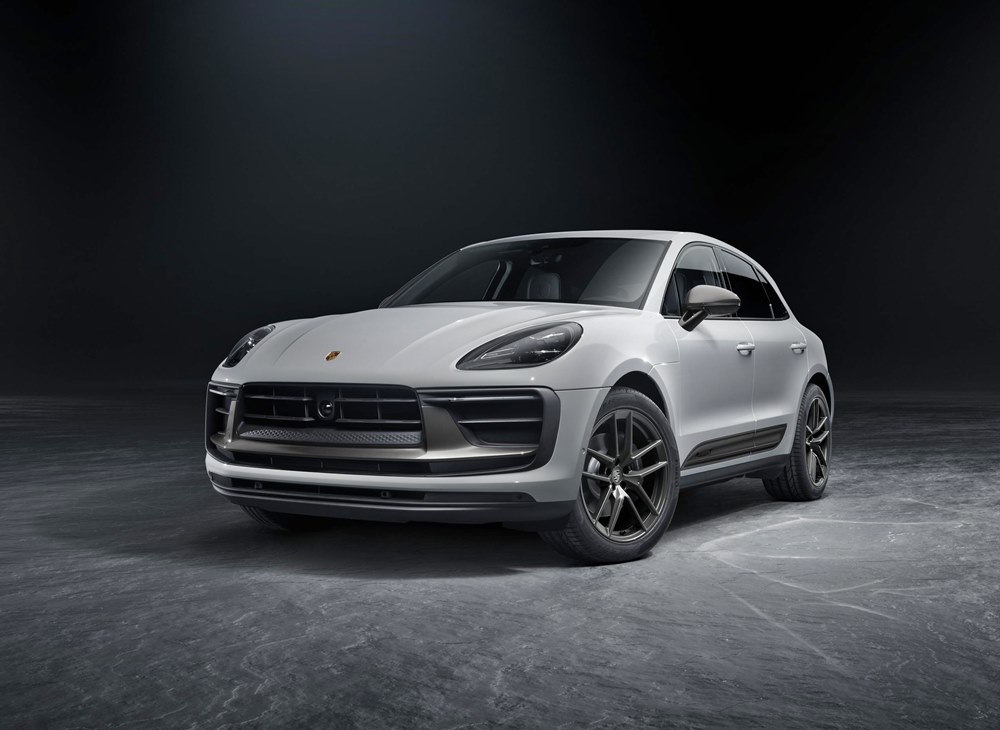
Porsche is set to introduce a new petrol-powered crossover by 2028, following the discontinuation of the first-generation Macan in Europe. The move comes amid tightening safety regulations and a reassessment of market demand for electric vehicles.
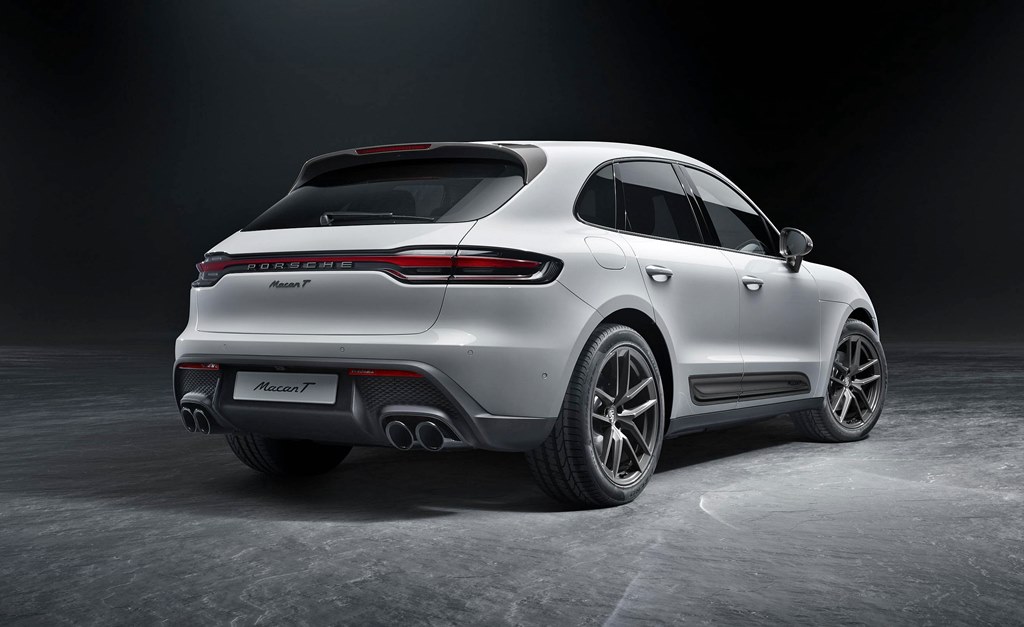
The original Macan was withdrawn from the European market in 2024 due to its failure to comply with the updated General Safety Regulation (GSR2), which came into effect in July. While the model will continue to be sold in markets not subject to these rules, global production is expected to cease in 2026, bringing the chapter on Porsche’s best-selling compact SUV to a close.
During the first-half earnings call for 2025, Porsche CEO Oliver Blume confirmed that the company has fast-tracked development of an entirely new combustion-engine crossover. He described the upcoming vehicle as a model that will be unmistakably Porsche, aimed at the same segment as the outgoing Macan but distinctly different from the forthcoming all-electric Macan.
Blume emphasised that the development timeline is being condensed to ensure the new SUV reaches showrooms within three years. Although specific technical details were not disclosed, the swift turnaround suggests Porsche may leverage Volkswagen Group’s Premium Platform Combustion (PPC) architecture. This is the same platform underpinning the latest Audi Q5, a vehicle that has already debuted with petrol, diesel, and hybrid powertrains.
The idea of platform sharing is not new to Porsche. The outgoing Macan was built on the Volkswagen MLB architecture, which it shared with the previous-generation Q5. Porsche has acknowledged that the new model will benefit from these synergies, likely expediting development and reducing costs.
If the pattern holds, the upcoming Porsche SUV could mirror elements of the new Audi Q5 or its performance sibling, the SQ5, which uses a 3.0-litre mild-hybrid V6 generating 362hp. However, Porsche is expected to avoid diesel powertrains, having distanced itself from the technology in 2018 in the wake of the Dieselgate scandal.
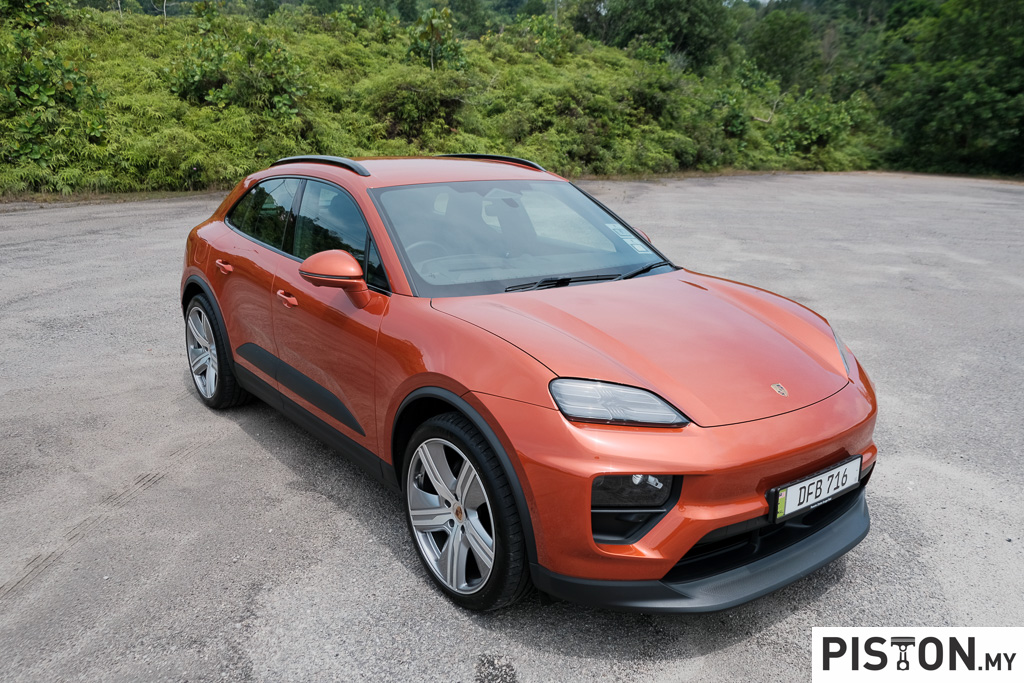
While design and engineering details remain under wraps, the new crossover will adopt what Porsche describes as its “characteristic profile.” The vehicle will maintain a footprint comparable to the Macan but carry a different name. Porsche plans to retire the “Macan” nameplate alongside the first-generation model and reserve it exclusively for the fully electric second-generation version.
The decision to launch another internal combustion SUV signals a notable pivot in Porsche’s product strategy. The company had initially planned to phase out ICE-powered models in favour of EVs, with the electric Macan expected to lead the charge. However, slower-than-anticipated consumer adoption of EVs has prompted a reassessment. Porsche now recognises that demand for combustion and hybrid vehicles remains strong, necessitating a broader approach.
Blume’s announcement reflects a new direction for the marque as it navigates a market still in transition. By reintroducing a petrol-powered SUV, Porsche is aiming to maintain its foothold in a segment that remains crucial to its global sales strategy. The upcoming model will not only fill the void left by the original Macan, but also reinforce the brand’s presence in the premium SUV market, balancing innovation with tradition.