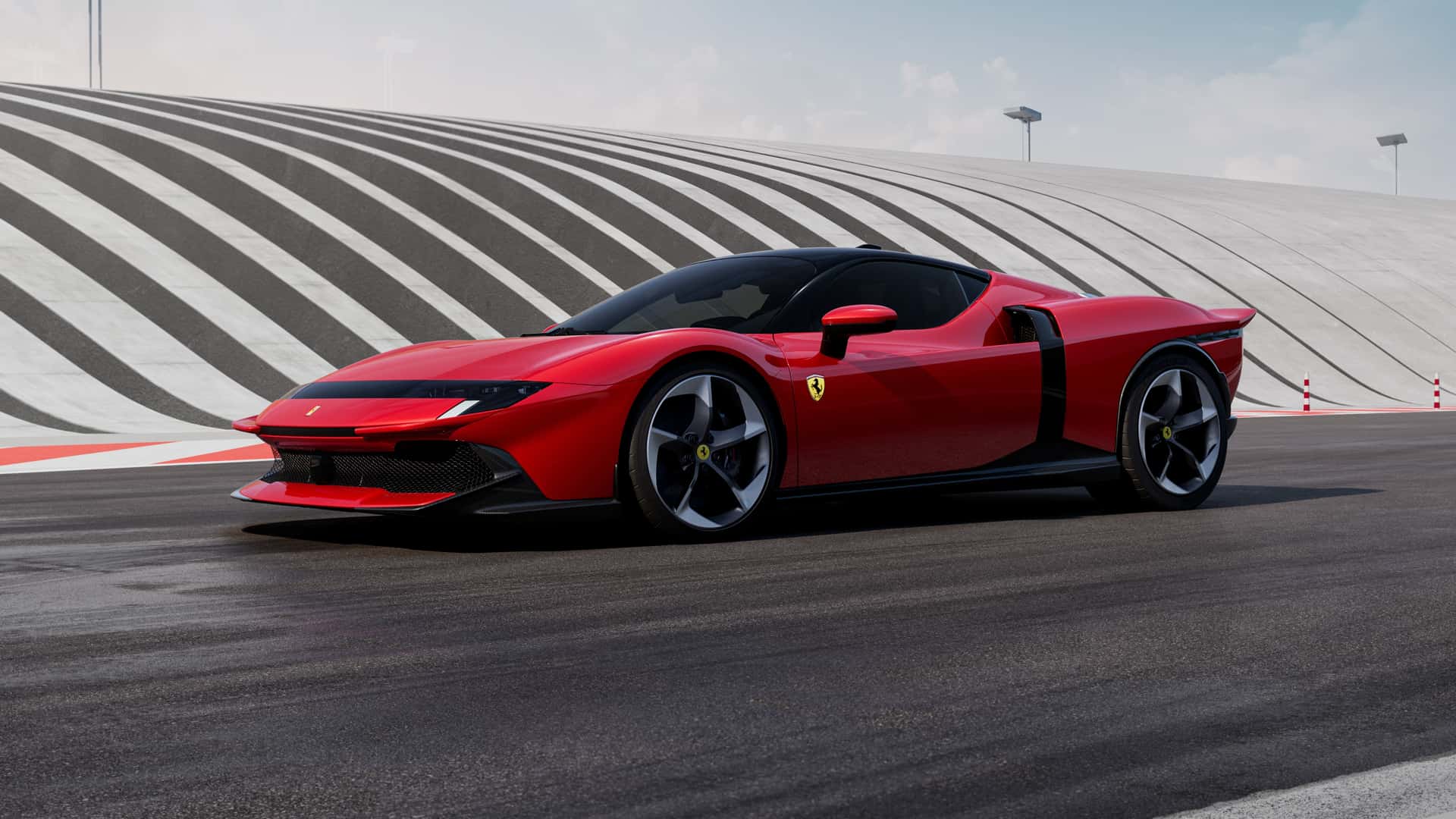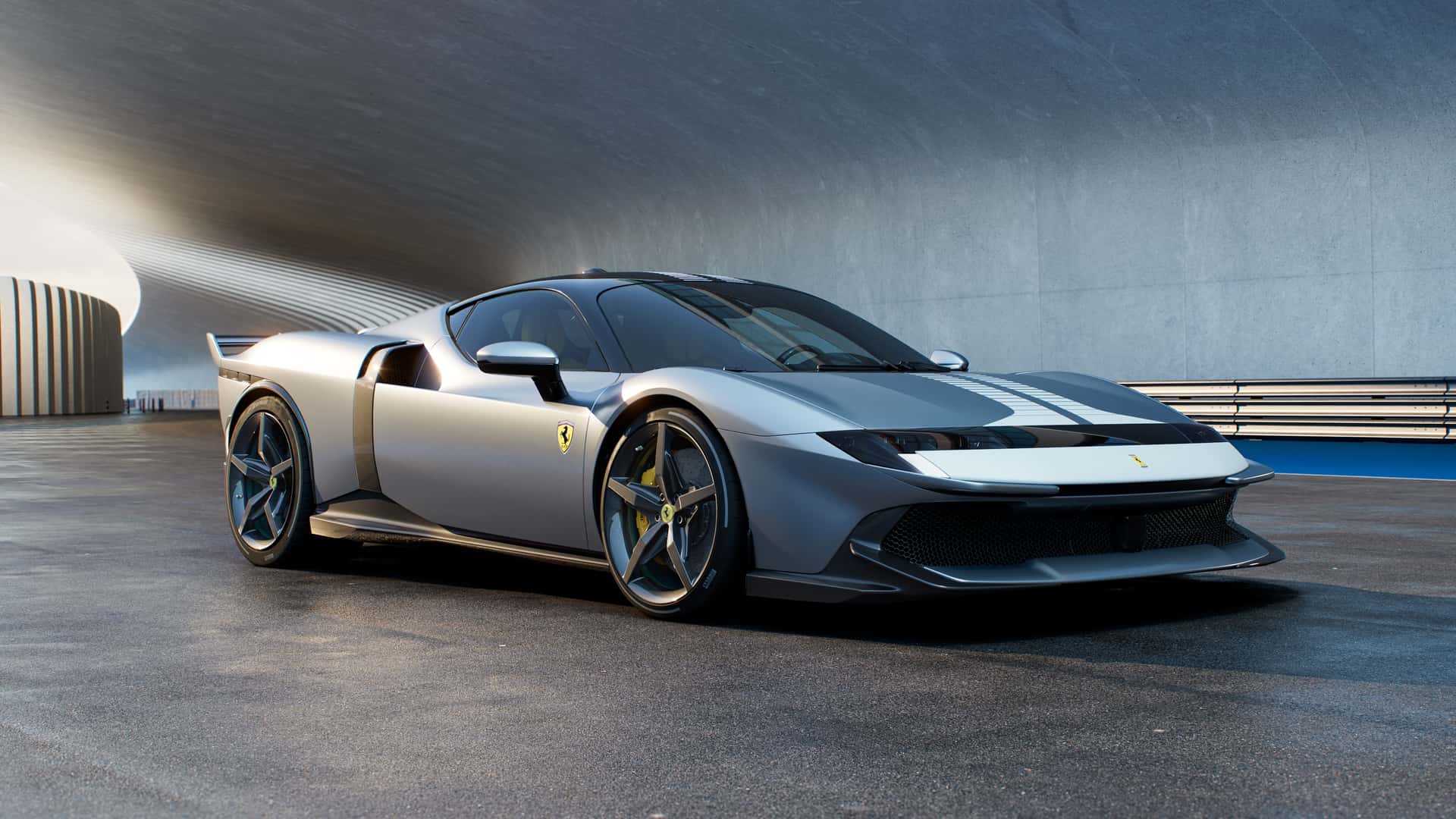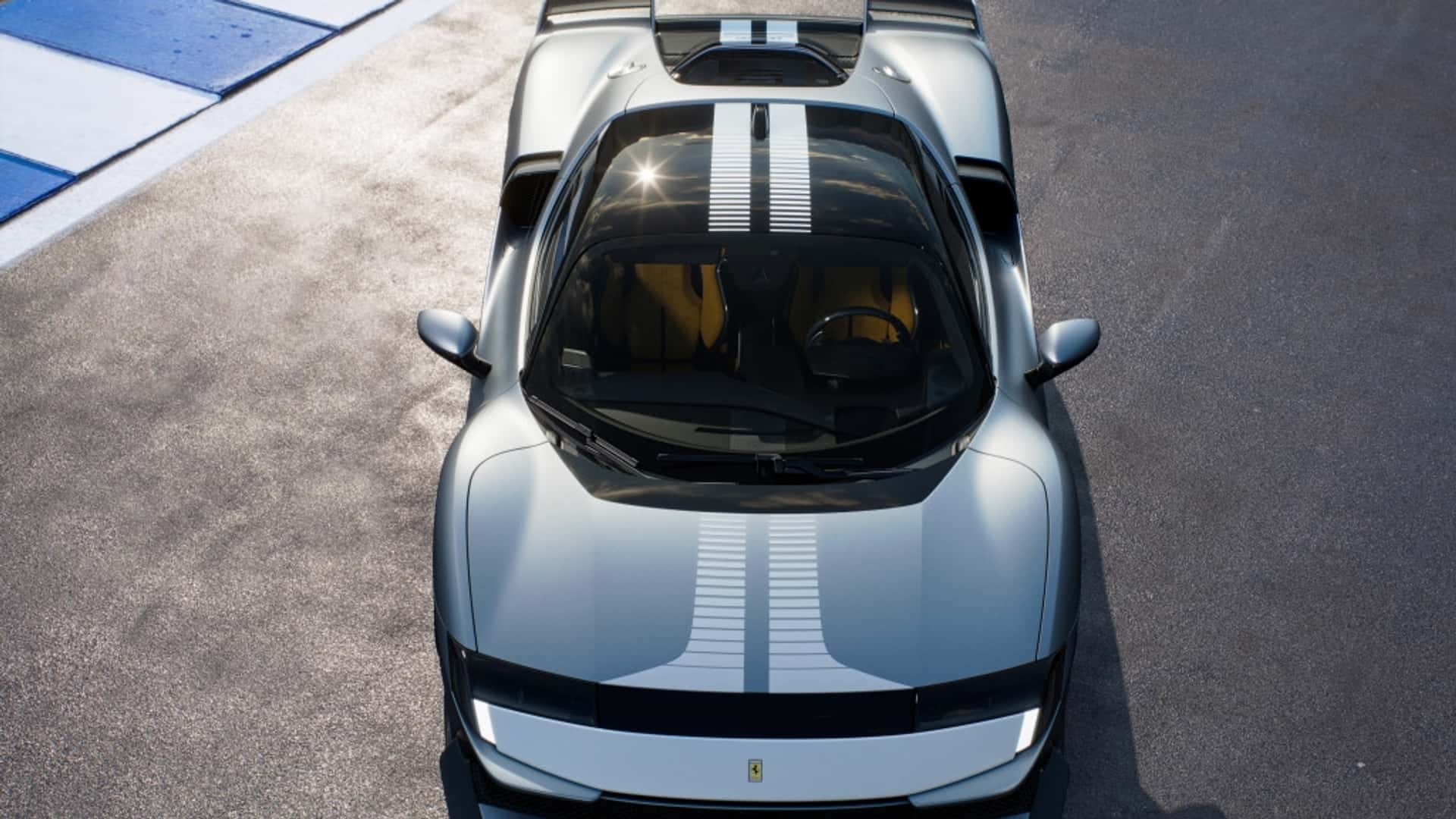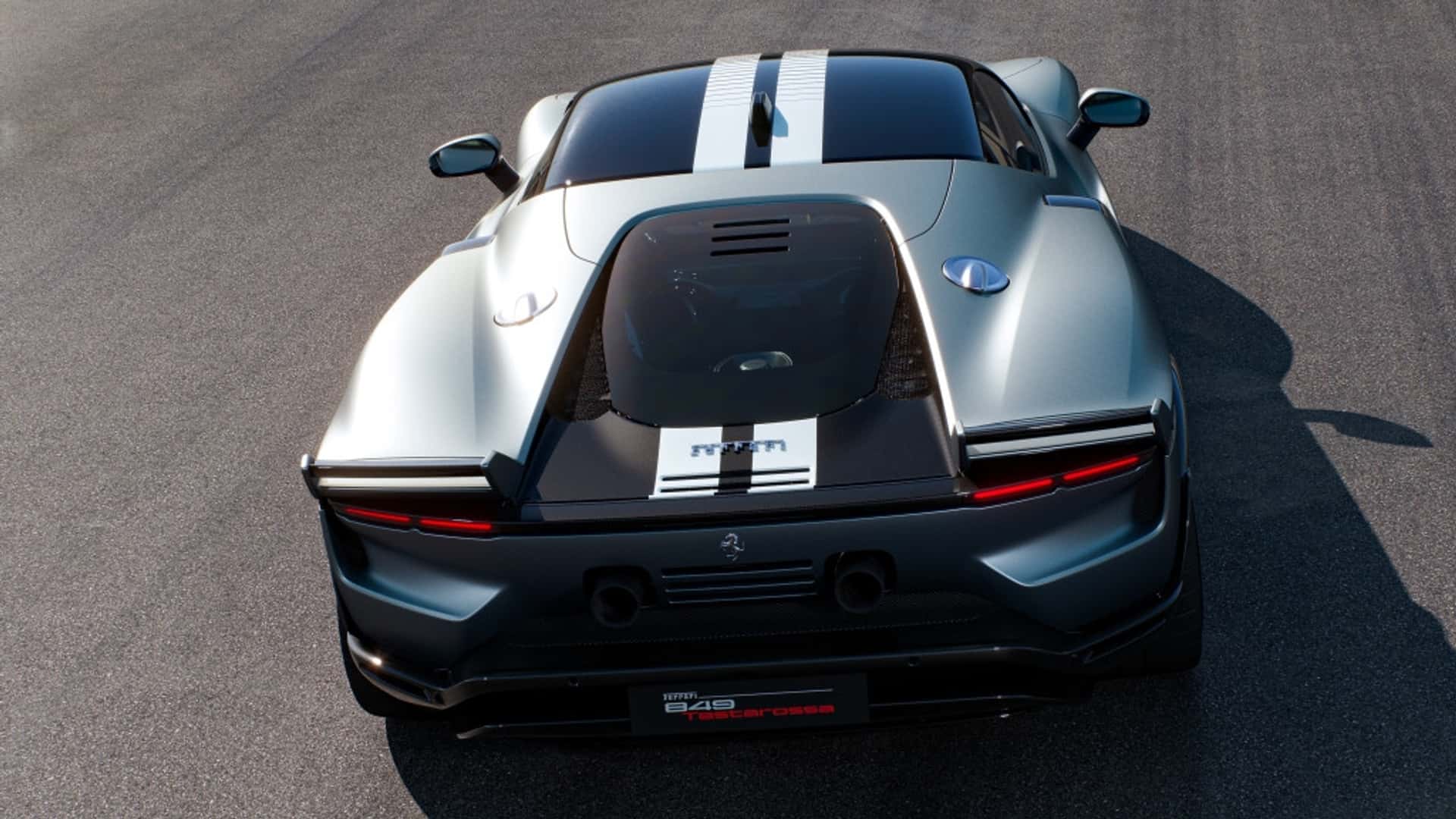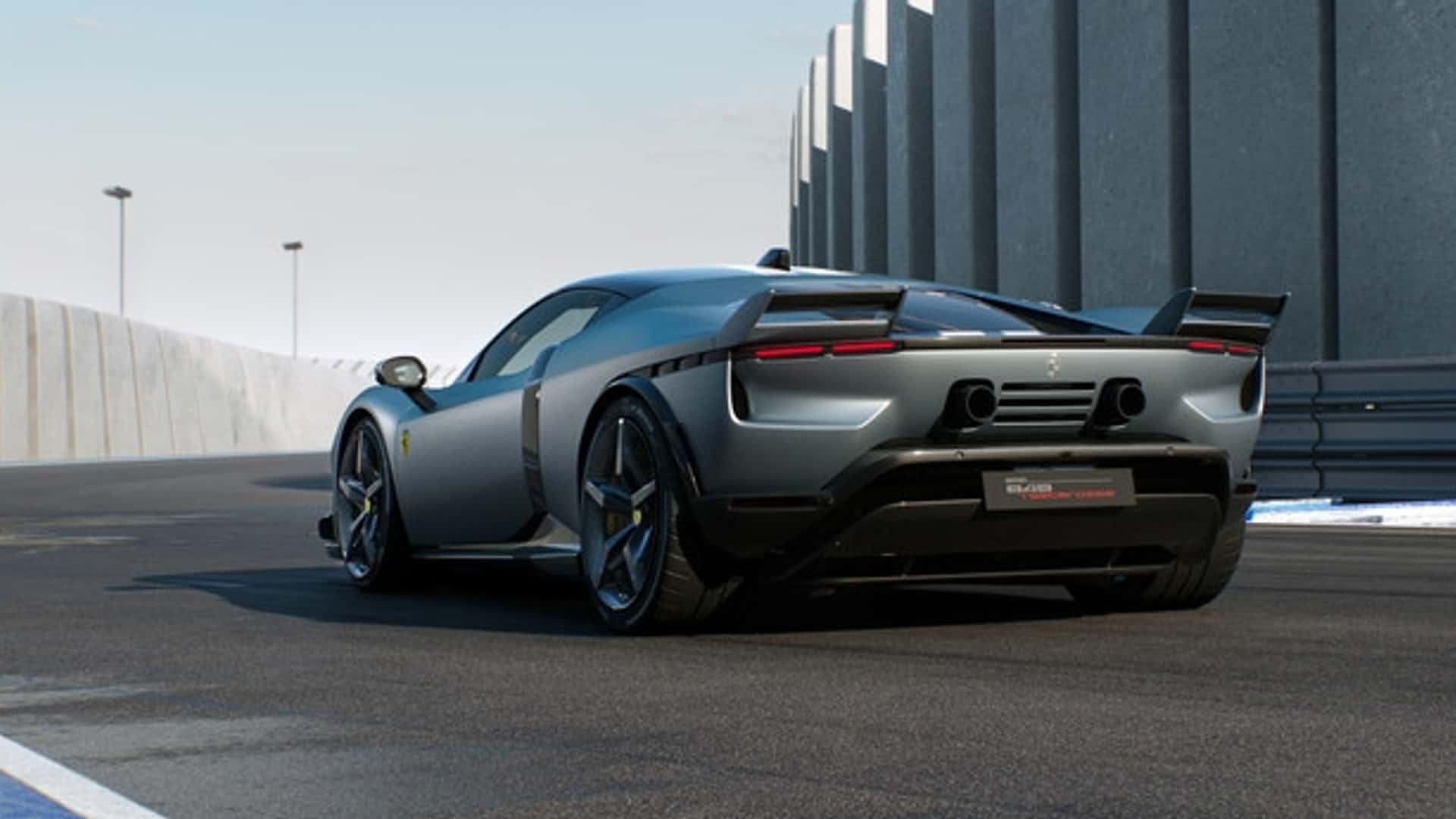

The Testarossa name is back, and it’s making a return in the most dramatic way possible. Nearly three decades after the last 512M rolled off the production line in the mid-1990s, Ferrari has unveiled the brand-new 849 Testarossa—a hybrid hypercar that reimagines one of the marque’s most legendary models for the modern era.
First introduced in 1984 as the successor to the Berlinetta Boxer, the original Testarossa became a global sensation. Its name itself, drawn from Ferrari’s 1950s Testa Rossa race cars, cemented its place in the brand’s rich history.

With more than a decade of production and a cult following that continues today, the Testarossa remains one of the most iconic Ferraris ever built. Now, the Prancing Horse is writing a new chapter for the badge with a car that blends electrification and raw combustion power like never before.

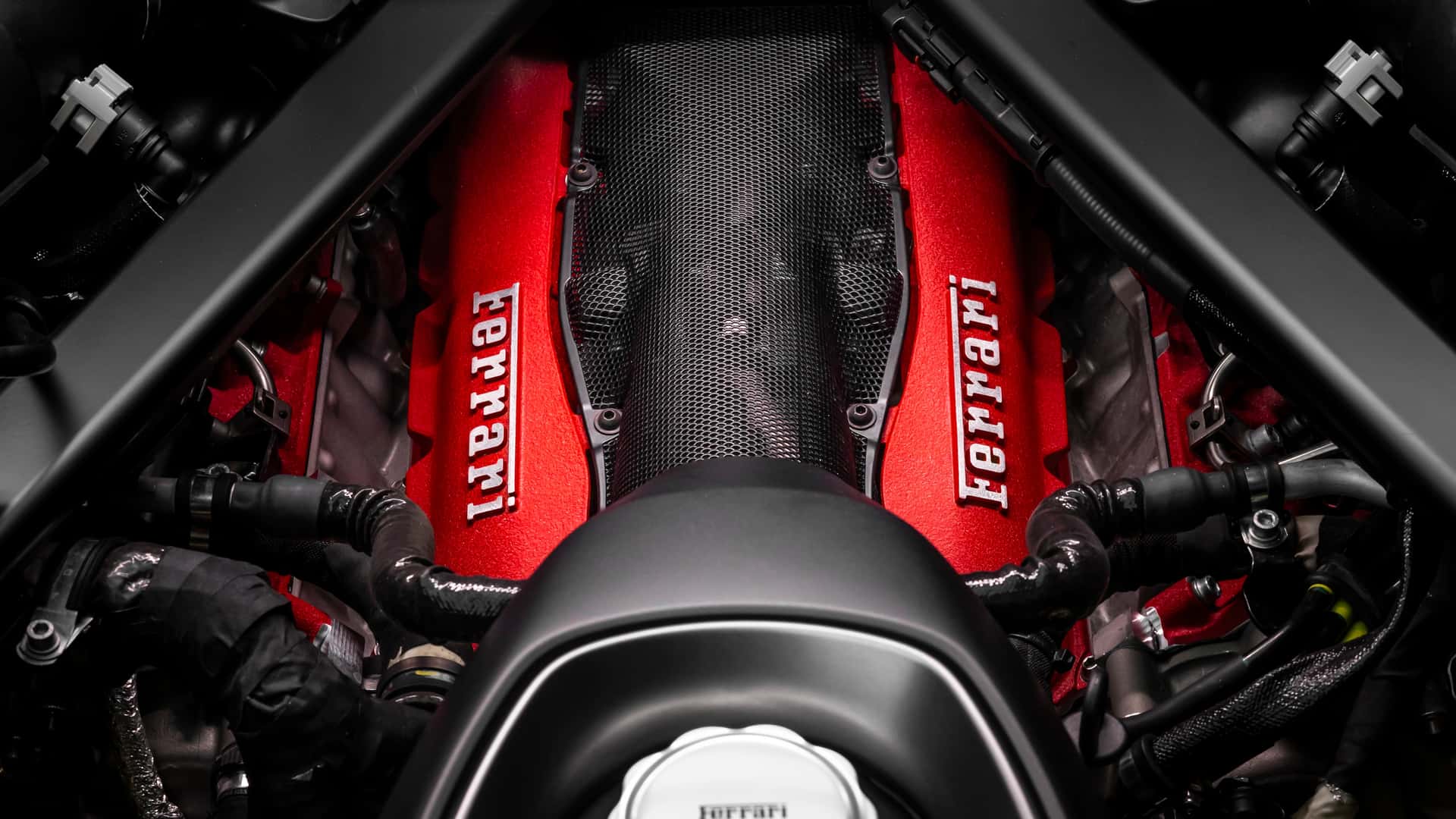
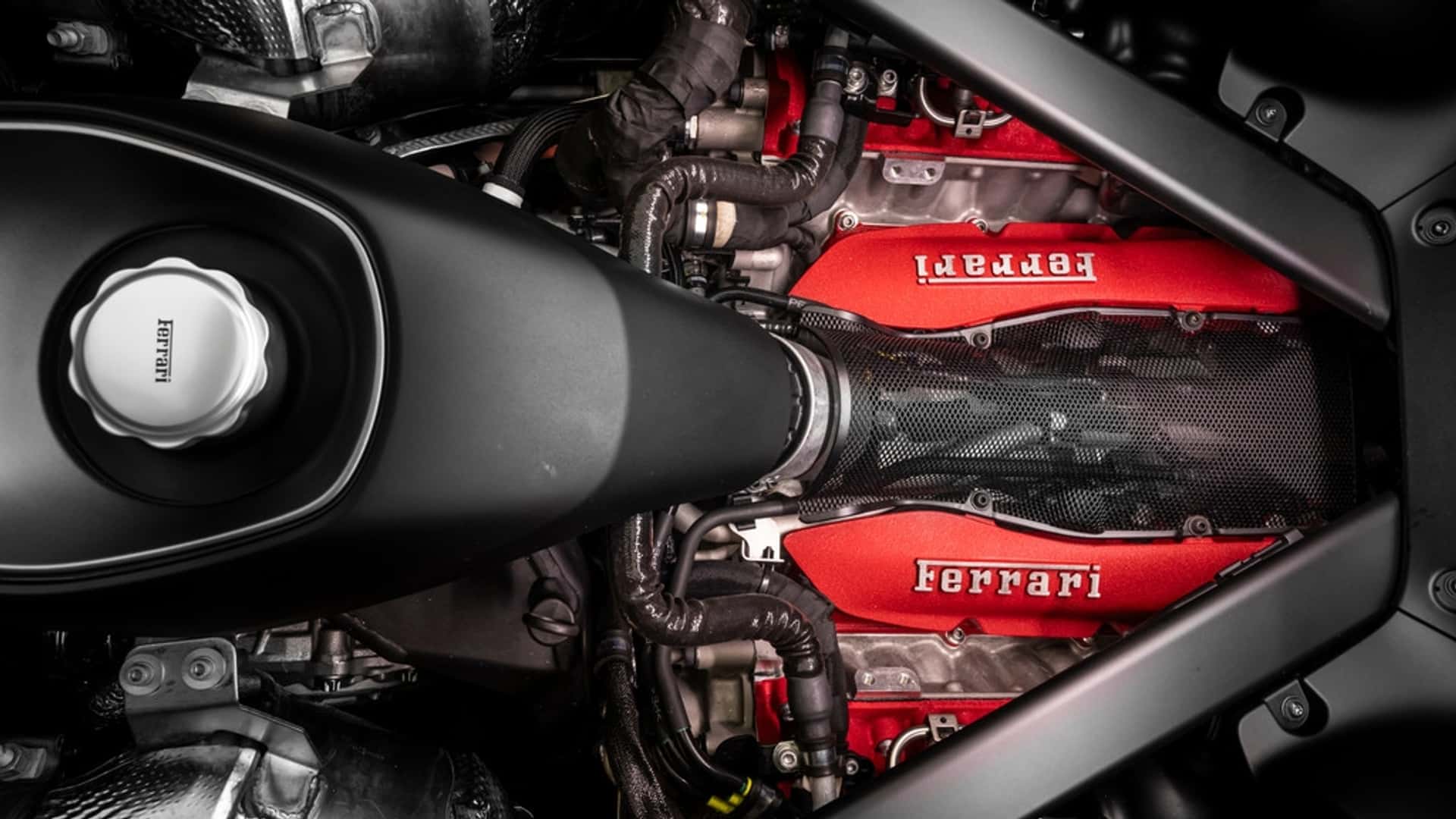
At the core of the new 849 is an upgraded version of Ferrari’s F154 twin-turbo V8. Strengthened internals and larger turbos allow the petrol engine to produce 818hp on its own. But that’s only part of the story. Three electric motors—two mounted at the front and one at the rear—add another 216hp, creating a combined system output of 1,036hp.
The result? A blistering 0–100km/h sprint in just 2.3 seconds and a top speed that pushes past 330km/h. On Ferrari’s Fiorano circuit, the 849 lays down a time of 1:17.5, shaving a second and a half off the already rapid SF90 Stradale.
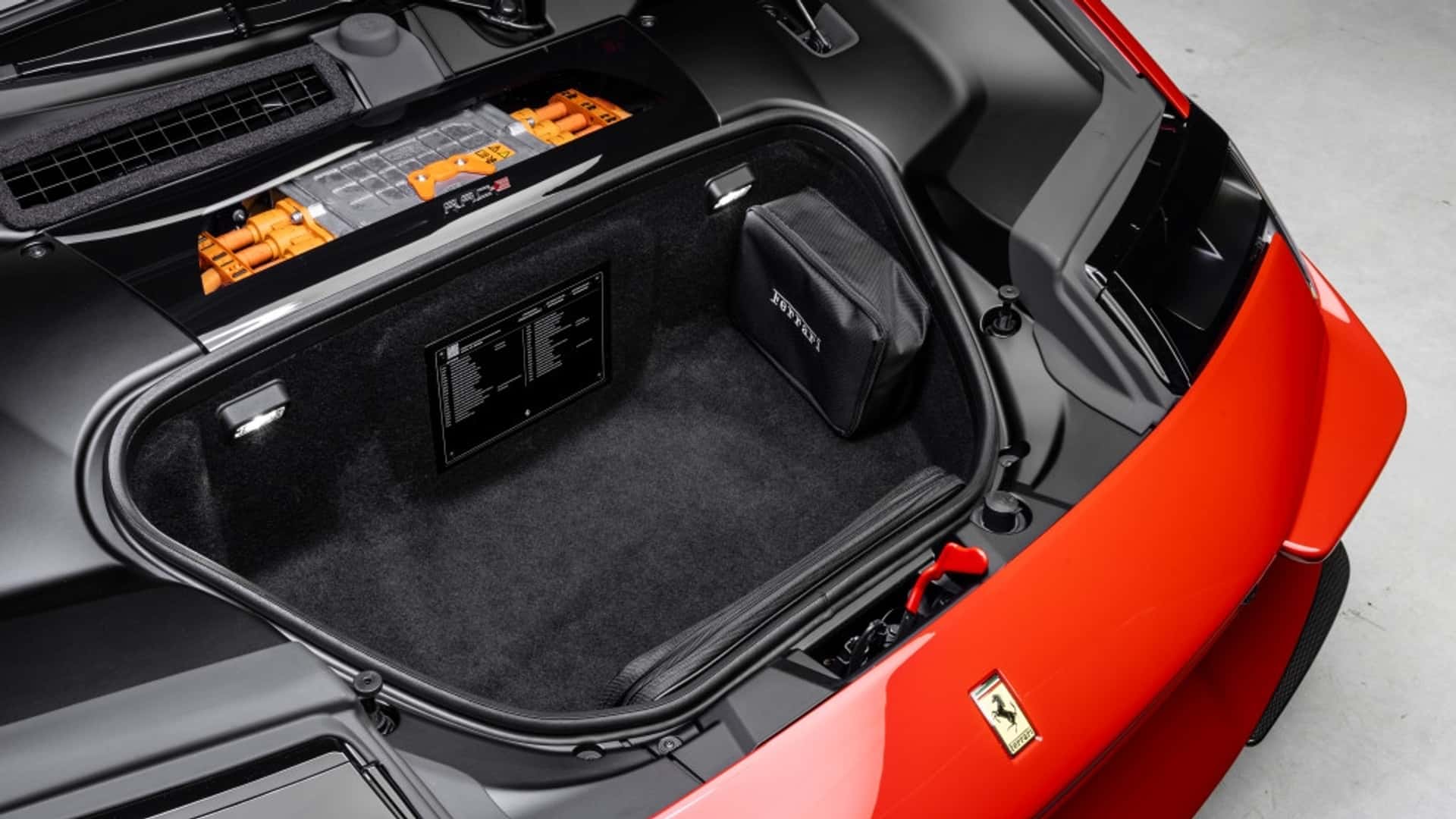
The hybrid system isn’t just about performance. A 6.5 kWh battery pack allows for 26km of pure electric driving at speeds up to 130km/h, making short zero-emission trips possible without firing up the V8. Power is sent to all four wheels, and torque vectoring sharpens agility, giving the car a new dimension of control on both road and track.
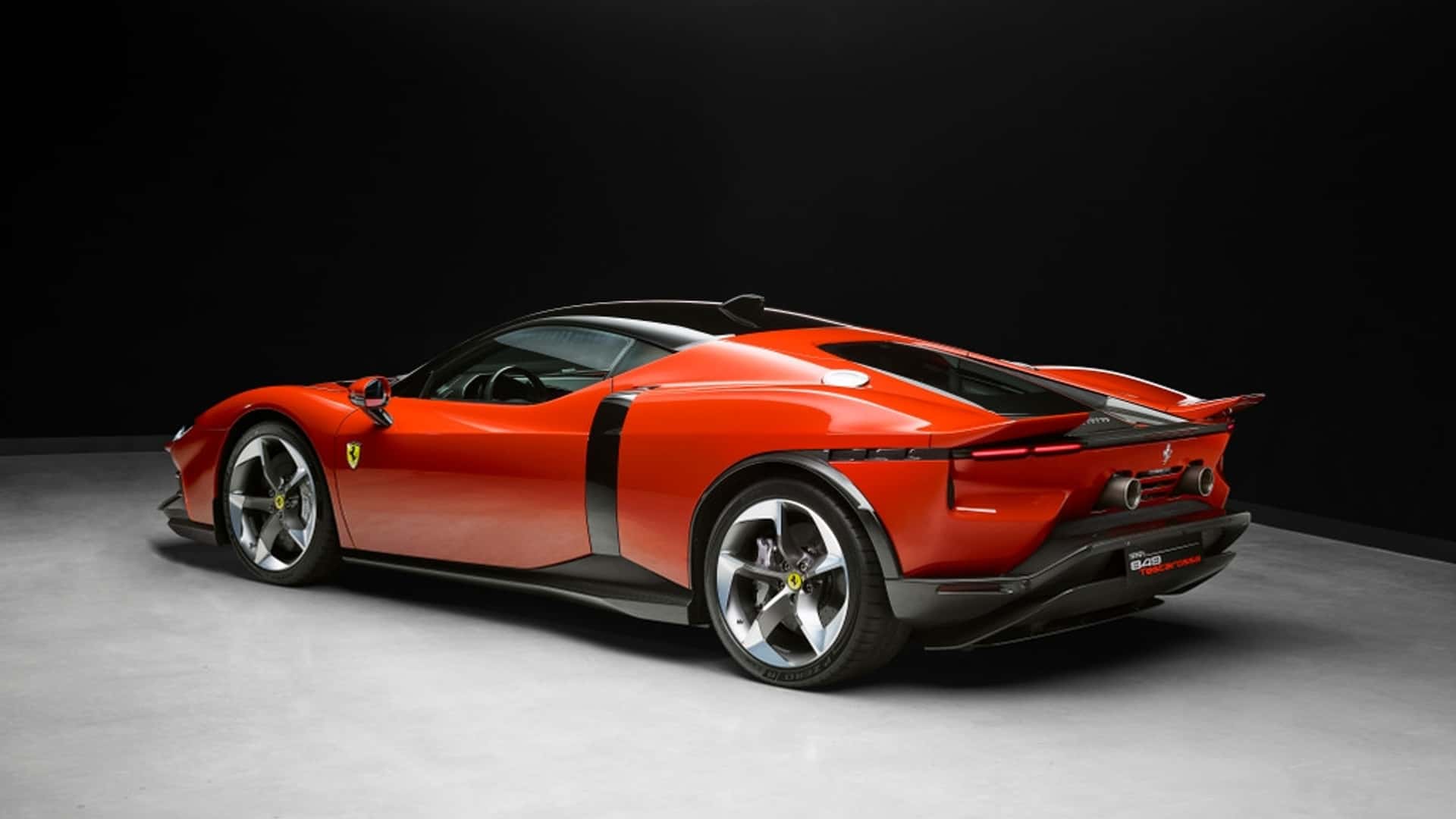
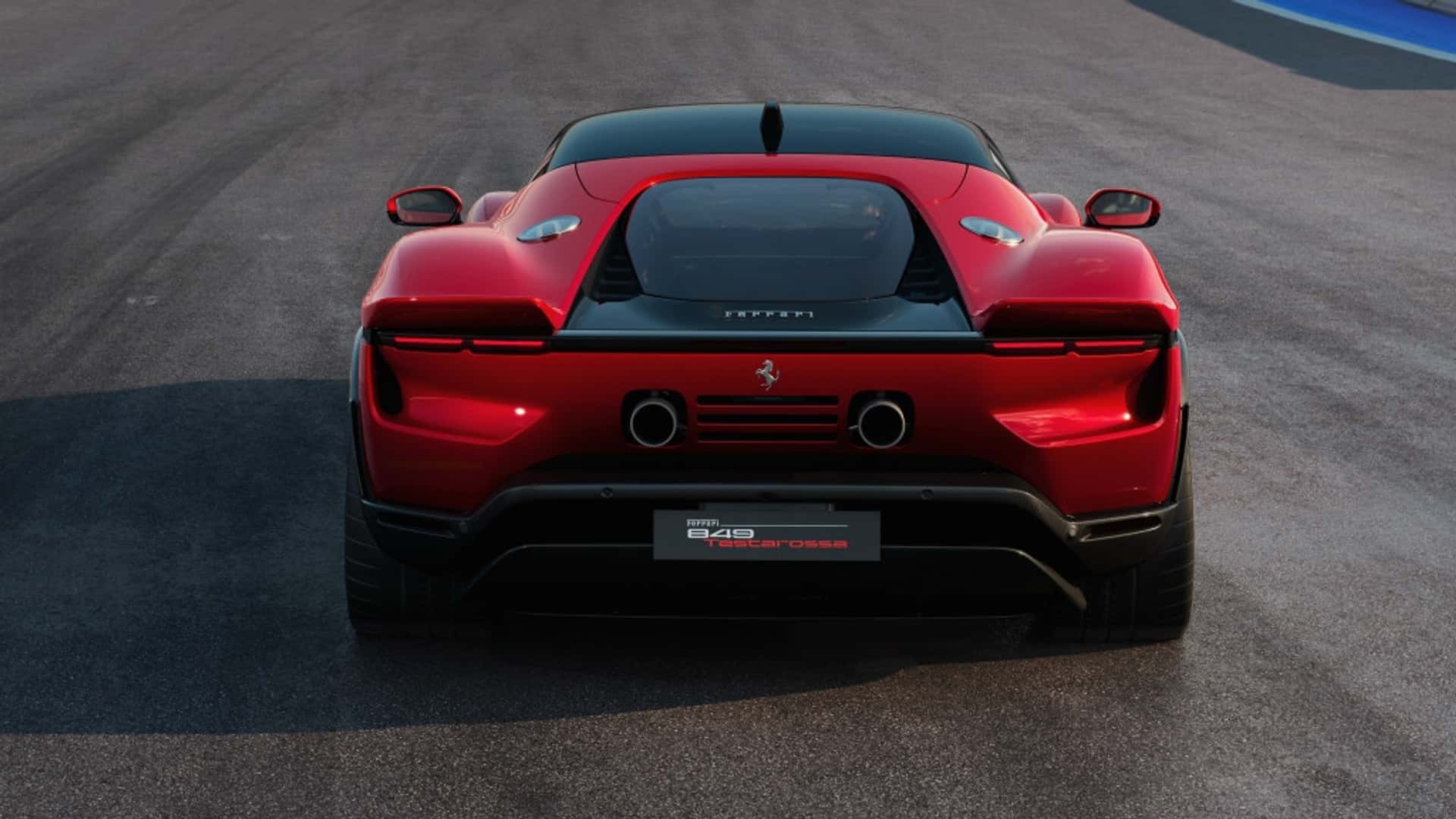
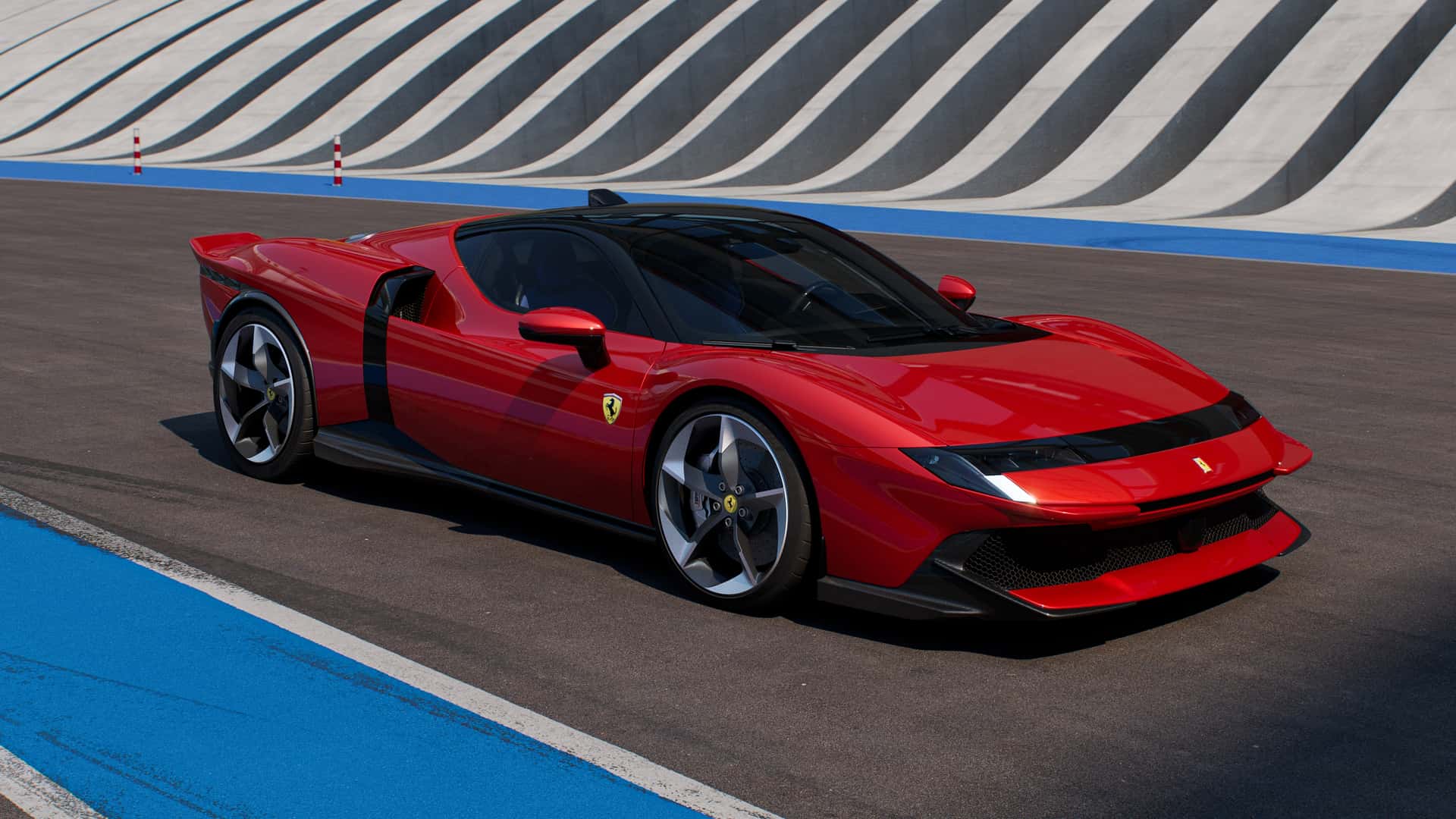
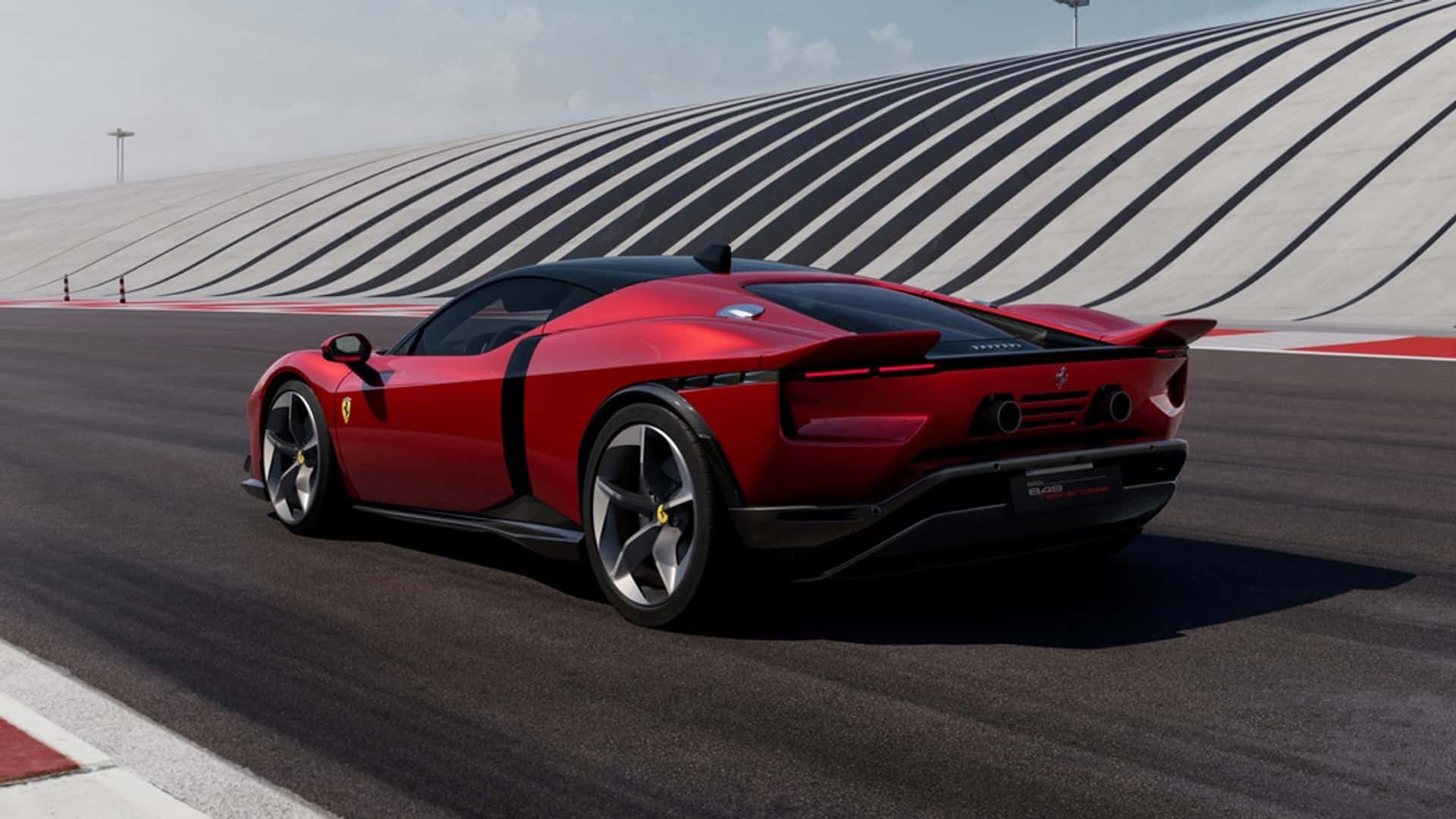
Ferrari has also loaded the 849 with serious aero wizardry. An active rear wing deploys in less than a second, working alongside twin tail spoilers tucked into the bumper. Together, they generate 415kg of downforce at 249km/h, which is 24kg more than the SF90 can manage.
For track-day purists, the Assetto Fiorano pack dials things up with even more aggressive aerodynamics and trims about 30kg off the standard car’s weight, bringing it down to just over 1,570kg dry.
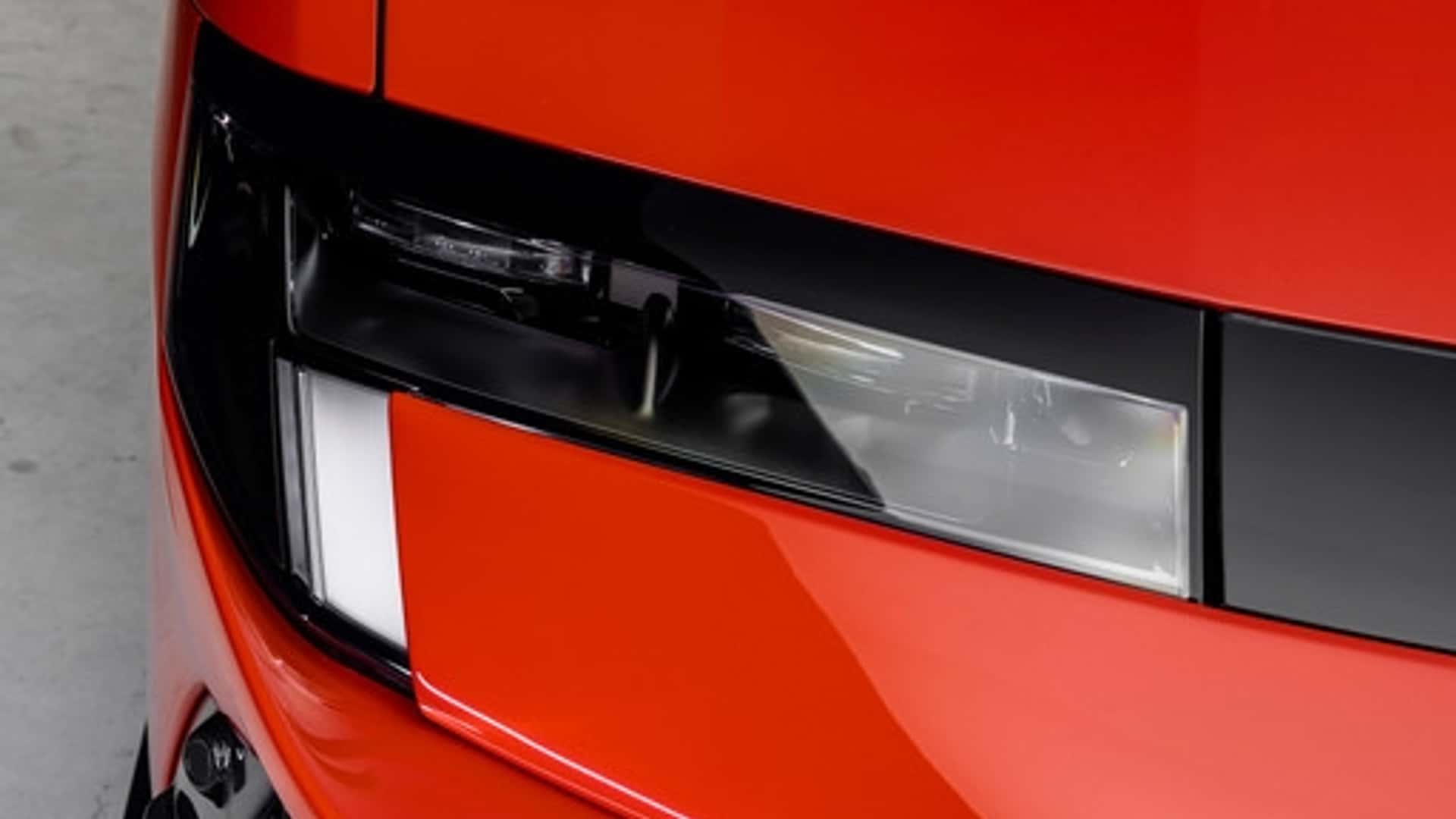
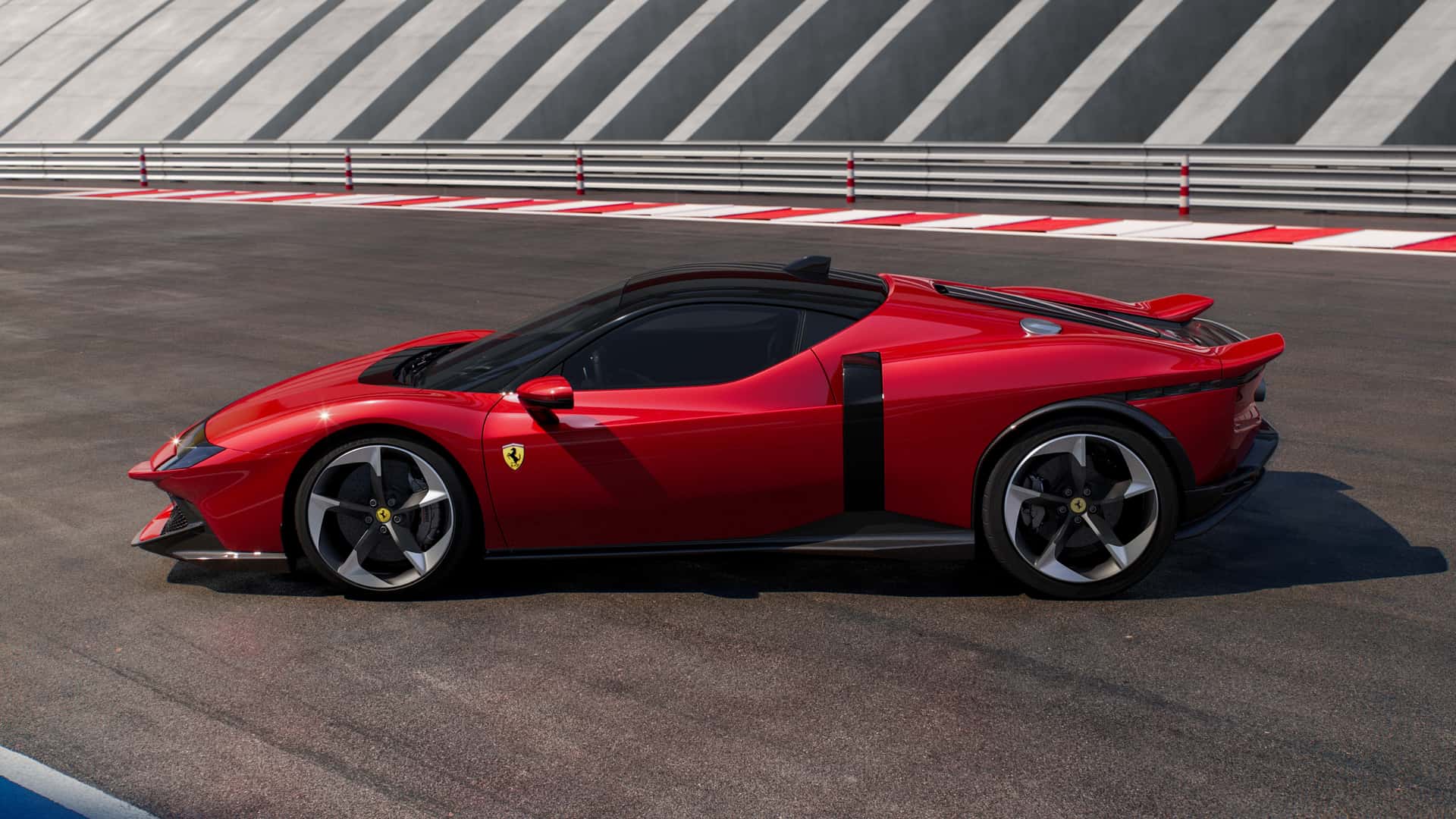
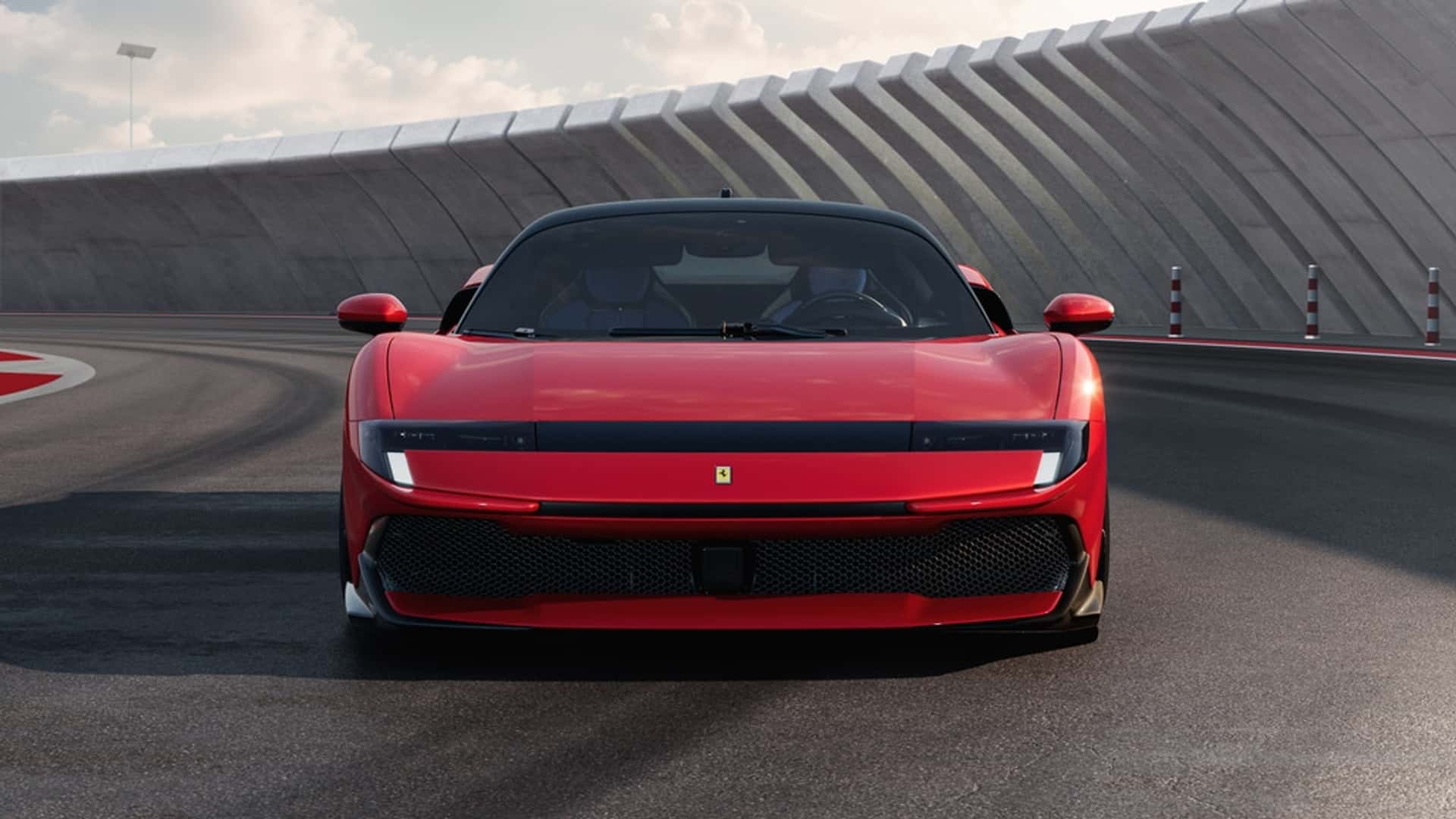
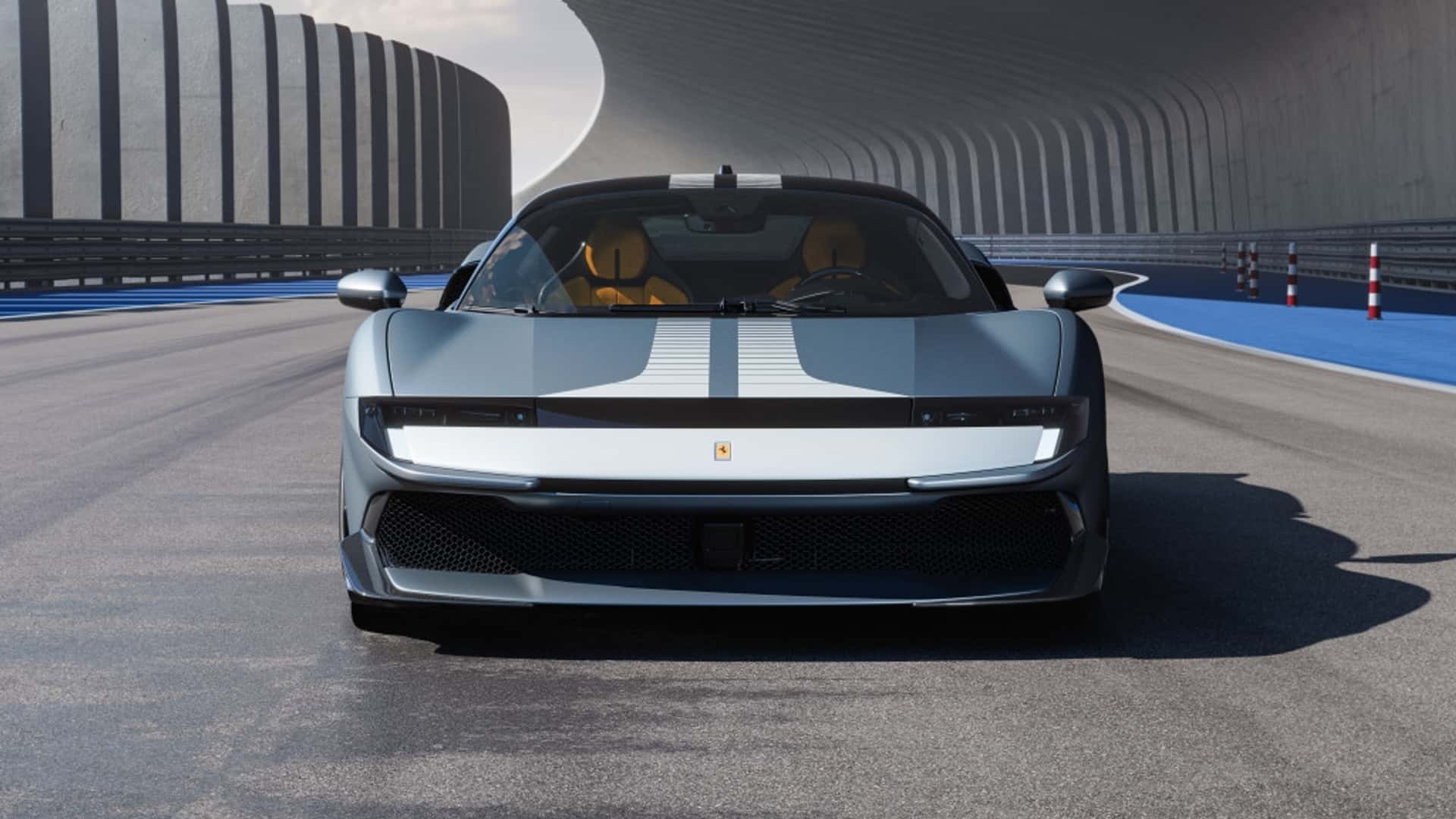
Design-wise, Ferrari hasn’t attempted a retro remake, but there are nods to the original Testarossa. A gloss black strip connects the headlights, echoing the styling of the classic front end, while the bumper angles subtly hint at its 1980s ancestor.

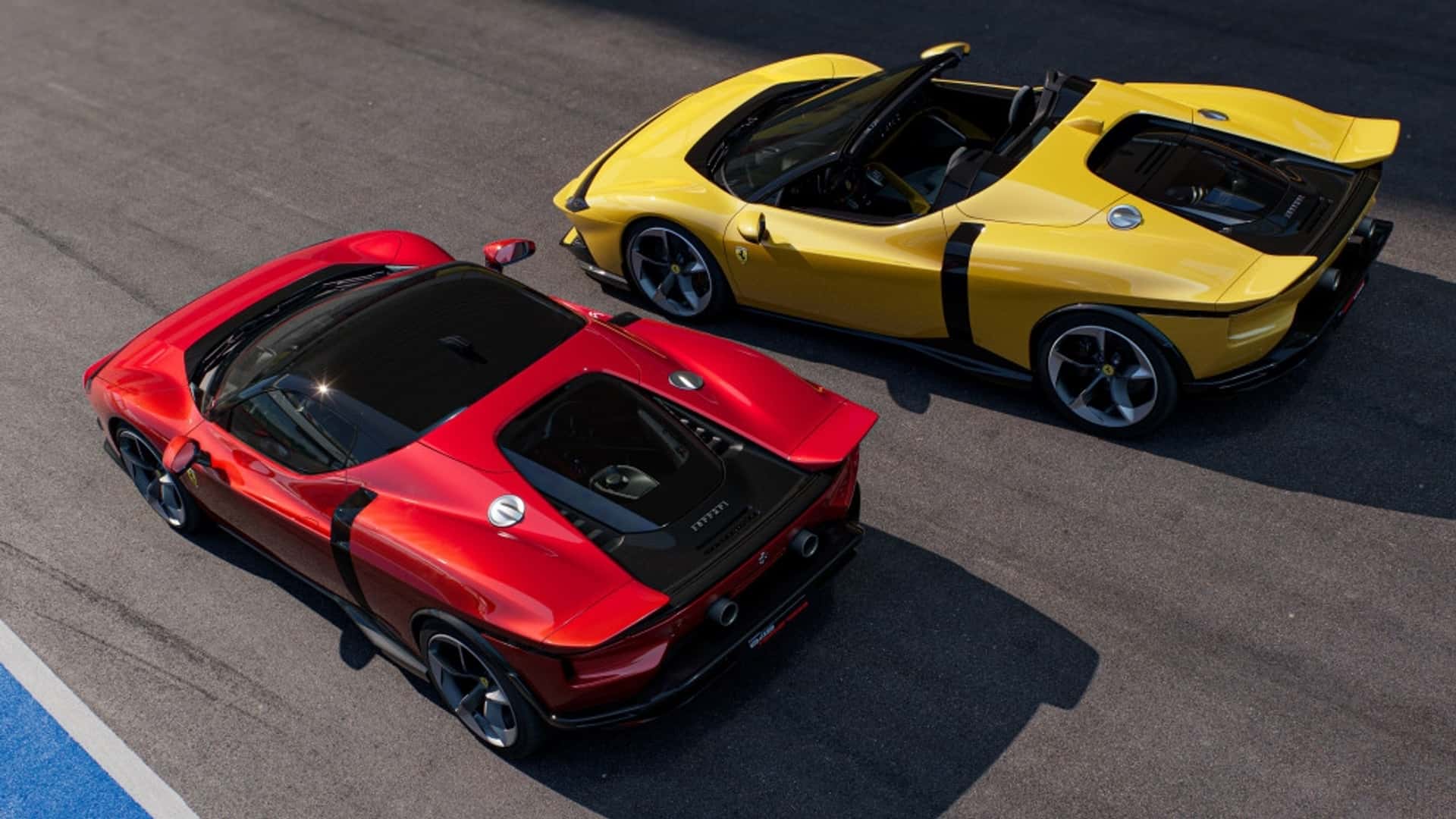
The profile remains modern Ferrari, aggressive yet sculpted, and customers will have a choice between coupé and Spider variants. The Spider’s retractable hardtop folds away in 14 seconds at speeds of up to 45km/h, though it carries a slight weight penalty of around 90kg compared to the coupé.
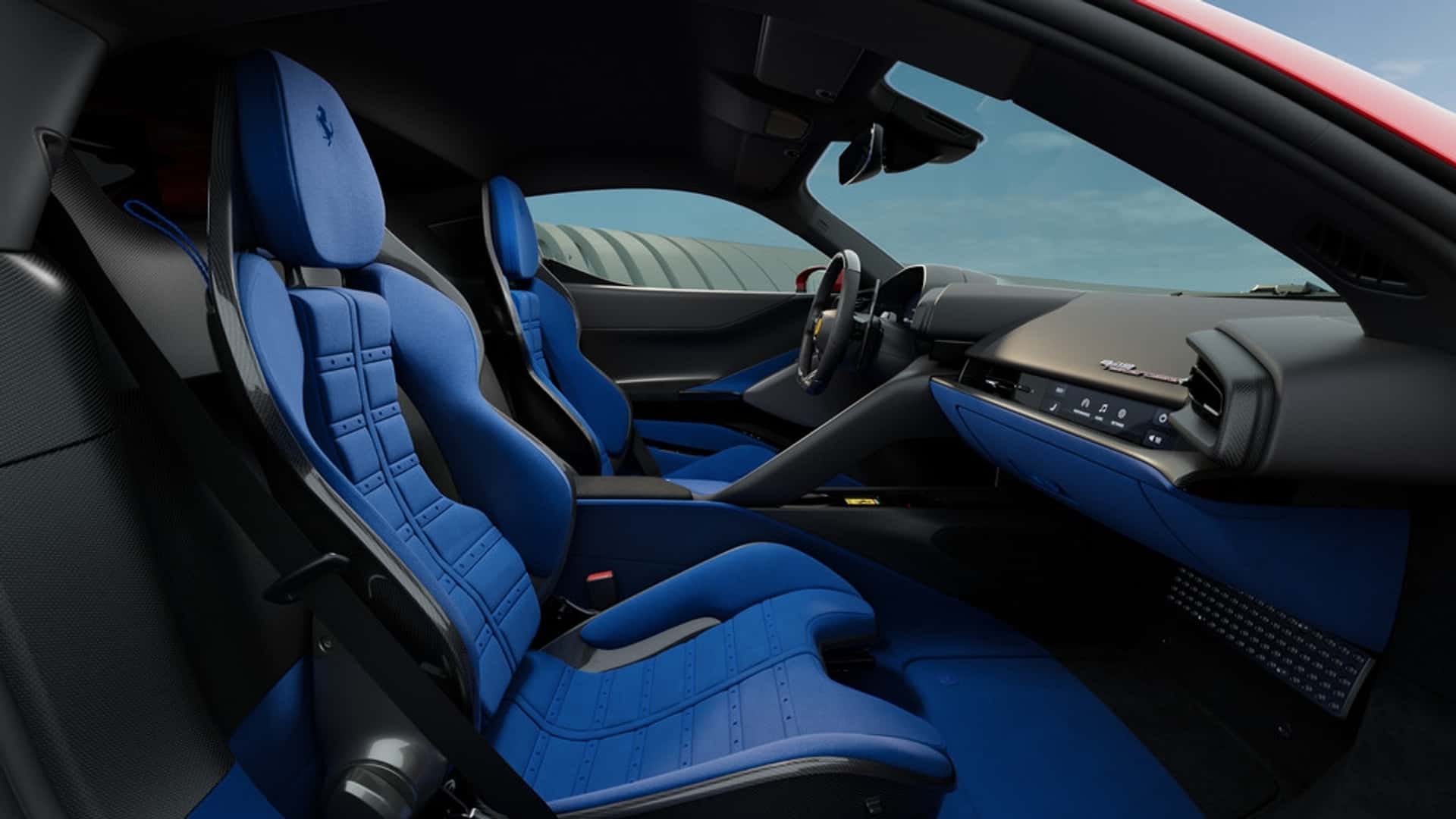
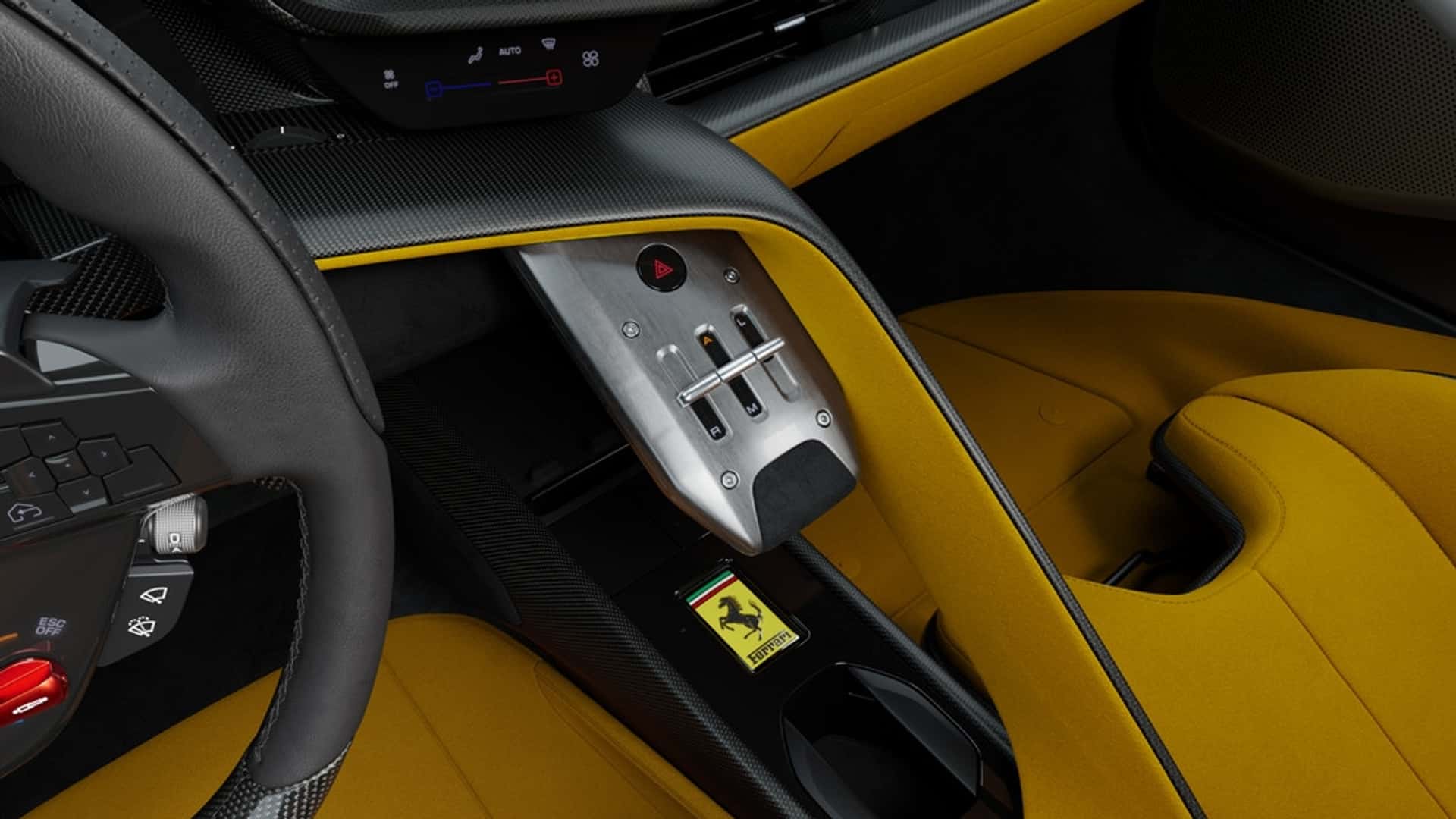
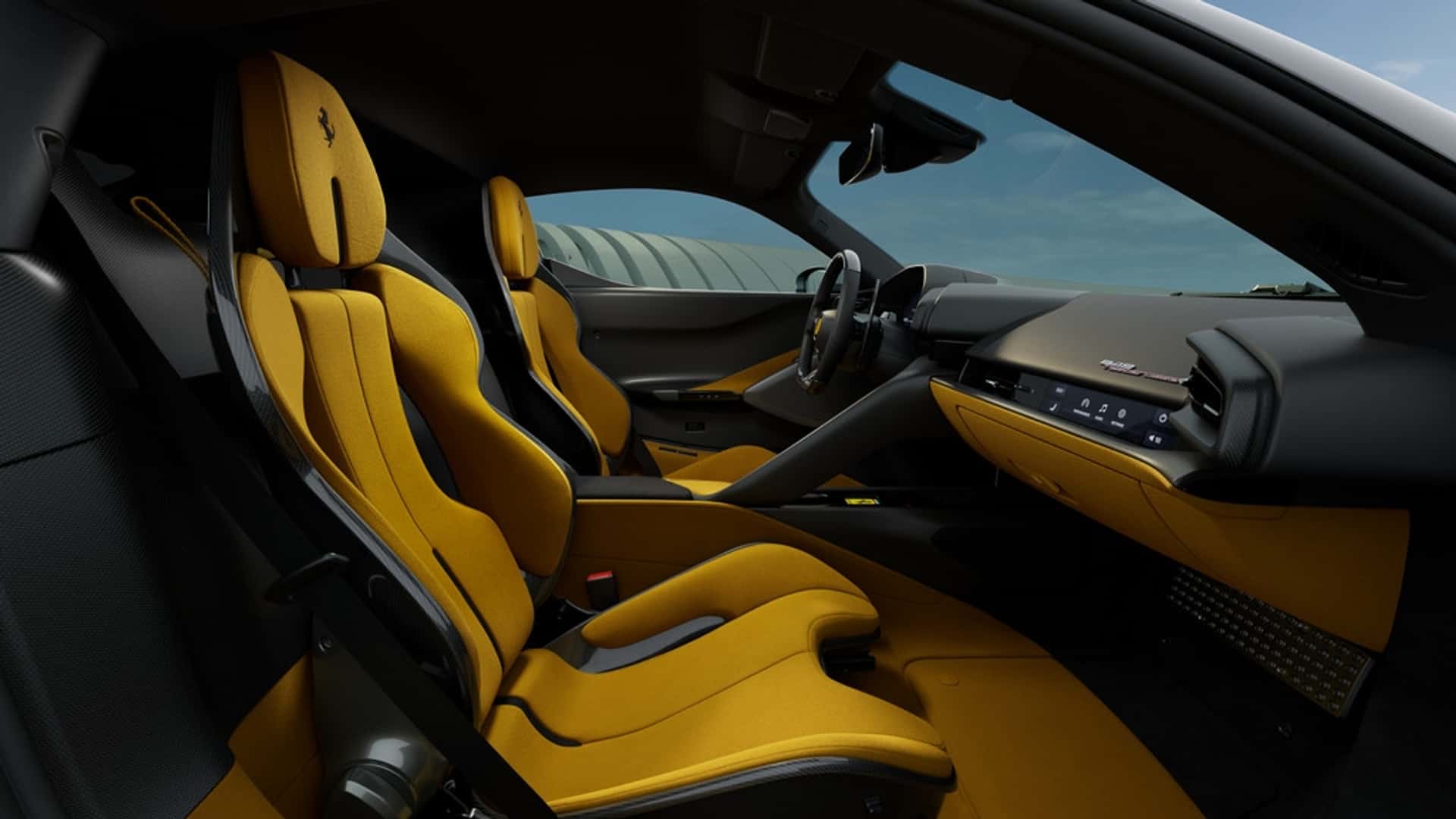
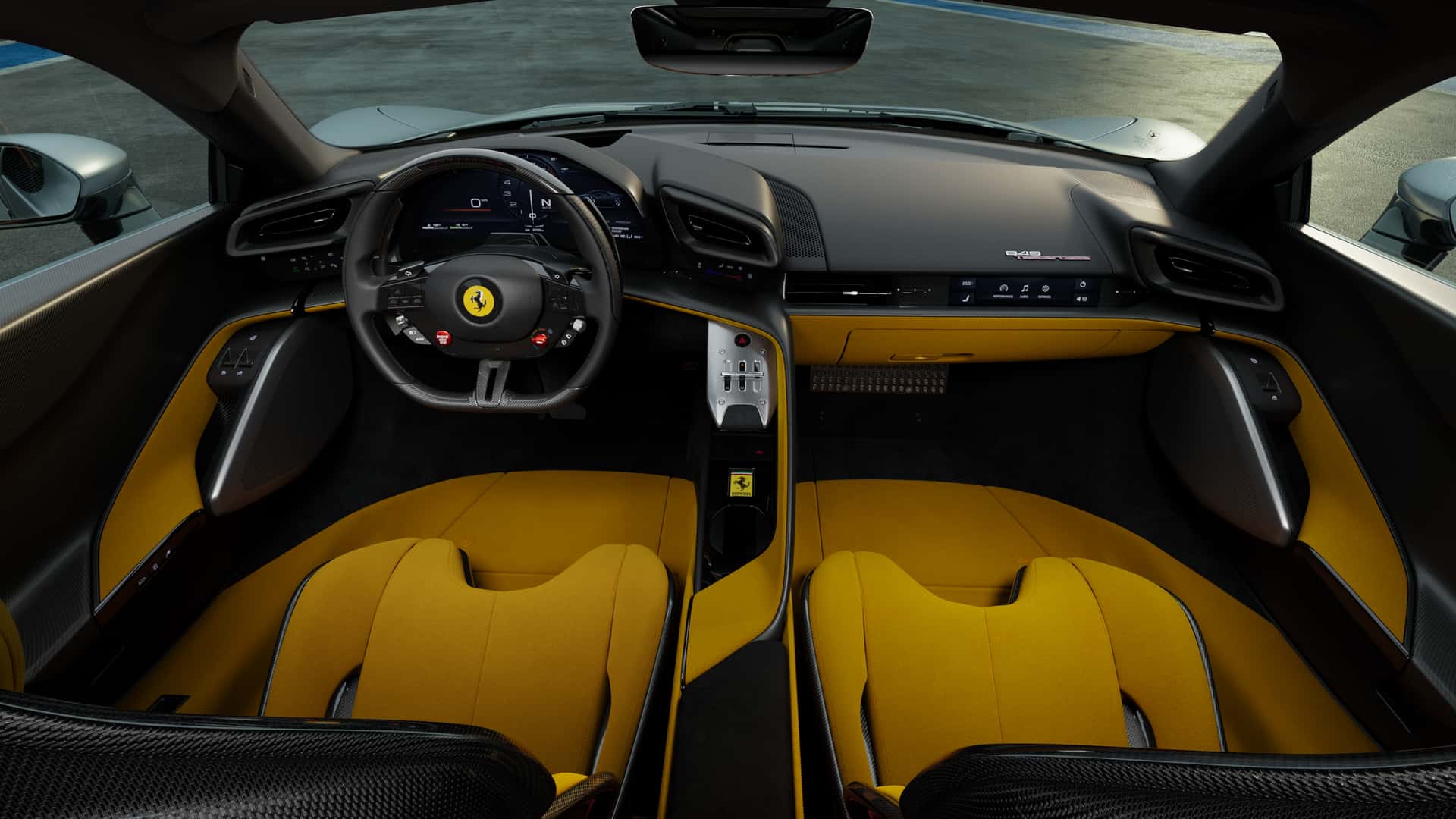
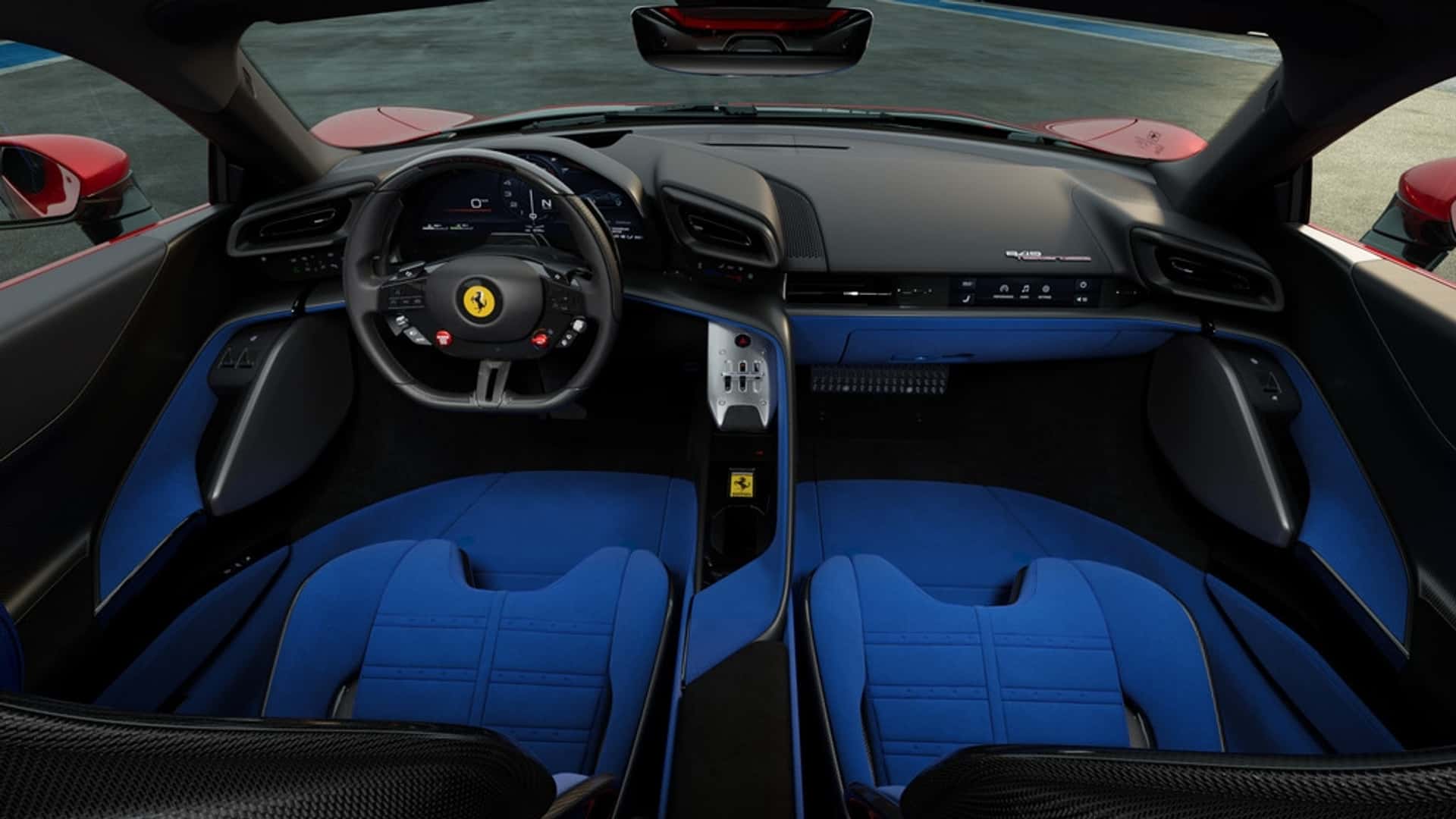
Step inside and it’s clear Ferrari has taken lessons from recent criticism. Gone are the fiddly touch-sensitive steering wheel controls—replaced with proper physical buttons. The cabin layout wraps tightly around the driver, with a clear racing influence shaping its form. Technology hasn’t been forgotten either, with a digital display offering Apple CarPlay, Android Auto, MyFerrari Connect, and wireless smartphone charging.
Ferrari will begin production of the 849 Testarossa next year, but the order books are already open for those ready to secure a piece of the brand’s future while paying homage to its past. With over a thousand horsepower on tap and an iconic nameplate reborn, the Testarossa has returned not just as a memory, but as a statement of intent for the next generation of Ferrari hypercars.