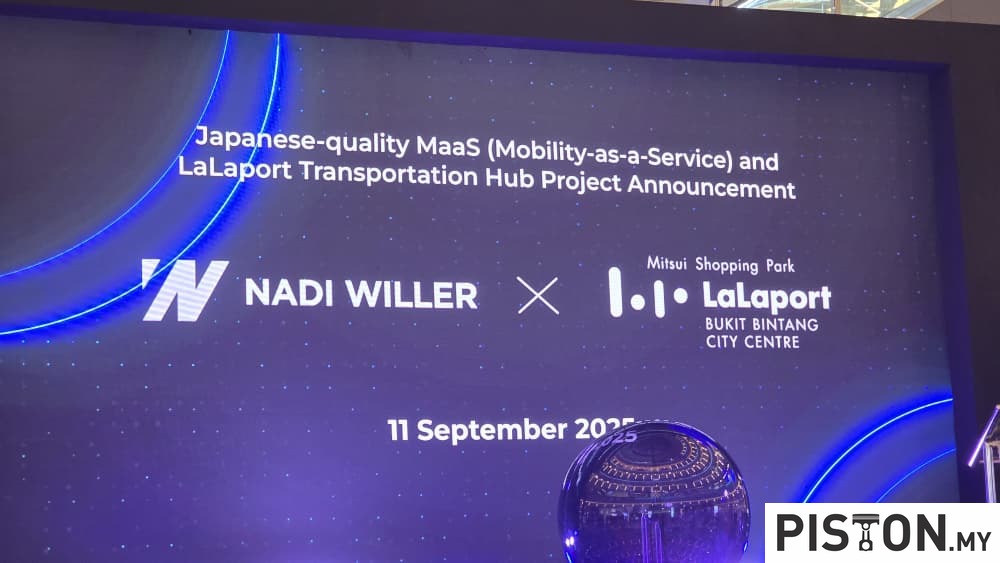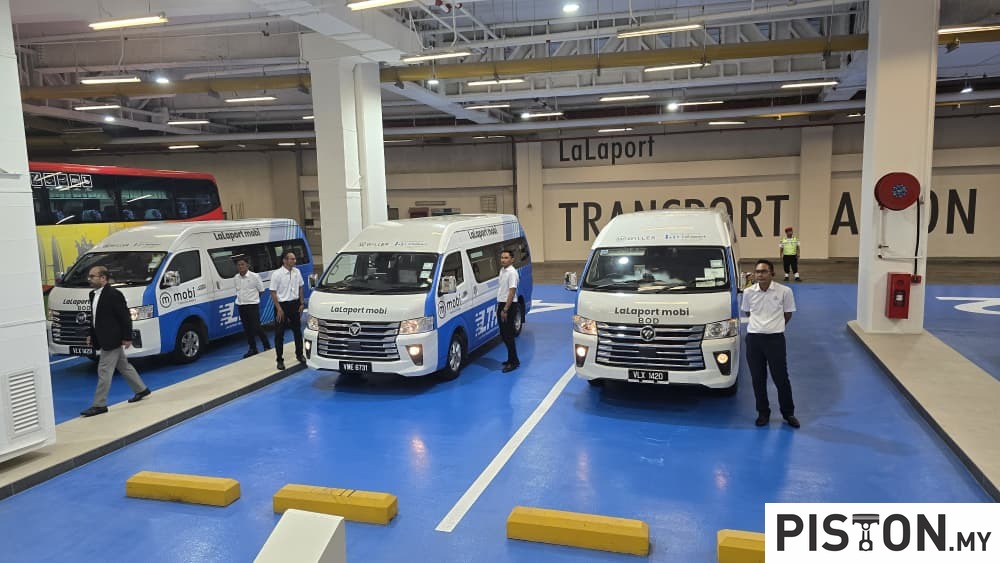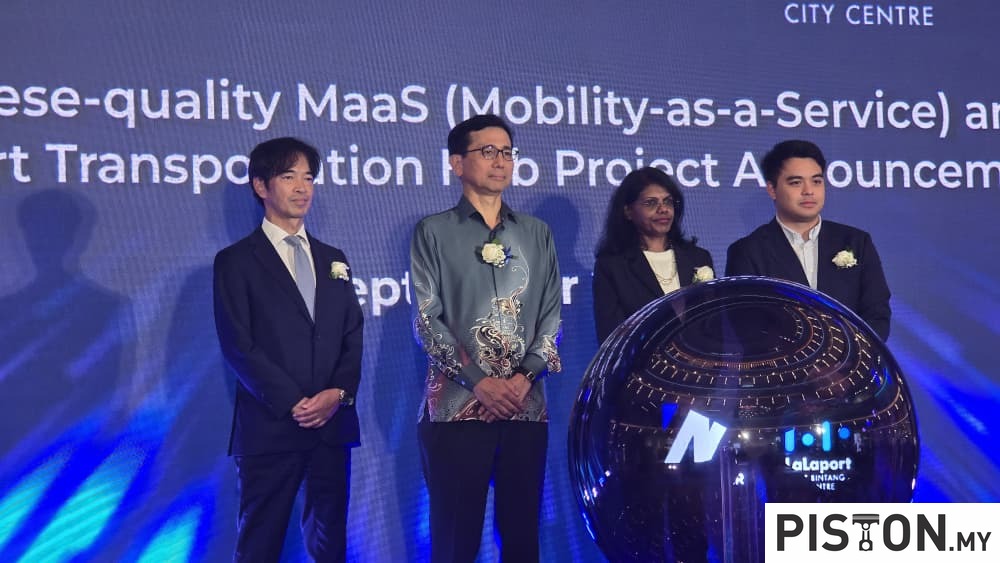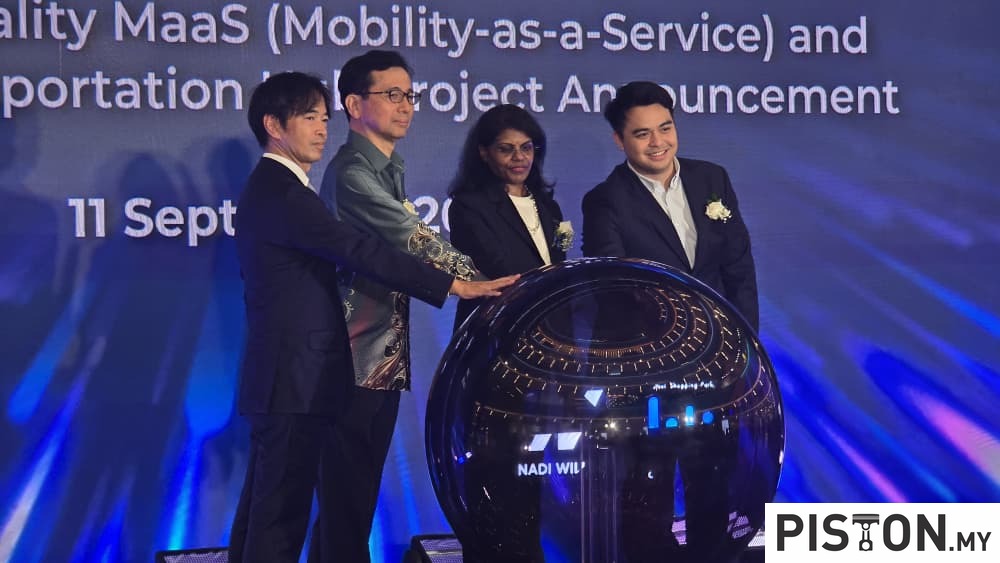
Kuala Lumpur’s daily battle with gridlock could soon get some relief as Nadi Willer Sdn. Bhd. pushes forward with its Japanese-inspired Mobility-as-a-Service (MaaS) platform. The company, led by CEO Ibrahim Aiman Bin Mohd Nadzmi, wants to make it easier for Malaysians to get around without having to rely on private cars.
The core of its plan lies in mobi DRT (Demand Responsive Transit), an app-based on-demand service that works alongside trains and buses to plug the gap in first- and last-mile connections. By giving people a smooth way to reach public transport, the system aims to reduce car dependency and, in turn, help ease congestion in the city.
Traffic jams in Kuala Lumpur are a long-standing problem, made worse by limited feeder options to connect with the rail network. Many commuters still depend on private cars, family pick-ups or e-hailing services, while mid-distance public transport remains underused. Safety concerns from recent bus accidents have only added to the issue. Nadi Willer believes its MaaS solution directly addresses these shortcomings by merging mass transit with flexible on-demand rides.
The service has already made an impact. As of August 2025, mobi DRT is operating across 26 areas, recording more than 400,000 passengers and over 100,000 registered users. Surveys show that 88% of riders use mobi DRT specifically to reach public transport, a major behavioural shift considering nearly half of them previously relied on family pick-ups and a quarter drove their own cars.
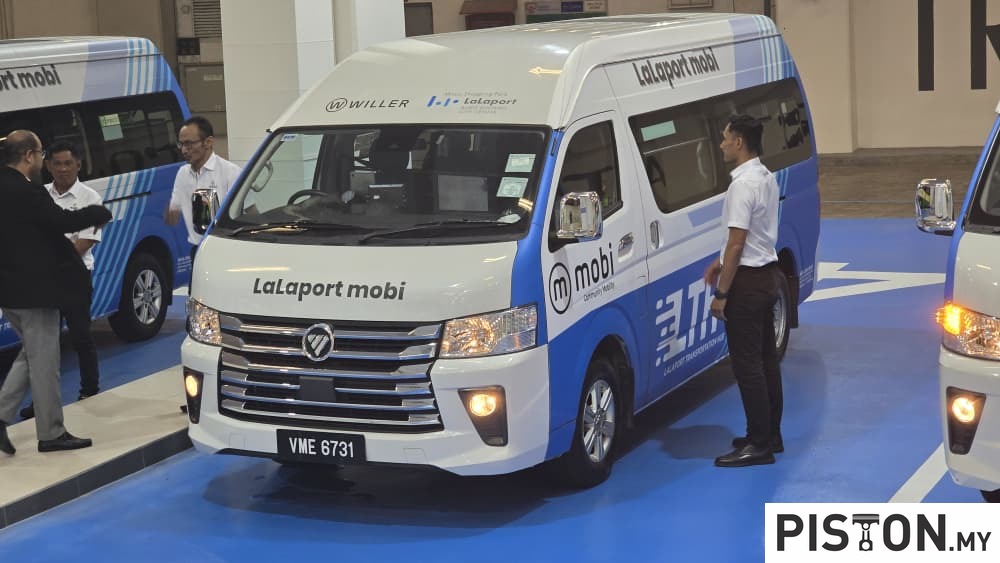
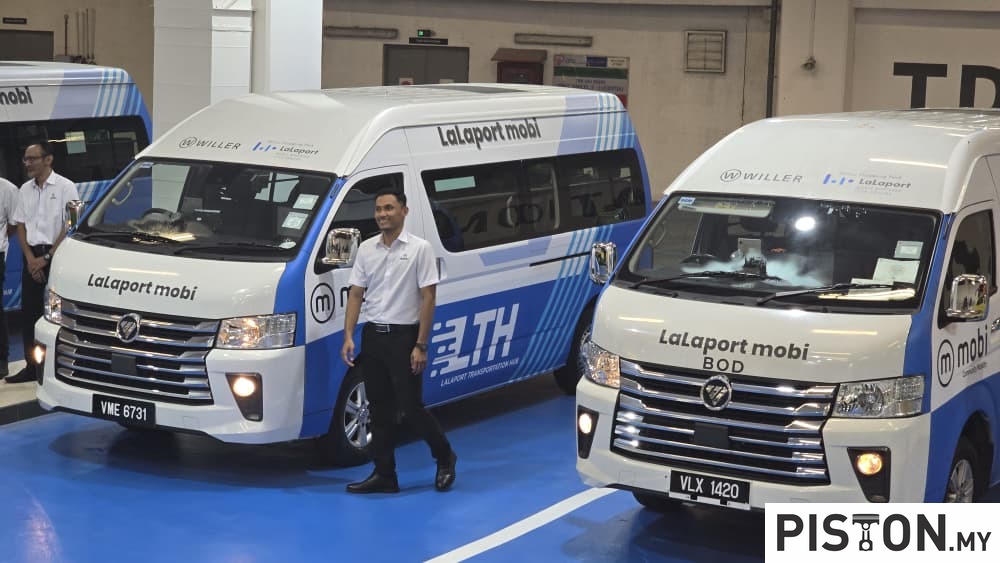
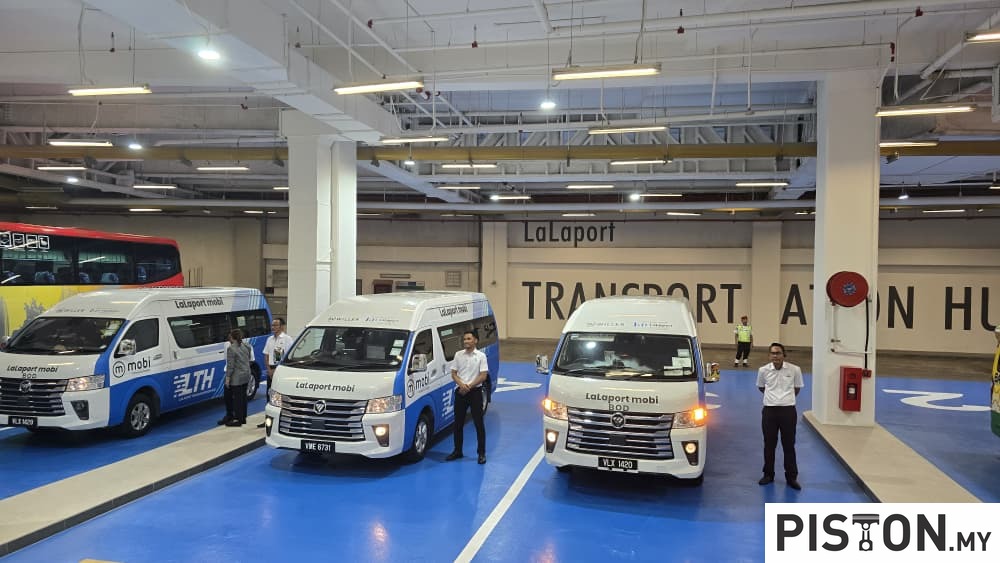
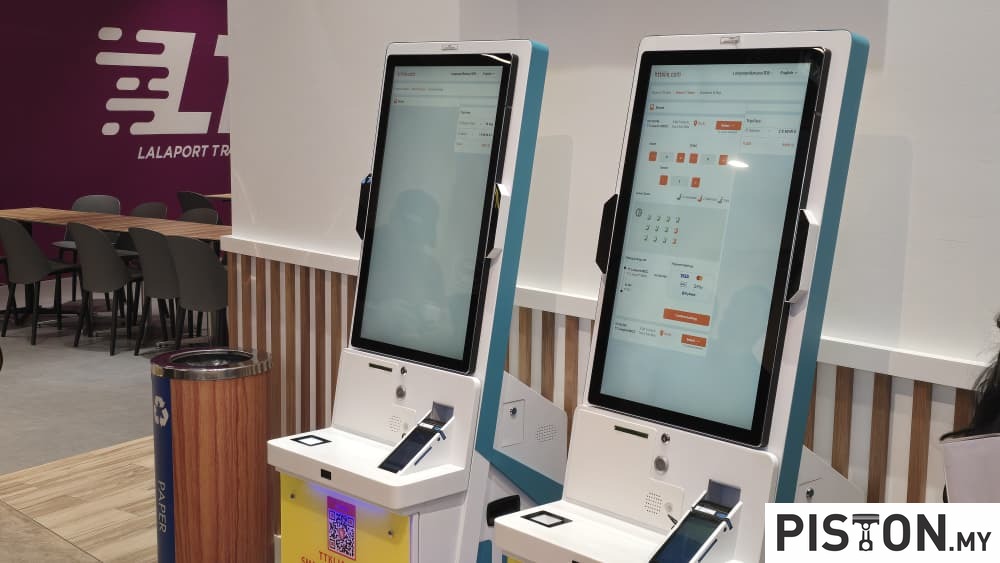
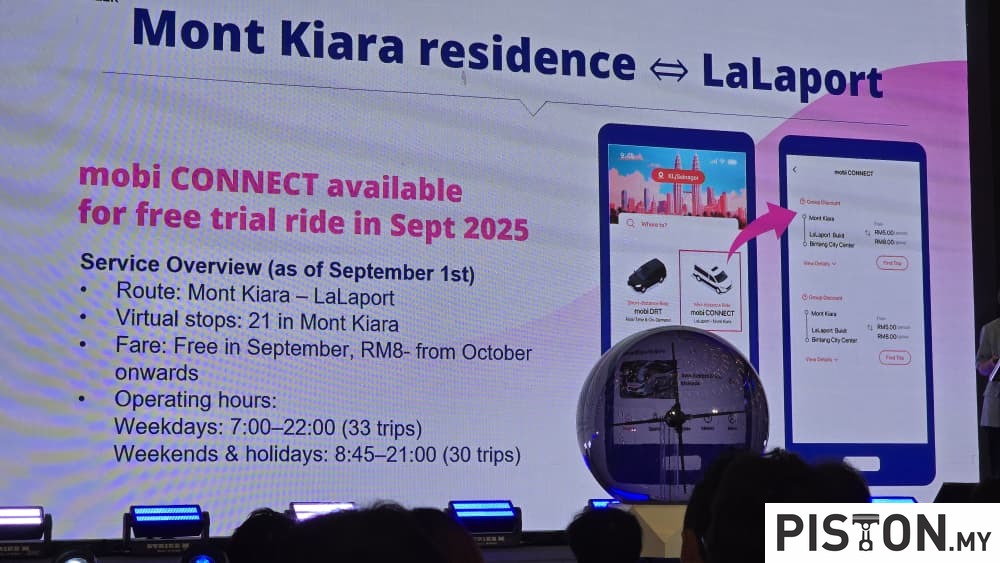
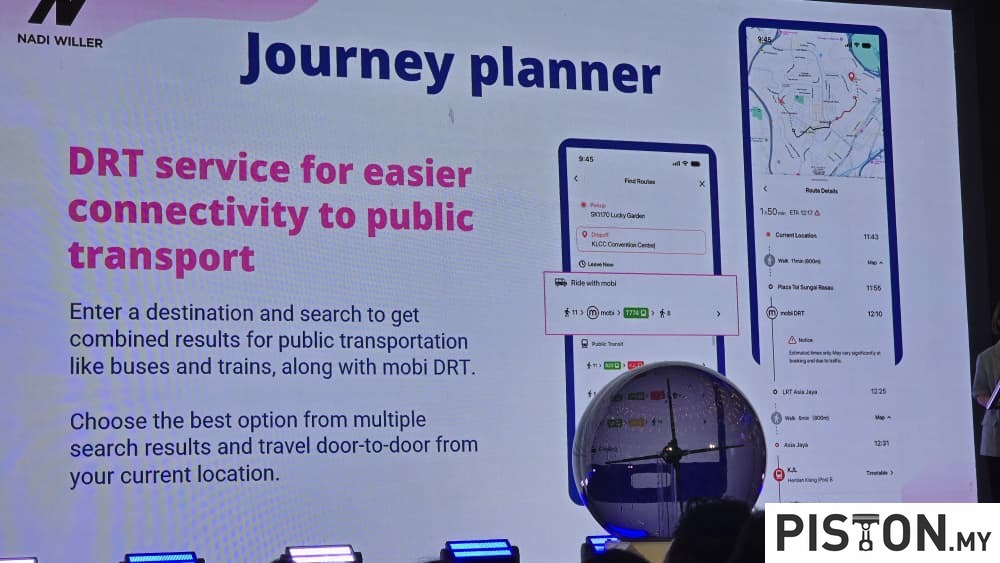
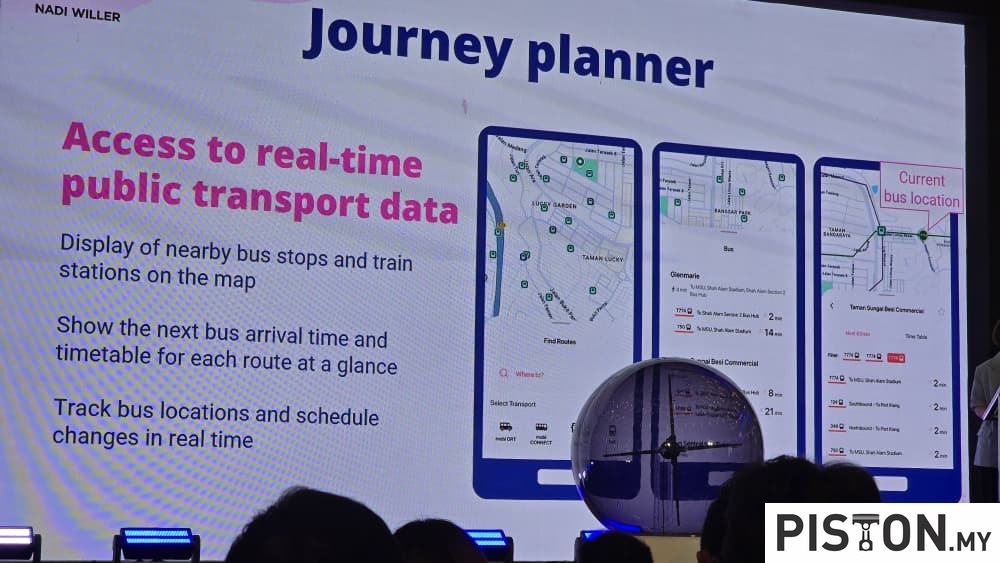
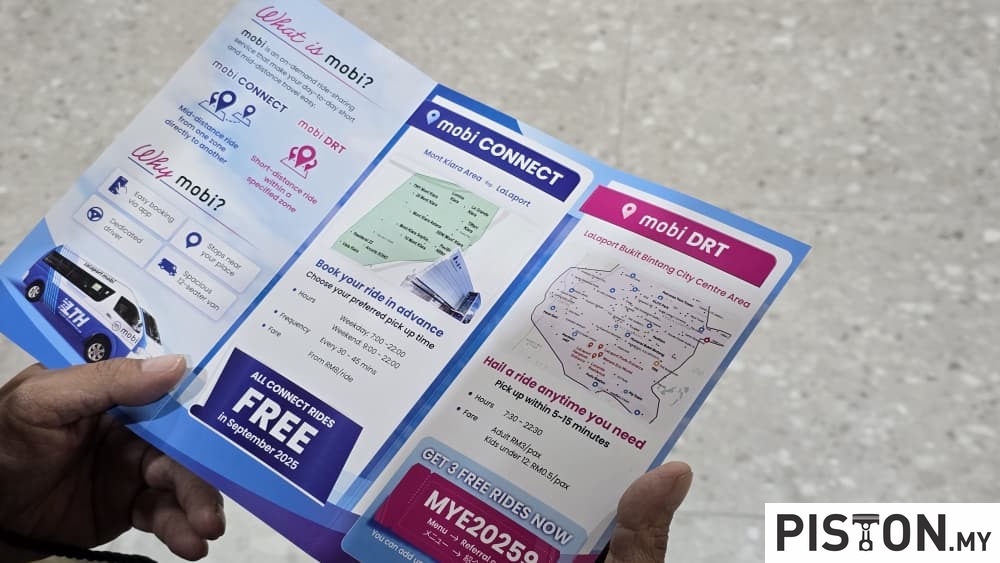
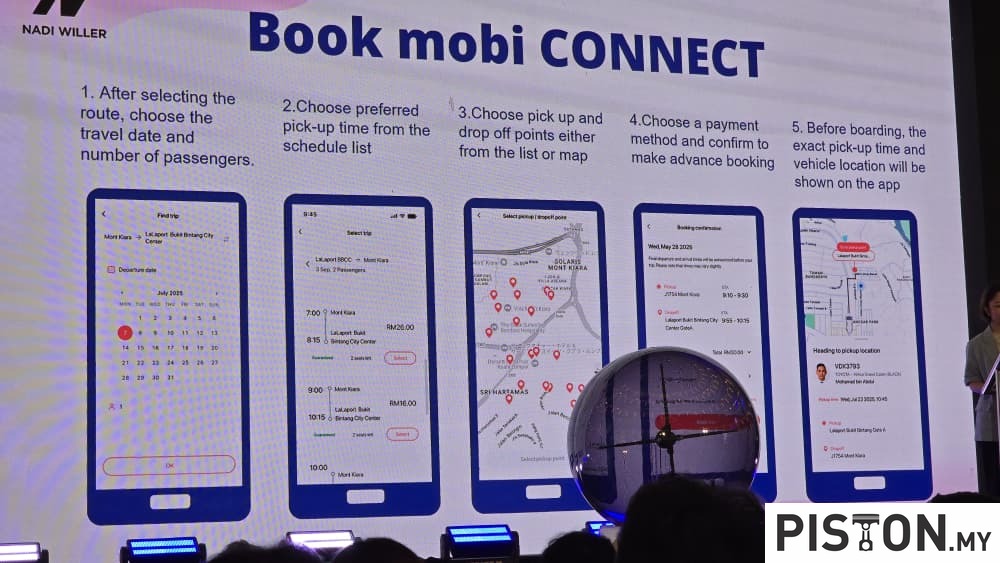
To build on this momentum, Nadi Willer has rolled out three new initiatives. The first is a journey planner that integrates live bus and rail data, allowing users to map out end-to-end trips by combining trains, buses and mobi DRT in one search. The second is mobi CONNECT, a new mid-distance service launched on 1 September 2025.
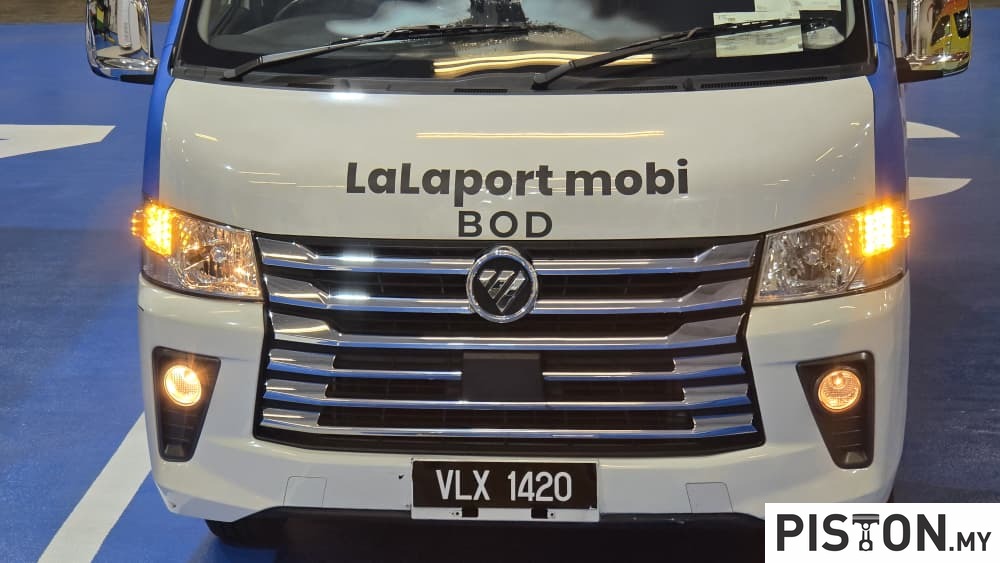
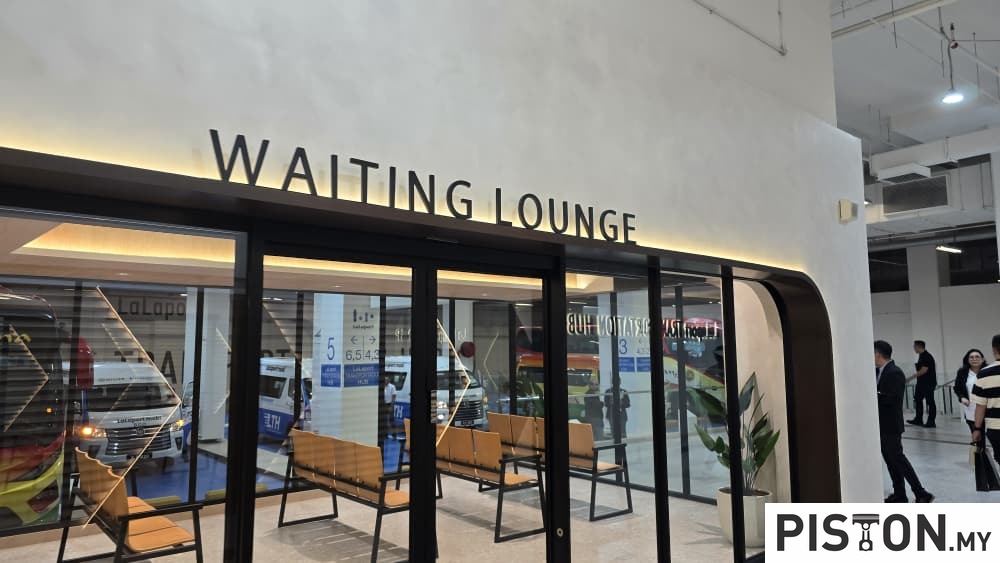
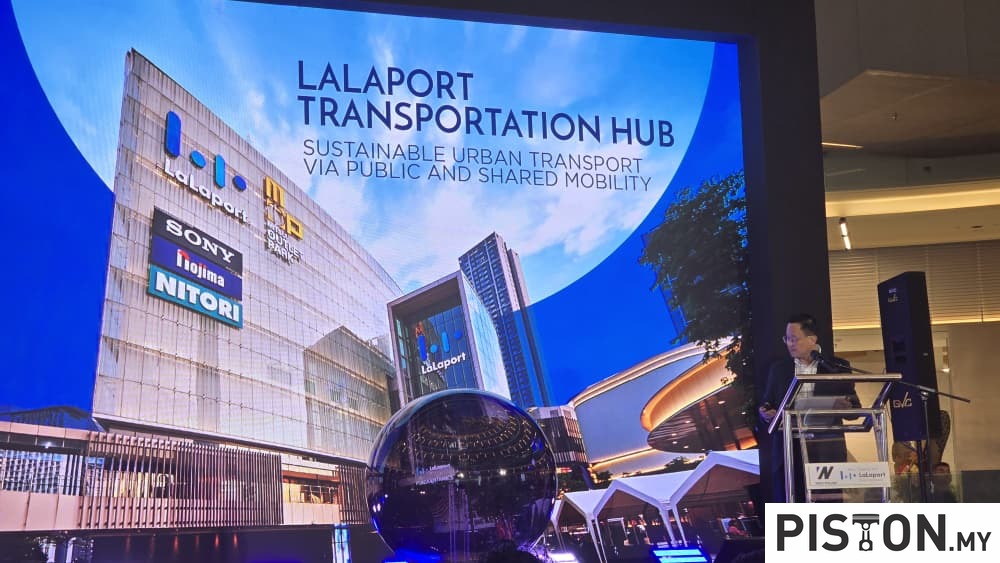
Designed to link central business districts, it uses AI to calculate efficient routes and manage bookings. Its pilot route connects Mont Kiara with LaLaport Bukit Bintang City Centre, a key transport hub that links to LRT, monorail and airport shuttles. By offering shared rides along this corridor, the service aims to cut down on private car trips and family chauffeuring.
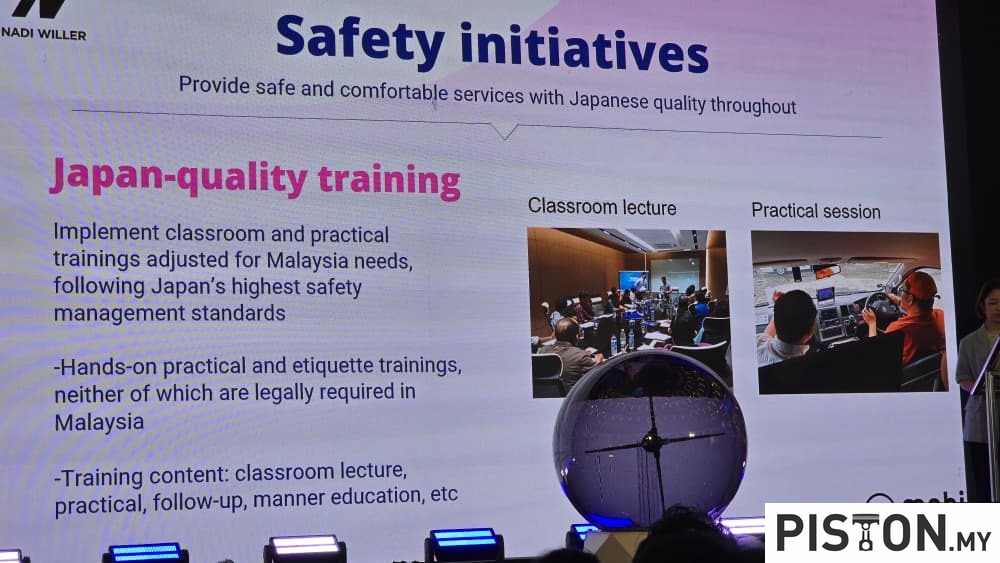
The third initiative focuses on safety. Responding to public concerns, the company has introduced a driver training programme and management system built on Japanese best practices. This includes classroom lessons, hands-on driving sessions, regular follow-ups, and strict safety checks using the Willer Fleet system. On-site inspections and roll calls further ensure drivers uphold reliability and professionalism.
With these measures, Nadi Willer is positioning itself as more than just an app-based service. The company sees its MaaS platform as a way to reshape urban mobility, making public transport more accessible, cutting reliance on cars, and ultimately creating a more sustainable city environment where movement is seamless and safe.