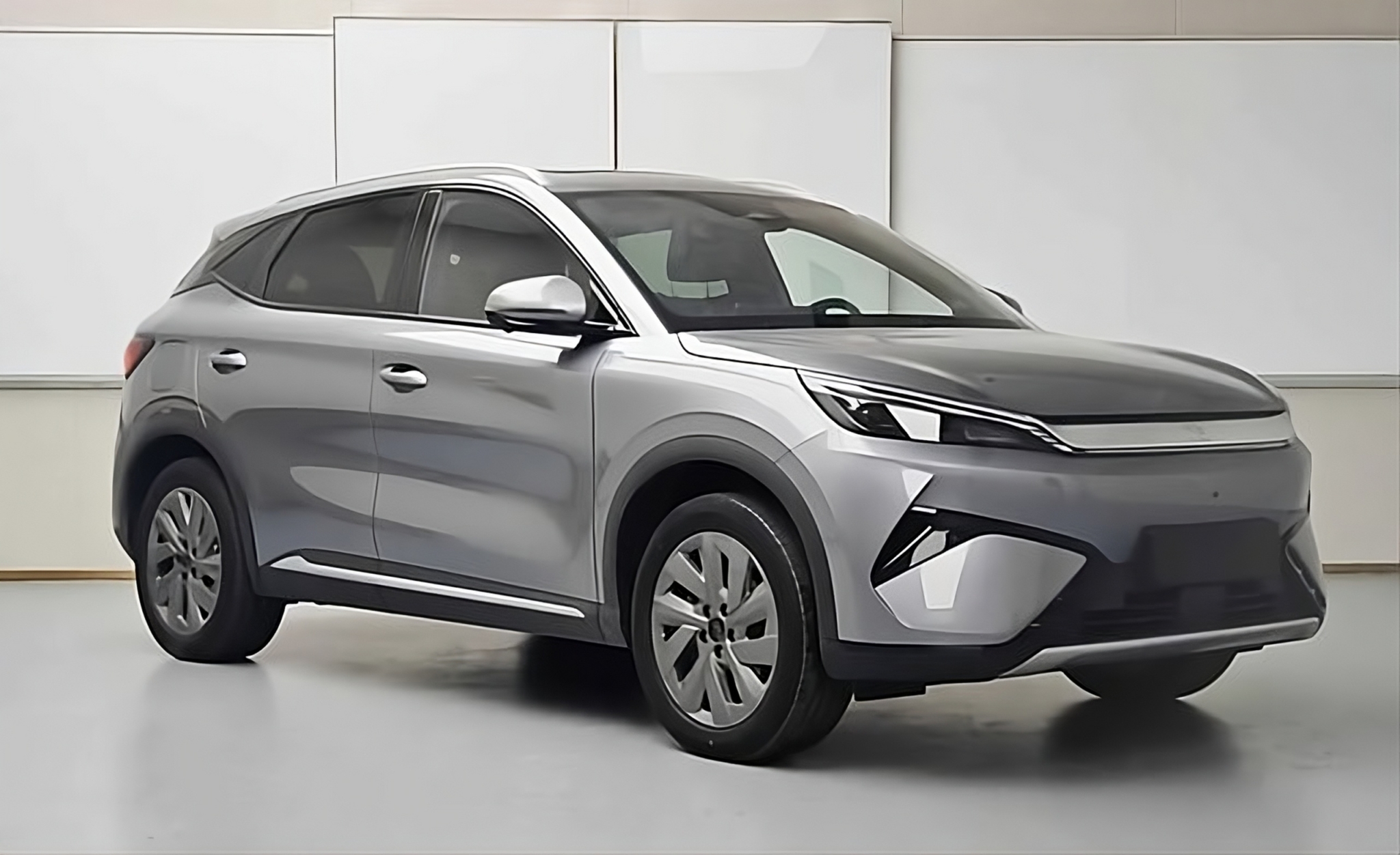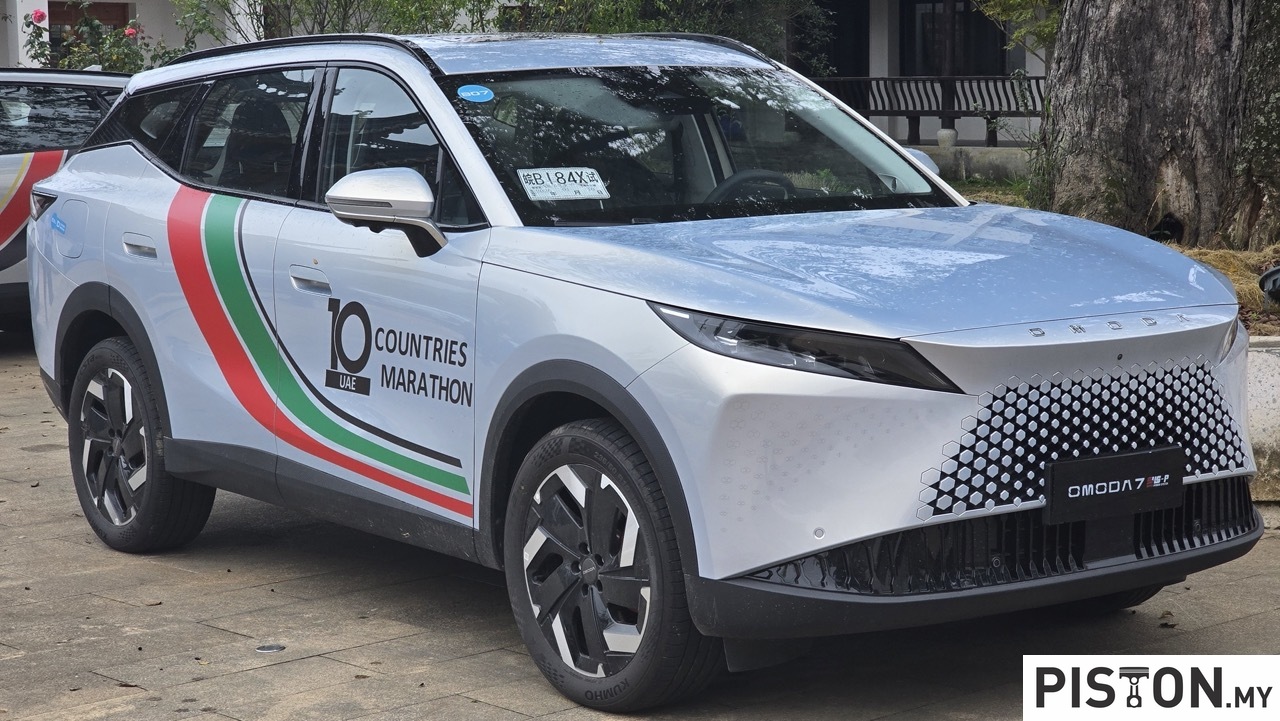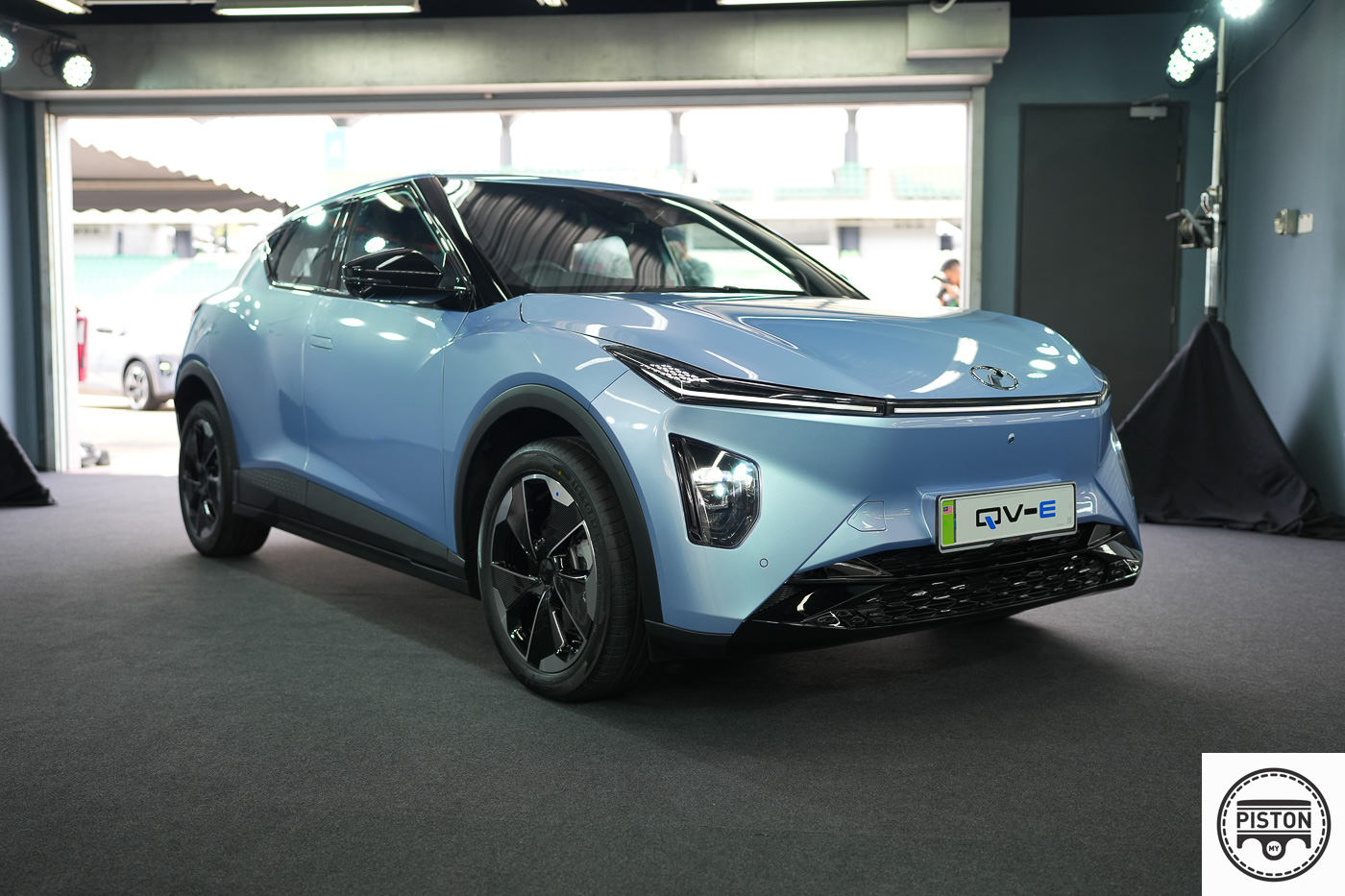
Thousands of e-hailing drivers across Malaysia were left in limbo this week after SUVs appeared to be excluded from the government’s approved vehicle list for e-hailing services, sparking confusion and concern about their livelihood. Drivers who rely on SUVs to make a living began reporting issues with permit renewals and vehicle registrations, raising fears that their cars would no longer be eligible for e-hailing use.
The uncertainty spread quickly through the driver community, with both Gabungan E-Hailing Malaysia (GEM) and the Malaysian E-Hailing Drivers Association (Mehda) confirming that they had yet to receive any official clarification from the Road Transport Department (JPJ) or the Land Public Transport Agency (APAD). GEM’s representative, Masrizal Mahidin, said SUV owners were struggling to renew their e-hailing permits, a situation that could affect thousands of active drivers nationwide. Malaysia currently has more than three million people licensed to drive for e-hailing platforms.
Mehda president Daryl Chong revealed that roughly 2,000 of his association’s 9,000 members use SUVs for e-hailing. Without an official statement from the authorities, he warned that this administrative mix-up could disrupt Malaysia’s urban transport network and harm its reputation among tourists. Grab Malaysia later confirmed that some of its SUV drivers had encountered issues during registration and that the company was engaging with the authorities to resolve the problem.
The issue reportedly began when new SUV owners were prevented from applying for Public Service Vehicle (PSV) licences, while existing drivers who switched to SUVs were unable to update their permits. According to APAD’s own 2018 e-hailing regulations, SUVs were previously included alongside sedans, MPVs, and compact cars, making the sudden exclusion puzzling.
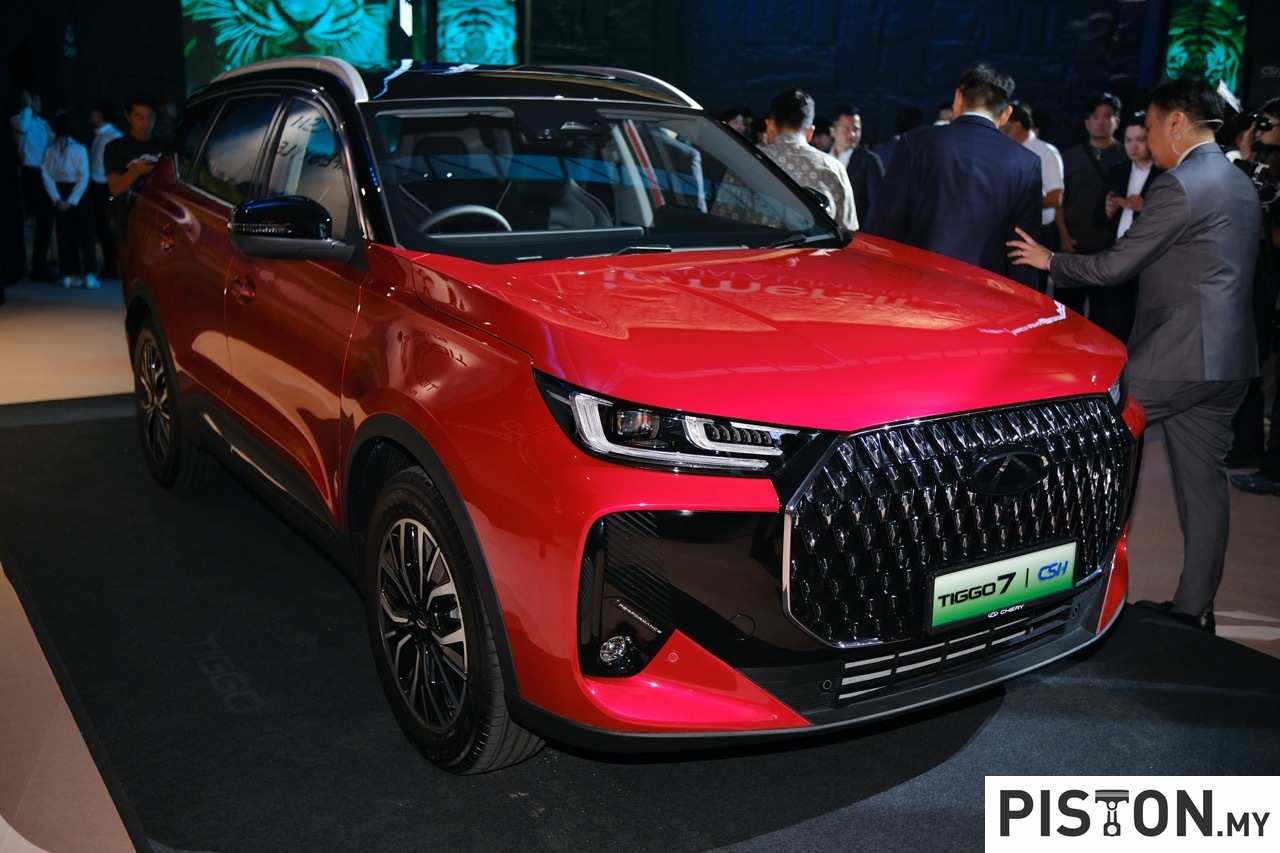
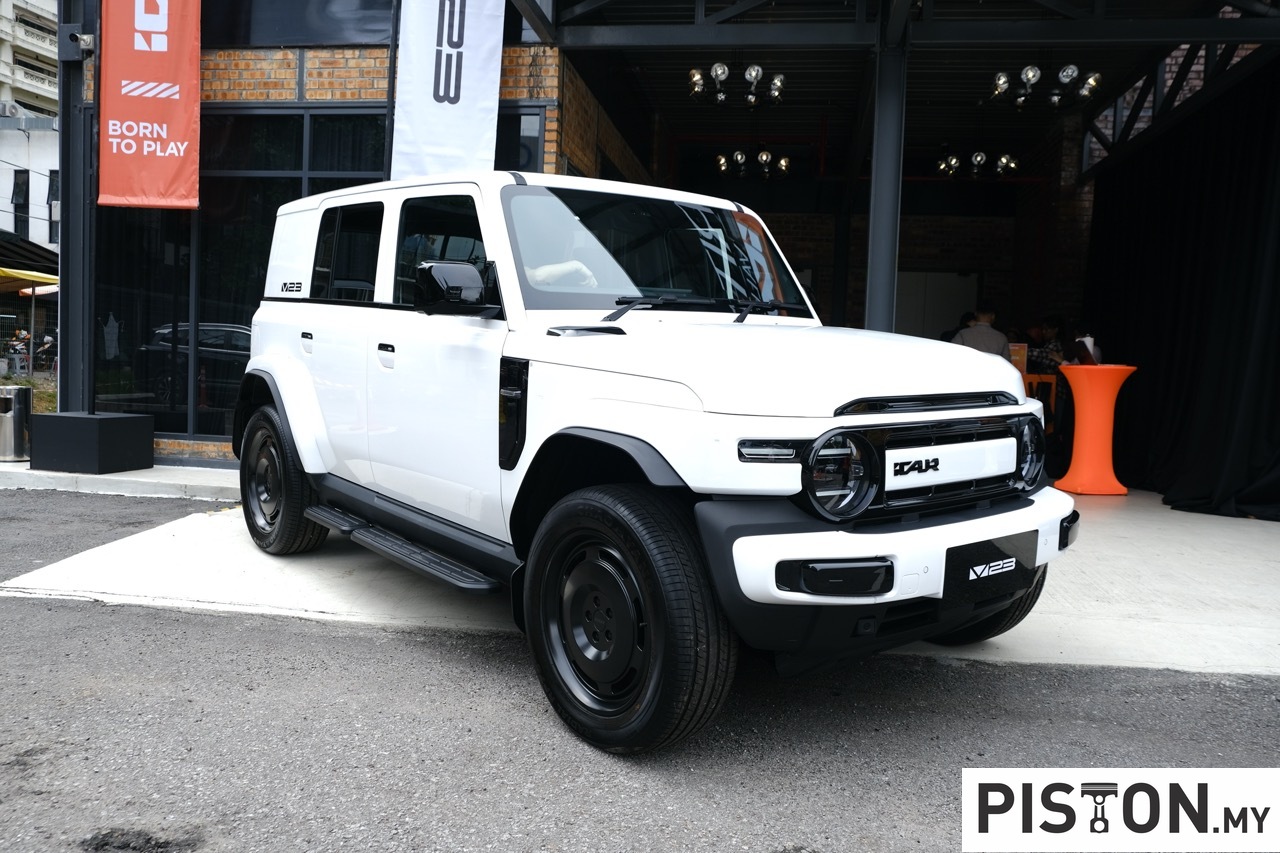
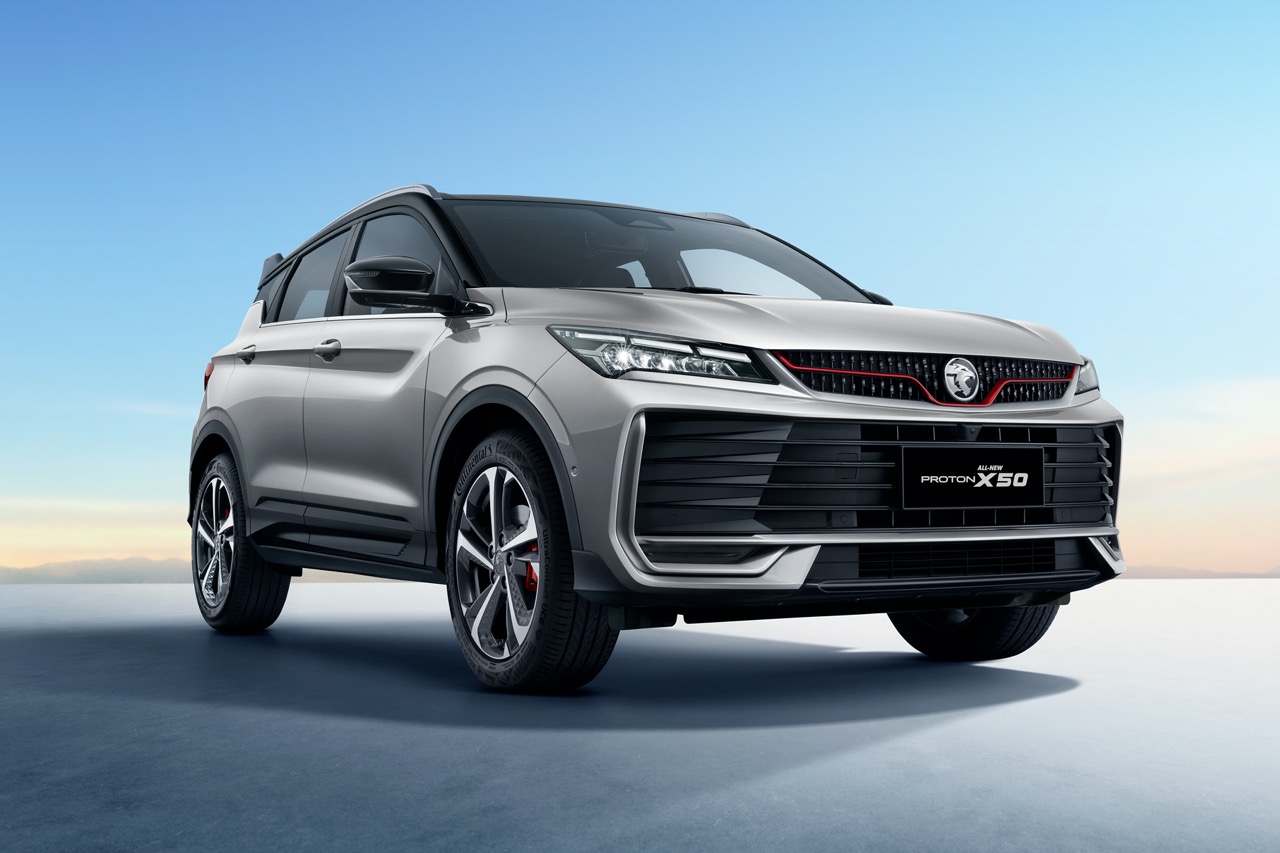
Grab Drivers Malaysia Association (GDMA) president Mohd Azril Ahmat suggested the issue was the result of a technical mismatch between JPJ and APAD’s systems. He claimed JPJ had created a new vehicle category for SUVs without notifying APAD, which led to a system error that blocked SUV registrations entirely. Among the models affected are the Proton X50, Honda HR-V, and Jetour VT9—popular choices for e-hailing due to their comfort, practicality, and reliability.
Consumer advocates also weighed in. Federation of Malaysian Consumers Associations (FOMCA) chief executive Saravanan Thambirajah said the problem could inconvenience families and tourists, who often prefer SUVs for their space and comfort. He warned that delays in resolving the matter could result in longer waiting times, higher fares, and a negative impression ahead of Visit Malaysia 2026.
In response to the mounting confusion, Transport Minister Anthony Loke issued an official statement clarifying that there had been no policy changes regarding SUV eligibility for e-hailing. He confirmed that the Land Public Transport Agency (APAD) had never issued any directive or restriction against SUV registration. Loke reaffirmed that all vehicles meeting technical standards and offering seating for between four and eleven passengers qualify for e-hailing operator licensing under existing regulations.
The ministry acknowledged the concerns of drivers and operators, assuring that e-hailing registration processes would continue as usual. The clarification was intended to put an end to the widespread uncertainty caused by recent reports suggesting SUVs were being banned from e-hailing use.
As of now, both JPJ and APAD are believed to be working together to iron out the system discrepancies that triggered the confusion. For thousands of e-hailing drivers who depend on their SUVs for income, the minister’s statement comes as a relief, though many are still waiting to see normal operations resume without further interruptions.