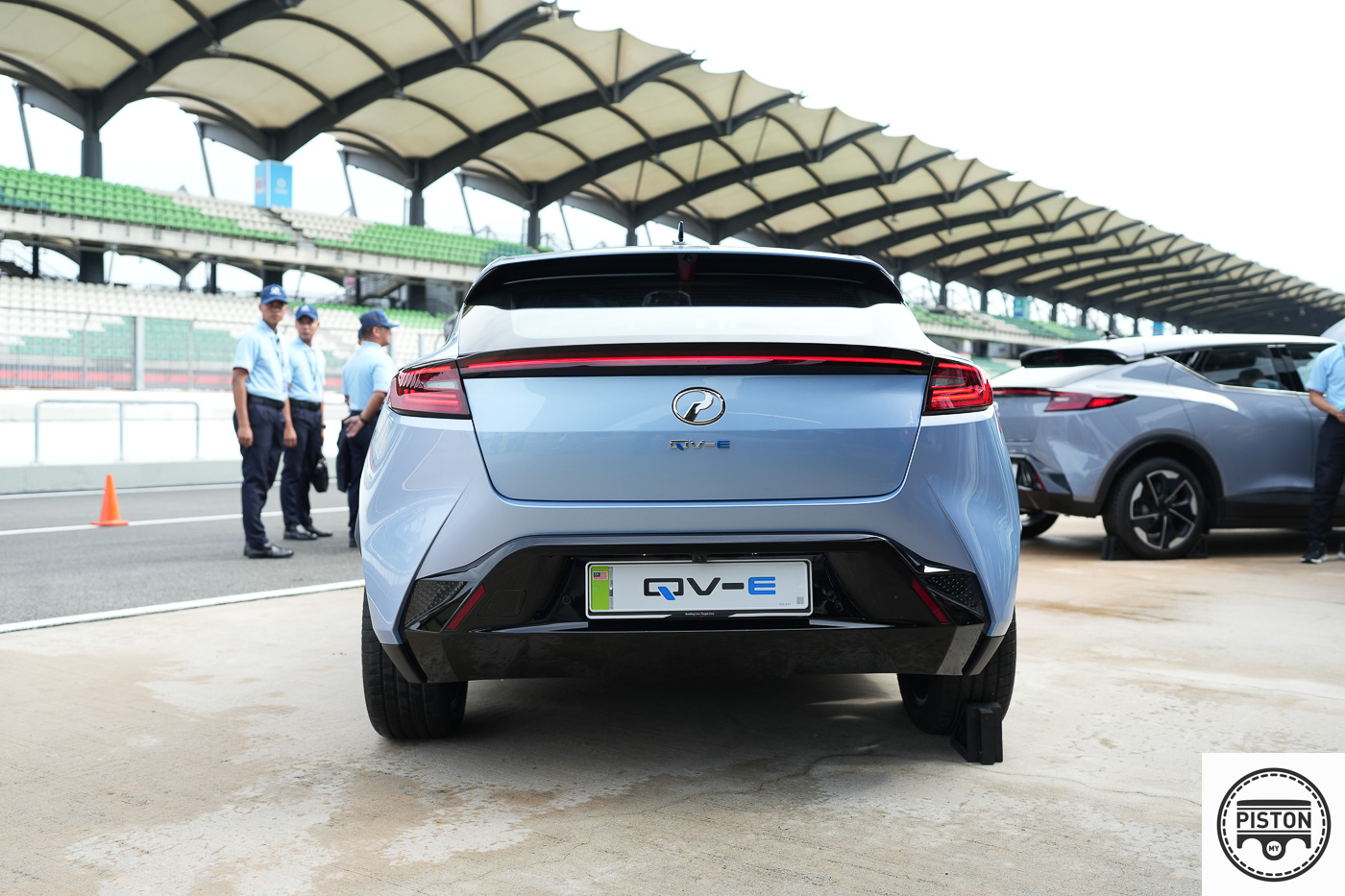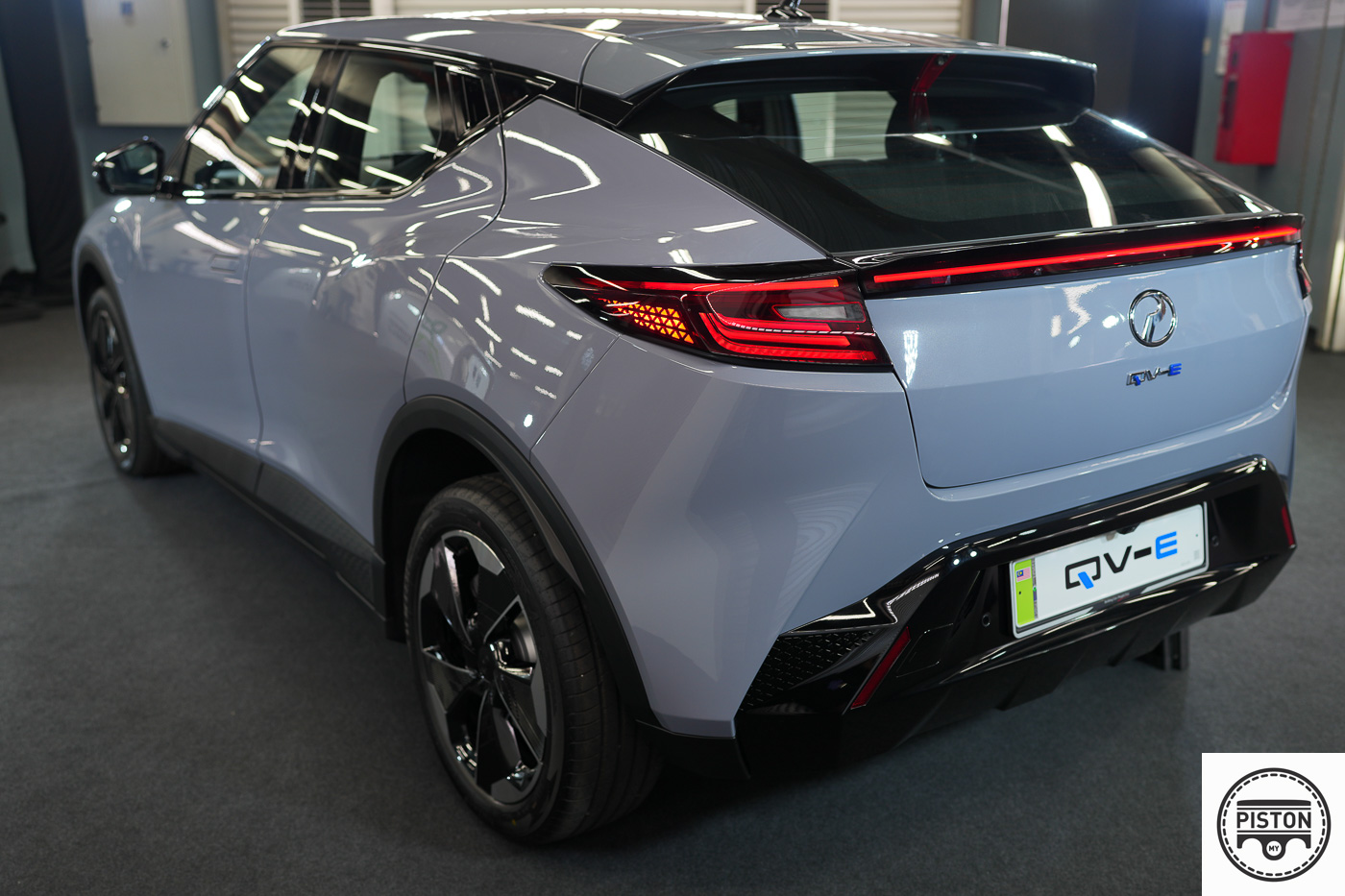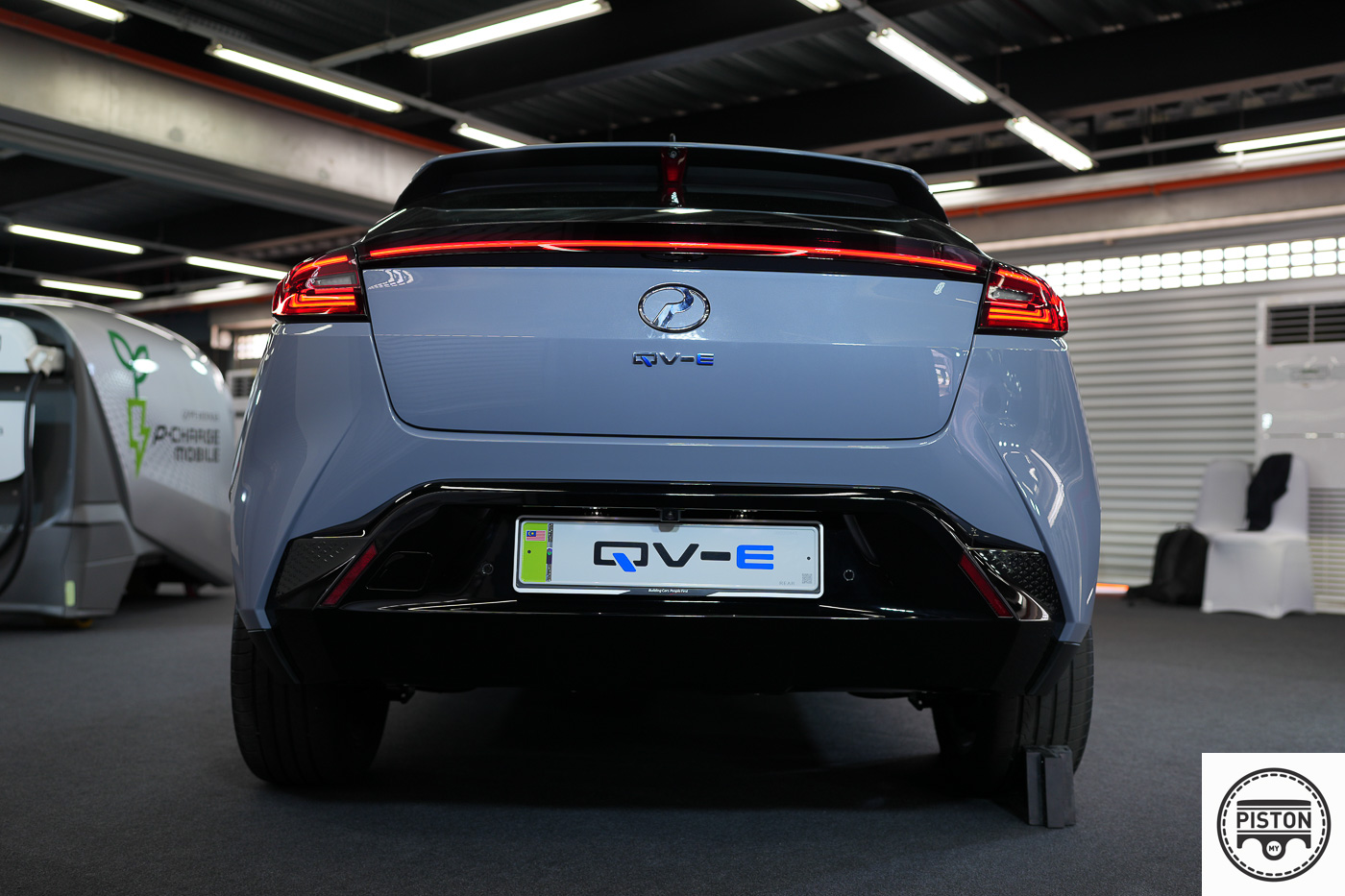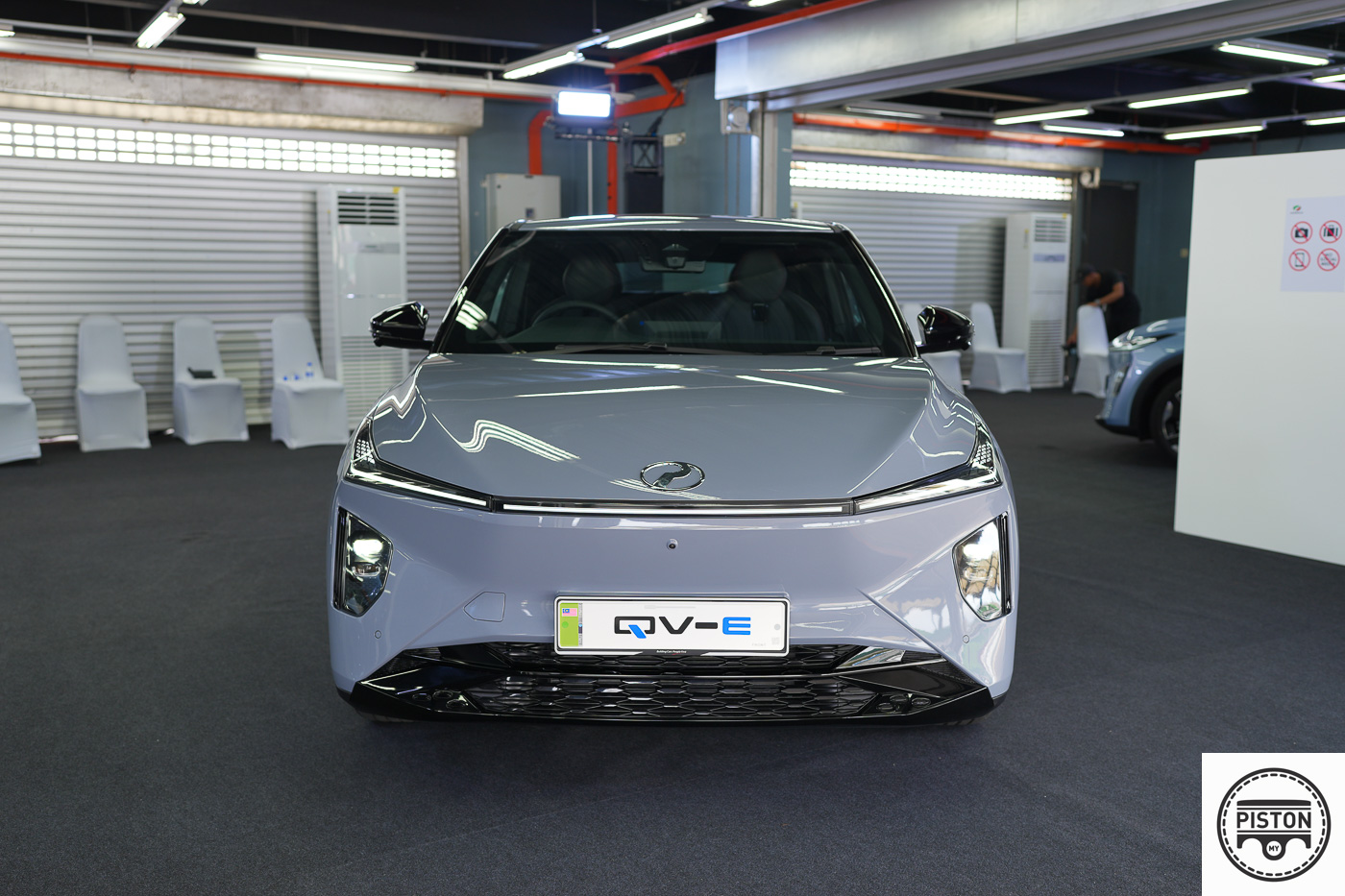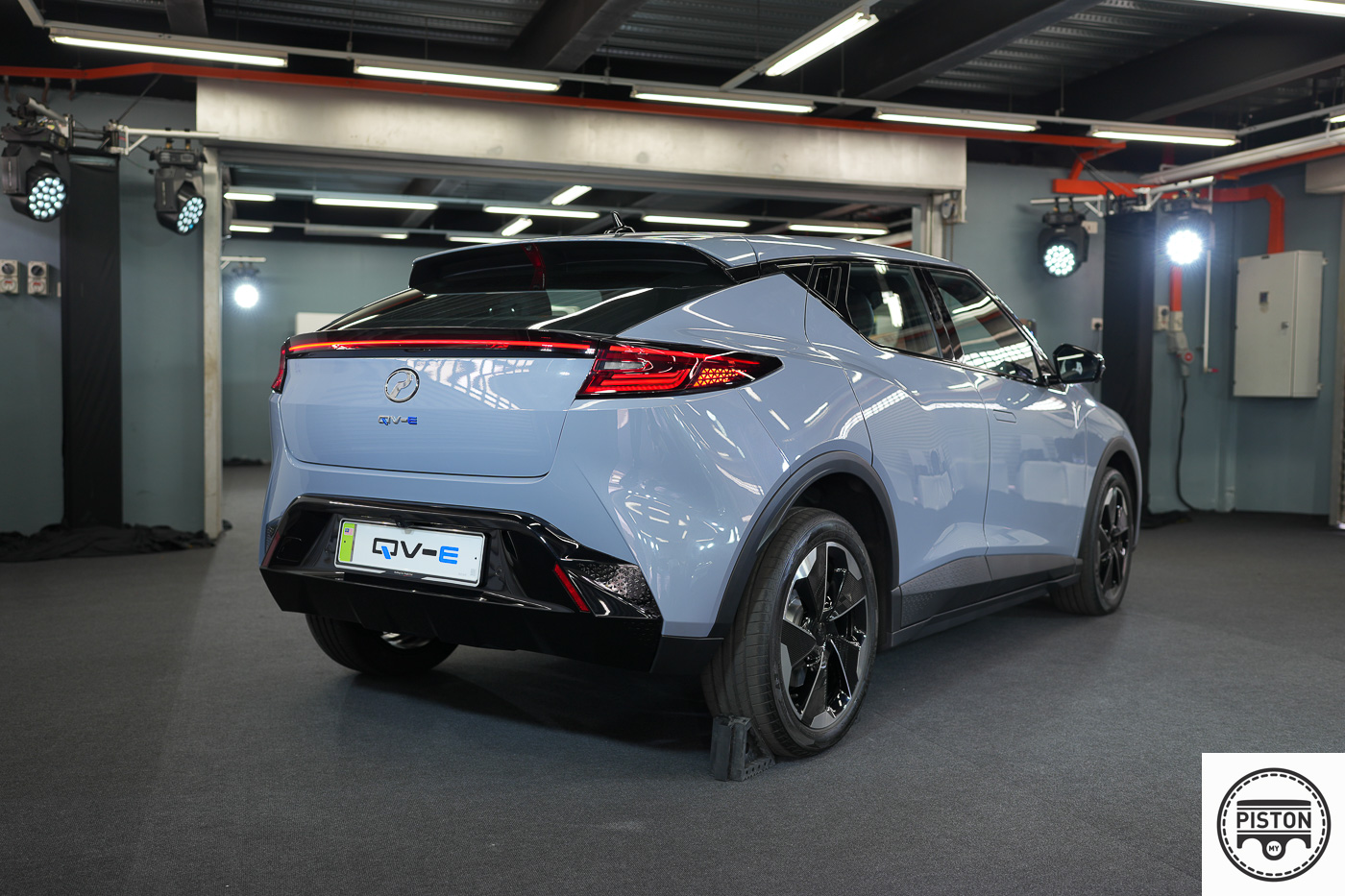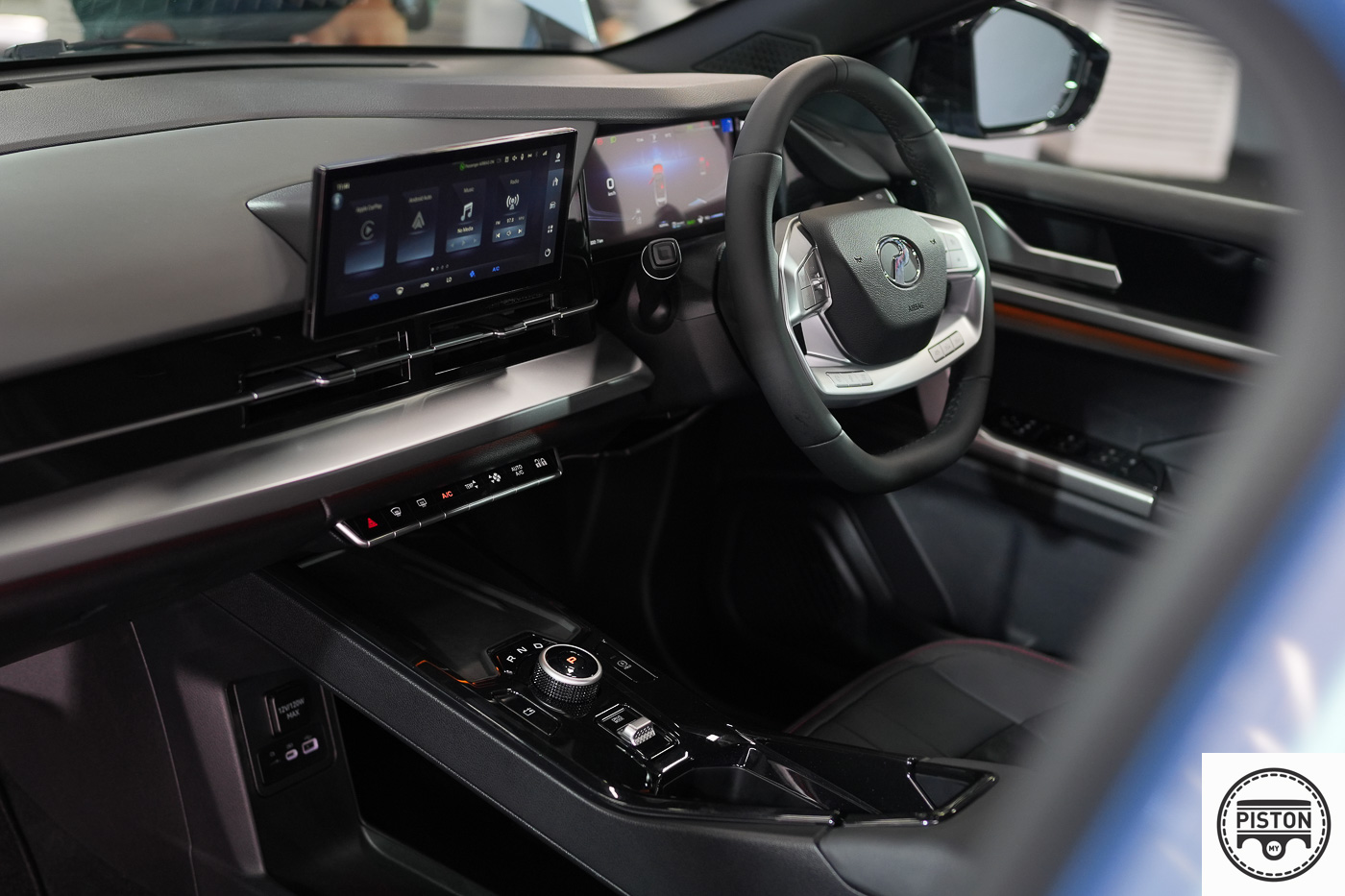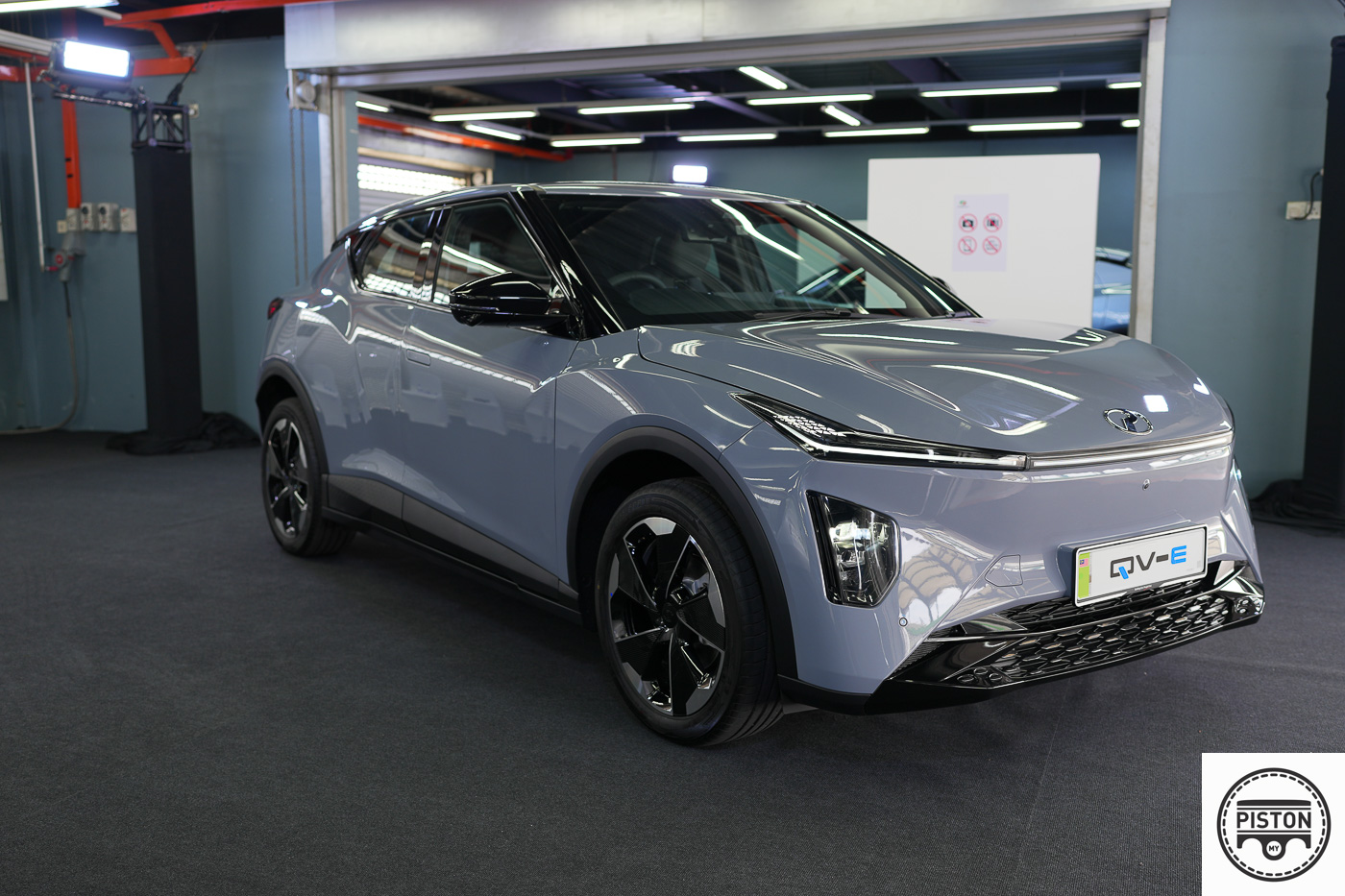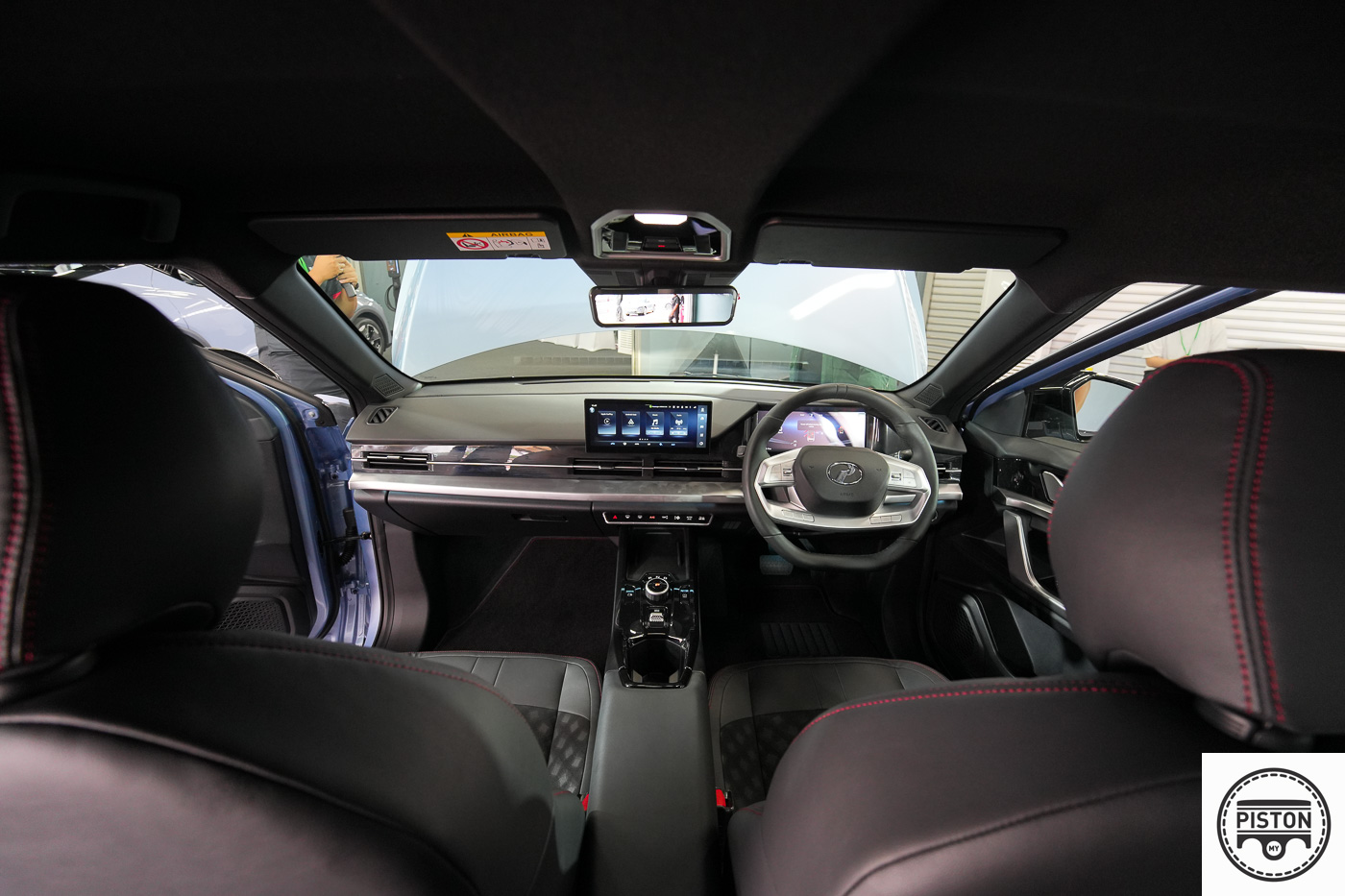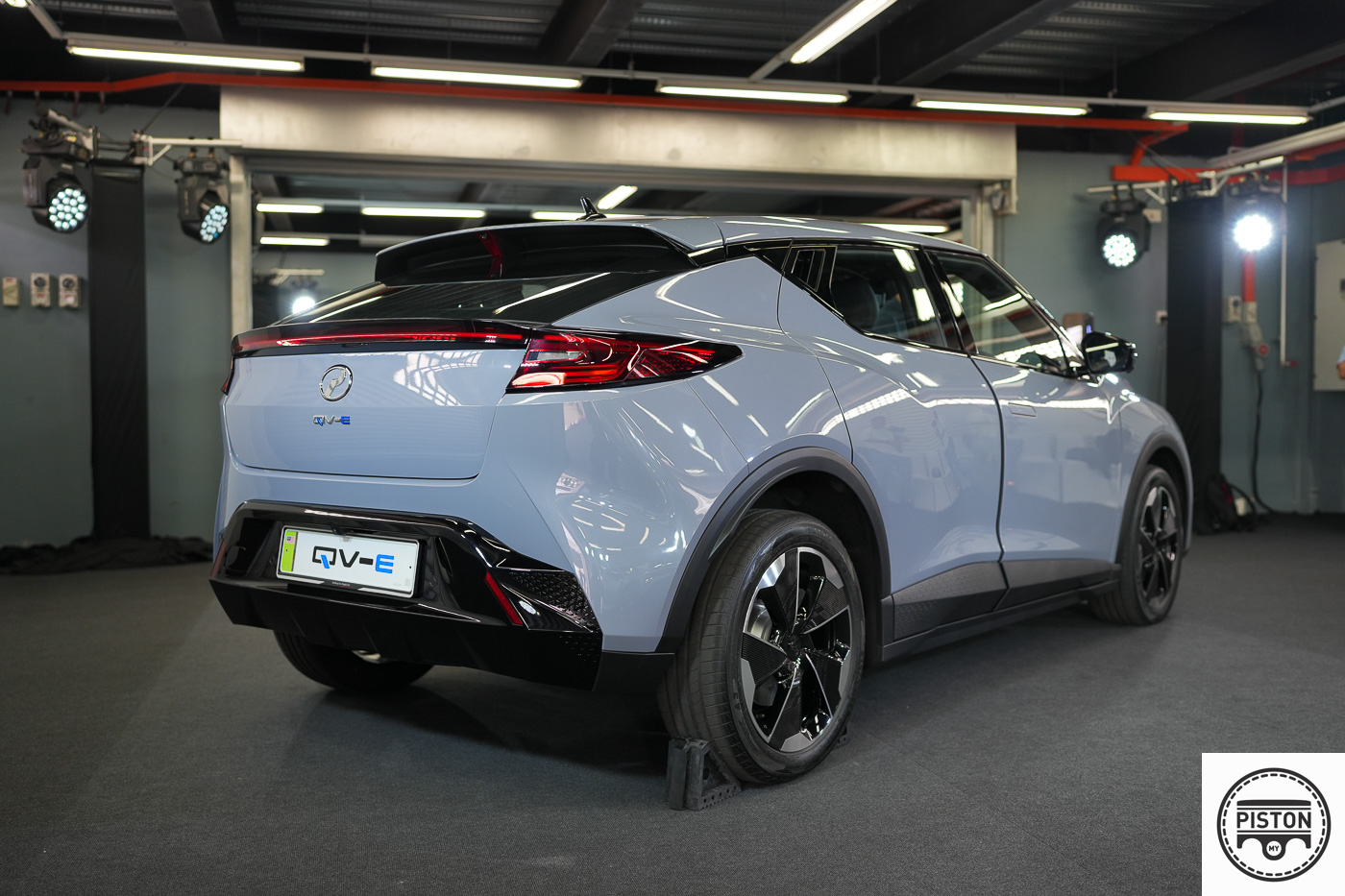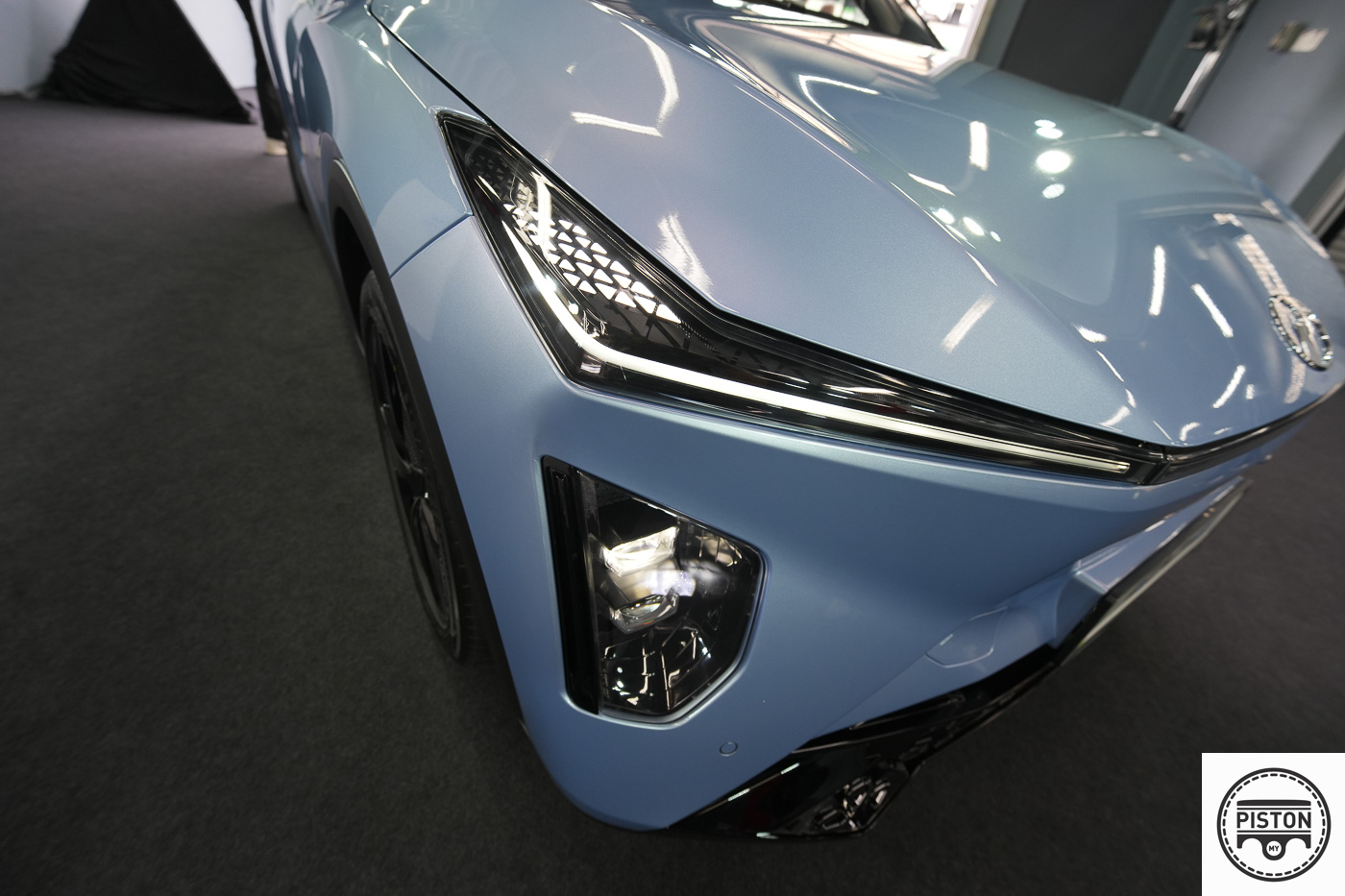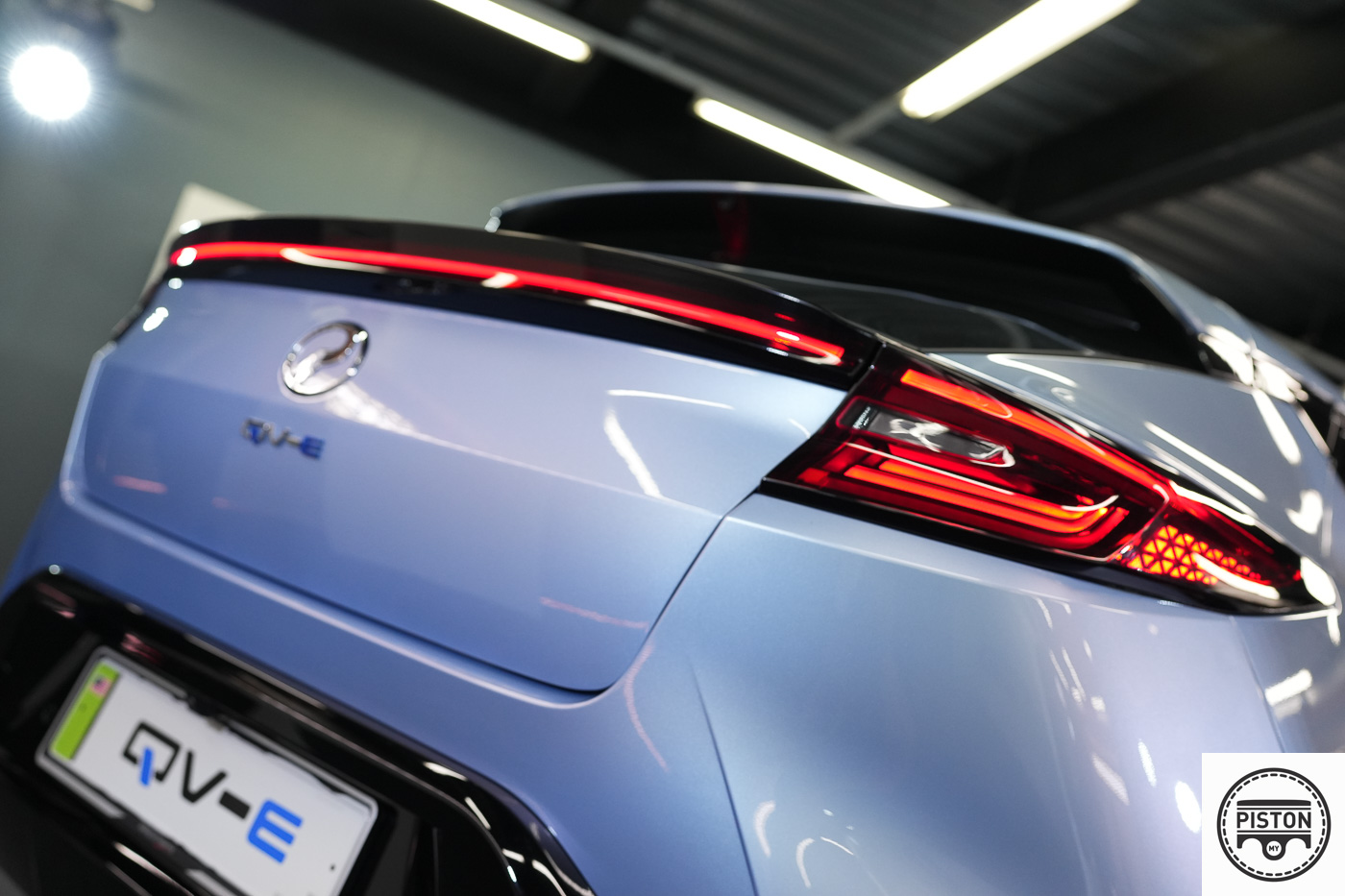
So, it has finally happened. Perodua’s highly anticipated EV has officially been launched by none other than our Prime Minister. That is how big of a deal the car is.
Perodua was tasked by the government with producing Malaysia’s first home grown EV. It had to be 100% Malaysian made, none of that rebadging stuff would be accepted. And Perodua did not just deliver, it aced it. And it took them a little over two years to do it.
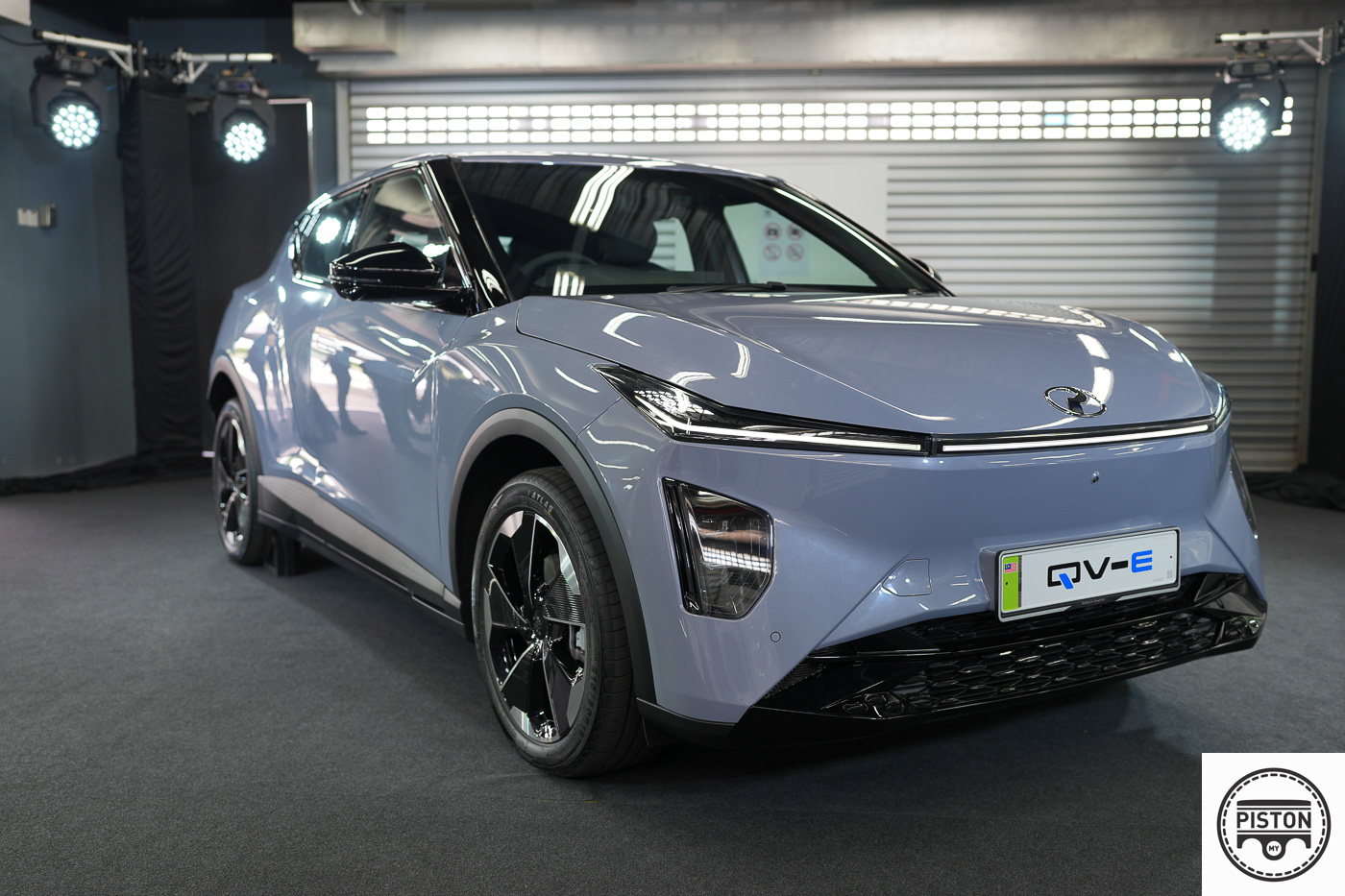
It costed the company about RM800 million and 266,000-man hours was invested in research and development alone. So, trust me when I say that this is Malaysia’s most important car since the Proton Saga was introduced back in 1988.
First, let’s look back.
Perodua has undoubtedly come a long way since it first made the announcement that it was working on an electric vehicle circa 2023.
Perodua had to go at it alone since its long-term partner and shareholder Daihatsu does not have its own EV.
If you don’t already know, Daihatsu provides some of the know-how for Perodua cars, and in the early days, models like the Myvi were rebadged Daihatsu’s.
Now though, Perodua Myvis, Axias and Bezzas all have local engineering with localised parts and such. They are no longer simple rebadged Daihatsu’s.

So, Perodua had to go at it alone from the get-go.
Recognising that it had to recruit partners or risk facing unfathomable cost, Perodua went to global automotive giant Magna Steyr for some knowledge transfer.
The Austrian company works with some of the biggest brand in the business such as Toyota, BMW, Mercedes-Benz and others.
If a car needs to be developed and built, Magna Steyr is who you want to talk to. And that is what Perodua did.
Then it spoke to local companies like TNB and Gentari about charging infrastructure as well as UTM (University Technology Malaysia).
Perodua obviously had a mountain to climb but climb it did.
Let’s talk about the car.
The mandate from the government was clear, crystal in fact. Create a Malaysian made electric car and make it fast.
In early 2024, Perodua showcased the first concept at the Malaysia Auto Show. This was based on a Myvi and called the E-MO 1.
Towards the end of 2024, Perodua showed Malaysians another concept car that was closer to what we see today. Called the E-MO 2, this concept was much more than just a concept as the battery, battery management system and motor were already being tested together with the platform.
Along the course, public universities were engaged for knowledge transfer as well as local and foreign companies to help with the development.
Perodua took the government’s mandate seriously. The easy way out would have been to plonk in an electric motor into one of its existing models, but that would have been lazy and unbecoming.
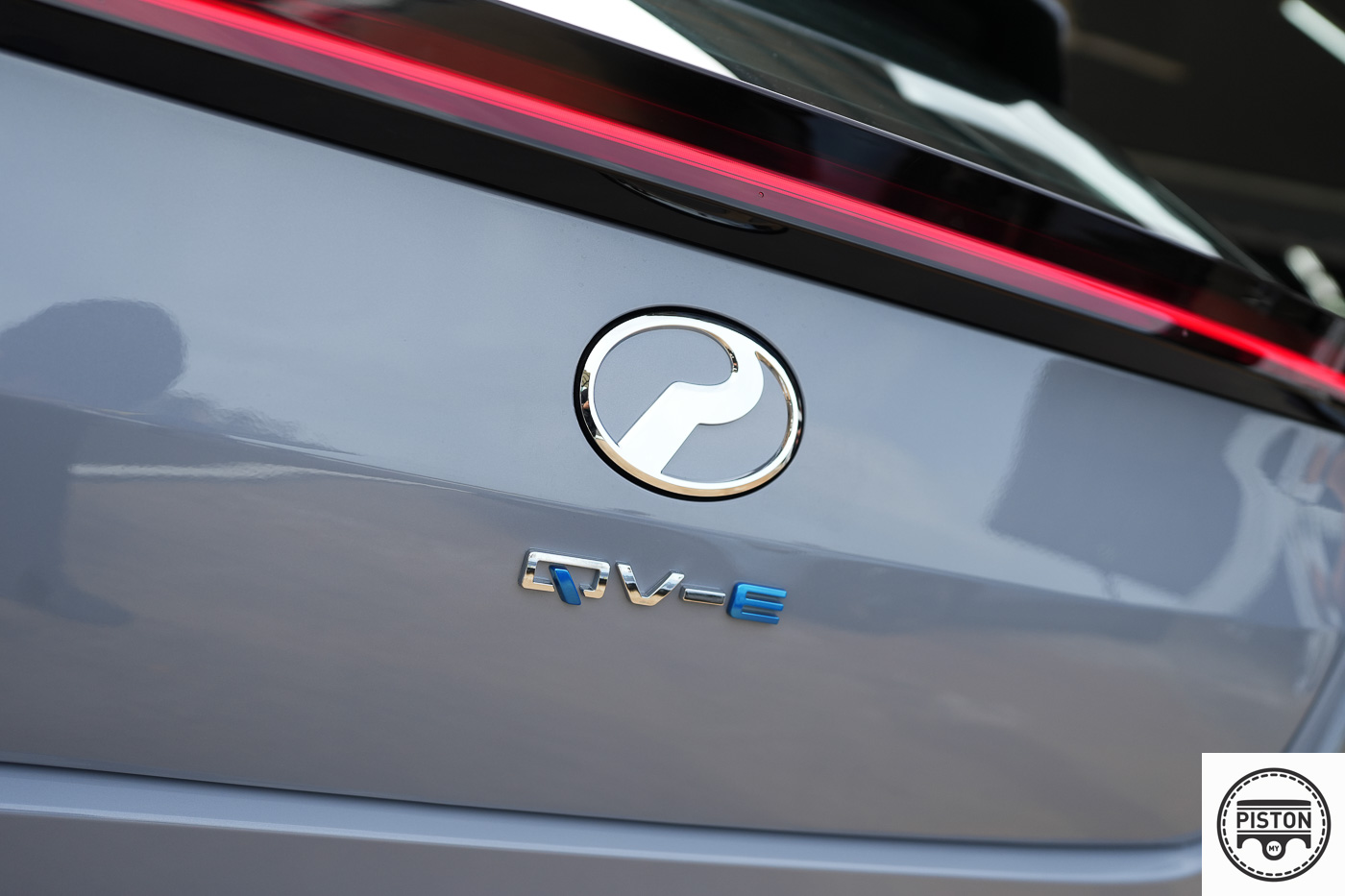
So, the fact that Perodua developed the QV-E fresh from the ground up is nothing short of respectable. And now after 32 years, Perodua has something it can call entirely its own.
The platform is one of the most important aspects of an EV, in fact for any car. And the platform of the QV-E is something that was jointly developed by Perodua as well as Magna Steyr with the intellectual property belonging to Perodua.
It is a modular platform too; it can be shorted from its current length to become a hatchback or a small sedan. And it can even be elongated to become a SUV. It can also accommodate a hybrid powertrain as well, so we will see future Perodua models running the same platform.
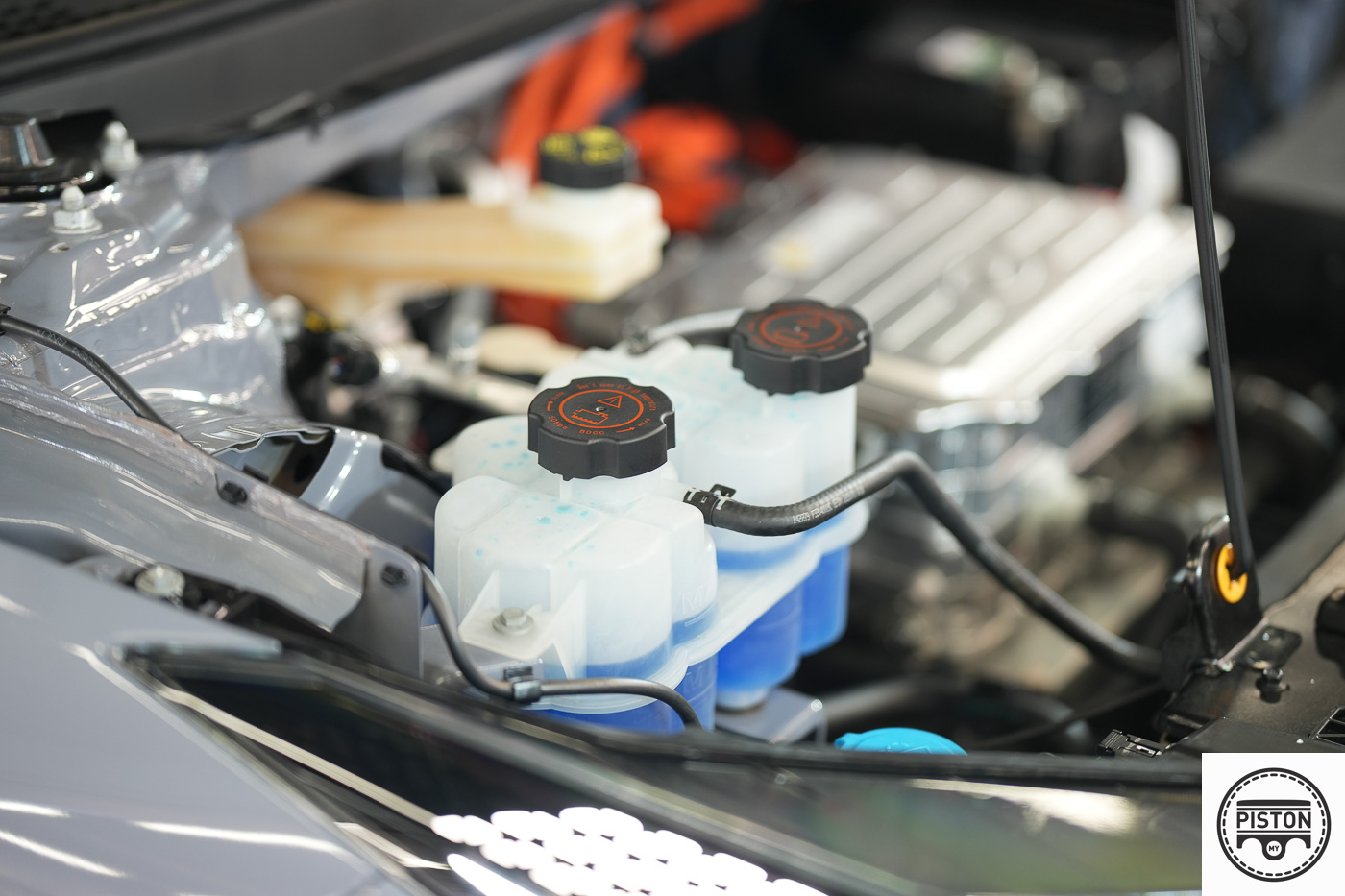
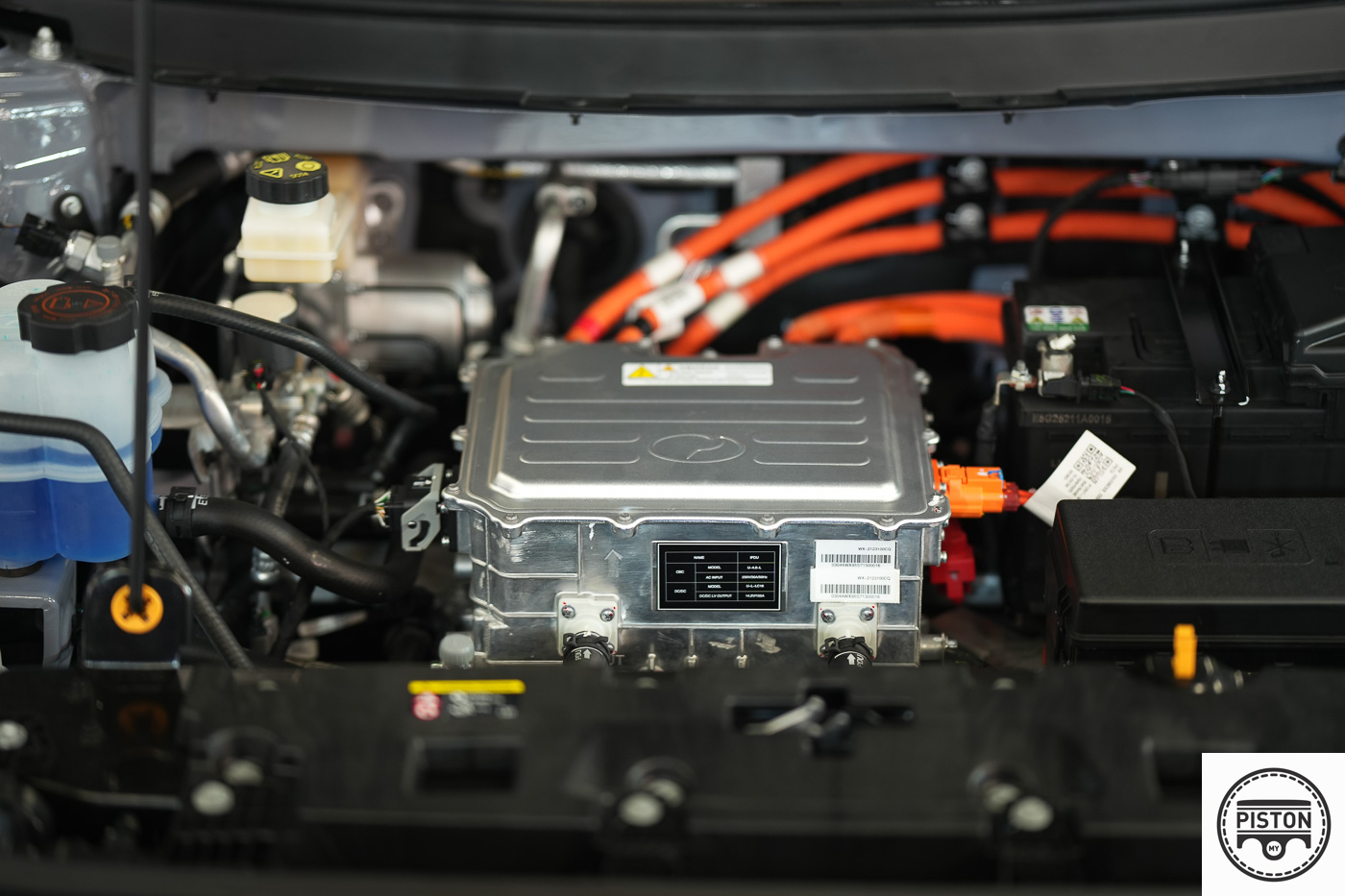
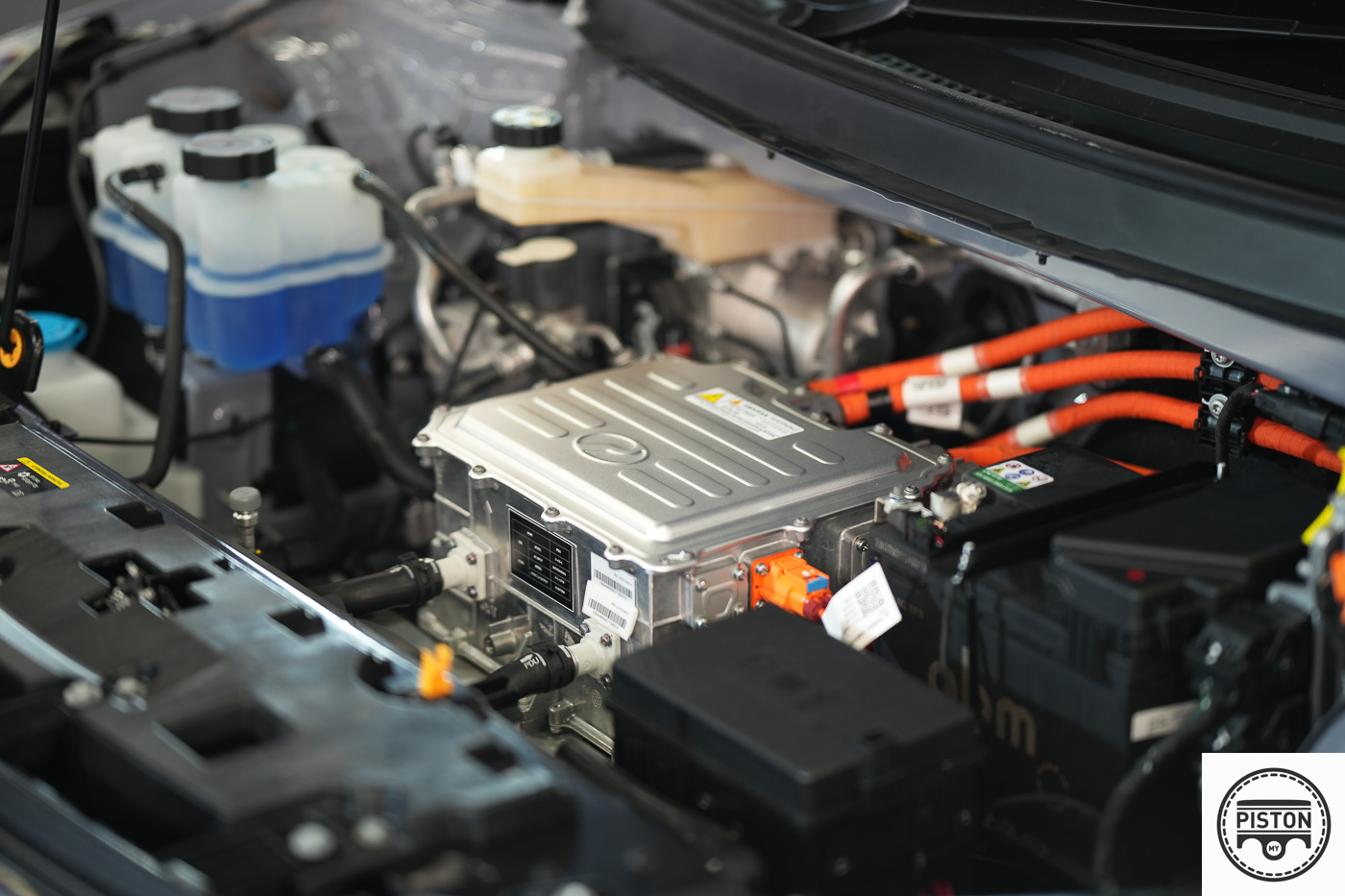
However, there are three major components of the QV-E that have been sourced from other companies. The battery is supplied by CATL, the battery management system is from Shanghai Electric, and the motor is from BYD.
Sourcing parts from external parties is a perfectly normal practise in any industry. It would not make sense for Perodua to invest into developing its own such components as it will not be financially viable.
Even mega brands like Tesla use BYD batteries in some of their models.
So Perodua shocking external components is not shocking, it is perfectly normal. Besides, it already owns the most important part, the platform.
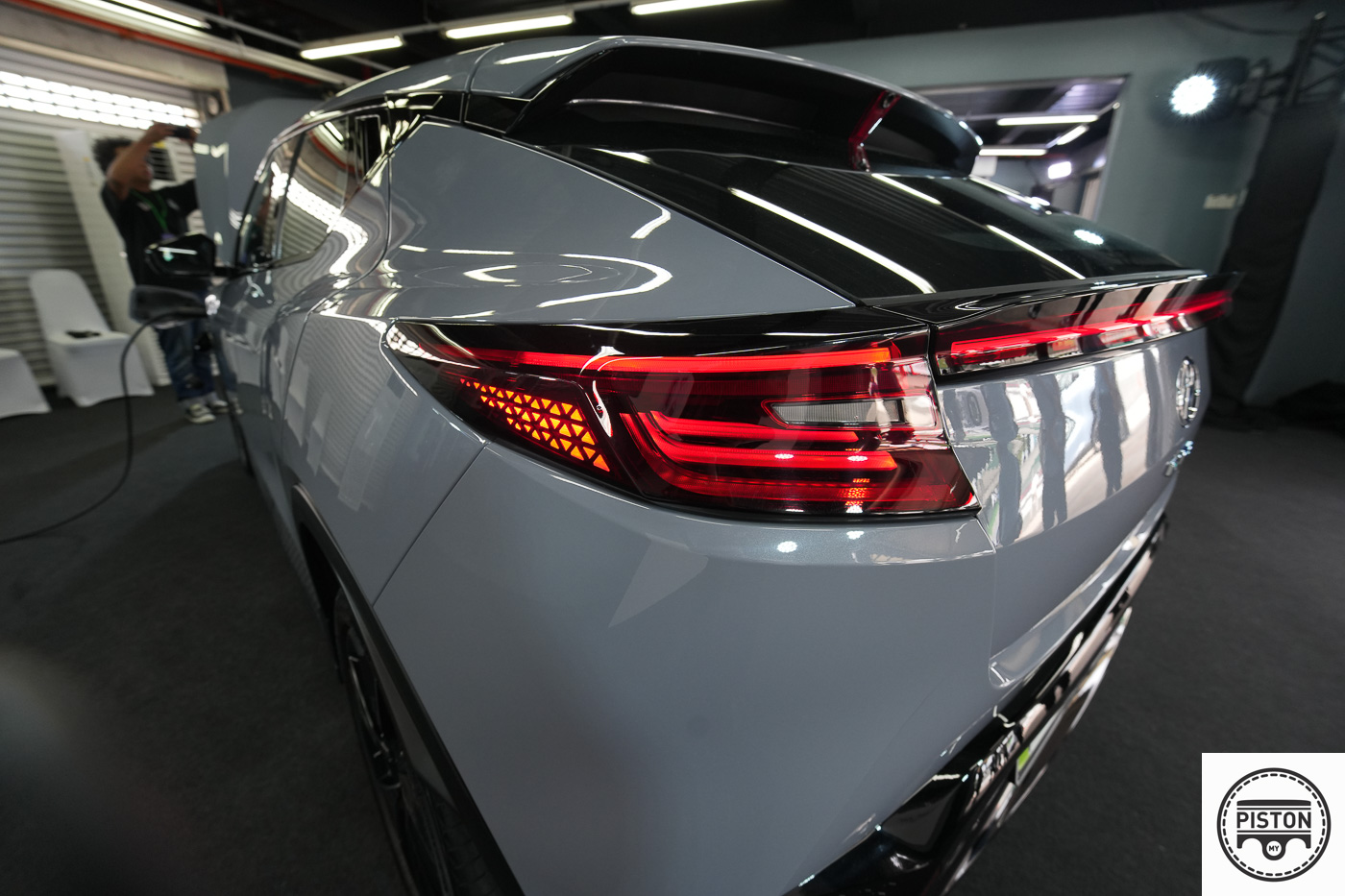
Let’s talk about the powertrain.
Placed up ahead (making the QV:E a front-wheel-drive model) is an electric motor that puts out 150kW and 285Nm of torque. This catapults the QV:E to 100km/h in just 7.5 seconds and tops out at 165km/h.

Powering the electric motor and placed at the centre of the car is a 52.5kWh, liquid-cooled, Lithium Iron Phosphate (LFP) battery.
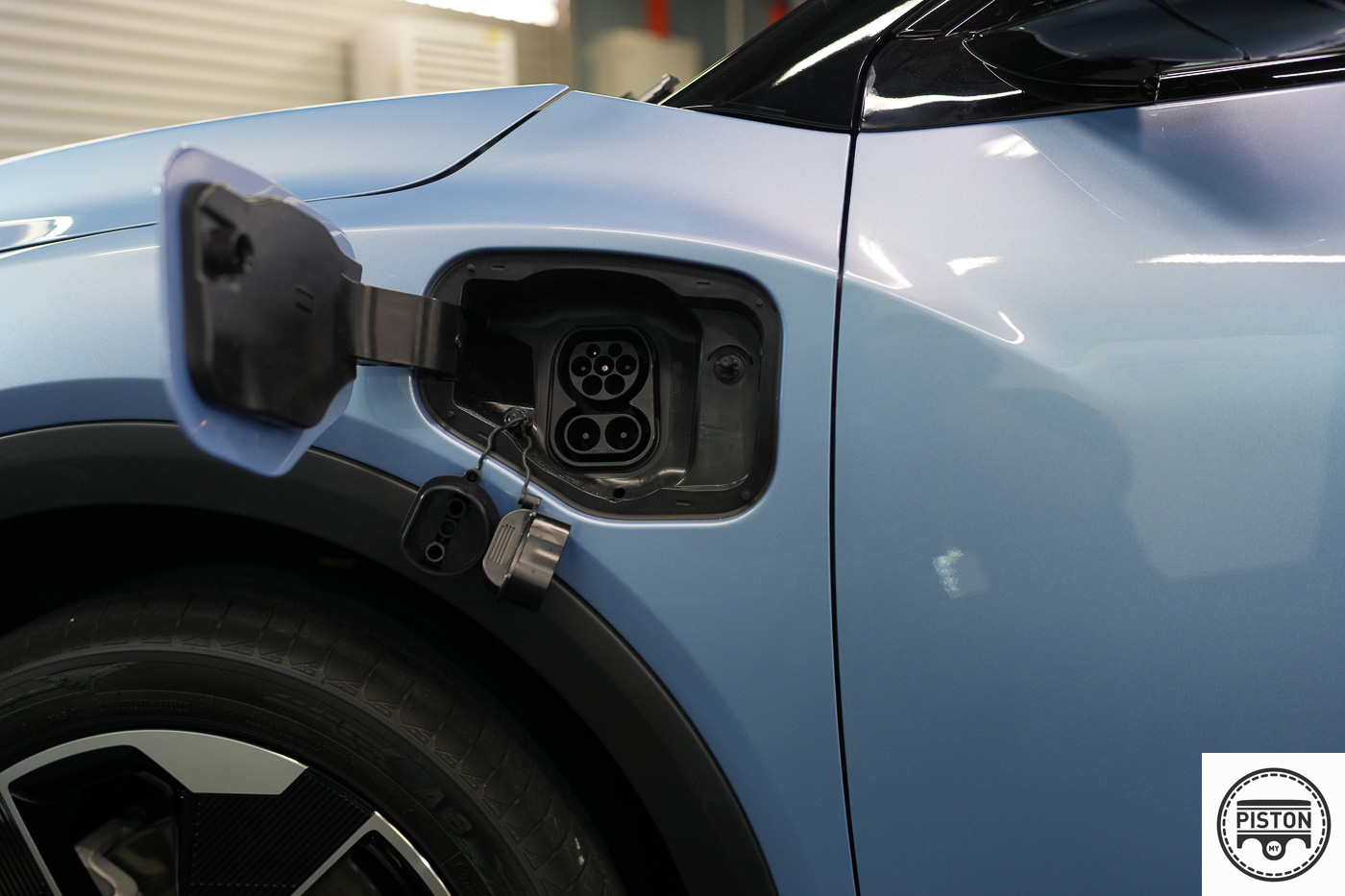
For charge, the battery accepts 6.6kW of AC charging which will take eight hours to recharge the car from zero to 100%.
As for fast charging, the battery can accommodate 60kW of DC charging which will recharge the car from 30% to 80% in just 30 minutes.

But of course, the most important question here is how far can the car on a full charge? Perodua says the QV:E will travel 445km on the NEDC cycle, and during our preview test drive, I saw a range of 365km with a 90% state of charge.
So, in terms of range and performance, the QV:E is obviously more than decent.
What about the interior?
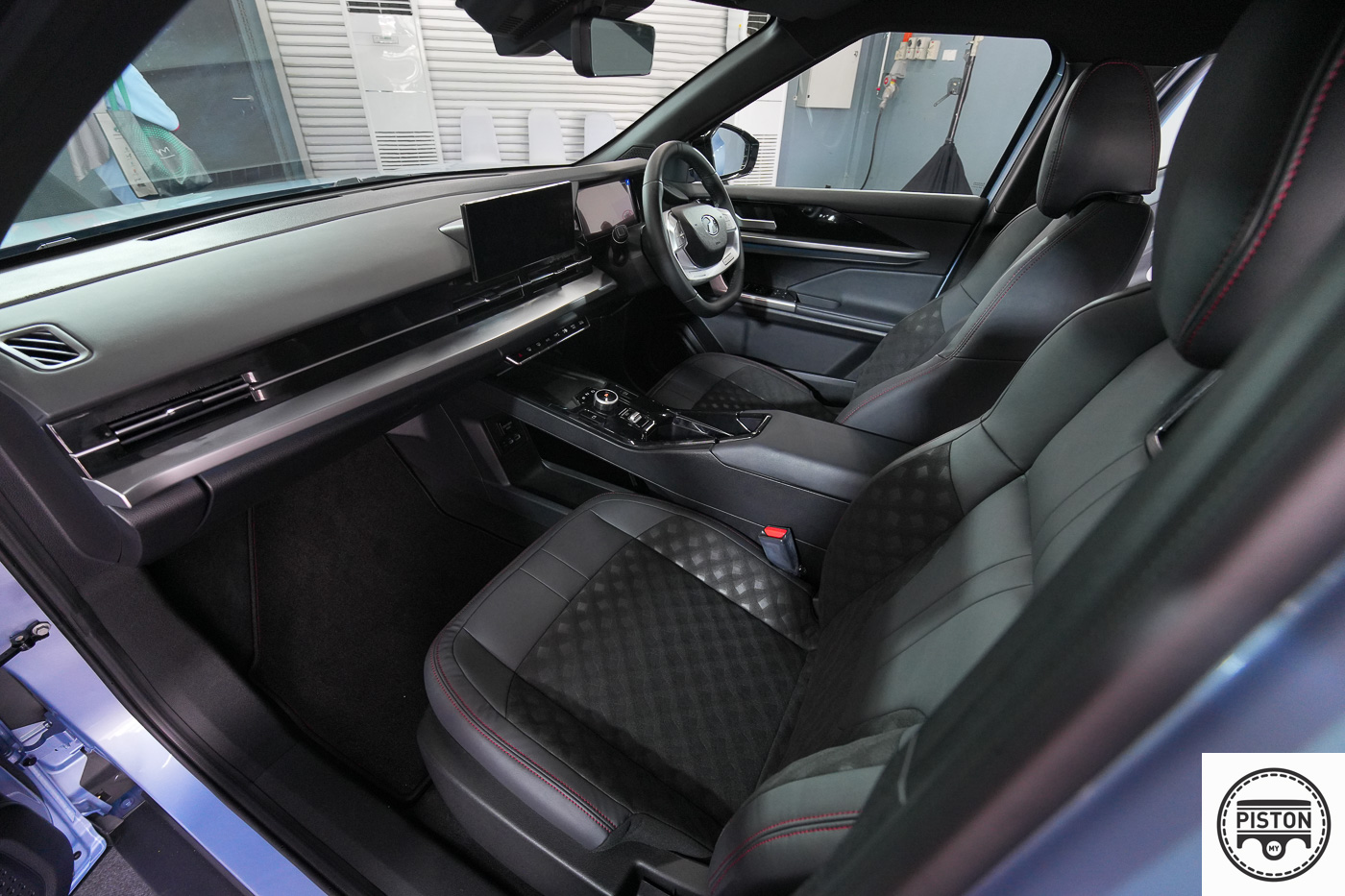
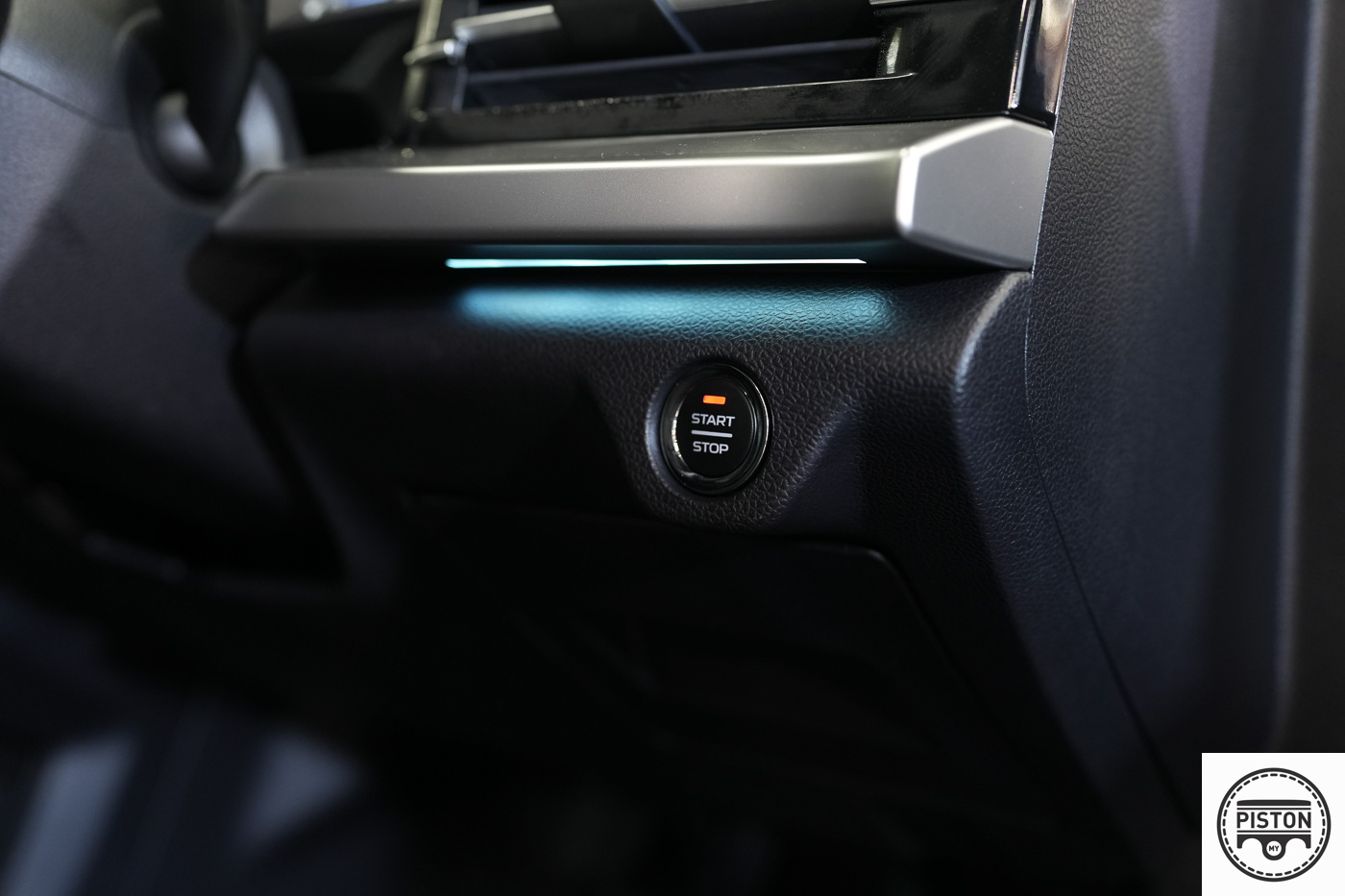
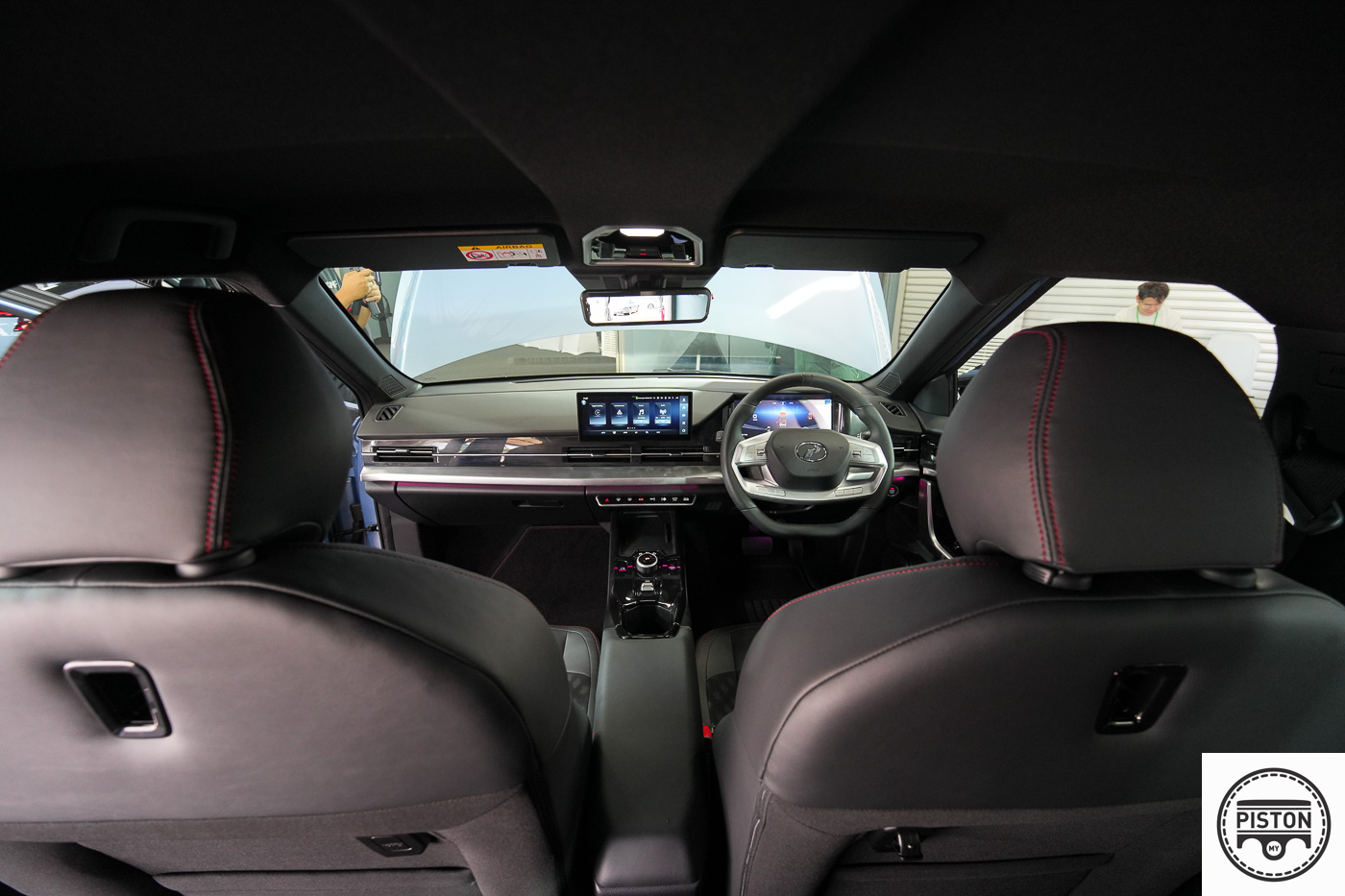
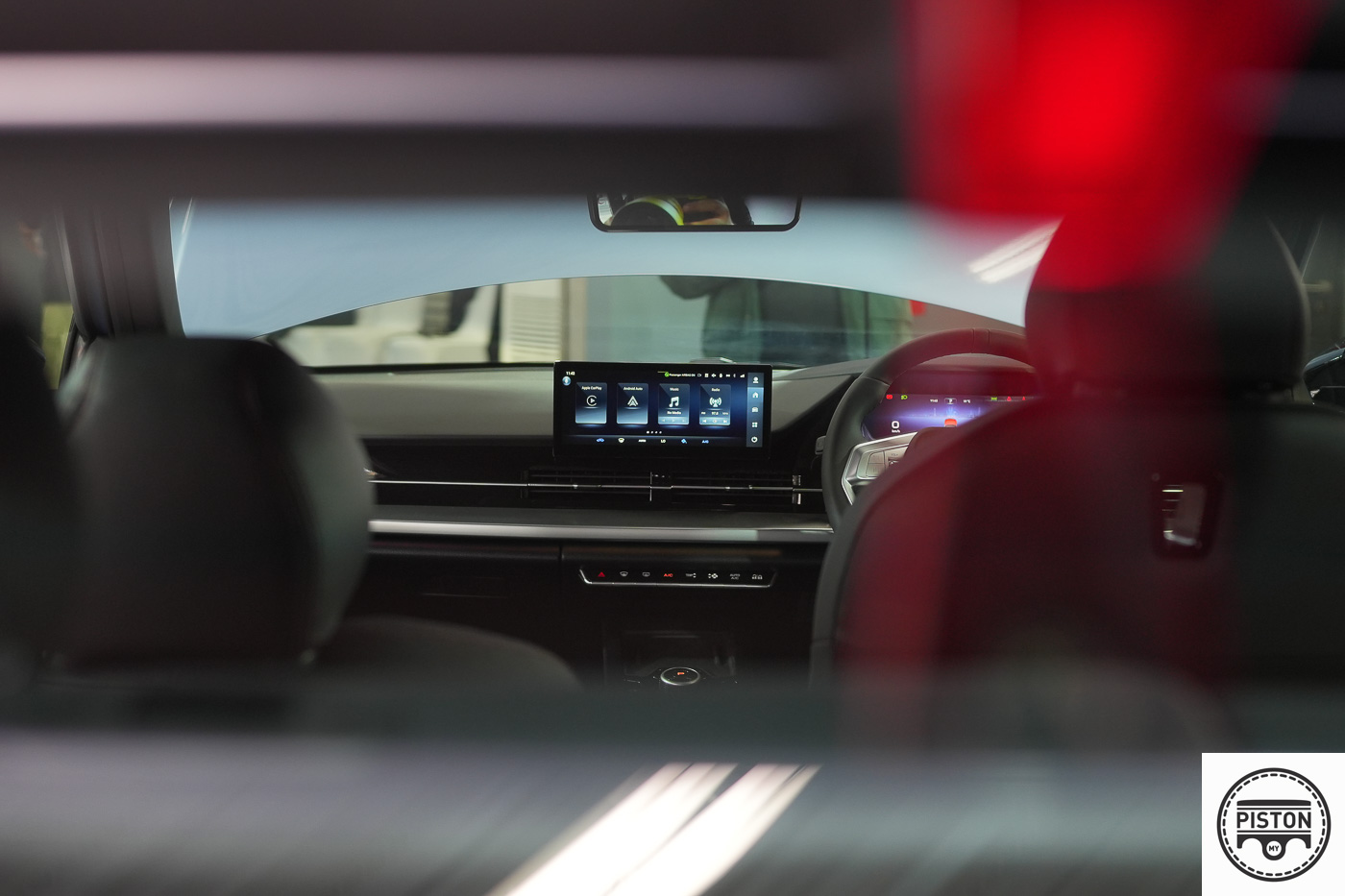
I was surprised to say the least, because I was expecting Perodua to reuse buttons and knobs from the current parts bin. But instead what I saw was an all-new interior with new buttons and that was refreshing.

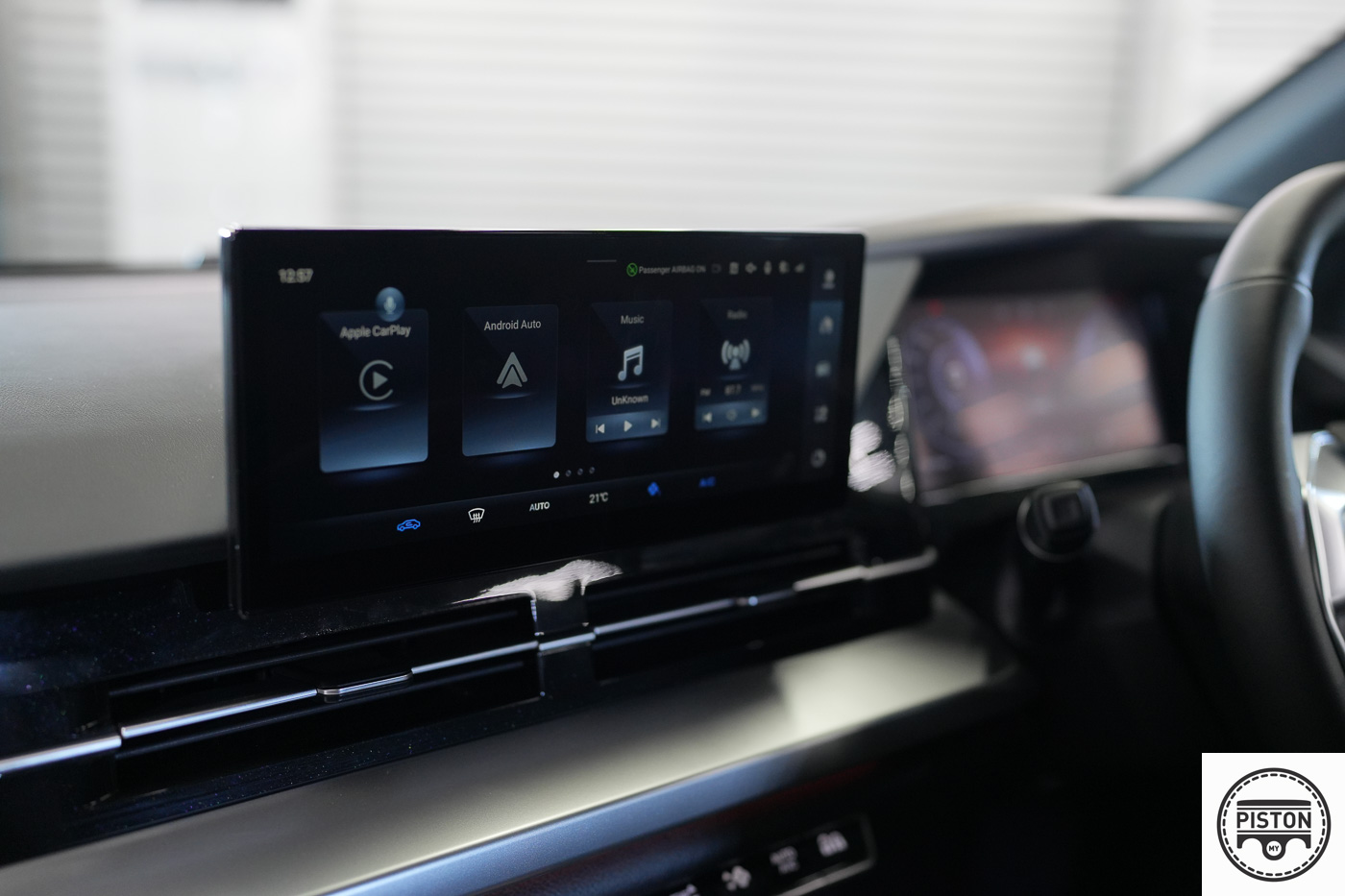
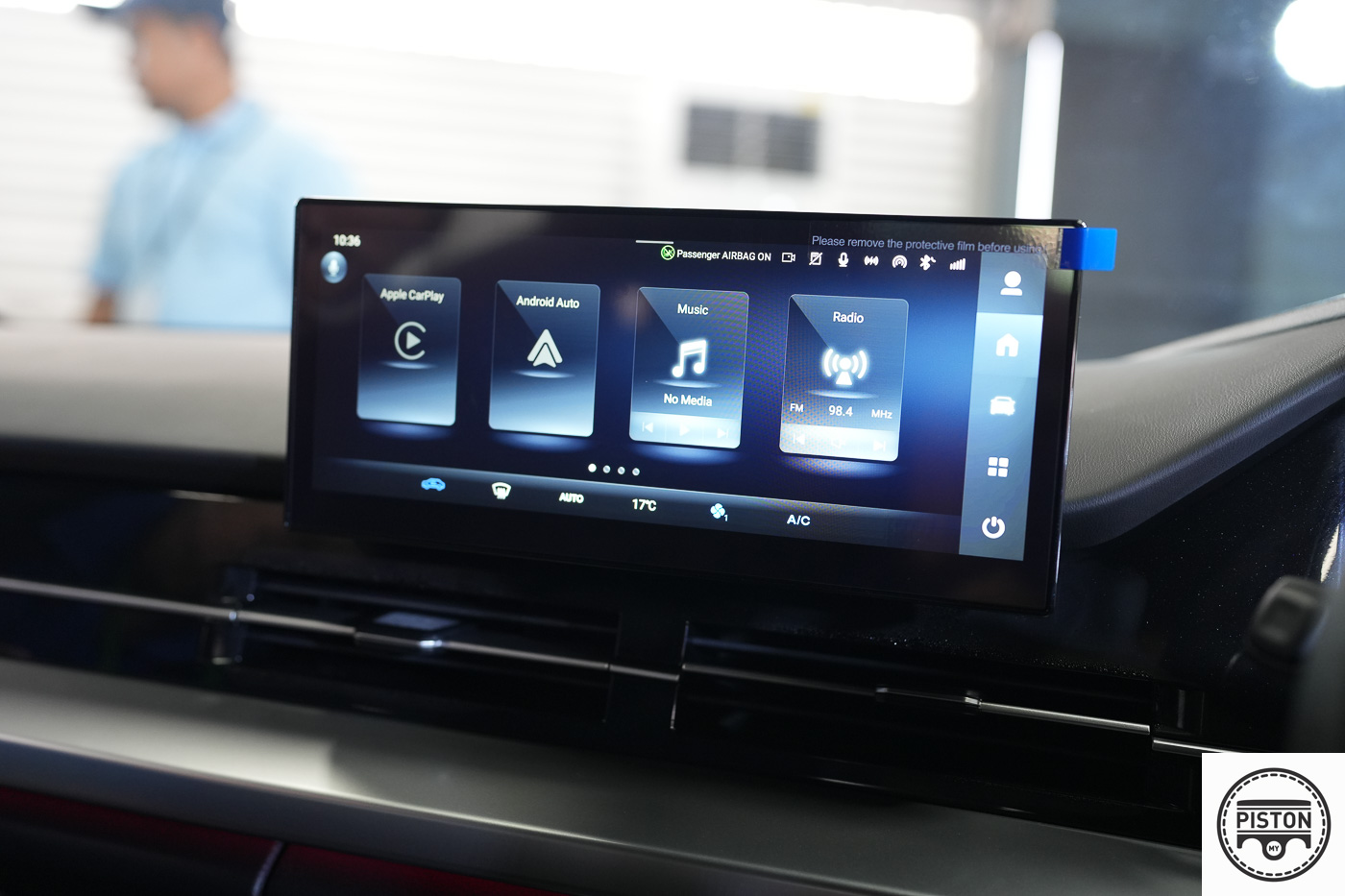
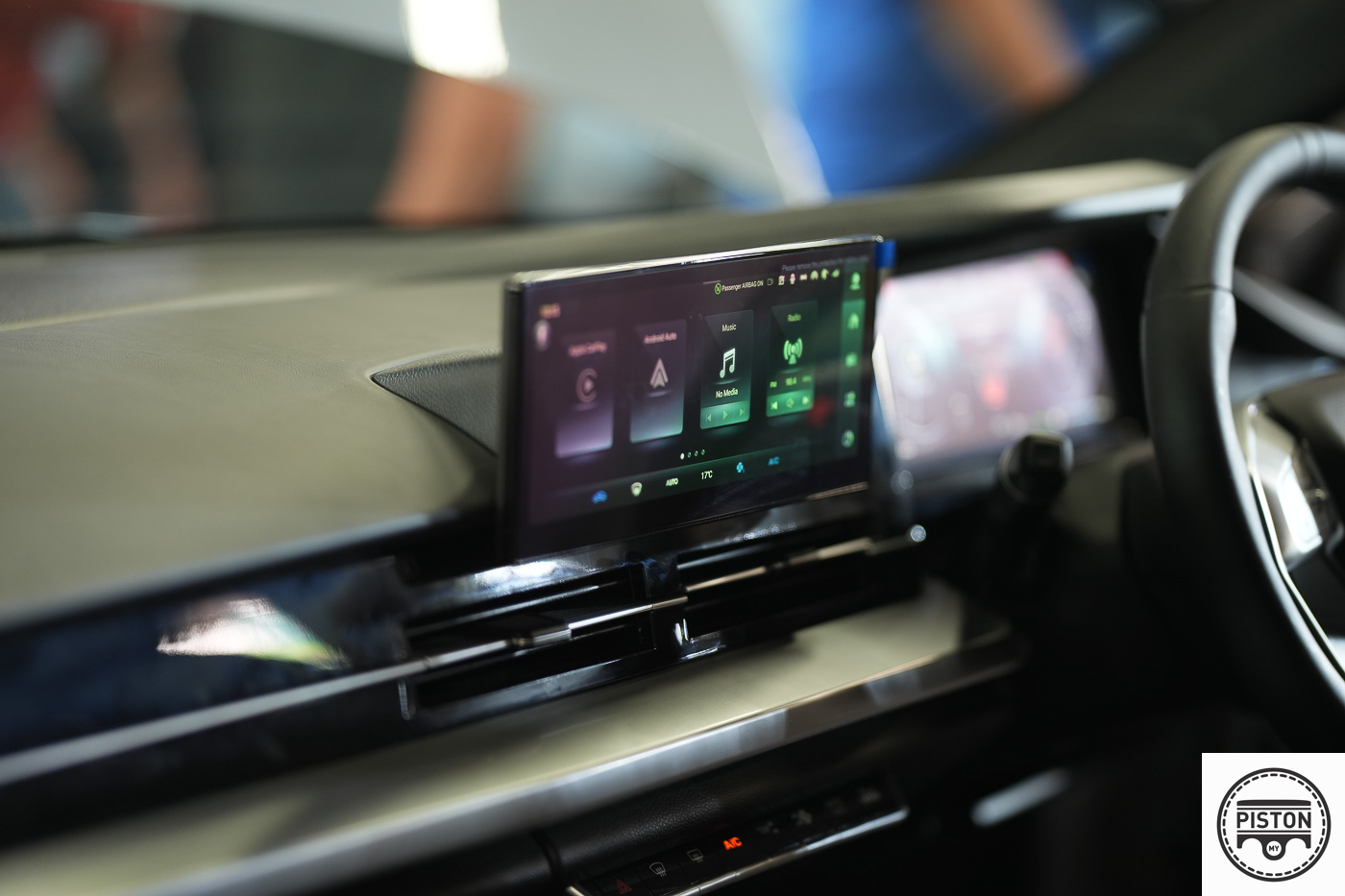
In terms of tech, the QV:E keeps up with the times with dual digital screens with a 10.25-inch infotainment system taking centre stage. And yes, there is wireless Carplay and Android Auto as well.
The flat-bottomed steering wheel is all-new for Perodua and comes loaded with hard buttons, 16 of them to be exact. Even the button to engage the 360-degree camera is placed on the steering wheel as well.
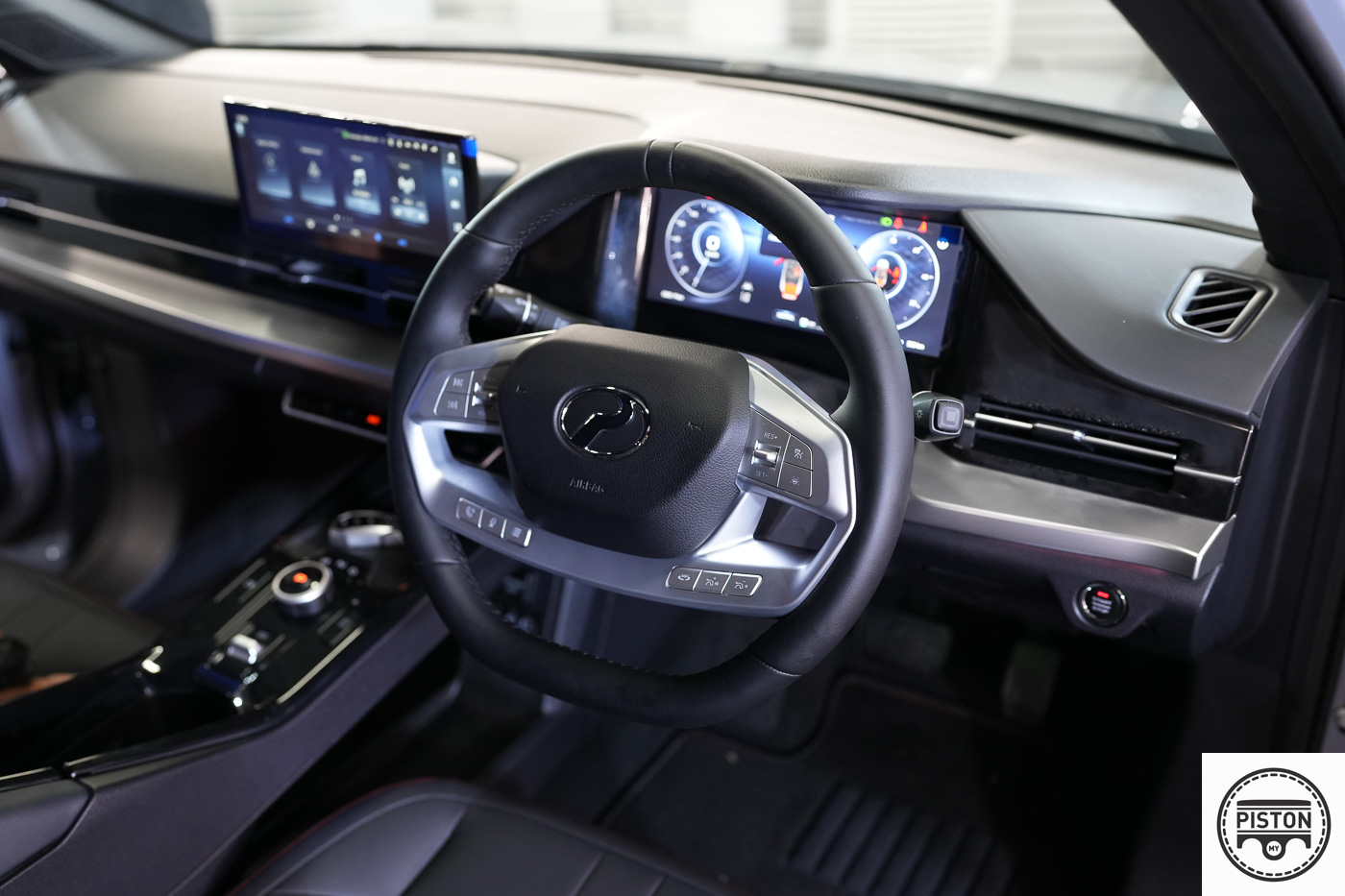
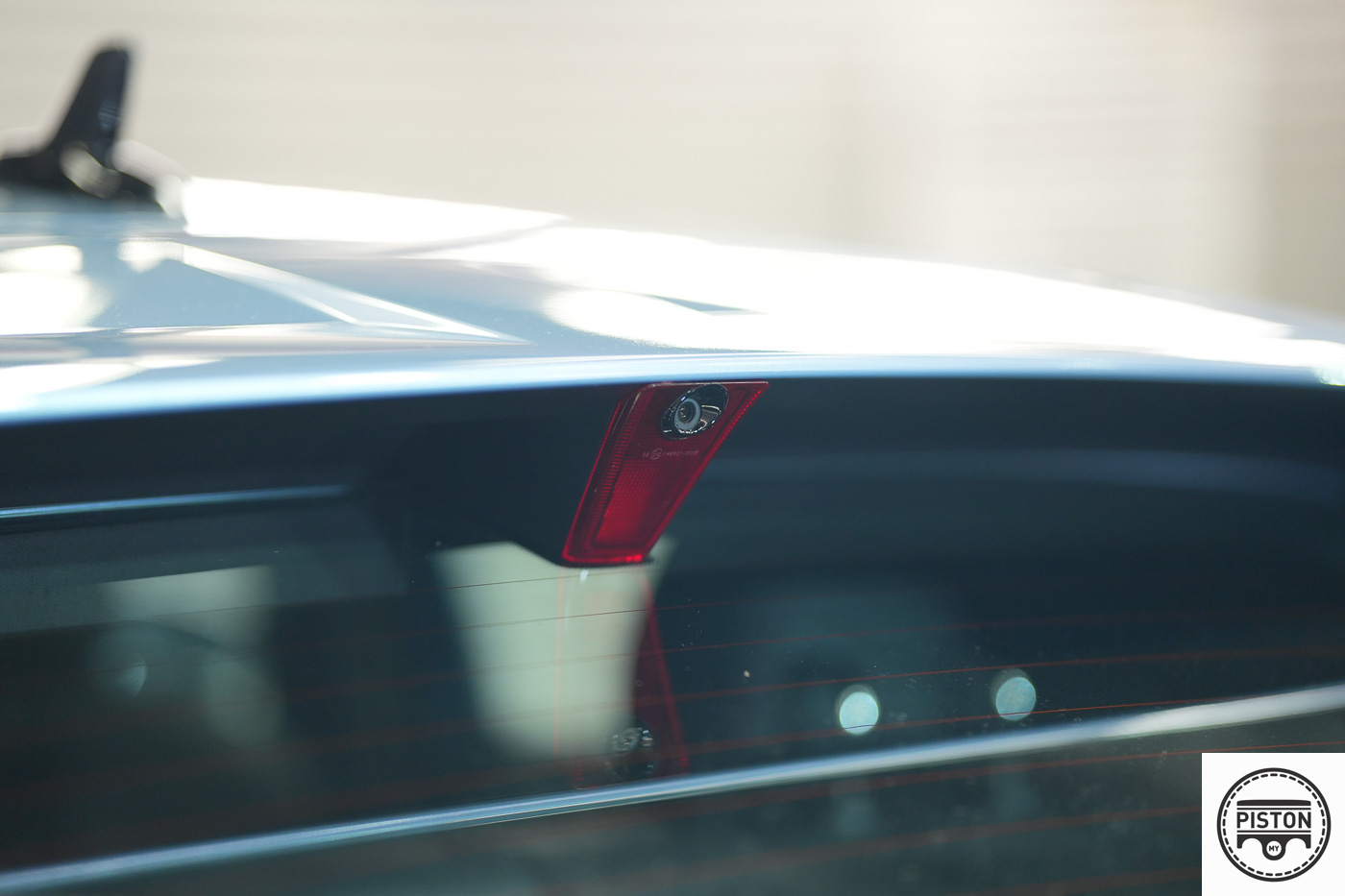
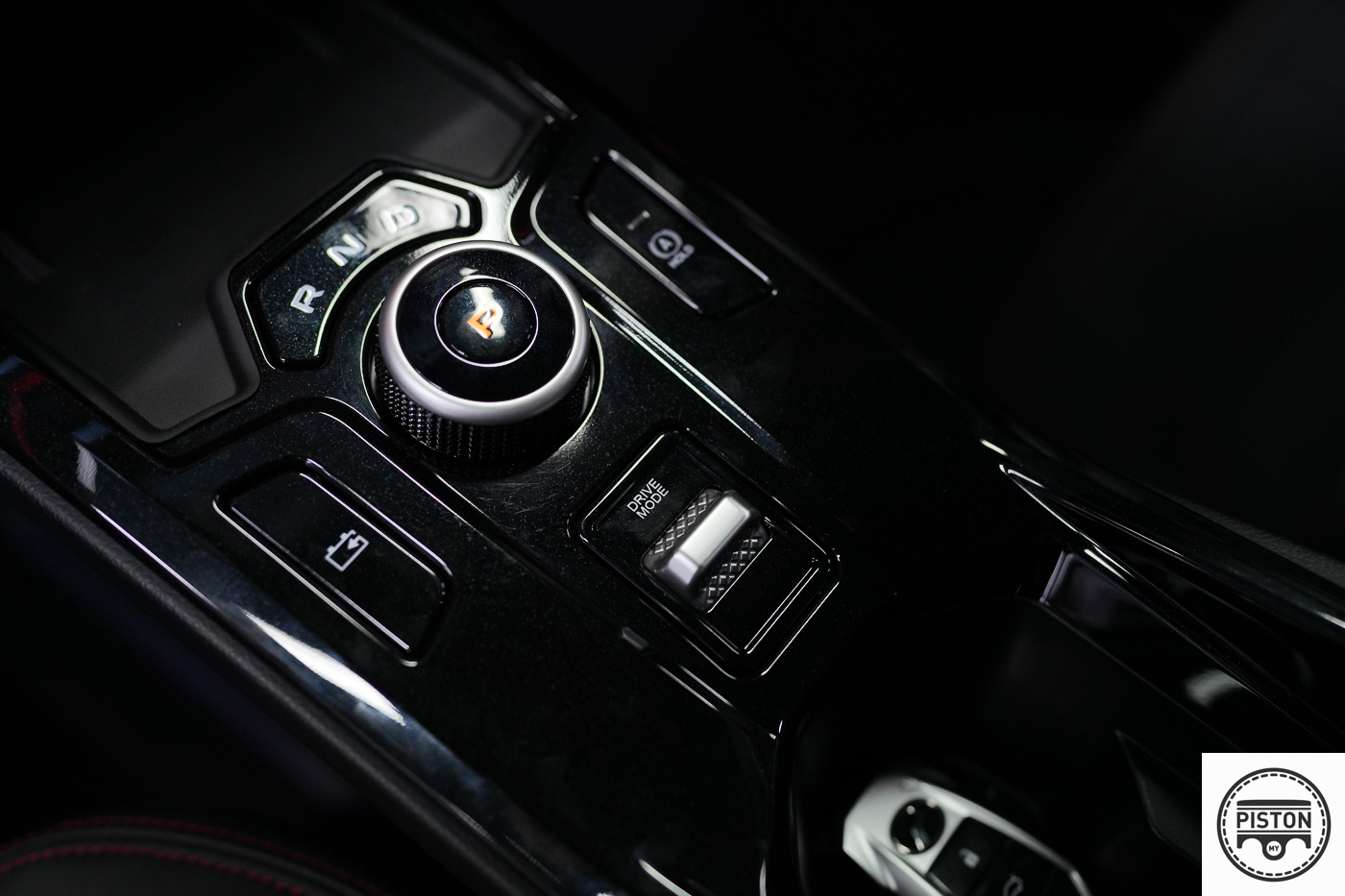
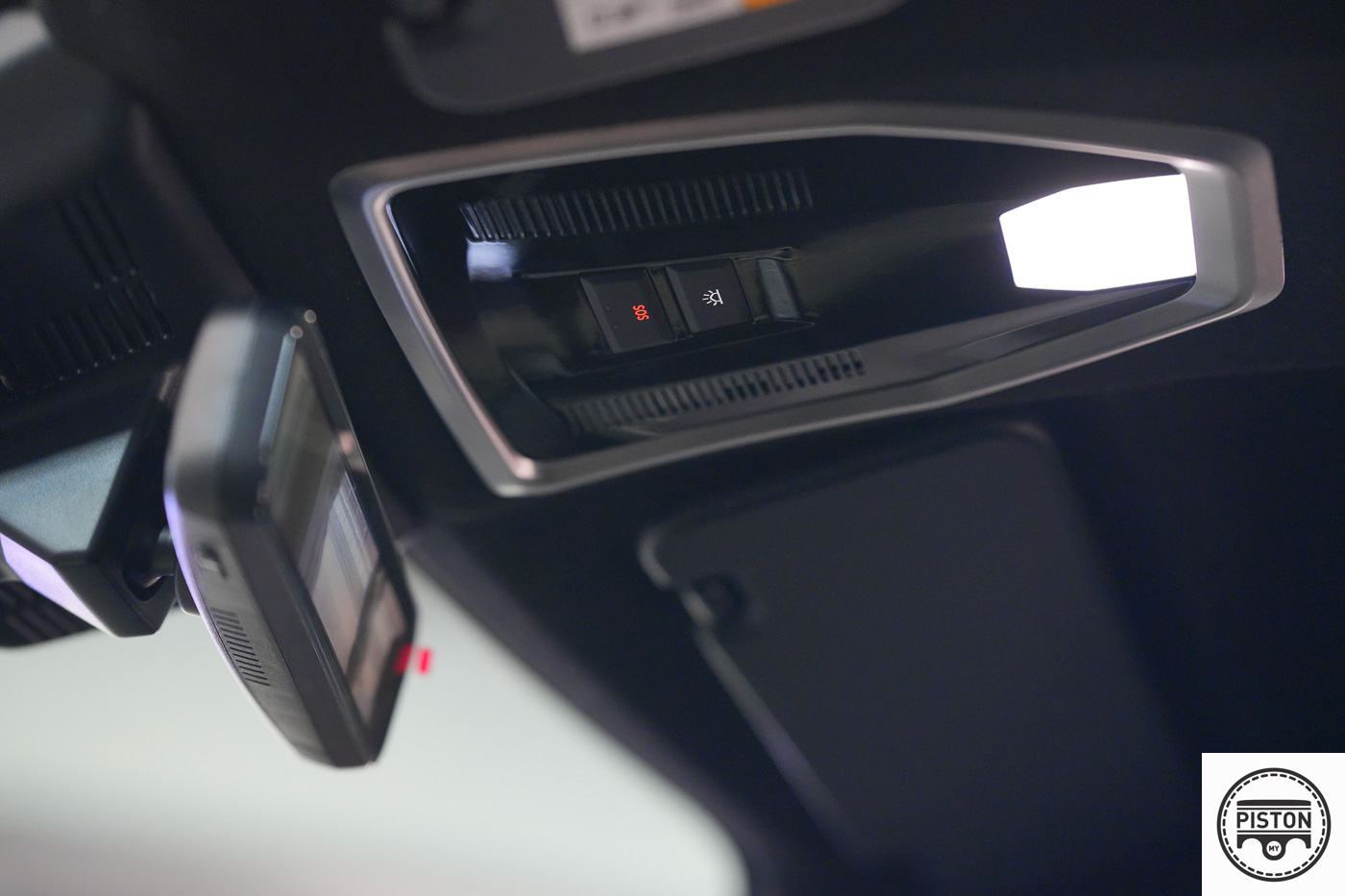
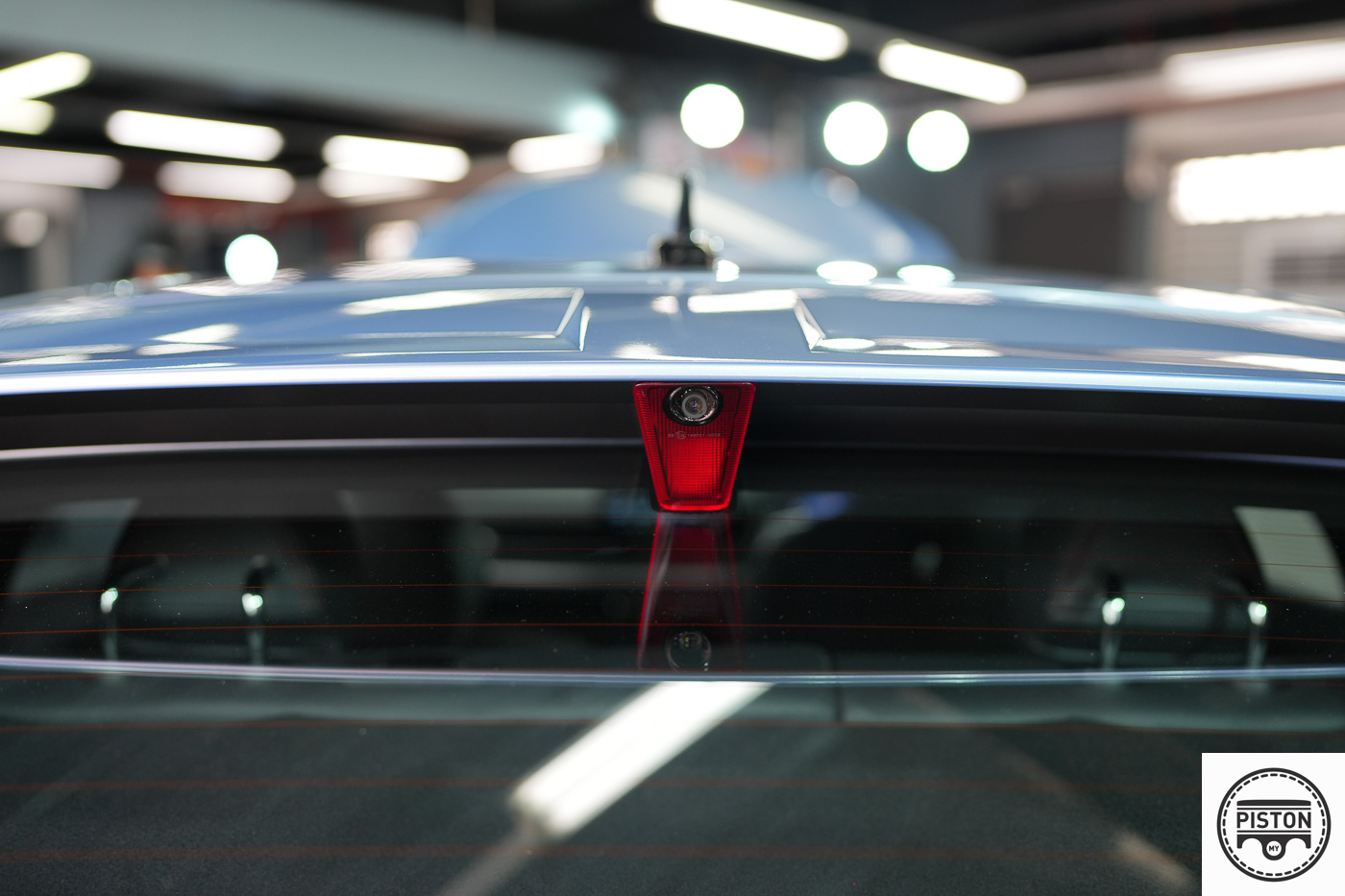
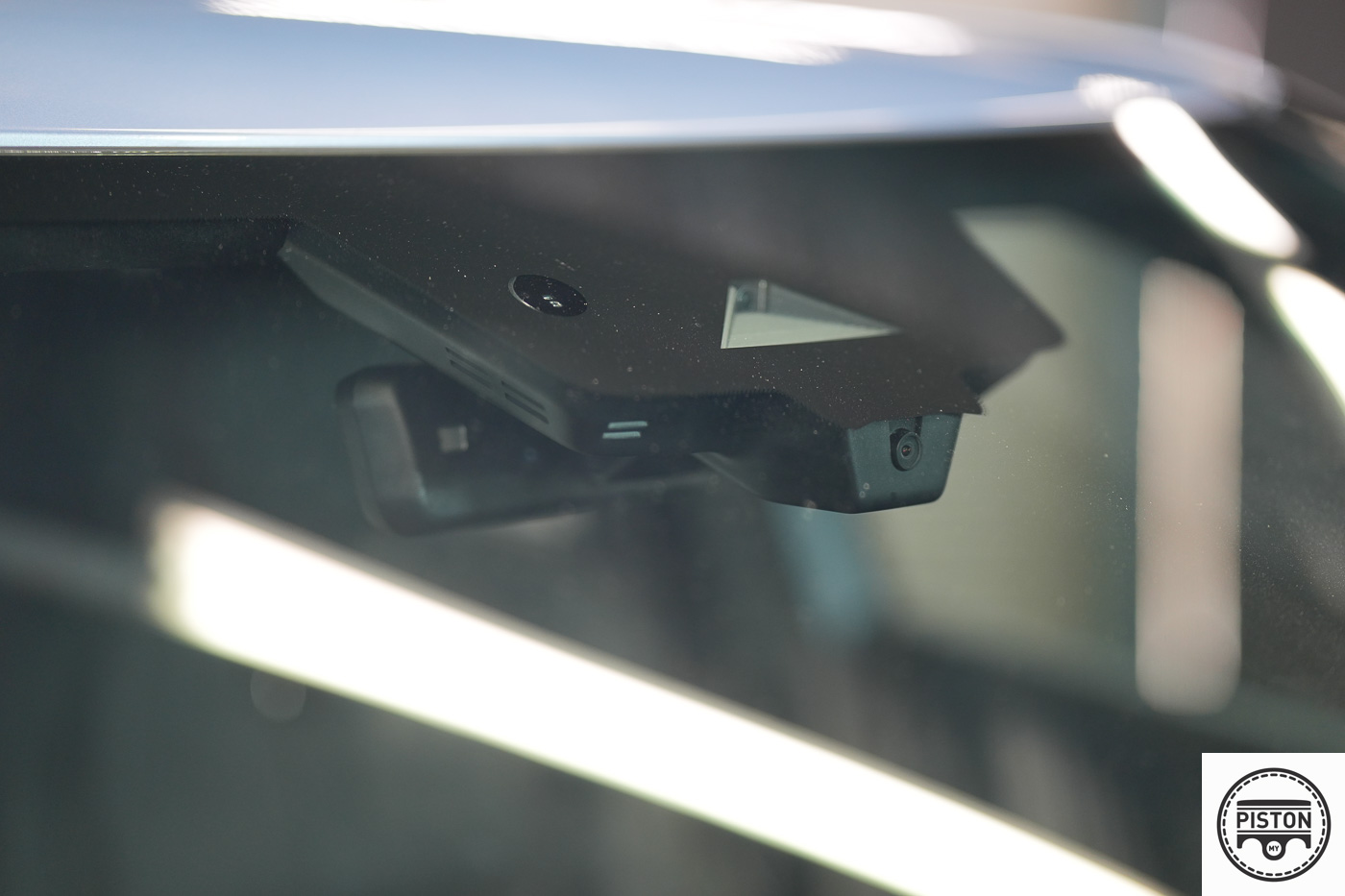
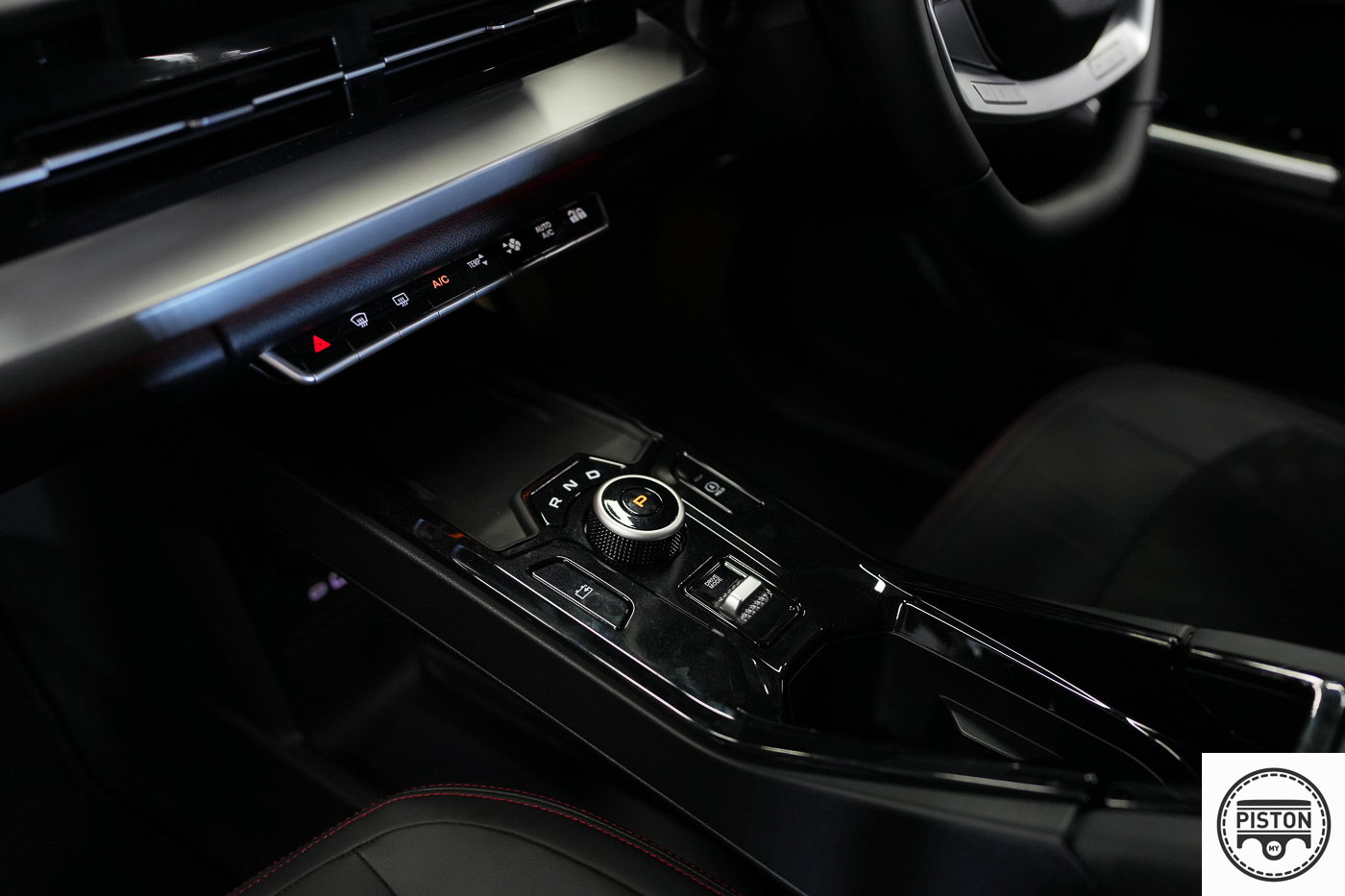
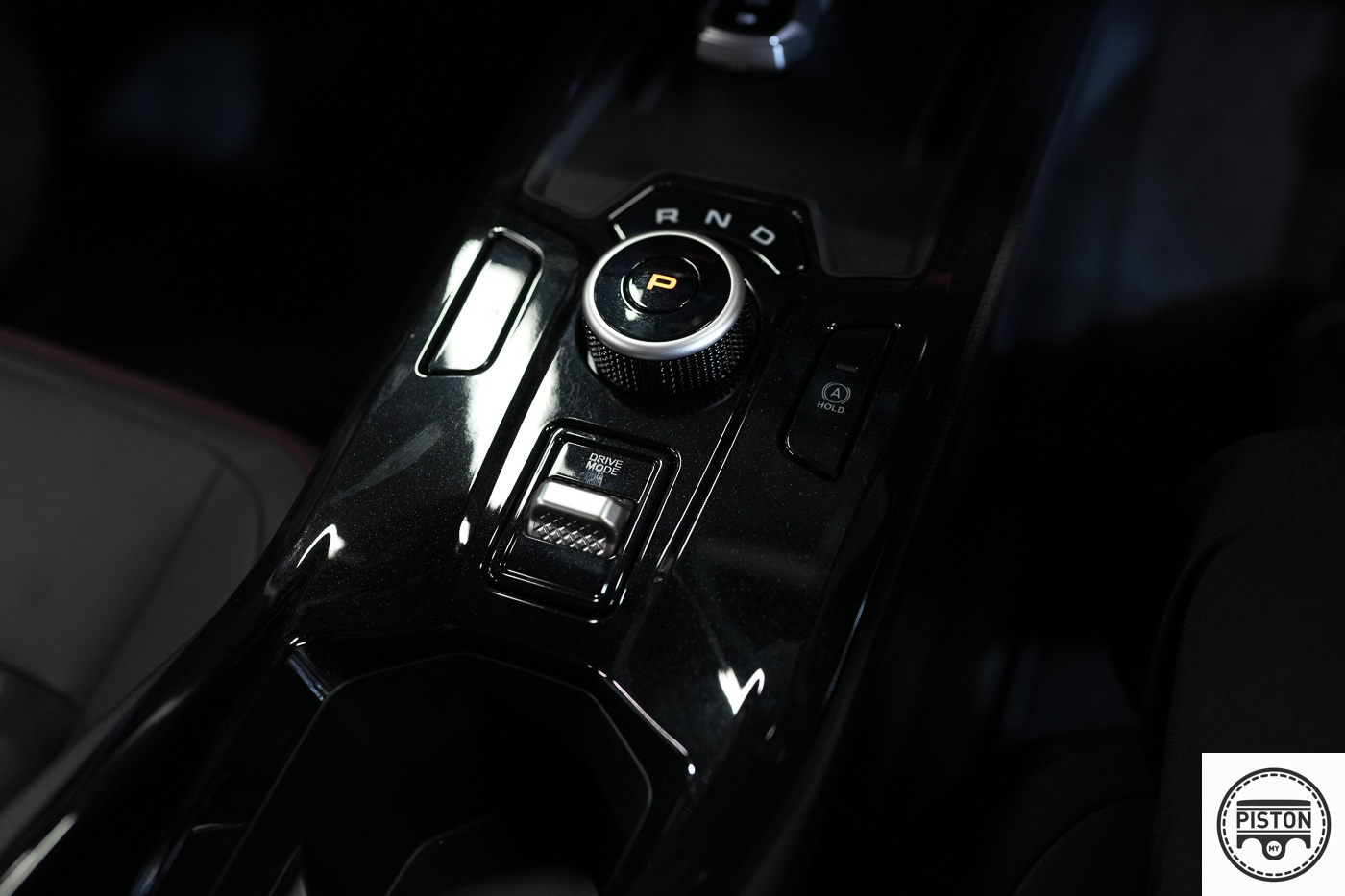
The rotary gear shift knob is new as well as is the digital rear view mirror. I initially found the latter to be quite odd as well as this feature is usually reserved for large MPV’s or SUV’s, and then I noticed that rearward visibility can be rather poor, so the digital rear view mirror makes a lot of sense.
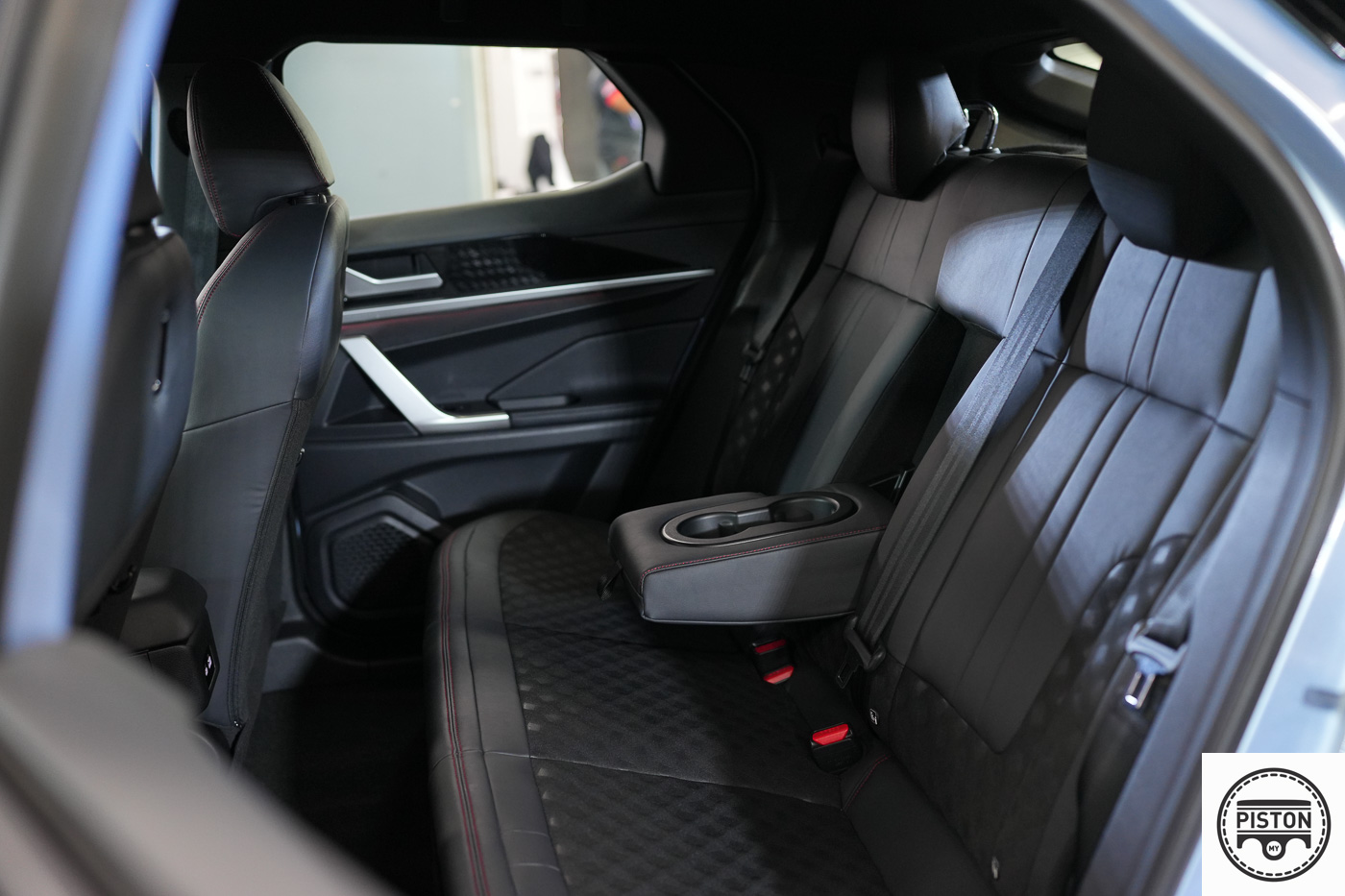
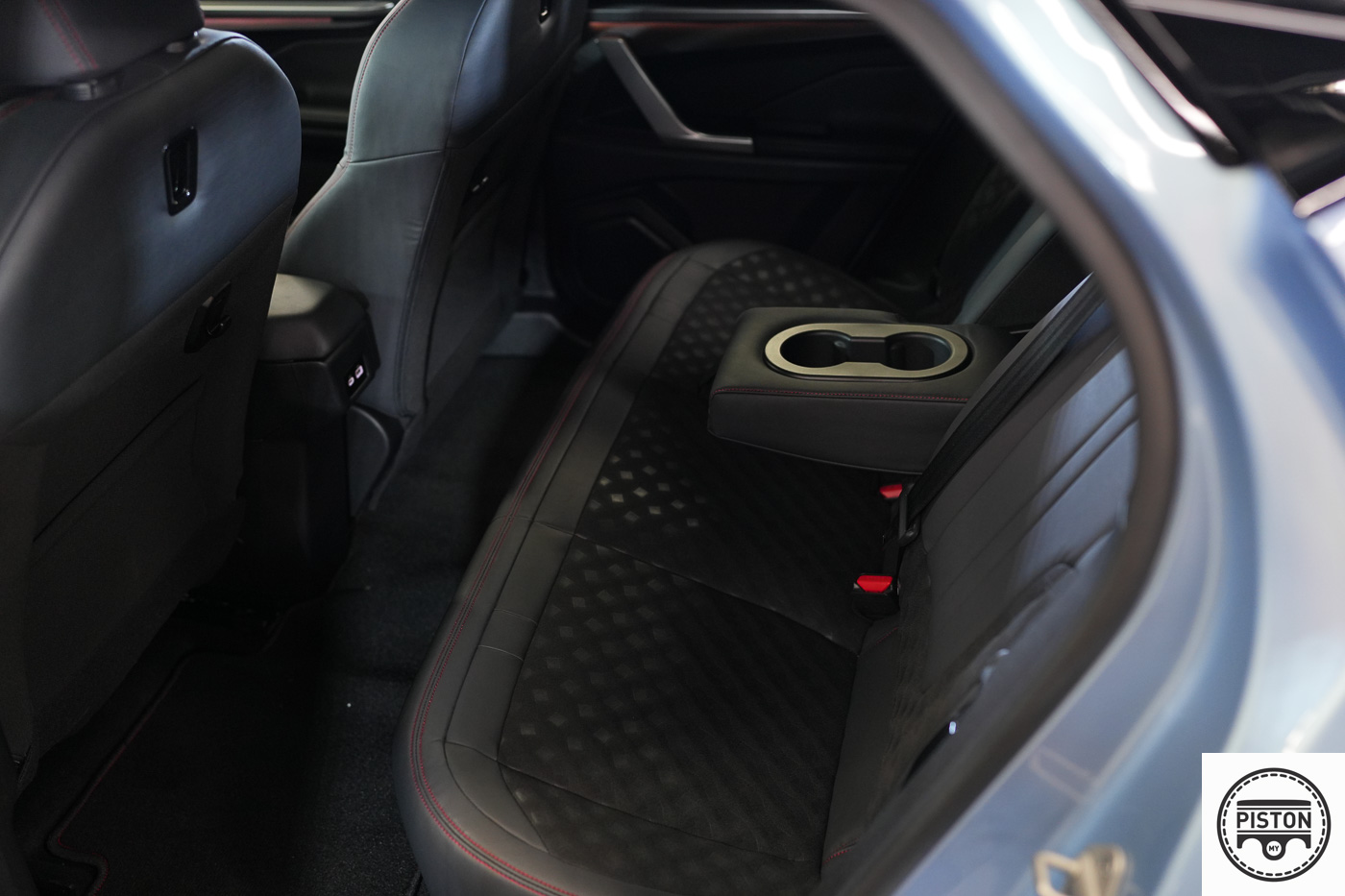
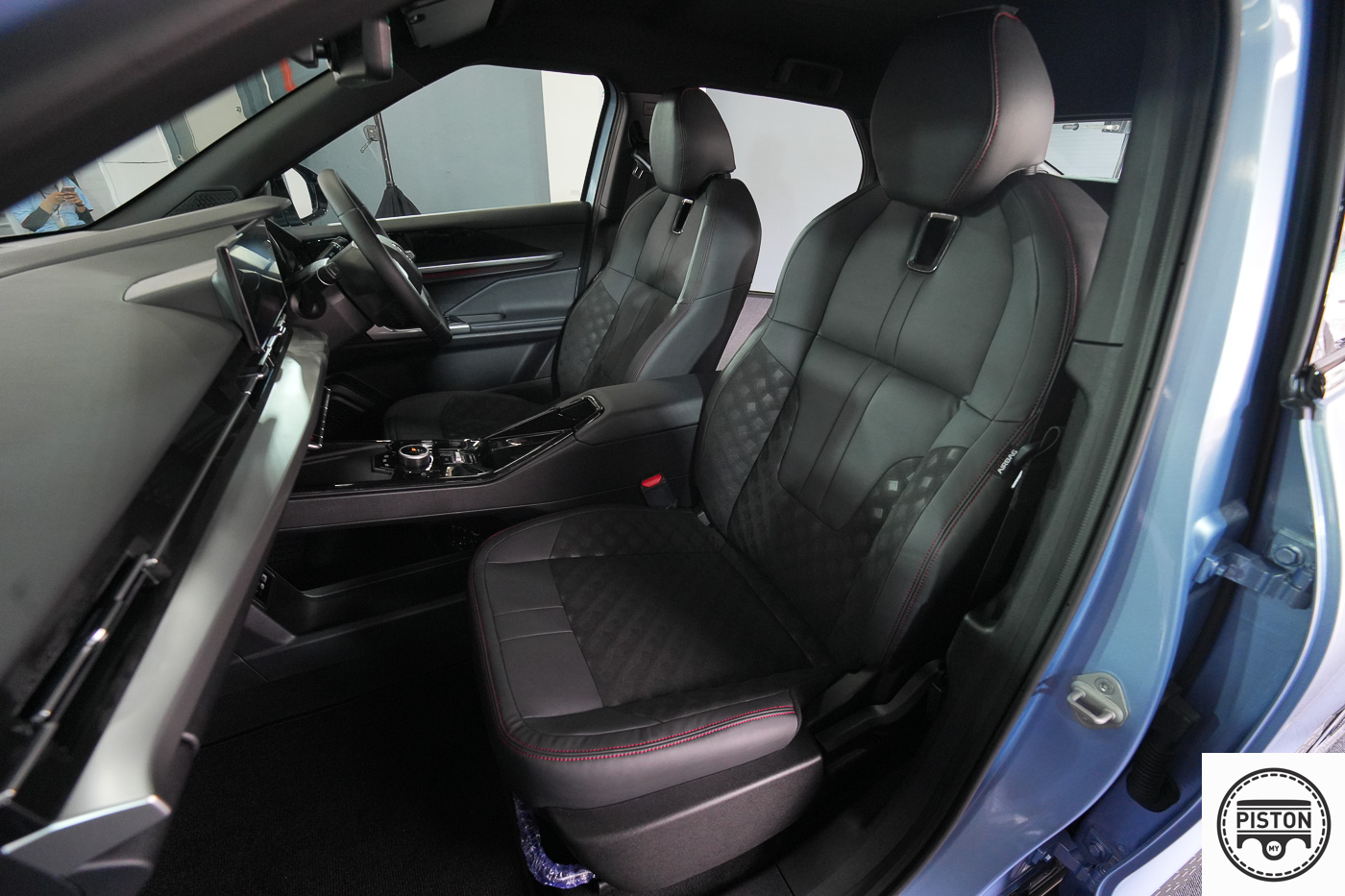
As for interior trim, the seats are wrapped in part faux leather and part fabric. The front seats are big and supportive with electronic adjustment for the driver’s side while the passenger still has to do it manually. Overall space at the front is decent.
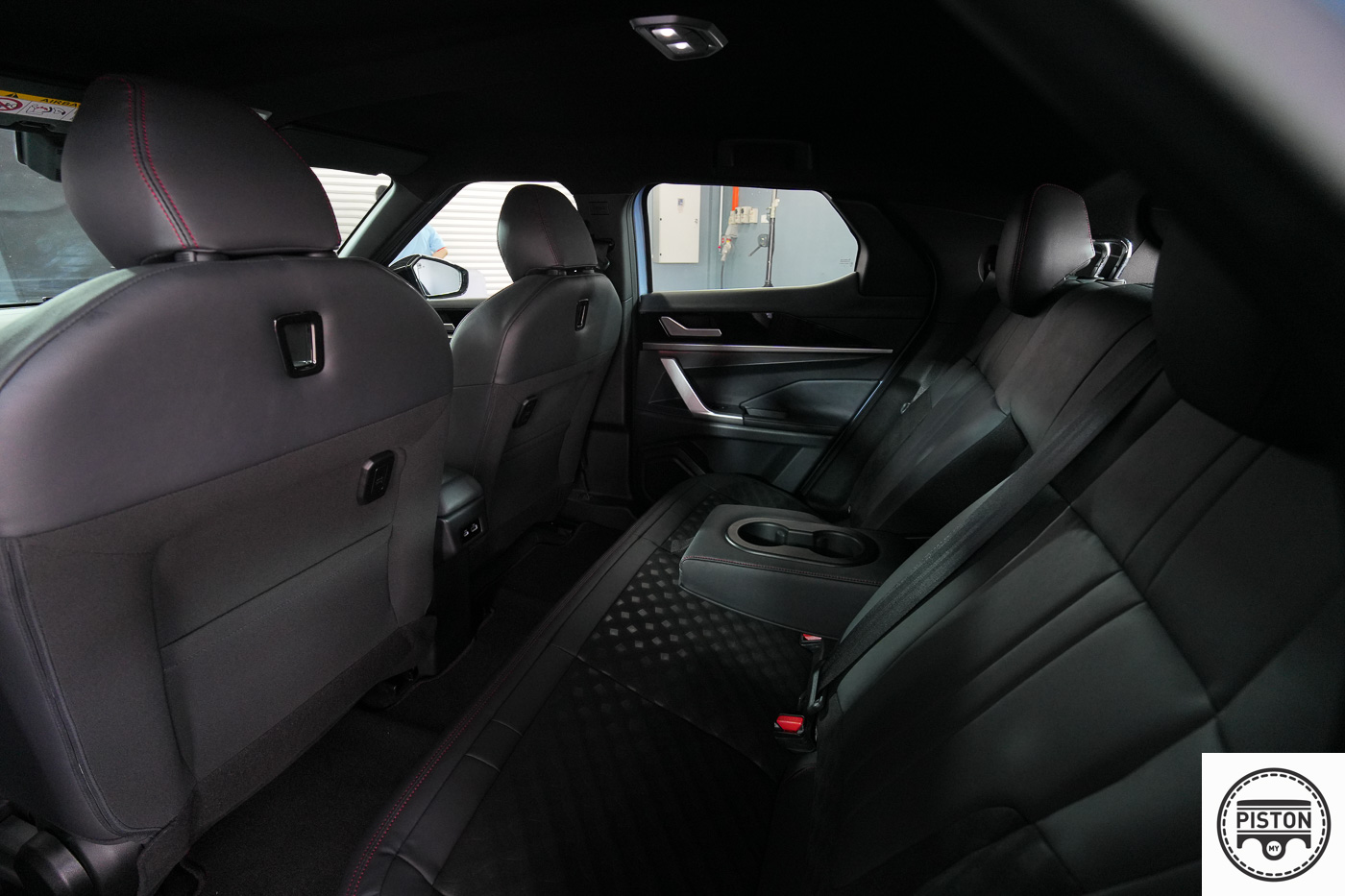
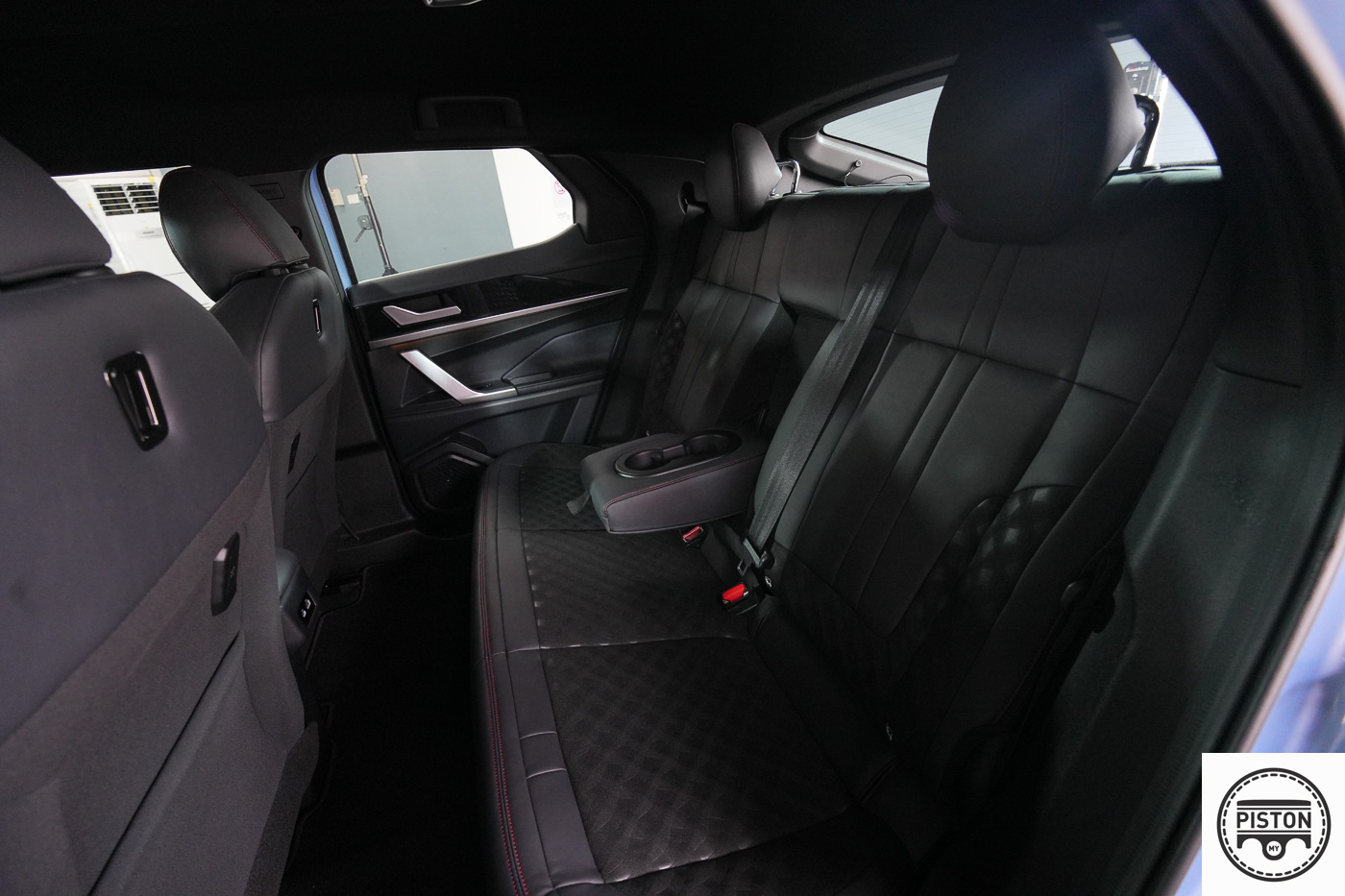
The back seats though were shocking and not in a good way. My six-foot frame found it cramped with the smallish rear windows making the rear space feel tight. The seats are also placed quite low and if you are also on taller side of the spectrum, you will feel as if your knees are quite close to your chest. Thigh support was almost non-existent for me.
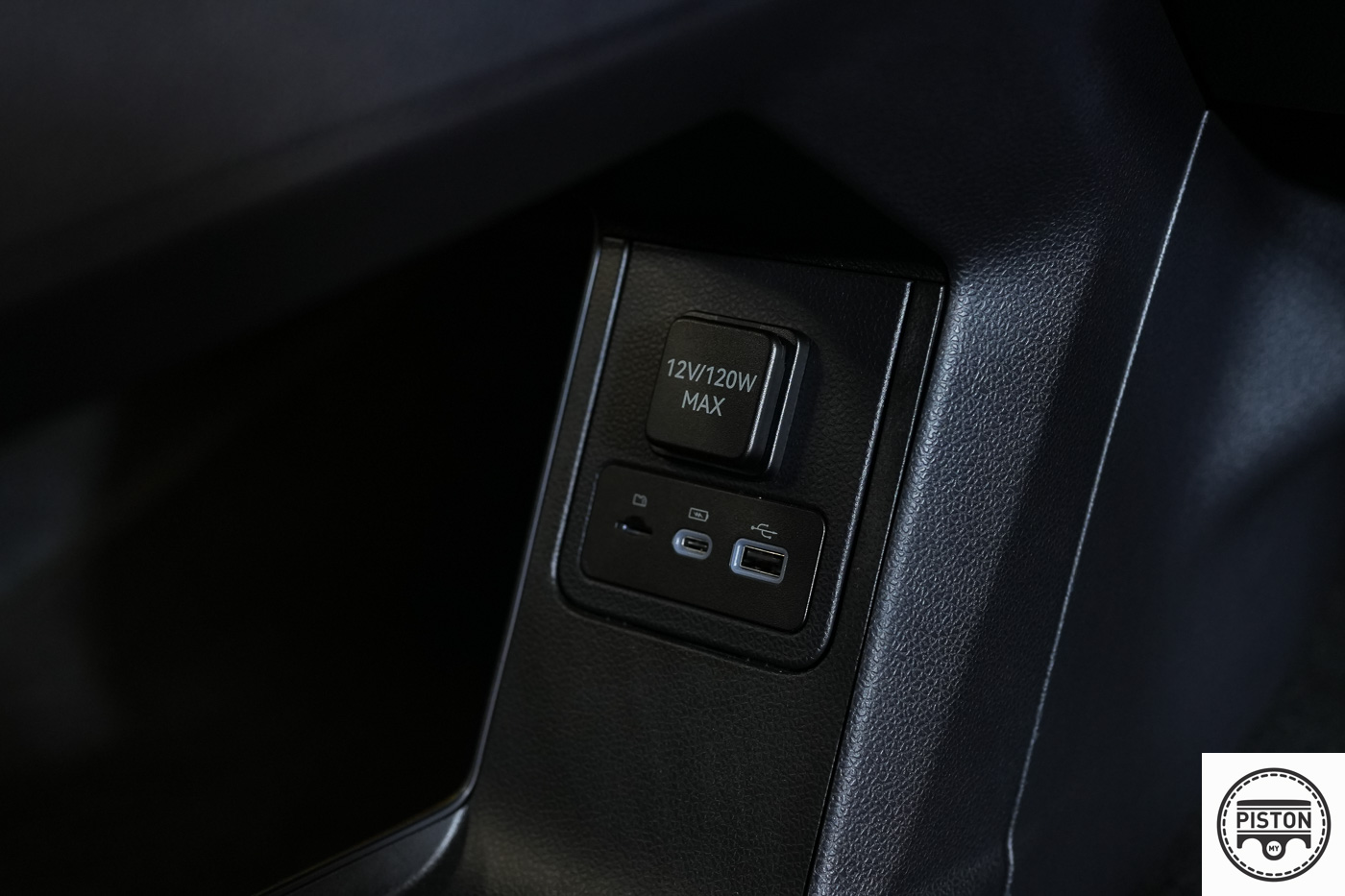
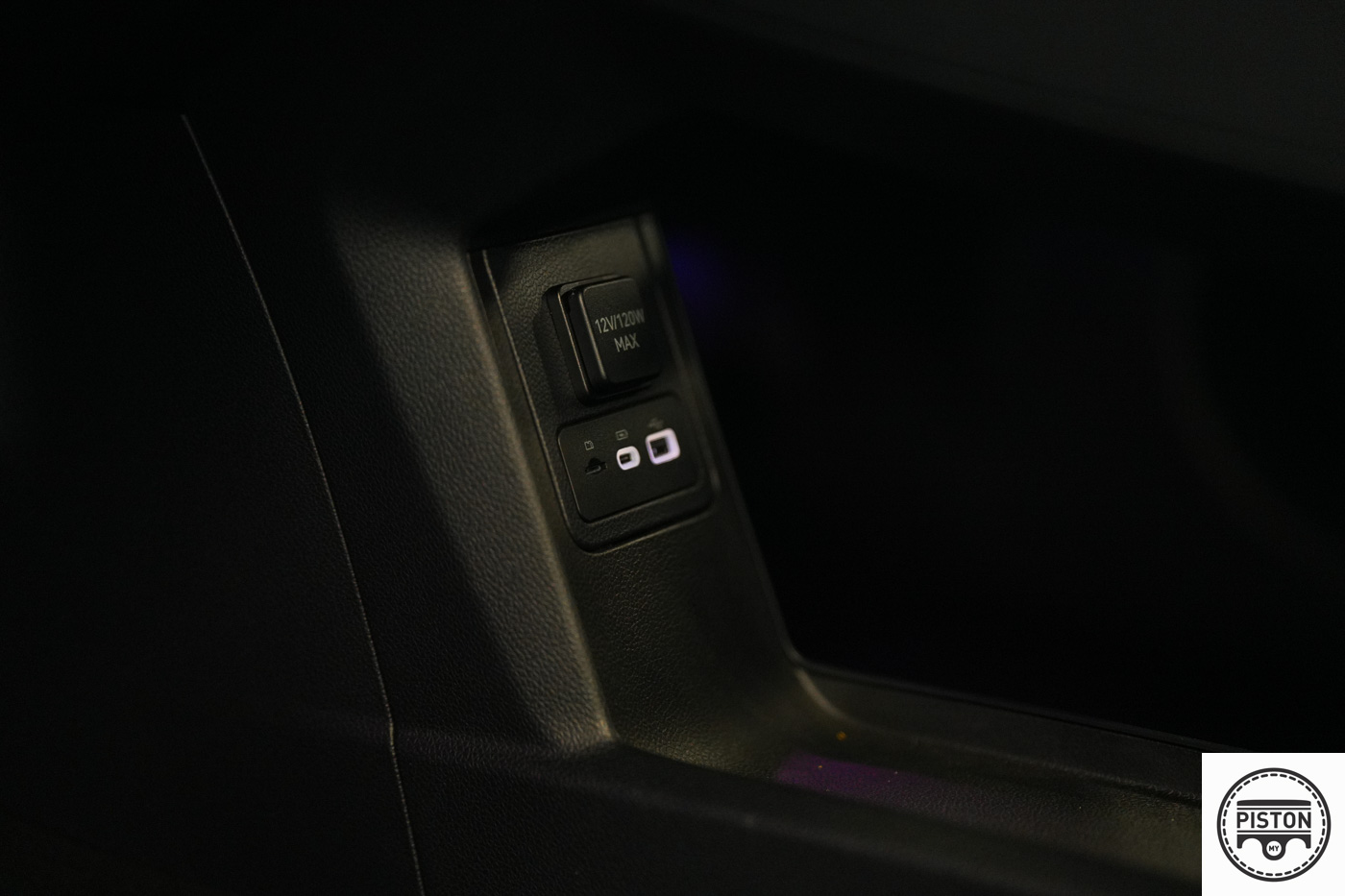
You also do not get rear air-conditioning vents, but you do get dual USB ports.
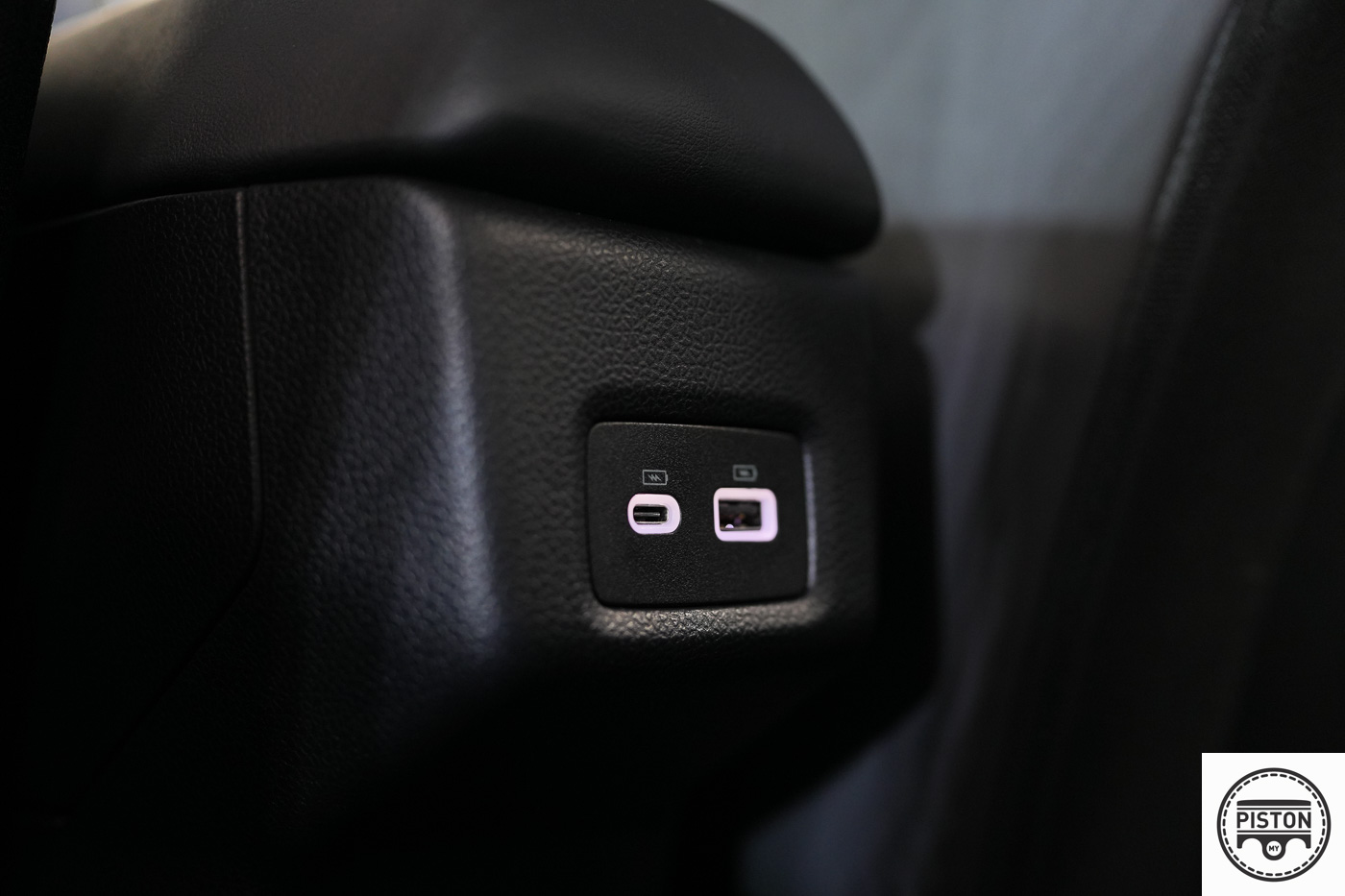
This is Perodua’s first attempt at building its own vehicle from the ground up and for that, I will still give it credit, though I would not want to spend too much time at the back.
What about the design of the car?
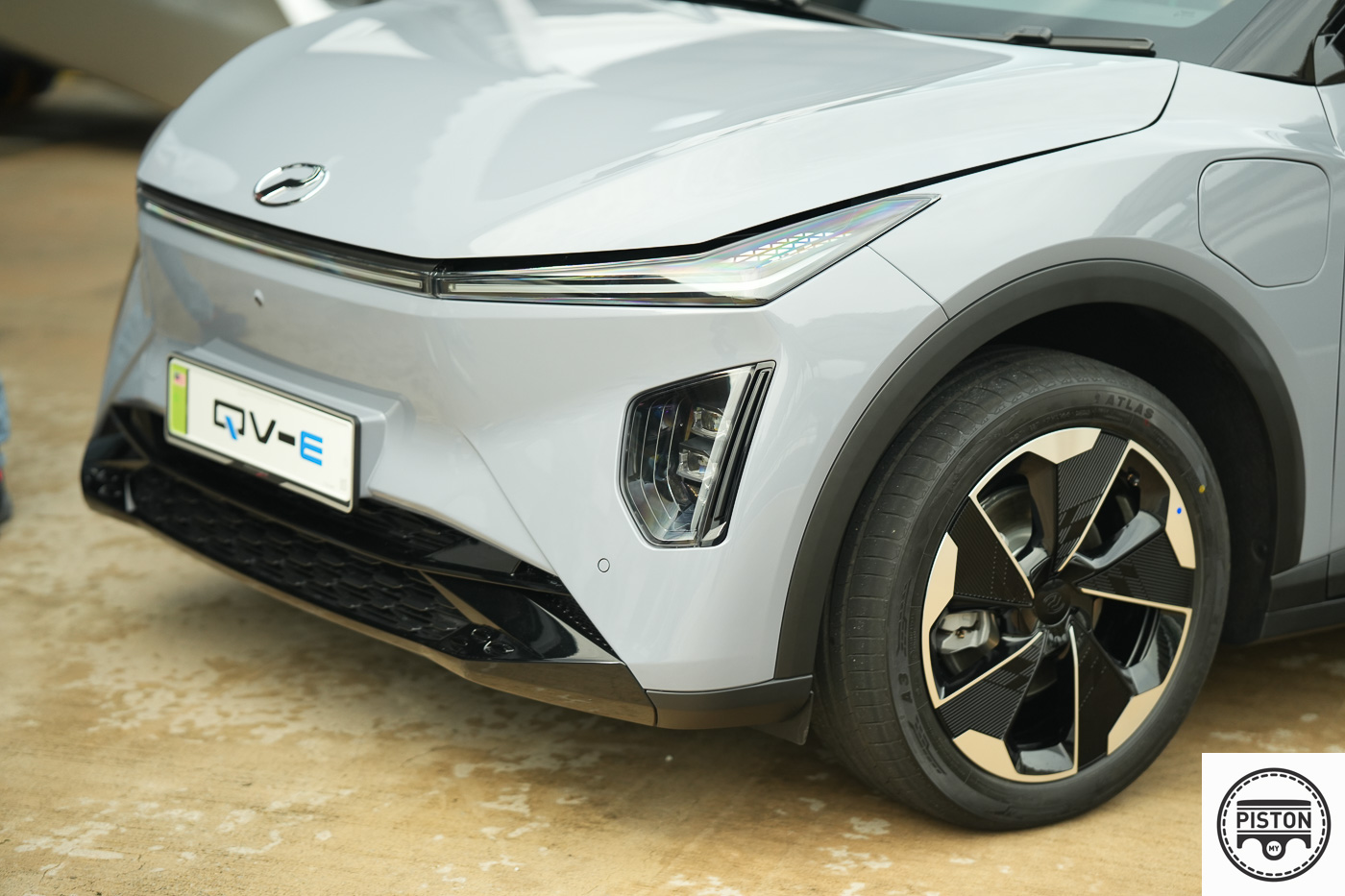
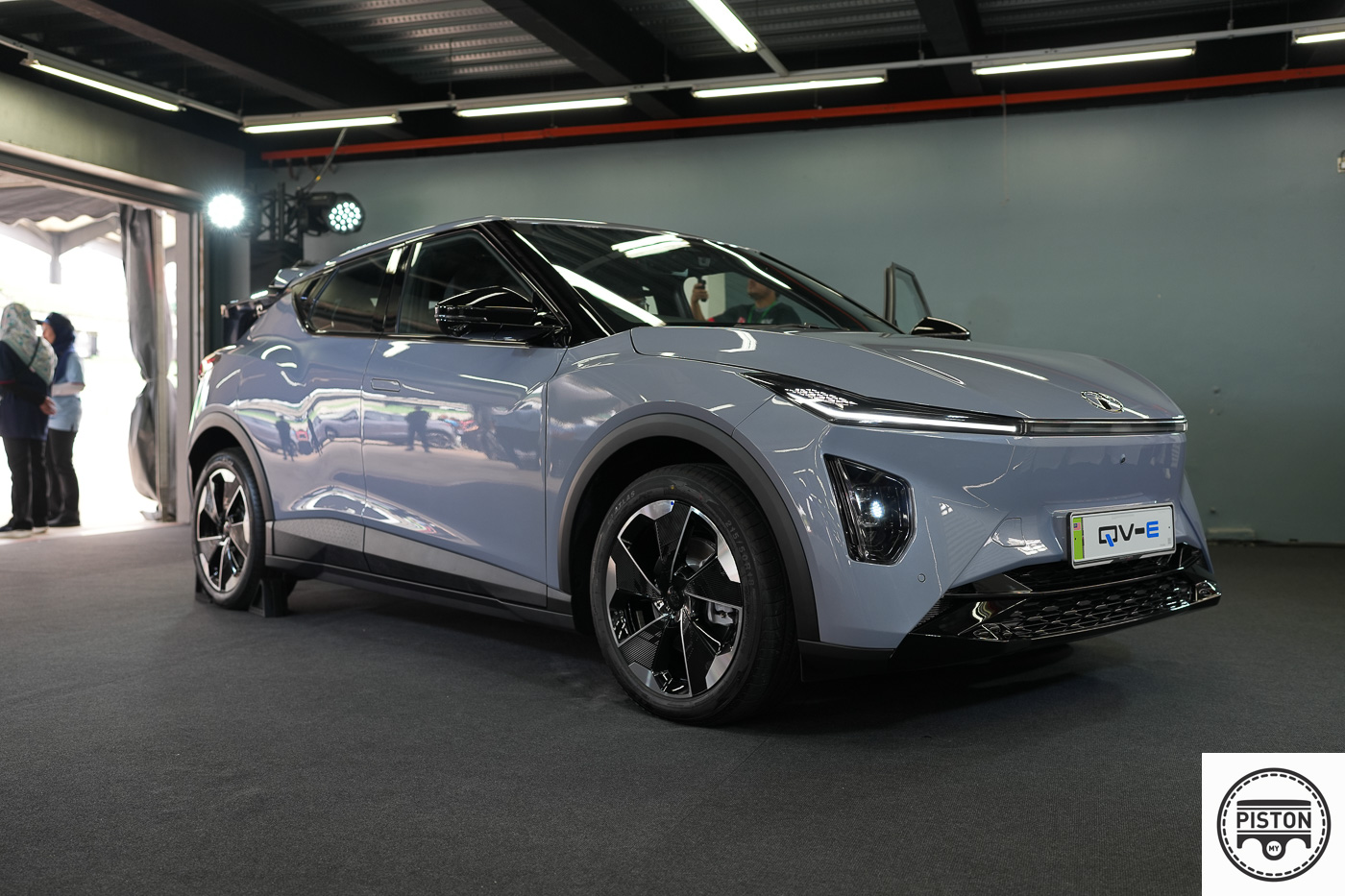
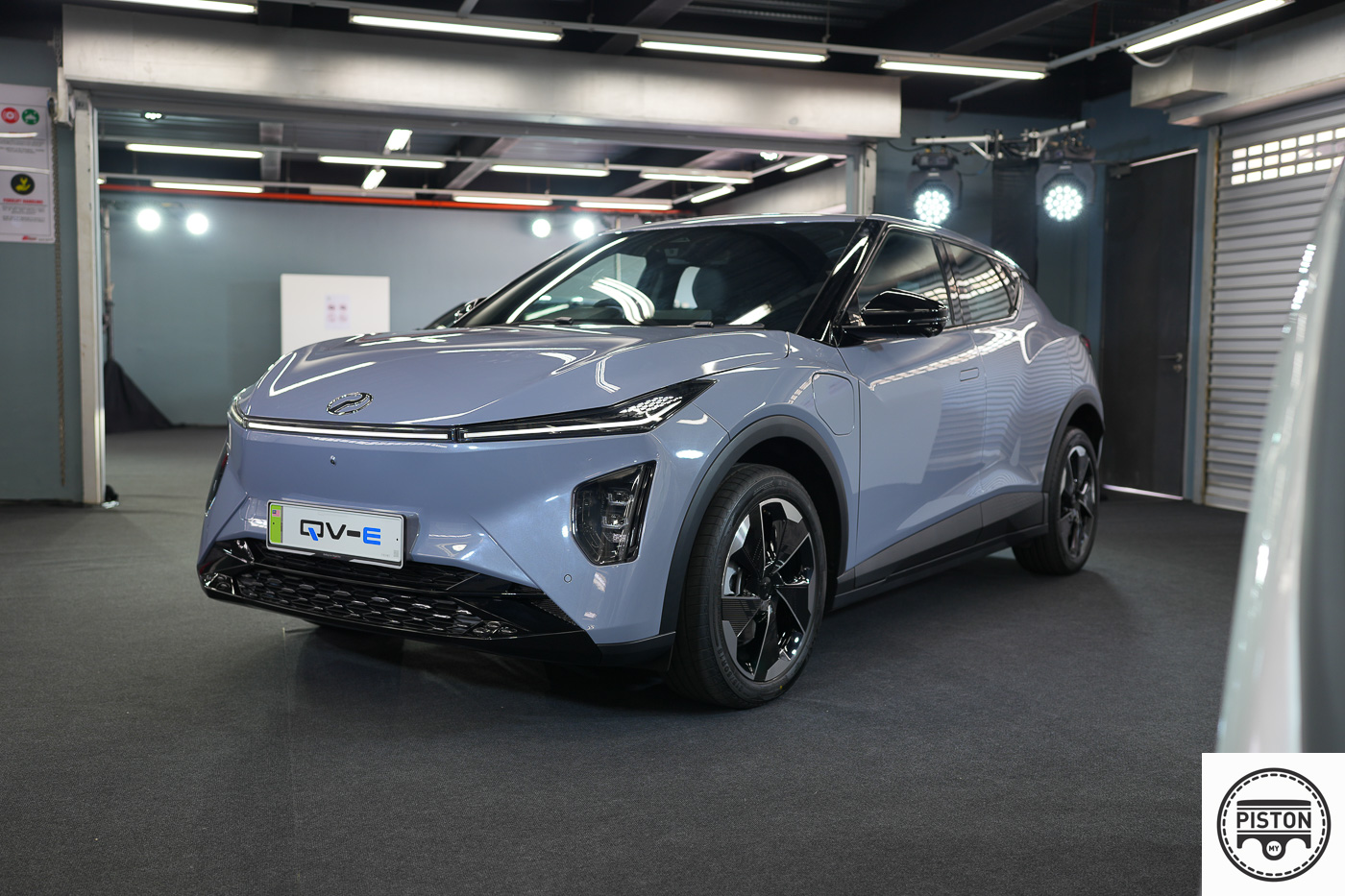
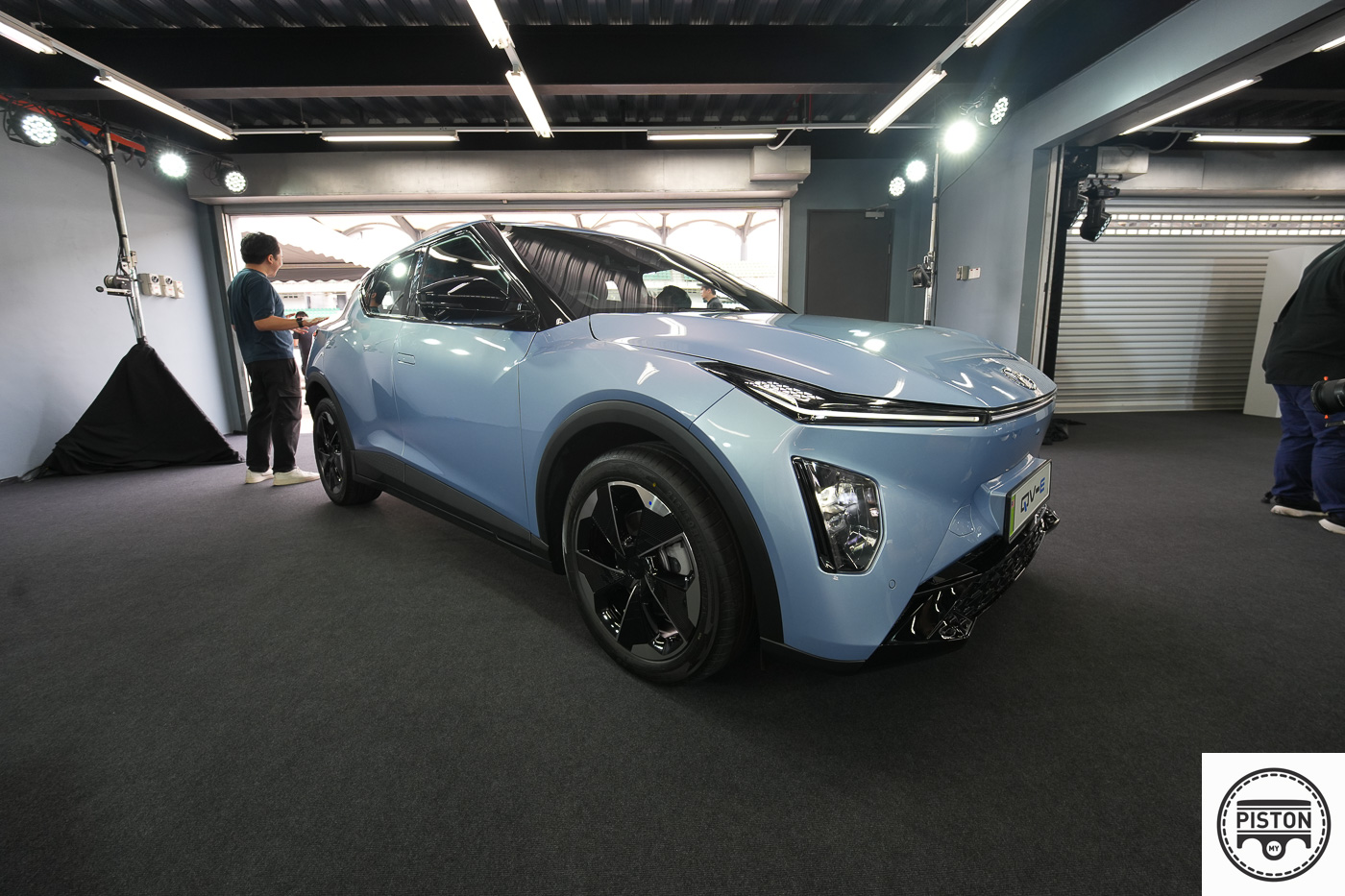
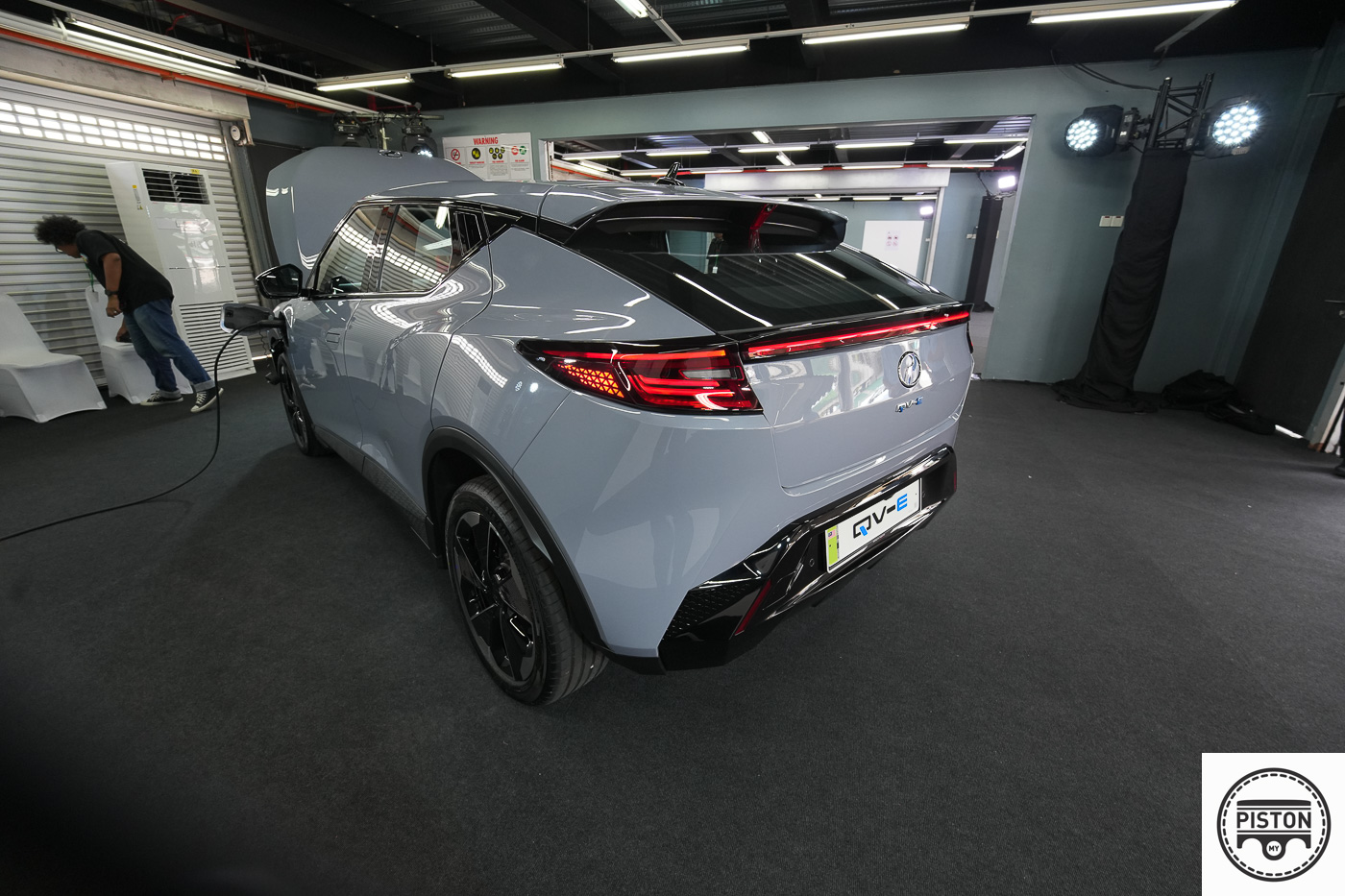
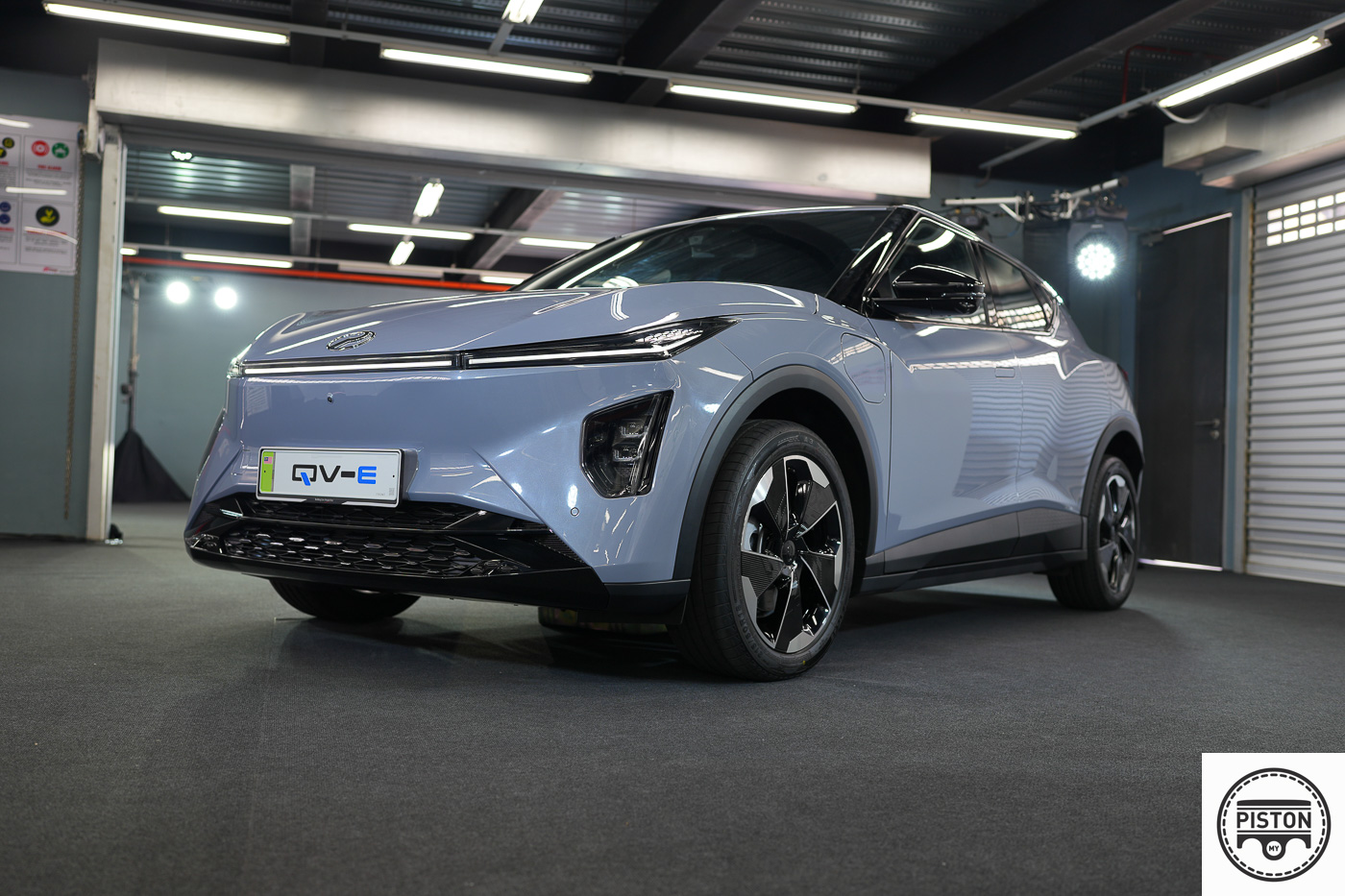
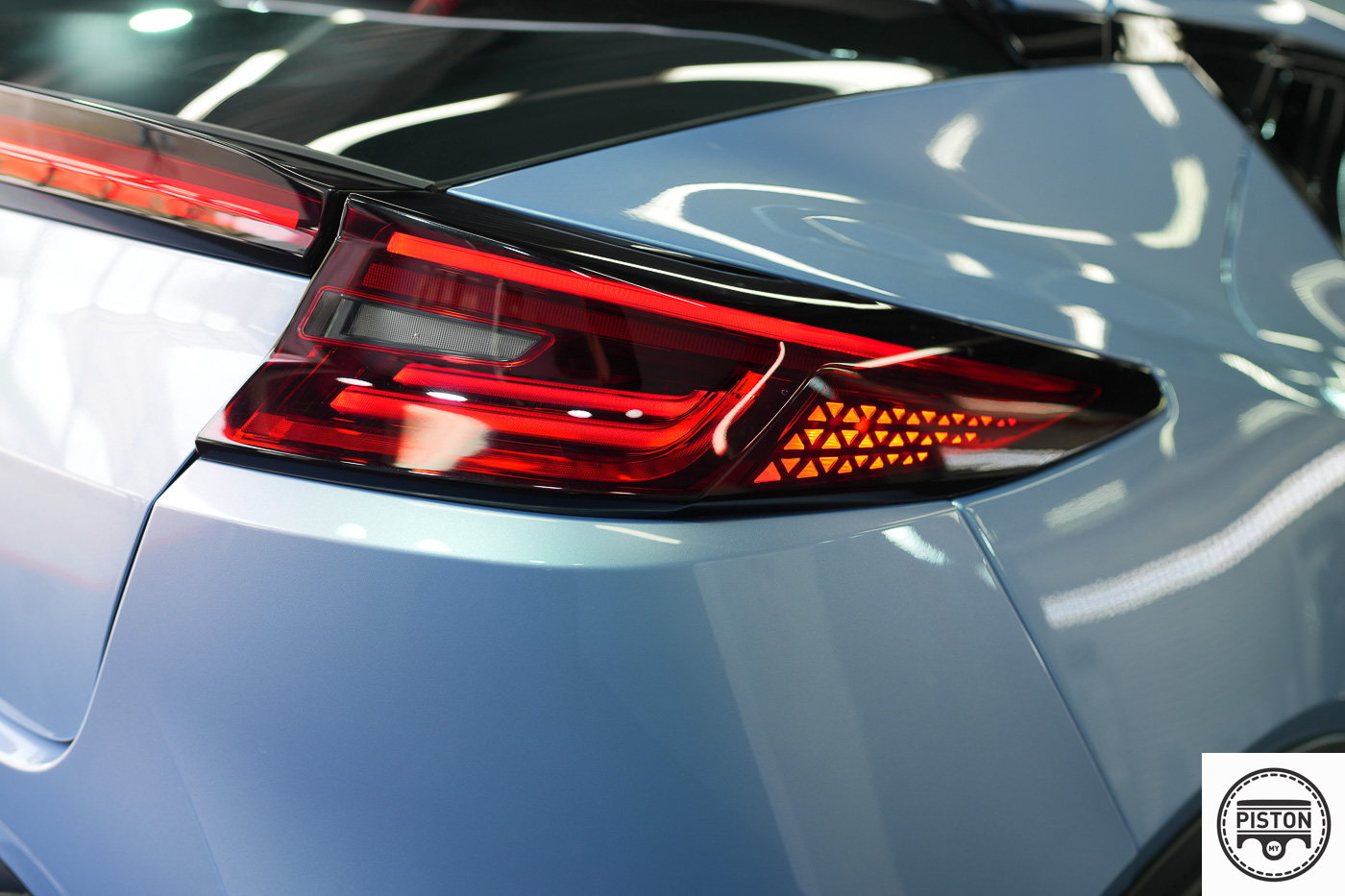
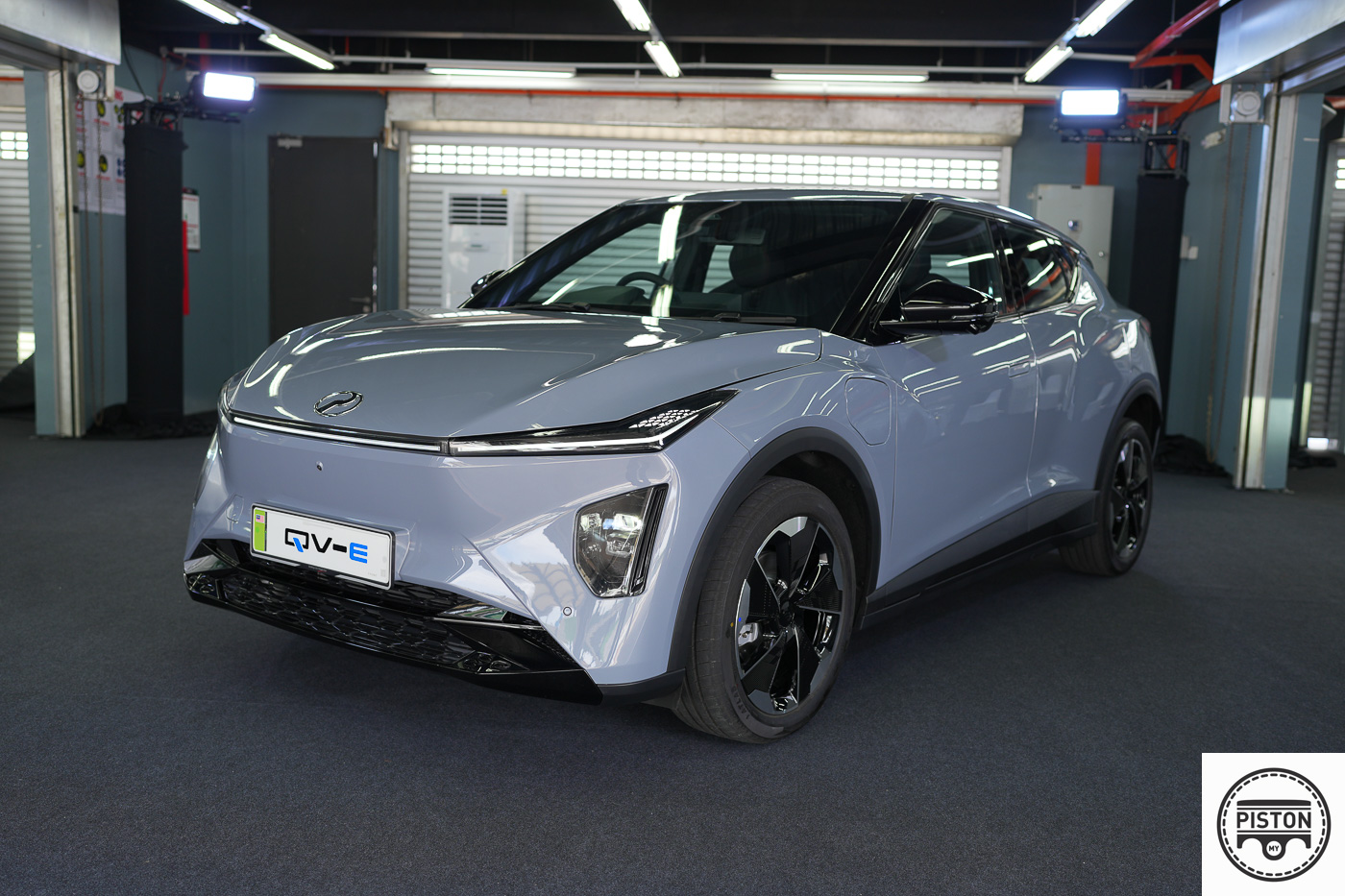
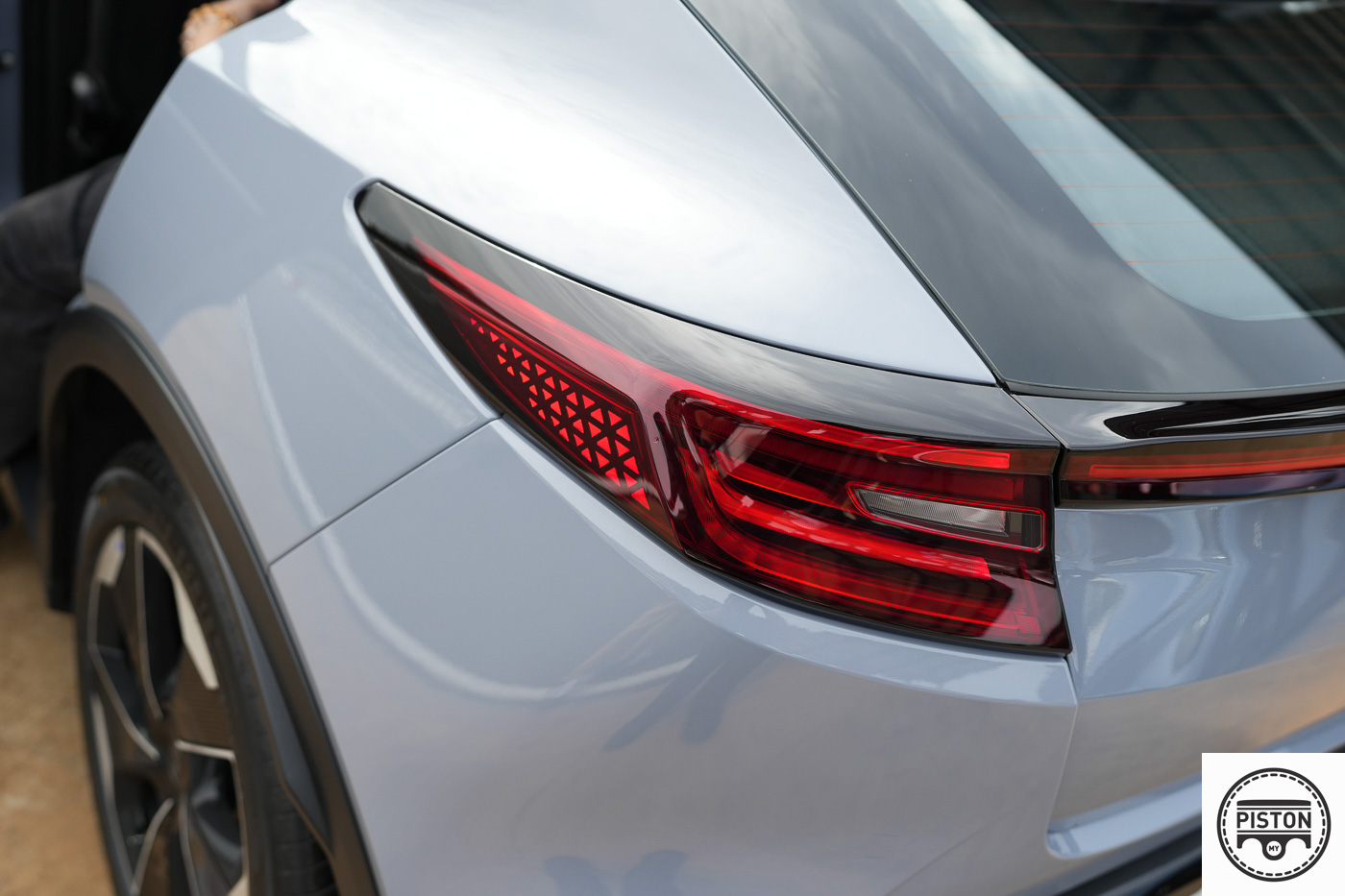
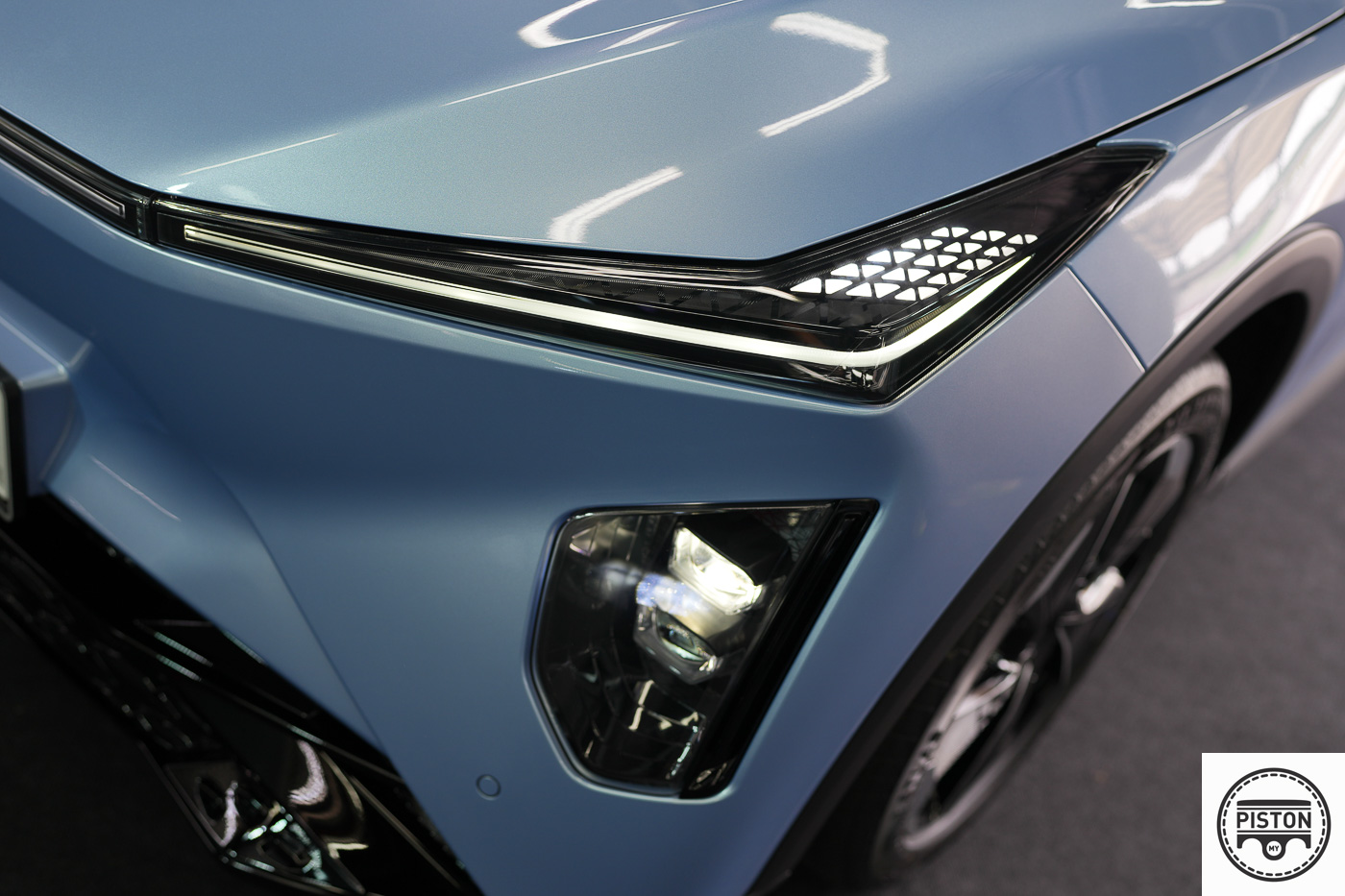
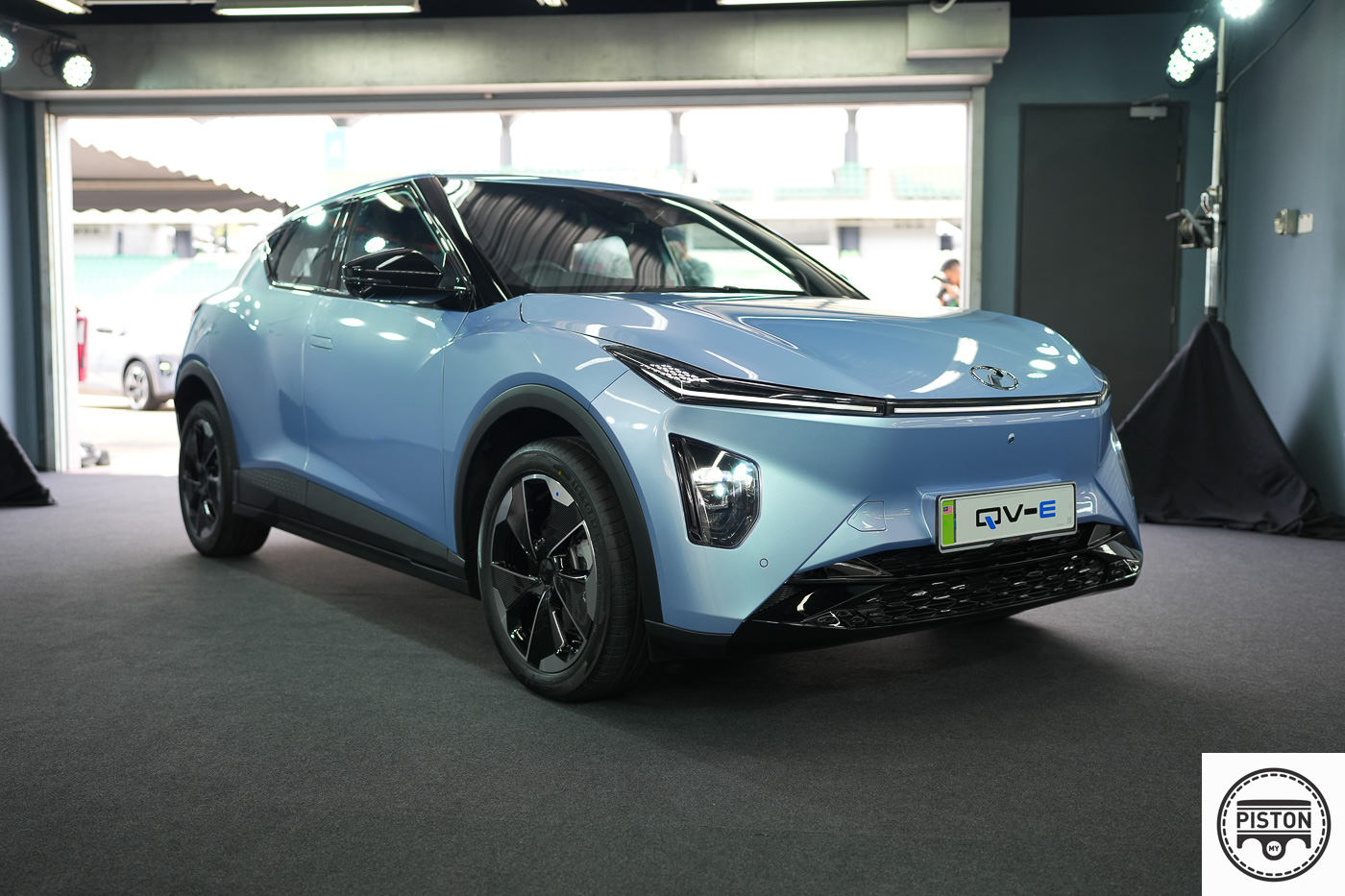
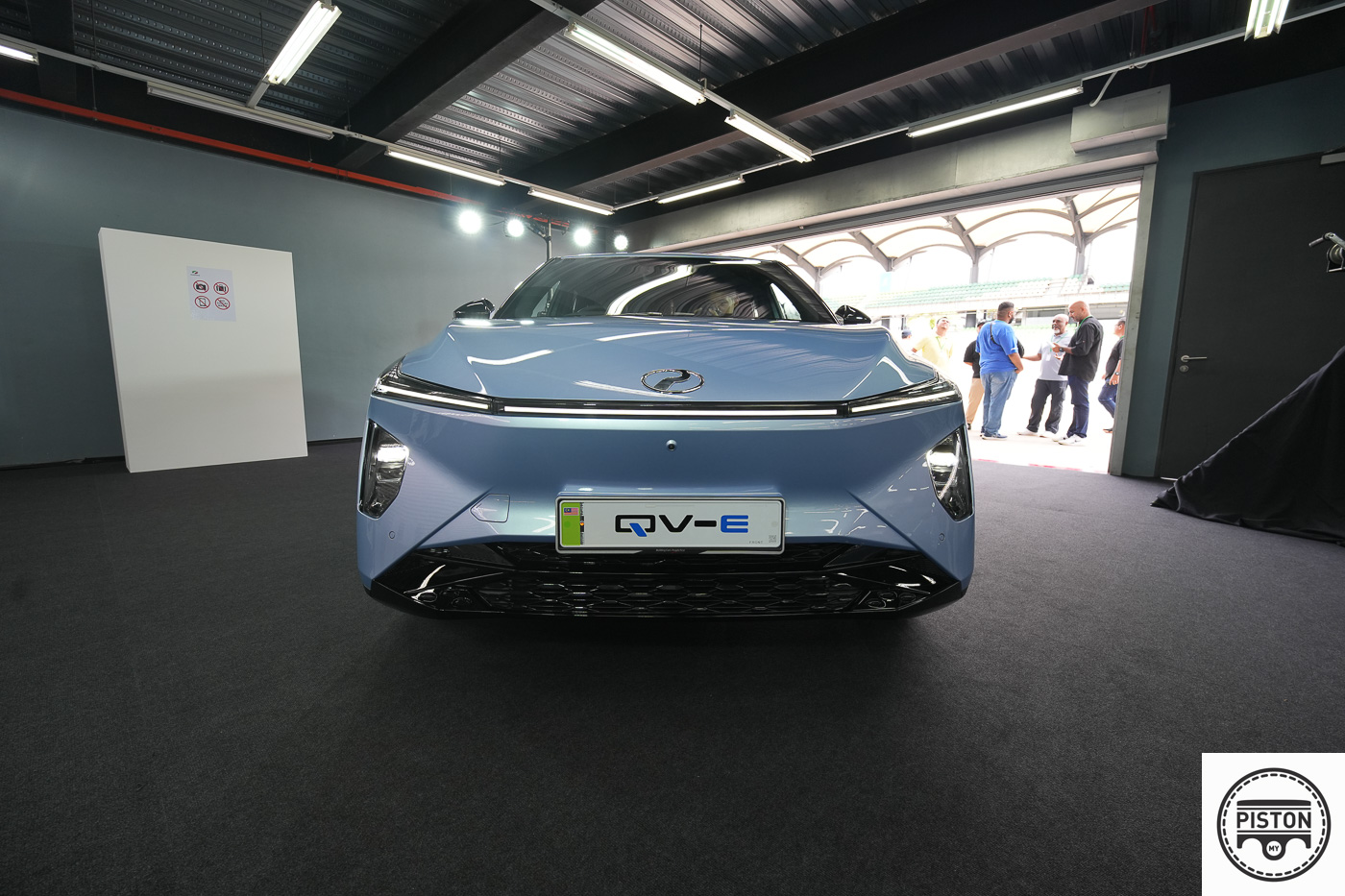
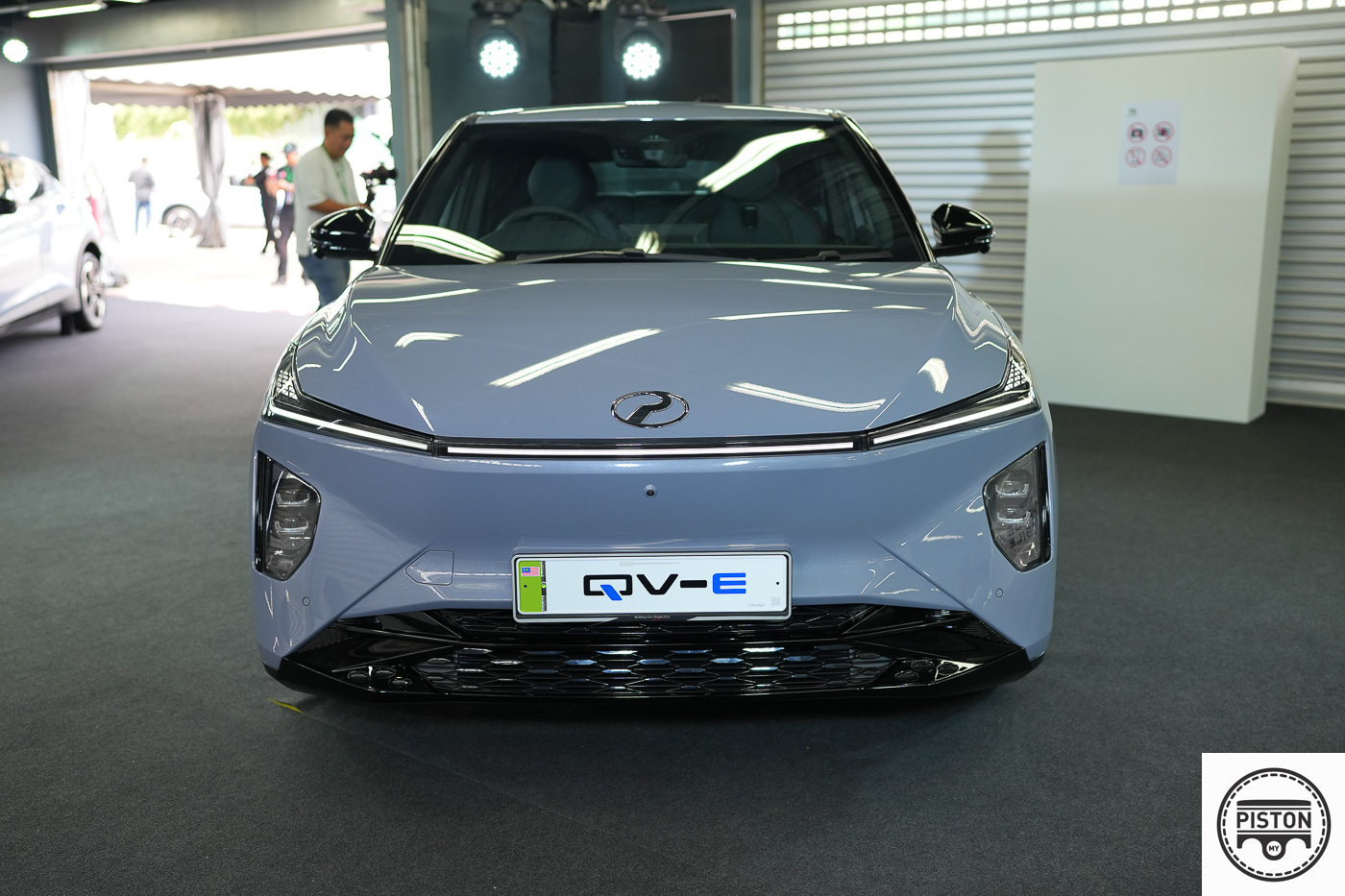
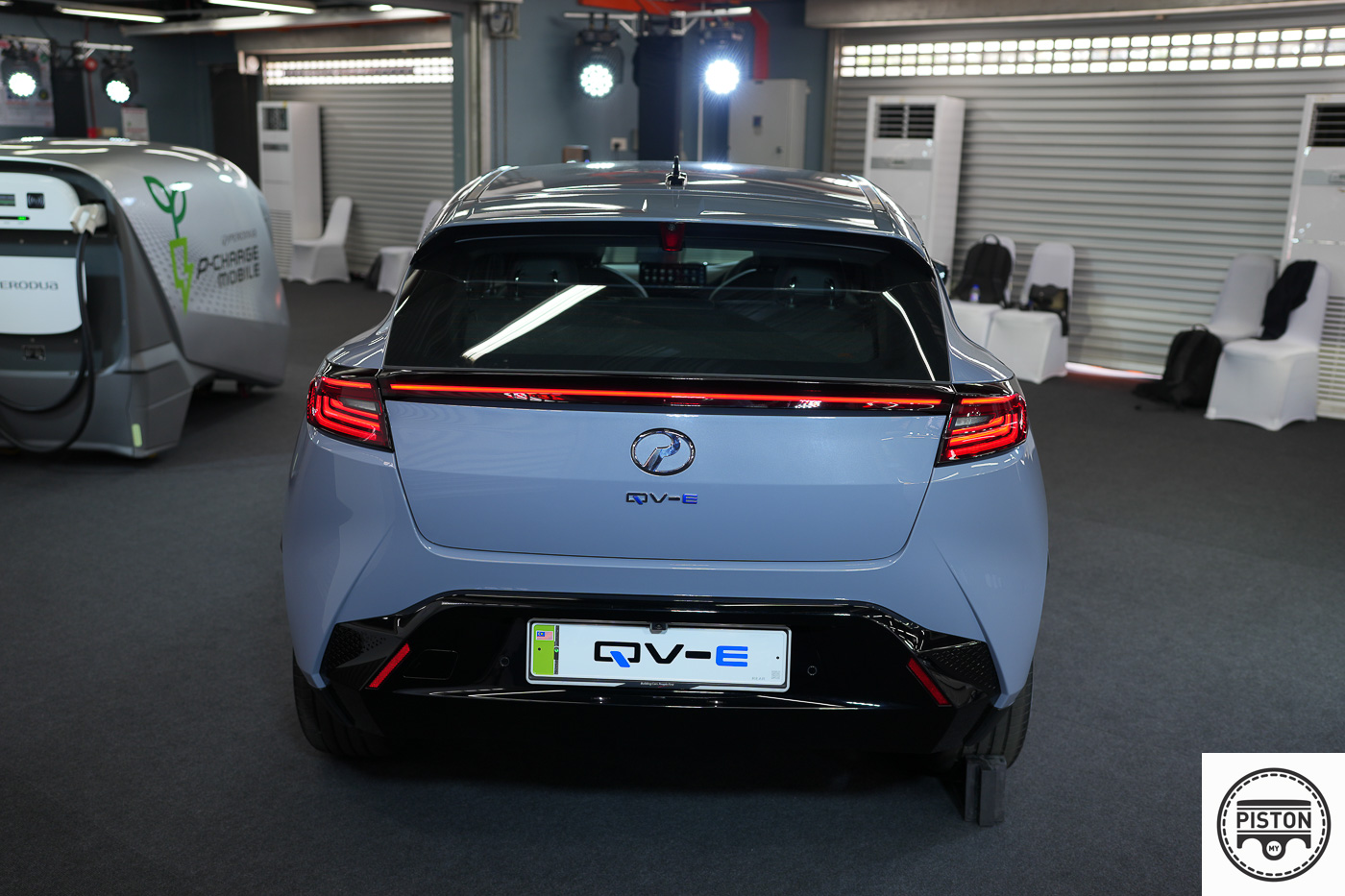
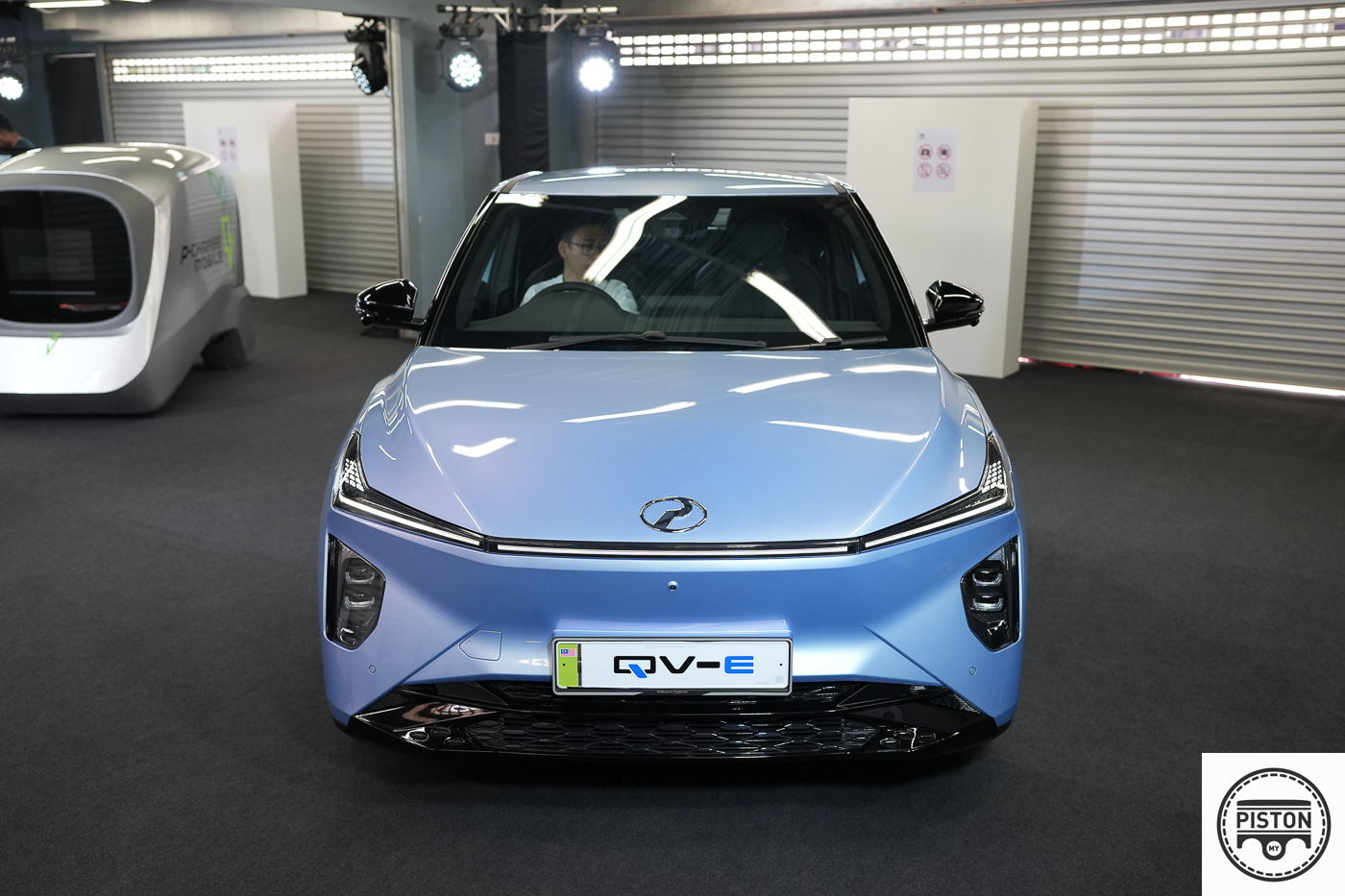
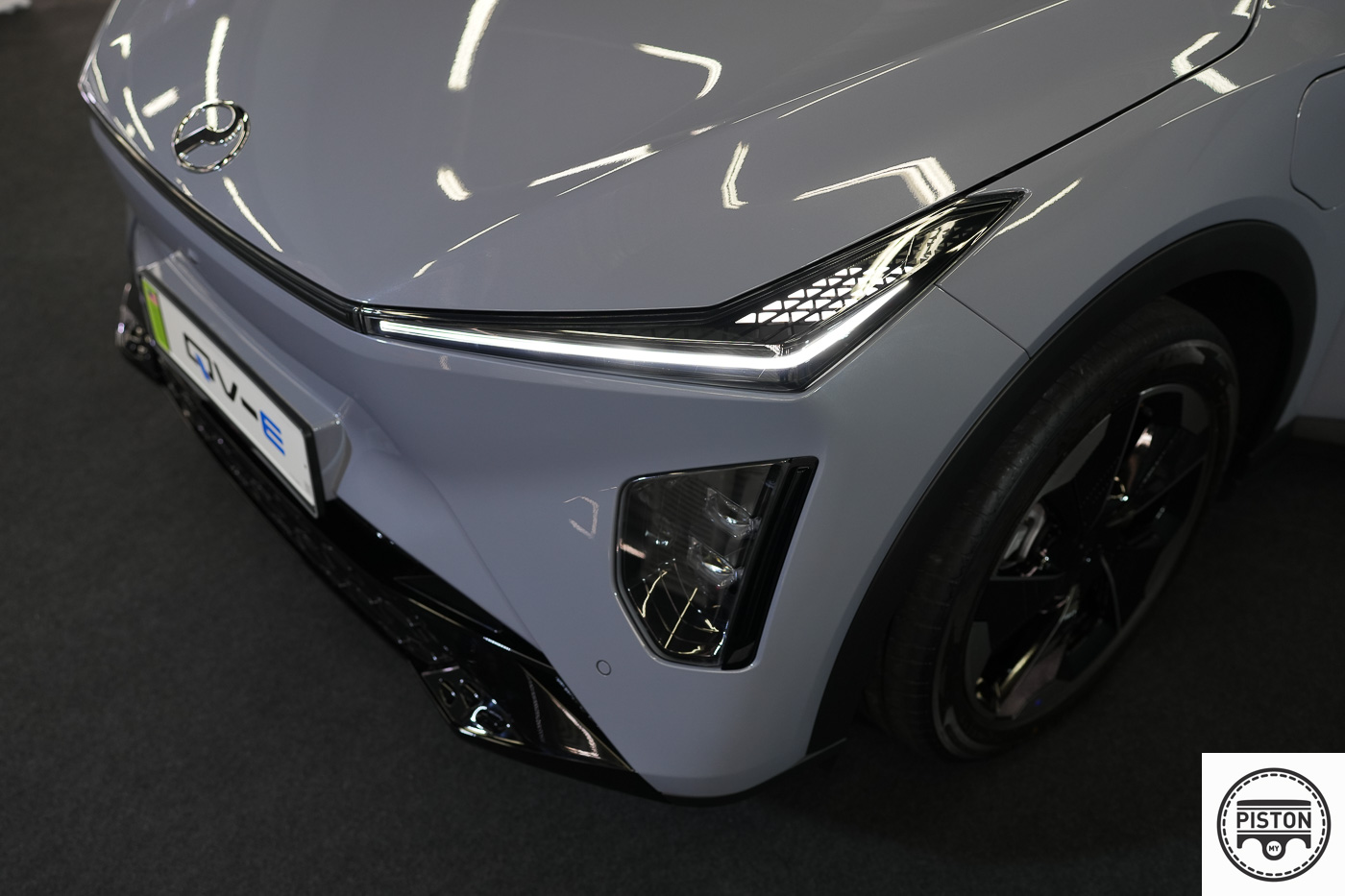
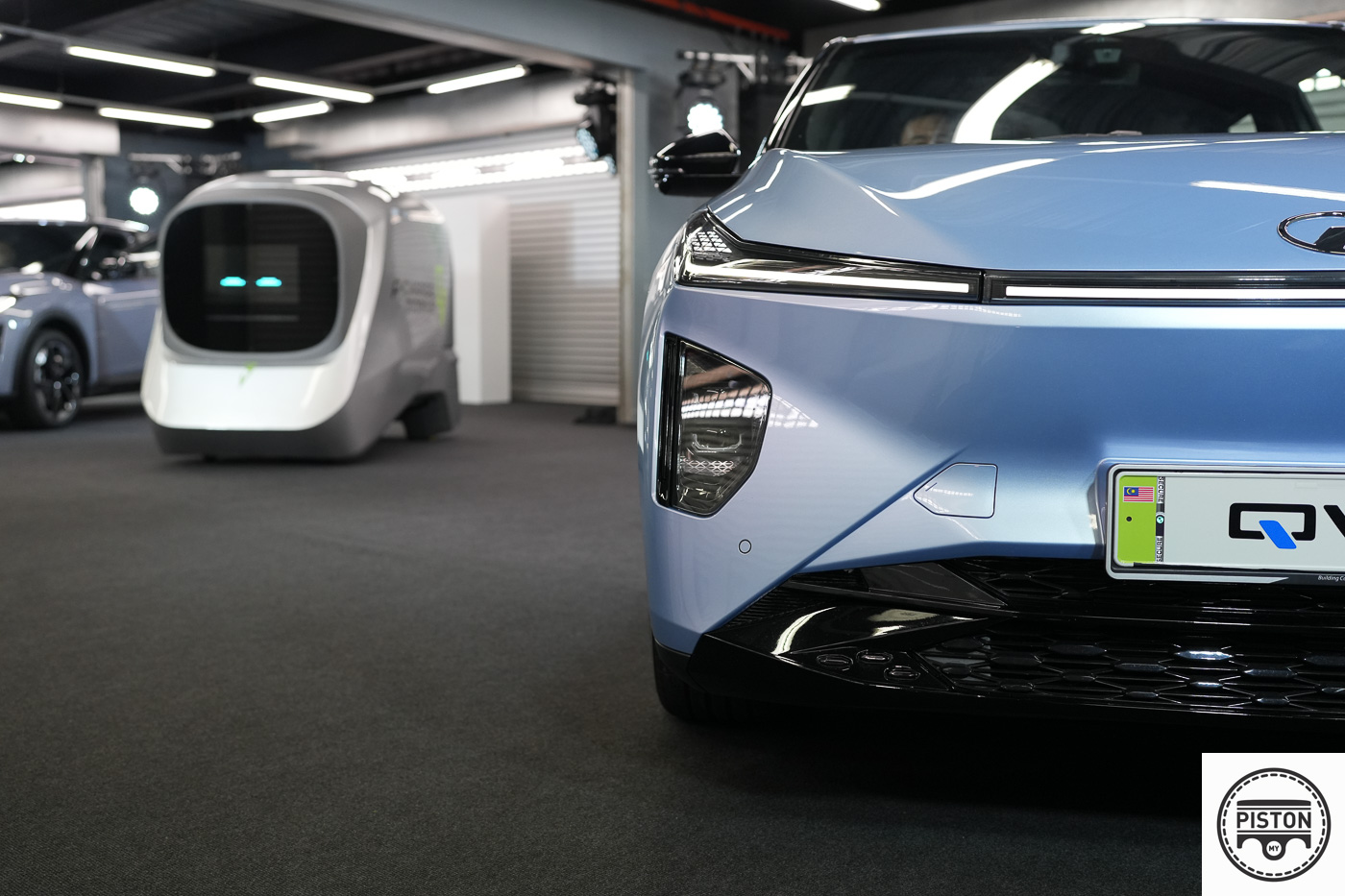
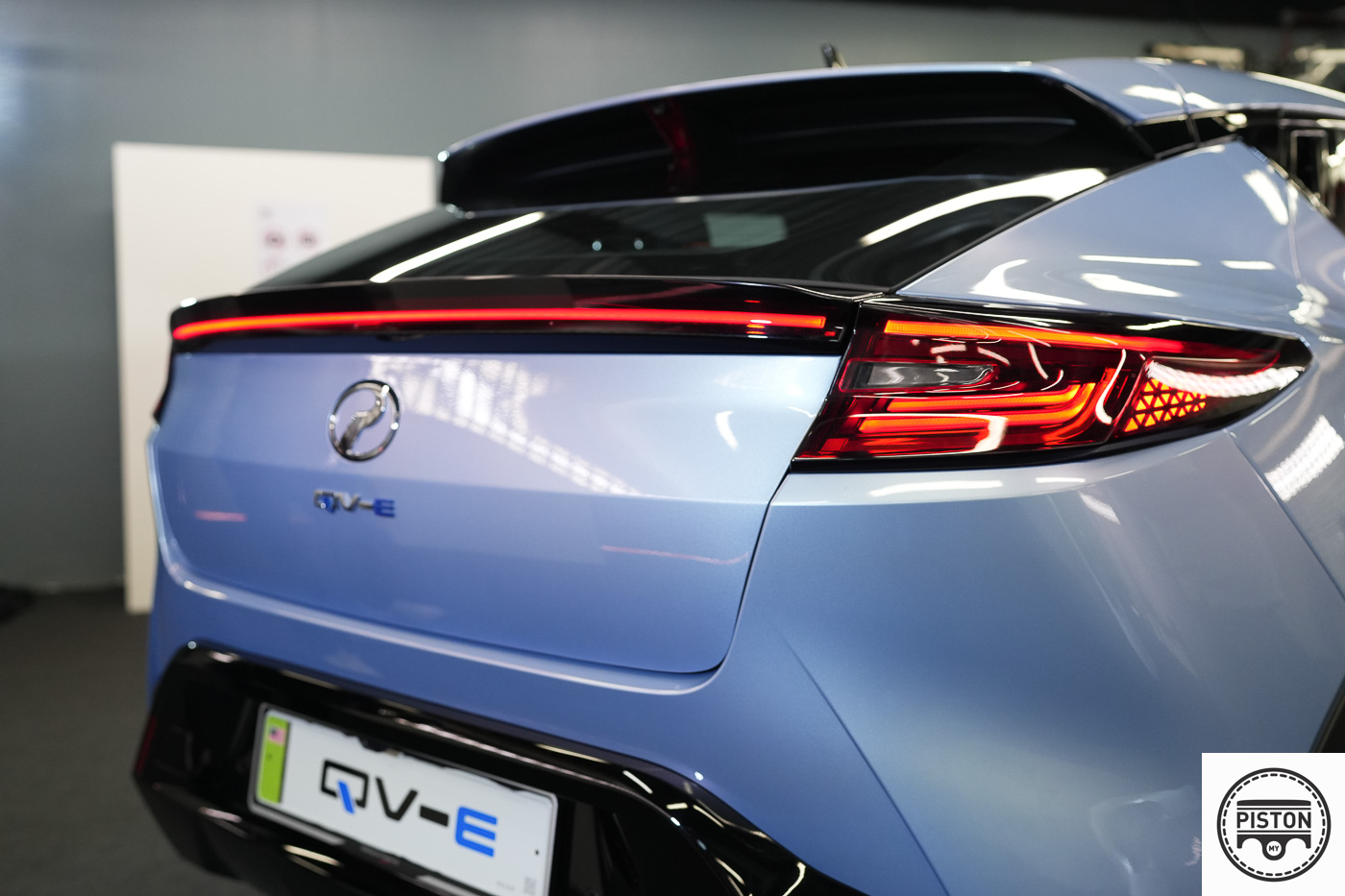
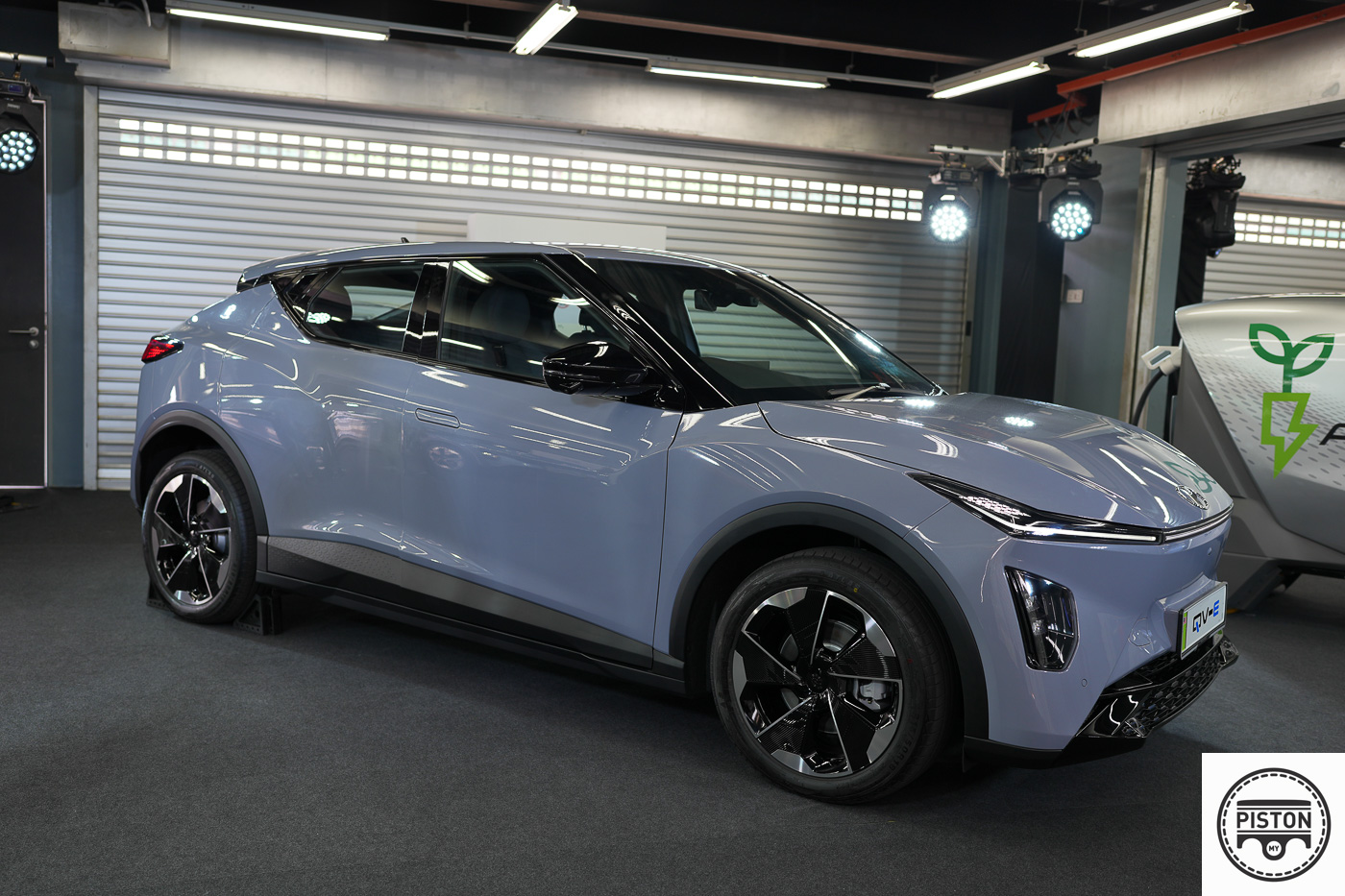
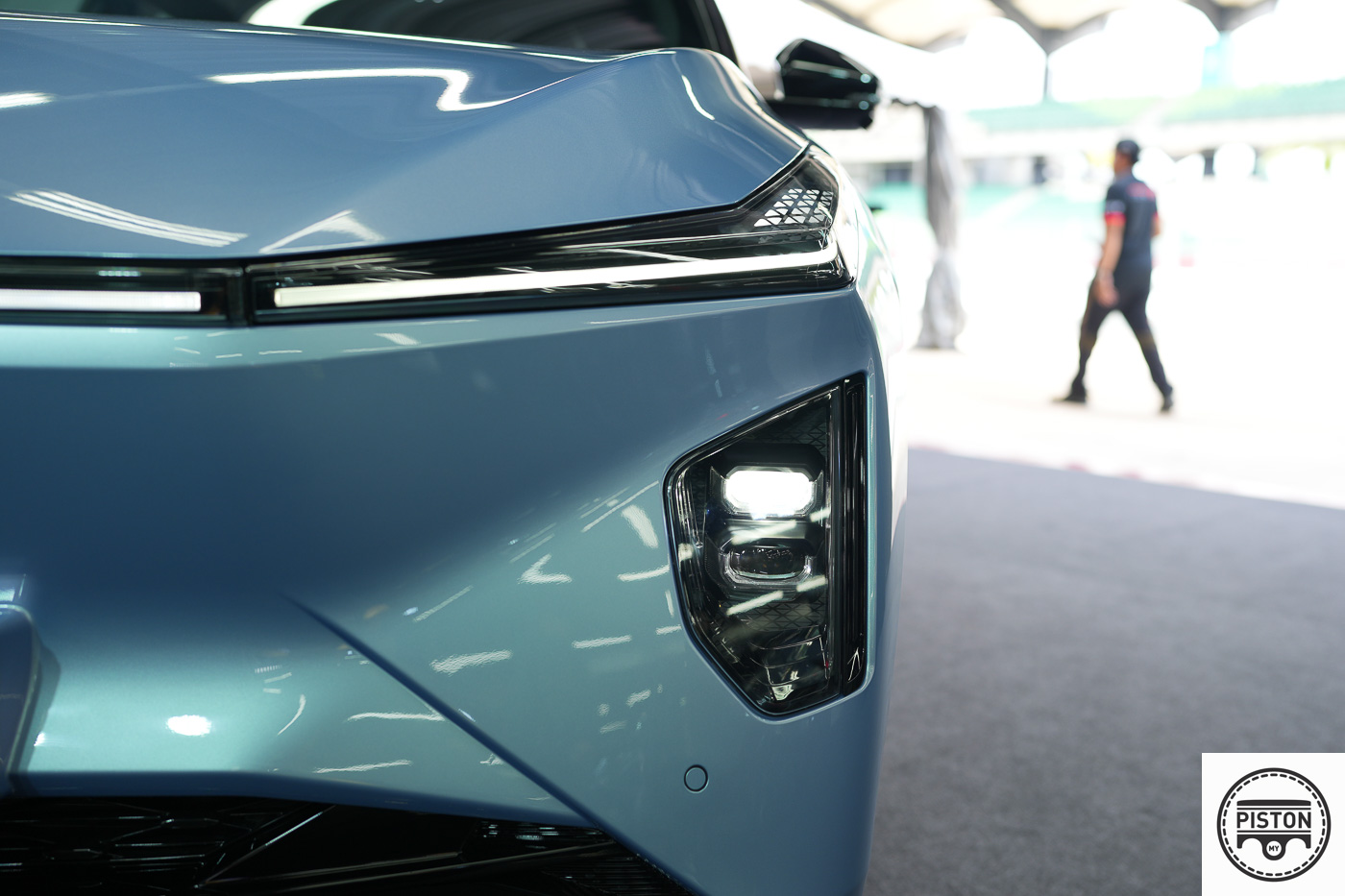
It is entirely new for Perodua but its overall design has hints of inspiration from other car makers though.
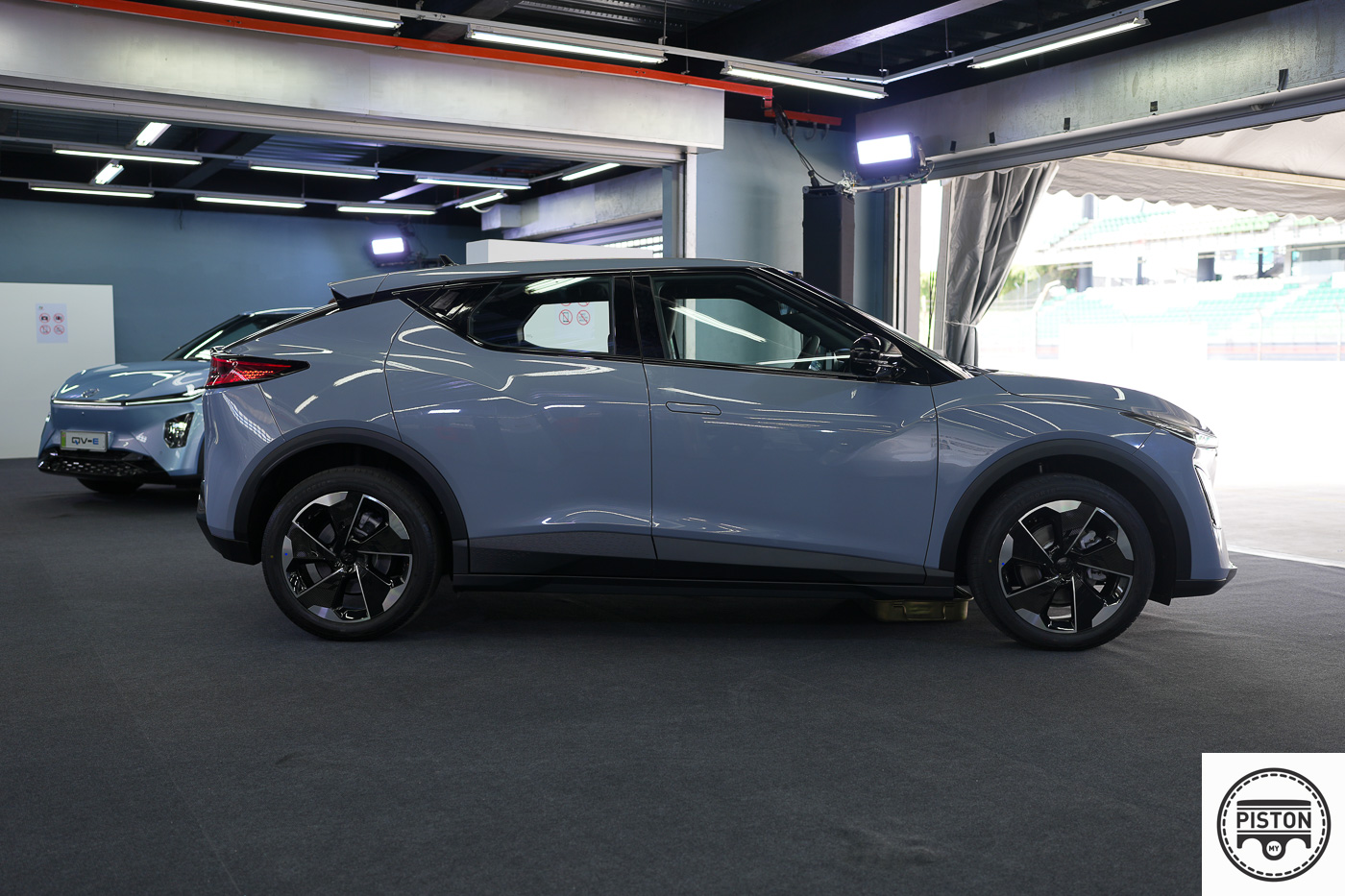
There is a little bit of Toyota and a little bit of Kia as well. But to be fair, it is difficult to be 100% original in this day and age and especially so when it comes to EV’s.
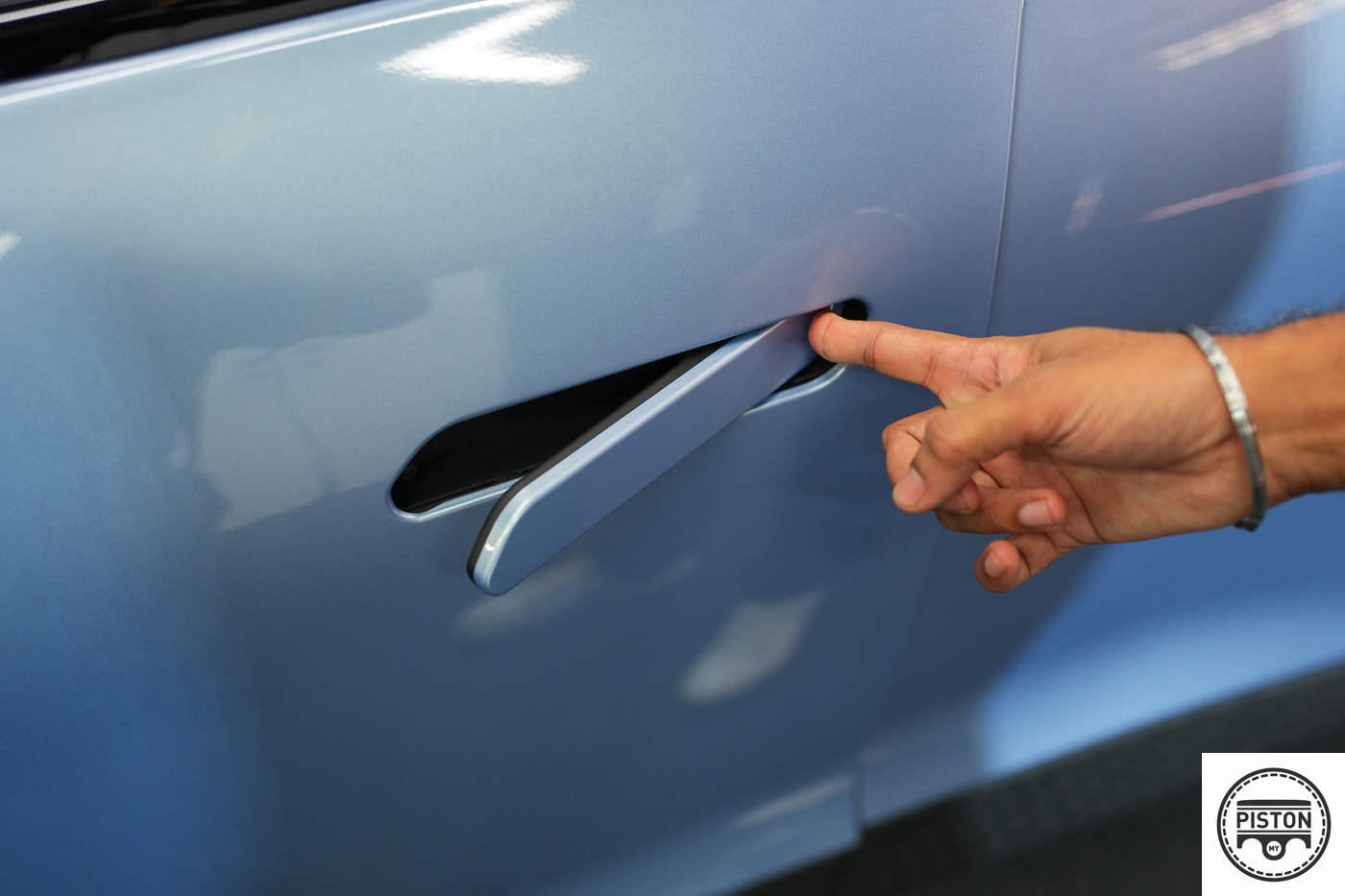
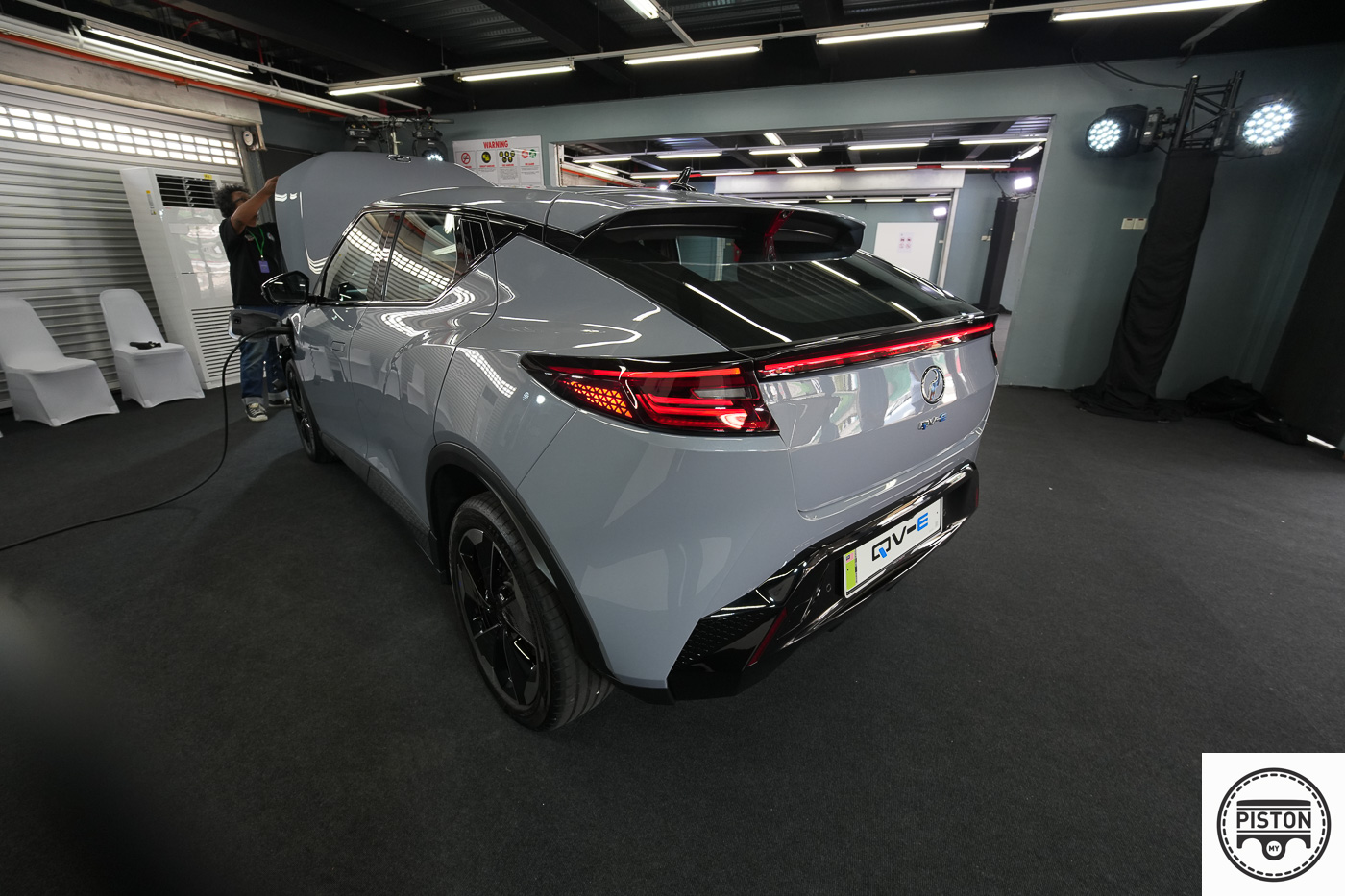
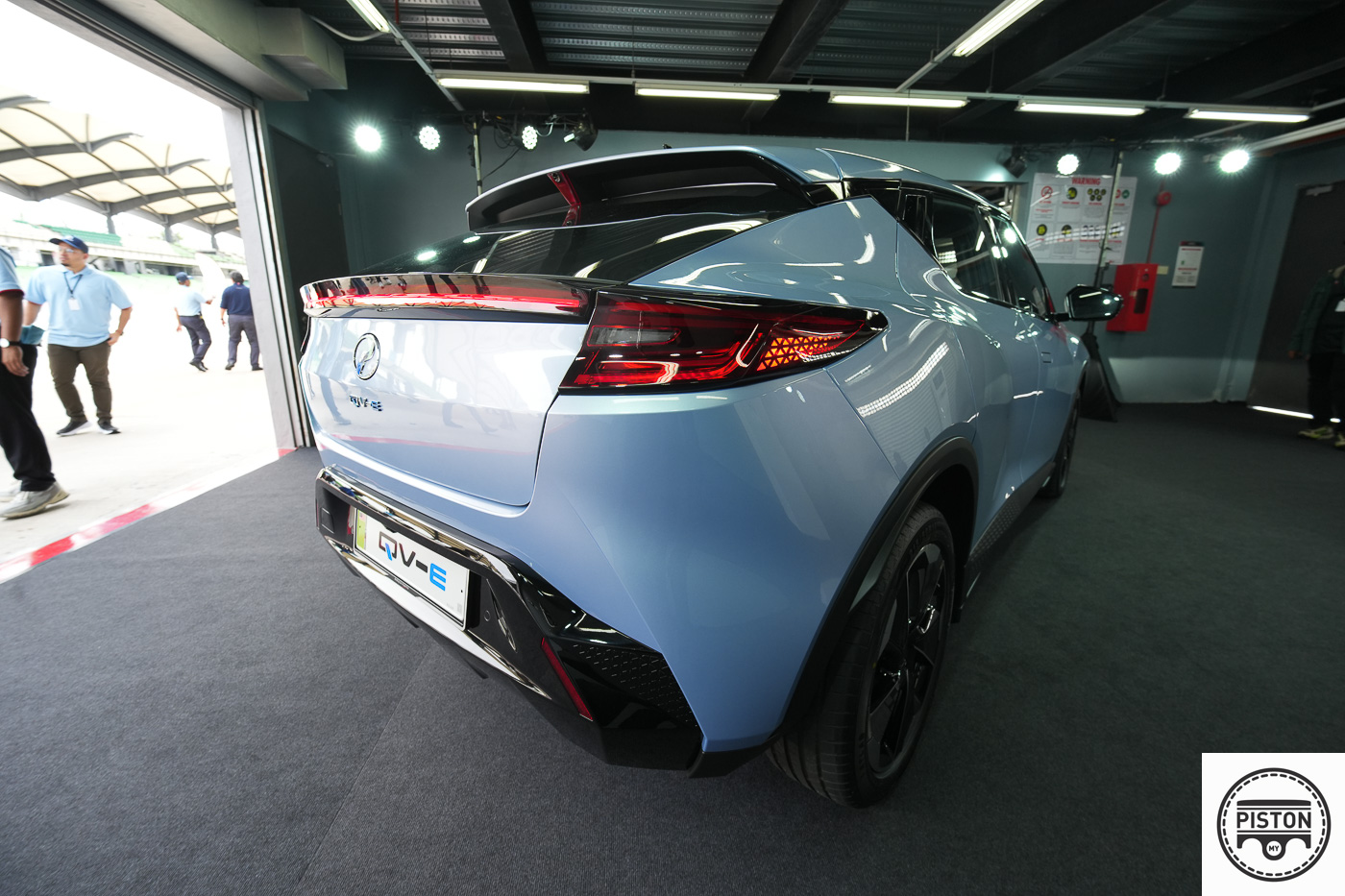
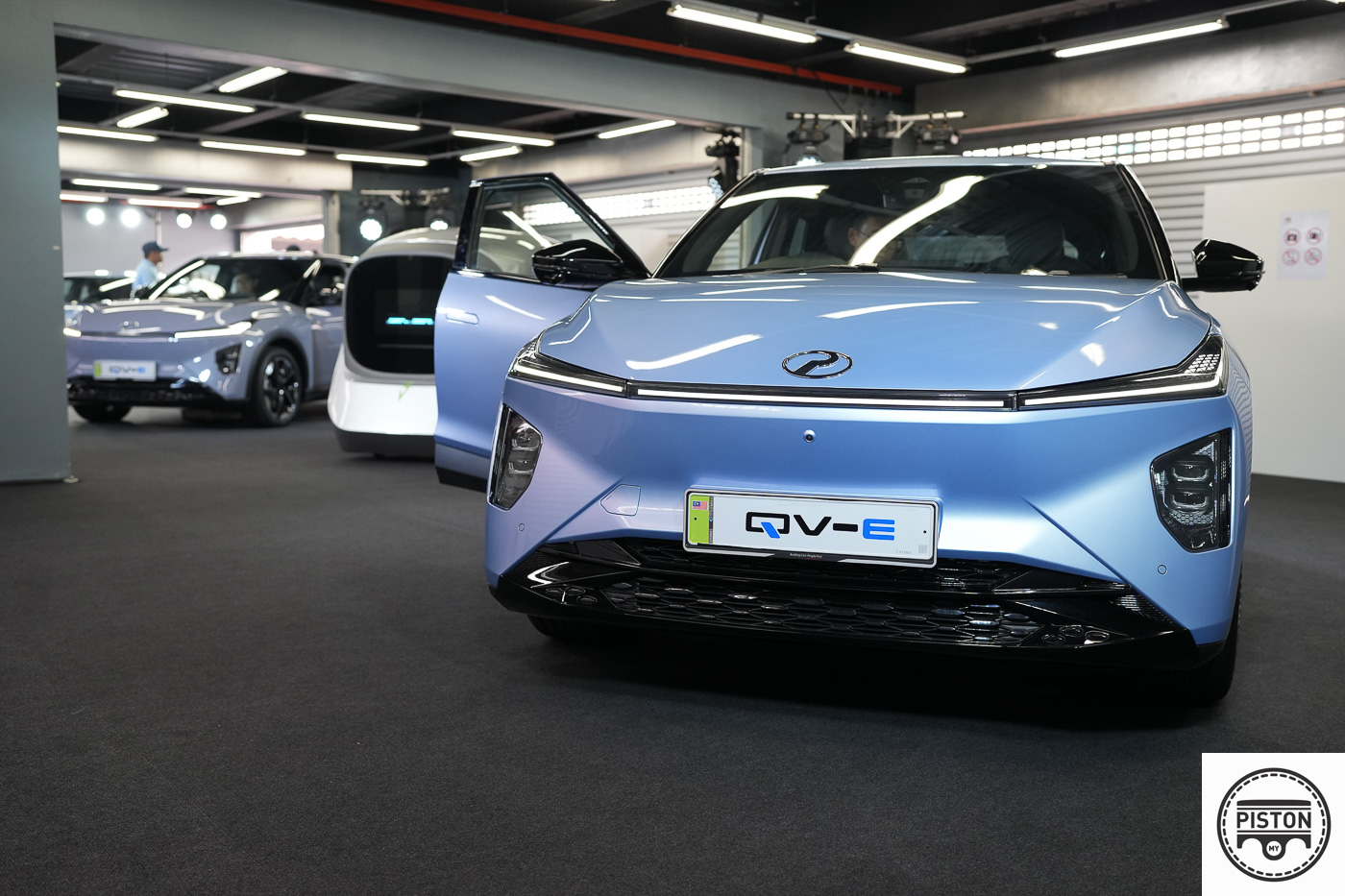
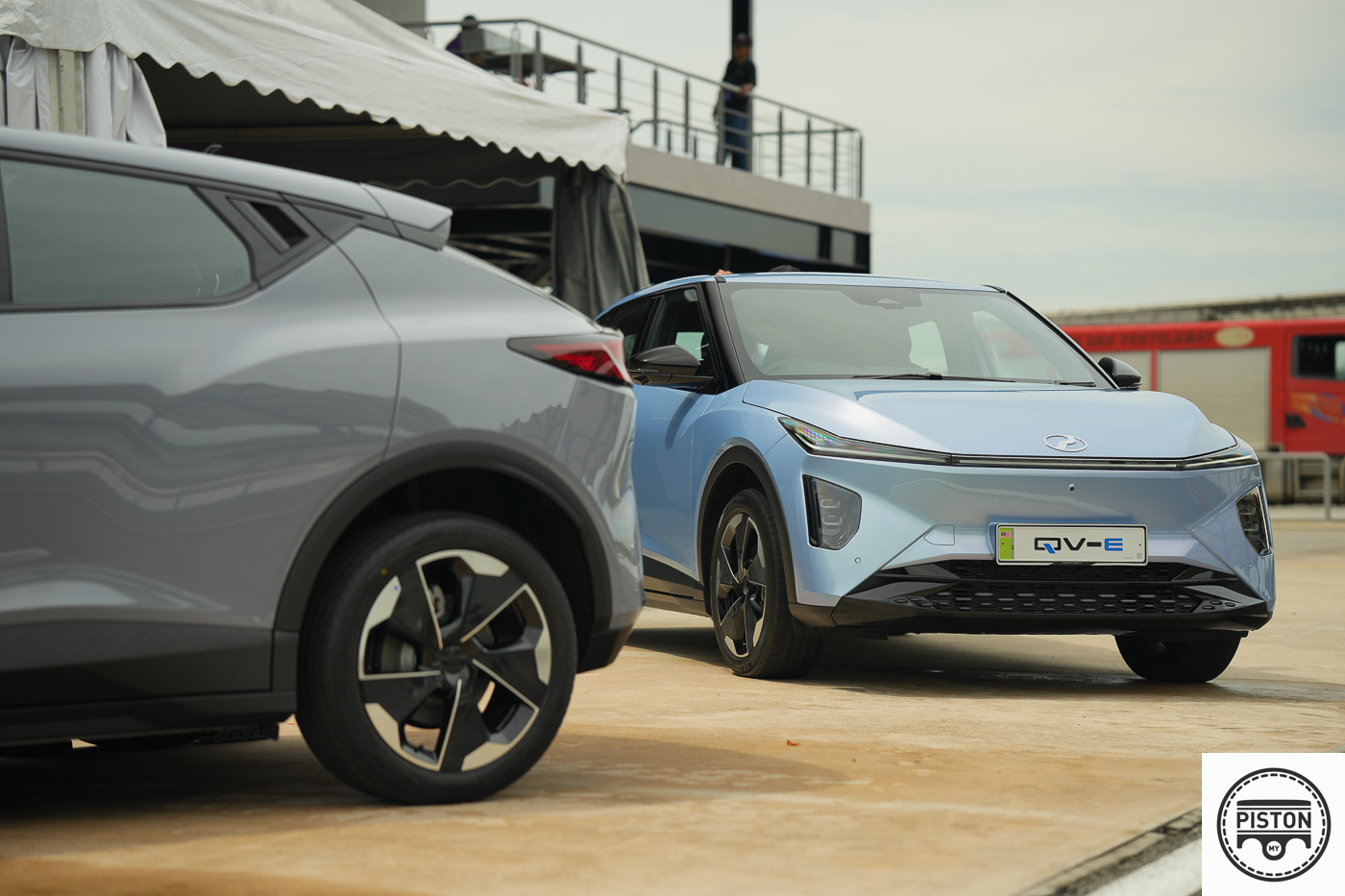
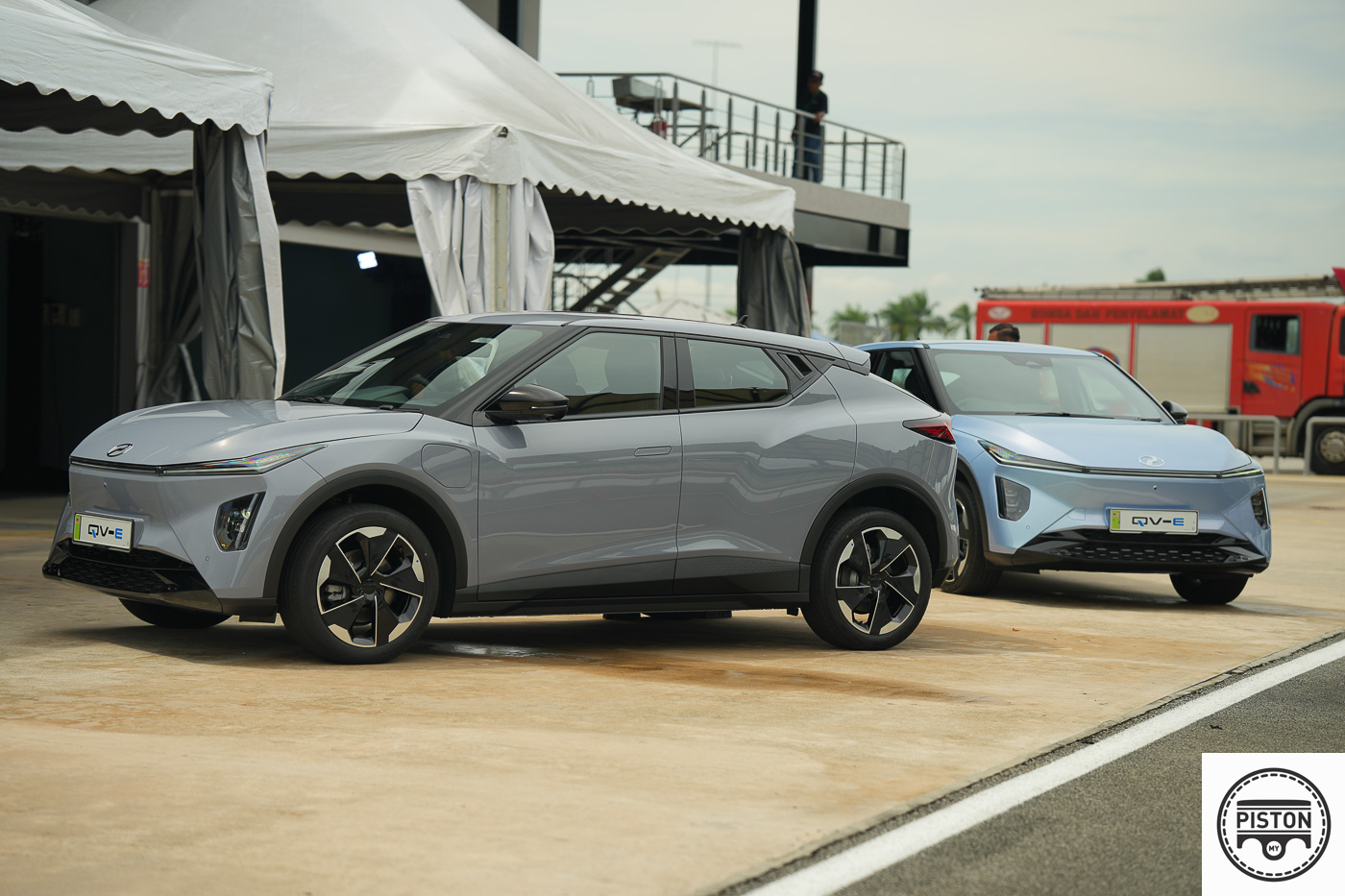
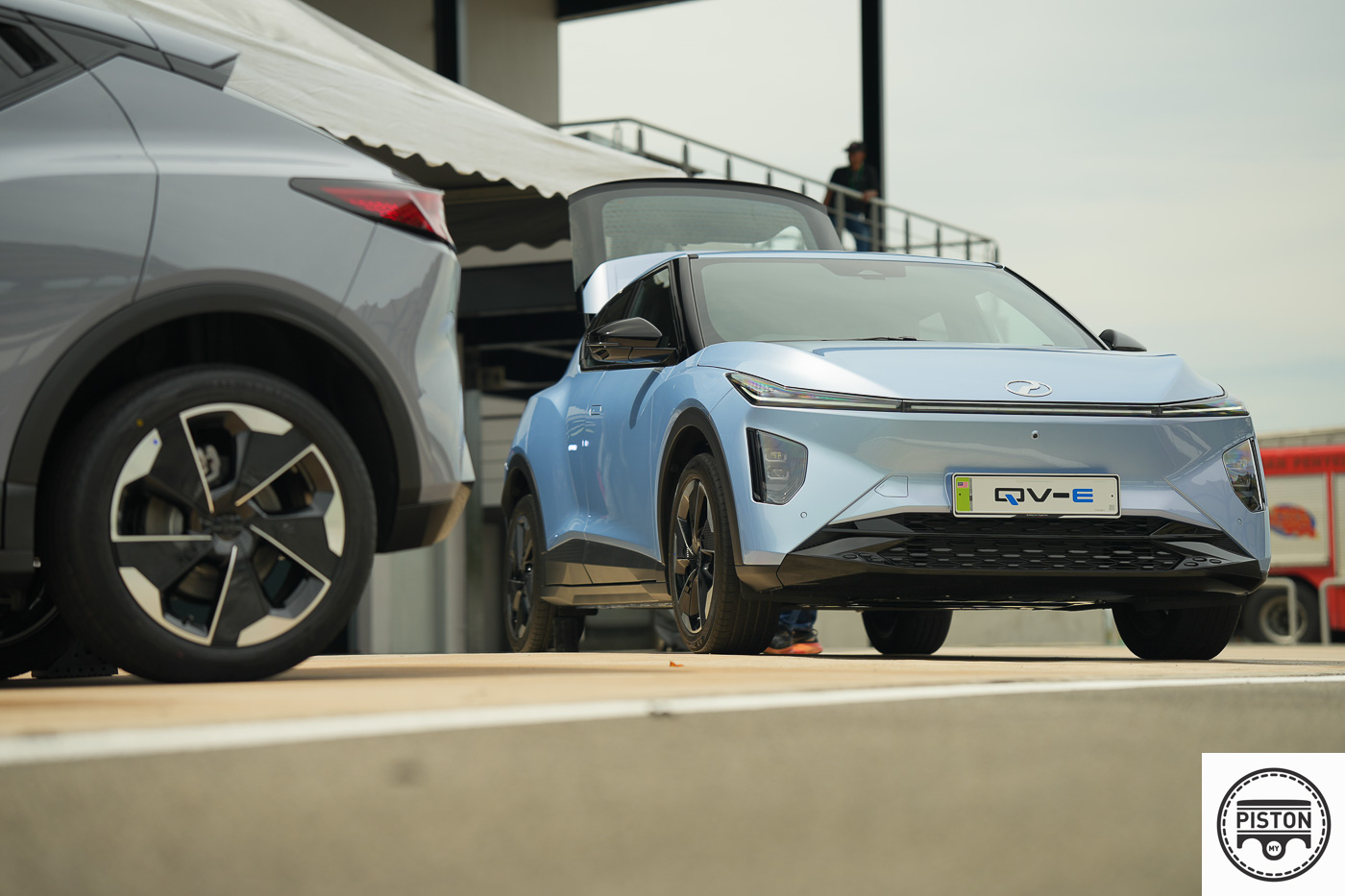
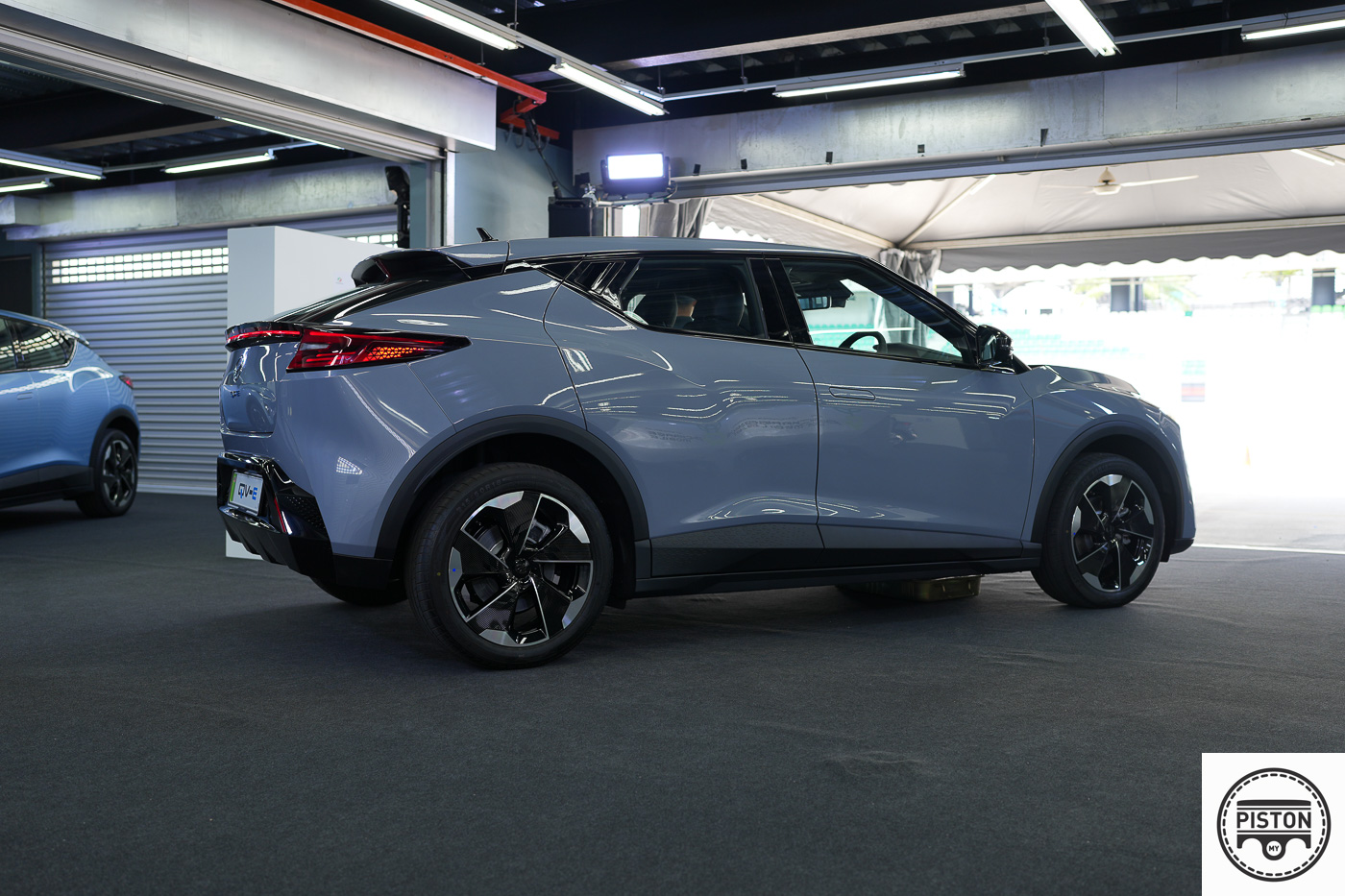
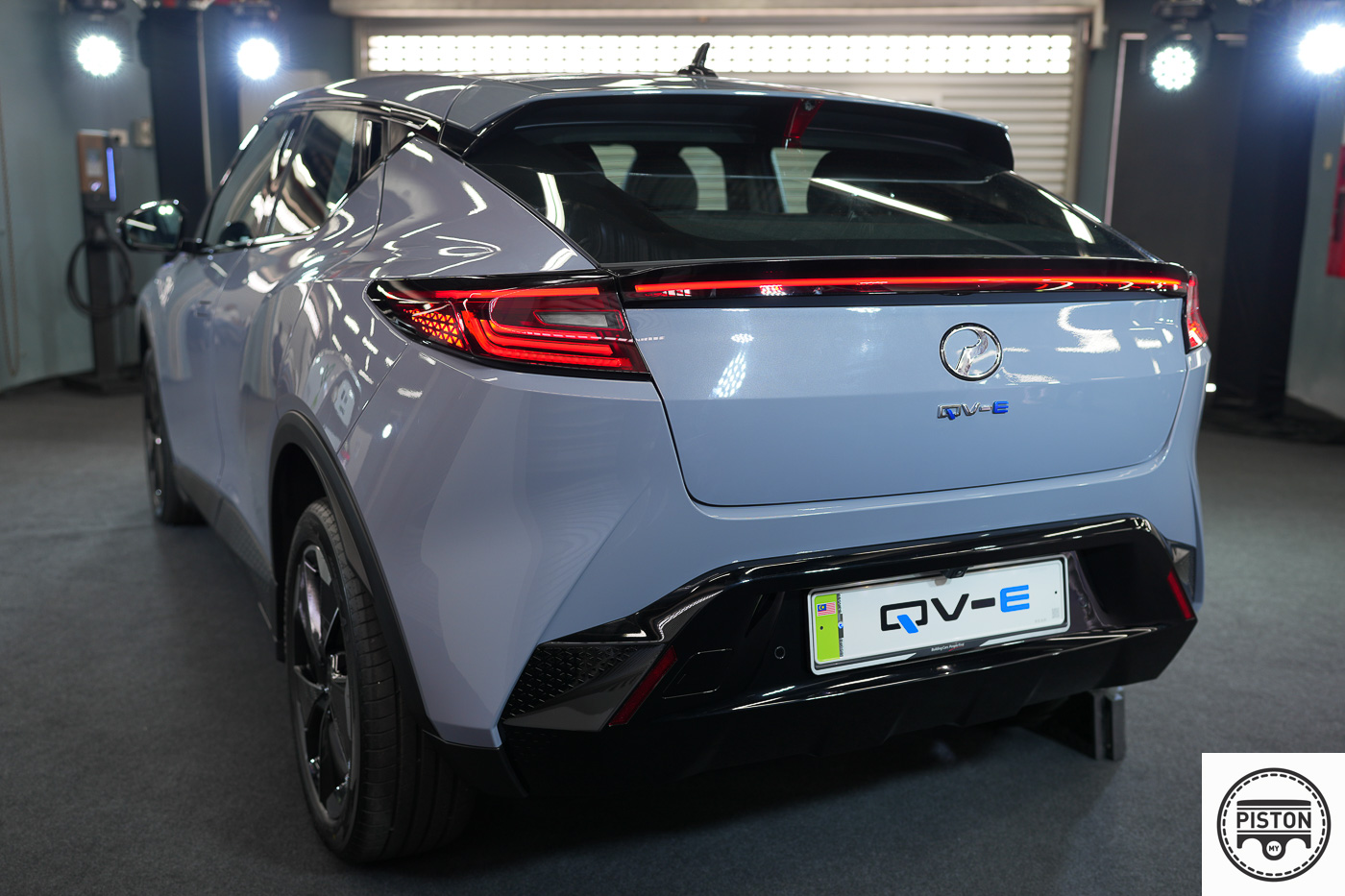
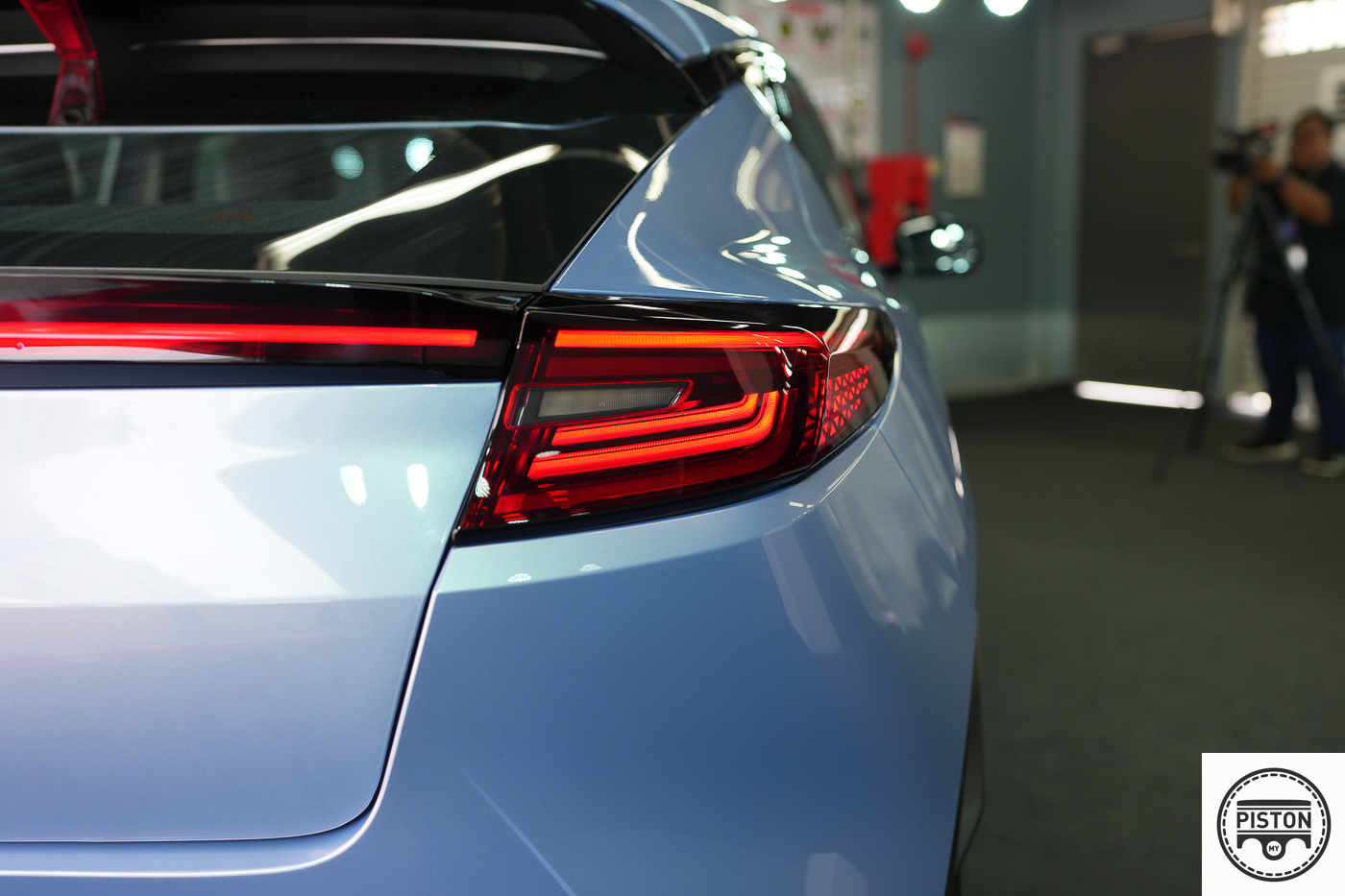
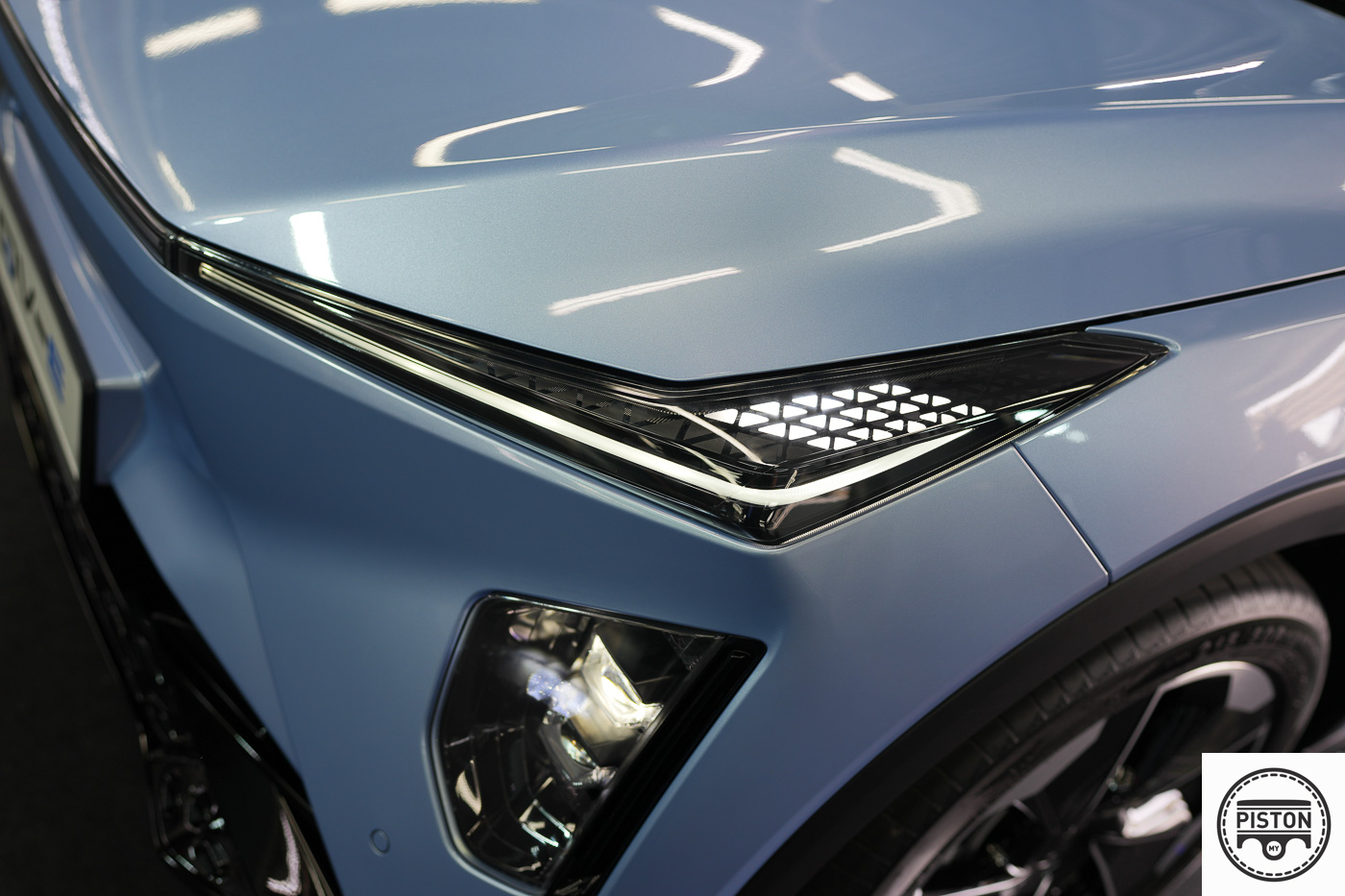
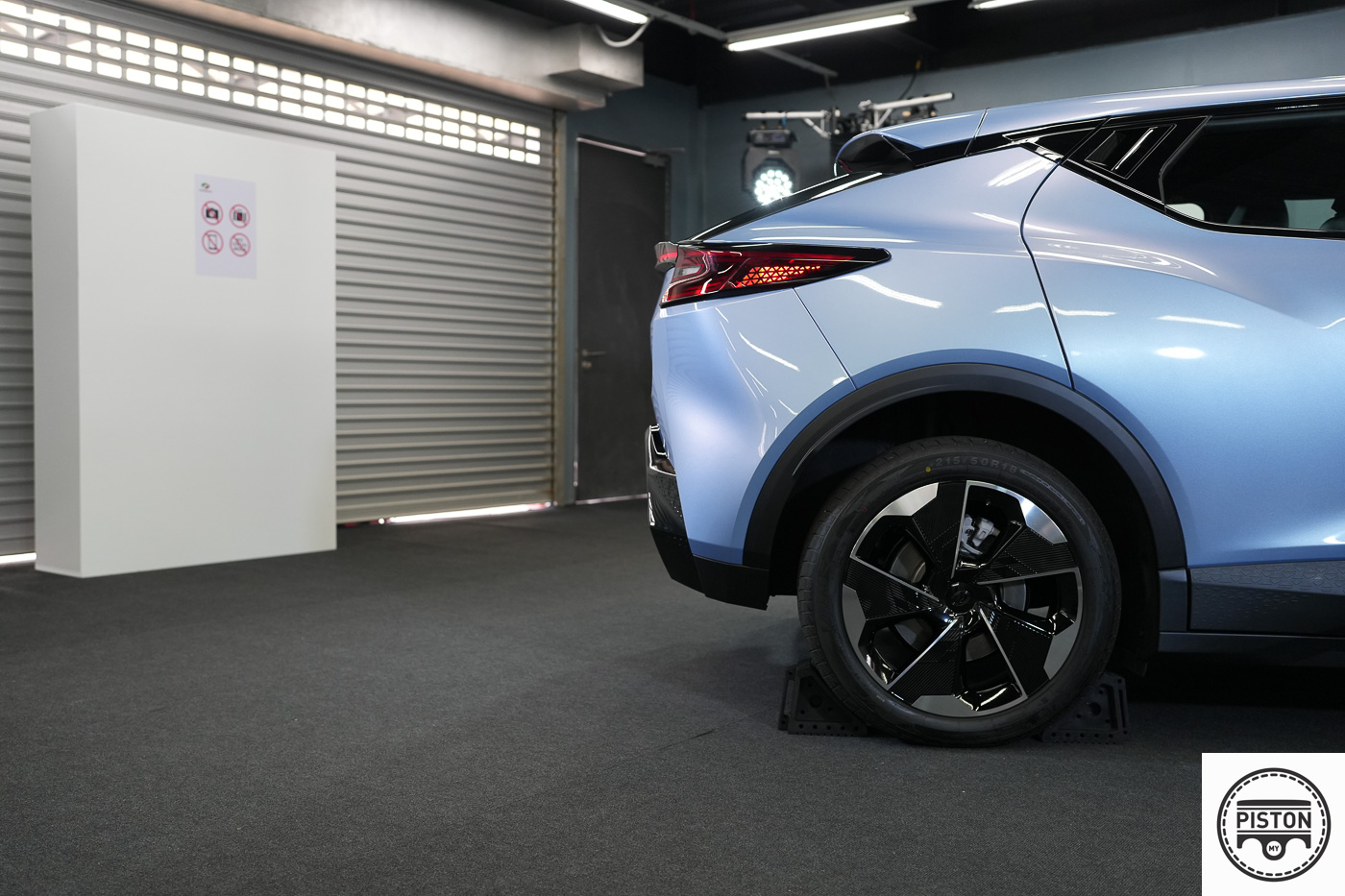
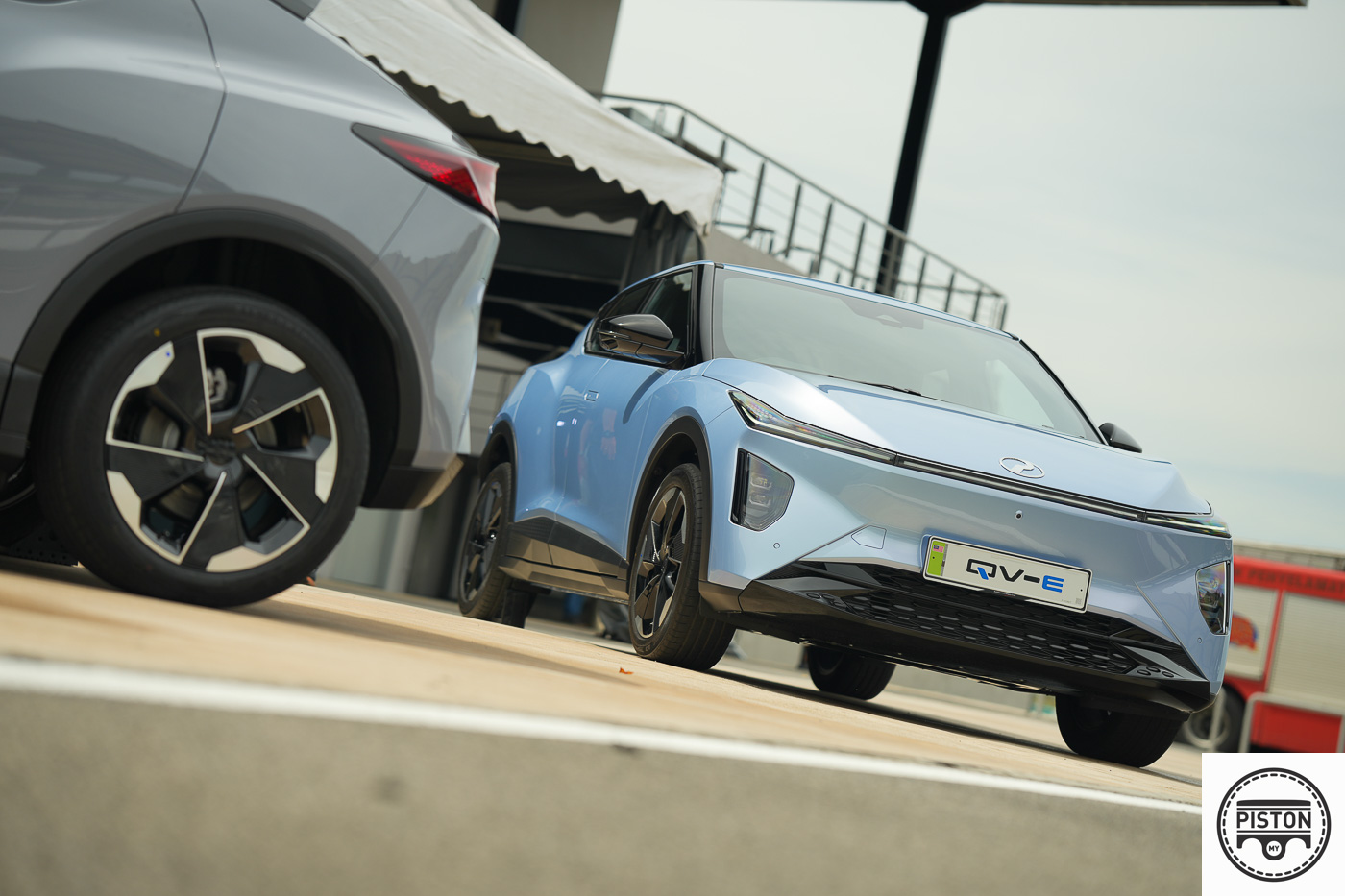
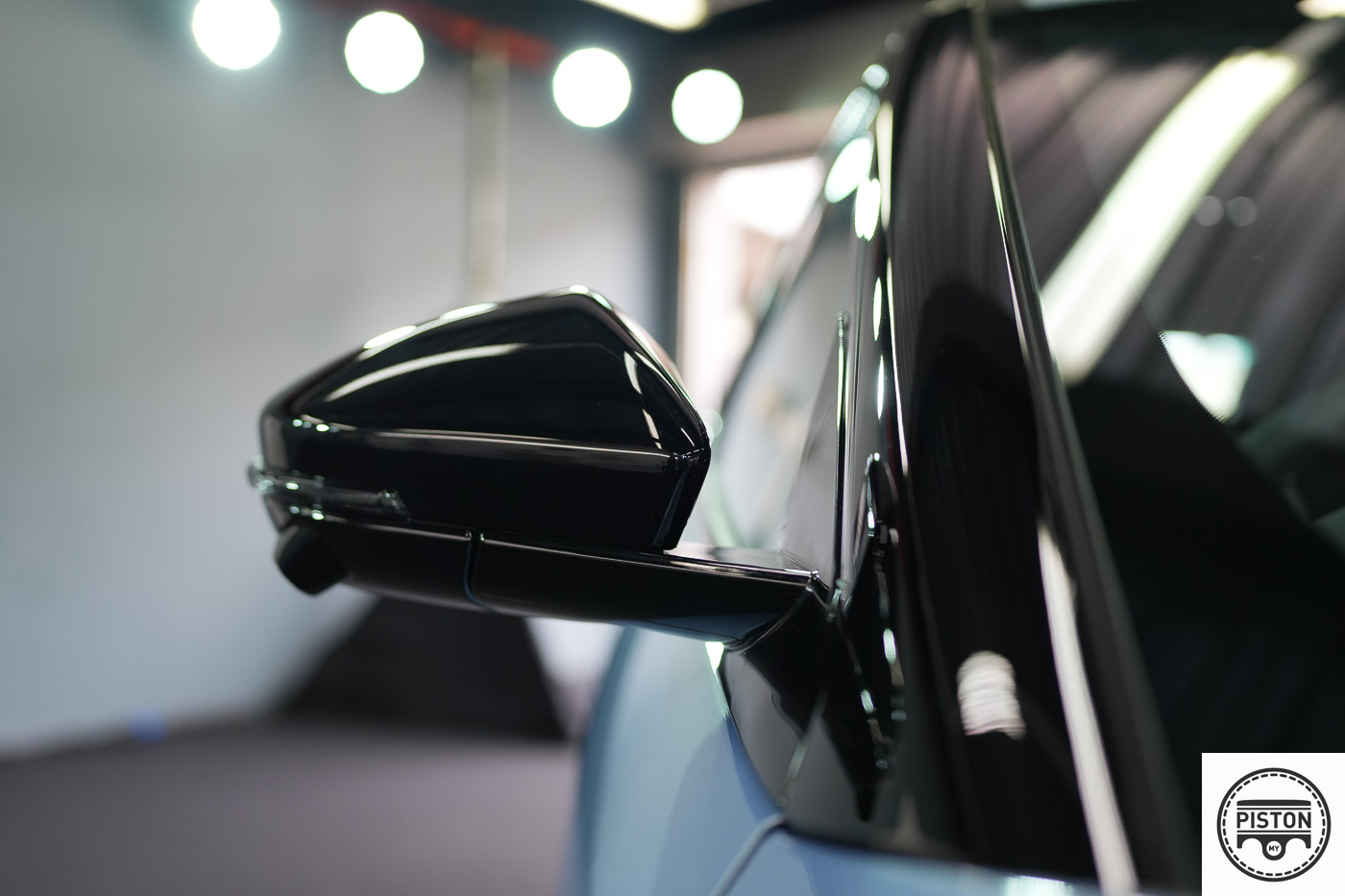
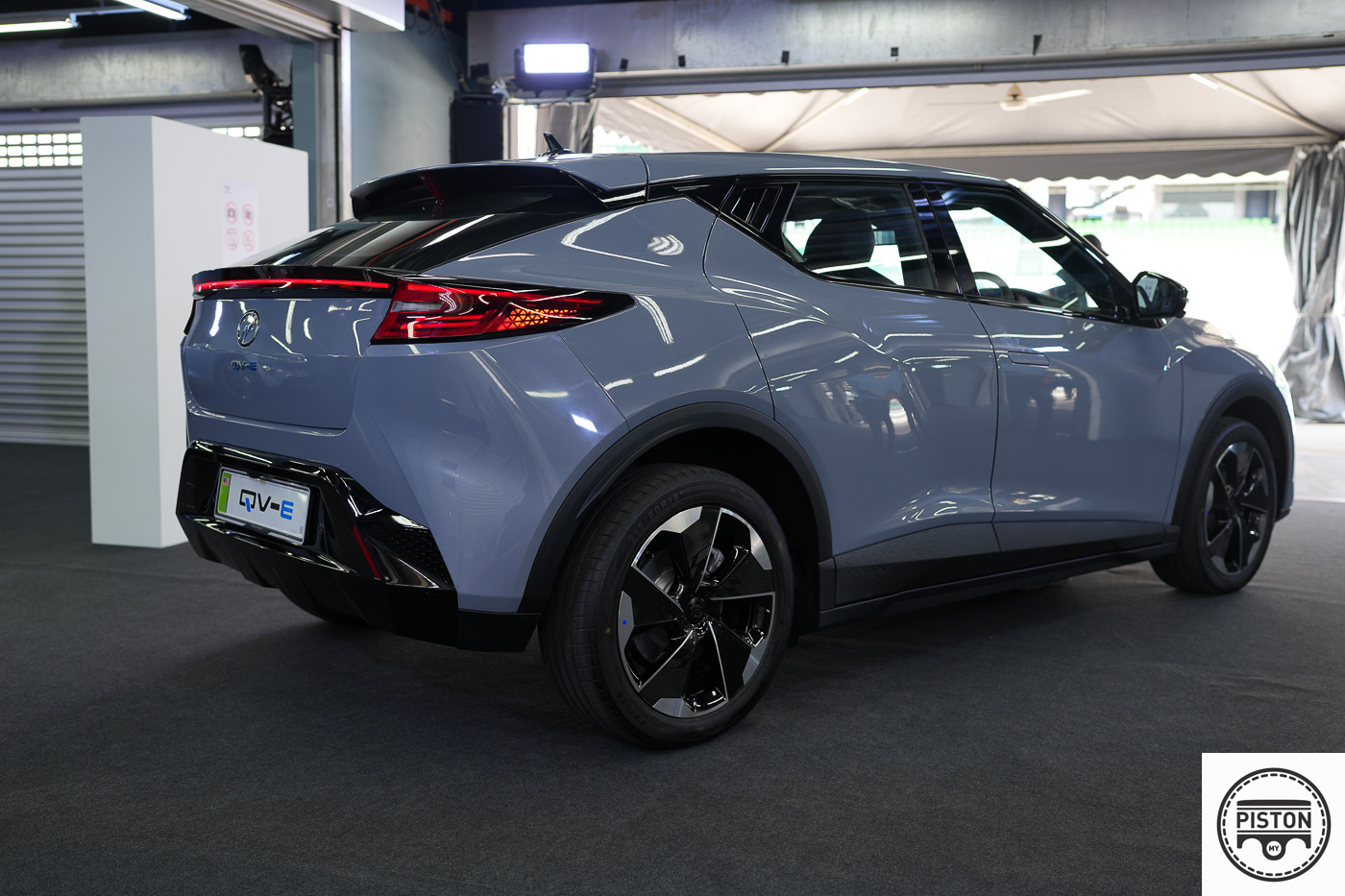
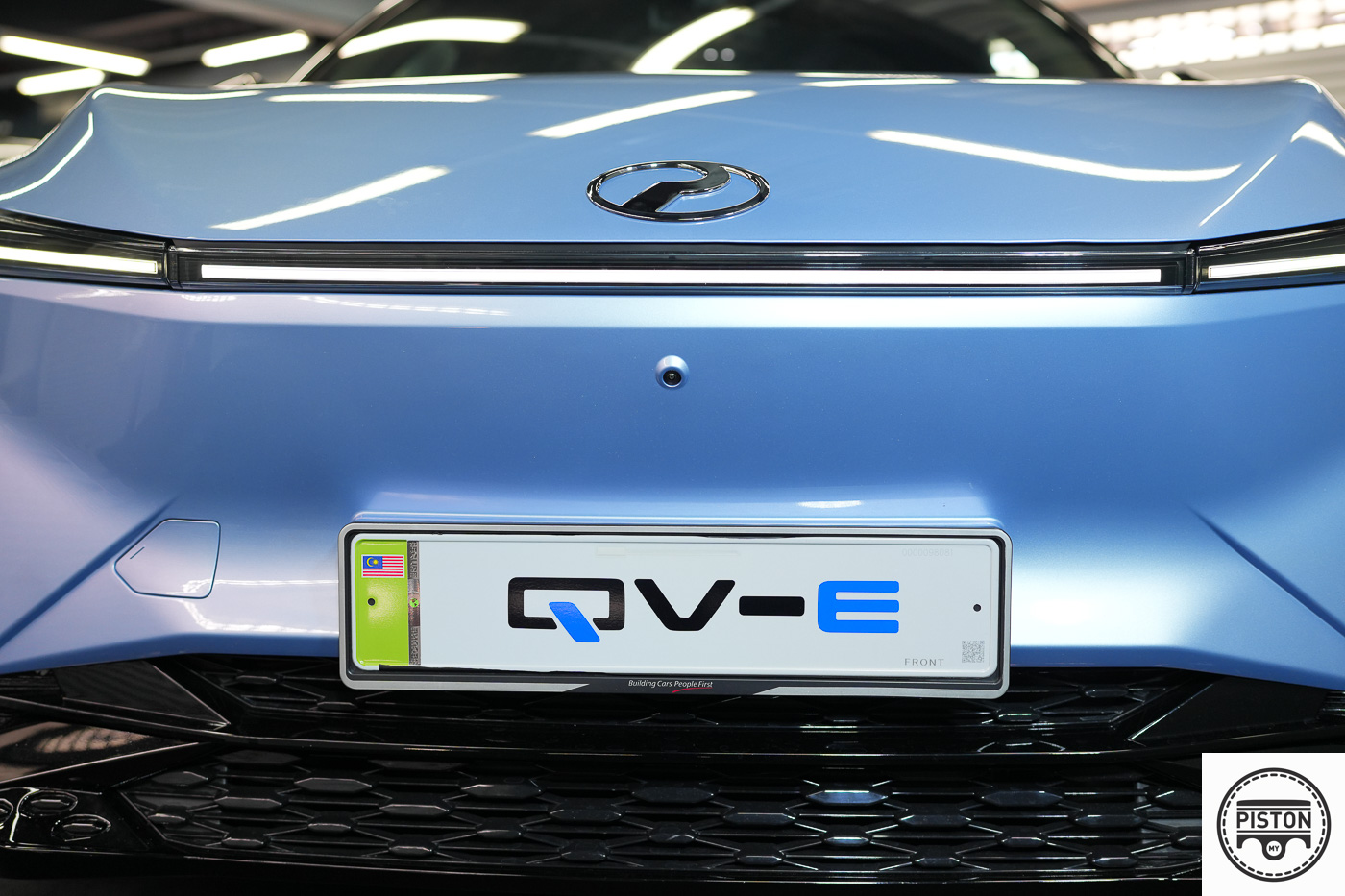
It is undeniably a handsome car though and a big one too. The dimension sheets shared by Perodua pointed out that the QV:E is longer and taller than a BYD Dolphin. It is also wider and taller than the Proton e.MAS 5.
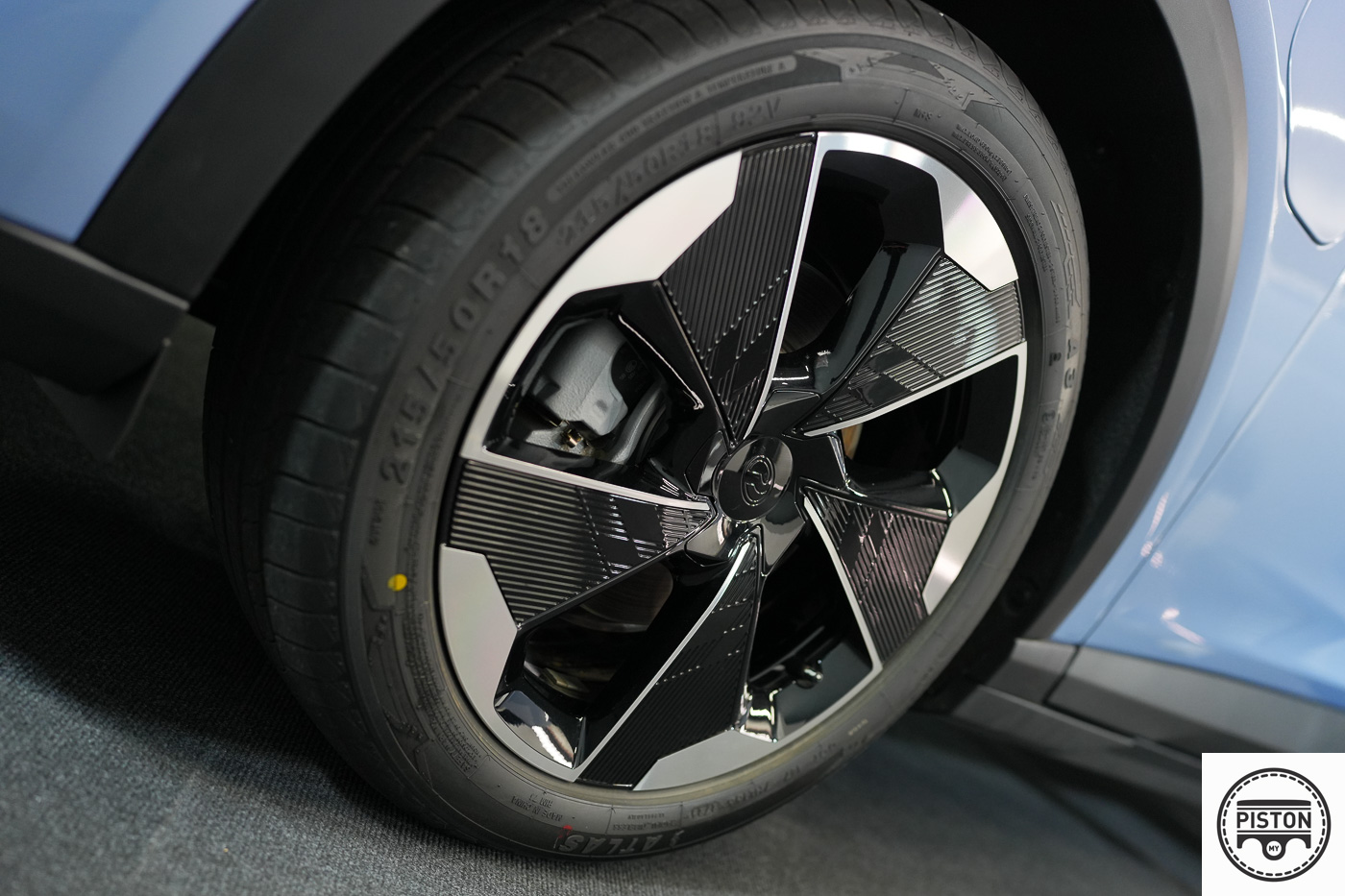
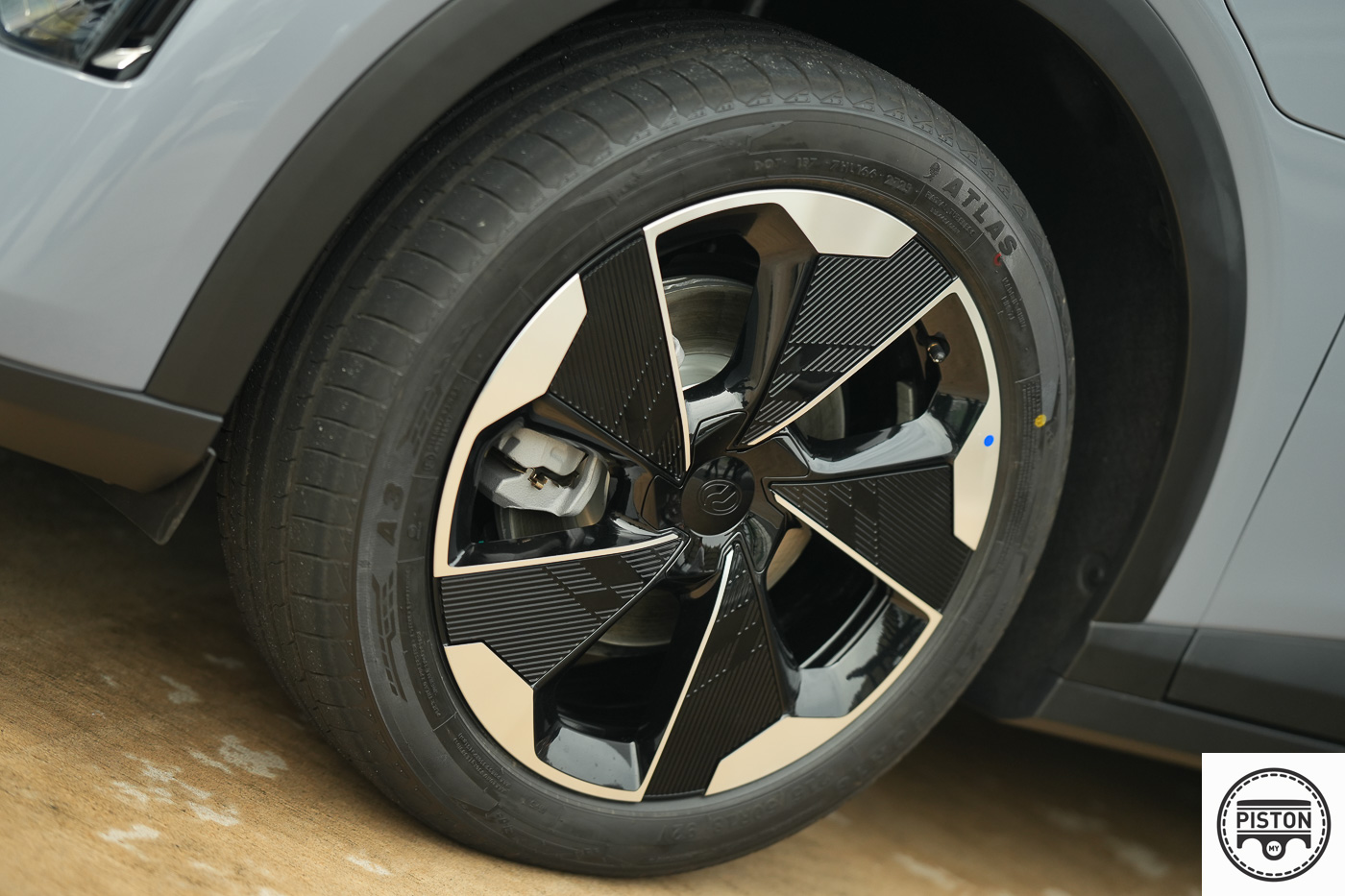
It rolls on 18-inch wheels and generally looks good.
How does it drive?
A test drive around the Sepang International Circuit is not going to reveal much, especially one with a guide that kept saying, “please don’t crash the car”.
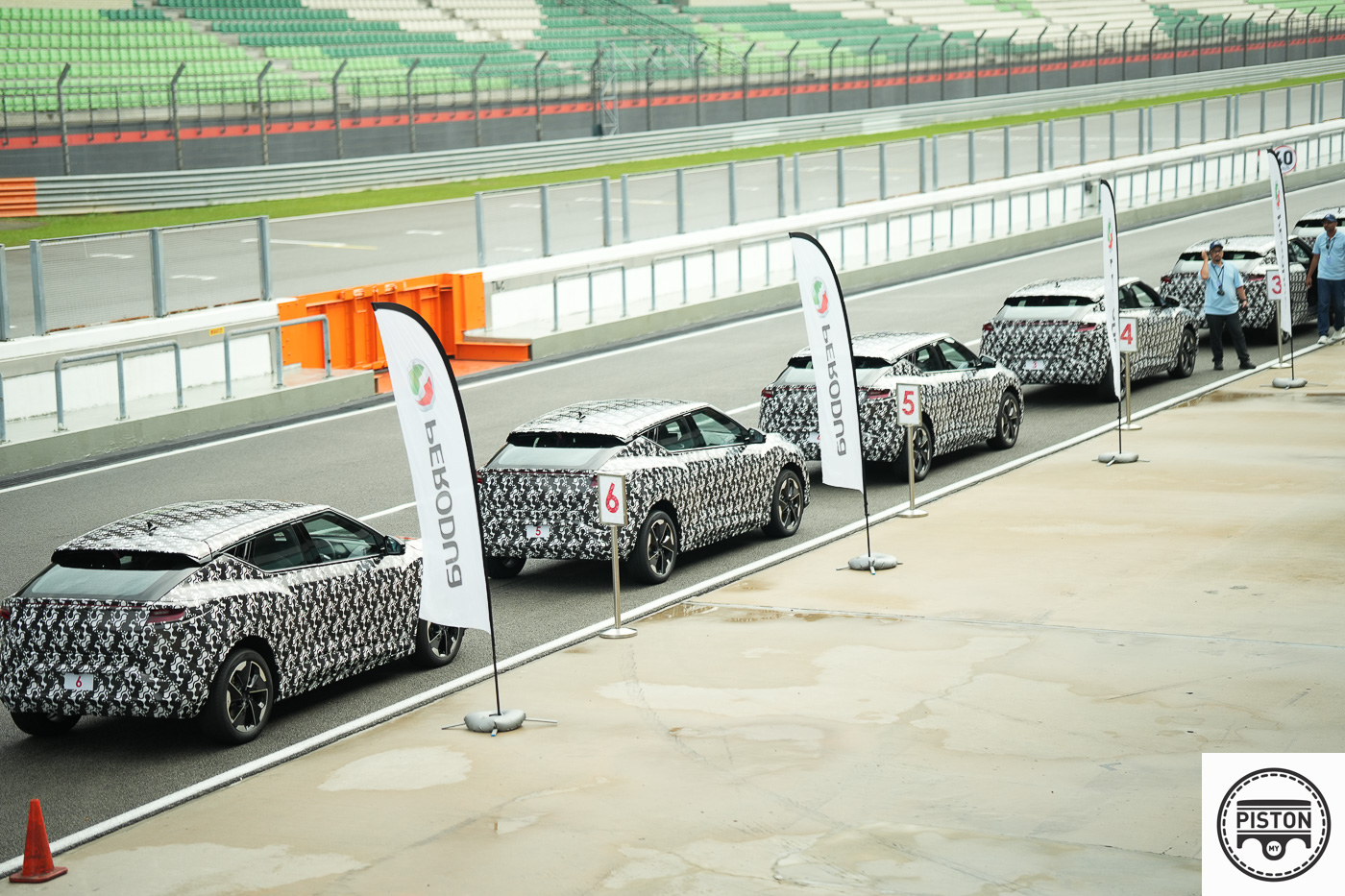
But it was good enough of a drive to tell you that acceleration is fantastic though the car weighs in at a hefty 1,600kg.
The brakes though feel like they could do with more bite but the cars available for the test were all pre-production cars. So, expect the customer cars to feel a lot better.

Overall refinement was good as well with little wind noise at speeds above 100km/h.
The elephant in the room.
I write this a day after the official launch of the car, and social media has exploded. Sadly, with negative feedback.
No one is complaining about the design of the car, the interior nor the performance of the car. But everyone has a problem with the one thing that Perodua is doing differently, and that is the Battery as a Service (Baas) programme.
To make it clear, this is a noble service from Perodua. According to their research, the company found that EV buyers have three concerns – higher on the road price of cars, low resale value, EV battery replacement cost.
So, to mitigate these concerns, Perodua came up with BaaS. But somehow, the nobility of it all got lost in communication.
I will try to simplify this in the best way I can.
The Perodua QV:E costs RM80,000. That is the price of the car, but it does not include the price of the EV battery.
For the battery, you must pay a further RM275 (no inclusive of 8% SST) for nine years.
It does not matter if your hire purchase agreement with any financial institution is for three years, five or even seven years. You must pay RM275 for the battery.
Despite paying for the battery, Perodua retains ownership of the battery. The car belongs to you at the end but not the battery.
Just to make sure you do not do anything funny with the car, Perodua will be able to track the movement and whereabouts of the car.
It does not track it in real time and does not care where you go. But it tracks the car because in case you miss your monthly payments on the battery, it will remotely disable the car.

In case you miss your payments to your bank on your hire purchase agreement and your bank repossesses the car, Perodua will repossess the battery and negotiate with the bank to buy back your car. But you will still have to settle your defaulted loan to the bank though.
If you are worried about having to make payments to two separate institutions, the good things is you can pay the RM275 for the battery directly to your bank. But in case your hire purchase loan ends early, you then pay the RM275 directly to Perodua.
With this model, you cannot use your QV:E for ride hailing services, sublet the car to anyone else, or use the car for commercial purposes.
Sounds complicated? There is more though.
When it comes to selling the car, you must sell it back to Perodua because the battery remains the property of the company. You could sell the car to anyone else but it has to be without the battery. Good luck with that.
So, what’s the good thing about this?
With BaaS, Perodua mitigates the risk of the state of the health of the battery falling below 70%. If it does, Perodua will replace the battery for free and it takes just 30 minutes to replace the battery.
And unlike other car makers that give you fix year warranty on the battery, Perodua gives you a lifetime warranty on the battery. It will even pay for the insurance on the battery while you pay your regular insurance on the car.
What happens after nine years?
You no longer have to pay for the battery but should the state of health of the battery fall below 70%, you will have to replace the battery and restart your payments once again.
But if you sell your car before nine years, the next owner will have to sign an agreement with Perodua to restart his/her payment on the battery.
Why is Perodua doing this?
To mitigate the three concerns mentioned earlier but also to mitigate the risk of improper battery disposal.
With Perodua maintaining ownership of the battery, it can then decide on how to properly dispose the battery without harming the environment.
Conclusion?
The Perodua QV:E is undoubtedly a fantastic first try by Perodua. Very few car makers around the world have nailed it from the get go but Perodua has.
The only problem? BaaS.
I personally think that Perodua has got the mechanism right but needs to tweak it. The concerns over the used value as well as the replacement cost of the battery are valid.
But I don’t feel good about my movements being tracked by Perodua and I really don’t want to be tied to a payment for so long.
But in case you feel like this is not for you, Perodua also made it clear that the QV:E is not for everyone.
It is not chasing volume in the hundreds of thousands like it is doing with the Myvi and Axia. During the media presentation, Perodua said that it is positioning the QV:E for M40 and T20 buyers.
So Perodua has surely nailed the car, but BaaS can be refined. The idea is surely decent but perhaps ahead of its time.
Specifications:
Motor: Permanent Magnet Synchronise Motor
Drive: Front wheel drive
Power: 150kW & 285Nm
Range: 445km (WLTP)
We like: Good looks, made Malaysians proud
We don’t like: BaaS programme seems complicated