Exploring Chery’s PHEV models
In a previous article, we explored the benefits of Chery’s HEV technology, stating that it offered benefits such as improved fuel efficiency, performance and even a smoother ride.
You can read the article here.
But we understand that there are some who don’t mind the plugged-in life but need an engine to sometimes go further. Chery has a solution for that too and it is known as the Chery Super Hybrid (CSH) Plug-In Hybrid Electric Vehicle (PHEV).
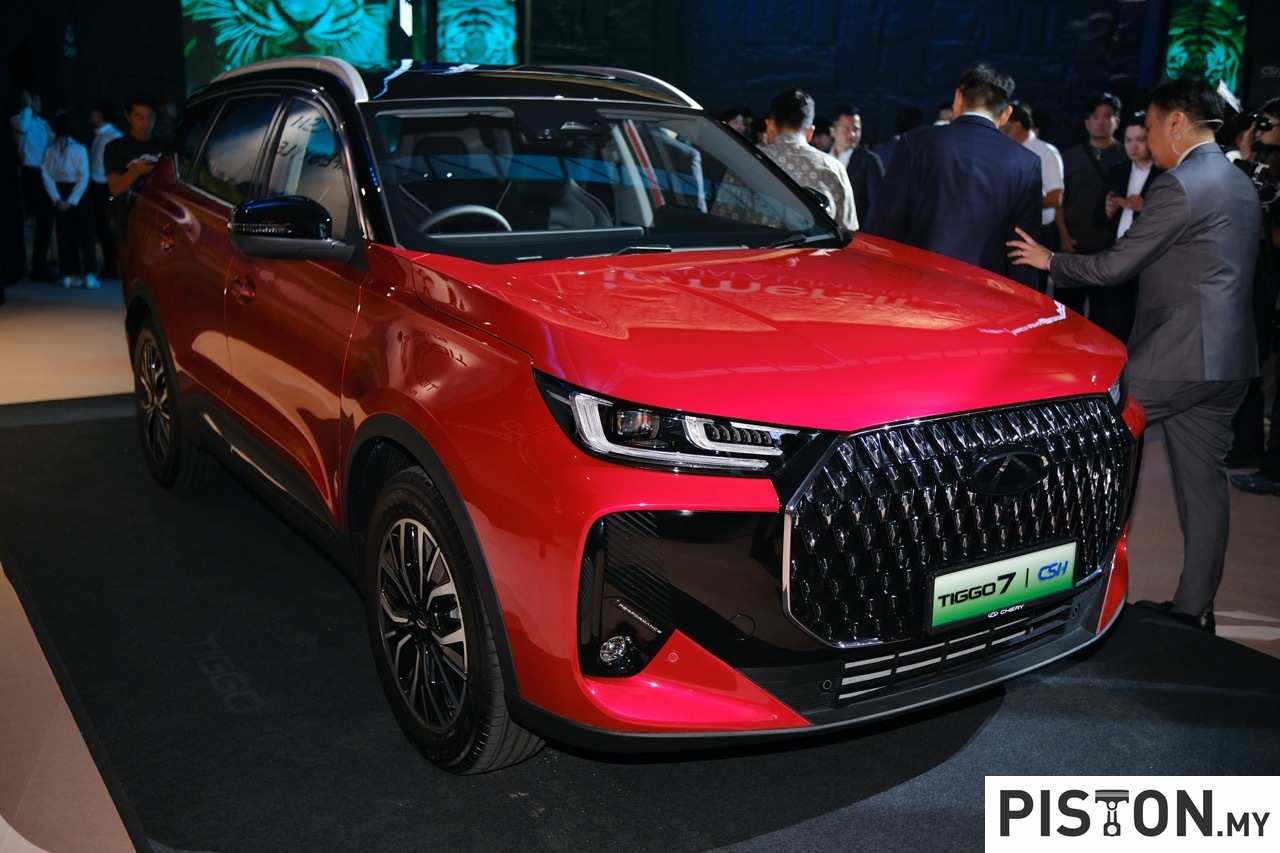
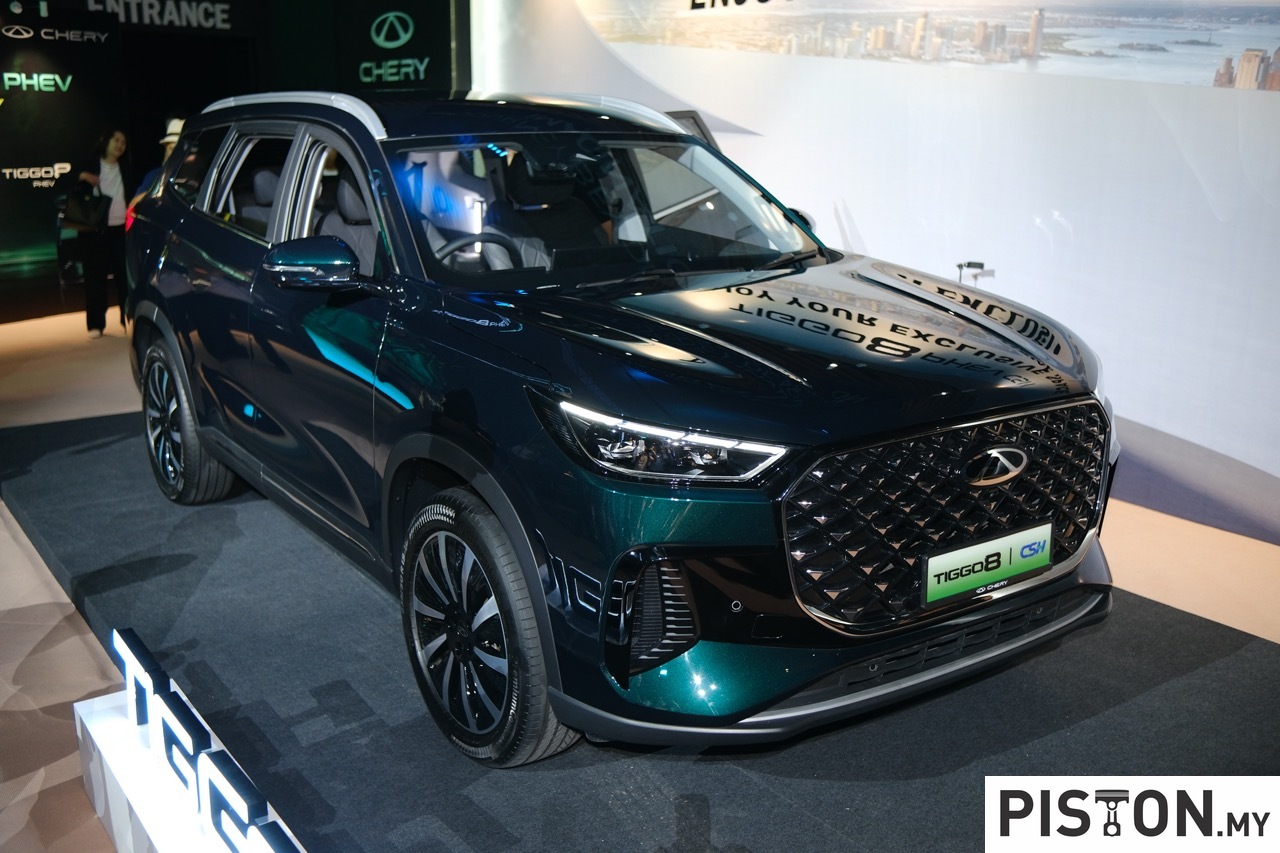
Two PHEV models were launched recently, the Tiggo 7 PHEV and the Tiggo 8 PHEV. And both offer gargantuan power with impressive range, up to 1200km to be precise.
So what makes PHEV’s by Chery so efficient?
It is the result of a large battery, powerful tri-motors, self-charging capability and the ability to plug in to an external source for recharging.
Powering Chery PHEV’s is a 18.3kWh LFP battery that is IP68 certified for overall durability.
Interestingly, Chery has been rather keen to showcase its durability. The battery is already known to be dust and water resistant, and it is also well known that it can withstand up to 95 degrees Celsius of heat, but in a display of durability, Chery also submerged the battery in a metre-deep tank of seawater for over 53 hours.
After that, it was removed from the tank, cleaned out and reinstalled into a Tiggo 8 PHEV and voila, it still worked.
But that’s not the only test it has survived, Chery has been overtly keen to show the toughness of its LFP batteries, and it has withstood everything the company has thrown at it, seven-car stack test and 15 foot vertical drop included.
The battery is obviously at the centre of the car’s capabilities
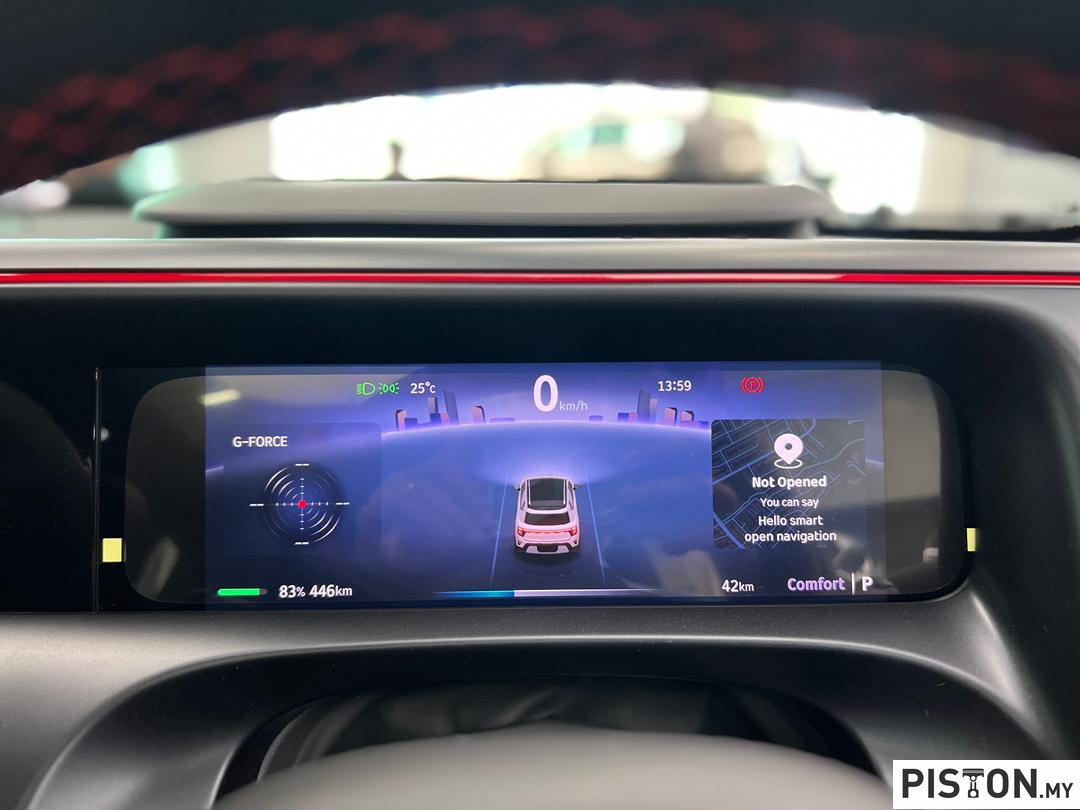
And rightfully so because it provides for an all-electric range of up to 90km, making the Tiggo 7 and Tiggo 8 PHEV models incredibly efficient.
In fact, as mentioned before, both models have a claimed combined range of up to 1200km. So yes, the battery is very much the heart of Chery’s CSH package.

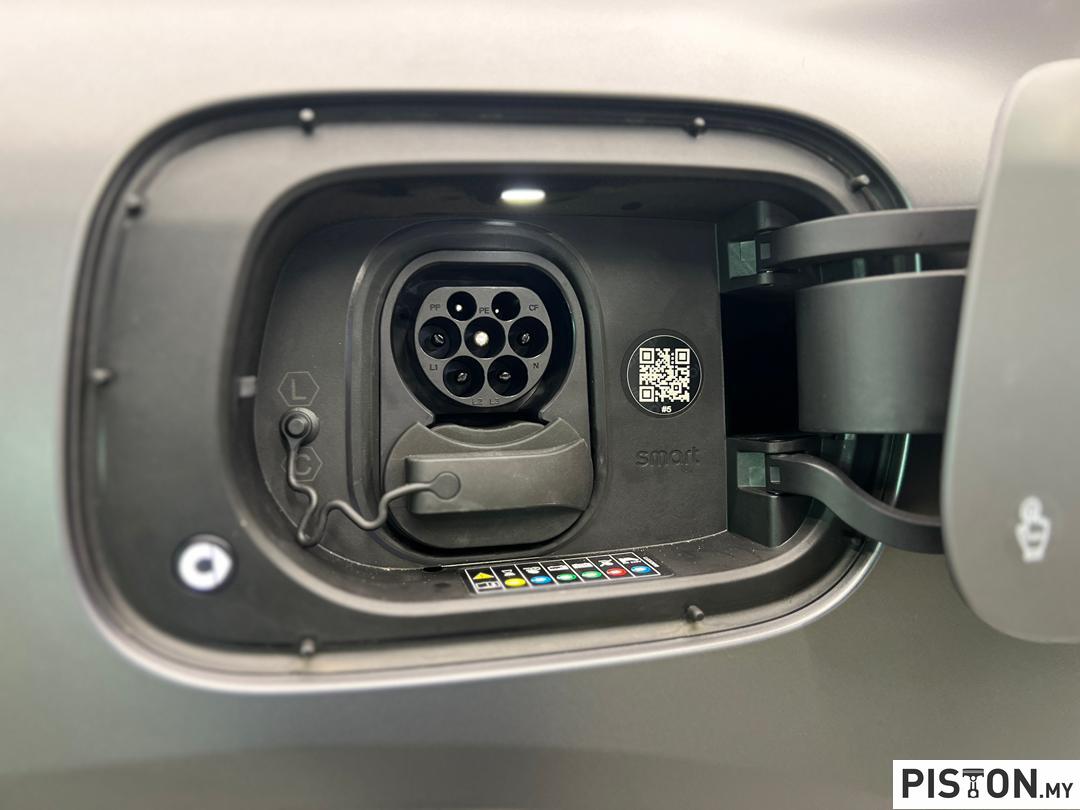
As for recharging, the battery can accept up to 40kW of DC charge and 6.6kW of AC charge. The former will charge up the car from 30-80% state of charge in under 20 minutes, while the latter will take three hours.
This is true for both the Tiggo 7 and the Tiggo 8 PHEV models.
What are some of the other benefits of PHEV models?
Power, a lot of it, is one of the other benefits of a PHEV model. Though efficiency is the keyword here, but power can’t be ignored.
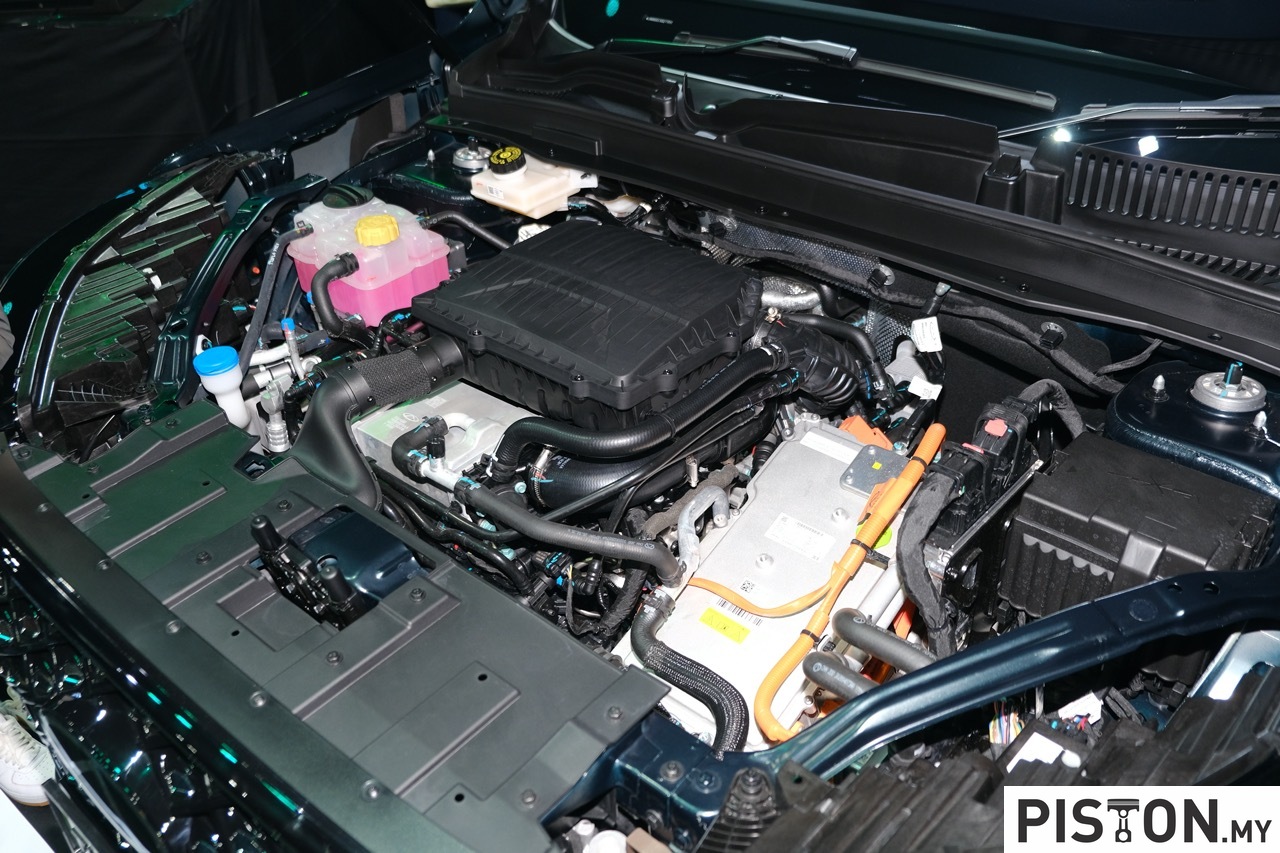
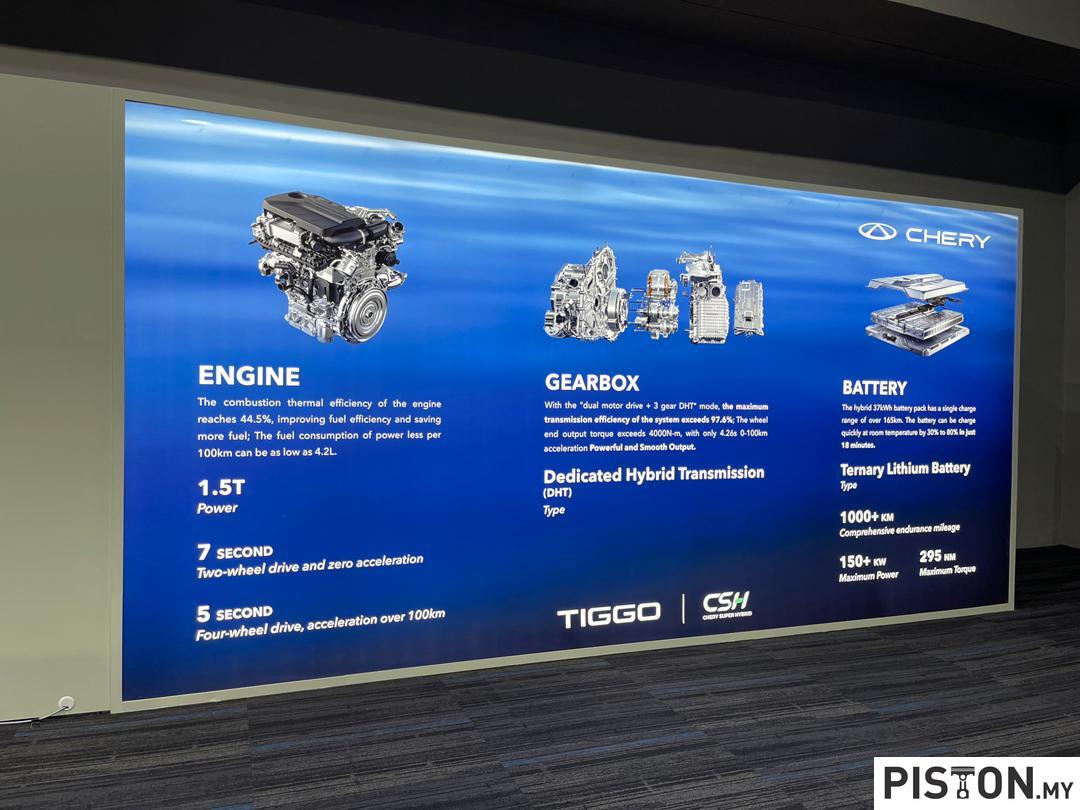
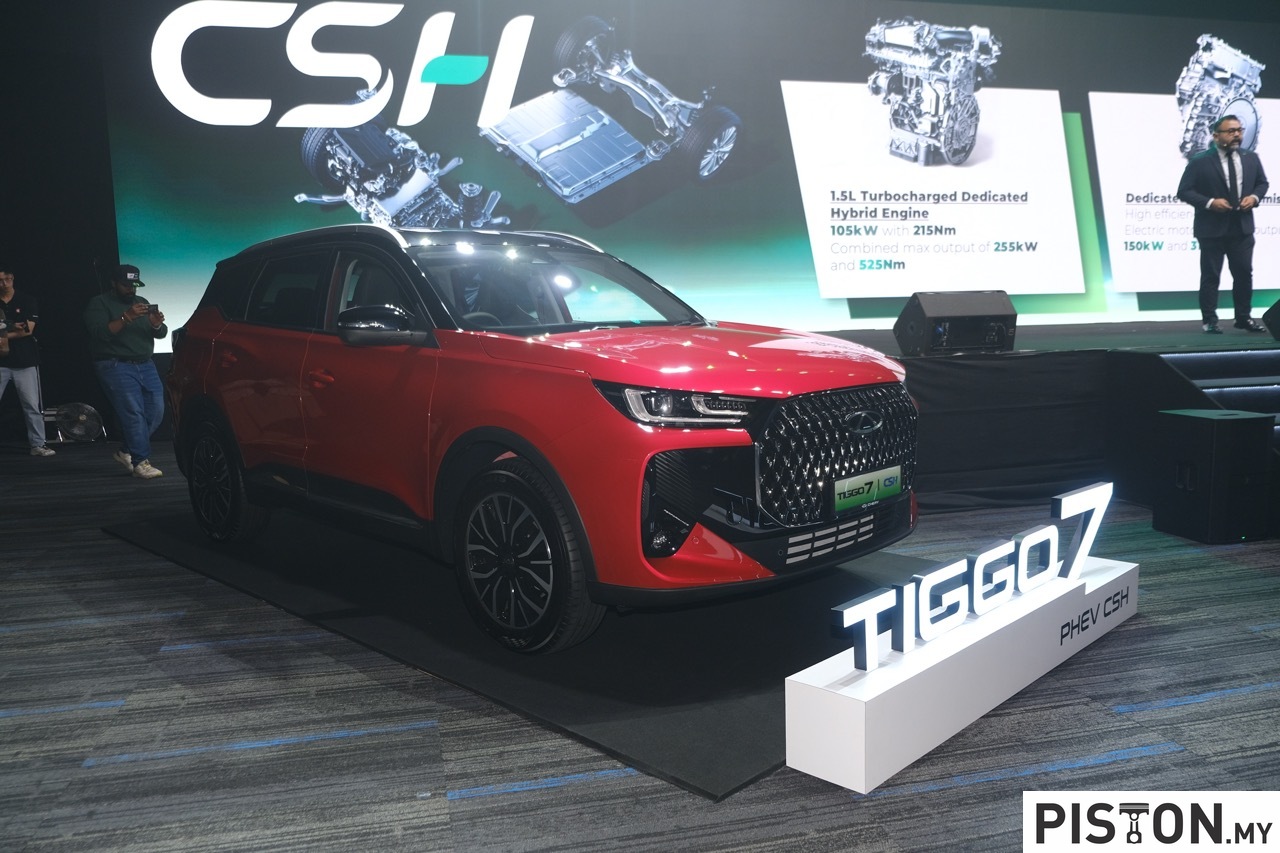
Both the Tiggo 7 and Tiggo 8 PHEV’s are powered by a 1.5-litre, turbocharged engine making 143PS and 215Nm.
This is then combined with an electric motor that makes 204PS and 310Nm by itself. Total system output is rated at 275PS and 365Nm of torque.
The engine mostly works as a range extender and recharge the battery when it is depleted while on the move. But when needed, the engine works concurrently with the motor to provide forward propulsion.
What is rather impressive here is that Chery claims a 98% mechanical efficiency for its Dedicated Hybrid Transmission. If you are wondering what that means, well that simply means that very little power is loss to friction or other “parasitic” losses. So what the engine and motor produce, the wheels get 98% of.
Who will benefit from Chery’s PHEV models?
Just about everyone in fact. If you spend time in traffic during work hours, you will appreciate the all-electric capabilities that the Tiggo 7 and Tiggo 8 PHEV have to offer.
If you travel a lot on highways and don’t want to be stuck to a charger, you will also appreciate the fact that the engine can recharge the batteries, as can the regenerative braking system.
So, after a while of driving on the highway, the battery would have gained some percentage of charge so you don’t always have to look out for a charger to enjoy the benefits of the PHEV powertrain.
There is a lot to appreciate about Chery’s PHEV systems, so if you are keen on a car that is efficient and powerful yet comfortable for the family, then Chery’s HEV and PHEV models make a lot of sense.