
Piston.my

Latest News

BHPetrol RON95 Euro4M

When AMG became part of the Mercedes-Benz family in 1999, its growth accelerated as it took on the role of being the carmaker’s high-performance and motorsports arm. Not surprisingly, Mercedes-Benz boosted marketing of AMG products as well as used the already established name as a branding advantage, expanding its presence globally.

Before long, a sales network of AMG Brand Centres and AMG Performance Centres were established around the world. In China alone, there are 120 AMG Performance Centres and exclusive AMG Brand Centres in Beijing and Shanghai, the sales network said to represents a key factor in the success of the brand’s growth objectives.
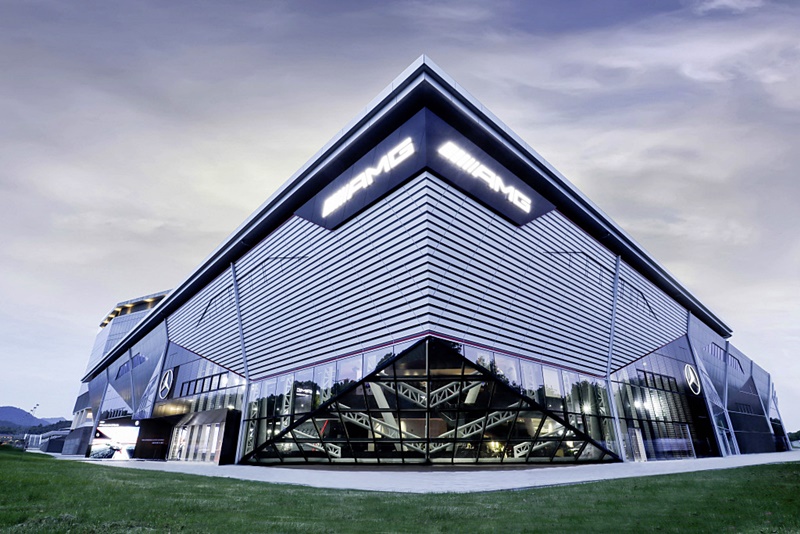
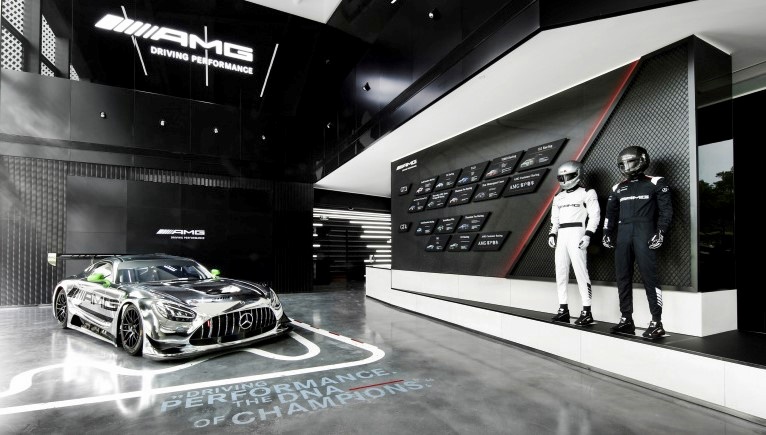
AMG Experience Centre in Shanghai 2020

AMG Experience Centre in Shanghai 2020

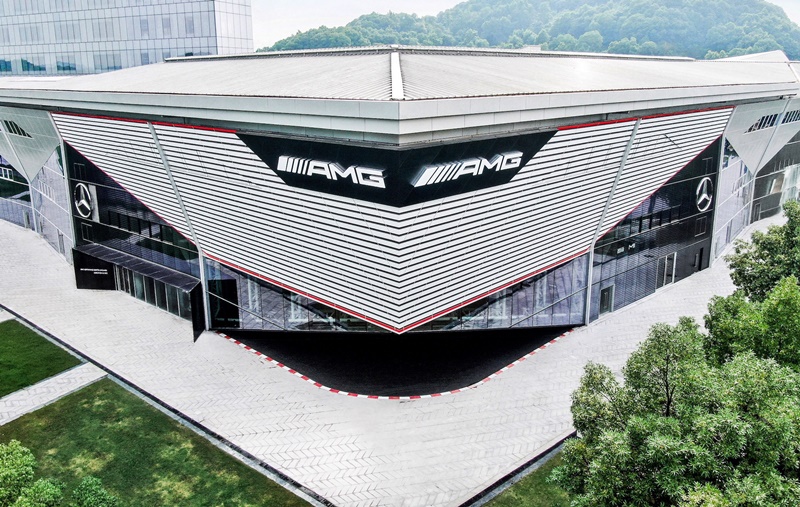
Now Mercedes-AMG has gone further with its first Experience Centre opening near Shanghai. The new AMG Experience Centre is situated on an area of around 1,305 square metres directly adjacent to the Zhejiang International Racing Circuit. A highlight and attraction of the new facility is the  opportunity to experience the AMG vehicle range on the racetrack, assisted by AMG Driving Academy and qualified instructors.

An extensive pool of vehicles encompassing the very latest models – including GT3 and GT4 racing cars – is available for test drives and driving events on the 3.2-km circuit. In addition to exclusive use of the track, the Zhejiang International Circuit offers special monthly track days for customers and fans to take part either in their own vehicles or in AMG vehicles booked from the Centre.
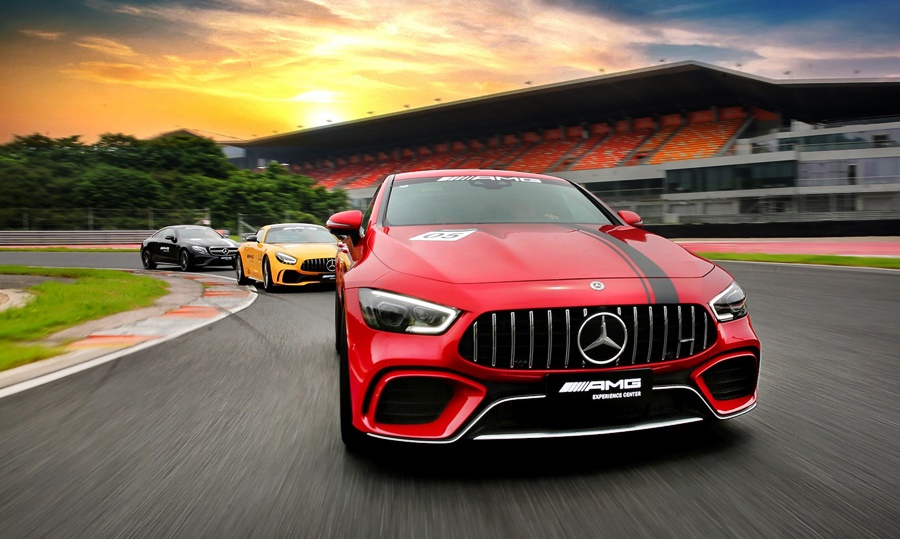
AMG Experience Centre in Shanghai 2020

AMG Experience Centre in Shanghai 2020

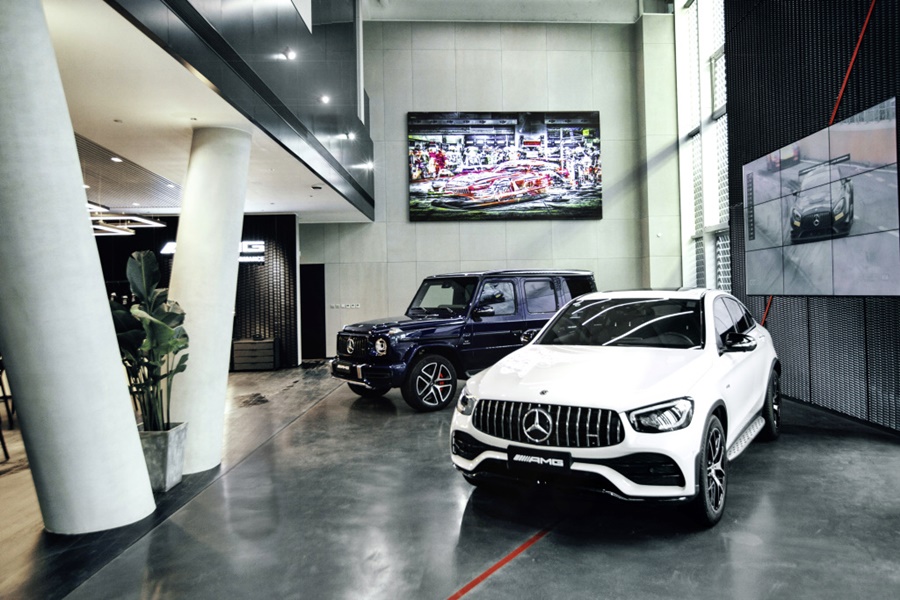
There are 12 functional areas and 4 display areas over two floors, providing an extremely comprehensive brand and product experience and allowing visitors to discover for themselves the many facets of the driving performance of AMG models.
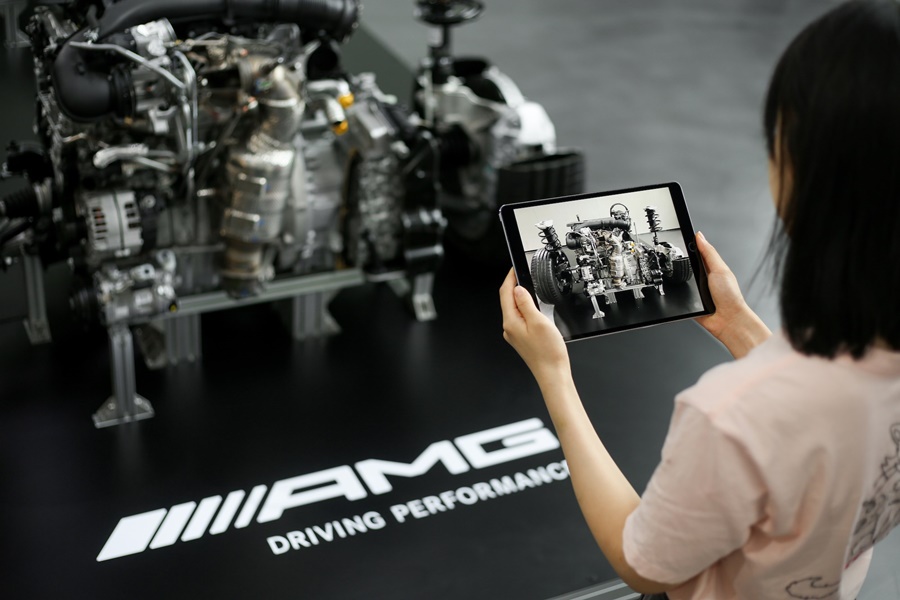
AMG Experience Centre in Shanghai 2020

The showroom on the ground floor provides an insight into the history of Mercedes-AMG. The vehicles and technologies on display can be explored in analogue form as well as digitally using VR technology. Specially trained AMG experts are on hand to provide detailed information and individual guidance. If a customer expresses an interest in buying, they will be put in touch with their nearest AMG retail partner.

The facilities on offer are further enhanced by the Cafe63 lounge and an exclusive selection of high-quality lifestyle accessories available from the AMG Shop. The whole area can also be used as an event location.
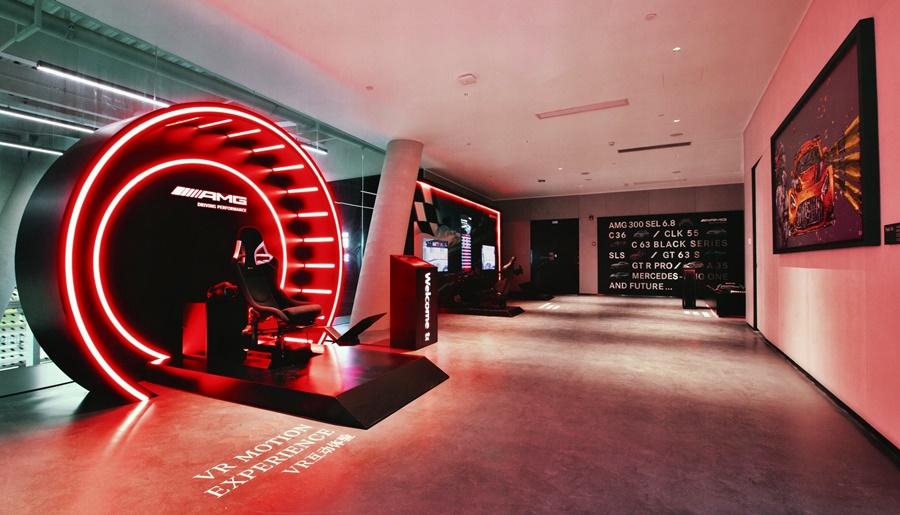
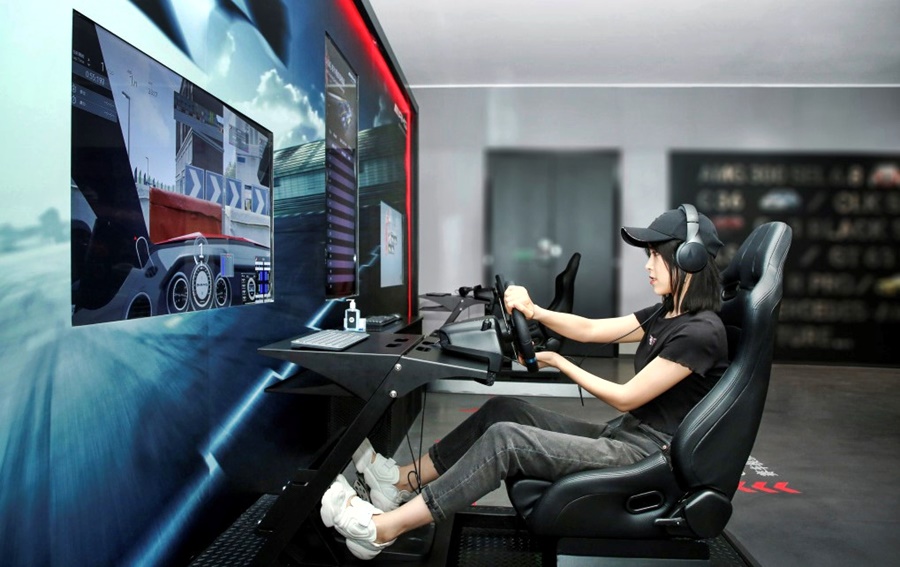
`AMG Experience Centre in Shanghai 2020

AMG Experience Centre in Shanghai 2020

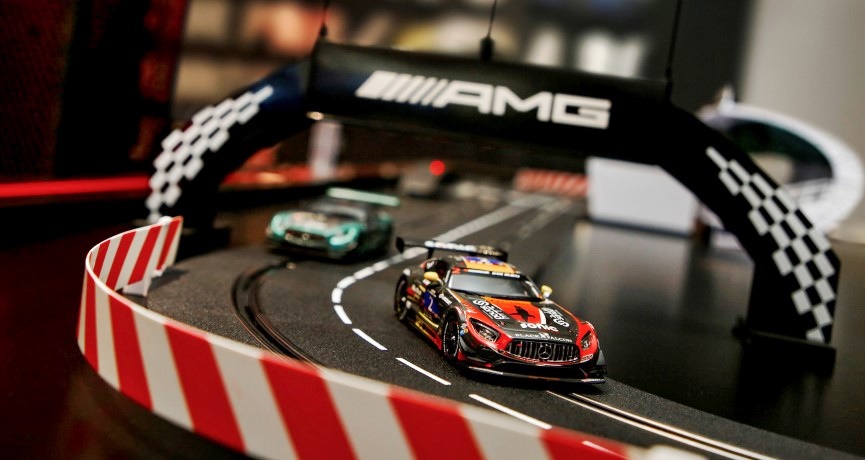
In the interactive experience zone on the first floor, motorsport enthusiasts can experience racing simulators and AR applications. A slot car racetrack controlled via brainwaves is yet another technological highlight that serves to emphasise the experience-oriented nature of the AMG Experience Centre.

The architecture of the AMG Experience Centre builds on the familiar and established design features of the AMG Brand Centres, while also integrating a series of individual elements that emphasise the unique character of the format.
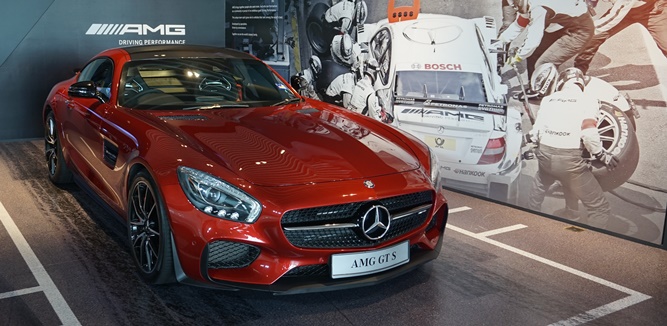

AMG Corner at C&C Bintang
Being part of the Mercedes-Benz family has enabled AMG models to get more exposure at dealerships around the world, like this one at a Cycle & Carriage Bintang showroom in Malaysia.

10 things about AMG you may not have known

Social distancing

Social distance

PISTON.MY

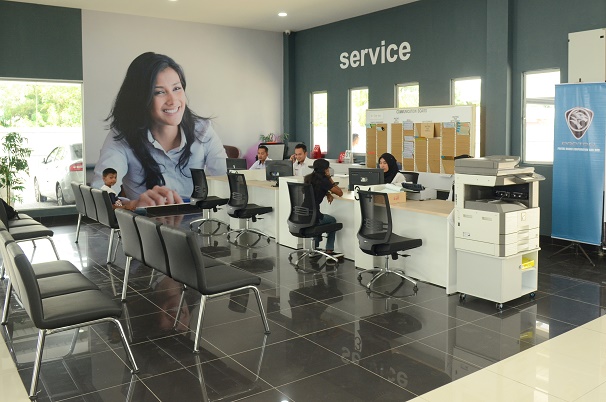
Like many other carmakers that had Takata airbag systems installed in their vehicles, Proton has been trying to get owners to bring their cars – restricted only to the Perdana model – to the service centre for a replacement. The Takata airbag issue has been ongoing since 2013 with millions of vehicles recalled worldwide.
Replacements in stalled in 87.5% of affected cars
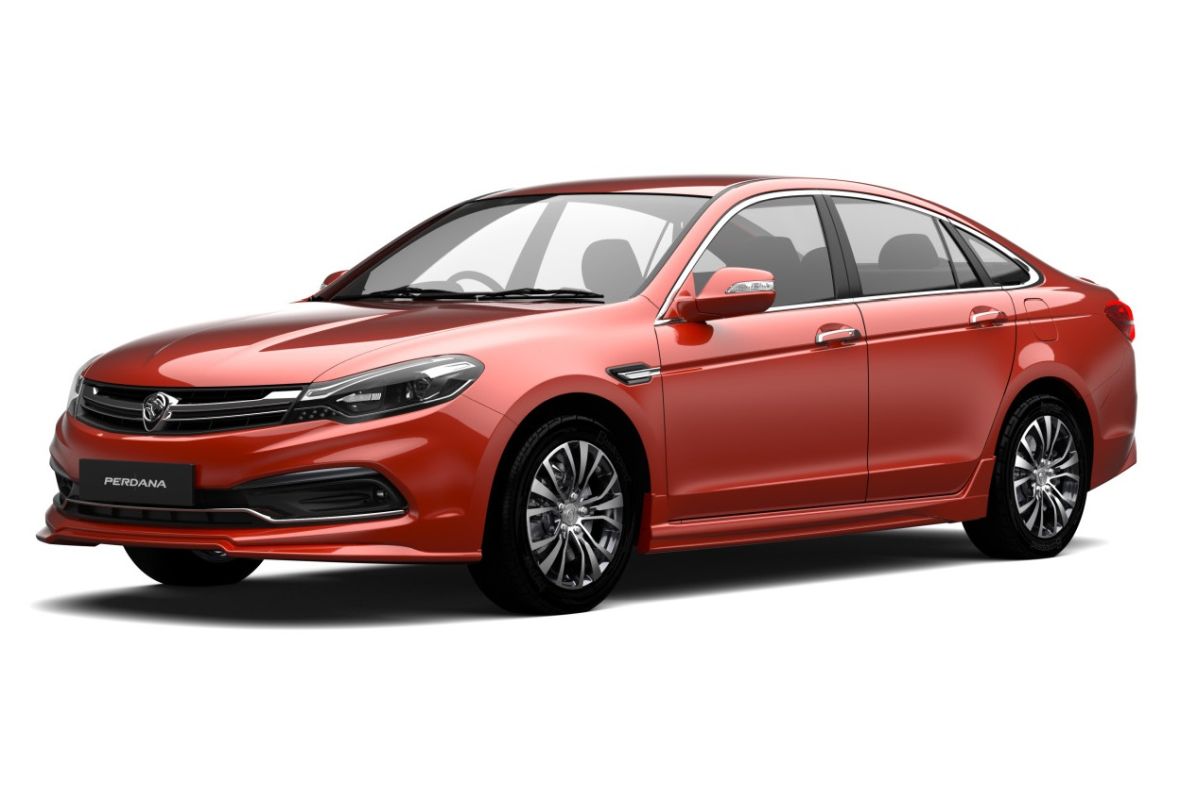
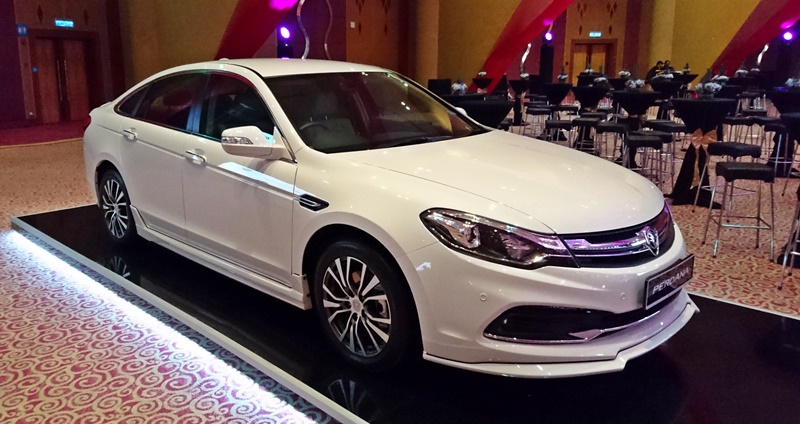
Proton issued its recall to Perdana owners in January 2019 and since then, the carmaker says it has replaced the defective inflator modules on the airbag system of the front passenger side in 87.5% or 5,625 units of the total of 6,342 units affected as of August 18, 2020. It is appealing to owners of the remaining Perdanas to bring their cars to an authorised Proton service centre as soon as possible to make the replacement.

Proton reassures its customers that other Proton models are not affected as they use airbags supplied by a different vendor.

Affected  cars built from 2012 – end August 2018
The cars affected are those which were built from 2012 until the end of August 2018. They had originally been fitted with airbag systems that had inflator modules which were known to explode due to over-pressure during the inflation process. This would result in a break-up of the module and sharp metal parts would be shot towards the front passenger. Serious injuries were a high possibility, with deaths also having occurred in some cases.

Actually, Proton initially did not issue a recall as it had information that indicated that the Perdana, though being adapted from the Honda Accord which was subject to recall, was not affected. At that time, the volume of new Perdanas sold was around 3,000 units. Responding to a query by this writer in June 2016, Proton said that they had consulted with Honda as well as conducted crash tests of the new Perdana in Spain in May 2016 and ‘no abnormalities to the function of the airbags were found’.

“Thanks to the joint efforts of our staff and dealers, Proton managed to contact our customers and have performed the airbag inflator replacement exercise,” said Roslan Abdullah, CEO of Proton Edar. Encik Roslan was a key figure in managing the recall exercise when he was COO at Honda Malaysia which carried out the most extensive airbag recall campaign in Malaysia.

Contact details may not be updated
“The safety of our customers is of the utmost importance. However, we have not been able to connect with all affected owners due to obsolete or incomplete contact information. Therefore, we would like to urge all Proton Perdana owners who have not had their passenger airbag inflators replaced to call our service centres to book an appointment as soon as possible. Replacement of the inflator will take approximately one hour and will be performed free of charge,” he said, adding that cars built after August 31 2018 are not affected.

Authorised Proton service centres nationwide can replace the affected airbag inflator module which is on the passenger side.

As with other carmakers, contacting present owners of the cars is not always possible because ownership may have changed. Proton Edar may have only the contact details of the first owner who bought the car and unless a new owner informed Proton Edar, they would be unaware and can only send a notification to the address of the original owner.

If you are uncertain whether your Perdana is affected, you can call Proton’s Customer Care at 1-800-888-398 or write to customercare@proton.com.

BMW Malaysia today, in collaboration with Shell Malaysia, has introduced new engine oil service and maintenance parts programme for its long-term owners. The new programme offers two packages – the BMW Oil Service Package and the BMW Service Value Package.

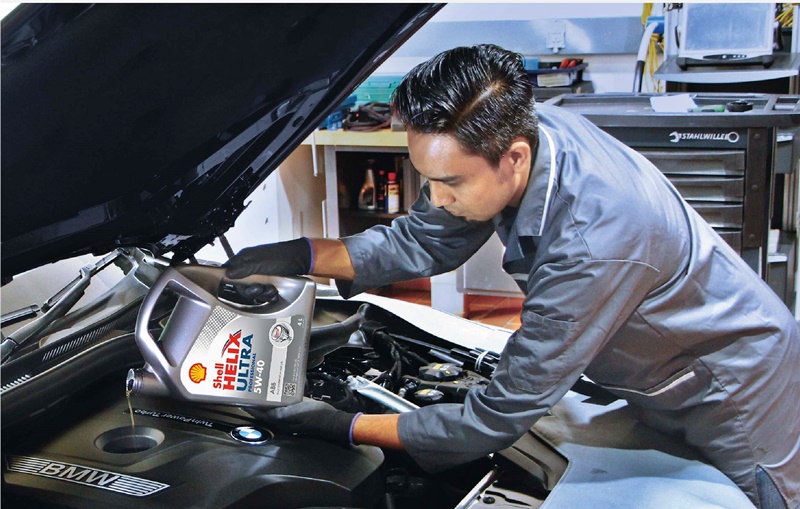
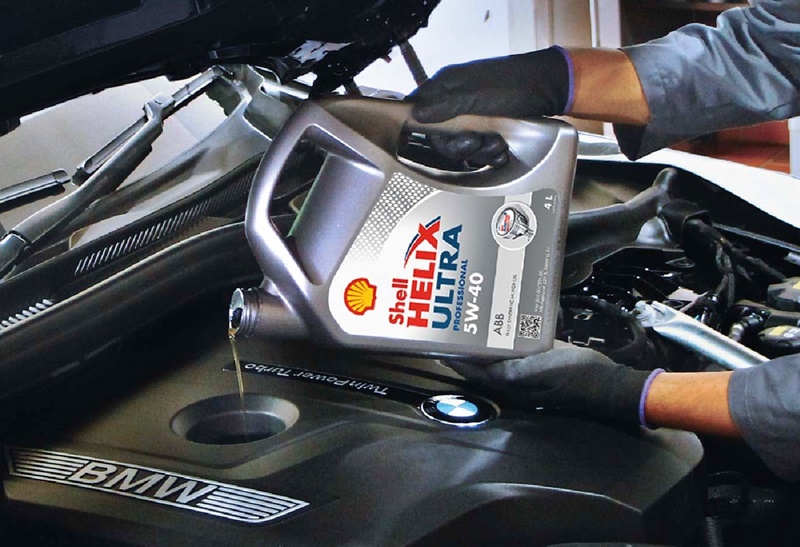
The BMW Oil Service package, priced at RM500, available at authorised BMW service centres will use Shell Helix Ultra Professional ABB engine oil with a 5W-40 viscosity. The fully synthetic oil which meets BMW’s requirements is formulated with Shell’s PurePlus Technology. This technology uses a clear base oil made from natural gas with virtually no impurities.

BMW

Additionally, Shell’s Active Cleansing Technology helps to protect engines from power and performance-robbing deposits. On top of this, the low-evaporation formulation reduces the need for oil top-ups, and has superior resistance to oil degradation.

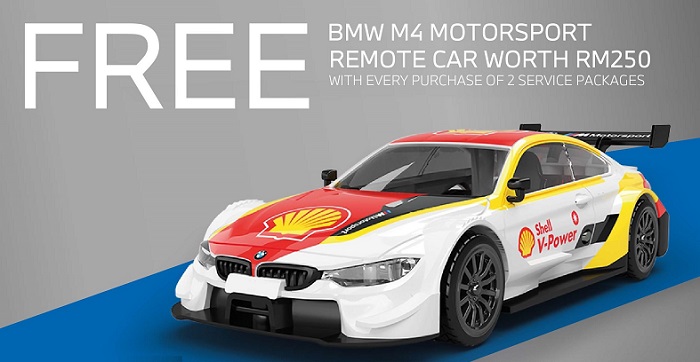
With the purchase of two BMW Oil Service packages (which include original oil filters), owners will also receive a complimentary Limited-Edition BMW M4 Motorsport Collectible Remote Car worth RM250 (while stocks last).

BMW

Meanwhile, the BMW Service Value package offers vehicle owners a programme which gets them up to 30% off retail prices for Original BMW maintenance parts. The parts include brakes, wipers, spark plugs, as well as micro filters and air filters.

Click here for more information on the car care programmes which are available until December 31, 2020.

BMW and MINI owners can now enjoy Door-to-Door Service

PISTON.MY

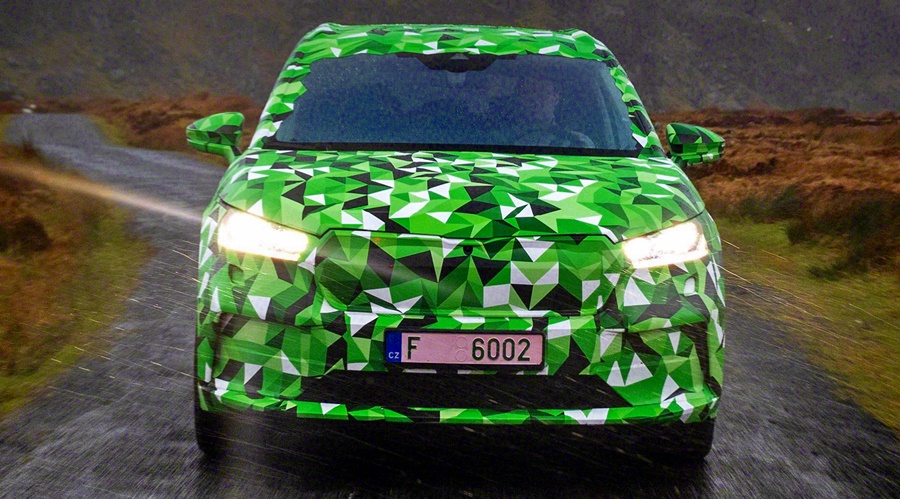
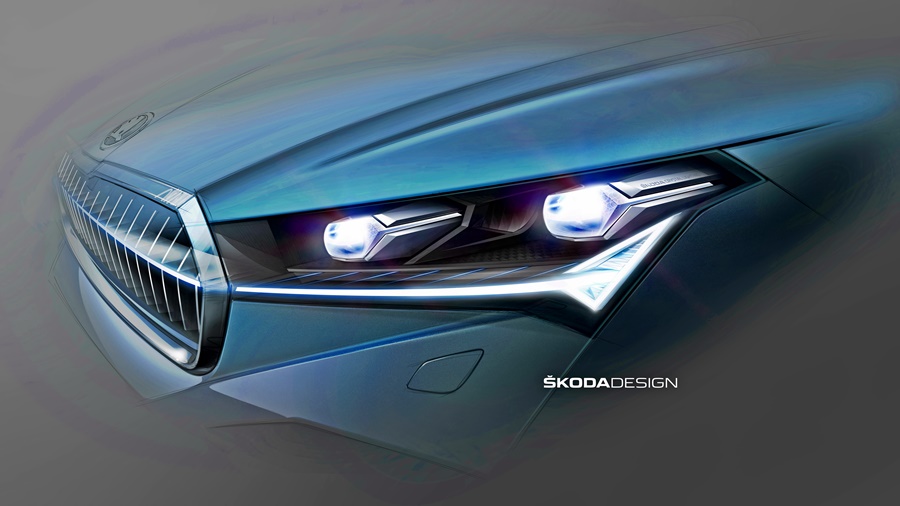
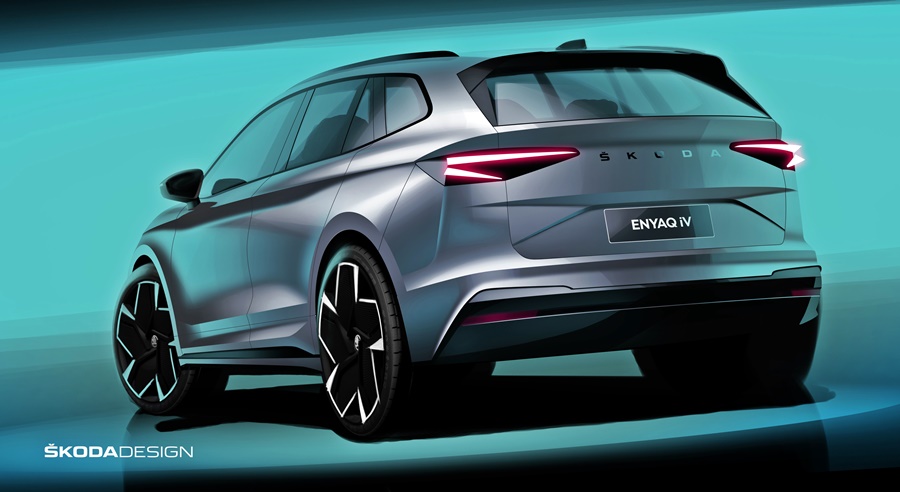
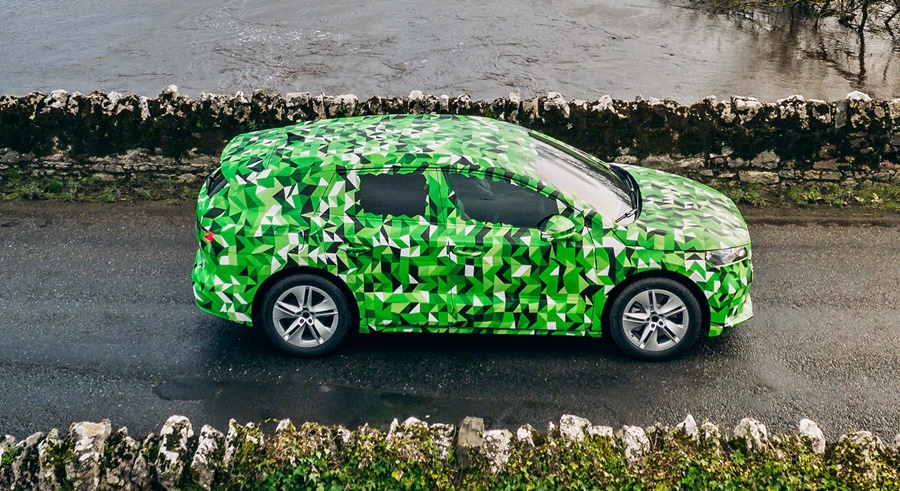
With the ENYAQ iV, the first all-electric SUV model from Skoda, the Czech carmaker is taking a fresh approach to lighting design. The new lighting units are technically innovative full-LED matrix headlights with an emotive design language.

According to Petr Nevrela, chief designer of exterior lighting at Skoda, the new headlights are another evolution in the company’s current design language. “We already consistently developed the front headlights of the Scala and Kamiq model series and the new generation of the Octavia. In all the models we have presented over the last 18 months, the headlights are generally flatter, resulting in an even more dynamic effect.”

2020 Skoda Enyaq iV

“The KAMIQ also adds its own twist with daytime running lights at the top. Furthermore, additional crystalline elements have been incorporated into the headlight design. With the ENYAQ iV, we are continuing this trend and refining specific details, such as the new, finely-drawn daytime running lights with subtle lashes and the new hexagonal shape of the main LED modules,” he explained.

The development of the design was done in close collaboration with the exterior designers and with the exterior lighting development team. Typically, the process can take anywhere from 6 to 12 months.

2020 Skoda Enyaq iV

2020 Skoda Enyaq iV

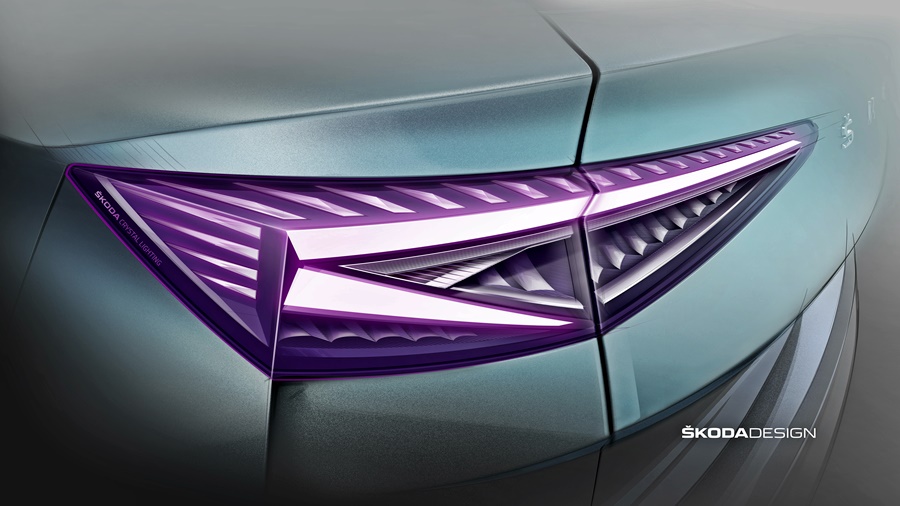
Skoda reflects the tradition of Bohemian crystal art in its vehicles and provides its own interpretation. The precise lines, geometric arrangements and the exceptionally clear glass surfaces are fascinating and, depending on the incidence of light and viewing angle, offer ever-changing facets. This can be used as a basis for experimenting with light effects, with the 3-dimensional rear lights that are illuminated with fine light strips.

The designers wanted the ENYAQ iV’s lighting graphics to be welcoming and friendly at first glance, while the headlights create a highly dynamic and modern look. Innovative LED technology also underlines the sustainable concept of Skoda’s first all-electric SUV.

2020 Skoda Enyaq iV
The Enyaq iV will be launched early next month.

Slavia open-top concept is seventh Skoda Students Car

PISTON.MY

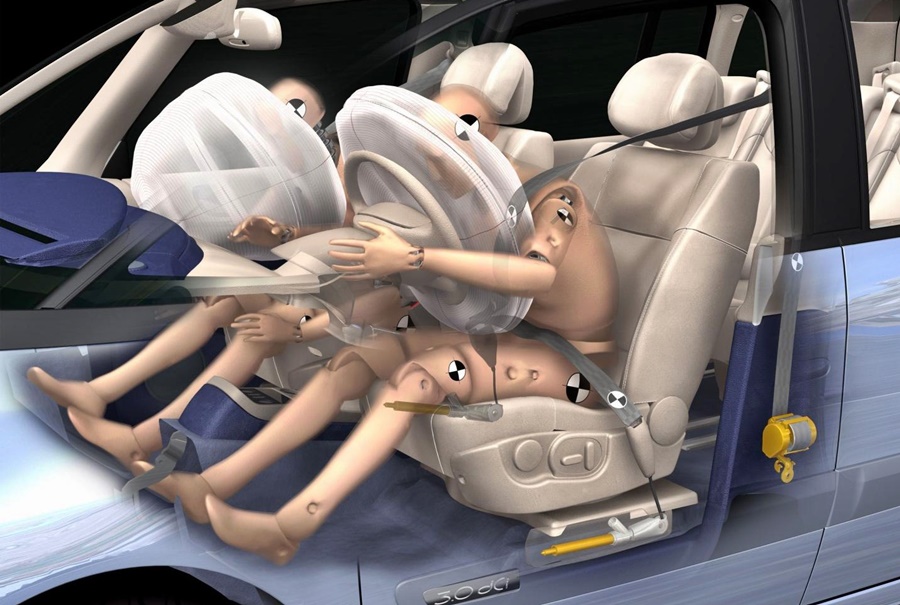
Safety is an important factor that car-buyers consider when shopping today. There is an expectation that occupants will be well protected in the event of an accident and avoid serious injuries. At the same time, with advanced technologies, electronic systems can help a driver avoid an accident.

Organisations such as Euro NCAP and ASEAN NCAP regularly evaluate new models in the market, going to the extent of crashing and ramming them to simulate accidents. Their findings provide car-buyers with independent assessments to make more informed decisions when choosing their next car.

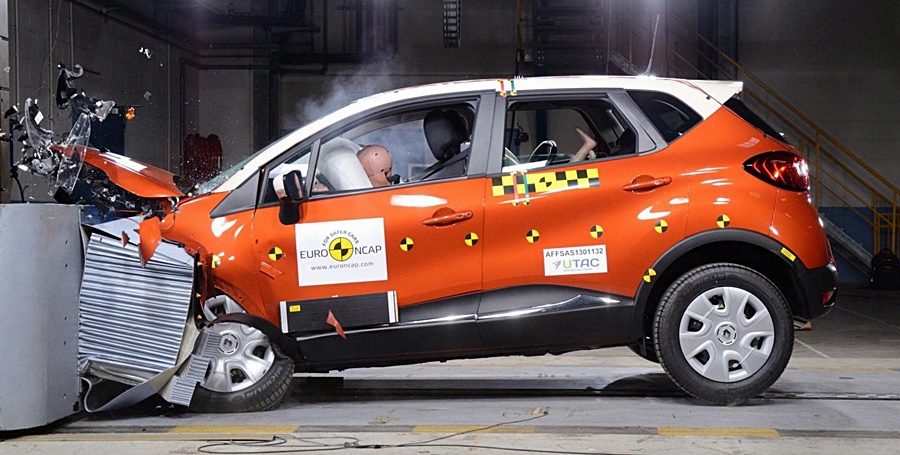
Renault Captur crash test
Renault Captur crash test by Euro NCAP.

Core competence since 1920s
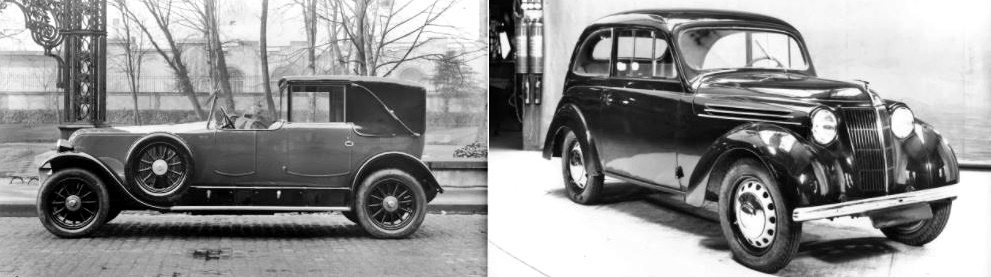
For Renault, the subject of safety has been a core competence for a very long time. In fact, as far back as 100 years ago, the company already installed active safety systems in its cars which today are commonplace. In 1922, for example, the company was one of the first manufacturers in the world to equip its 6-cylinder models – the 18 CV and 40 CV – with additional front wheel brakes. At that time, braking was typically at the rear wheels. In addition, Renault offered a patented brake booster for the powerful 40 CV with 9.1-litre engine.

Renault 40 CV (left) and Juvaquatre

From 1937 onwards, the introduction of independent wheel suspension in place of the rigid axle also brought a significant increase in safety reserves. That same year, the Juvaquatre compact car was the first Renault model to have the modern chassis design on the front axle.

The Juvaquatre, produced between 1937 and 1960, was also the first Renault model with a self-supporting body. It was lighter than the frame construction that was dominant at the time and offered higher impact safety. Some of the principles of its construction would be followed in later years in all car bodies.

Accident research
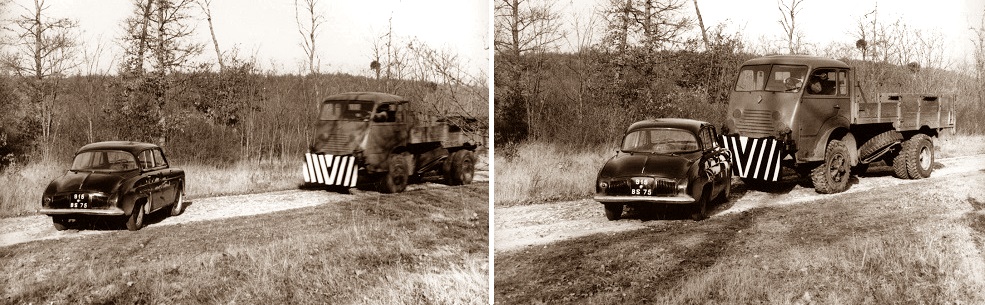
As far back as 1954, Renault was already studying the effects of vehicle accidents in order to make safer cars. This was done at a centre for accident research located in the Paris area. It became the place where every new Renault model would be thoroughly tested, including crash-testing, heralding the era of modern, systematic safety and accident research.

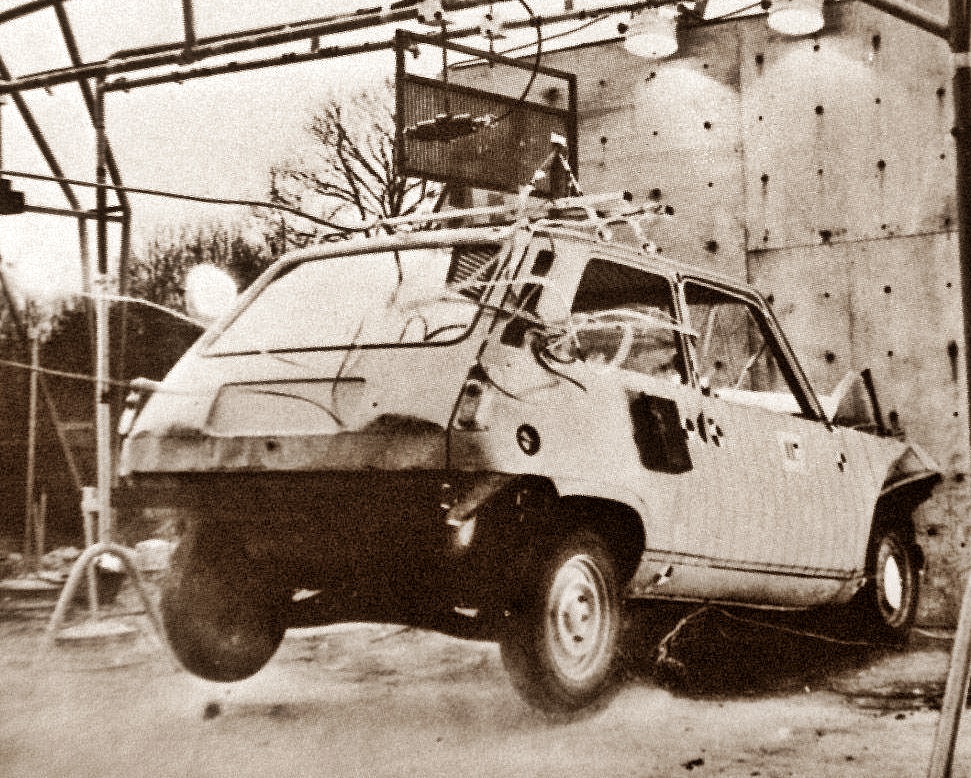
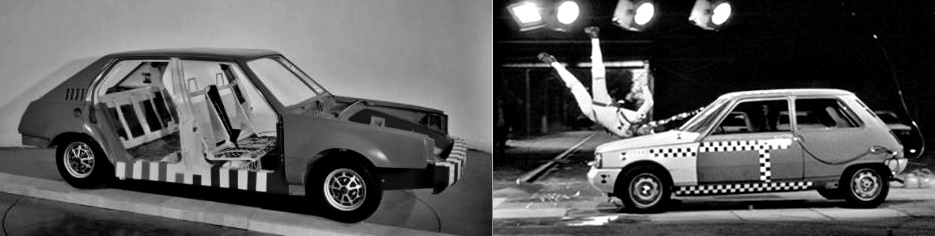
A crash test in the 1950s

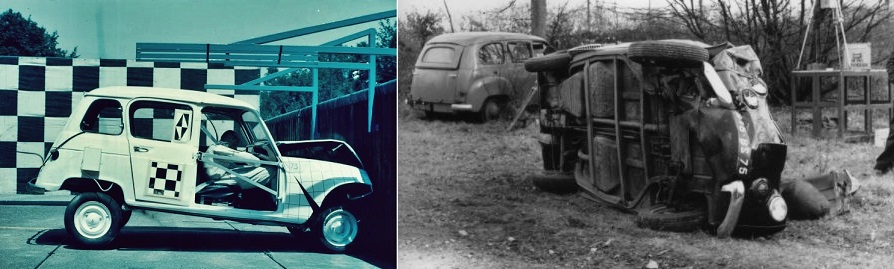
Back then, the crash tests were quite ‘basic’ and compared to today’s high-tech tests, the procedures would even be considered ‘archaic’. The Renault researchers simply sent cars crashing into trucks and then examined the outcome on different areas of the car. There were no sensor-equipped crash test dummies back then so a lot relied on visual examination and analysis.

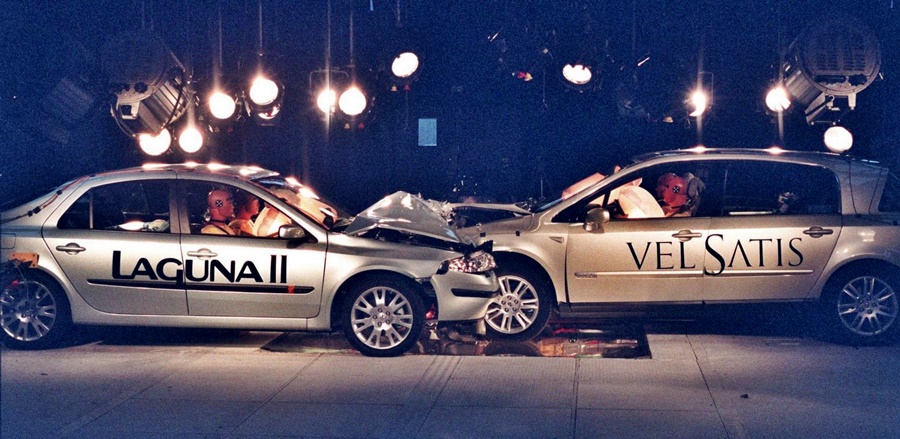
Destroying a car was also significantly more expensive than it is today. This is why, in the 5 years between 1955 and 1960, Renault only crashed around 100 vehicles. In comparison, the company conducts up to 400 crash tests a year today and 10 times more in computer simulations.

Another facility that Renault established in the 1950s was the Laboratory for Physiology and Biomechanics. This institution was under the direction of a physician and its role was to support the development departments in designing safer and more comfortable vehicles.

Today, Renault conducts up to 400 crash tests a year and 10 times more using computer simulations.

In 1969, the laboratory’s name was changed to reflect its expanded function – the Laboratory for Accident Research, Biomechanics and Studies of Human Behaviour. Its task was to investigate real-world accidents with scientific methods and use the findings to further improve safety standards in Renault vehicles.

Safety vehicle prototypes
Renault’s basic research in the field of passive safety culminated in 1974 in the BRV (Basic Research Vehicle) prototype. In addition to a crash-optimized structure with an energy-absorbing crumple zone at the front and a fixed safety cell for the passengers, the vehicle had 3-point seatbelts for all seats,  including the rear. The inclusion of seatbelts was significant because at that time, seatbelts were compulsory only in France and only outside of towns.

Renault BRV and EPURE safety vehicles
The BRV (left) and EPURE safety vehicles

In 1979, the EPURE concept vehicle took up the body concept of the BRV, supplemented by reinforced side members and padding in the doors as protection in the event of a side impact. For the first time, there were also precautions for pedestrian protection and gas generators that would tighten the seatbelts in the event of a crash. This was the birth of the pyrotechnic belt-tensioner, which Renault introduced in 1993 and was one of the first carmakers to do so.

Automotive safety will continue to be a central part of all product development at Renault. Drawing on multiple resources, it constantly develops new technologies, some of which are pioneering, that raise levels of occupant protection. Today, the brand has one of the safest model ranges in Europe, with vehicles across all classes – from the compact Captur to the Koleos – able to score the maximum of 5 stars in Euro NCAP’s evaluations.

Click here for other news and articles about Renault.

COVID-19 Facemask

PISTON.MY

2020 has been a bad year for all types of public events as governments all over the world prohibited any activity where many people gathered and could spread the COVID-19 coronavirus. Concerts, sports events, banquets, conferences and exhibitions were all postponed or cancelled. Even the Olympics, to have been held in Japan in July this year, had to be postponed to 2021 and as yet, there is still uncertainty if it can or should be run.

However, as the peak of the pandemic has passed – but there are still new cases and the situation in America is serious – governments in some countries are slowly relaxing the prohibitions on gatherings although most organisers still look towards 2021 to resume events.

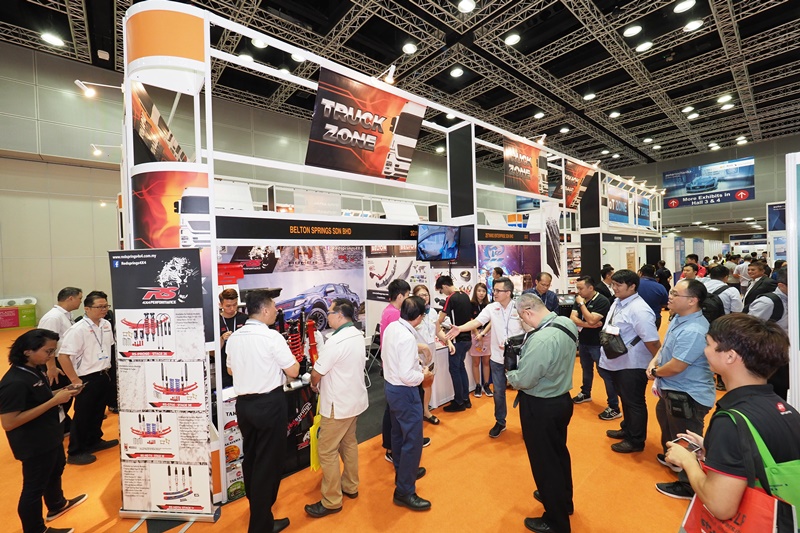
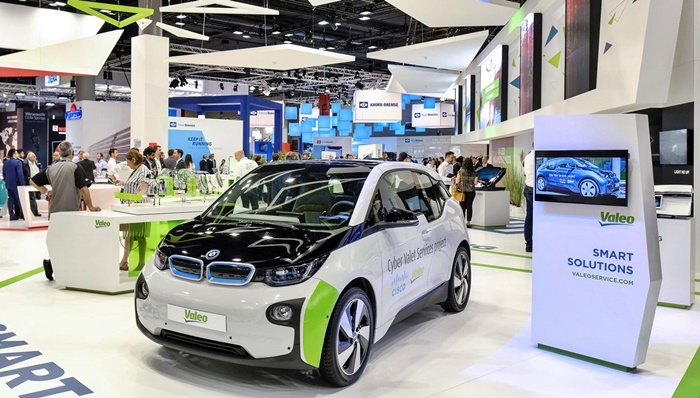
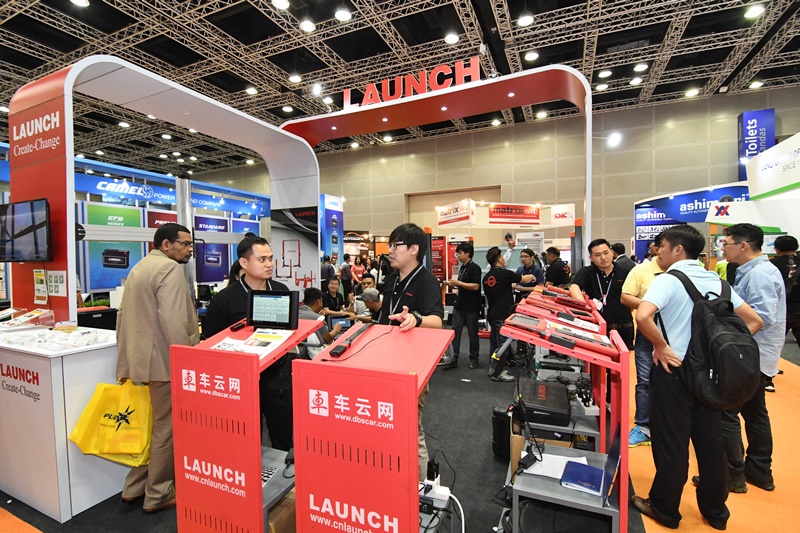
Automechanika Kuala Lumpur is one of those that is being planned for 2021. A regular event on the auto industry calendar, the trade fair is scheduled to be held from March 18 to 20 at the Kuala Lumpur Convention Centre.

Automechanika

Fresh approach
The organisers are taking a fresh approach to the event-oriented exhibition with an all-encompassing array of onsite activities and networking opportunities to help create a dialogue between players in the passenger vehicle, commercial vehicle, logistics and IoT (Internet of Things) sectors.

The digital breakthroughs present a host of new opportunities in the ongoing automation of traditional manufacturing and practices (Industry 4.0) throughout the automotive value chain. The latest National Automotive Policy 2020 has even placed IoT at the forefront of future thinking. Taking these factors into account. Automechanika Kuala Lumpur 2021 will push the boundaries even further to emphasise the potential of the digital transformation in the automotive market.

Automechanika

It will uniquely combine all elements of ‘Sourcing, Entertainment and Training’ to offer a ‘S.E.T.’ of solutions for fairgoers to meet their participating objectives. According to Fiona Chiew, Deputy General Manager of Messe Frankfurt (HK) Ltd, the organisers, the launch of ‘S.E.T.’ is another development in the show’s 22-year history.

“Each element of ‘Sourcing, Entertainment and Training’ will incorporate underlying digital trends that have the power to, ultimately, revolutionise end-user experiences. It equally weights all components, shaping dynamic growth opportunities for automotive players along the supply chain. Therefore, we aim to embody this innovative spirit at the show with one-of-a-kind activities that foster a passionate albeit business-oriented atmosphere,” she explained.

As a dominant aspect of the show, business opportunities are key drivers for participants looking to find new suppliers and meet with existing clients. The 2021 event expects to host exhibitors from 16 countries and regions across all sectors at the fair.

Automechanika

Automechanika

IoT as a standalone sector
The show introduces IoT as a standalone sector to amplify cloud-based, connectivity and telematics trends rising around the regional market. These digital trends will also transcend across Original Equipment (OE) right through to the aftermarket in the passenger, commercial vehicle and logistics sectors.

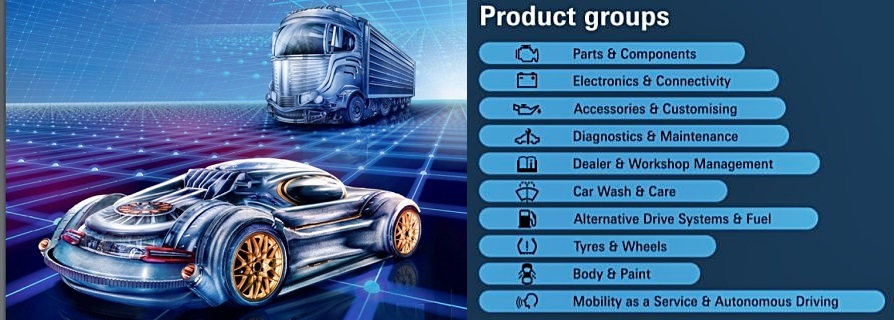
To illustrate this, product coverage of Diagnostics & Repair/Body & Paint, Accessories & Customising, Parts & Components and more within the core sectors will spotlight digital breakthroughs in safety, environmental protection, infotainment and comfort. For industry players, these are critical factors for today’s changing consumer patterns.

BHPetrol Euro5 Diesel

Entertainment in automotive culture
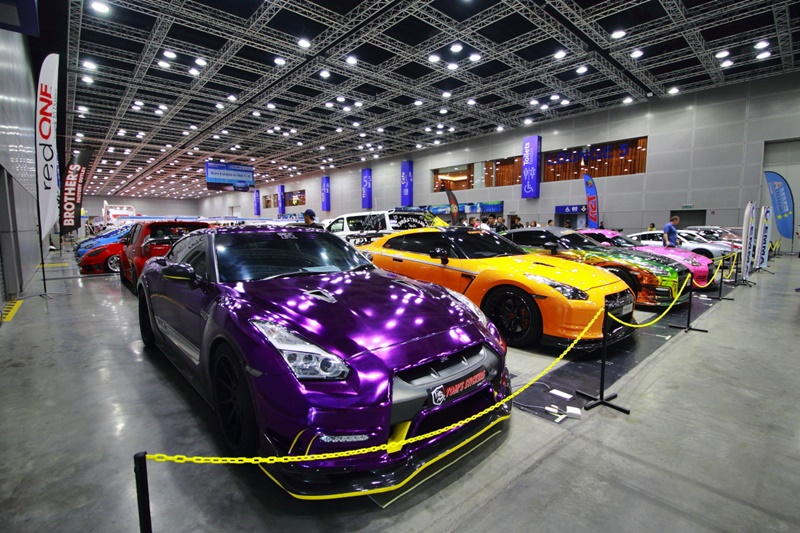
Automechanika Kuala Lumpur will once again be more than just a trading platform. The Auto NITZ Party and EMMA Malaysia Final – Car Audio and Modifications Competition will give way to a new type of auto-cultural festival. The spectacle aims to create a community amongst a mix of automotive players and is set to promote extended networking opportunities by engaging with more exhibitors, visitors and car enthusiasts alike. In the events, visitors from around the world will find an estimated 70 cars, tuned exclusively by local talent, along with guest performances from electronic dance and music groups.

Automechanika

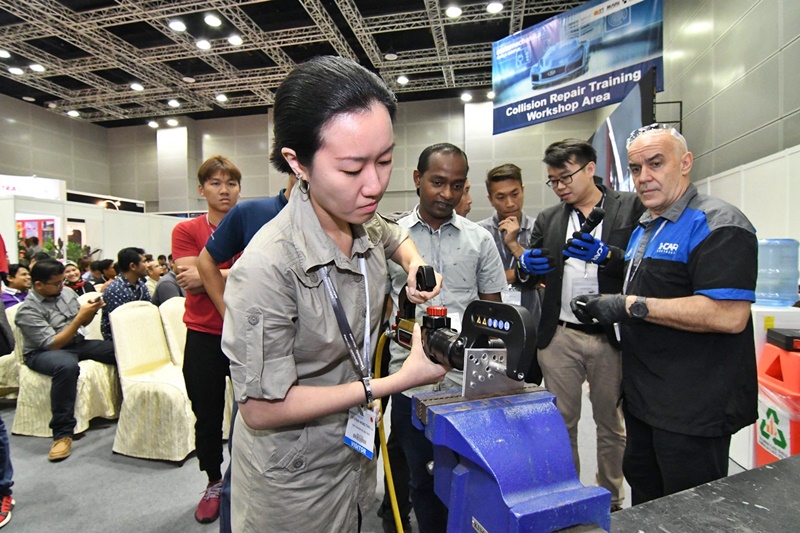
Training from international experts
Information gathering, training and applied teaching remain huge pull factors for the show. A number of highly influential leaders will introduce the latest tools, technologies, systems and industry know-how to the regional market. Coverage will extend into commercial vehicle repair and maintenance, in addition to the passenger vehicle sector. Topics in sessions include the latest advancements for diagnostics, smart repair, and ADAS calibration and vehicle coding.

COVID-19

PISTON.MY

Archive

Follow us on Facebook

Follow us on YouTube