Piston.my

Latest News

One of the biggest news in the automotive industry in the past week comes out of Russia, and it should be a source of concern for everyone that has bought or plans to buy a new car.

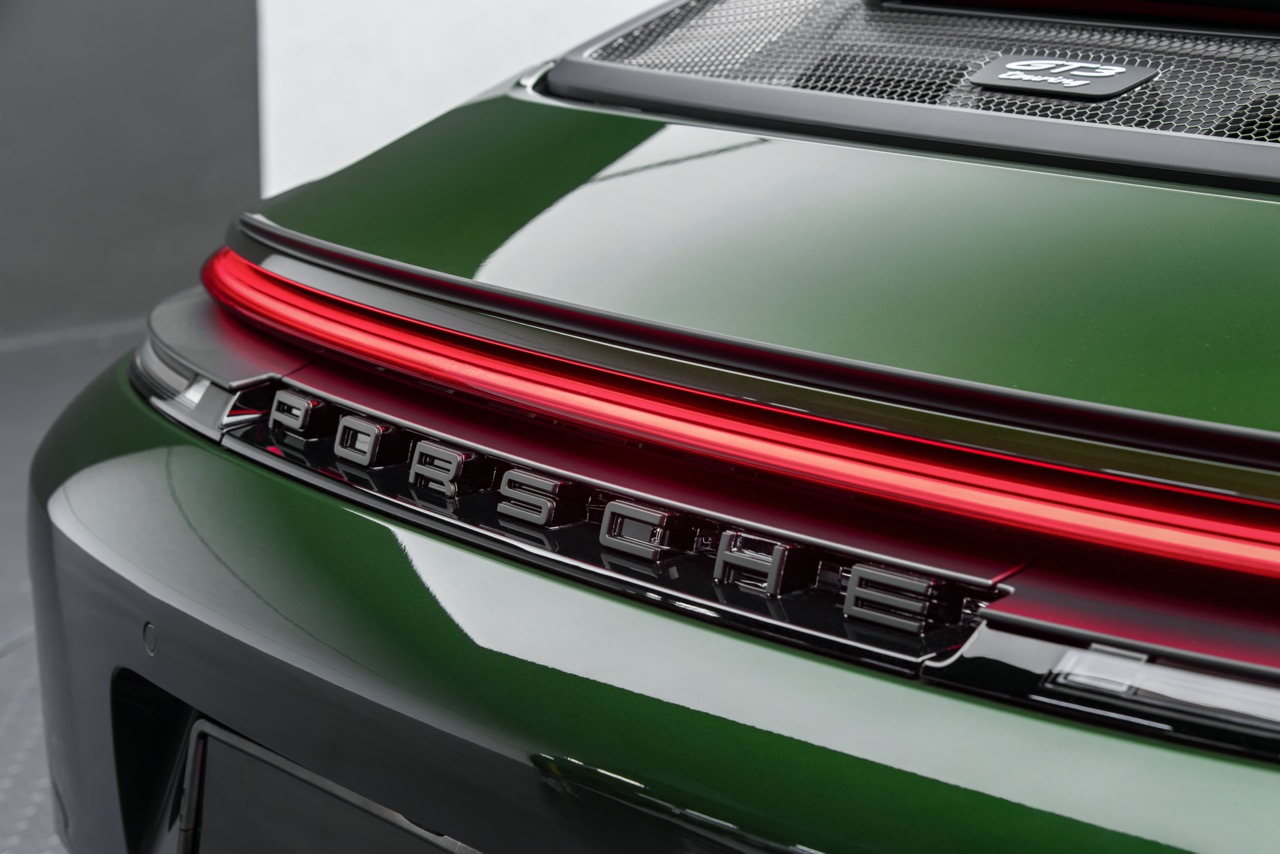
Hundreds of Porsche owners in Russia reported issues with their cars which included not being able to start the engine, or shutting down after ignition or simply not being able to unlock their cars.

Porsche models dating back as far back as 2013 were apparently affected by this supposed attack.

According to international automotive media outlets, owners awoke on December 1st to find that their Porsches were “mysteriously inoperable”.

Media outlets like The Moscow Times were quoted as suggesting that “it is possible this was done deliberately”, though the publication also noted that there was no evidence in support of the theory.

Russian importer Porsche Rusland LLC was also quoted confirming the existence of the problem yet Porsche’s headquarters in Germany has yet to issue a statement at the time of writing.

Yulia Trushkova, Service Director at Rolf (a popular Russian automotive dealership), confirmed that Porsches built post-2013 were affected, “likely due to a coordinated attack on the onboard immobiliser system”.

Such systems are integral parts of a vehicle’s security system and prevents unauthorised operation or theft of a car.
According to cyber security news outlets, Trushkova also speculated that the so called cyber-attacks may be the result of geopolitical tensions, possibly the work of external state-sponsored hackers using advanced cyber capabilities to target Russian consumers and the automotive industry.

So why should this be a cause of concern for you and me?

Because all new cars come with such anti-theft systems installed and if someone wanted to, a new car can easily be remotely accessed as well.

Cybersecurity experts have warned that hackers are now targeting critical infrastructure in more creative ways. And by hacking and disabling a vehicle’s immobilising system, hackers can cause severe transportation disruptions.

Merely disabling a car is only the tip of the iceberg, some cars particularly those with autonomous driving capability can also be remotely piloted as well. An eerie resemblance to the 2023 movie Leave the World Behind where hundreds of Teslas were remotely operated and driven into a massive pile-up on a highway.

As for the Porsche problem in Russia, parent group Volkswagen is said to be tracing the root cause of it though I found no official statement from the group on the official news site.

It is also important to keep in mind that Volkswagen halted all business with Russia in 2022 following the Ukrainian invasion, though it has faced difficulty selling some subsidiaries there since.

Volkswagen was also hit by a data breach in 2021 where the database of three million customers were stolen and then again in 2024 where Volkswagen claimed its IT systems were unaffected, though the ransomware gang behind the attack say they made off with troves of sensitive data.

So our data is more important than ever, and it is not just banking data but now also our automotive data.
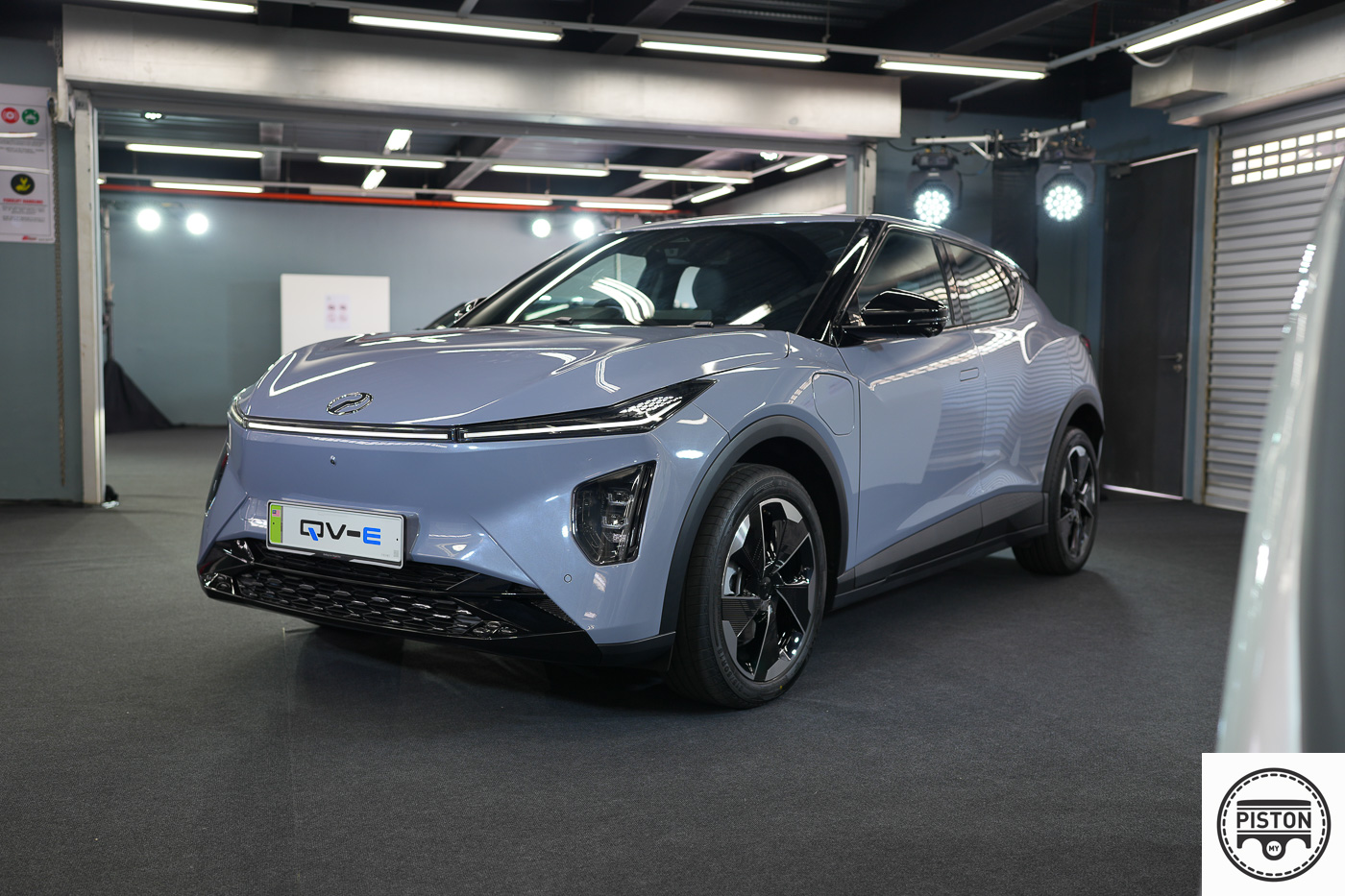
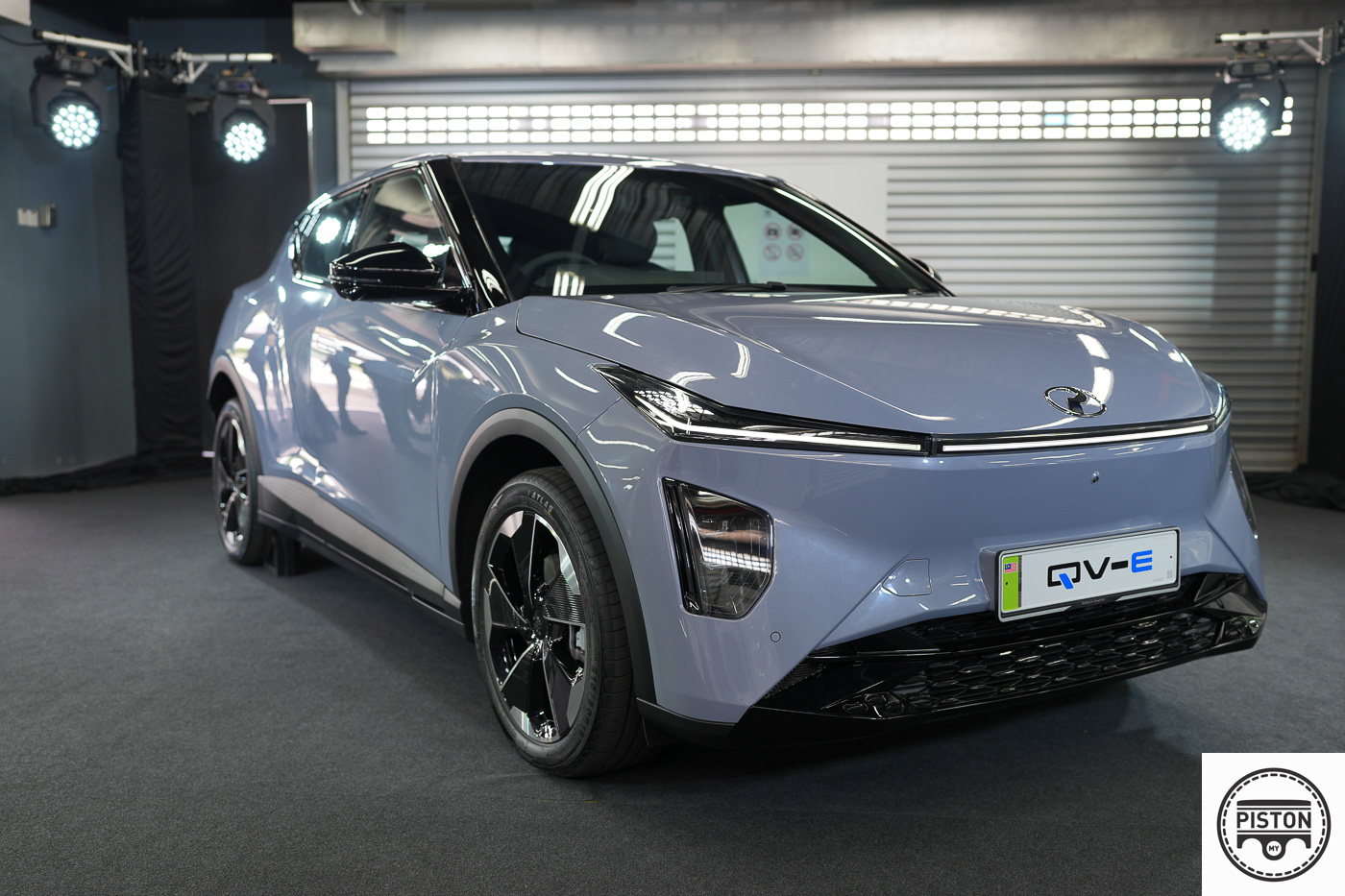
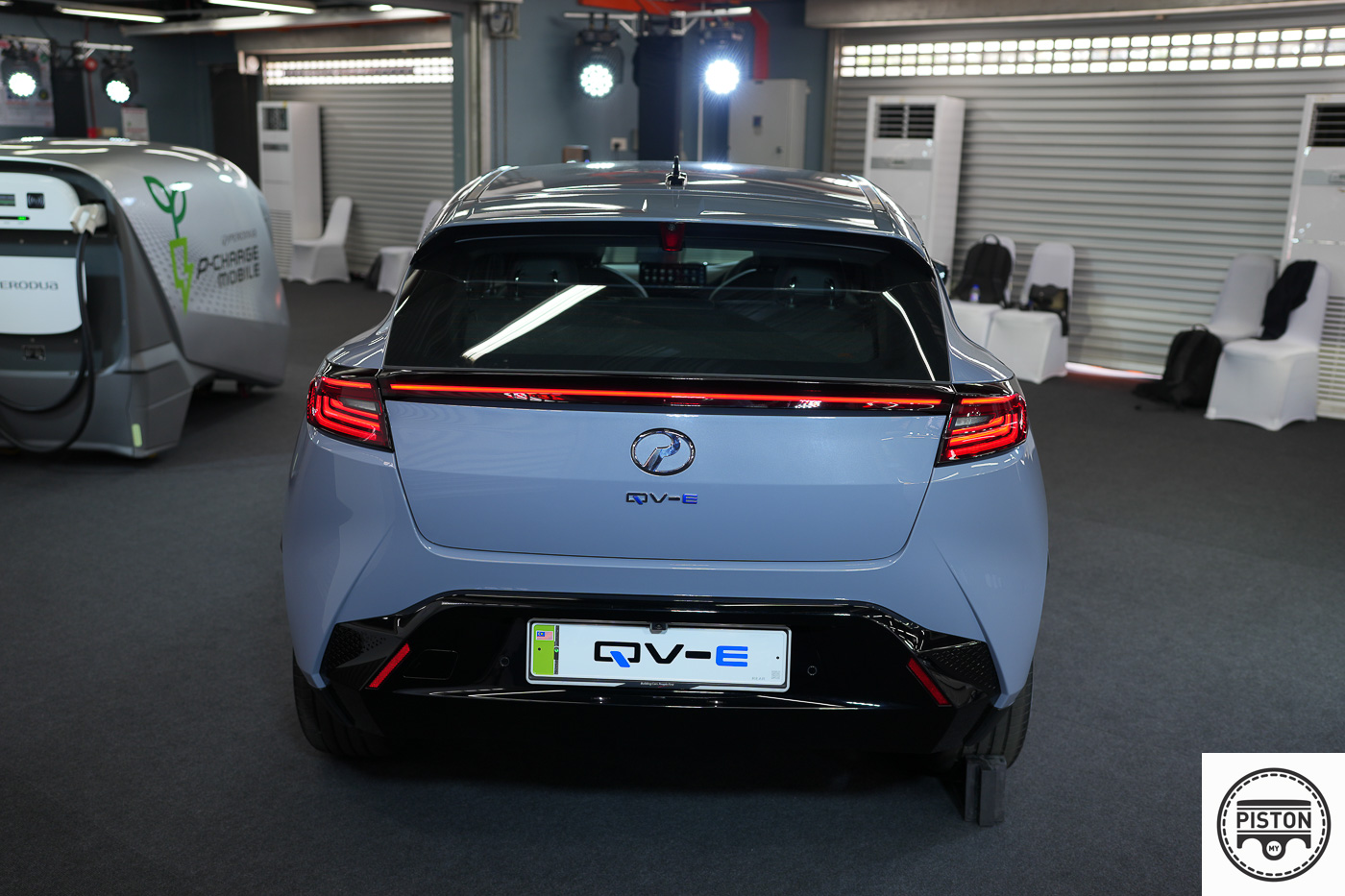
So, it has finally happened. Perodua’s highly anticipated EV has officially been launched by none other than our Prime Minister. That is how big of a deal the car is.

Perodua was tasked by the government with producing Malaysia’s first home grown EV. It had to be 100% Malaysian made, none of that rebadging stuff would be accepted. And Perodua did not just deliver, it aced it. And it took them a little over two years to do it.

It costed the company about RM800 million and 266,000-man hours was invested in research and development alone. So, trust me when I say that this is Malaysia’s most important car since the Proton Saga was introduced back in 1988.

First, let’s look back.

Perodua has undoubtedly come a long way since it first made the announcement that it was working on an electric vehicle circa 2023.

Perodua had to go at it alone since its long-term partner and shareholder Daihatsu does not have its own EV.

If you don’t already know, Daihatsu provides some of the know-how for Perodua cars, and in the early days, models like the Myvi were rebadged Daihatsu’s.

Now though, Perodua Myvis, Axias and Bezzas all have local engineering with localised parts and such. They are no longer simple rebadged Daihatsu’s.

So, Perodua had to go at it alone from the get-go.

Recognising that it had to recruit partners or risk facing unfathomable cost, Perodua went to global automotive giant Magna Steyr for some knowledge transfer.

The Austrian company works with some of the biggest brand in the business such as Toyota, BMW, Mercedes-Benz and others. (more…)

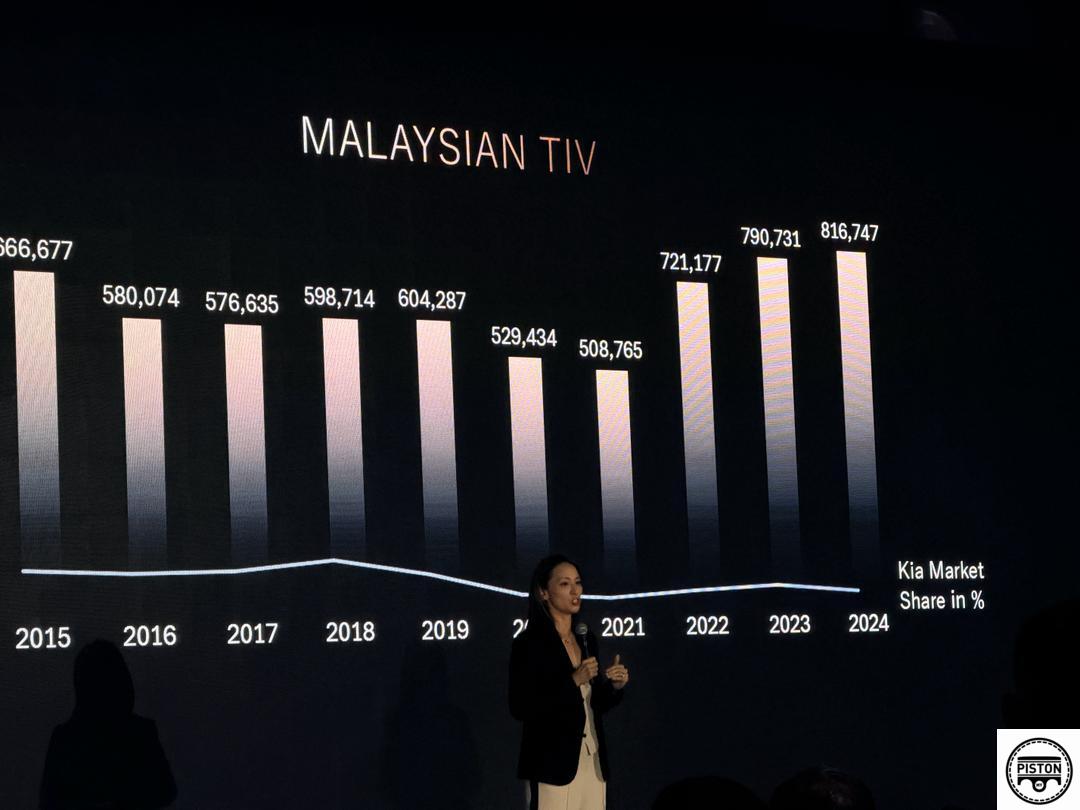
Kia is preparing for a significant new chapter in Malaysia as Kia Sales Malaysia Sdn Bhd (KSM) steps forward as a fully principal-led entity, aiming to reintroduce the brand with clearer direction, stronger support and a far more polished customer experience. The company is taking on local scepticism directly, encouraging Malaysians to reassess the brand with a simple question in mind: why Kia?

KSM’s President and CEO, Hyung Ho Kim, has stressed that the company is not racing to be the fastest-growing name in the industry. Instead, the mission is to build steady, long-term progress while prioritising the needs of customers, dealers and the broader Malaysian market. The shift to a direct model, effective from 1 January 2026, means KSM now commands all aspects of the brand locally—from marketing and sales to after-sales and training—allowing it to present Kia’s identity without the limitations of a third-party distributor.

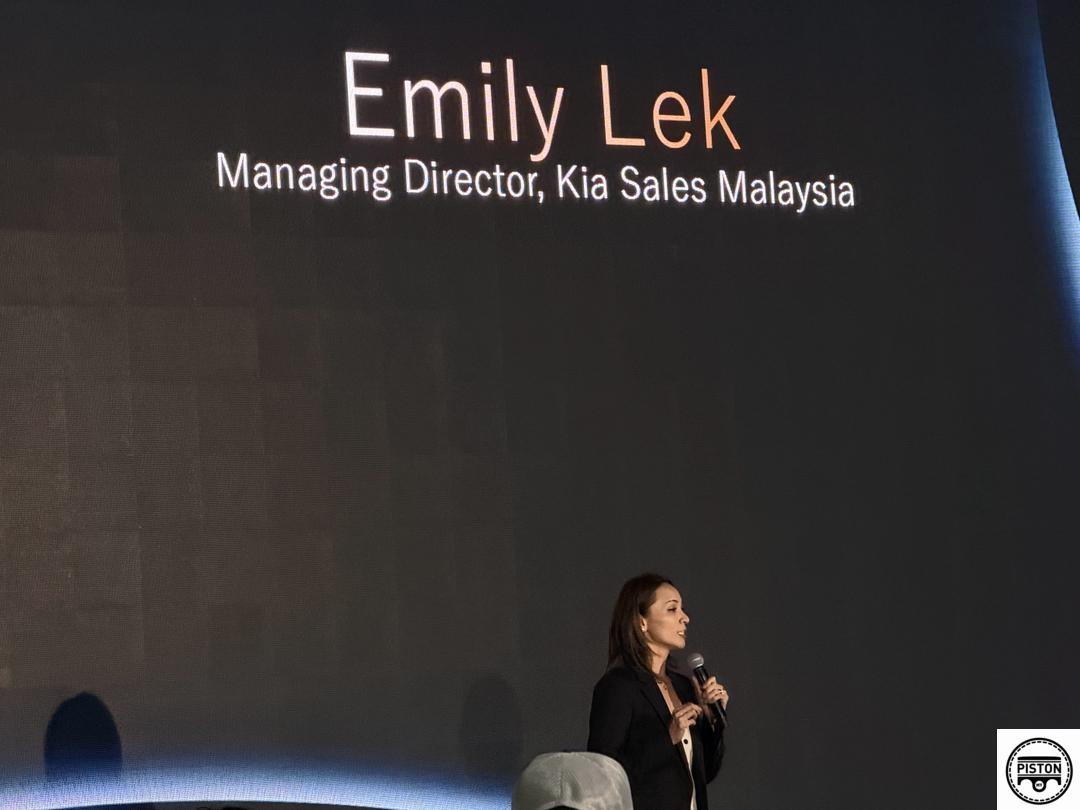
Managing Director Emily Lek explained that operating as a standalone entity gives the brand full control over its messaging and direction. She described this as an exciting return, noting that Kia now has the systems, strategy and freedom to deliver what she considers the brand’s true experience.

Malaysia remains a vital hub for the region, with the Kia Asia Pacific headquarters based here. The APAC office functions as the strategic centre for operations across 33 markets including ASEAN, Australia and New Zealand, overseeing six subsidiaries—among them Kia Sales Malaysia and the manufacturing arm, Kia Malaysia.
In 2024, the APAC region accounted for retail sales exceeding 165,000 vehicles, representing a 3.4% market share. With more than 100 staff, the headquarters continues to generate skilled job opportunities, drawing on Malaysia’s talent pool.
(more…)

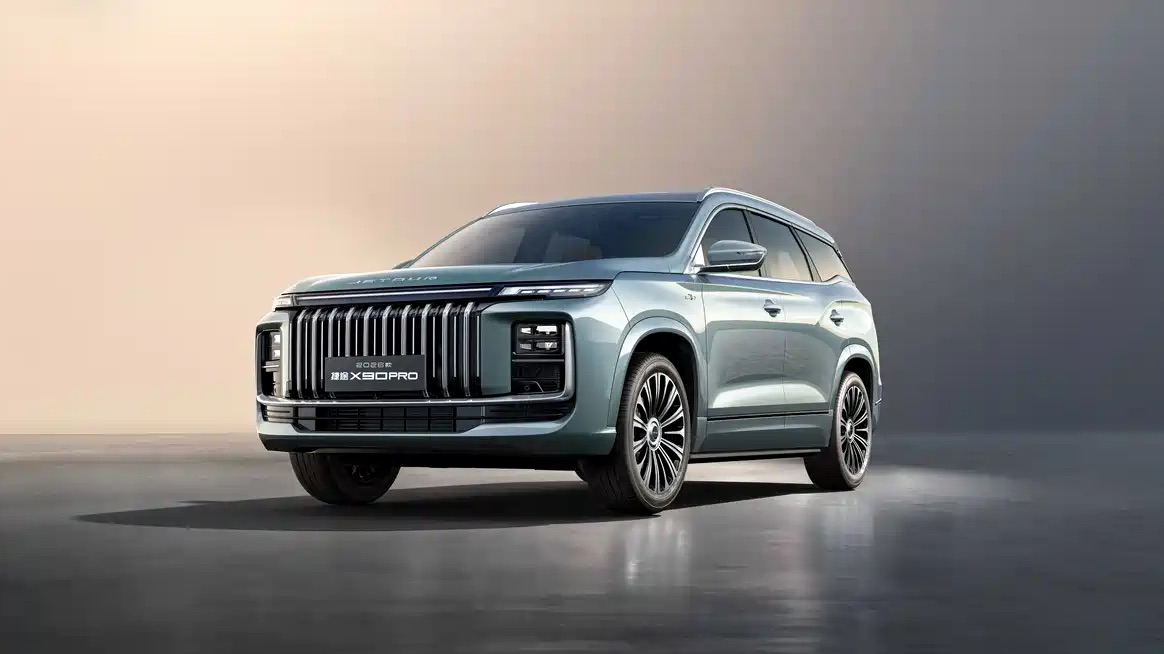
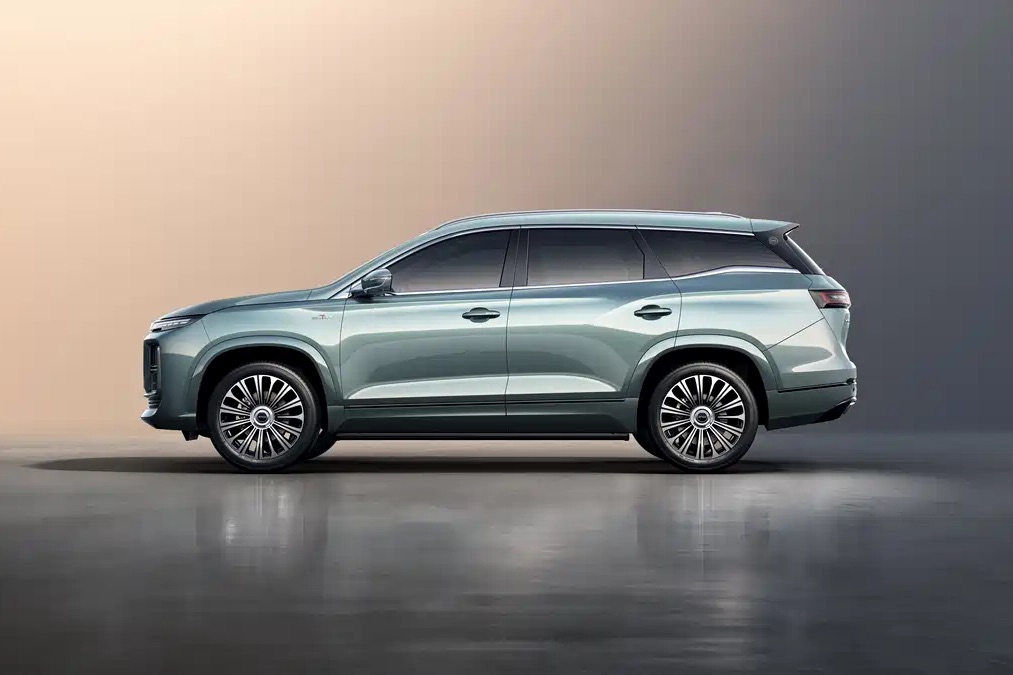
Jetour has introduced the 2026 X90 Pro to the Chinese market, adding a fresh contender to its growing family of SUVs. Five variants are on offer, with prices starting at 135,900 yuan (around RM79,226) and topping out at 167,900 yuan (around RM97,881), placing it firmly in the competitive mid-size segment.

The latest X90 Pro carries Jetour’s updated styling direction, dominated by a bold, upright front grille filled with vertical chrome bars that give the SUV a more assertive presence. The body stretches 4,858 mm from nose to tail, stands 1,780 mm tall and measures 1,925 mm across, while its 2,850 mm wheelbase puts it slightly ahead of the Jetour Dashing in size.

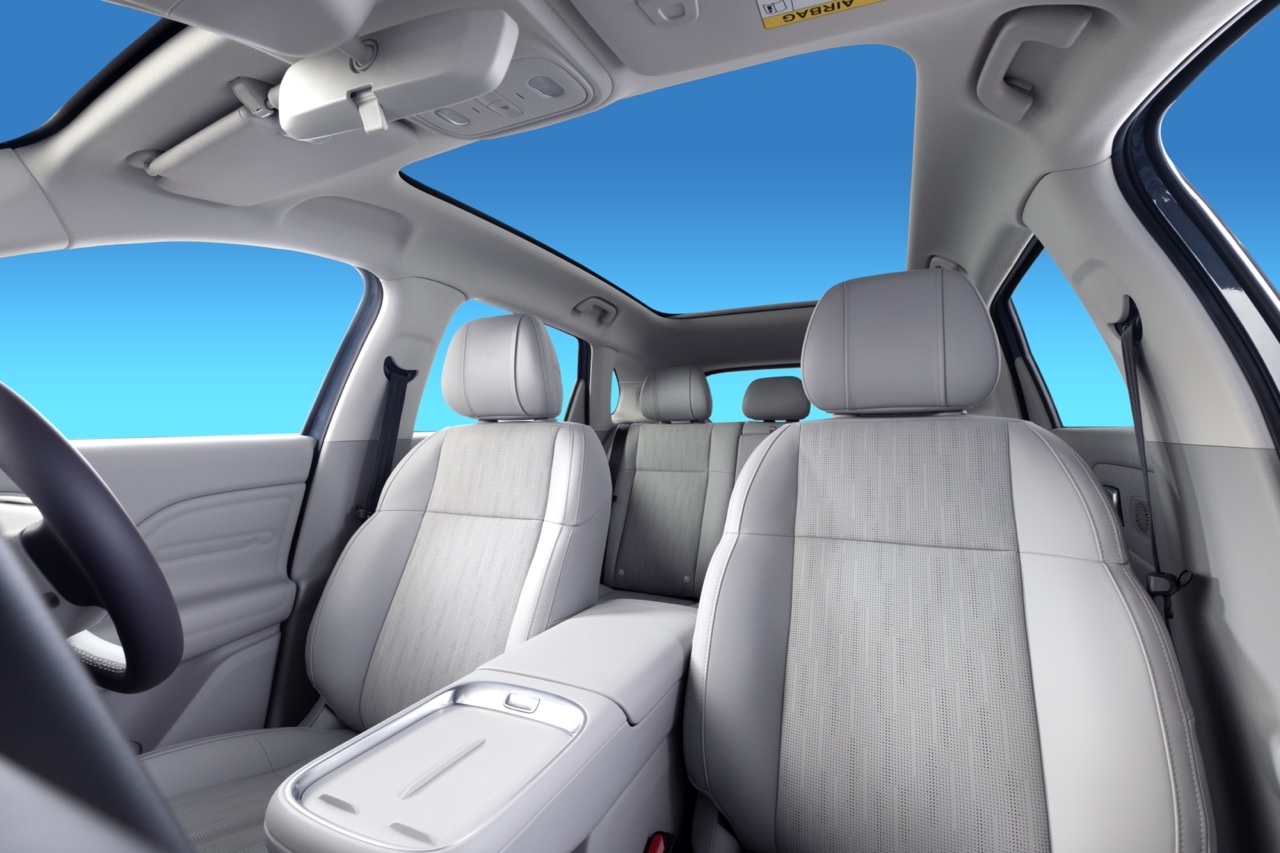
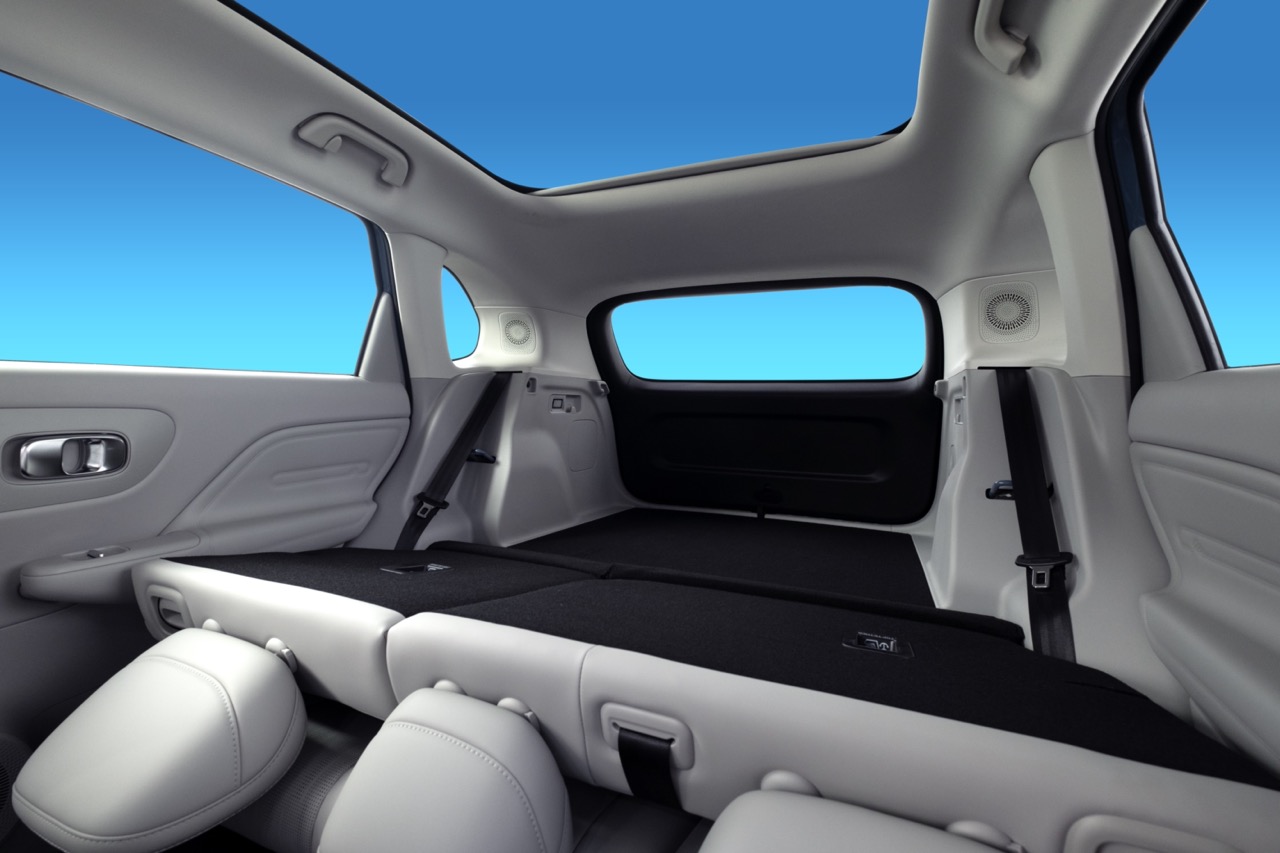
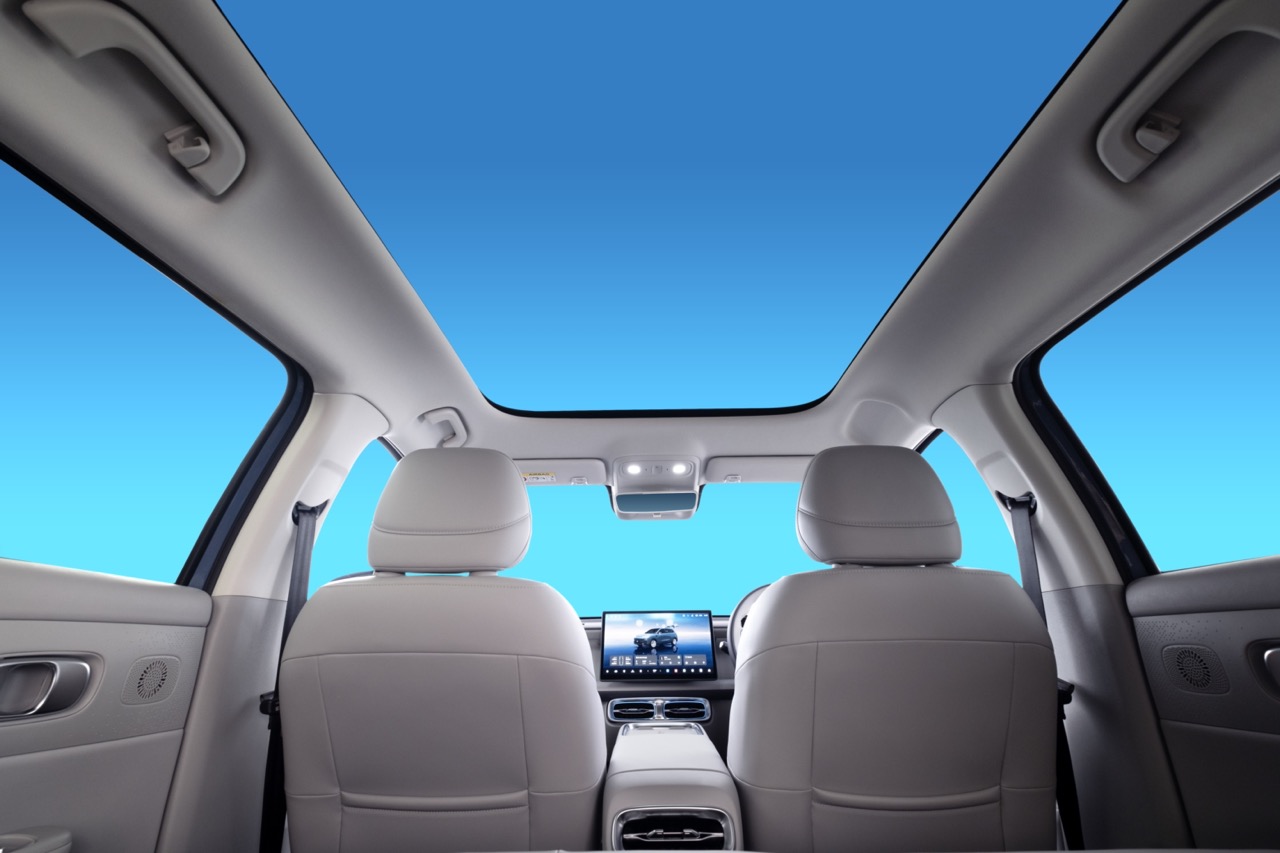
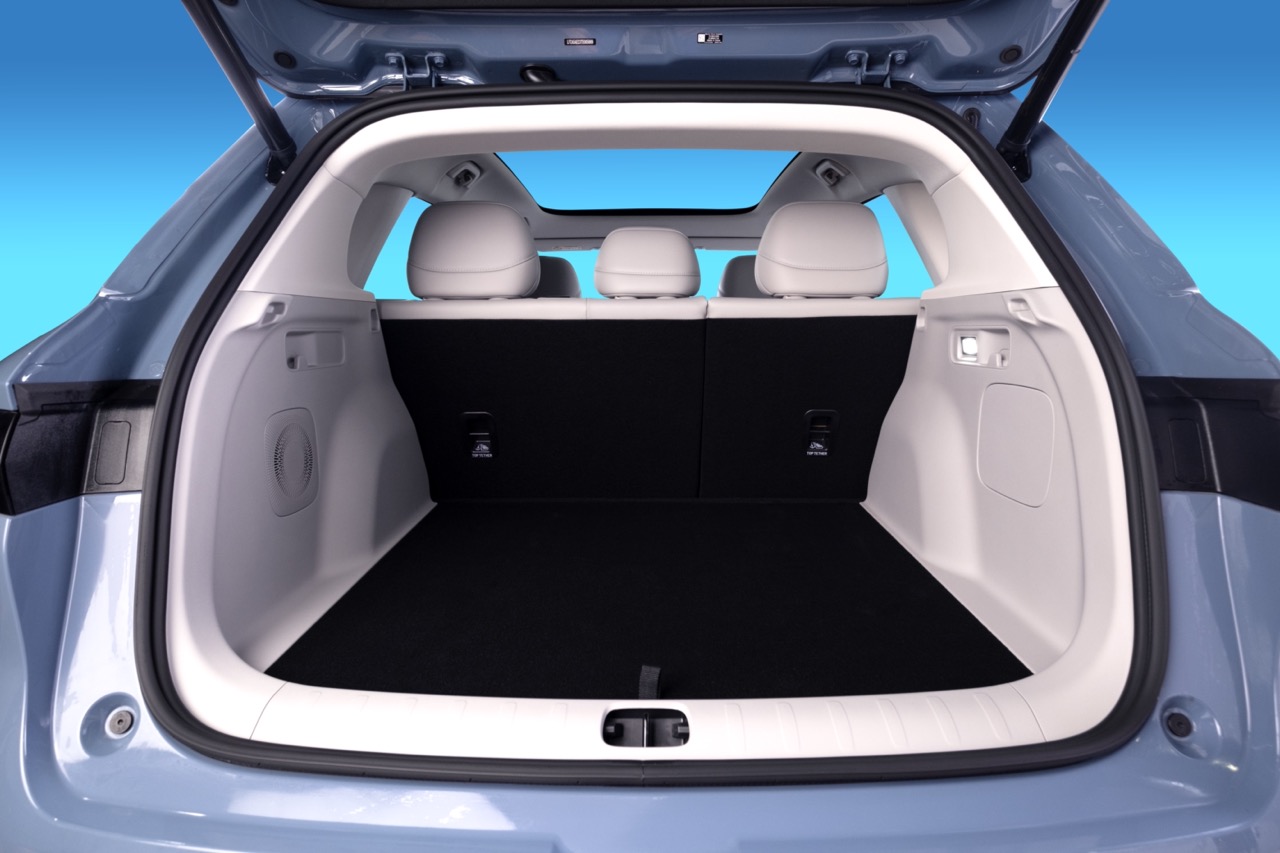
The cabin is configured as standard in a 2+2+2 layout, though five- and seven-seat options remain available for buyers who need either extra cargo room or maximum family capacity. In the five-seat and seven-seat arrangements, the luggage area can be expanded to a substantial 1,634 litres, which should please anyone who regularly hauls bulkier items.

(more…)

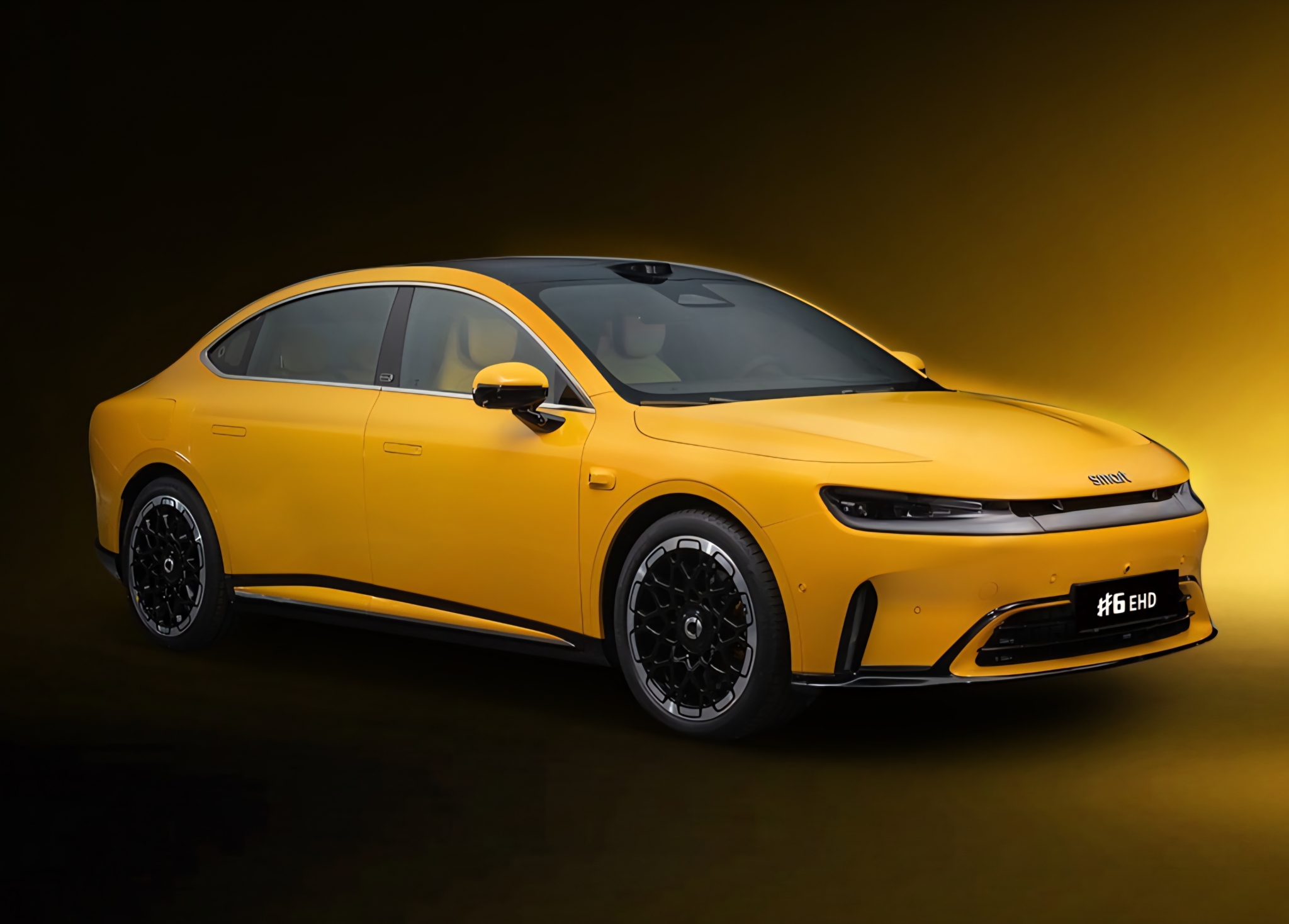
Smart has offered a clearer look at its upcoming #6 EHD, releasing a fresh batch of official images and confirming several major specifications following the model’s earlier appearance in documents from China’s Ministry of Industry and Information Technology. The new material sets the tone for what is shaping up to be the brand’s most ambitious model yet, particularly with its claimed 1,810 km CLTC range, a 285 km electric-only figure and a system output of 429 hp.

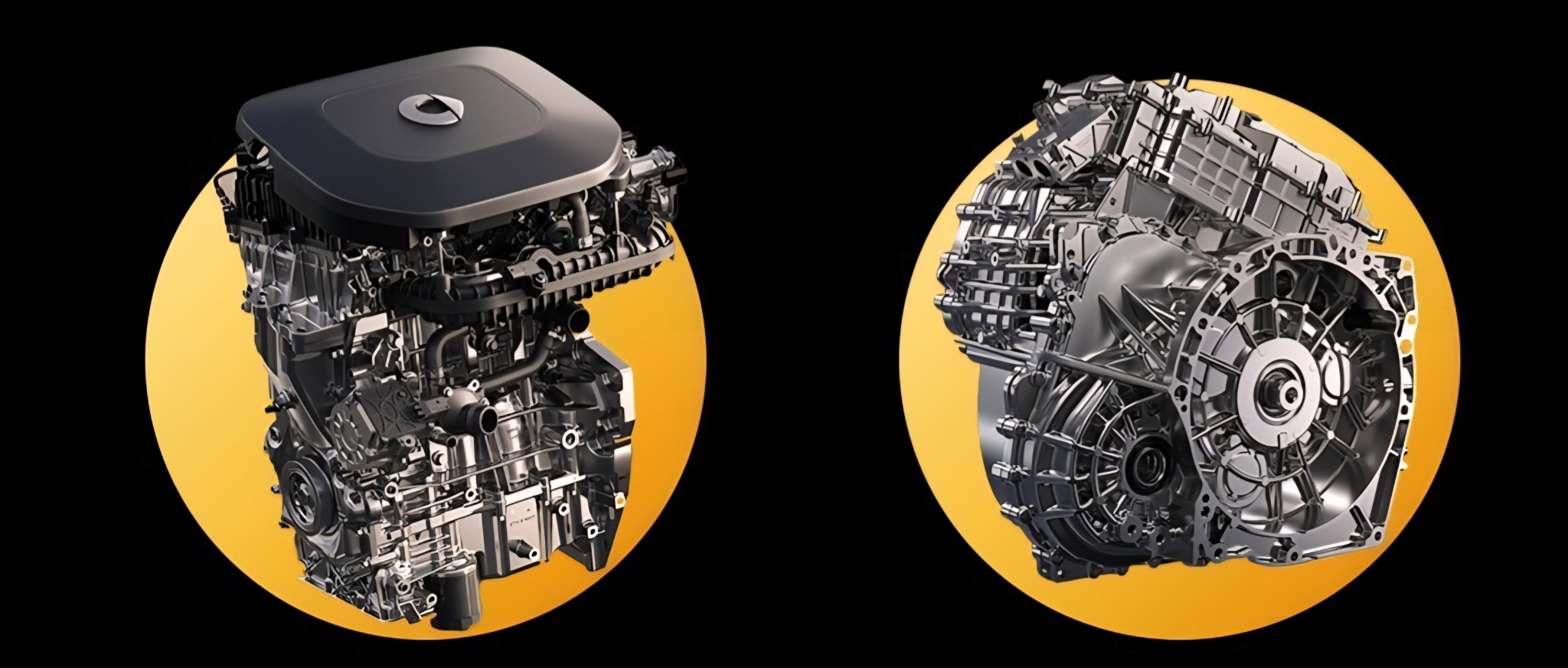
The #6 EHD’s plug-in hybrid setup is built around Geely’s NordThor Hybrid 2.0 technology, a configuration that pairs a 161hp 1.5-litre turbo engine with an electric motor. Power is channelled through a 3-speed DHT, forming a combined output of 429hp. Battery details remain under wraps, though Smart confirmed the use of lithium iron phosphate cells supplied by either SVOLT or CATL. Fuel consumption is said to dip as low as 3.9 litres per 100 km, underscoring the emphasis on efficiency.

Smart has already laid the groundwork for expectations with the previously introduced #5 EHD, which uses a similar formula: a 161hp 1.5T engine paired with a 268hp electric motor for the same 429hp total output and a 3-speed DHT. The #6 EHD, however, is set to surpass it in size and positioning.

(more…)

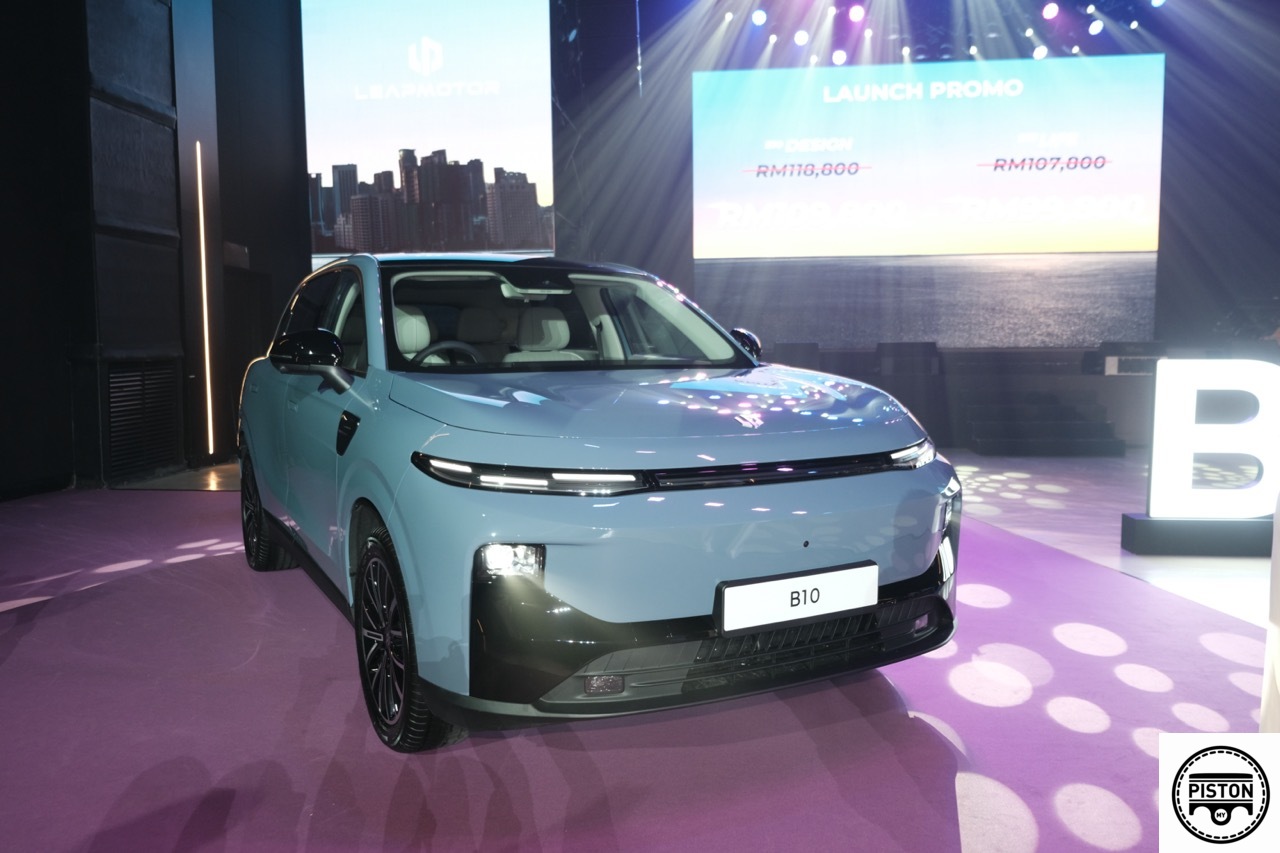
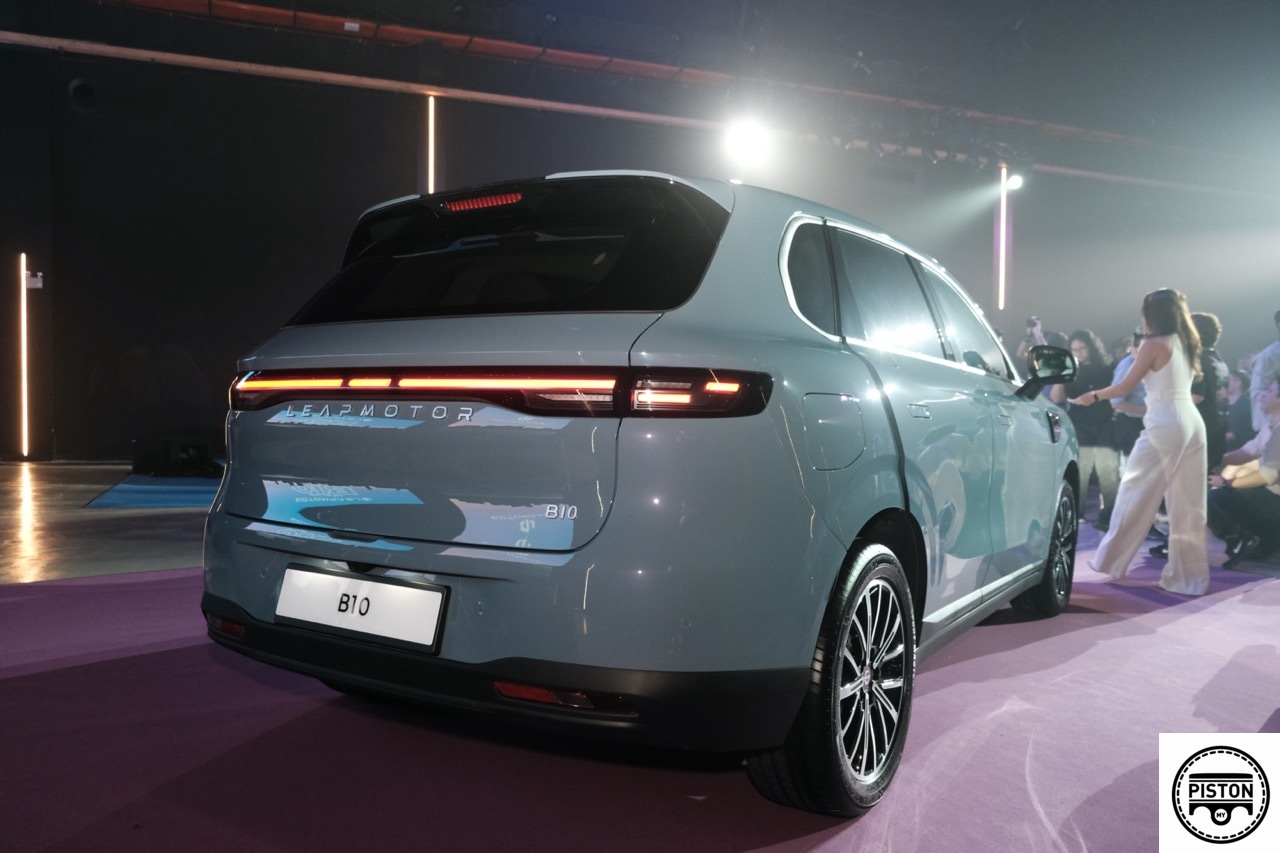
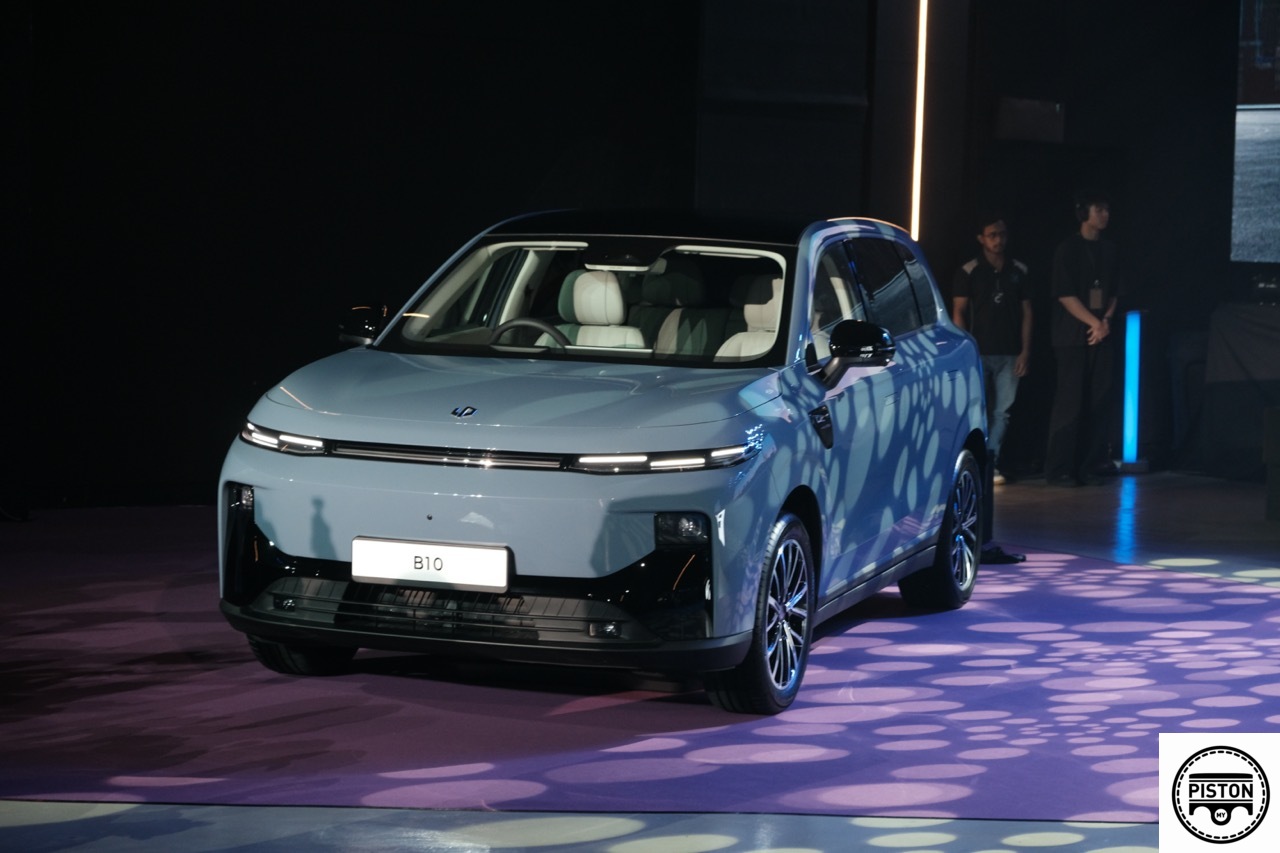
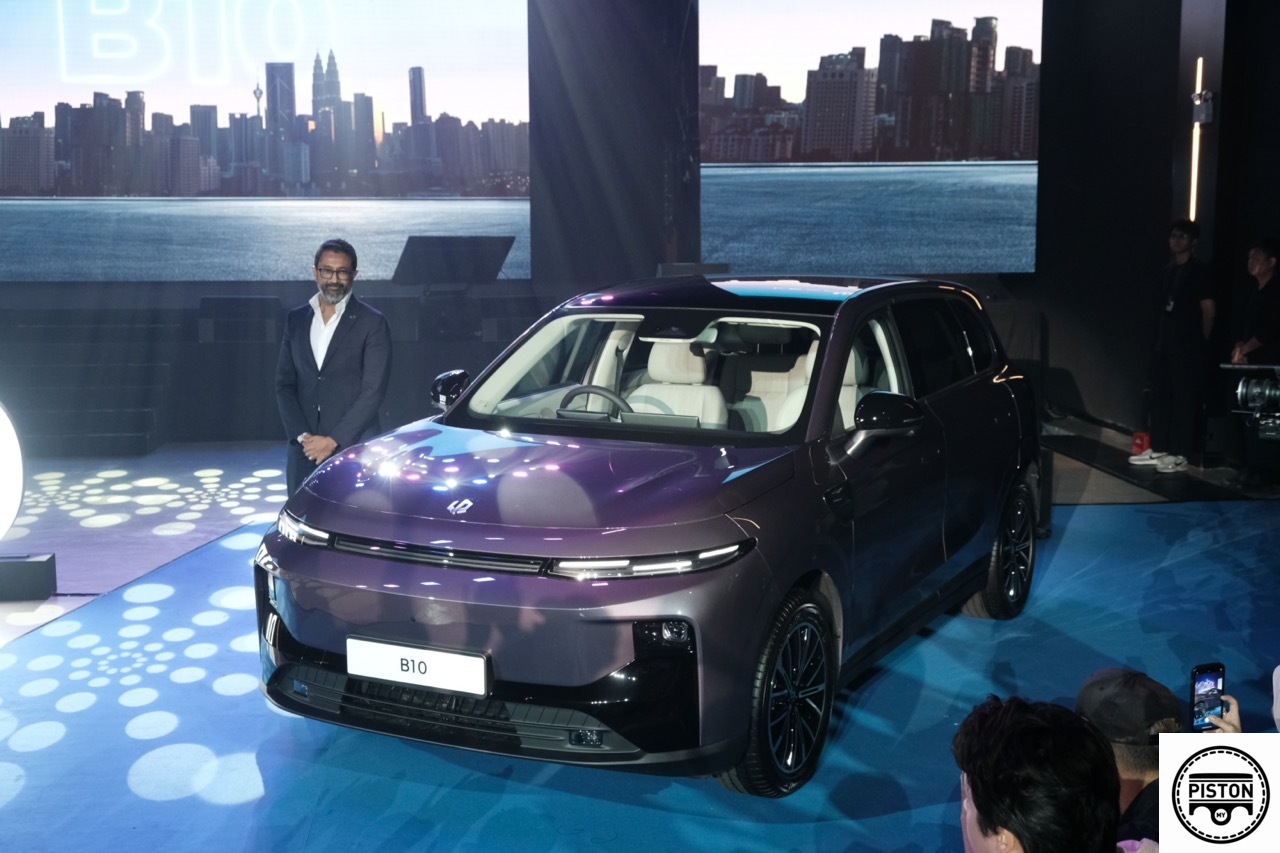
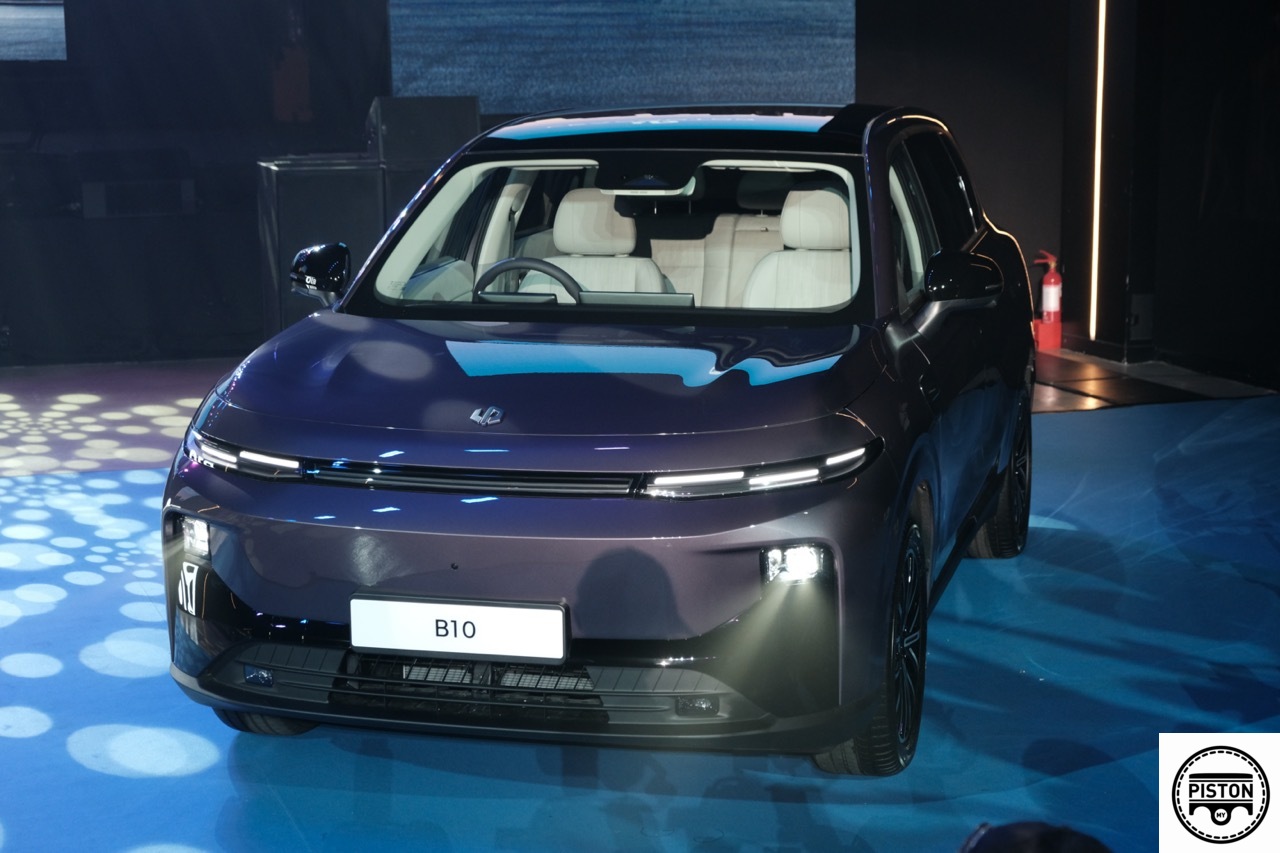
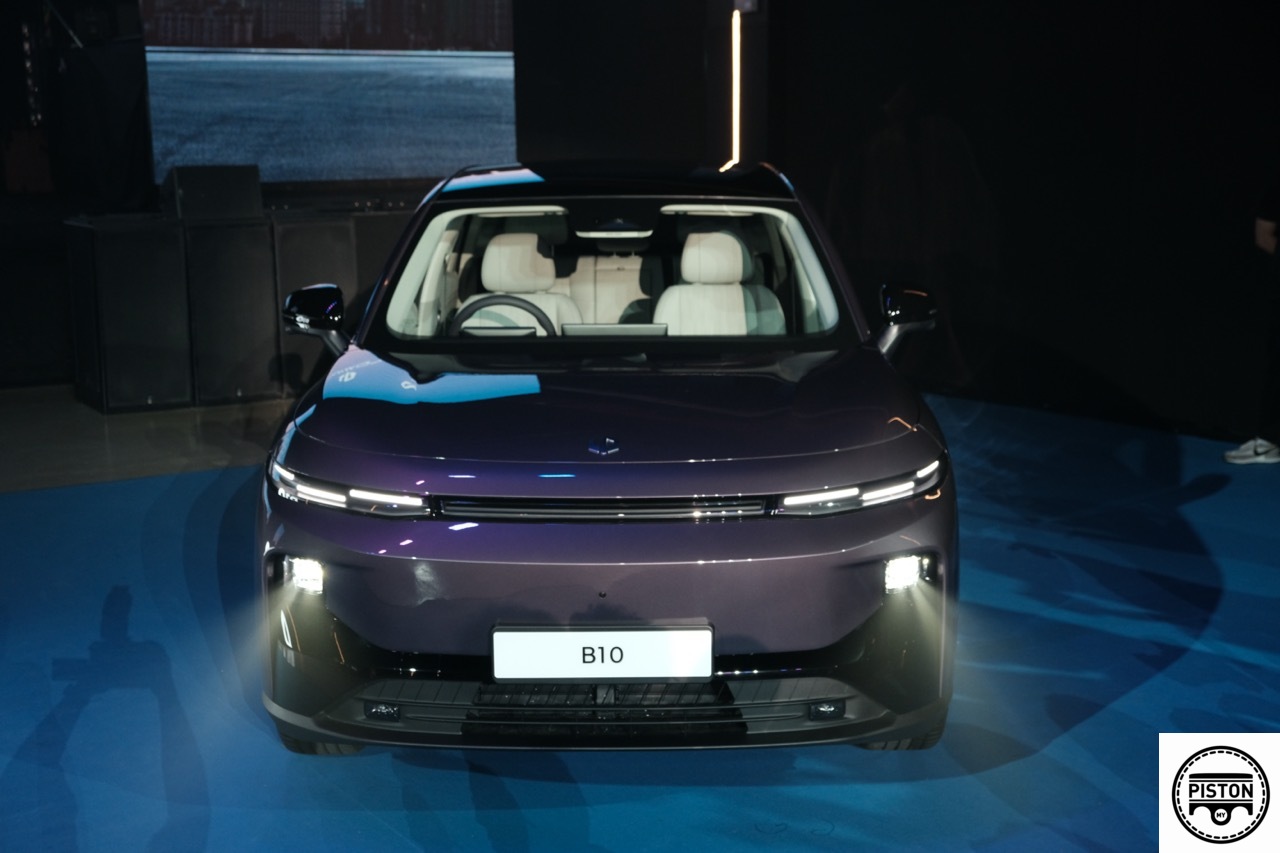
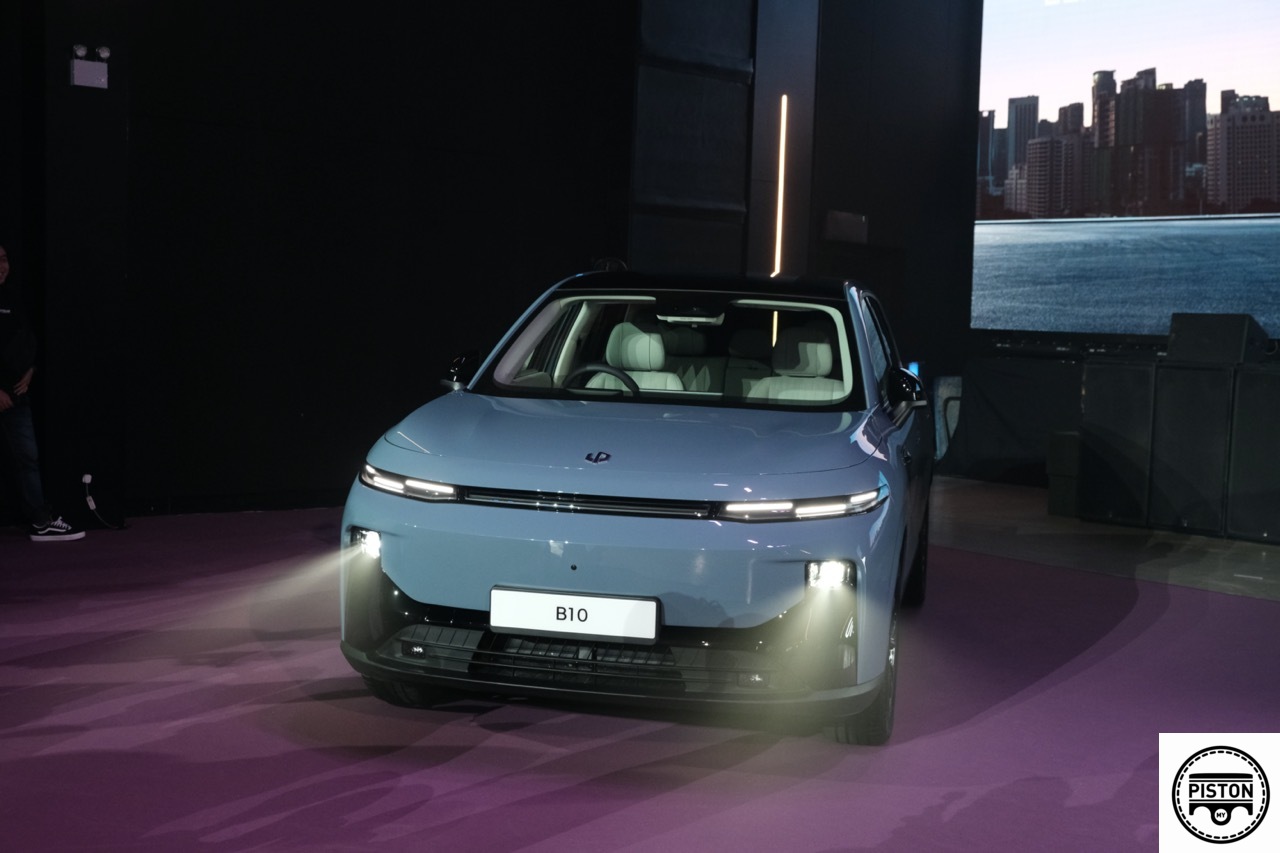
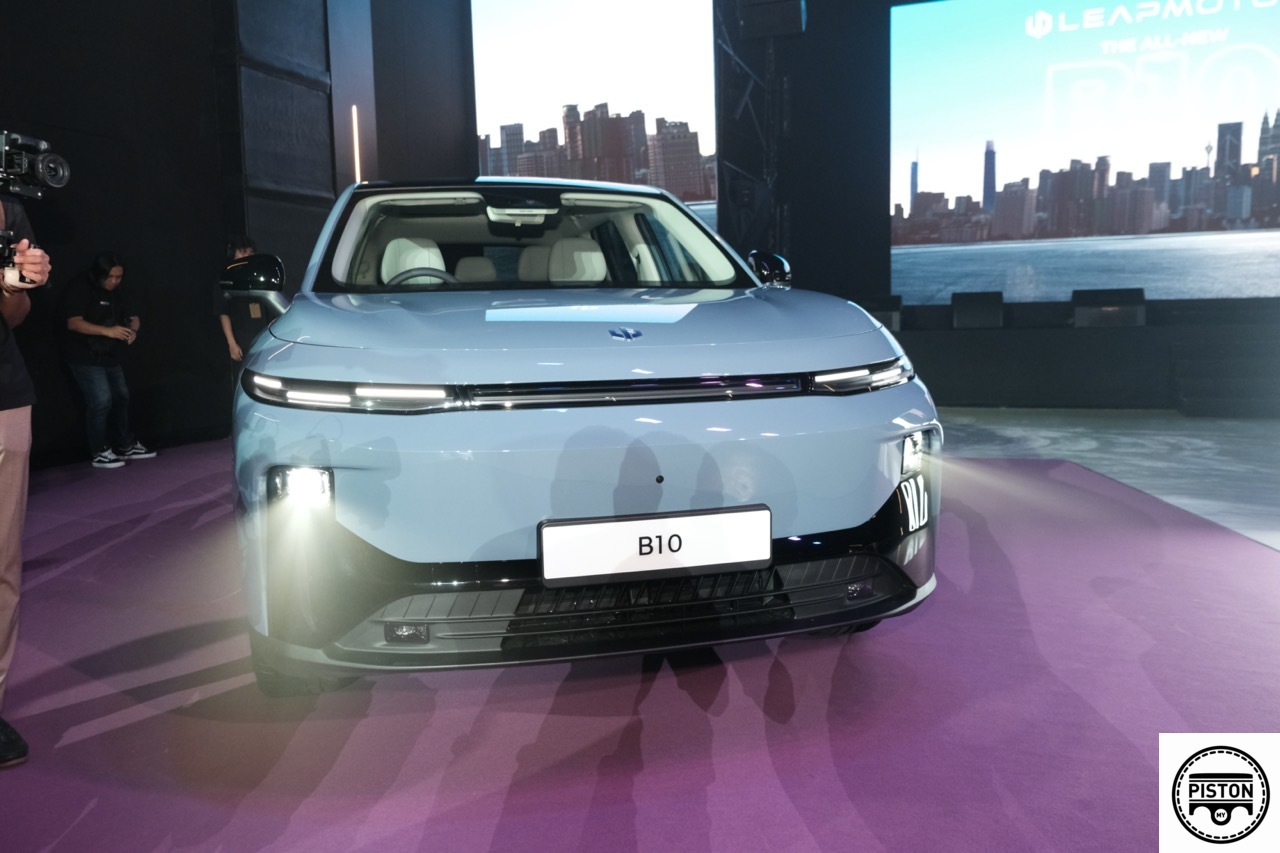
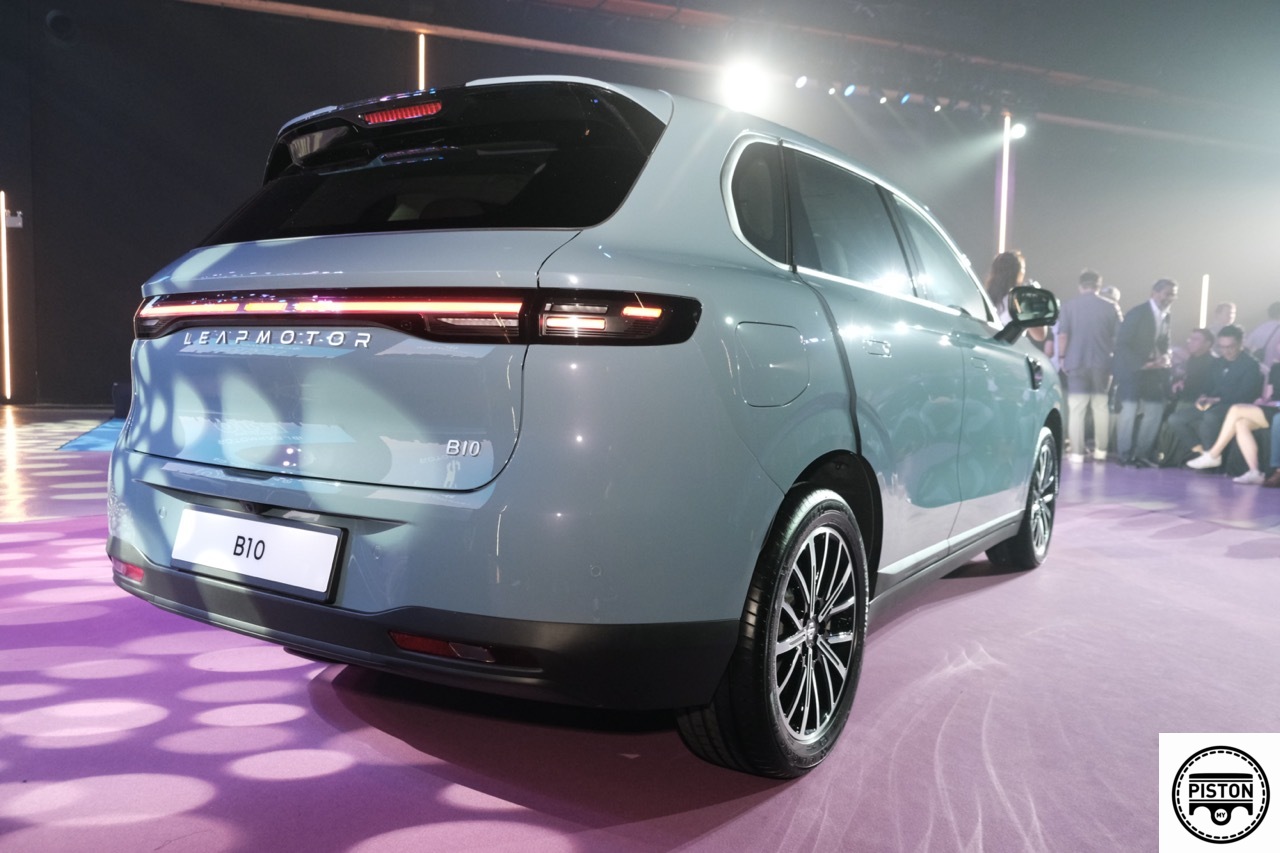
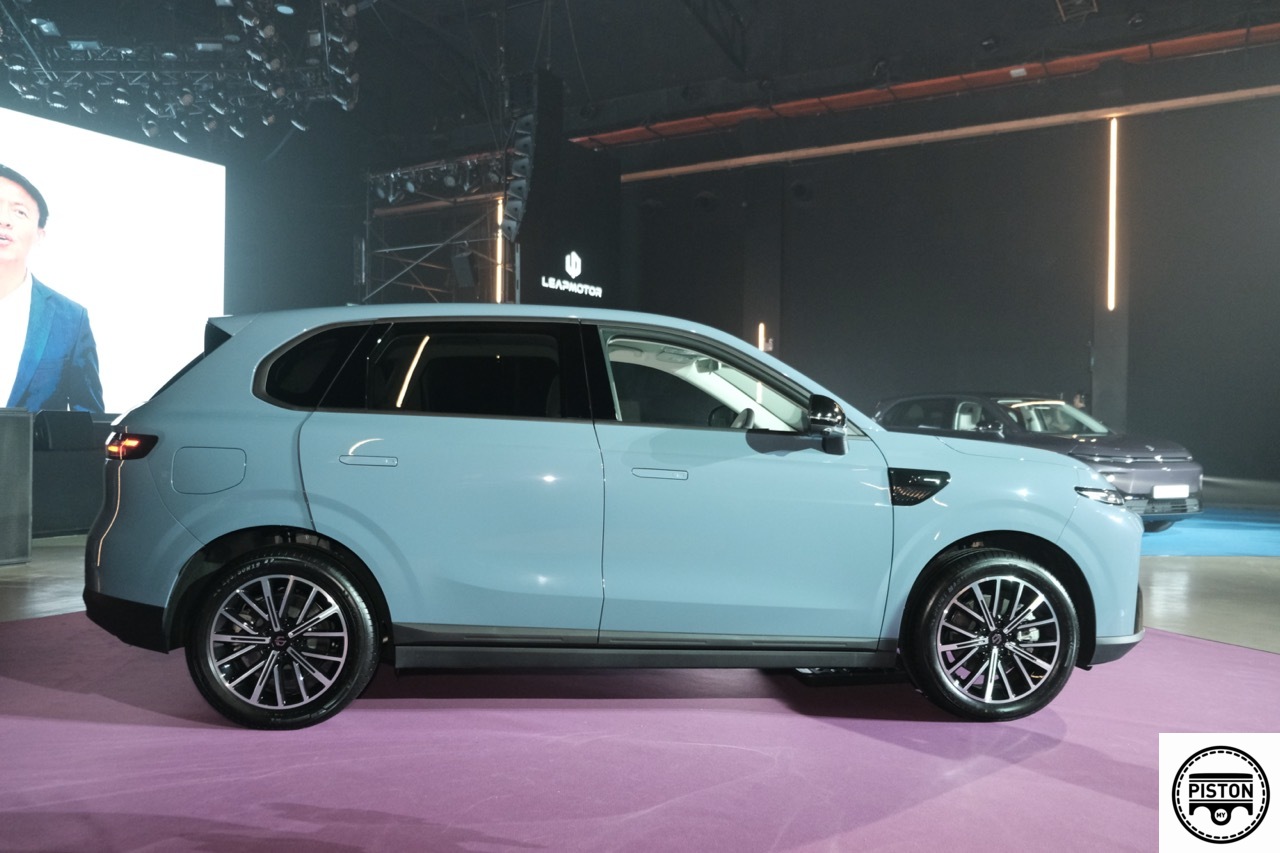
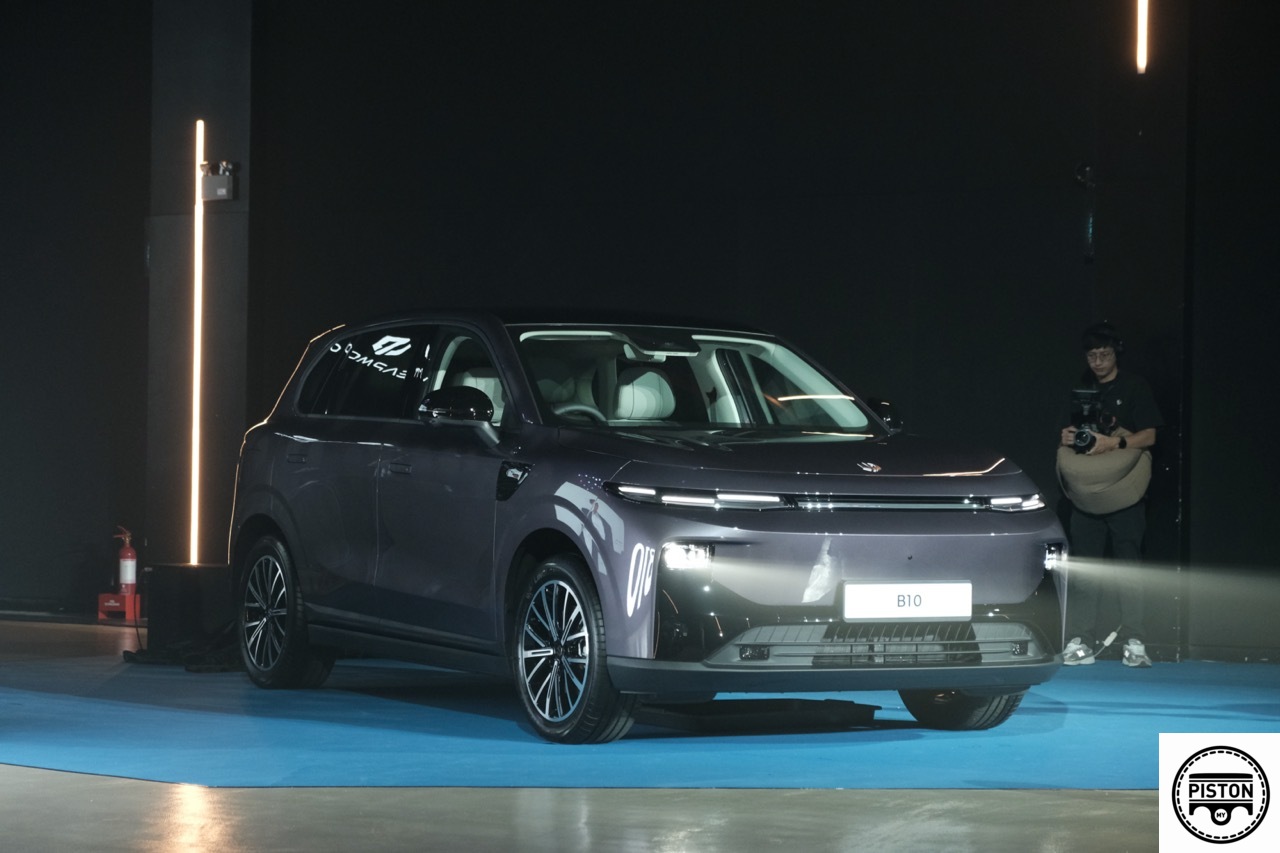
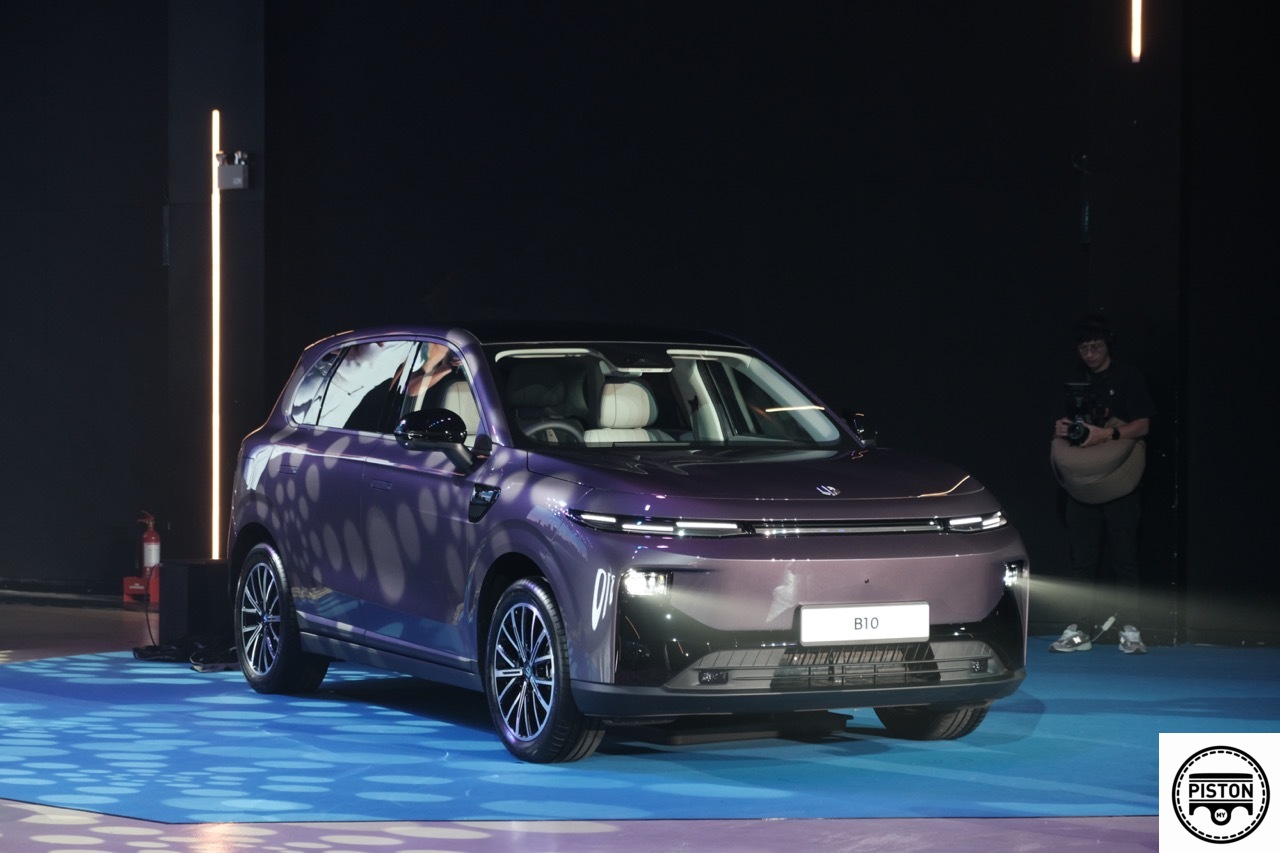
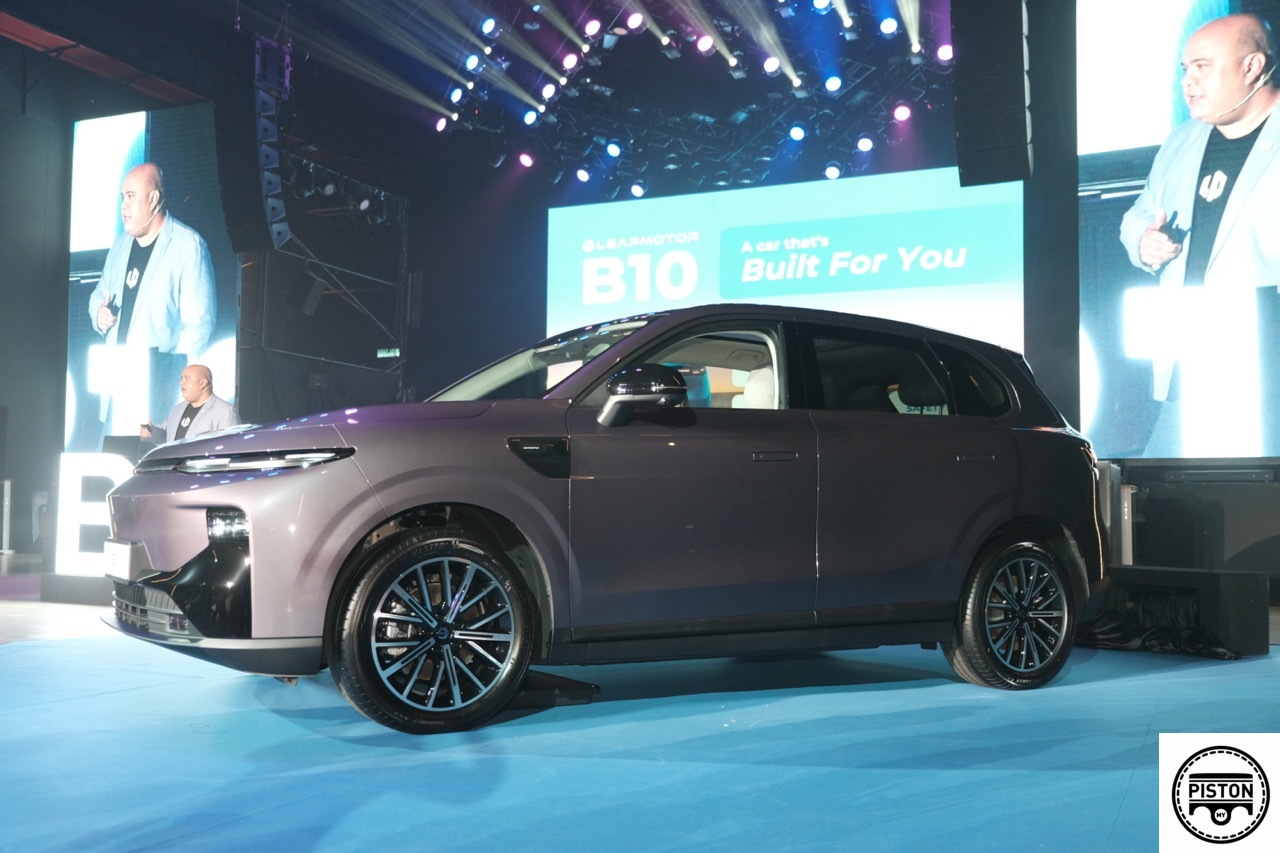
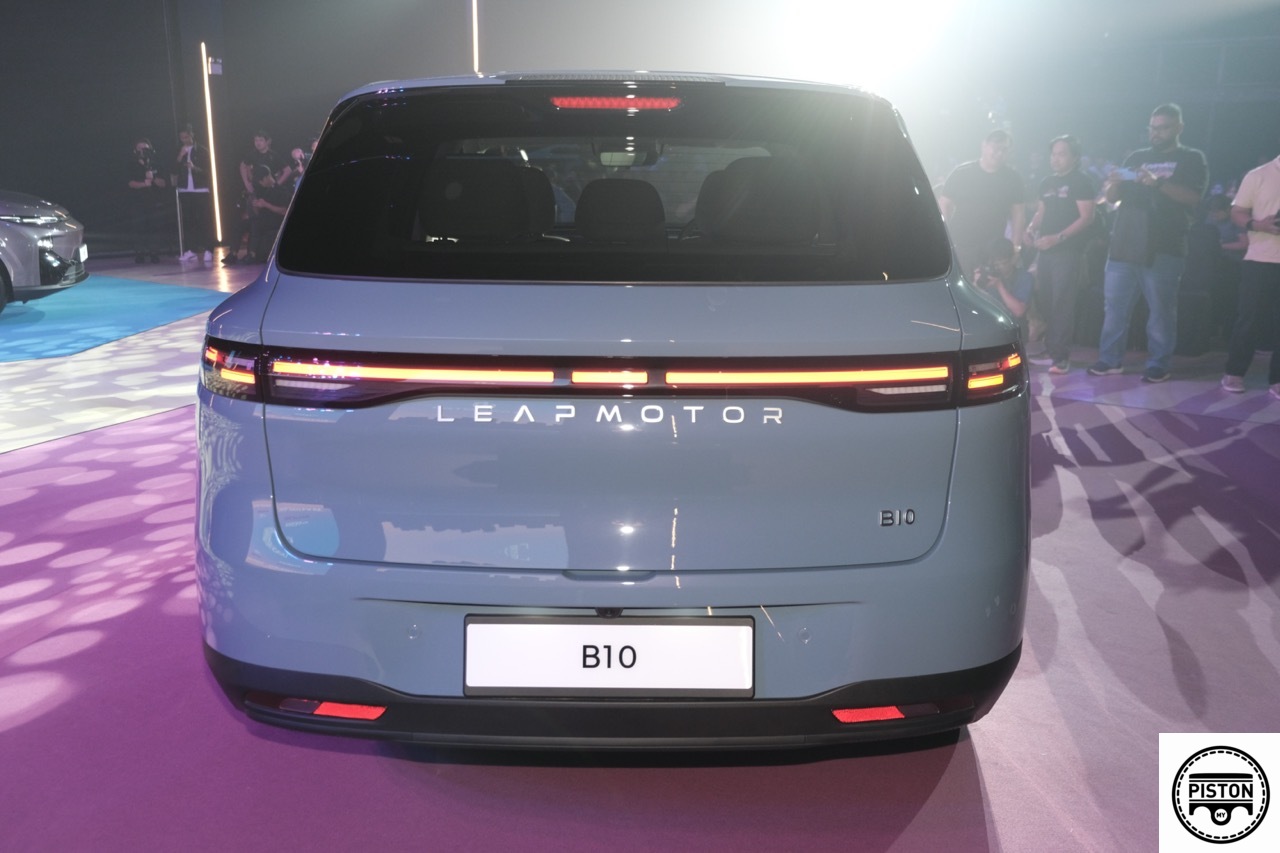
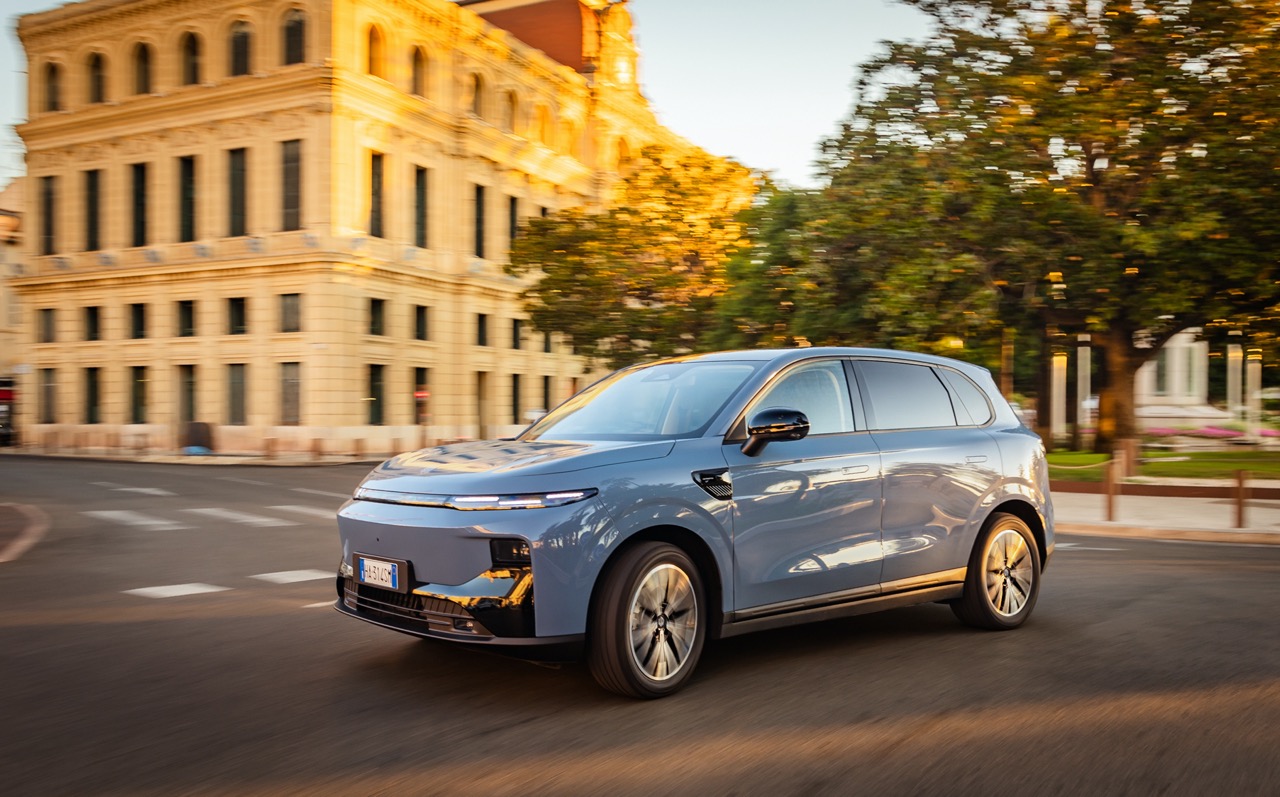
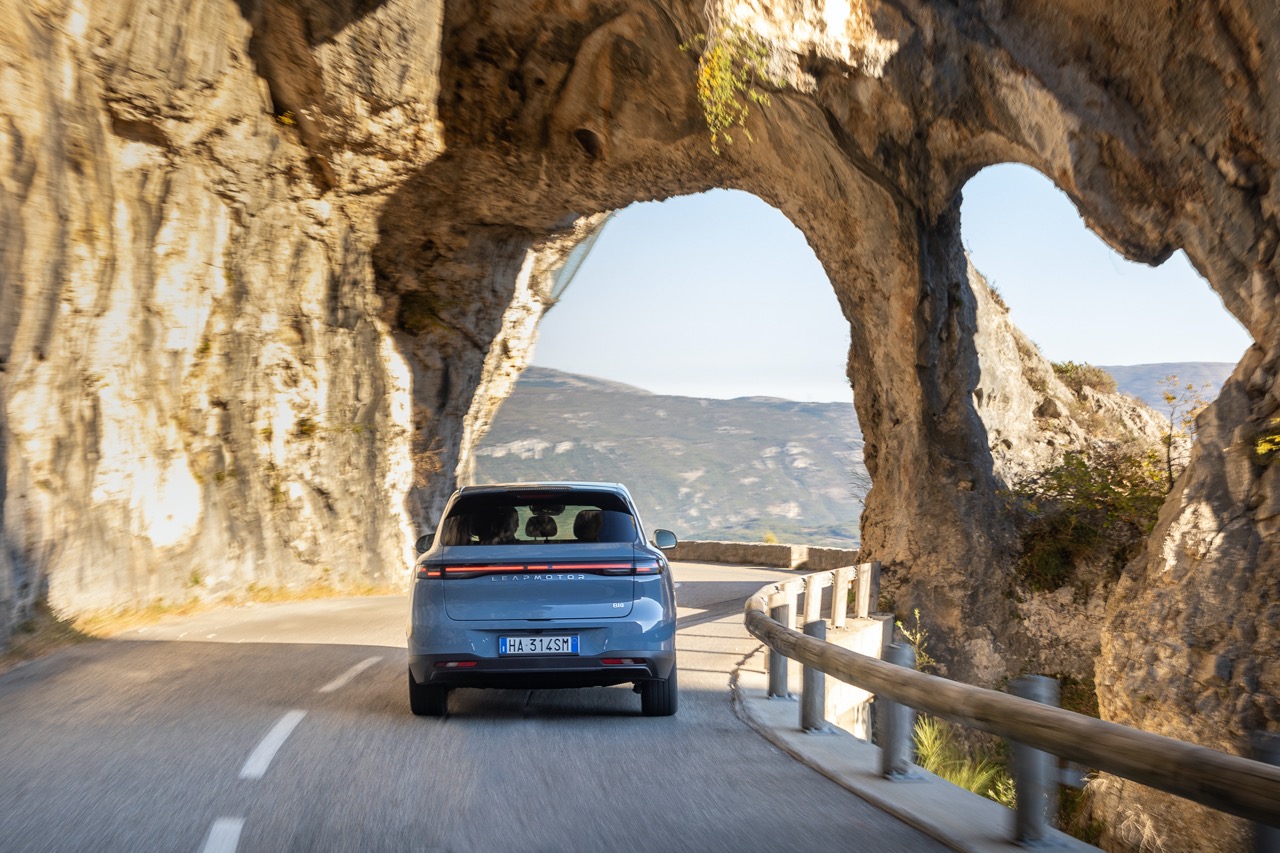
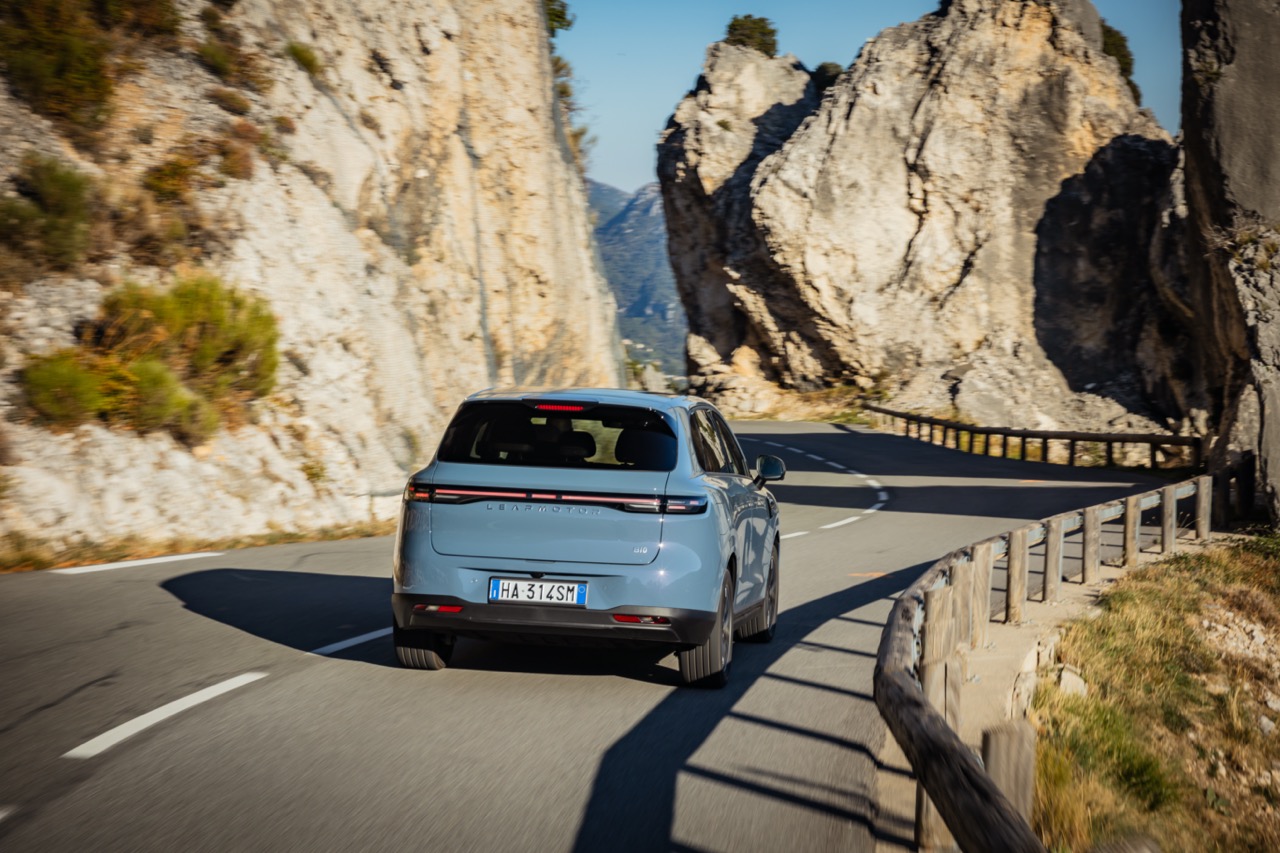
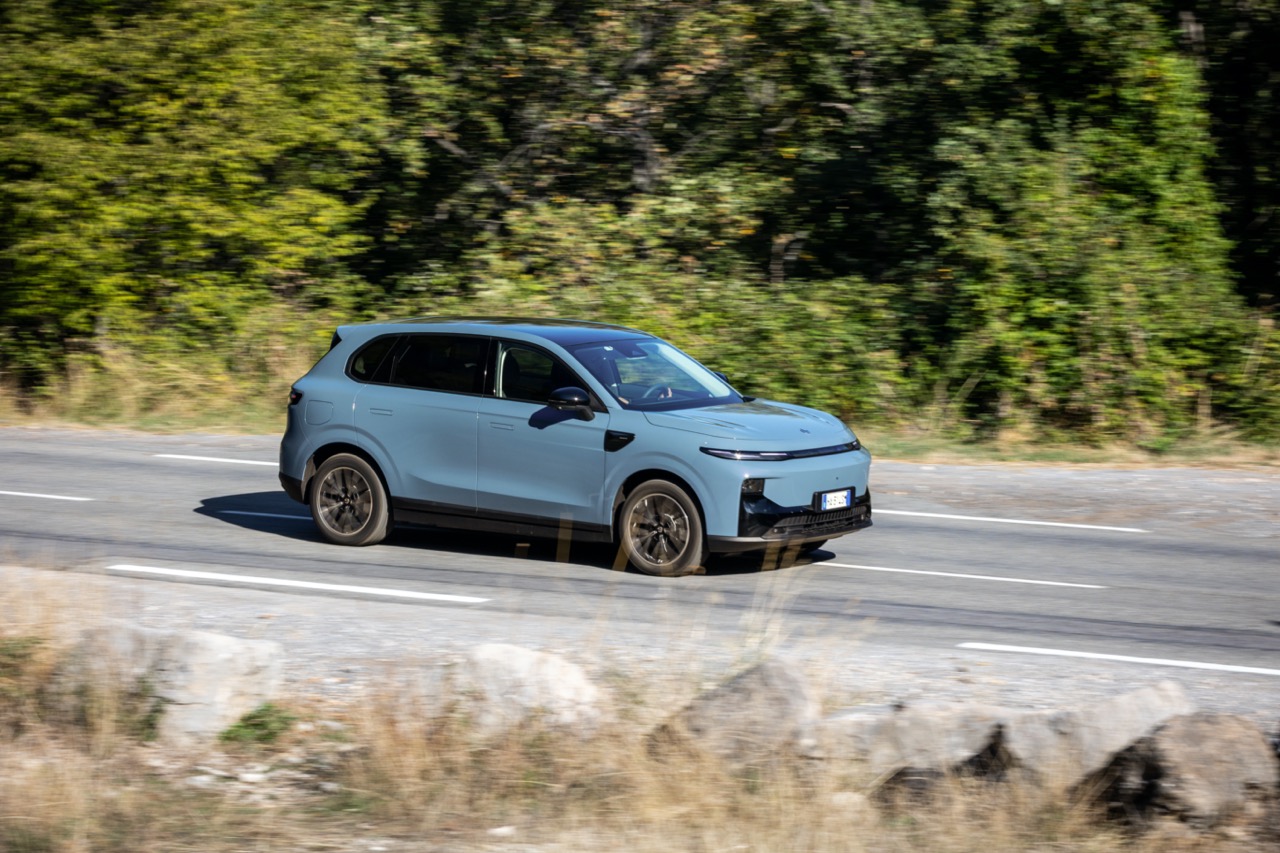
Stellantis Malaysia has introduced the Leapmotor B10 to the local market, marking another strategic push into the electric SUV segment. The model arrives not long after the C10 and builds on the global partnership between Stellantis and Leapmotor International, a joint venture aimed at distributing advanced and cost-efficient EVs across more than 20 countries by the end of next year. Its arrival coincides with a strong period for the brand, which recently crossed its one-million-unit milestone and reported more than 70,000 deliveries in November alone.

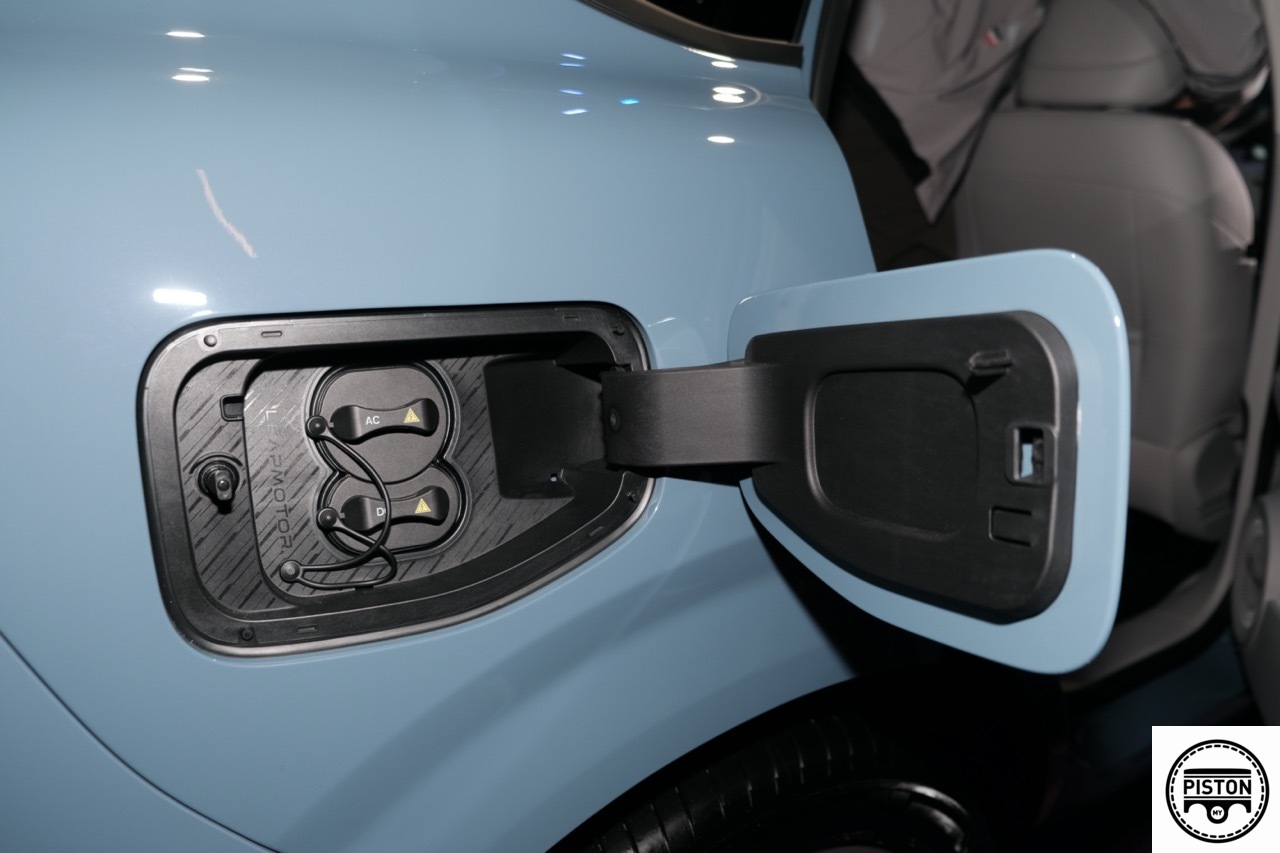
Two versions of the B10 are available at launch, known as LIFE and DESIGN, and the differences begin with the battery packs. The LIFE runs on a 56.2 kWh unit, while the DESIGN variant carries a larger 67.1 kWh pack. Both cars support an 11 kW on-board charger with matching AC charging capability. Their DC performance varies, however, with the LIFE accepting up to 140 kW and the DESIGN topping out at 168 kW.

This allows a 30% to 80% recharge to be completed in under 20 minutes. The driving range reflects the size difference: the LIFE variant manages 361km on the WLTP cycle, while the DESIGN stretches this to 434km WLTP. Both also come with a 3.3 kW V2L output, enabling the vehicle to power external devices when needed.

The B10 sits on the new LEAP3.5 platform, which fuses the battery pack into the chassis as one integrated structure. Developed with the help of Stellantis’ Chassis Master division, the Cell-to-Chassis 2.0+ approach gives the SUV a low centre of gravity, a well-balanced 50:50 weight distribution and a torsional rigidity rating of 36,360 Nm per degree. These ingredients help deliver a more settled and composed driving experience.

A compact 60 kg Electric Drive assembly contributes to a total weight reduction of over 20 kg and operates at 94% efficiency with a power density of 2.67 kW per kilogram. The setup includes an LFP battery and an AI-assisted motor management system designed to maintain long-term health, safety and performance.

Power comes from a 218hp unit producing 240Nm of torque, giving the B10 a 0–100 km/h time of around eight seconds. The 400-volt fast-charging system, operating at 2.5C, enables swift recharging, and the WLTP range of up to 434km makes it a practical option for everyday use. The thermal management system uses liquid cooling for the battery and oil cooling for the motor, ensuring consistent performance in Malaysia’s high heat and humidity.

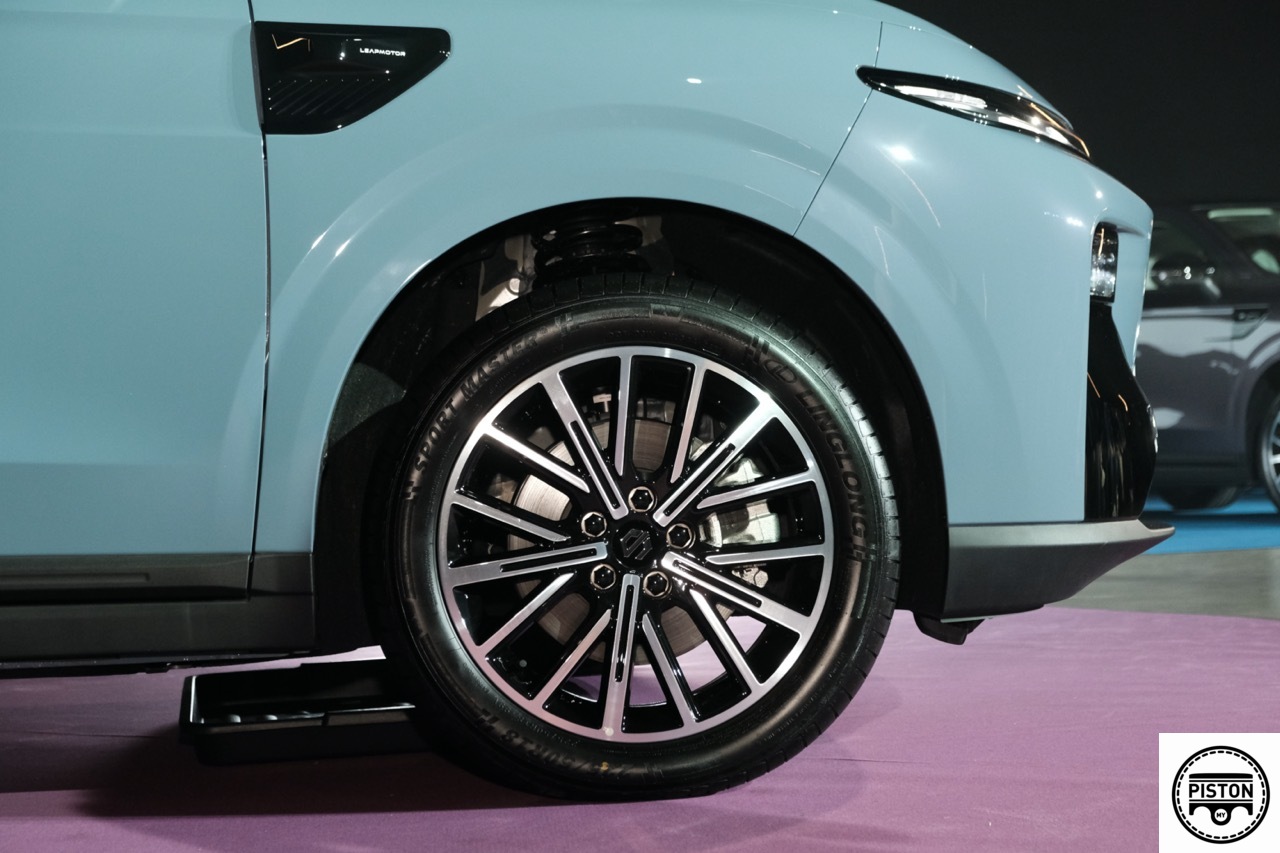
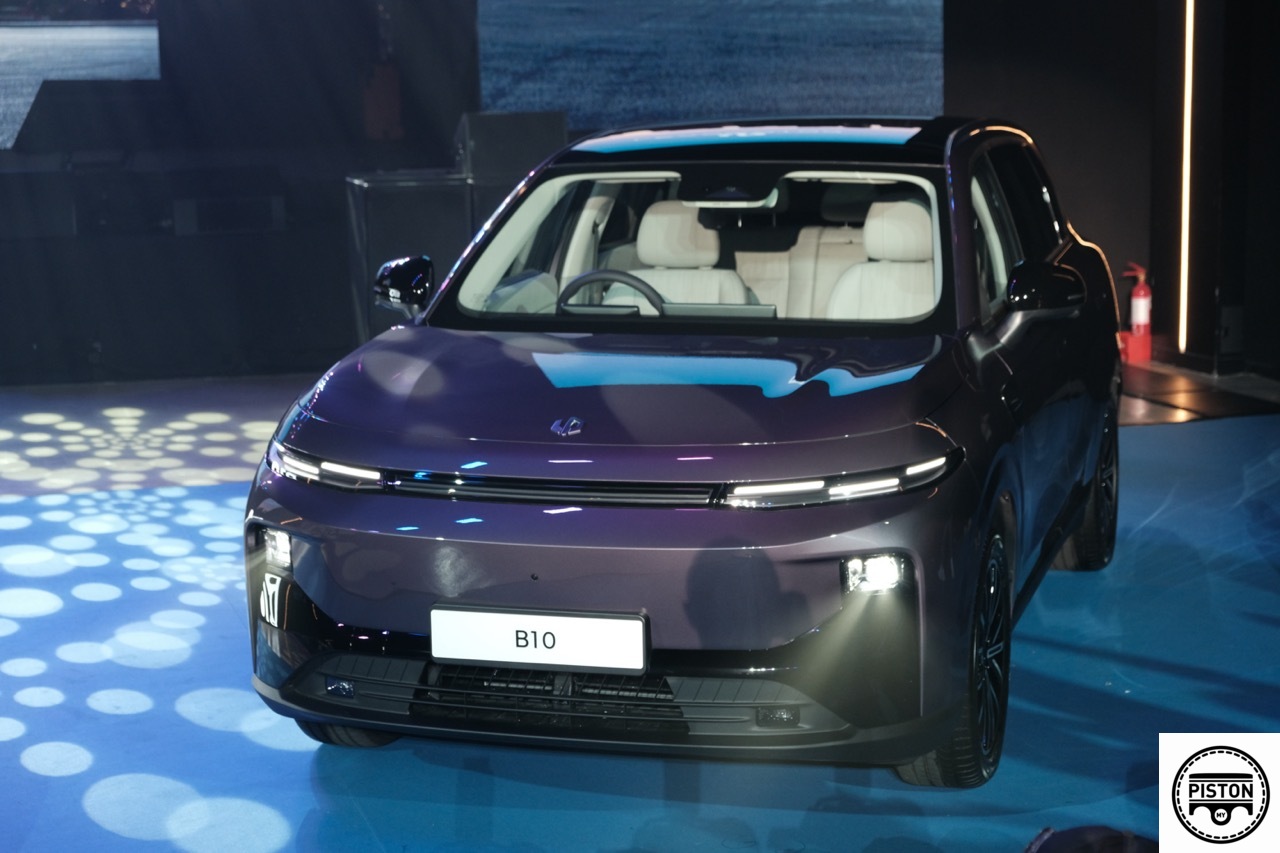
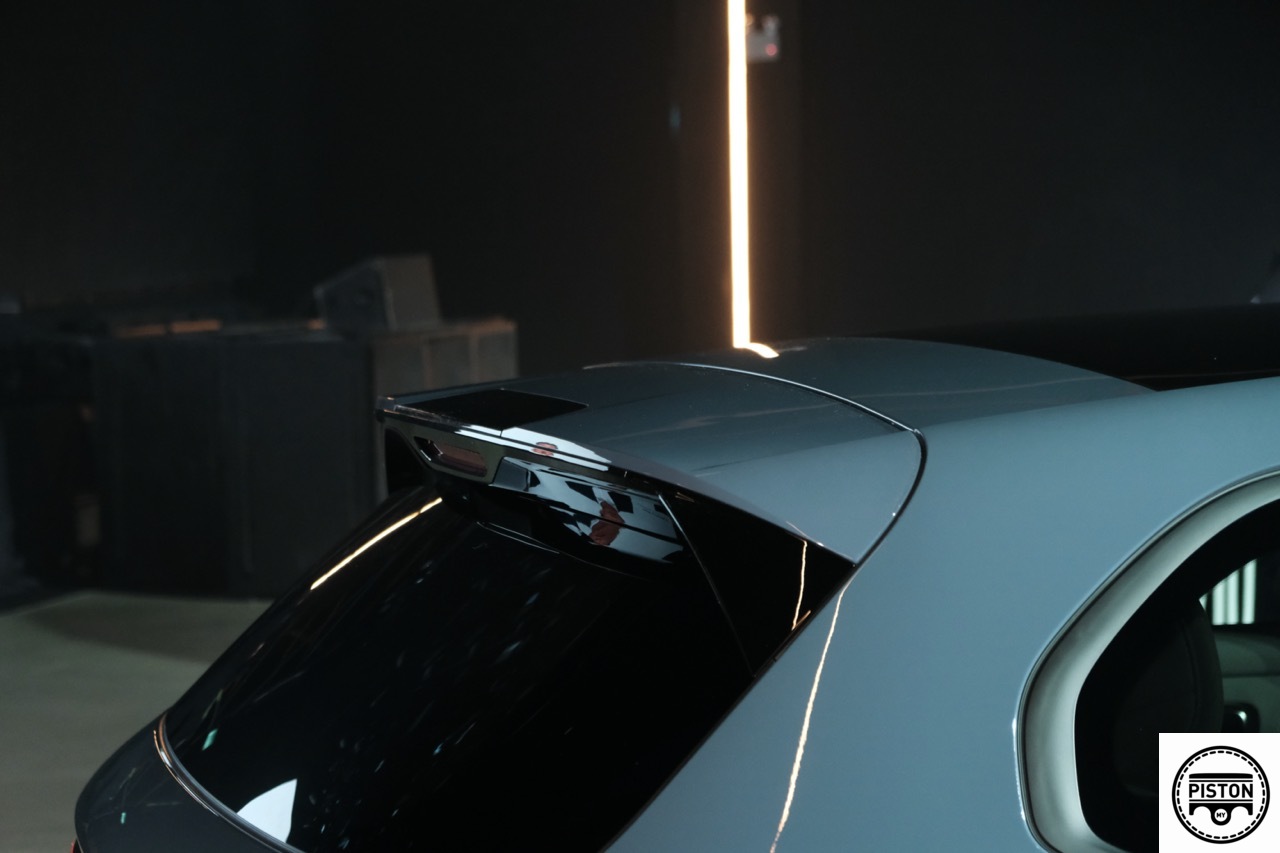
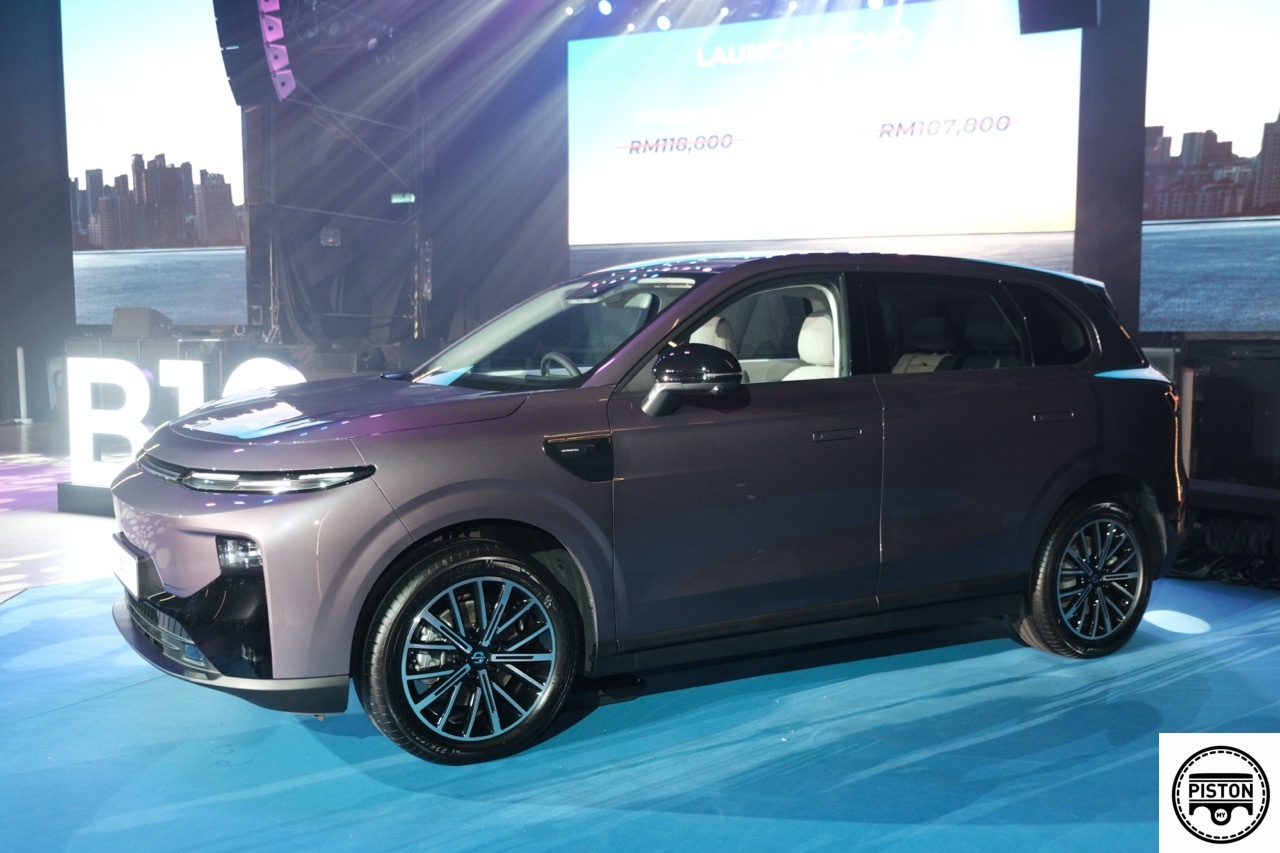
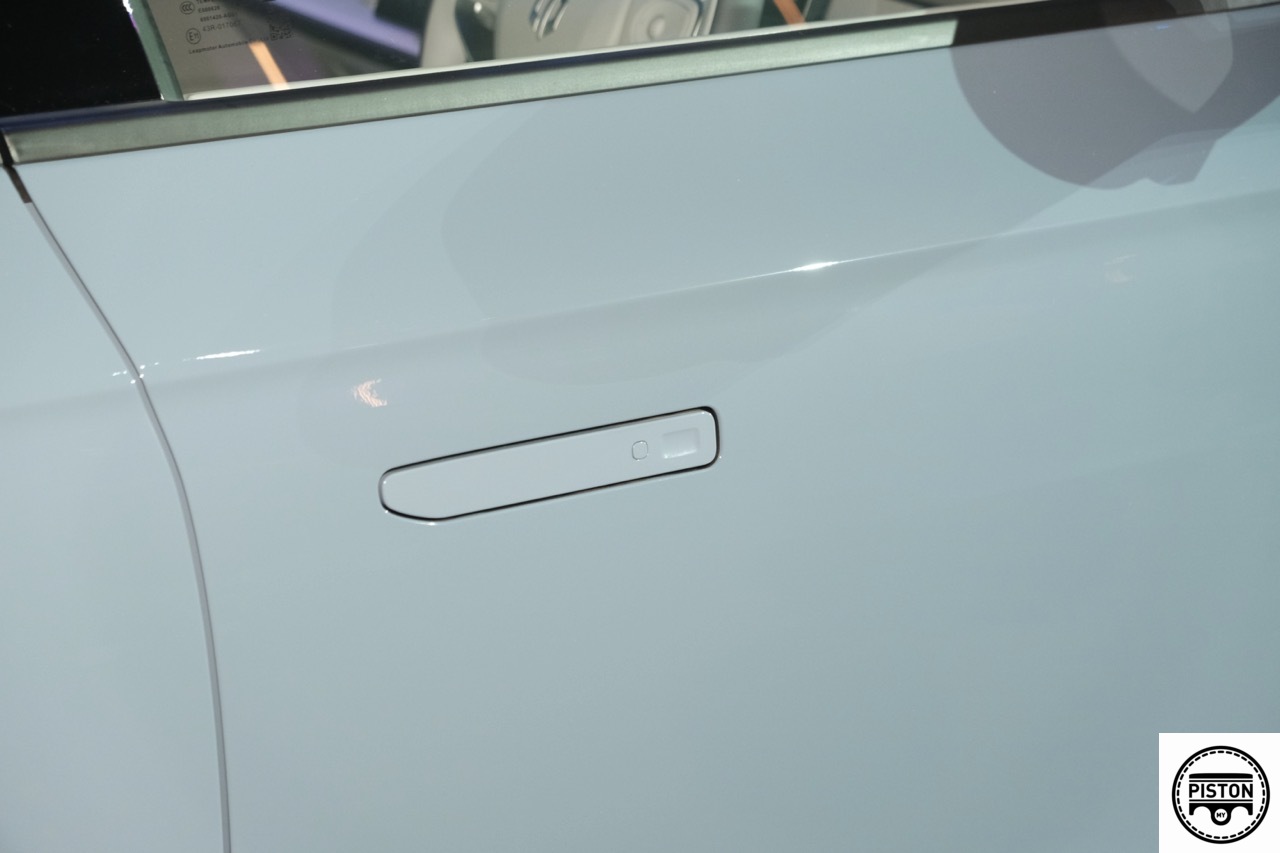
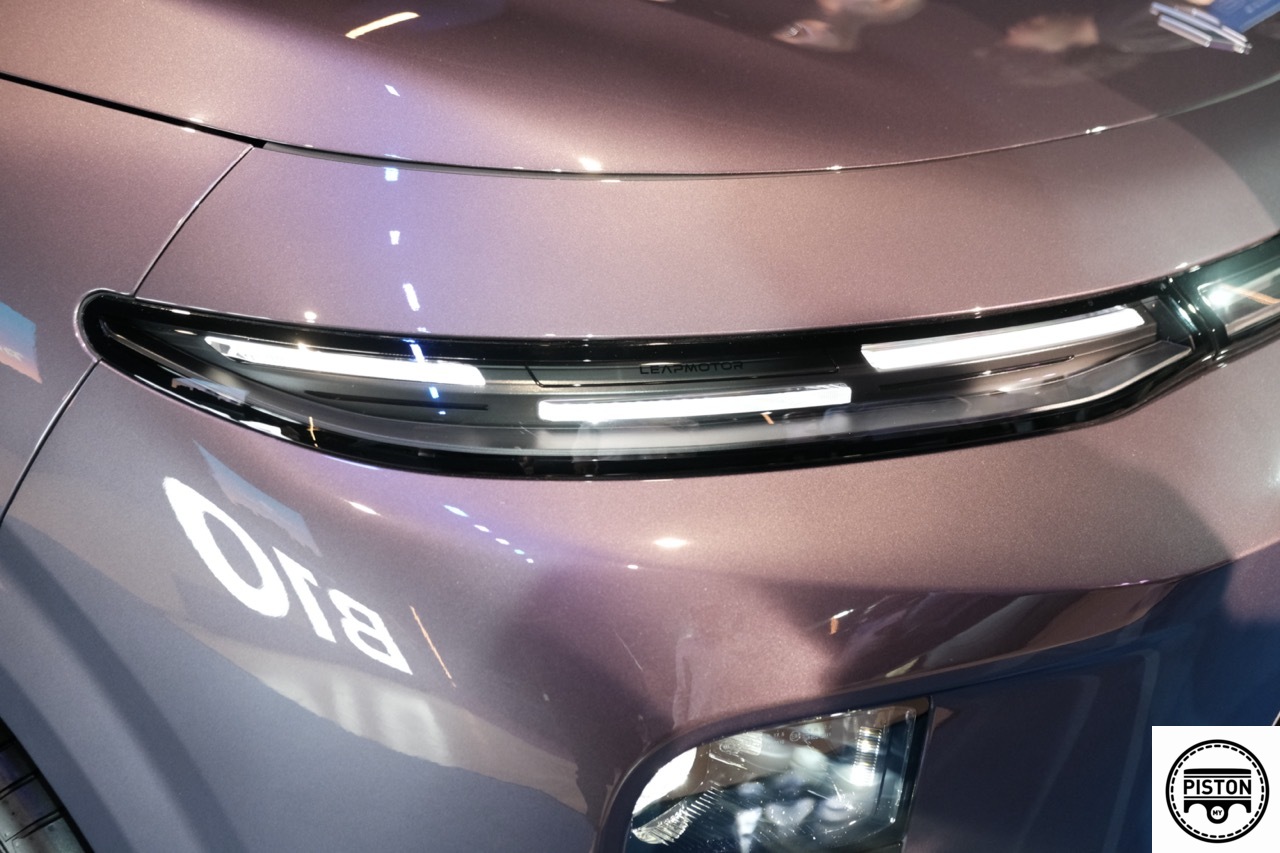
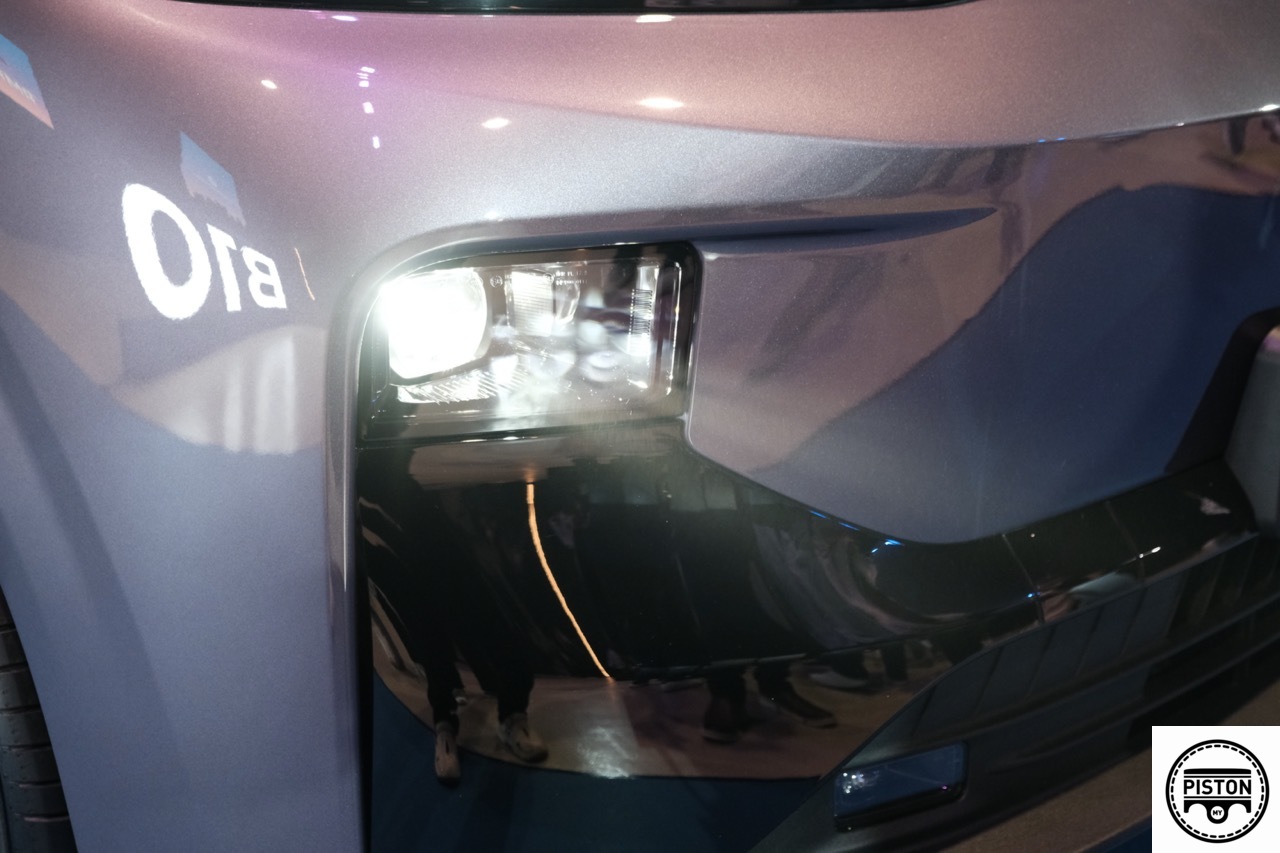
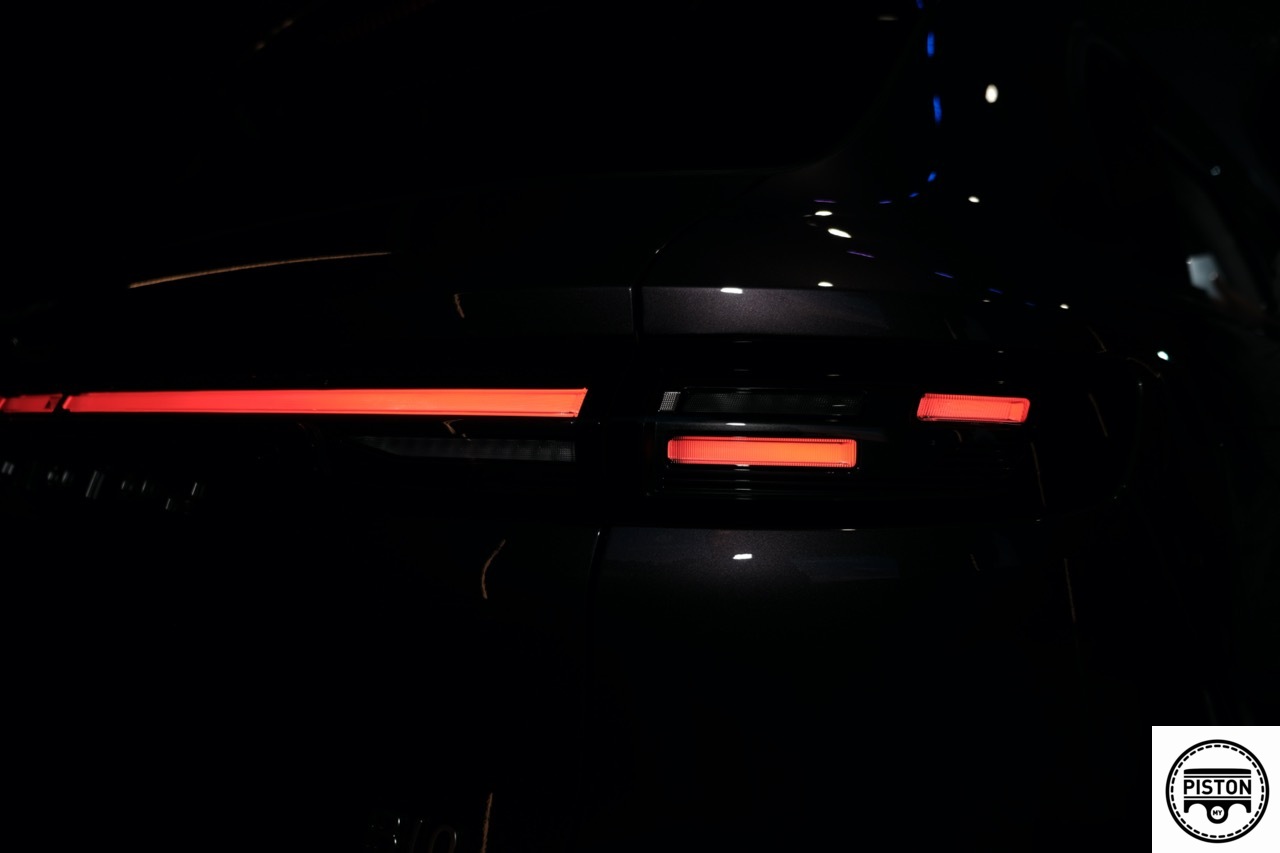
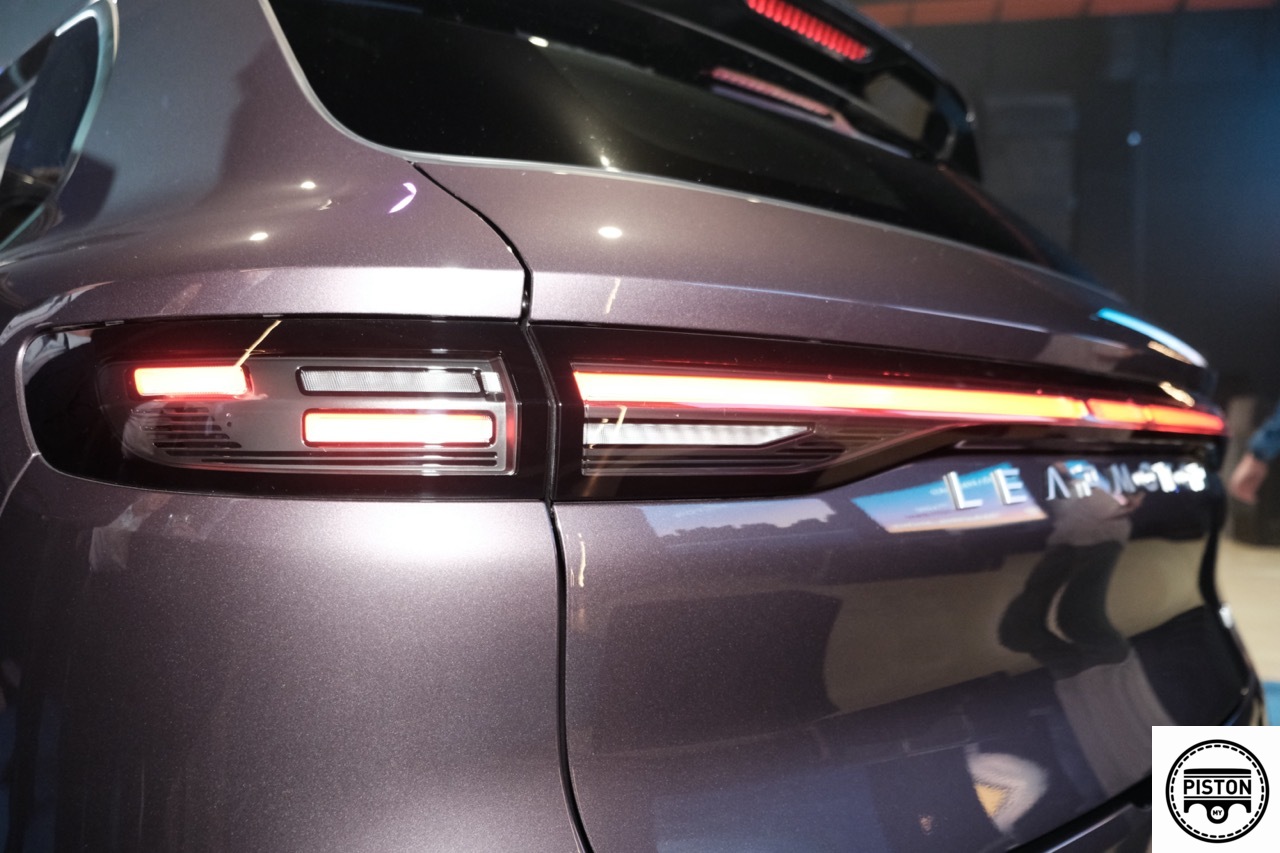
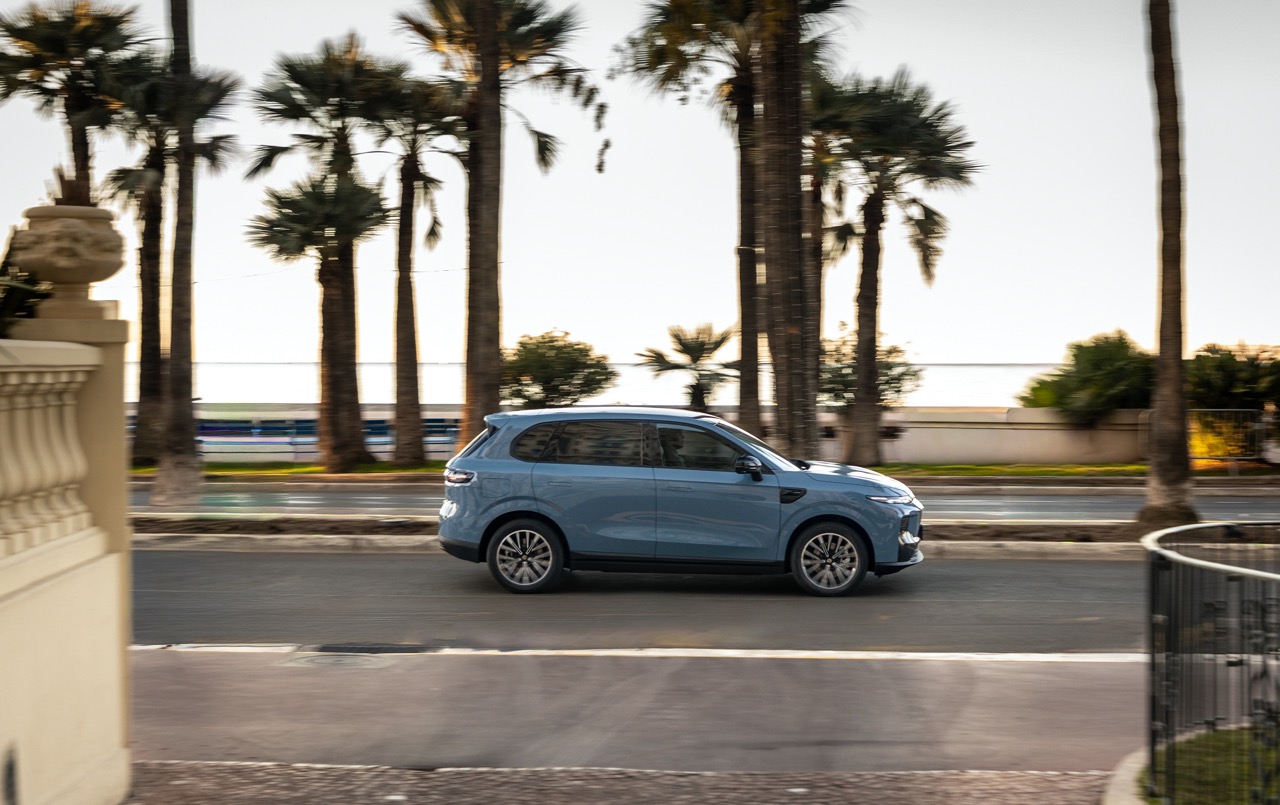
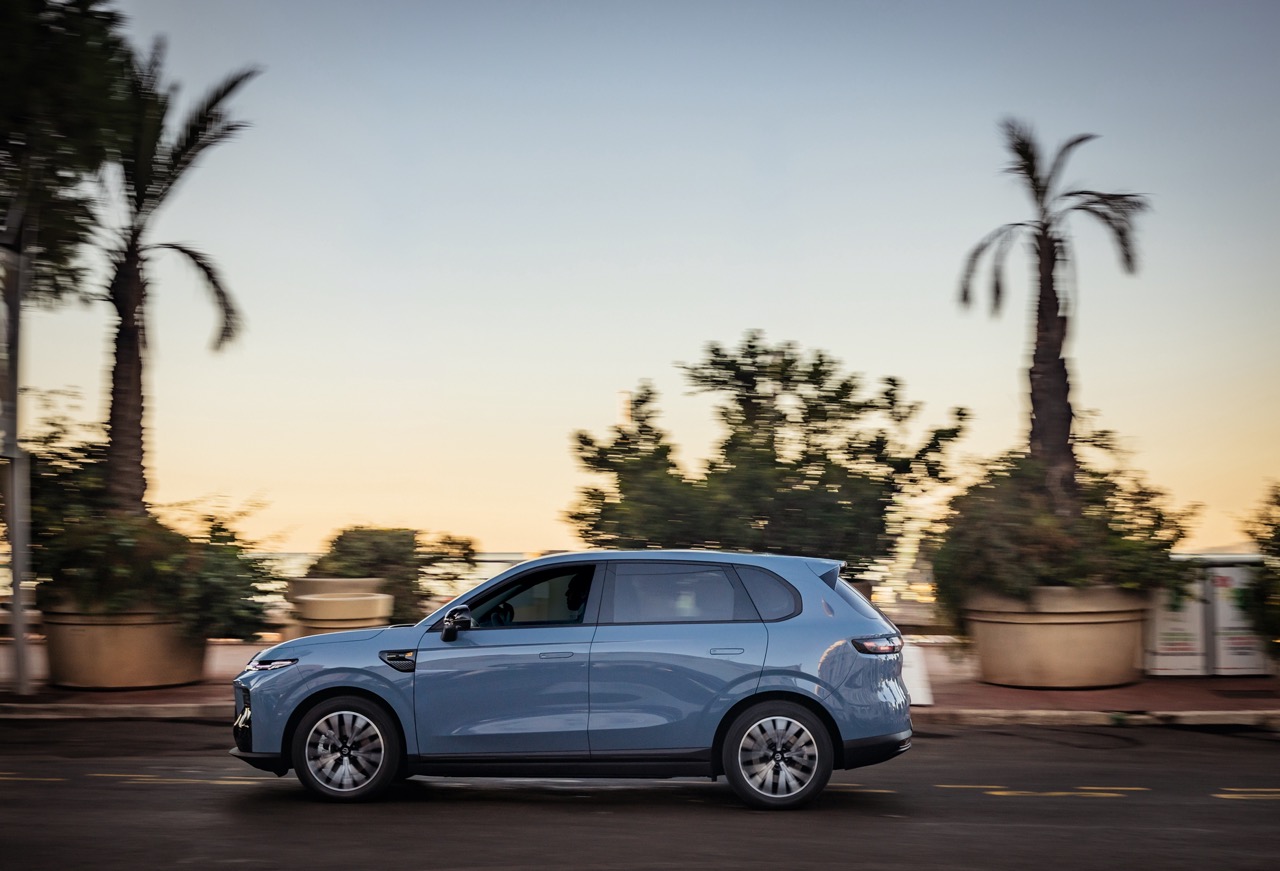
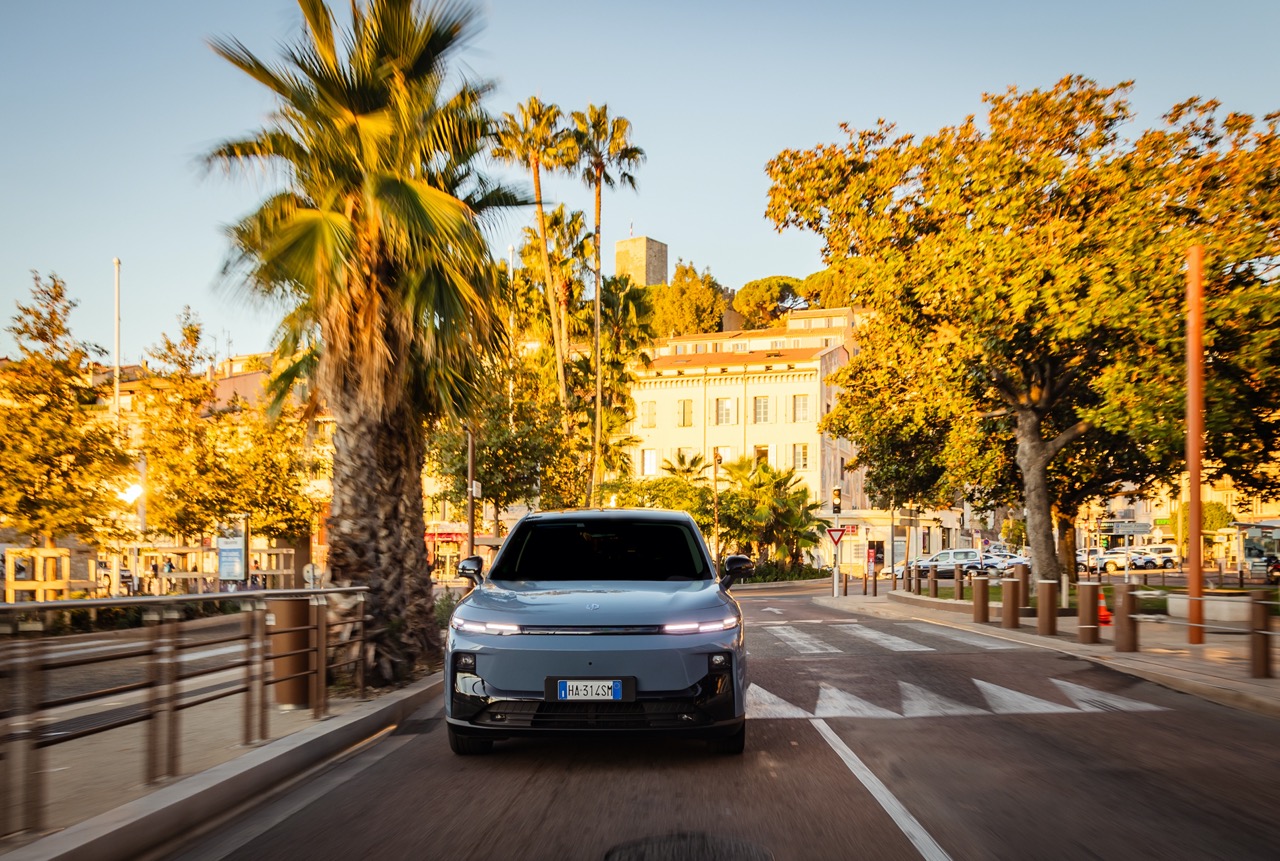
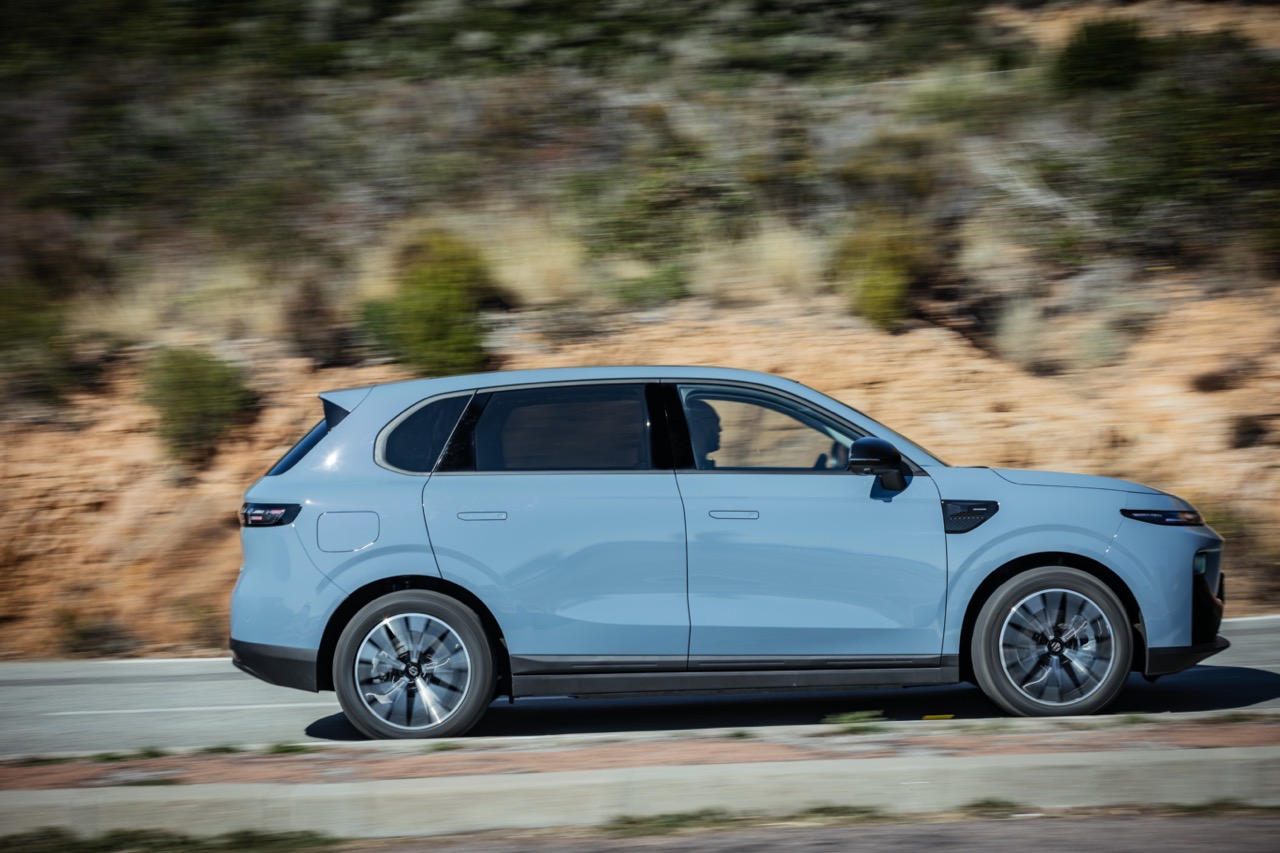
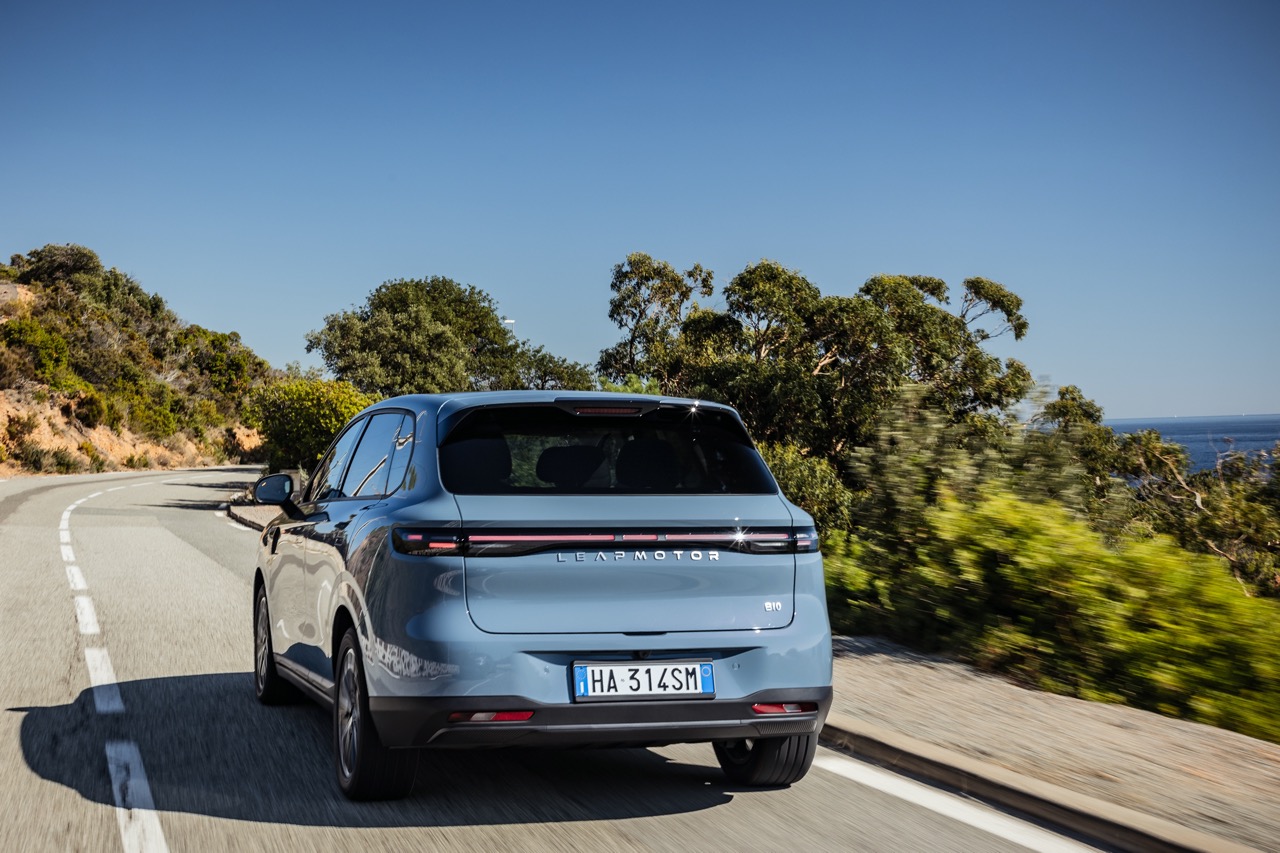
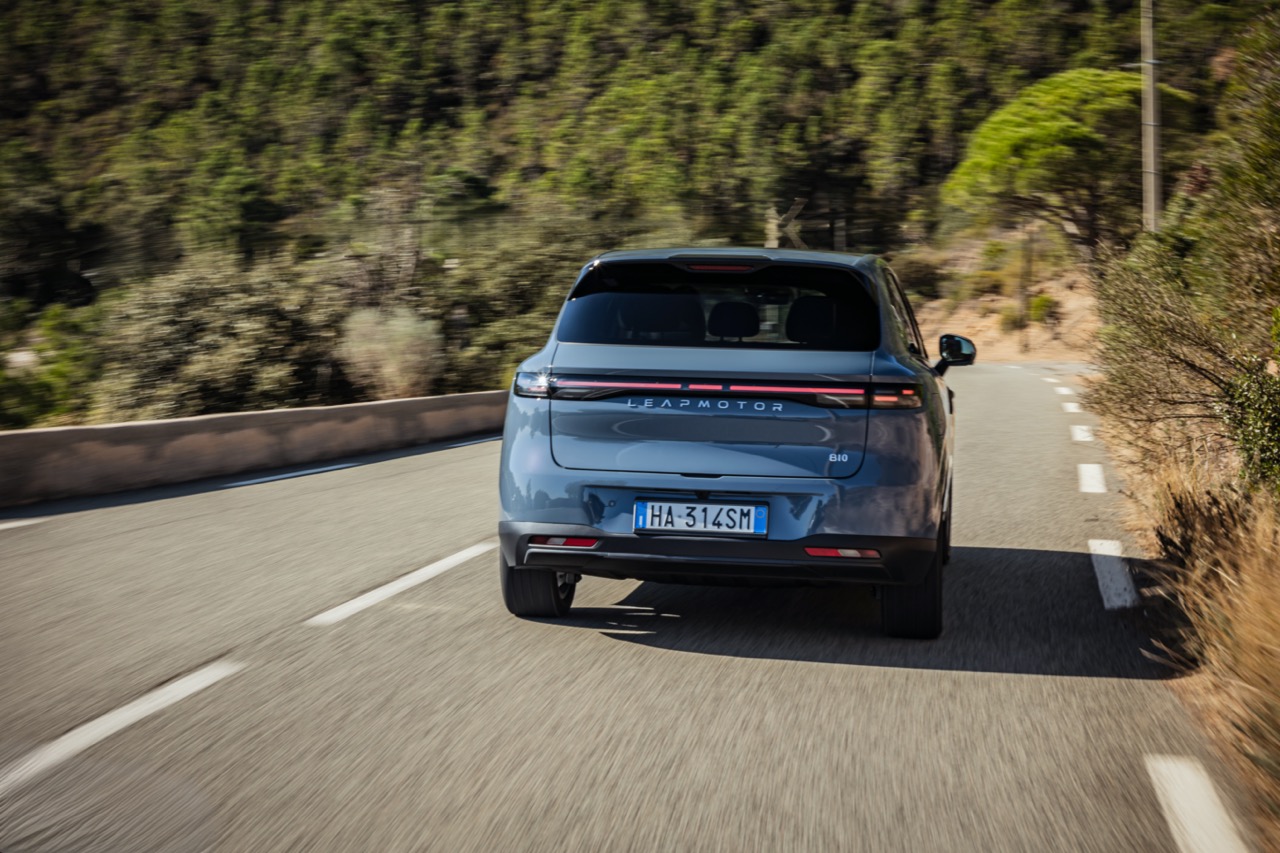
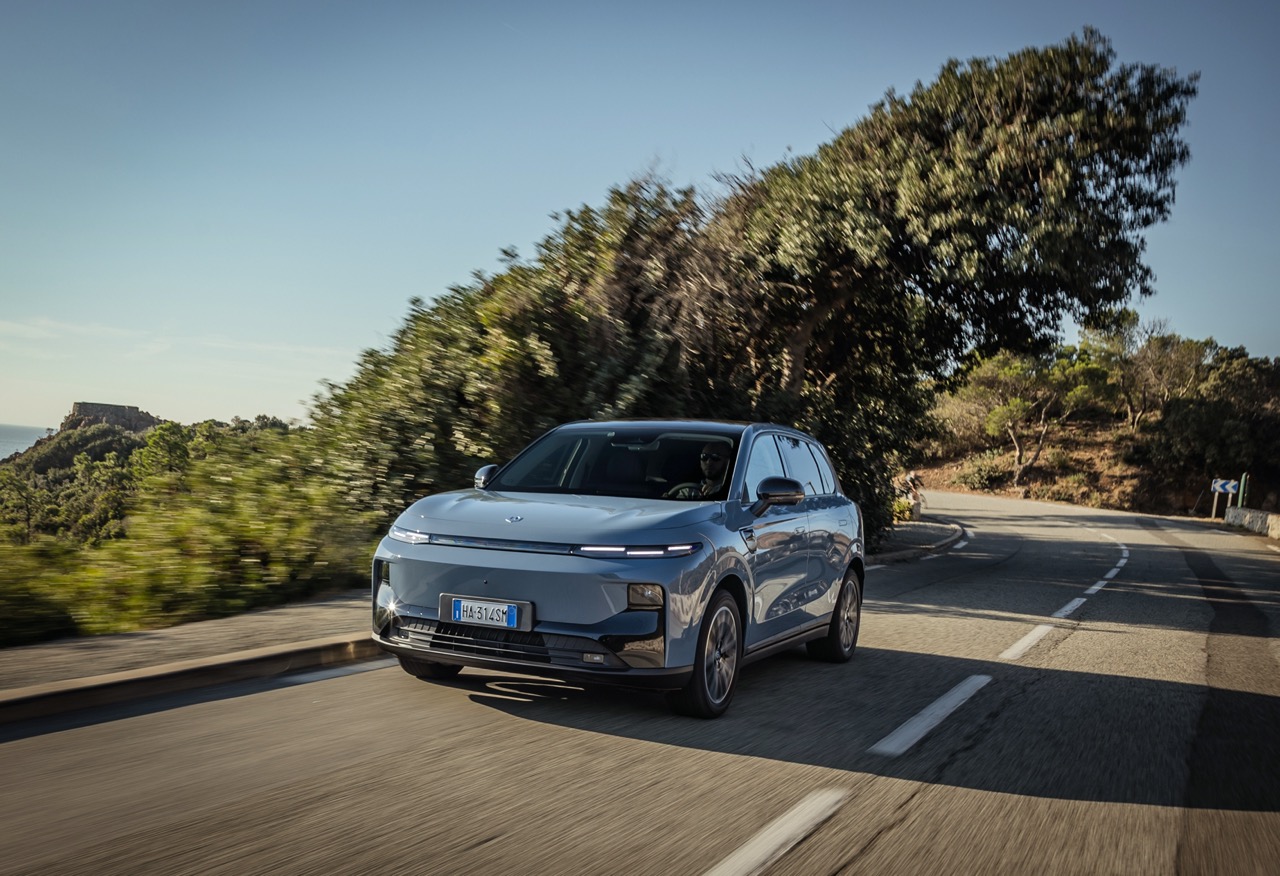
Visually, the B10 adopts a clean, modern design language. The body features smooth surfacing, a distinctive cloud-like waistline and fenders shaped to resemble a planetary ring. Split LED headlamps sit below chequered daytime running lights, and frameless door handles help the SUV achieve a drag coefficient of 0.265. A full-width Wing Star LED taillight bar defines the rear. The SUV measures 4,515 mm in length, 1,885 mm in width and 1,655 mm in height, with a 2,735 mm wheelbase and 170 mm ground clearance.

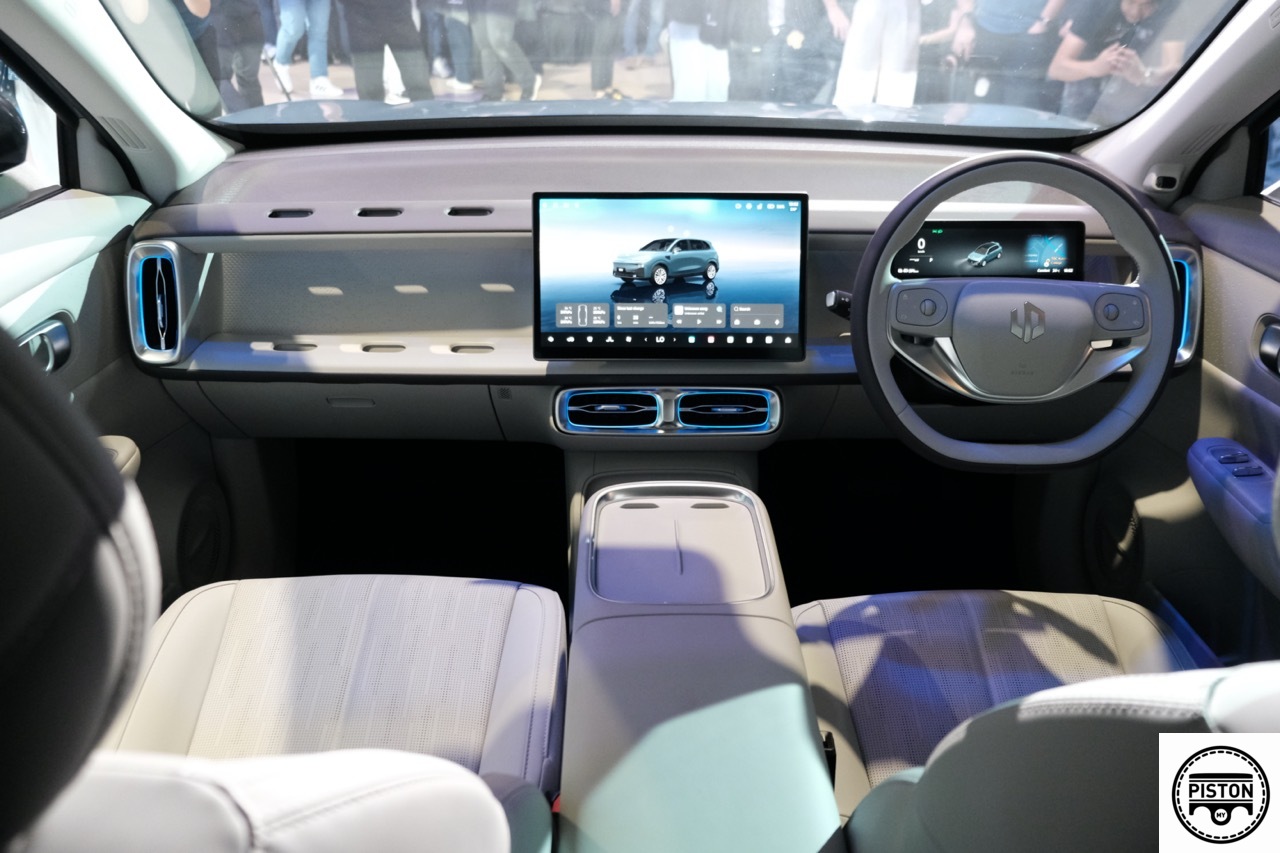
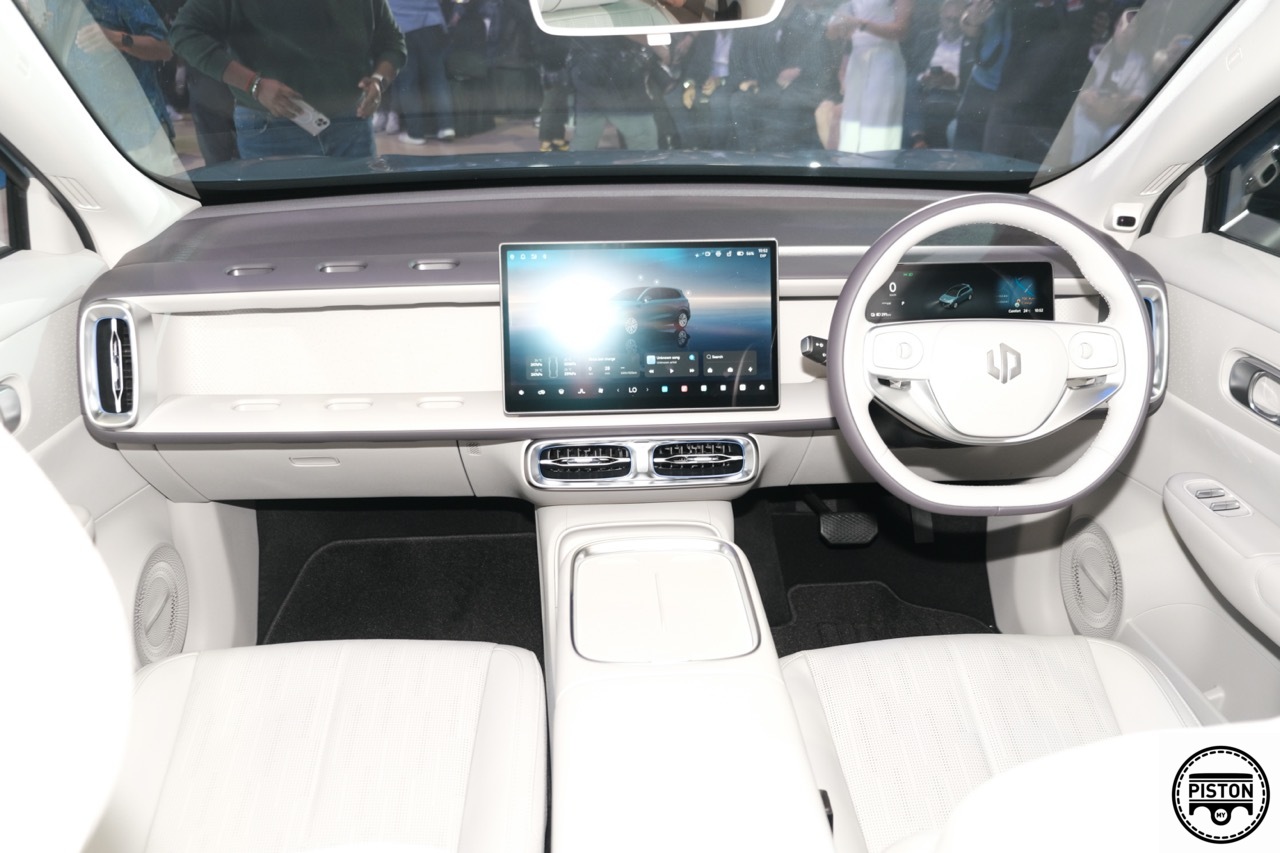
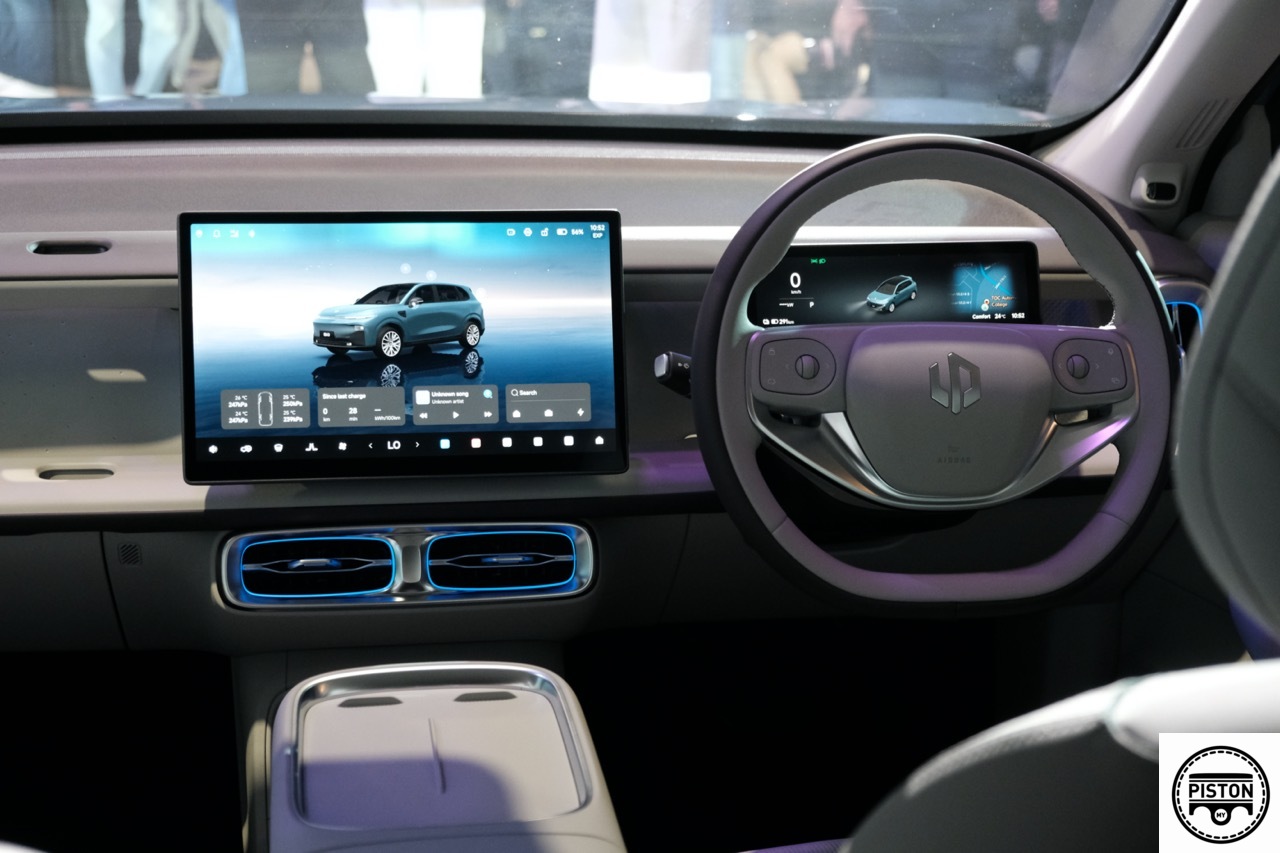
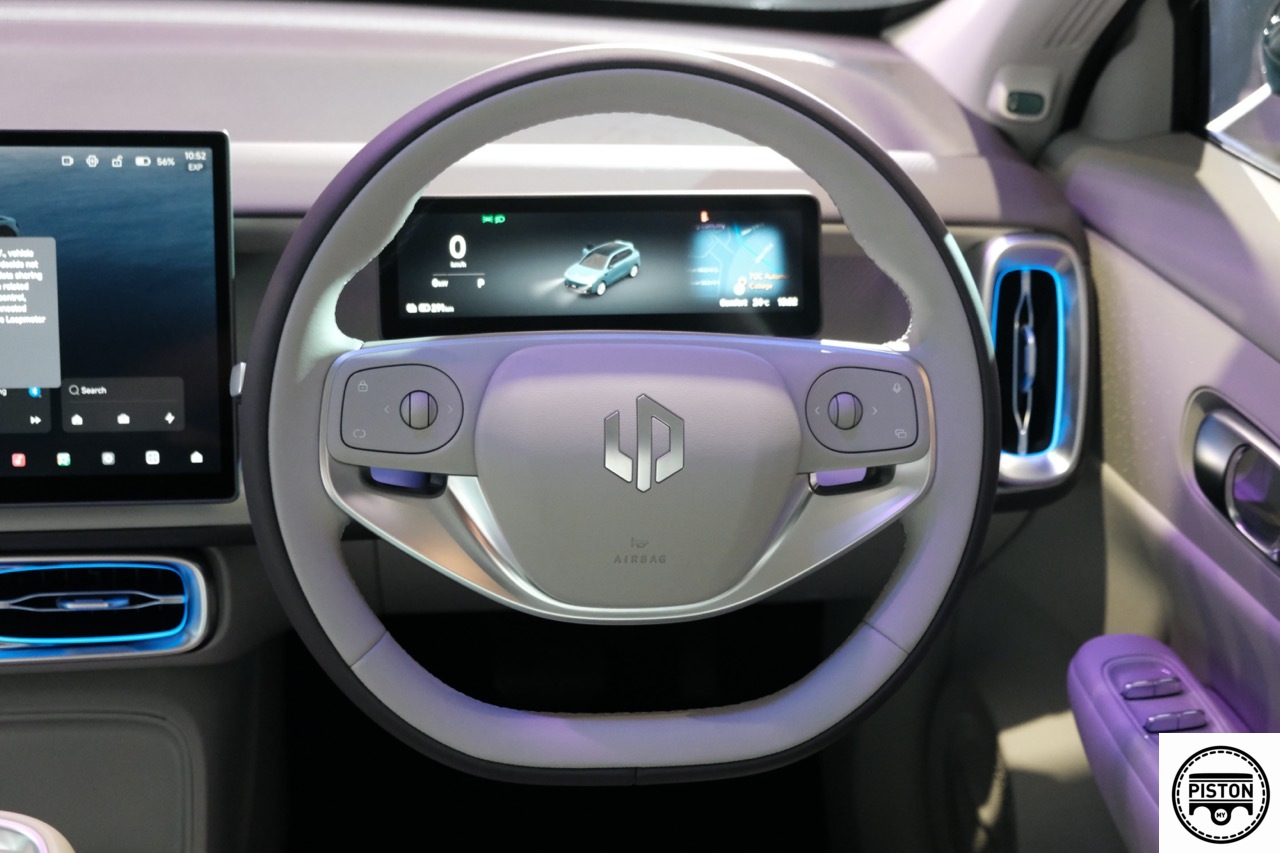
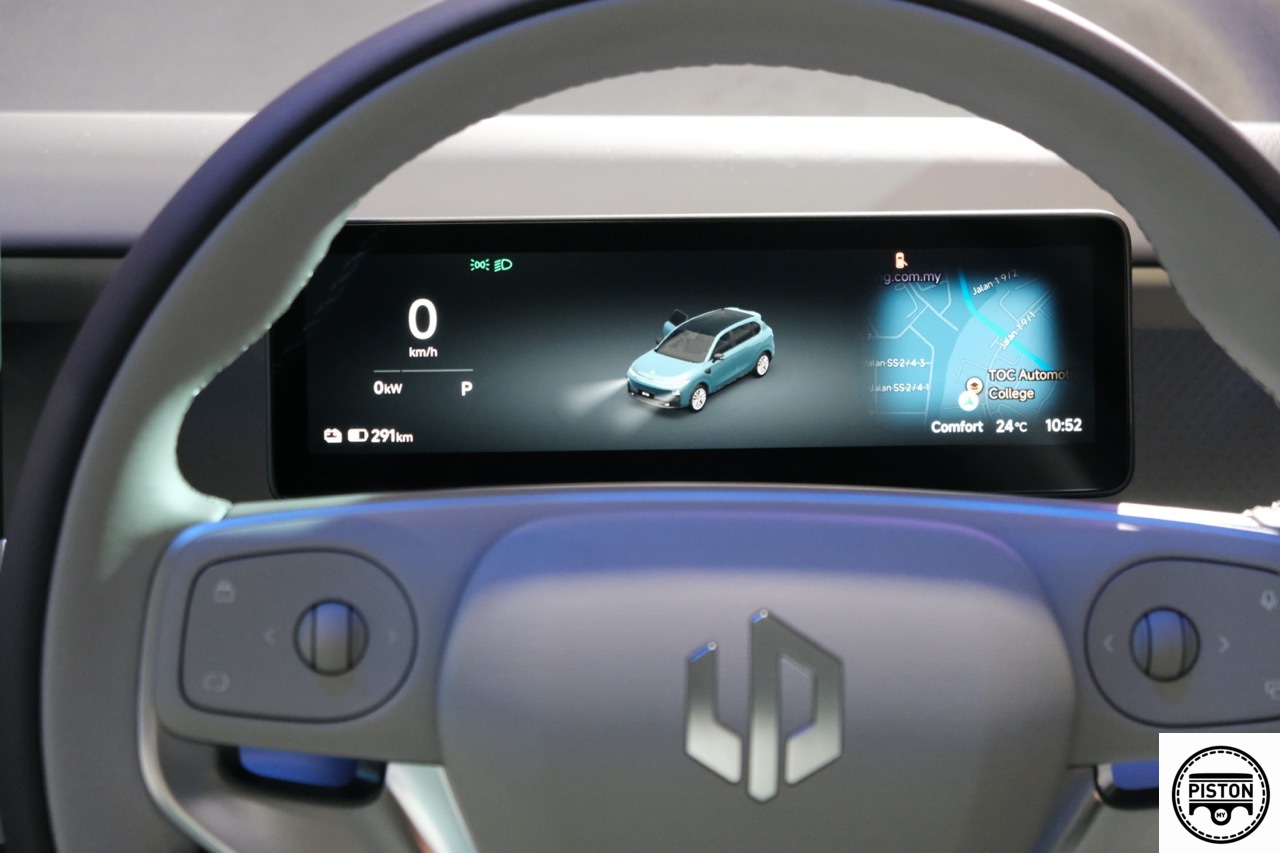
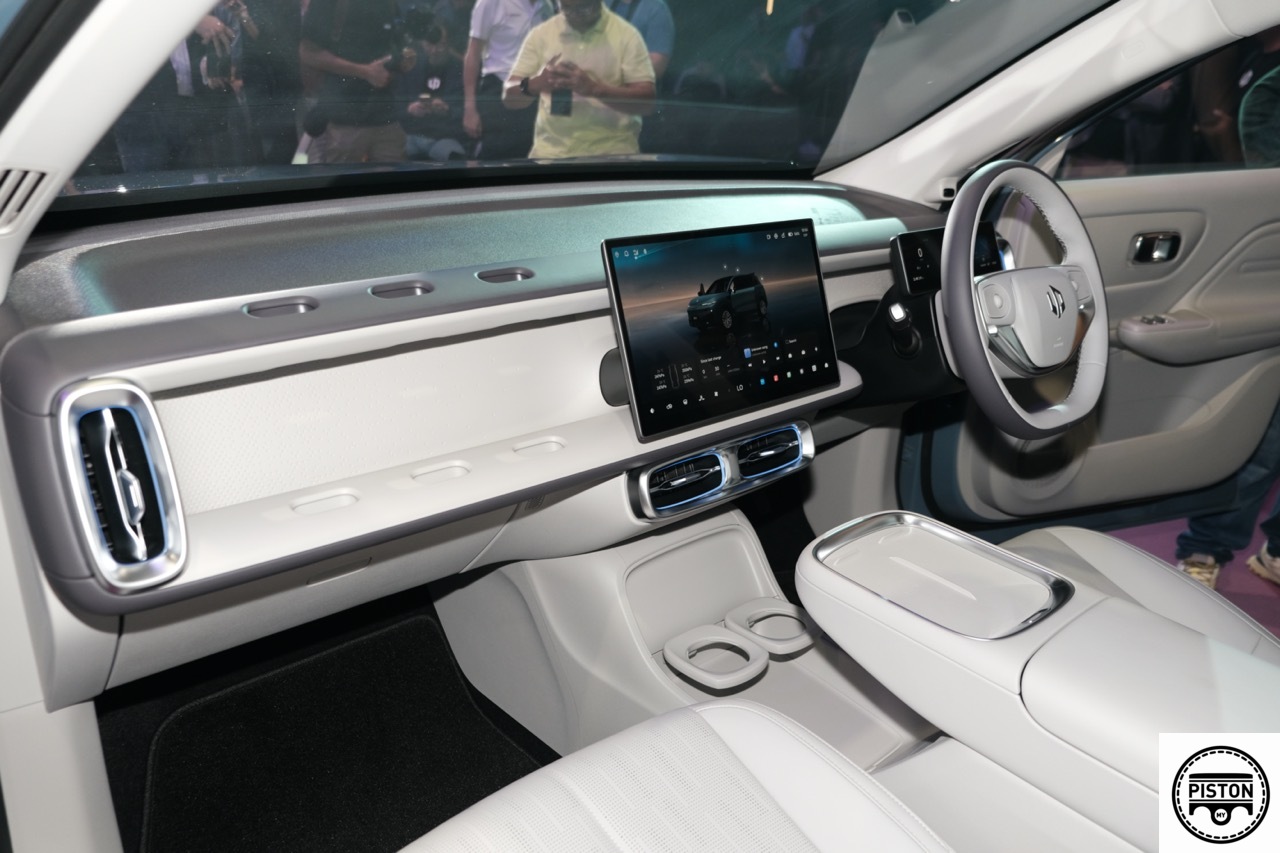
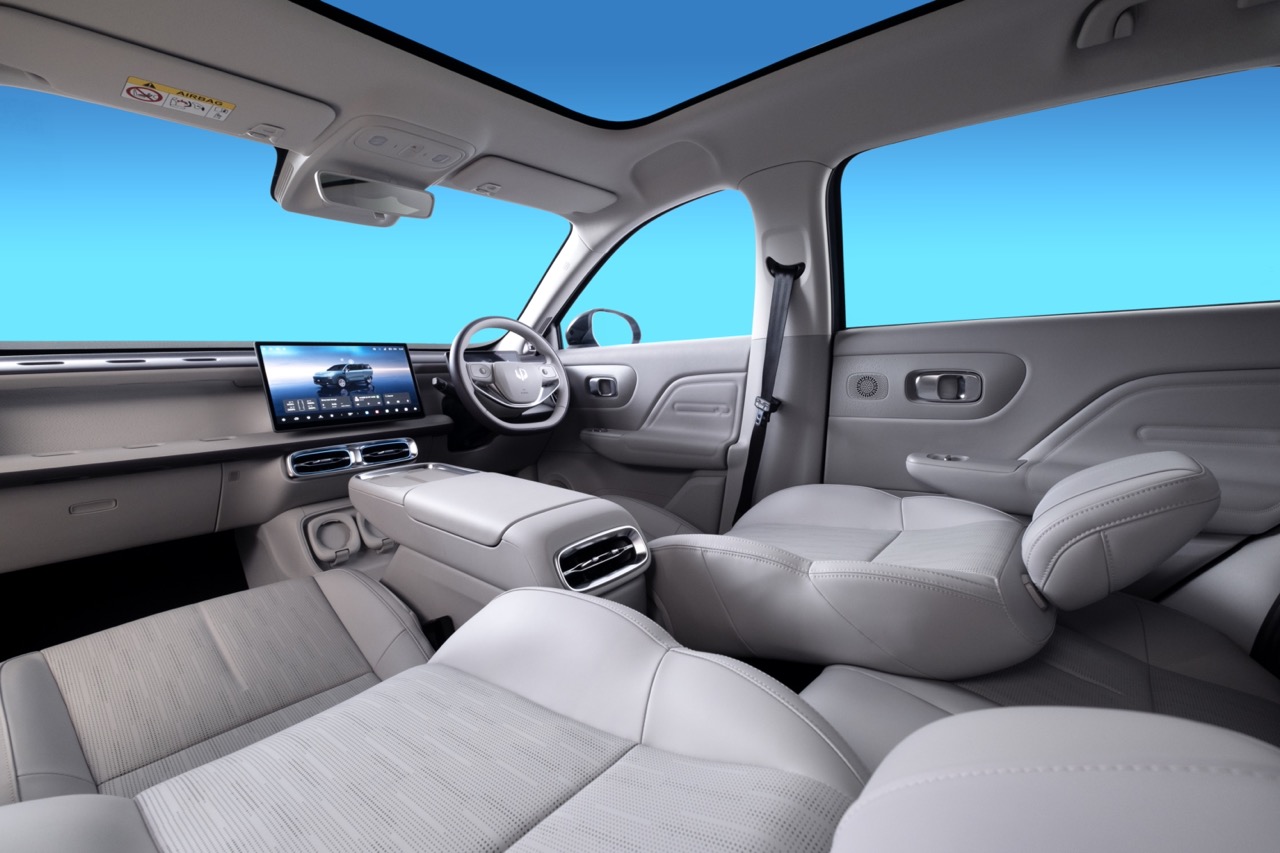
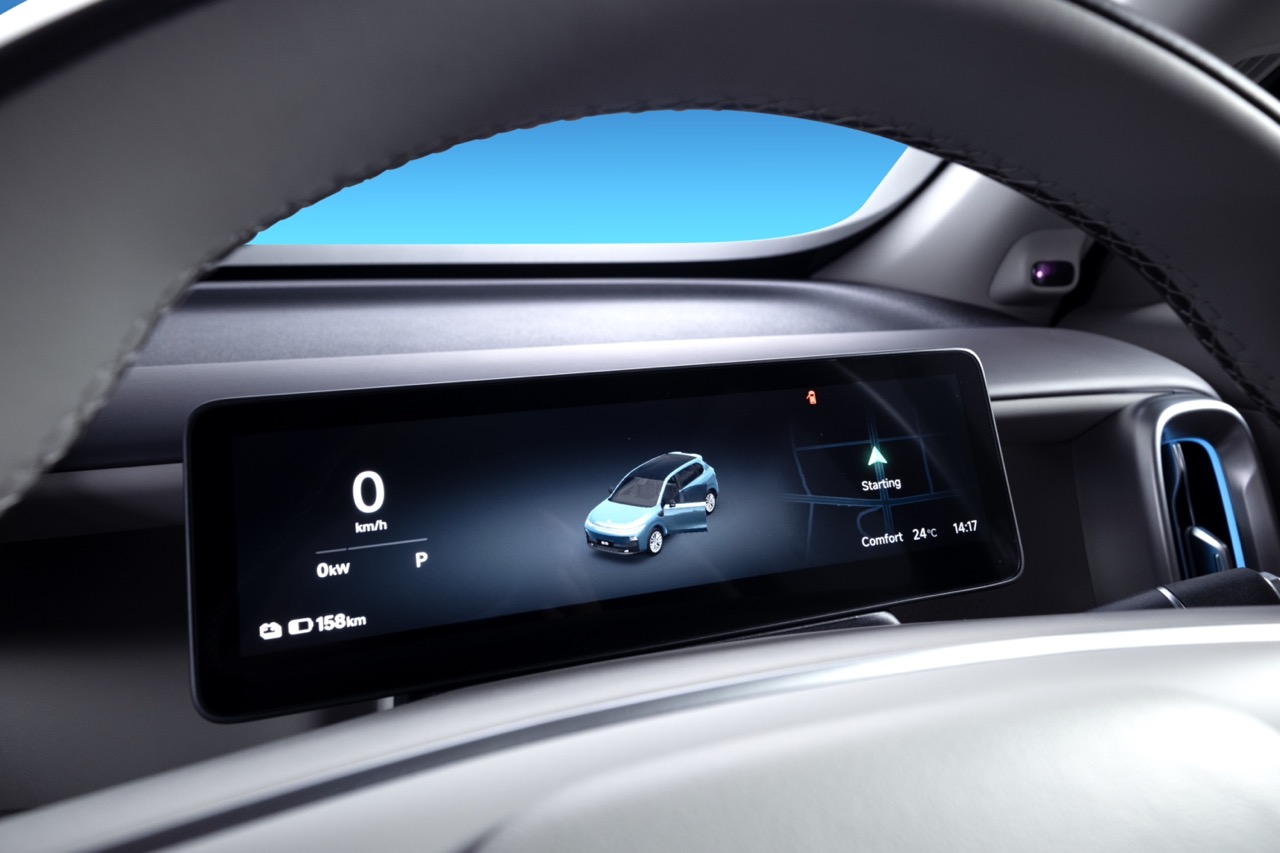
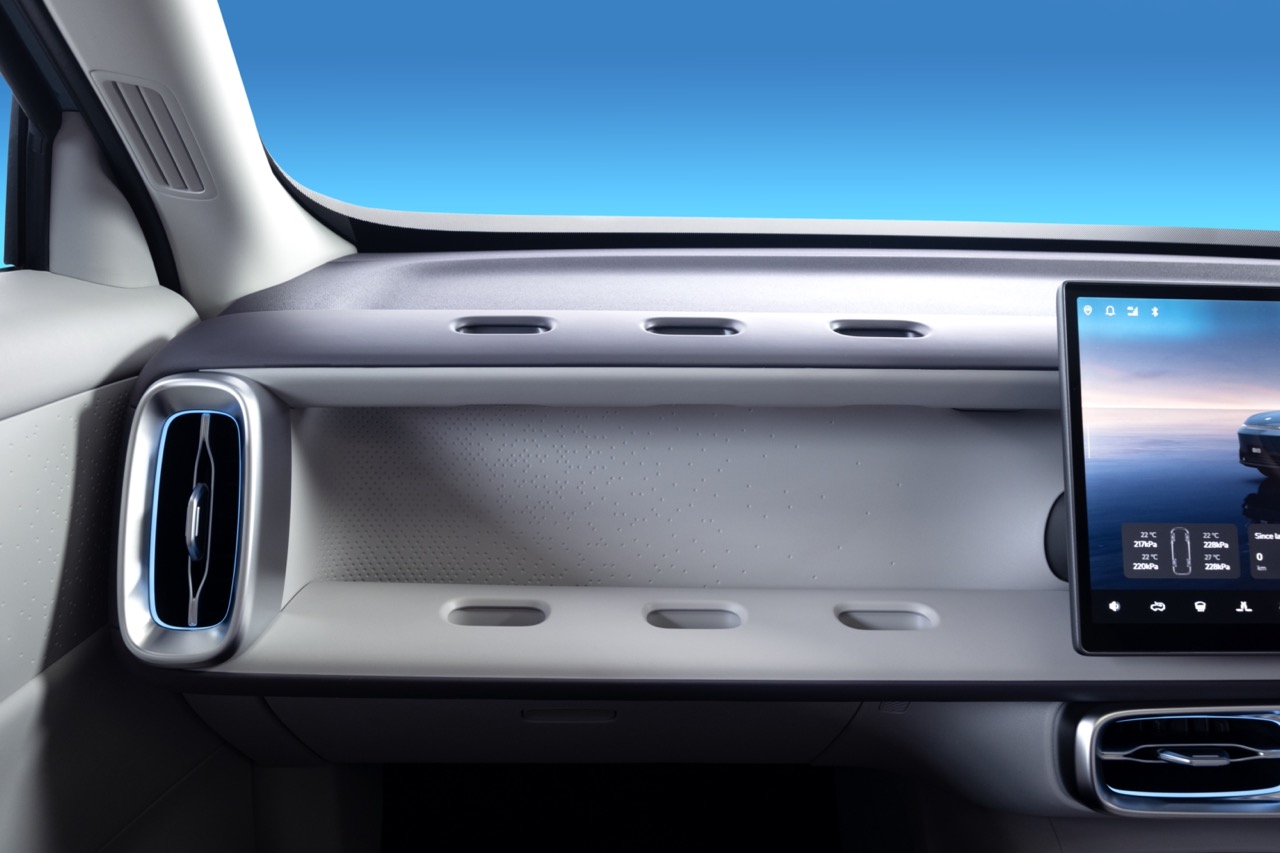
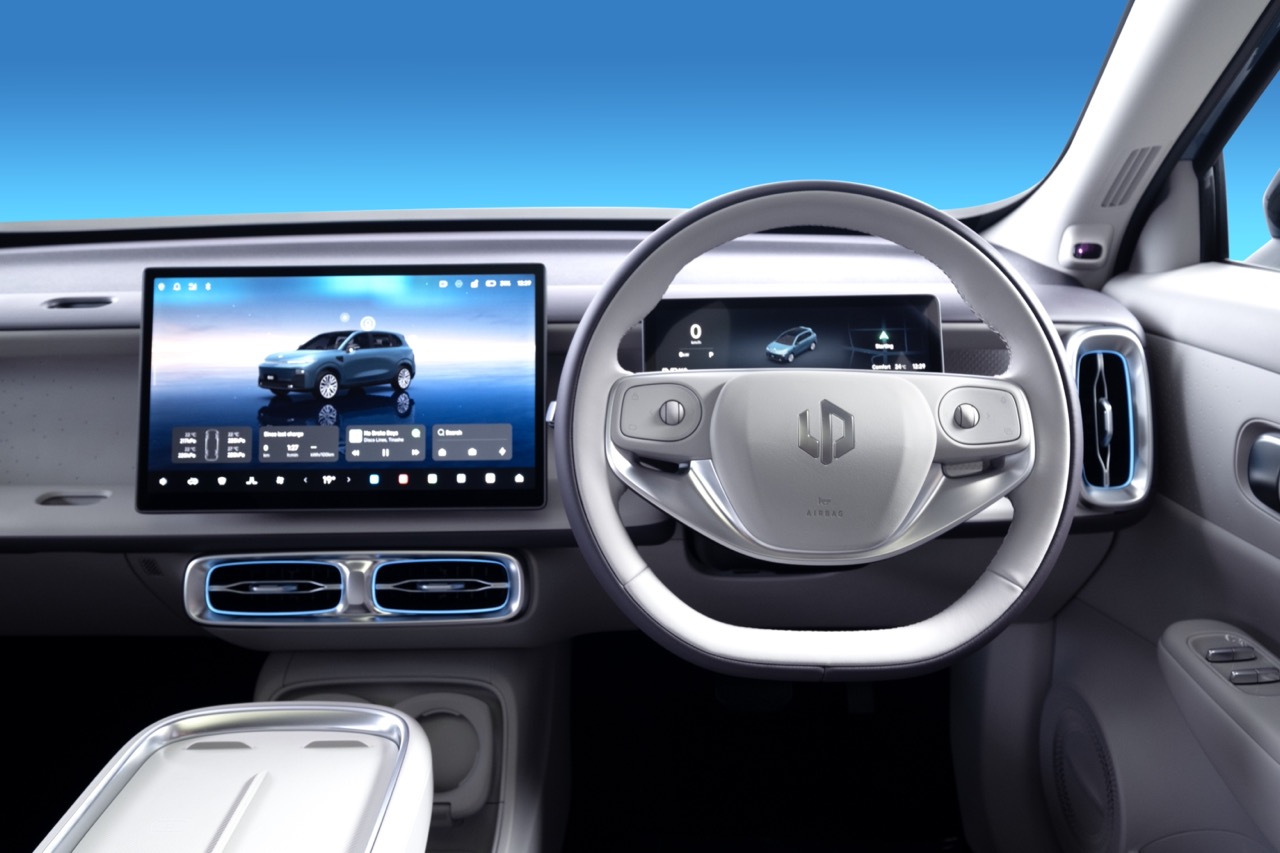
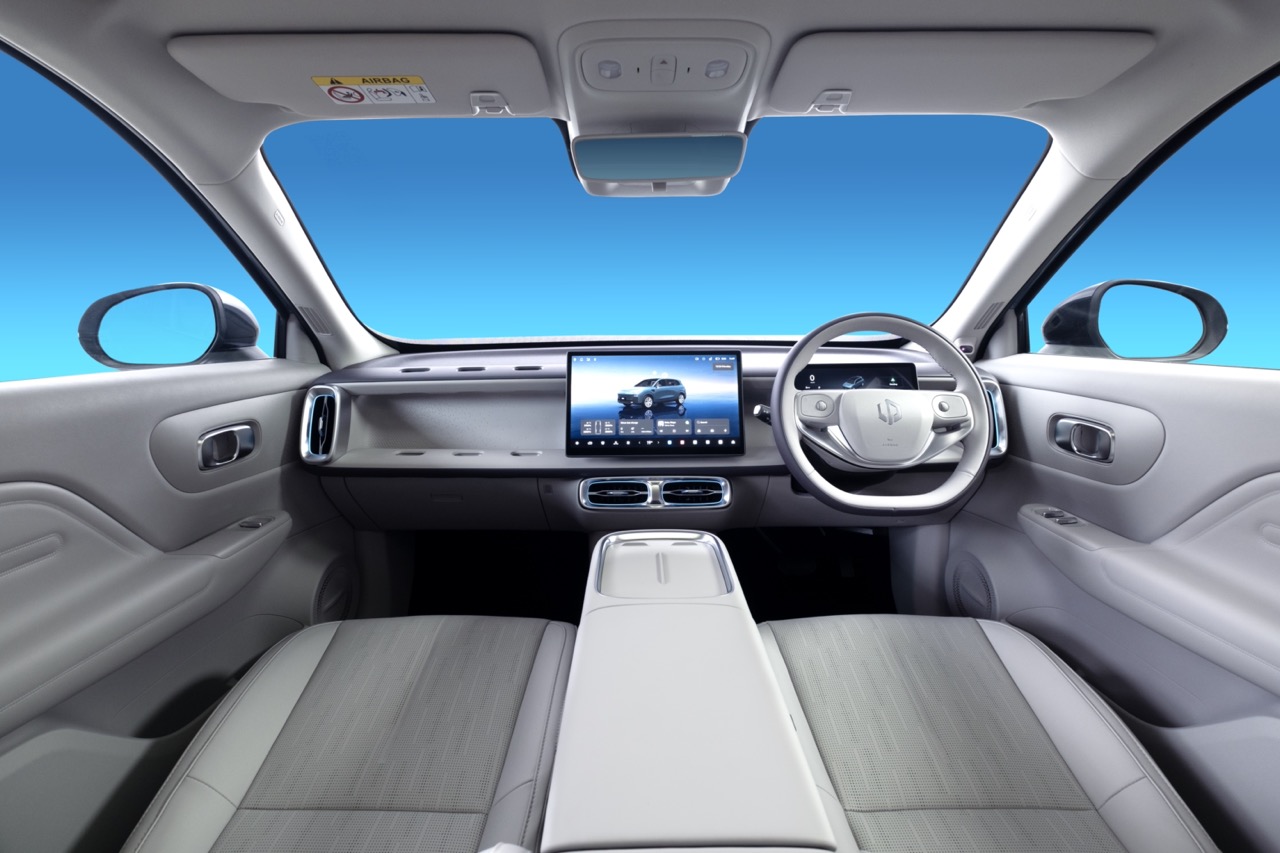
The cabin centres around the Qualcomm Snapdragon 8155 processor, paired with up to 16 GB of RAM and an Adreno 640 GPU. A 14.6-inch display running Leap OS 4.0 Plus takes care of infotainment, with Apple CarPlay and Android Auto support scheduled for January 2026. An 8.8-inch instrument panel, 360-degree camera suite and remote app-based controls come standard.

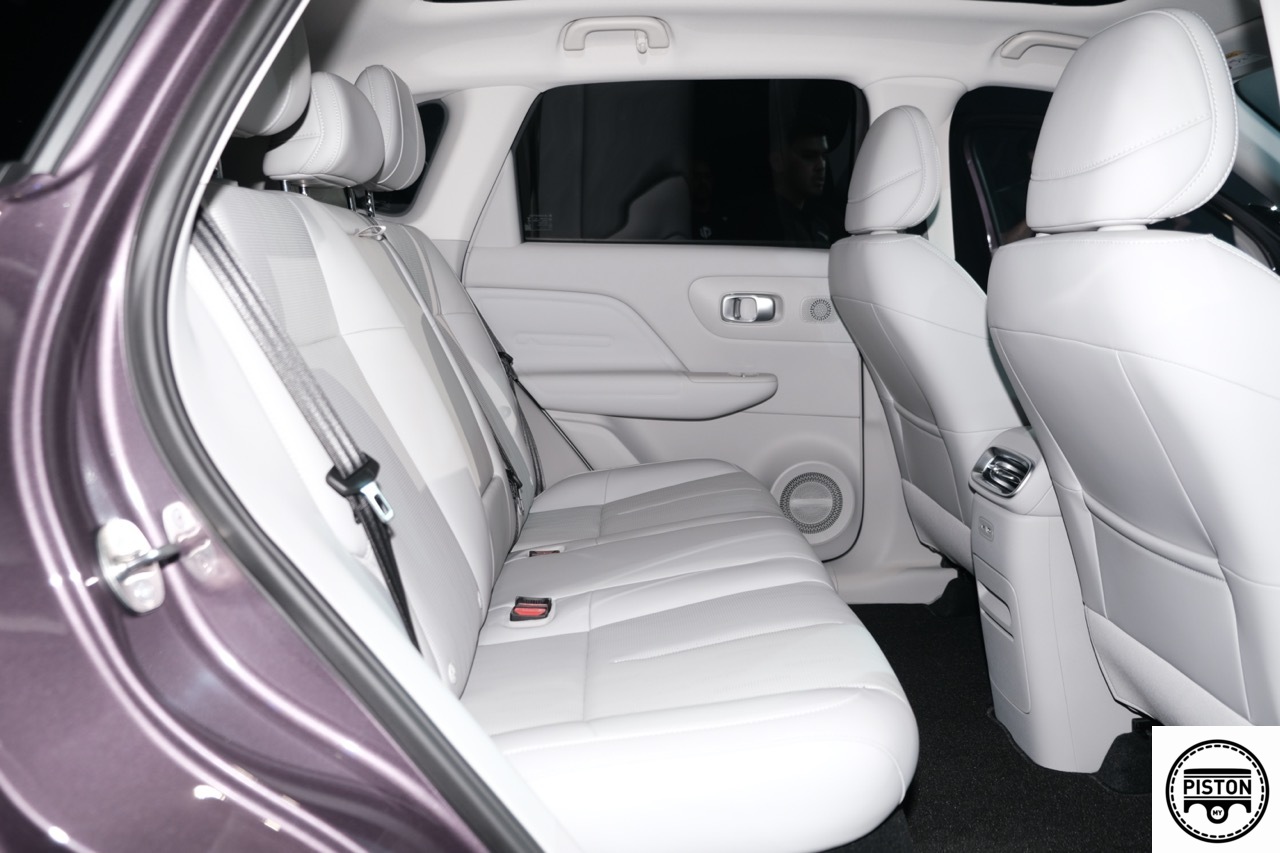
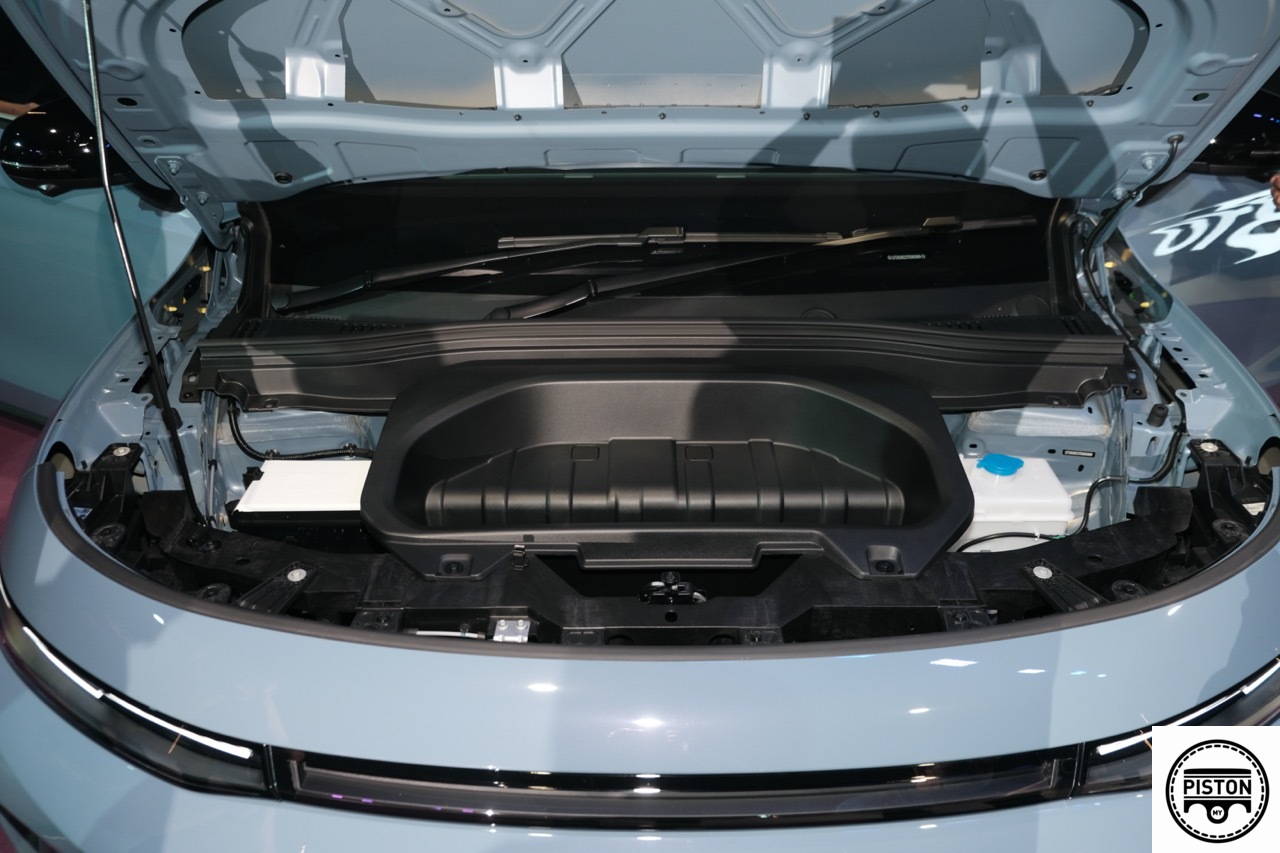
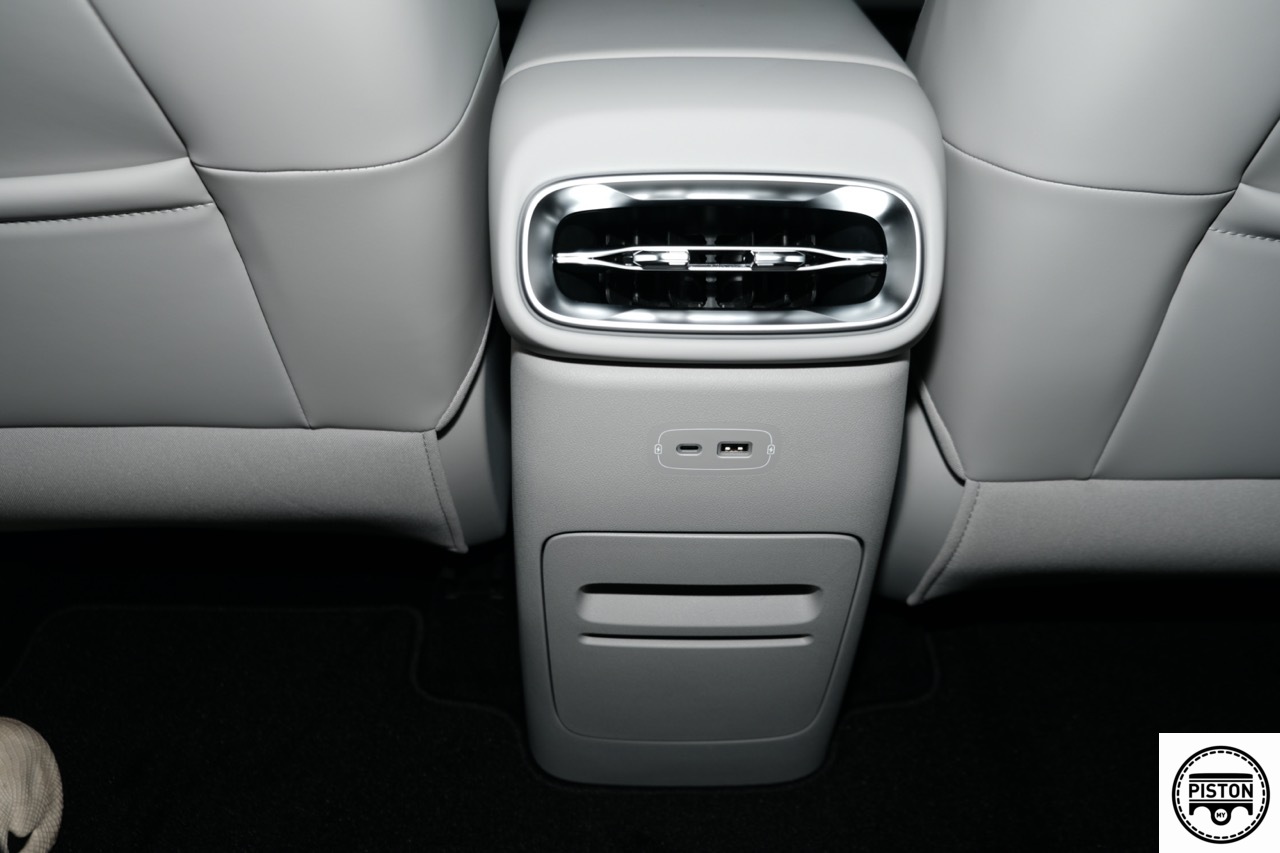
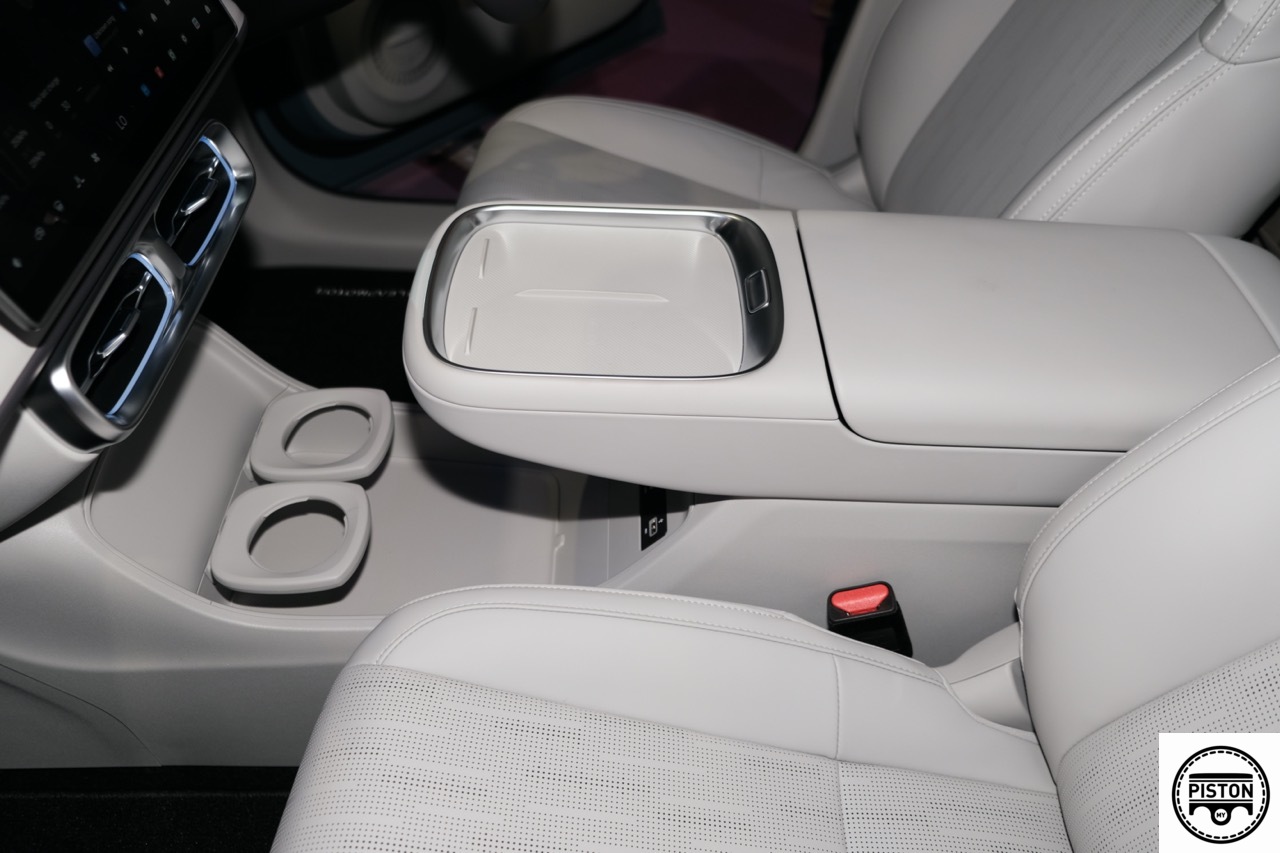
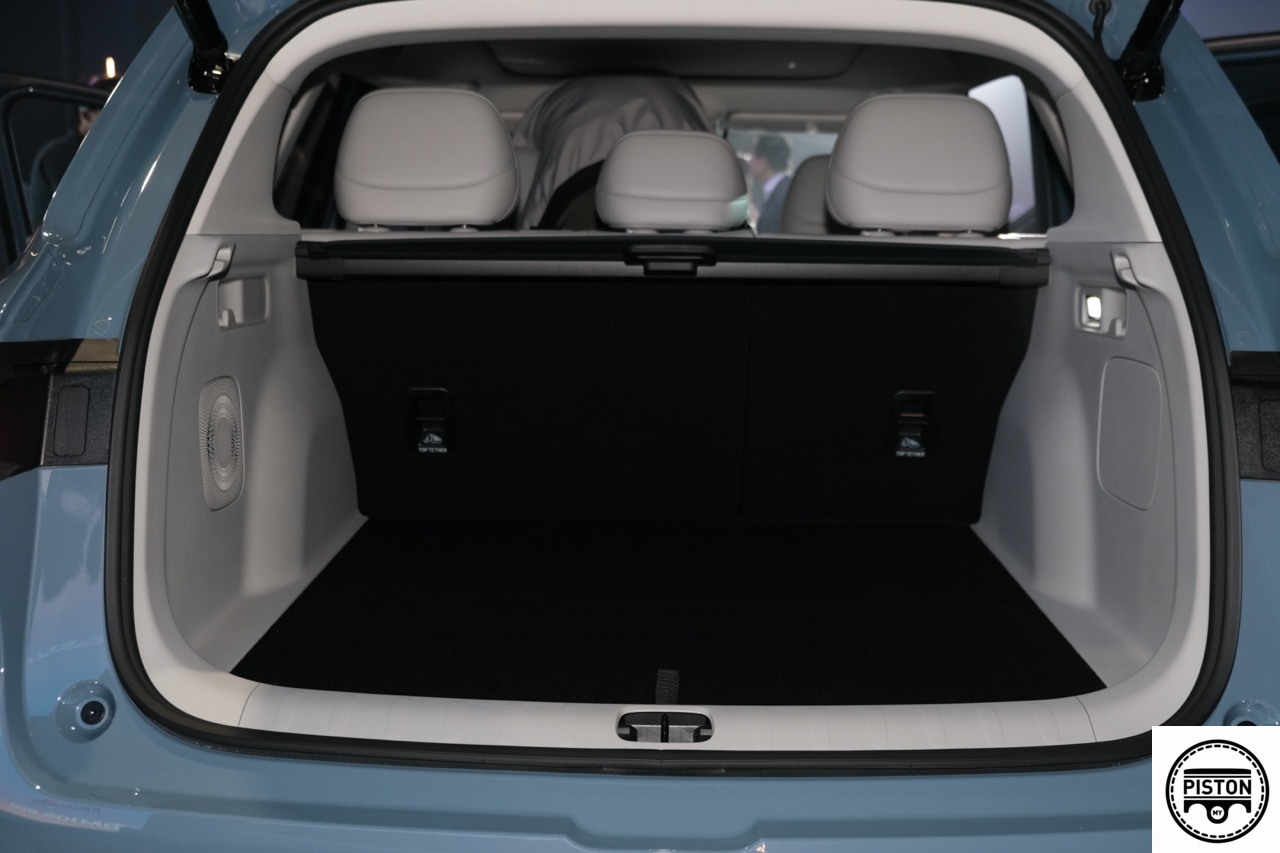
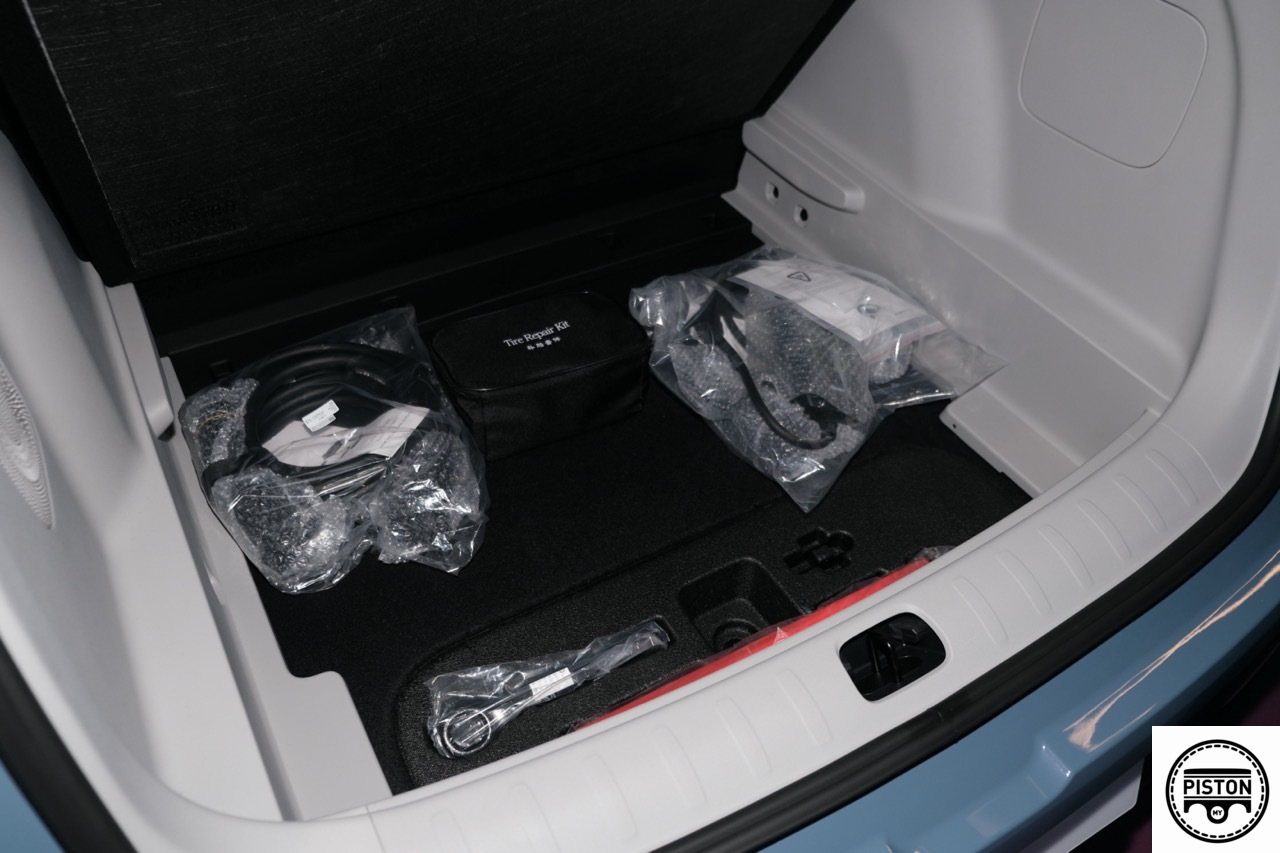
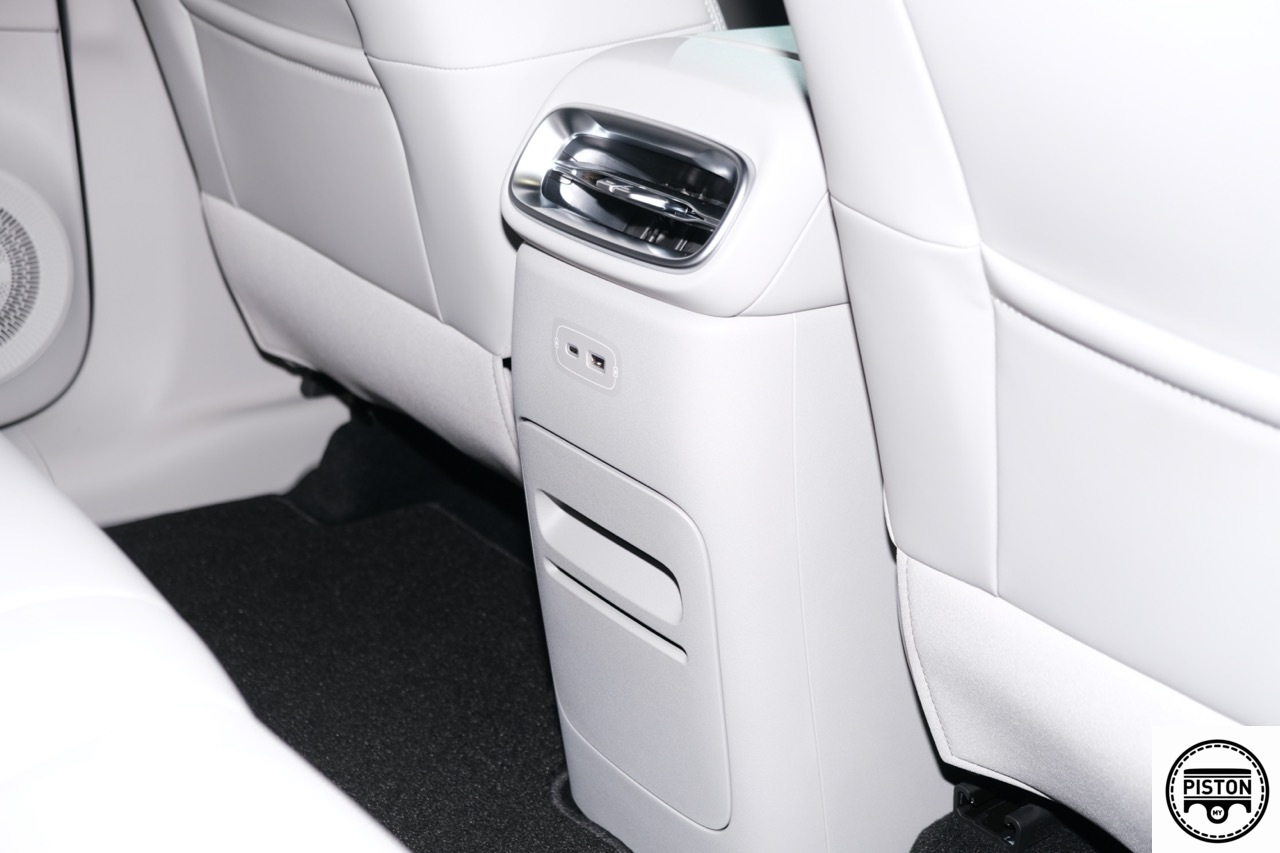
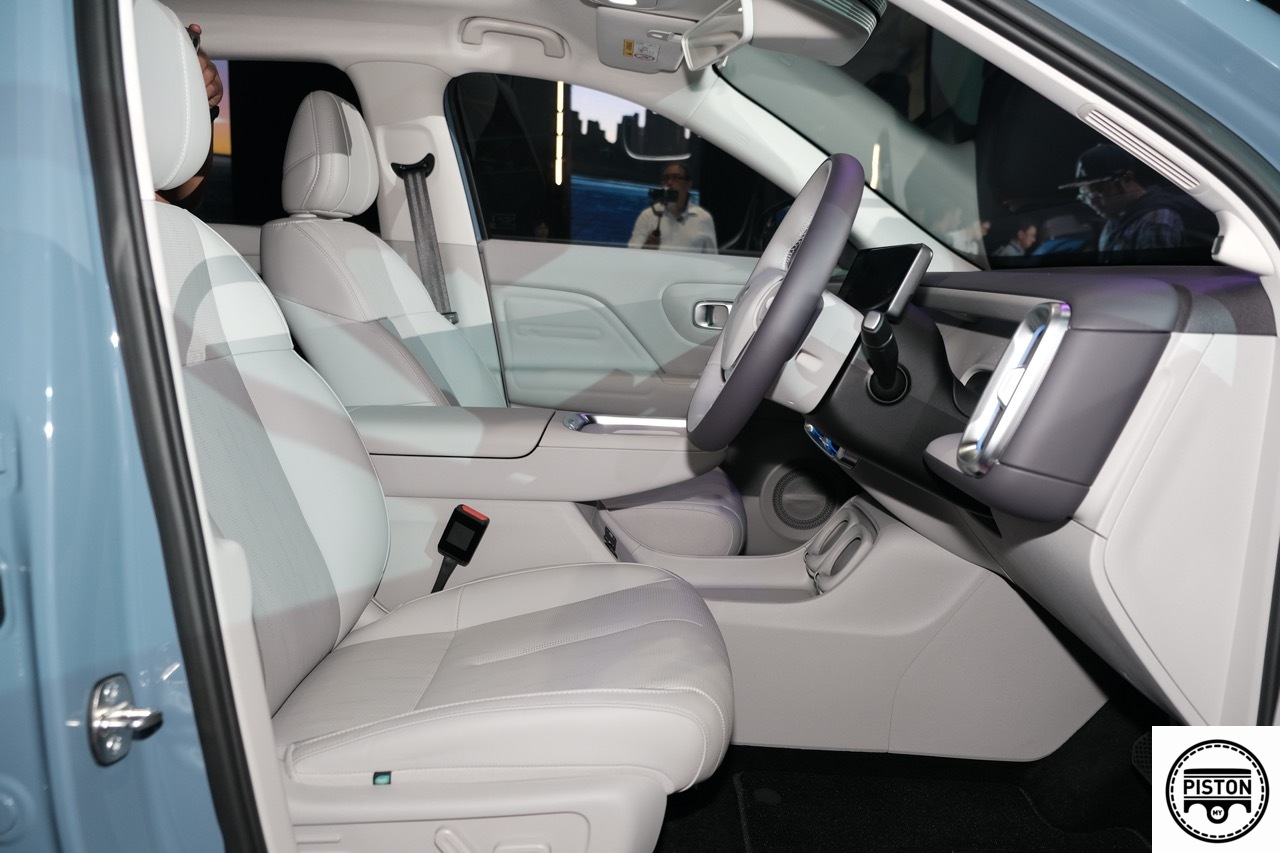
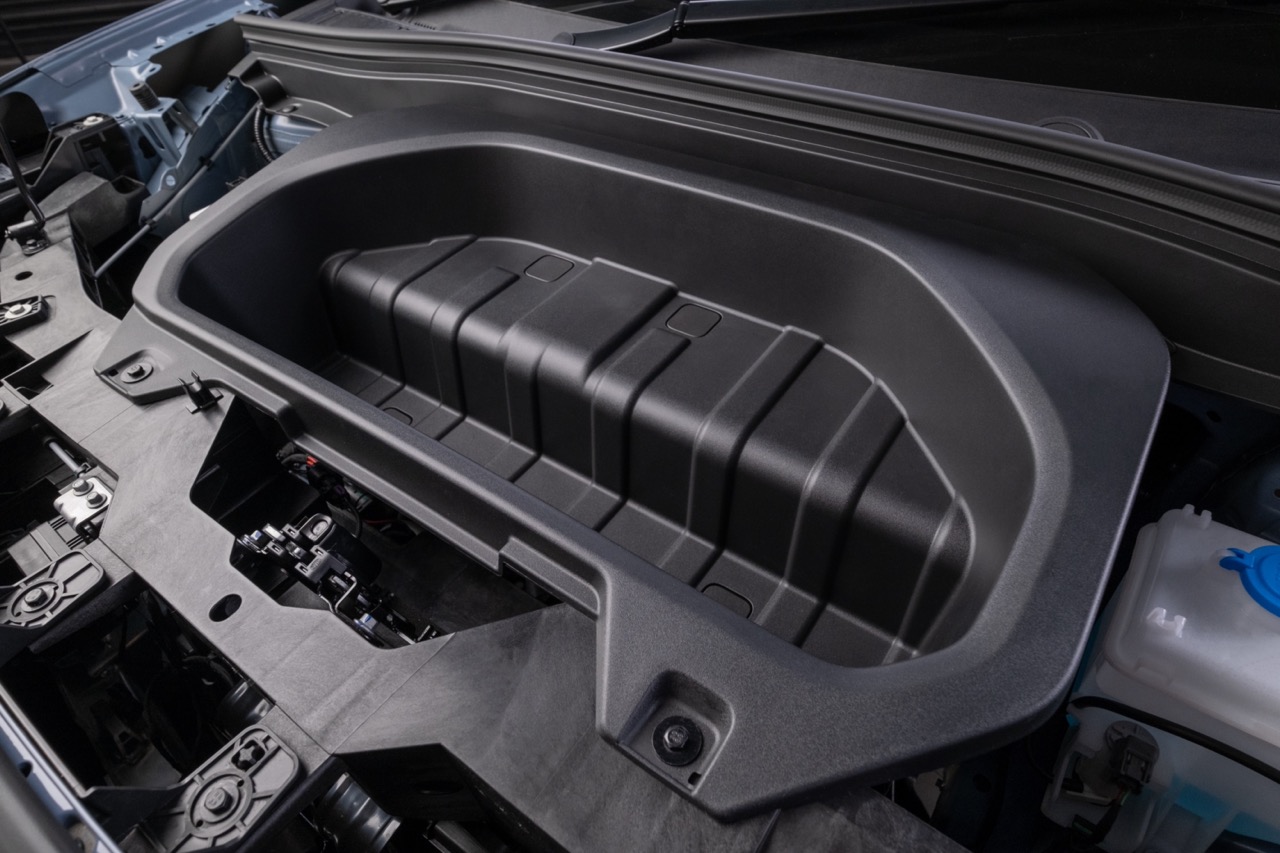
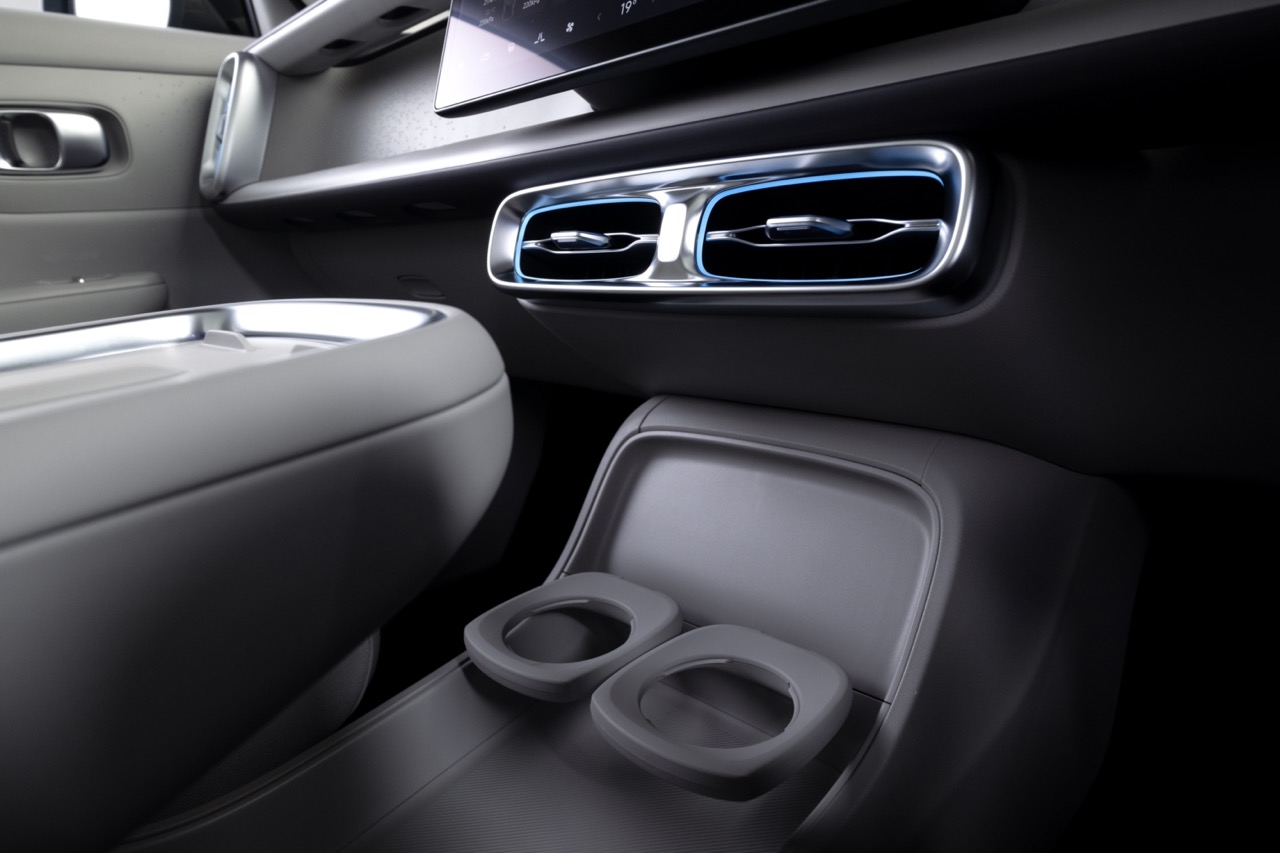
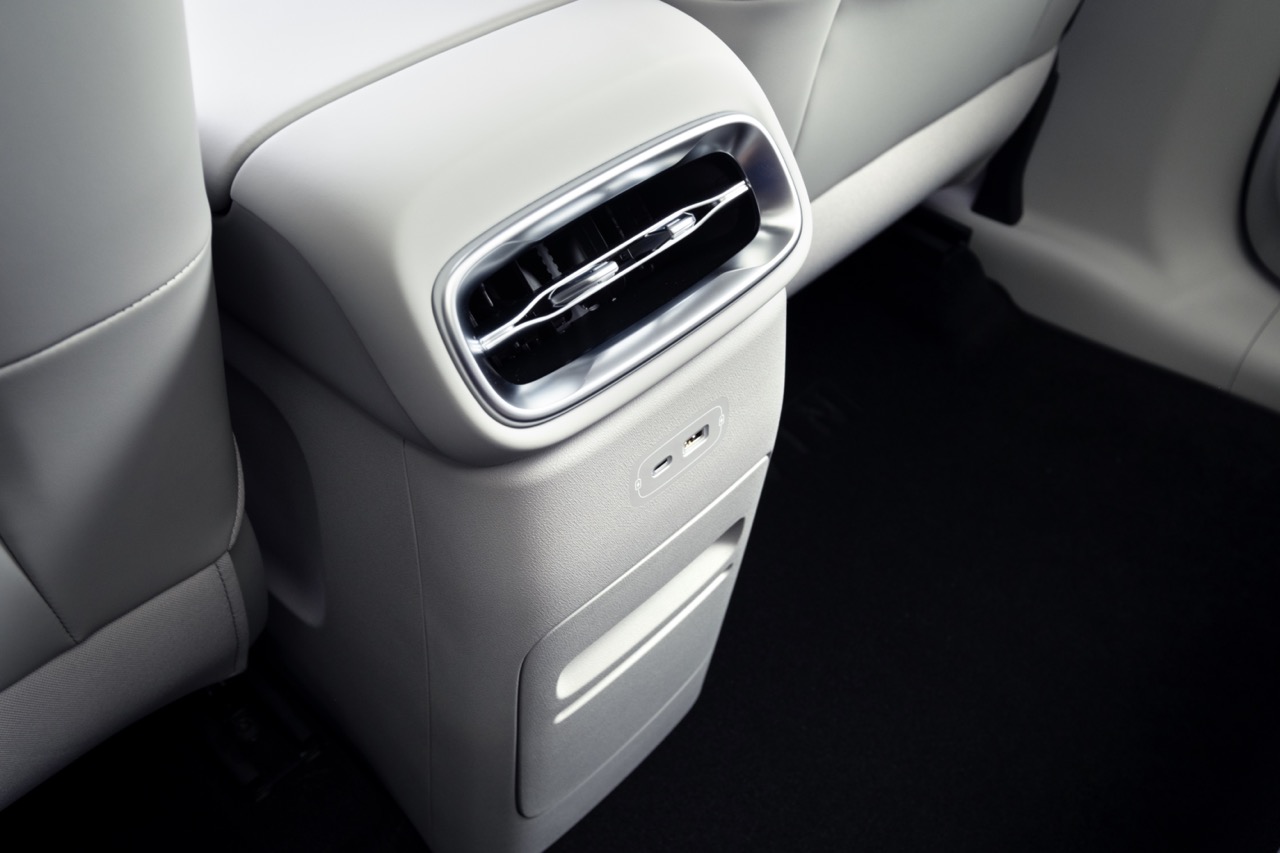
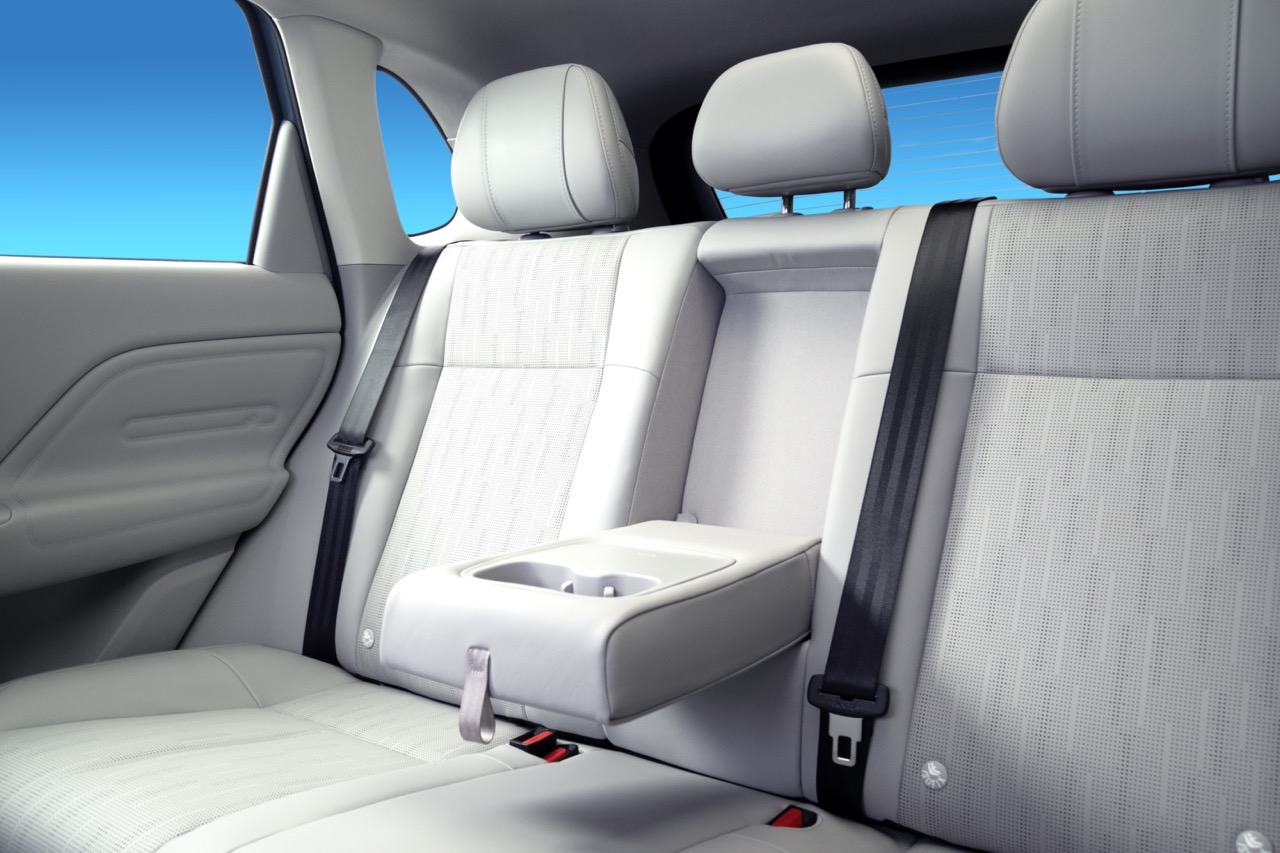
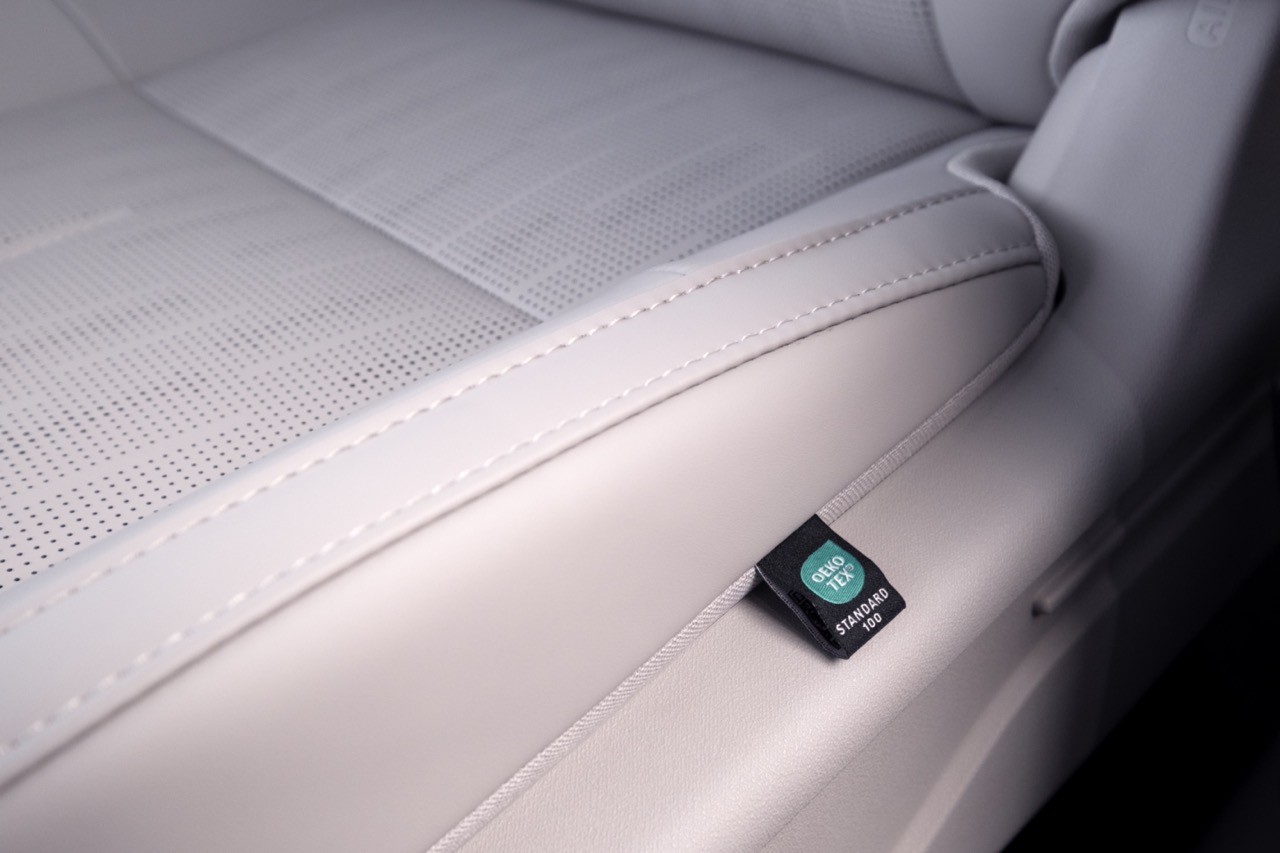
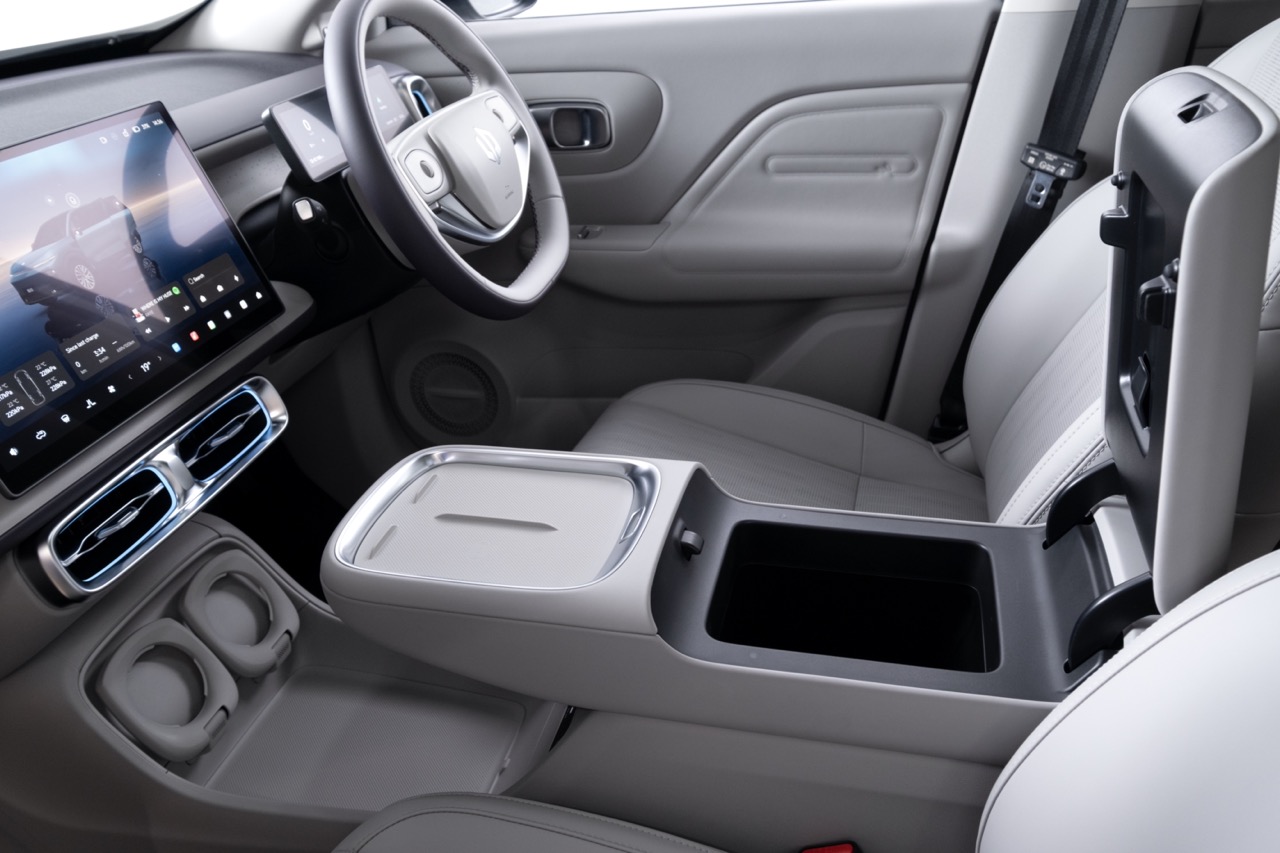
Cabin space measures 2,390 mm, with good headroom and thoughtfully selected materials. The DESIGN variant adds silicone textile upholstery certified to OEKO-Tex Standard 100 and detailed stitching work. Both front seats are power adjustable and ventilated, while the floating centre console offers wireless charging and abundant storage. A total of 22 storage compartments are located around the cabin. Boot space is rated at 430 litres, expandable to 1,700 litres with the seats folded, alongside an additional 25-litre frunk.

Safety has been a strong area for the B10, earning a 5-star Euro NCAP rating with 93% scores for adult and child protection. Seven airbags are fitted as standard, backed by Level 2 driver assistance that includes Adaptive Cruise Control, Lane Centring, automatic emergency braking, Blind Spot Detection, Traffic Jam Assist and fatigue monitoring, all powered by 12 sensors and 17 active systems.

The B10 is offered in two trims: the LIFE variant priced at RM107,800 and the DESIGN at RM118,800, each with its own interior theme. Early adopters—limited to the first 200 buyers—will receive launch rebates of up to RM8,000 for the LIFE and RM9,000 for the DESIGN. Colour choices include Metallic Black, Light White, Tundra Grey, Dawn Purple and Starry Night Blue, the latter inspired by Van Gogh’s Starry Night Over the Rhone.

The SUV is covered by a six-year/150,000 km vehicle warranty and an eight-year/160,000 km battery warranty, with service intervals set at 20,000 km or one year. By combining strong engineering credentials with competitive pricing and modern features, the Leapmotor B10 enters Malaysia as a confident new entry in the electric SUV market—positioning itself as a serious contender in a rapidly expanding segment.

Archive

Follow us on Facebook

Follow us on YouTube