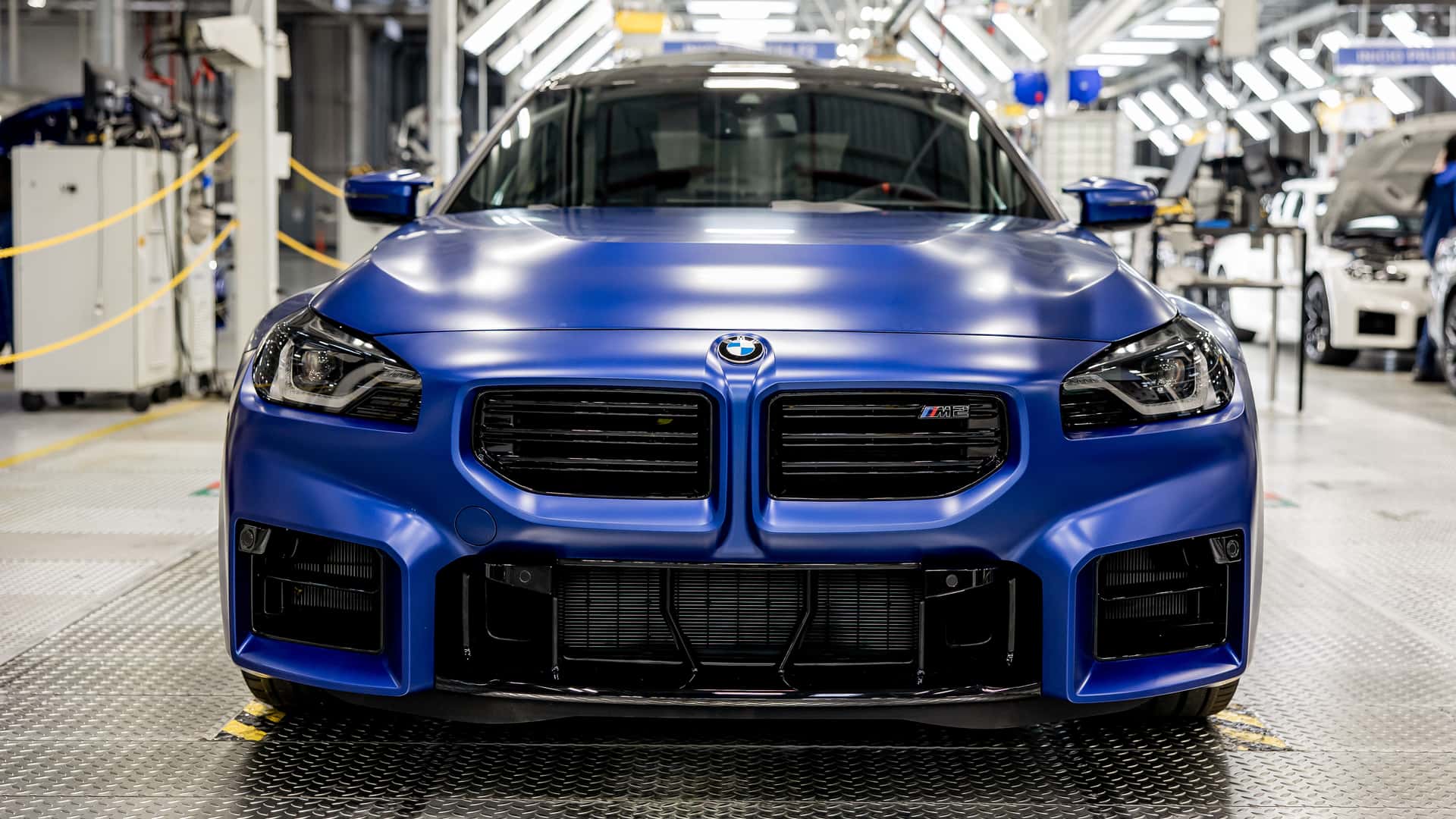
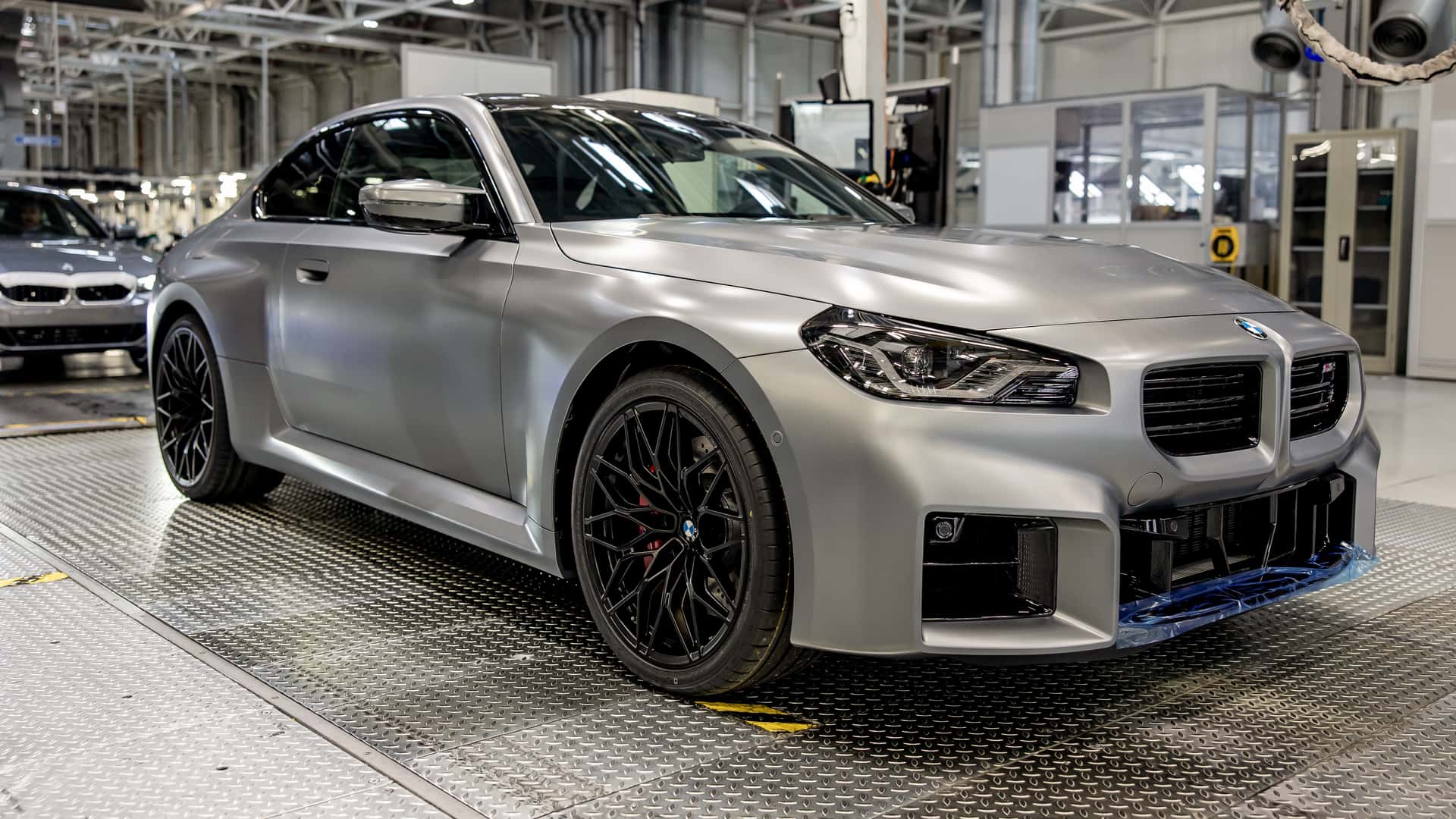
BMW is celebrating three decades of operations in Mexico with the launch of a special-edition M2, the BMW M2 Coupe 30 Years Edition. Though the M2 itself is less than a decade old—having debuted as the F87 model in 2015—the limited-edition model honours the company’s 30-year milestone in the country, where it has maintained a strong presence.
The M2 30 Years Edition is a locally built vehicle, produced at BMW’s San Luis Potosi plant, and designed by Mexican native José Casas. Only 30 units of this exclusive sports coupe will be produced, one for each year since the first BMW 3 Series E36 rolled off the assembly line at the Lerma Plant in Toluca back in 1994.
This limited-run version comes exclusively with a six-speed manual transmission and will be offered in two matte finishes from BMW’s Individual catalogue: Frozen Portimao Blue and Frozen Pure Grey. Inside, the M2 is outfitted with carbon bucket front seats, offering an immersive driving experience.
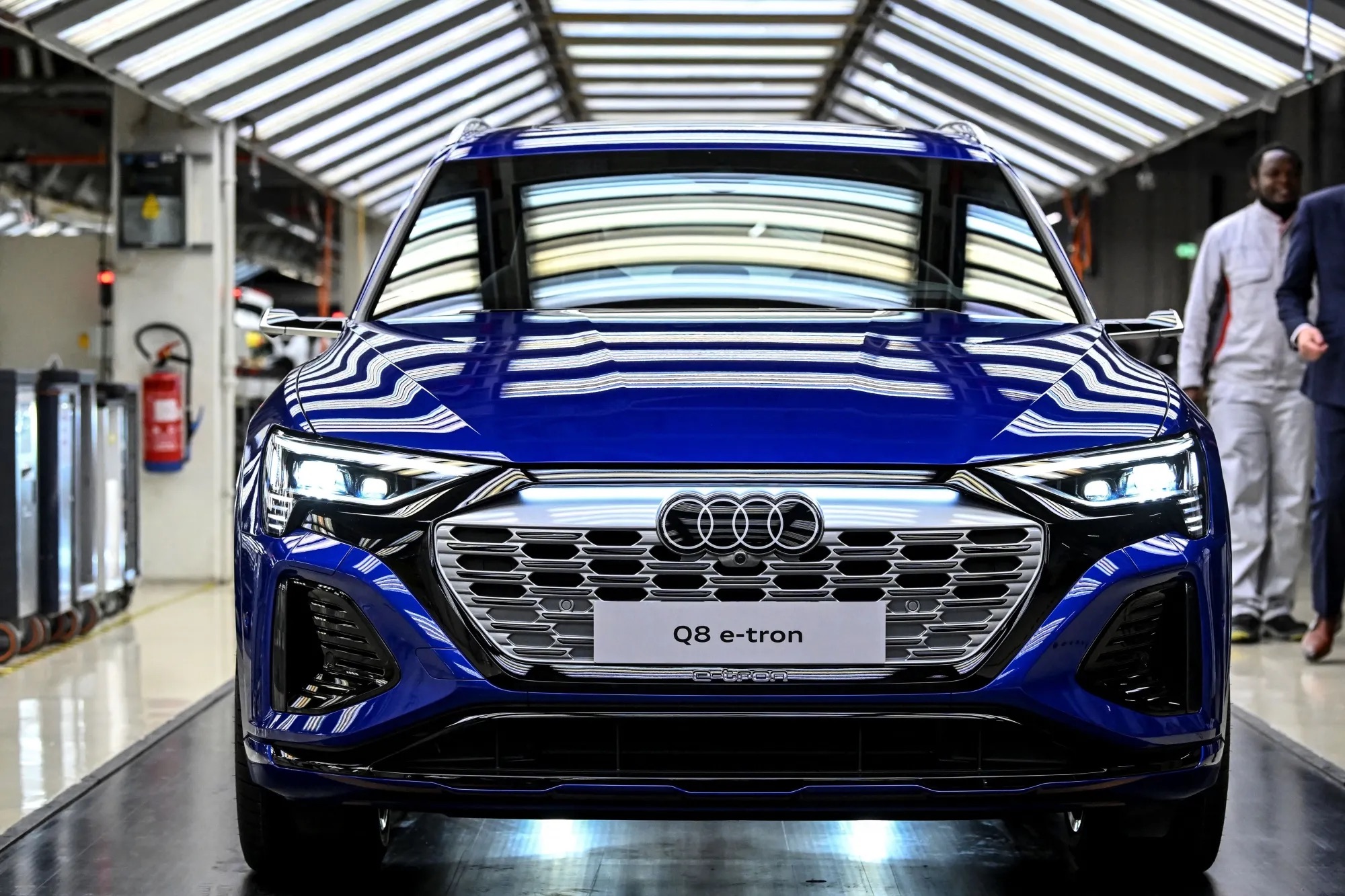
Volkswagen’s iconic Brussels plant, home to the production of the Audi Q8 E-Tron, is on the brink of closure as the company struggles to maintain demand in a slowing electric vehicle (EV) market. The plant, which has been producing cars since 1949, could be permanently shut down, marking a significant moment for both the automaker and the European EV sector.
The Audi Q8 E-Tron was anticipated to be a major player in Volkswagen’s EV strategy. However, the plant’s production figures reveal a different outcome. Despite the facility having a production capacity of 120,000 vehicles, the numbers have been dwindling. In 2022, only 47,900 units were produced, dropping to 37,400 last year, with just 23,900 vehicles delivered so far in 2024.
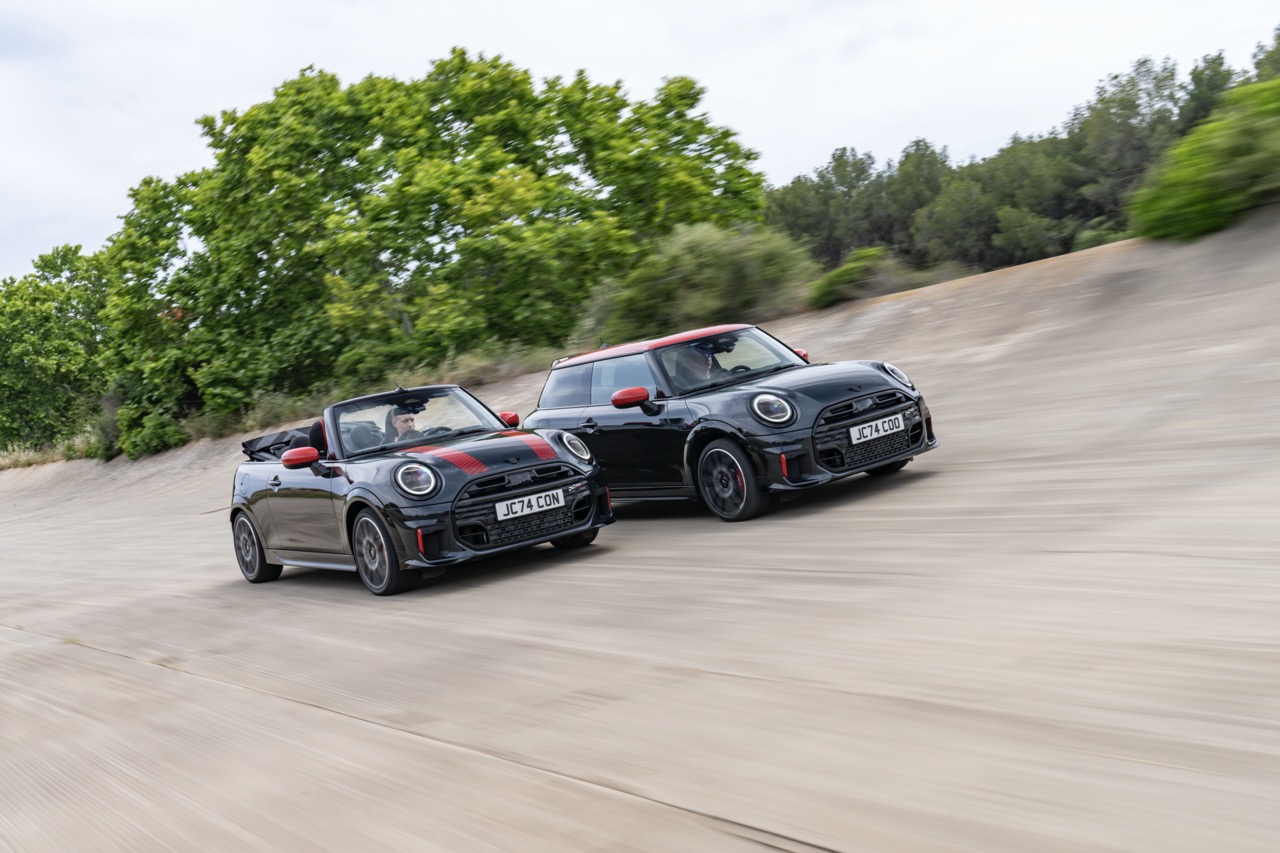
Mini has taken the wraps off its latest high-performance John Cooper Works (JCW) models, continuing the legacy of racing legend John Cooper with exhilarating driving experiences and cutting-edge design. Powered by a 2.0-litre four-cylinder TwinPower Turbo engine, the new Mini JCW models deliver 231hp and 380Nm of torque, promising an unmatched go-kart feel on the road.
The new Mini JCW hardtop can accelerate from 0 to 100km/h in just 6.1 seconds, while the convertible achieves this in 6.4 seconds. Both models boast impressive top speeds, reaching 250km/h in the hardtop and 245km/h in the convertible. Fuel efficiency ranges from 6.5 to 7.1 L/100km, with CO2 emissions as low as 147 g/km, making these cars as efficient as they are fast.
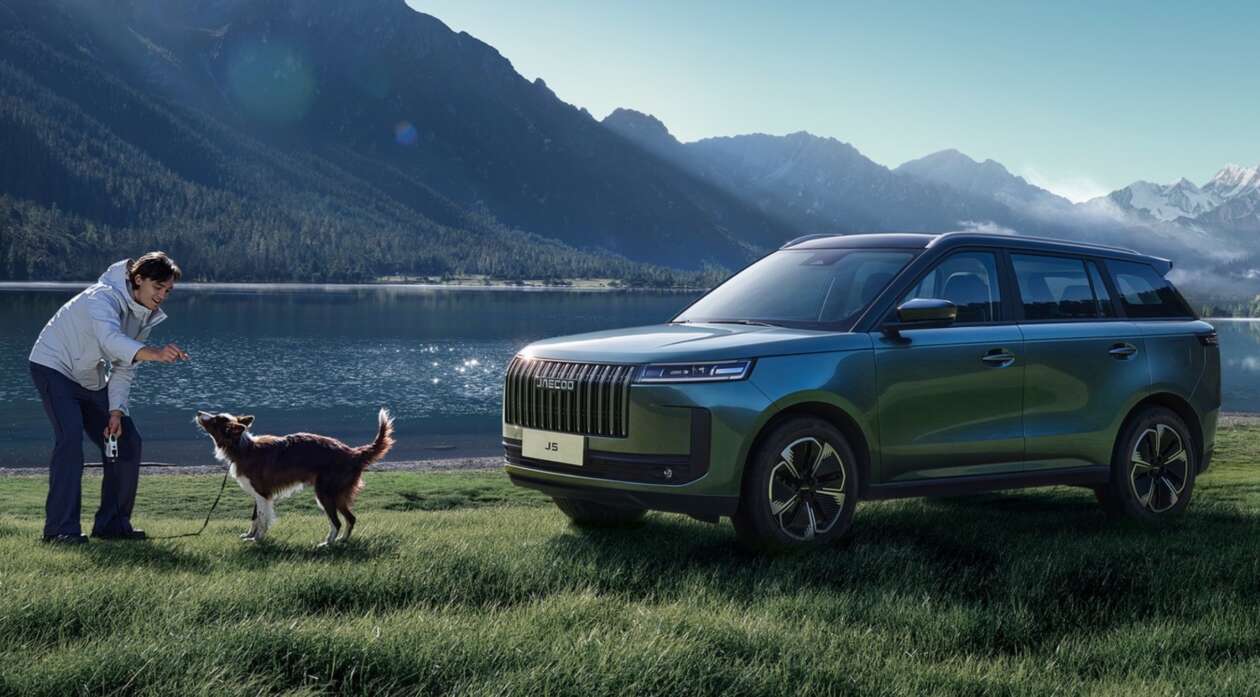
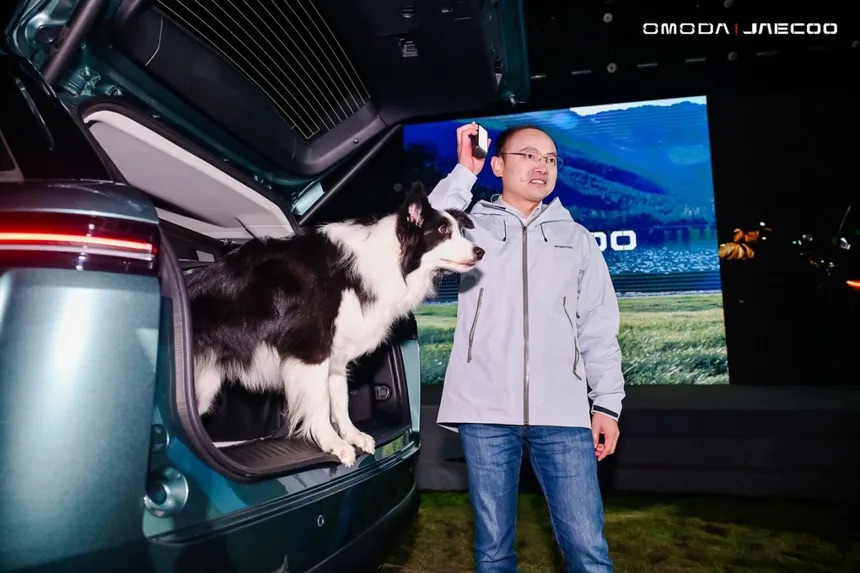
The Jaecoo J5, a compact SUV, made its debut at the 2024 Omoda Jaecoo International User Summit in Wuhu, China. Positioned as the smaller sibling to the Jaecoo J7, it retains much of the J7’s design elements and is tailored for ‘new urban youths’ with a strong emphasis on pet-friendliness.
Key Features:
Pet-Friendly Design: The J5 includes special features to accommodate pets, such as extended seats designed for pet comfort and safety, and an advanced filtration system to block pet hair, keeping the cabin air fresh. It also offers an intelligent temperature control system and an antibacterial health device to inhibit bacteria growth, ensuring a healthier environment for both pets and passengers.
Pet Accessories: Jaecoo will provide accessories like pet-feeding devices and boarding steps for small pets, reinforcing the J5’s appeal to pet owners.
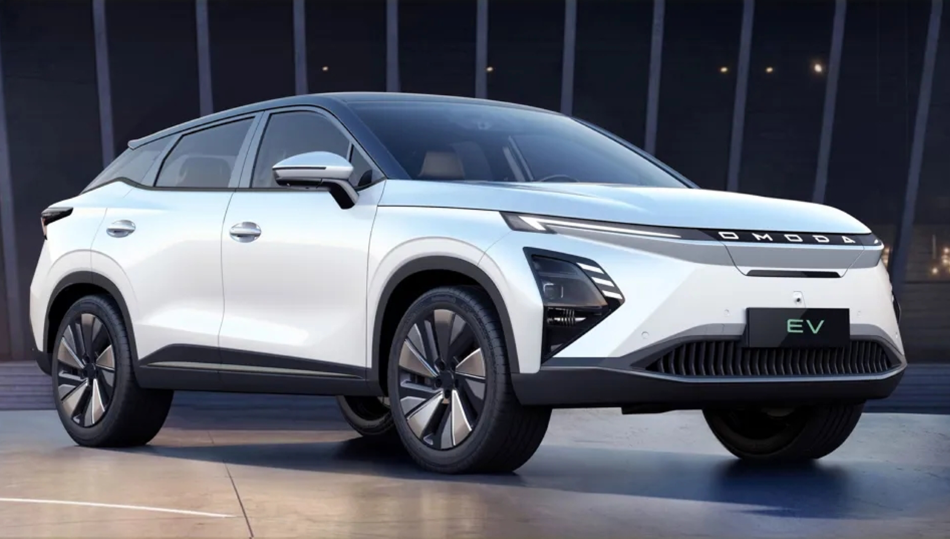
Chinese automaker Chery has announced significant progress in its development of solid-state batteries, aiming to introduce them in EVs by 2026. These advancements were revealed during the Chery Global Innovation Conference, where the company shared details about the ongoing development of its high-density solid-state battery prototypes, which currently achieve 400 Wh/kg energy density. By 2025, Chery plans to boost this to 600 Wh/kg, enabling EVs to achieve up to 1,500 km of range on a single charge.
Key Developments:
Solid-State Batteries: Chery is targeting large-scale production of these batteries starting in 2027, with their installation in vehicles beginning the year before. These batteries are expected to provide substantial gains in energy efficiency and vehicle range, marking a major leap in EV technology.
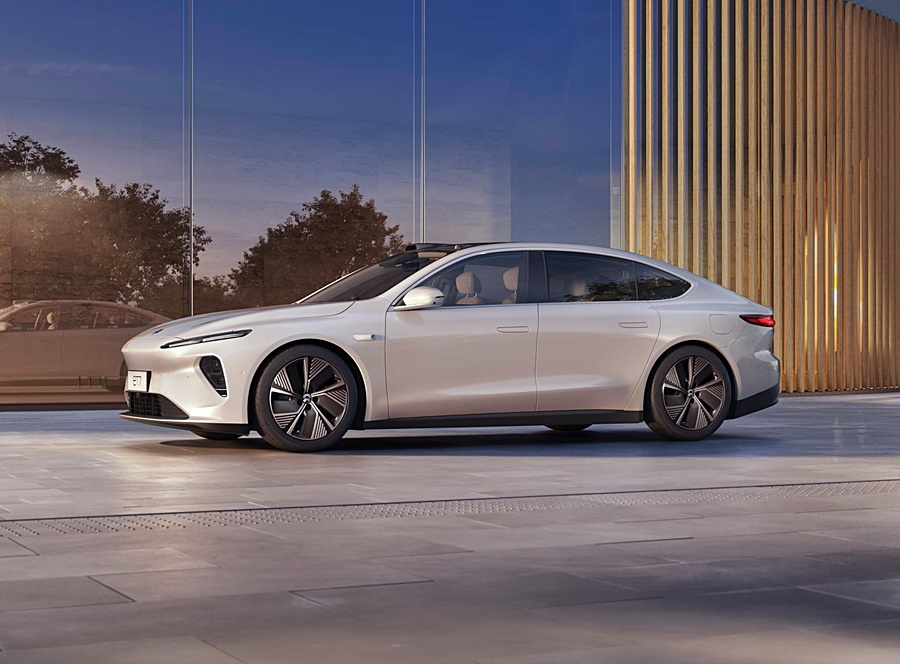
Industry Context: Although solid-state batteries are widely anticipated as a breakthrough for electric vehicles, no EVs with fully solid-state batteries have hit the market yet. However, semi-solid-state battery technology has already made its debut in models like the Nio ET7 and IM L6.
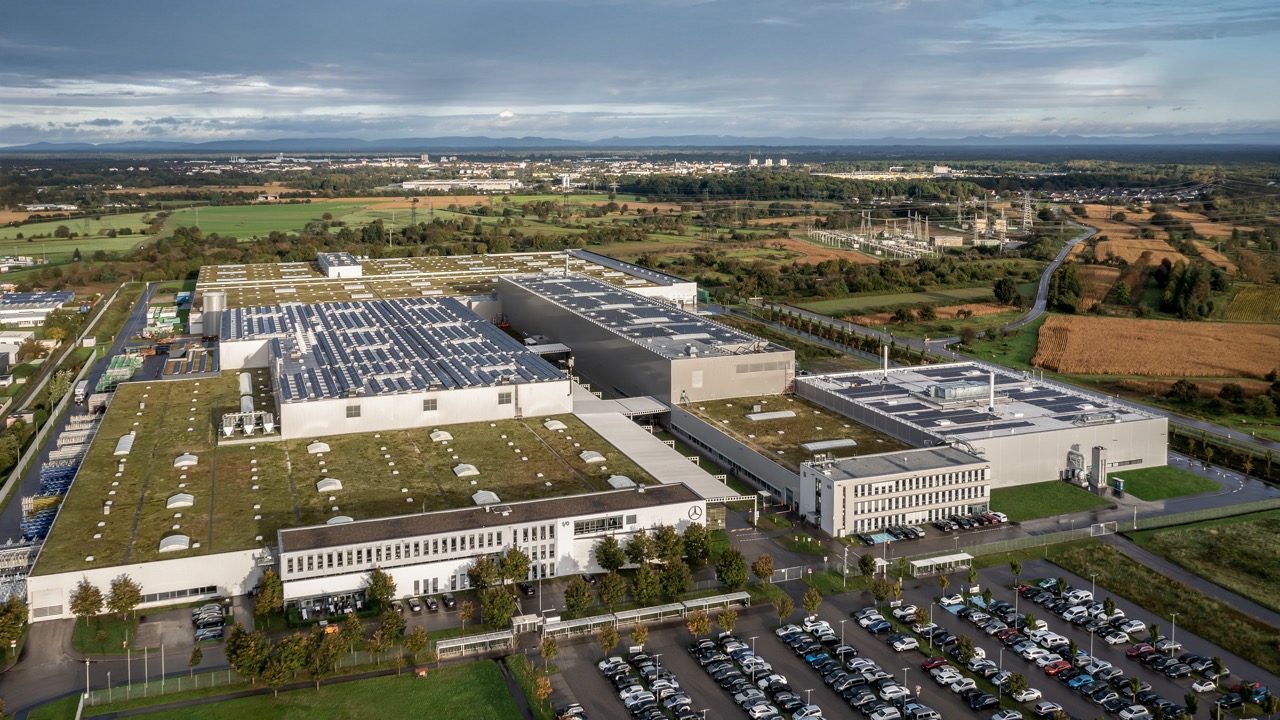
Mercedes-Benz has launched Europe’s first battery recycling plant with an integrated mechanical-hydrometallurgical process in Kuppenheim, southern Germany. This makes Mercedes-Benz the first automaker to close the battery recycling loop within its own in-house facility. The plant represents a significant milestone in the company’s efforts to promote a circular economy, reduce dependence on primary resources, and improve sustainability across its operations.
Key Features of the Kuppenheim Battery Recycling Plant:
High Recovery Rate: The recycling facility boasts an anticipated recovery rate of over 96%, enabling the extraction of valuable materials like lithium, nickel, and cobalt for reuse in new electric vehicle batteries.
Circular Economy: The plant is designed to create a closed-loop recycling system, ensuring that materials from old batteries are repurposed into new ones, furthering Mercedes-Benz’s commitment to sustainability.
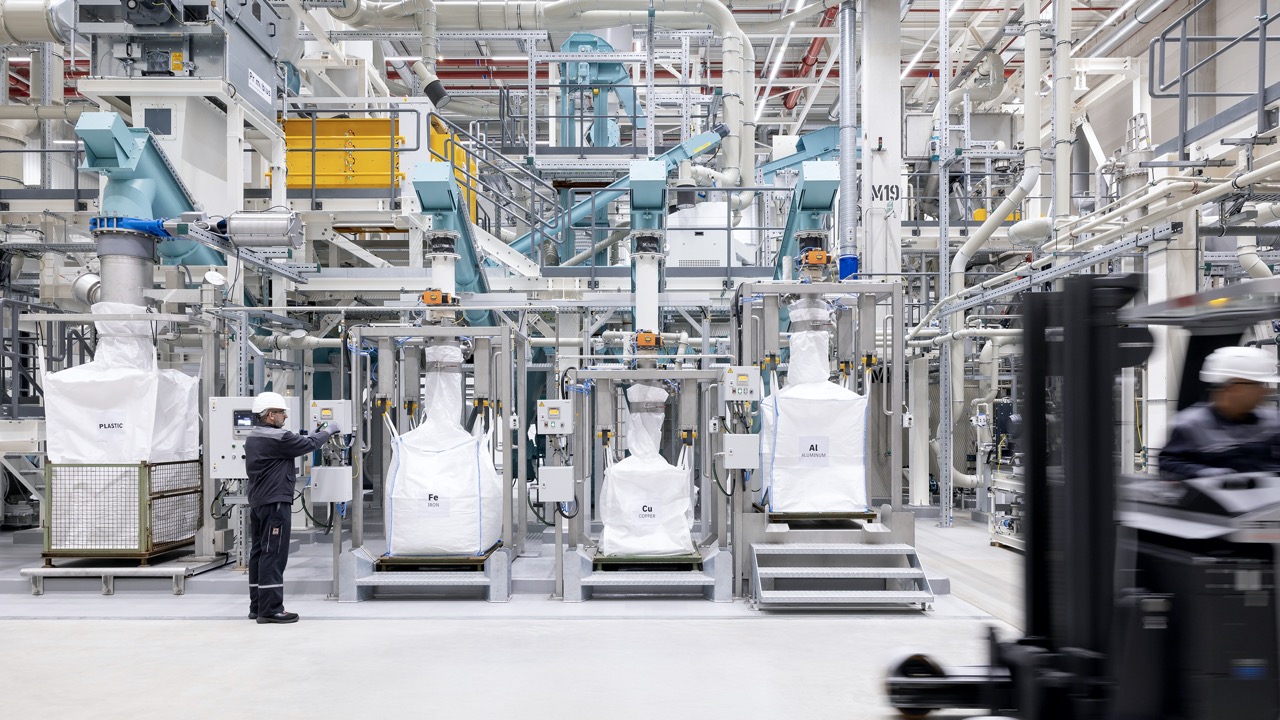
Innovative Process: The recycling process involves a combination of mechanical sorting of materials such as plastics, copper, and aluminium, followed by hydrometallurgical extraction of critical metals from battery electrodes (the “black mass”).
Subaru Corporation has announced the debut of its next-generation hybrid system, which will first be featured in the Subaru Crosstrek (Japan model) slated for release in December 2024. This innovative hybrid system is designed to balance driving enjoyment with environmental performance, promising advancements in both areas.
Key Highlights of the Next-Generation Hybrid System:
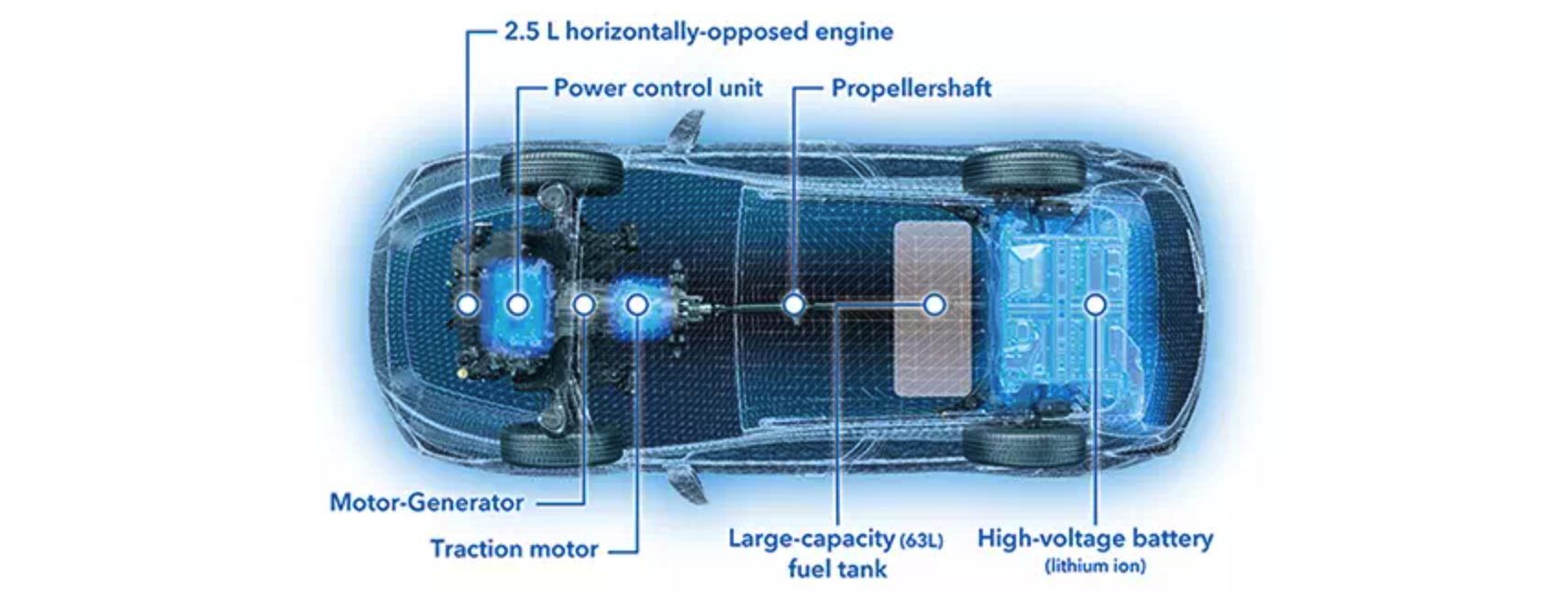
2.5-Litre Horizontally-Opposed Engine: The newly developed BOXER engine offers dynamic performance with improved thermal efficiency, contributing to better fuel economy. Integrated with a power control unit atop the engine, it optimises electric power usage from the high-voltage battery.
Series-Parallel Hybrid System: This system efficiently switches between engine and electric motor power depending on driving conditions, ensuring smooth acceleration and a balance between performance and fuel efficiency.
Mechanical All-Wheel Drive (AWD): Subaru’s hallmark Symmetrical AWD is retained, providing precise control and stable driving in various road conditions by mechanically linking the front and rear wheels through a propeller shaft.
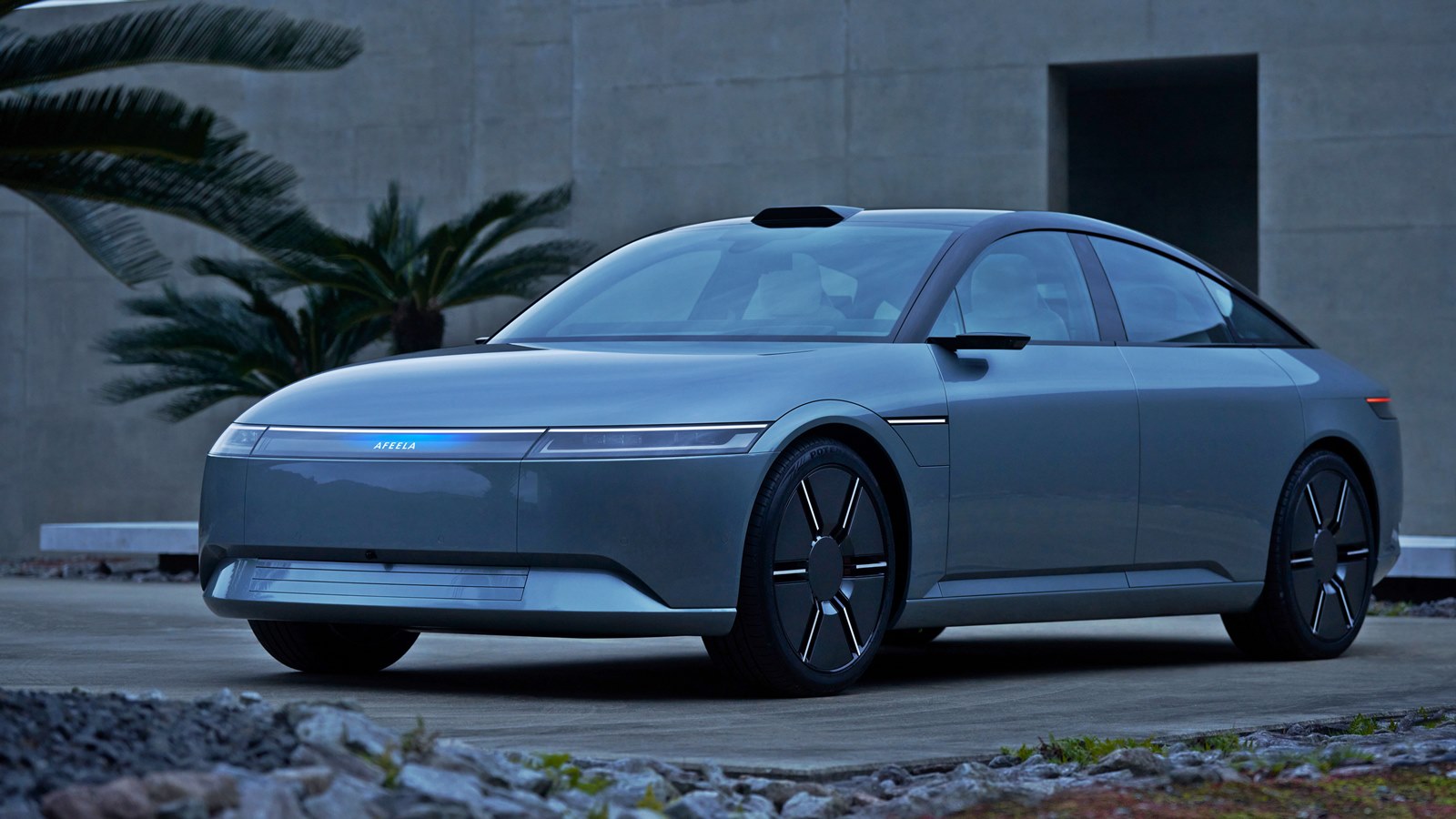
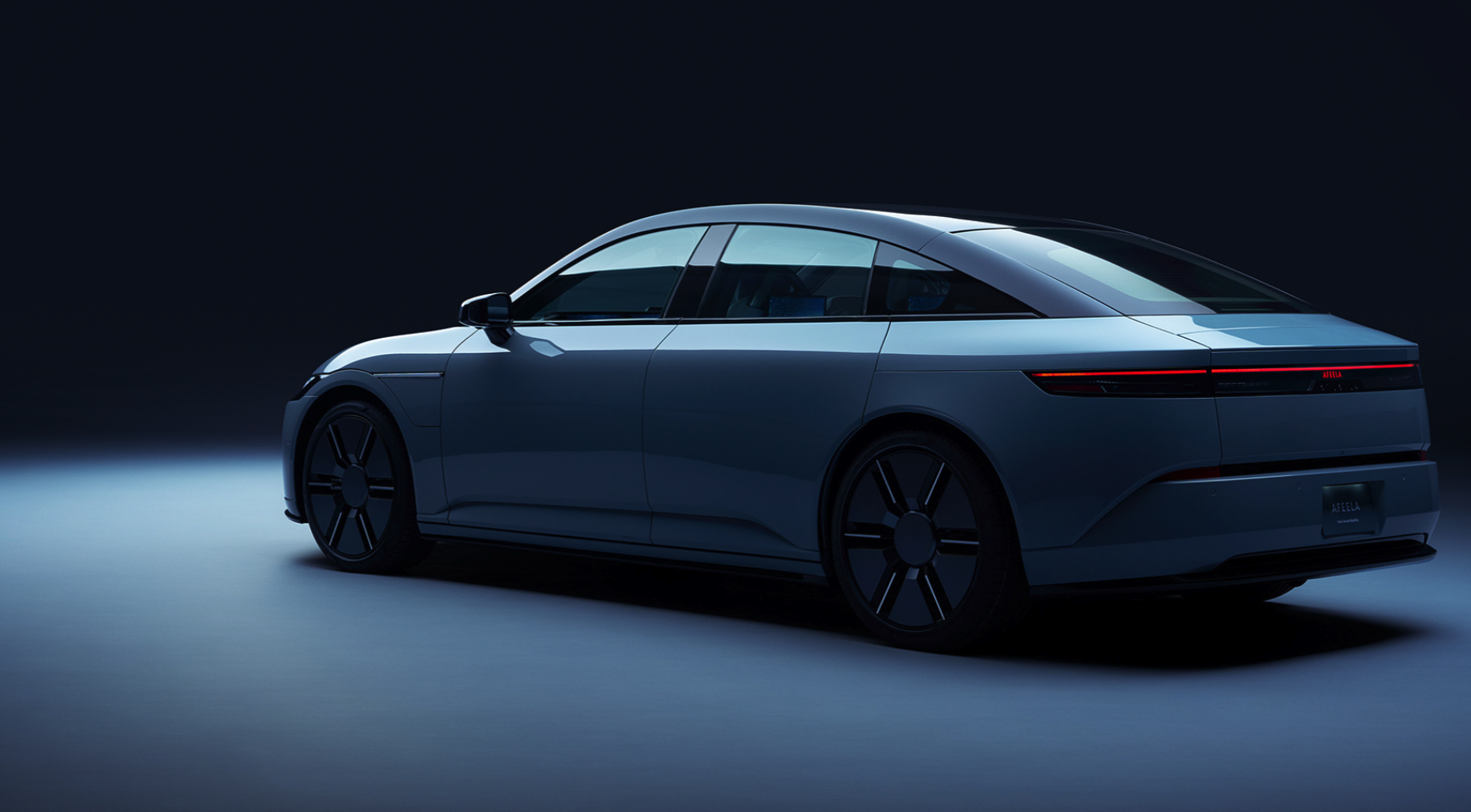
Sony Group and Honda Motor are collaborating to integrate artificial intelligence (AI) into the development of autonomous driving features for their joint electric vehicle (EV) venture, Honda Mobility. Their luxury EV brand, Afeela, will debut in Japan and the U.S. by 2026, featuring AI-driven autonomous capabilities.
The AI in these vehicles will continuously improve self-driving functionality through software updates, potentially once or twice a year. The initial AI systems are expected to support Level 3 autonomy, allowing for autonomous driving on highways and under specific conditions. This level of autonomy means the car can handle driving tasks while still requiring human intervention in certain scenarios.
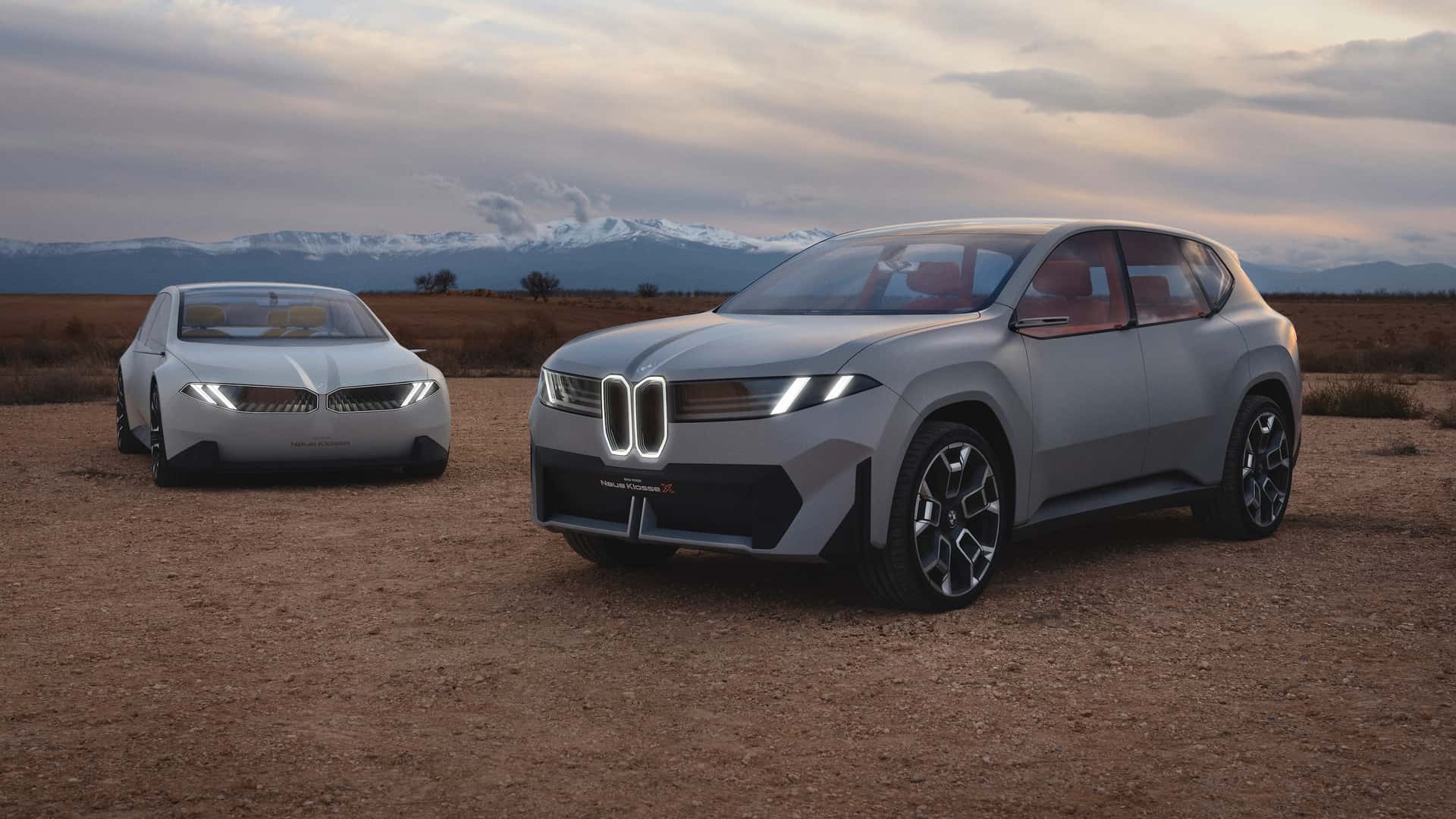
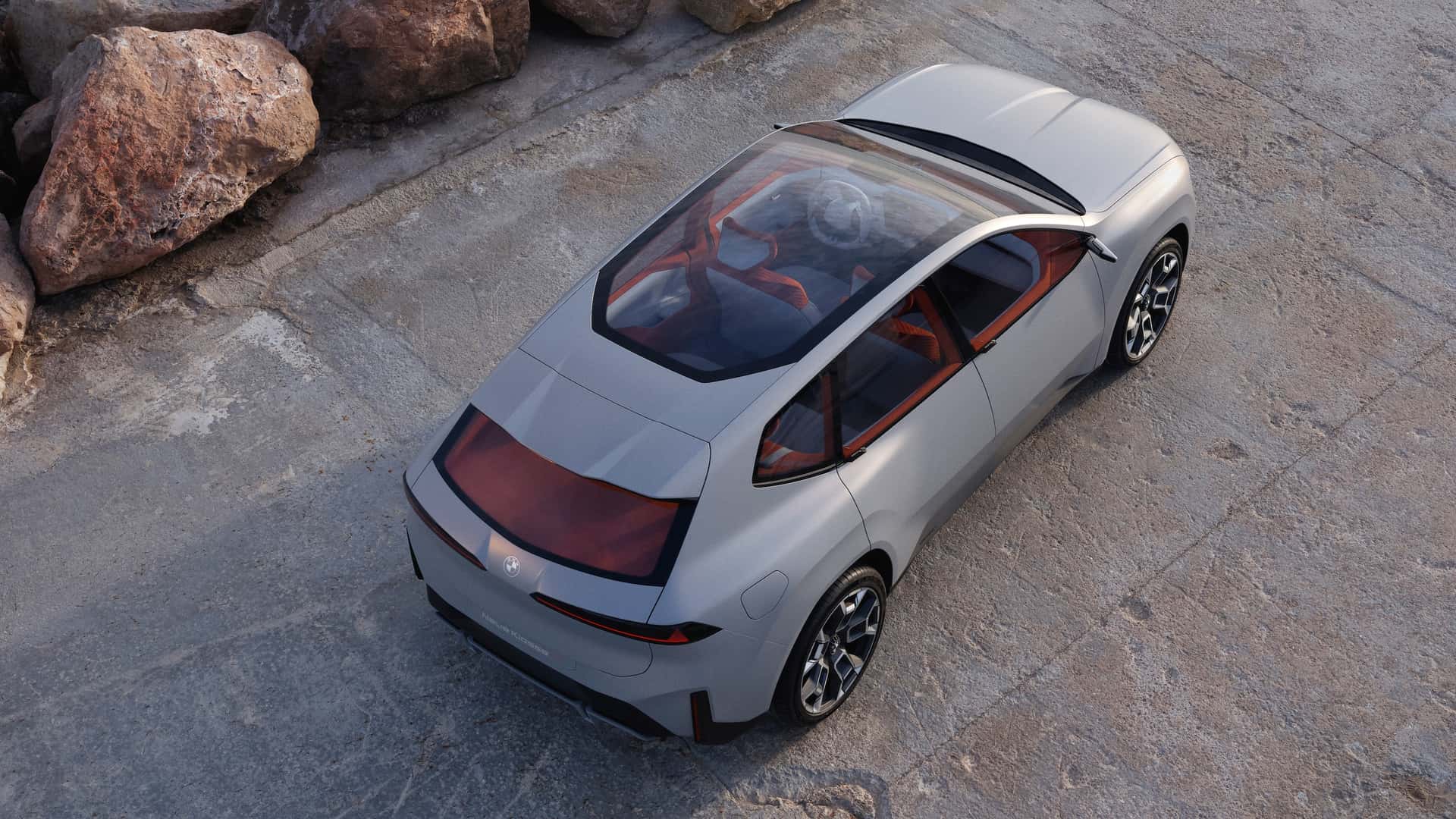
BMW’s Neue Klasse concepts have given enthusiasts a preview of the brand’s future design direction, but it turns out that this influence will not be limited solely to its electric vehicles. According to Adrian van Hooydonk, BMW’s head of design, the design language showcased in the Neue Klasse sedan and X crossover concepts will be carried across the entire range, including combustion engine models.
Van Hooydonk emphasised that both petrol-powered and electric BMWs will adopt these new design cues, with subtle differences in their design elements and proportions to distinguish them. This is part of a broader strategy to offer modern, cohesive styling across all BMW vehicles, allowing customers to choose between internal combustion or electric drivetrains without feeling they are choosing between different aesthetics.
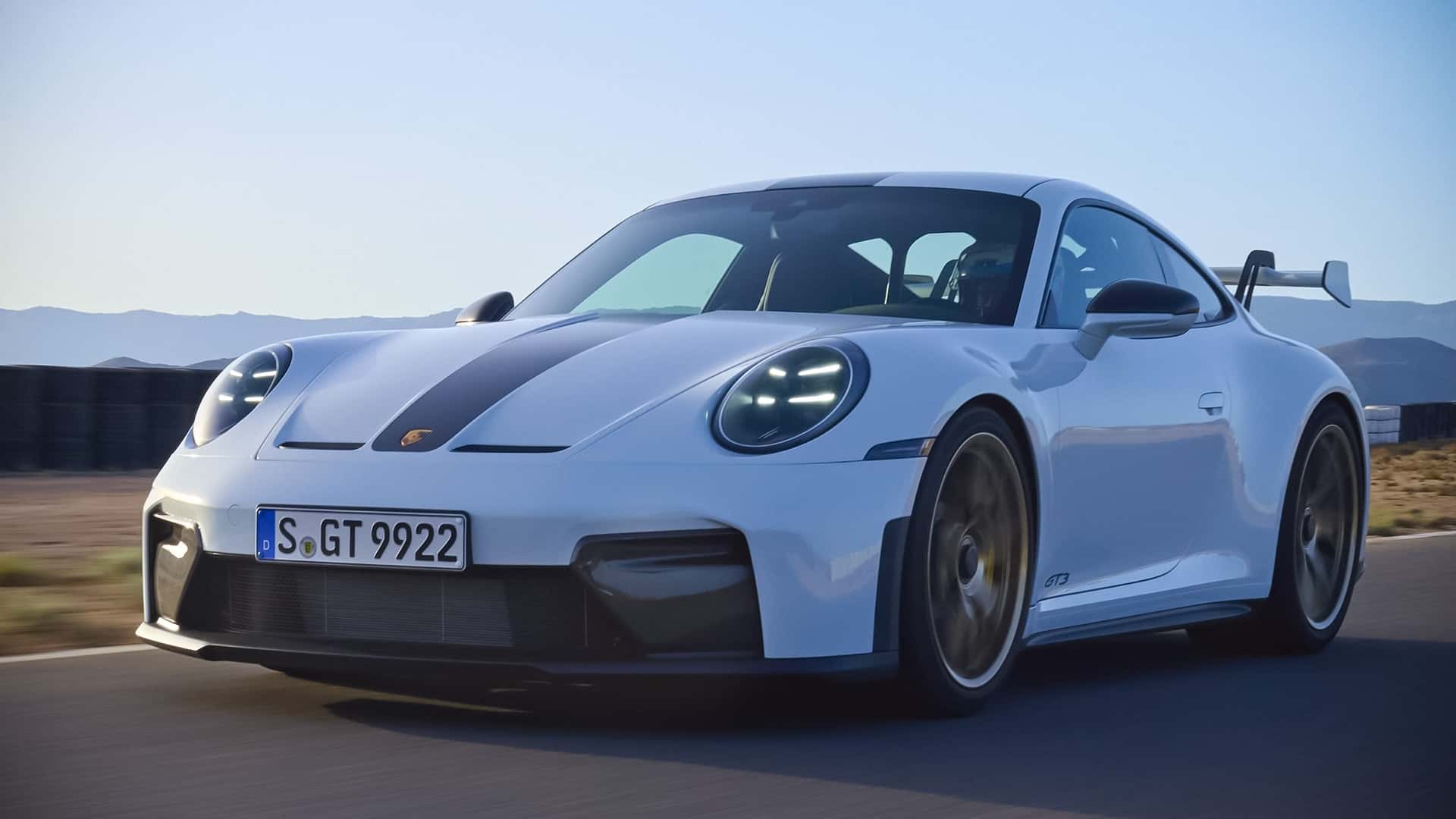
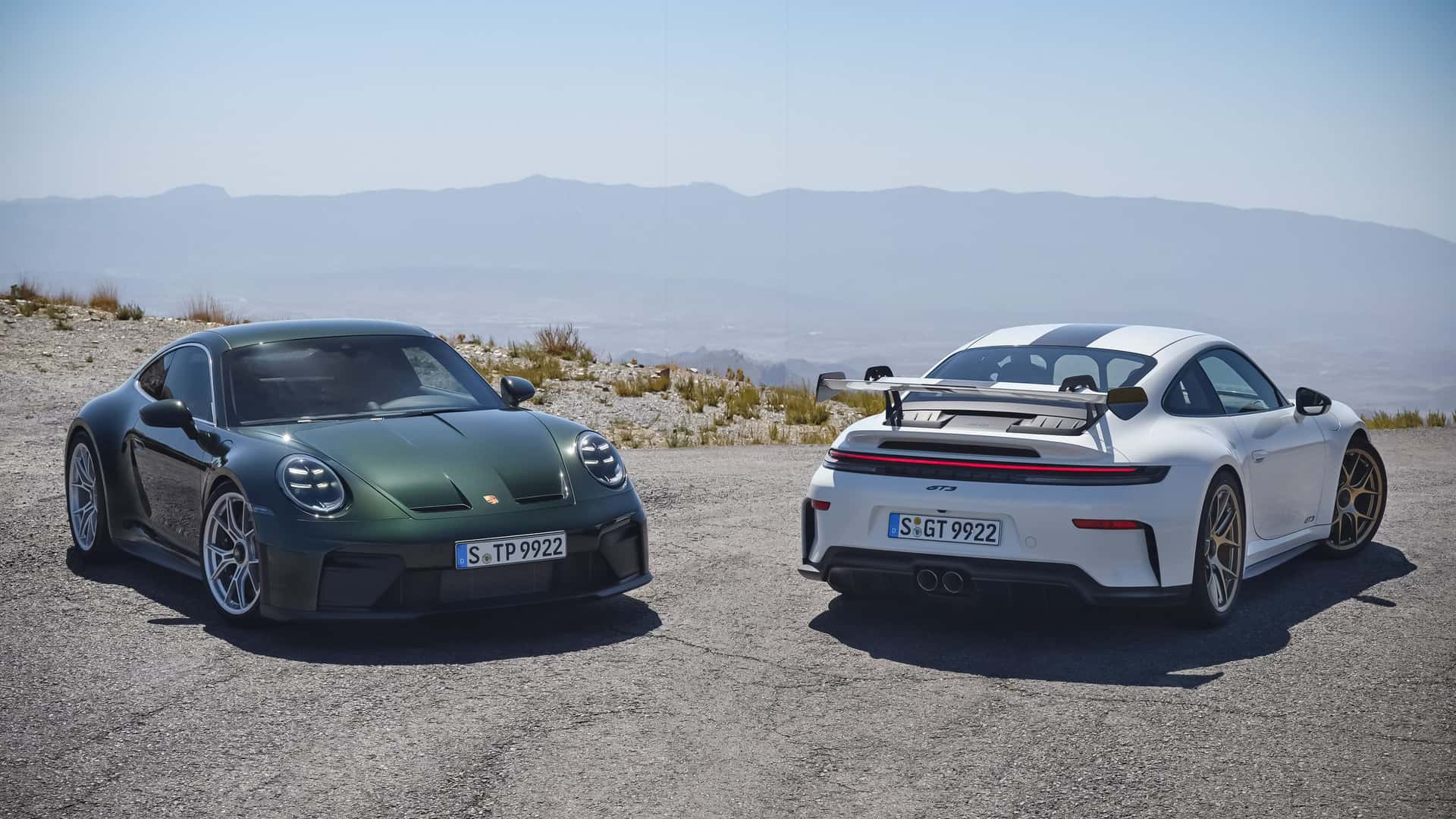
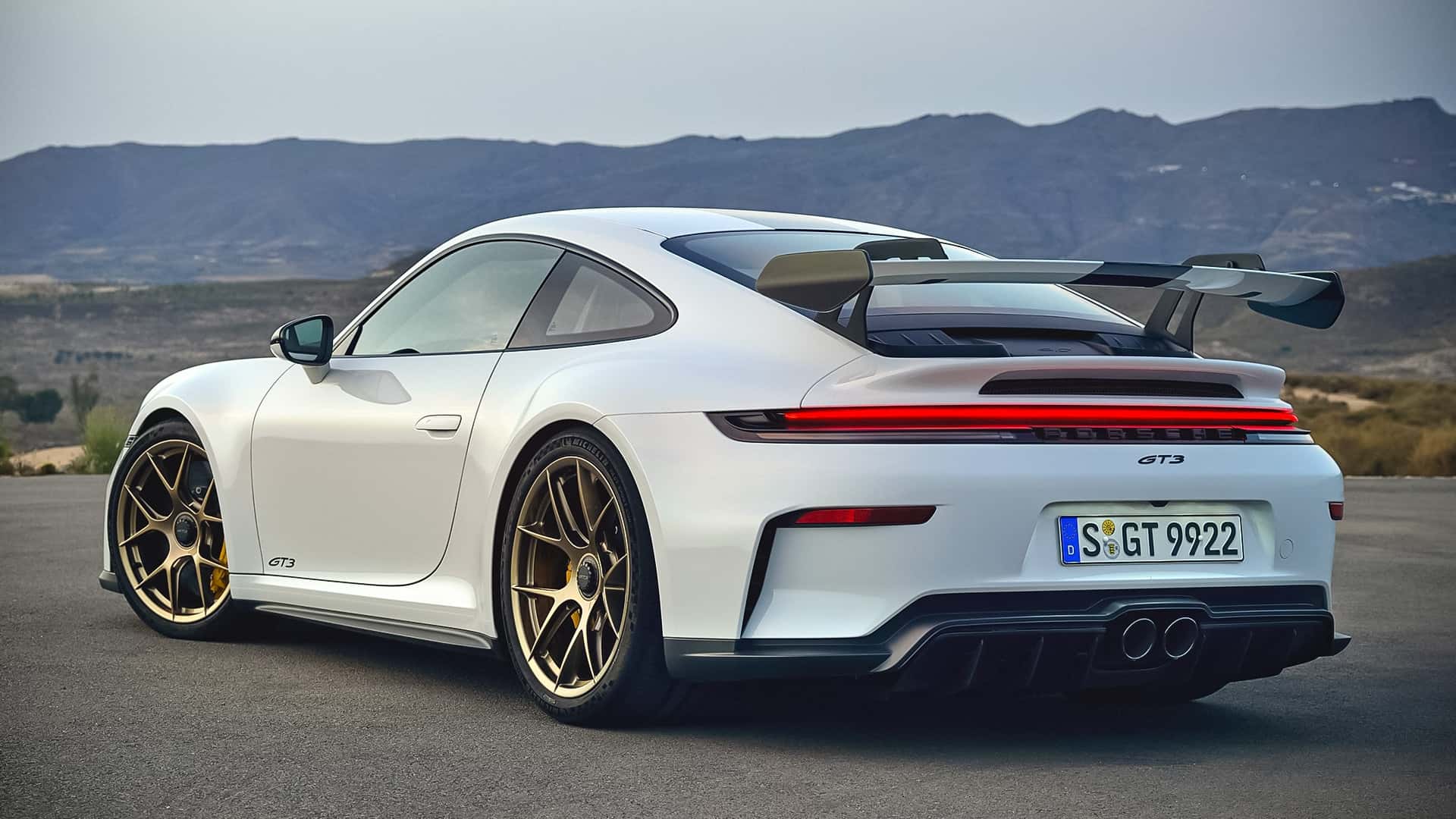
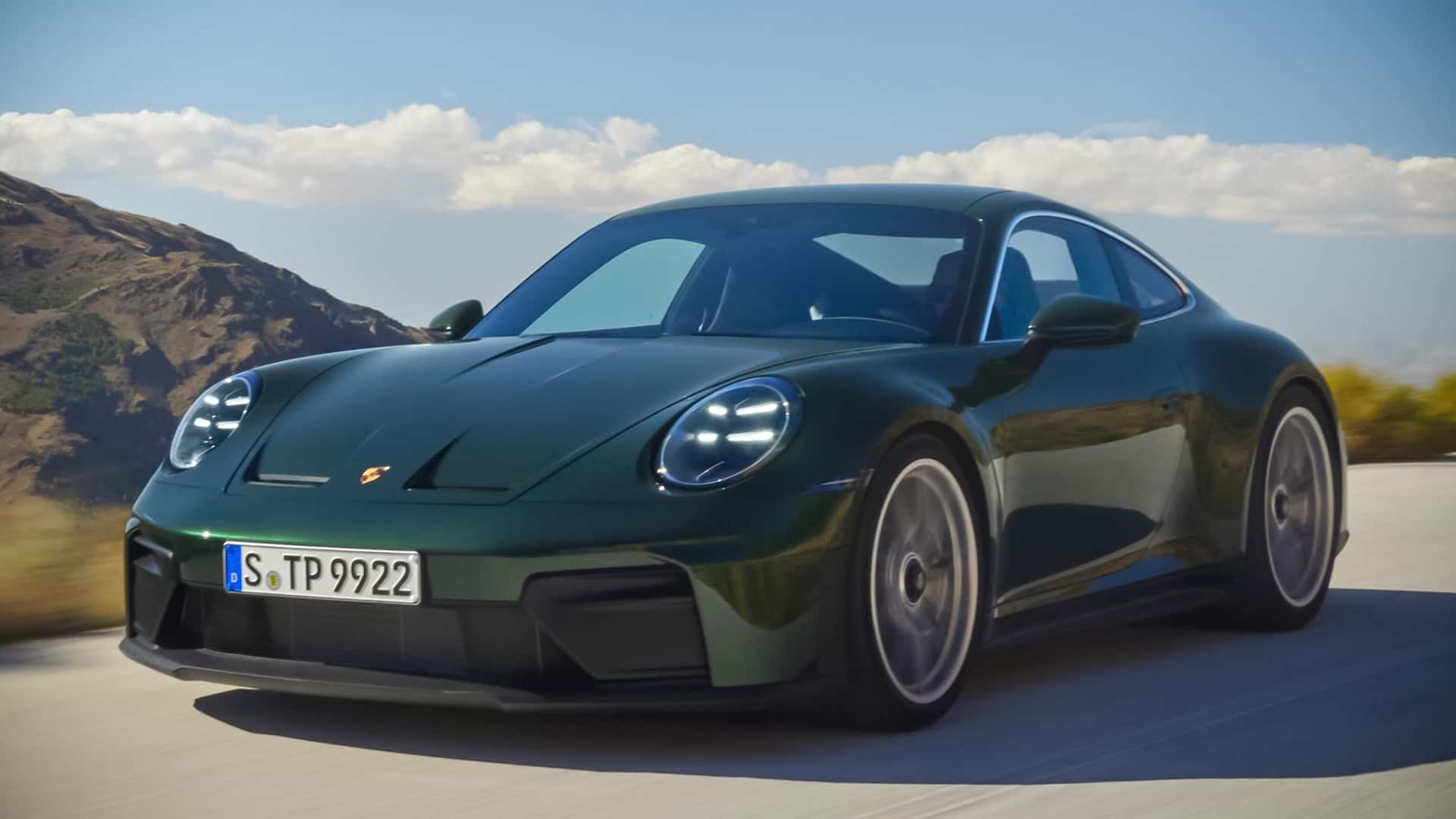
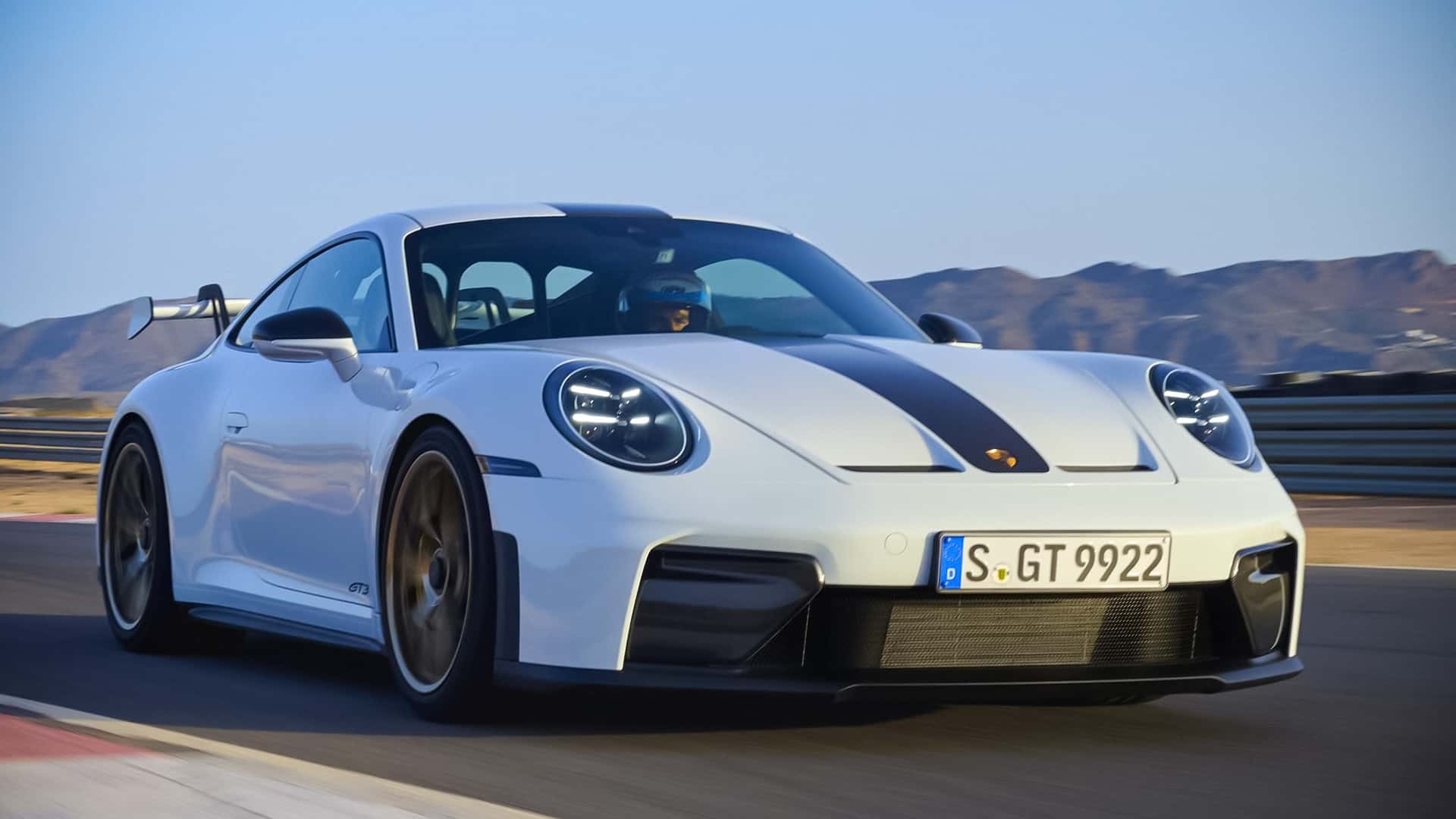
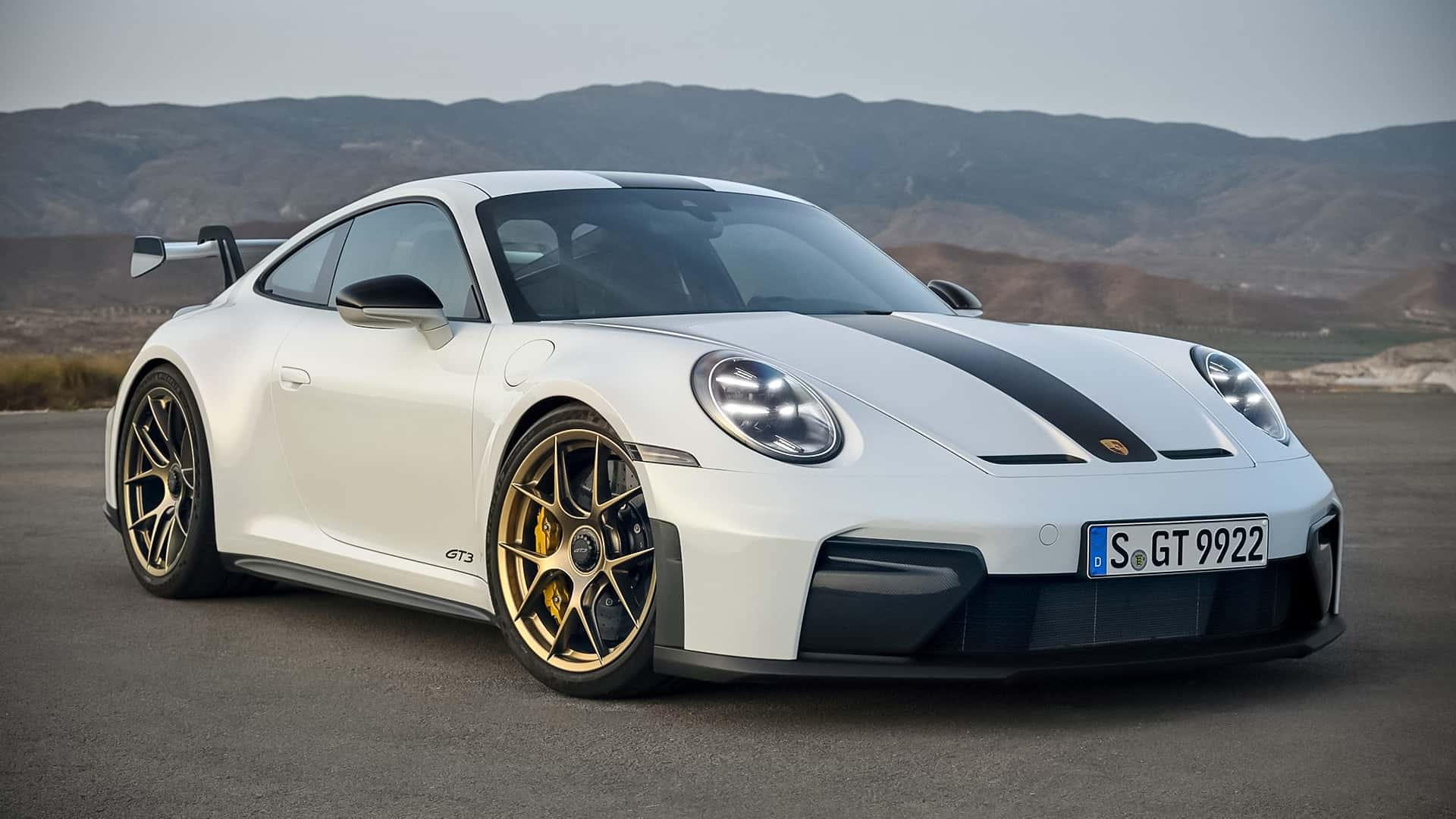
Porsche is celebrating 25 years of the GT3 by unveiling the 2025 911 GT3, the latest iteration of its iconic sports car. This updated 992.2 model retains the hallmark features that have made the GT3 so revered, including its naturally aspirated 4.0-litre flat-six engine that produces 502hp and revs to 9,000 rpm. Remarkably, it remains purely powered by internal combustion despite stringent emissions regulations, incorporating two gas-particulate filters and four catalytic converters to meet modern standards.
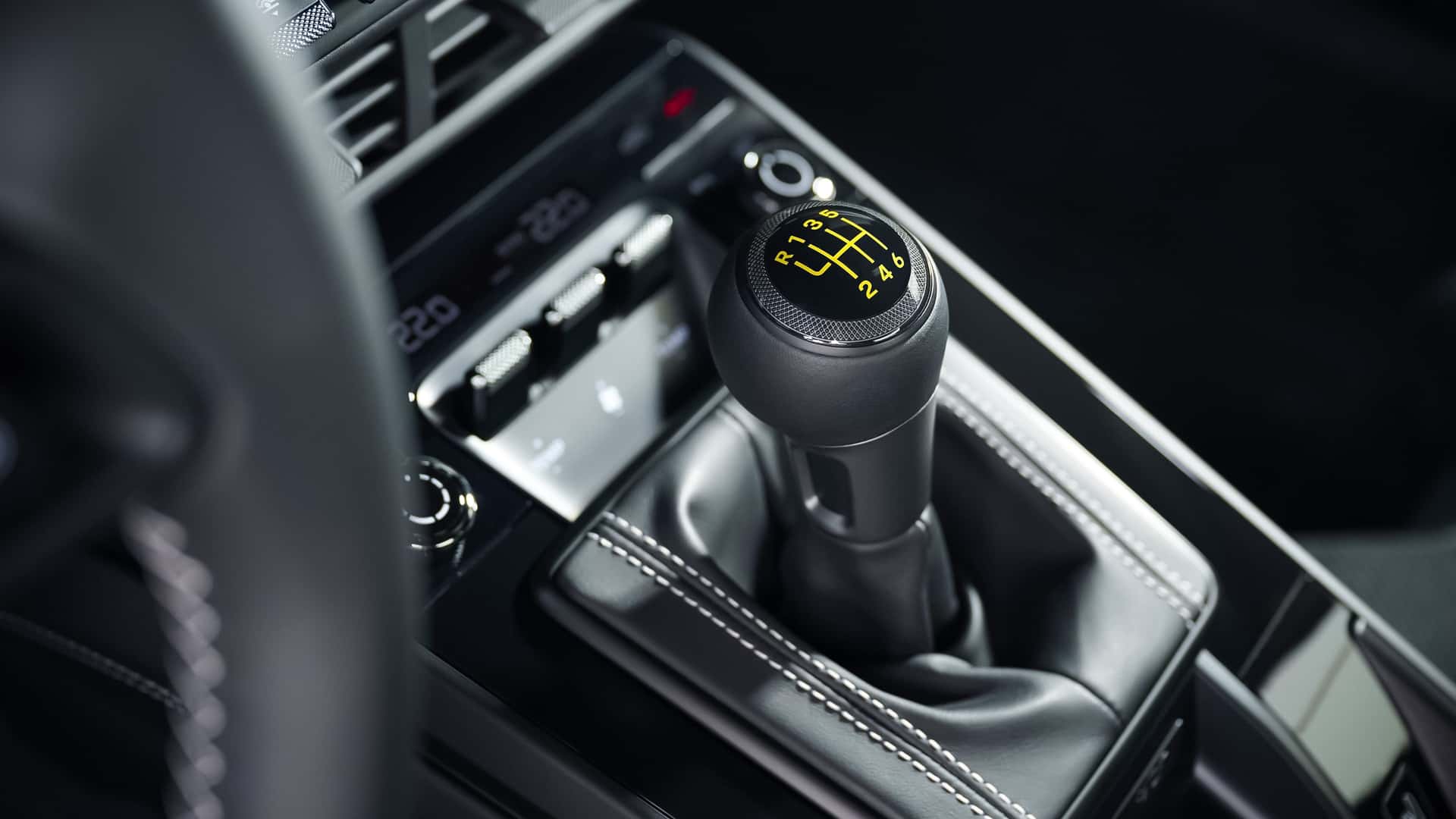
To maintain its performance edge, the GT3 has received several mechanical upgrades, including hotter camshafts from the GT3 RS, new throttle bodies, revised cylinder heads, and new oil coolers. For those who enjoy the manual experience, the 6-speed manual transmission now has a shorter final drive, addressing complaints about the long gearing in previous manual 911s. The 7-speed dual-clutch automatic is also available.
Enhanced Aerodynamics and Suspension
Borrowing some aerodynamic lessons from the GT3 RS, the front suspension now features suspension links with an aerofoil shape, improving both downforce and brake cooling. The lower mounting point for the front wishbone helps reduce dive under braking, while the new headlight design allows for larger aerodynamic inlets. At the rear, updates to the diffuser and engine cover help balance the front downforce improvements.
Performance Tyres and Wheels
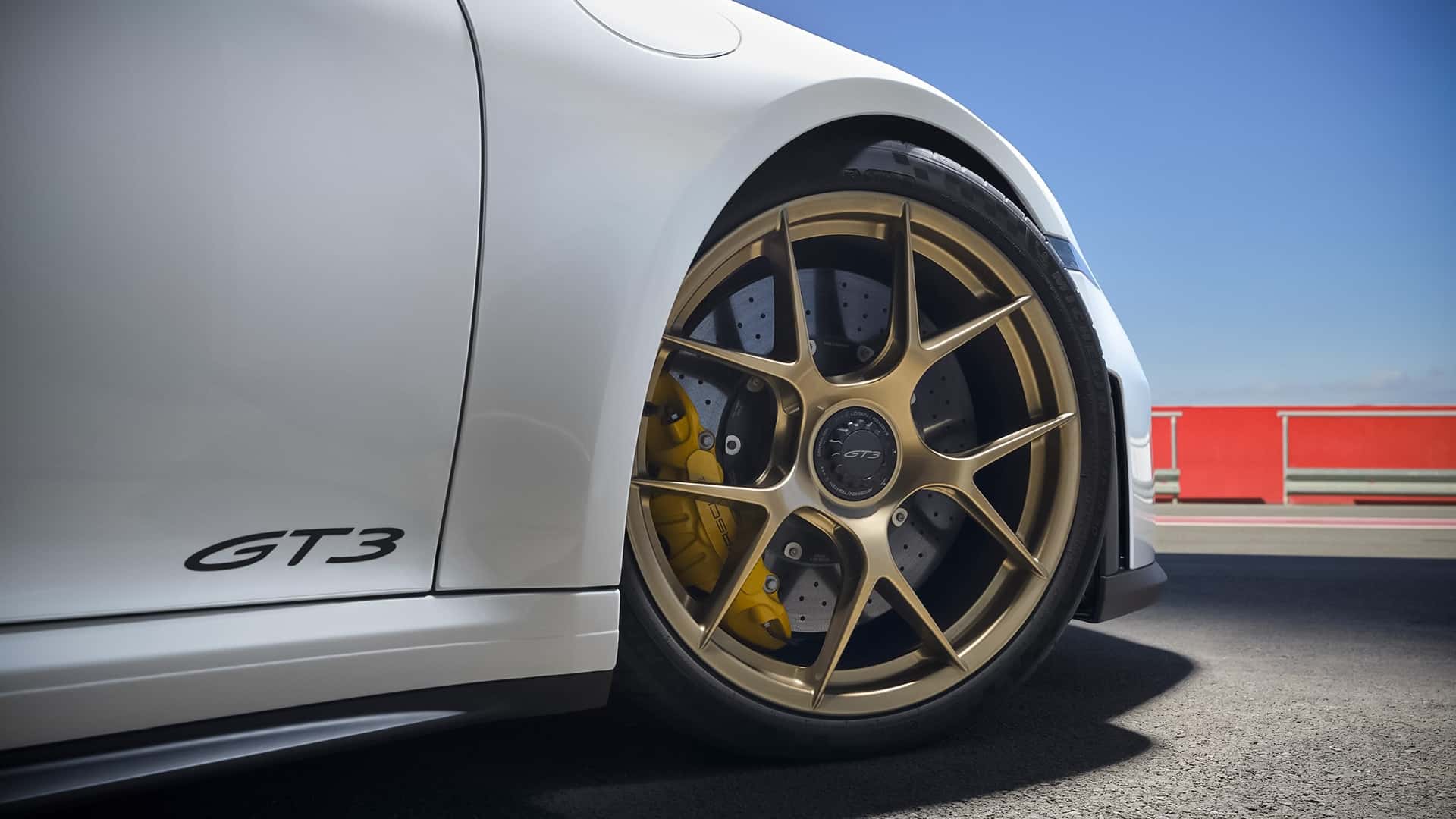
The 255/35ZR20 front tyres and 315/30ZR21 rear tires enhance performance, particularly in wet conditions, with a track-focused, stickier tire option available. The new standard wheels shave off 1.4kg of unsprung weight, contributing to overall performance gains.
Weissach and Touring Packages
The Weissach Package, previously exclusive to Porsche’s RS models, is now available for the GT3. This includes carbon-fibre components such as the roof, anti-roll bars, and mirror caps, as well as the option for lighter magnesium wheels.
Touring
Simultaneously, Porsche has also launched the GT3 Touring Package, which removes the rear wing for a more understated appearance. It includes a Leichtbau (lightweight) package, featuring carbon-fibre suspension components, a body-colour carbon-fibre roof, and magnesium wheels.
Interior and Features
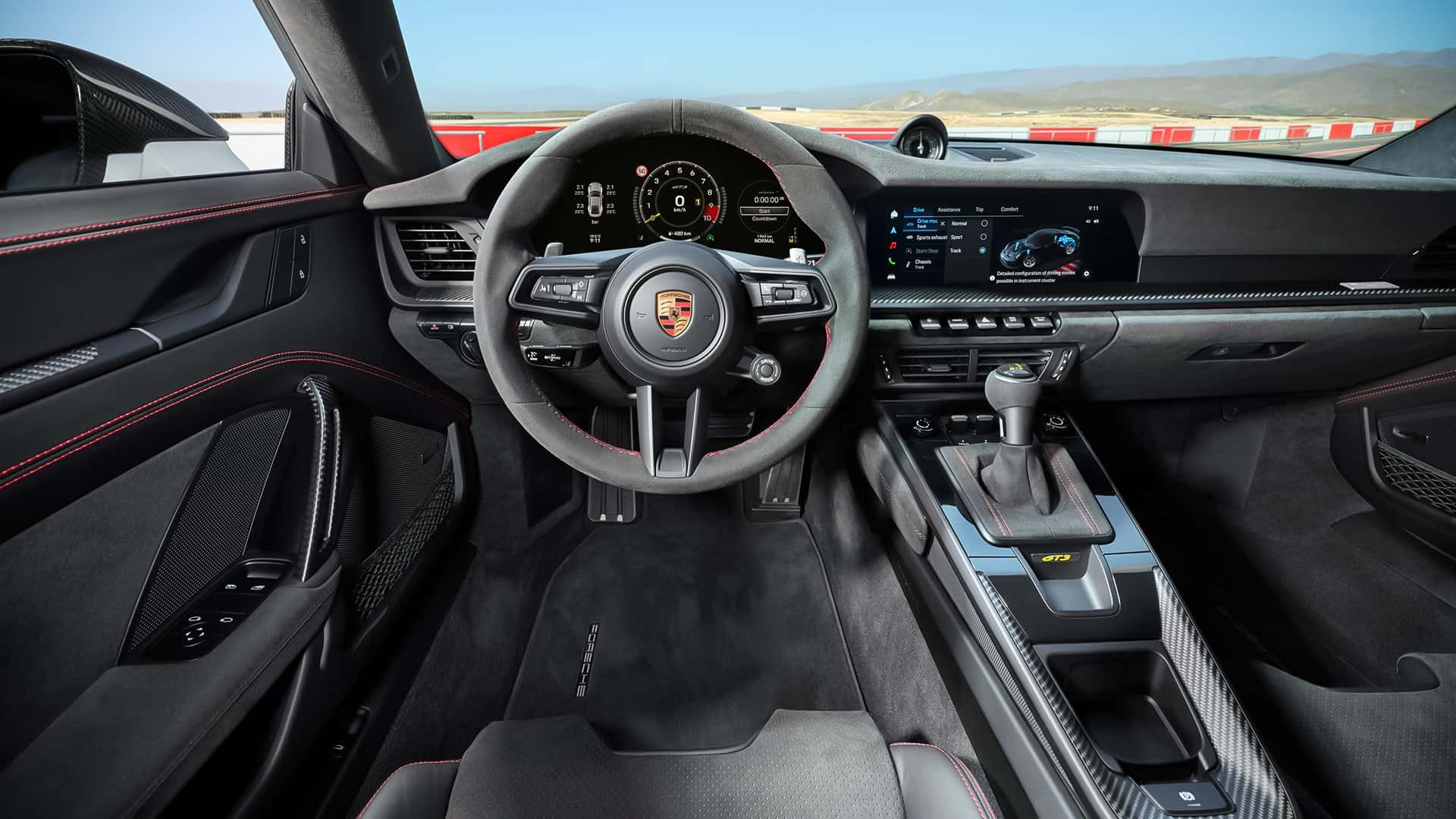
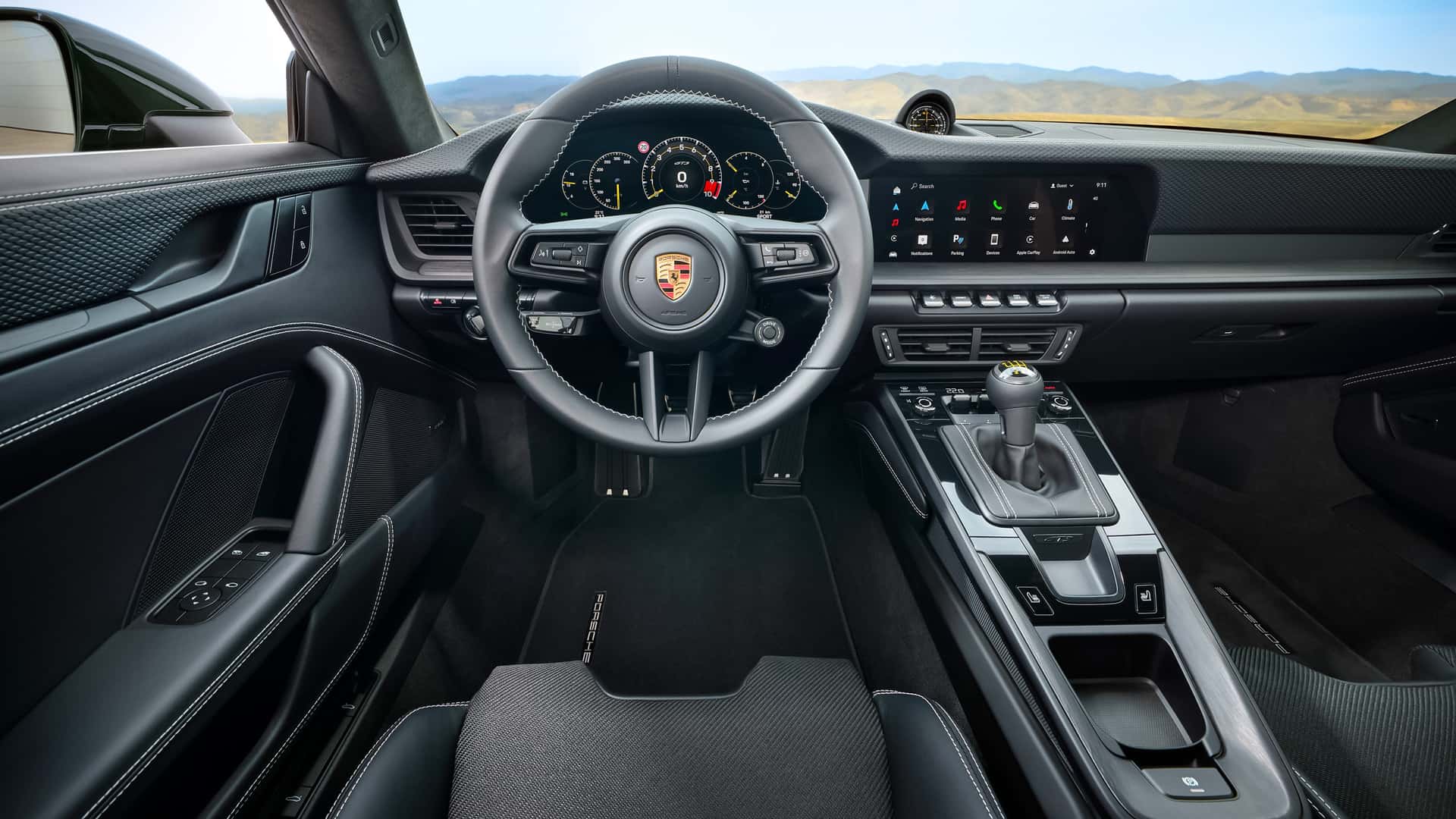
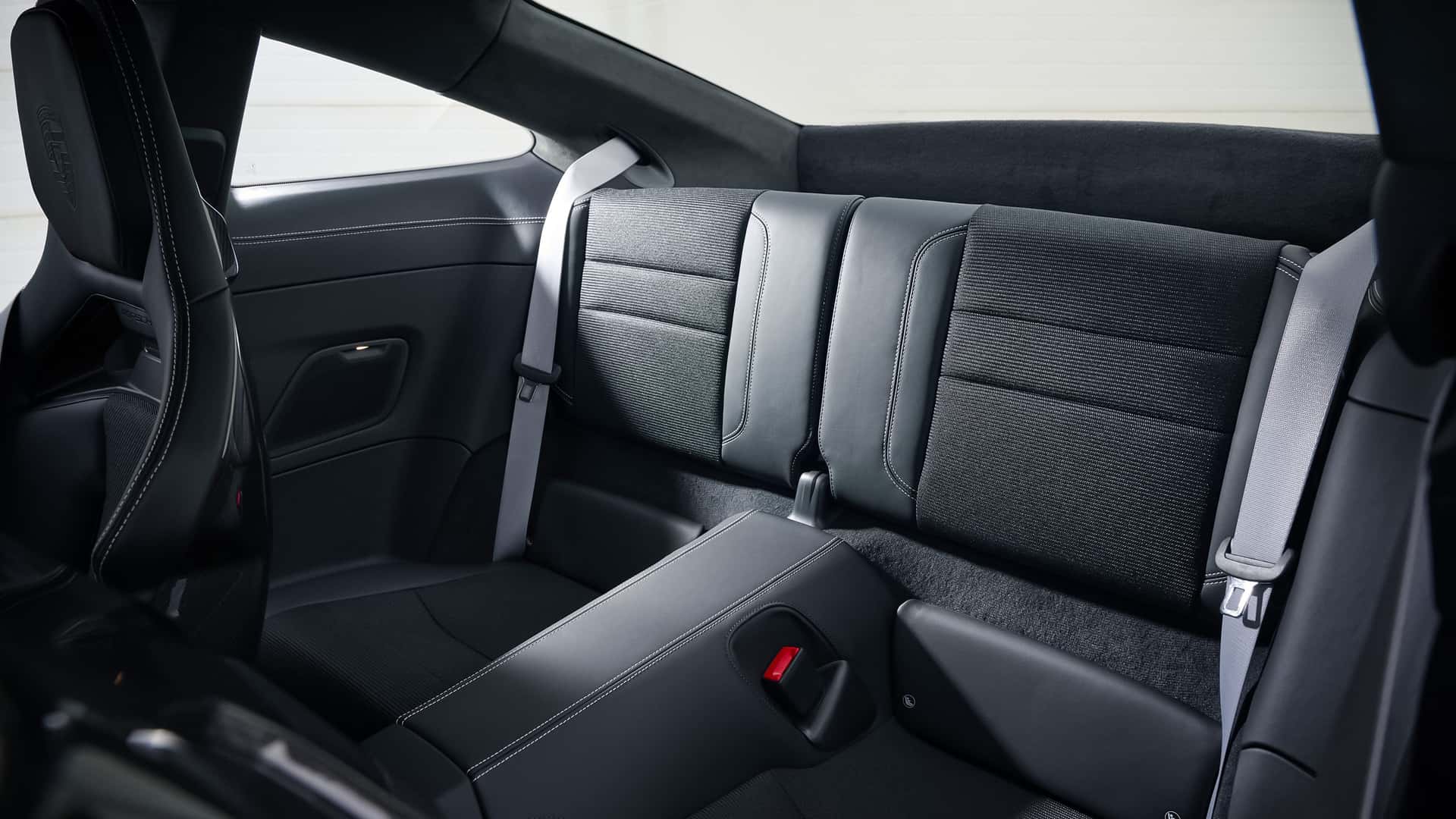
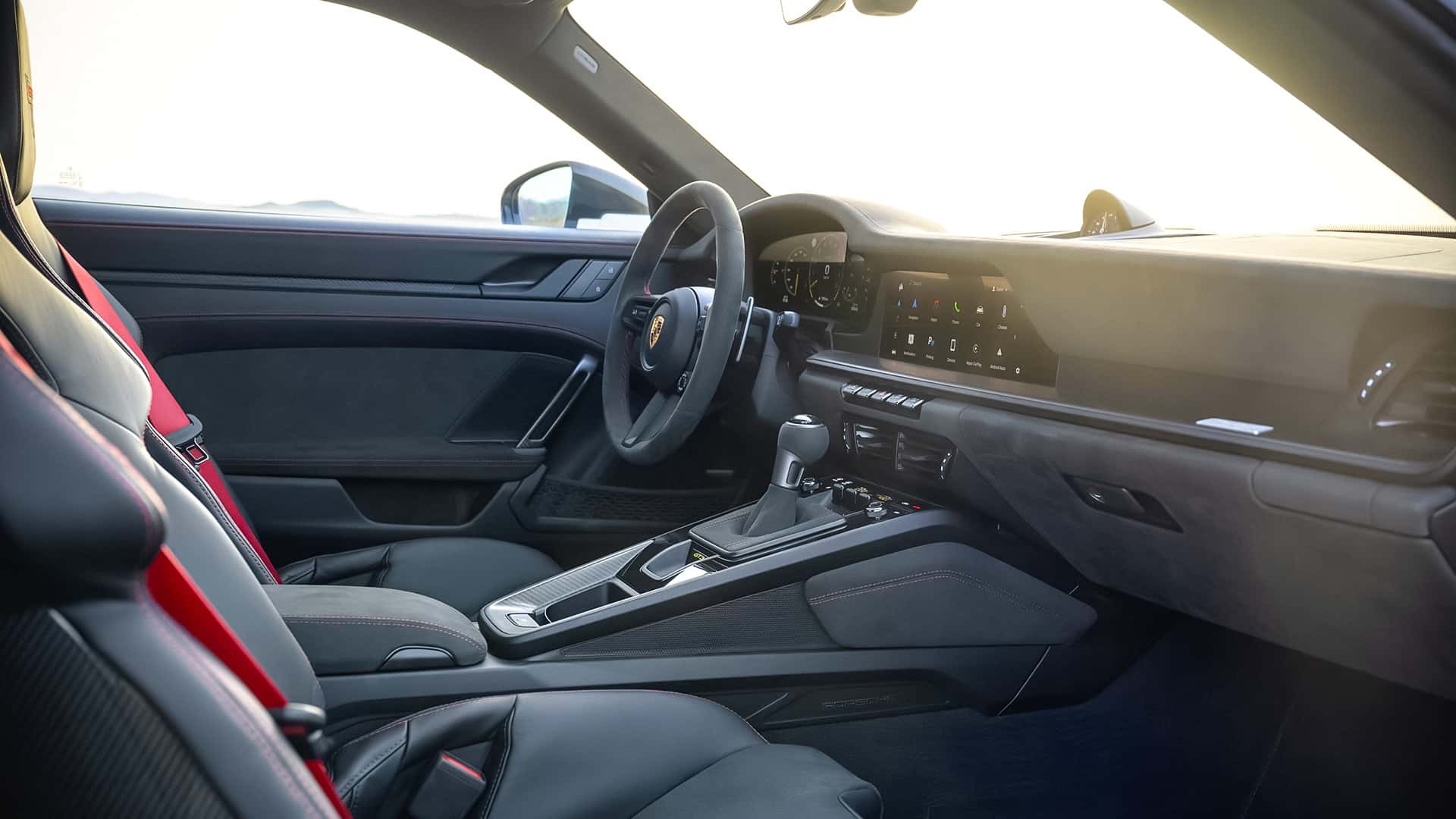
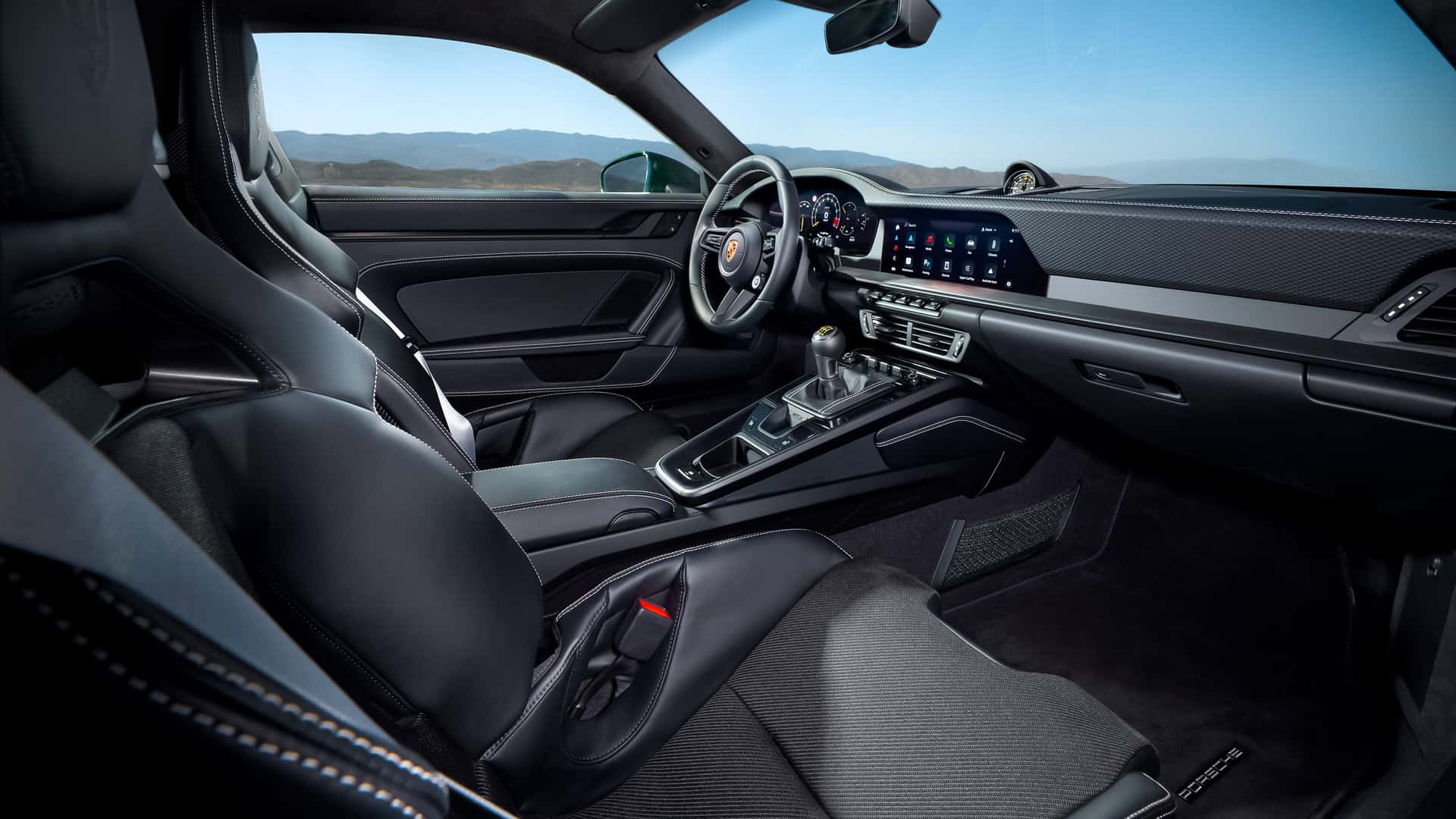
Inside, the GT3 shares many updates with the new 911 Carrera but keeps its ignition switch instead of the newer push-button start. New carbon-fibre bucket seats with folding backrests and optional heating are available, and for the first time, the GT3 Touring can be equipped with rear seats.
Touring
At its lightest, the 2025 GT3 weighs 1,419kg, impressively lean for a modern performance car.
The new 911 GT3 continues Porsche’s legacy of building thrilling, track-focused sports cars, and while it’s an evolution rather than a revolution, it’s a fitting tribute to 25 years of one of the most desirable 911 models.