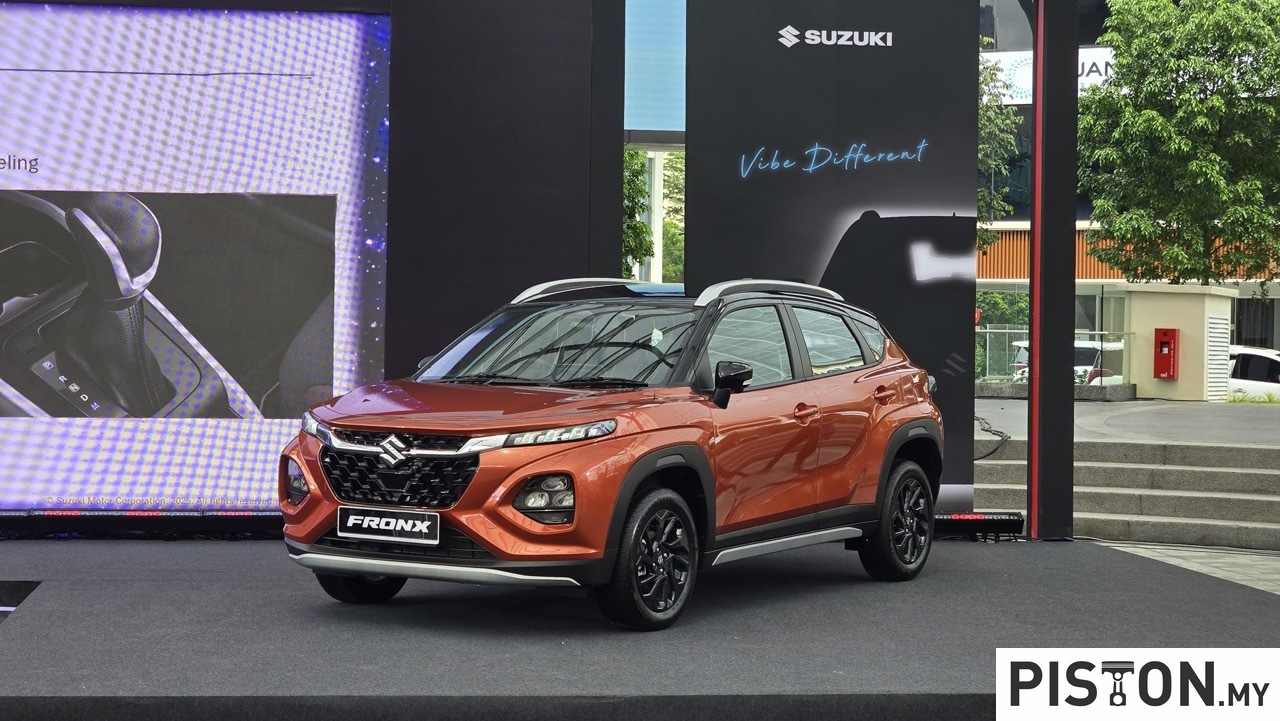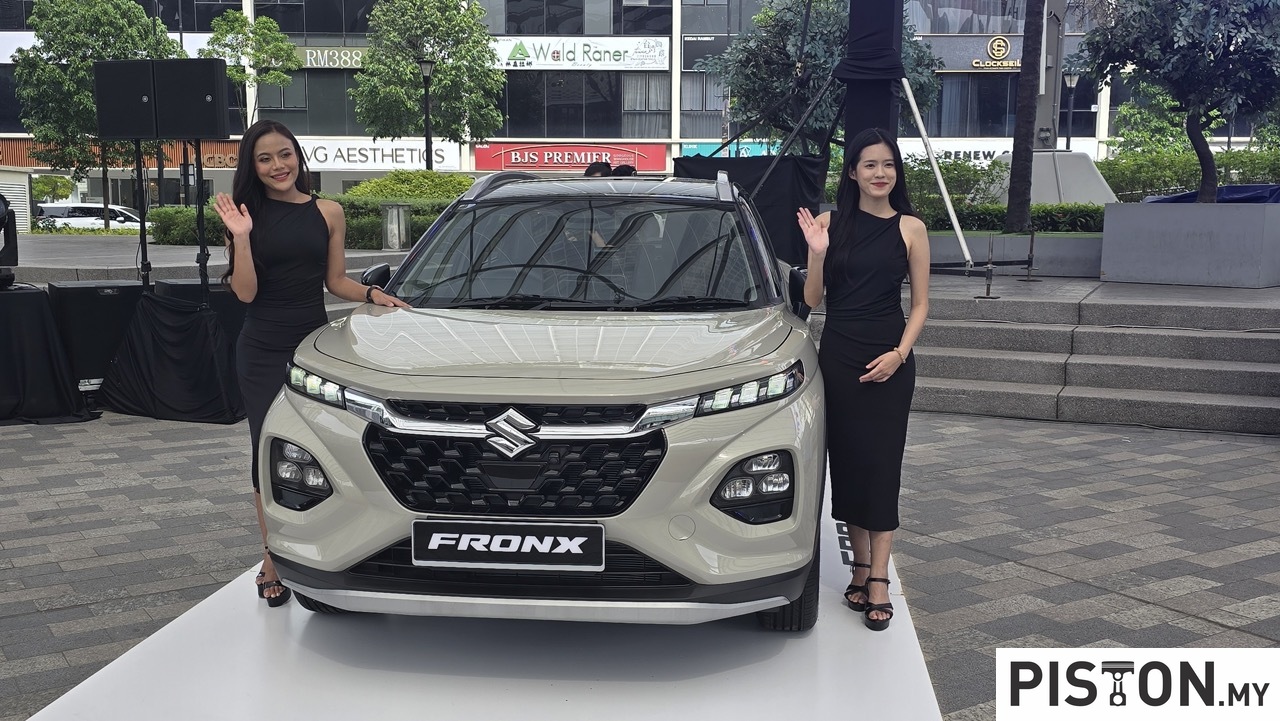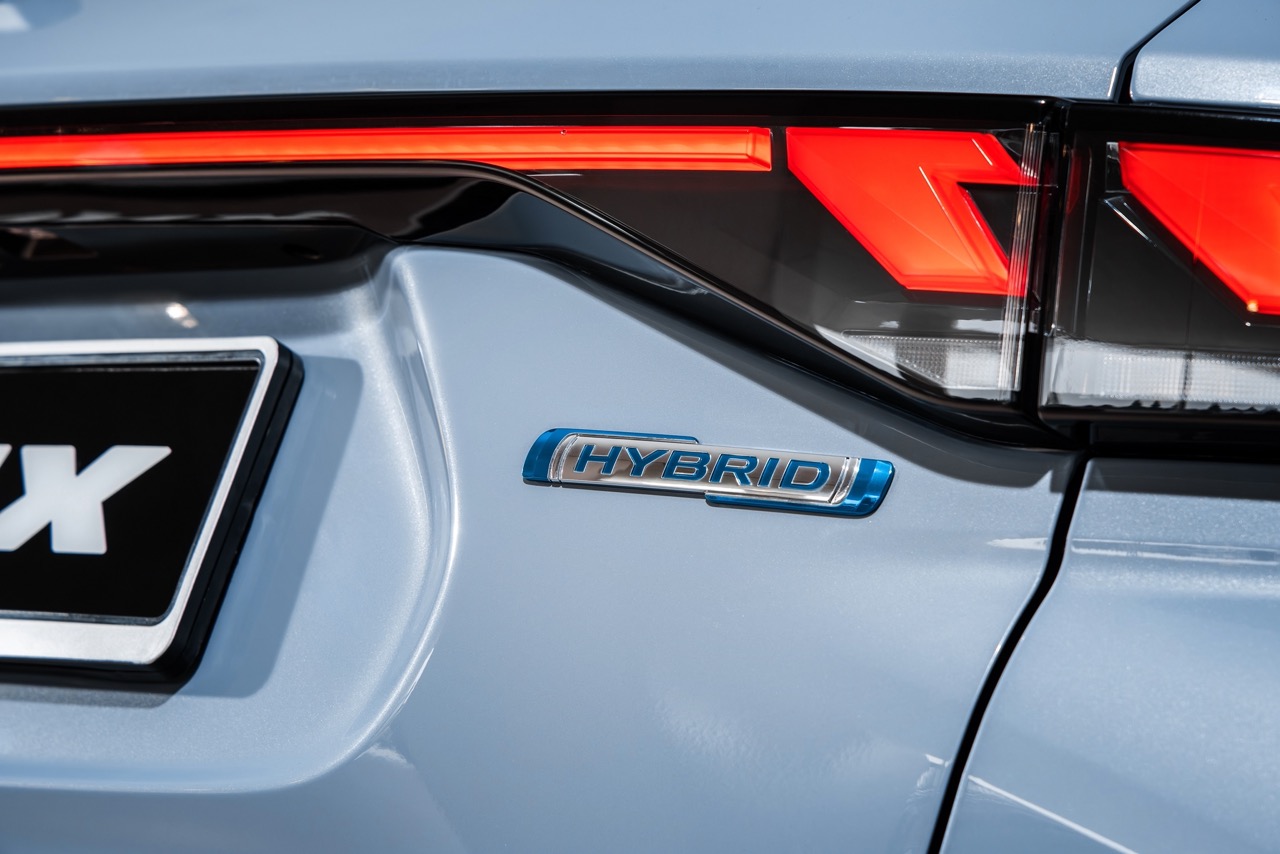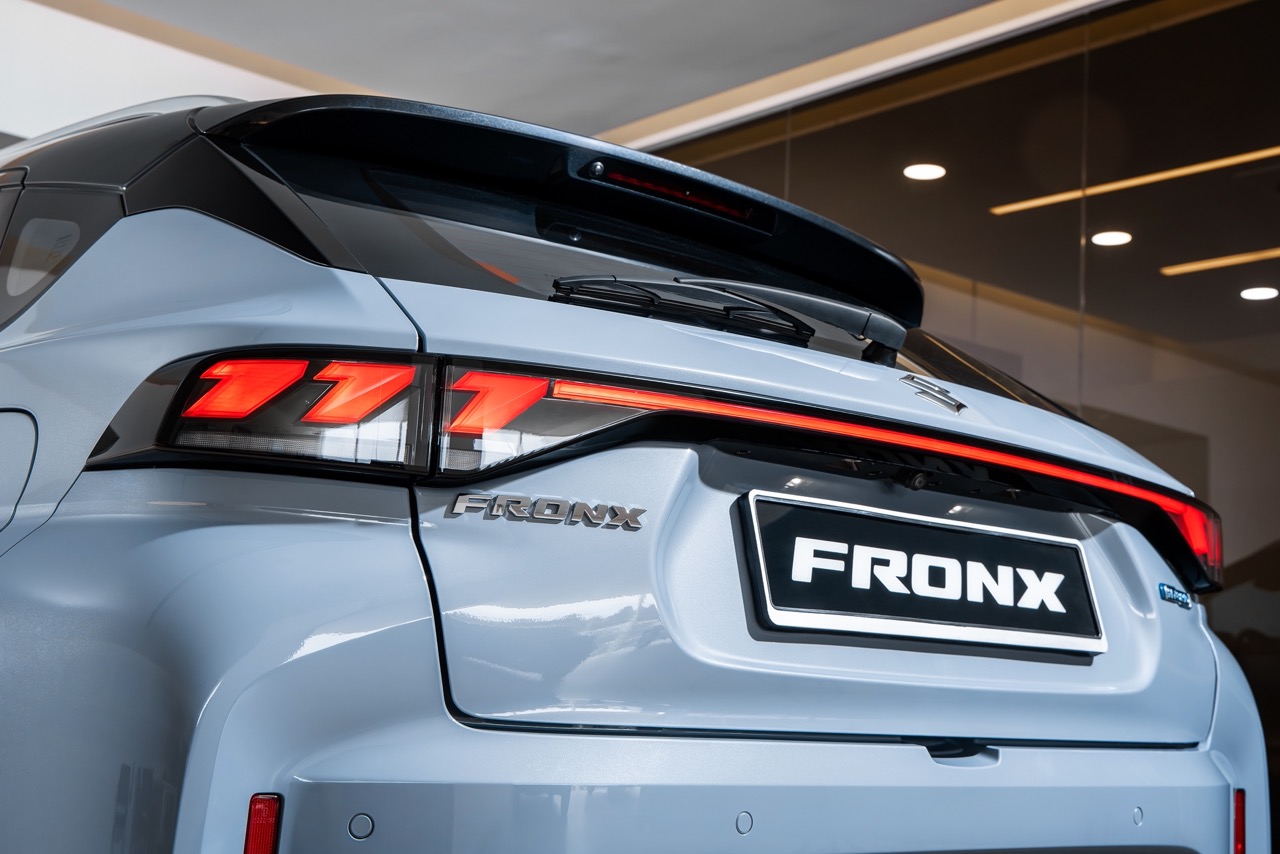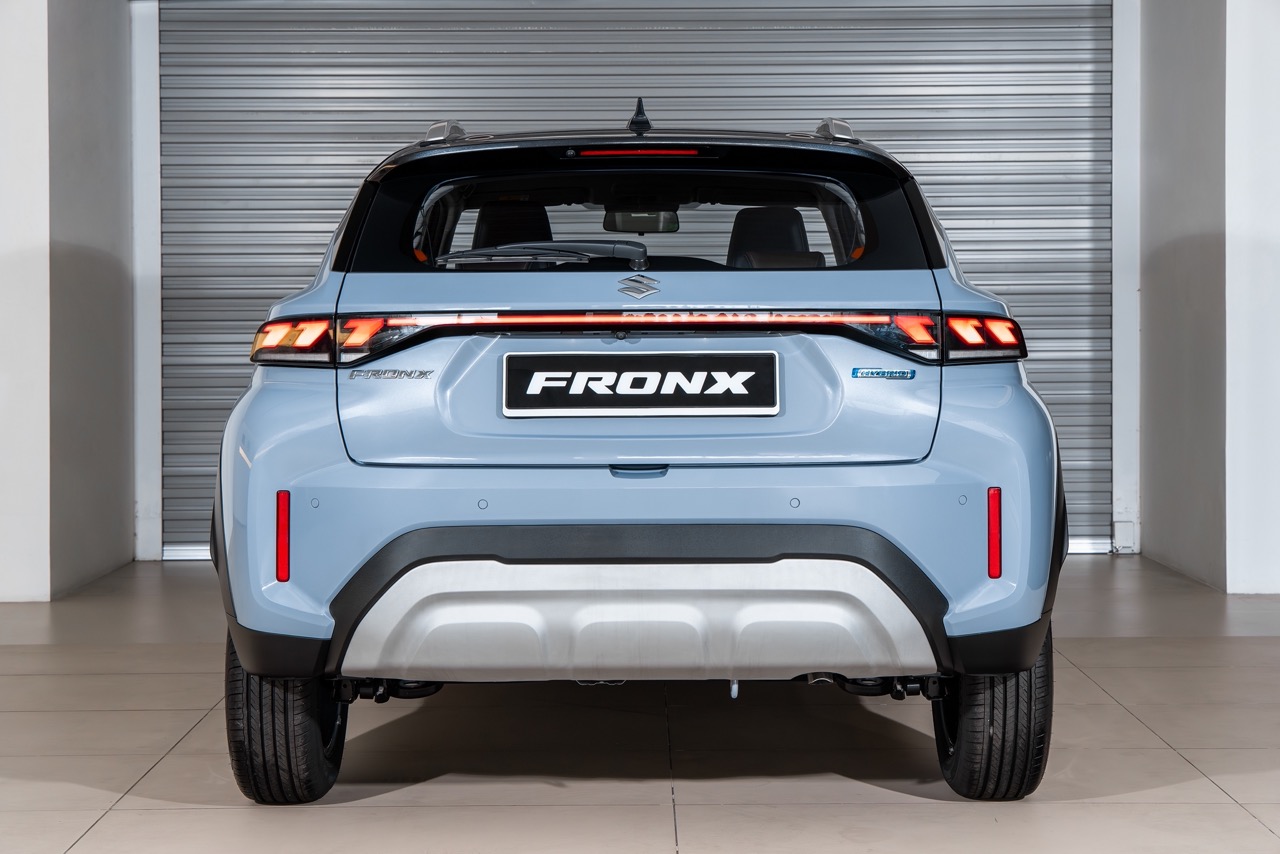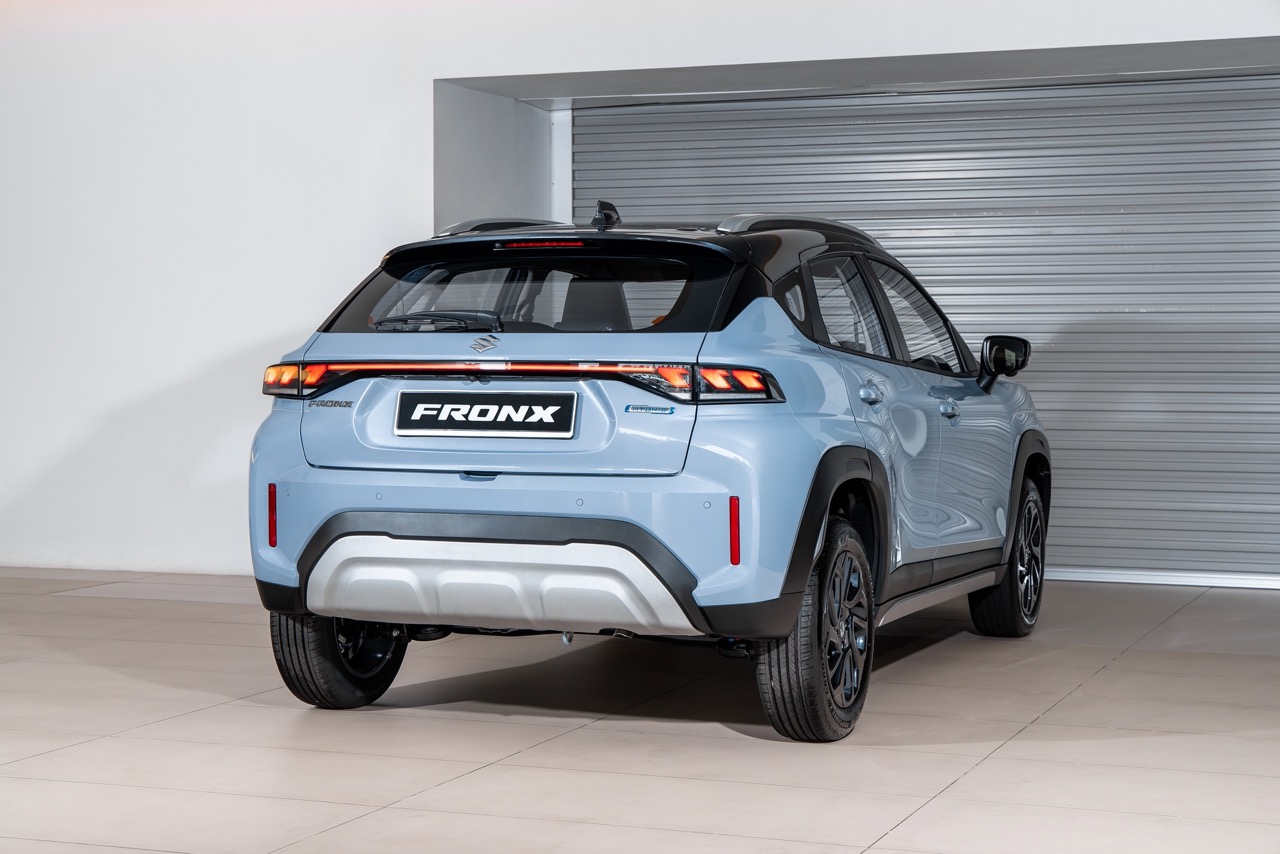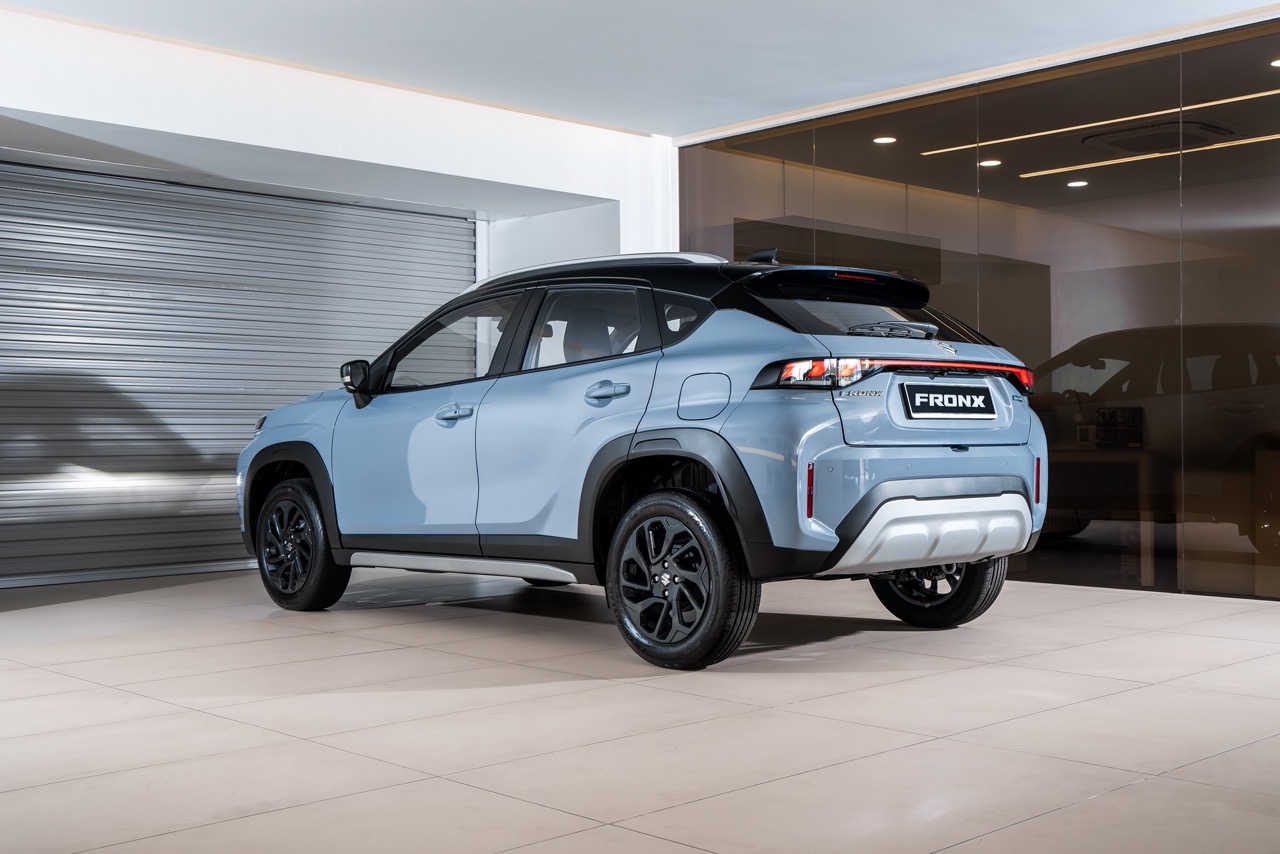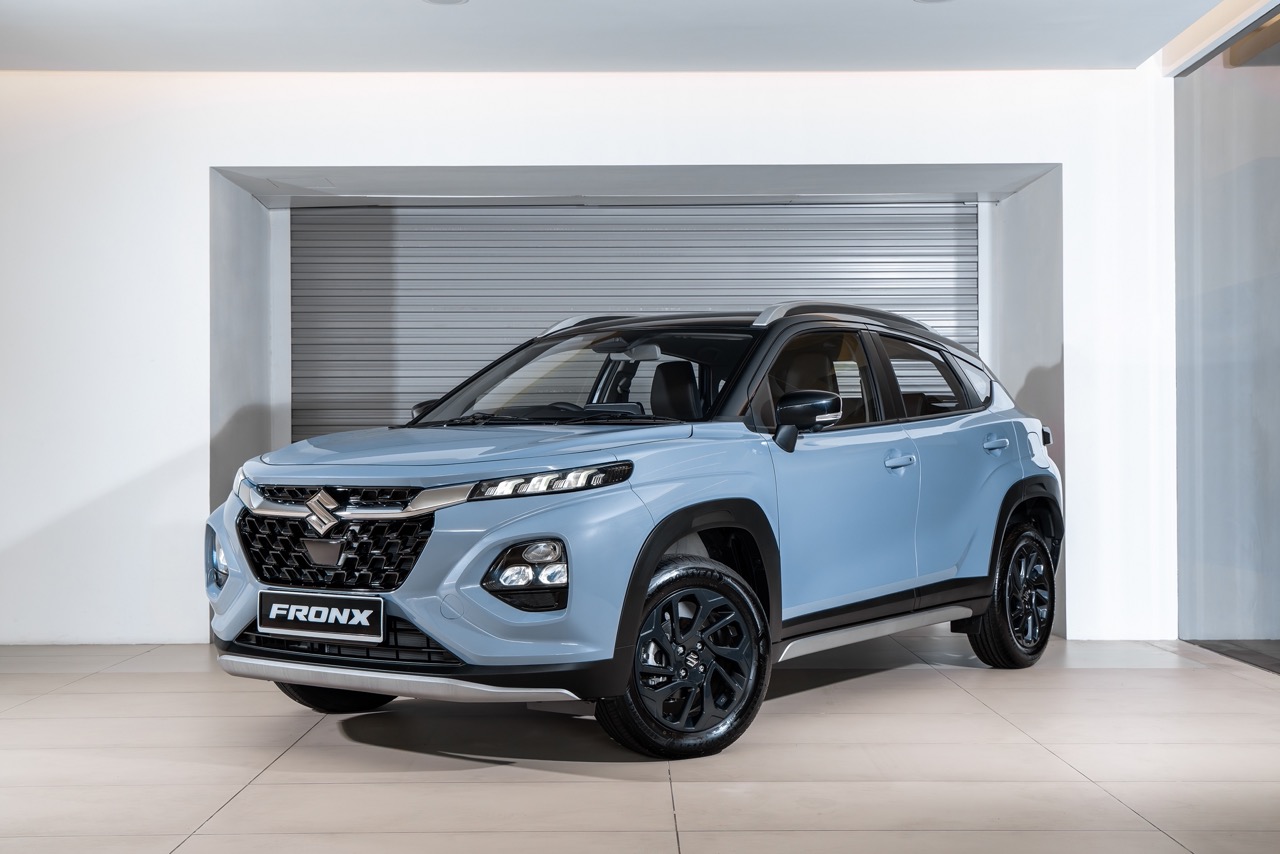


Naza Eastern Motors has pulled the covers off the all-new Suzuki Fronx Hybrid, marking a confident step forward for the brand in Malaysia’s compact SUV landscape. The distributor describes the model as a combination of style, practicality and modern engineering, shaped for drivers who want something distinctive without giving up everyday usability.
The Fronx carries itself with the boldness of an SUV but adopts the smooth, swept-back attitude of a coupe, and it arrives with a five-star ASEAN NCAP rating that places it among the safest in its class.
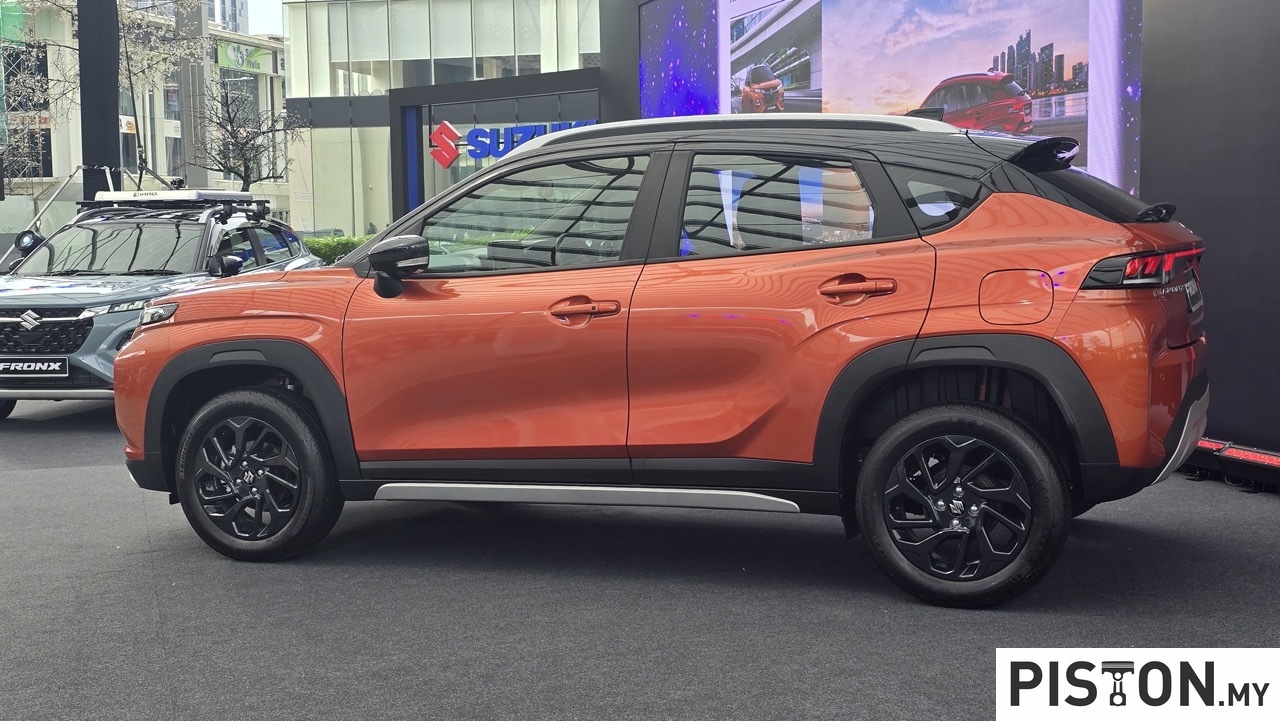
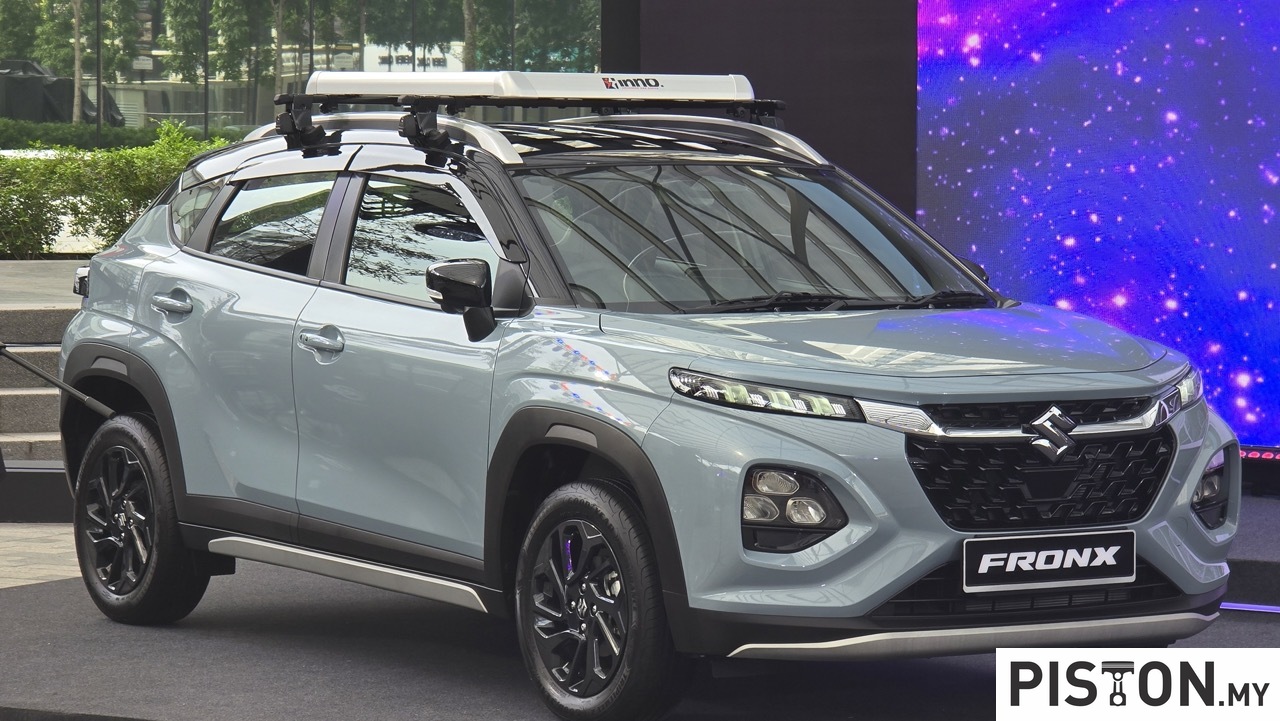
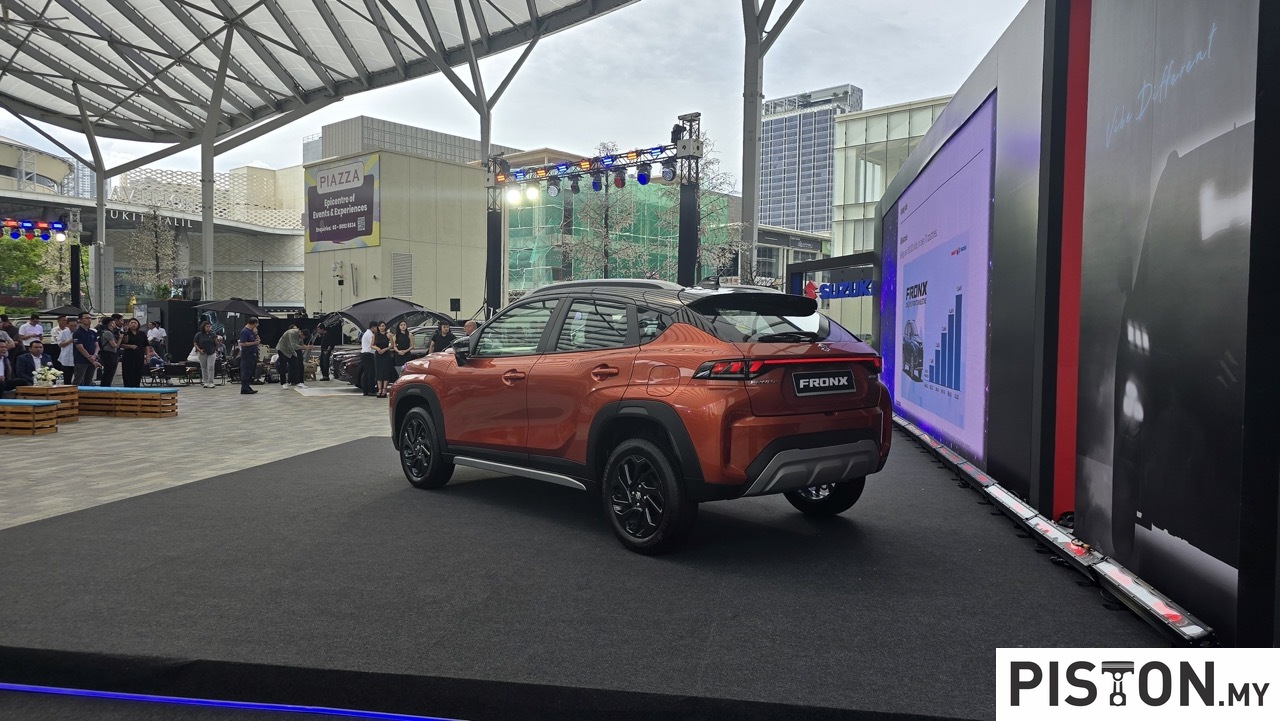
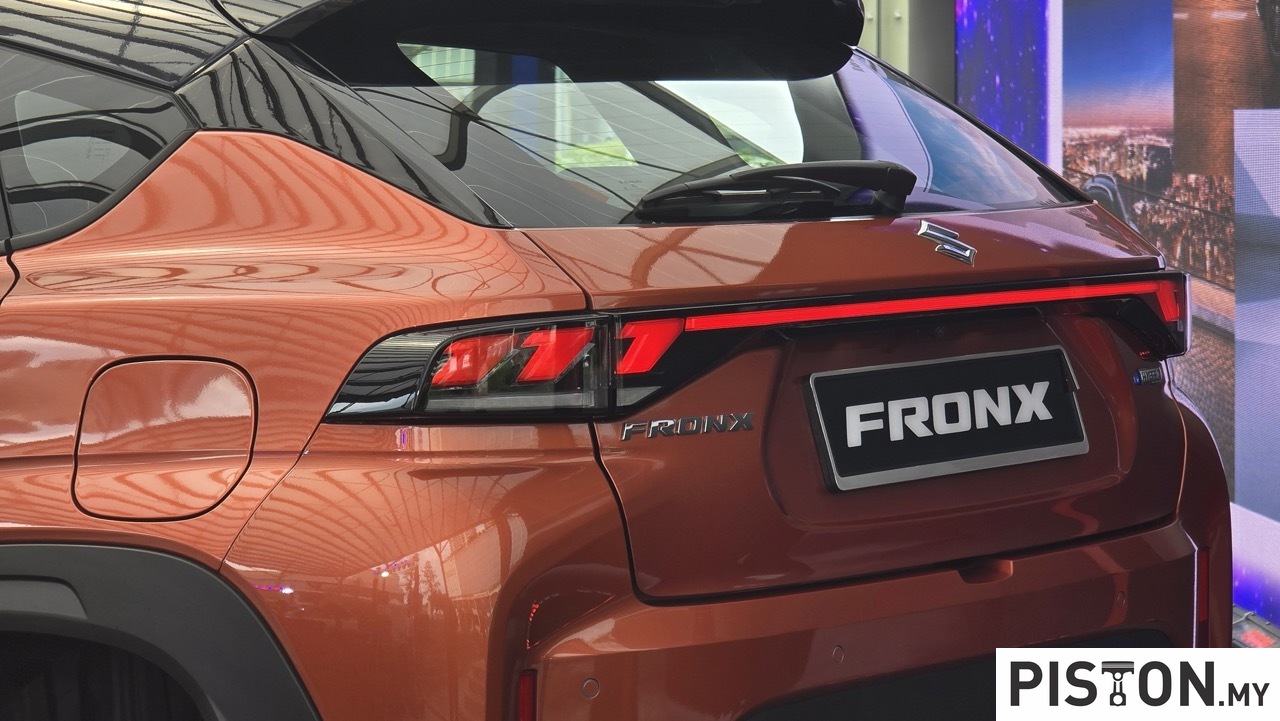
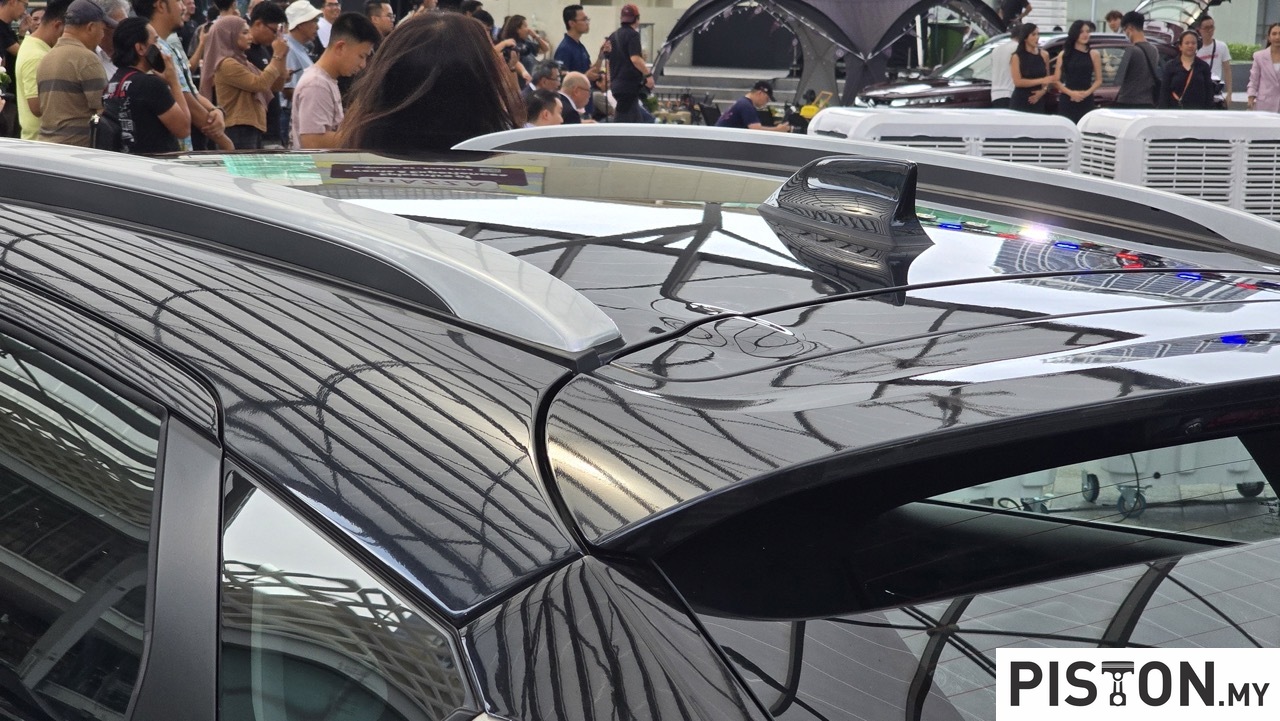
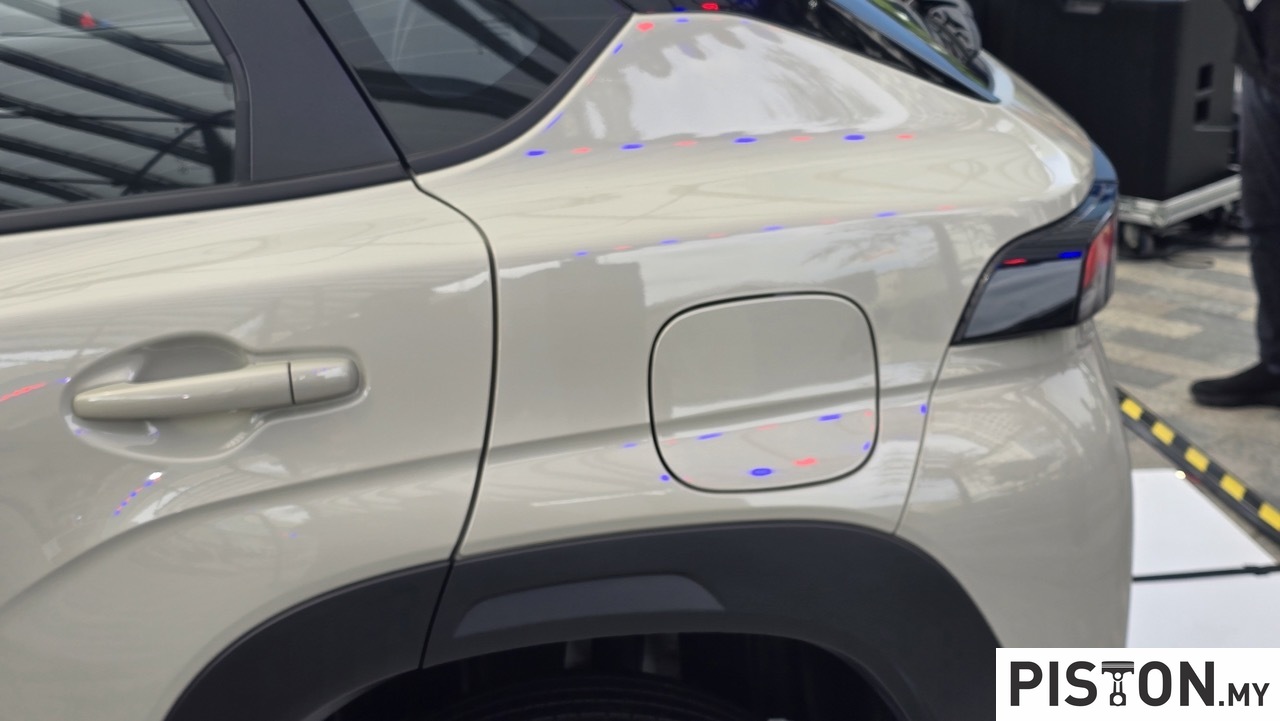
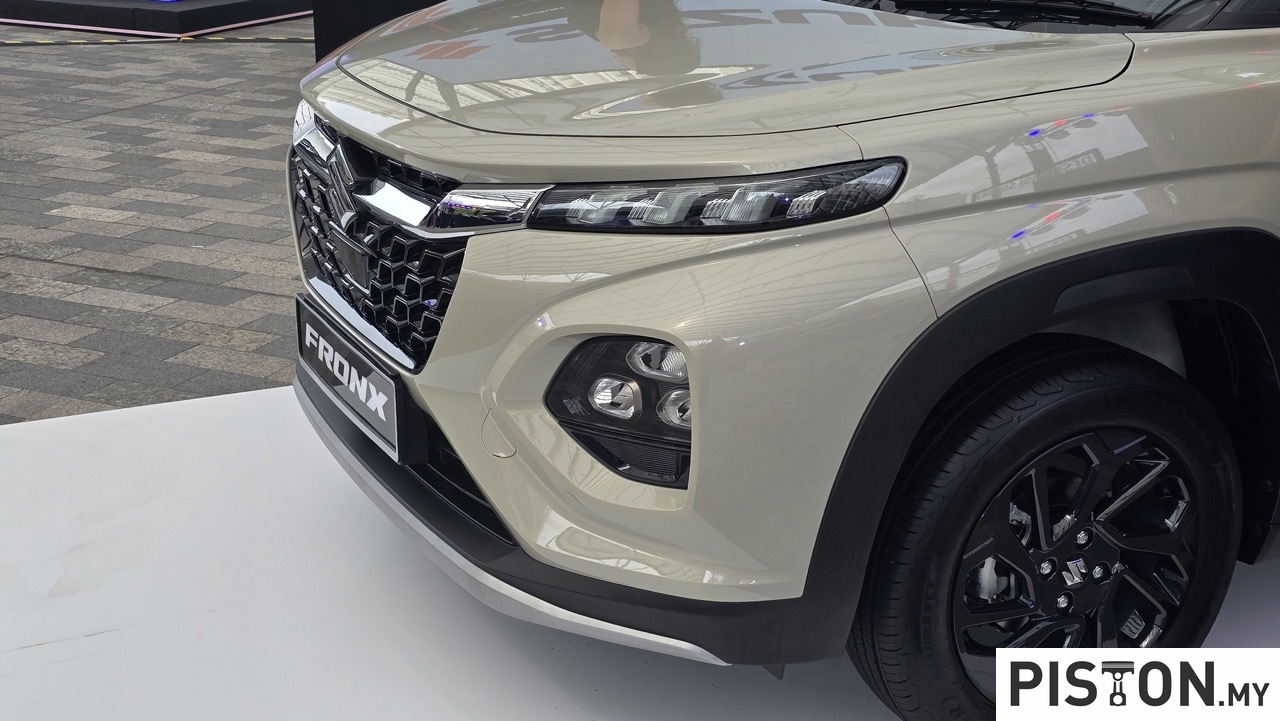
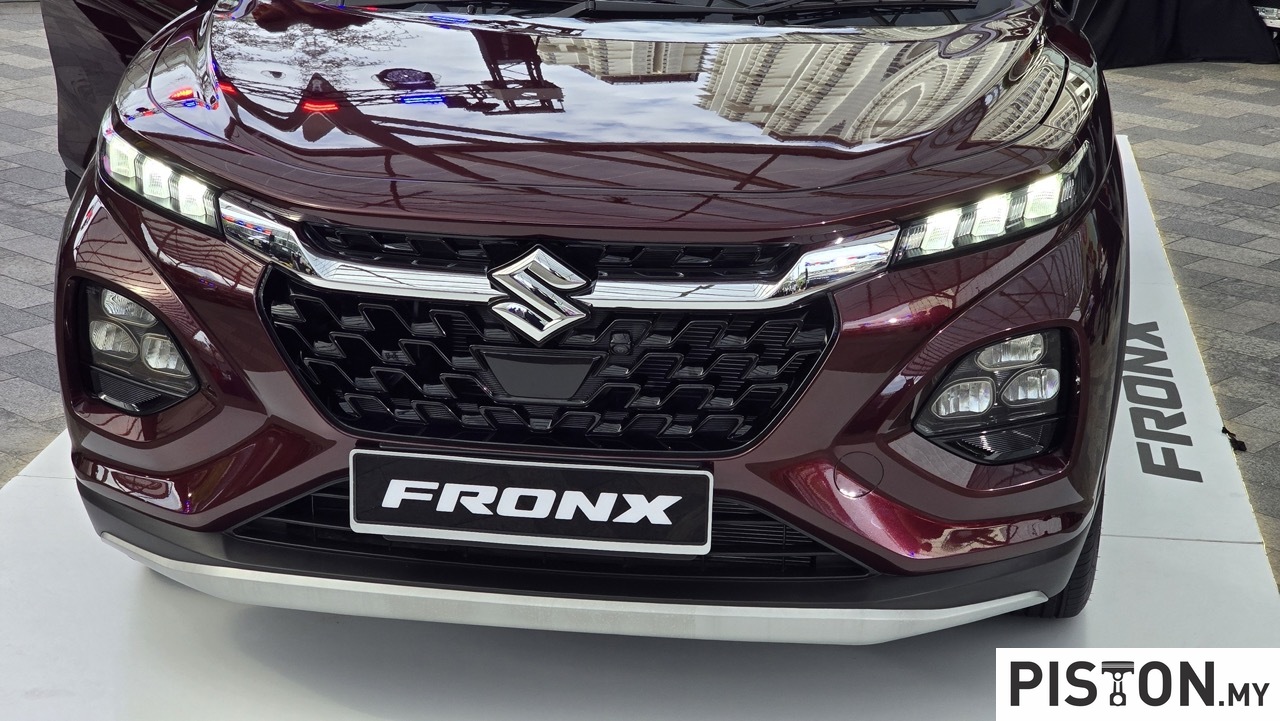
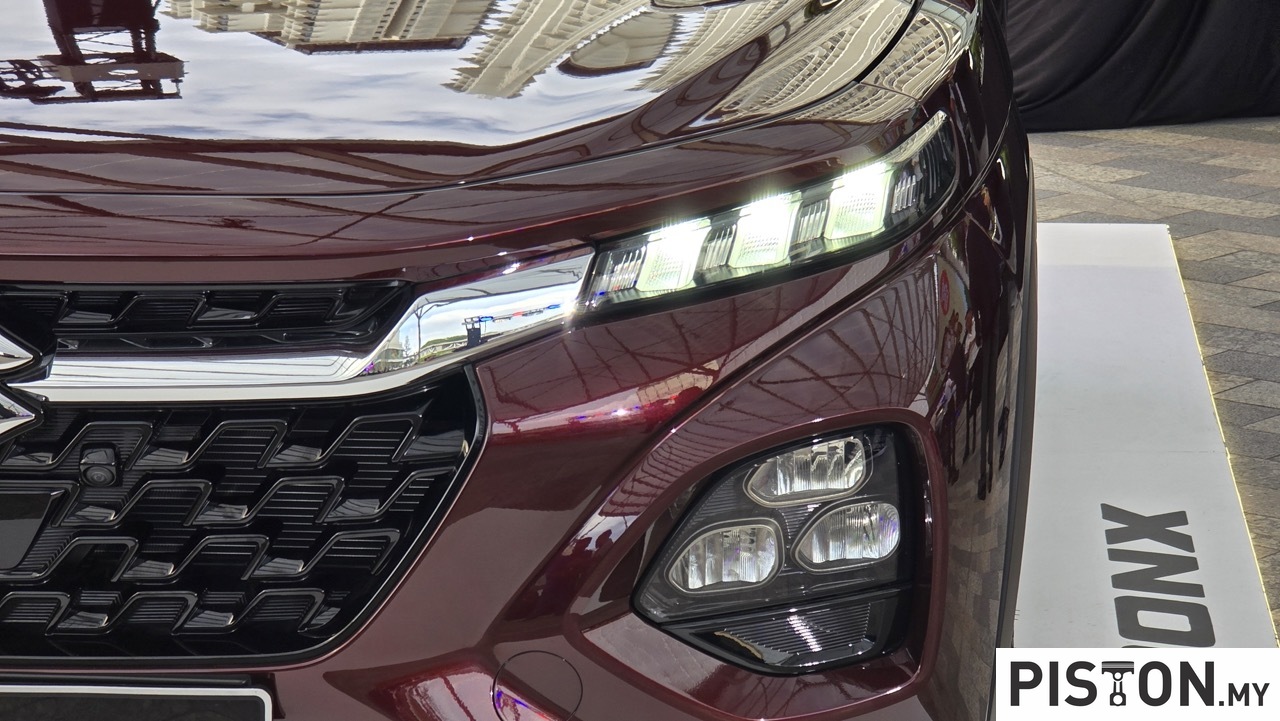
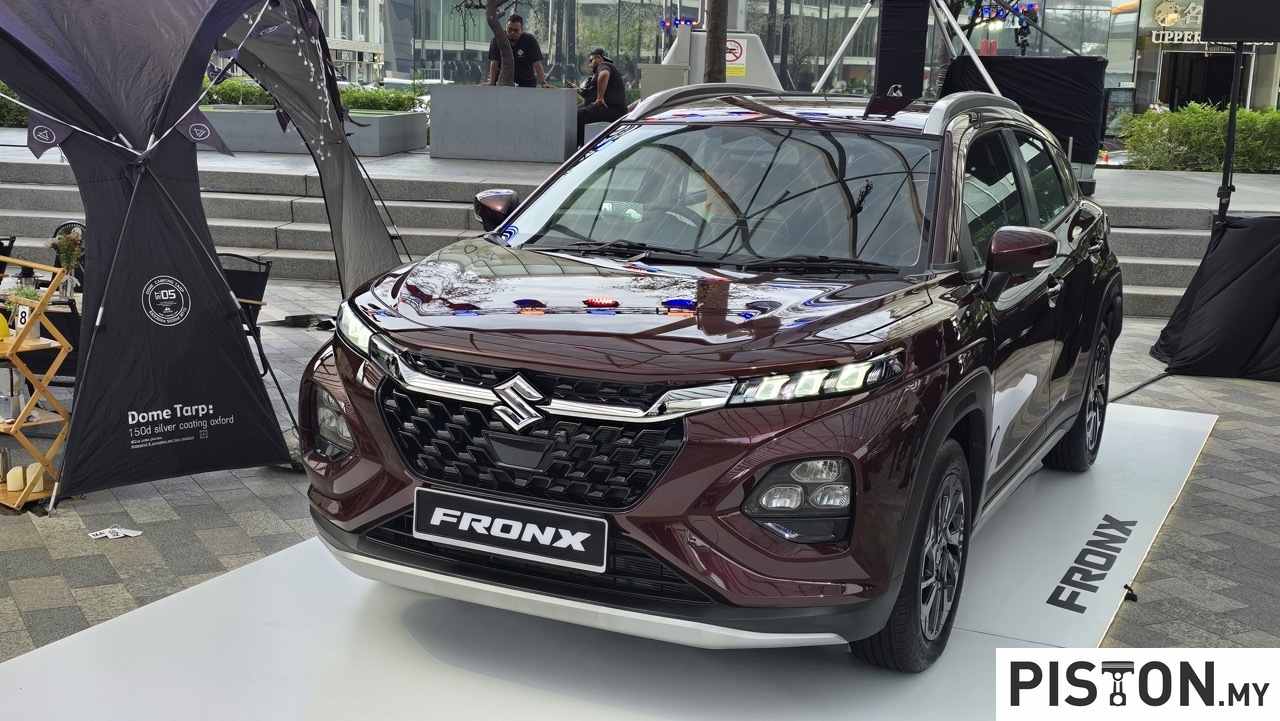
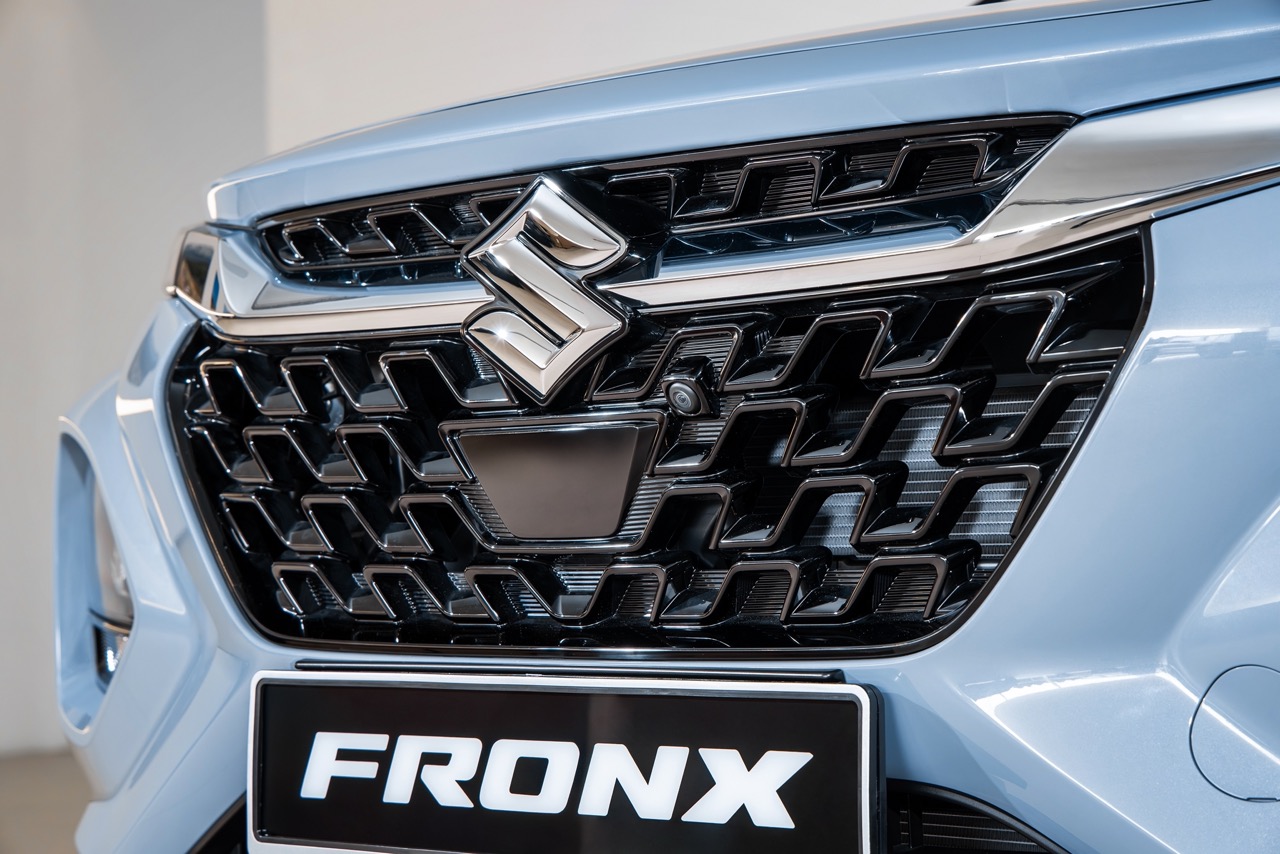
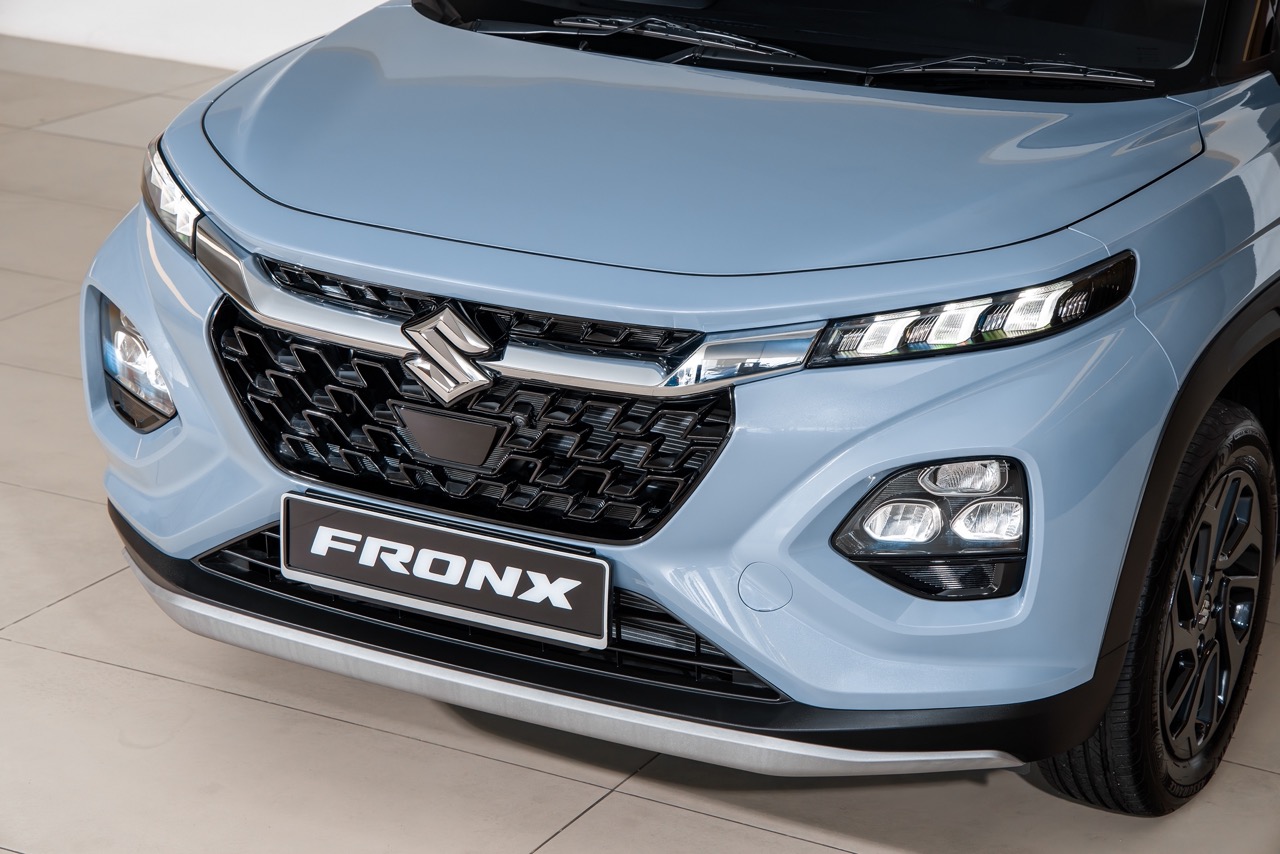
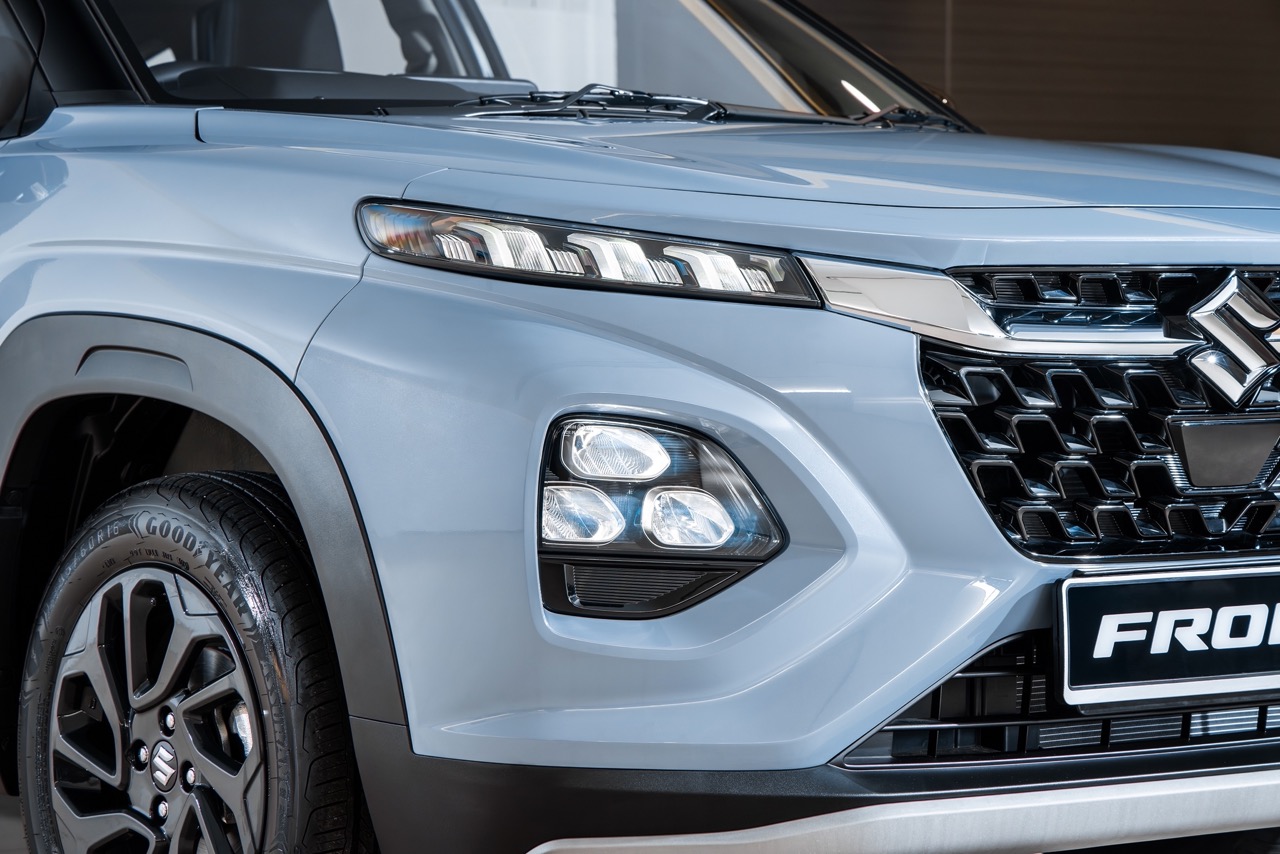
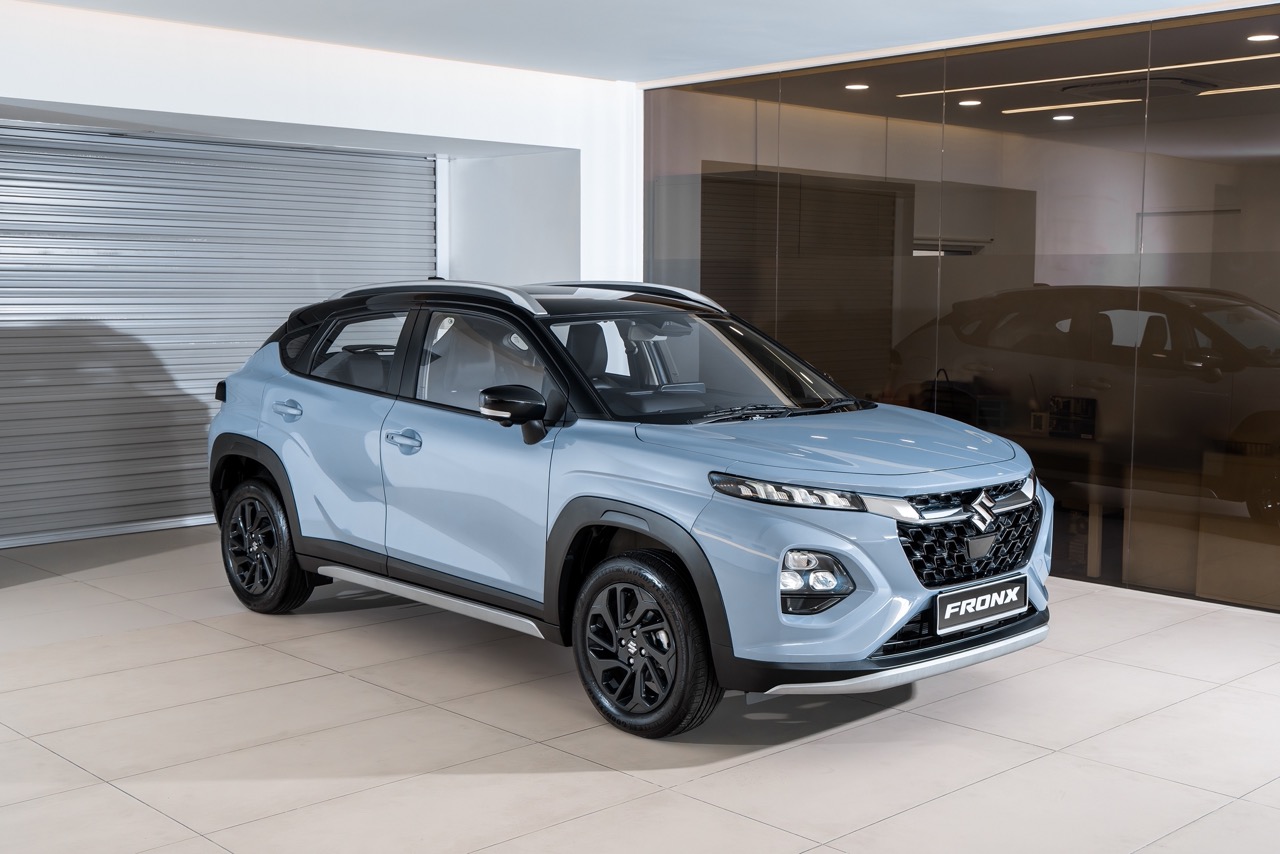
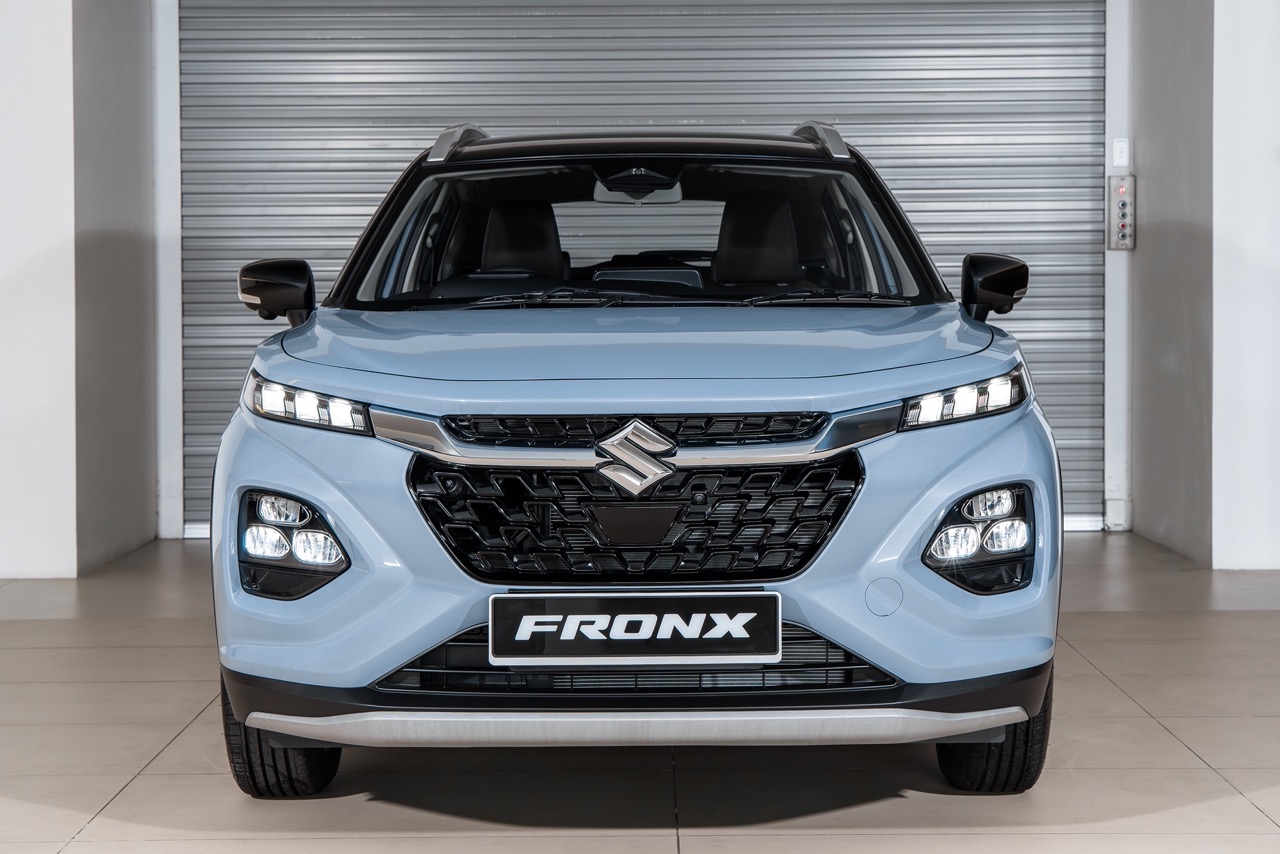
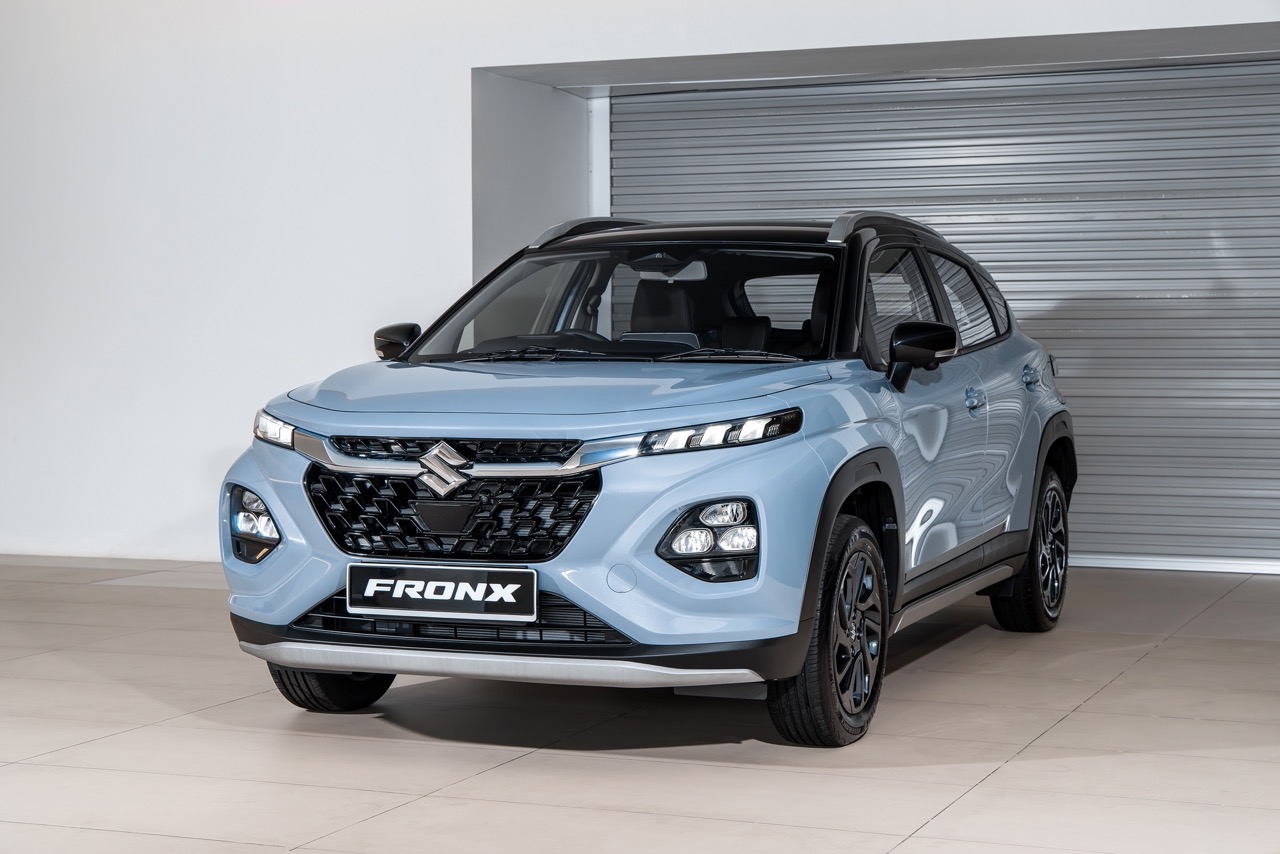
Built around Suzuki’s latest lightweight platform, the Fronx immediately stands out with its sharp front fascia, chrome-detailed grille and LED lighting. The coupe-like roofline and muscular shoulders add a sense of motion even at a standstill, while the protective cladding and skid plates underline its rugged intentions.
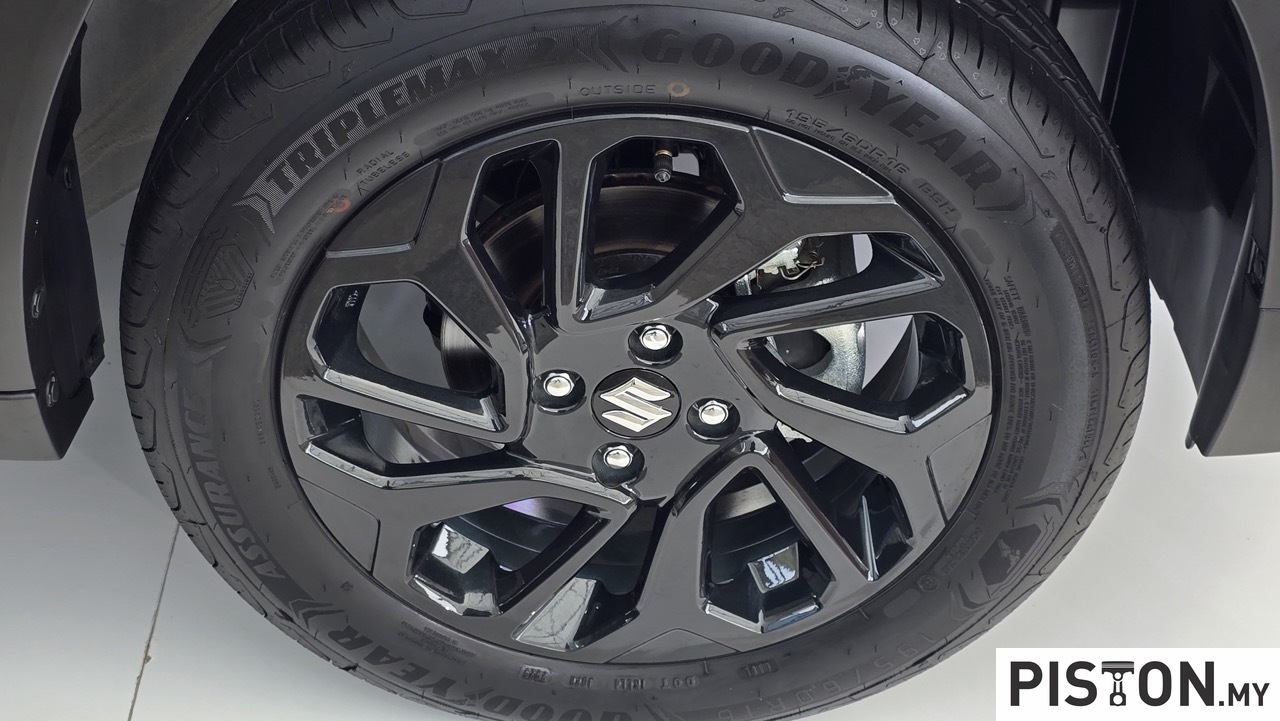
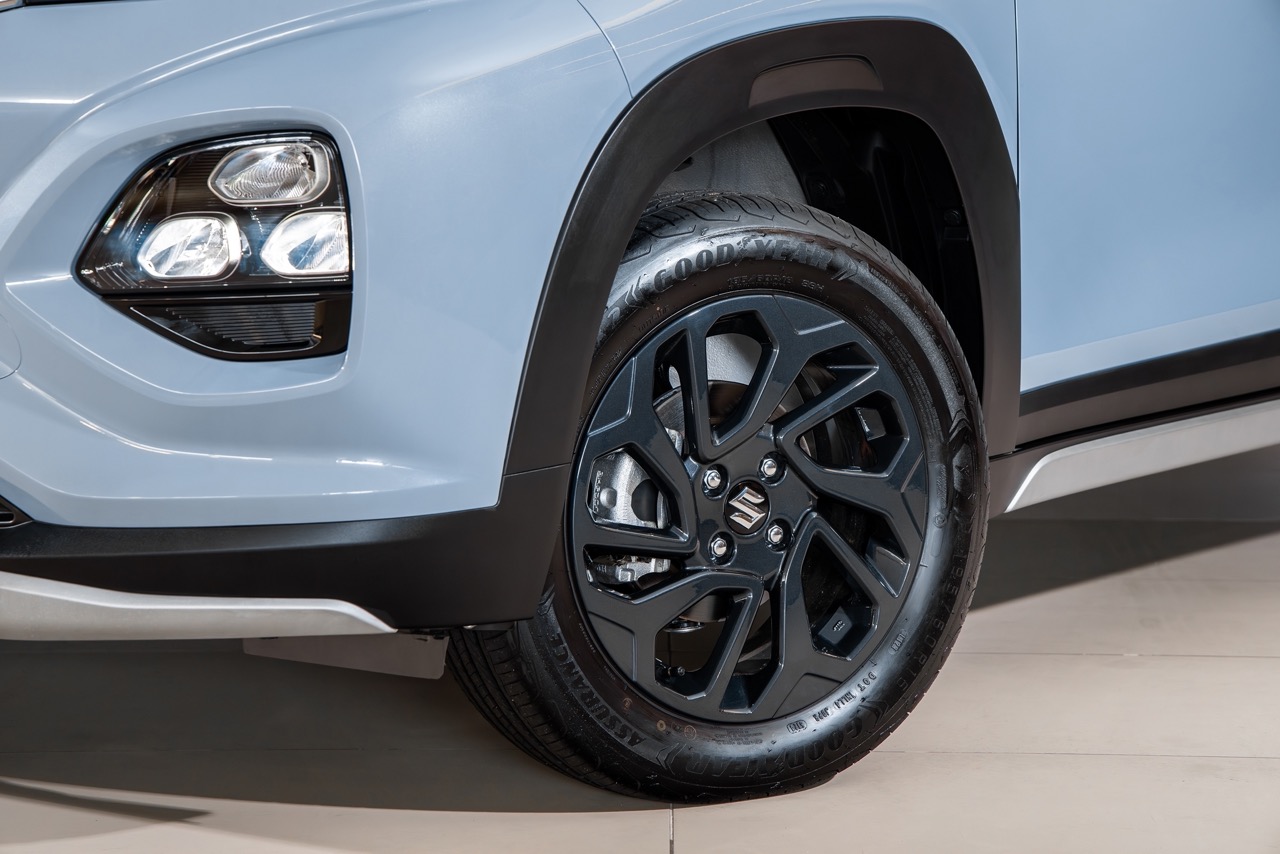
Measuring 3,995 mm in length, 1,550 mm in height, and 1,765 mm in width, with a 2,520 mm wheelbase, the Fronx is approximately the size of the Perodua Ativa, striking a balance between city-friendly dimensions and a confident, planted stance. Buyers will have a range of two-tone and single-tone body colours, paired with 16-inch alloys that round off the SUV’s energetic appearance.

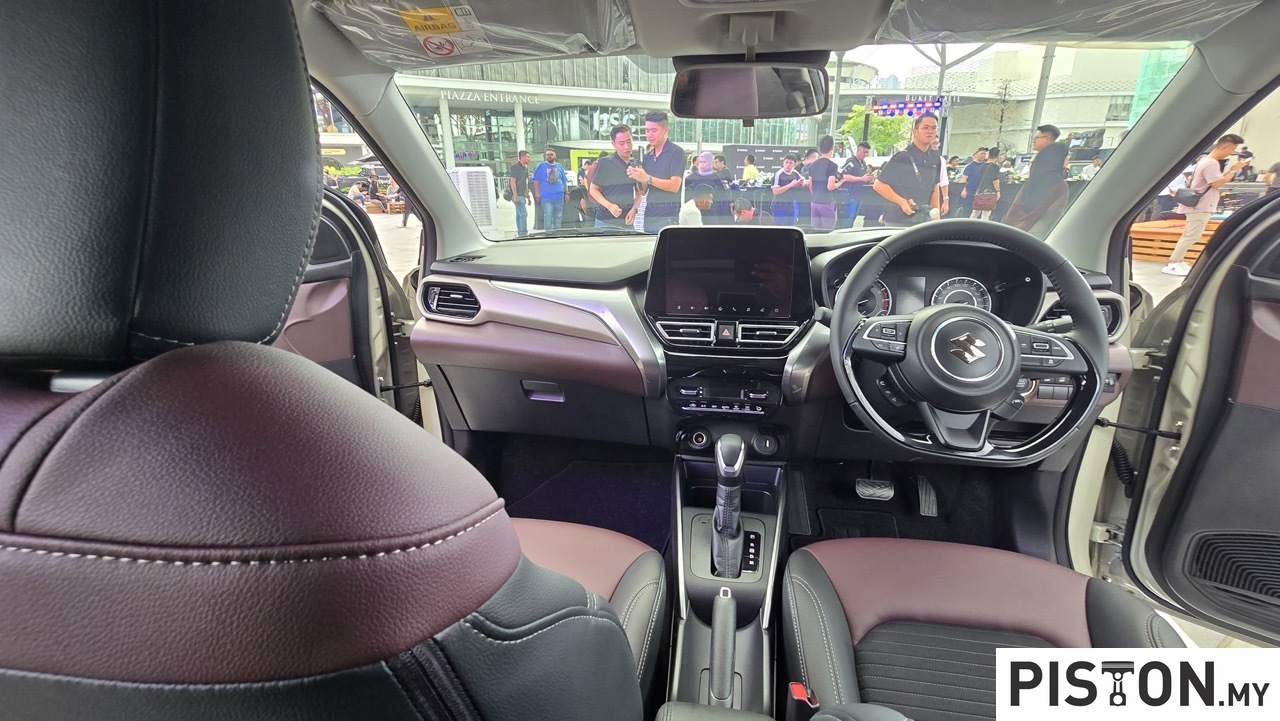
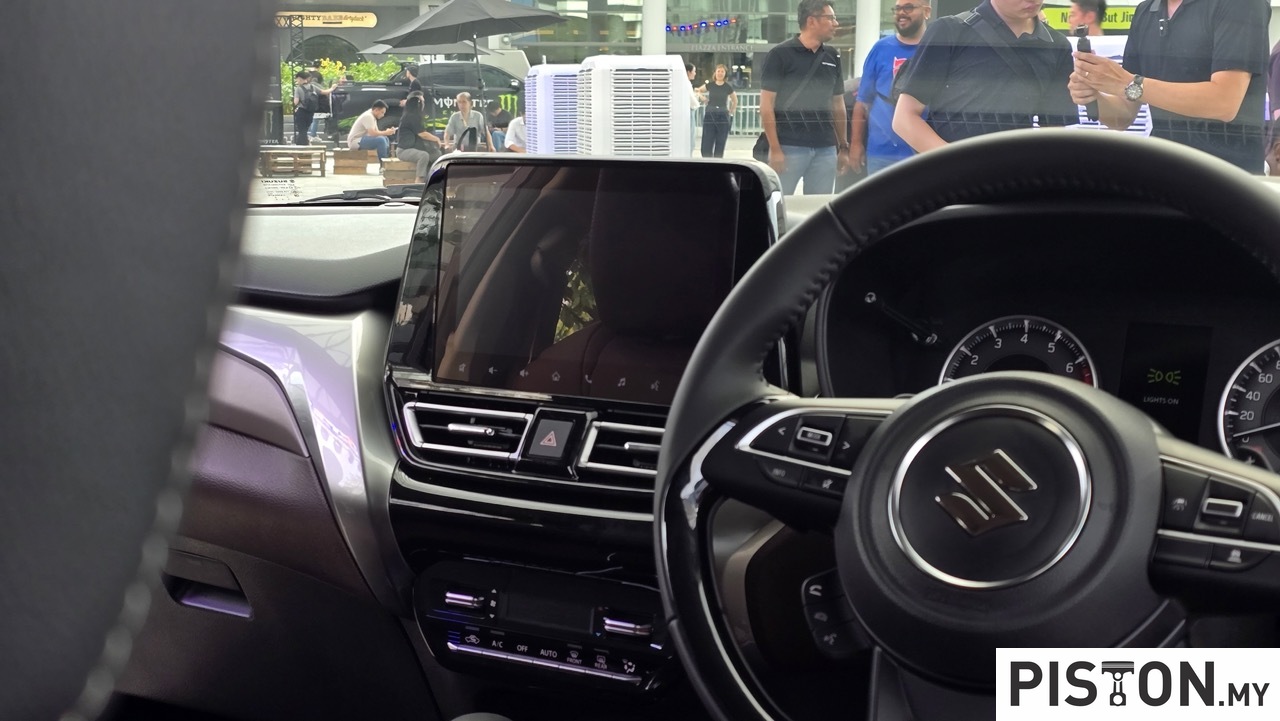
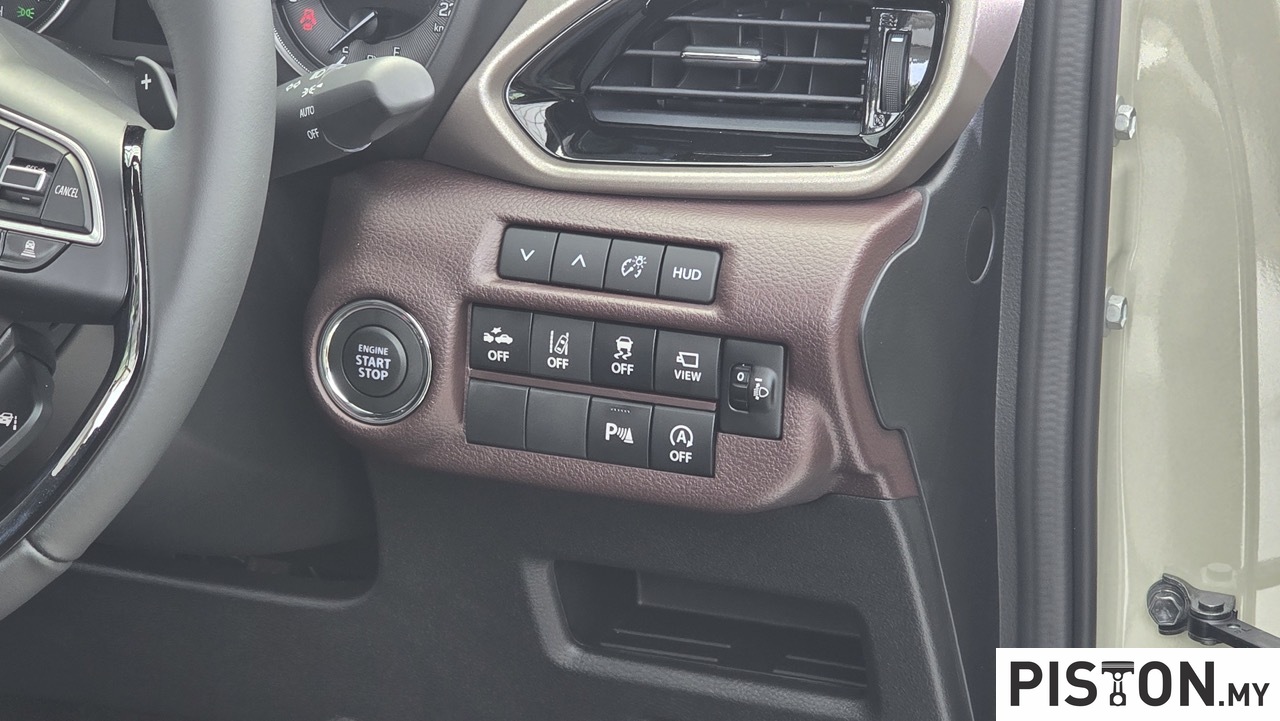
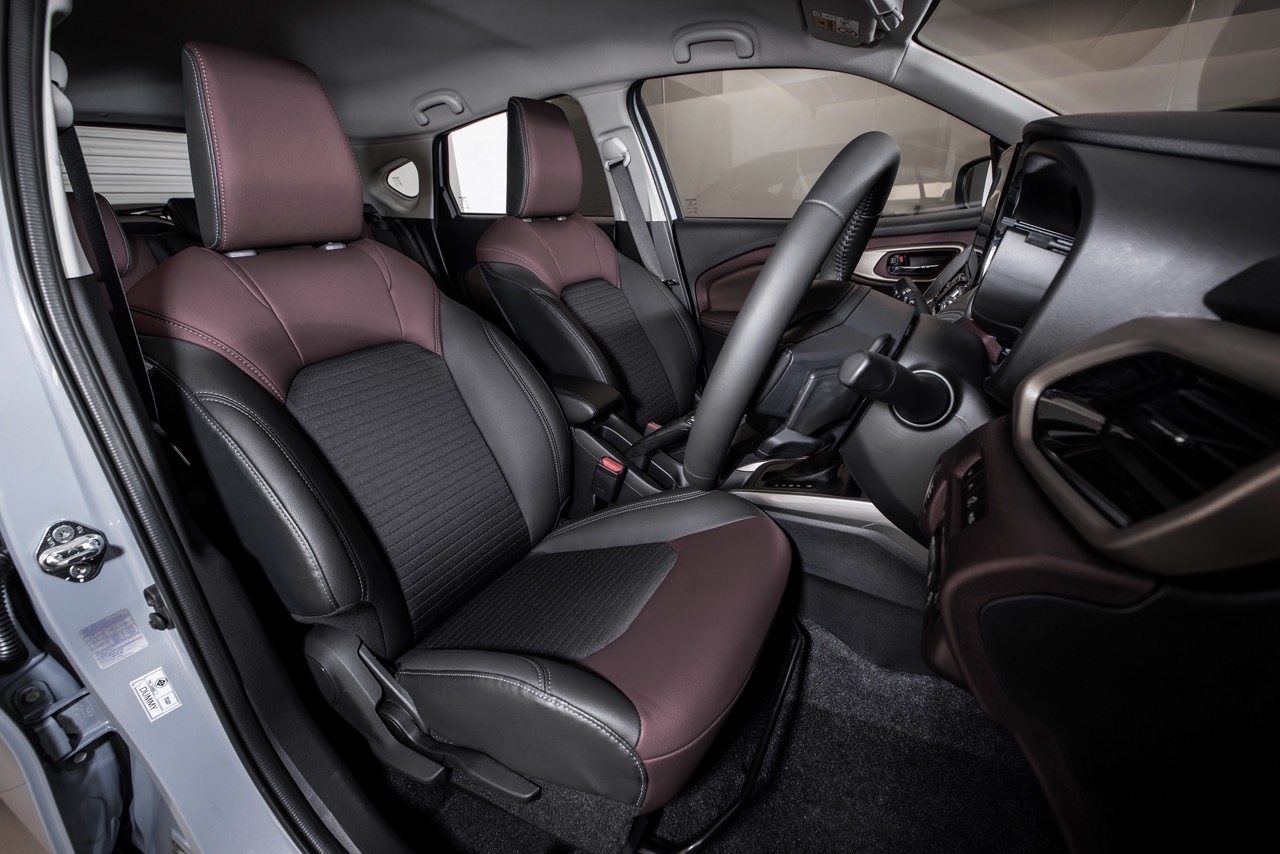
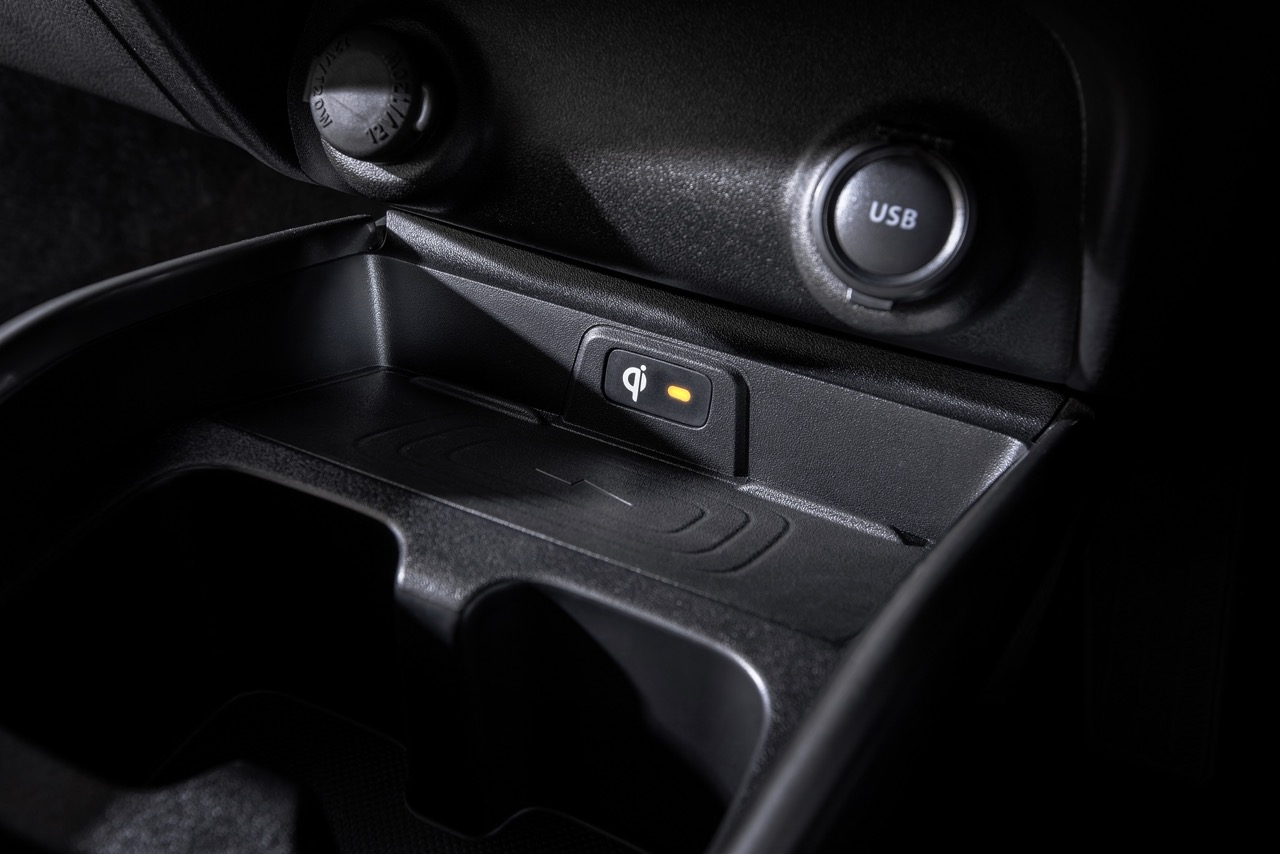
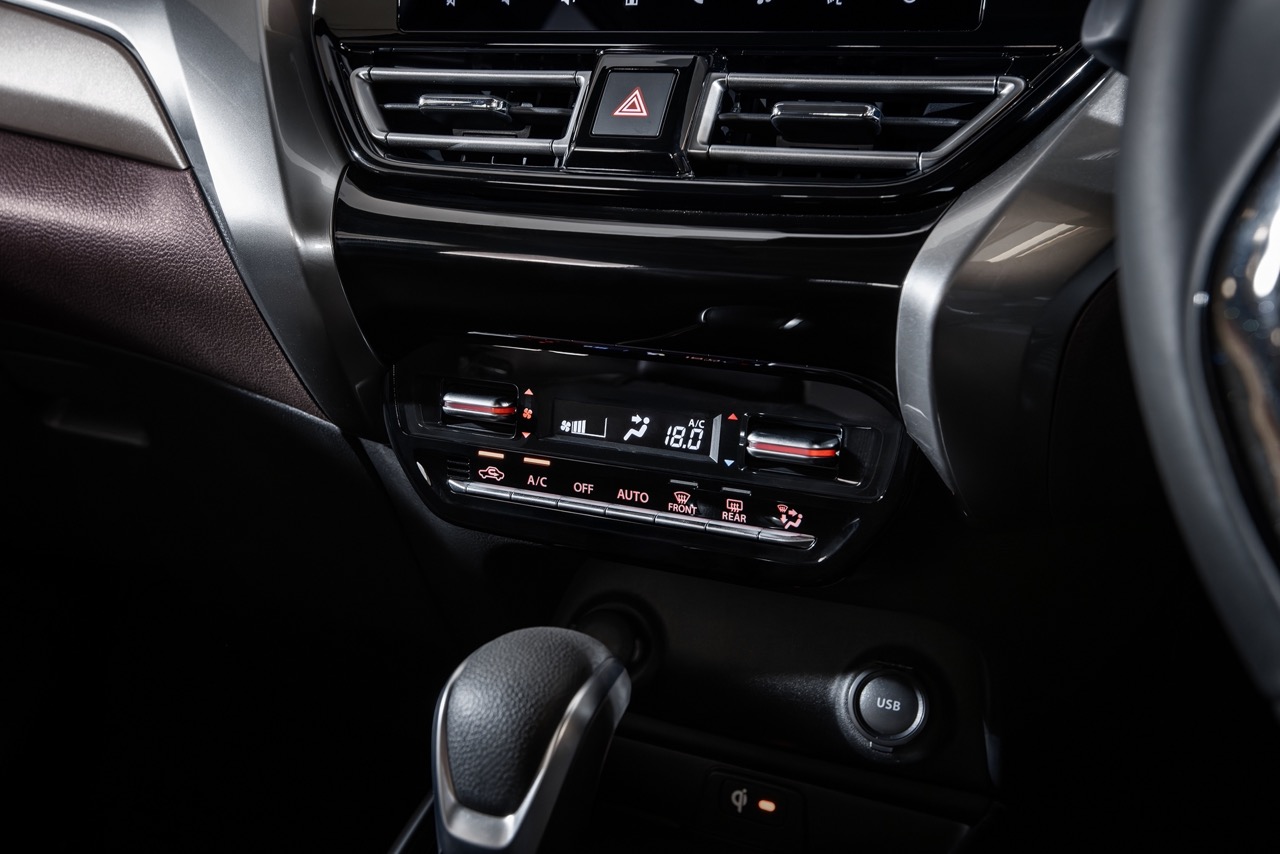
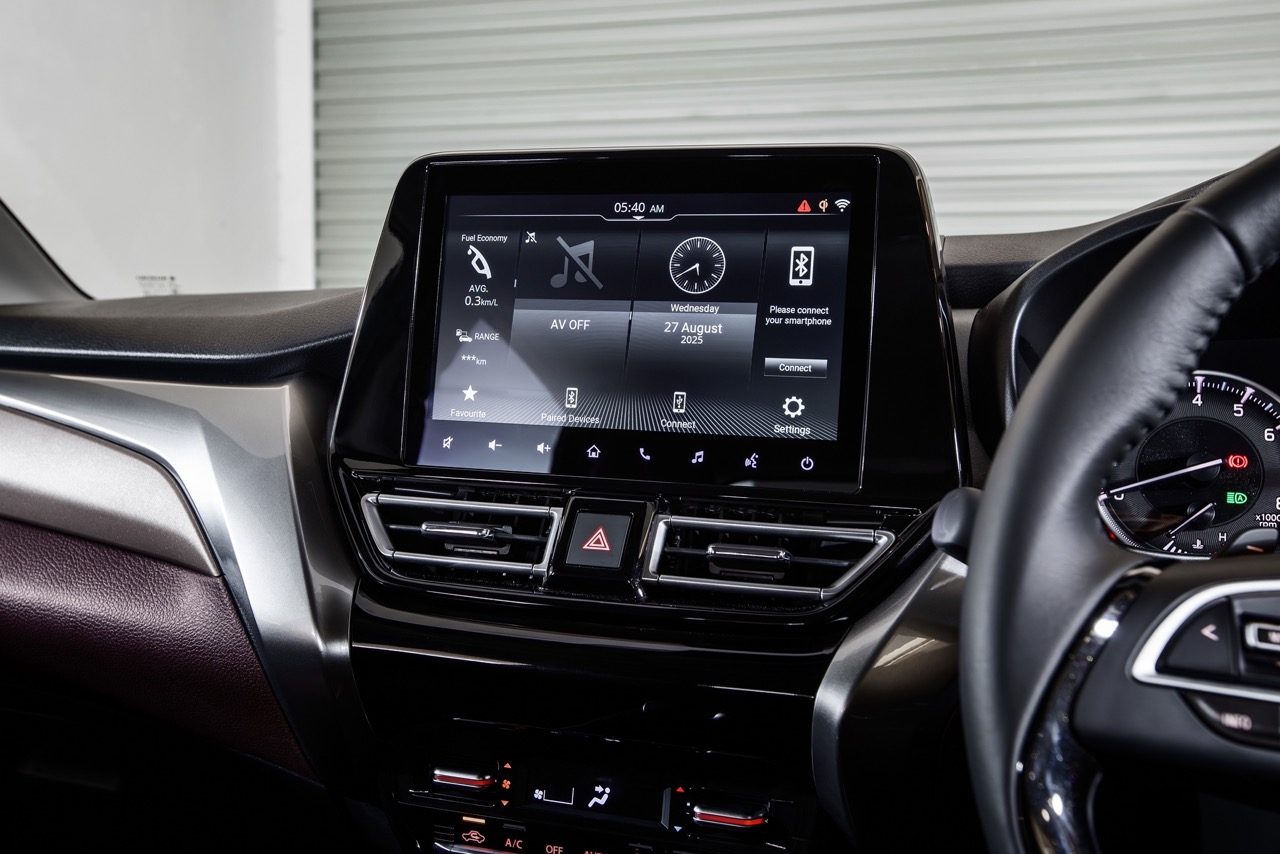
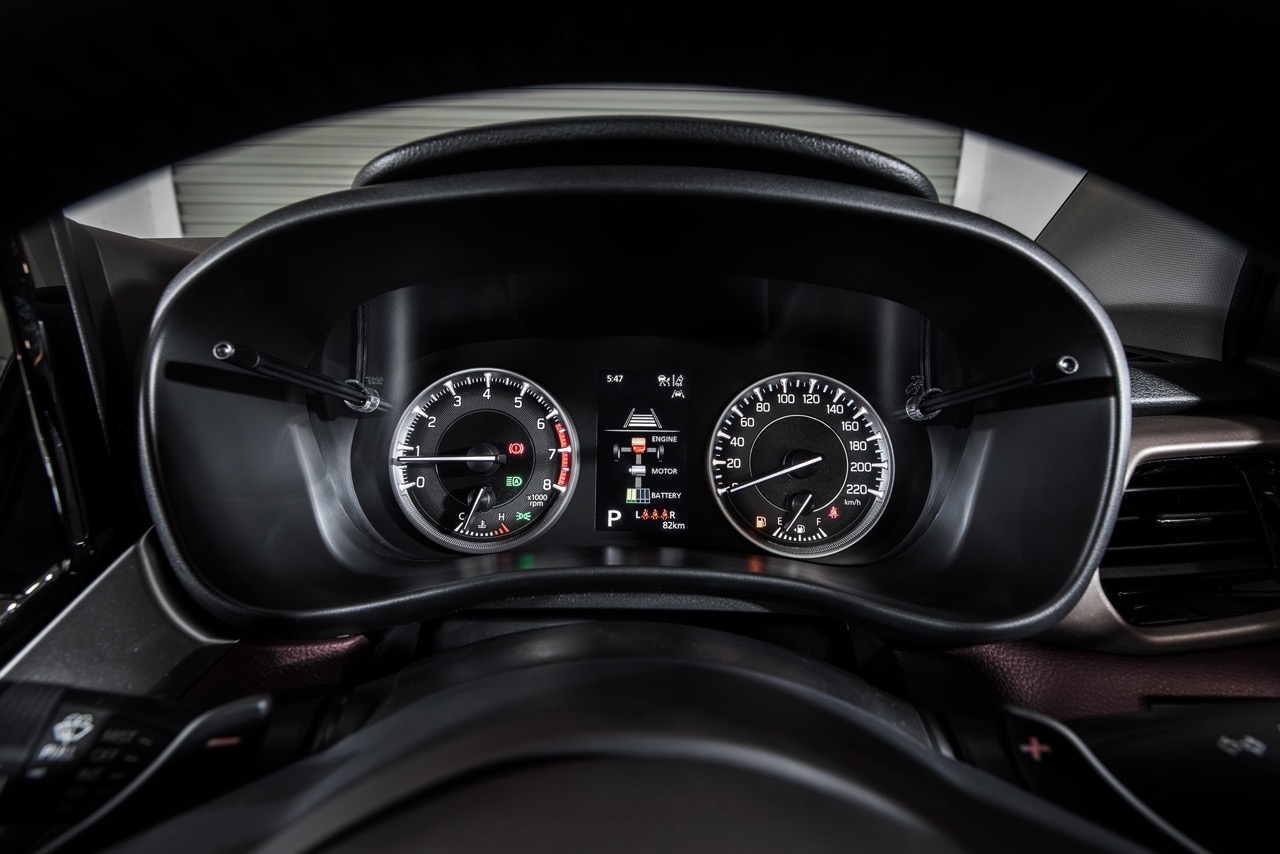
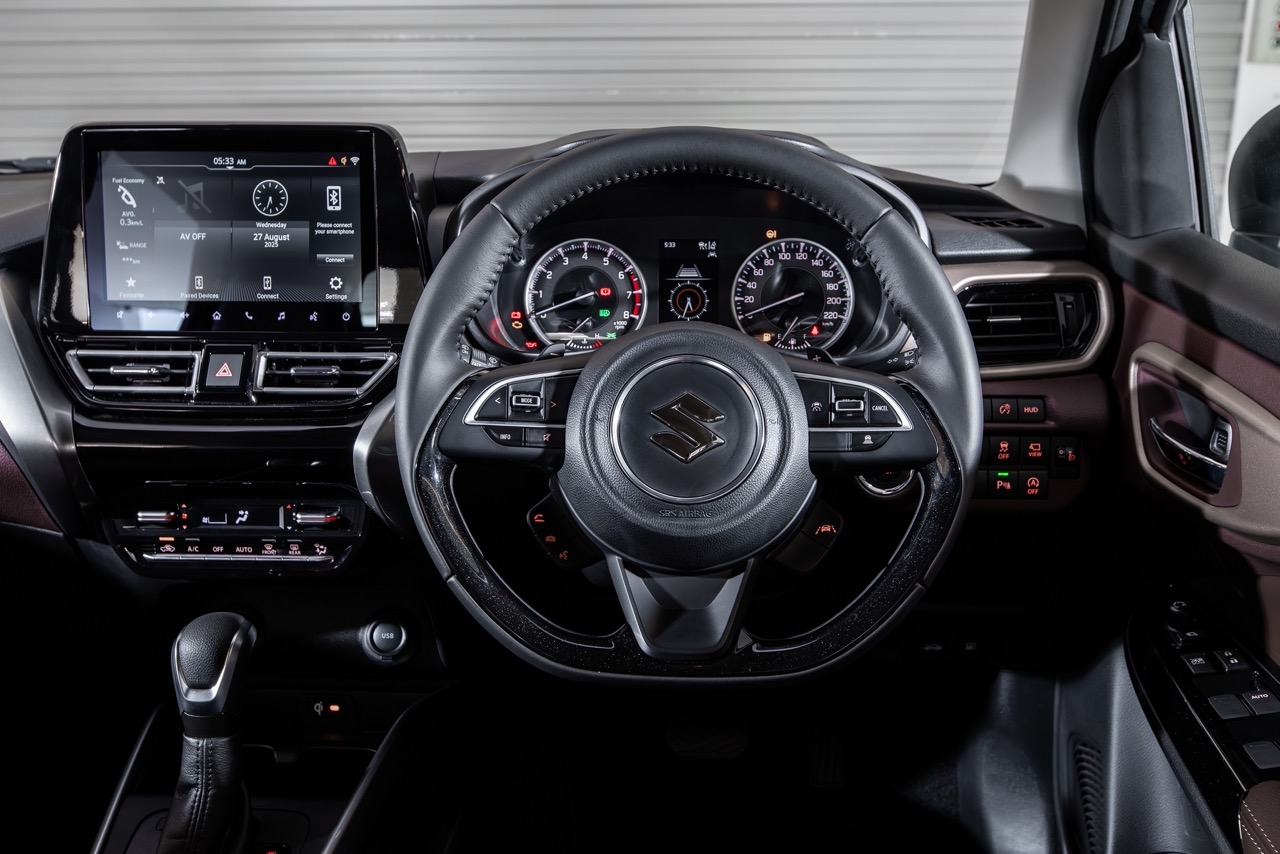
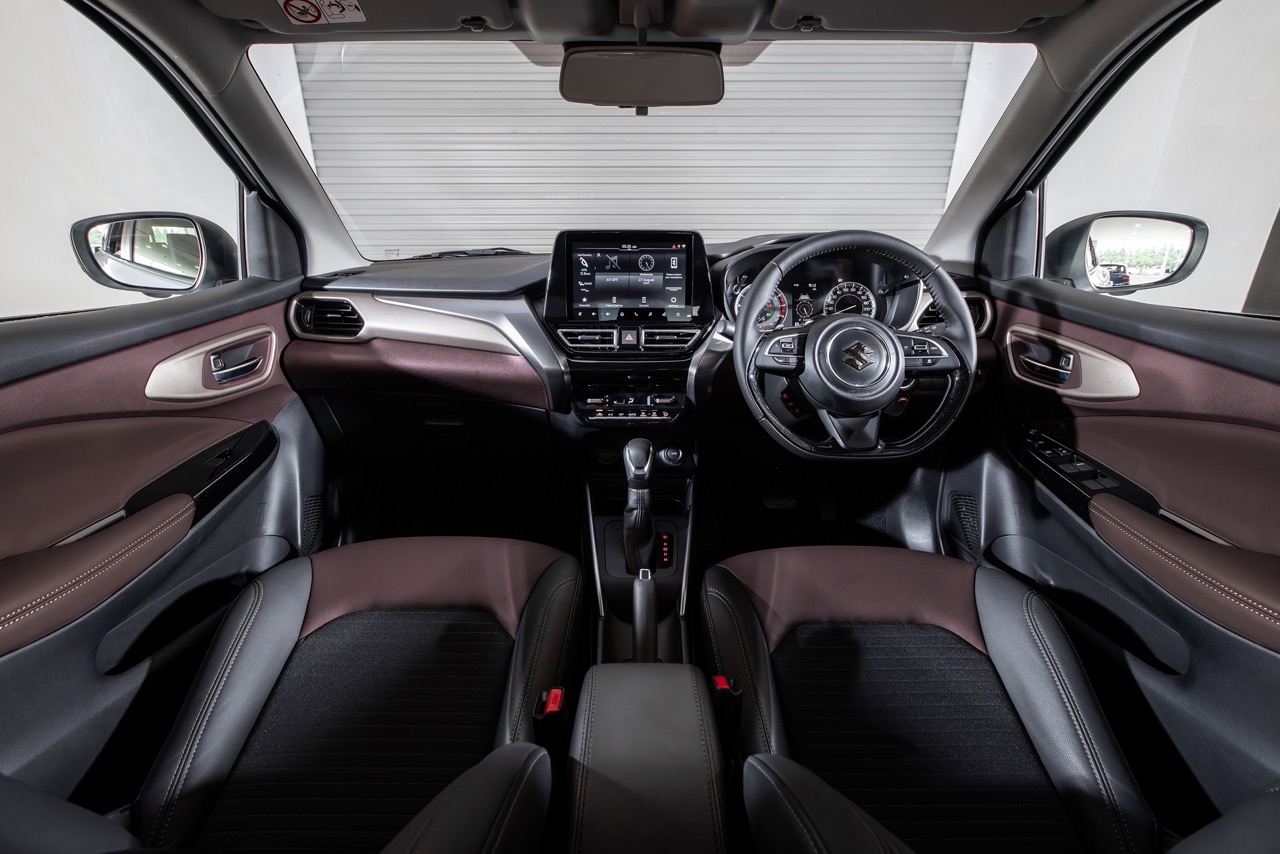
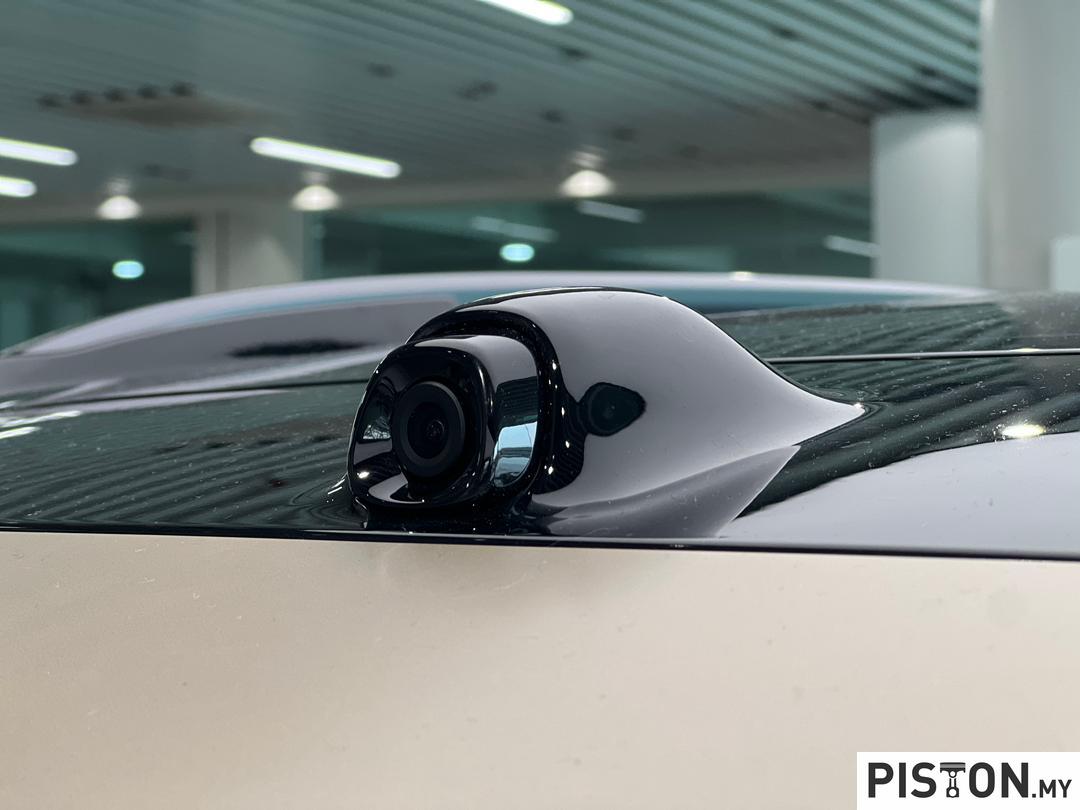
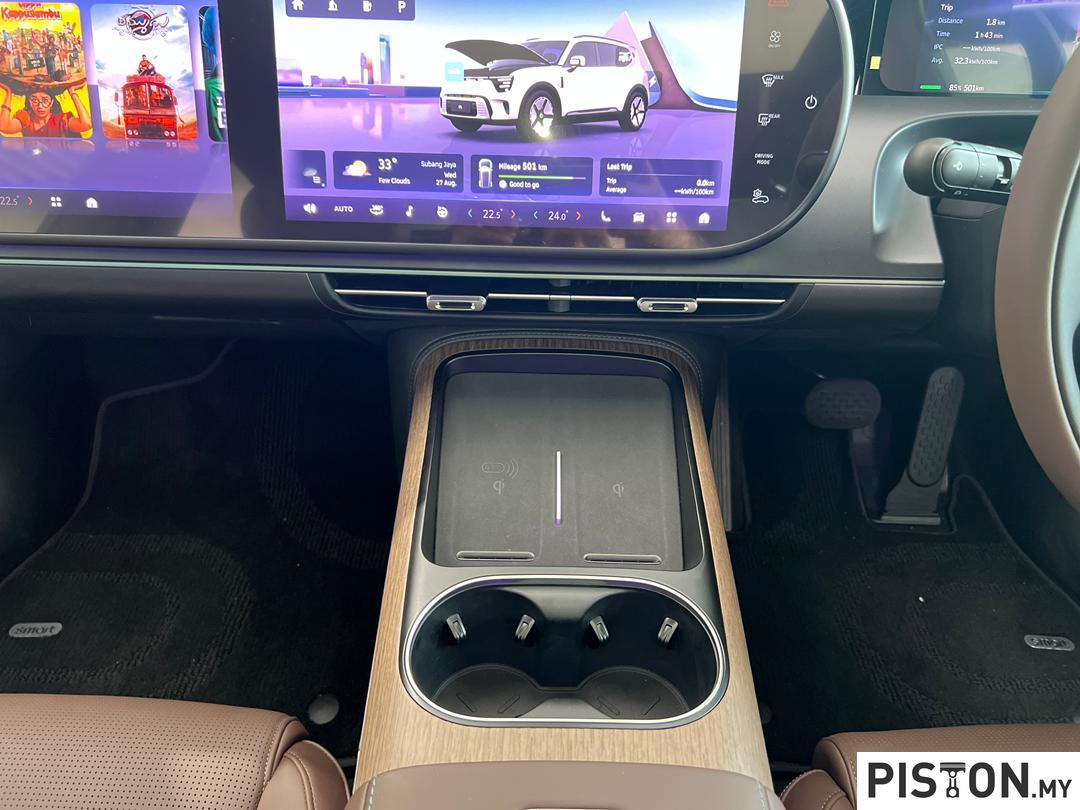
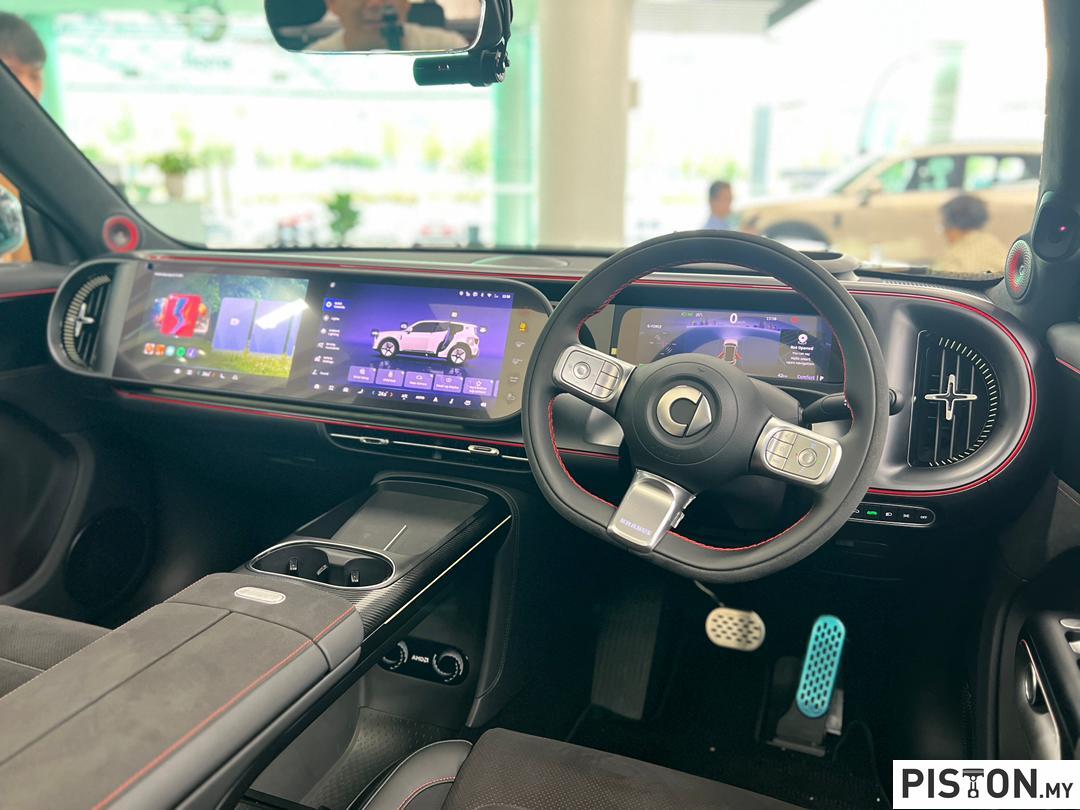
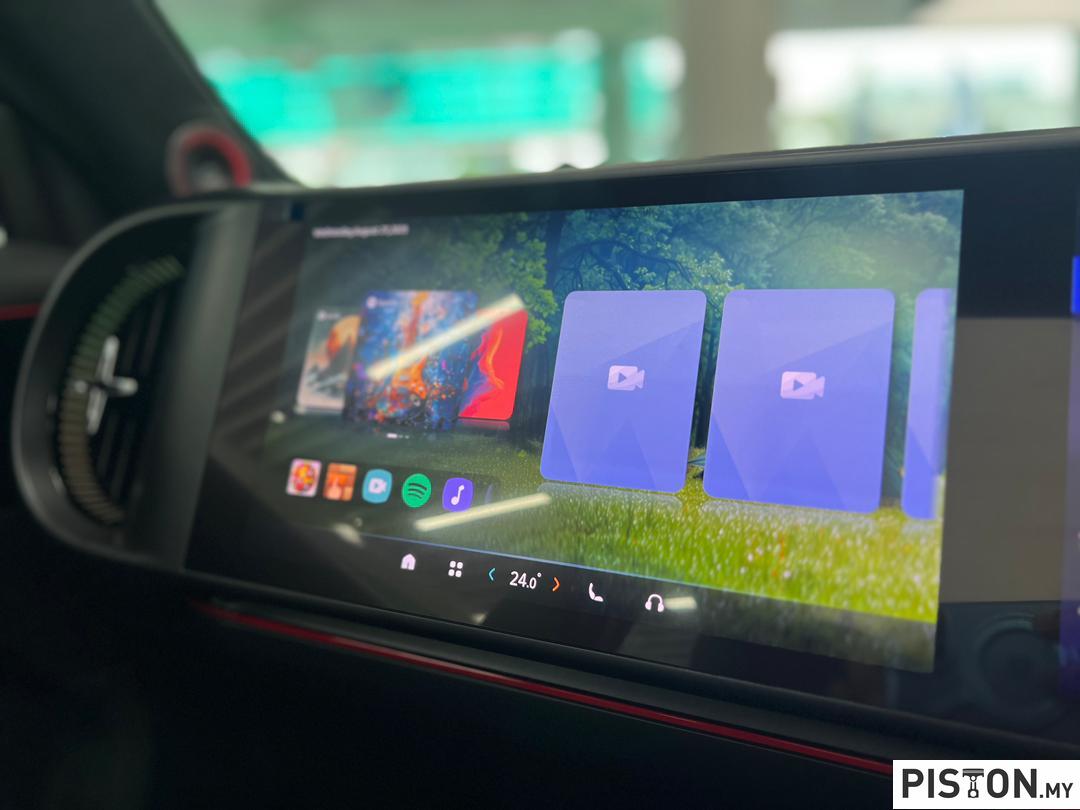
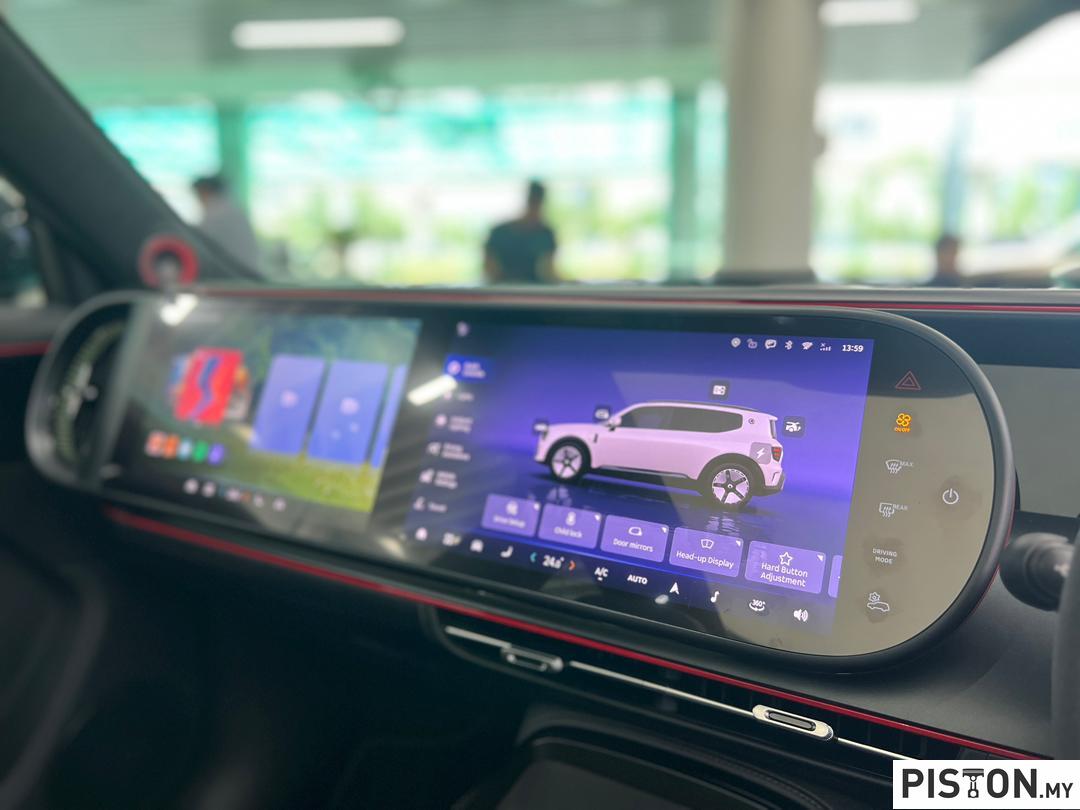
Inside, Suzuki has taken a straightforward yet contemporary approach. A 9-inch HD touchscreen anchors the dashboard, offering Apple CarPlay, Android Auto, a 360-degree camera and a Head-Up Display—an uncommon feature in this segment. A leather-wrapped steering wheel with tilt and telescopic adjustment, cruise control and wireless charging completes the driver-focused equipment list.
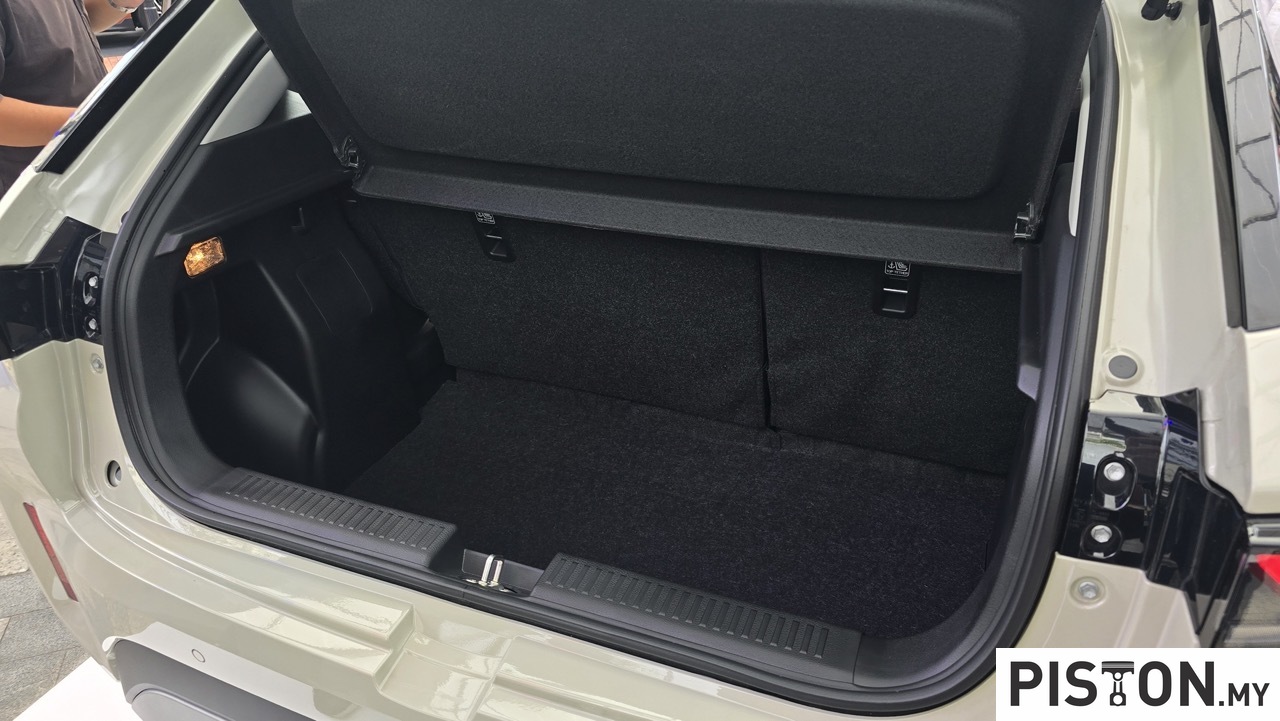
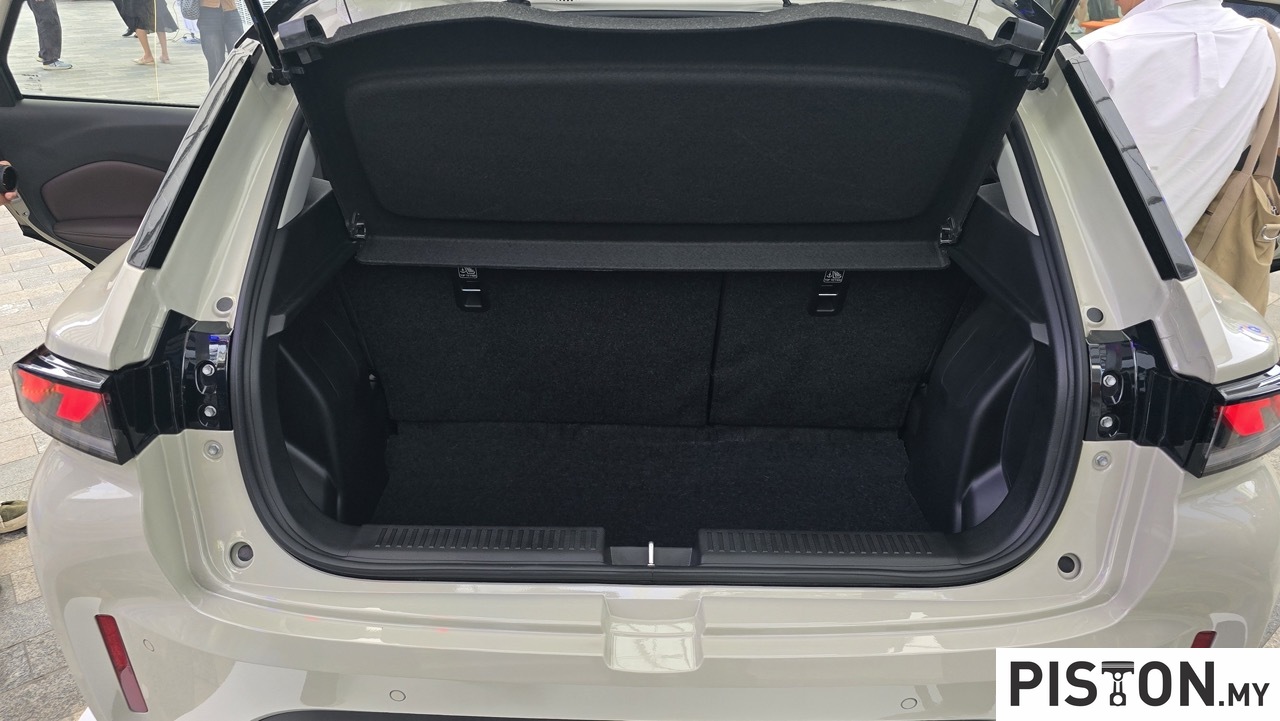
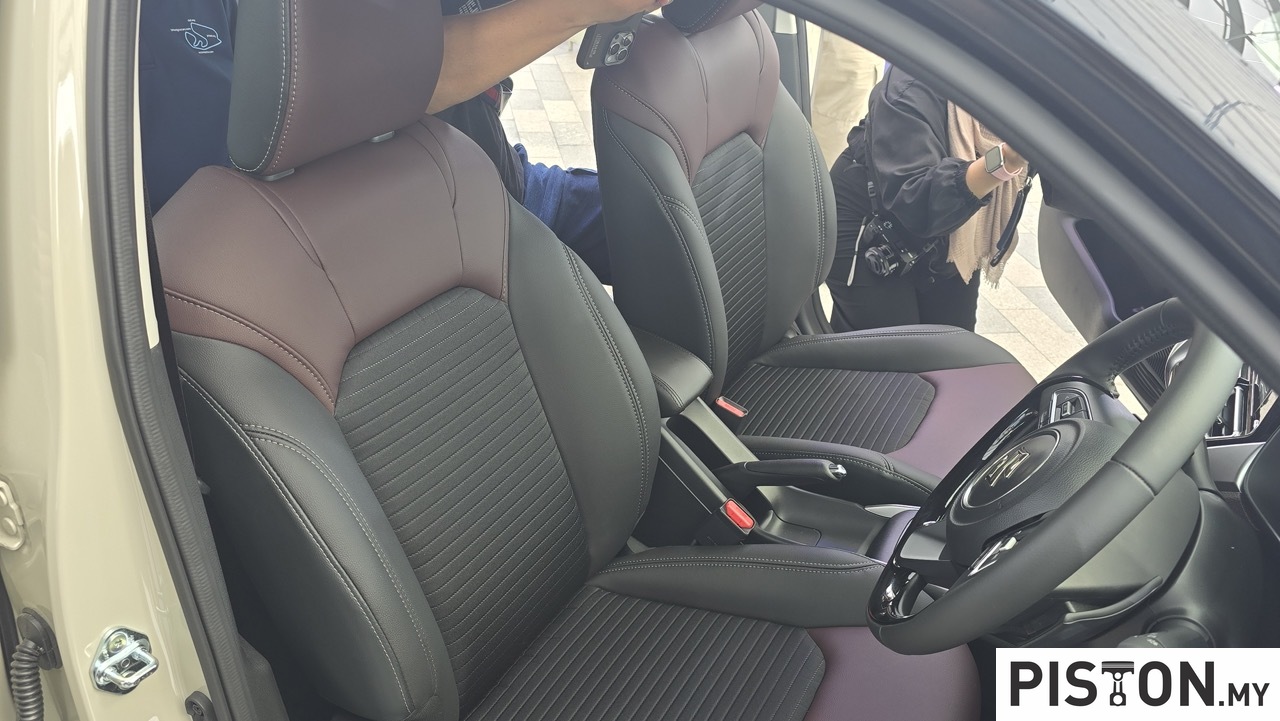
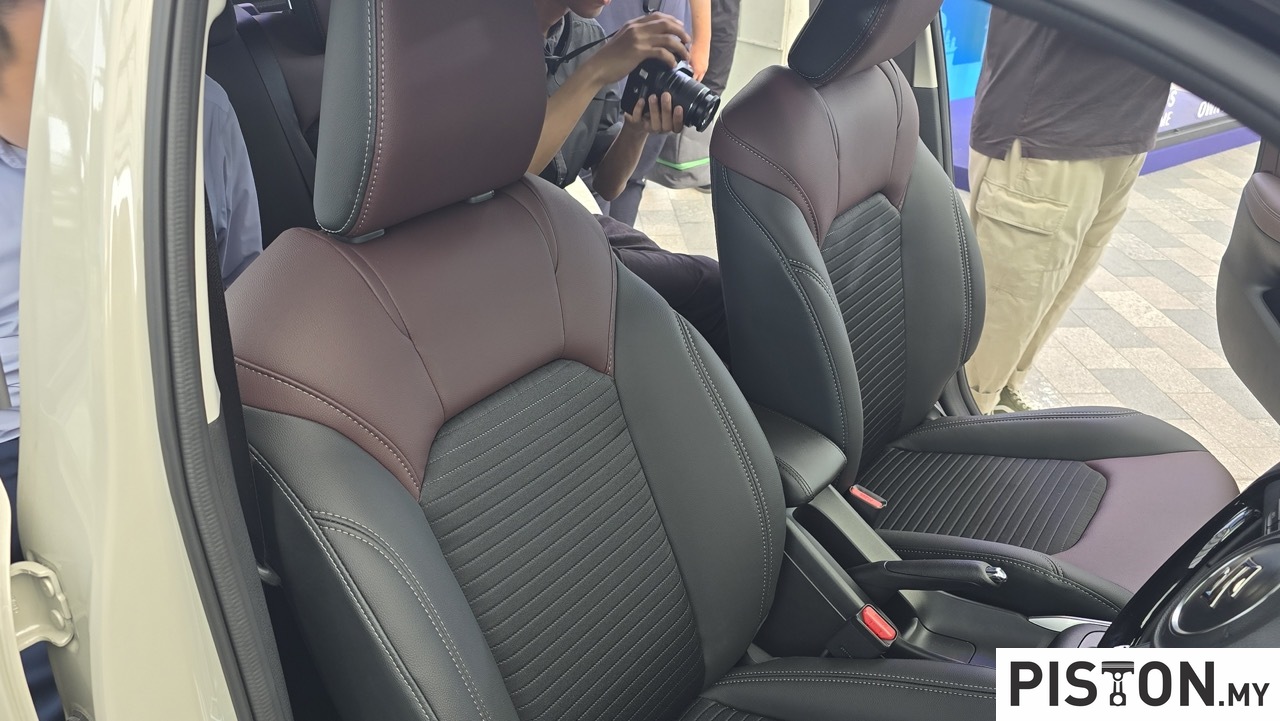
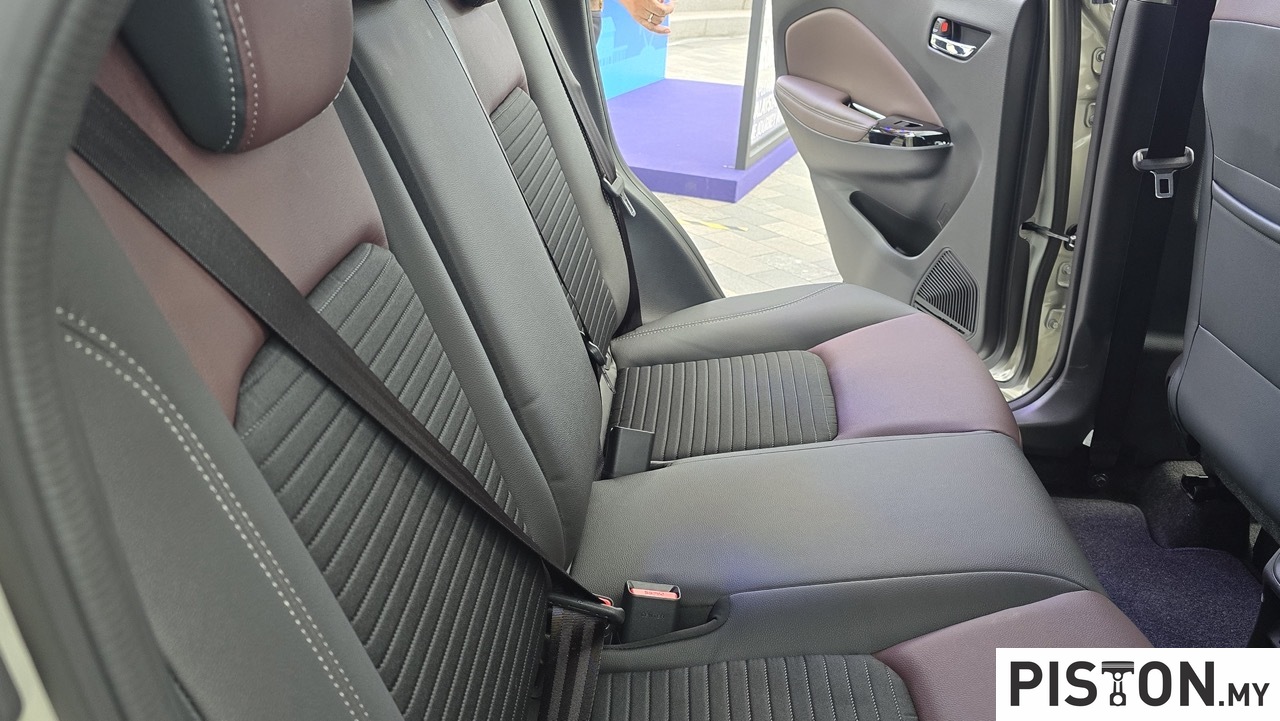
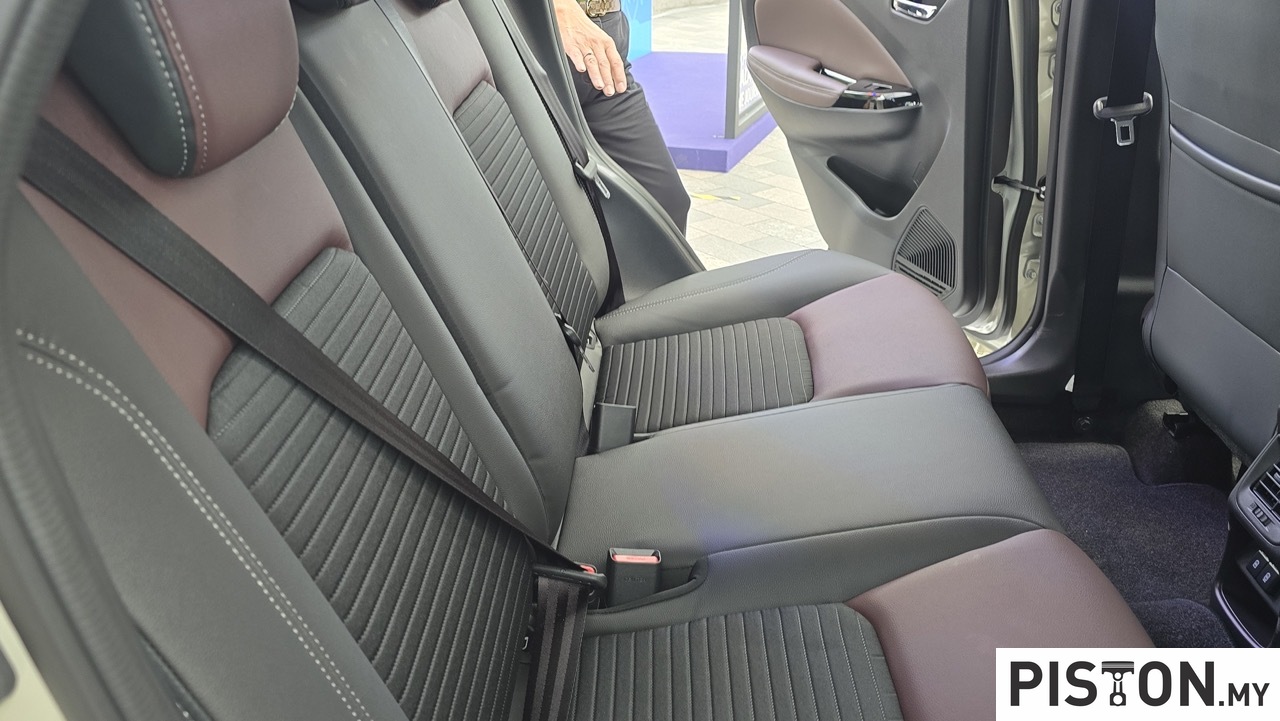
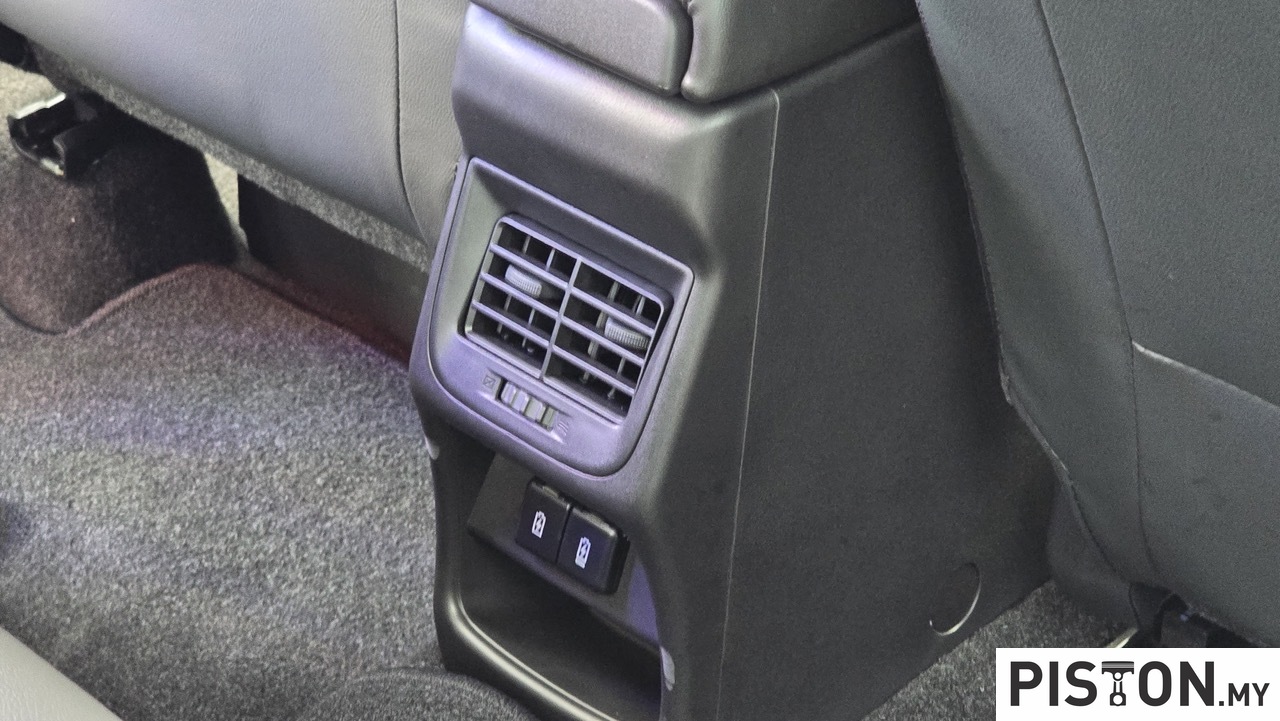
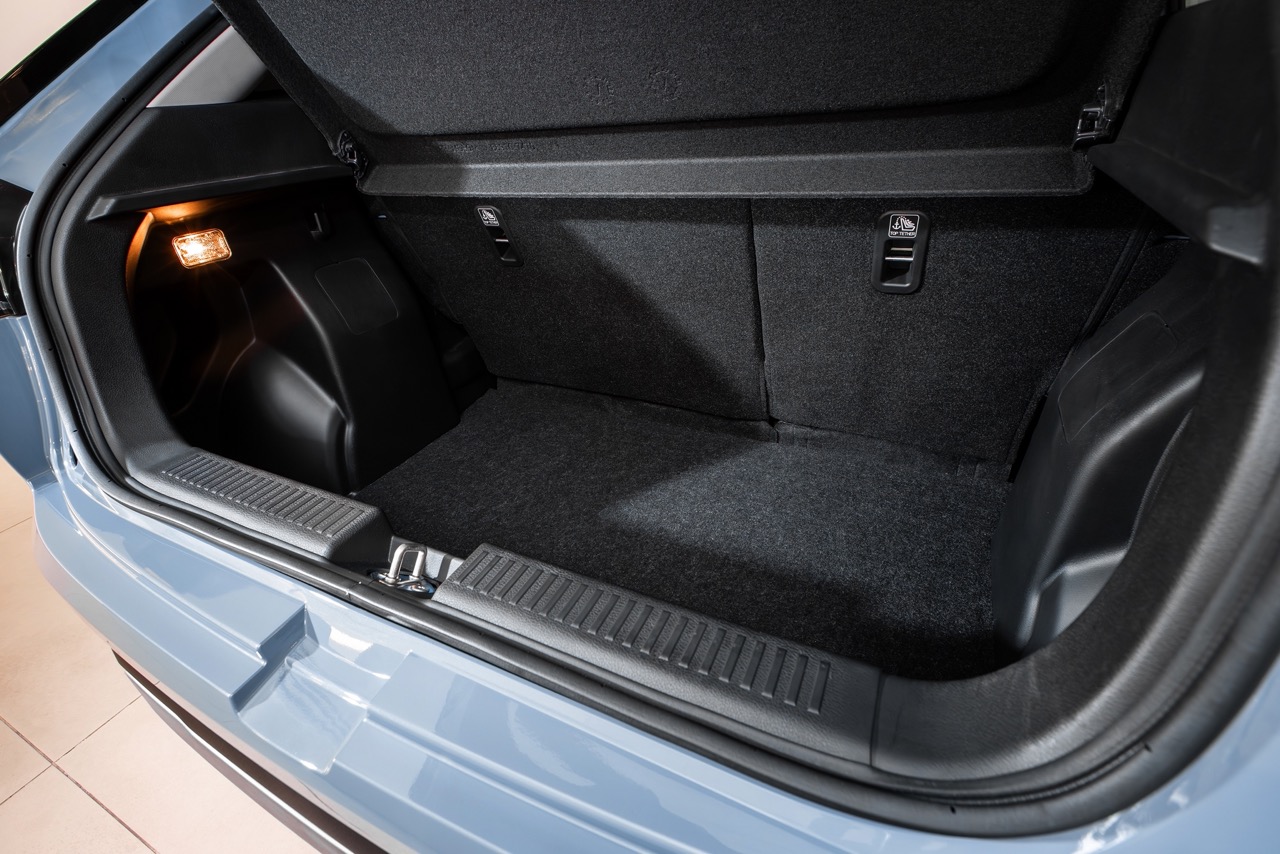
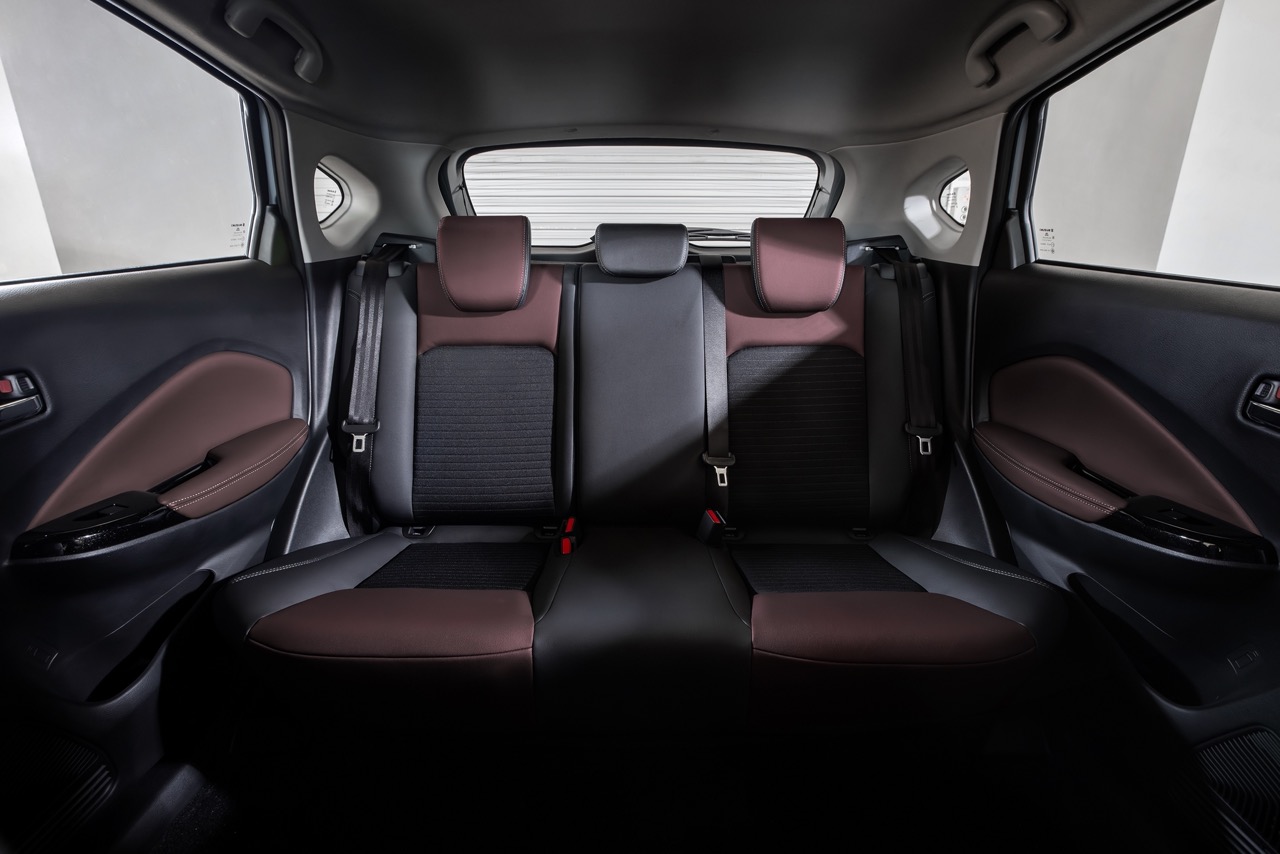
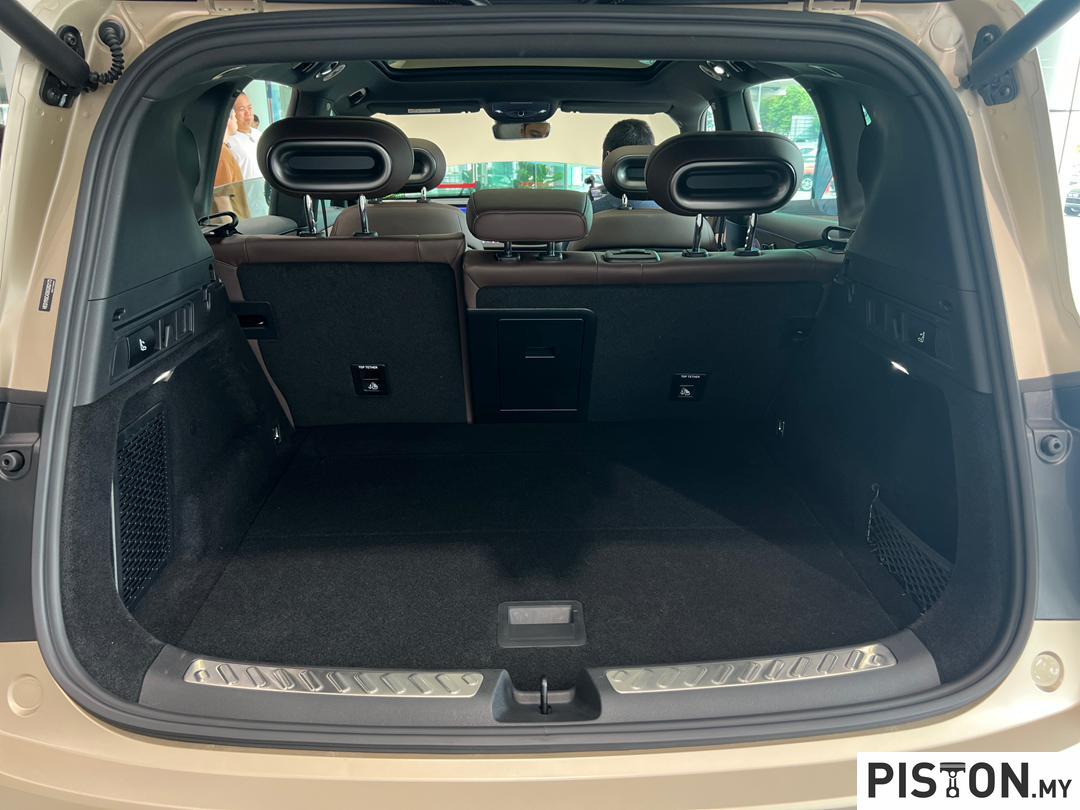
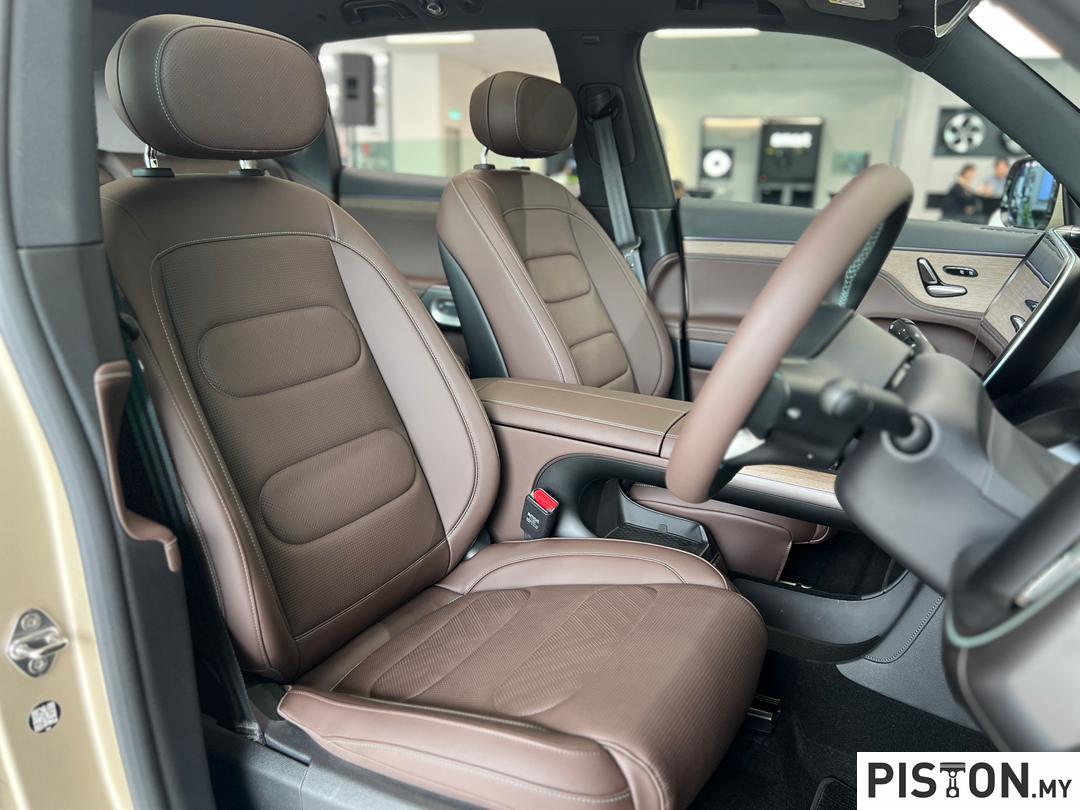
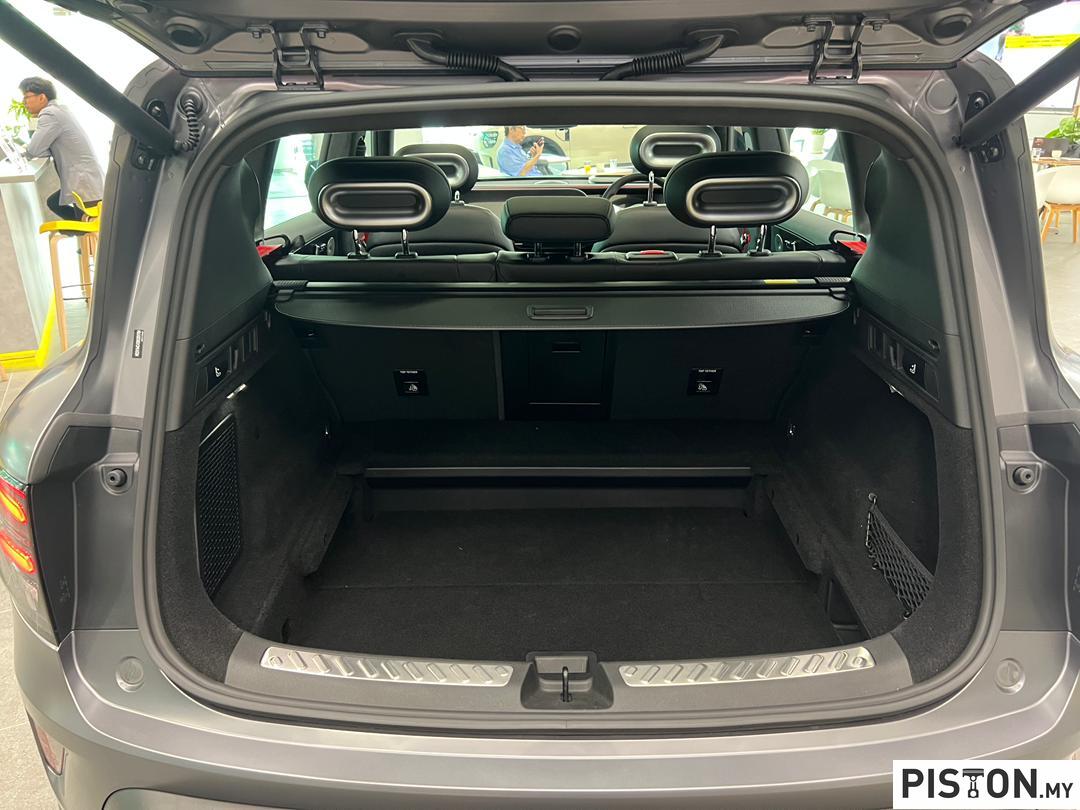
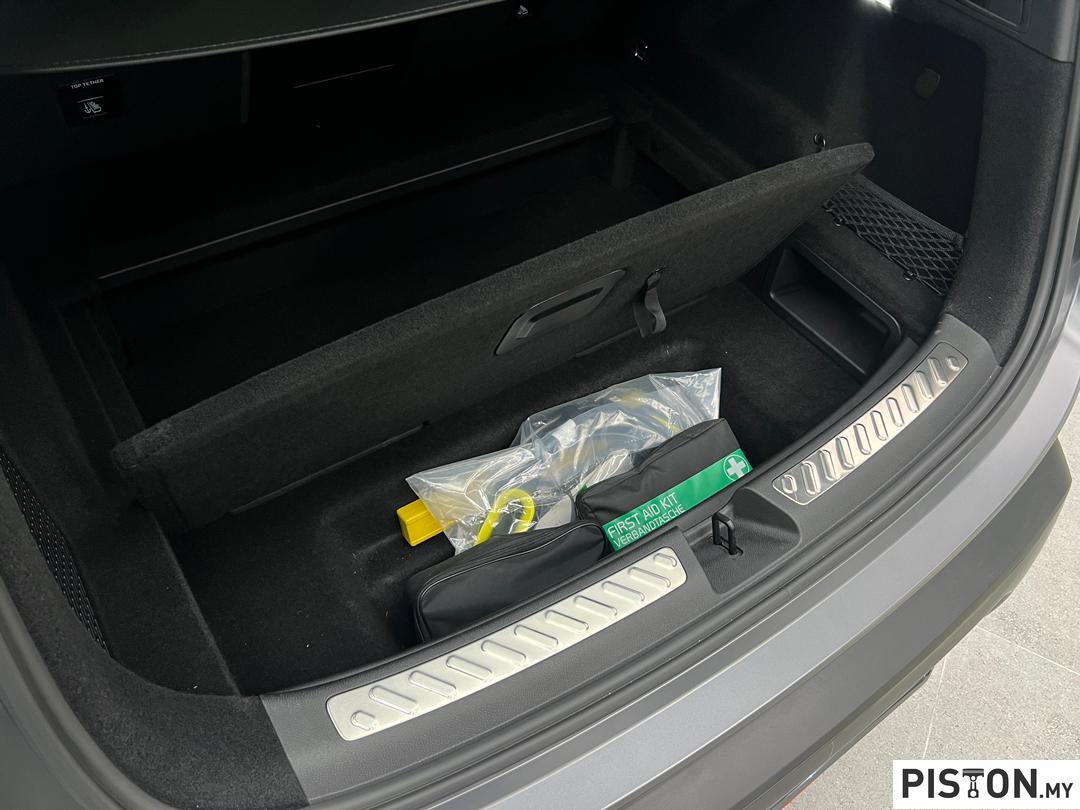
The cabin itself is designed to be noticeably quiet thanks to strong NVH refinement, while the seats feature contoured shapes and embossed edges that elevate both comfort and visual appeal. Practicality remains a priority, with seven storage spaces, 308 litres of boot capacity and 60:40 split-folding rear seats.

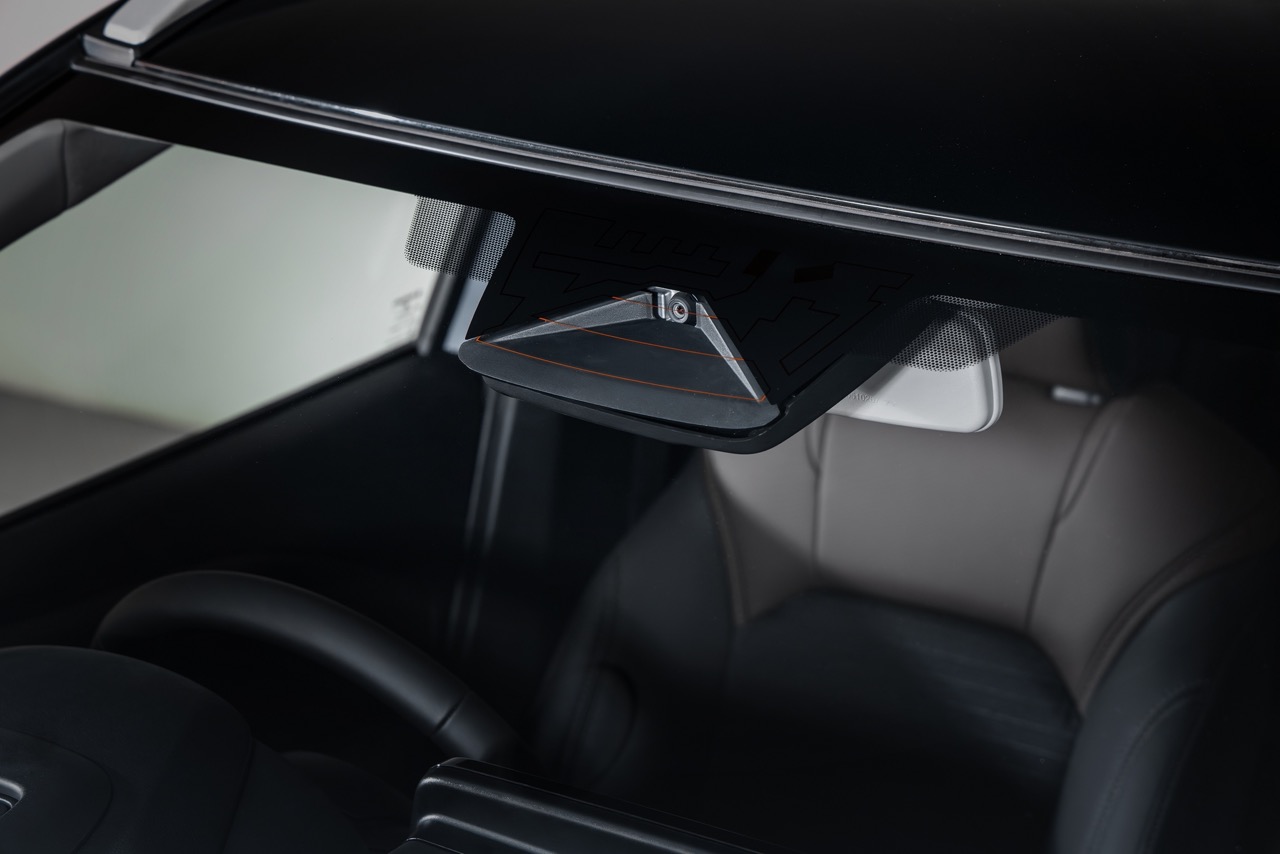
Safety is a key selling point for the Fronx. The model’s five-star ASEAN NCAP rating is supported by an extensive suite of driver assistance systems, including six airbags, ABS with EBD, stability control, hill hold, adaptive cruise control, blind spot monitoring, rear cross traffic alert and a wide range of lane-keeping and lane-departure technologies. High Beam Assist adds extra convenience during night driving, while the TECT body structure ensures effective crash energy absorption.
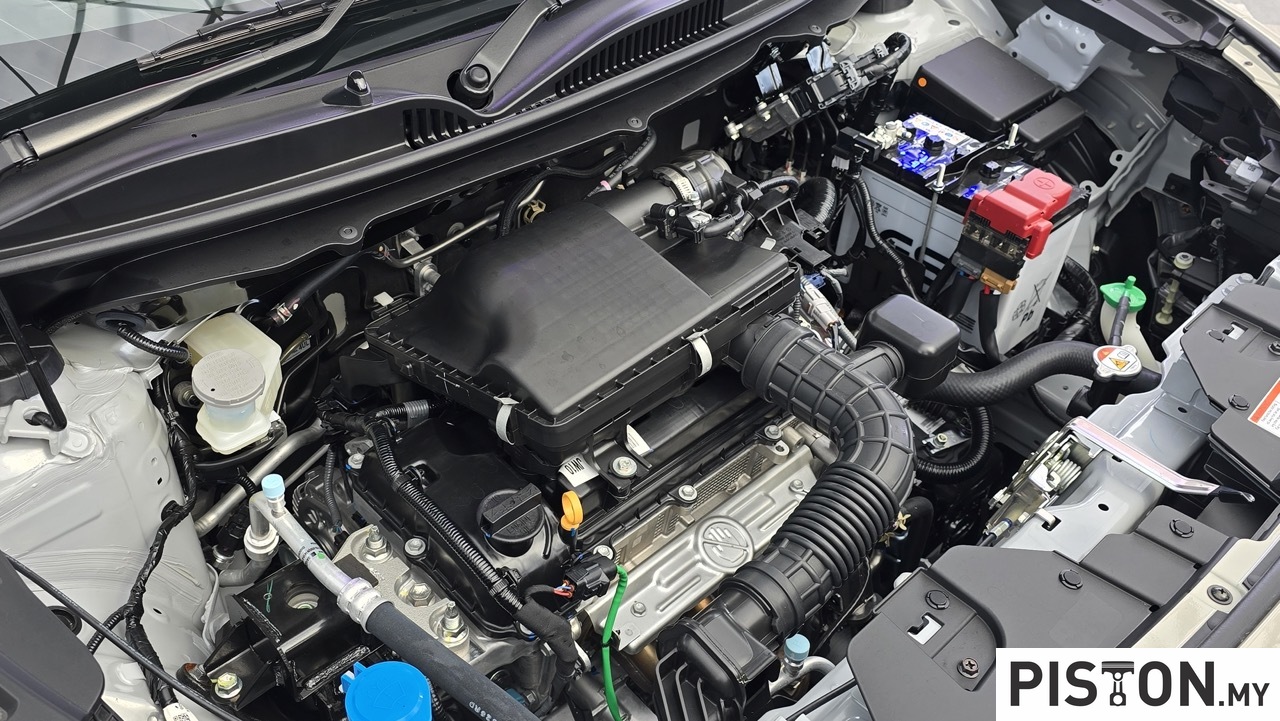
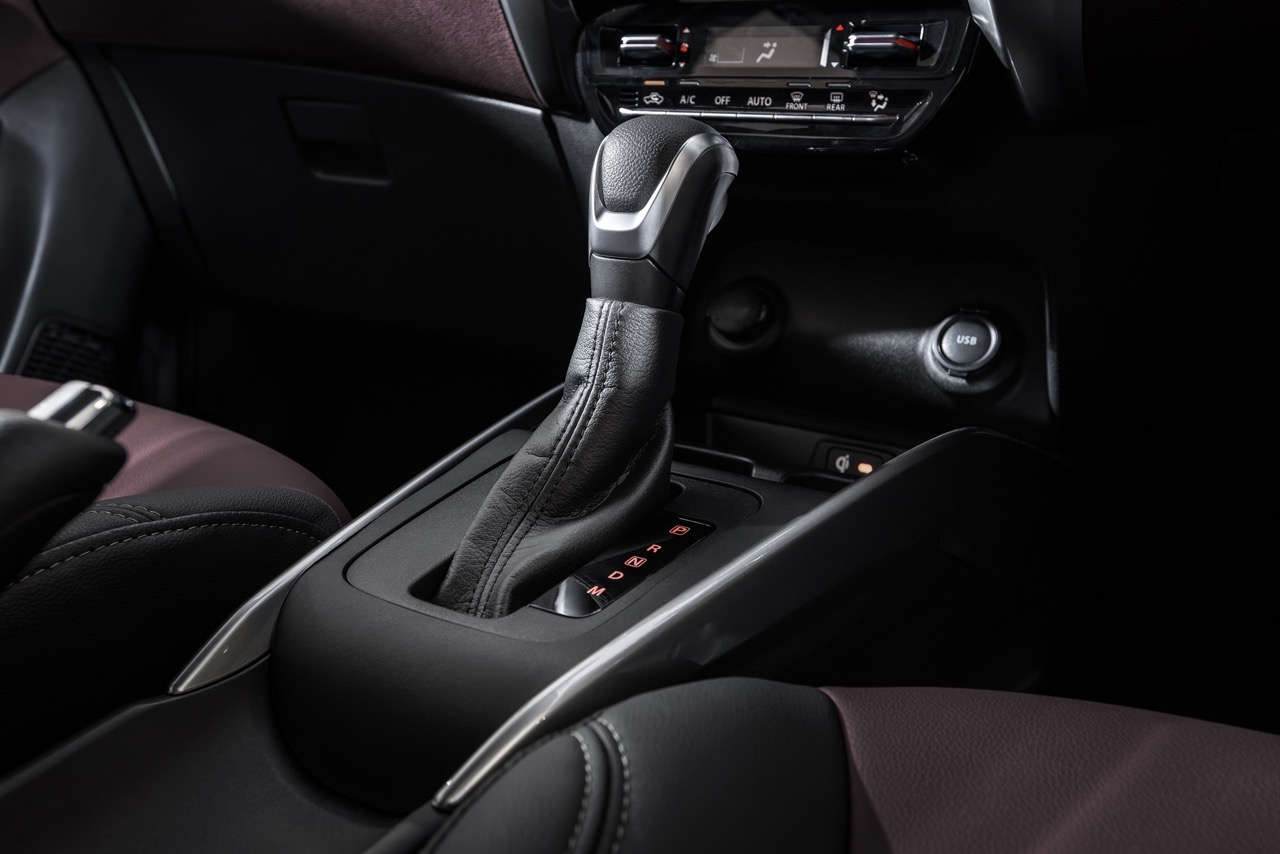
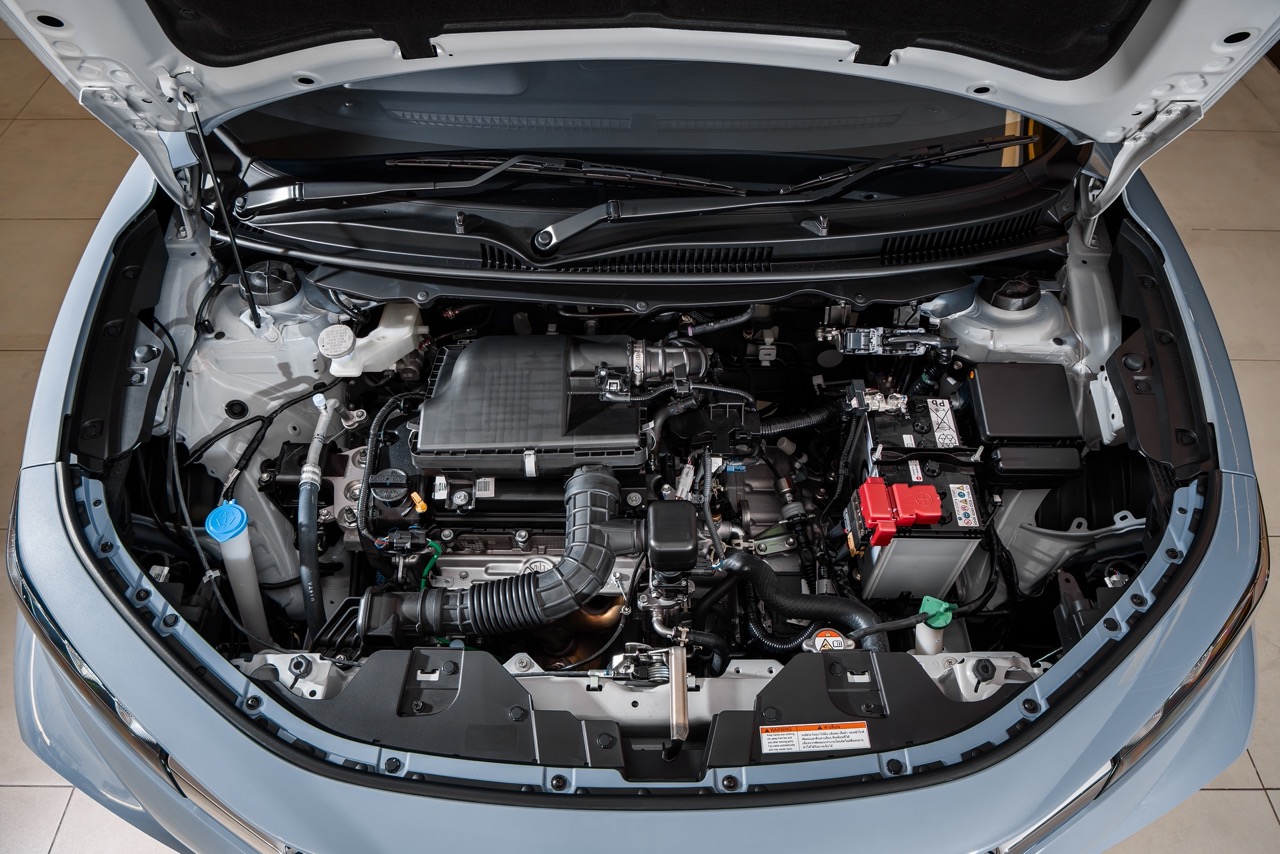
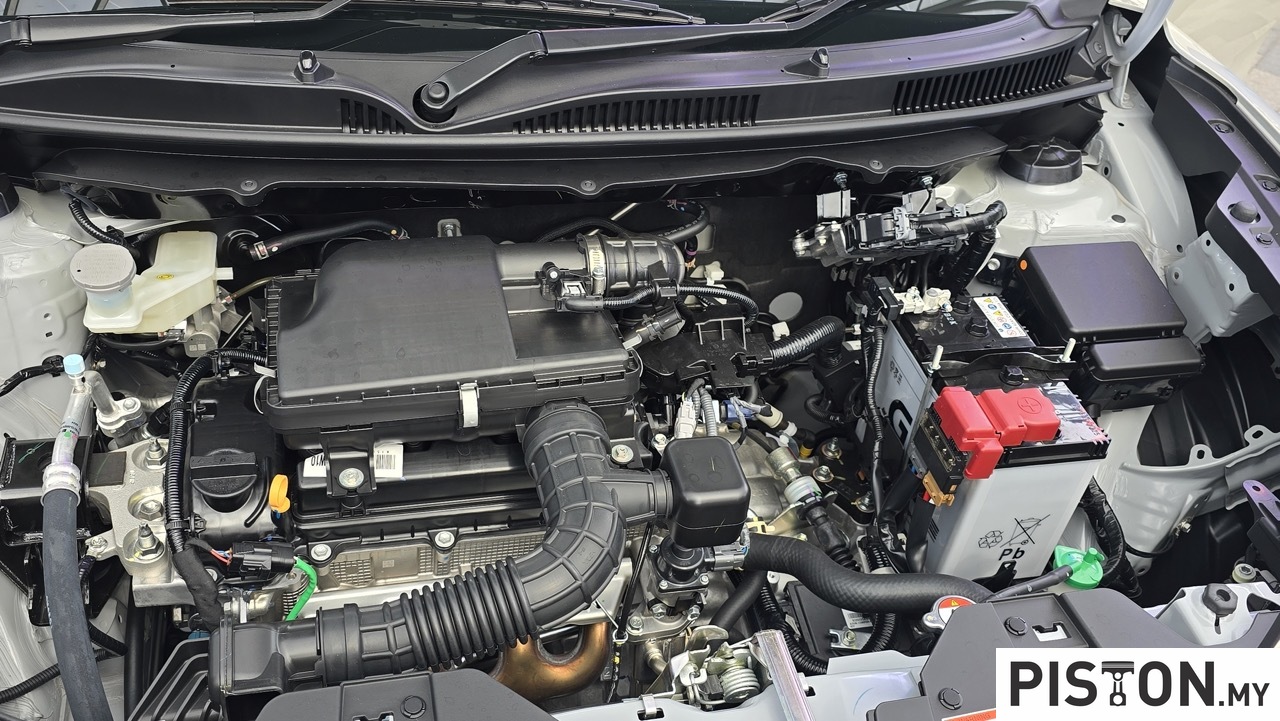
Powering the Fronx is Suzuki’s 1.5-litre K15C four-cylinder hybrid engine, producing 103 PS and 138 Nm of torque. Paired with a six-speed automatic and paddle shifters, it aims to deliver a smooth, efficient drive with the help of a 12V lithium-ion battery. The suspension layout is made up of MacPherson struts at the front and a torsion beam at the rear, all tuned for stability across mixed road conditions. Ventilated front discs add reassurance during spirited or long-distance driving.
The Fronx comes with a three-year or 100,000-km warranty and is priced at RM147,888 on-the-road without insurance. Early buyers can take advantage of a limited-time promotion offering either a RM4,000 rebate or a complimentary accessory package consisting of a multi-roof rack, roof basket and door visor, available until the end of 2025.
The SUV will be the main attraction at the Suzuki Lifestyle Roadshow from 19 to 23 November 2025 at the Piazza, Pavilion Bukit Jalil. Visitors can explore the new model up close, take it for a test drive and enjoy a series of brand showcases that include official accessories, pre-owned vehicles and collaborations with lifestyle names such as Ducati, GoPro, Eiger Adventure, Eyez Optometry, Polaroid Eyewear and Monster Energy. The event is set to deliver a mix of adventure, creativity and youthful energy—very much in line with Suzuki’s current direction.