Piston.my

English

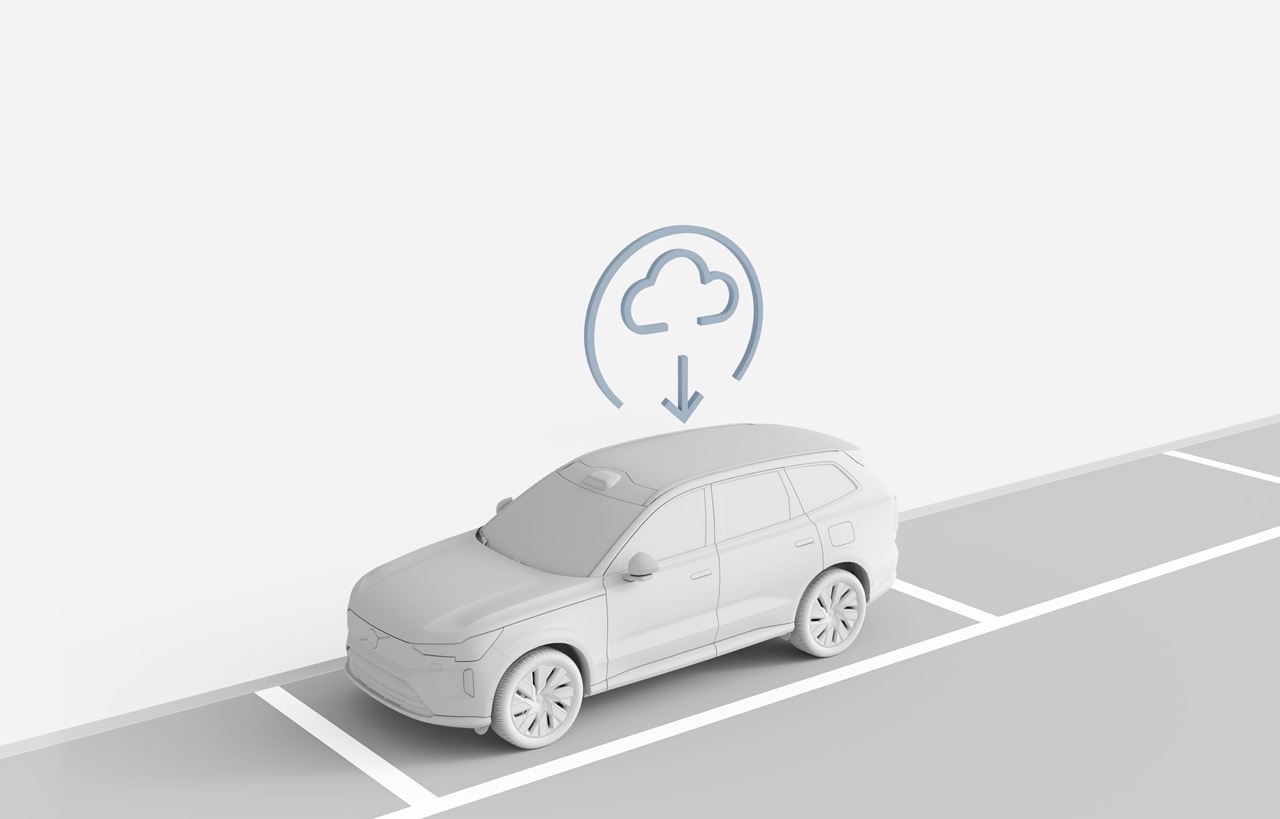
Volvo Car Malaysia has announced an industry-first move in the premium car segment, extending its complimentary Volvo Car Connect Plus data service by another year for eligible owners whose current subscriptions are nearing expiry.

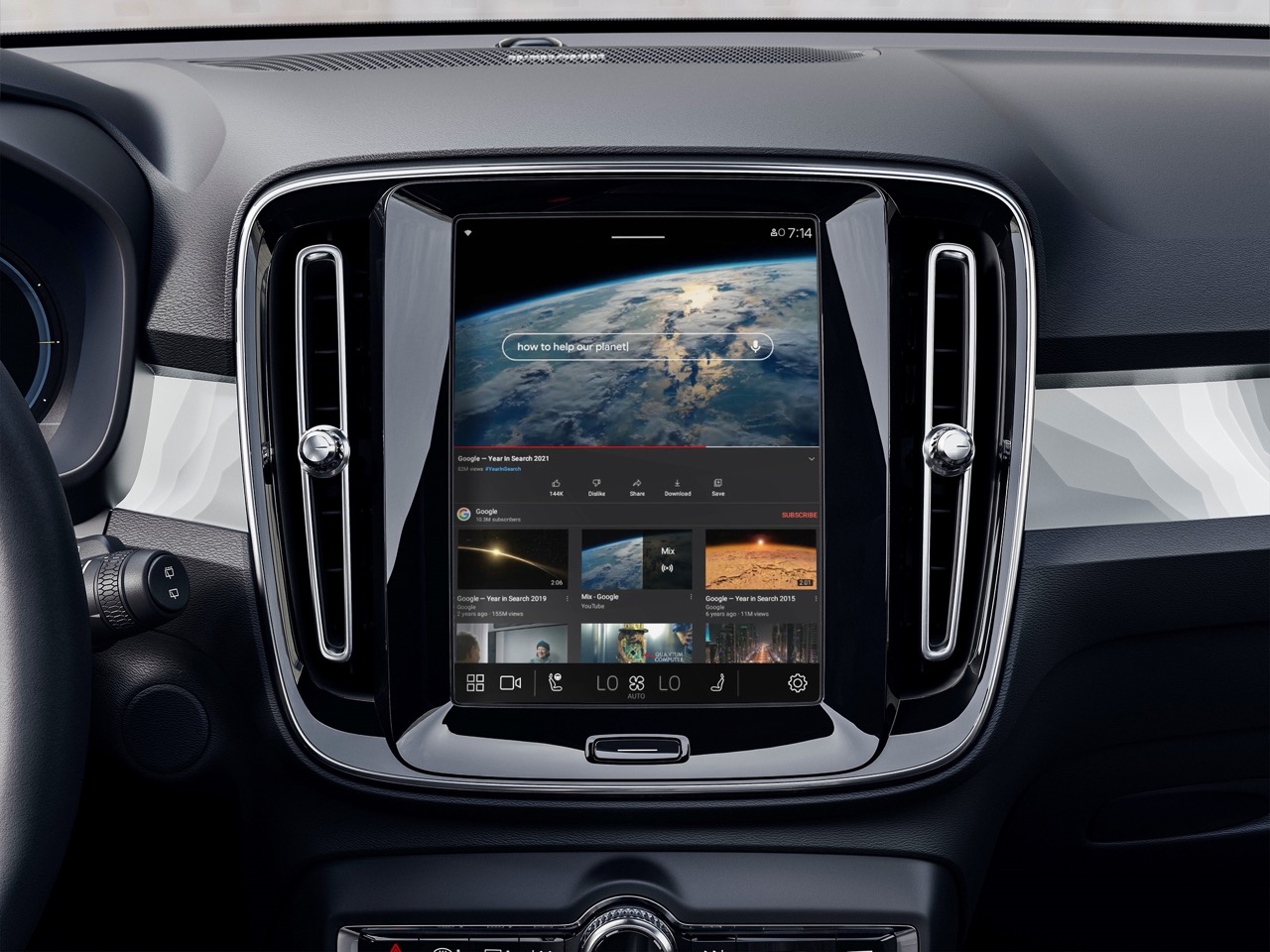
Previously known as Digital Services, the Volvo Car Connect Plus package is included with the brand’s latest models equipped with Google built-in. It allows seamless access to a suite of connected features without relying on a tethered smartphone — including media streaming, real-time Google Maps navigation, Google Assistant voice commands, and over-the-air system updates.

Since its introduction, Volvo Car Connect Plus has become a defining feature of Volvo’s ownership experience, offering up to five years of complimentary in-car data with new vehicle purchases. Early adopters, however, received four years of coverage when the first wave of Google built-in cars arrived in Malaysia. To ensure parity with newer models, Volvo is now extending the complimentary subscription by an additional year for these owners, matching the five-year period available with 2024 model year cars.

(more…)

Xpeng’s upcoming extended-range electric SUV, the G6 EREV, has made its first official appearance through China’s Ministry of Industry and Information Technology (MIIT) filings, offering an early look at the technical details ahead of its launch.

The documents confirm that the G6 EREV will feature a 55.8 kWh battery pack capable of delivering an electric-only range of 325 km based on the WTLC cycle. Complementing this is a 1.5-litre turbocharged petrol engine acting purely as a generator, producing 147hp, sourced from Dong’an Powertrain. This engine supports a 292hp rear-mounted electric motor, which drives the vehicle’s rear wheels.

Dimensionally, the G6 EREV mirrors the fully electric G6, measuring 4,771 mm in length, 1,920 mm in width, and 1,650 mm in height, with a 2,890 mm wheelbase. It also retains the same streamlined fastback SUV design, highlighted by its sloping front end, integrated LED headlights, full-width daytime running light strip, flush door handles, and a coupe-inspired roofline. The model will be available with R18 and R20 wheel options, and the top speed is listed at 202 km/h.

(more…)

Jetour Malaysia has revealed that its upcoming all-terrain SUV, the Jetour T2, will be priced at an estimated RM178,888, marking another major step in the brand’s expansion in Malaysia. The announcement follows the model’s earlier right-hand-drive debut and reinforces Jetour’s growing presence in the premium SUV segment.

Visually, the Jetour T2 commands attention with its bold and boxy styling. It wears a strong, upright stance accentuated by LED headlamps featuring Jetour’s distinctive light signature, flared wheel arches and rugged body lines that convey both durability and refinement. Available in several striking colours — including Khaki White, Aviation Silver and Carbon Black — the T2 projects a premium yet adventurous personality that fits right in among Malaysia’s diverse driving environments.

Under the bonnet, the T2 packs a 2.0-litre TGDi turbocharged engine producing 245PS and 375Nm of torque, paired to a 7-speed dual-clutch transmission. The drivetrain is complemented by Jetour’s X-Intelligent Drive Mode, which automatically adjusts power delivery and traction depending on surface conditions. This gives the T2 flexibility to move effortlessly between city roads, highways and unpaved terrain without sacrificing control or efficiency.

(more…)

Proton ended October 2025 on a strong note, recording its highest monthly sales volume of the year. The national automaker sold a total of 15,575 units domestically and abroad, representing a 16.3% increase compared to September. This brings Proton’s year-to-date total to 129,872 units, placing the company 3% ahead of 2024’s performance at the same point.

The broader Malaysian automotive market also rebounded, with Total Industry Volume (TIV) estimated at 77,377 units in October, the highest monthly figure for 2025 and a 32.3% rise from the previous month. With two months remaining, Malaysia appears on track to exceed 800,000 annual vehicle sales for a second consecutive year, likely maintaining its position as the top automotive market in ASEAN.

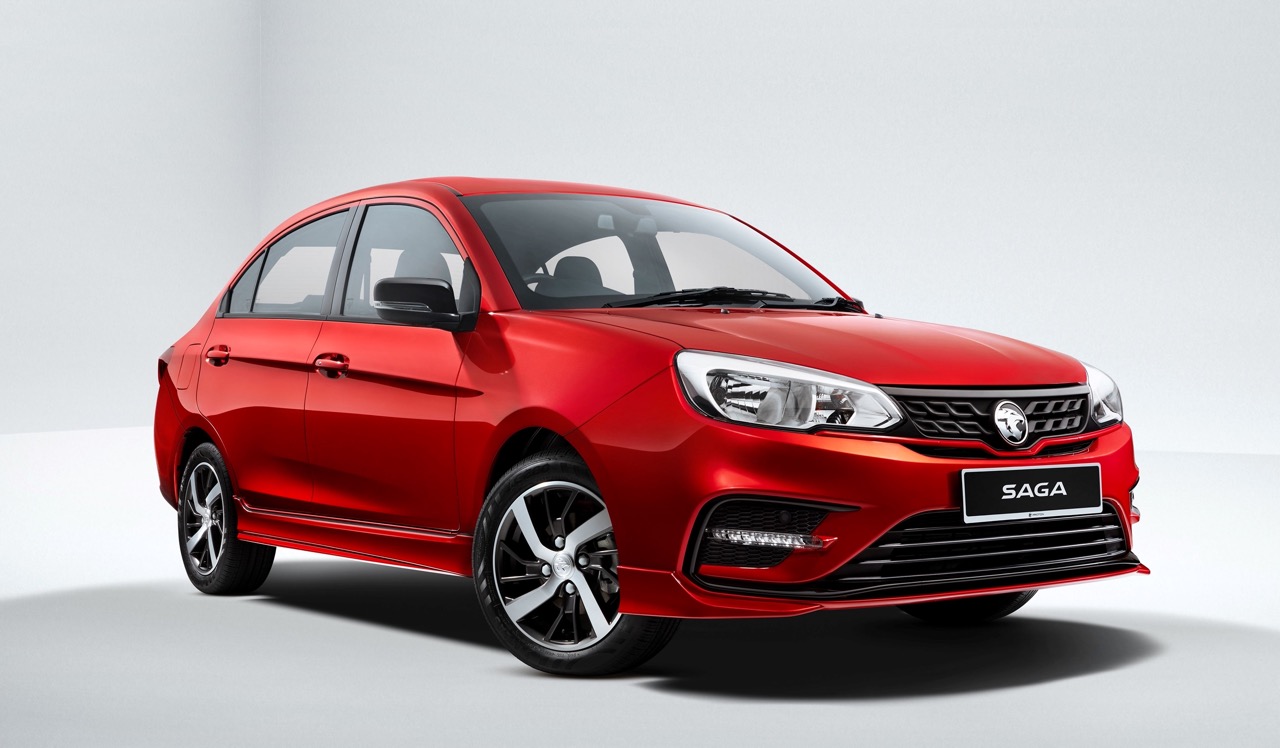
The Proton Saga continued to demonstrate enduring strength even as its next-generation replacement nears launch. The model achieved 8,373 units sold in October, its best performance since July 2013, securing second place in the national sales chart. Cumulative 2025 sales have reached 59,107 units, reaffirming the Saga’s status as one of Malaysia’s most trusted nameplates.

(more…)

Toyota took centre stage at this year’s SEMA Show with a concept that pushes off-road innovation into new territory — the Tacoma H2-Overlander, a hydrogen-powered pickup designed not only to drive emissions-free but to literally make and reuse water as it goes.

The concept sits under Toyota’s “Powered by Possibility” theme, a showcase of experimental builds aimed at demonstrating how future vehicles could combine clean energy with real-world versatility. At its core, the Tacoma H2-Overlander begins life as a standard Tacoma pickup, but instead of the usual petrol engine, it’s fitted with the second-generation hydrogen fuel cell system lifted from the Toyota Mirai sedan.

Three hydrogen storage tanks are integrated neatly within the frame, with a total capacity of around 6kgs. Power delivery comes from two electric motors, one mounted on each axle, drawing energy from a 24.9-kWh lithium-ion battery. Together, the system produces a hefty 547hp, driving all four wheels while generating zero emissions — unless you count the water vapour it emits instead of exhaust fumes.

What makes this Tacoma truly clever, however, is how it handles that water. Rather than letting it drip away, Toyota Racing Development (TRD) developed a patent-pending exhaust water recovery system that captures, filters and stores the distilled water created by the fuel cell’s chemical process.

The stored water can then be used for washing, cleaning or even showering during remote overlanding trips. Toyota notes that the water isn’t drinkable, but it’s a clever example of how hydrogen technology can deliver unexpected benefits beyond propulsion.

(more…)

Chery Automobile is gearing up to unveil its latest model under the new box-style SUV sub-brand, iCaur, with the official debut of the iCaur V27 scheduled for 21 November at the Guangzhou Auto Show. Known domestically in China as the iCar V27, the model adopts the “iCaur” name for international markets due to trademark considerations. Positioned above the smaller iCaur V23, the new V27 takes the lead as the brand’s largest and most advanced model, powered by a range-extender electric powertrain rather than a fully electric setup.

The iCaur V27 strikes a balance between modern sophistication and retro-inspired toughness. Its boxy silhouette, chunky bumpers, flared wheel arches, and rear-mounted spare tyre give it the kind of rugged, adventure-ready stance reminiscent of classic off-road icons.

Yet, the execution is thoroughly modern, with clean lines and thoughtful detailing that bring a premium, contemporary touch. Measuring 4,909 mm long, 1,976 mm wide, and 1,894 mm tall, and riding on a 2,910 mm wheelbase, the V27 falls into the mid-to-large SUV segment, suggesting ample cabin space and strong road presence.

Chery has yet to reveal the V27’s interior, but based on current information, higher-spec variants are expected to feature a lidar-based driver assistance system powered by Horizon Robotics chips, hinting at an advanced suite of semi-autonomous driving capabilities.

(more…)

FAW’s premium sub-brand Hongqi has made global headlines with the HS6 PHEV, which has officially entered the Guinness World Records for the longest distance travelled by a plug-in hybrid SUV on a single full charge and full tank — without refuelling. The remarkable journey began in Shangri-La on October 30, taking the SUV through Kunming, Baise, and Wuzhou, before reaching Guangzhou on November 3. By the end of the trip, the HS6 had covered a total distance of 2,327.343 km, setting a new benchmark for hybrid efficiency and endurance.

With this achievement, Hongqi has demonstrated that plug-in hybrids can deliver long-distance practicality alongside electric efficiency. The HS6 PHEV will soon be available for purchase in China, with pre-sales beginning on November 15, where it will be positioned as a five-seater premium SUV.

Visually, the HS6 carries Hongqi’s signature design language, blending traditional luxury cues with modern flair. The front fascia features a closed waterfall-style grille accented by 12 vertical chrome strips, anchored by the brand’s trademark red line emblem that runs through the centre — a symbol synonymous with Hongqi’s identity. The overall styling strikes a balance between refinement and authority, underscoring its role as a flagship SUV in the brand’s expanding electrified portfolio.

(more…)

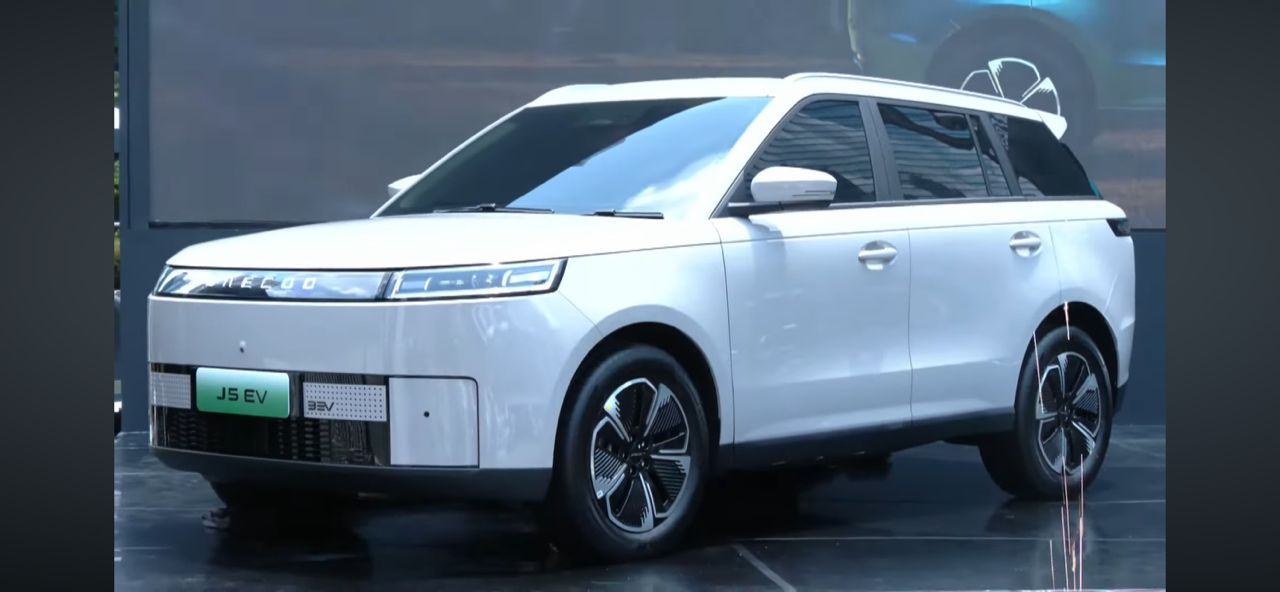
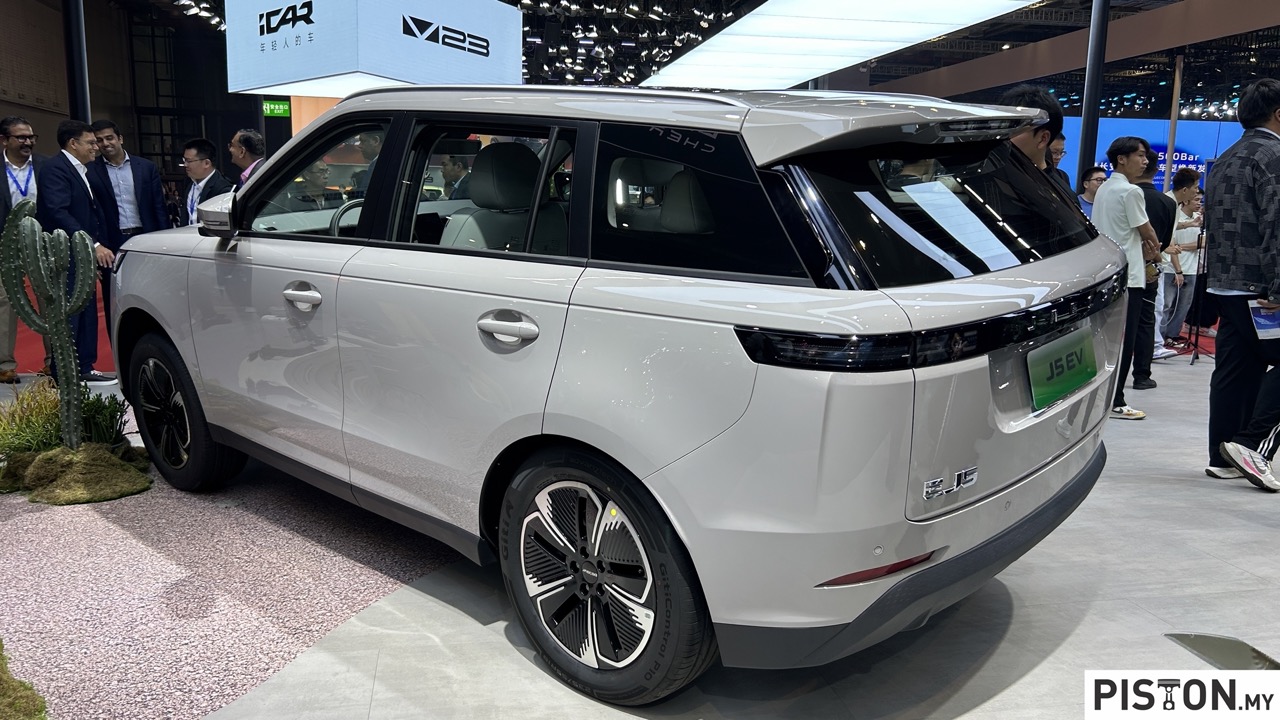
Jaecoo has officially introduced the all-electric J5 EV in Indonesia, signalling another major step in the brand’s regional expansion within Southeast Asia’s fast-growing EV market. The SUV is offered in two trims — the Standard, priced at 249.9 million rupiah (around RM63,000), and the Premium, at 299.9 million rupiah (around RM75,000). These launch prices are exclusive to the first 1,000 buyers, making the J5 EV one of the most accessible electric SUVs in the segment.

Both variants share a similar powertrain setup, featuring a front-mounted electric motor that produces 211 PS and 288 Nm of torque, powered by a 60.9 kWh battery pack. With this configuration, the J5 EV can sprint from 0 to 100 km/h in just 7.7 seconds and offers an impressive driving range of up to 461 km based on the NEDC cycle.

Charging performance is equally noteworthy, with support for DC fast charging at up to 130 kW, enabling a 30% to 80% recharge in 28 minutes. For added practicality, Jaecoo has also included vehicle-to-load (V2L) capability, allowing the SUV to supply up to 3.3 kW of power to external devices — a handy feature for camping trips or emergencies.

Inside, the J5 EV’s cabin combines functionality and sophistication, offering a premium feel without breaking the bank. Key features include 18-inch alloy wheels, a panoramic glass roof with a powered sunshade, a powered tailgate, and ventilated front seats wrapped in synthetic leather.

The dashboard is dominated by a 13.2-inch infotainment touchscreen, complemented by an eight-inch digital instrument cluster, 64-colour ambient lighting, eight speakers, a 50-watt wireless charger, and built-in telematics connectivity.

(more…)

GWM Malaysia has officially pulled the wraps off the updated ORA Good Cat Ultra and ORA Good Cat GT, giving one of the country’s most recognisable electric hatchbacks a sharper look, refreshed colours, and added appeal for the growing number of EV enthusiasts in Malaysia.

Visually, the 2025 update brings in a striking new So Blue with Black Roof colour combination that adds a youthful edge to the Good Cat’s familiar retro-futuristic curves. It joins a palette that already includes Hazel Wood Beige with Brown Roof, Pistachio Green, Aqua Grey, and Sun Black (the latter two reserved for the GT variant). The result is a more expressive, confident-looking hatchback that continues to blur the line between modern chic and timeless design.

The new Good Cat range remains true to its “Extra Good EV” spirit — offering smart technology, smooth performance, and safety that inspires confidence behind the wheel. Both variants are powered by a 57.7 kWh SVOLT LFP battery, with the Good Cat Ultra delivering 143PS and 210 Nm of torque, offering up to 480 km of range (NEDC). The sportier Good Cat GT ups the ante with 171PS and 250 Nm, along with a slightly reduced 460 km range due to its performance-tuned setup.

(more…)

Honda is one of the most dynamic companies in the market. On one end it builds cars like the Honda CR-V, HR-V, Honda City and City Hatchback for regular people to go about their regular lives.

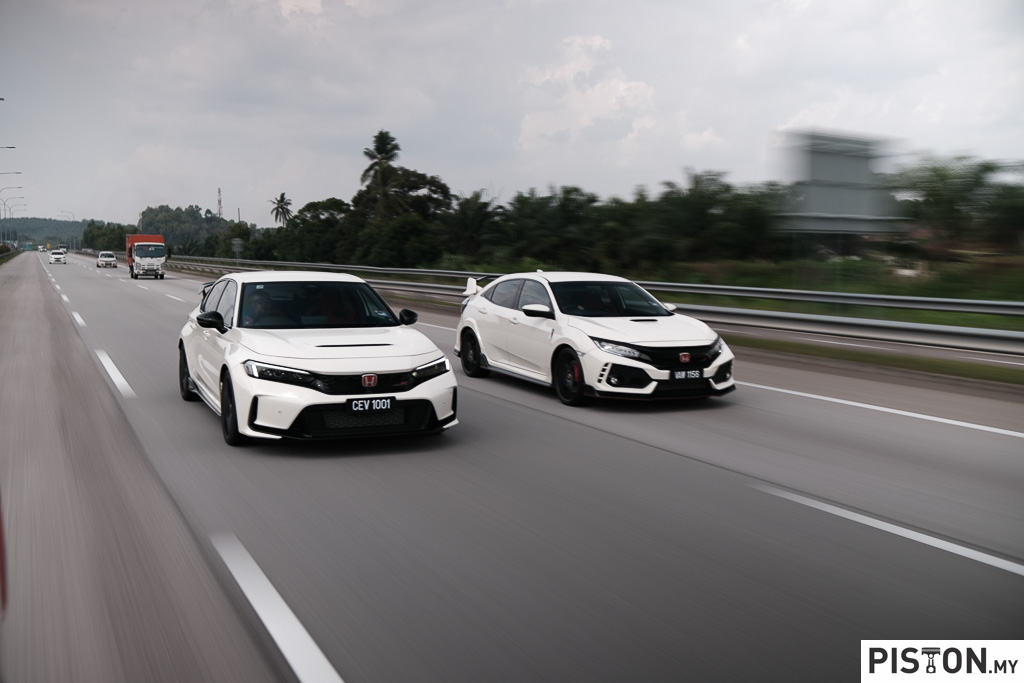
On the other end it builds cars like the Civic Type R and now the Prelude for those who love the joy of driving and want to have fun.
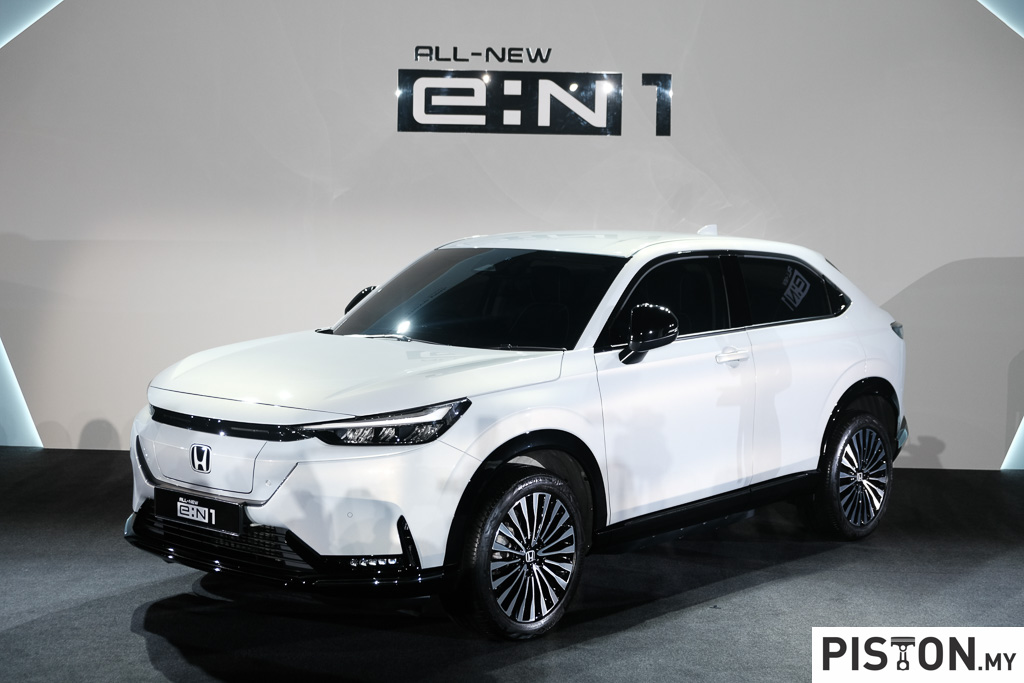
It also builds electric cars such as the e:N1 and the Prologue, the latter available in the North American market only.

In fact, Honda has been building electric cars since 1997, the year it introduced the EV Plus, an exclusively EV only model powered by a nickel-metal hydride battery. Groundbreaking at that time.

Honda is also a firm believer in hybrid technology and has over 25 years of experience in building hybrid powertrains.

On a completely different spectrum, the company builds some of the best motorcycles in the business, marine engines, airplanes, and as of late, has also started delving into reusable rockets to rival that of Elon Musk’s Space X.
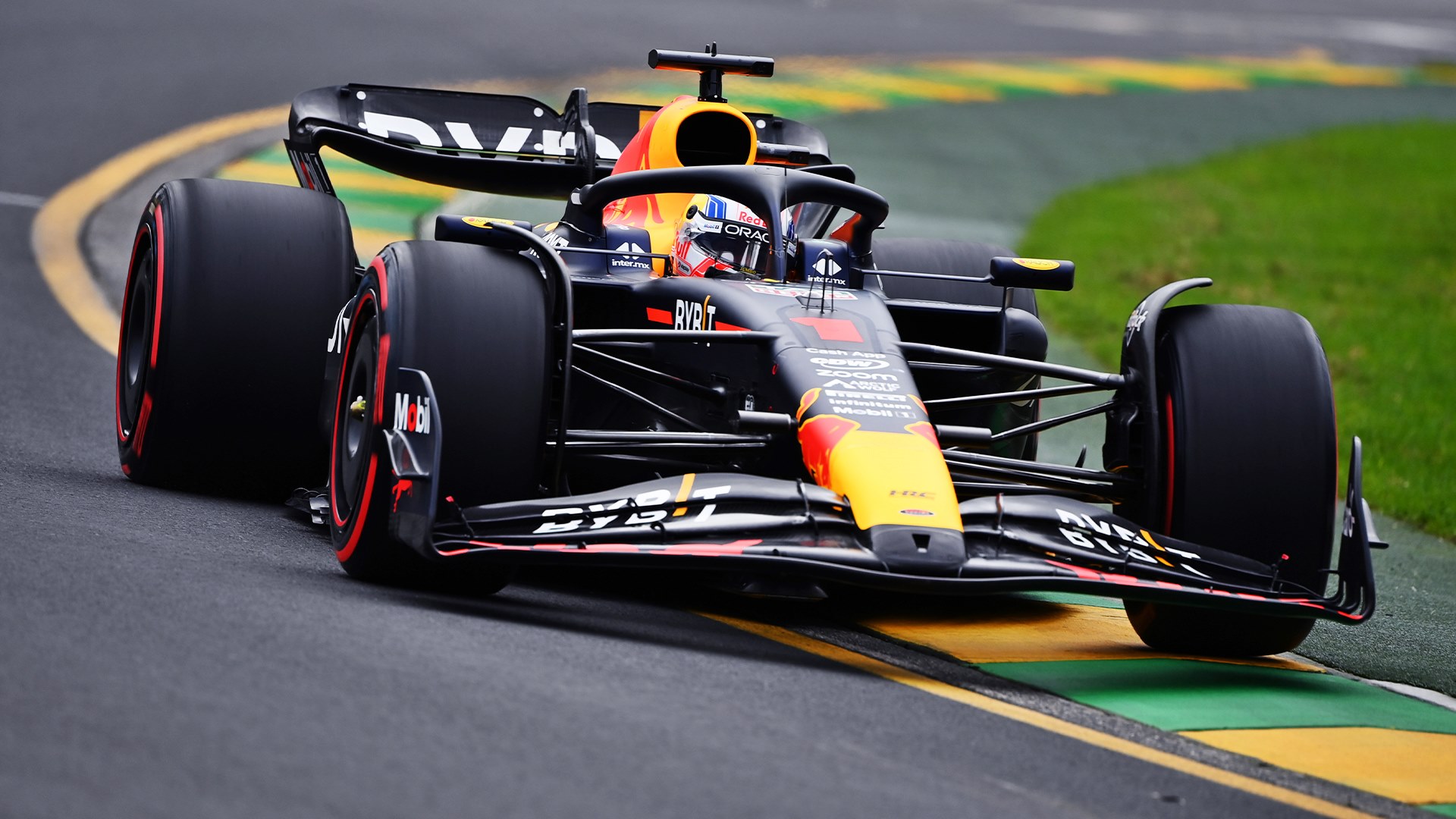
All of that without mentioning the decades of success it has enjoyed in the world of motorsport, particularly Formula 1 and MotoGP.

So, believe me when I say that Honda is one of the most dynamic companies in the business.

So, to be able to sit down for a question-and-answer session with the decision makers of the company is nothing short of impossible.

Except that member of the Malaysian automotive press had that exact opportunity recently at the company’s office in Tokyo.
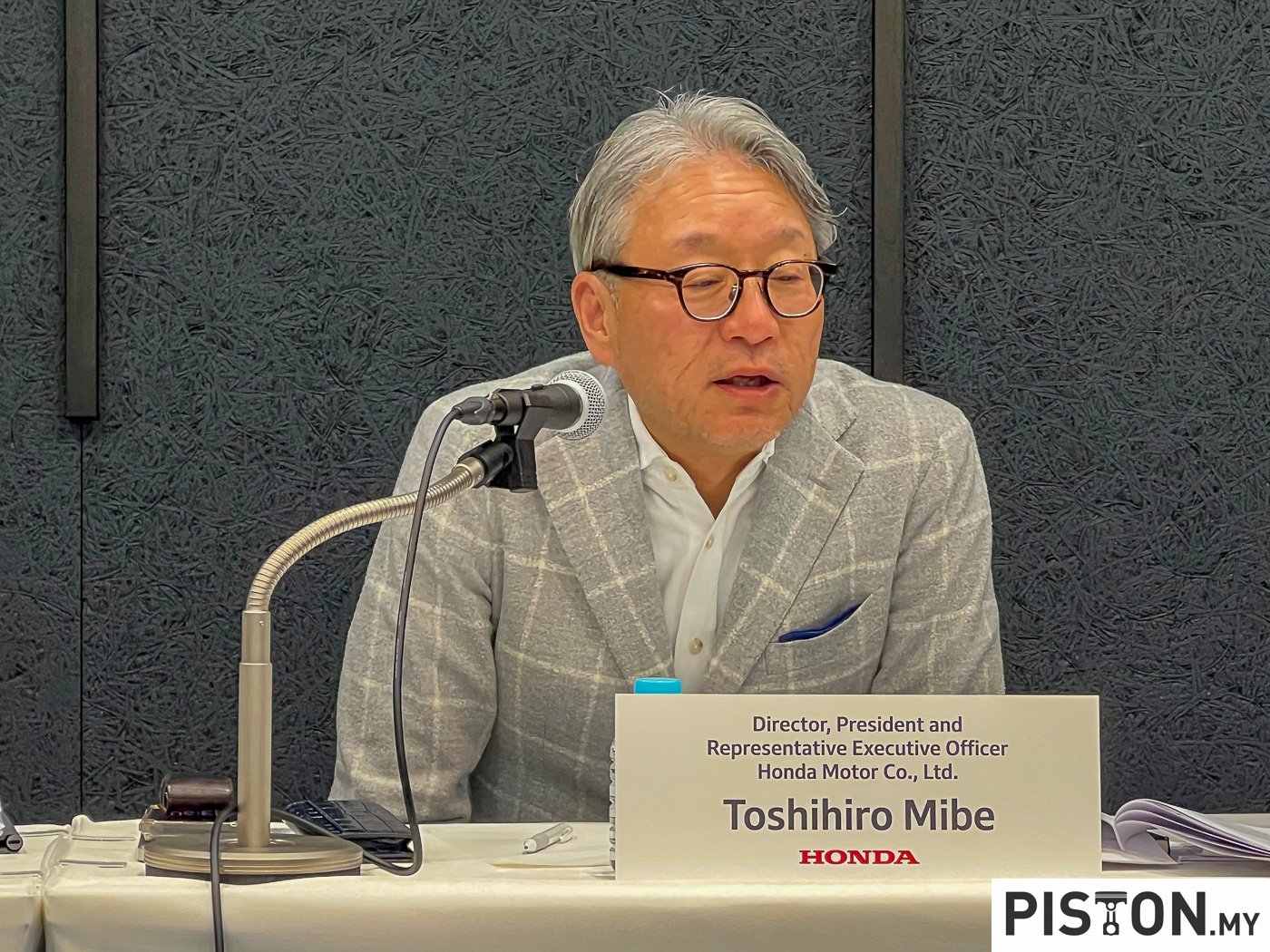
In attendance was the man himself, Toshihiro Mibe, Director, President and Representative Executive Officer of Honda Motor Company, Ltd.

Mibe-san is not your regular executive. He joined Honda in 1987 and began his career in automobile research and development with a focus on engine development.

On Honda’s official press site, Mibe-san is described as a “true engine expert” and has played a key role in the development of some of Honda’s most iconic engines that have powered most of Honda and Acura models for the past two decades.

He was also the President of Honda’s global research and development and has been the driving force in the advancement of Honda’s electrification effort.

So when Mibe-san talks, we listen.

Also in attendance were press members from other countries who asked questions that were specific to their markets, but there were two key takeaways for global markets.

The first being Honda still acknowledges that battery electric vehicle’s play a big role in environmental impact.
Despite heavily backing hybrid technology as the best way forward, Mibe also reaffirmed Honda’s commitment to BEV’s.

During the interview Mibe said, “it is not true that we are scaling back on our development of full EV’s, but compared to our initial forecast, the volume will have to be lower”.

“As I have said before, when it comes to carbon neutrality for passenger cars, battery EV’s are the optimum solution. That remains unchanged. So, it is not that we are scaling back on EV development, but we are just reviewing and revising our models and their volume, and we will continue to work on that”.
Mibe was also quick to reaffirm Honda’s commitment to hybrids, which the company has been building and refining over many years.

“On the other hand, hybrid vehicles is an area where we have many years of experience, and we have been building hybrids for more than 25 years or so”.
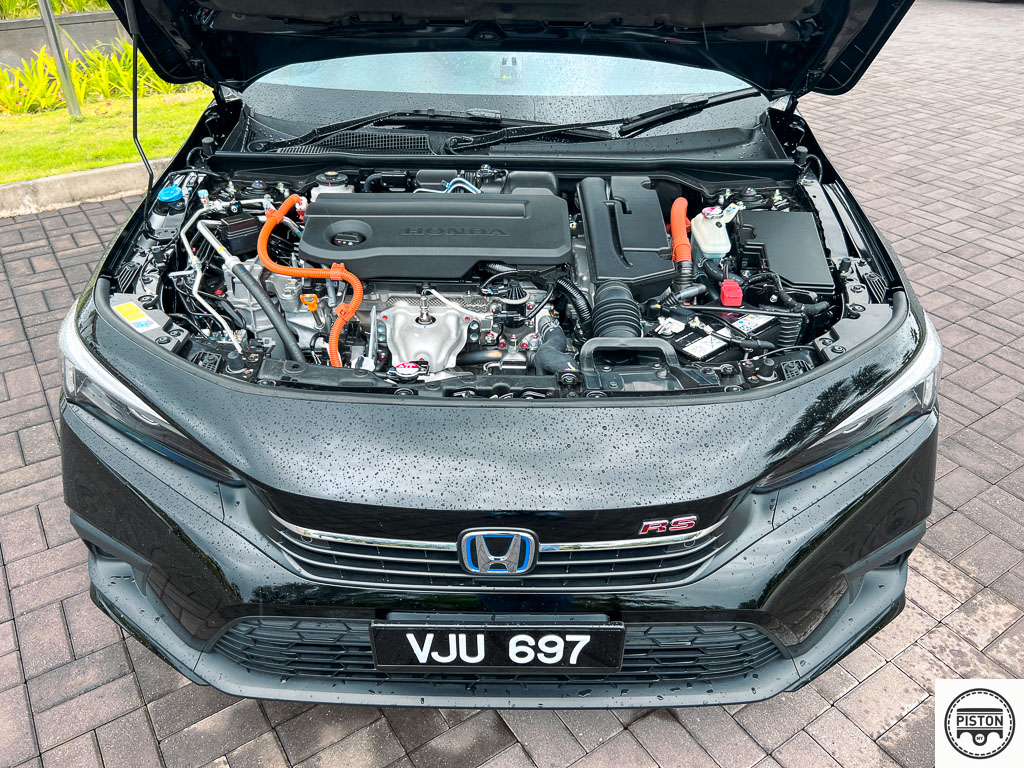
“We have plenty of expertise and know how when it comes to hybrid vehicles, so without spending extraordinary amount on development expenses, we can utilise our expertise, keeping down the investment required and we can develop new models out of those (Honda’s experience). Both EV’s and hybrid will continue to support Honda’s automobile business”.

“We will also increase the volume of our hybrid vehicles, by 2030 we are planning for over two million units of hybrid vehicles. Hybrids will be the main portion of our business (by 2030) and for BEV’s, we will continue with our research and development activities.
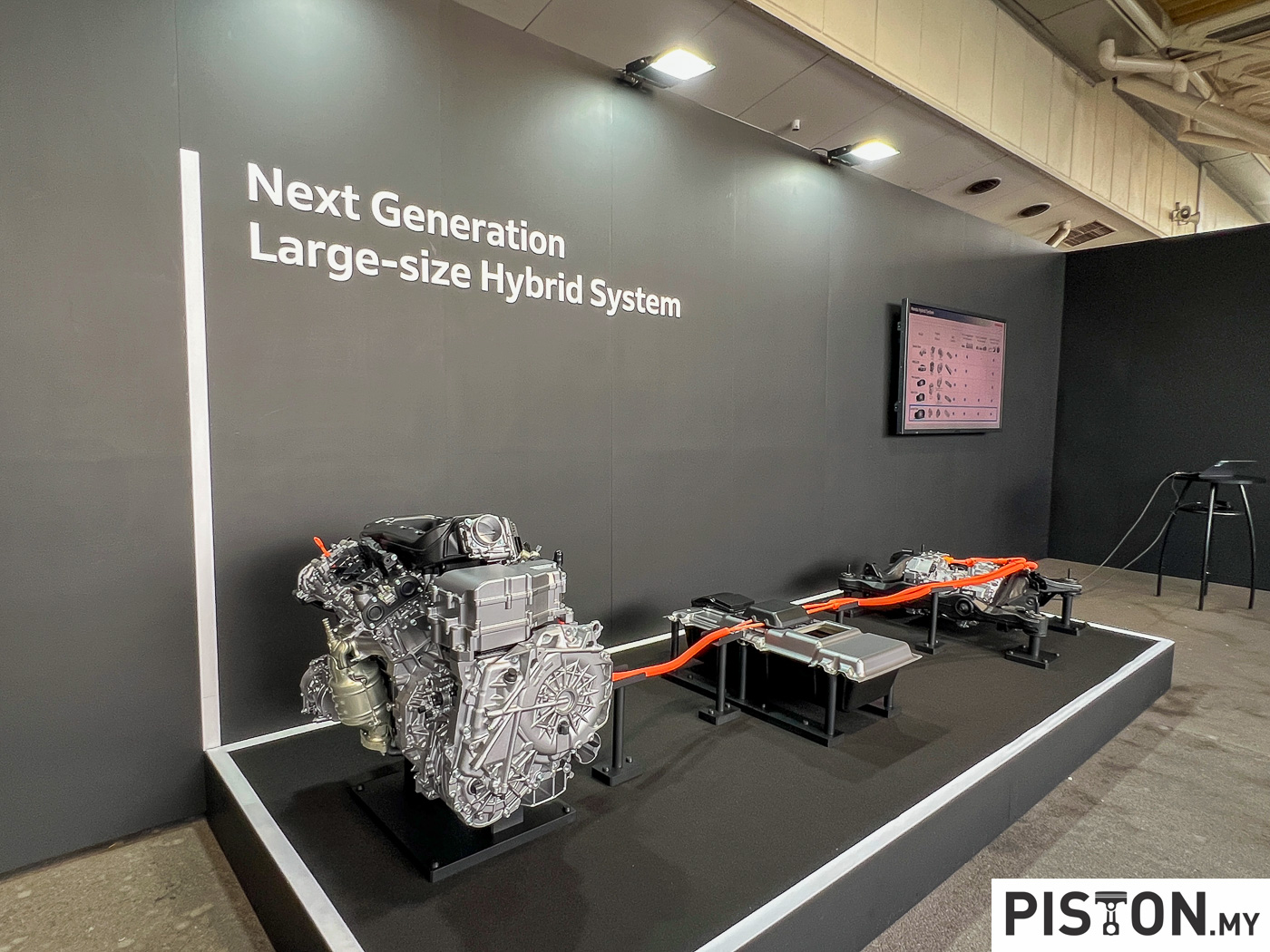
As part of the trip to Japan, I also had a chance to test drive Honda’s future hybrid technologies. Besides the usual emphasis on efficiency and environmental factors, Honda’s engineers also placed a big importance on making the hybrid powertrains feel as close to a regular internal combustion engine as possible, thus improving the ‘feel good’ factor of Honda hybrid cars.
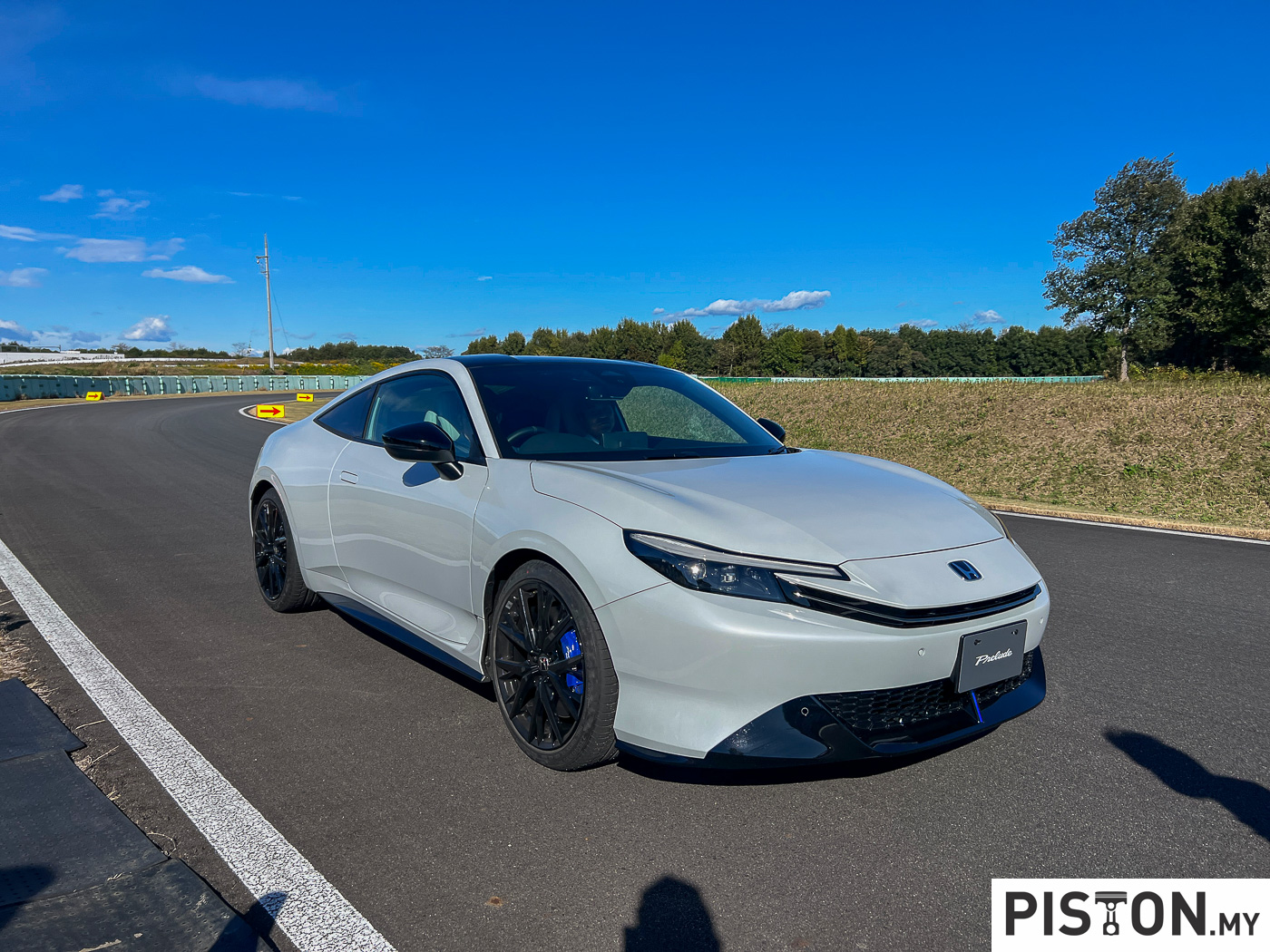
Honda’s hybrid powertrains do not have transmission boxes and rely on electric motors to drive the wheels. But the engineers have figured out a way to simulate engine noise as well as the “feel” of a transmission shifting gears. That requires a different article altogether, but I will say that Honda has done a fantastic job with that because it comes with the accompanying power cuts that we feel in between shifts.

The second takeaway is Honda’s commitment to safety for its four- and two-wheels business. Back in 2021, Honda announced its zero fatalities by 2050 target, and during the recent interview Mibe reaffirmed the company’s commitment to that target.
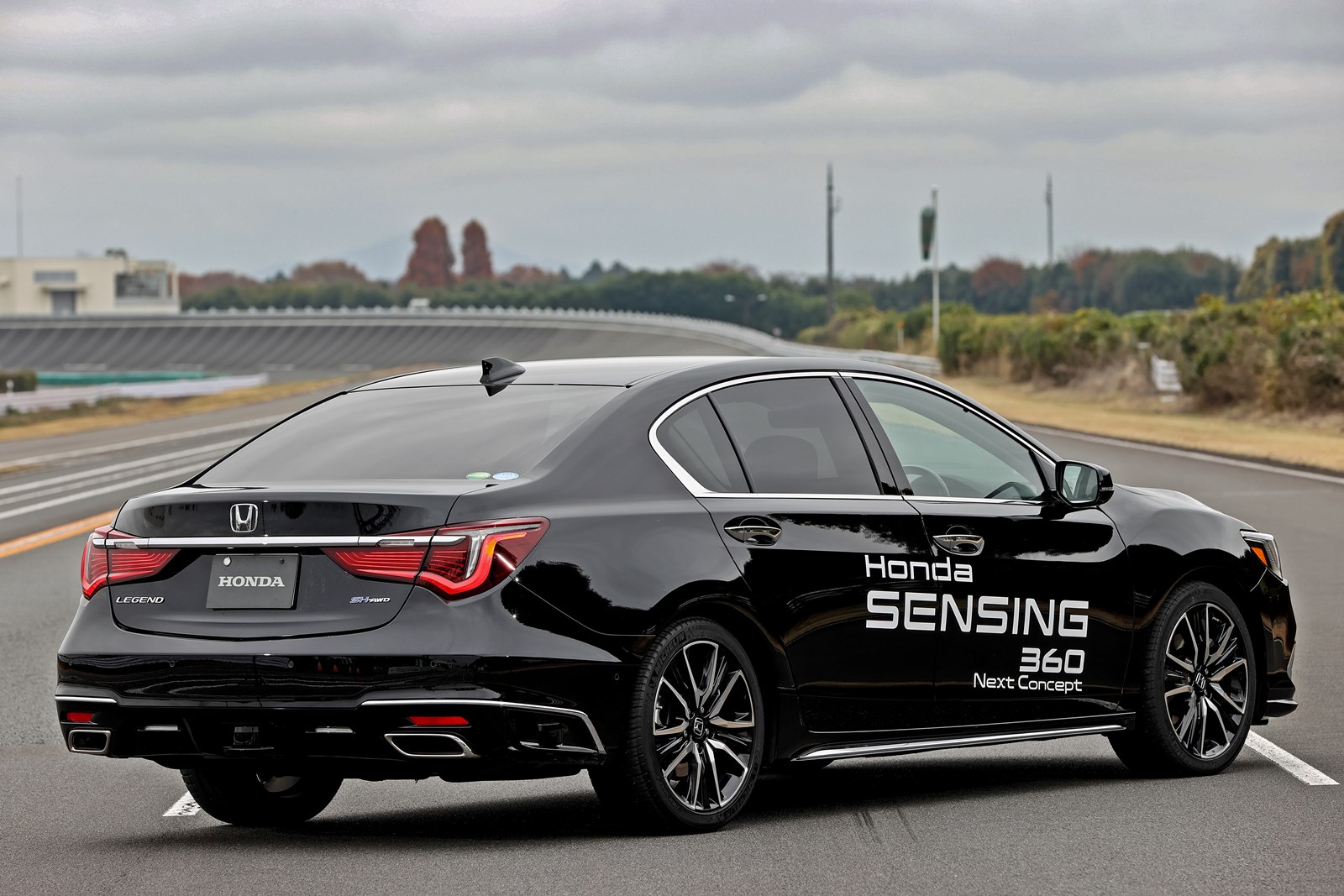
Citing Honda’s SENSING technology (which is Honda lingo for advanced driver aid system) and the progress of artificial intelligence, Honda continues with the target of zero fatalities in just 25 years.

So, you may think that Honda cars are lagging behind its competitors especially those from China, but Honda has survived many challenges, has a clear pathway for its future and judging from what I saw and experienced at Honda’s test facilities, this is a company that dismiss at your own peril.

Archive

Follow us on Facebook

Follow us on YouTube