

We all have a car that reminds us of our childhood. Perhaps of our parents, our first drive or something life changing.
For me it is the Honda Prelude, it was life changing because it was the first sports car that I ever drove and this took place way back in 1993.
I was just 11 and I know what you are thinking but times were much simpler then and fathers could teach their kids how to drive from a much younger age. Social media and camera phones make that difficult these days.
The car was a third-generation model belonging to a cousin of mine. The pop-up headlights were befitting of its time and is something we will never be able to see today due to pedestrian safety compliance.
The car I drove back then even came with four-wheel steering, which was revolutionary for its time. And that sums up the Prelude quite well – revolutionary.
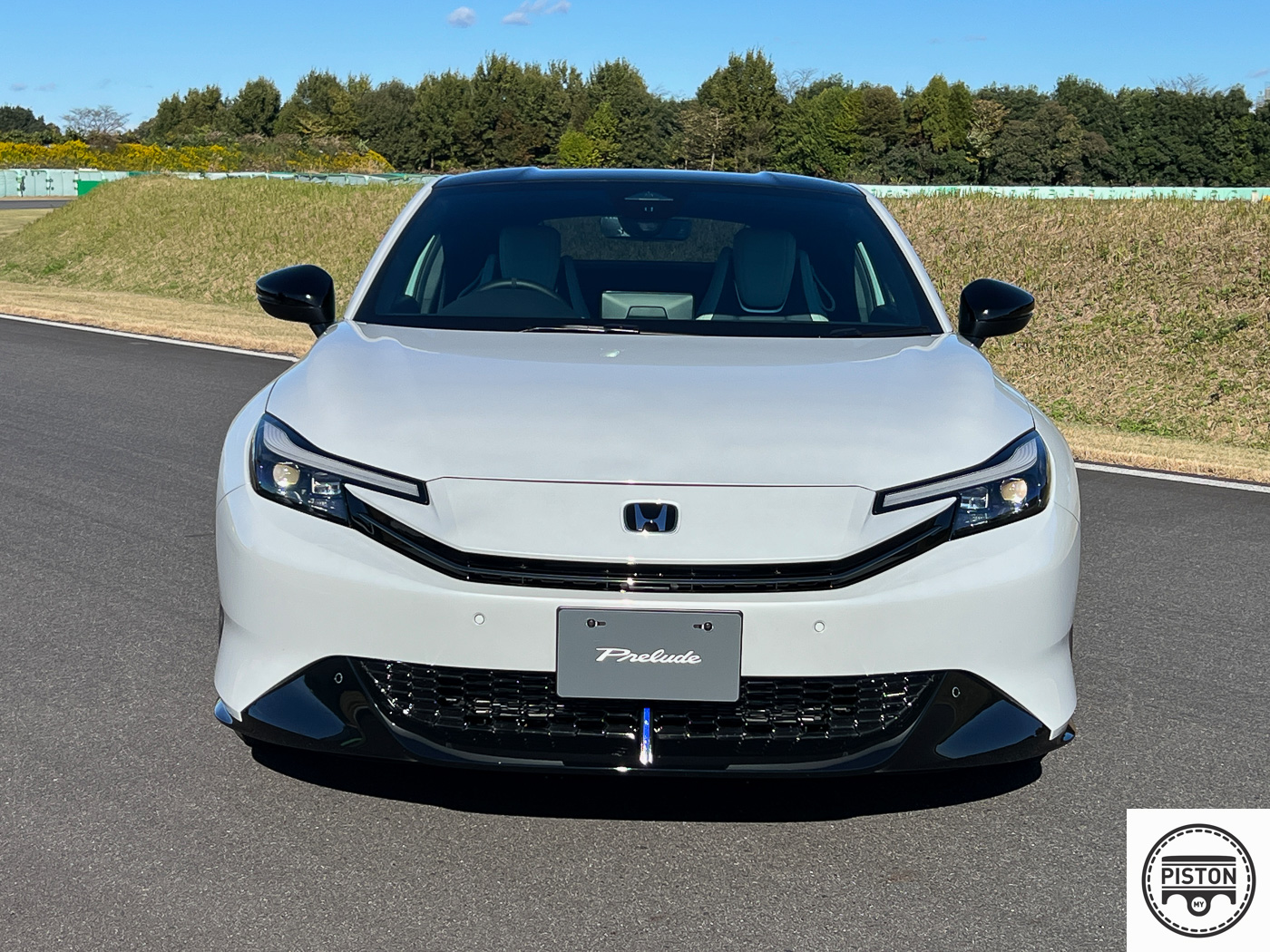
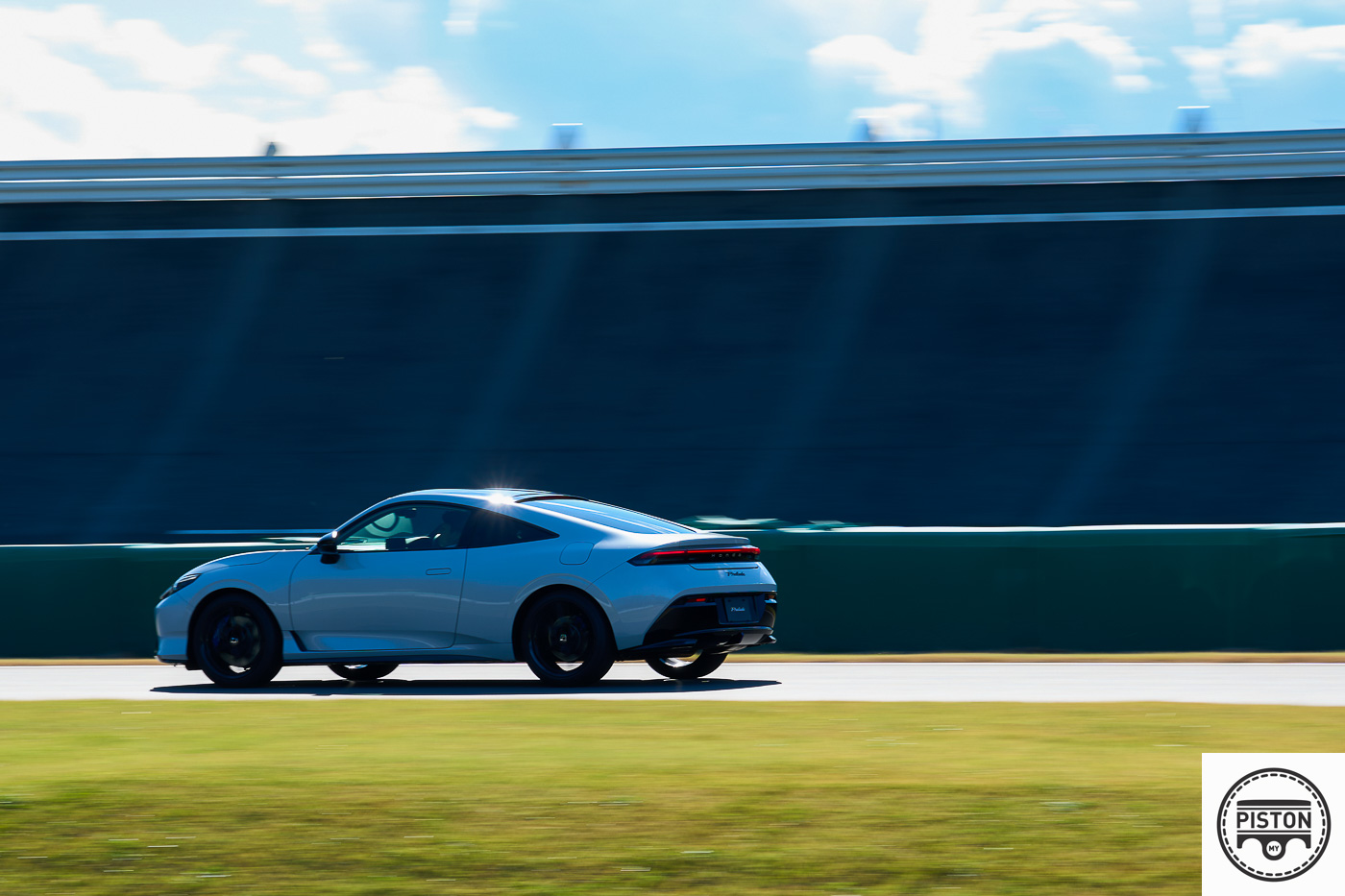
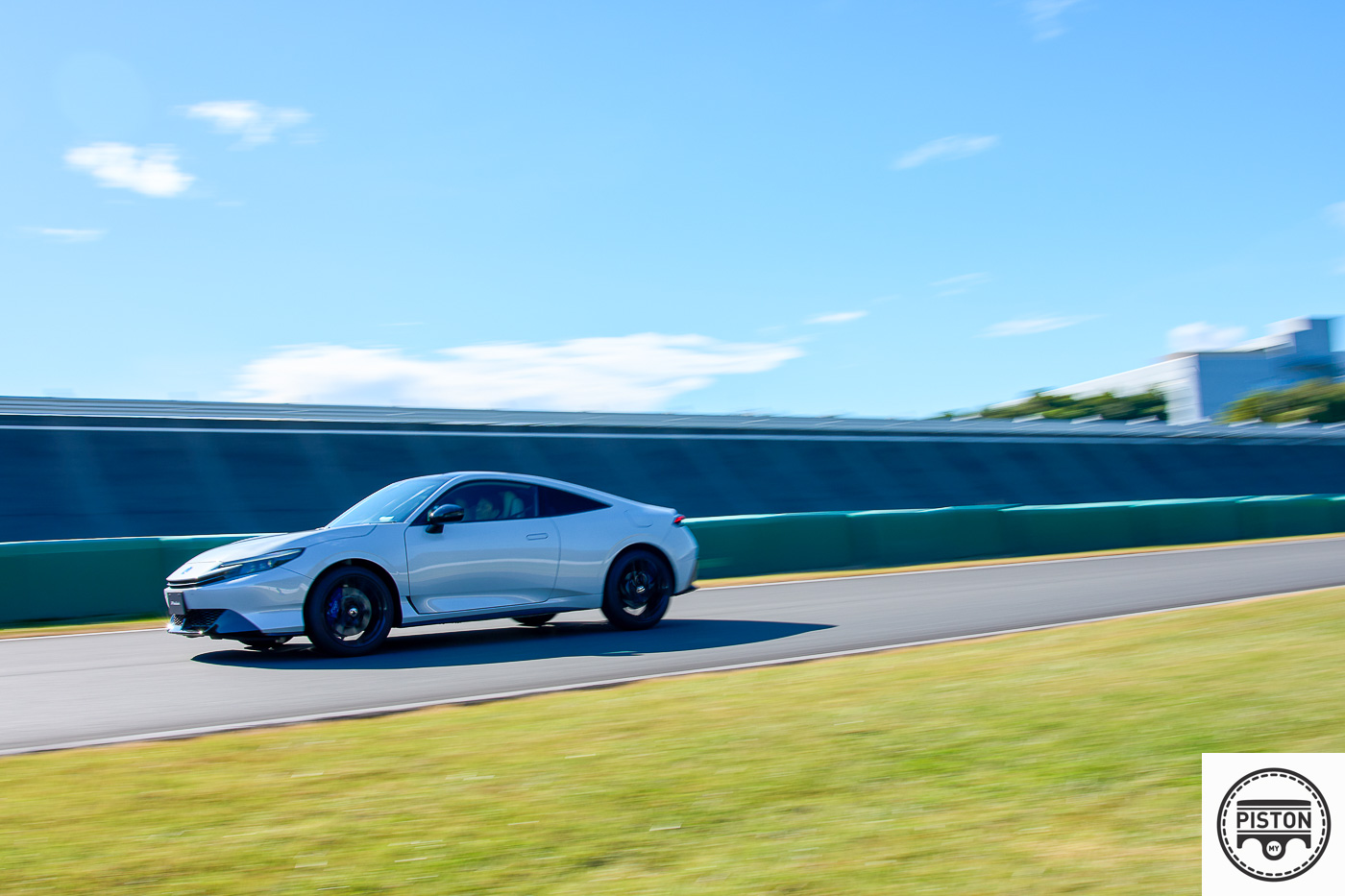
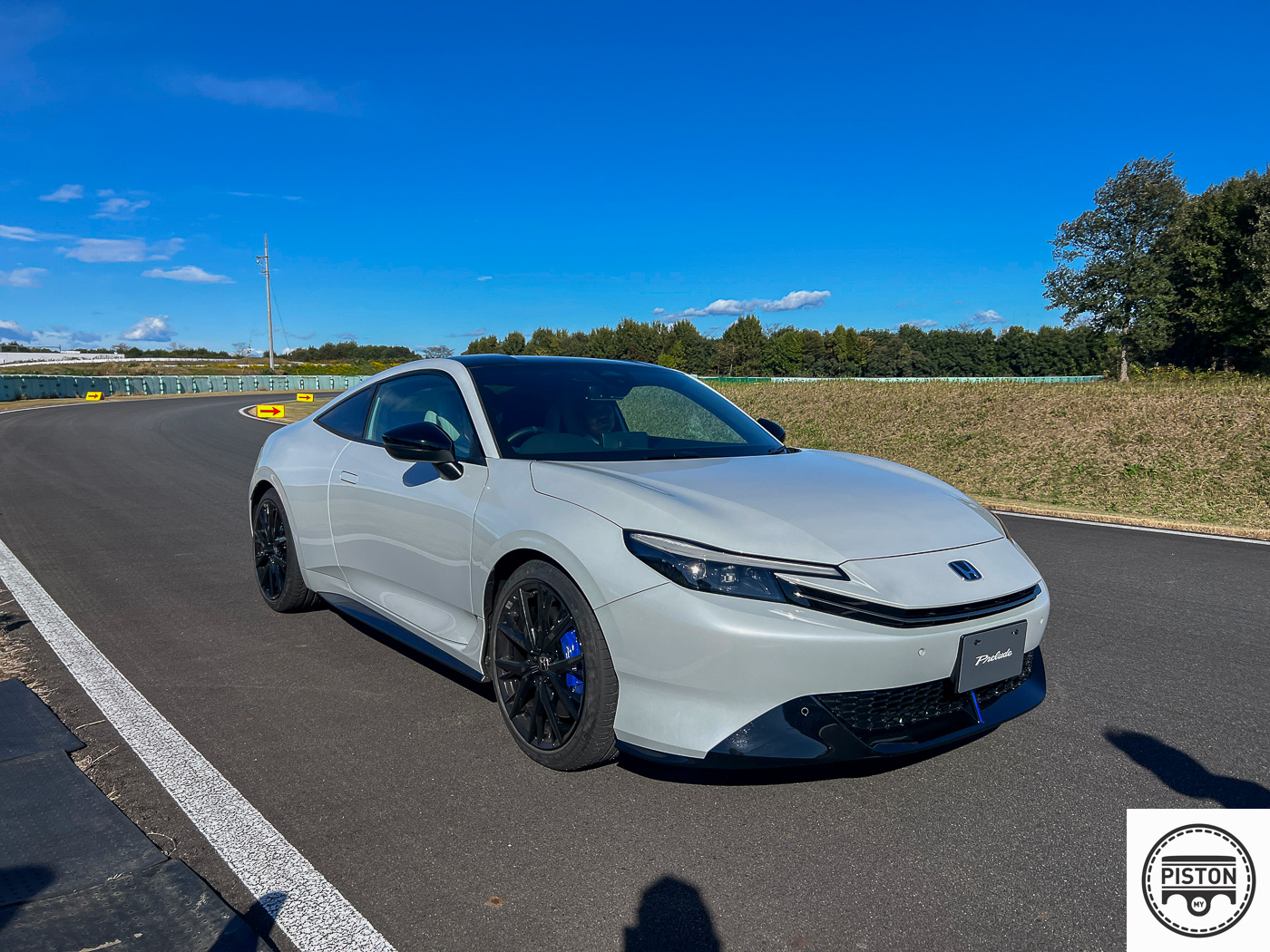
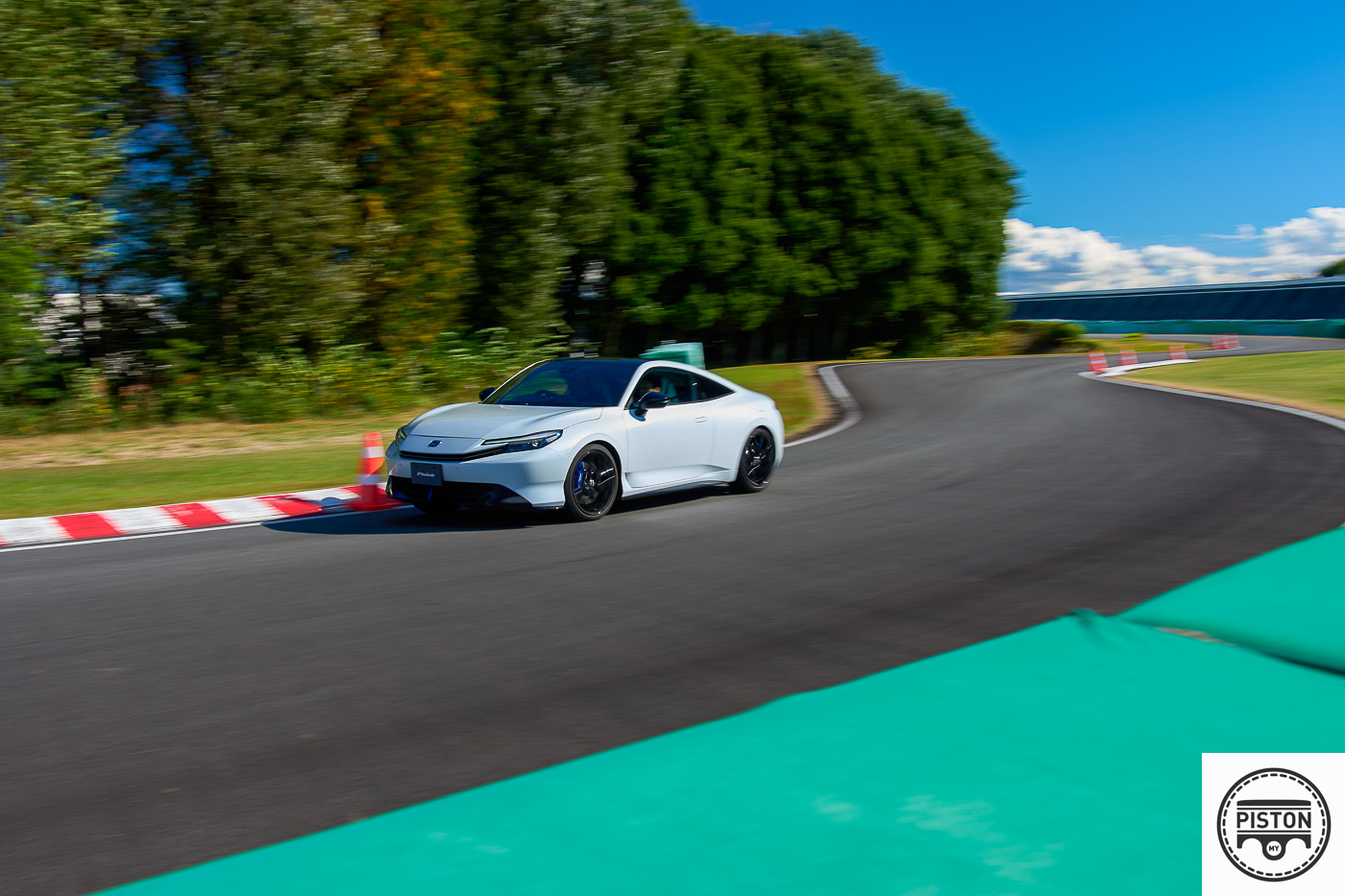
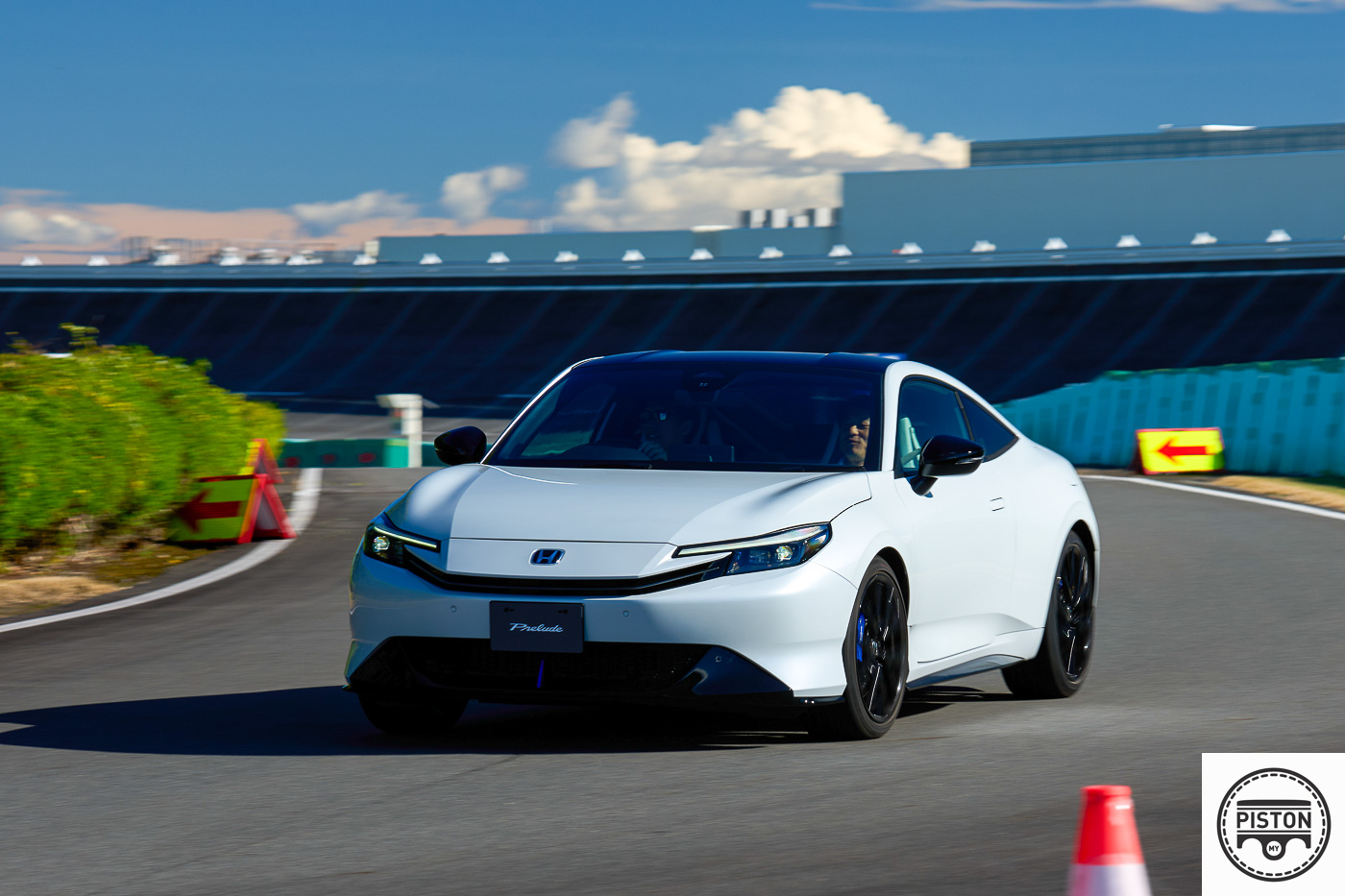
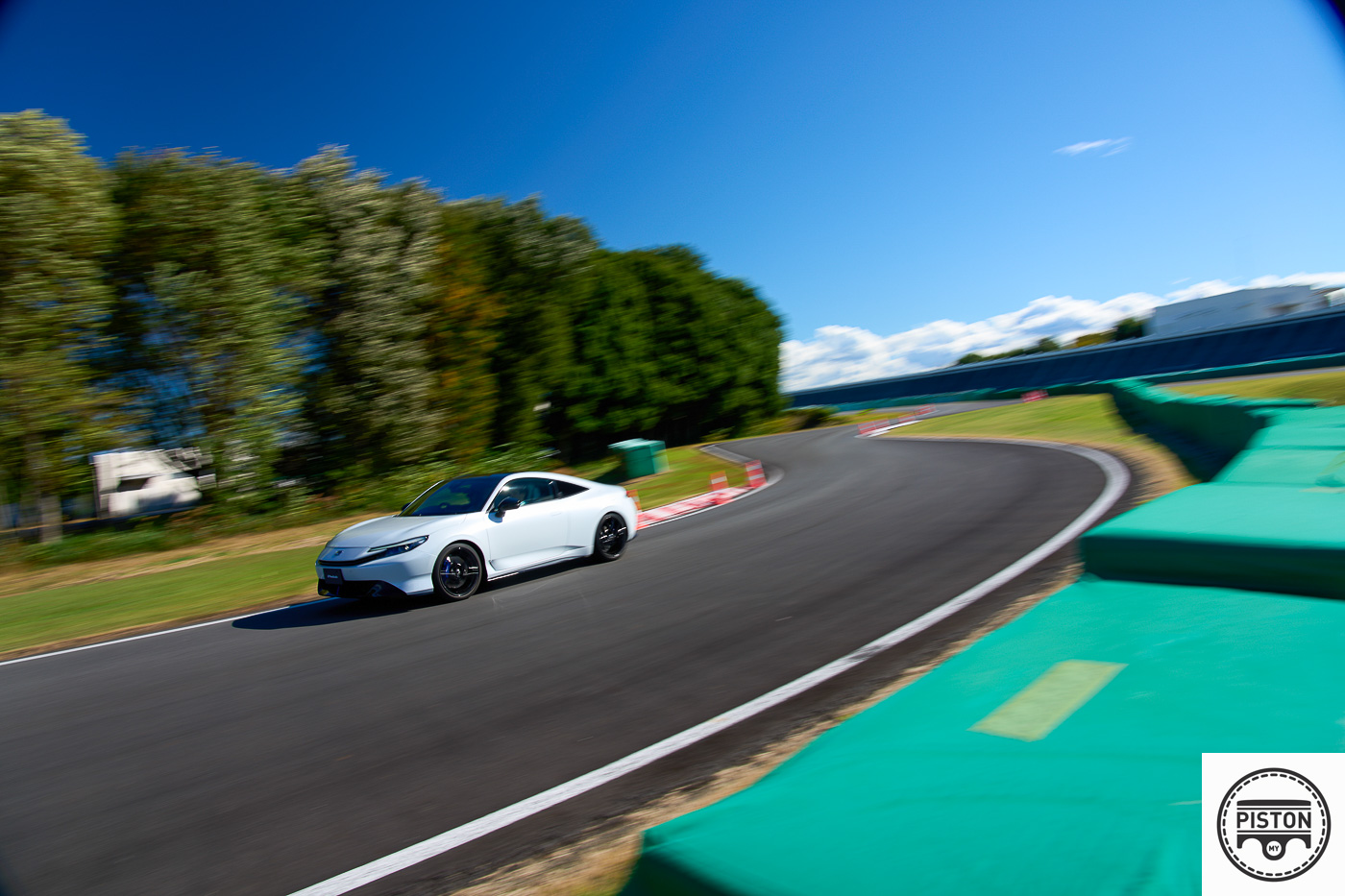
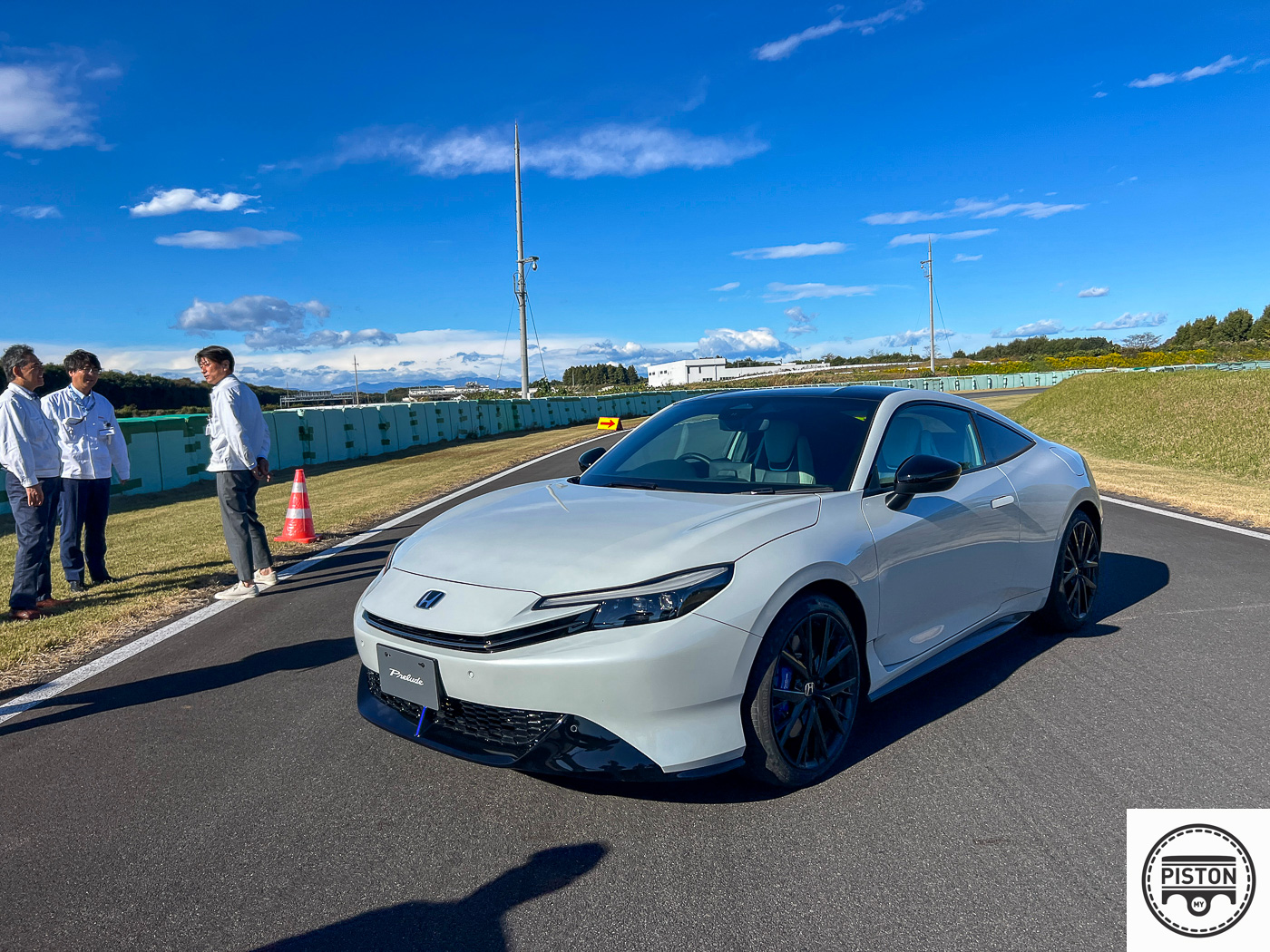
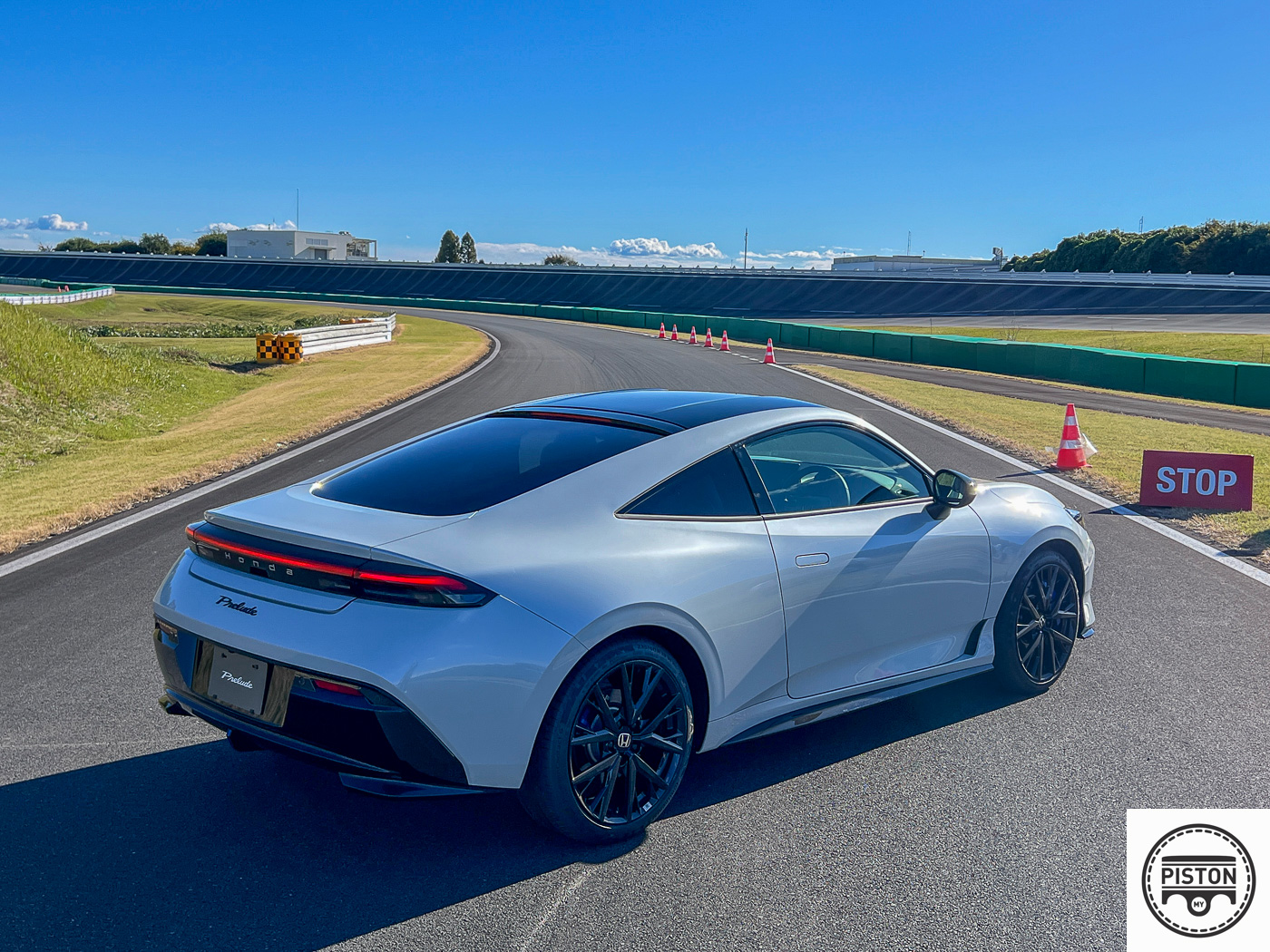
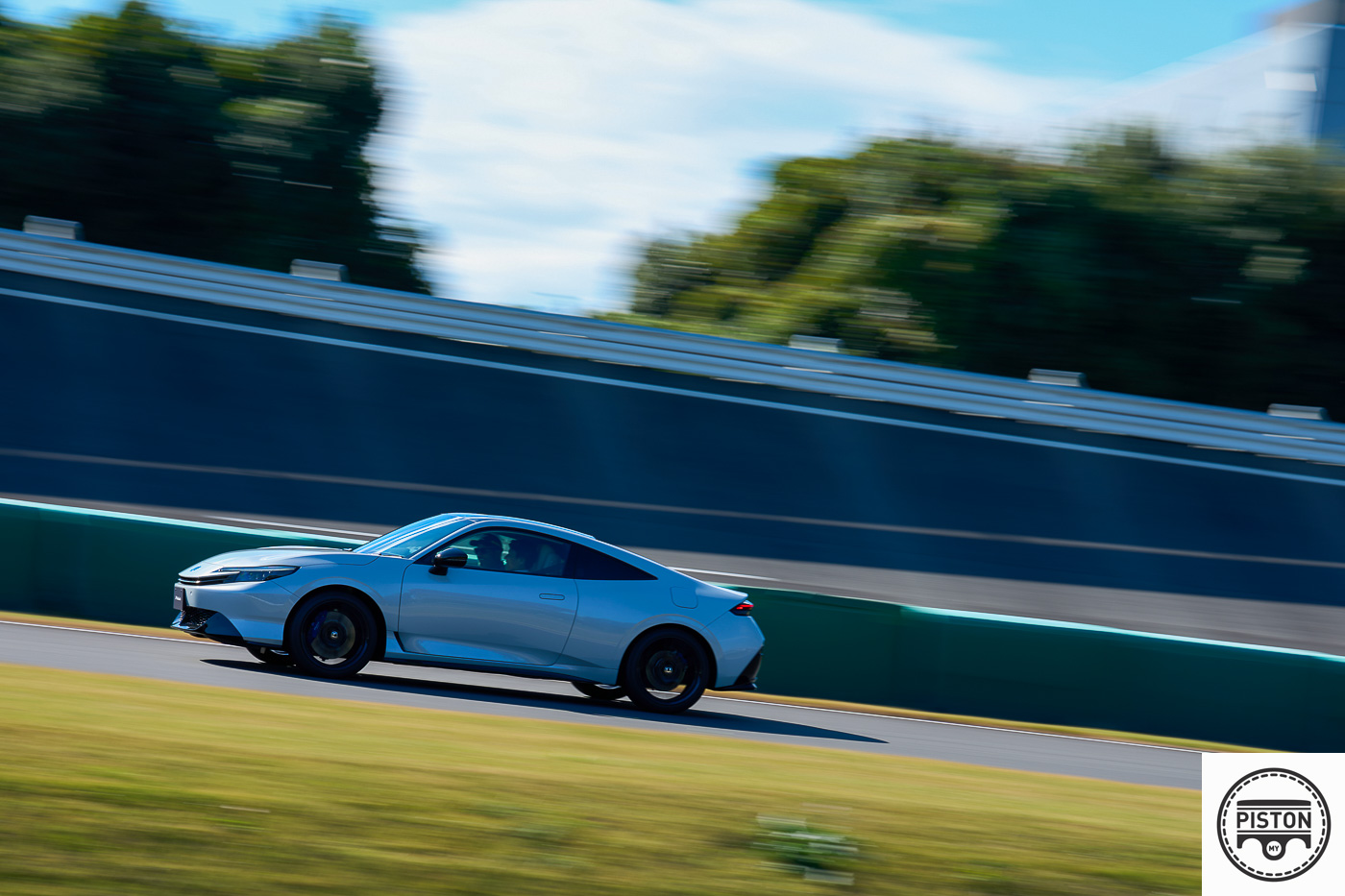
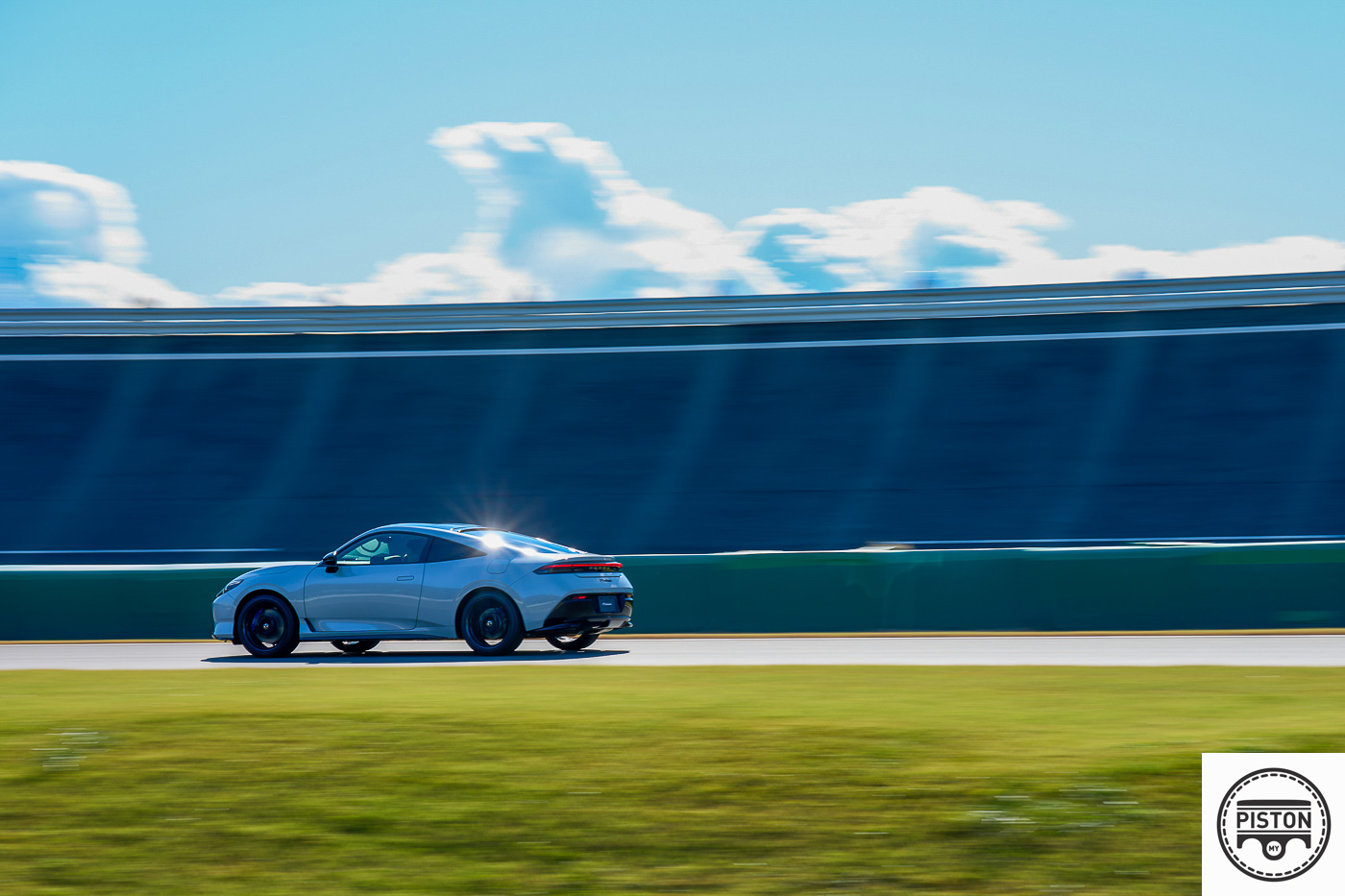
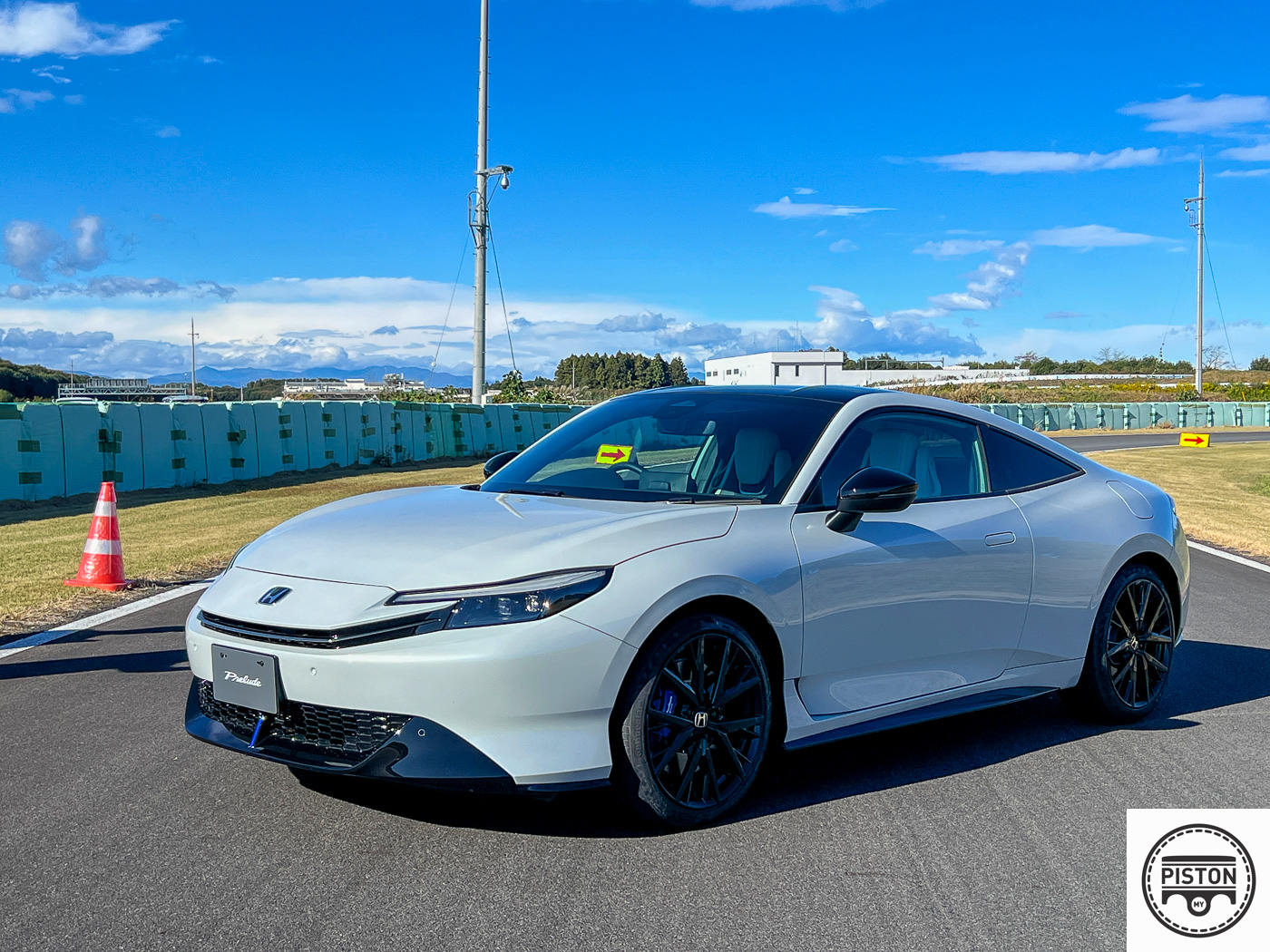
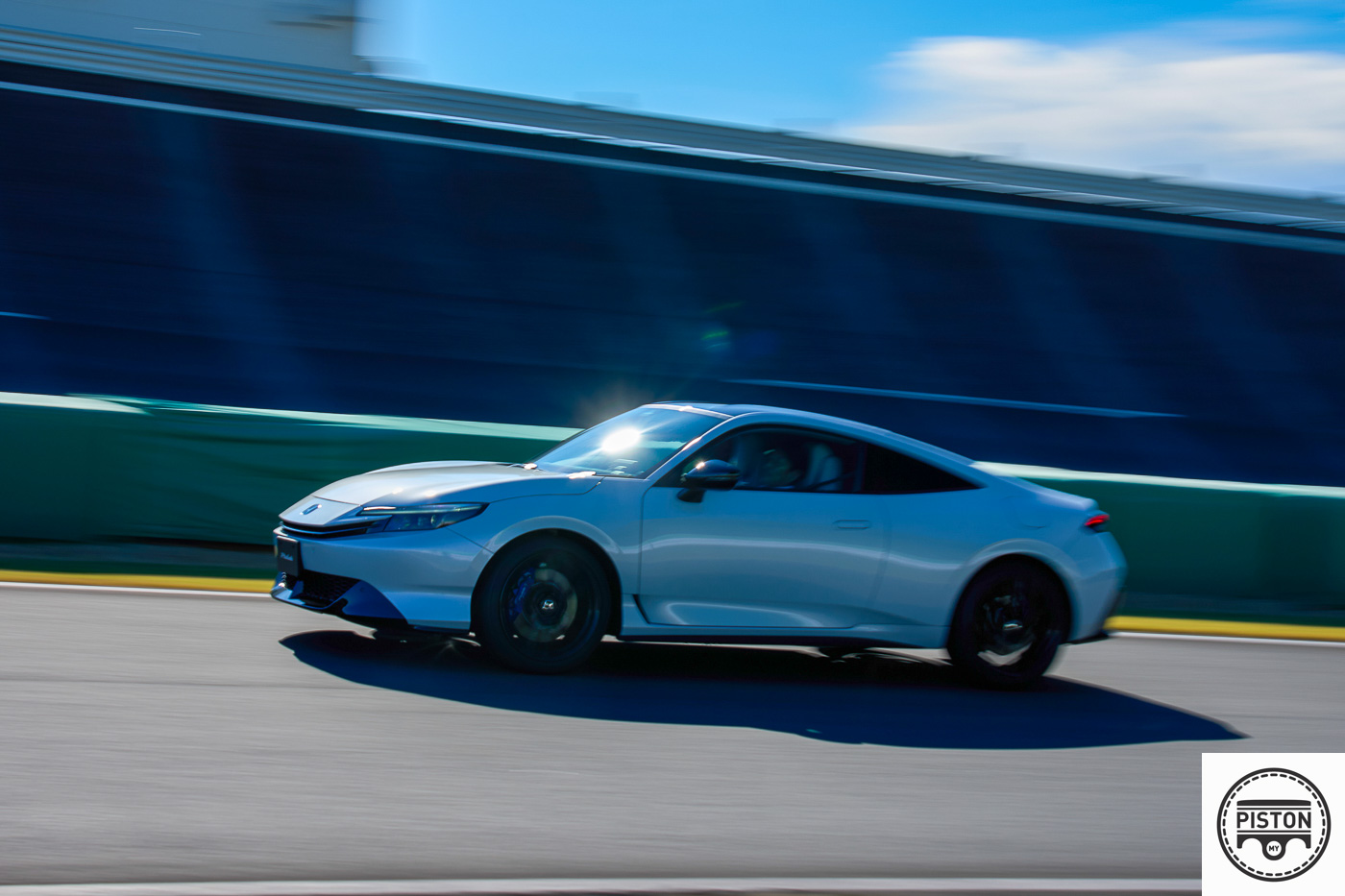
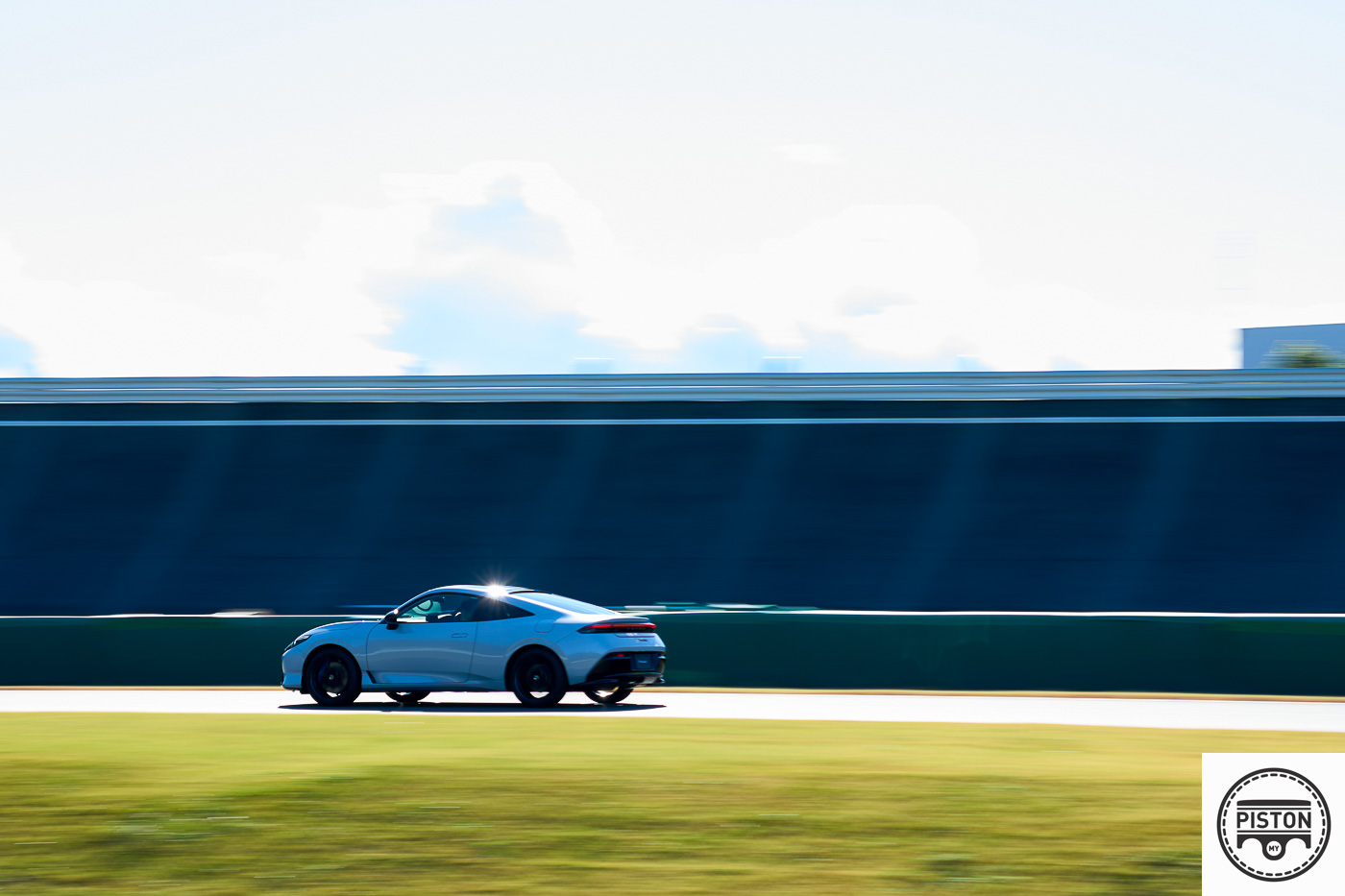
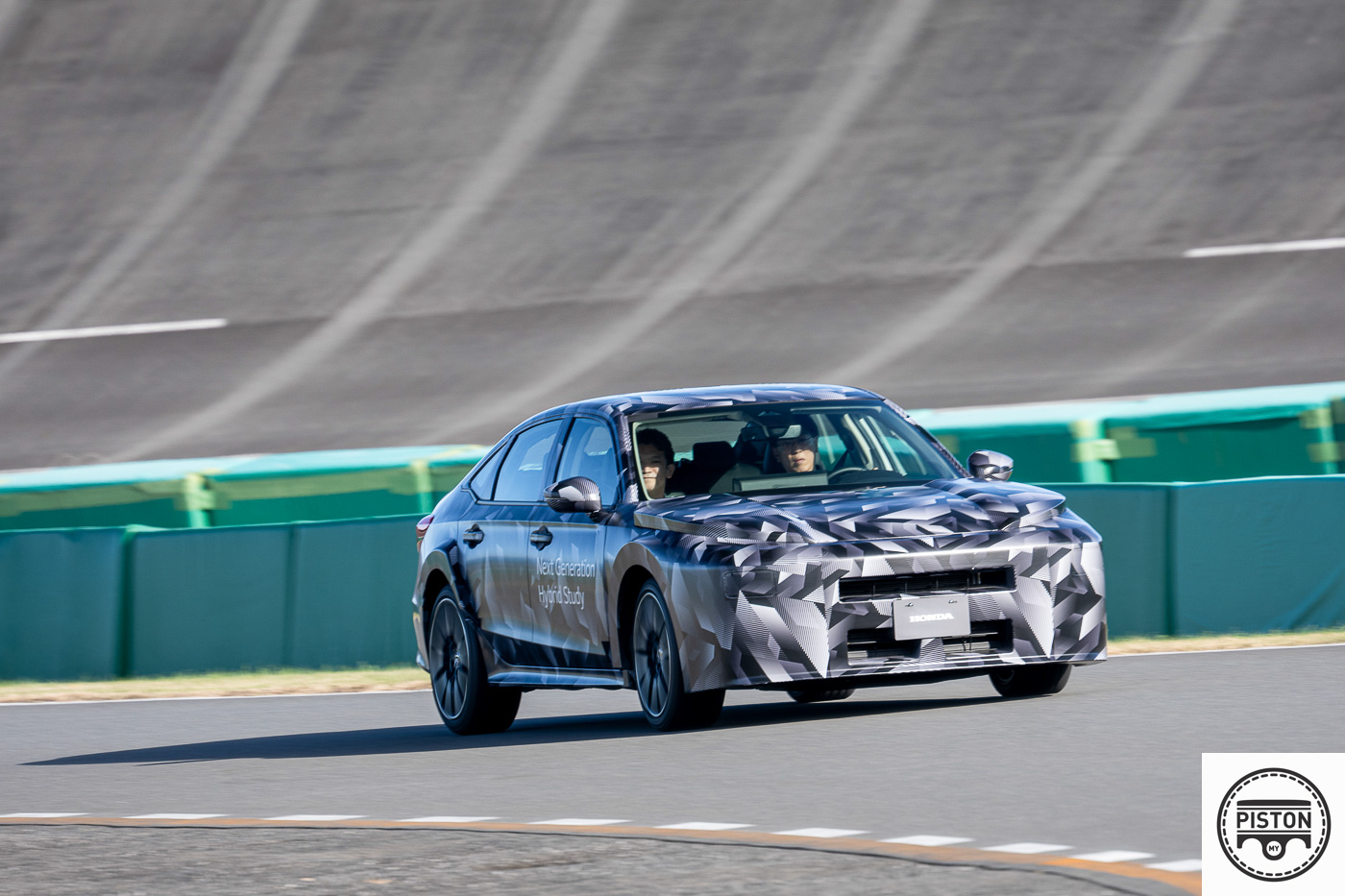
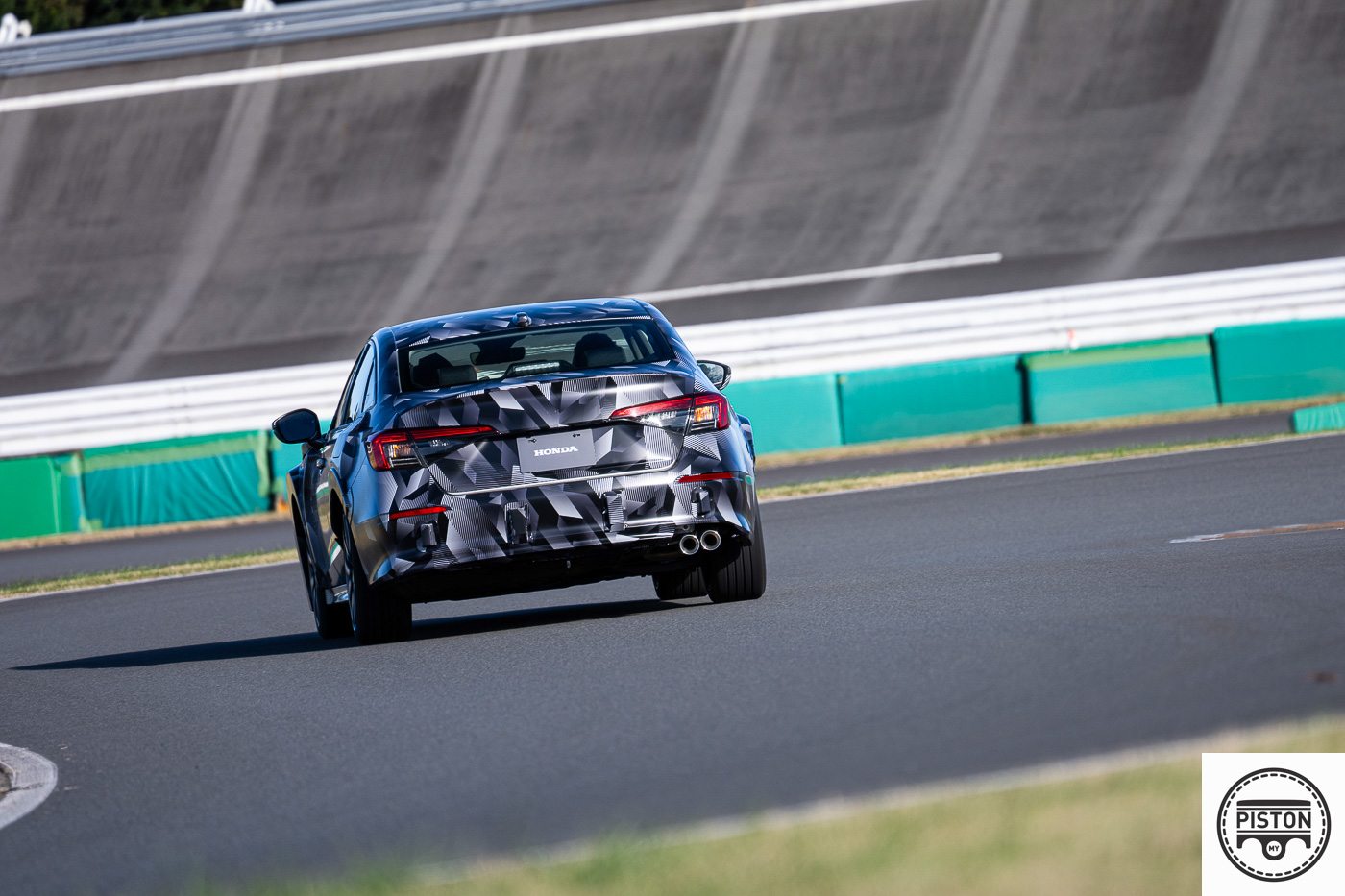
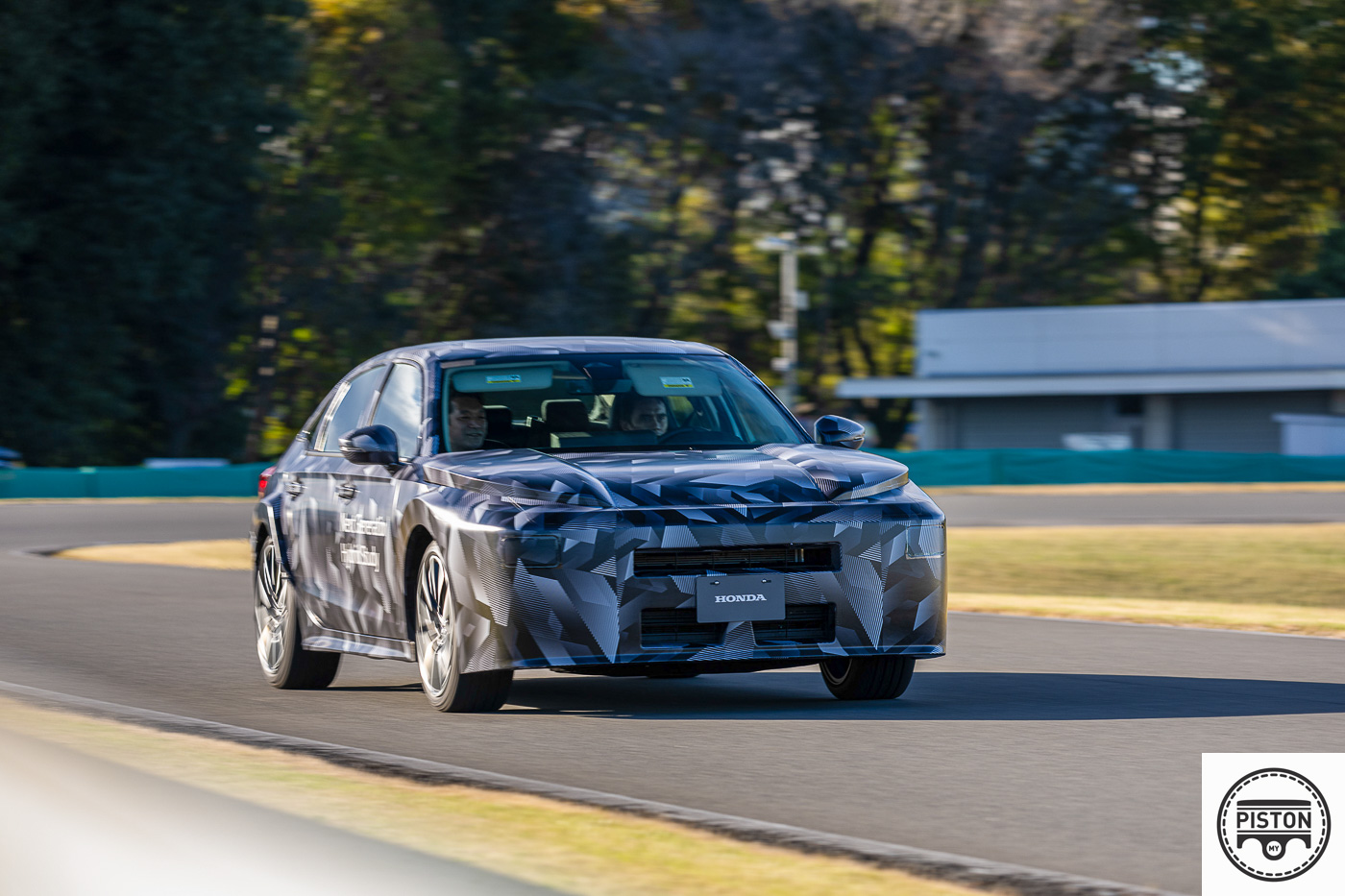
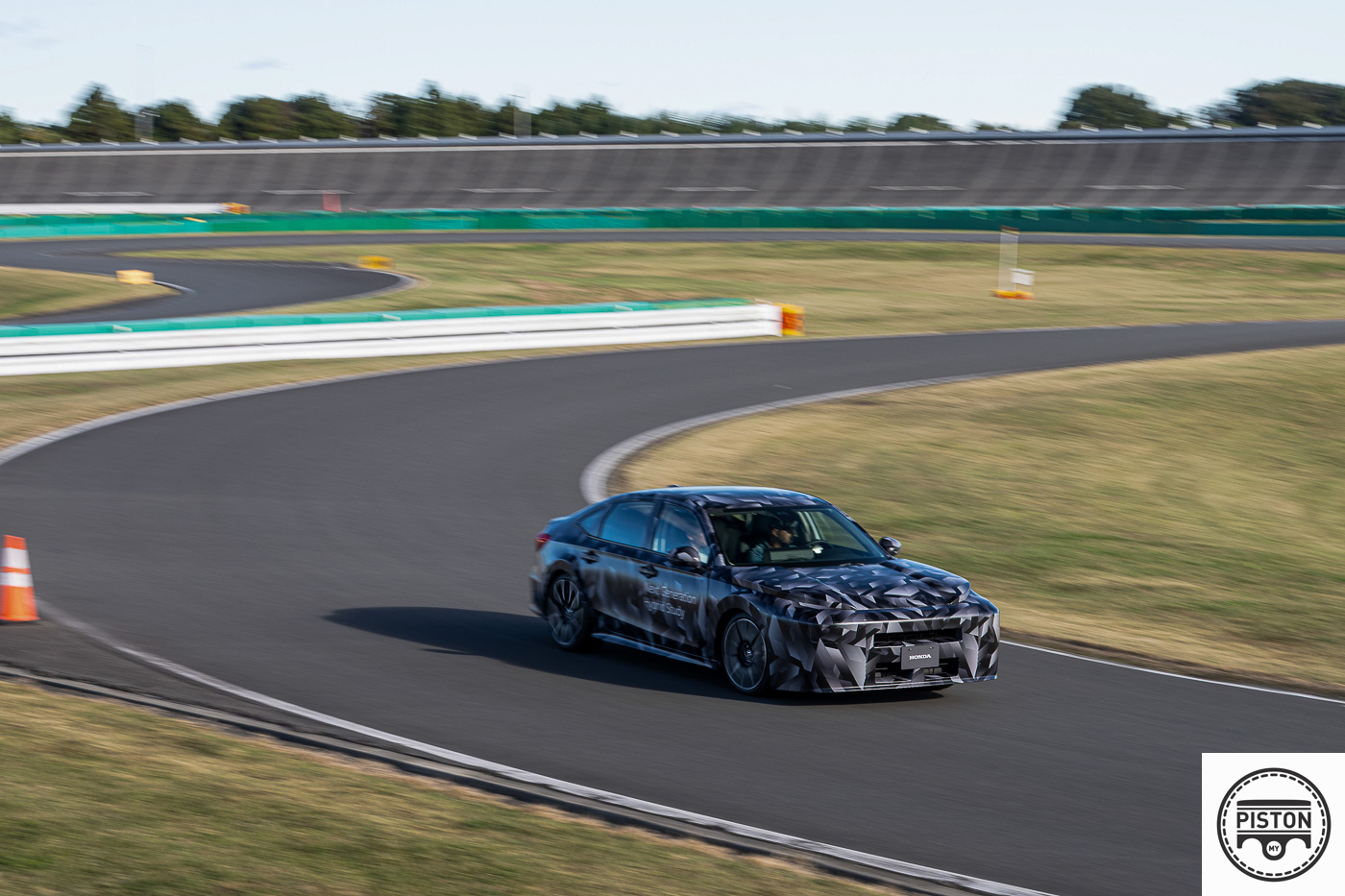
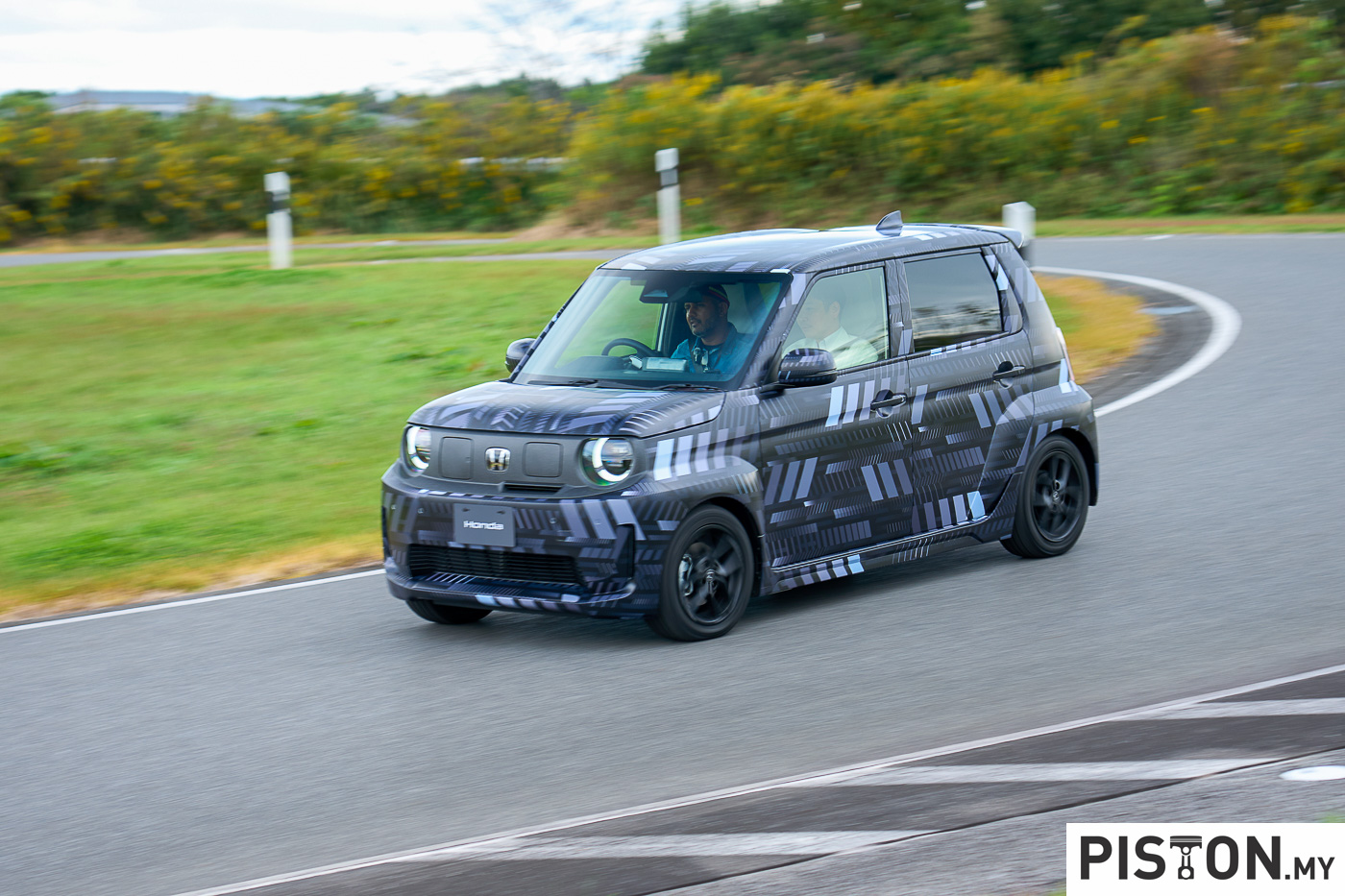
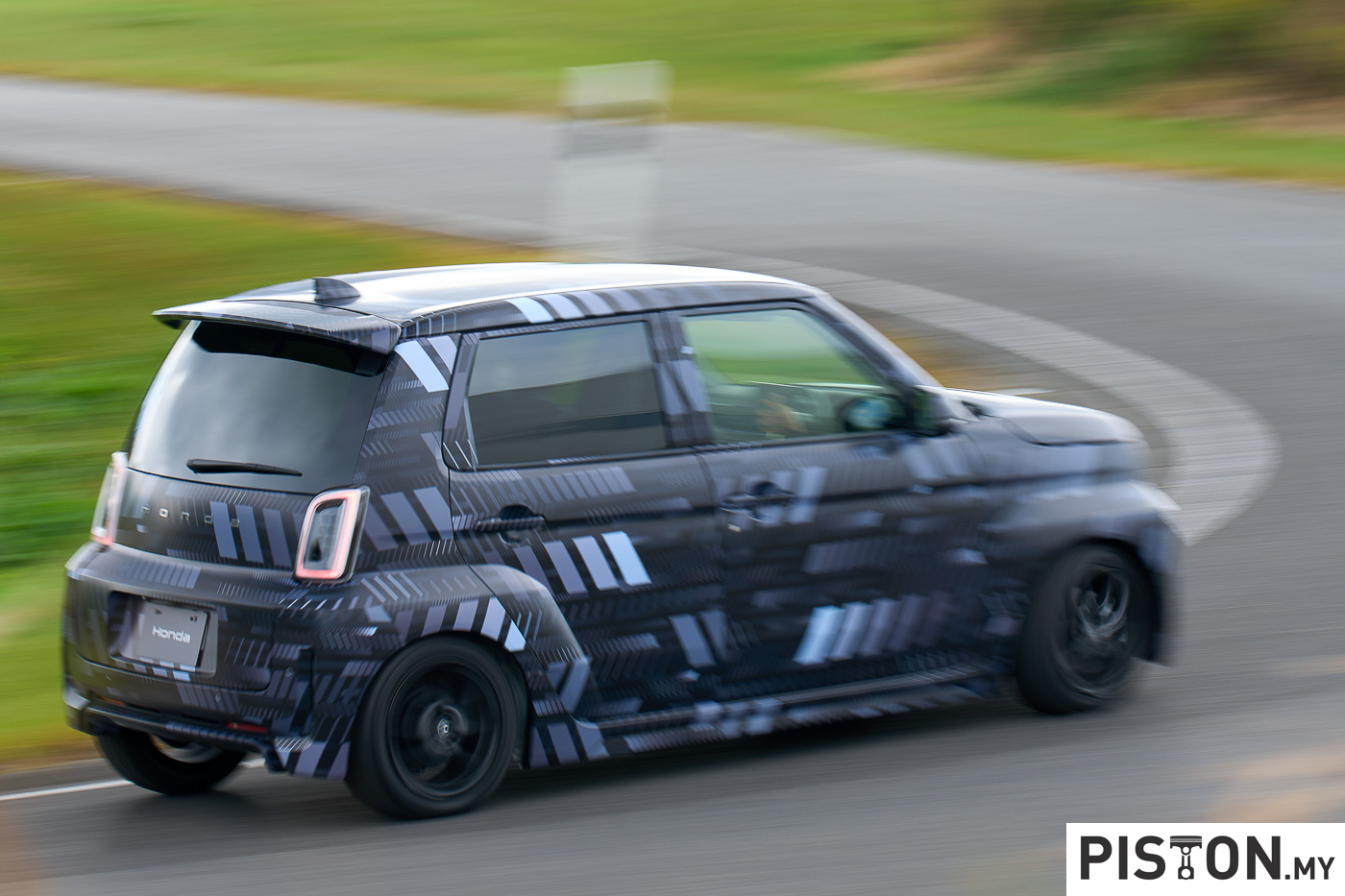
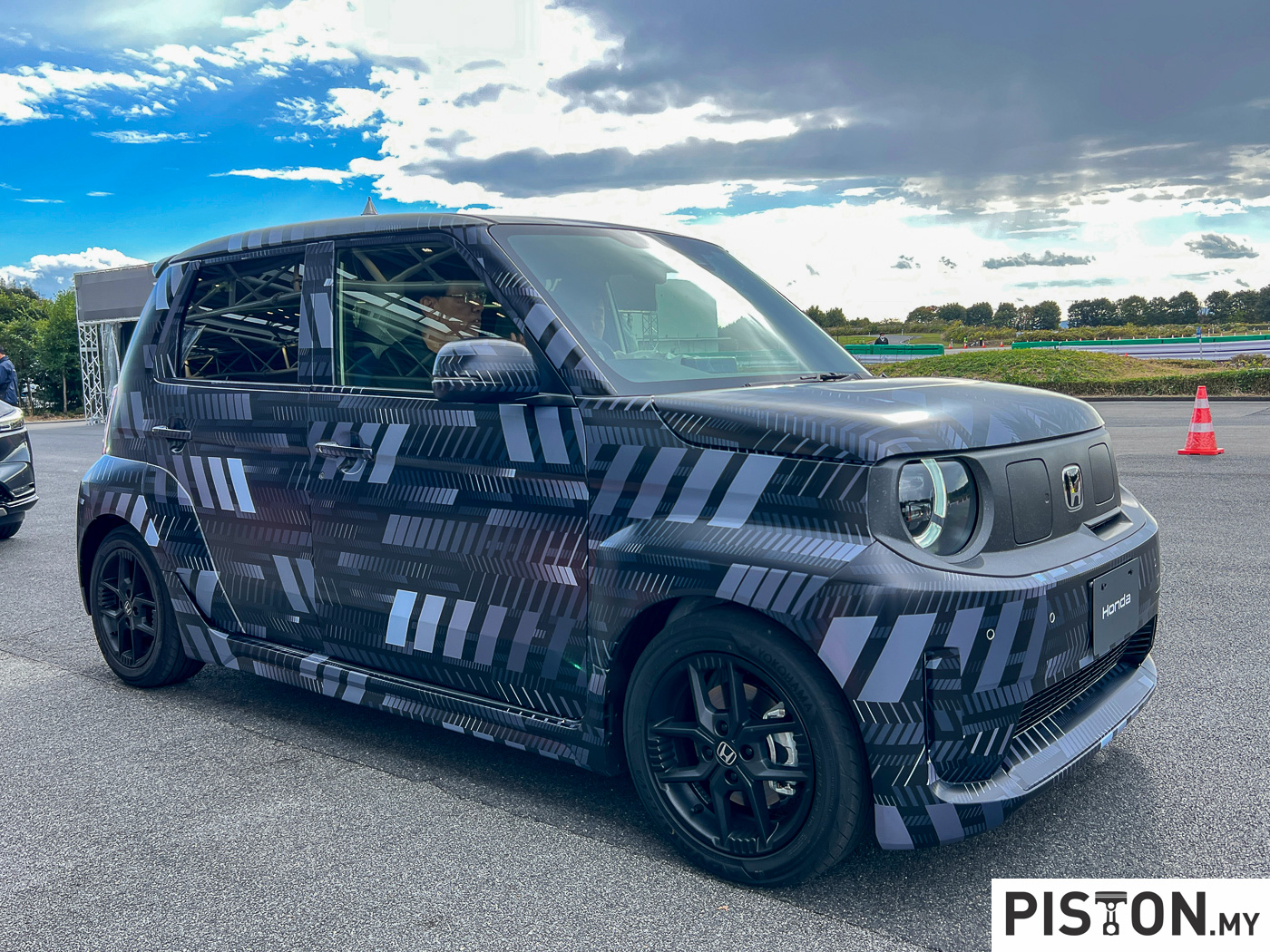
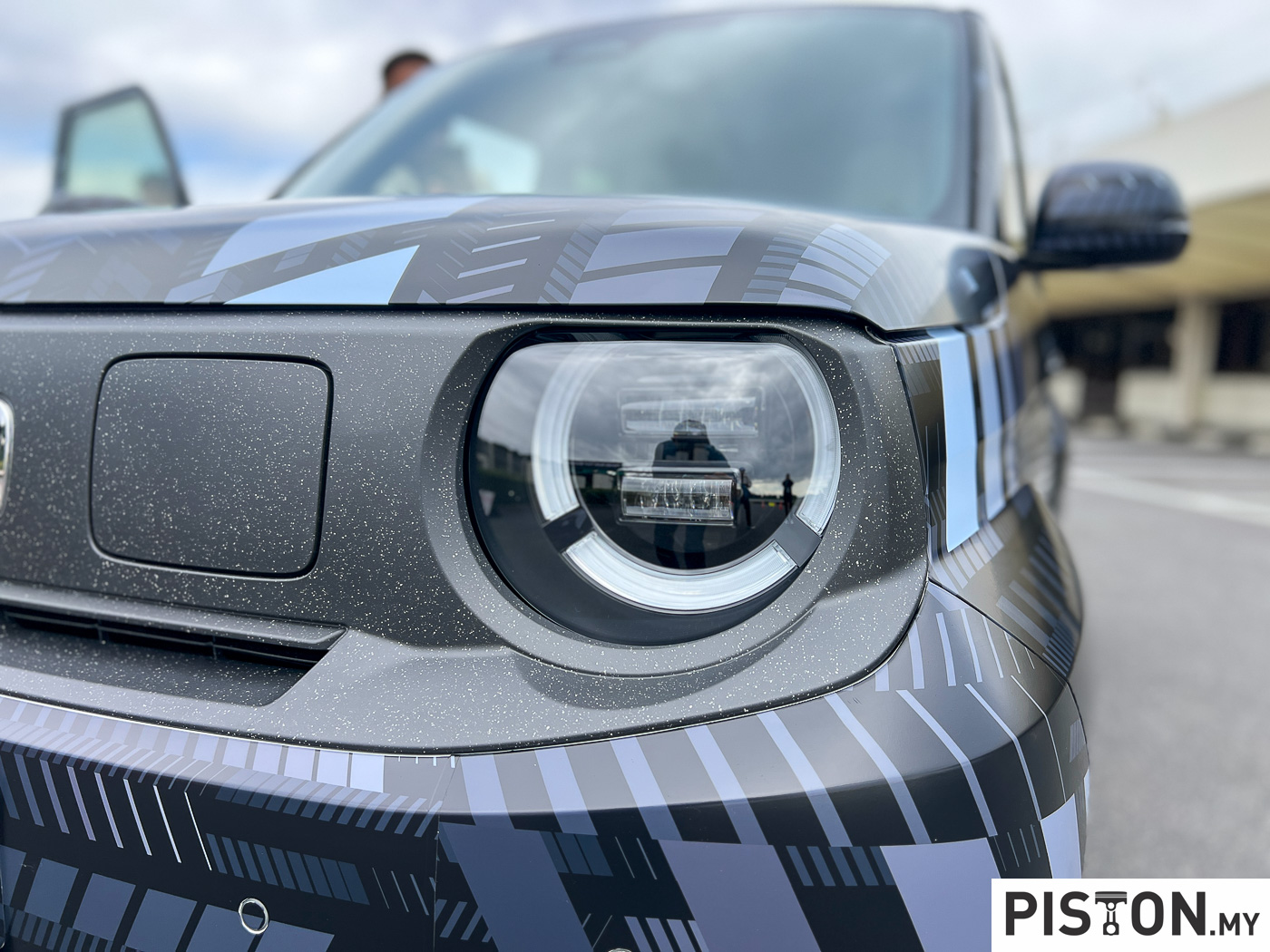
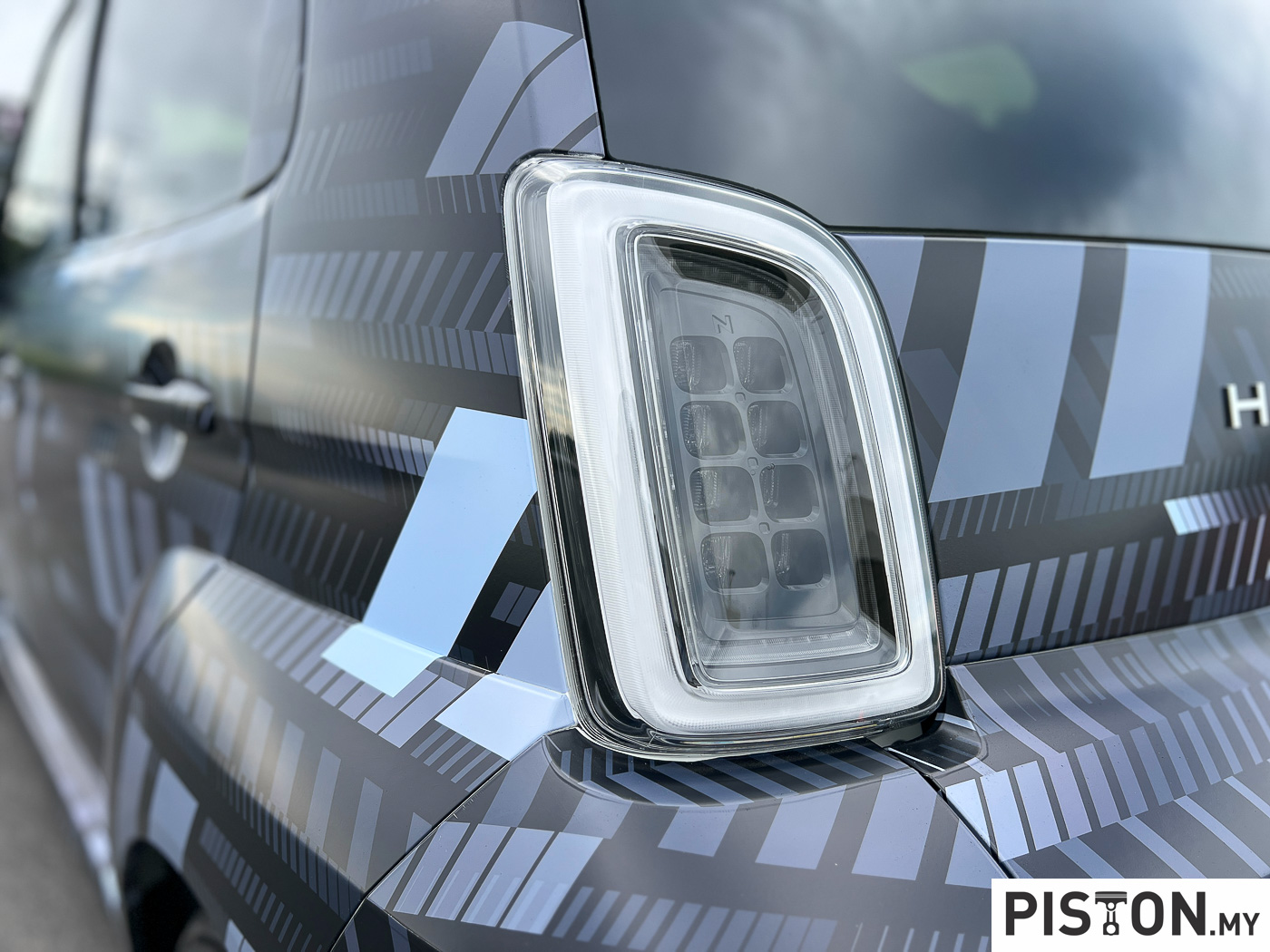
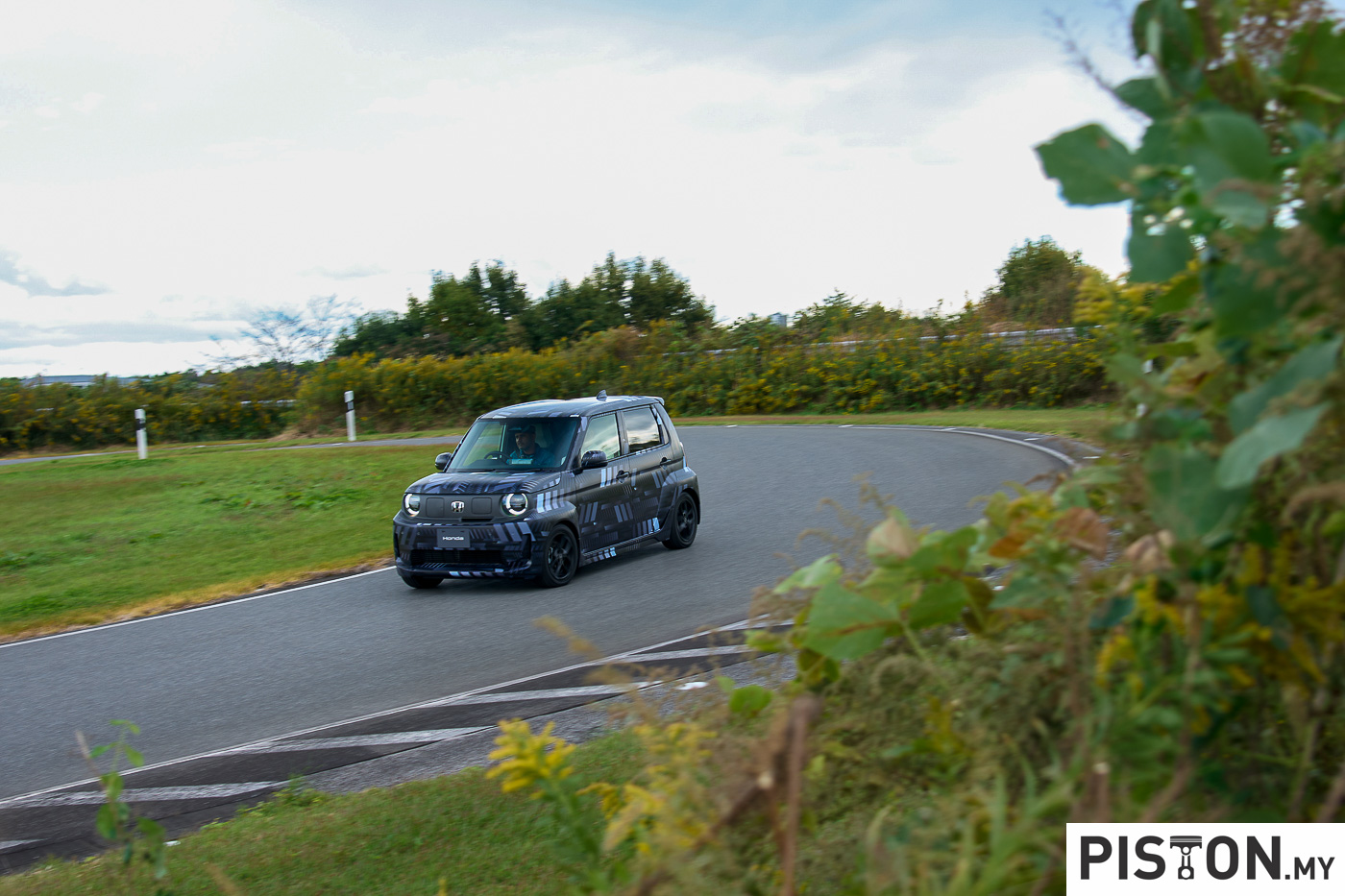
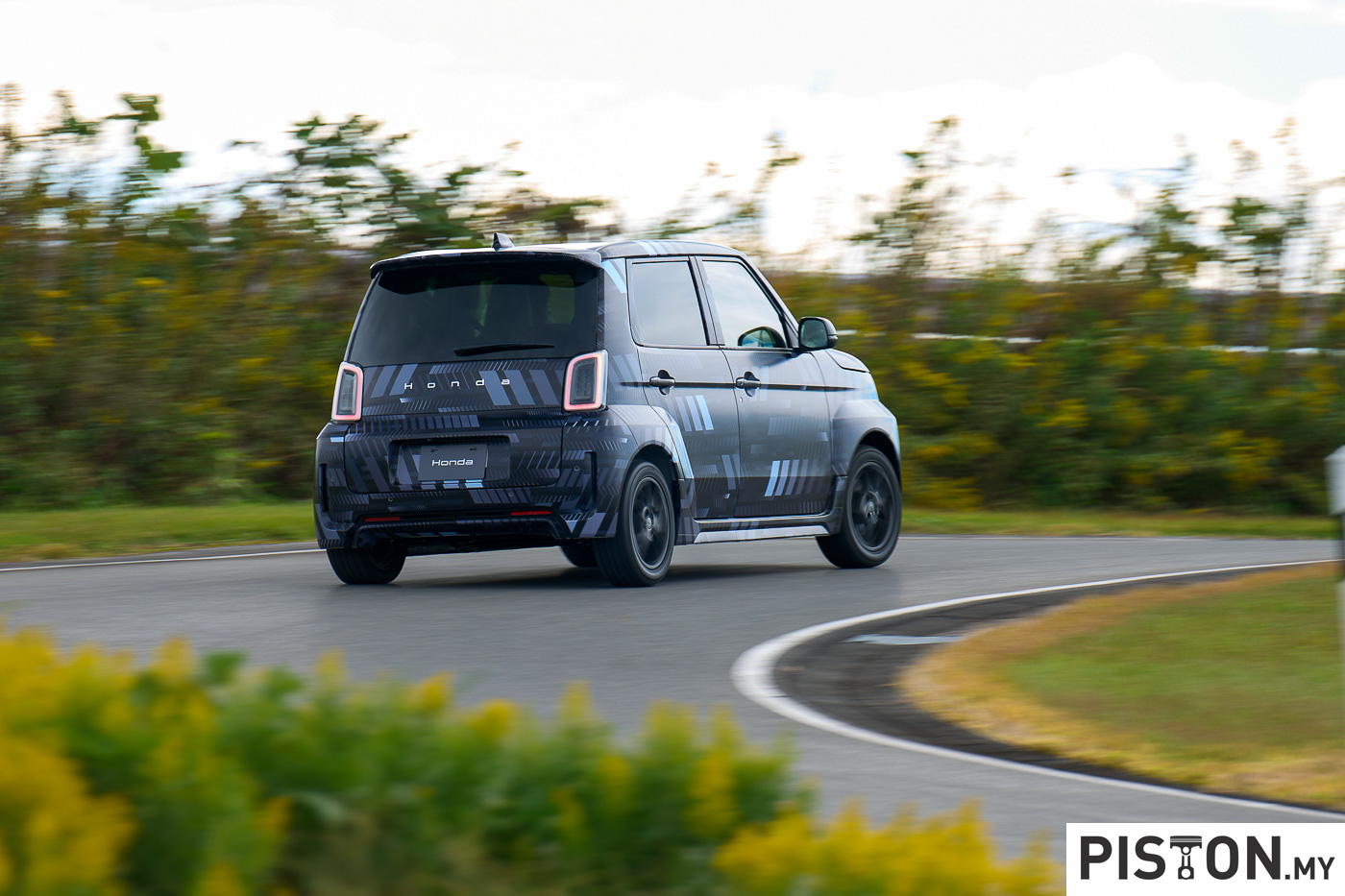
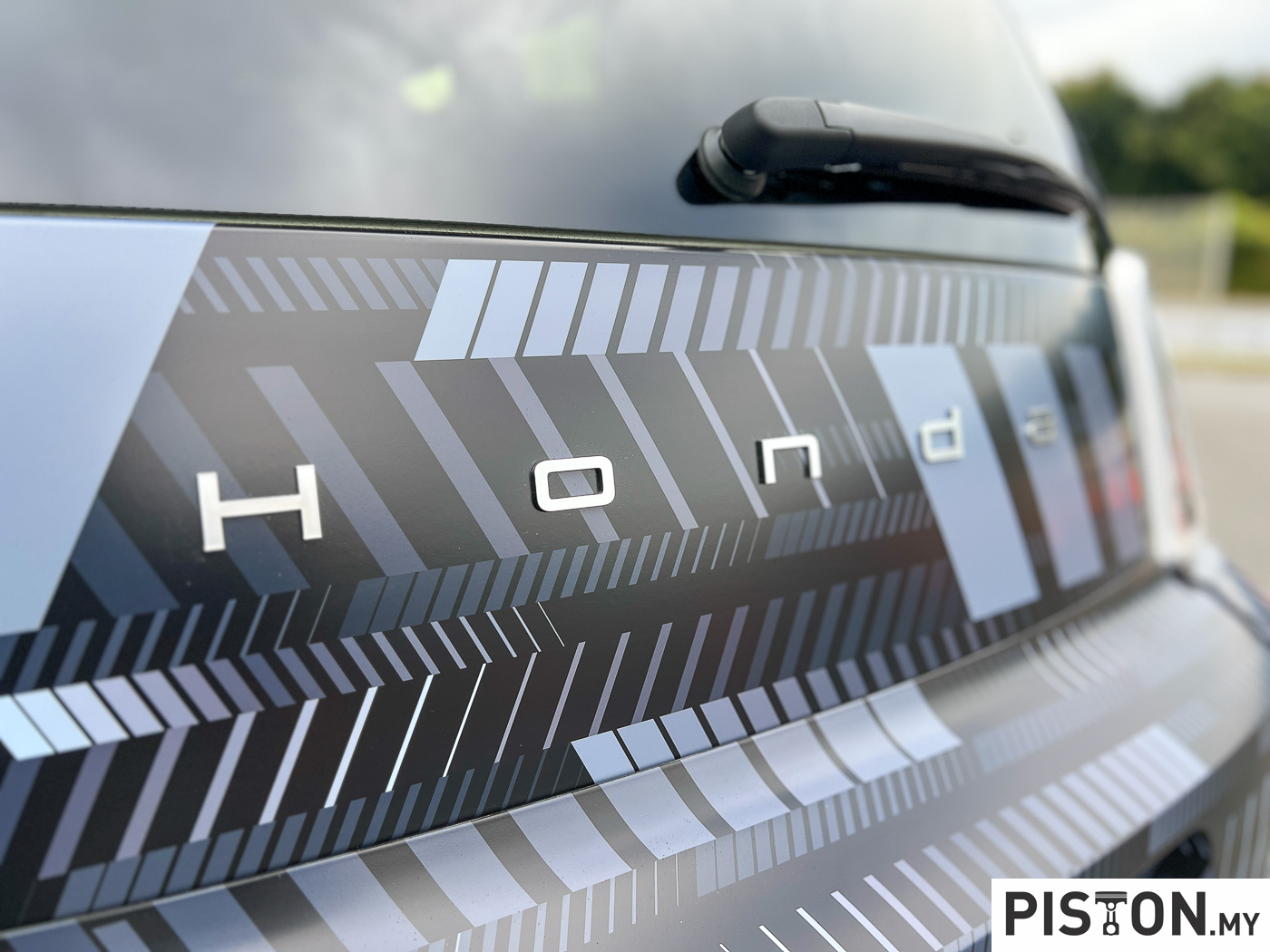
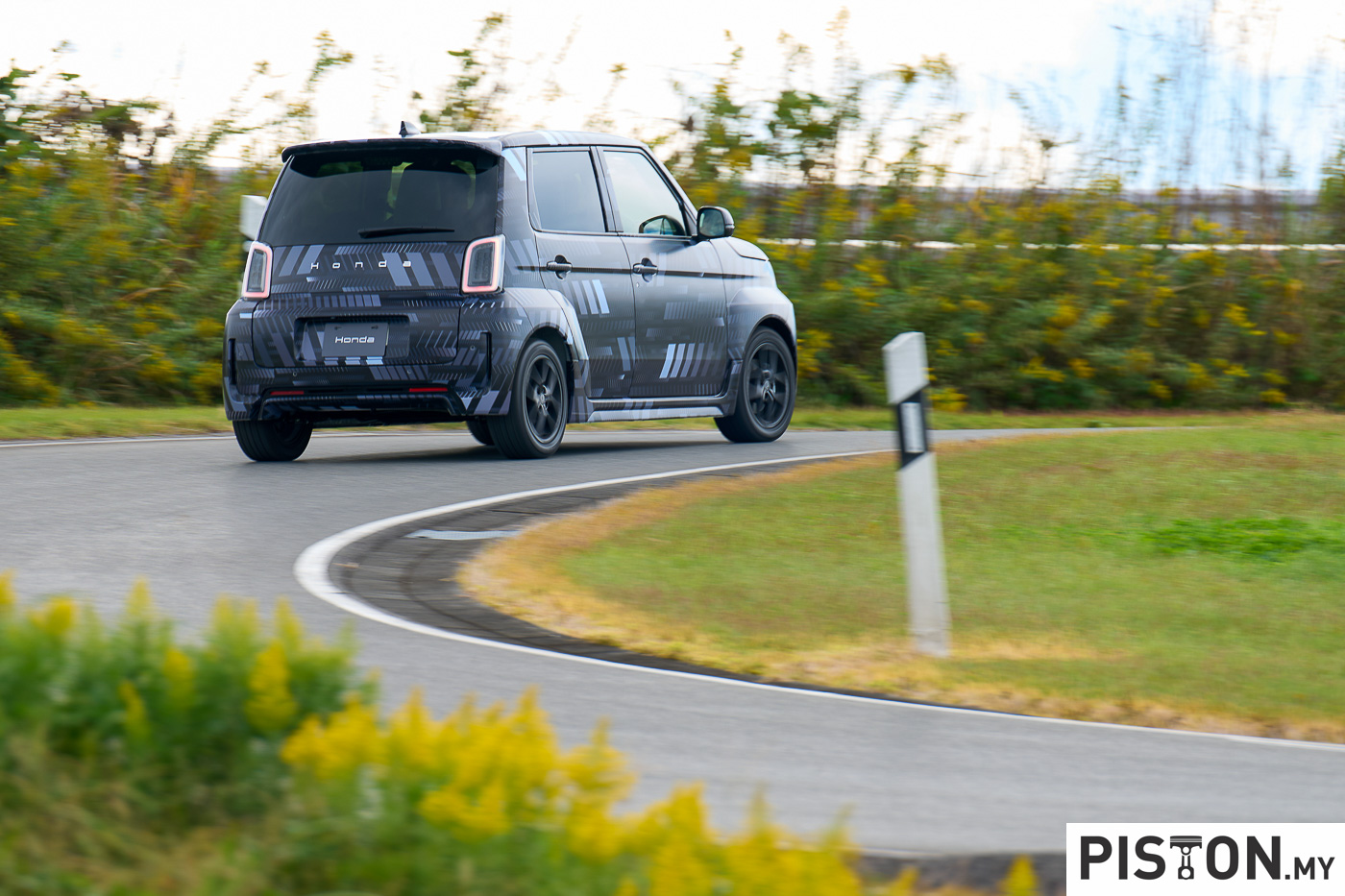
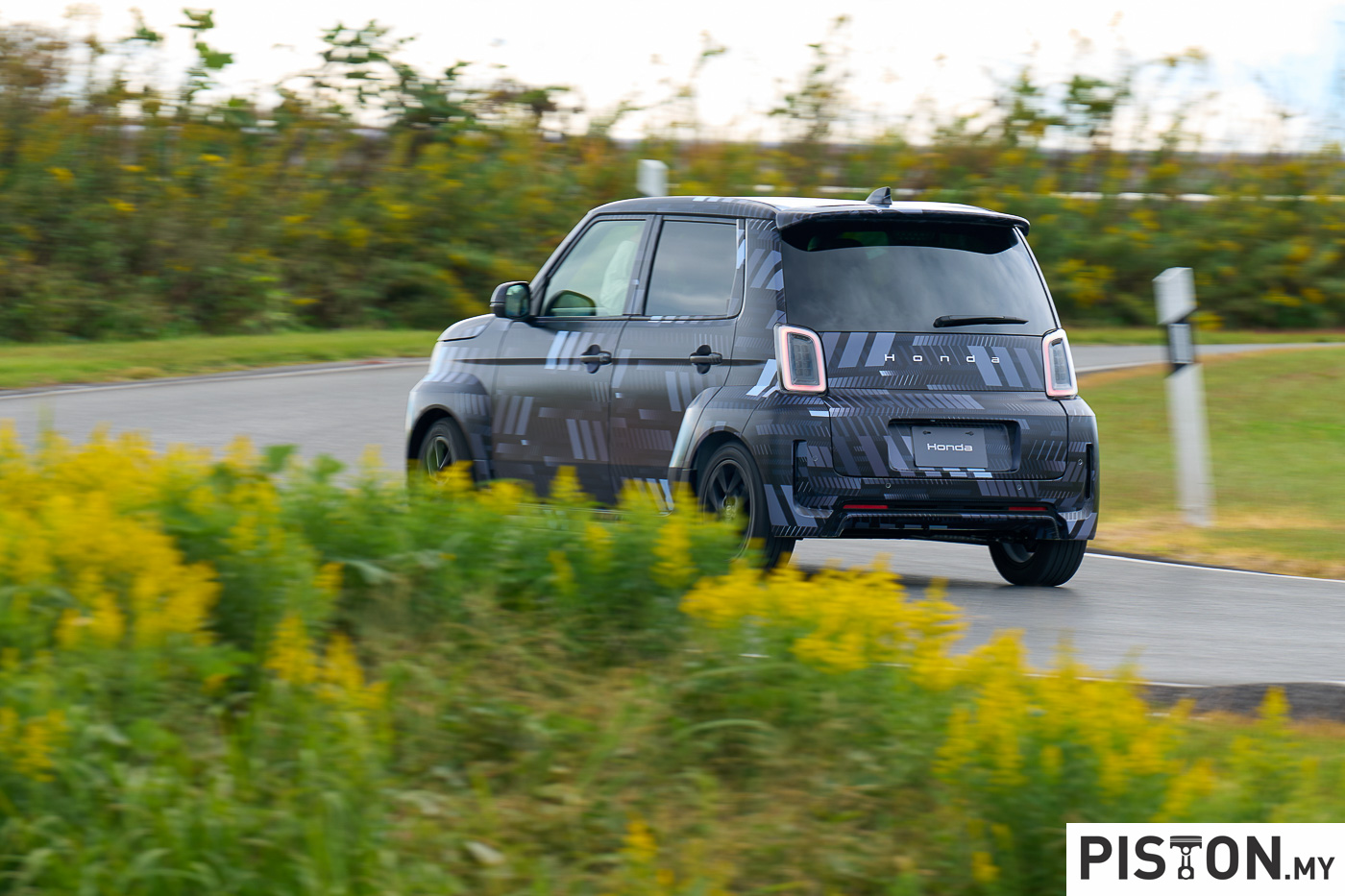
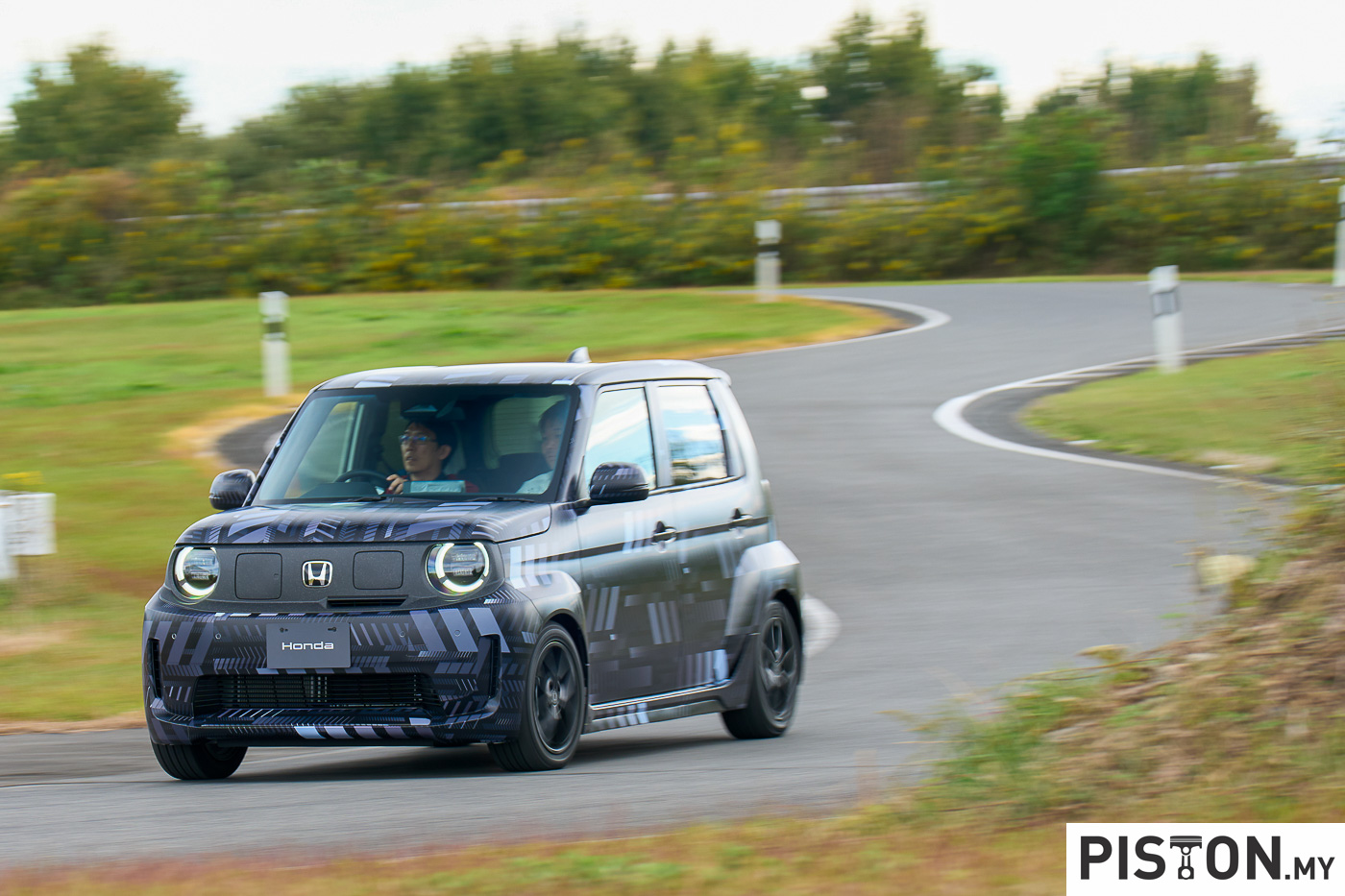
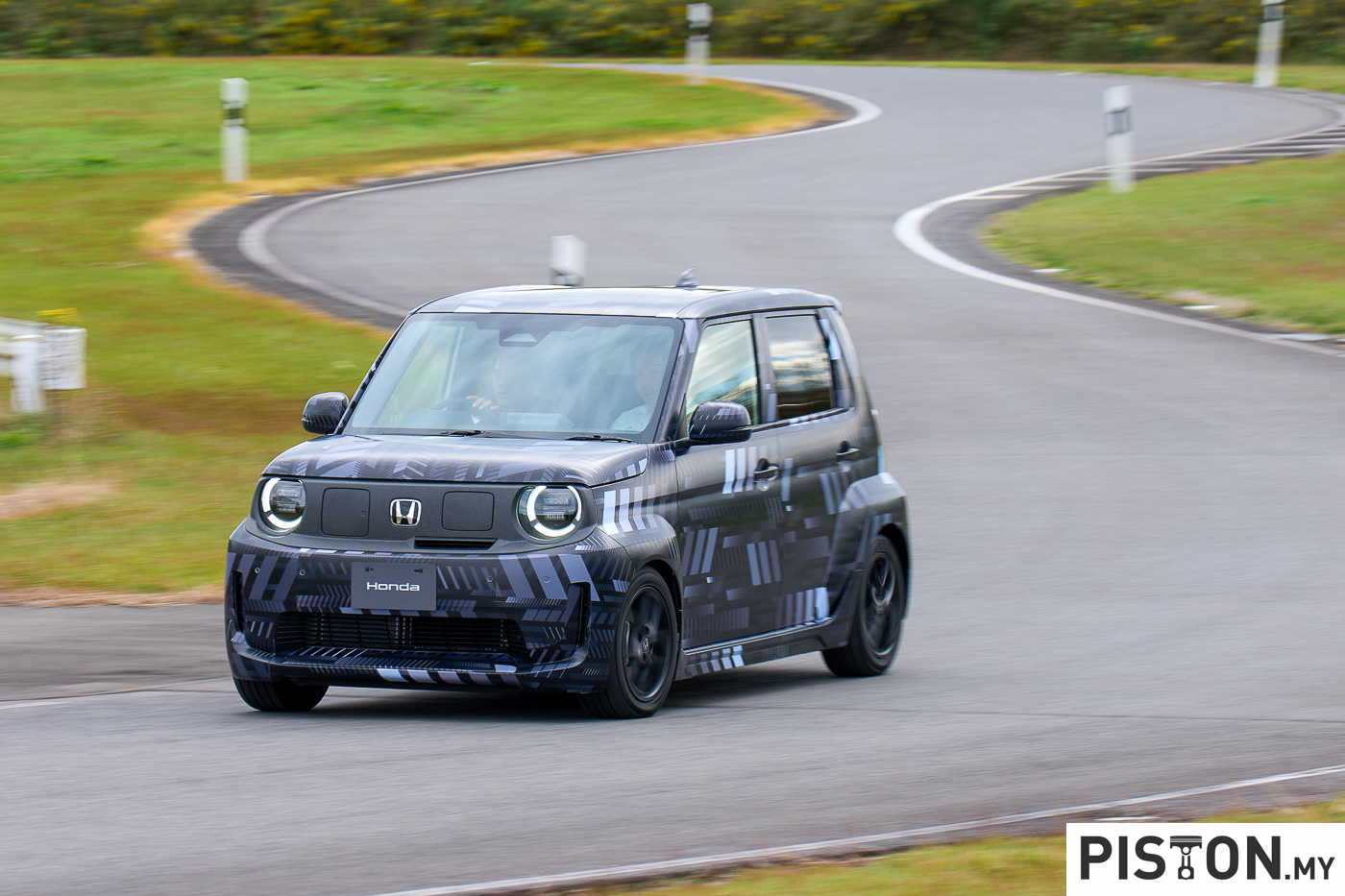
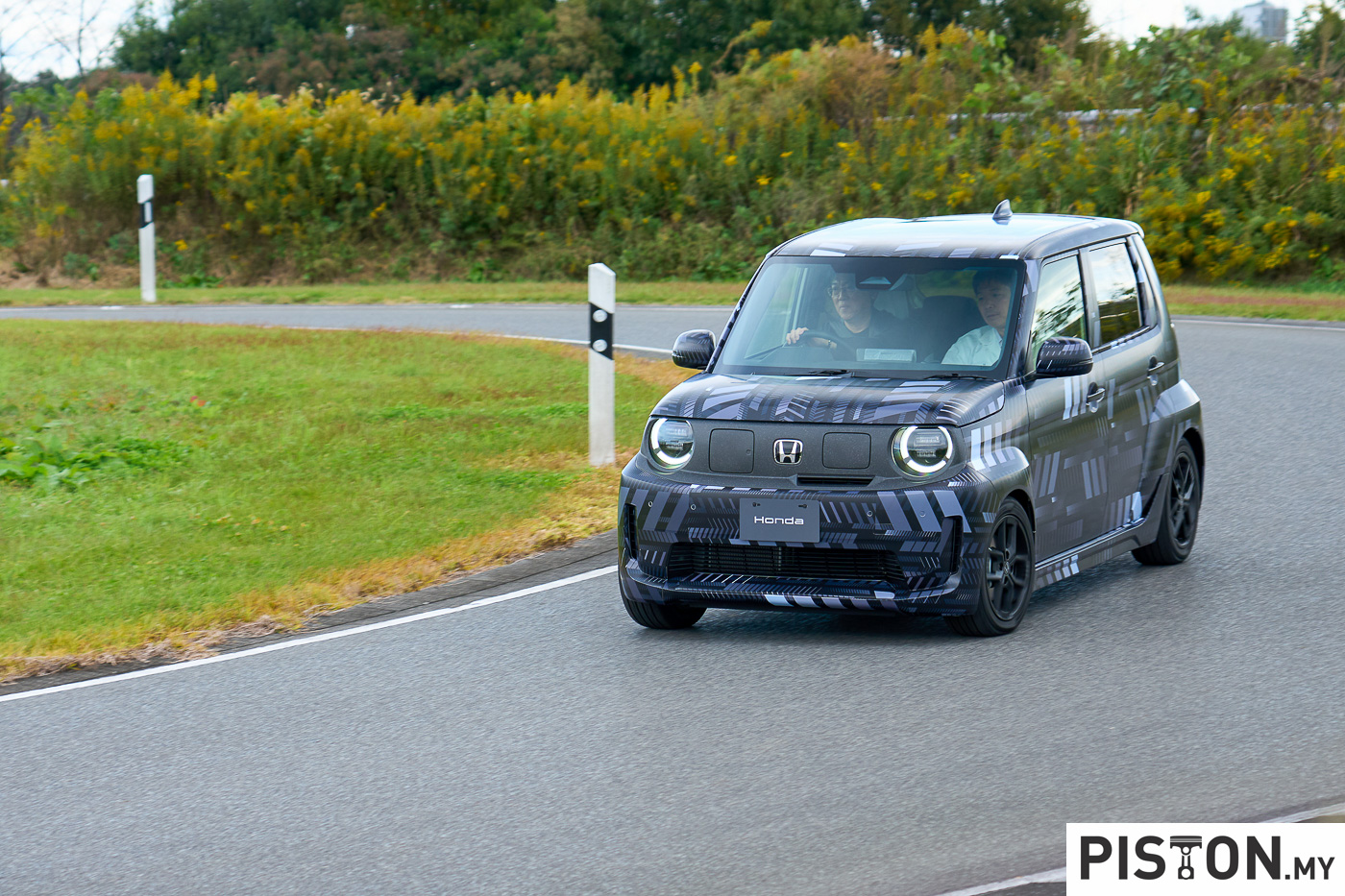
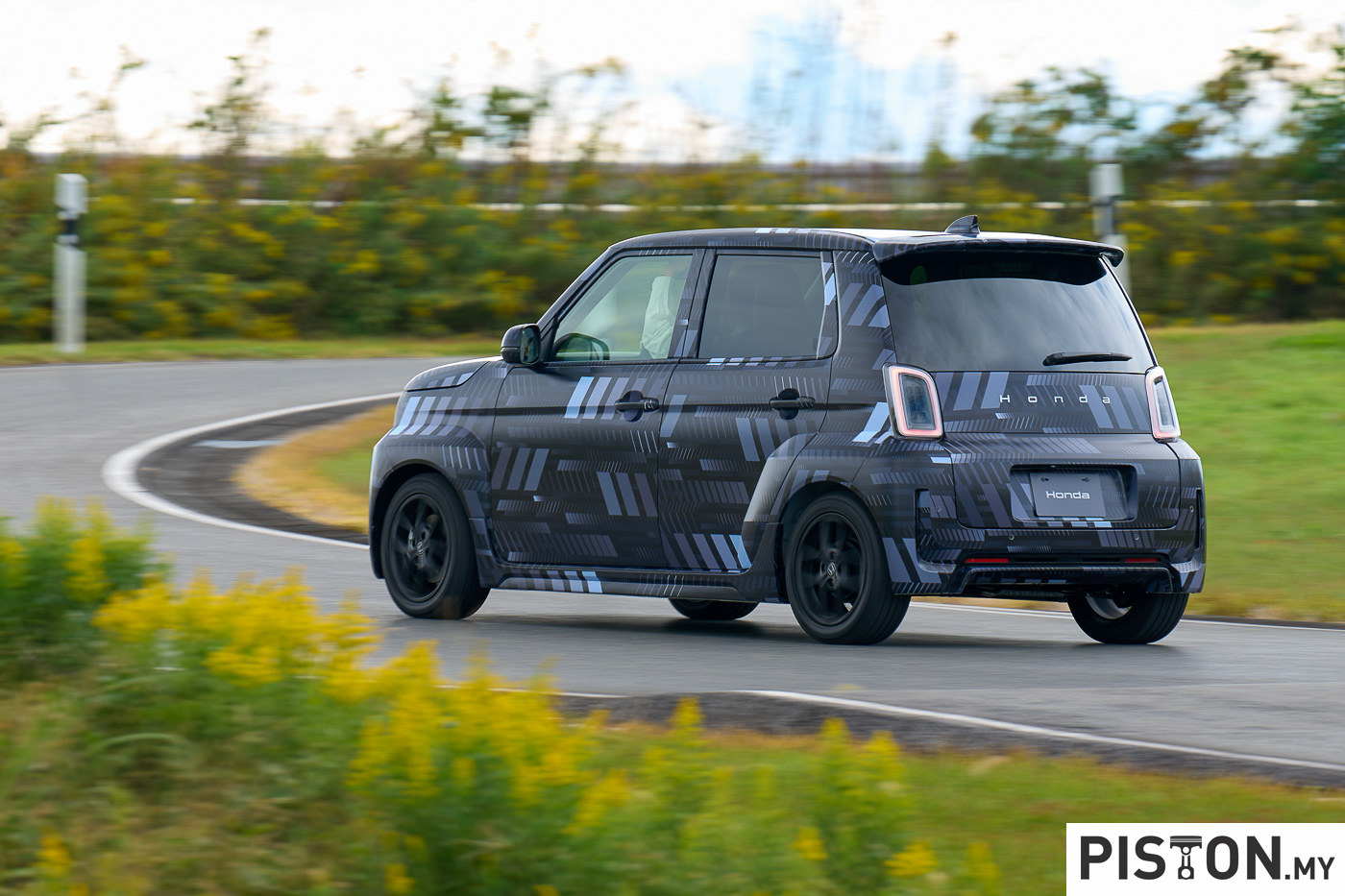
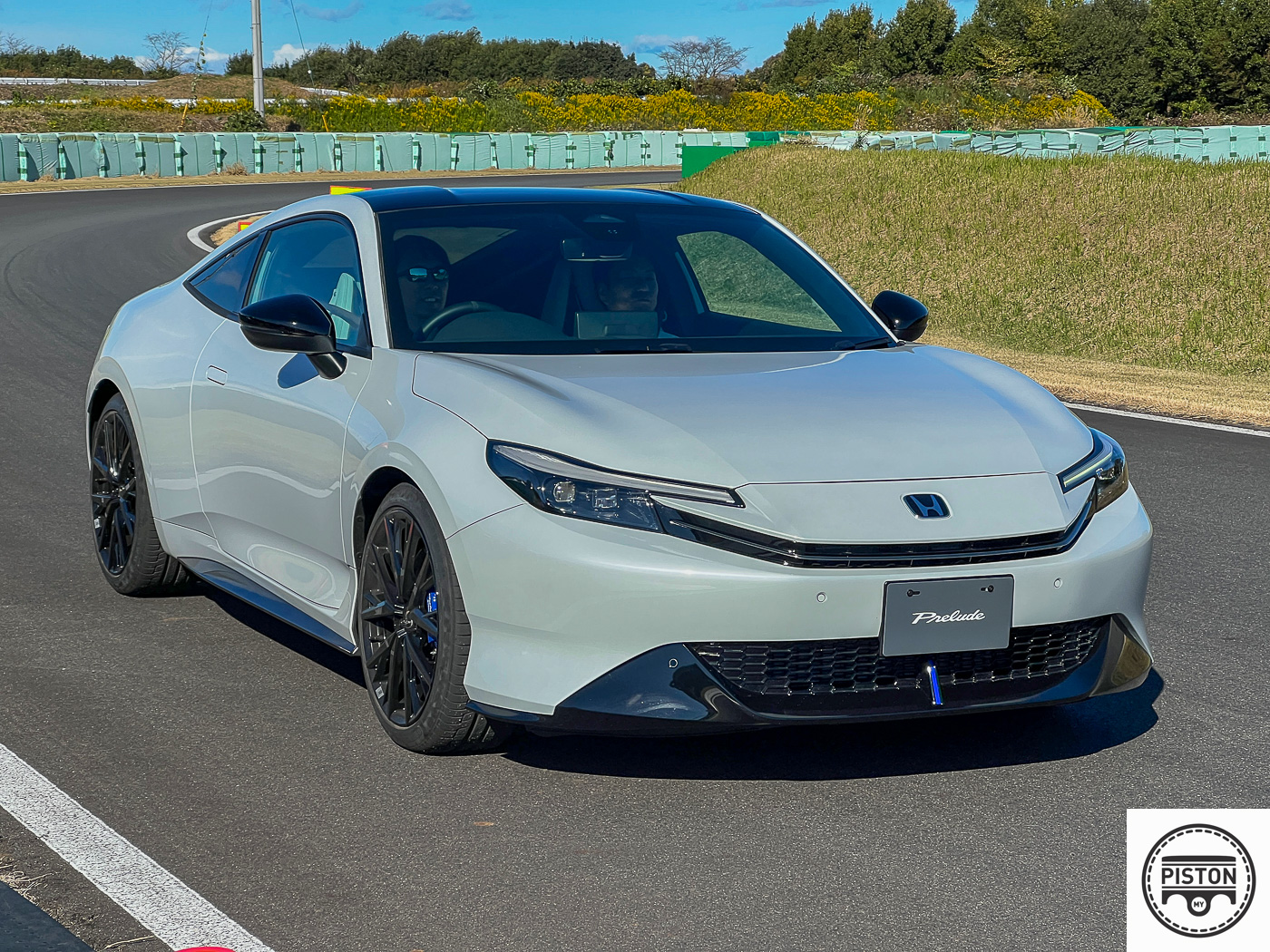
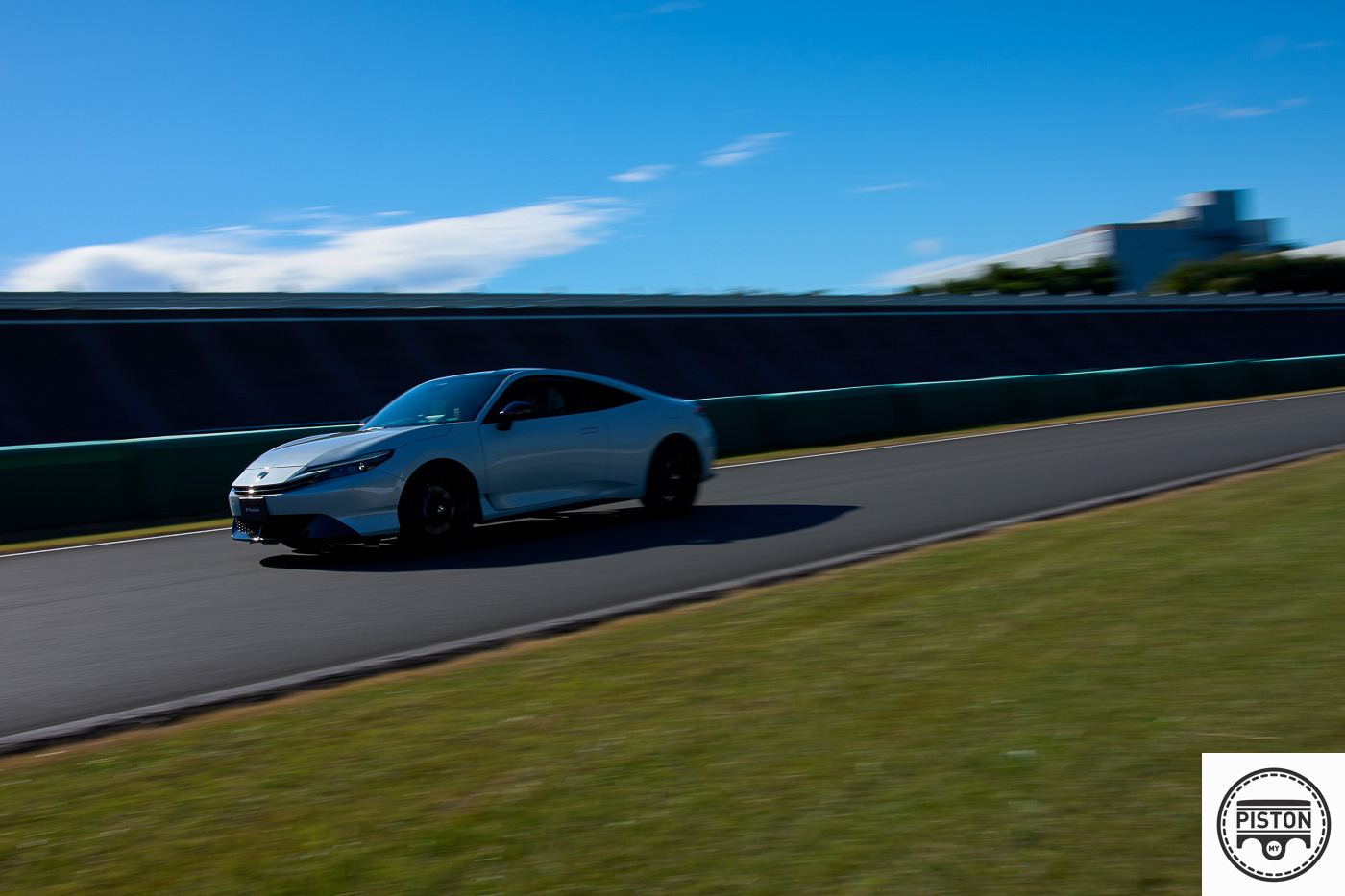
I recently got to drive the latest sixth-generation model around Honda’s Tochigi proving ground in Japan. And though three laps are hardly an indication of a car’s capabilities, it is good enough to show what the car has to offer.
And the Honda Prelude is once again, revolutionary.
First, a backgrounder.
Honda pulled the plug on the Prelude in the year 2001. The fifth generation Prelude divided opinions largely due it losing the iconic pop-up headlights but retaining the overall body shape.
And then the Prelude went silent. Relegated to the pages of history, until 2023 when whispers of the name began spreading around the internet.
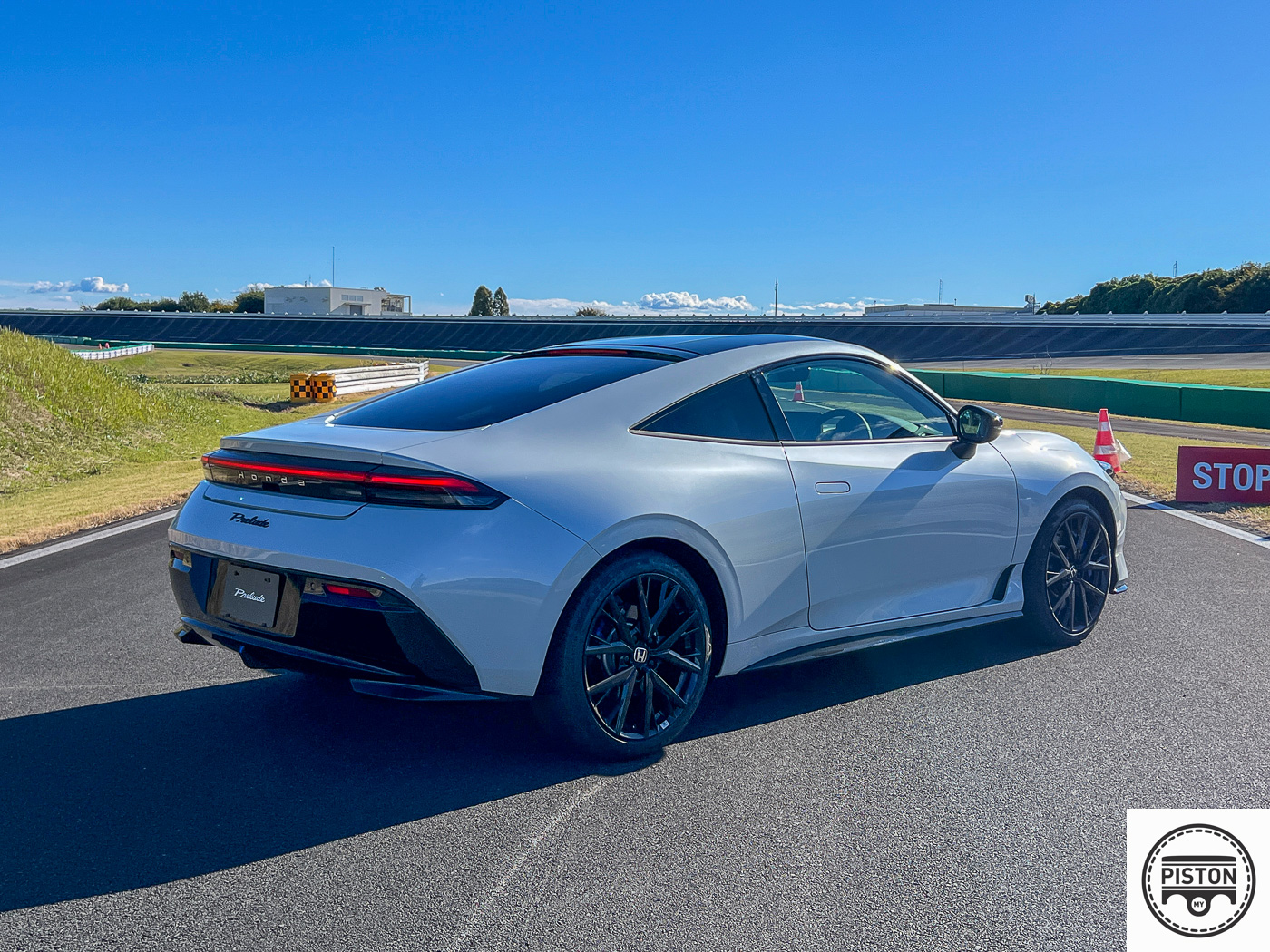
And then the concept showed up at the 2023 edition of the Japan Mobility Show.
So why wasn’t there more fanfare around the car then?
During a private media interview with Honda’s top management in Tokyo recently, Toshihiro Mibe, President and CEO of Honda Motor Company, revealed that Honda had worked on the car first and then later decided on the name.
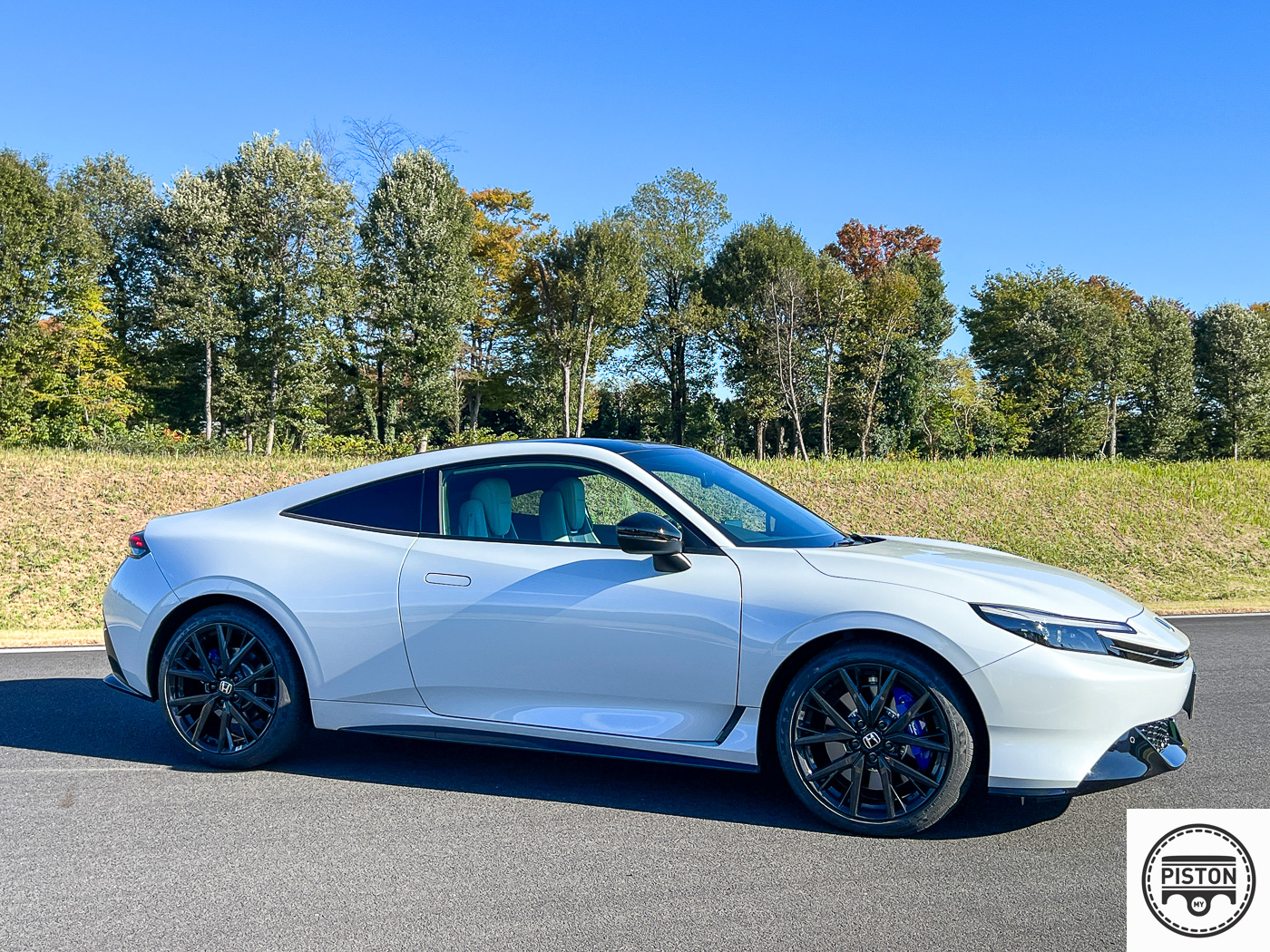
So there really was no plan to revive the Prelude. It seems like Honda’s management liked what they saw, green lighted it, drove it and then decided to exhume the Prelude name.
What’s new?
Everything. You cannot expect a car that had disappeared for about 14 years to suddenly reappear with elements from the last car.
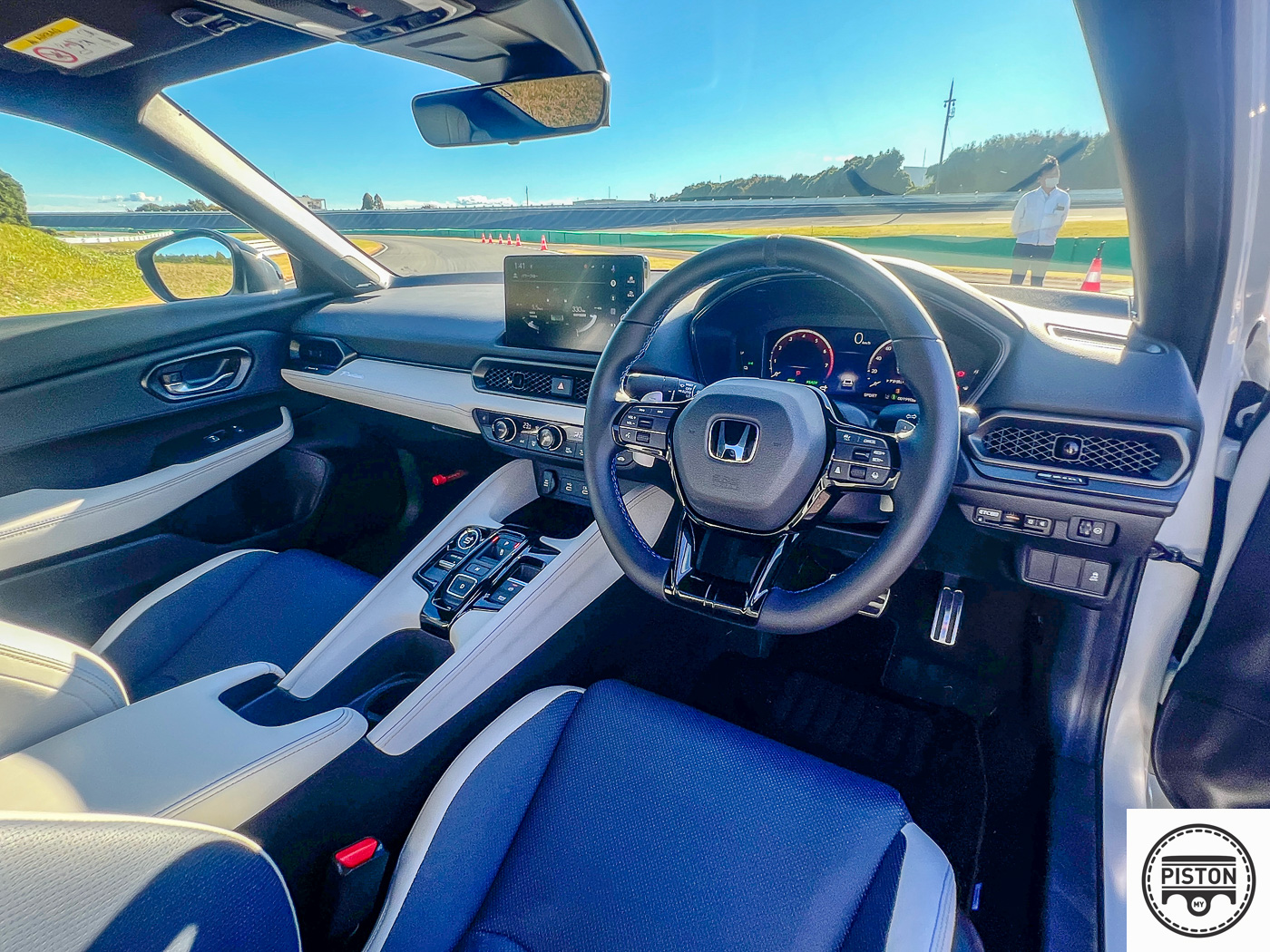
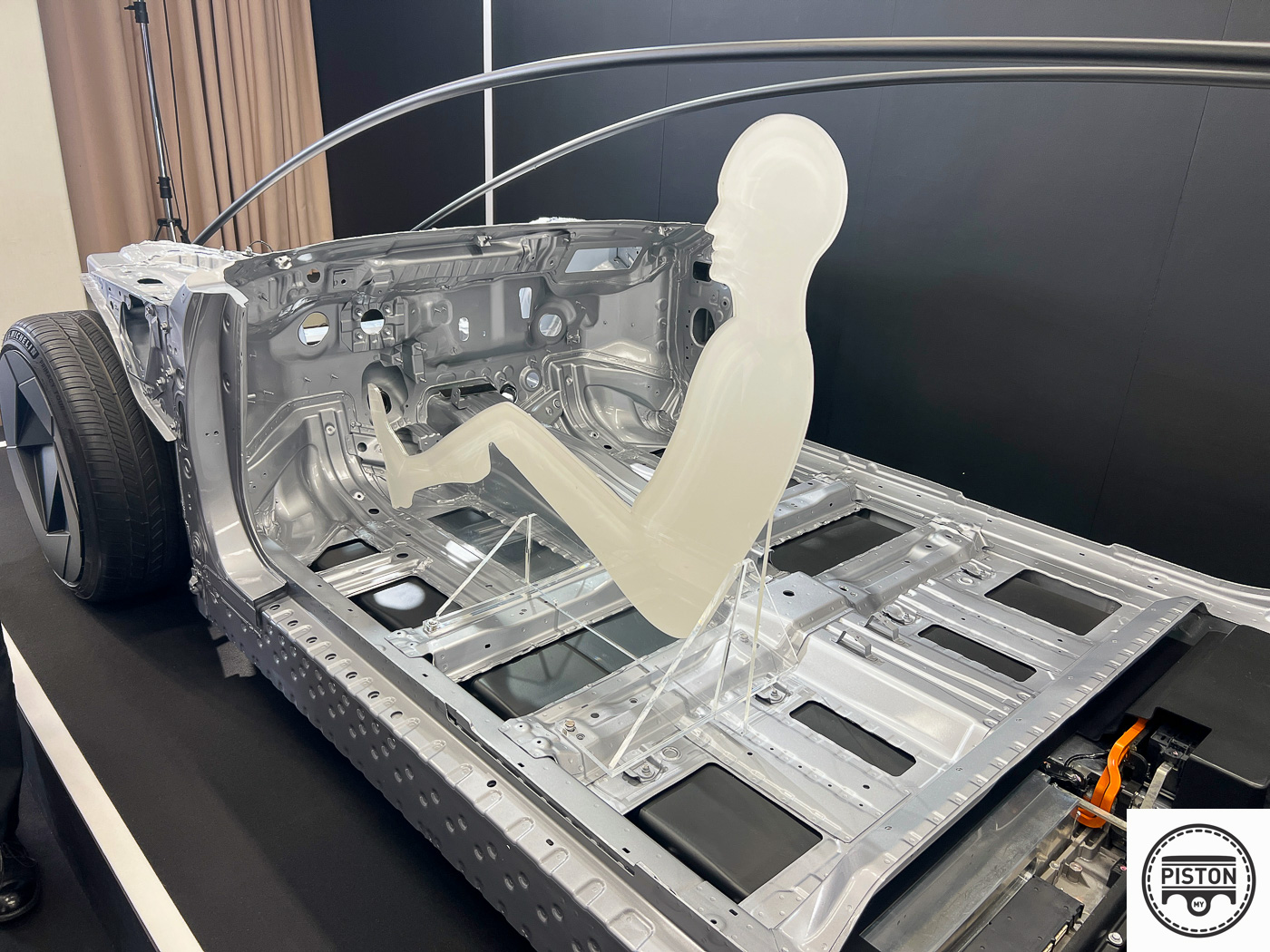
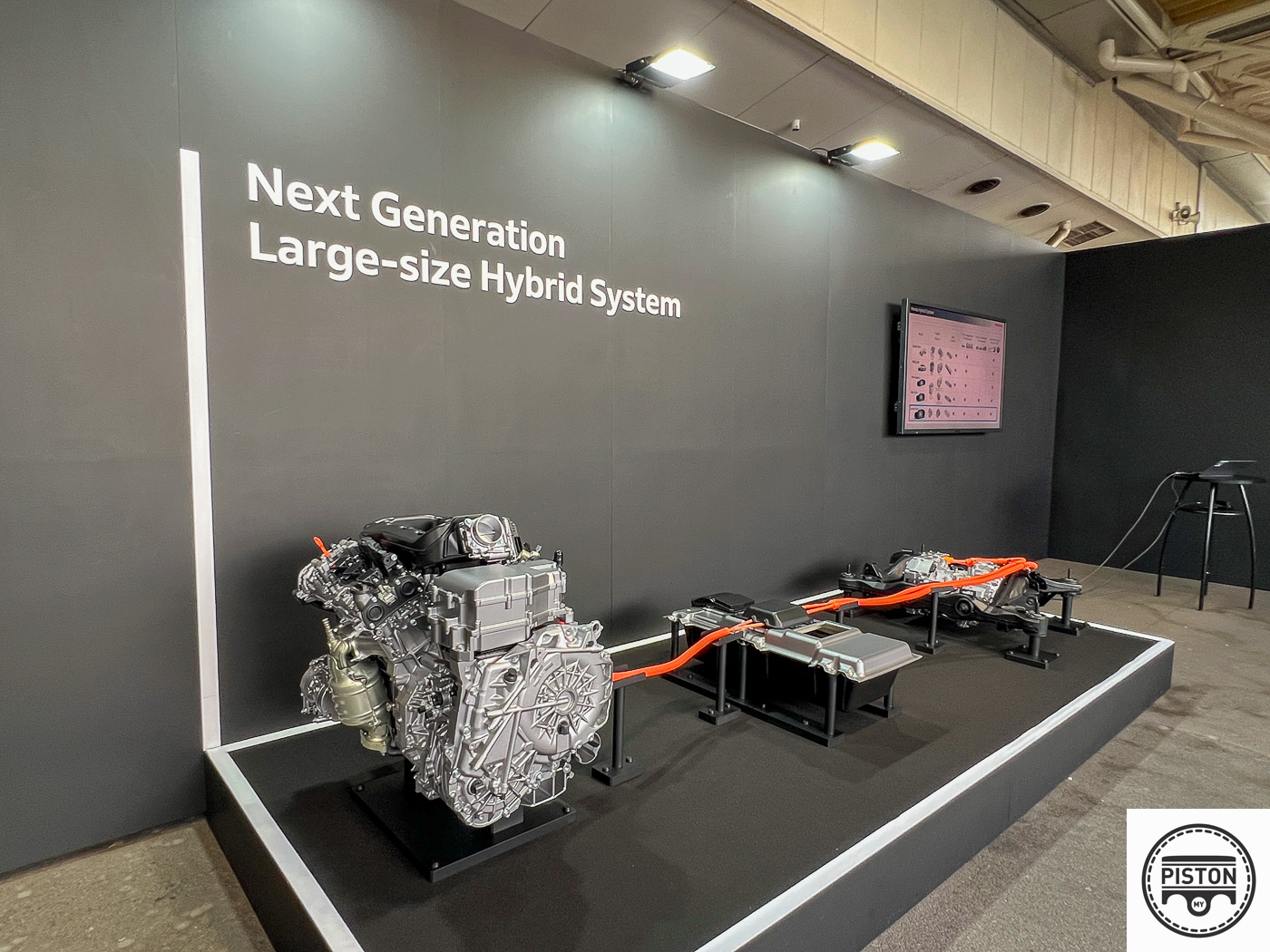
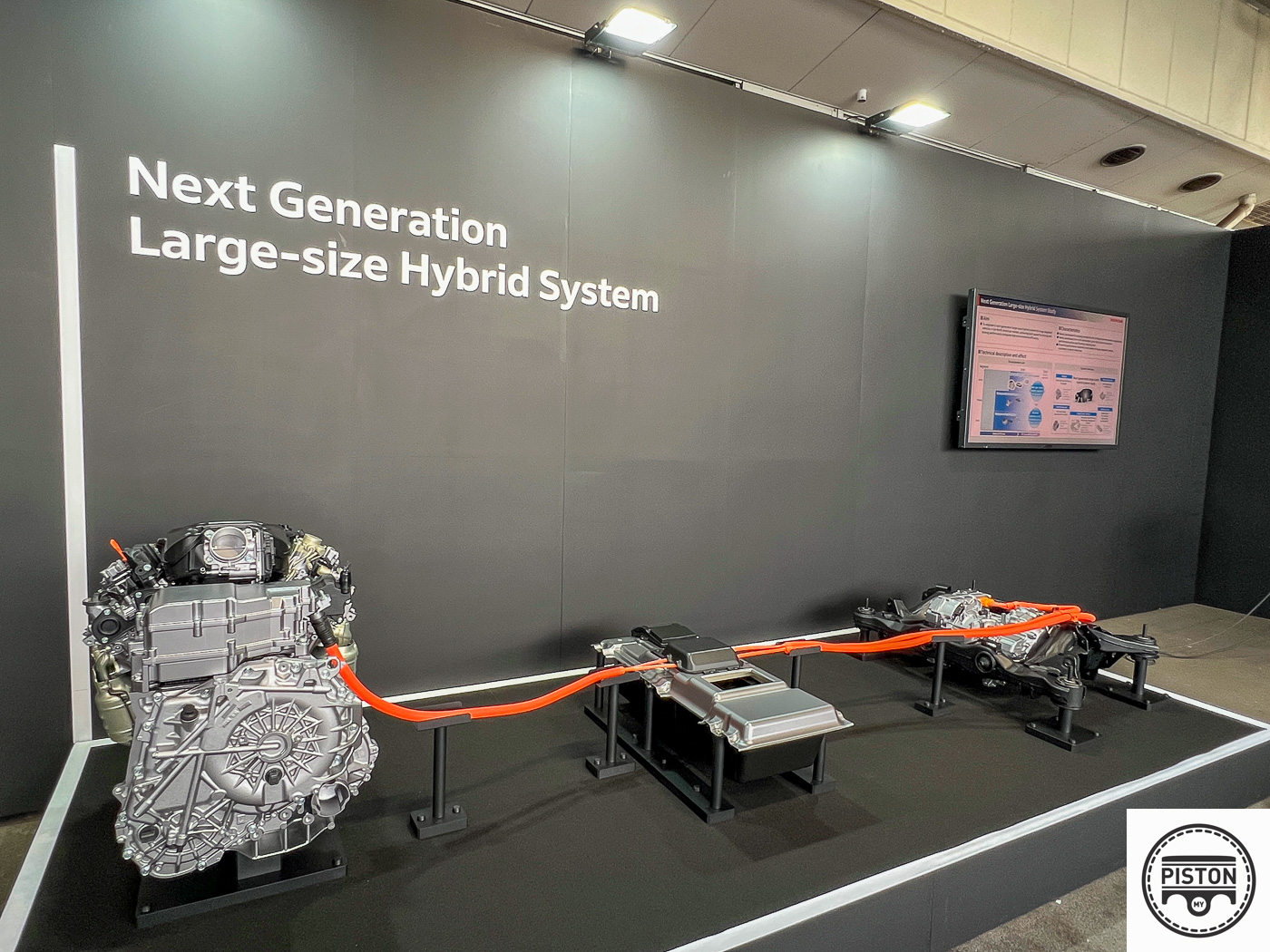
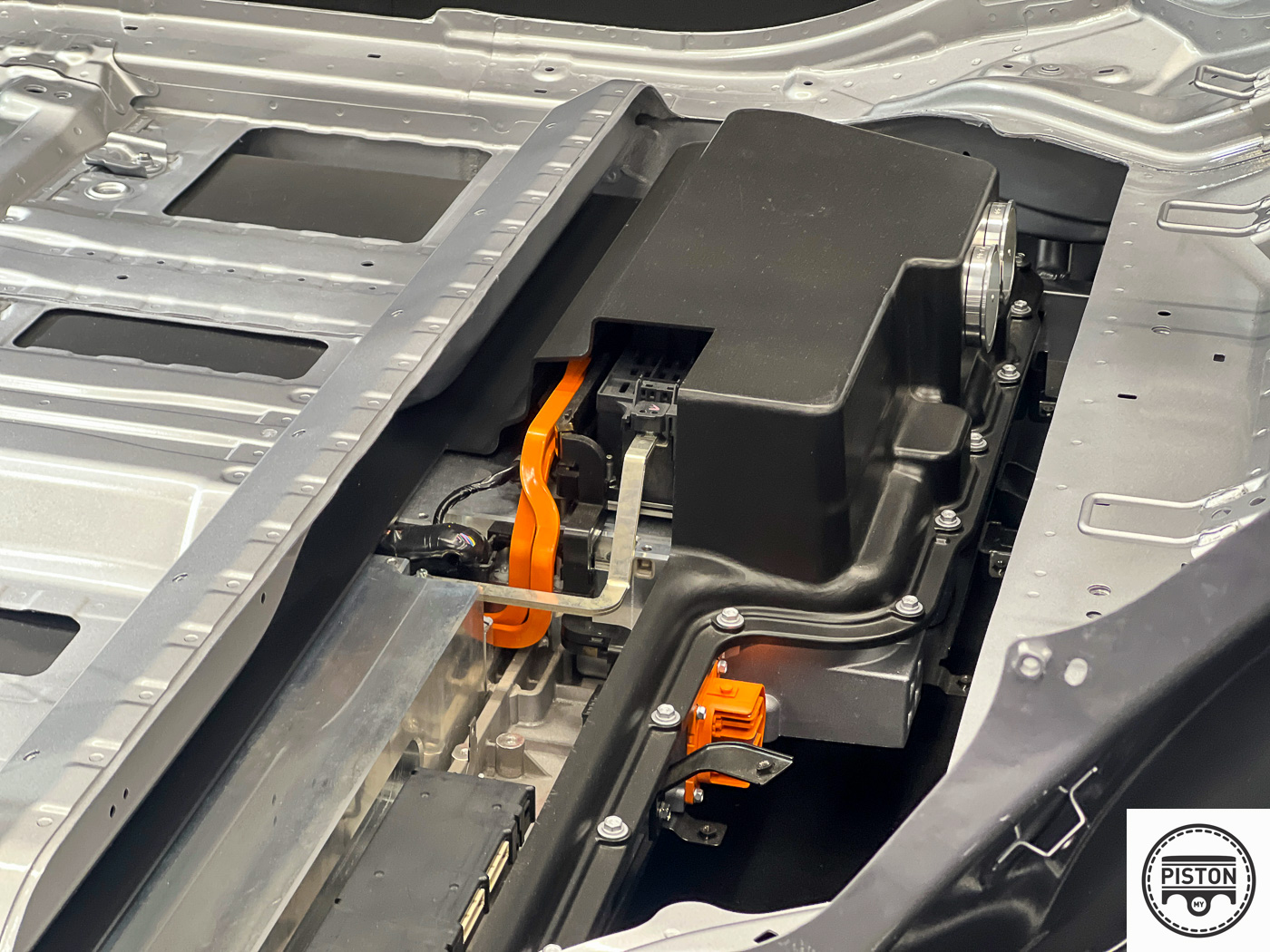
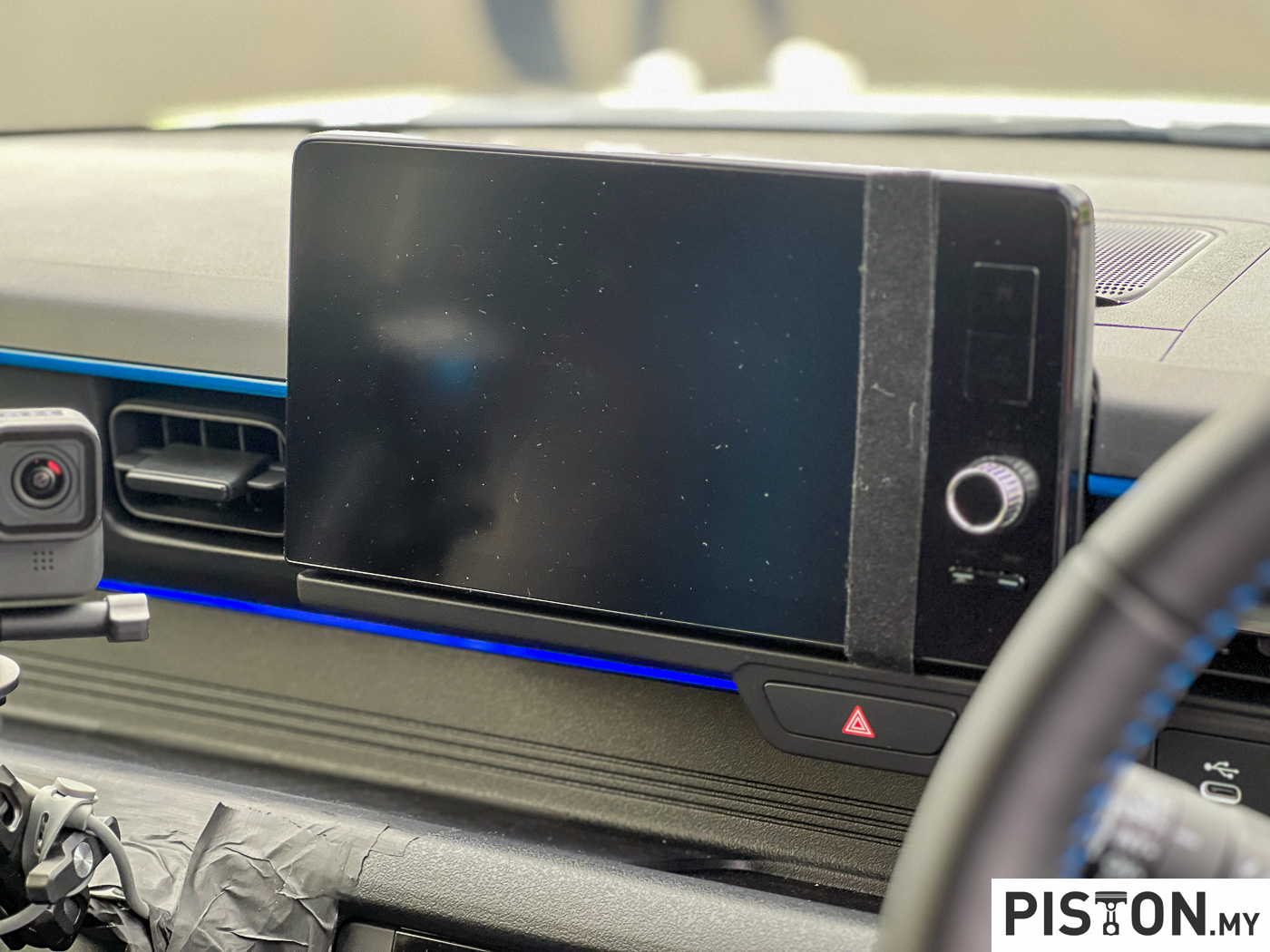
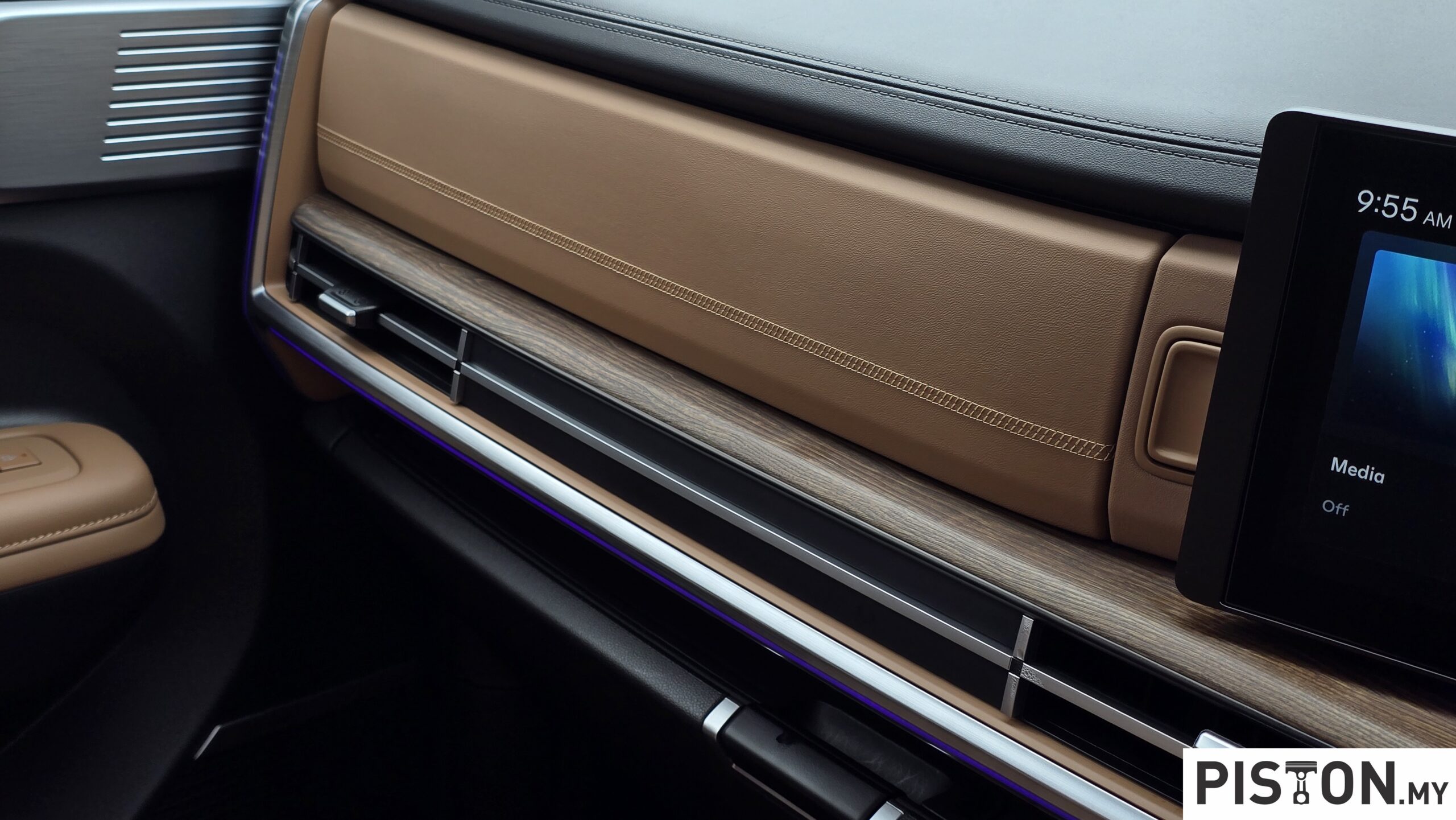
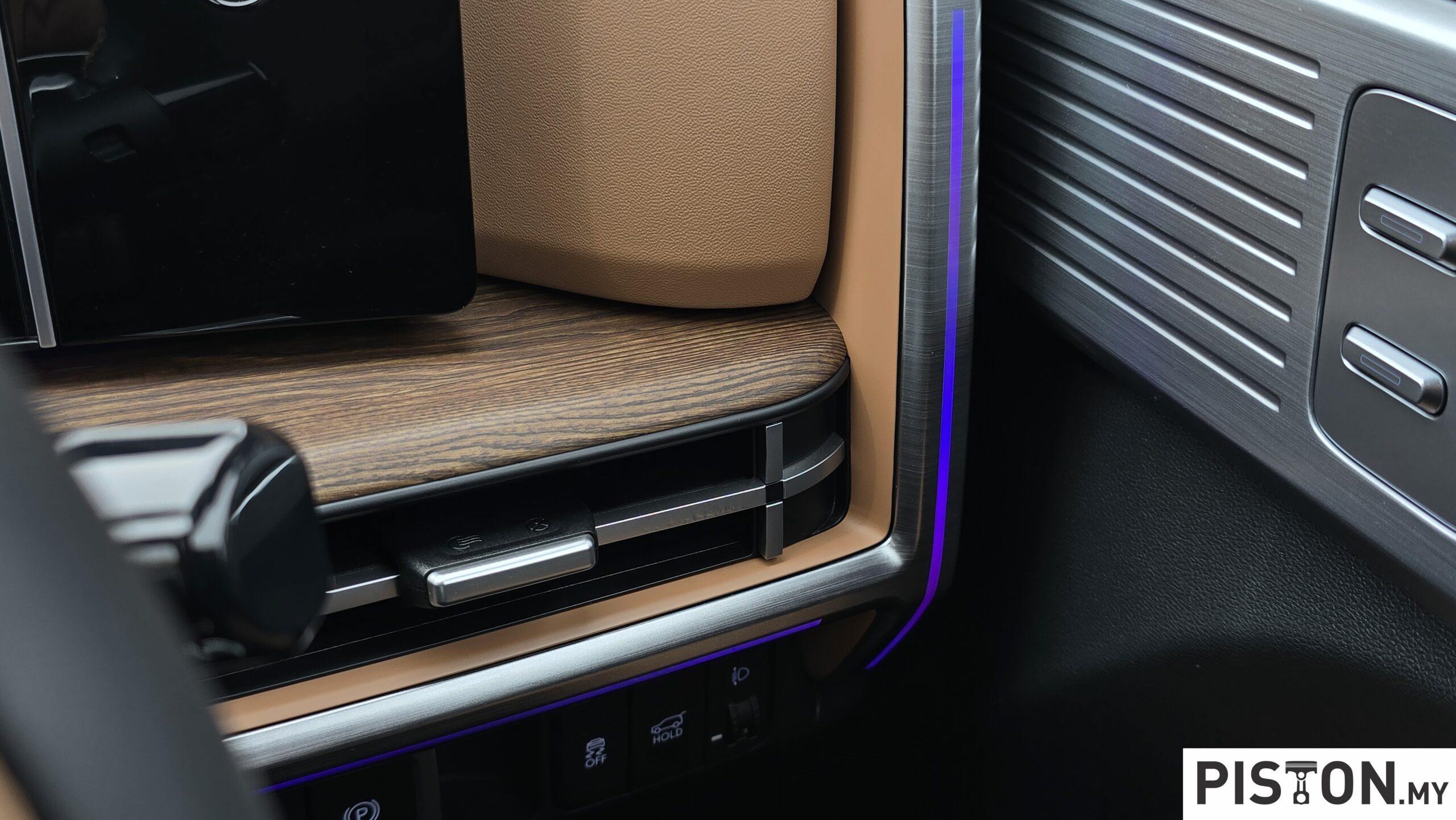
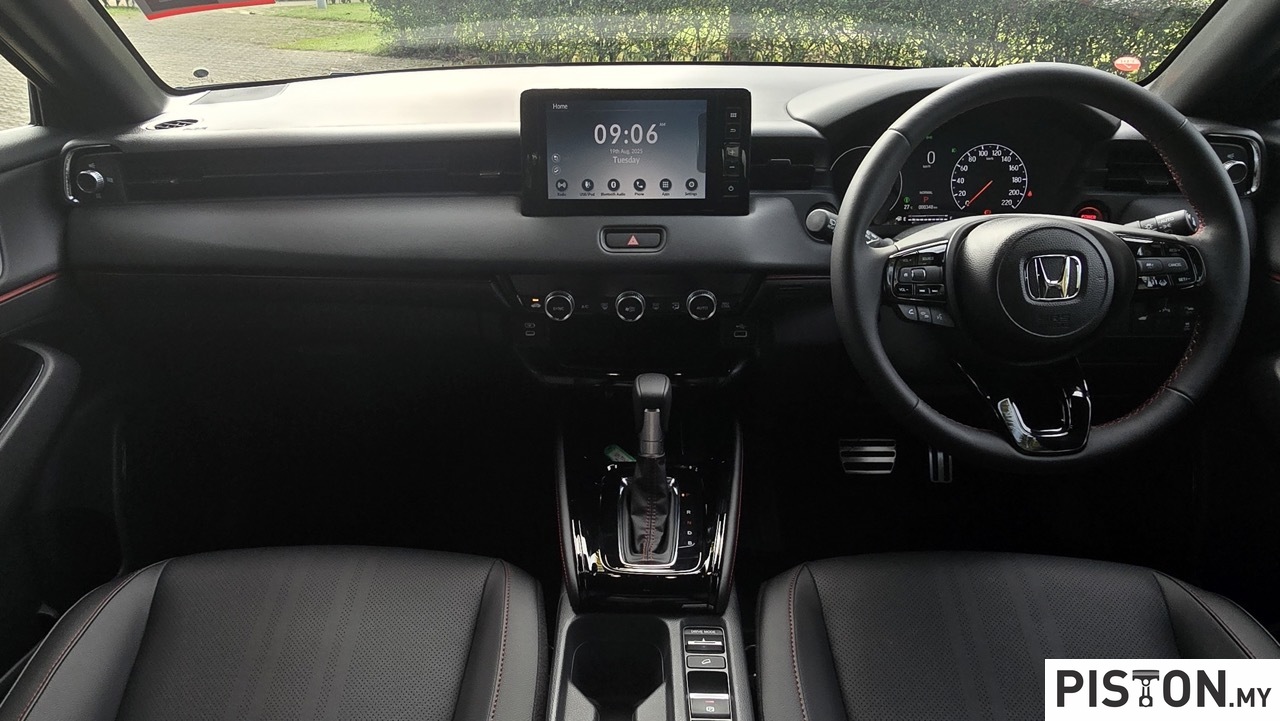
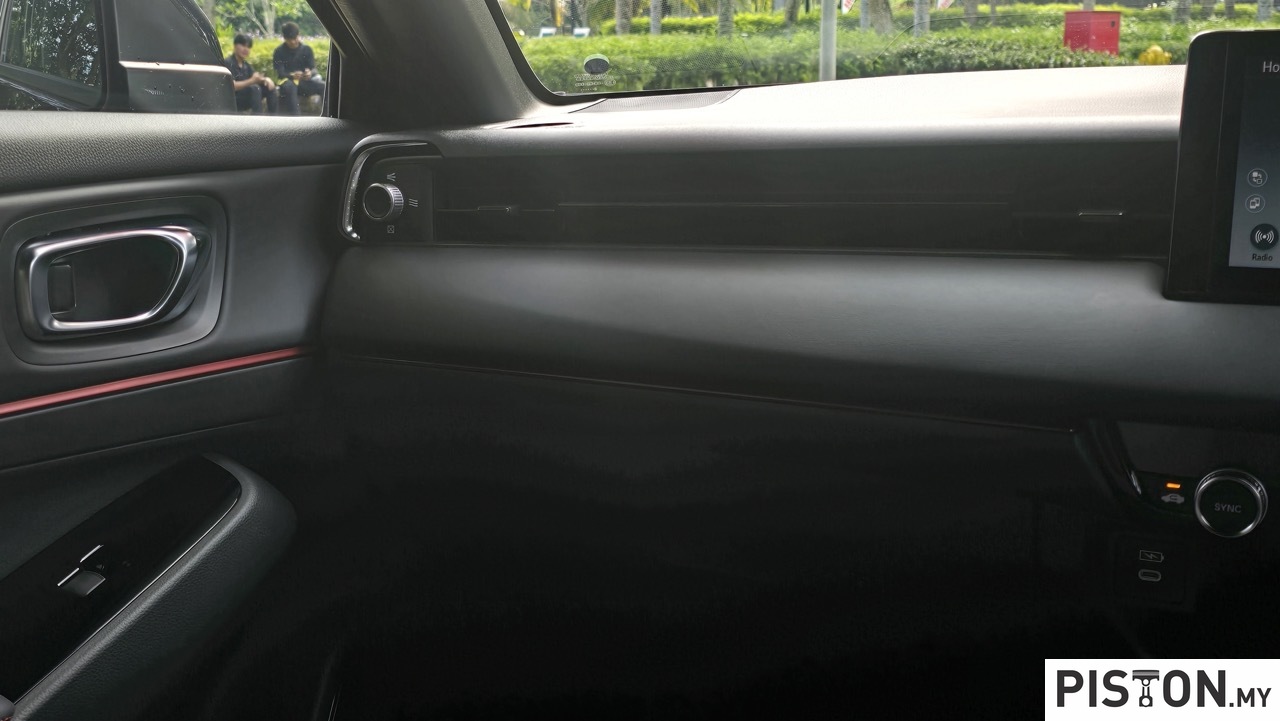
The new Prelude shares more in common with the Honda Civic e:HEV RS (hybrid). The platform, engine, electric motor and dashboard are shared with the Civic.
But that is about it.
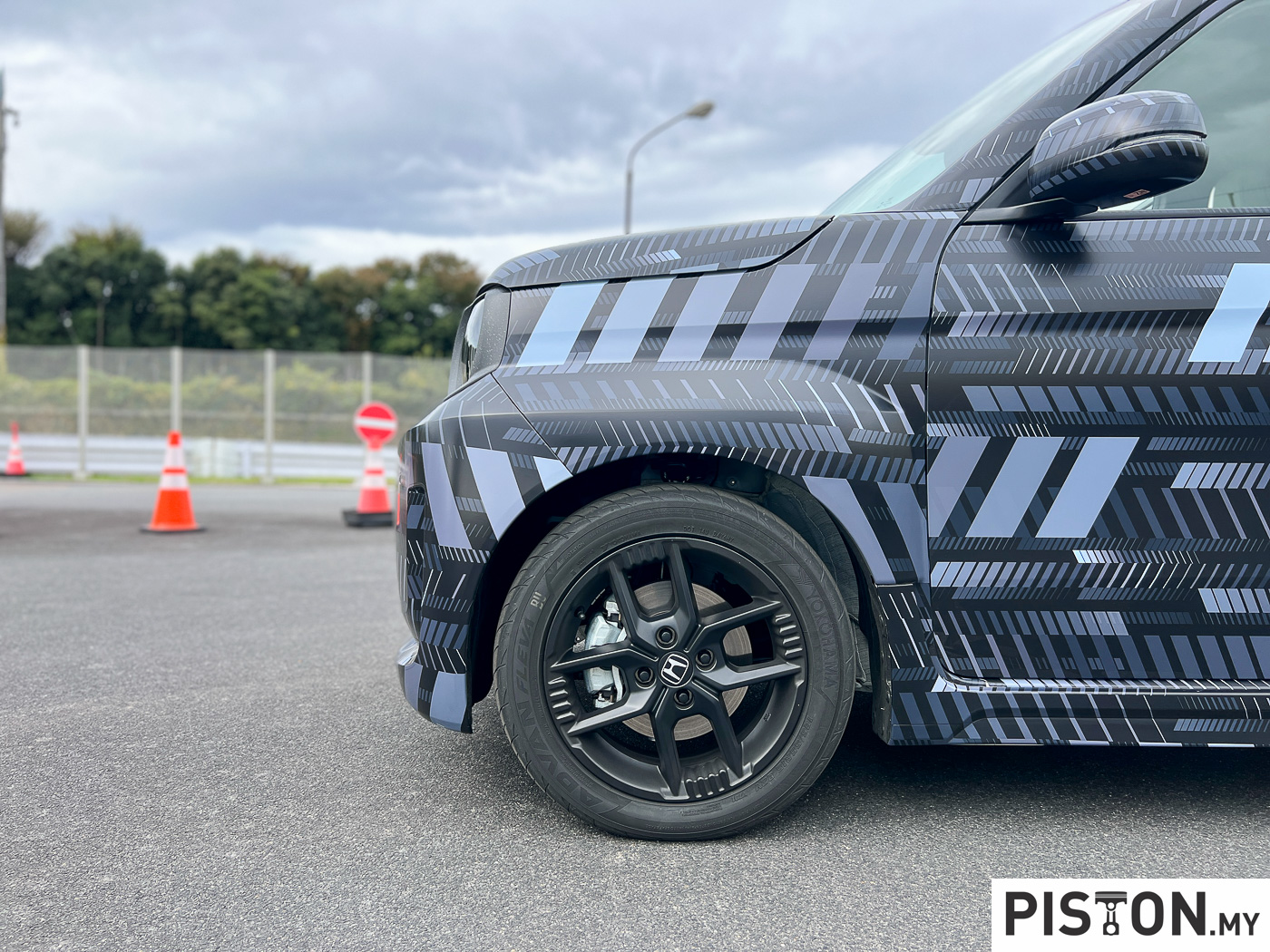
The suspension components are from the Civic Type R and there are parts of the car that are entirely new and unique to the Prelude.
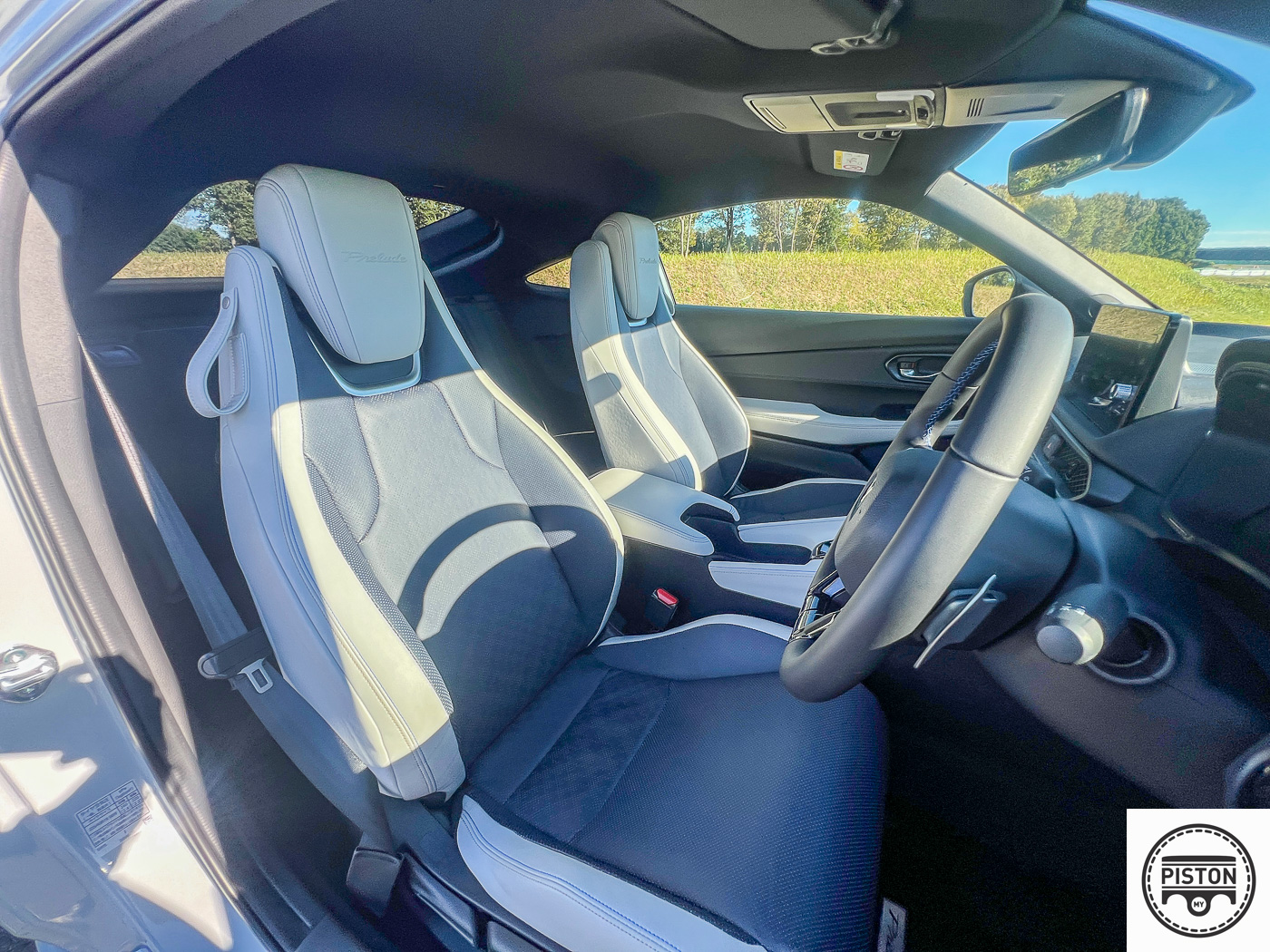
And that is where it derives its character from, the new components that give it such a lithe character in the corners, despite it sharing its powertrain with the Civic hybrid.
How does it drive?
I only had about three laps with it, which is far from ideal but that was good enough to tell you three things about it – it sounds better from the inside than it does from the outside, “gearshifts” are spine tingling despite there not being a gearbox, more on that later, and it handles as if it were on rails.
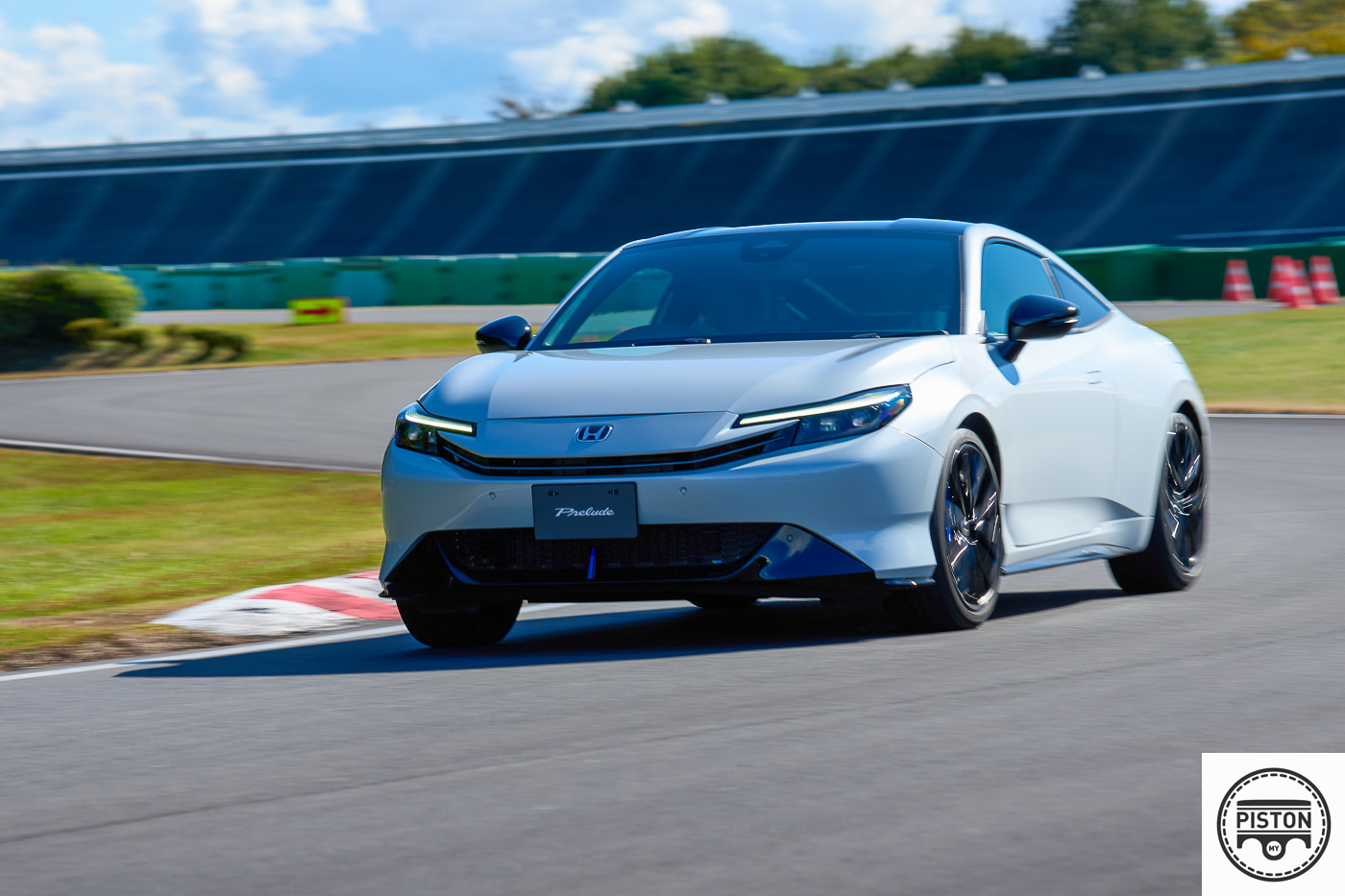
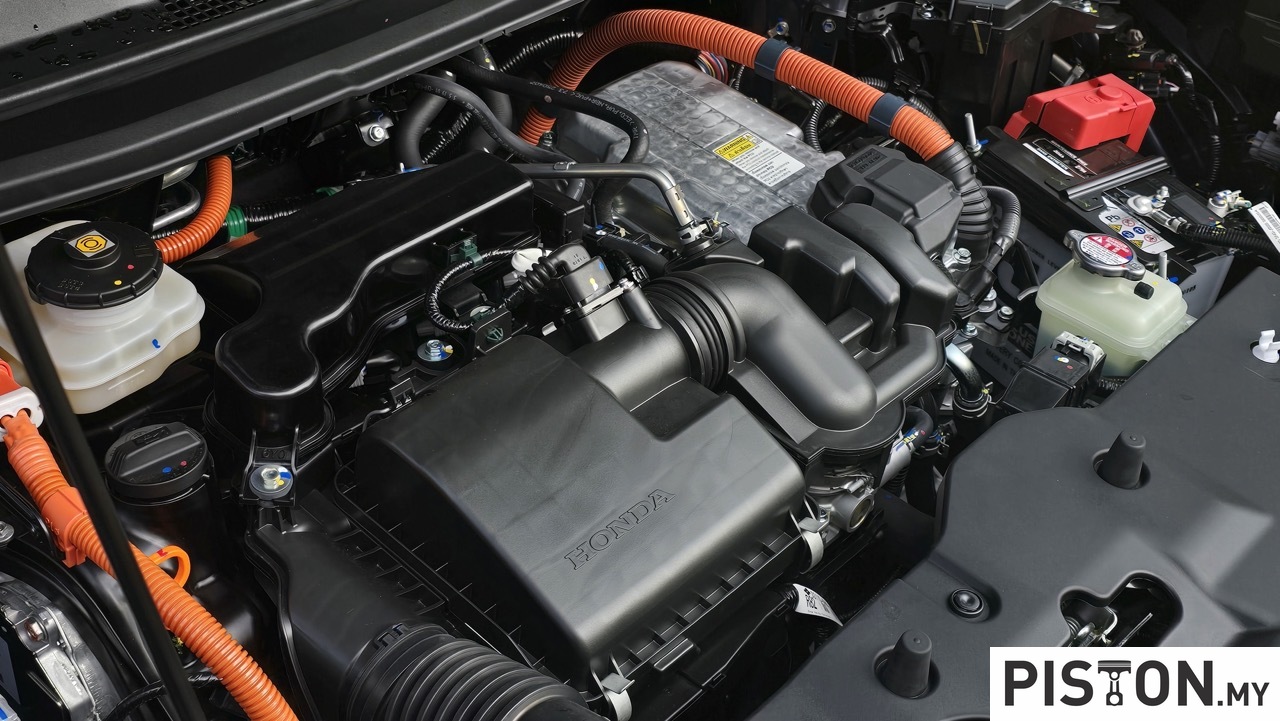
Powering the car is the same 2.0-litre, four-cylinder, naturally-aspirated engine putting out 200hp and 315Nm of torque.
Power is sent directly to the front wheels via an electric motor rather than through a transmission box. So, there are times when the motor drives the car, such as at lower speed and such. S
I did not experience the motor driving the wheels, but I know how that works after spending hours with the Civic hybrid.
Now onto the suspension, which largely contributes to the character of the car.
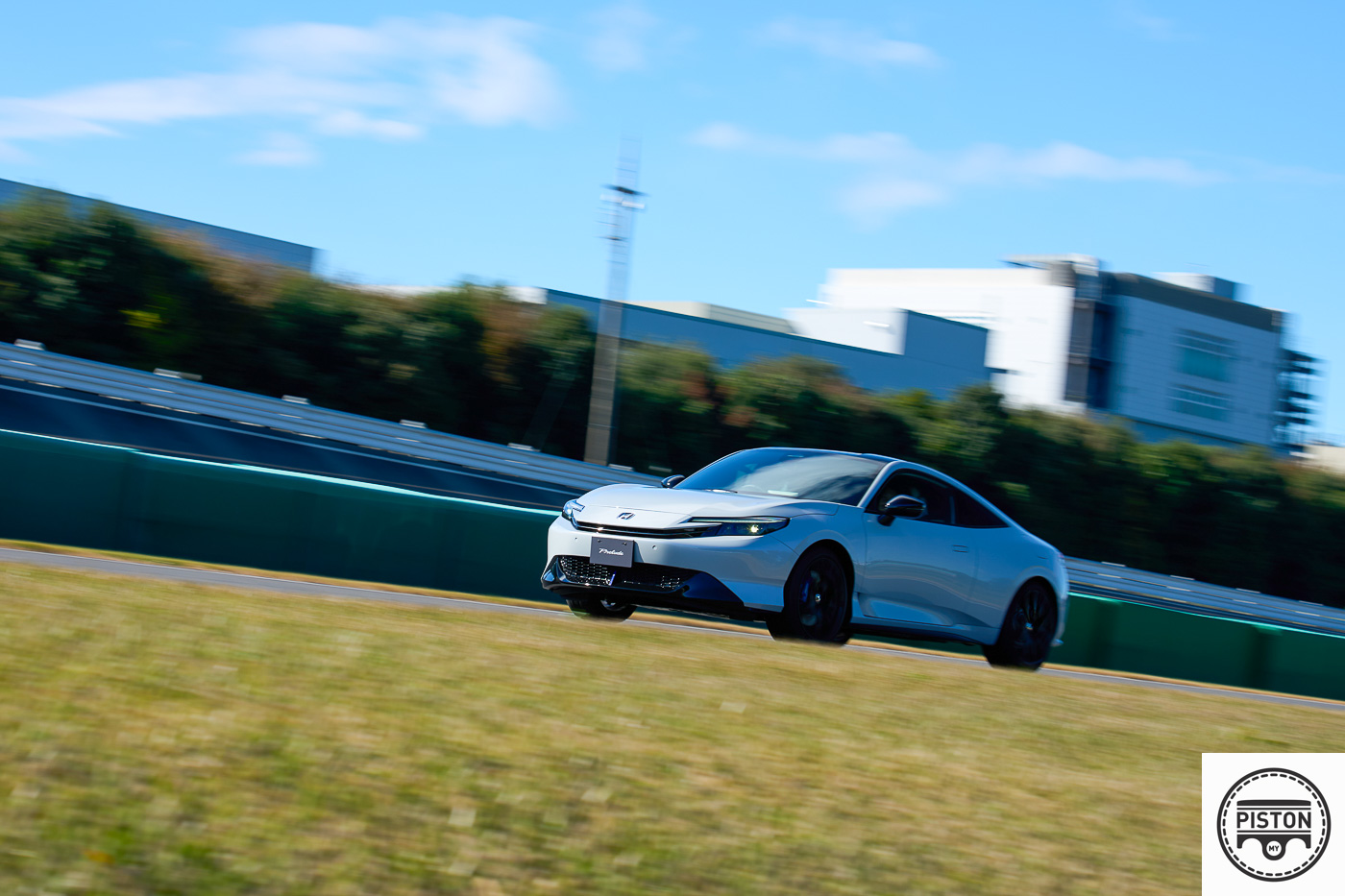
The front is managed by dual-axis struts, which is carried over from the Civic Type R. This works to reduce torque steer which is important for a front-wheel-drive car.
The rear on the other hand is kept in check by multi-links, which is not at all surprising.
But the Prelude also comes with adaptive dampers which it also shares with the Type R. This works together with the selected drive mode, of which there are four – Comfort, GT, Sport, Individual, to either give you more control of the car or to trudge along in comfort.
The Prelude also has wider track dimensions which improves stability and corner entry. And yes, it is the same as the Type R as well.
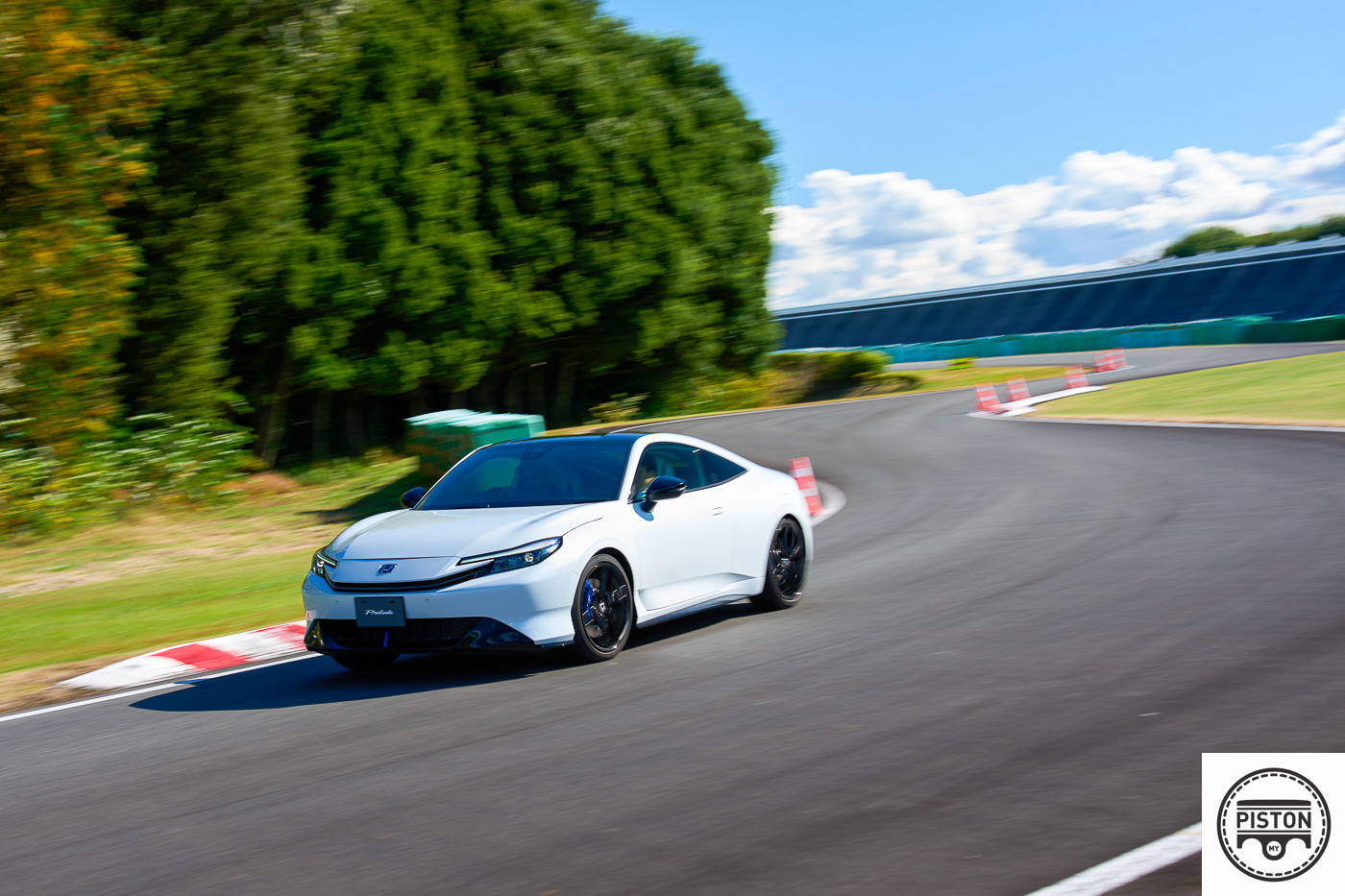
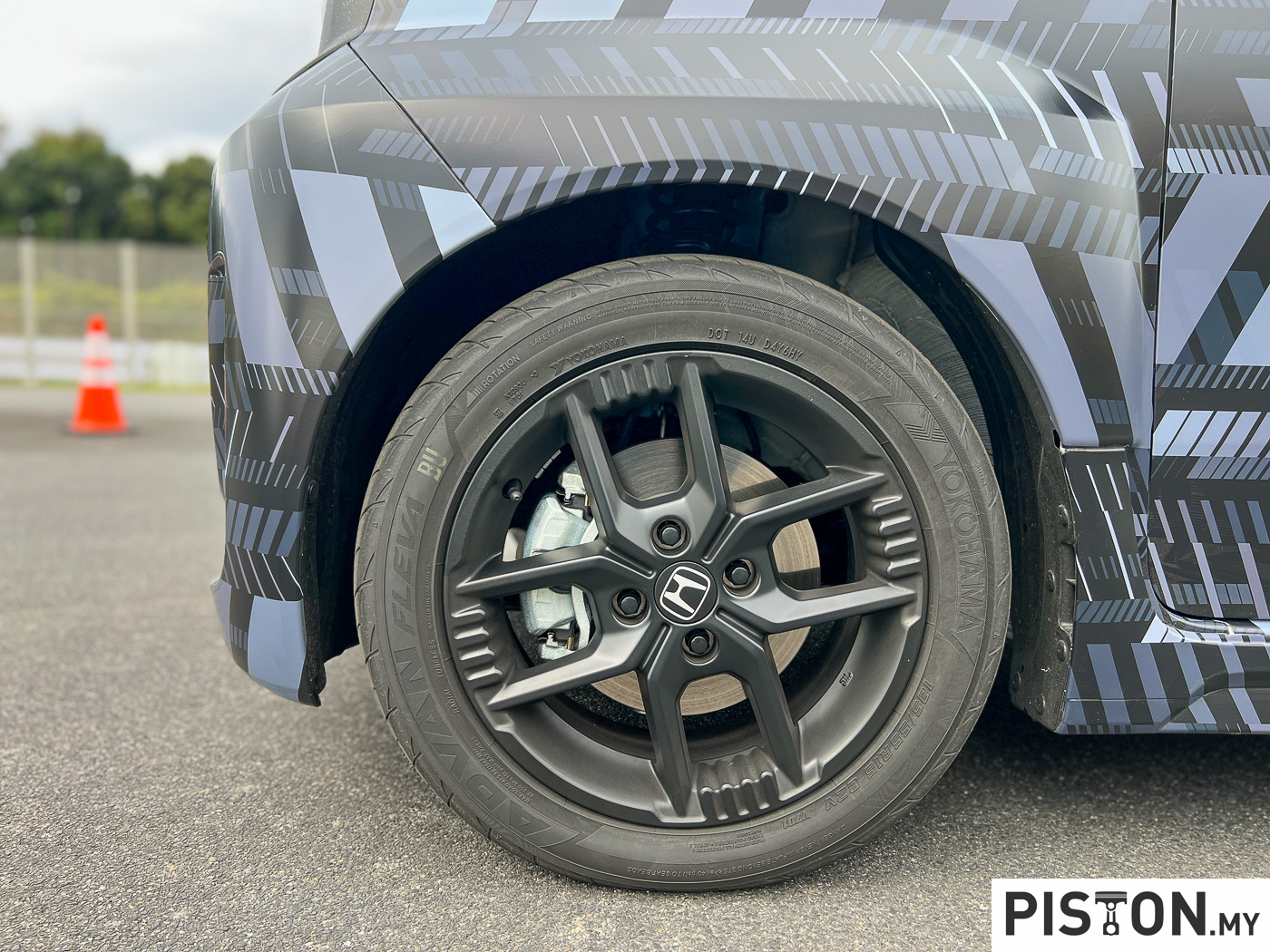
Might as well get it out of the way now, even the brakes are the same as the Type R, and yes they are from Brembo.
So, as you have probably figured out by now, a lot of the important bits underneath the car are from the Civic Type R, and that is what gives it its agility in and out of corners.
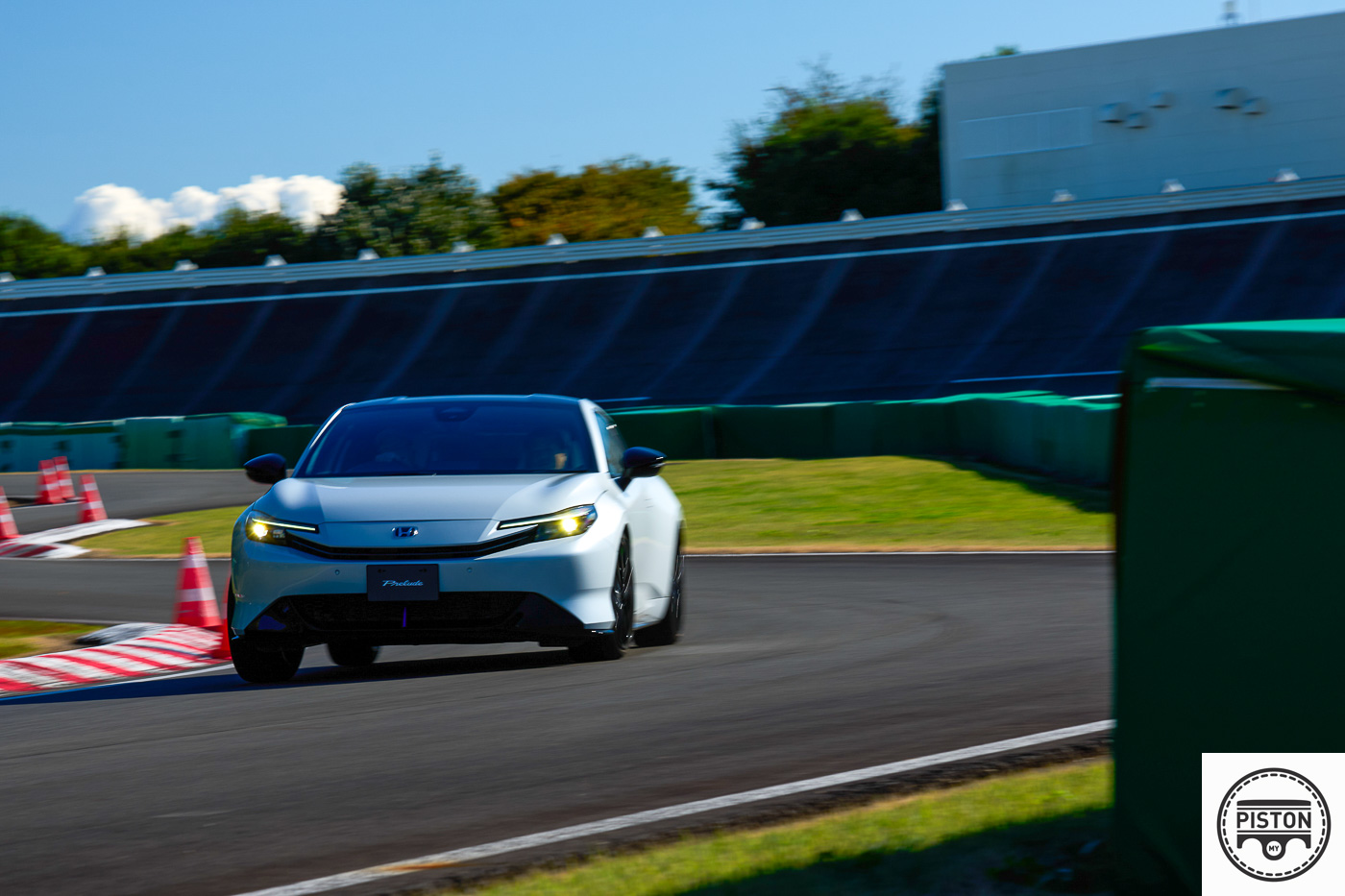
In long sweeping corners, the car feels planted and confident. Under heavy braking for a tight 90-degree corner, the front bites hard while the rear sticks in place and does not threaten to break grip and swap places with the front.
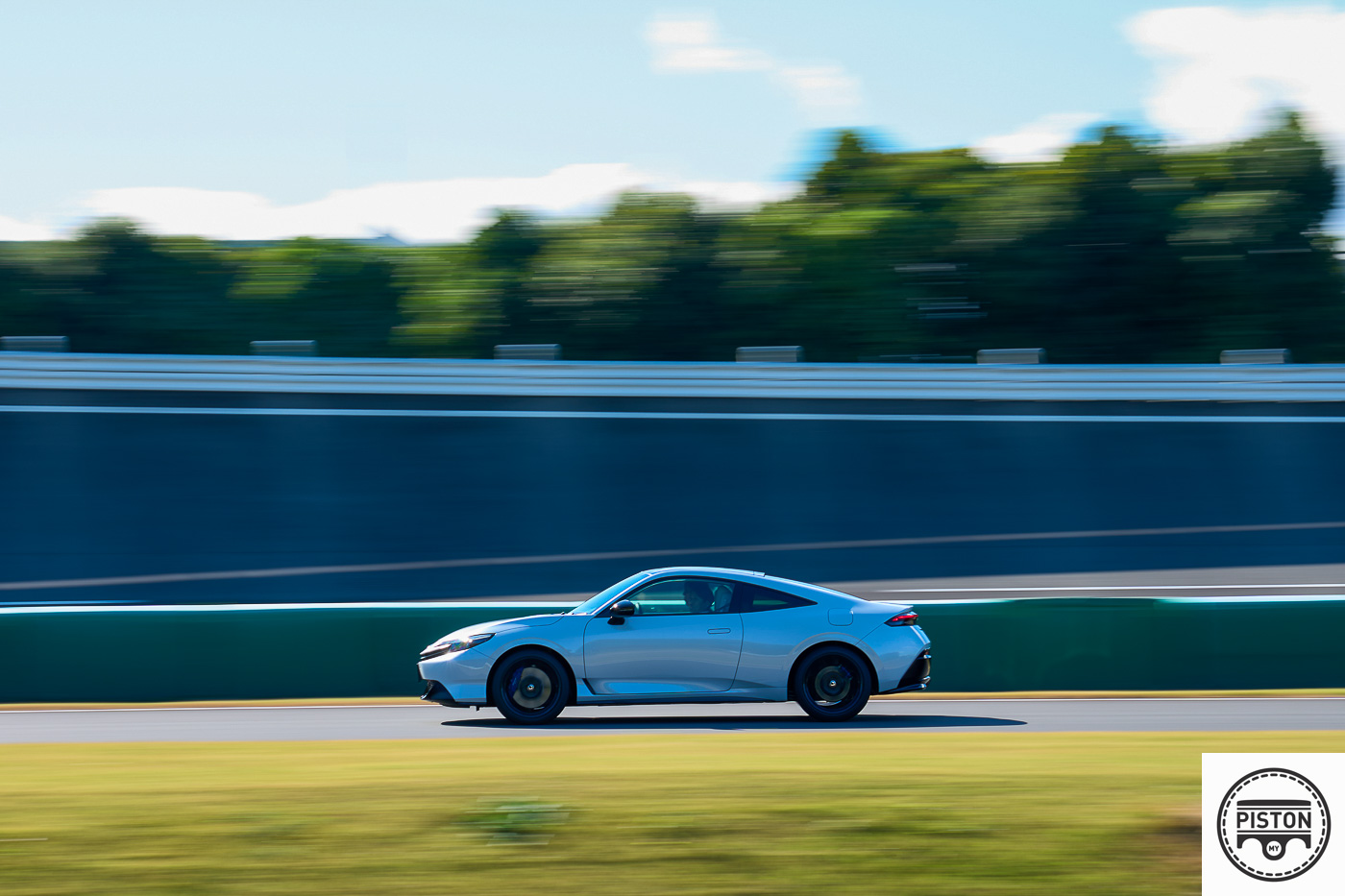
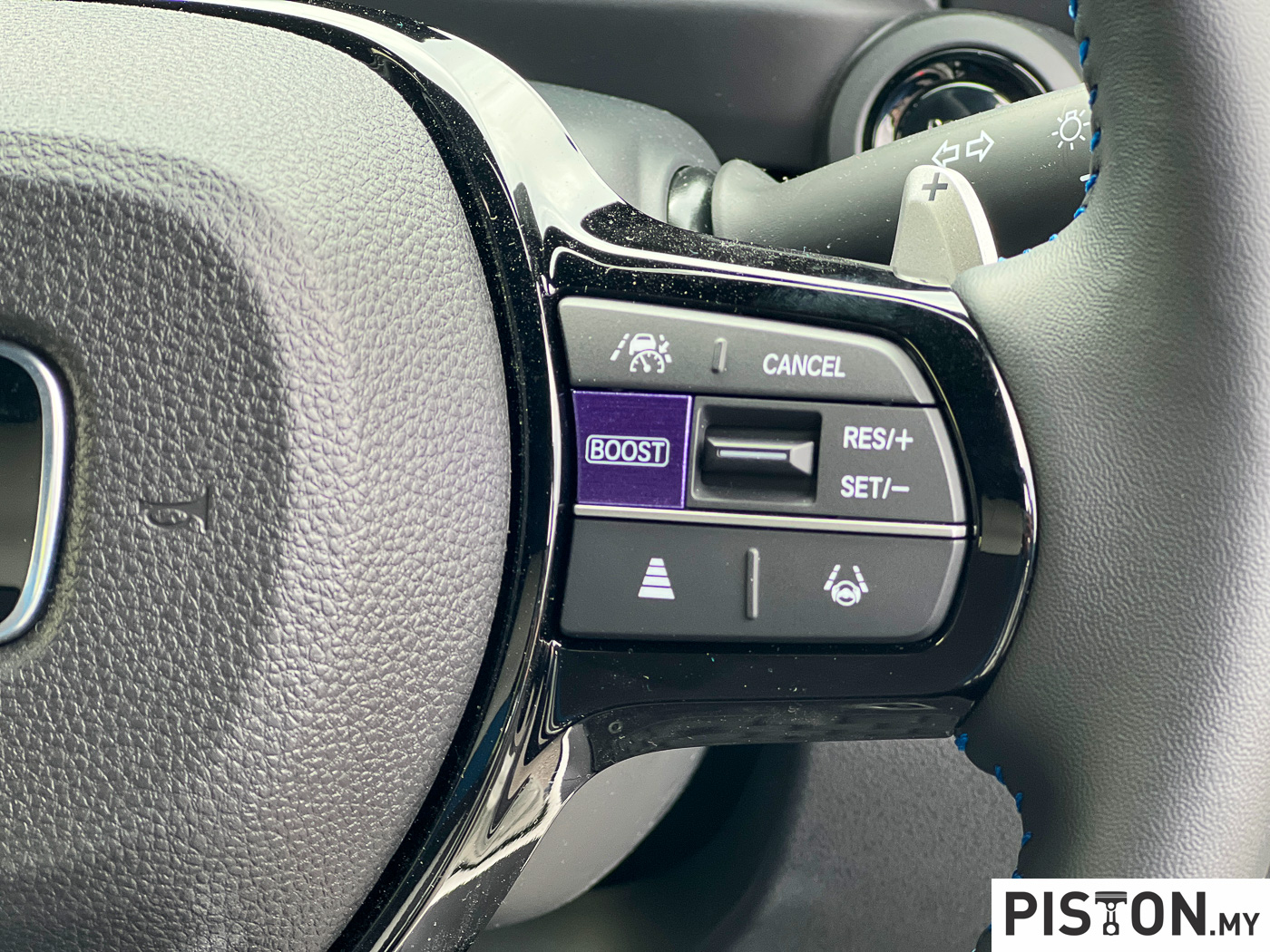
This is also achieved with a technology called ‘enhanced agile handling assist’. This system works by subtly braking the inner wheels during cornering and thus allowing for a more precise line from corner turn-in to exit.
The handling is short of being on a knife’s edge and that is a good thing because you don’t want a car that feels too fidgety.
The Prelude is ultimately designed to be a GT than it is, say a successor to the Civic Type R.
But there are two elements that make it feel like a proper sports car though.
The first is the engine note. If you have ever driven the Civic hybrid, you may know that the engine does not sound very spirited.
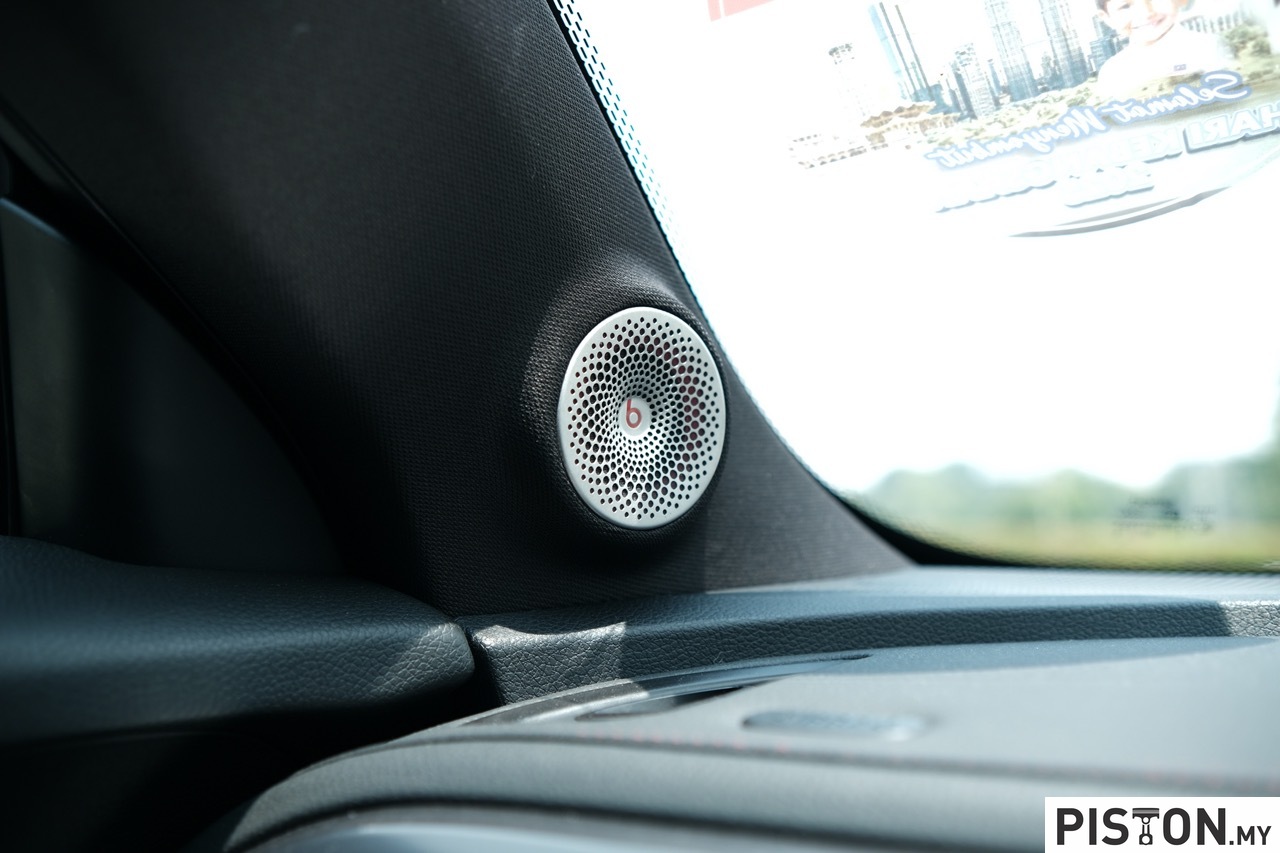
But not in the Prelude, and the reason it sounds so good is because the engine note is augmented and piped into the cabin through the speakers.
And though it may not be real, it sounds so good that it you really wouldn’t mind it.
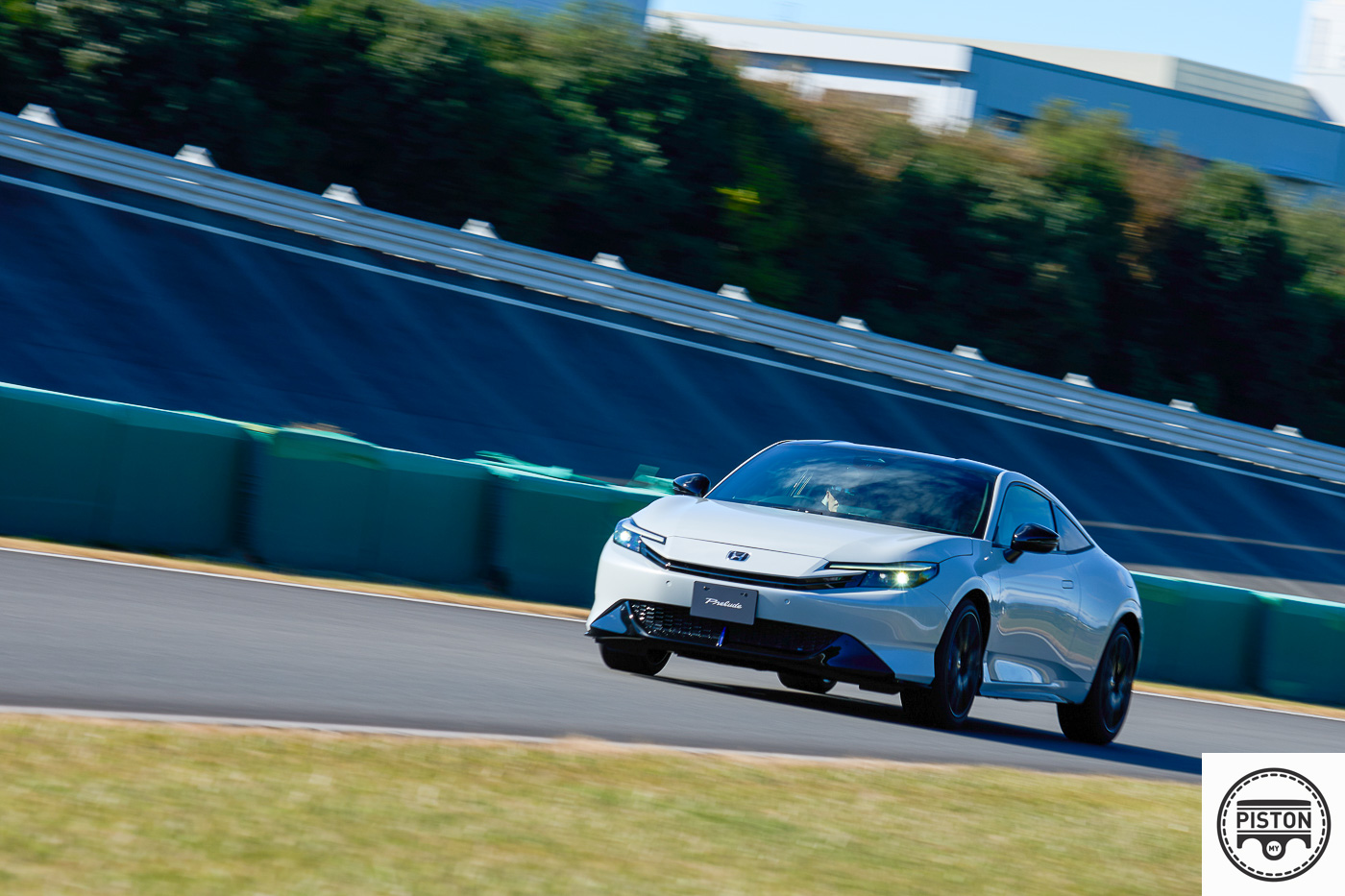
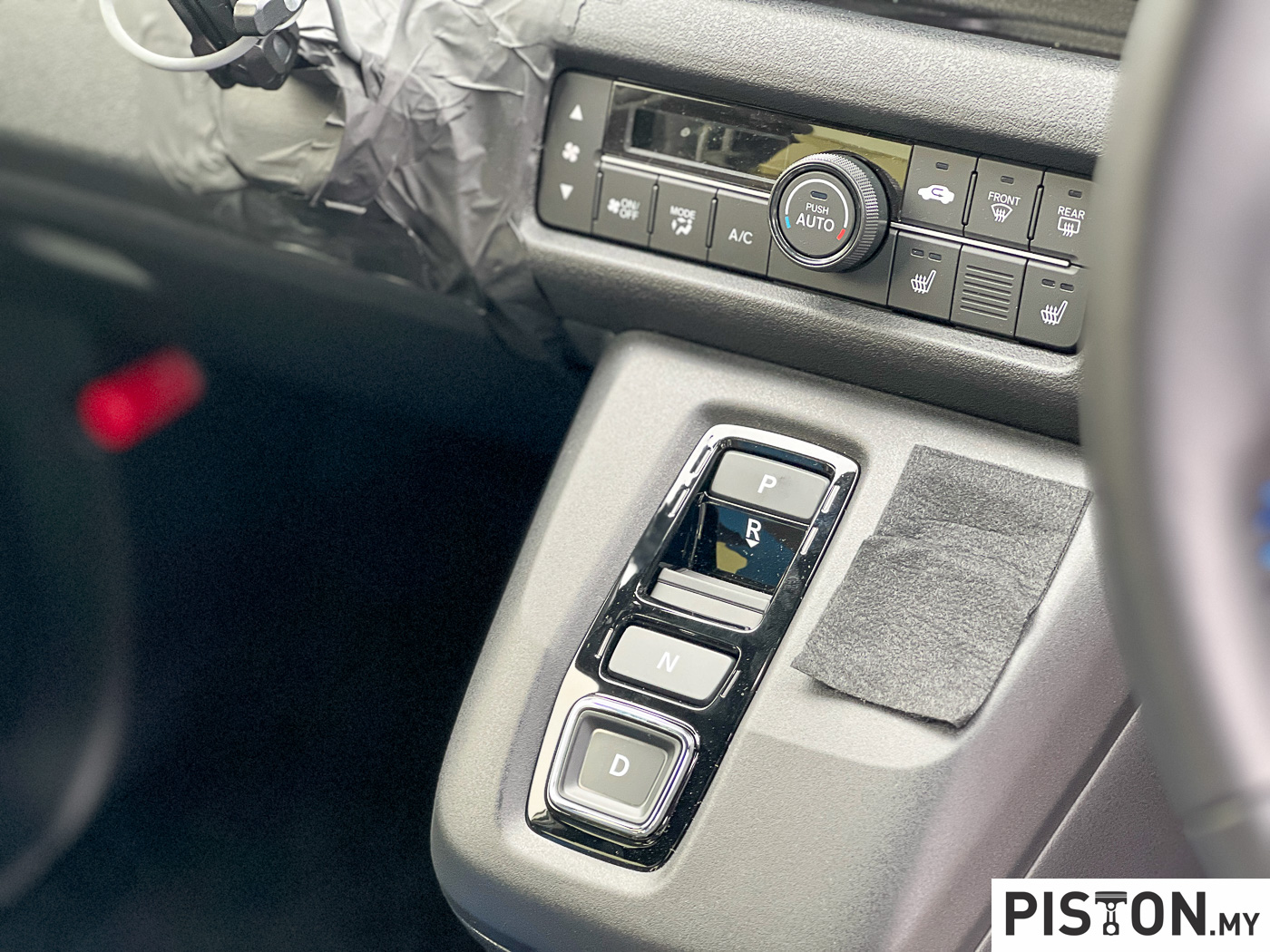
Then there are the gearshifts. Fake as well because there is no gearbox, power is sent directly to the wheels through the electric motor.
Called the Honda S+ Shift, this simulates a performance transmission by providing downshift blips, rev matching and even seems to hold a gear in fast, flowing corners.
It also simulates the power cuts which we usually experience in between shifts, so you really do get the little jolt in your spine during acceleration.
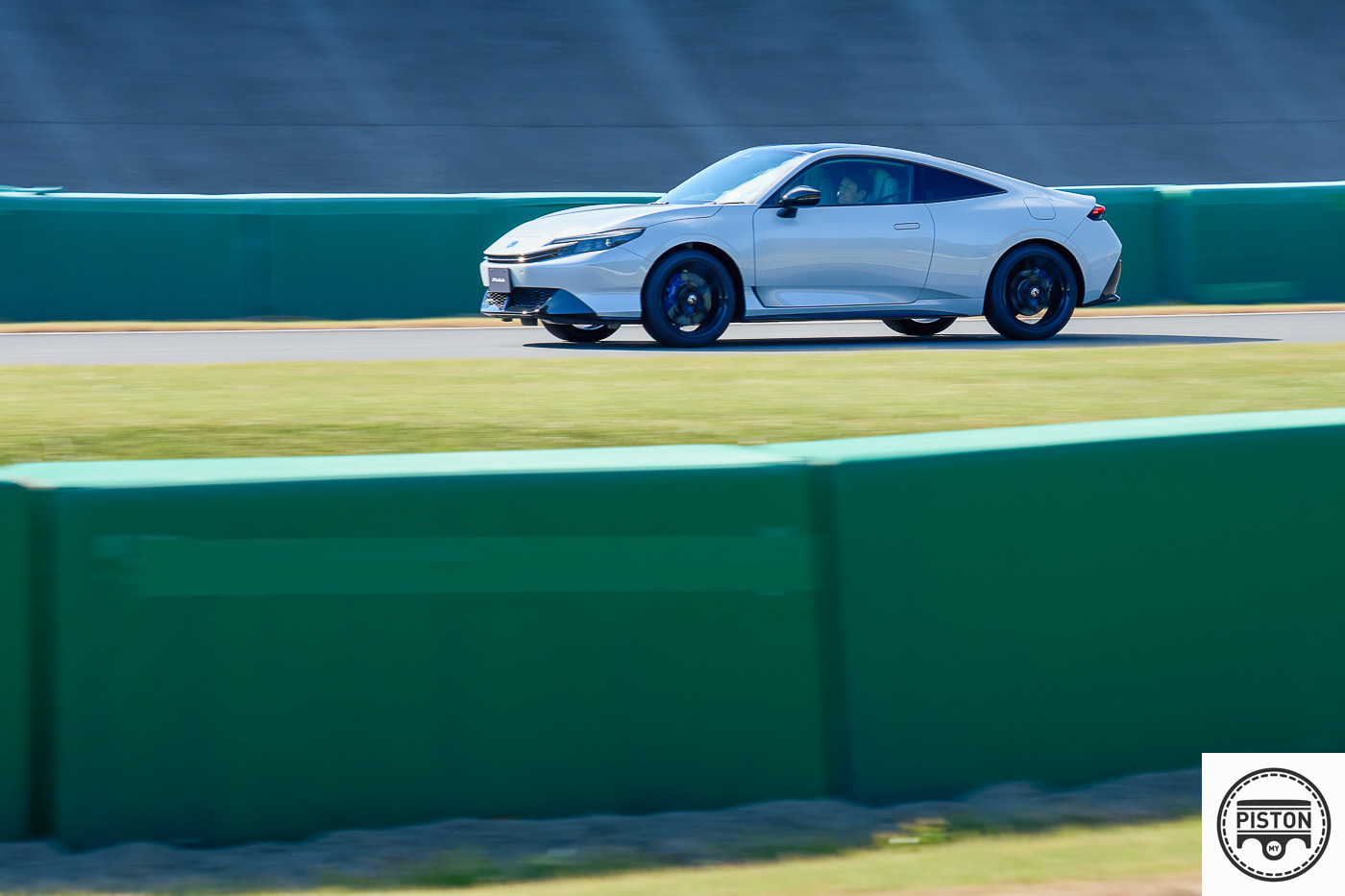
How Honda has engineered this entire experience is nothing short of phenomenal, and it adds a character to the car that you simply need to experience for yourself to understand.
Is there anything not to like?
The car itself is nothing short of fantastic. We could argue all day about whether or not it is a real Prelude with some saying it probably should be called the successor to the CR-Z since it is a hybrid. But we can all agree that the Prelude name made everyone pay more attention to it than a CR-Z ever could.
The only problem that I may have with it is the price tag. There are rumours suggesting that the Prelude will be priced even higher than the RM399,000 tag on the Civic Type R. That is because coupe’s have a higher tax rate than sedans.
With a price tag of upwards of RM400,000, that may be hard to digest for purists. But I do hope that Honda Malaysia has a couple of tricks up its sleeve since the teasers have already begun and it is only a matter of time till the car is launched here.
Specifications:
Engine: 2.0-litre, four-cylinder, Atkinson-cycle
Transmission: Honda S+ Shift
Power: 200hp
Torque: 315Nm
Price: Not available
We like: Super fun to drive
We don’t like: Might be pricey