Piston.my

Global News

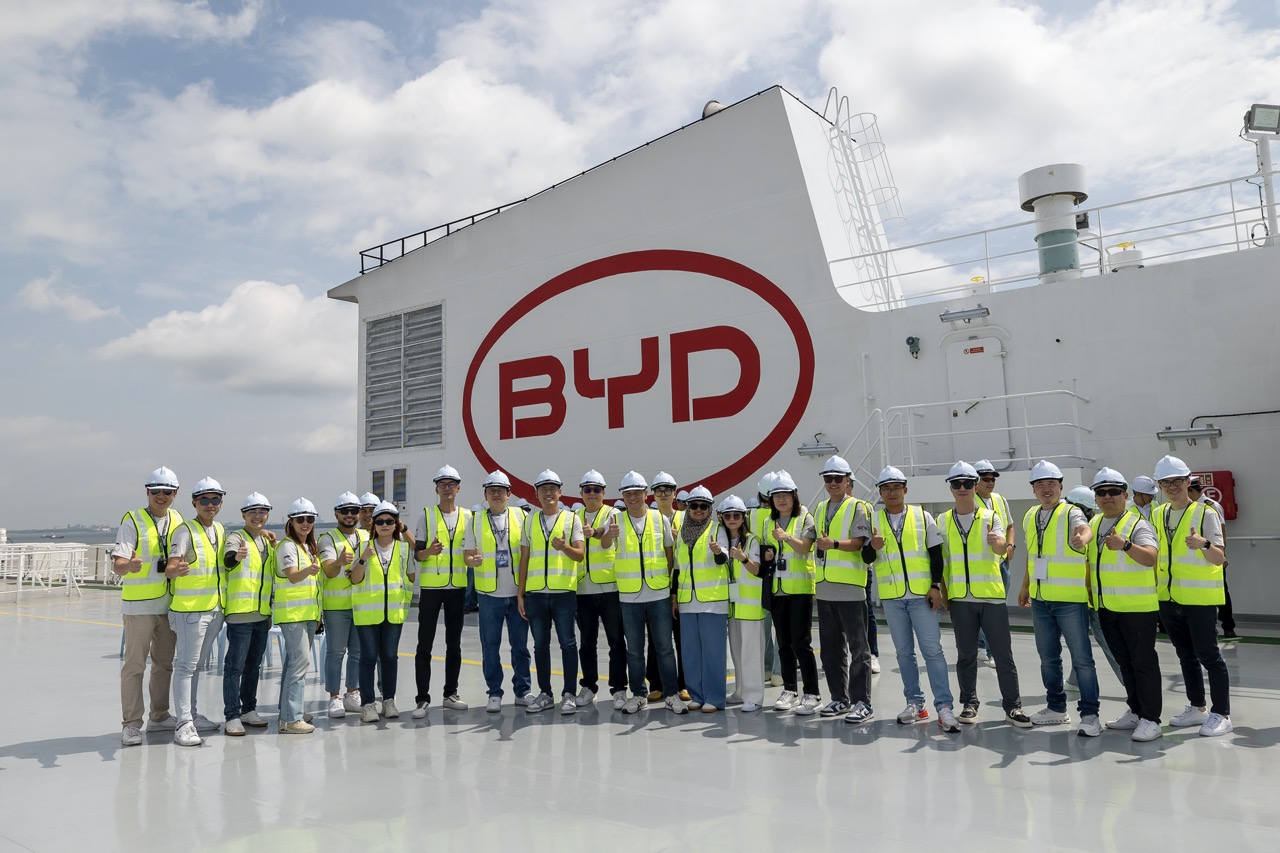
China’s BYD has marked another milestone in its global expansion, with the first shipment of Thai-assembled Dolphin electric vehicles bound for Europe. Over 900 units have been dispatched to Germany, Belgium and the United Kingdom, signalling a new chapter in the company’s international strategy.

The consignment set sail aboard BYD’s own carrier vessel, the BYD Zhengzhou, which for the first time has operated a route from Thailand to Europe. The vehicles were produced at the company’s Rayong plant, a facility that went into operation in July 2024 and stands as BYD’s first wholly owned passenger car manufacturing site outside of China.

Built with an annual capacity of 150,000 vehicles, the Rayong factory serves both the domestic Thai market and export destinations. Within just a year of starting operations, the plant had already achieved 90,000 deliveries by July this year, underscoring its role as a crucial hub for BYD’s regional and global supply network.

(more…)

BYD has once again pushed the boundaries of electric performance, with its Yangwang U9 engineering prototype clocking an astonishing 472.41km/h, setting a new world record for an electric vehicle.

The achievement not only cements the U9 as China’s fastest car but also elevates it into the exclusive realm of the world’s top hypercars. This latest milestone follows its earlier success last November, when the U9 became the fastest car in China by registering 391.94km/h during a speed trial. The new figure represents a staggering 20.53% leap in performance.

At its peak velocity, the Yangwang U9 is now just a breath away from the world’s most celebrated combustion-engine hypercars. To put it into perspective, the Koenigsegg Jesko Absolut has a maximum speed of 531km/h, the Bugatti Chiron Super Sport 300+ touches 490km/h, and the SSC Tuatara is recognised at 474.8km/h. The U9, an electric contender, is edging dangerously close to these long-revered giants of speed.

(more…)

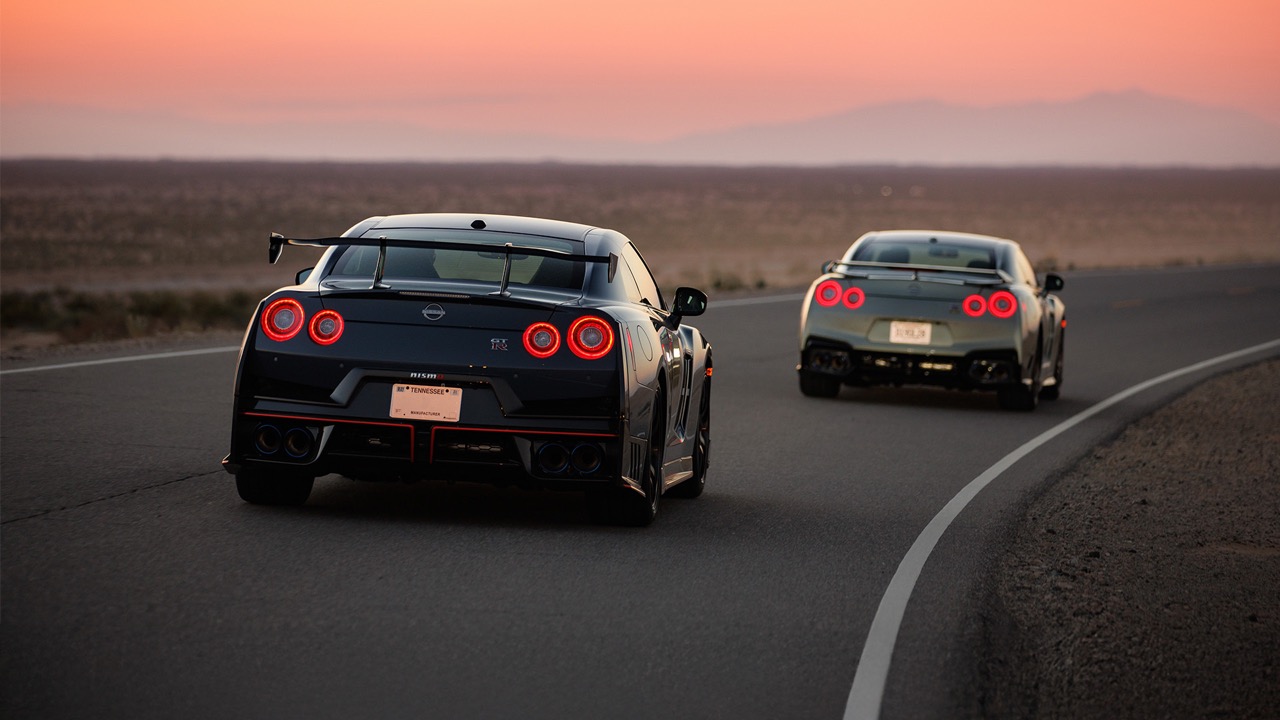
After nearly two decades, Nissan has officially brought an end to production of the R35 GT-R, marking the close of an era for one of the most iconic performance cars of modern times. The final assembly for the Japanese domestic market, the last region where the model remained on sale, has now concluded, drawing the curtain on a remarkable 18-year run.

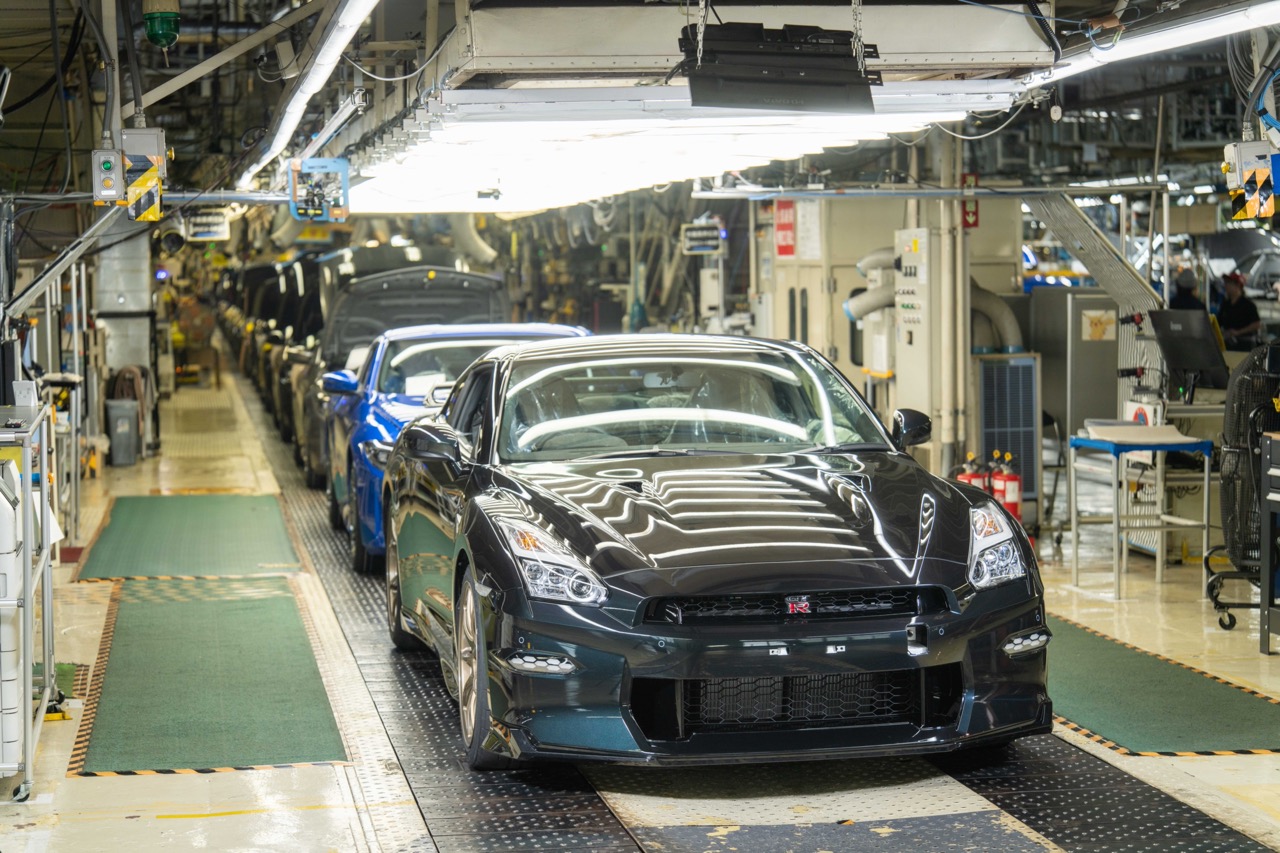
Since its global debut in 2007, the R35 GT-R has stood as a symbol of cutting-edge engineering and relentless performance, capturing the imagination of enthusiasts and setting new benchmarks in the supercar world. Over its lifespan, approximately 48,000 units were produced, with the very last car, a Premium Edition T-Spec finished in the famed Midnight Purple, destined for a customer in Japan.

The final send-off took place at Nissan’s Tochigi plant, where workers gathered to celebrate the GT-R’s enduring legacy as the last example rolled off the line. The R35’s history, however, is far from a conventional one. Instead of following the industry’s typical model lifecycle, Nissan opted for continuous evolution, with year-on-year refinements that sharpened performance, comfort, and technology. Whether in standard form, the luxurious variants, or the ferocious NISMO editions, every update aimed to push the envelope a little further.

(more…)

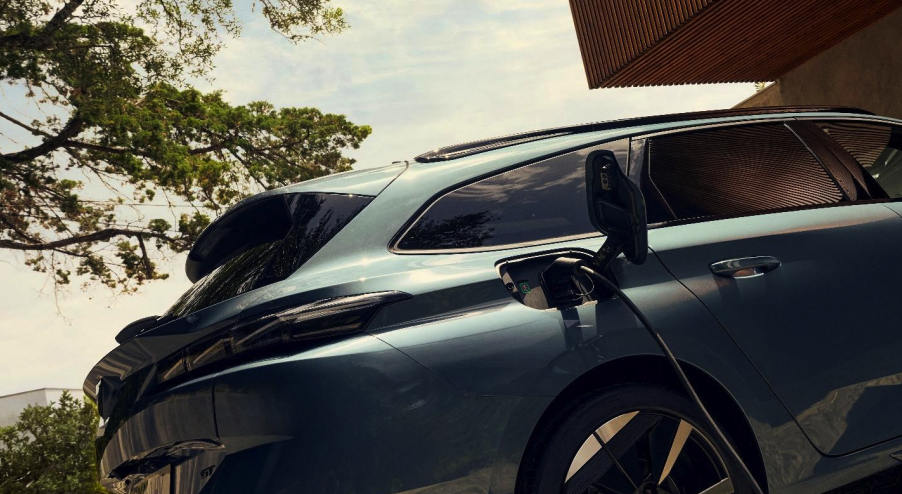
Peugeot has lifted the covers off the refreshed 308 and 308 SW, introducing a bold new chapter for one of its most successful models in the European C-segment. With a sharper design, a host of technological upgrades, and an expanded range of efficient powertrains, including the fully electric e-308 offering up to 450km of range, the new line-up is set to reinforce Peugeot’s reputation for French flair, driving pleasure and everyday practicality.

Both the hatchback and estate variants are the first in the brand’s history to carry an illuminated Peugeot emblem on the nose, a feature that now takes centre stage in the updated front fascia. The effect is amplified by a redesigned grille and a three-claw lighting signature, giving the car an unmistakable presence on the road. The illuminated strands integrated into the grille extend towards the headlamps, adding to the vehicle’s solid stance, while discreet radar systems are neatly hidden behind the badge to maintain a clean finish without compromising safety.

Peugeot has also refined aerodynamics, with redesigned bumpers and carefully sculpted air intakes channelling airflow into the wheel arches, improving efficiency and extending range for the hybrid and electric variants. The GT trim benefits further from the illuminated front design as standard, enhancing its dynamic character. At the rear, all versions adopt the brand’s latest light signature with three LED claws incorporated into a gloss-black strip across the boot lid, while new alloy wheel designs ranging from 17 to 18 inches bring added elegance and efficiency.

(more…)

XPENG has announced the global release of its latest over-the-air software upgrade, XOS 5.8.0, beginning on 25 August. More than a routine update, this rollout represents the company’s push to combine intelligent driving, advanced cabin features and user-driven customisation into a smarter mobility experience for its customers worldwide.

The 5.8.0 update is the third major release of the year, following versions 5.4.5 in January and 5.6.0 in May. Each has progressively expanded XPENG’s technological footprint, enhancing safety, personalisation and driving assistance. With the newest upgrade, the company has again underlined its commitment to listening to user feedback while maintaining its reputation as a pioneer in the intelligent EV space.

One of the key highlights is the introduction of Human-Machine Co-Driving in Europe, making XPENG the first automaker in the region to offer the feature as standard. When Lane Centring Control is engaged, the system now works in tandem with the driver instead of disengaging once steering input is detected. The result is smoother, more natural control, particularly in complex conditions such as highway exits or merges. Adaptive Cruise Control has also been refined to deliver more stable cornering speeds and gentler deceleration, further improving passenger comfort.

(more…)

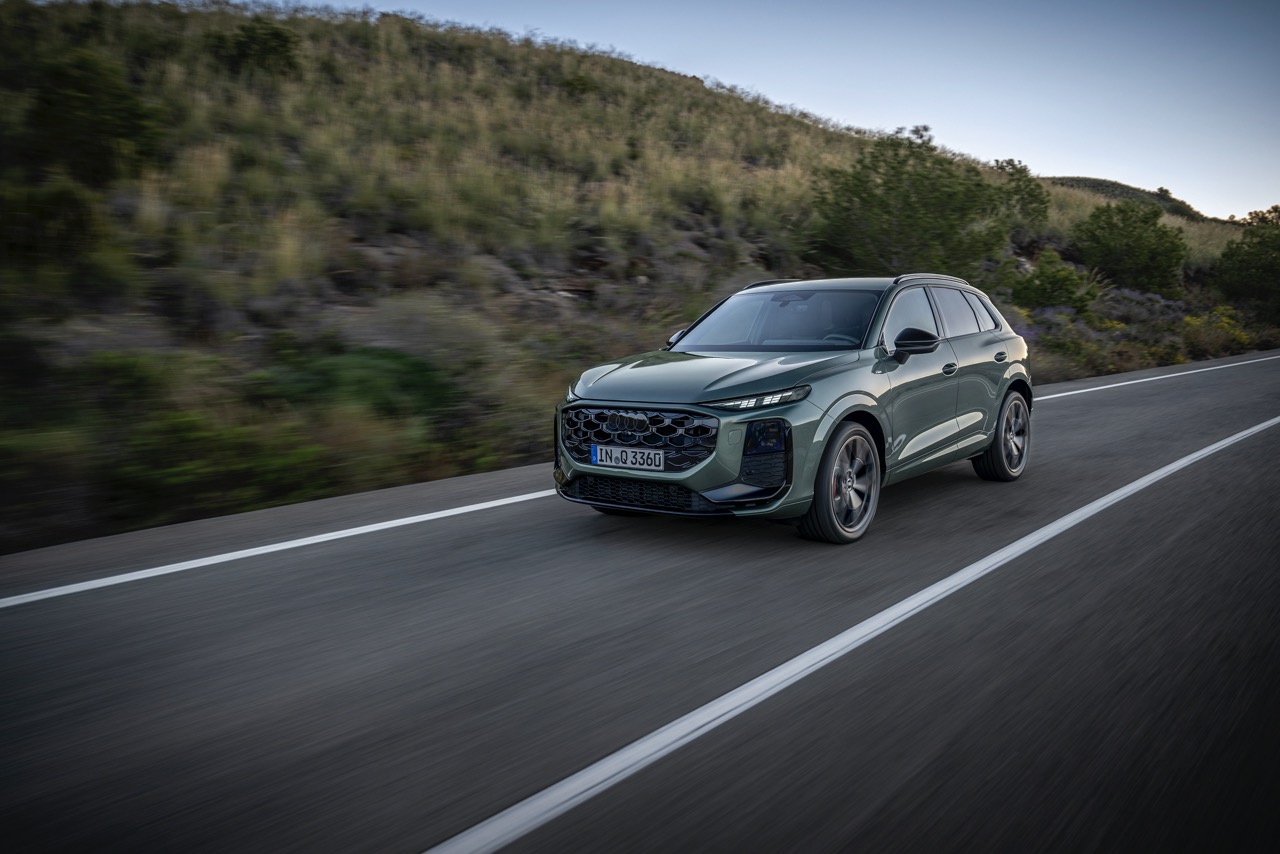
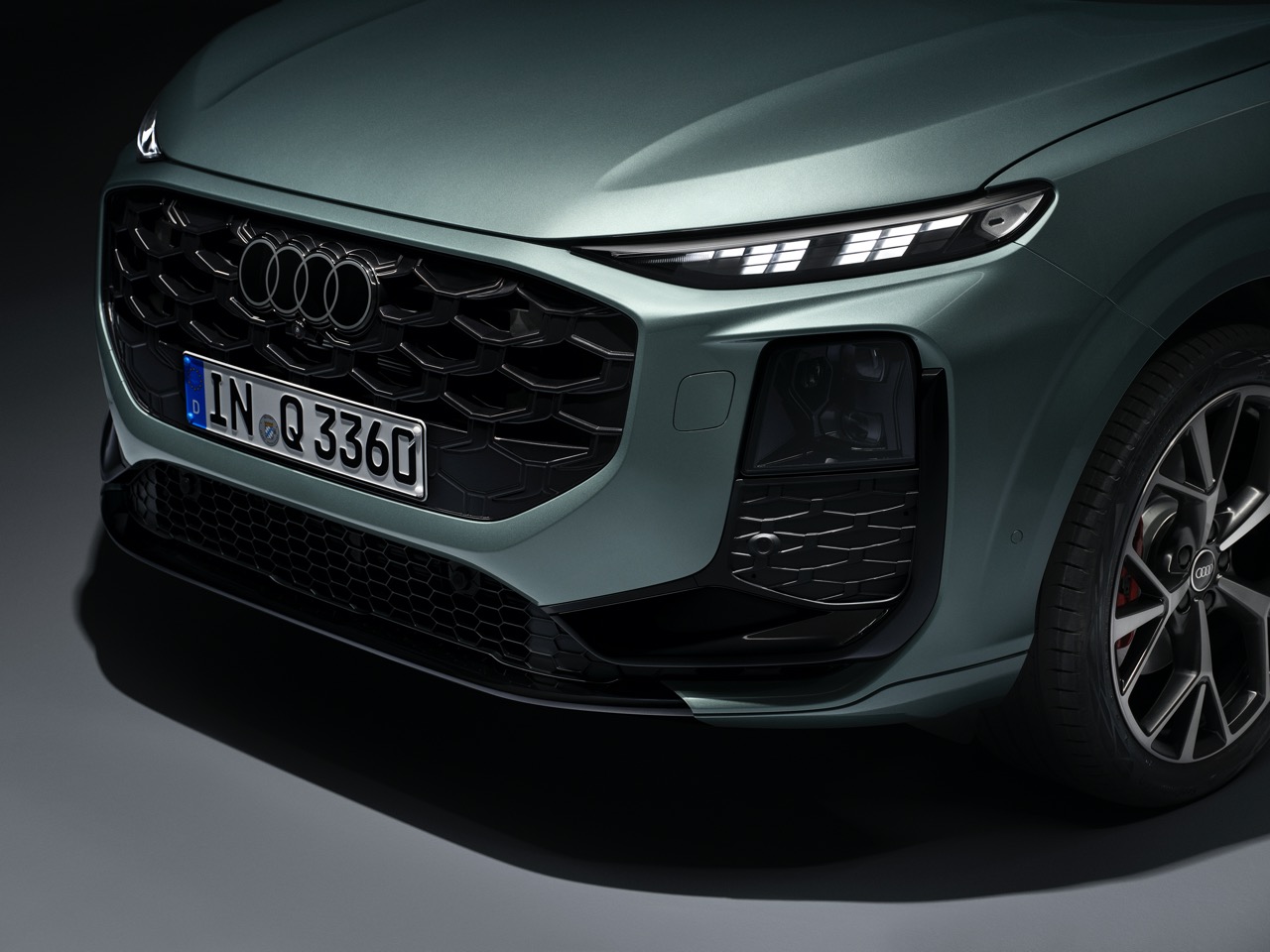
Audi has officially introduced the new-generation Q3, a compact SUV that blends practicality with a sportier coupé-inspired design and cutting-edge technology. Set to arrive in showrooms later this year, the updated Q3 represents a major step forward for Audi’s compact SUV line-up, offering improved efficiency, advanced driver assistance systems, and lighting technology previously unseen in this segment.

The exterior of the new Q3 adopts a more emotional and striking design language. The wide Singleframe grille and sharply contoured headlights integrate seamlessly into the aerodynamic body. A pronounced shoulder line running between the front and rear lights creates an interplay of light and shadow, emphasising the Q3’s dynamic proportions.

For those seeking a sportier silhouette, the Q3 Sportback brings a coupé-like profile, distinguished by its roofline that slopes 29 millimetres lower than the SUV. This subtle change gives the Sportback a sleeker and more aggressive stance, complementing the practicality that comes as standard with Audi’s SUV family.

(more…)

As the global shift towards electrification accelerates, one of the most pressing challenges for the automotive industry is deciding what to do with retired electric vehicle batteries. With no single definitive solution, various start-ups and carmakers are developing their own approaches. Toyota’s answer is the Sweep Energy Storage System, a project that has now entered field testing at Mazda’s Hiroshima facility.

The Sweep system takes high-voltage batteries salvaged from electrified vehicles, whether hybrids or fully electric, and integrates them into a large-scale factory energy storage solution. What sets the system apart is its ability to work with batteries of varying chemistries and levels of degradation. An advanced energy management logic developed by Toyota continuously monitors performance, directing power through the strongest units while bypassing weaker ones in real time.

Adding to its cost efficiency, the system also reuses inverters from the donor vehicles, removing the need for expensive power conditioners. Horizon, a science and technology publication, highlights this as a key factor in lowering operational costs and making the system more scalable for wider adoption.

(more…)

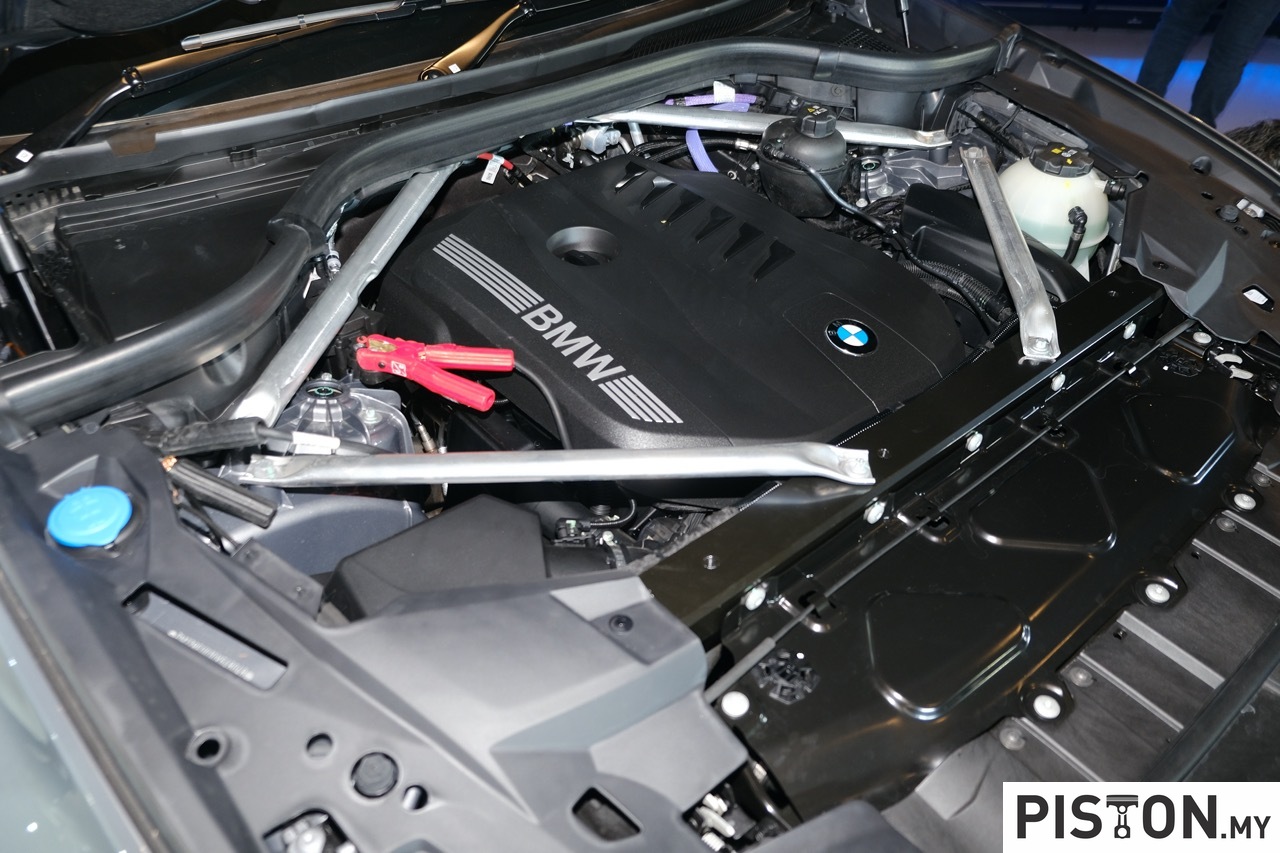
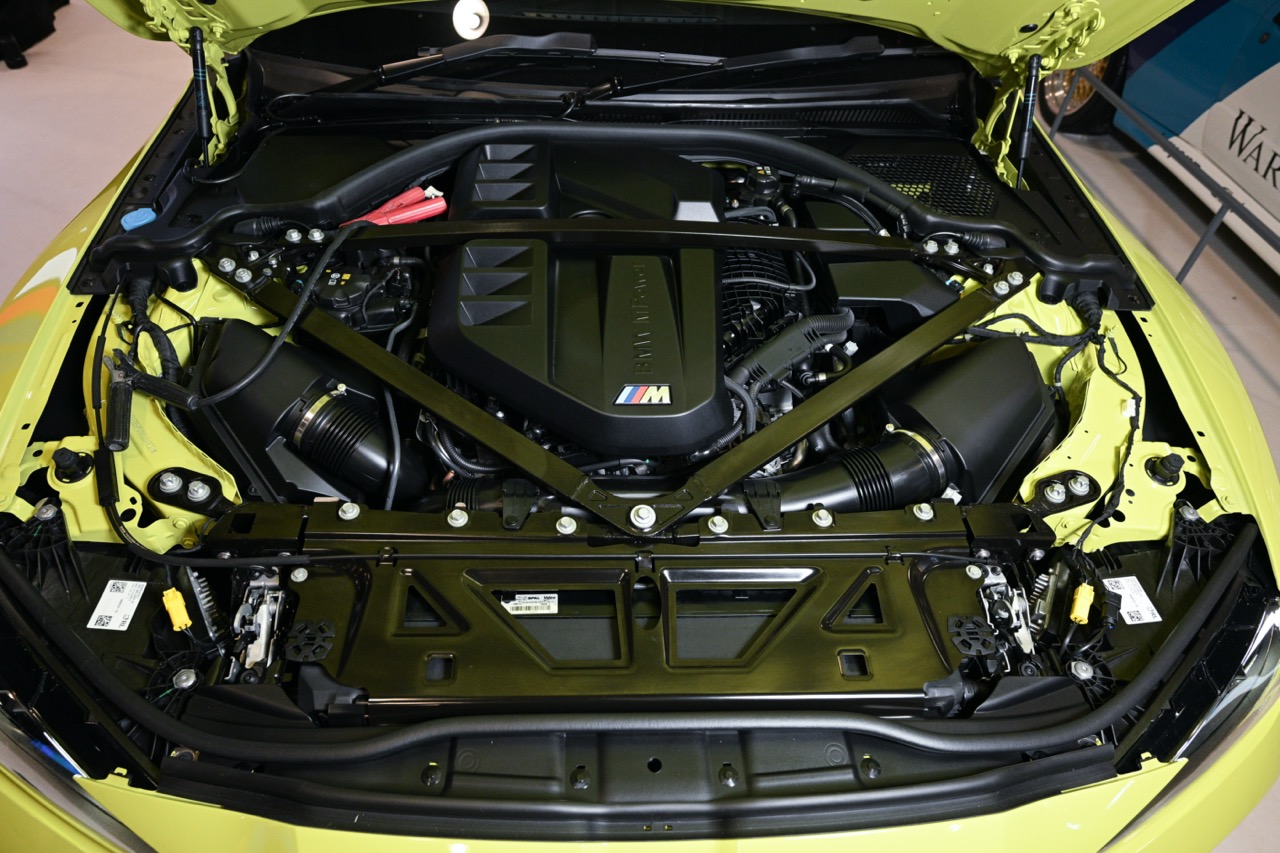
After decades of rivalry, Mercedes-Benz and BMW may soon find themselves in an unlikely partnership. According to a report by Manager Magazin, Mercedes is exploring the possibility of sourcing four-cylinder engines from BMW, a move that would mark one of the most surprising shifts in the modern automotive industry. While BMW has not confirmed the development, industry insiders suggest that discussions have been ongoing for nearly a year.

The timing of these talks comes as Mercedes faces financial headwinds. At the end of July, CEO Ola Källenius reported weaker-than-expected results, with profit margins in its passenger car business dropping to 3.2 per cent during the second quarter. Sales for the first half of the year stood at just 900,000 units, the lowest since 2020. Internally, Källenius told his management team that cost-cutting alone would not be enough if the company lacked the right products to meet demand.

One of Mercedes’ immediate challenges lies in its engine supply. The Stuttgart-based brand underestimated the number of combustion engines required to support its plug-in hybrid models. Initially, Mercedes sought to cover the shortfall by sourcing four-cylinder units from Geely in China, but political sensitivities in key markets such as the United States have made the use of Chinese-built engines increasingly problematic. This has pushed the company to explore cooperation closer to home, with BMW emerging as the most viable option.

(more…)

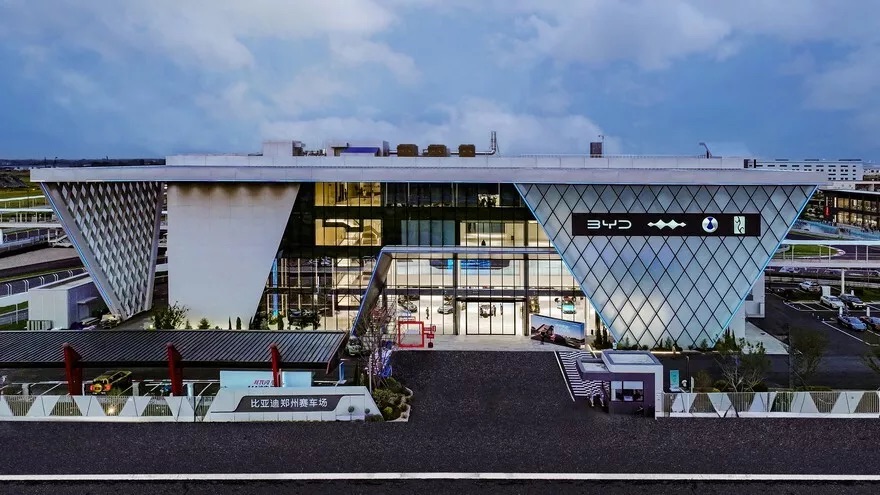
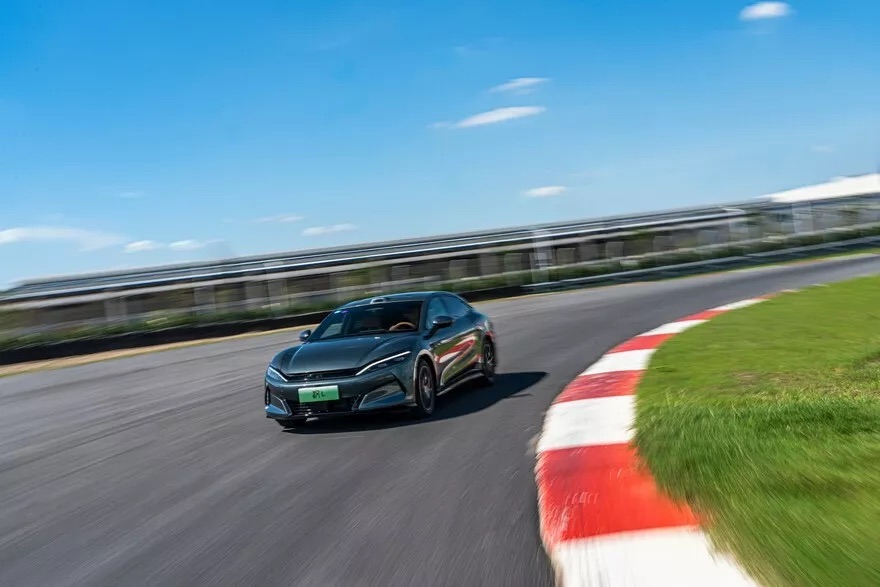
Chinese automaker BYD has unveiled what can only be described as the ultimate playground for car enthusiasts, a sprawling all-terrain driving experience centre in Zhengzhou. The facility combines a race track, off-road courses, water challenges, and even a Guinness World Record-certified sand incline, making it unlike anything offered by other car manufacturers, including Europe’s most prestigious brands.

At the heart of the centre lies a 1.7-kilometre circuit featuring nine corners and a 550-metre straight. The design allows BYD’s most powerful models, including the all-electric YangWang U9, to hit speeds of up to 220km/h. Adjacent to the track is a massive 164,687 square-foot paddock built for slalom manoeuvres, moose tests, and demonstrations of automated parking technology.

For those seeking something more unconventional, BYD has created a low-friction zone made from 30,000 smooth basalt bricks, kept constantly wet to replicate the challenges of driving on snow and ice. The automaker has even constructed a 70-metre-long pool. This unusual addition exists not for leisure but to showcase the YangWang U8’s ability to float and move slowly across water thanks to its advanced electric powertrain, a capability unheard of in the industry.

(more…)

Volkswagen has celebrated a major milestone in its shift towards electromobility, handing over the 1.5 millionth all-electric ID. family vehicle to a customer at its Emden plant in Lower Saxony. The symbolic unit, a black ID.7 Tourer Pro, underscores Volkswagen’s growing presence in the electric segment with a range of up to 606 kilometres.

The ceremony was attended by Lower Saxony’s Minister President Olaf Lies, together with Volkswagen executives including Martin Sander, Board Member for Sales, Marketing and After Sales, and Kai Grünitz, who oversees Technical Development. The customer, from Vechta in Lower Saxony, received the keys to what is now a landmark car in the brand’s electric portfolio.

Volkswagen highlighted that reaching 1.5 million deliveries in less than five years illustrates its position as a leader in Europe’s EV market. Since the debut of the ID.3 in September 2020, the company has consistently topped registration charts in Germany and across the continent. Sander pointed out that the figures confirm Volkswagen’s strategy of building electric cars that match customer expectations, noting that the ID. family remains a cornerstone of the brand’s transformation.

(more…)

Archive

Follow us on Facebook

Follow us on YouTube