
Piston.my

Global News

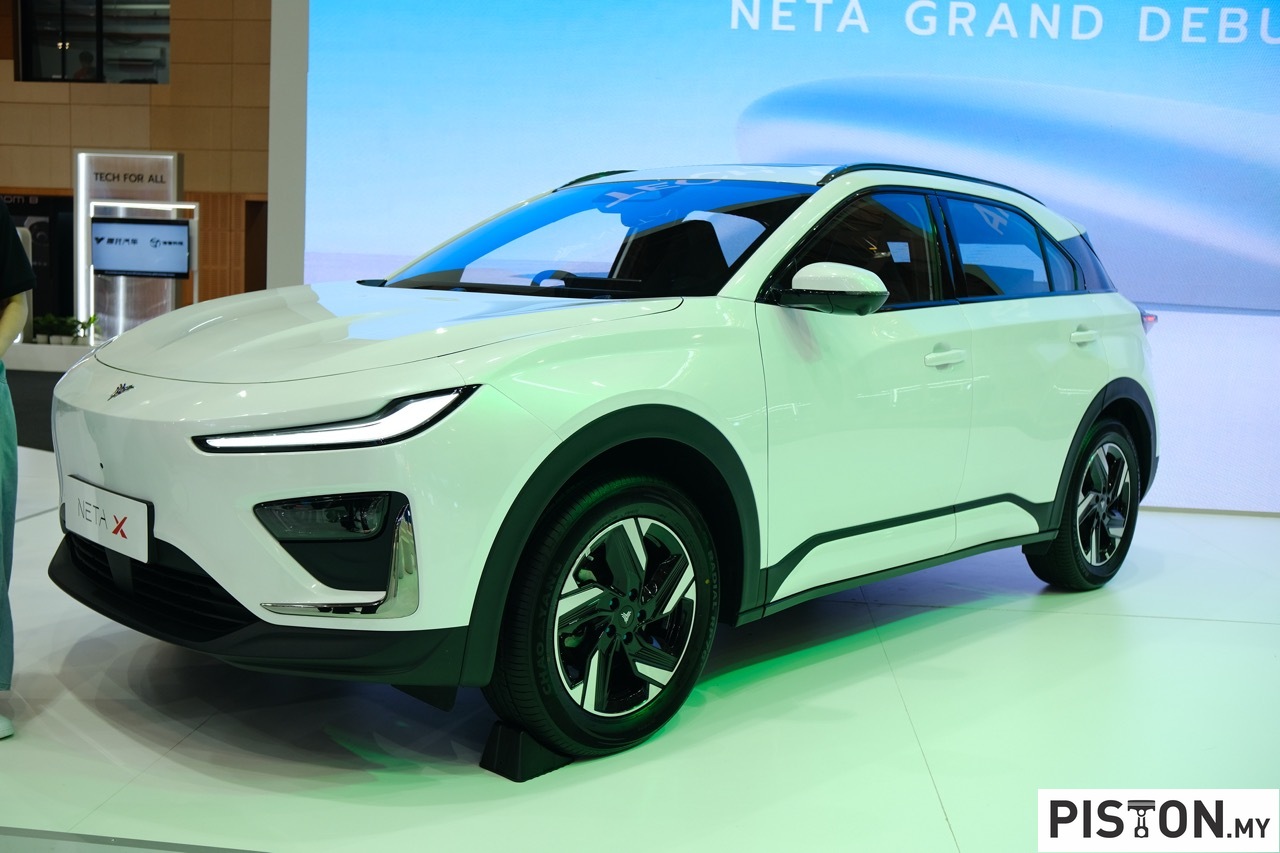
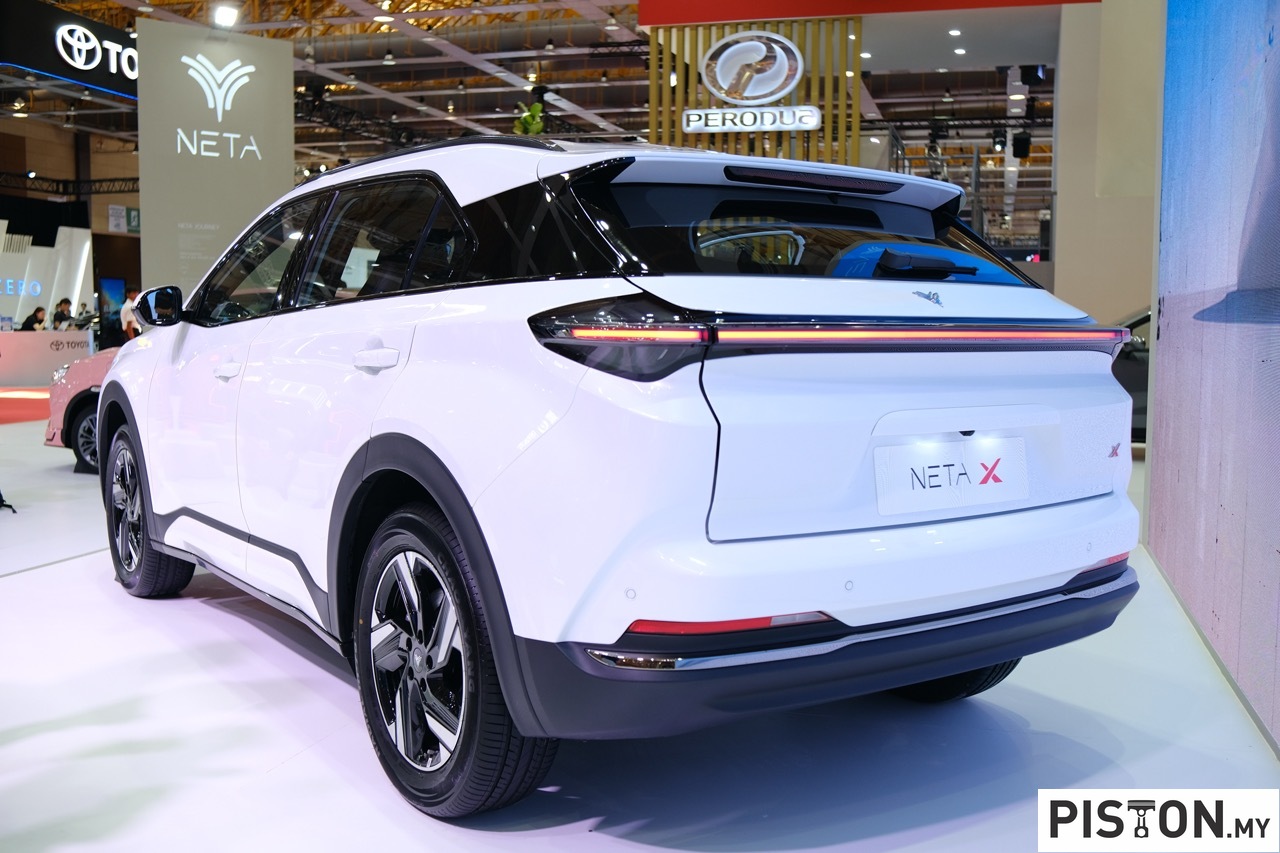
Neta Auto has reinstated full wage payments at its Tongxiang factory as of July 2025, suggesting the electric vehicle maker is making cautious strides towards stabilising operations amidst ongoing bankruptcy restructuring. The development comes after a prolonged period of financial distress that saw mass layoffs, suspended production, and months of unpaid employee salaries.

The update was disclosed by the court-appointed administrator overseeing the restructuring of Hozon New Energy, Neta’s parent company, on 4 August 2025. Hozon is currently in the process of soliciting strategic investors to support its revival, having formally entered bankruptcy reorganisation proceedings in June this year. To facilitate capital inflow, the company opened a pre-registration platform via Alibaba’s asset disposal site on 10 July. Since then, 47 interested parties have expressed formal interest, with potential investors required to place a 50 million yuan (around RM32,500,000) deposit by 15 September 2025.

The identities of the 47 entities that have expressed interest in investing in Hozon New Energy Automobile are not publicly disclosed.

Neta’s financial instability came to a head earlier in 2025, following months of liquidity problems that culminated in delayed salary payments dating back to November 2024. At its peak, the crisis saw the company halve its workforce, with factory staff reduced to receiving partial or minimum payments of just above 2,000 yuan. A viral video in early June captured the rising tensions as employees confronted Neta Chairman Fang Yunzhou at the firm’s Shanghai office, demanding their overdue wages.
(more…)

BMW has unveiled its next-generation iX3, signalling a bold step forward in the company’s ambition to integrate sustainability across the full life cycle of its vehicles. Developed as part of the Neue Klasse initiative, the new iX3 embodies the BMW Group’s intensified focus on decarbonisation, responsible sourcing, and energy efficiency, all central to the company’s carbon neutrality targets set for 2030 and 2050.

Through extensive environmental planning during the vehicle’s design, manufacturing, and operational stages, the iX3 50 xDrive demonstrates how BMW is reshaping premium electric mobility. When powered using Europe’s general energy mix, the vehicle achieves a lower CO₂ equivalent (CO₂e) footprint than a comparable internal combustion engine model after just 21,500 kilometres. If charged exclusively with renewable electricity, that break-even point drops to approximately 17,500 kilometres, allowing drivers to offset emissions within the first year of use.

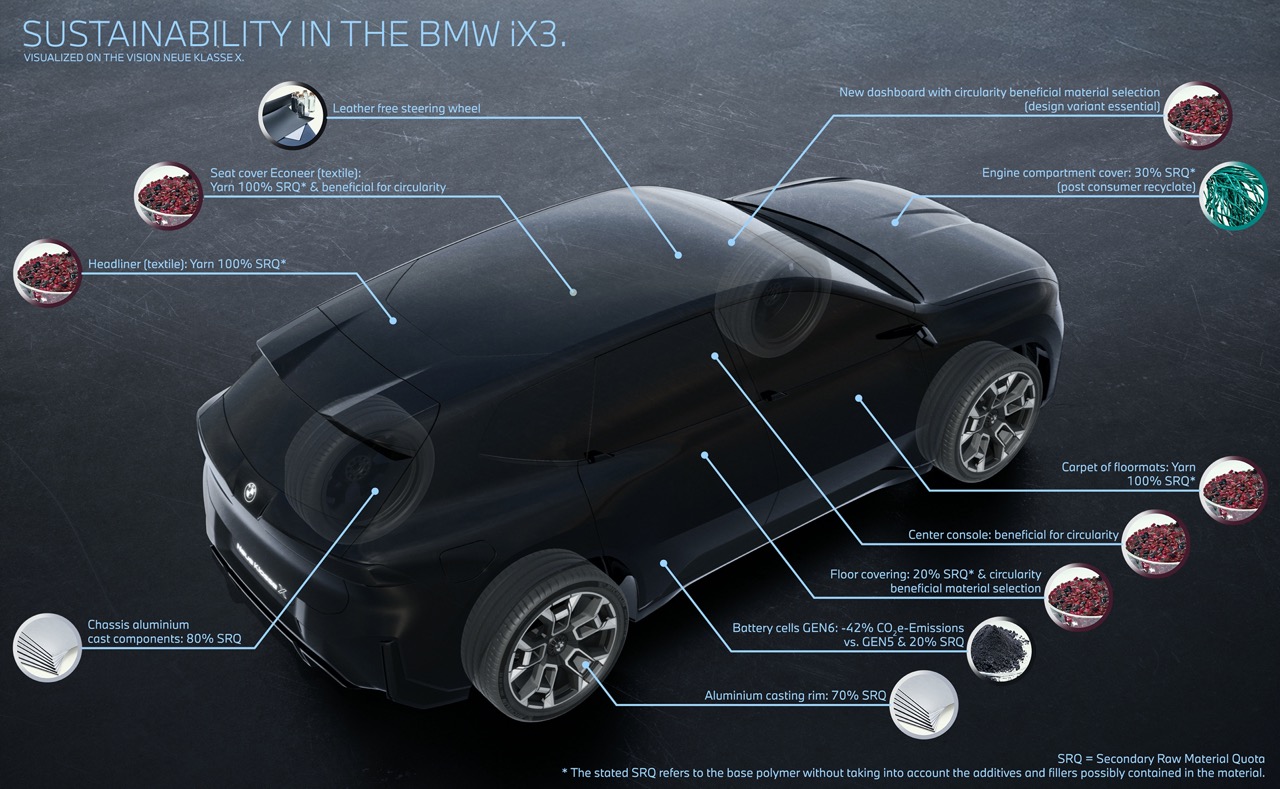
BMW’s sustainability push is most evident in the dramatic changes made across the supply chain. A reduction of 35 per cent in supply chain emissions was achieved during development, largely by relying on recycled materials and renewable energy. The Gen6 battery cells in the iX3’s high-voltage storage system use 50 per cent recycled cobalt, lithium, and nickel. Moreover, the use of renewable energy in both cell production and the processing of anode and cathode materials has led to a 42 per cent reduction in CO₂e per watt hour compared to the Gen5 cell.

(more…)

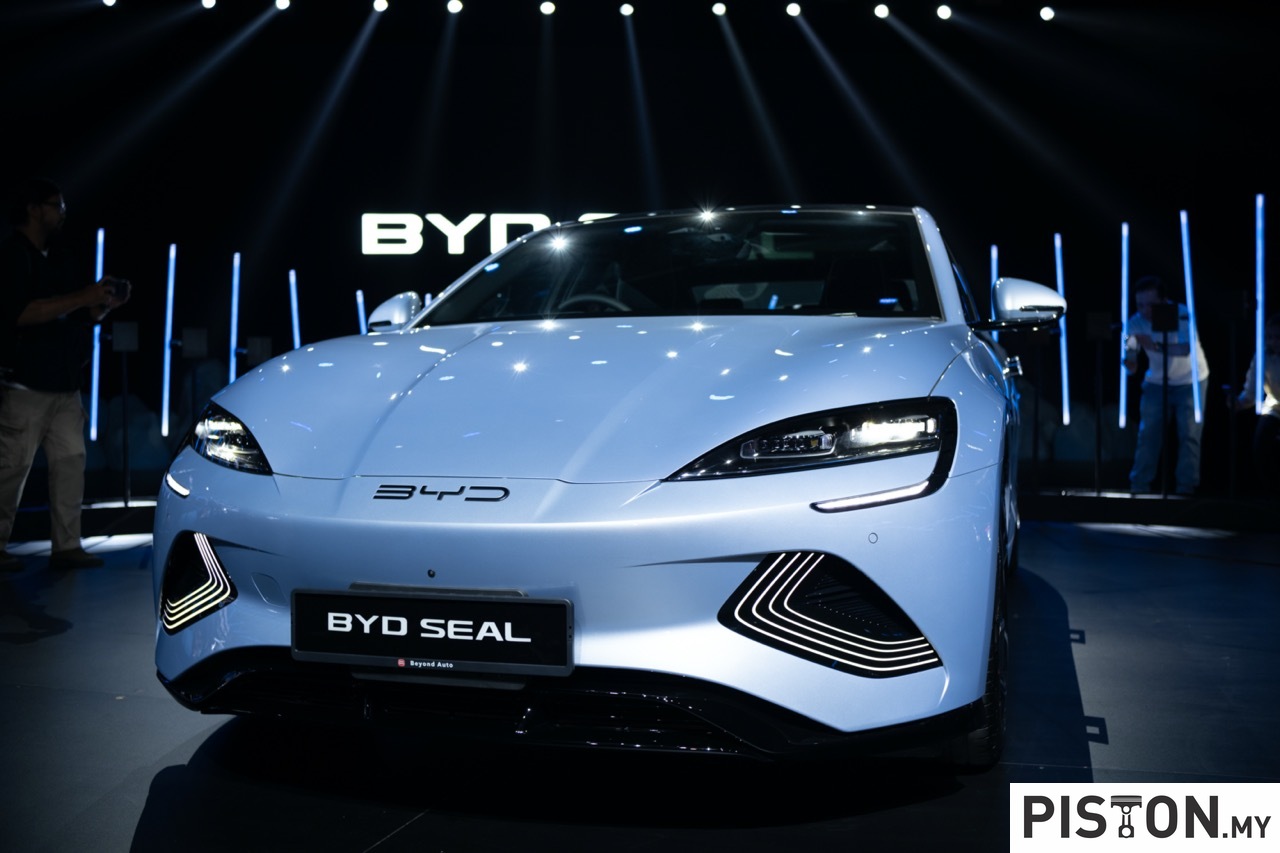
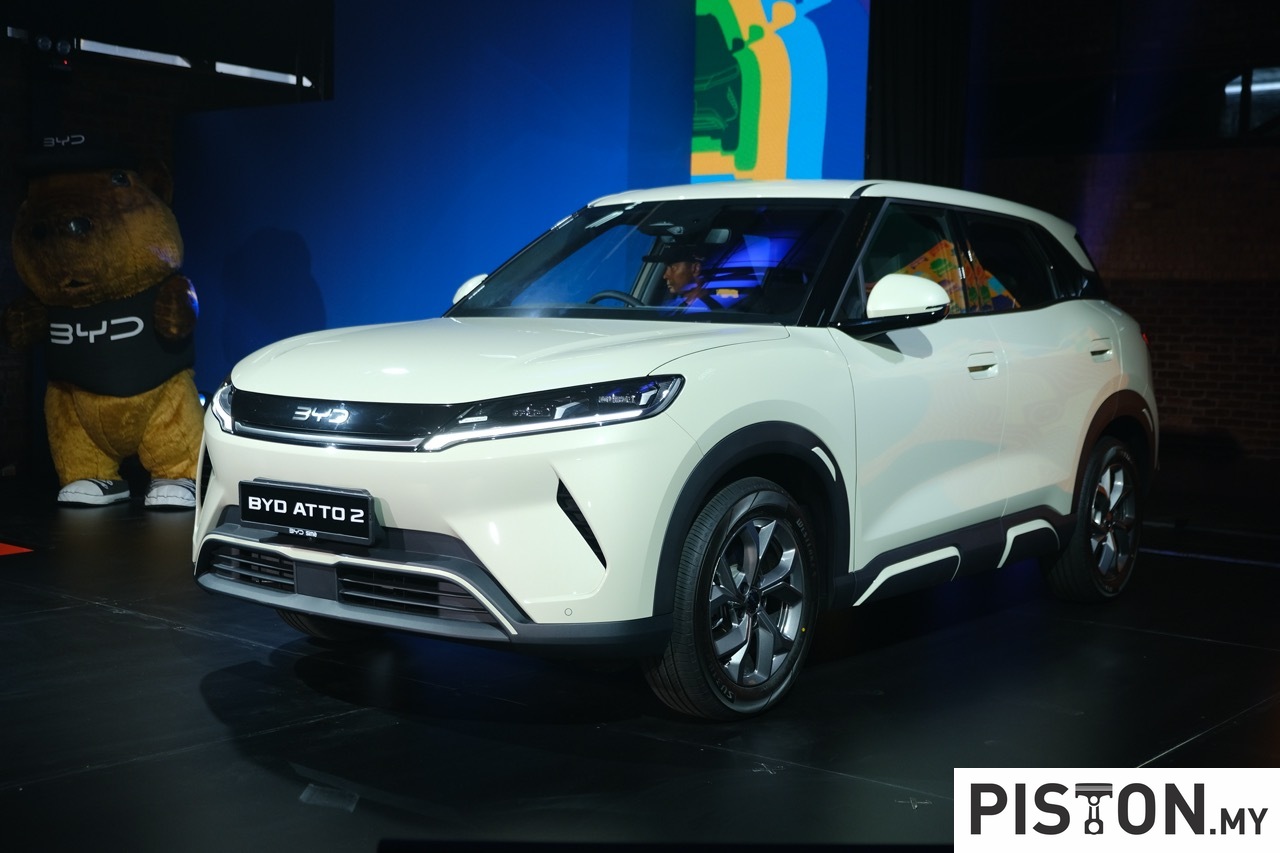
Chinese automotive giant BYD has firmly established itself as a dominant force in the global electric vehicle (EV) sector, leading sales across seven international markets during the first half of 2025.

According to CarNewsChina, the company’s General Manager of Brand and Public Relations, Li Yunfei stated that the automaker topped charts in Hong Kong, Singapore, Thailand, Indonesia, Spain, Italy, and Brazil, with particular strength in the new energy vehicle (NEV) segment comprising both battery electric vehicles (BEVs) and plug-in hybrid electric vehicles (PHEVs).

This global expansion aligns with BYD’s long-term strategy to have half of its total vehicle sales come from markets outside China by the end of the decade. In pursuit of this objective, the company has focused its export efforts across Europe, Southeast Asia, South America, and the Middle East, with continued investment in local production and infrastructure.

Sales data for the first half of 2025 paints a clear picture of BYD’s growing international footprint. In Hong Kong and Singapore, the carmaker emerged as the overall market leader, delivering 4,909 and 4,667 units, respectively. In Thailand, BYD’s performance was even more significant, with 24,072 units sold, representing a year-on-year increase of 64.1%. This volume was nearly four times higher than the second-best performing brand, MG. These results were bolstered by the recent launch of BYD’s Thai manufacturing facility in July 2024, which has an annual production capacity of 150,000 units and serves as a hub for ASEAN exports.

(more…)

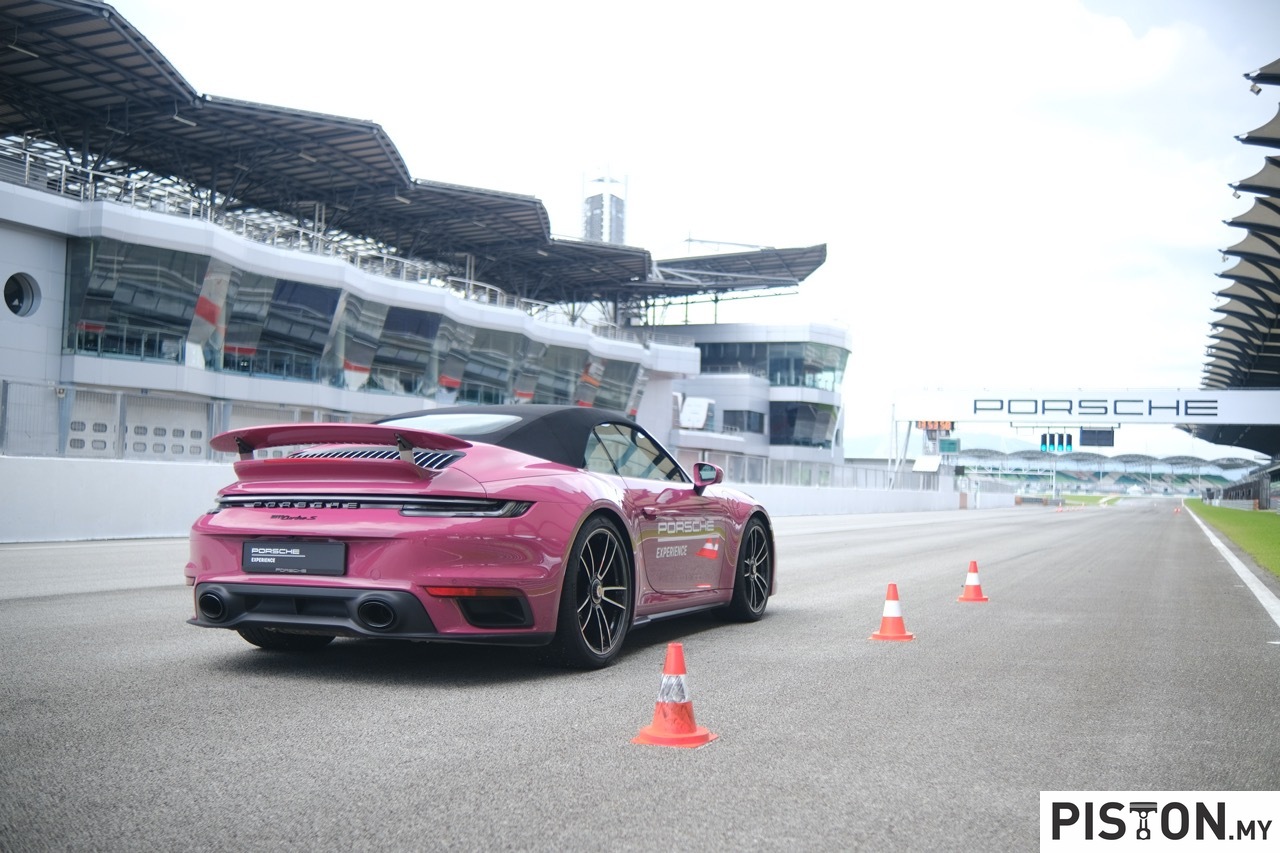
Porsche is preparing to expand its 992.2-generation 911 lineup with the introduction of the new Turbo S variant, which is expected to debut later this year. The announcement was made by Porsche CEO Oliver Blume during the company’s half-year earnings briefing, marking a significant step in the brand’s transition towards electrified performance models.

The forthcoming Turbo S will adopt a hybrid powertrain, a move that aligns with earlier confirmations by former Chief Financial Officer Lutz Meschke in late 2024. The electrified setup signals Porsche’s intent to blend traditional performance with next-generation technology across its iconic 911 range. A standard Turbo model without the “S” badge is also anticipated to follow.

The hybrid system in the new 911 Turbo S will be powered by battery cells developed by V4Drive GmbH, a company Porsche acquired from the Varta AG Group earlier this year. V4Drive, which has since been rebranded as V4Smart, also supplies the cylindrical batteries used in the 911 GTS’s T-Hybrid system. These 1.9-kilowatt-hour battery packs are currently manufactured at facilities in Ellwangen and Nördlingen, with Porsche planning to expand the workforce to 375 employees across both locations to support growing production demands for hybrid 911 models.

(more…)

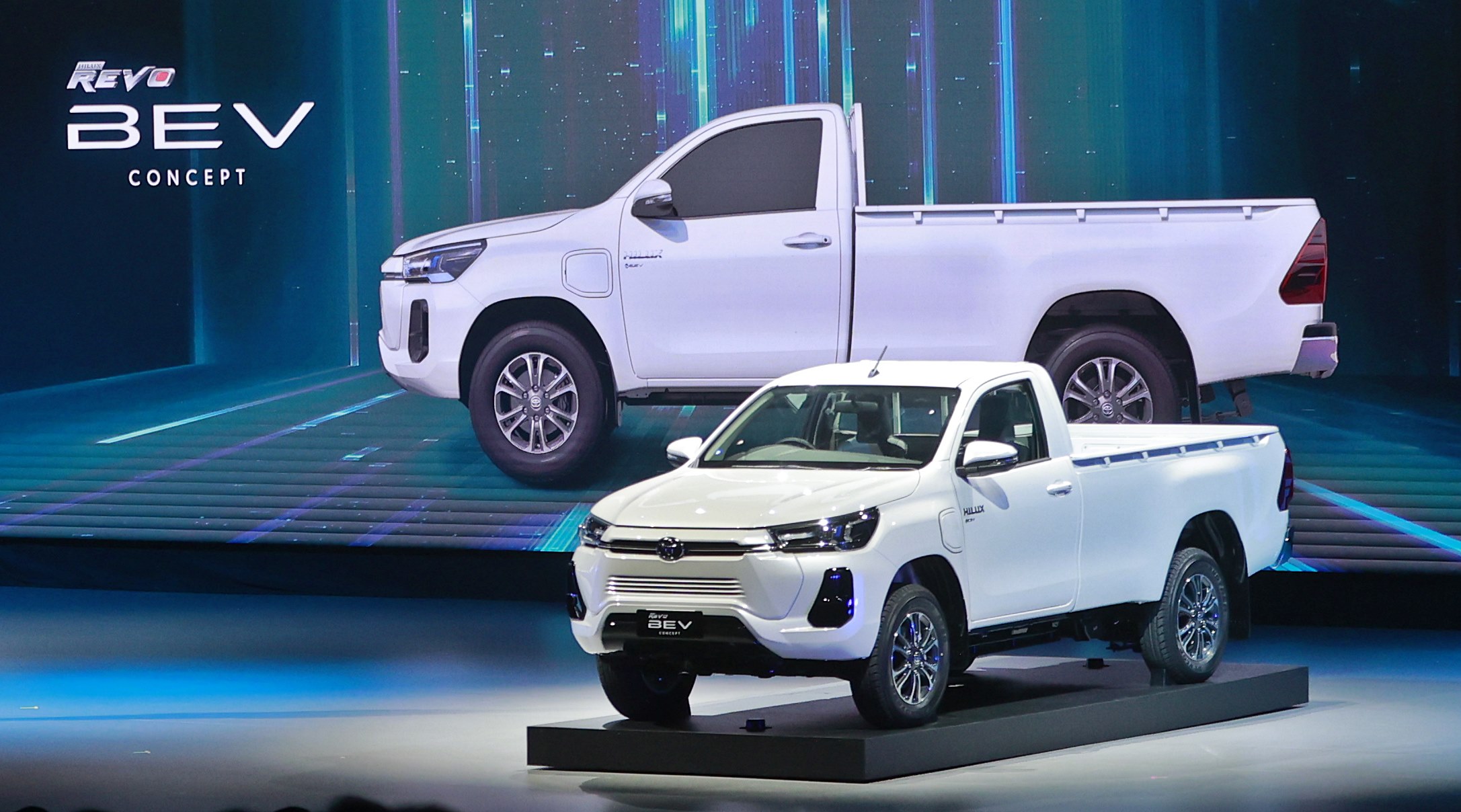
Toyota Motor is reshaping its supply strategy in Southeast Asia, turning to Chinese component manufacturers in Thailand as part of a broader cost-reduction initiative for its upcoming electrified vehicle set for launch in 2028. This strategic realignment, which involves substantial procurement from Chinese firms, marks a notable shift in Toyota’s traditional sourcing model and signals a broader transformation of the automotive landscape in the region.

Thailand, Toyota’s largest production hub in Southeast Asia, is at the centre of this shift. The Japanese automaker has begun to diversify its supplier base by incorporating parts from Chinese companies, a move that includes a partnership between Summit Group and China’s Wuhu Yuefei to establish a new components factory. This collaboration marks the first formal entry of a Chinese parts manufacturer into the Southeast Asian supply chain of a Japanese automotive firm.

The decision reflects growing pressure on Japanese carmakers in the Thai market, where their dominance is waning. Japanese brands now account for 71% of the market share, a drop that coincides with the steady rise of Chinese automakers, whose share has climbed to 16%. The increasing presence of Chinese manufacturers has not only altered market dynamics but also brought more competitive pricing and production advantages.

(more…)

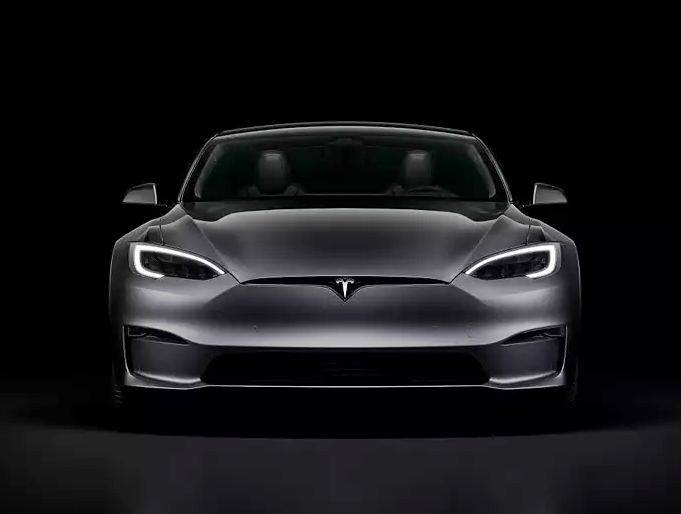
A federal jury in Miami has ruled that Tesla shares responsibility for a fatal 2019 crash involving its Autopilot system, ordering the electric vehicle manufacturer to pay $243 million (around RM1.1 billion) in punitive and compensatory damages. The verdict follows a two-week trial examining the role of Tesla’s self-driving technology in the death of 22-year-old Naibel Benavides Leon.

The case revolved around a collision in which a Tesla Model S, driven by George McGee and equipped with Autopilot, ran through a T-shaped intersection, striking Leon and her boyfriend, Dillon Angulo. Leon died at the scene, while Angulo suffered severe, life-altering injuries. At the time of the crash, McGee had reportedly dropped his phone and lost control of the vehicle. Although the driver admitted fault, the jury concluded that Tesla’s software also played a significant role in the incident.

The plaintiffs were awarded $200 million in punitive damages and approximately $43 million in compensatory damages. The jury’s decision indicates that Tesla’s technology did not perform as it should have, failing to prevent the crash despite data suggesting it recognised the impending danger.

Source: CBS News

(more…)

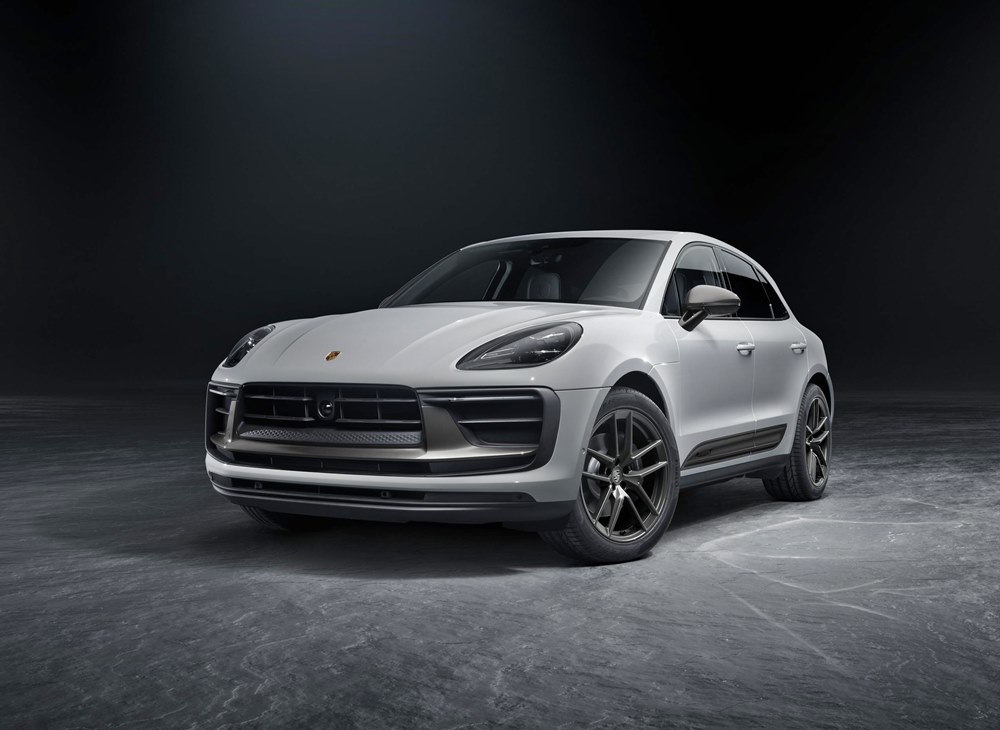
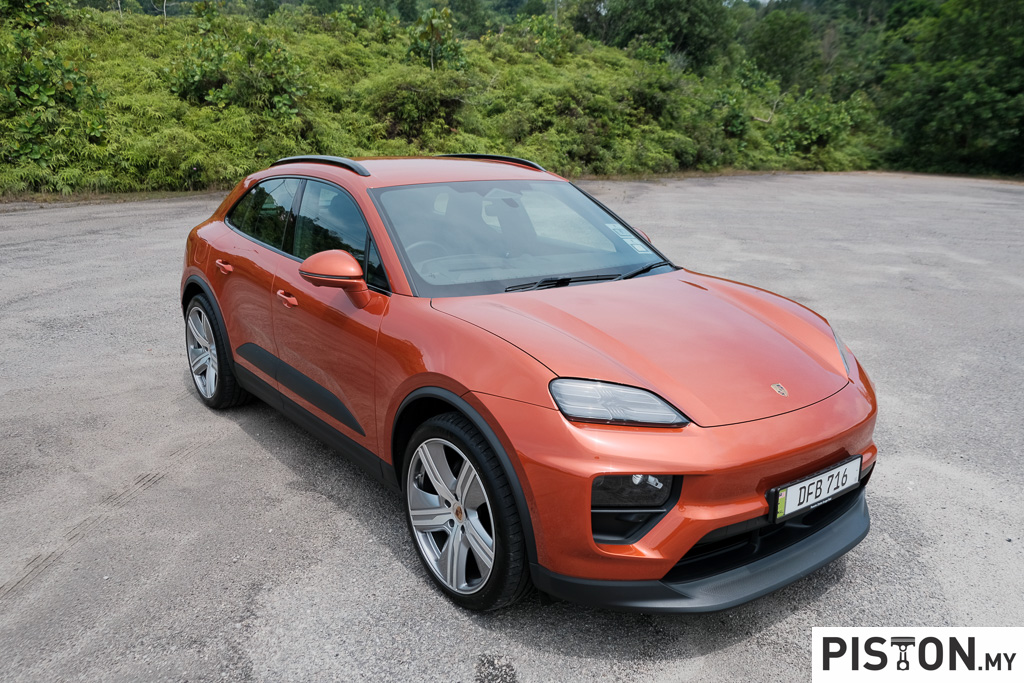
Porsche is set to introduce a new petrol-powered crossover by 2028, following the discontinuation of the first-generation Macan in Europe. The move comes amid tightening safety regulations and a reassessment of market demand for electric vehicles.

The original Macan was withdrawn from the European market in 2024 due to its failure to comply with the updated General Safety Regulation (GSR2), which came into effect in July. While the model will continue to be sold in markets not subject to these rules, global production is expected to cease in 2026, bringing the chapter on Porsche’s best-selling compact SUV to a close.

During the first-half earnings call for 2025, Porsche CEO Oliver Blume confirmed that the company has fast-tracked development of an entirely new combustion-engine crossover. He described the upcoming vehicle as a model that will be unmistakably Porsche, aimed at the same segment as the outgoing Macan but distinctly different from the forthcoming all-electric Macan.

Macan EV

Blume emphasised that the development timeline is being condensed to ensure the new SUV reaches showrooms within three years. Although specific technical details were not disclosed, the swift turnaround suggests Porsche may leverage Volkswagen Group’s Premium Platform Combustion (PPC) architecture. This is the same platform underpinning the latest Audi Q5, a vehicle that has already debuted with petrol, diesel, and hybrid powertrains.

(more…)

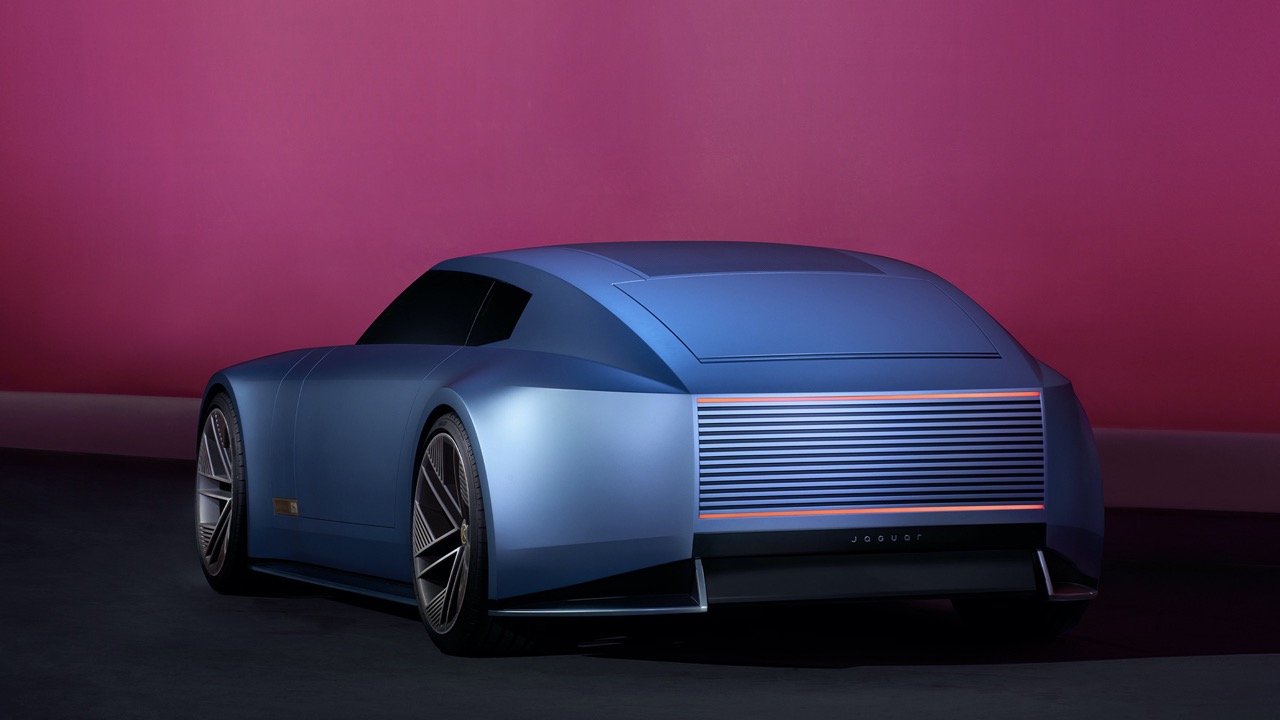
Adrian Mardell, the executive responsible for rebranding Jaguar Land Rover into the streamlined identity now known as JLR, is stepping down from his position as Chief Executive Officer. After more than three decades with the company, Mardell’s retirement arrives at a pivotal moment for the British automaker as it faces a landscape marked by shifting market demands, delayed product launches, and strategic uncertainty.

Mardell’s career with JLR began in 1990, and he rose steadily through the ranks to become Chief Financial Officer in 2018. He assumed the role of CEO in 2023 following the resignation of Thierry Bolloré. Over his two-year tenure at the helm, Mardell oversaw a significant restructuring of the company, repositioning its three core nameplates, Range Rover, Defender, and Discovery, as standalone brands within the JLR portfolio.

This strategic pivot brought renewed profitability to the business following a period of instability exacerbated by the Covid-19 pandemic. However, Mardell’s departure now leaves a leadership vacuum at a time when JLR faces a series of pressing challenges. A successor has yet to be named.

(more…)

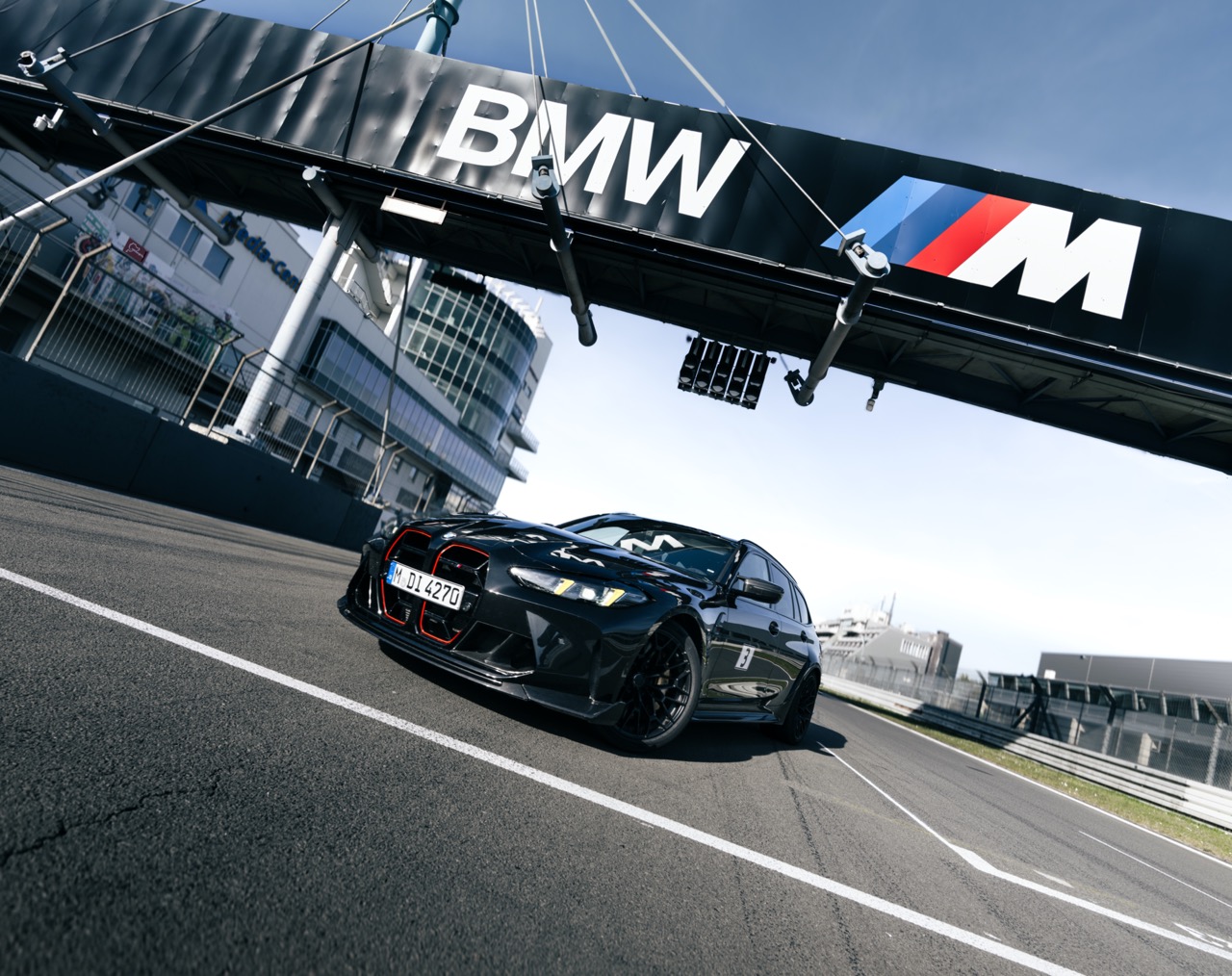
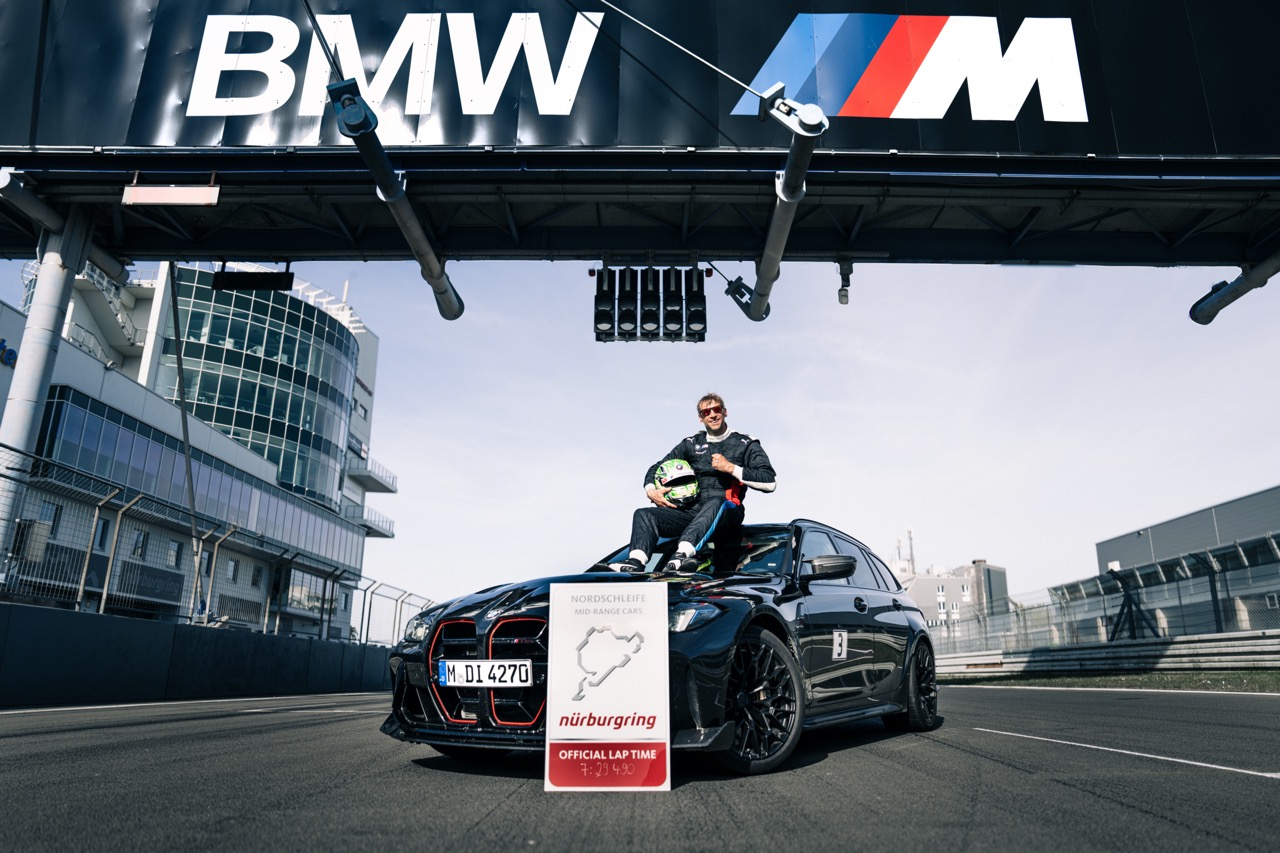
BMW’s dominance on the Nürburgring has reached a new milestone with the BMW M3 CS Touring clocking a blistering lap time of 7 minutes and 29.490 seconds. This feat establishes the model as the fastest Touring car to ever lap the iconic Nürburgring-Nordschleife, further cementing BMW M GmbH’s reputation for engineering excellence in the high-performance segment.

The achievement comes hot on the heels of the BMW M2 CS’s recent lap record in the compact class, underscoring the brand’s continued pursuit of performance benchmarks. Now, the M3 CS Touring joins the ranks of BMW’s most formidable production vehicles, proving that practicality and racing DNA can coexist in one uncompromising package.

The lap time was recorded on the 20.823-kilometre Nordschleife layout, often referred to as the “Green Hell” due to its punishing technical demands. Driven by BMW M’s test engineer and experienced record-setter Jörg Weidinger, the M3 CS Touring shattered the previous Touring benchmark set by the BMW M3 Touring in 2022, which stood at 7:35.060 minutes. Breaking the 7:30 barrier not only elevates the Touring model’s standing in the mid-size performance category but also places it just fractions of a second behind its saloon counterpart, the BMW M3 CS.

(more…)

In a strategic move to expand its global footprint in the commercial vehicle sector, India’s Tata Motors has announced the acquisition of Italian truck manufacturer Iveco in a deal valued at €3.8 billion (around RM19.4 billion). The agreement, finalised on Wednesday, marks a significant milestone for both companies and follows a separate transaction in which Iveco’s defence division, IDV, will be sold to Italian aerospace and defence giant Leonardo.

The all-cash transaction will see Tata launch a tender offer for all Iveco shares at €14.10 apiece, contingent upon the successful completion of the defence business sale. The acquisition is aimed at integrating two companies whose commercial vehicle operations are said to be highly complementary, with minimal industrial or geographic overlap.

Tata’s offer has received the backing of Exor, the holding company of Italy’s influential Agnelli family. Exor currently controls a 27.1% stake in Iveco, with 43.1% of the company’s voting rights. It has agreed to transfer its entire stake to Tata, effectively facilitating the acquisition.

Following the merger, the combined group is expected to command a substantial presence in the global commercial vehicle industry, with annual sales exceeding 540,000 units and total revenues approaching €22 billion. While Tata Motors already owns British luxury automaker Jaguar Land Rover, its presence in the European commercial vehicle sector has been virtually non-existent until now. Iveco’s strong base in Europe—where 74% of its revenues were generated in 2023—makes it a strategic fit for Tata’s ambitions to expand beyond Asia.

(more…)

Archive

Follow us on Facebook

Follow us on YouTube