






Just a few days before its opening, the Geneva International Motor Show 2020 was cancelled by force majeure – the coronavirus outbreak – following an order by the Swiss government forbidding events 1,000 or more people. An annual event which has always been looked forward to for the unveiling of new models and concept cars, it was a disappointment.
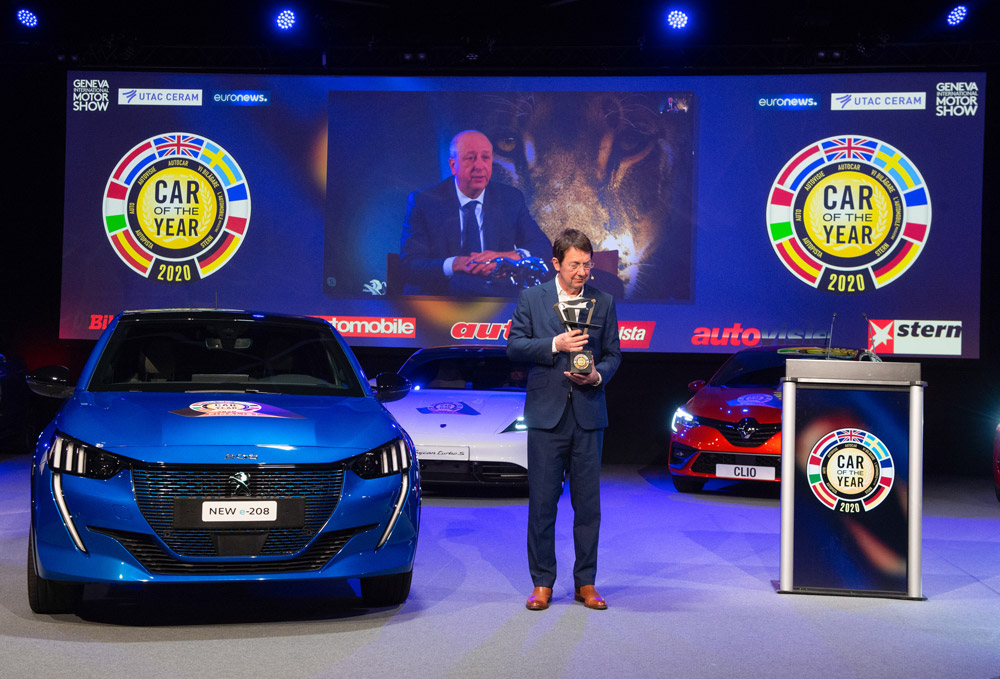
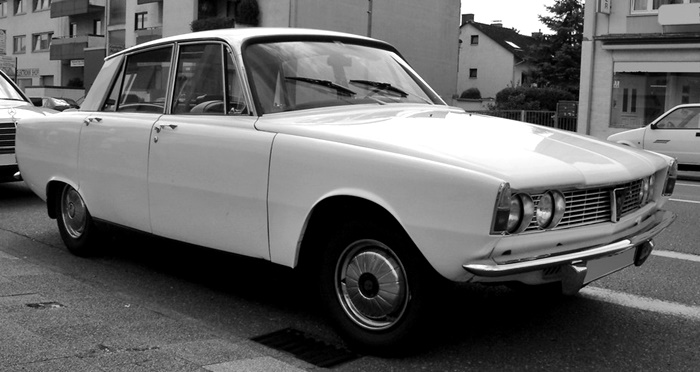
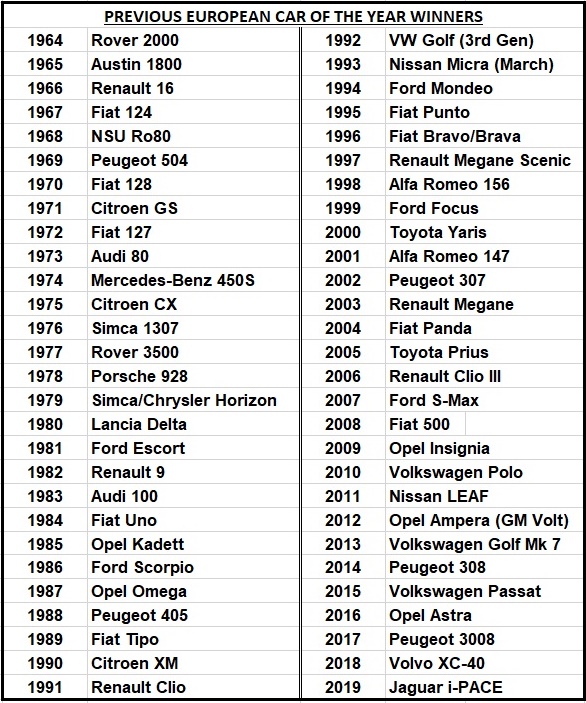
One of the events for the motorshow was the announcement of the European Car of the Year 2020 (ECOTY), perhaps the oldest COTY as it began way back in 1964 with the first winner being the Rover 2000. However, the management at Palexpo, where the motorshow has been held for a long time, allowed the announcement of Car of the Year 2020 as scheduled.
Seven finalists were nominated by the jury which consisted of almost 60 motoring journalists and experts from over 20 countries (including Russia). They were the BMW 1-Series, Ford Puma, Peugeot 208, Porsche Taycan, Renault Clio, Tesla Model 3 and Toyota Corolla.
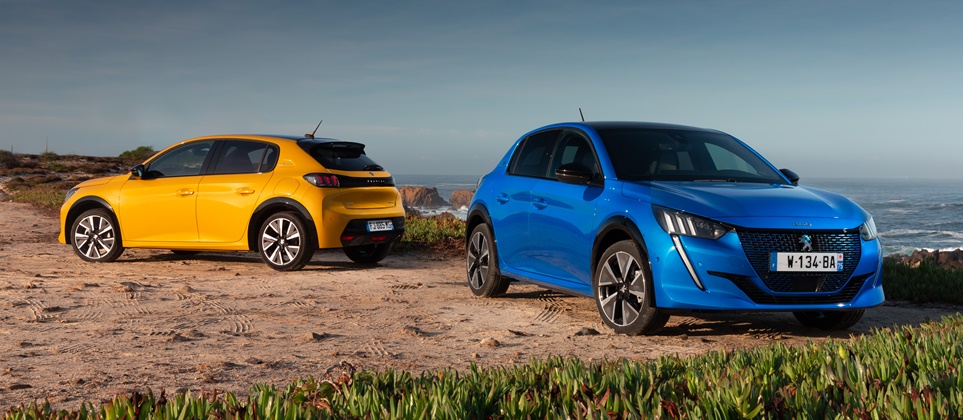
It was the Peugeot hatchback that collected the most points – 281 – followed by the Tesla Model 3 with 242 points. Third was the Porsche Taycan with 222 points. It is notable that all three models are EVs (the Peugeot also has an all-electric variant). The first EV model to win the ECOTY was the Nissan LEAF in 2011 although the first electrified model to get the top award was the Toyota Prius Hybrid in 2005.
The scores for the other finalists were 221 points for the Renault Clio, 209 points for the Ford Puma, 152 points for the Toyota Corolla and 133 points for the BMW 1-Series.
Three powertrain choices for 208
The jury was impressed by the Peugeot’s engine range – electric, petrol and diesel – which gives customers more choices. It also appreciated the bold design and technology of the car which was launched in October last year. Nearly 110,000 customers have ordered a Peugeot 208 and 15% of them have chosen the all-electric version.
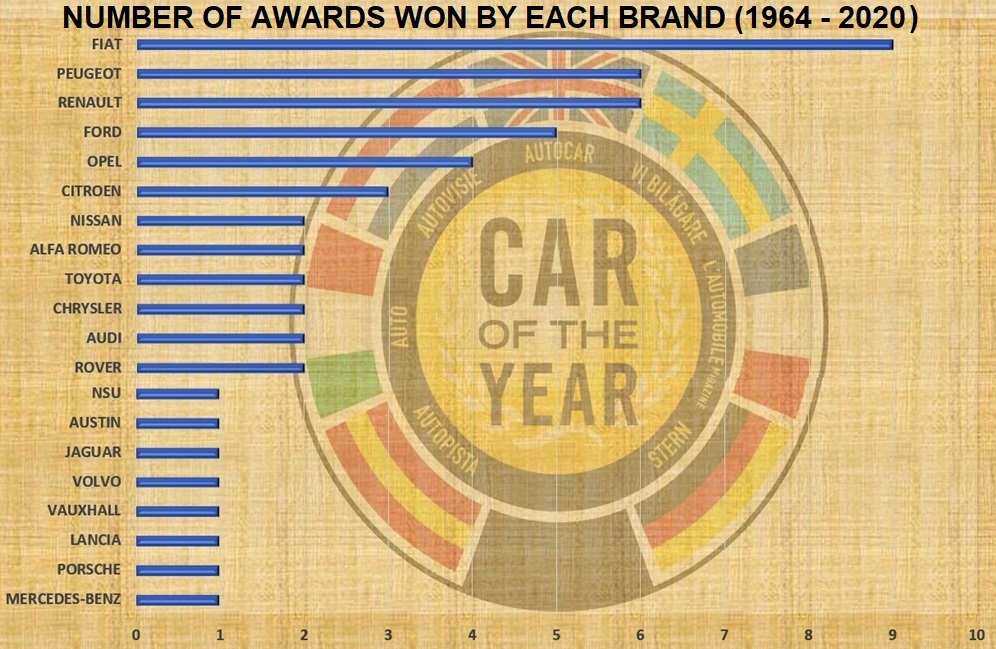
The latest award for Peugeot makes it six for the French brand, putting it among the top three of the ECOTY list. The first Peugeot model to win the ECOTY title was the 504 in 1969. Fiat currently leads with nine awards since the 124 model in 1967.
Eligible models for each year’s ECOTY are selected from the many newcomers over the previous 12 months. They must be new models, not simply changed cosmetically or by the installation of a new powertrain. They must also be in production and sold in at least 5 European countries when the jury starts voting.
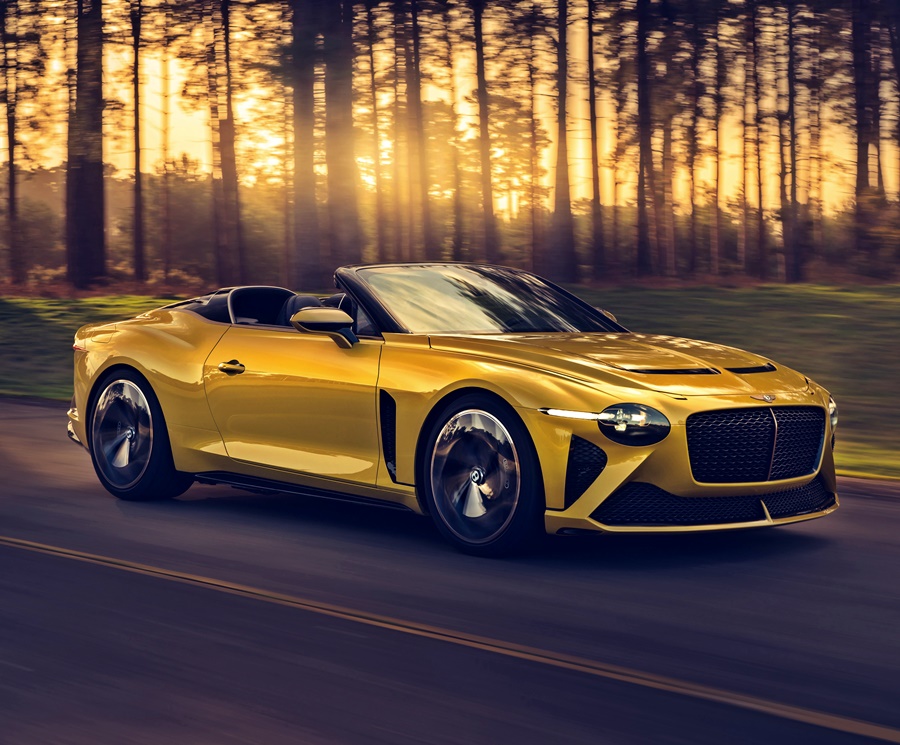
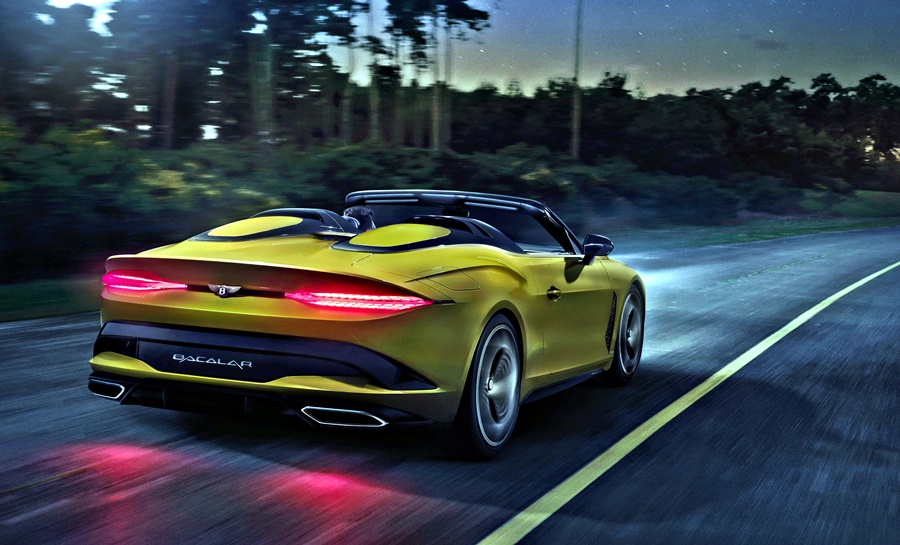
This is the rarest two-door Bentley of the modern era, a definitive Grand Tourer that spearheads a return to coachbuilding by Bentley Mulliner – the oldest coachbuilder in the world. Just 12 examples of this striking, limited edition model – called the Bacalar – are being created, guaranteeing rarity and exclusivity.
This exceptionally rare car is appropriately named after Laguna Bacalar in Mexico’s Yucatan peninsula, a lake renowned for its breathtaking natural beauty, continuing Bentley’s strategy of naming cars after remarkable landmarks which started with Bentayga in 2015.
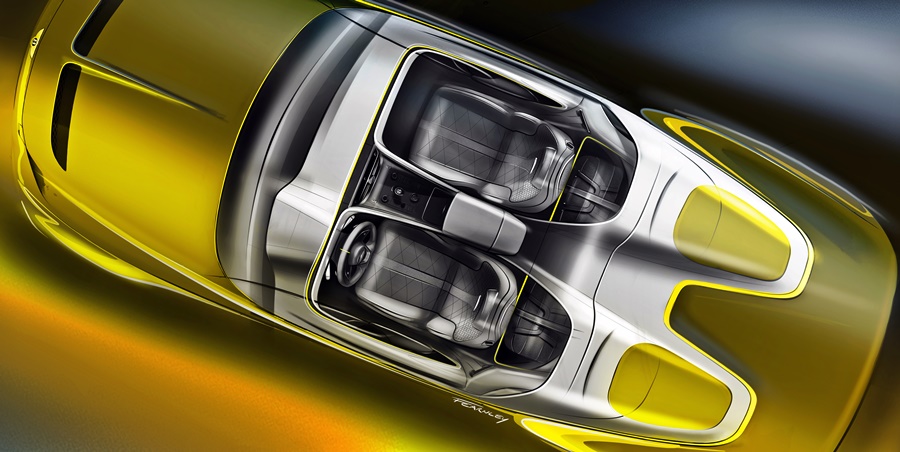
The Bacalar has a roofless Barchetta design with all-new and highly muscular coachwork. With a myriad of options and materials, each Bacalar will be truly unique, the result of direct interaction between the Bentley Mulliner design team and the individual customer.
The most exclusive two-door Bentley of the modern era also launches a new Bentley Mulliner operation, part of a new strategy that will see the division offer three different portfolios: Classic, Collections and Coachbuilt.
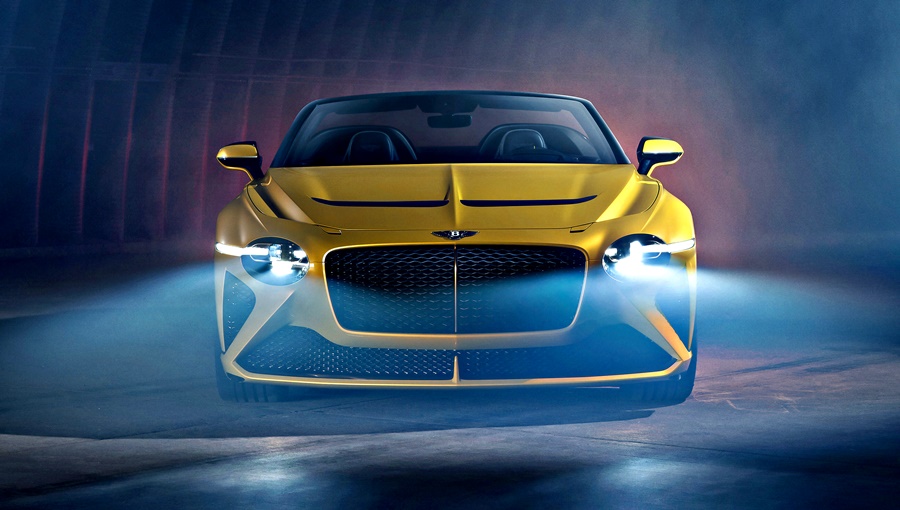
“The Bentley Mulliner Bacalar is our ultimate expression of an open-top, luxury grand tourer, and of the immense capabilities of our team in Crewe. In Bacalar, we have created a fully bespoke Bentley, orientated towards a two-seat open-top experience, and carrying a number of the forward thinking elements of future luxury, first heralded in our EXP100GT as part of our Centenary celebrations last year,” said Adrian Hallmark, Chairman & CEO of Bentley Motors.
Truly exclusive bodywork
The Bacalar shares no body panel with any other car in the Bentley model line-up and derives inspiration from the EXP 100 GT concept car. Indeed, it only shares one exterior component with a Continental GT – the door handle, simply because it contains the keyless entry system.
Pure in line and execution, the distinctive, wraparound cockpit flows from a new, steeply angled centre console seamlessly into the dashboard and doors. These then wrap rearwards towards the semi-enclosed luggage compartment behind the two seats.
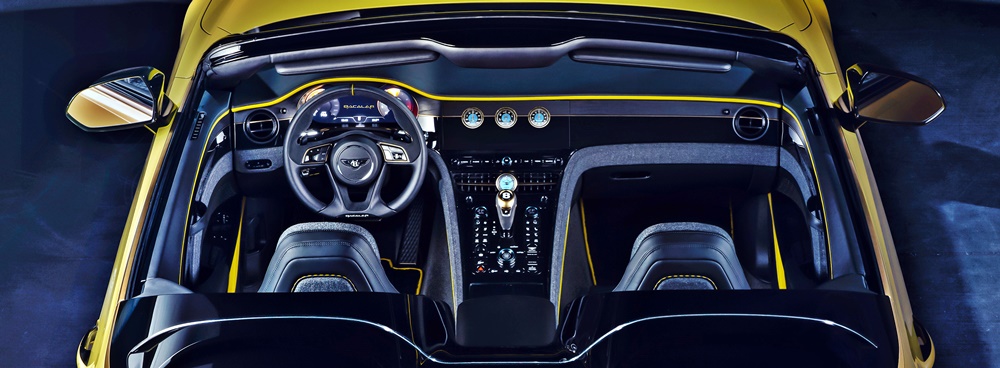
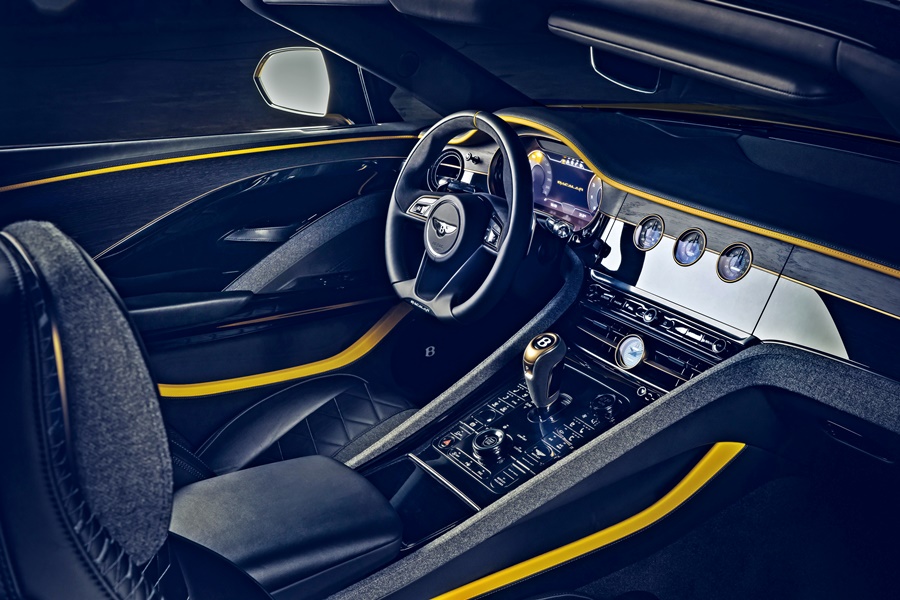
At the heart of the centre console is the now famous Bentley Rotating Display. This digital MMI display has been elegantly designed by Bentley with a customer-configurable home screen. The system involves 40 moving parts and revolves the Riverwood veneer when the engine is started to reveal the high-resolution touchscreen.
5,000-year old wood
Sustainable, ethically-sourced materials previewed in the EXP 100 GT concept car last year have now become reality in the Bacalar – just 8 months after first being previewed. These include paint containing ash from rice husks, which provides a sustainable way of delivering a rich metallic finish, natural British wool and 5,000-year-old Riverwood sourced from the ancient Fenlands of East Anglia.
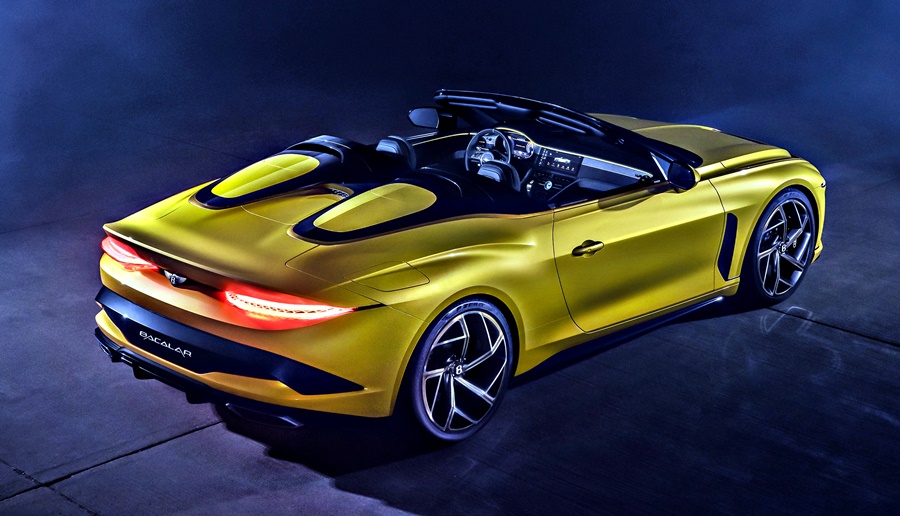
The Bacalar is powered by an enhanced version of Bentley’s 6.0-litre, W12 TSI engine. Claimed to be the most advanced 12-cylinder engine in the world, it produces 659 ps/900 Nm. An advanced Active All-Wheel-Drive System varies the torque split between front and rear wheels. It allows the Bacalar to use rear-wheel drive as much as possible during normal driving for optimum efficiency and dynamic performance.
All 12 cars have already been allocated to customers around the world, each of whom would have paid a deposit based on a price believed to start from £1.5 million (around RM8 million).
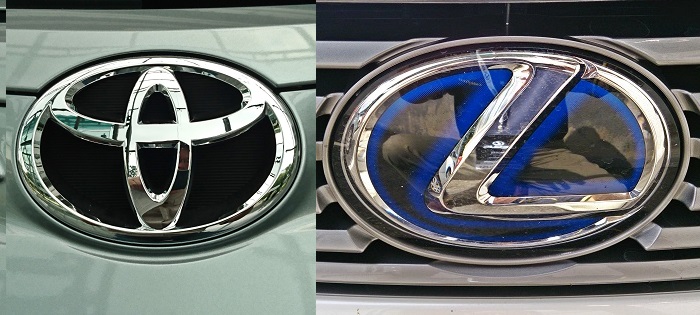
Following a global recall of a number of Toyota and Lexus models, UMW Toyota Motor Sdn Bhd (UMWT) has announced a Special Service Campaign (SSC) to replace a fuel pump. In Malaysia, Toyota Motor Corporation (TMC) has identified around 12,000 units of Toyota models (Alphard, Camry, Corolla, Innova and Fortuner) and 1,500 units of Lexus models (GS300, GS350, IS300, LC500/500H, LS460, LS500/500H, LS600H, NX200T/300H, RC350/300H, RX350/450H and RX350/450)
The vehicles were manufactured between 2013 and 2019 and distributed by UMWT. The company stresses that models not listed above are not affected by this recall.
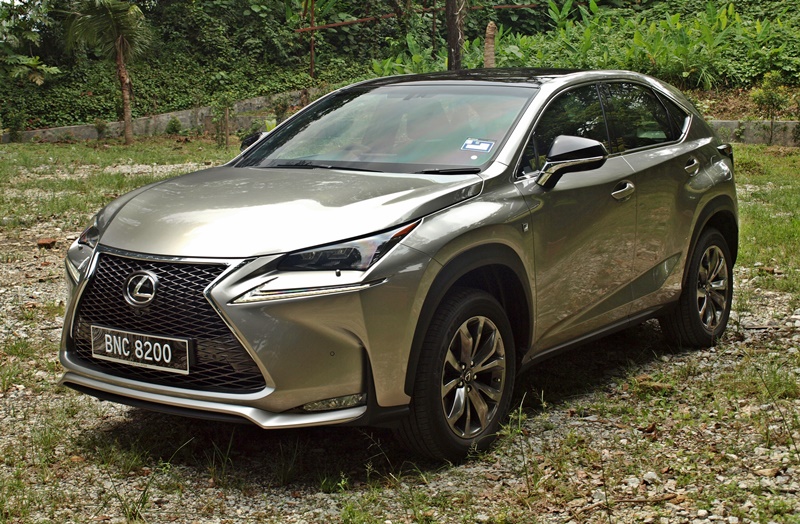
The issue with the fuel pump is that it may stop operating. If this were to occur, warning lights and messages may be displayed on the instrument panel, and engine power hesitation may happen. This may result in the vehicle stalling and being unable to restart. TMC is concerned that this could increase the risk of a crash while driving at higher speeds.
UMWT will officially notify affected vehicle owners to bring their vehicles in for the replacement of the fuel pump unit. There will be no charges for the parts and labour involved in this SSC.
If you own one of the vehicles listed and it was manufactured between 2013 and 2019 (and distributed through the authorised Toyota and Lexus network) but do not receive any notification from UMWT, you can contact any authorised Toyota Service Centre or call the Toyota Freephone at 1800-8-TOYOTA (869682) for assistance. For Lexus owners, contact authorised Lexus Service Centres or call the Lexus Freephone at 1800-22-LEXUS (53987).
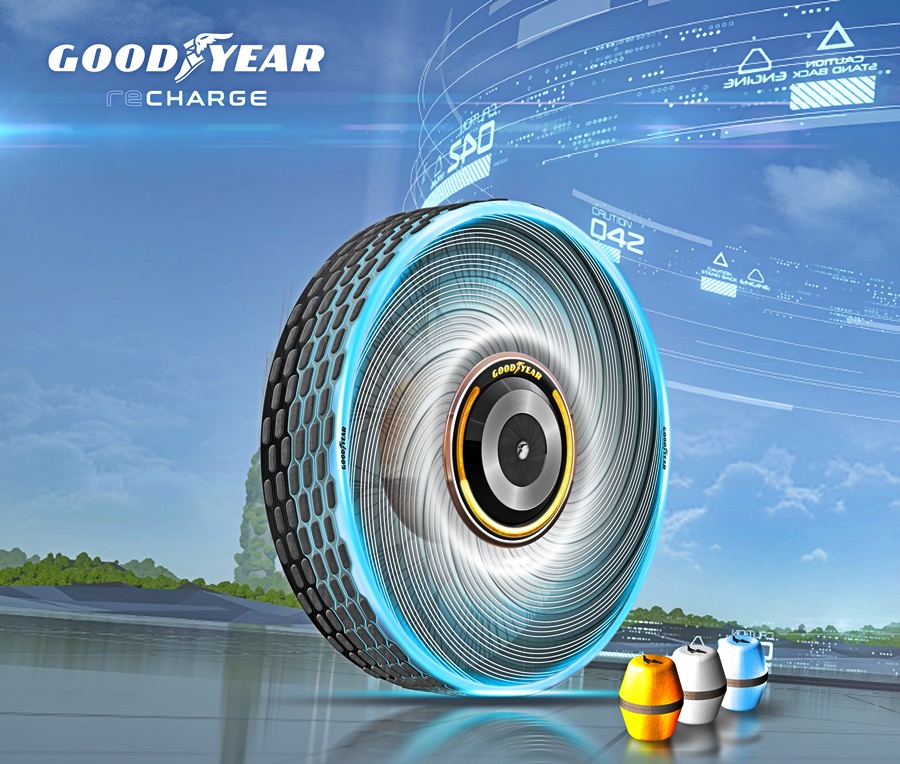
Ever since the pneumatic tyre was invented, motorists have had to live with the possibility of the air inside leaking out due to being punctured by a nail or damage from hitting a pothole. Loss of air pressure, which is what keeps the tyre in its hard shape to roll along, means the tyre cannot be used and has to be replaced. Not something you want when you are on the way to a meeting or a holiday resort.
Various solutions have been developed over the years which try to keep the tyre usable even when the air is gone. Run-flat tyres are capable of continuing even when deflated, though at limited speeds and for a limited distance. Obviously, they need to be replaced or repaired as soon as possible.
More specialised tyres for off-road use have flexible foam inside which can maintain the tyre shape even when air has leaked out.
Regenerating the tread
Now Goodyear is taking another approach with a prototype tyre it calls recharge. This is reloadable and has a tread compound that can be recharged with individual capsules, radically simplifying the process of replacing your tyres.
Filled with a customized liquid compound, these capsules allow the tread to regenerate and the tyre to adapt over time to climatic circumstances, road conditions, or simply how you want to travel. Thanks to artificial intelligence, a driver profile would be created around which the liquid compound would be customized, generating a compound blend tailored to each individual.
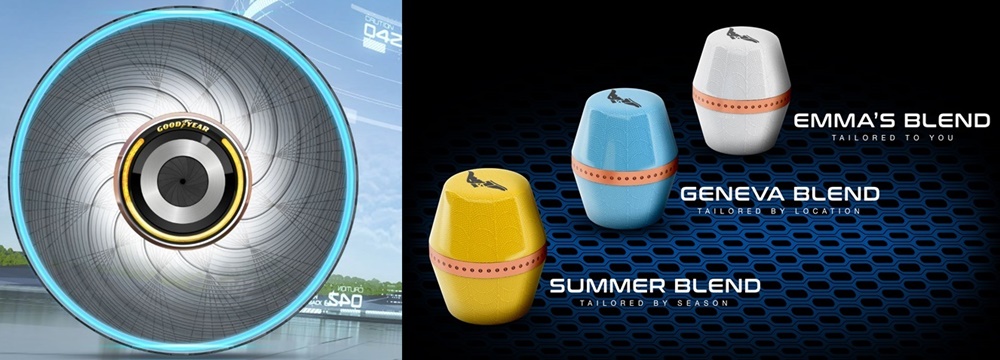
The compound itself would be made from a biological material and would be reinforced with fibres inspired by one of the toughest natural materials in the world – spider silk. This would make it both extremely durable and 100% biodegradable.
No maintenance needed
In addition to radically simplifying the process of replacing tyres using the rechargeable capsules, the tread would be supported by a lightweight, non-pneumatic frame and tall-and-narrow shape. This is a thin, robust low-maintenance construction that would eliminate the need for pressure maintenance or downtime related to punctures.
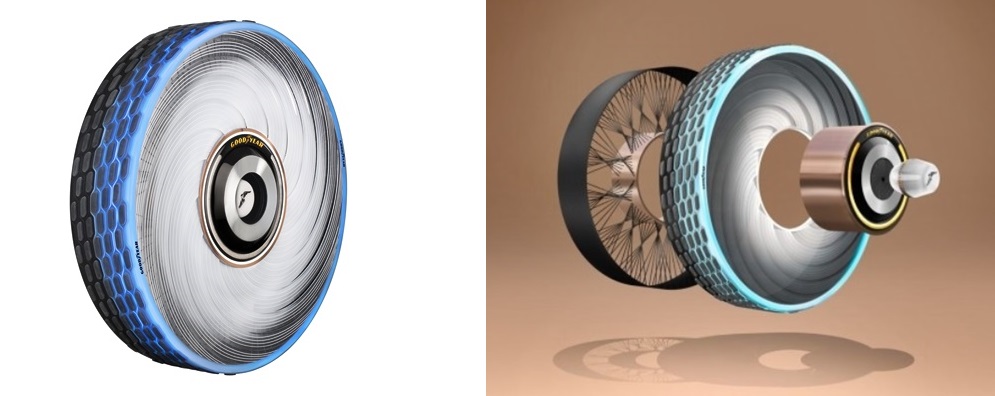
“Goodyear wants the tyre to be an even more powerful contributor to answering consumers’ specific mobility needs,” said Mike Rytokoski, Vice-President and Chief Marketing Officer, Goodyear Europe, “It was with that ambition that we set out to create a concept tyre primed for the future of personalized and convenient electric mobility.”
Recharge is just a concept for now although it could become one of the features of tyres of the future. Only thing is, if the tread can be regenerated, then the tyres doesn’t need to be replaced. That’s good for the environment but is it going to be good for company business?
Goodyear Eagle F1 range in Malaysia widens with more choices
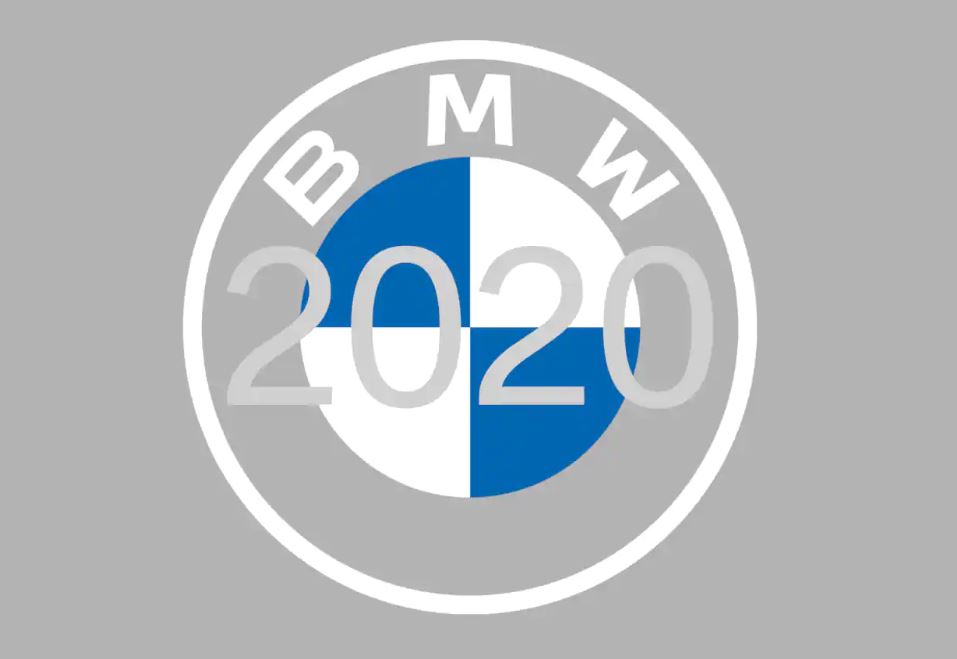
After more than 20 years, the BMW brand has a new corporate identity for online and offline communication purposes. The BMW, BMW i and BMW M communication logos have been completely reworked, with a new logotype and new design principles. According to the company, it has ‘the visual style of today and is better-suited to the digital age’.
The new design is described as an expression of the revised brand identity, which places the customer at the centre of all activities. More minimalist in a sense and two-dimensional, it conveys openness and clarity. The additional transparent version of the logo is a more open invitation than ever for customers to join the world of BMW. The change reflects BMW’s transition from centering purely on the automotive world to being about technology and connections.
The redesigned logotype expresses openness and strength of character to ensure a contemporary, future-proof presence both online and offline.
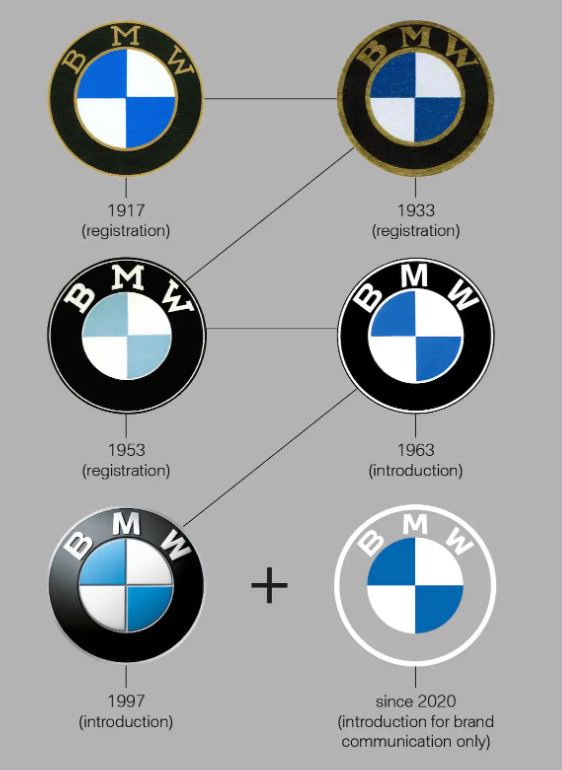
The origins of the ‘BMW propeller’ design
The fundamental elements of the BMW logo are its colours: white and blue, which are the colours of the state of Bavaria in Germany, home of BMW. The myth of the ‘BMW propeller’ actually began 91 years ago with aA BMW ad showing an airplane with the BMW logo in the rotating propeller. At the beginning of the global economic crisis, the ad was trying to promote a new aircraft engine that BMW was building under licence from Pratt & Whitney. The propeller interpretation fit very well into the advertising image of the young company, as it underlined the company’s roots and its expertise in aircraft construction.
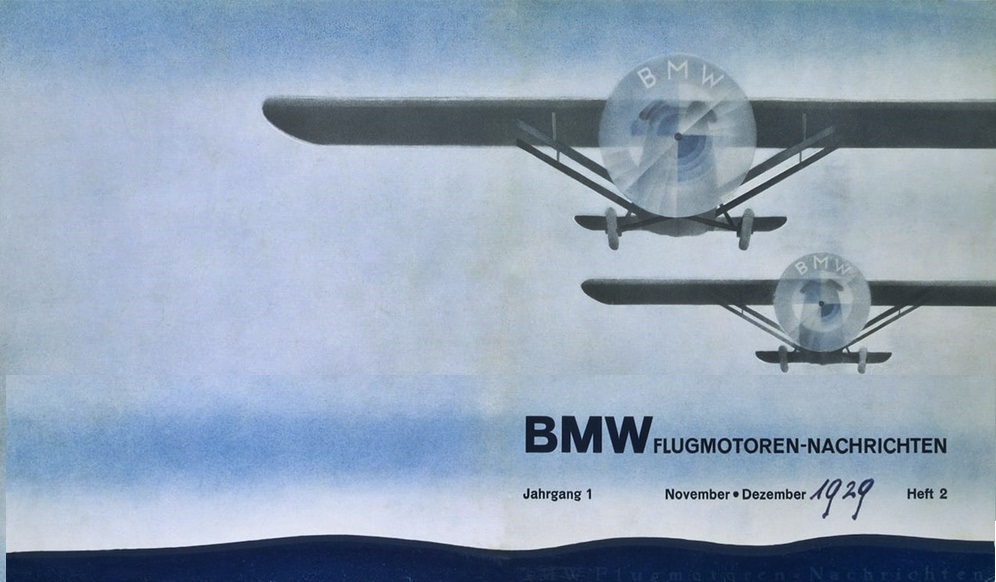
Then, in 1942, BMW itself linked the propeller to its company symbol. An article appeared in a BMW publication called ‘Flugmotoren-Nachrichten‘ (Aircraft Engine News) which backed up the story of the BMW badge as a spinning propeller. The story was illustrated with a photo of the BMW logo overlaid on a rotating propeller.
“For a long time, BMW made little effort to correct the myth that the BMW badge is a propeller,” explained Fred Jakobs of BMW Group Classic. So according to the expert, sticking to the story that the BMW emblem is a propeller would not be entirely wrong. It’s not strictly true that there is a propeller in BMW’s company logo, though. Constant repetition has made this explanation a self-propagating urban myth. “This interpretation has been commonplace for 90 years, so in the meantime, it has acquired a certain justification,” Jakobs said.
New logo stands for openness and clarity
“BMW is becoming a relationship brand. The new communication logo stands for openness and clarity,” explained Jens Thiemer, Senior Vice-President for Customer and Brand BMW. “We want to use this new transparent version to invite our customers, more than ever, to become part of the world of BMW. In addition, our new brand design is geared to the challenges and opportunities of digitalization for brands. With visual restraint and graphic flexibility, we are equipping ourselves for the vast variety of touchpoints in communication at which BMW will be present, online and offline, in the future. This additional communication logo symbolizes the brand’s significance and relevance for mobility and driving pleasure in the future.”
The global launch of the new brand design starts this month and progressively up to May 31, 2021, it will begin to appear in all communications, on and offline, and for international trade fairs and events.
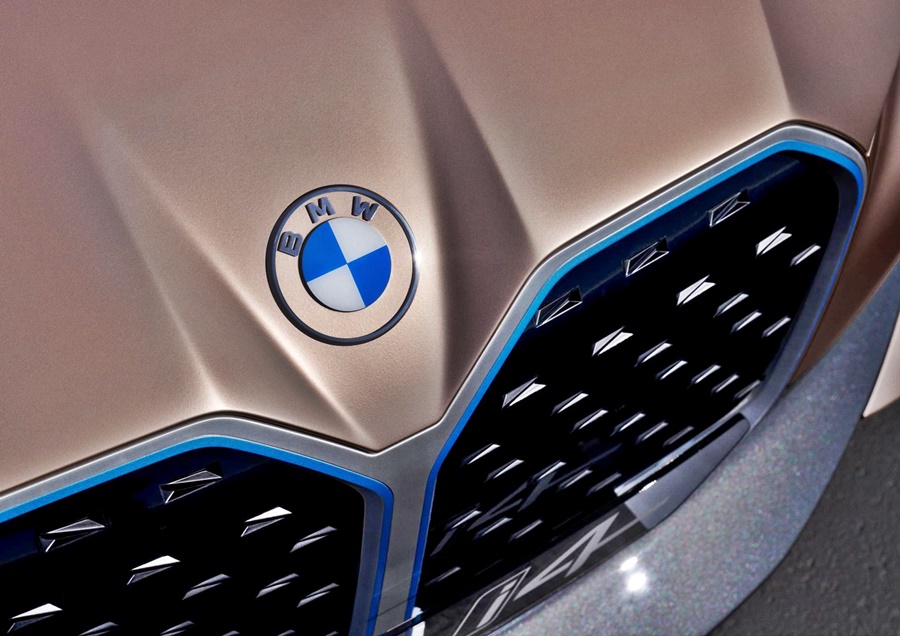
BMW clarifies that the new logo is a new media branding and will be used in addition to the existing logo. It won’t be used on the vehicles or feature on the exterior and interior of dealerships. However, it seems that concept cars may use it, as evident in the BMW Concept i4 unveiled recently.