The Hyundai Santa Fe stands as one of Hyundai’s most iconic models and a cornerstone of the brand’s SUV legacy. First introduced globally in the year 2000, it marked Hyundai’s official entry into the SUV segment, a bold move that set the stage for the company’s transformation into a serious global automotive contender.
Over five generations, the Santa Fe has evolved from a modest family utility vehicle into a sophisticated, technology-laden SUV that competes confidently with premium rivals.
In Malaysia, the Santa Fe has enjoyed a long and steady presence, resonating with buyers who value comfort, reliability, and practicality. It was first introduced locally in the early 2000s, and since then, each generation has brought significant advancements in safety, design, and powertrain options.
The third and fourth generations, in particular, elevated the Santa Fe’s image from a rugged family SUV to a more refined and premium offering. Malaysian buyers were drawn to its combination of powerful diesel engines, generous seven-seat capacity, and impressive safety credentials.
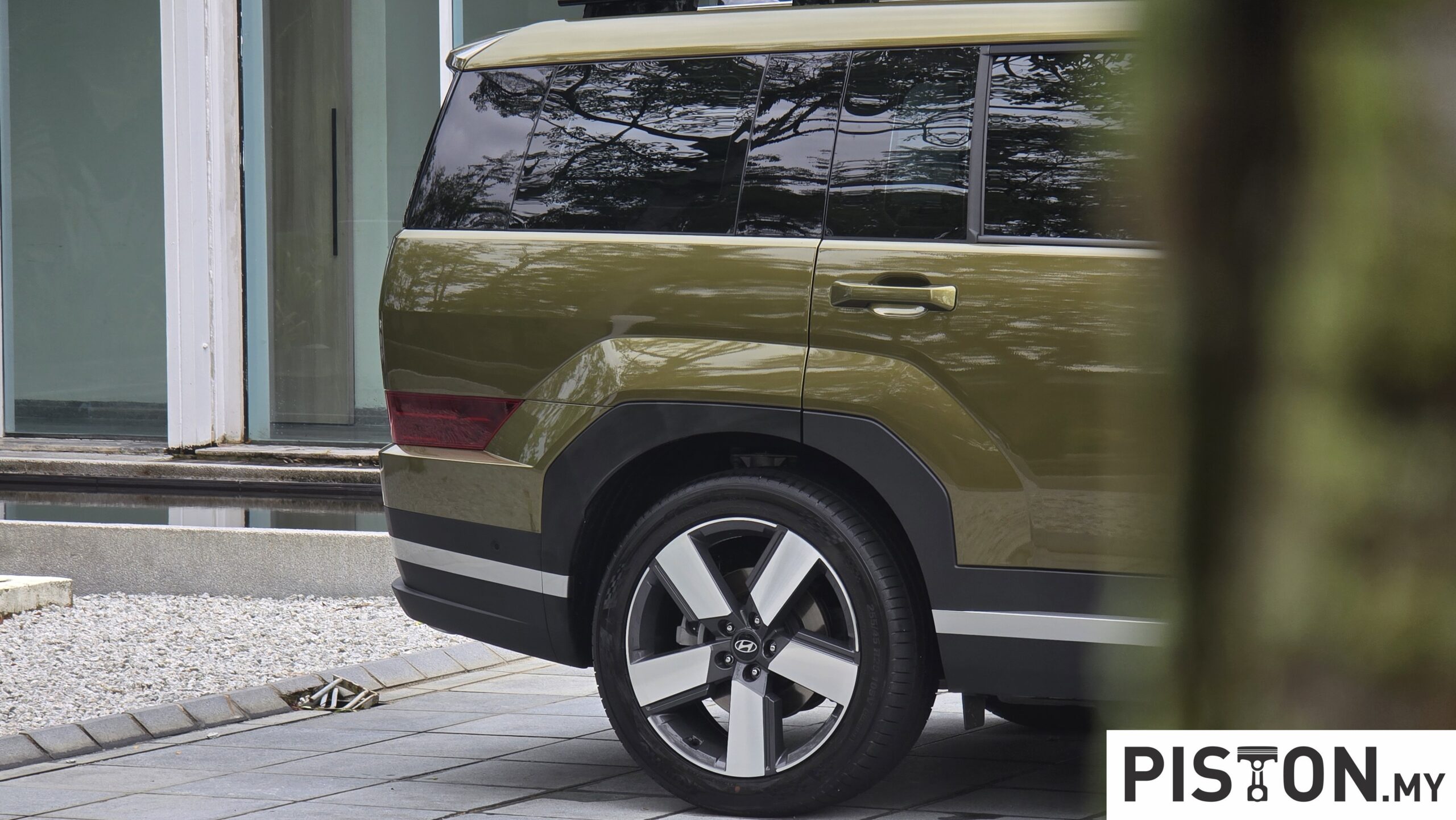
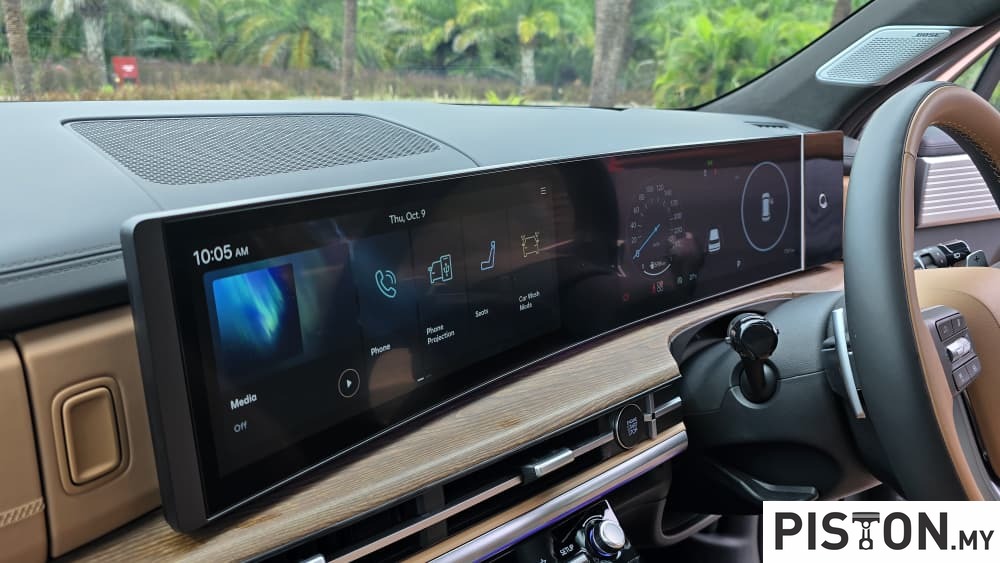
Hyundai Motor Company has taken a major step in its expansion strategy with the establishment of Hyundai Motor Malaysia (HMY) and has taken the latest iteration of the Santa Fe even further upmarket—incorporating bold, boxy styling inspired by modern adventure vehicles, a luxurious interior, and cutting-edge hybrid and plug-in hybrid powertrains that cater to the growing demand for efficiency and sustainability.
Commanding presence on the road
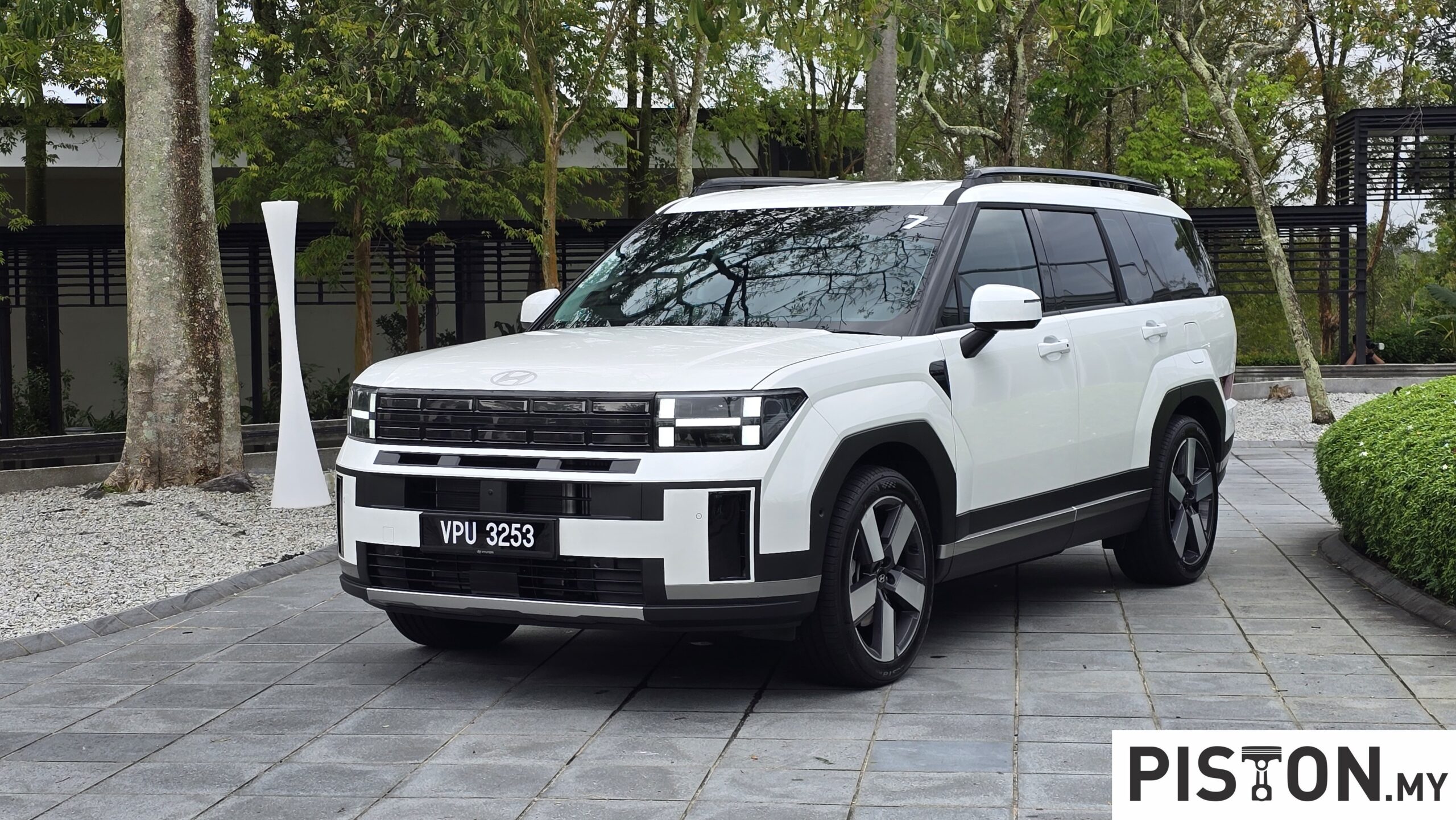
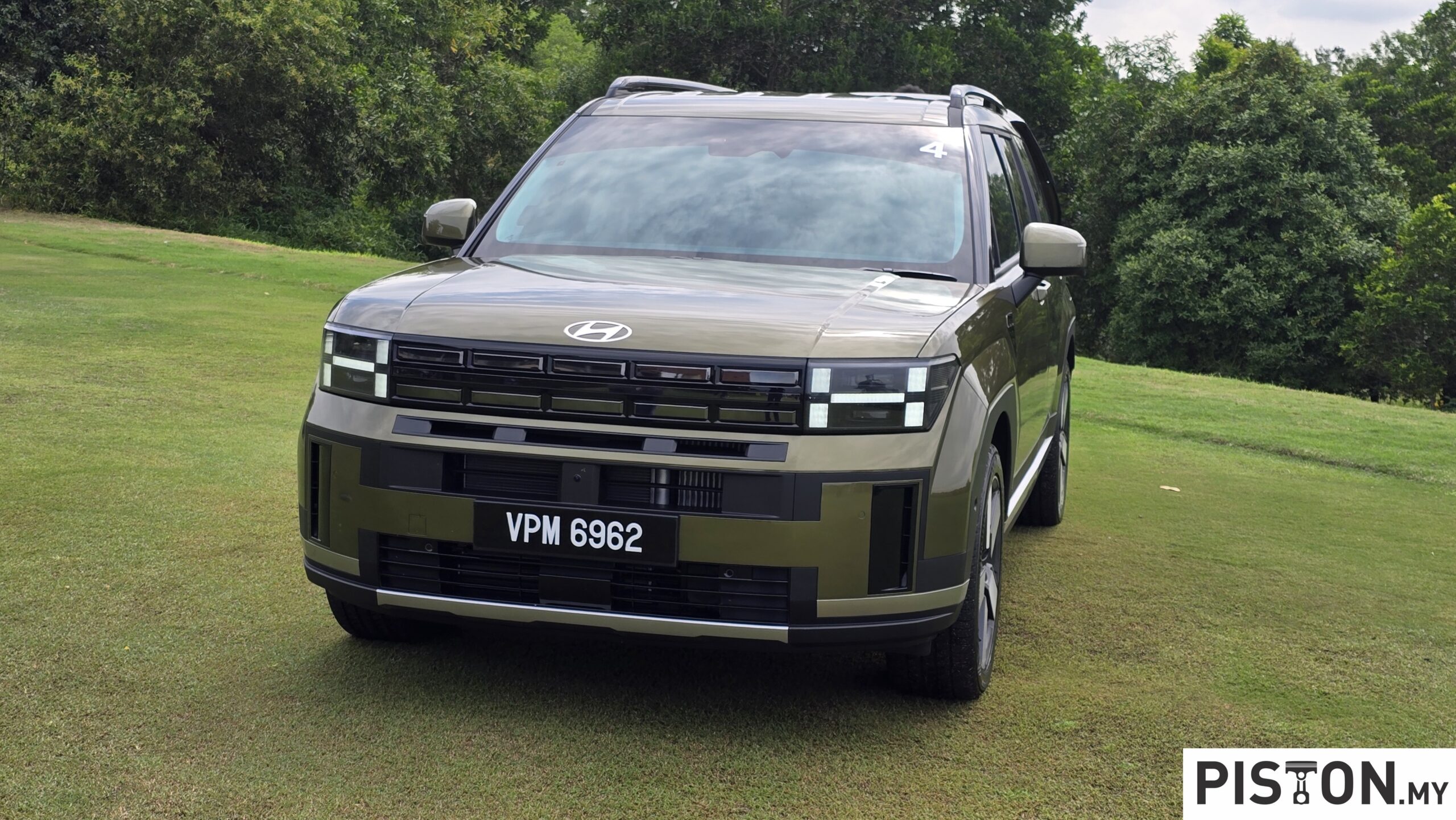
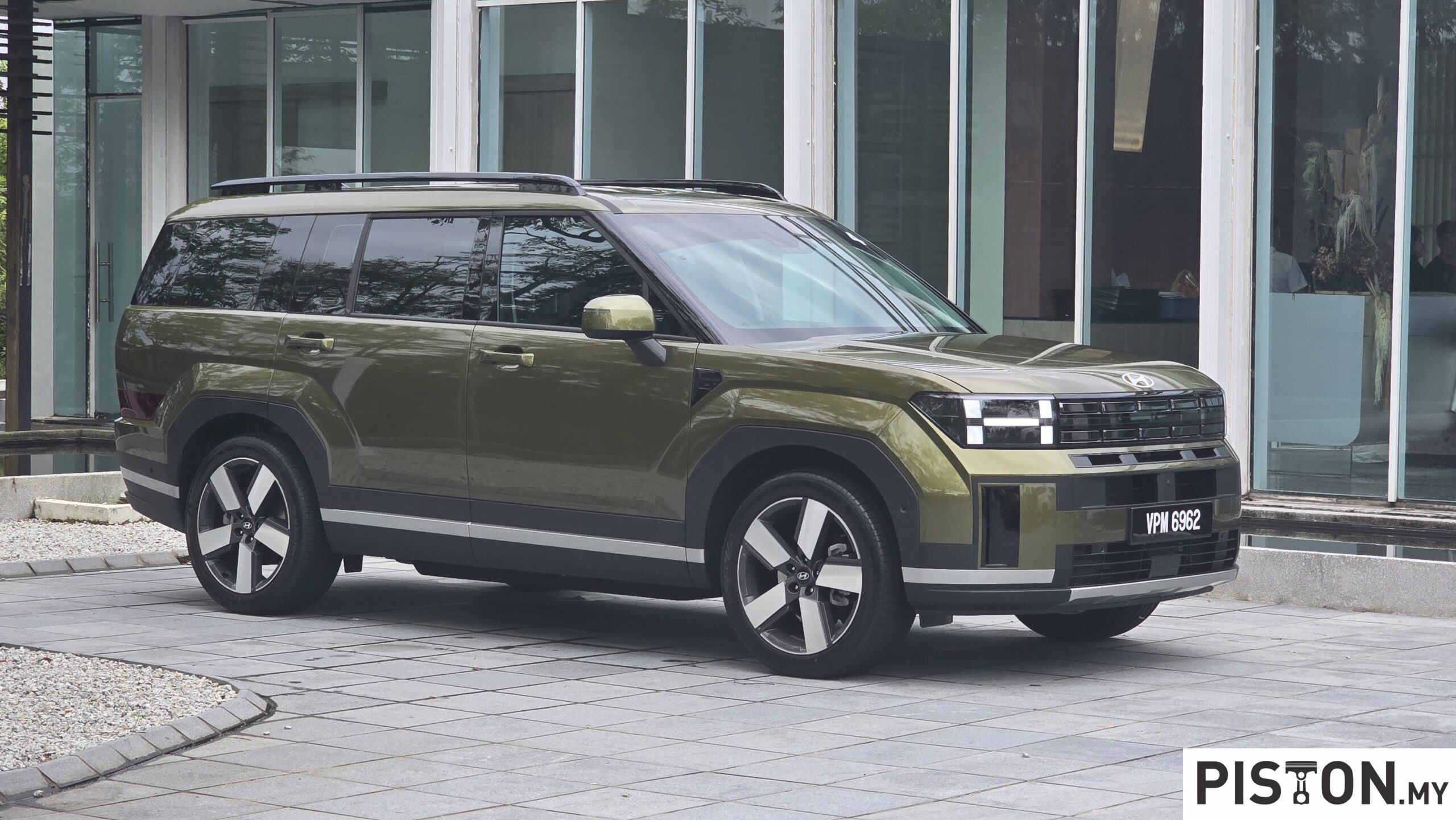
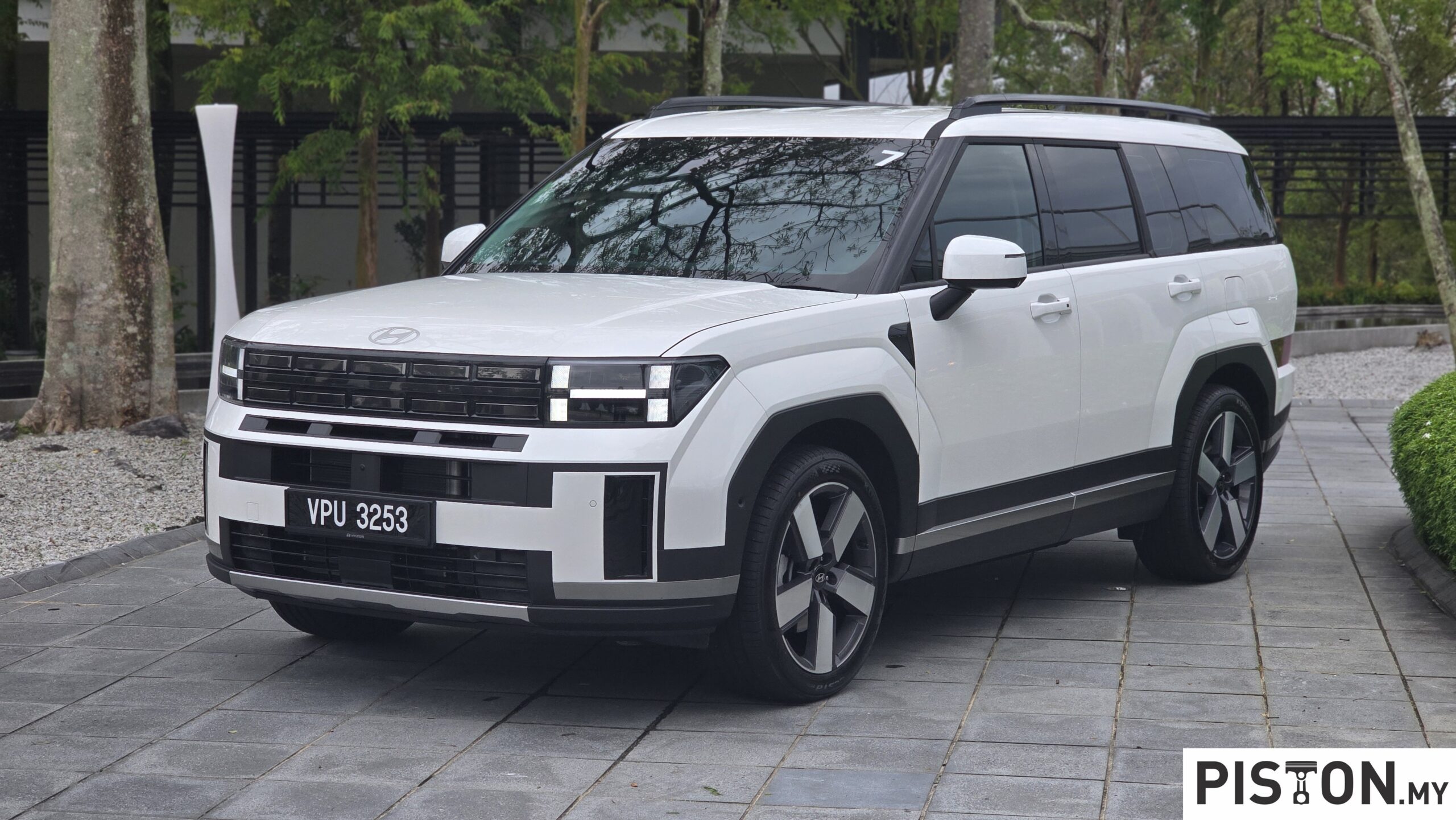
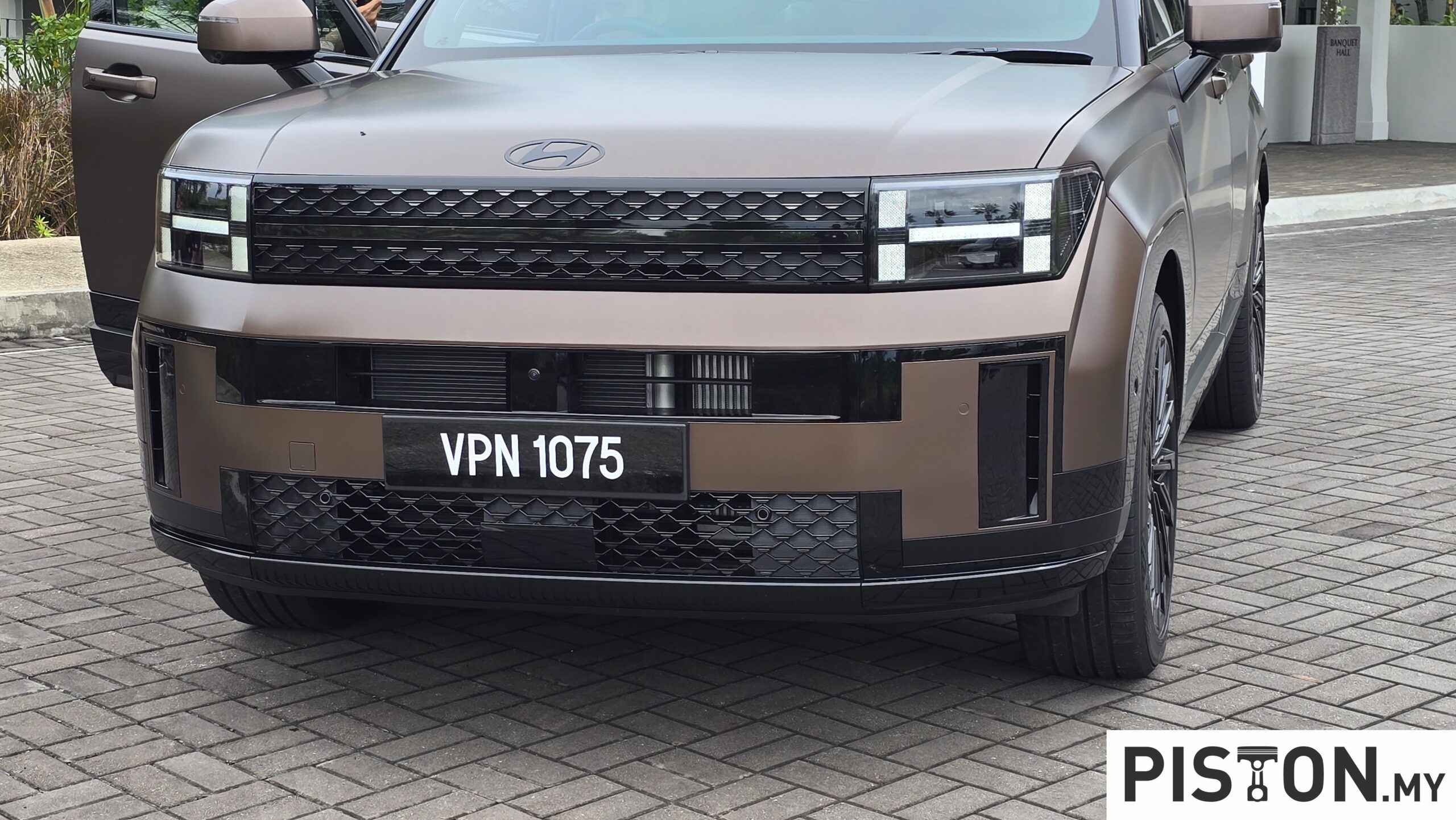
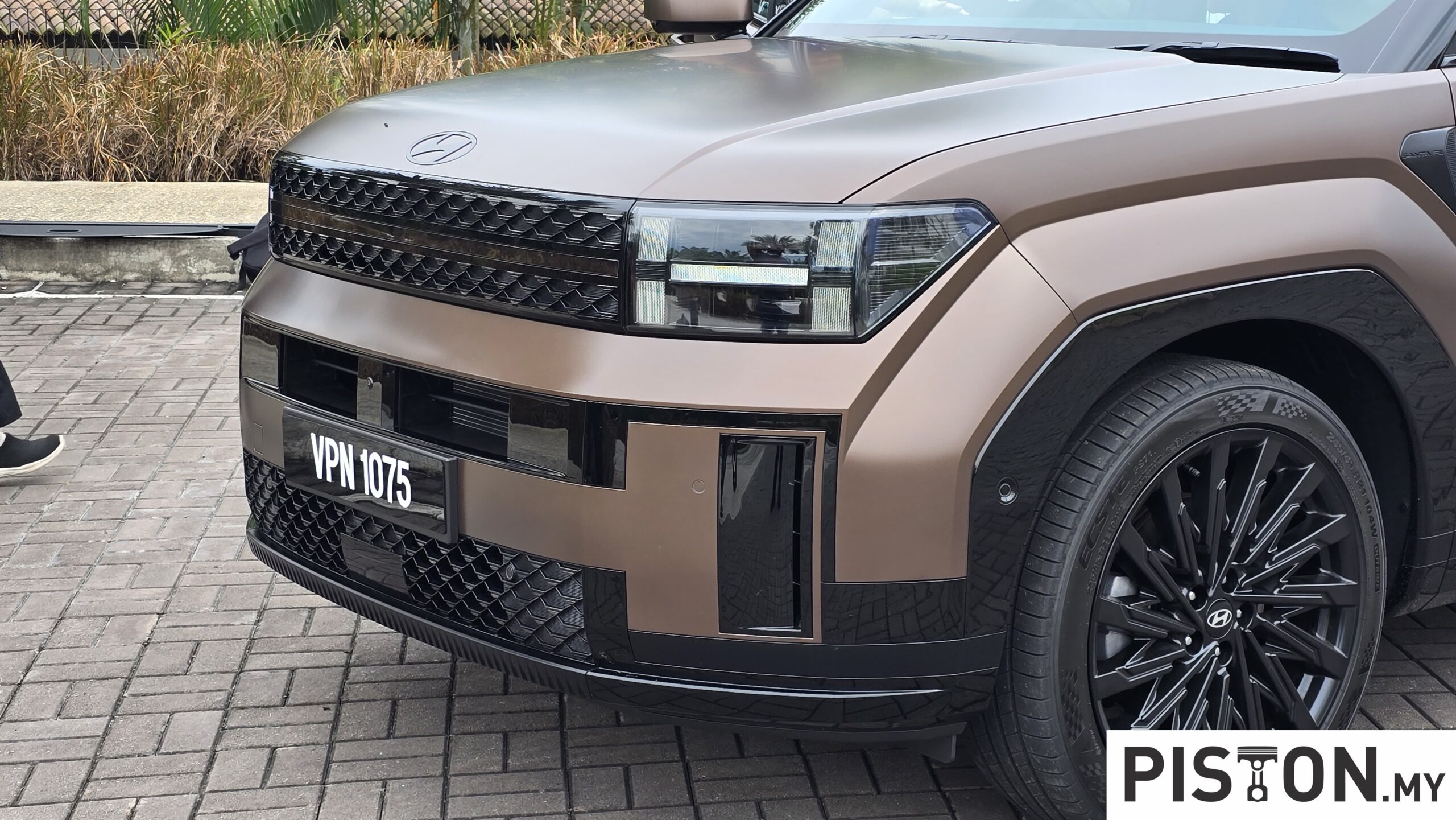
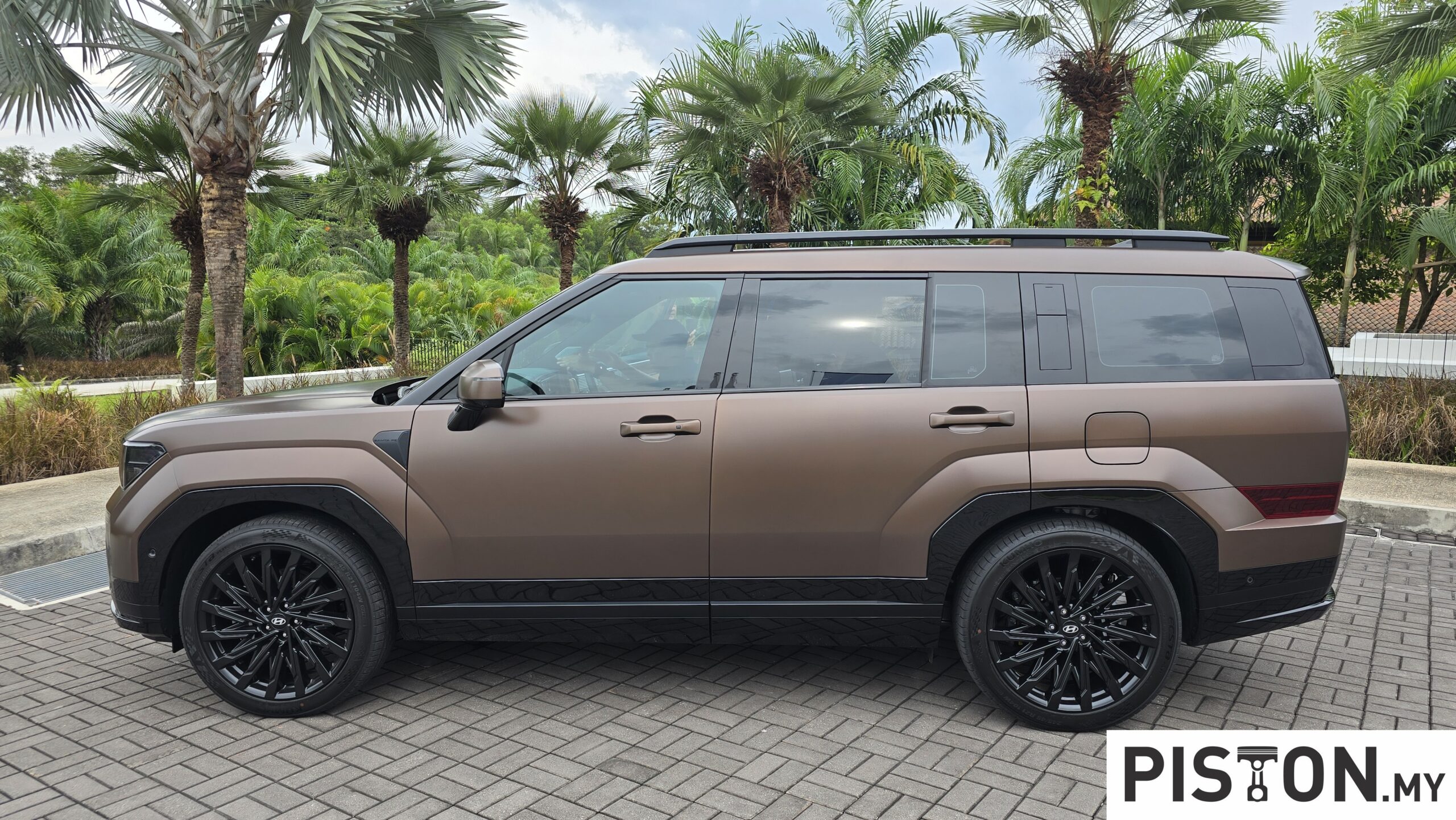
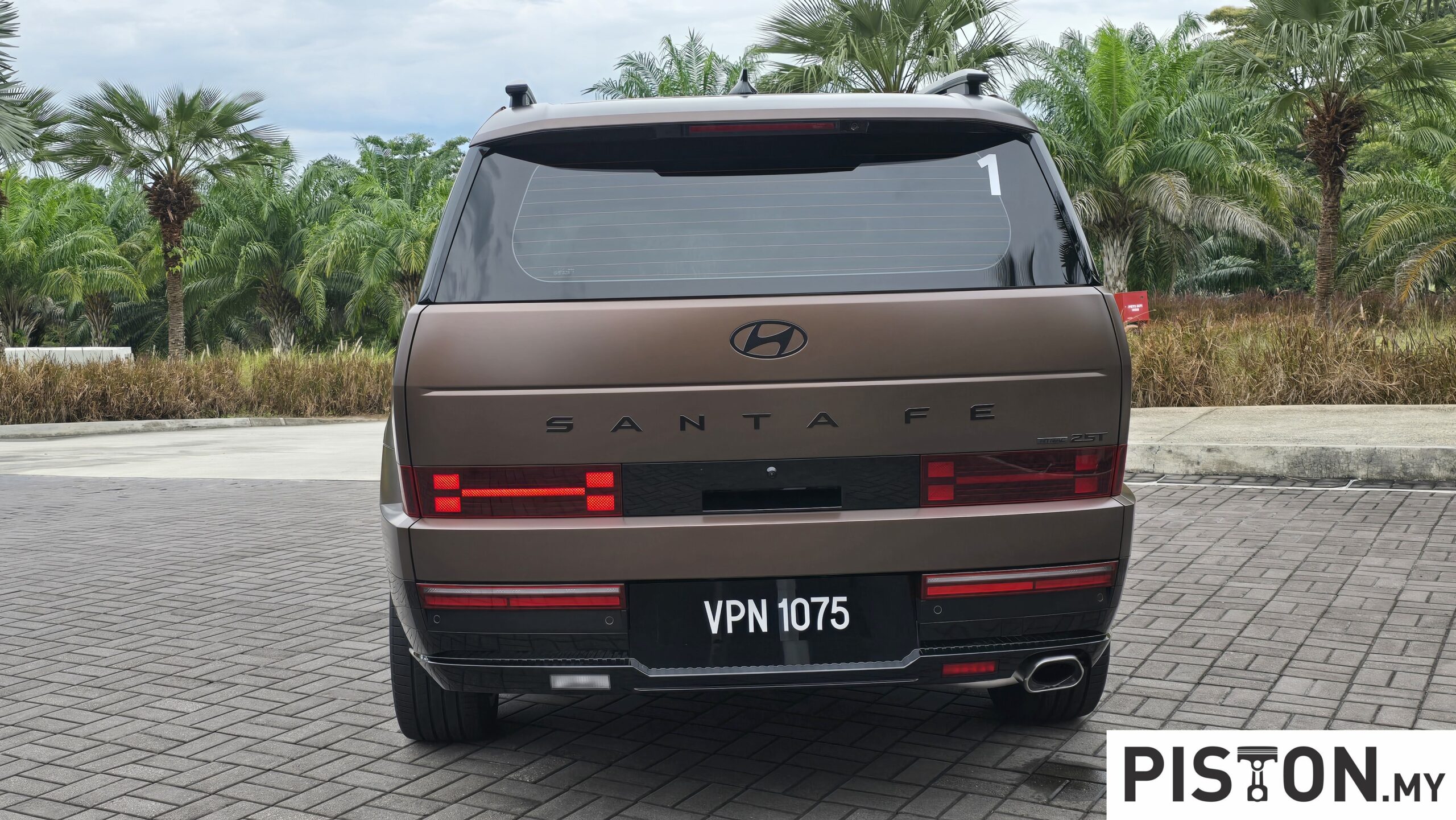
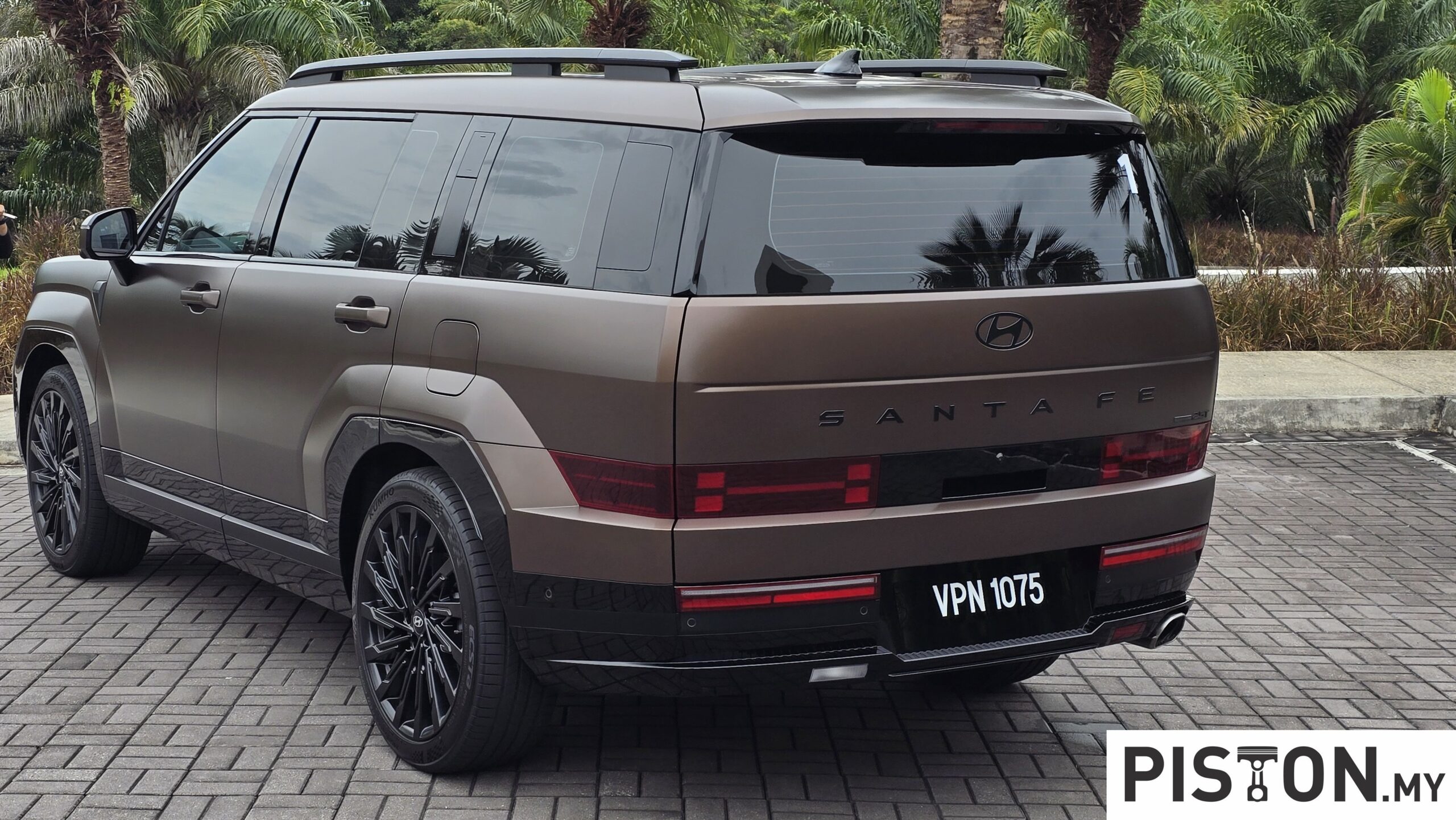
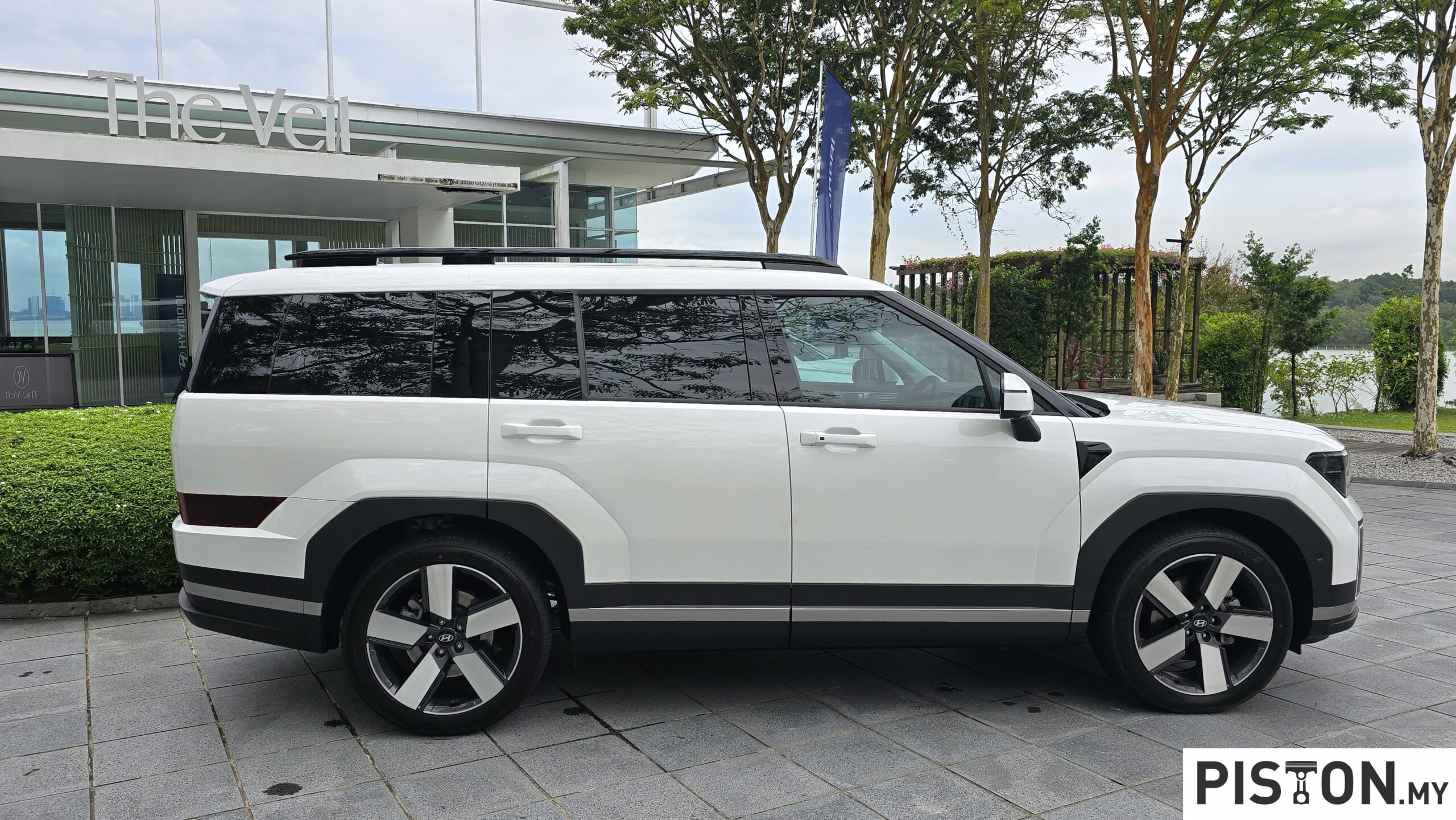
For those who are not aware of the existence of the current generation Santa Fe, you will definitely need to look twice and wonder what this abomination is. The latest iteration of the brand’s D/E-segment SUV makes a commanding entrance with a striking, boxy silhouette and a host of modern enhancements.
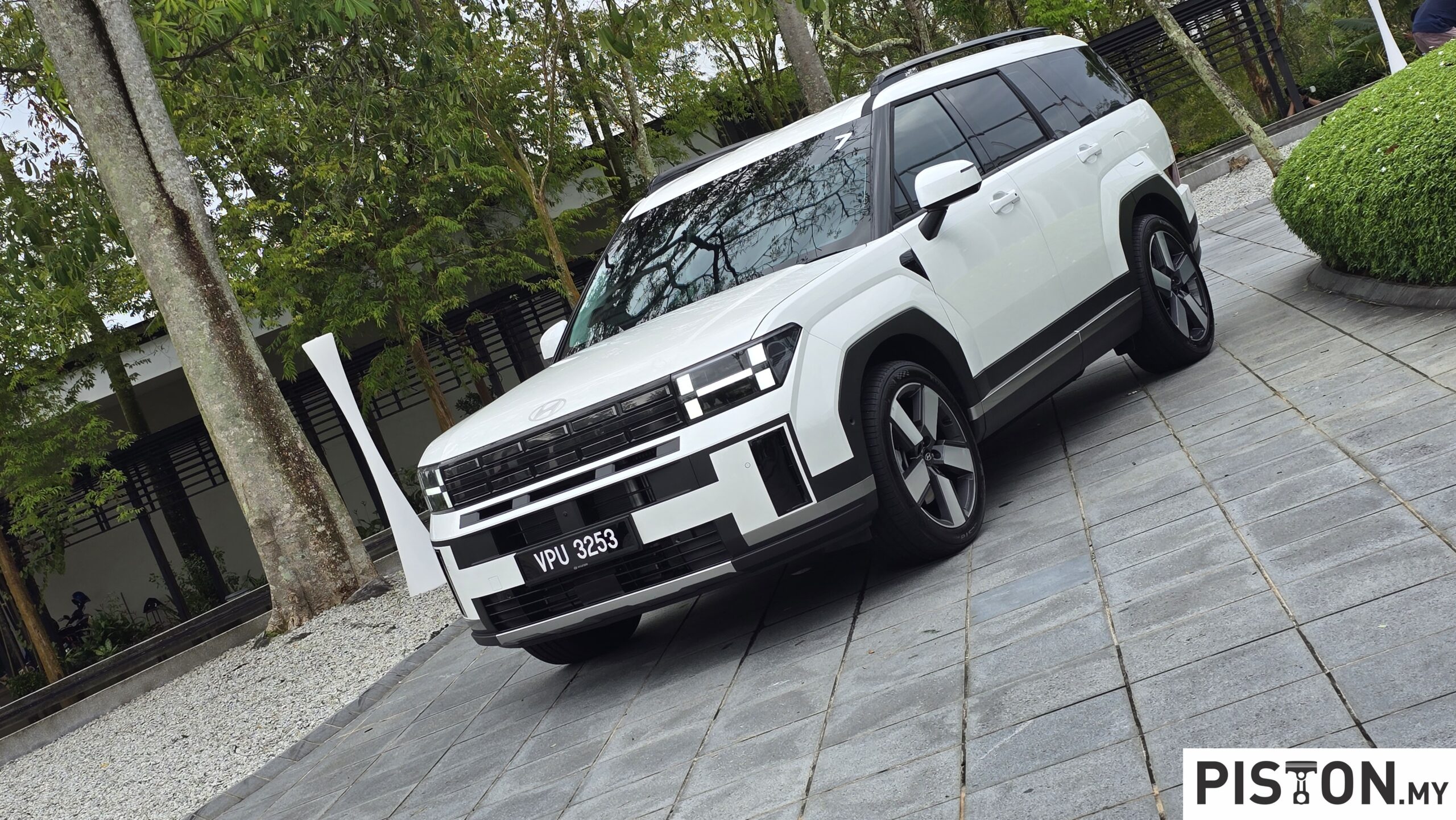
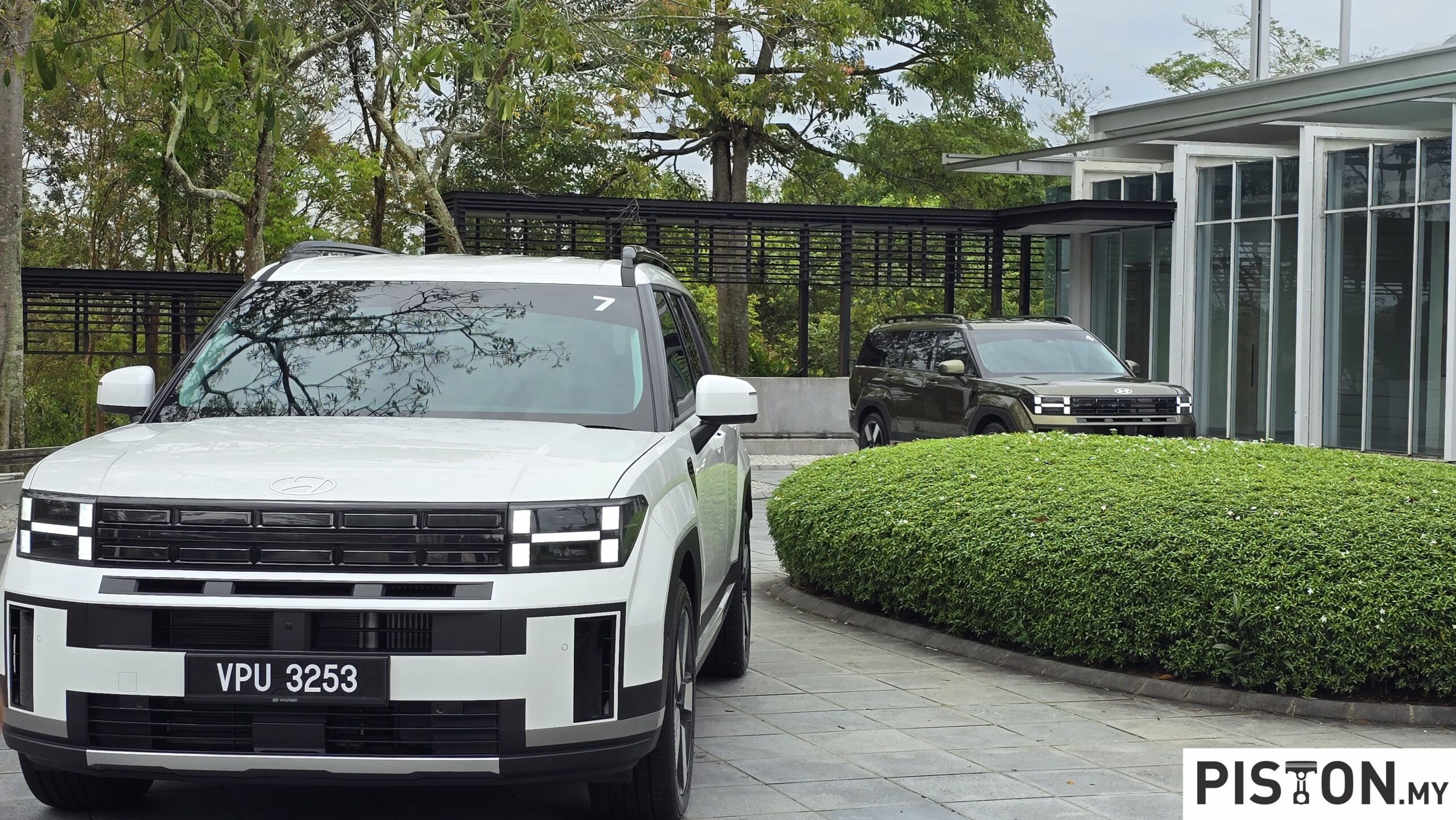
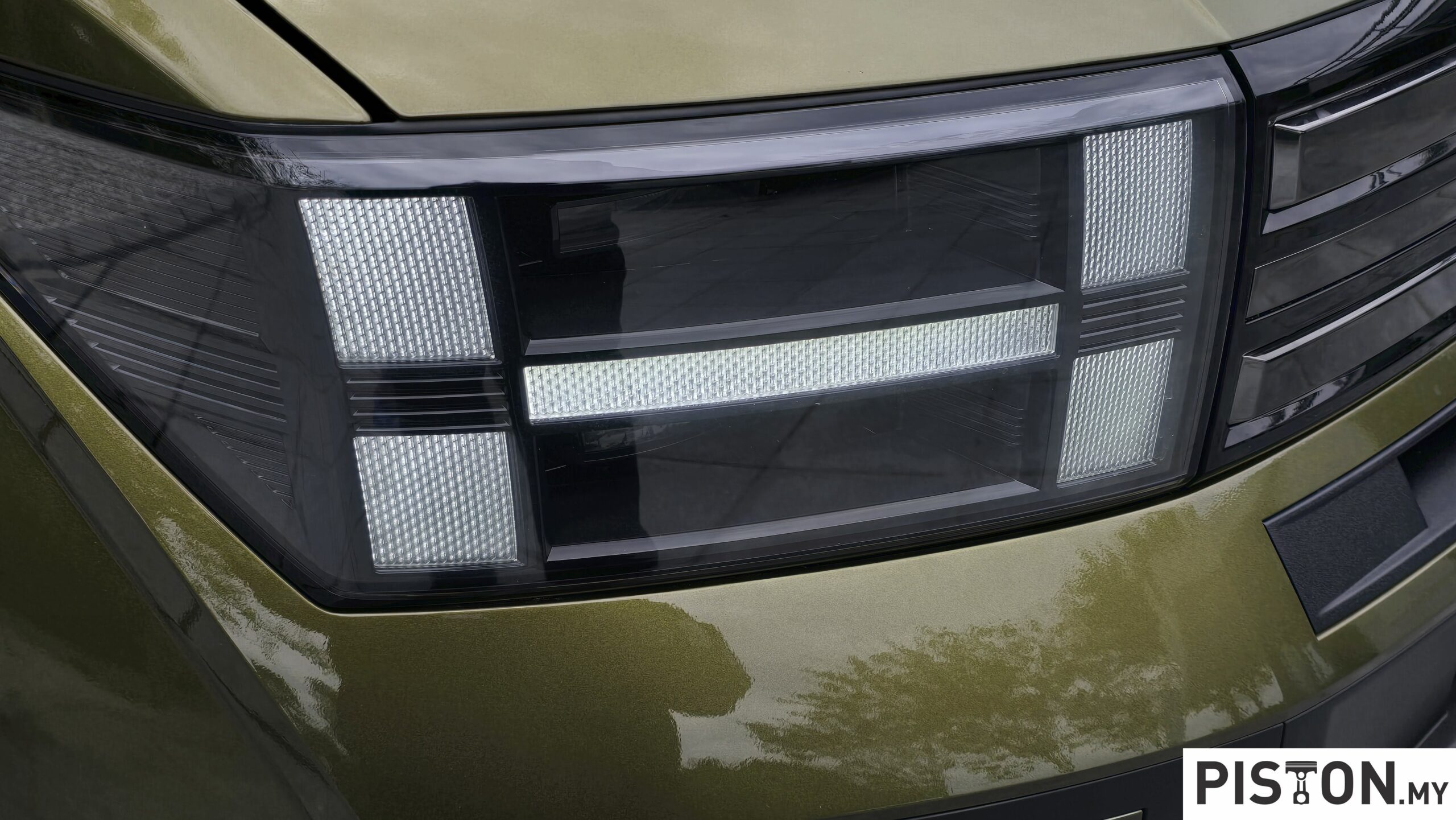
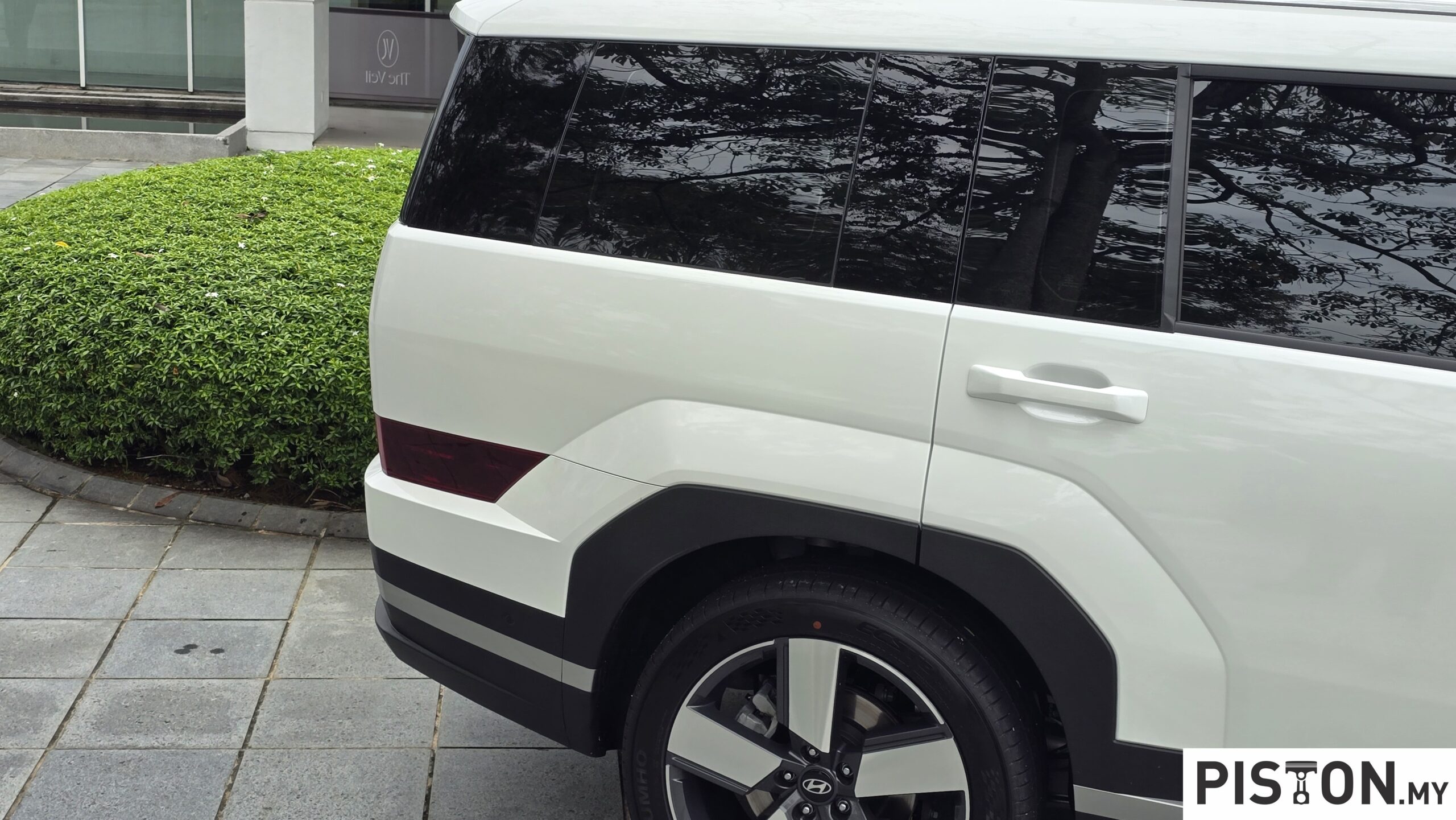
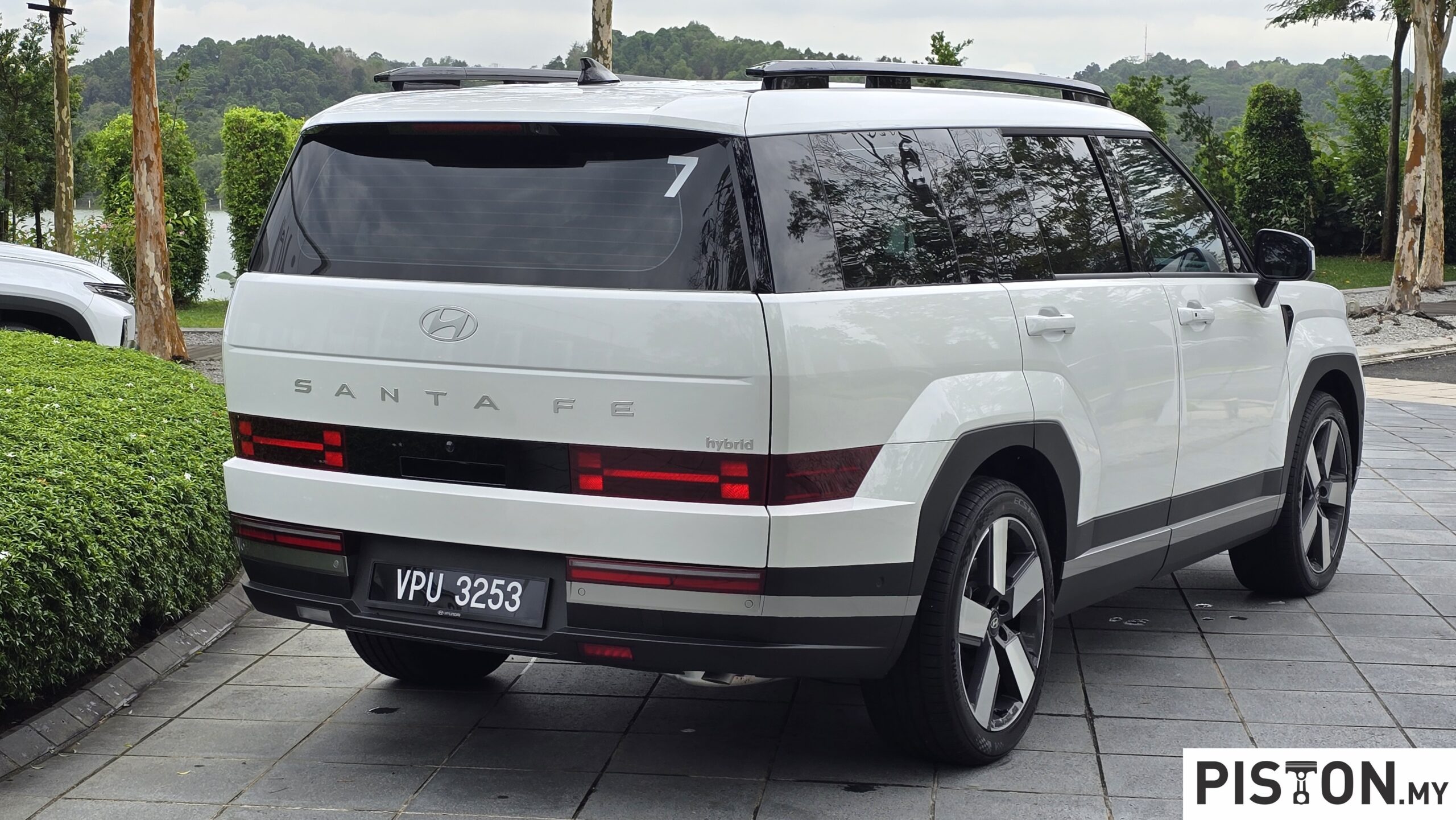
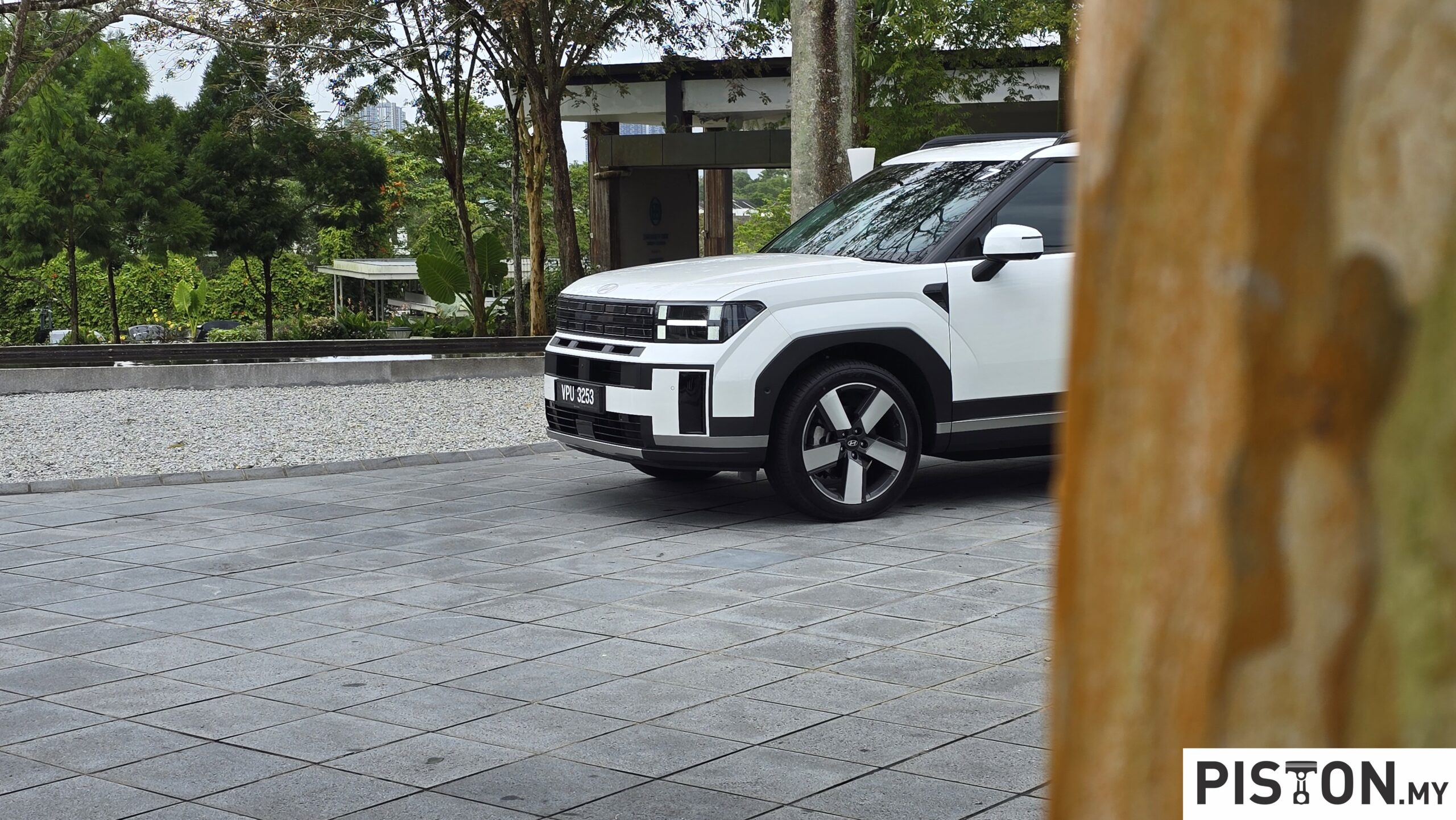
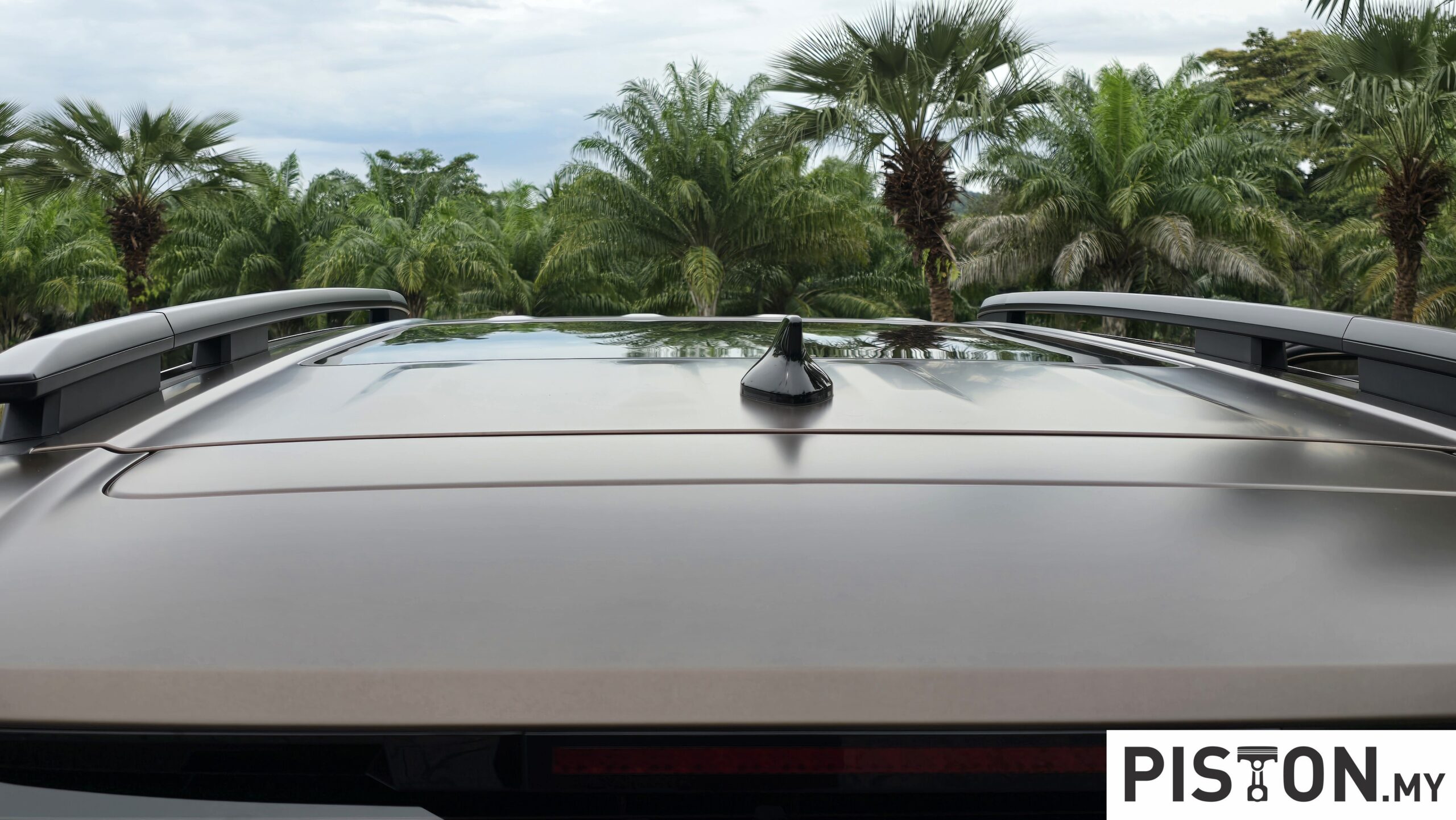
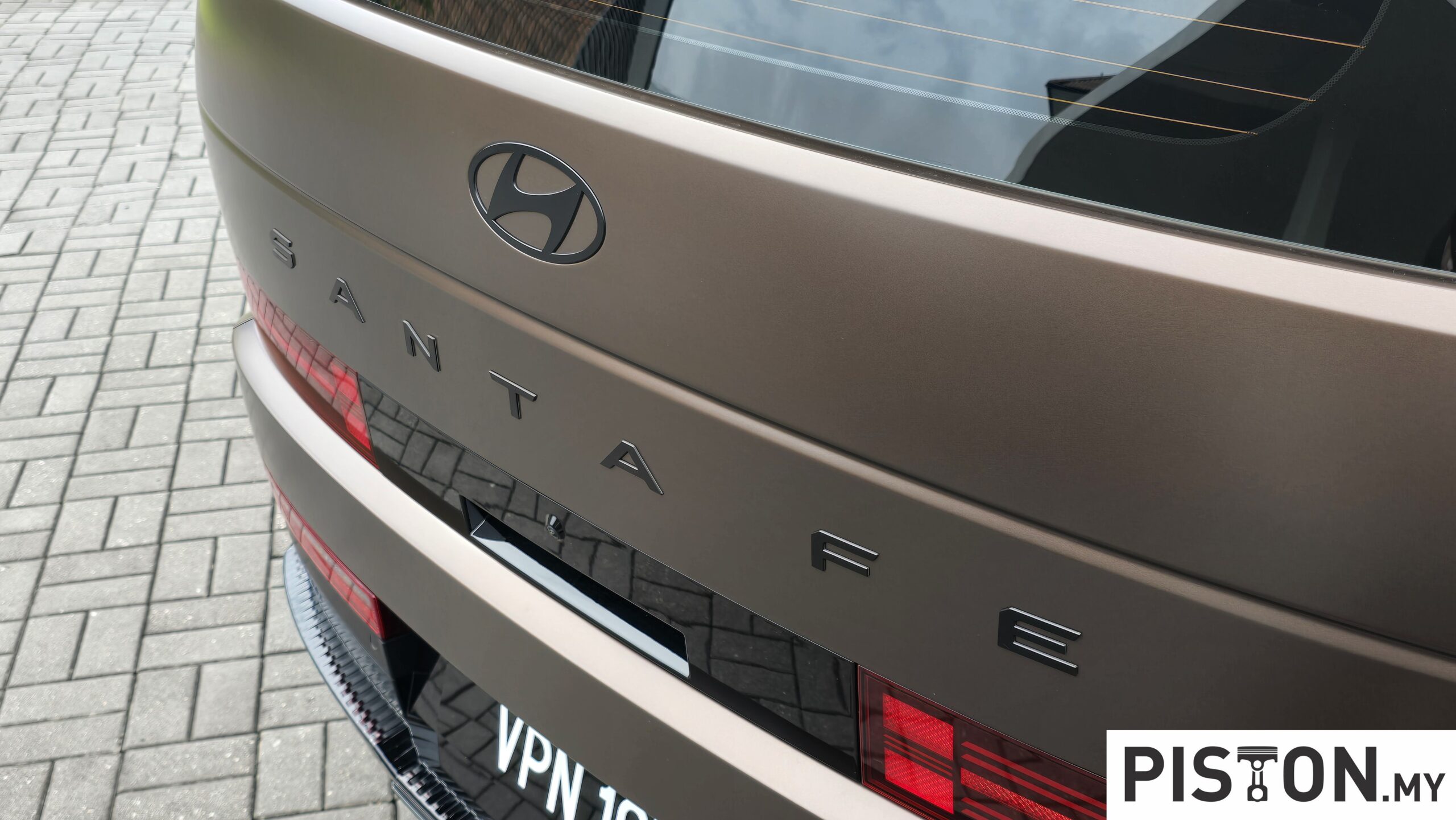
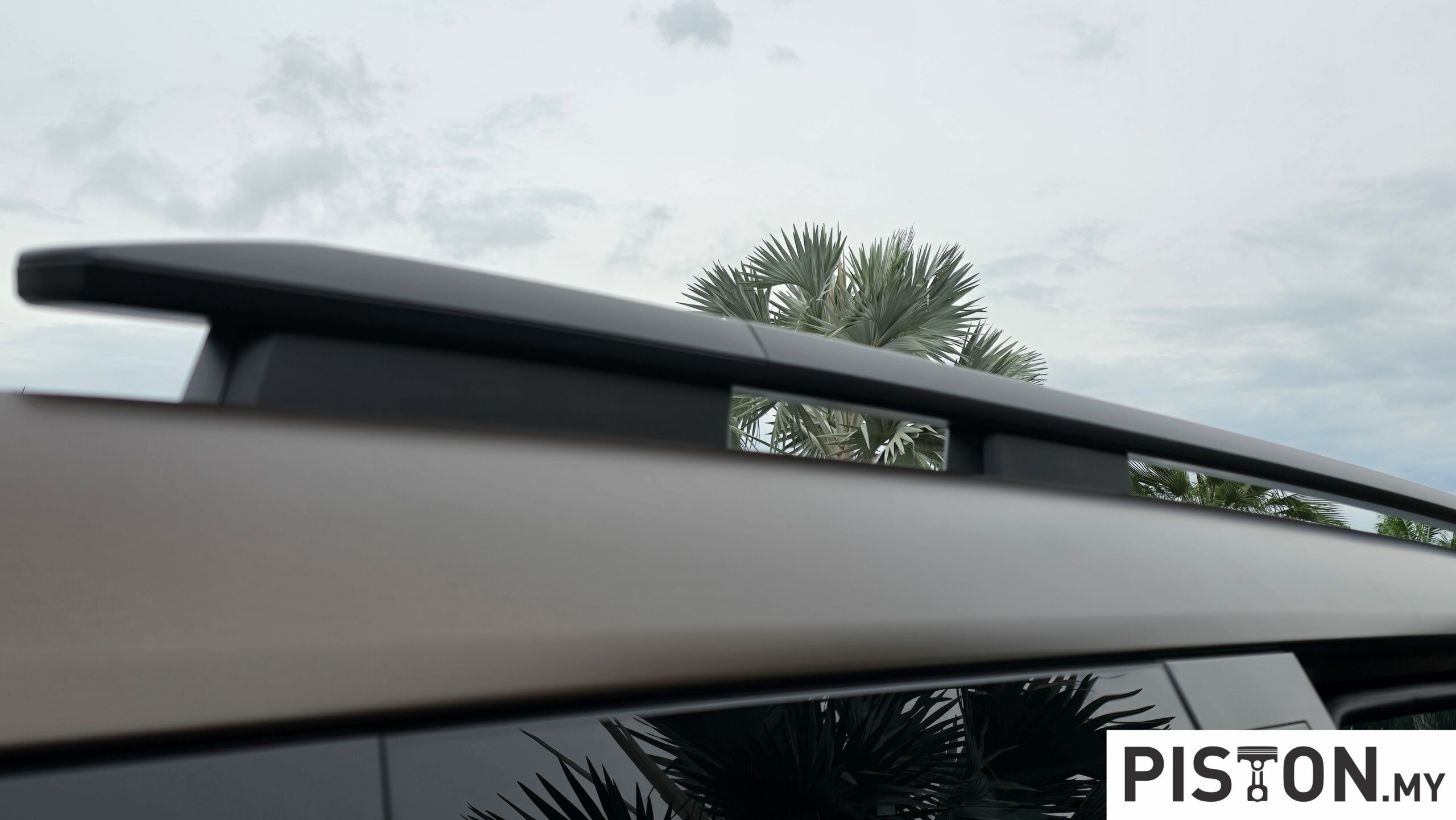
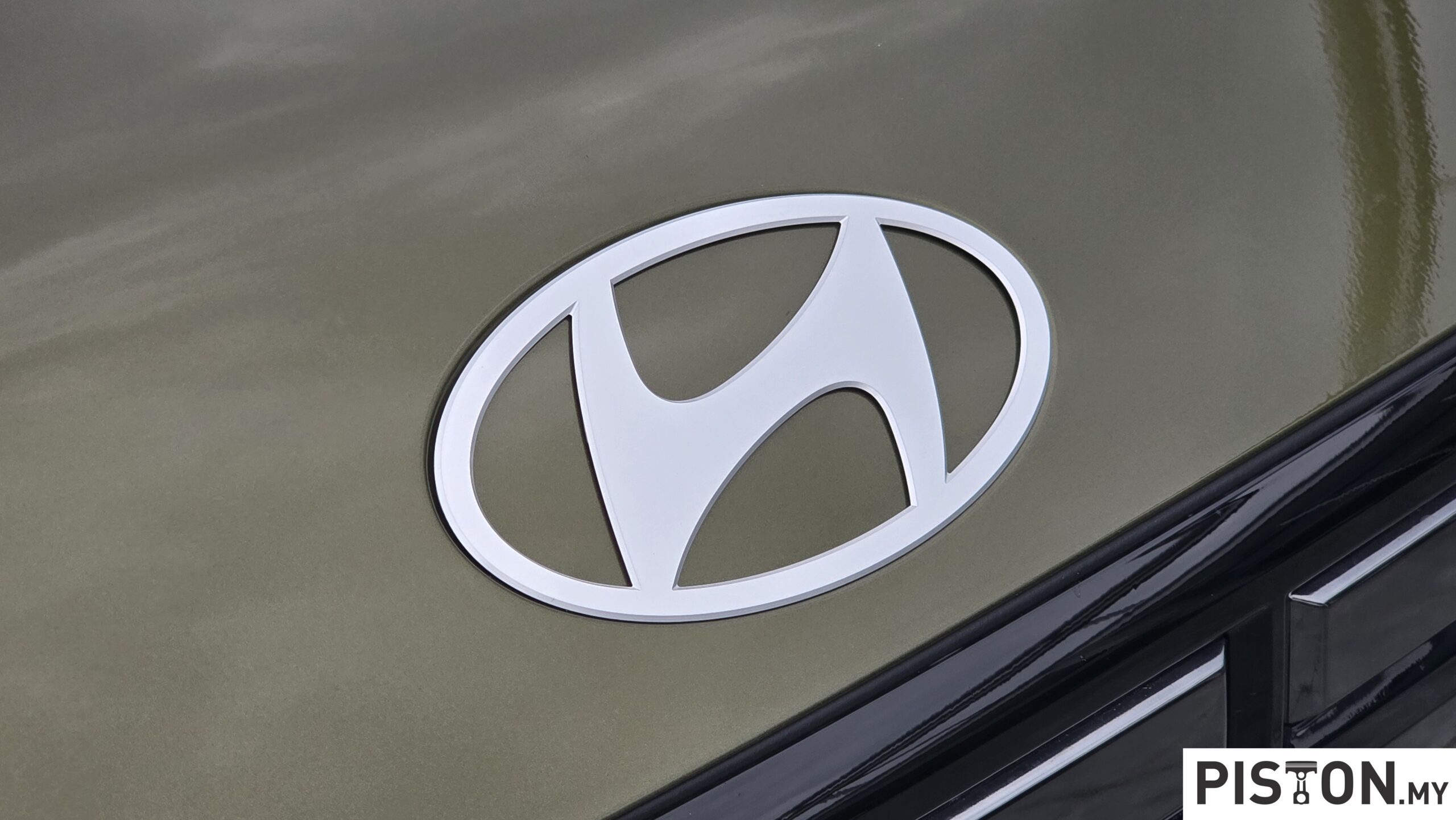
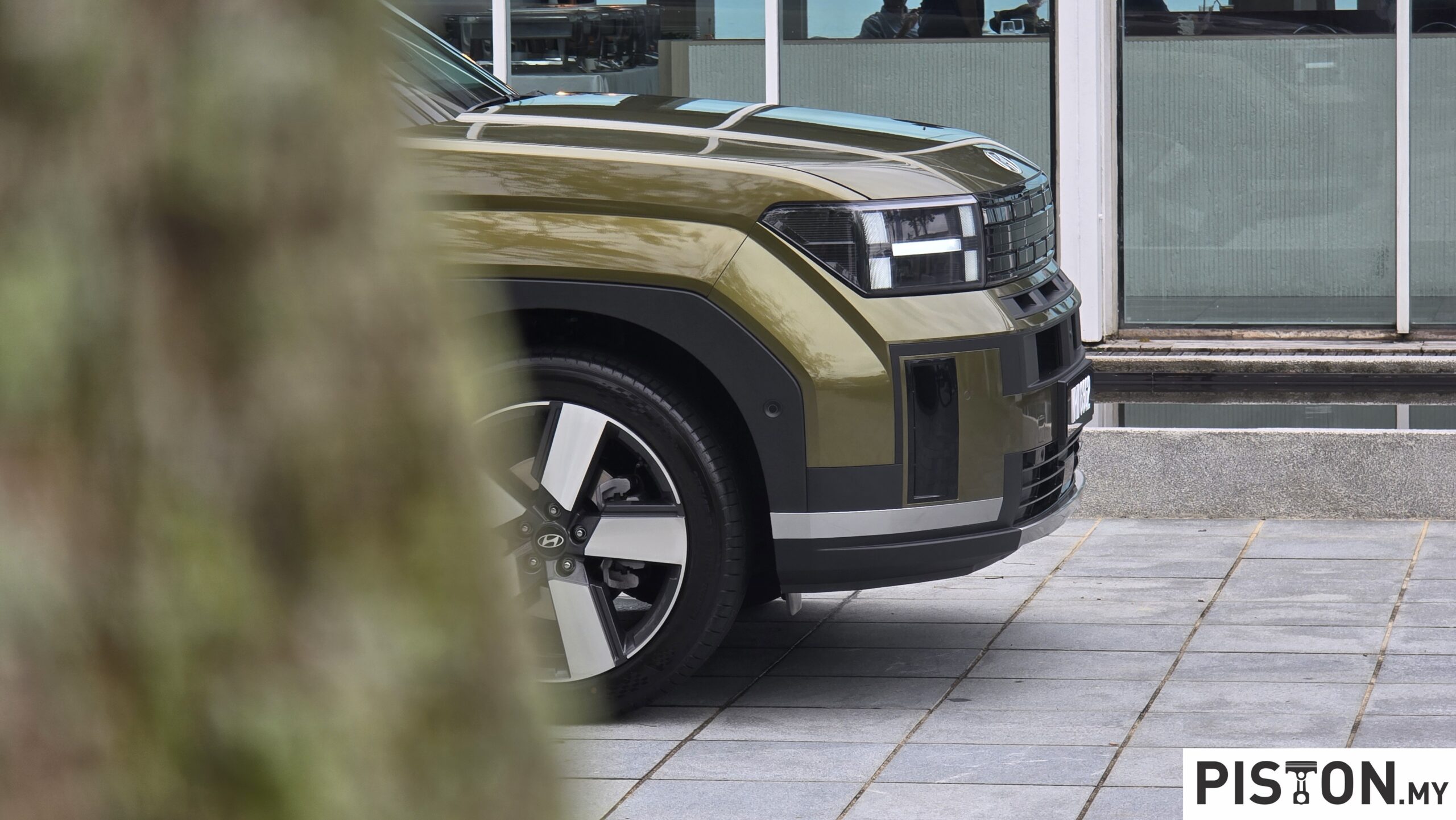
The redesigned exterior introduces a more upright and muscular profile. A wide stance, high-set bonnet and flared fenders lend it a rugged appeal, while sophisticated design elements such as the dark chrome-finished grille, a hidden rear wiper, and the signature H-shaped LED lighting give it a futuristic edge.
With the right body colour, this SUV will look menacing in your rearview mirror at night.
Hybrid or Petrol?
Hyundai has tailored the Santa Fe’s powertrain offerings to appeal to a wide spectrum of drivers, launching three distinct variants in the local market. The Prime and Prestige trims feature hybrid powertrains built around a 1.6-litre turbocharged four-cylinder engine. Mated to a six-speed automatic transmission and driving the front wheels, these variants generate 235PS at 5,500rpm and 367Nm of torque between 1,000 and 4,000 rpm. This setup delivers a balanced blend of efficiency and performance, making it ideal for daily commutes and long-distance travel.
At the top of the range is the Calligraphy variant, which takes performance up a notch with a 2.5-litre turbocharged engine. Producing 281PS at 5,800 rpm and 422Nm of torque from 1,700 to 4,000rpm, it offers a more dynamic driving experience. This variant comes equipped with an 8-speed dual-clutch transmission and features all-wheel drive as standard.
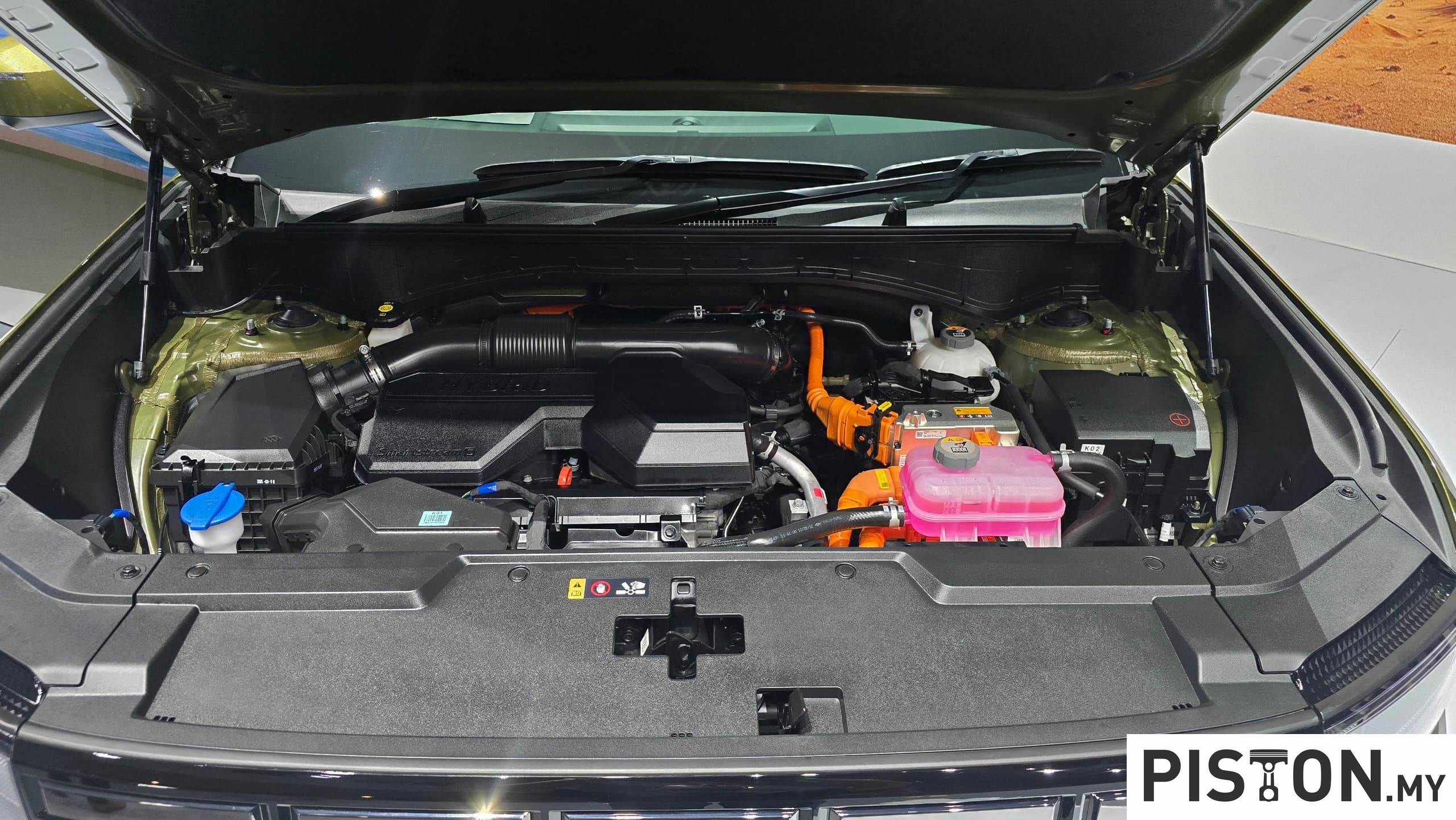
So, which is better? Well, at the end of the day, it all comes down to personal preference. The hybrid variants have a calm and collective feel while driving. The power delivery feels seamless and smooth, with less engine noise spilling into the cabin.
However, while driving, we did notice that you will not feel the speed that you are actually driving. For example, on the highway, we thought we were at a steady 80 – 95km/h; however, when we looked at the speedometer, we were at a whopping 130km/h!
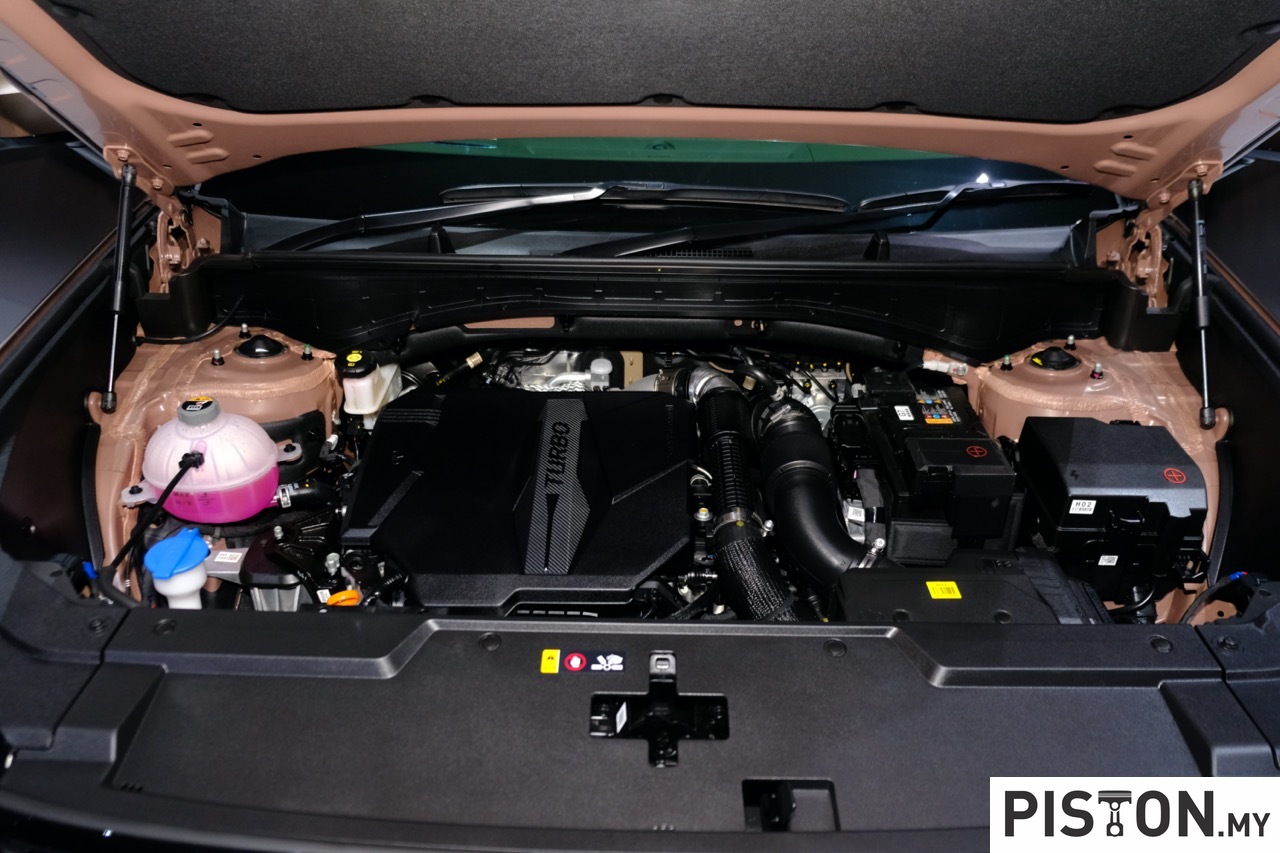
This can be dangerous in the wrong hands, as hitting the brakes and bringing the car to a stop at that speed will take time. If you are unable to estimate the stopping distance and the amount of time needed to hit the brakes, you are bound to crash, unless you somehow manage to do some hard braking and manoeuvring. But then again, this is just a user error.
Step into the Calligraphy variant, and you will not notice the difference in the front until you put your foot down on the throttle.
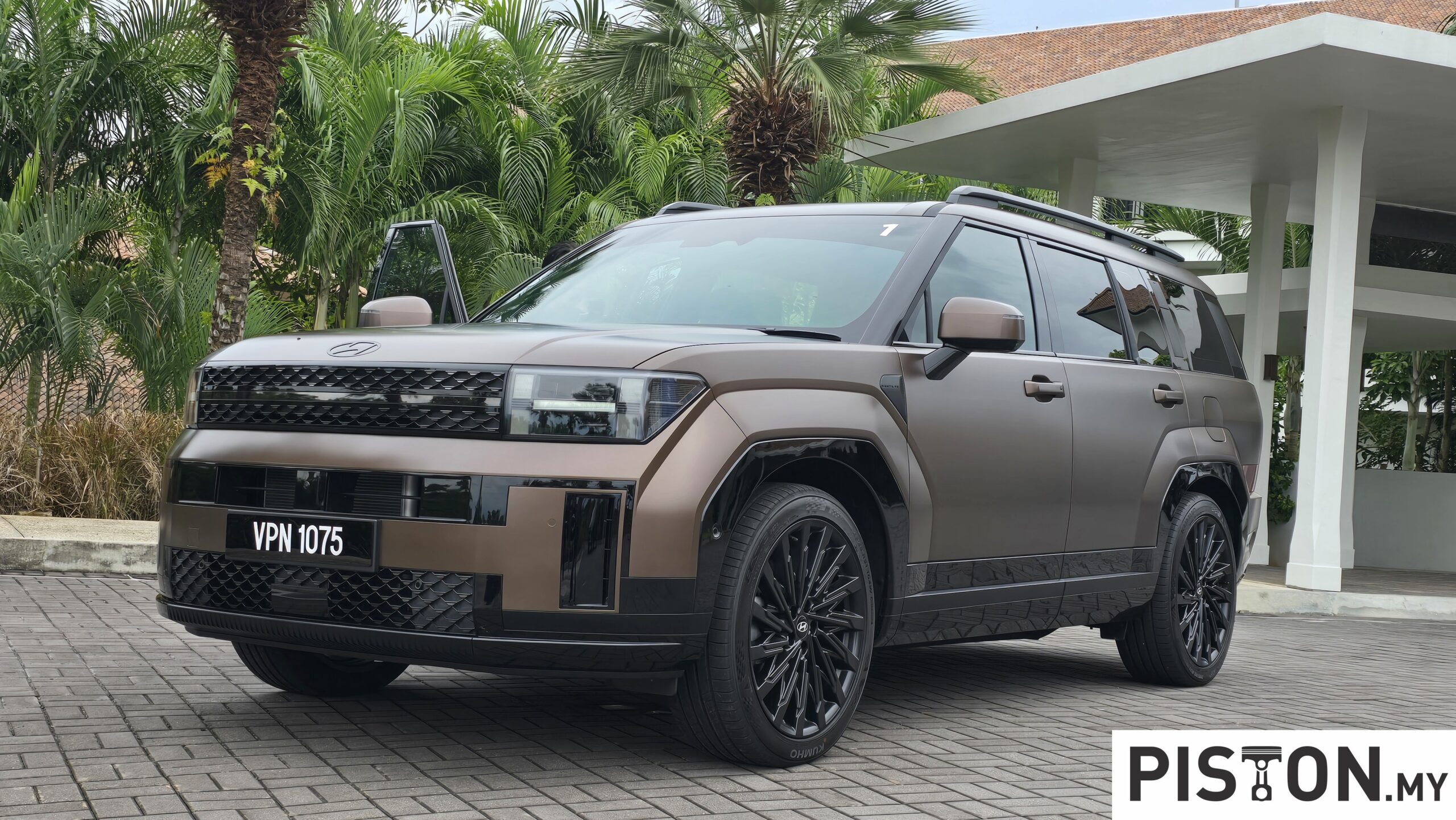
I found this powertrain to be much more suitable for the SUV because it felt at home. I could feel the power when pushing it. The engine sounds roaring through the cabin when flooring it enhanced the whole experience.
This was a whole new world compared to the hybrid variant. Yes, unlike the hybrid variant, there is a little bit more turbo lag when flooring this 2.5-litre from a standstill. However, it feels natural, and I have no complaints about that.
This powertrain will feed your ego while driving it. It makes you feel more commanding and asserts dominance over other cars on the road. During our drive and stay in Desaru, we noticed that there was a blacked-out version of the Calligraphy that belongs to the Managing Director of Hyundai Motor Malaysia. With this powertrain and that blacked-out look, people are bound to stay away from you on the road.
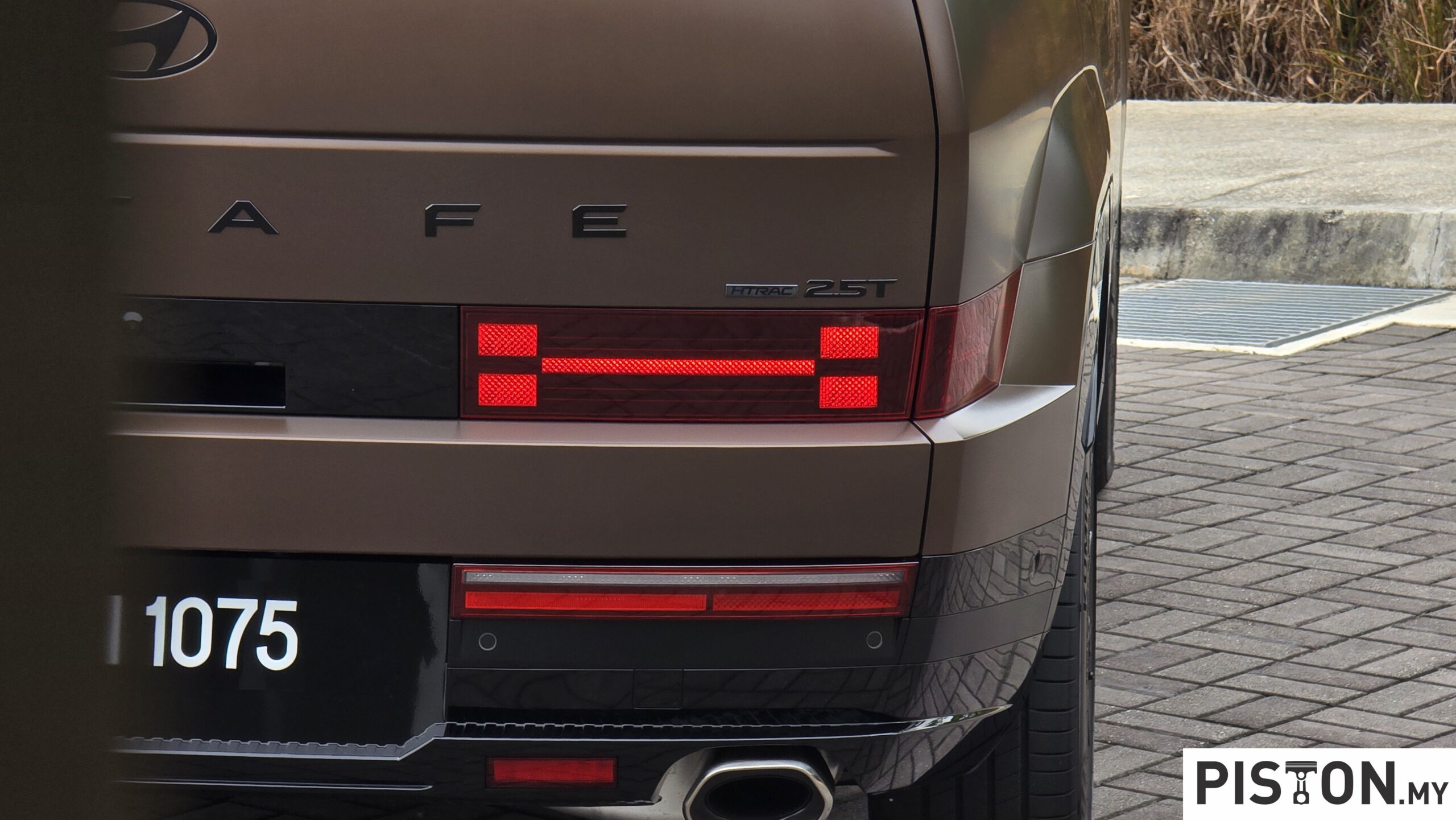
Though it is big and boxy, the stability during corners and high speeds impressed us. The Calligraphy variant felt lighter and more agile during tight corners. There is no need for you to be testing this on public roads but if ever there is a situation where quick manoeuvres are needed, this will definitely do the job.
Safety
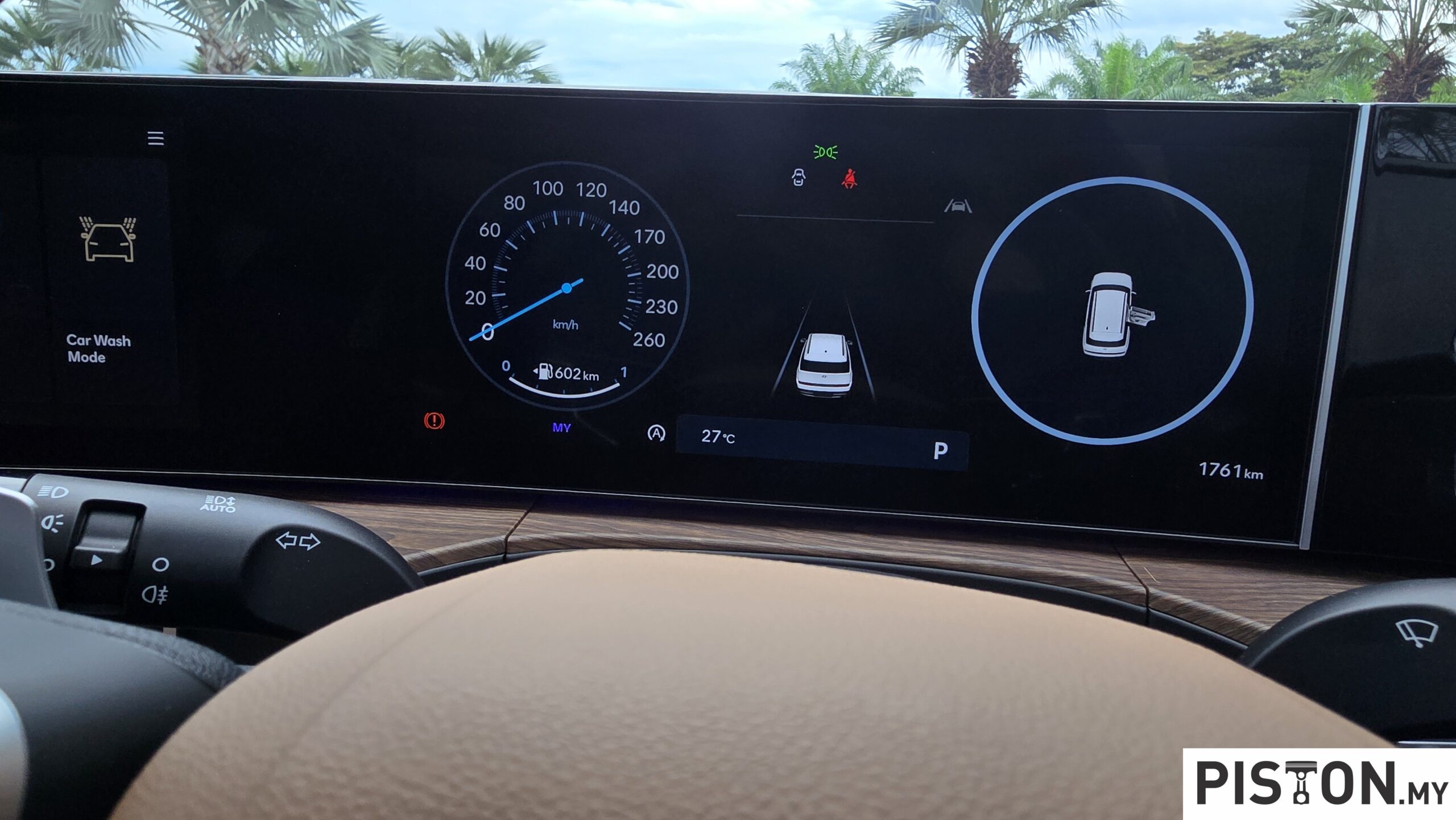
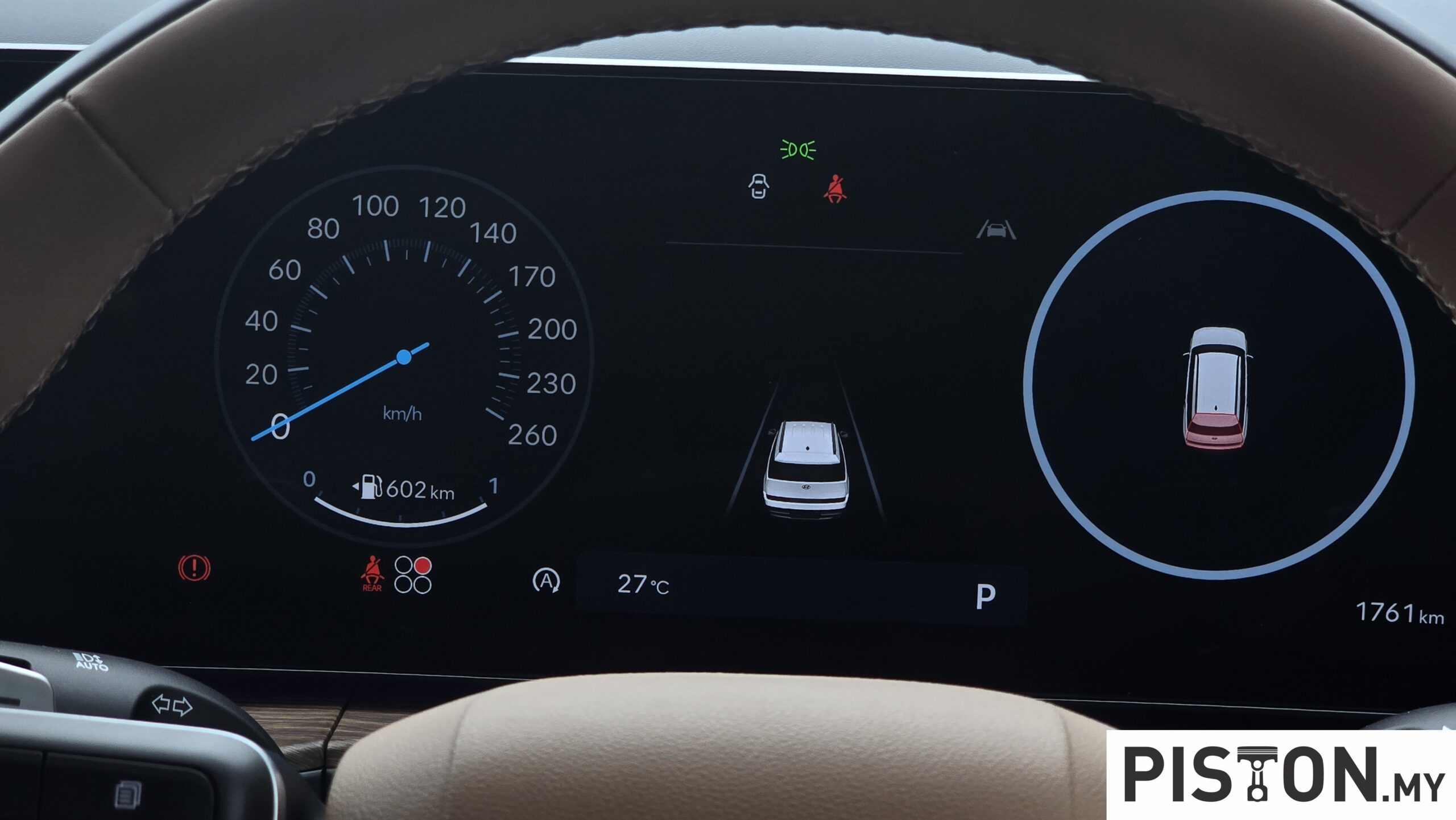
For a big car, safety most definitely plays a crucial role, and the Santa Fe is not lacking. It comes equipped with a comprehensive suite of advanced driver assistance systems as standard. These include autonomous emergency braking with front cross-traffic alert, adaptive cruise control with stop-and-go capability, lane centring assist, and blind-spot monitoring with active collision avoidance.
It also features front and rear cross-traffic alert with automatic braking, a door opening warning, rear seat reminder, and automatic high beam.
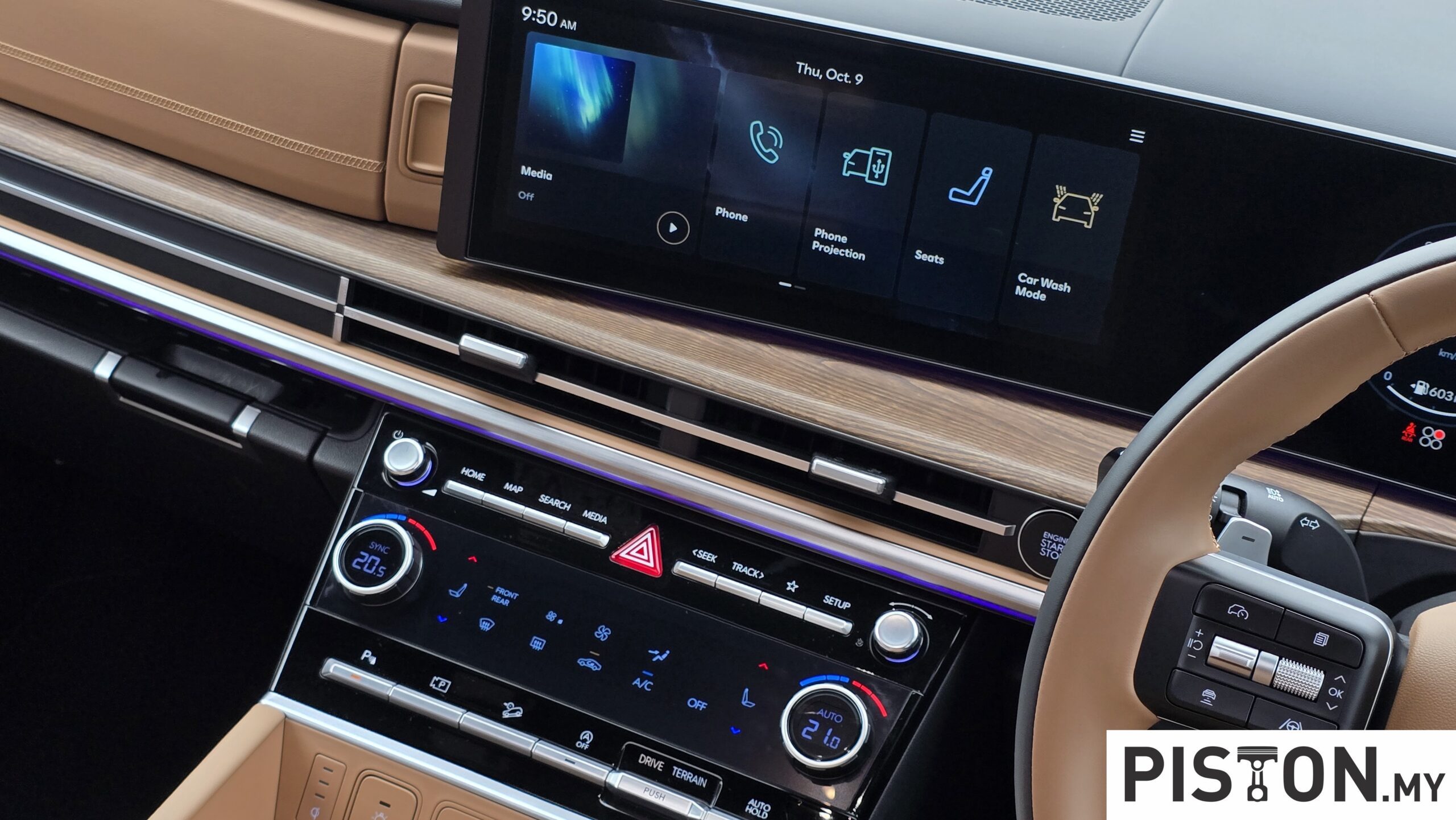
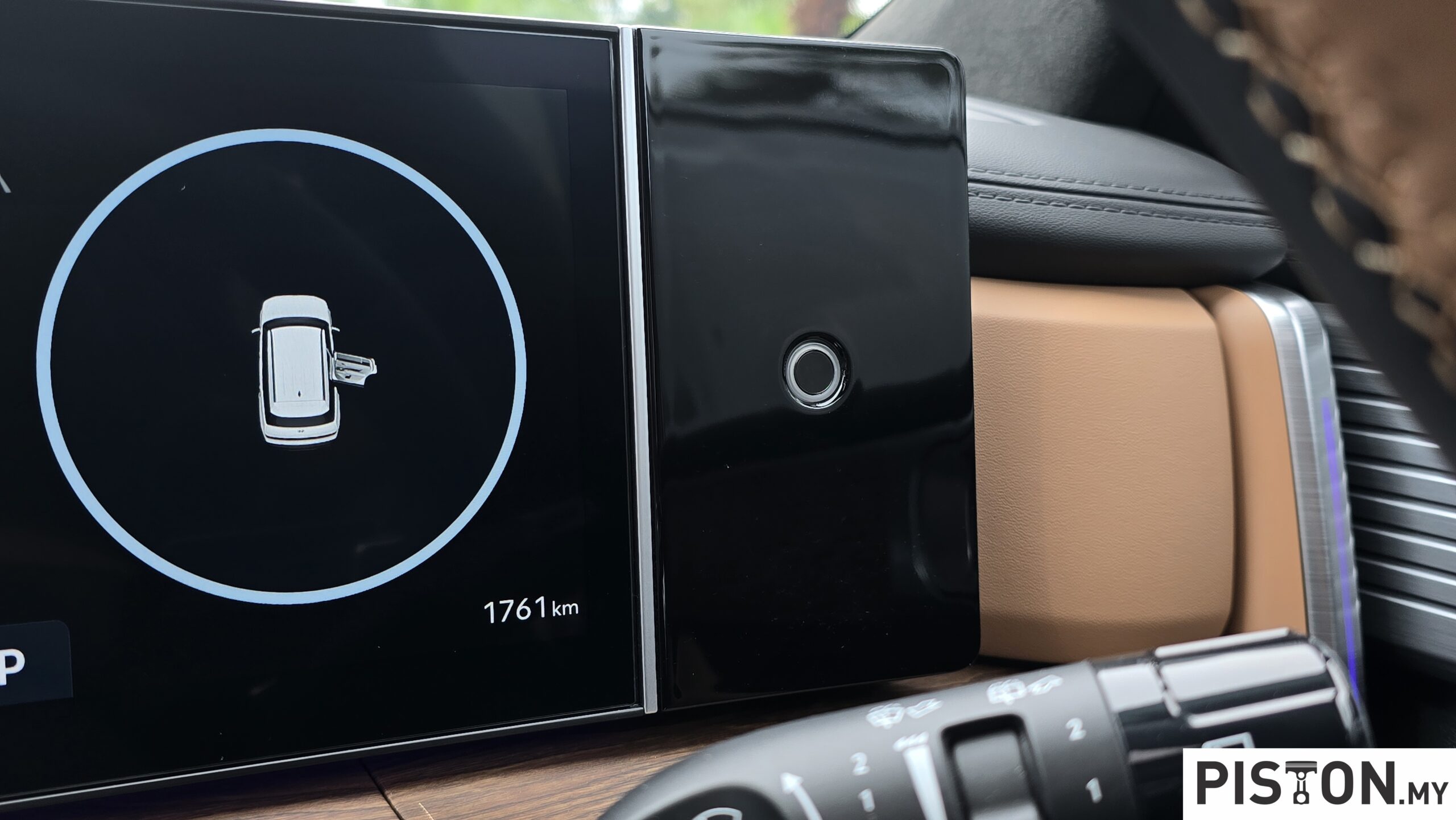
Stepping up to the Prestige variant enhances safety further with second-generation AEB that detects oncoming vehicles and provides evasive steering assistance, reverse AEB, dual blind-spot view cameras, and a convenient remote parking feature that can be activated via the Hyundai “H” logo key.
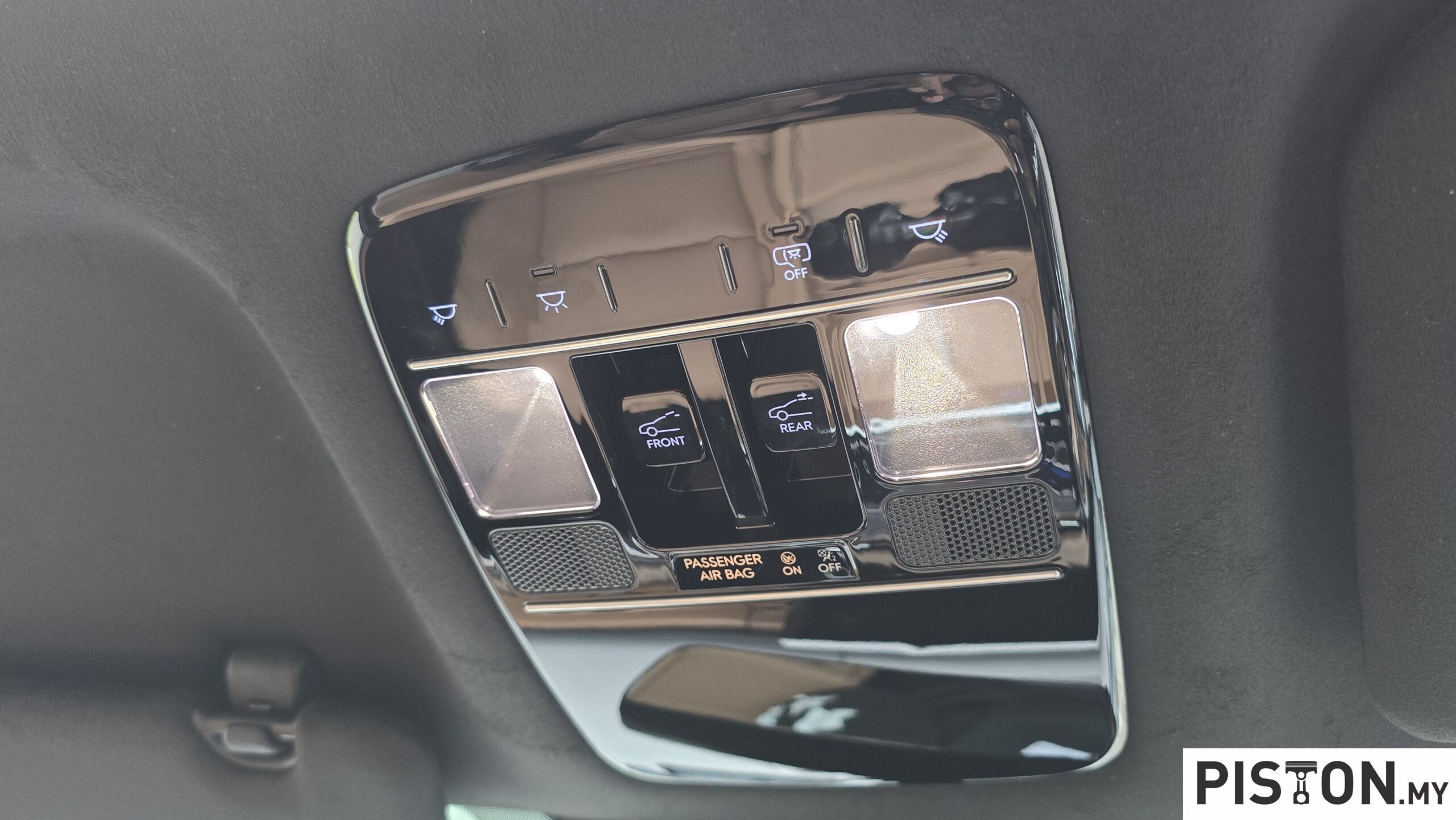
The airbag count has also been increased to ten, now including a driver’s knee airbag, centre airbag, and rear side airbags, while stability control remains a standard feature across the range.
Spacious enough for giants
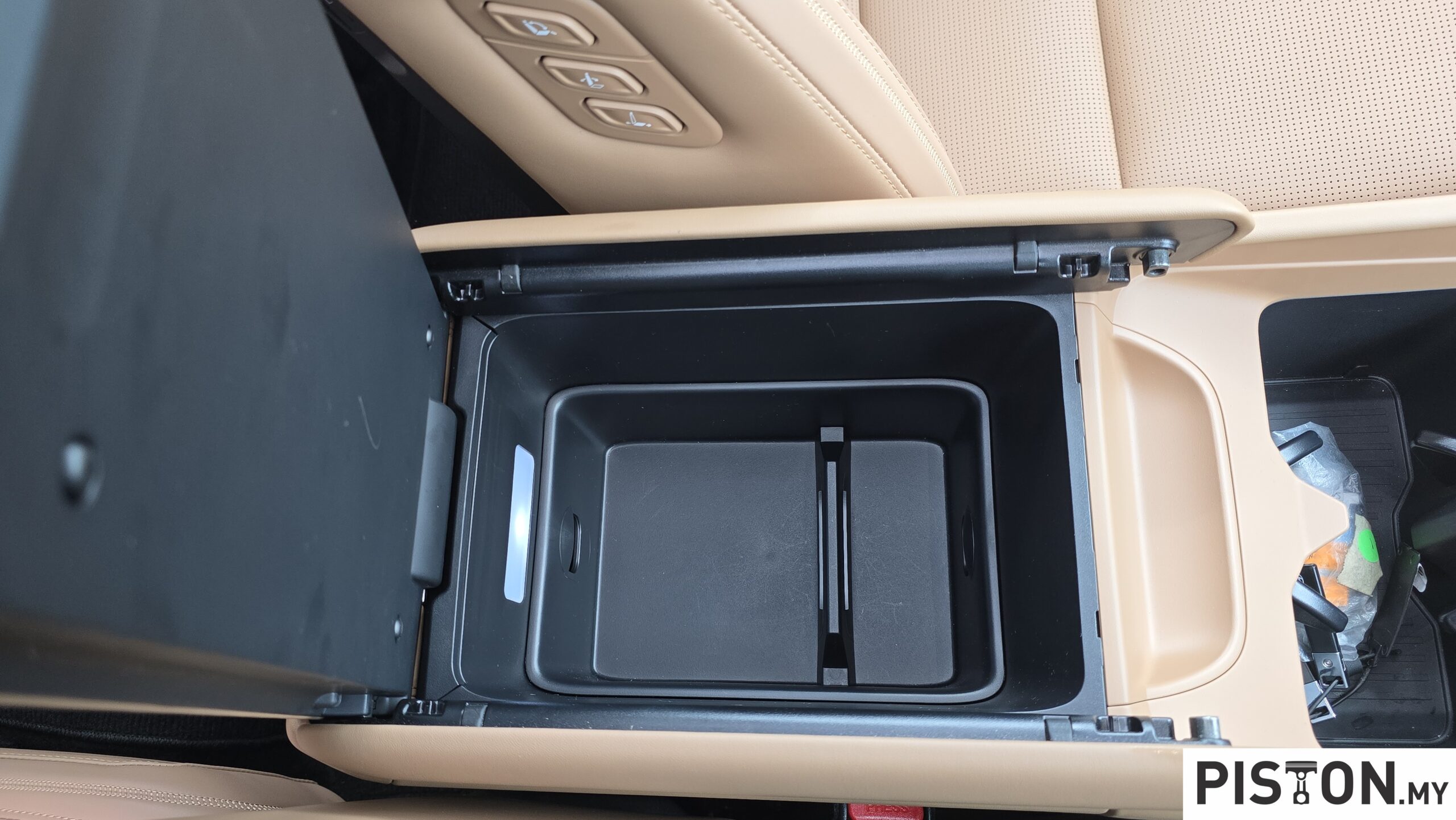
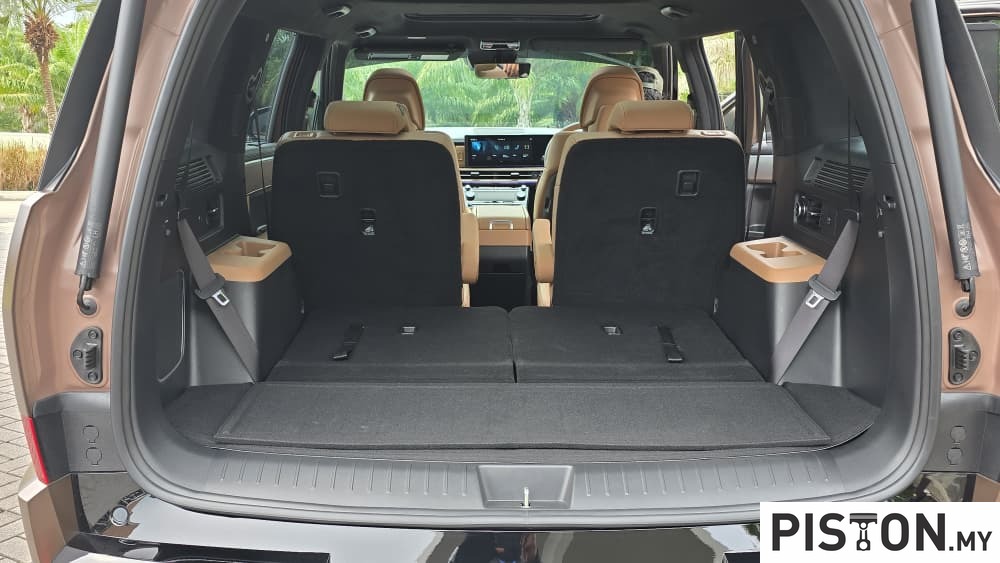
There are some cars out there that look big from the outside, but step into them and you might feel a little claustrophobic. The Santa Fe, however, is spacious enough for giants to travel.
The expanded body dimensions translate to noticeably greater interior space, especially in the second and third rows. Both legroom and headroom have been improved to better meet customer expectations for comfort.
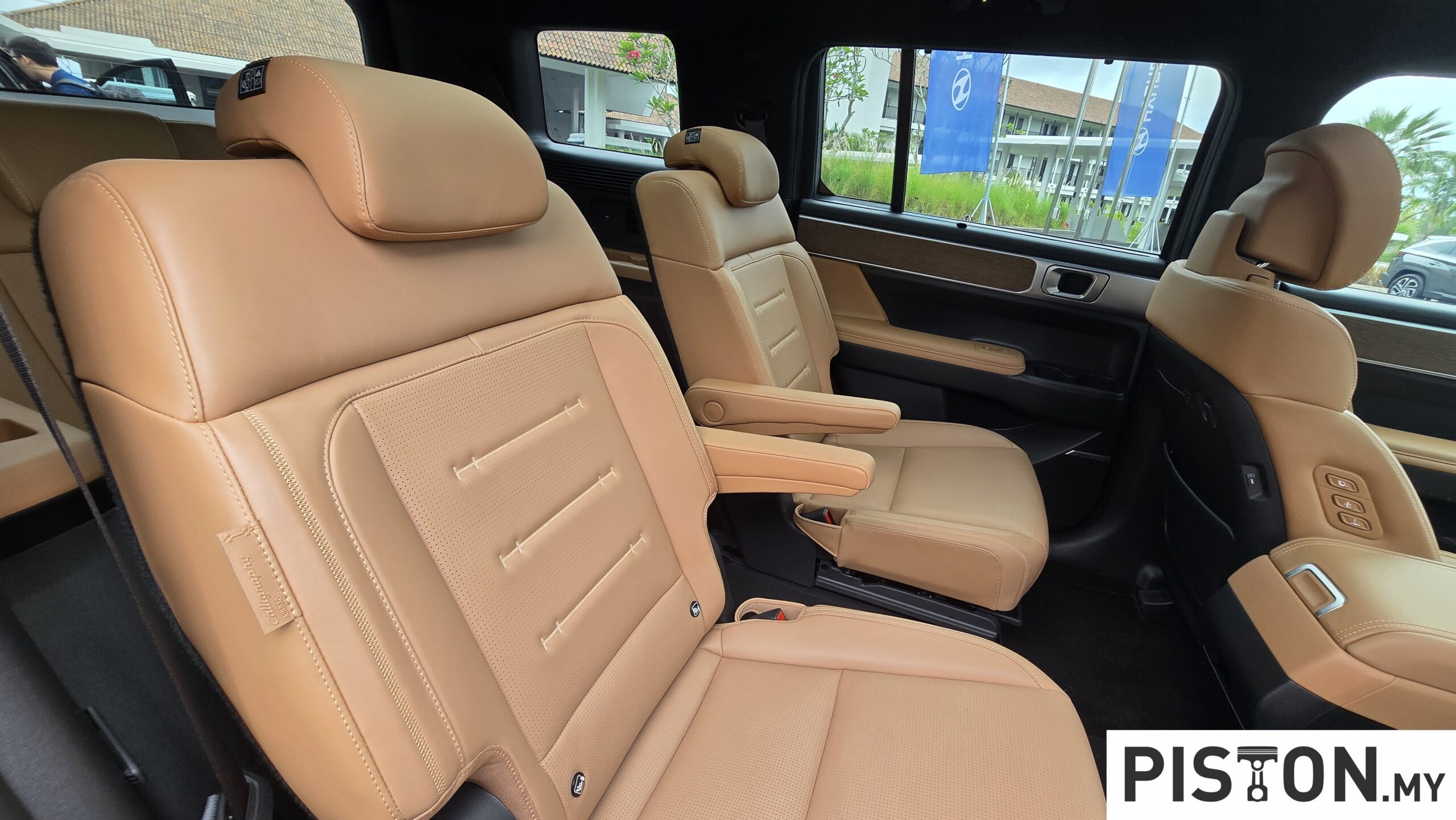
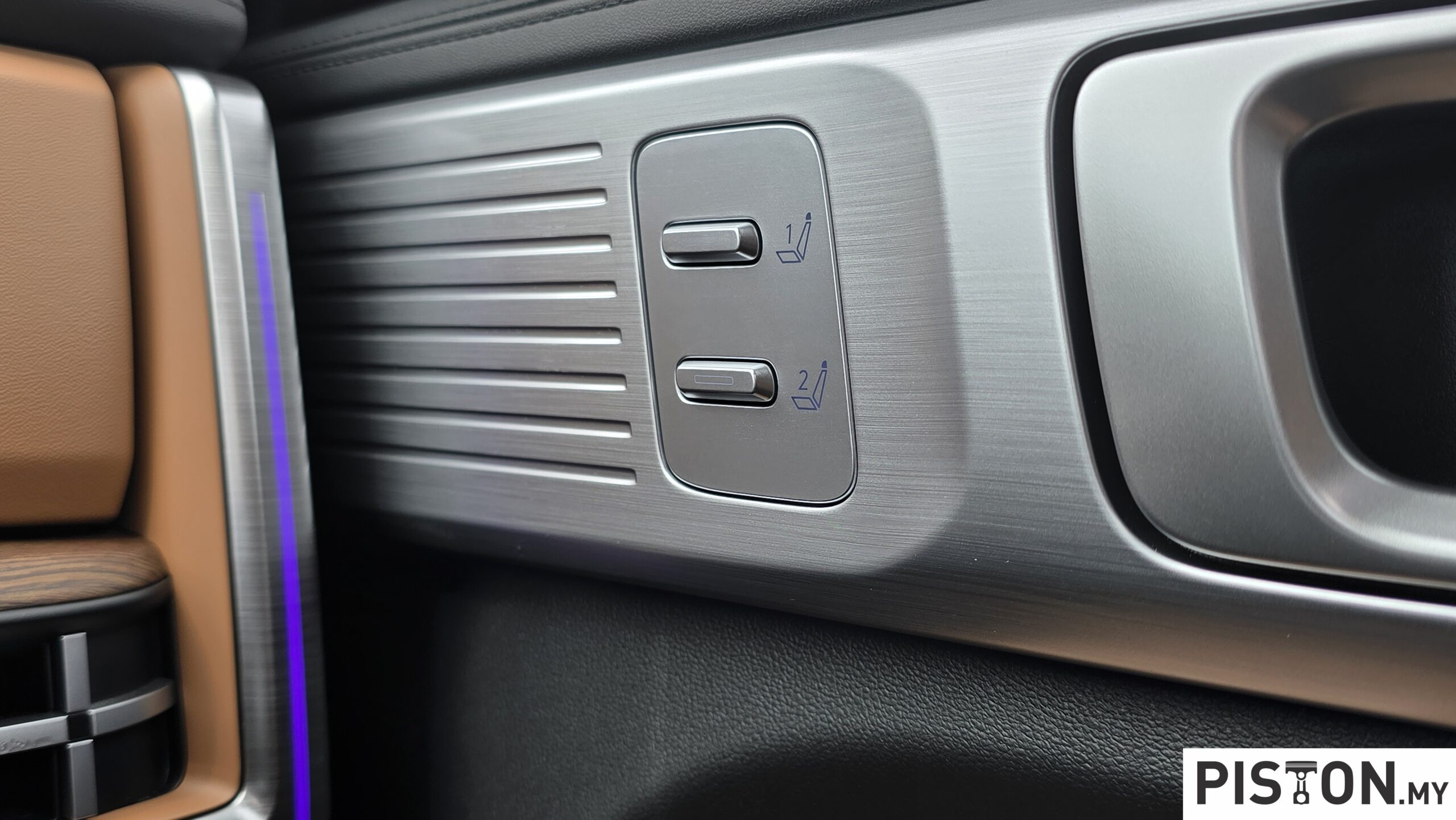
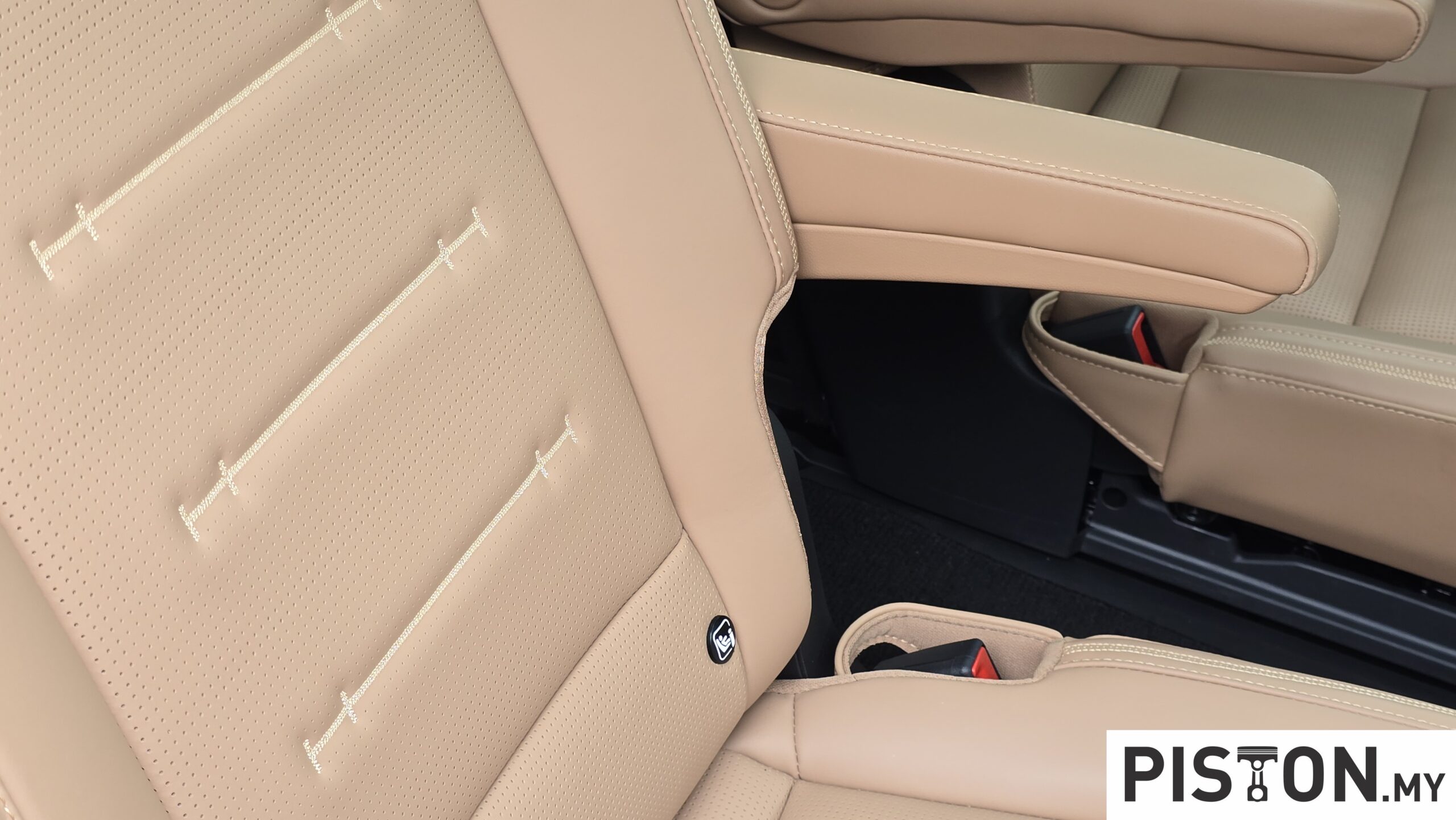
The third-row seats now recline an additional ten degrees, offering what Hyundai describes as best-in-class spaciousness, while entry remains effortless thanks to a convenient one-touch tilt-and-slide mechanism for the second-row seats.
So it is safe to say that comfort during long-distance travelling will not be an issue.
Final thoughts
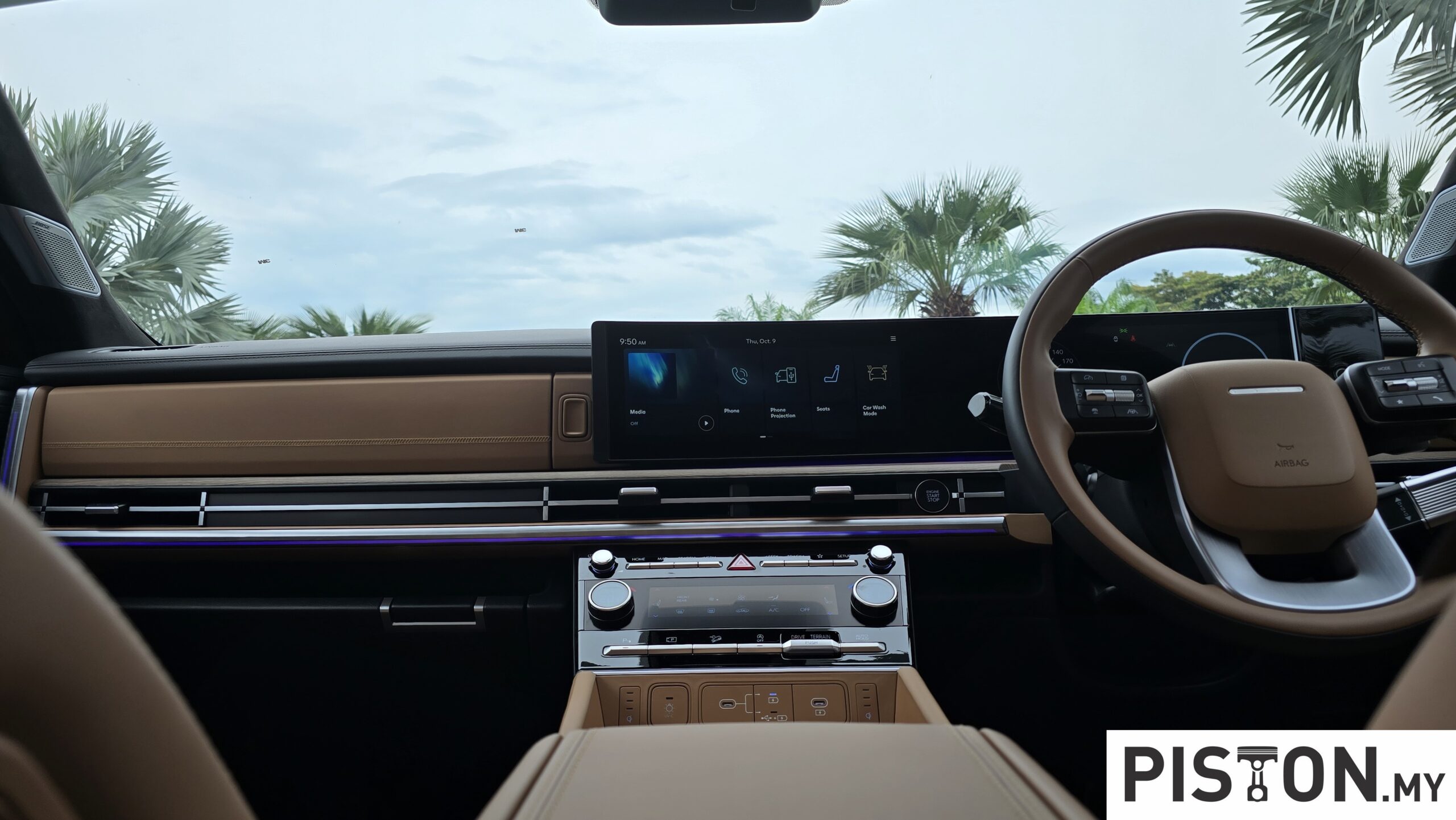
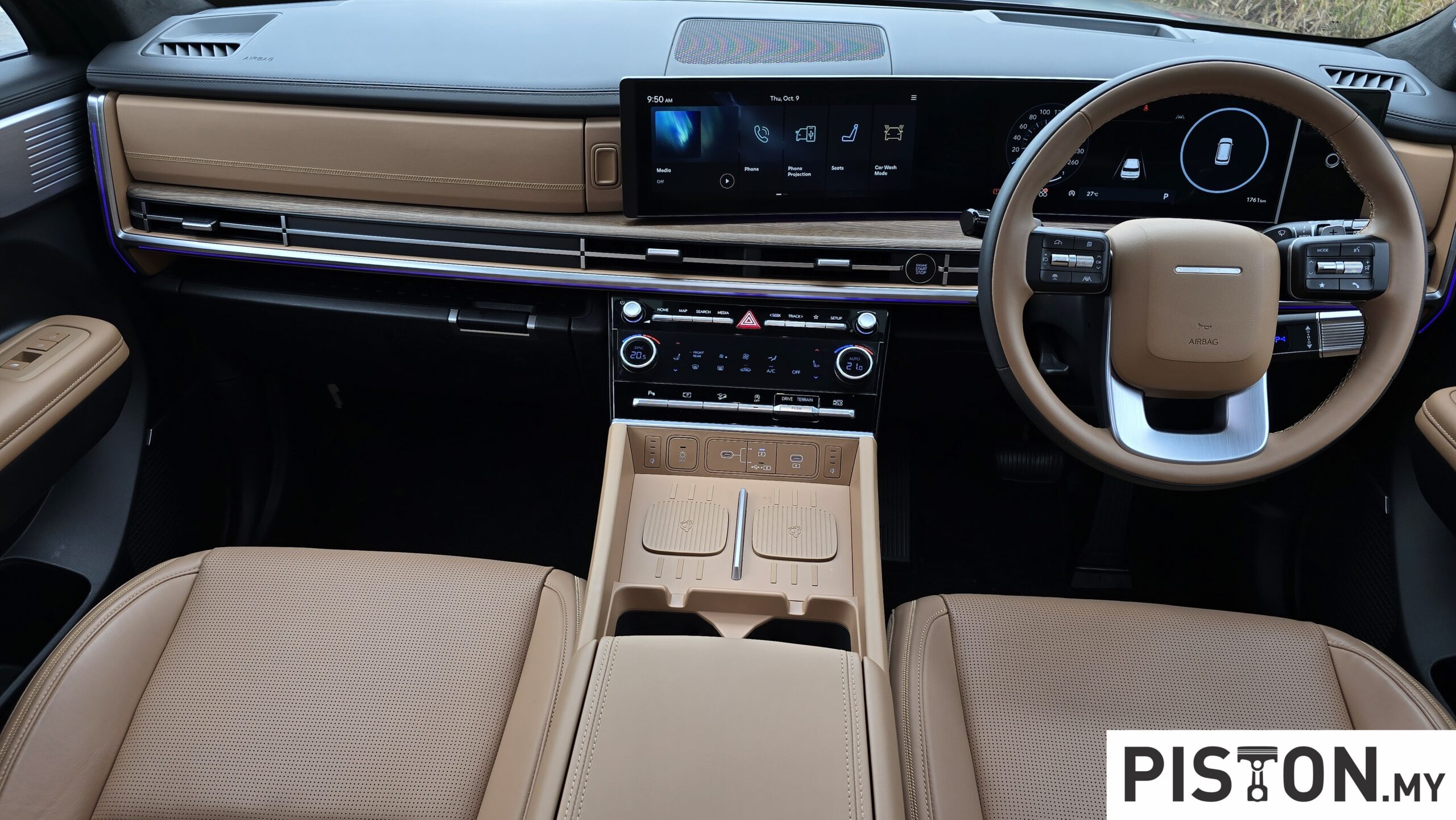
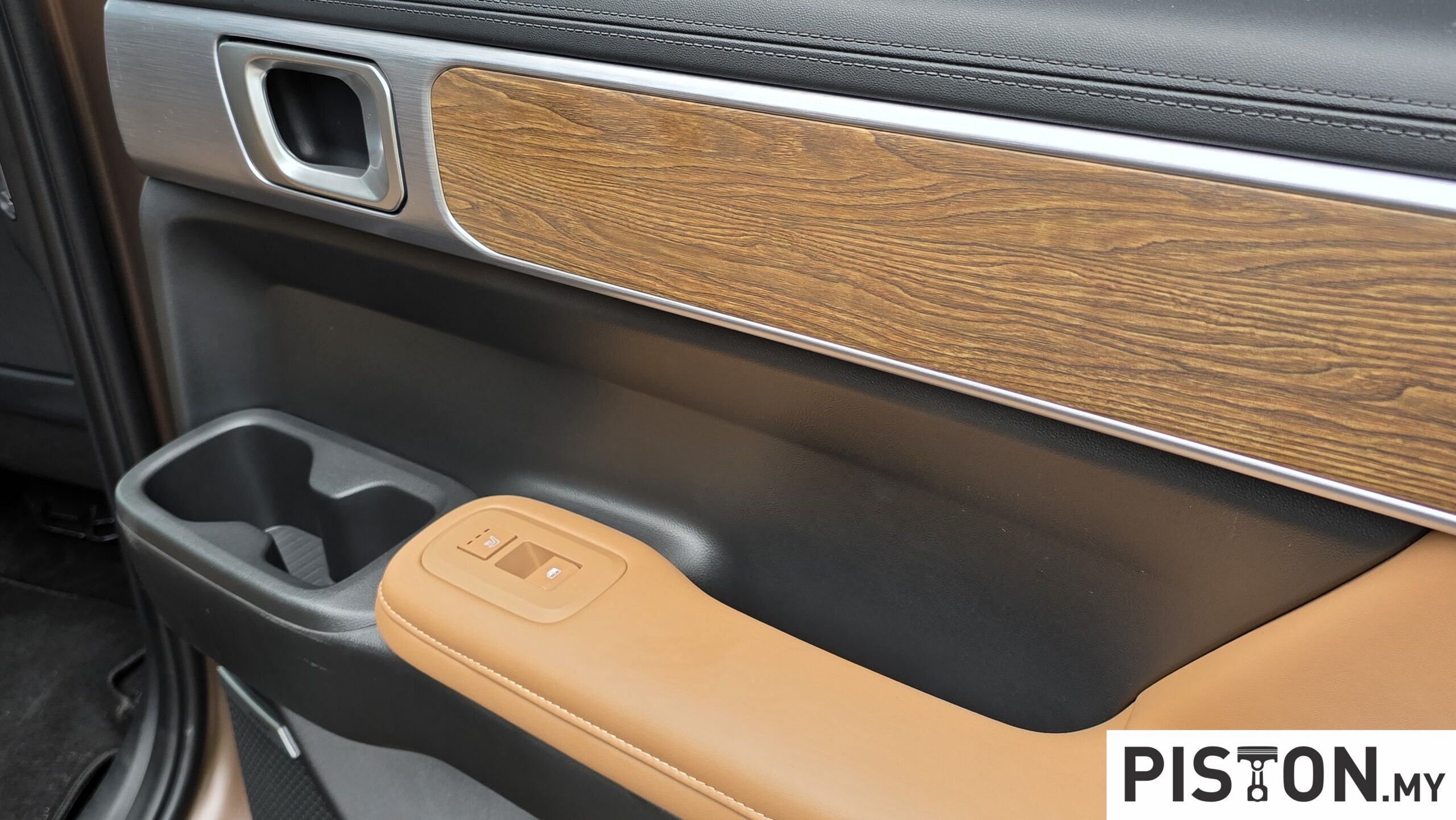
Although priced at RM270,000, it is worth buying. I do not mind paying a little bit more for comfort and quality, which most SUVs lack nowadays. People would rather choose cheap options and compromise on quality, and then complain about how bad it is. The Santa Fe offers comfort, quality, luxury and does not compromise on safety and performance.
Specifications:
Calligraphy
Engine: 2.5 litre T-GDi
Power: 281PS
Torque: 422Nm
Transmission: 8-speed dual-clutch
HEV Prestige
Engine: 1.6 litre turbocharged
Power: 235PS
Torque: 367Nm
Transmission: 6-speed automatic transmission
Price (as tested):
RM270,000 (2.5 T-GDi HTRAC Calligraphy)
RM245,000 (HEV Prestige)
We like: Performance, looks, comfort and quality
We don’t like: Not parked in our garage