Piston.my

Latest News

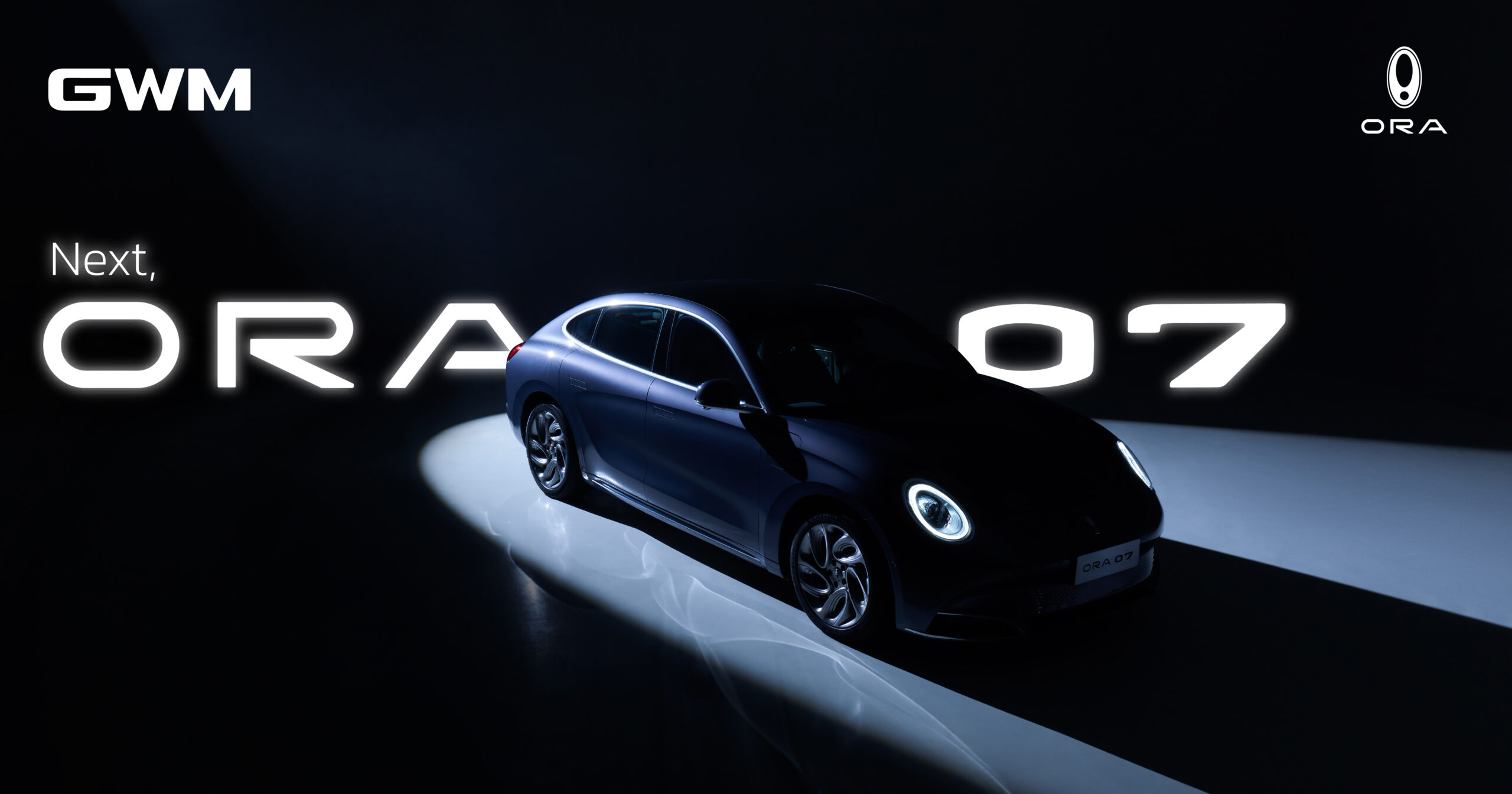
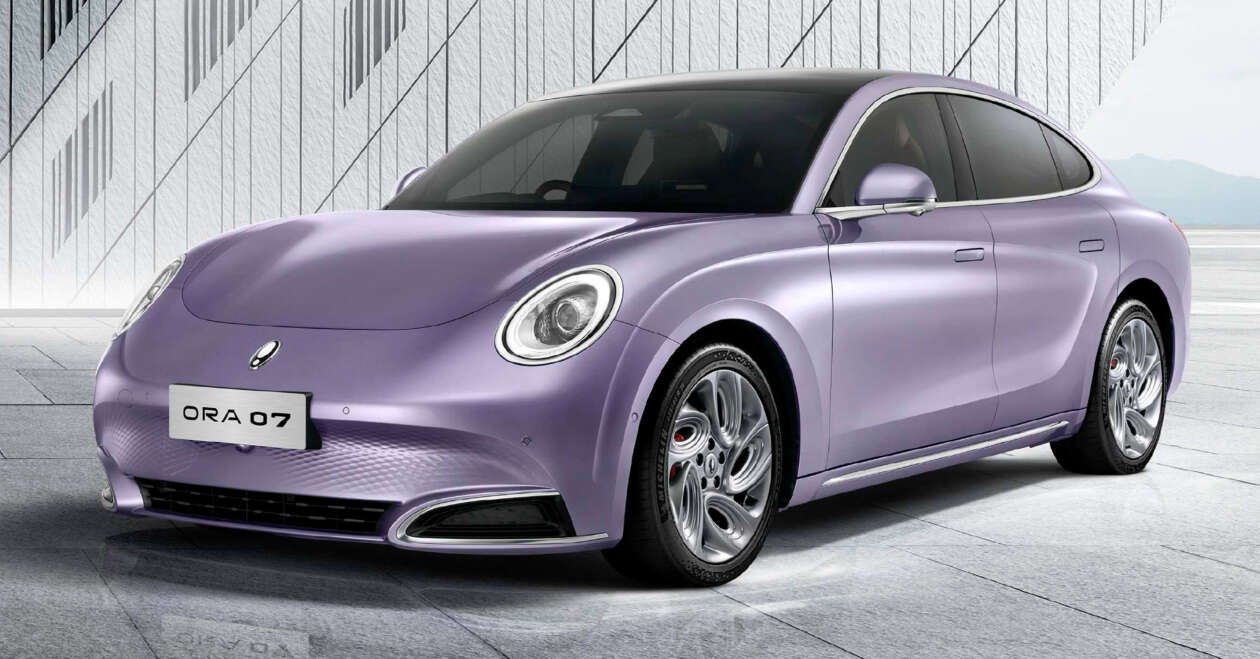
Great Wall Motor (GWM) is set to make a mark in the Malaysian automotive industry with the introduction of the ORA 07, a globally oriented new energy vehicle. Rooted in the principles of prioritising driving enjoyment and safety, the ORA 07 undergoes a comprehensive upgrade in overall vehicle safety performance, promising a safer and more intelligent driving environment.

The ORA 07 is positioned as a sleek and high-performance all-electric coupe that seamlessly combines outstanding aesthetics with hardcore capabilities. The Malaysian version of ORA 07 is expected to offer two configurations: a single electric motor variant with a range of 640km and a dual electric motor variant with four-wheel drive and a range of 550km, catering to diverse consumer preferences.

Featuring standard elements like an adaptive electric wing, frameless door design, and more, the ORA 07 aims to redefine the prowess of B-segment all-electric coupes, showcasing remarkable market competitiveness.

GWM Malaysia anticipates the arrival of the ORA 07 in the coming months, aiming to contribute to sustainable mobility solutions in Malaysia. The company is dedicated to providing Malaysian consumers with a broader range of product choices while contributing to sustainable green travel solutions in the country.

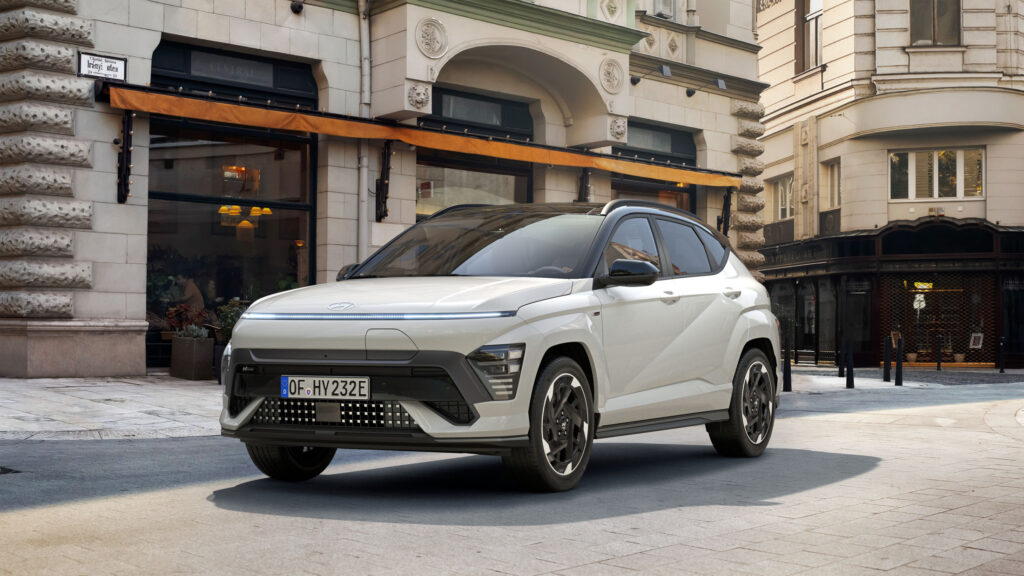
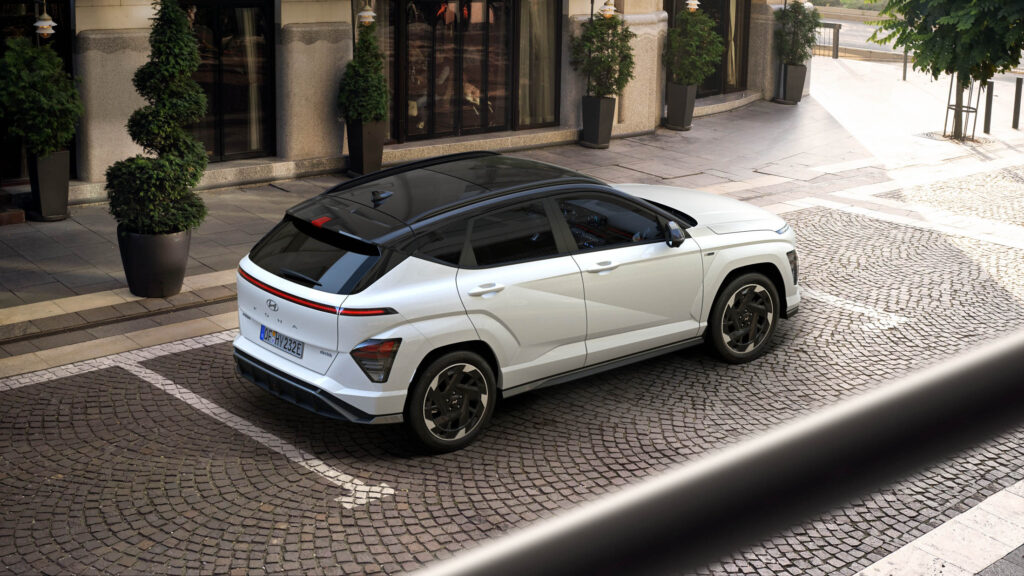
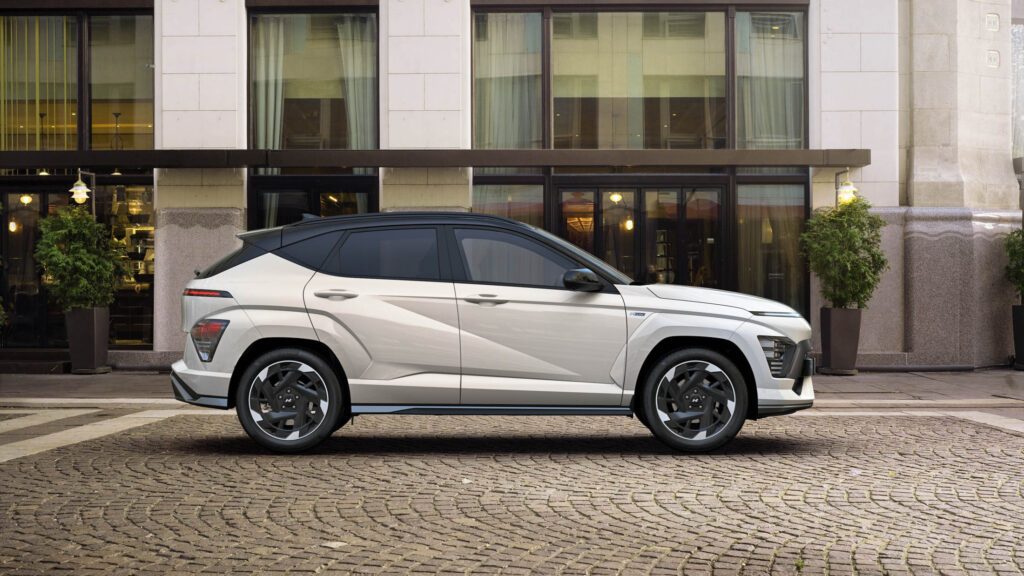
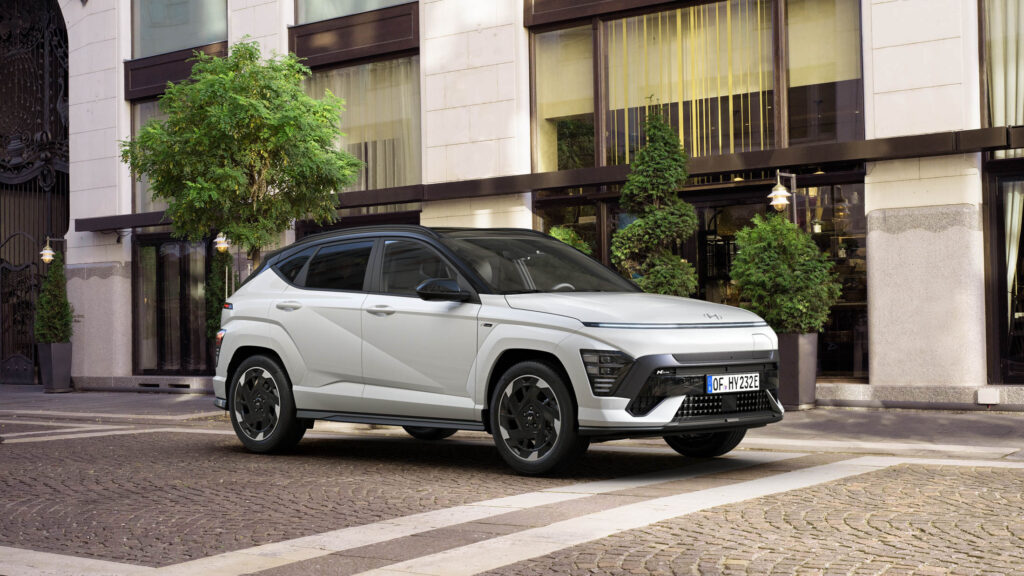
Hyundai is catering to the growing demand for electric vehicles (EVs) that blend performance styling with sustainability by extending its sporty N Line trim to the Kona Electric. This marks the first time Hyundai’s electric vehicle lineup incorporates the N Line treatment, offering customers a stylish and sporty option.

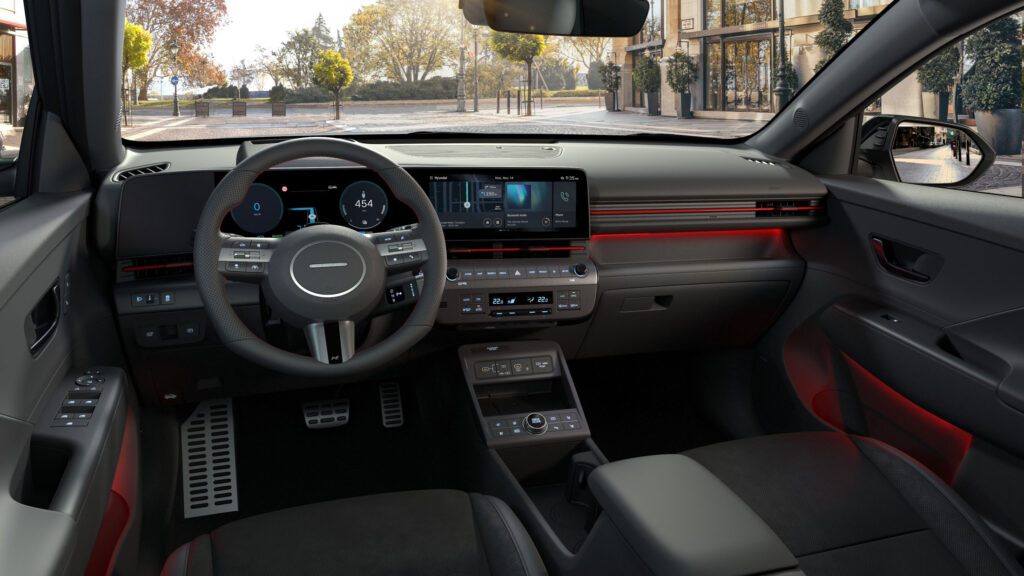
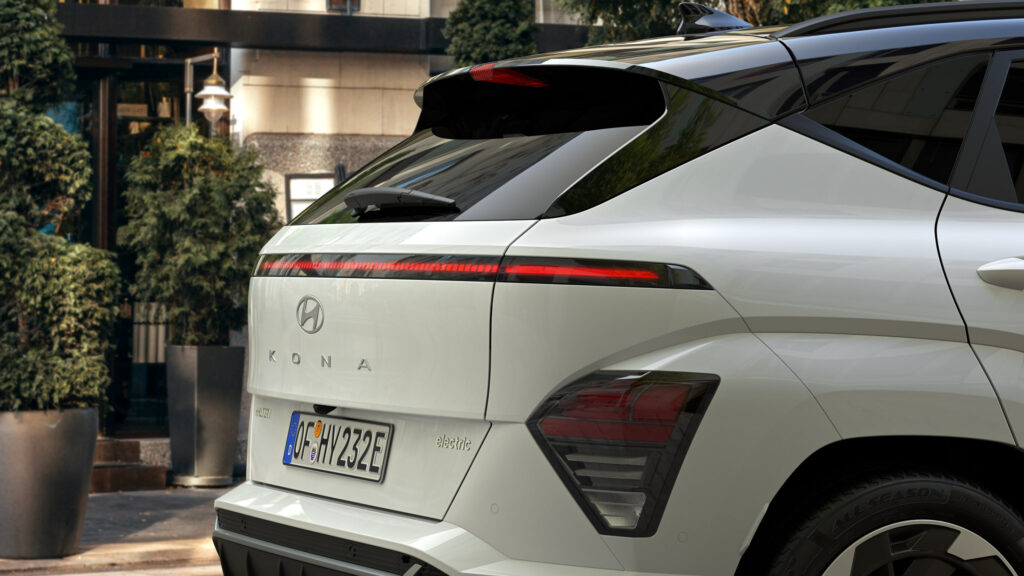
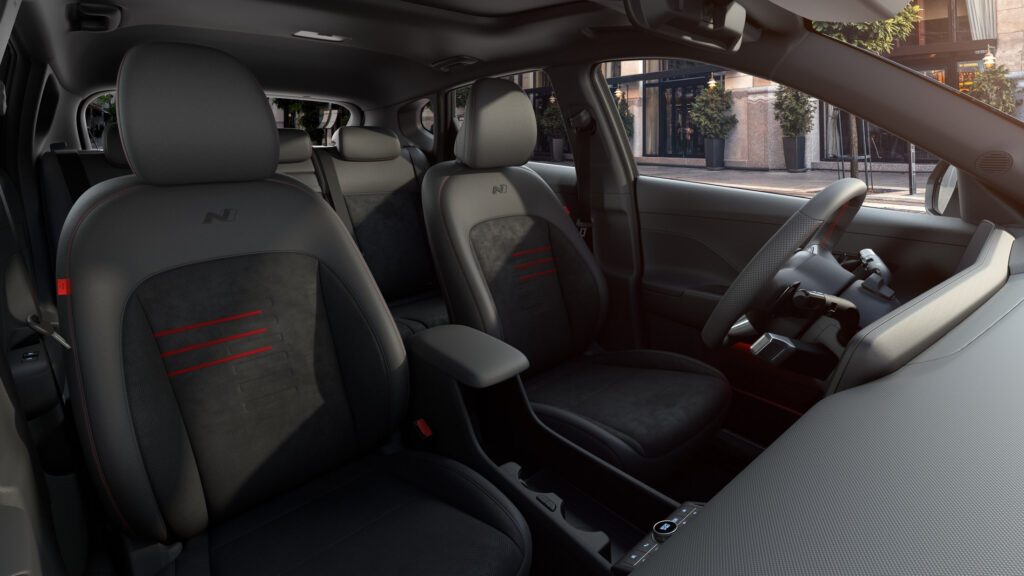
The N Line trim on the Kona Electric focuses on enhancing the vehicle’s appearance, featuring more aggressive front and rear bumpers, gloss black mirror caps, 19-inch special wheels, and an optional two-tone black roof, an exclusive feature not available on other models. The interior receives N Line touches such as a dedicated steering wheel, metal pedals, black headliner, and sports seats.

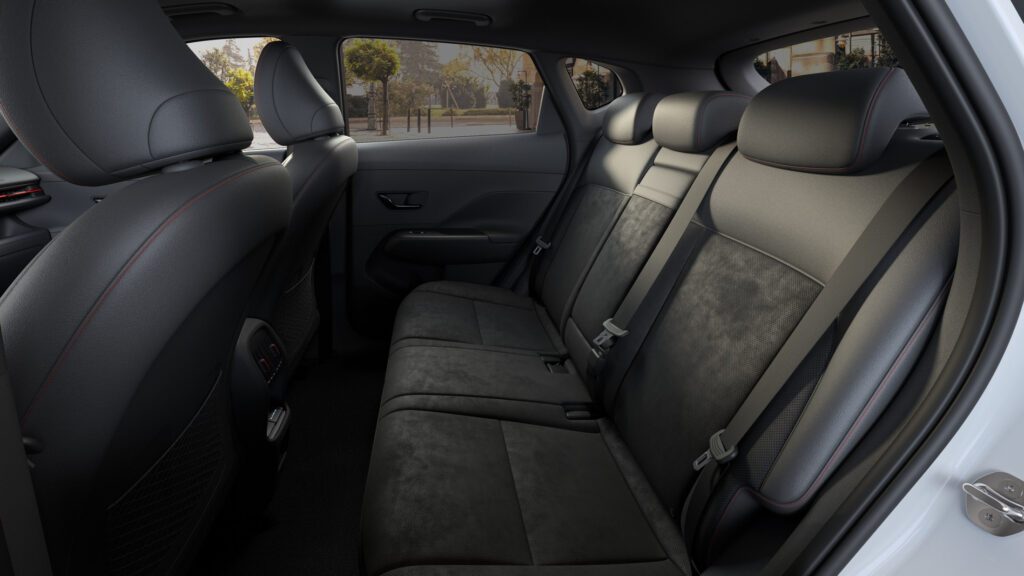
The upholstery of the sports seats varies based on the model chosen in the UK market. The base N Line model, priced at £40,395 (RM242,219), offers cloth seats, while the N Line S, priced at £43,095 (RM258,406), provides an Eco Alcantara and leather combination. Both options include red contrast stitching, heated seats in the front and rear, with the N Line S adding ventilation, electric adjustment, dual-zone climate control with rear air vents, a Bose sound system, a full-width DRL light bar, and additional safety features.

Under the hood, both the N Line and N Line S models share the same electric powertrain, featuring a 65 kWh battery and a single 215hp electric motor driving the front wheels. The Kona Electric achieves a 0-100km/h time of 7.8 seconds. Customers also have the option to choose lesser Kona models with a 154hp electric motor and a smaller 48.4 kWh battery.

Hyundai’s decision to introduce the N Line trim to the Kona Electric aligns with the shift in consumer preferences, where electric vehicles are expected to offer both performance and aesthetic appeal similar to traditional combustion counterparts. The move reflects Hyundai’s commitment to providing a diverse and attractive range of electric vehicles for the market.

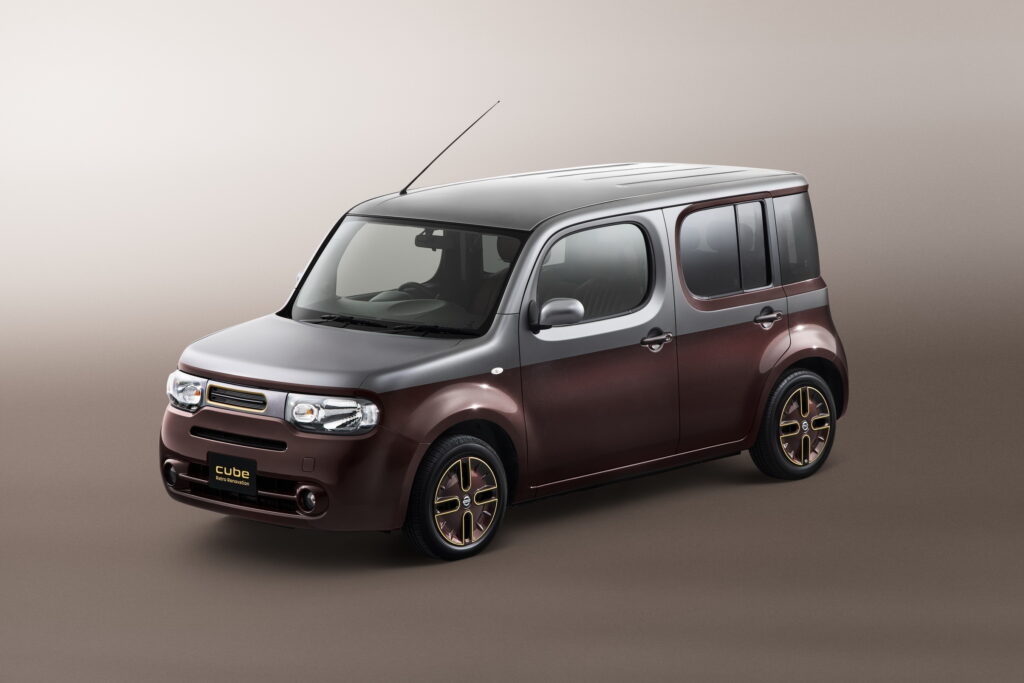
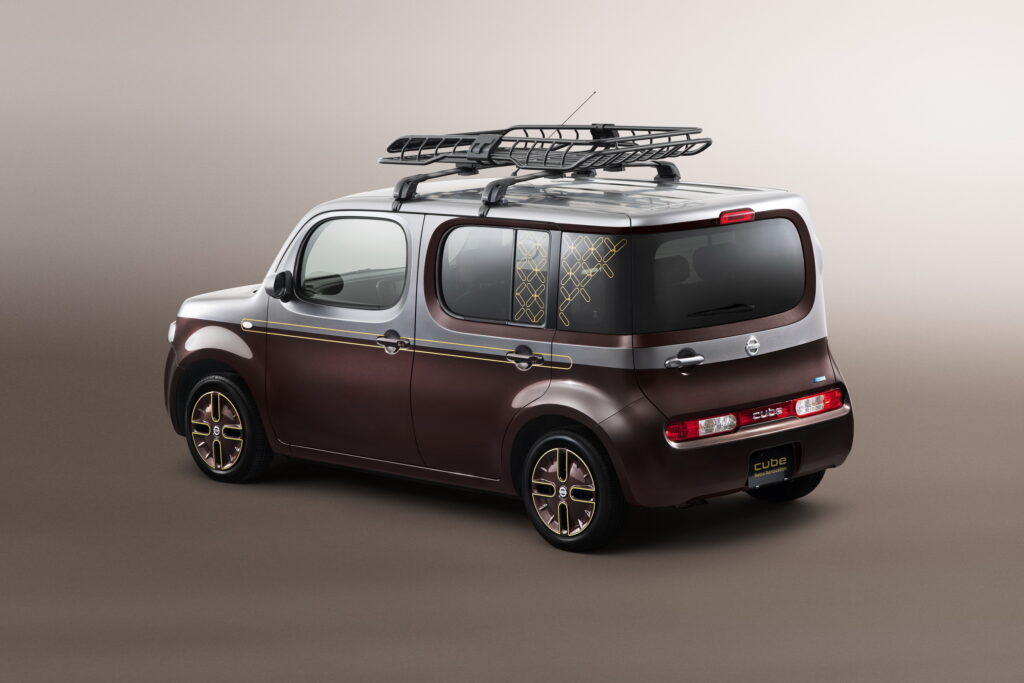
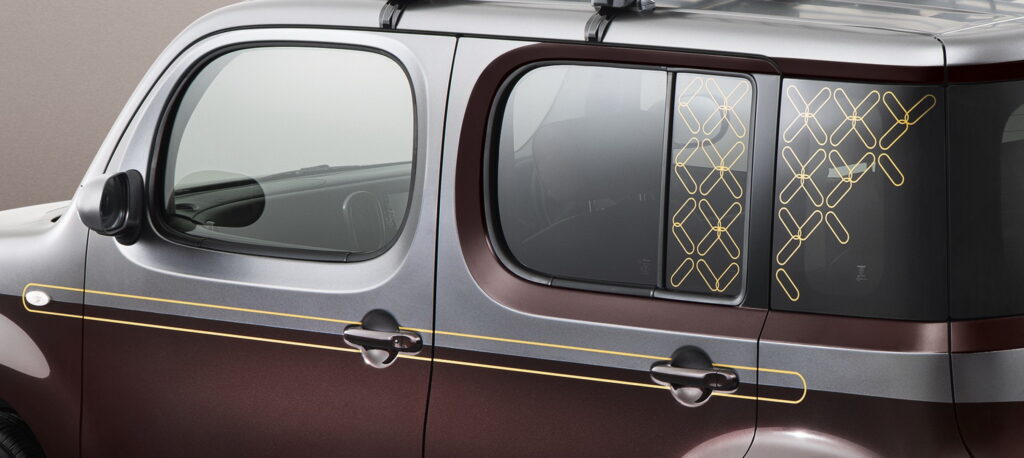
In a unique and innovative move, Nissan, in collaboration with Nara Nissan Motor Co., has introduced the Cube Retro Renovation program for certified pre-owned vehicles in Japan. This program allows customers to purchase a certified pre-owned Nissan Cube that undergoes a customisation process, replacing worn parts with new ones to achieve a refreshed and personalised appearance.

The Nissan Cube, known for its distinctive tall and boxy design, enjoyed popularity in Japan from 1998 to 2019. The Cube Retro Renovation program aims to bring new life to these certified pre-owned vehicles by addressing visual wear and tear.

The concept for the Cube Retro Renovation program was initially proposed at the Tokyo Auto Salon and received positive feedback from consumers, leading Nissan to implement it as a trial run. The program is set to launch with 20 customised Nissan Cube vehicles available for purchase starting January 22.

(more…)

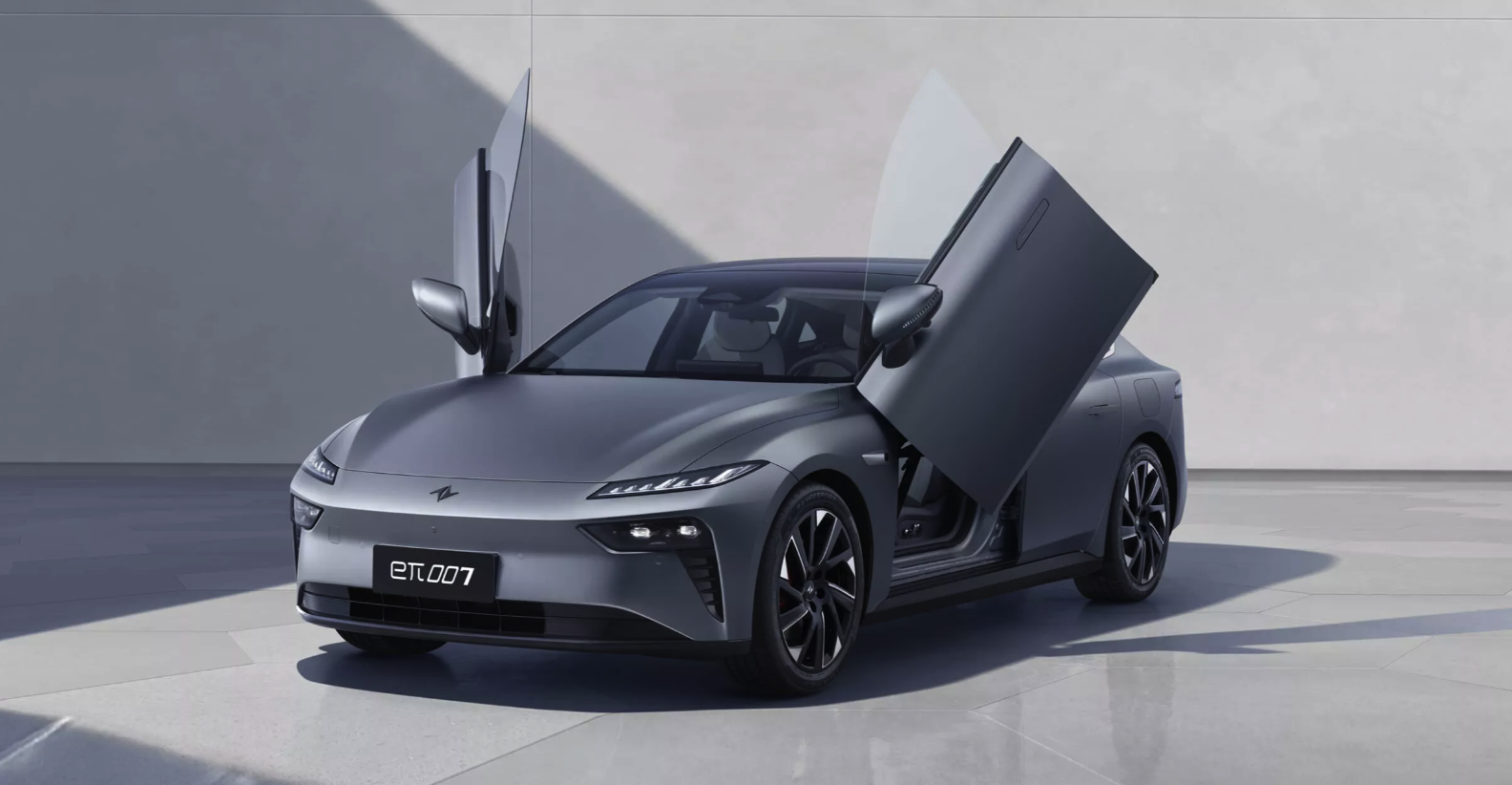
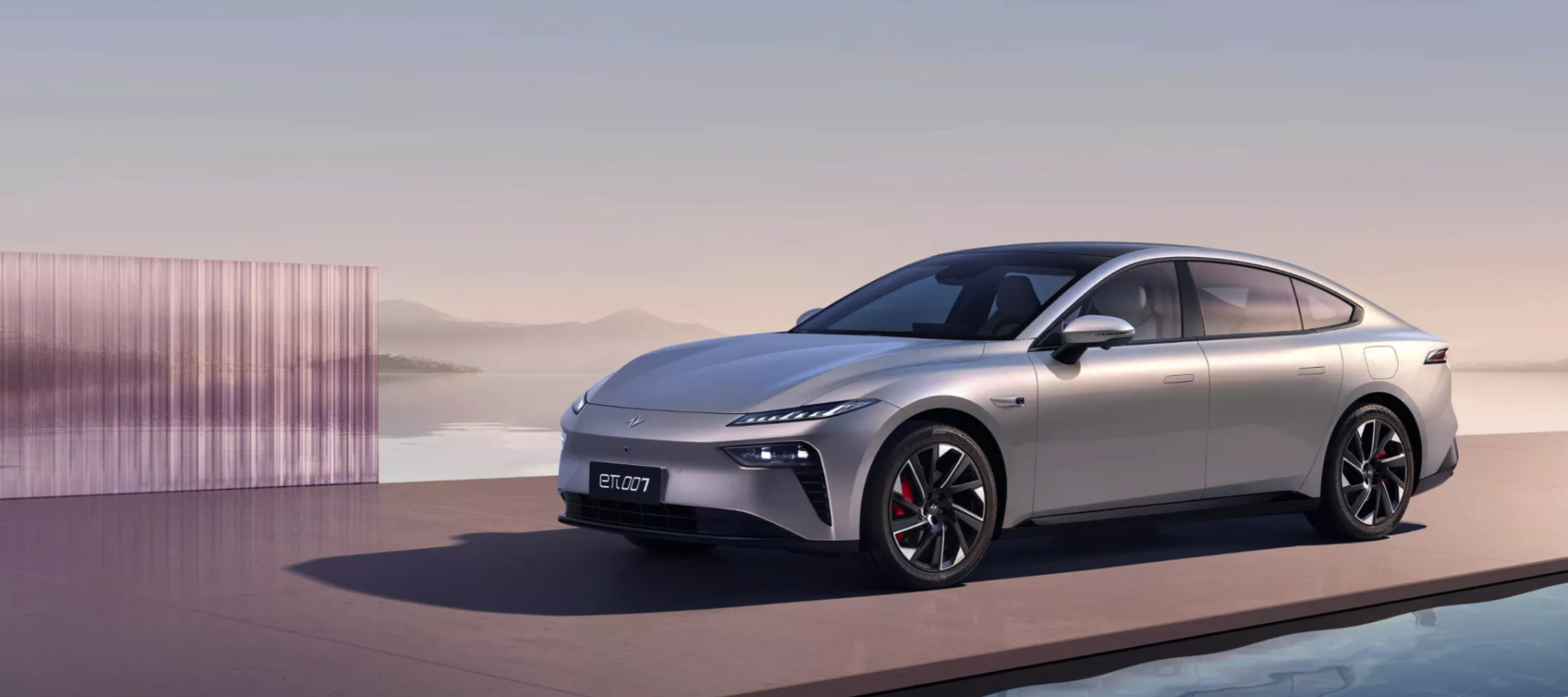
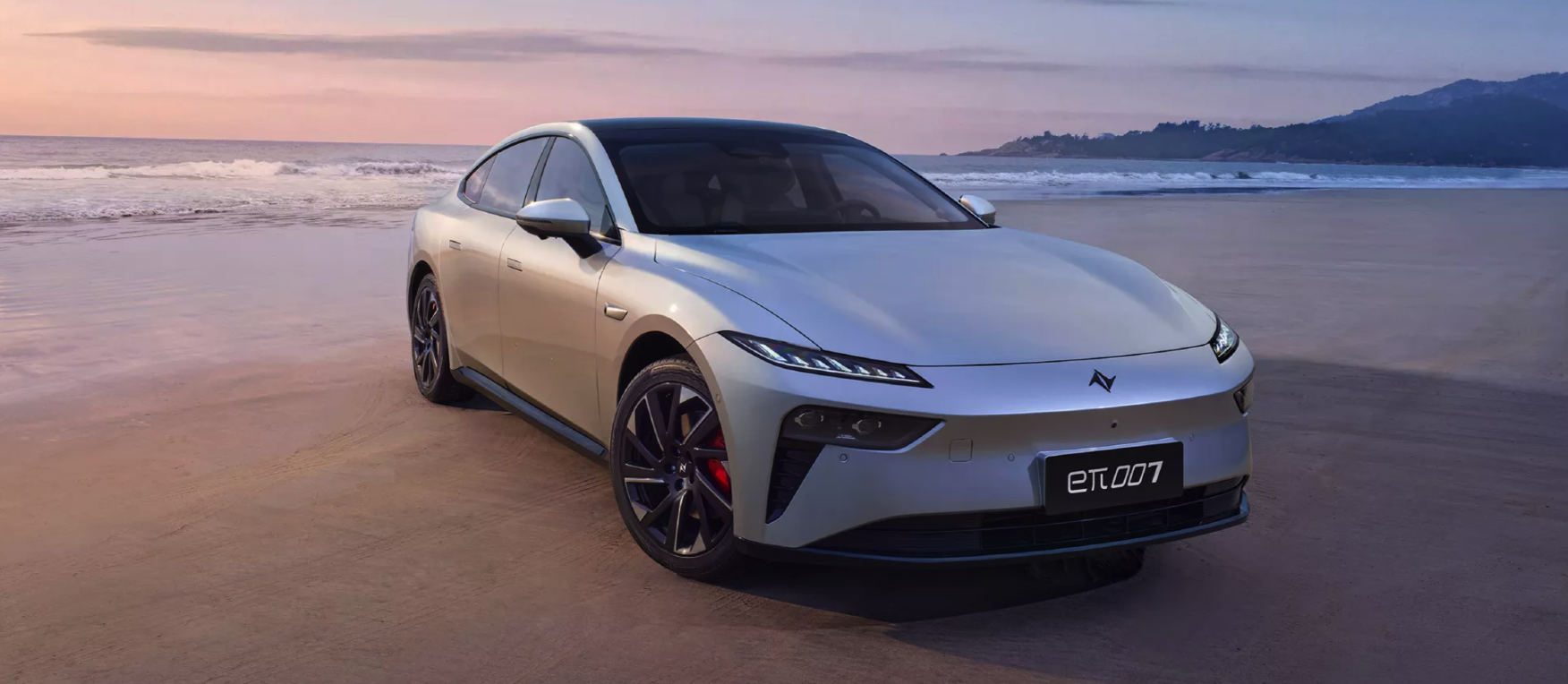
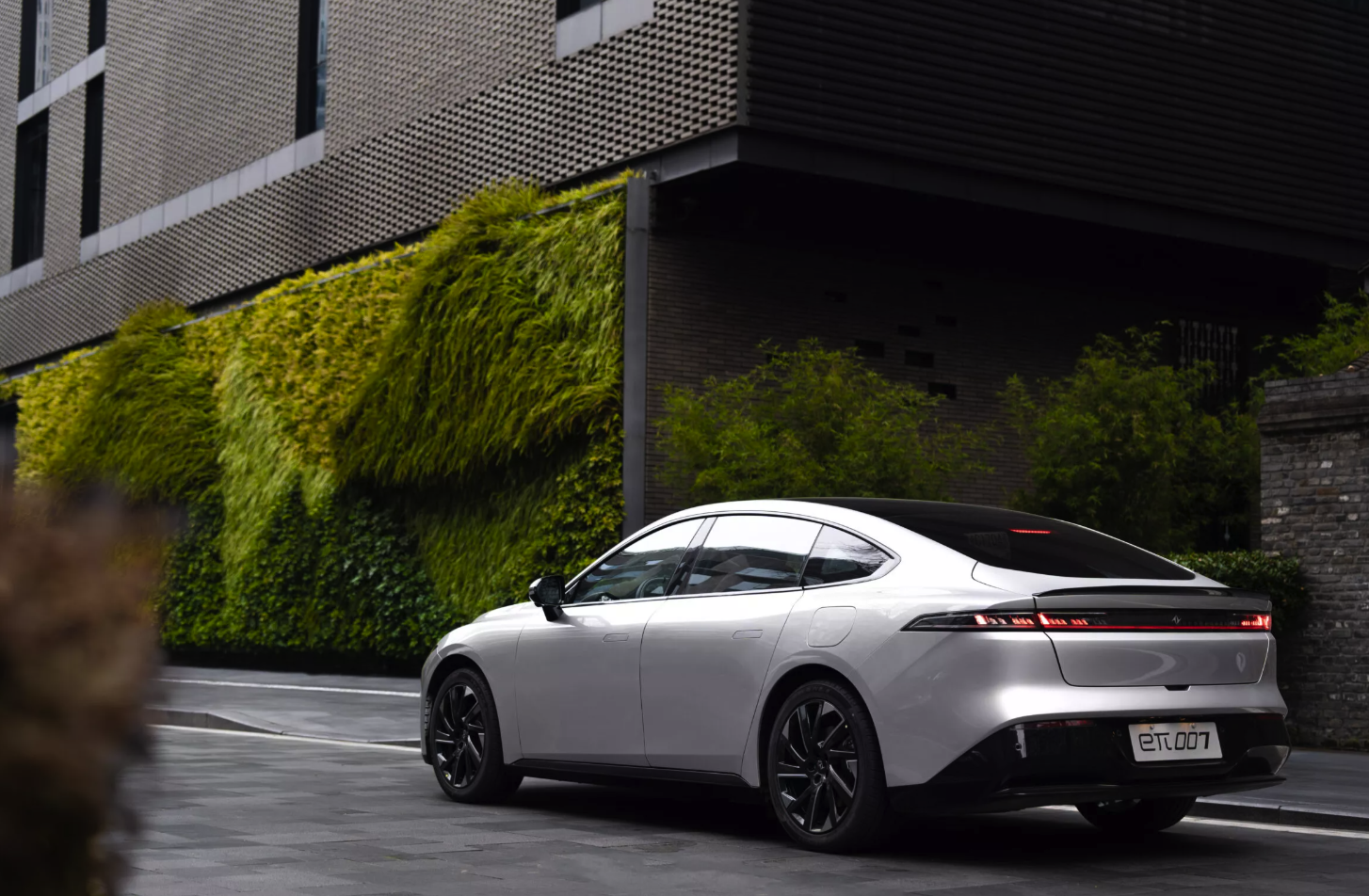
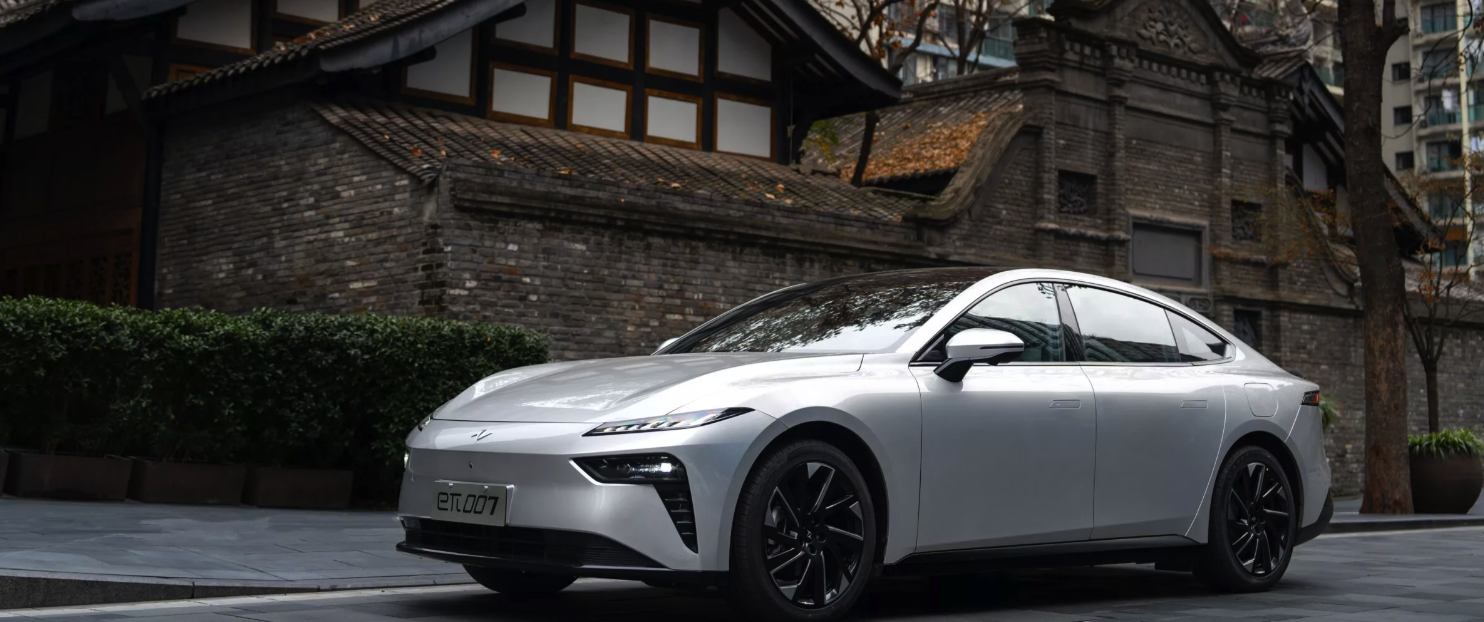
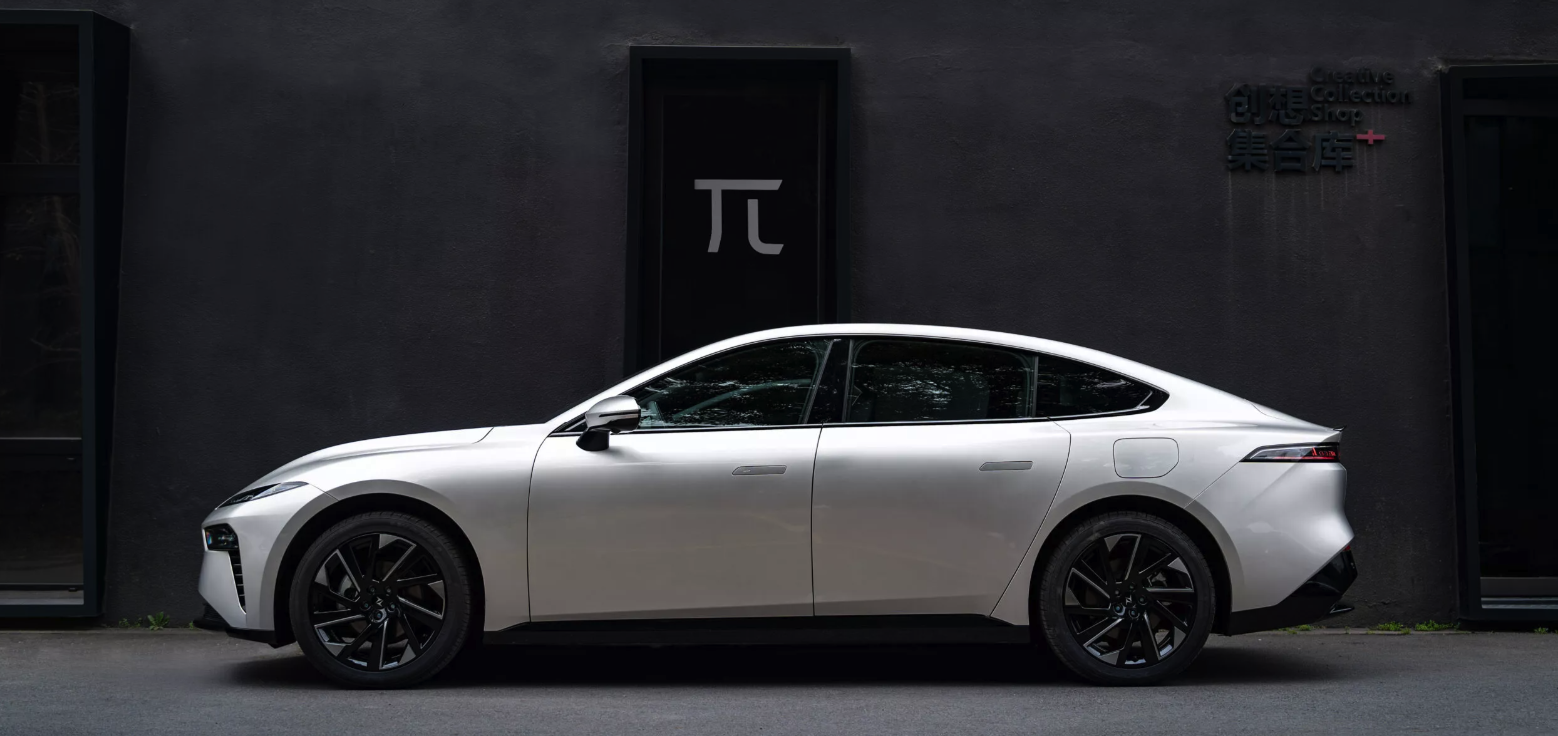
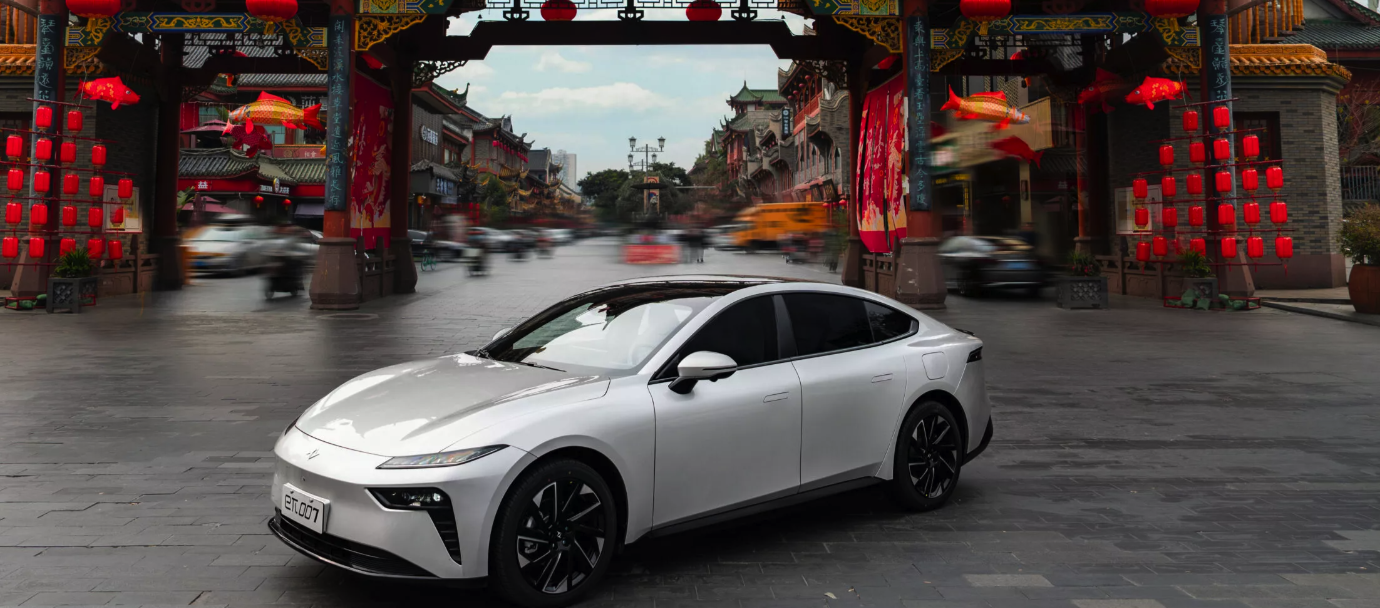
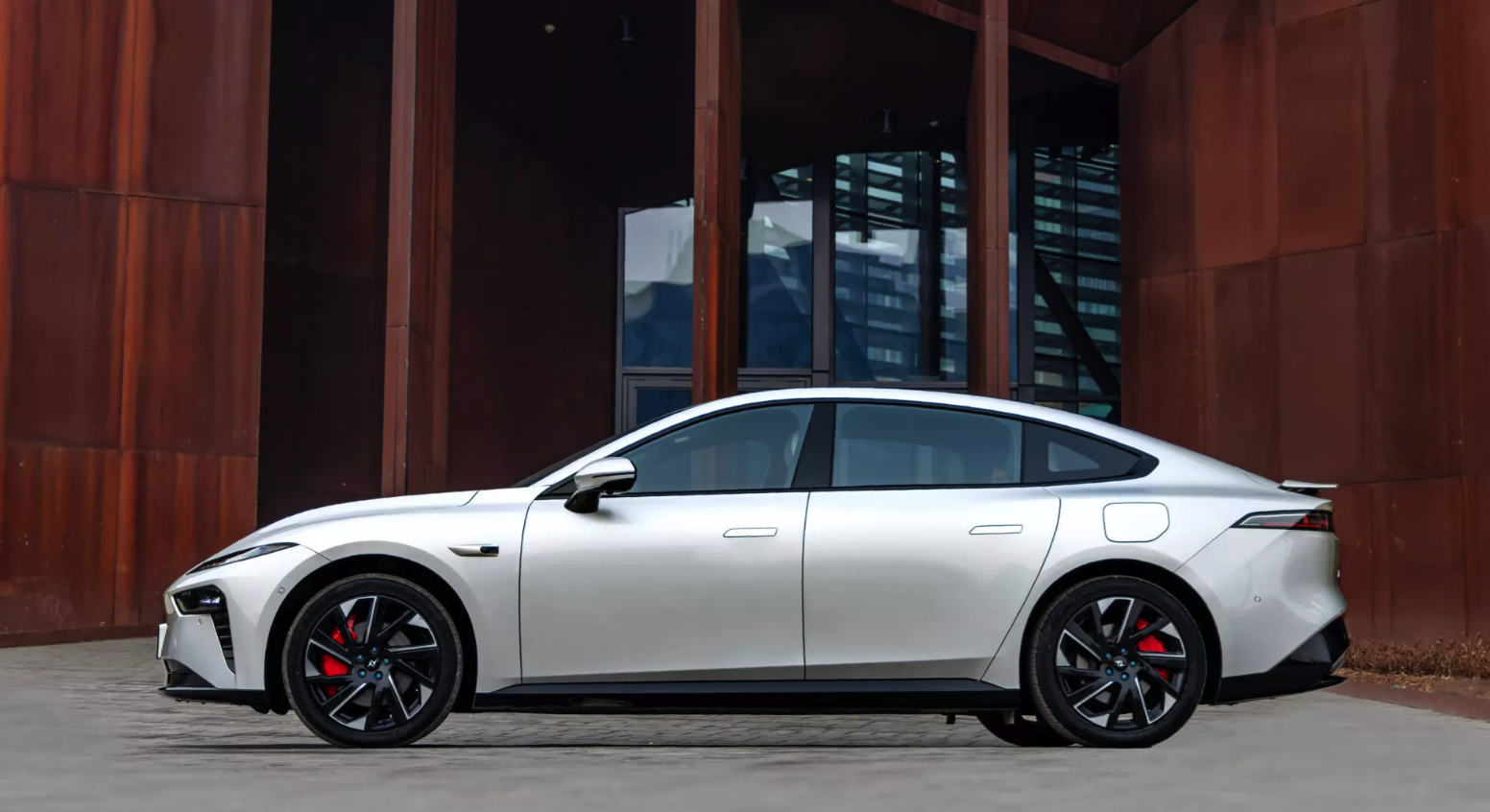
Dongfeng, a prominent player in the Chinese automotive industry, has officially opened orders for its latest electric vehicle, the eπ 007. Priced at an attractive 159,000 yuan (RM104,392), the eπ 007 promises to be a cost-effective option for Chinese consumers. Early buyers can also benefit from a special subsidy of 10,000 yuan (RM6,559) that can be applied towards customisations, optional extras, accessories, or packages.
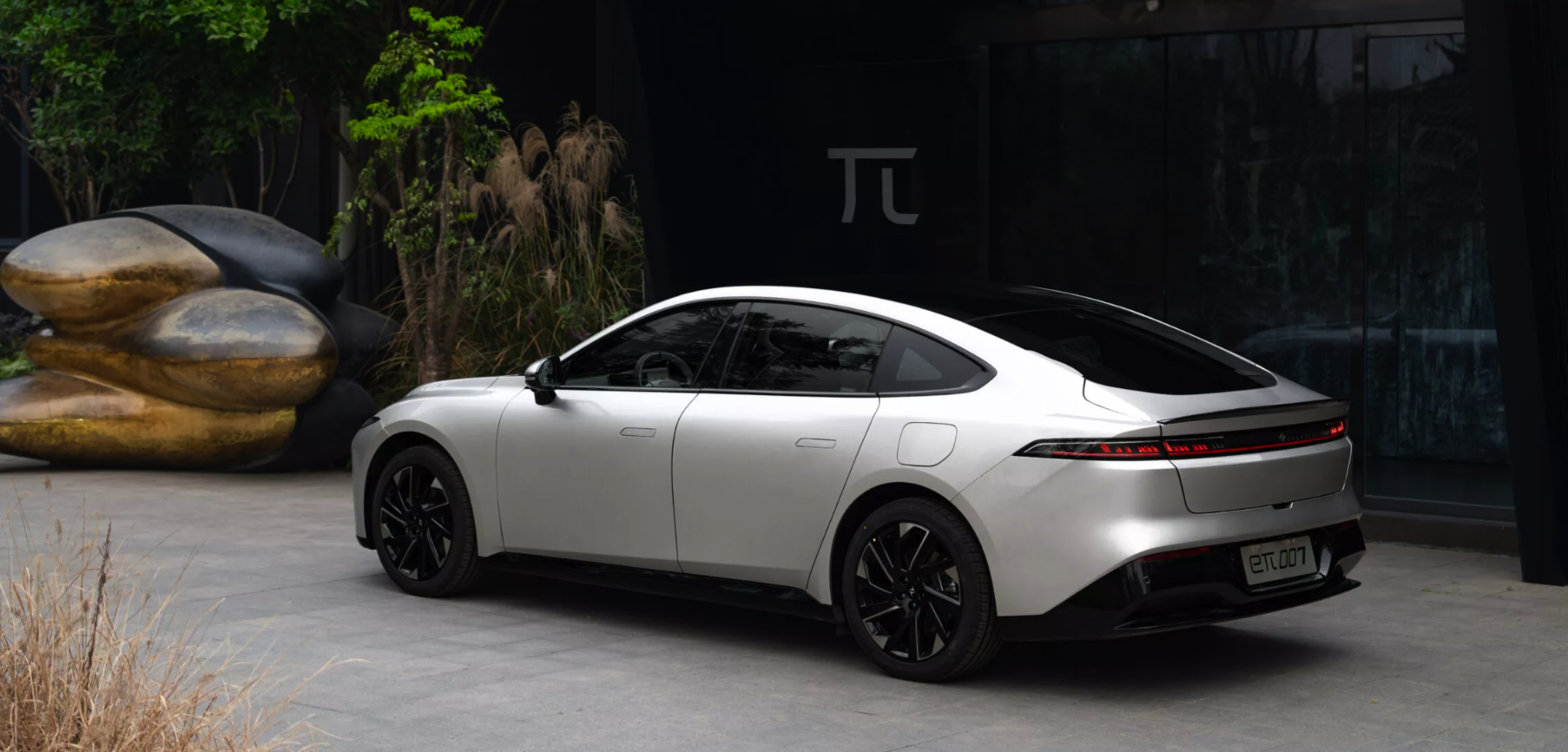
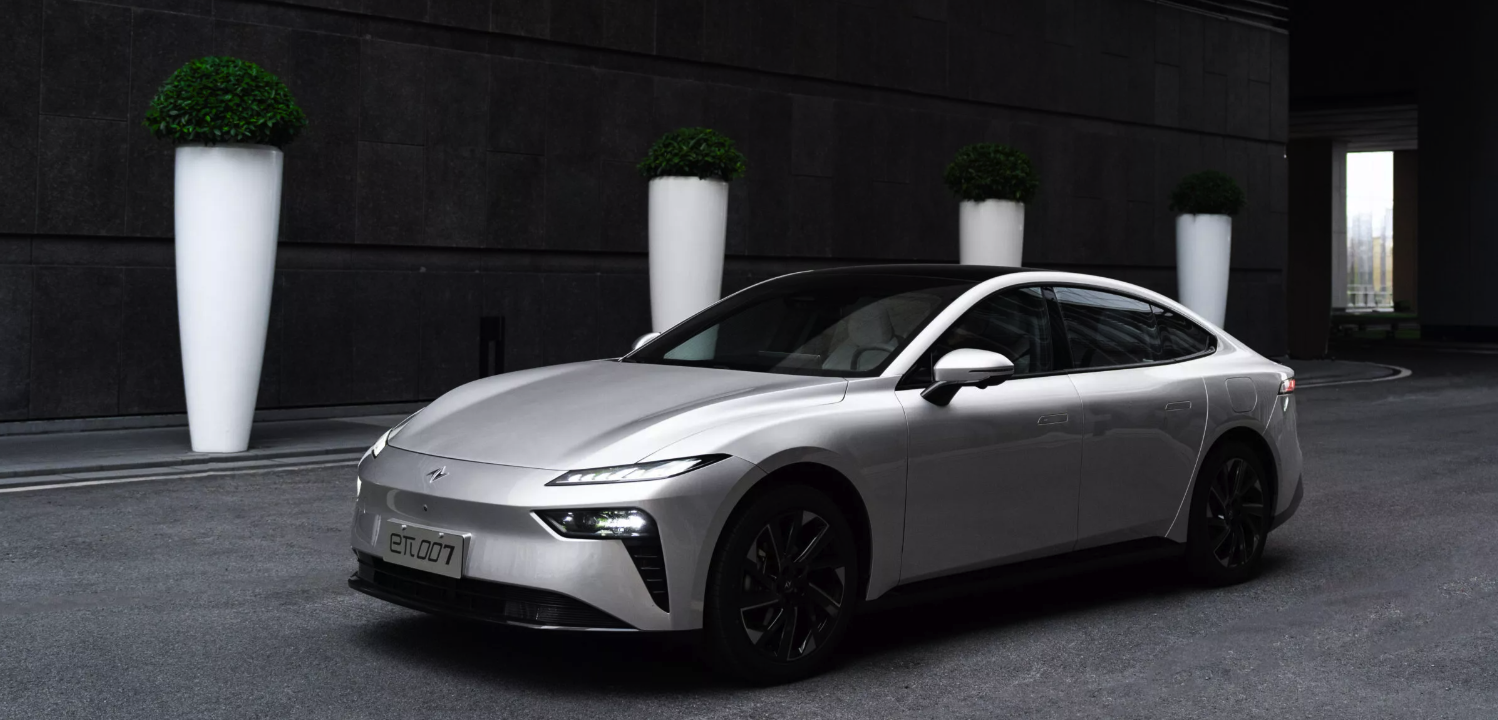
The eπ 007 is a four-door electric fastback featuring a modern and aerodynamic design with a low drag coefficient of only 0.209 Cd. Boasting a length of 4,880mm, a width of 1,895mm, and a wheelbase of 2,915mm, slightly bigger than the Tesla Model 3 facelift, the EV showcases a sleek and stylish exterior.
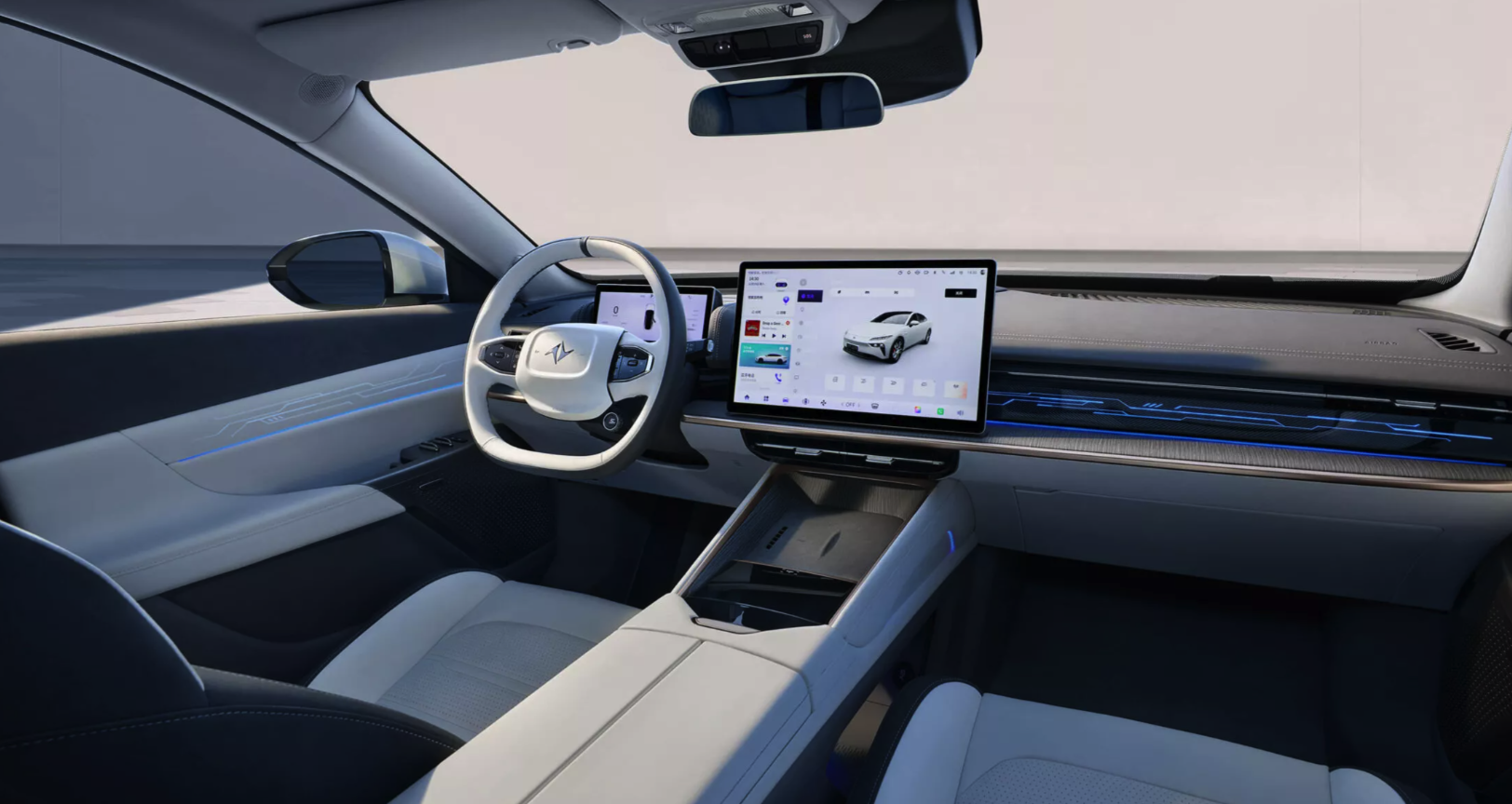
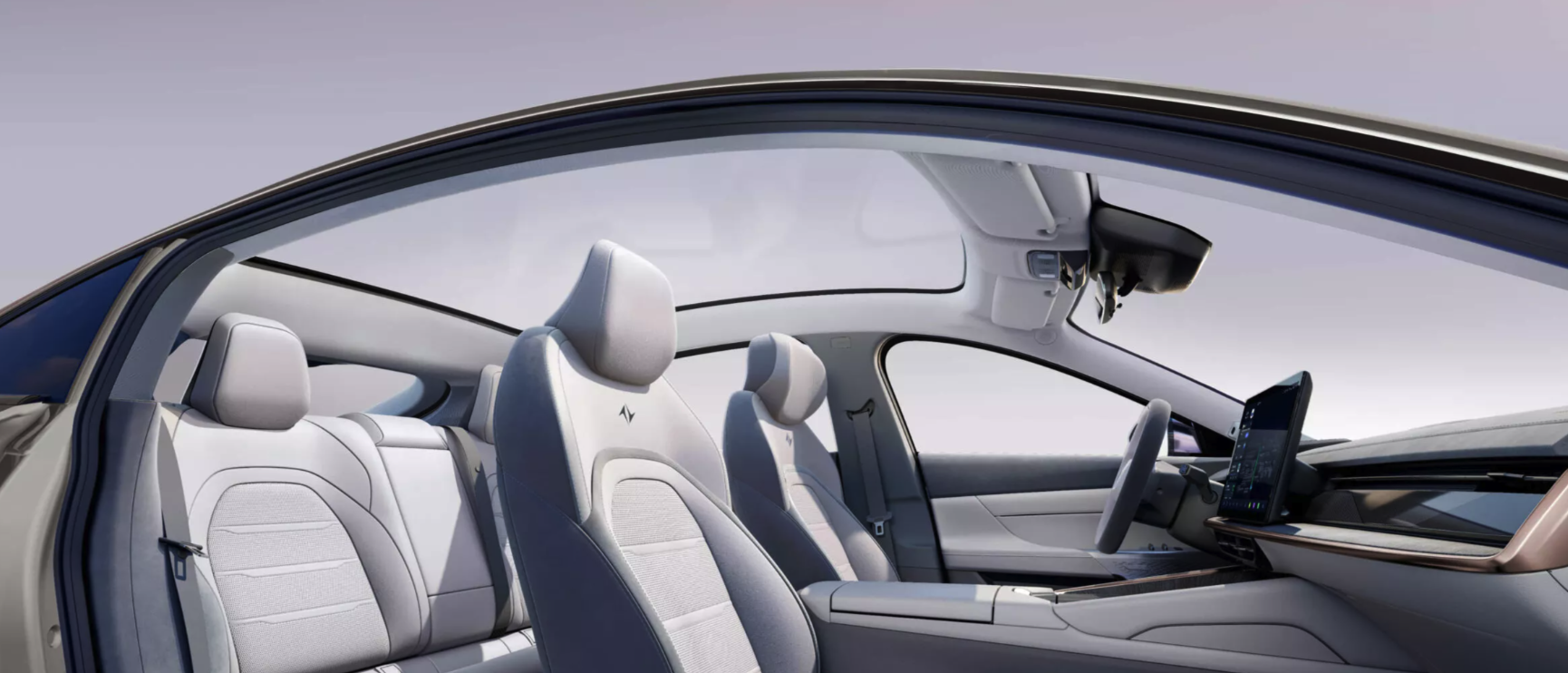
Despite its affordable price point, the interior of the eπ 007 is well-appointed. A 15.6-inch infotainment display takes centre stage on the dashboard, complemented by an 8.8-inch driving cluster that can be conveniently flipped around. The car comes equipped with luxurious features such as front 8-point massage seats, a 64-colour ambient lighting system, a premium sound setup with 20 speakers, wireless charging, and facial recognition for door unlocking.
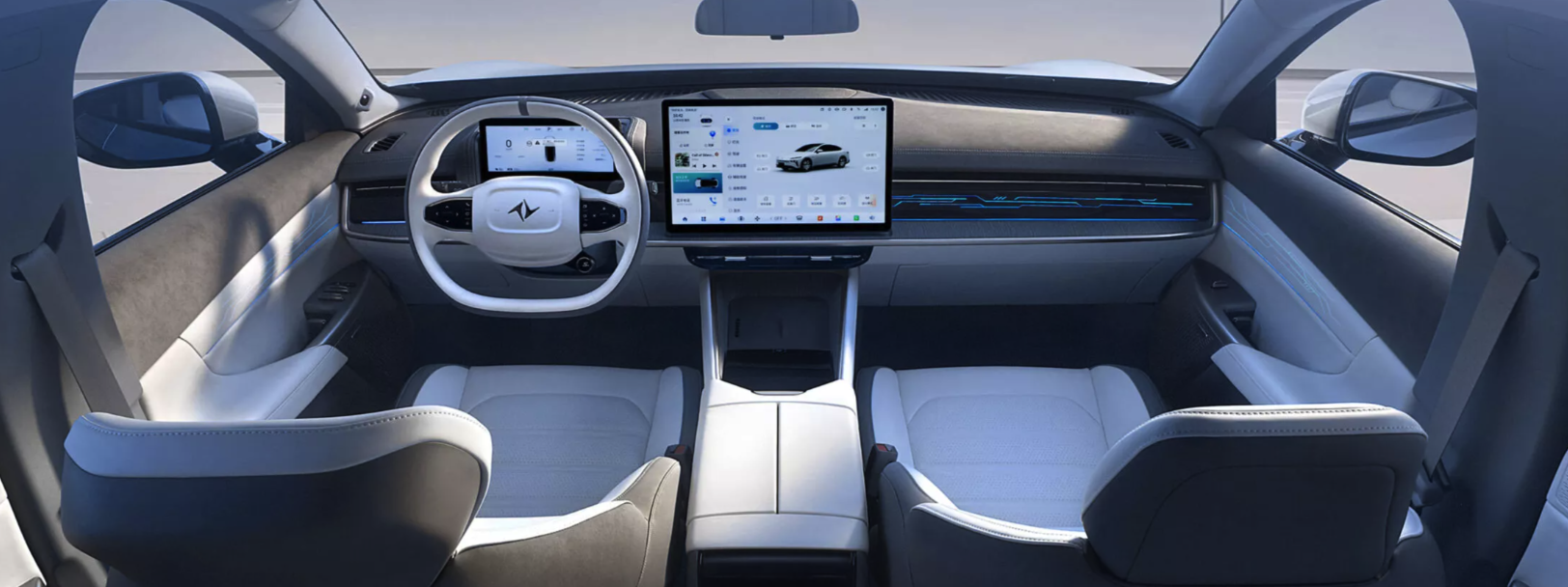
The eπ 007 is available in both battery-electric and range-extended electric variants, catering to different consumer needs. The base 53-Pro BEV model, priced attractively at 159,000 yuan (RM104,392), features a 56.83 kWh battery pack and a rear electric motor with 215hp and 310Nm of torque. With a driving range of up to 530km on a single charge, the 53-Pro BEV accelerates from 0 to 100km/h in just 6.8 seconds.
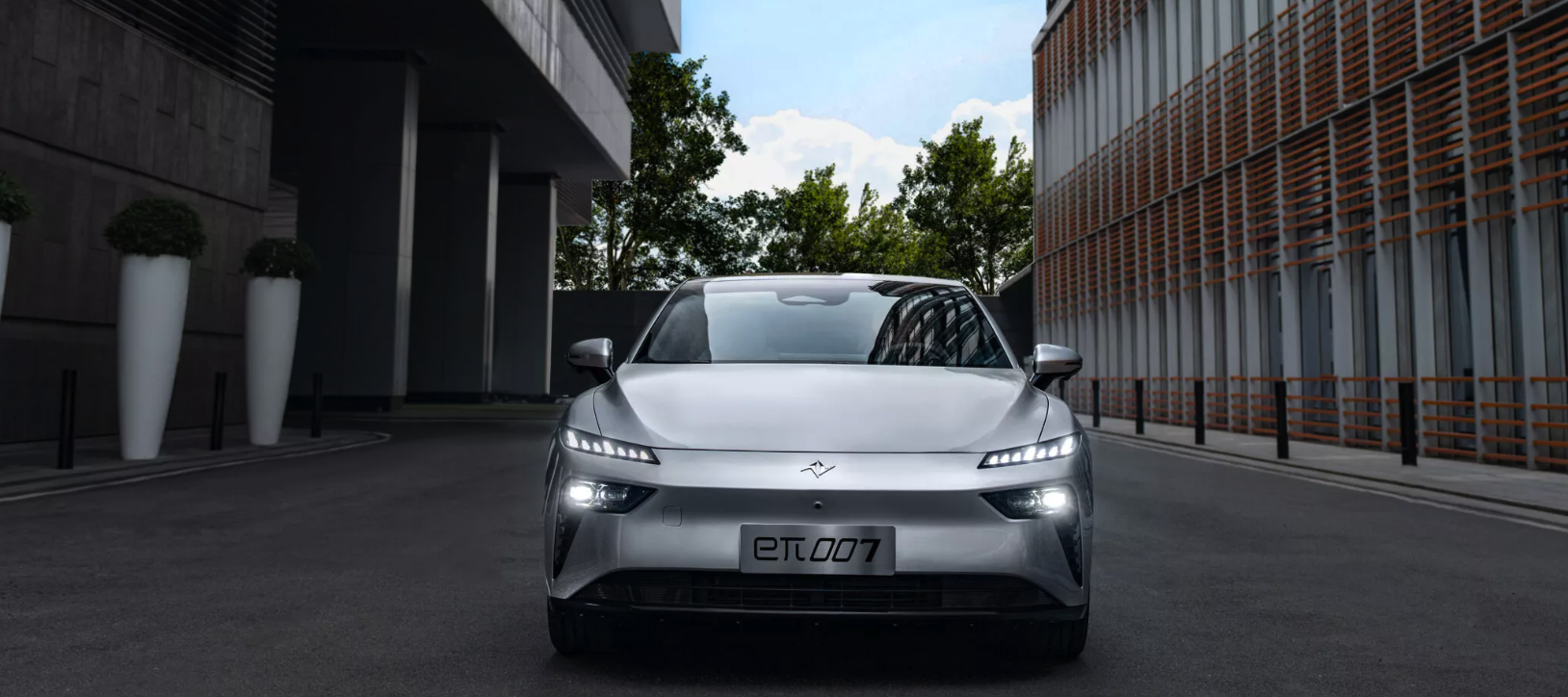
For those seeking more power and range, the mid-range 620Pro variant is equipped with a larger 70.26 kWh battery pack, a 268hp rear electric motor, and a torque of 320Nm. Accelerating from 0 to 100km/h in 5.8 seconds, this variant offers an extended range of up to 620km on a single charge.
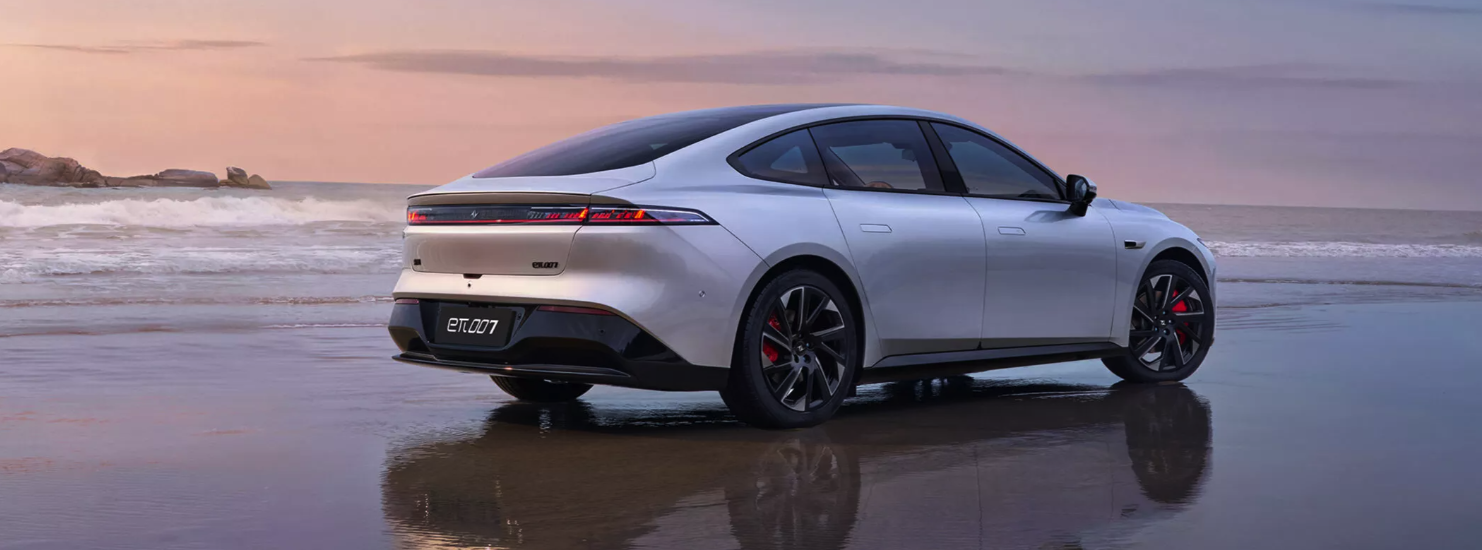
At the top of the range is the performance-focused 540 Max version, boasting the same 70.26 kWh battery pack but with two electric motors delivering a combined 536horsepower and 640Nm of torque. This high-performance variant accelerates from 0 to 100km/h in just 3.9 seconds and can cover a distance of 540km on a single charge.
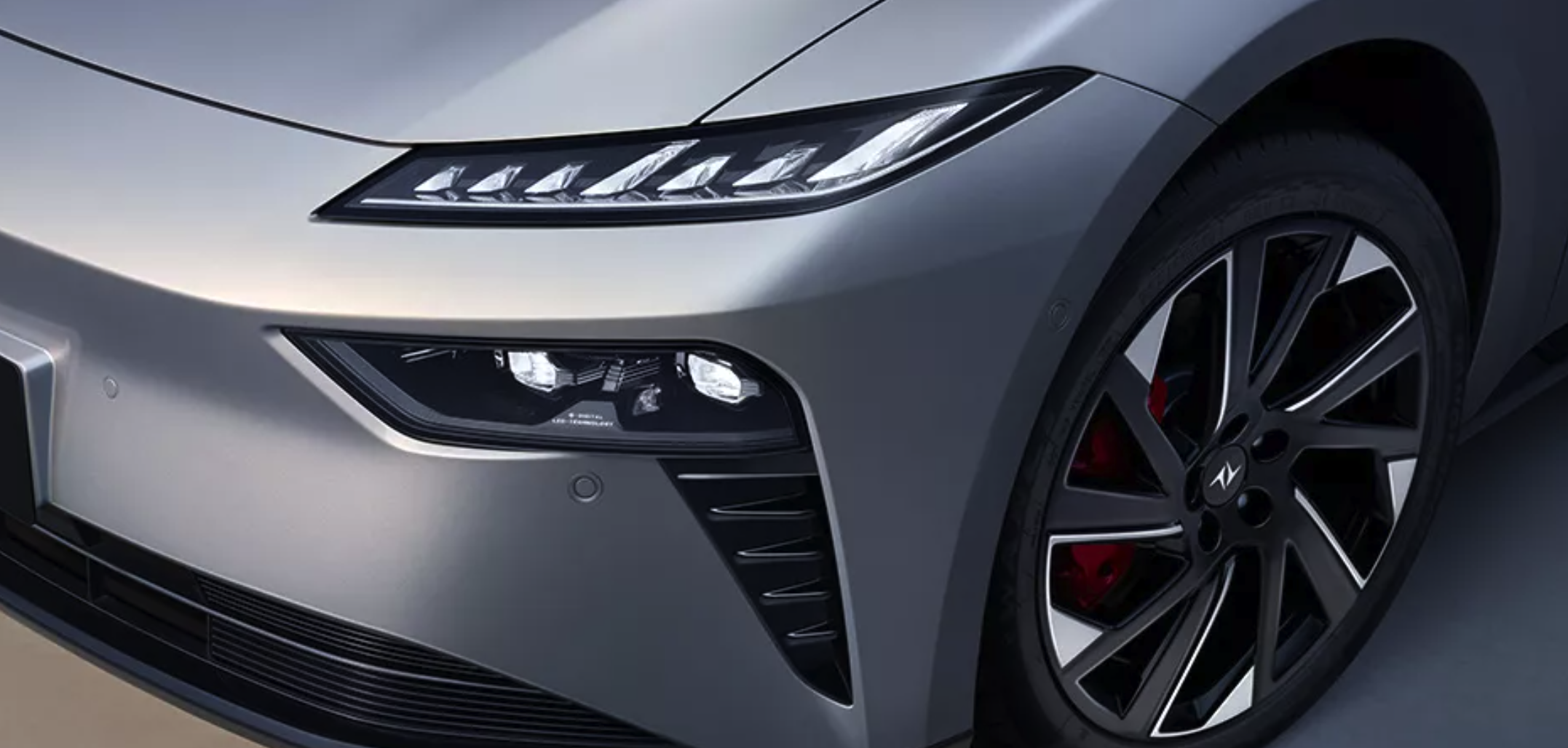
Dongfeng also offers a range-extended version called the 200Pro, incorporating a 1.5-litre engine, a 28.39 kWh battery, and utilising the same rear electric motor as the base model. The 200Pro can travel up to 200km solely on electric power or an impressive 1,200km with the 1.5-litre engine serving as a range extender.
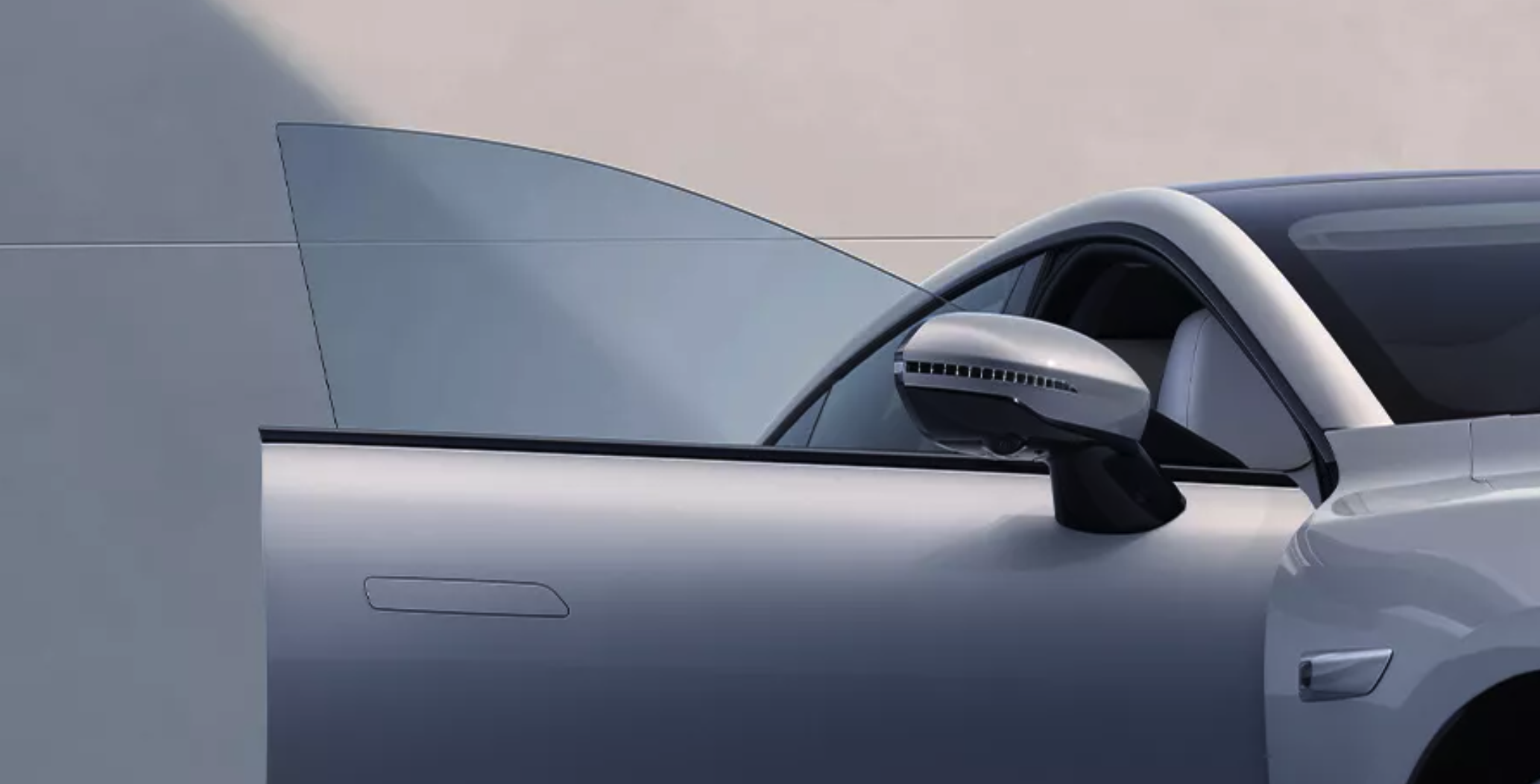
Noteworthy is the eπ 007’s comprehensive array of 38 sensors, enabling advanced features such as memory parking, remote control parking, and an advanced driving assistance system.
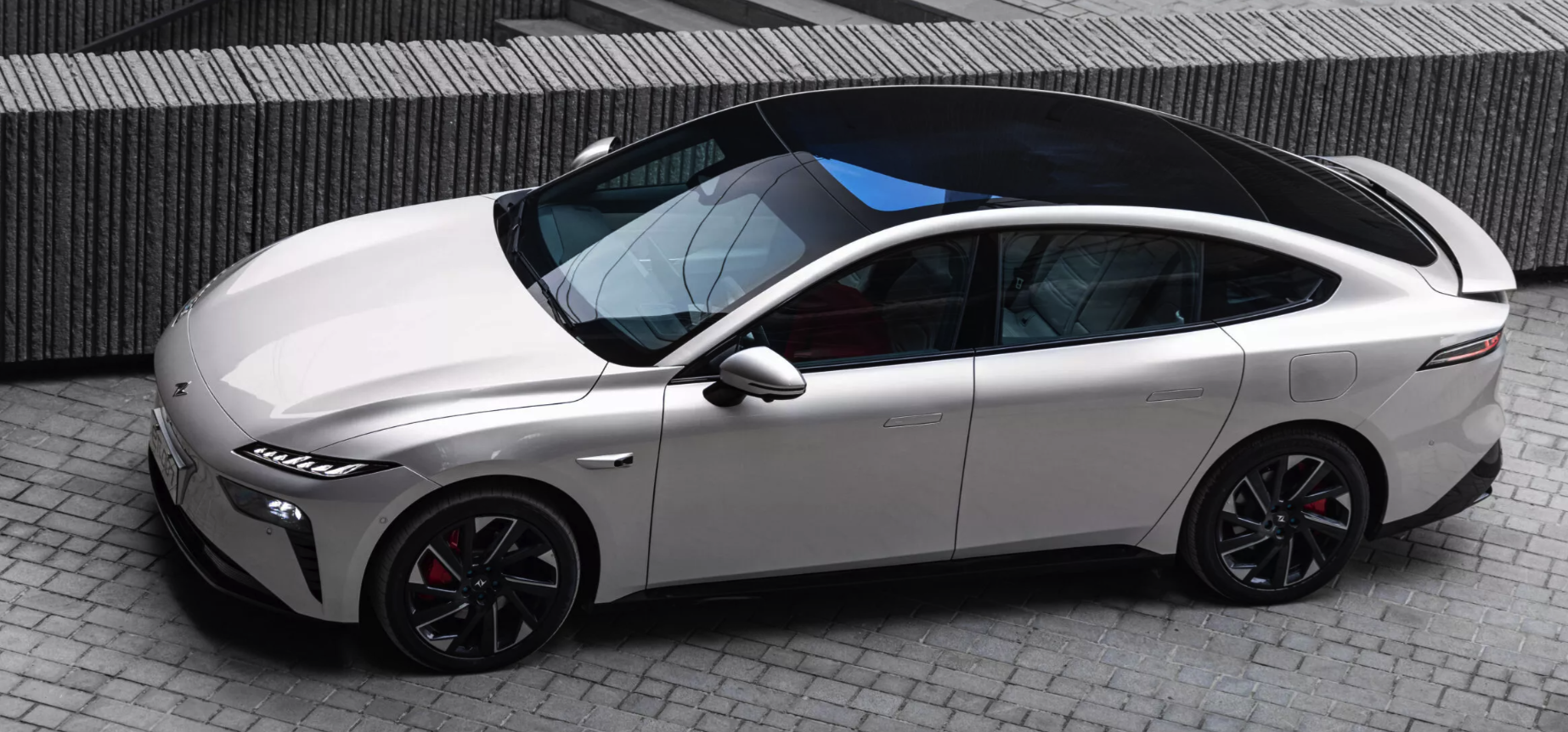
With the eπ 007, Dongfeng aims to make a mark in the competitive Chinese electric vehicle market by offering an affordable, stylish, and feature-rich option for consumers.

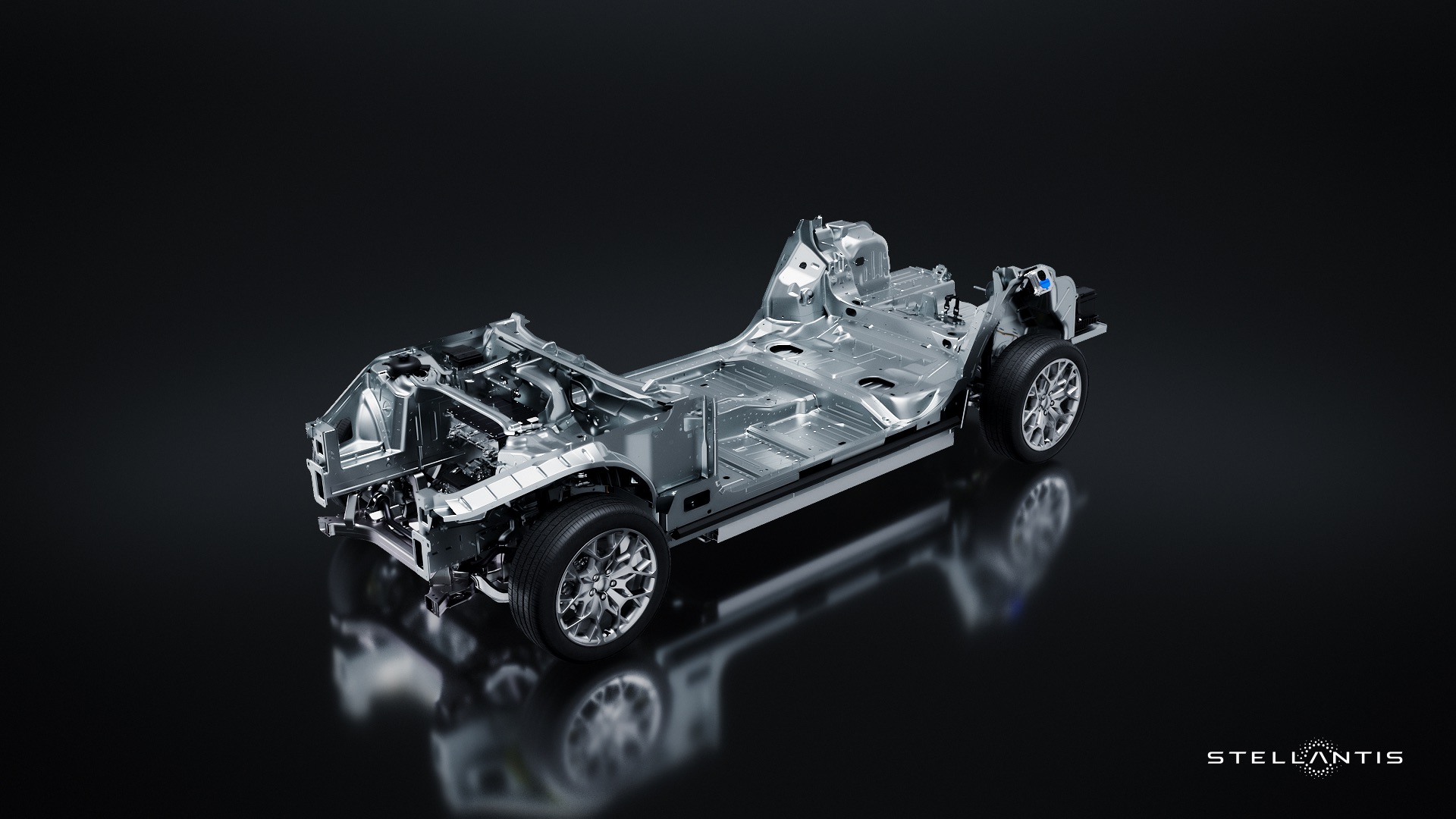
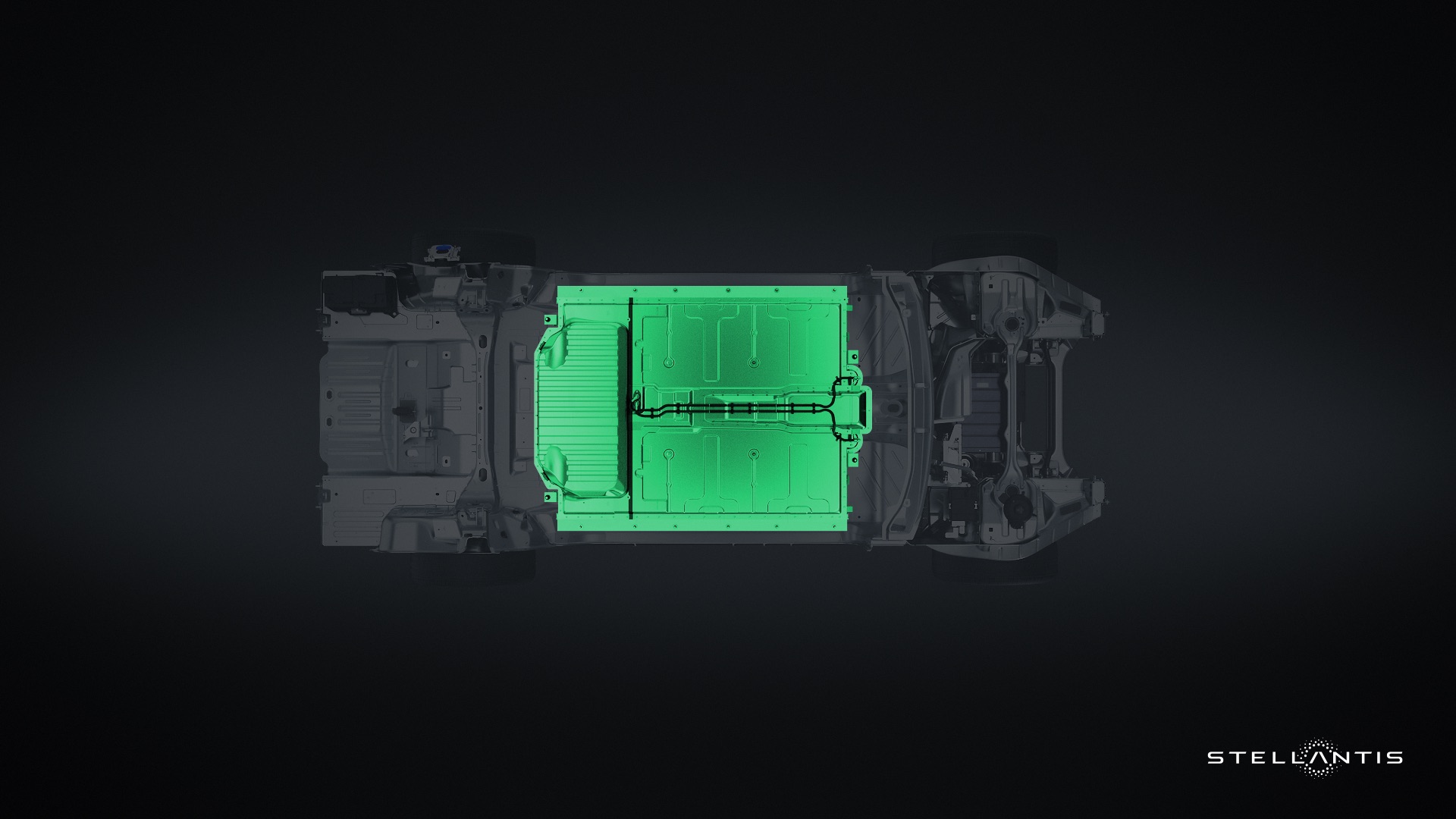
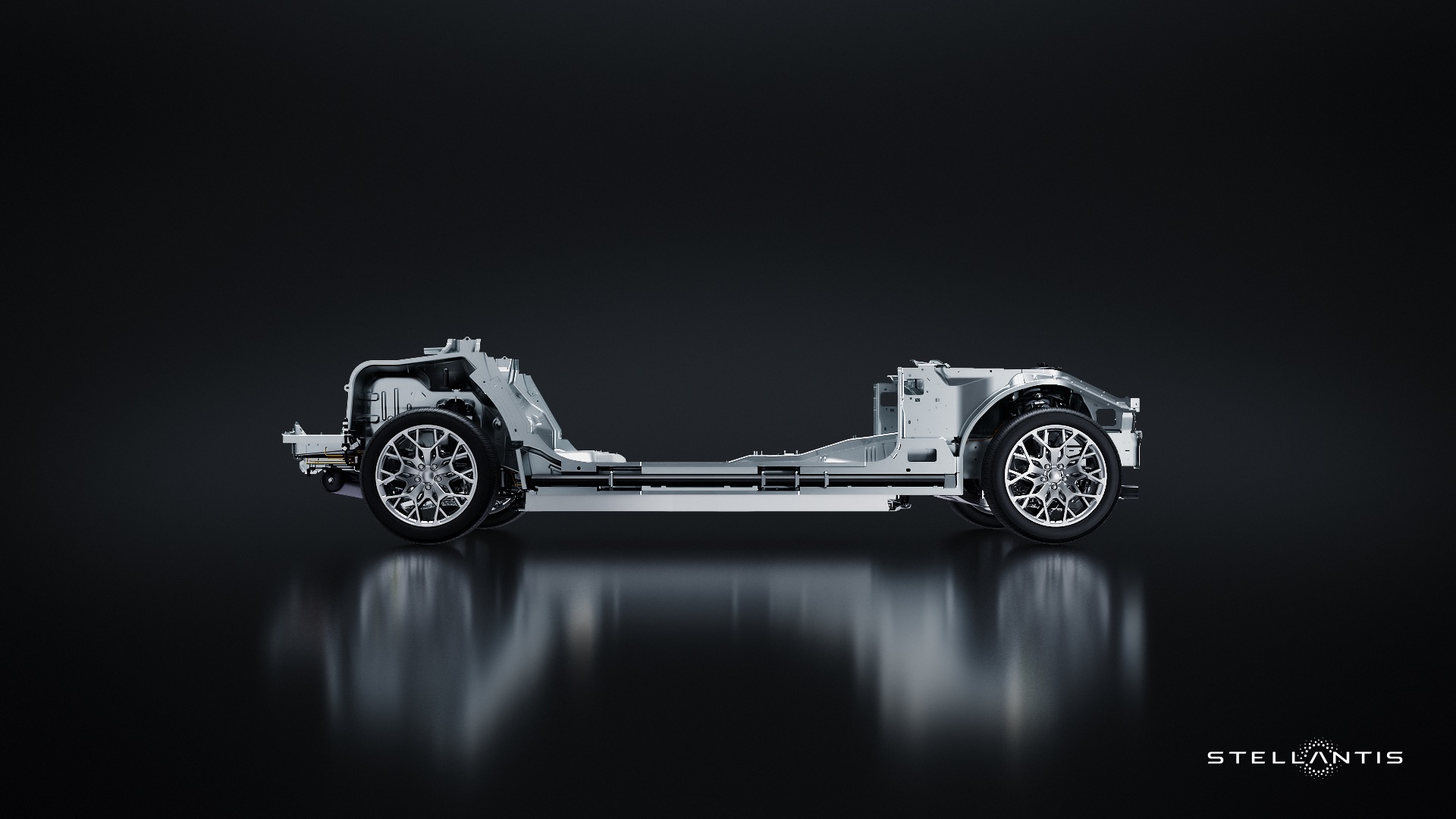
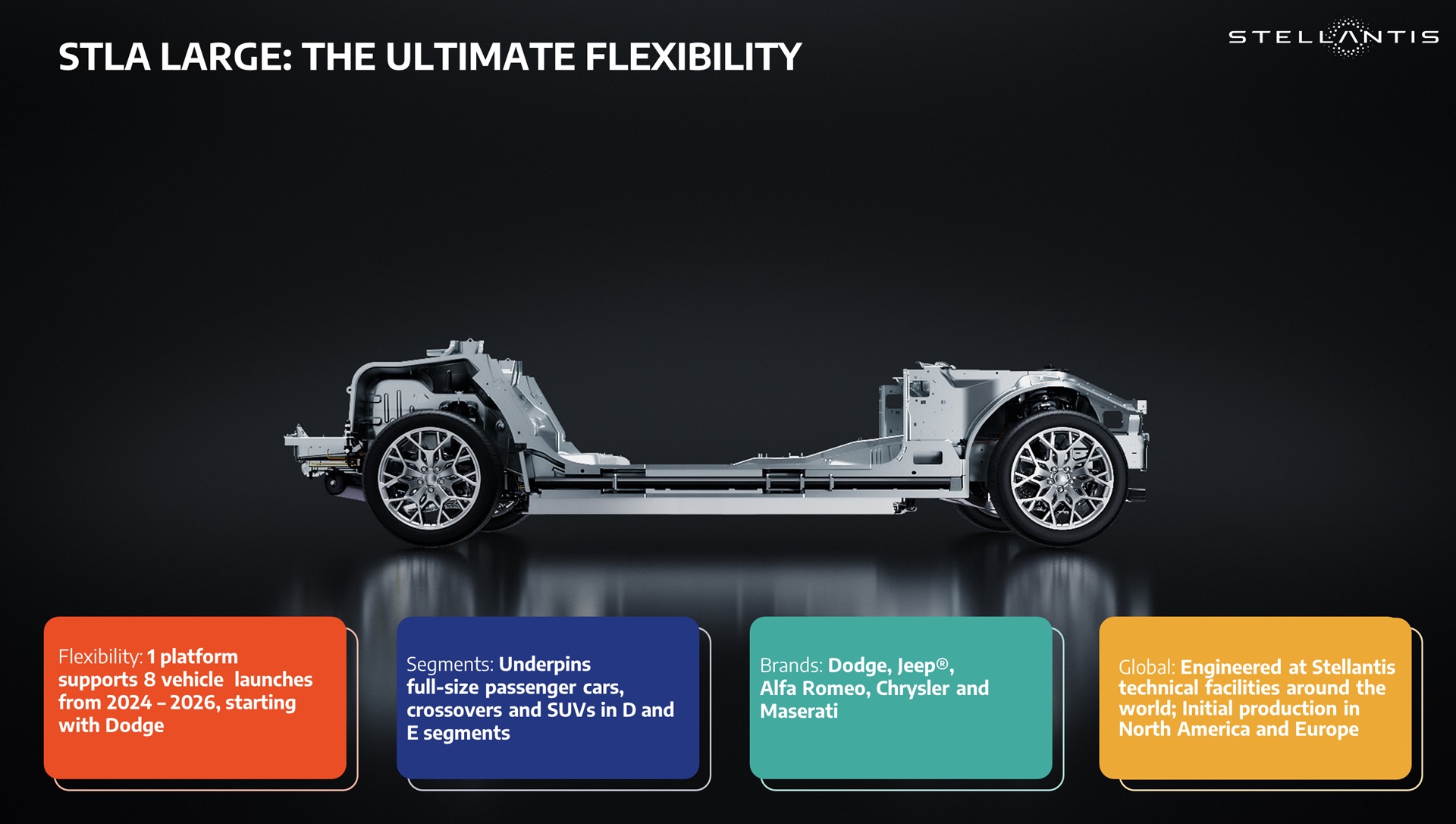
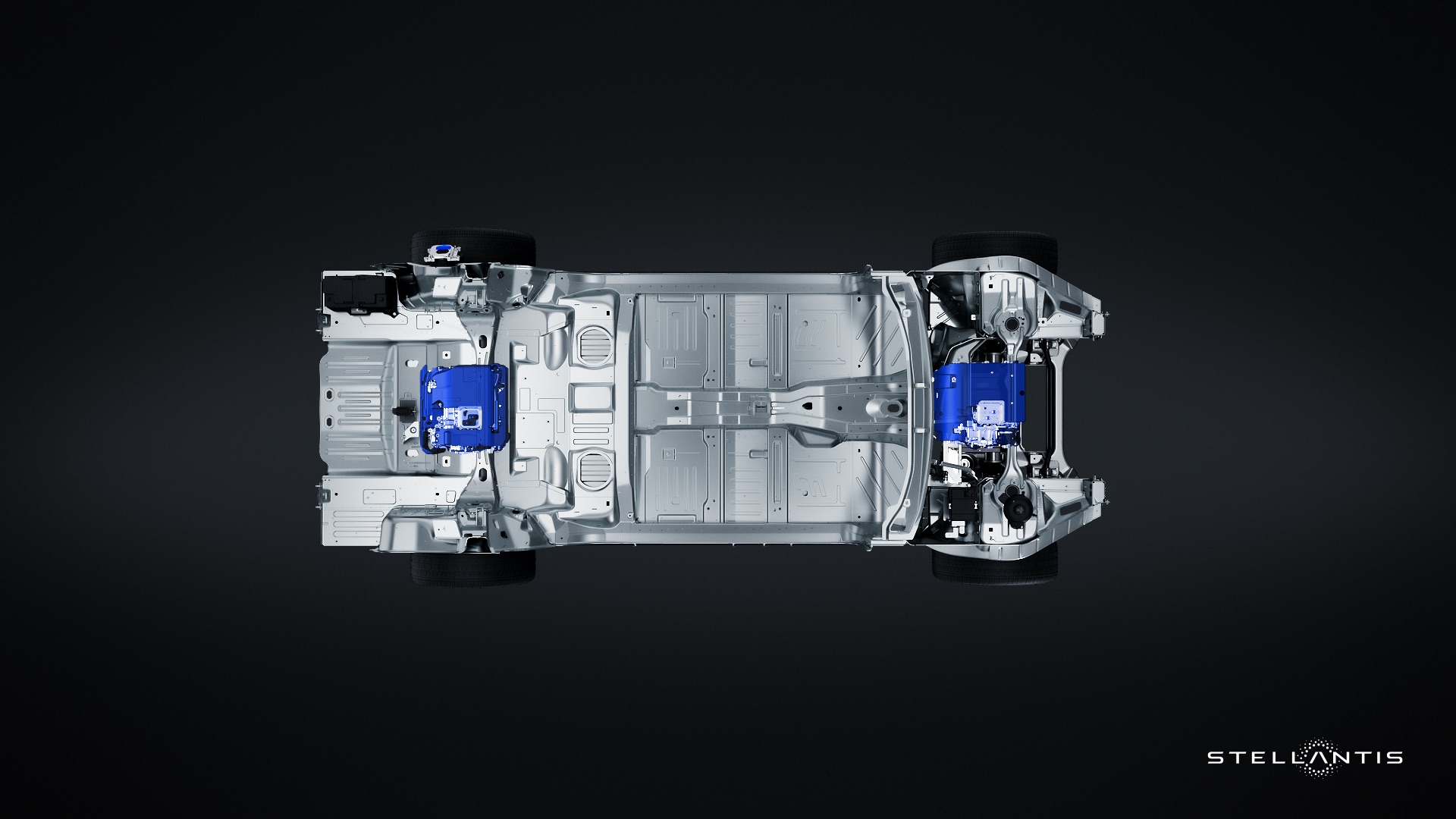
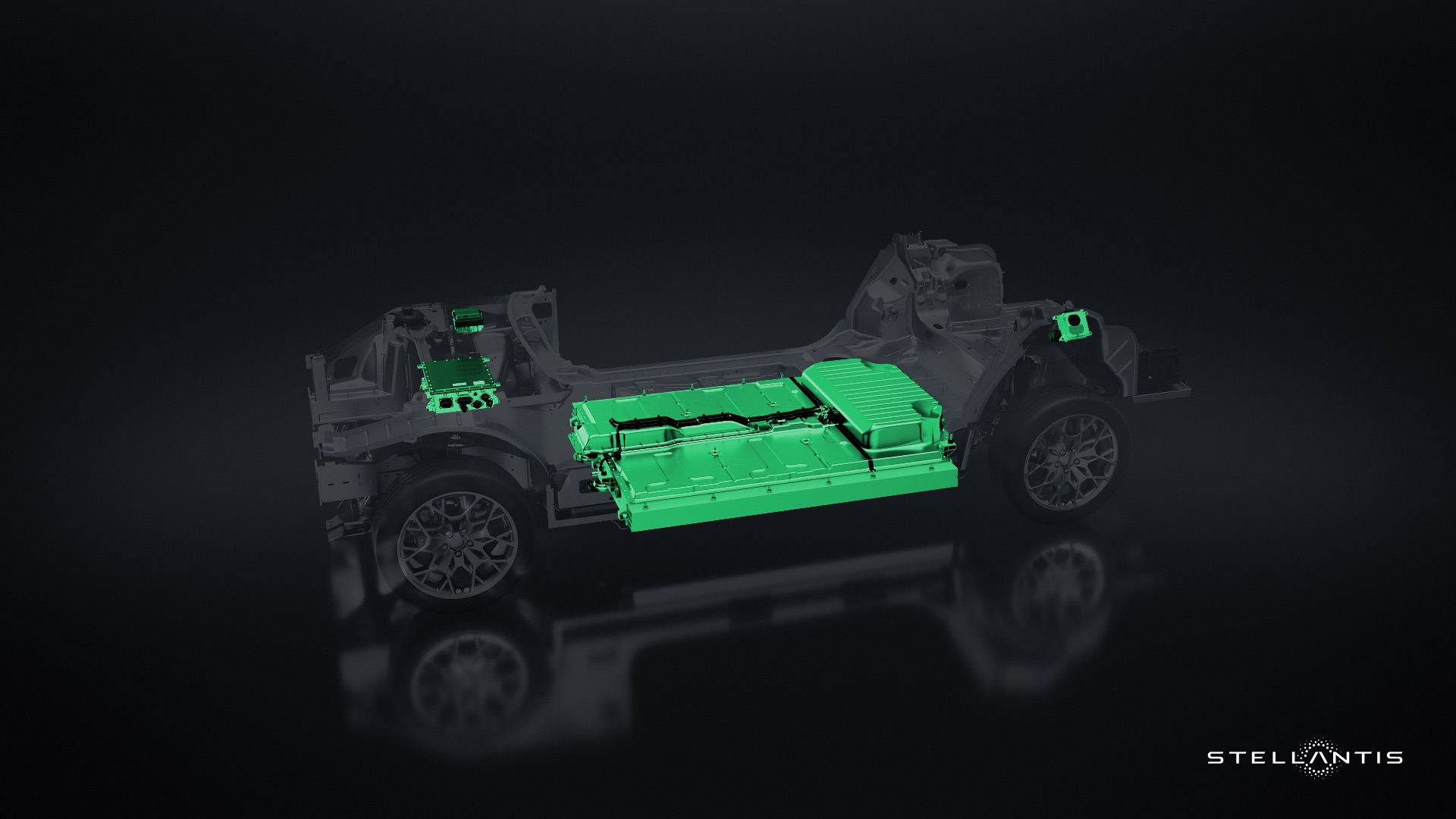
In a move that signals Stellantis’ commitment to an electrified future, the automotive giant has revealed the STLA Large platform, set to underpin a range of midsize and large models. This platform, part of Stellantis’ flexible architectures for electric and internal combustion cars, promises impressive adjustability, powertrain flexibility, and performance capabilities.
The STLA Large platform is designed for D- and E-segment cars, crossovers, and SUVs, covering midsize to large vehicles. With lengths ranging from 4765mm to 5125mm and width from 1897mm to 2029mm, slightly bigger than a Peugeot 5008, the platform offers significant adjustability in overhangs, wheelbase, suspension placement, and powertrain arrangement.

Key features of the STLA Large platform include:

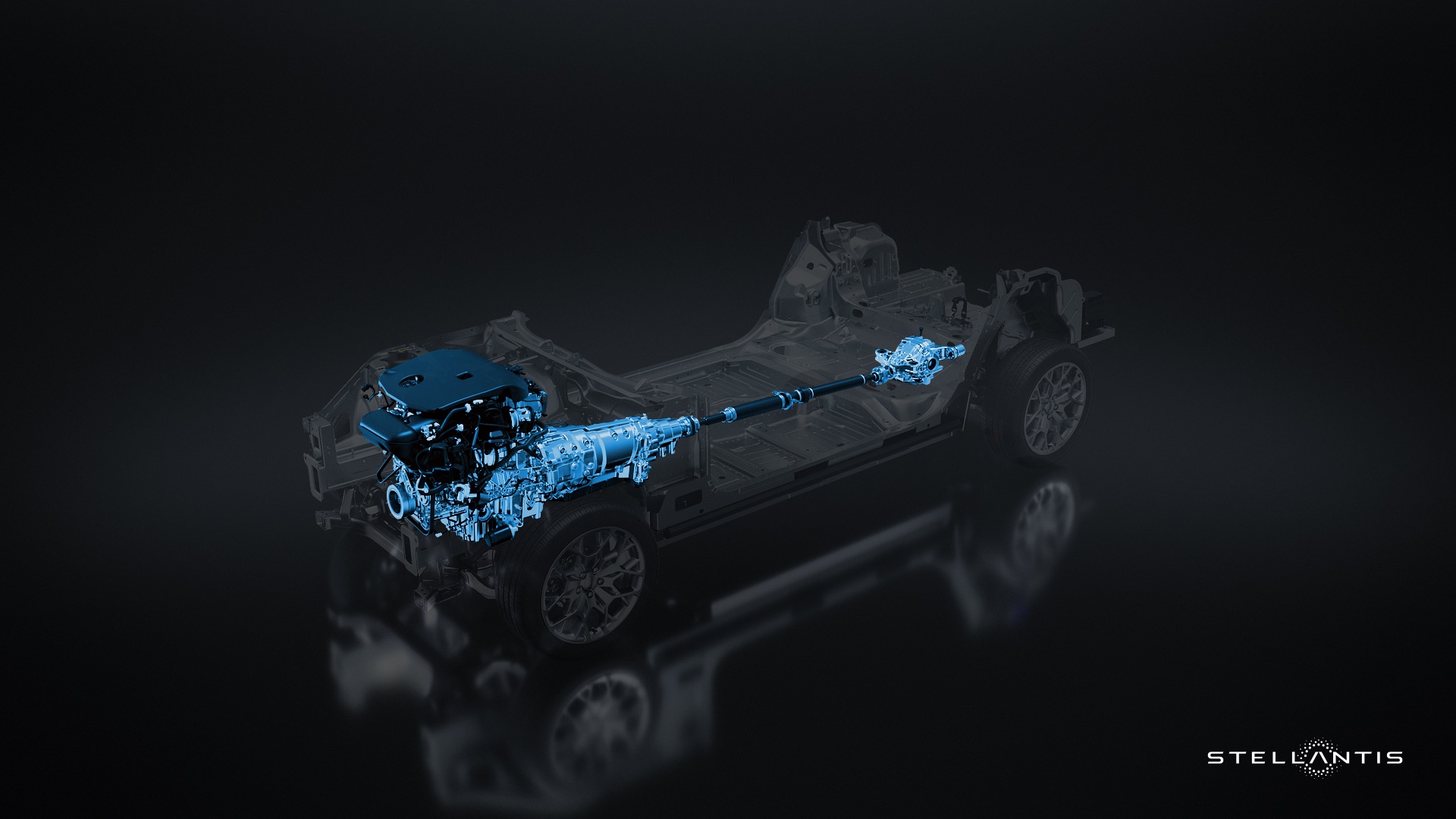
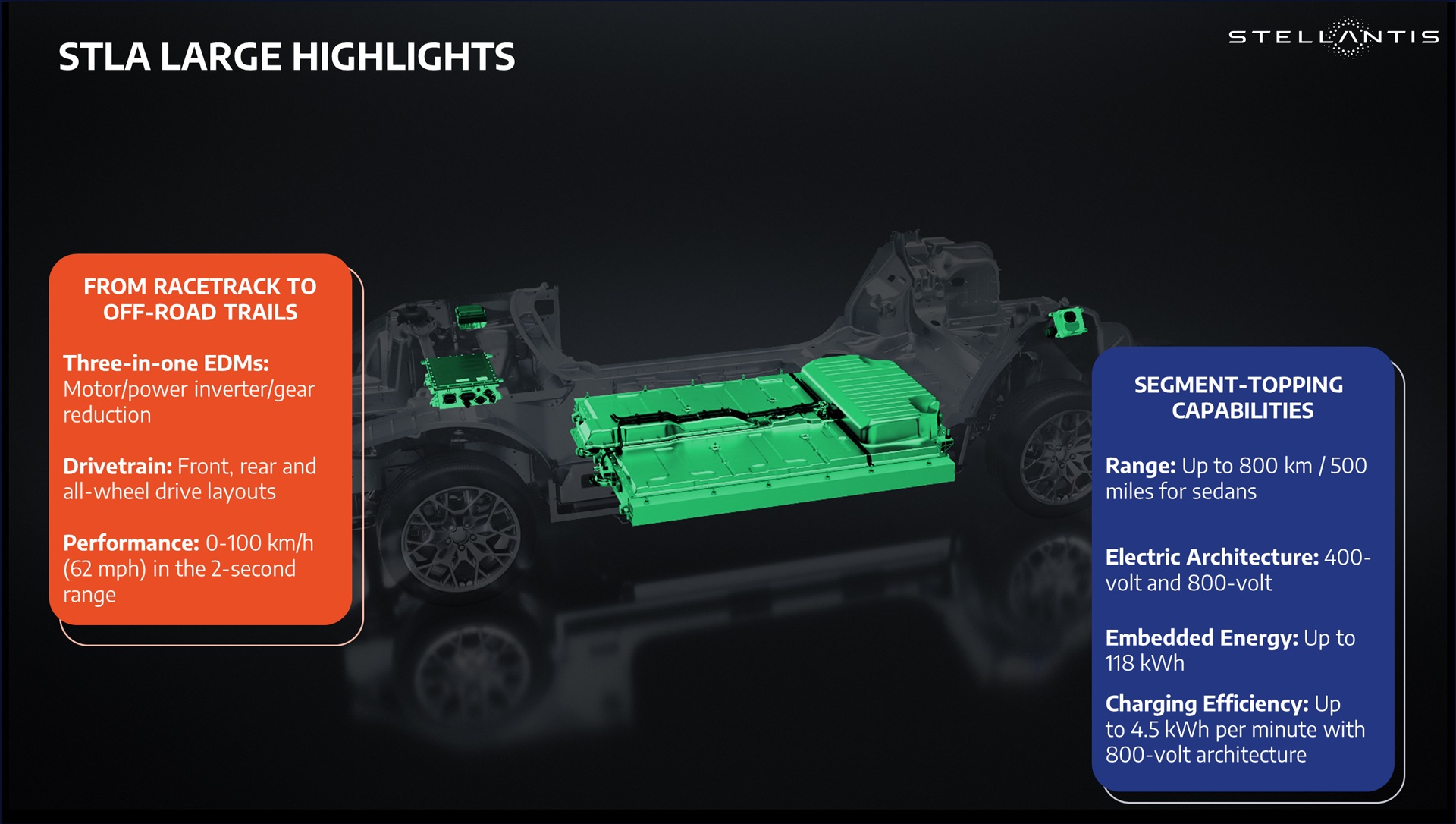
  • Powertrain Flexibility: Supports front-, rear-, and all-wheel-drive layouts with options for single- and dual-motor setups. Internal combustion engines are also available, either alone or as hybrids. Longitudinal or transverse engine placements are accommodated.
  • Battery Packs: Options for battery packs with capacities between 85 and 118 kWh, available in 400- and 800-volt designs. Stellantis claims sedan-style vehicles on this platform could achieve a range of up to 804km.
  • Future-Ready: Designed to easily accommodate future energy storage technologies, hinting at potential advancements in battery chemistries and solid-state batteries.
  • Impressive Performance: Some models on the platform are expected to achieve 0-100km/h times in the 2-second range. Features like limited-slip differentials and wheel-end disconnects contribute to enhanced power delivery and reduced mechanical drag.

This platform aligns with Stellantis’ electrification strategy, supporting models like the concept Dodge Charger Daytona Banshee and Jeep Wagoneer S. The Charger concept showcased a wide range of electric powertrains with outputs ranging from 456hp to 670hp, and the Wagoneer S is expected to offer a powerful electric variant with around 600hp.

The launch of the STLA Large platform coincides with the introduction of new Dodge and Jeep models in 2024. Stellantis plans to extend the use of this platform to Alfa Romeo, Chrysler, and Maserati, with a total of eight models across the Stellantis lineup scheduled to launch through 2026. The platform’s adaptability, performance capabilities, and focus on electrification position it as a pivotal element in Stellantis’ transition toward sustainable and high-performance mobility.

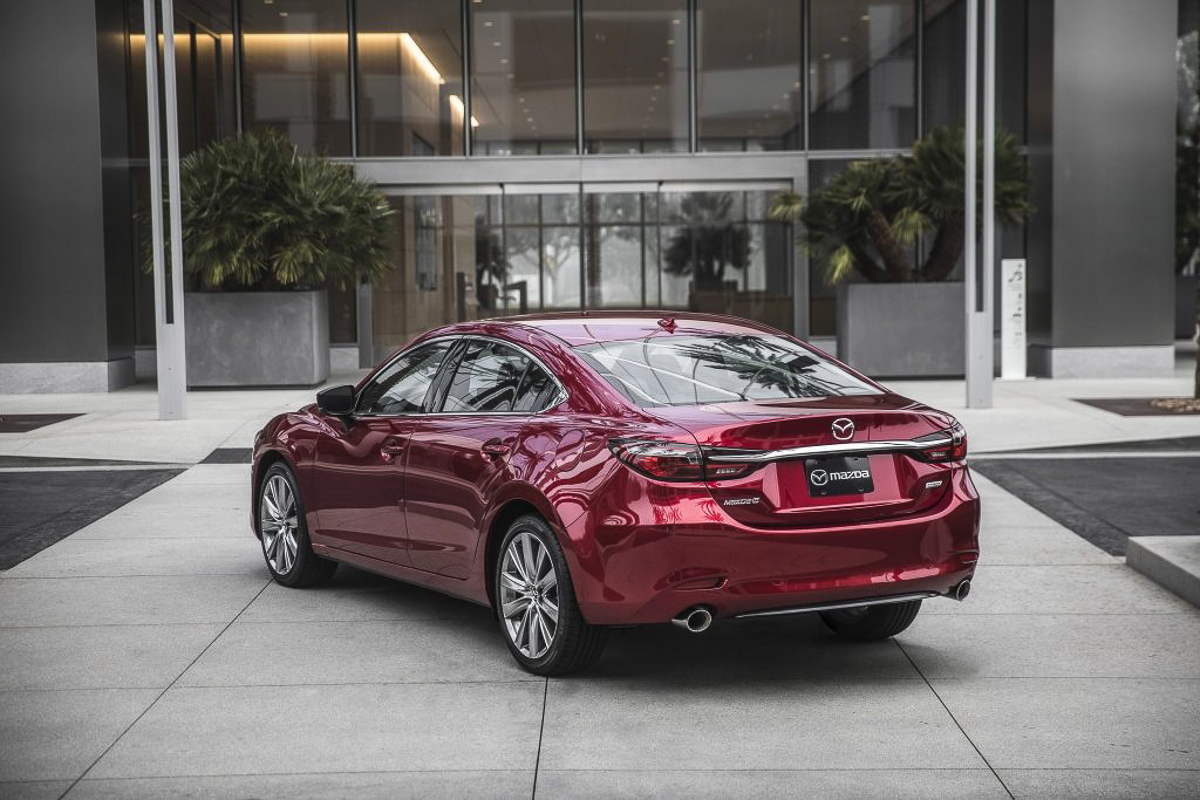
Mazda bids farewell to its midsize sedan, the Mazda 6, in its home market of Japan. The ageing model, known as the Atenza in Japan, will cease production in mid-April, marking the end of a 22-year journey since its launch. With 226,437 units sold in Japan, the Mazda 6 leaves behind a legacy but also raises questions about Mazda’s sedan strategy.

The current generation of the Mazda 6, in production since 2012, faced discontinuation in the United States and the United Kingdom in 2021 and 2023, respectively. While it had grown long in the tooth, fans hoped for a successor or at least a direct replacement to continue the sedan/wagon legacy.

Mazda’s decision to discontinue the 6 in Japan comes with a disappointing revelation – no immediate plans for a successor. The statement indicates that Mazda’s CX lineup of crossovers will assume the role left by the sedan. This leaves enthusiasts of sedans and wagons yearning for a comparable replacement, especially given that the Mazda3 is considered smaller and lacks a more practical wagon variant.

Speculations about a next-generation Mazda 6 surfaced in 2022, despite Mazda ruling out a new model on its rear-wheel-drive platform. However, the recent statement suggests a different narrative. While the Mazda 6 will continue production in other global factories, its retirement from Japan signals a potential exit from several international markets that received the Japan-built version.

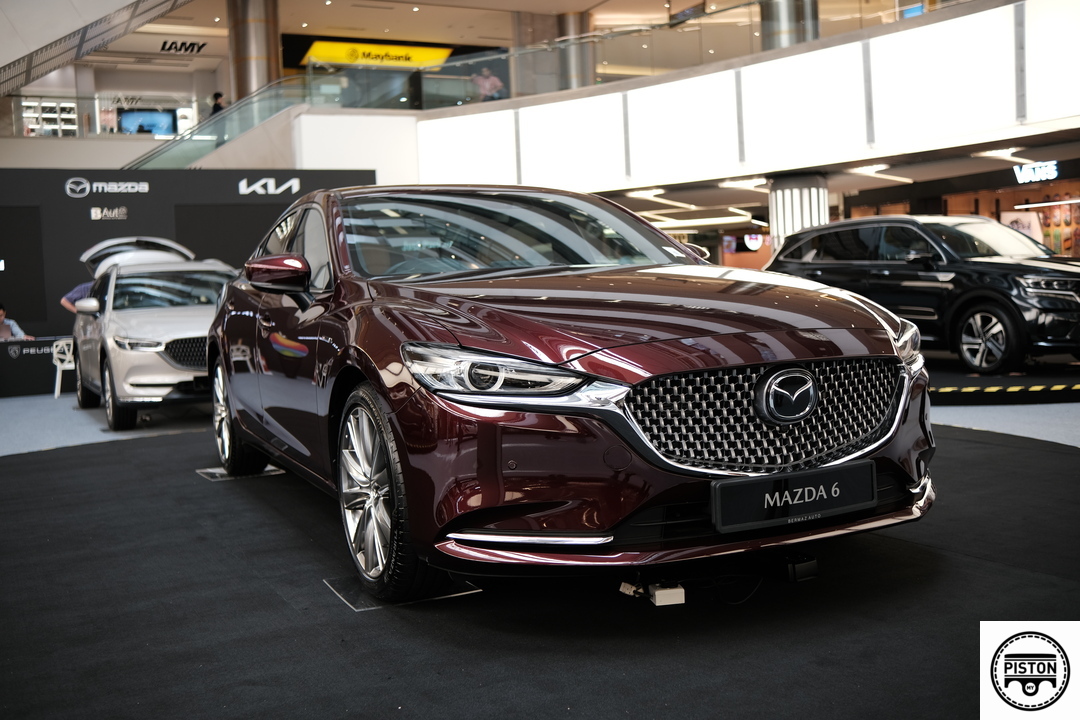
Mazda6 20th Anniversary Edition

As Mazda embraces the dominance of crossovers in its lineup, the discontinuation of the Mazda 6 marks the end of an era for the beloved sedan in its home market. In the Malaysian market however, Bermaz Motor had unveiled the Mazda6 20th Anniversary Edition in October of last year. Pricing starts from RM 180,359.00.

Archive

Follow us on Facebook

Follow us on YouTube