Piston.my

Latest News

A spokesperson for the Thai government announced recently that major Japanese automakers are set to invest a total of 150 billion baht ($4.34 billion or over RM20 billion) in Thailand over the next five years, bolstering the country’s shift towards electric vehicle (EV) production.

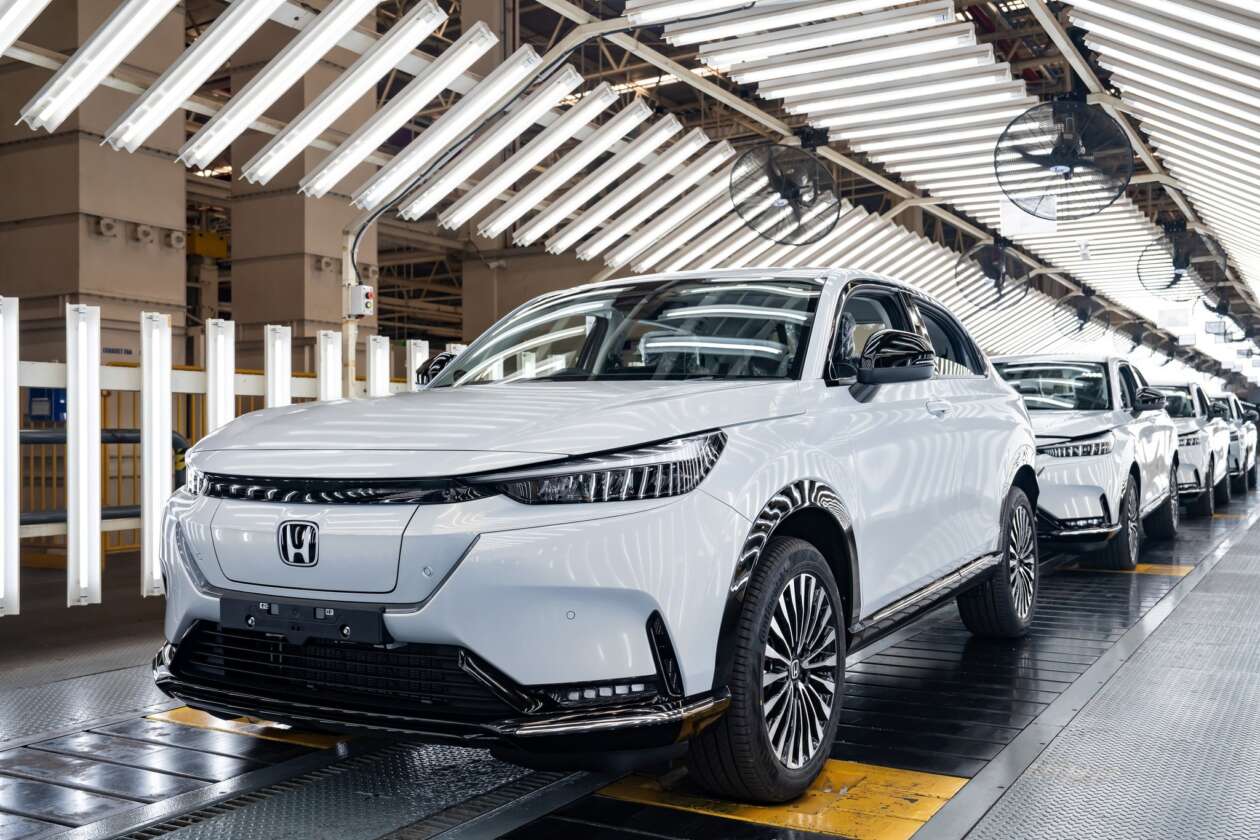
Toyota Motor and Honda Motor are each contributing around 50 billion baht, while Isuzu Motors is investing 30 billion baht, and Mitsubishi Motors is committing 20 billion baht. This investment encompasses the manufacturing of electric pickup trucks.
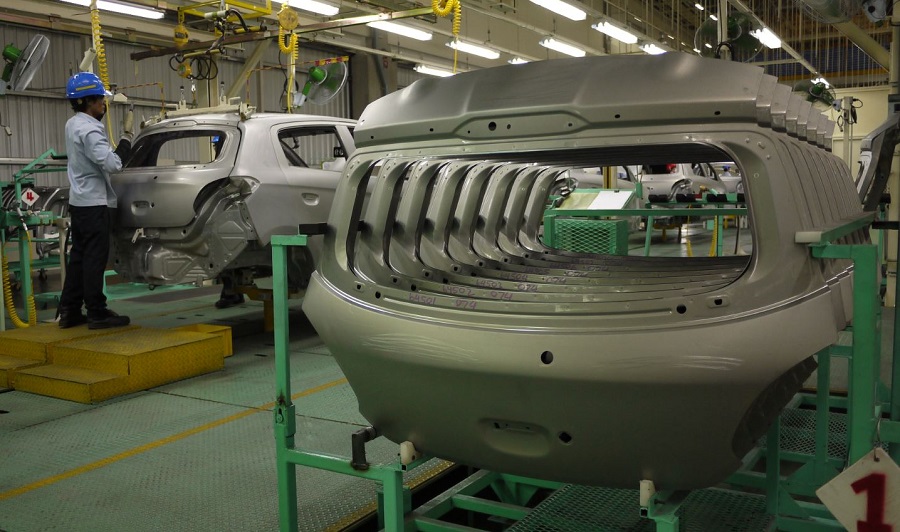
During a recent trip to Japan by Thailand’s Prime Minister Srettha Thavisin, agreements with these Japanese automakers were solidified. Although Japanese manufacturers have long dominated Thailand’s automotive sector, the rise of Chinese EV makers has introduced new dynamics, with notable investments being made in recent times.

The spokesperson, Chai Wacharoke, highlighted that the Japanese automakers’ investment aligns with the Thai government’s strategy to transition from traditional combustion engine vehicles to electric alternatives.

Despite requests for comment by Reuters, Toyota, Honda, Isuzu, and Mitsubishi had not responded at the time of reporting.
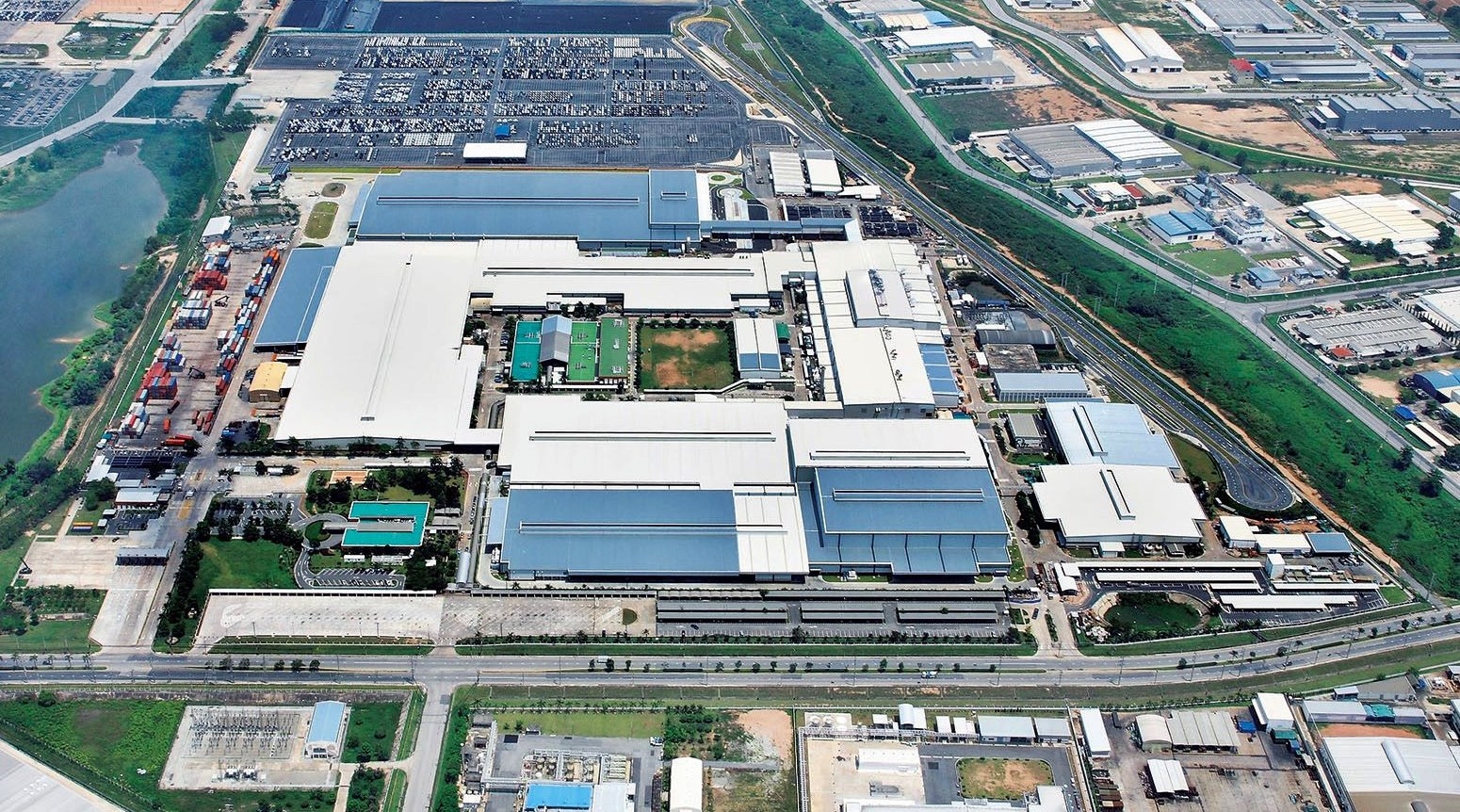
Thailand, Southeast Asia’s second-largest economy, currently holds the position of the region’s leading car producer and exporter. The government aims to convert approximately one-third of its annual vehicle production, totaling 2.5 million units, into electric vehicles by 2030. To facilitate this transition, Thailand is introducing incentives, including tax cuts and subsidies, to attract more investment in EV manufacturing.

This move by Japanese automakers comes at a time when Chinese car manufacturers, such as BYD and Great Wall Motor, have already committed to substantial investments of $1.44 billion in new production facilities in Thailand, attracted by the favorable business environment.

In a noteworthy development, Prime Minister Srettha recently showcased industrial estates in Thailand to executives from the U.S. electric vehicle giant Tesla, signaling the country’s eagerness to attract further investments in the burgeoning EV sector.
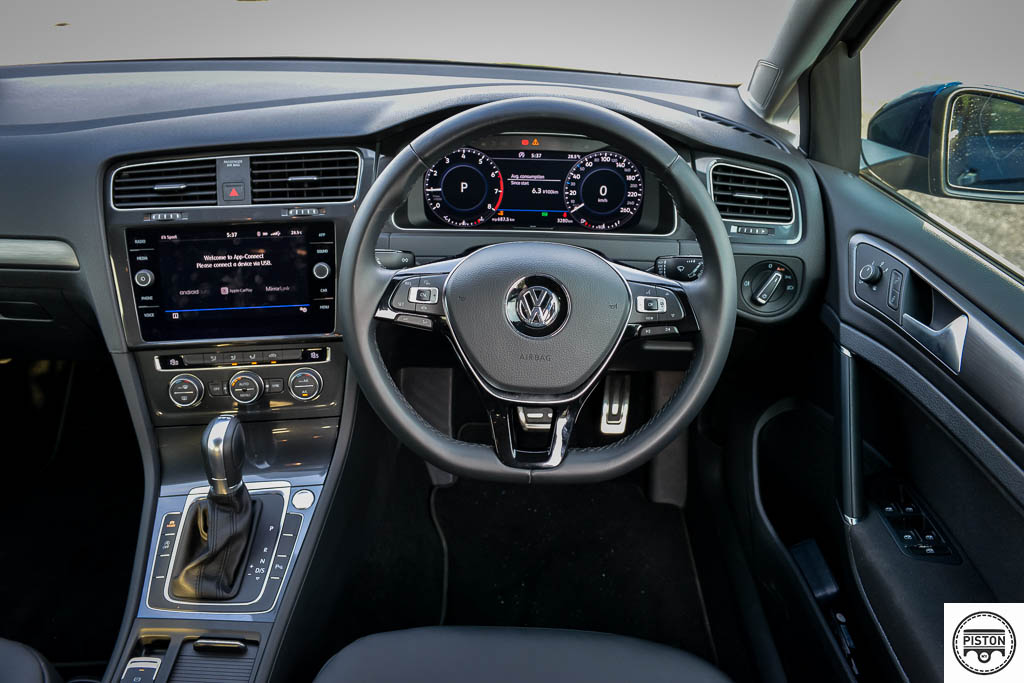
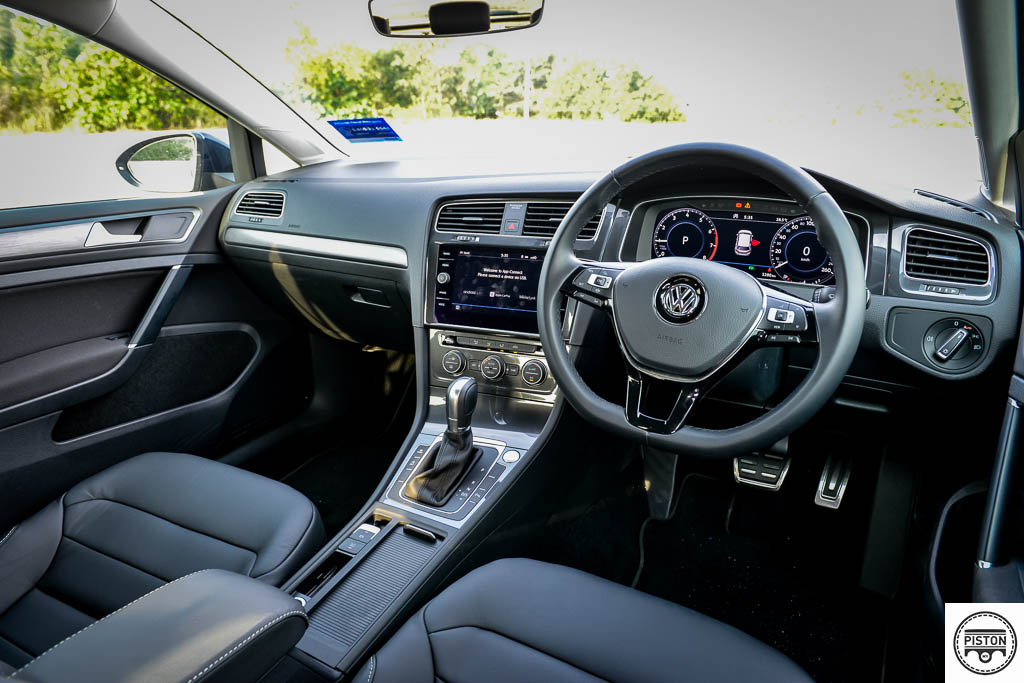
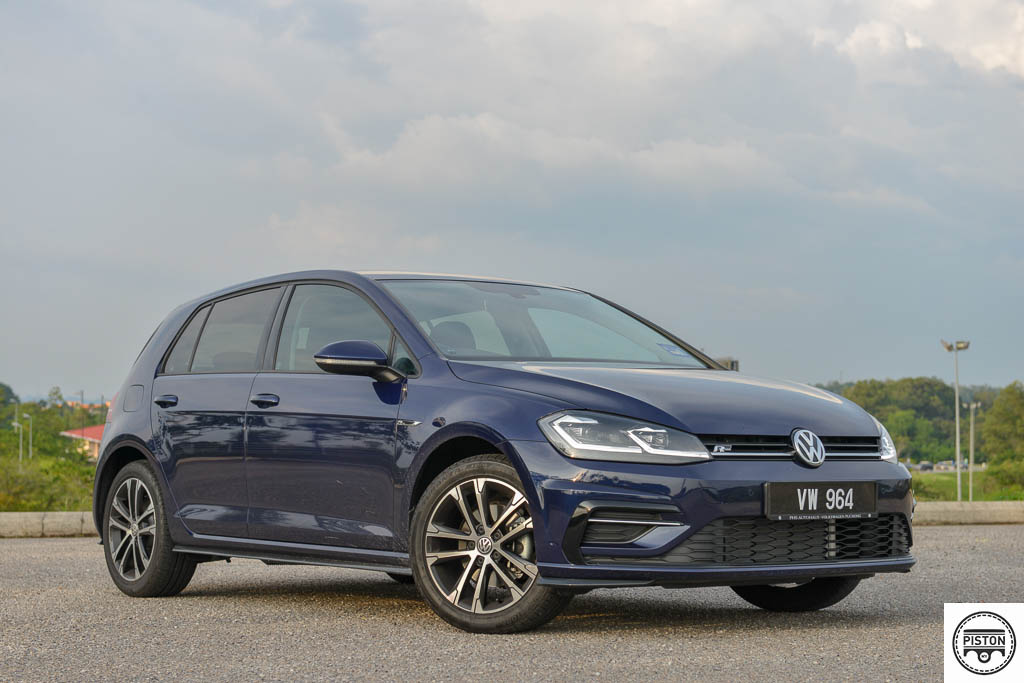
Volkswagen Passenger Cars Malaysia (VPCM) has issued a recall for certain models manufactured between 2010 and 2014, affecting a total of 6,671 vehicles.

The models subject to inspection include the sixth generation Golf GTI, Eos, Passat CC, Polo, Beetle, and Vento. The focus of the recall is on vehicles equipped with a specific driver front airbag gas generator housing.

The concern revolves around the degradation of the front driver airbag housing generator’s propellant. This deterioration is attributed to prolonged exposure to high humidity and temperature fluctuations. The potential consequence is an increased risk of injury to both the driver and passengers.

In response to this issue, VPCM has collaborated with its dealer partners to ensure the availability of necessary parts and to facilitate a smooth and efficient recall process. The nationwide recall will be executed in phases to effectively manage the number of affected cases.

Owners of the identified vehicles will receive notifications through email and WhatsApp, utilizing information from the Volkswagen database. For those who acquired their vehicles from previous owners or used car dealerships, an urgent recommendation is made to contact the nearest Volkswagen authorized dealer for verification.

In the event that parts replacement is required, VPCM assures owners that all labor and replacement parts necessary for the service will be provided at no cost. To check whether their vehicle is subject to the recall, owners can visit the dedicated recall webpage (https://www.volkswagen.com.my/volkswagen-service/repair-and-service/service-action) and enter their 17-digit VIN number, located at the bottom left of the vehicle’s windscreen.

VPCM is committed to prioritizing the safety of its customers and encourages prompt action from all affected vehicle owners to ensure a swift and effective resolution to this recall.

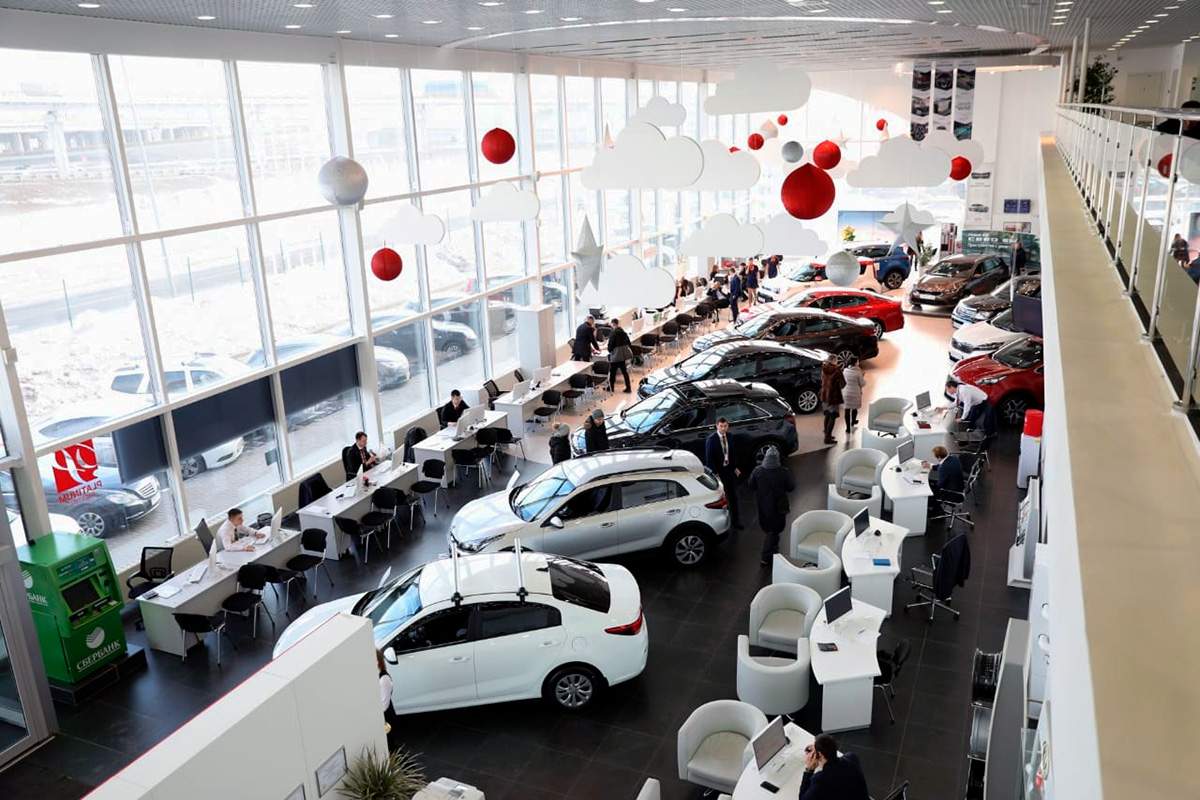
President Vladimir Putin has placed Russia’s largest car dealership under temporary state management, a move the Kremlin claimed was driven by commercial considerations.

However, the founder of Rolf, Russian businessman Sergei Petrov, argued that this action portrayed the country as uninvestable.

(more…)

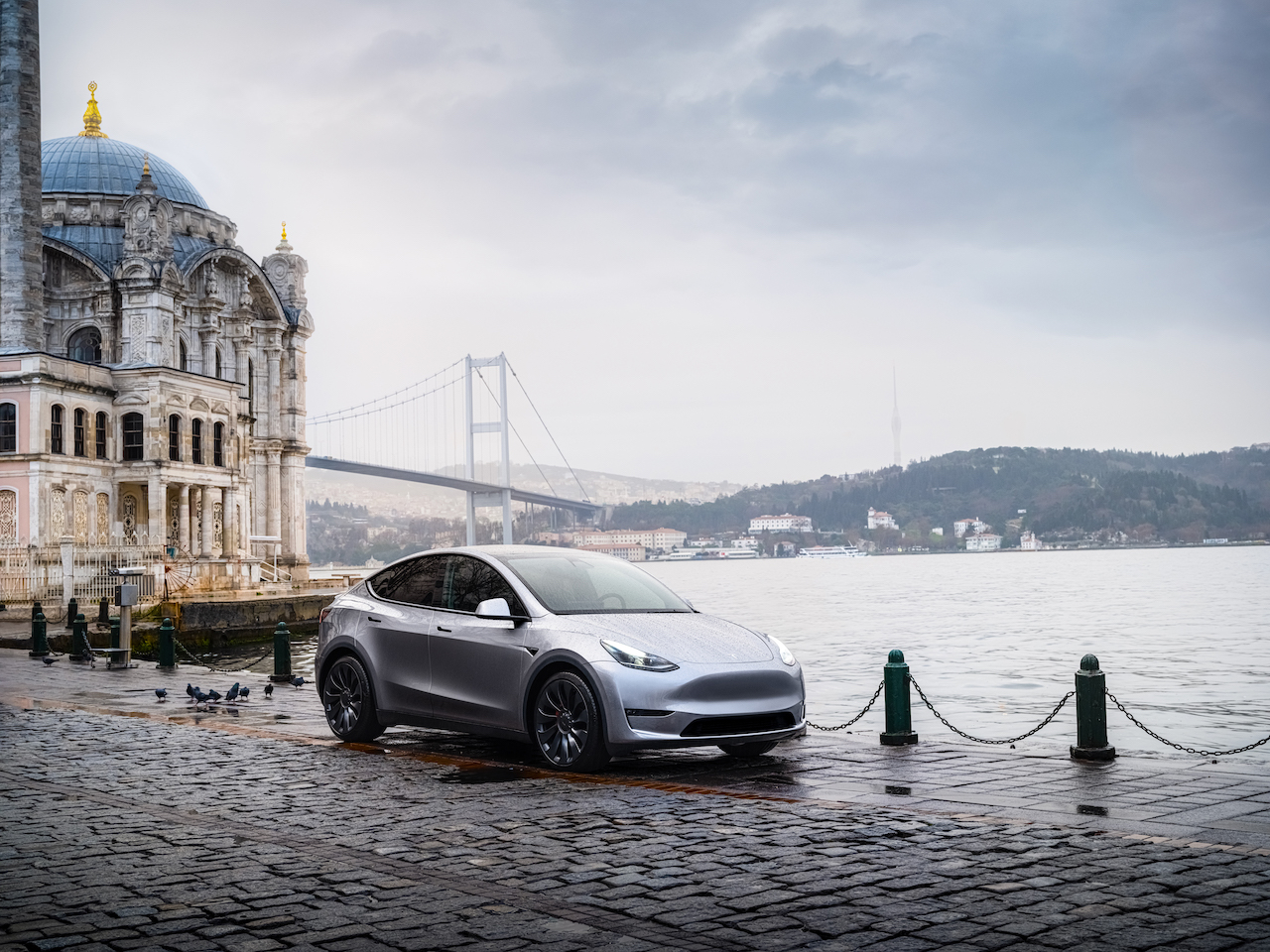
Sweden’s Transport Agency announced on Friday that it is currently conducting an investigation into suspension failures in Tesla vehicles, a parallel effort to a similar probe initiated by Norway’s traffic safety regulator.

In an emailed statement to Reuters, the Swedish agency confirmed, “We can … confirm that investigative work is also underway with us.”

As of now, Tesla has not responded to requests for comment on the matter.

Meanwhile, the Finnish transport and communications agency informed Reuters that it has not been approached regarding any issues related to faulty suspension failures.

The Norwegian Public Roads Administration (NPRA) disclosed last Thursday that it had commenced an inquiry into Tesla in September 2022. The NPRA has asked the automaker to evaluate consumer complaints about lower rear control arms breaking on its Model S and X vehicles.

Depending on the findings, the Norwegian agency may recommend a recall of the vehicles for part replacement if they are deemed to pose a “serious risk.” Alternatively, they may conclude the investigation if no safety concerns are identified or choose to extend the review.

Regarding the Norwegian probe, the Swedish agency acknowledged that it, too, had received “a number of notifications about cars from the Tesla brand that have suffered from similar problems.” However, a spokesperson for the Swedish regulator declined to provide additional details, citing the ongoing nature of the investigation.

These inquiries in Sweden and Norway come on the heels of a Reuters investigation published earlier in the week. The report revealed that Tesla had consistently blamed drivers for frequent failures of suspension and steering parts that the company had been aware were defective for an extended period. To reduce escalating warranty costs, Tesla reportedly attempted to cut repair expenses by attributing these failures to “driver abuse.”

The investigation was based on an examination of thousands of Tesla documents and interviews with former employees, including service managers and technicians in Norway.

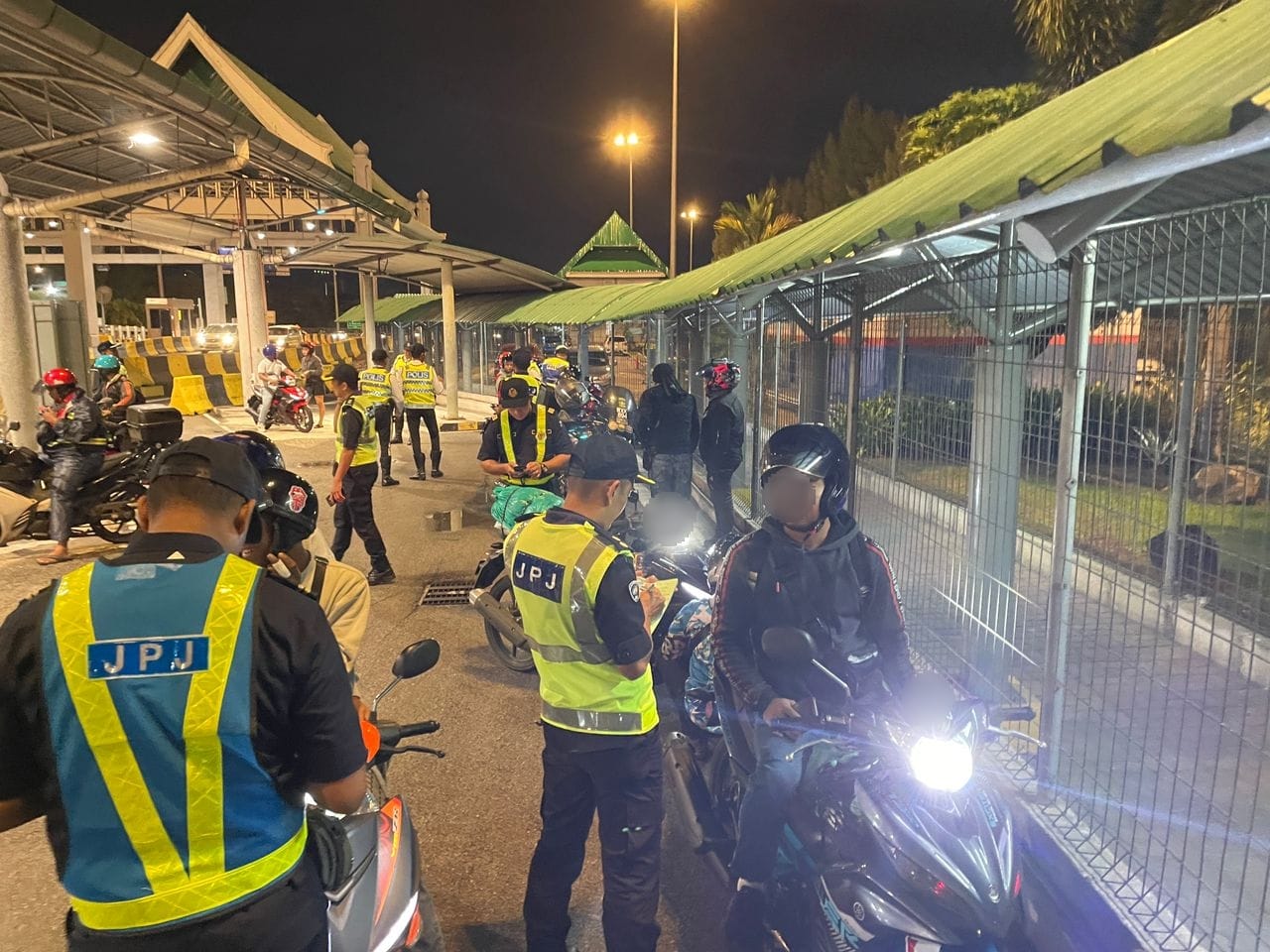
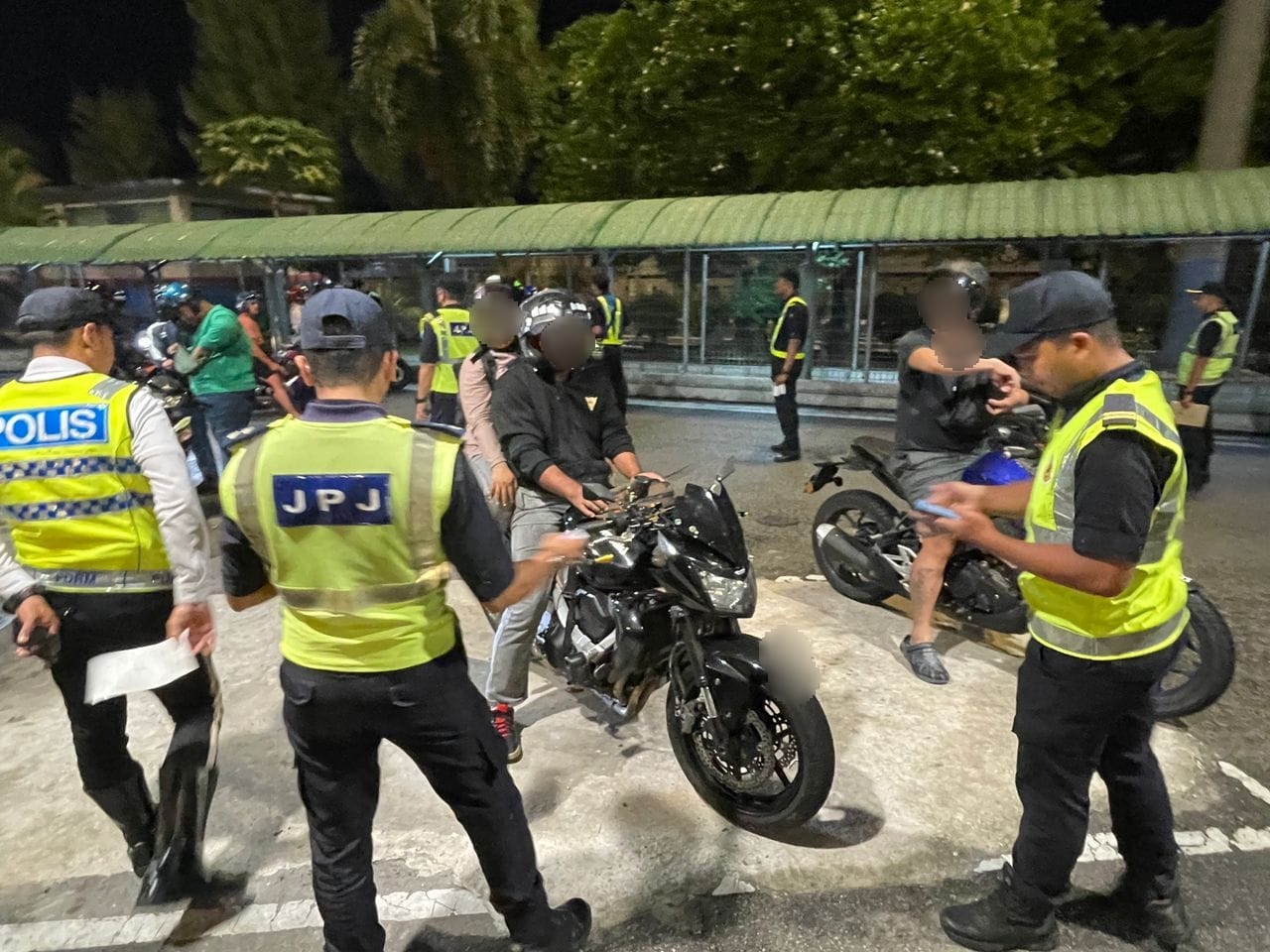
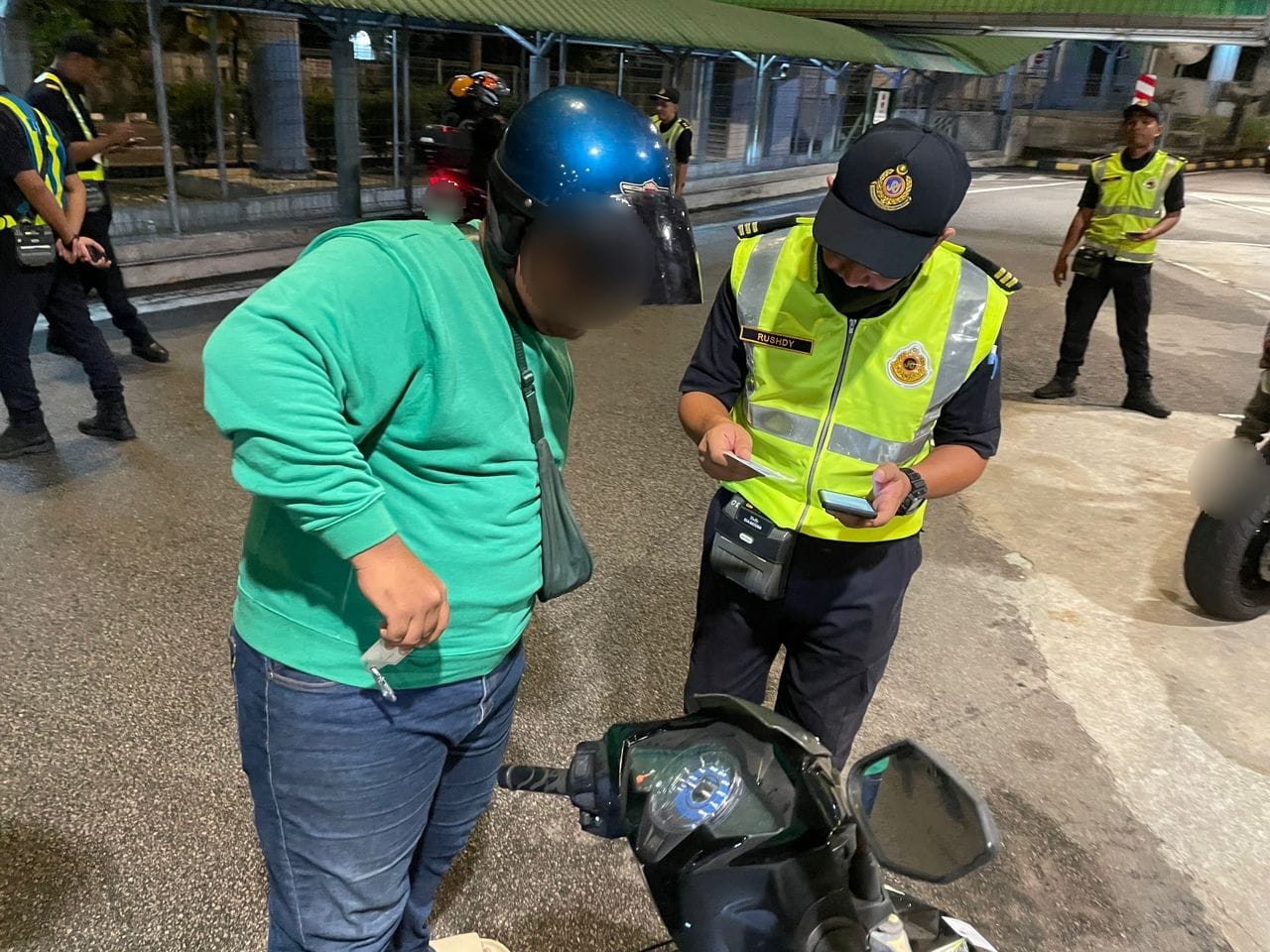
According to a report by Bernama, the Penang Road Transport Department (JPJ) issued 280 summons for various offences.

The operation was aptly called the Christmas Integrated Ops took place at two locations, one at the Penang Bridge Toll Plaza and the Sungai Dua toll plaza.

The operation was conducted together with the Police from 930pm till 5am.

According to a statement released by JPJ, a total of 280 summonses were issued for various offences, among them not having a driving license, expired road tax, no insurance coverage, registration number plate not according to stipulated specification, not displaying the ‘L’ sticker, no side mirrors and illegal modification of motorcycles.

“The integrated ops aimed to monitor, detect and take action against motorcycle riders or owners who failed to comply with regulations under the Road Transport Act 1987 (Act 333) and the Rules under it,” the statement said.

Photos by JPJ Penang

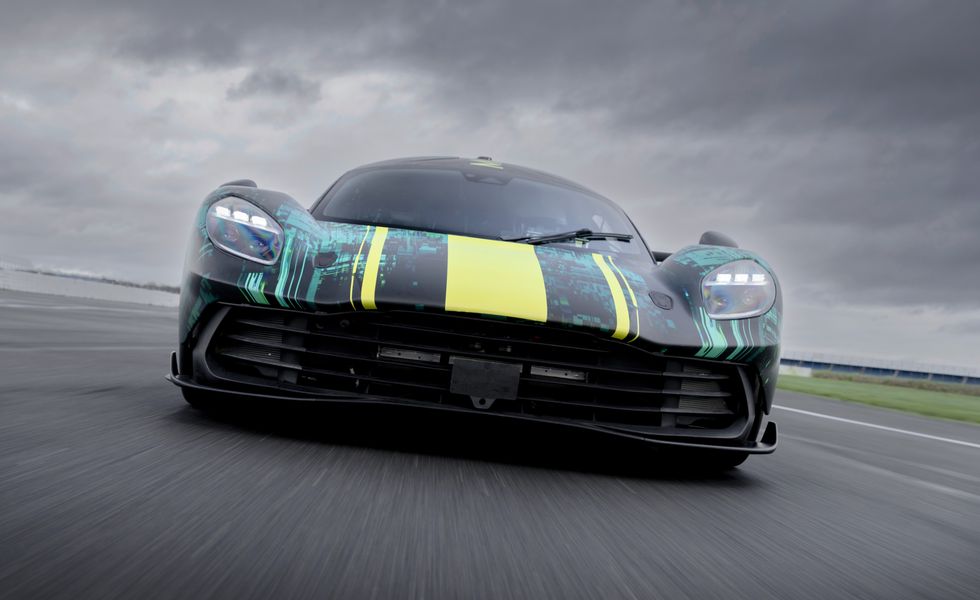
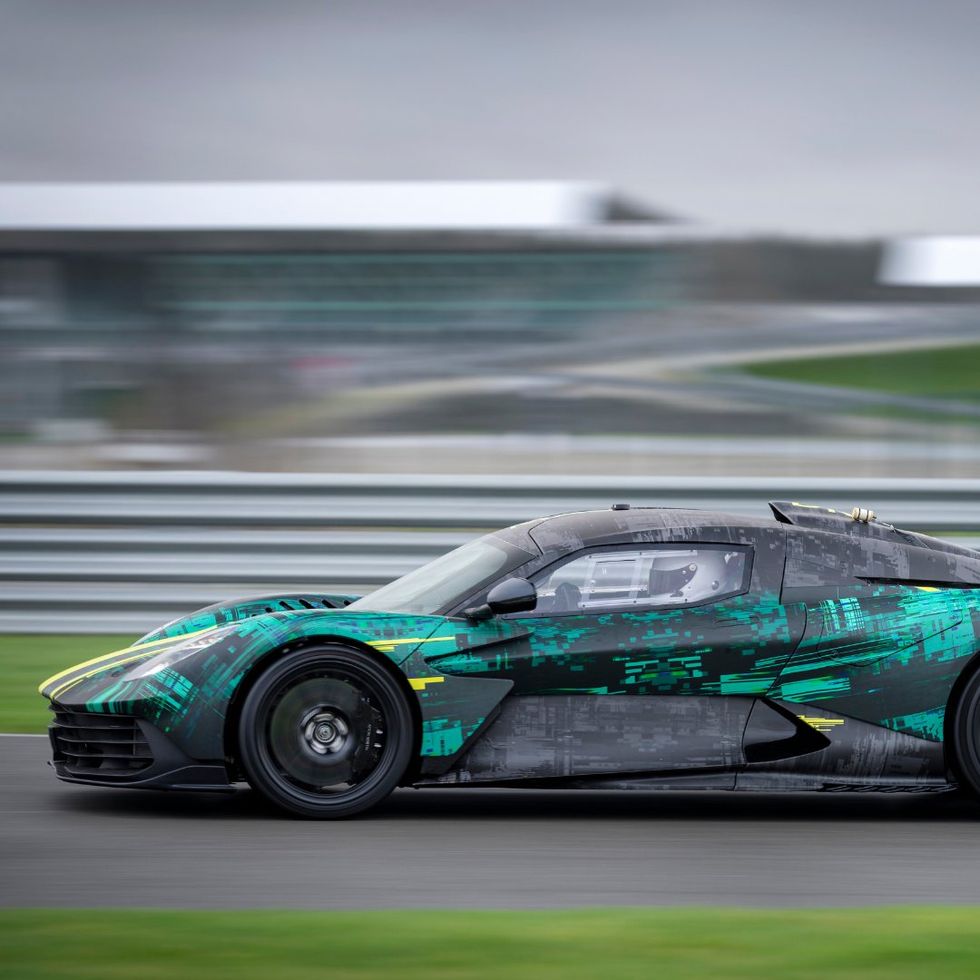
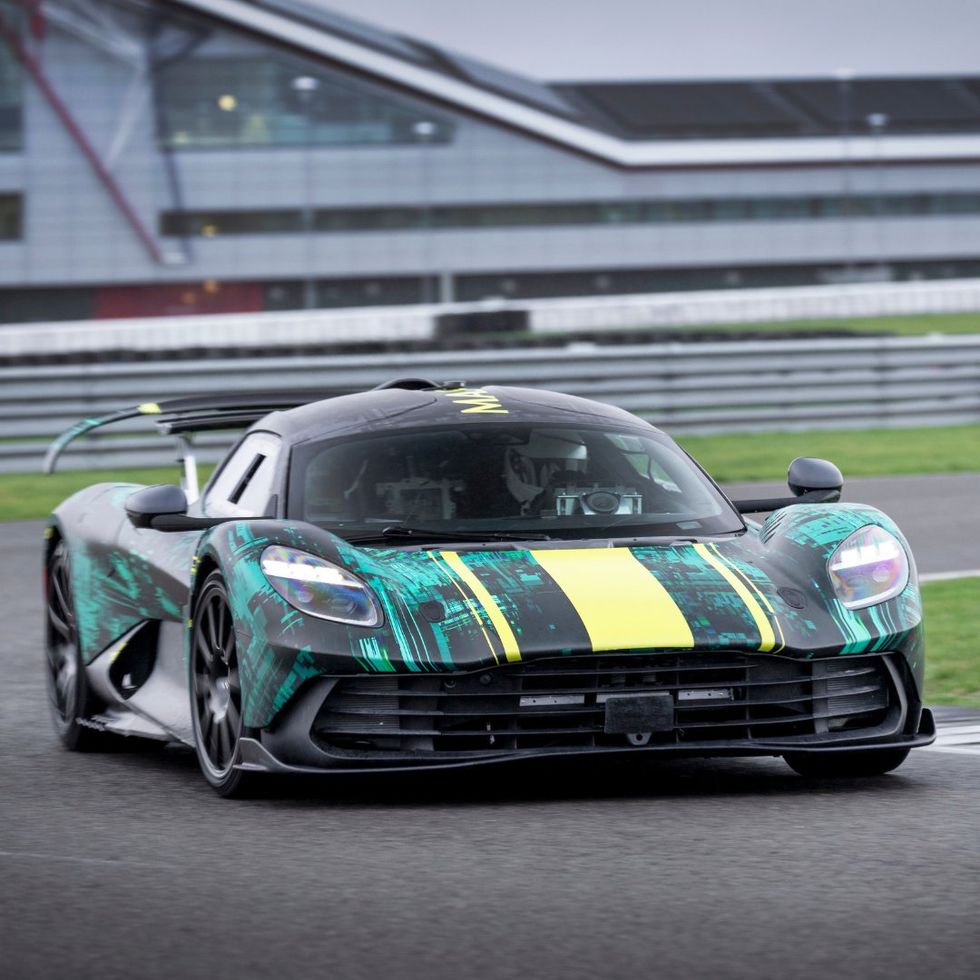
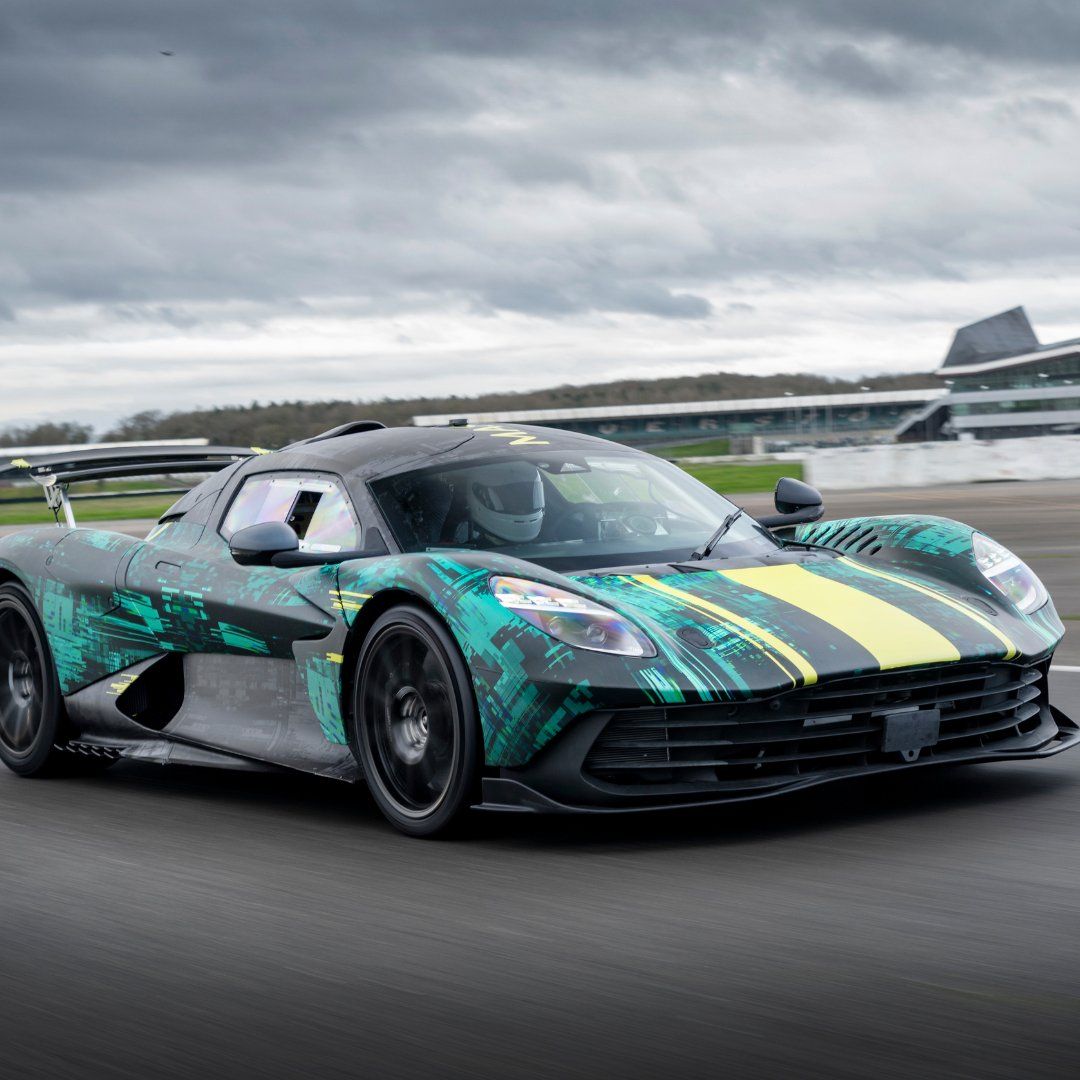
Aston Martin’s highly anticipated Valhalla, initially introduced as the AM-RB 03, is set to enter limited production in 2024 after finalising its development. The mid-engined supercar has transitioned from a V-6 to a powerful AMG flat-plane crank 4.0-litre twin-turbo V8, coupled with two electric motors for a combined output of 998bhp and four-wheel drive capabilities.

With a top speed of 349km/h and an estimated 0-100km/h acceleration in 2.5 seconds, the Valhalla promises an exhilarating performance.

Recent photos of a prototype undergoing testing at Silverstone reveal design tweaks, including larger side cutouts for a more aggressive appearance.

The nose retains Aston Martin’s distinctive styling, and notable features include production-ready headlights, side mirrors, and a retractable rear wing. The rear of the car showcases a variant of the concept’s substantial diffuser.

While the interior of the prototype appears race-oriented, the final production model is expected to offer a more refined cabin, striking a balance between performance and practicality. Limited to just 999 units, the Aston Martin Valhalla represents a high-performance, exclusive offering for enthusiasts.

Archive

Follow us on Facebook

Follow us on YouTube