
Piston.my

Latest News

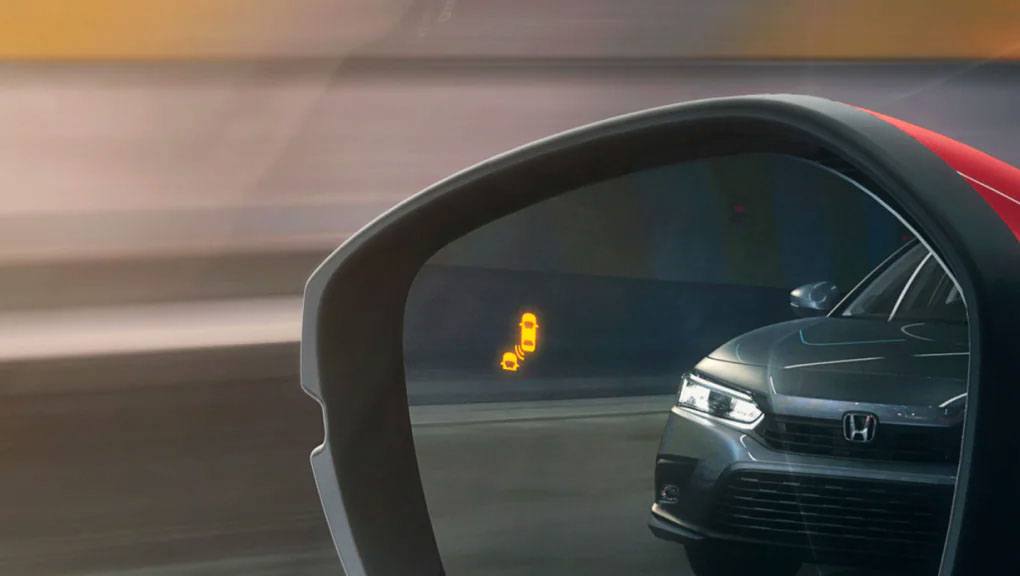
The Blind Spot Monitoring system is arguably one of the must have safety systems in modern cars.

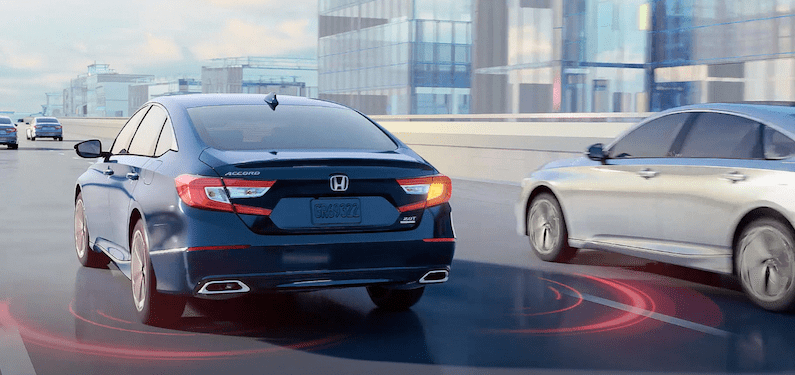
It works by using ultrasonic sensors embedded in the side or at the bottom of a vehicle’s rear bumper to detect other vehicles present in the blind spot. This then alerts the driver either through visual or auditory alerts.

Some systems also use side-mounted cameras which are mounted in the side view mirrors.

The Blind Spot Monitoring system was developed by Volvo who first called it BLIS, and was first shown in the Volvo Safety Concept car (SCC) in 2001 (shown below).

It was later shown again at the 2004 North American International Auto Show in Detroit, Michigan and was available as an option on the XC70 wagon and the S60 sedan of the same year.

These days the Blind Spot Monitoring system (BSM) is available in a number of cars as well as the likes of the Perodua Myvi and the Axia.

Curiously though, Honda cars in Malaysia have been sold with an alternative system to BSM called the Lane Watch System (LWS).

The LWS has the same objective as the BSM system where it alerts the driver of obstacles in the blind spot of the car.

However, it works by using a camera placed on the left side mirror (seen below) and then displays a video image of the left rear quarter of the car.
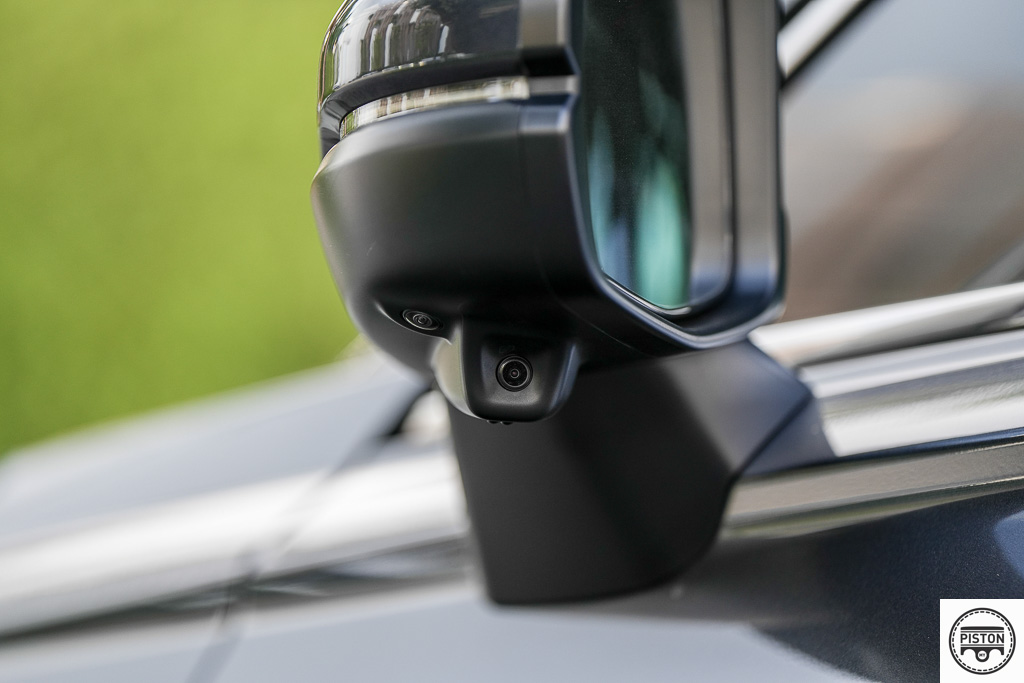
This only works when the turn signal is used or when a button placed on the turn signal stalk is pressed. There is no other visual nor auditory alert and neither does it alert you of other vehicles on the right side of the car.

And the other problem is that it only works best during the day when the sun is shinning at its brightest, as can be seen in the image below. This is because the camera that is used sends back a grainy image onto the centrally-placed monitor that often also shows the GPS map.
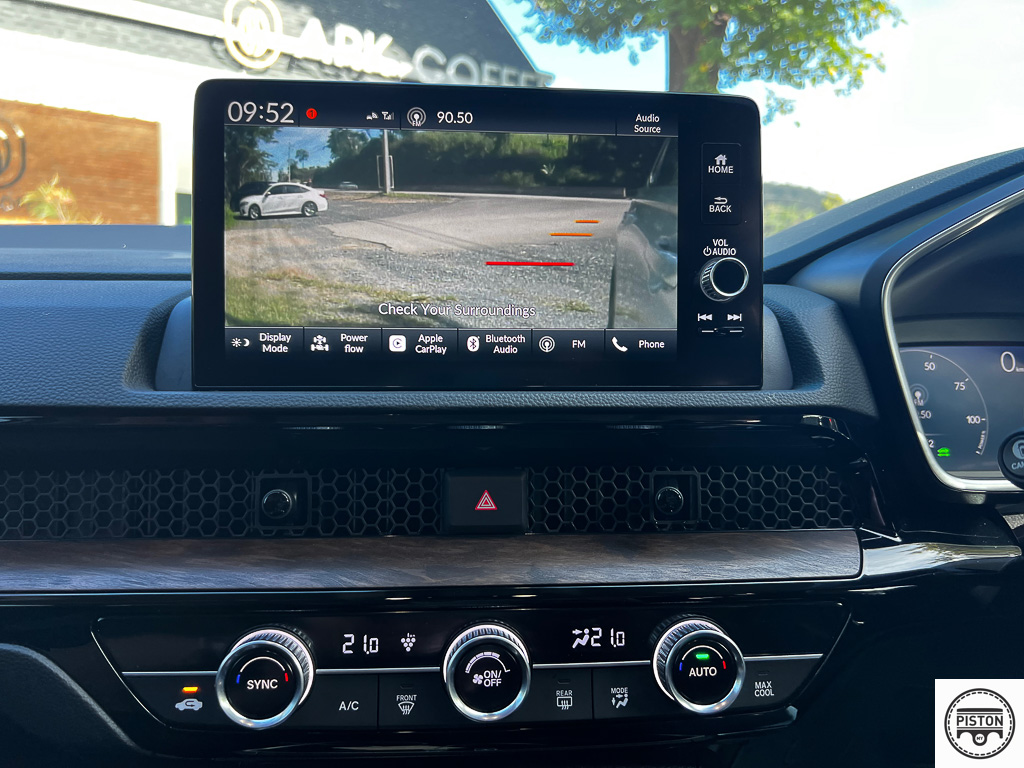
It does not work well in low light conditions, at night, or worse, in the torrential Malaysian monsoon rain where barely anything can be seen at all.

Often times, two motorcycles riding side by side at night can be misinterpreted as a single car.

Curiously though, Honda does offer Blind Spot Monitoring system in other markets, just not in Malaysia. Not yet at least.
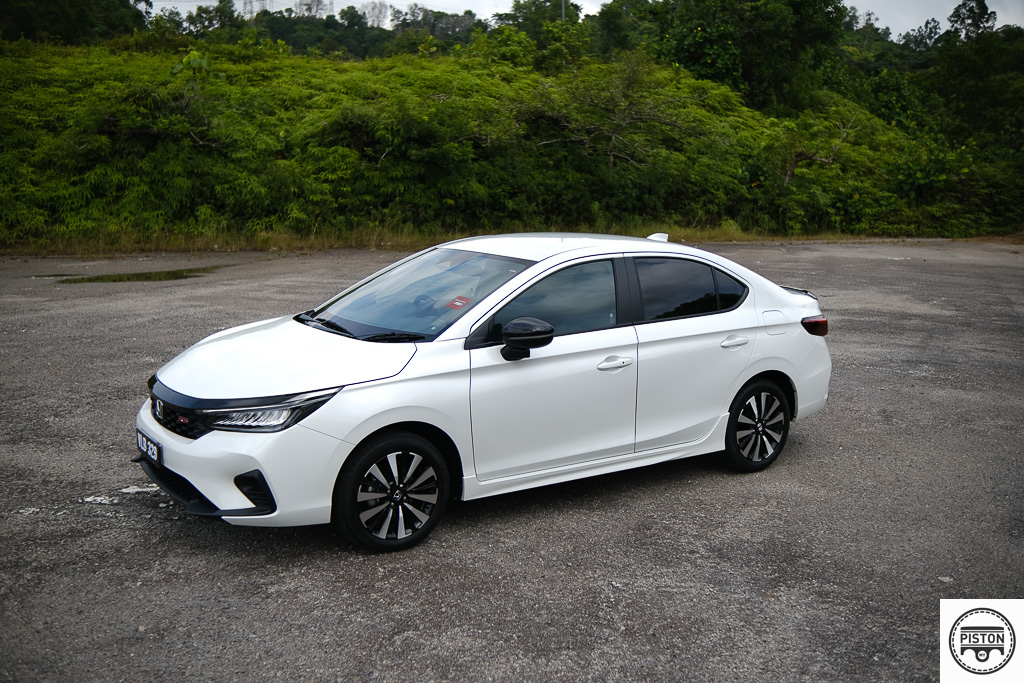
We recently got the chance to ask why this is so during a private media interview with Eisuke Sato, the Large Project Leader of the newly launched sixth-generation Honda CRV. Sato-san flew in from Japan for the Malaysian introduction of the new CRV.

When asked by Piston.my on why Malaysian Honda’s still use Lane Watch rather than the Blind Spot Monitoring system, Sato-san said, “In other regions, we do apply BSM and in the CRV globally, we do apply BSM as well.”

“However, specifically in Asian and in Malaysia, we consider how motorcycles are often used and we believe that Lane Watch is more effective.”

“Because Lane Watch can actually visualise where a motorcycle is and how many motorcycles there are, the Lane Watch system can provide for more accurate information for drivers.”
When asked about the grainy image and how the use of a high-definition camera would probably make the system more effective, Sato-san replied, “If we look at competitors, there are those who utilise higher-definition cameras but we did verify and confirm that the current spec used in the CRV is sufficient to capture the presence of motorcycles.”

“We also do understand that in dark situations and when it is raining drivers will need more visibility, so we will continue monitoring the situation and will consider an upgrade for the next models,” he added.
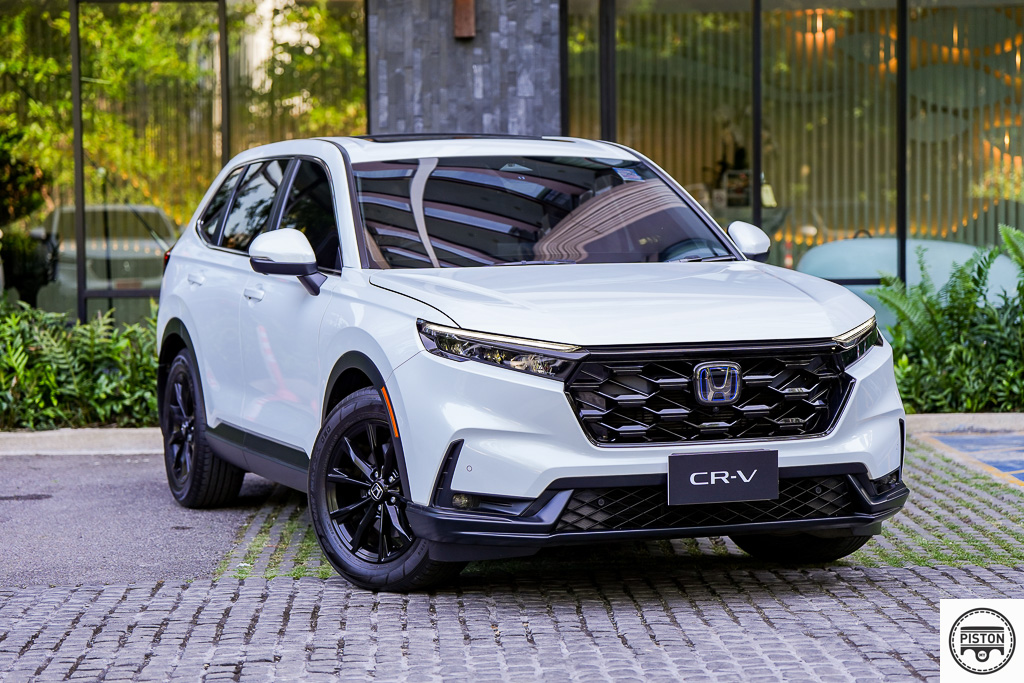
There is no doubt that Blind Spot Monitoring system works better in low light and in bad weather, and it is great that Honda Malaysia has an ear on the ground and listens to feedback.

So will we see the Blind Spot Monitoring system making an appearance in upcoming models. If there’s anything we took away from that interview, we can confidently say yes, it is just a matter of time.

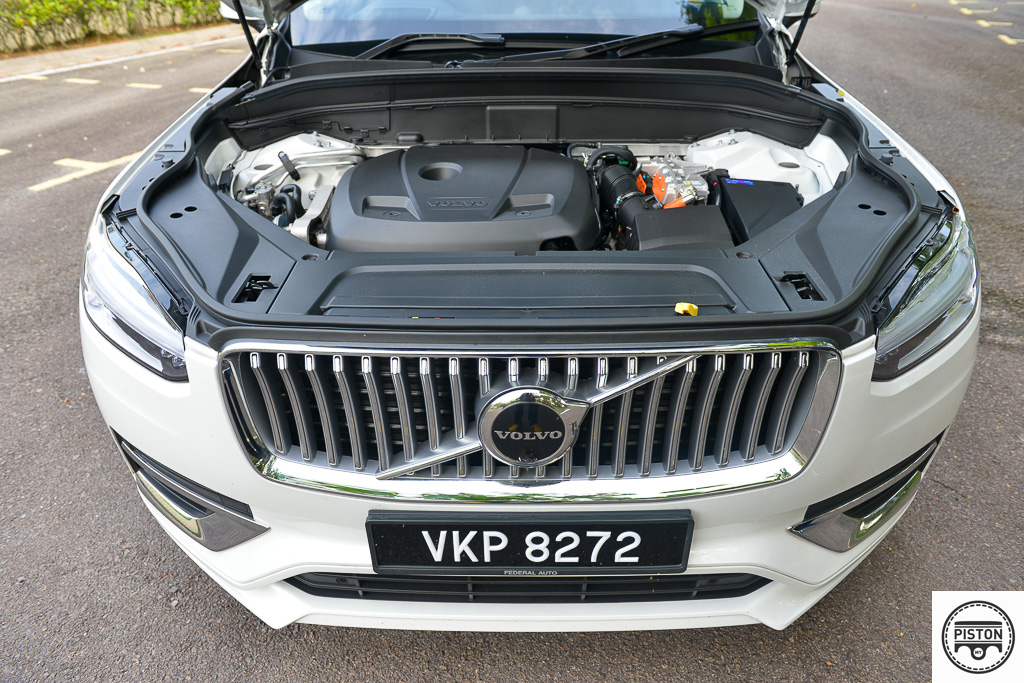
Volvo Cars, a pioneer in the automotive industry, declared at Climate Week NYC that it will cease the production of all diesel-powered models by early 2024, reaffirming its commitment to becoming a fully electric car manufacturer by 2030. This bold move positions Volvo Cars as one of the first legacy automakers to discontinue diesel production.

The decision to end diesel production aligns with Volvo Cars’ ambitious transformation plan, aiming for a fully electric vehicle (EV) lineup by 2030 and aspiring to be a climate-neutral company by 2040. The company has already divested from the development of new combustion engines, selling its stake in Aurobay, the joint venture holding its remaining combustion engine assets, in November 2022.

Volvo Cars has been at the forefront of sustainability since acknowledging its products’ negative environmental impact in 1972. The recent Global Climate Stocktake report from the United Nations underscores the urgent need for action against climate change.

The decision to phase out diesel production by early 2024 reflects the rapidly changing landscape of the automotive industry and evolving customer preferences. Only four years ago, diesel engines constituted a significant portion of Volvo Cars’ sales in Europe. Today, the majority of the company’s European sales are electrified cars, reflecting the shift in market demand and Volvo’s focus on electrification.

As Volvo Cars paves the way for a sustainable future, the decision to discontinue diesel production contributes to improved urban air quality by reducing emissions of gases like nitrogen oxide (NOx) associated with diesel engines.

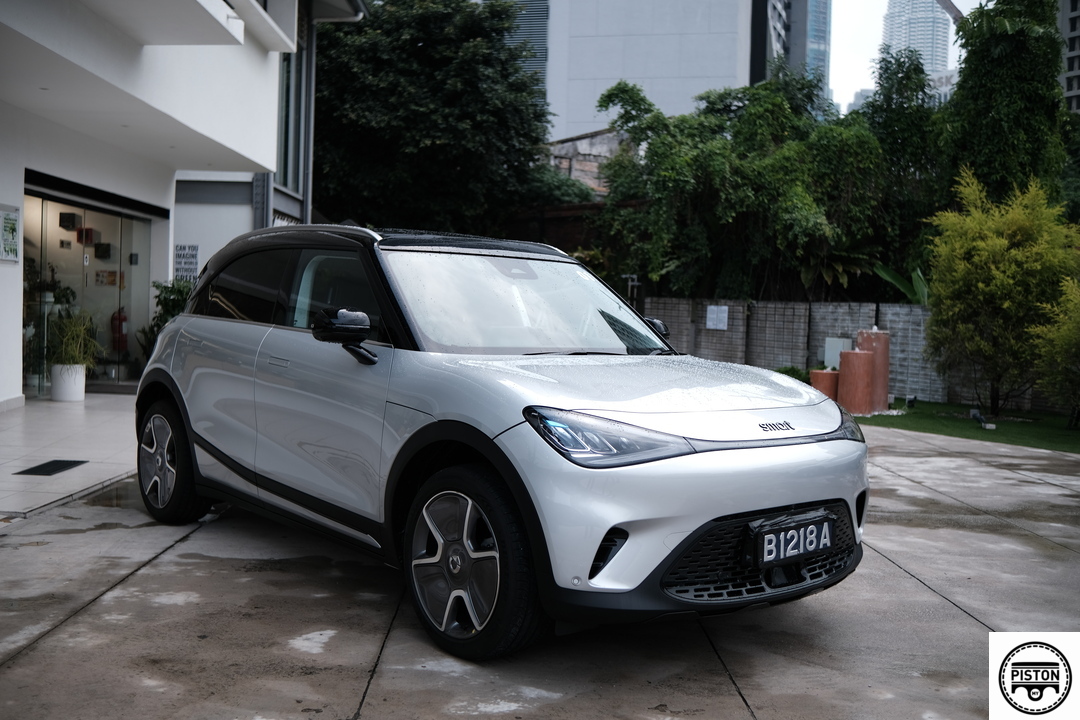
In a groundbreaking achievement, smart Malaysia announced the delivery of 100 smart #1 electric vehicles (EVs) within an unprecedented one-month timeframe. This record-setting accomplishment reflects the culmination of efficient collaboration among the brand’s 10 strategically located outlets, emphasising a commitment to providing customers with a seamless and expedited ownership experience.

The success of this rapid delivery initiative is attributed to the holistic one-stop mobility solution offered by smart Malaysia. The brand’s dedicated sales specialists played a pivotal role in ensuring a smooth and hassle-free experience for customers, managing all essential details from selection to ownership. The end-to-end digital app further contributed to the efficiency of the purchase journey, allowing customers to seamlessly navigate processes such as booking and loan applications.

(more…)

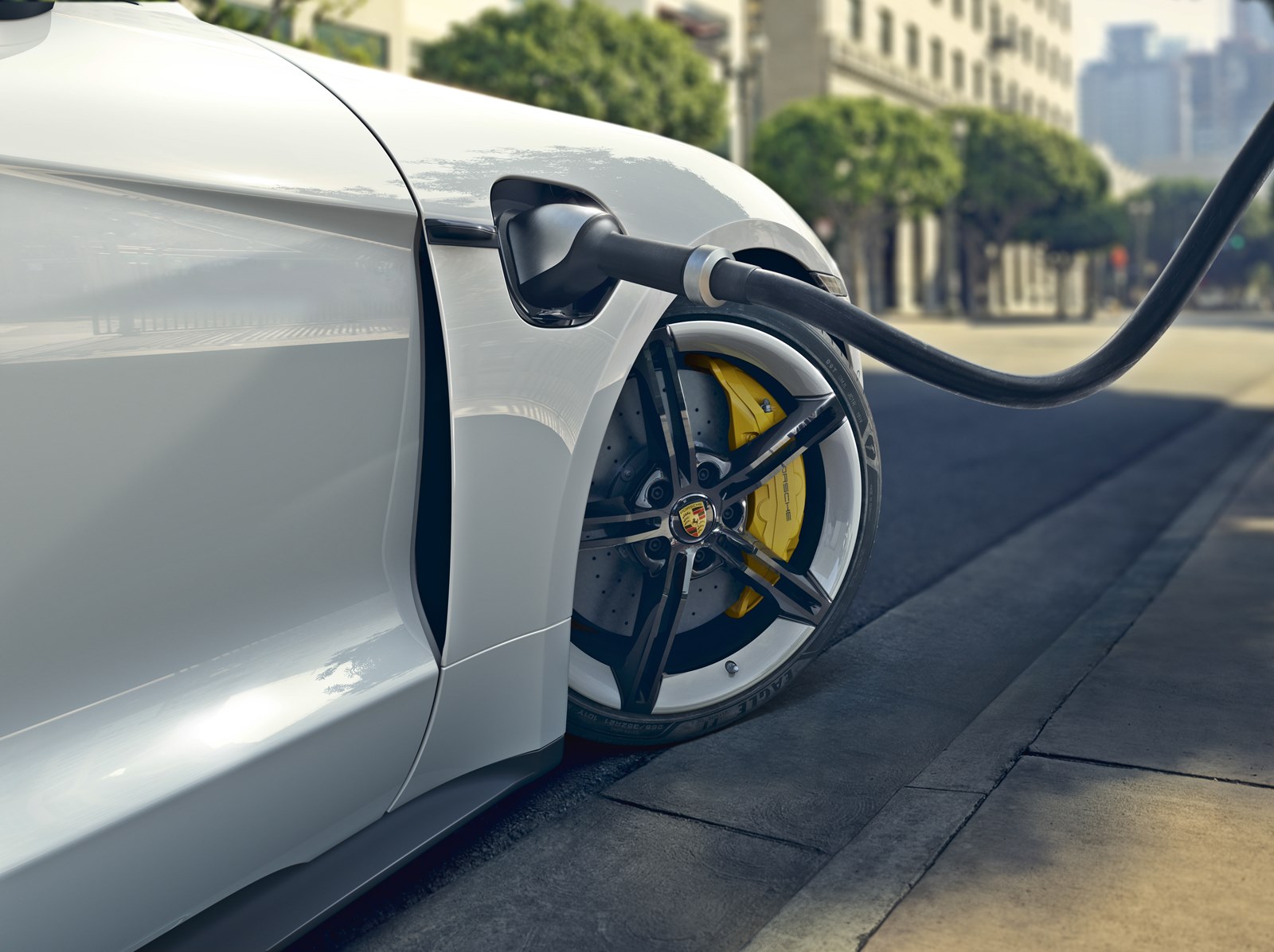
In a recent announcement, the Minister of Transport, Anthony Loke, revealed ongoing refinements to Malaysia’s draft tax structure for electric vehicles (EVs). The Minister cited specific aspects of the current draft requiring improvement and emphasised the need for additional time to optimise rates for prospective EV buyers.

Loke assured existing EV owners that the review process would not impact their current tax benefits, stating, that there are some aspects that he is not satisfied with in the draft and would need reviewing.

According to Malaysia Gazette, the comprehensive draft will undergo evaluation by the EV Steering Committee before finalisation. Loke expressed his commitment to refining the draft for the benefit of prospective EV buyers, recognising the importance of a competitive tax structure to drive electric vehicle adoption in the country.

Earlier statements by Loke outlined plans for a more competitive road tax structure, known as Motor Vehicle License (LKM), tailored specifically for EVs. This initiative aligns with broader government efforts to promote eco-friendly transportation. However, Loke clarified that the proposed road tax structure would only take effect after 2025, coinciding with the conclusion of the current road tax exemption period for EVs.

In February of the previous year, Malaysia’s Ministry of Transport, through the Road Transport Department, had announced a full exemption of LKM fees for electric vehicles. This exemption, valid from January 1, 2022, to December 31, 2025, applies to EVs utilising battery or fuel cell technology. Notably, the exemption excludes hybrid vehicles with internal combustion engines running on petrol or diesel.

As Malaysia strives to encourage the transition to sustainable transportation, the refinement of the EV tax structure underscores the government’s commitment to balancing EV adoption incentives with fair taxation practices. The forthcoming adjustments are anticipated to create a more supportive environment for electric vehicles within the Malaysian automotive landscape.

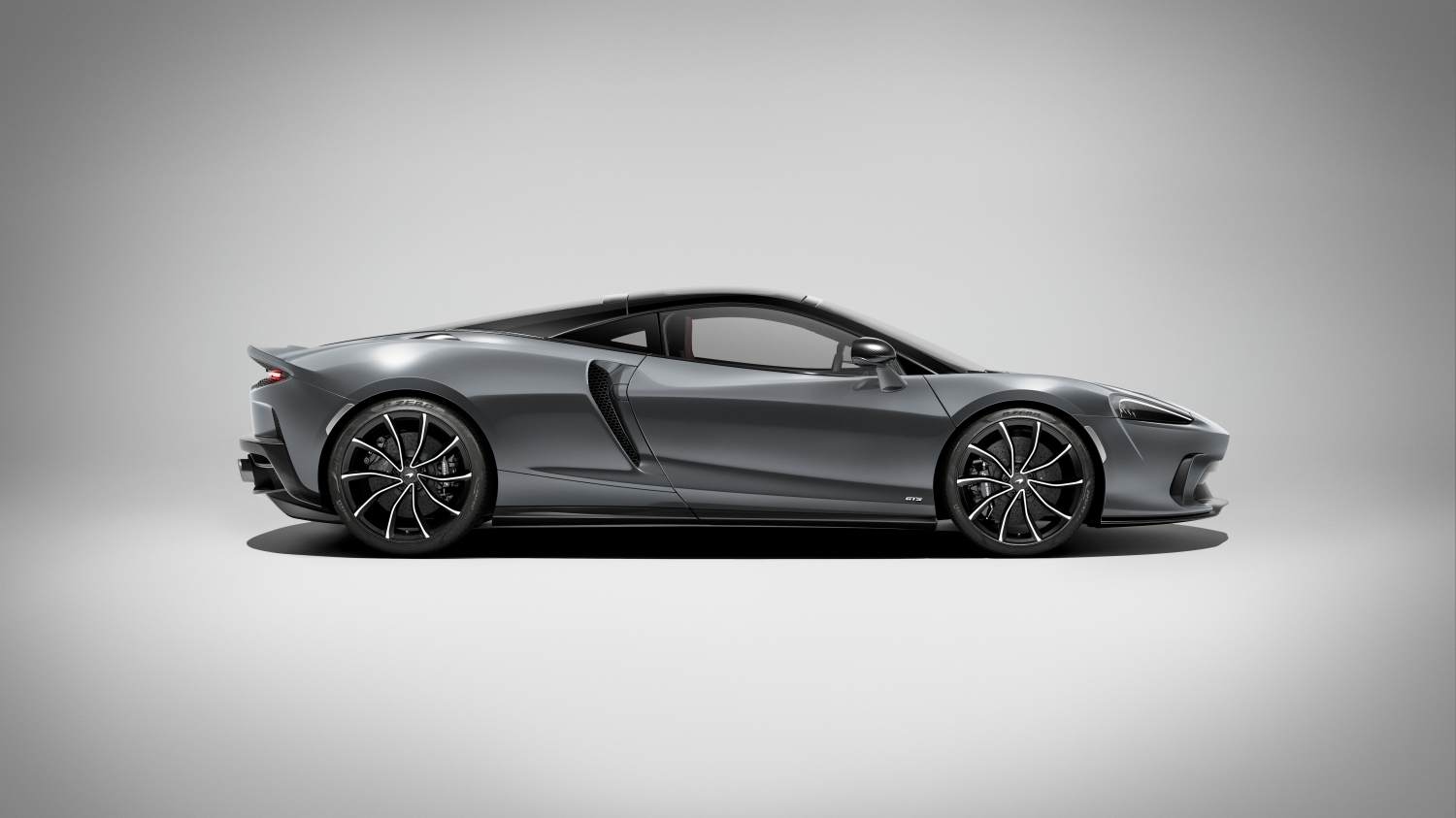
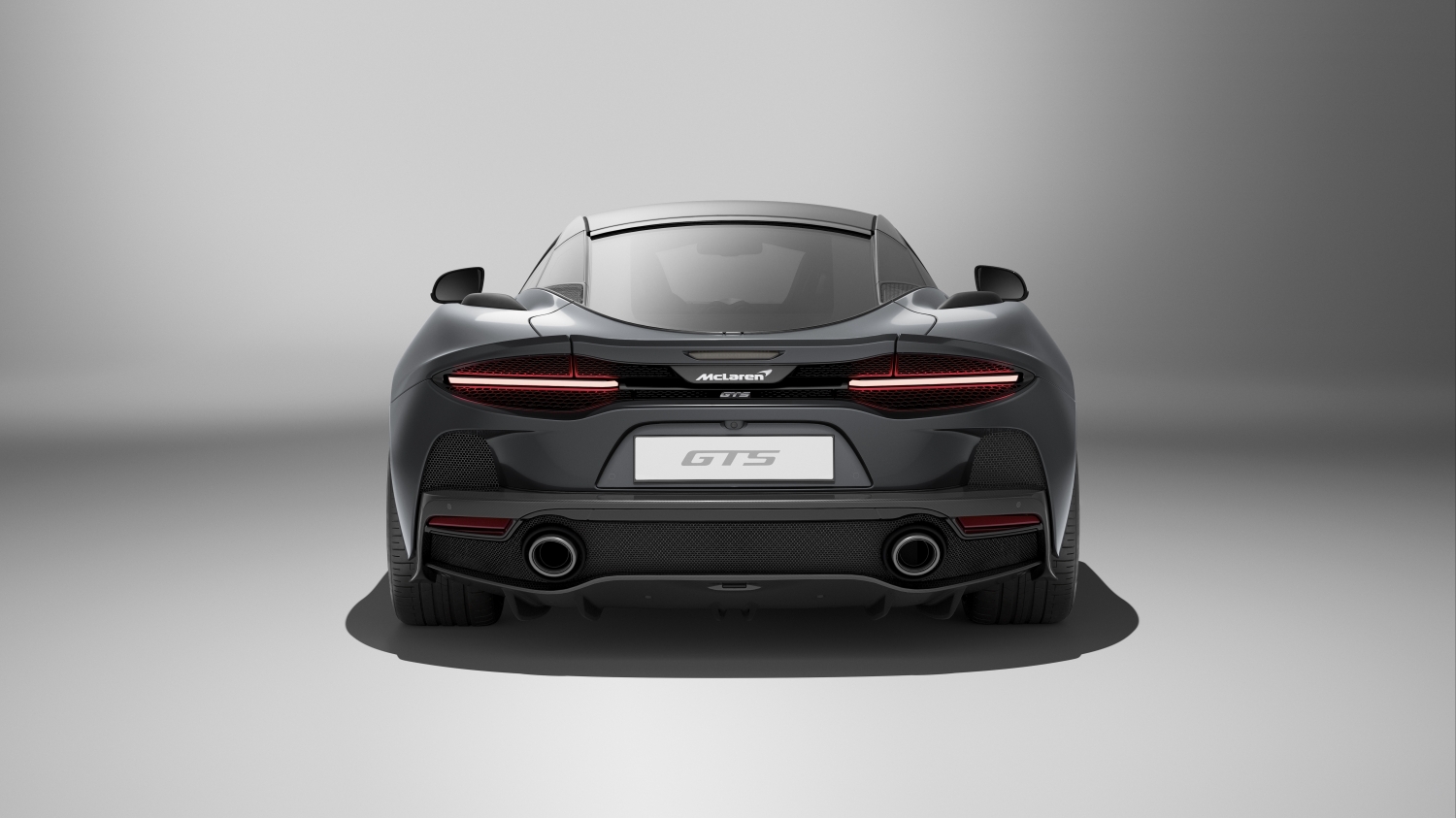
McLaren, the iconic British supercar manufacturer, introduces the highly anticipated McLaren GTS, designed to take its place in the McLaren lineup as a replacement for the GT model.

Exterior Enhancements:

At the forefront of the GTS’s aesthetic evolution is the updated ‘hammerhead’ signature styling at the front. A redesigned lower front bumper section houses more pronounced air intakes, featuring wider openings to optimise airflow to the car’s radiator system. The front intake air blades, available in gloss visual carbon fibre, not only reflect McLaren’s racing heritage but also contribute to the GTS’s more aggressive and dynamic appearance.

On the rear fenders, new and taller air scoops, also offered in gloss visual carbon fibre, sit prominently, facilitating increased airflow into the heart of the GTS – the formidable 4.0-litre twin-turbocharged V8 engine.

The GTS’s muscular visuals include a large rear diffuser and dual exhausts, enhancing the car’s overall aerodynamics. The optional Sports Exhaust system delivers an exhilarating supercar soundtrack, allowing drivers to revel in the raw power at their command.

For a stealthy appearance by default, the GTS comes standard with a gloss black finish on the exhaust finisher, mirror caps, and window surrounds. The vehicle’s badging, including new side badges, can be further customized with a black finish by opting for the Stealth Badge Pack. Visual carbon fiber options abound, from underbody carbon packs to specific exterior details such as front air intake blades, rear fender air intakes, and mirror caps.

Lightweight Construction and Performance Prowess:

Underpinning the GTS is the robust carbon fibre MonoCell II-T monocoque chassis, renowned for its strength and ultra-lightweight construction. The chassis features a standard composite roof made from recycled carbon fiber, exemplifying McLaren’s commitment to sustainability without compromising performance.

Weighing a mere 1,520kg (DIN), the GTS claims the title of the lightest car in its class. The 4.0-litre twin-turbocharged V8 engine, denoted as the V8 M840TE, now produces an impressive 635PS at 7,500rpm. The engine enhancements include a boost in crankshaft torque through more aggressive combustion phasing and revised ignition timing.

Equipped with a launch-control function, the GTS accelerates from 0-100km/h in a blistering 3.2 seconds and achieves 0-200km/h in just 8.9 seconds, showcasing its formidable performance capabilities. The GTS boasts a maximum speed of 326km/h.

(more…)

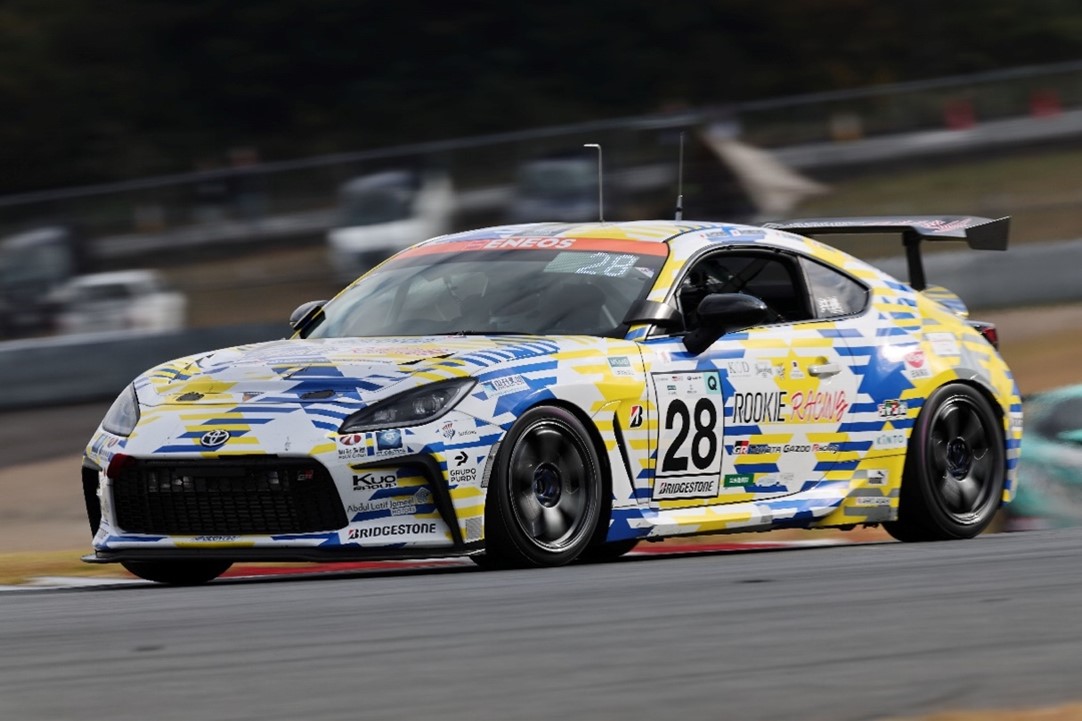
Toyota Motor Corporation has revealed its participation in the Idemitsu Super Endurance Southeast Asia Trophy 2023, a 10-hour endurance race scheduled for December 22 and 23 at Thailand’s Chang International Circuit.

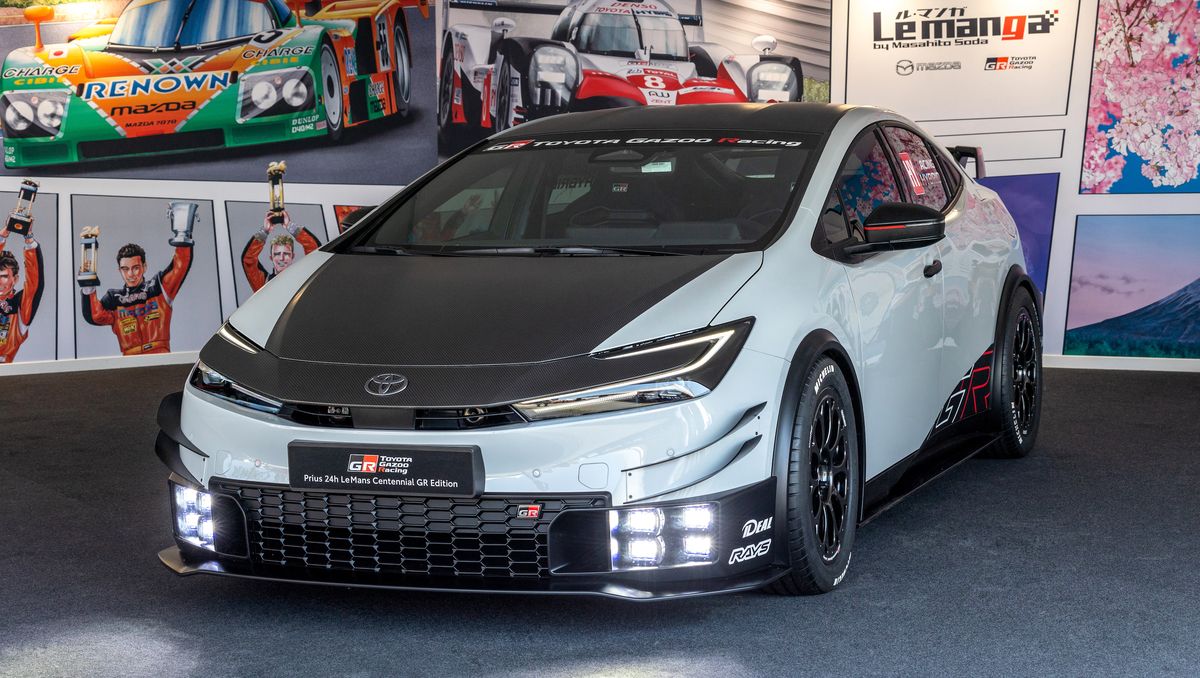
Toyota will field a three-vehicle lineup for Rookie Racing featuring innovative concepts, including the ORC Rookie GR86 CNF, a GR86 powered by carbon-neutral fuel; the ORC Rookie GR Corolla H2, a hydrogen-powered Corolla; and the CP Rookie Prius CNF-HEV GR, a Prius HEV running on carbon-neutral fuel. Notably, this marks the first time Toyota will compete with a production Prius HEV (hybrid electric vehicle).

Toyota Prius 24h Le Mans Centennial GR Edition

Additionally, three vehicles from Toyota Gazoo Racing team Thailand—the Corolla, 86, and Yaris—will run on carbon-neutral fuel. Toyota is committed to expanding motorsports-related options for achieving carbon neutrality in collaboration with its Asian partners.

In its pursuit of a carbon-neutral society, Toyota is actively participating in the Super Taikyu series with hydrogen-powered and carbon-neutral fuel-driven vehicles. The GR86 and hydrogen-powered Corolla previously competed in the 2022 Thailand 25H Endurance Race, and in the upcoming Idemitsu Super Endurance Southeast Asia Trophy, Toyota introduces an HEV, recognising its effectiveness in achieving carbon neutrality in the Asian context, especially in Thailand.

(more…)

Archive

Follow us on Facebook

Follow us on YouTube