The Malaysian SUV market is one of the most competitive automotive battlegrounds, and Honda has been a consistent front-runner thanks to the enduring popularity of the HR-V.
Since its first introduction in 2015, the HR-V has built a strong reputation for combining style, practicality, and reliability in a compact package. According to Honda Malaysia, they have sold more than 171,000 units of the HR-V!
With the arrival of the refreshed 2025 Honda HR-V, Honda Malaysia has taken the opportunity to refine what was already a winning formula.
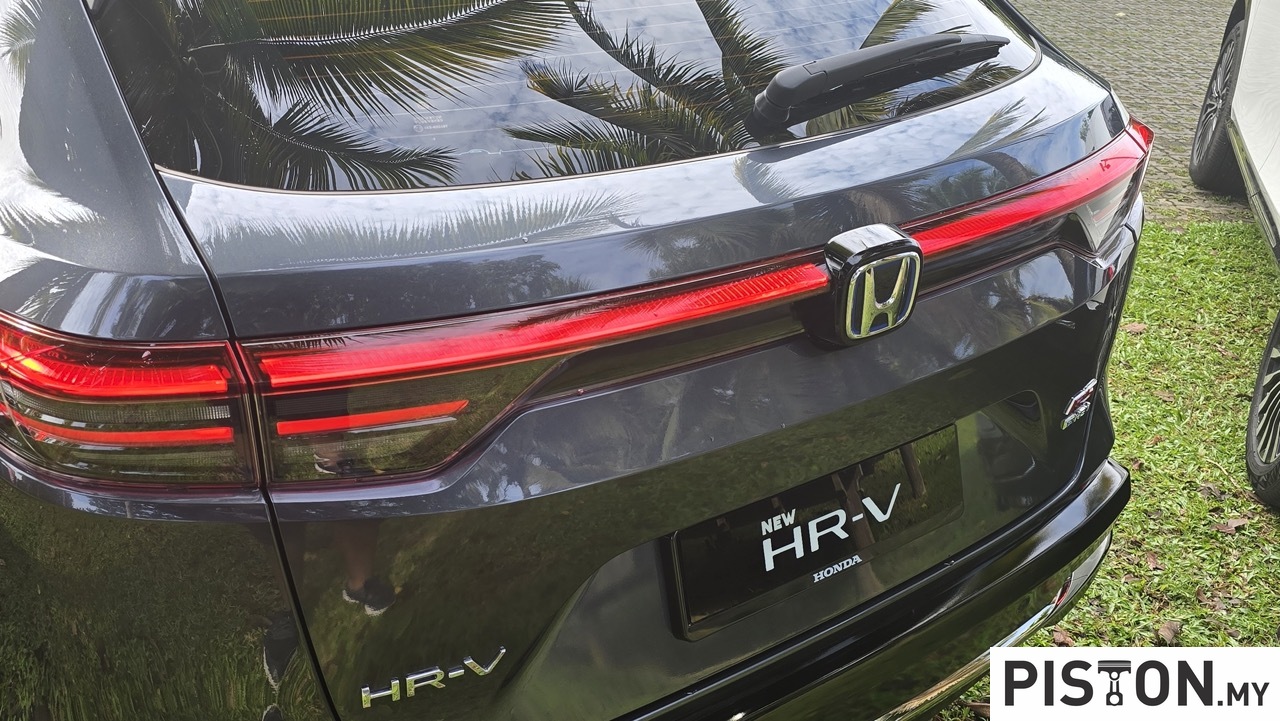
This updated model promises not only subtle styling tweaks but also improvements in comfort, technology, and safety. We spent time evaluating what makes the latest HR-V stand out and whether it retains its place as one of the top choices in the segment.
A Subtle Evolution in Design
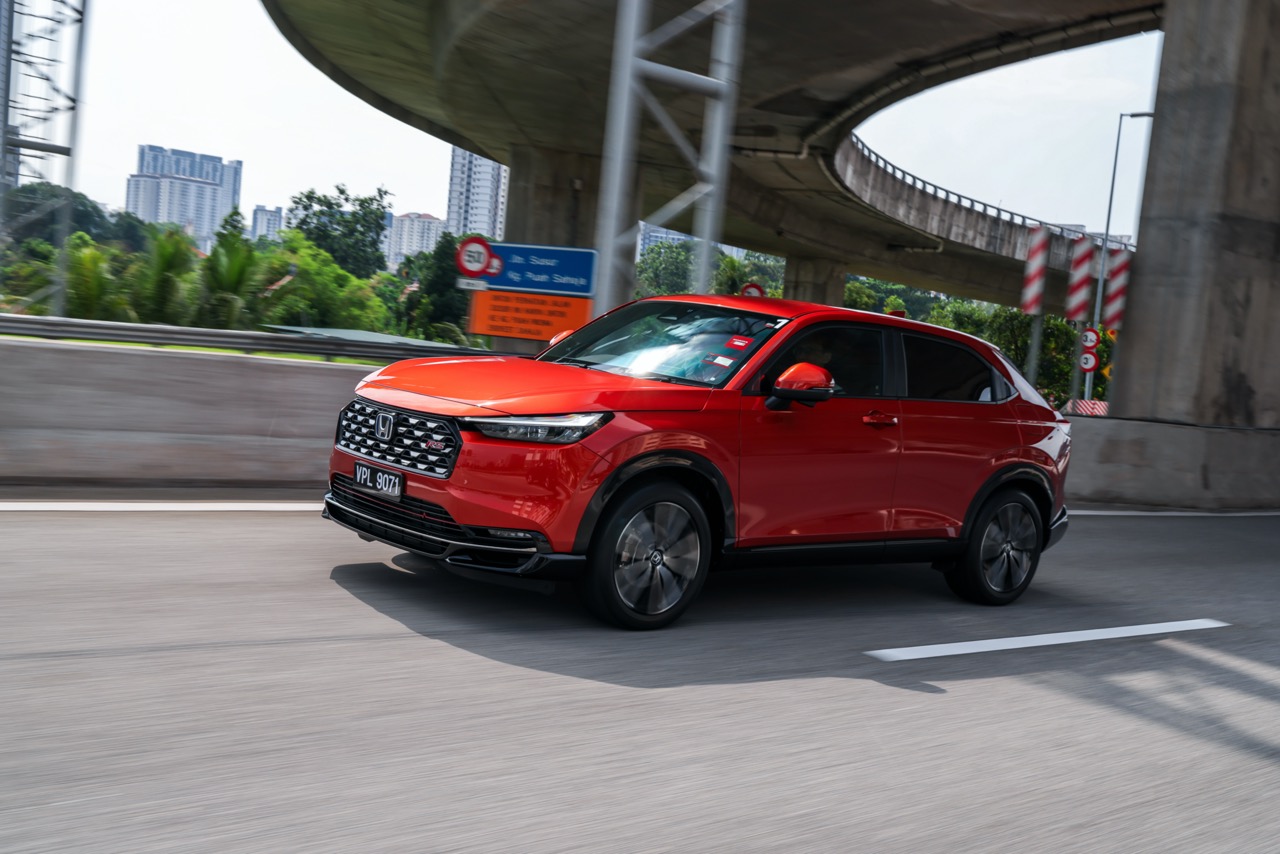
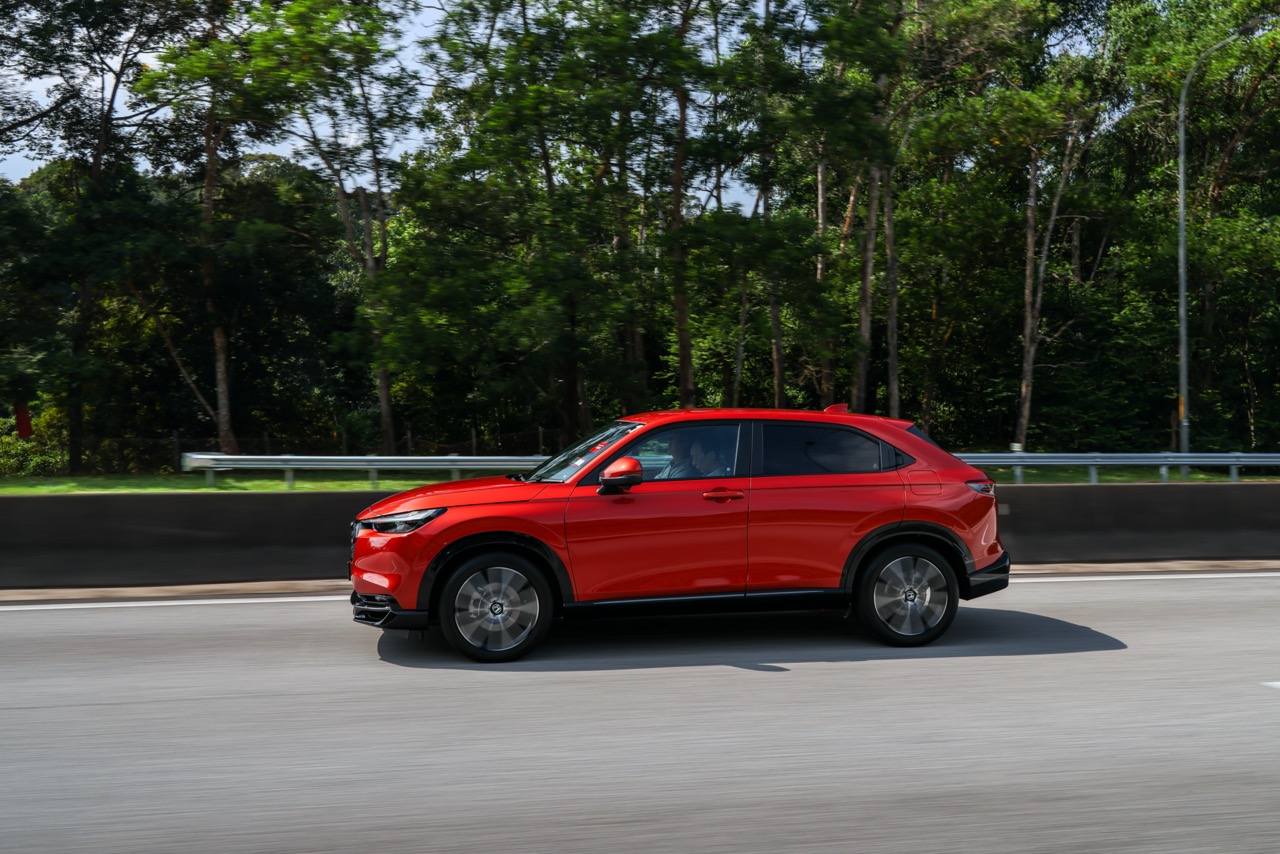
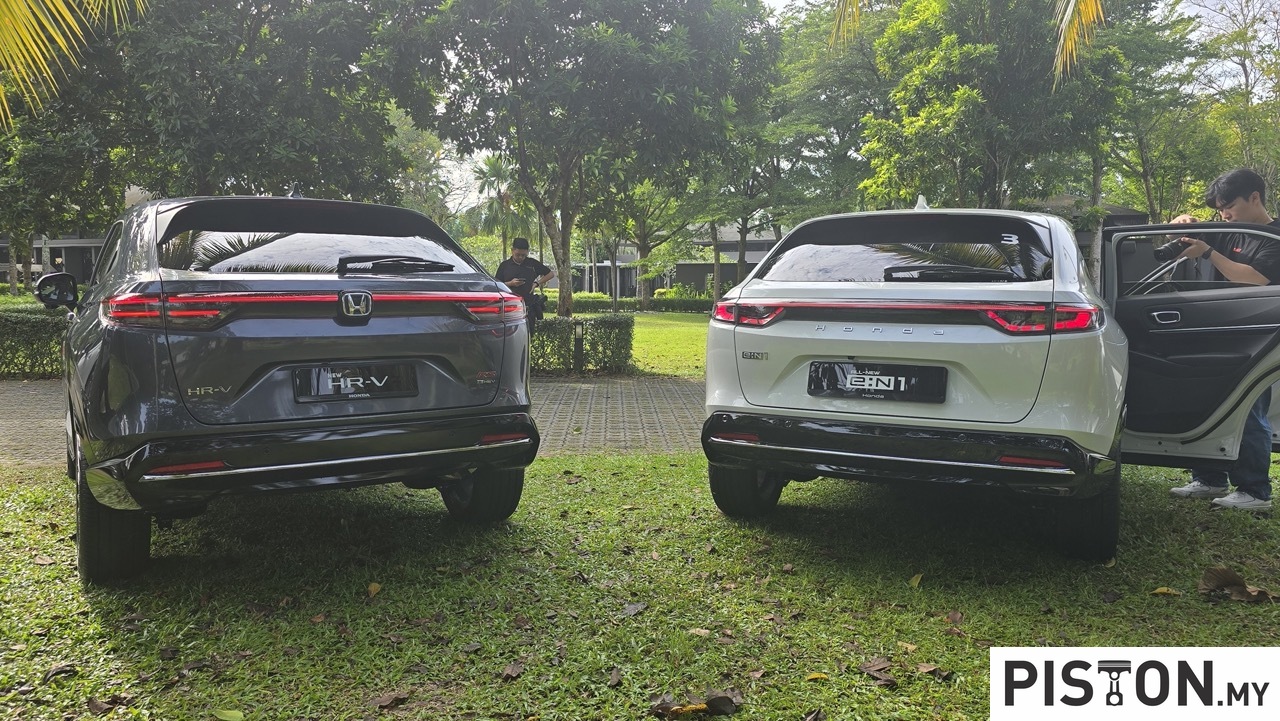
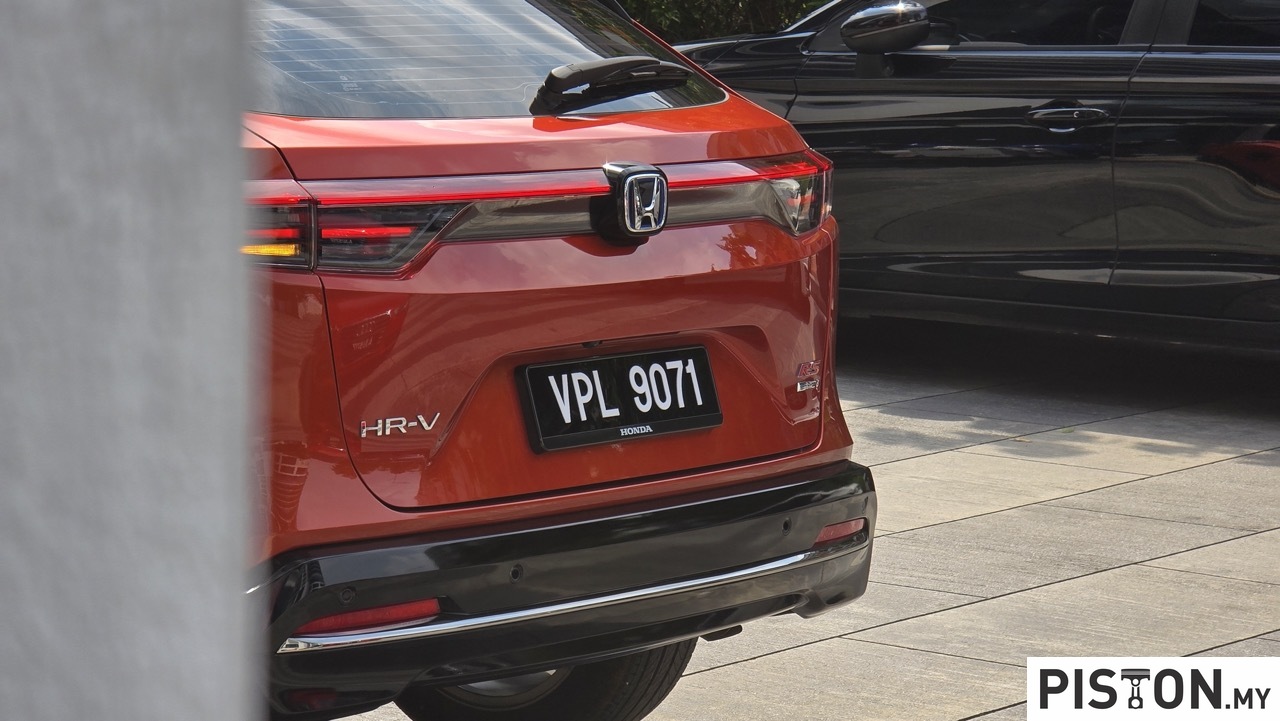
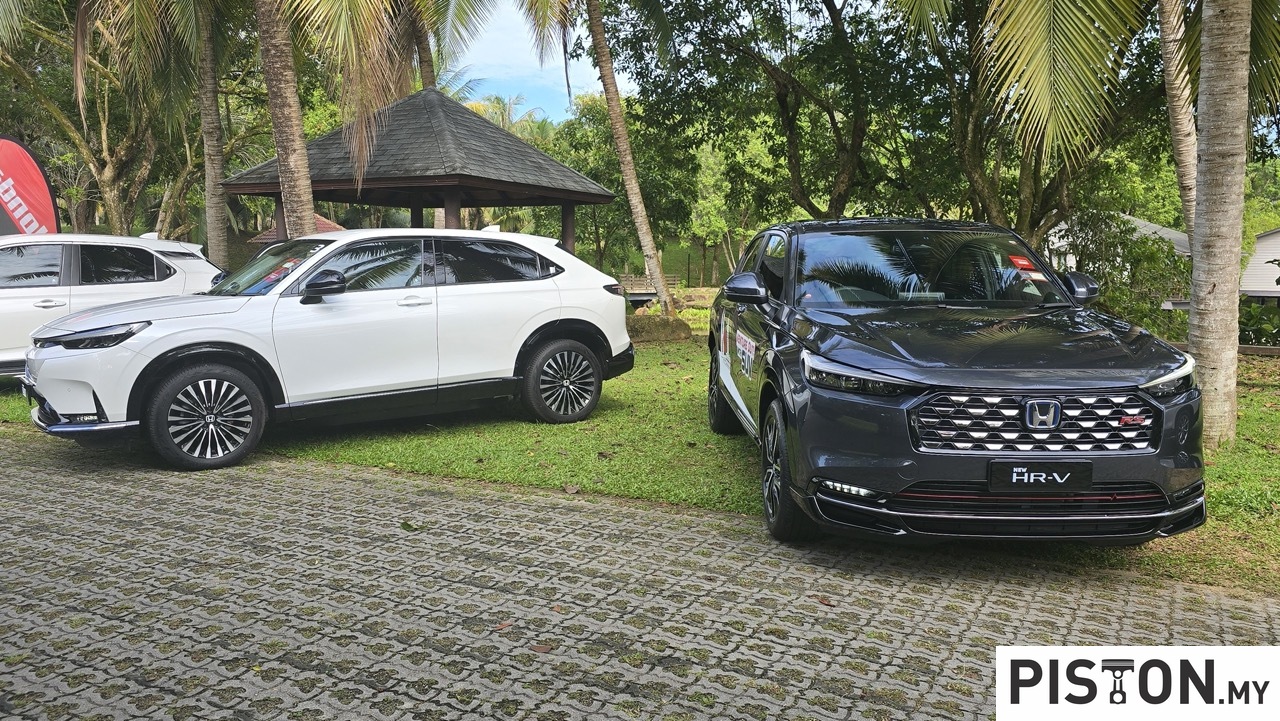
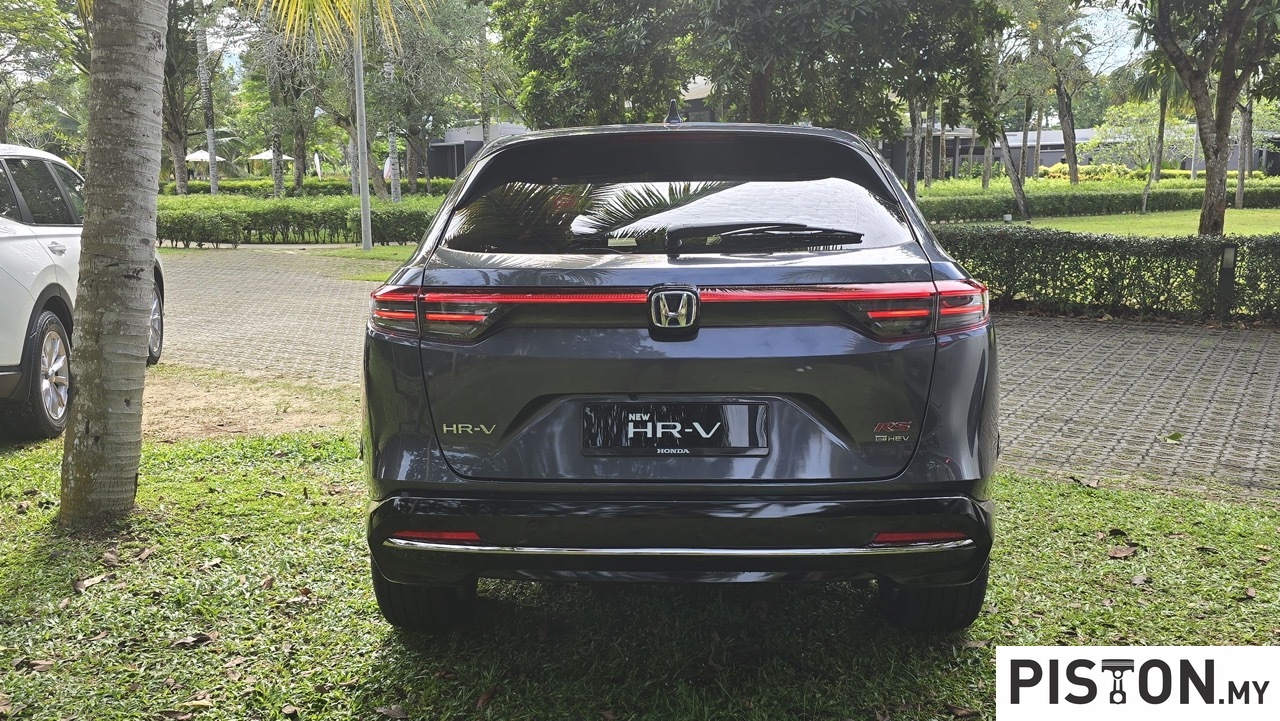
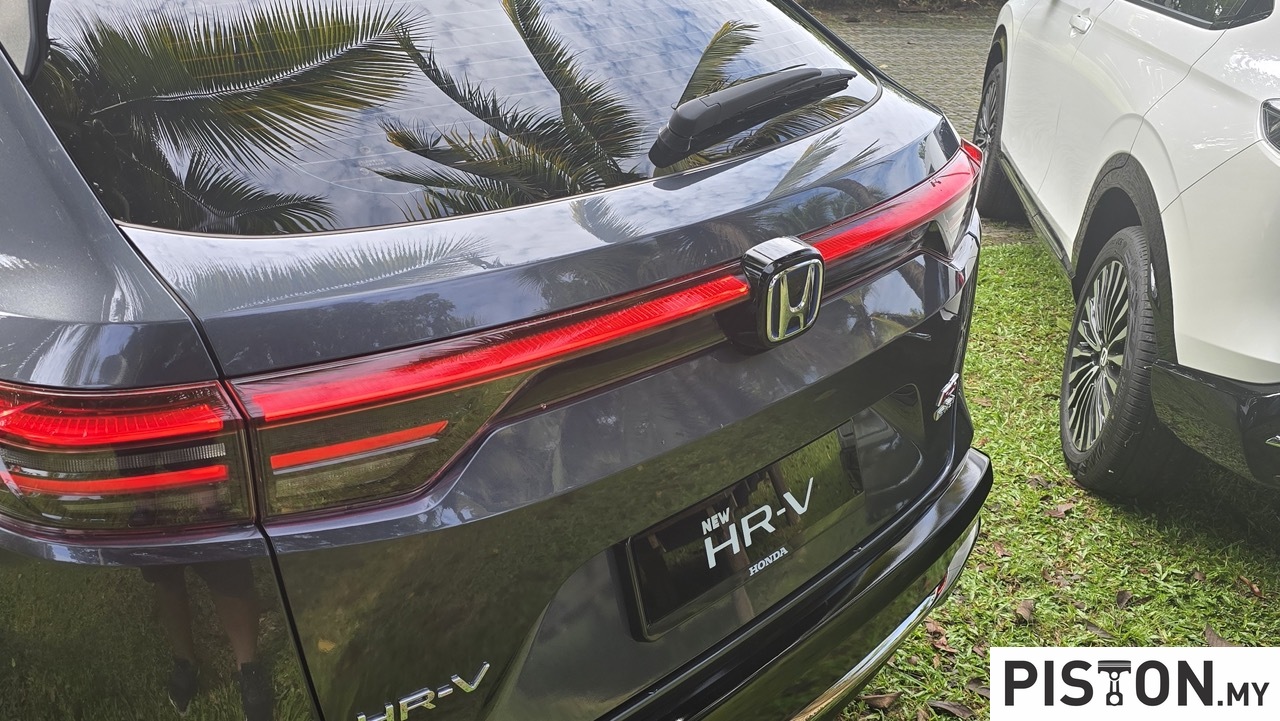
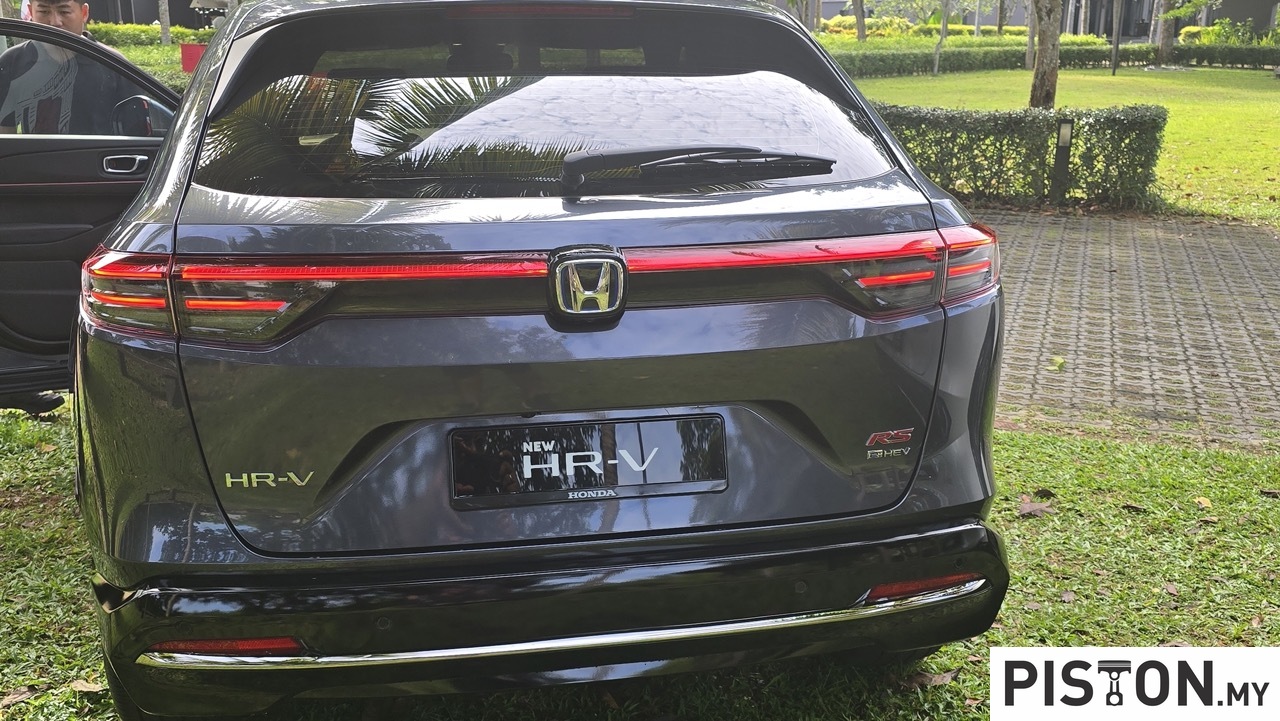
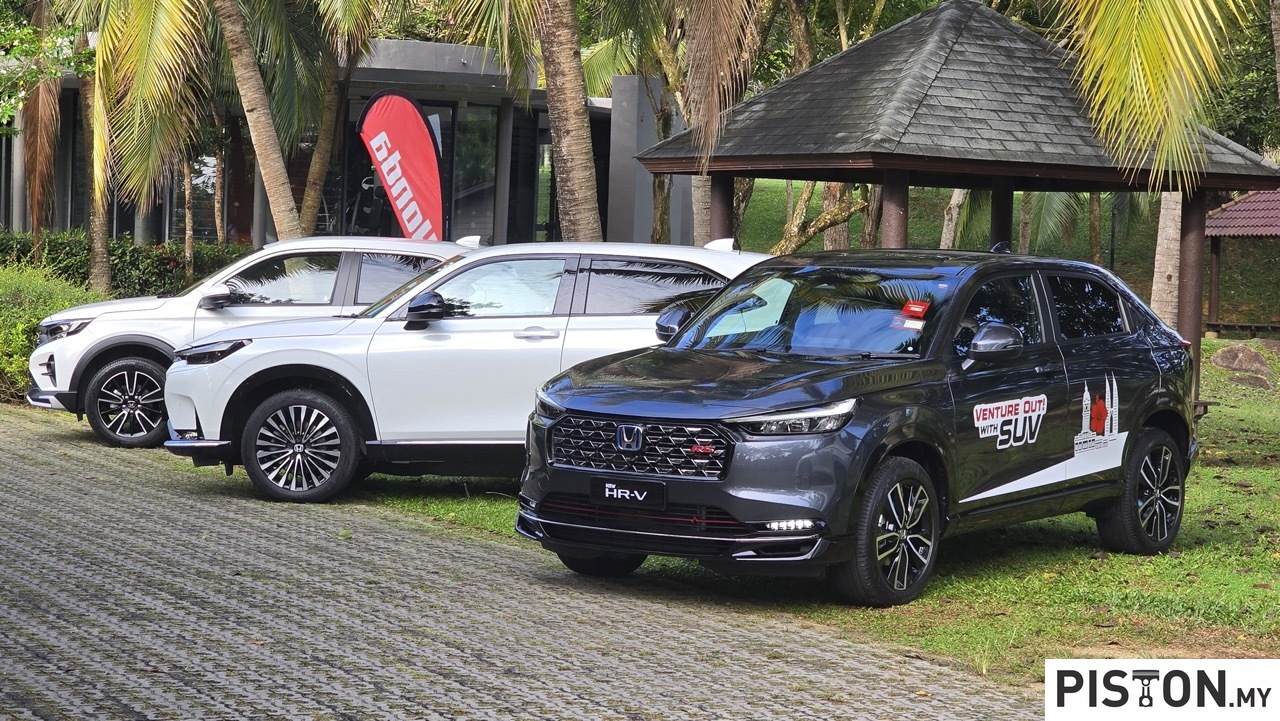
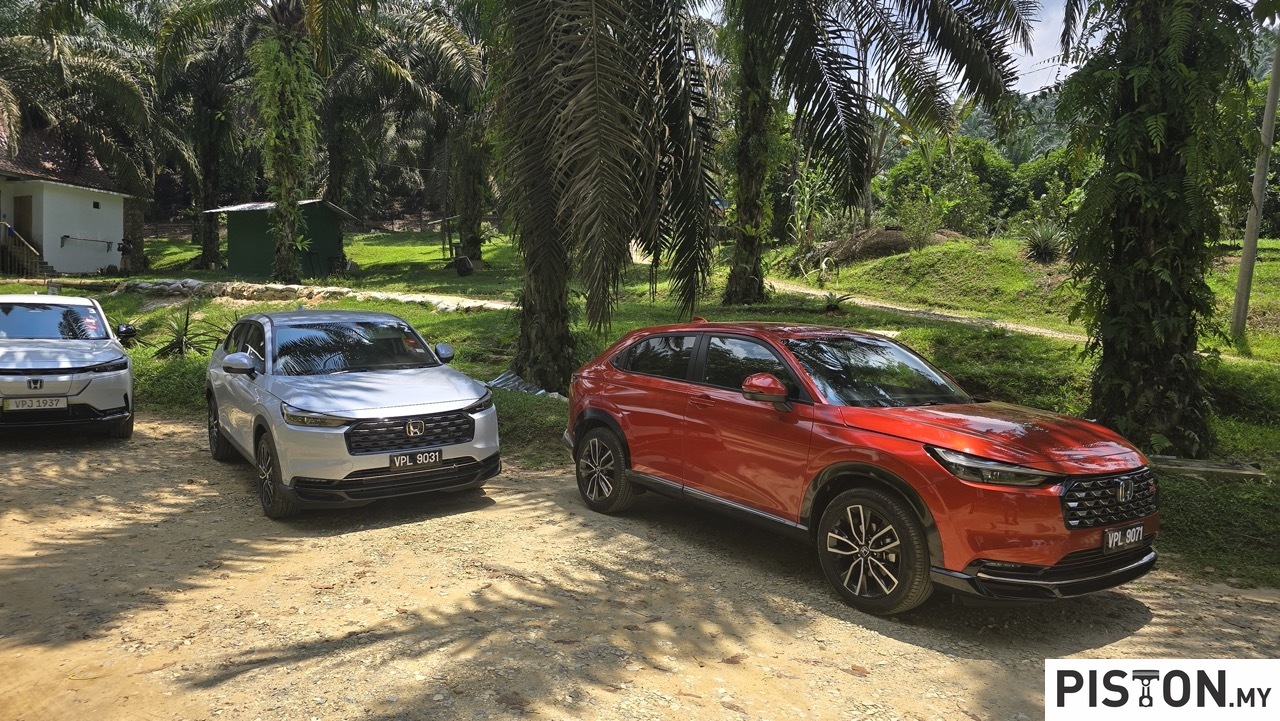
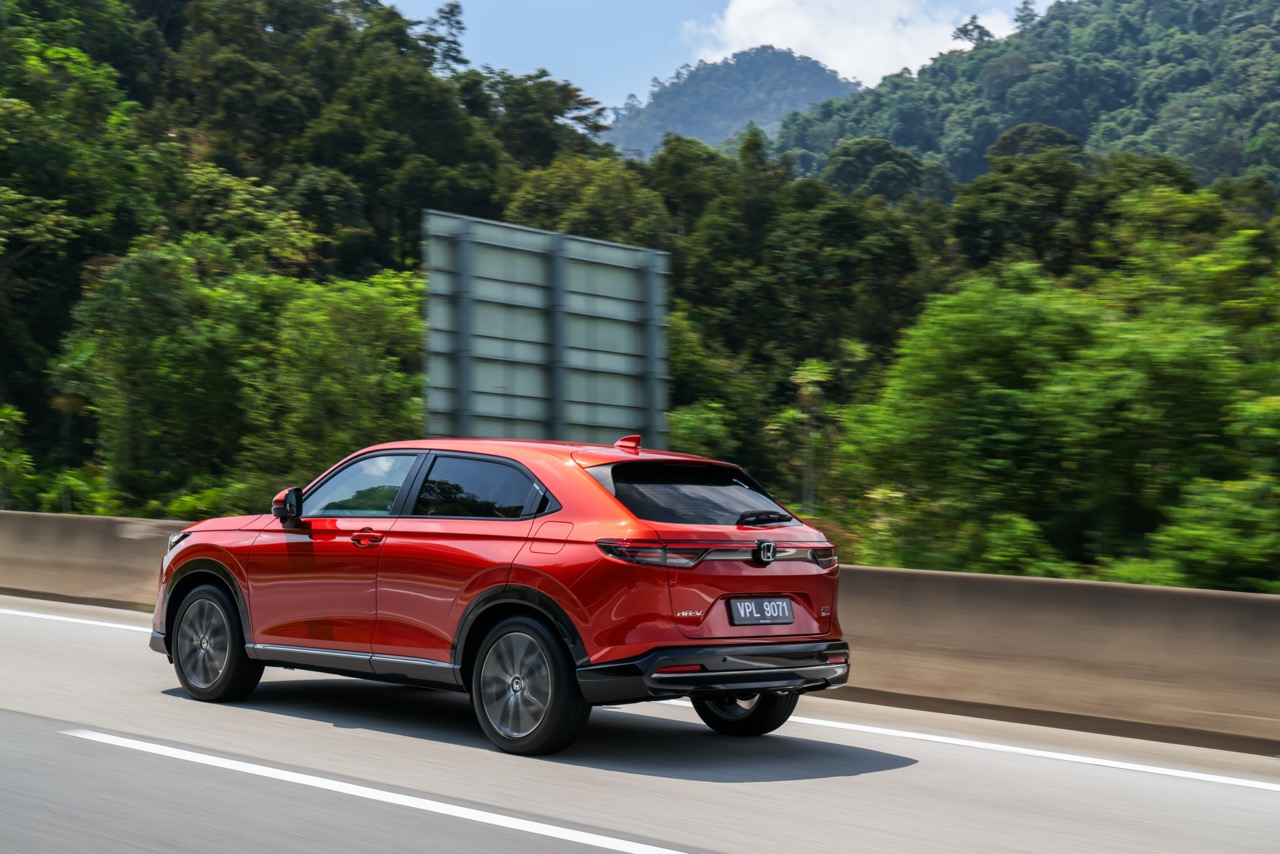
Visually, Honda has not drastically altered the HR-V’s well-established coupe-inspired profile, and that is deliberate. The silhouette, one of the defining features of the model since its introduction, remains intact. Instead, the design team has concentrated on details.
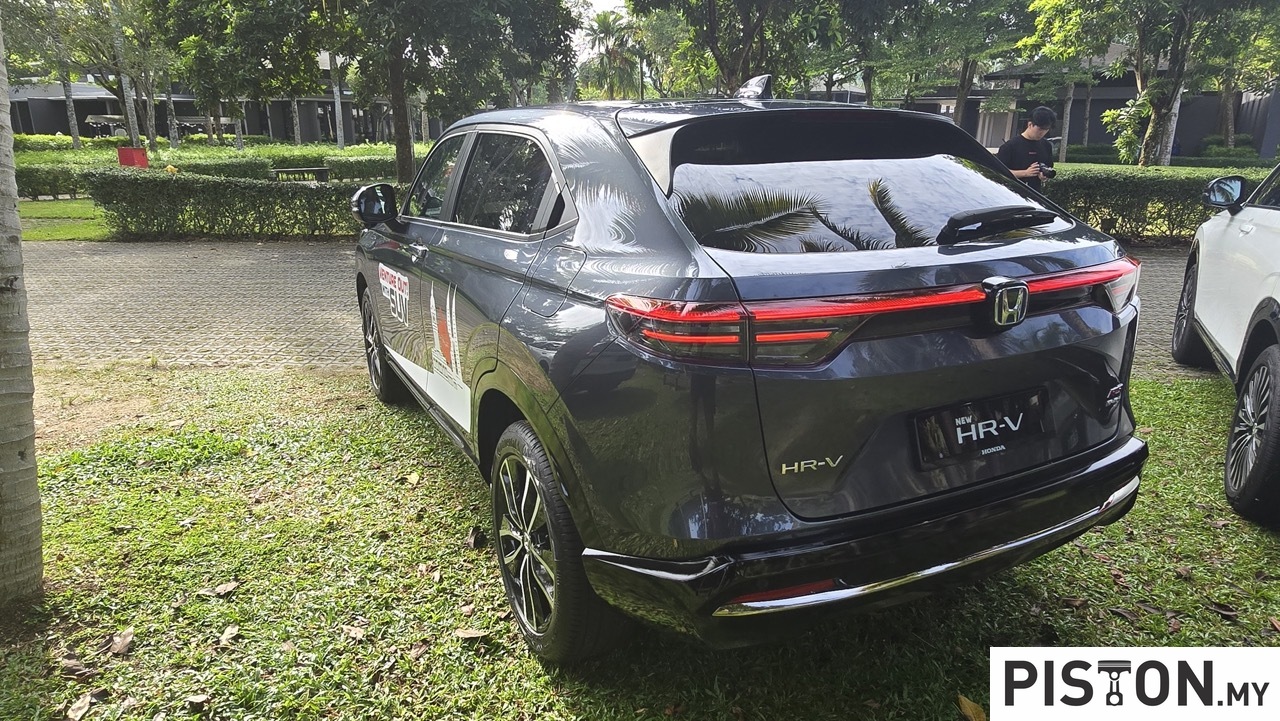
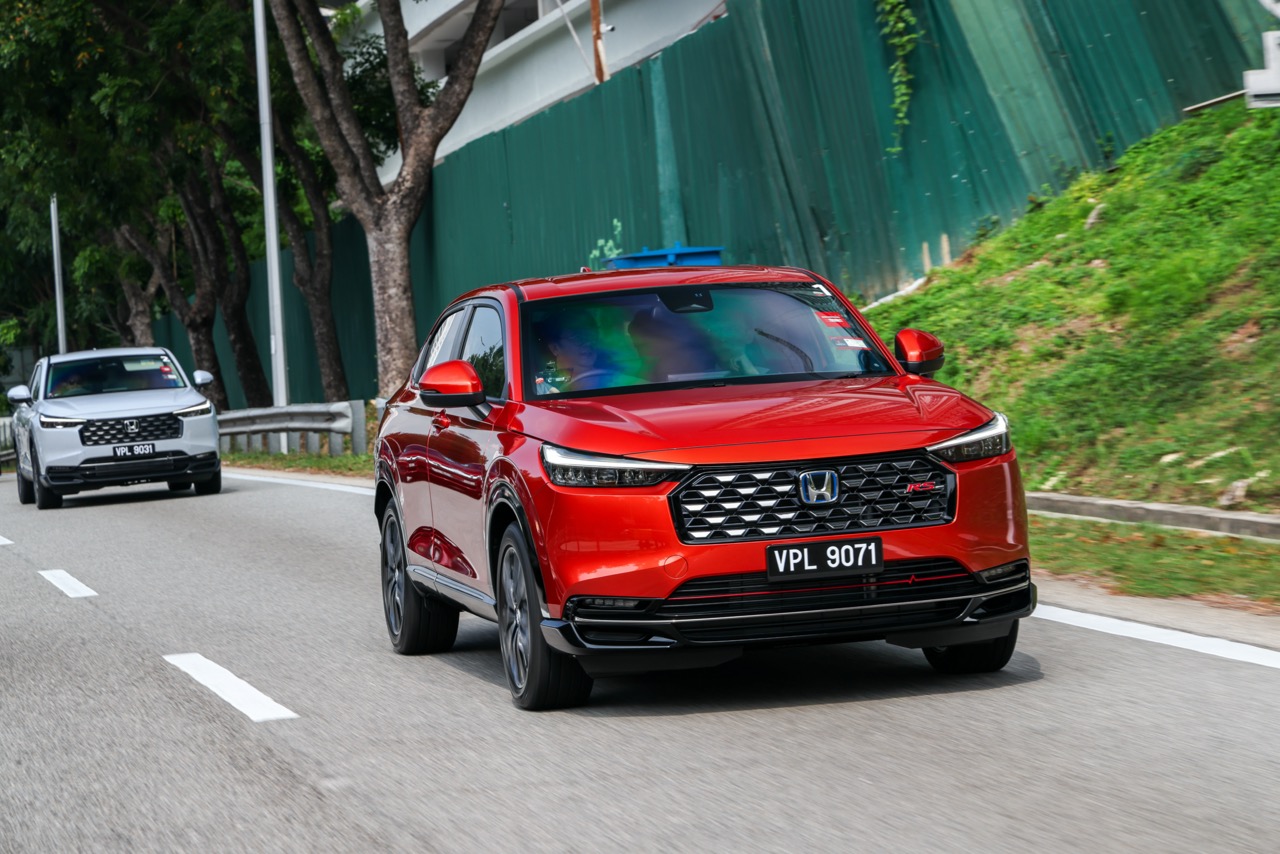
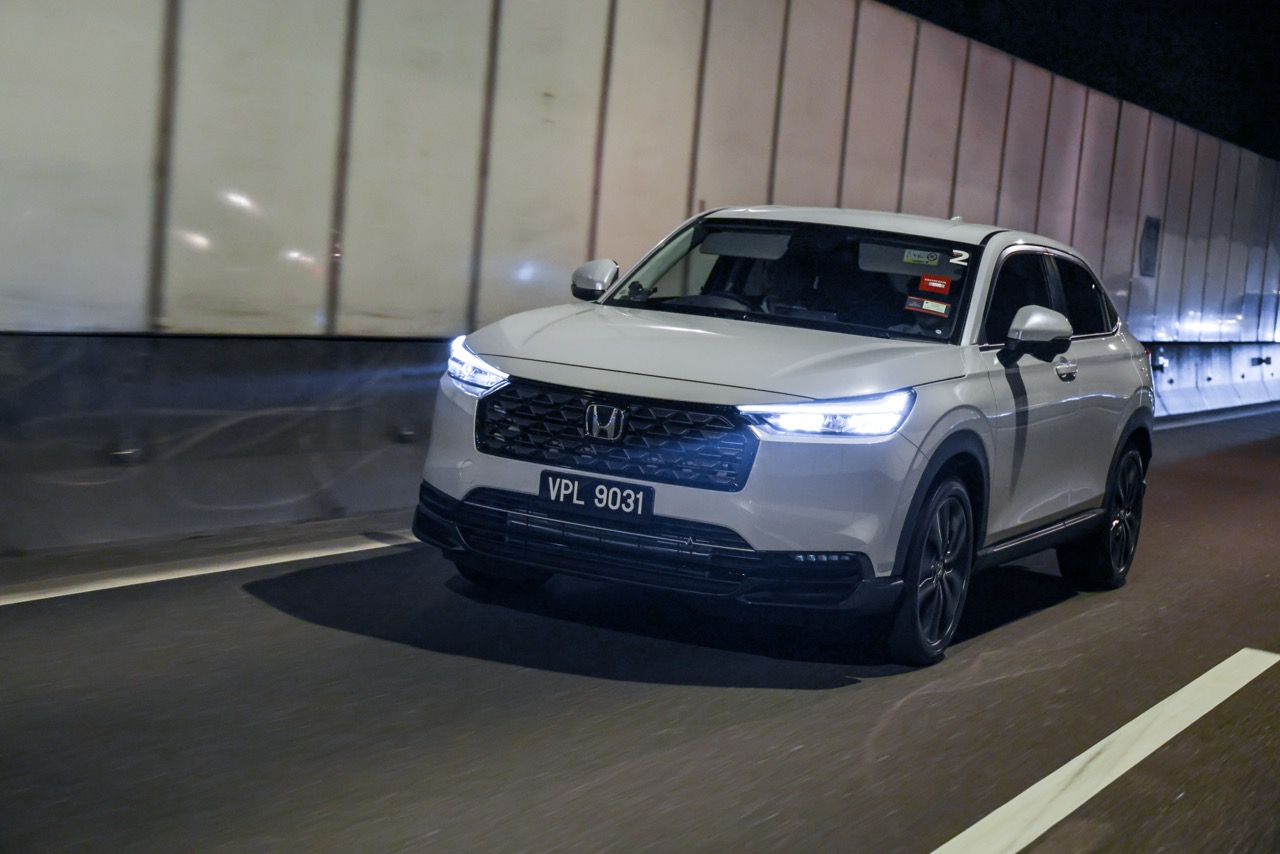
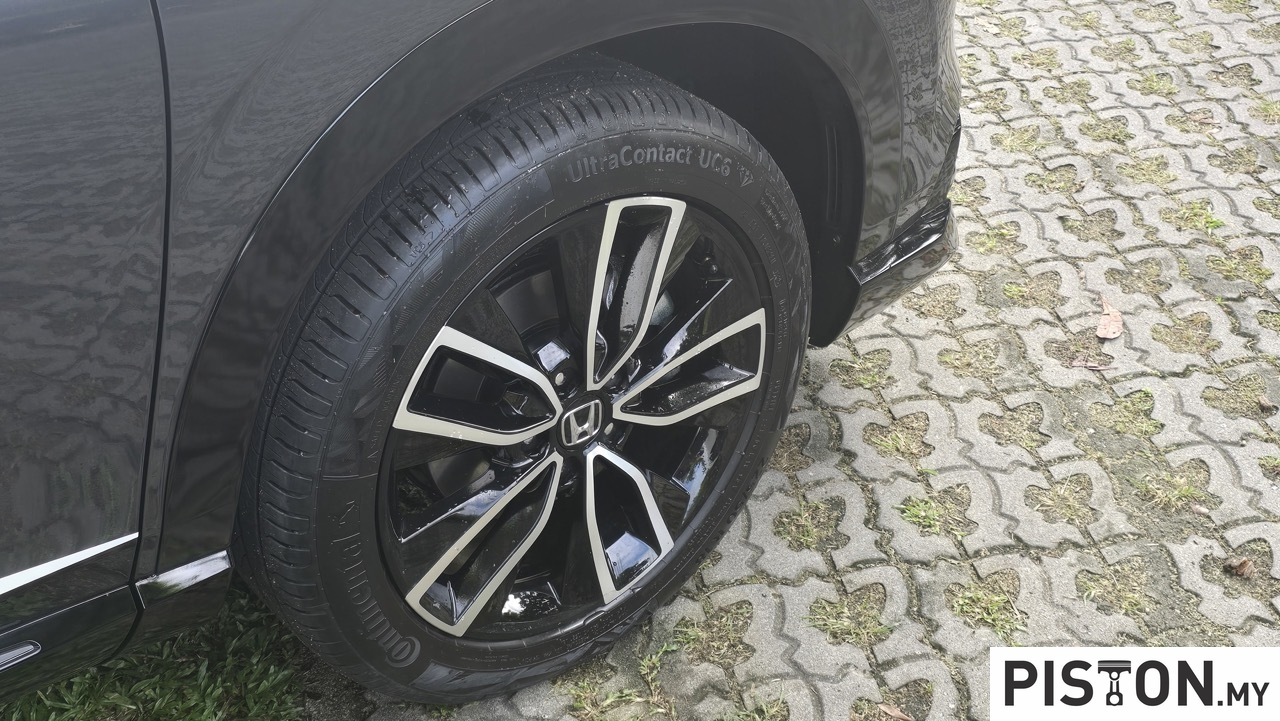
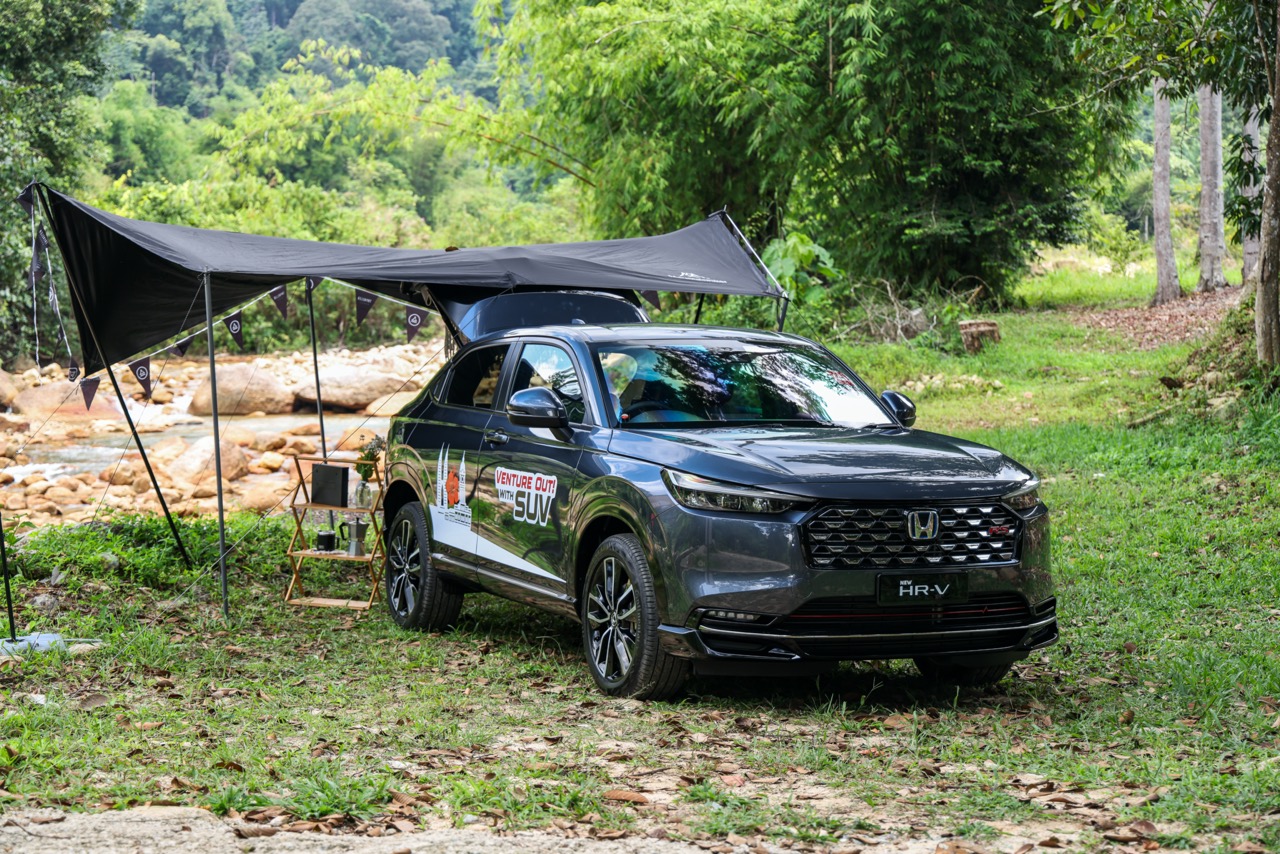
The front grille now has a bolder and wider design, flanked by slimmer LED headlamps that give the SUV a more assertive face. The new alloy wheel designs – 18 inches across all variants – provide a balanced mix of presence and practicality.
The changes may be subtle, but they collectively sharpen the HR-V’s look and ensure it keeps pace with newer rivals. It feels more premium without losing the familiarity that has endeared it to its existing fanbase.
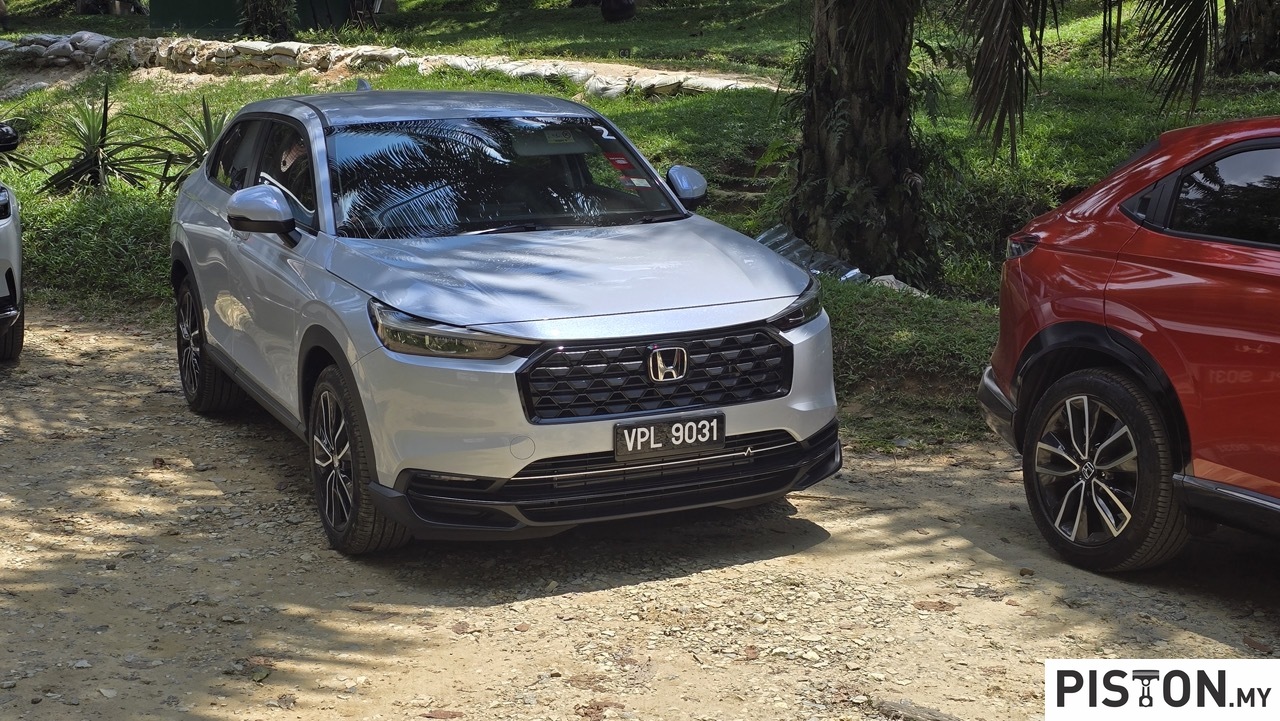
For buyers stepping into the showroom, the refreshed model appears like a natural evolution rather than a radical departure, which is likely exactly what Honda intended.
A Cabin Built for Daily Life
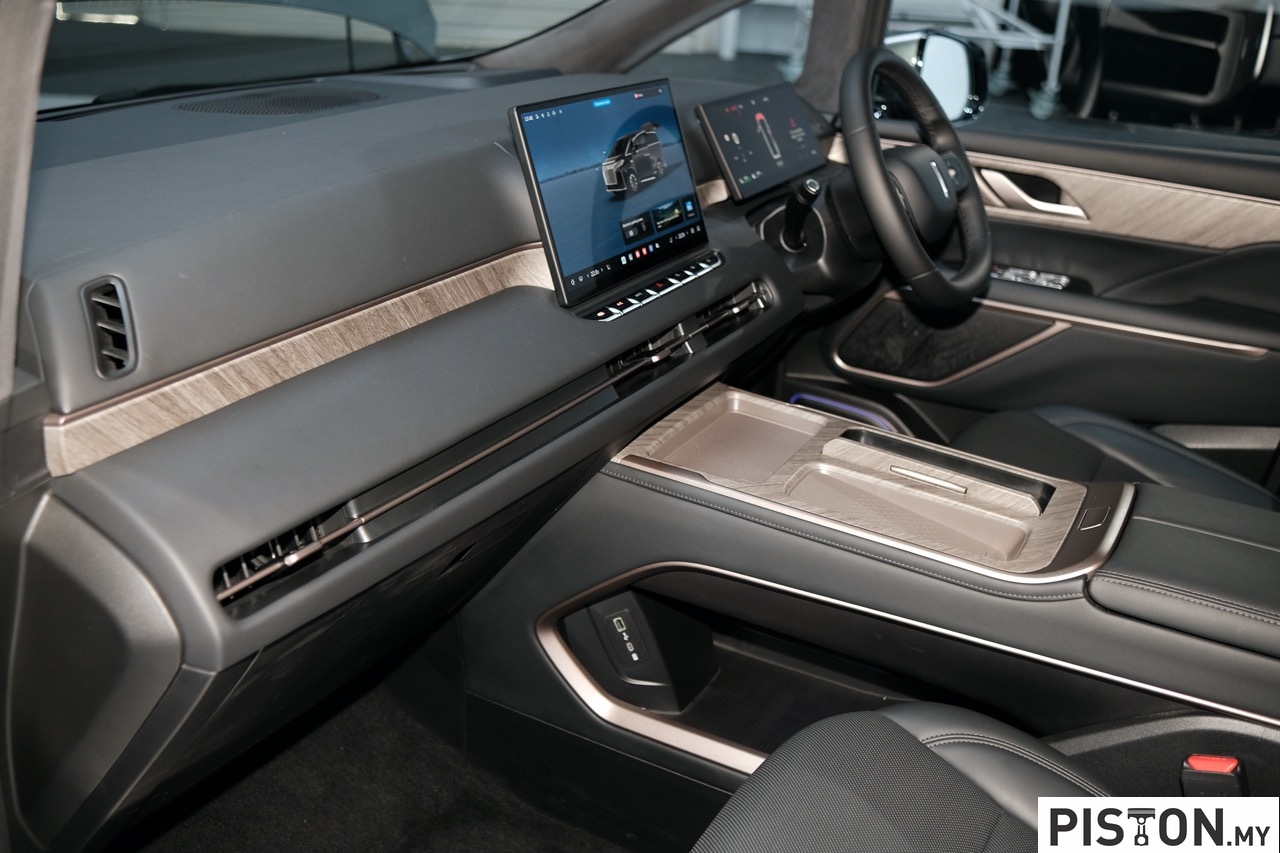
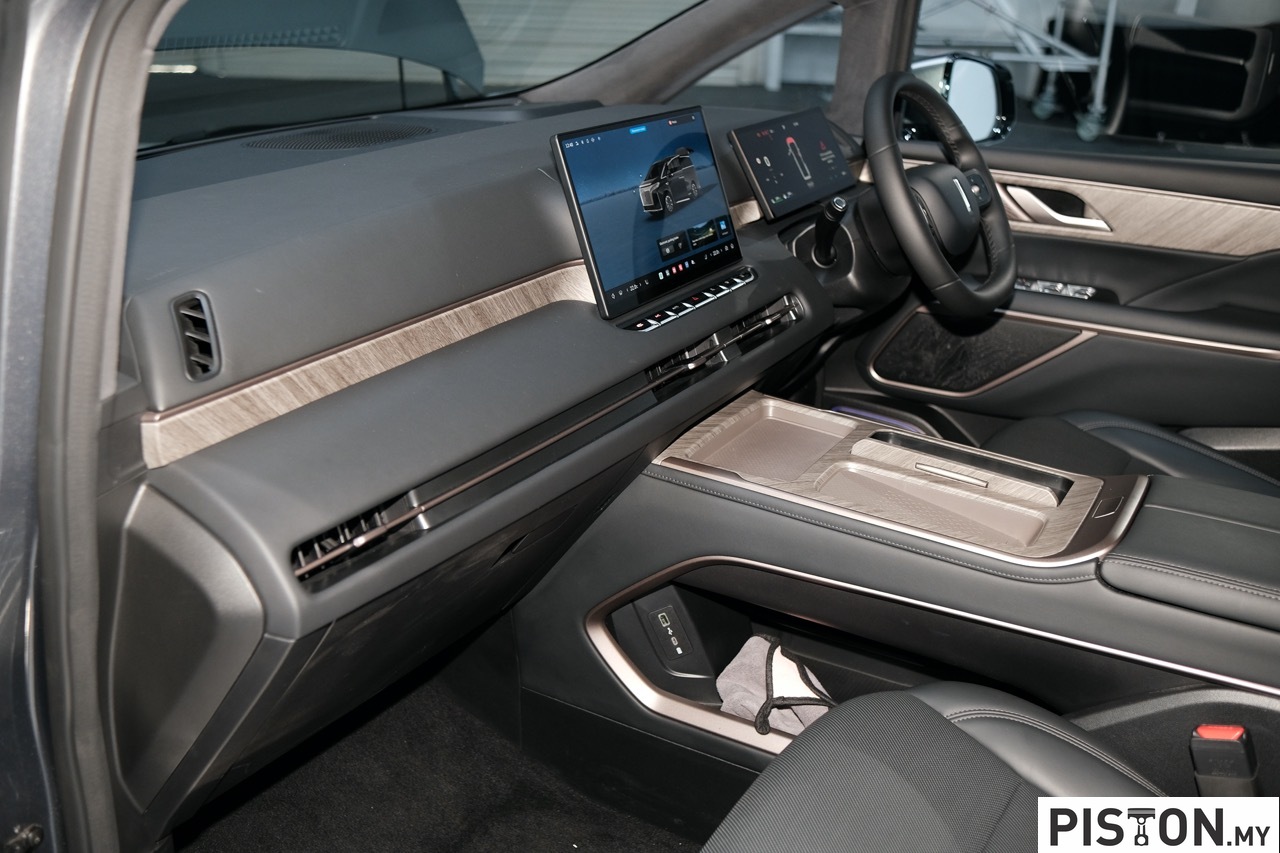
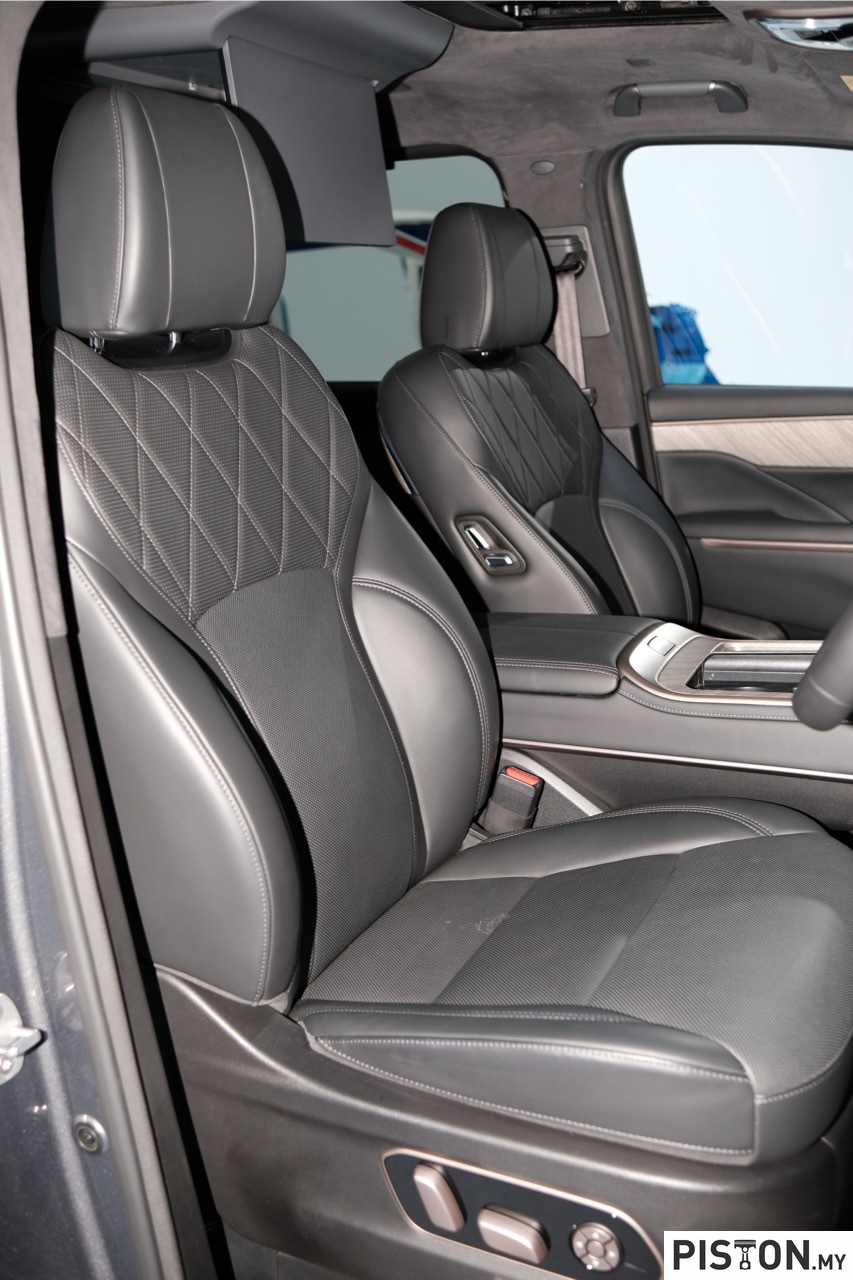
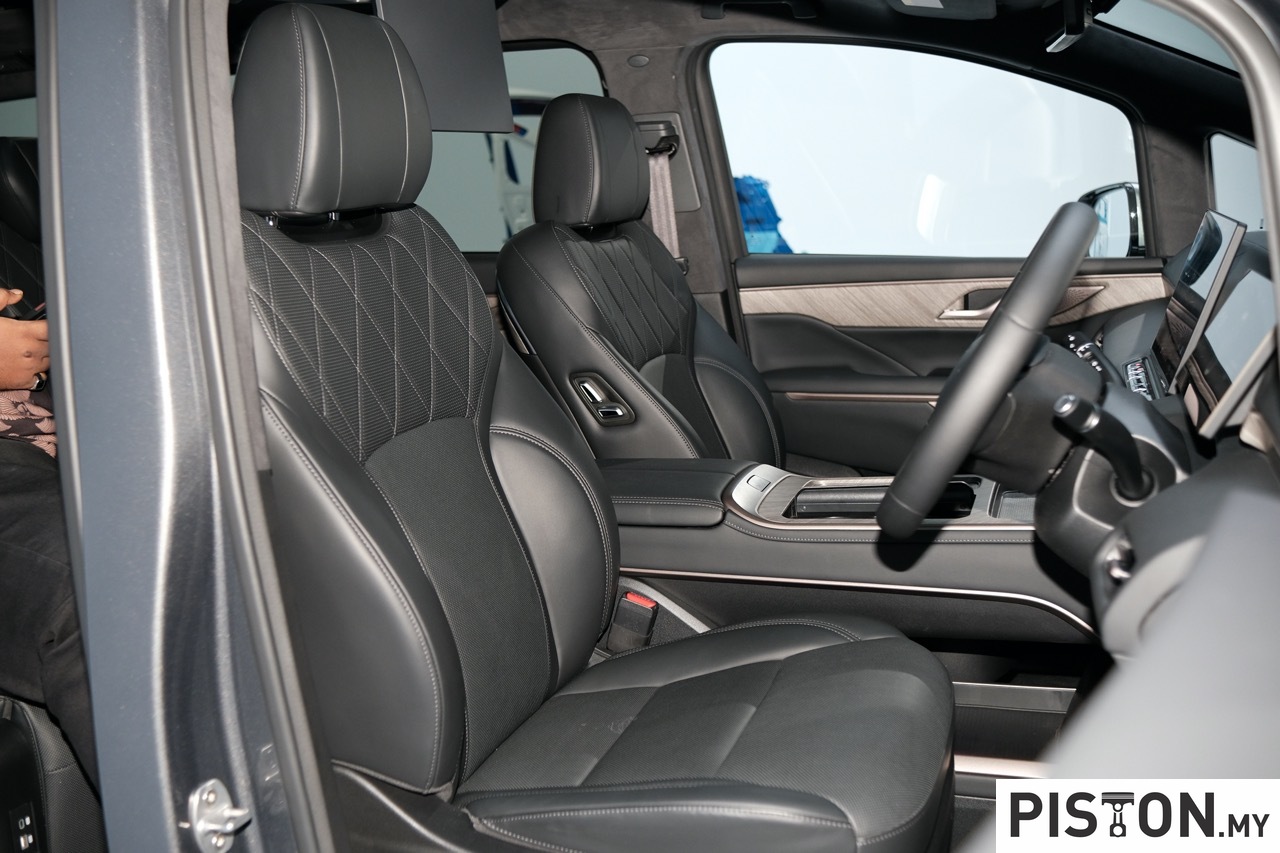
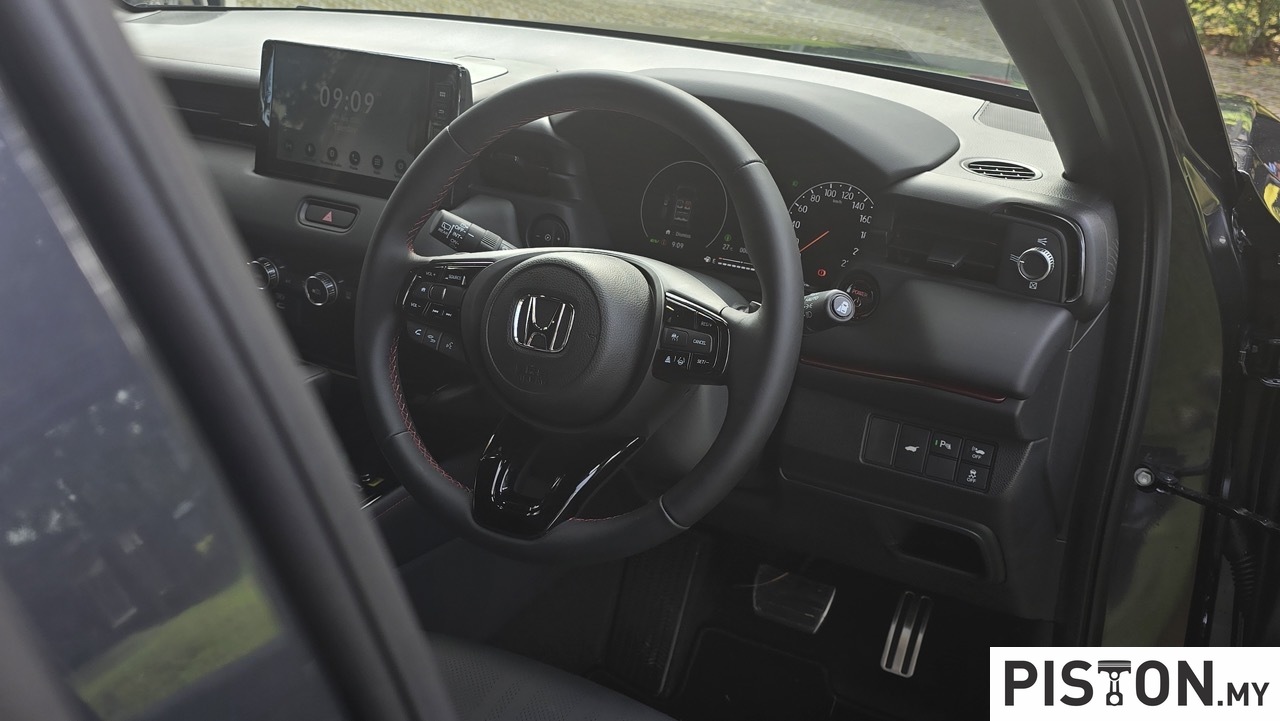
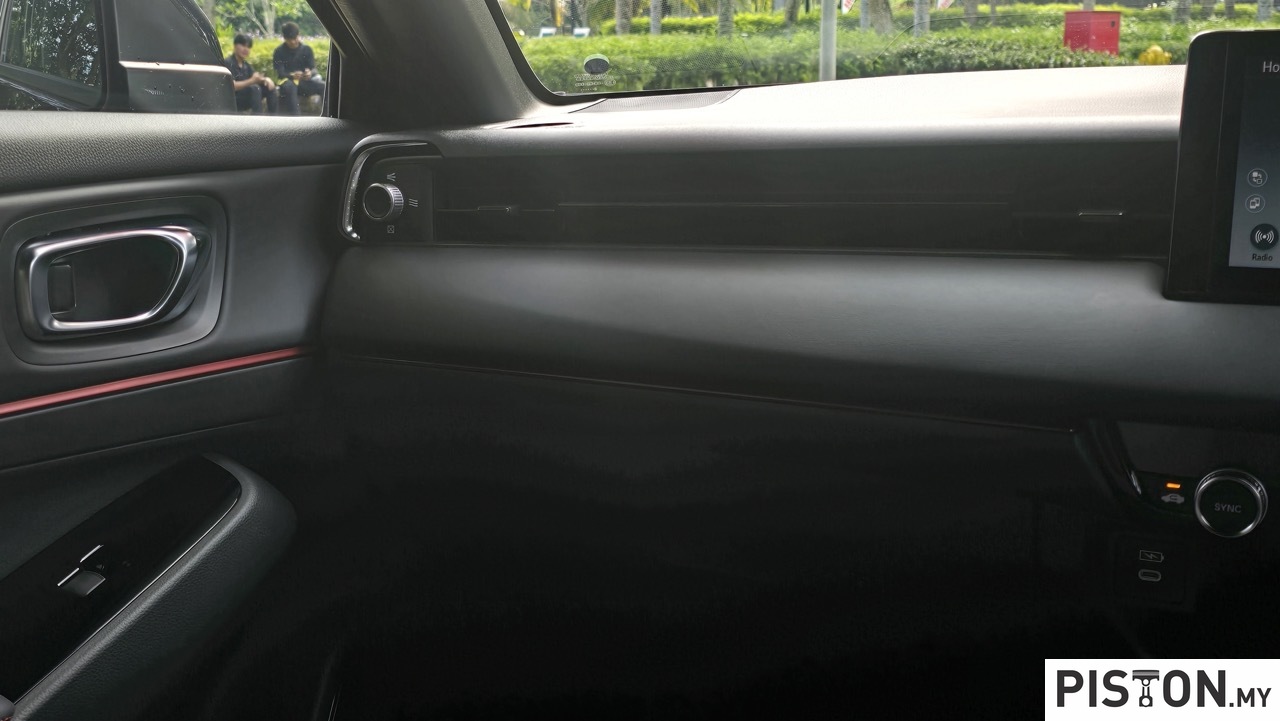
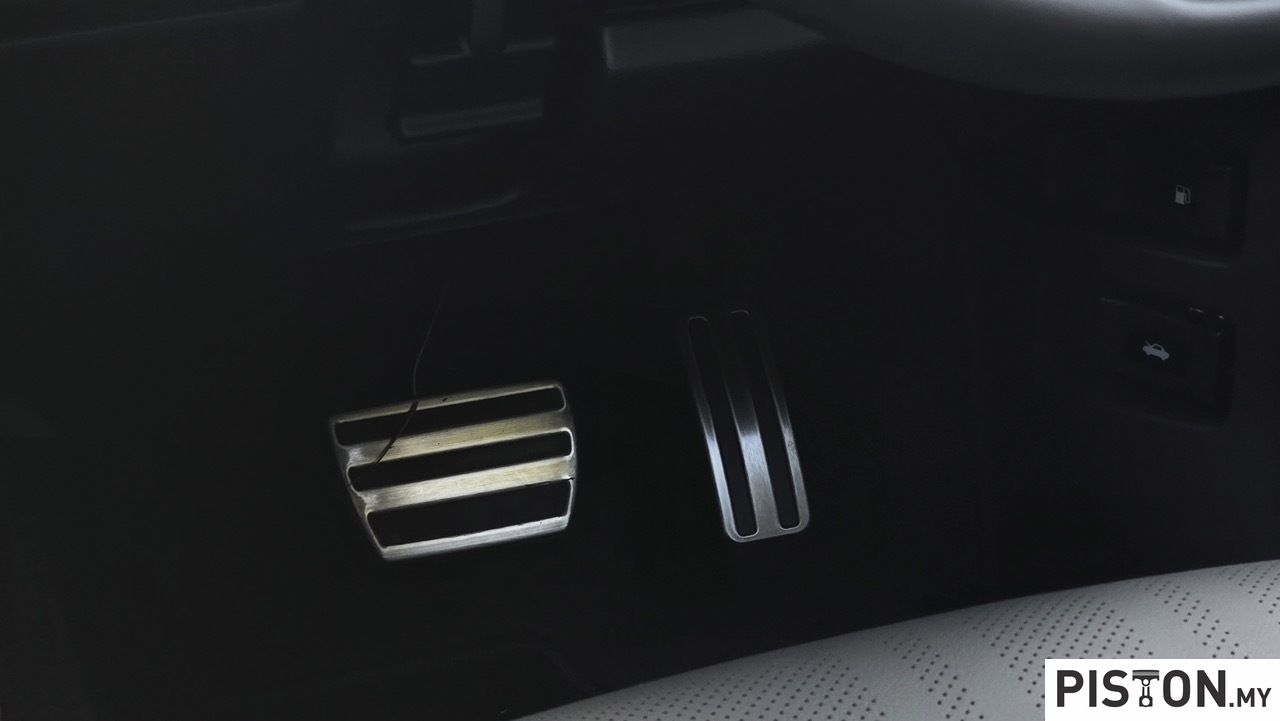
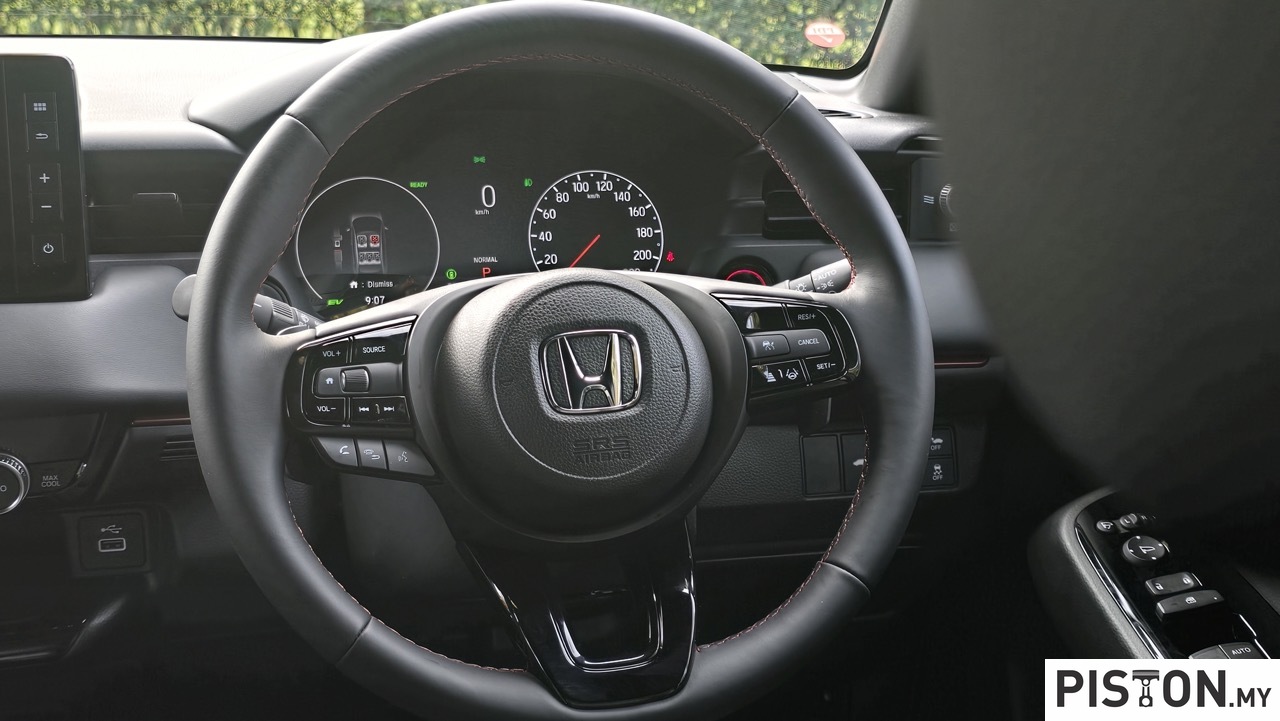
Inside, the HR-V remains one of the strongest in its class for cabin design and usability. The third-generation interior layout, carried over from the 2022 model, continues to impress with thoughtful ergonomics, well-placed controls, and the use of higher-quality materials.
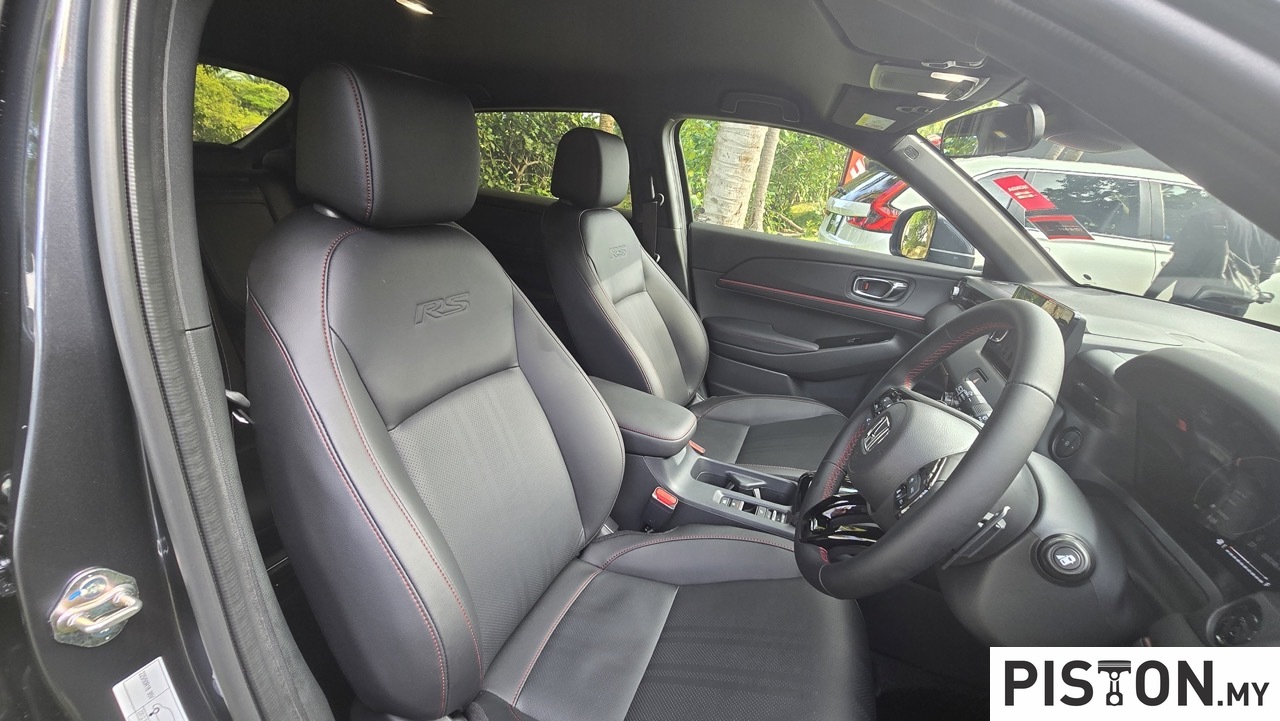
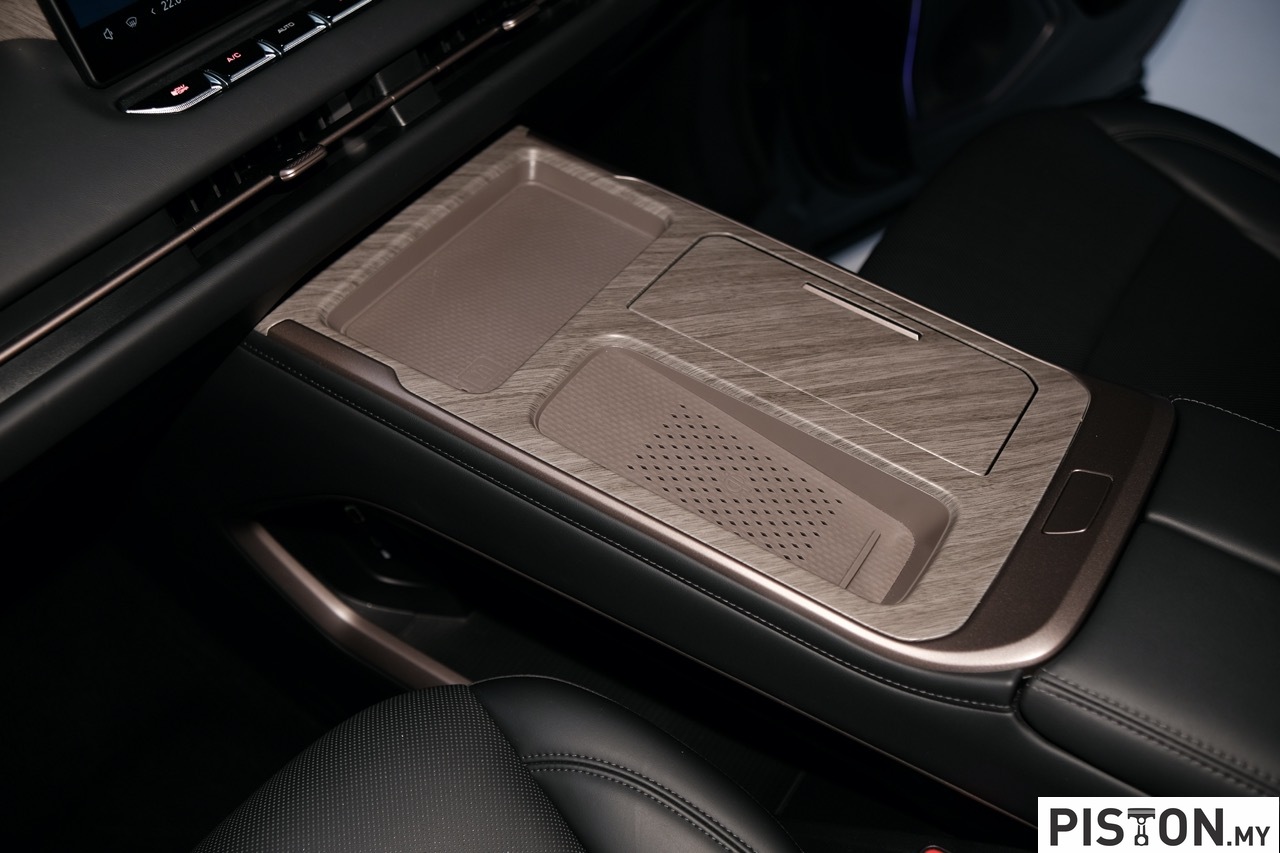
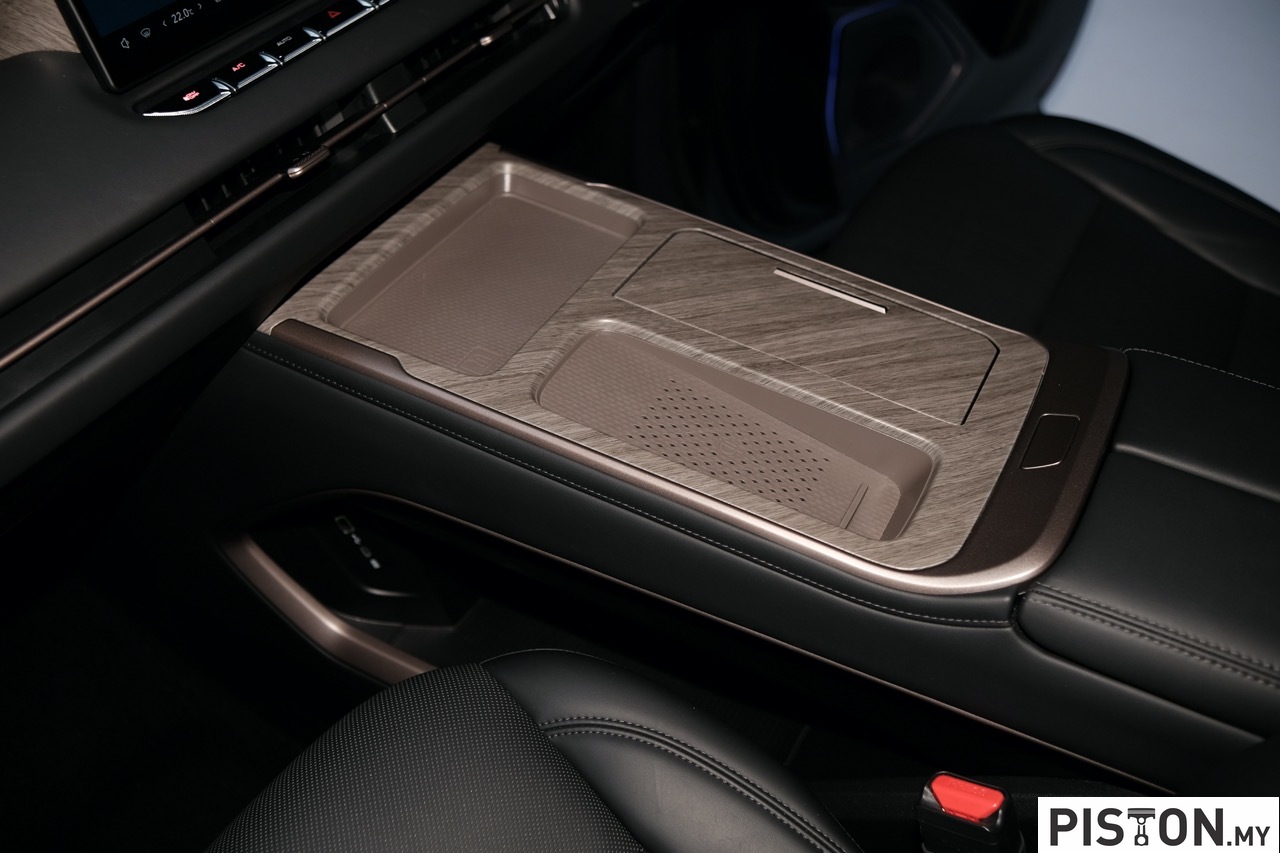
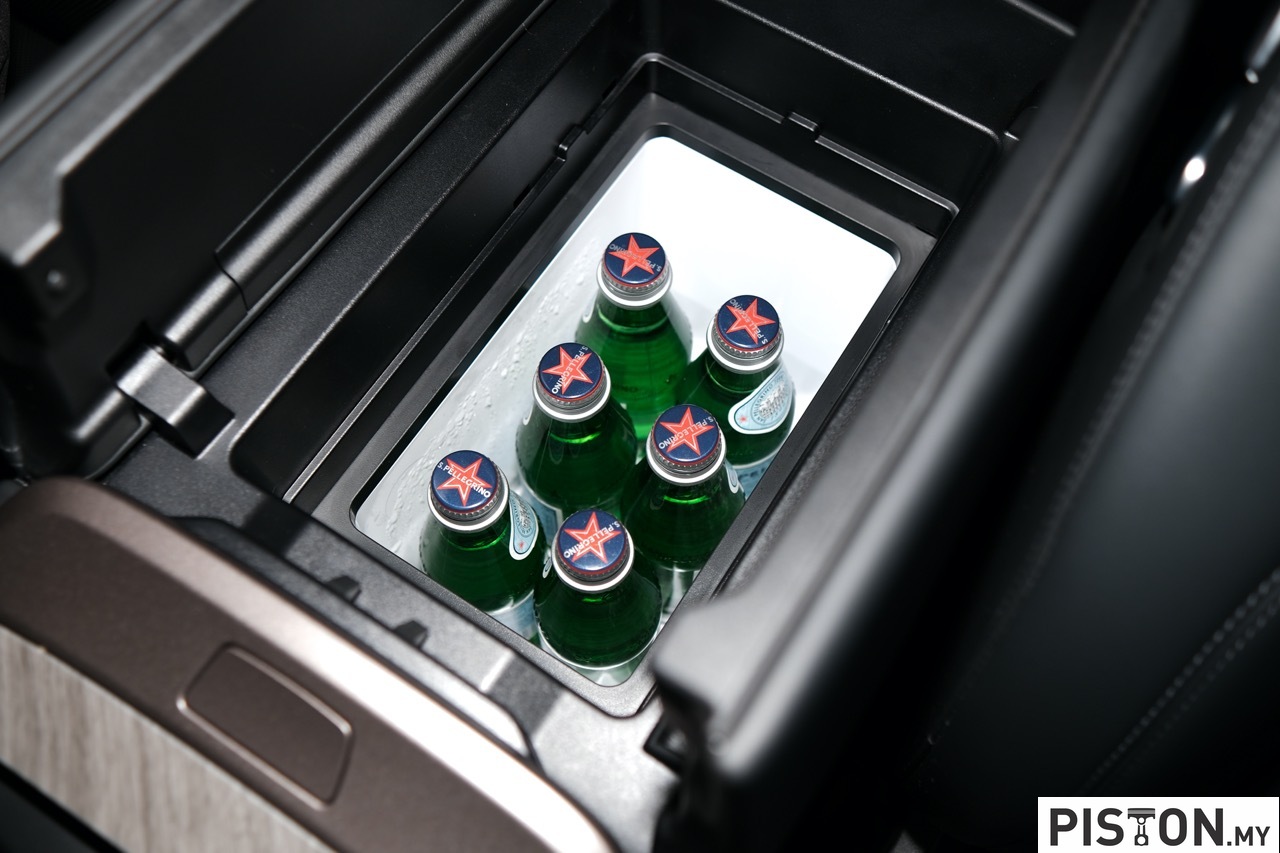
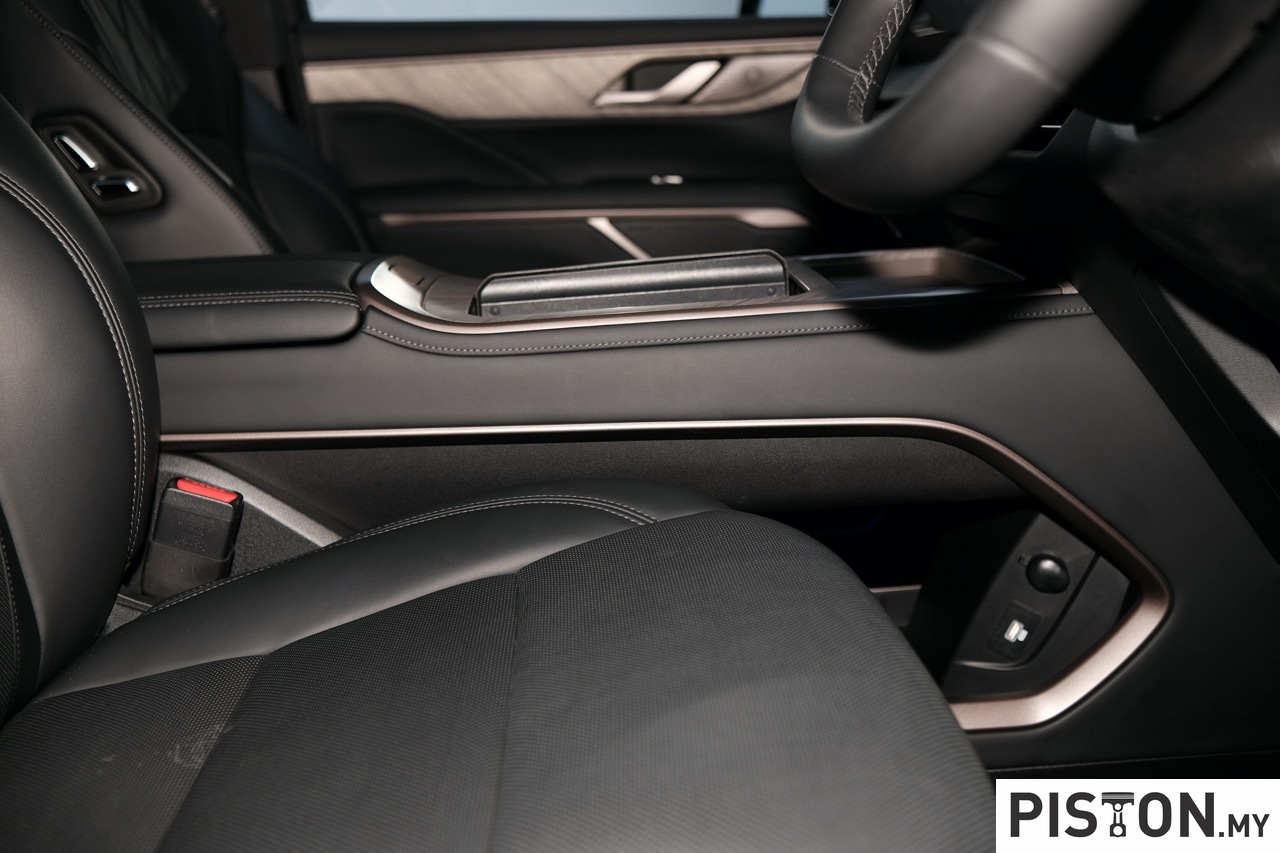
Soft-touch surfaces across the dashboard and door trims lift the overall ambience, while the two-tier centre console demonstrates Honda’s knack for delivering clever storage solutions.
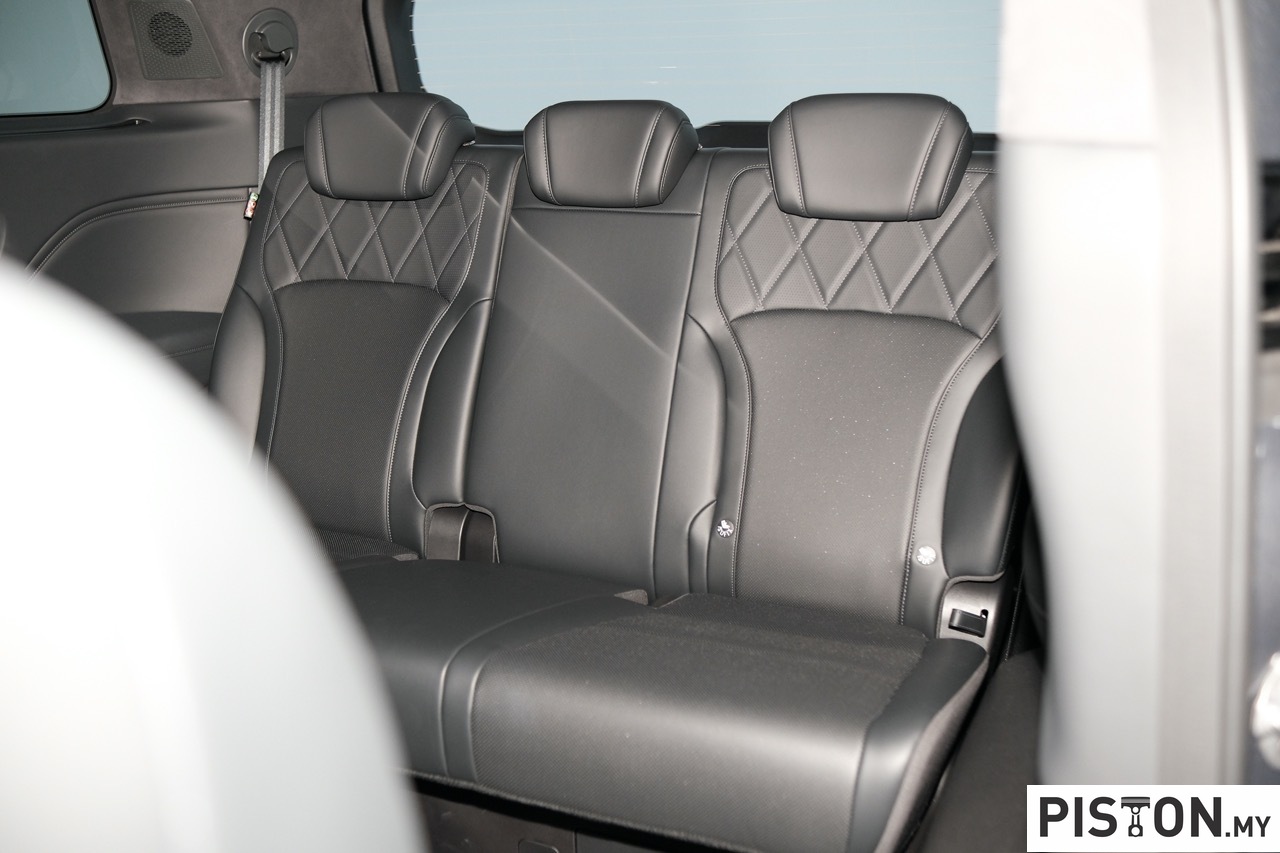
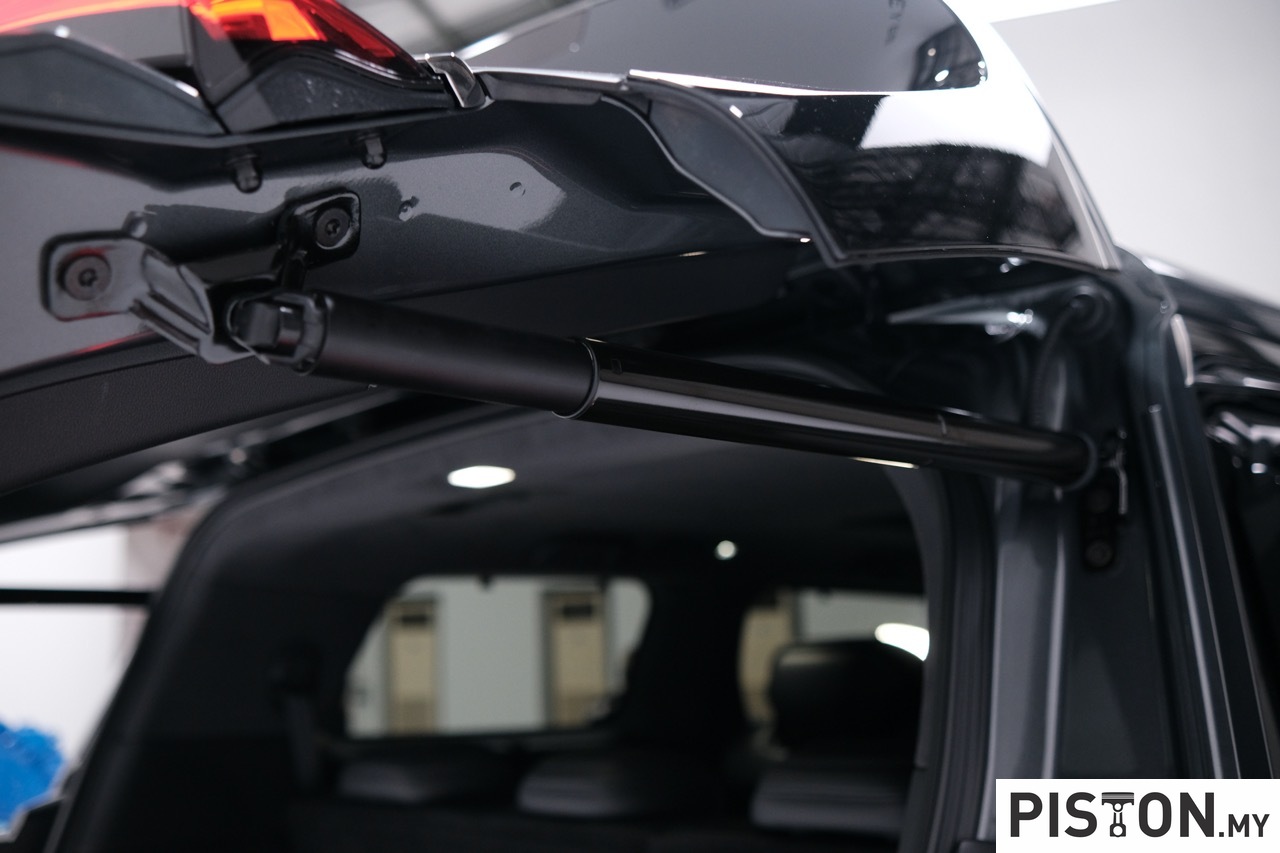
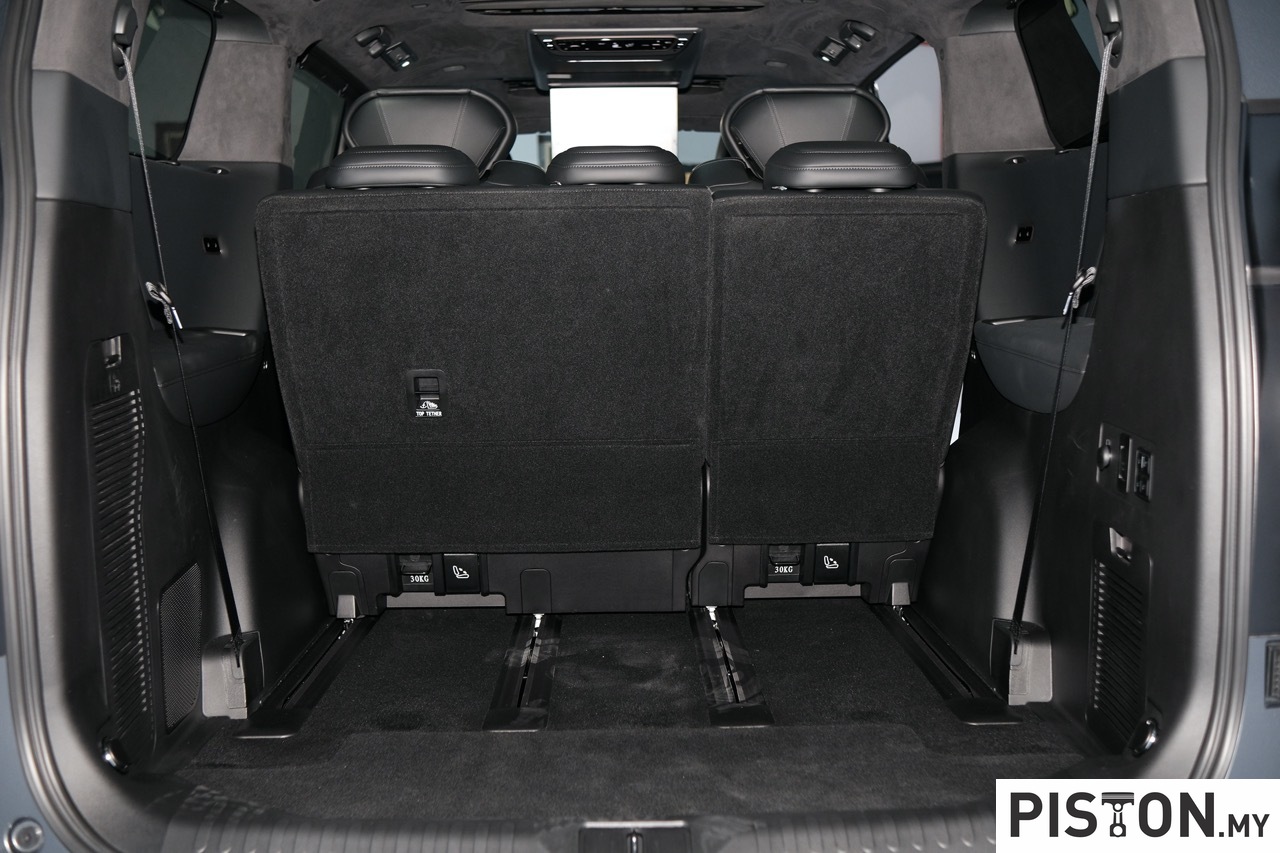
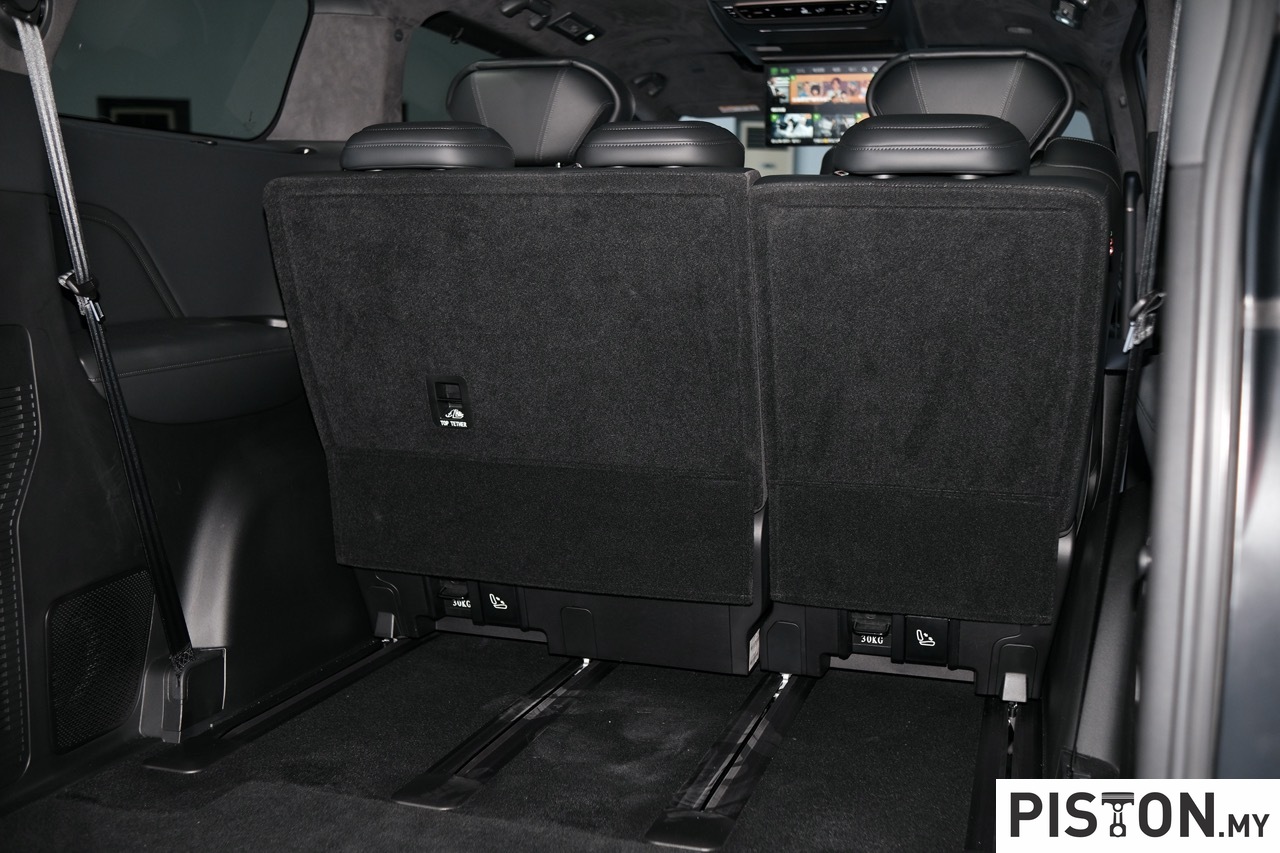
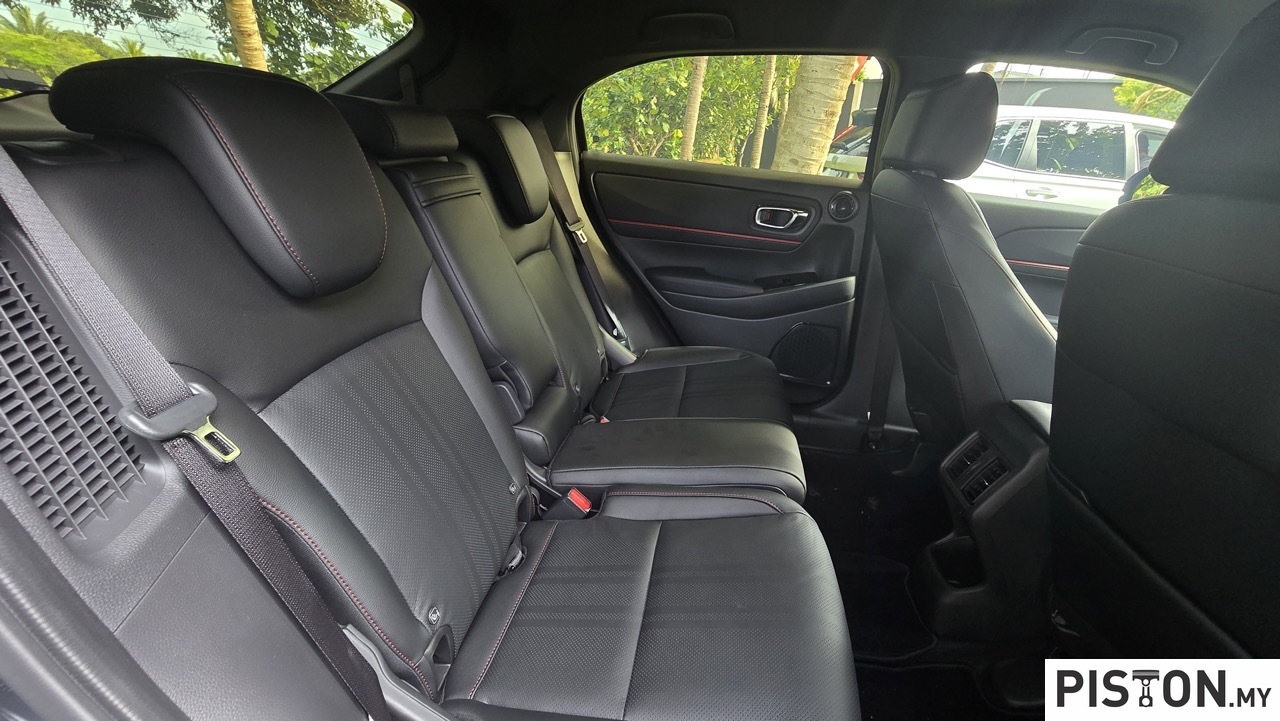
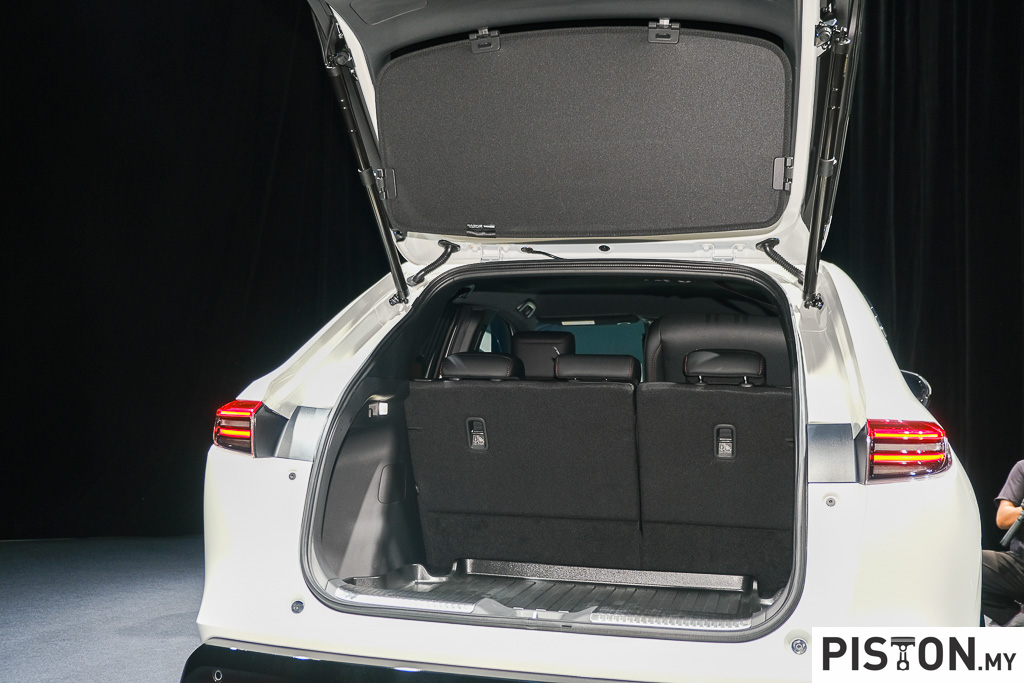
The Ultra Seat system – a longstanding Honda hallmark – once again sets the HR-V apart from many competitors. The ability to configure the rear seats in multiple ways, whether folding flat for bulky loads or flipping up to carry tall items, transforms the HR-V into a far more versatile vehicle than its dimensions might suggest. Boot space is generous, and the low loading lip makes it genuinely practical for family use.
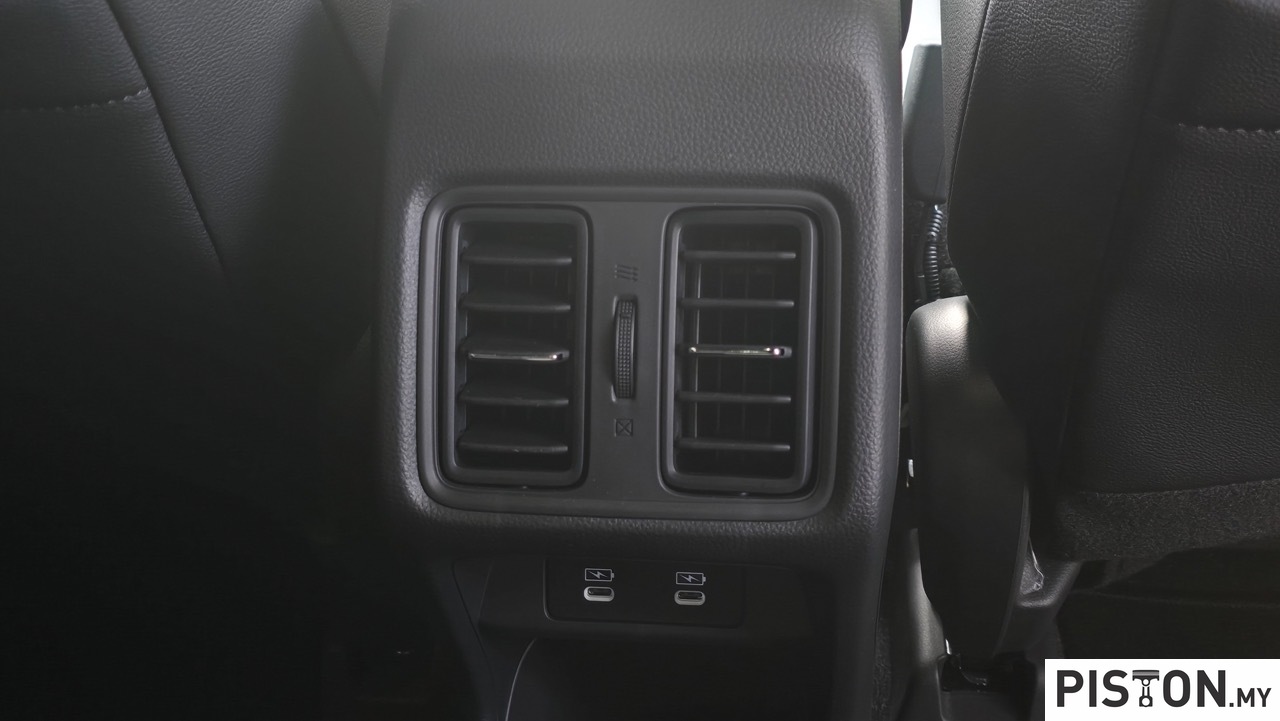
The Honda HR-V also has an Air Diffusion System that delivers a smoother and more comfortable cooling effect inside the cabin. By combining conventional airflow with a softer, diffused mode, it gives occupants flexible control over how air circulates. Paired with the uniquely designed L-shaped vents, the system distributes air naturally throughout the interior, enhancing overall comfort and setting it apart as one of the SUV’s signature features.
Connectivity and Convenience
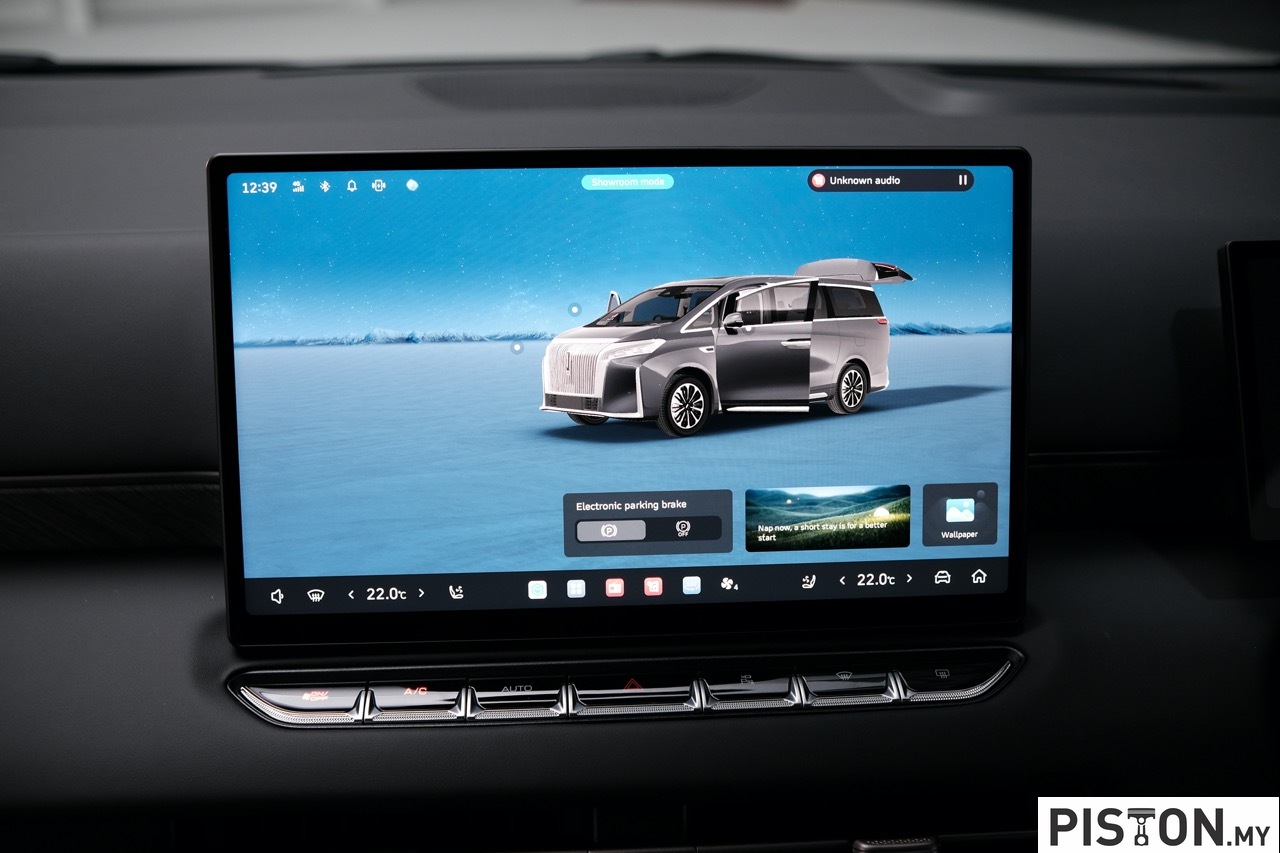
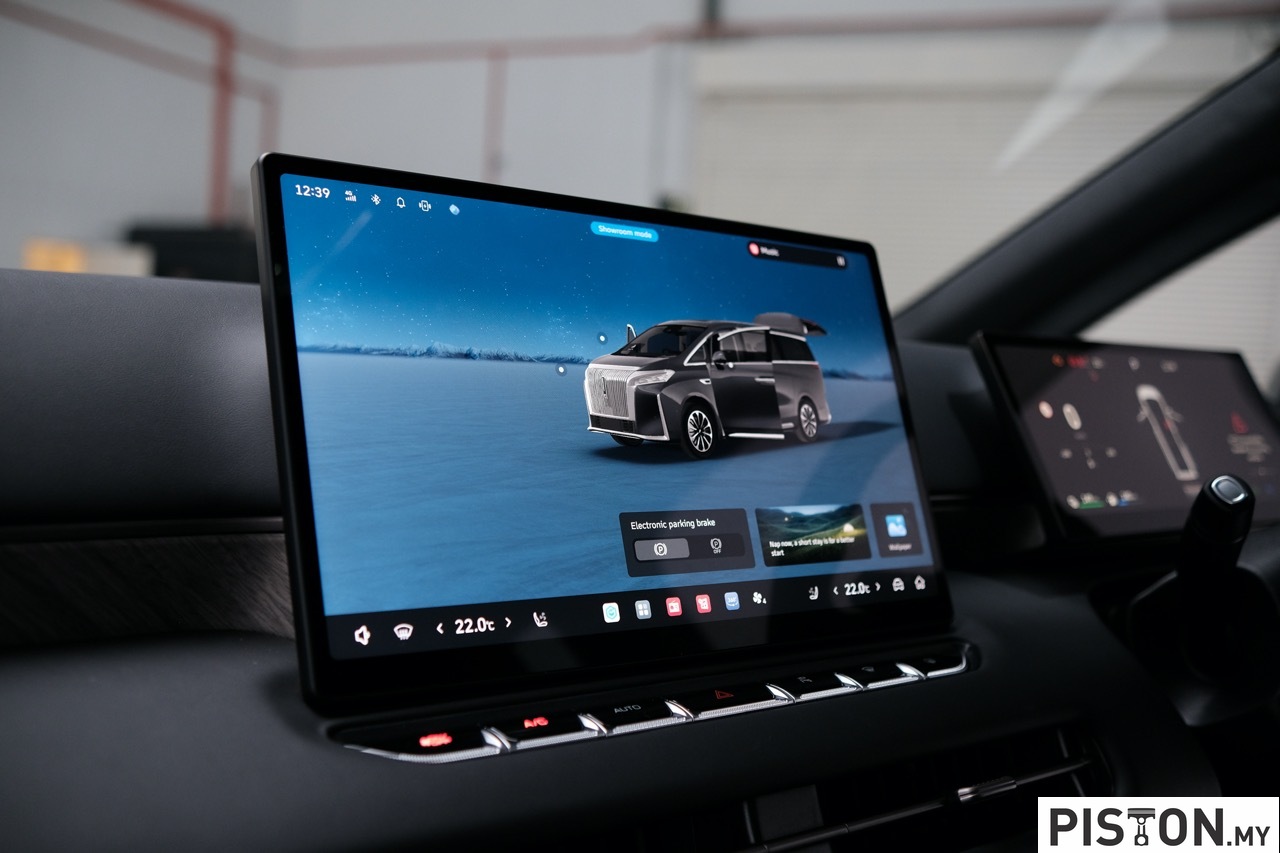
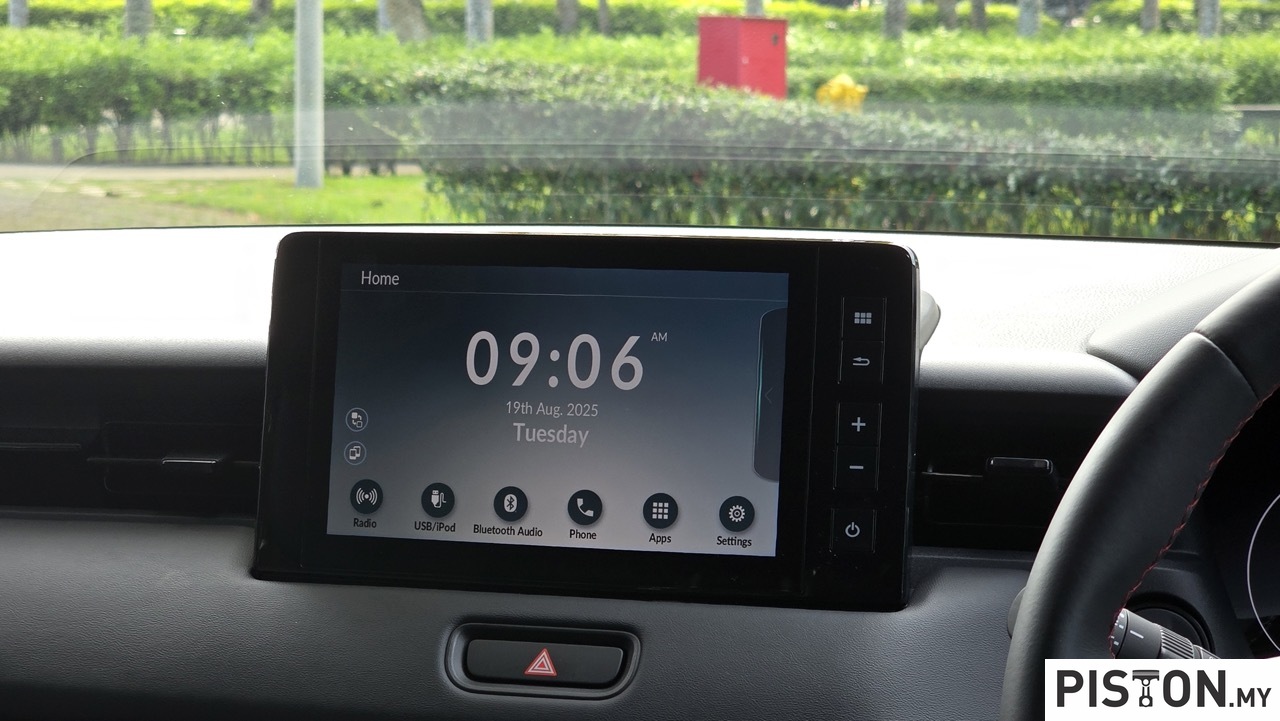
In an era where buyers expect their cars to keep them seamlessly connected, the HR-V delivers with an updated infotainment system. A crisp 8-inch touchscreen comes with Apple CarPlay and Android Auto integration. The system itself is more responsive and intuitive than before, reducing distraction when navigating through menus.
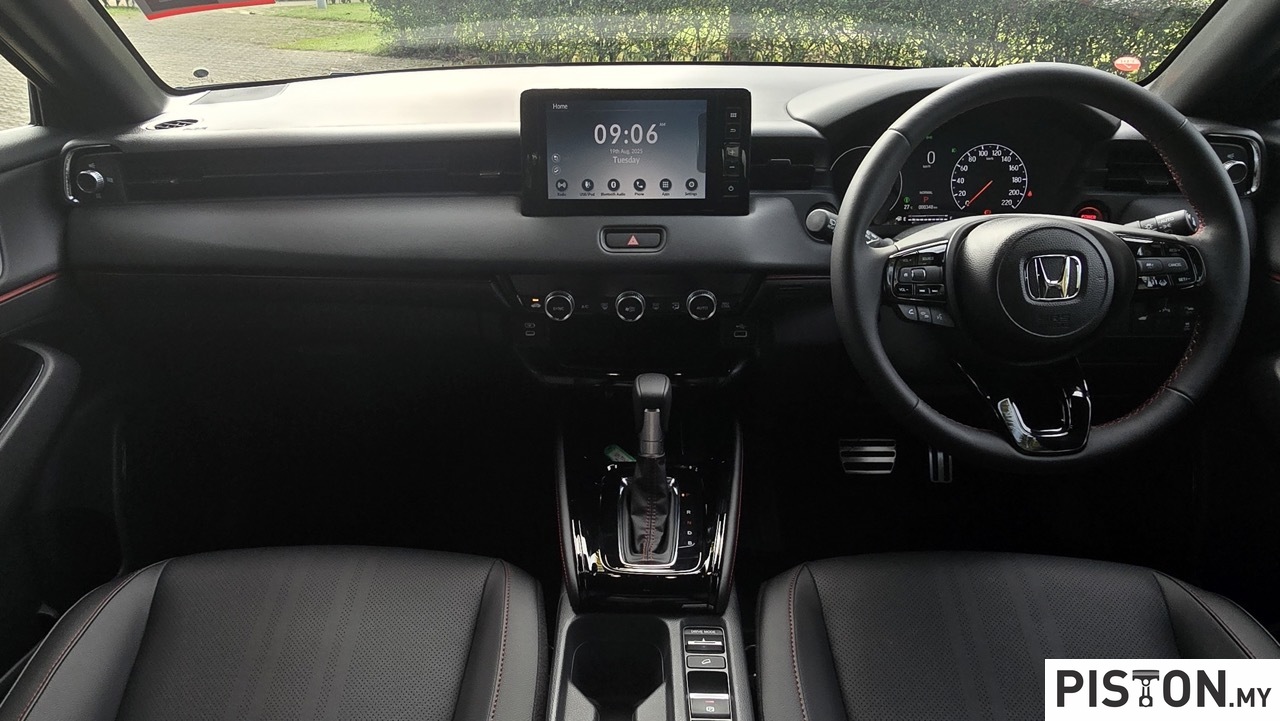
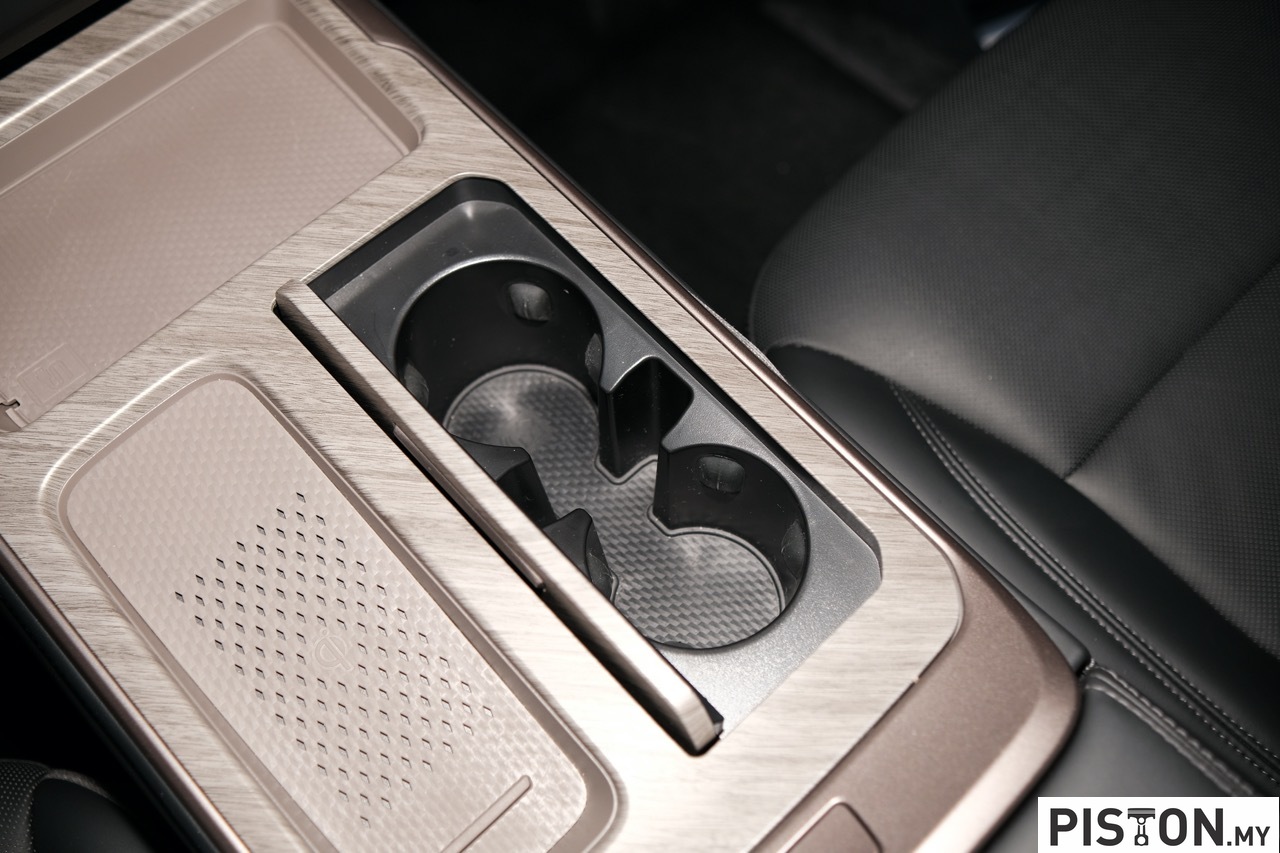
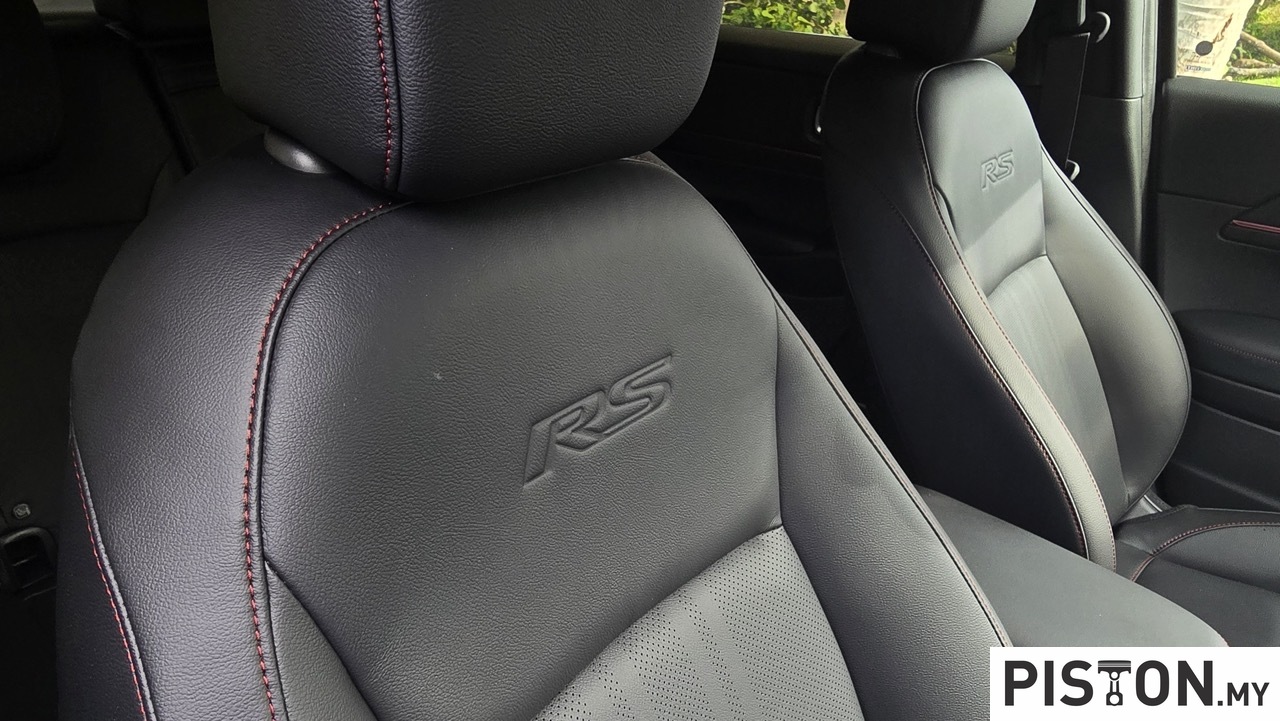
The higher-spec V and RS trims further enhance the experience with premium features such as dual-zone climate control, a wireless charging pad, and a more sophisticated audio system.
Collectively, these additions push the HR-V closer to premium SUV territory, offering equipment levels that rival more expensive competitors. It’s a sign that Honda understands the changing expectations of Malaysian buyers, who are increasingly unwilling to compromise on technology even in compact SUVs.
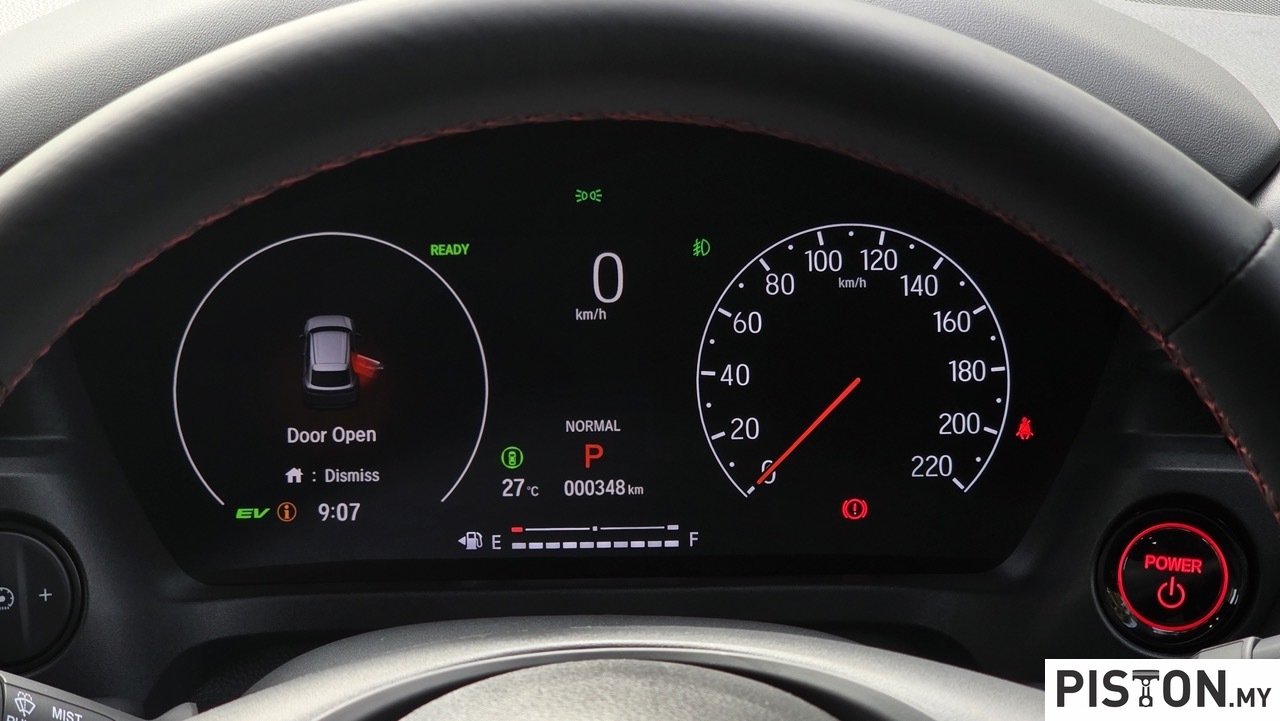
Two Distinct Personalities Under the Bonnet
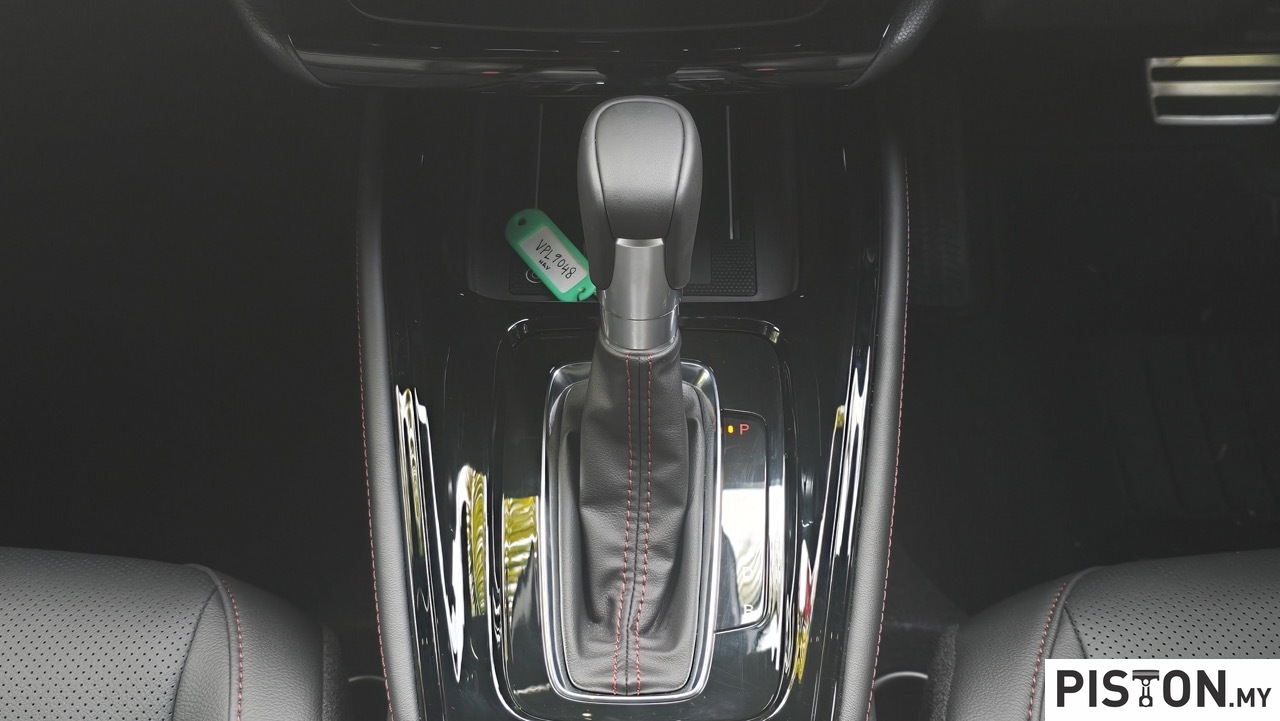
We tested out two variants, the Turbo V and the e:HEV RS. The Turbo V is powered by a 1.5-litre turbocharged four-cylinder engine delivering 181PS and 240Nm of torque, paired with a CVT. On the road, it provides brisk and linear acceleration, making highway overtakes effortless.
Switch into Sport mode and the throttle sharpens, giving the SUV a livelier feel that keen drivers will appreciate. While fuel economy is respectable at between 6.5 and 7.5 litres per 100km, it is clear that efficiency is not the Turbo V’s strongest suit. Instead, this variant appeals to those who prioritise performance and responsiveness in their daily drive.
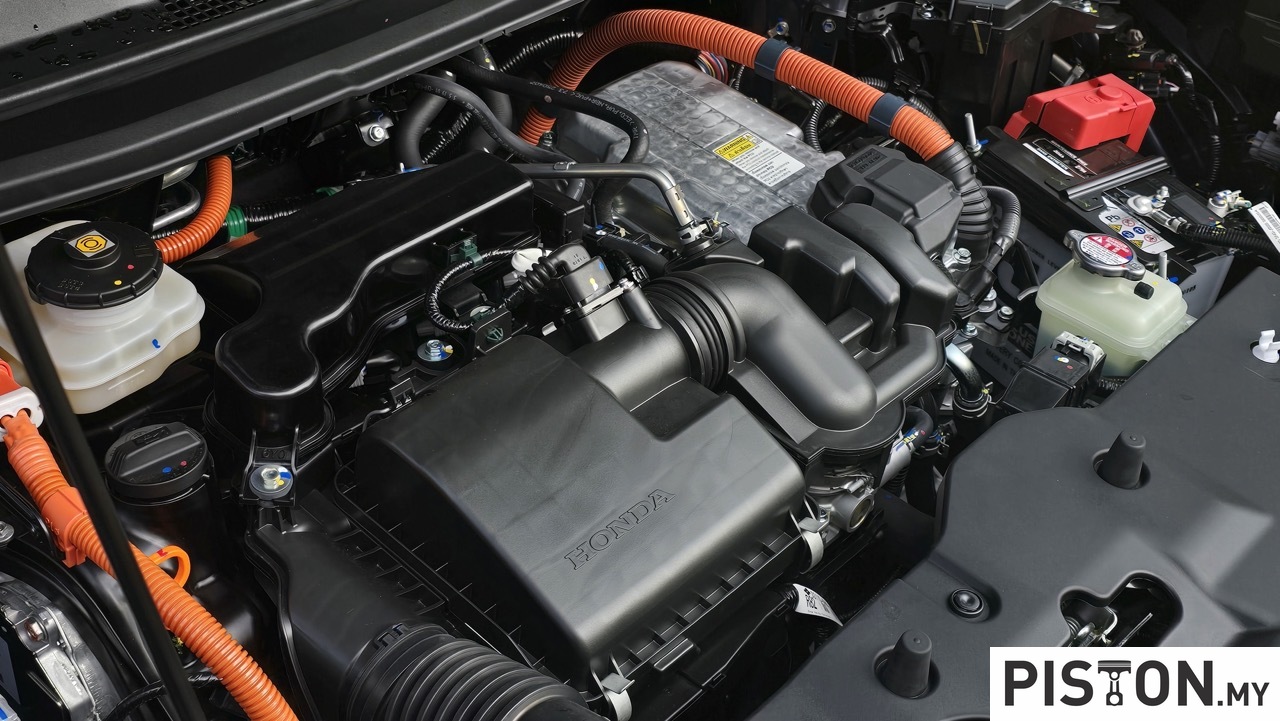
The RS e:HEV hybrid takes a different approach, combining a 1.5-litre Atkinson-cycle petrol engine with an electric motor that acts as a generator. The result is a system output of 131PS and 253Nm. Around town, the hybrid is a revelation, gliding almost silently on electric power at low speeds and delivering remarkable smoothness. Its trump card is efficiency: fuel consumption averages an excellent 4.0 to 4.5 litres per 100km, making it ideal for urban commuters.
However, when pushed hard, the hybrid’s limitations show. The e-CVT produces a noticeable drone under full throttle, and while acceleration is adequate, it lacks the outright punch of the Turbo V. For highway driving or spirited runs, it feels less satisfying, though its refinement in city use is undeniable.
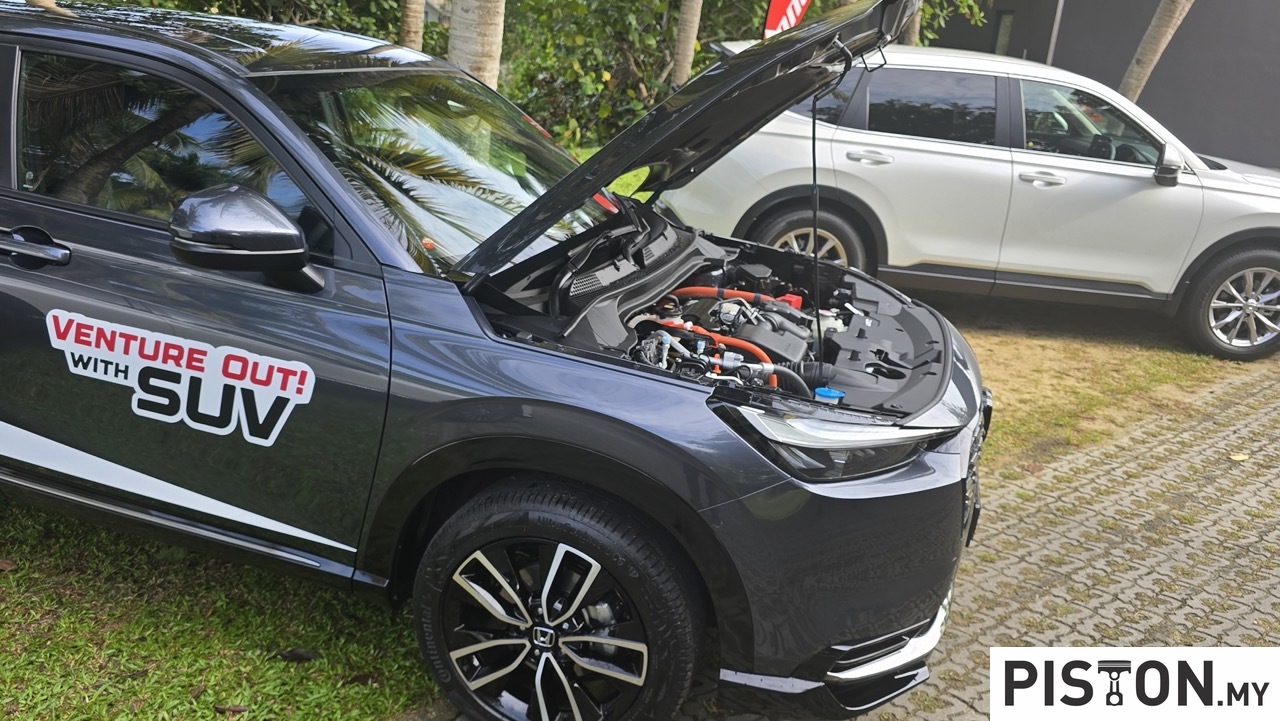
Both variants share the HR-V’s well-sorted chassis. The suspension strikes a fine balance, being firm enough to control body roll yet compliant enough to absorb bumps, potholes and some light off-roading. Steering is light and precise in town, becoming reassuringly weighted at higher speeds. The Turbo V feels more engaging during spirited drives, while the RS e:HEV excels in urban comfort.
Safety at the Core
Safety remains a cornerstone of Honda’s philosophy, and the HR-V continues to reflect that. Both variants come equipped with the Honda SENSING suite of advanced driver assistance systems. This includes adaptive cruise control, lane keeping assist, collision mitigation braking, and traffic jam assist.
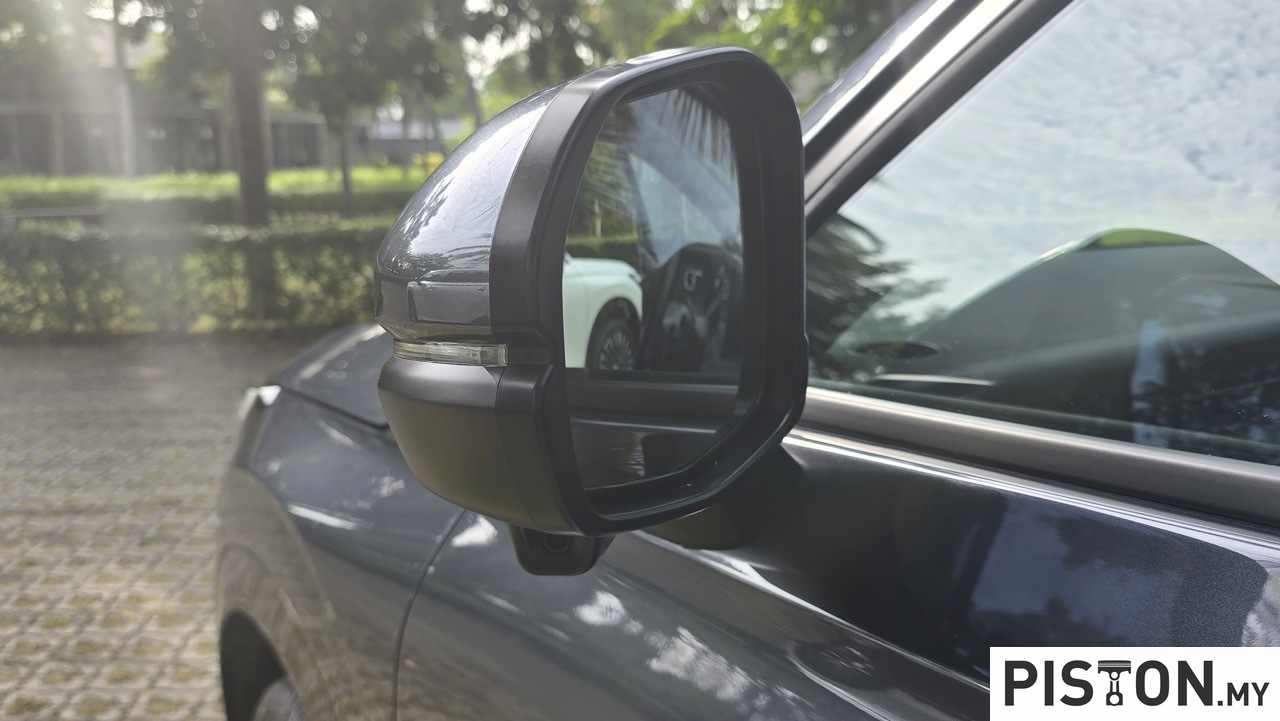
The Turbo V includes Honda’s LaneWatch camera, offering a live feed of the blind spot when indicating. The RS e:HEV, meanwhile, comes with more advanced Matrix LED headlights with active cornering, enhancing night-time visibility. Both variants also feature six airbags, stability control, and ISOFIX mounts as standard, ensuring strong occupant protection across the board.
Value for Money
The HR-V 1.5 Turbo V is priced at RM137,900, while the RS e:HEV comes in at RM143,900. For the additional RM6,000, the hybrid brings greater efficiency, advanced lighting, dual-zone climate control, and enhanced refinement. The Turbo V, however, offers more engaging performance, a lower purchase price, and the practicality of a spare tyre instead of just a repair kit.
Ultimately, the decision between the two comes down to priorities. Drivers who enjoy performance and seek a more connected feel behind the wheel will gravitate towards the Turbo V. Those who value refinement, efficiency, and premium features will find the RS e:HEV the smarter long-term choice, particularly for urban commuting.
Refinement Over Revolution
The 2025 Honda HR-V is not a radical reinvention of the model. Instead, it is a careful refinement of an already successful formula. The exterior updates freshen its appearance without alienating loyal fans, the interior continues to impress with its versatility and quality, and the technology and safety features meet the expectations of today’s buyers.
Crucially, the two powertrains offer distinct personalities, giving customers a genuine choice depending on their lifestyle. Whether you want the lively punch of the Turbo V or the smooth efficiency of the RS e:HEV, the HR-V remains a benchmark in the segment.
In a market where new rivals emerge regularly, the HR-V’s ability to adapt and evolve ensures it stays relevant. It may not break new ground, but it reaffirms why Honda’s compact SUV has become such a staple of Malaysian roads – a blend of style, substance, and everyday usability that continues to strike the right balance.
Specifications:
Turbo V
Engine: 1.5 litre DOHC VTEC Turbo engine
Power: 181 PS at 6,600 rpm, 240 Nm from 1,700 and 4,500 rpm
Transmission: CVT
Suspension: MacPherson strut (Front) / Torsion beam (Rear)
Price: RM137,900
We like: Power delivery and comfort
We don’t like: Fuel consumption could be better
e:HEV RS
Engine: 1.5 litre DOHC i-VTEC engine i-VTEC (Atkinson Cycle) with electric motor
Power: 107 PS from 6,000 to 6,400 rpm, 131 Nm from 4,500 to 5,000 rpm
Transmission: e-CVT
Suspension: MacPherson strut (Front) / Torsion beam (Rear)
Price: RM137,900
We like: Driving range and comfort
We don’t like: Droning noise during hard acceleration