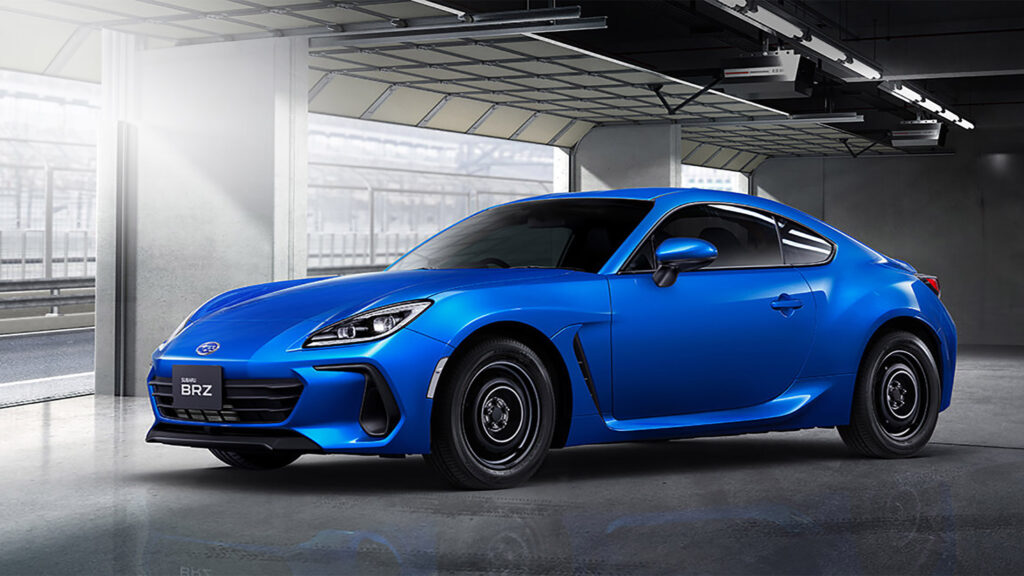
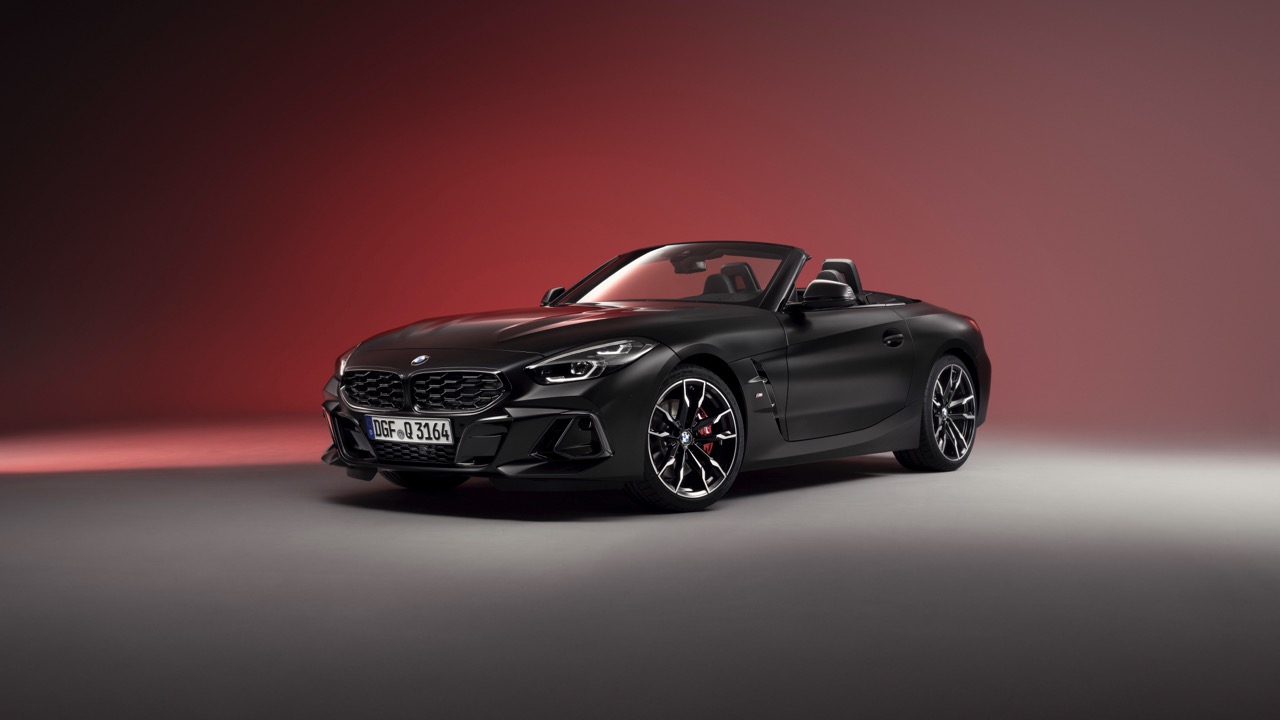
The Subaru BRZ Cup Car Basic, renowned for its track-focused performance, makes a comeback in Japan with added safety features. Originally designed for a special dual-make series in Japan featuring Toyota and Subaru vehicles, this edition of the BRZ boasts stripped-down aesthetics and specialised tuning from the STi division.
While the Cup Car Basic trim has been available since 2022, it was absent from the Subaru website after the 2024 MY updates were introduced in September 2023. However, Subaru now reintroduces a mildly upgraded model, bringing it back into the lineup.
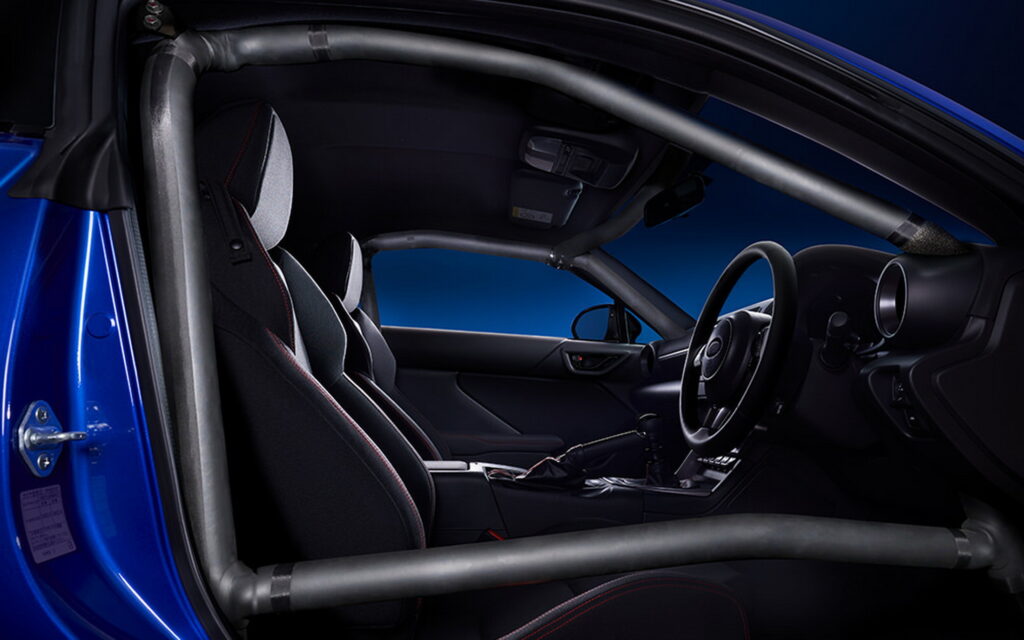
One notable addition is the inclusion of the Eyesight Advanced Driver Assistance System (ADAS) suite, which now comes standard across the BRZ lineup, even for manual transmission models. Additionally, the roll cage has been redesigned with a slightly altered shape and sidebars, accompanied by a 6-point seatbelt for the driver.
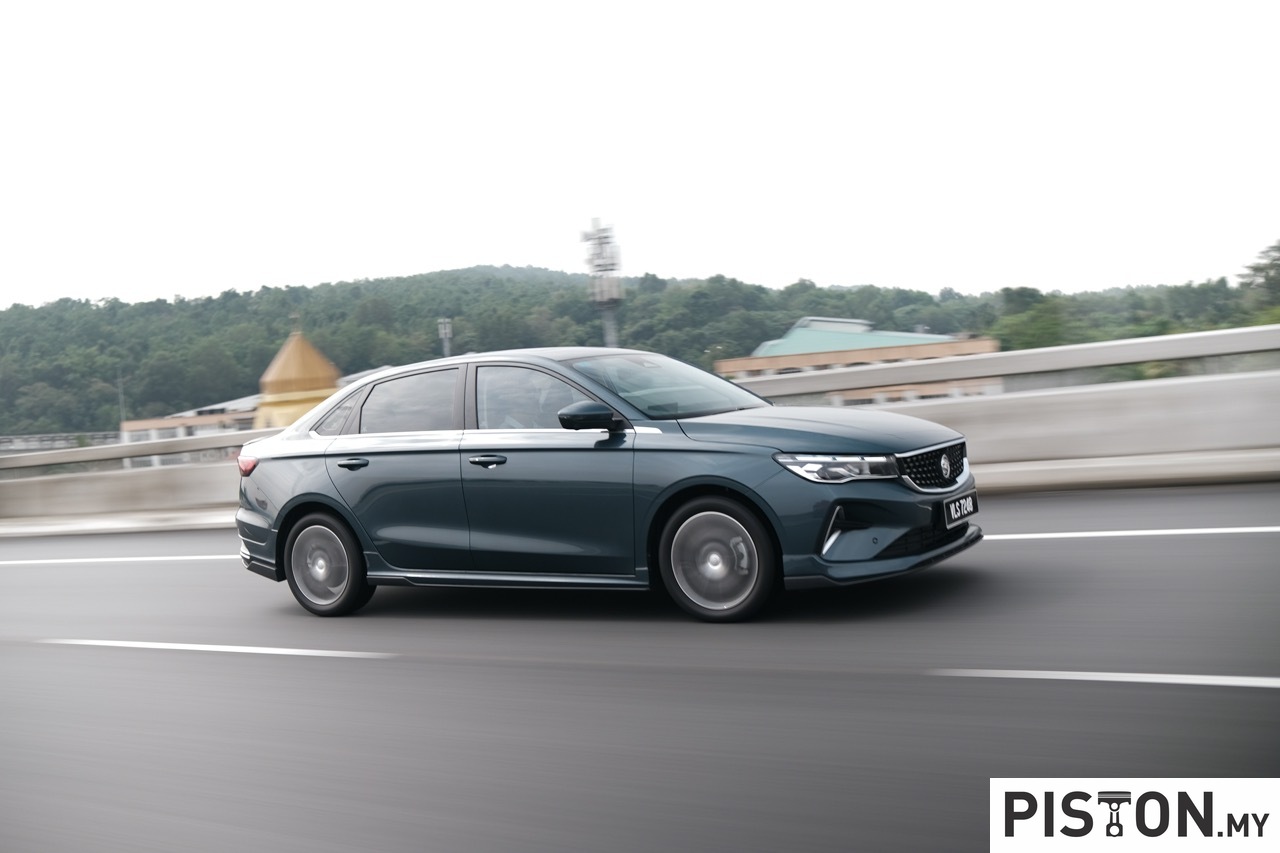
Proton has come a long way since the launch of the first-generation Proton Saga back in 1985. They have evolved and adapted to current trends to ensure their survival in the ever-changing automotive market.
How? Well, we all know Proton’s collaboration with Geely to introduce models that can compete with other manufacturers. But does it stand out from the rest? We recently got to test out Proton’s latest model, the Proton S70. Now, Proton claims it to be a C-Segment sedan. This means the S70 is competing with the Toyota Corolla Altis and the Honda Civic.
However, the S70 is a rebadge of the Geely Emgrand sedan, which is a B-Segment sedan. So we don’t think that the S70 belongs in the C-Segment and it should actually be competing with the Honda City and Toyota Vios. But even then, is the S70 better than the two?
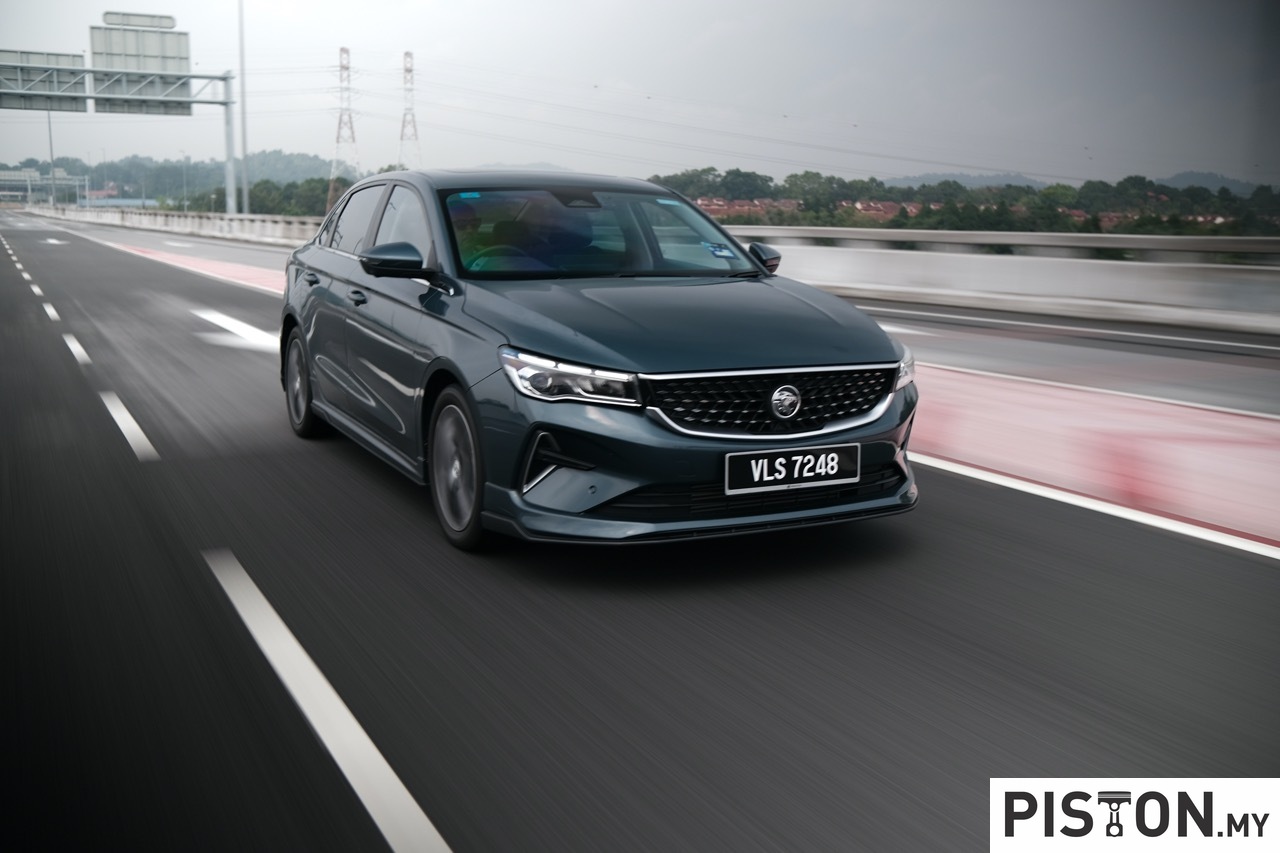
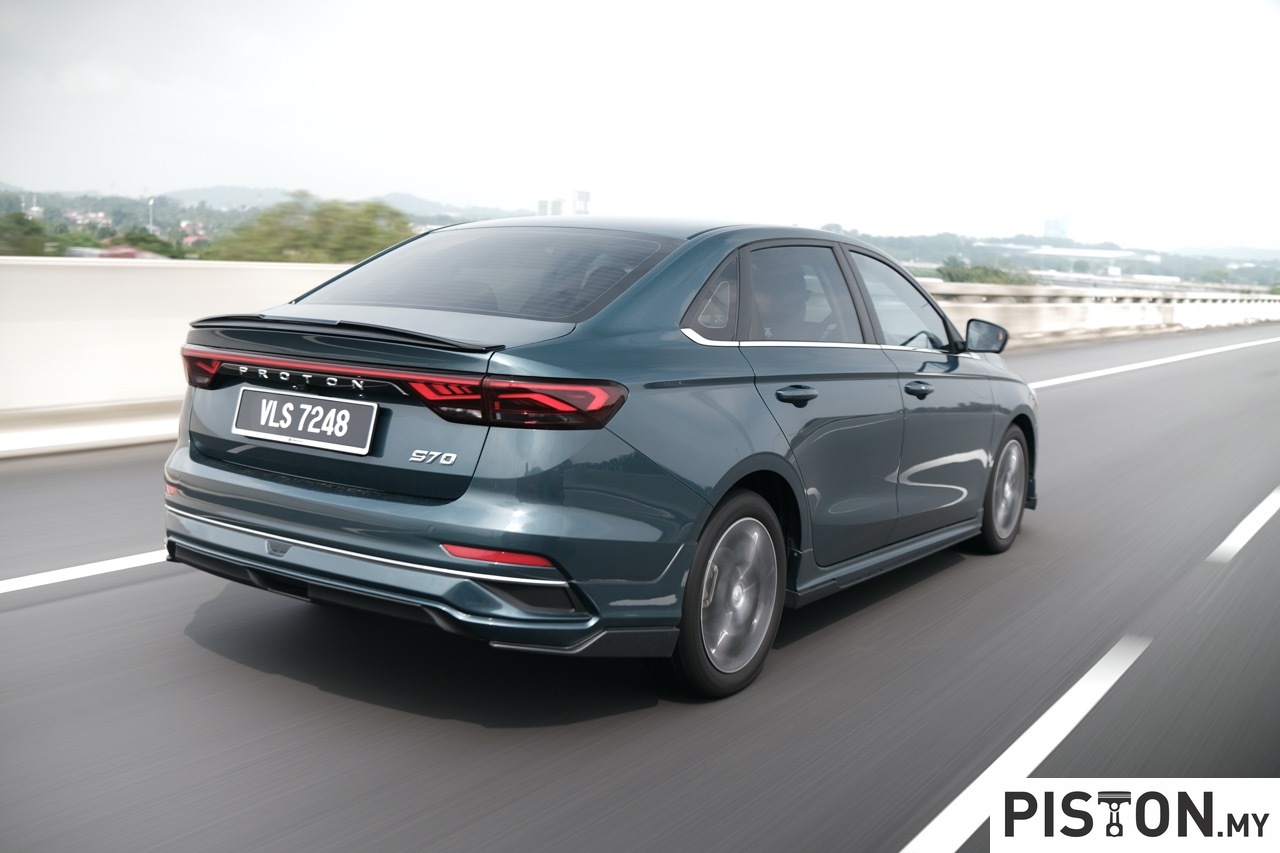
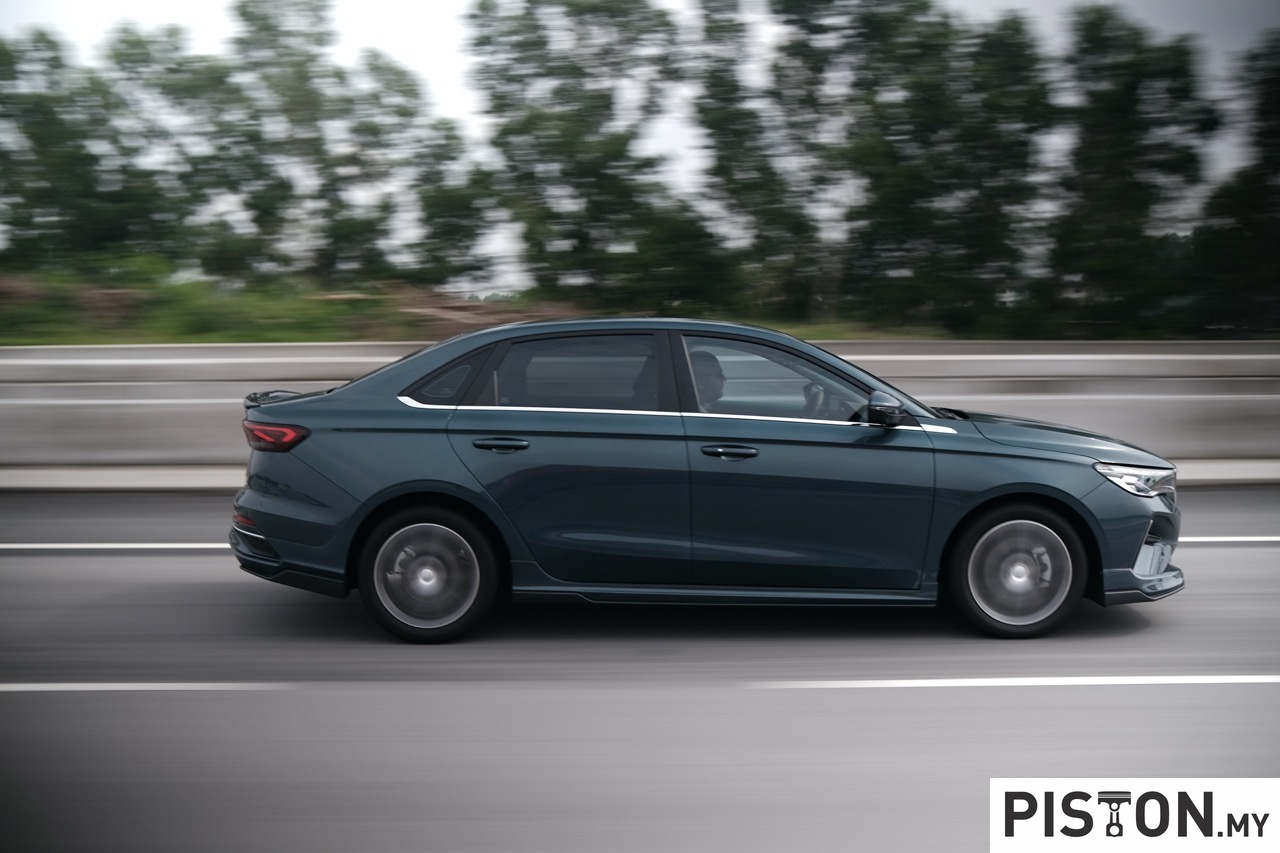
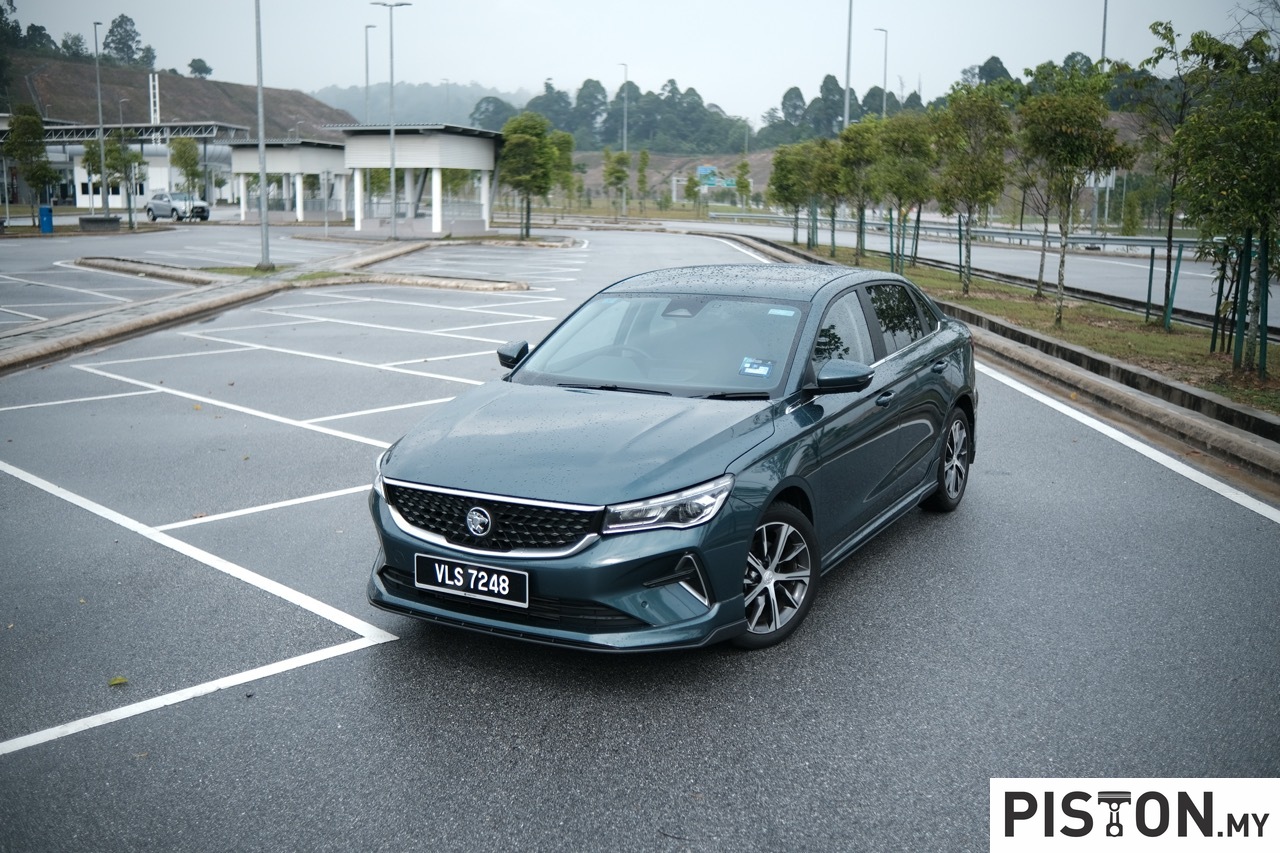
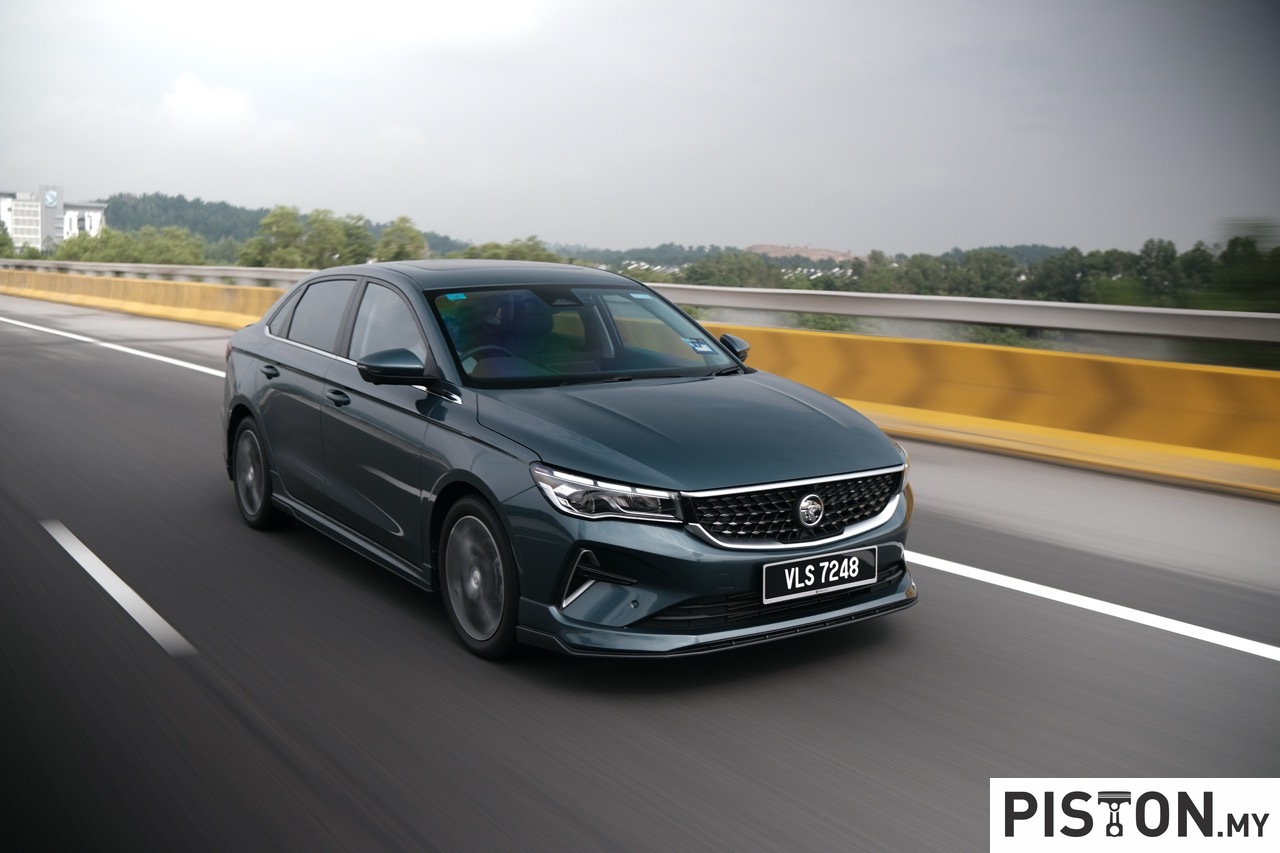
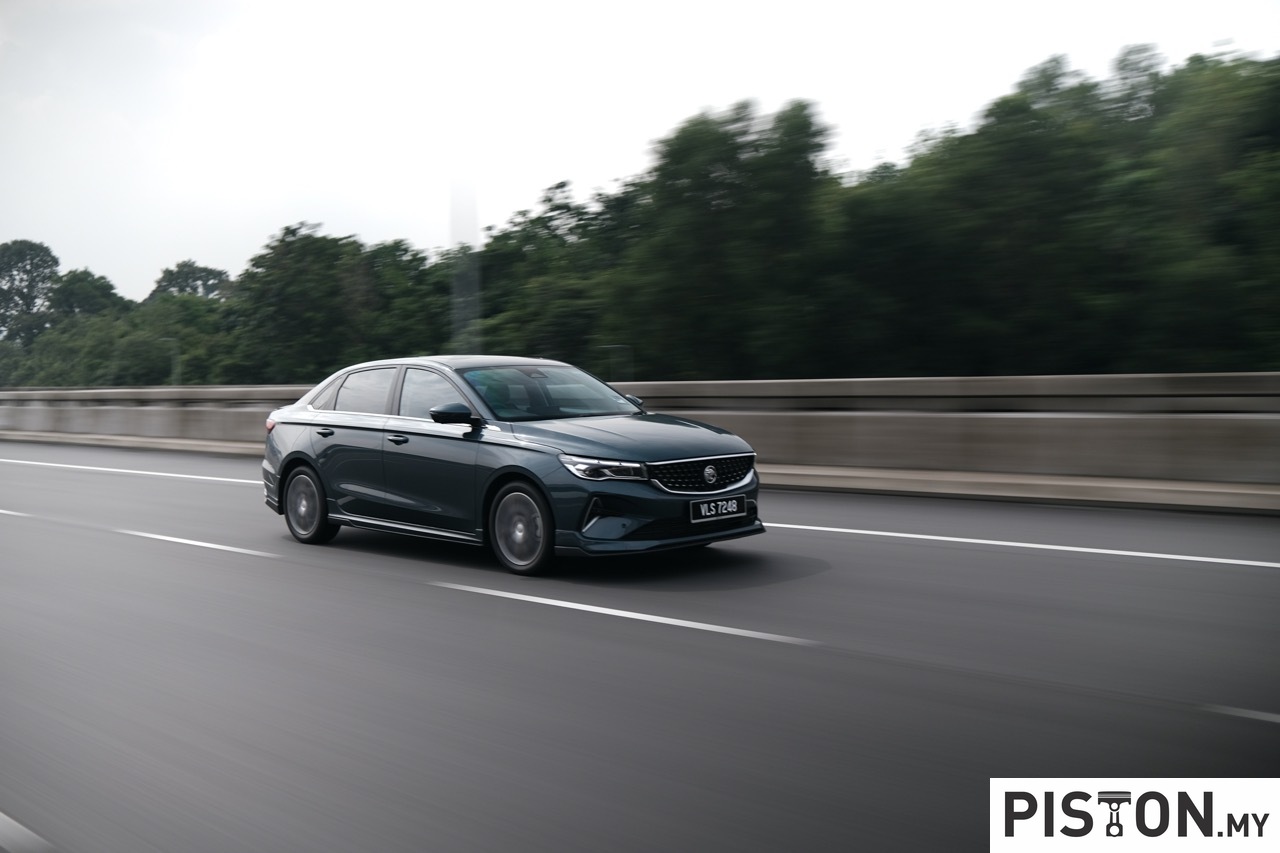
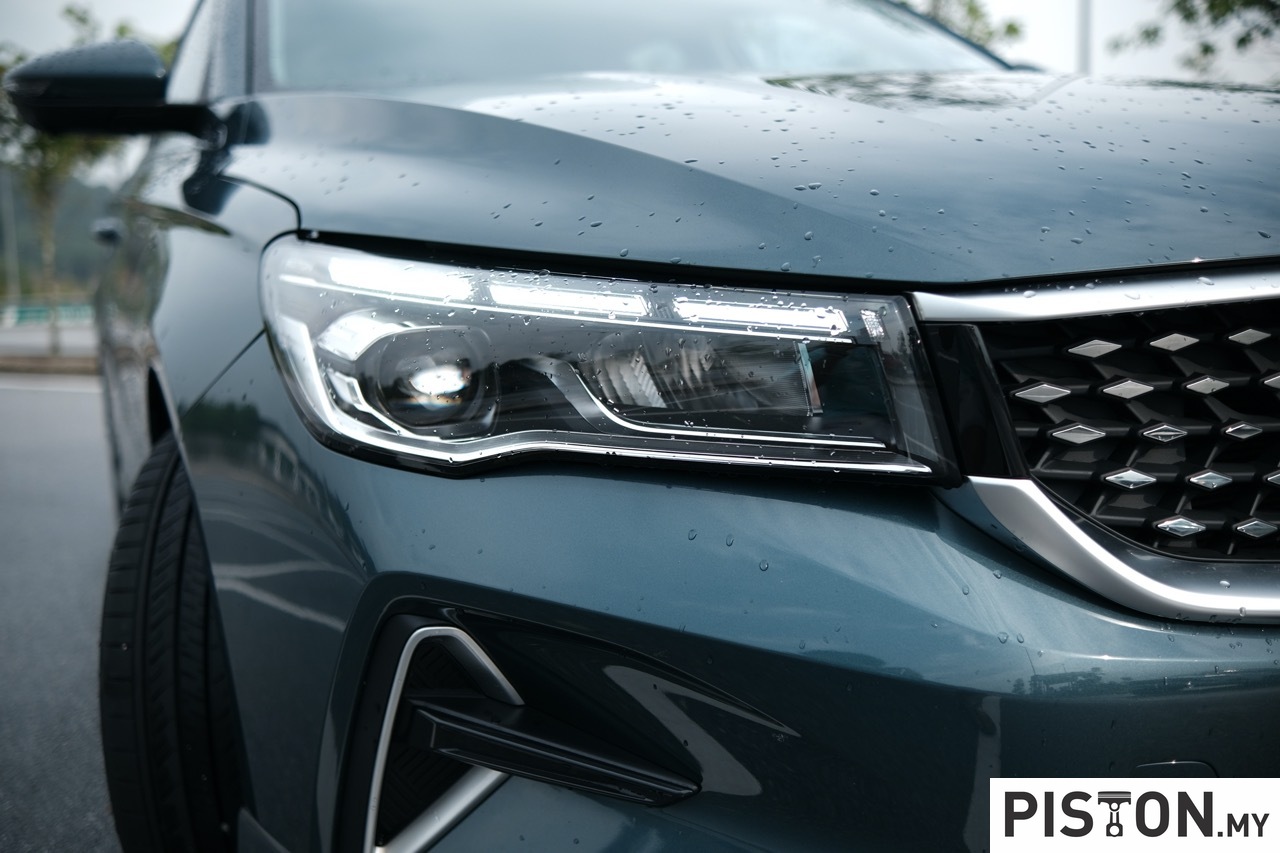
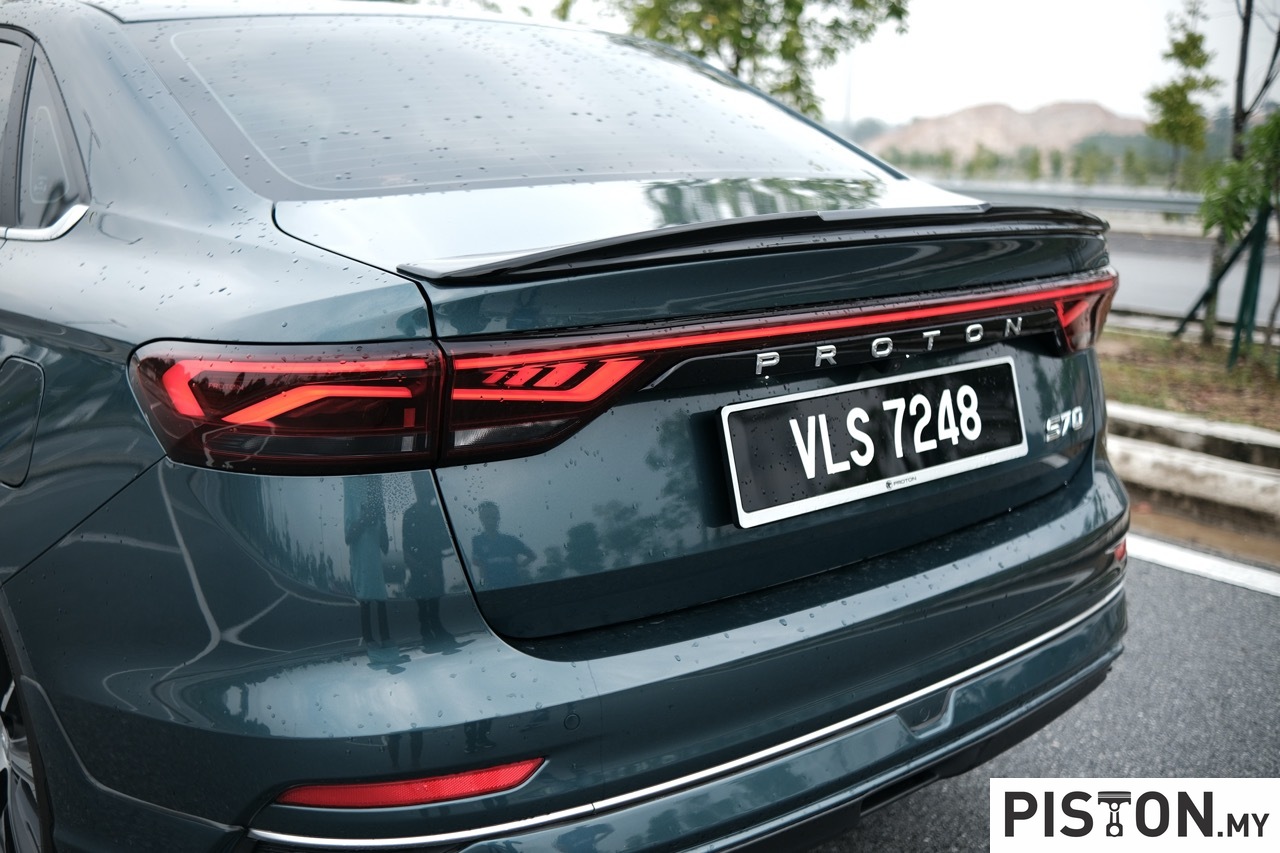
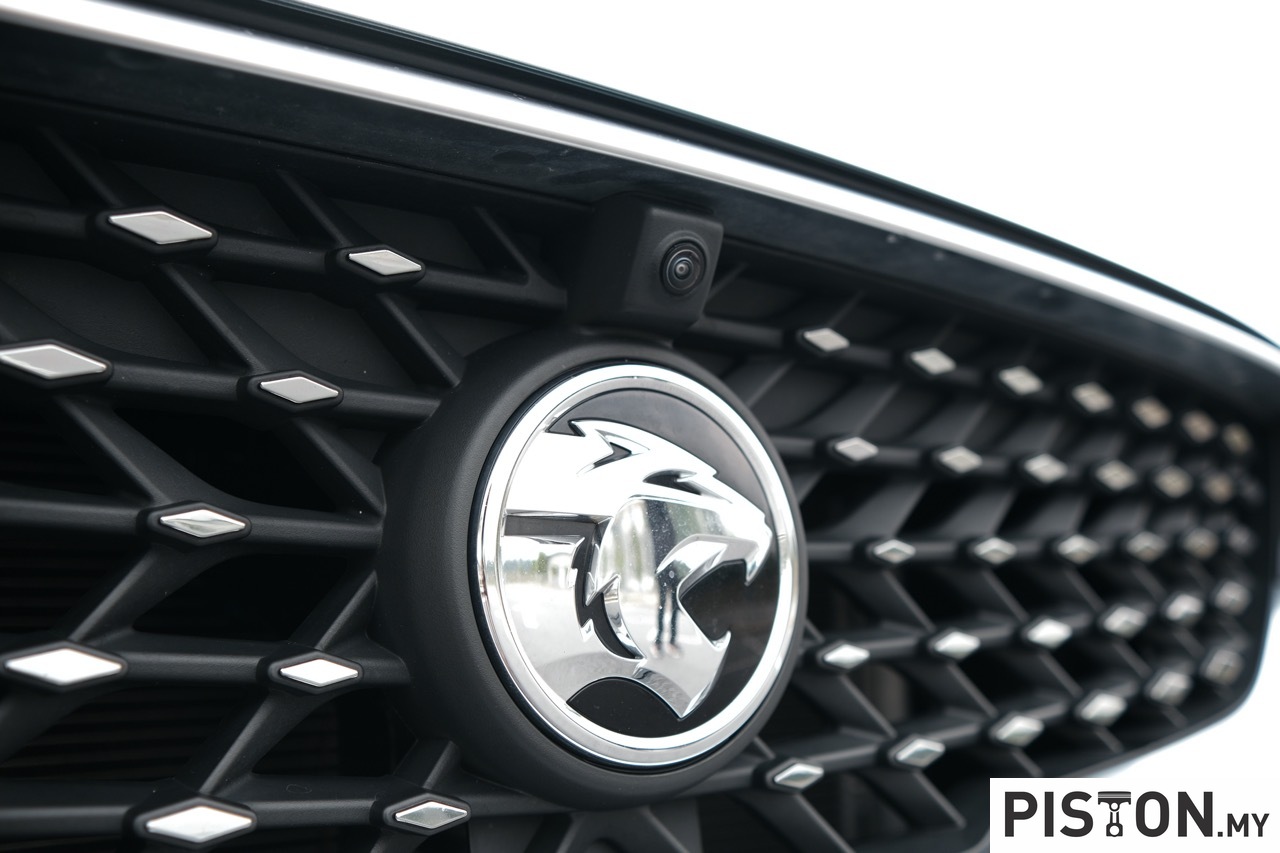
Visually, the car looks pleasing. It has a sporty yet elegant design with refined lines and curves. The LED taillights are something we really love because of their striking light bar that does a little dance when you unlock and lock the car. The front grille is adorned with chrome pin inserts and LED projector headlamps, which also does a little dance.
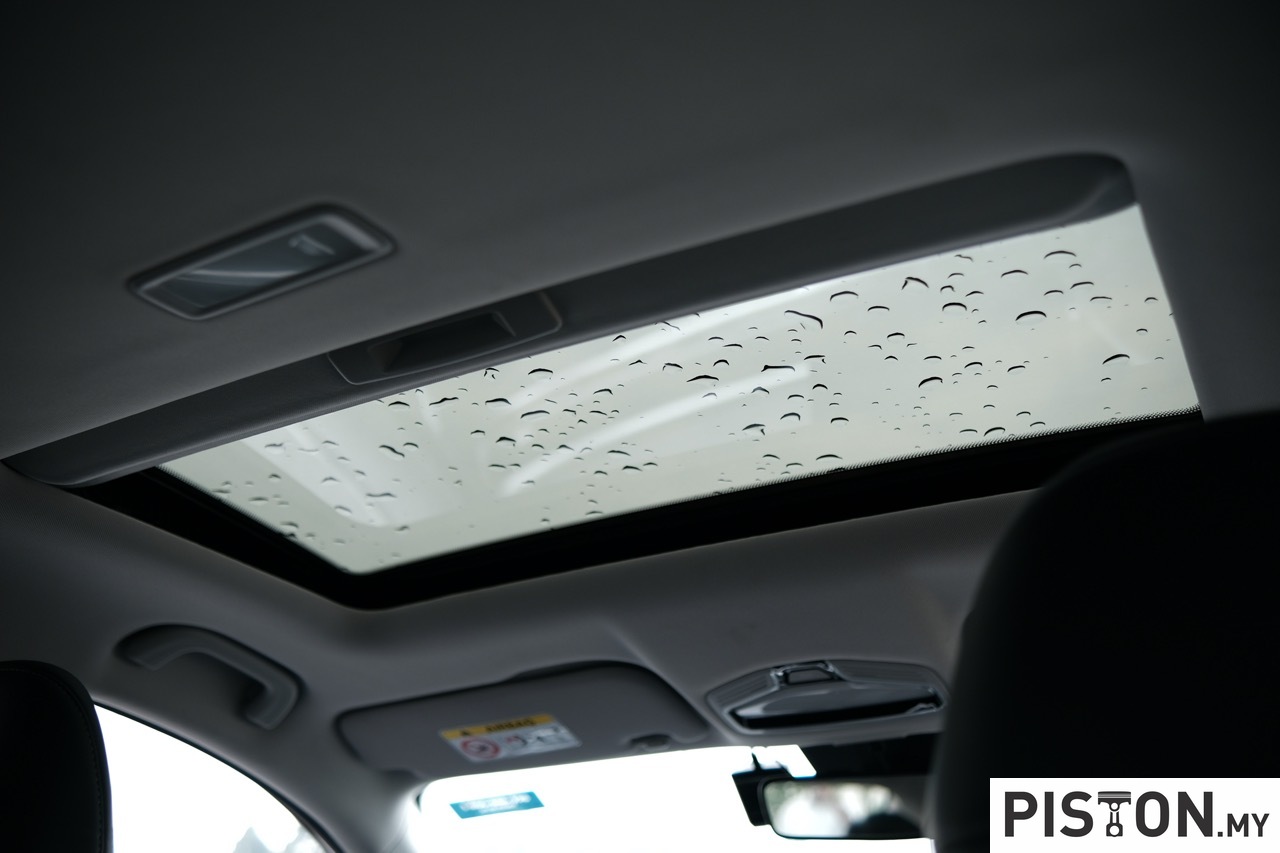
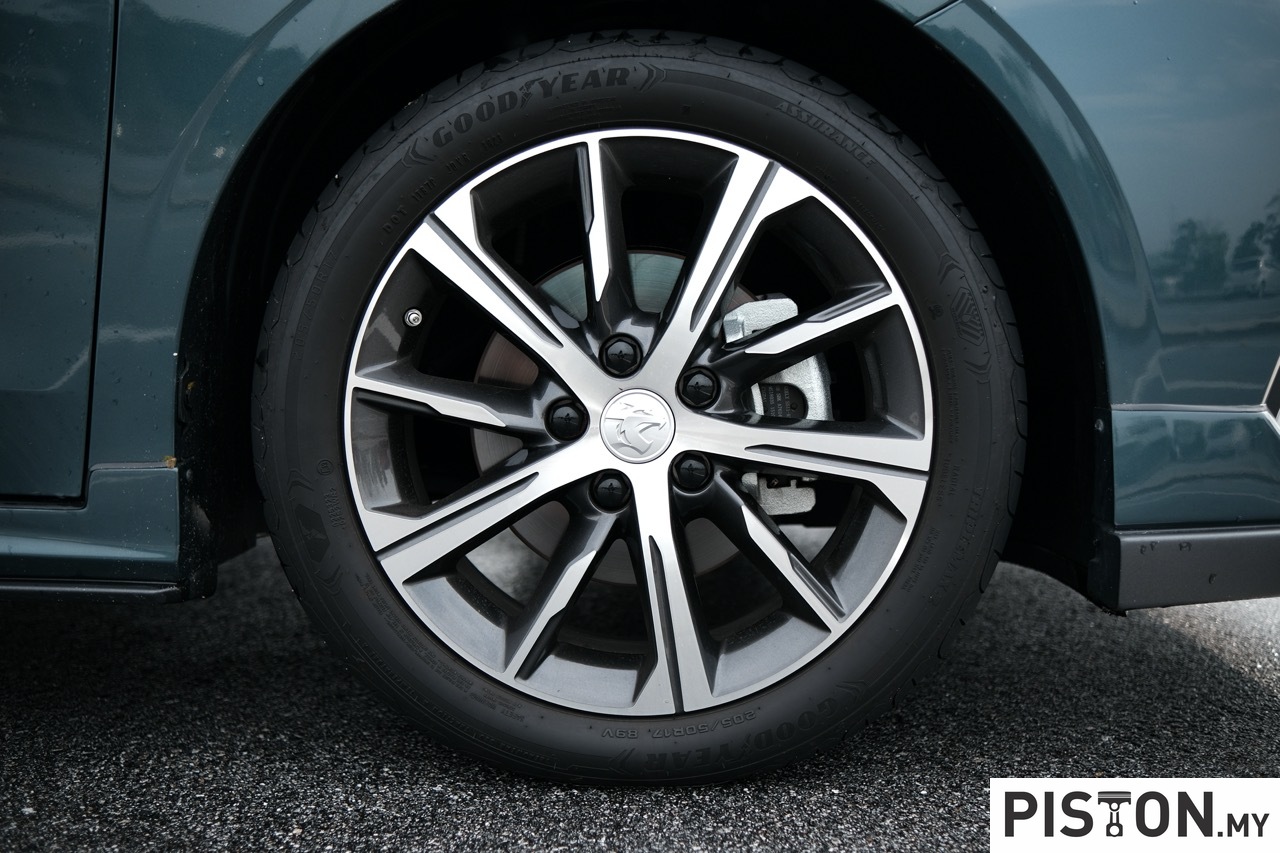
If you’re getting the Flagship X, which is the variant we drove, you get a sunroof. Not ideal for our Malaysian weather, but it looks cool. It also comes with 17-inch 10-spoke wheels wrapped in Goodyear Assurance TripleMax 2 tires.
There was nothing not to like about the S70’s visual cues because it is a pretty good-looking car. We were given the one in Teal Bayou Green, which is one of the best options because it brings out the elegance in the car. We managed to turn some heads too! However, the more popular choice is Marine Blue because it has a three-month waiting period.
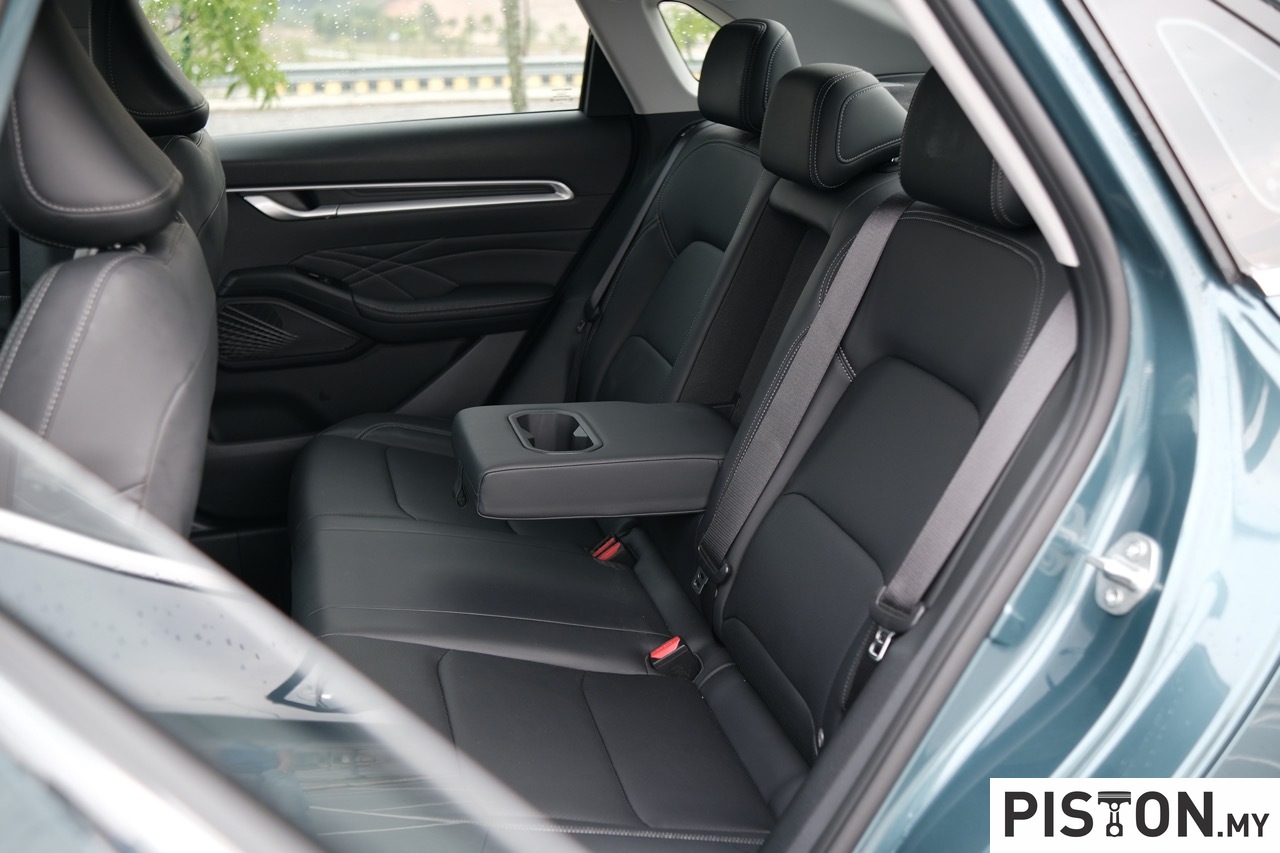
Moving on to the interior. This is where we have some complaints. Now, the S70 measures 4,638mm long, 1,820mm wide, and 1,460mm tall and has a wheelbase of 2,650mm. This makes it slightly smaller than the Emgrand but larger than the Proton Preve. This writer has owned a Preve before and would like to point out that the Preve had more legroom than the S70. For the driver, it’s no issue to adjust the seat to however you’re comfortable with. However, if you’re a rear-seat passenger, you may struggle as the rear legroom space is horrible.
For it to be a family sedan or a “C-Segment” sedan, this should not be an issue. We took our family for a drive, and they struggled to get in and out of the car. The driver and front passenger had to get out of the car and push the seats to the front to allow the rear-seat passengers to get out. If the ones sitting at the back are elderly, tall, and people, they might struggle a bit more. So we were very disappointed with the interior spacing. If it’s just the driver and a front passenger, it’s fine because you have the luxury of pushing your seats to the back.
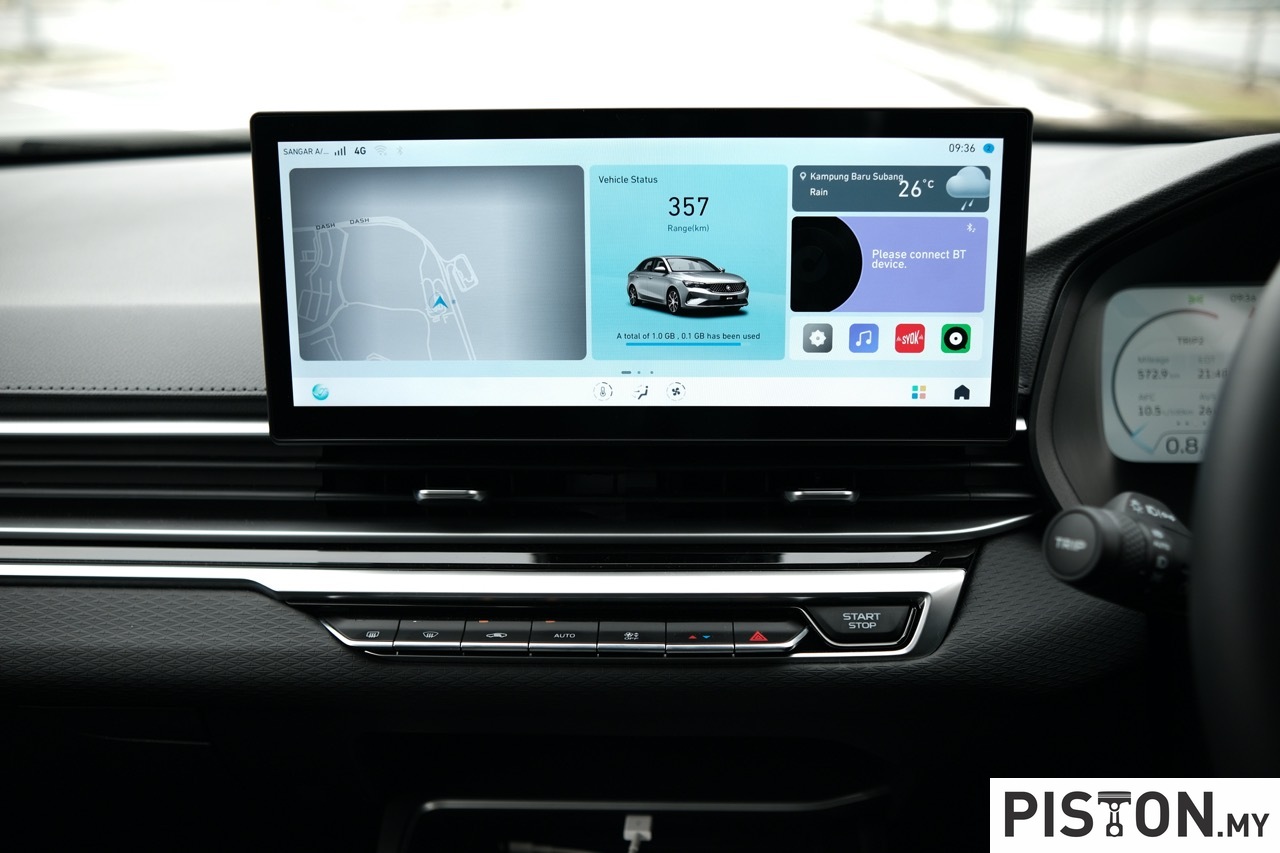
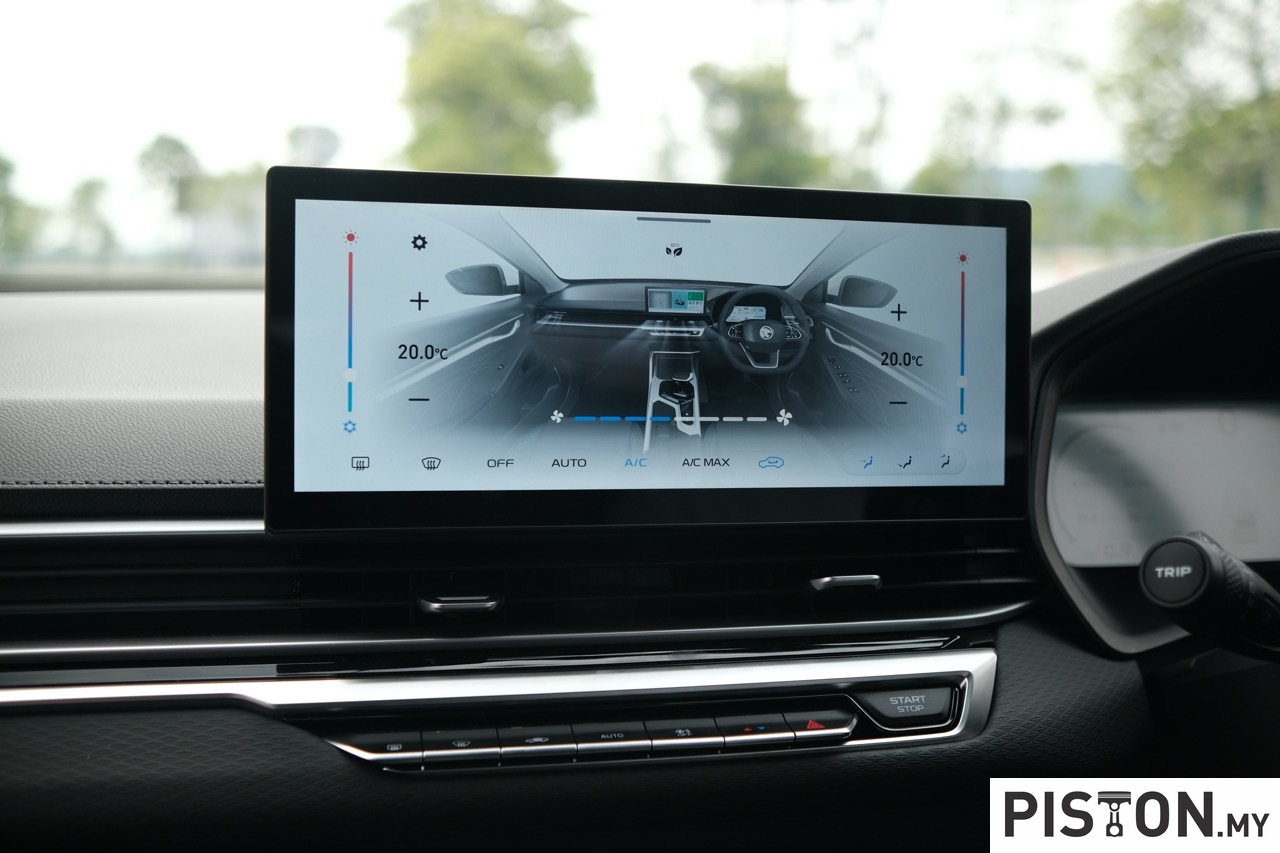
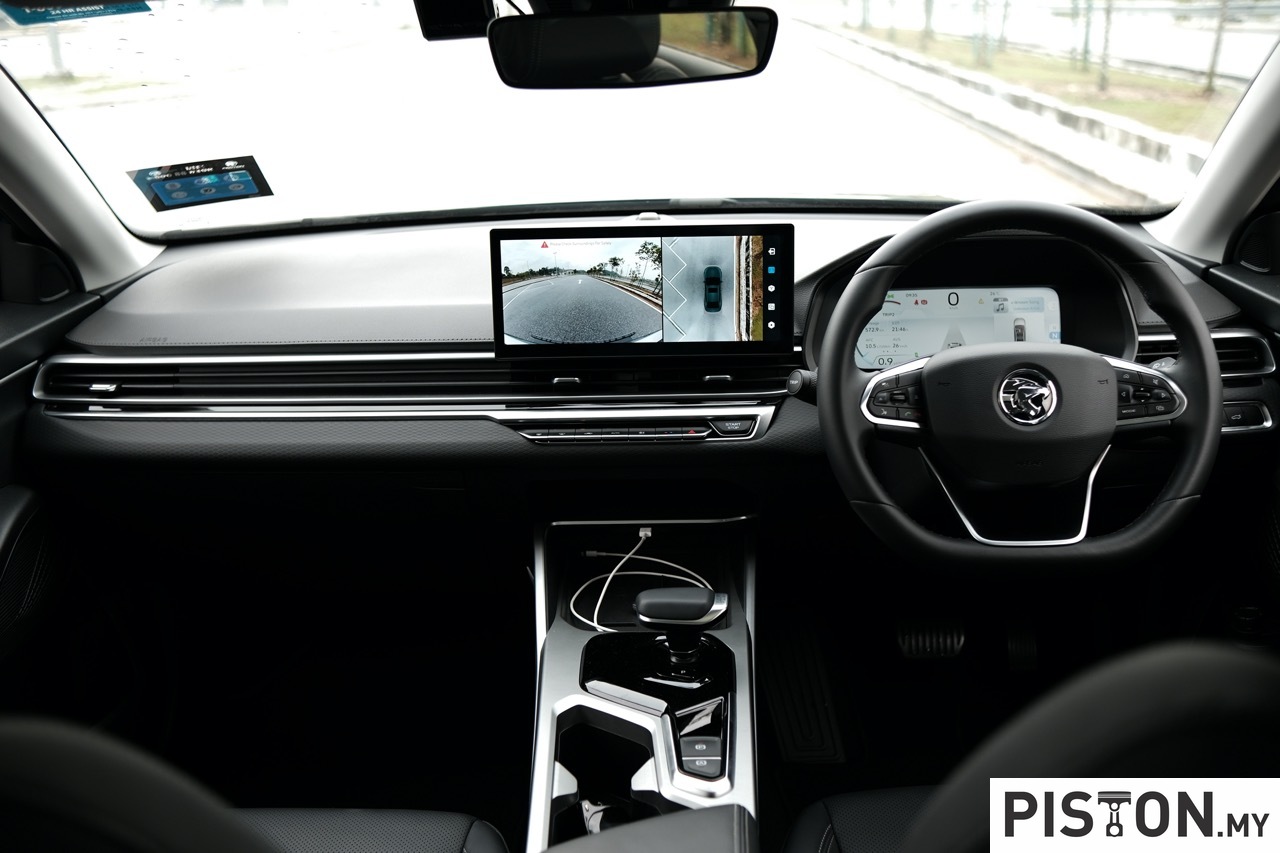
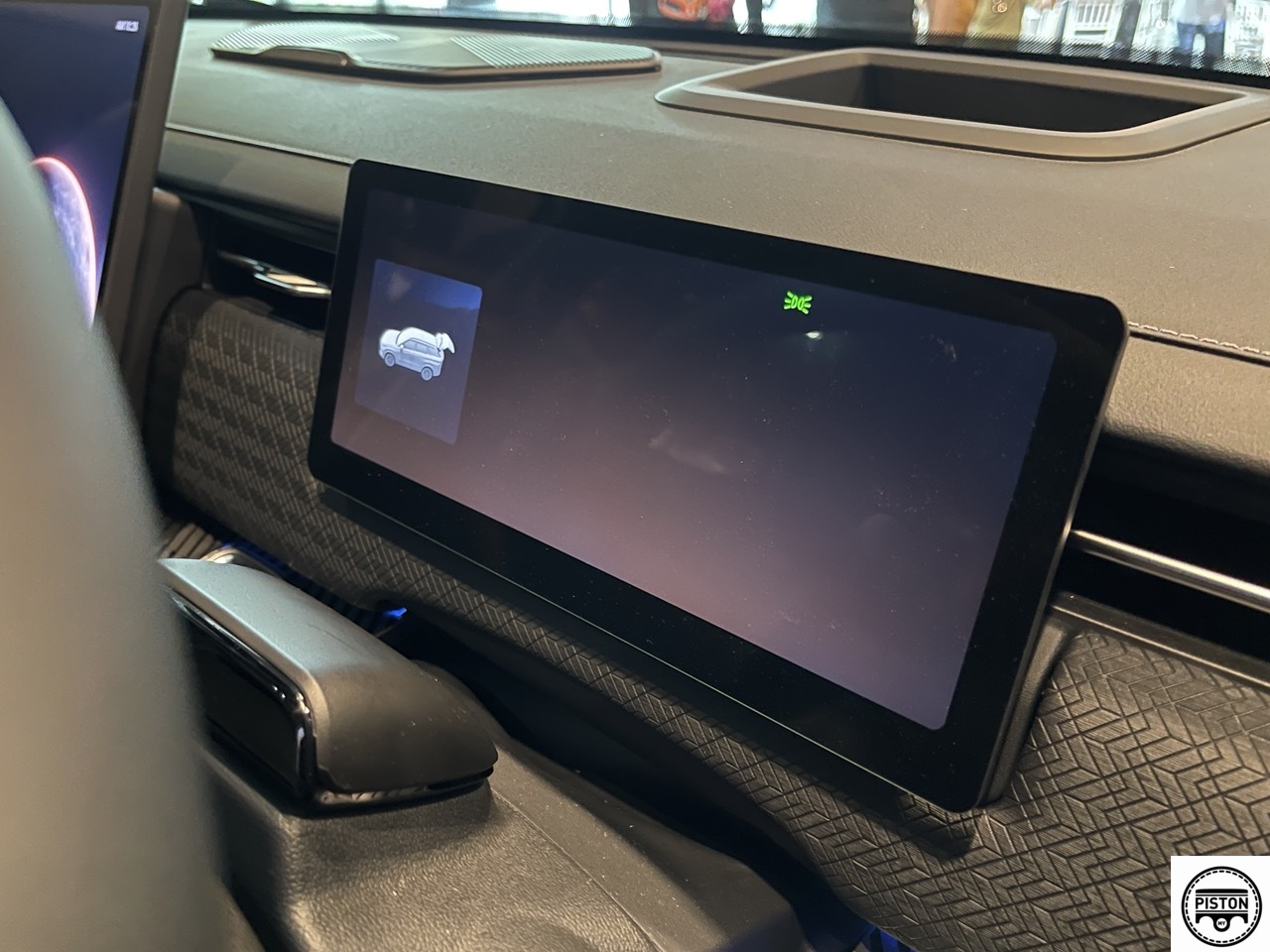
Now on to the infotainment system. The S70 comes with a 10.3-inch instrument cluster and a 12.3-inch infotainment touchscreen. Decent sizing compared to the TV screens that some cars nowadays get. The biggest flaw is that it does not have Apple CarPlay or Android Auto, and we absolutely hate this. If this were integrated, it would have made life so much easier. But not to worry, Proton has stated that these features will soon be added, and a simple software update is needed. Unless you own older models, then a hardware upgrade will be needed.
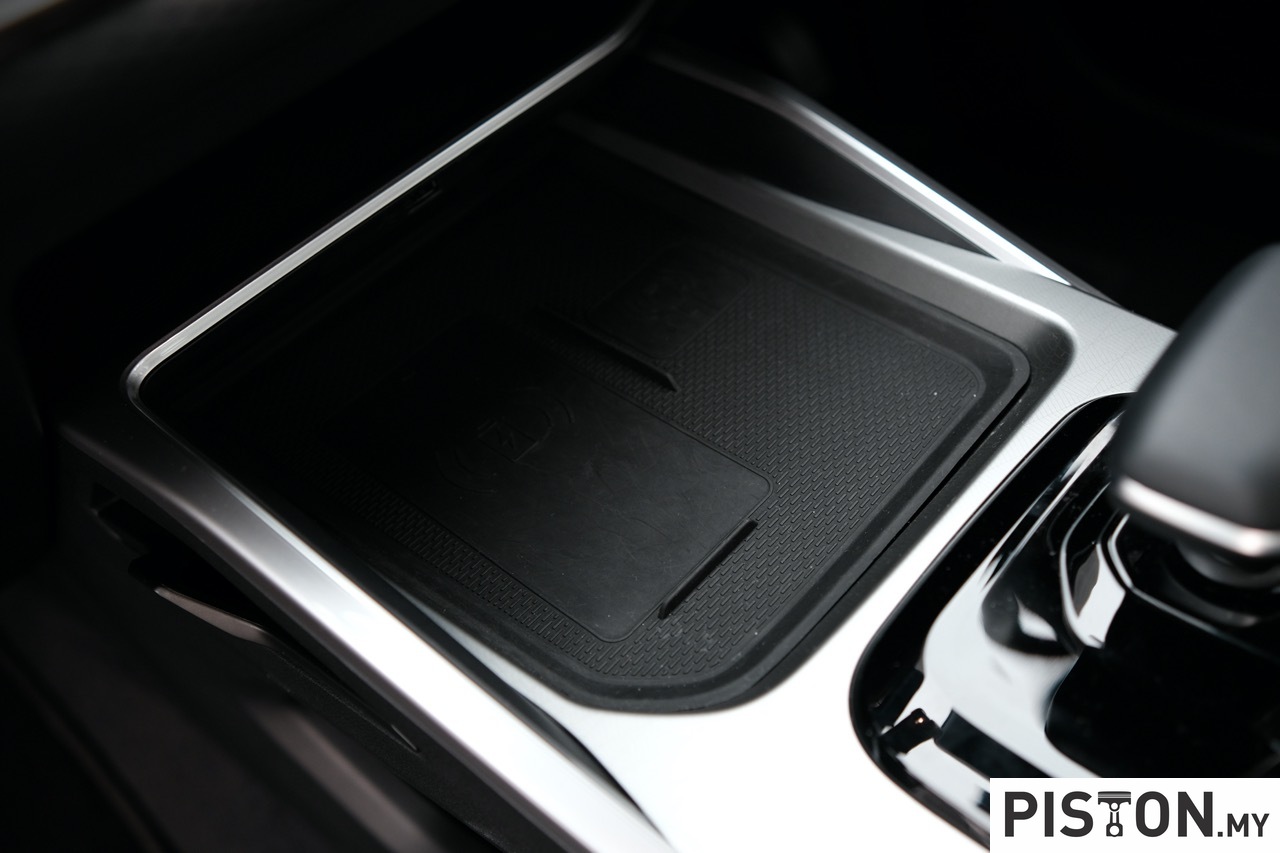
Adding to the frustration, the positioning of the infotainment screen on the S70 is rather annoying. We feel like it is too close to the air conditioning vents. If you are the type of person who relies on using your phone for Google Maps or Waze, it’s going to be an issue because the only option you have for a phone holder is the one with the suction cup that sticks to the windshield.
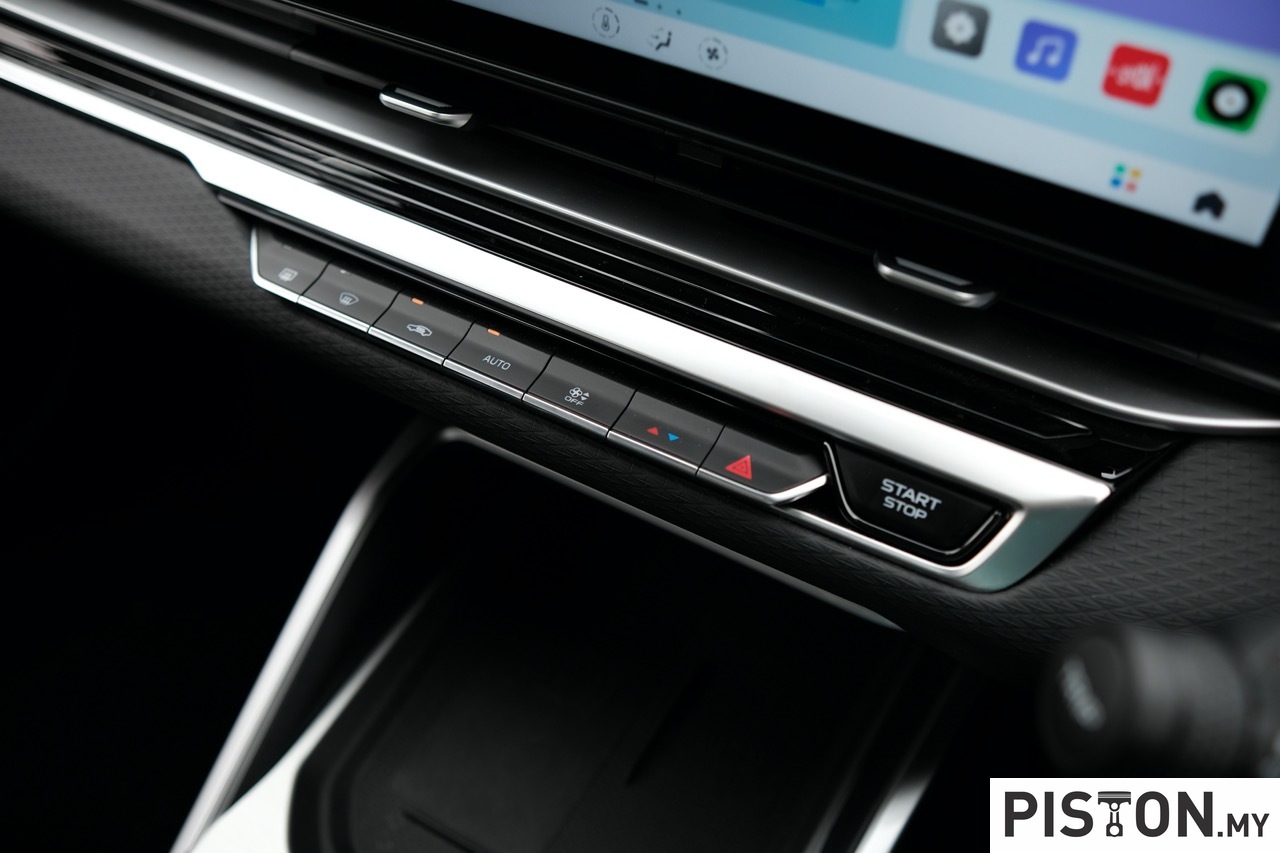
Although it can be done, it will leave a mark on the windshield. This writer personally uses the one that clips onto the air conditioning vents and that was a hassle because the pop-out buttons that are below the vents were in the way of the phone, and the infotainment screen was bulging out a bit that the clip could not fully be latched on. So we had no choice but to use the driver-side air conditioning vent. Which meant that the said vent was useless, other than cooling down the phone.
Yes, we know that there are many options when it comes to phone holders, but it is still a hassle to find one that suits this car perfectly.
Sometimes, physical buttons are the best way to go, in our books at least. But some somethings were not taken into consideration such as switching the drive modes, adjusting the air conditioning temperature, and operating the sunroof. You must go through the infotainment screen to do so.
The integrated GPS can be a little buggy as it stopped halfway while we were using it. But thankfully Proton’s voice command worked well so we were able to set the GPS again without messing around with the screen.
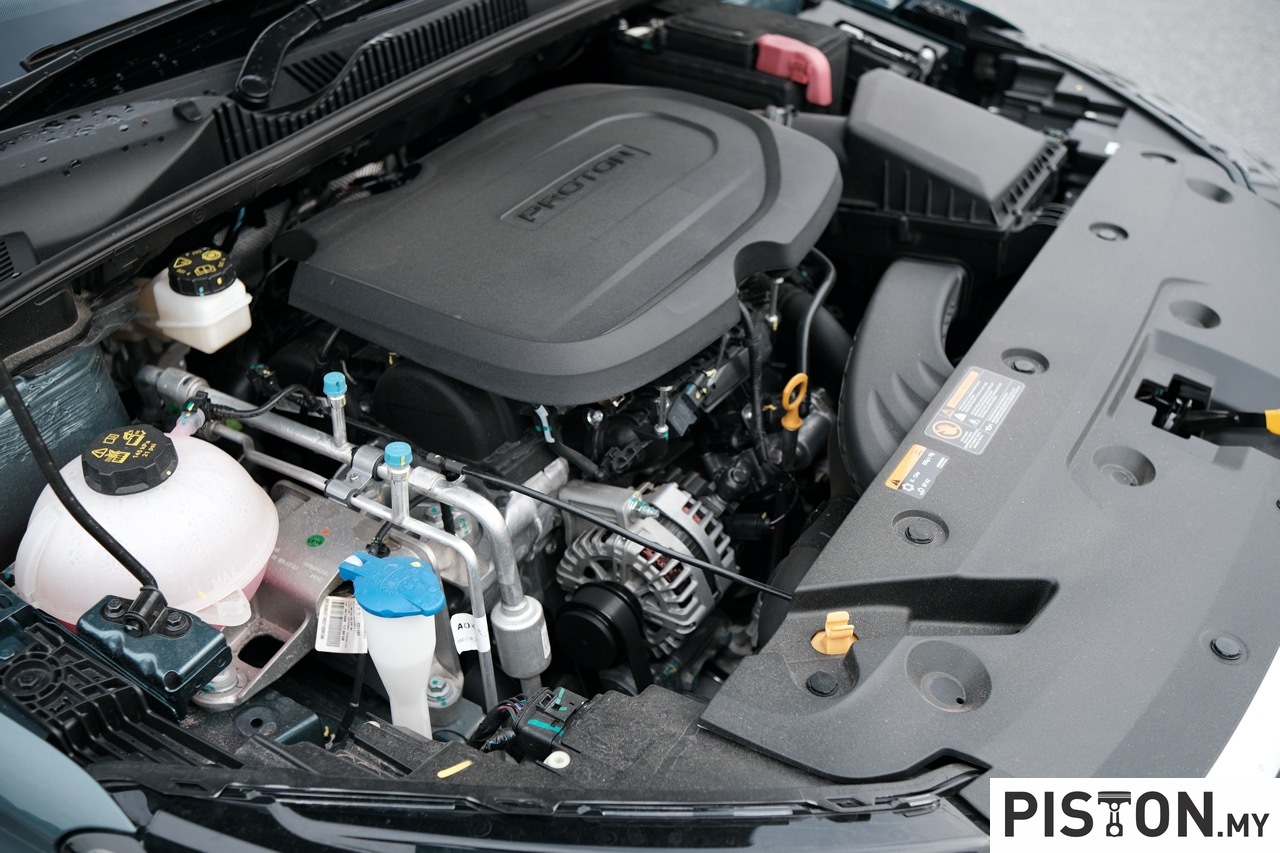
Now let’s talk power. The Geely Emgrand is powered by a 1.5-litre naturally-aspirated inline-four petrol engine that puts out 102PS and 142Nm of torque. Proton S70 has a 1.5-litre turbocharged inline-three which is also found in the Proton X50. This pushes the power a little bit higher to 150PS and 226Nm of torque. It’s paired with a seven-speed wet dual-clutch transmission.
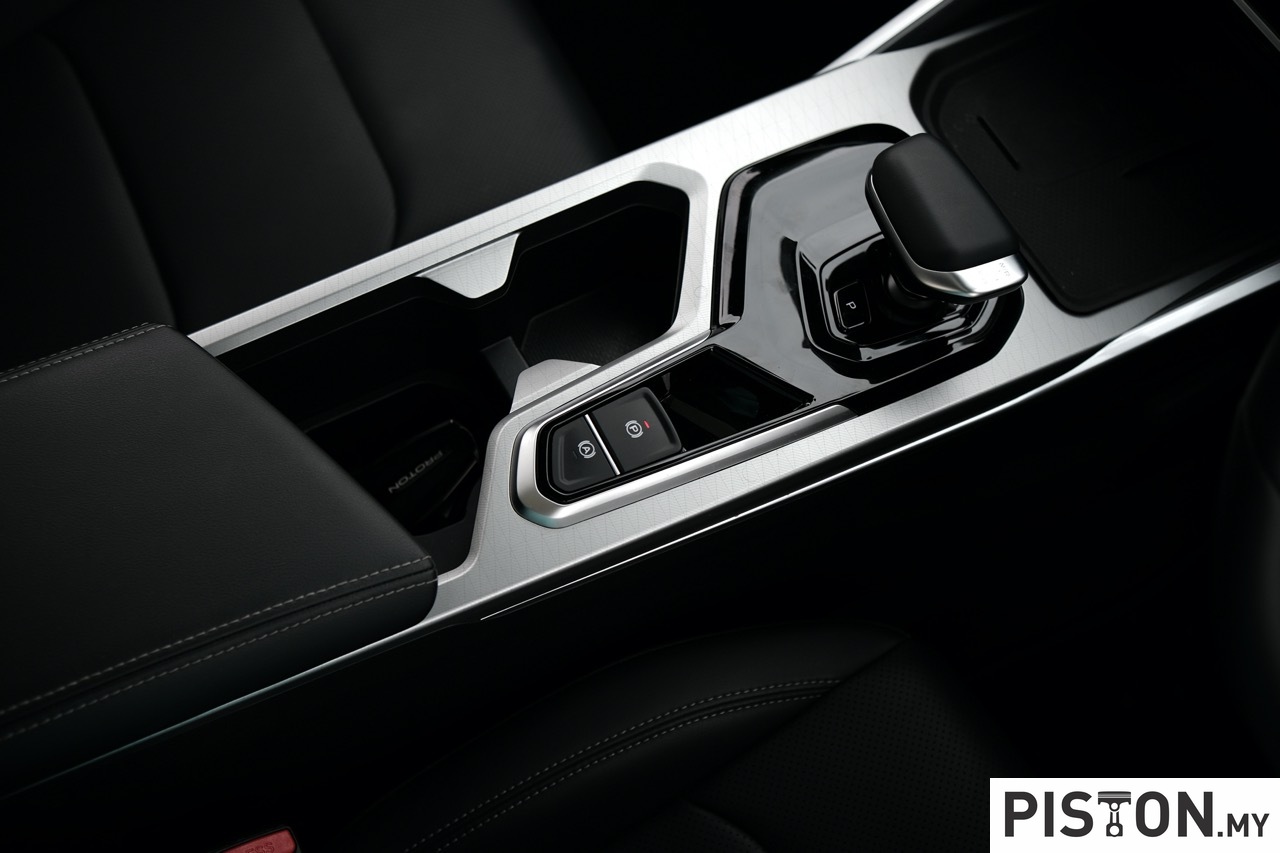
The S70 struggles a little bit when you hit the throttle because the power only kicks in after a few seconds. Only when it gets going, you will feel the power. We find it to be just enough. If you need a little bit more kick, you can switch it to Sports mode which sharpens the throttle response and the brakes become a bit more sensitive in a good way. However, the throttle can feel a little choppy at times but it takes getting used to. The auto-hold function works perfectly fine and you can play around with it to see which suits you best.
Another thing that we noticed is that the engine sound can get a bit loud especially if the car is idling. Inside, you won’t hear it that much unless you floor it, but when standing outside, it is very noticeable.
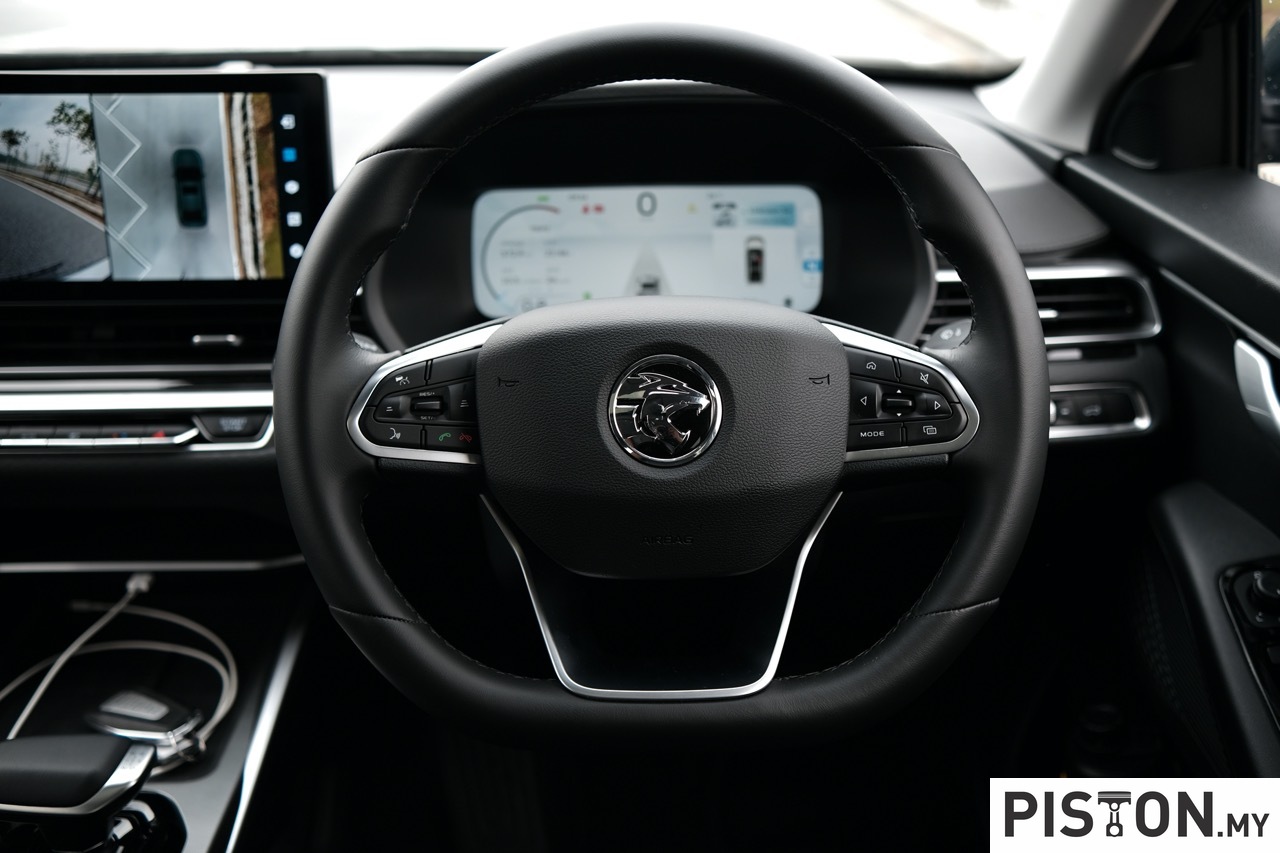
The flat-bottomed steering wheel feels comfortable and gives us the confidence to take corners and because of the front MacPherson struts and a rear torsion beam, the S70 takes corners like a champion. On the highway, Sports mode is the way to go, unless you’re stuck in traffic then we suggest switching it to Eco mode but around the city, Comfort mode would be the better choice.
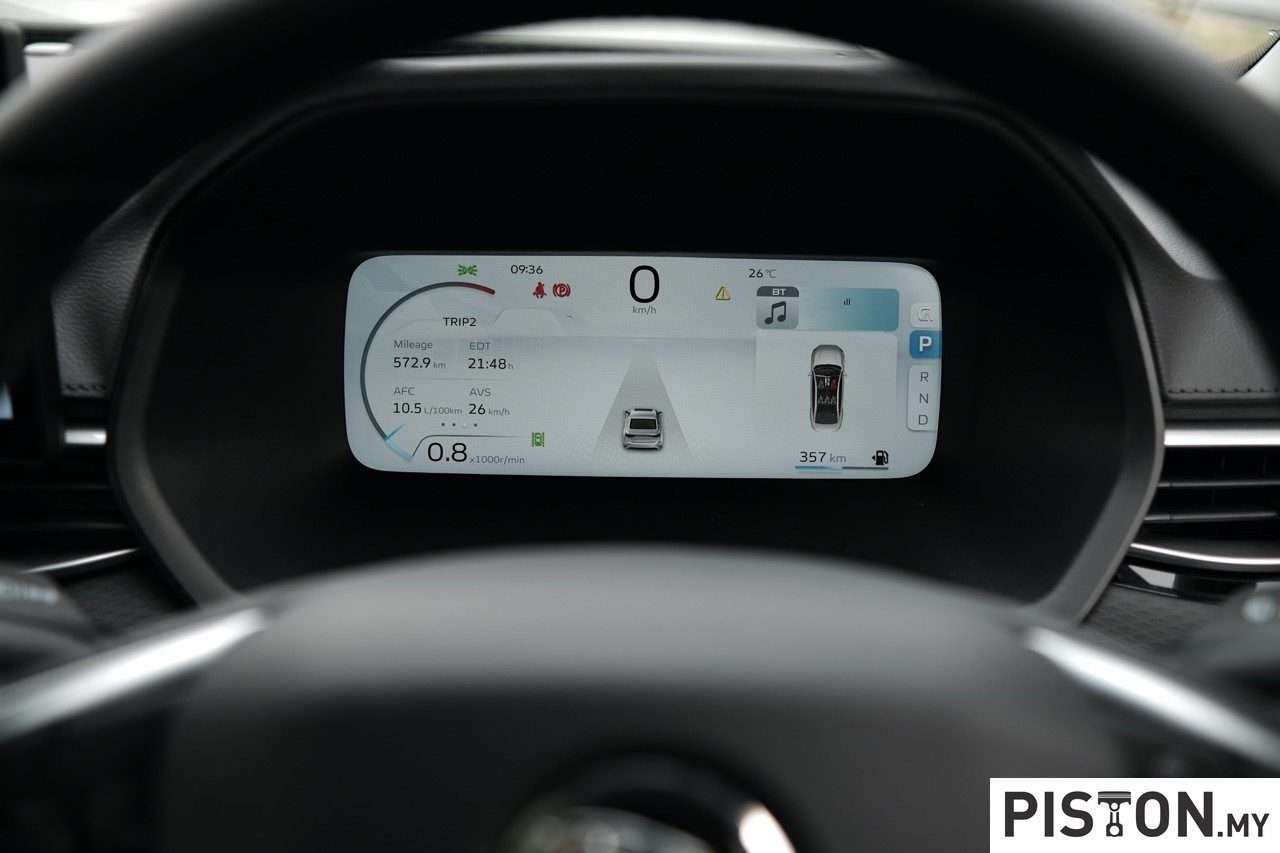
When we picked up the car, we had a full tank and a total driving range of 777km. After all the driving and testing, we still had around 250km left. So it is safe to say that there will be no range anxiety when it comes to the S70.
For a car that is priced at RM94,800 (OTR without insurance), it comes with a decent amount of safety features. The ones that we used often were the Lane Departure Warning and Lane Departure Prevention. And if anything were to happen, the S70 comes with six airbags.
The S70 1.5T Executive is priced at RM73,800, the Premium at RM79,800, the Flagship at RM89,800 and the Flagship X at RM94,800. We were amazed by how low the prices were when Proton first announced them.
The Honda City’s pricing starts from RM84,900 to RM111,900 and the Toyota Vios is from RM89,600 to RM95,500. So the S70’s prices are more affordable compared to the two competitors.
The question now is, would we get the S70? If we were willing to sacrifice legroom space, not having Apple CarPlay or Android Auto, then perhaps we might get it. But this is just our two cents about it. Perhaps you, the readers, might have a different perspective about the Proton S70.
Specifications
Engine: 1.5 litre turbocharged inline-three
Transmission: Seven-speed wet dual-clutch
Power: 150PS
Torque: 226Nm
Price (as tested): RM94,800
We like: Looks, Feel and Price
We don’t like: Lack of space, infotainment system, and choppy throttle
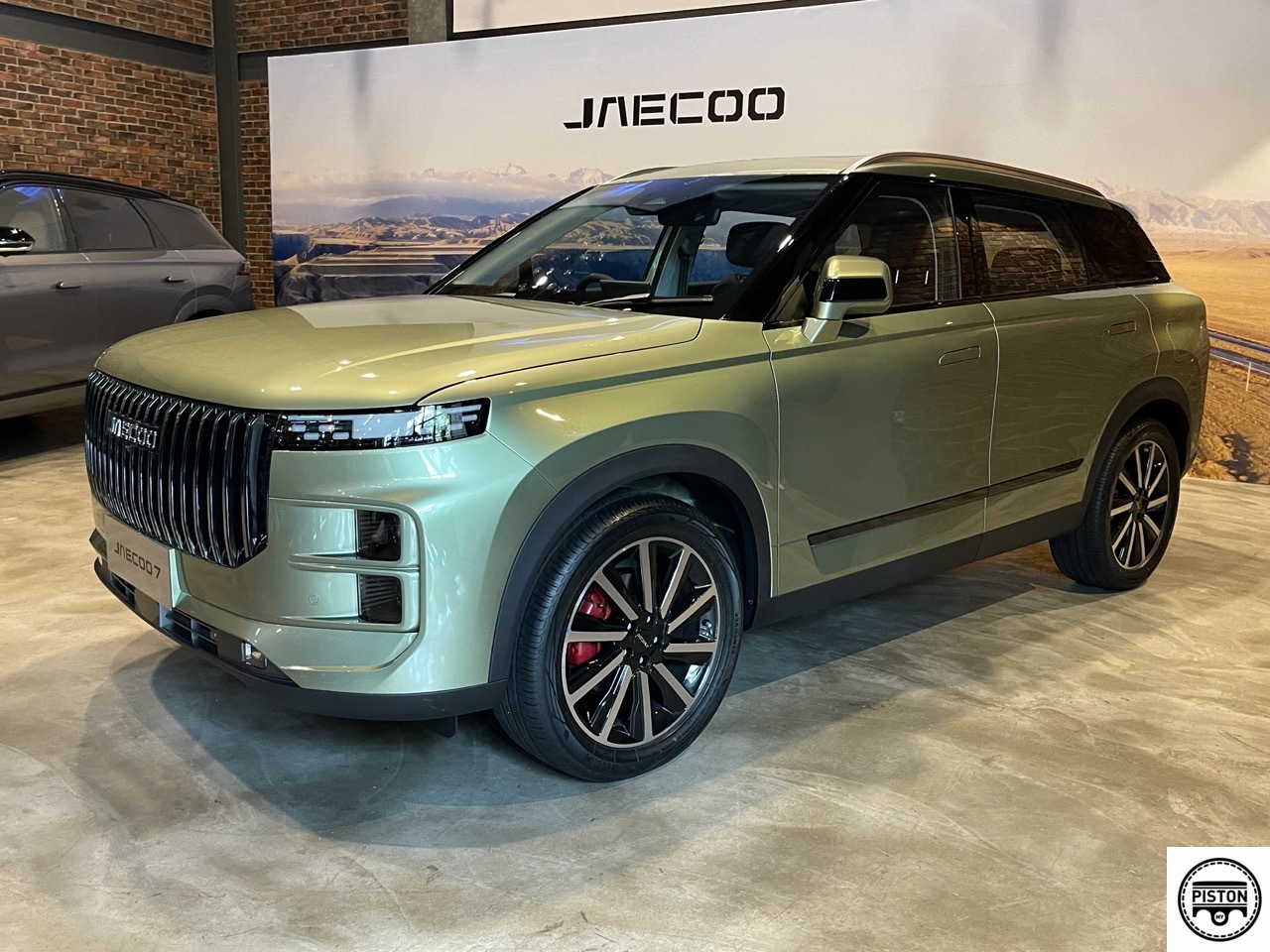
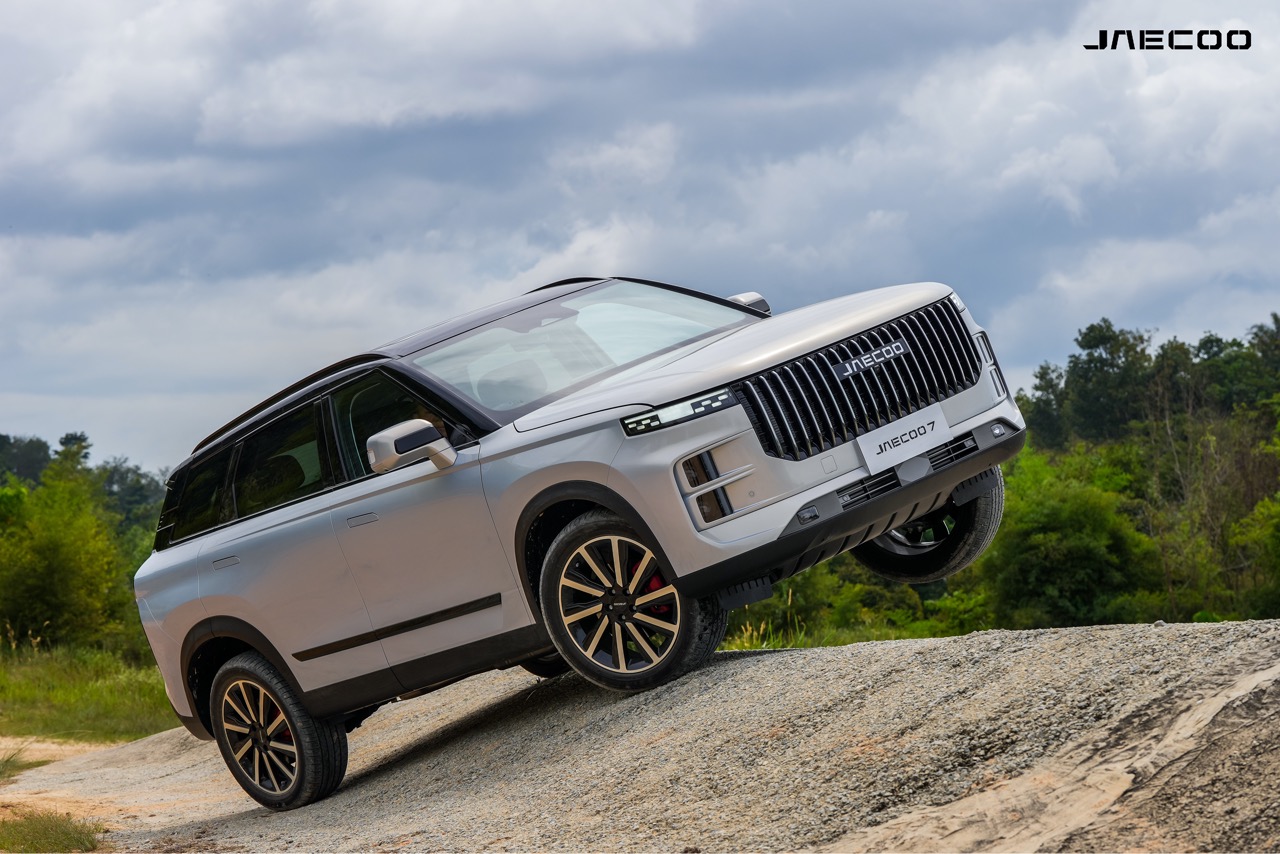
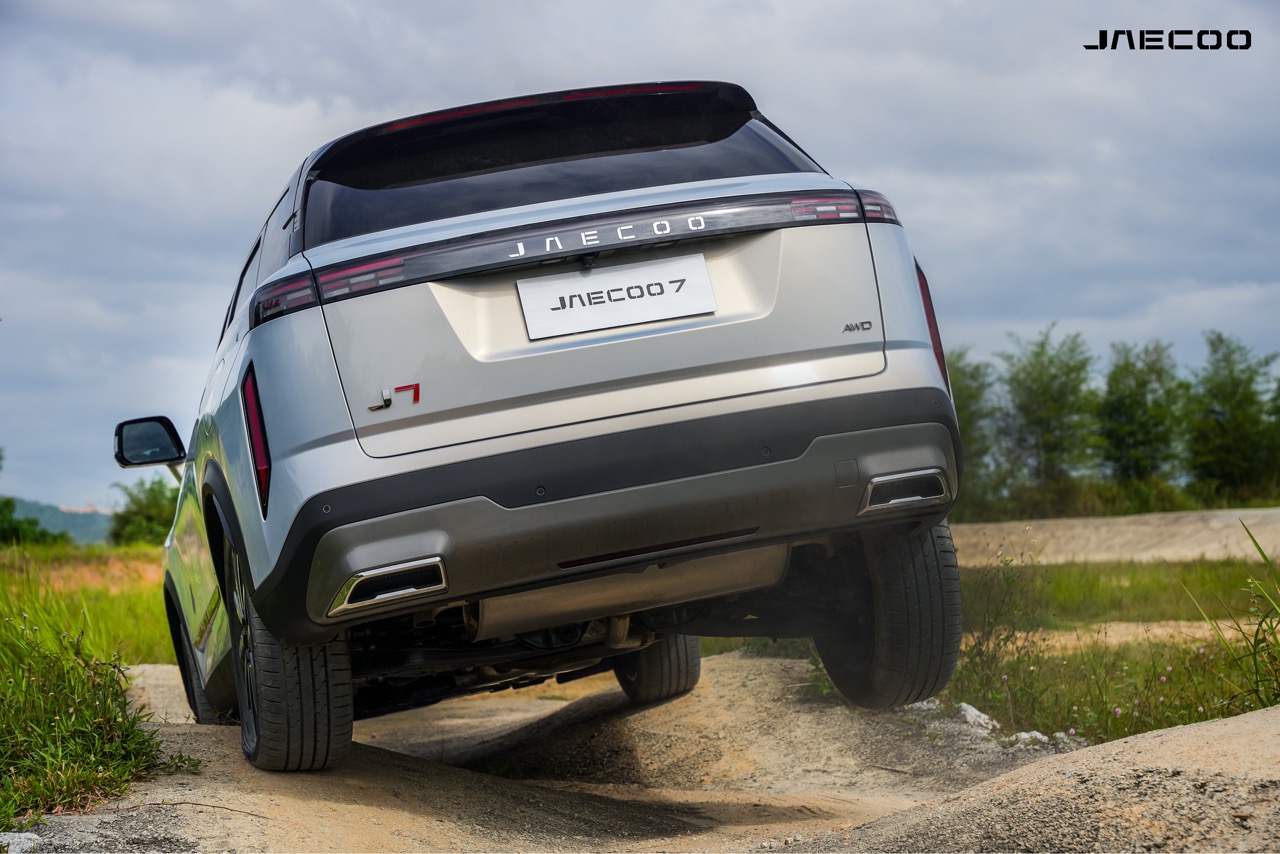
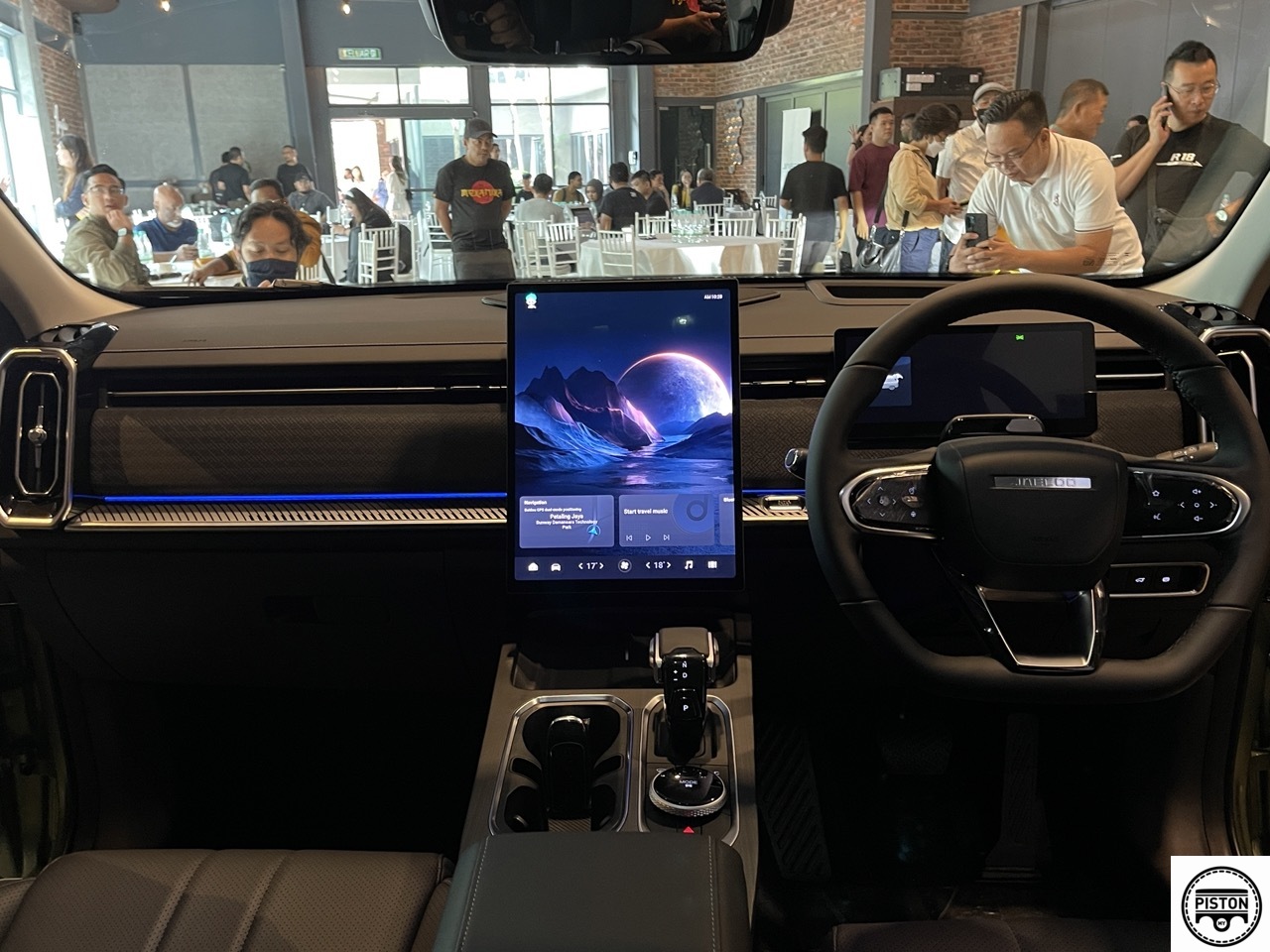
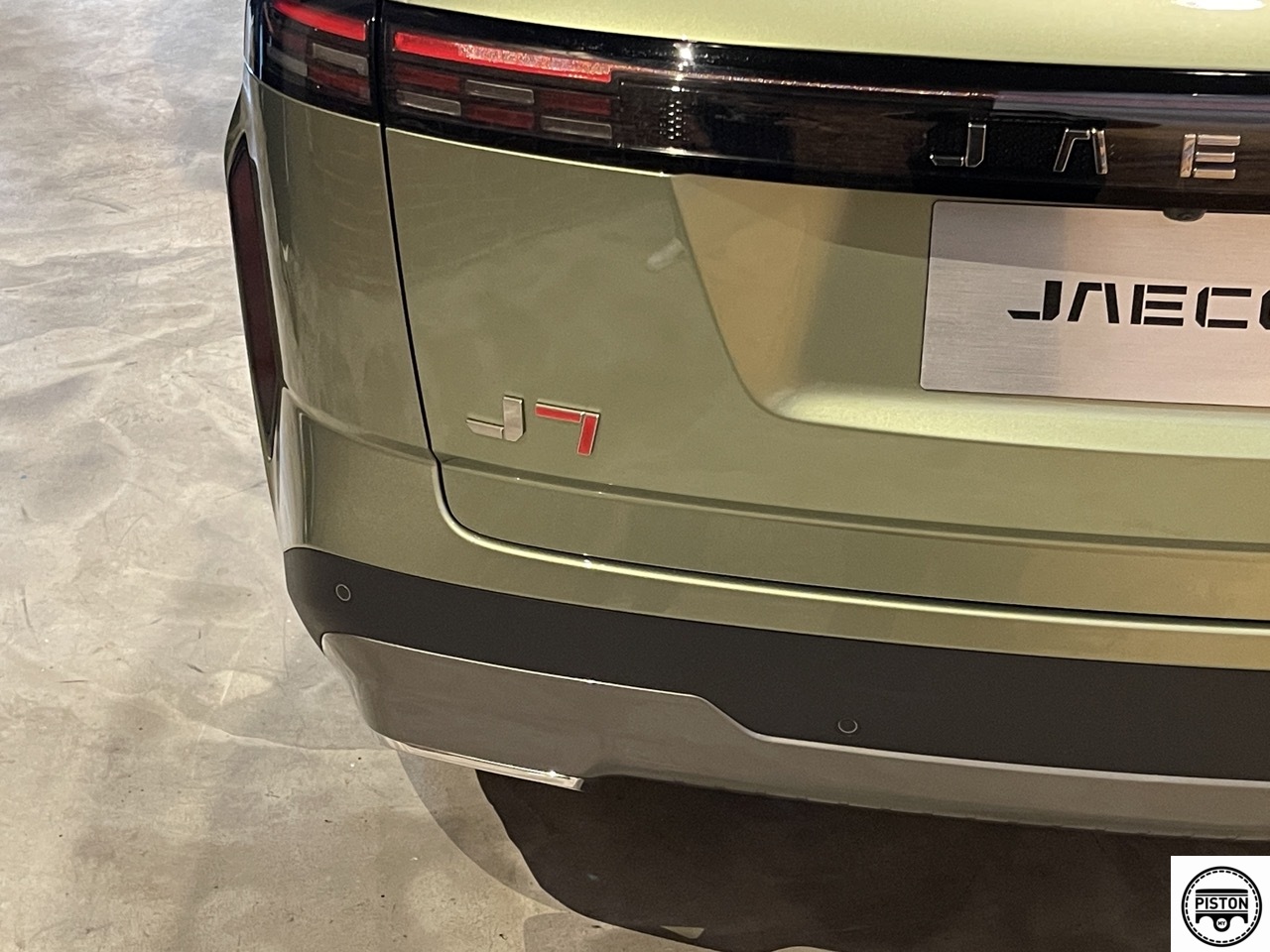
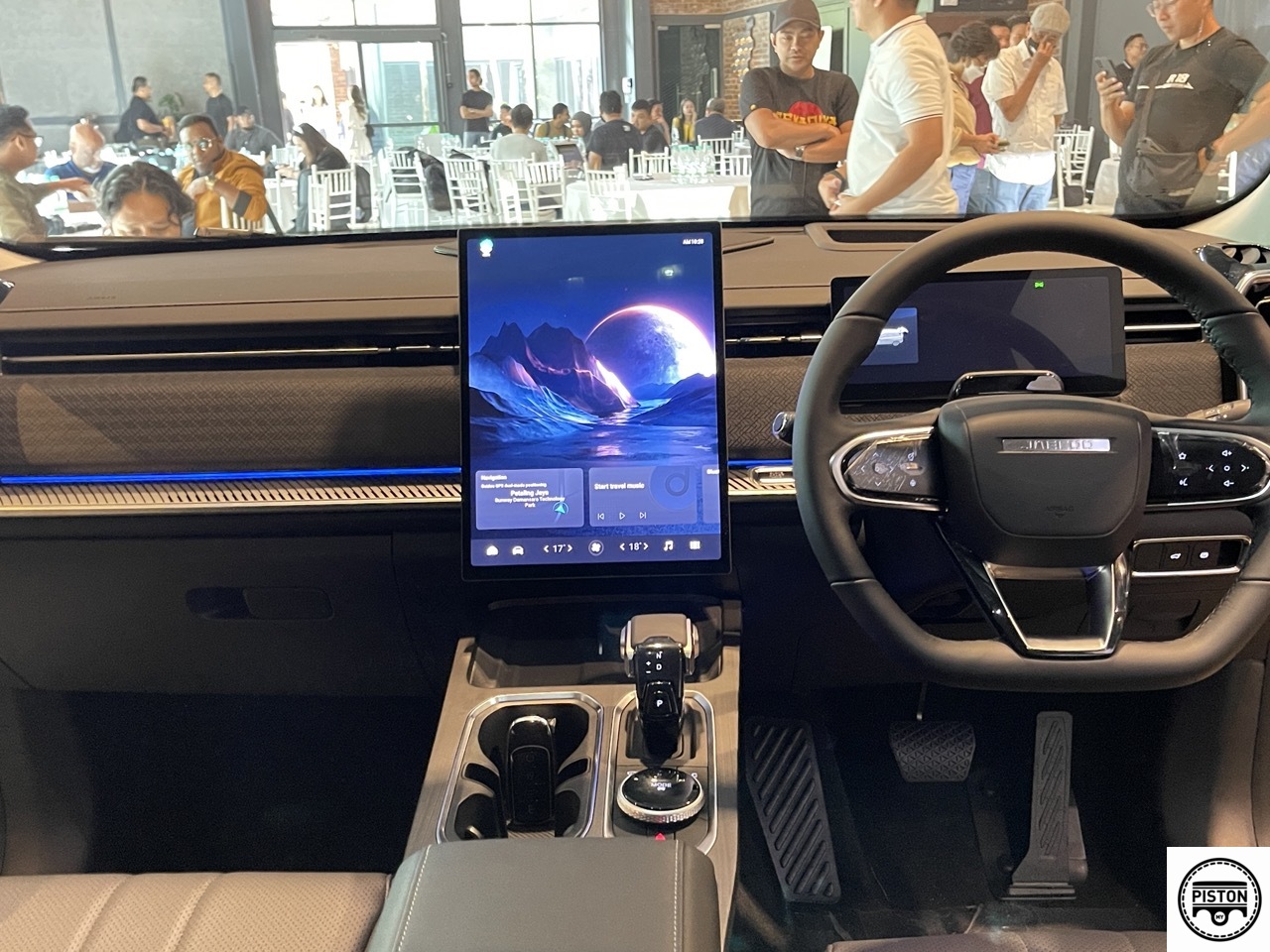
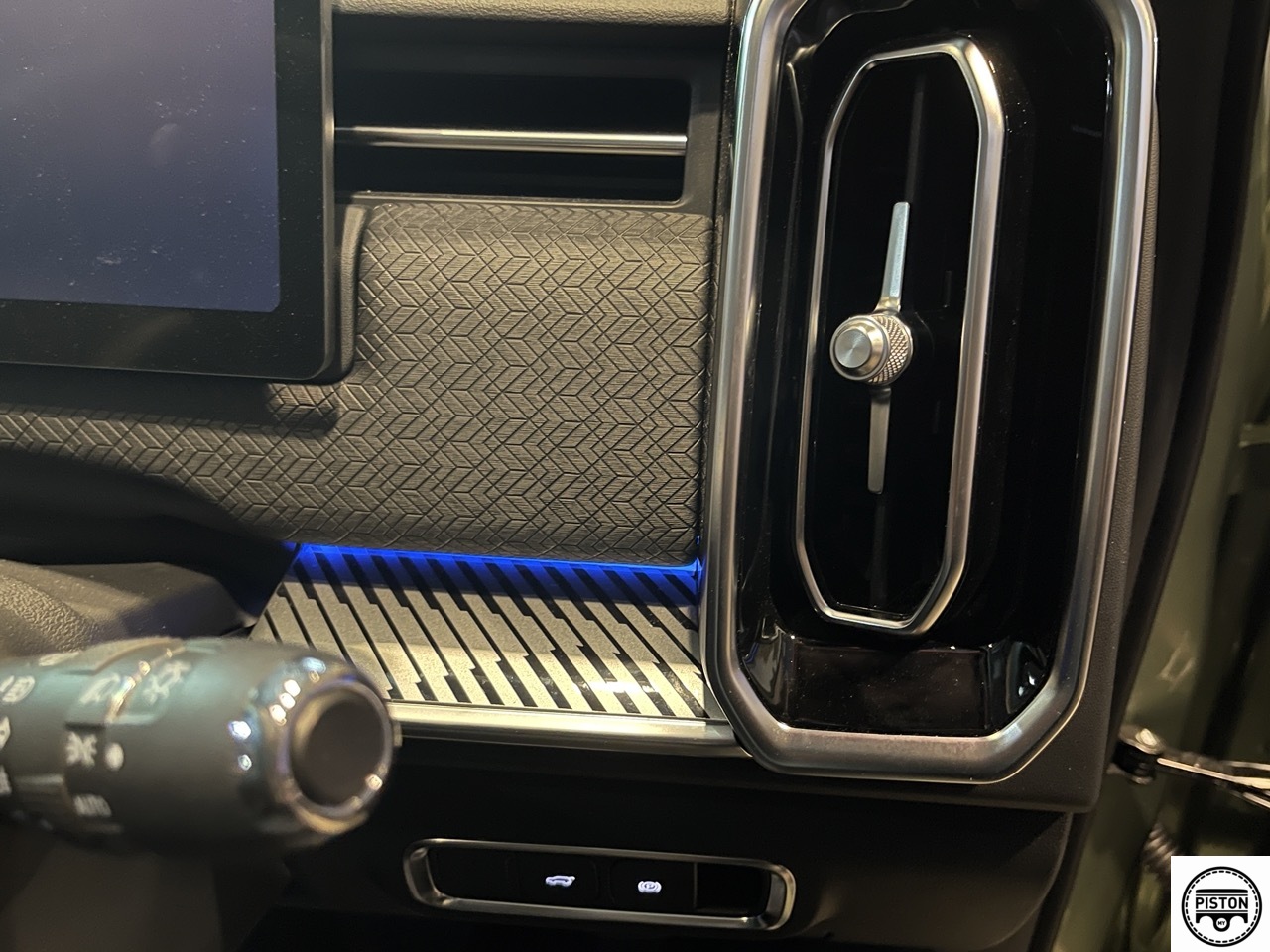
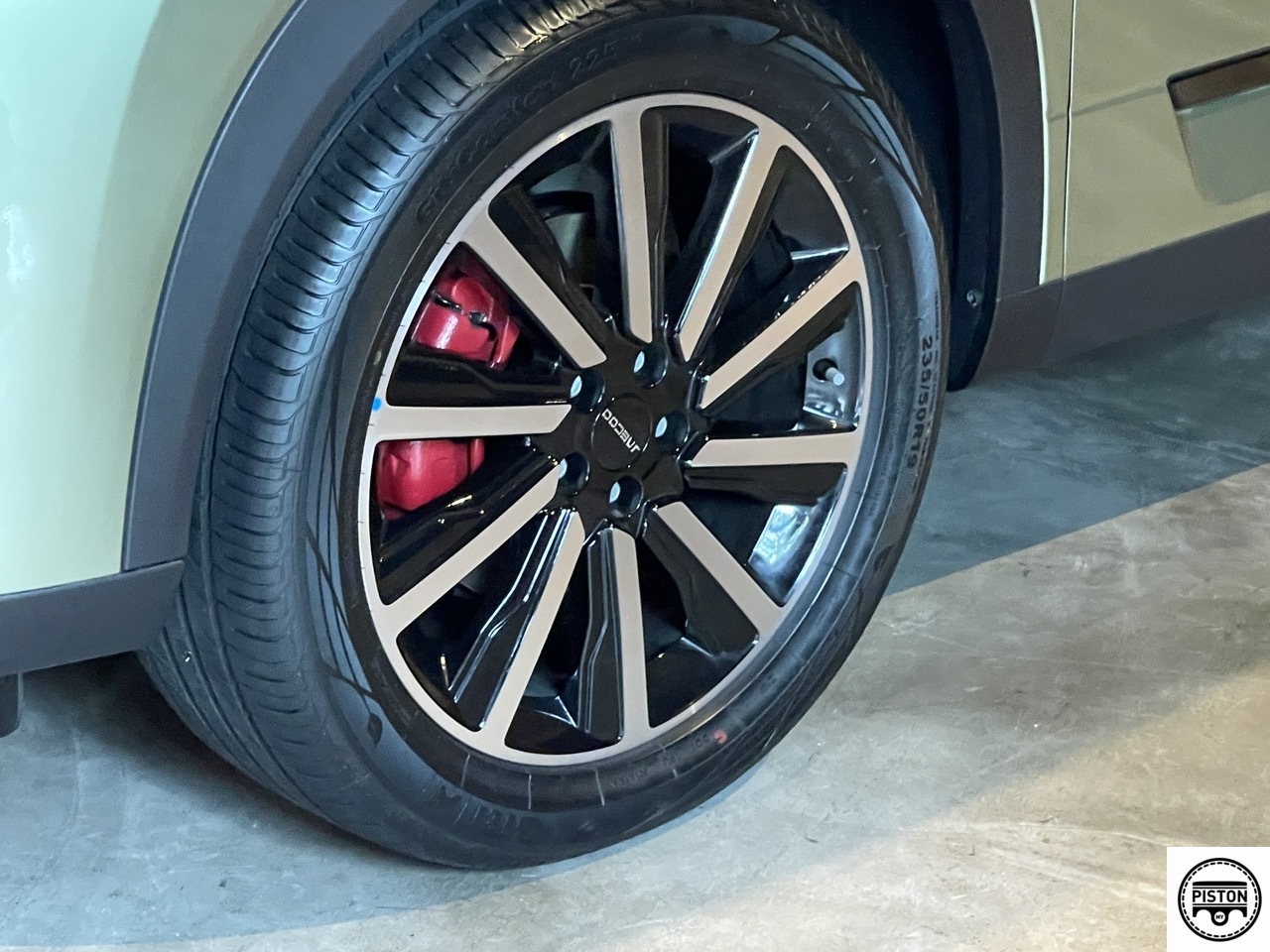
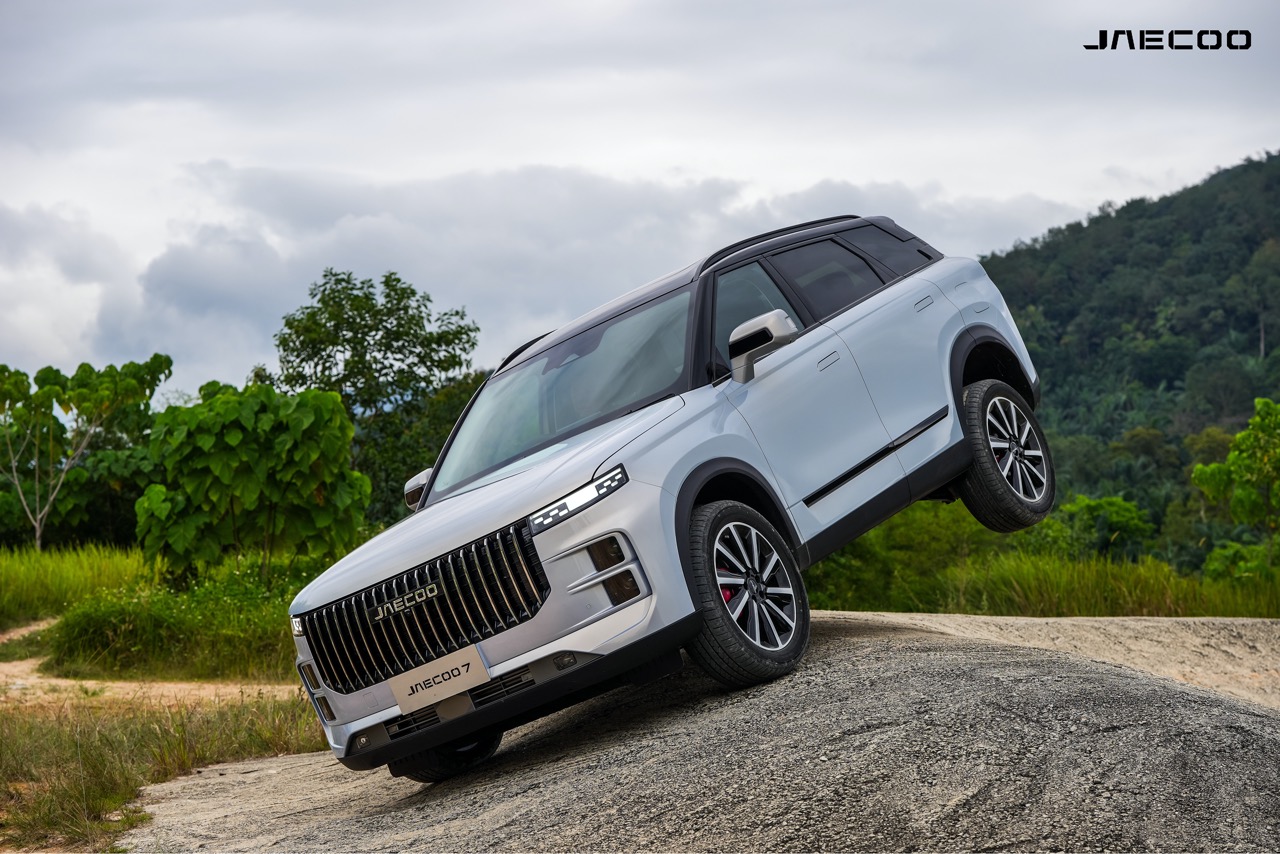
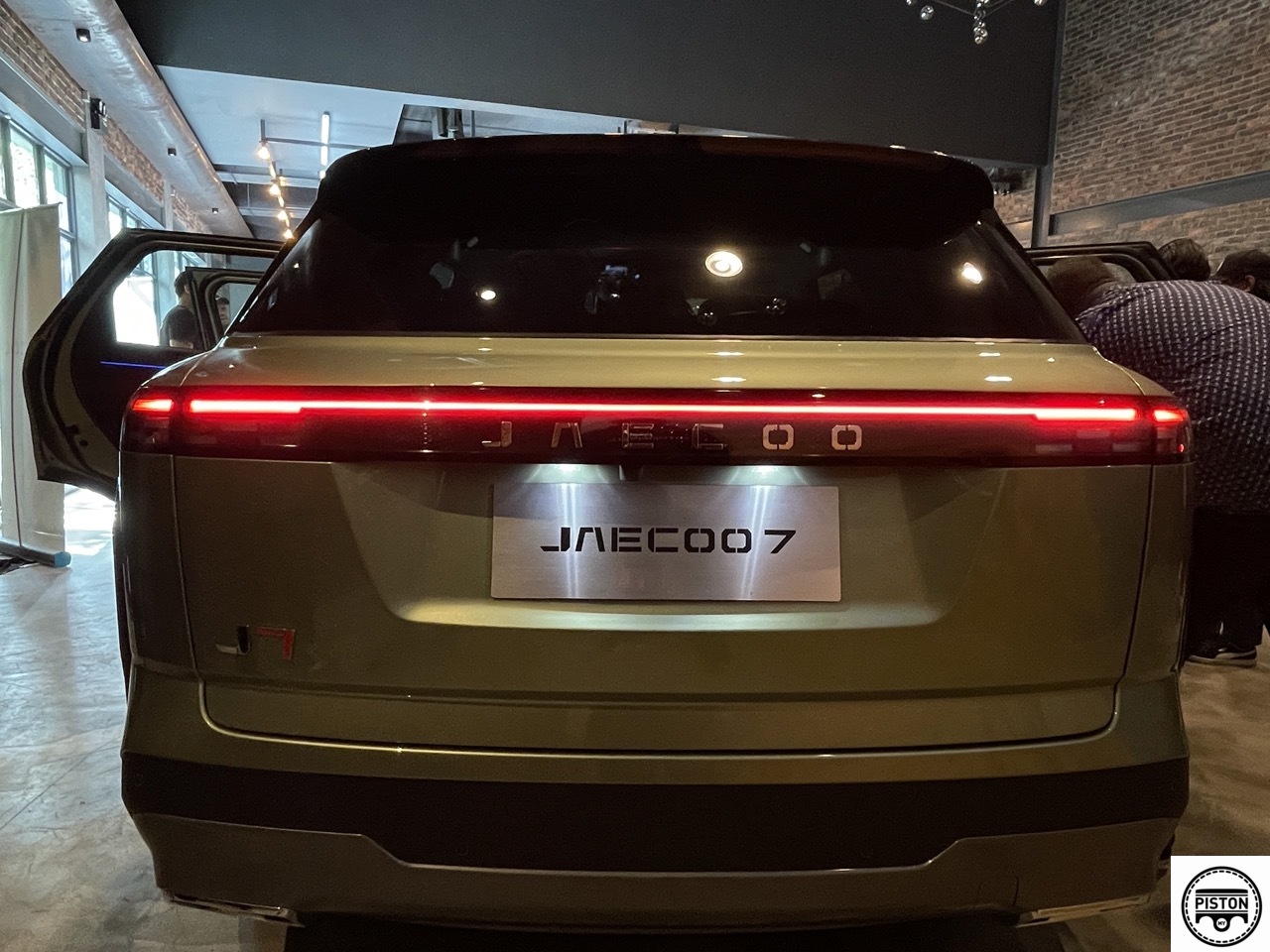
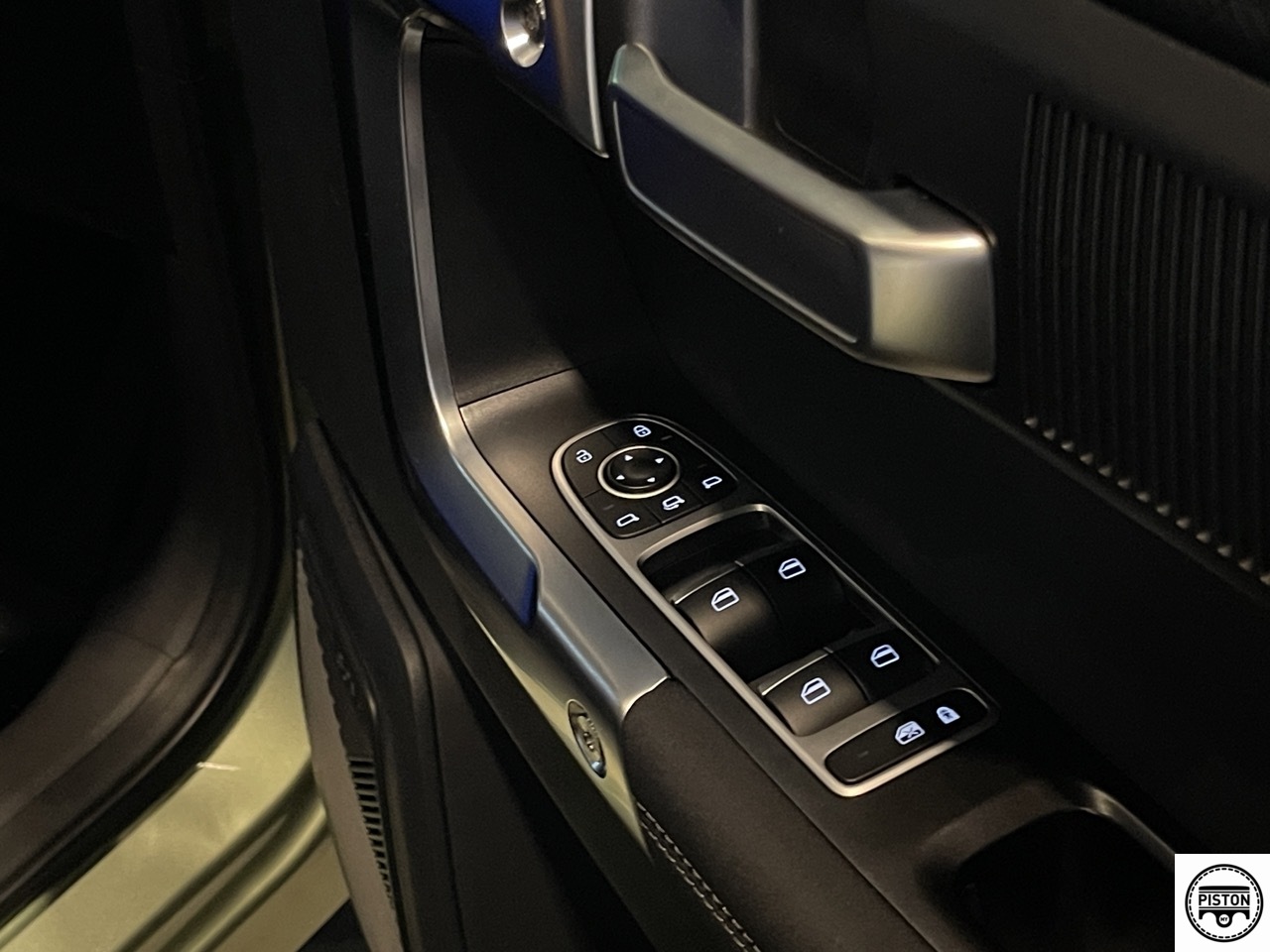
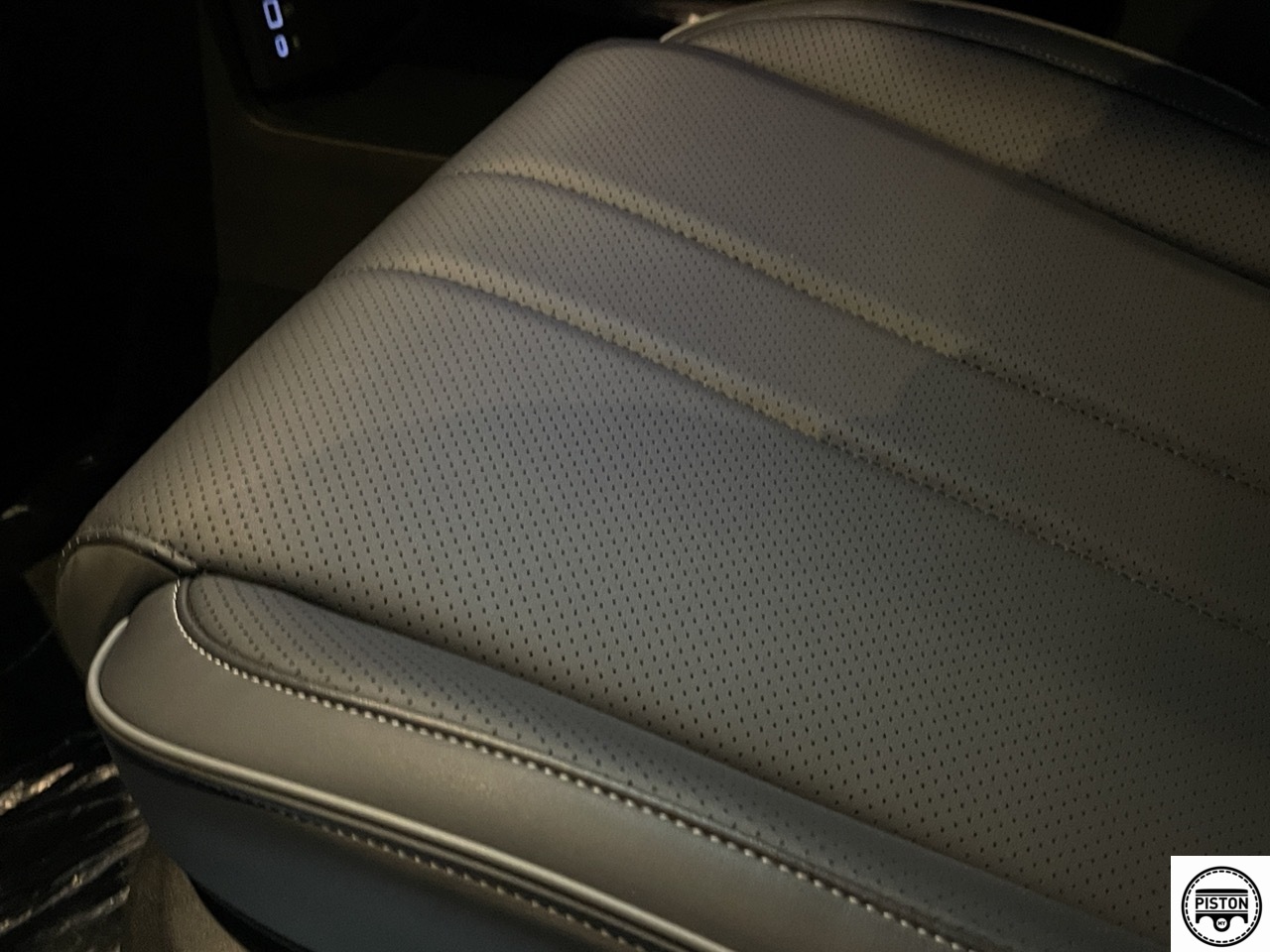
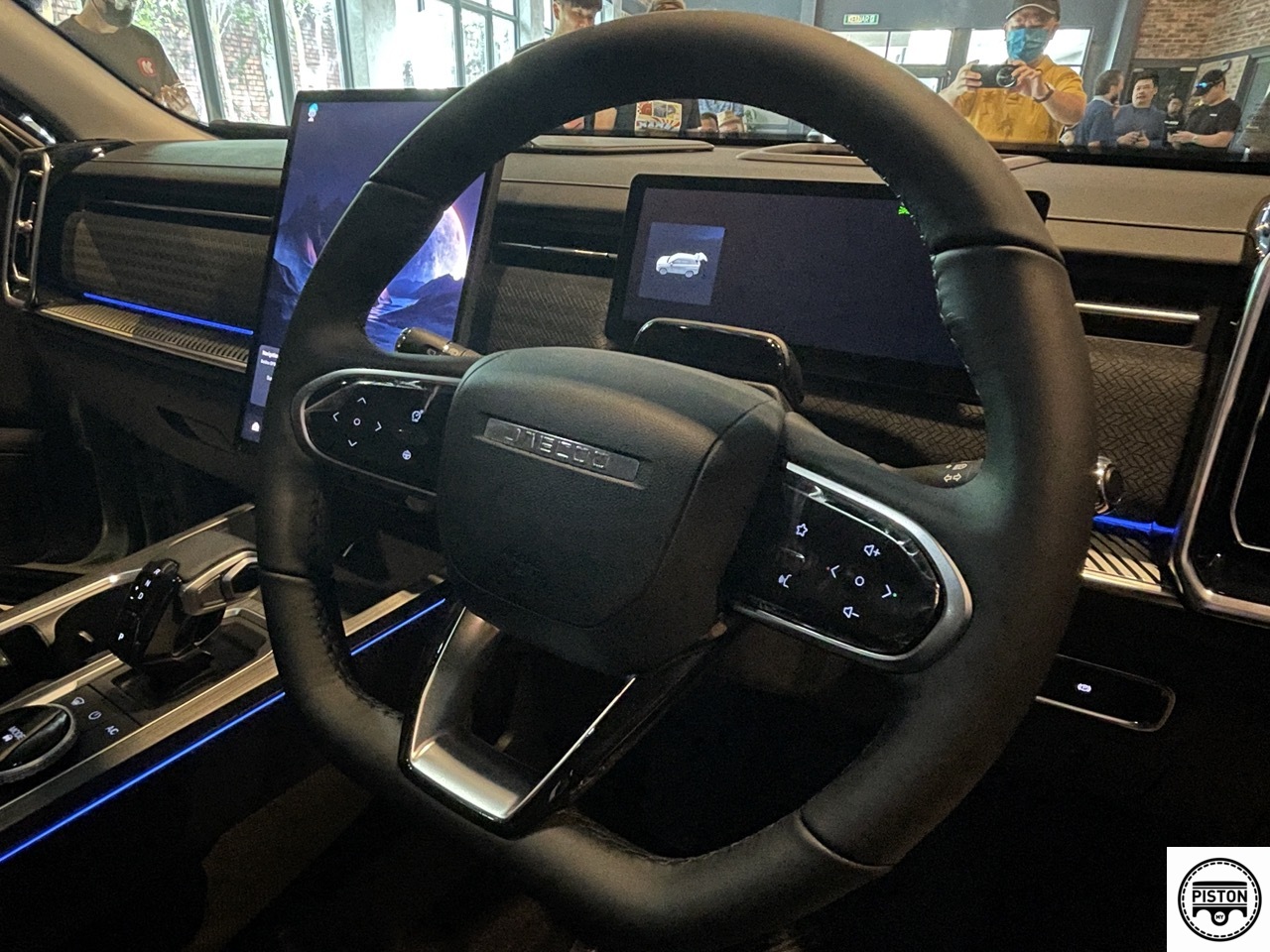
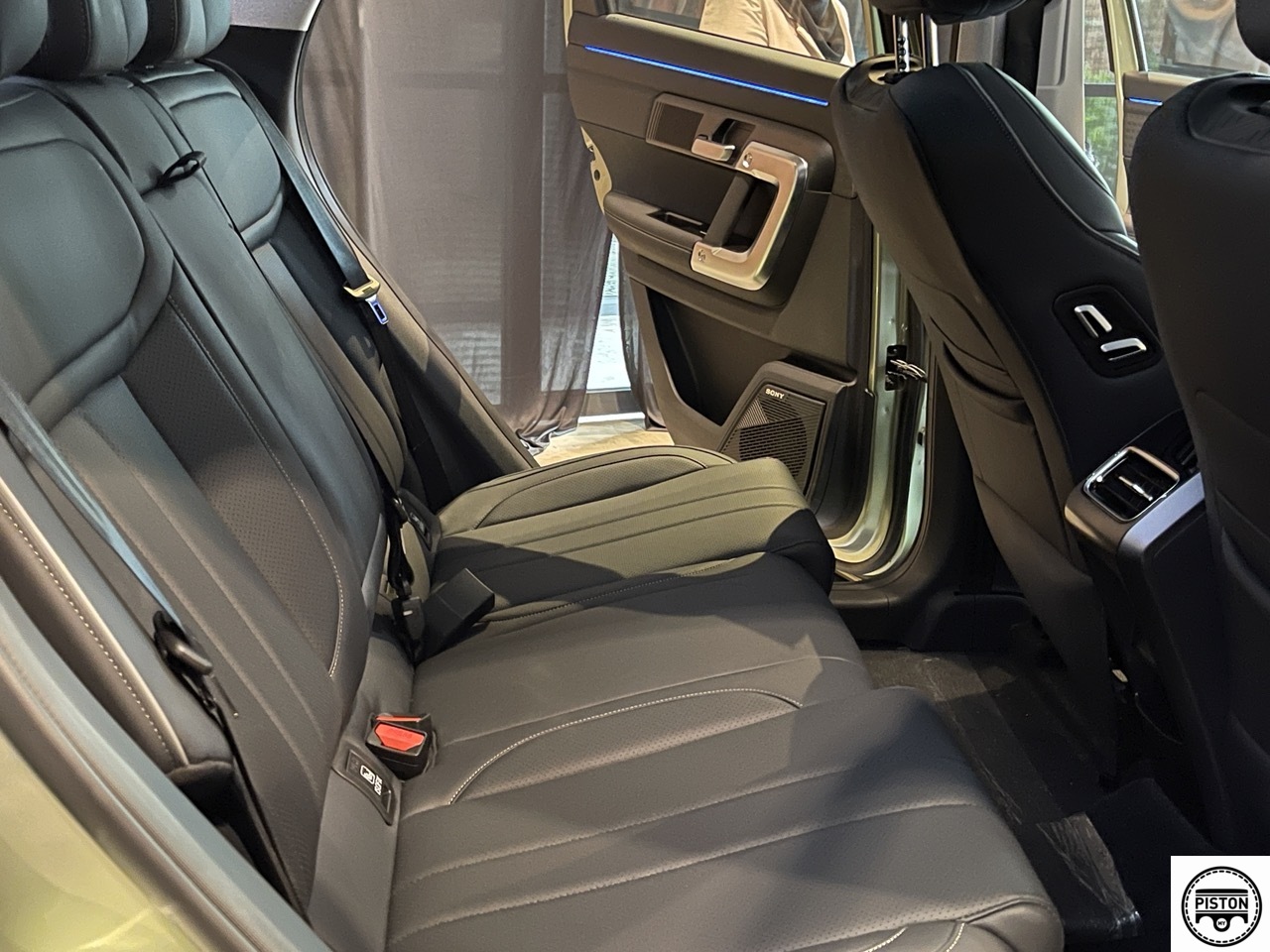
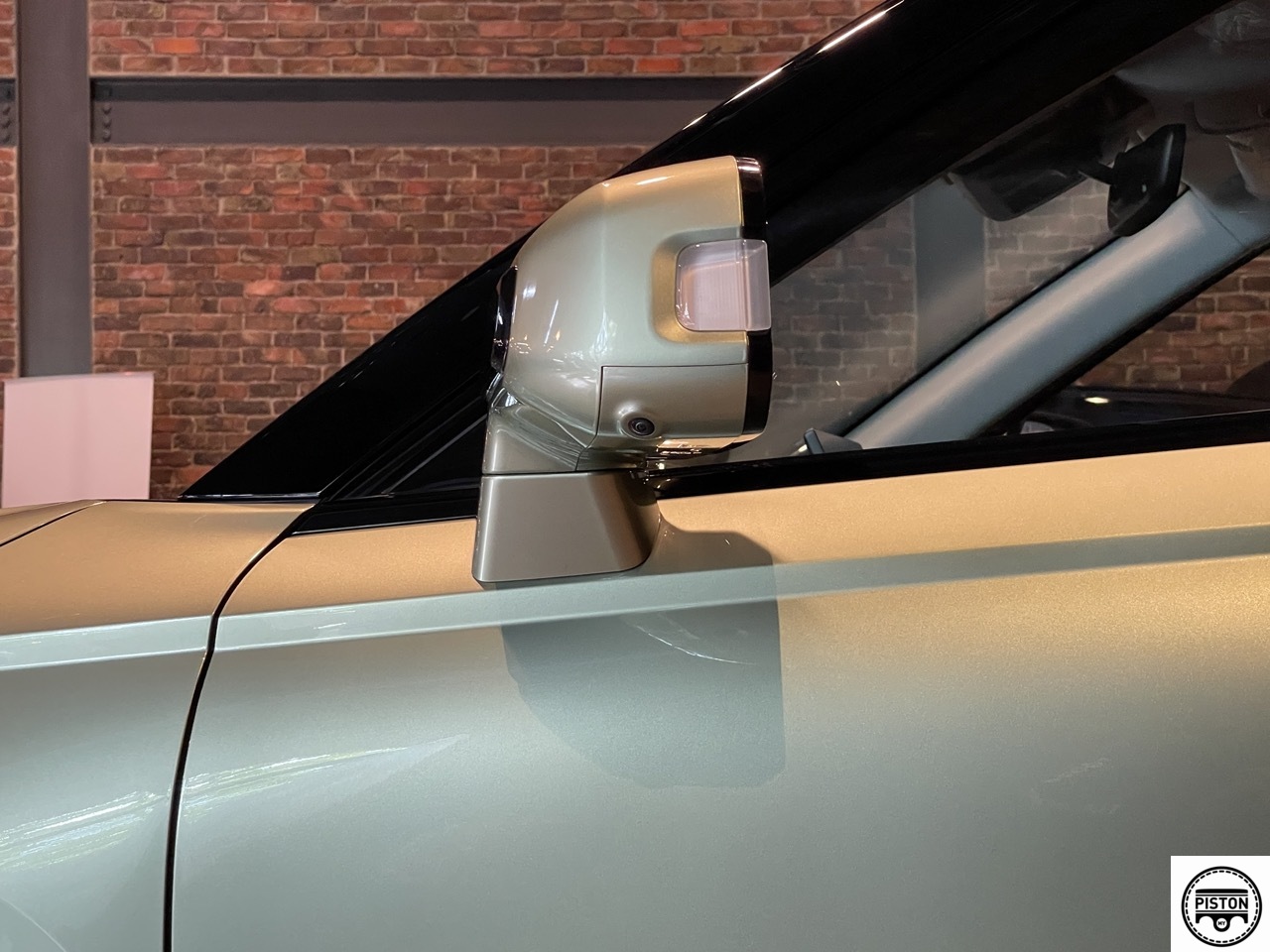
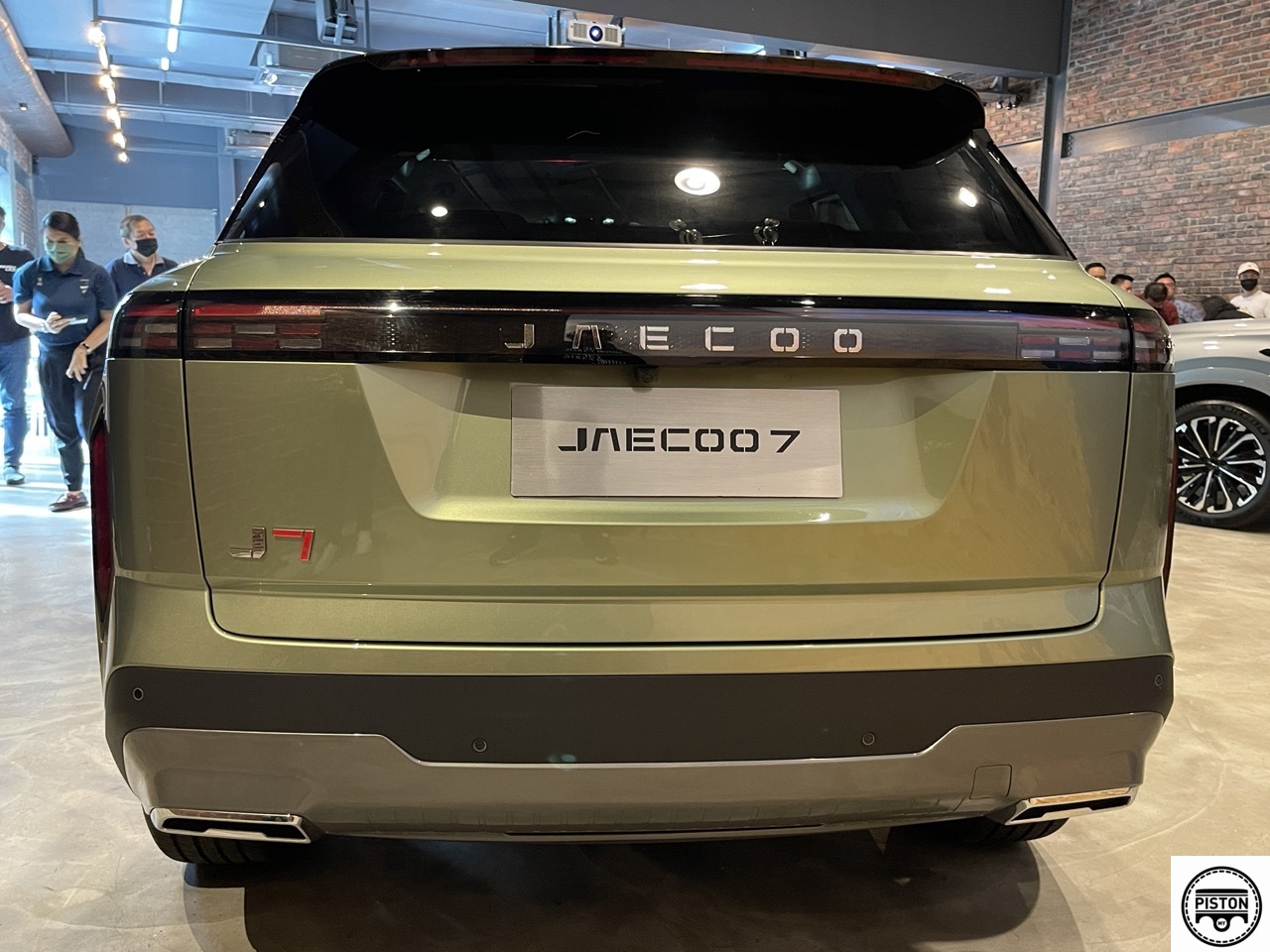
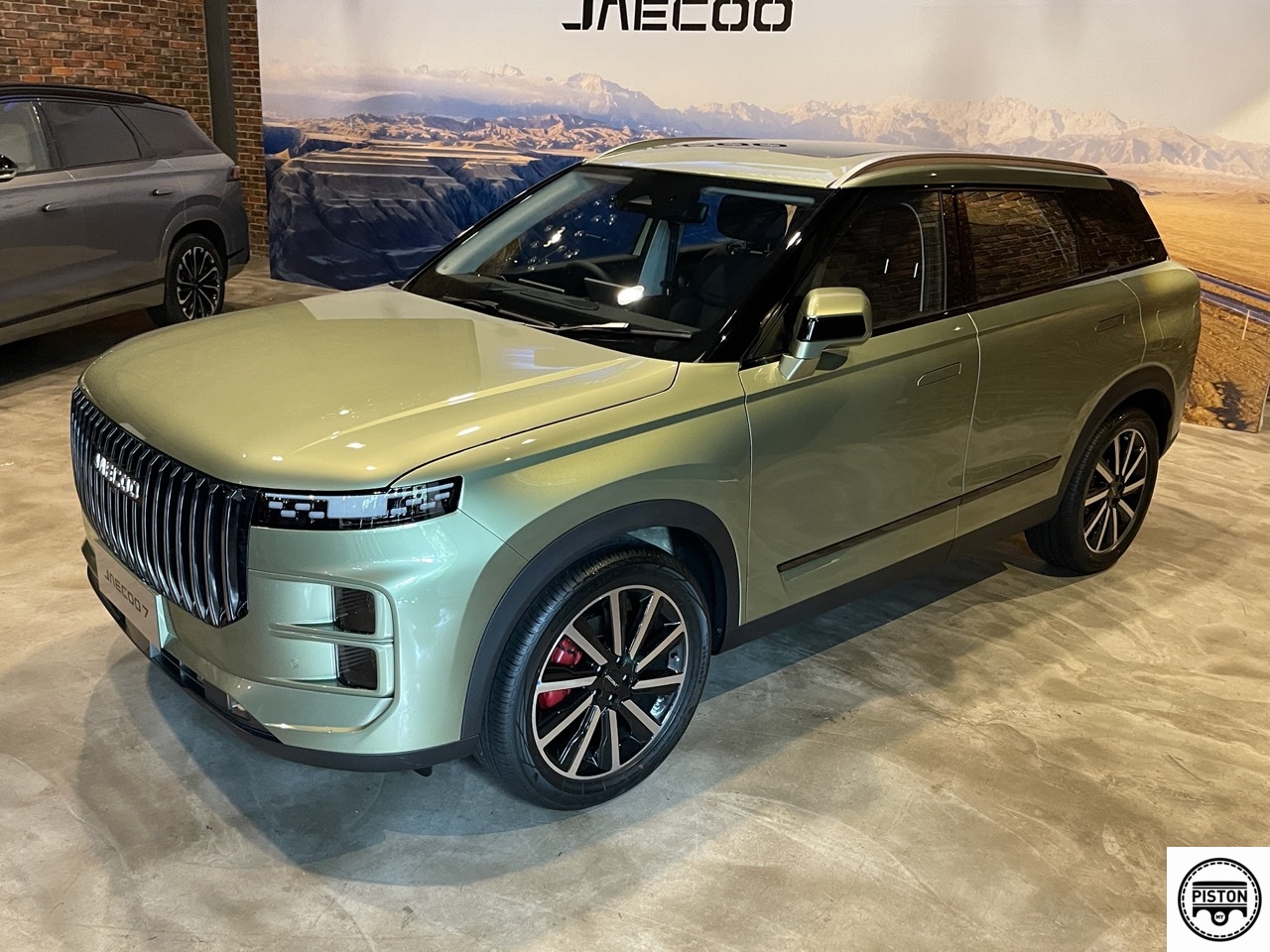
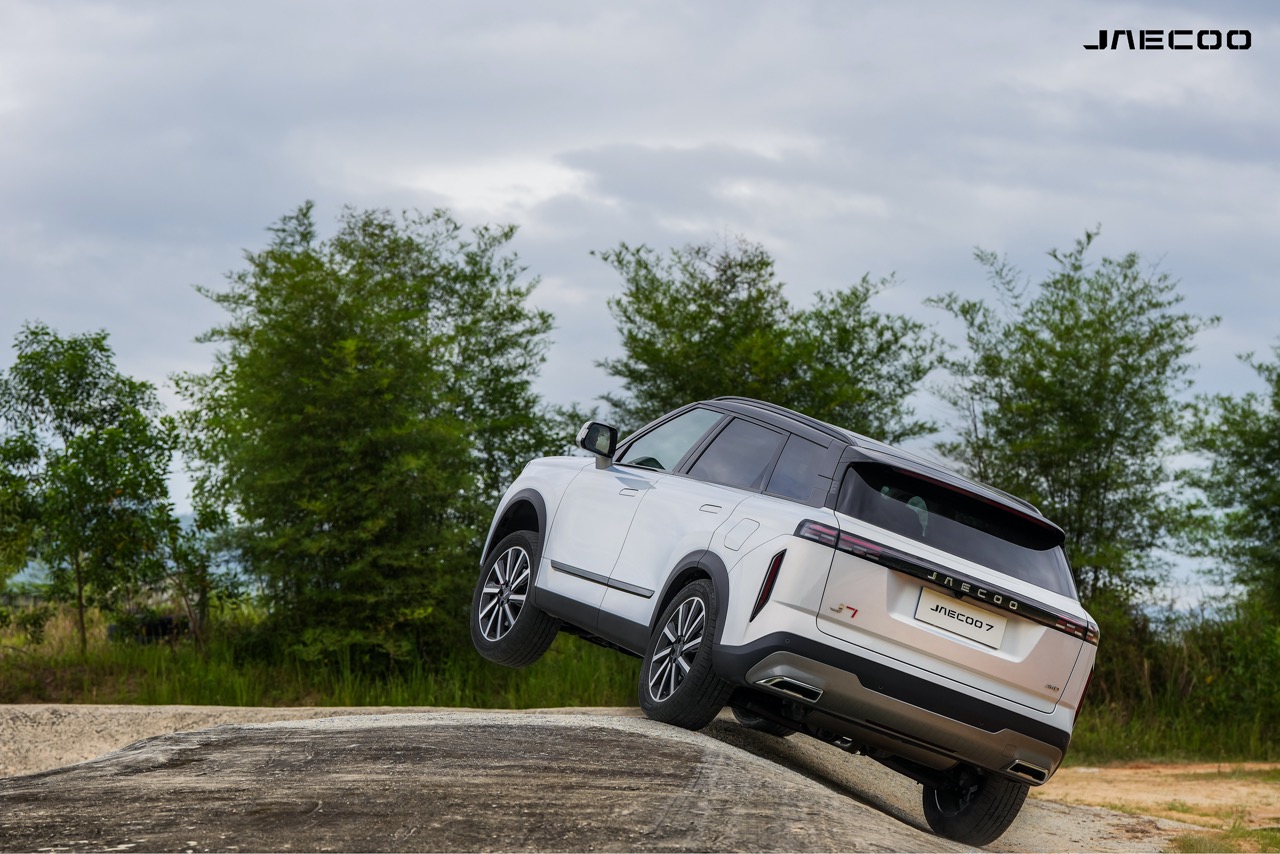
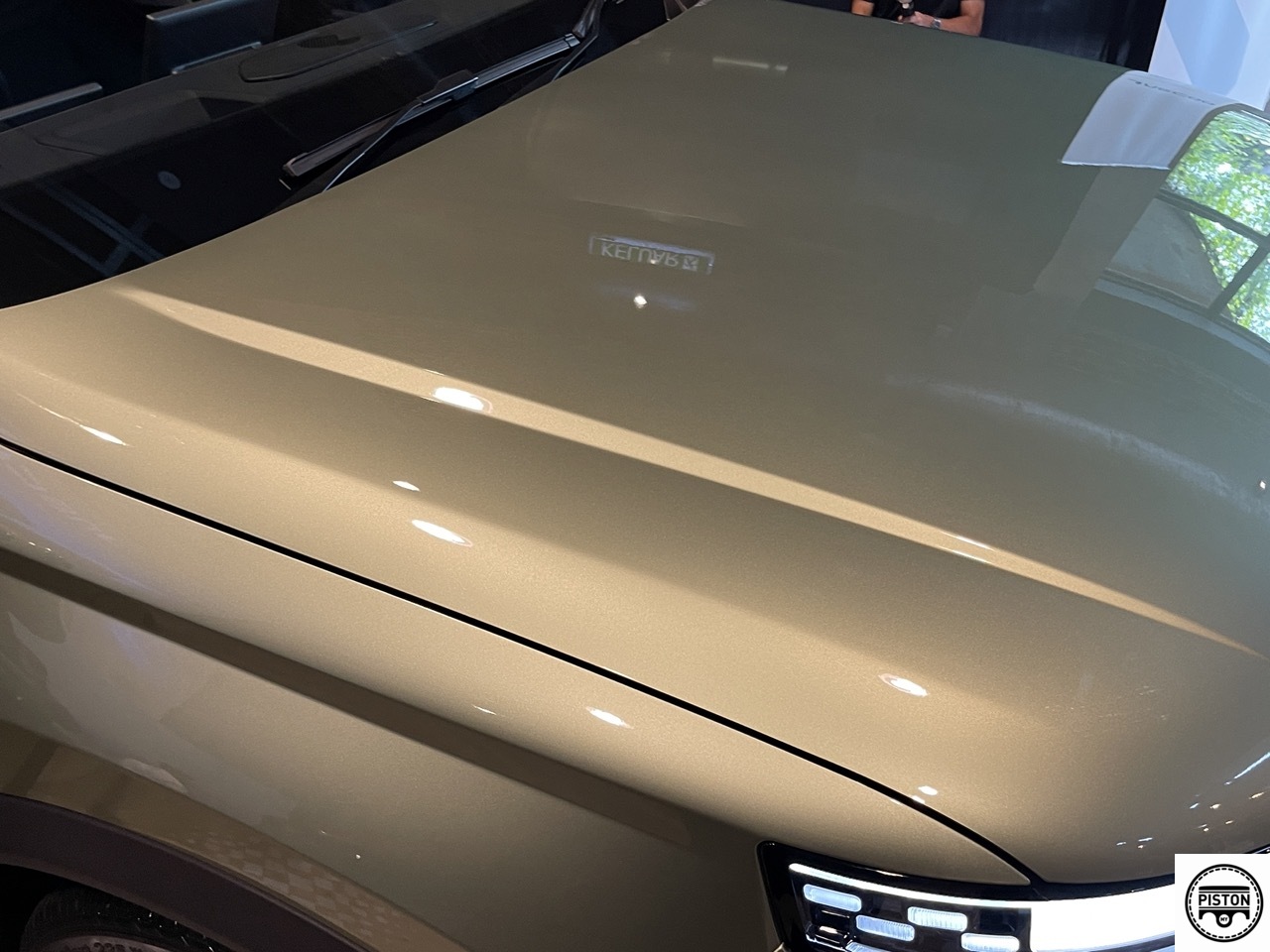
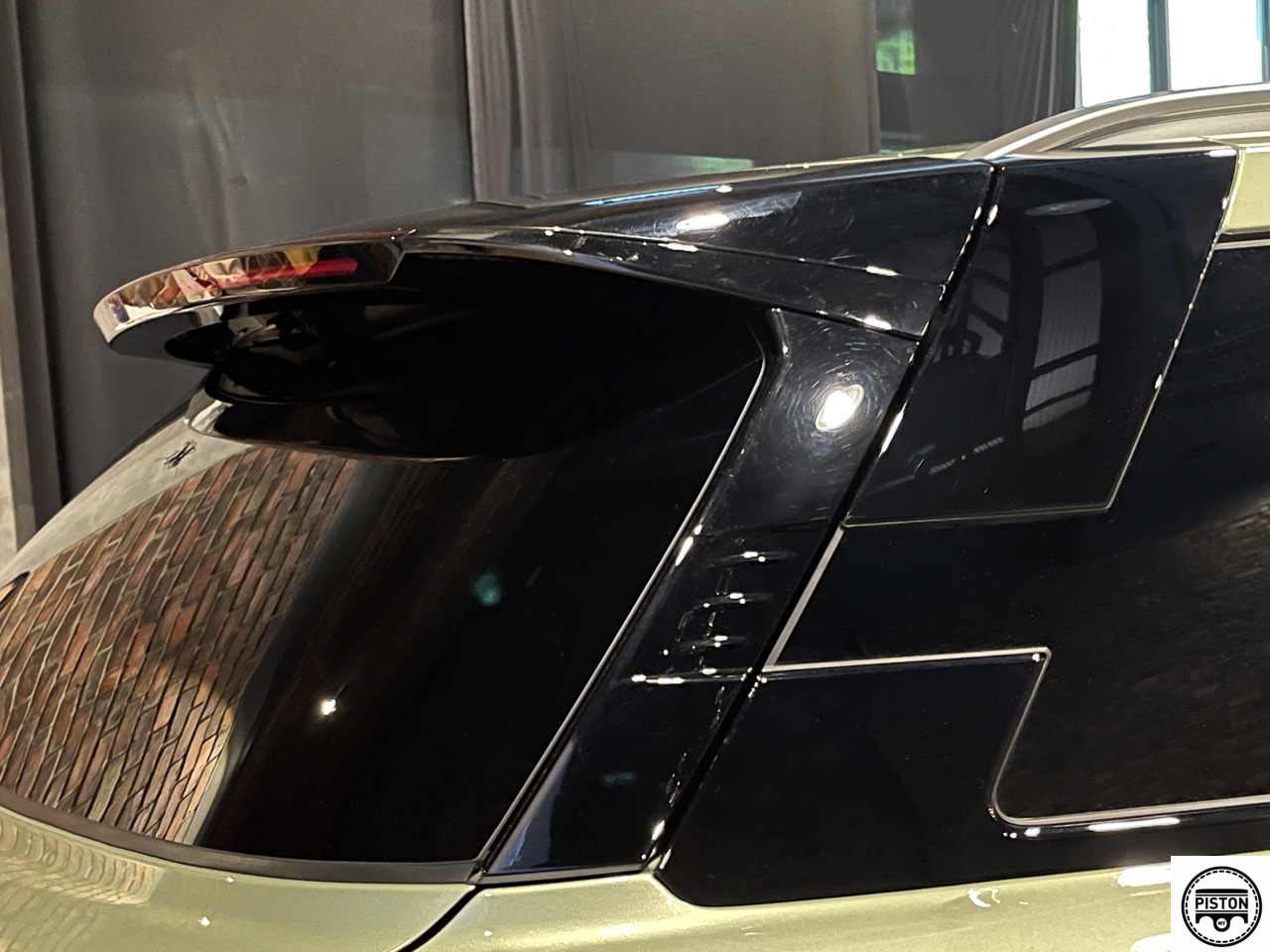
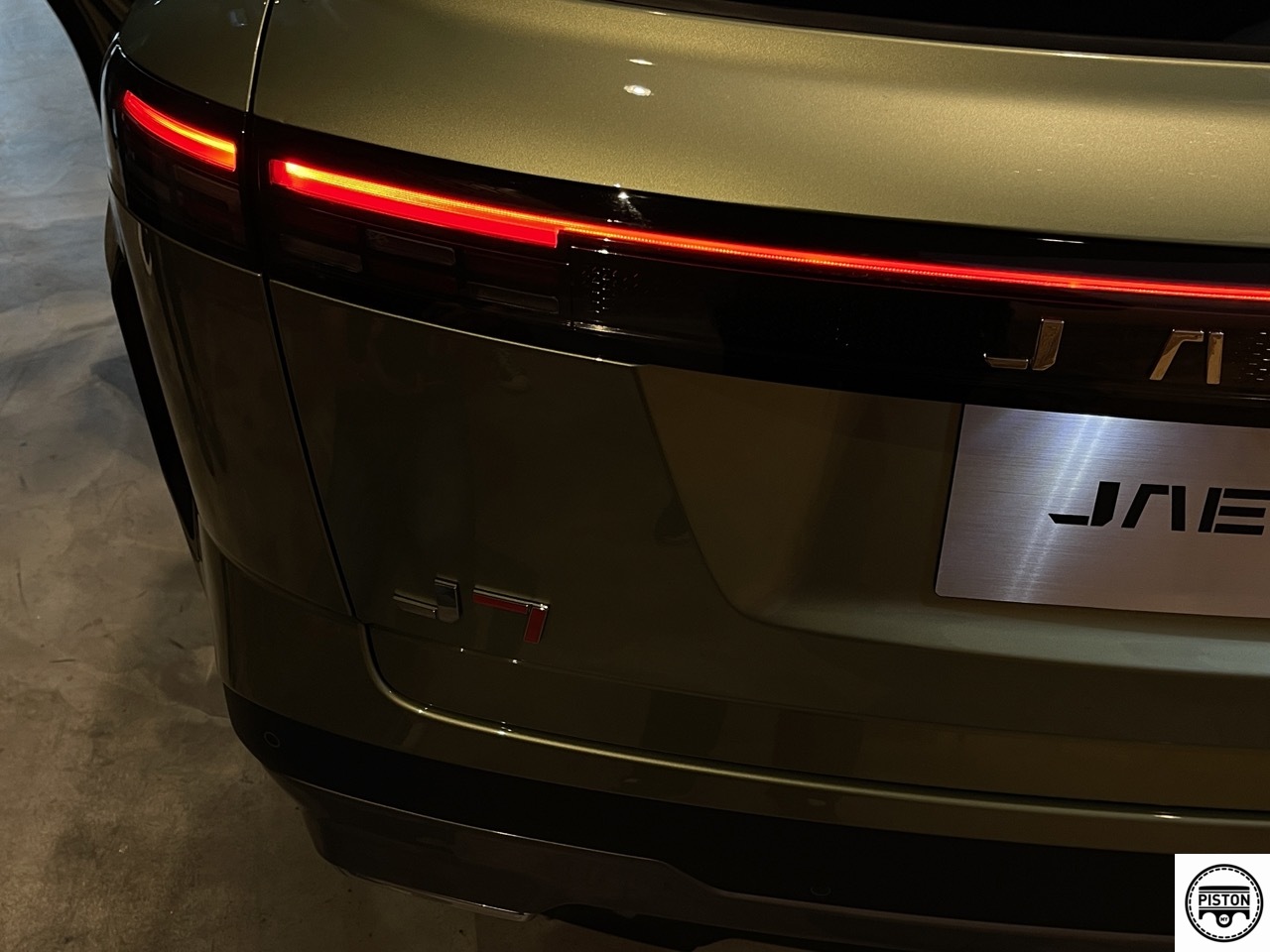
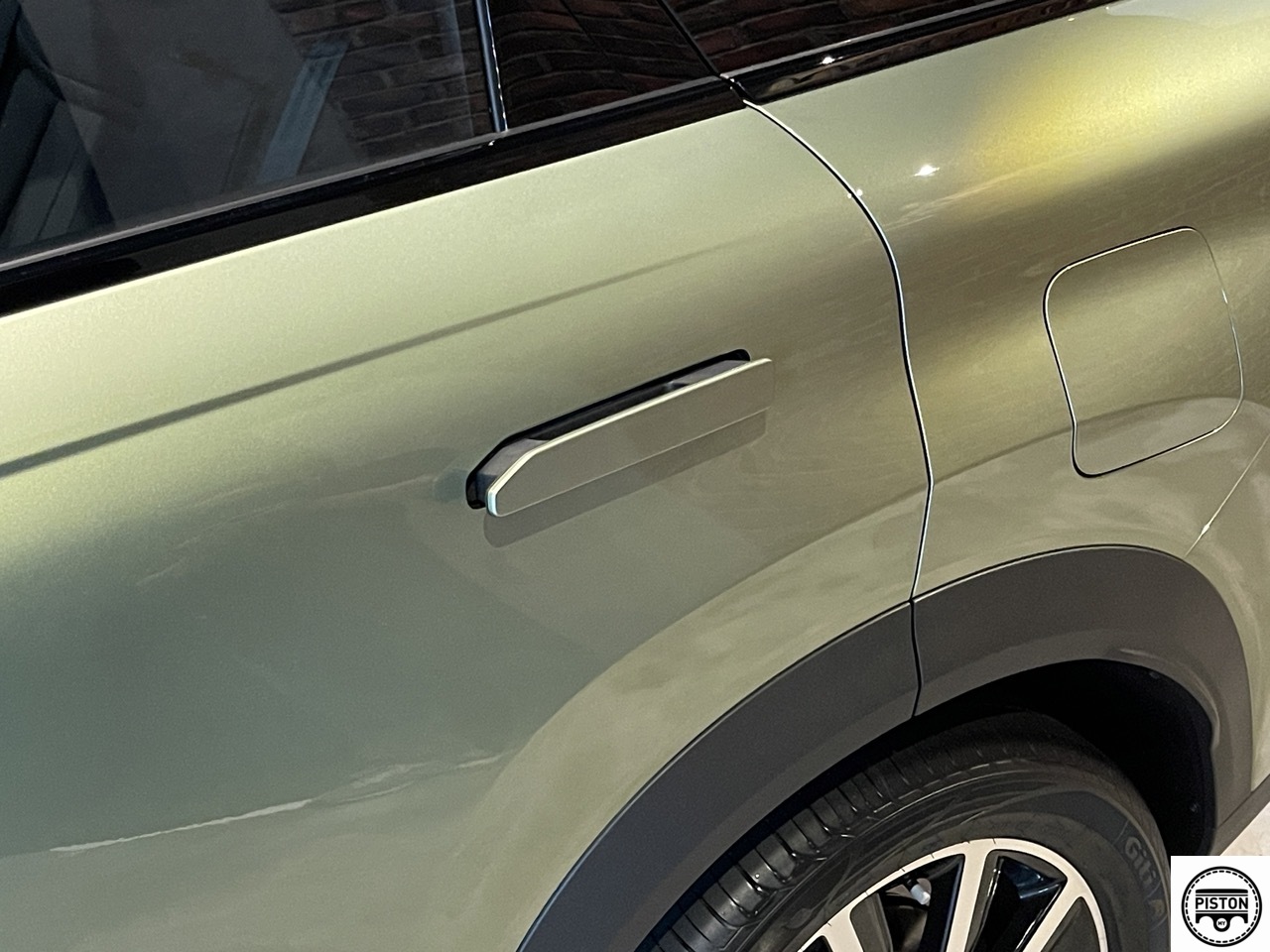
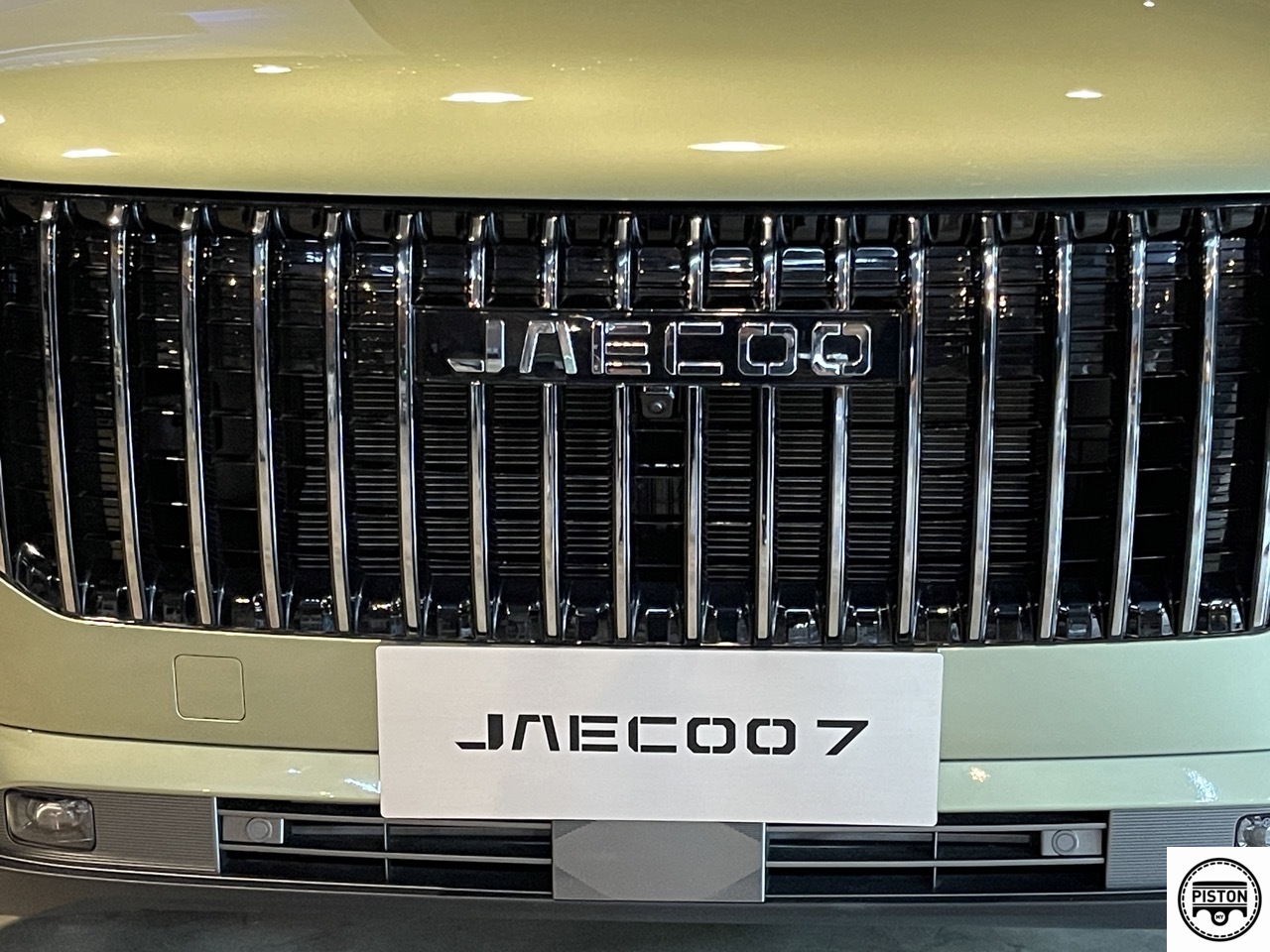
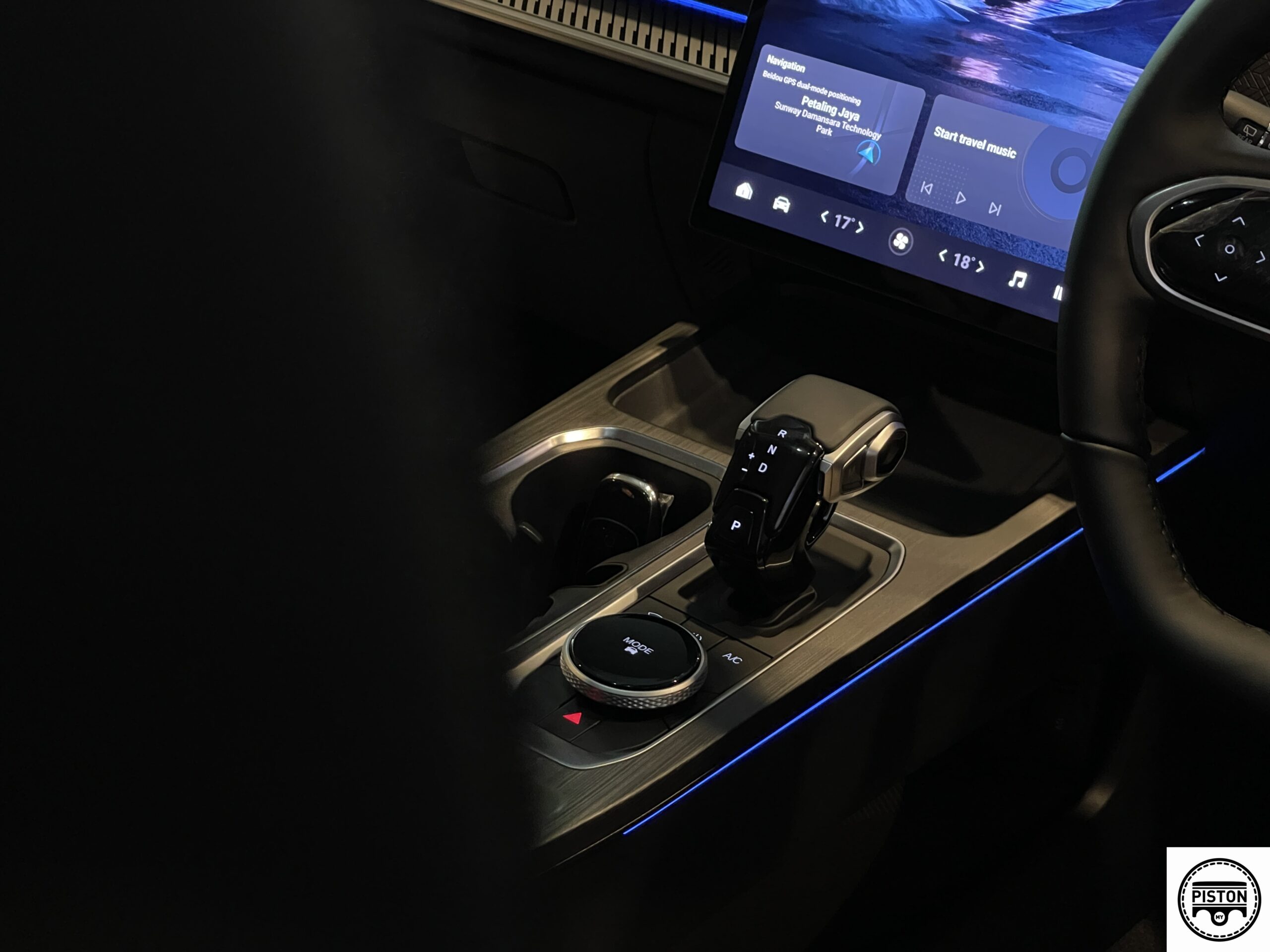
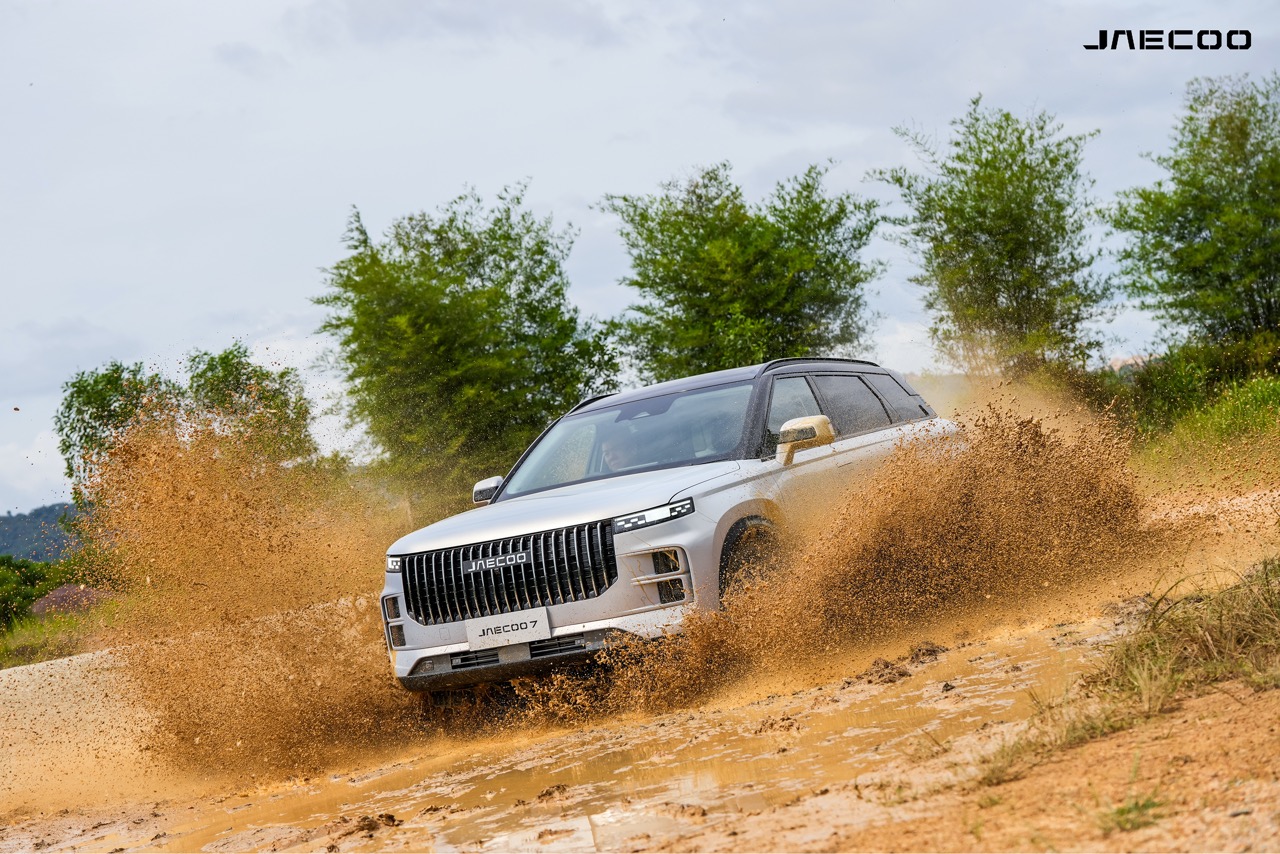
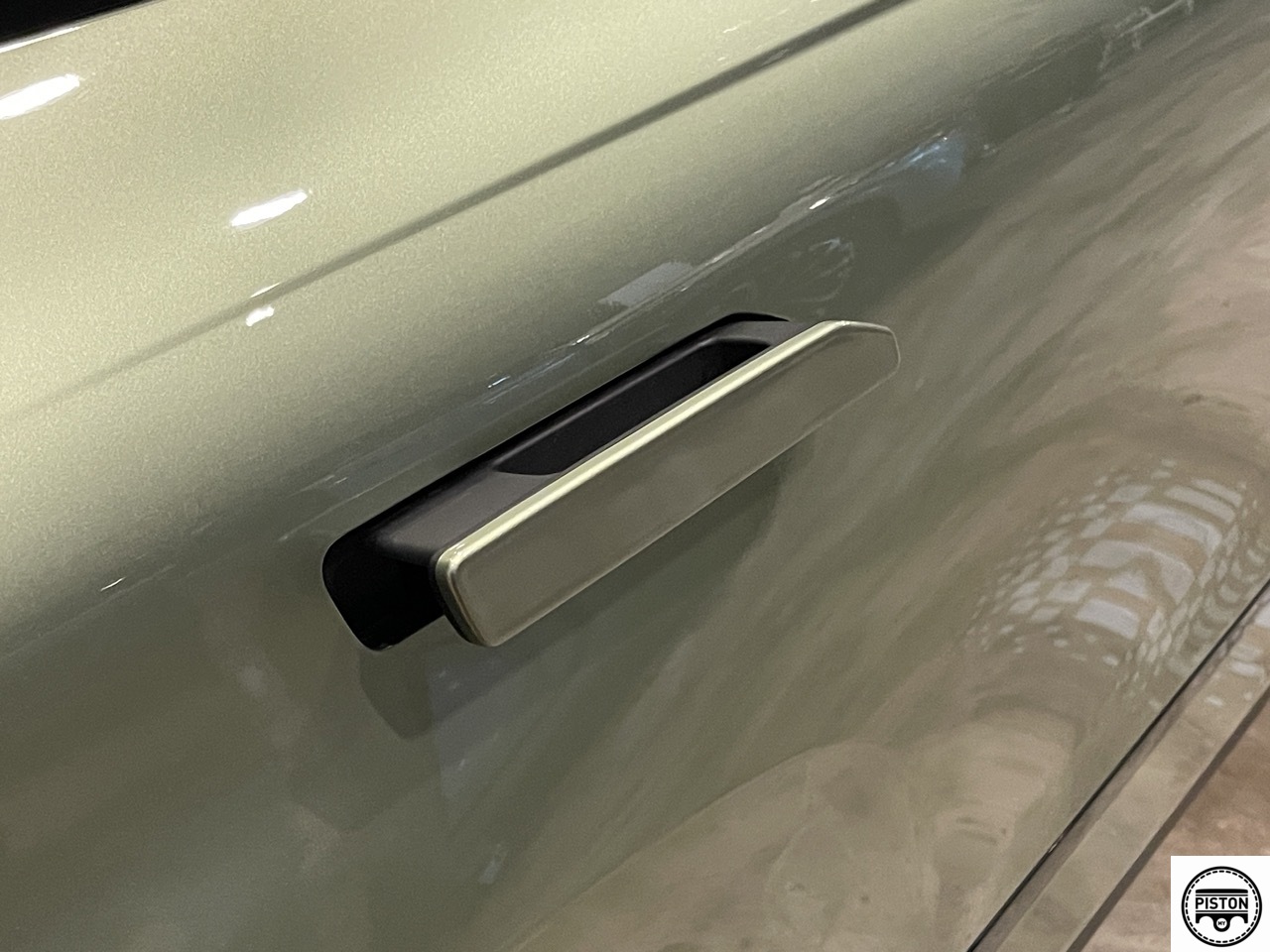
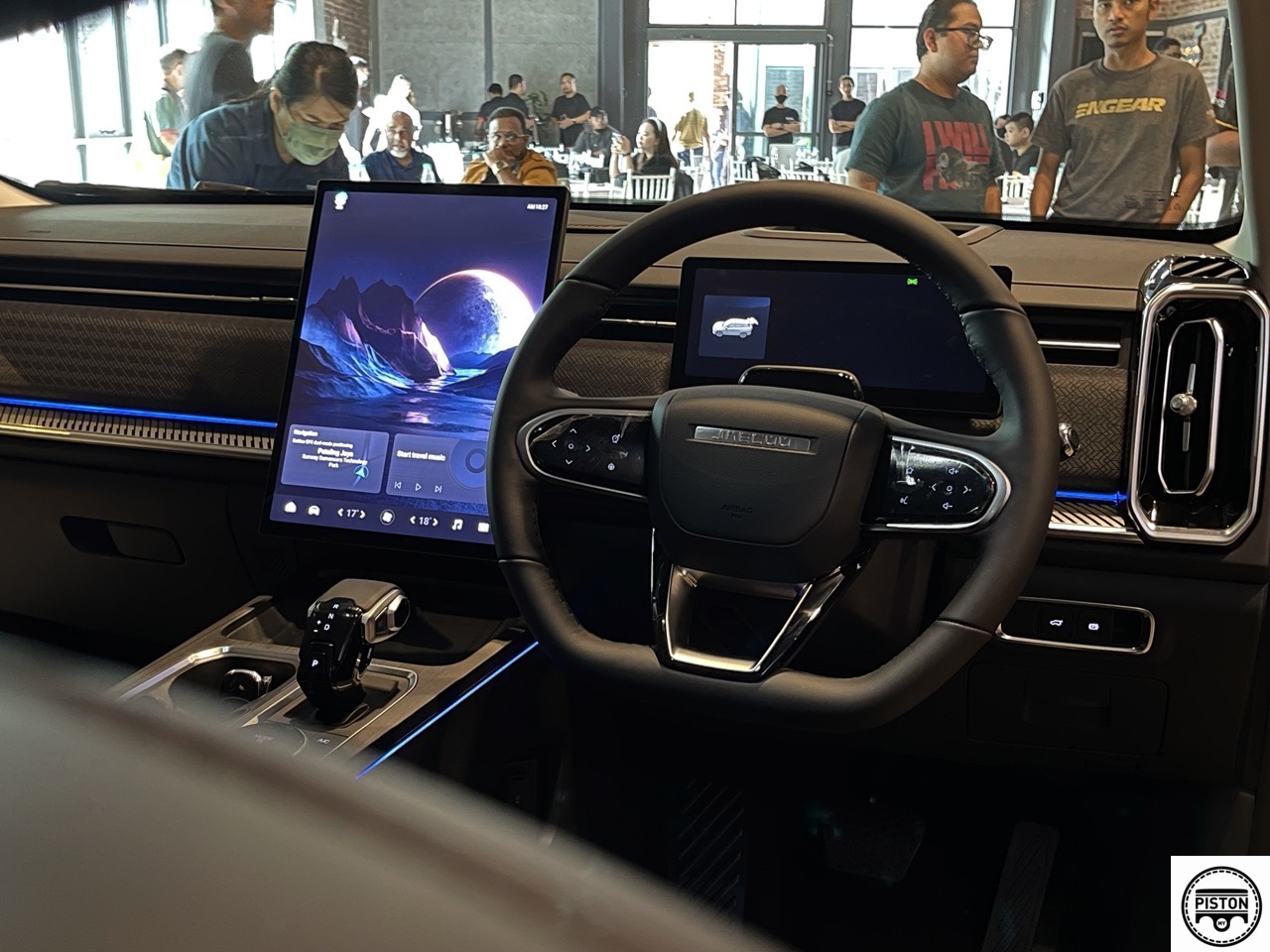
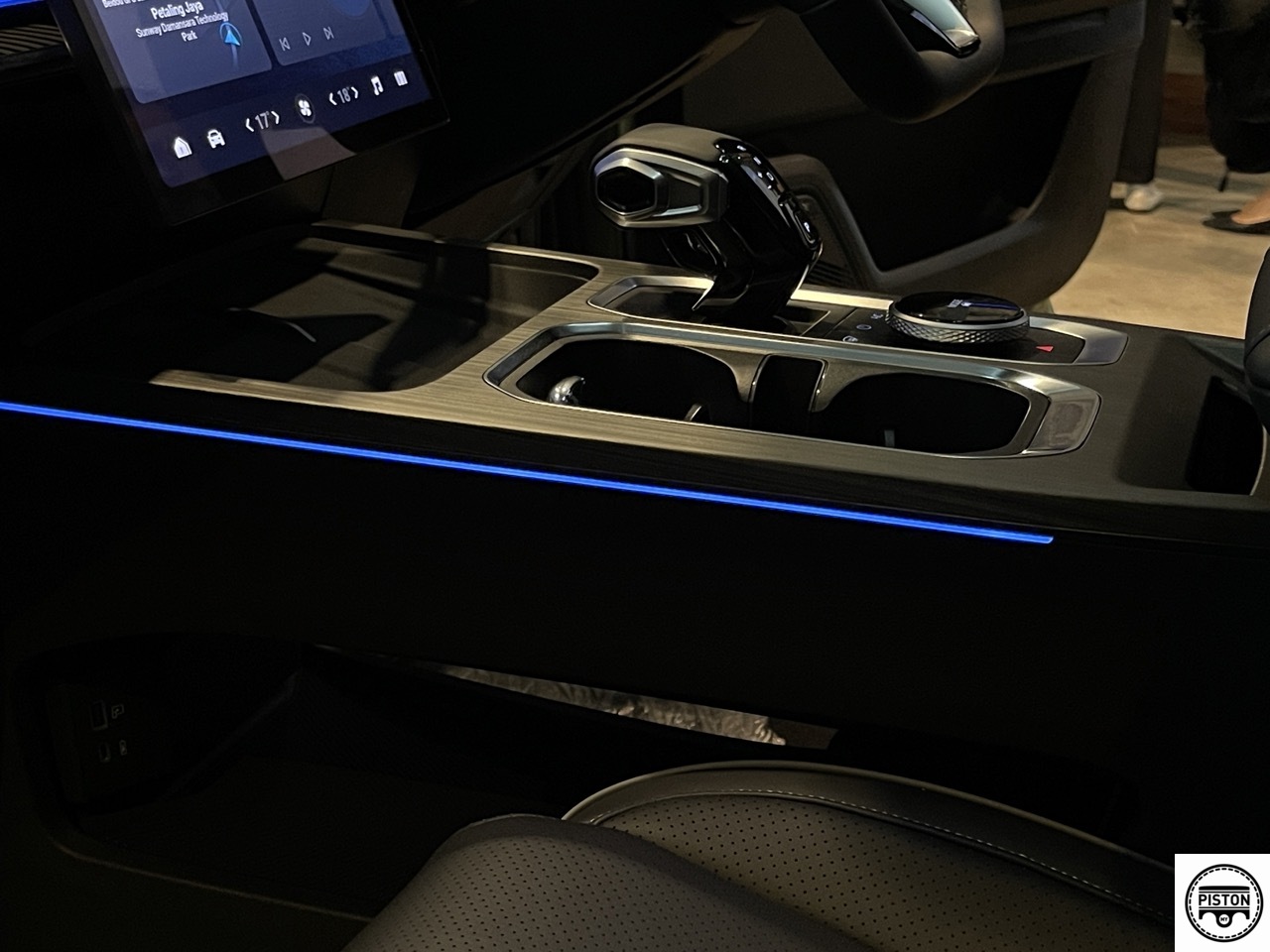
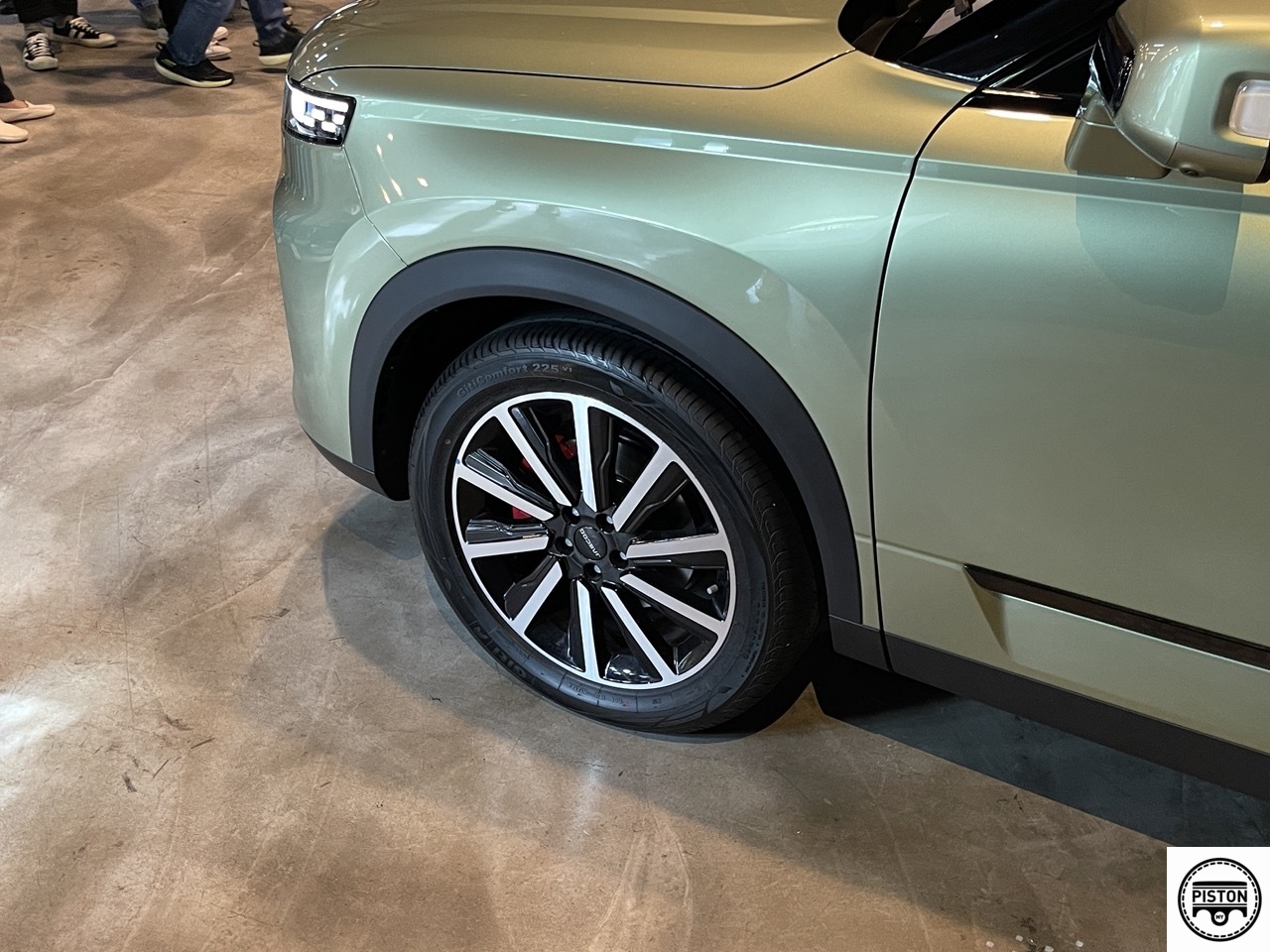
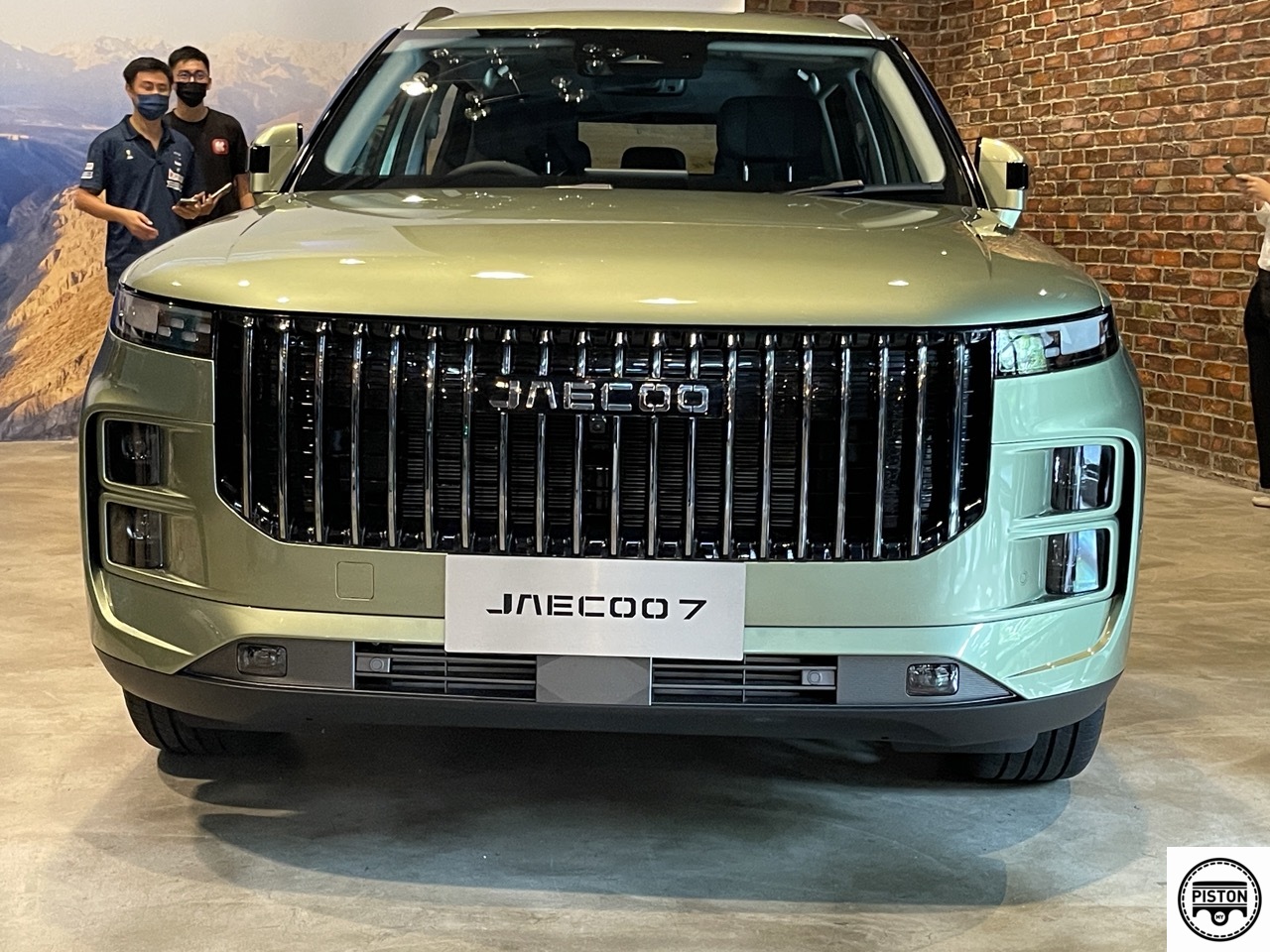
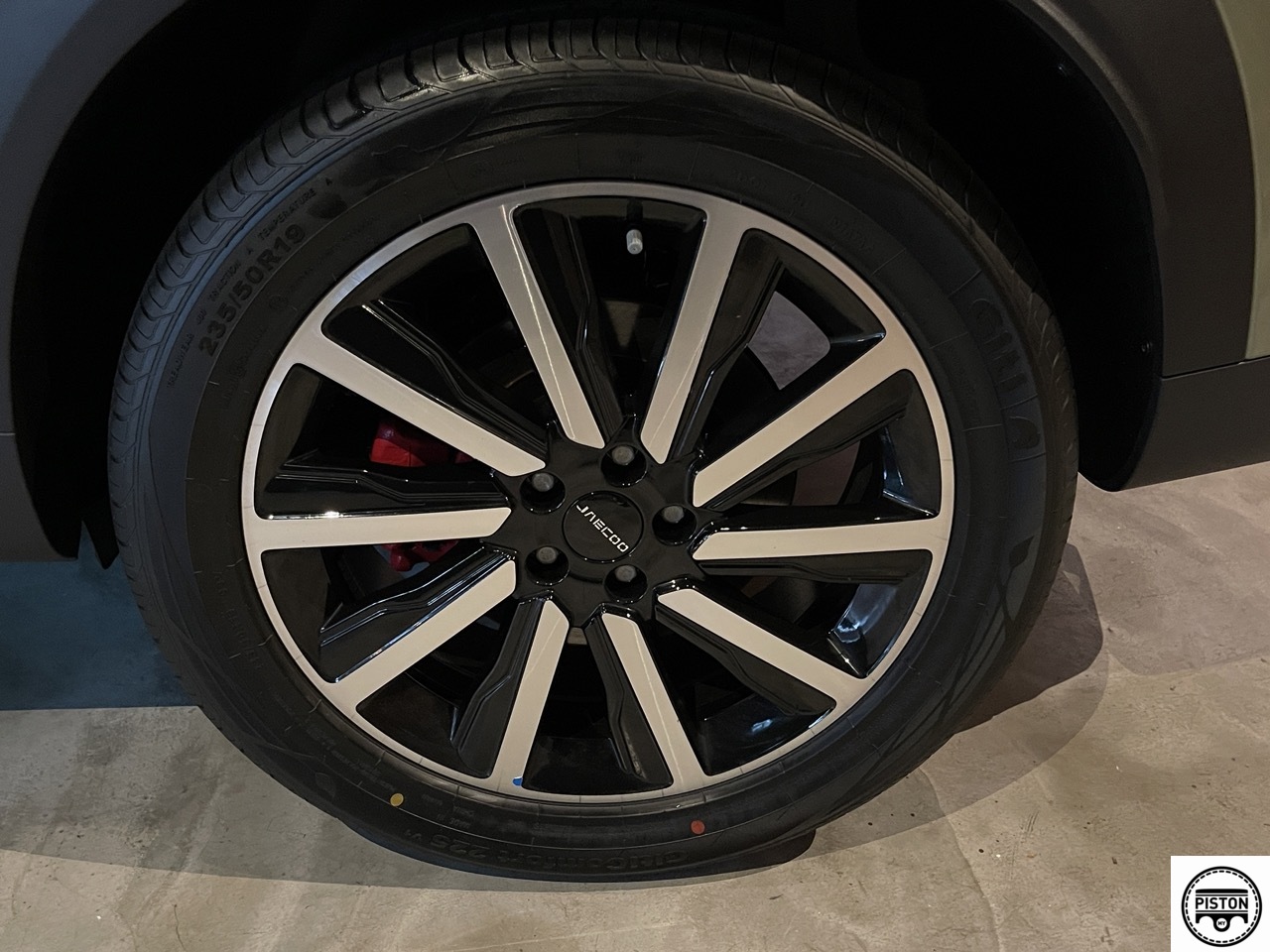
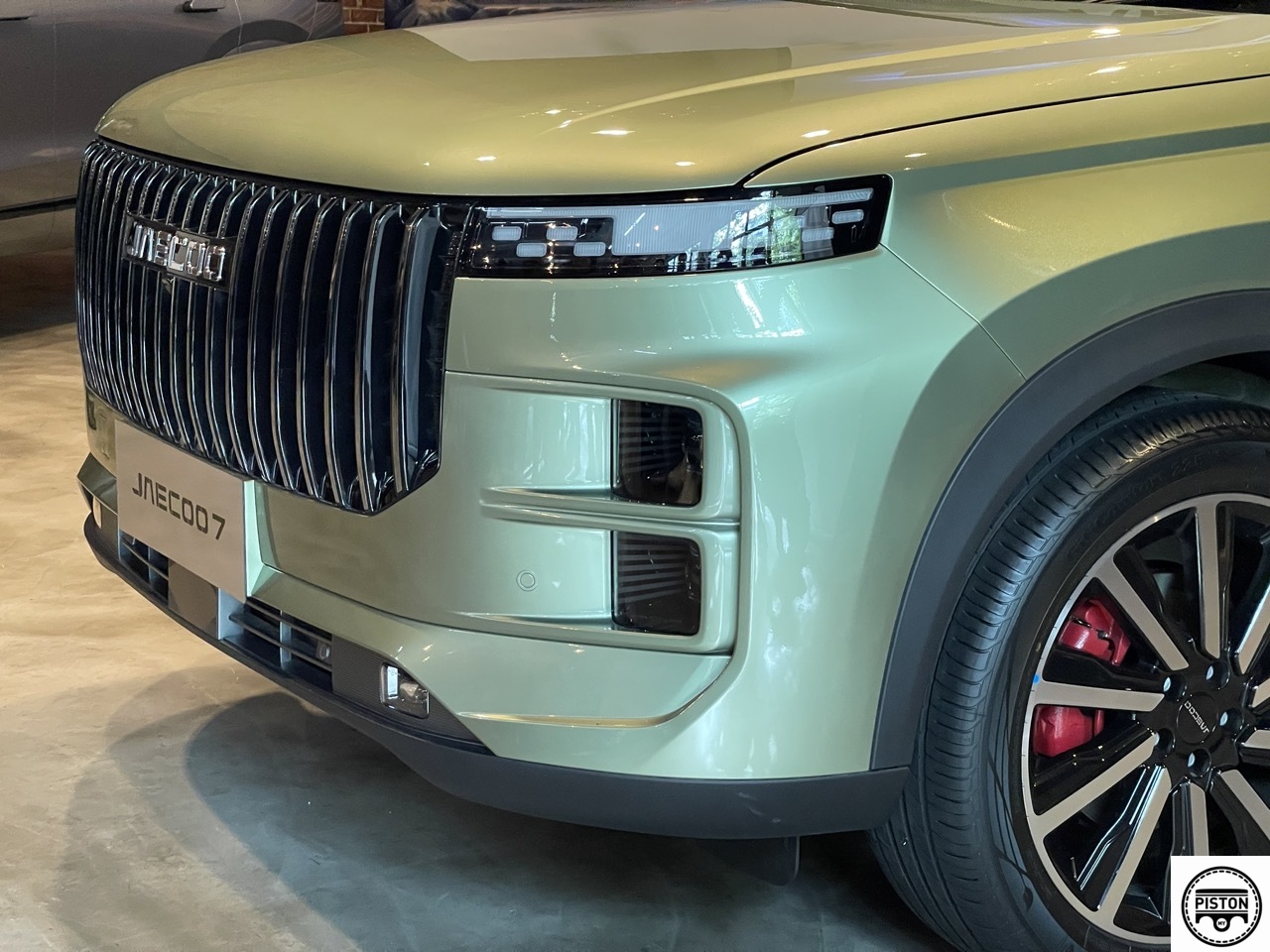
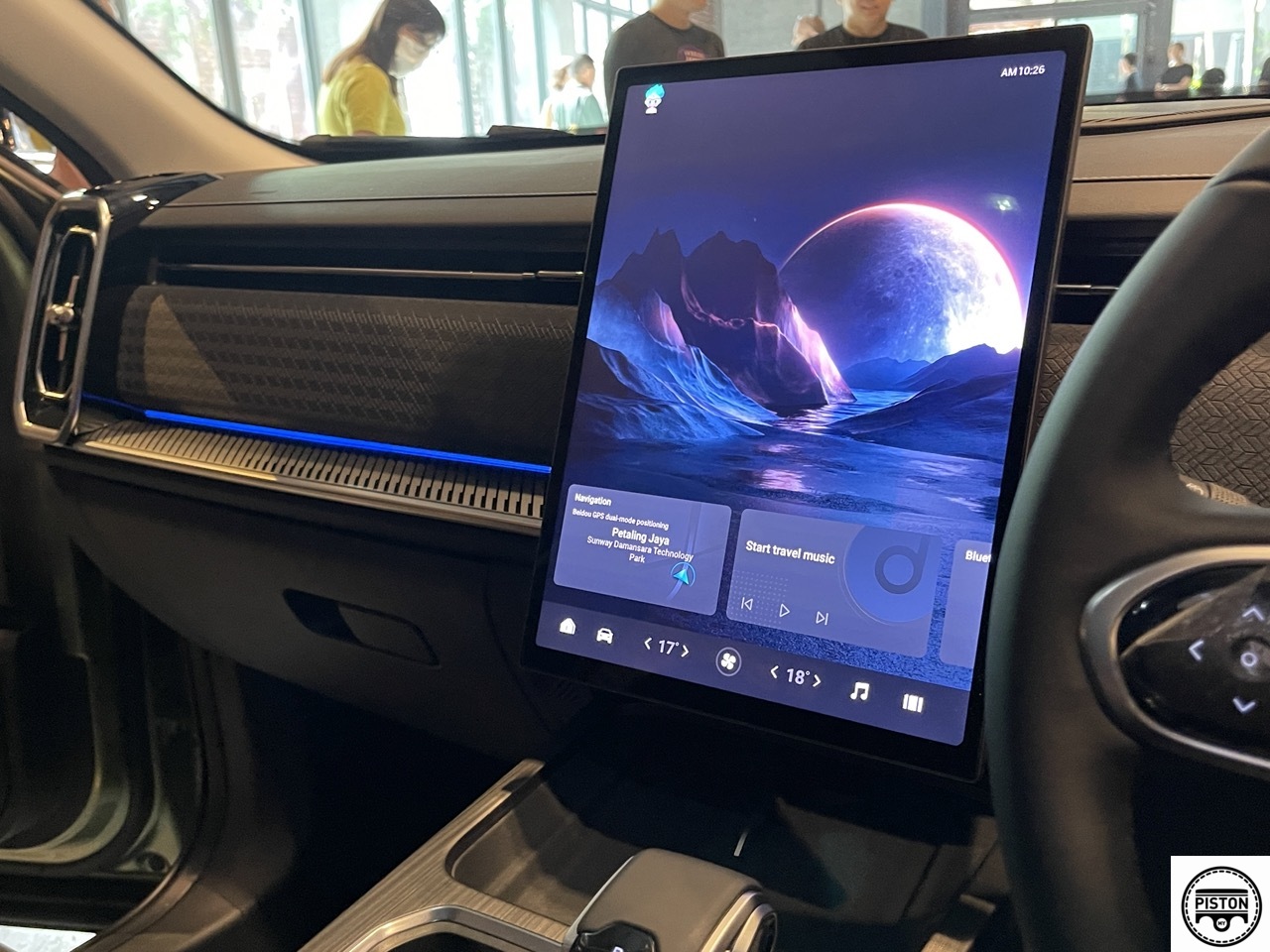
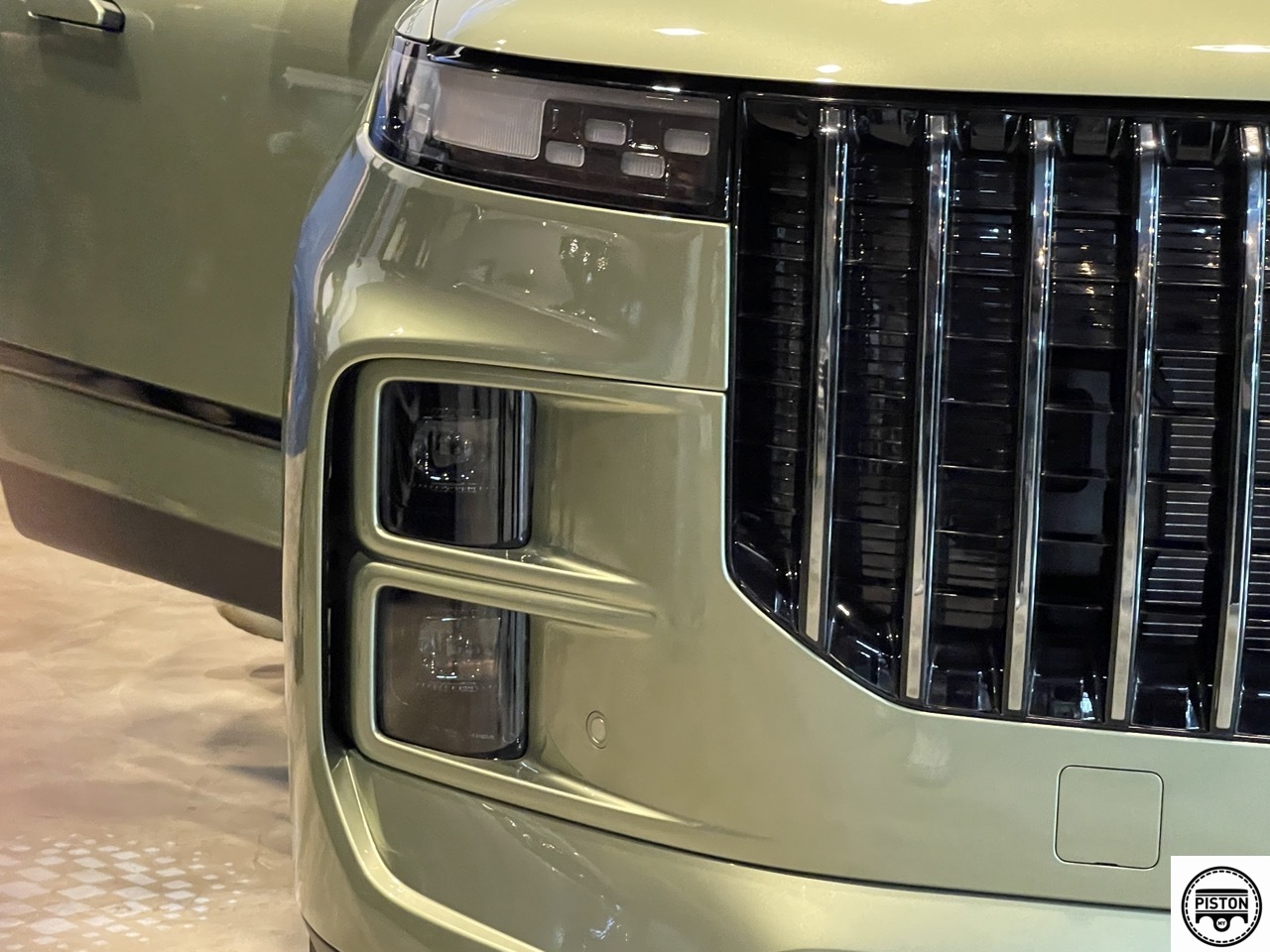
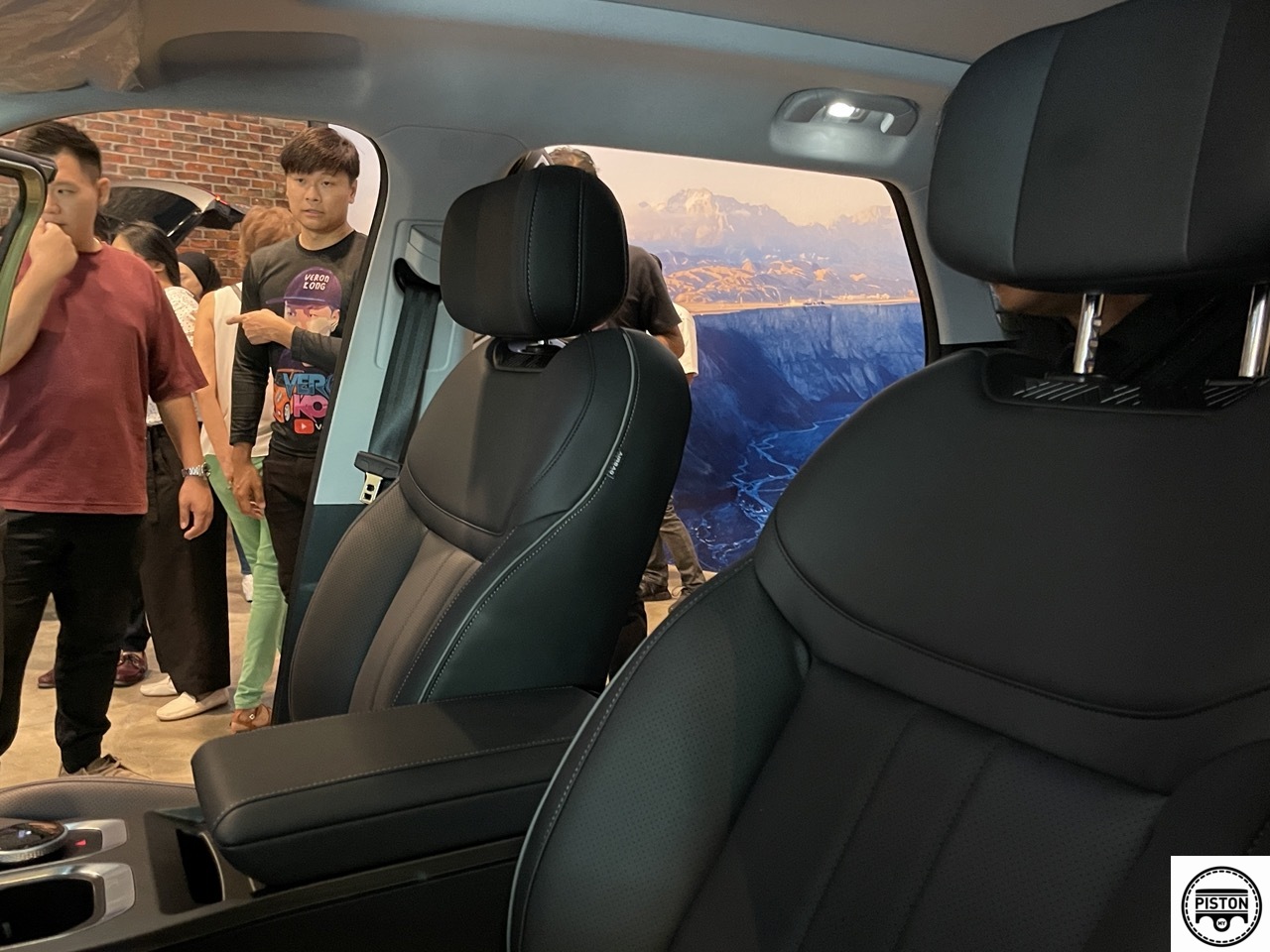
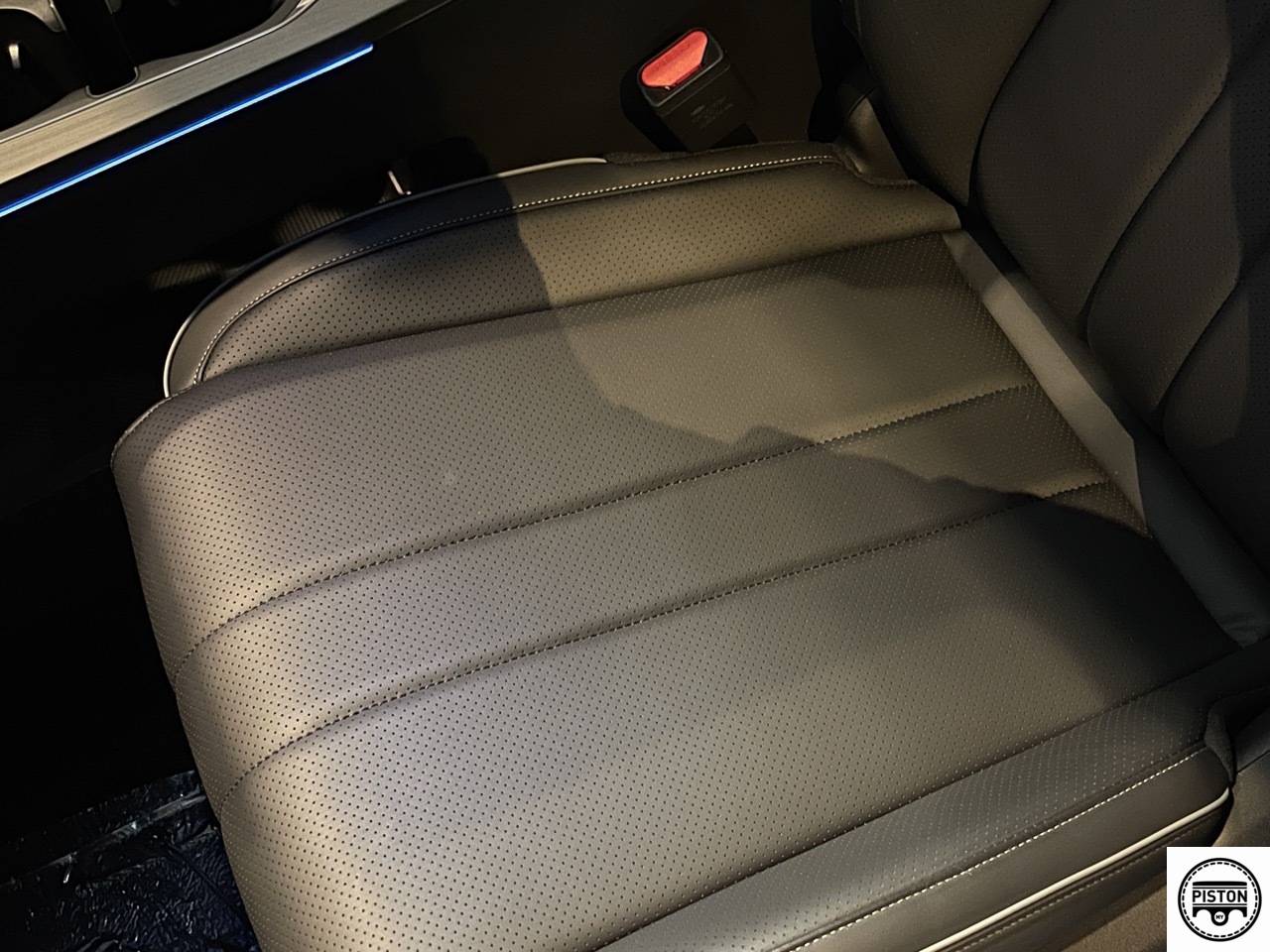
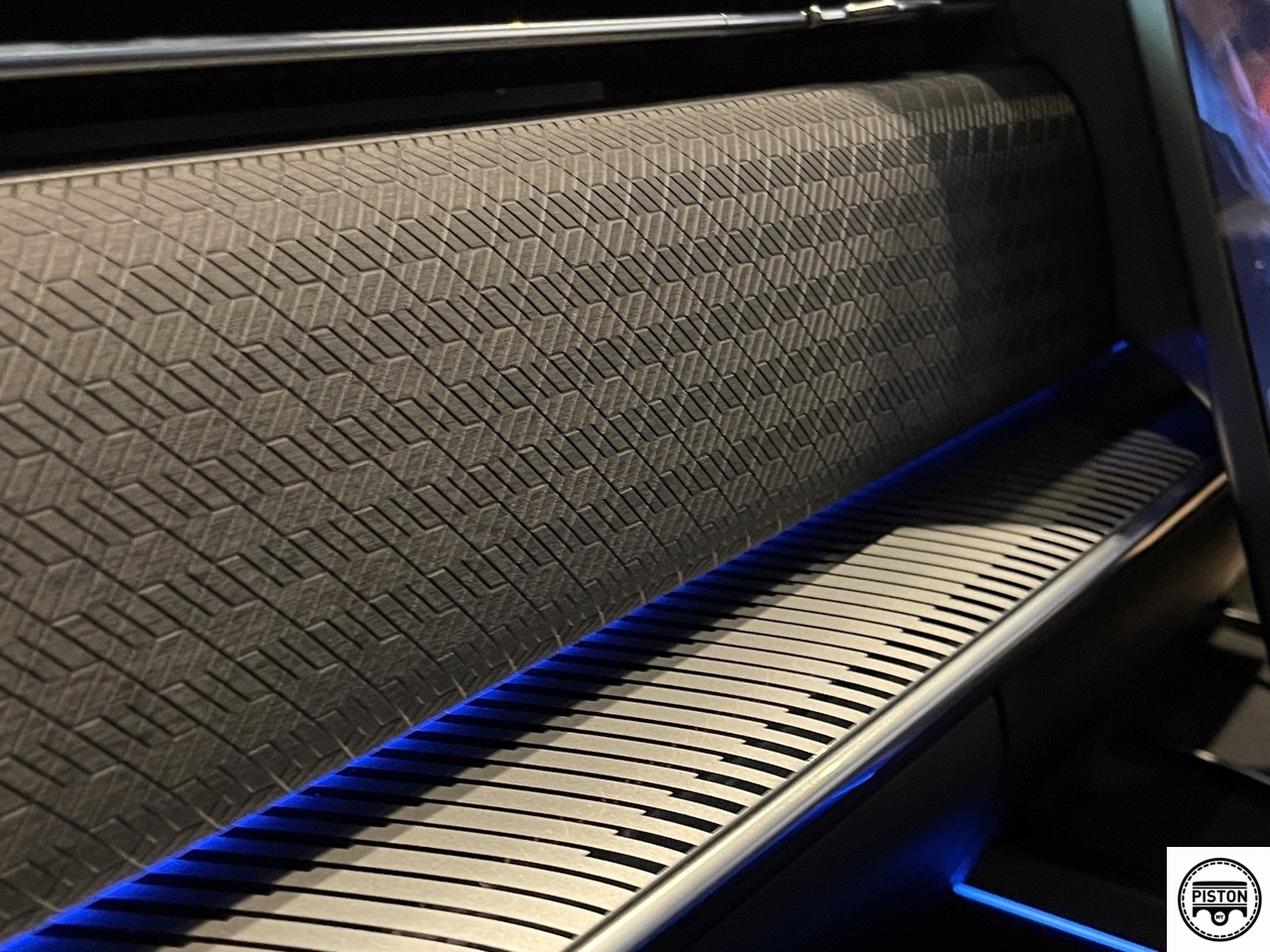
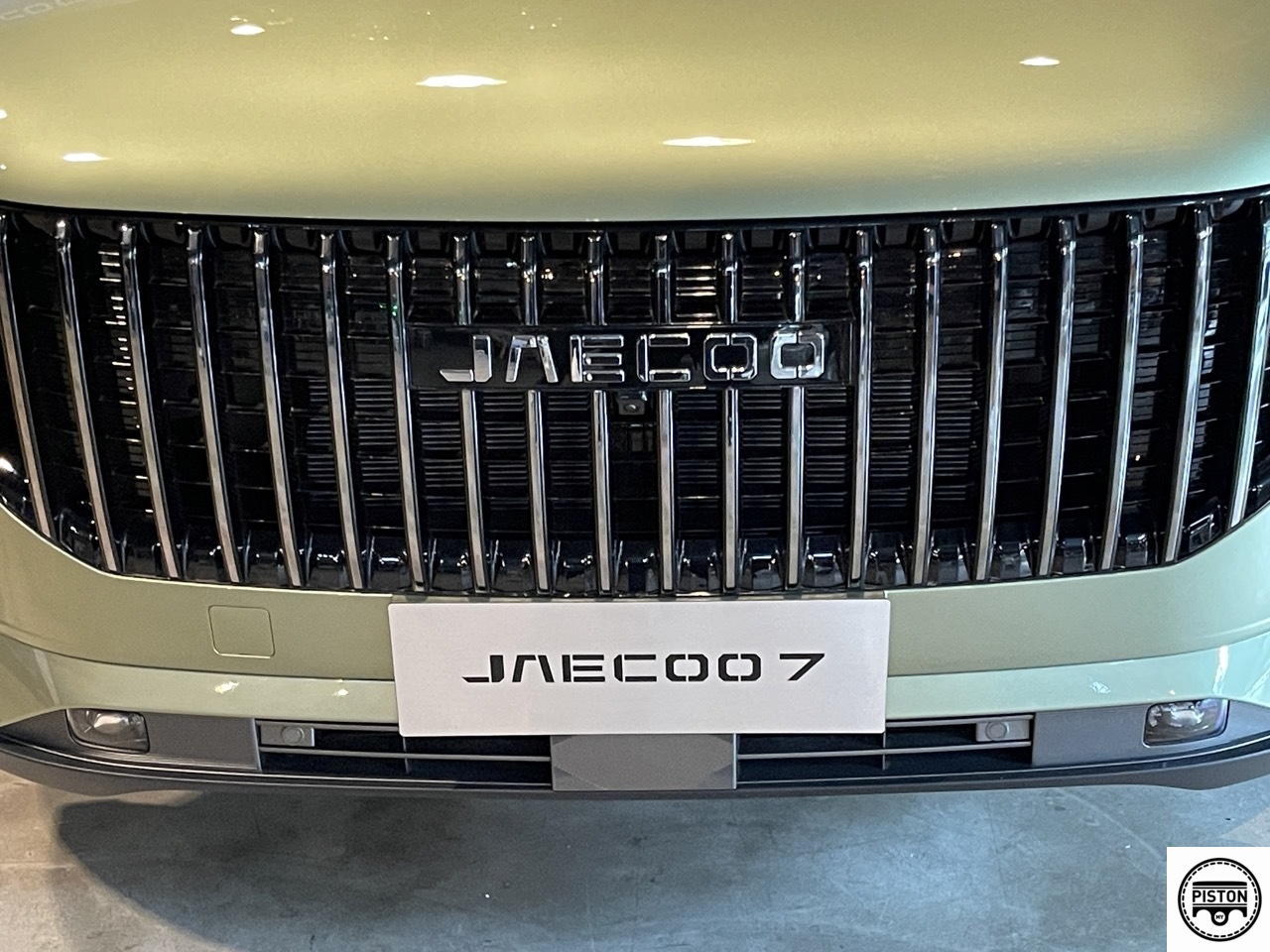
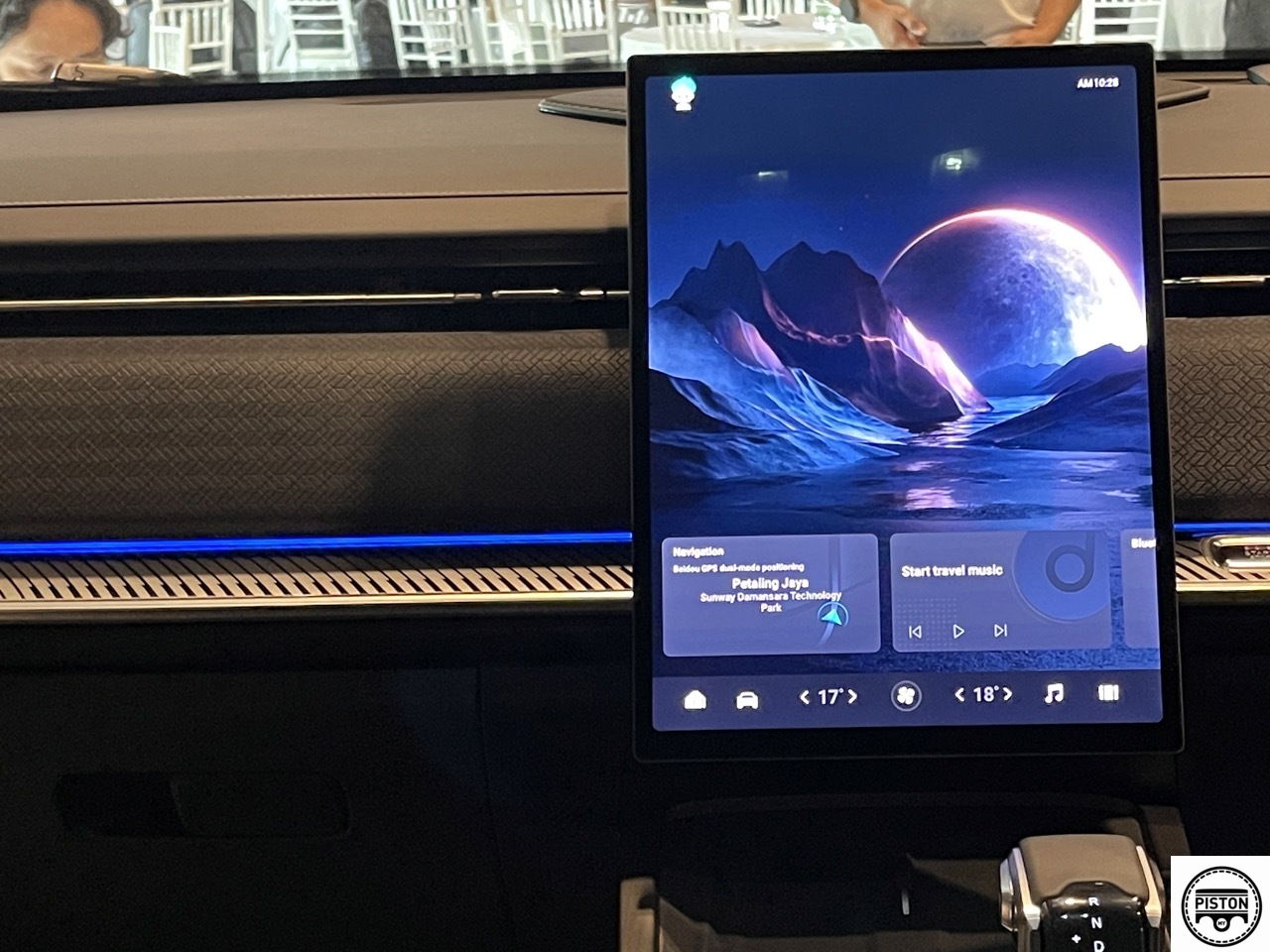
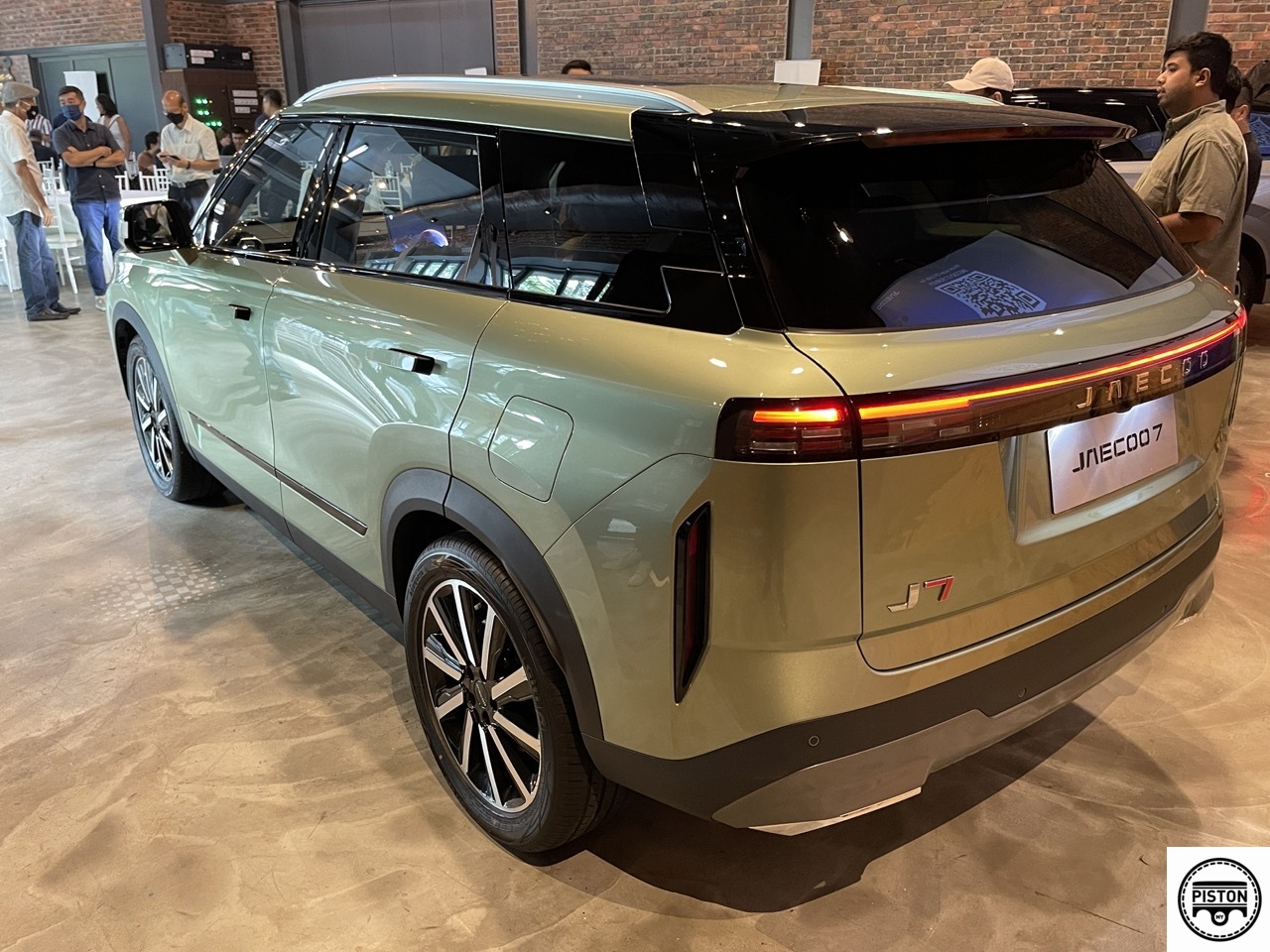
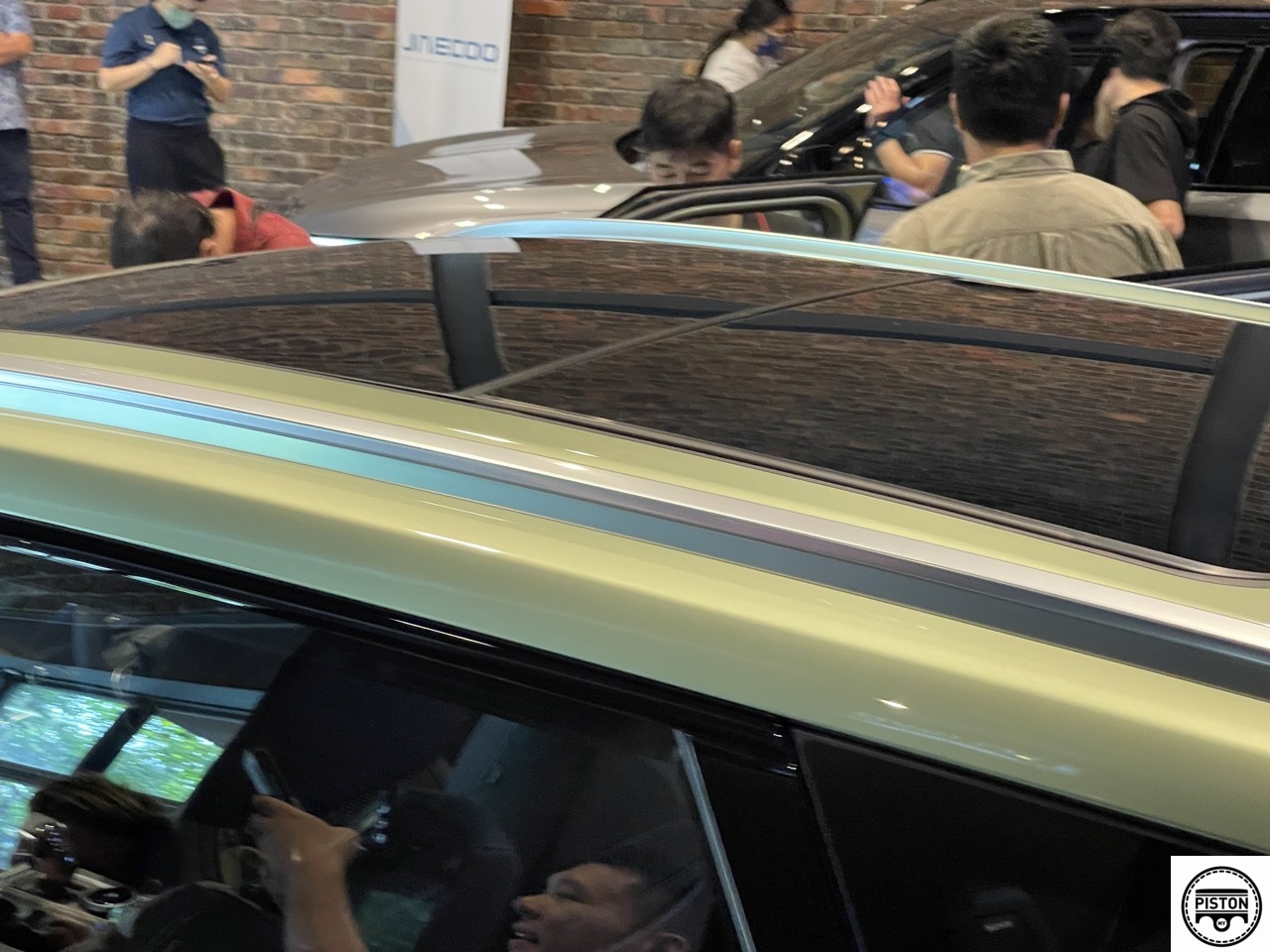
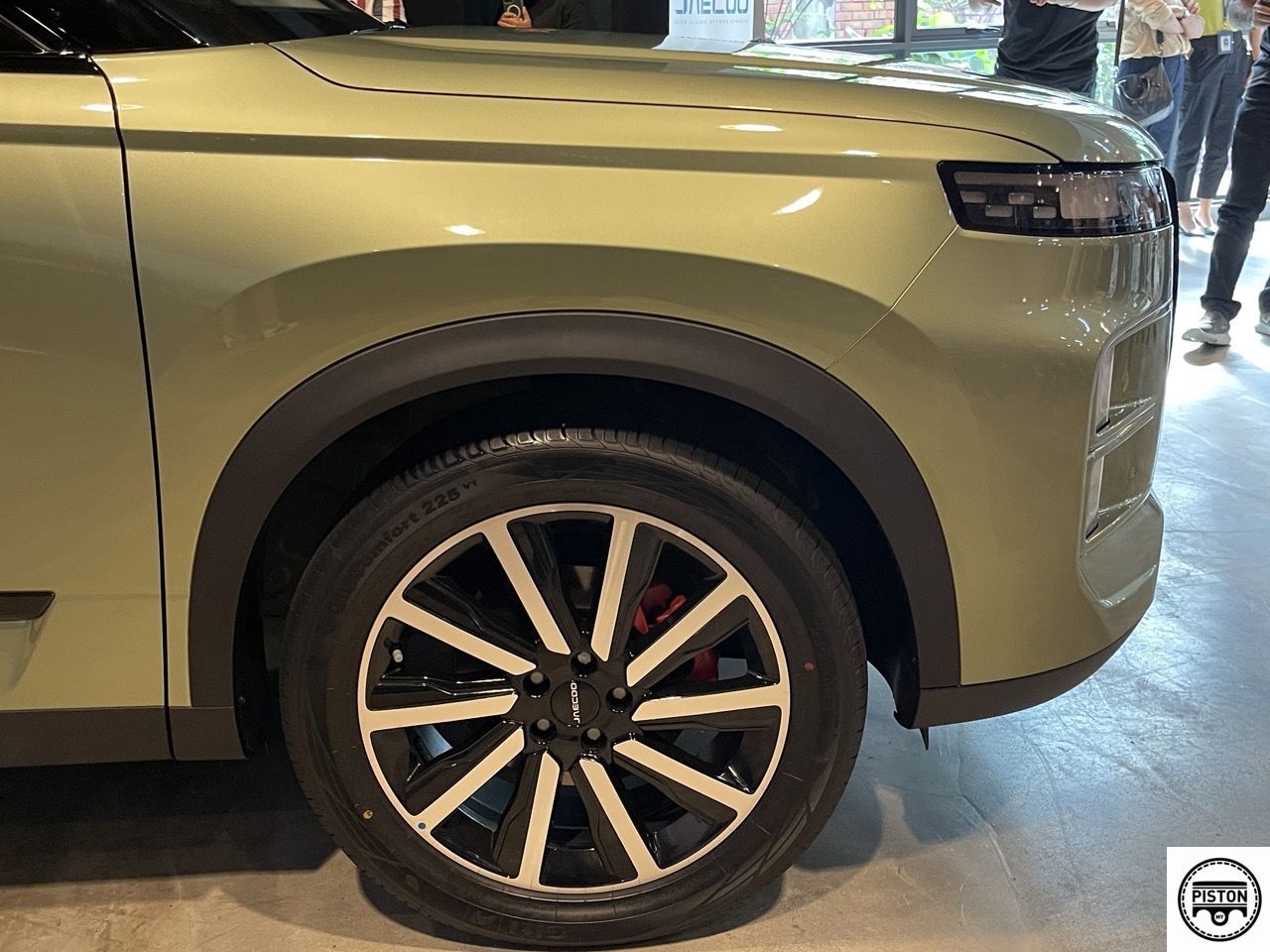
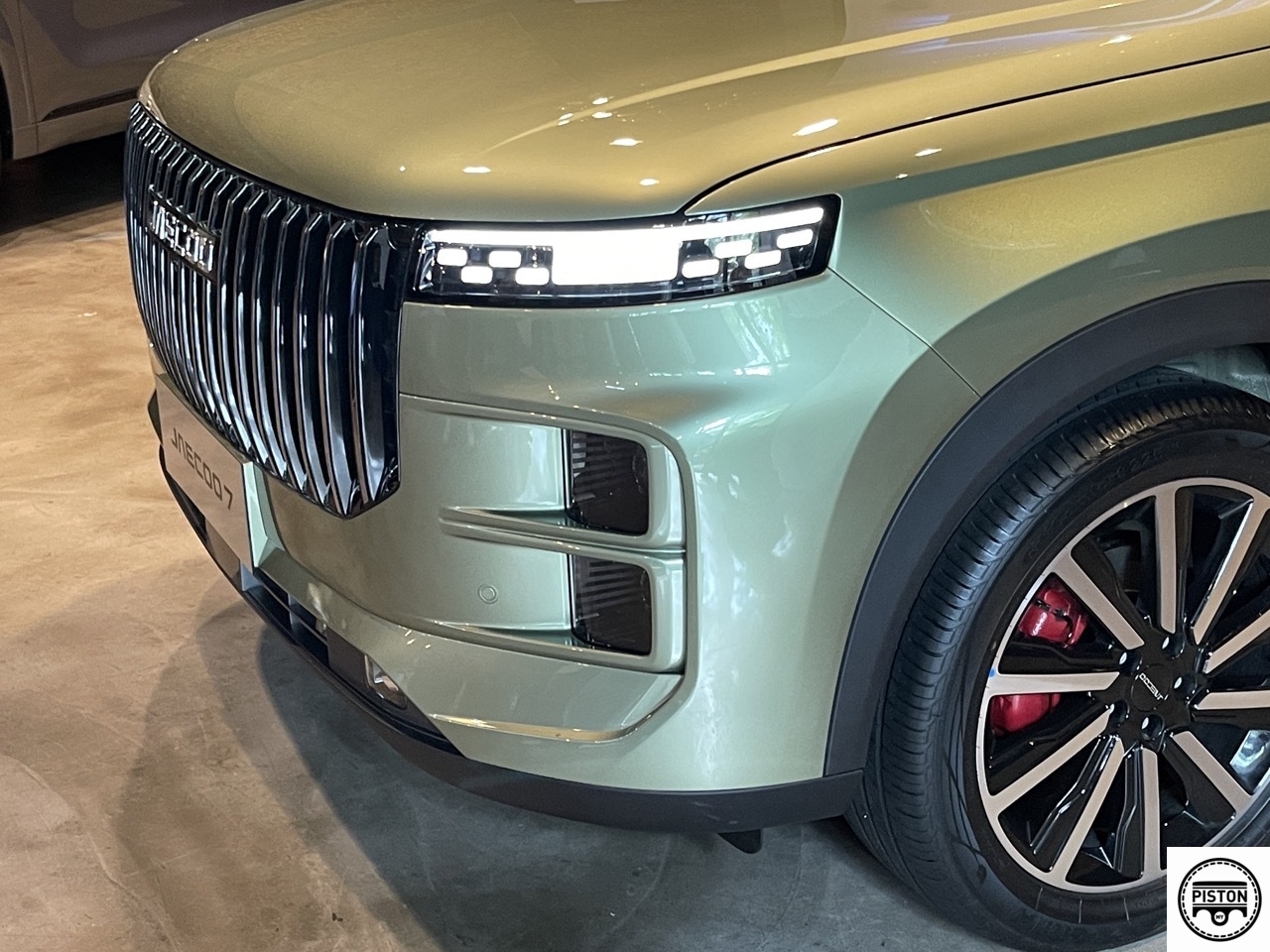
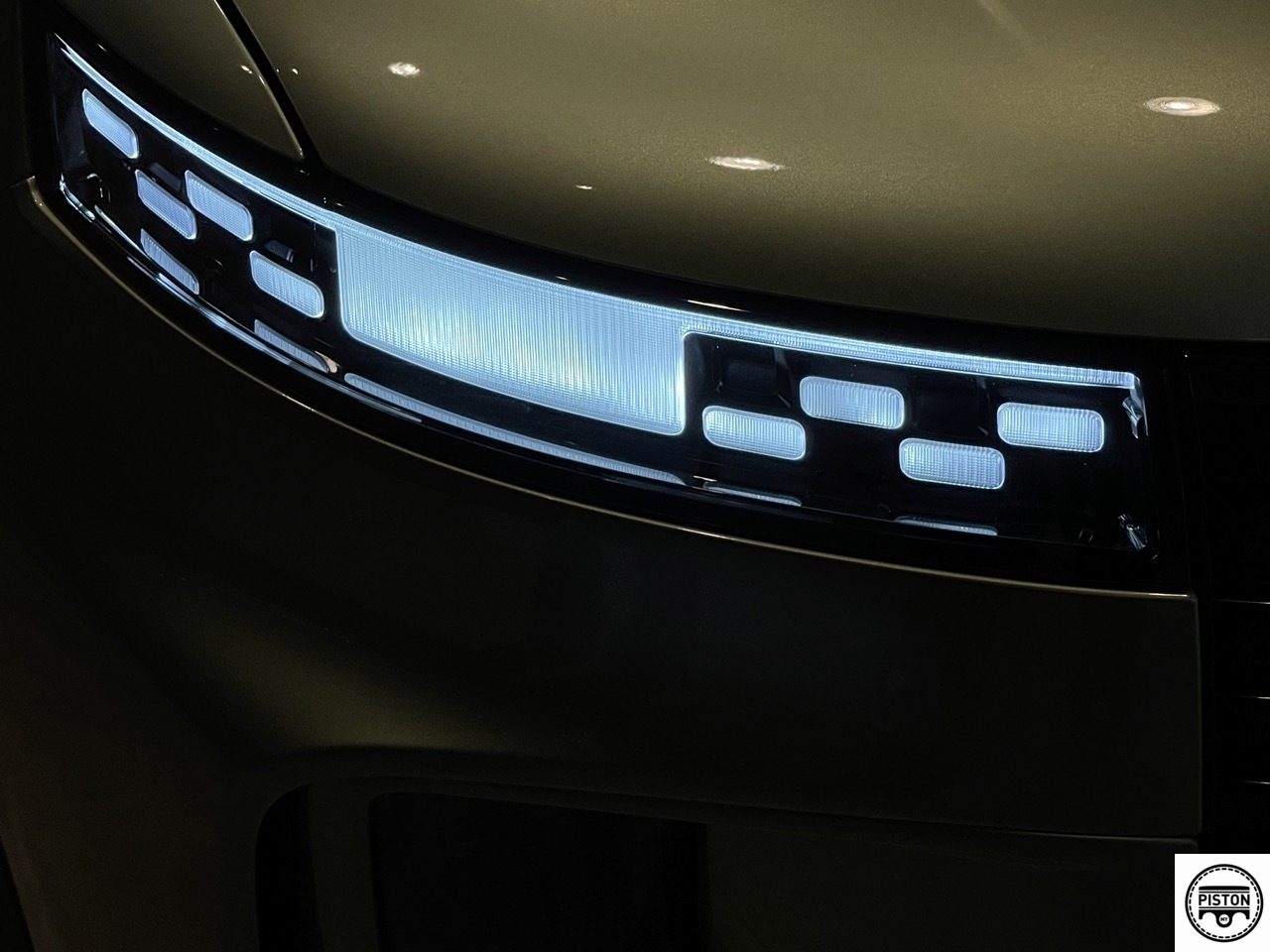
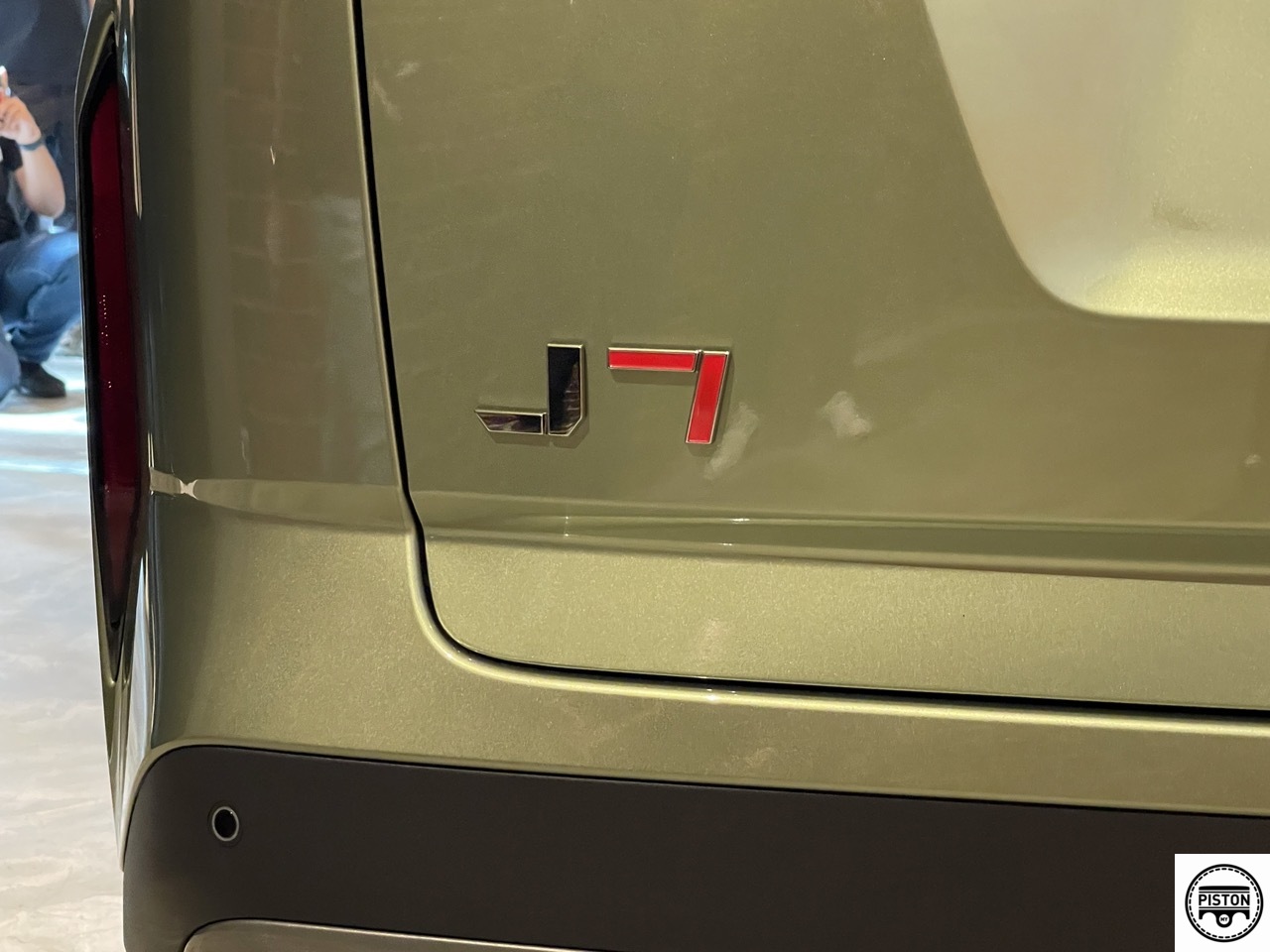
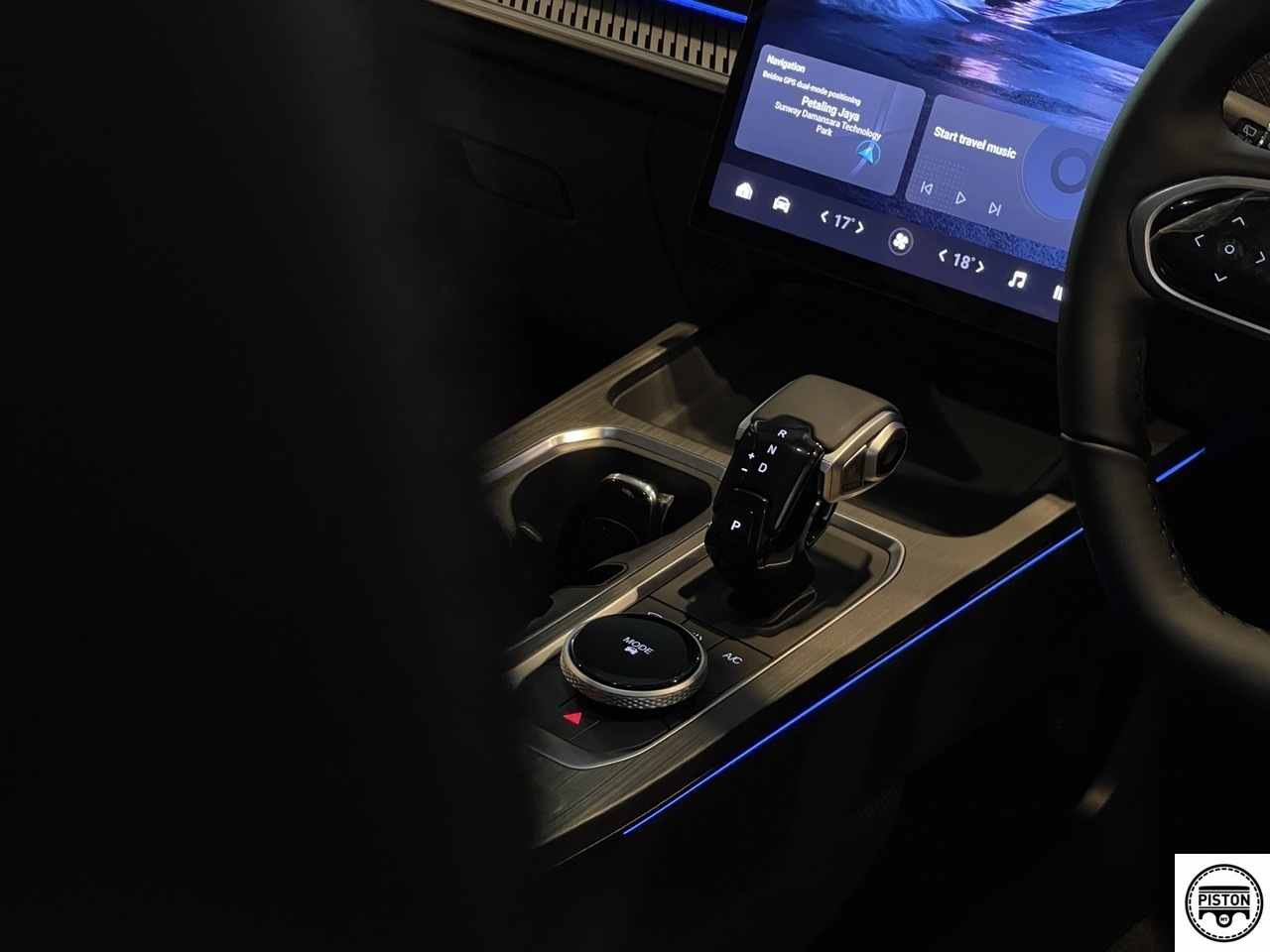
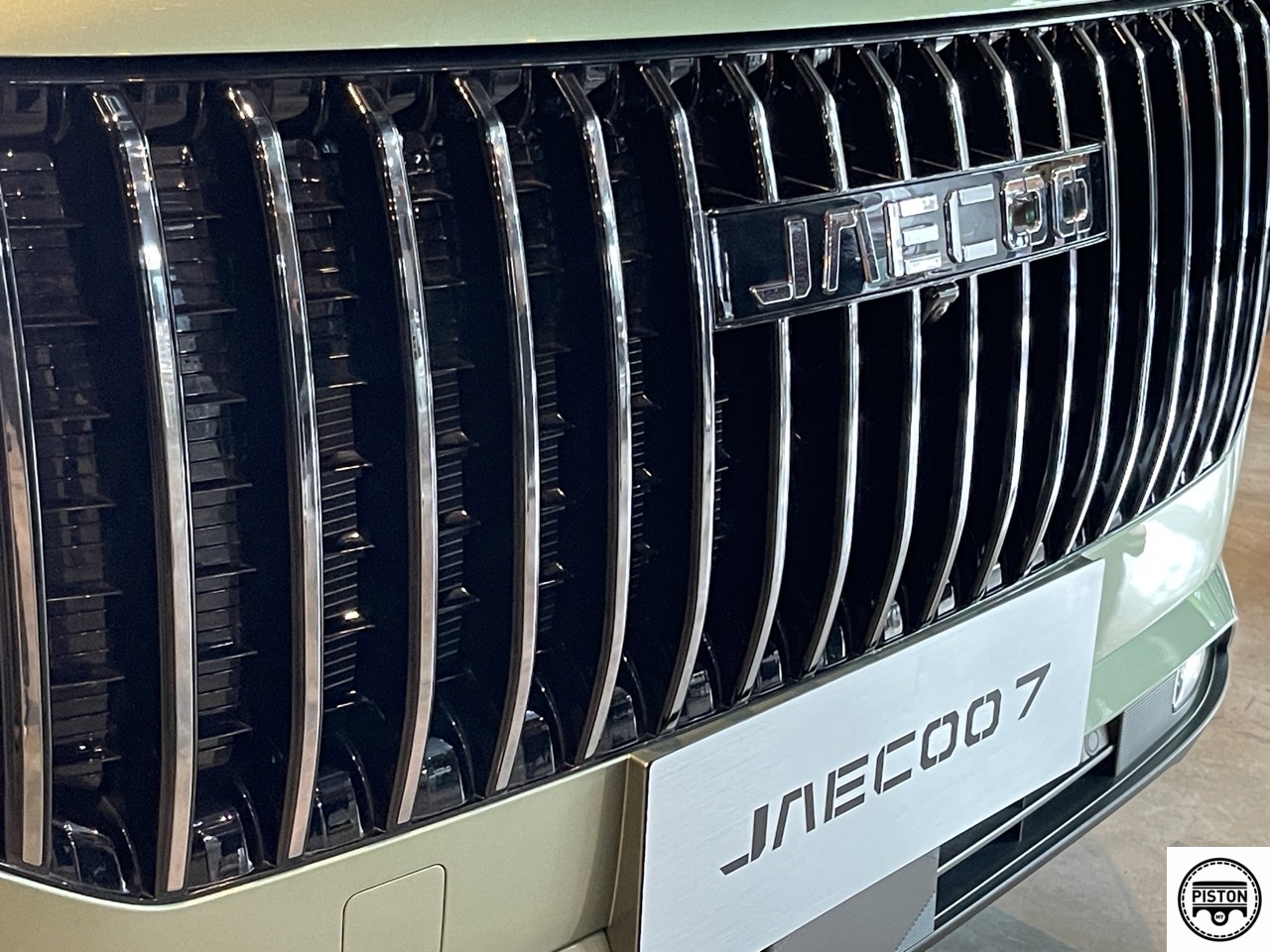
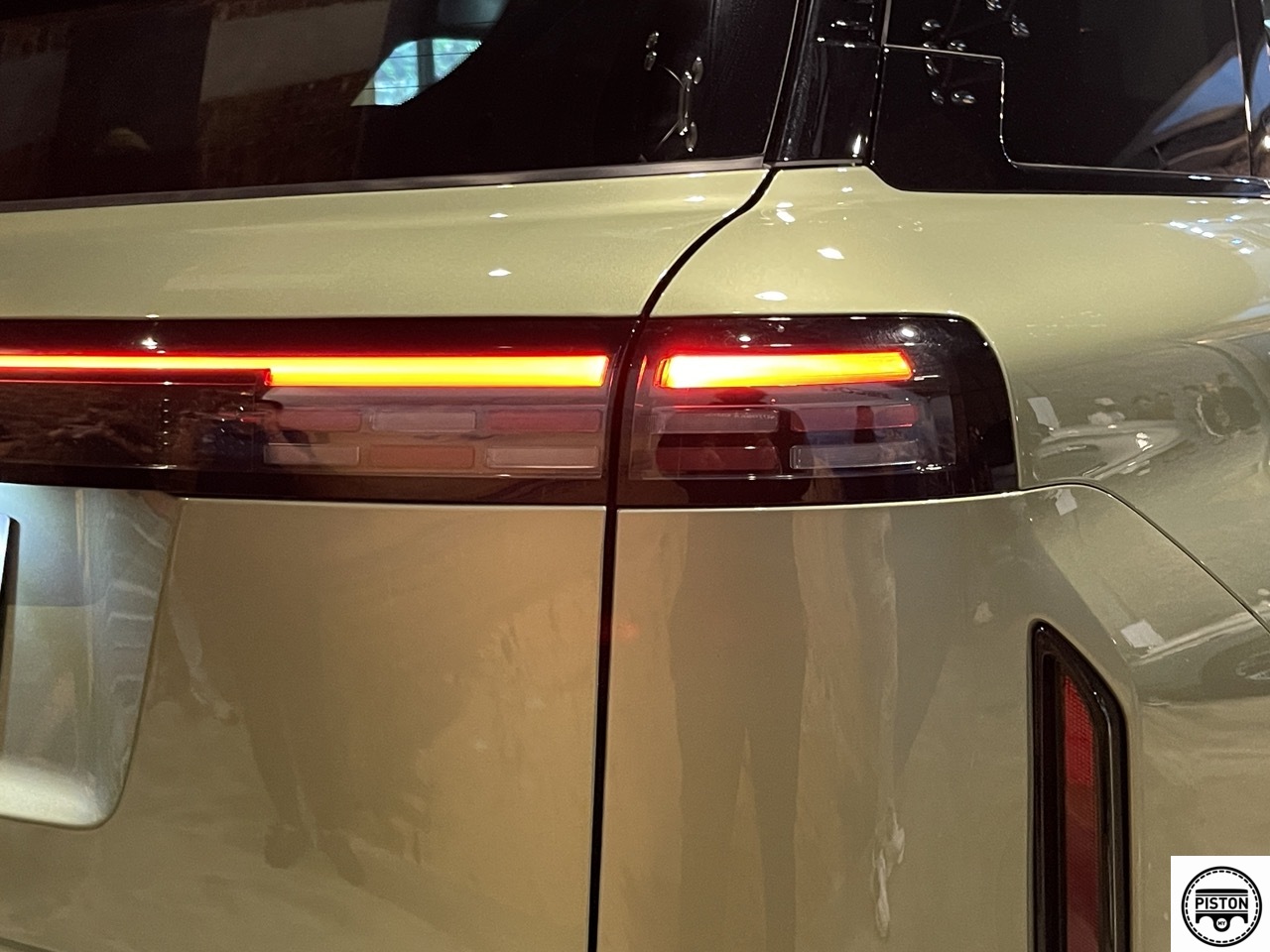
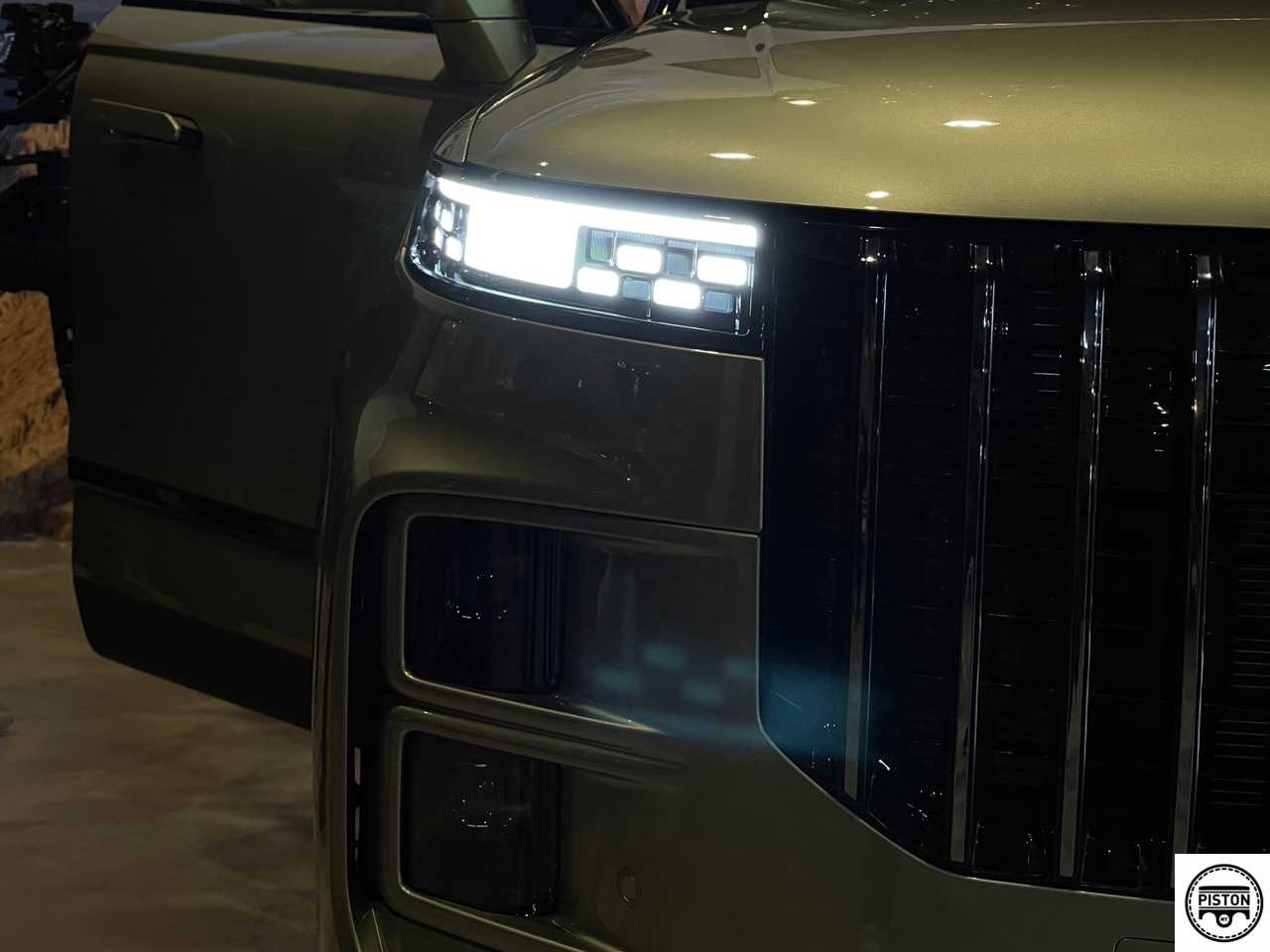
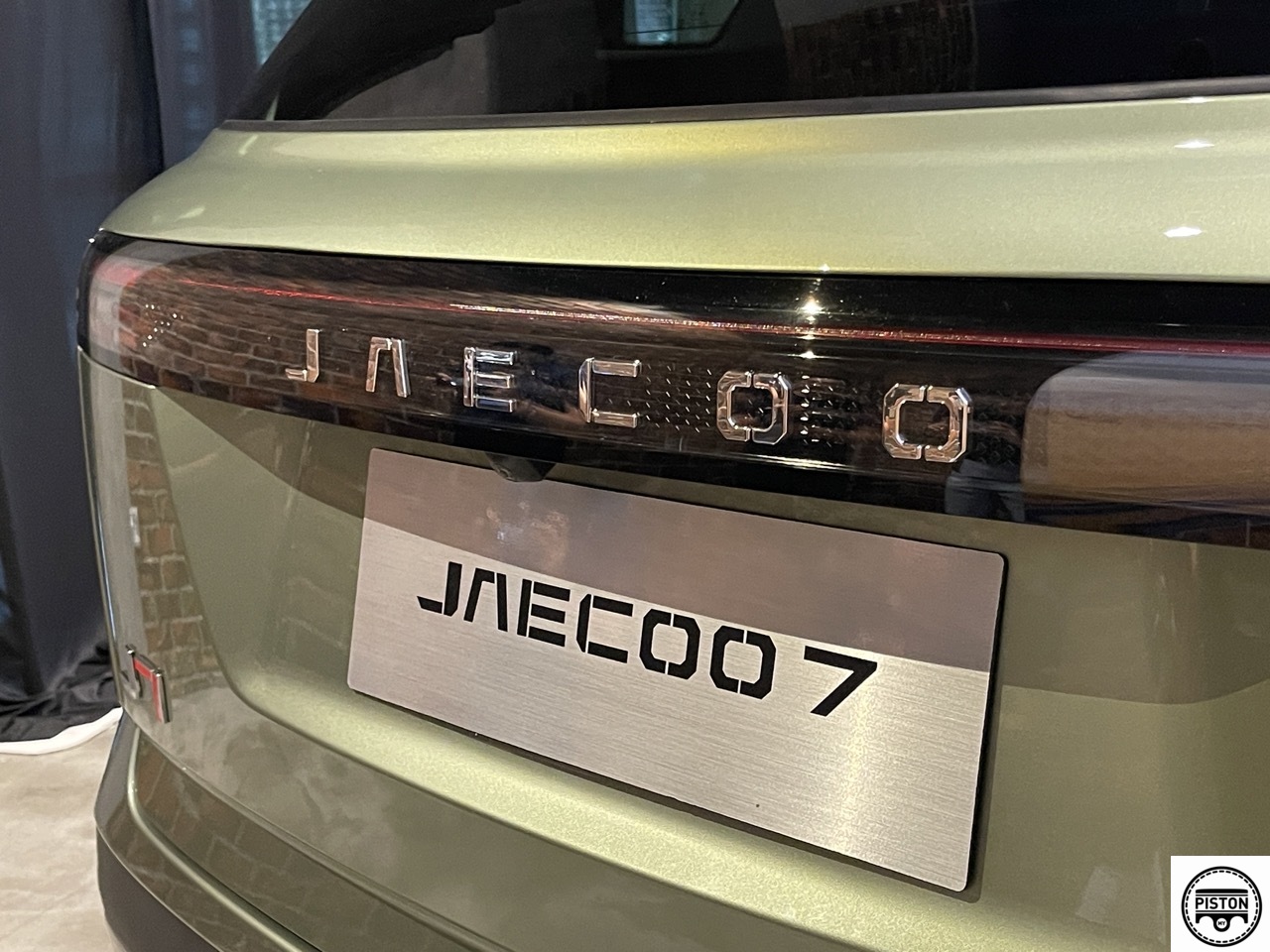
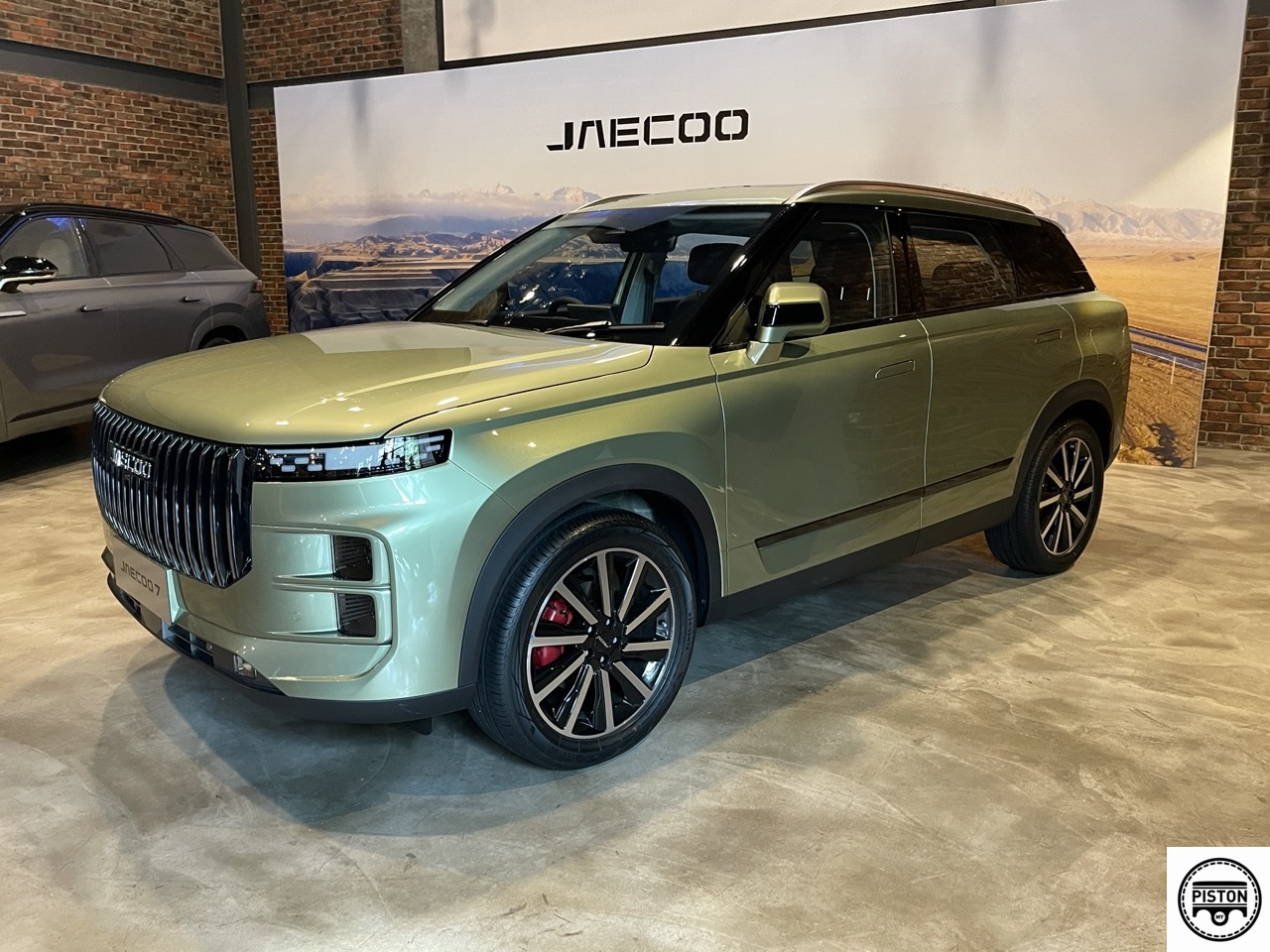
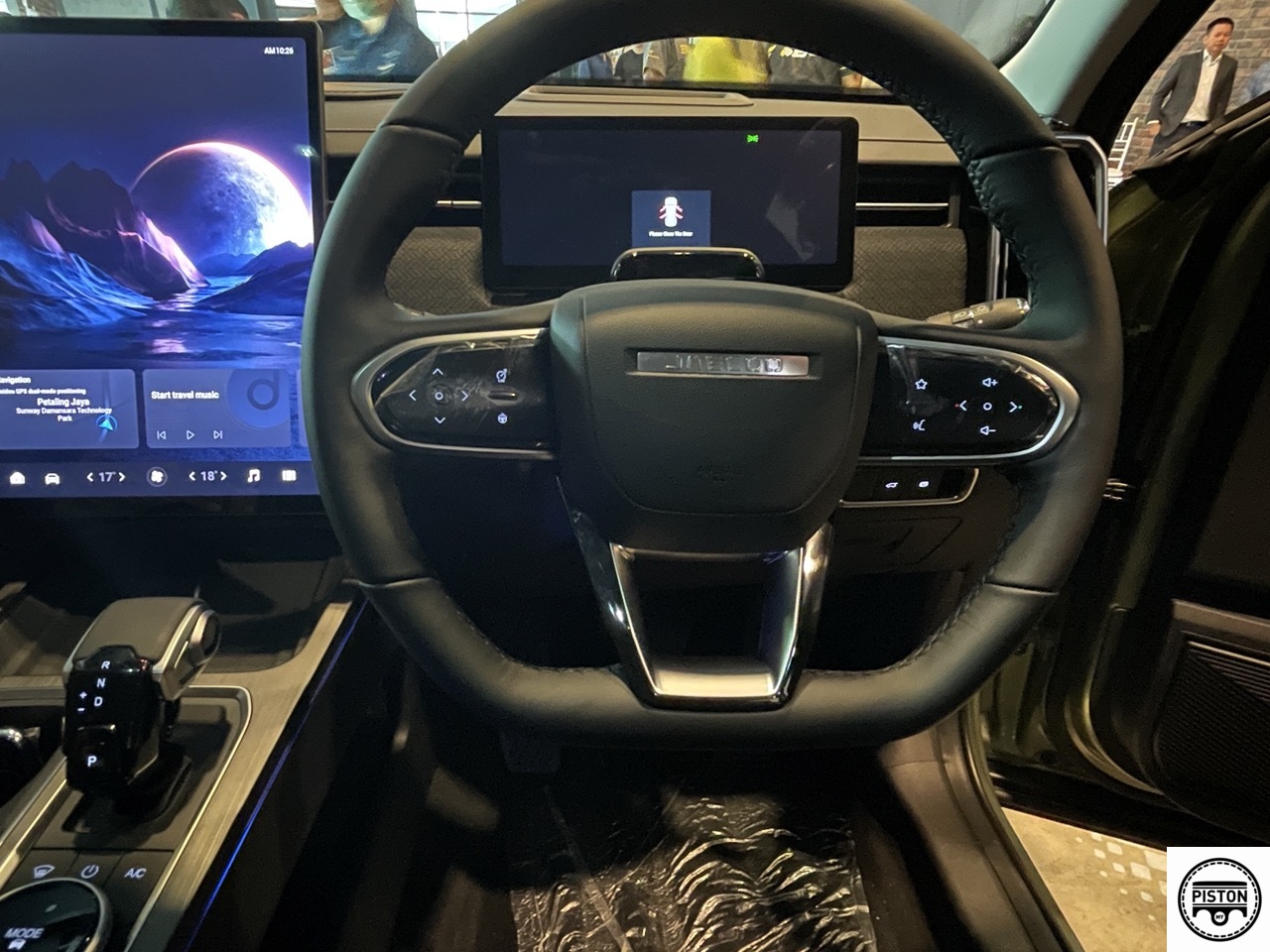
It is officially official, the order books for the Jaecoo J7 will be open on April 10. In a statement issued to the media today, Jaecoo Malaysia announced that the company will begin accepting orders in two days.
For those interested in the newest brand to hit Malaysian shores, registrations can be locked in at the Jaecoo Premier Experience roadshow located the 1Utama Shopping Centre, Level LG, Highstreet.
If visiting shopping centres is now your thing, you can also register via the company’s official Malaysian website.
But what about the price? Jaecoo has not confirmed anything yet but rather has simply teased us by saying that the C-Segment SUV will have a price tag of below RM200,000.
There will also be two variants – the Jaecoo J7 all-wheel-drive that is estimated to be priced at RM160,000, where else the two wheel drive variant will be priced at RM150,000.
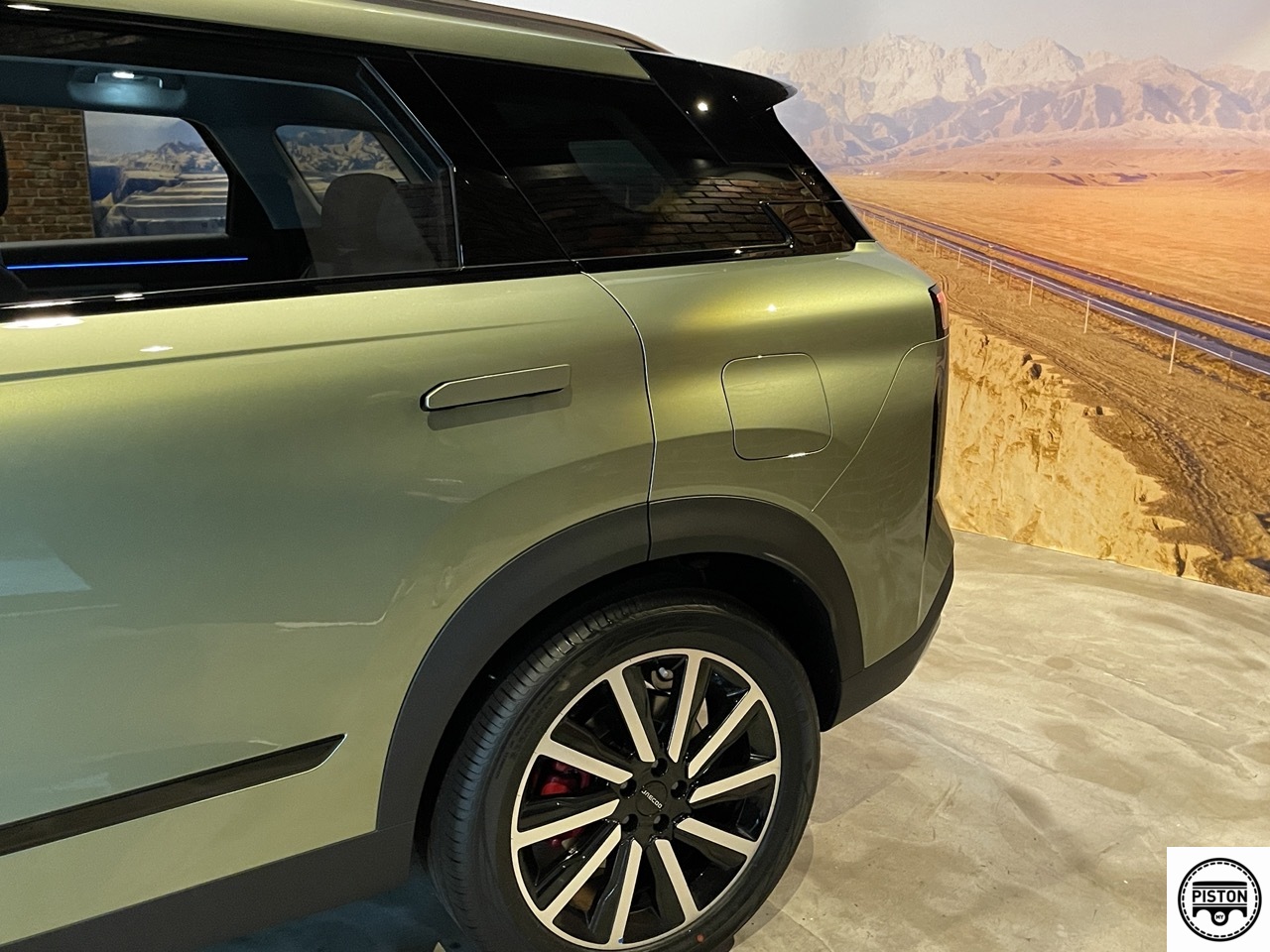
As for colour, there are four options – Moonlight Silver, Carbon Crystal Black, Khaki White and Model Green.
Delivery time will depend on the volume of registration, but are expected to begin in the third quarter of this year. Test drives will be rolled out later in May.
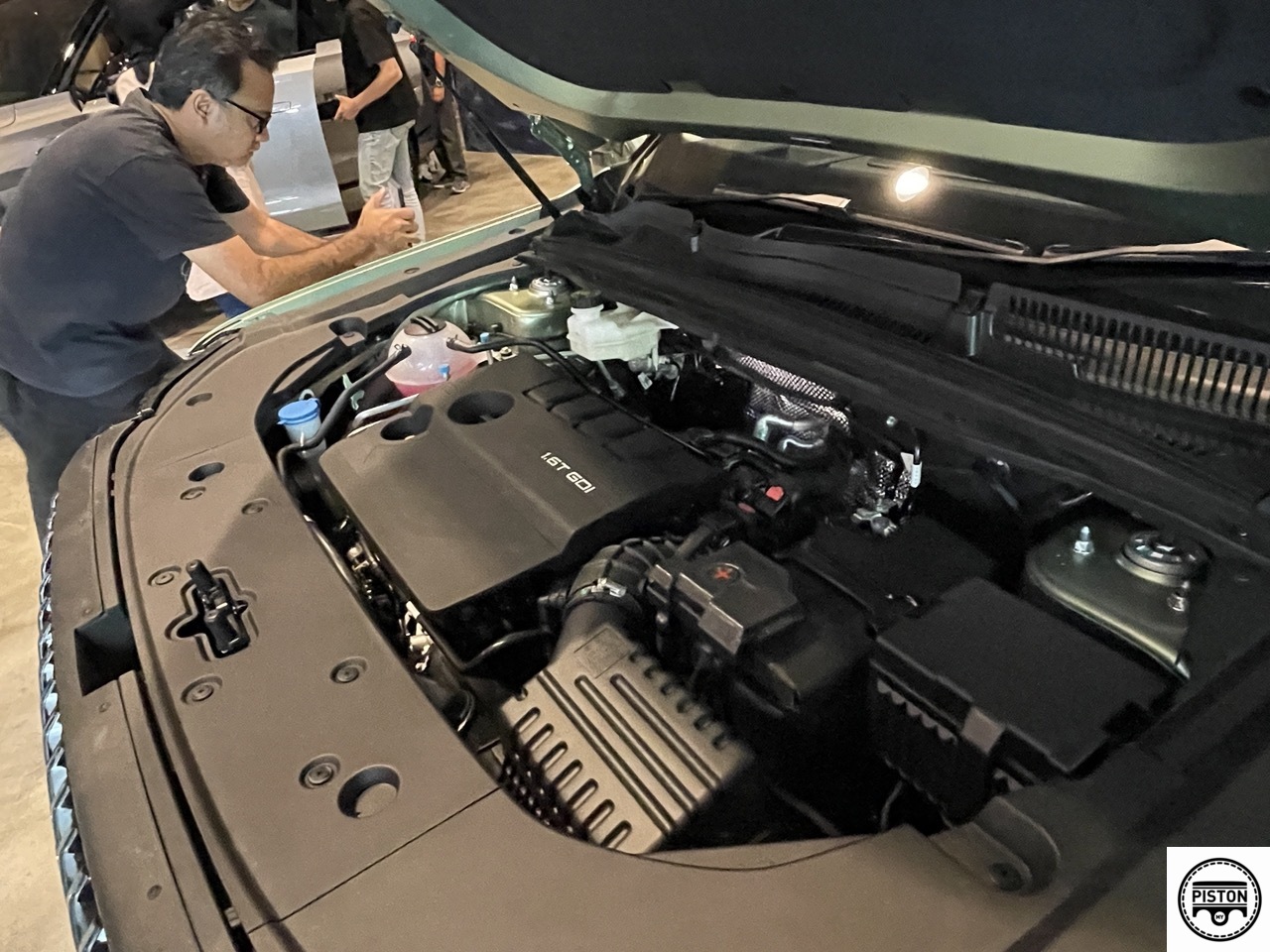
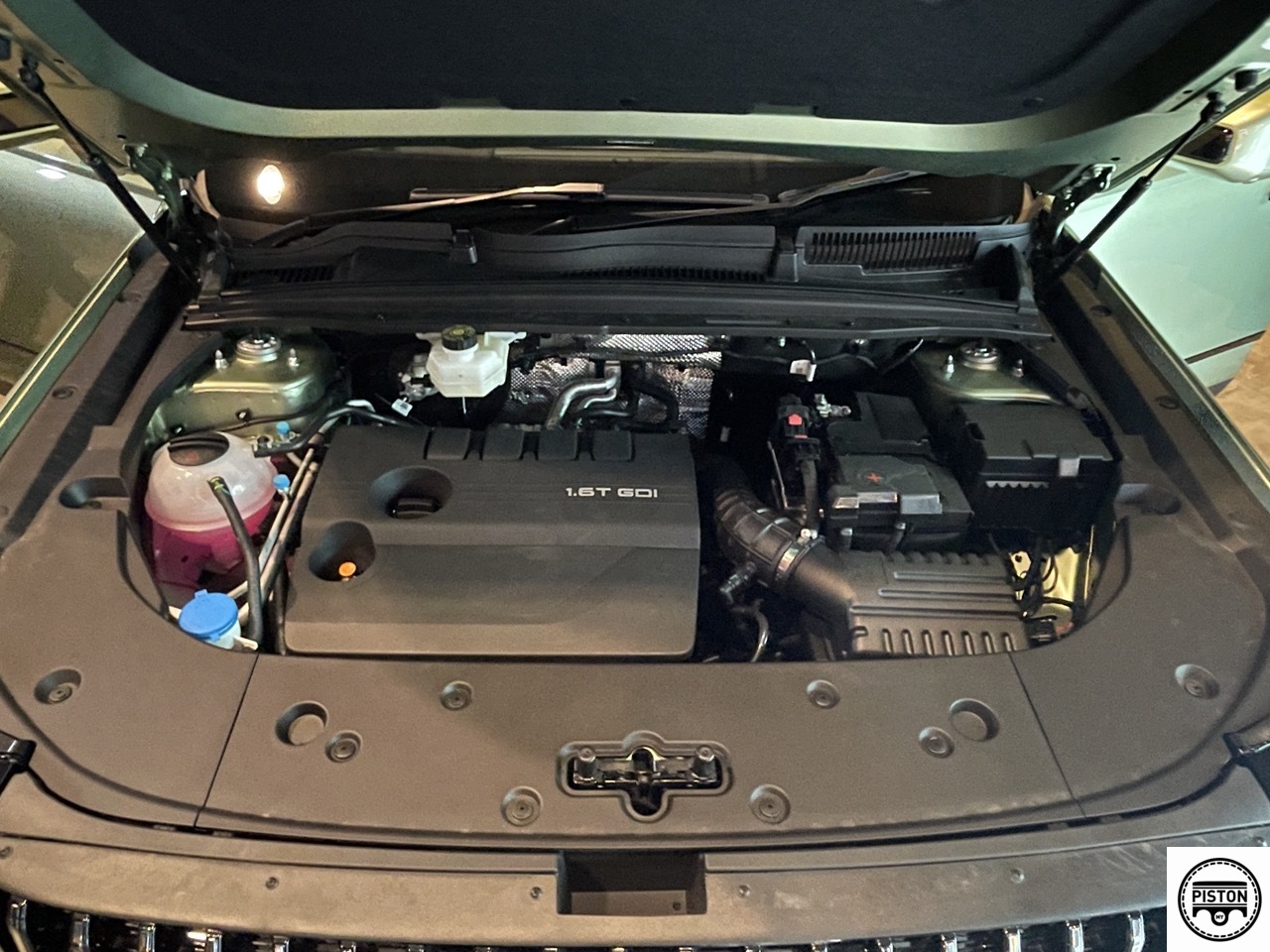
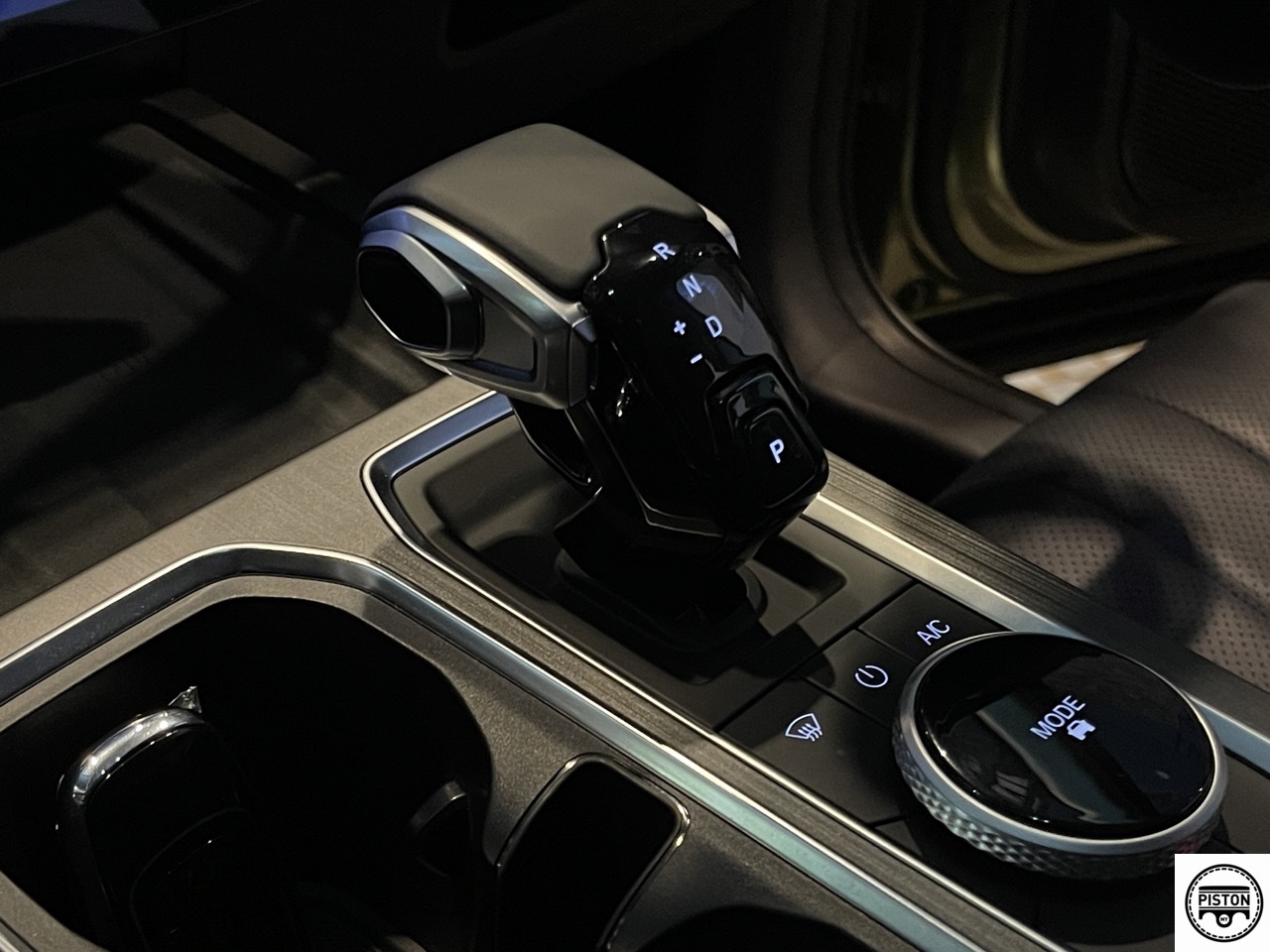
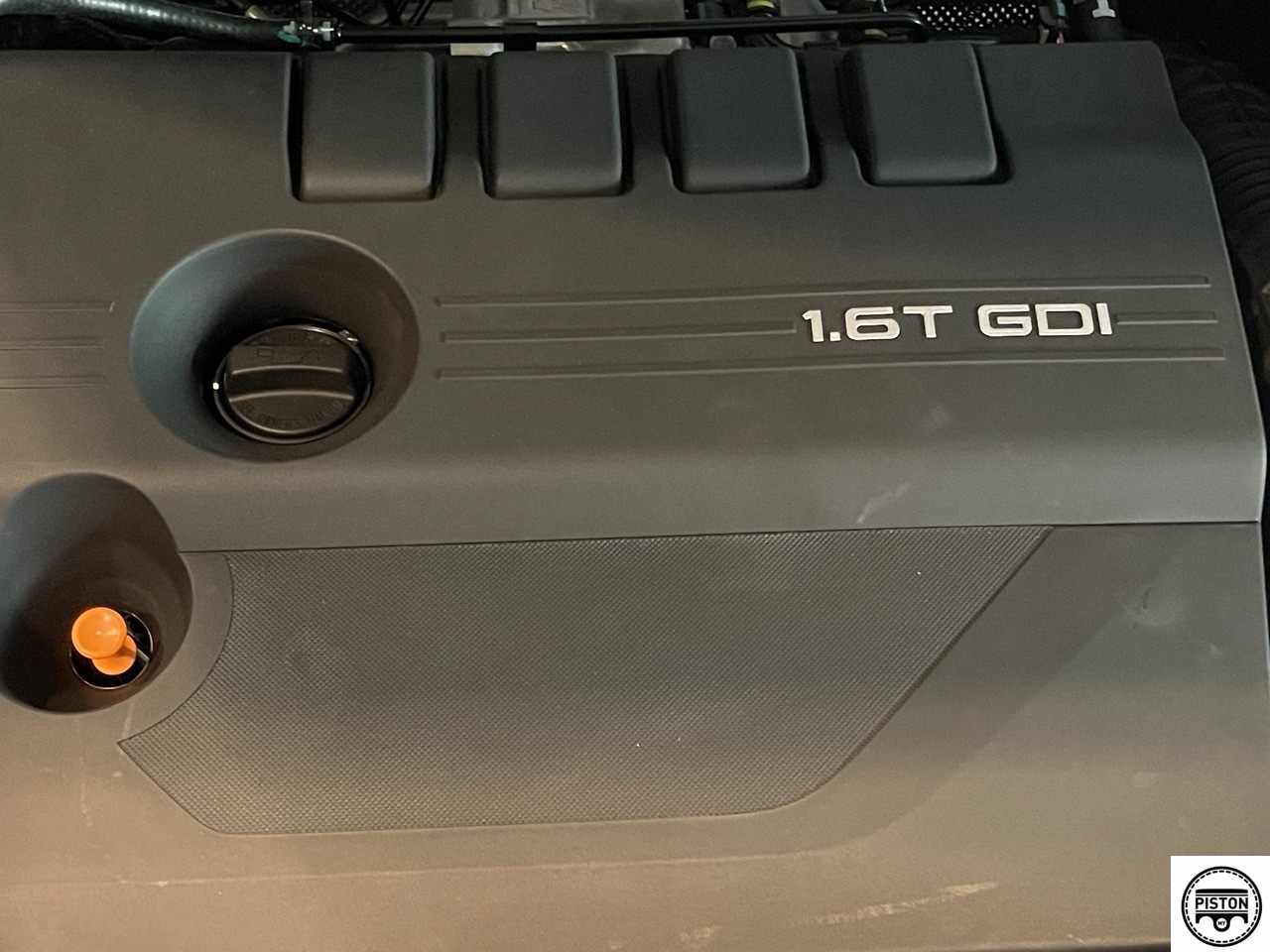
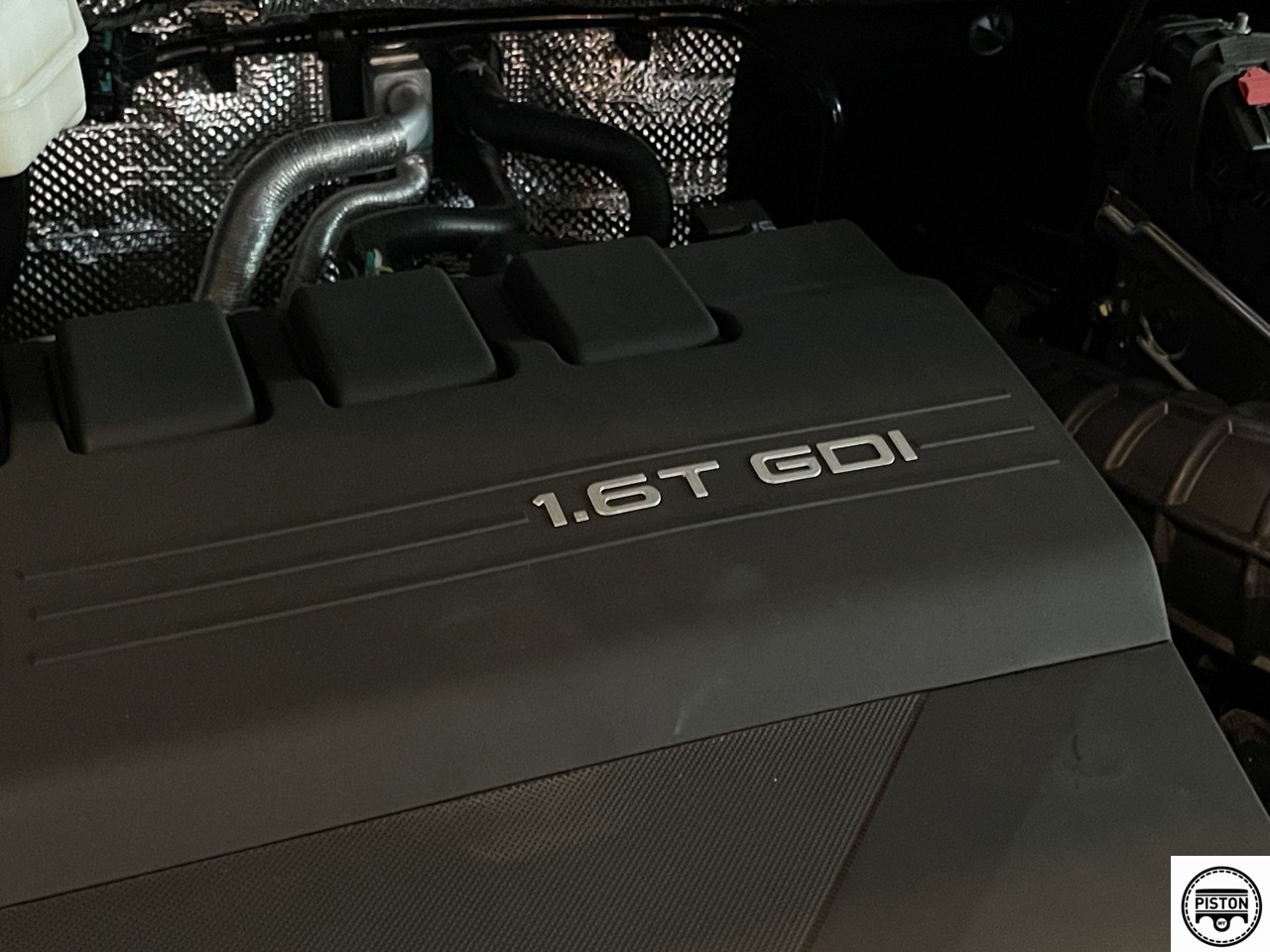
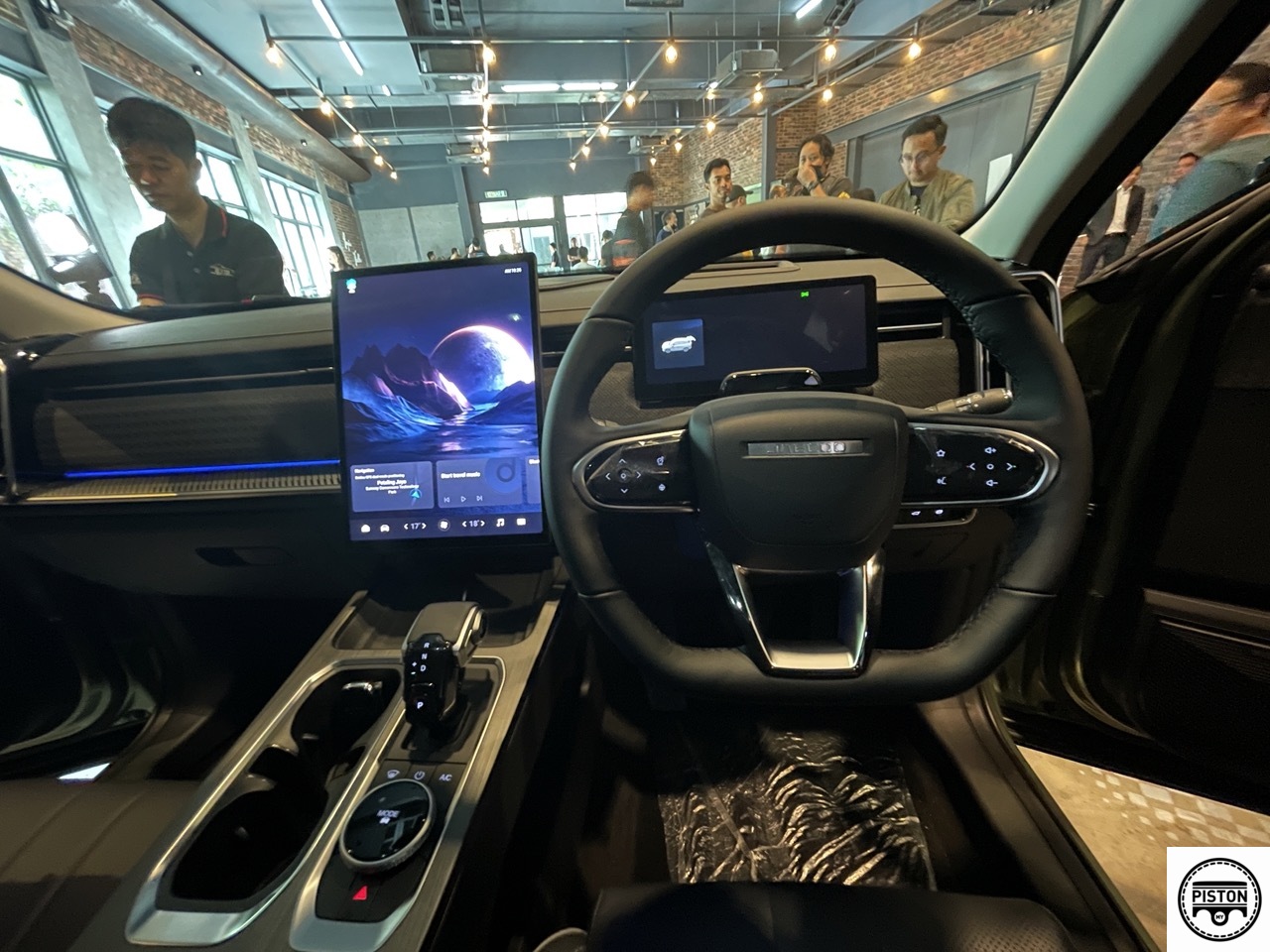
The Jaecoo J7 is powered by a 1.6 TGDI engine that produces 194hp and 290Nm of torque. Power is sent to the wheels through a seven-speed dual-clutch transmission.
Jaecoo positions itself as a “prominent player in the off-road market worldwide”, and has earlier said that it has amassed a devoted following in over a dozen countries in just nine months.
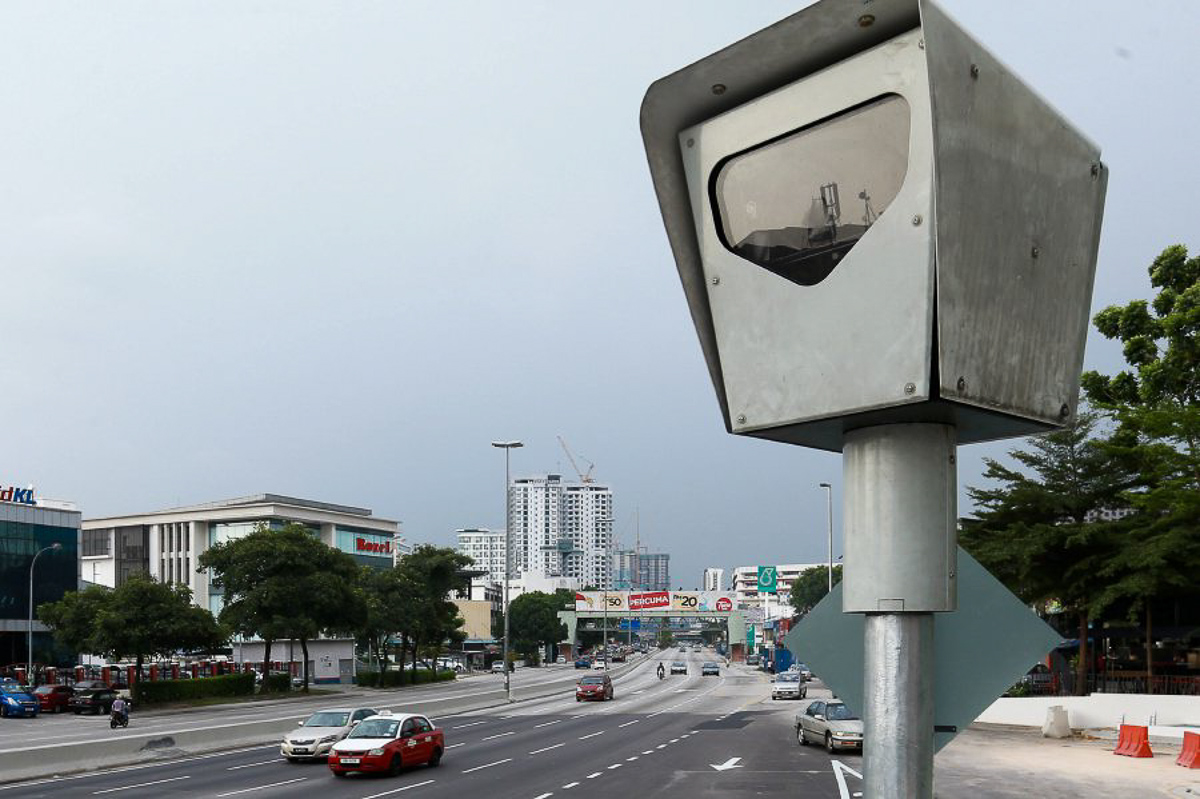
Since the commencement of the Hari Raya Aidilfitri 2024 special operations on April 1, the Road Transport Department (RTD) has identified 16,142 instances of speeding through the Automated Awareness Safety System cameras.
Datuk Lokman Jamaan, the RTD senior enforcement director, revealed that a staggering 95 percent of these violations involved drivers traveling at speeds ranging from 130 km/hour to 170 km/hour, while the remaining five percent exceeded 170 km/hour.
Expressing concern over these findings, Lokman emphasized the crucial role of drivers in ensuring their safety as well as that of fellow road users by adhering to prescribed speed limits.
“Drivers must take more responsibility for their safety and the safety of other road users by observing the prescribed speed limits,” he emphasized during a press briefing held at the Integrated Motorcycle Operations event in Meru Raya.
Highlighting the potential impact of responsible driving on accident rates and fatalities, Lokman stressed the importance of maintaining vigilance, particularly during festive seasons. He further disclosed that the RTD had issued 26,313 notices to road users for various violations of road safety regulations and laws during the nationwide Special Motorcycle Ops conducted from April 1 to 6.
Additionally, as part of these operations, 1,464 motorcycles were seized for non-compliance with regulations.
According to a report published by NST, the demand for rental cars during the Hari Raya holidays has surged significantly, with some rental companies reporting full bookings since the start of Ramadan.
Mohd Shuib Bahari, the manager of Subcar car rental service, revealed that their fleet of 20 multi-purpose vehicles (MPVs) has been completely reserved, with customers booking for a minimum duration of at least one week.
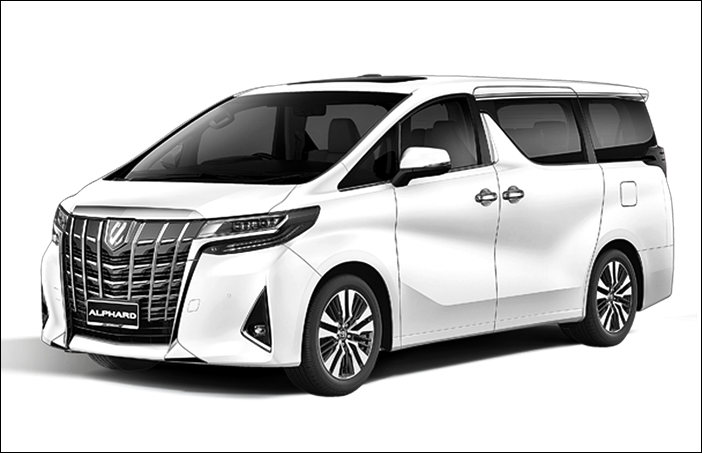
The booked MPVs include popular models such as the Perodua Alza, Toyota Wish, Hyundai Starex, Toyota Alphard, and Toyota Vellfire.
During the Hari Raya season, customers typically prefer MPVs, especially those with large families, as they offer ample seating capacity and storage space for long-distance travel. Mohd Shuib expressed gratitude for the encouraging response from customers.
Regarding pricing, Mohd Shuib explained that rental rates vary depending on the type of vehicle. For instance, the daily rental fee is RM200 for the Perodua Alza, RM450 for the Hyundai Starex, and between RM700 to RM800 for the Toyota Alphard and Toyota Vellfire. However, prices may increase for last-minute bookings, with rates ranging from RM250 to RM350 per day for the Perodua Alza.
He observed that most customers booking rental cars are those returning to celebrate Hari Raya in the east coast and northern regions, reflecting the seasonal nature of the demand.
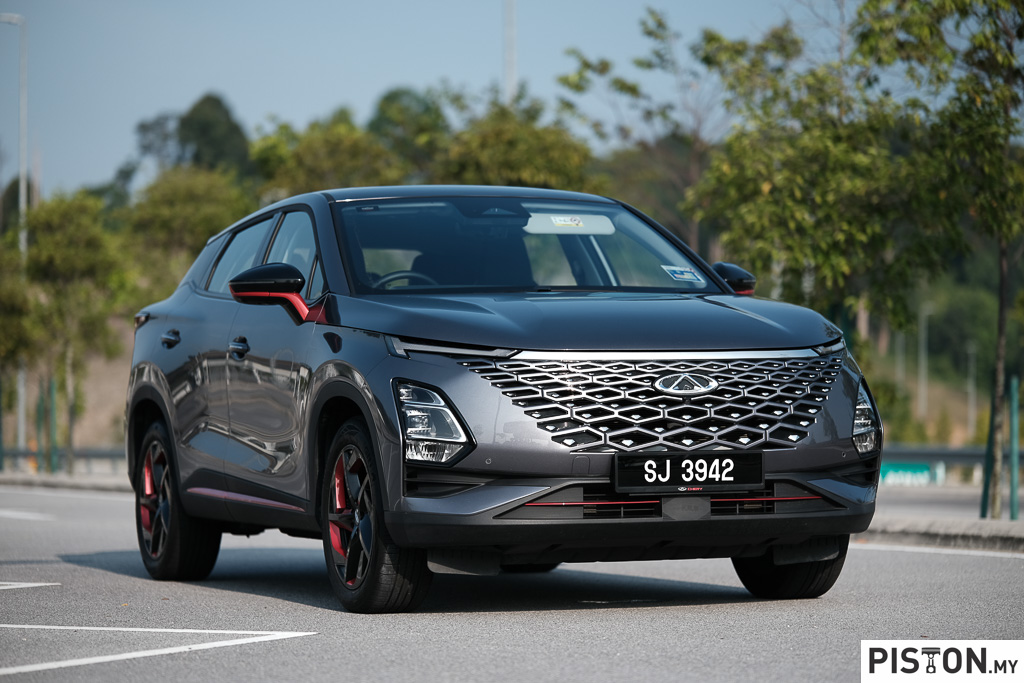
Social media can be an incredibly toxic place, but it also has its benefits. Facebook user JC Jess found the power of social media when she uploaded a video complaining about her car on April 6th.
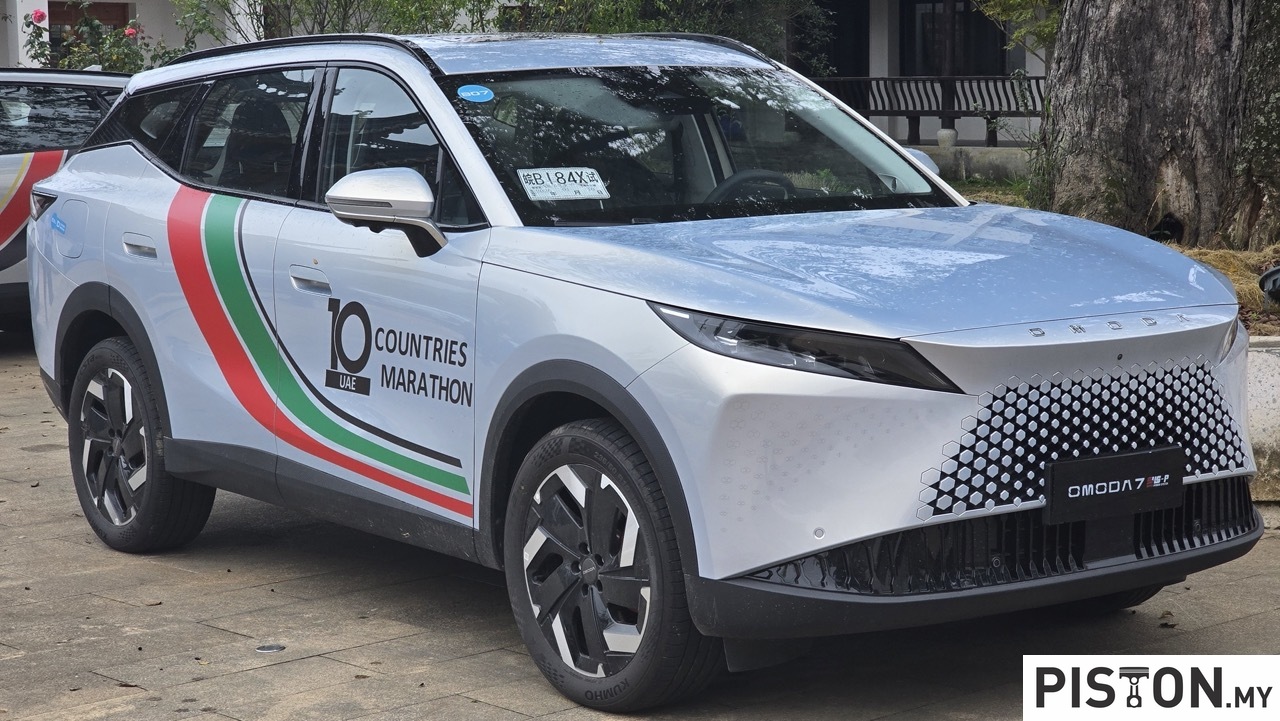
The video, which has since received 1.4 million views, 13,000 likes and 49 comments, is about her experience with her Chery Omoda.
The caption is in Chinese (Mandarin we assume) and according to Google Translate says, “Never buy a Chery Omoda. My car is just over two months old and I have already gone to the service centre several times because of the brakes. I just came out of the service centre and suddenly there are no brakes on the highway!! This almost took my life!!”
From the post, it seems like the issue has been lingering and the service centre simply brushed it away. The video that she posted can be seen below:
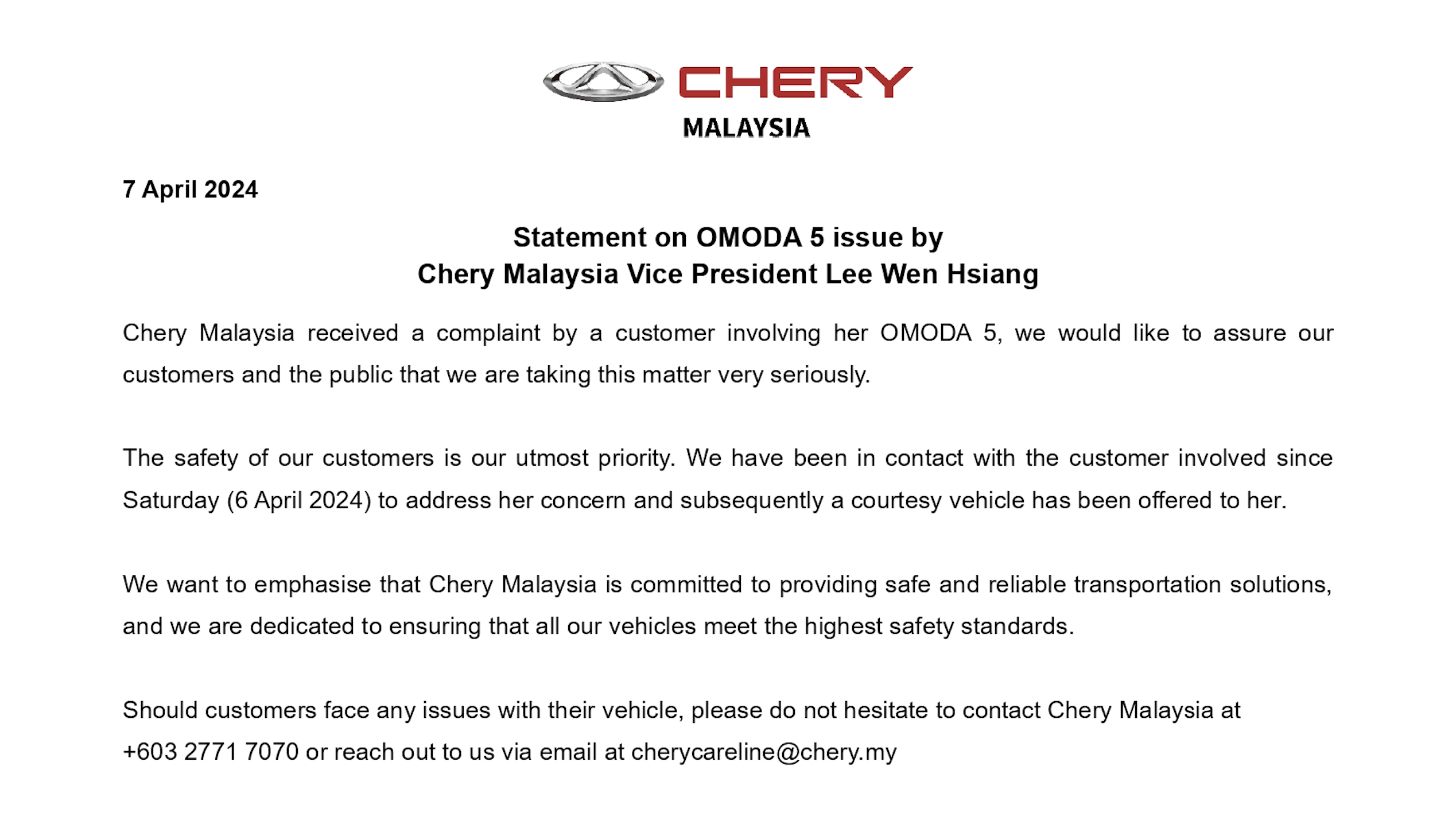
Chery Malaysia was quick to respond though, and the company issued a press statement on Sunday afternoon clarifying that they have already been in touch with the complainant to resolve the issue. To ensure her safety, a courtesy car was offered while they looked into her car.
The complete statement from Chery Malaysia can be seen below:
Some comments on social media are chiding the company for reacting only when the issue became viral. However, it is important to note that customers only deal with the dealerships and service managers, who sometimes brush things under the carpet.
Occasionally, the distributor, which in this case is Chery Malaysia, will be informed, which does not seem to be the case here.
Chery Malaysia should be commended for reacting to the problem as quickly as they did, practically racing to resolving the issue.
As for what happened to the car, we are yet to find out as there is no further information. But this issue does bring to light that Malaysia badly needs “Lemon Laws” to protect consumers in the event of such issues. Here’s what a Minister had to say about the proposed law.
It is also important to take note that any vehicle that is mass produced is susceptible to problems. Out of 100 cars that are produced, manufacturers have an acceptable error rate, which can be as high as 3 out of every 100, or even as low as 1 out of every 1,000,000. So such things do happen, so it up to the car maker to fix it and fix it fast. In this case, Chery Malaysia should be commended.
Has It Happened Before?
Not in Malaysia but it has unfortunately happened before. We picked up on reports from Australia dating back to February of this year where a total of 5,901 cars were found to have defective brakes, resulting in a mass recall. The recall involved the Omoda 5 but it is important to note that not all Omoda 5’s sold were affected. The issue involved a brake fluid leak resulting from a screw that was not fastened properly. We are not sure if the Australian cars are the same as Malaysian ones, but since both drive on the same side of the road, they are unlikely to differ mechanically but perhaps some features might be different. You can read the full Australian recall involving the Omoda 5 here.