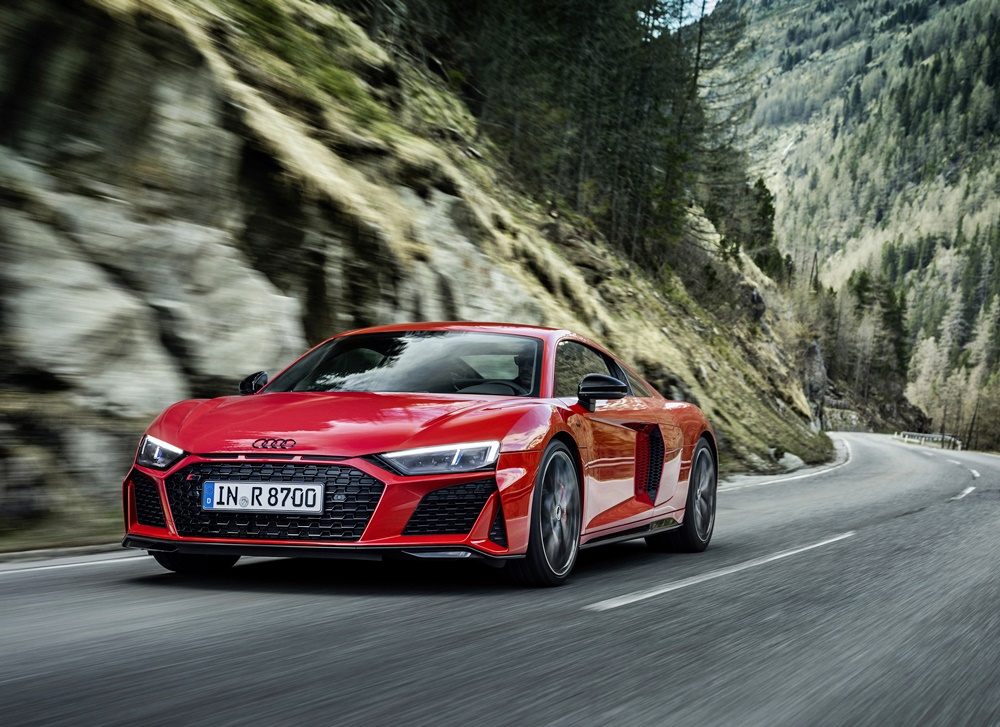
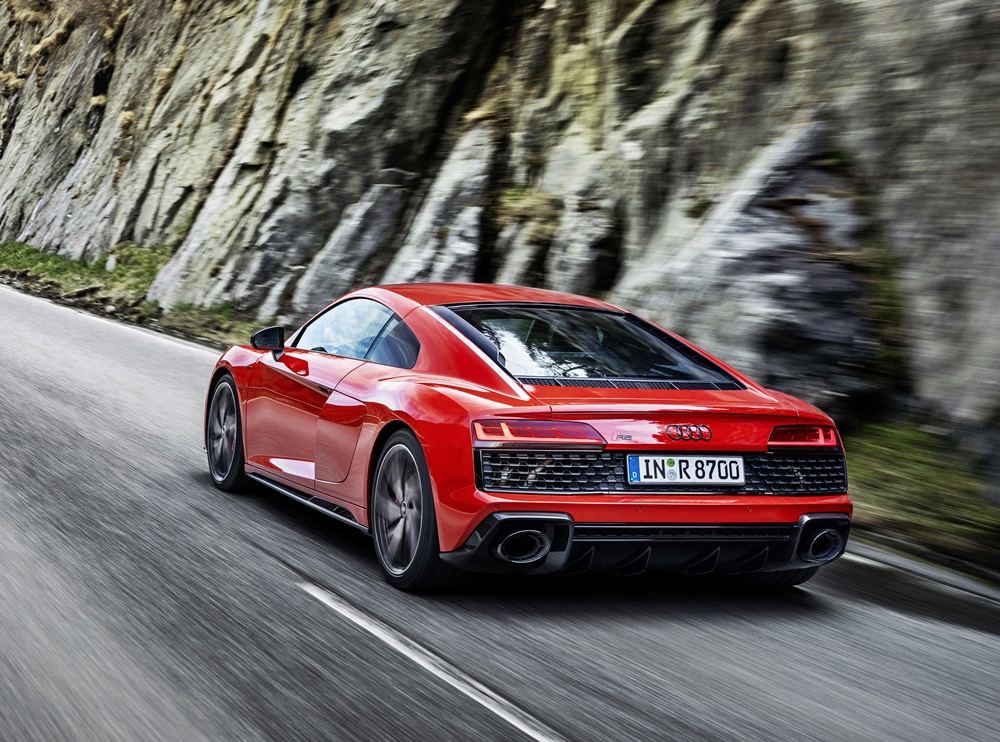
The automotive world bids farewell to an icon as the Audi R8, one of the most revered mid-engined supercars renowned for its high-revving, naturally-aspirated engine, prepares to roll off the production line for the final time. Initially slated for discontinuation by the close of 2023, recent developments confirm that production is still underway at Audi’s Böllinger Höfe factory, albeit with a definitive end in sight by the end of March.
Liza Kellner, spokesperson for Audi TT and R8, affirmed, “The last Audi R8 will leave the production line at the end of the first quarter of 2024, marking the end of an era for this iconic sports car at the Audi Böllinger Höfe site in Neckarsulm.” Kellner emphasised that Audi’s strategic focus on electrification, exemplified by the ongoing production of the all-electric Audi e-tron GT at the same facility, has led to the decision to retire the R8.
Explaining the shift in the discontinuation timeline, Kellner noted, “The statement regarding the R8’s discontinuation by the end of 2023 was made in 2019. Consequently, the adjustment of the actual end date by a few weeks is not unexpected.”
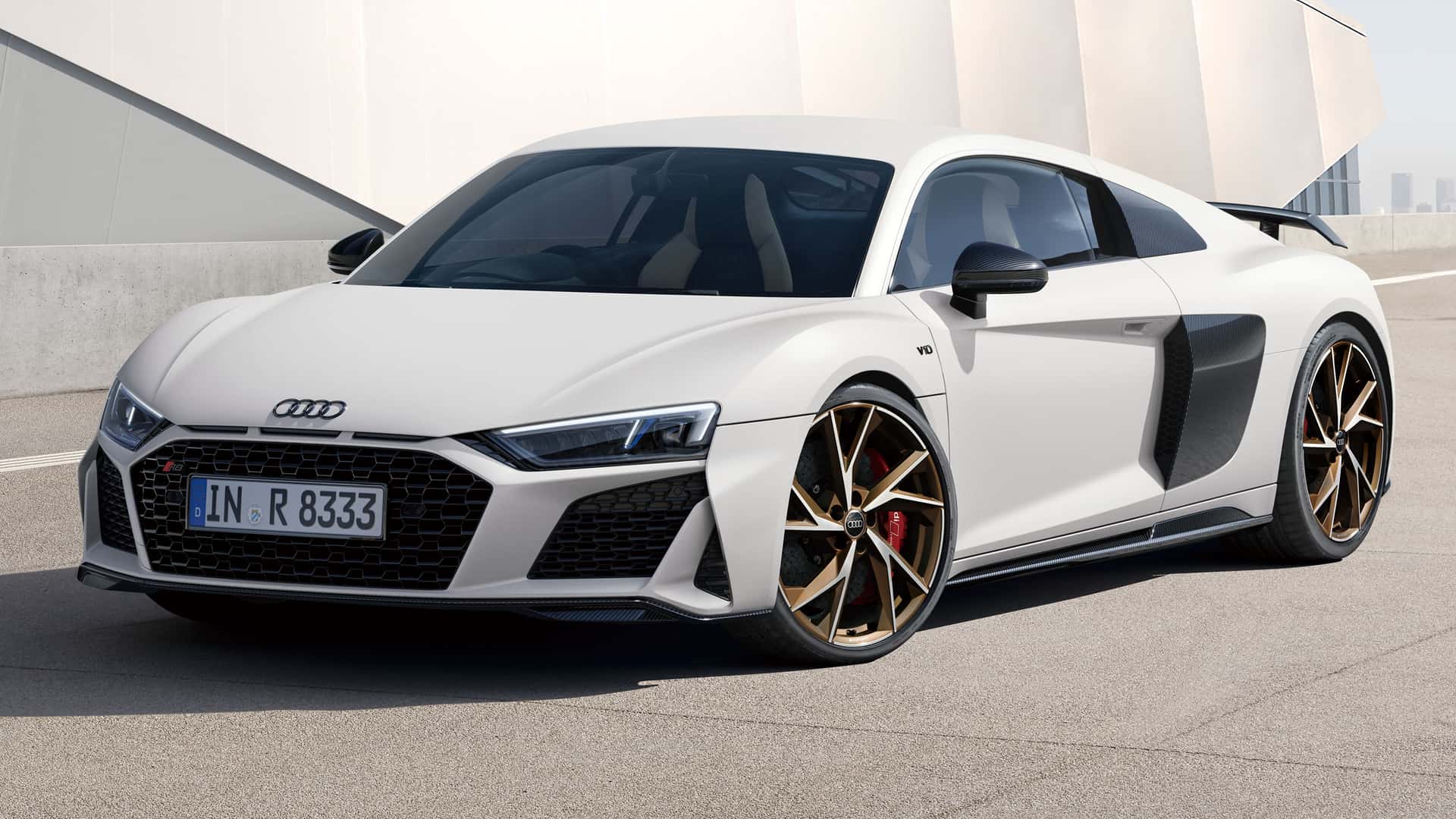
The Audi R8’s swan song comes in the form of the GT RWD, the final iteration introduced in most markets in late 2022. Limited to a production run of just 333 units worldwide, this model features a potent 5.2-litre naturally-aspirated V10 engine, churning out 612hp and 565Nm of torque, delivering exhilarating performance to the rear wheels. Additionally, Audi unveiled the R8 Coupe Japan Final Edition, a limited-run variant restricted to a mere eight units, further underscoring the R8’s iconic status.
As enthusiasts rush to secure their allocations of the Audi R8 before it fades into automotive history, the enduring appeal of this legendary supercar is evident. Last year witnessed Audi selling 631 new R8s across the United States, more than double the figures from 2022, reflecting the unwavering passion and admiration for the R8 among automotive enthusiasts worldwide.
The Ministry of Transport is facing mounting pressure to address the issue of express bus operators raising fares during the Chinese New Year holiday, with calls for stringent action against those found guilty of price gouging.
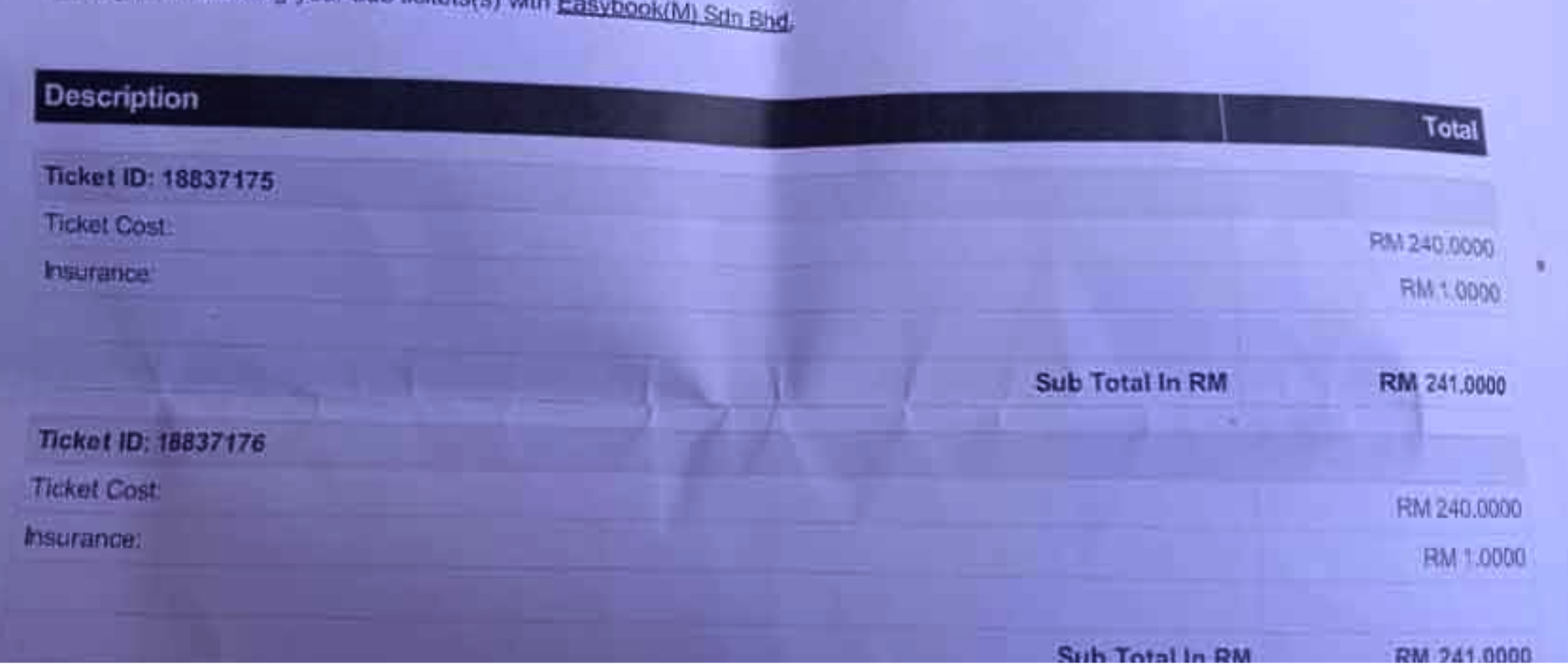
NV Subbarow, Senior Education Officer of the Consumers Association of Penang (CAP), has urged the ministry to take decisive measures, including suspending the licenses of express bus services, in response to reports of exorbitant fare hikes. One such incident involved a couple who were charged over RM800 for a round trip from Gopeng, Perak to Johor Bahru (JB).
Subbarow highlighted that the passengers had to bear fares inflated by 270 per cent to 344 per cent above the usual rate of RM70 per passenger for a one-way trip.
Expressing disappointment and concern, Subbarow emphasised that passengers had purchased tickets online a month before Chinese New Year, only to be faced with significantly higher prices during their journey.
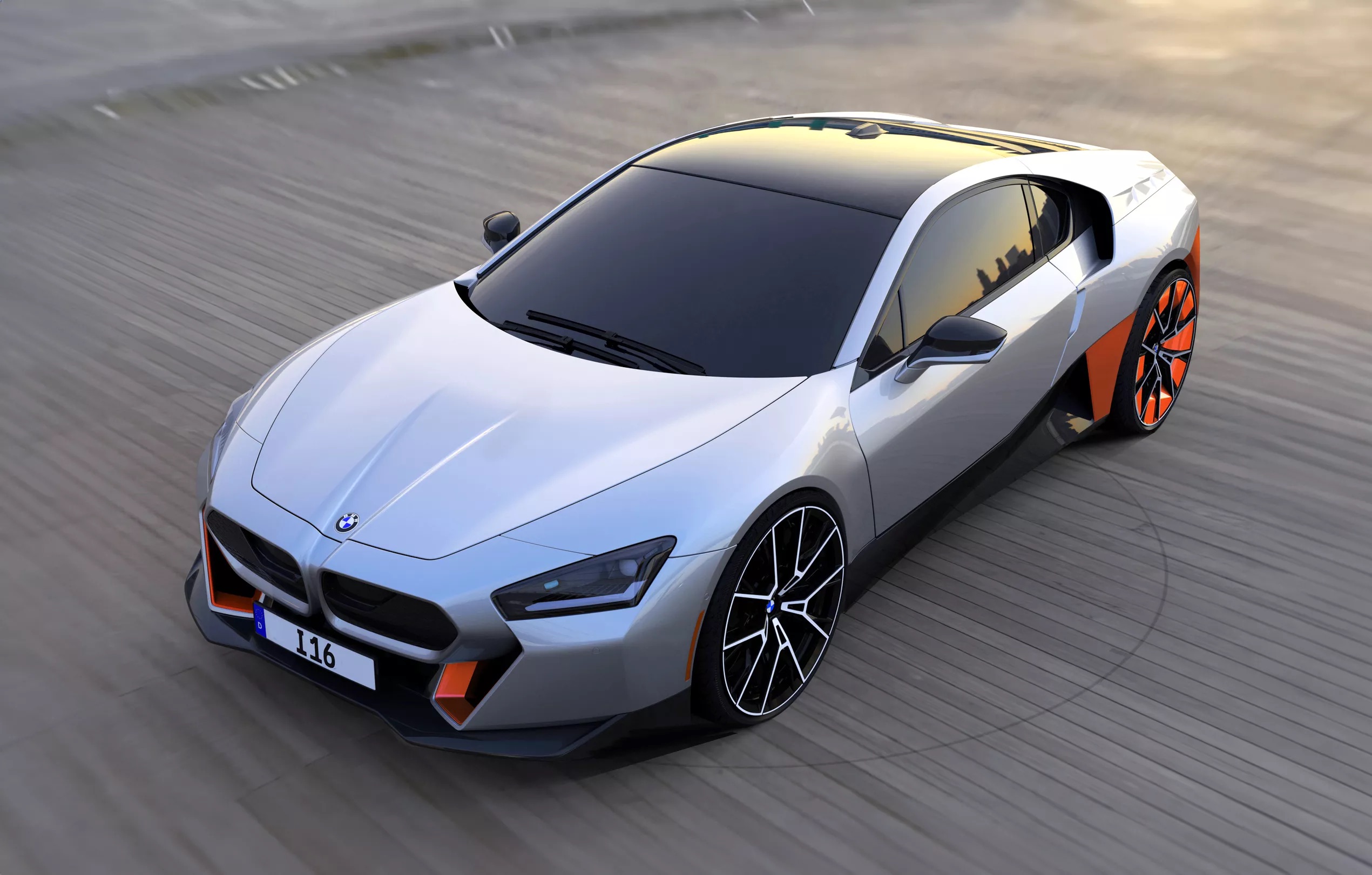
While BMW’s M division may have taken a divergent path with the XM as its flagship offering, a sleek sports car named the BMW I16 was once in the pipeline. Unveiled on social media by BMW’s design chief, Domagoj Dukec, the I16 was positioned as the successor to the i8. However, despite its promising design and potential, the project met an unfortunate end, likely influenced by the challenges posed by the COVID-19 pandemic.
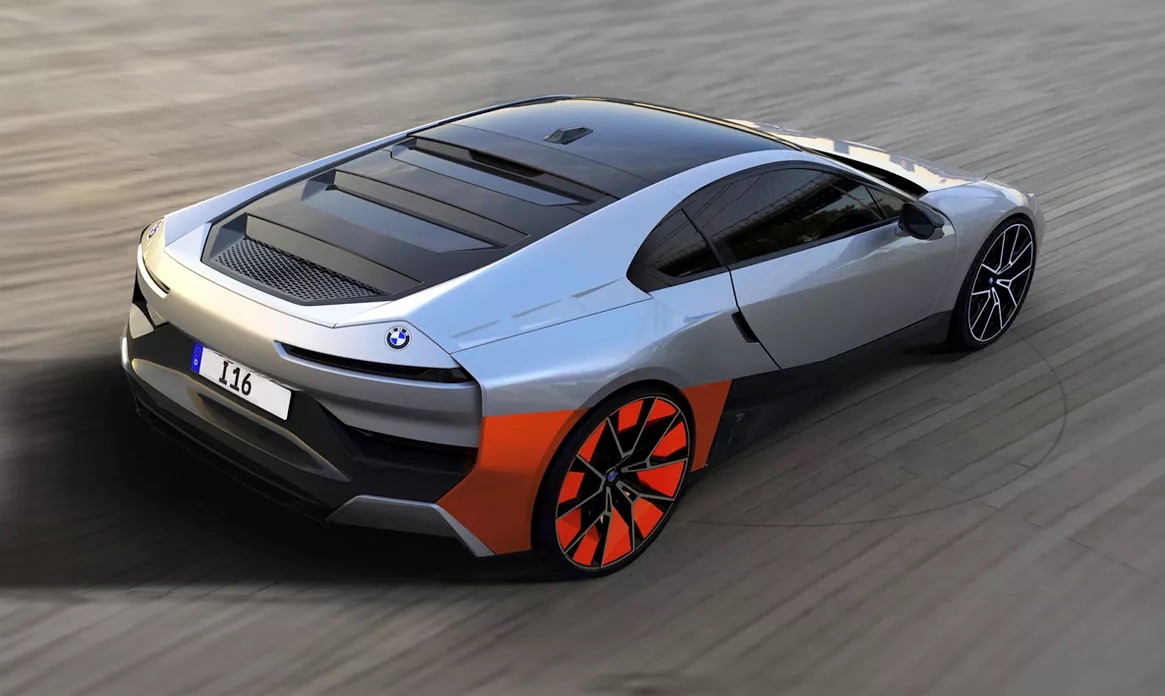
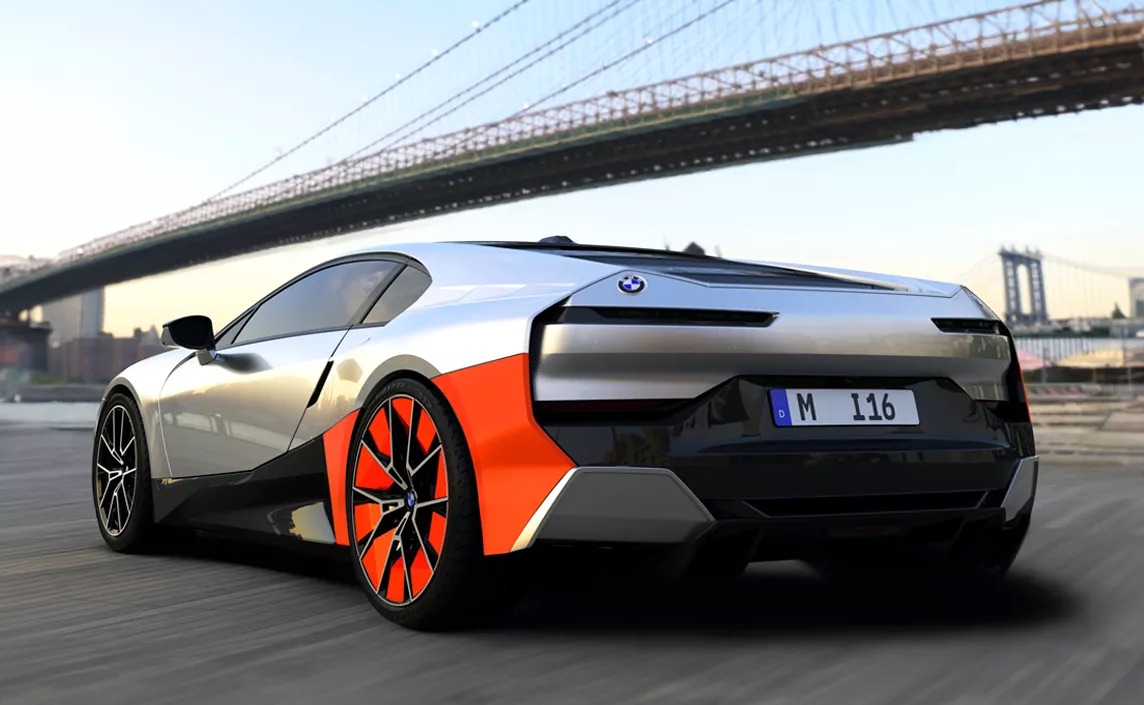
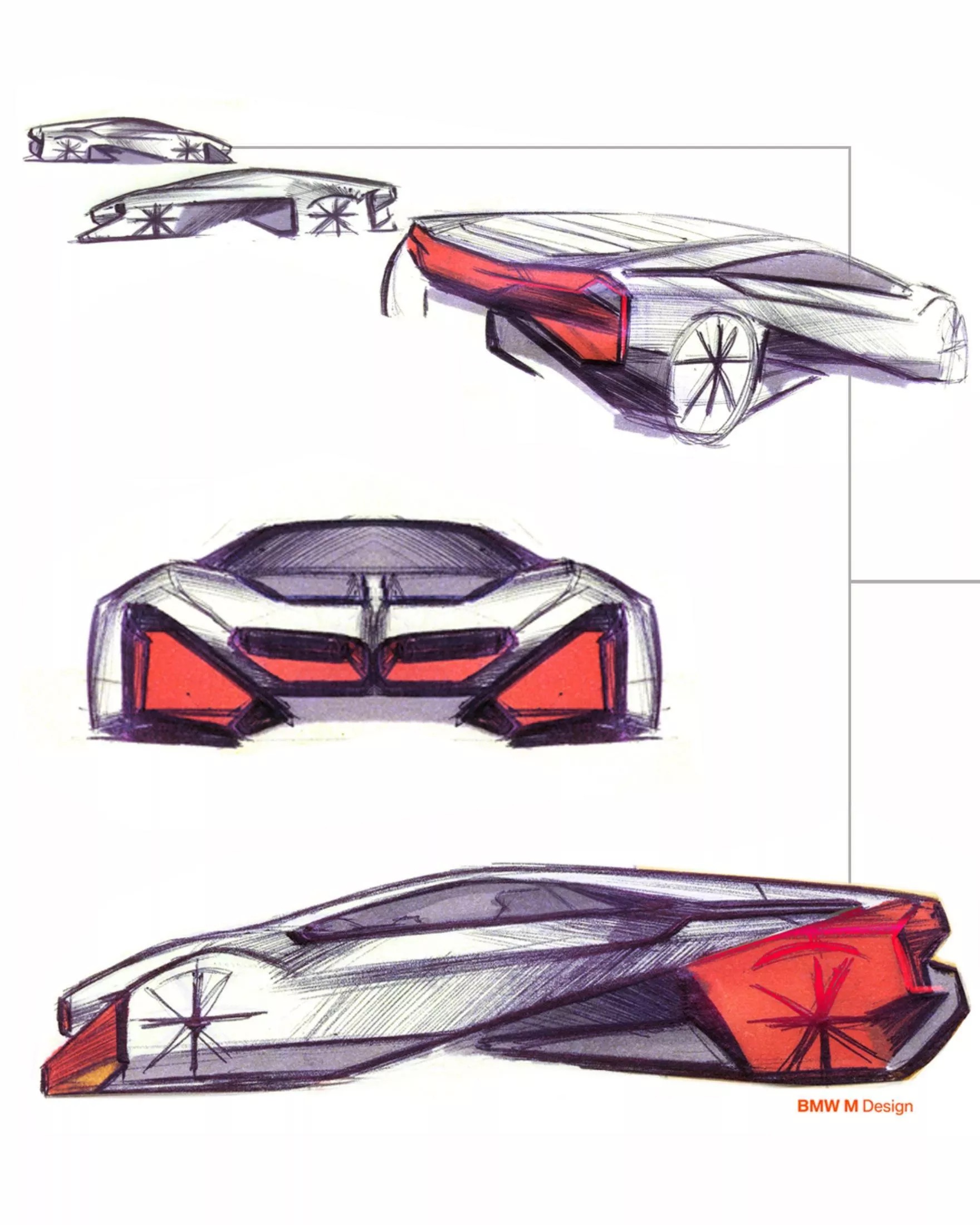
Dukec shared a series of sketches and photorealistic renderings of the I16, showcasing a design that blended the proportions of the BMW i8 with more refined styling cues from the 2019 BMW Vision M Next concept. The result was a visually appealing sports car that captured the essence of the classic BMW M1.
Featuring aggressive headlights, a sculpted kidney grille, and butterfly doors reminiscent of the i8, the I16 also incorporated modern touches like high-mounted side inlets in place of flying buttresses. At the rear, slim taillights, M1-inspired BMW emblems, and a triple rear windshield evoked a sense of performance and heritage.
Despite its cancellation, Dukec revealed that the I16’s development was completed in less than 12 months, leveraging the carbon monocoque chassis of the BMW i8 for its mid-engined layout and shared hardpoints. While details on the powertrain were scarce, reports suggested a plug-in hybrid setup with around 600hp and an EV-only range exceeding 100km.
Unfortunately, the I16 project came to an abrupt halt, with BMW opting to discontinue the i8 without a successor. Dukec hinted at the pandemic’s impact on the decision, noting that “the world changed in 2020,” leading to the project’s cancellation. Despite this setback, Dukec remains hopeful for the future, suggesting that there’s always a new project waiting around the corner.
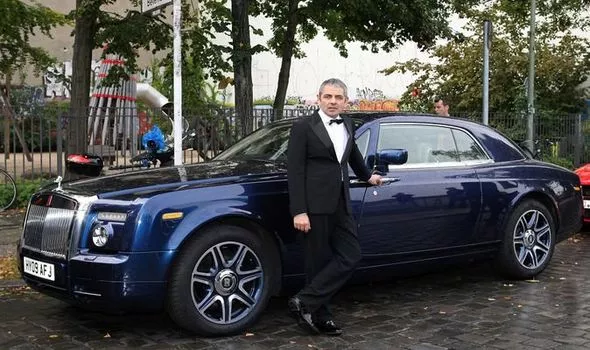
Rowan Atkinson, renowned actor and comedian, finds himself embroiled in controversy following accusations that his commentary on electric vehicles (EVs) has contributed to sluggish sales in the UK. The allegations surfaced during a meeting of the UK’s House of Lords, where the environment and climate change committee discussed obstacles to the government’s plan to phase out petrol and diesel cars by 2035.
According to reports, the committee singled out Atkinson, citing a piece he authored in The Guardian in June 2023 as a significant factor in the downturn of EV sales. The think tank Green Alliance, presenting its findings during the session, labelled Atkinson’s article as detrimental to the cause and claimed it had been thoroughly debunked.
“Unfortunately, fact checks never reach the same breadth of audience as the original false claim, emphasising the need to ensure high editorial standards around the net-zero transition,” remarked the Green Alliance during the parliamentary session.
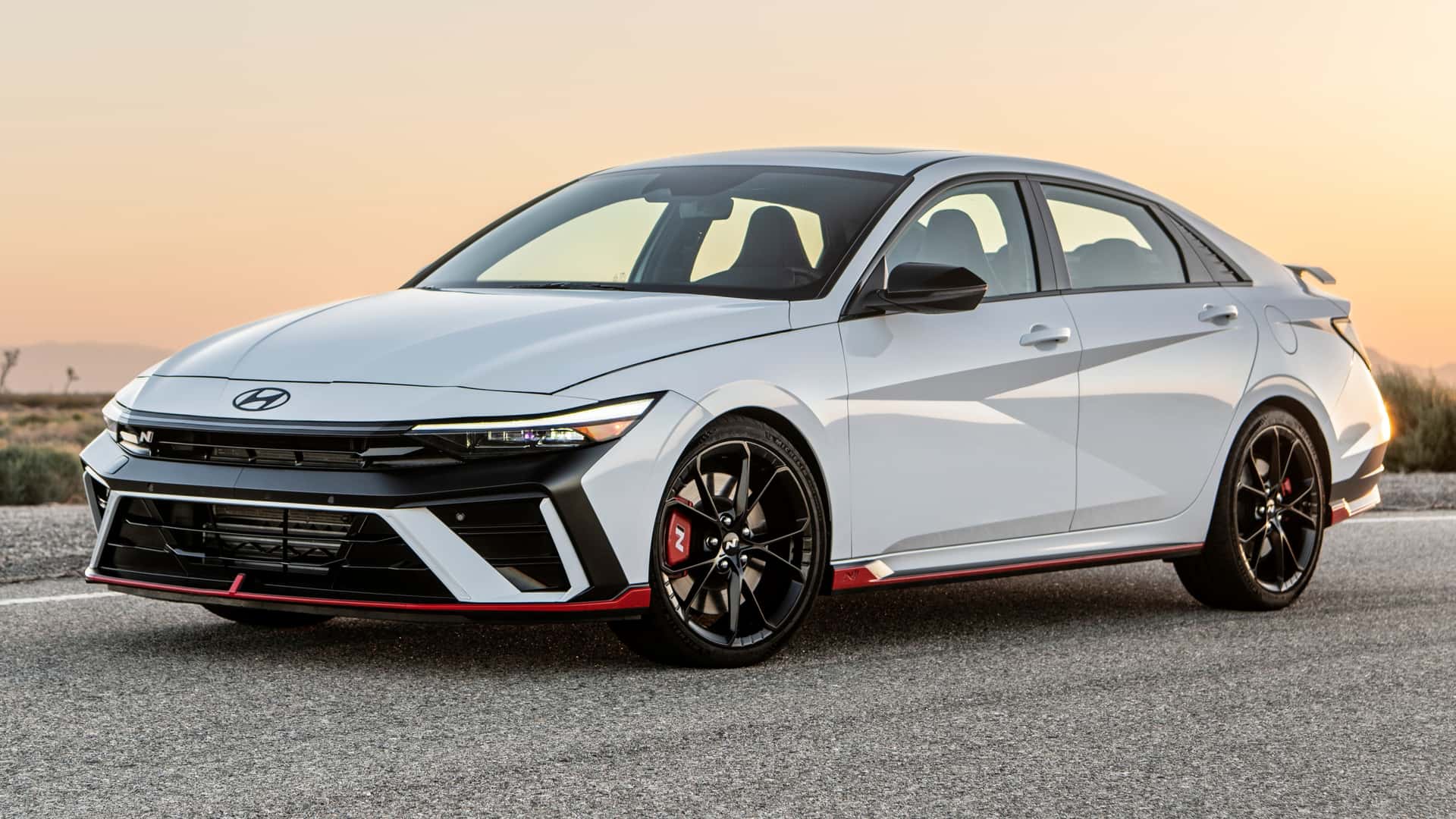
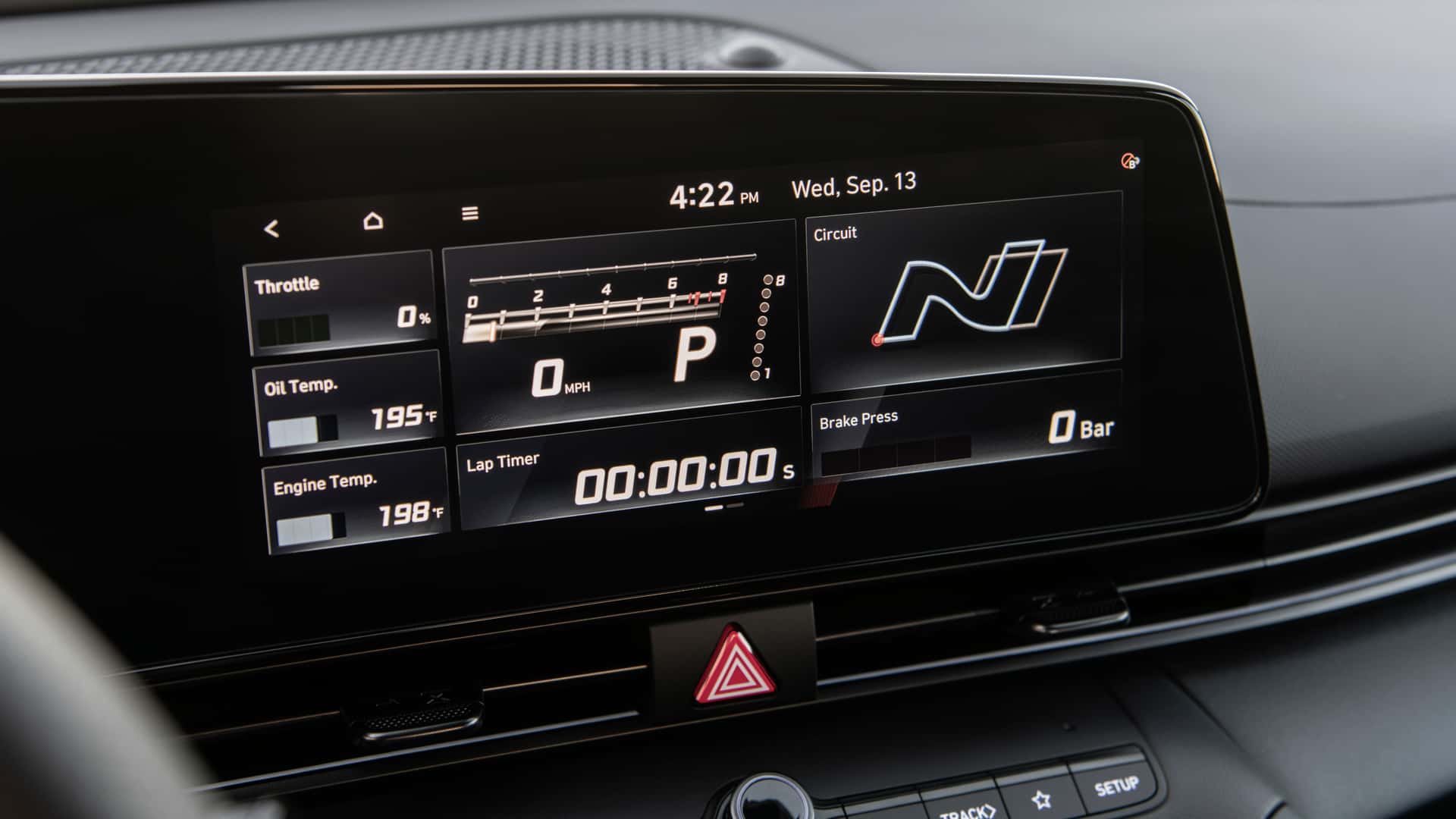
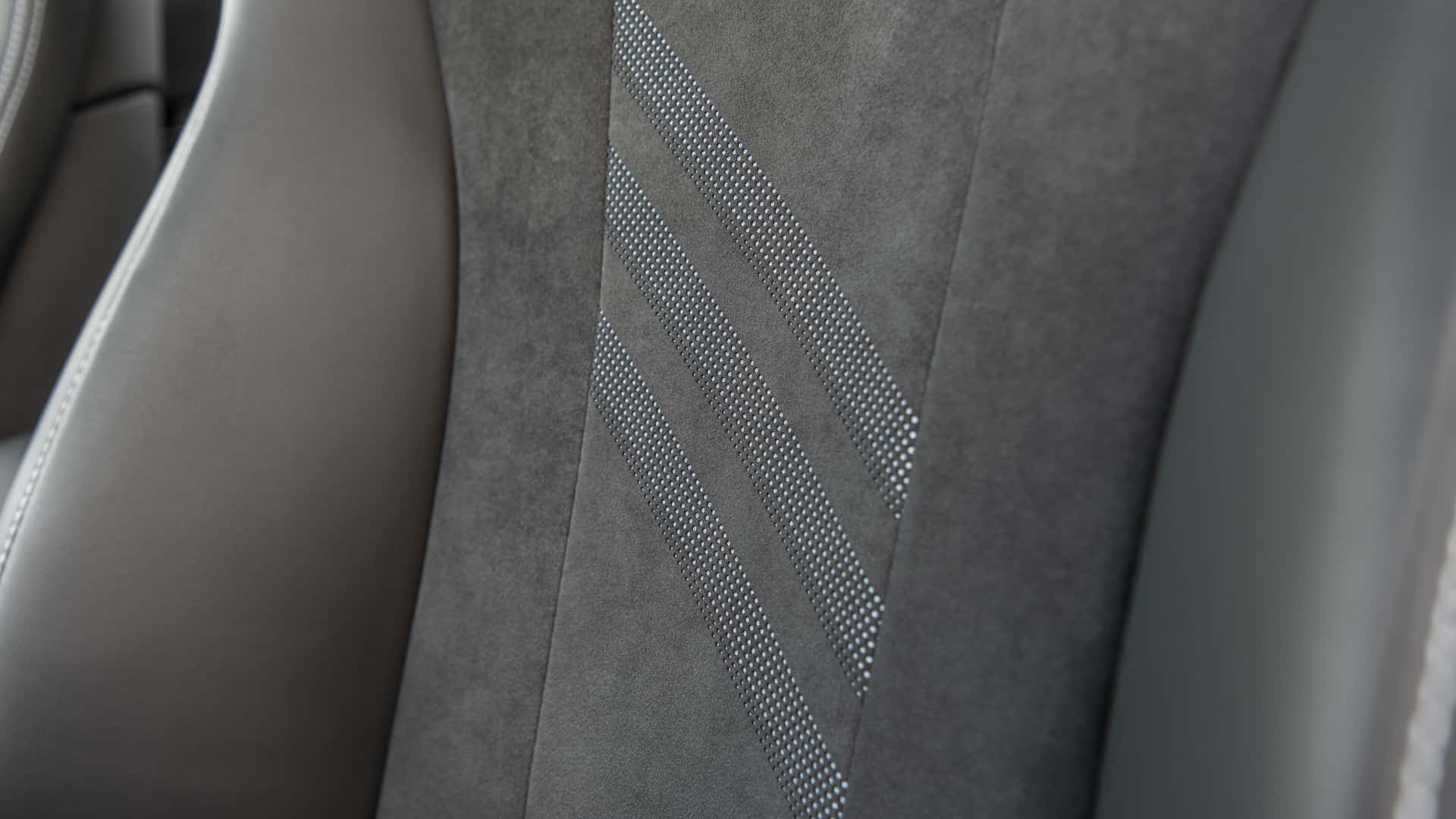
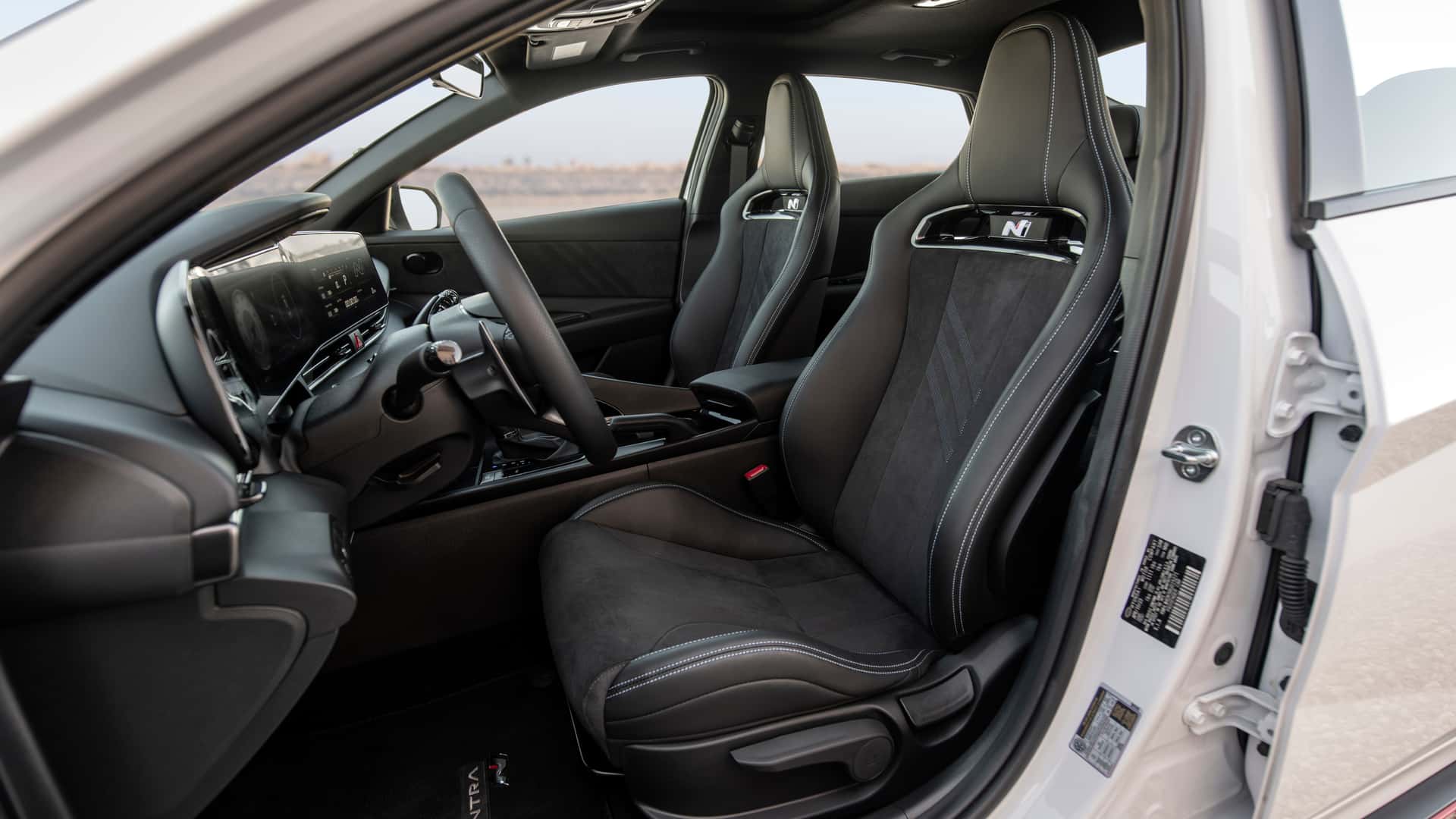
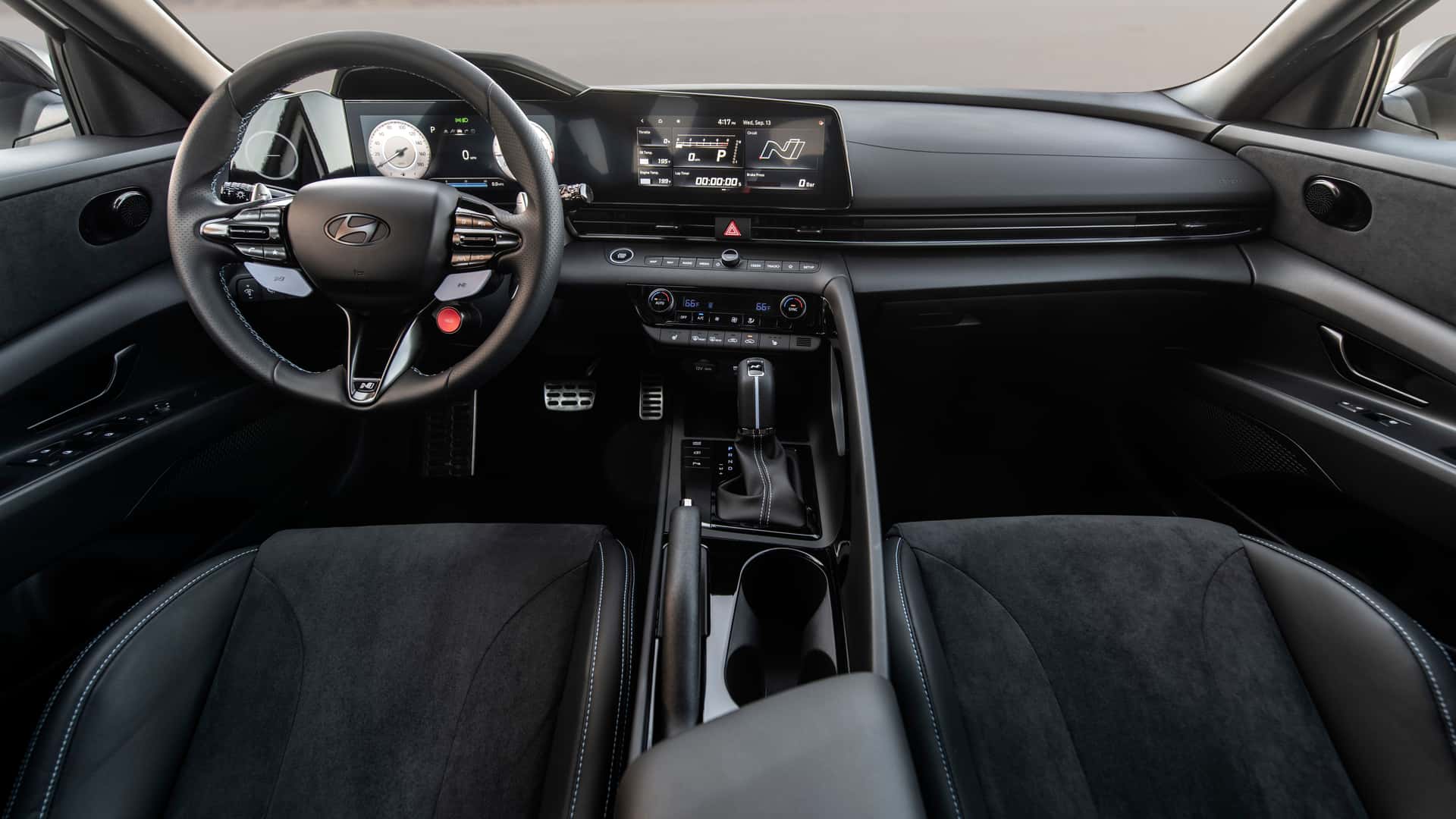
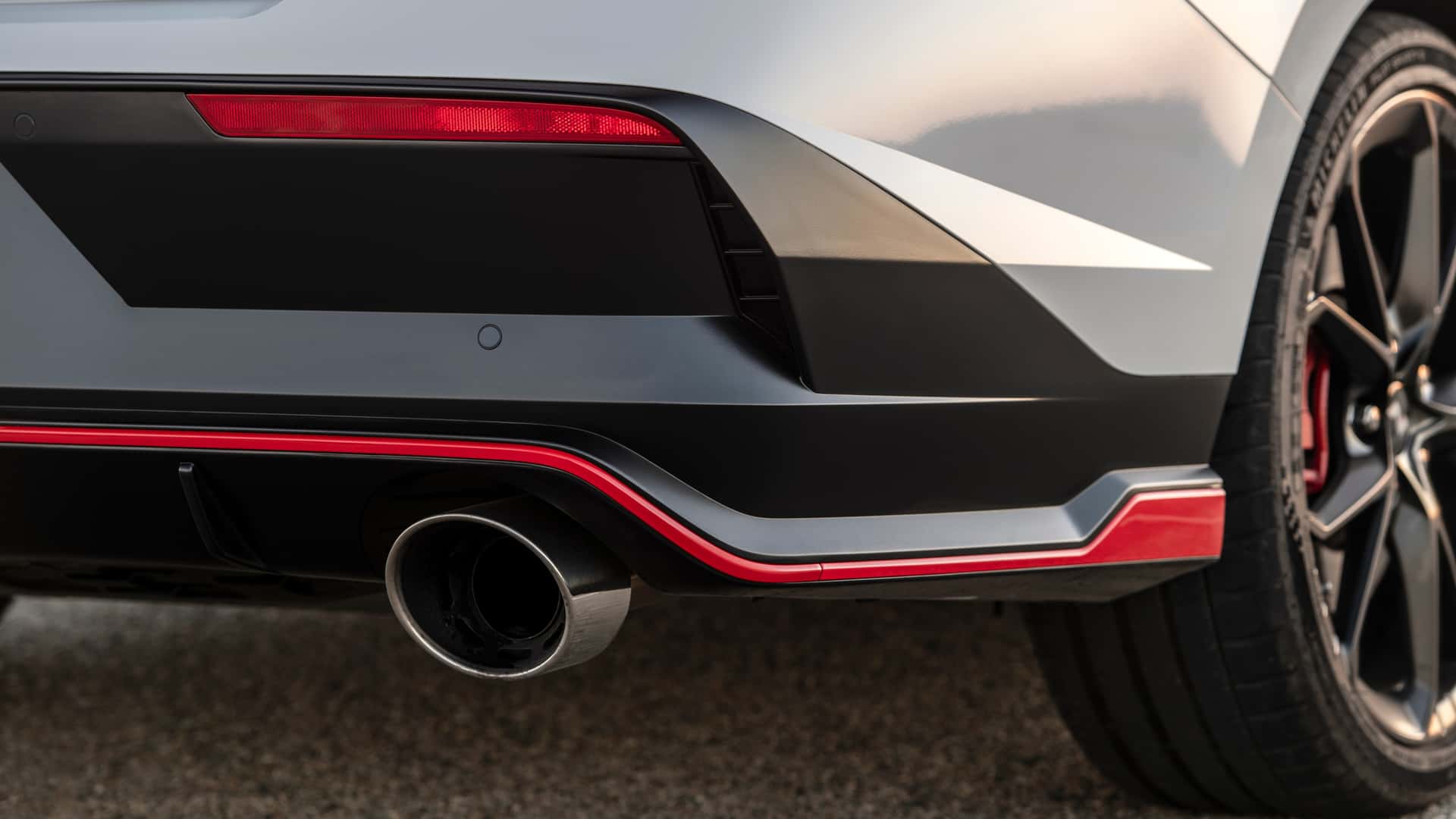
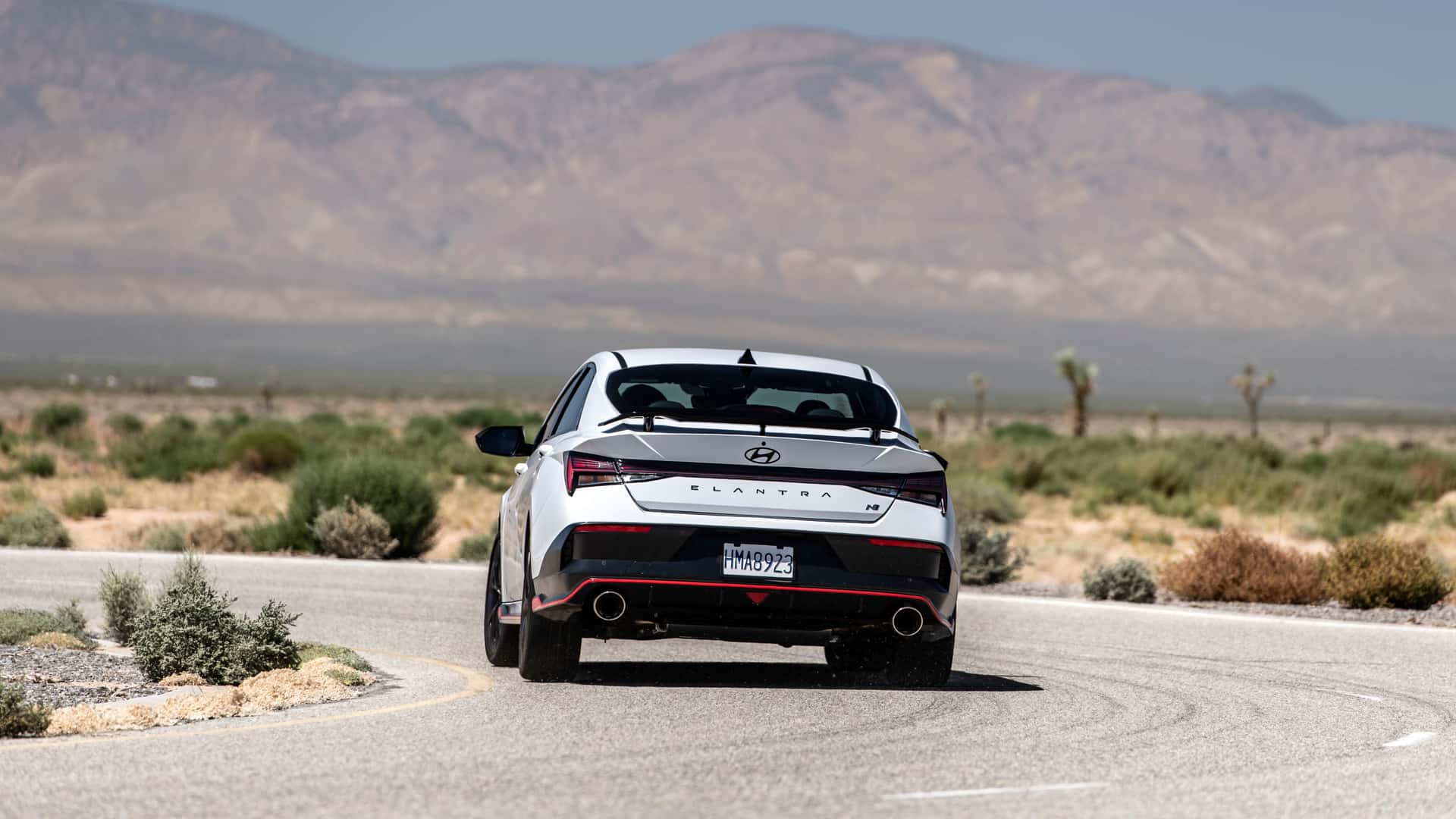
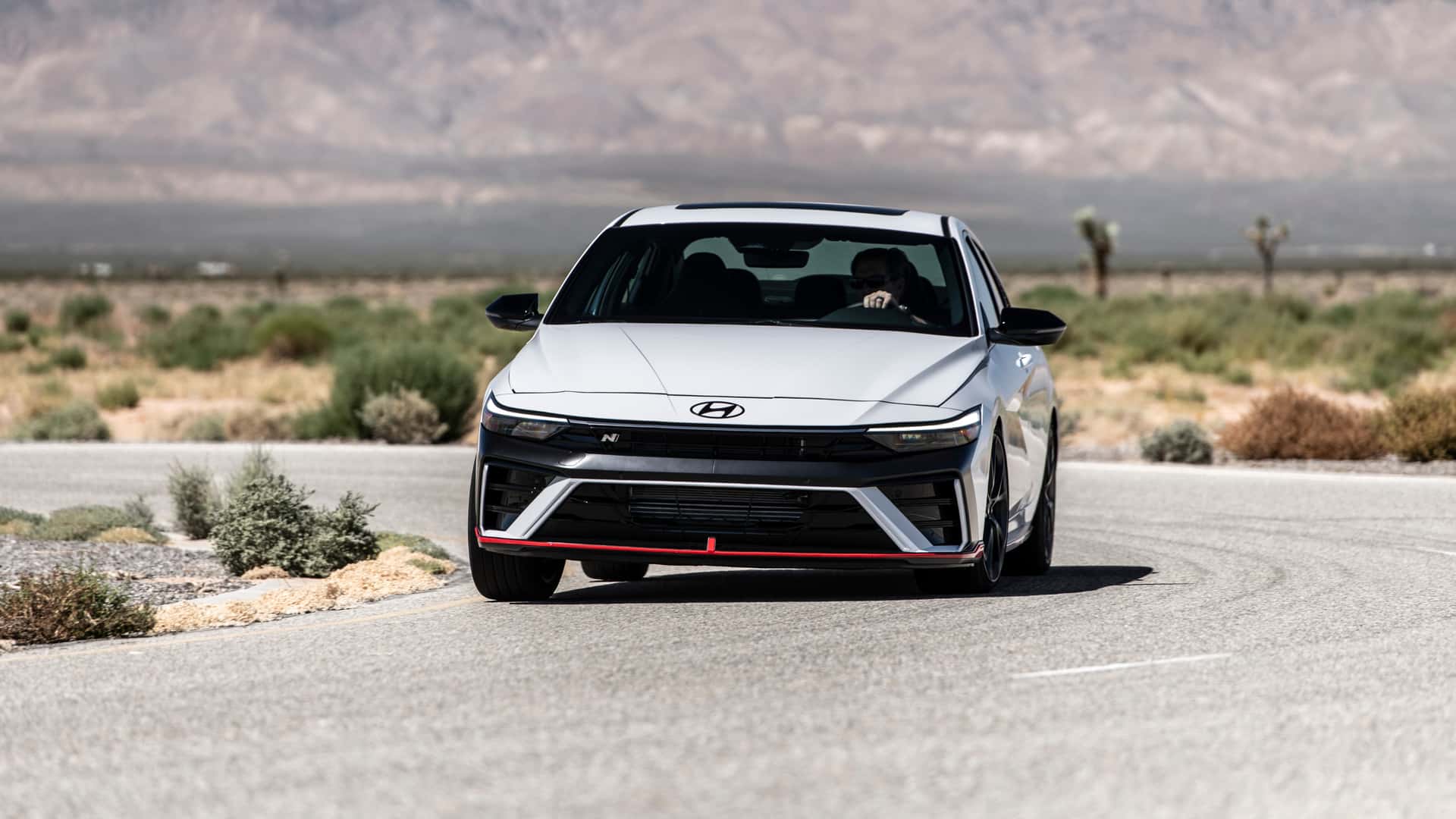
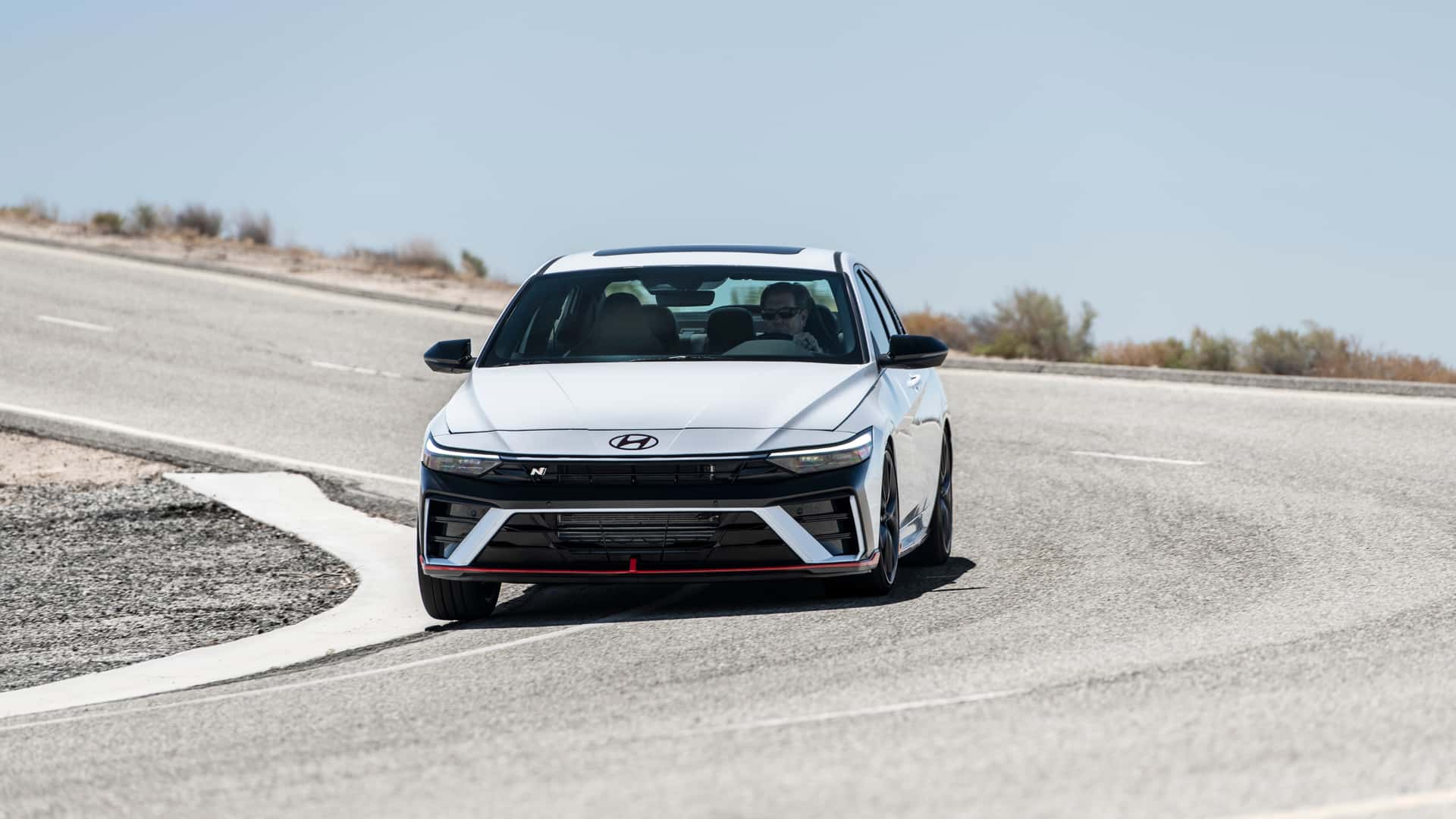
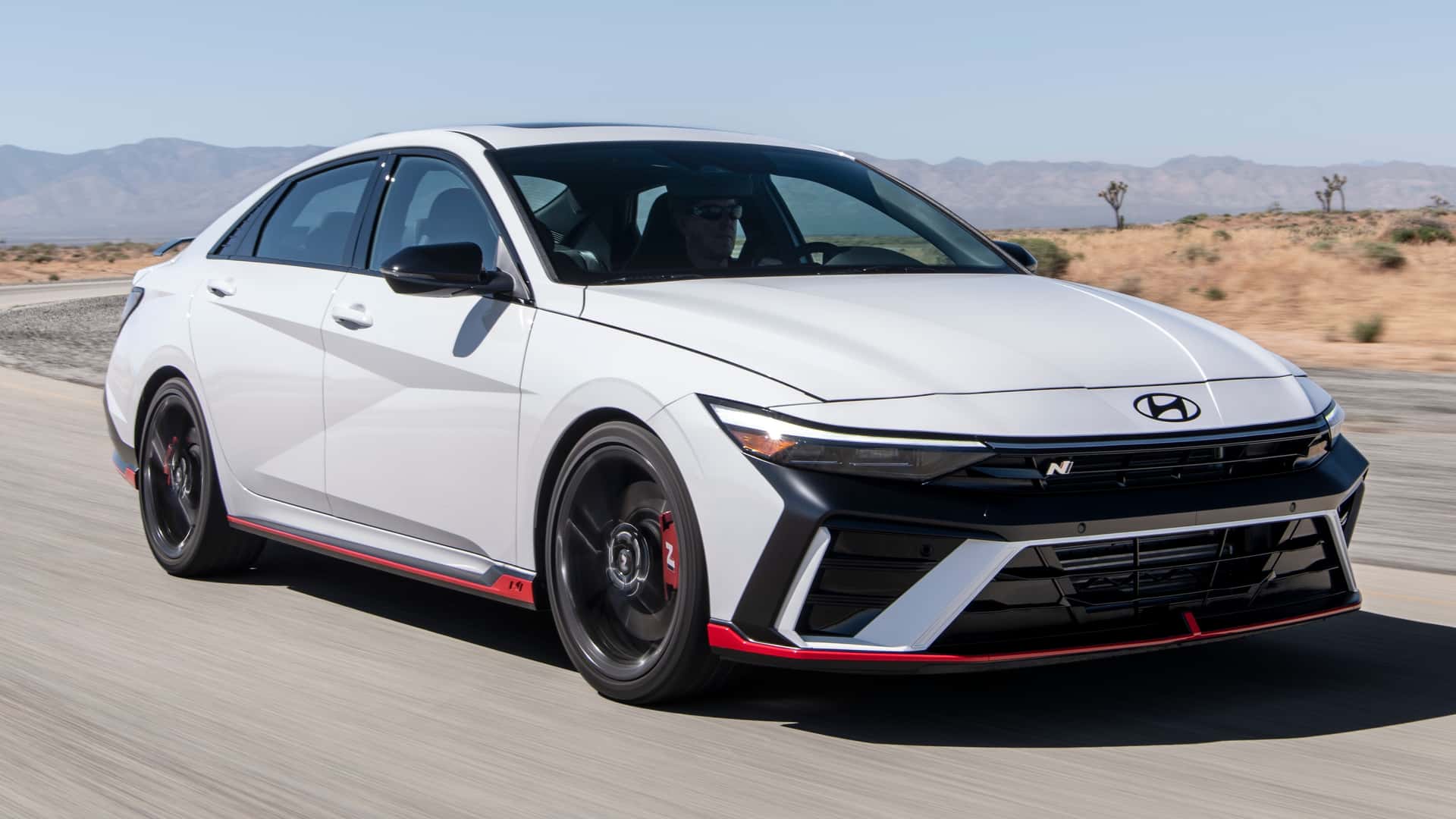
Hyundai enthusiasts have reason to rejoice as the 2024 Elantra N receives a comprehensive array of updates aimed at elevating its driving experience. With an enticing starting price of $34,850 (RM166,356), including destination, the latest iteration of the beloved affordable sports sedan promises to deliver even more bang for the buck.
Priced just $835 (RM3,982) higher than its predecessor, the 2024 Elantra N finds itself comfortably positioned within the fiercely competitive affordable performance segment. While slightly edging out rivals such as the Volkswagen Golf GTI and the Subaru WRX in terms of cost, it remains a compelling option against contenders like the Toyota GR Corolla and the Honda Civic Type R.
Building upon its reputation for offering exceptional value, the Elantra N now comes packed with an array of upgrades that justify the modest price increase.
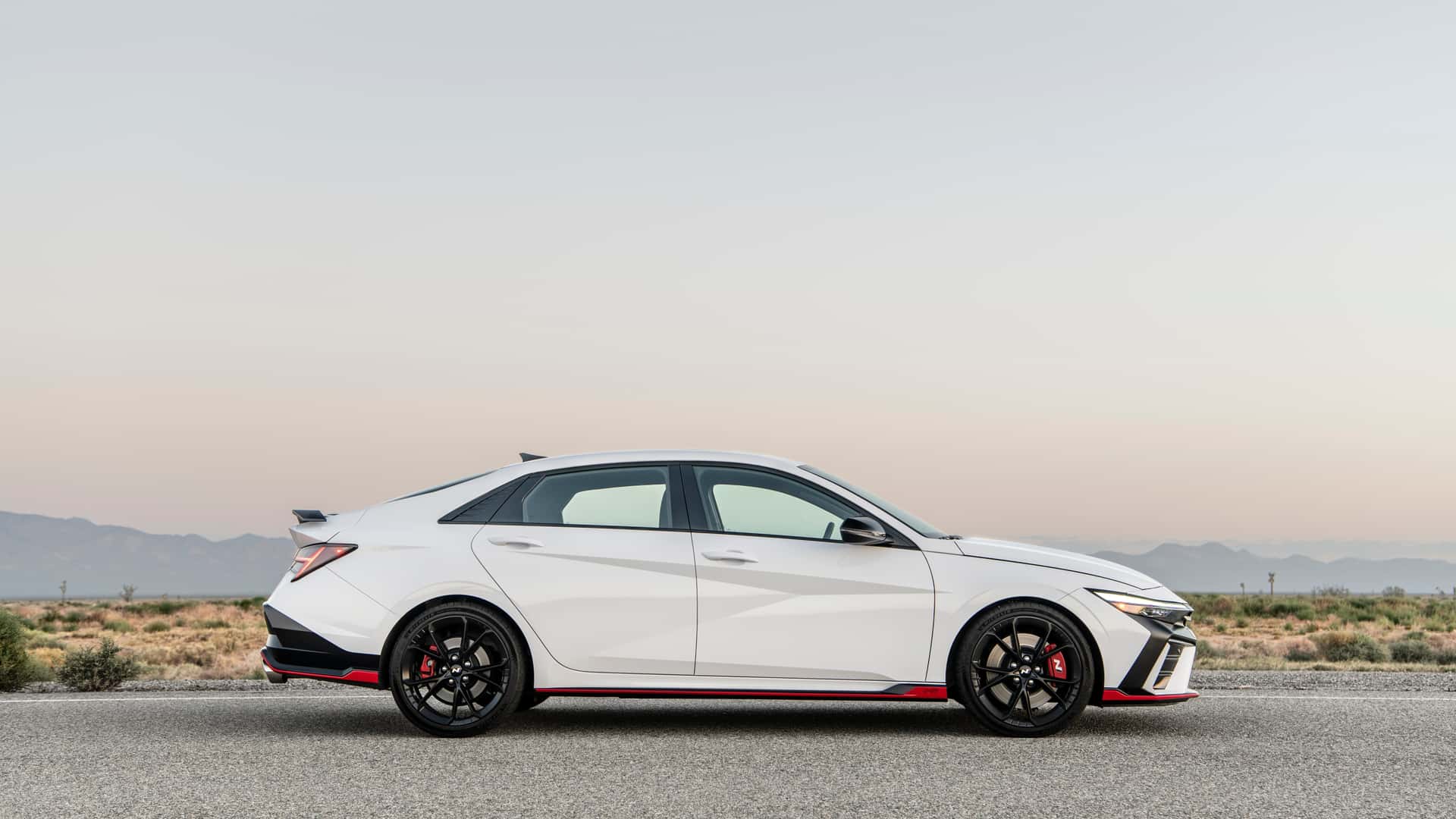
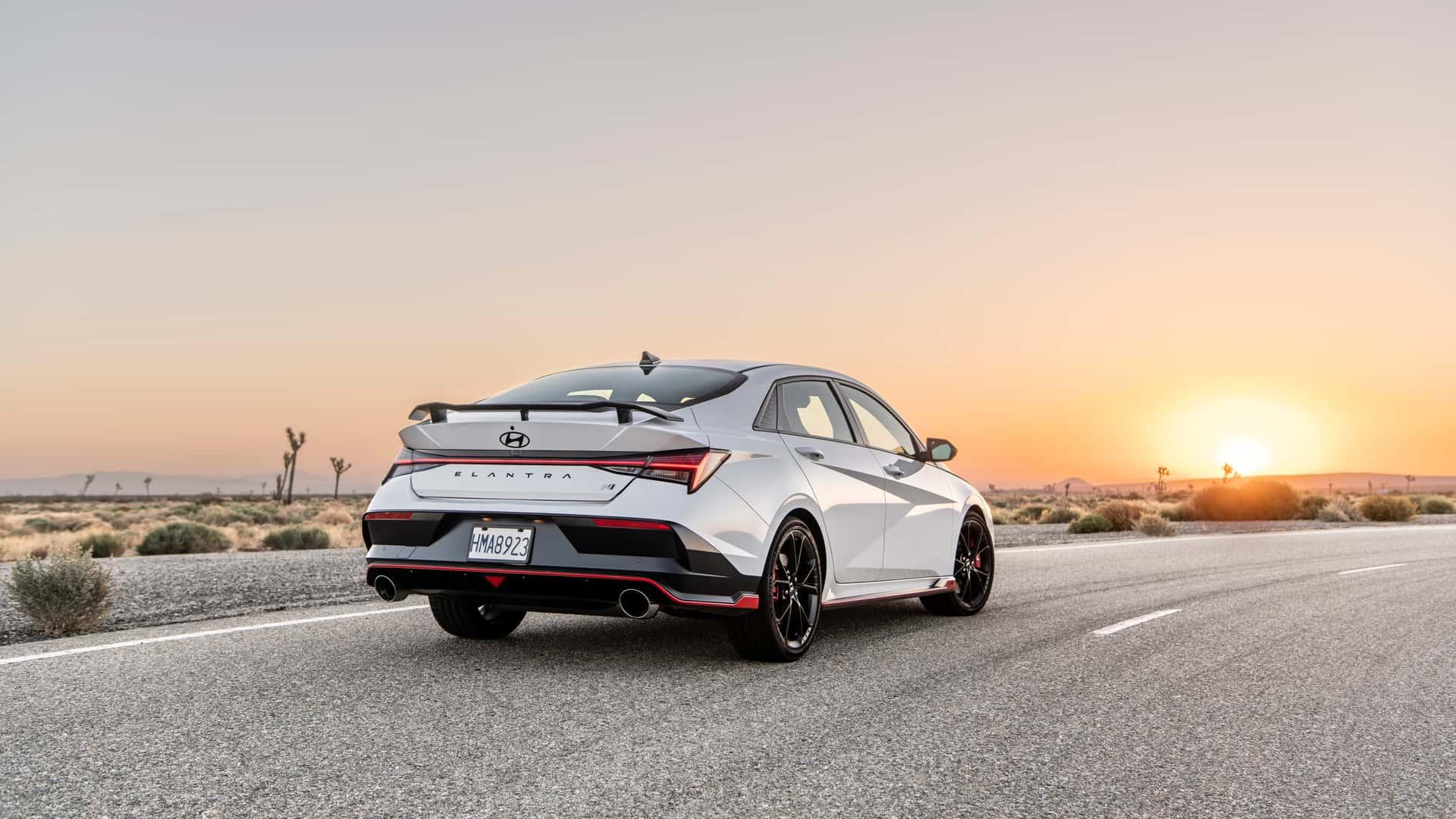
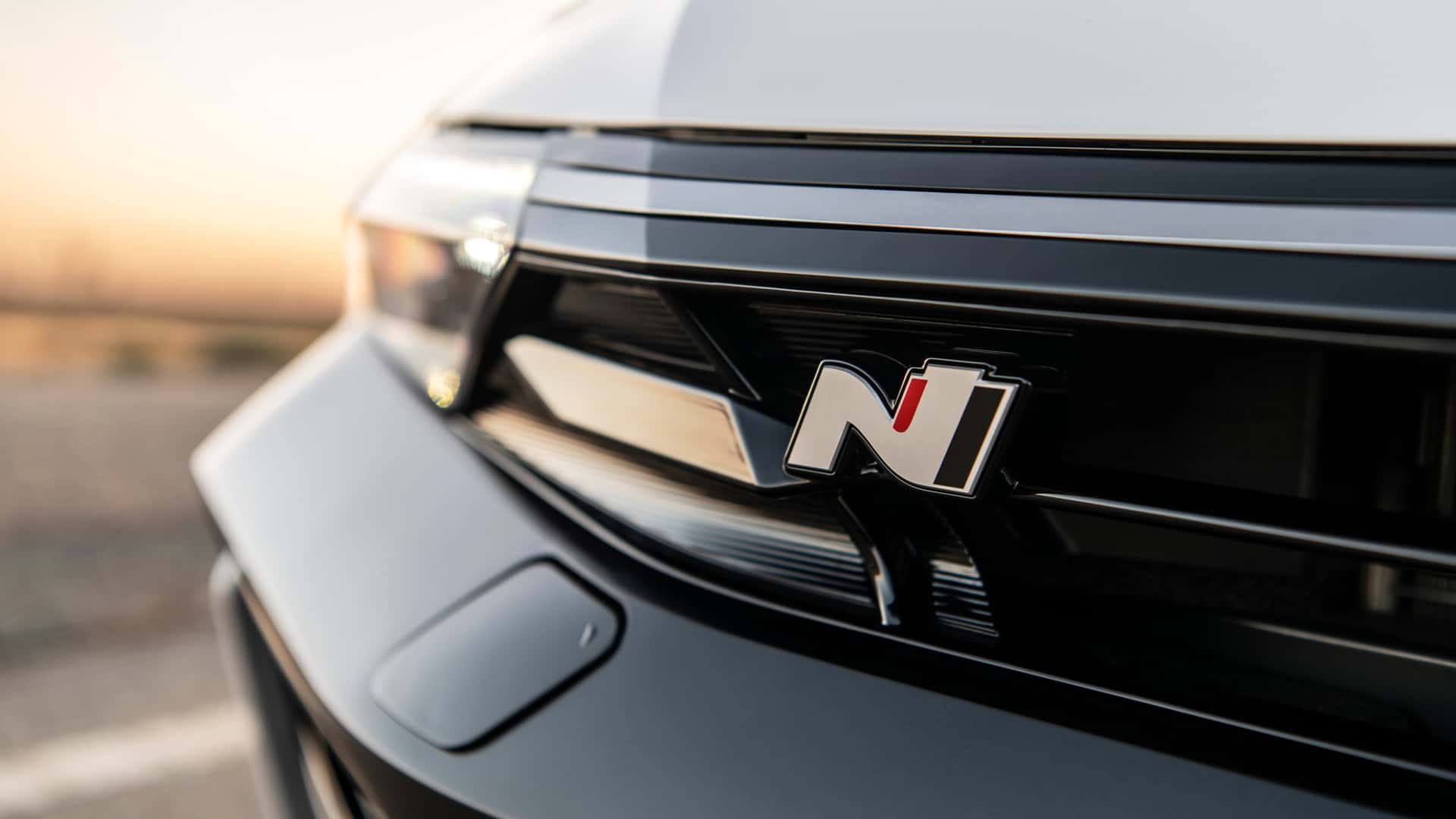
The most noticeable changes can be found at the front, where a refreshed bumper design and new headlights lend the sedan a more refined appearance. Not merely cosmetic, these updates enhance airflow to the radiator and braking system, ensuring improved cooling efficiency and consistent braking performance. Hyundai has also implemented thermal protection for the brake lines to prevent fluid overheating—a thoughtful addition for spirited driving enthusiasts.
Under the skin, the Elantra N benefits from mechanical enhancements aimed at enhancing handling and driving dynamics. A revised steering system with improved tolerances and a new universal joint enhances precision and feedback, while updated motor mounts work to reduce vibrations. Additionally, urethane bushings at the rear suspension mounting points contribute to a smoother ride.
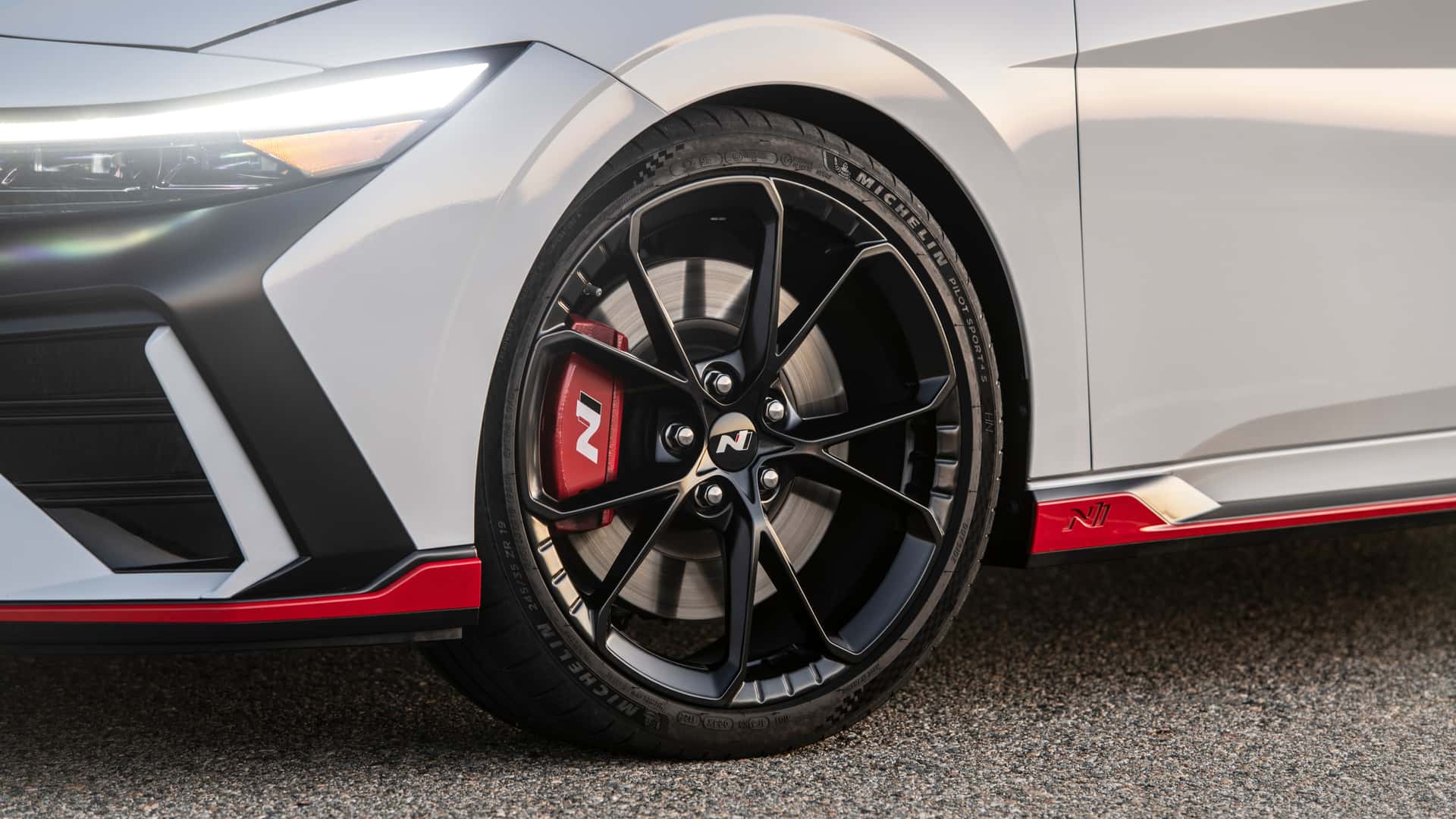
Perhaps the most significant improvement comes in the form of standard 19-inch forged alloy wheels, shedding 14kg of unsprung mass compared to the previous model. Wrapped in Michelin Pilot Sport 4S summer tires, these wheels offer increased grip and responsiveness, particularly in high-speed cornering scenarios.
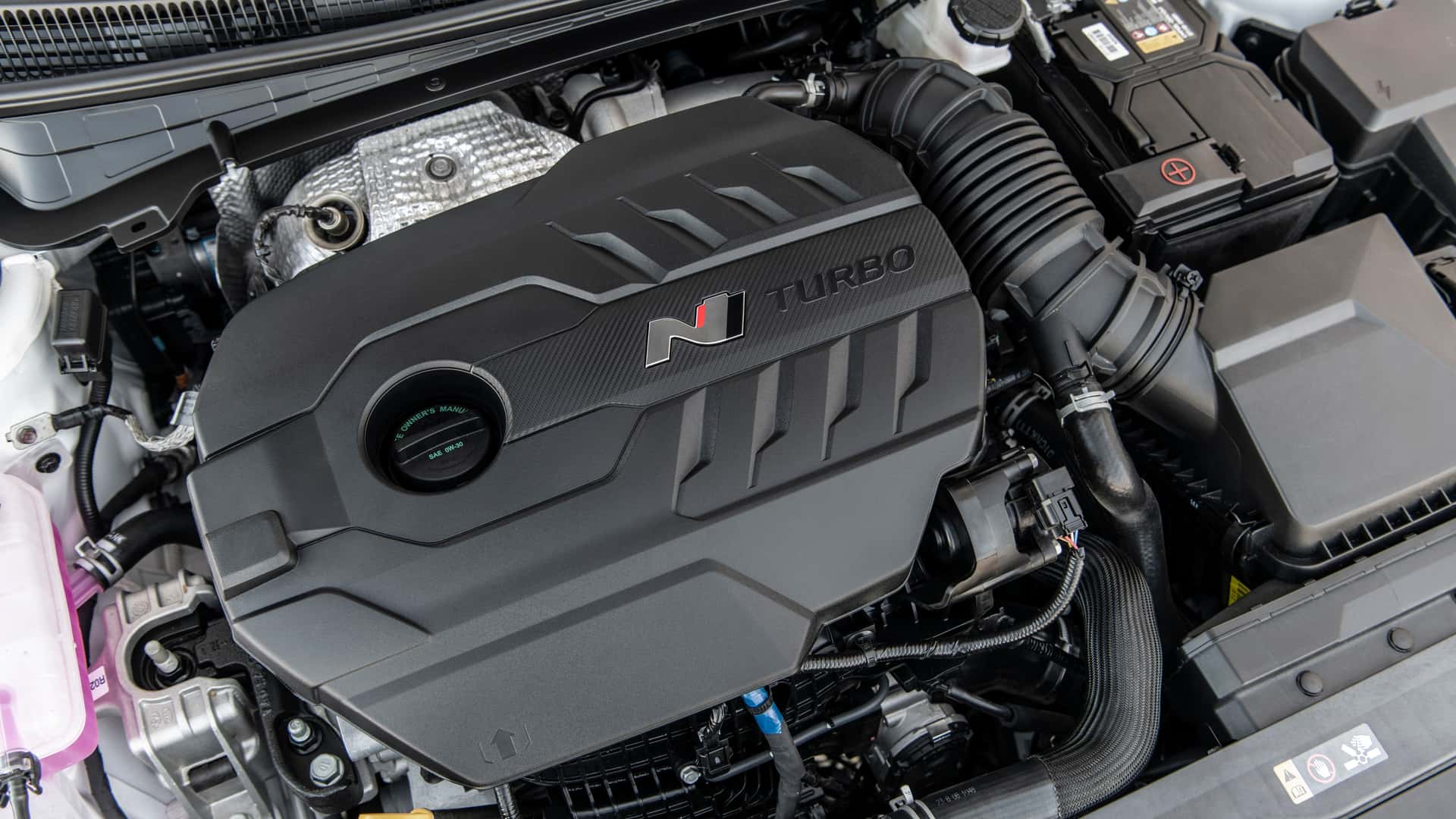
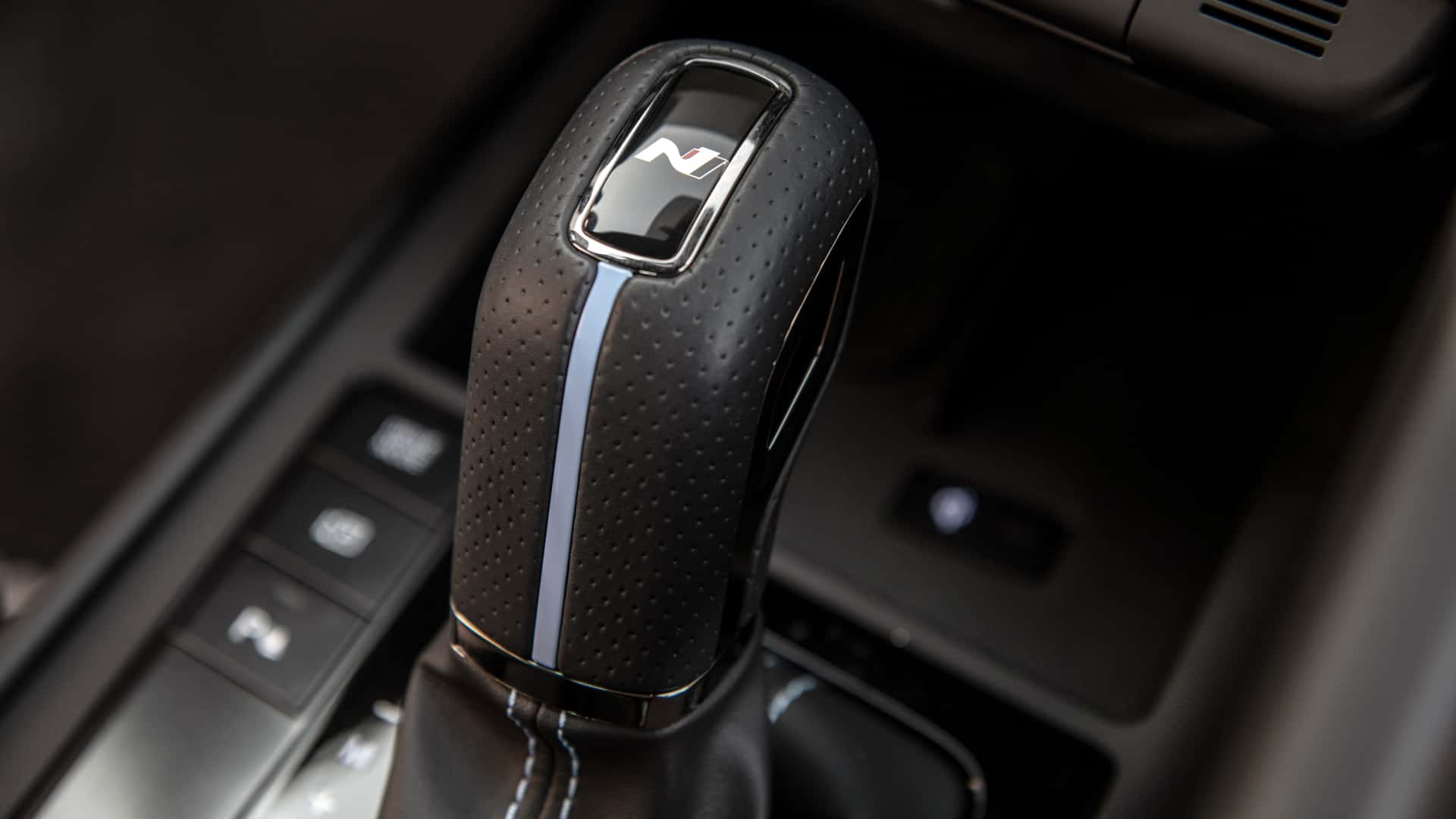
Powering the 2024 Elantra N is the familiar 2.0-litre turbocharged inline-four engine, delivering a robust 276hp and 391Nm of torque. Paired with a six-speed manual transmission as standard, enthusiasts can opt for an eight-speed dual-clutch automatic for an additional $1500 (RM7,153).
With Hyundai dealers already receiving shipments of the 2024 Elantra N, prospective buyers are encouraged to act swiftly to secure their desired model. With its blend of performance, value, and enhanced driving dynamics, the Elantra N continues to uphold its reputation as a standout choice in the affordable sport sedan segment.
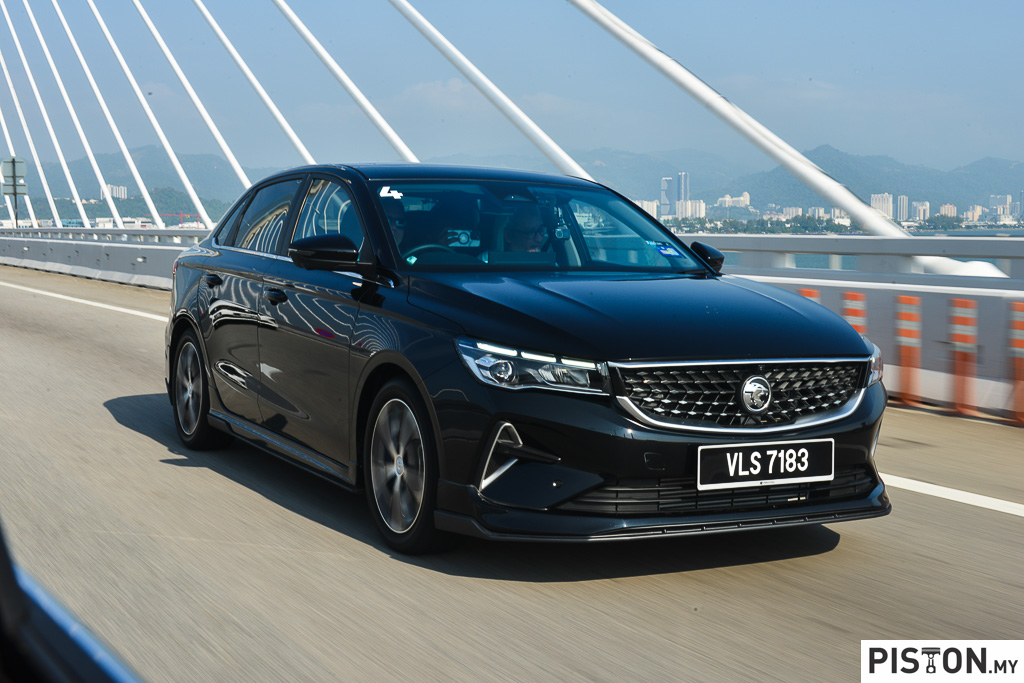
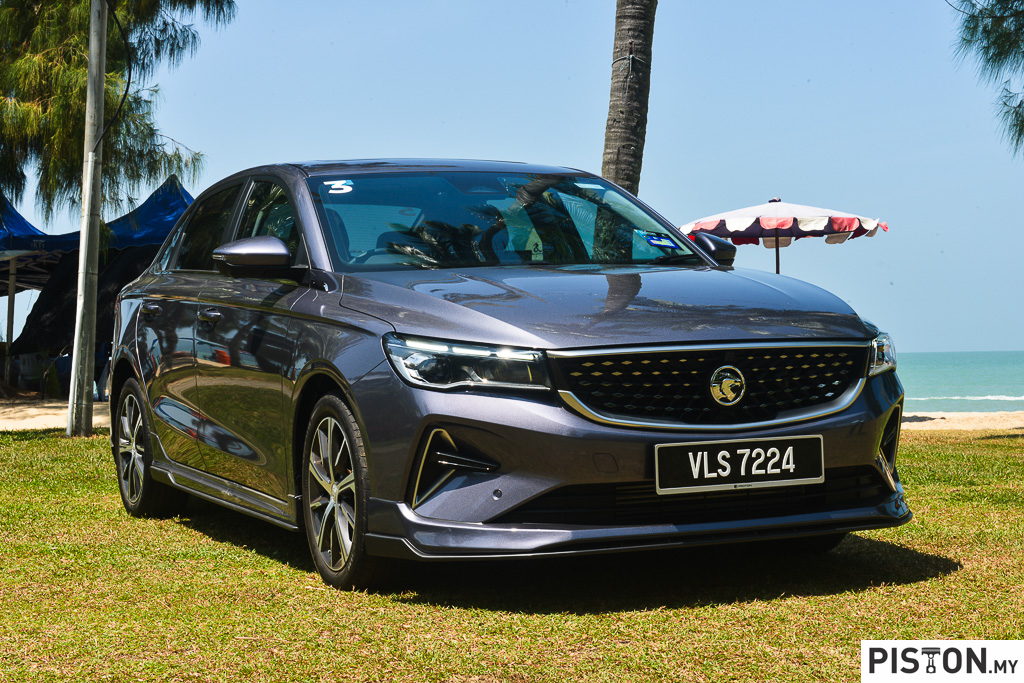
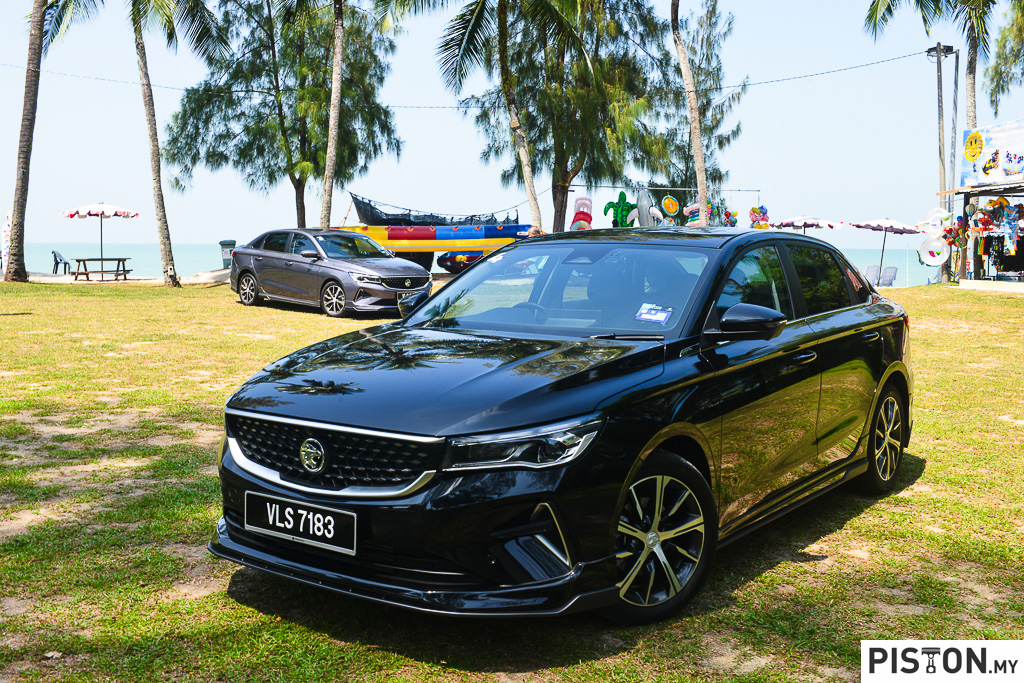
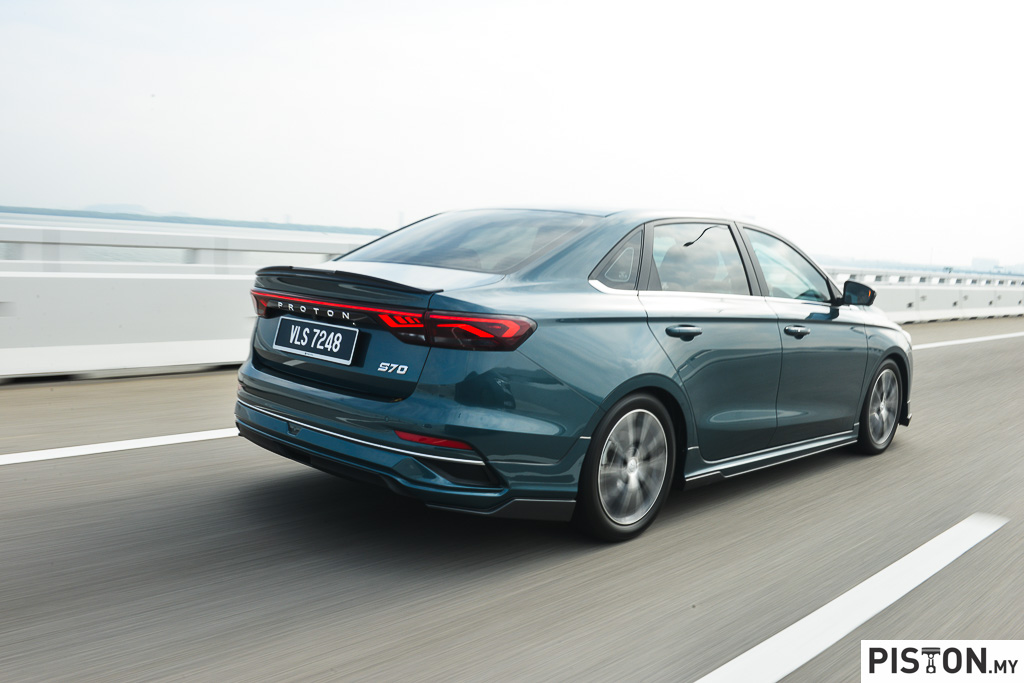
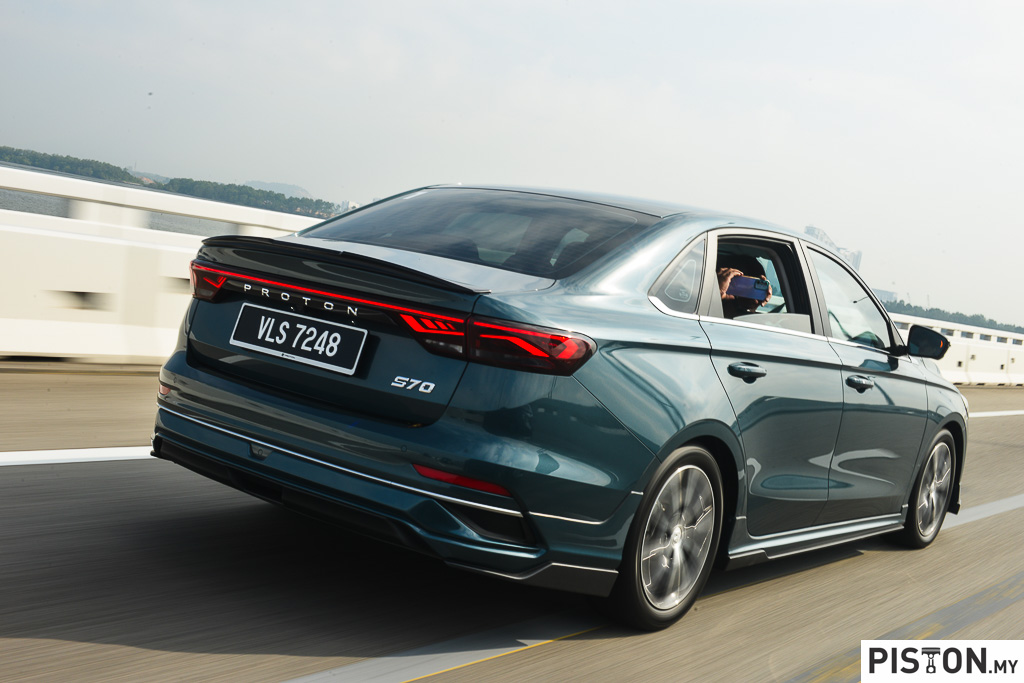
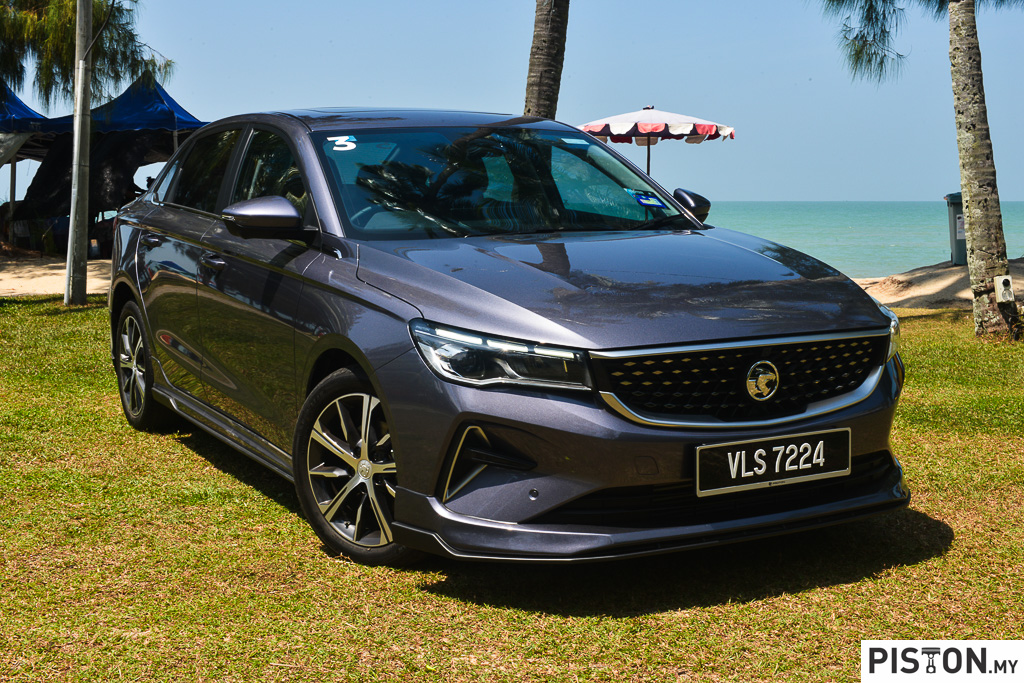
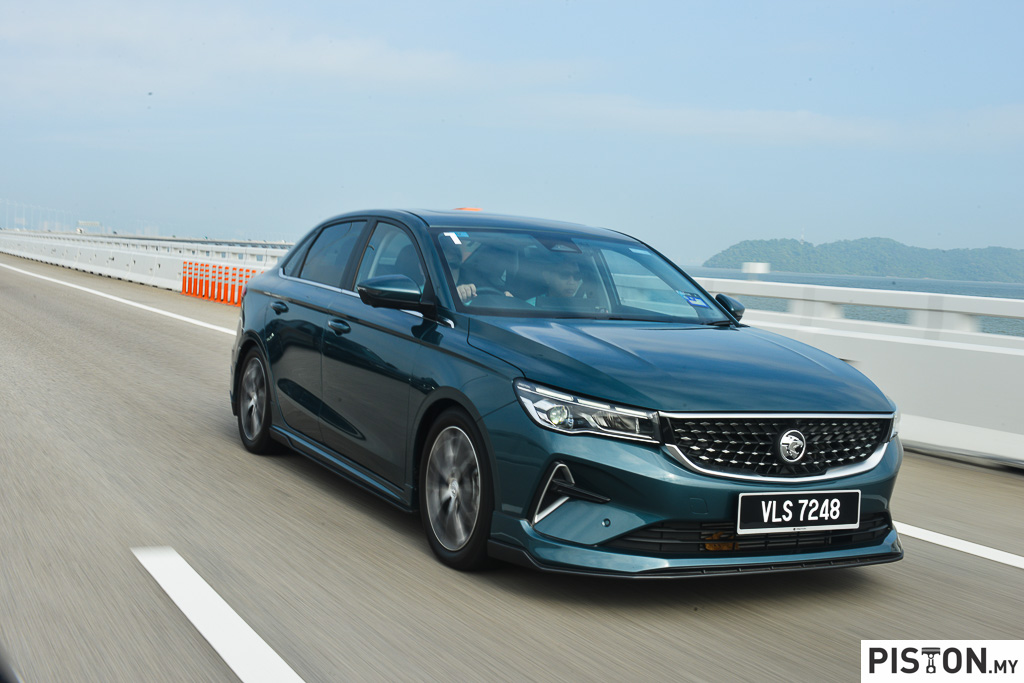
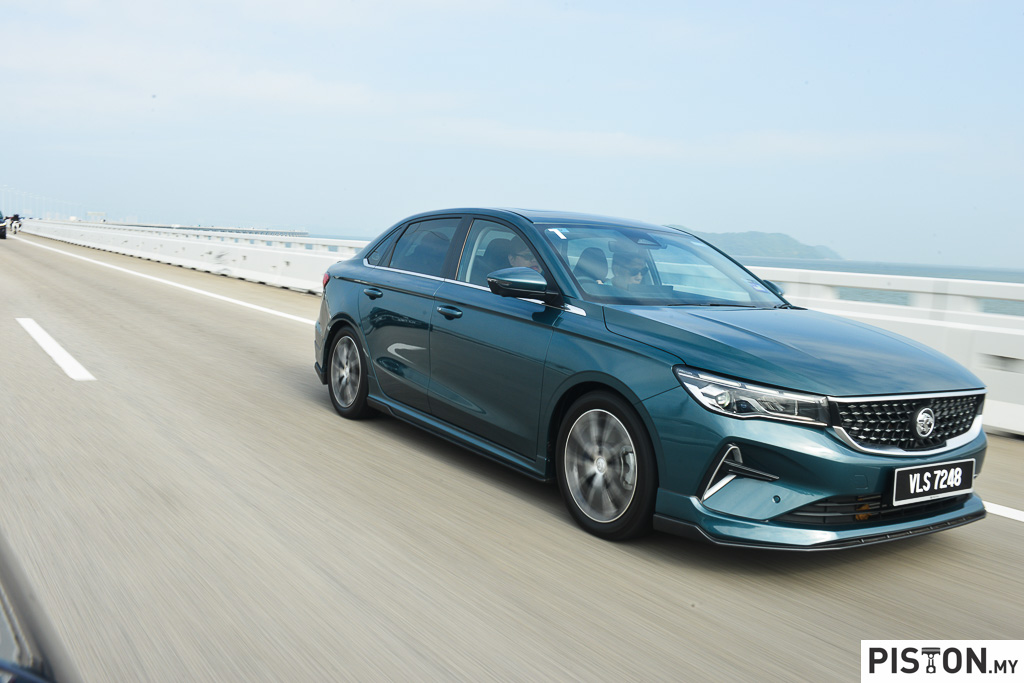
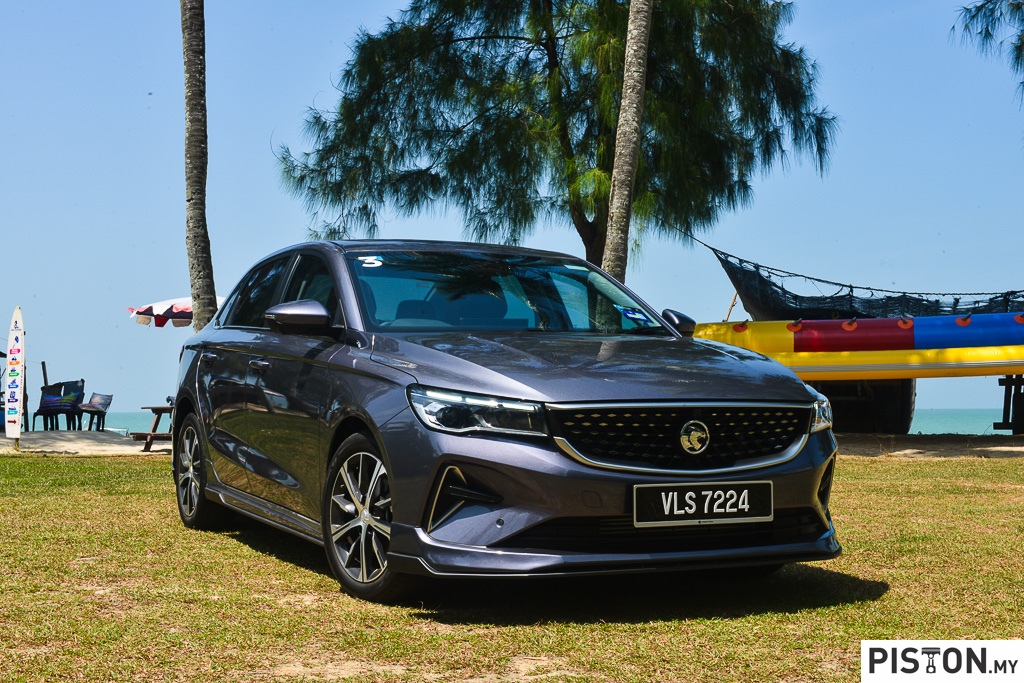
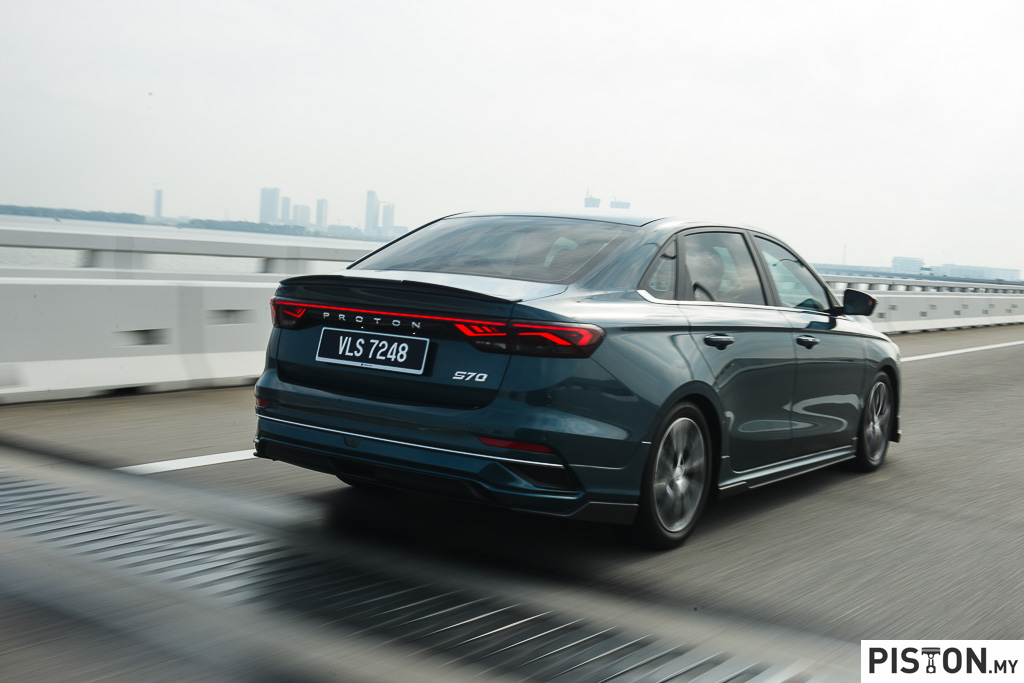
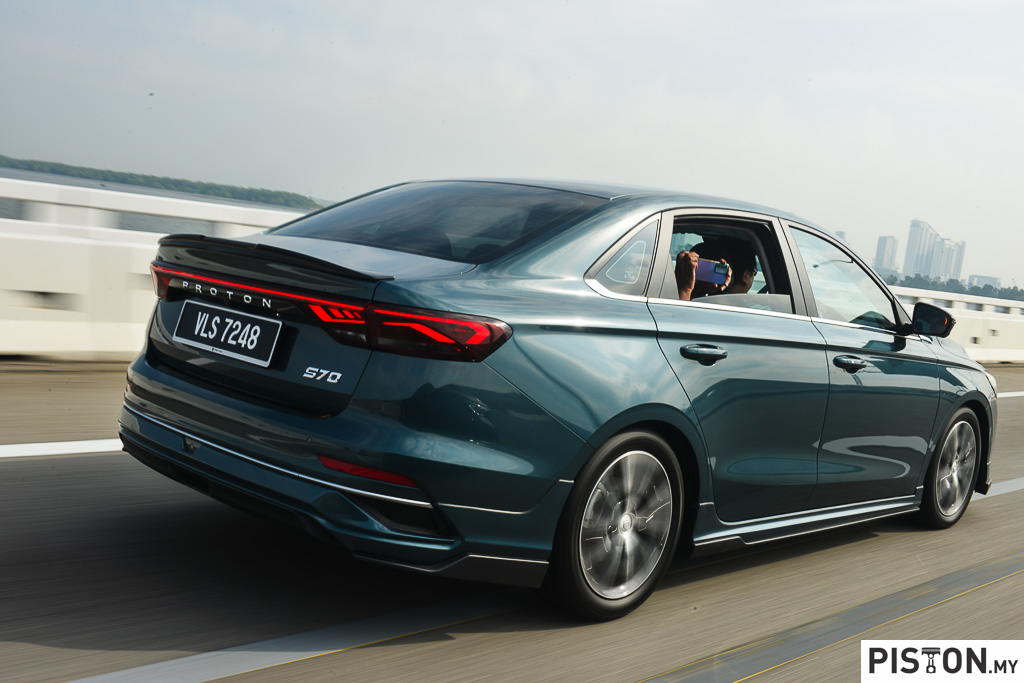
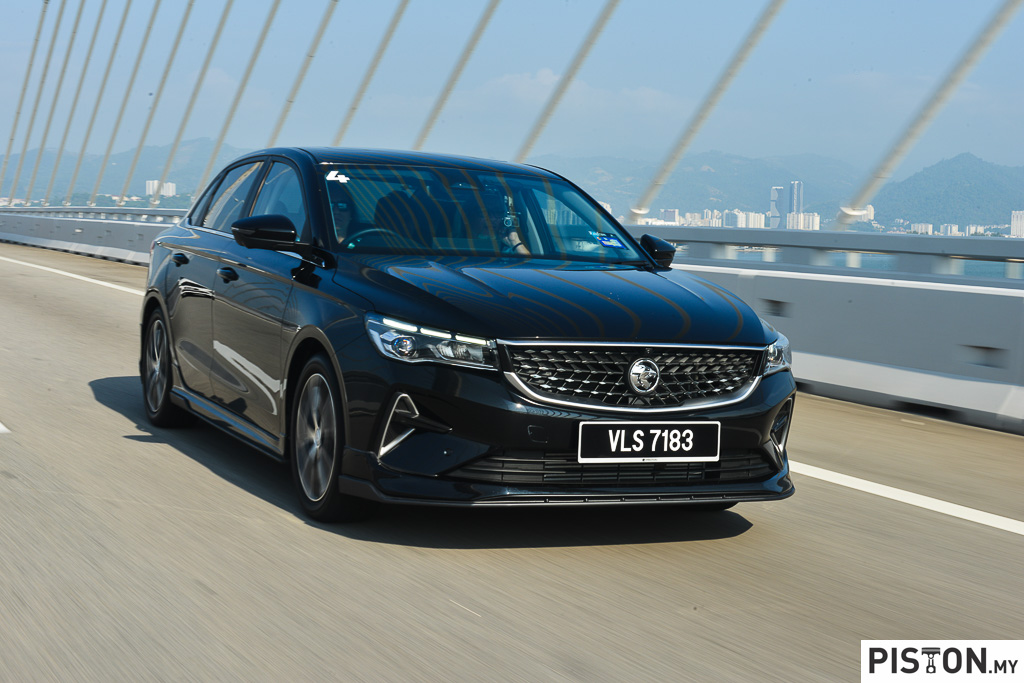
Introduced towards the end of 2023, the S70 was one of the most highly anticipated new Protons simply because it is the first B-segment sedan the company has introduced in a few years. We shall debate whether it is a B or C-Segment model shortly, but every new Proton introduced in the past few years has been an SUV, and the S70 is a refreshing addition.
The S70 can be viewed as the successor to previous Proton sedans such as the Inspira and the Preve, but it does not share any technical similarities. In fact, the S70 is based on the Geely Emgrand which is a left-hand drive model in markets such as in China and the Philippines.
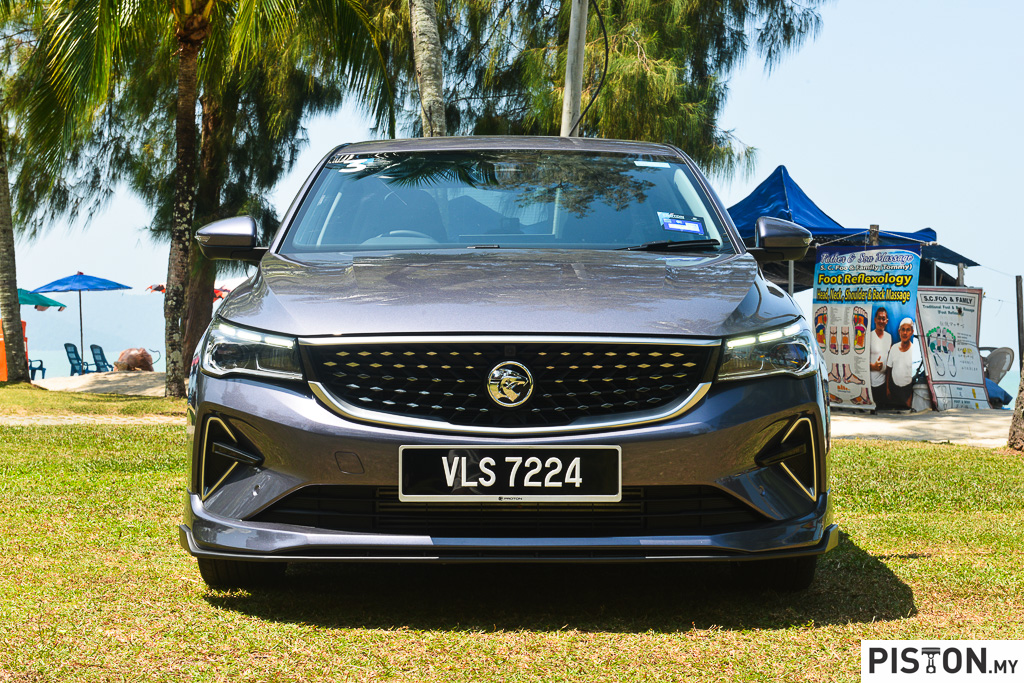
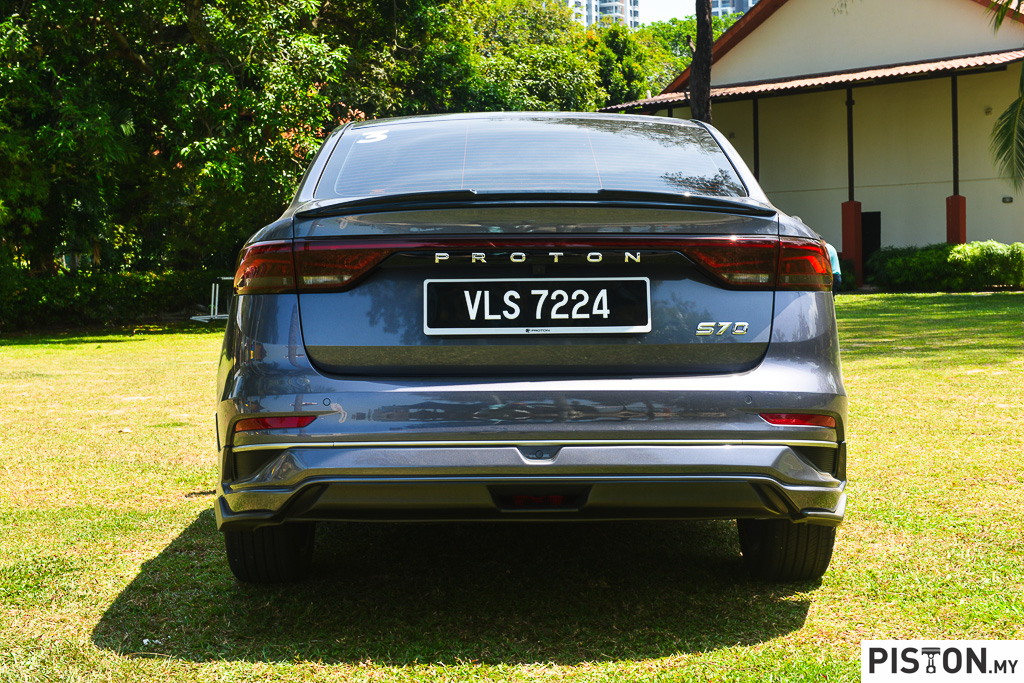
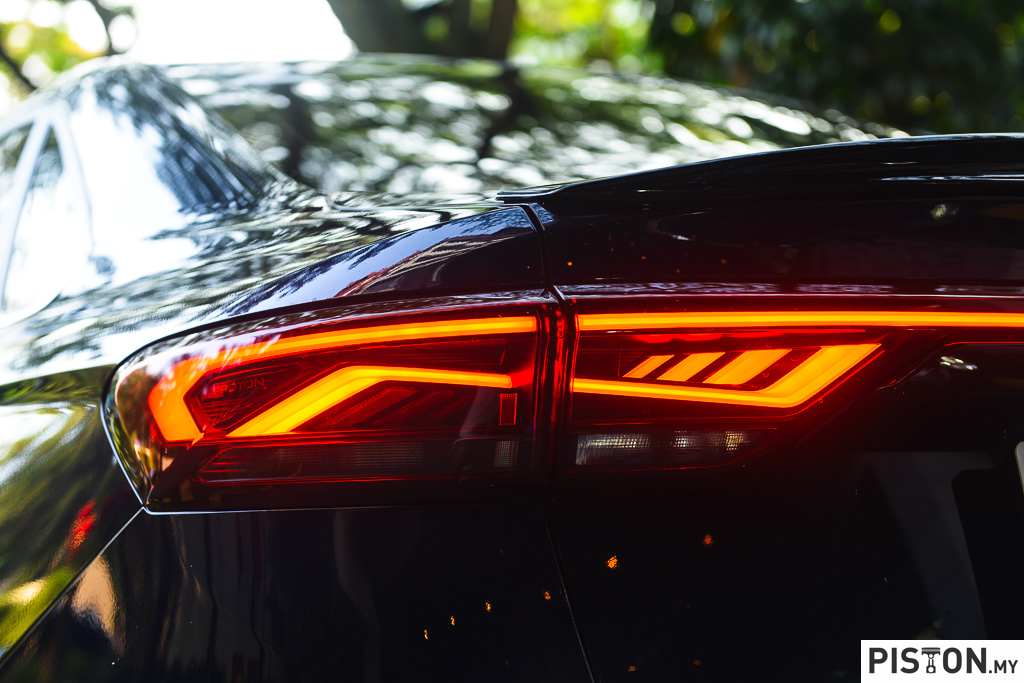
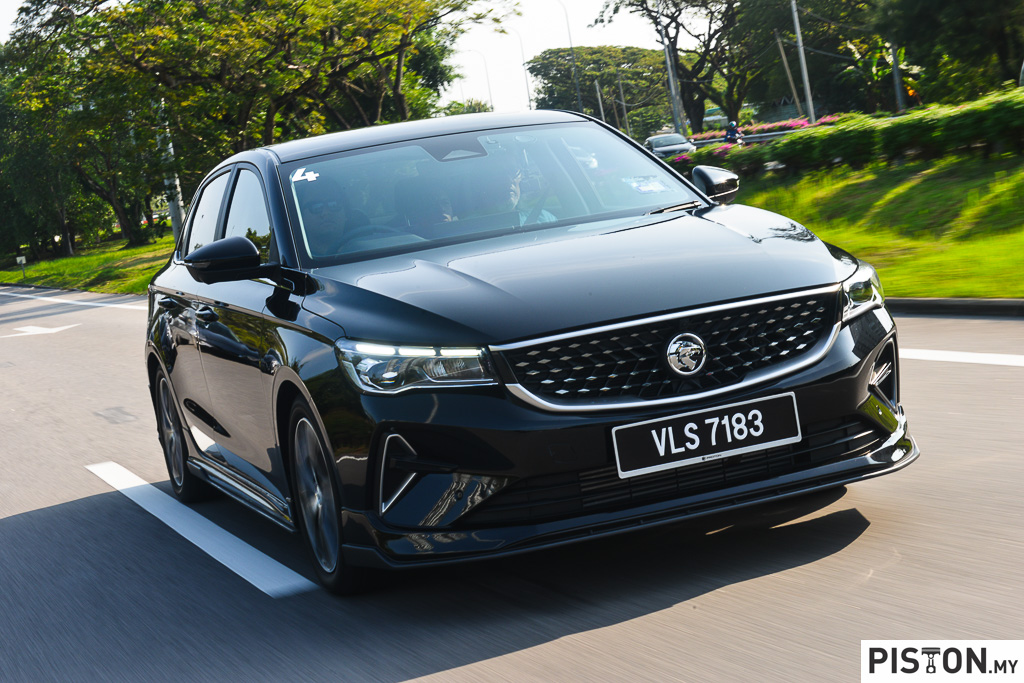
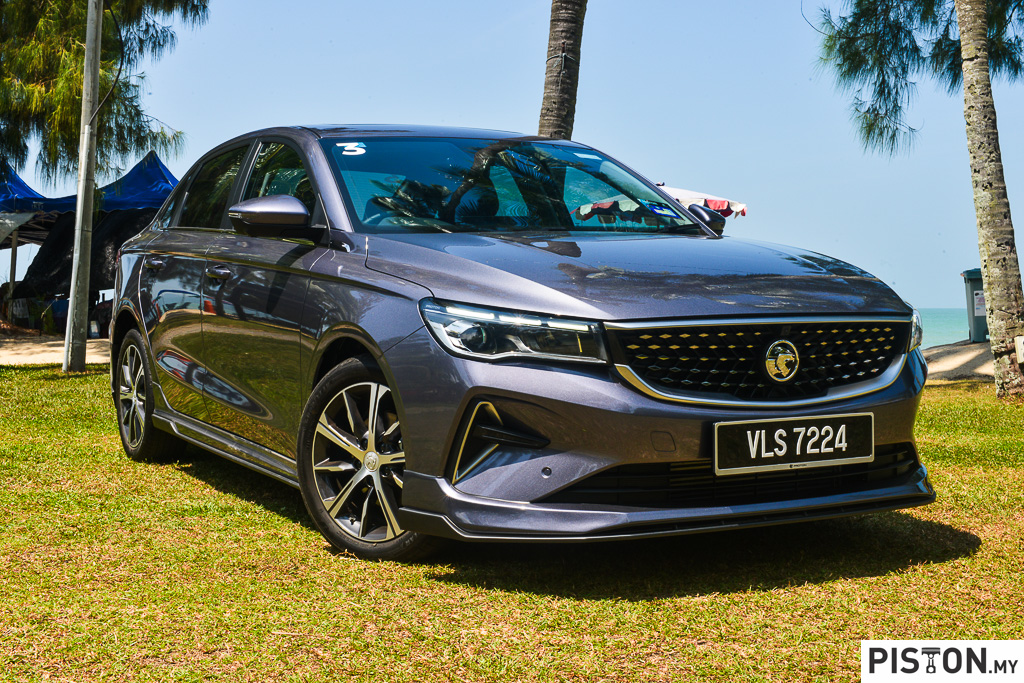
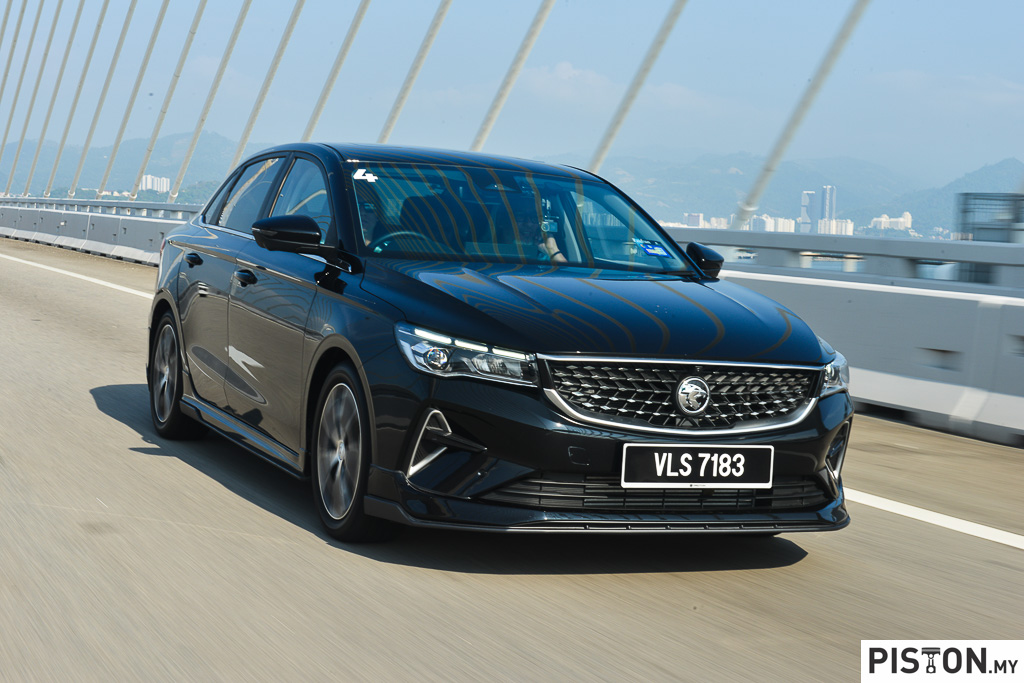
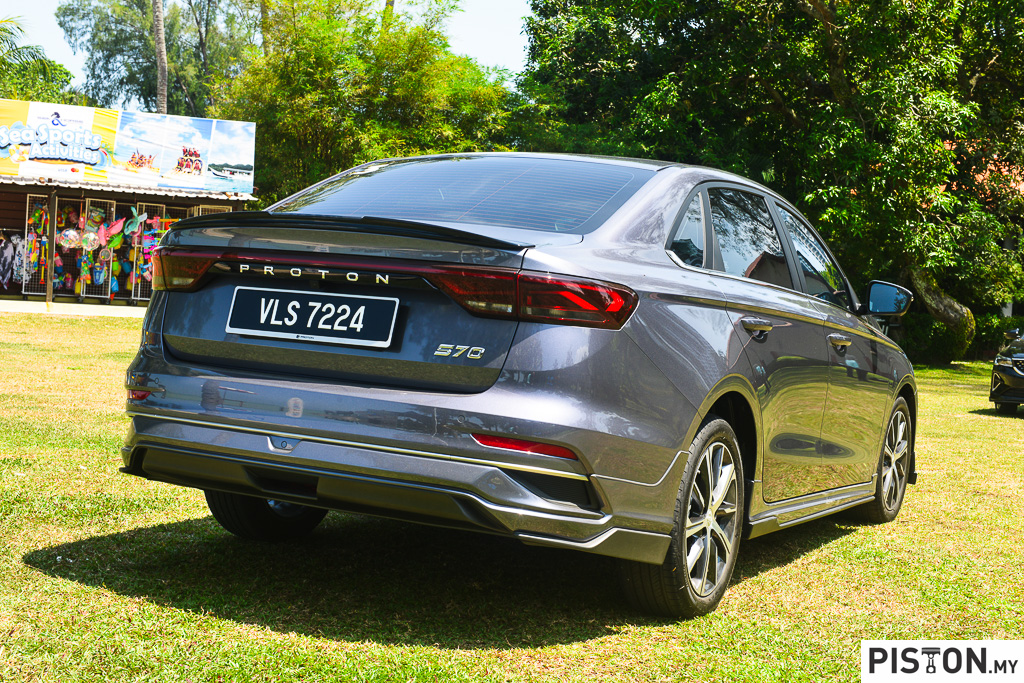
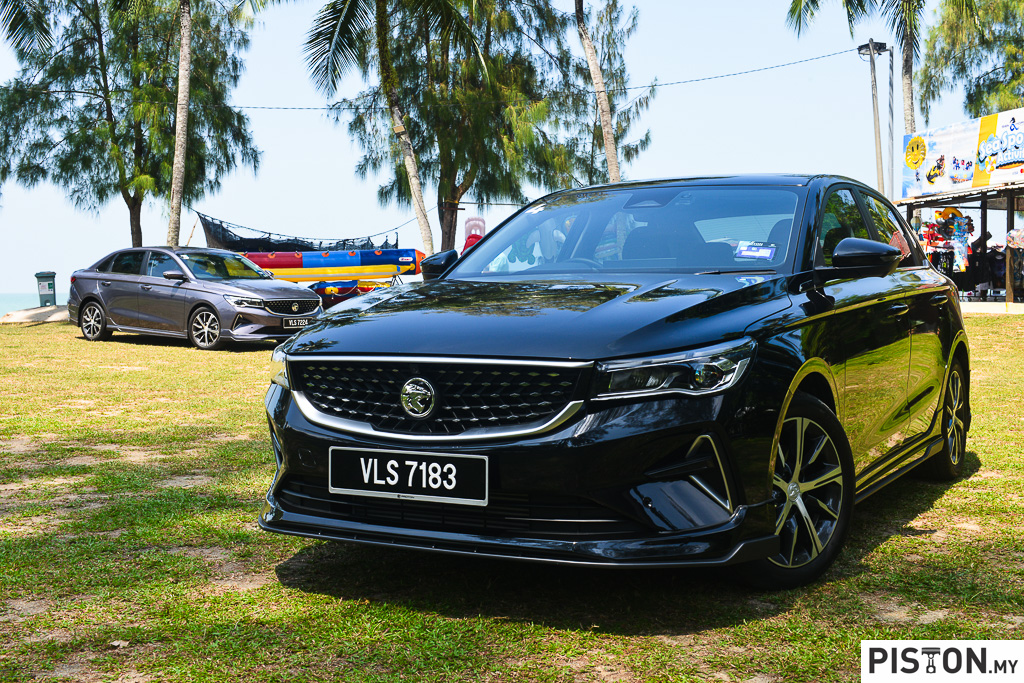
But it is not a simple rebadge, though the new Proton shares a number of commonalities with the Geely and is largely the same in terms of design except for a new grille and updated bumpers.
Proton did localise the S70 and says that it has been “tuned for Malaysian roads”. According to a powerpoint slide shared by Proton before a recent media drive, Proton spent 75,000 man-hours on testing the new car, 260,000 man-hours was also spent for R&D for Design Engineering, Proton’s engineers drove the car for a total of 1.2 million kilometres during road testing, and 453 new parts were developed to turn the Geely Emgrand into the Proton S70.
So, no. It is definitely not a simple rebadge.
The flagship variant, which is what we reviewed is officially known as the Flagship X and sits above three other variants. Prices for the S70 start at RM73,800 and goes up to RM94,800 for the top-of-the line variant.
During the launch, Proton said the S70 is a C-Segment model with B-Segment prices. Though we think that is far-fetched because the S70 is smaller than its C-Segment competitors, but the more for less marketing strategy is something Proton has used before and is in fact ingenious.
The reality is, the Proton S70 is closer to the Honda City and the Toyota Vios than it is to the Honda Civic and the Toyota Corolla Altis. Even so, it has the competition beat in almost everything, but pricing in particular.
The Honda City ranges in prices from RM84,900 to RM99,900. There’s also the most expensive City which is the hybrid variant that costs RM111,900, but because there’s no S70 hybrid, we shall leave that out of this.
Then there is the Toyota Vios which ranges in price from RM89,600 to RM95,500. So the Proton S70 is definitely the most obvious choice.
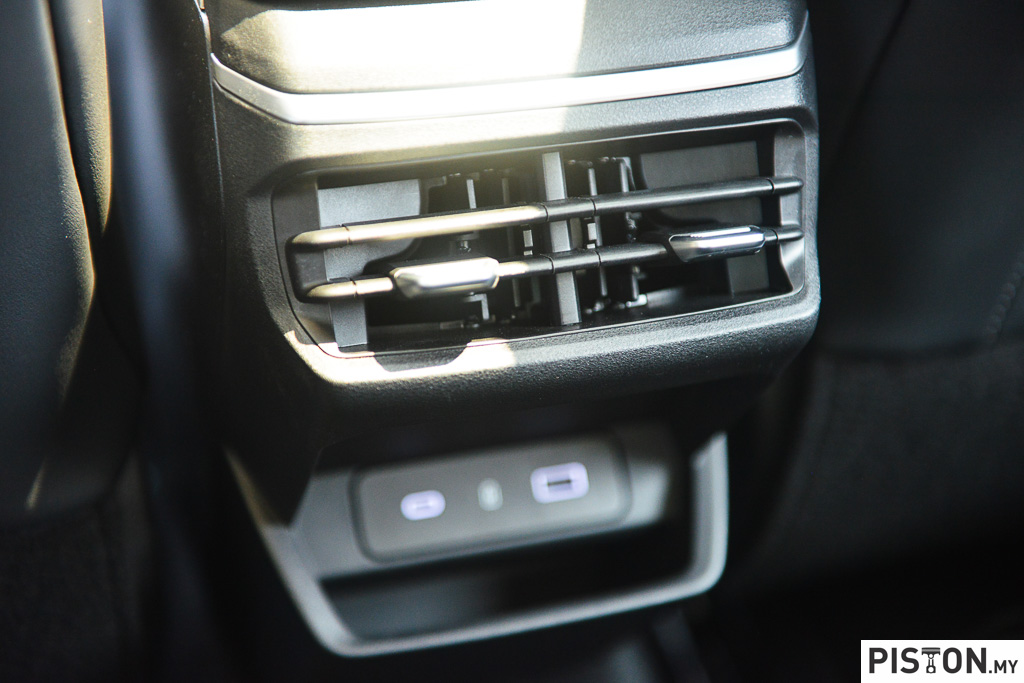
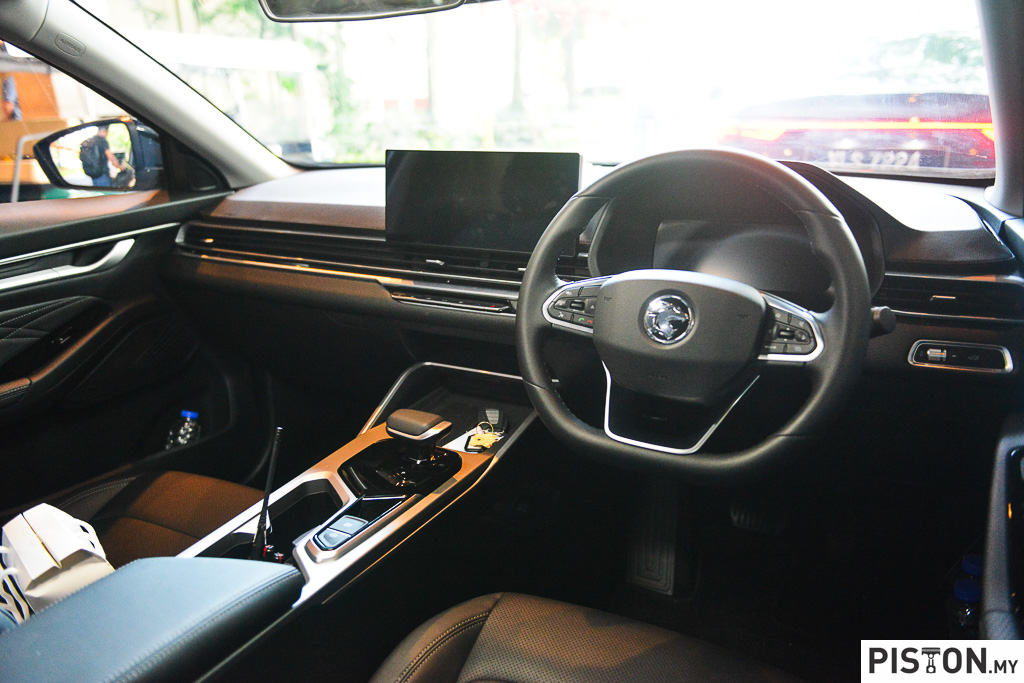
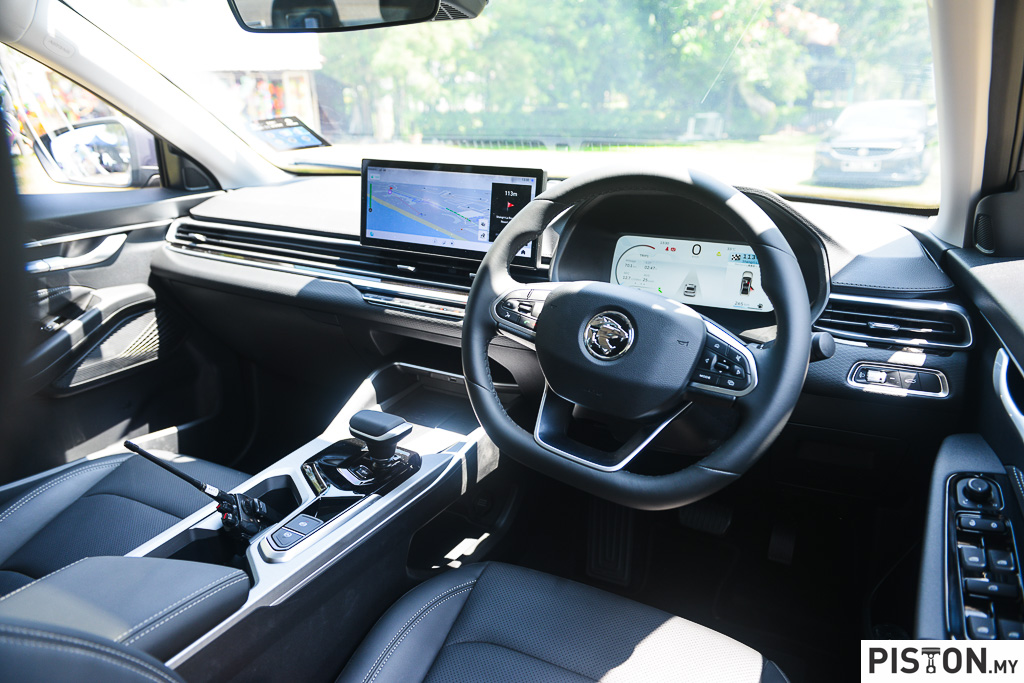
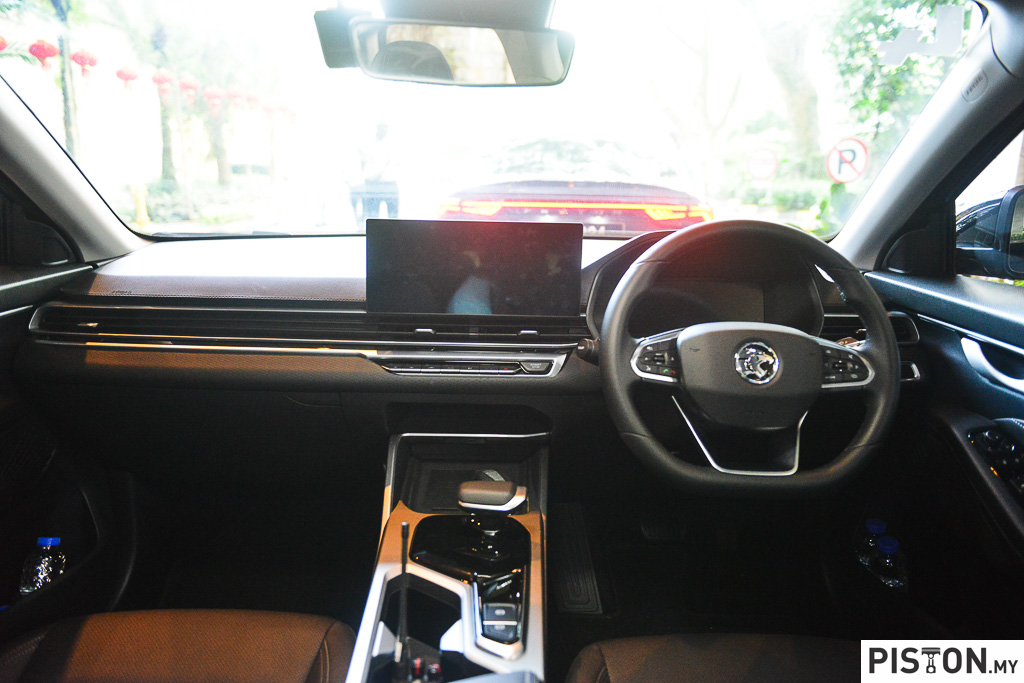
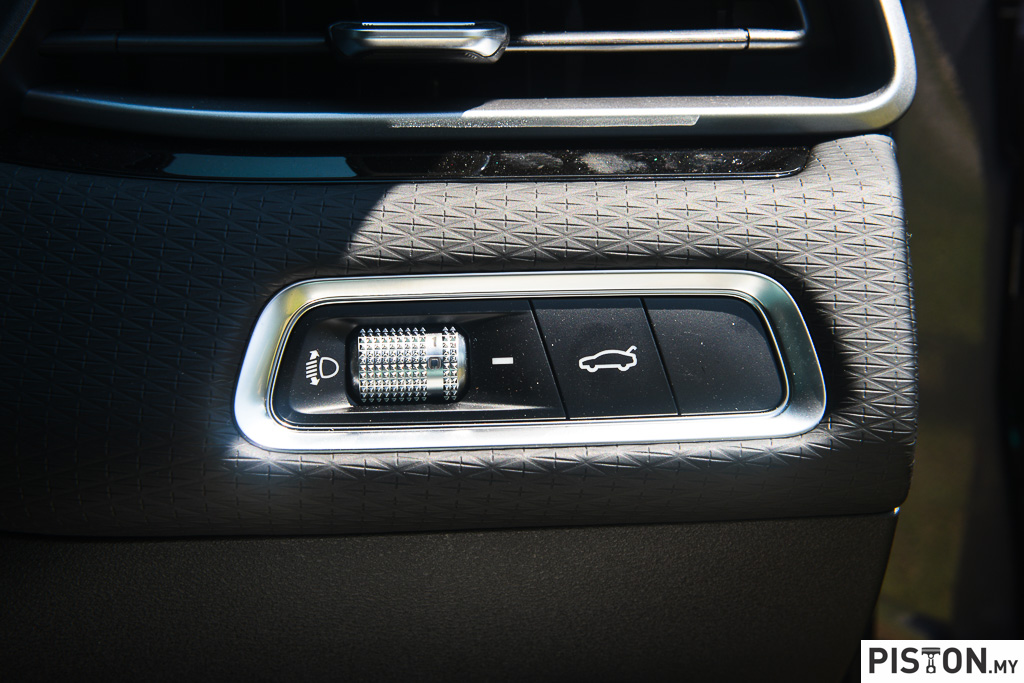
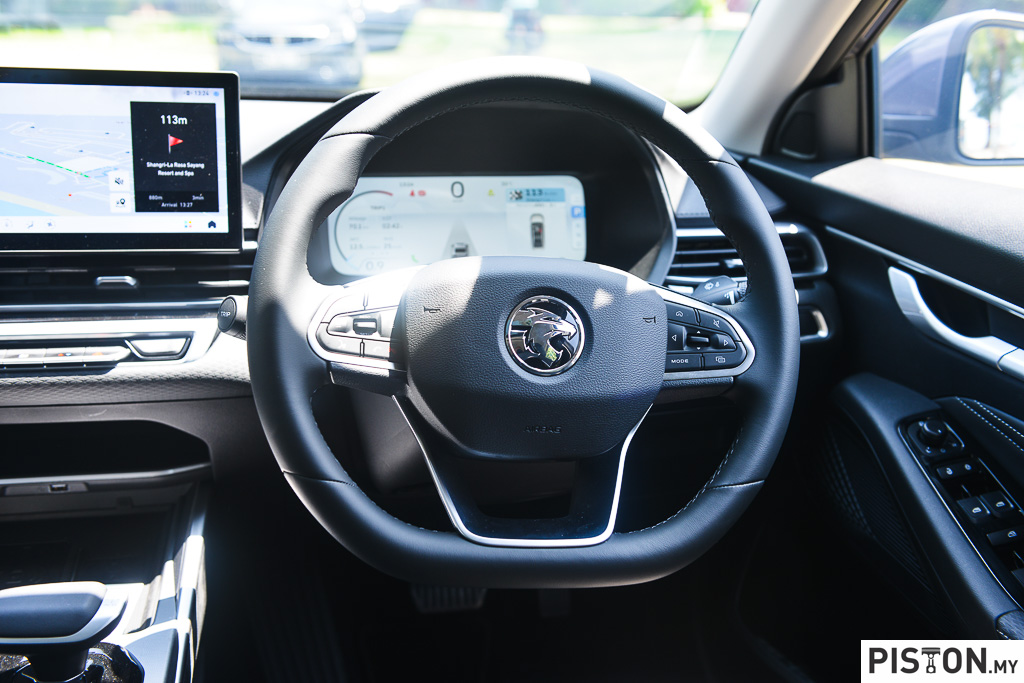
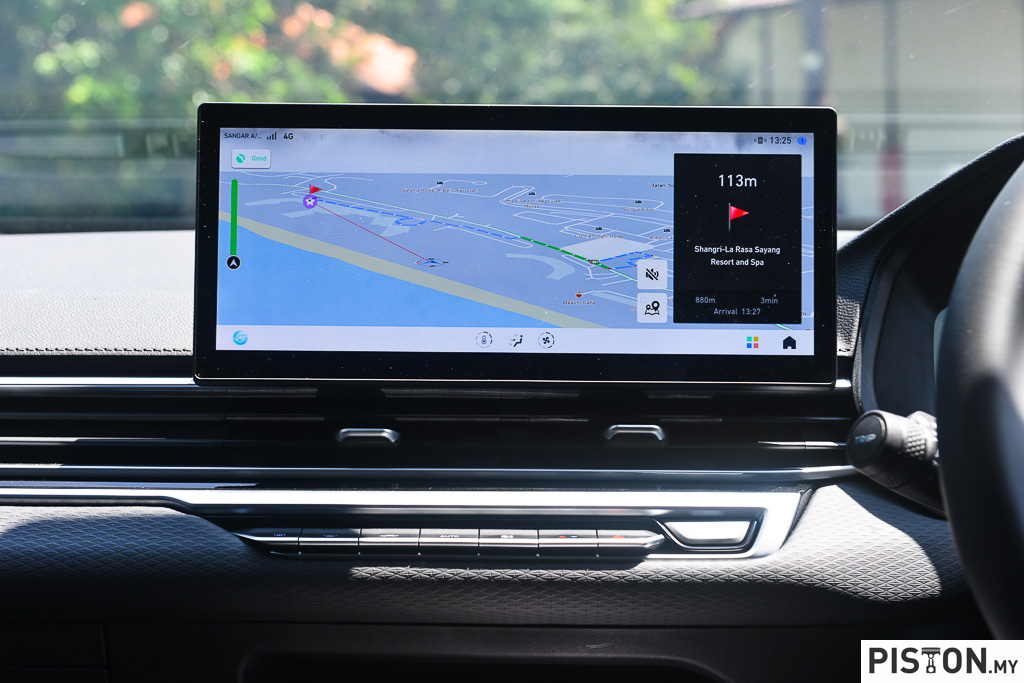
But the S70 is not only cheaper, but it also has an interior that is hugely impressive as well. The minimalist interior is similar to that of the Proton X50 and offers clean lines without the clutter of buttons and dials to distract you. It is also remarkably well built. Short of getting it stuck in mud and the beach, we drove it over all types of roads, and there was nothing that buzzed or rattled.
A few makers have tried the minimalist design approach and failed because the important buttons such as the air-conditioning controls and even audio controls are located deep inside in the infotainment system, which can be distracting.
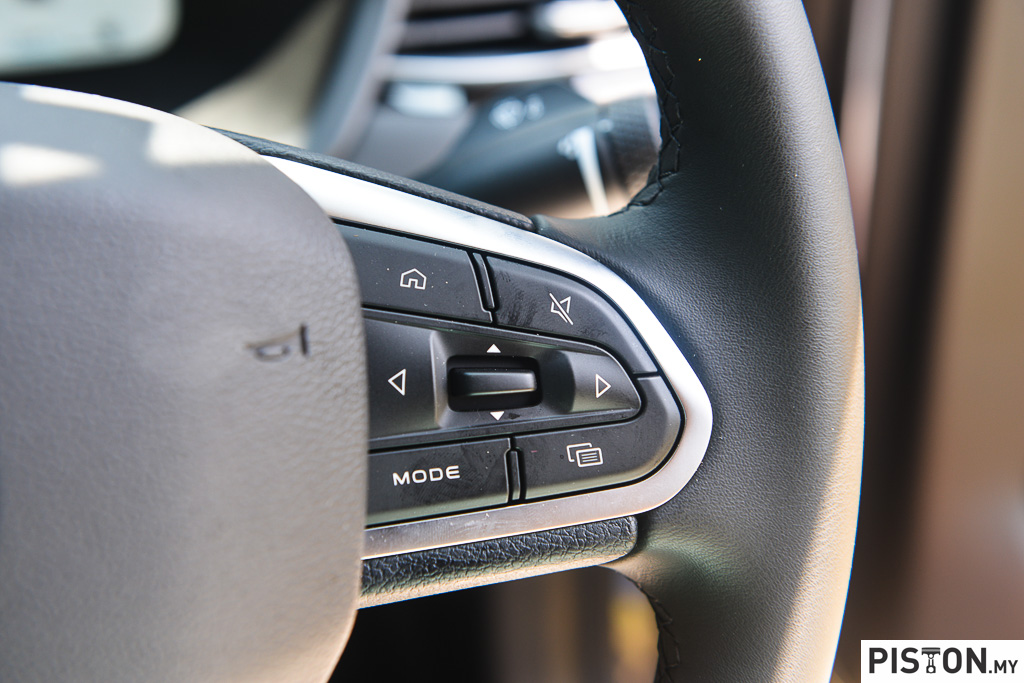
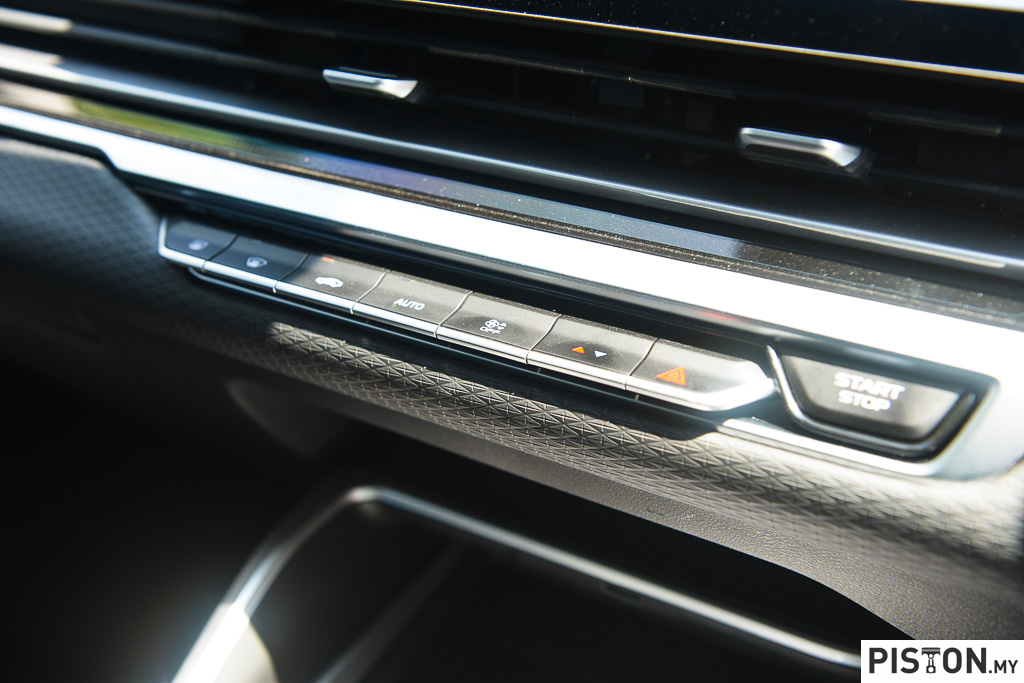
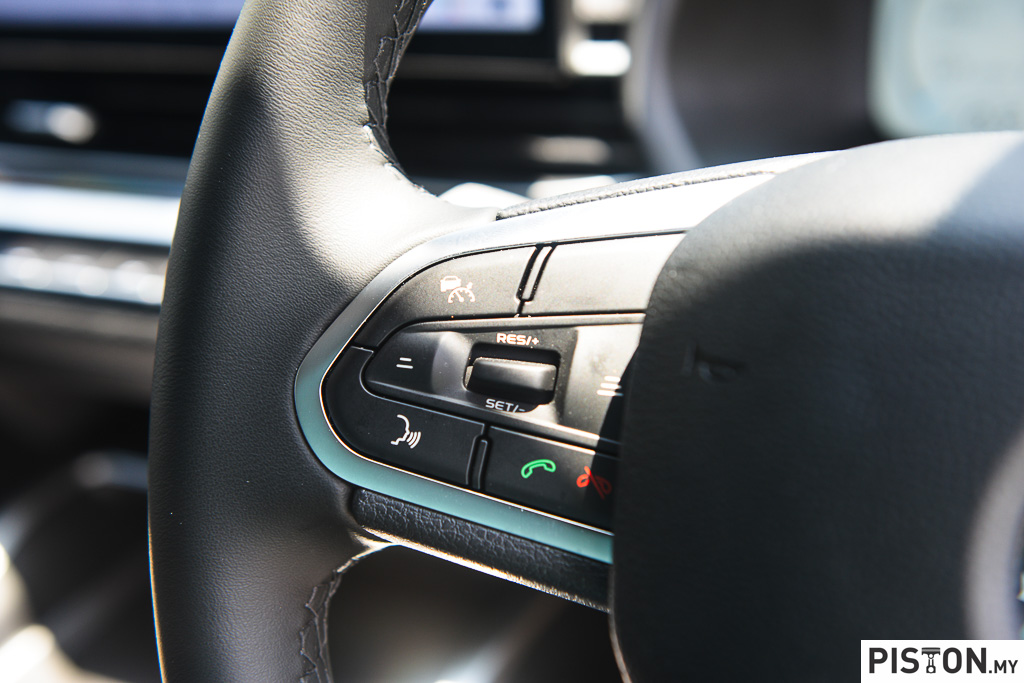
But the S70 has physical buttons for the air-conditioning, while audio controls are located on the steering wheel. We would have preferred physical buttons for the audio as well so that the passenger can get to it easily, but we can live with the current set up.
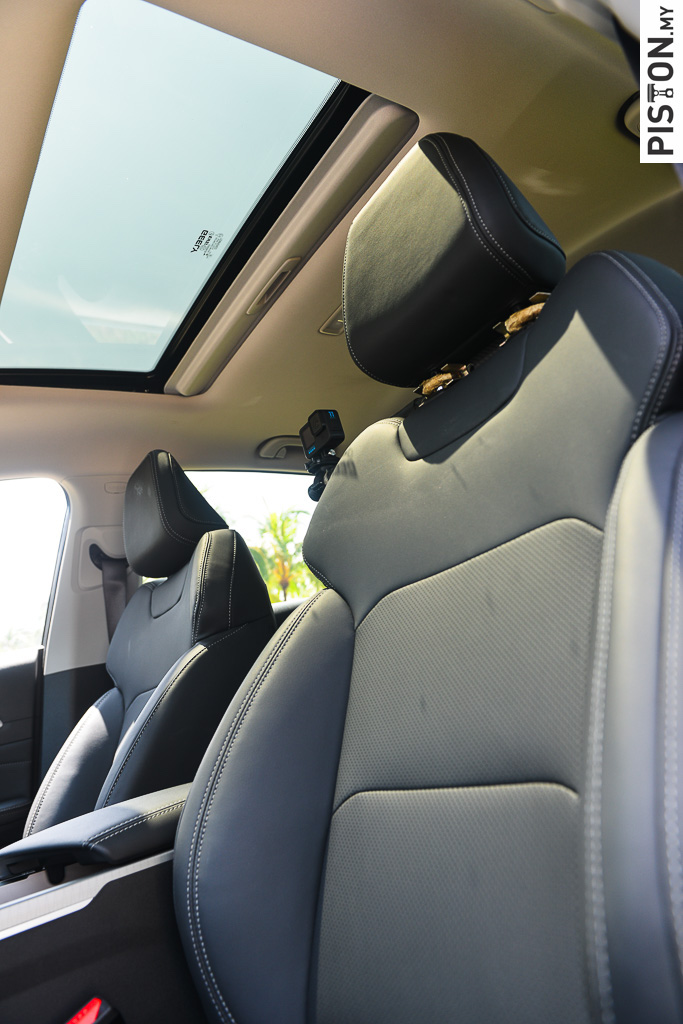
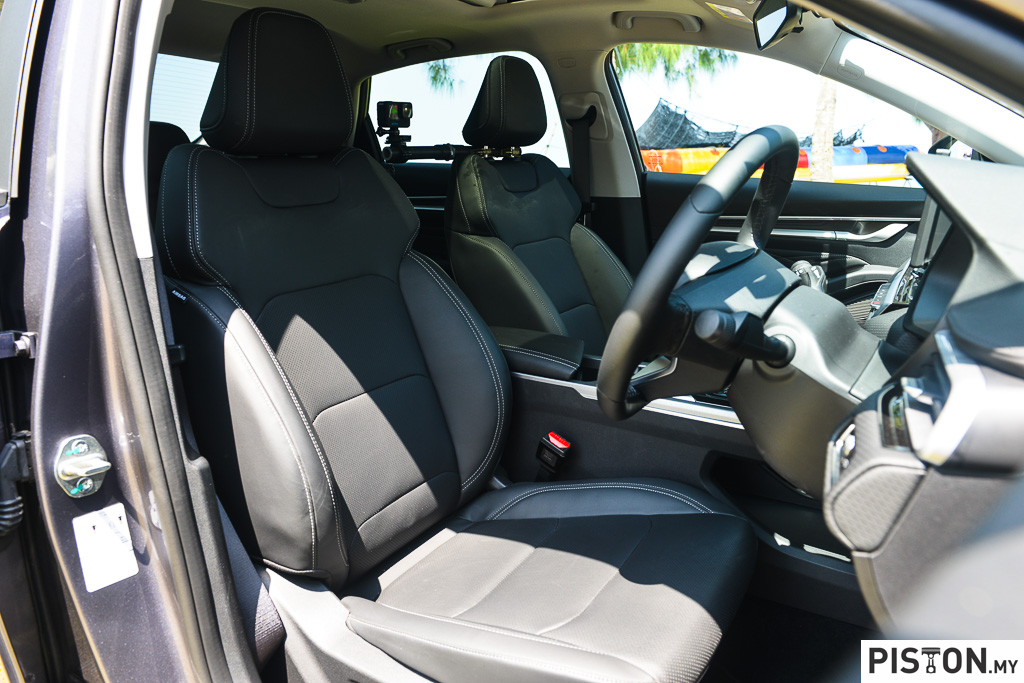
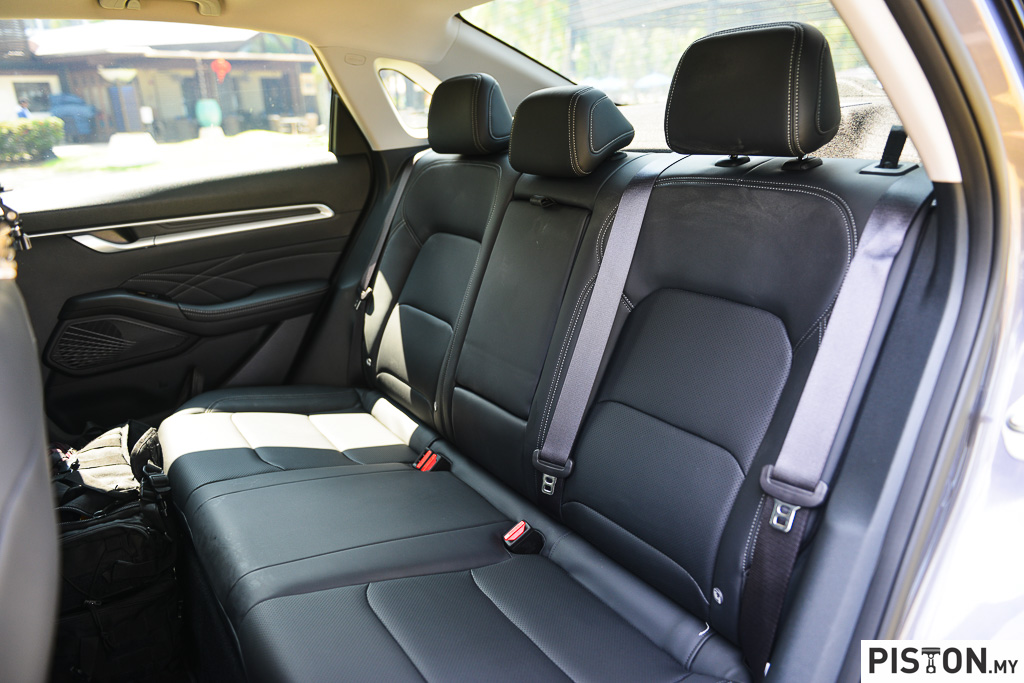
The seats too are impressive with just the right amount of back support; however, thigh support could be better. It is difficult to beat the Honda City when it comes to seats, and the Honda still has plusher, more comfortable seats all around.
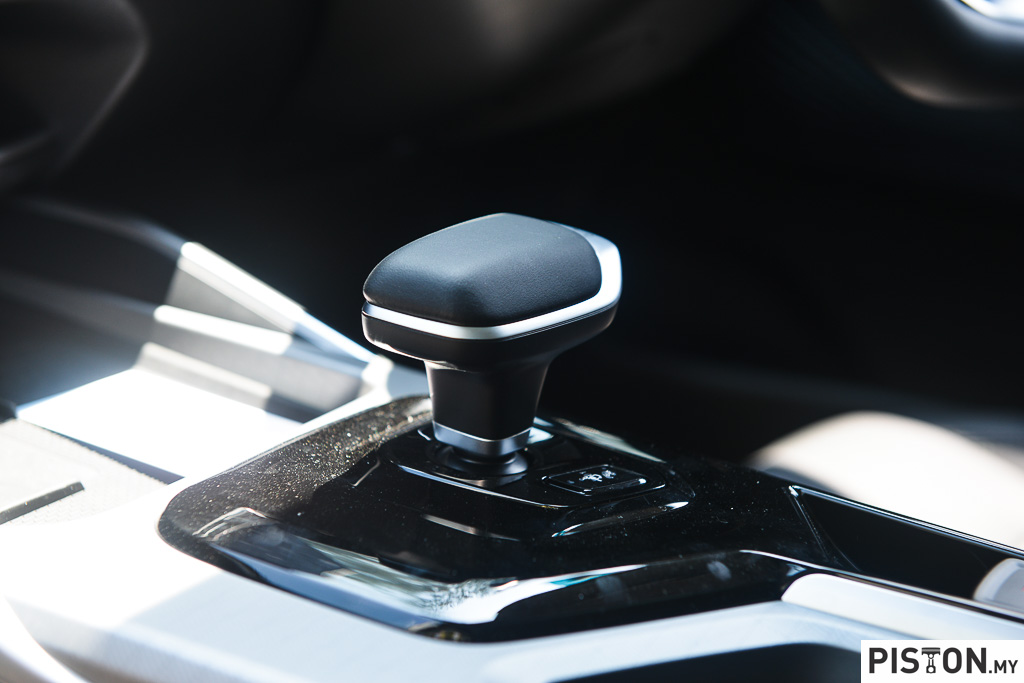
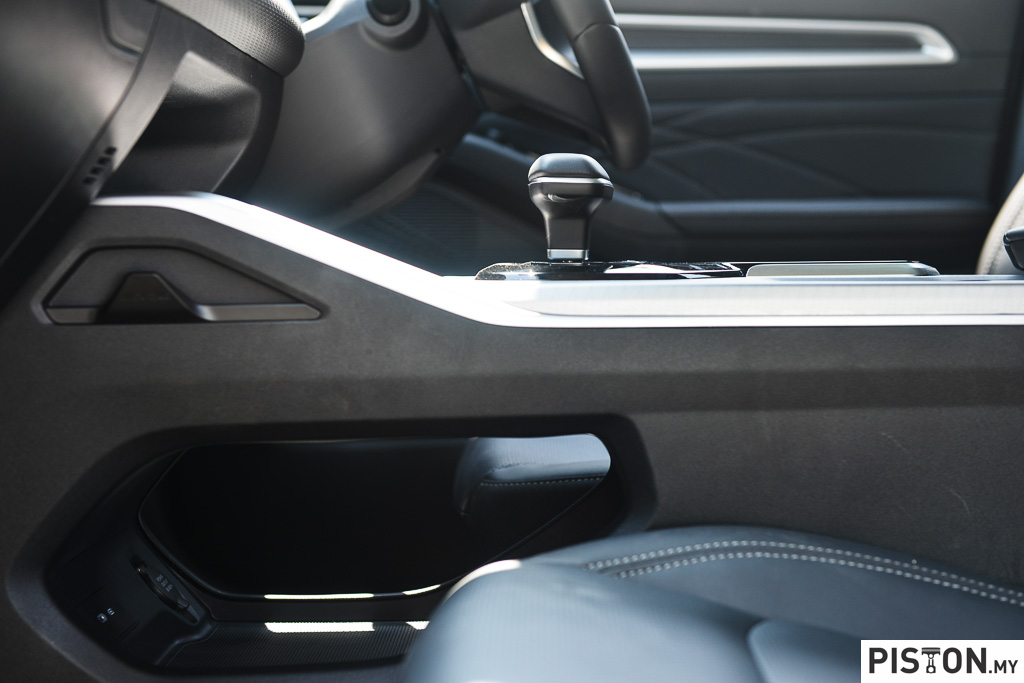
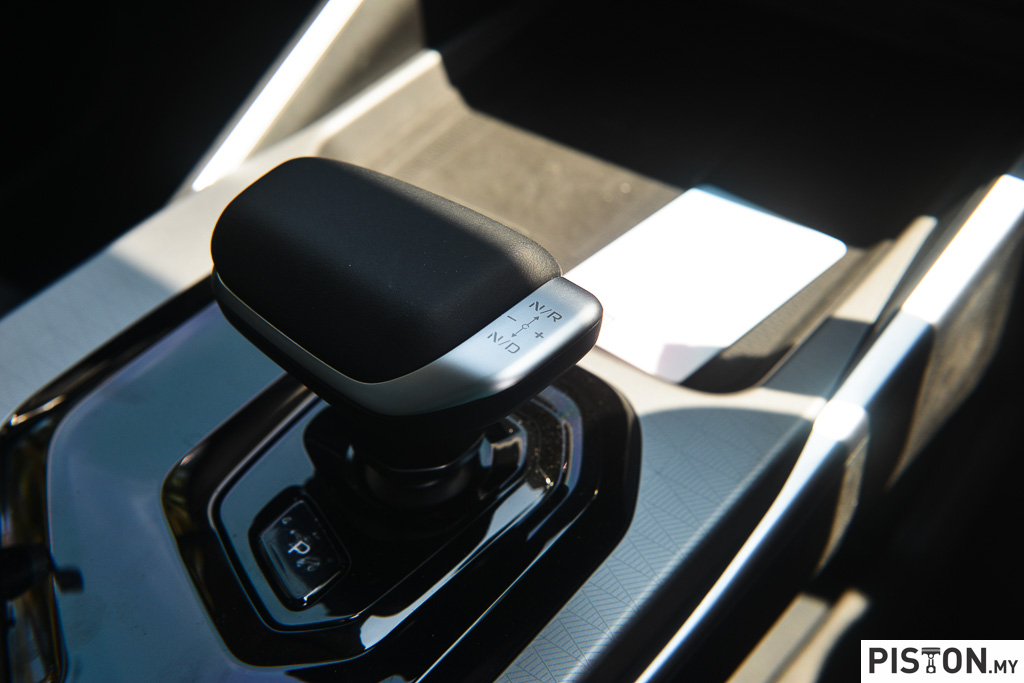
Though the interior is about the same as the X50, the S70 uses the same gear selector as the Proton X90, which means operating it needs some getting used to. You need to flick (not shift) the selector down twice to move from park to drive, and then up once if you want to select reverse.
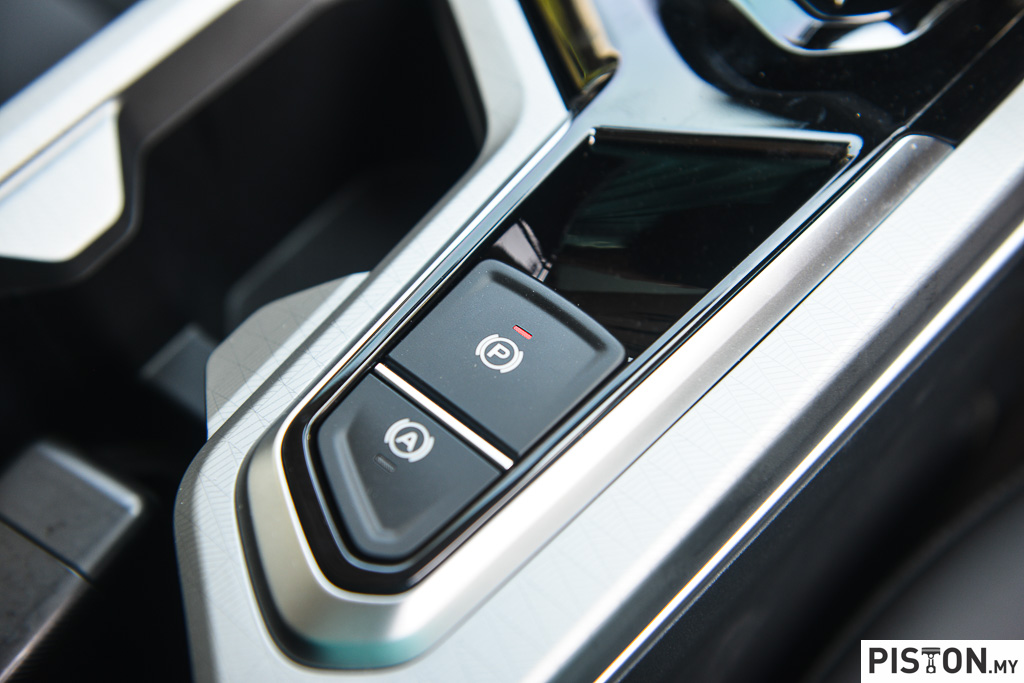
There is also the option to shift manually, but even that requires a rewiring of the brain. Usually, manual shifting entail moving the selector down for upshifts, and up for downshifts. However, with the S70, you need to shift left for downshifts, and right for upshifts. Proton says this is a similar system to Volvo, but that does not mean it is good. Thankfully though, you simply need to press the P button to select park.
But that is about it as far as complaints about the interior goes. In fact, that’s as far as complaints about the S70 goes.
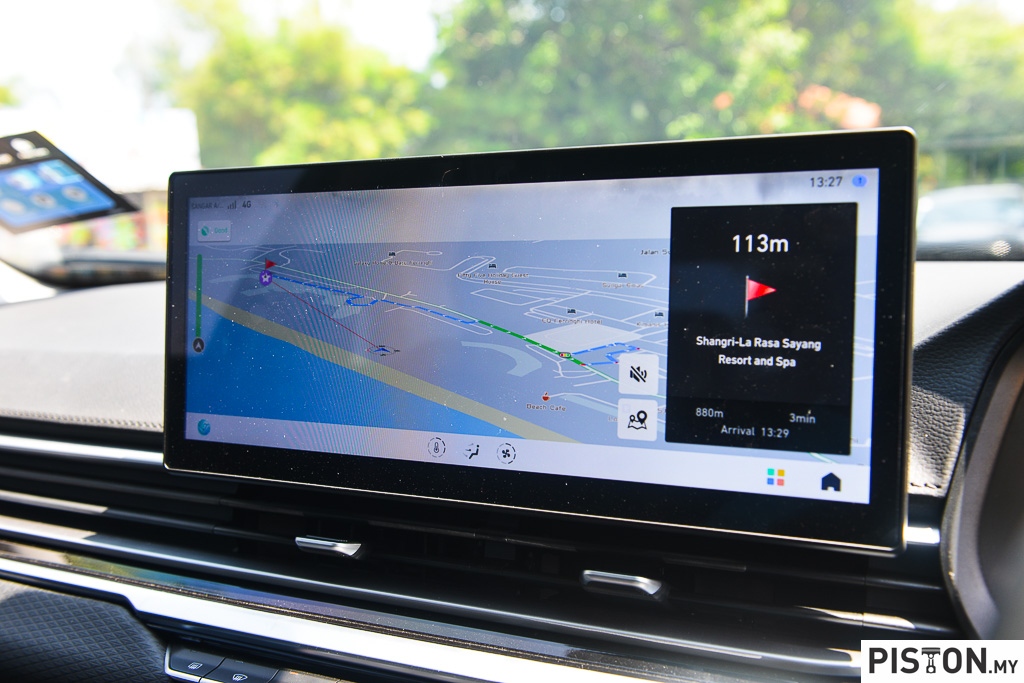
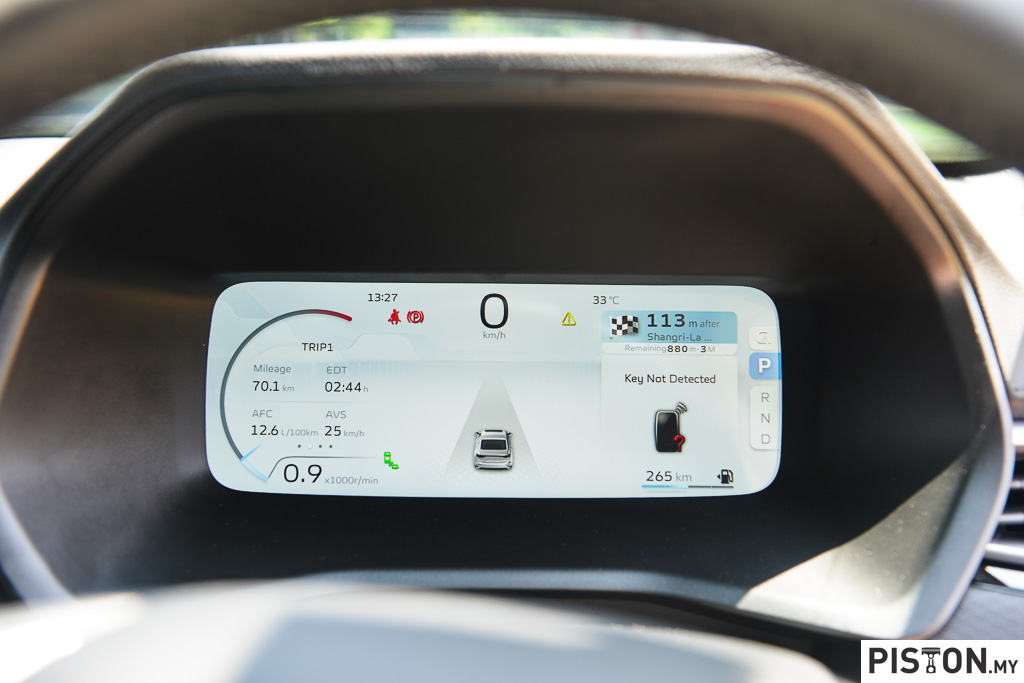
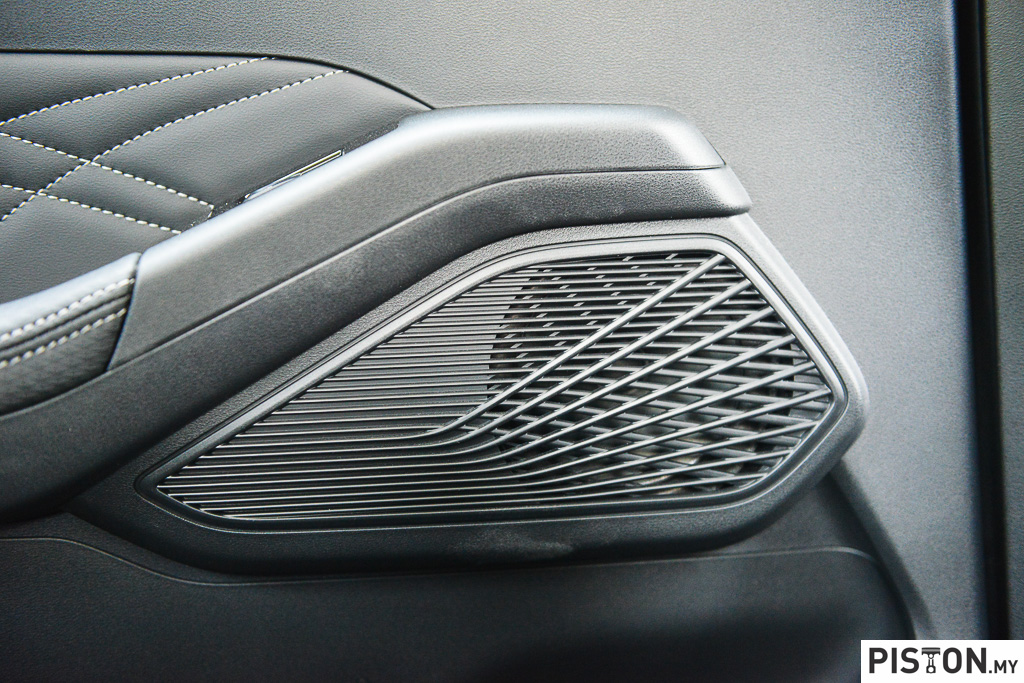
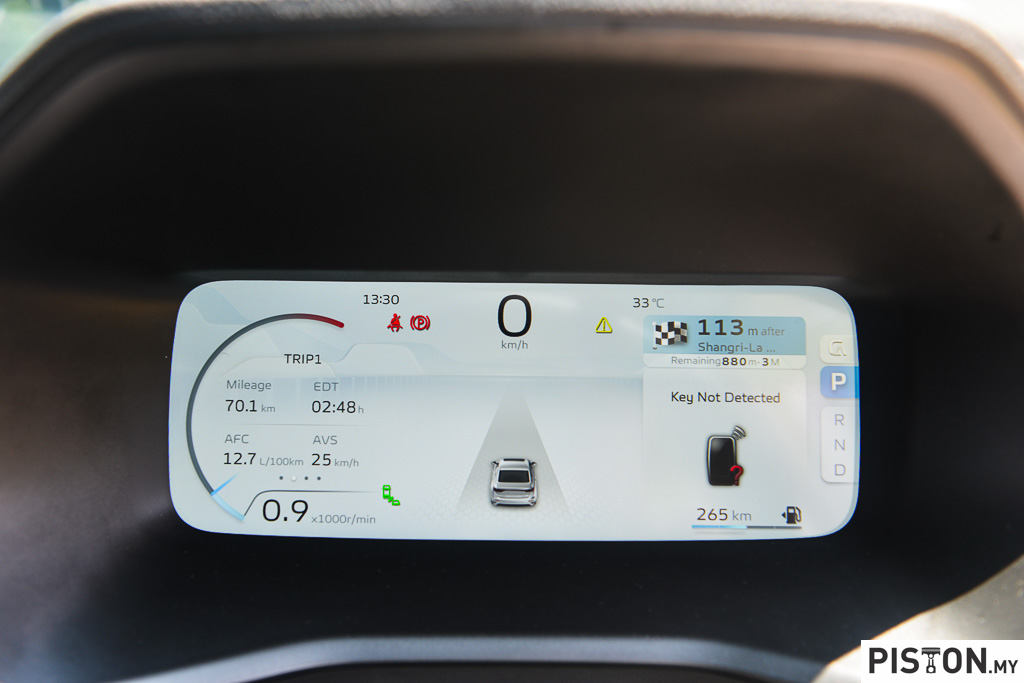
Tech wise, the interior of the flagship model offers a 10.3-inch digital instrument cluster and a 12.3-inch infotainment system with music played back through six speakers. There’s still no Apple CarPlay and Android Auto but the good news is that Proton acknowledges that its customers want those features so is actively working on it. And once it is offered, those features will also be offered in some older models, if the hardware of the car is able to support it.
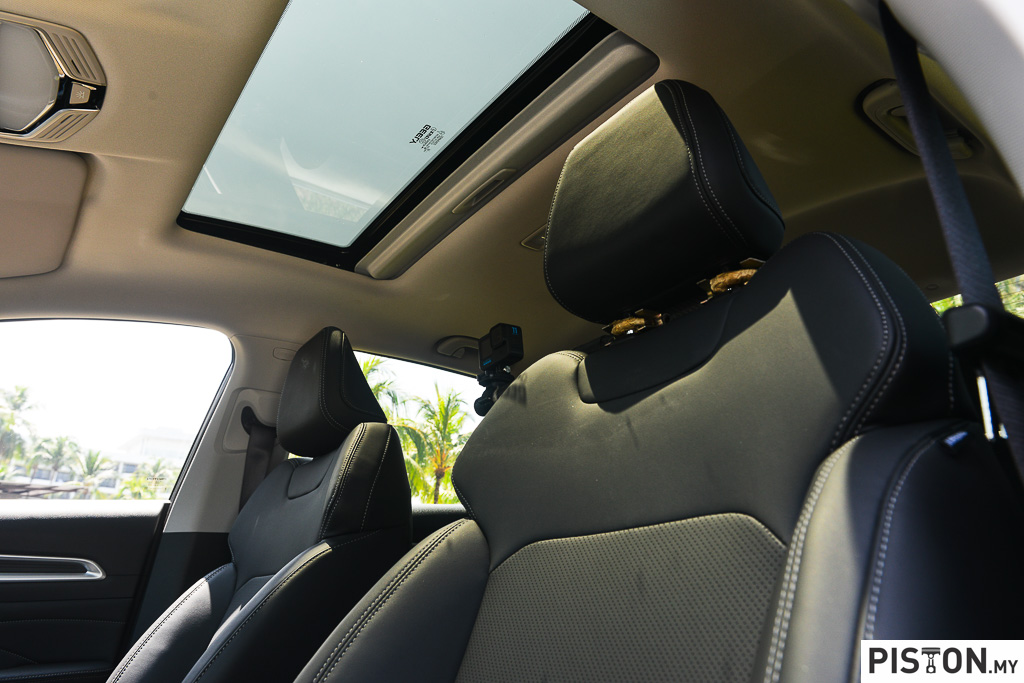
The Flagship X model also offers a sunroof which is something that we appreciate as there is nothing like opening the roof on a cool morning or sunset.
What is also quite impressive is the way the interior refinement. When driving around town, the interior is quiet and does well at keeping noise and vibrations down to a minimum. However, tyre and wind noise is quite apparent at highway speed past 110km/h.
The S70 runs on 17-inch Goodyear Assurance Triplemax tyres which are designed for longevity and durability, as such it uses a harder compound, and a by-product of such compounds is that road noise gets transferred back to the cabin.
The suspension is a combination of MacPherson struts at the front and a torsion beam at the rear. The set-up is similar to its competitors but is a nice balance of comfort and sportiness. When chucked into corners at high speed, the S70 obliges with little body roll and near neutral handling (no understeer or risk of the rear snapping out of line).
And when you have your family or friends in the car, it does a brilliant job at soaking and isolating dips and road ruts. Some netizens have criticised Proton for using a torsion beam, saying that it is uncomfortable. But a properly set up torsion beam suspension is just as good if not better than a multi-link suspension, and Proton deserves credit for the impressive ride and handling.
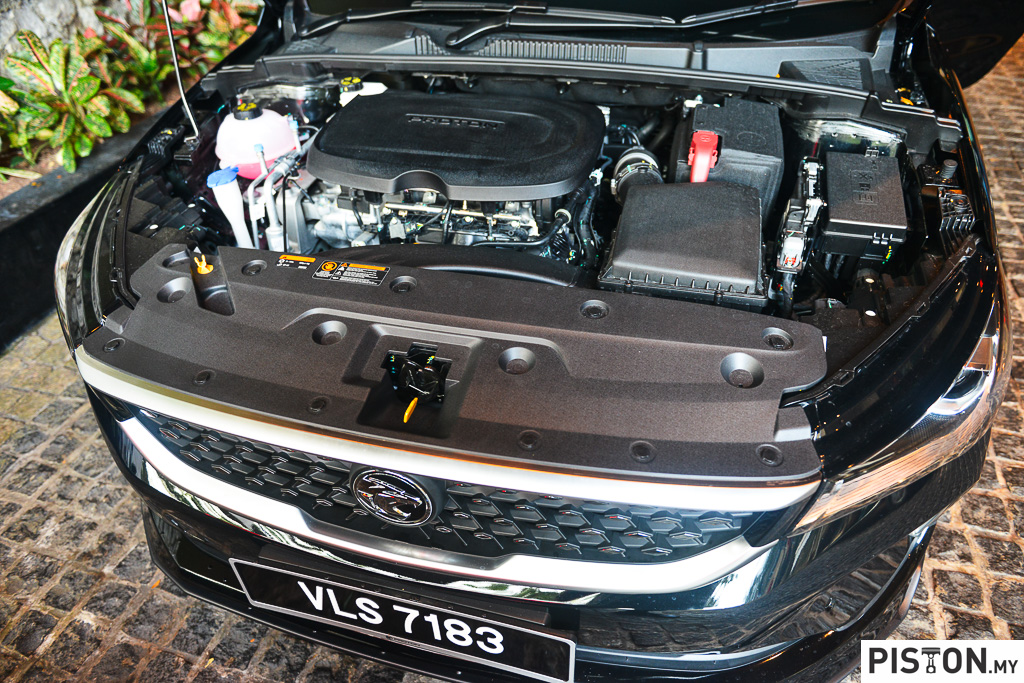
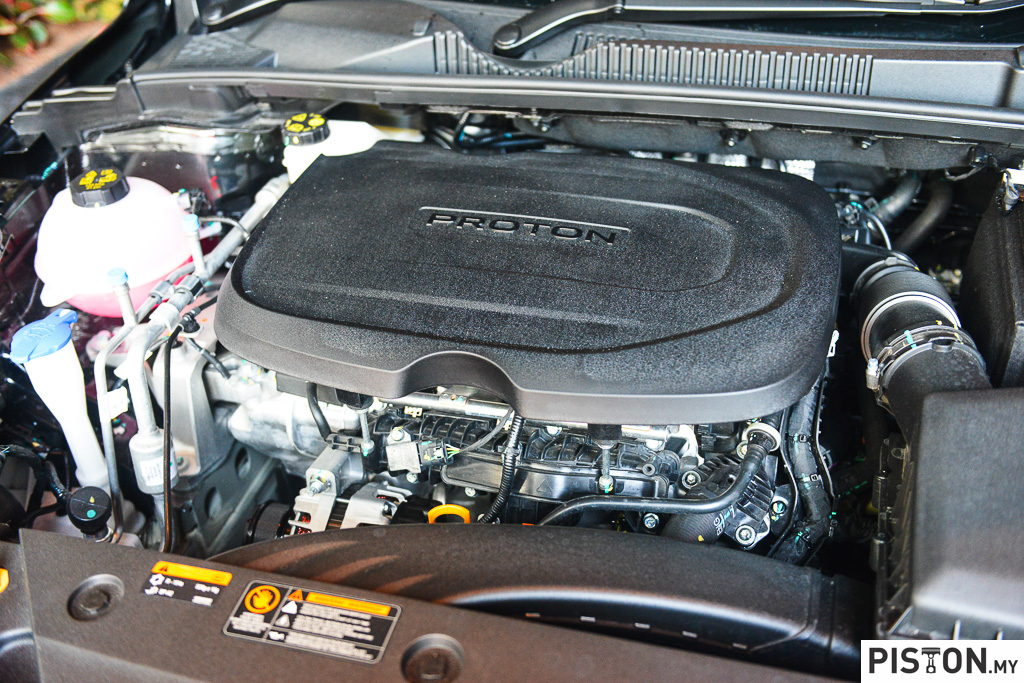
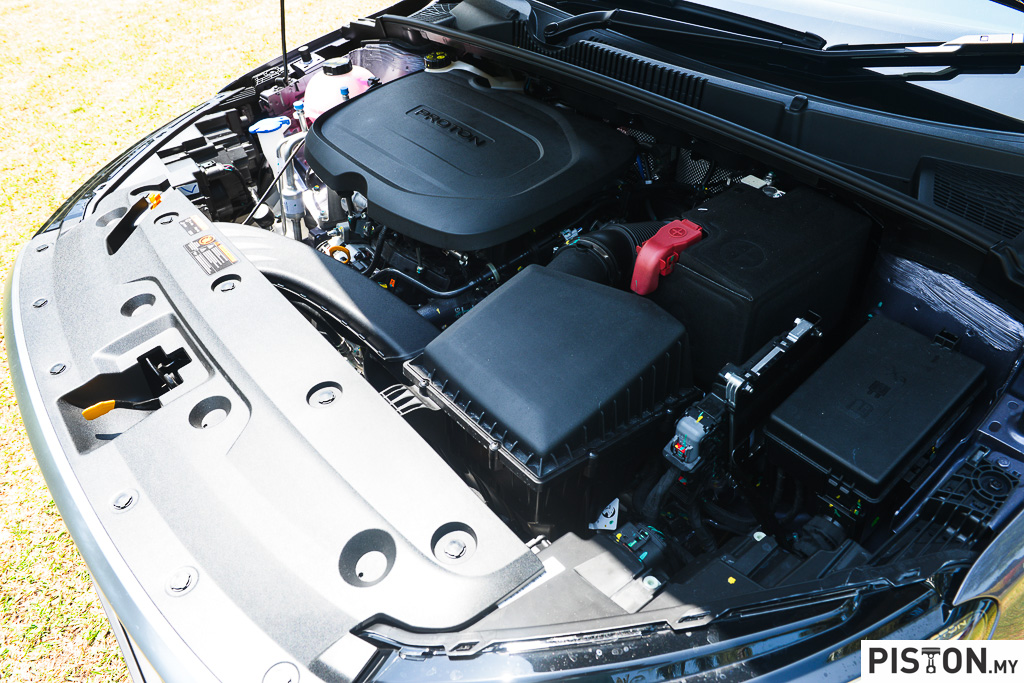
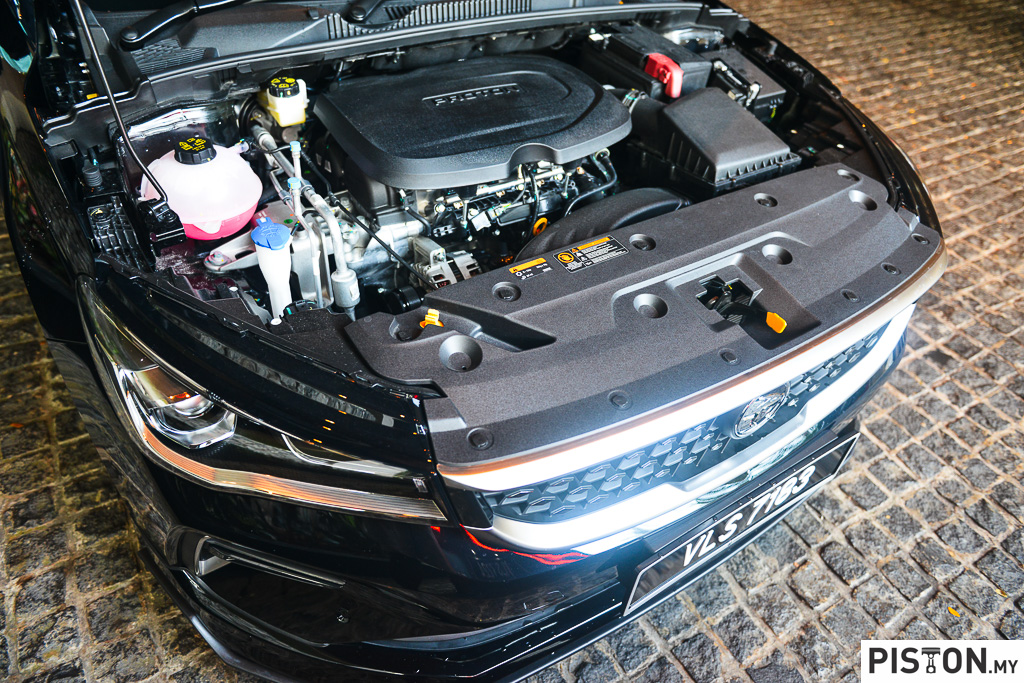
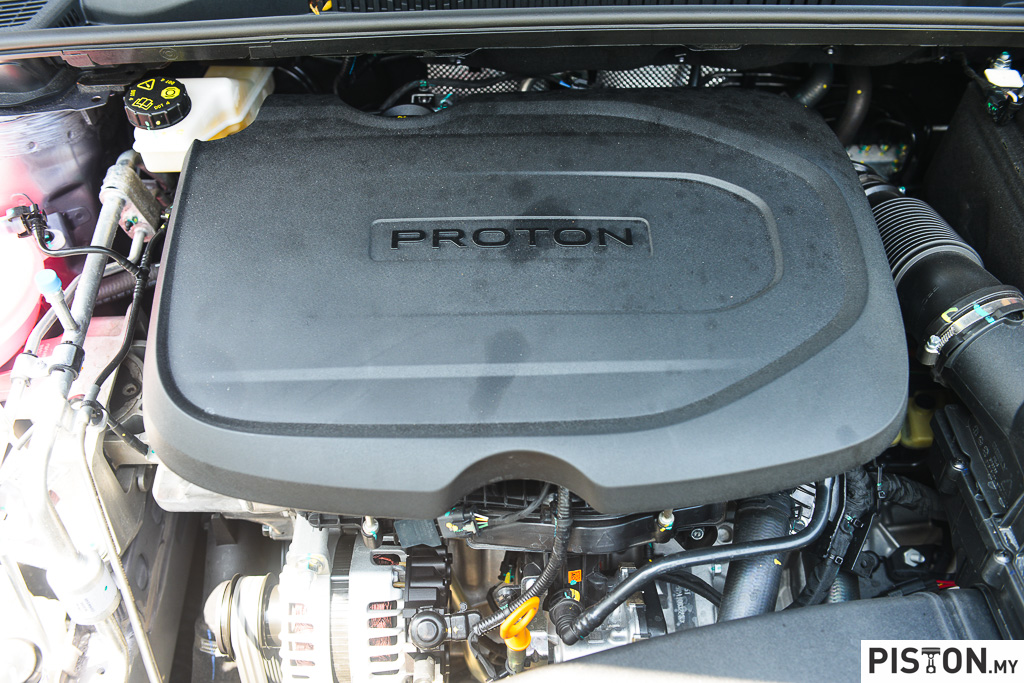
The powertrain on the other hand consists of a 1.5-litre, three-cylinder, turbocharged engine producing 150PS and 226Nm. Power is sent to the front wheels through a seven-speed dual-clutch gearbox and the S70 needs nine seconds to reach 100km/h from a standstill. We saw a fuel consumption rating of 9.6-litres per 100km but that is after flooring it on the highway and getting stuck in Penang traffic. The official fuel consumption figure from Proton though puts it at 6.2-litres per 100km.
The engine has been reworked by Proton. It is the same engine that powers the Geely Emgrand but Proton added a turbocharger which in turn added performance. Power is decent and delivery is just shy of instantaneous with just half a second of turbo lag before a wall of torque meets the demands of your right foot.
However, Proton is still working on refining the turbo lag issue, particularly from a standstill. The moment of nothingness and the sudden surge of power often results in a wheelspin which can catch some drivers off guard, particularly when turning into a junction or getting off from a traffic light. This was felt by other members of the Malaysian motoring media fraternity who were unanimous in their feedback regarding the turbo lag.
But besides that, the Proton S70 is very nearly a perfect B-Segment car and will take the fight to the Honda City and the Toyota Vios. Particularly with its spaciousness, quality, pricing and powertrain.
While the competition makes do with whinny CVT gearboxes, the S70 stands out by offering a quick and smooth shifting dual-clutch transmission, just like the one in the X50 and X70. And the dual-clutch will always trump the CVT when it comes to refinement and response.
All-in-all, the Proton S70 seems like it is going to create some sleepless nights for the teams at Honda and Toyota. Proton is hell bent on offering a good product and has even resorted to delaying some deliveries to ensure that quality is not sacrificed.
But from what we experienced during our drive, Proton has a clear winner in the S70, but in a market that prefers SUV’s over sedans, time will tell how well it sells.