
Piston.my

Hydrogen

Toyota took centre stage at this year’s SEMA Show with a concept that pushes off-road innovation into new territory — the Tacoma H2-Overlander, a hydrogen-powered pickup designed not only to drive emissions-free but to literally make and reuse water as it goes.

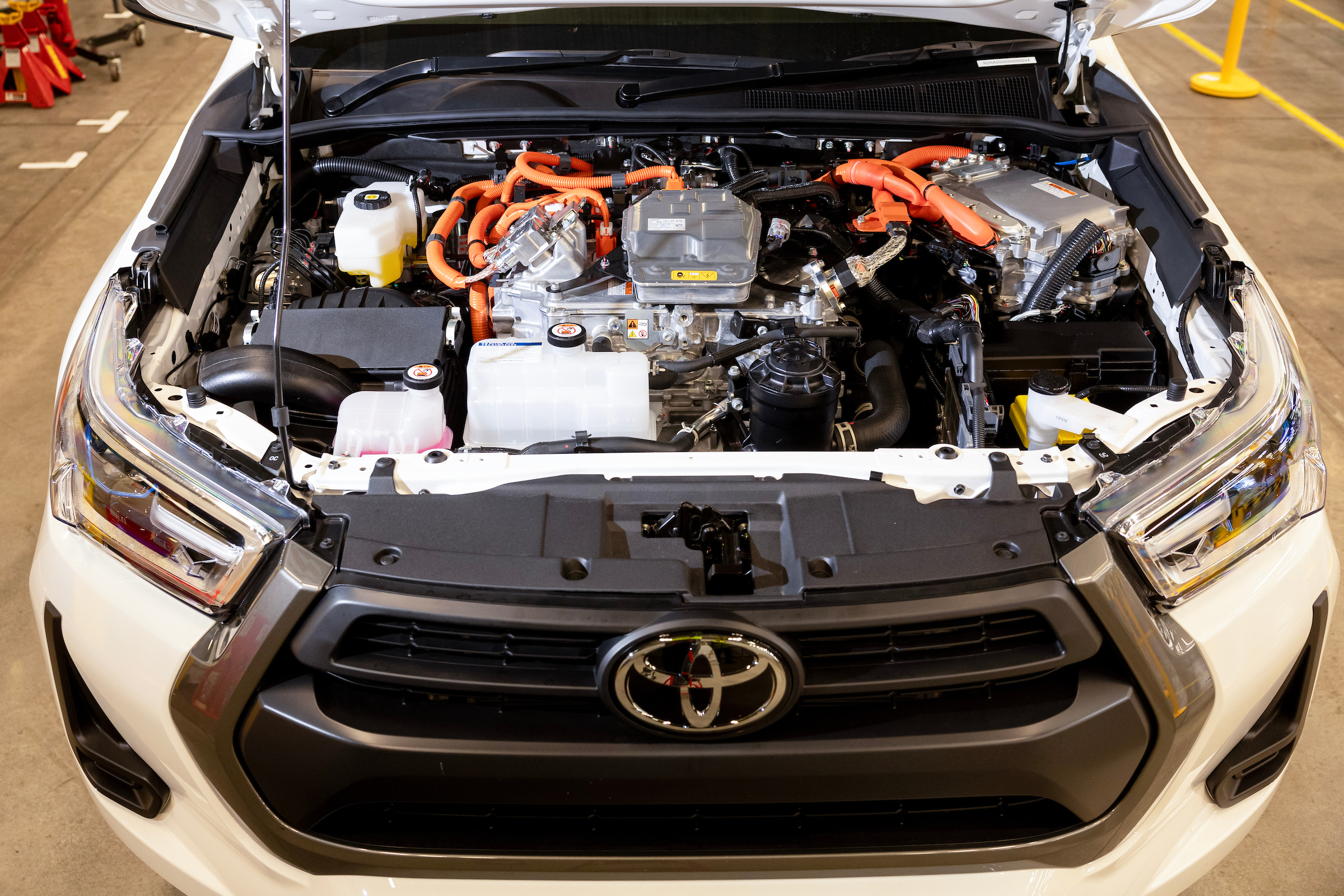
The concept sits under Toyota’s “Powered by Possibility” theme, a showcase of experimental builds aimed at demonstrating how future vehicles could combine clean energy with real-world versatility. At its core, the Tacoma H2-Overlander begins life as a standard Tacoma pickup, but instead of the usual petrol engine, it’s fitted with the second-generation hydrogen fuel cell system lifted from the Toyota Mirai sedan.

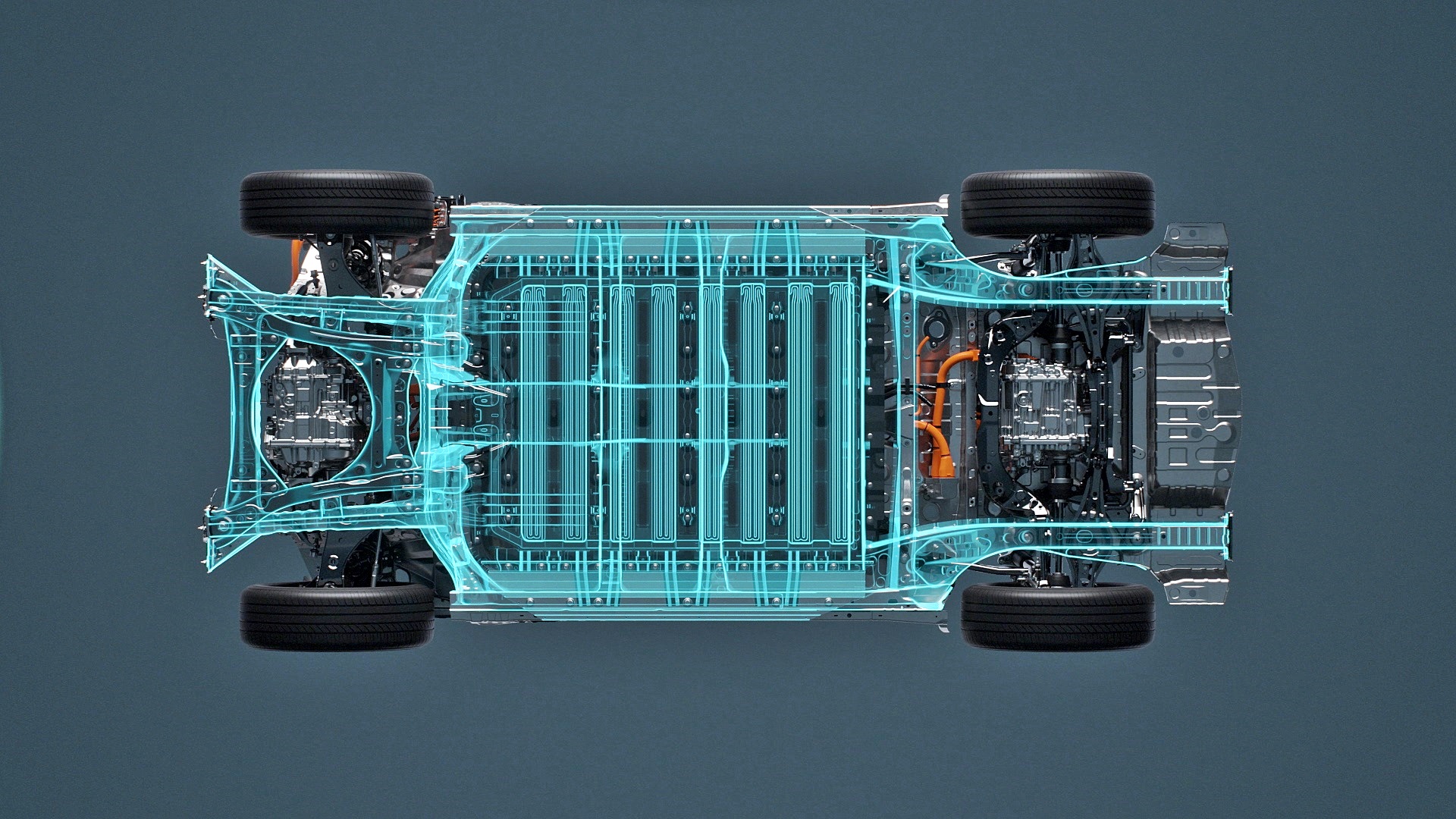
Three hydrogen storage tanks are integrated neatly within the frame, with a total capacity of around 6kgs. Power delivery comes from two electric motors, one mounted on each axle, drawing energy from a 24.9-kWh lithium-ion battery. Together, the system produces a hefty 547hp, driving all four wheels while generating zero emissions — unless you count the water vapour it emits instead of exhaust fumes.

What makes this Tacoma truly clever, however, is how it handles that water. Rather than letting it drip away, Toyota Racing Development (TRD) developed a patent-pending exhaust water recovery system that captures, filters and stores the distilled water created by the fuel cell’s chemical process.

The stored water can then be used for washing, cleaning or even showering during remote overlanding trips. Toyota notes that the water isn’t drinkable, but it’s a clever example of how hydrogen technology can deliver unexpected benefits beyond propulsion.

(more…)

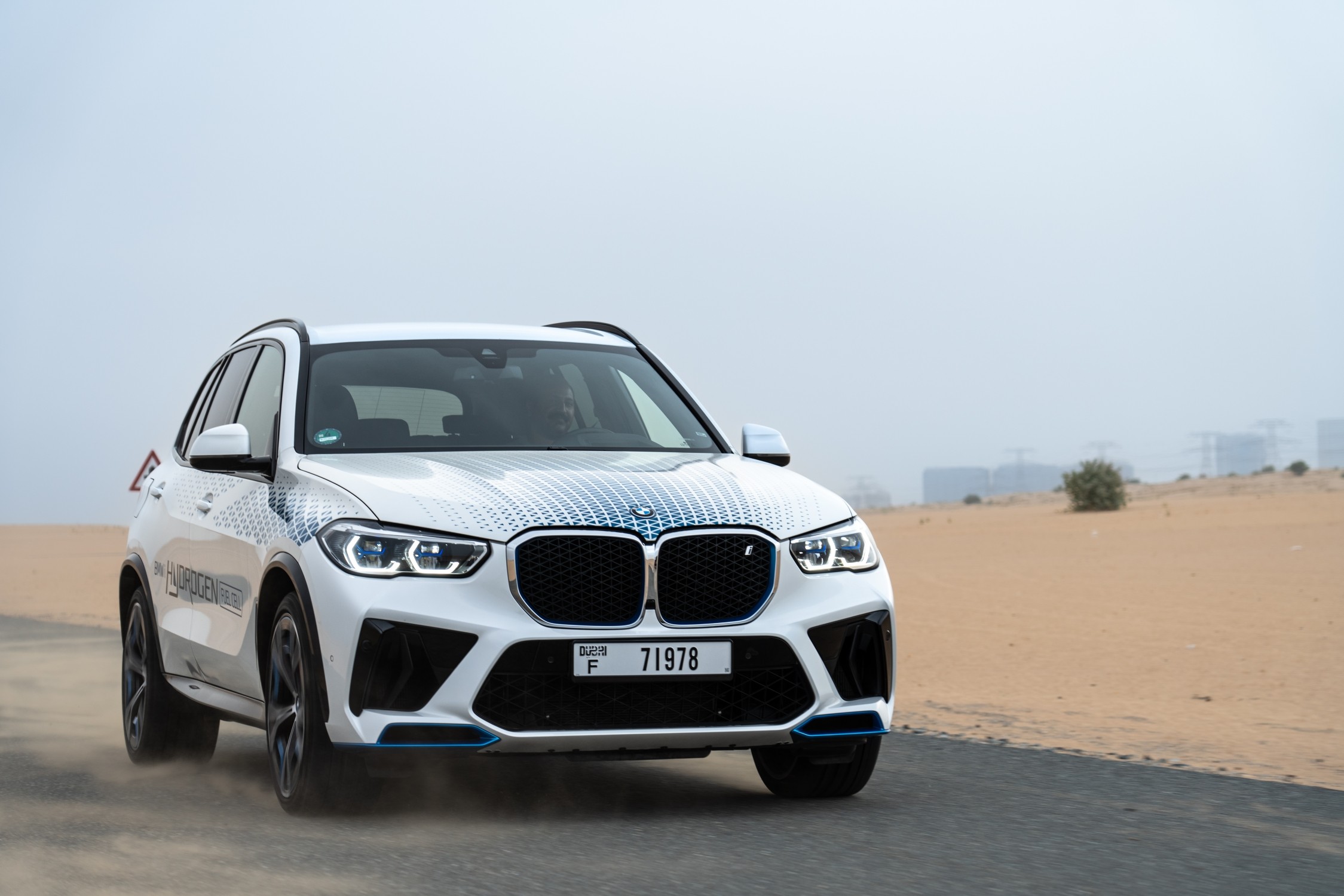
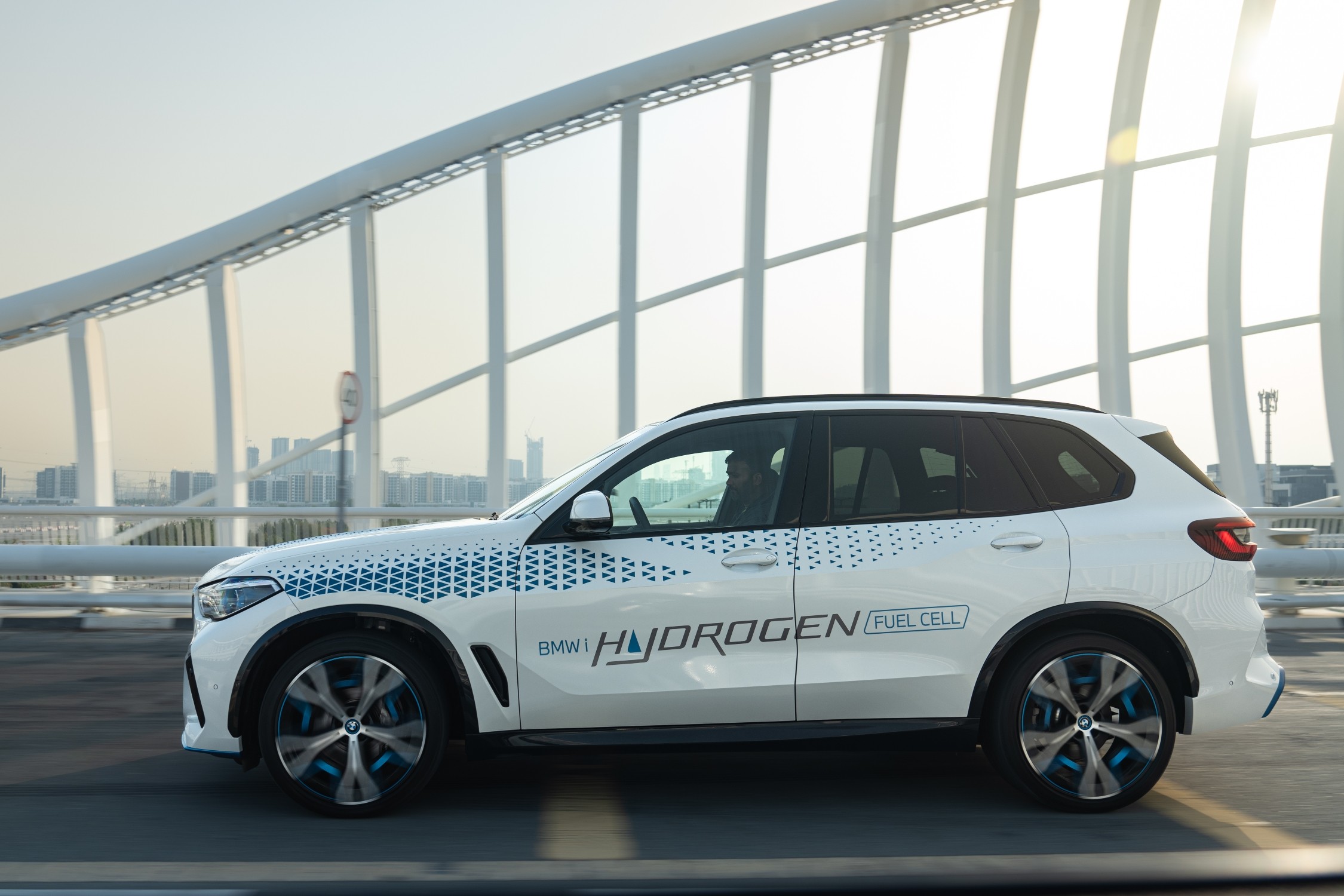
BMW is preparing to roll out the latest generation of the X5, and this time it will come with more drivetrain options than ever before. Buyers will be able to choose between battery electric, plug-in hybrid, petrol, diesel, and, for the first time, hydrogen fuel cell. It will make the X5 the first model in the brand’s line-up to feature the full range of propulsion technologies in a single series.

Alongside the car, BMW is also pushing its Hydrogen Mobility at Scale (HyMoS) programme, aimed at expanding hydrogen refuelling networks in large cities. The pilot phase is starting in Germany, before moving into France and later other markets.

The plan was presented in New York by Joachim Post, BMW AG’s Board Member for Development. He explained that hydrogen plays a crucial role in the shift to low-carbon mobility and confirmed that BMW intends to move both the technology and its infrastructure forward.

(more…)

For decades, diesel engines have been the backbone of pickups, large SUVs, and vans across key markets. In Australia, the story has been no different, with diesel still powering almost half of Toyota’s local sales. But according to Toyota Australia, the days of diesel dominance could be numbered, with hydrogen waiting in the wings to take its place.

Out of 163,491 vehicles sold by Toyota in Australia during the first eight months of the year, 48.4 per cent were diesel-powered. Heavy-hitters like the Hilux, LandCruiser, Prado, HiAce and Fortuner continue to drive those numbers. The company admits this strong reliance on diesel won’t disappear overnight, but it believes change is inevitable.

Toyota Australia’s vice president of sales, marketing and franchise operations, Sean Hanley, explained that diesel still has a role to play throughout this decade, but beyond that, hydrogen could be the game-changer. He pointed out that petrol models already match diesel in many respects, and in some areas outperform them, which raises questions over diesel’s long-term relevance.

(more…)

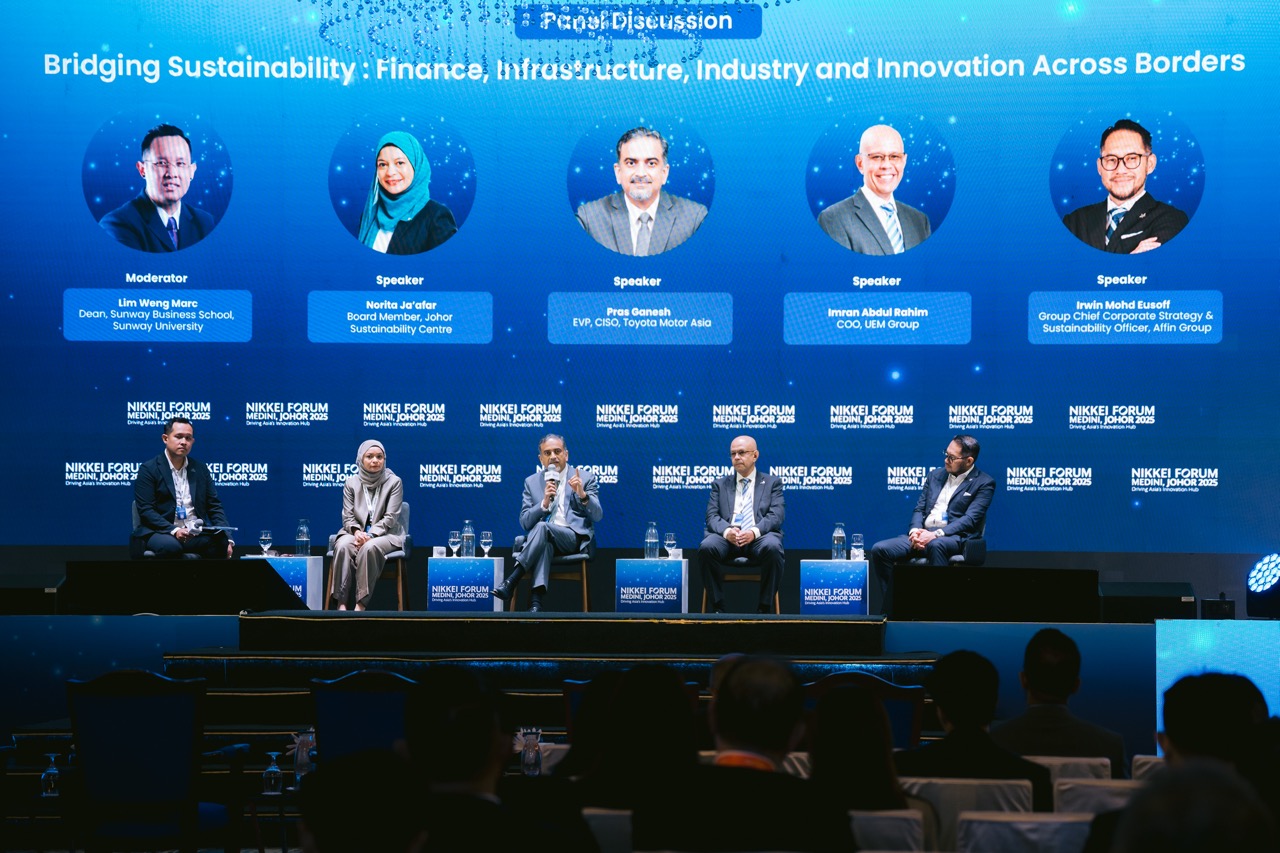
UMW Toyota Motor (UMWT) reaffirmed its commitment to inclusive and sustainable mobility as the Premier Mobility Partner of the inaugural Nikkei Forum Medini Johor 2025, held from 18 to 19 June in Medini, Johor. The landmark event brought together over 500 key figures from politics, business, and policy to discuss cross-border cooperation, innovation, and economic sustainability across Asia.

Co-hosted by Iskandar Investment Berhad (IIB) and Japan’s Nikkei Inc., the two-day forum marked the first of its kind in Johor. It underscored the southern state’s rising influence as a hub for innovation and ASEAN connectivity. Among the dignitaries in attendance were Malaysia’s Prime Minister, YAB Dato’ Seri Anwar Ibrahim, Johor’s Chief Minister, YAB Dato’ Onn Hafiz Ghazi, and the Ambassador of Japan to Malaysia, H.E. Shikata Noriyuki.

Toyota Mirai Showcases Hydrogen Innovation

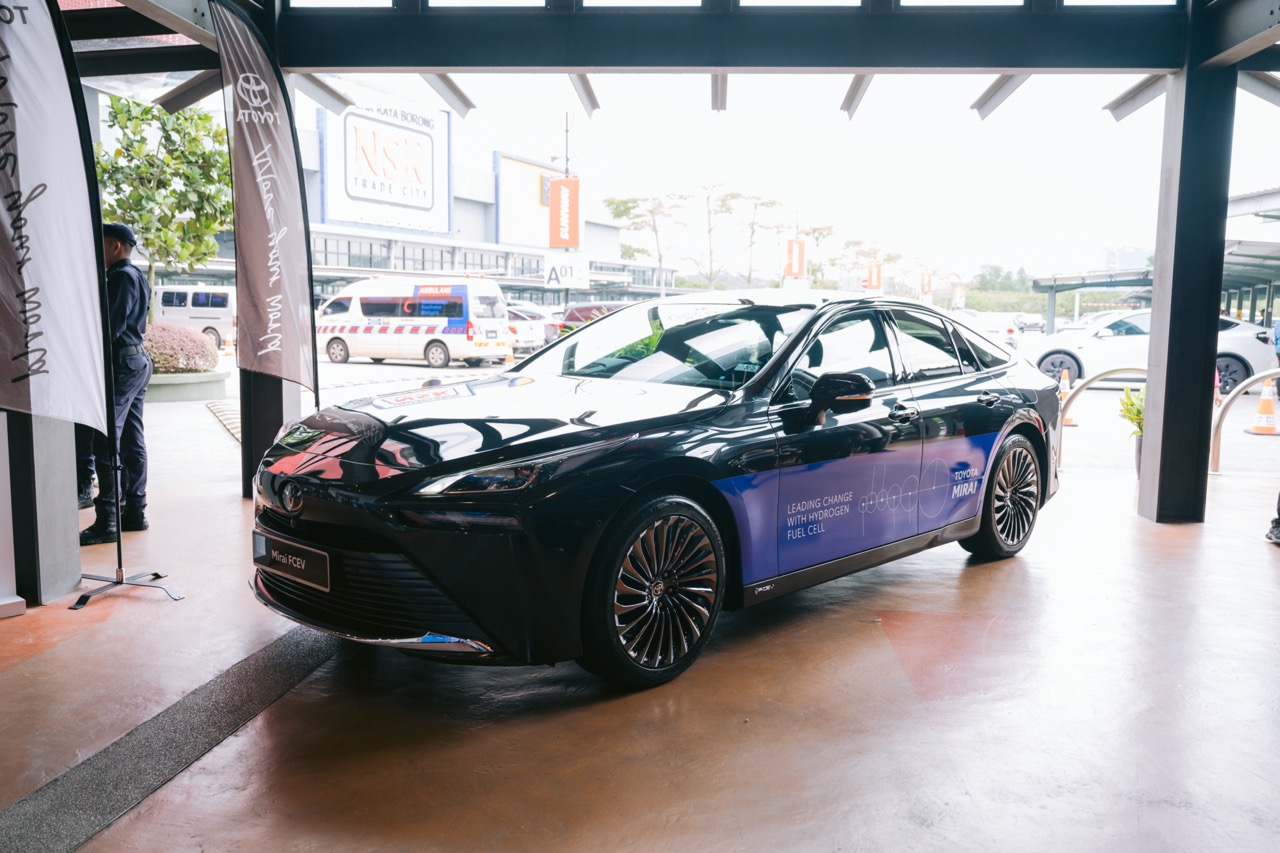
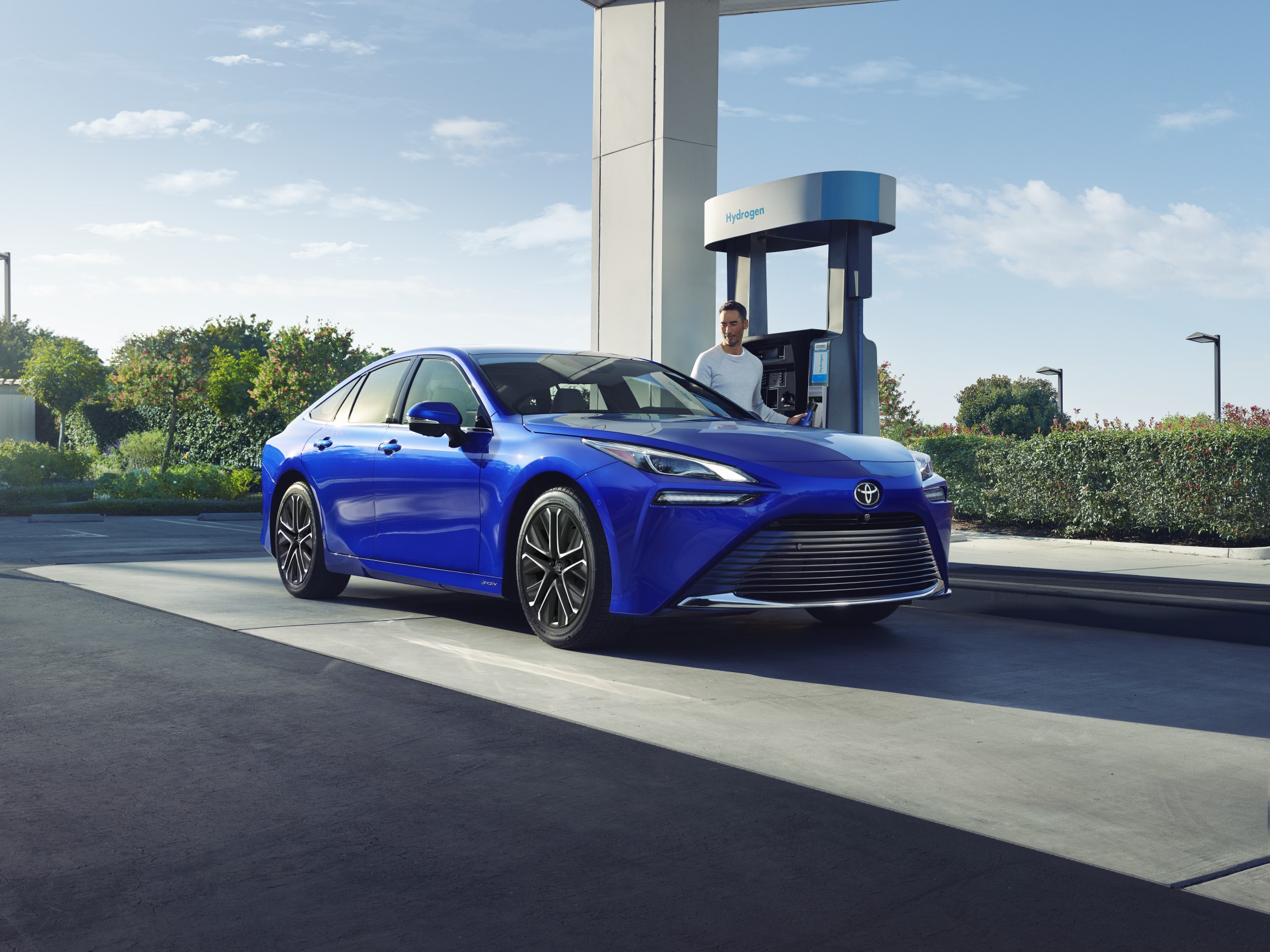
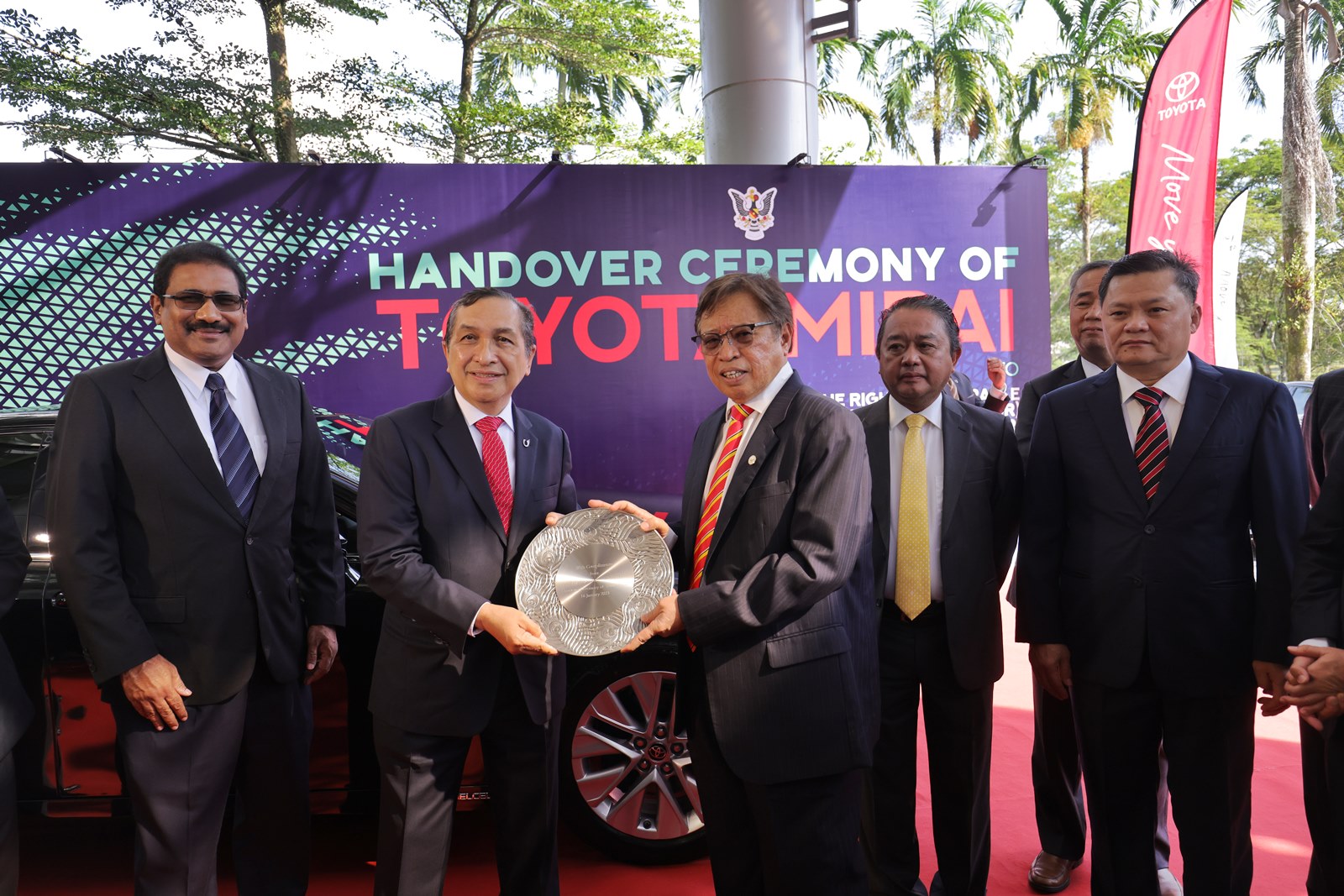
Taking centre stage at the forum was Toyota’s flagship hydrogen fuel cell electric vehicle (FCEV), the Toyota Mirai, displayed prominently at the entrance. The vehicle served as a powerful symbol of the brand’s forward-looking vision for zero-emission mobility. It also spurred active discussions on the potential of hydrogen technology in decarbonising cross-border transport, enabling emission-free freight corridors, and supporting clean logistics in future Special Economic Zones (SEZs).

With the Johor-Singapore Special Economic Zone (JS-SEZ) initiative gaining momentum, Toyota’s hydrogen solutions were positioned as a scalable and practical pathway to achieving joint climate and infrastructure goals between Malaysia and Singapore.

(more…)

BMW has announced its plans to launch its first-ever series production Fuel Cell Electric Vehicle (FCEV) in 2028, adding a new zero-emission powertrain option to its lineup. The company has teamed up with Toyota Motor Corporation, extending their collaboration to accelerate the development of next-generation hydrogen fuel cell technology. Both companies are committed to advancing the hydrogen economy by providing sustainable mobility solutions for the future.

Key Highlights:

  • Partnership with Toyota:
    • BMW and Toyota are pooling their resources and technological capabilities to create a new generation of fuel cell powertrains.
    • This collaboration aims to develop FCEV systems for both commercial and passenger vehicles, providing customers with new hydrogen-powered options while maintaining the distinct brand identities of BMW and Toyota.

(more…)

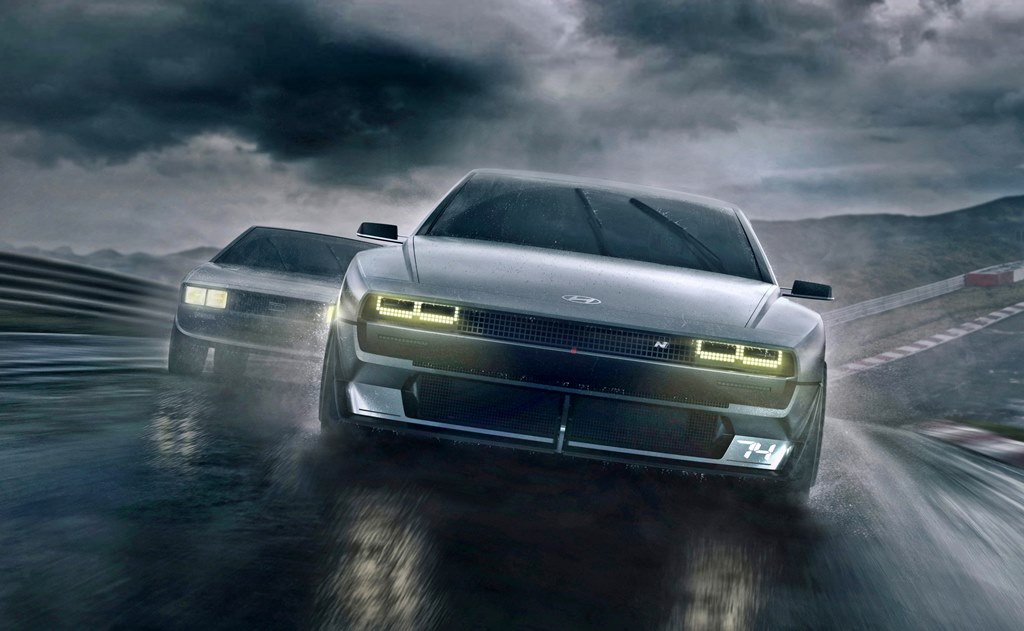
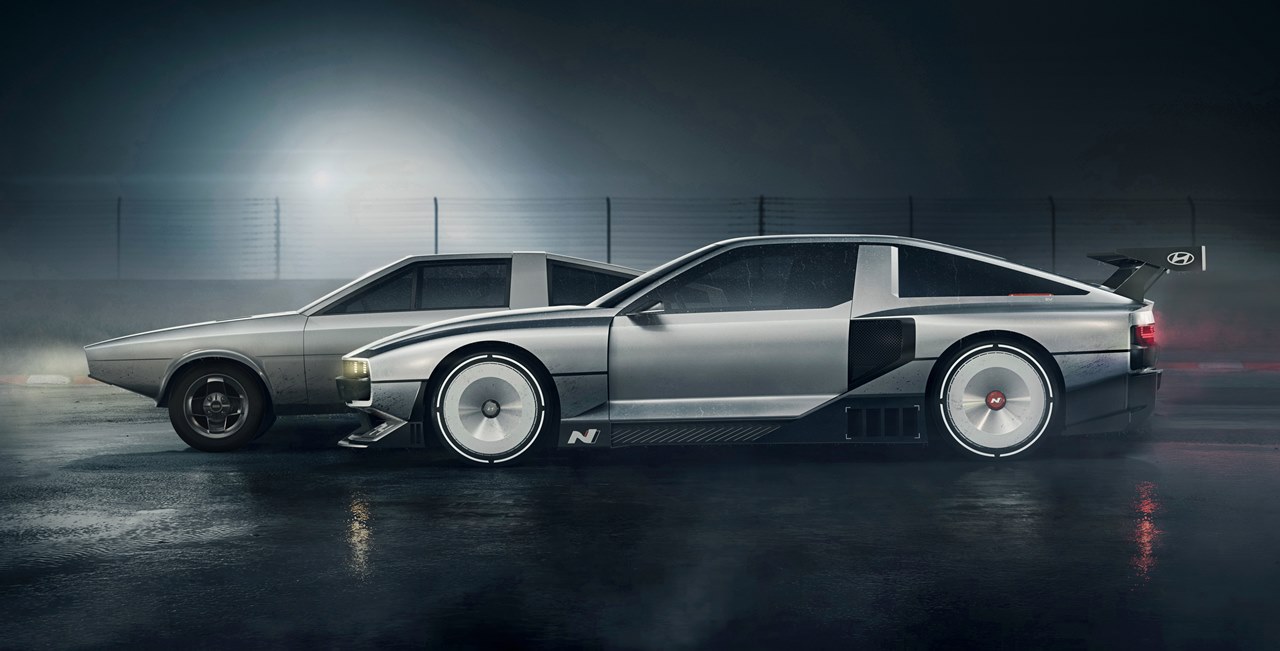
Hyundai Motor Group is pushing the boundaries of automotive innovation, especially with electrification, hybrid, and hydrogen-powered vehicles at the core of its future strategy. While many traditional car manufacturers are cautiously advancing in these areas, Hyundai’s recent 2024 CEO Investor Day presentation showcases its bold plans, particularly with its thrilling N Vision 74 concept. This concept, a hydrogen hybrid sports car, will become a production model, signalling Hyundai’s commitment to groundbreaking technology.

2022 Hyundai N Vision 74 prototype

The N Vision 74 concept made its debut two years ago with Hyundai President and CEO Jae Hoon Chang taking it for a spin at the Nürburgring racetrack. The car’s design takes inspiration from the 1974 Hyundai Pony Coupe, designed by the legendary Giorgetto Giugiaro. Despite the retro nod, the N Vision 74 boasts a modern aesthetic with sharp lines, a large rear spoiler, and digital lighting reminiscent of the Ioniq 5. However, the car’s real innovation lies in its unique powertrain.

(more…)

Sarawak Premier Abang Johari Openg has urged the federal government to seek out affordable and sustainable energy alternatives to replace diesel consumption nationwide. He suggested that such alternatives could eliminate the reliance on government-funded diesel subsidies.

Abang Johari made these remarks following the Asia Pacific Green Hydrogen Conference and Exhibition (APGH) 2024, where he emphasised the unsustainable nature of continuous diesel subsidies. “If people keep relying on diesel and demanding subsidies whenever diesel prices rise, they’ll just keep asking for subsidies,” he stated.

(more…)

Akio Toyoda, the head of Toyota, the world’s largest automaker, has once again expressed scepticism about a complete transition to exclusively electric vehicles (EVs). While promoting a potential role for hydrogen and biofuels, Toyoda emphasized the need for more diversity in future automotive fuels.

“Frankly, (electric vehicles) are not the only way to achieve the world’s carbon neutrality goals,” remarked Mr. Toyoda, who believes there is a silent majority of consumers and carmakers who share these doubts but are hesitant to voice them due to the prevailing trend in favour of EVs.

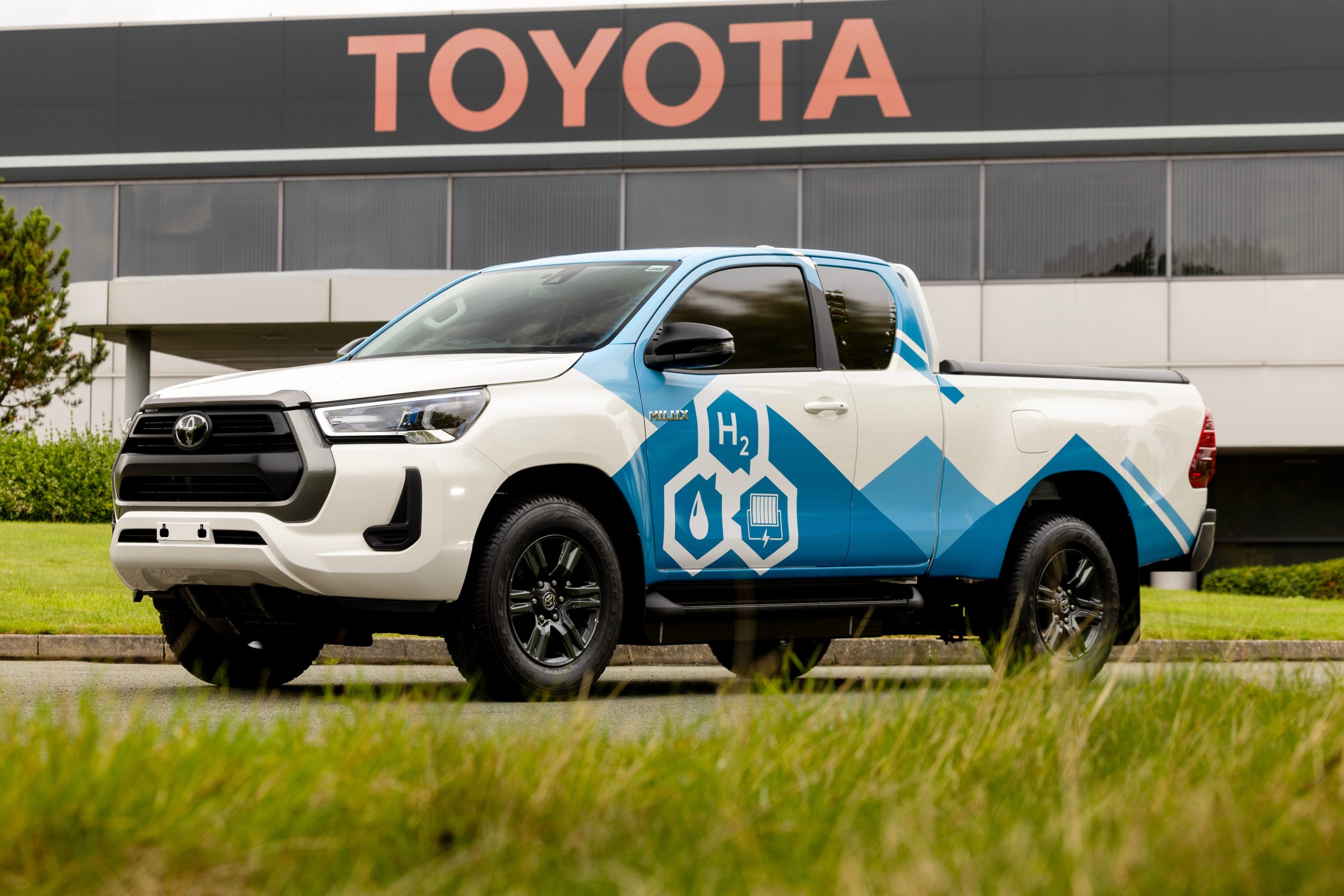
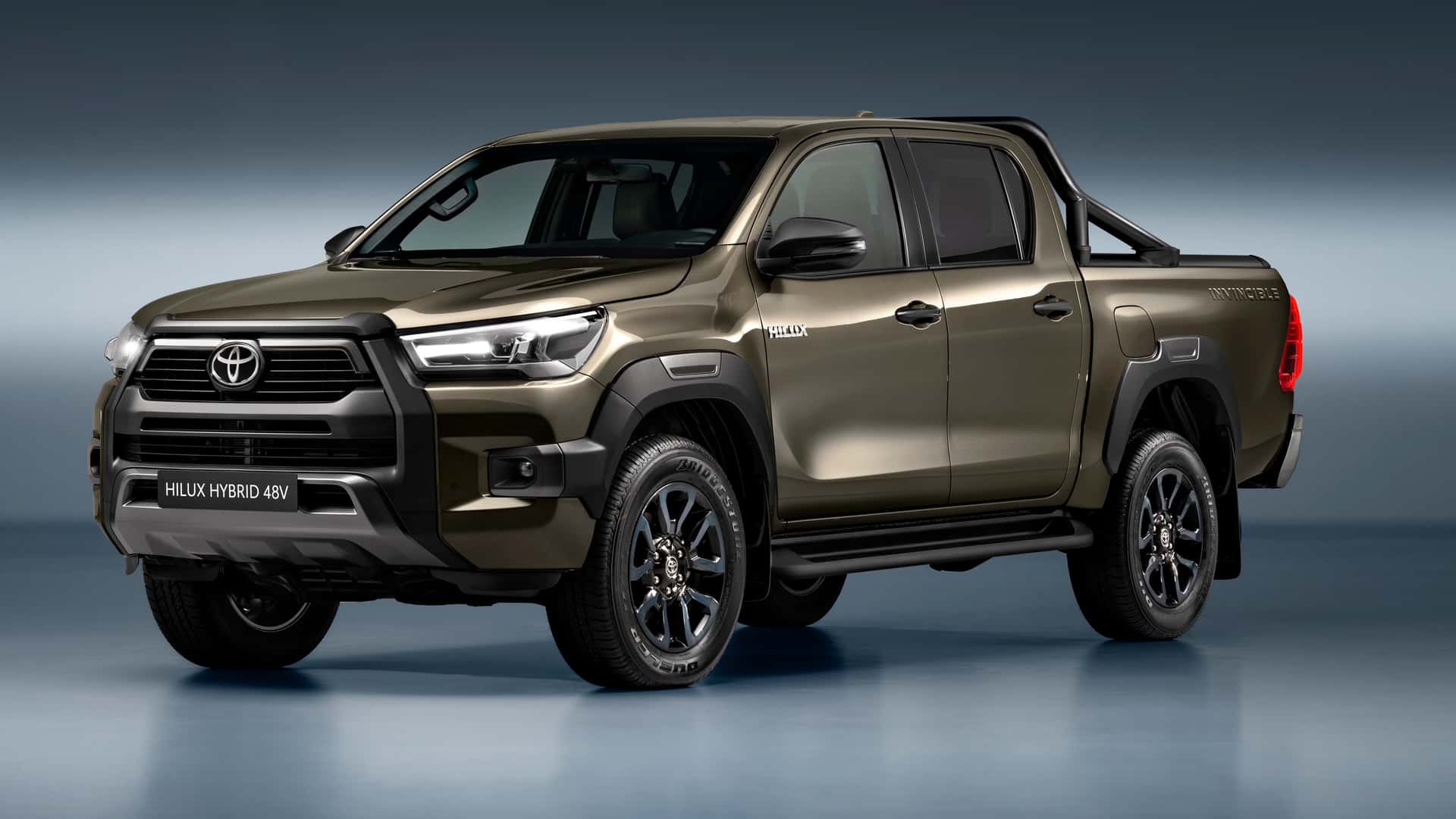
Speaking at the unveiling of a battery-electric Hilux ute in Thailand, Toyoda stressed his preference for exploring multiple options, including emission-free synthetic fuels and hydrogen. He sees hydrogen as a promising technology for the future, alongside battery electric vehicles.

“Let me correctly explain Toyota’s position. I would like you to think of Toyota as a department store offering every available powertrain,” Toyoda stated. He argued that customer preferences are diverse, ranging from EV owners to those without access to charging facilities and limiting options to a single product would diminish the overall value of the automotive market.

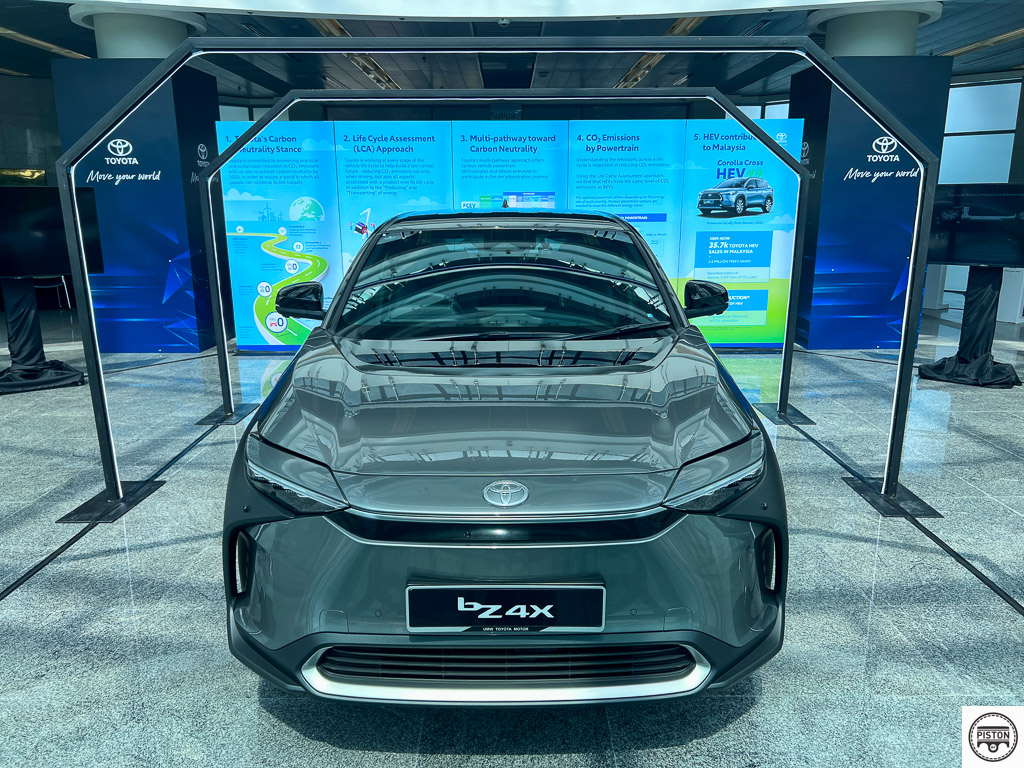
While Toyota has been a pioneer in hybrid technology with models like the Prius and the Mirai, which run on hydrogen fuel cells, the company recently introduced its first battery-electric model, the bZ4X, in 2022.

Toyoda also defended Toyota’s commitment to electrification, outlining the company’s goal to achieve sales of 3.5 million electric vehicles by 2030. He underscored Toyota’s global reach and vision of providing mobility for all, stating, “Our philosophy is that we want to leave no one behind.”

Expressing skepticism about the timelines set for the full electrification of the automotive industry, Toyoda urged a realistic approach considering societal readiness and infrastructure development. He emphasised that the transition to electric vehicles might take longer than portrayed by the media and drew parallels with the delayed realisation of fully autonomous cars.

In a landscape dominated by the push towards EVs, Toyota, under Toyoda’s leadership, continues to champion a diversified approach to fuel technologies, maintaining a commitment to various options beyond electric vehicles.

Hydrogen is seen as having a lot of potential as a fuel for vehicle propulsion systems. It is a very clean energy source and is the most abundant element in the universe. For this reason, some carmakers have been developing propulsion systems which use hydrogen in various forms.

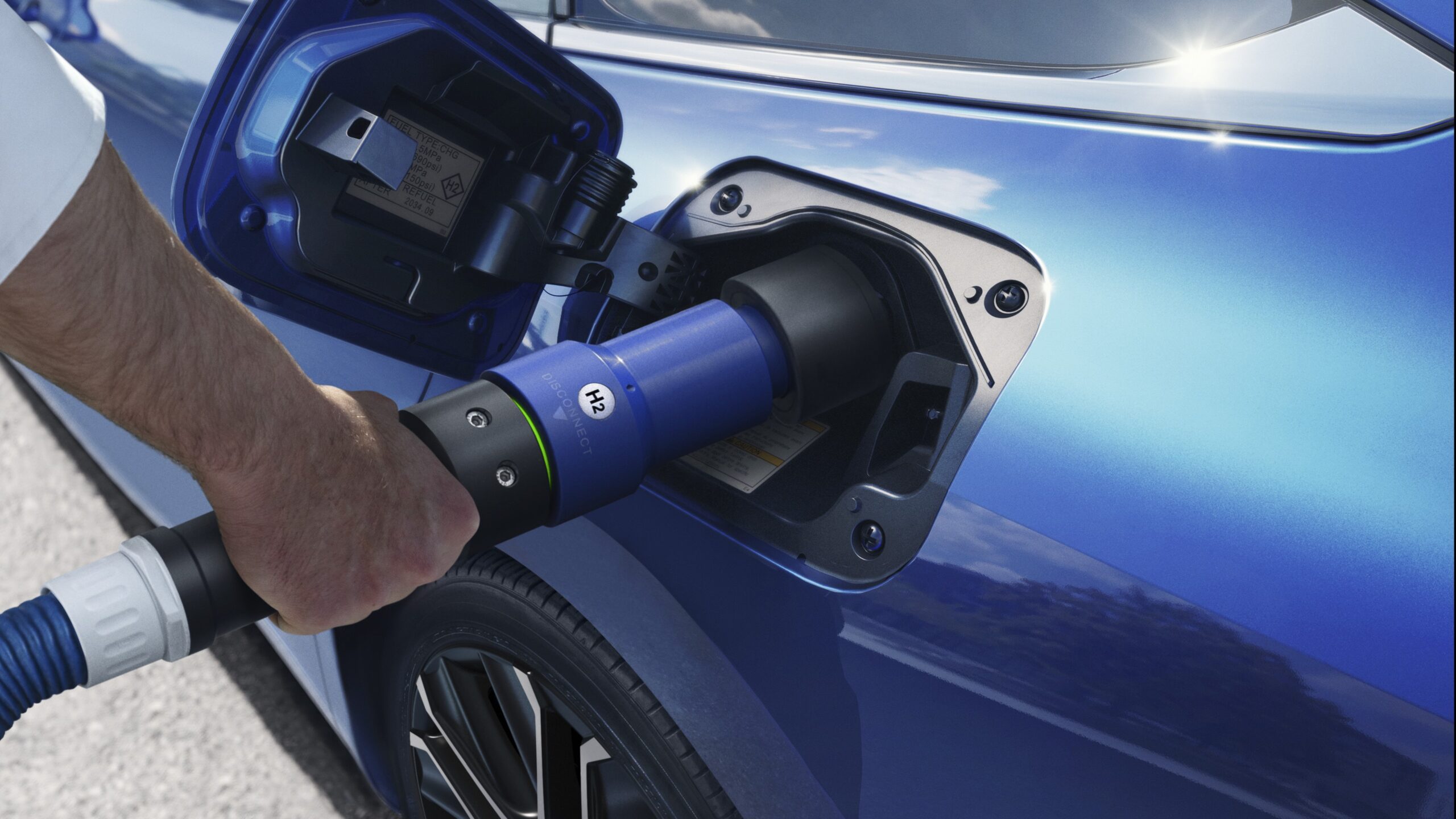
Currently, the gas is used in a fuel cell which has a chemical reaction that generates electricity that can then be stored and used to power electric motors. Companies like Toyota, Honda and Hyundai have already commercialised fuel cell electric vehicles (FCEVs) for some years now, selling them in certain markets.

Hydrogen can also be used in other forms and Toyota has been carrying out R&D into liquid hydrogen as a fuel. It is still in early stages but is using motorsport as a development laboratory. In the high-pressured world of competition, extreme conditions are created and provide engineers with useful data for development work.

(more…)

Toyota has various solutions to offer that can contribute towards the quest for carbon neutrality. It does not believe that pure electric vehicles (EVs) are the only way to go as different markets and regions require different approaches. It has hybrid electric vehicle (HEV) technology at one end of the range of mobility solutions and at the other more advanced end, it can also provide fuel cell electric vehicles (FCEVs) that use hydrogen.

For Malaysia at the moment, HEV technology is deemed the most practical solution and the company has started assembling HEV models locally to accelerate adoption. HEVs like the Corolla Cross Hybrid do not depend on charging stations to recharge their battery packs and the process occurs while the SUV is moving. Thus Malaysians can do their balik kampung journeys with peace of mind and don’t have to think about finding a recharging station.

(more…)

Archive

Follow us on Facebook

Follow us on YouTube