

Piston.my

safety

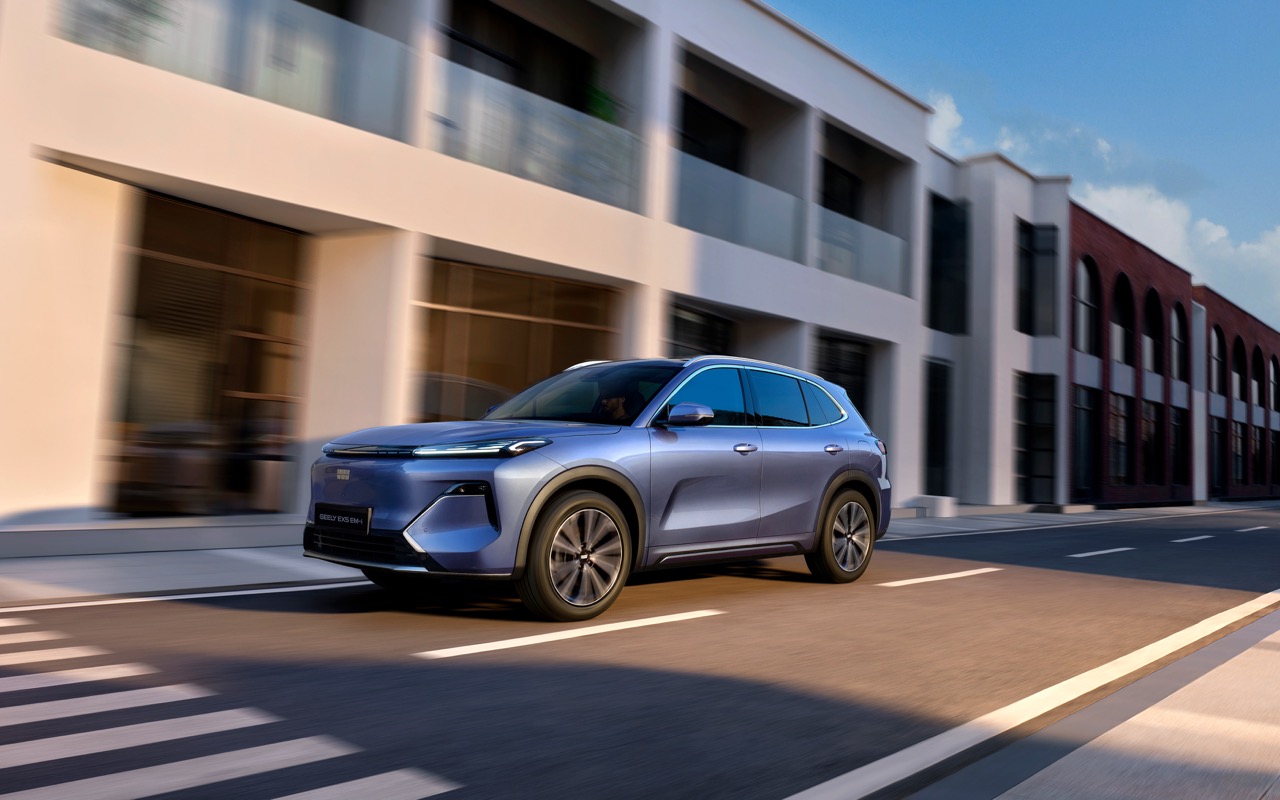
Volvo Cars is set to introduce another industry-first with the debut of its fully electric EX60 SUV — featuring a revolutionary multi-adaptive safety belt system that has already earned a place on TIME magazine’s list of the Best Inventions of 2025. The innovation marks Volvo’s second consecutive appearance on the list, which honours 300 groundbreaking technologies shaping the world today.

True to Volvo’s reputation as a safety pioneer, the new seatbelt goes far beyond the traditional restraint system. It is designed to adapt in real time to both the individual passenger and the surrounding environment, using data from the car’s extensive network of sensors. Instead of applying a one-size-fits-all approach, the system adjusts its tension and resistance according to factors such as the occupant’s body type, seating position, and even the severity of a potential impact.

For instance, a larger passenger involved in a severe collision would experience higher belt tension to mitigate head injuries, while a smaller occupant in a lighter crash would receive gentler restraint to avoid rib or chest injuries. This precision-driven technology ensures that every person in the car receives protection that’s tailored to their physical characteristics and the specific crash scenario, creating a new benchmark in occupant safety.
(more…)

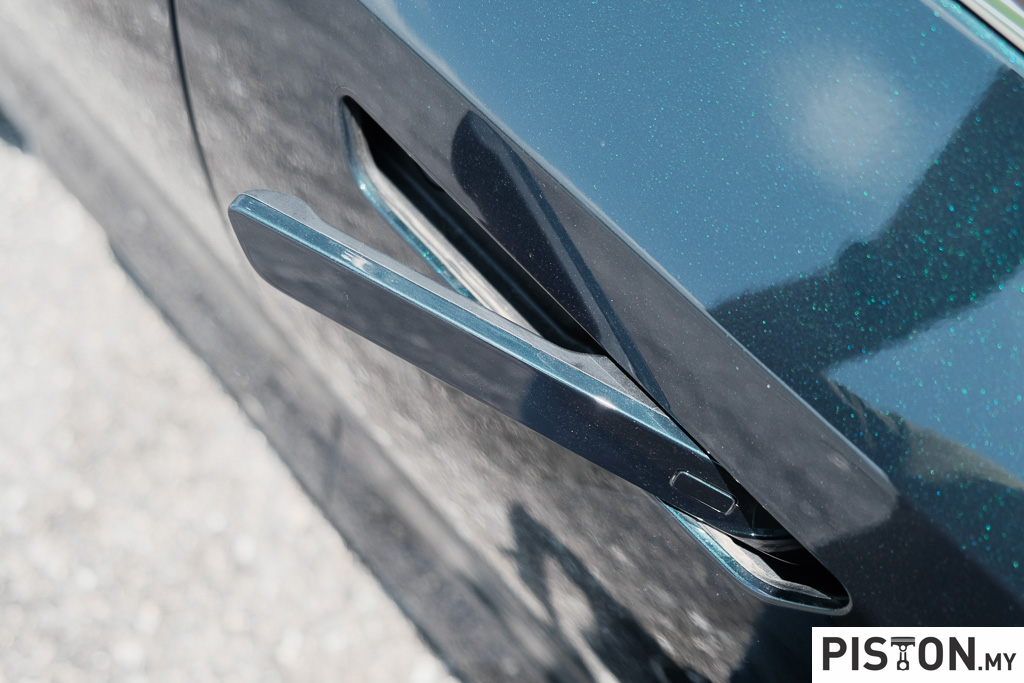
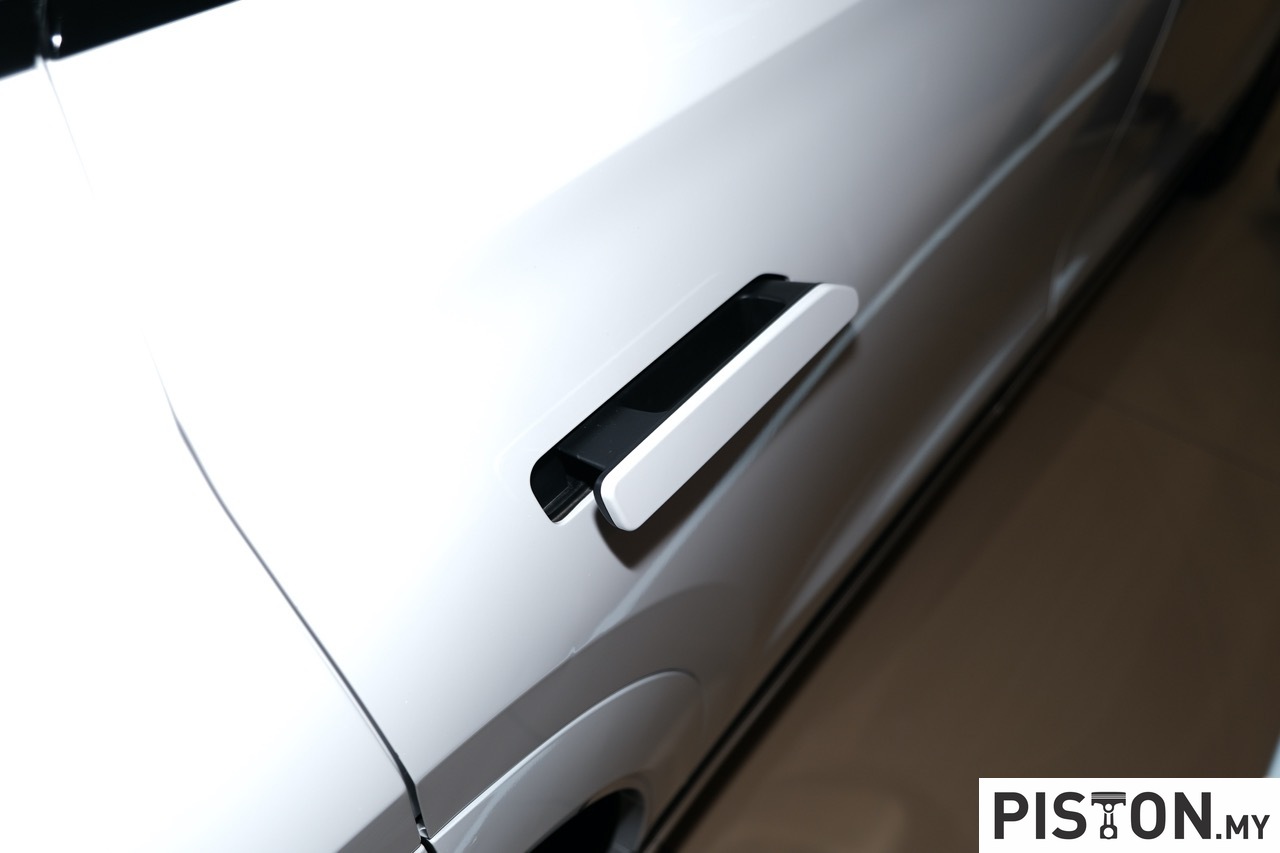
China’s Ministry of Industry and Information Technology (MIIT) is drafting the country’s first mandatory standard for automobile door handles. The proposed regulation, Safety Technical Requirements for Automobile Door Handles, is open for public feedback and aims to address safety concerns linked to the growing use of concealed electric handles in modern vehicles.

With the rise of EVs, door handle designs have become more complex, often prioritising style and aerodynamics over ease of use. This has raised concerns about usability in emergencies, particularly when electrical systems fail. The new standard sets out requirements for handle design, placement, and performance to ensure that doors remain operable in all situations.

As reported by Autohome, development began in 2024 under MIIT’s guidance, with the National Technical Committee for Automotive Standardisation leading the process. Experts from more than 100 automakers, suppliers, and testing agencies were involved, examining over 230 vehicle models and carrying out extensive ergonomic research. Tests on more than 20 vehicles helped validate the requirements.

(more…)

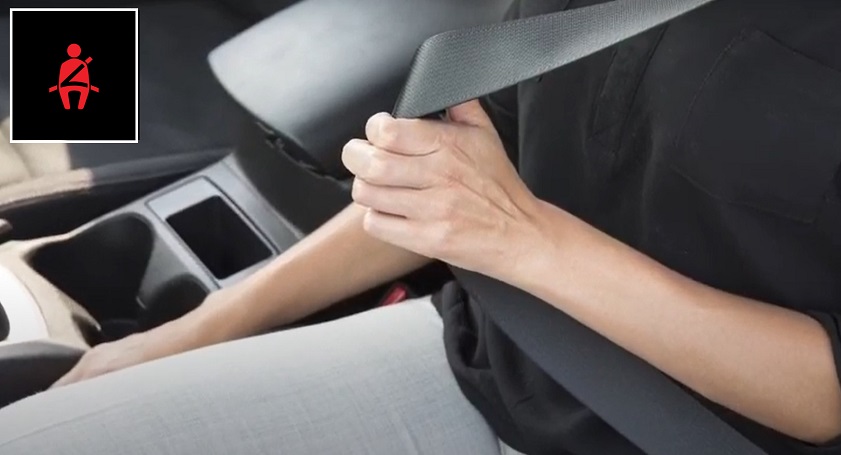
The Road Transport Department (JPJ) is stepping up its road safety efforts with plans to enforce compulsory seatbelt use for everyone in private vehicles, including passengers in the back seat. While the exact date for enforcement has yet to be revealed, JPJ says the focus for now is on education and awareness before penalties come into play.

The latest initiative comes under the ‘Klik Sebelum Gerak’ campaign, which was launched to remind Malaysians that the simplest habit—buckling up—can be the most effective safety measure.

According to Bernama, JPJ director-general Datuk Aedy Fadly Ramli explained that the campaign is designed to build awareness before enforcement begins. The department will confirm the official start date later, but the direction is clear: wearing a seatbelt will soon be non-negotiable for all car occupants.

For those wondering about the consequences of ignoring the rule, the Motor Vehicles (Seatbelt and Child Restraint System) Rules 1978, last updated in 2019, outlines fines of up to RM300 for failing to buckle up. JPJ has made it clear that this step isn’t just about compliance, but about creating a lasting culture of safety on Malaysian roads.

(more…)

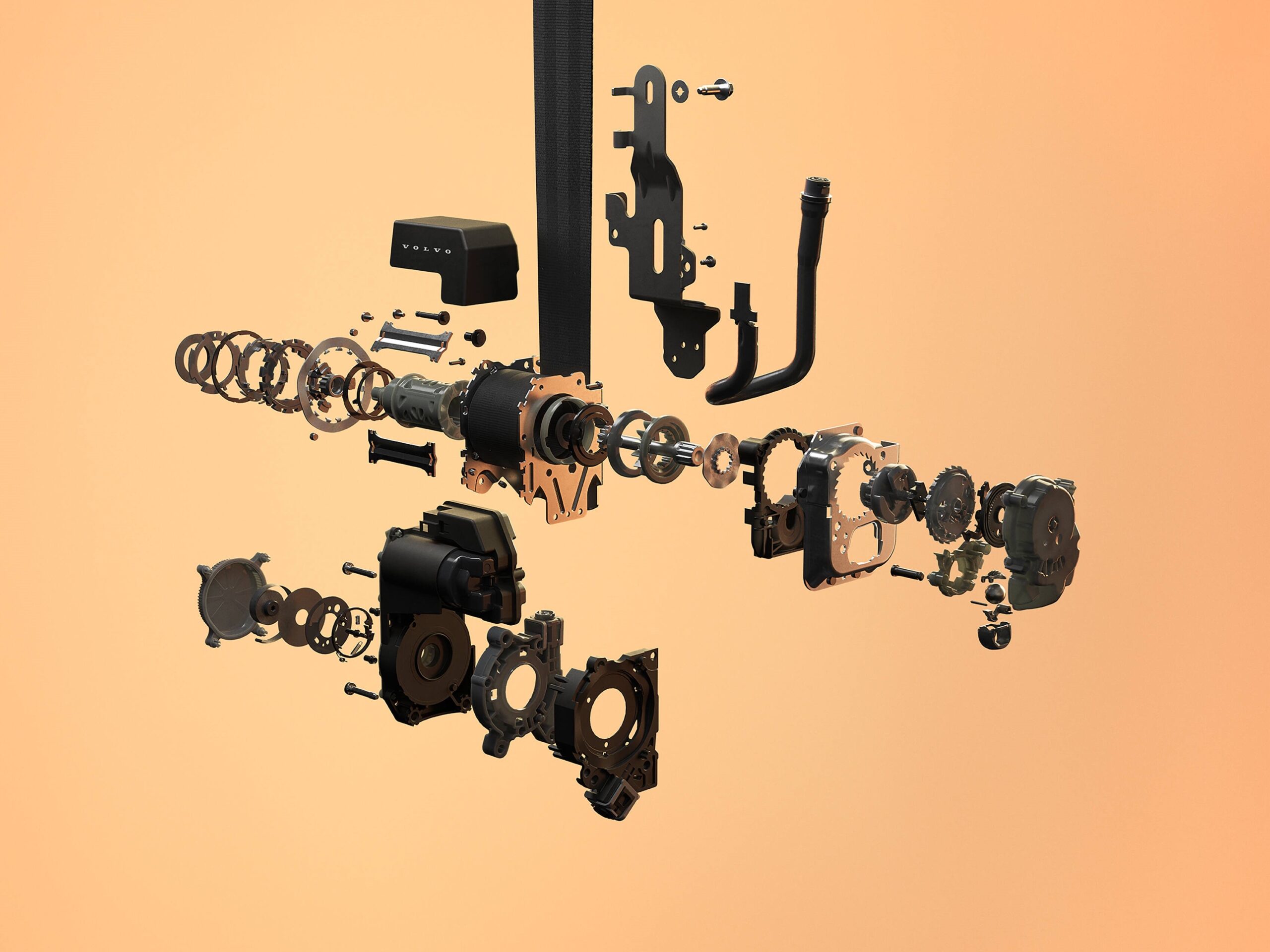
Volvo Cars has unveiled a groundbreaking advancement in occupant protection technology with the debut of its multi-adaptive safety belt, set to launch in the fully electric Volvo EX60 in 2026. This new safety system is designed to provide tailored protection for vehicle occupants by using real-time data from the car’s sophisticated sensor array, marking a major evolution of the original three-point safety belt first introduced by Volvo in 1959.

Developed to address the diversity of human body types and the unpredictability of real-world collisions, the multi-adaptive safety belt responds dynamically to both individual occupant characteristics and the specifics of each crash scenario. Drawing input from both internal and external sensors, the system calibrates belt tension to suit variables such as a person’s height, weight, body shape, and seating posture, as well as the angle and severity of a collision.

The innovation lies in the belt’s expanded use of load-limiting profiles, increasing the options from three to eleven. This significant leap enables the restraint system to apply a more precise level of force during an accident, balancing the need for secure restraint against the risk of injury from the belt itself. For example, in a serious collision involving a larger occupant, the system may apply a higher load threshold to reduce the chance of head trauma. Conversely, a smaller individual in a lower-impact crash would benefit from a lower load setting to reduce the likelihood of rib fractures.

(more…)

The Cabinet Committee on Road Safety and Congestion (JK-MKKJR) has approved a proposal to establish a dedicated funding mechanism aimed at enhancing road safety, according to Transport Minister Anthony Loke.

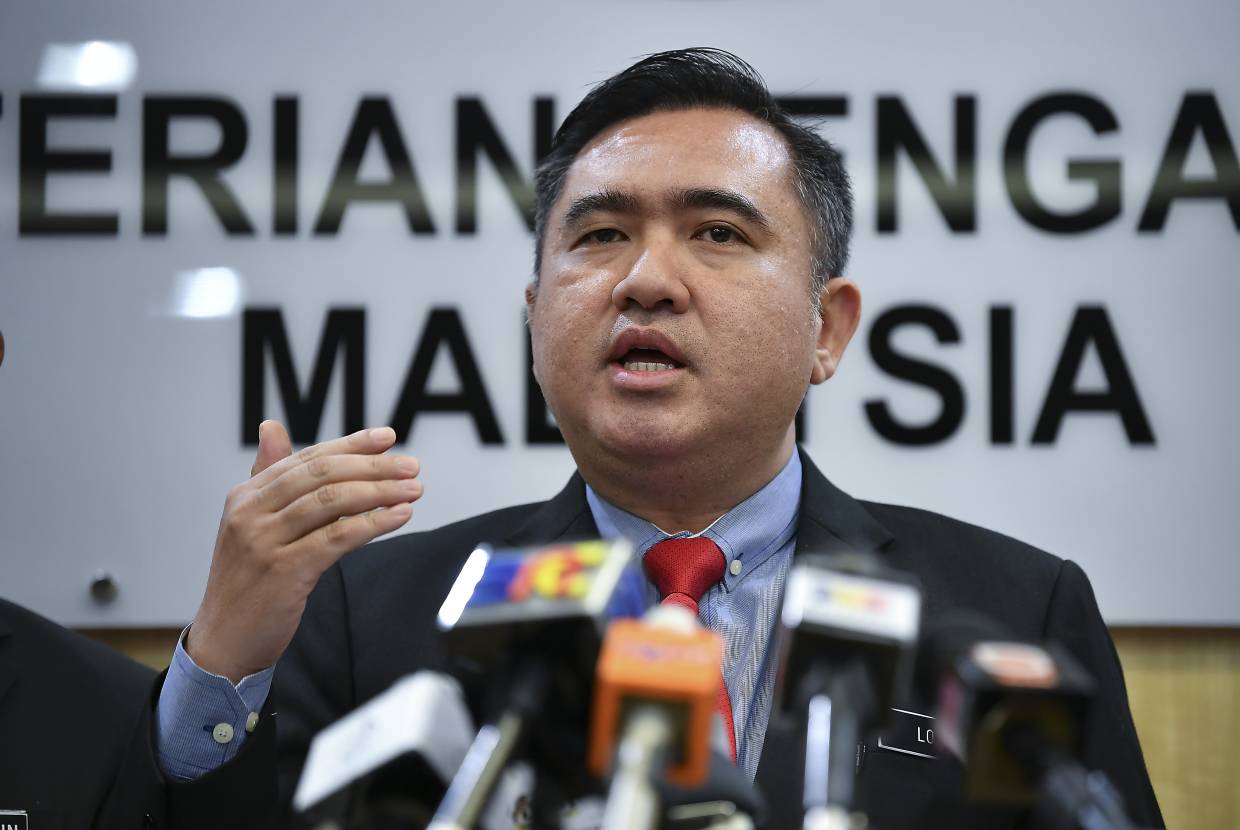
Speaking at a press conference following the committee meeting today, Loke revealed that the initiative will involve allocating 50 per cent of revenue collected through fines under the Automated Awareness Safety System (AWAS) to the Ministry of Transport (MOT). The funds will be used to implement key safety measures, including the installation of lighting at accident-prone areas along highways.

“One of the immediate actions we will take is installing lights in accident hotspots,” Loke said. “We hope this creates a more sustainable stream of funding so that we can introduce preventive measures to mitigate road accident risks.”

(more…)

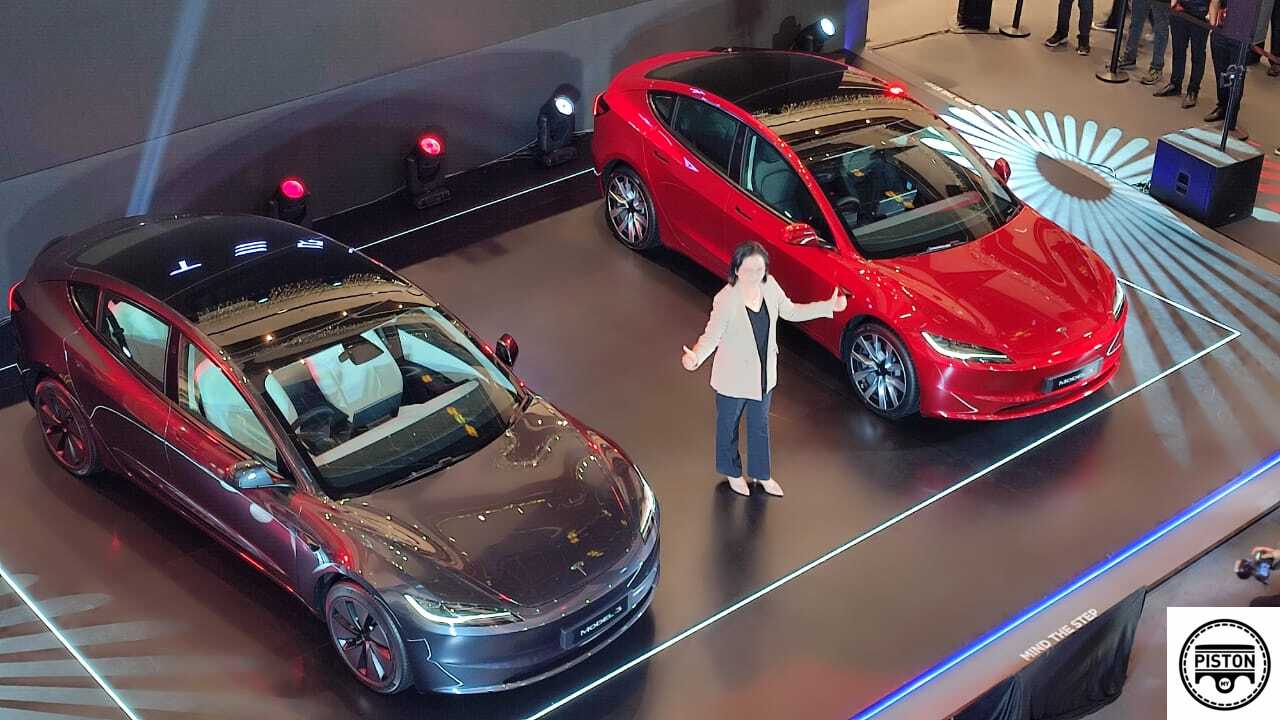
Tesla has been removed from this week’s Vancouver International Auto Show due to safety concerns, according to event organisers. The decision follows ongoing protests against the automaker and its CEO, Elon Musk.

Eric Nicholl, the executive director of the show, stated that the removal was necessary to ensure the safety of workers, attendees, and exhibitors. He explained that Tesla had been given multiple opportunities to withdraw voluntarily before organisers formally asked the company to step aside. The decision, he added, was made to allow visitors to focus on the event’s positive aspects without disruption.

The Vancouver International Auto Show, held at the Vancouver Convention Centre, is set to begin on Wednesday and will run through Sunday. It has established itself as Western Canada’s most well-attended consumer auto exhibition and one of North America’s premier automotive events. The 2024 edition saw record-breaking attendance, and organisers had promised an exhibition featuring the latest in environmentally focused electric vehicles, lifestyle displays, and commercial vendors.

(more…)

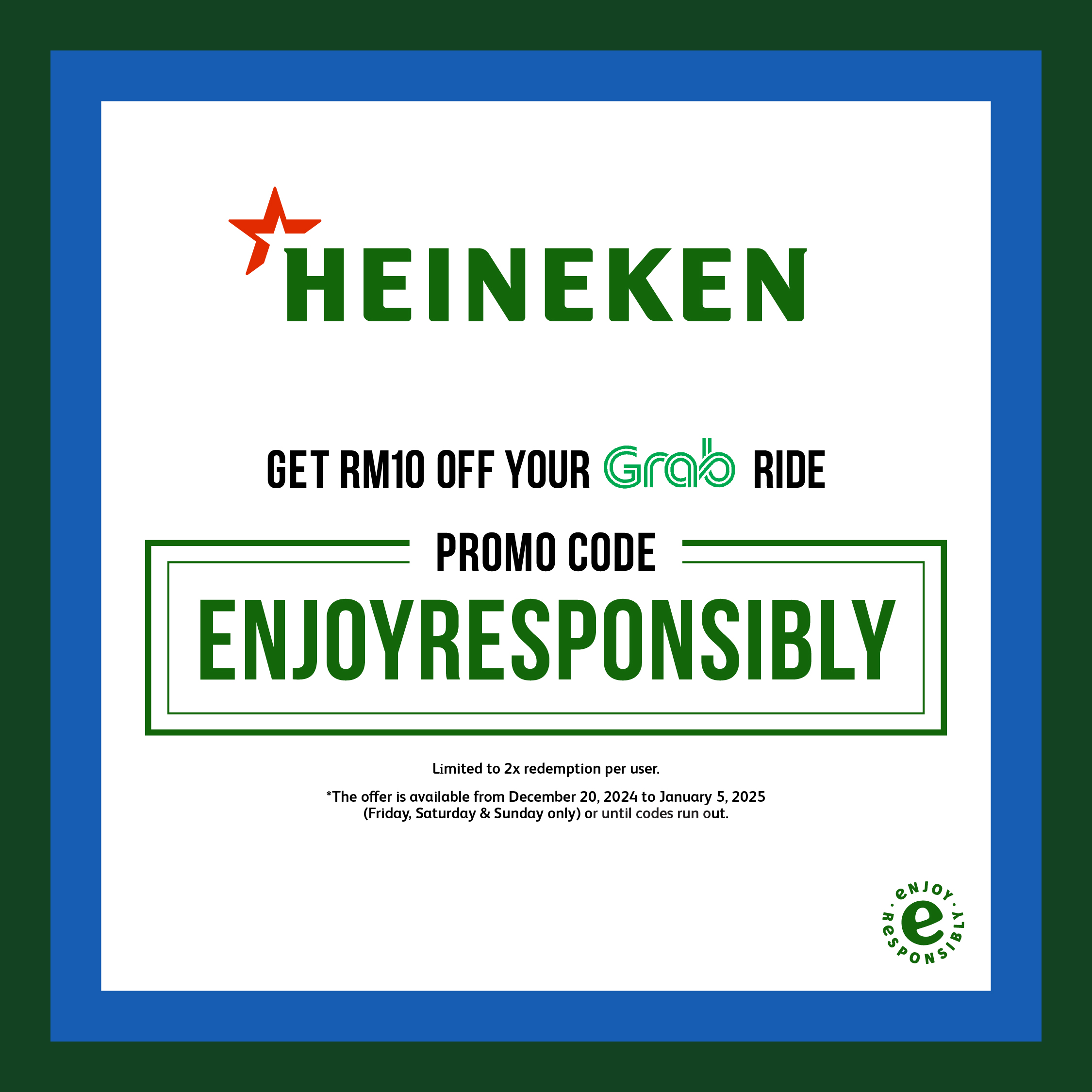
As the year comes to a close and festive celebrations take centre stage, Heineken Malaysia is reinforcing its commitment to responsible consumption with a series of impactful initiatives. To ensure safer holiday gatherings, the company is giving away over RM10,000 worth of Grab ride vouchers, encouraging Malaysians to opt for alternative transportation and prioritise safety during this joyous period.

From December 20, 2024, to January 5, 2025, partygoers can redeem two RM10 Grab ride vouchers every Friday, Saturday, and Sunday using the promo code ‘ENJOYRESPONSIBLY’—while stocks last. This initiative offers a simple yet effective way to ensure safety remains a priority as Malaysians enjoy the festivities.

“At Heineken Malaysia, we continuously introduce initiatives and collaborations to ensure our beers are enjoyed safely and responsibly,” said Martijn van Keulen, Managing Director of Heineken Malaysia. “Since 2010, we’ve allocated over 10% of Heineken’s media spend annually to advocate for responsible consumption, with a total investment exceeding RM9 million to date. From launching Heineken 0.0 in 2019 to partnering with Grab Malaysia, we’re committed to making responsible choices simpler and more accessible for our consumers.”

(more…)

The tragic crash of a Tesla Model Y in Toronto in October has raised serious concerns about the accessibility and usability of the car’s electronic door handles during emergencies. The fiery accident claimed the lives of four individuals: Neelraj Gohil (25), his sister Ketaba Gohil (29), Jay Sisodiya, and Digvijay Patel, leaving a sole survivor, a woman in her 20s.

The woman’s escape was made possible by Rick Harper, a Canada Post employee, who heroically smashed the car’s window with a metal pole. Harper described the survivor as “desperate to get out,” but unable to open the car’s doors from inside. Tesla vehicles rely on an electronic button to open doors rather than traditional handles, and if the car’s power system fails in a crash, the doors may become inoperable.

Concerns About Tesla’s Safety Design

While Tesla promotes a “safety-first design” and manual override mechanisms for emergencies, these features are not widely known or intuitive. The manual override involves removing a door panel and pulling a hidden cable — a process that could be difficult or impossible in the chaos and panic of a serious accident.

Safety experts and crash investigators have raised concerns that victims may not be aware of the override feature or may lack the presence of mind to locate and use it under duress.

(more…)

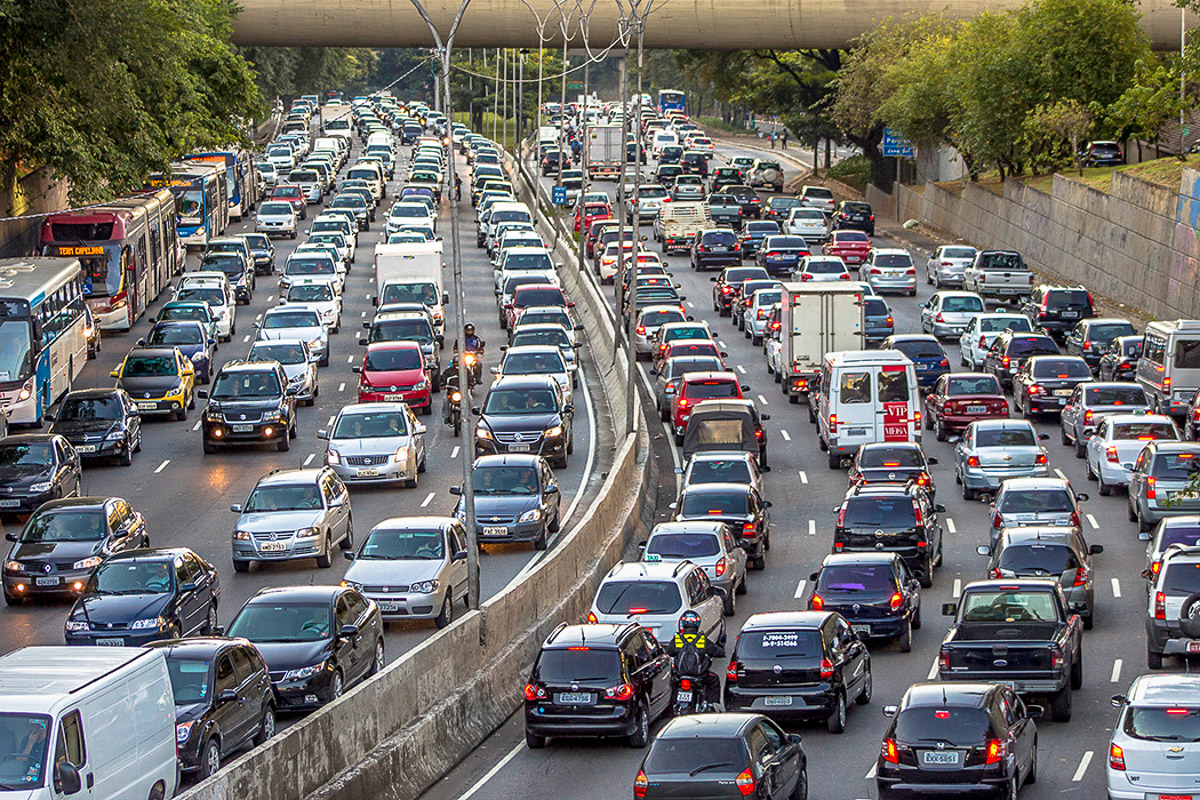
Switching lanes in stop-and-go traffic might seem like a good idea, but experts advise against it. According to safety specialists from Tüv Thüringen, a German technical inspection agency, changing lanes does not save time and can increase the risk of accidents.

Drivers in traffic jams often get distracted, which means they may not notice someone switching lanes until too late, raising the likelihood of rear-end collisions.

(more…)

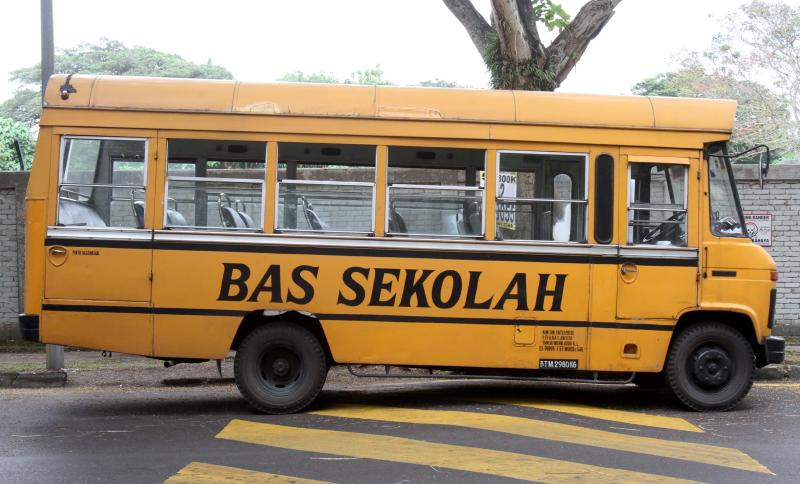
The safety of students is increasingly jeopardised by the rise of unlicensed school bus services. These illegal operators often disguise their vehicles to resemble legitimate school buses, misleading both enforcement officials and parents and posing significant risks to student safety.

As reported by NST, Farabi Said Al Jabri, a prominent safety advocate, has raised concerns about the lack of a reliable verification platform for parents to check the legitimacy of school bus services. He emphasised that when accidents occur, students using unlicensed services are not covered under public transportation regulations, as these vehicles are classified for personal use. Al Jabri also noted that these unlicensed vehicles typically do not meet the required safety standards and are not subjected to mandatory Puspakom inspections, thereby increasing the risk to students.

The issue is compounded by widespread parental unawareness. Many parents utilise school bus services operated by local drivers without verifying their legality or background. This practice contributes to the persistence of unlicensed services, as it is not always feasible for parents to question the legality of the services provided.

(more…)

Archive

Follow us on Facebook

Follow us on YouTube