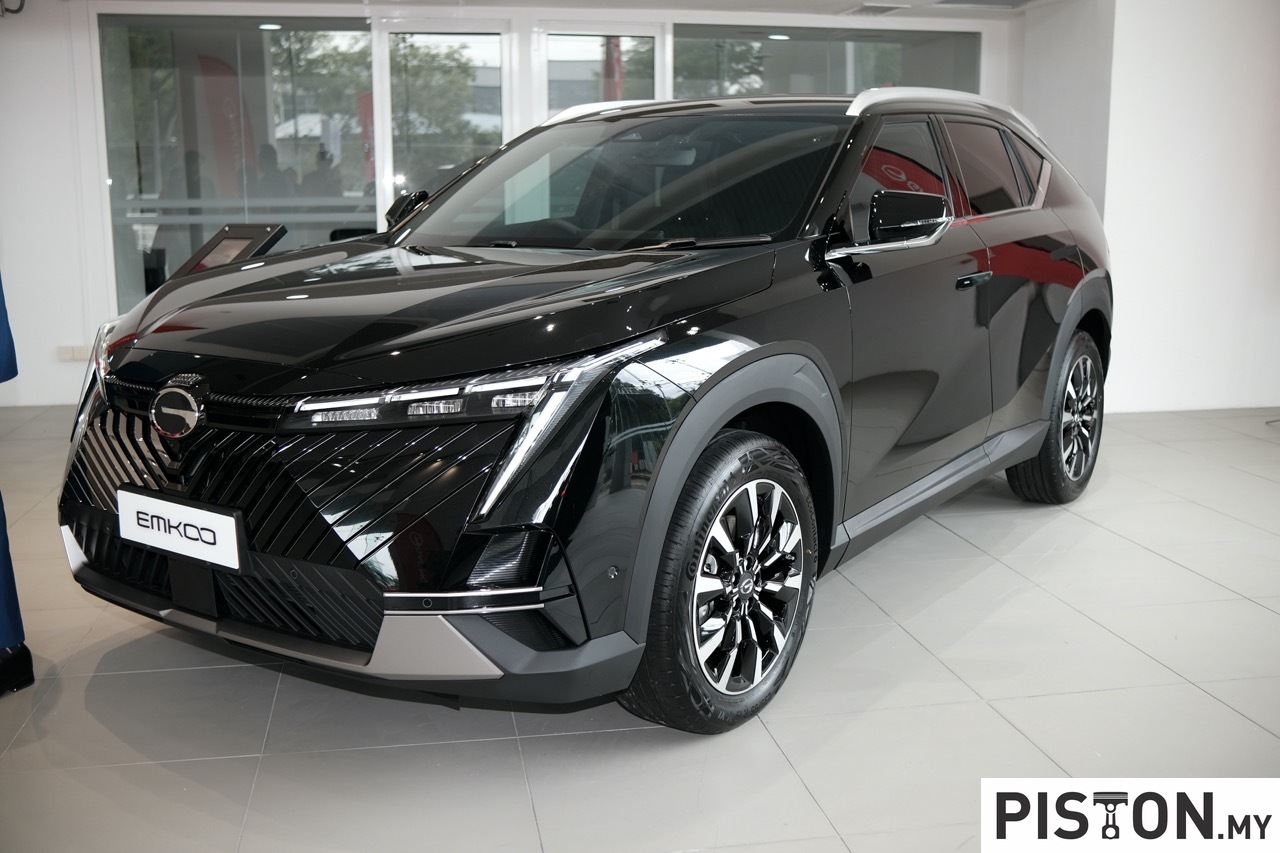
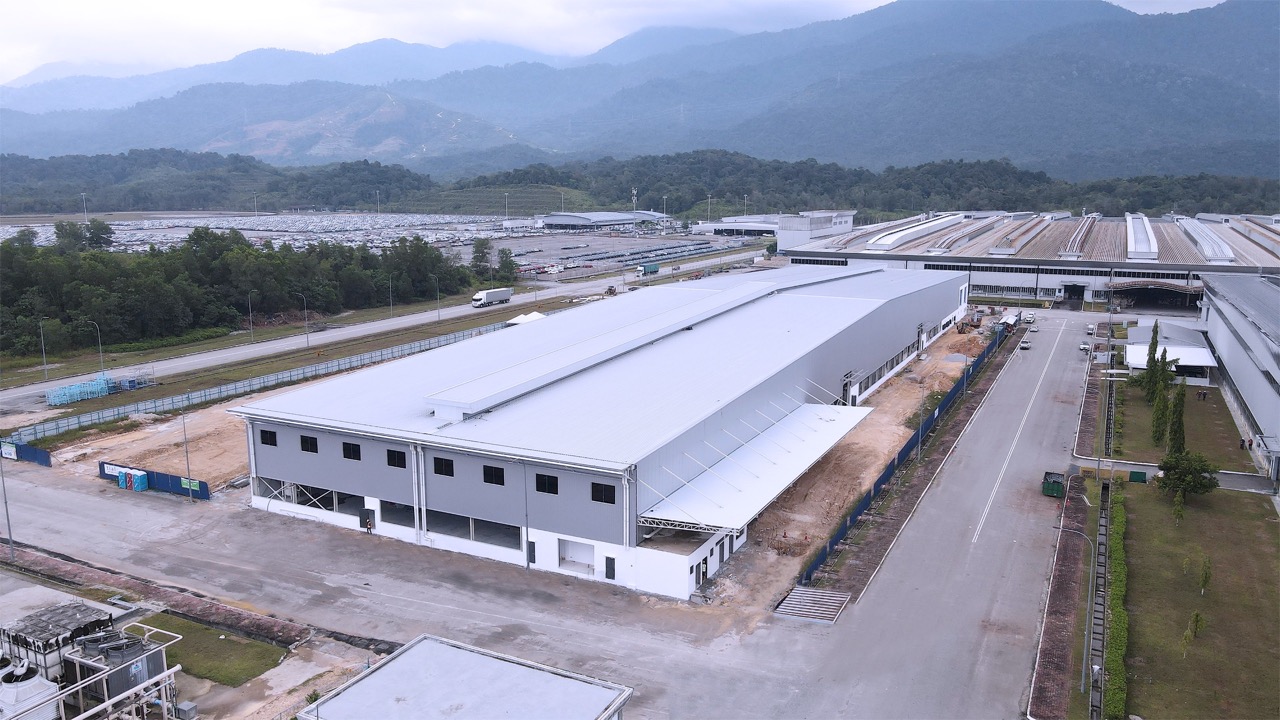
Proton’s electric vehicle journey is taking shape faster than many anticipated. Within just six months of breaking ground in Tanjung Malim, the national carmaker’s dedicated EV production plant is already nearing completion. Construction is now 90.4% done, equipment installation has reached 83.5%, and overall progress stands at 86.9%. Full-scale production is scheduled to begin this September.
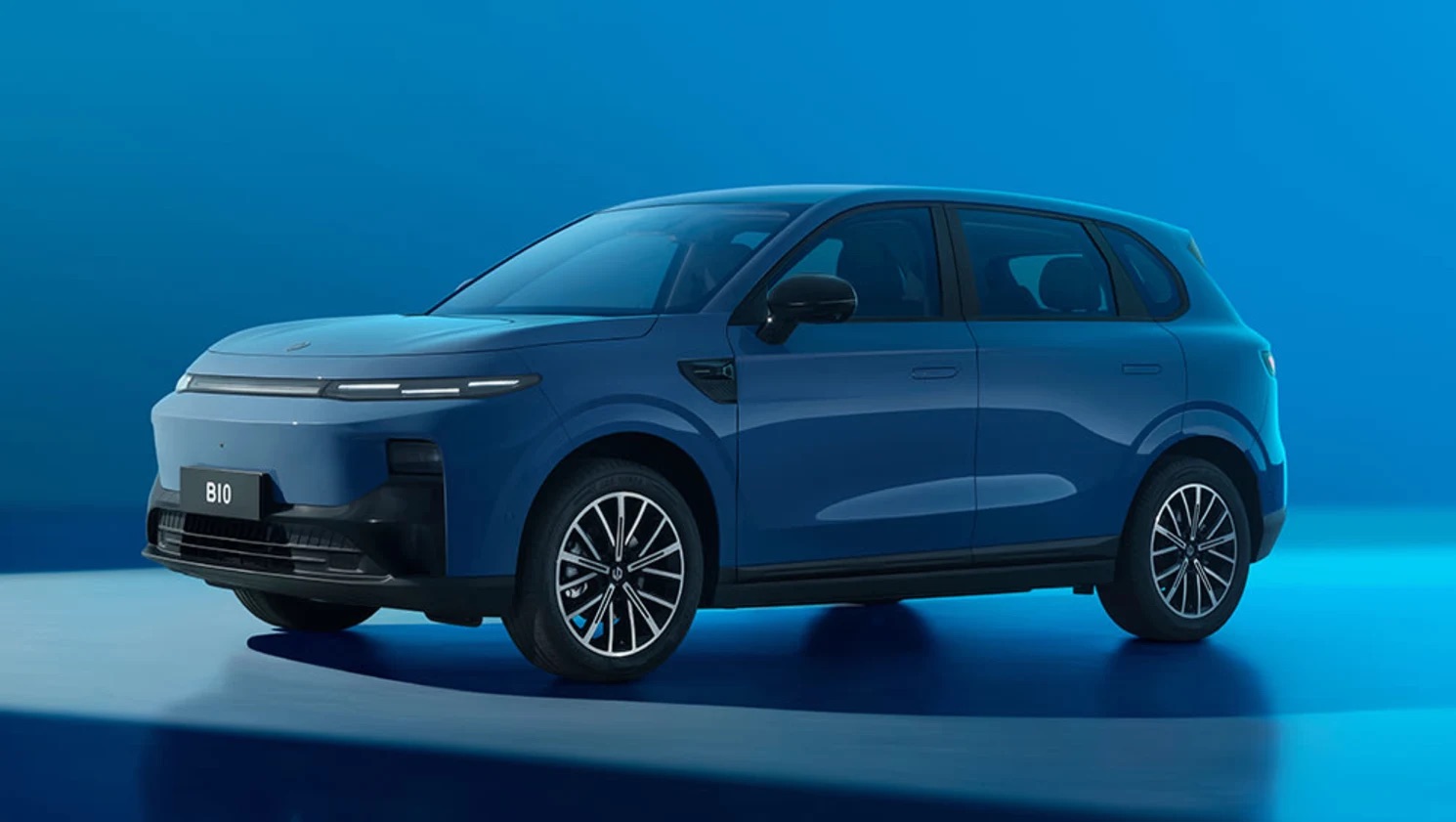
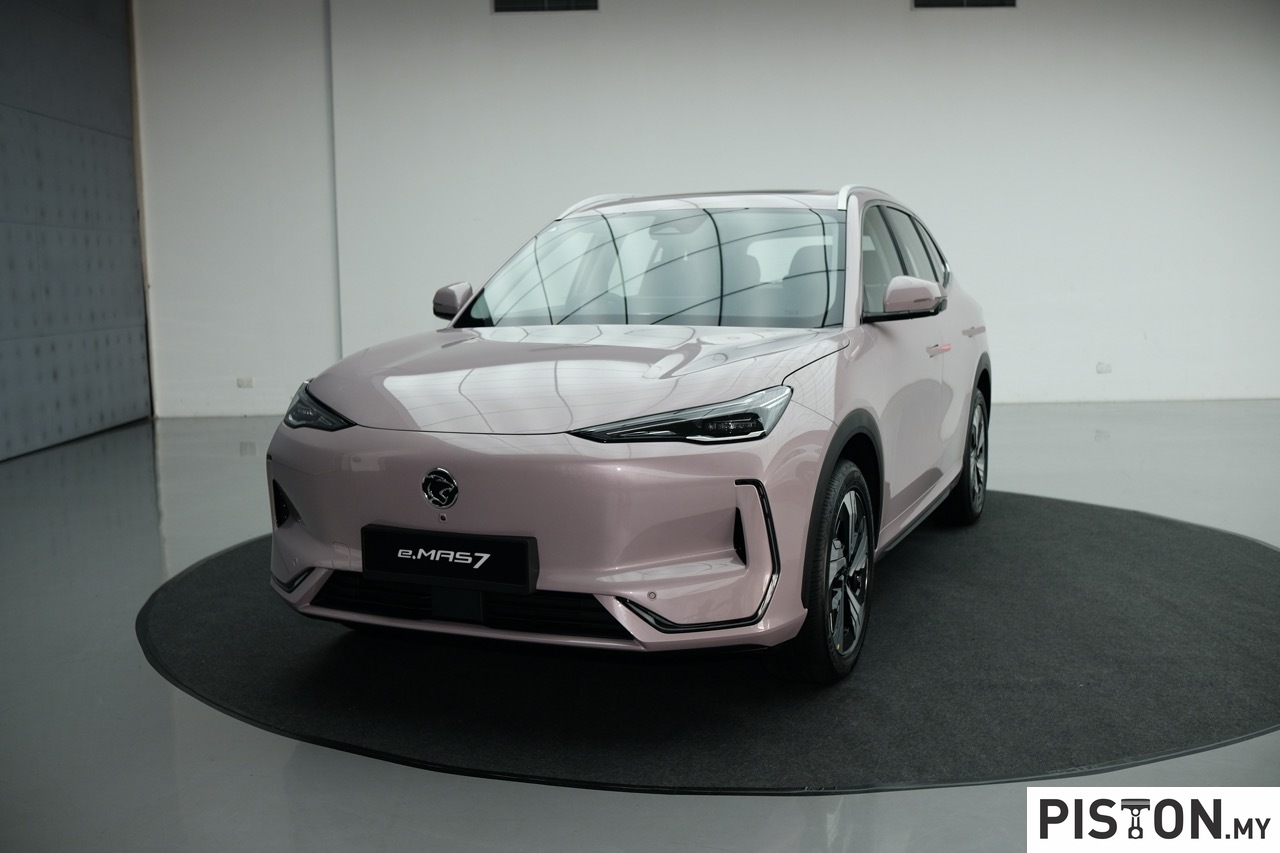
The first model to emerge from the facility will be the Proton e.MAS 7, marking the debut of a fully electric vehicle from a Malaysian brand. Following this, the e.MAS 5 will enter production, an entry-level EV that has already begun a nationwide showcase tour and is expected to be one of the most significant models for the local market.
Although the initial capacity is set at 20,000 units per year, the plant has been designed with scalability in mind. Its modular layout allows production to expand to 45,000 units annually, with flexibility to adapt to new models and international demand. Production lines have been configured to accommodate variations within the Global Modular Architecture (GMA) platform, with modular tester lines, optimised logistics, and digital systems such as MES (manufacturing execution system) and WMS (warehouse management system) already embedded to support future scaling.
One of the major milestones achieved was the Machine Try Out (MTO), where the first trial body was run through the line to test equipment readiness. Proton’s manufacturing team has entered the final stage of equipment installation and integration, with calibration and validation work to follow in the coming weeks to ensure a smooth production start.
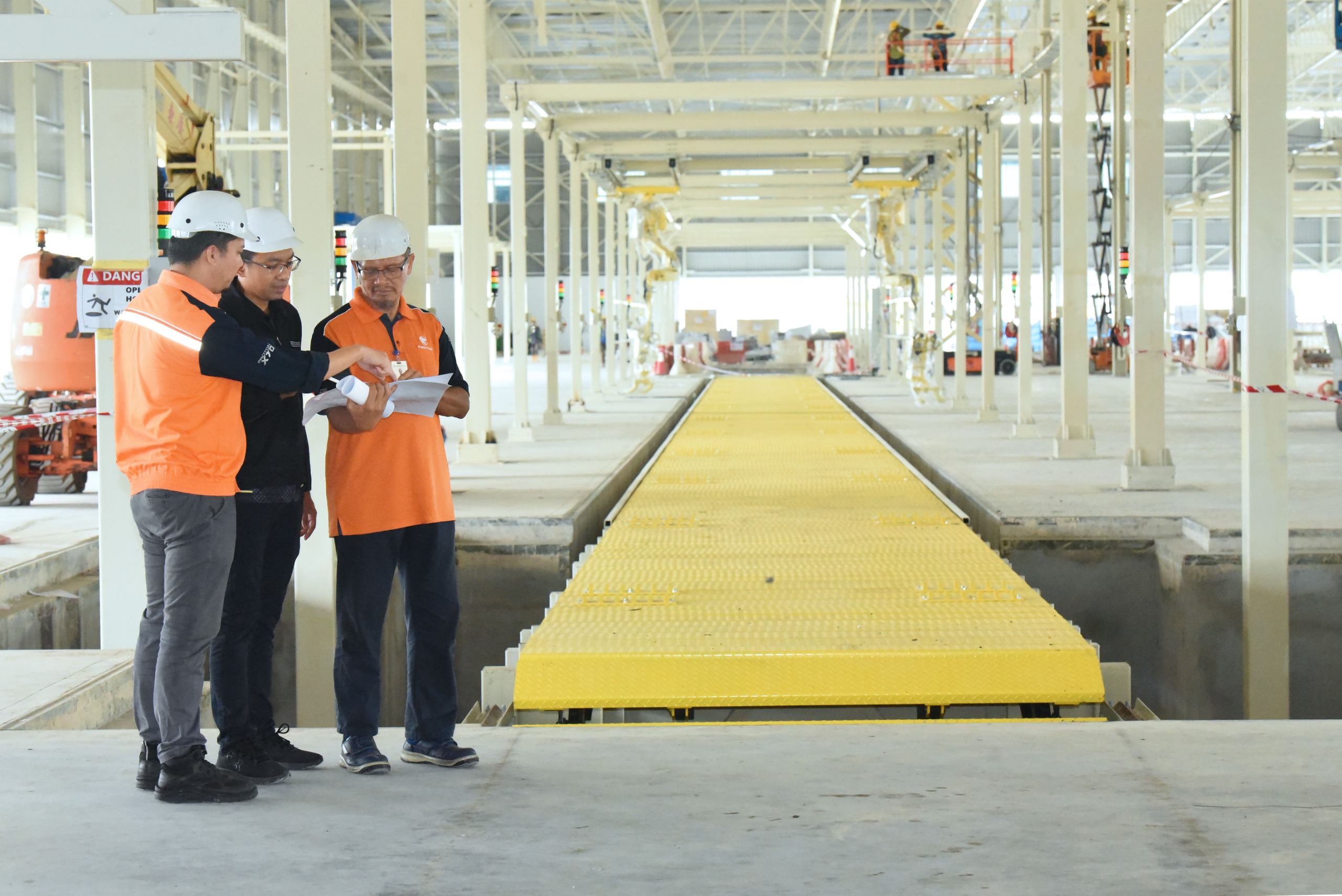
To support operations, Proton has already recruited 30 non-executive staff with SKM and diploma qualifications, who have undergone intensive training ahead of September’s launch. Over time, the plant is expected to create more than 200 jobs within the Tanjung Malim community, focusing on EV-specific industrialisation and technical services. In parallel, Proton has partnered with Polytechnic Sultan Azlan Shah (PSAS) to align training programmes with industry requirements, ensuring a steady supply of skilled local talent for the future.
Unlike traditional ICE facilities, the new EV plant incorporates specialised areas for battery assembly, high-voltage safety and electrical testing. It also features dedicated zones for flat EV underbodies and electric drive units, as well as enhanced safety systems to support the complexity of EV production.
Geely’s involvement has been instrumental in accelerating progress. The Chinese automaker has provided technical expertise in setting up production systems, selecting equipment, and deploying specialists to assist with installation and testing. Proton staff have also benefitted from overseas training under Geely’s global EV network, ensuring the plant not only meets today’s demands but is prepared for long-term growth in Malaysia and beyond.
When operations begin in September, Proton will officially enter a new chapter. The e.MAS range will not only represent Malaysia’s first fully homegrown EVs but also underline Proton’s ambition to become a regional hub for right-hand drive electric vehicles, supported by world-class manufacturing capabilities in Tanjung Malim.