Australia is one of the countries which recognizes a Malaysian driving licence and allows Malaysian drivers to drive or ride vehicles there without requiring them to take any local tests and obtain a driving licence. This privilege is, however, only for short-term visitors like tourists and those who stay longer (eg students or who are working) would have to get a driving licence for the state they are in.
Alternatively, an International Driving Permit (IDP) can also be used, and this document issued by the JPJ is also recognized in most countries. Having an IDP can sometimes be easier as a Malaysian driving licence might not be readily recognized.
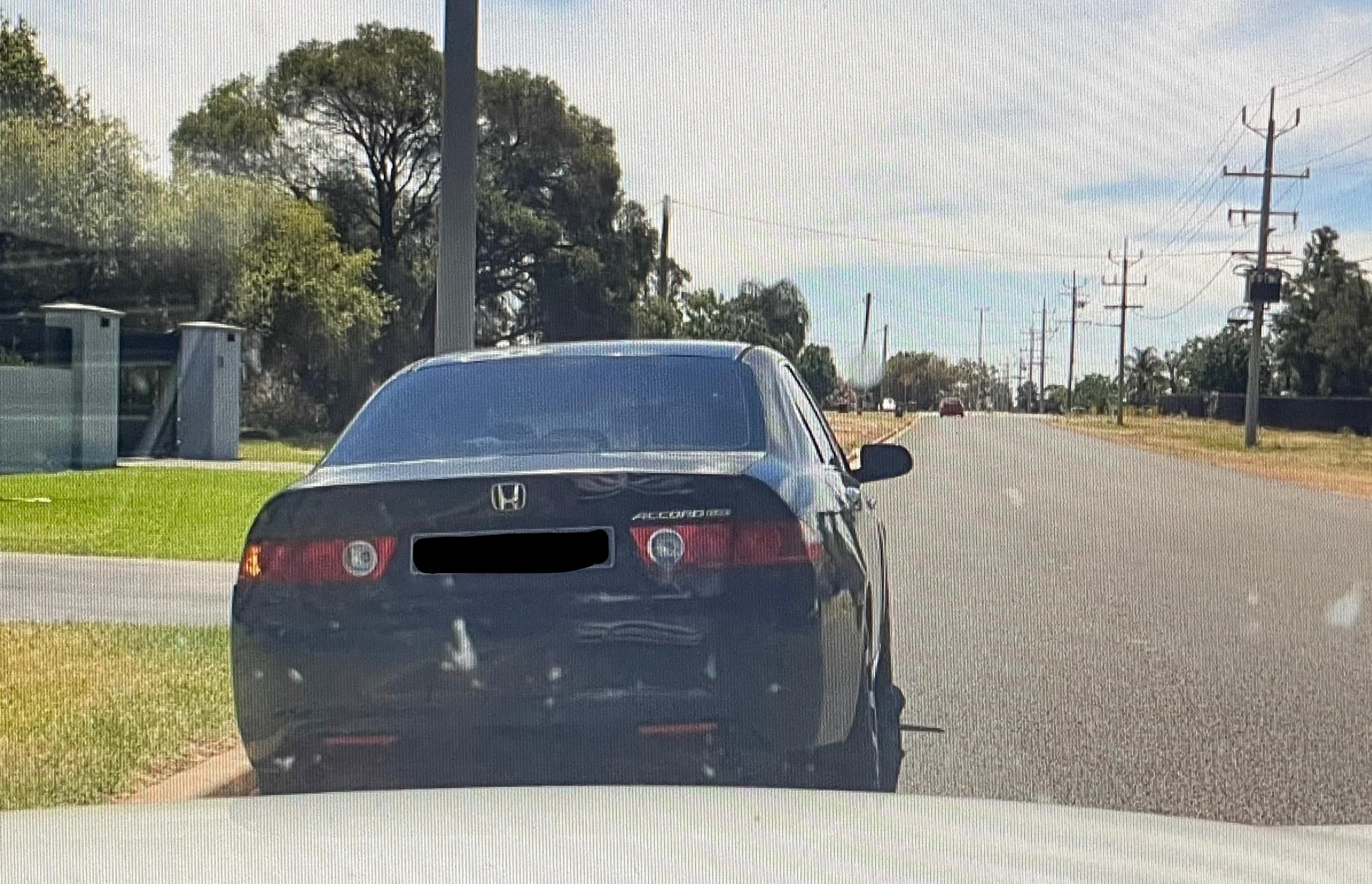
A 26-year old Malaysian woman who has been living in the Australian state of New South Wales must have thought that she could get away showing a fake driving licence when stopped by the police for exceeding the speed limit. She may have assumed that the police would not be able to check on the authenticity of the licence as it was from another country, and at most she would get fined for the speeding offence with her Honda Accord.
The fake Malaysian driving licence and the car (below) driven by the Malaysian woman which was stopped for exceeding the speed limit by 13 km/h. Both images from NSW Traffic & Highway Patrol Command.
However, for some reason, the police decided to check the licence (which shows qualification for both Full B and D classes) more closely and in this age of internet connectivity, they could immediately visit the website of the Malaysian Road Transport Department (JPJ) which has information on such matters. According to the NSW Traffic & Highway Patrol Command, there were inconsistencies found in the licence she presented which led to her being interrogated further.
During the interview by the police, the woman revealed that she had asked someone to make the licence. And in an effort to try to minimize her offence, she then showed a Learner Driver’s License for New South Wales. This instead got her charged with another 3 offences for: a) not being accompanied by licensed driver/police officer or tester; b) not displaying ‘L’ plates as required; and c) exceeding the speed limit by more than 10 km/h. She had been travelling at 113 km/h zone with a speed limit of 100 km/h.
The Australian police are very strict about their traffic laws and breaking speed limits is considered a serious offence.
Following her admission of the licence being fake, the police contacted Interpol in Malaysia and received confirmation that the licence she had was a fake. This meant she committed the offence of ‘possessing a false document to influence exercise public duty’, for which she has been convicted at a local court recently.
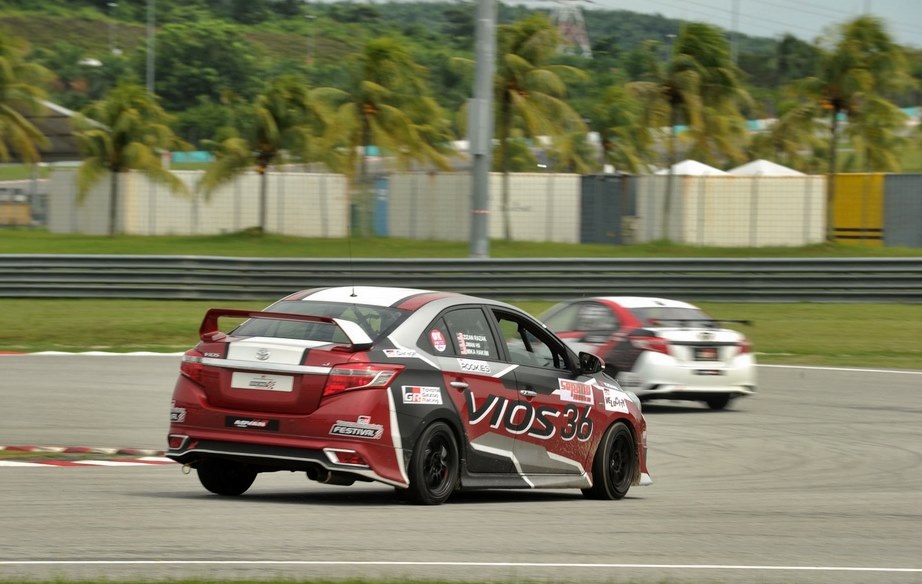
As ‘normalcy’ returns to our lives, motorsports activities are picking up and organisers are working hard on plans for events in coming months. UMW Toyota Motor (UMWT) has already prepared for this, having made the plans last year to have a broader range of events instead of just the Vios Challenge One-Make series that has been run since 2007.
Two additional races
In 2022, in addition to the Vios Challenge (which has completed two rounds), GAZOO Racing and UMWT will run the Vios Sprint Cup and Vios Enduro Cup. These will offer another 5 races this year to make it 11 races in total.
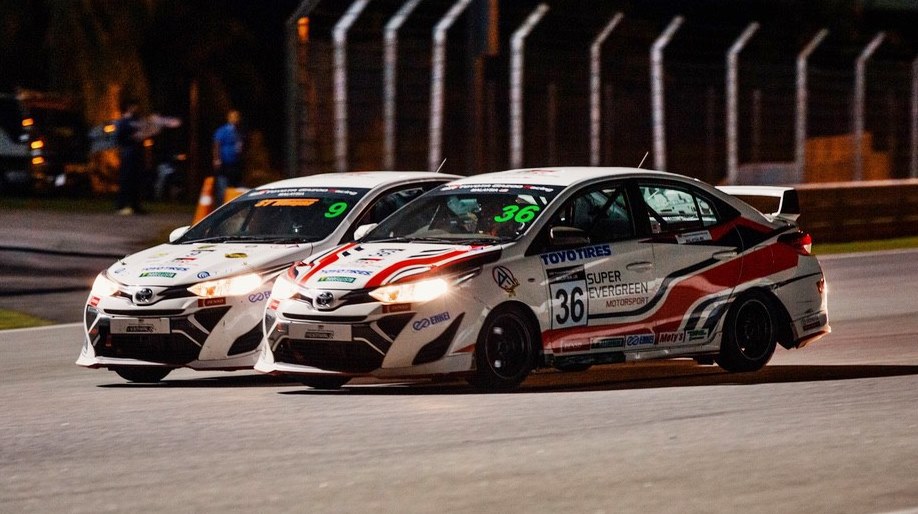
The Vios Sprint Cup is run independently of the Vios Challenge, and will feature 2 rounds within the Malaysia Championship Series (MCS), with each round having 2 races. The event will also retain the format of a one-make series as in the Vios Challenge, to ensure a level playing field where the emphasis will be on racecraft, driving skills and experience, not engine power.
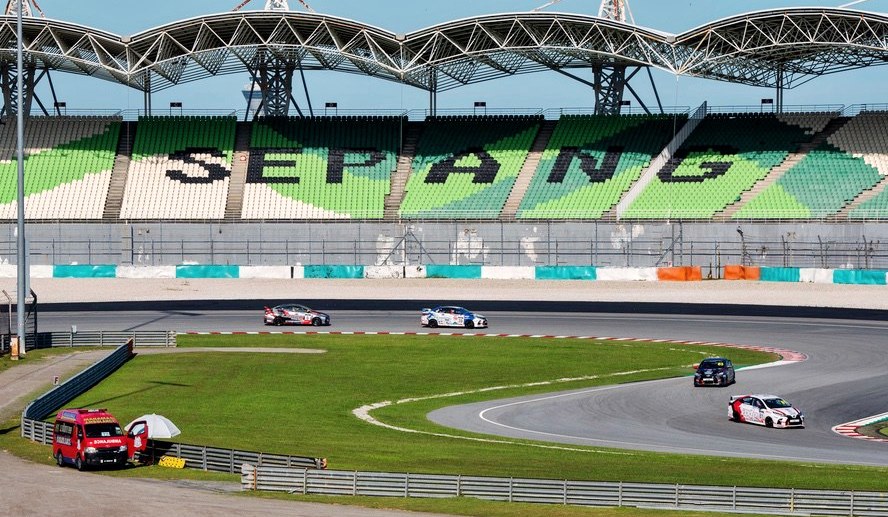
Round 1 of the Vios Sprint Cup will be held on May 20 – 22 at the Sepang International Circuit, followed by Round 2 in July at the same venue. The season finale Vios Enduro Cup will coincide with prestigious Sepang 1000KM Endurance Race (S1K) in November.
2 drivers per car
A total of 26 cars will line up on the grid for the Vios Sprint Cup with each car consisting of two drivers. To make things interesting and to level the playing field even more, the pairing of drivers must be made up of the combination of professionals, amateurs, celebrities and rookies as per the Vios Challenge classes for Super Sporting (professionals), Sporting (amateurs), Promotional (celebrities) and Rookies (young and new drivers).
The race weekend will consist of two 1-hour races. Race 1 of the Vios Sprint Cup on Saturday will see both drivers driving in two separate qualifying sessions, and the faster driver required to start the 1-hour race before making a mandatory pitstop for a driver change.
In Race 2 on Sunday, the slower driver of the pair will start the 1-hour race and again required to make a mandatory pit stop for a driver change. Race 2 will also be started as a reverse grid order based on the results of Race 1.
RM10,000 for the champs
The overall champion in each of the two races stand to win RM10,000 cash, followed by RM8,000 for the first runner up, RM6,000 to the third place winner, and RM4,000 and RM2,000 for the fourth and fifth place winners respectively. In total, the Vios Sprint Cup offers prize monies amounting to RM60,000 per round.
The Vios Enduro Cup in November will see Toyota drivers competing over 1000 km in the race that is expected to take 9 hours covering 181 laps of the Sepang International Circuit.
“The objective is to expand on our existing racing activities in the Vios Challenge. With the Vios Sprint Cup and the Vios Enduro Cup, it will mean an additional 5 races on top of the 6 races already lined up for the Vios Challenge. This will provide even more racing and rewards for participating drivers, teams and dealers and at the same time underline UMW Toyota Motor’s commitment to contribute to a more vibrant motorsports eco-system in Malaysia,” said UMW Toyota Motor President, Ravindran K.
Those who wish to register their participation or know more about the Vios Sprint Cup and Vios Enduro Cup can contact Janet, the Race Management representative from Wing Hin Motorsports at 016-367 3300. Other information on
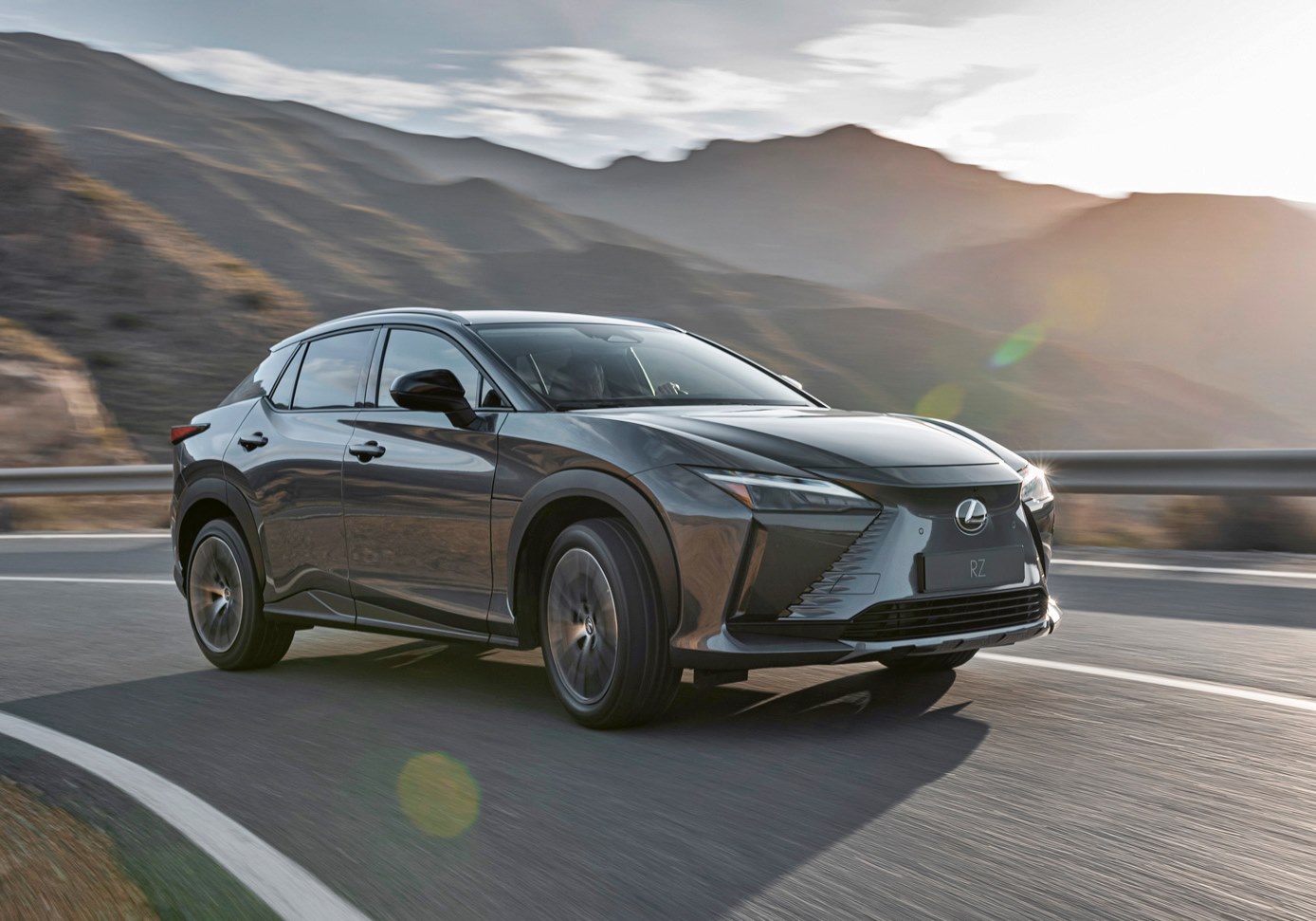
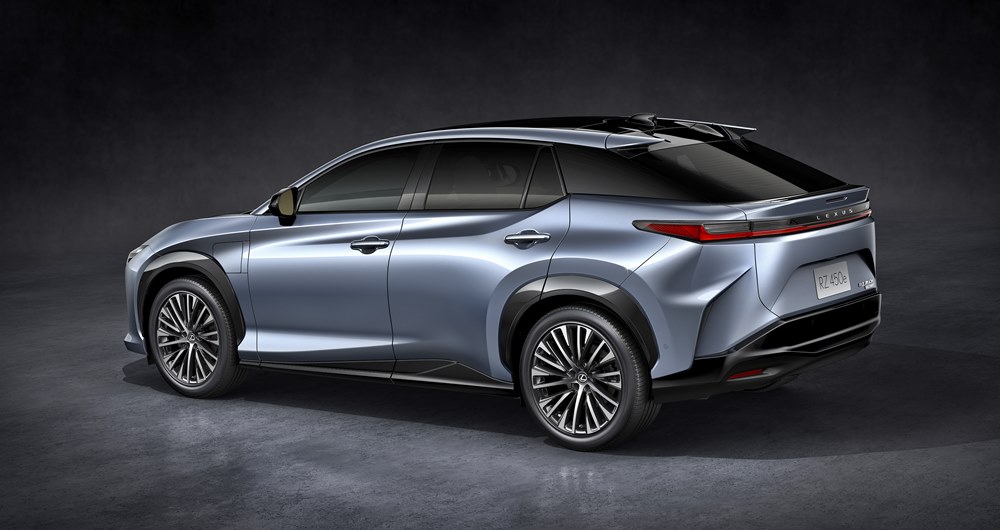
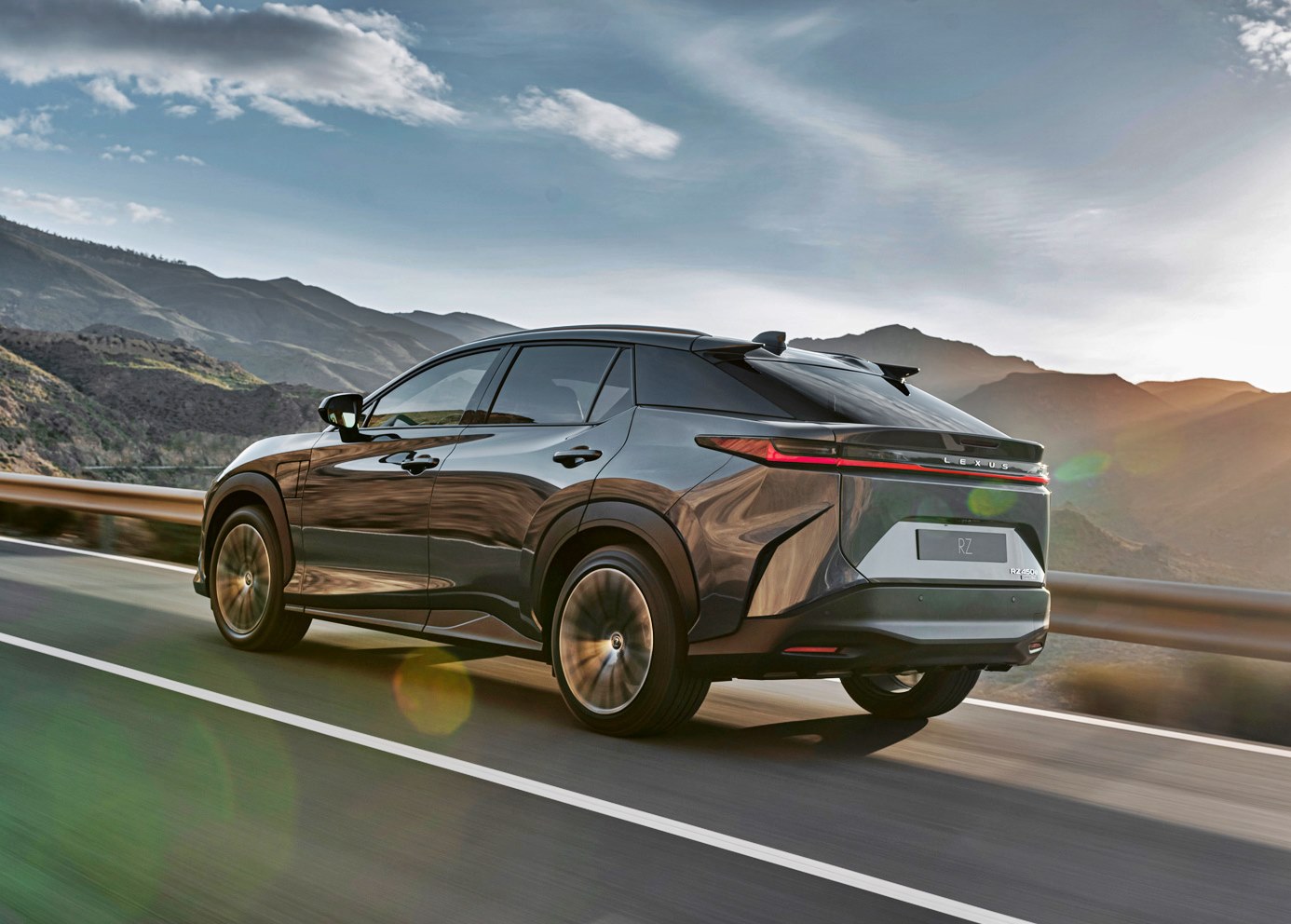
Lexus began its electrification journey back in 2005 with the RX400h hybrid, followed by hybrid variants of other models as well as the CT-200h, which was only available with a hybrid powertrain. Today, with the world premiere of the new RZ 450e, Toyota’s luxury brand begins a new era of battery-electric vehicles (BEVs) and the Lexus Electrified vision.
As the brand’s first BEV built on a dedicated platform, the RZ heralds the transition of Lexus into a BEV-centred brand. Besides a brand new design, it also offers advanced electrification technologies developed over many years of hybrid vehicle development.
New visual identity for BEVs
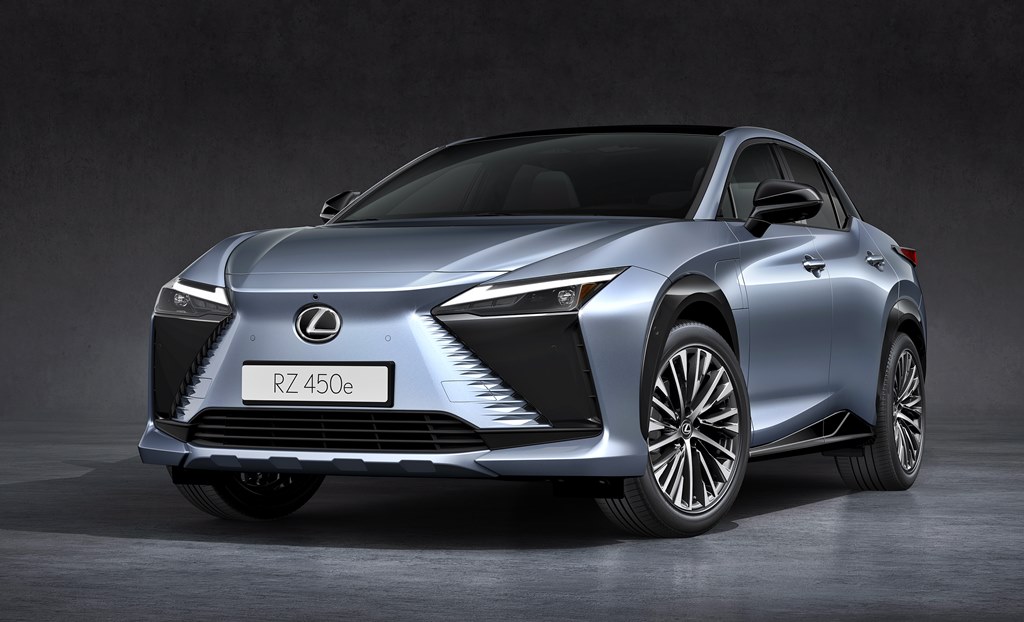
The exterior design presents a new visual identity as the familiar spindle grille is replaced by a minimalist BEV Spindle Body which focuses on aerodynamic efficiencies, optimized proportions, and style, versus serving the cooling and exhaust needs of an internal combustion engine. The rear features the spelled-out LEXUS logo as part of a clean and simple horizontal design that highlights the wider rear track while above is a distinct roof spoiler.
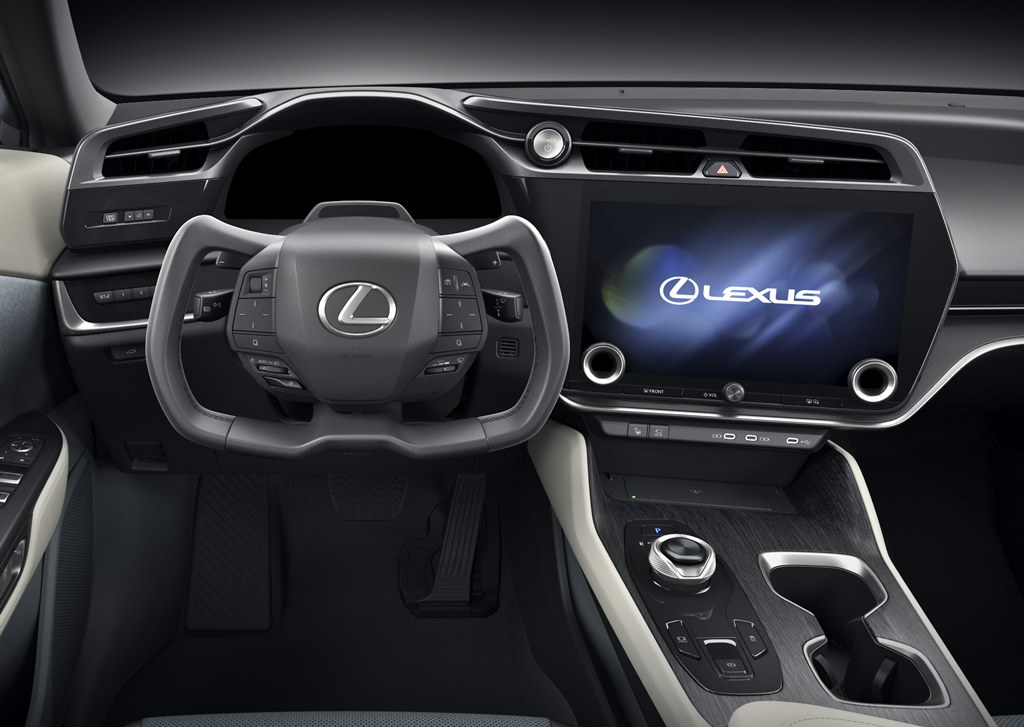
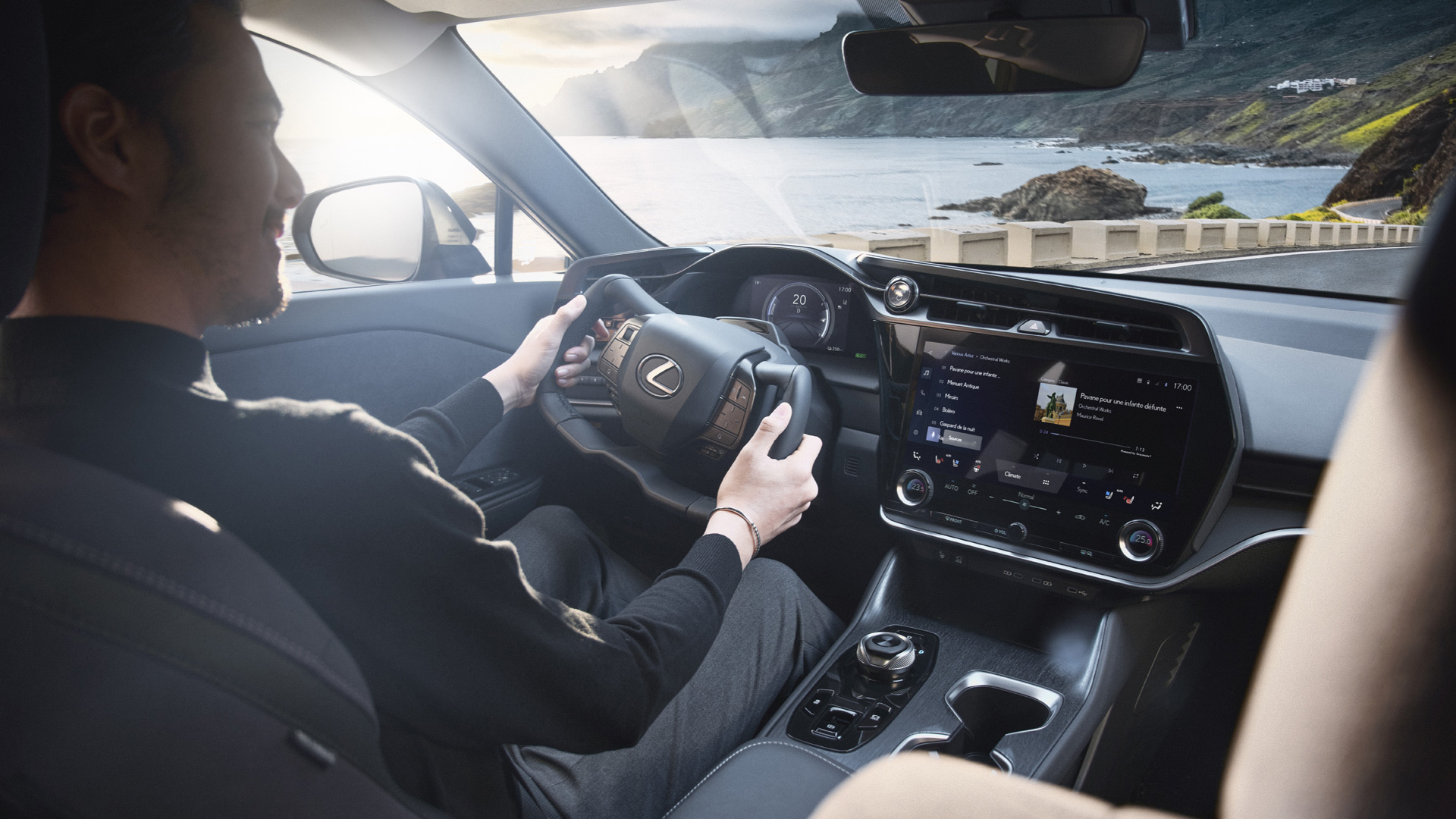
The interior is likewise minimalist, with an airy and luxurious environment that Lexus has long been known for, along with high-quality craftsmanship. Based on the tazuna concept, the cabin advances the human-centred philosophy of Lexus by welcoming occupants with intuitive controls oriented around the driver, ensuring maximum concentration on driving.
New steering wheel design
The application of shift-by-wire has resulted in a Lexus-first dial shift knob mounted on the centre console. More eye-catching will be the compact yoke-like steering wheel which is said to greatly reduce the driver’s workload by eliminating the need for hand-over-hand operation (eg in u-turns and parking). It also enabled the designers to lower placement of the instrument panel for better forward vision.
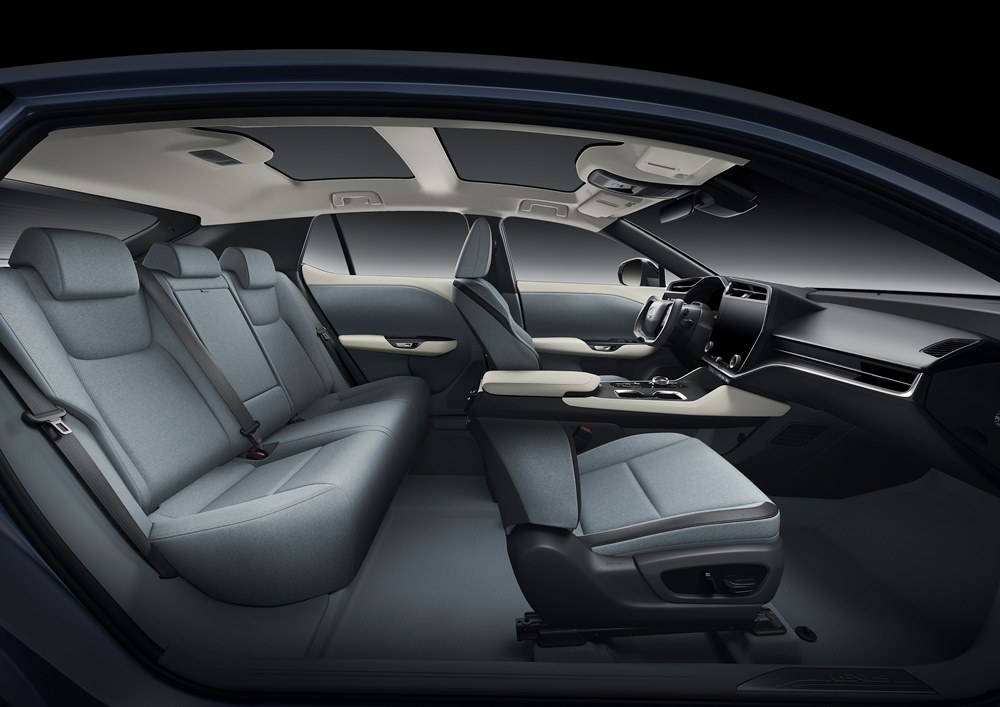
The RZ’s long wheelbase of 2850 mm within an overall body length of 4805 mm provides spacious rear-seat accommodation. An electronic ‘e-latch’ system is used to operate the doors while highly efficient Lexus-first electric radiant heaters, combined with a heat-pump system, ensure passenger ambient comfort. Three types of seat materials are used, including Ultrasuede, a refined material that uses 30% bio-based sustainable materials.
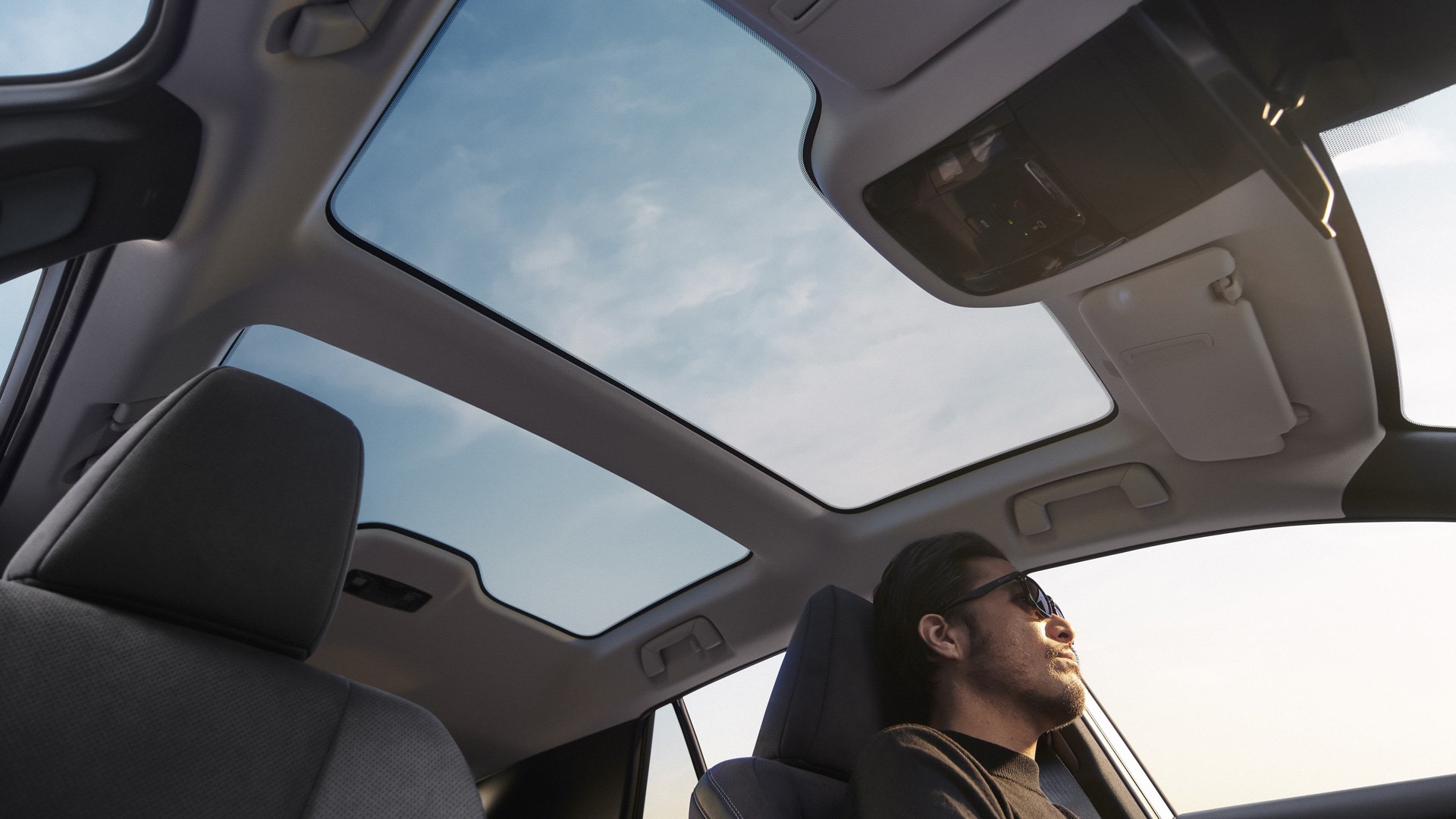
Overhead, some variants have a panoramic roof which is designed with heat shielding, thermal insulation and 99% UV protection. The glass also has a Lexus-first dimming function which, without a physical curtain, can instantly block light according to the needs of the occupants.
Different challenges for quietness
Quietness has been a hallmark of Lexus models since the very first one and besides generous use of high quality insulation, the engineers have also looked for the sources of noise and eliminated them. With the RZ powered by electric motors, new challenges were presented to the engineers who had to create a balance between sound generation and a very quiet interior space.
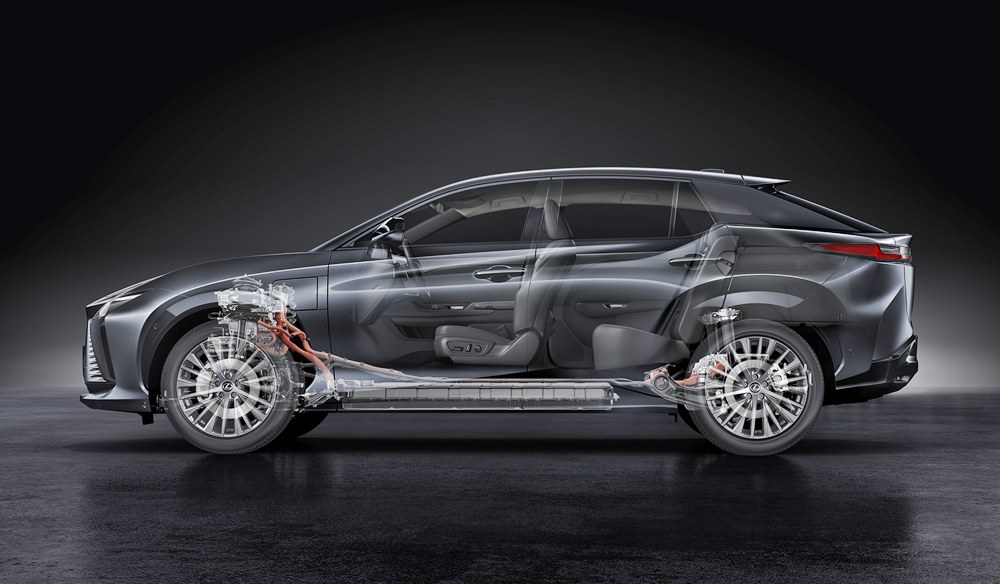
The underfloor battery functions as a sound barrier, the bonnet perimeter is sealed to eliminate noise caused by turbulent airflow. and acoustic glass suppresses other unwanted sounds. Additionally, the engineers have tuned sound frequencies to the vehicle’s speed and sound levels during dynamic actions such as acceleration.
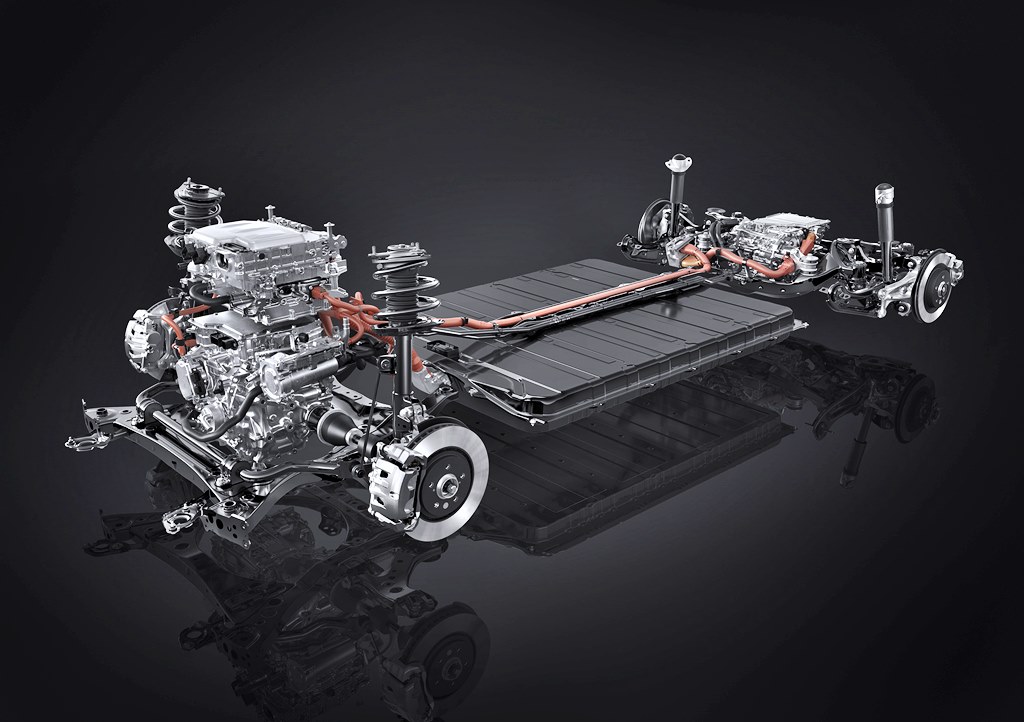
New RZ 450e uses the e-TNGA platform specifically developed for BEVs.
Lexus Driving Signature
Regardless of the type of powertrain, the Lexus Driving Signature of impressive fundamental acceleration, steering and braking performance must be present. The electric powertrain system uses a front and rear e-axle, each equipped with a high-torque electric motor, transaxle and inverter in a compact unit. As each motor (front: 150 kW, rear: 80 kW) is directly connected to the wheels by a single driveshaft, power transmission is instantaneous.
The new DIRECT4 system takes the Lexus Driving Signature to an even higher level. It uses acceleration, cornering-speed and steering-angle information to automatically adjust front-rear torque delivery and braking force to all four wheels. The system uses a front-to-rear drive-force ratio between 60:40 and 40:60 for minimum vehicle pitch.
When the steering wheel is turned, drive force is biased to the front wheels between 50 and 75% for nimble response and excellent steering feel. When exiting a corner, torque distribution to the rear wheels is increased to between 50 and 80%, ensuring ample traction while controlling vehicle pitch.
Steer-by-wire
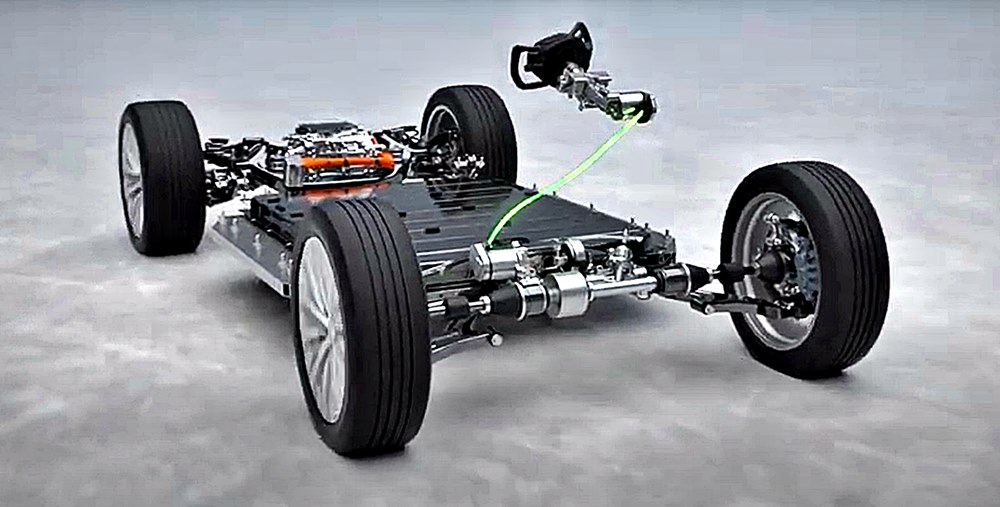
A Lexus-first steer-by-wire system contributes to enhanced vehicle manoeuvrability while blocking out unnecessary vibrations from the tyres and brakes. Optimum steering-gear ratios provide nimble and agile performance on winding roads and high-speed stability on highways.
Long experience in battery technology
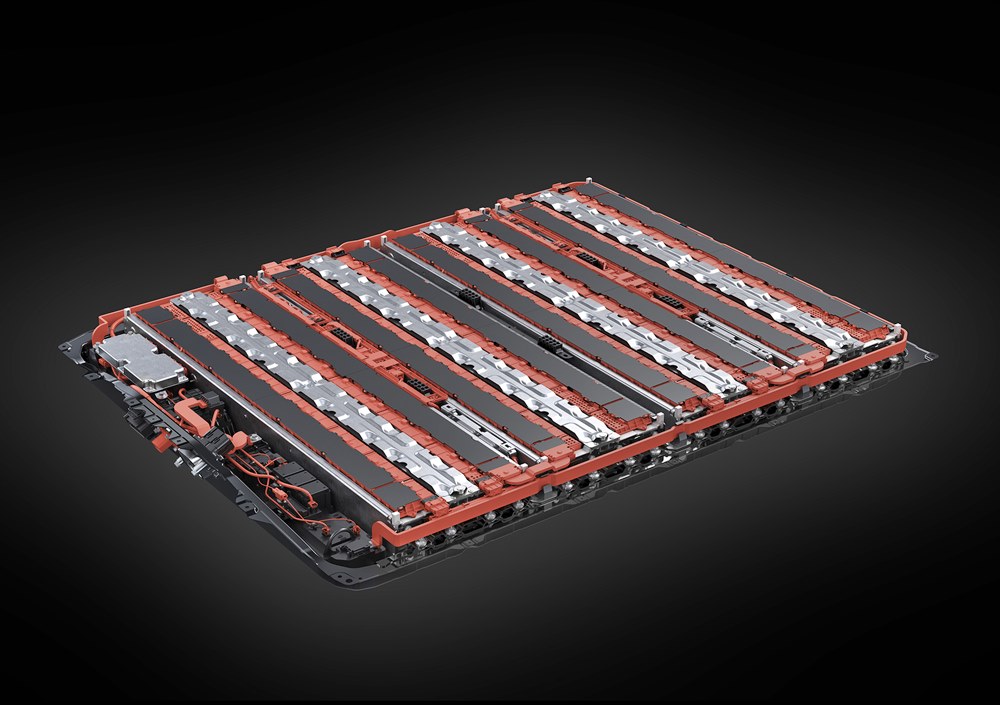
Toyota’s experience in developing ever better hybrid electric technology has also included advancing battery technology. Some of the advanced technologies are the high-capacity 71.4 kWh lithium-ion battery packs, Lexus-first silicon carbide elements in the inverters and the incorporation of low-loss technologies to deliver an estimated single-charge cruising range of 450 kms.
Battery-control technology ensures a world-class battery capacity retention rate claimed to be at least 90% after 10 years. Contributing to the long life with even higher battery capacity is a timer charging function that avoids over-charging.
100% BEVs globally by 2035
Pricing has not been announced yet but exports of the RZ 450e, which will be made in Japan, will begin during the fourth quarter of 2022. In the years following till the end of the decade, Lexus will introduce entirely new BEVs covering every segment. By 2035, the brand expects to be selling only BEVs globally and fully contribute to the Toyota Group’s objective of carbon neutrality.
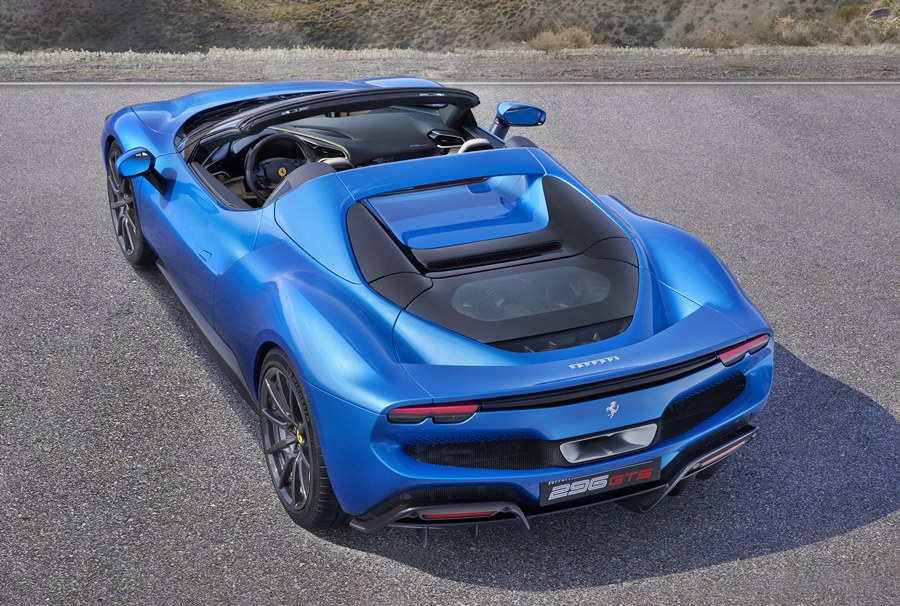
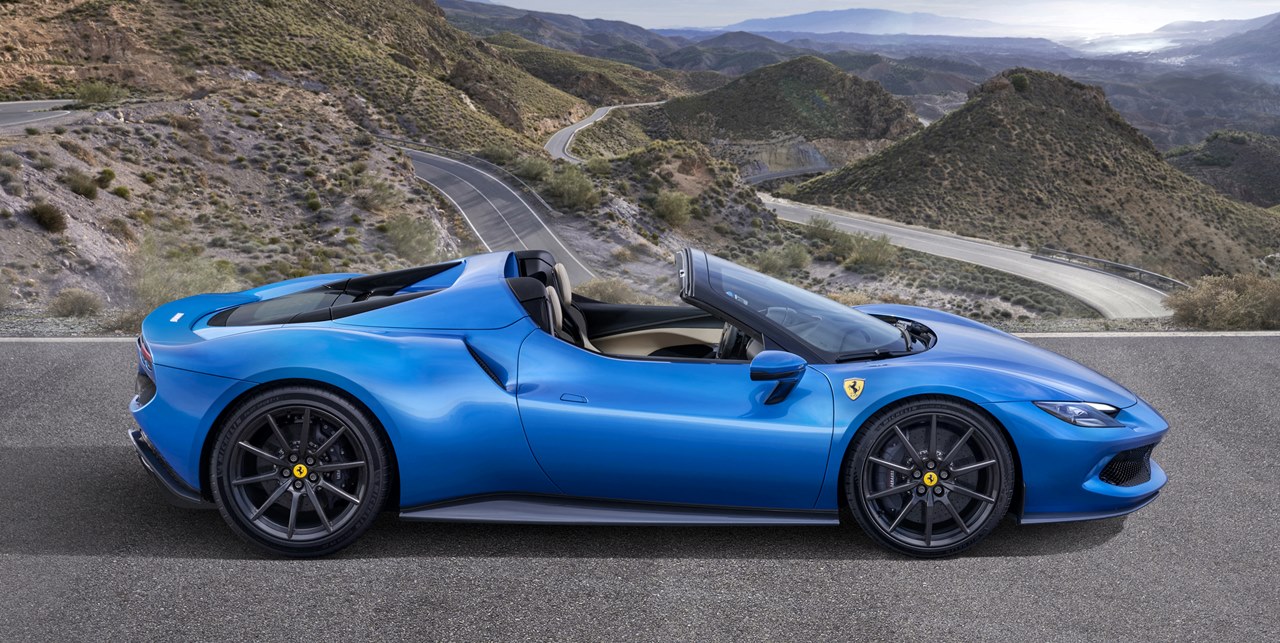
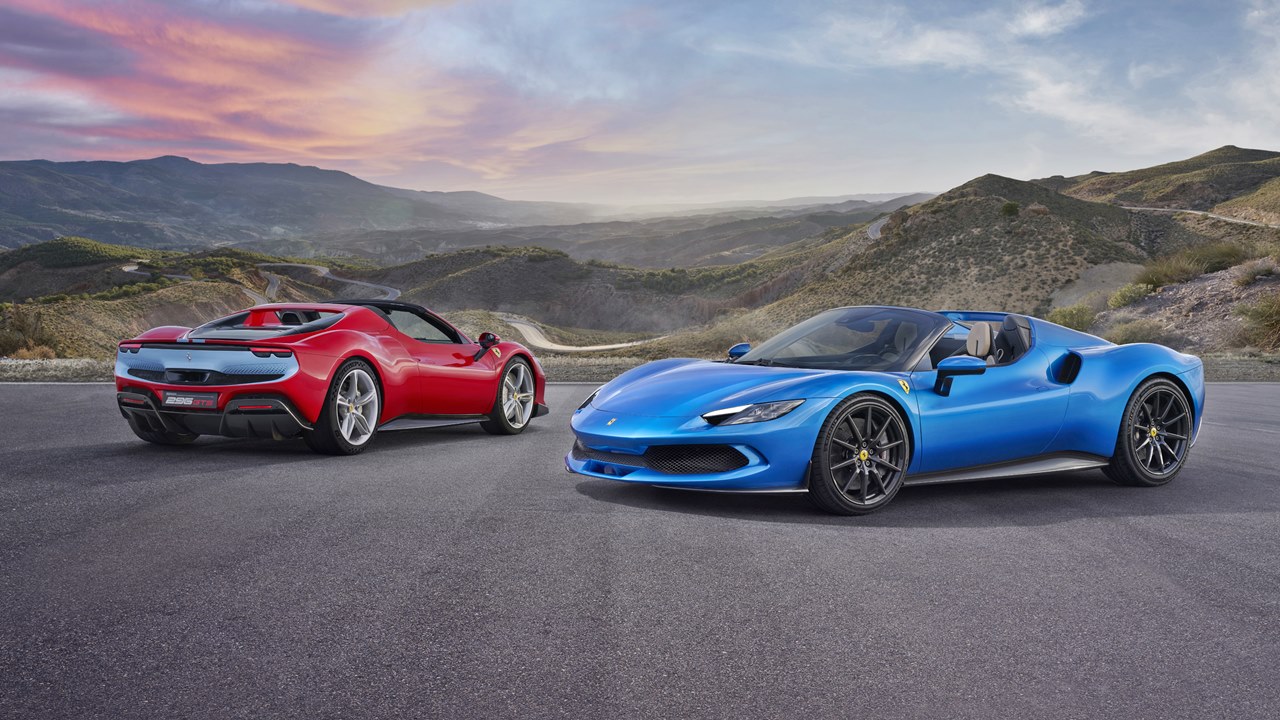
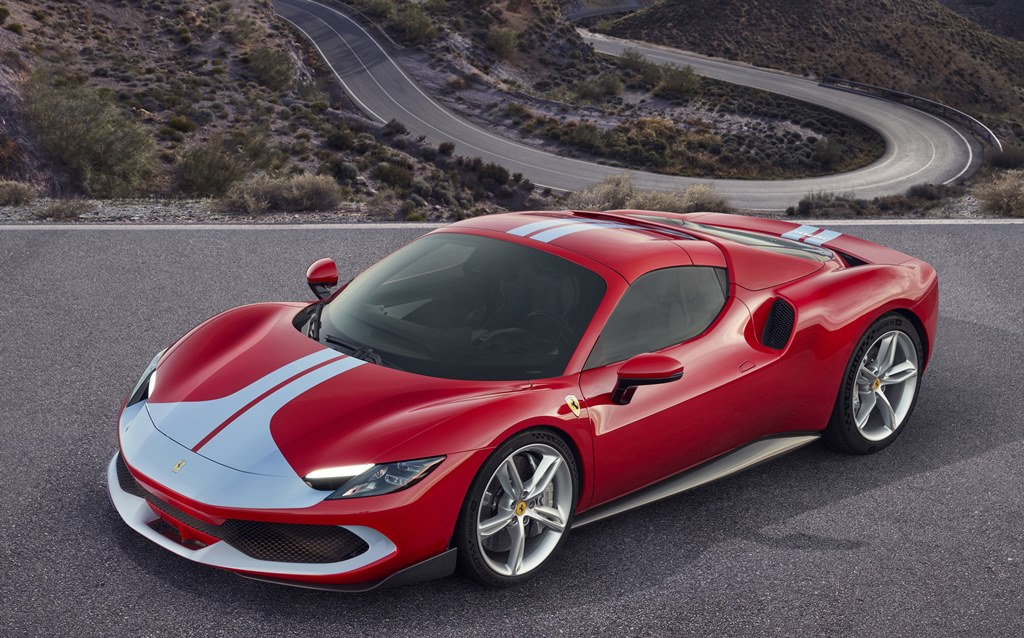
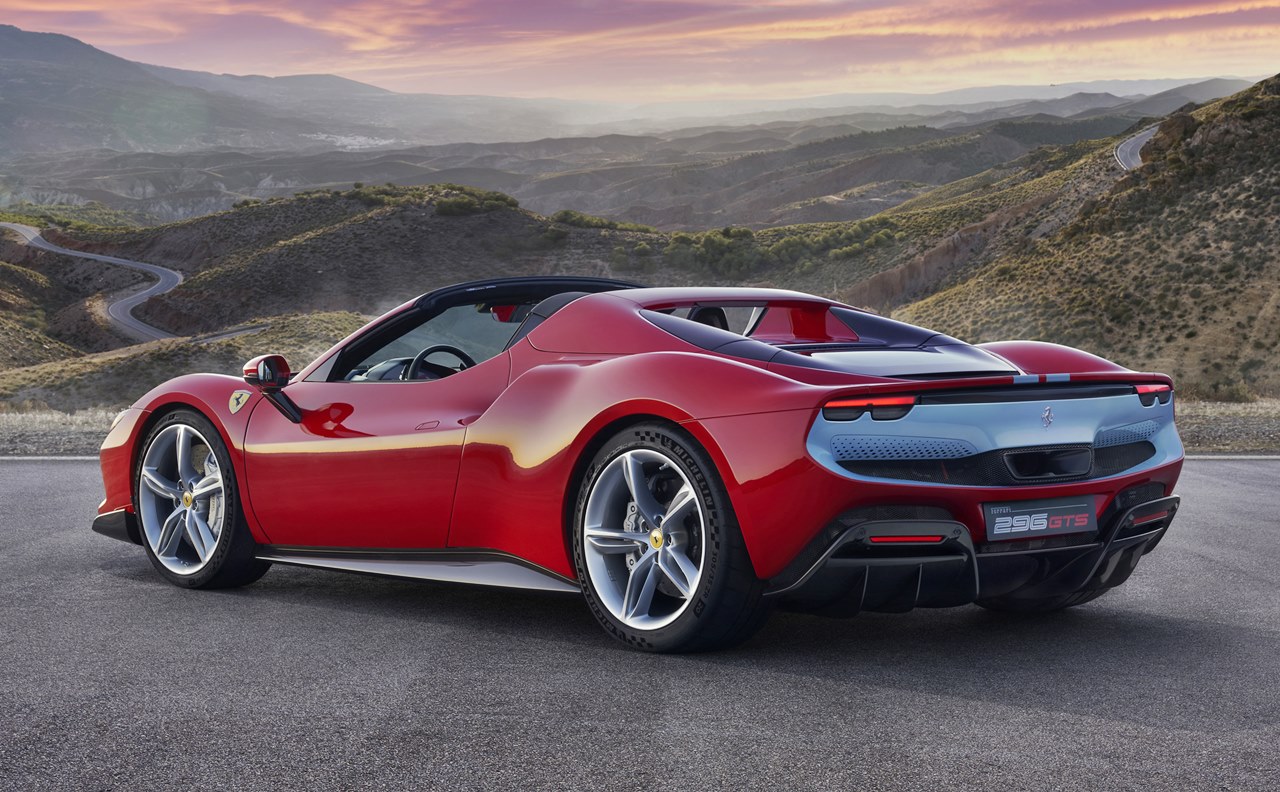
Perhaps our climate is not the best for open-top motoring but in other places in the world, conditions are perfect for driving around with the top down and there’s enough demand for convertibles that manufacturers still offer them. The Ferrari 296 GTS is the latest convertible to join the list, offering those who want a topless version of Ferrari’s mid-rear-engined PHEV a factory-built model.
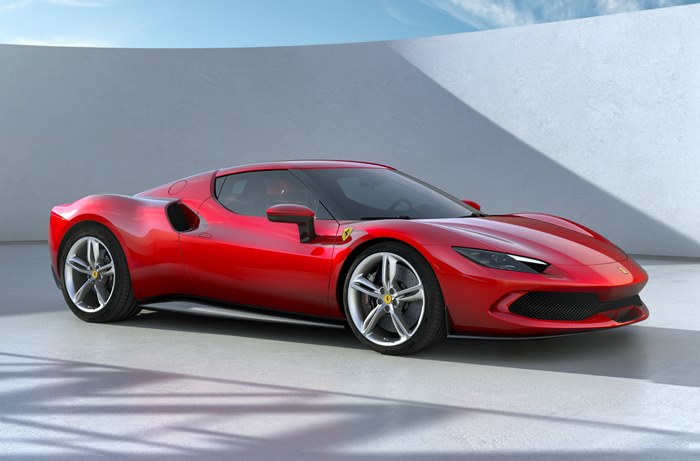
Ferrari 296 GTB
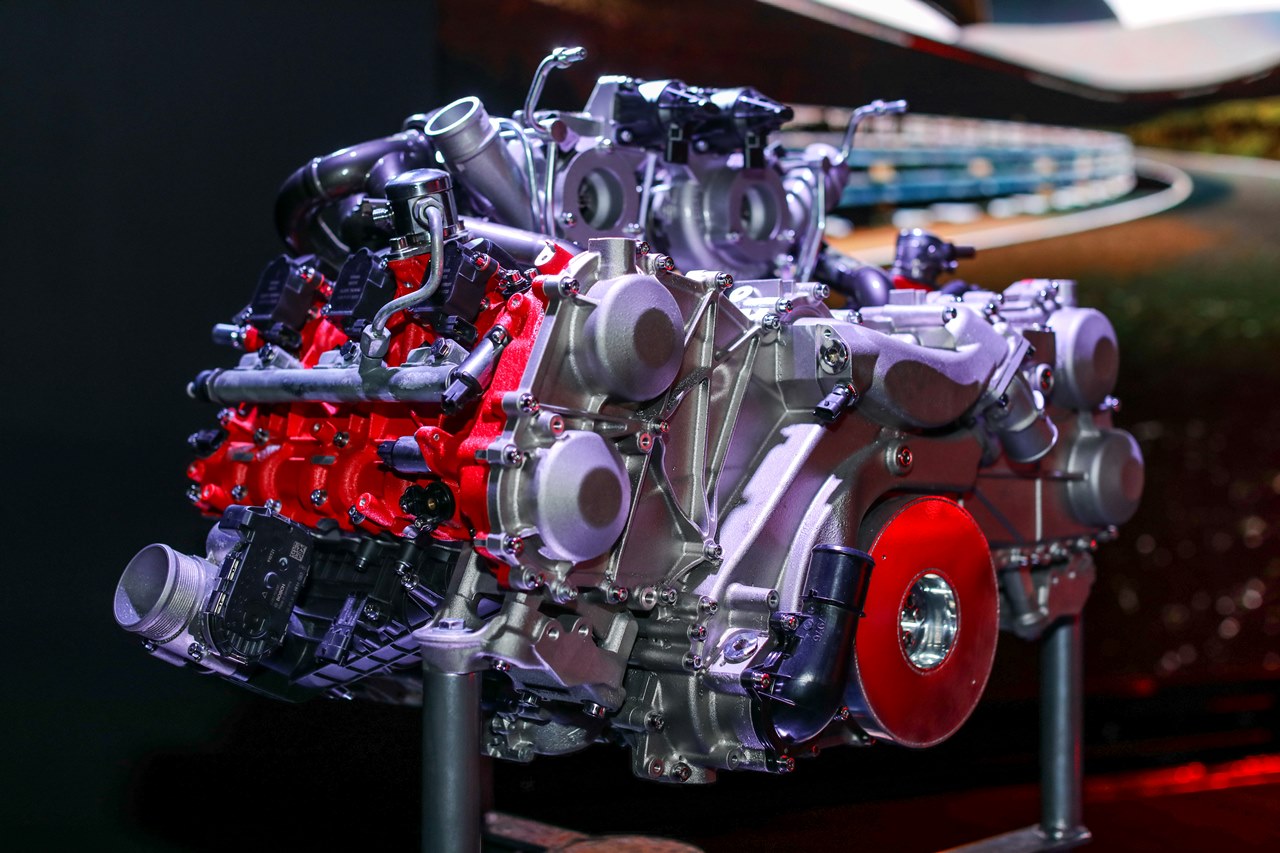
As explained before with the report on the 296 GTB, the engine is a new V6 unit and the first 6-cylinder engine installed on a road-going spider from Ferrari. While it’s not Ferrari’s first V6 (the first one was in the 1957 Dino 156 F2), it does usher in a new V6 era for the company. Total system output from the 2992 cc turbocharged engine is 830 ps/740 Nm, of which 165 ps comes from the electric motor.
This is the first ever Ferrari spider with a rear-wheel drive-only PHEV architecture in which the engine is integrated with a rear-mounted electric motor. This is derived from Ferrari Formula 1 racing cars and communication between the motor and engine is via the Transition Manager Actuator which allows them to run together efficiently and optimally.
Although the 296 GTS is about 70 kgs more than the 296 GTB, the performance claims are pretty much the same – 0 to 100 km/h in 2.9 seconds and a top speed of 330 km/h, while the range from the 7.45 kwh battery is said to be good for 25 kms running on electricity alone.
As with the SF90 Stradale, customers who require more extreme power and performance, especially if they are going to be on the track, can take the Assetto Fiorano package which includes lightweight features and aero modifications.
From a chassis perspective, at 2600 mm, the wheelbase is 50 mm shorter than previous Ferrari mid-rear-engined berlinettas to the benefit of the car’s dynamic agility. The 296 GTB’s chassis was redesigned and optimised for the 296 GTS to improve torsional rigidity and bending stiffness compared to previous spider applications. This was achieved to the tune of 50% in the case of the former and 8% in the case of the latter.
The styling of the 296 GTS has kept the clean and sophisticated lines of the 296 GTB. There was, of course, a clear focus on minimising the impact of any modifications on the exterior bodywork, always a challenge for a convertible variant. With the RHT stowed, the sleek silhouette remains very similar to that of the 296 GTB.
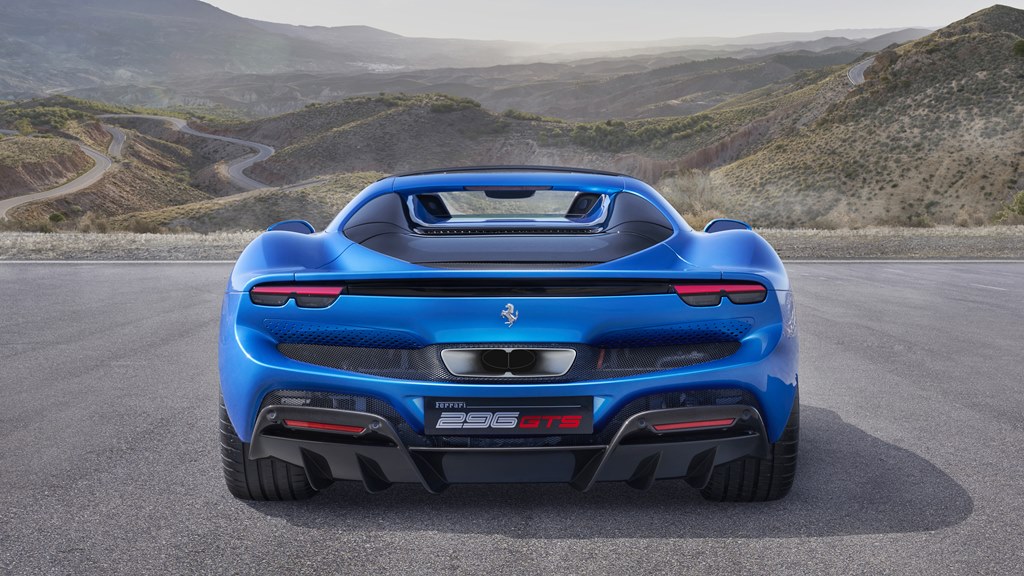
The need to stow the RHT (Retractable Hard Top) inside the engine compartment required the creation of a new tonneau cover design. While on the 296 GTB, the engine bay is completely horizontal and dominated by two flying buttresses in a nod to the 250 Le Mans, the 296 GTS’s tail is absolutely unique.
296 GTS with Assetto Fiorano package.
As is the case with the 296 GTB, a dominant feature of the car’s architecture is the signature ‘aero bridge’. The overall effect is of an extremely compact cabin effortlessly integrated with the wings and flanks. The buttress theme is further enhanced by contrasting sculpted extensions that frame the engine cover screen and integrate the novel fuel filler and battery charge covers, avoiding architectural disharmony.
The lightweight RHT takes 14 seconds to retract or deploy at speeds of up to 45km/h. The separation line between the car’s body and the roof is above the B post. As a result, the folding roof splits into two sections that fold flush over the front of the engine, thus maintaining the engine bay’s thermal dissipation characteristics and the balance of the overall design. This also allowed the designers to introduce a window in the rear section of the engine cover through which the new V6 is clearly visible.
The 296 GTS has several radical and innovative solutions with regard to aerodynamics which have turned the active aero paradigm, introduced from the 458 Speciale onwards, on its head. The car has an active device used not to manage drag but to generate extra downforce. The LaFerrari-inspired active spoiler integrated into the rear bumper allows the 296 GTS to generate a high level of rear downforce when required (up to 360 kgs at 250 km/h with the Assetto Fiorano package).
The aero development work done on the 296 GTS means that even in low-drag configuration the car can deliver more downforce than previous applications. In high-downforce configuration, there is an additional 100 kgs in downforce, thanks to the active spoiler.
The rear diffuser has a very clean, linear design with a central channel that makes it possible to modify the direction in which the airflow sucked along the underbody is released into the car’s wake. This contains the vertical expansion of the car’s wake and thus drag.
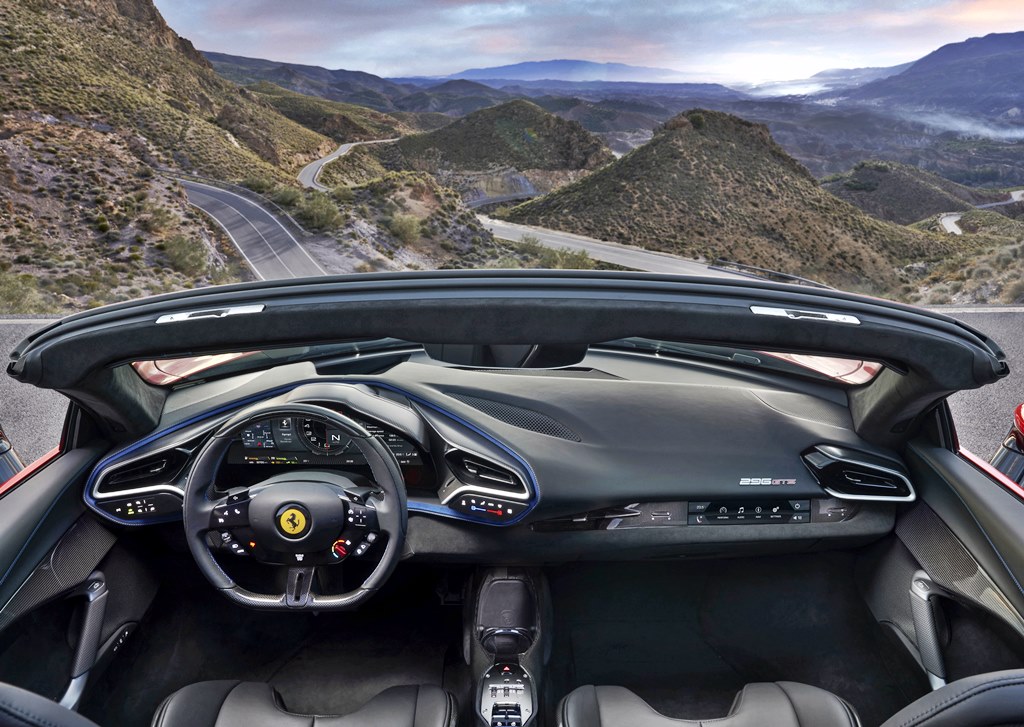
Turbulence in the cockpit area is something which convertibles cannot escape but thanks to modern solutions, this can be effectively reduced to make things comfortable for the occupants. For the 296 GTS, the geometry of the trim behind the headrests is optimised to channel as much of the air as possible towards the tonneau cover to reduce the amount of flow recirculating inside the cabin. Aerodynamic flaps have been integrated into the rear trim structure to reduce buffeting and increase comfort in open-top driving.
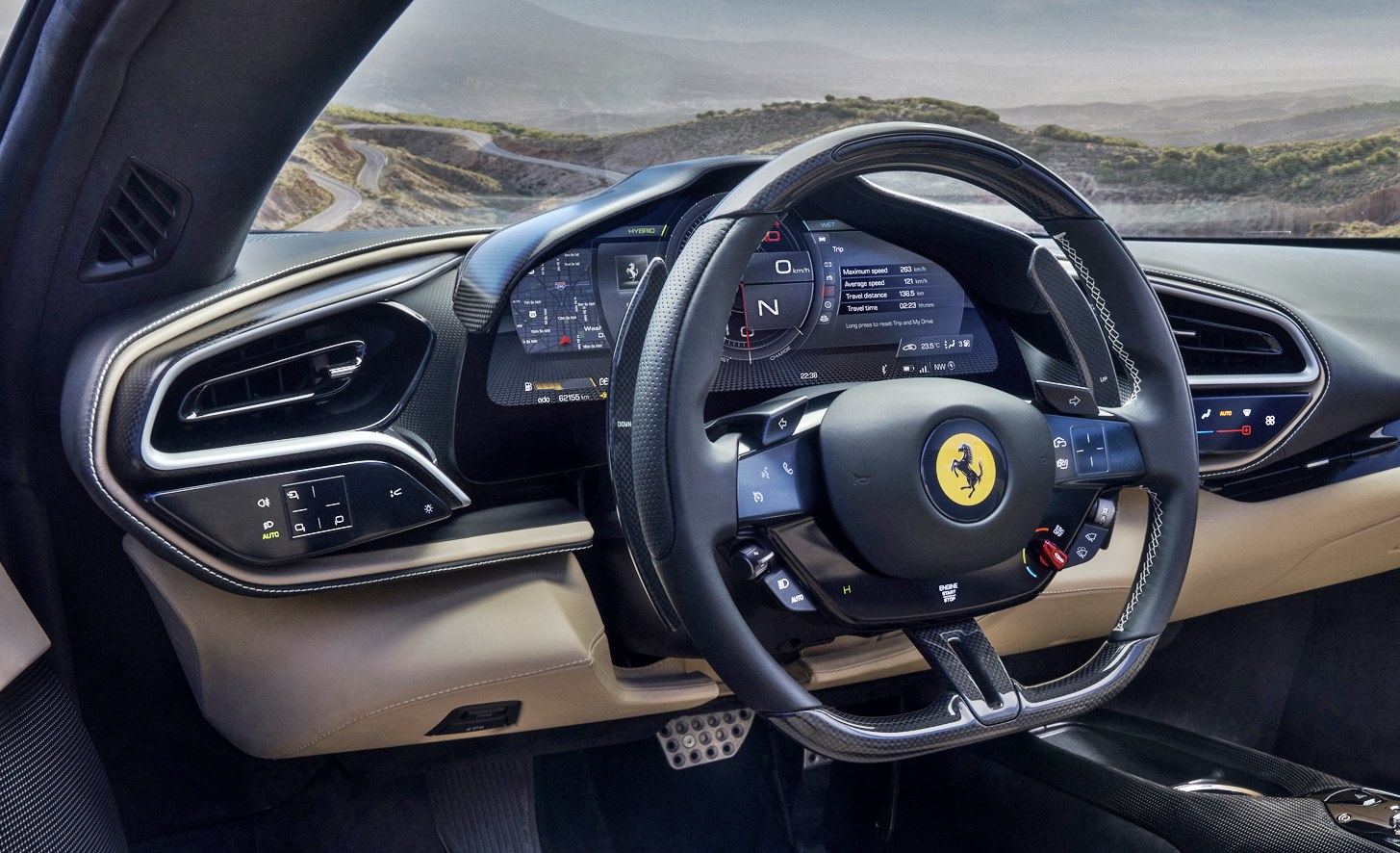
As with the 296 GTB, the 296 GTS’s cockpit was developed around the new concept of an entirely digital interface. From a formal perspective, when the engine is off, the onboard instruments go black for a minimalist look. Exclusive Italian leather trim to the seats and trim is further enhanced by the noble technical materials used on the functional components.
Ferrari has not announced how much the 296 GTS will cost, but it would certainly cost more than the 296 GTB which, in Malaysia, is priced from RM1.228 million.
With the overturning of the acquittal of Sam Ke Ting in the ‘basikal lajak’ case in Johor, it seems that young children may now believe that they are protected by the law even if their action of dangerous and irresponsible. They now feel emboldened to play on roads and not only inconvenience other road-users but also put themselves and others in danger.
This 19-second video posted by Facebook user Che Kumar recently shows a group of children along a narrow road said to be in the Taman Anggerik area in Cheras, Kuala Lumpur. The video shows them purposely lying on the roadside as a car approaches, and because the area is not well lit, the driver might only see them at the last moment.
They take positions lying down right next to the path of the car and just after it passes, one boy rolls across the road, perhaps to give the impression that he had been hit. Had the driver been shocked or confused by such a strange situation, he or she might have lost control of the car in panic and then an accident would have occurred.
Hopefully, the police (who are quick to notice videos on social media) will take action before someone does get hurt and an innocent motorist might be jailed even though he may not be aware that such ‘games’ are played in the area at night.
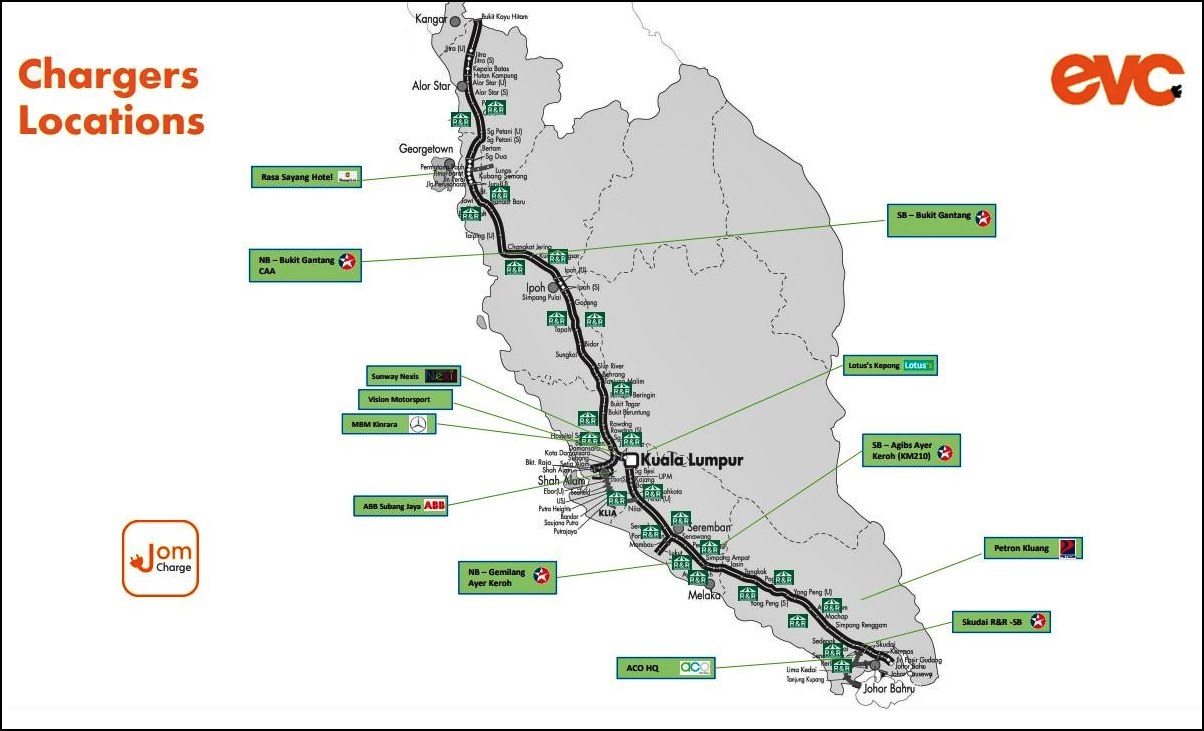
While driving from Singapore up through Peninsular Malaysia to the border with Thailand has been possible for decades, in the coming era of electric vehicles (EVs), a network of recharging stations needs to be set up so that such vehicles can complete the whole 862-km journey without running out of electrical ‘fuel’. While the range of EVs continues to increase, places to recharge along the way will still be needed in the same way as petrol stations as travellers may detour or take breaks in various places.
Companies like Shell, in collaboration with Porsche Asia Pacific, have taken the initiative to start setting up a network of high-speed charging stations along the North-South Expressway. No doubt, as the EV population increases, other companies will also start contributing to the network.
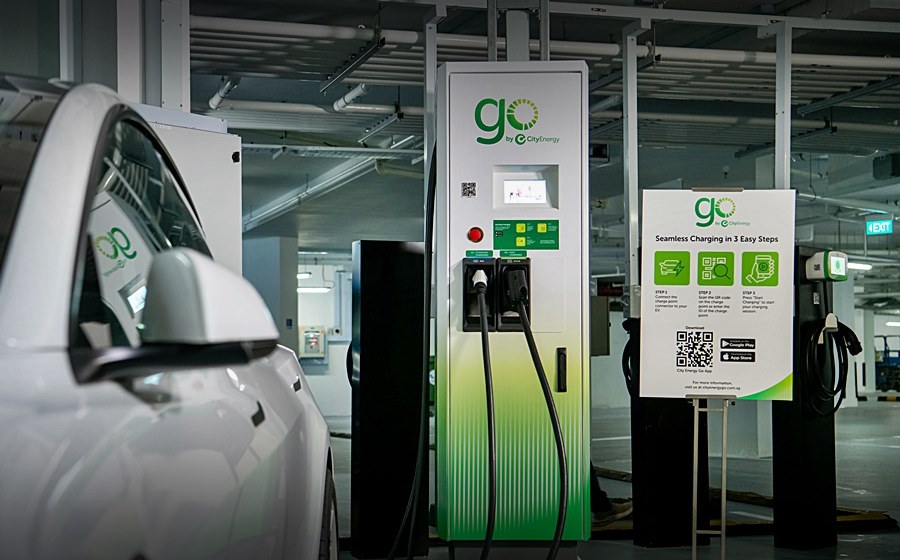
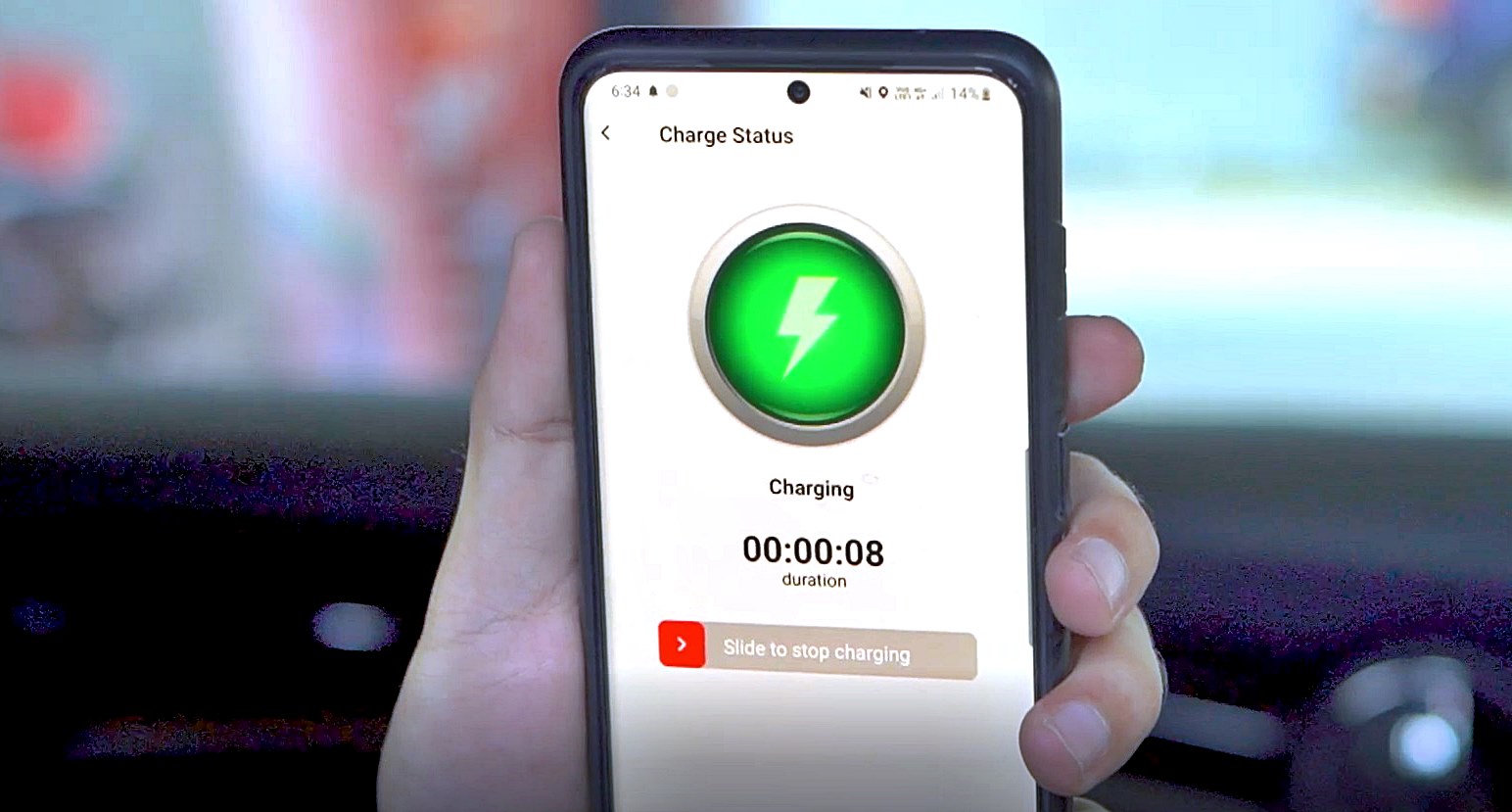
Access to the Go/EVC charging stations requires the use of a mobile app.
Singapore’s sole piped town gas provider, City Energy, is among them and has launched its Go by City Energy (Go) EV charging service to offer a seamless operational service across Singapore and Malaysia using a mobile app on smartphones. Operated by its new subsidiary, City Energy Go Pte. Ltd., Go will be the first EV charging service provider to offer EV charging solution as a service
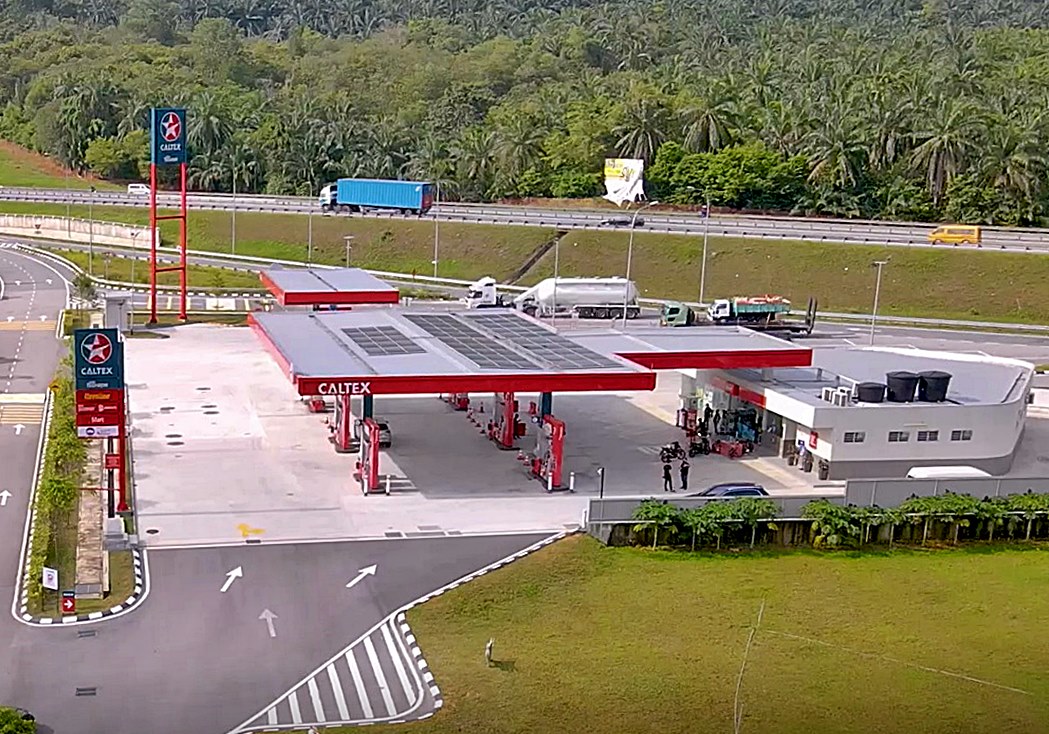
This Caltex station near Sjudai in Johor is one of the stations with EV charging facilities.
Go, which finances, operates and maintains the network of EV charging stations, has a strategic partnership with EV Connection Sdn. Bhd. to extend charging connectivity into Malaysia. The two companies recently signed an agreement to extend connectivity into Malaysia. Go will be the first service in Singapore that extends EV charging capabilities into Malaysia.
EV Connection is one of Malaysia’s pioneers in EV charging solutions and an authorised EV charging station distributor registered with Suruhanjaya Tenaga, CIDB, Tenaga Nasional Berhad and MyHijau. With this partnership, Go drivers will be able to access EV Connection’s network of charging stations in Malaysia.
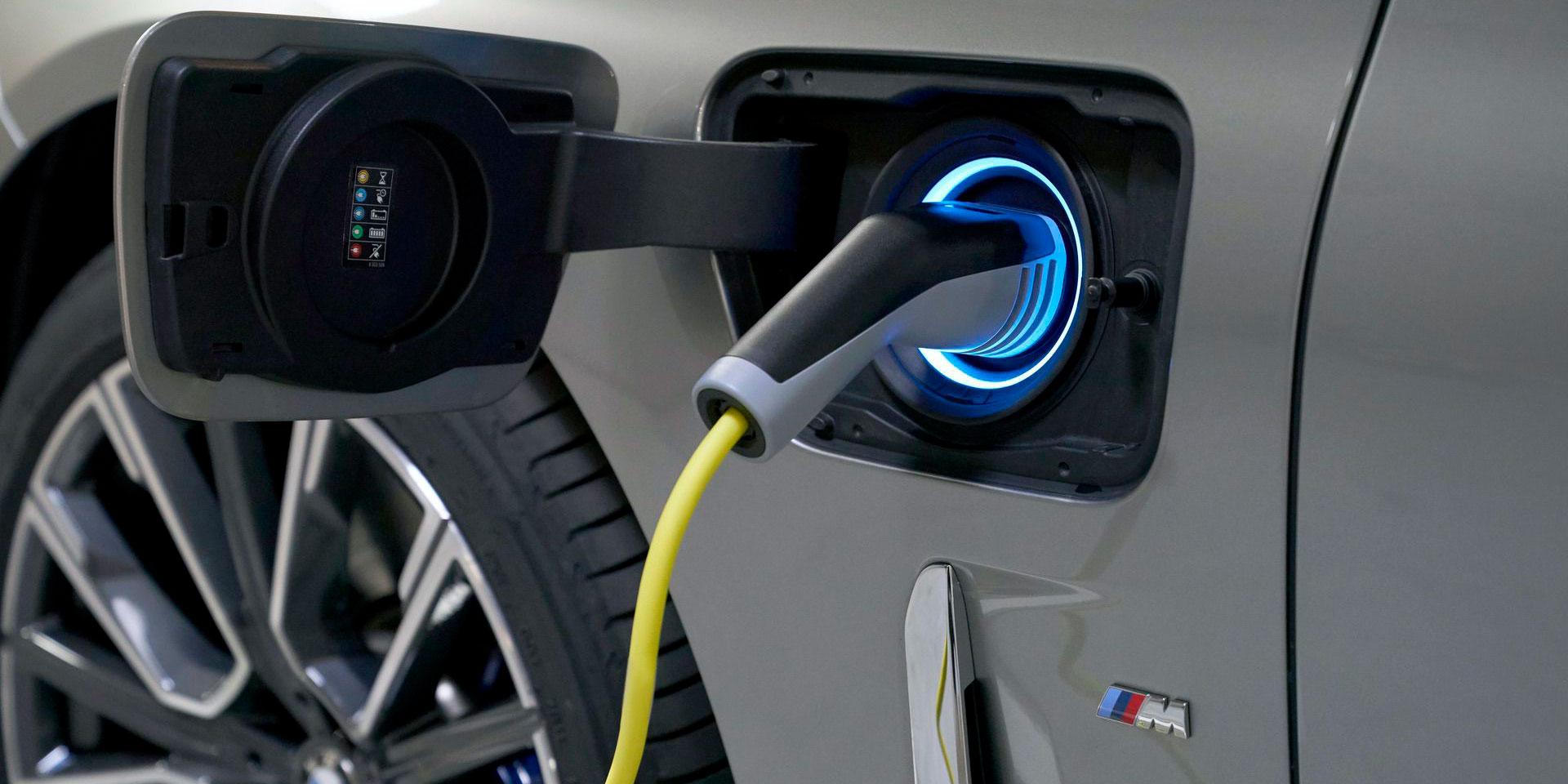
Depending on the location, the charging stations and power levels may vary. Go says that the charging levels can be 22 kW or 43 kW (AC) or 50 kW (DC). The higher the charging level, the faster the charging will be but each EV will be designed to accept a specific charging level. To cater for different EV models, the charging stations will have different ports for the popular types of charging cable connectors.
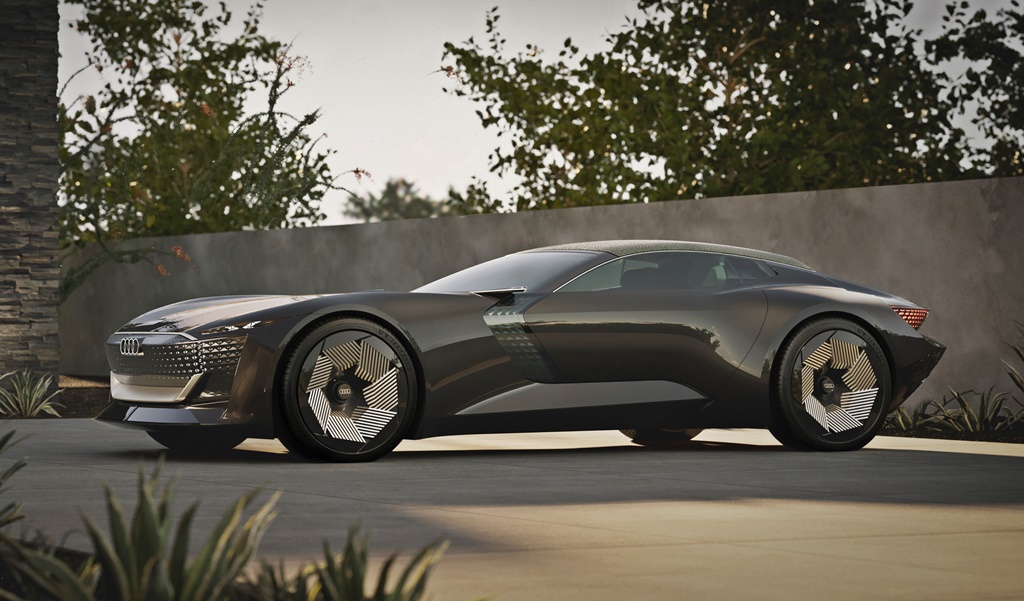
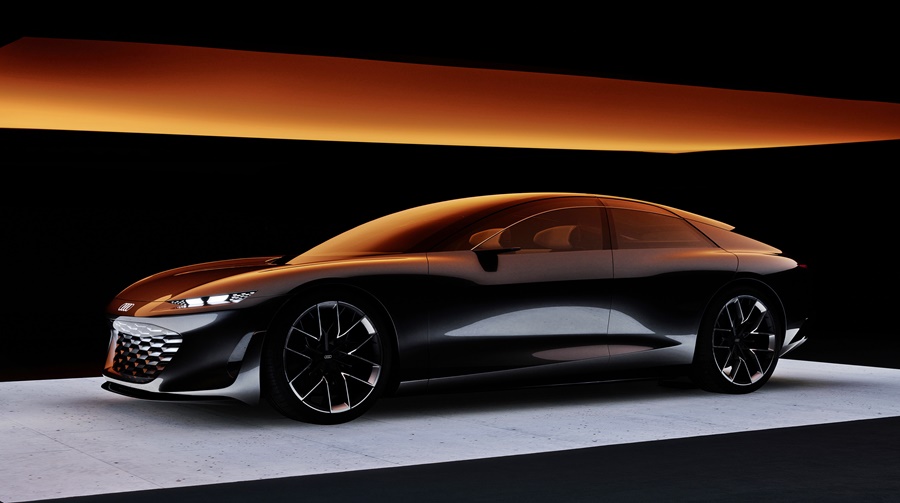
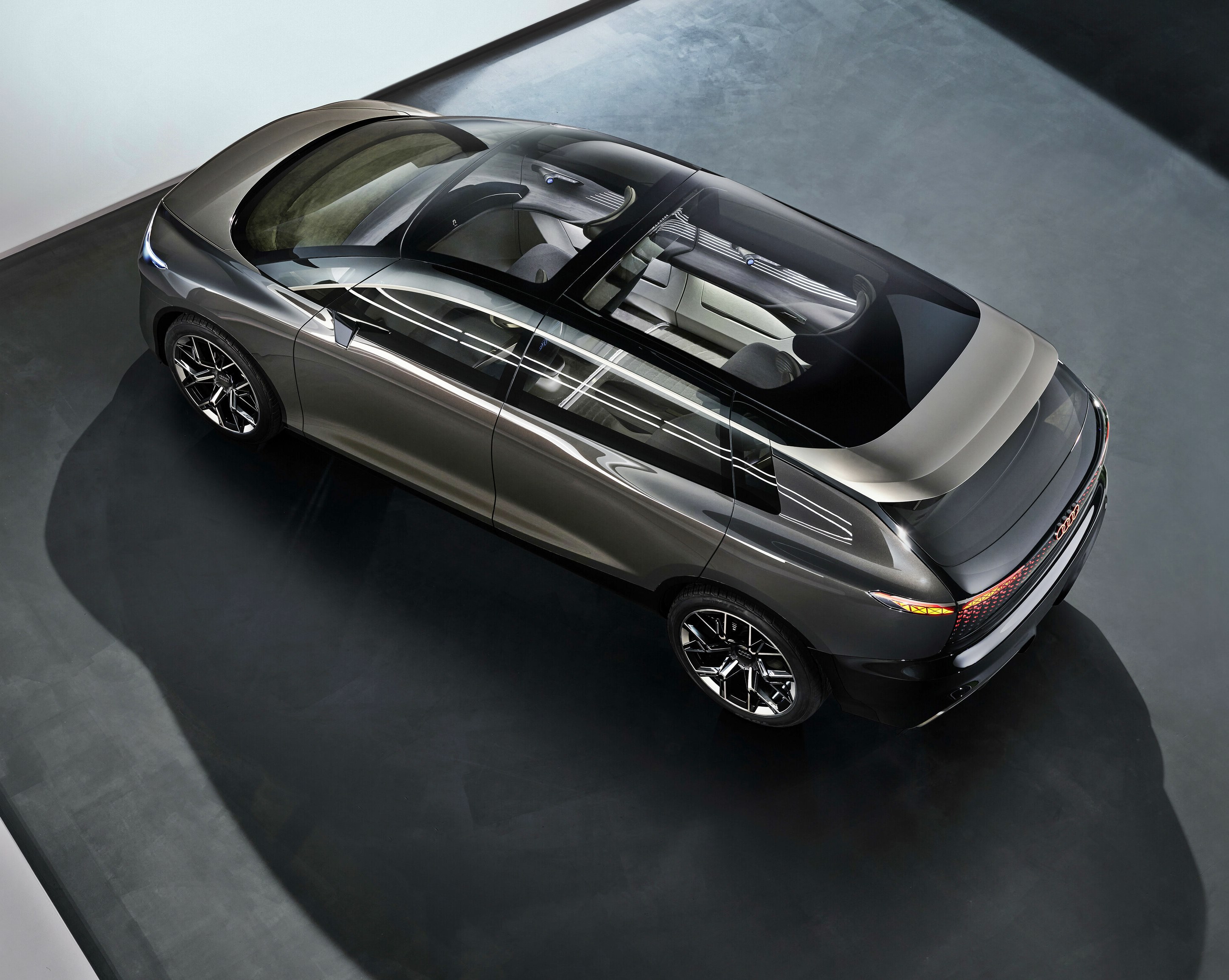
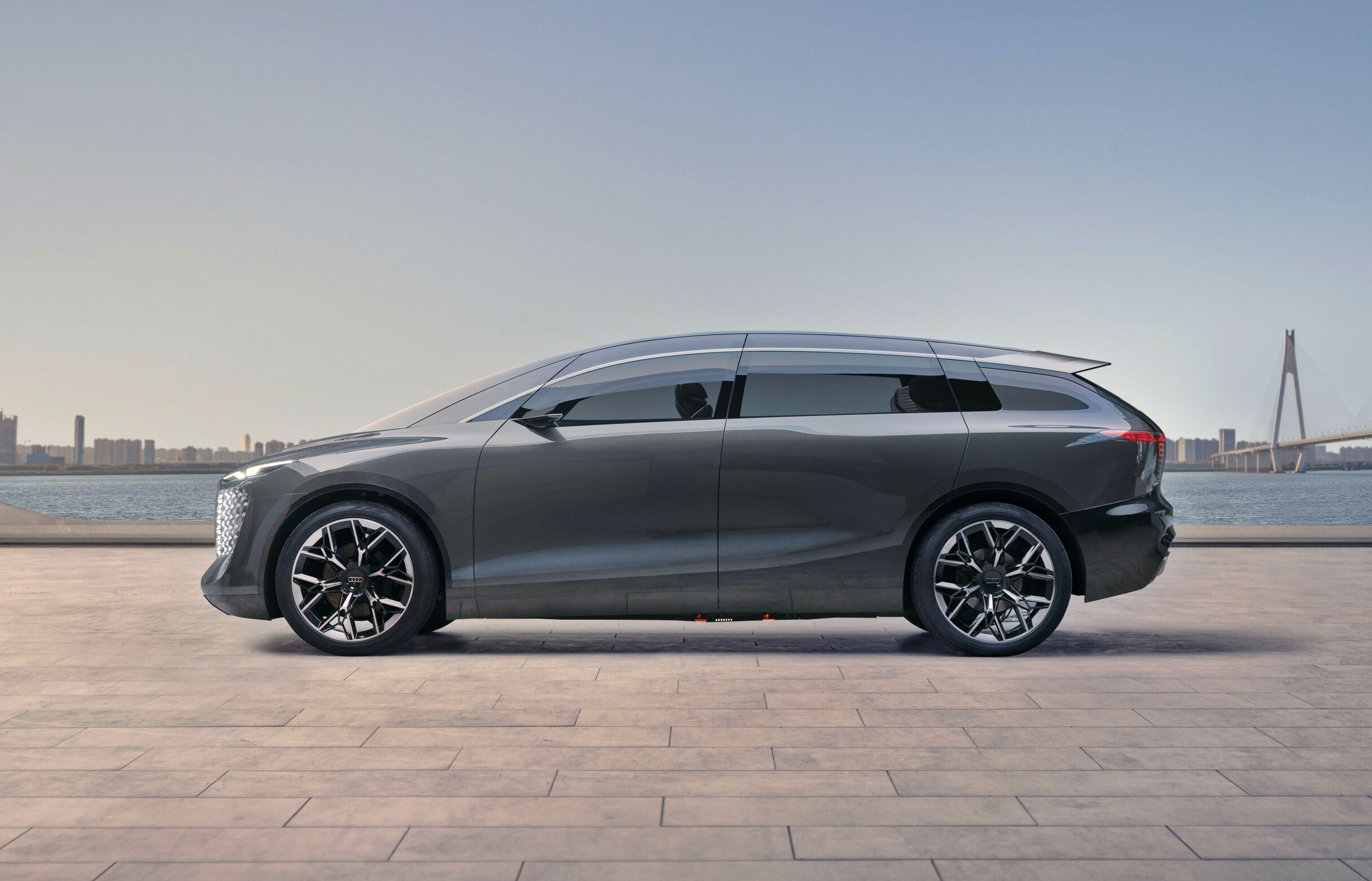
The third of Audi’s ‘sphere’ concept cars showing its idea of premium electric vehicles in future in three different segments has been unveiled today: the Audi urbansphere. Where the 2021 skysphere was a roadster GT concept and the grandsphere that followed was a luxury sedan, the urbansphere takes the form of an MPV.
urbansphere skyspheregrandsphere
‘Co-created’ with Chinese customers
Designed by teams in China and Germany, the urbansphere has been conceived with Chinese customers involvement as well. For the first time, potential customers in China could also take part in the development process, contributing their own perspectives as part of a process known as ‘co-creation’. “In order to meet the demands of our Chinese customers, Audi’s design studios in Beijing and Ingolstadt worked together closely to jointly develop the Audi urbansphere concept car,” said Markus Duesmann, Chairman of the Audi Board of Management and responsible for the Chinese market.
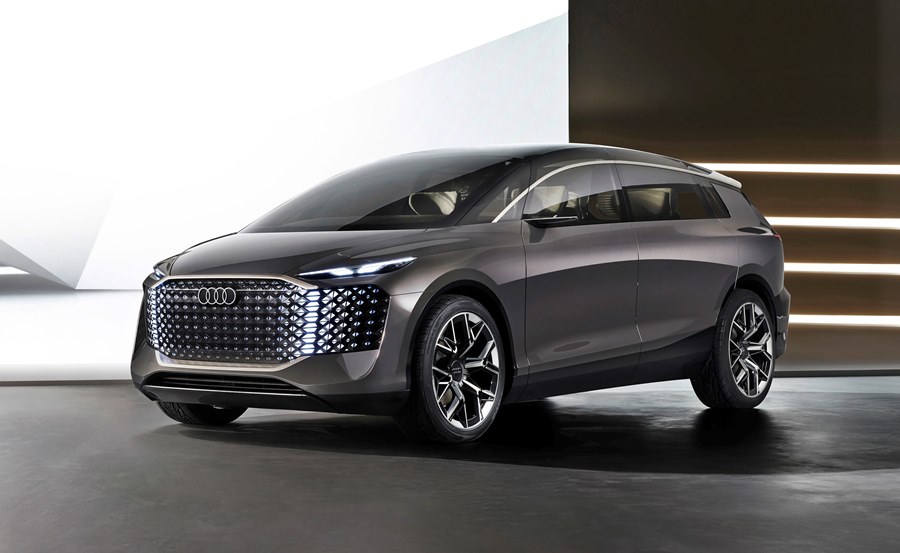
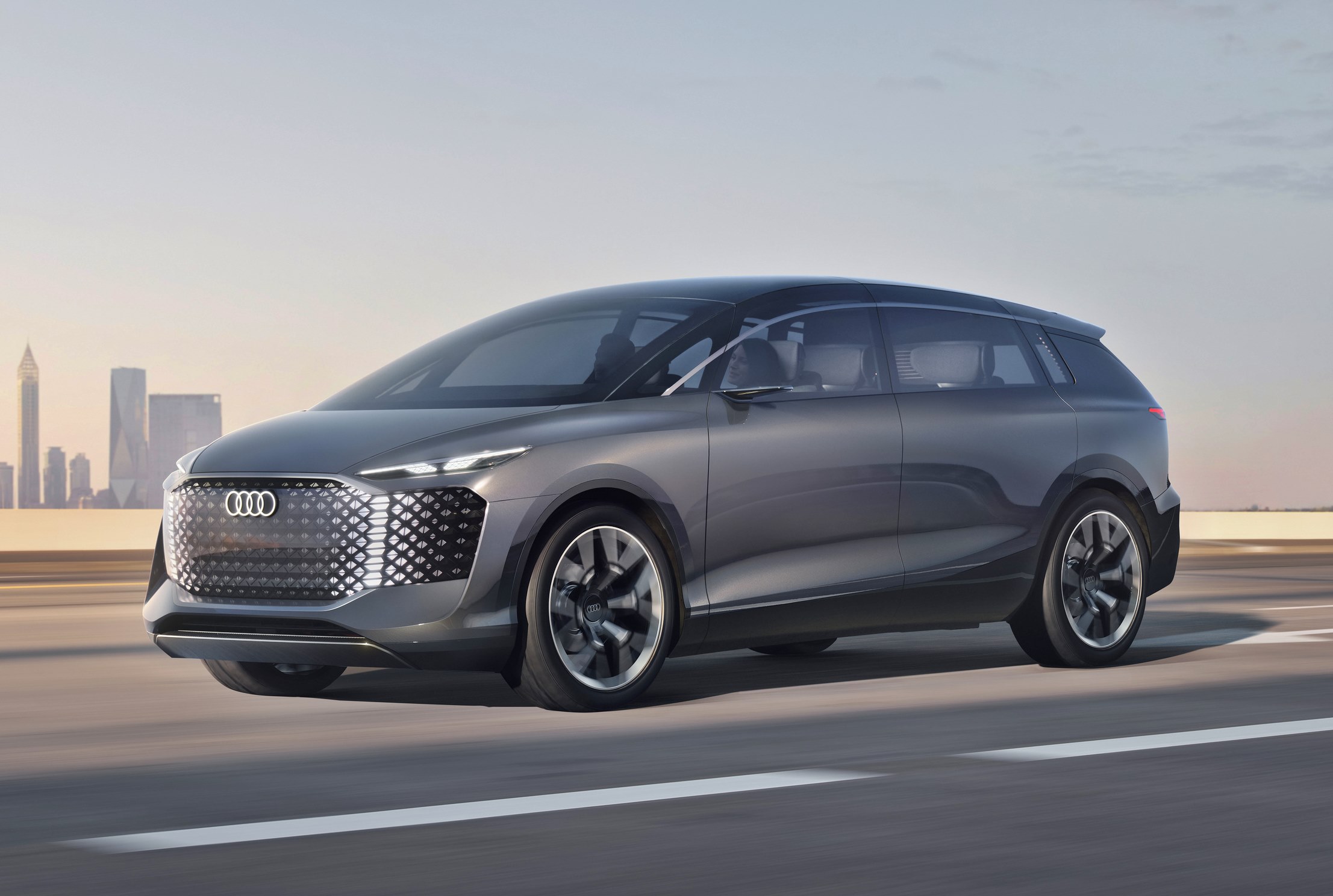
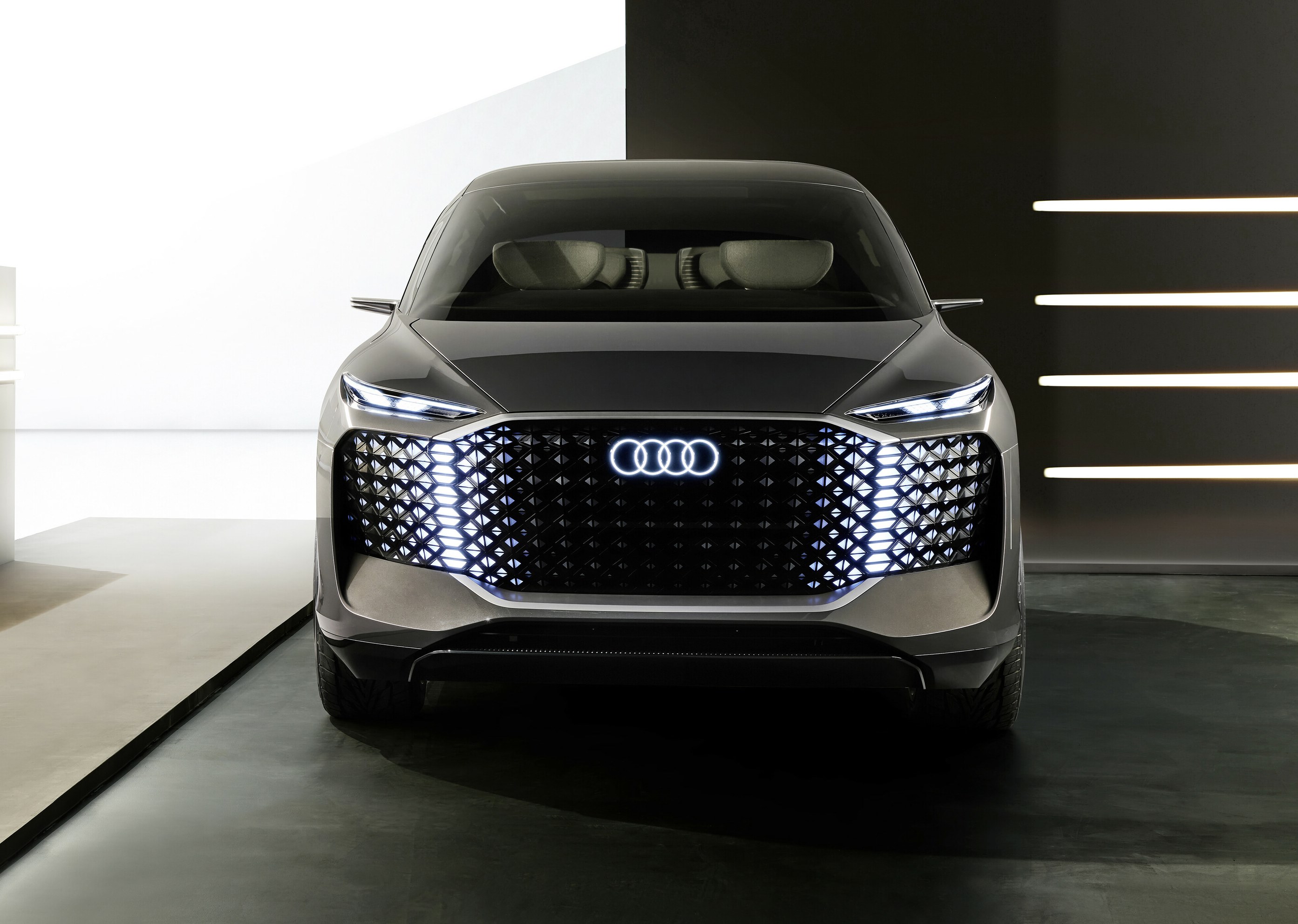
It is the largest model in the sphere family and even of all Audi concept cars to date, measuring 5510 mm in length, 2010 mm in width and 1780 mm tall. The silhouette of the body features traditional Audi shapes and elements, combined to create a new composition featuring the signature Singleframe. The implied wedge shape of the vehicle body is emphasized by the large, flat windscreen.
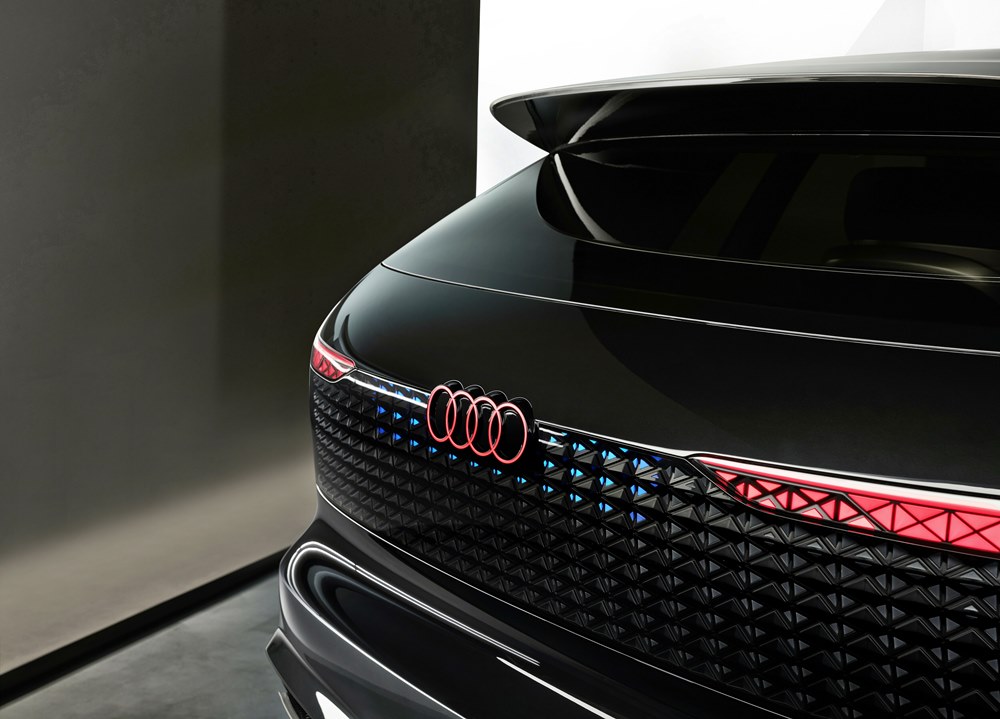
At the front, the Audi Singleframe is shaped like a large octagon. Even though the grille has lost its original function as an air intake because this is an electric vehicle, it still remains prominent as an unmistakable signature of the brand. The digital light surface lies behind a slightly tinted, transparent visor that covers a large area of the front.
The 3-dimensional light structure itself is arranged in dynamically condensed pixel areas. The upper and lower edges of the Singleframe are still made of aluminium and the vertical connections are formed by LEDs as part of the light surface. The lighting units to the right and left of the Singleframe look narrow, like focused eyes.
These digital lighting units, known as ‘Audi Eyes’, echo the brand’s four rings as they enlarge and isolate the intersection of two rings to form a pupil – a new, unmistakable digital light signature. The illuminated surfaces – and therefore the expression of the ‘eyes’ – can be adapted to the traffic situation, environment, or even the mood of the passengers. As a daytime running light, the gaze can be focused or open, and the ‘iris’ can be narrow or wide. A digitally created ‘eyebrow’ also functions as a dynamic turn signal when required.
MPV of the future?
Though it may be considered an MPV by today’s definition, Audi feels that the urbansphere defies classification into conventional vehicle categories. The monolithic design shares commonalities with the other two concept cars, as do the sculpted, soft shape of the wheelarches. Despite the stately proportions, elegance, dynamism, and an organic design language should come to mind.
‘Third living space’
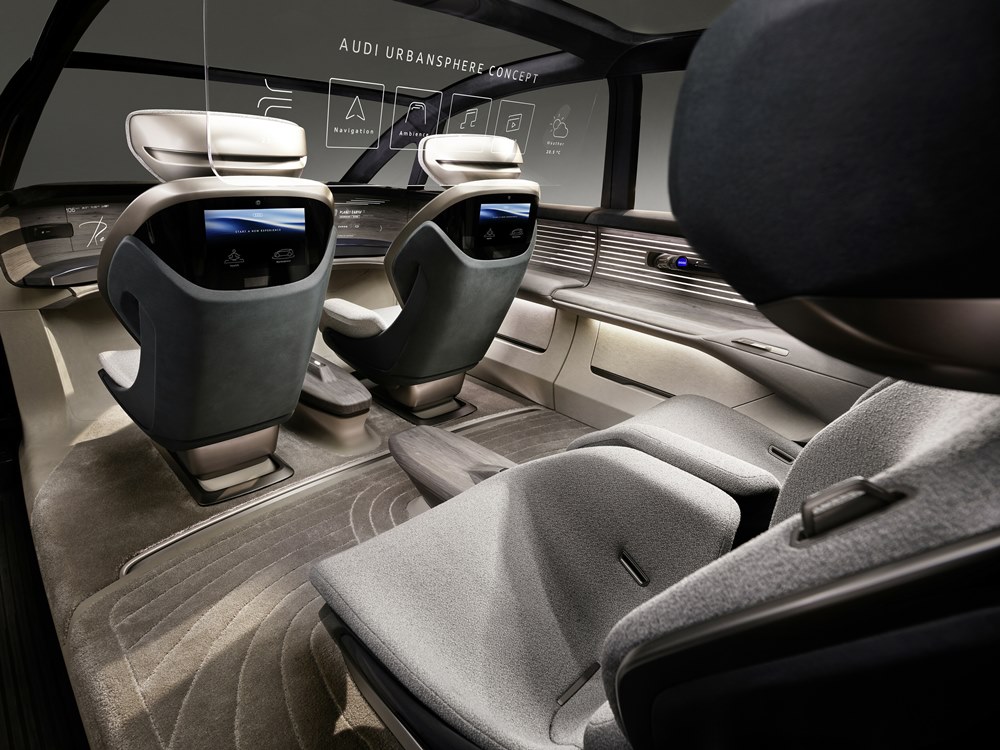
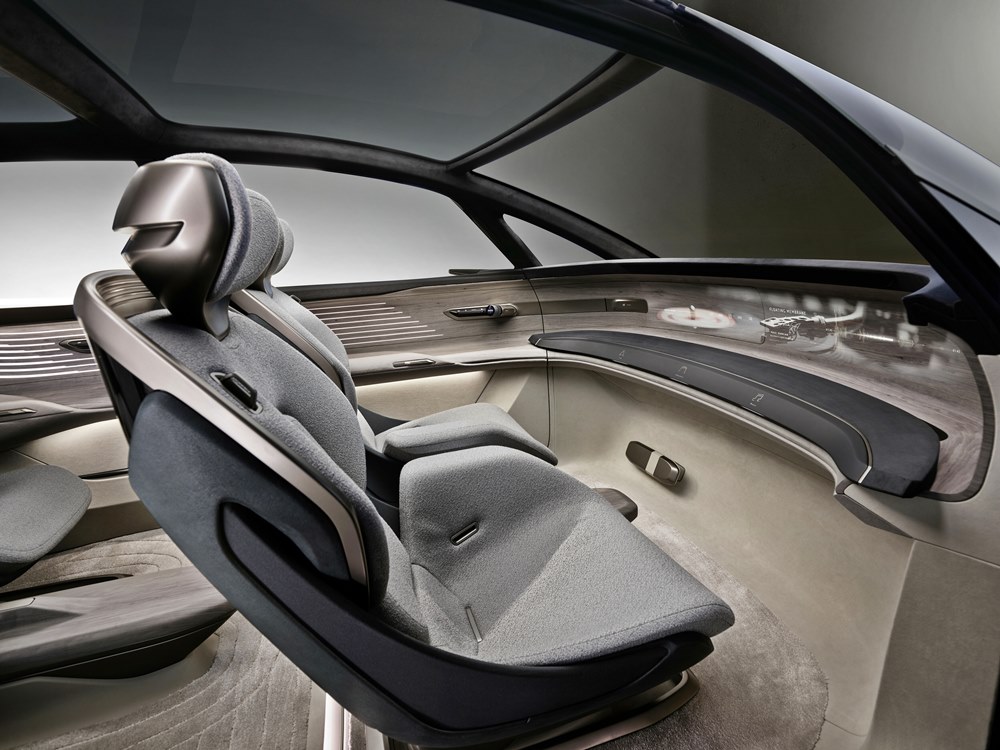
The 3.4-metre long wheelbase allows a spacious interior designed as a lounge on wheels, serving as a third living space during the time spent on the roads of densely populated cities like Beijing. It can also have a role as a mobile office in which occupants can have meetings or work while moving around. Four individual seats in two rows offer first-class comfort and the seating can also cater to passengers’ changing social needs in a variety of ways.
The interior of the urbansphere is not subject to the dimensional constraints nor limited by the physics of driving. The interior designers had what is the largest interior space in an Audi vehicle to date to prioritize occupant comfort. To this end, it can be a mobile interactive space that provides a gateway to a wider digital ecosystem.
“To make e-mobility even more attractive, we think about it holistically and from the customer’s needs,” said Duesmann. “More than ever before, it is not just the product that is decisive, but the entire ecosystem. That is why Audi is creating a comprehensive ecosystem with services for the entire car. The Audi urbansphere concept offers everyone onboard a wide range of options to use that freedom to provide a highly-personalized in-car experience: communication or relaxation, work or withdrawal into a private sphere as desired. As such, it transforms from being strictly an automobile into an ‘experience device’.“
Customized infotainment offerings are available, such as the seamless integration of onboard music and video streaming services. There is a large-format and transparent OLED screen that pivots vertically from the roof area into the zone between the rows of seats. Using this ‘cinema screen’, which occupies the entire width of the interior, the two passengers in the back row can take part in a video conference together or watch a movie.
Wellness zone, suggested by Chinese customers
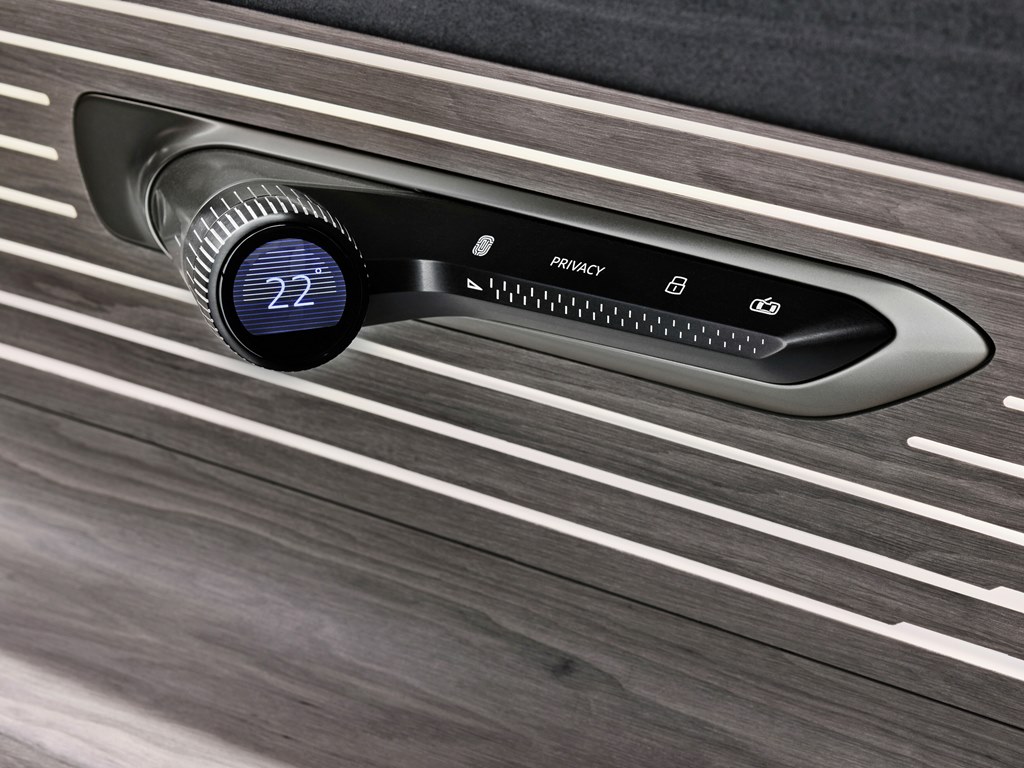
The urbansphere also qualifies as a wellness zone, thanks to digital options that emerged in no small part through input from the co-creation process with Chinese customers. Stress detection is a prime example – this adaptive program uses facial scans and voice analysis to determine how passengers are feeling and offers personalized suggestions for relaxation, for example with a meditation app that can be used via the personal screen and the private sound zone in the headrests.
Many of the materials in the interior, such as the hornbeam veneers, come from sustainable sources. This choice of material makes it possible to use wood that has grown close to the site, and the entire trunk can be utilized. No chemicals are used during the manufacturing process.
Audi Light Umbrella
As a special tribute to China, the designers provide a luminous accessory that passengers can take with them when they leave the urbansphere – the Audi Light Umbrella. This self-illuminating umbrella inspired by traditional Chinese umbrellas acts as a protective companion and multifunctional light source. The inner skin is made of reflective material, so the entire surface acts as a glare-free lighting unit.
Because the urbansphere has level 4 autonomous technology which frees its occupants of the need to be directly involved in its operation, it can pick up passengers at their home or office and independently takes care of finding a parking space and charging the battery.
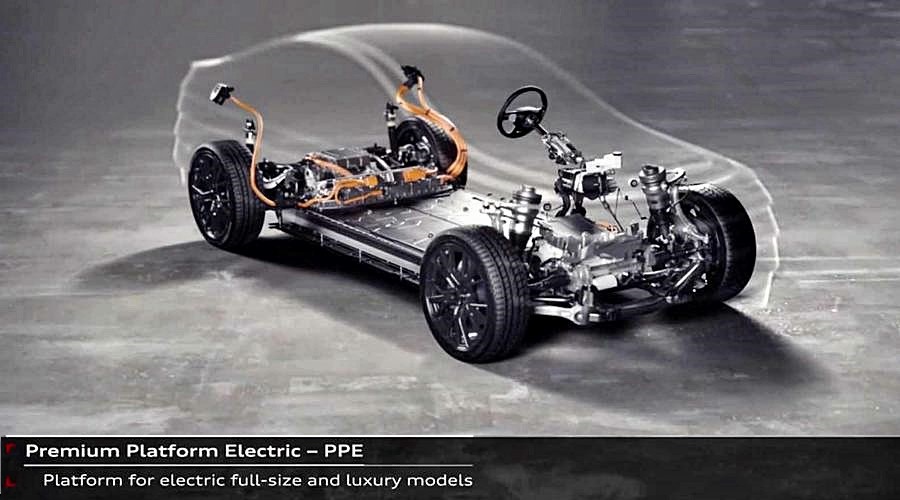
Premium Platform Electric
The urbansphere is a concept and design study so much of what it shows are proposals for the future. However, the Premium Platform Electric or PPE is something that is already in use by Audi and Porsche. It has been specifically designed for battery-electric drive systems and the is a battery module between the axles. Audi has succeeded in achieving a flat layout for the battery module by using almost the entire base of the vehicle between the axles.
The battery module can store around 120 kWh of energy to power 2 electric motors capable of delivering a total system output of 295 kW/690 Nm. There is one electric motor on each of the front and rear axles which, by means of electronic coordination, implements the permanently available all-wheel drive as required. The motor on the front axle can be deactivated as required in order to reduce friction and thus energy consumption when coasting.
The powertrain has 800V charging technology which will make it possible for recharging with up to 270 kW at fast-charging stations in the shortest possible time. This will enable charging times to approach those of a conventional stop to refuel a car powered by a combustion engine. Just 10 minutes would be enough to charge the battery to a level sufficient to cover more than 300 kms. Audi expects that a fully charge battery module would be able to provide a range of up to 750 kms, even when used for more energy-intensive city and short-distance trips.
“These concept vehicles embody our brand strategy. They show how we imagine the near future of premium mobility,” said Henrik Wenders, Senior Vice-President of the Audi brand. For him, the future is a design space to offer people new experiences in ‘spheres’ during their journey.
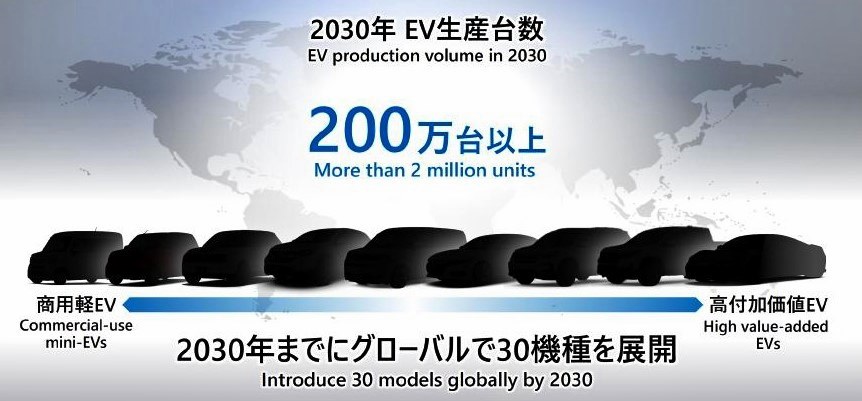
Over the next 10 years, Honda will allocate approximately 5 trillion yen in the area of electrification and software technologies to further accelerate its electrification, which is approximately 62% of the company’s overall R&D expenses budgeted for the same. This expenditure will enable it to have up to 30 EV models globally by 2030 with production volumes of more than 2 million units annually. This huge investment will help Honda achieve carbon neutrality for all products and corporate activities by 2050.
The strong focus on EVs – and presumably, Honda is referring to battery electric vehicles (BEVs) – may suggest that the carmaker will be decreasing development of internal combustion engines (ICE) and hybrid vehicles (HEVs). In fact, last year, it announced the intention to stop producing and selling new ICE vehicles, including hybrids, worldwide by 2040.
However, like what a number of major carmakers are saying, hurried adoption of BEVs is not a practical approach. Due to regional differences such as the level of customer acceptance, affordability, readiness of infrastructure and economic conditions, a singular approach to switching to BEVs globally is not going to work.
Honda will therefore be working on rapid transitioning to BEVs in markets and regions such as the USA, Europe, China and Japan while continuing with a more realistic solution for other areas. In those major markets for electrification, the ratio of BEVs and fuel cell electric vehicles (FCEVs) will be increased at a faster rate. In relation to overall unit sales, these zero emission vehicles will account for 40% of volume by 2030, 80% by 2035, and 100% by 2040.
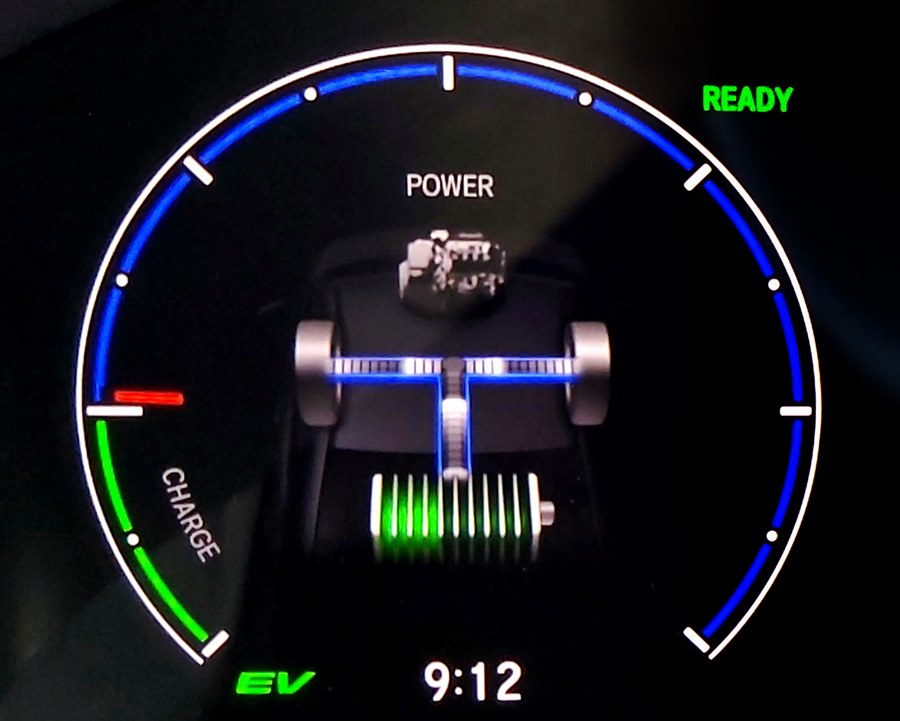
In some markets like Malaysia, Honda also refers to its hybrid technology as e:HEV technology.
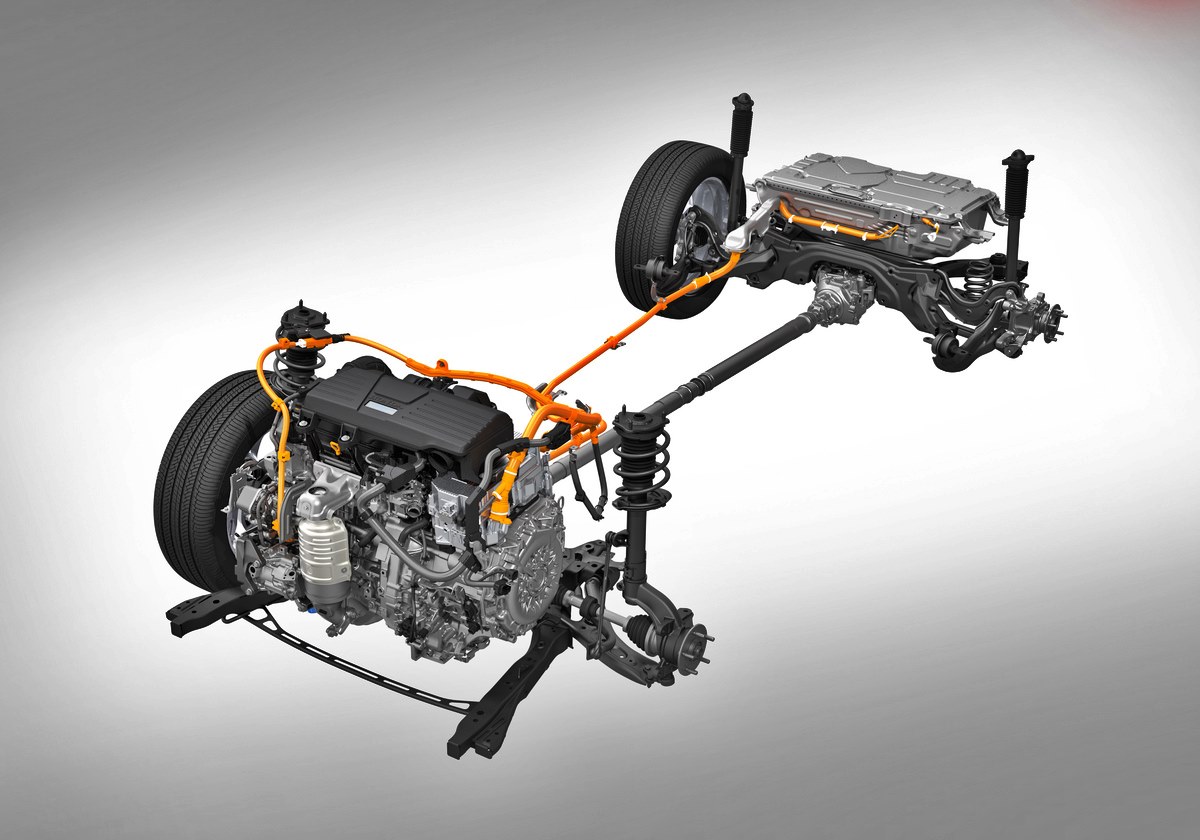
And even though North America is one of the regions that is part of the main electrification plan, Honda has still allocated R&D resources to develop new hybrid models for the near-term. This is to increase HEV volume of core models such as the CR-V, Accord and Civic which are produced there. Honda currently sells 4 HEV models in North America. However, Insight production will end in June to start production of the new CR-V Hybrid this year, followed by the Accord Hybrid, which will eventually make up 50% of the sales mix of each model.
2021 Honda CR-V Hybrid
“We need to take into account multiple factors, such as the living environment and the penetration rate of renewable energy, rather than simply switching to electric vehicles,” said Toshihiro Mibe, Honda’s CEO. “We are ending conventional engines but we will still focus on hybrids, and it will be our strength in 2030 or even in 2035.”
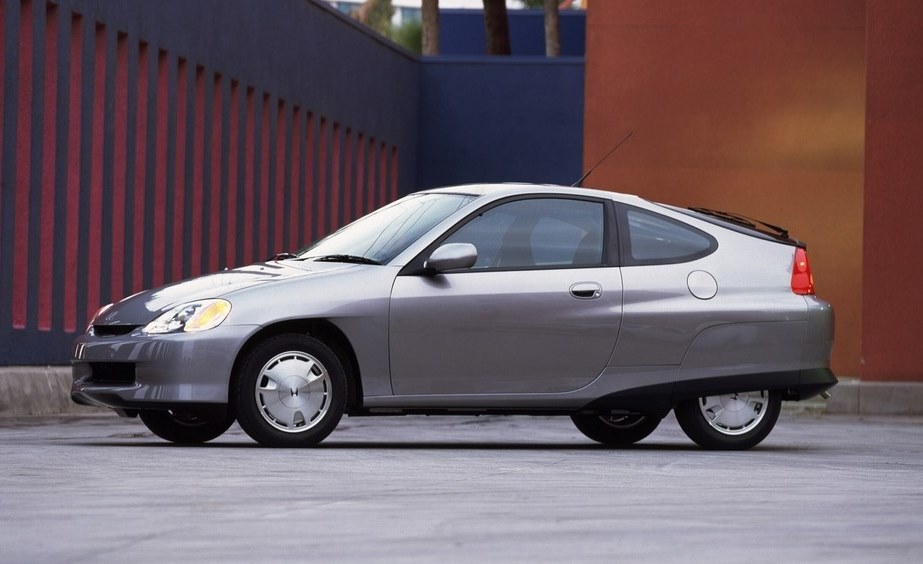
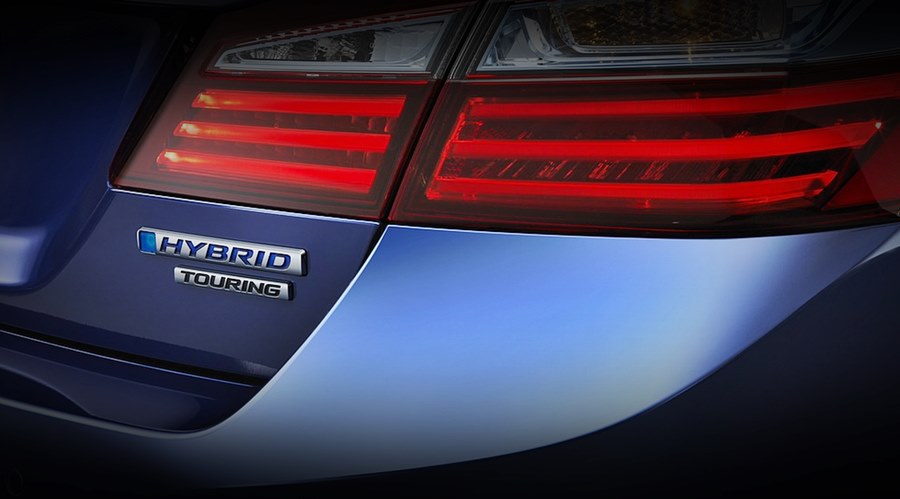
Honda, along with Toyota, were the first brands to introduce HEVs and while the Prius was the first into the market, Honda’s first generation of Insight arrived in the USA 7 months before the Toyota HEV. Following the futuristic looking Insight was the Civic Hybrid in 2002 and then the Accord Hybrid.
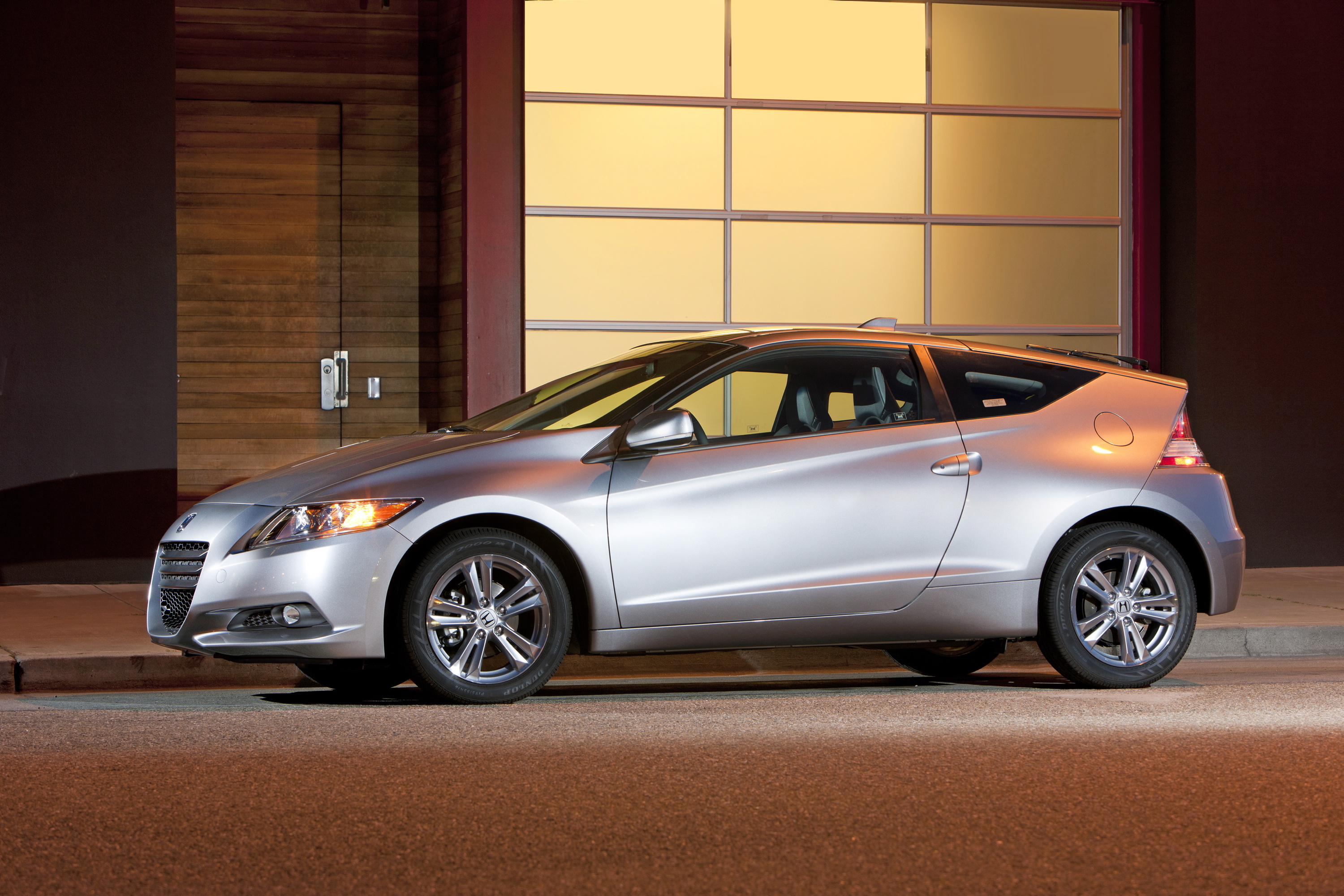
Honda’s first model with hybrid electric technology was the Insight, which made its debut in Japan in 1999. The CR-Z hybrid sportscar was sold between 2010 and 2016 but due to diminishing sales of coupes, Honda didn’t follow up with a second generation.
Honda continued to improve its hybrid technology (which it also refers to as e:HEV technology in some markets) as well as try to bring costs down and developed better hybrid powertrains for the next generations of the models. It also came out with a HEV sportscar, the CR-Z, in 2010 but as sales of coupes slowed down, the model line did not continue into a second generation.
So HEVs still have a future, more so now that they have moved from being of interest to early adopters to become more mainstream in the marketplace. While most HEV buyers would be aware that their car is powered by a petrol engine as well as an electric motor, the fact that a HEV needs no recharging (a plug-in hybrid or PHEV does) makes the technology ‘invisible’. It’s like turbochargers; in the 1970s, they were distinct features in high-performance engines but today, their presence is taken for granted in the new generation of downsized engines.
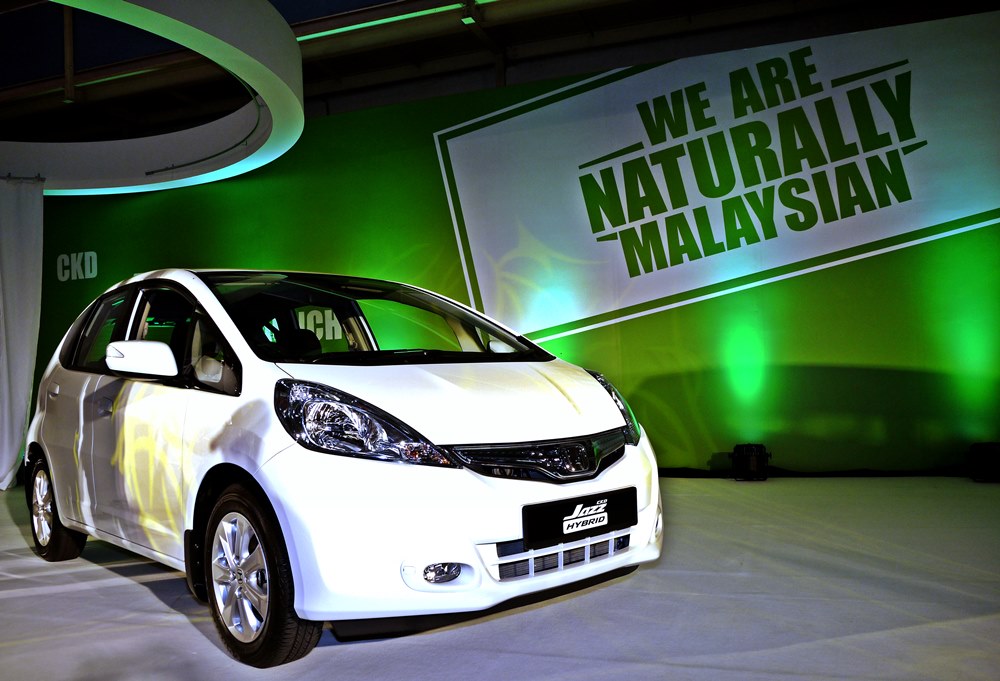
In Malaysia, Honda has been selling hybrid models since 2004 and assembling some models locally since 2012, starting with the Jazz Hybrid.
Honda’s continued attention to HEVs will also be beneficial in other markets where BEV adoption may be slow. HEVs can still help in a small way on the climate change issue as they generate lower carbon dioxide gases which have been identified as a major cause of global warming.
America has always had an attractive car market which was once the largest in the world. Though overtaken by China in 2009, the US market is still huge and has averaged 17 million units annually over the past few years. Many brands are present in the market and competition is tough, besides the fact that emission and safety regulations are also stringent.
Nevertheless, Vietnam’s Vinfast intends to enter the market and its ambitious plans are not only to sell SUVs there but also make them in the country. After looking at incentives offered by various states, it settled on North Carolina to build its factory with an initial investment of US$2 billion. It is the state’s first vehicle manufacturing plant and the largest economic development announcement in North Carolina’s history. VinFast’s project is estimated to grow the state’s economy by at least US$71.59 billion over the next 32 years,
The factory, on an 800-hectare site, will have an annual capacity of 150,000 vehicles and start rolling them out from the second half of 2024. Besides SUVs, the factory will also make EV battery packs and electric buses.
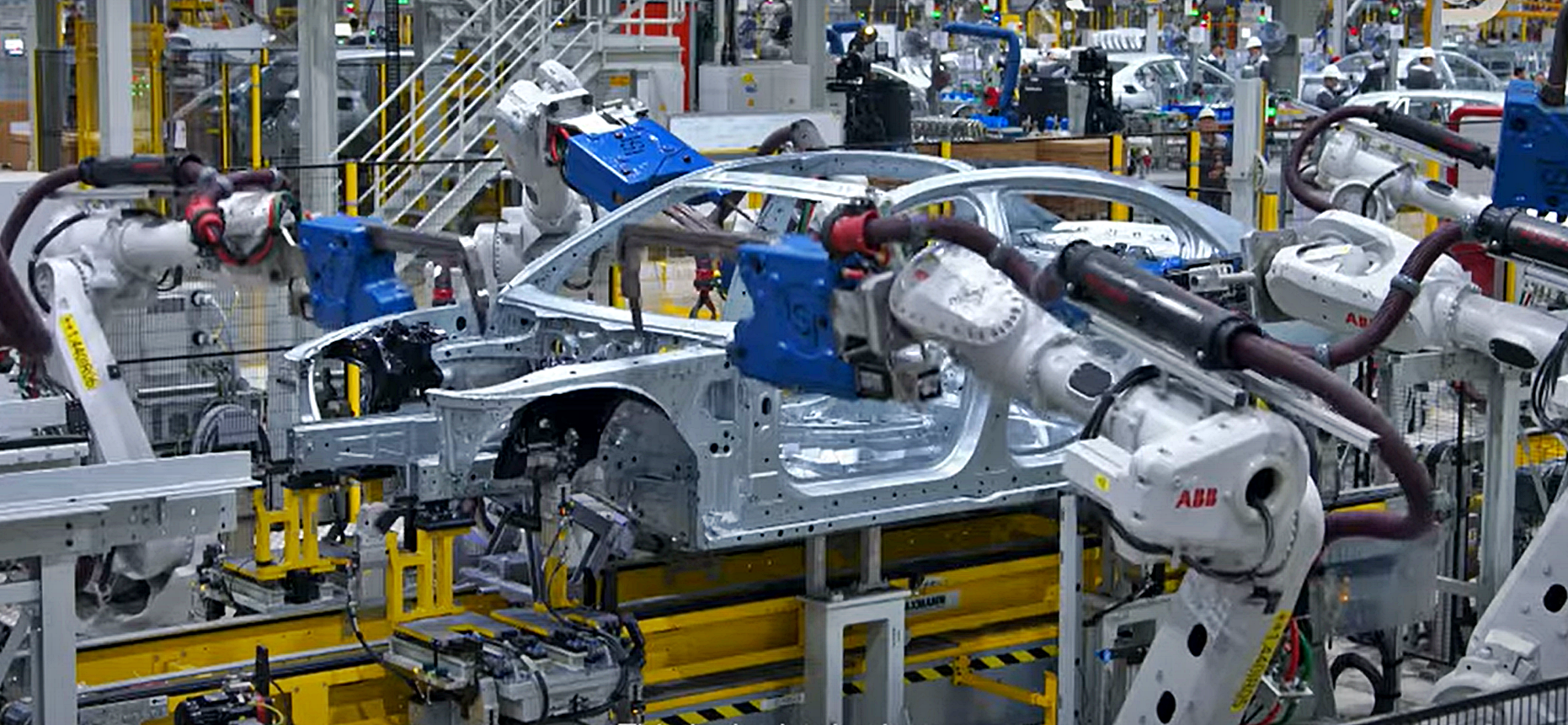
Vinfast’s first factory in Haiphong, Hanoi.
“Having a production facility right in the market will help VinFast to proactively manage its supply chain, maintain stabilized prices and shorten product supply time, making VinFast’s EVs more accessible to customers, contributing to the realization of local environmental improvement goals,” said Le Thi Thu Thuy, VinFast Global CEO and Vice Chair of the Vingroup. The Vingroup was founded by Pham Nhat Vuong, Vietnam’s first billionaire and its richest person.
The US factory will be Vinfast’s third production site following the first one in Haiphong, Vietnam. It also acquired a GM factory in Hanoi as well as GM’s proving grounds in Australia. However, it decided to later sell off the proving grounds.
For its US business, Vinfast plans to spend $200+ million for a headquarters in Los Angeles and set up a network of more than 60 outlets with aftersales centres this year.
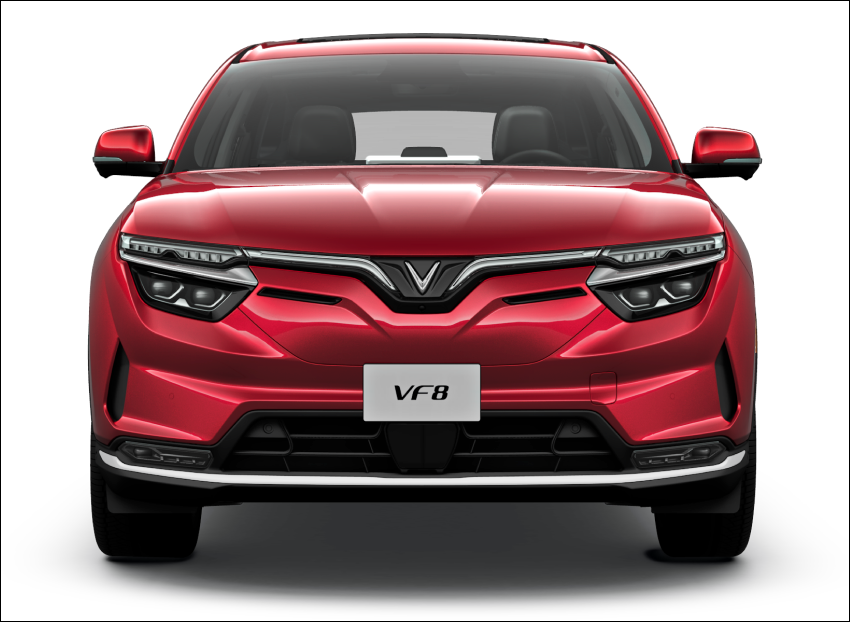
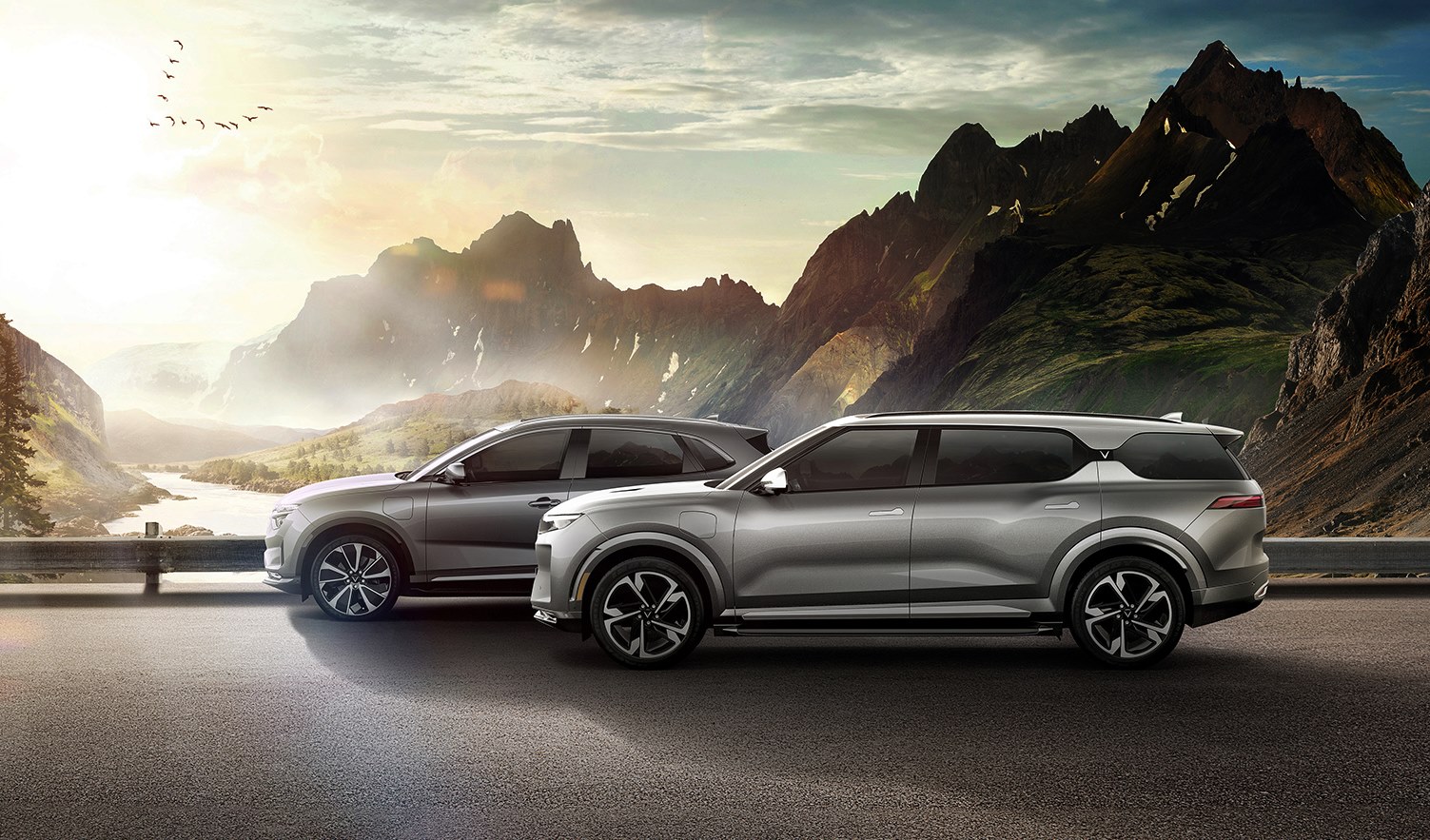
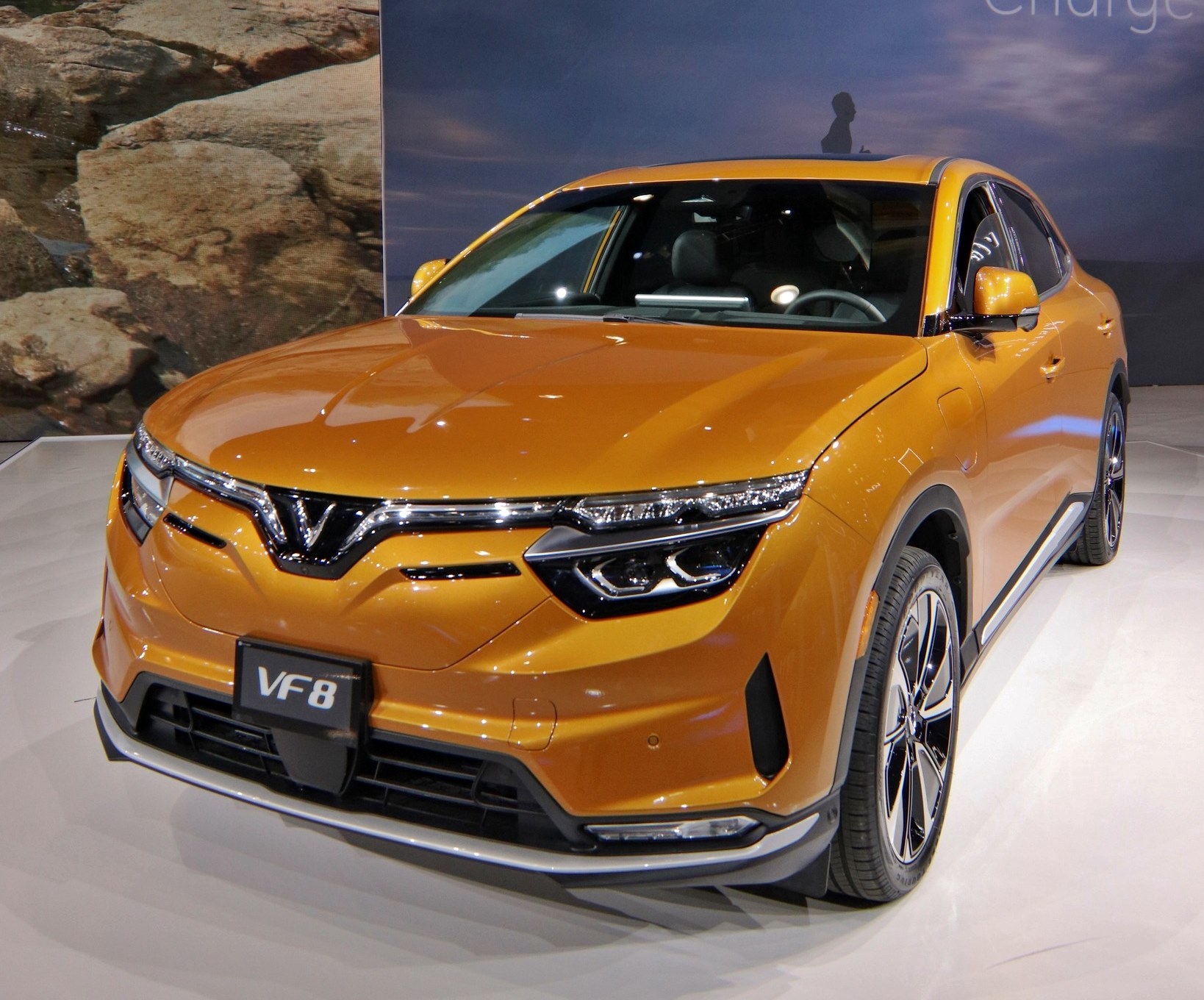
The 5-year old carmaker currently has 2 fully electric SUVs, the VF8 and VF9 (previously known as VF e35 and VF e36), which were styled by Pininfarina. The smaller VF8 has 2-wheel drive and all-wheel drive with one or two electric motors and a 90 kWh battery claimed to give 500 kms of range. The larger VF9 has three rows of seats and dual motors for all wheel drive. The battery pack has a capacity of 106 kWh which is claimed to be good for around 482 kms of cruising range.
Like other Asian brands that entered the US market, it’s a gamble that Vinfast is taking, especially as it is so new. However, its lack of reputation may also work as people will not have preconceived notions about the brand and may assume that being Asian, it will have the sort of quality and reliability for which Japanese products have long been known. Being ‘Made-in-America’ may also be helpful in gaining acceptance but ultimately, Vinfast will still have to fight for its place in the market against other established brands.