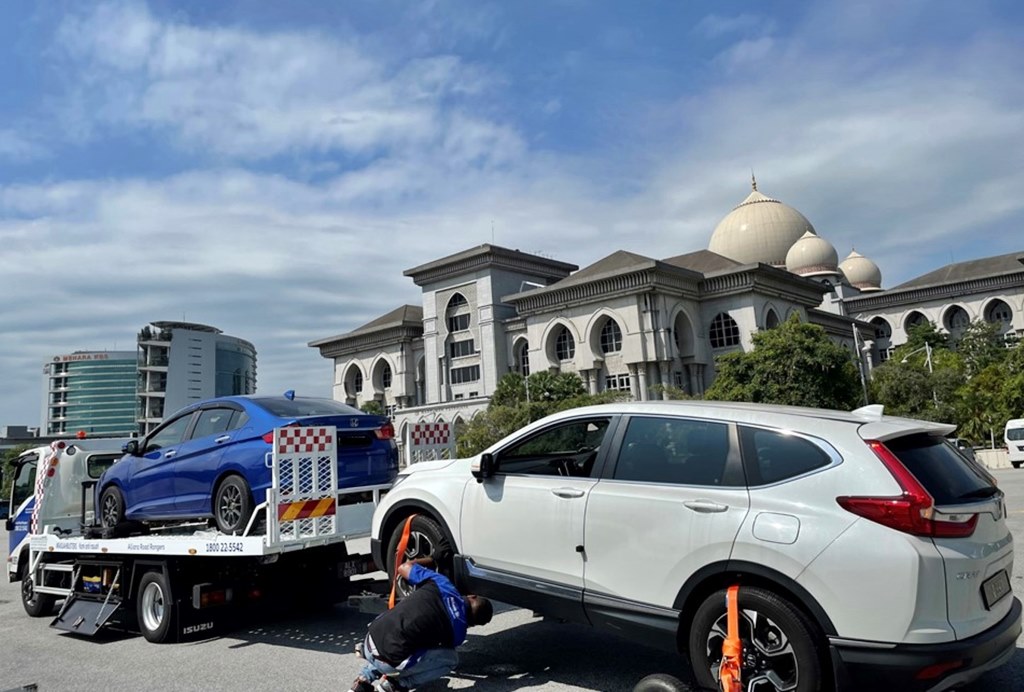
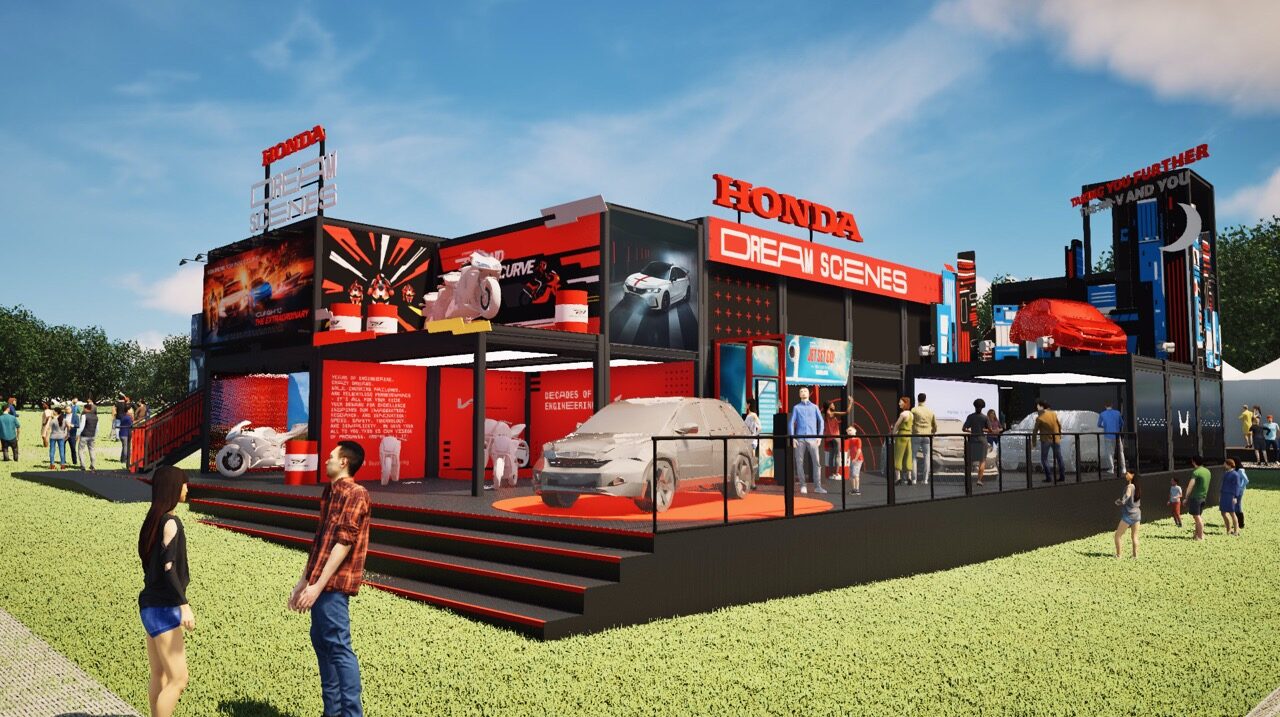
Honda Malaysia has issued a safety recall affecting a total of 87,490 vehicles across multiple models due to two separate fuel pump-related issues. The move, taken as a precautionary measure, is part of the company’s ongoing commitment to customer safety and product reliability.
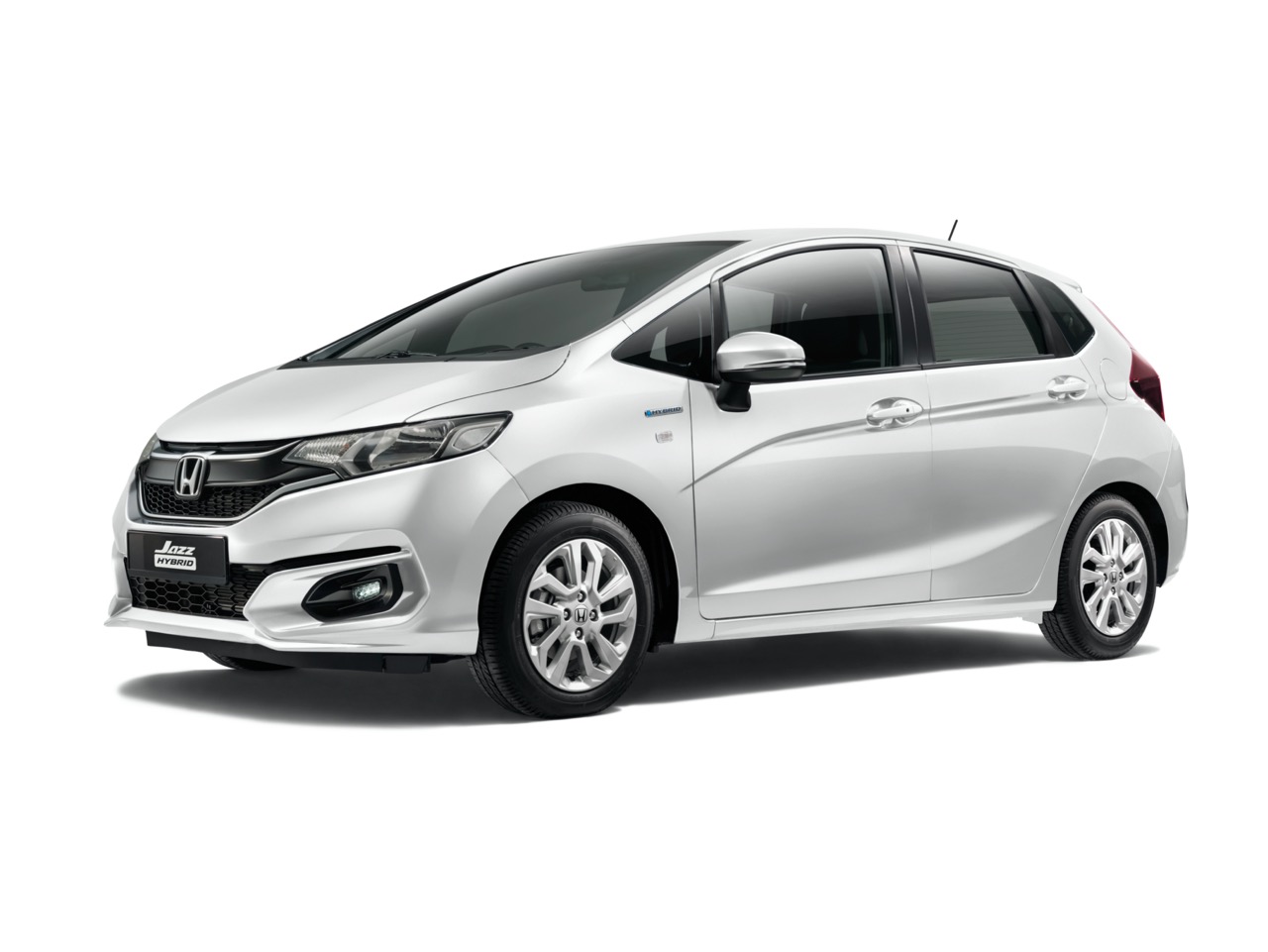
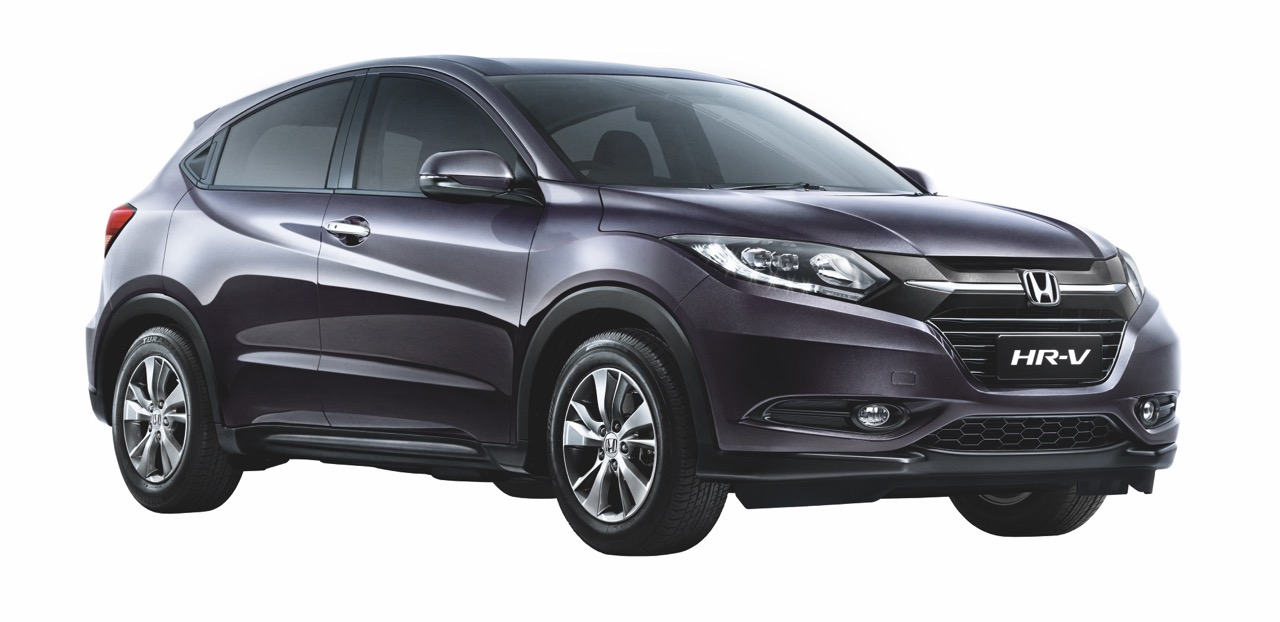
The majority of the affected vehicles — totalling 84,073 units — are being recalled to address a fault linked to the fuel pump impeller. According to the company, the impeller component may swell after extended exposure to fuel, potentially preventing the vehicle from starting or, in more severe cases, causing the engine to stall during operation. Affected models include several popular Honda vehicles such as the Jazz (2015–2020), Jazz Hybrid (2018), City (2014–2019), City Hybrid (2018–2019), Civic (2017–2018), Accord (2013–2017), BR-V (2017–2018), HR-V (2015–2018), CR-V (2018–2020), and Odyssey (2017–2019).
In a separate but related development, 3,417 additional vehicles — specifically the Civic (2023–2024) and CR-V (2024) — are being recalled to address a possible defect involving the high-pressure fuel pump. Prolonged usage under high stress may result in cracks within the pump, potentially leading to fuel leaks or the presence of fuel odour while the vehicle is either in motion or idling.
Apple has officially unveiled iOS 26 at its annual Worldwide Developers Conference, introducing a suite of refinements across its ecosystem, including notable enhancements to CarPlay. While much of the update centres on a refreshed aesthetic and increased intelligence across core applications, Apple placed a distinct emphasis on elevating the in-car experience for millions of drivers globally.
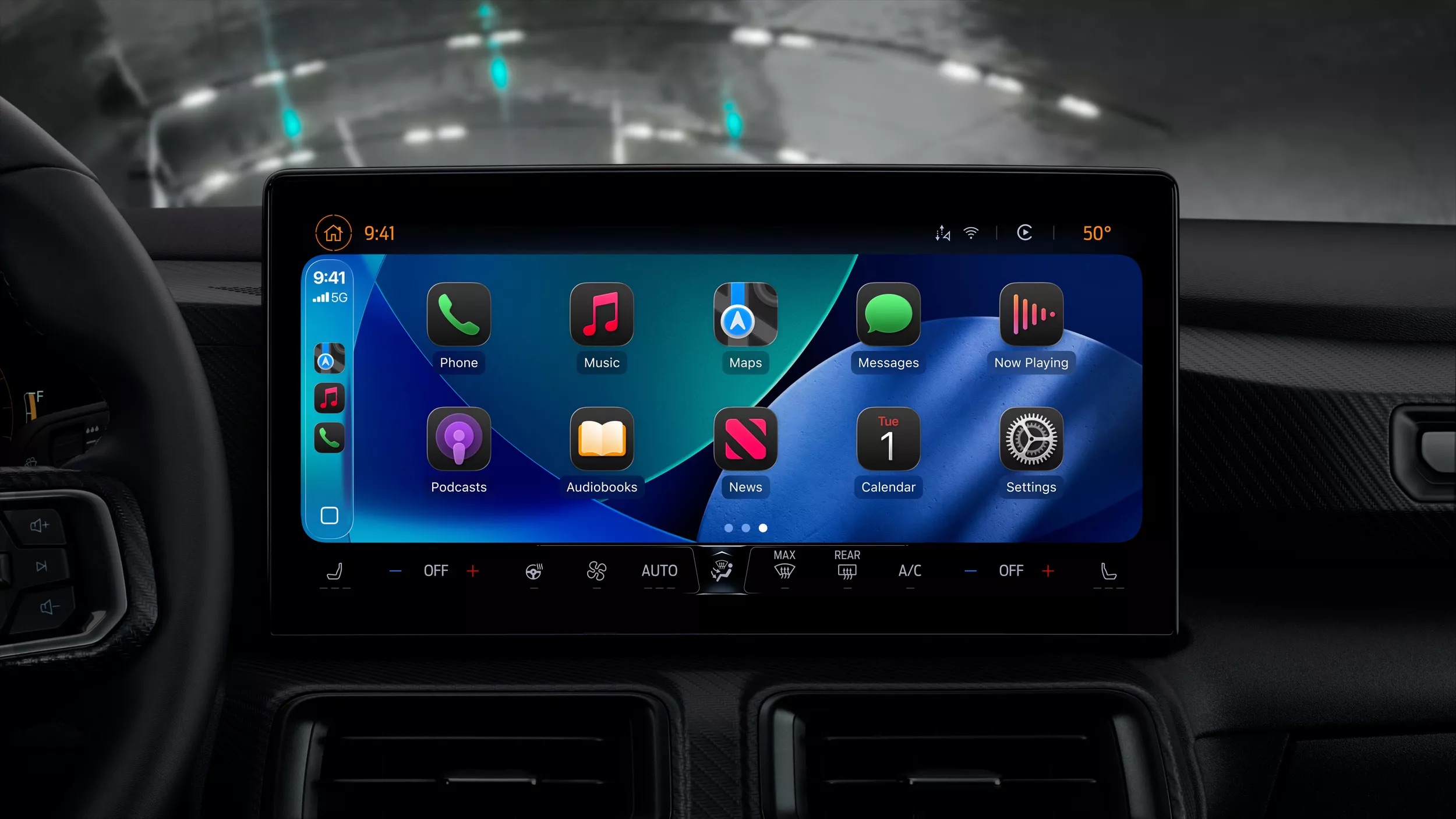
CarPlay, which the company revealed is accessed more than 600 million times daily, has received a visual overhaul designed to enhance both form and function. Central to this is the introduction of a new “Liquid Glass” interface, aimed at delivering a more cohesive and expressive look across supported vehicles. While Apple has not disclosed detailed technical specifications, the company suggested the redesign enhances usability and provides a more intuitive experience on the road.
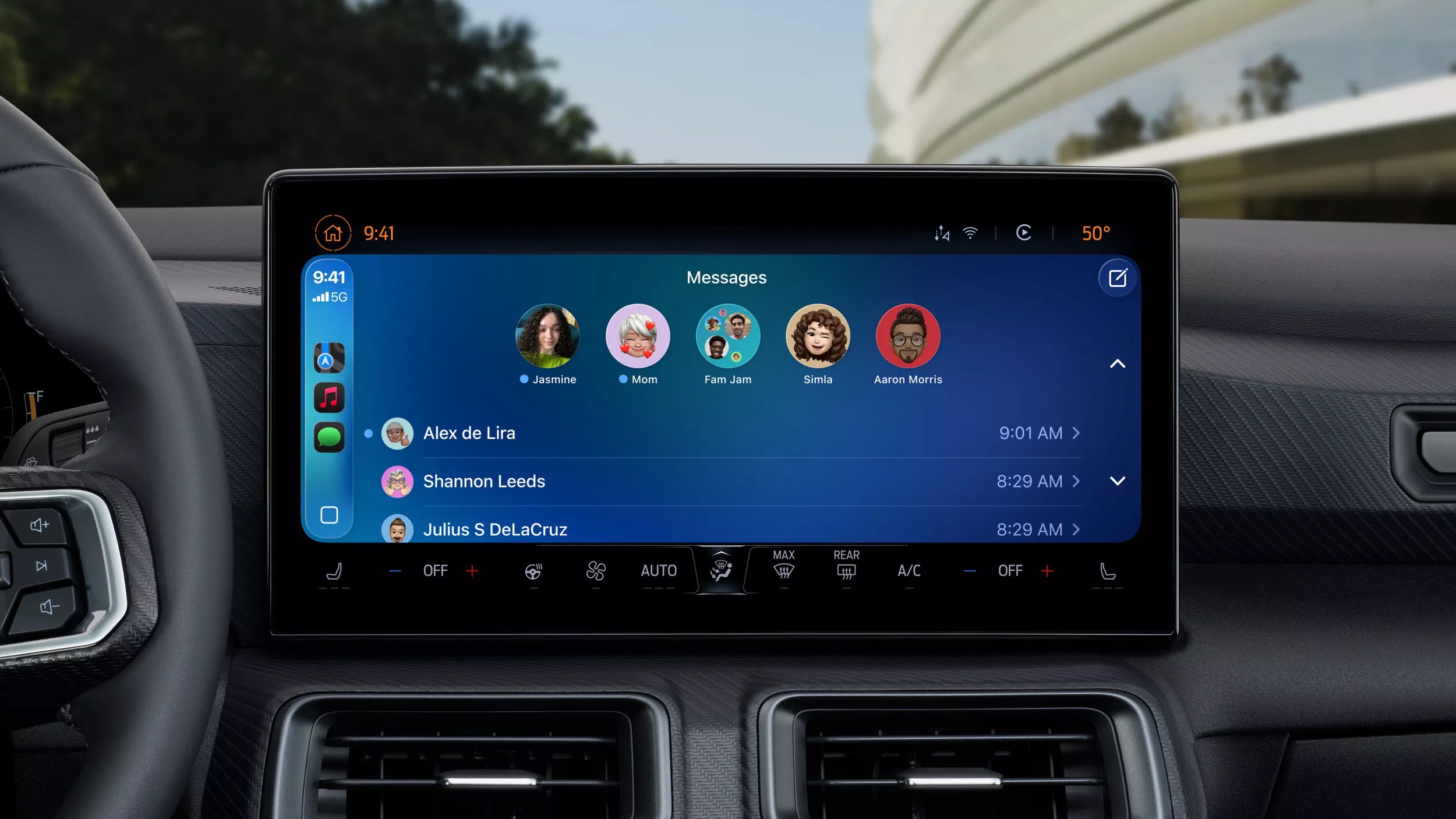
Among the more practical improvements is a new compact call view. This feature ensures that incoming call notifications no longer obstruct crucial navigation prompts. Drivers will now be able to identify callers without having their route guidance interrupted, marking a thoughtful evolution in interface design that prioritises safety and clarity.
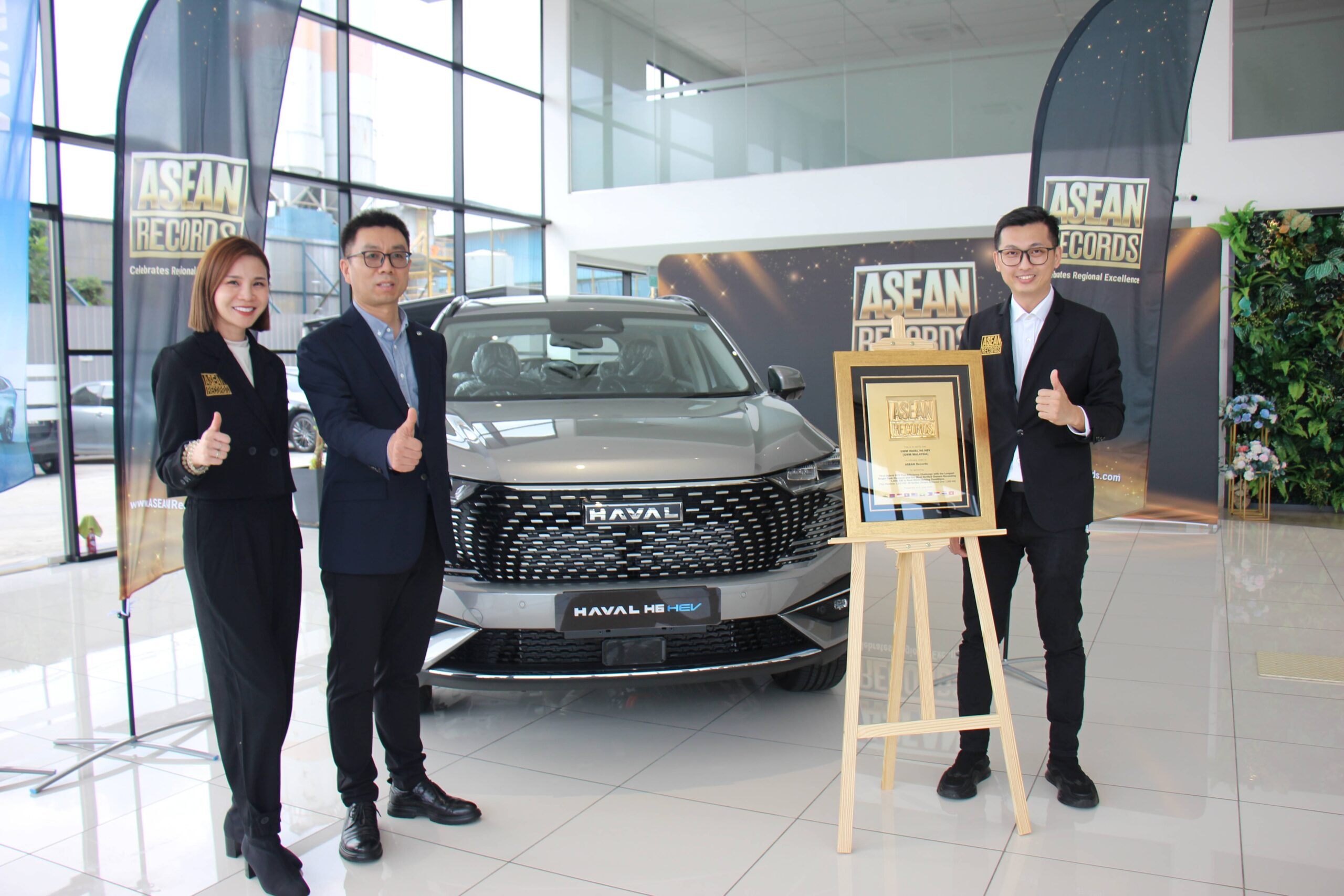
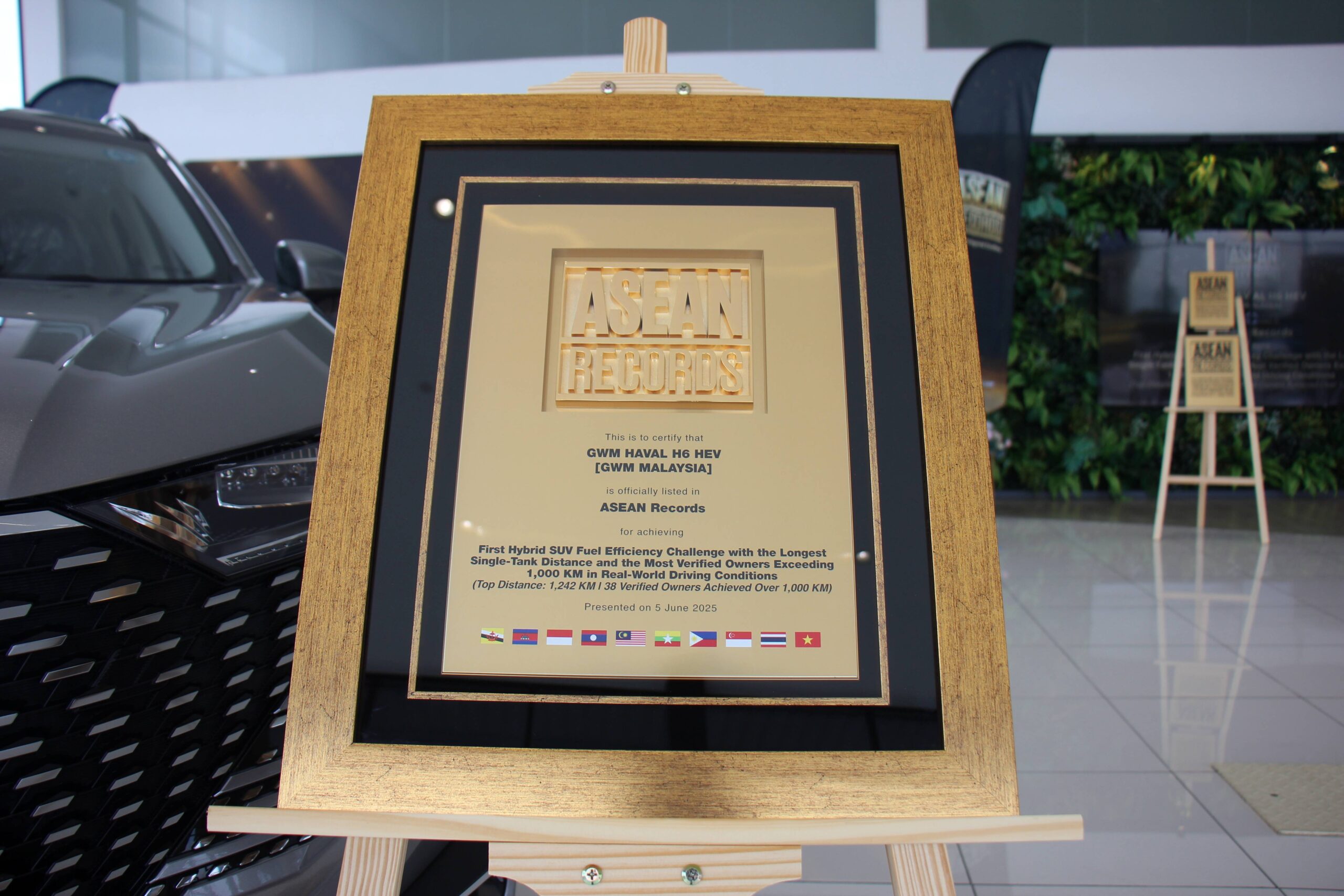
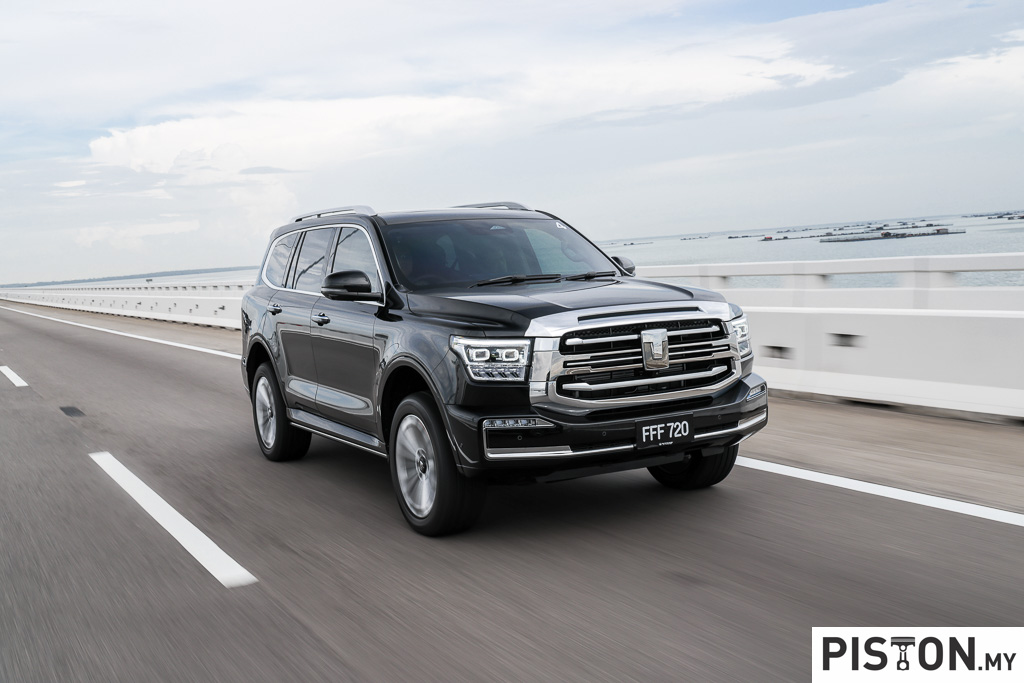
GWM Malaysia has officially secured a place in the ASEAN Records following an extraordinary real-world performance by the HAVAL H6 HEV, which demonstrated exceptional fuel endurance by travelling over 1,000km on a single tank. This landmark achievement was made possible through a nationwide challenge involving 38 verified owners, all of whom exceeded the 1,000km mark under normal driving conditions.
The most impressive feat came from one participant who recorded a distance of 1,242km on a single refuelling — a benchmark that now stands as the longest distance travelled by a hybrid SUV in the ASEAN region without additional fuel. The challenge was designed to reflect genuine daily usage rather than controlled, optimised conditions, making the results all the more impactful.
Malaysia’s premier saloon car racing series, the VIOS Challenge, is set to make a landmark appearance on the international stage during the return of the AUTOBACS SUPER GT Series to Malaysian soil after a 12-year absence. The event, to be held from 26 to 28 June 2025 at the Petronas Sepang International Circuit, will see UMW Toyota Motor and Toyota GAZOO Racing Malaysia (TGR) take on the role of Title Sponsor.
Anticipation is high, with organisers expecting over 40,000 spectators and a worldwide audience exceeding 162 million viewers across broadcast and digital platforms. The return of SUPER GT to Malaysia marks a significant moment in the nation’s motorsport calendar, now enhanced by the inclusion of the VIOS Challenge as a feature race.
The VIOS Challenge, entering its eighth season, has been a mainstay of local grassroots racing and will adopt a revised one-hour endurance format for this international appearance, doubling its usual 30-minute sprint duration. The race will unfold on the full 5.543-kilometre Sepang circuit and is open to three classes of competitors: the Super Sporting category for professional racers, the Sporting class for amateurs, and the Rookie class comprising young drivers from Toyota’s developmental ranks.
Five rookies from the Toyota GAZOO Racing Young Talent Development Programme, launched in 2021, will represent the next generation of Malaysian racing prospects. Since its inception, the programme has produced 22 graduates, with over 10 active in local competitions and four already making their mark internationally with wins and championship titles.
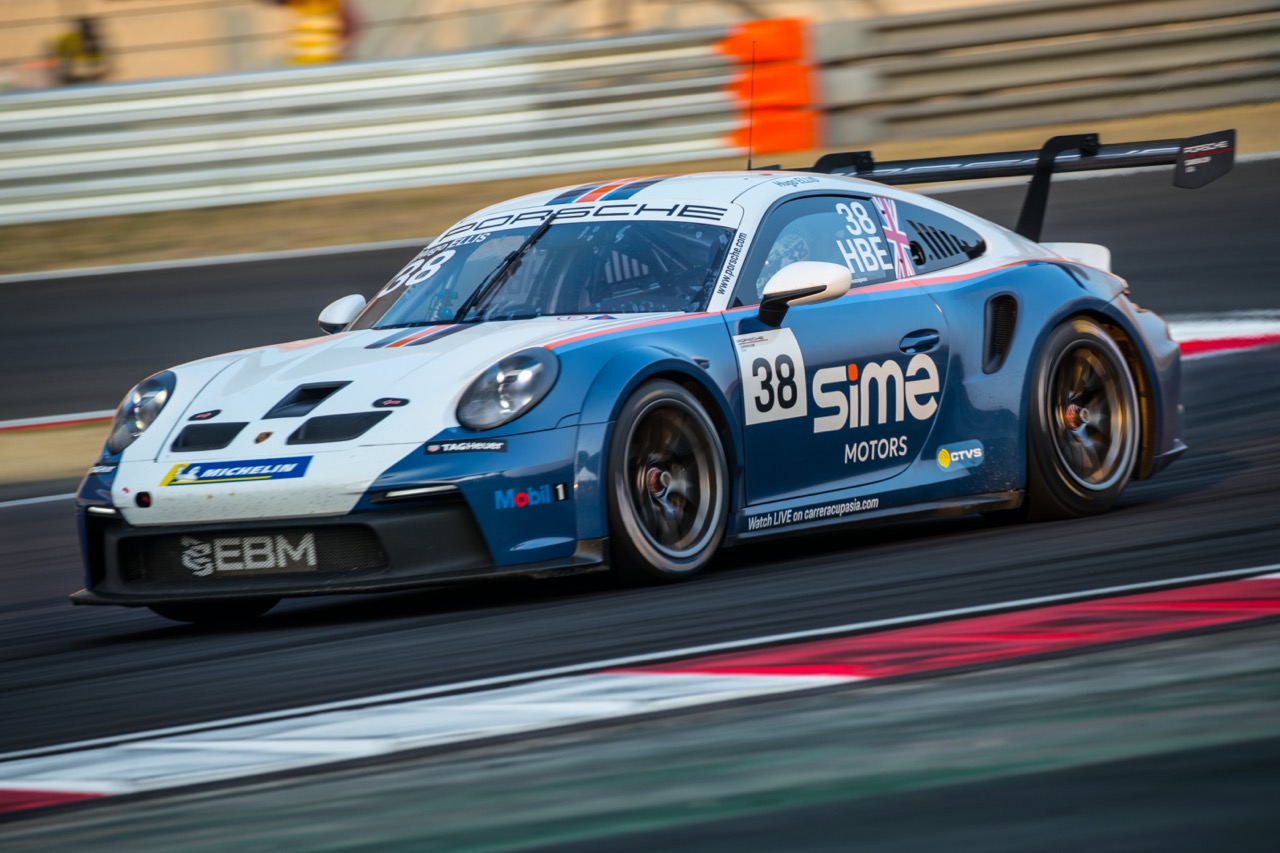
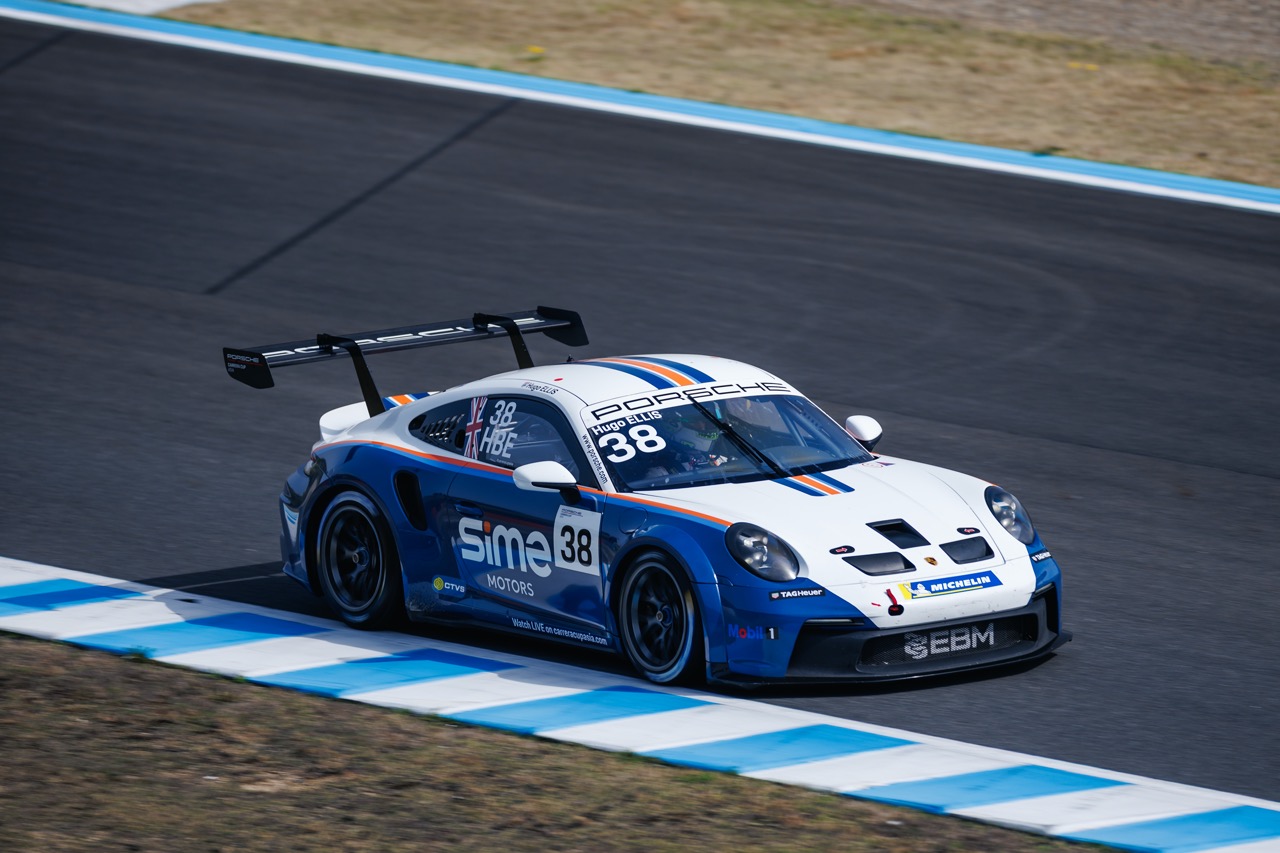
The roar of high-performance engines echoed once more across the PETRONAS Sepang International Circuit as Porsche Malaysia, under the stewardship of Sime Darby Auto Performance, welcomed the return of the Porsche Carrera Cup Asia (PCCA) to Malaysian soil with Rounds 5, 6, and 7 of the 2025 season.
This year’s Malaysian leg marks a pivotal midpoint in the championship calendar and delivers a potent mix of speed and spectacle, featuring two days of blistering sprint races and the much-anticipated return of the endurance format. The series, now in its 22nd season, continues to stand as Asia’s premier one-make racing competition, renowned for its tight competition and pure racing ethos, where every driver competes in identical Porsche 911 GT3 Cup (992) machinery.
Sime Darby Auto Performance, representing Porsche in Malaysia, underscored the event’s significance by reaffirming its long-standing support for motorsport talent and culture. The company’s Chief Executive Officer, Christopher Hunter, highlighted that the Carrera Cup Asia is not merely a competitive series but a celebration of motorsport’s enduring spirit, adding that the brand remains committed to nurturing both real-world and virtual racers throughout the region.
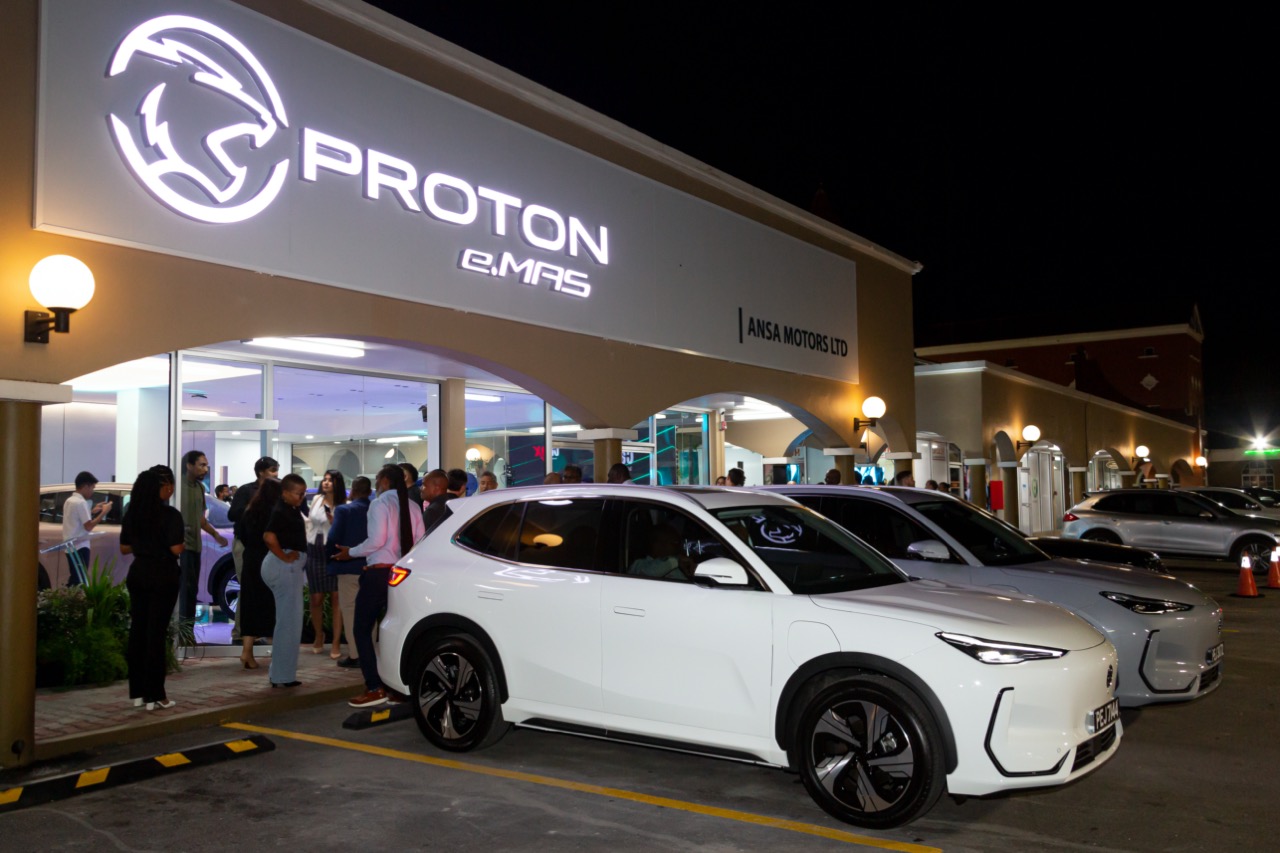
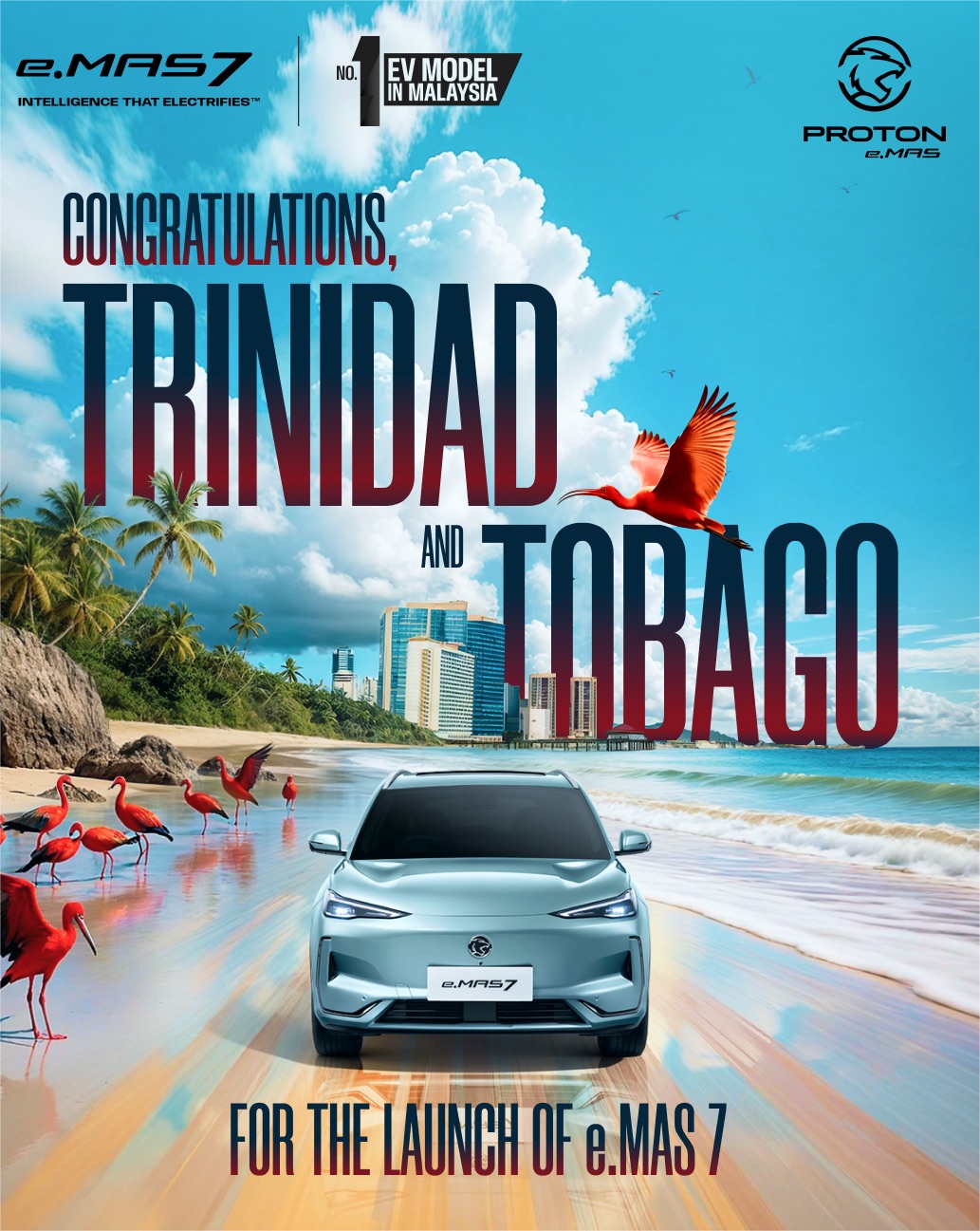
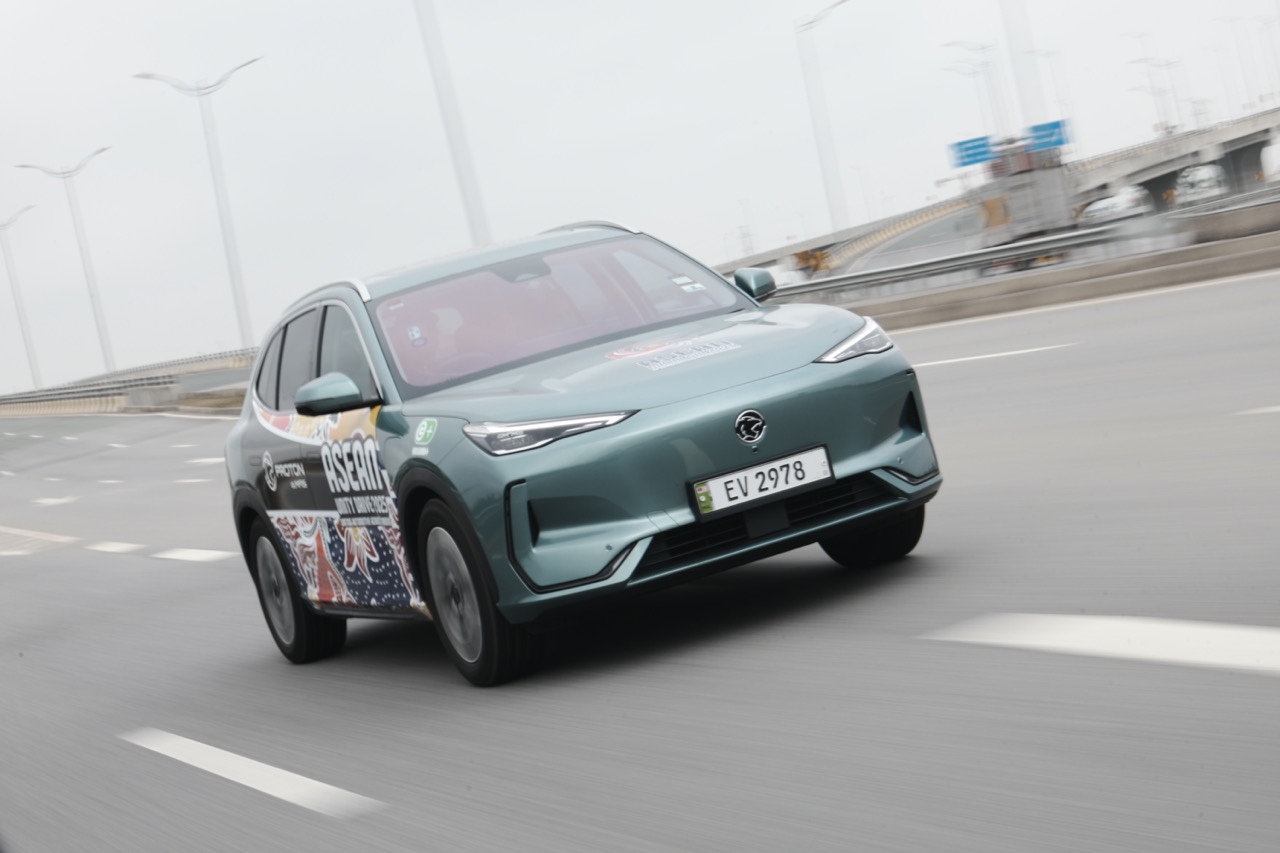
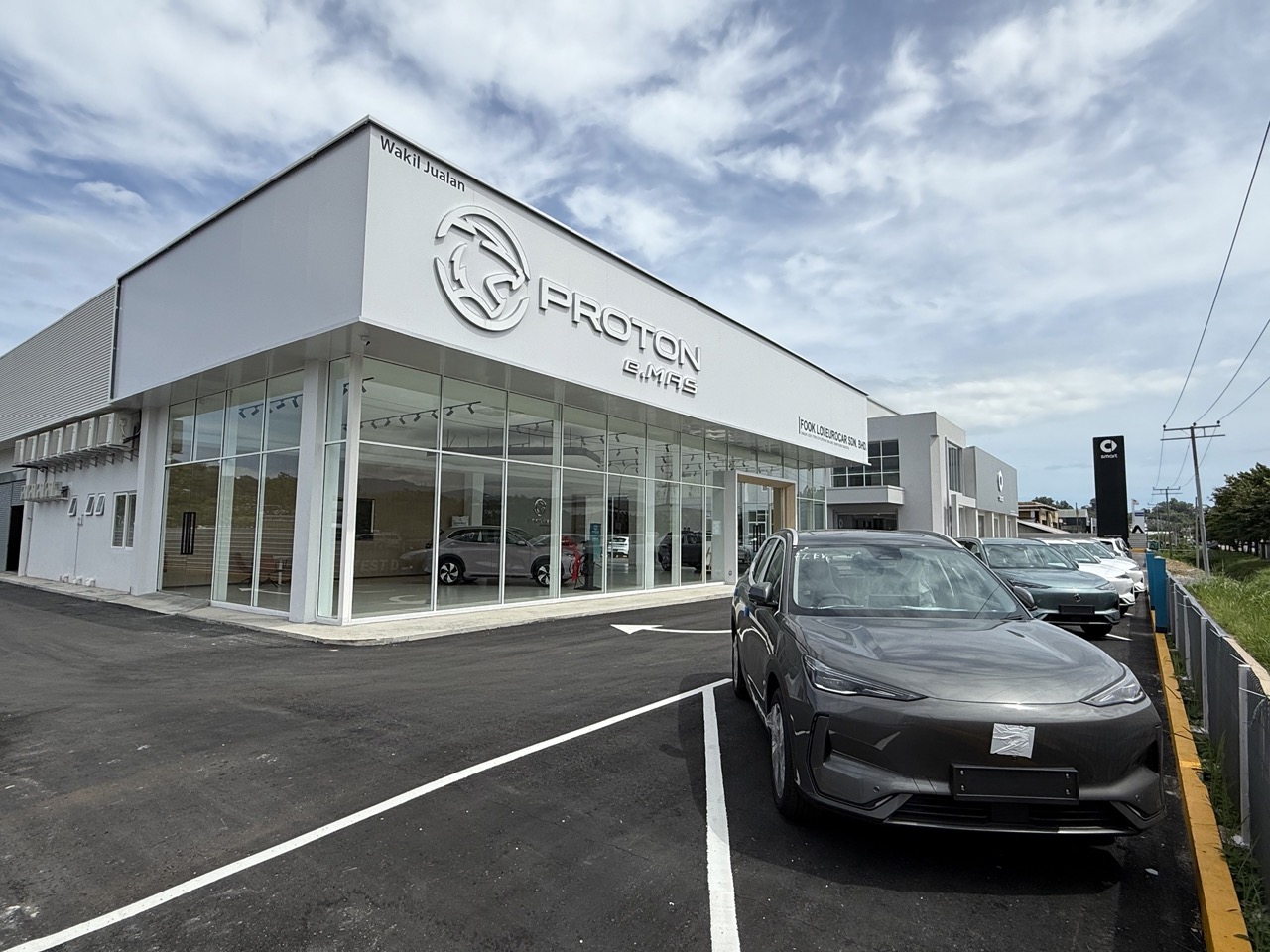
Proton has officially launched its first electric vehicle, the e.MAS 7, in Trinidad and Tobago, marking the model’s second international entry following its debut in Nepal three months ago. This move further strengthens the company’s push into the global EV market and highlights its growing presence in the Caribbean region.
Introduced in Malaysia in December 2023, the e.MAS 7 has quickly become Proton’s third most exported model, following the popular Proton Saga and Proton X50. The launch ceremony, held in the capital city of Port of Spain, was presided over by Jean-Marc Mouttet, Sector Head of ANSA Motors Limited, and Alexander Sabga, General Manager of New Business Development at ANSA MCAL Ltd. ANSA Motors has been Proton’s official distributor in Trinidad and Tobago since 2013.
To complement the launch, ANSA Motors unveiled a newly constructed electric vehicle showroom at The City of Grand Bazaar. The facility has been designed to offer an immersive and educational experience, allowing customers to familiarise themselves with EV technology and receive tailored after-sales support. This investment underscores ANSA’s commitment to supporting EV ownership and promoting sustainable mobility across the country.
The arrival of the e.MAS 7 follows the successful introduction of the Proton X50 and X90 in Trinidad and Tobago in 2023. With a total of 481 Proton vehicles now exported to the nation, comprising 271 units of the X50, 141 units of the X90, and 44 units of the Saga, the Malaysian automaker continues to solidify its presence in this Caribbean market of approximately 1.4 million people.
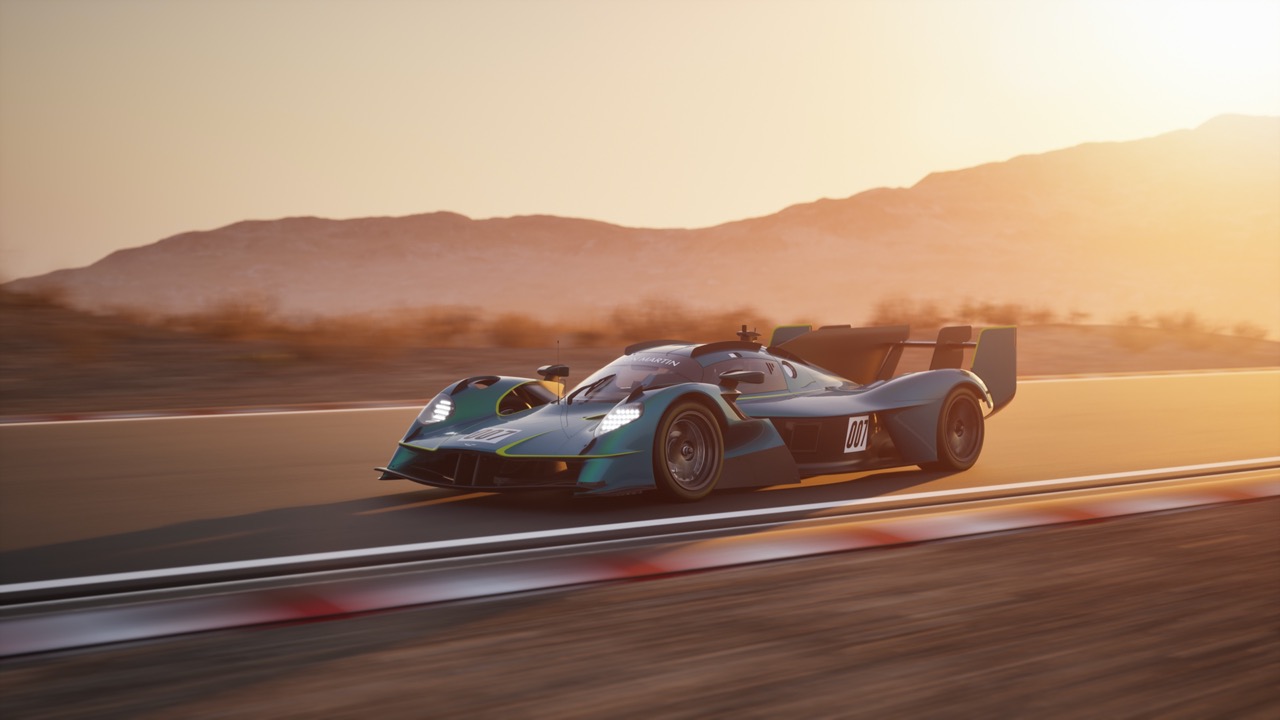
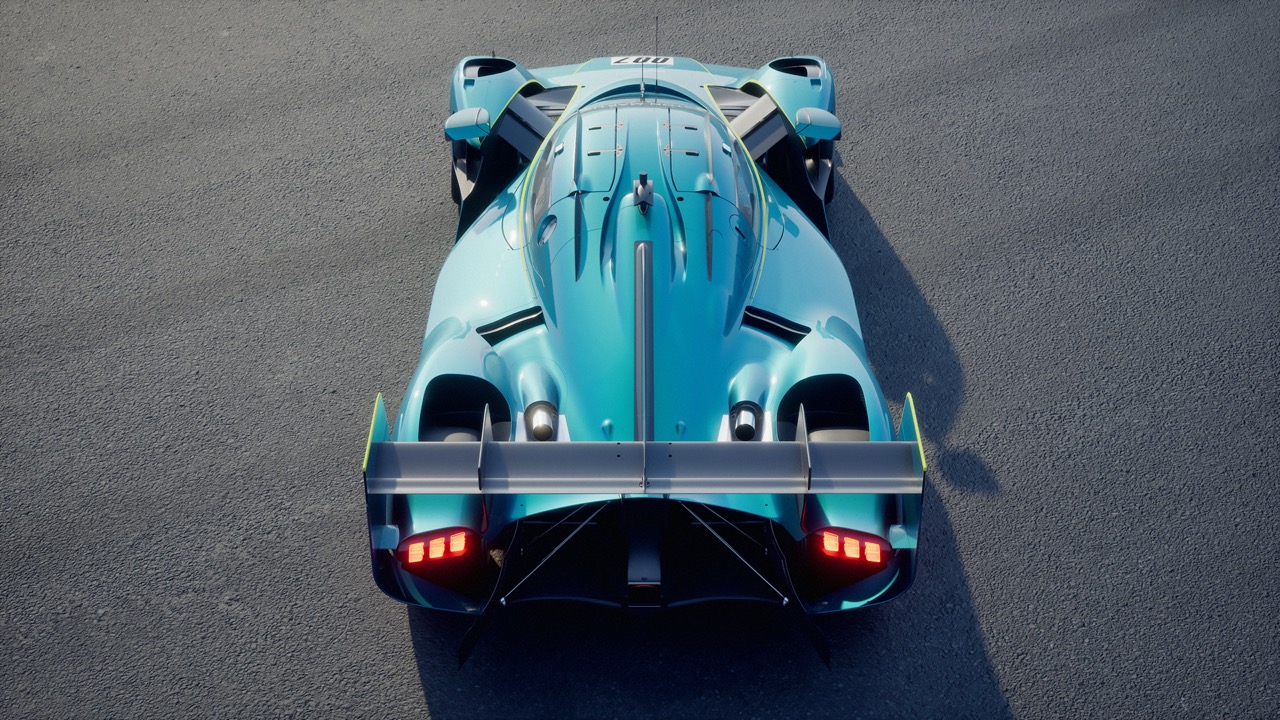
Aston Martin has unveiled the Valkyrie LM, an ultra-exclusive hypercar that pays a bold tribute to the brand’s storied history at the 24 Hours of Le Mans. The new model, limited to just 10 units, captures the essence of Aston Martin’s competitive spirit as it returns to the top tier of endurance racing for the first time in over six decades.
The Valkyrie LM is derived from the Valkyrie Hypercar race car currently contesting both the FIA World Endurance Championship (WEC) and the IMSA WeatherTech SportsCar Championship. It is powered by a modified version of the Cosworth-built 6.5-litre naturally aspirated V12 engine, tuned to the same regulation-limited output of 697bhp as its racing counterpart.
This launch coincides with Aston Martin’s renewed campaign to achieve overall victory at Le Mans—a feat last accomplished in 1959 by Roy Salvadori and Carroll Shelby in the DBR1. The new Valkyrie LM reflects the culmination of decades of motorsport heritage, first established in 1928 when Aston Martin made its Le Mans debut.
Malaysians love their luxury MPVs. All you have to do is to step onto a busy street and it will not take you very long to come across a Toyota Alphard, Vellfire or a Hyundai Staria.
Cars might generally be expensive in Malaysia but that does not stop us from loving our cars. And there is a lot to love when it comes to luxury MPV’s.
The spaciousness and comfort MPV’s offer are obviously the main attraction but the convenience they offer families is undeniable as well.
This gravitation towards luxury MPV’s undeniably started with the Toyota Alphard. But of course, the MPV love affair began much earlier than that.
Some of the earlier MPV’s that come to mind are the Renault Espace, Mazda 5, Ford S-Max, Naza Ria, Kia Carnival and a few others. There are more as well, but bear with me.
However, the Alphard and Vellfire can be credited for appointing a touch of luxury in the humble MPV.
In fact, it was the grey importers that were brave enough to import these cars to the Malaysian market. And before long, UMW Toyota wanted a slice of the very lucrative pie as well.
In 2014, UMW Toyota officially began selling the Alphard and then in 2016 expanded to include the Vellfire in its line-up as well.
Sales picked up and by 2023, UMW Toyota had sold its entire allocation for the Malaysian market. Quite impressive considering the official imports costed about half a million Ringgit. A full RM200,000 more than what the grey importers were selling them for.
This sales success caught the attention of others, and before long Sime Darby wanted a piece of the pie as well and introduced the Hyundai Staria. The Premium variant of the Staria costed upwards of RM365,000 and was quite a hit as well.
Dinamikjaya, the importers and distributors of Kia cars in Malaysia, also enjoyed success with the Carnival as well.
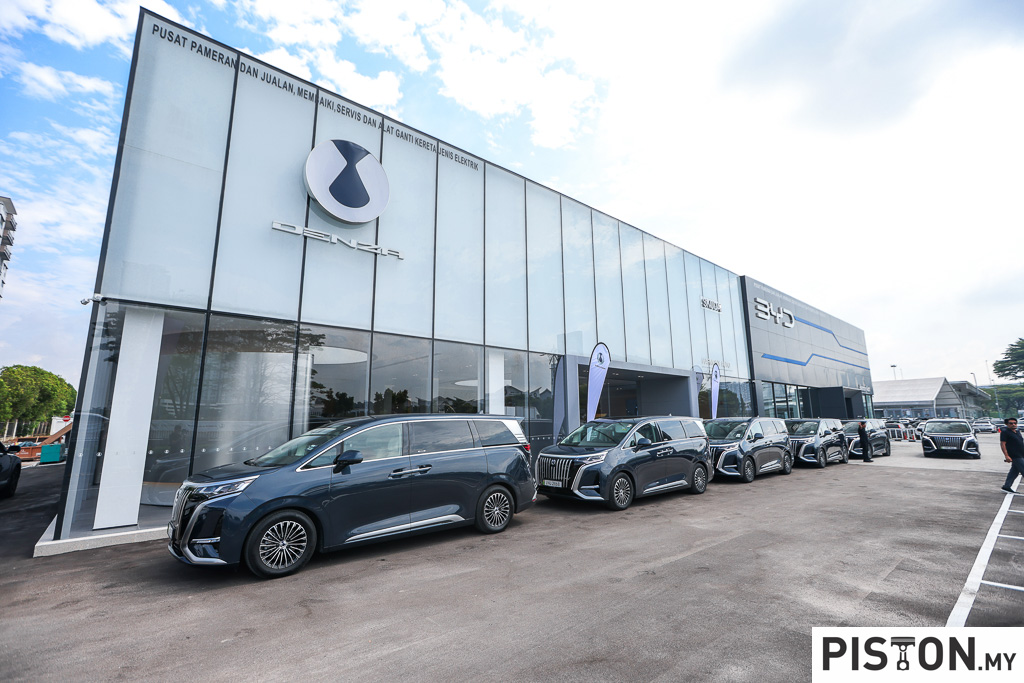
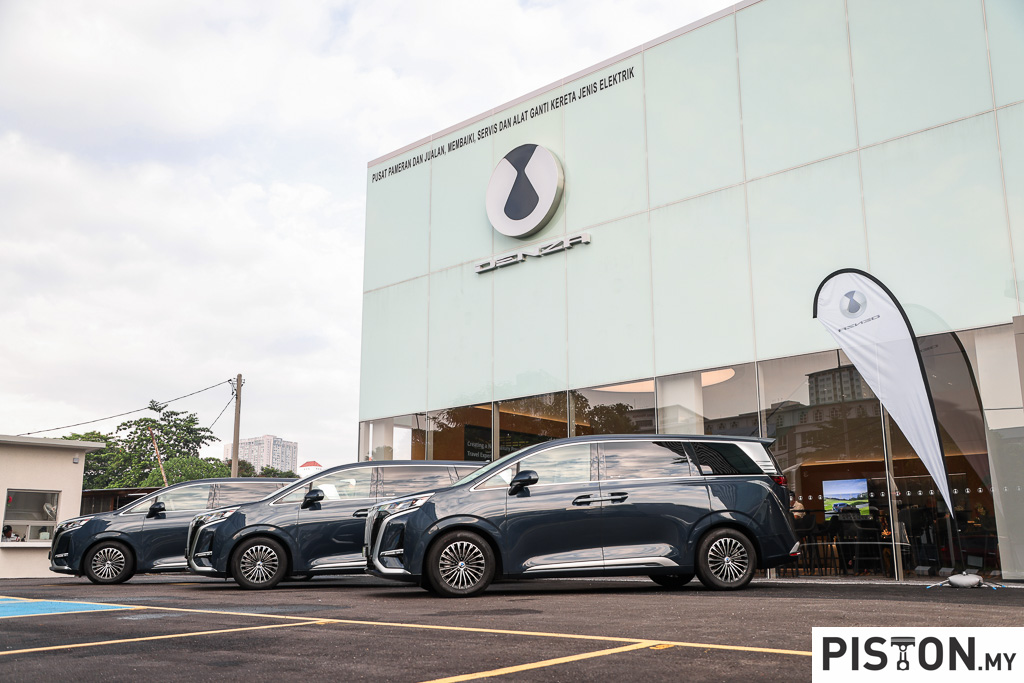
And now, the Chinese are the latest players in the segment, and Denza is the latest entrant into the segment.
But who is Denza?
Malaysians may have only recently come to know Denza, but the Chinese luxury brand has been around since 2010.
Officially known as the Shenzhen Denza New Energy Automobile Co Ltd, the company was started as a joint venture between BYD Auto and Daimler AG.
The company’s first concept car was shown at the Beijing Auto Show in 2012, and by 2014, the Denza 300 was launched in China. It was built on a Mercedes-Benz B-Class platform with BYD’s electric powertrain.
Denza faced an uphill climb to be accepted by Chinese car buyers, and by 2022 BYD had acquired all of Mercedes-Benz’s stake in the company. This ended a 13-year joint venture, and judging by how well the company has been doing, it was arguably the right move.
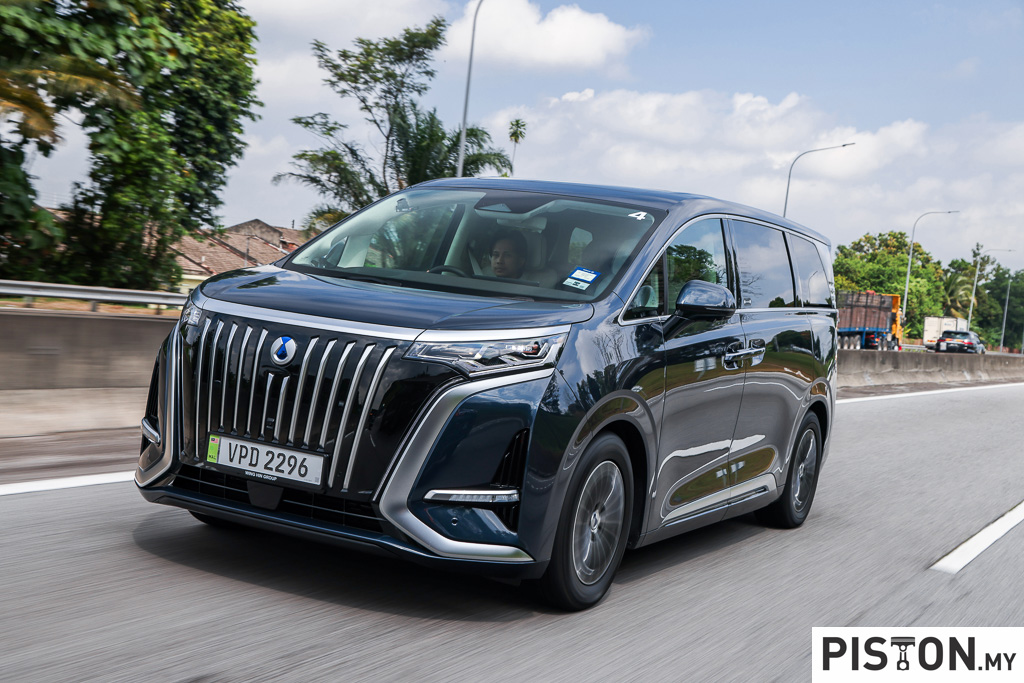
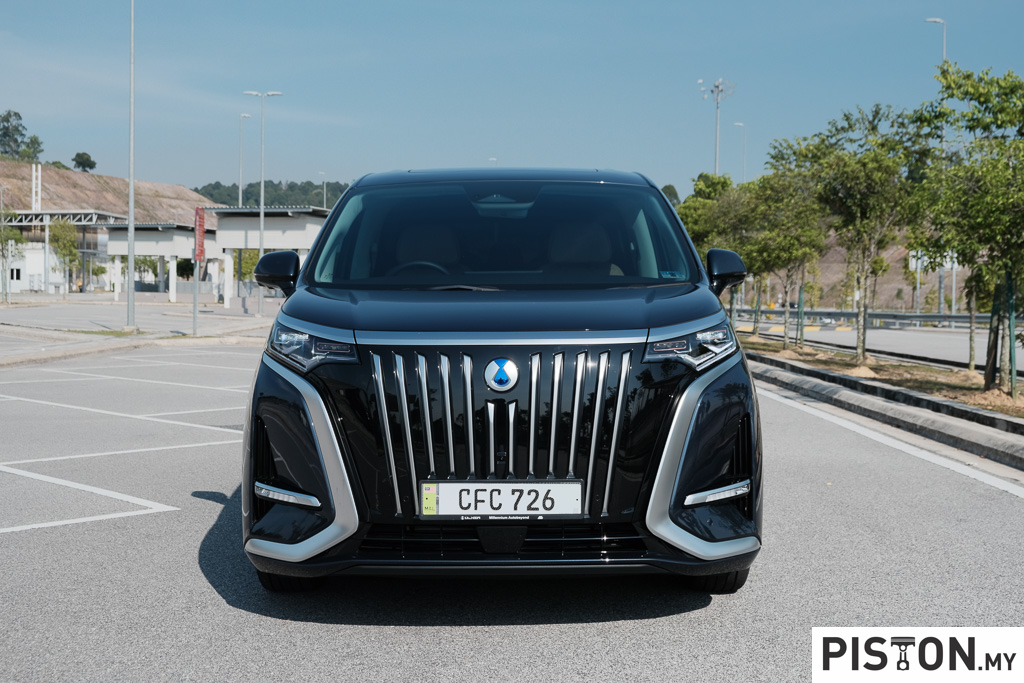
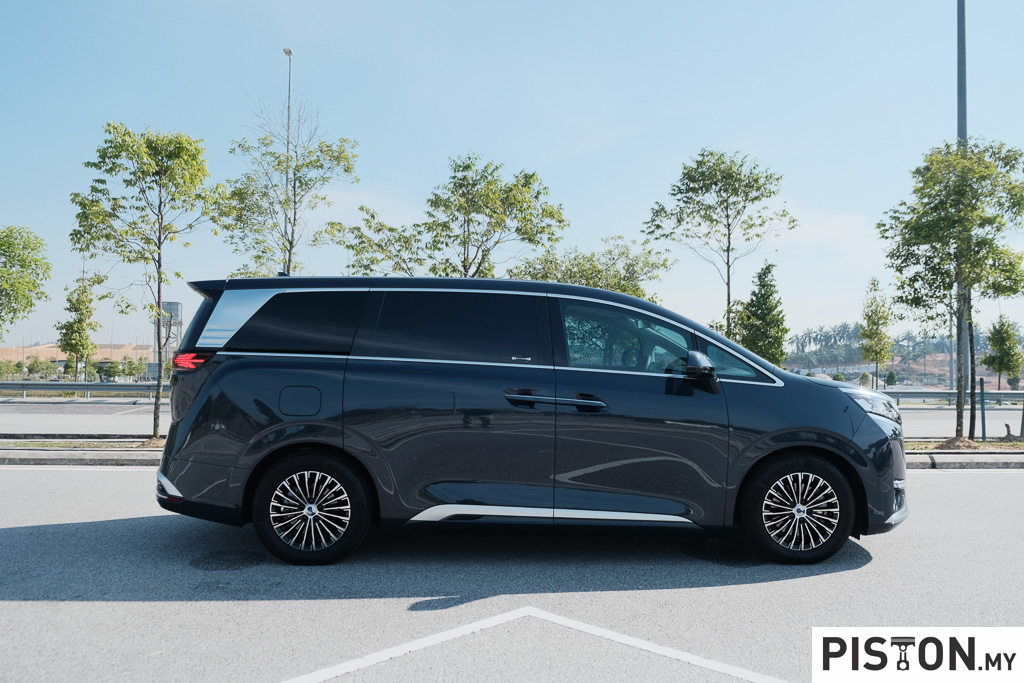
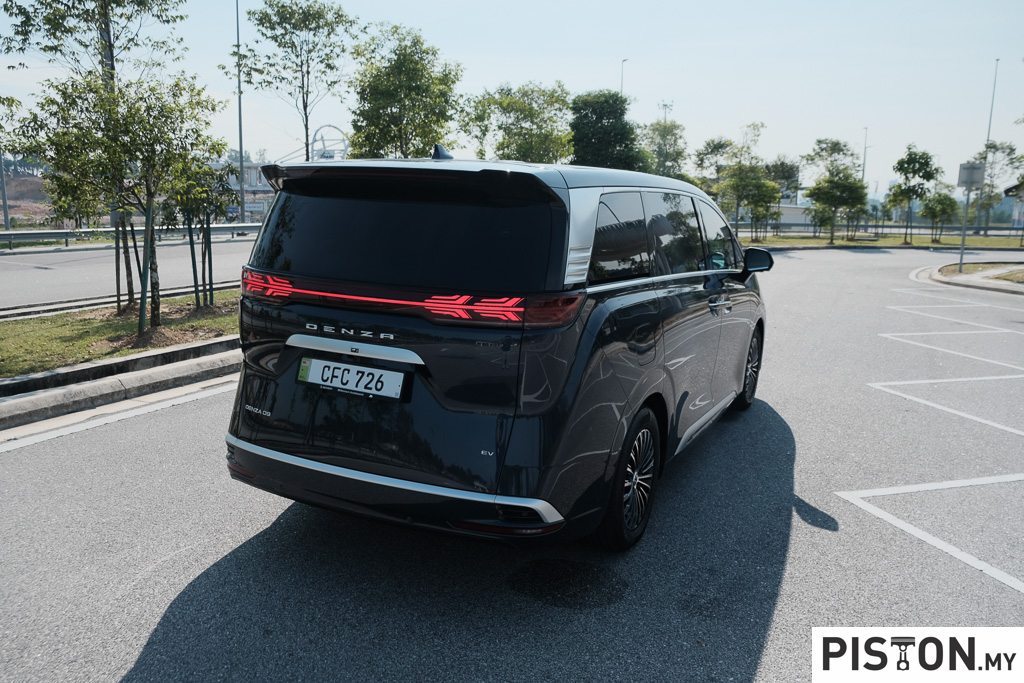
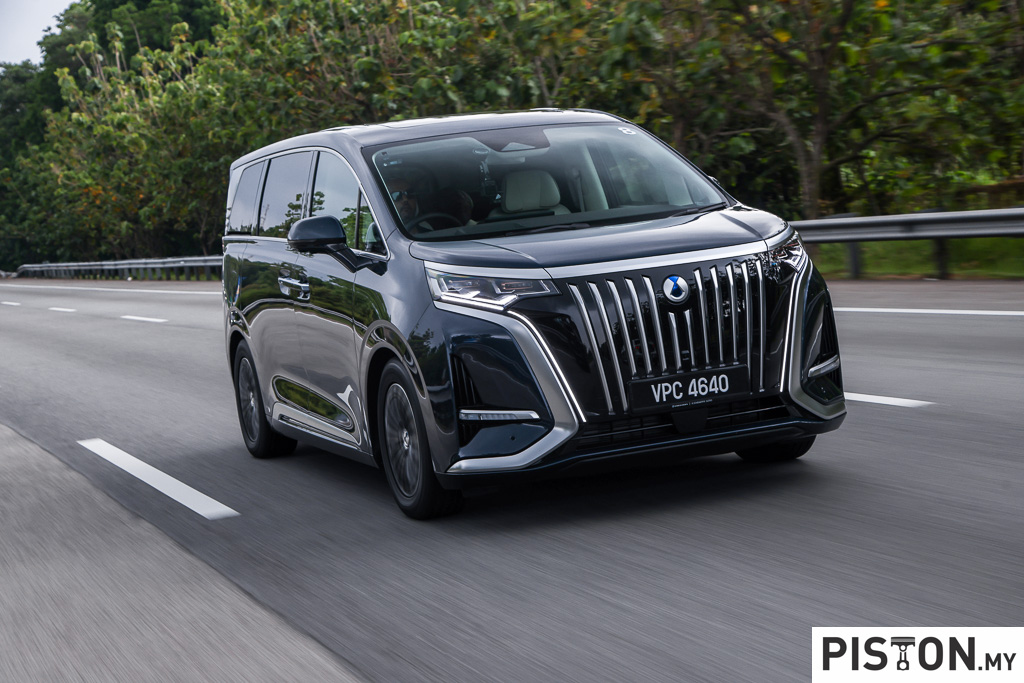
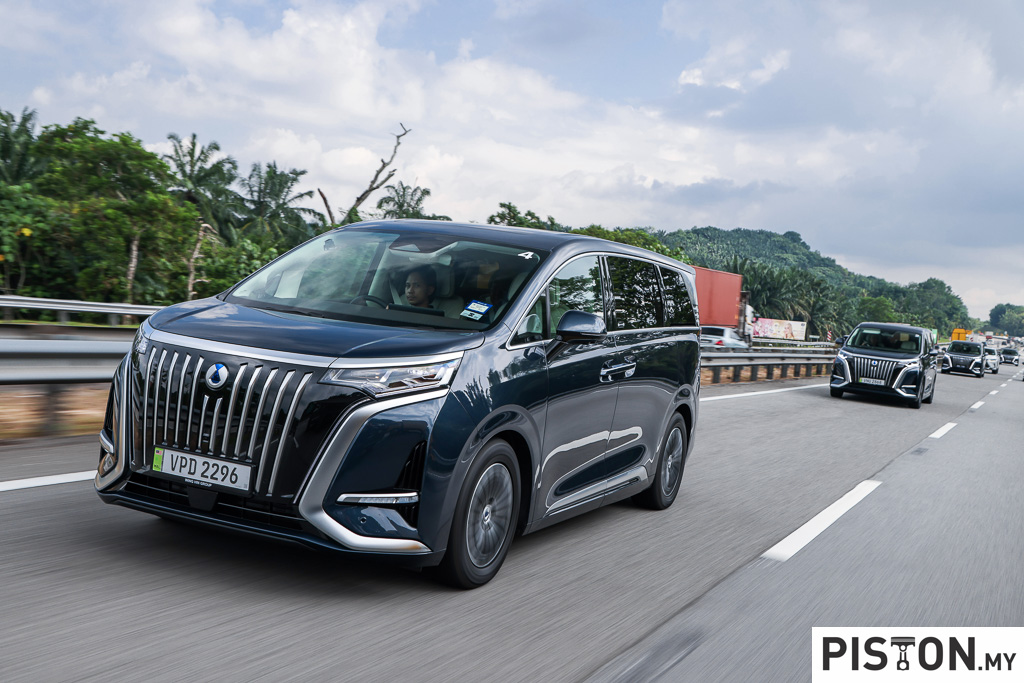
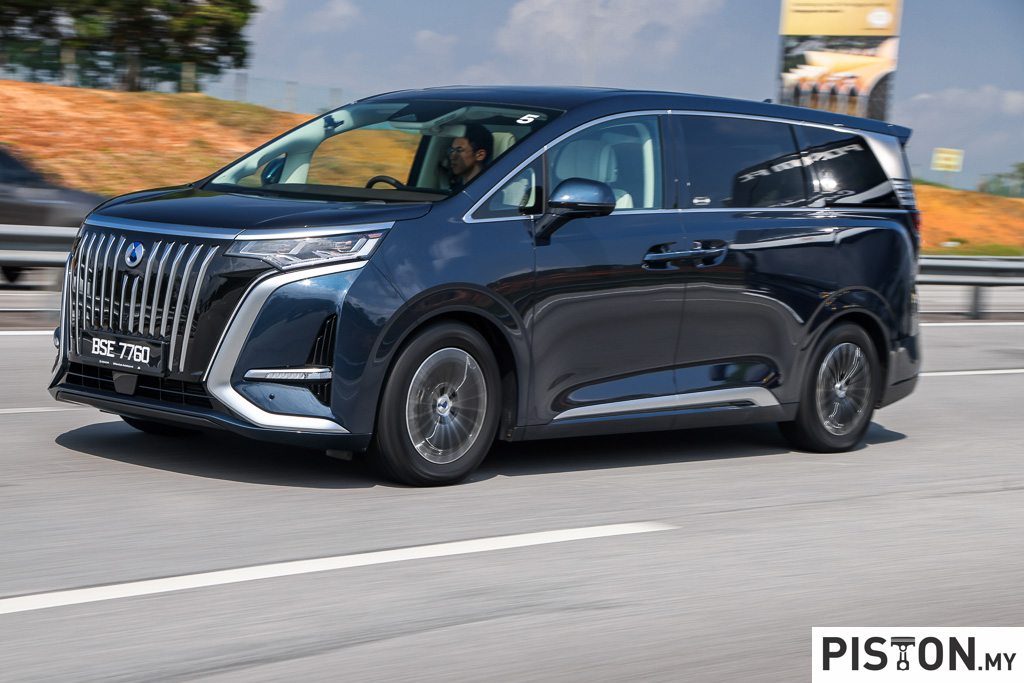
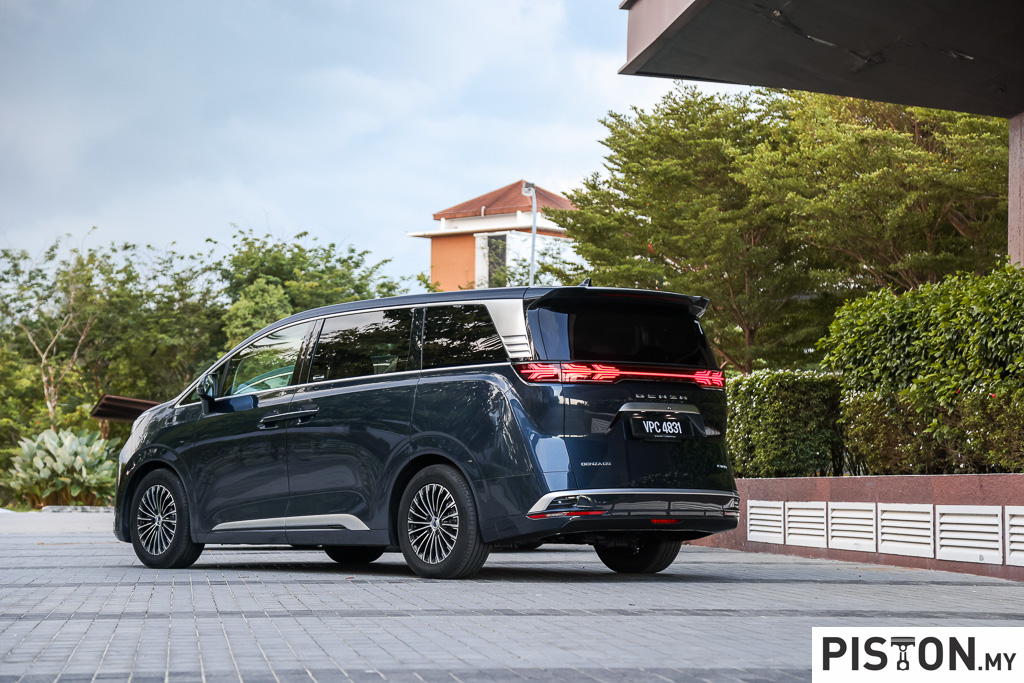
By 2023, Denza had introduced new models including the D9 electric MPV, which was just launched in Malaysia in February of this year.
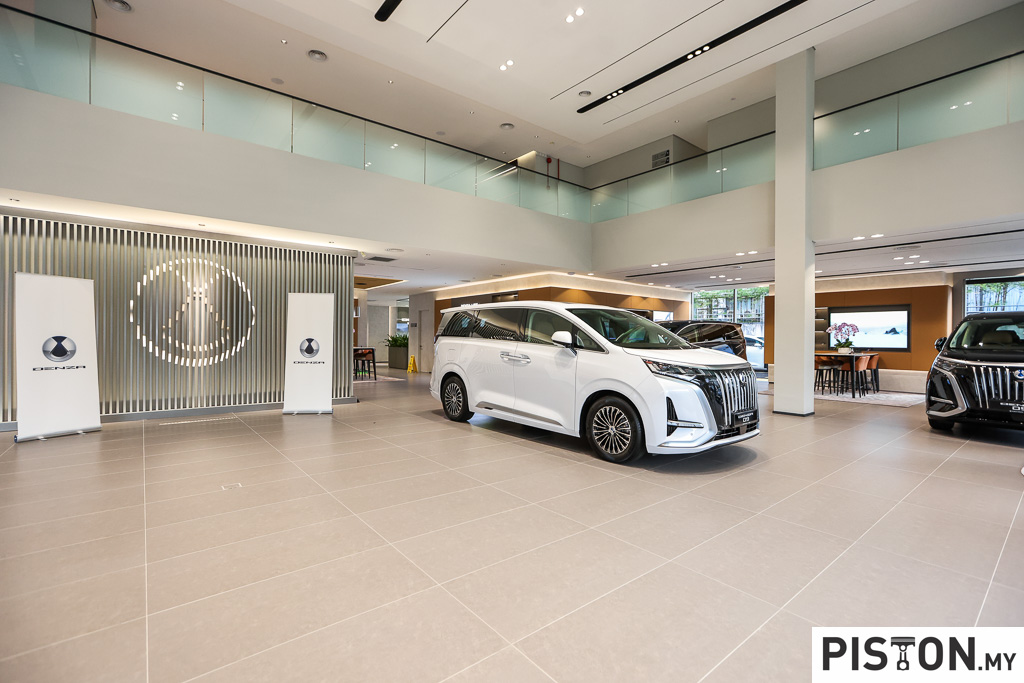
And because Malaysians love their luxury MPV’s so much, Denza had no problems shifting the D9’s off their showroom floors. In fact, it has been reported that Denza received over 800 orders for the D9 within a week of its launch.
But why is it so popular?
The Denza D9 is yet to attain the Alphard level of popularity, but it won’t be long till it does.
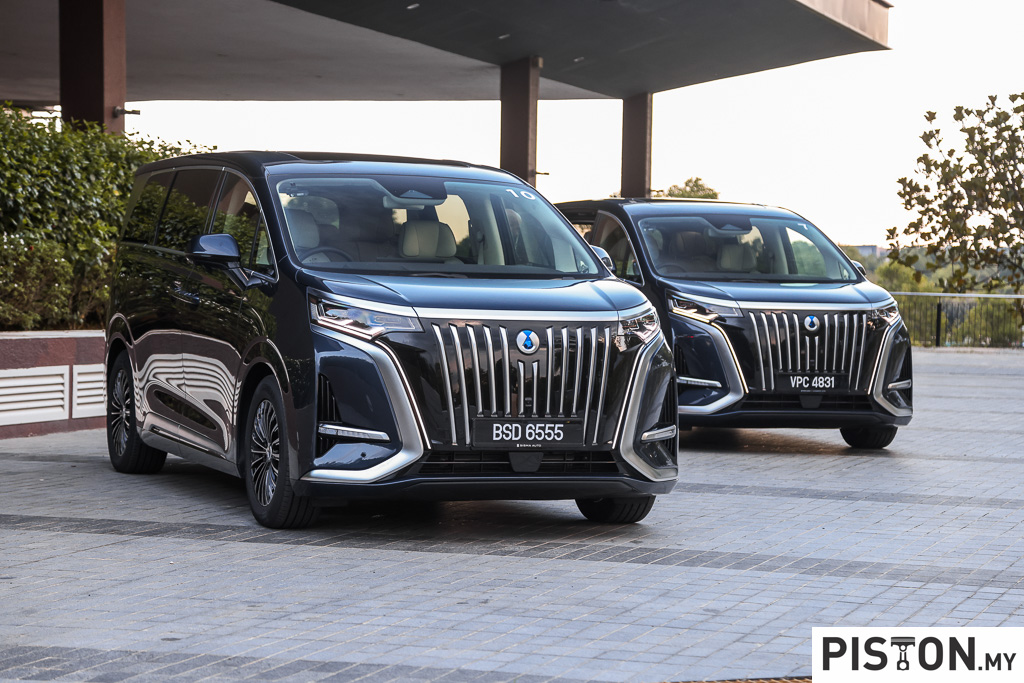
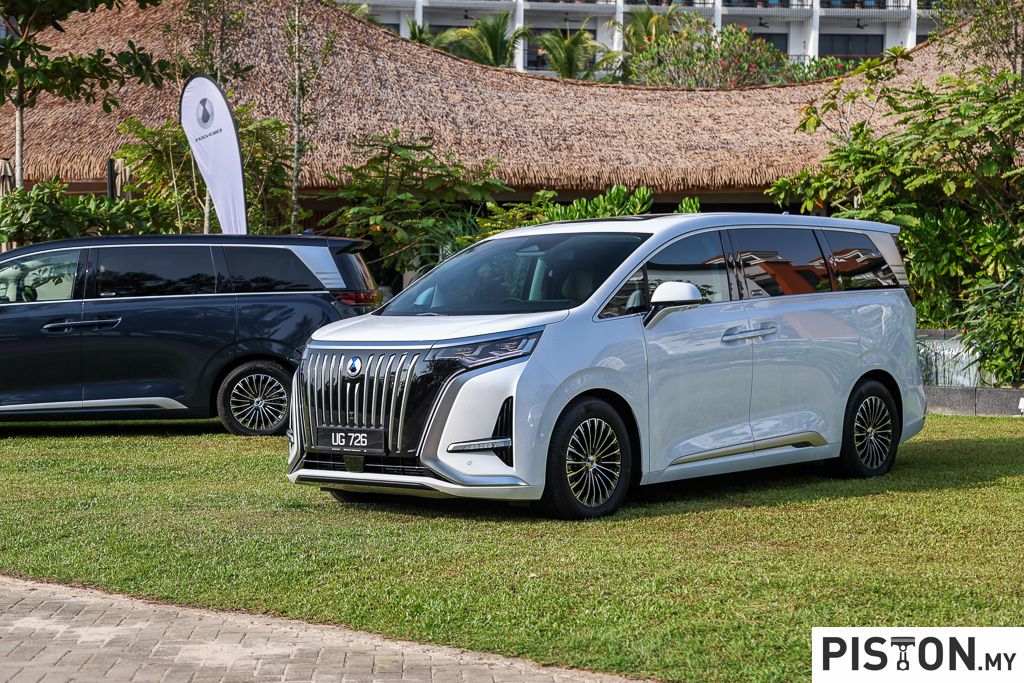
The Denza D9 is available in two variants in Malaysia – the Advanced FWD which is priced at RM259,000 and the Premium AWD, which is priced at RM309,000.
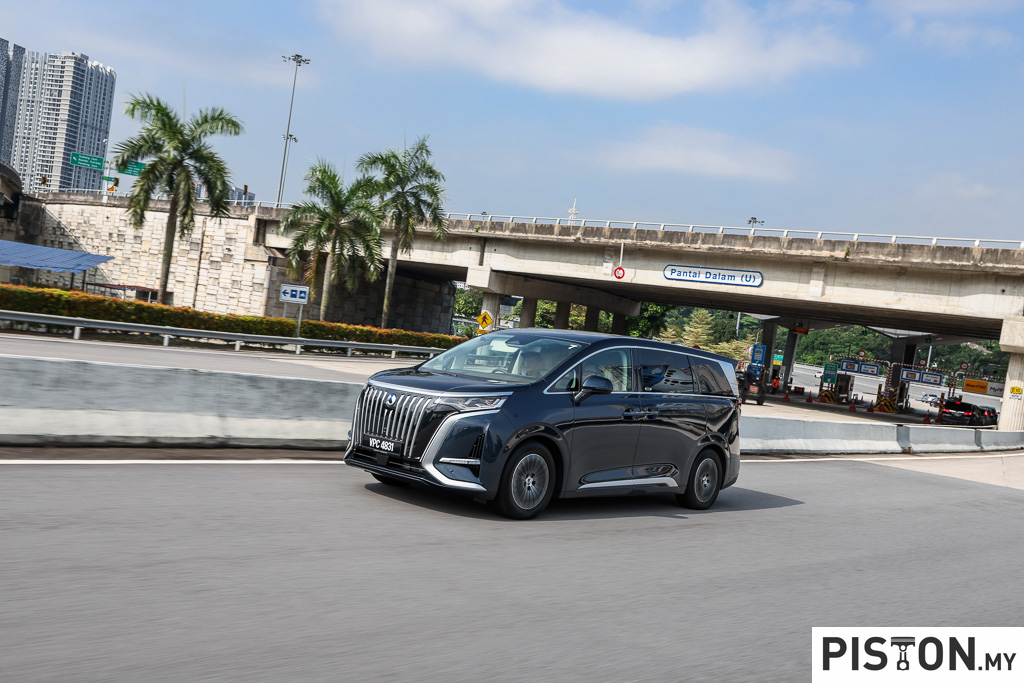
I recently got to drive both of them to find out what people love about them.
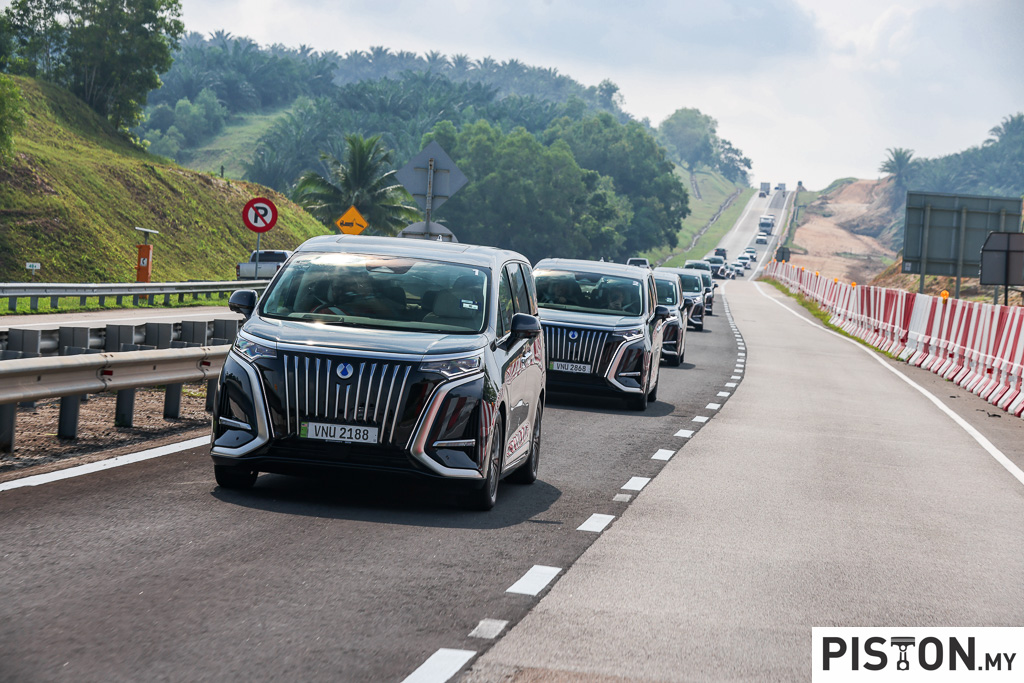
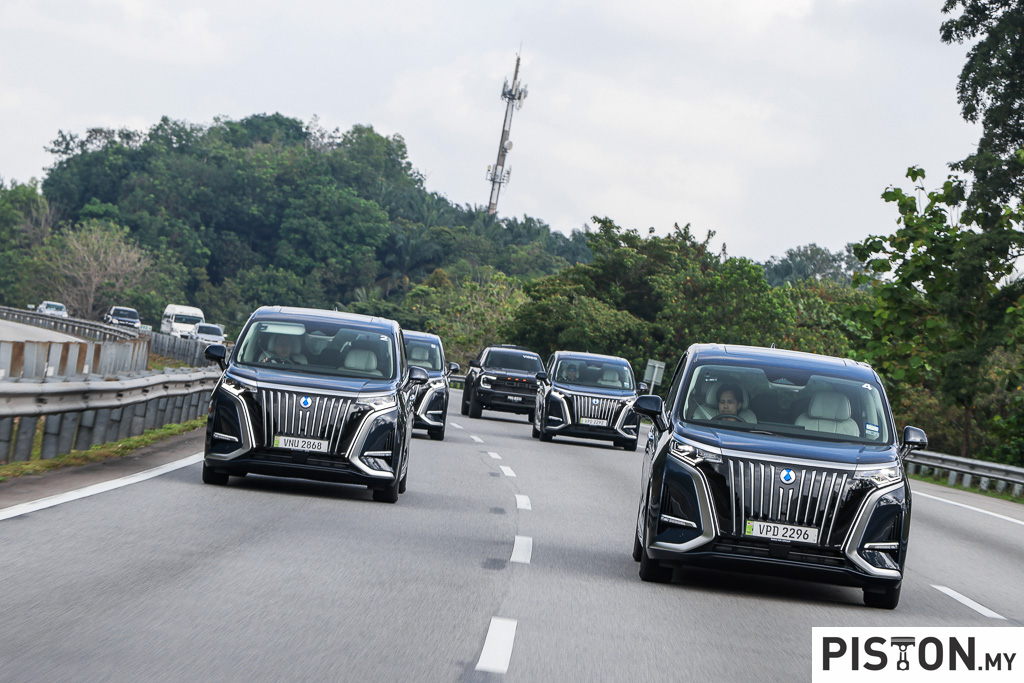
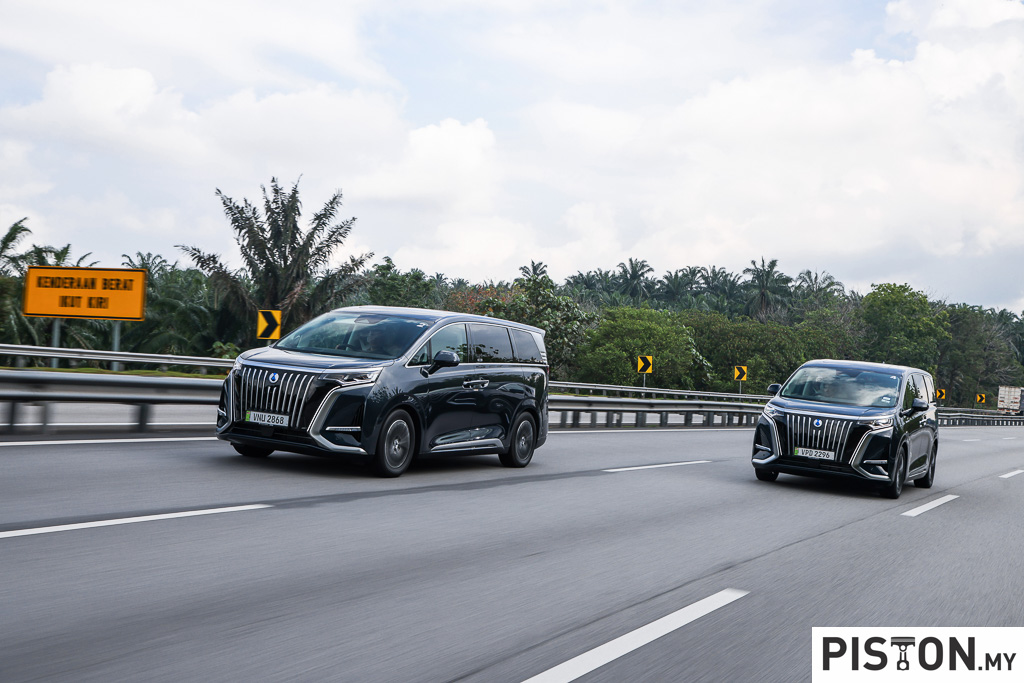
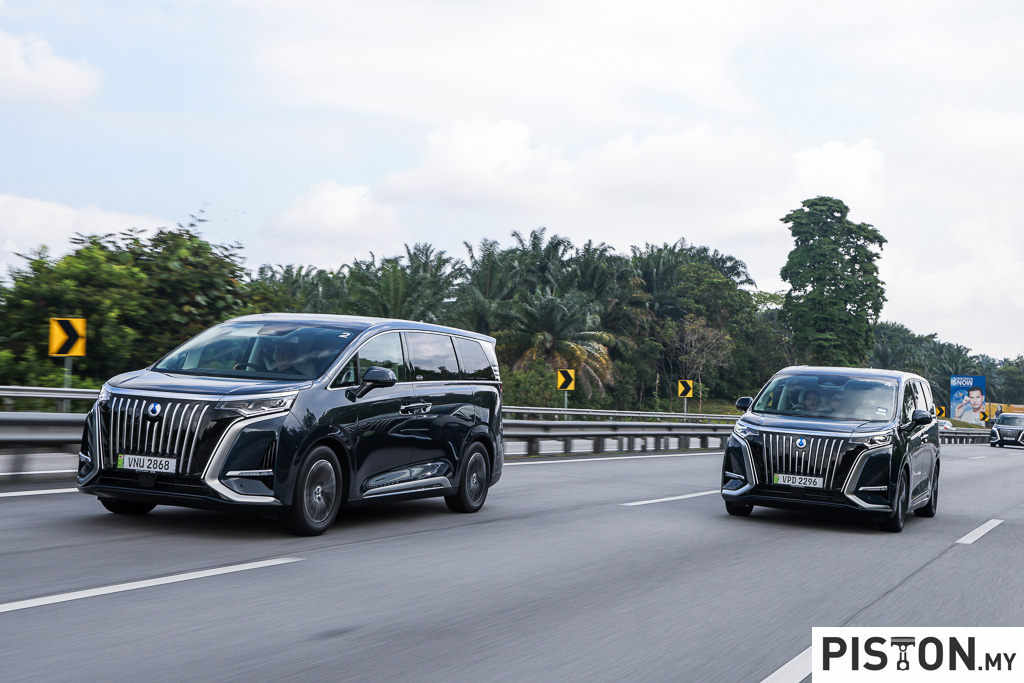
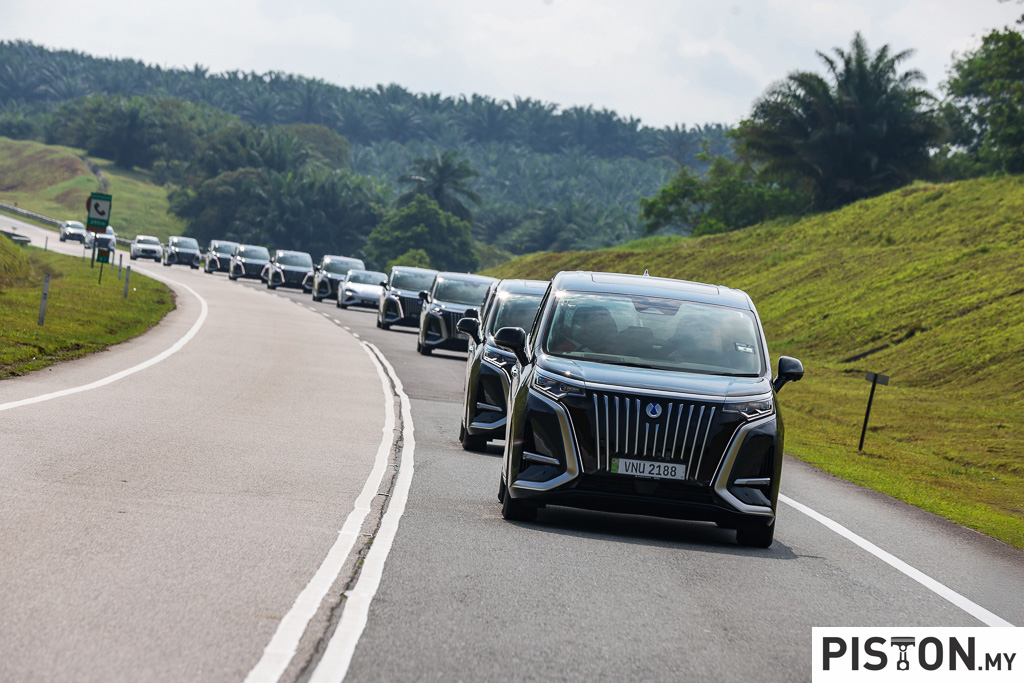
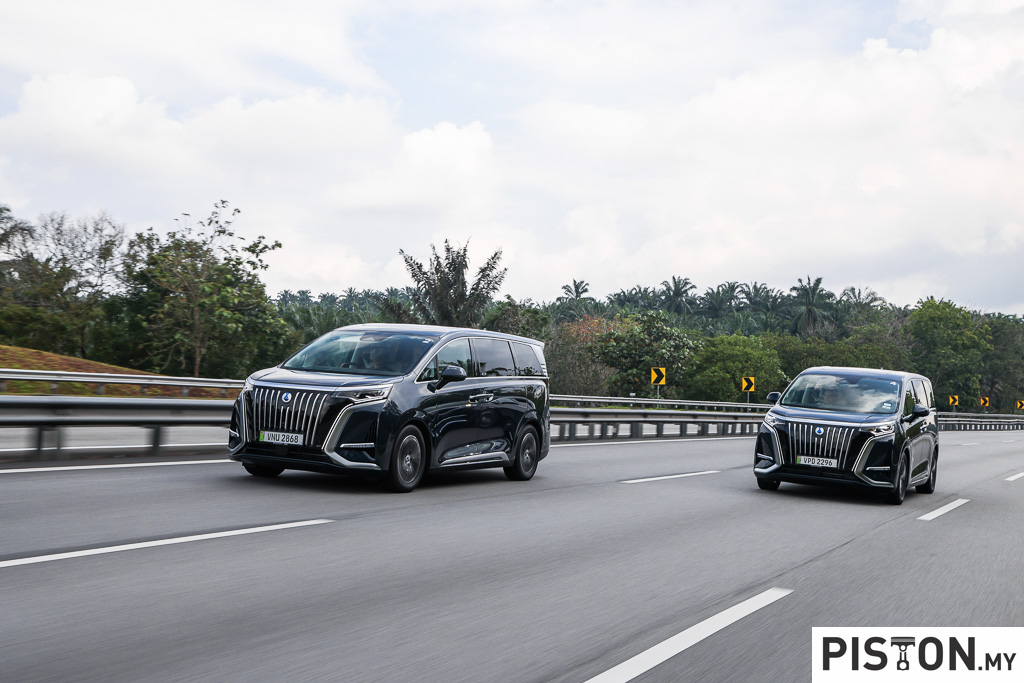
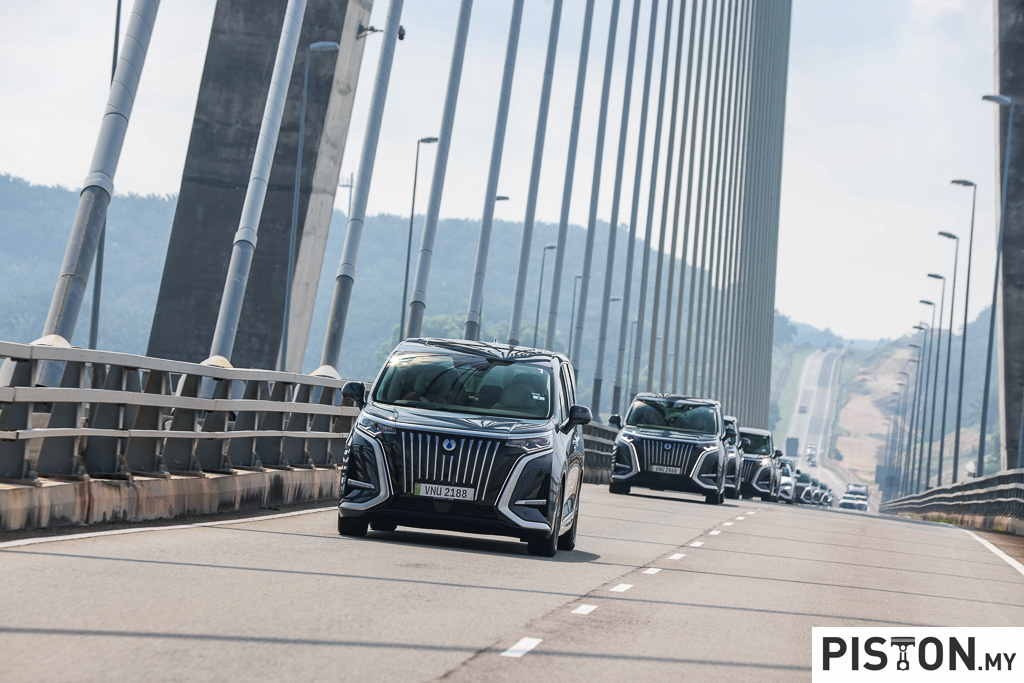
I drove the Premium AWD on an exclusive drive to Desaru with the Denza team and selected members of the Malaysian motoring journalist fraternity. And the Advanced FWD I got to drive for a few days longer with the family.
Both are differentiated by some key distinguishing factors such as adaptive suspension for the Premium variant and other interior and exterior touches.
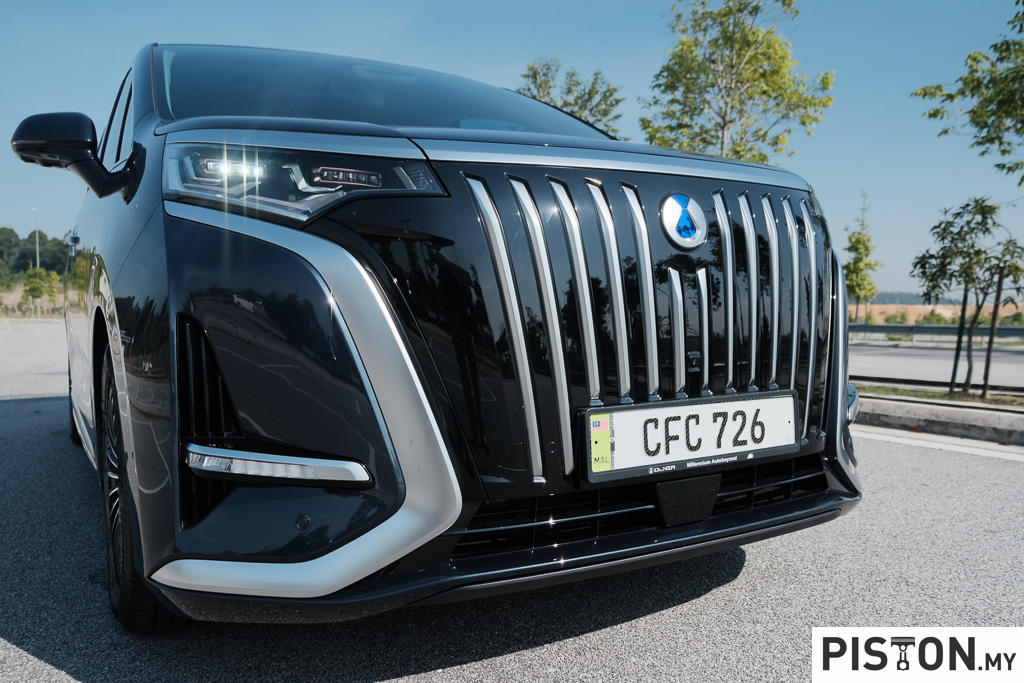
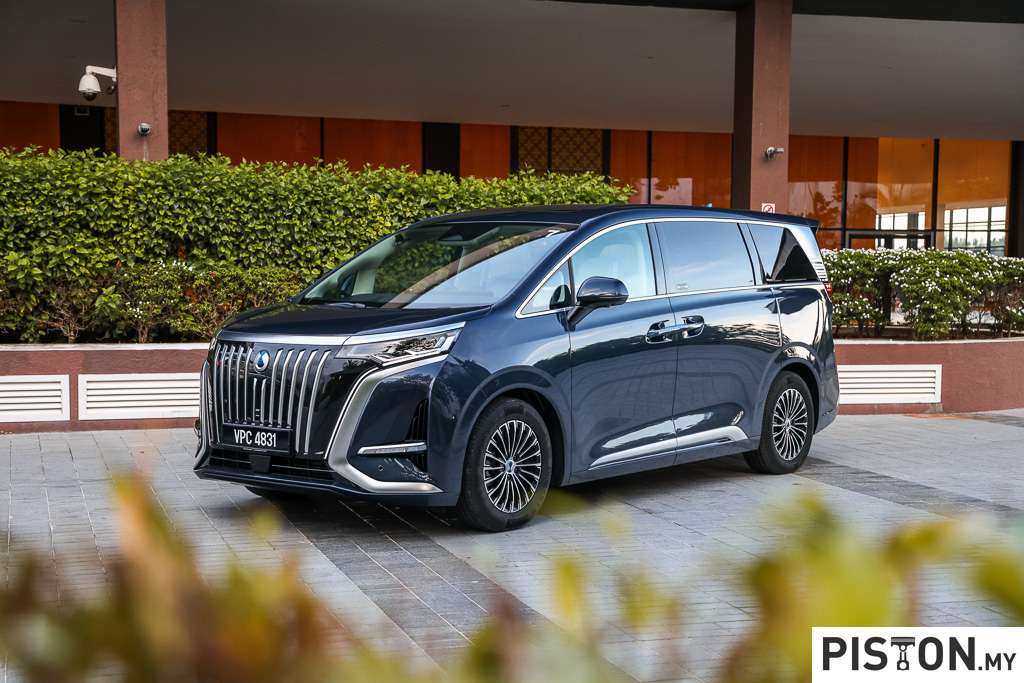
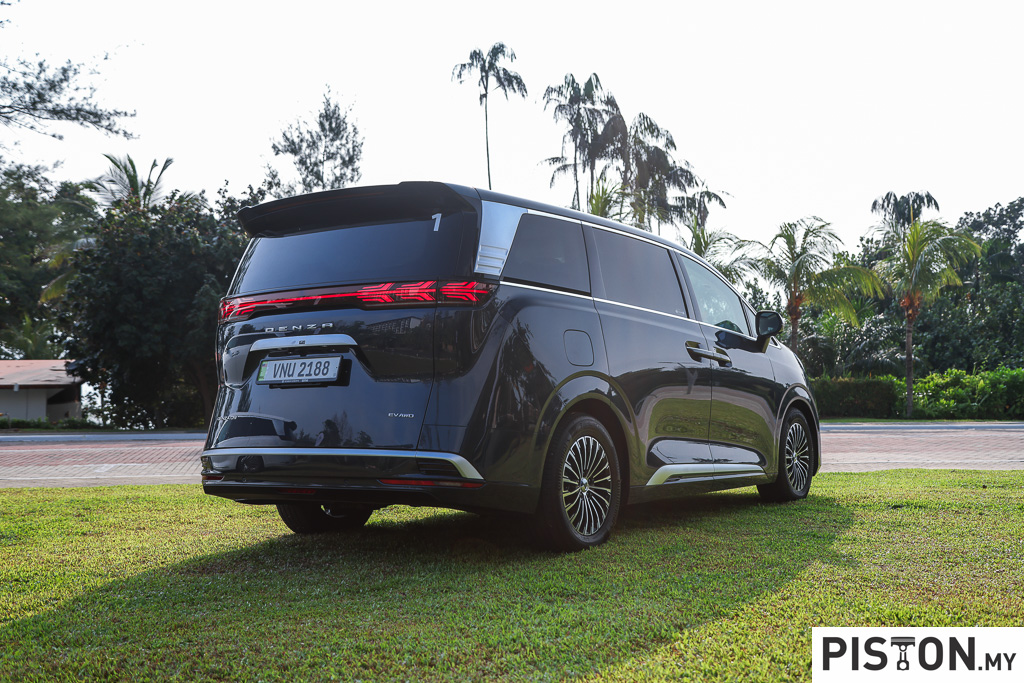
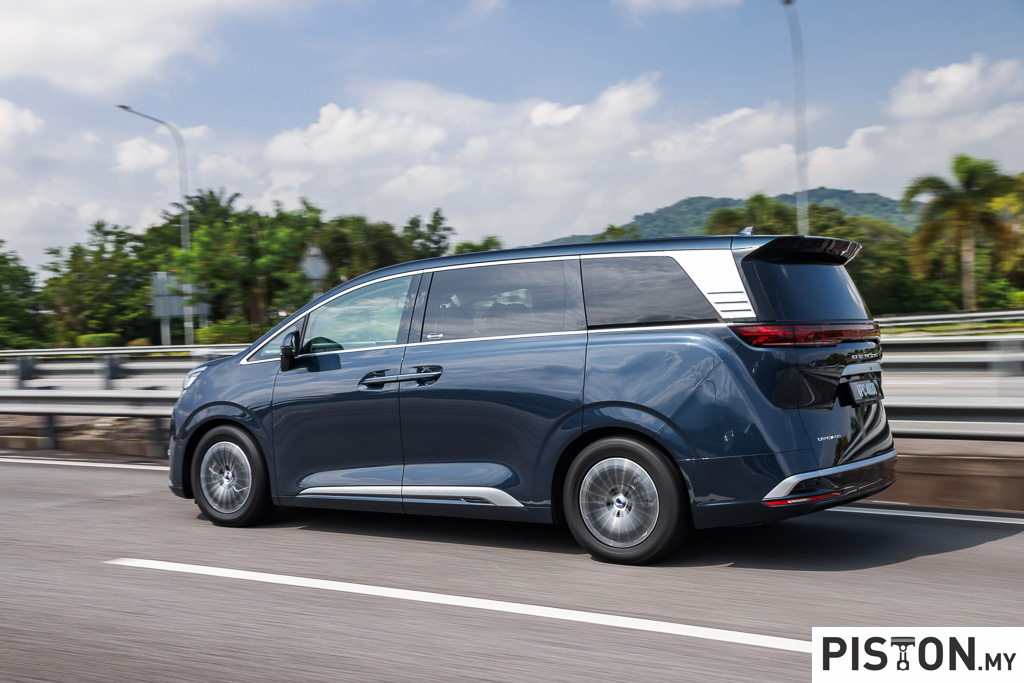
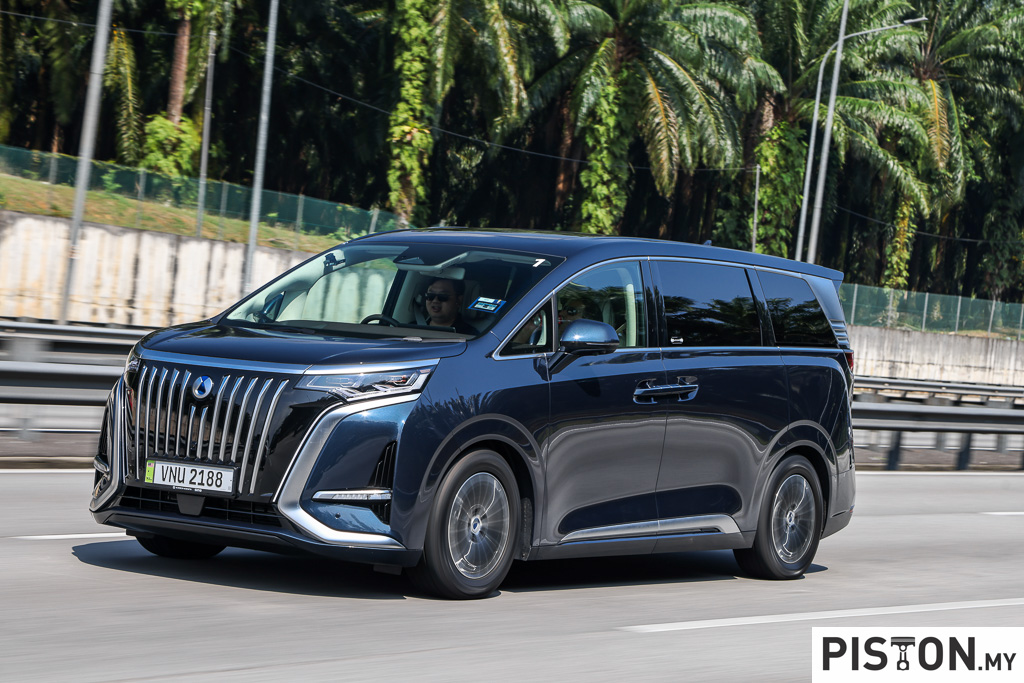
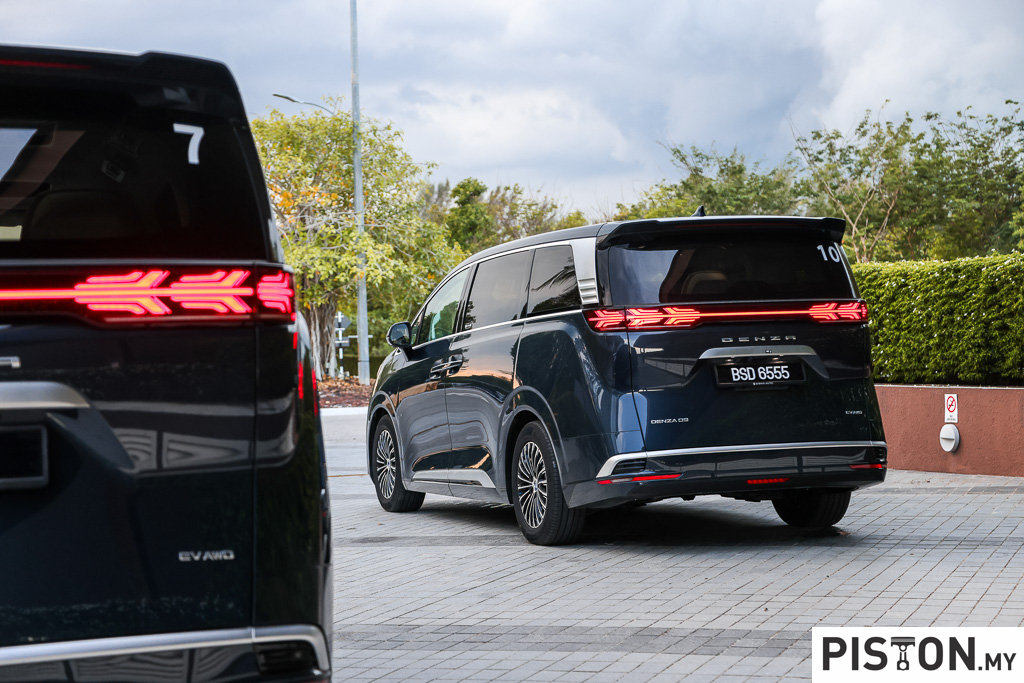
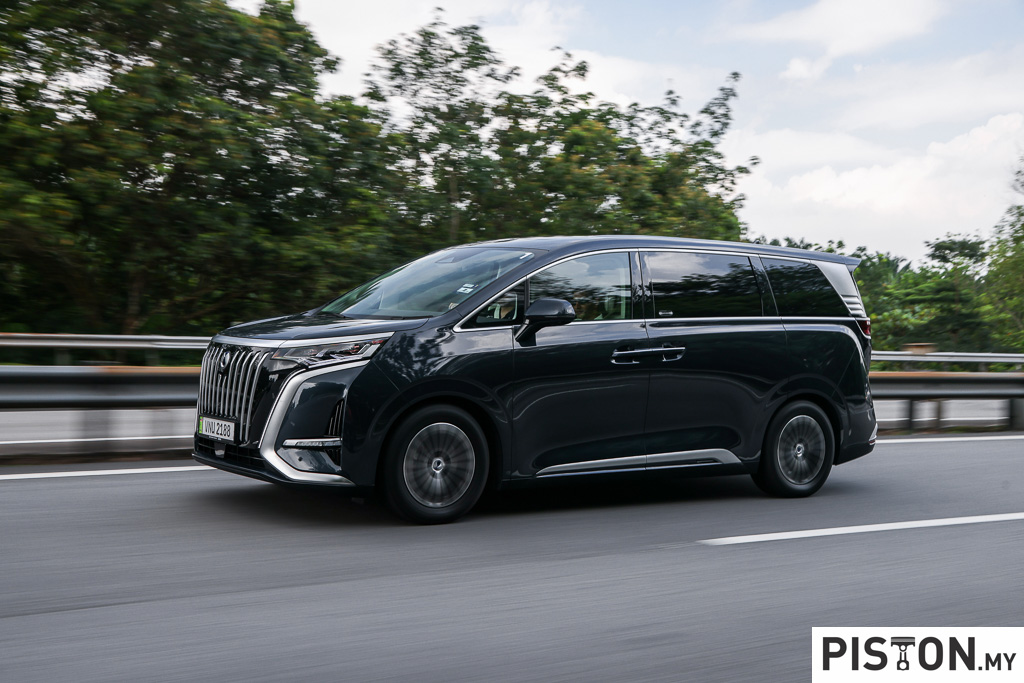
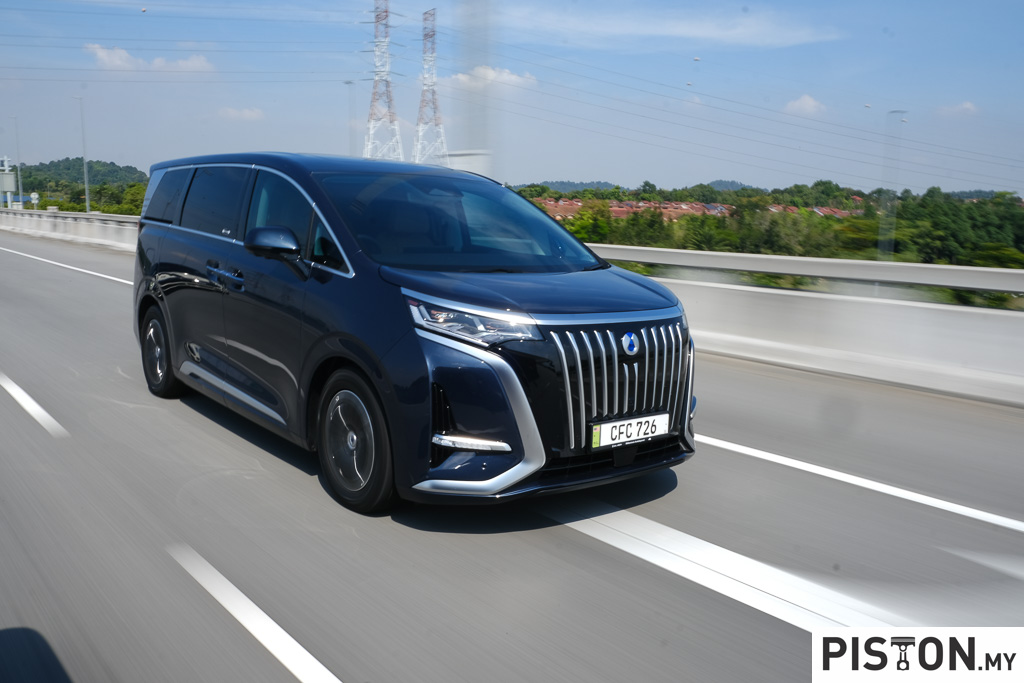
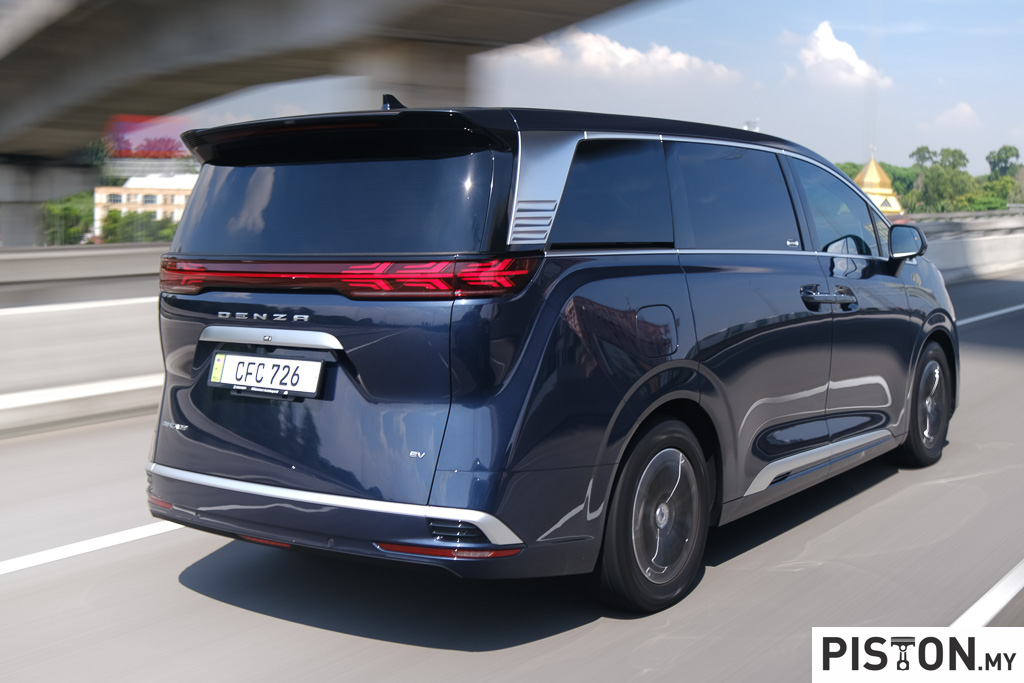
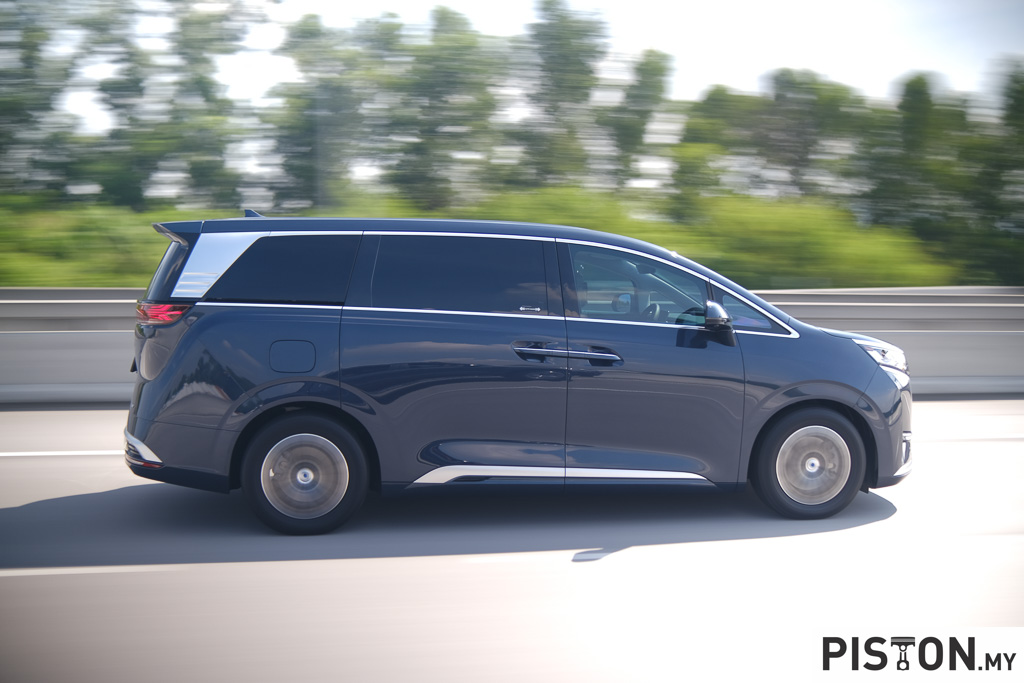
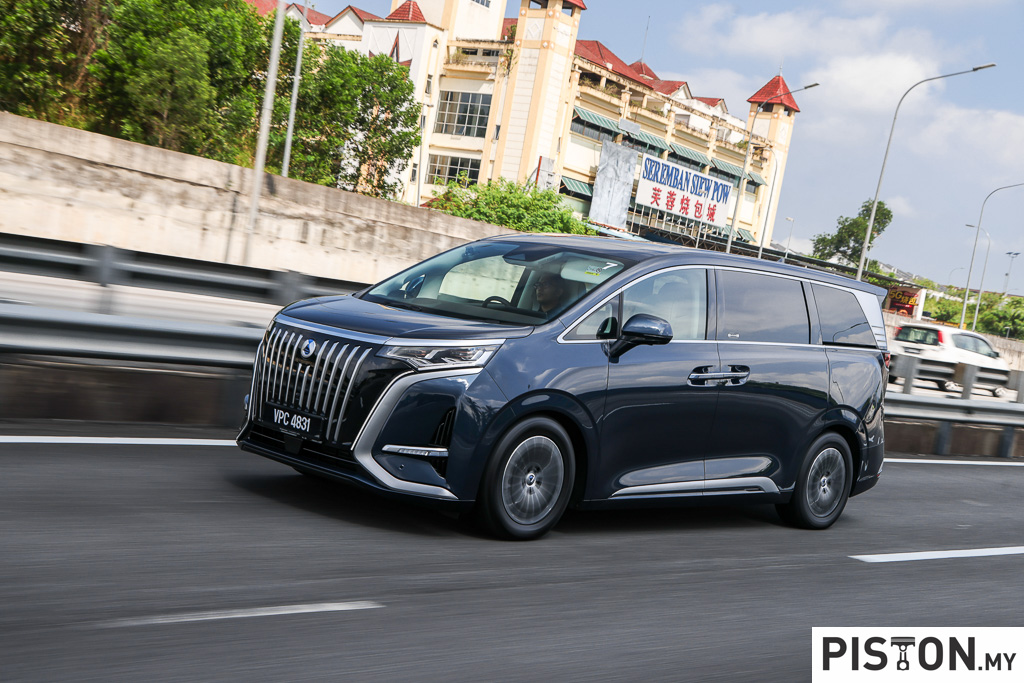
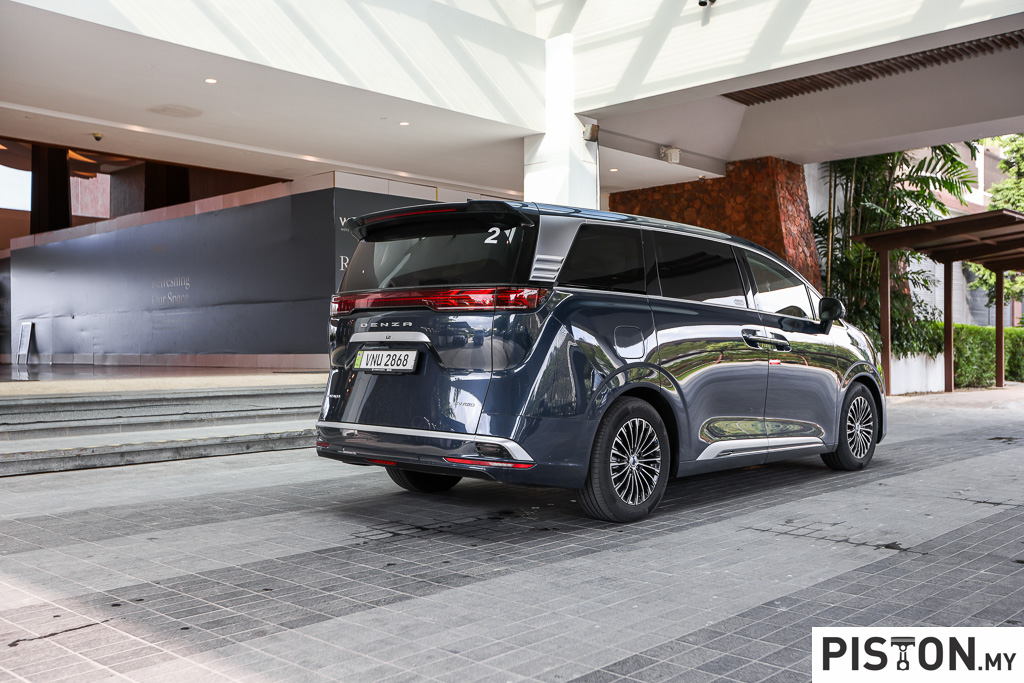
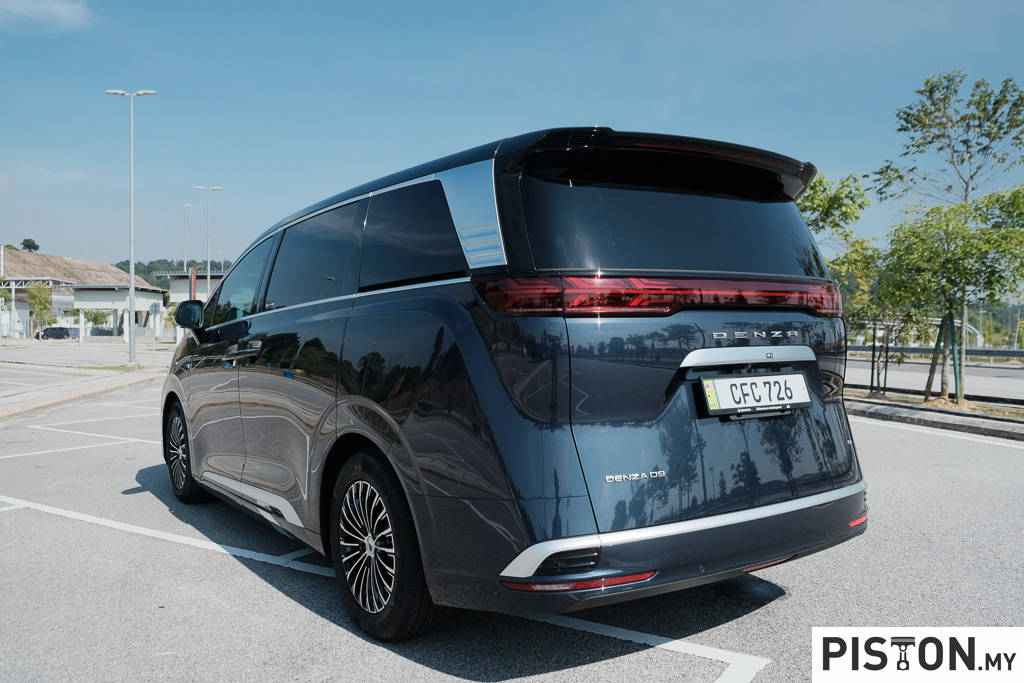
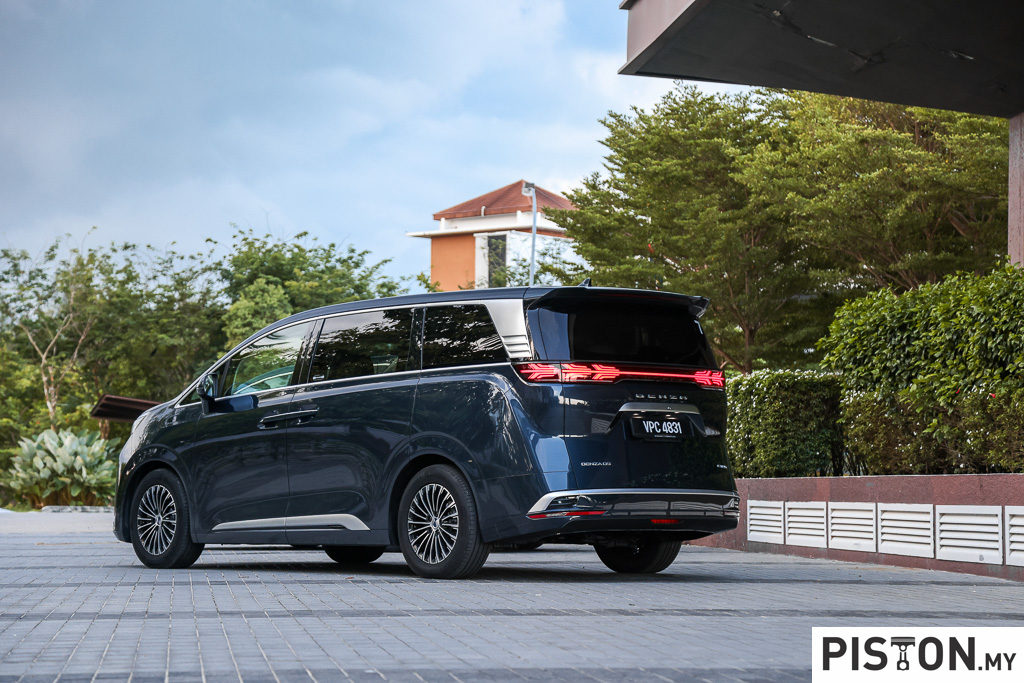
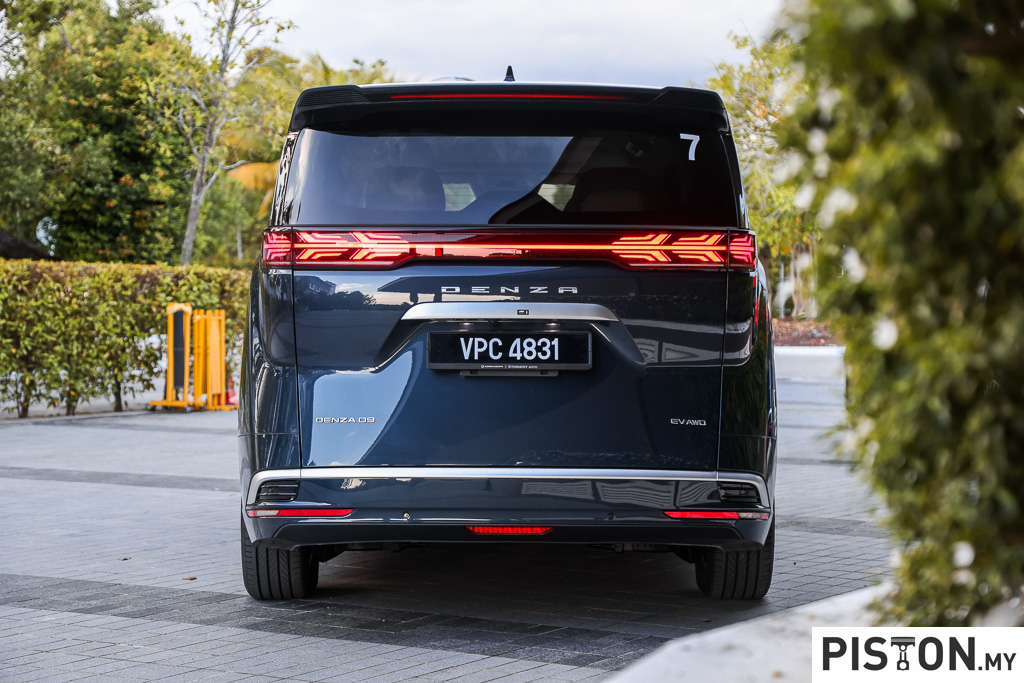
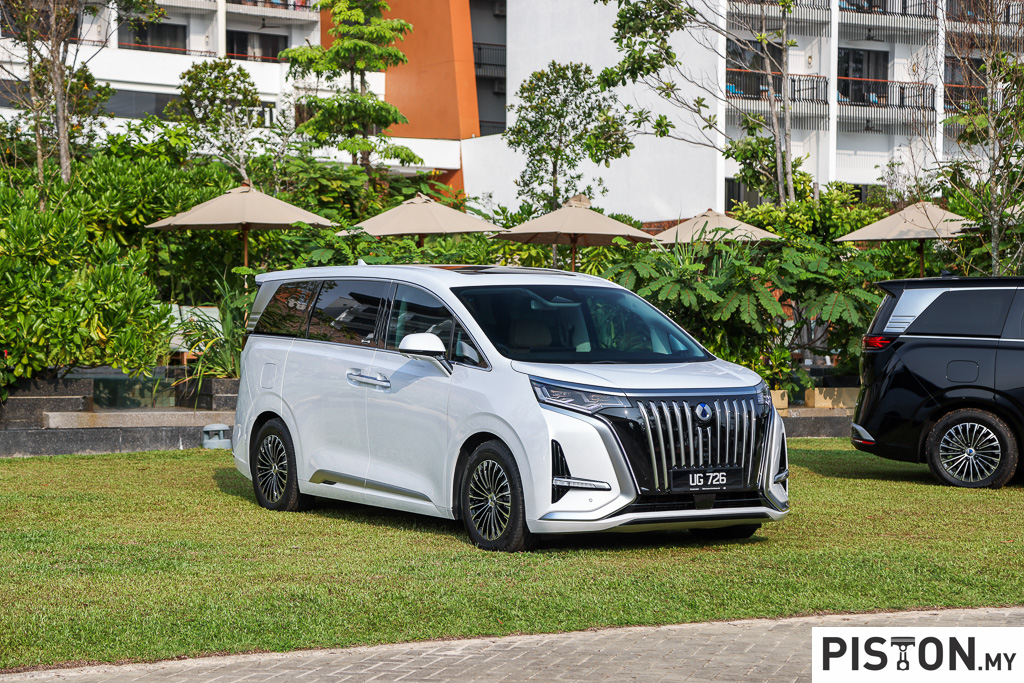
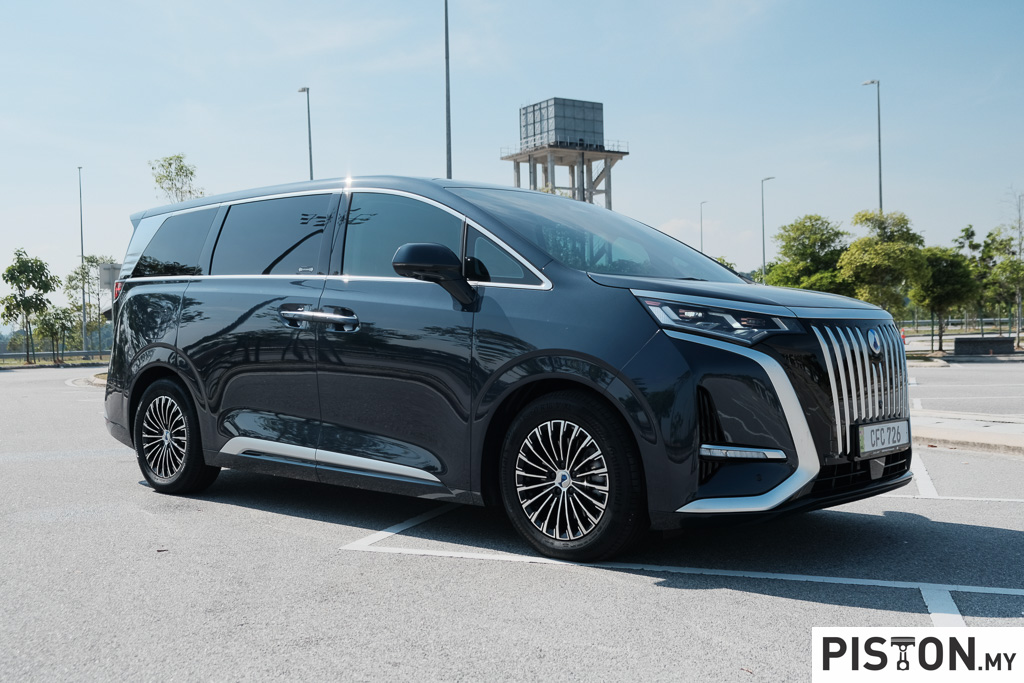
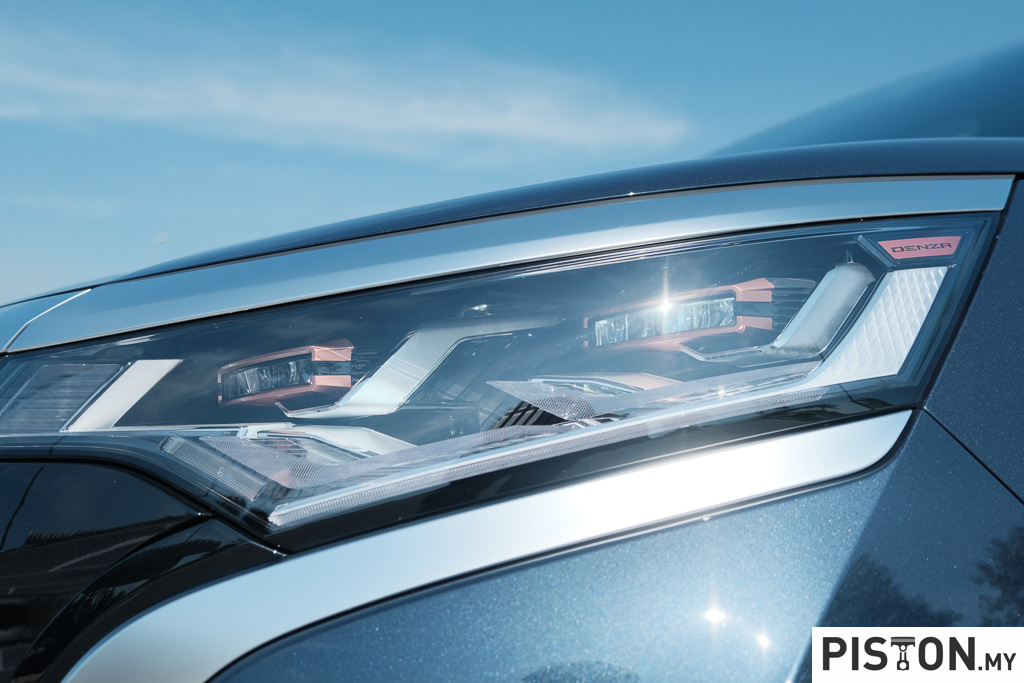
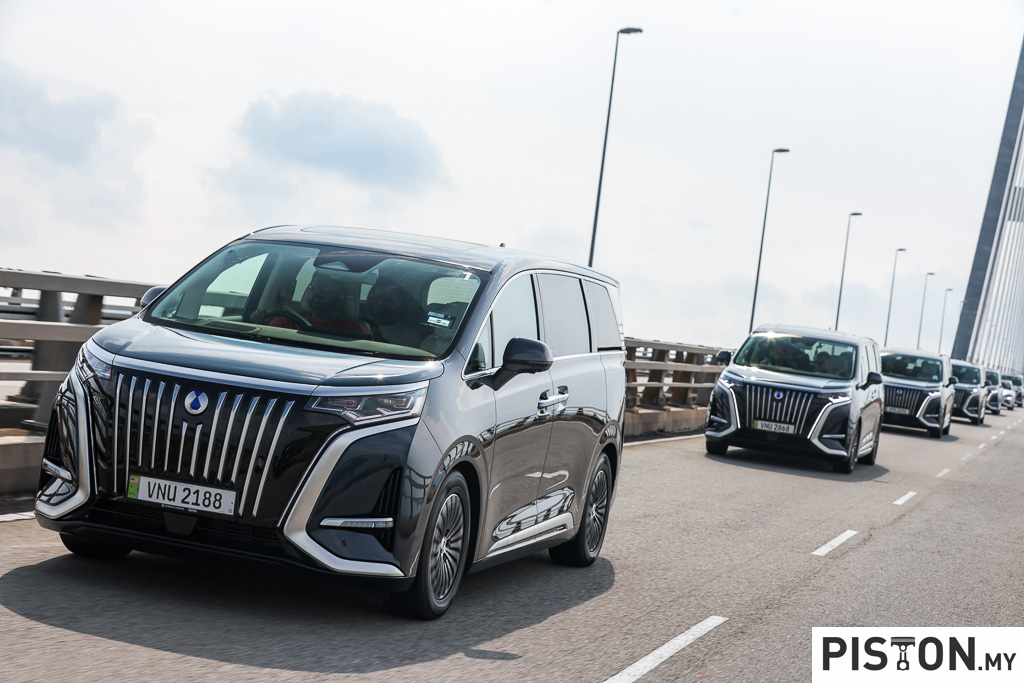
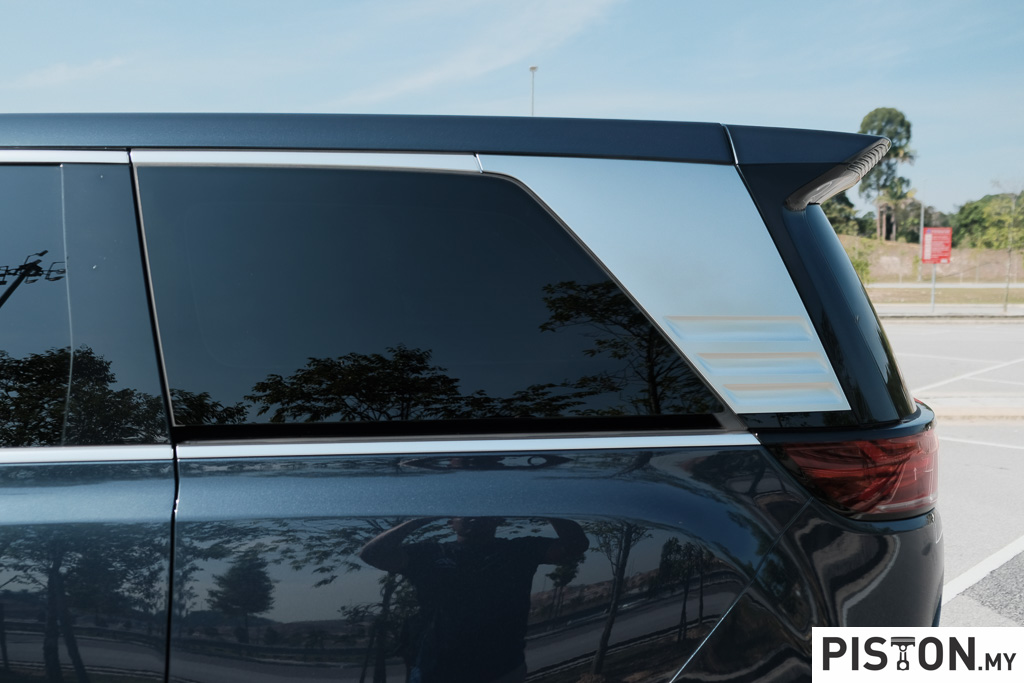
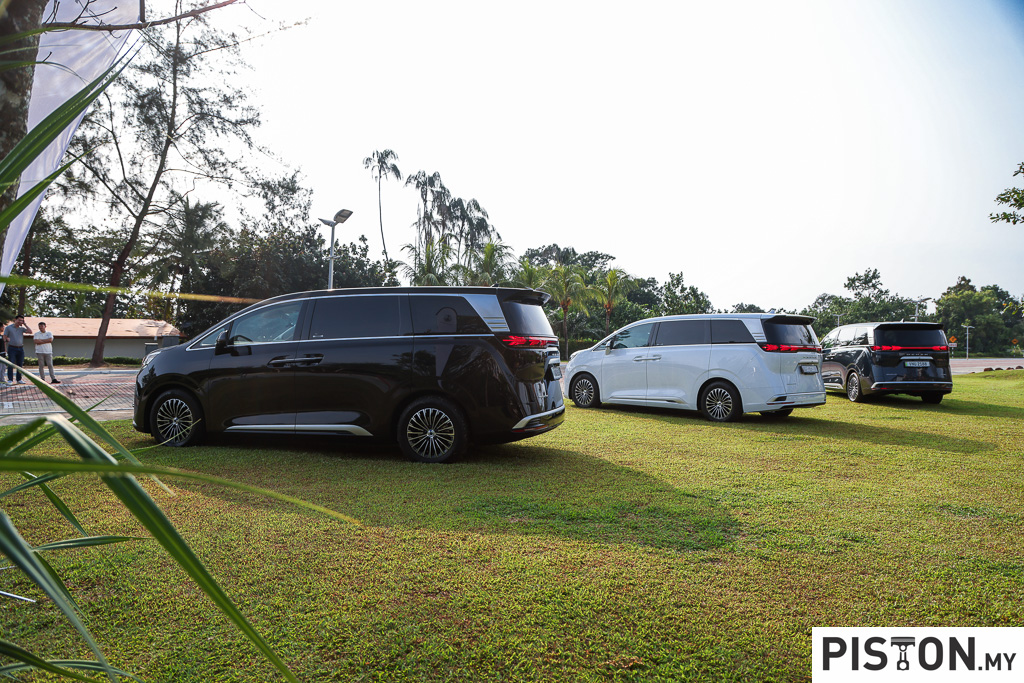
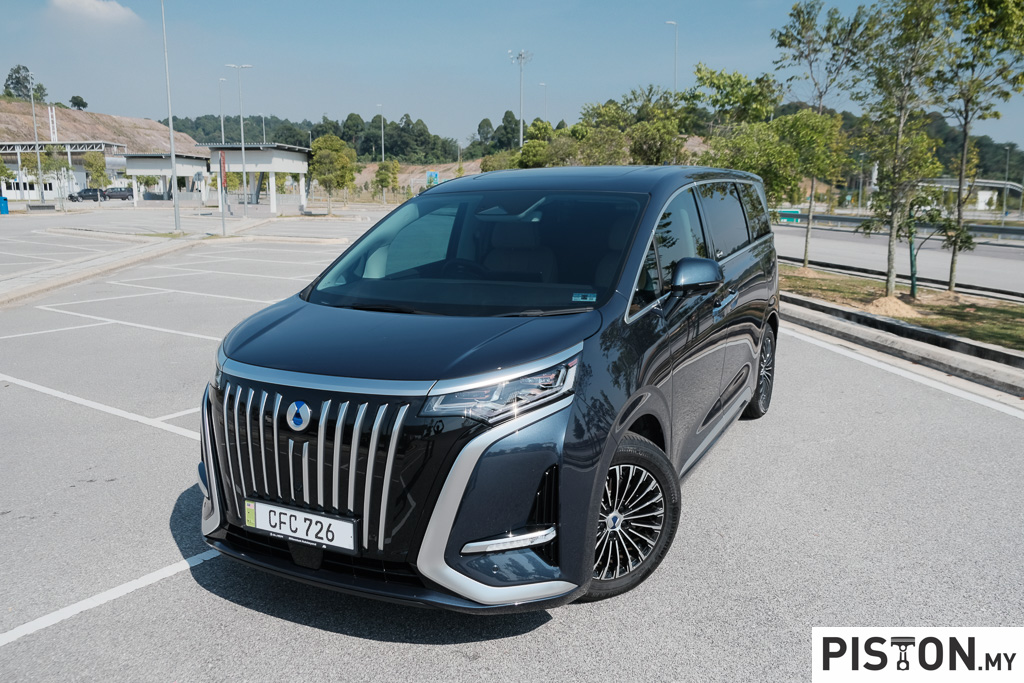
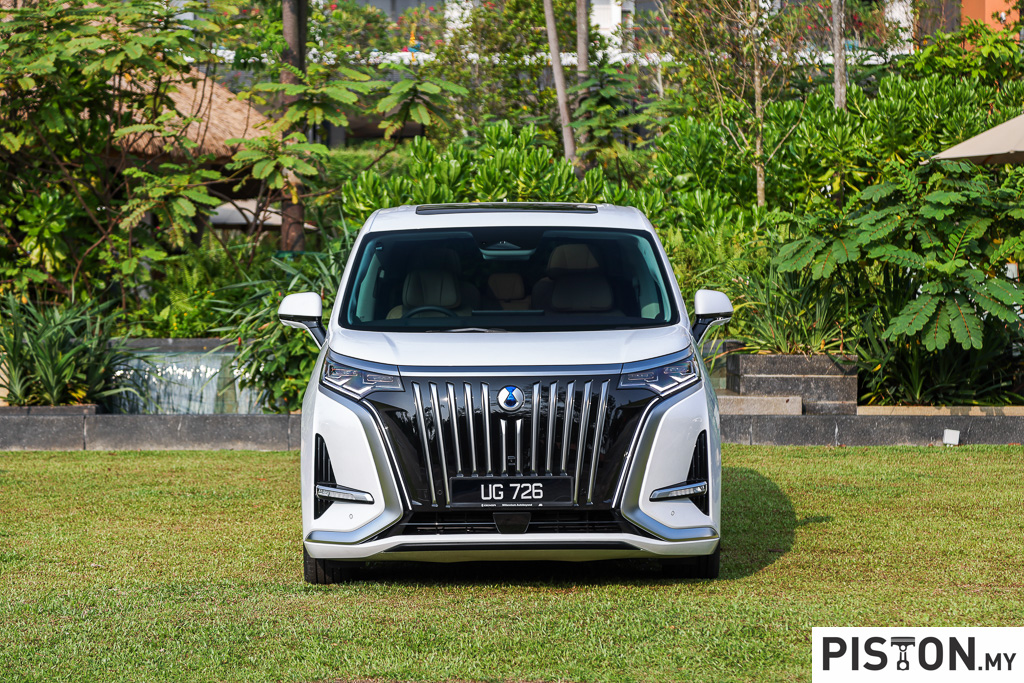
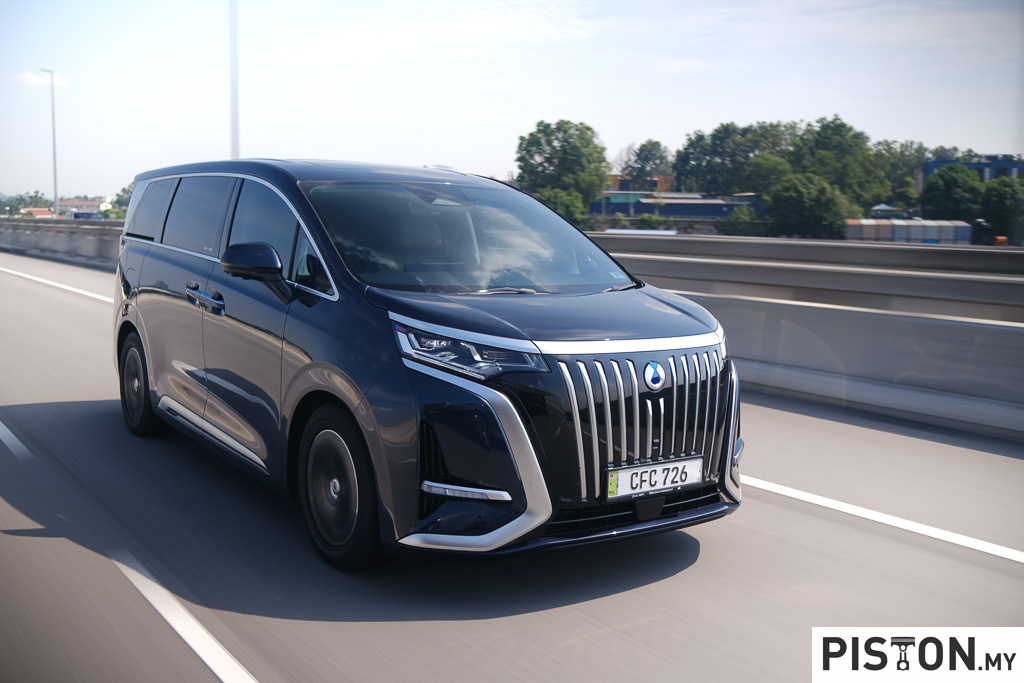
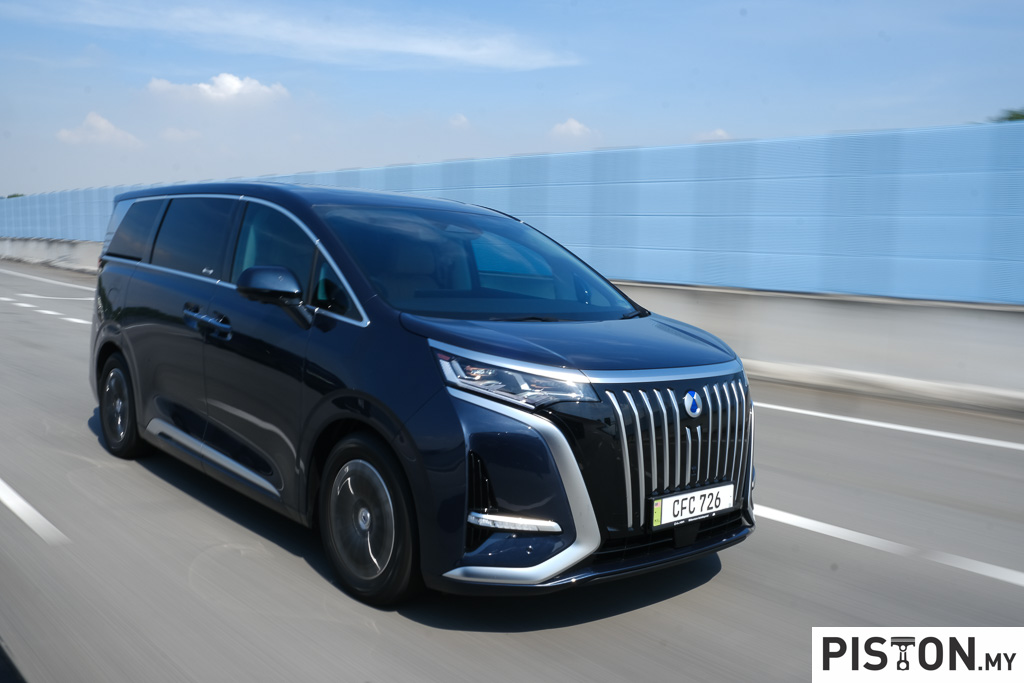
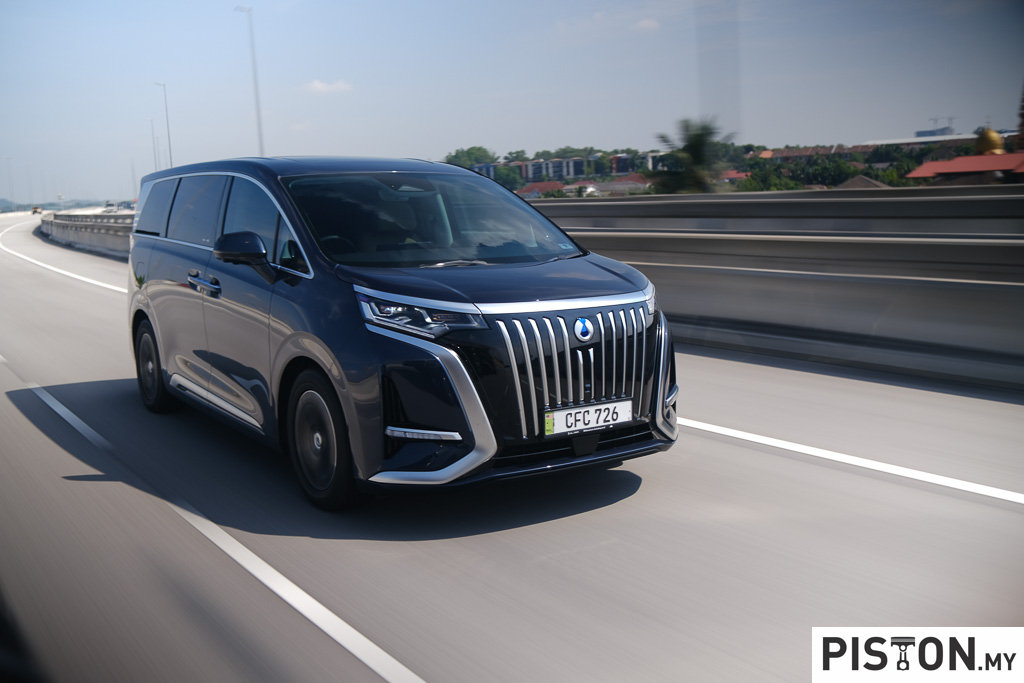
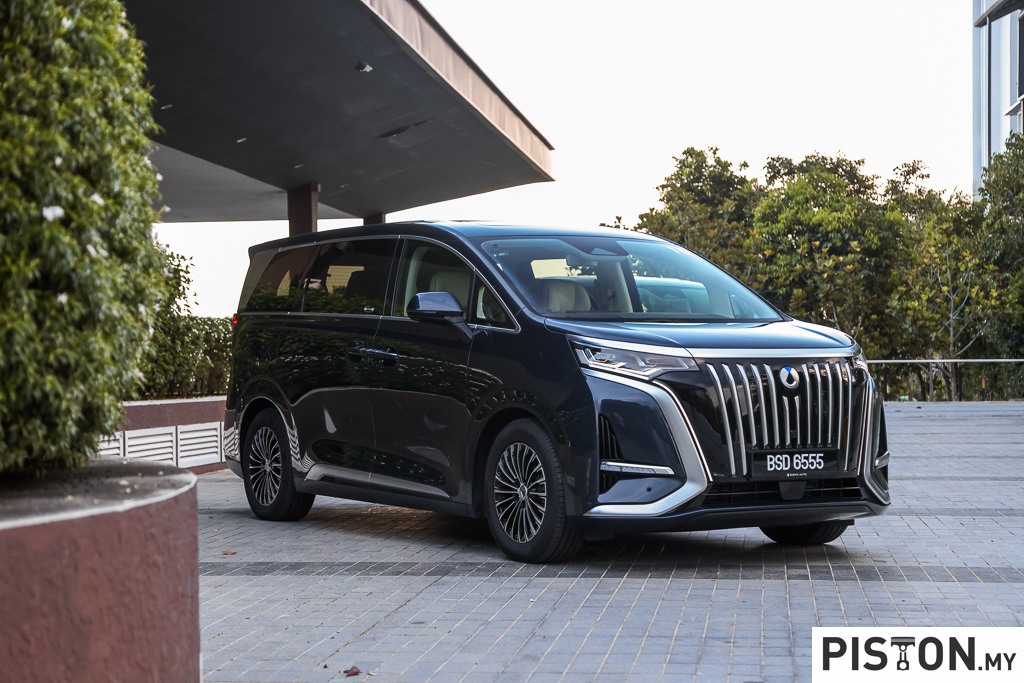
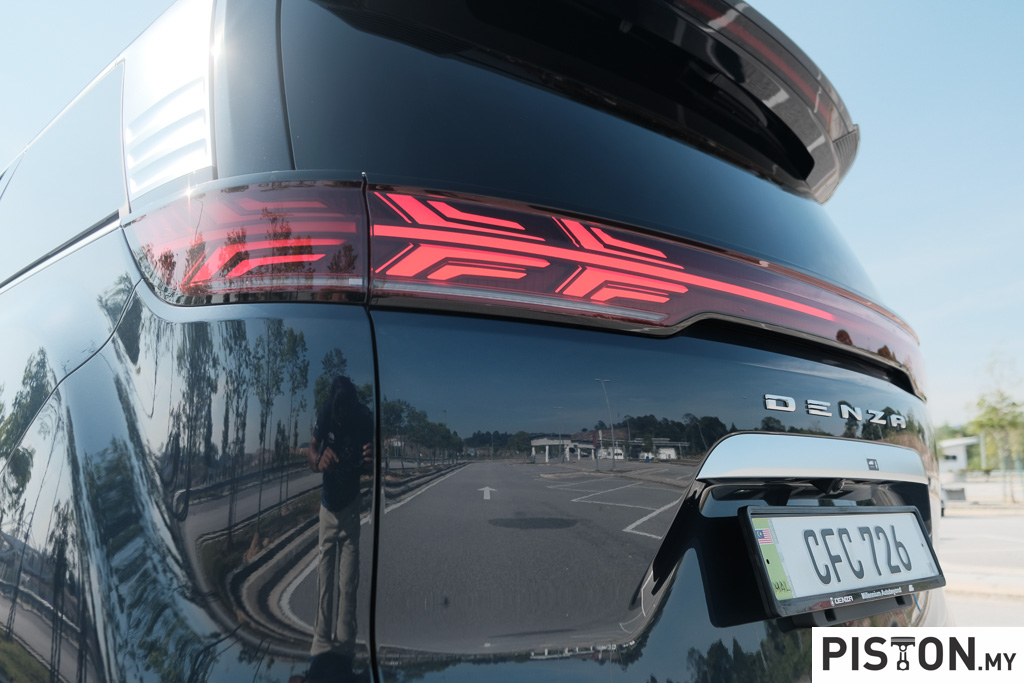
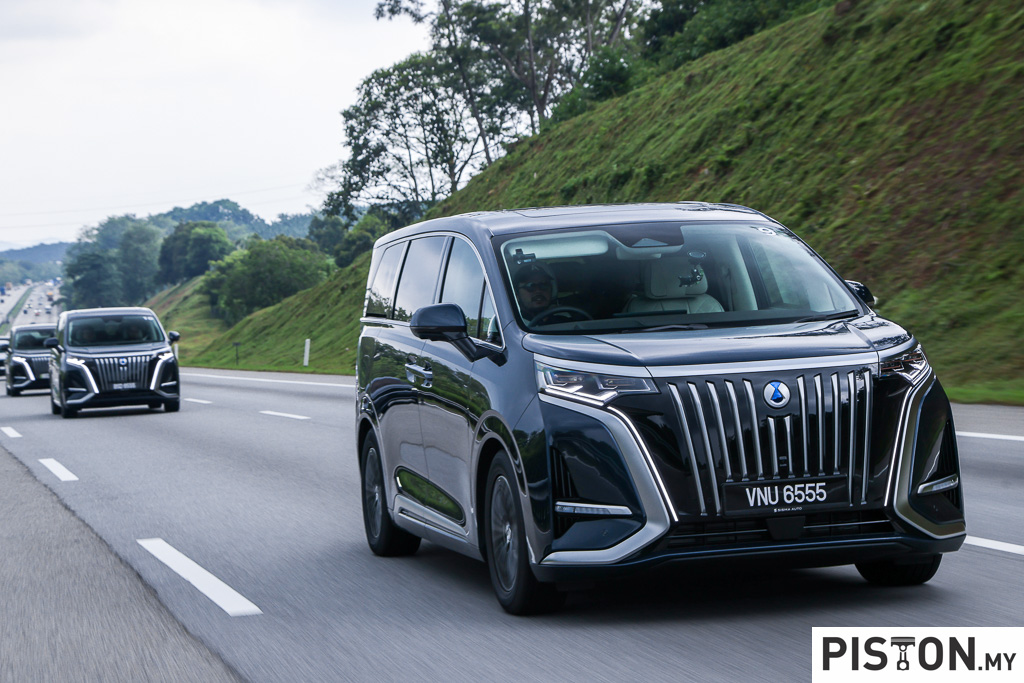
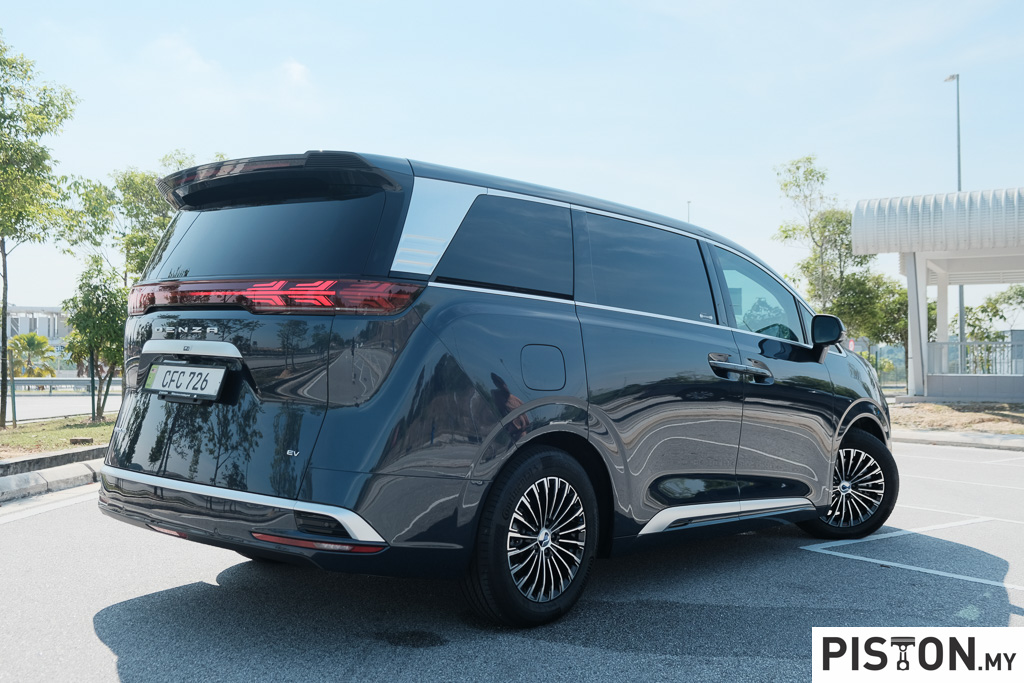
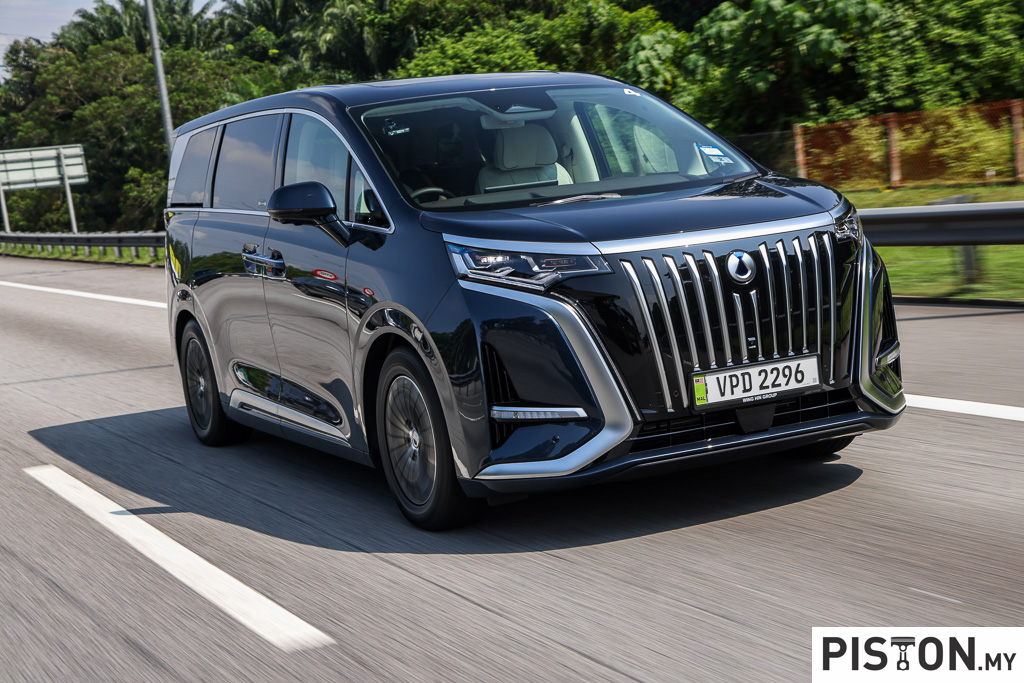
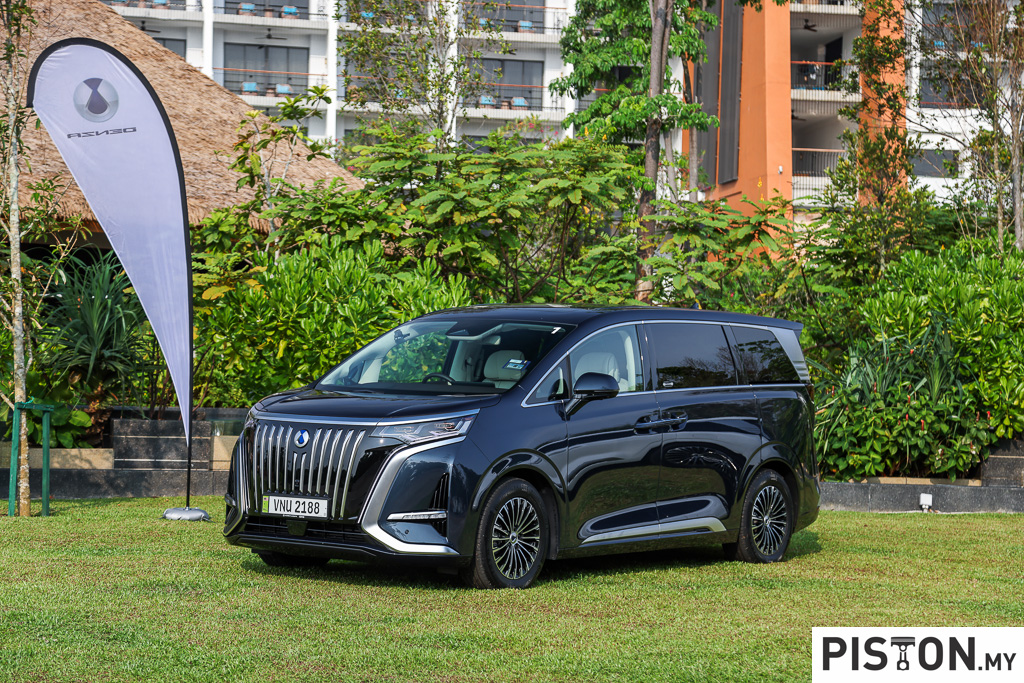
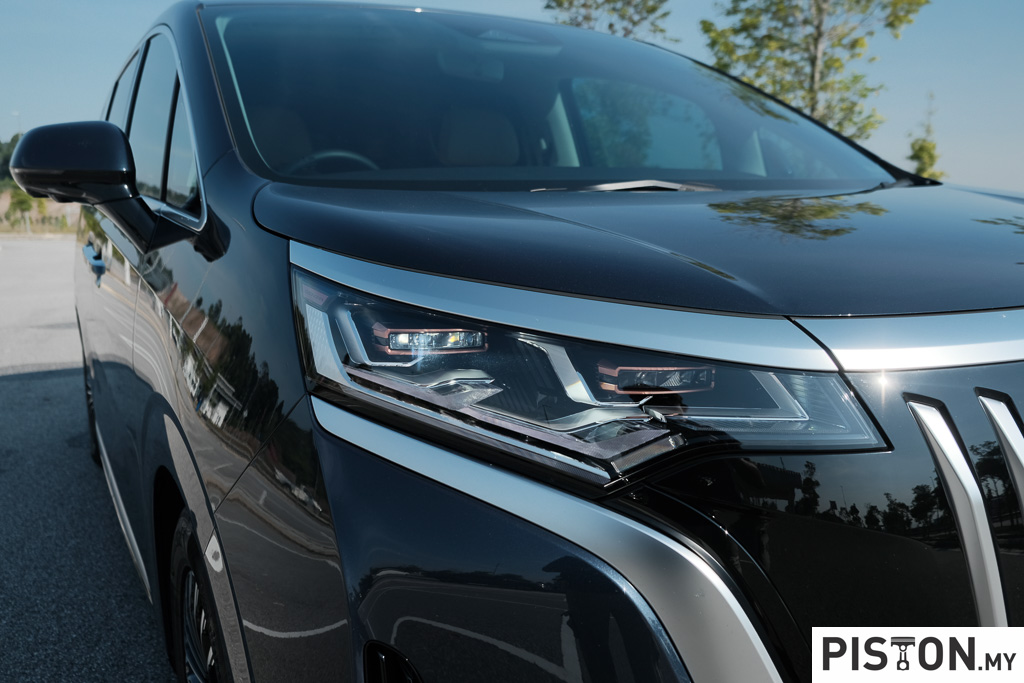
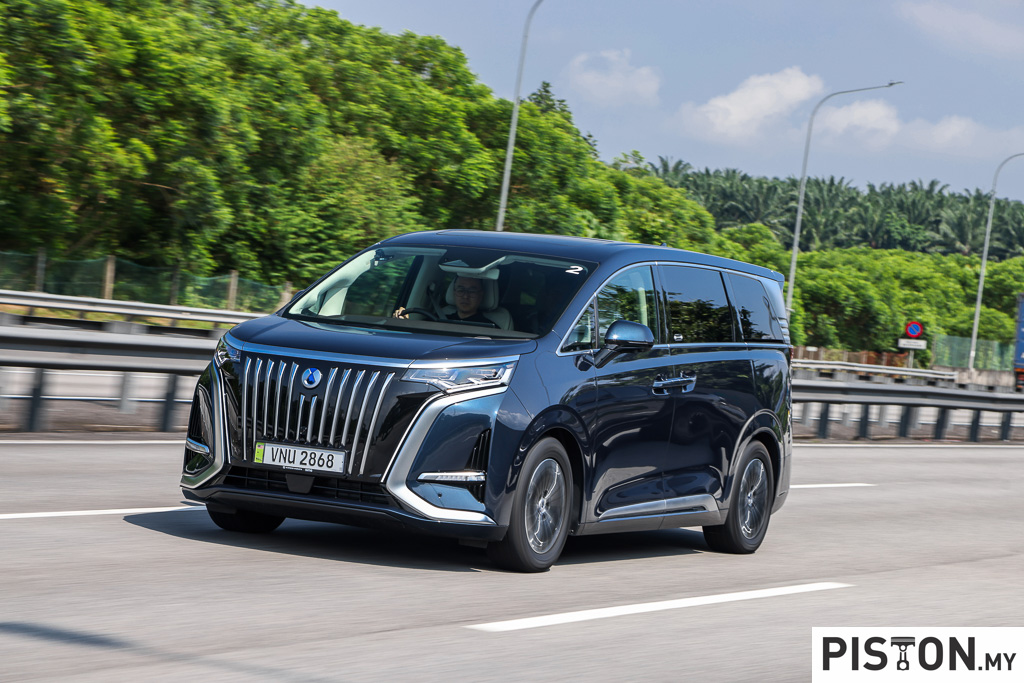
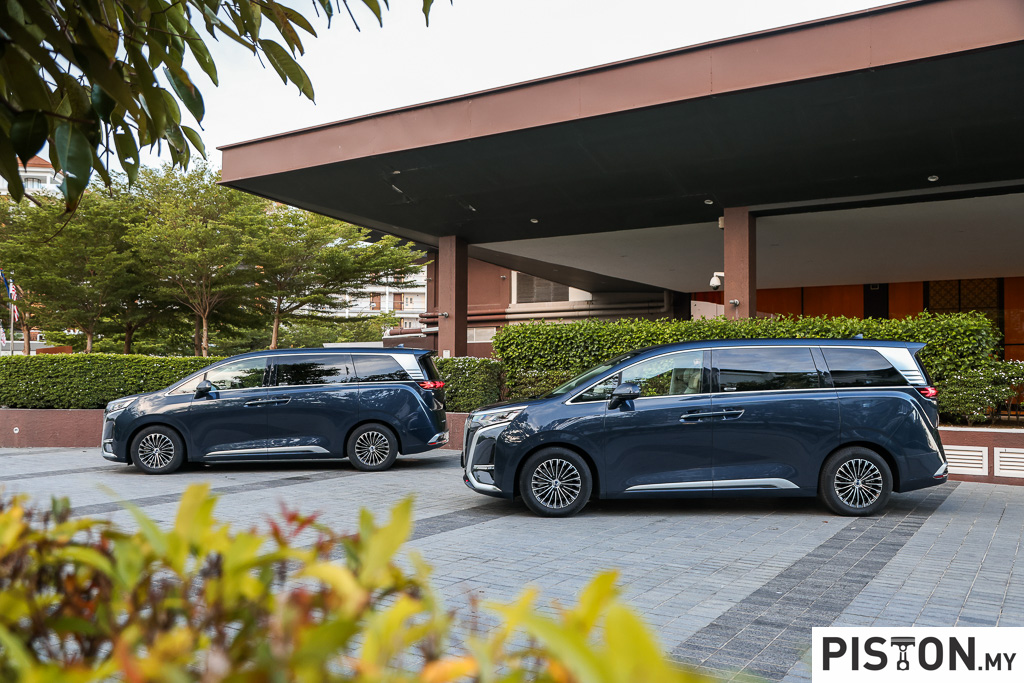
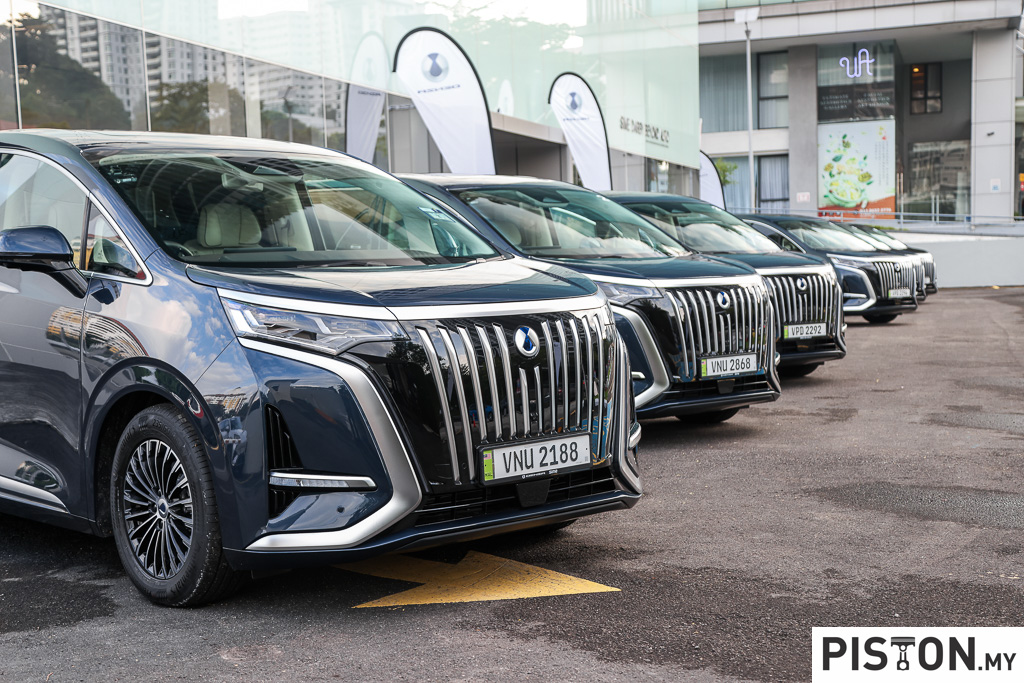
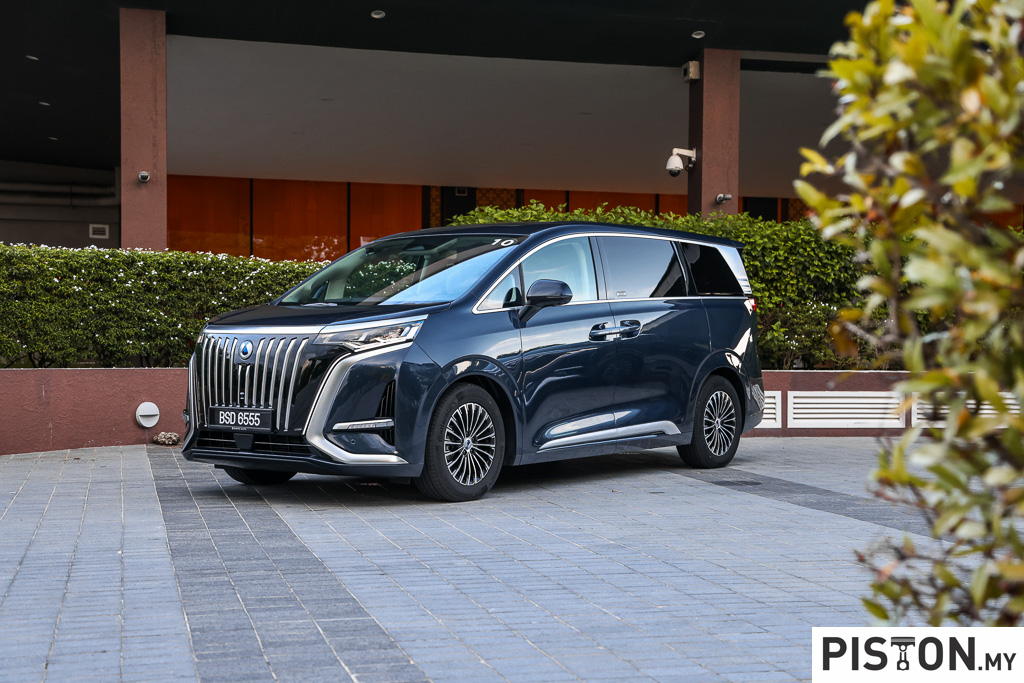
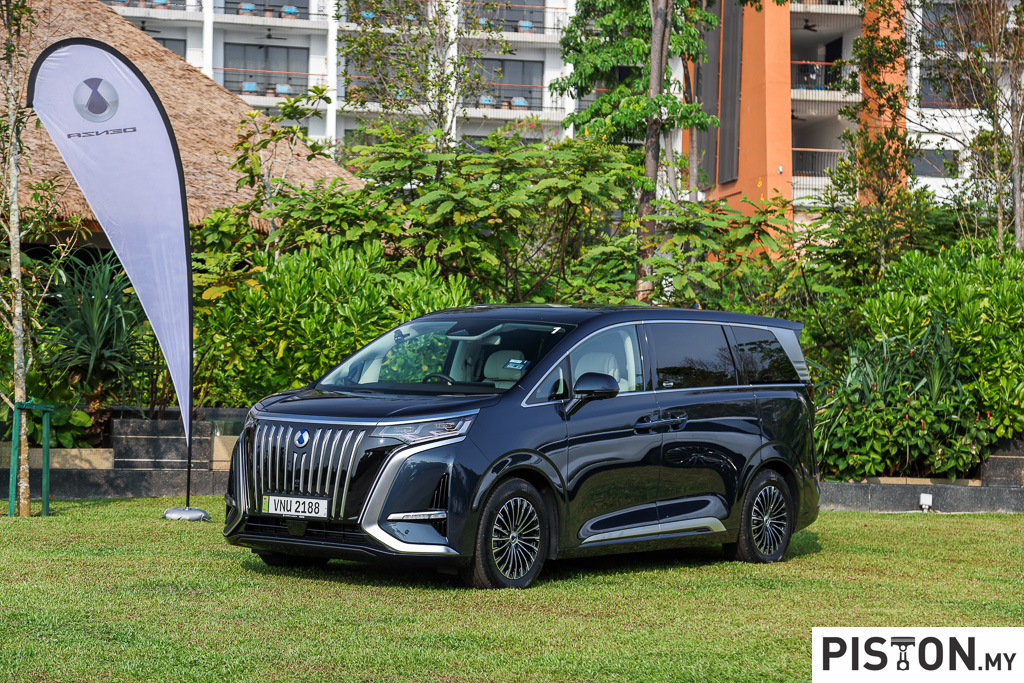
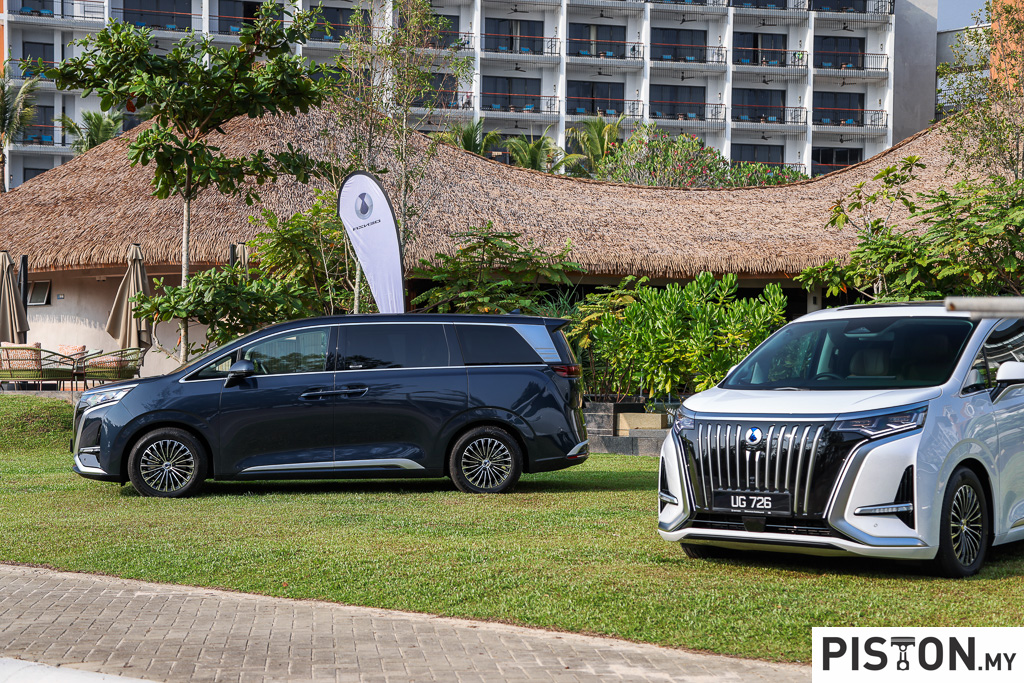
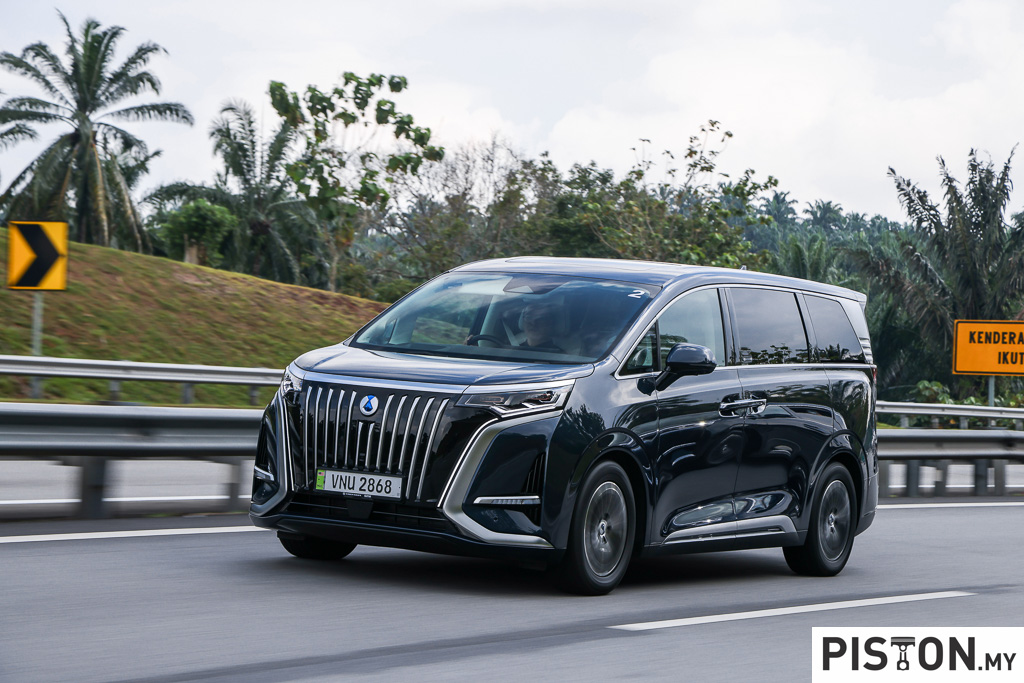
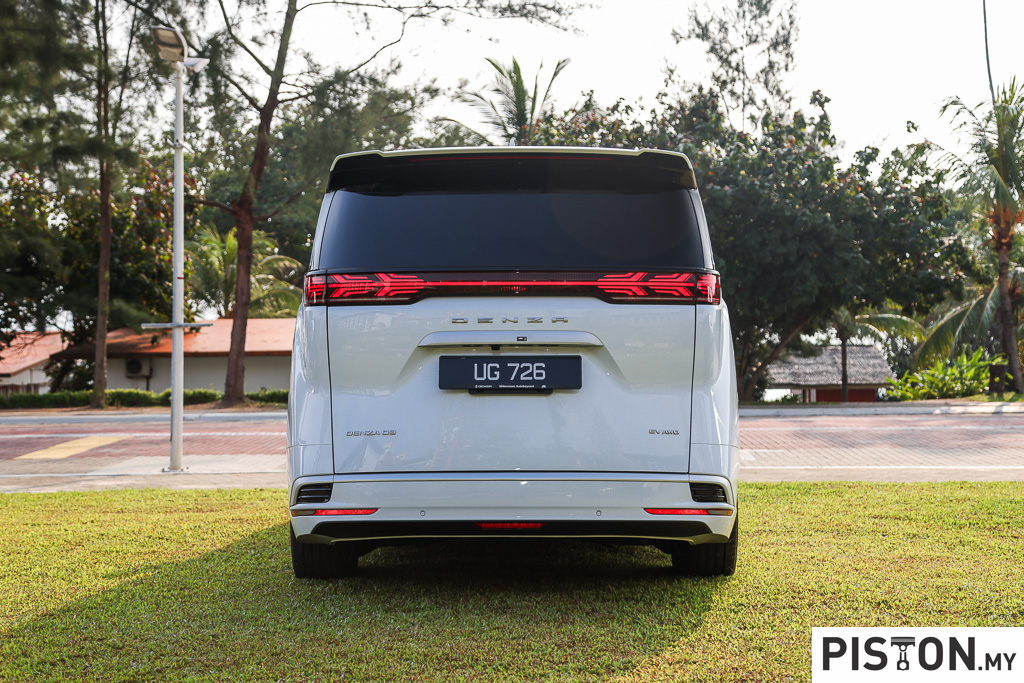
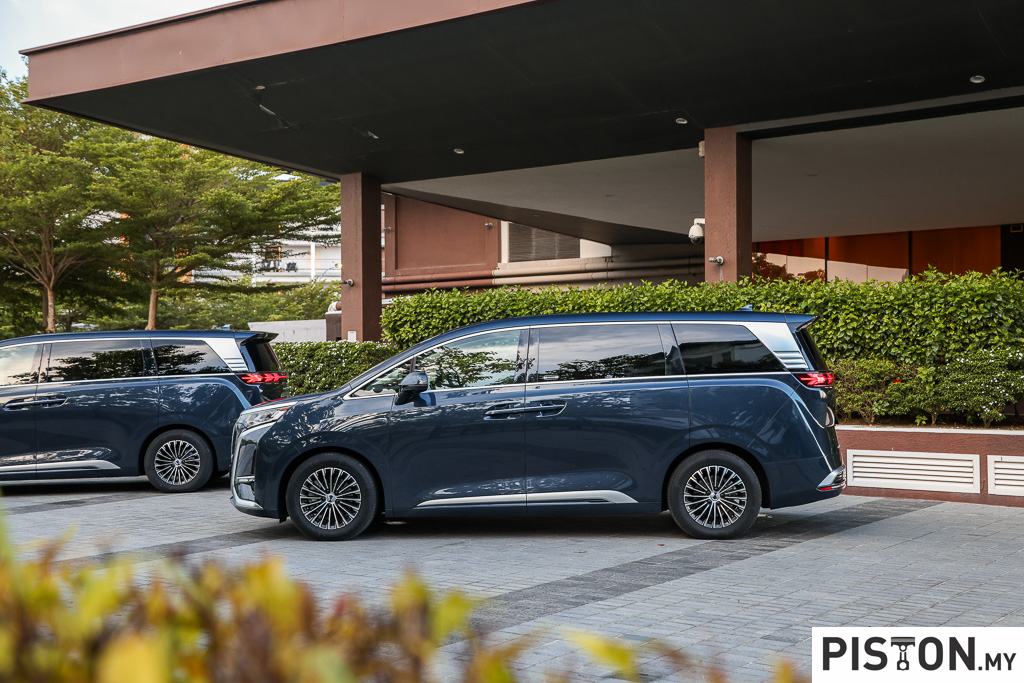
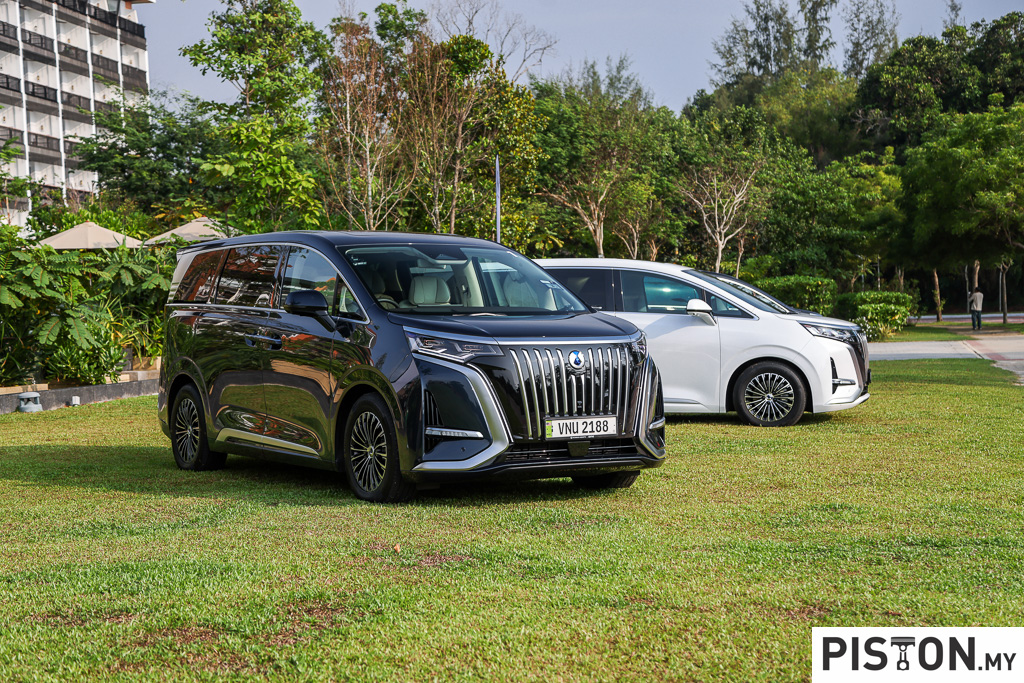
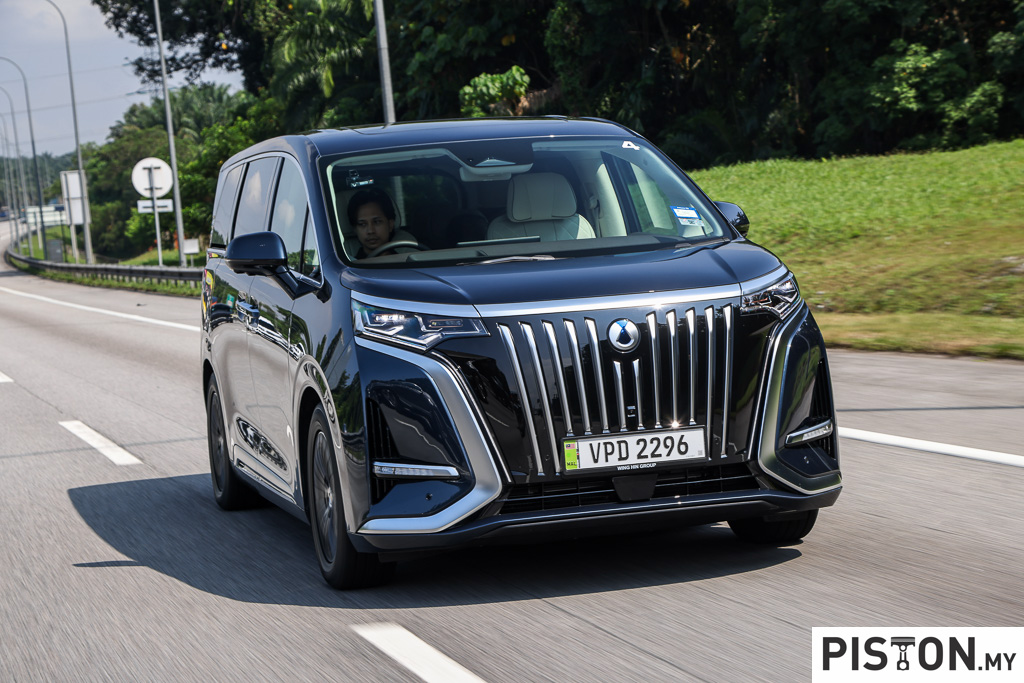
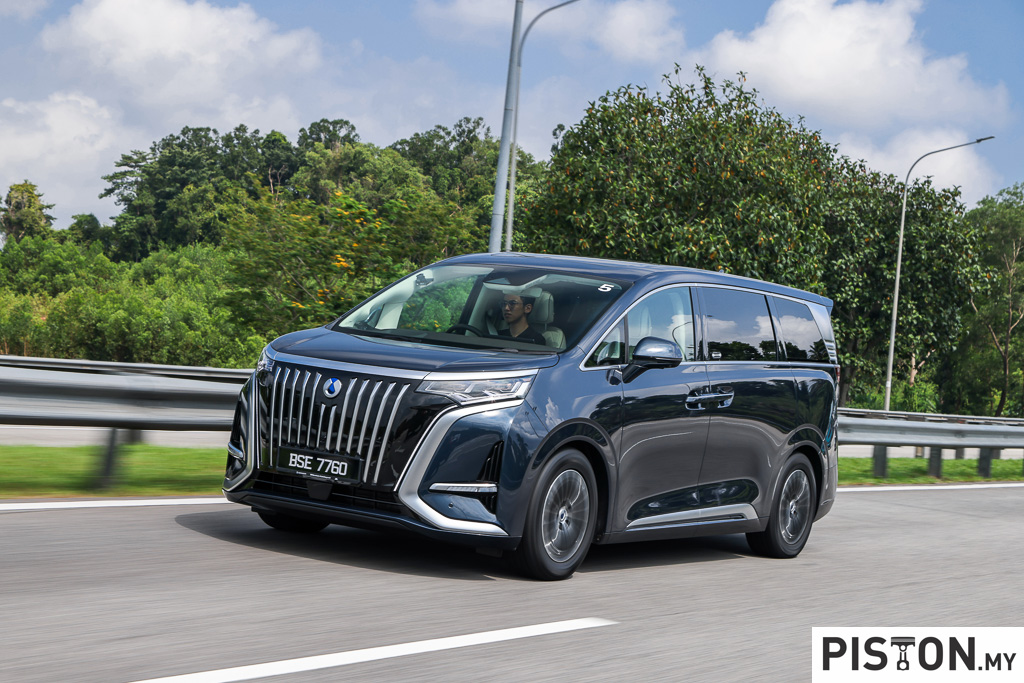
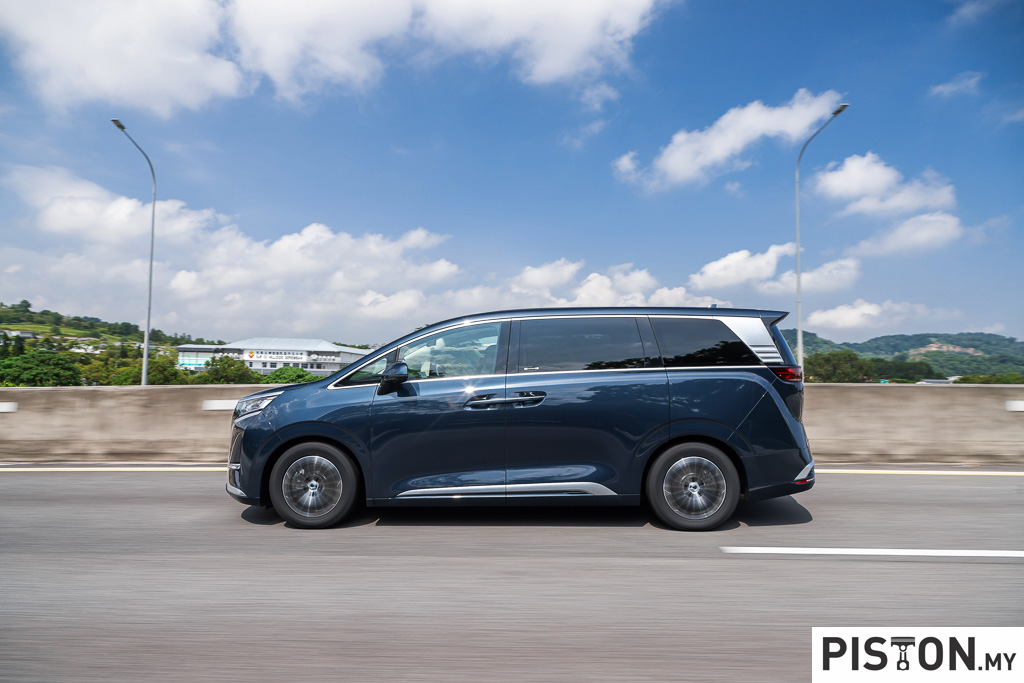
From the outside, you can tell the two apart by the drooping LED daytime running light on the Premium variant, but that is about all the difference you will see. From the outside at least.
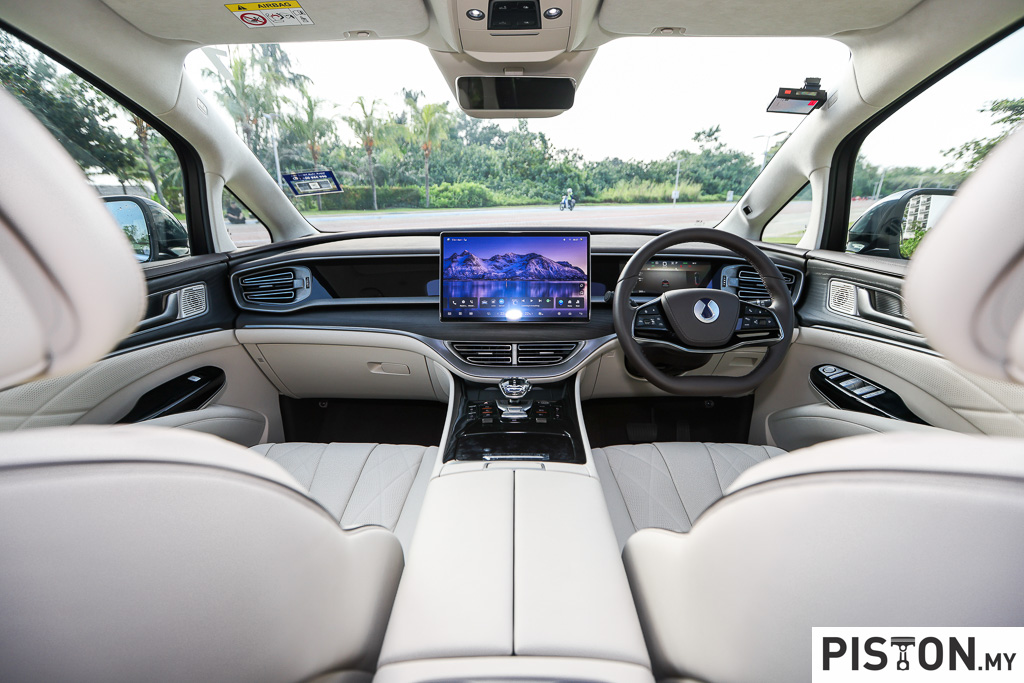
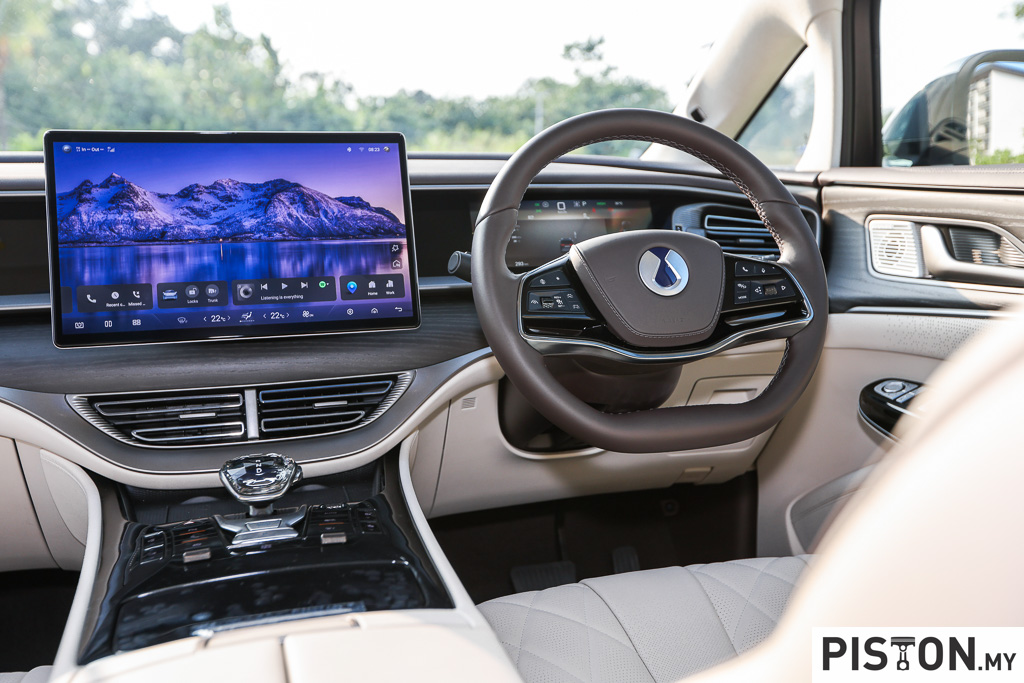
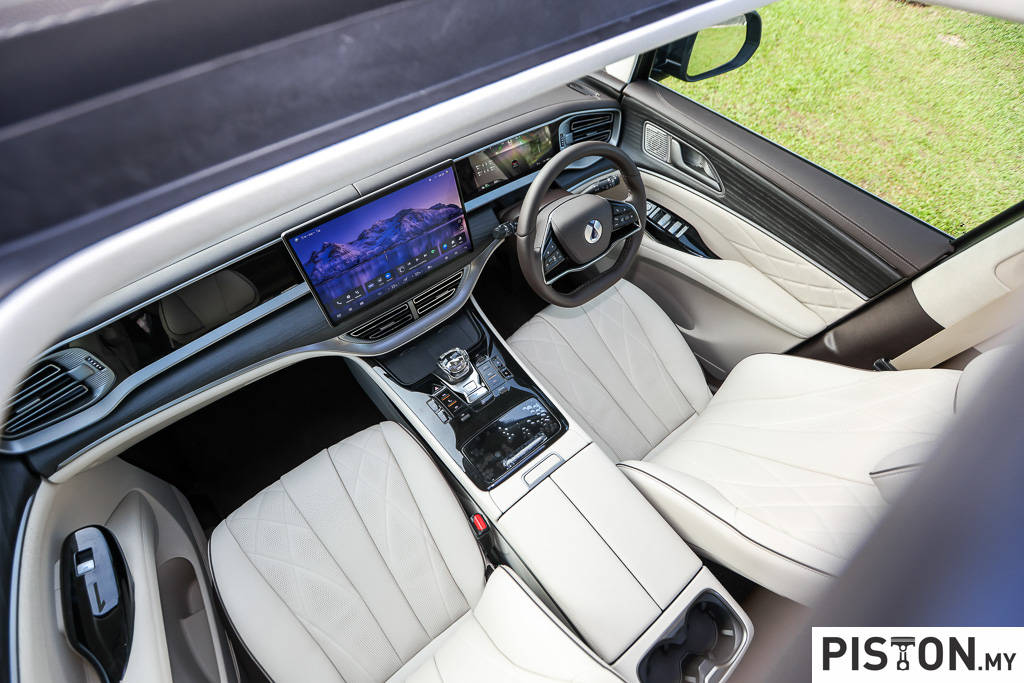
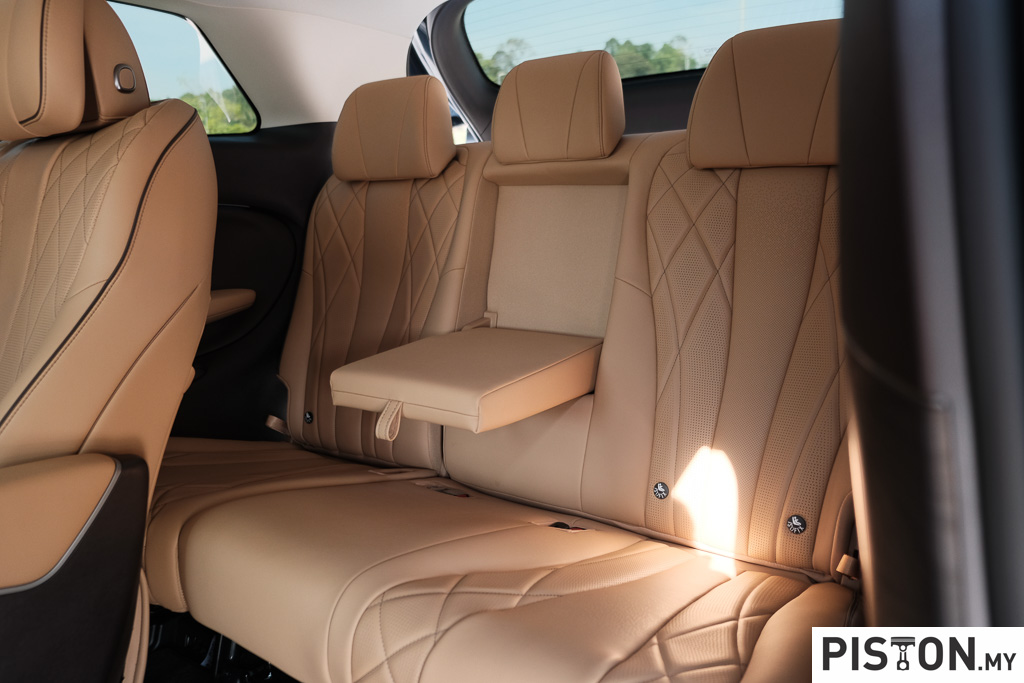
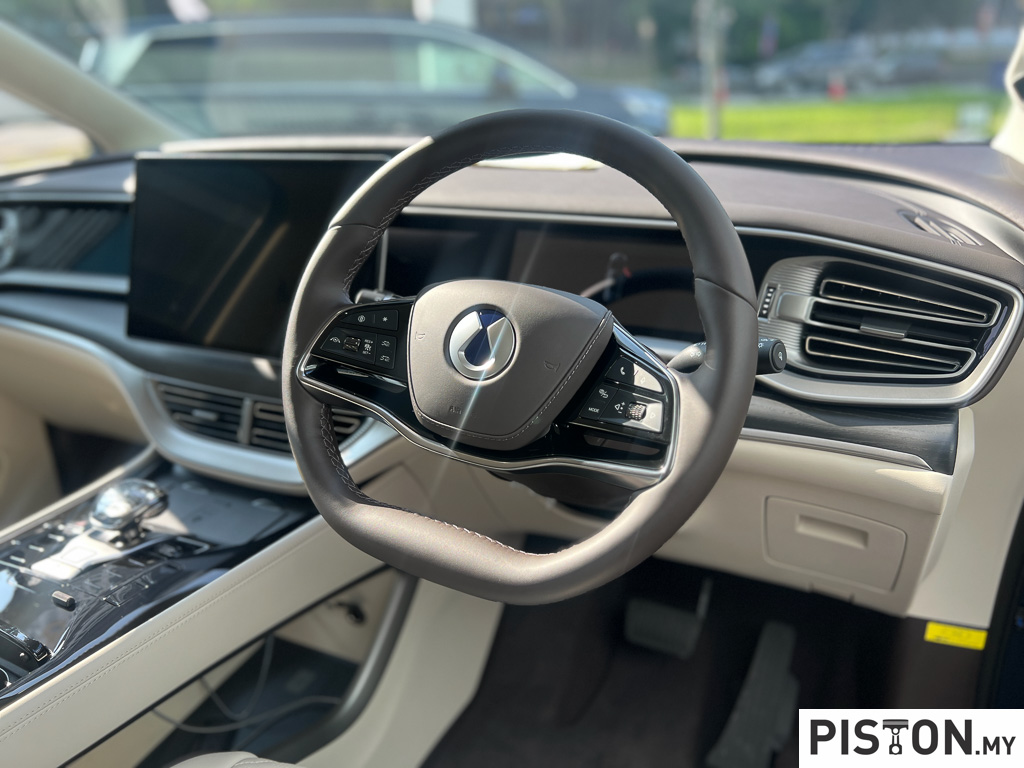
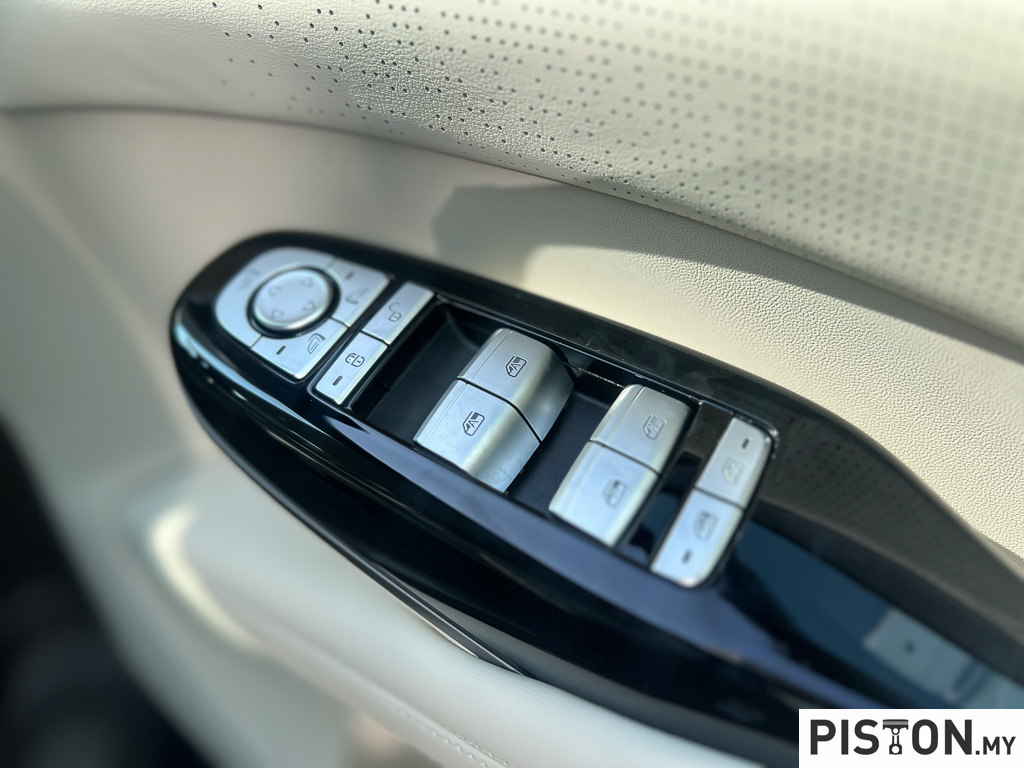
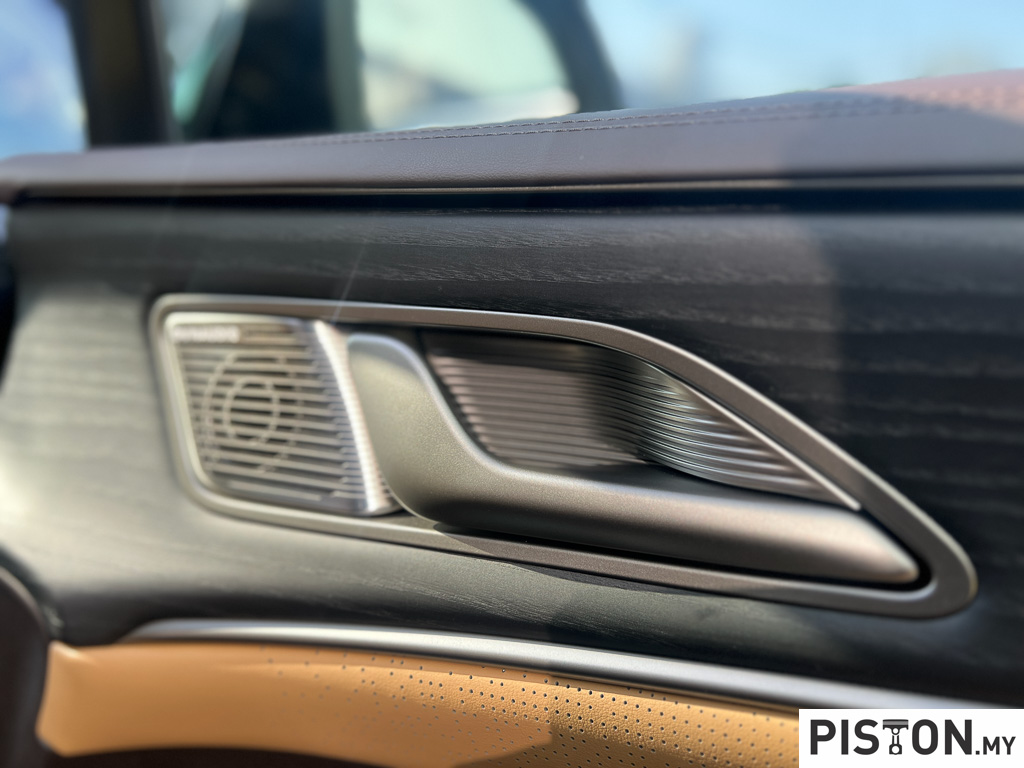
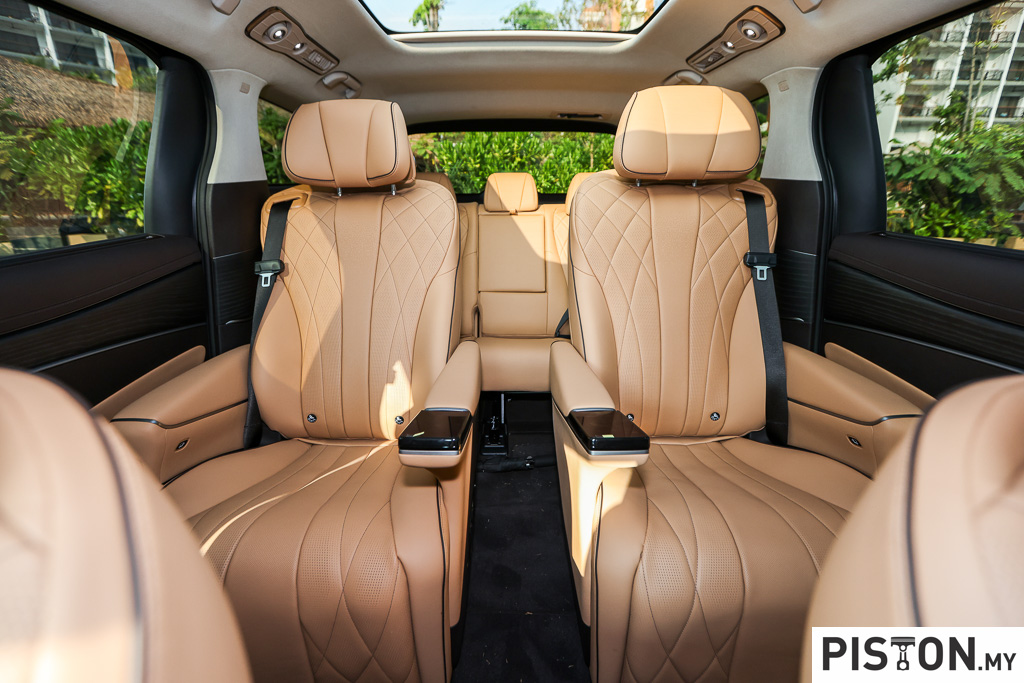
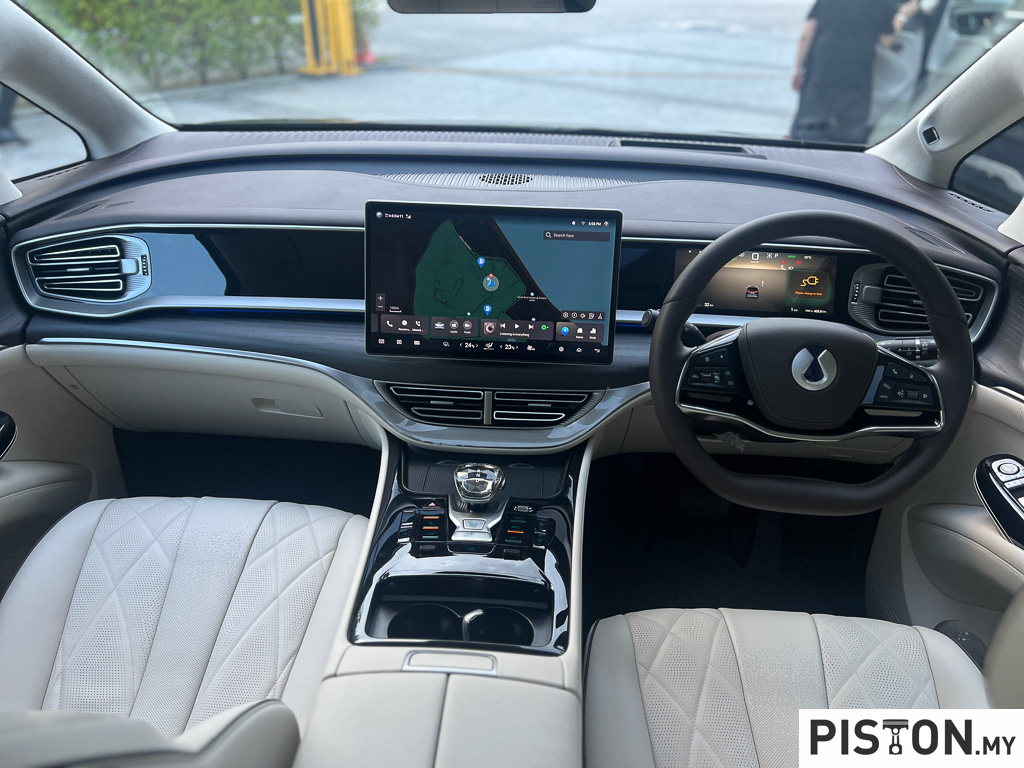
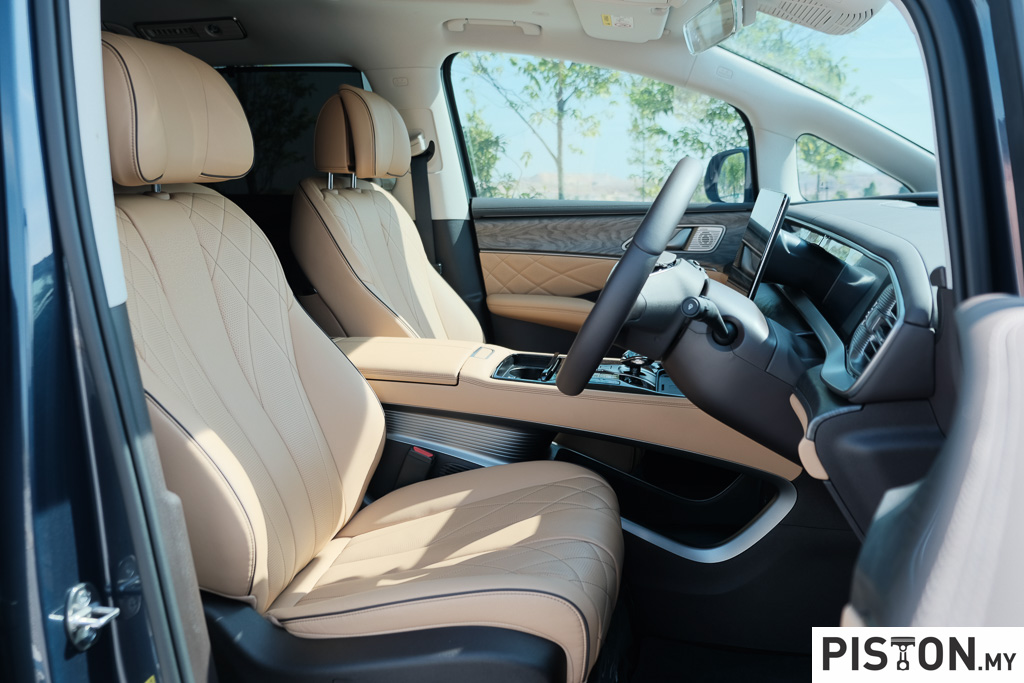
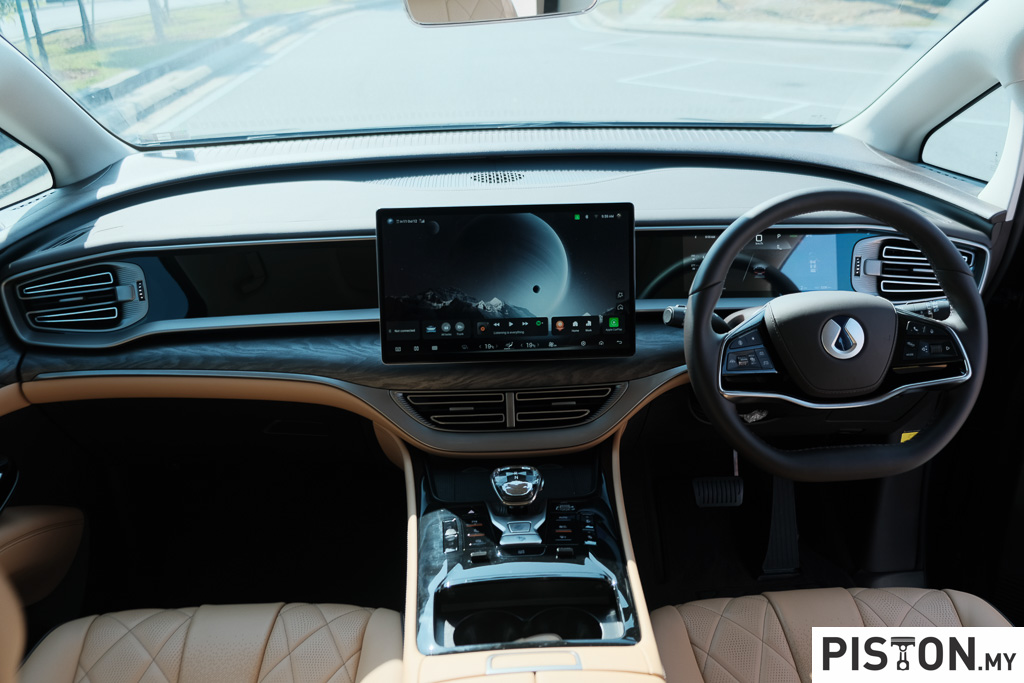
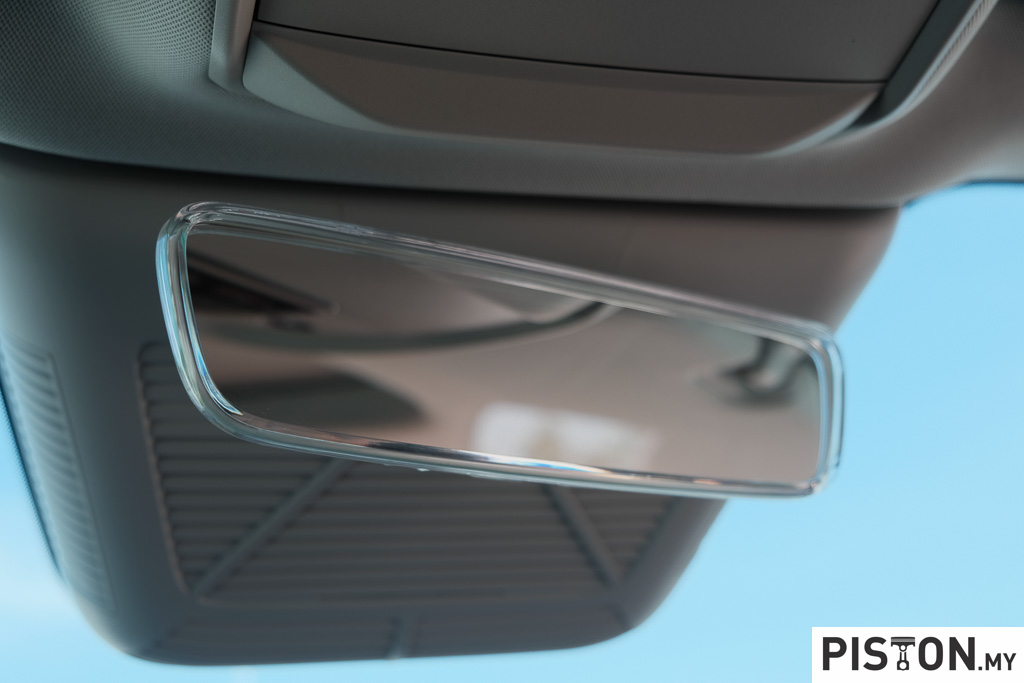
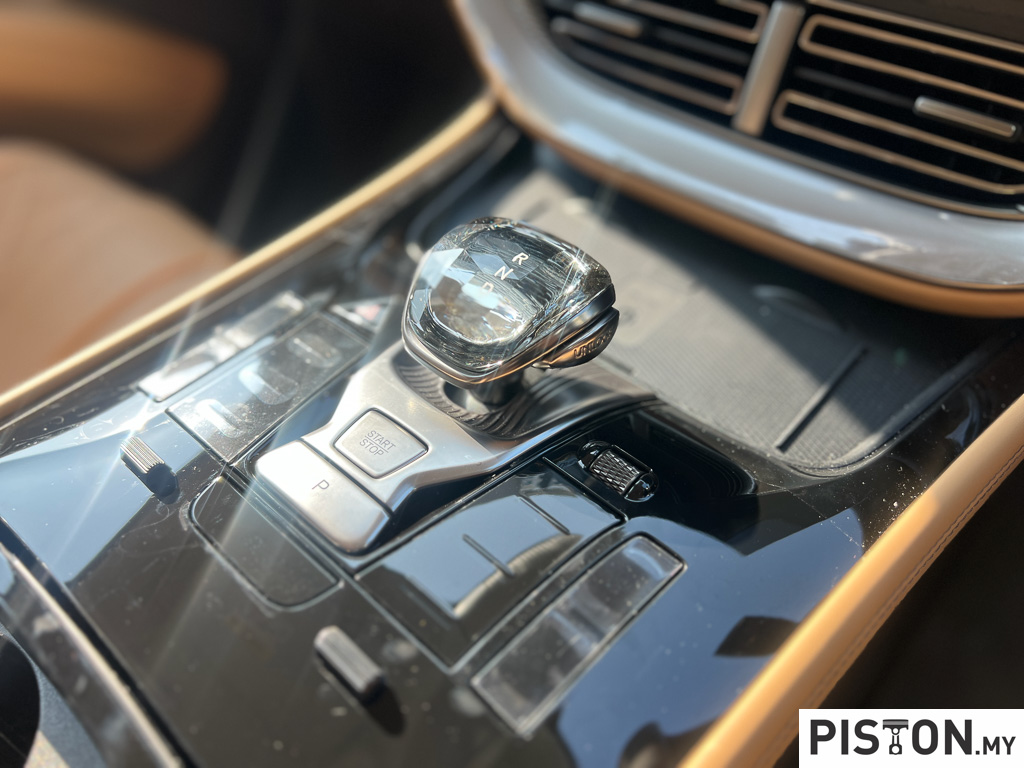
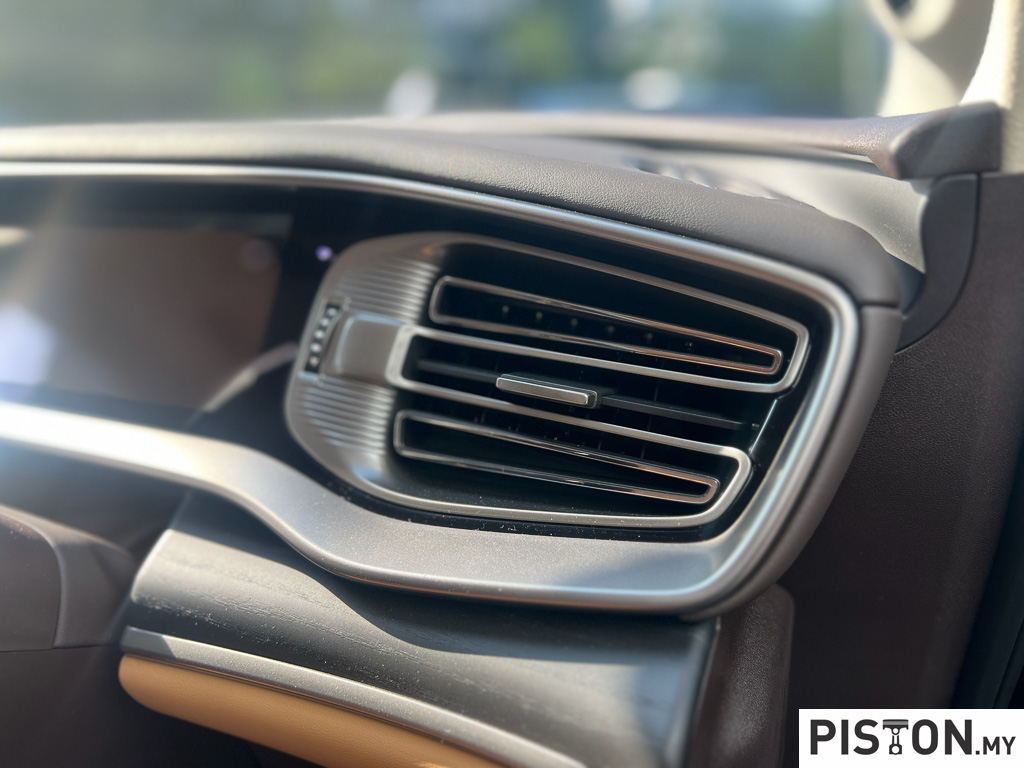
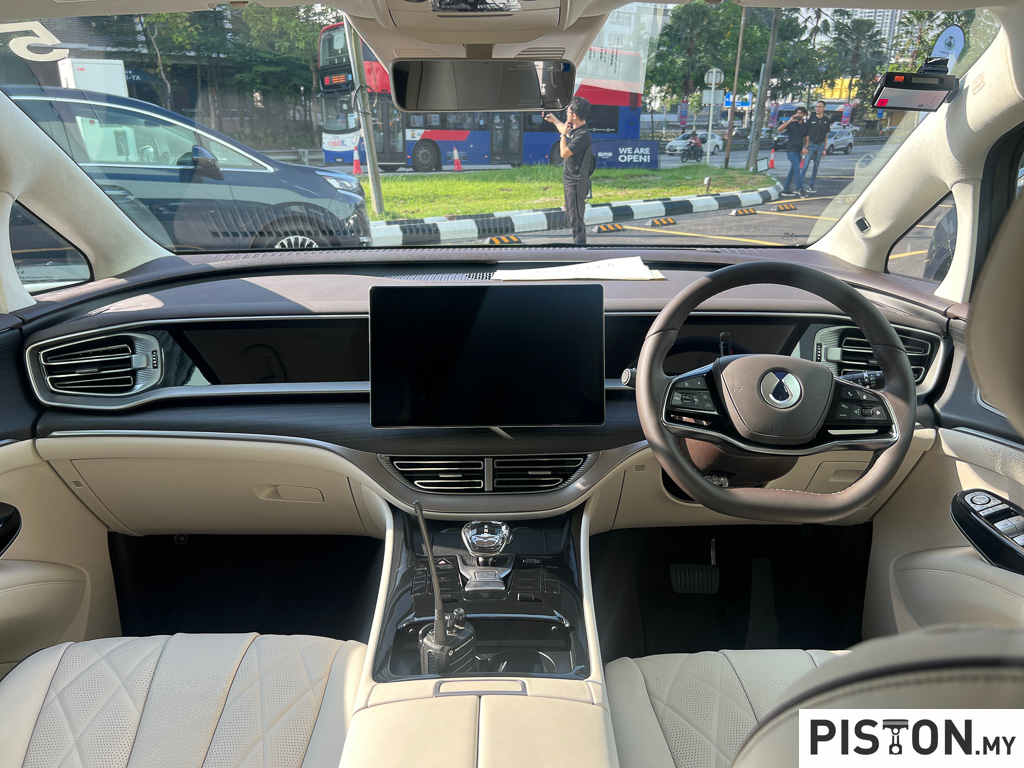
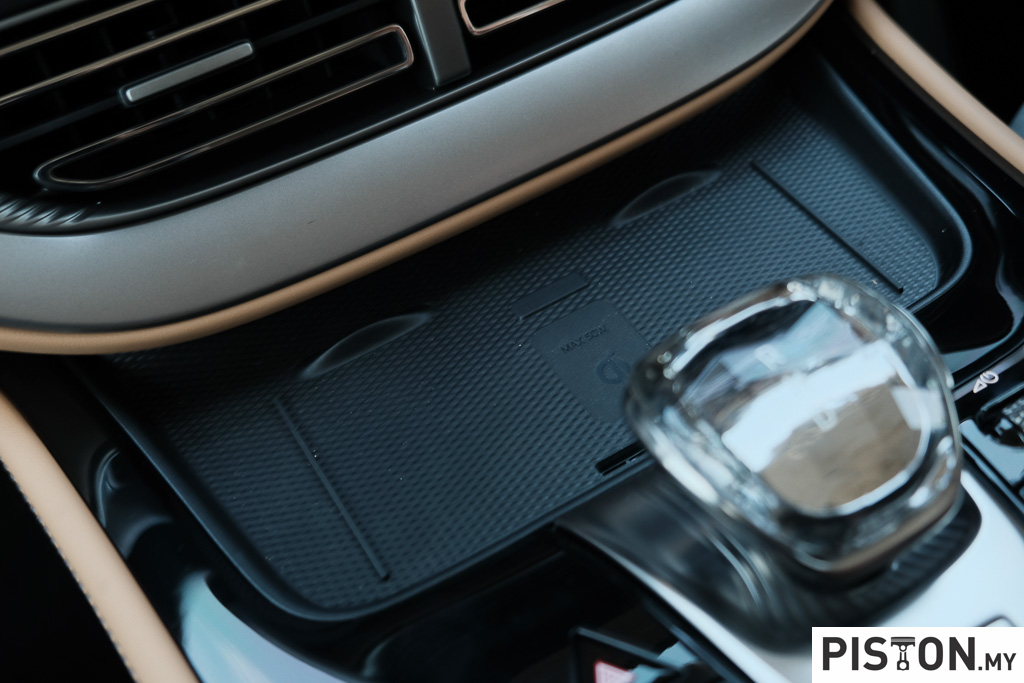
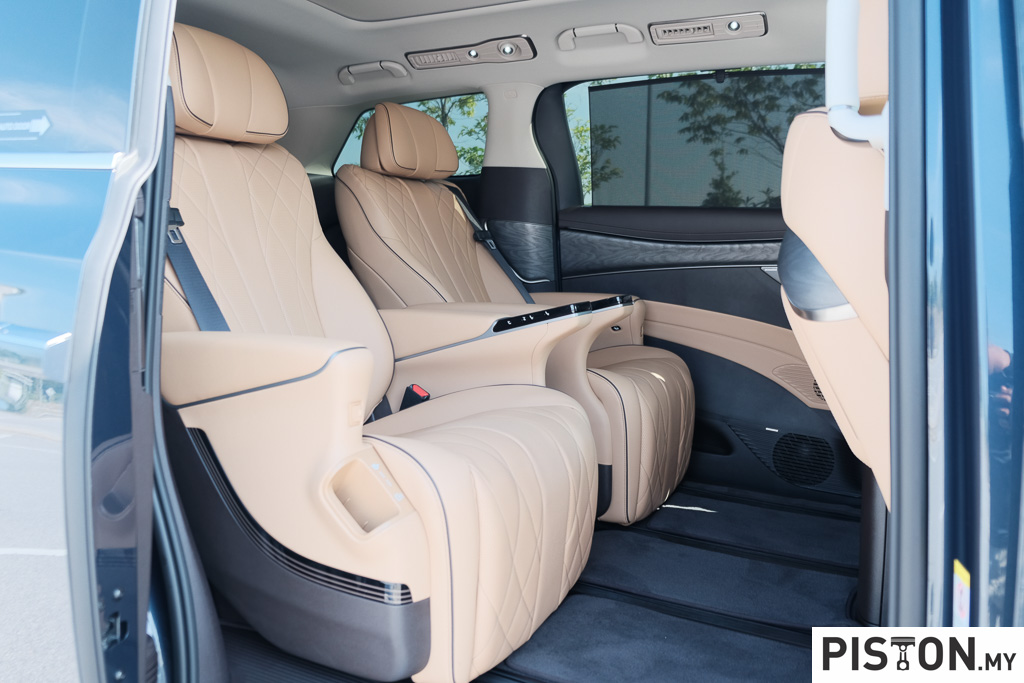
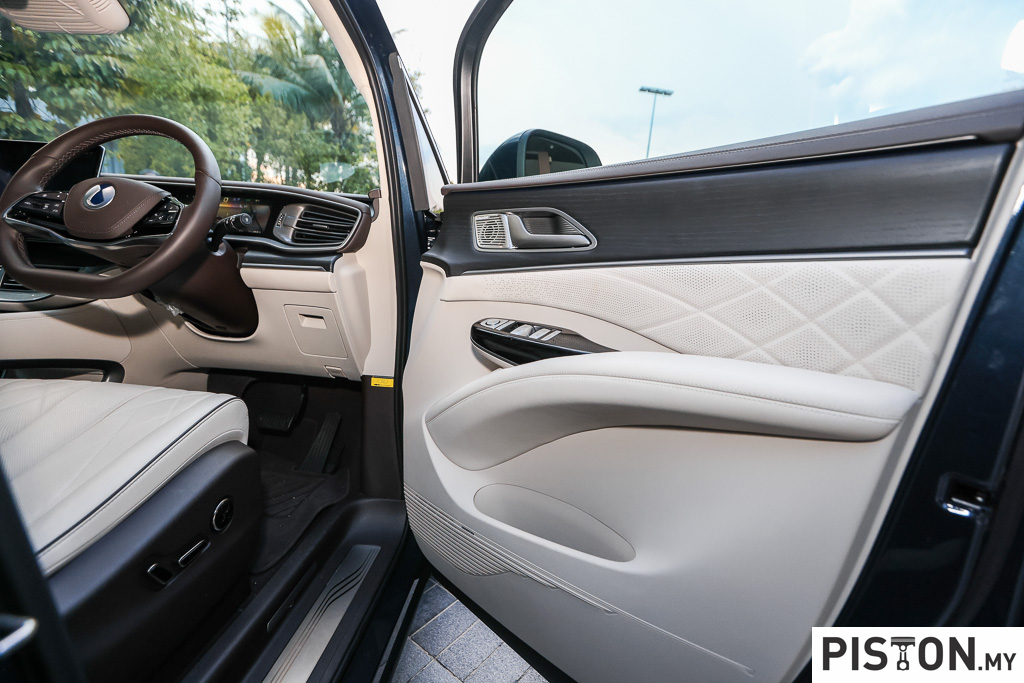
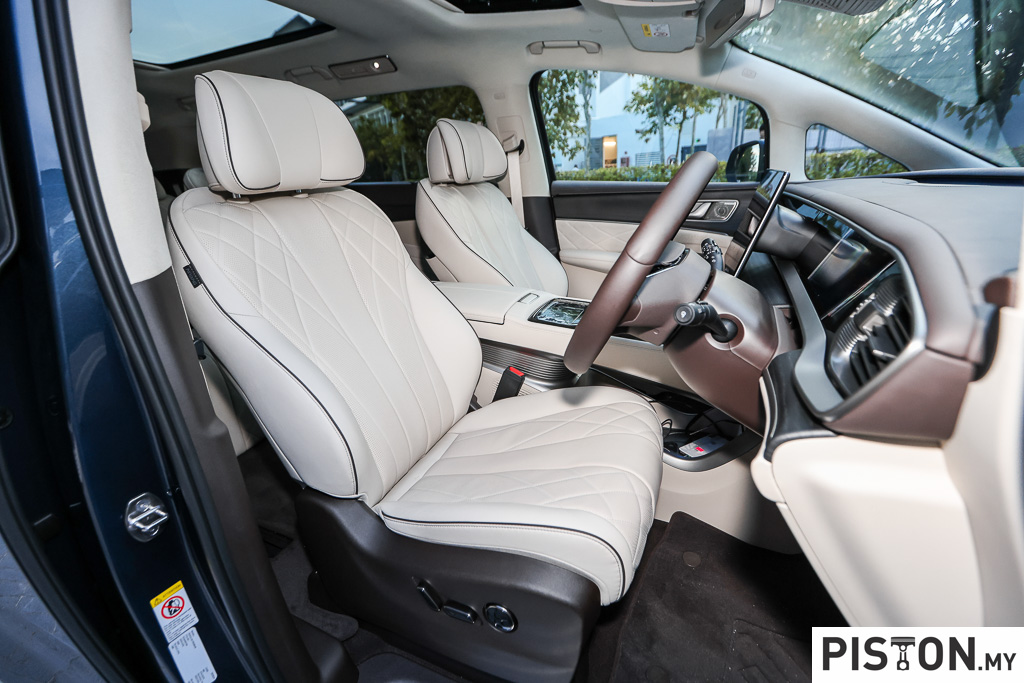
The interior can only be described as super premium. A decade ago, the interior of the D9 would have only been found in the insides of a custom-built luxury car.
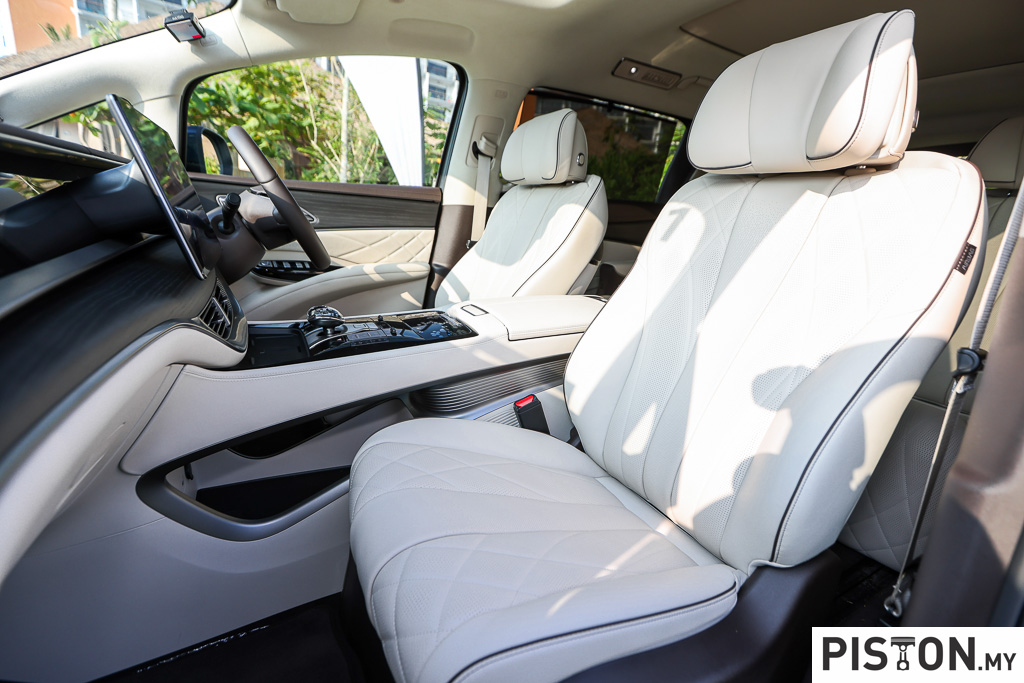
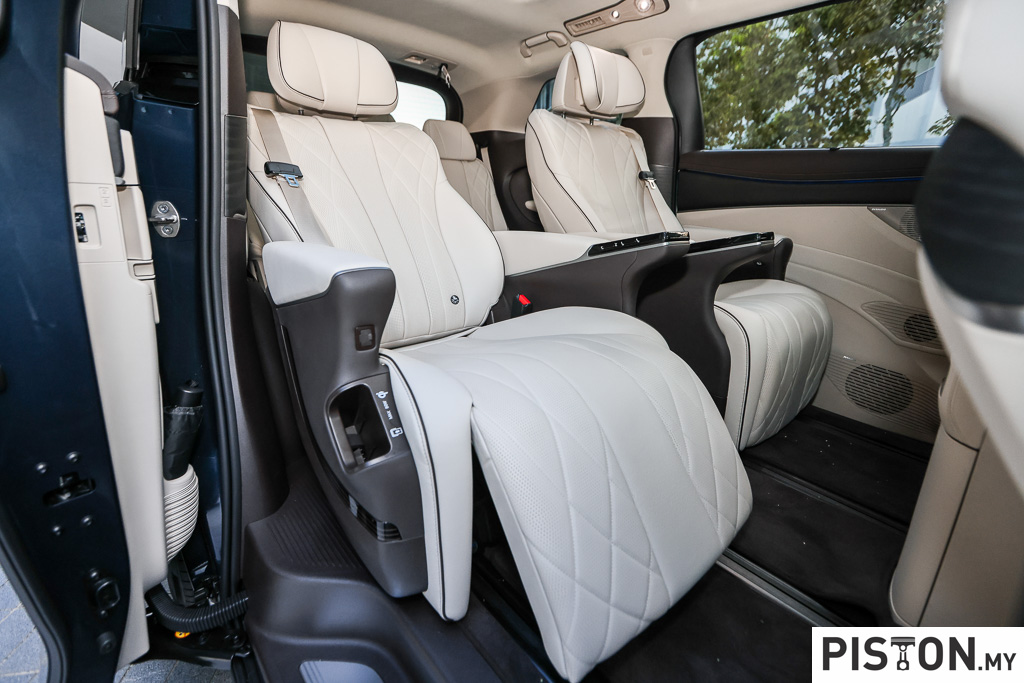
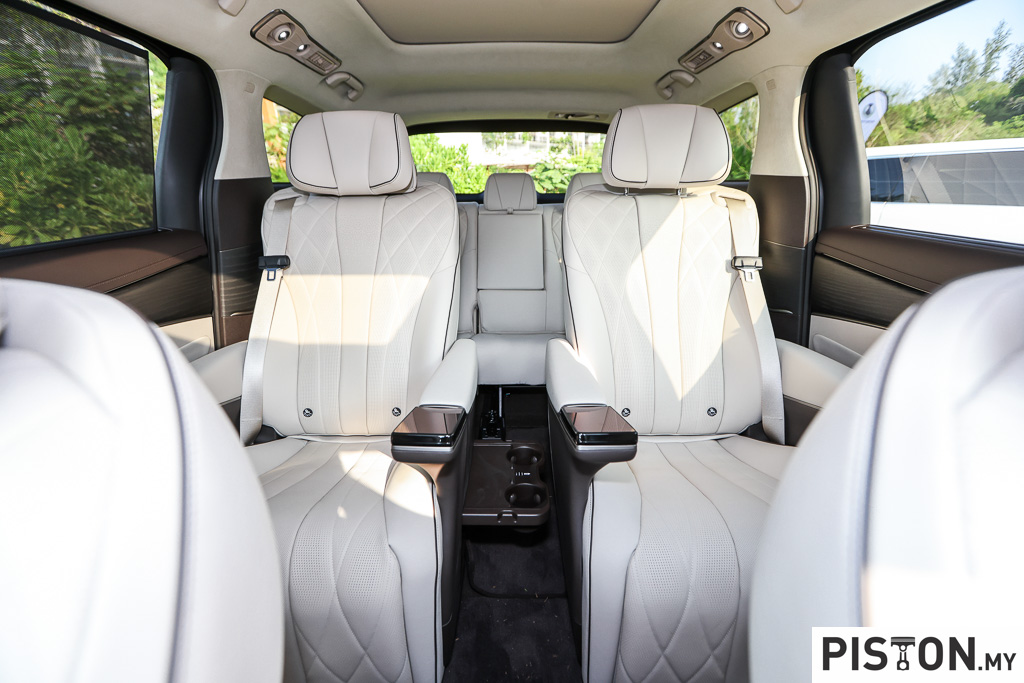
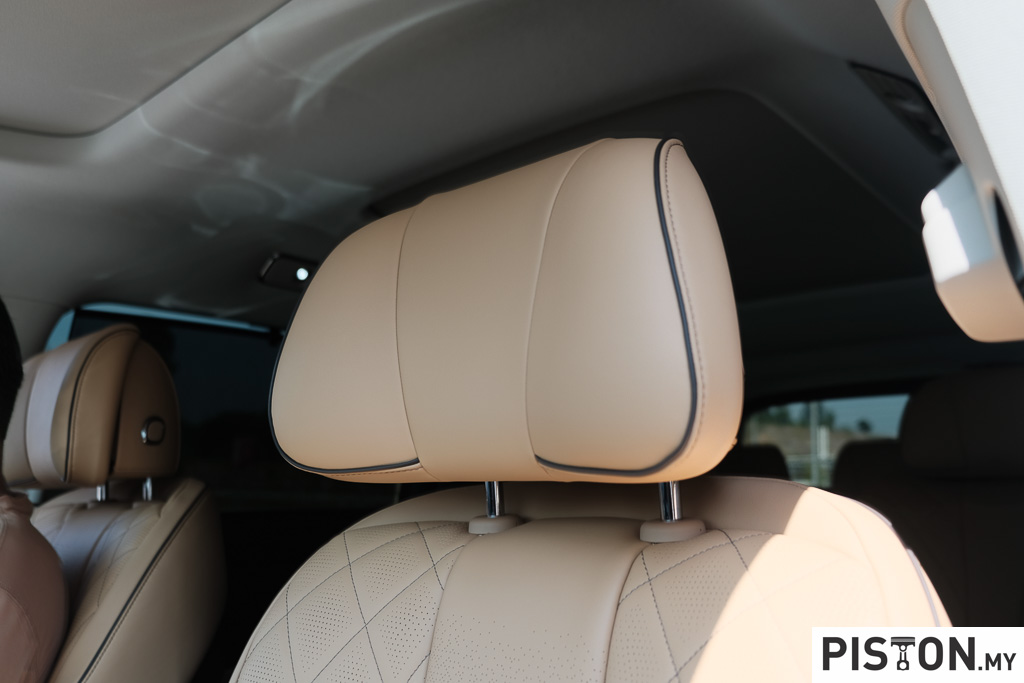
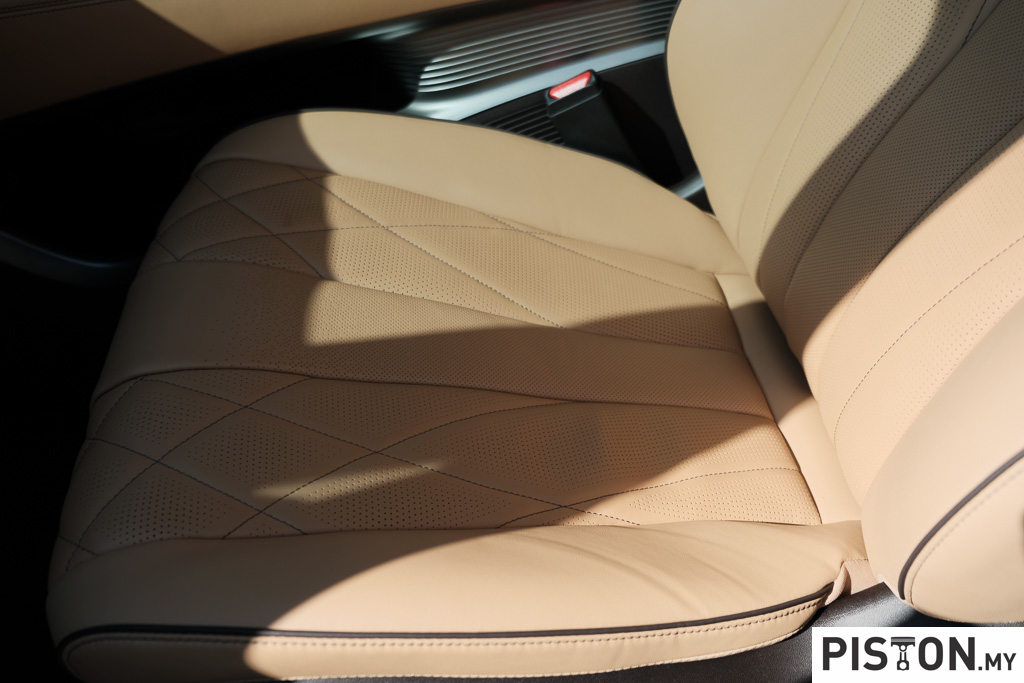
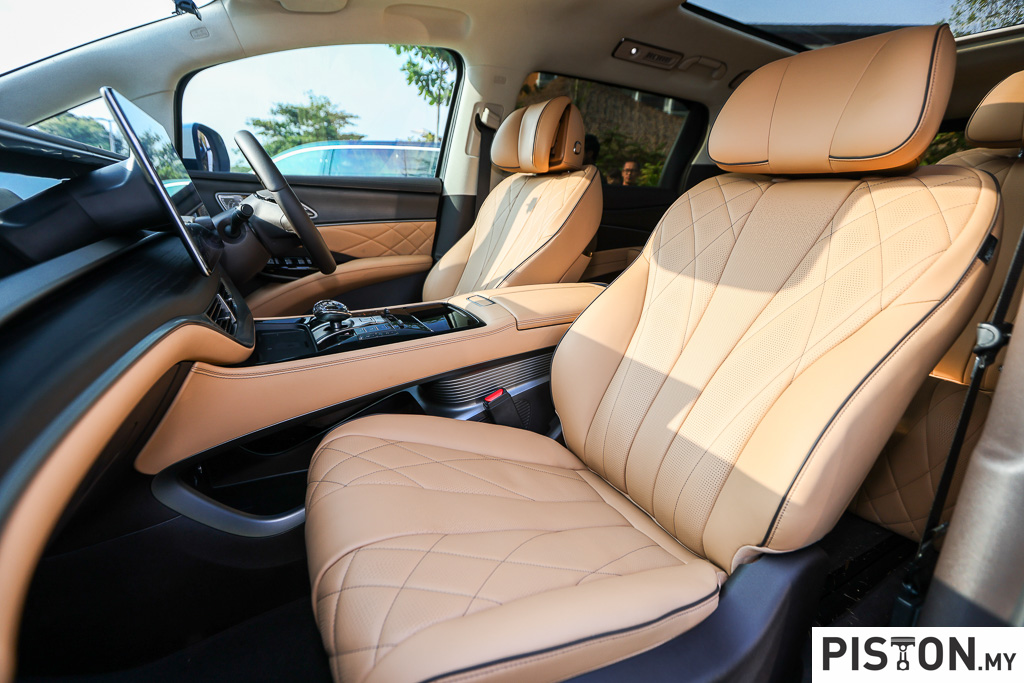
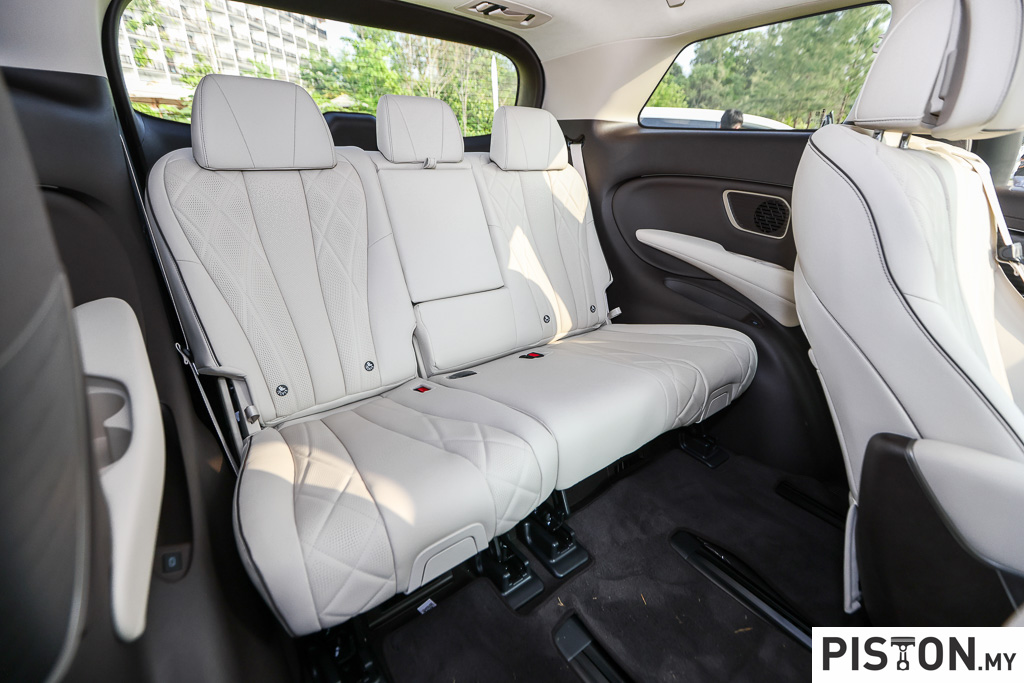
The seats are not only comfortable, but they look great and invite you to take a seat just from their looks alone.
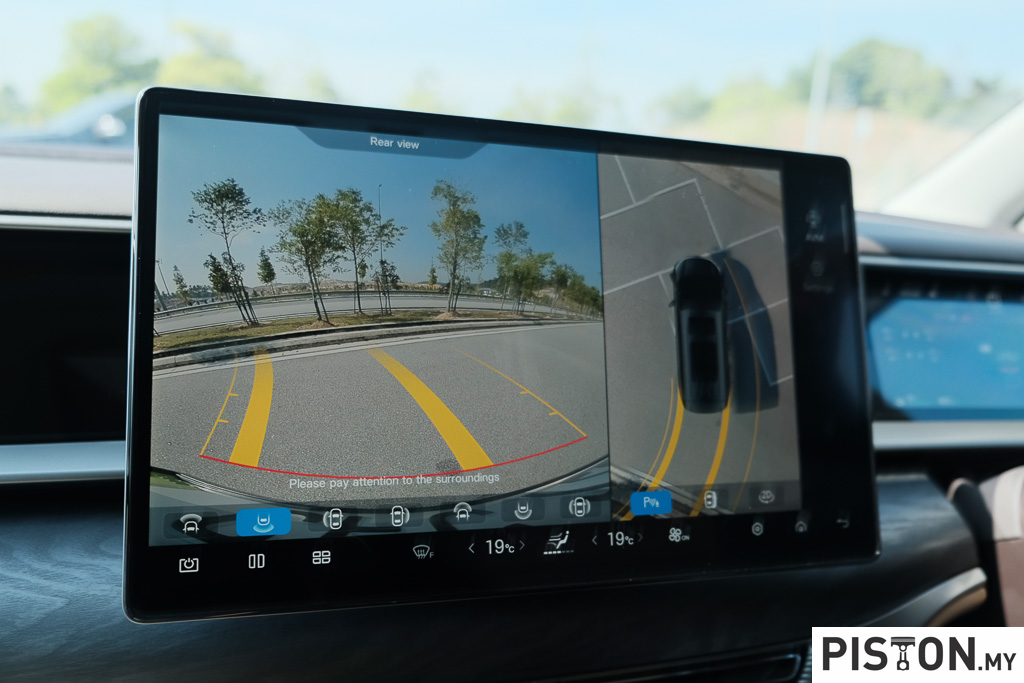
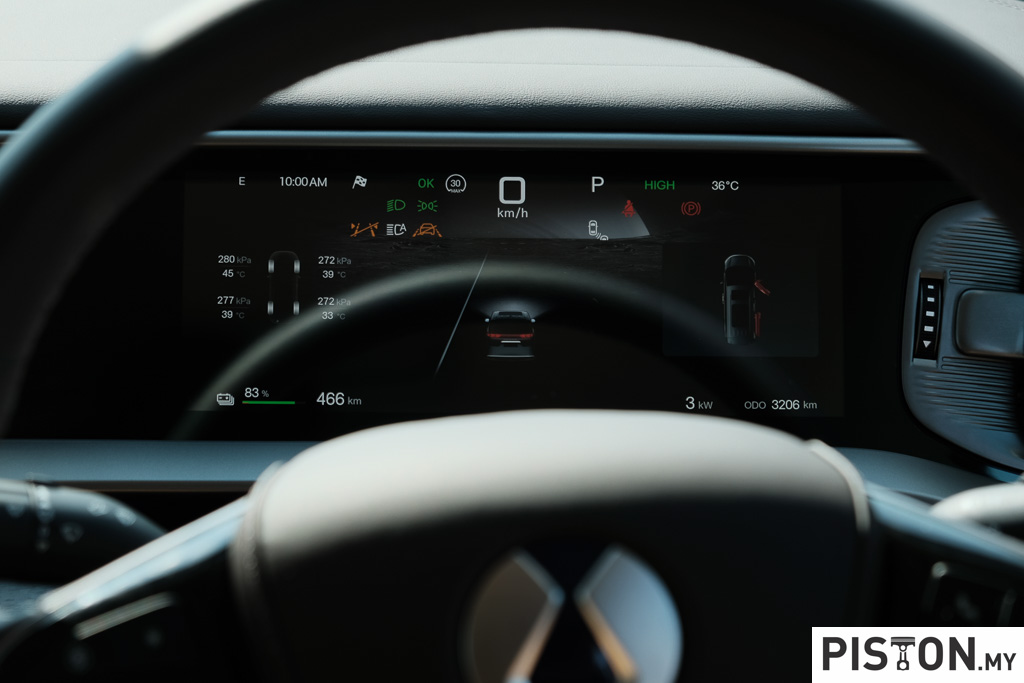
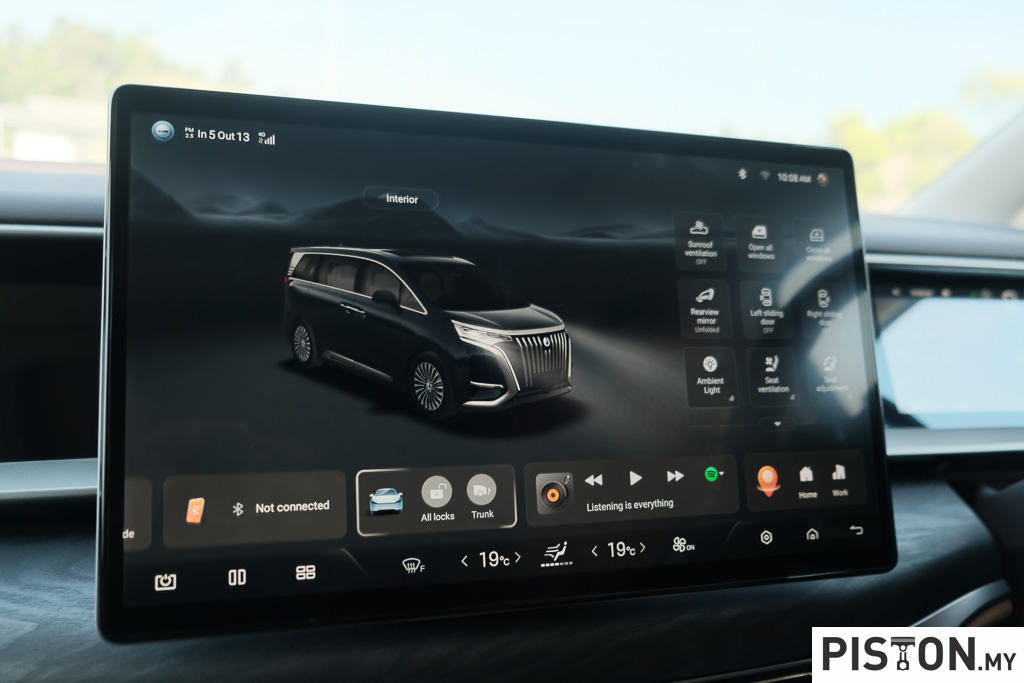
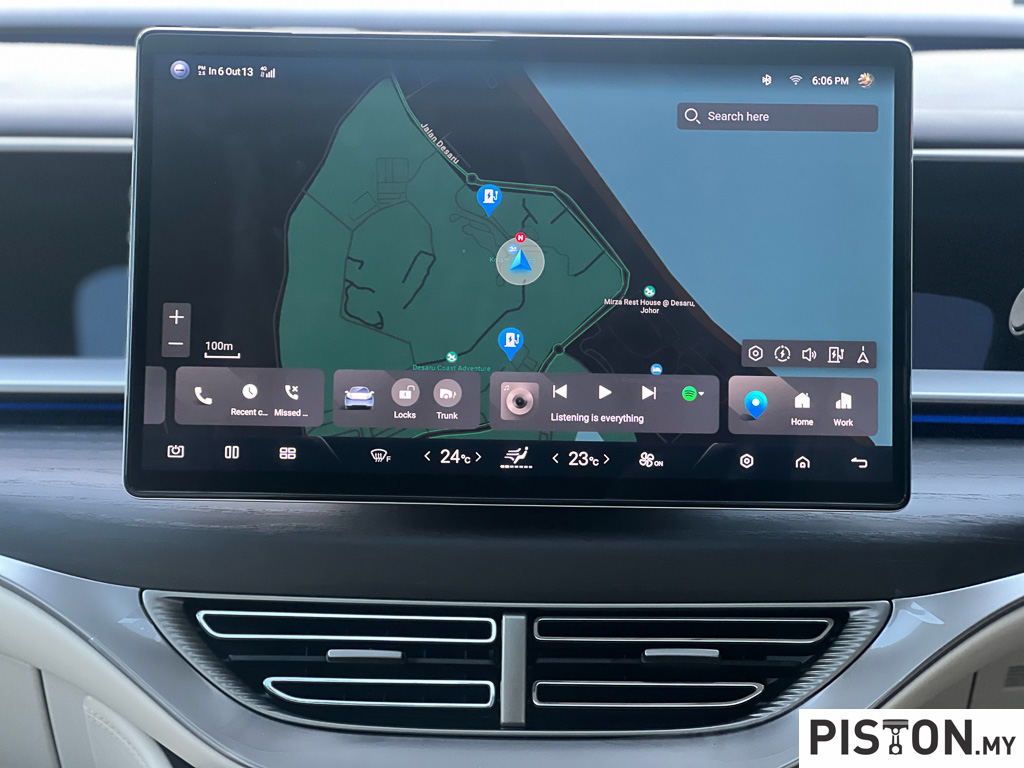
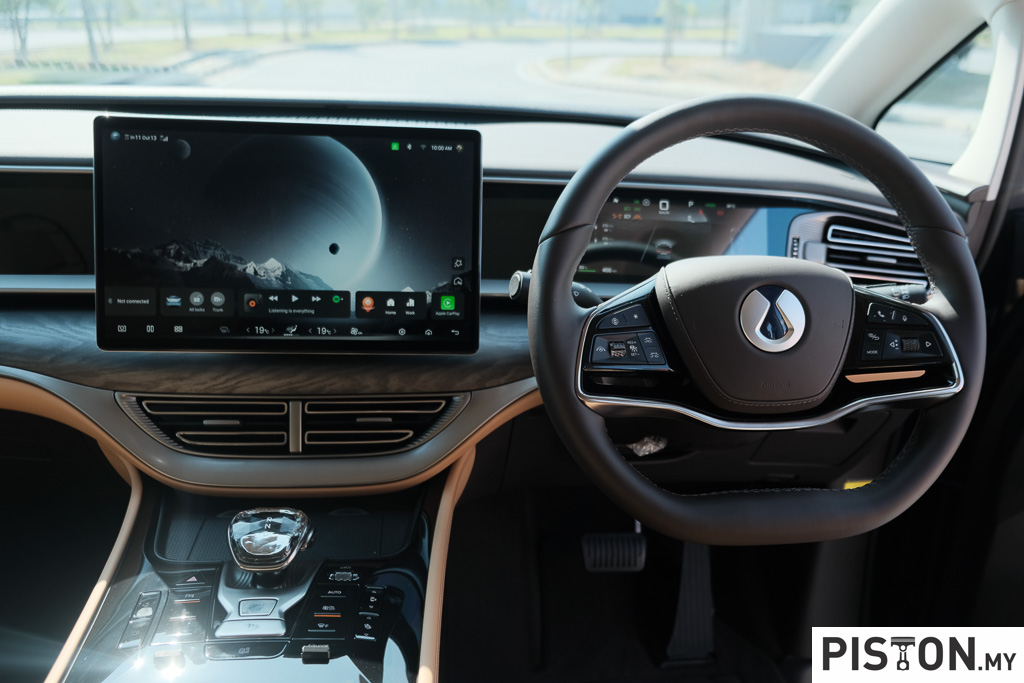
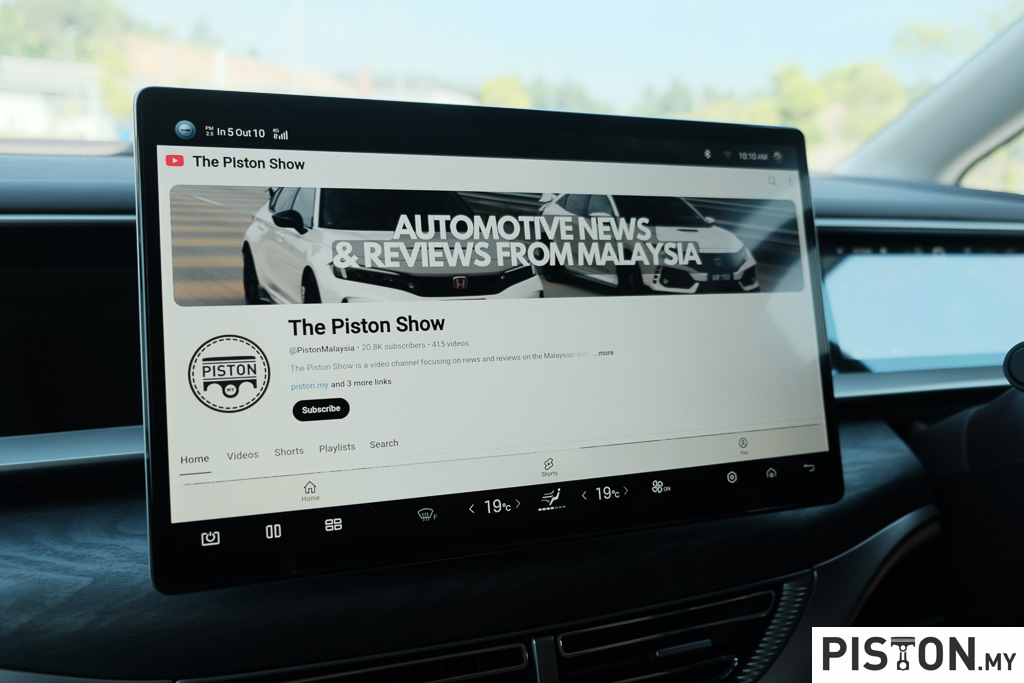
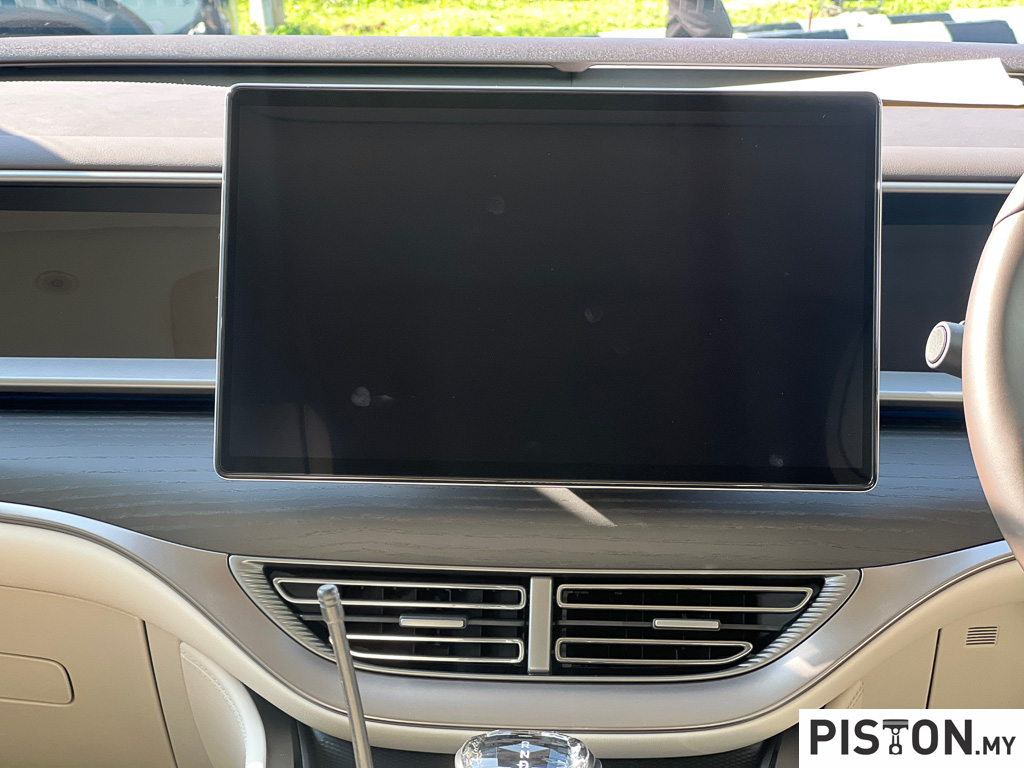
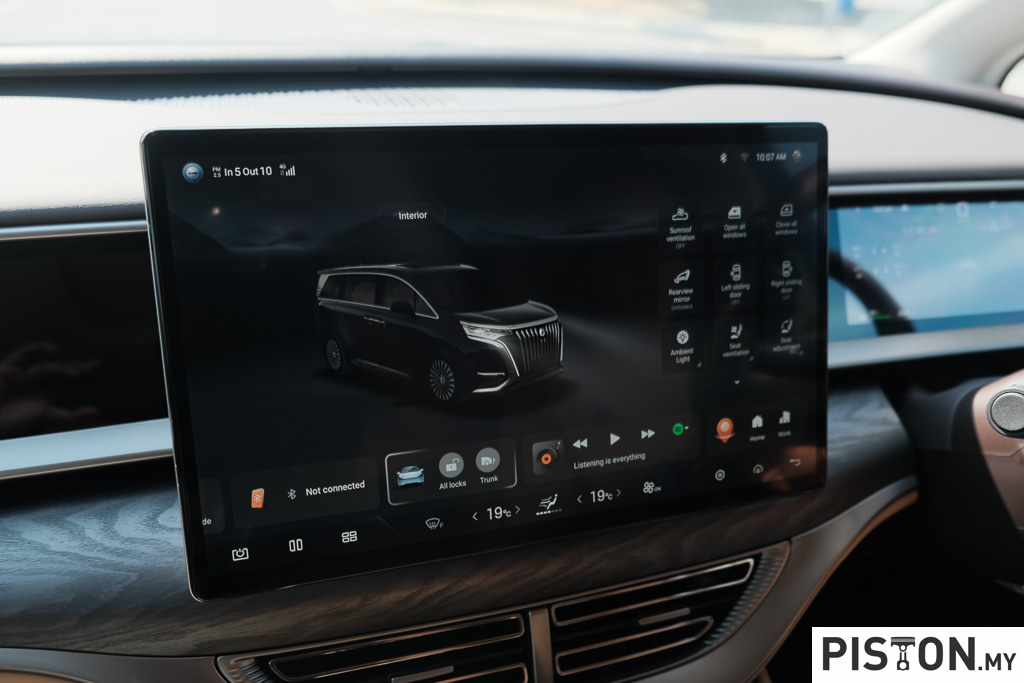
In typical Chinese EV fashion, there is a huge infotainment screen that dominates the dashboard as well as a smaller instrument cluster for all the essential data.
Curiously, there is no entertainment screen for the rear passengers. This is a bit of a pity considering Alphard owners can install it at any aftermarket store, and the Denza’s closest competitor, the Zeekr 009 has a large 15.6-inch rear screen.
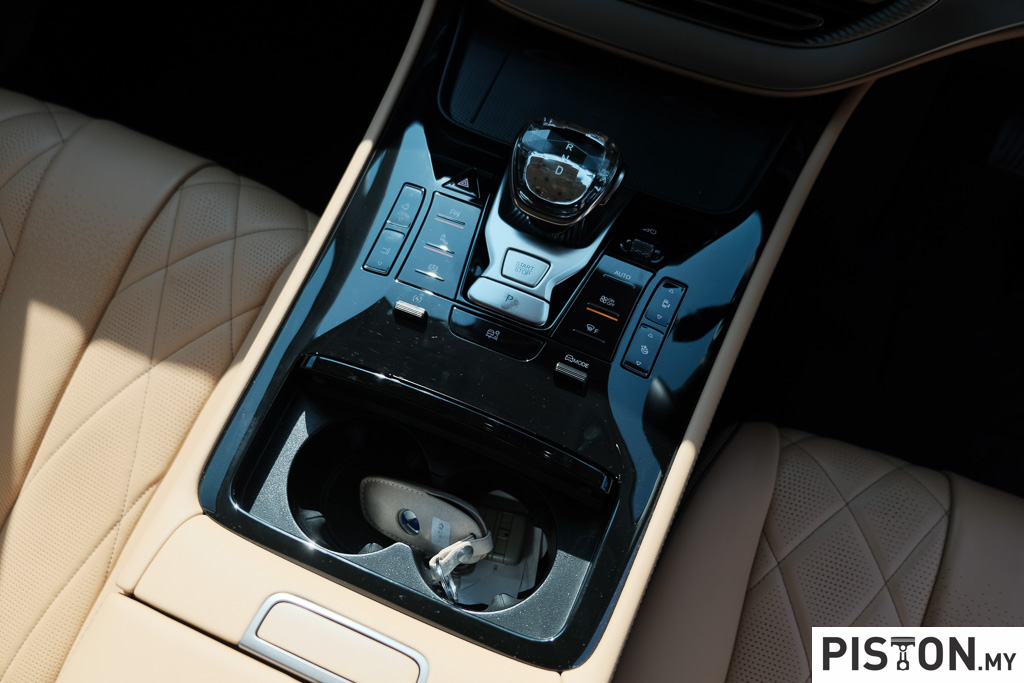
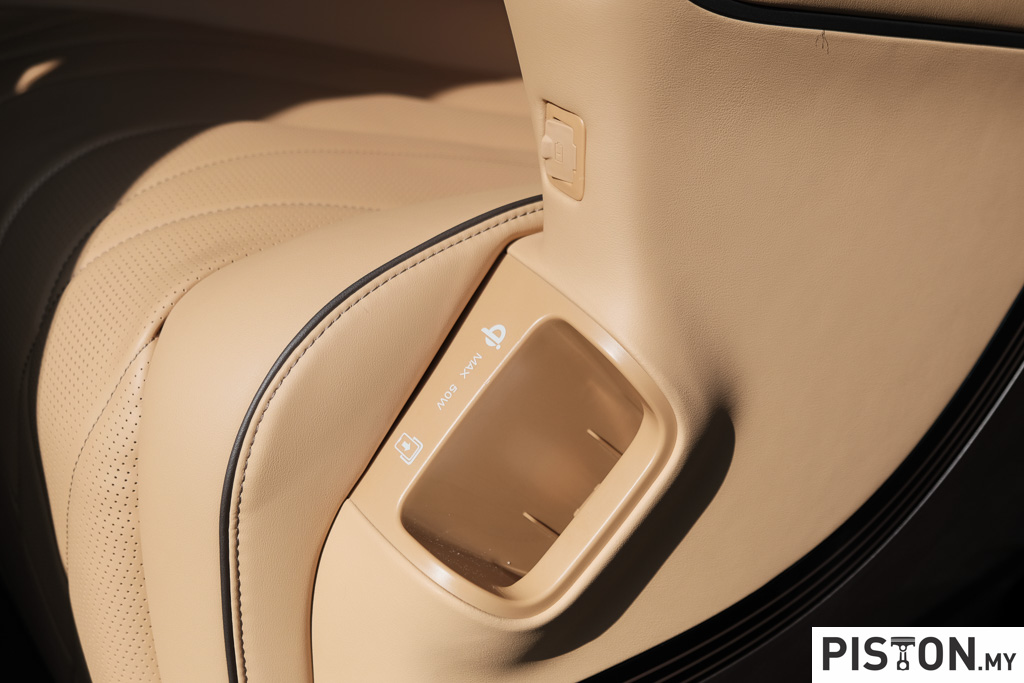
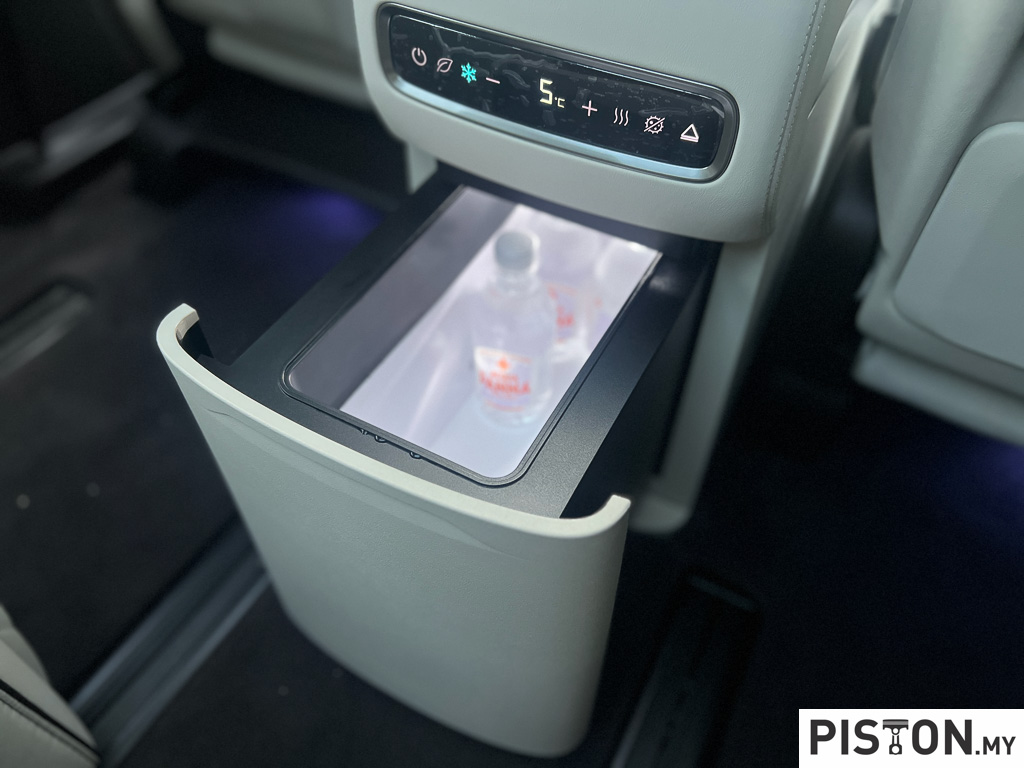
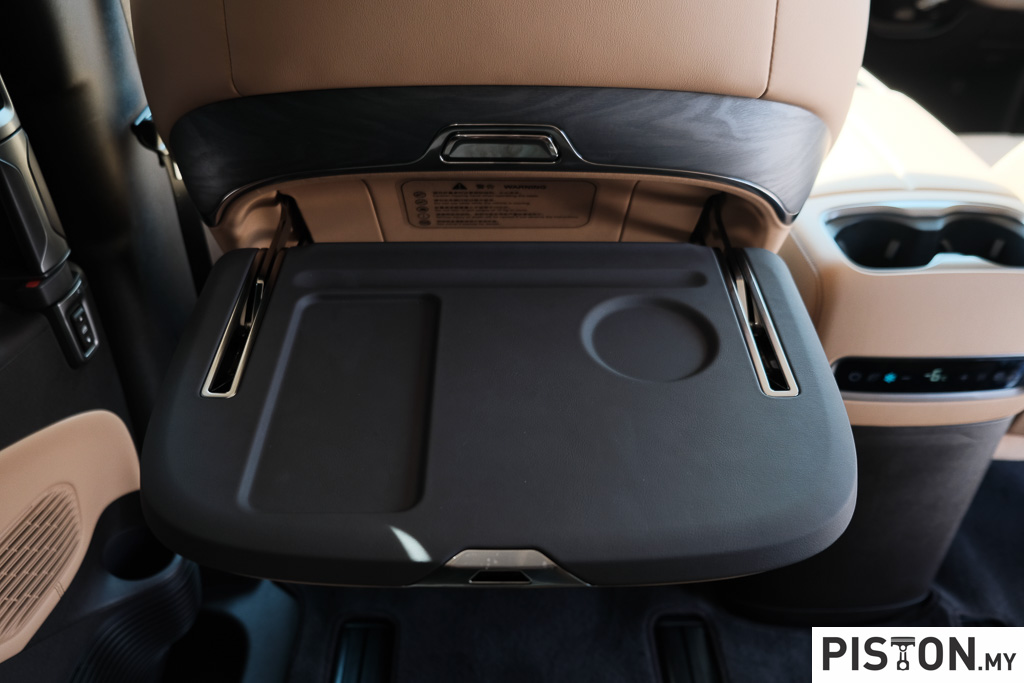
The luxurious touches continue with suede roof liner (fabric for the Advanced variant), electric seats with massage function and even a fridge that can be set at minus six degrees or even work as a heater where the temperature can go up to 50 degrees.
Simply put, the interior of the Denza D9 is a marvellous balance of luxury and tech.
What about the powertrain?
The good thing with the Denza D9 is that when you choose to buy one, you don’t have to opt between battery sizes. You just have to decide what type of interior finishing you want, and how many motors you need.
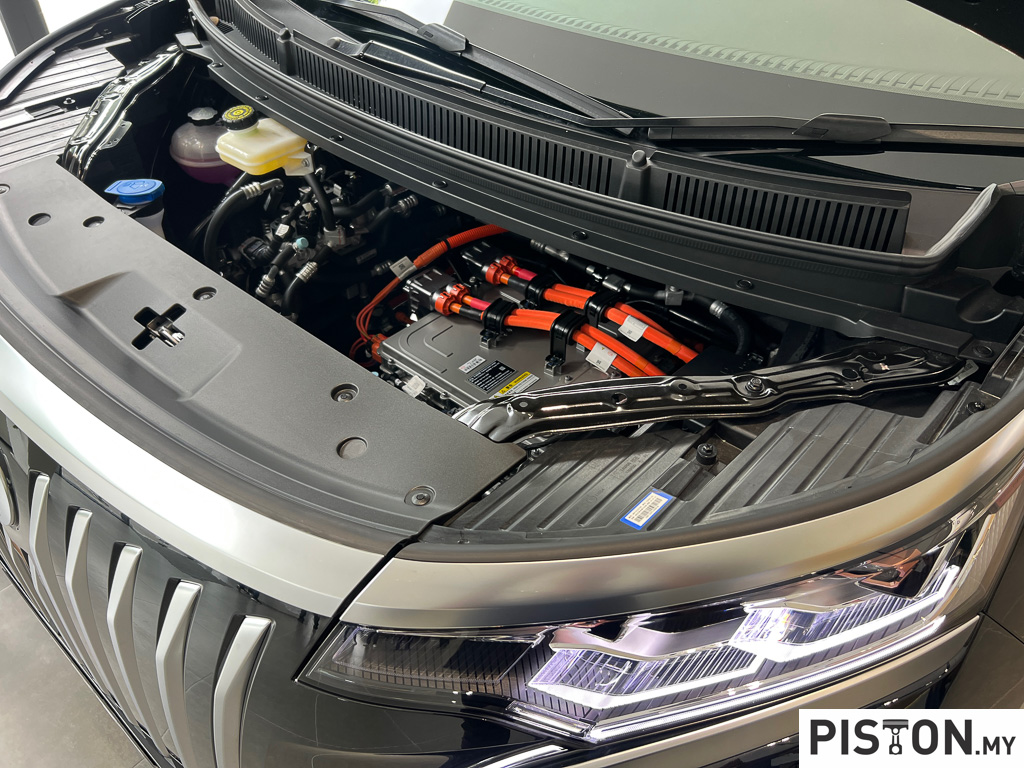
Both variants are powered by the same 103.36kWh Blade lithium iron phosphate (LFP) battery.
However, the Advanced model utilises a single front-mounted motor that puts out 313PS and 360Nm of torque. This gives it a range of 520km while the 100kmh sprint is seen off in 9.5 seconds.
As for the Premium model, it utilises dual motors which lets it put out 374PS and 470Nm of torque. But range takes a hit though as it is capable of travelling 480km in comparison. But it will accelerate to 100kmh in just 6.9 seconds, which is quite astonishing considering that the MPV weighs a mammoth 2865kg.
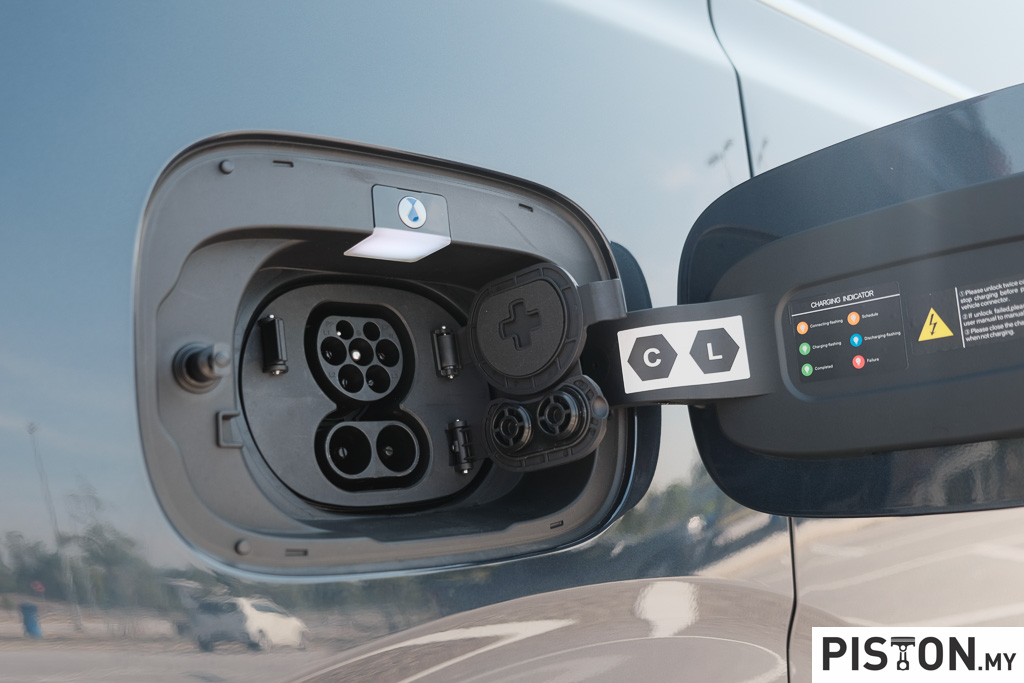
As for charging, both variants utilise 166kW of DC charging, which will let the D9 recharge from 30 to 80% in 30 minutes. And just 10 minutes of charging will give you 150km of range.
As for AC charging, the D9 takes just 11kW, which means that it will take about 10 hours to recharge from zero to 100%, but you really shouldn’t be letting the battery deplete that much so the recharge time will be different.
So, how is it like?
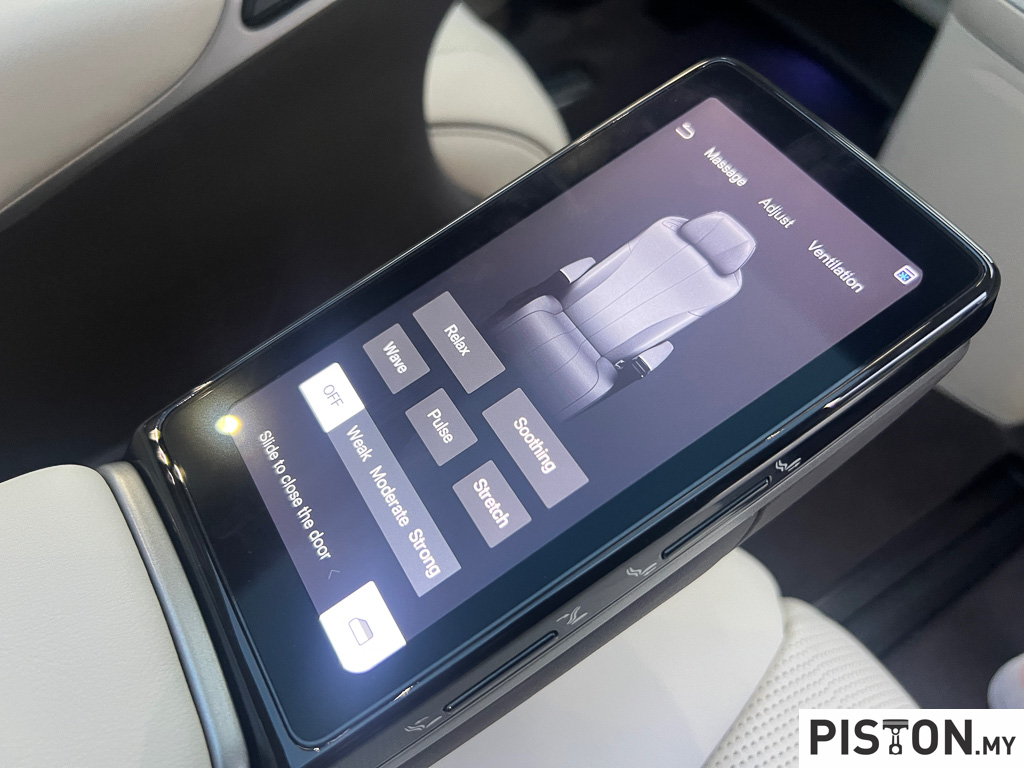
I started my Denza experience in the second-row seat of the Premium variant. As mentioned, the seat is as comfortable as it looks, and it comes with a massage function as well. And the Premium variant has more massage options as compared to the Advanced variant, but both have the all-important ventilation function.
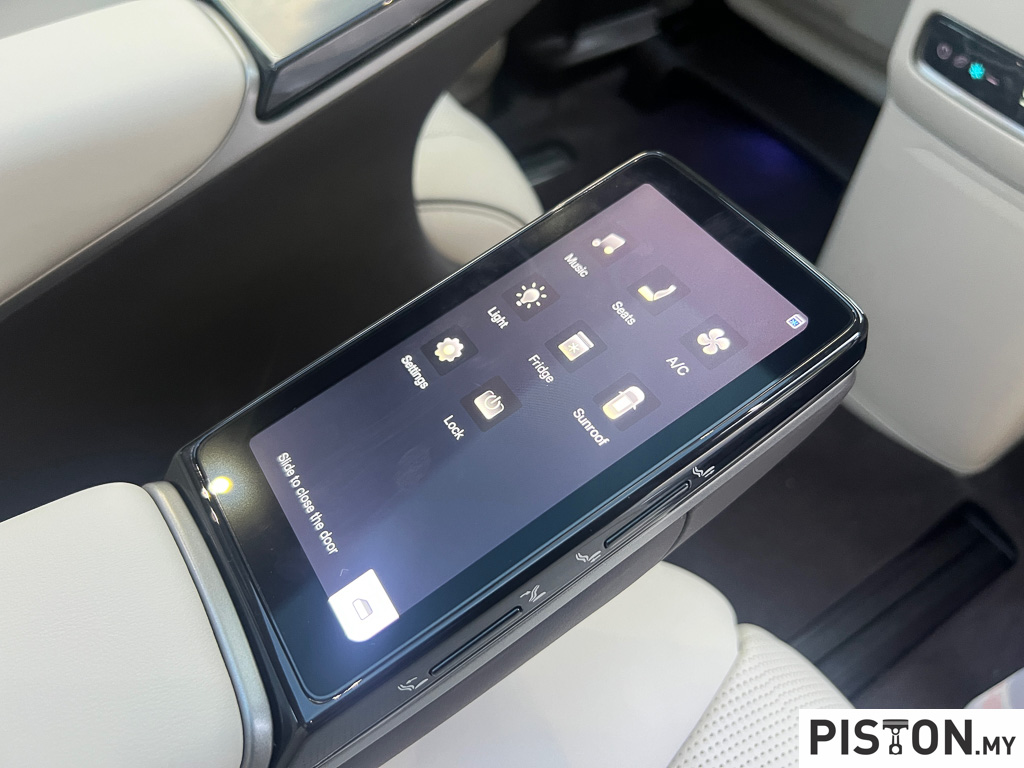
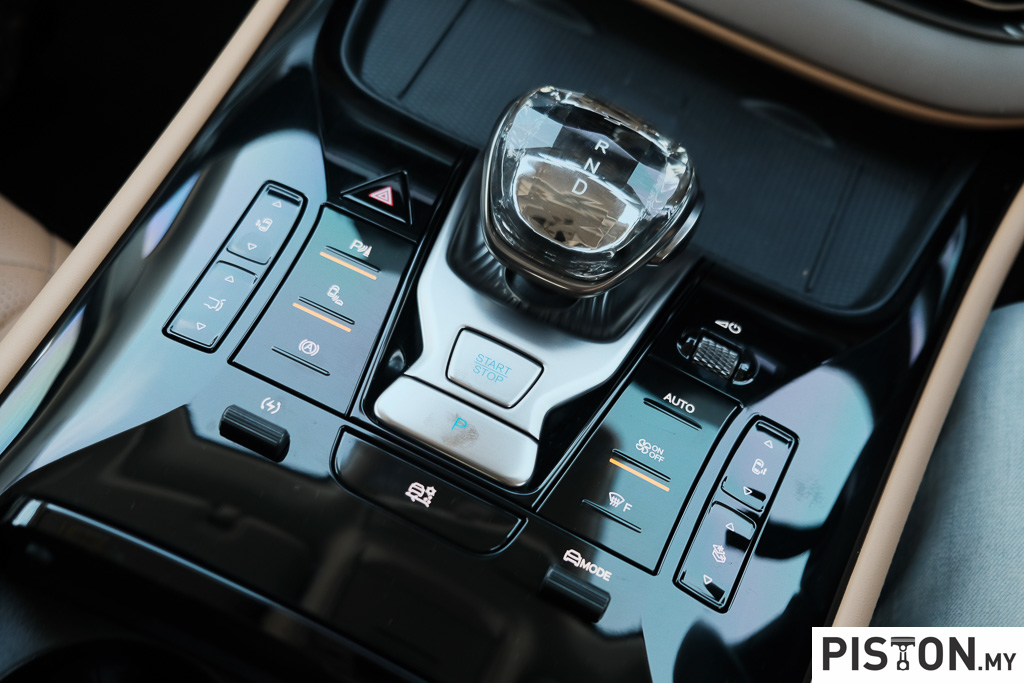
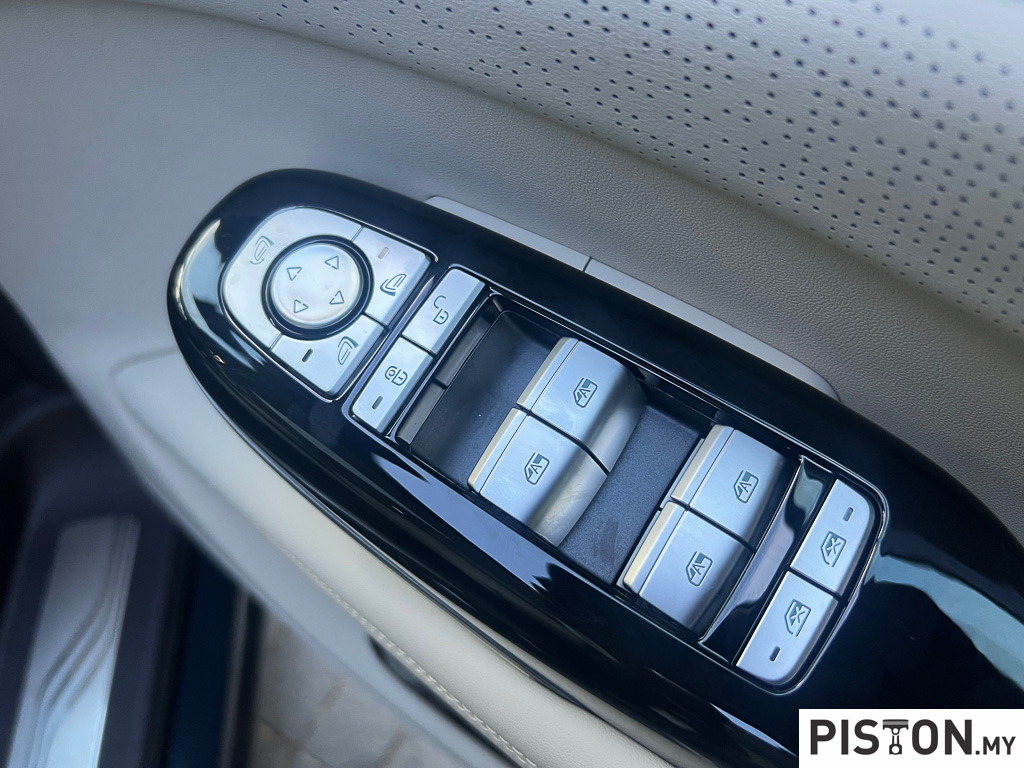
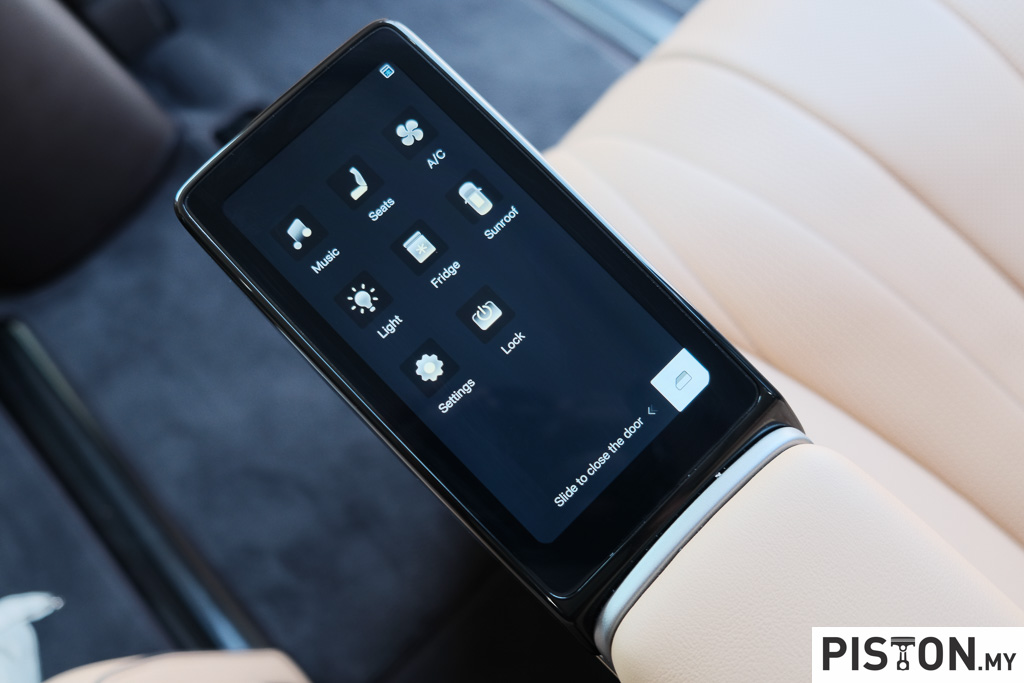
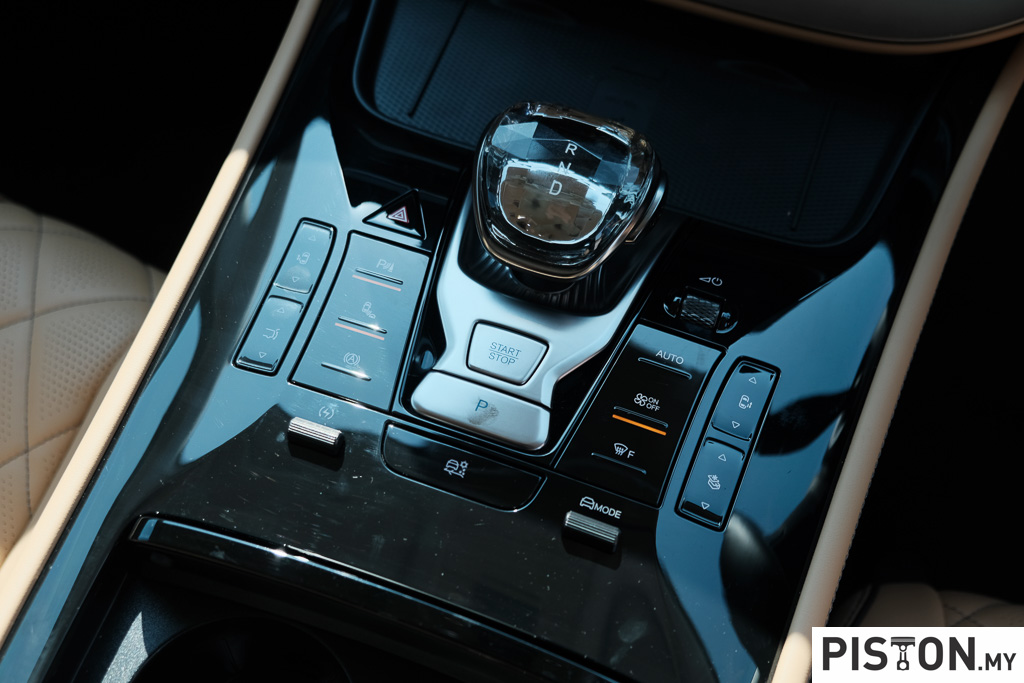
There is a small screen fixed to the armrest of the seat that works as the control centre for everything. Through this screen you can open and close the door, sunshade and sunroof by swiping the screen. You can also control the music, air-conditioning, refrigerator settings, and even move the front passenger seat from the screen.
It does everything except that there is no lock screen option. So, if you are going to be ferrying younger kids as I experienced a few days later, you will have to deal with them changing your favourite music, turning up and down the volume, and even opening the front sunroof when all you want to do is focus on driving. A lock screen with password option would have perfected an already great thing.
Anyway, back to how the back seat feels. The Premium variant comes with something called DiSus-C intelligent damping control. DiSus is an intelligent body control system developed by BYD for its new energy vehicles.
The system has three different technologies; DiSus-A which uses more premium air suspension, then there DiSus-C which is used for the Denza D9 Premium and uses adaptive suspension that reacts in real time. And finally there is the DiSus-P which uses more conventional hydraulic body control.
Though Denza / BYD says the suspension in the D9 Premium is adaptive, it does not adapt to the drive modes. Instead, it uses a dedicated switch in the infotainment screen to either set it to Sport or Comfort.
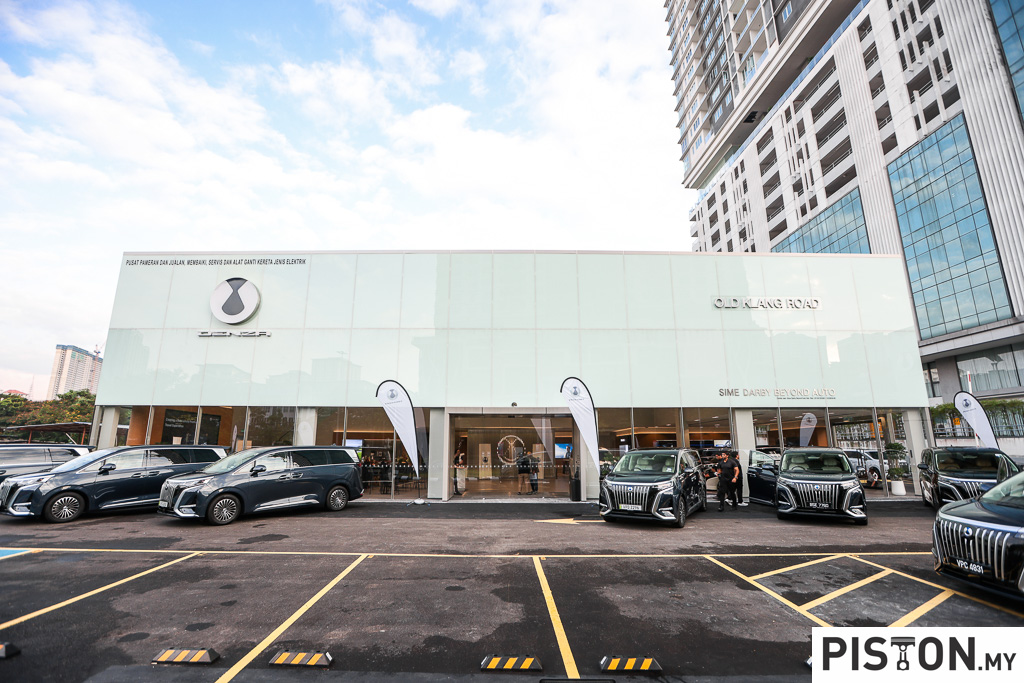
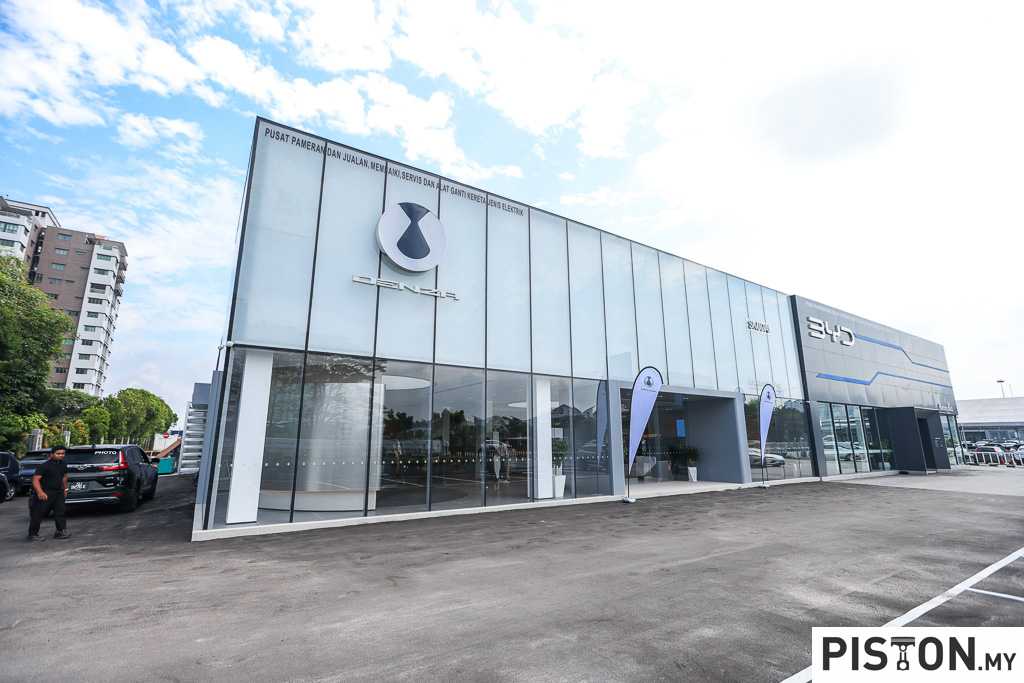
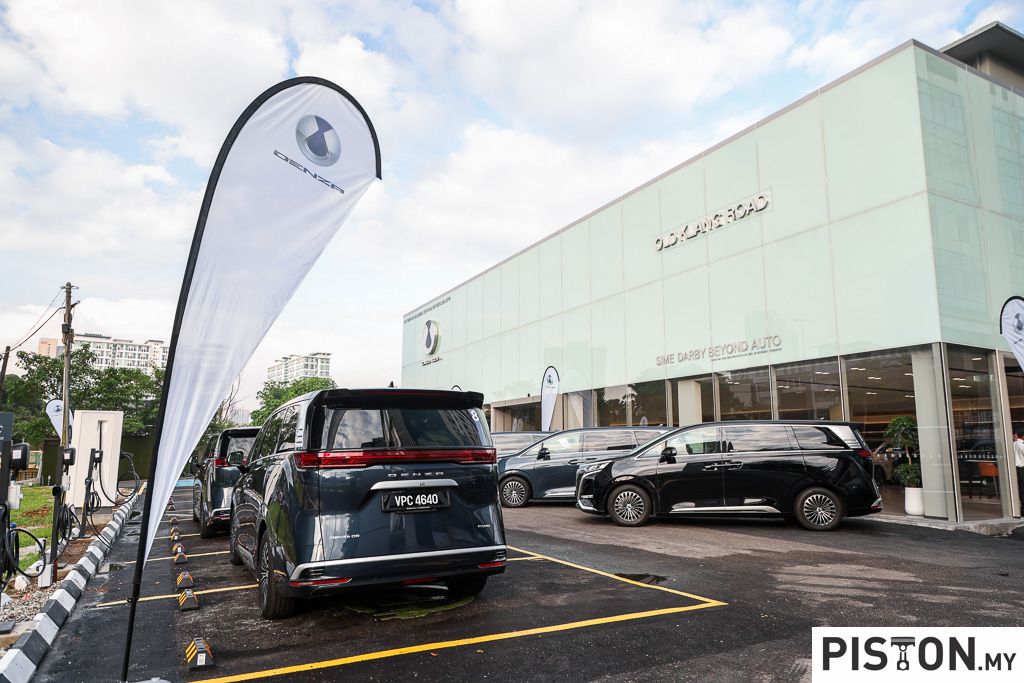
The first leg of our drive to Desaru was from the Denza showroom in Old Klang Road to the Seremban R&R area.
While refinement levels in the back seat were exceptional; I could have a full-blown conversation about EV’s with the guys in the front seat without raising my voice. Even at highway speed. The suspension though felt a little stiff.
I felt almost everything the road was throwing at the car. I felt every dip, every pitch, every dive under heavy braking, which truthfully made me feel a little nauseated at the back.
But I took the driver’s seat next and found that the car’s suspension was actually set to Sport mode. And that explained why the car felt the way it did.
From the driver’s seat though, the D9 Premium felt perfect. It was quiet, there was waves of torque that I could rely on to keep up with highway traffic. Even the driver’s seat comes with massage function, so it was heavenly at the front.
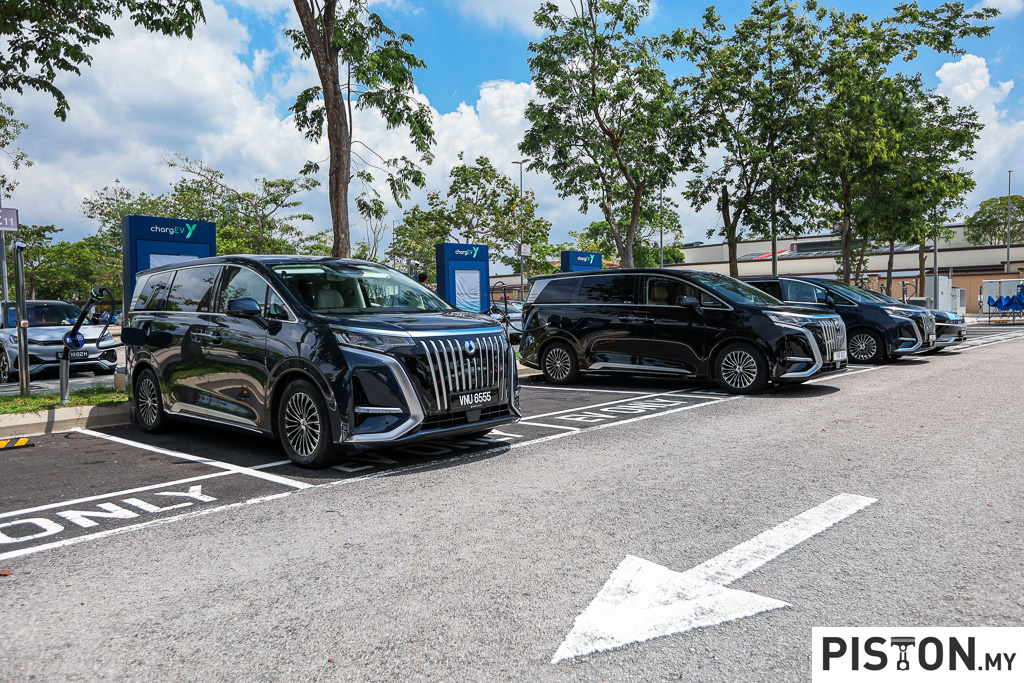
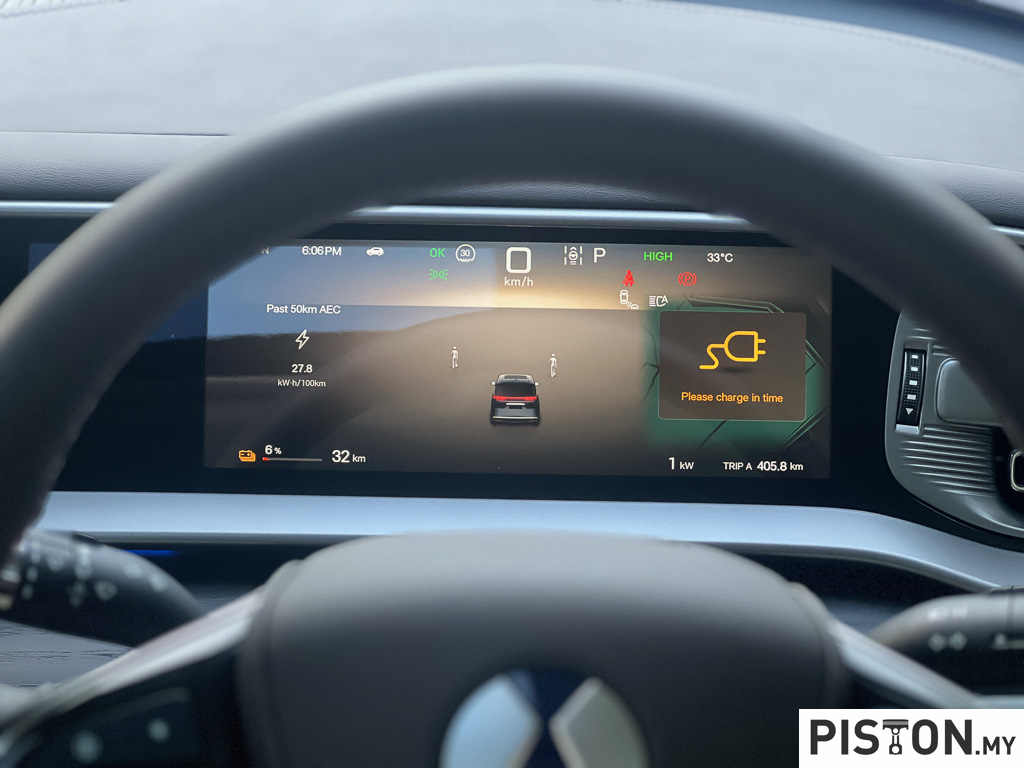
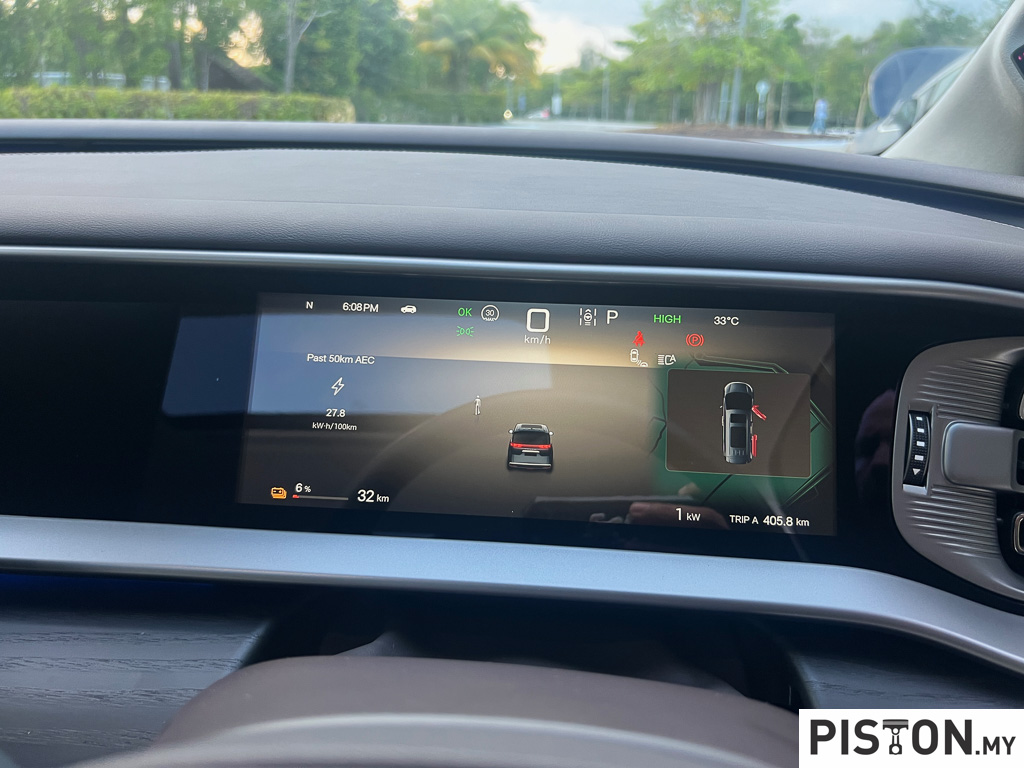
And in case you were wondering, we left KL with 100% battery state of charge, then arrived in Melaka for lunch with 66% where we recharged to 85% then reached Desaru with about 6% left. It could have been a lot better than that, but we were not exactly feathering the throttle. Flooring it without thought for the battery percentage would be it.
On the second day, I spent more time in the back seat, but this time making sure that the suspension was set to comfort instead of sport. And it made a huge difference.
In traffic, I couldn’t feel what the road threw up at the car and neither could I hear the dozens of motorcycles zipping around the D9. The refinement levels of the Denza is said to be as low as 64.6 decibels at 120km/h, and that is equivalent to a quiet office space.
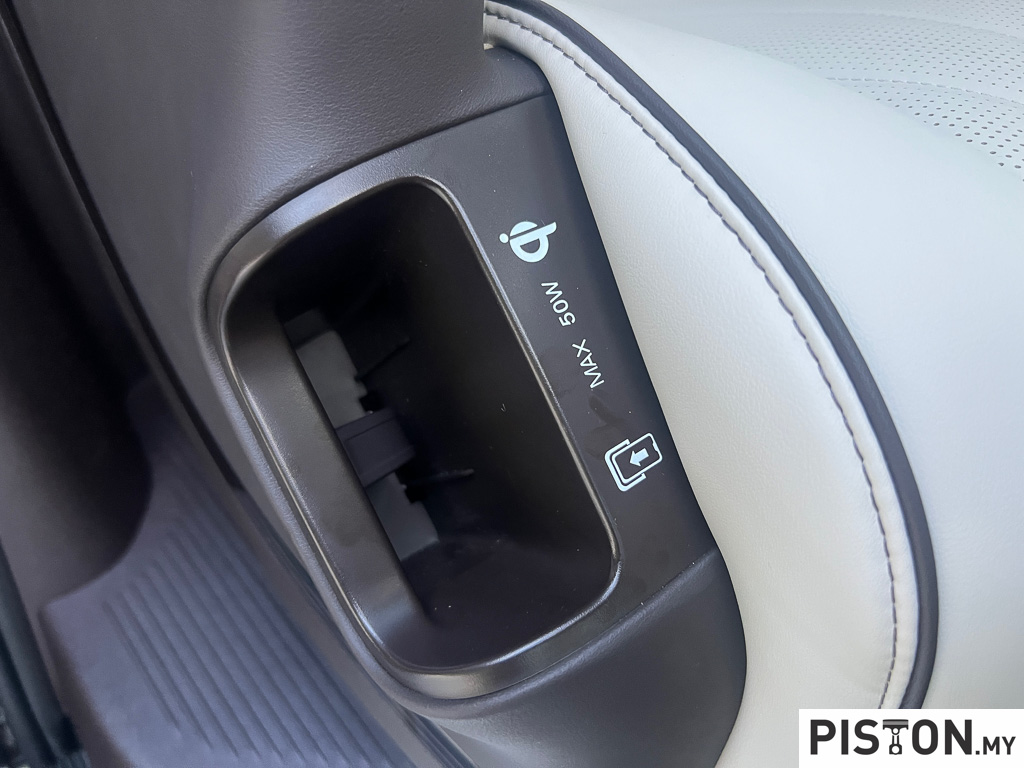
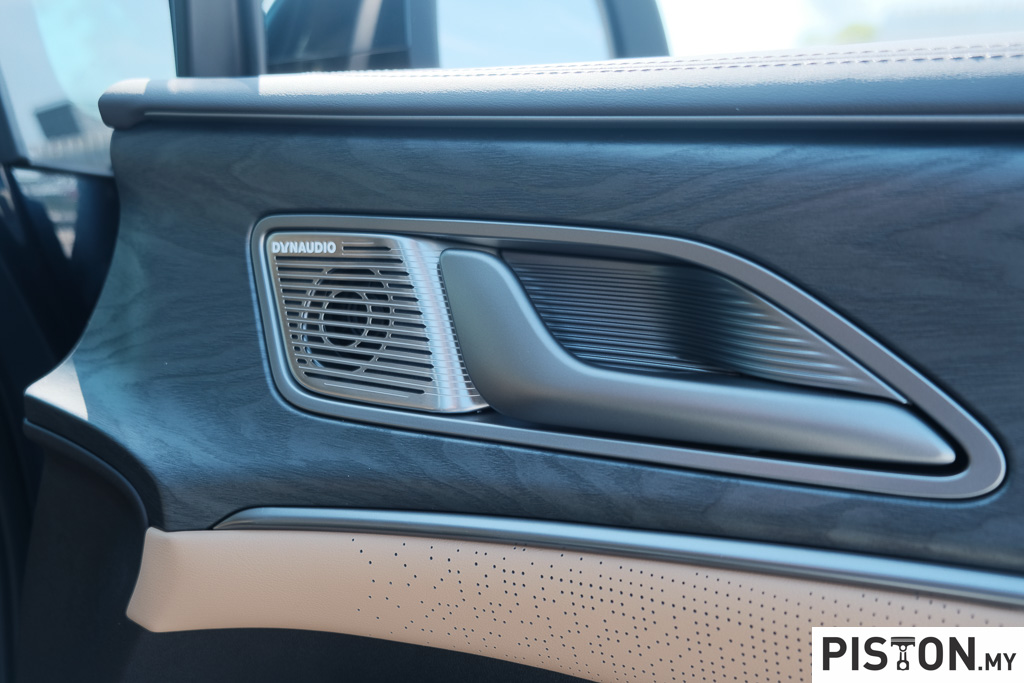
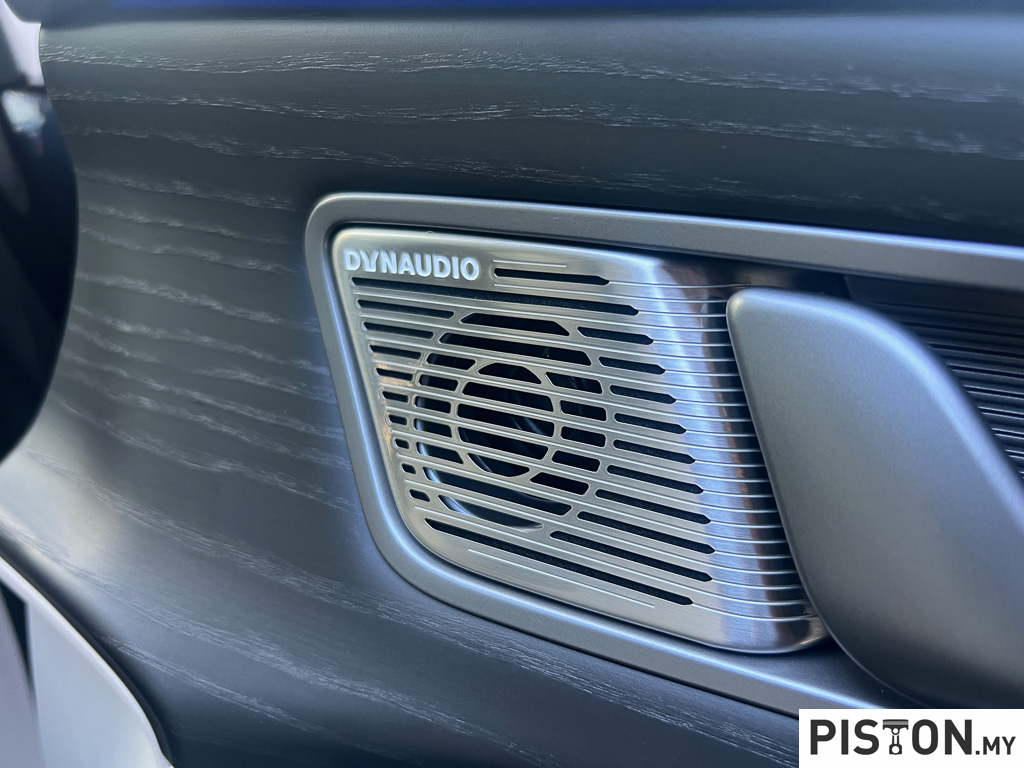
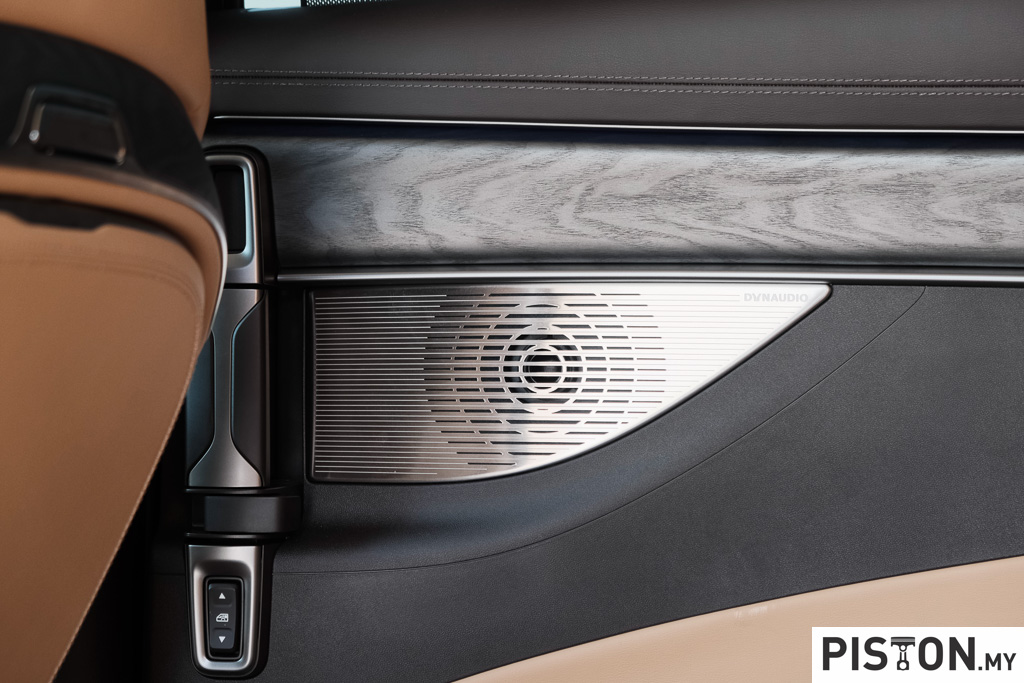
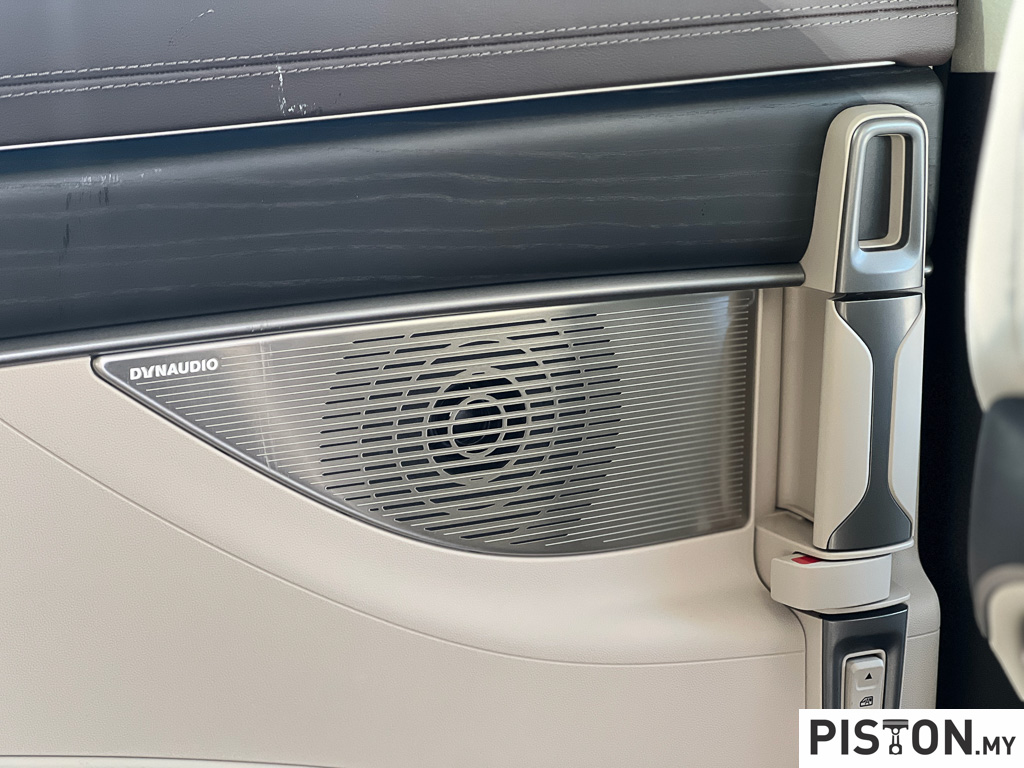
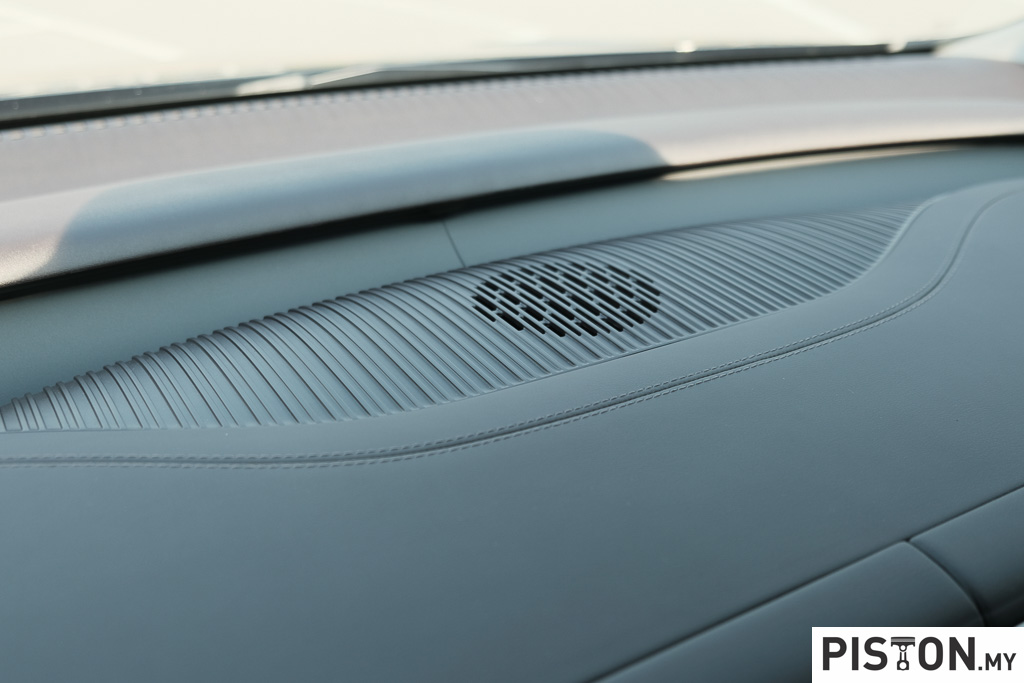
This is where you can really immerse yourself in the Denza experience. Sink into the soft leather, let the massage functions soothe the aches and let the 14-speaker Dynaudio sound system serenade you. I do wish there were more USB ports though, in this age of multiple devices, one USB port per seat seems inadequate.
Then came the part where I got a headache. At highway speed, the suspension once again did a stellar job at isolating the cabin from the road. The refinement levels were brilliant again. But my mind couldn’t take it.
Unfortunately, I experienced kinetosis – essentially motion sickness. It occurs when the brains receives conflicting signals from the eyes, ears and body.
My eyes were seeing the world zip past, but my body couldn’t feel it and my ears couldn’t hear it either. So, my body freaked out and made me feel nauseated, again.
So, I slept, for as long as I could until traffic slowed us down at the Sungai Besi toll.
What I experienced is nothing new though. This is what Rolls Royce customers experienced as well when the new Phantom was introduced. And the company responded by reducing the insulation so that some ambient noise could be heard inside, which then reduced motion sickness.
So, though the Denza D9 Premium AWD has plenty to offer for its price, I preferred driving it than being a passenger simply because of the tuning of the DiSus-C adaptive suspension, which is either too firm in sport, or too soft in comfort mode.
But what about the Advanced FWD variant?
I was given the chance to pick up the Advanced variant the day after returning from Desaru. I jumped at it because rarely is one given a chance to drive two variants back-to-back. This was the perfect opportunity to sample both in a real-world environment.
And besides, I had a family trip to Kuala Selangor scheduled that weekend anyway, and that was the perfect opportunity to try out the D9 in a family setting with a four-year-old unleashed in the back seats.
You can probably predict what happened next. The kid went wild with the control pad on the captain seats. Opening and closing the driver’s sunroof multiple times, skipping music tracks and generally raising hell with so much space to run around.
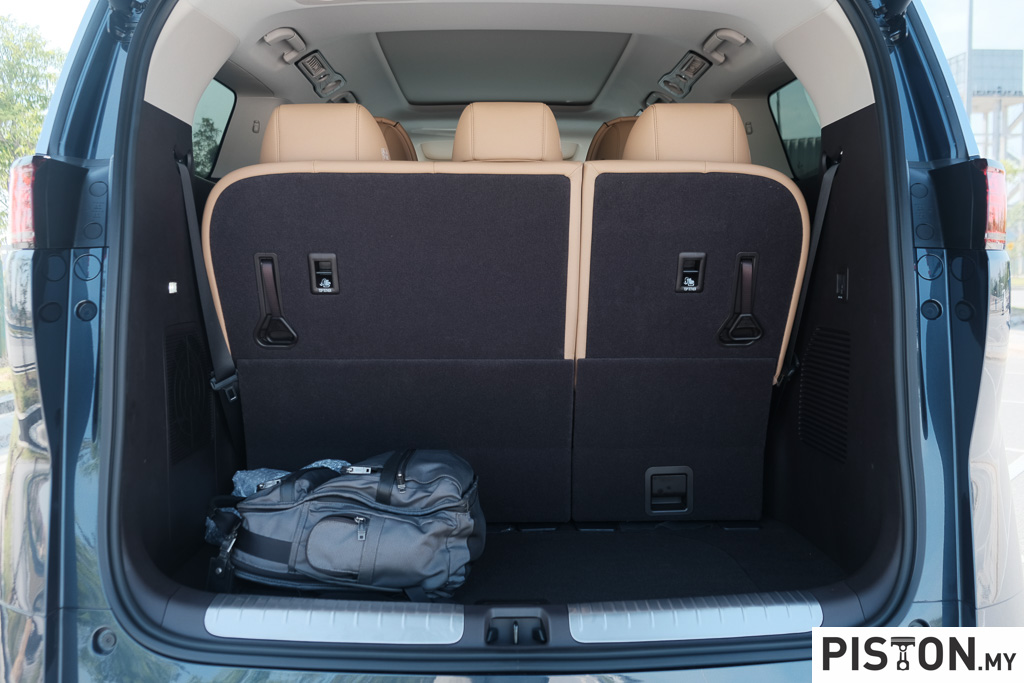
The good thing about this? The D9 features four Isofix mounts, so you can buckle in your child in the third-row seat so that you don’t have to deal with him or her for a while.
The good thing about my little adventure with the D9 Advanced also revealed another thing about MPV that I did not notice during my drive to Desaru.
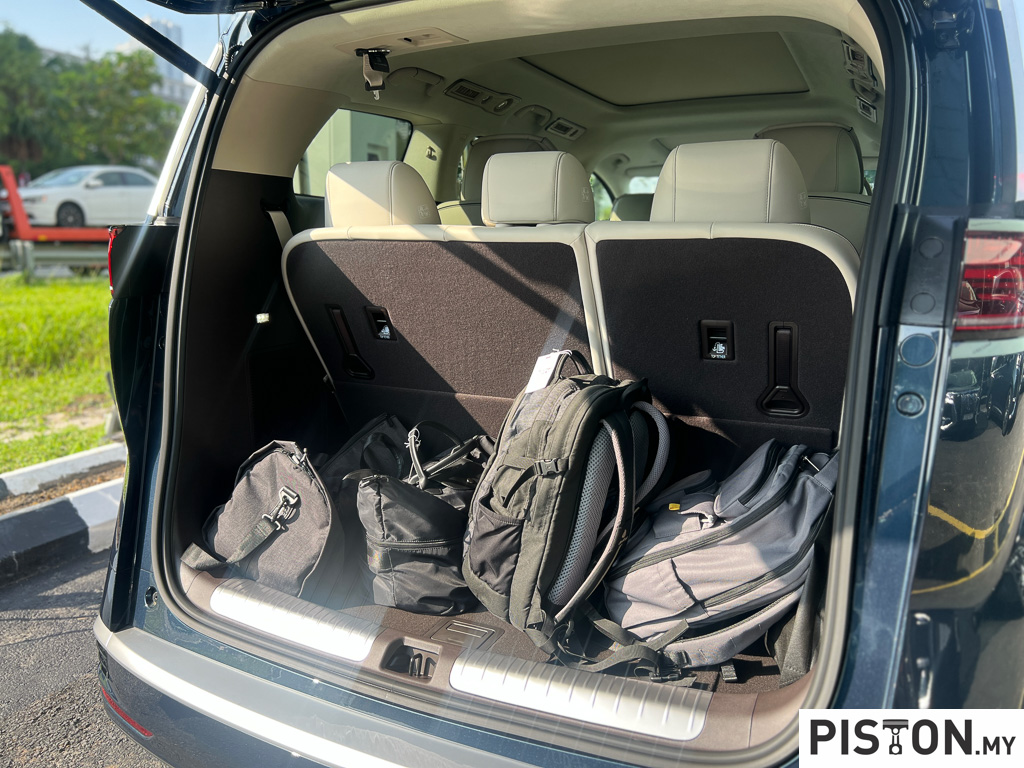
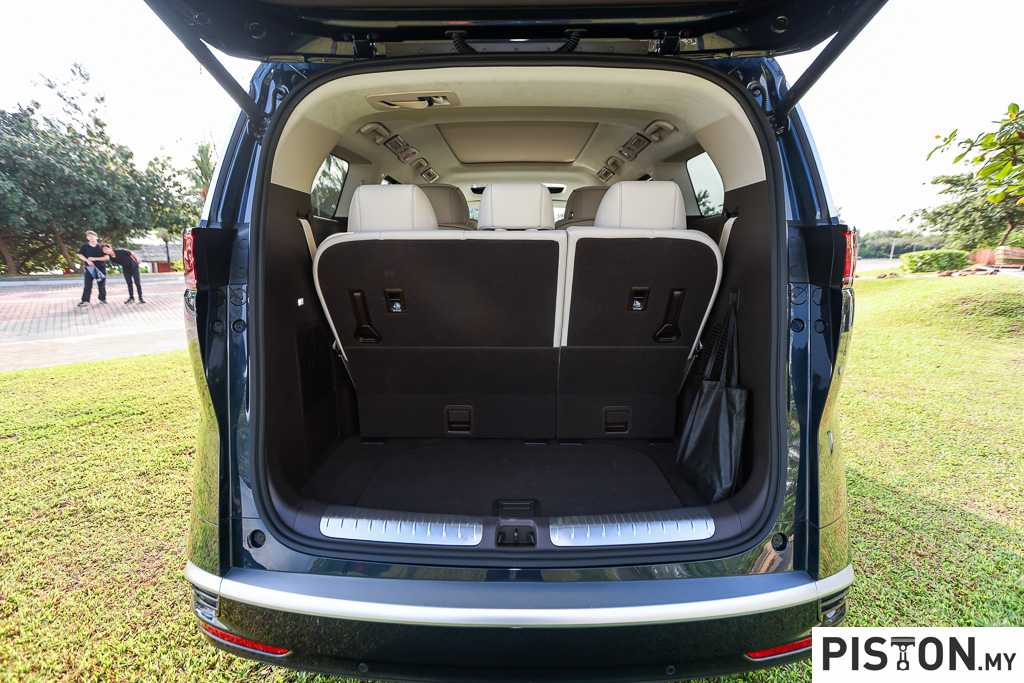
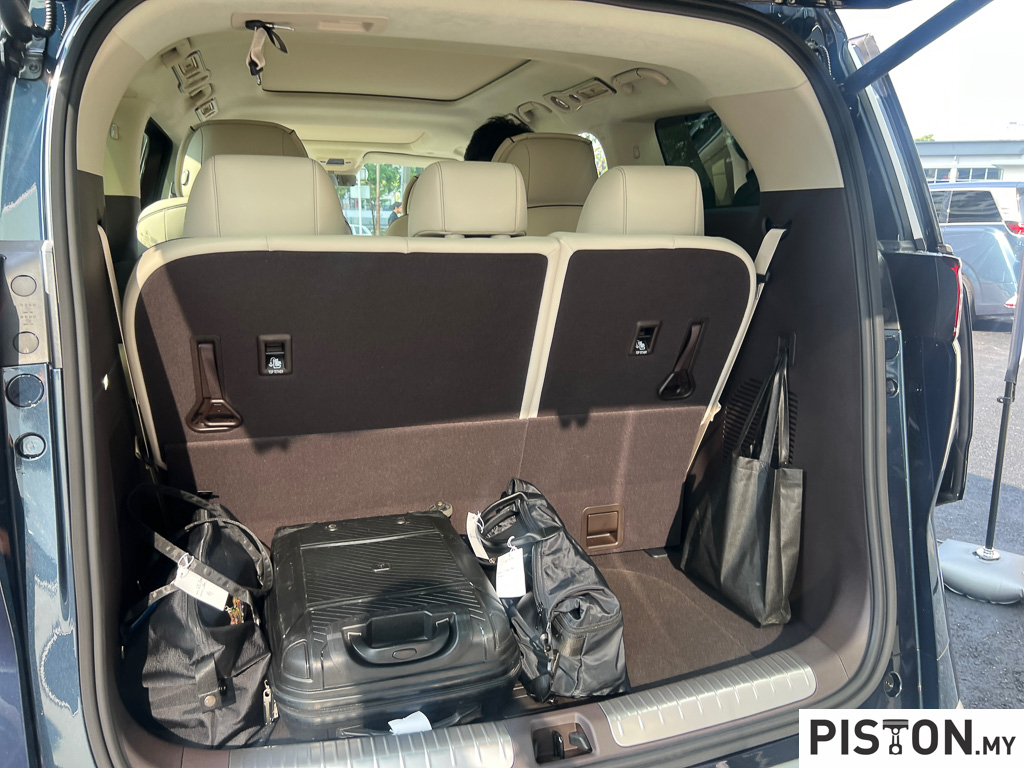
Because I now had to ferry my family and their two dozen bags for a three-day getaway, I naturally needed more space at the back. This is where I noticed that when you fold the third-row for added space, the second-row seats have to move forwards and that means you have to sacrifice on leg space. It’s not intolerably bad, but it is still a sacrifice.
In more traditional family MPV’s like a Kia Carnival, there are special dedicated compartments for the seats to fold into. But because the D9 is battery powered and the batteries are located underneath the car thus taking up valuable space underneath the car, the engineers could not create that space needed to fold the seats into. Hence the sacrifice of second row legroom is a necessary evil.
Personally though, that is a small sacrifice because in my humble opinion, the Denza D9 Advanced FWD is more comfortable than its more expensive sibling. I know that is quite a claim considering that there is RM50,000 separating the two variants.
But at RM259,000, the D9 has the Toyota Alphard and Vellfire squarely in its cross hairs. Not the new one of course, but those Japanese spec, parallel imported ones. The ones where you never know whether they have been in an accident prior to reaching Malaysian shores, or not.
So, why is the Advanced FWD more comfortable then?
This is of course my own opinion, but the Frequency Selective Dampers (FSD) in the Advanced FWD variant feels better sorted. It feels more compliant, and I also felt more in control of the car at high speed as I knew exactly what the road was throwing up with nothing to dampen feedback.
The suspension also seemed to react to Malaysian roads better, and more importantly, I did not feel sick when sitting in the second row.
There is nothing else to it, just the omission of the adaptive dampers and the car feels a lot better.
Perhaps it is just me. Perhaps some people make better passengers than drivers. But I certainly do not, and for me the Advanced FWD felt better.
Is there anything else you should know?
Both variants are brilliant from the driver’s seat. So, if you just want a comfortable MPV for your family without breaking the bank, the Denza D9 Advanced AWD would be the better choice.
It is not only cheaper, but it also comes with a better warranty package than any parallel importer can offer you. You see, both variants come with a six-year or 150,000km warranty on the vehicle, eight-year or 160,000km warranty on the battery, eight-year or 150,000km warranty on the drive motor and controllers. And the best thing is, the warranty package is valid in Malaysia, Thailand and Singapore, making the Denza D9 ready for epic road trips.
On the safety front, both variants also offer the same armada of safety nets – eight airbags and the usual package of active and passive safety systems.
So, unless you simply want to flaunt your wealth, I feel the Denza D9 Advanced FWD may just be the better buy between the two variants. And with the money saved, you could fund the kind of three-country road trip the D9 seems purpose-built for.
Specifications:
Denza D9 Premium AWD
Price: RM309,000
Motors: Twin Motors
Power: 374PS and 470Nm
Battery: 103.36 kWh Blade LFP
Range: 480 (WLTP)
Charging: 166kW DC / 11kW AC
We like: Plush interior trimming
We don’t like: Adaptive suspension is too soft
Specifications:
Denza D9 Advanced FWD
Price: RM259,000
Motors: Single front motor
Power: 313PS and 360Nm
Battery: 103.36 kWh Blade LFP
Range: 520km (WLTP)
Charging: 166kW DC / 11kW AC
We like: Suspension feels better
We don’t like: No rear entertainment screen
Just five months after beginning deliveries in January, the Proton e.MAS 7 has become Malaysia’s fastest-selling electric vehicle, registering 3,632 units sold as of 31 May 2025. Of this figure, 3,399 units were delivered locally, while 233 units were exported, cementing the e.MAS 7’s position as the country’s top-selling EV model this year.
This milestone arrives as Proton’s EV division, PRO-NET, marks the first anniversary of the e.MAS brand. Officially unveiled on 12 June 2024, Proton e.MAS made its market debut with the e.MAS 7 on 16 December of the same year. Since then, the model has rapidly risen to prominence, outpacing competitors and redefining consumer expectations in Malaysia’s burgeoning electric vehicle sector.
Despite the wider market grappling with pricing volatility and cost pressures, the e.MAS 7’s consistent sales performance stands as a testament to Proton’s trusted brand legacy and commitment to quality.
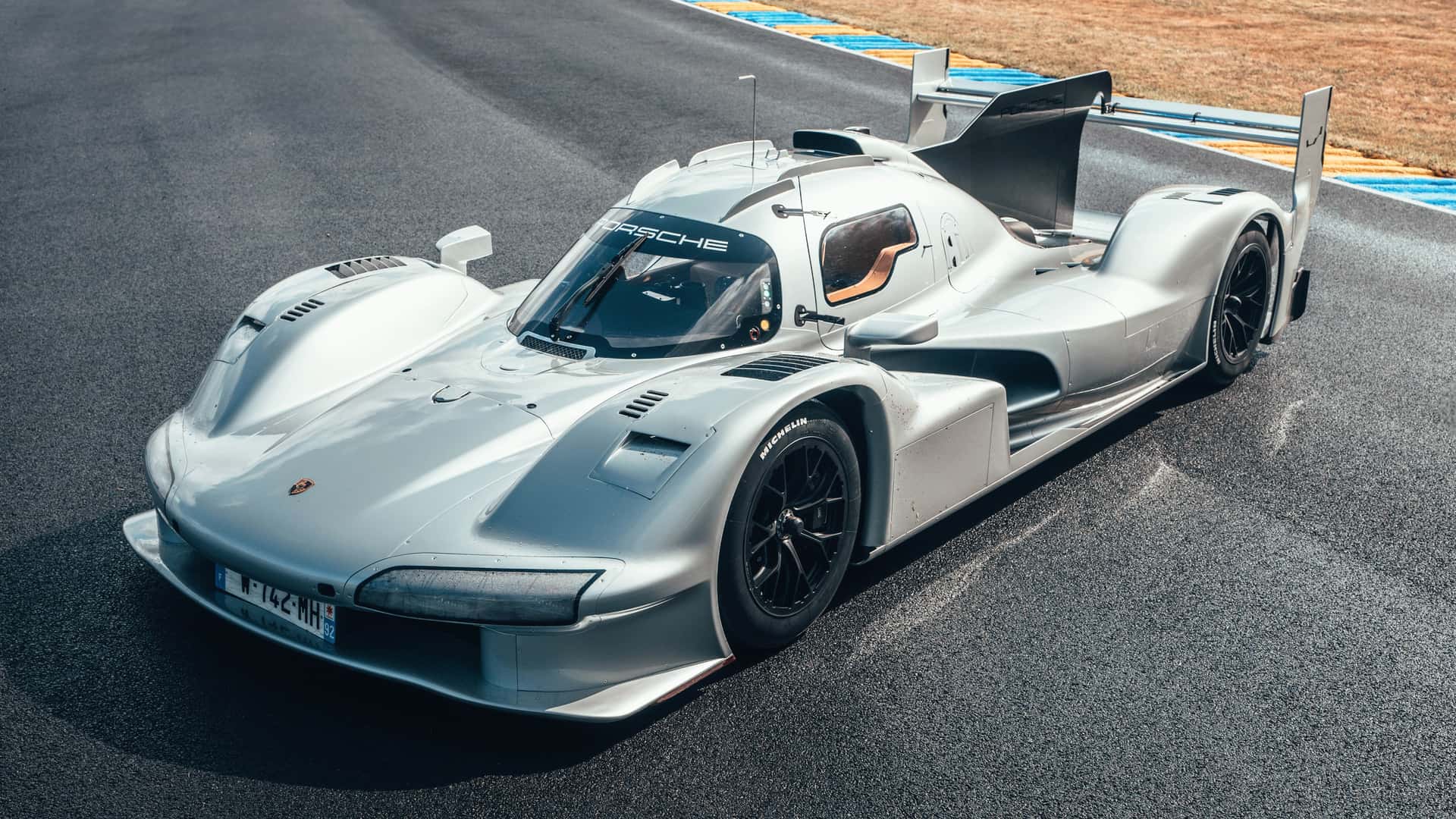
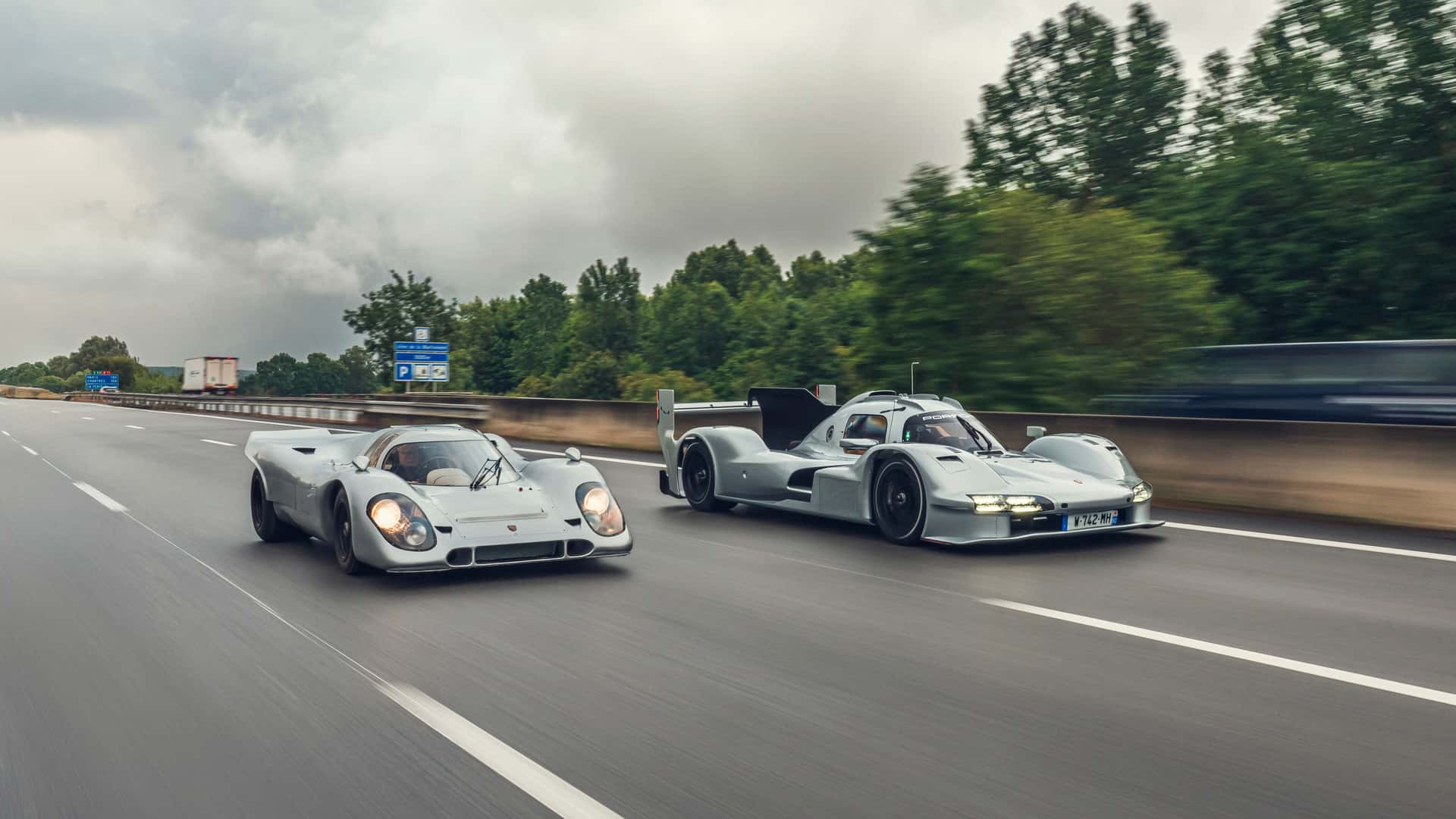
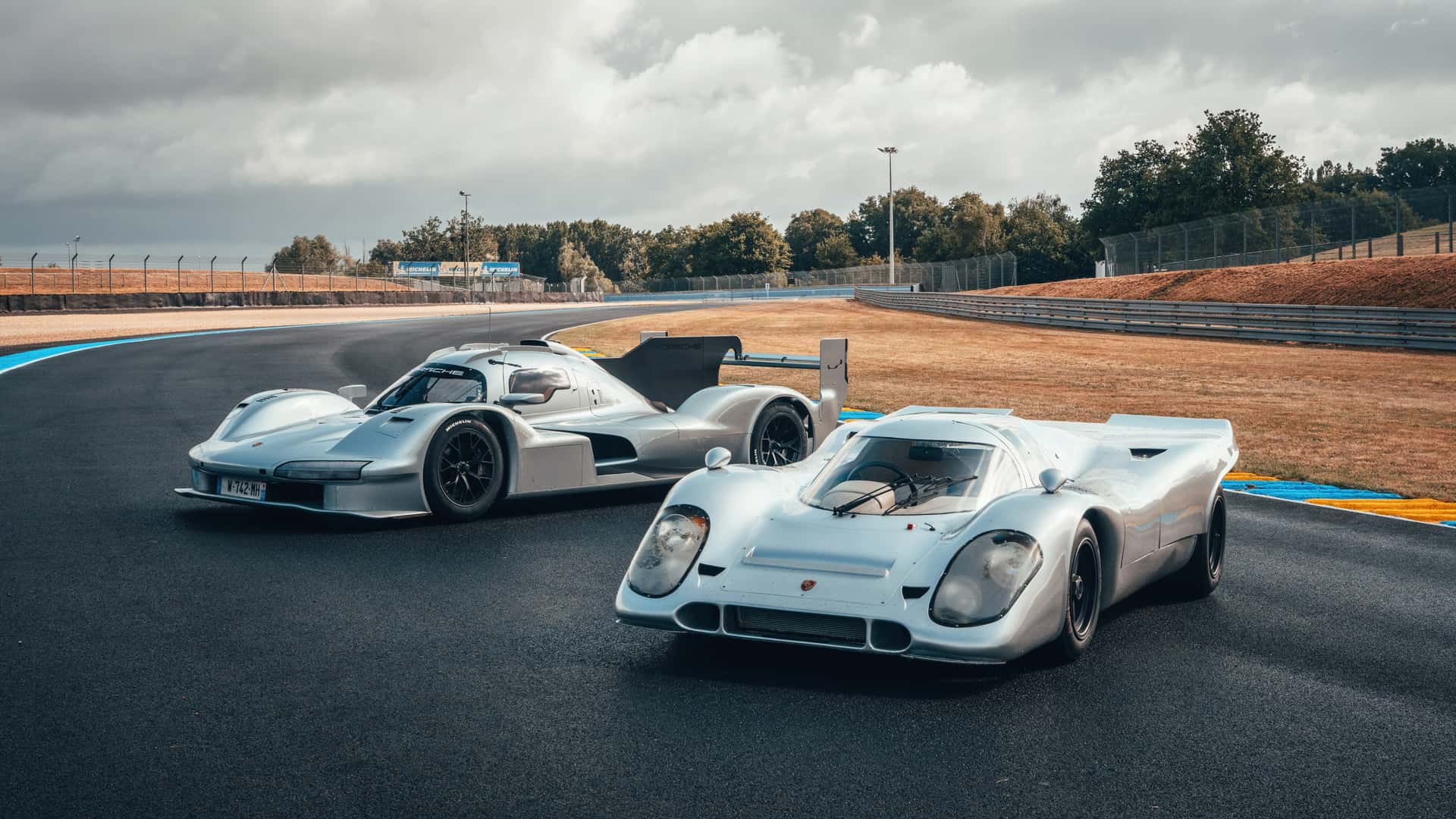
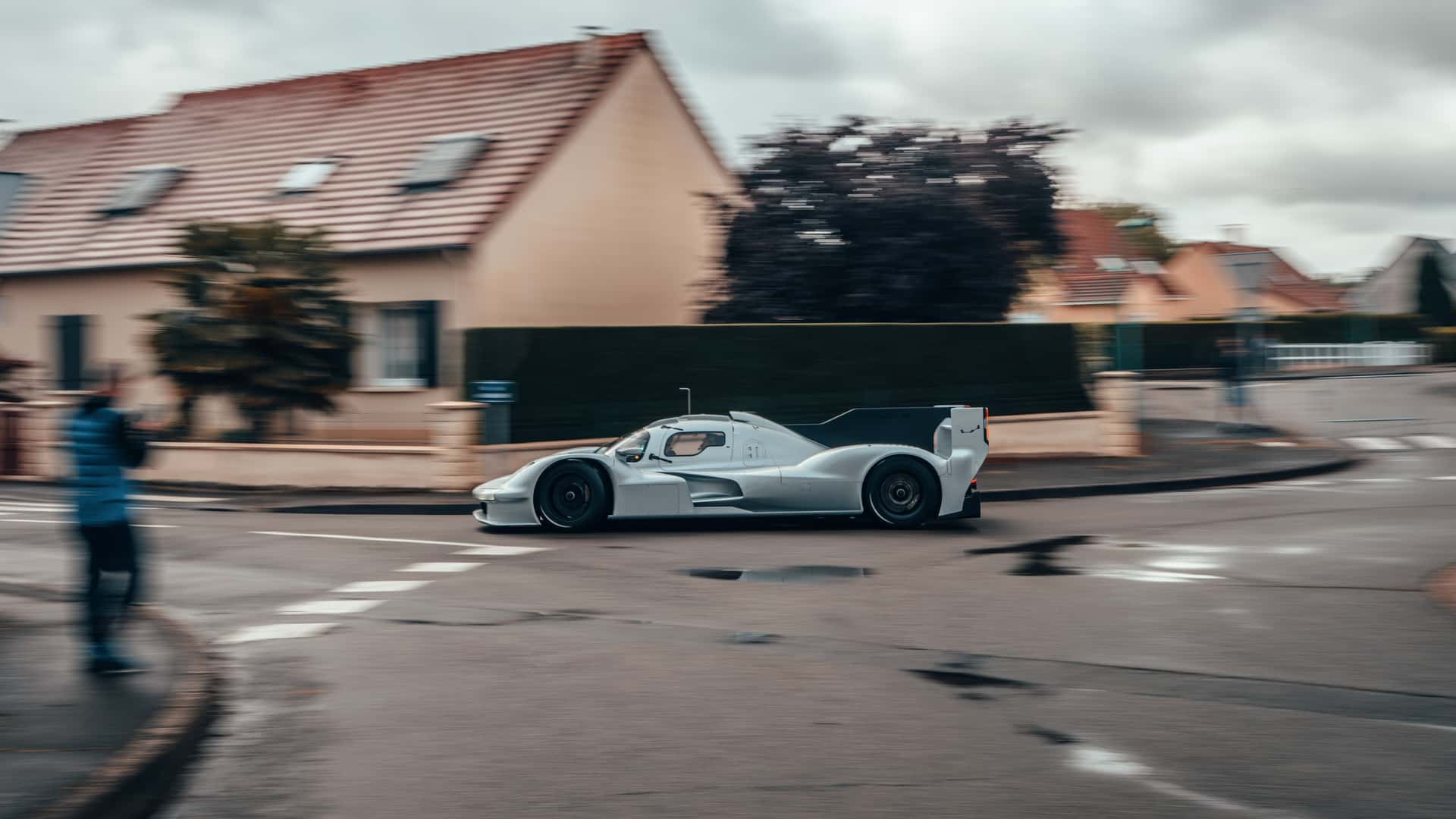
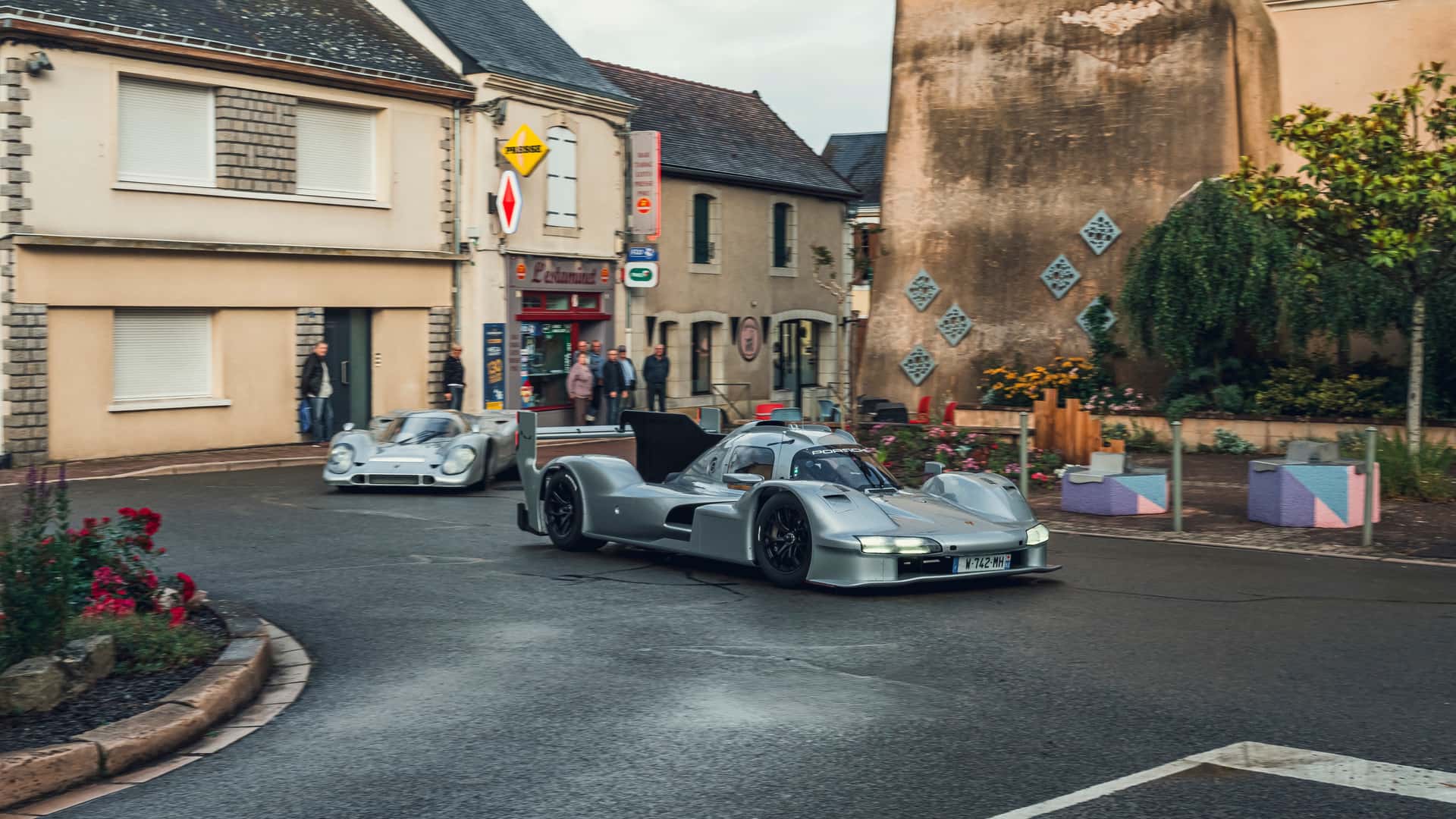
As Porsche gears up for the legendary 24 Hours of Le Mans, it has unveiled an extraordinary new creation: the Porsche 963 RSP. A road-capable sibling to the 963 Hypercar, this one-off masterpiece pays tribute to one of the most iconic endurance racers in Porsche’s history—the 917—and celebrates the 50th anniversary of a bold, unforgettable journey from Zuffenhausen to Paris.
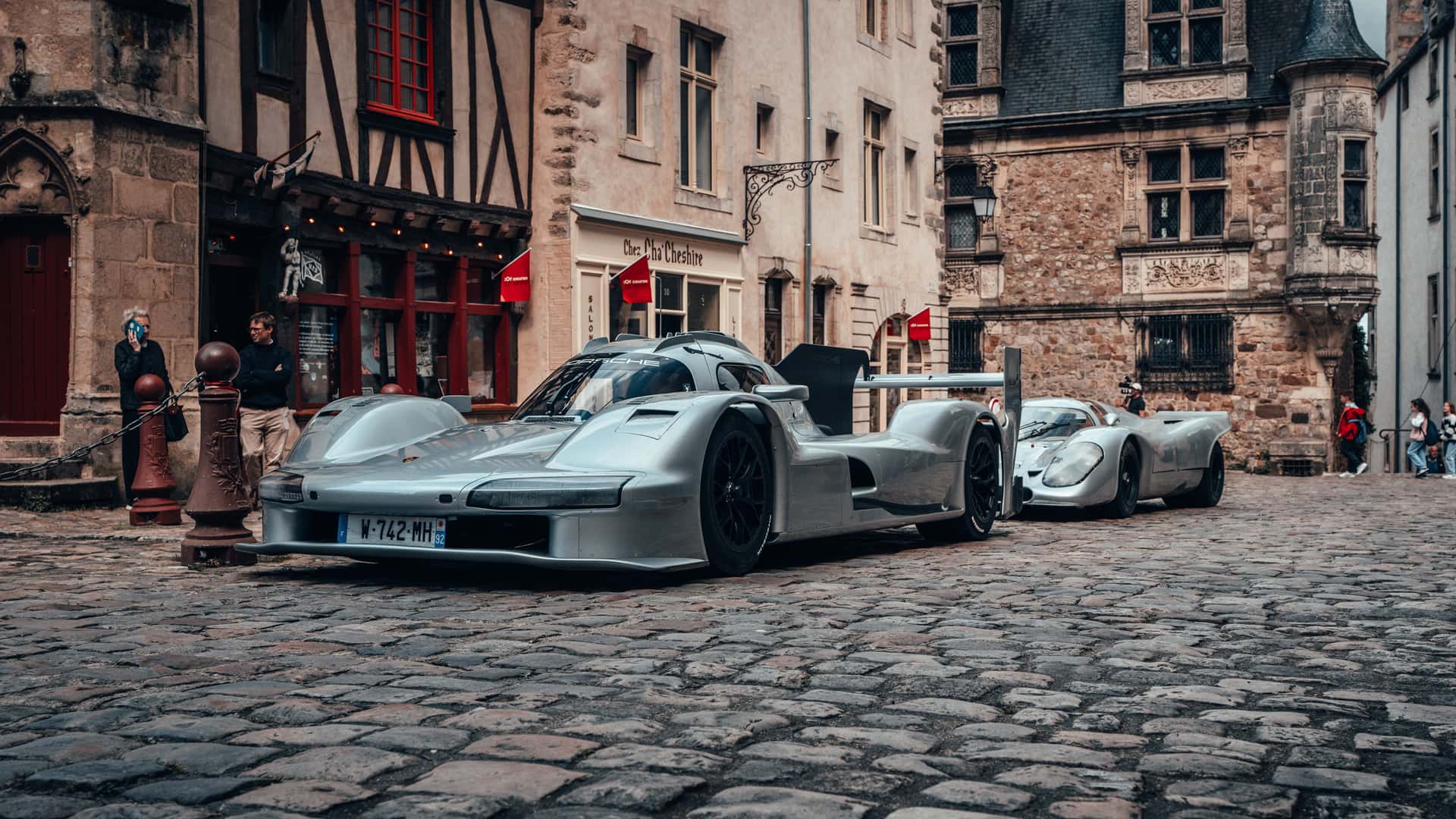
The Porsche 963 RSP is the brainchild of a collaboration between Porsche AG, Porsche Penske Motorsport, Porsche Cars North America, and motorsport icon Roger Penske, whose initials give the car its name. This bespoke model draws deep inspiration from the legendary Count Gregorio Rossi di Montelera’s 917, which famously travelled public roads from Stuttgart to Paris in 1975 with minimal road-legal modifications.
“Inspired by the Count Rossi 917, this project started as a passion-fueled ‘what if’ scenario among a small team of Porsche and Penske enthusiasts,” said Timo Resch, President and CEO of Porsche Cars North America. “We aimed to build a 963 that captured the same uncompromising racing soul while celebrating an era-defining moment in Porsche history.”
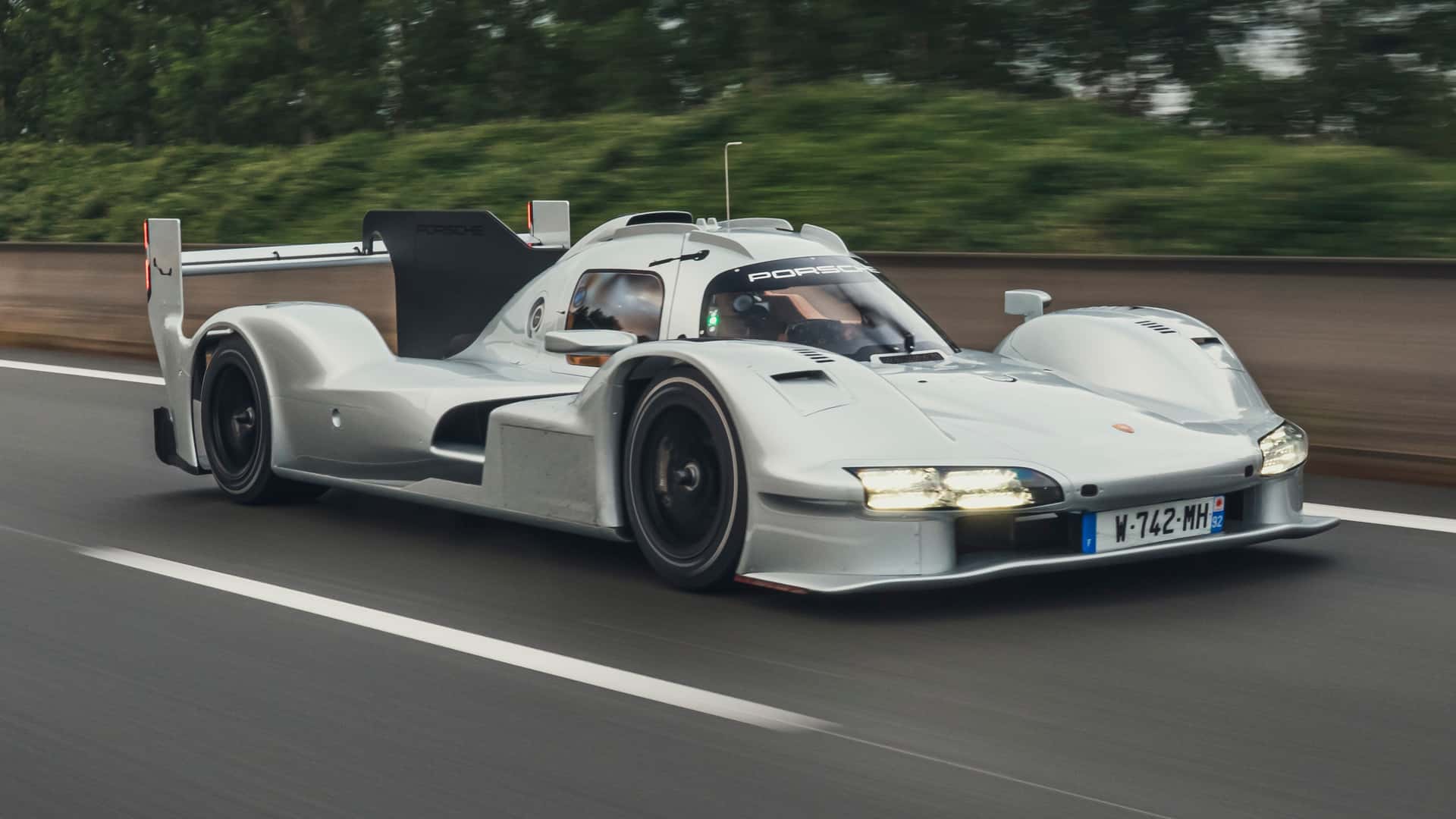
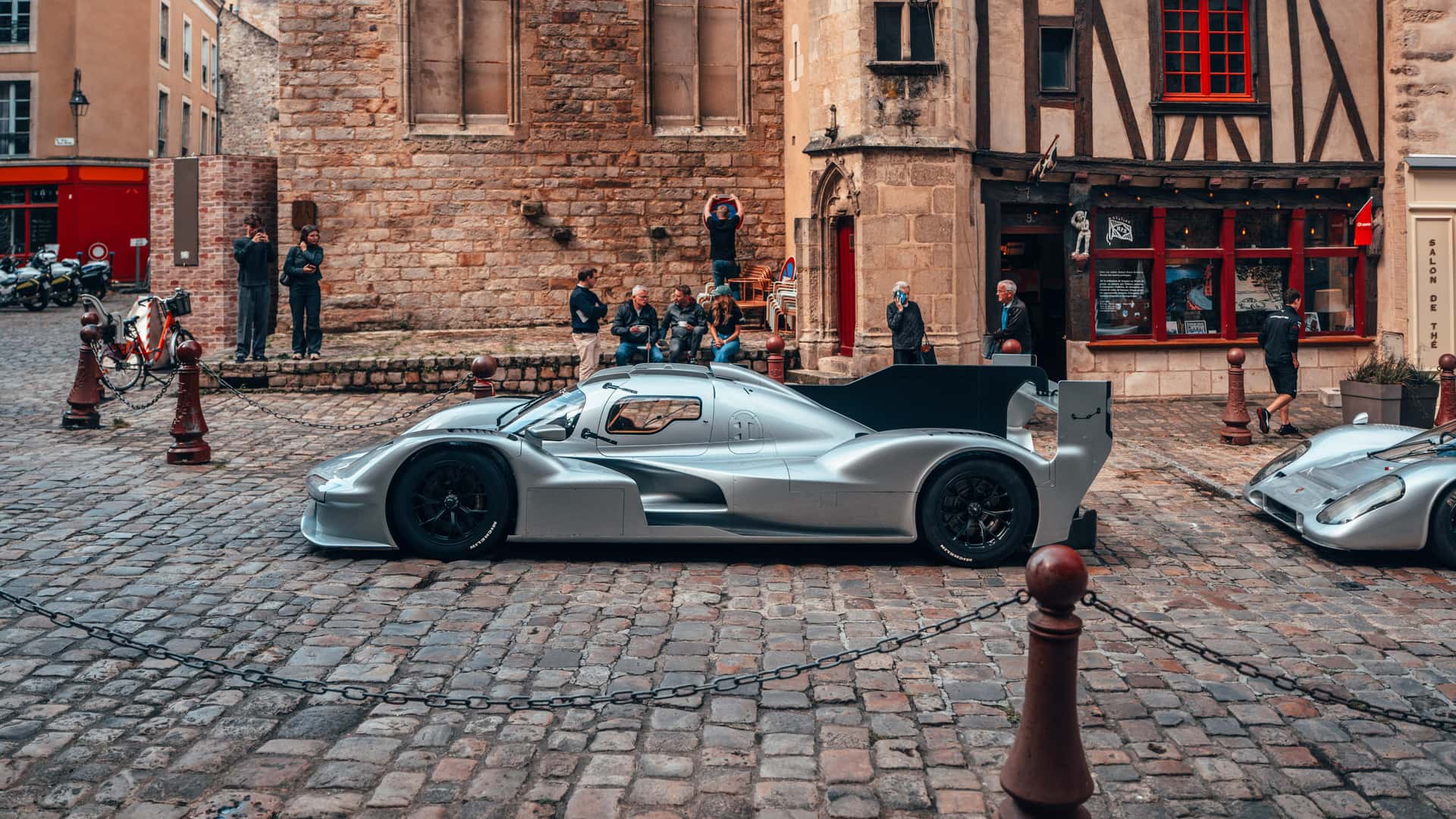
Unlike its racing counterparts wrapped in sponsor liveries, the 963 RSP is the first 963 to receive a full paint finish—an intricate process due to its ultra-light Kevlar and carbon fibre bodywork. It wears Martini Silver, matched from Porsche Museum archives and applied in a triple-layer lacquer. Other unique touches include satin-black minor components, a 3D-printed “963 RSP” rear badge, and period-correct Michelin logos on the 18-inch rain-spec Michelin tires mounted on forged OZ Racing wheels.
The revised bodywork includes enclosed fender vents, removable carbon fibre wing plates, and an enamel Porsche crest on the nose, replacing the usual racing graphic. These changes mirror the design language of the 917 while staying faithful to the form of the 963.
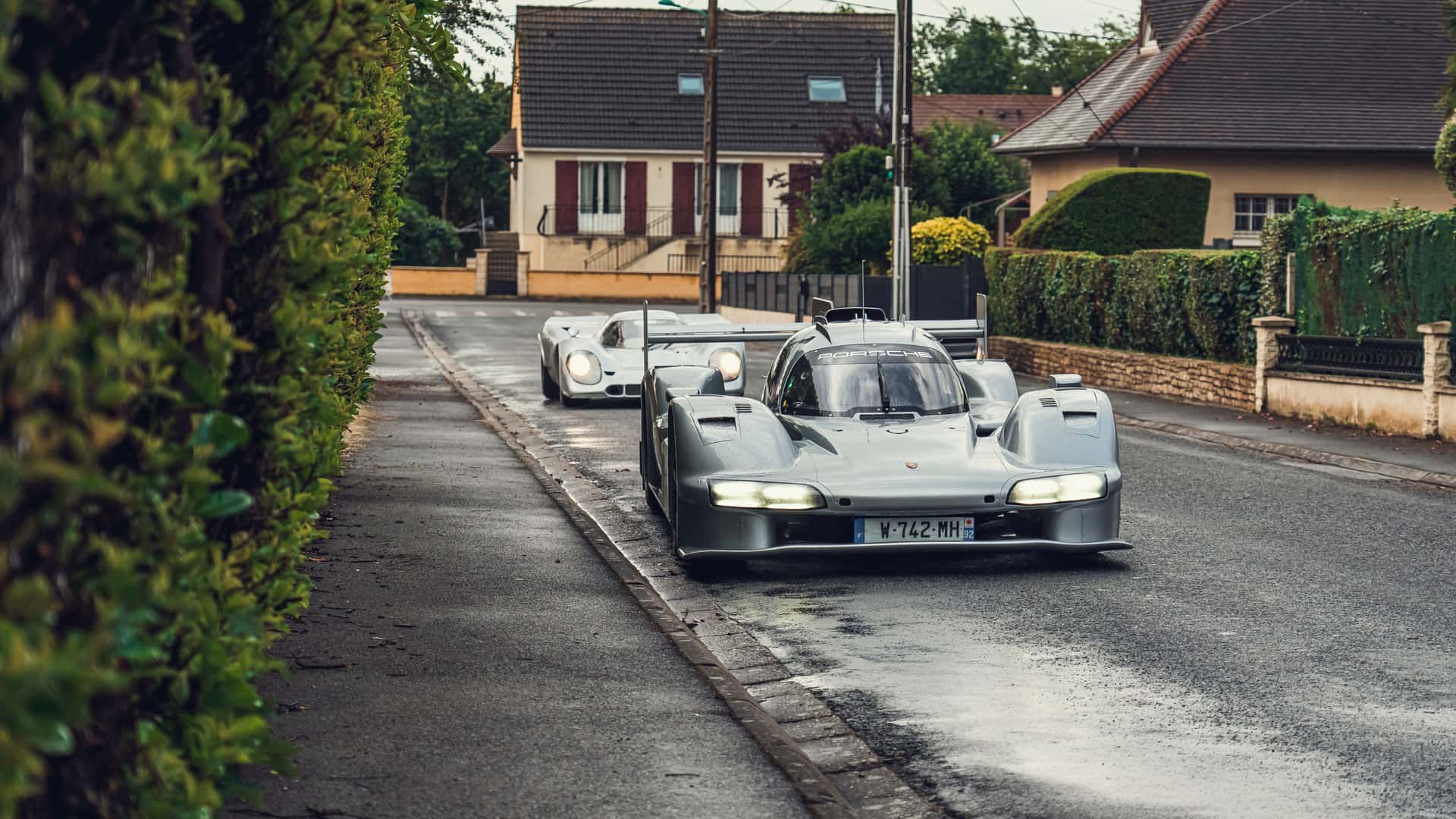
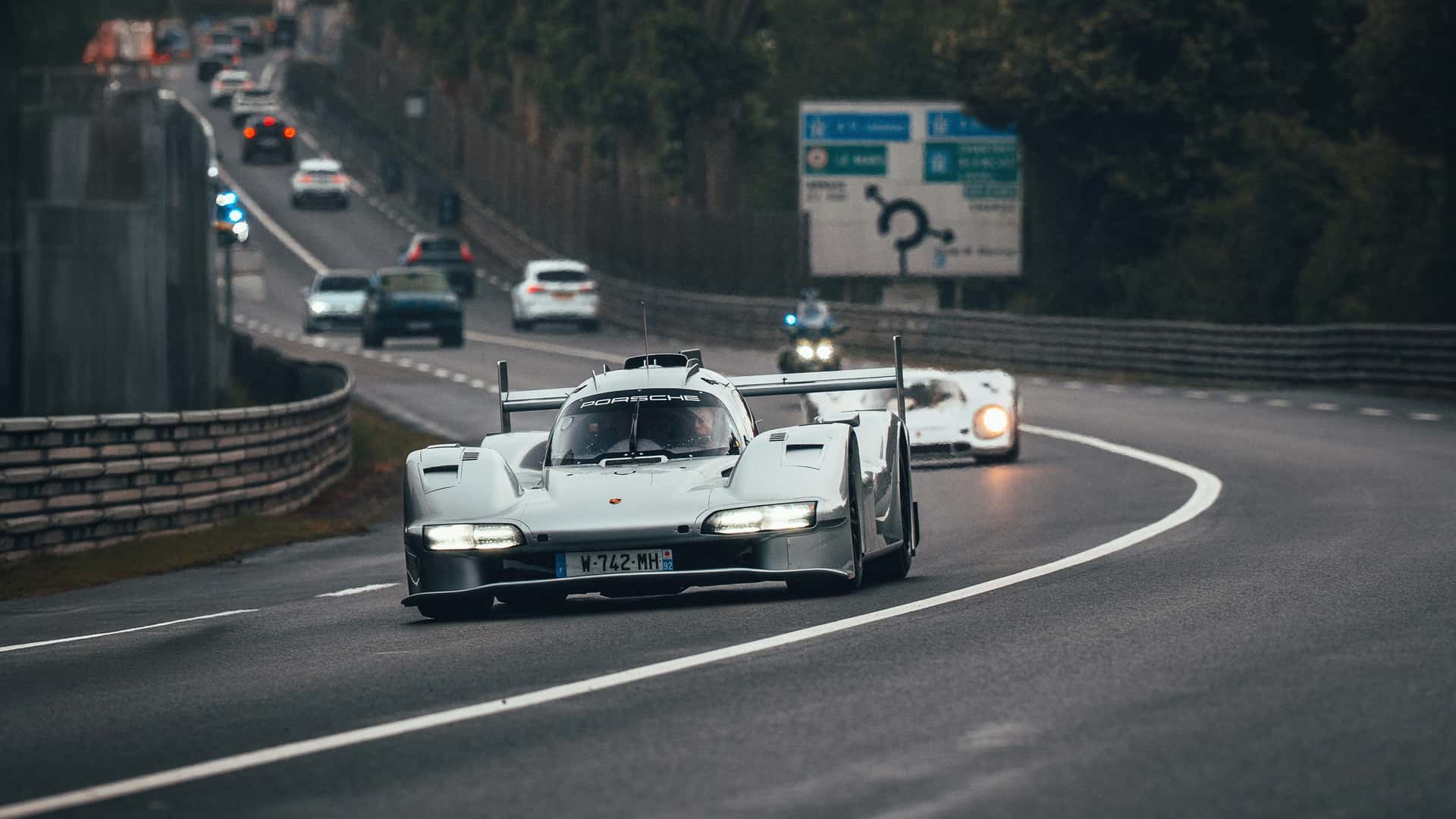
Though derived from a purpose-built endurance car, the 963 RSP is road-ready. Adjustments include raised ride height, softened suspension dampers, and reprogrammed electronics for street lighting compliance. Covered wheel arches, a functional horn, and approval from French authorities—supported by the Automobile Club de l’Ouest—allowed the car to be legally driven on public roads.
Timo Bernhard, Porsche works driver and Le Mans winner, piloted the 963 RSP during its public road debut near the Circuit de la Sarthe. “Driving a 963 alongside a 917 on the open road was surreal. This version felt more forgiving and incredibly special—surprisingly comfortable, too,” he said.
Roger Penske, Chairman of Penske Corporation, expressed pride in the RSP project: “We’ve shared an incredible journey with Porsche since 1972. The 917/30 marked a golden era for us, and the 963 RSP honours that legacy. We wanted authenticity and purity—and this car captures the spirit of both the past and the present.”
The car will be on display during the 24 Hours of Le Mans before heading to the Porsche Museum in Stuttgart. It will also appear at the Goodwood Festival of Speed in July, accompanied by the original 917 that inspired it.
The 963 RSP concept emerged during a conversation at Road Atlanta between Resch, Thomas Laudenbach (VP, Porsche Motorsport), and Urs Kuratle (Director, Factory Racing LMDh). Inspired by Count Rossi’s 917, they envisioned repeating history with the 963 and brought the idea to Roger Penske and Jonathan Diuguid of Porsche Penske Motorsport.
The project was executed by Porsche’s Sonderwunsch team in Zuffenhausen and Porsche Classic in Atlanta. Under the direction of Grant Larson, Director of Special Projects at Style Porsche, the team developed a road-focused vision with hand-crafted design touches—inside and out.
At the heart of the 963 RSP lies a formidable 4.6-litre twin-turbocharged V8 engine, delivering approximately 680hp.This powerplant, designated internally as the 9RD, traces its lineage to the RS Spyder and shares around 80% of its components with the 918 Spyder’s engine.Complementing the combustion engine is a hybrid system featuring a Bosch-supplied motor generator unit (MGU) and an 800-volt lithium-ion battery developed by Williams Advanced Engineering.The integration of these systems facilitates electric-only operation and has been meticulously recalibrated to ensure smooth power delivery suitable for road use.
Transitioning the 963 RSP from track to tarmac necessitated several modifications.The ride height was elevated to its maximum setting, and the Multimatic DSSV dampers were adjusted to their softest configuration, enhancing ride comfort.The control unit underwent reprogramming to activate road-legal lighting systems, including headlights and turn signals.Additionally, the engine management system was adapted to operate efficiently on standard pump petrol, a significant undertaking given the vehicle’s racing origins.
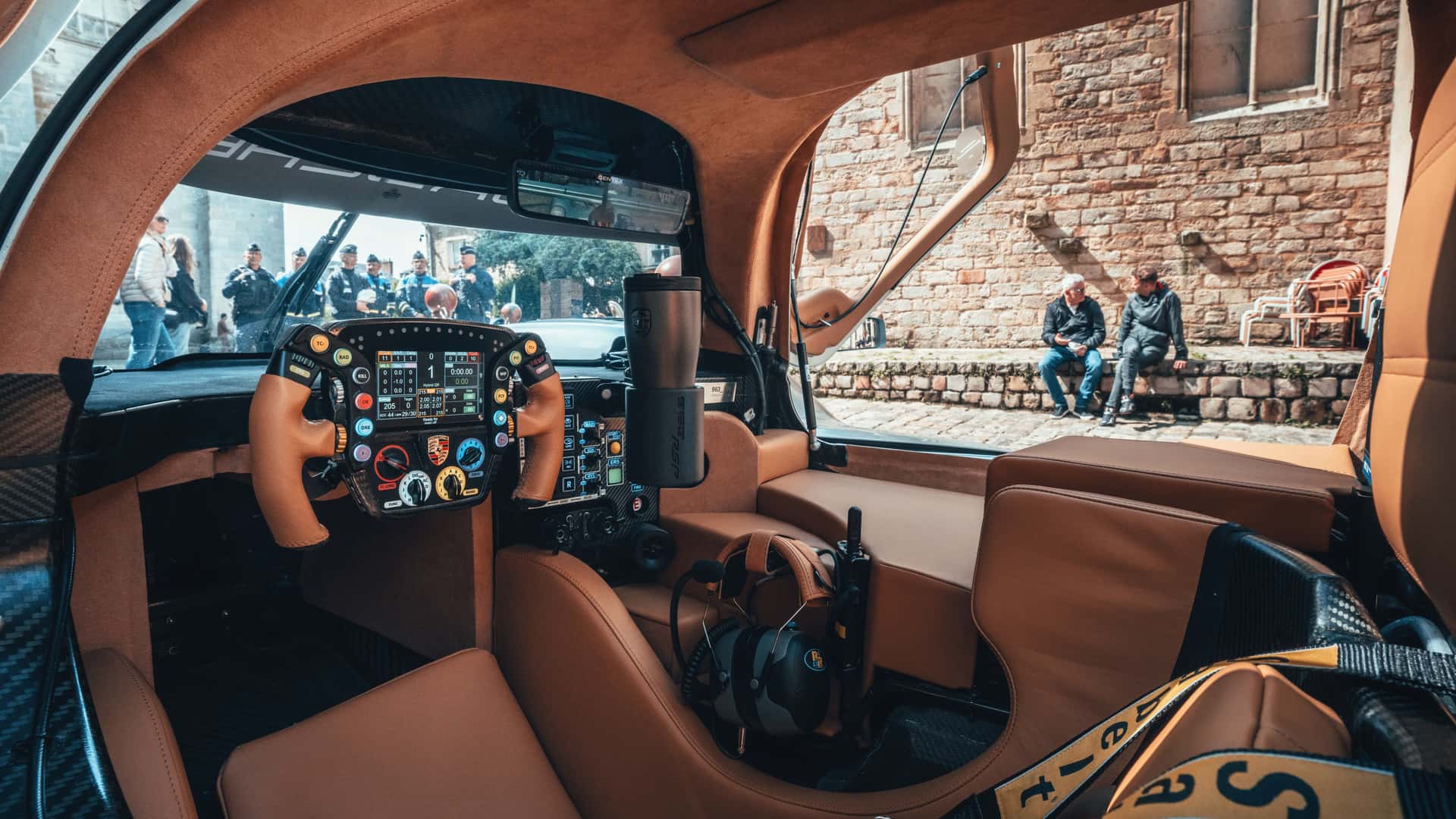
Inside, the RSP takes an unprecedented departure from its track-only sibling. The race seat is retained but upholstered in tan leather and Alcantara with added padding for comfort. The roof lining, pillars, and footwells are trimmed in Alcantara. The multifunctional racing steering wheel is now leather-wrapped, and a custom side console holds the vehicle’s Peltor headset and a laptop for system operation. The final touch, a 3D-printed detachable cup holder that fits a Porsche travel mug.
The Porsche 963 RSP is more than a car—it’s a celebration of heritage, engineering, and passion. By uniting the past and present, it becomes a symbol of what Porsche and Penske have always done best: push the limits of what’s possible, whether on the track or the road.