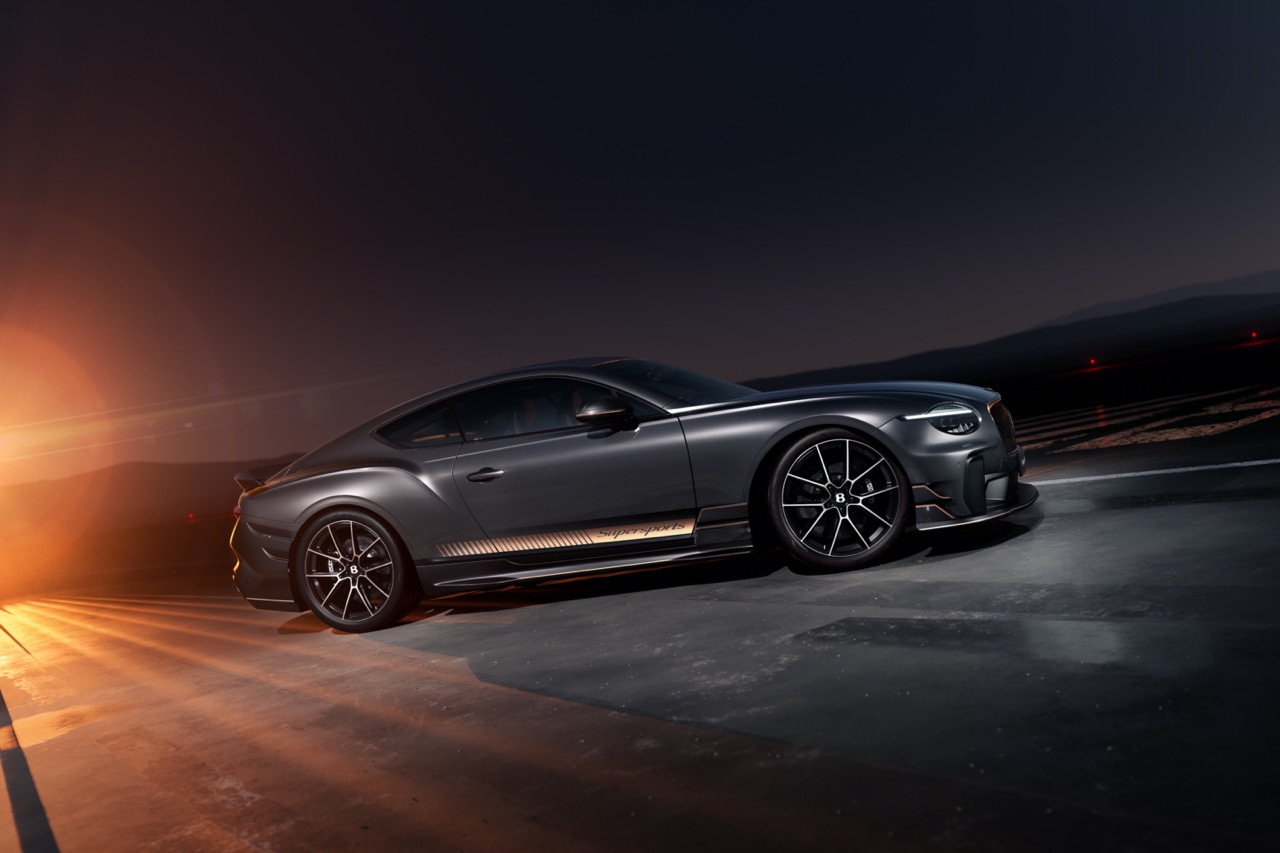
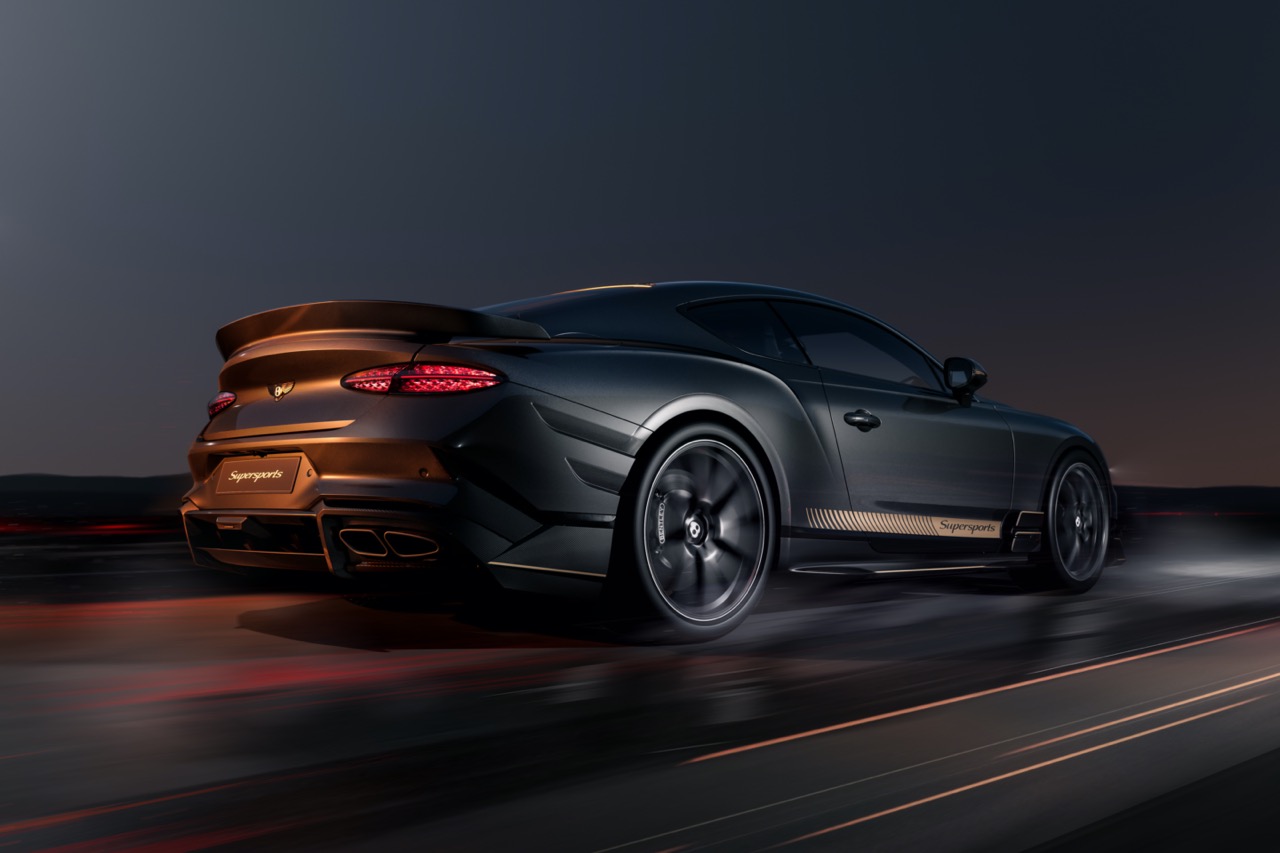
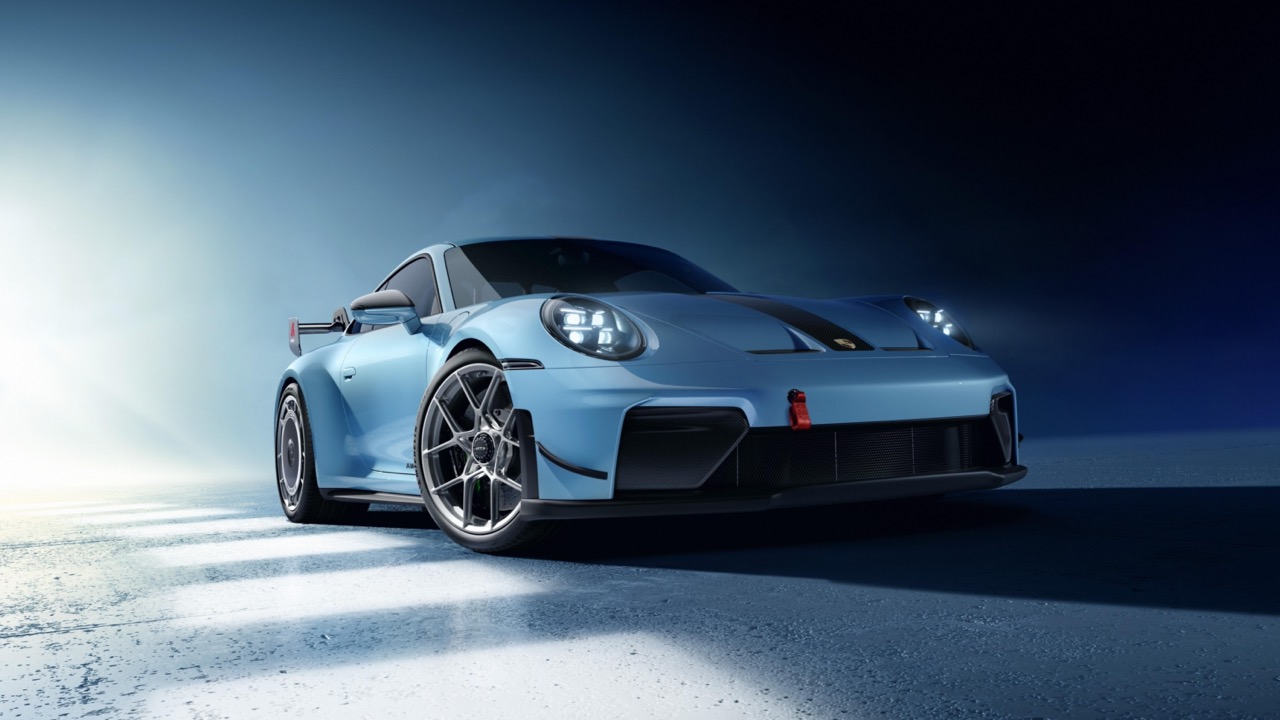
Bentley has brought back the Supersports name for the fourth time, a full century after it first appeared, and the latest interpretation is the most driver-focused Continental GT the company has built. The new model sheds its grand-tourer formality for a simpler, lighter, rear-wheel-drive layout, now configured strictly as a two-seater and weighing under two tonnes.
Power comes from a reworked 4.0-litre twin-turbo V8 that produces 666PS and 800Nm, paired with an eight-speed dual-clutch gearbox. Carbon ceramic brakes, 22-inch forged wheels developed with Manthey Racing and a titanium Akrapovič exhaust are all fitted as standard, with Pirelli Trofeo RS tyres available for those wanting additional grip.
Every exterior element serves a purpose, with the design centred on weight reduction and meaningful aerodynamic gains. The redesigned front bumper houses Bentley’s biggest splitter ever fitted to a production road car, channelling airflow to the brakes and engine.
More carbon fibre appears around the body in the form of dive planes, extended sills, fender blades, a deeper diffuser and a fixed rear wing. These components generate over 300 kg more downforce than the GT Speed, while the carbon fibre roof lowers the mass and helps drop the centre of gravity.
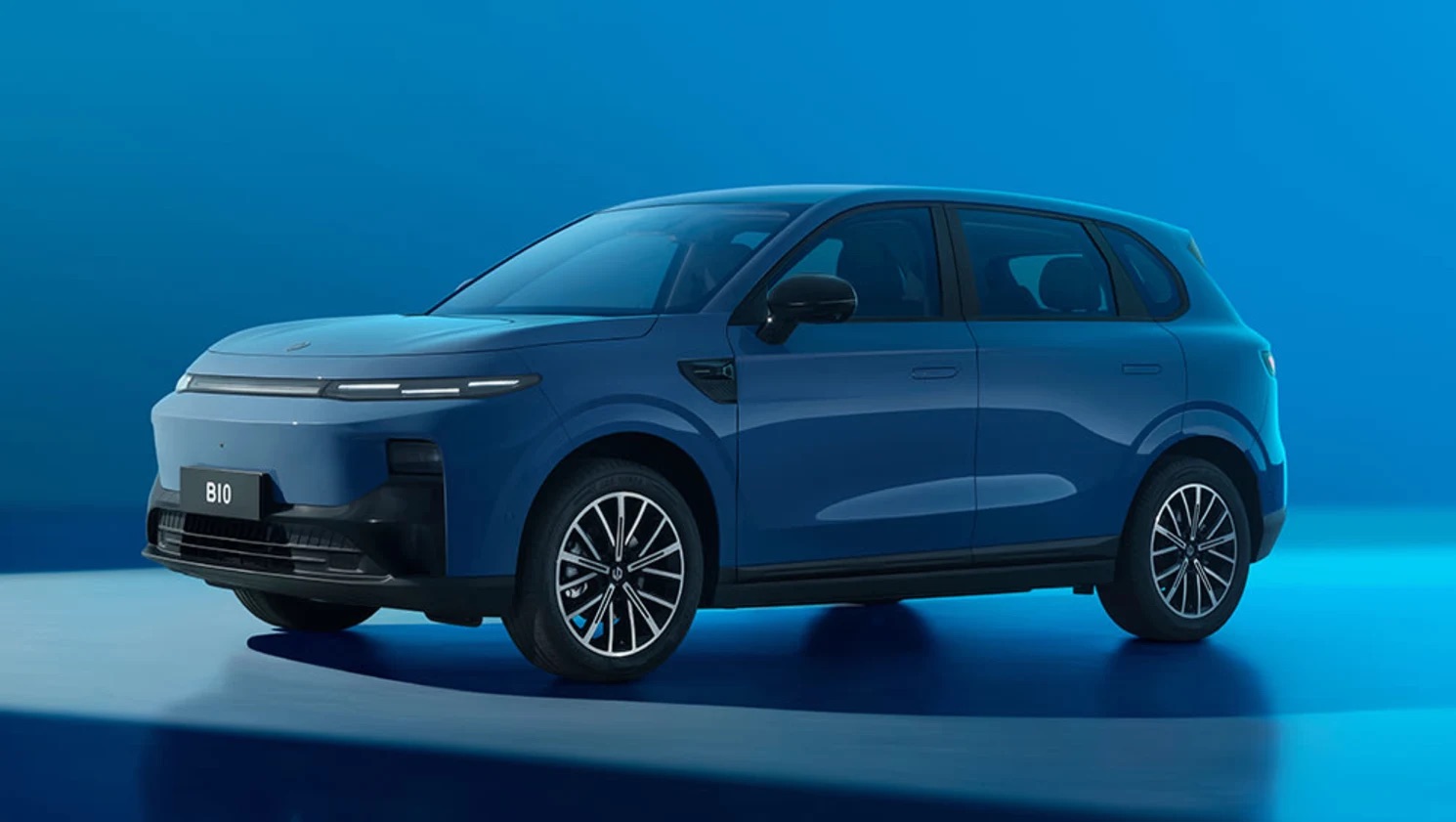
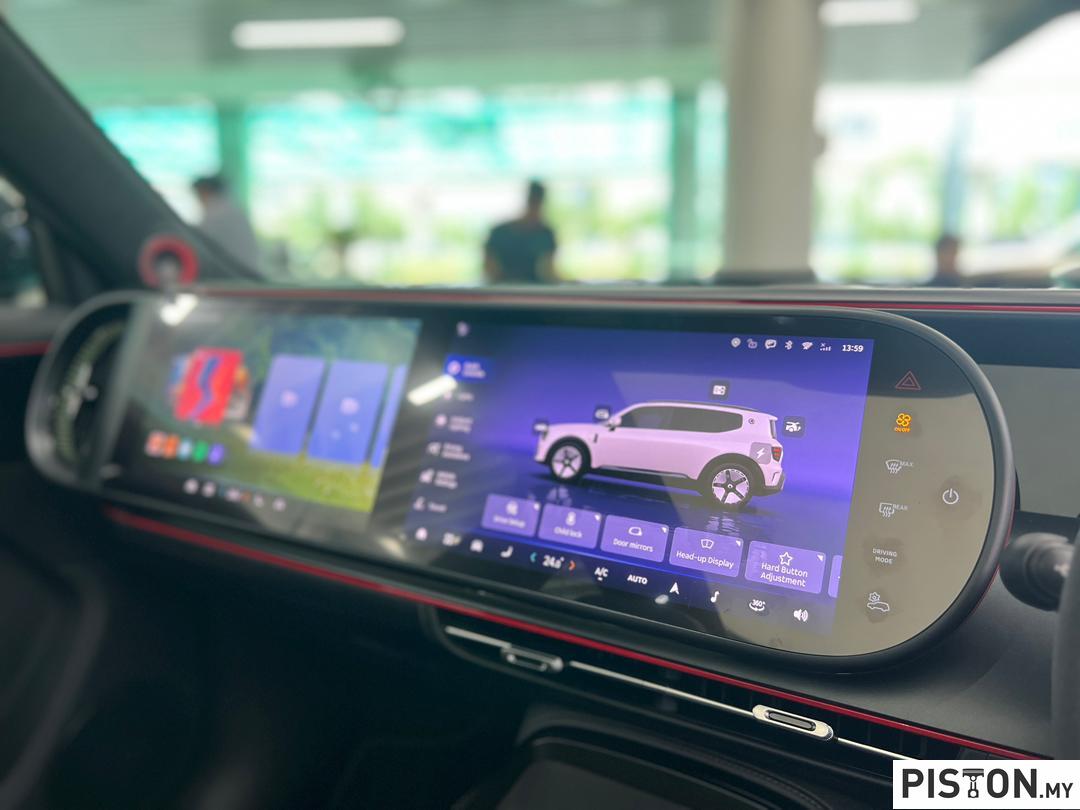
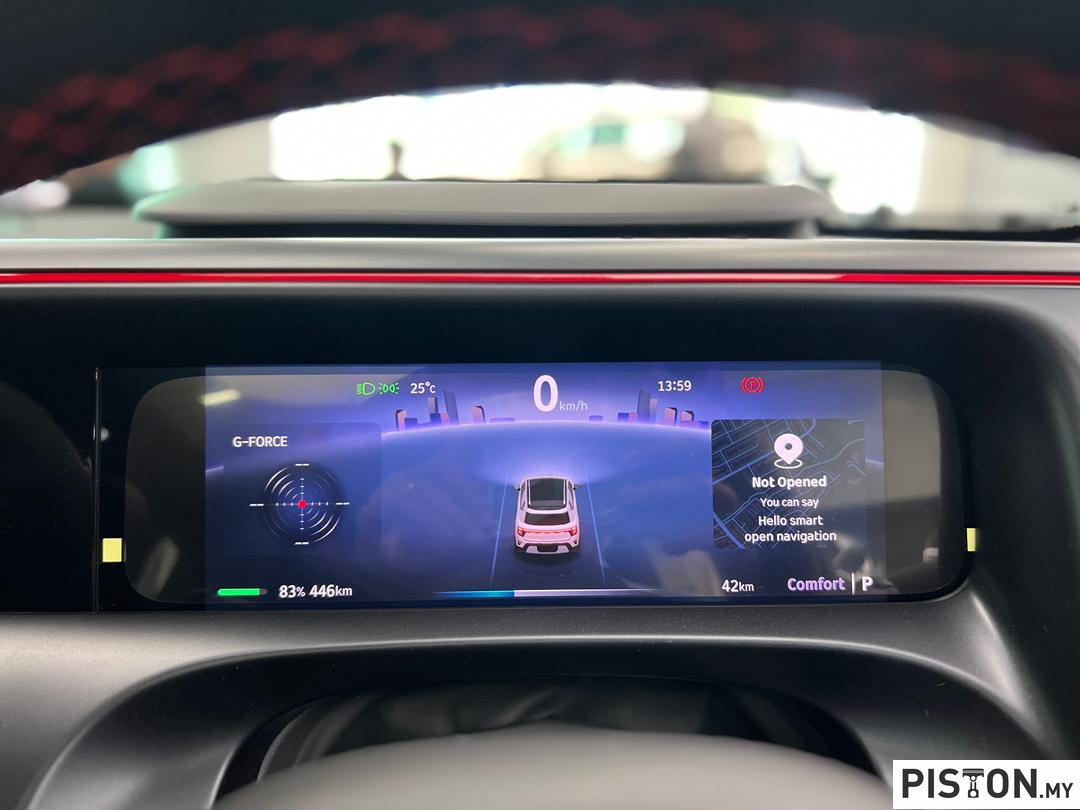
Leapmotor Malaysia has opened bookings for the upcoming Leapmotor B10, an electric SUV set to arrive in December 2025 with an estimated price between RM110,000 and RM120,000. Customers can reserve a unit with an RM80 fee, and the brand is sweetening the deal for early adopters.
The first 200 buyers will receive the ‘LeapX100’ package, which offers returns worth 100 times the booking fee through either a complimentary wallbox charger or free servicing, along with a substantial cash rebate that brings the total value of the reward to as much as RM8,000.
The B10 will be introduced locally in two variants, both built on the company’s new LEAP3.5 architecture. The SUV measures 4,515 mm long, 1,885 mm wide and 1,655 mm tall, with a wheelbase of 2,735 mm, and promises up to 460 km of WLTP range from a battery capacity of up to 67.1 kWh.
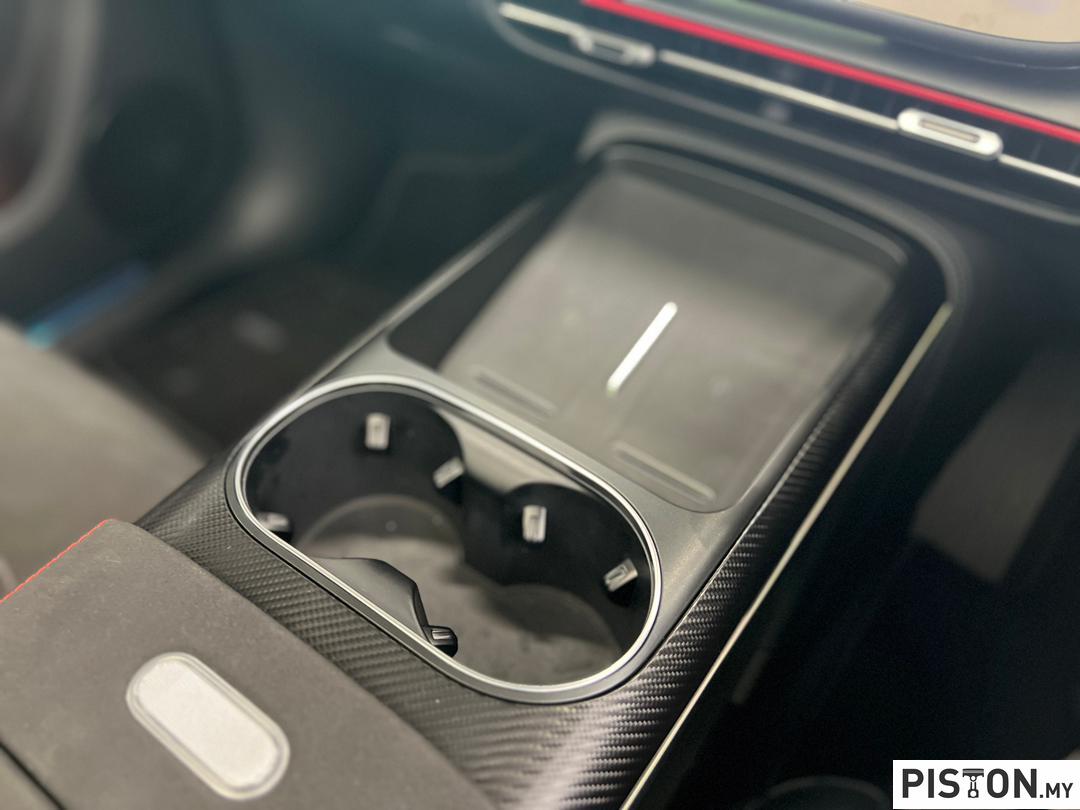
Boot space stands at 420 litres, expanding to a generous 1,415 litres when the rear seats are folded, while the cabin and exterior feature the brand’s latest intelligent systems and design cues aimed at delivering a comfortable and efficient driving experience.
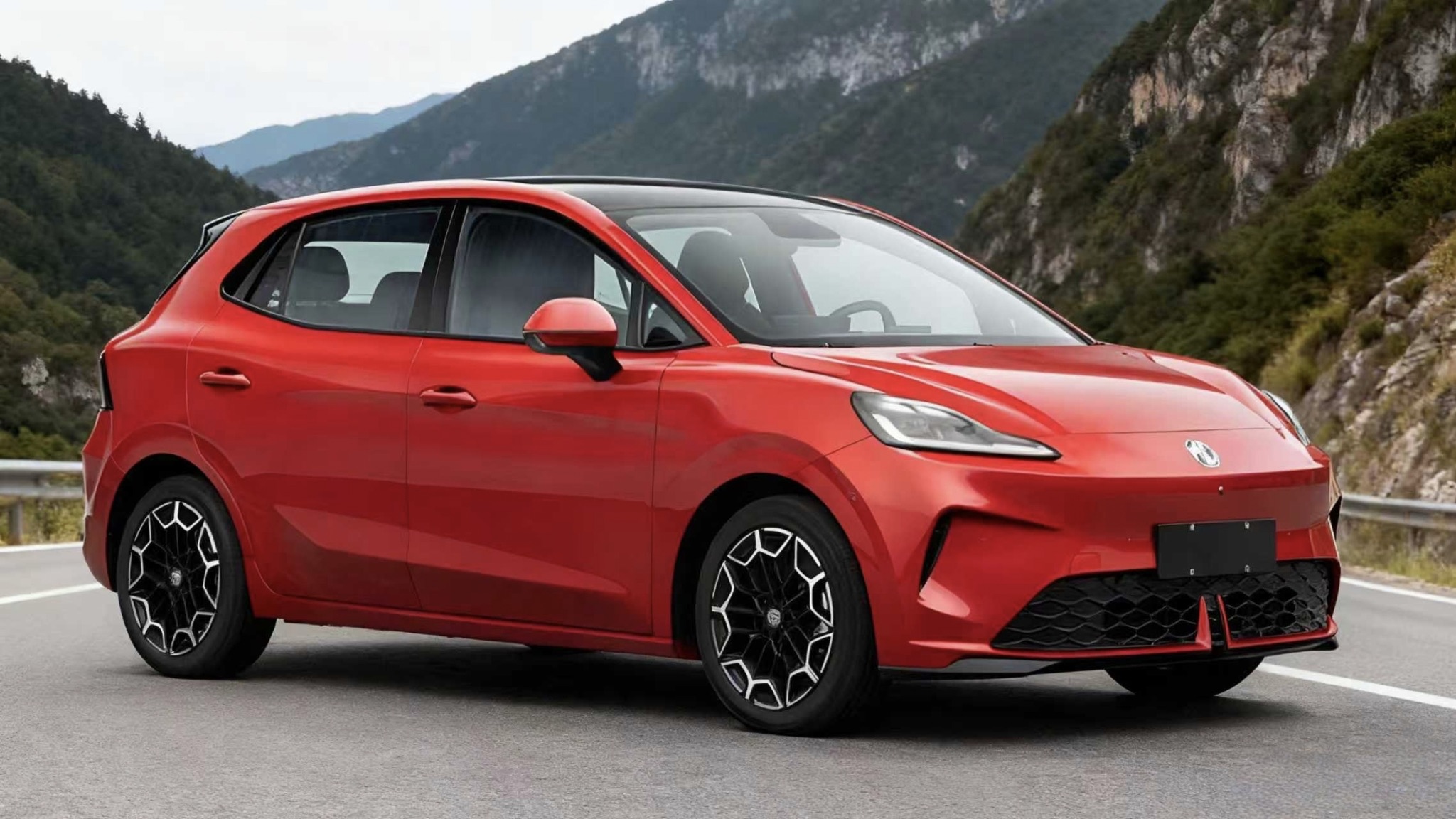
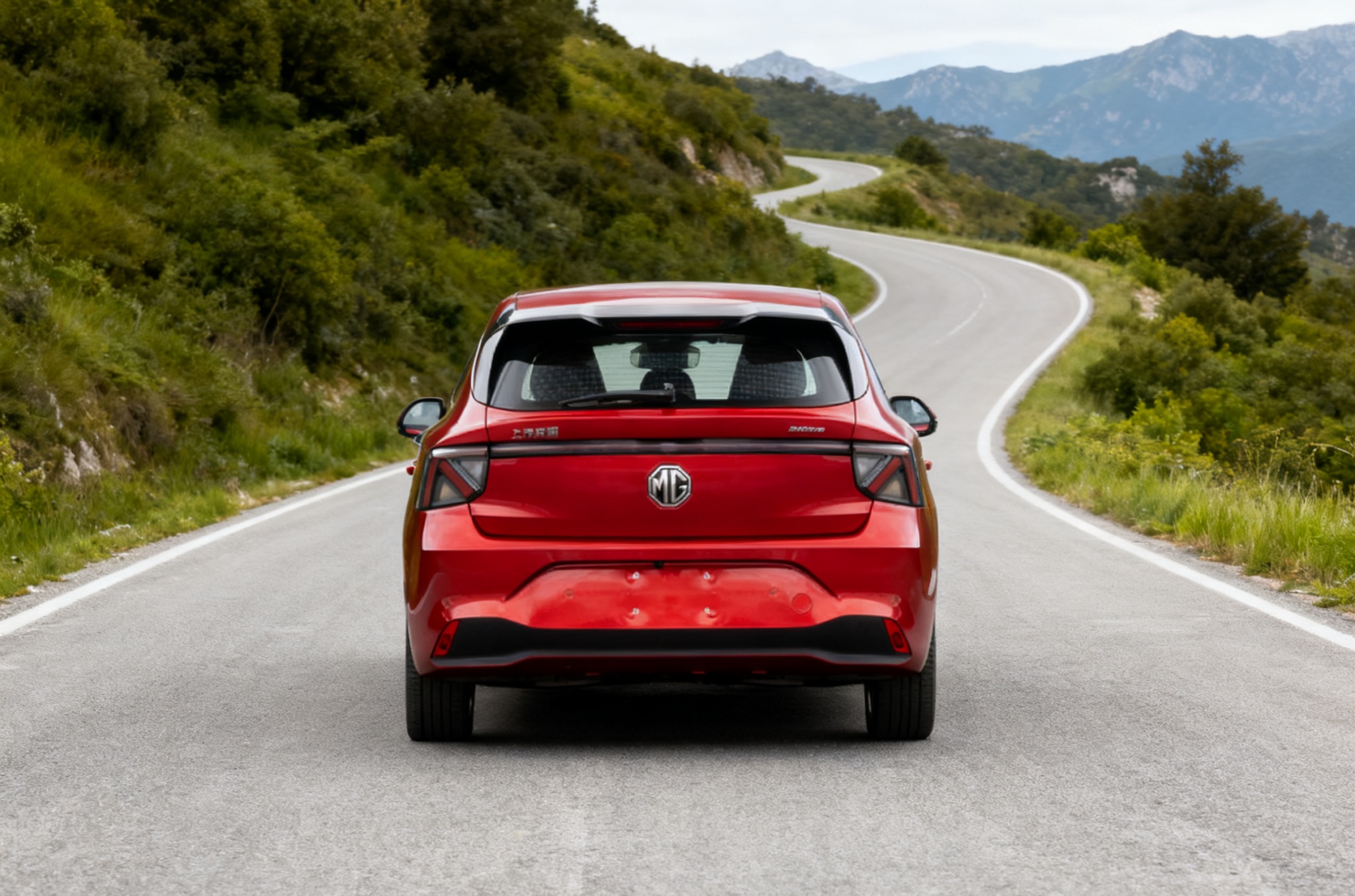
MG is preparing to unveil a new addition to its MG4 family at the upcoming Guangzhou Auto Show on 21 November, introducing the Anxin Edition as one of the first mass-produced passenger cars to feature a semi-solid-state battery. The new variant will use a manganese-based lithium-ion pack jointly developed by SAIC and QingTao Energy, offering a CLTC-rated range of 530km. For reference, the MG4 range currently sells from 68,800 to 102,800 yuan (around RM45,400 – RM67,800).
Although the Anxin Edition has yet to be shown in its final form, documents submitted to regulators point towards a familiar exterior. The overall profile mirrors the current MG4, retaining its wide-stance hatchback shape, the Cyberster-inspired front end and the illuminated MG badge. Its measurements remain unchanged at 4,395 mm long, 1,842 mm wide and 1,551 mm tall, with a wheelbase of 2,750 mm. At the rear, the full-width light bar and arrow-style signature lights continue to define the model’s look.
The interior adopts the updated cabin layout MG has recently rolled out to the rest of the MG4 range. The central display grows from 12.3 to 15.6 inches, and the physical buttons that once sat beneath it have been removed. The traditional rotary gear selector has been replaced with a column-mounted unit, while a new 50-watt wireless charging pad sits lower in the console. The car also runs the MG–Oppo smart cockpit system, powered by Qualcomm’s Snapdragon 8155 chip.
China has undoubtedly taken the lead when it comes to electric cars. It has been so successful at it that it has forced giants of the car making business to follow suit.
Some of those giants have been good at emulating while some carmakers, particularly those from Europe and America, have lost huge amounts of money just to keep up.
The Japanese however have taken cautious steps.
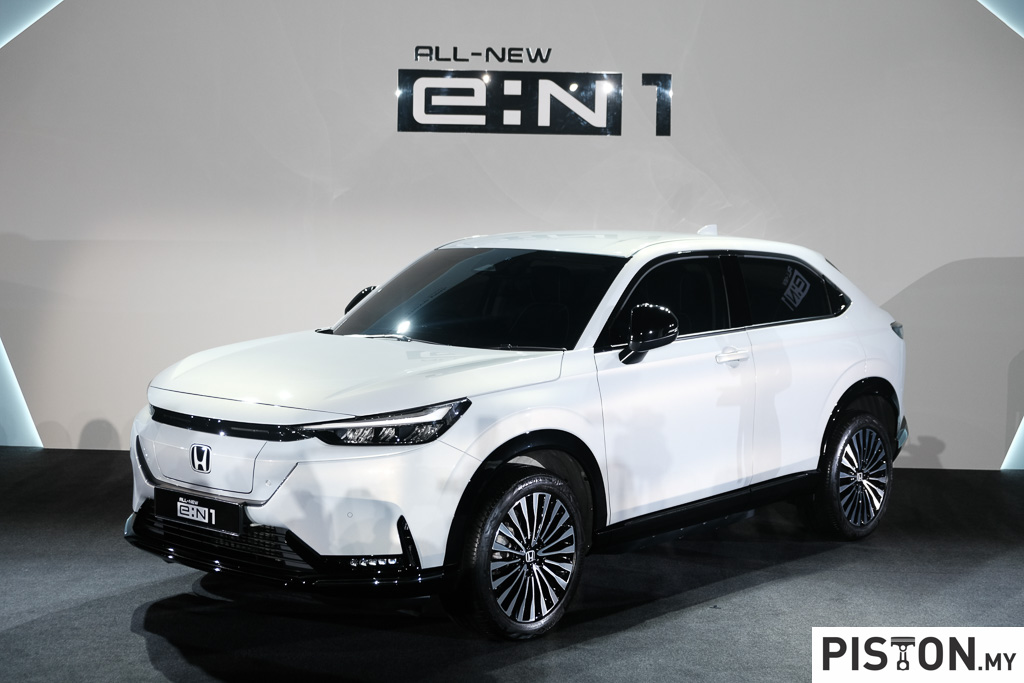
Until recently, Honda has largely been absent from the electric vehicle segment, in Malaysia at least. The recently introduced e:N1 is a decent salvo at the segment but it hardly made a dent nor did fans of electric cars sit up and take notice.
Honda e:N1 EV
But while Chinese car makers and perhaps even Tesla itself will tell you that electric cars are the “be all, end all” solution to world’s mobility and environmental problems, Honda has taken a completely different approach (though we all know that’s not true).
As I found out recently during a trip to the Japan Mobility Show (previously known as the Tokyo Motor Show) and subsequent question and answer session with Honda’s top management, the company still believes that hybrids play a big role in transport.
But despite that, it also believes that battery electric vehicles have their place in supporting a sustainable environment. Honda says it will continue its research and development programme for electric cars and already has a few cars set to be launched in 2026.
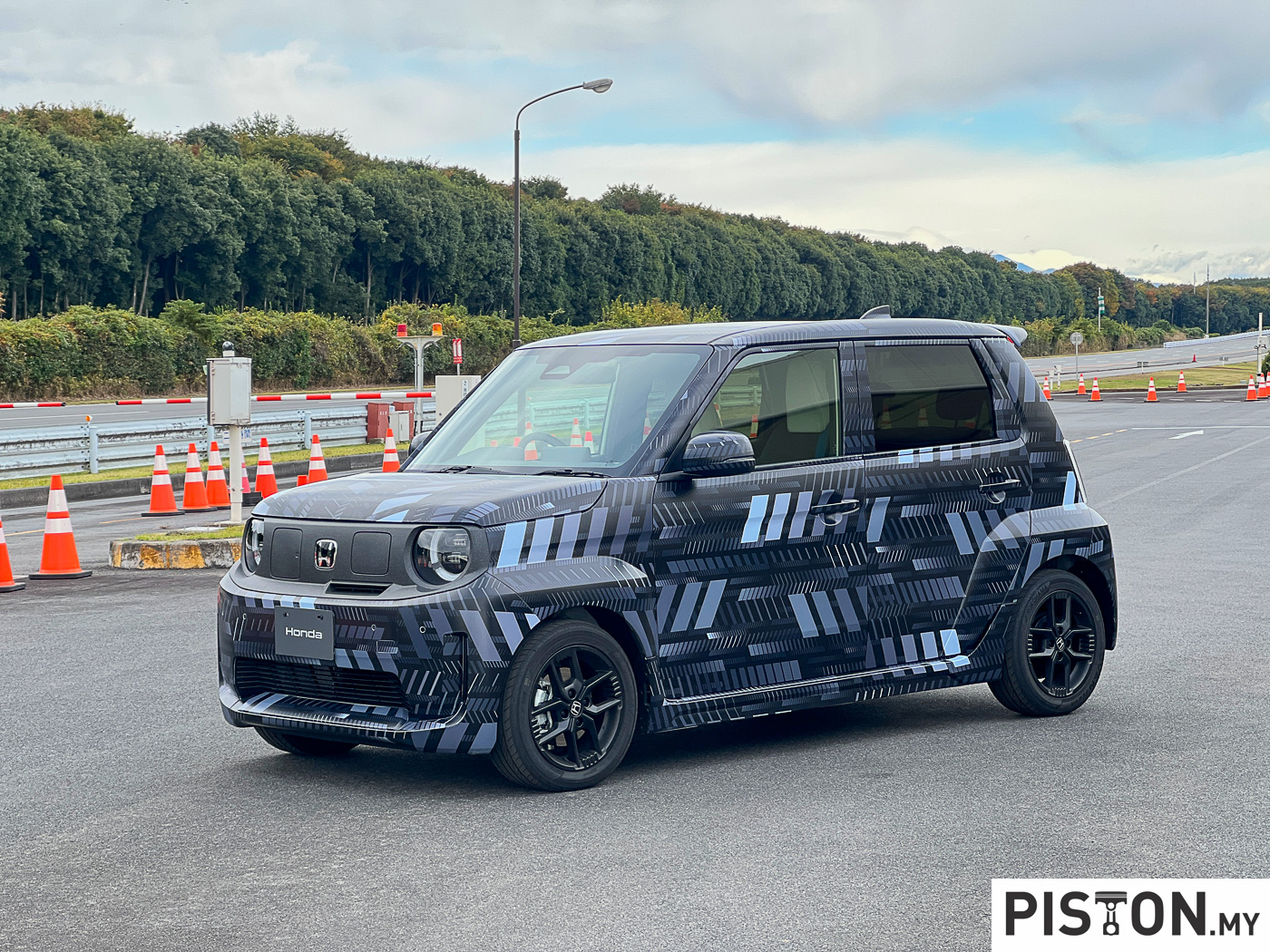
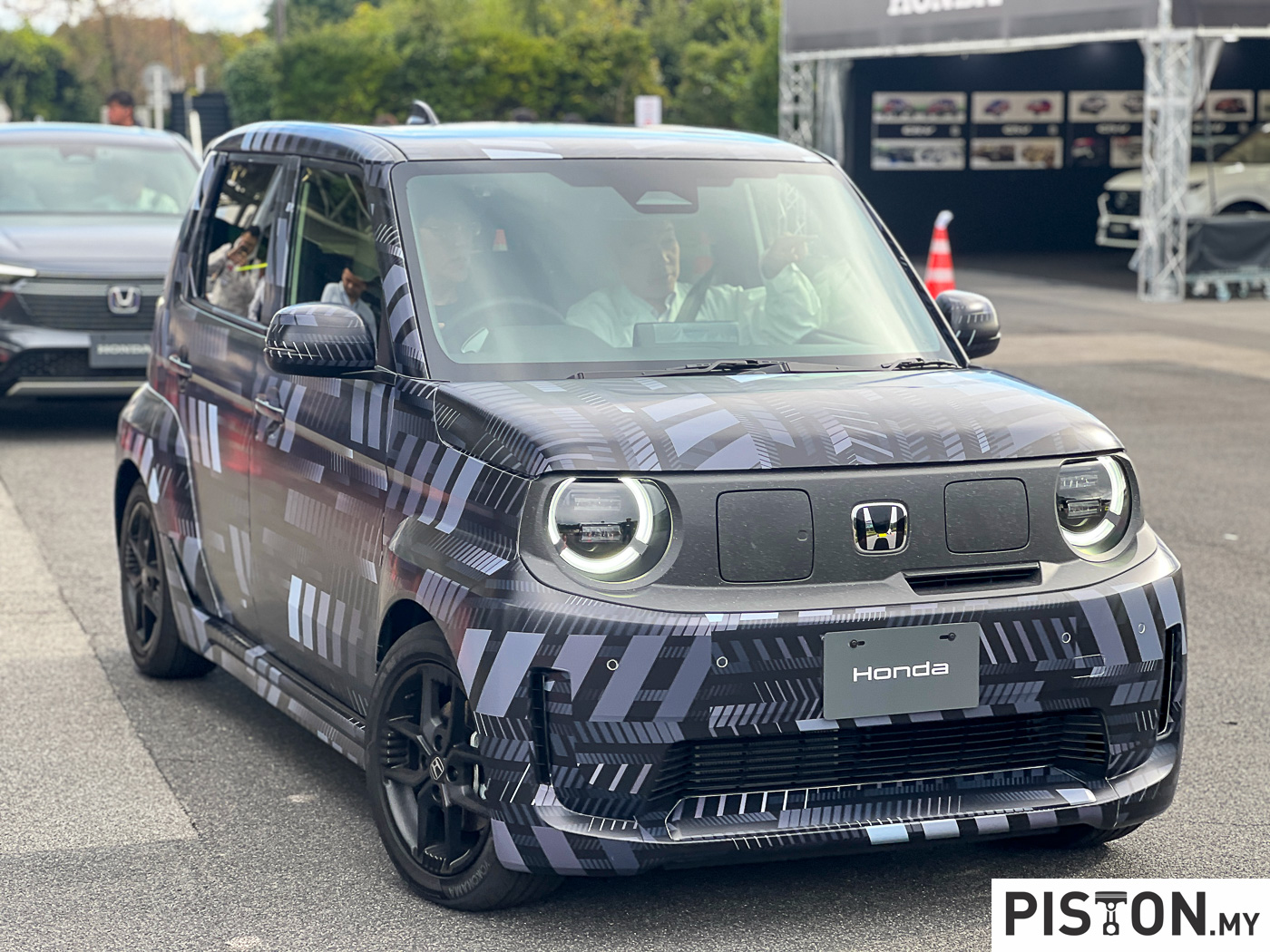
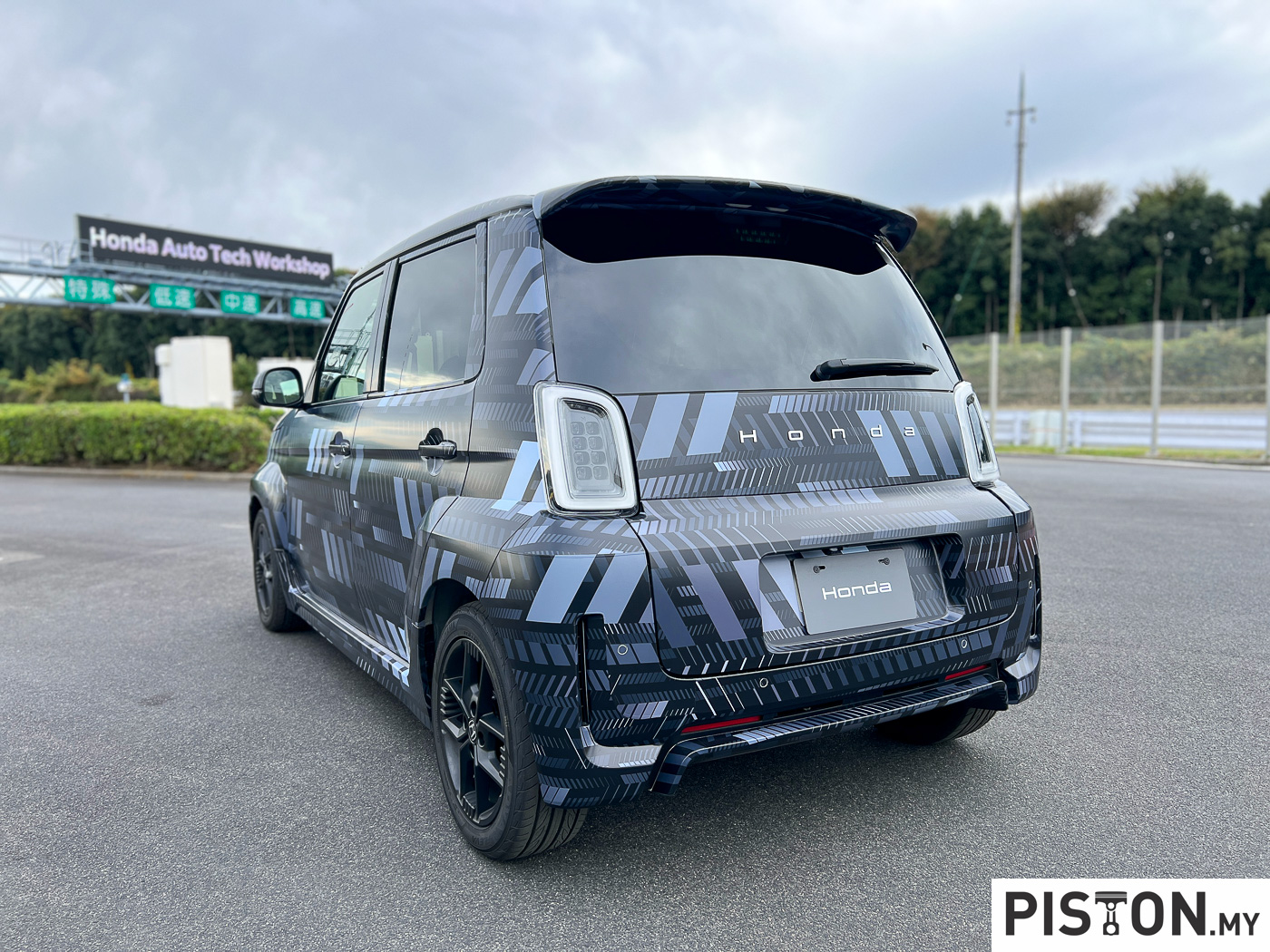
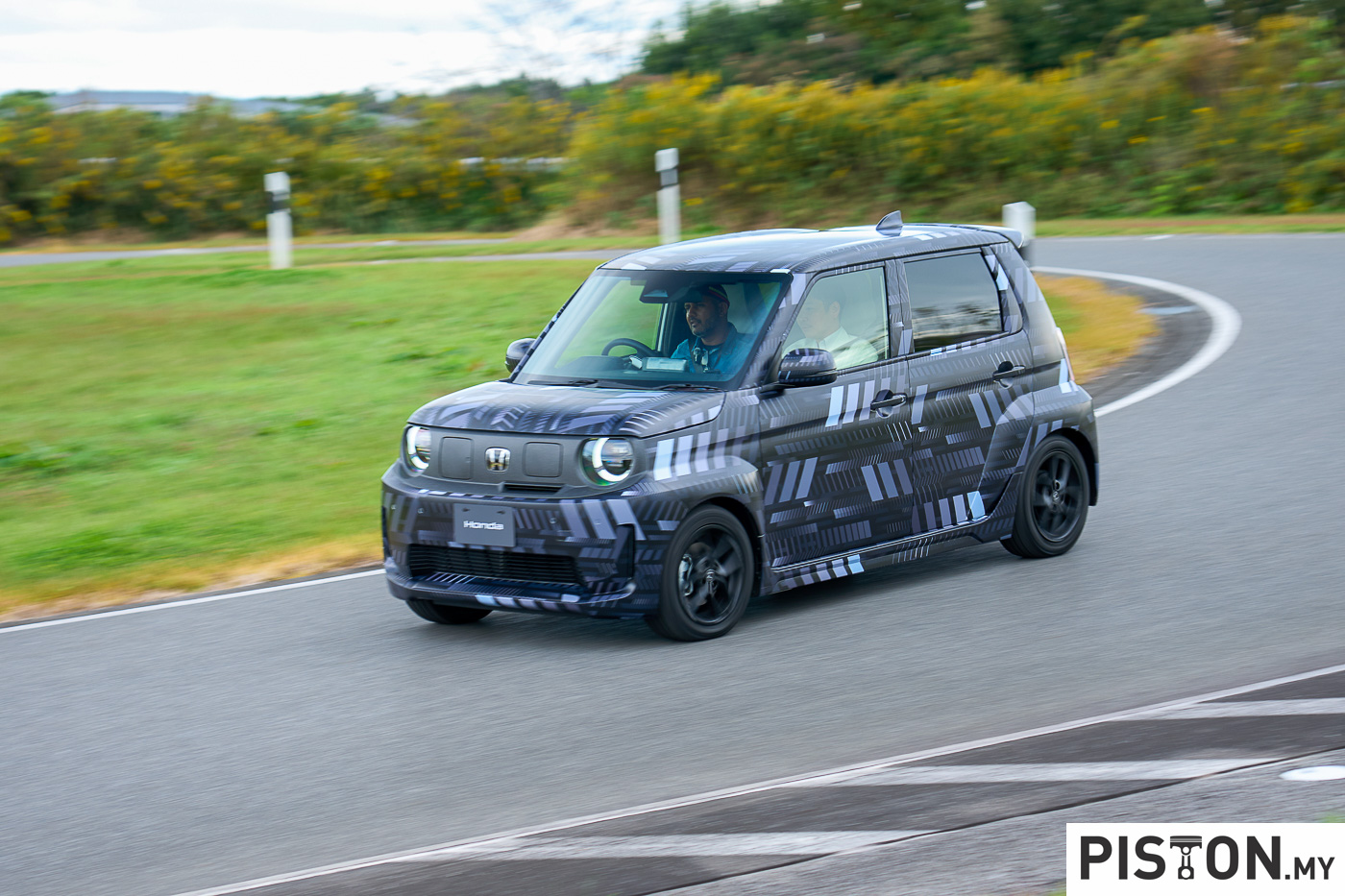
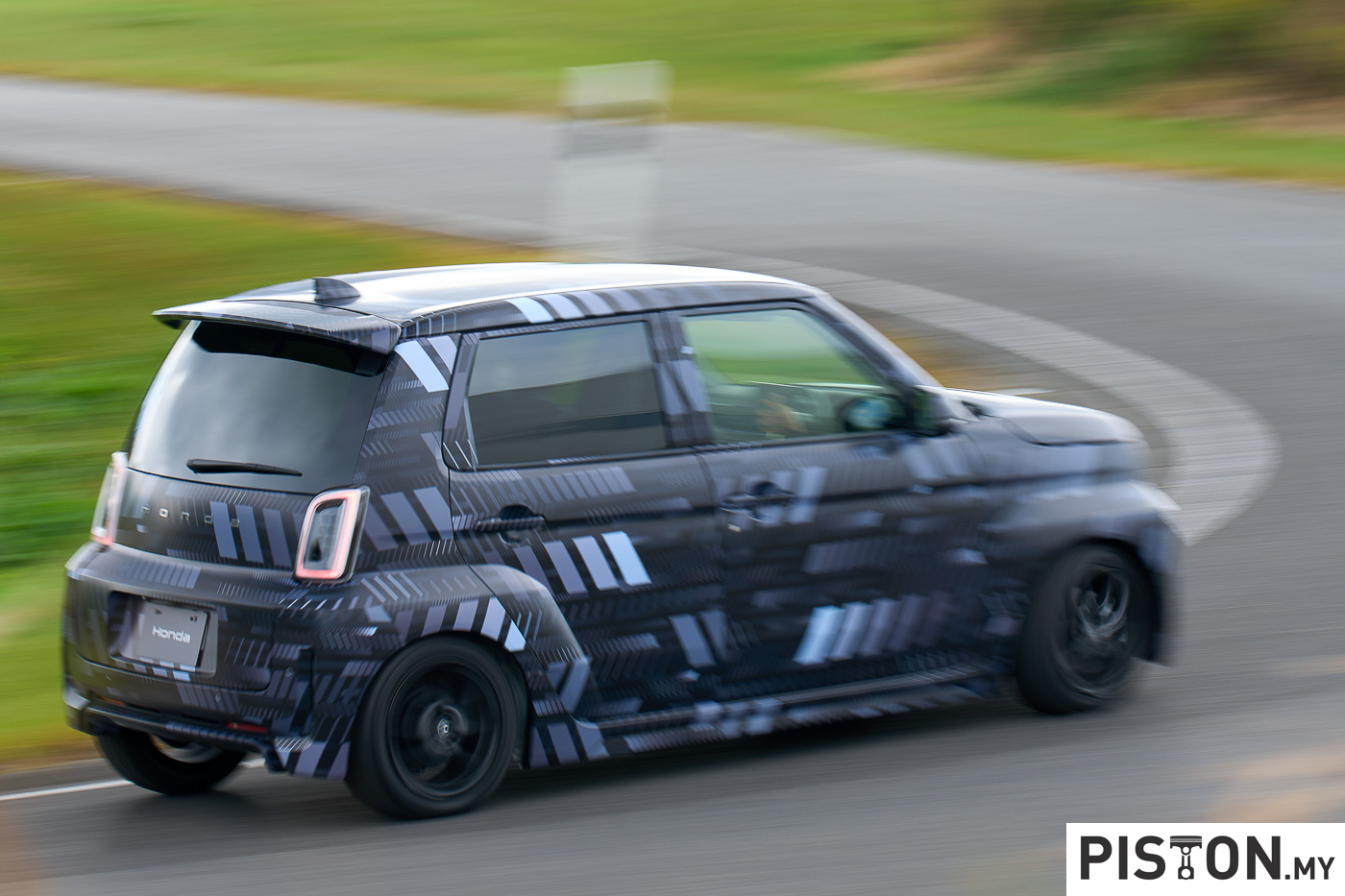
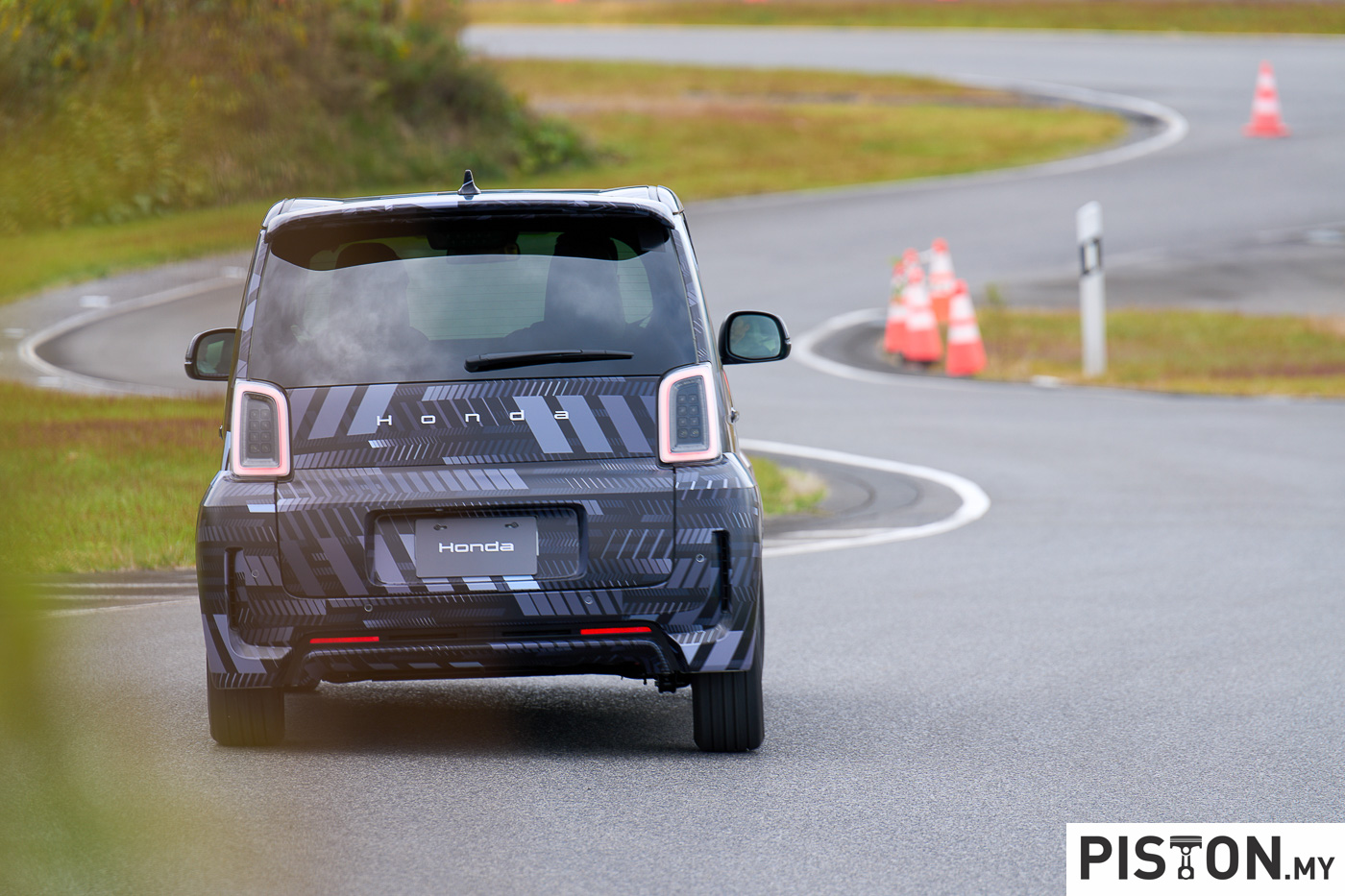
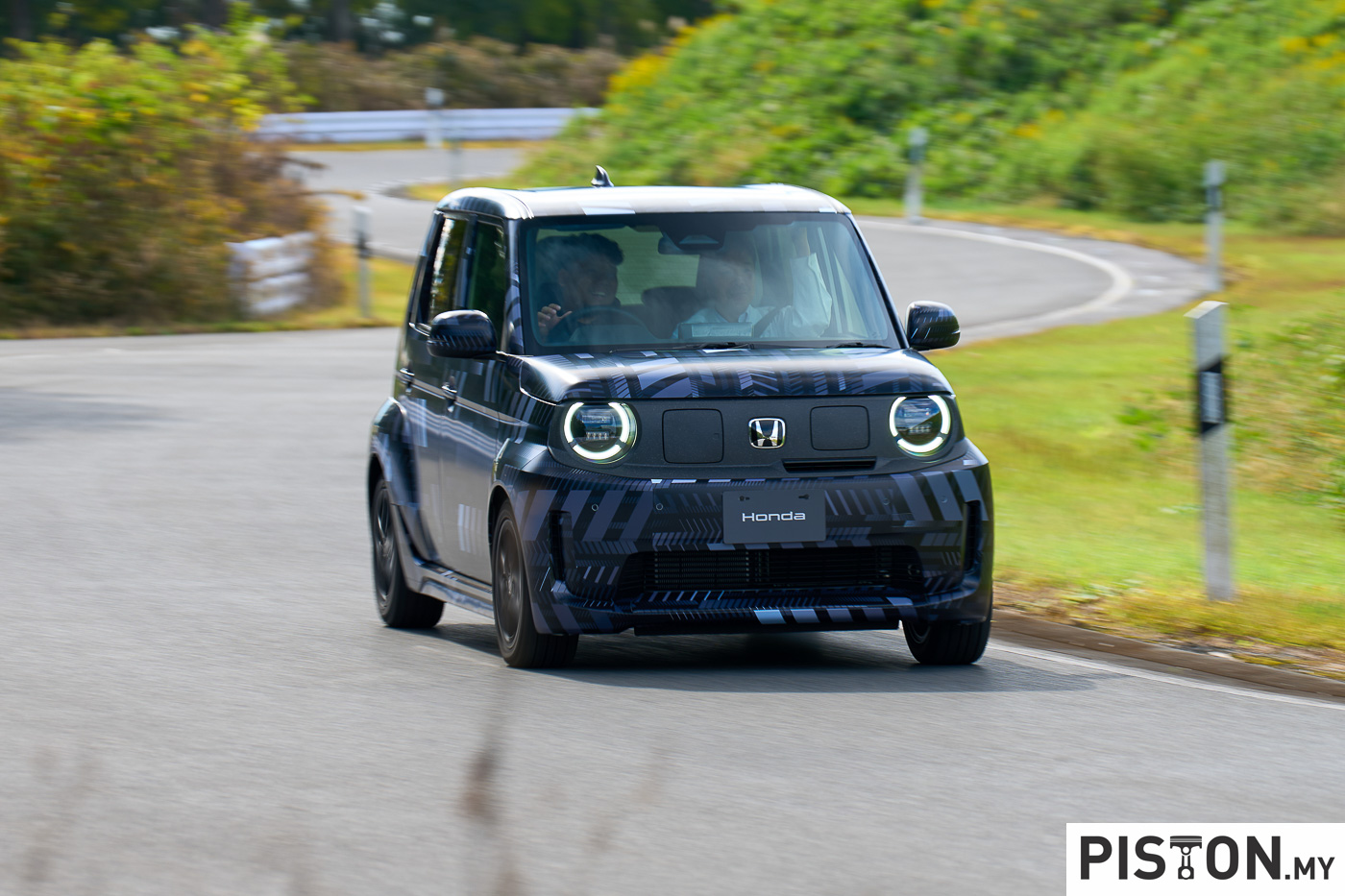
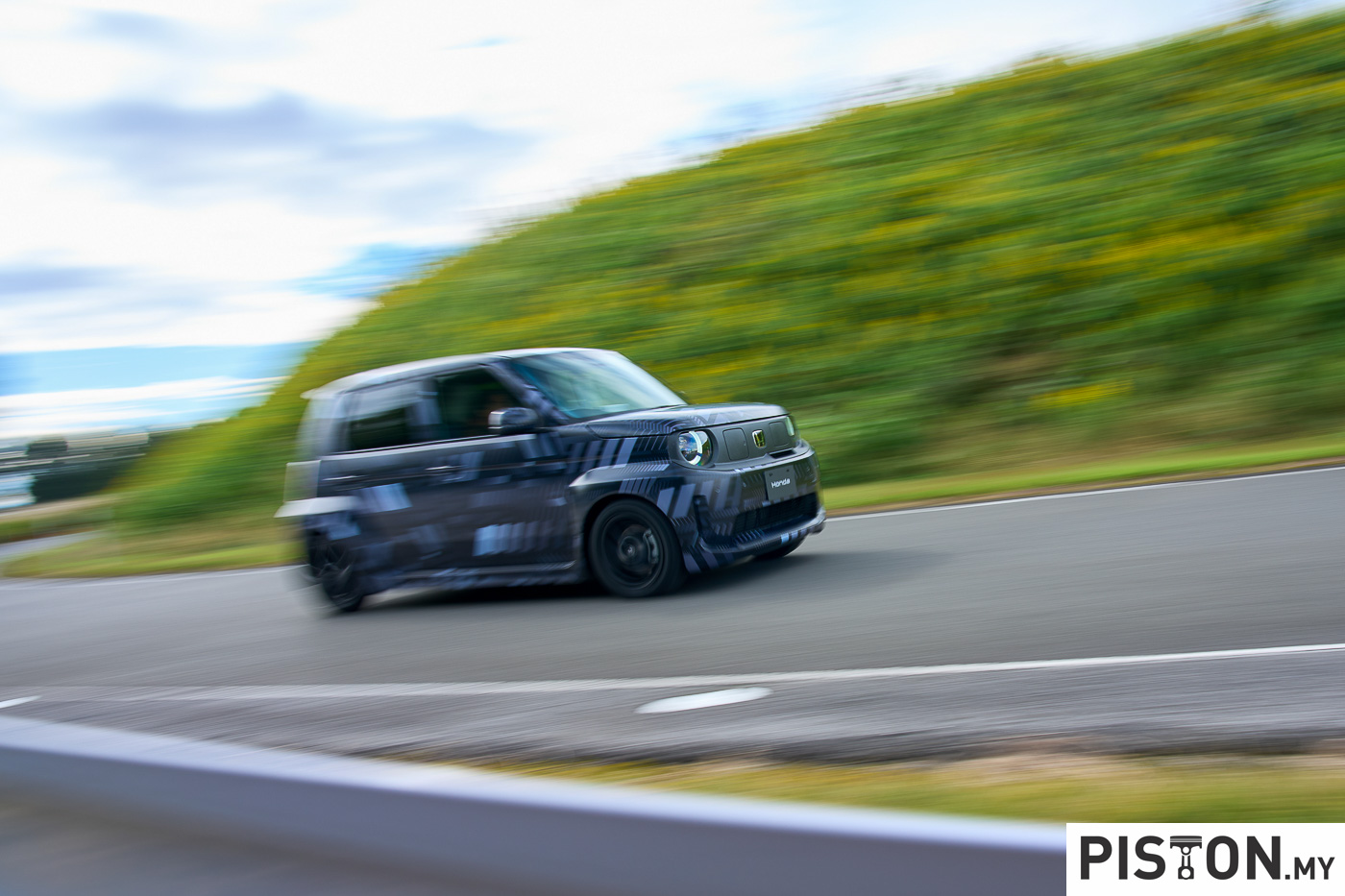
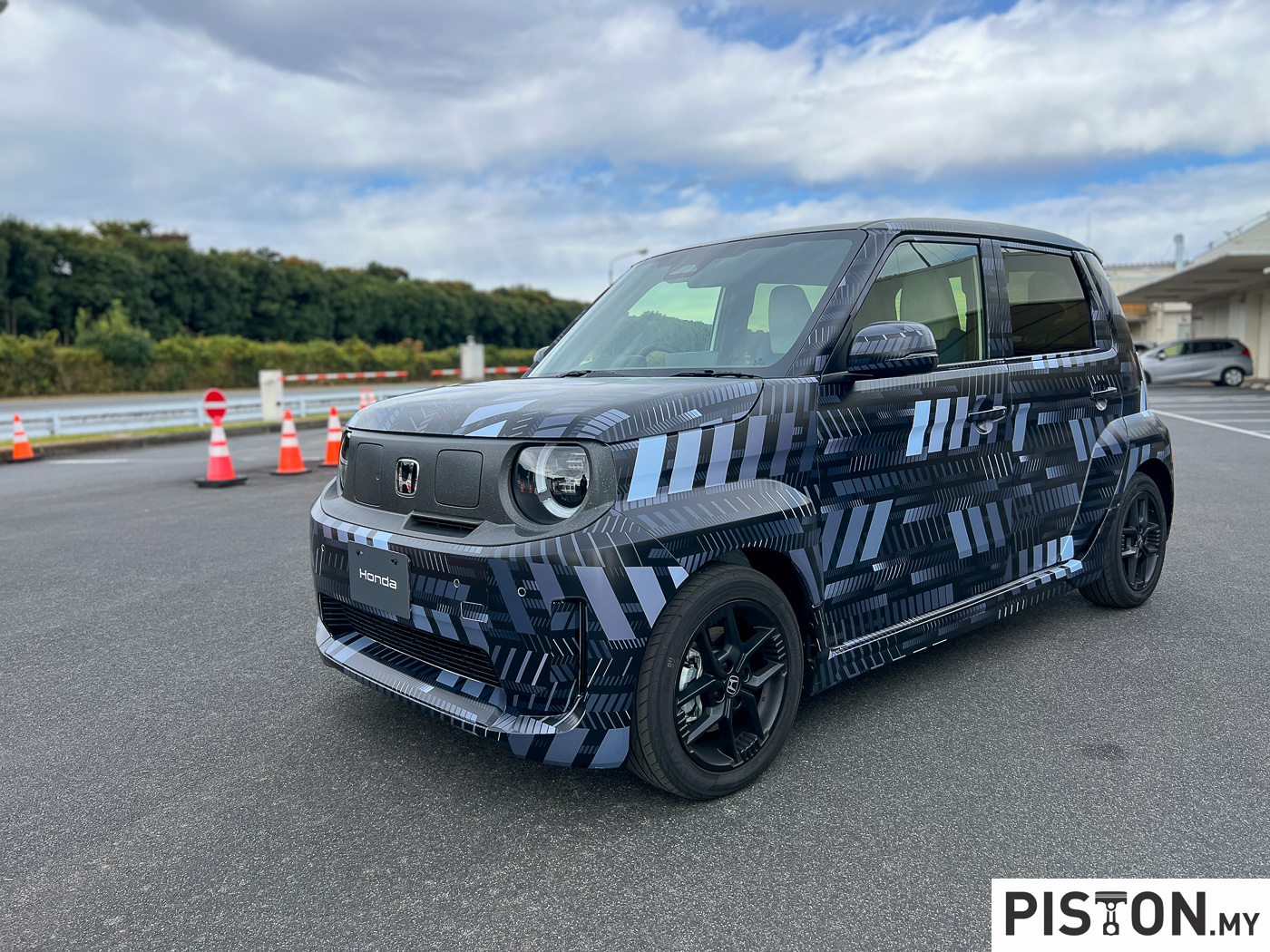
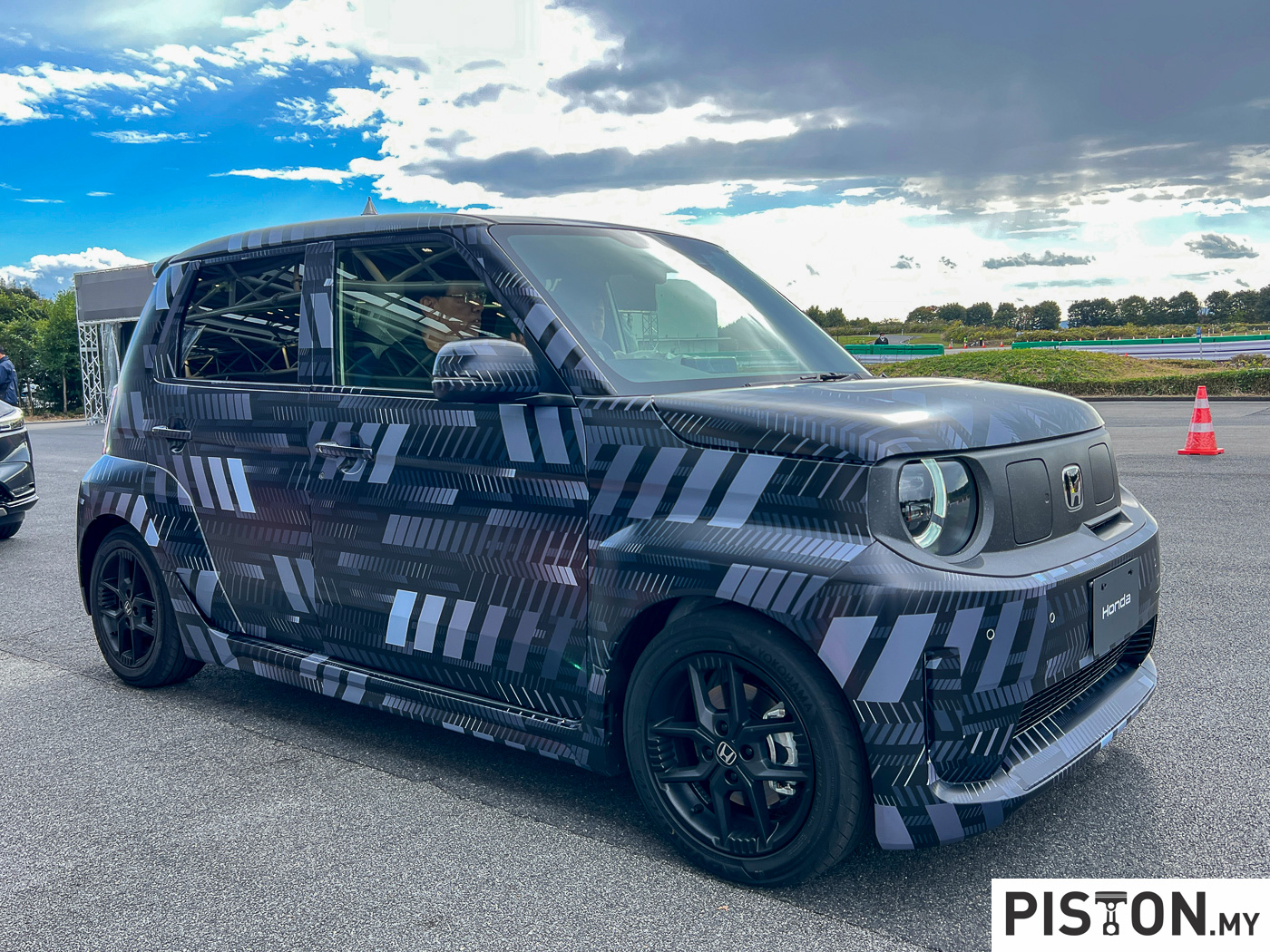
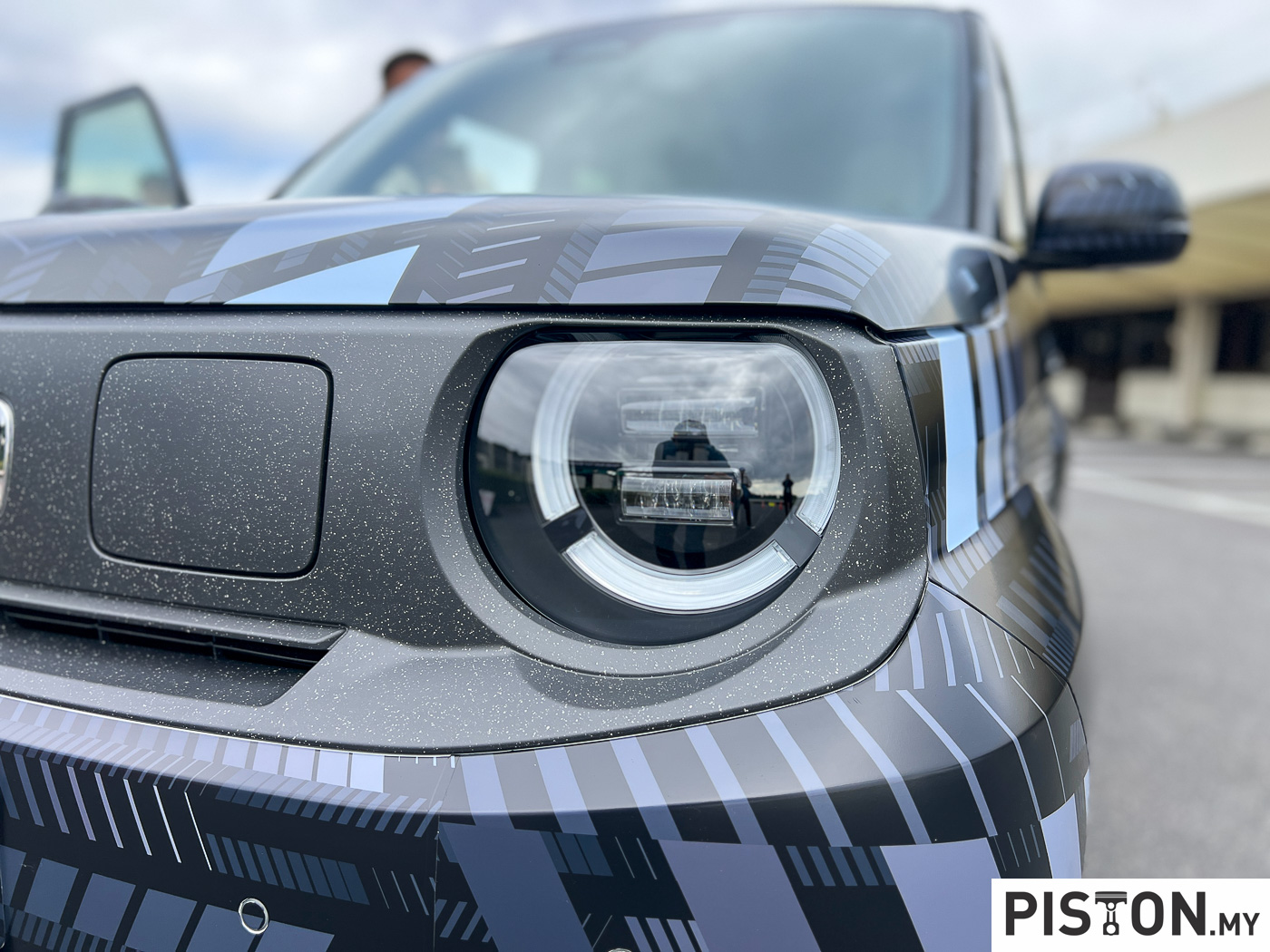
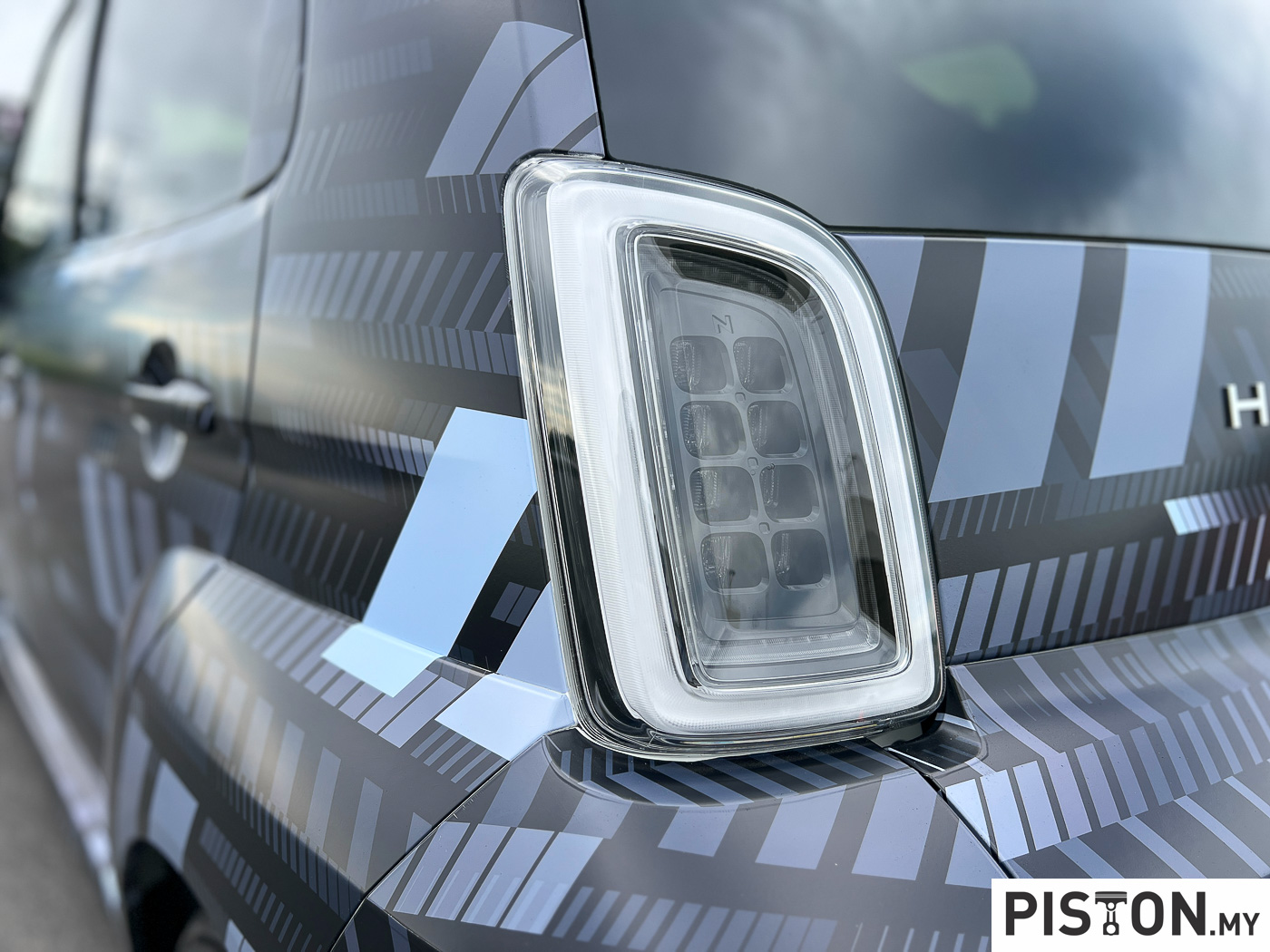
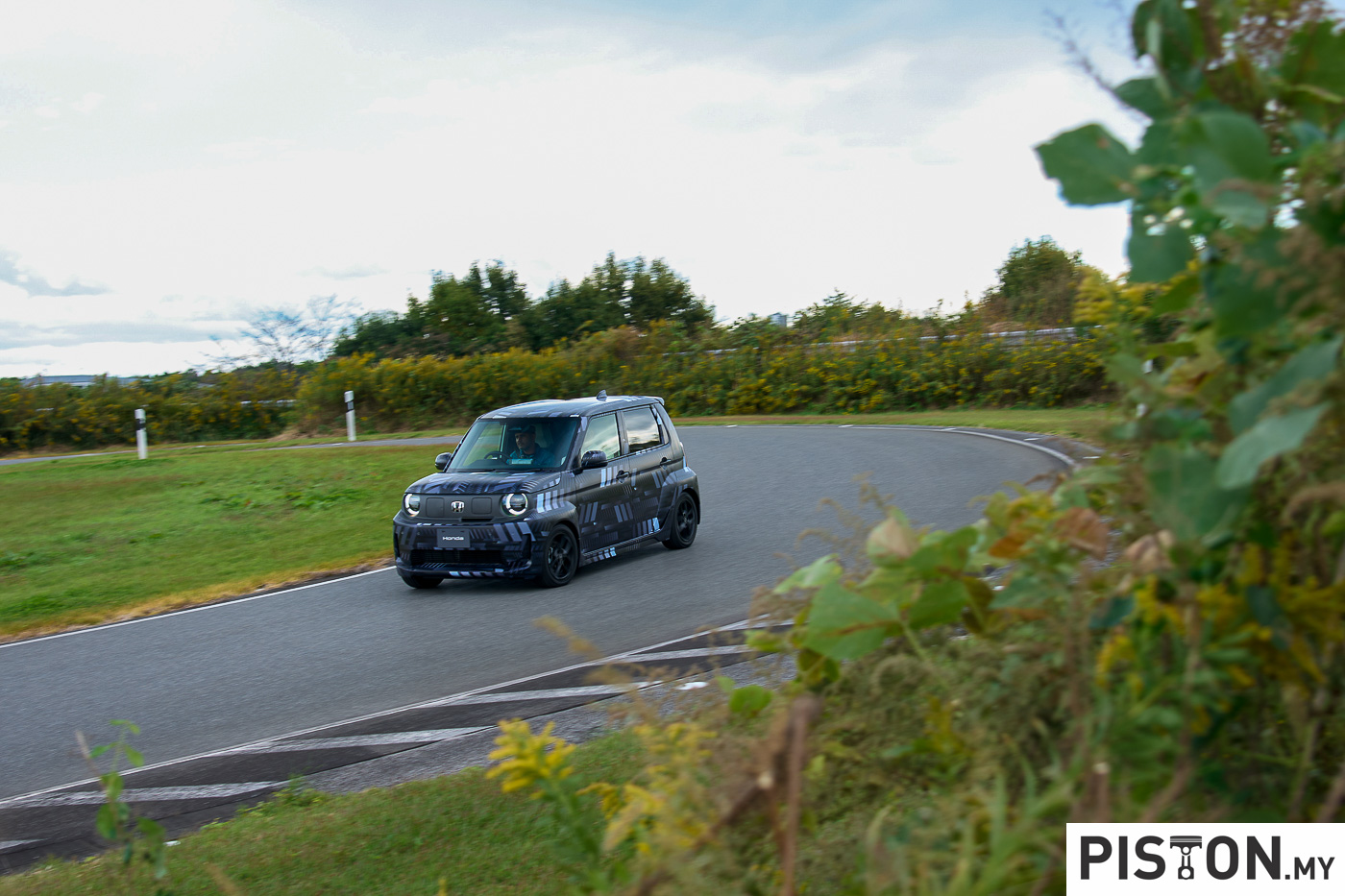
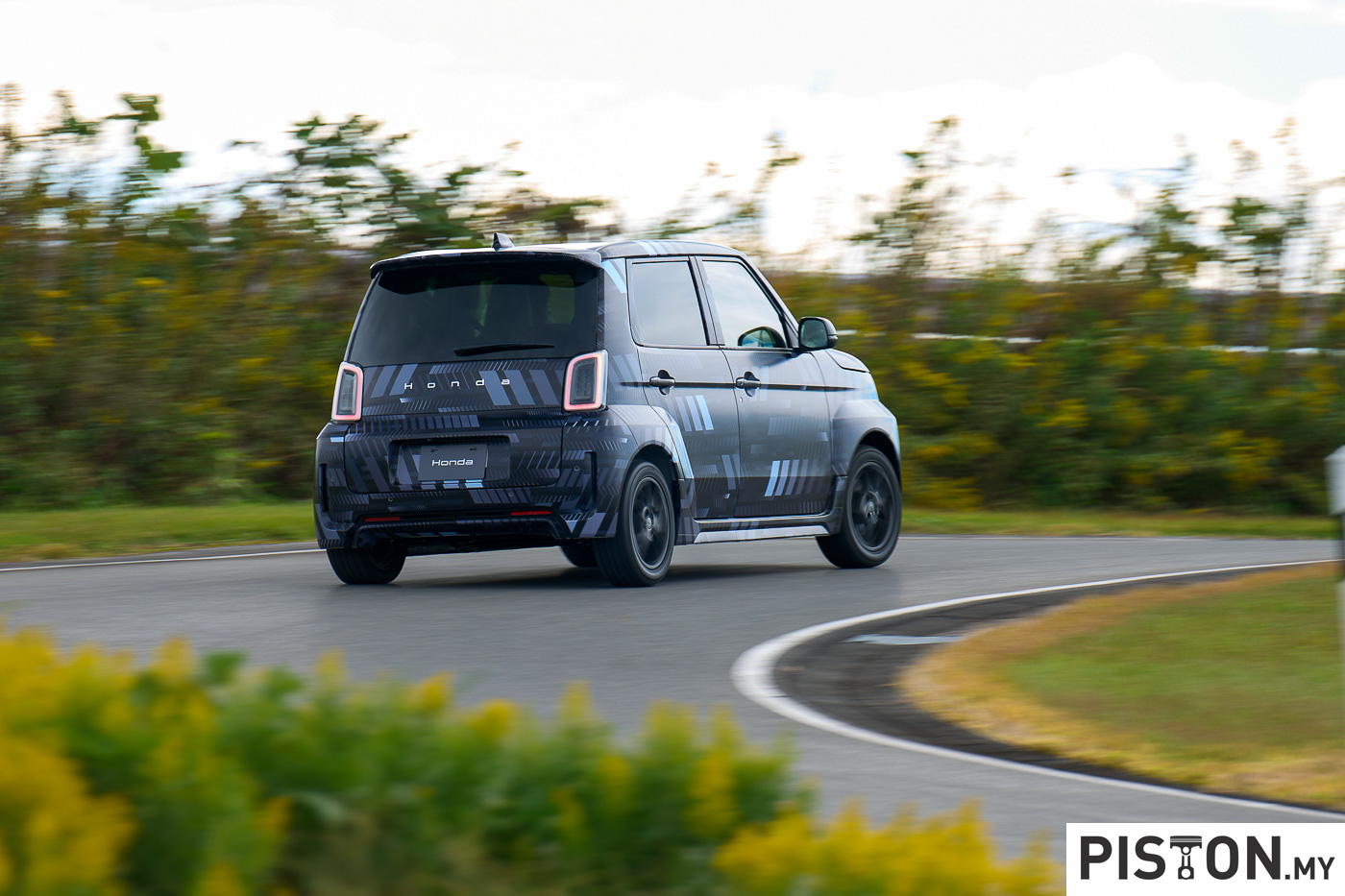
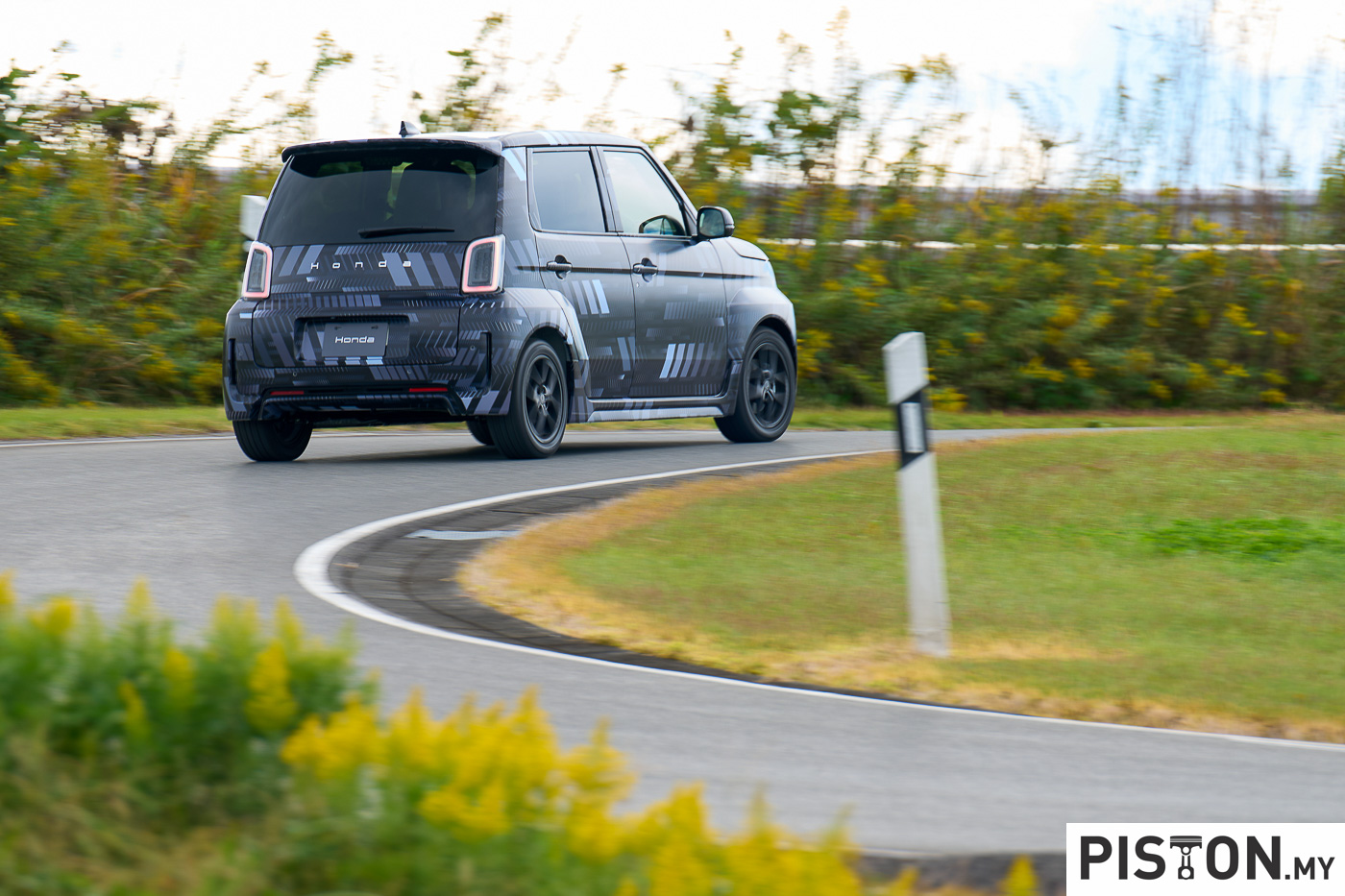
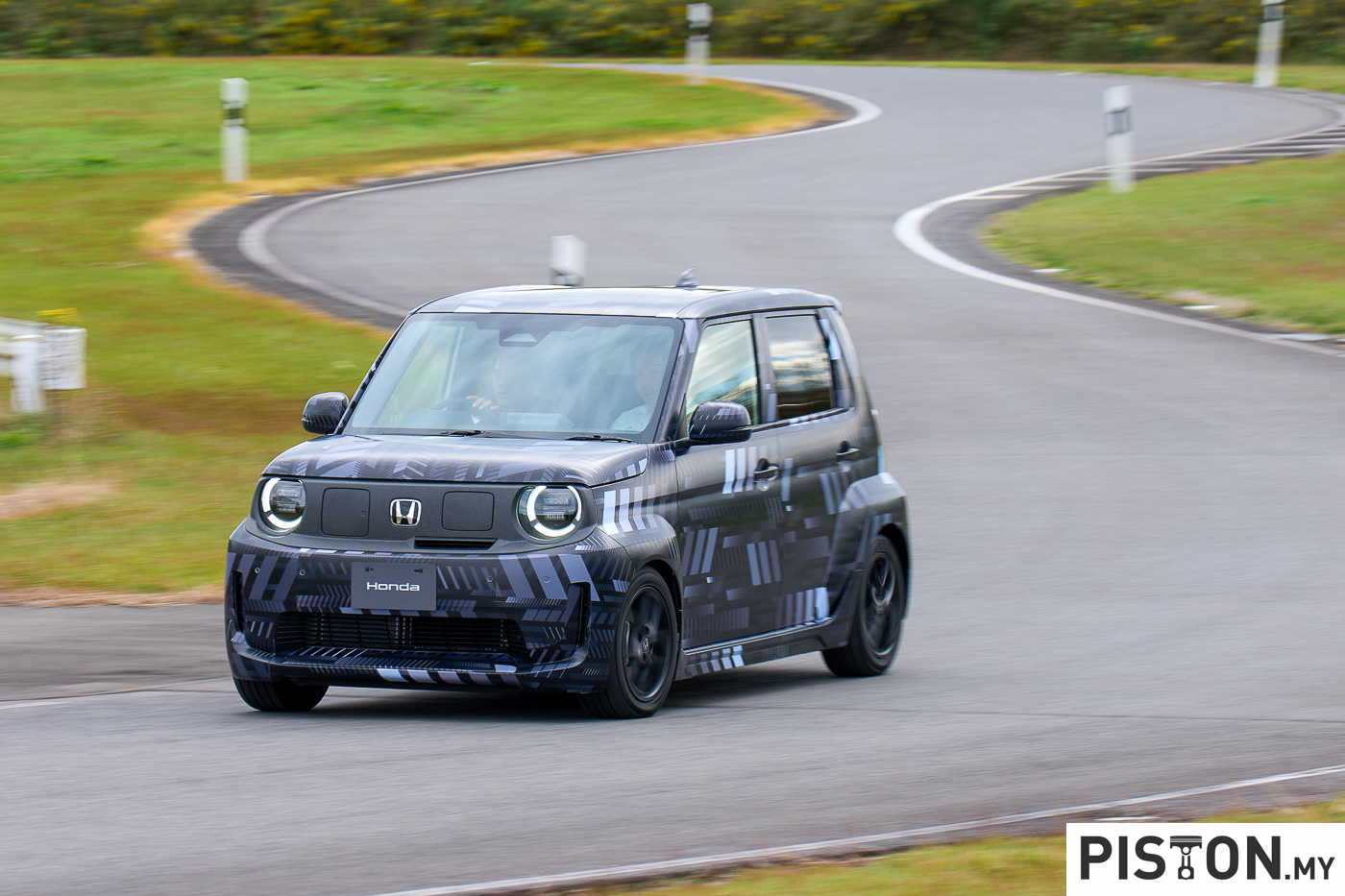
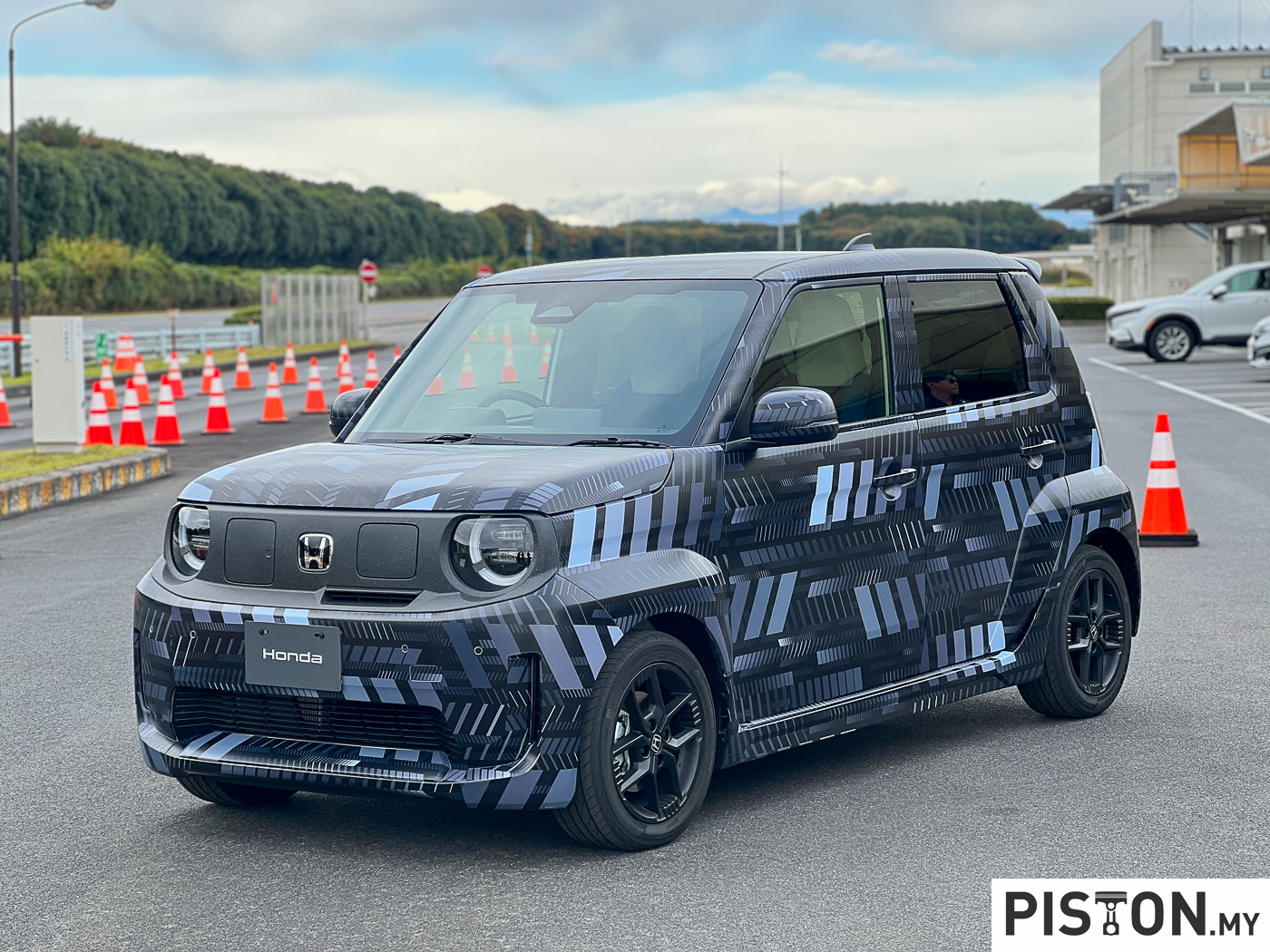
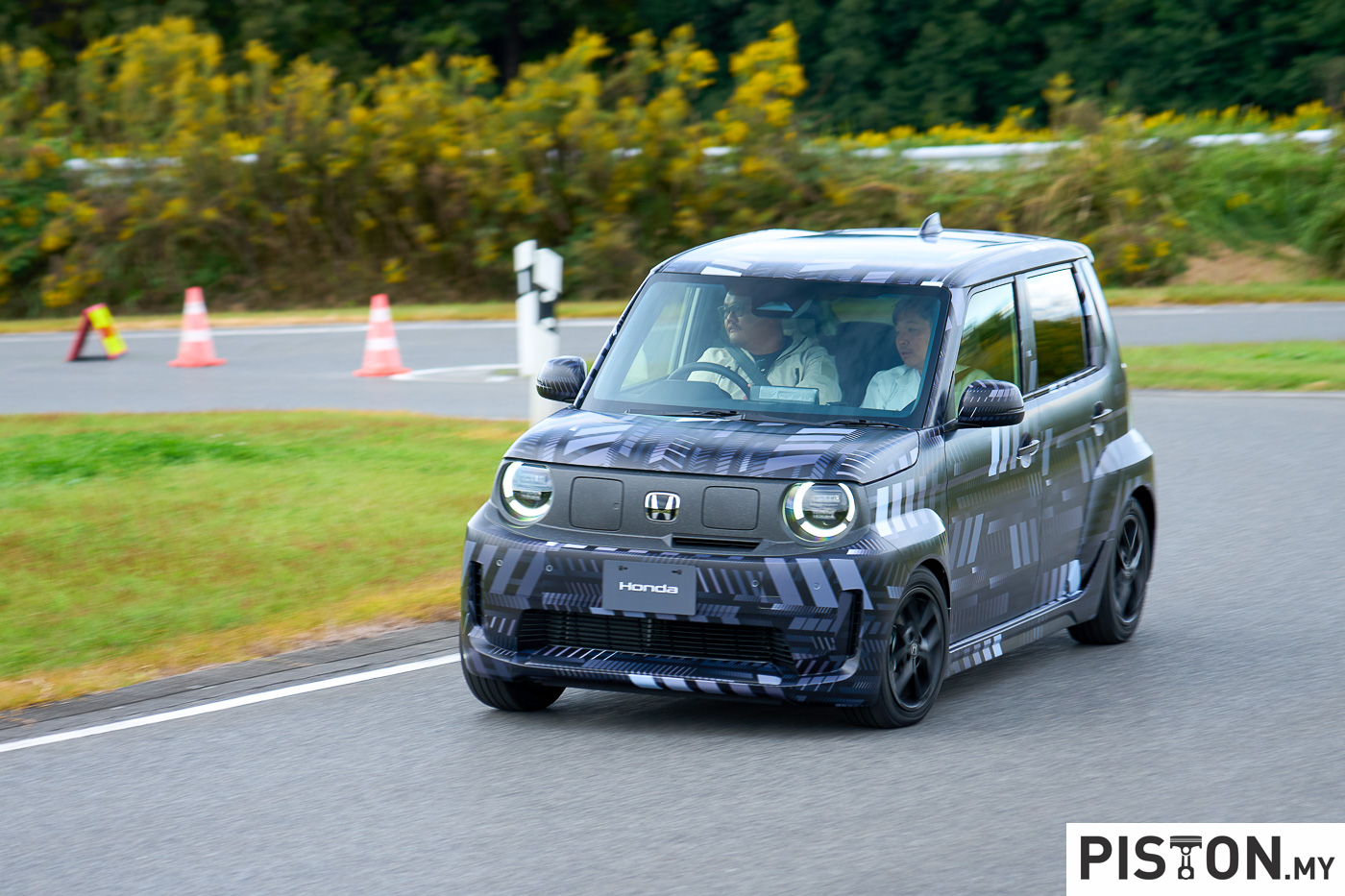
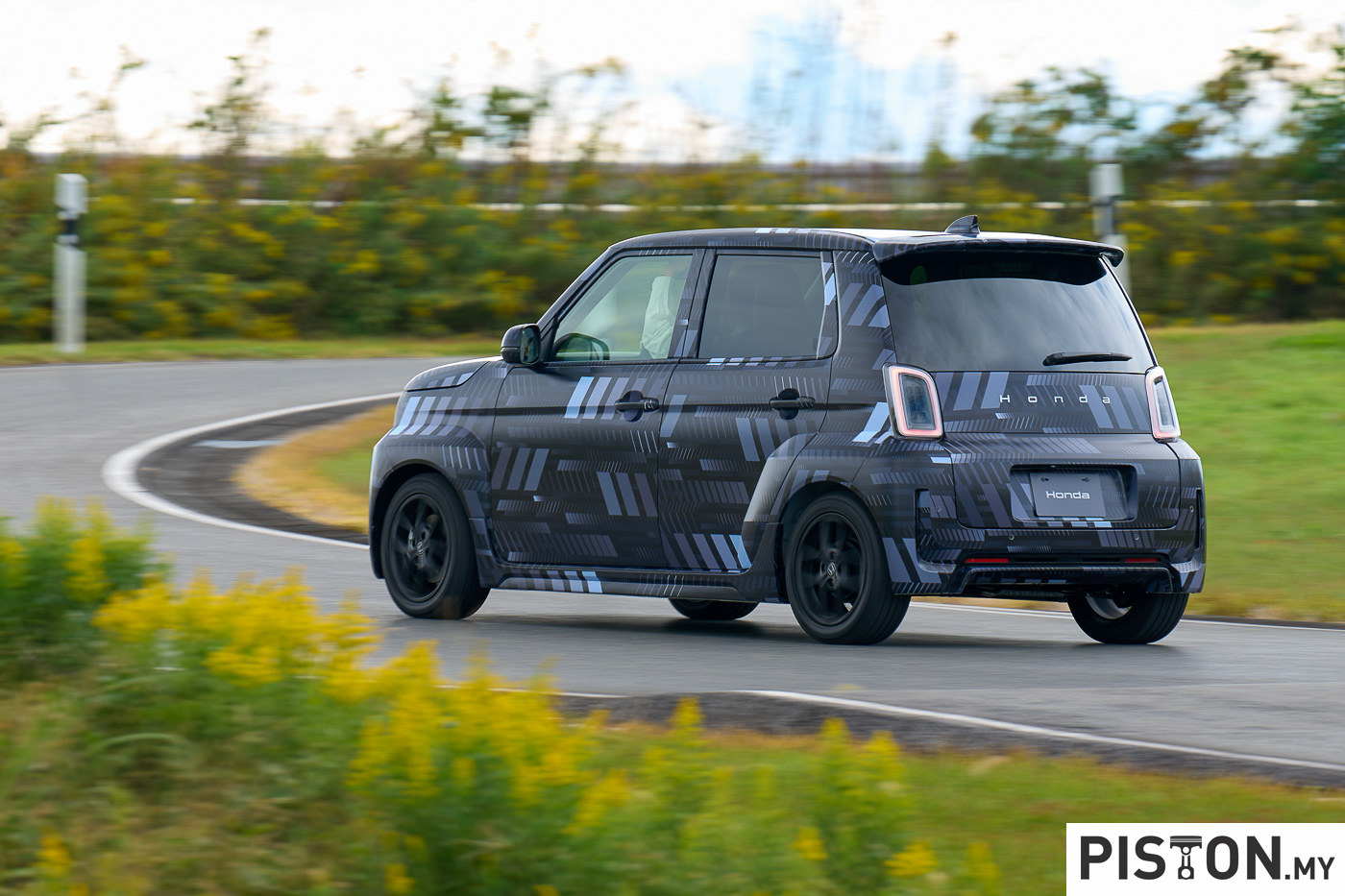
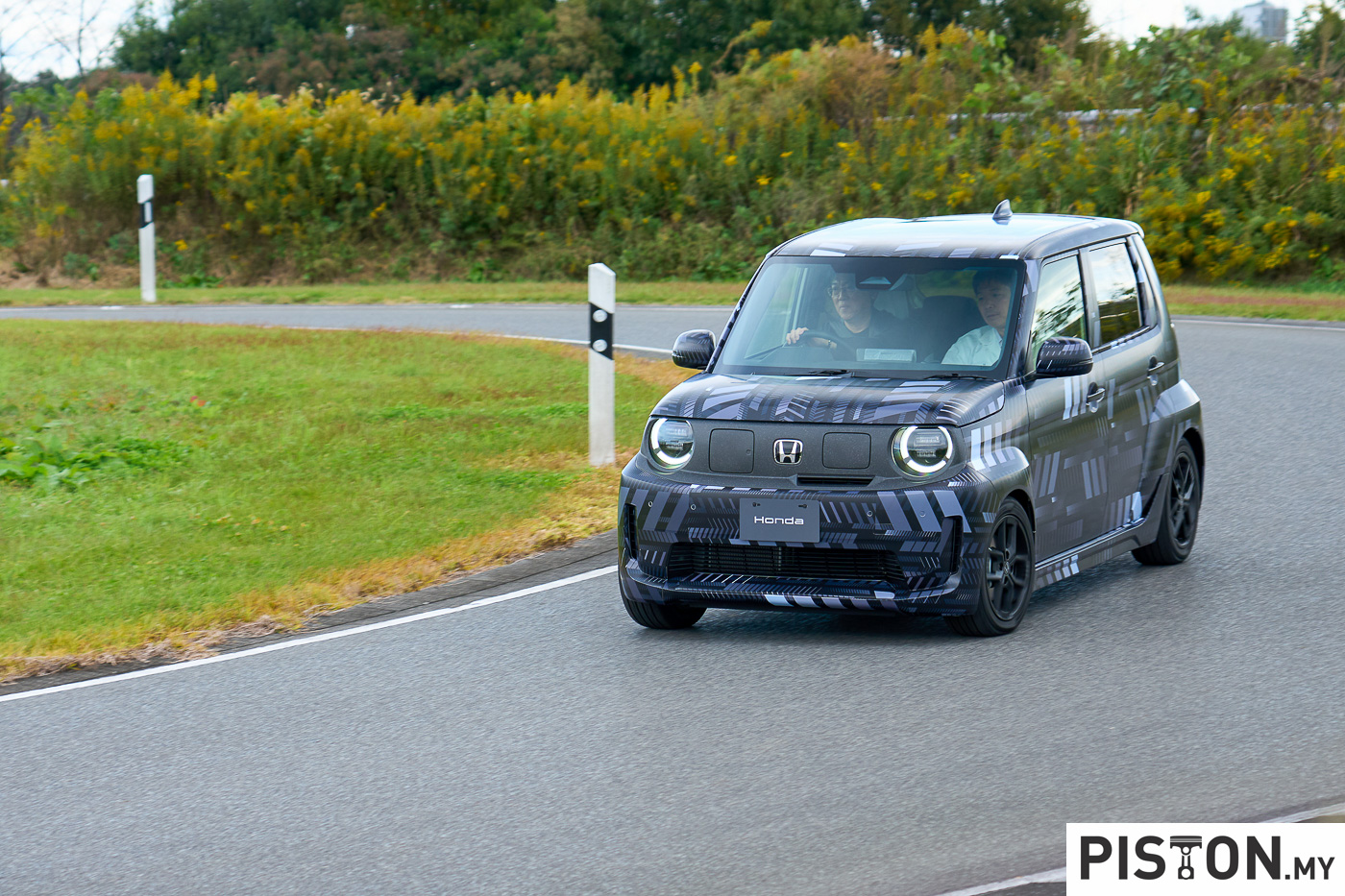
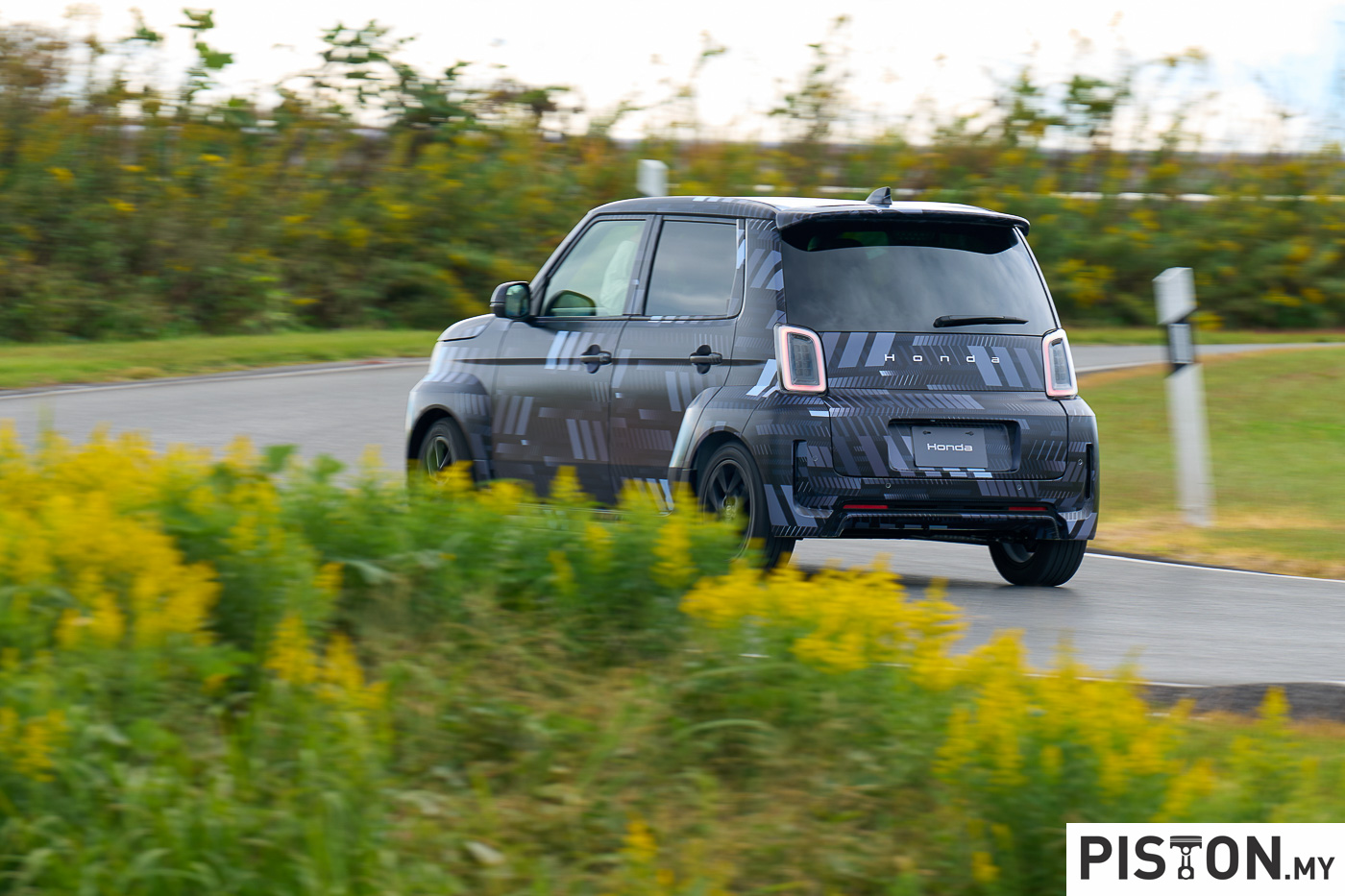
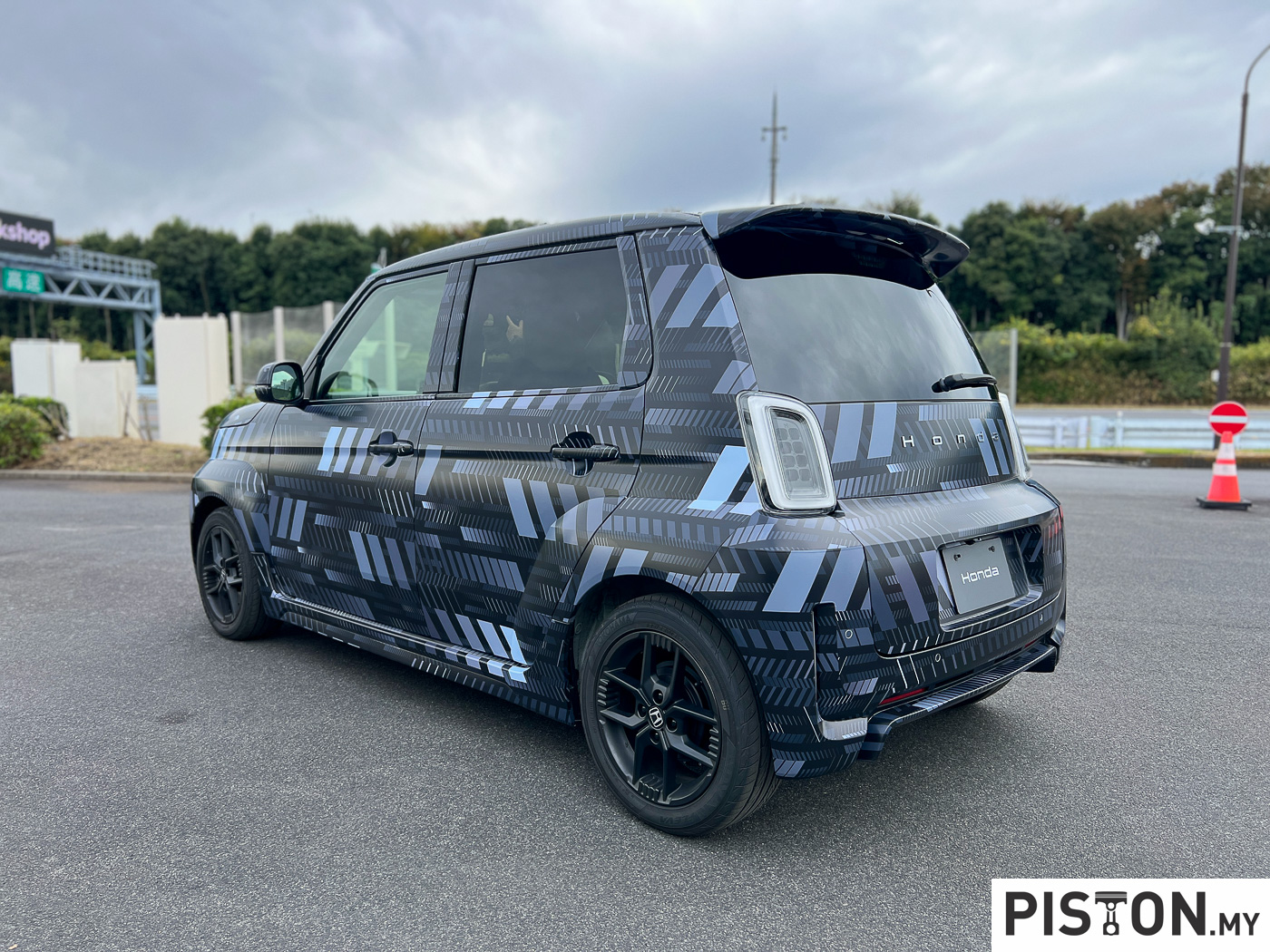
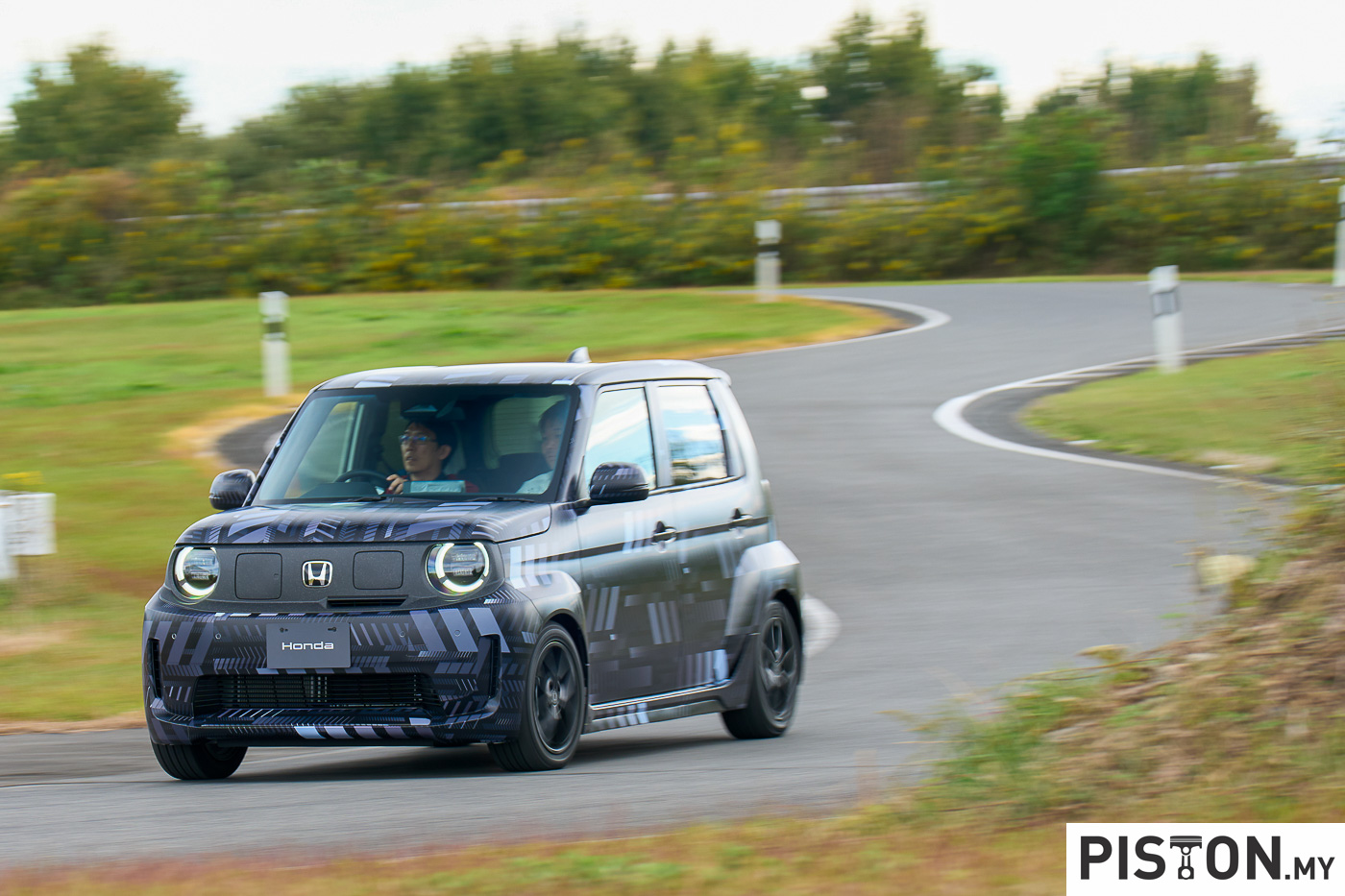
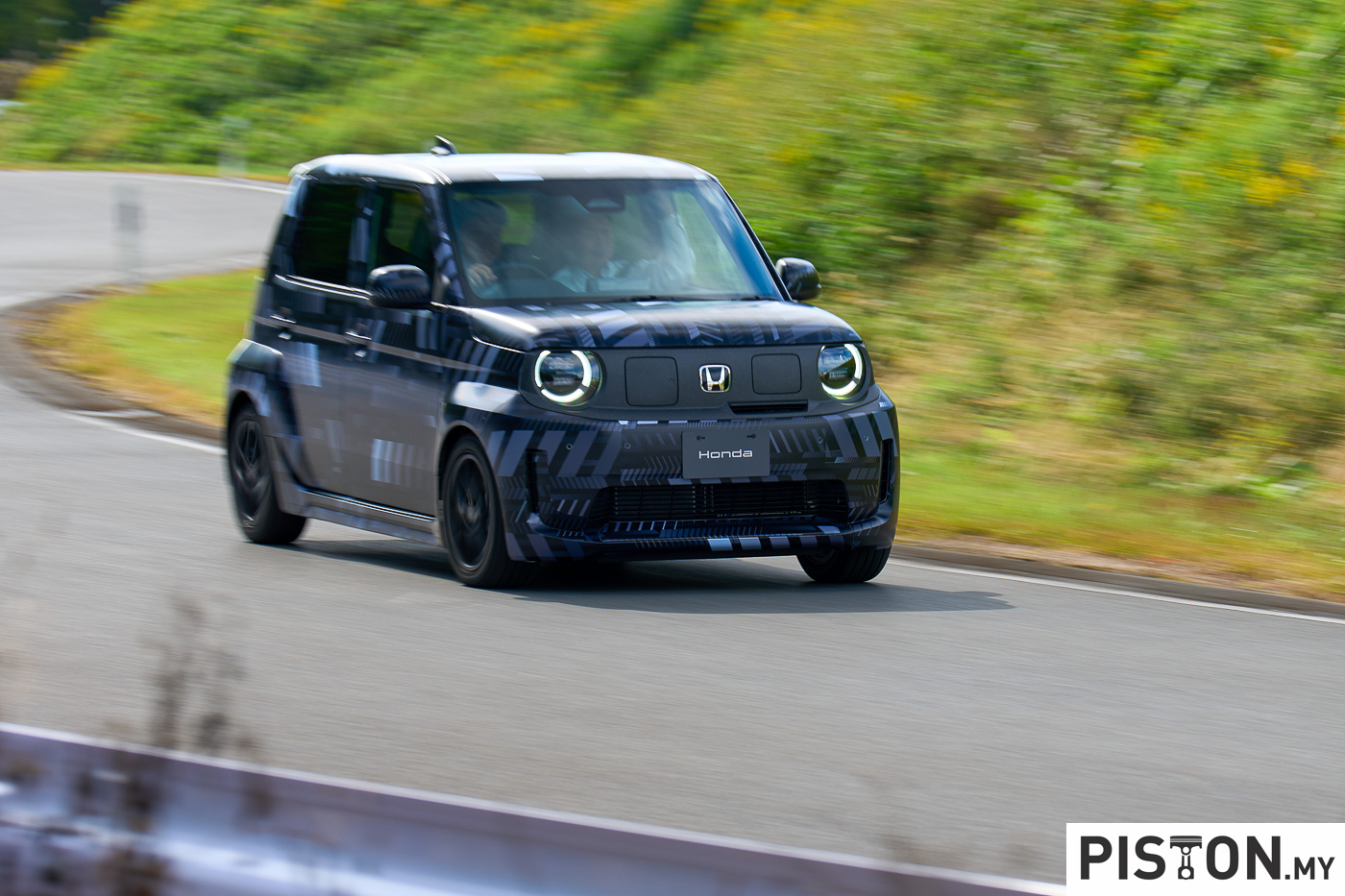
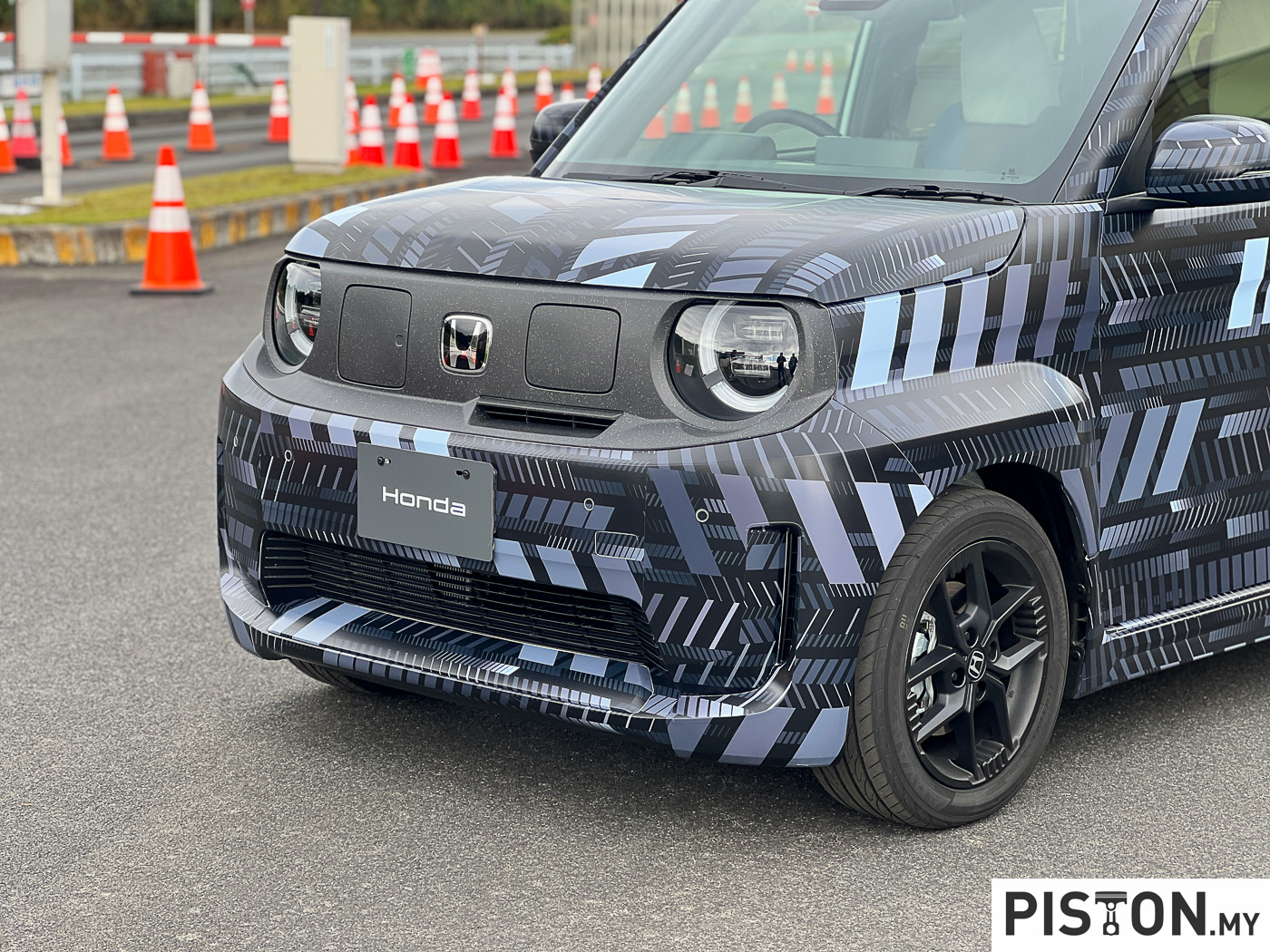
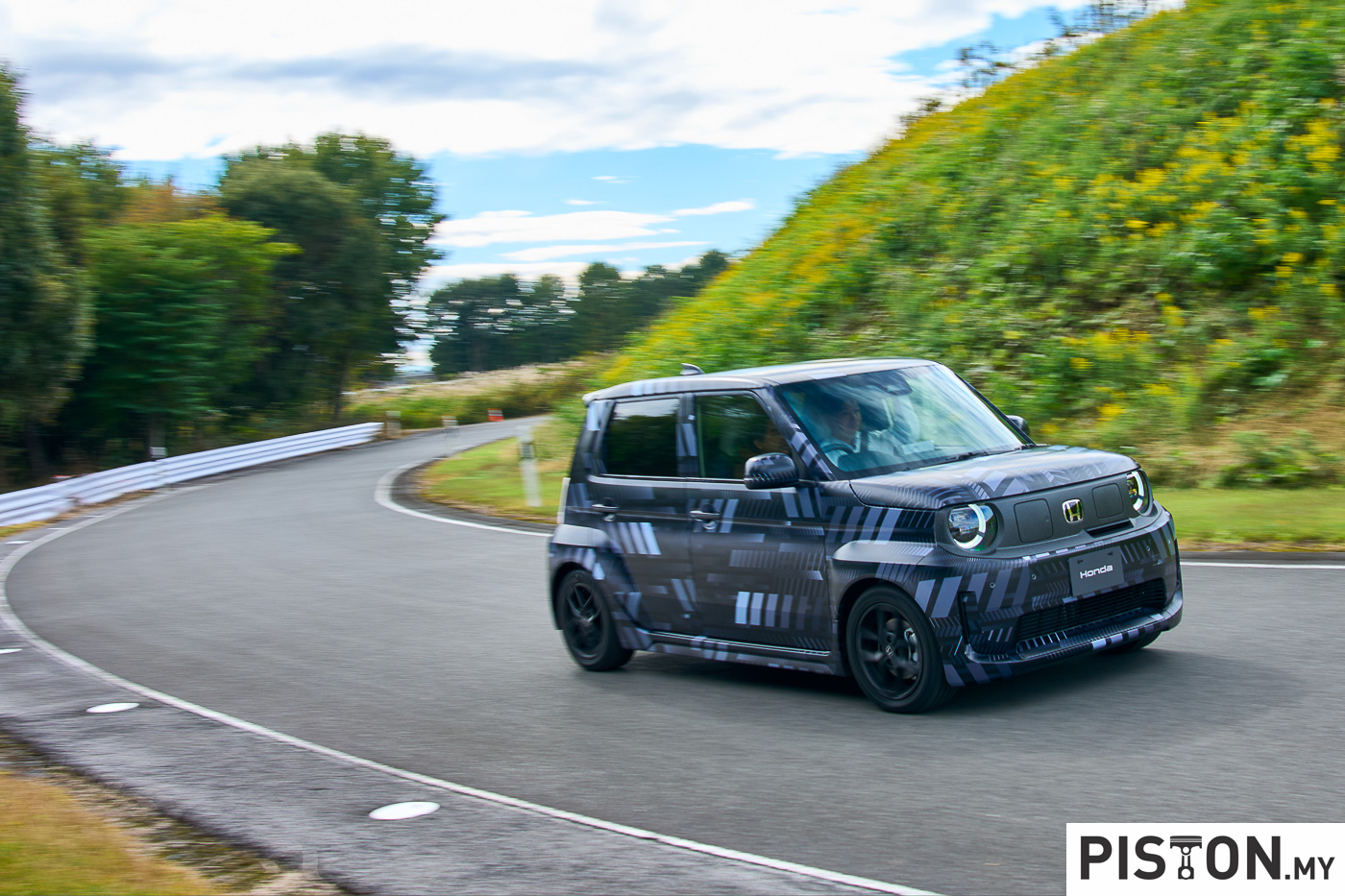
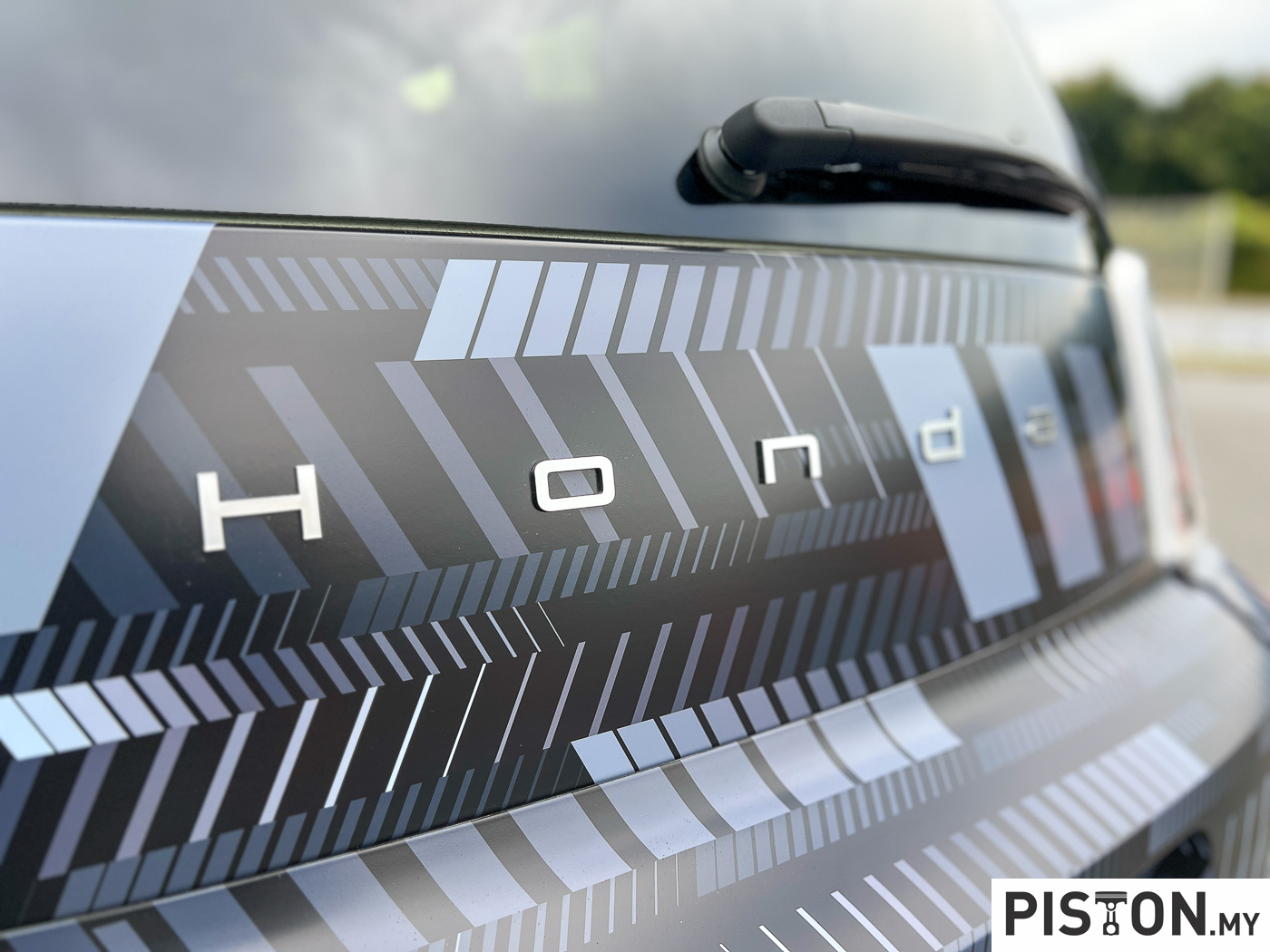
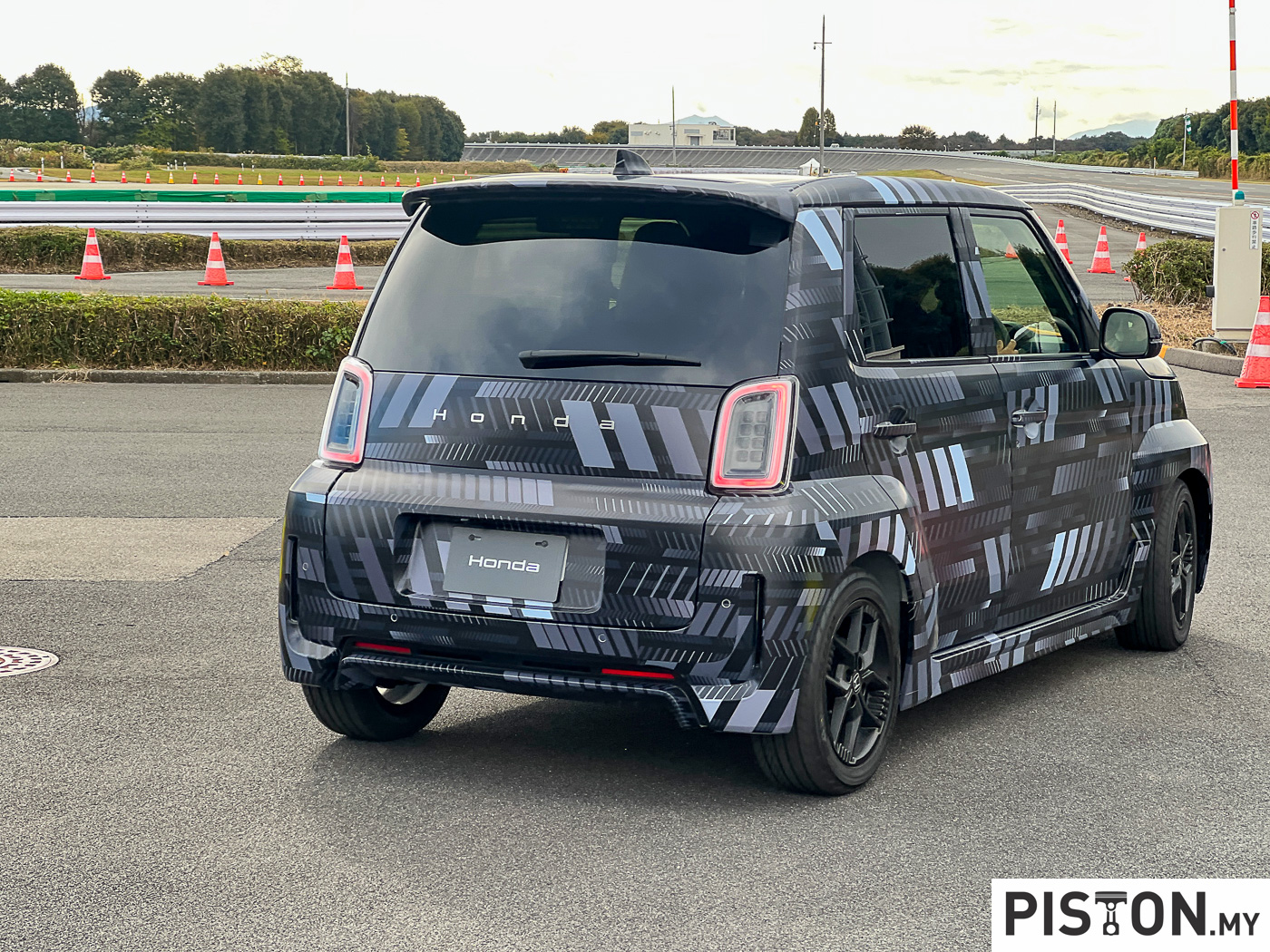
One of those cars is the Honda Super-One Prototype. It is a small and fun electric car that has Honda’s fun loving DNA very much in its circuitry. And I have driven it.
But first, what is it?
In terms of sizing, it reminds me of the Honda City Turbo from the 1980s. It has kei car like proportions and if you’re not familiar with that term, a quick Google search defines it as a “light vehicle that sits in a category of small, lightweight vehicles in Japan that must meet specific regulations for size, engine capacity and power”.
The regulations mentioned include a max length of 3.48 meters in length, 1.48 meters in width and a height of two meters, as well as a maximum engine displacement of 660cc.
The Super-One prototype does not meet all of the requirements of a traditional kei car since it is electric powered, but on first glance a kei car is exactly what it looks like.
During the product presentation for the Super-One prototype, there were two words that kept recurring – fun and joyful to drive! The presenter mentioned that the Super-One was developed to be “fun to drive, which is part of Honda’s fun loving spirit”.
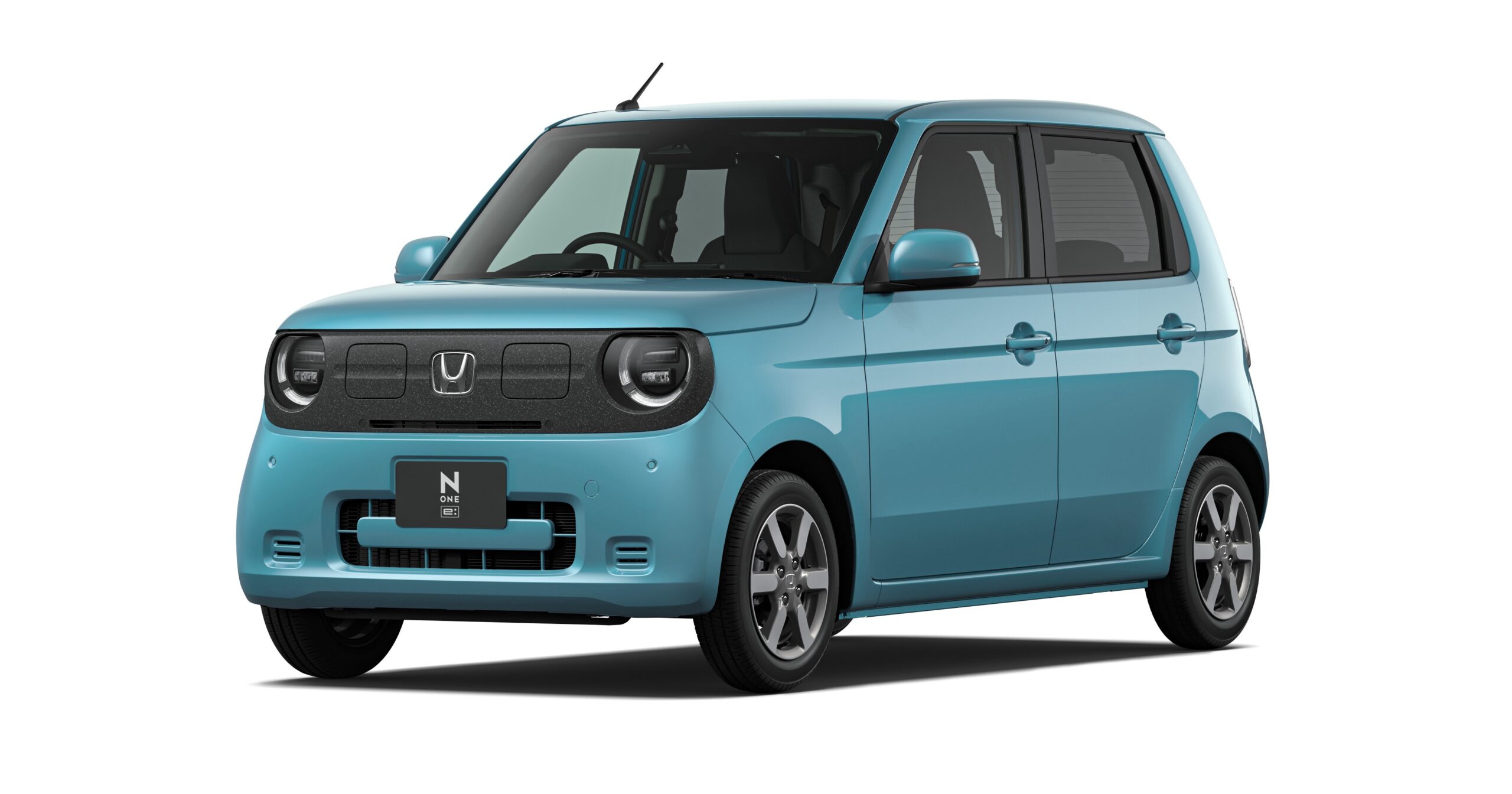
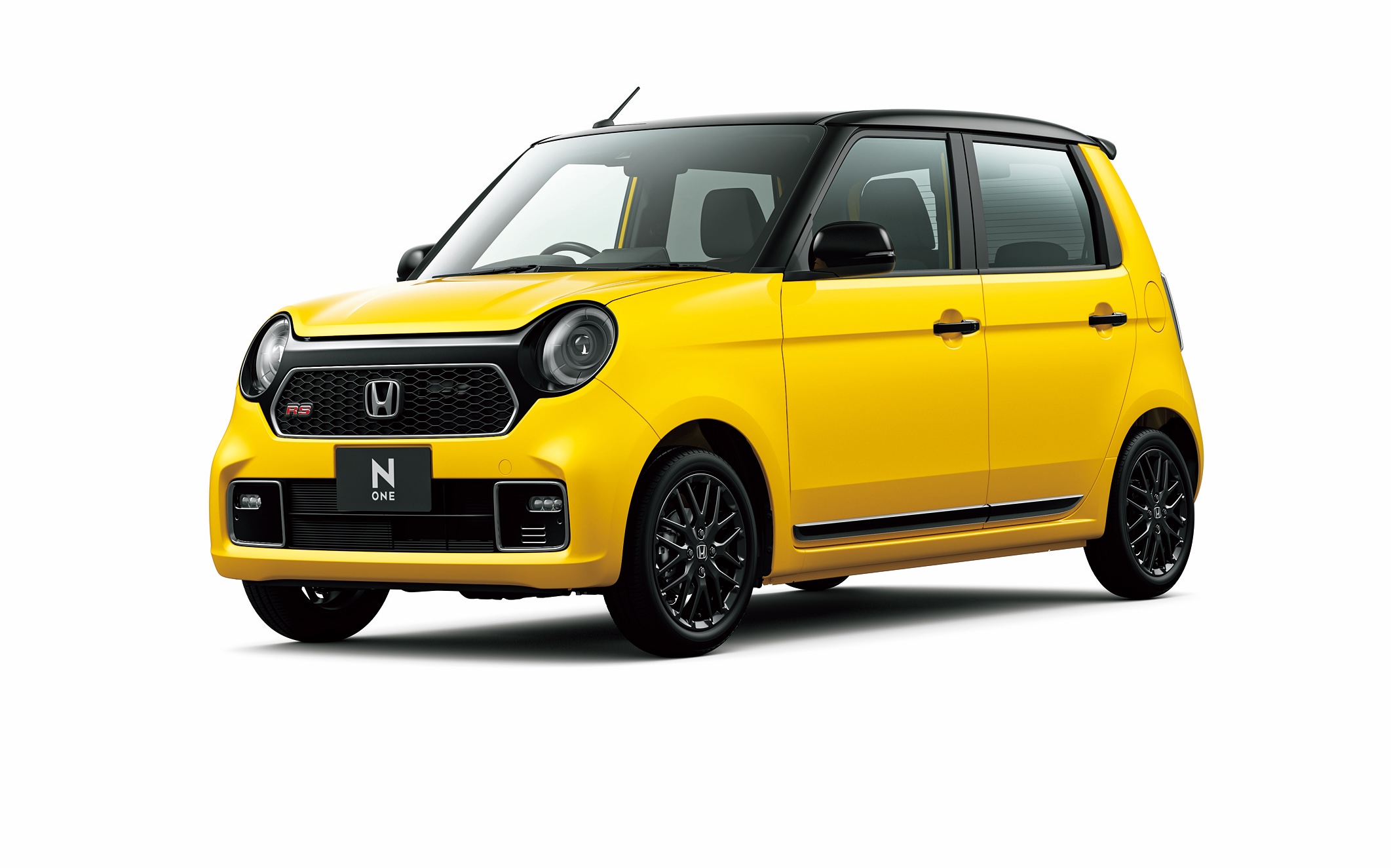
Honda N-One e, the base car for the Super-One Prototype.
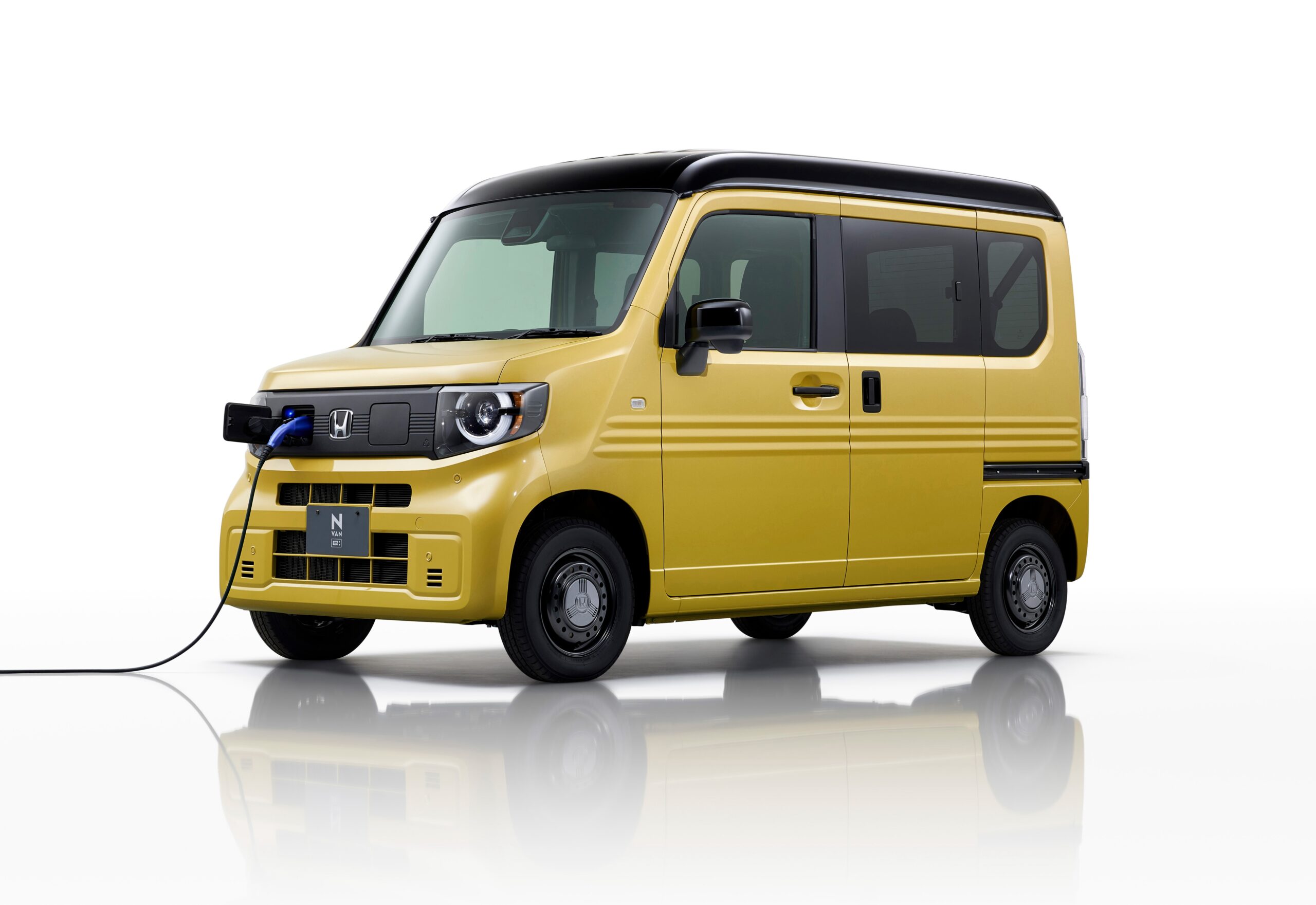
The Super-One is based on the N-One e: (that colon is weirdly part of the official name of the car but for the sake of good English, I will stop using it after this), which also shares its underpinnings with the N-Van e: (colon is again part of the name but I will stop now).
The Honda N-Van e shares the same platform as the N-One e and Super-One Prototype.
In fact, all three cars are built on Honda’s lightweight platform for N Series models.
And the N-One e and the Super-One prototype are also loosely based on the Honda N-one, a true kei car with a 658cc, petrol engine, first introduced back in 2020.
The Honda N-One was introduced back in 2020.
Back to the N-One e, it is powered by a 29.3kWh battery pack that gives it a WLTP range of 295km. This is important information to remember for later in this article.
So is the Super-One Prototype fun to drive?
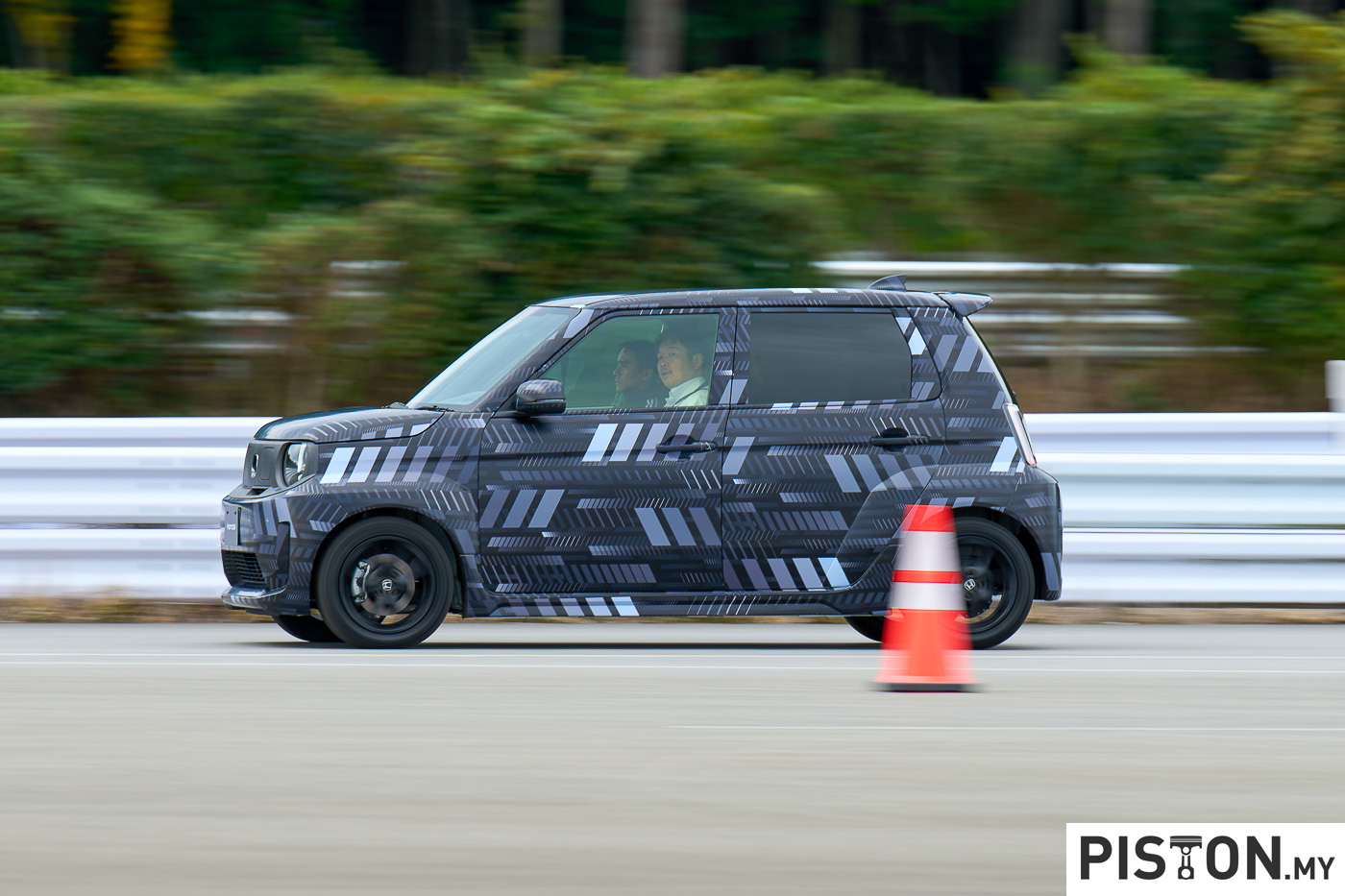
It is built to be fun, and it definitely is, as what I experienced around Honda’s Tochigi proving ground.
A big part of the car centres around the augmented engine sound. This is precisely engineered to mimic the sounds of a sporty engine together with a seven-speed transmission.
The artificial sound also perfectly mimics the sound of rev-matching during down shifts.
Other members of the press who had also driven the car reported that they experienced “power cuts” in between these artificial shifts. This is also sometimes referred to as a fuel cut.
A power cut is what you experience during gear shifts when the engine cuts out, the clutch engages and a gear shift takes place.
Some car makers have learnt to artificially mimic this in their electric vehicles since these cars do not have a transmission box. This is done to add a touch of sporting character to a car that is otherwise too quiet and too vanilla in character. Both are aspects that matter for driving enthusiasts.
However, I personally did not experience this power cut. Perhaps I was not pushing the car hard enough.
But, I did experience it in the Honda Prelude I drove after the Super-One, and though that’s a different story I can say that it makes the car feel like a regular, fast, performance car.
Honda’s official press release on the Super-One prototype mentions that the car “simulated seven-speed transmission that reproduces the gearshift feel of a traditional multi-gear transmission.”
What else?
It’s size is a big part of its character. If you have ever driven a small, turbocharged car like a Perodua Kancil with a turbocharged engine swap, you will know what I am talking about.
It’s speed is not exactly brain numbing but the sound that you get when boost mode is activated just makes it feel like a proper pocket rocket.
I also really like that the steering mounted paddle shifters act like they are shifting gears and this just makes it feel like you’re piling on speed quickly.
But glance at the digital instrument cluster and you will realise you are not going anywhere very quick. The car just makes you feel that way and I really don’t mind it because what eventually matters is how the car makes you feel, and the Super-One prototype feels like a lot of fun.
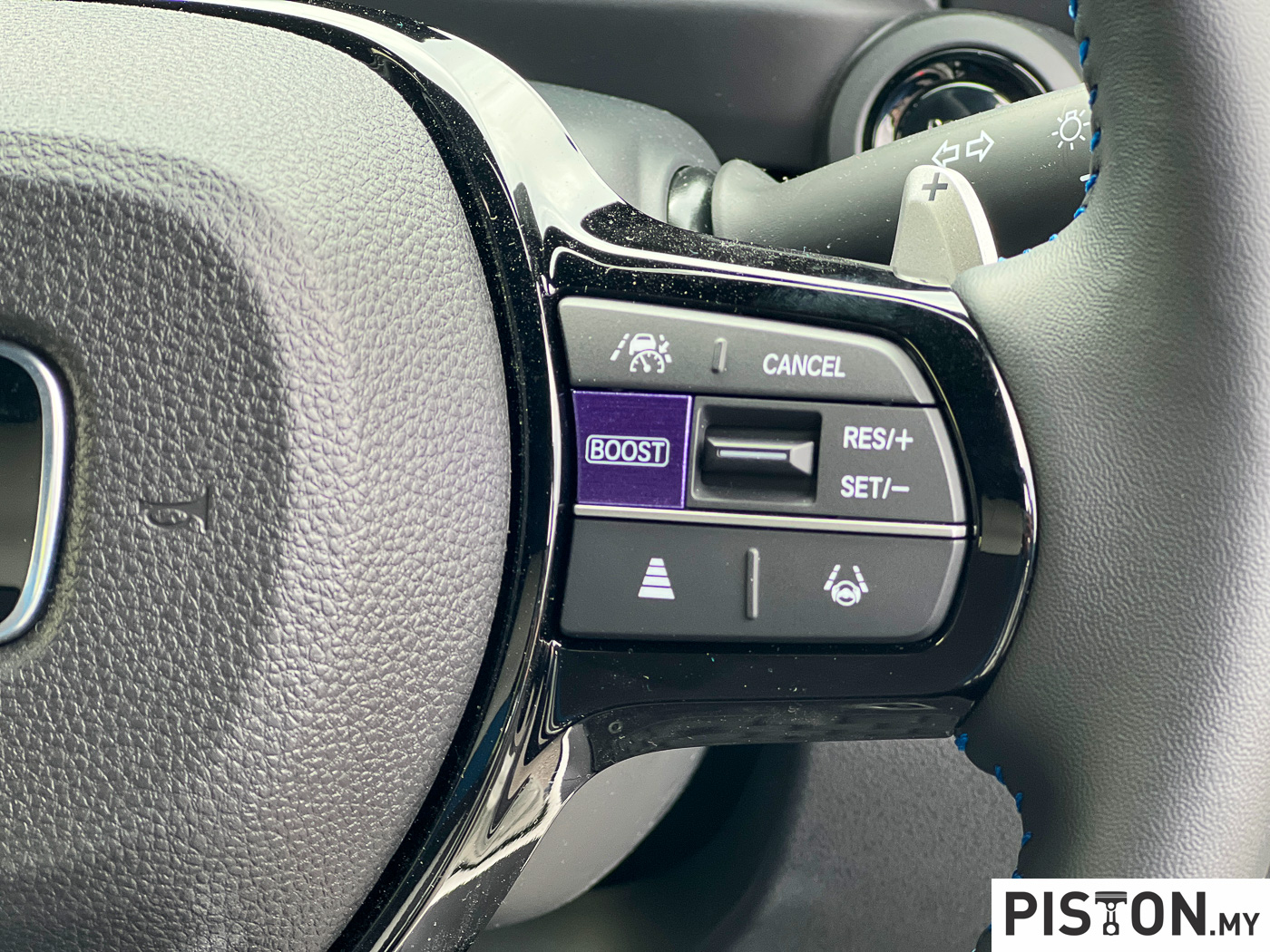
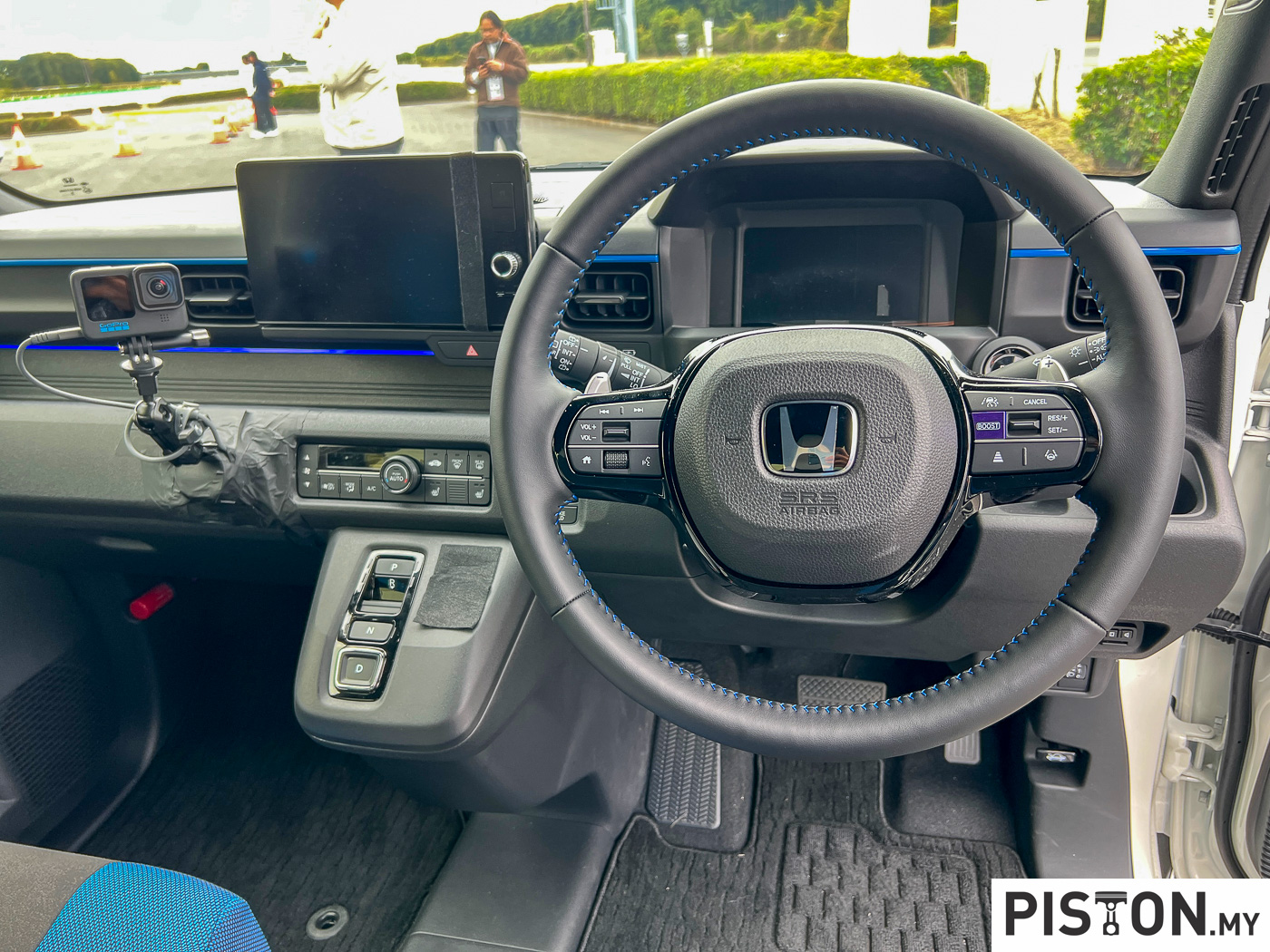
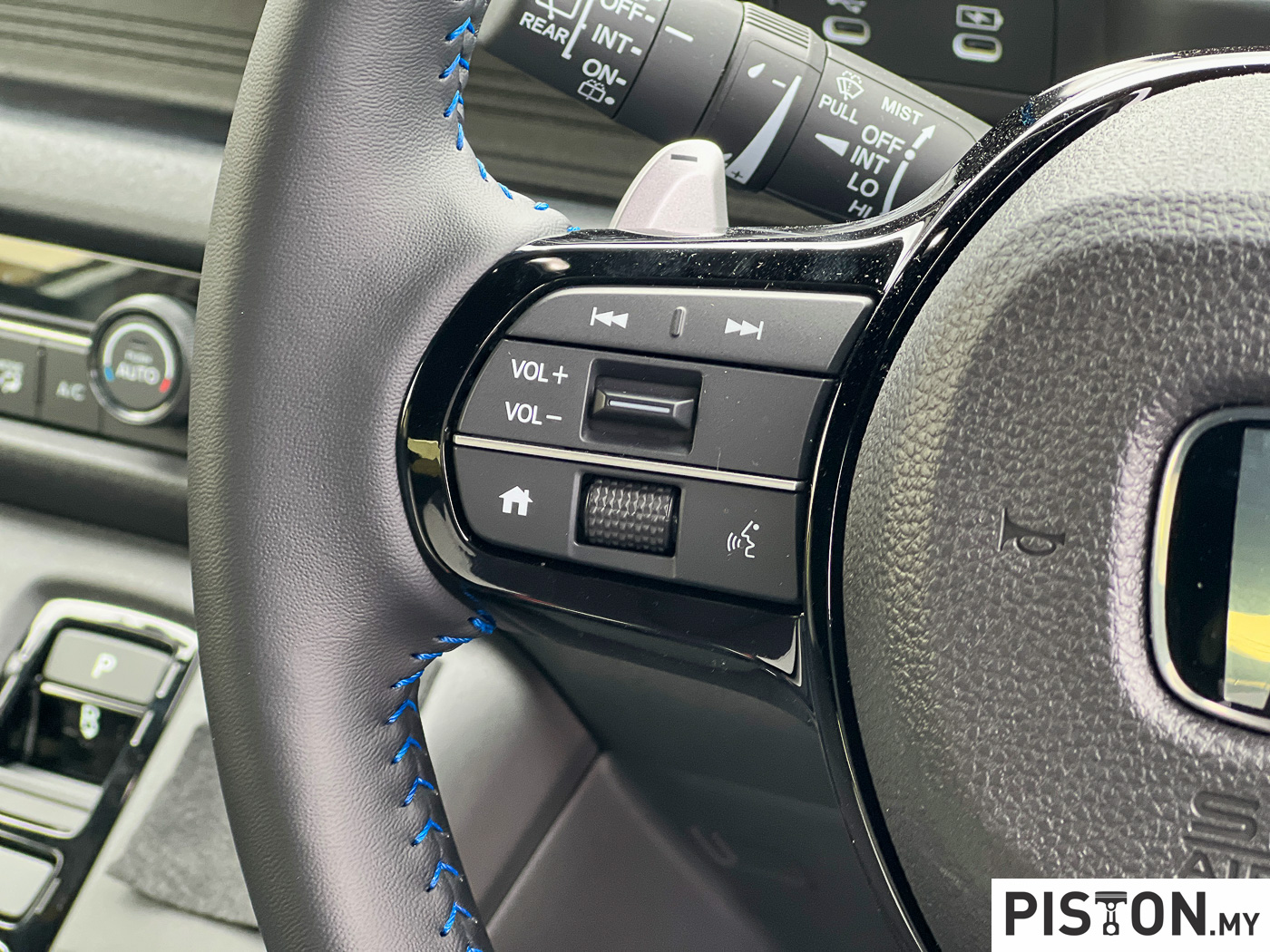
The Super-One also differentiates itself from the base N-One e through a steering mounted Boost button.
It is unclear whether it adds more power when activated, but it surely makes the car sound and feel purposeful when pressed. Honda says that when the Boost mode is turned on, it “stimulates the driver’s senses – including visual and auditory senses, as well as a tactile sensation of acceleration and vibration.”
Let’s talk about the interior.
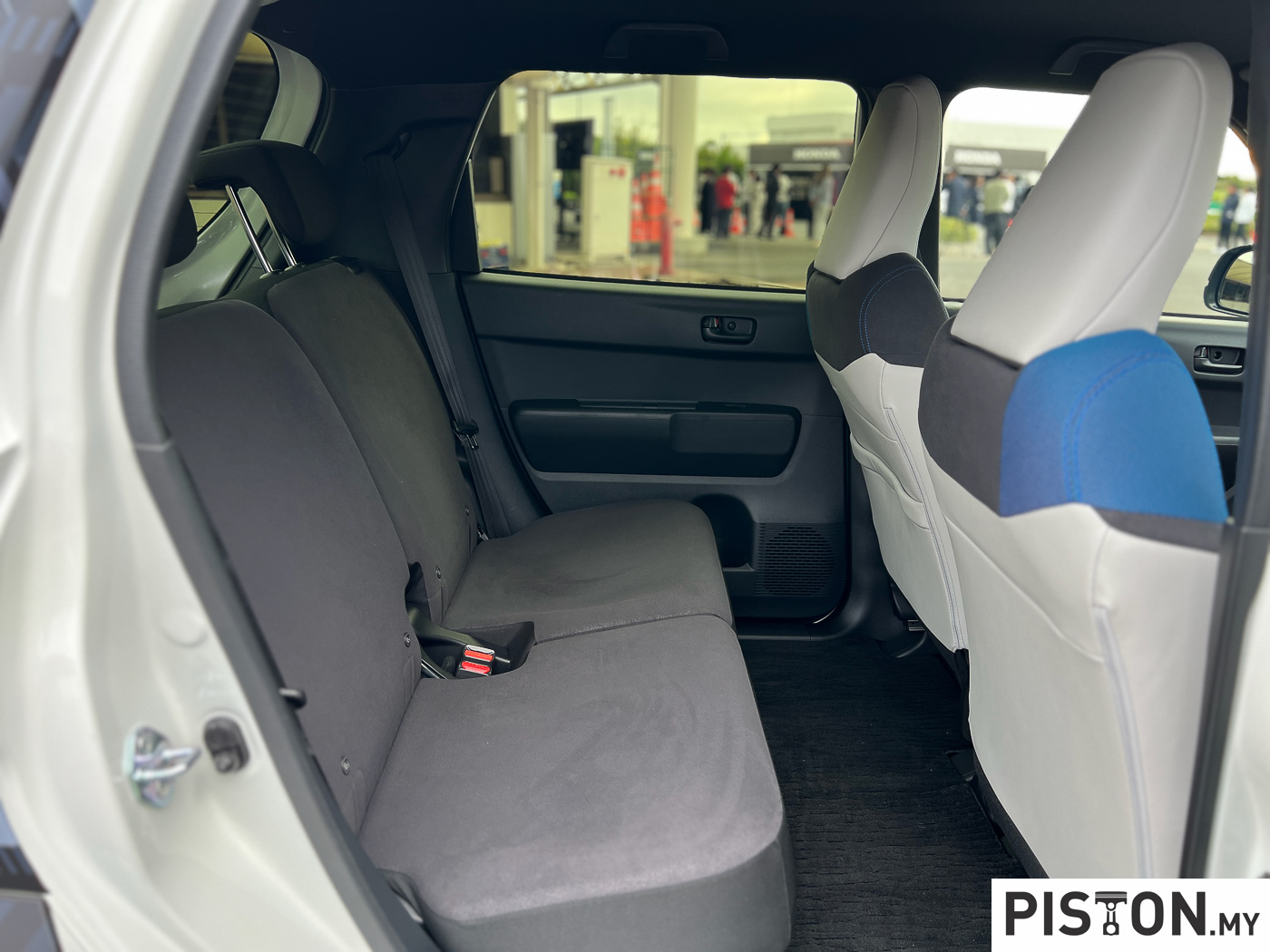
Before we get to the overall look and feel, let’s get one thing out of the way, the Super-One is a small car, the rear seats feel cramped, and the boot space can only be described in the most Malaysian manner – “boleh, lah”.
I am a tall and wide guy, and so was the Honda engineer sitting next to me during the test drive. And we were almost shoulder to shoulder.
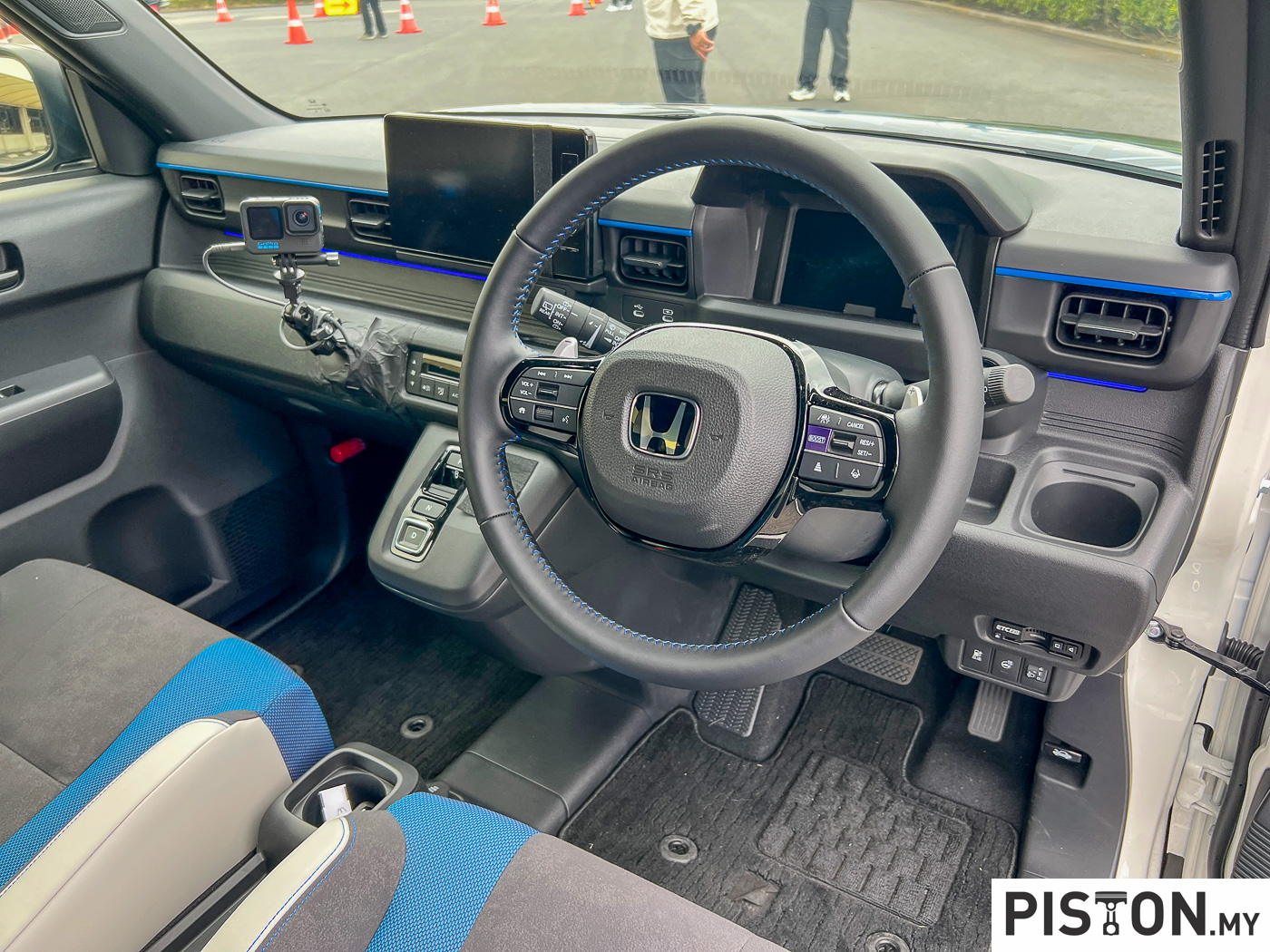
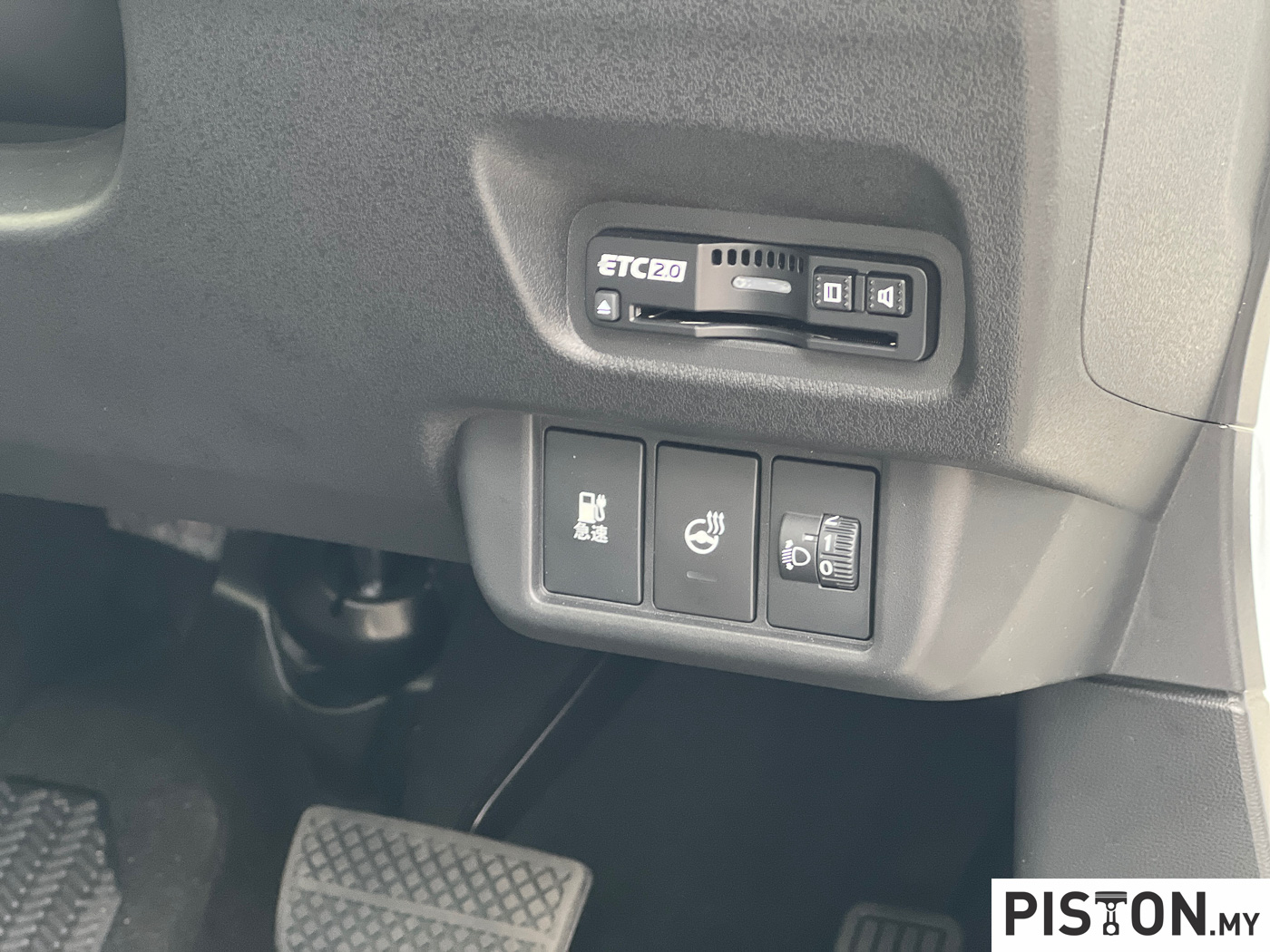
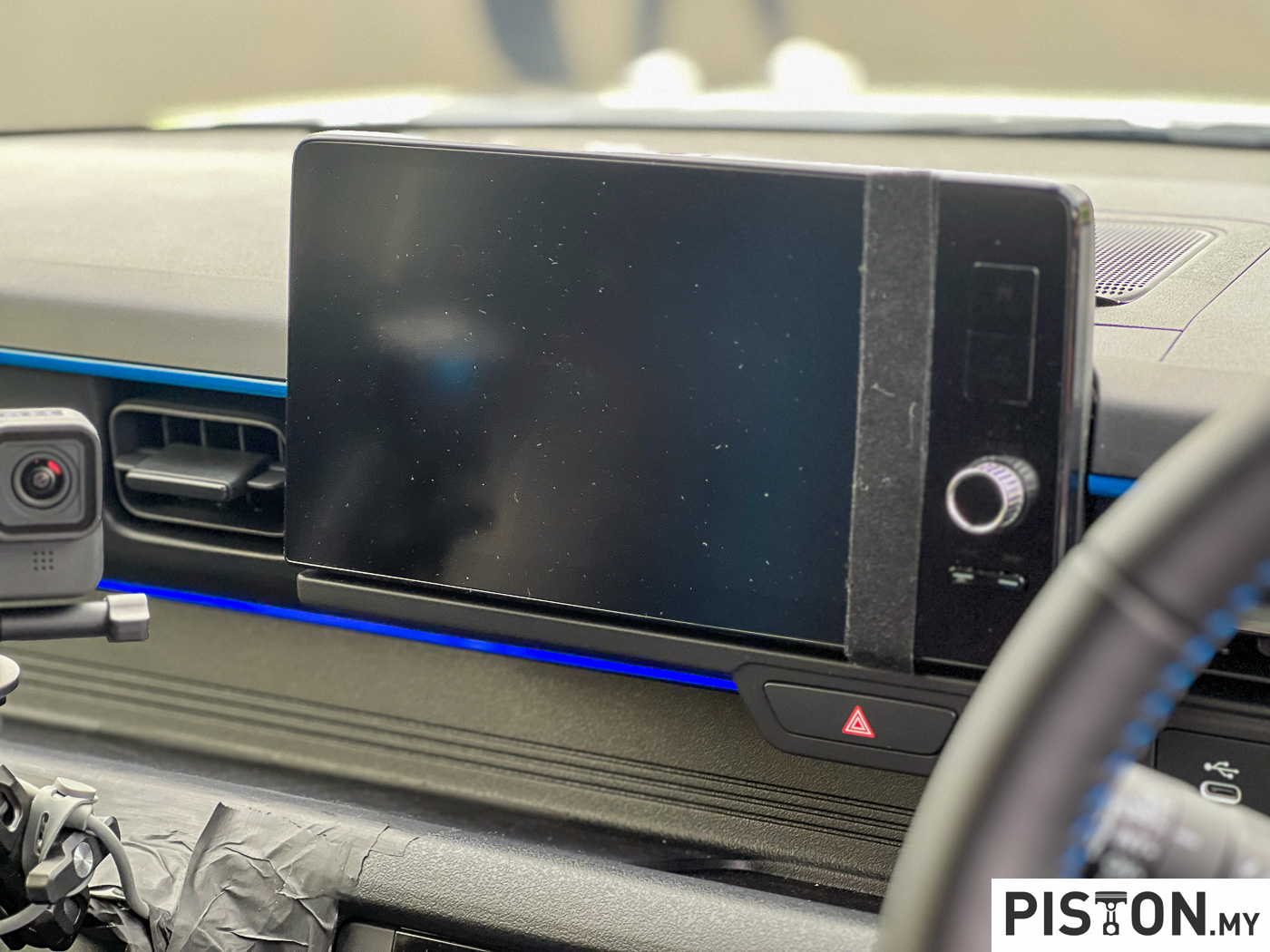
Now that we have got that out of the way, the dashboard looks and feels simplistic, but you get hard buttons for all of the key controls. Honda may have taken its time with EV’s, but at least it has learnt from real world feedback what the Chinese and Tesla are still struggling with – hard buttons matter!
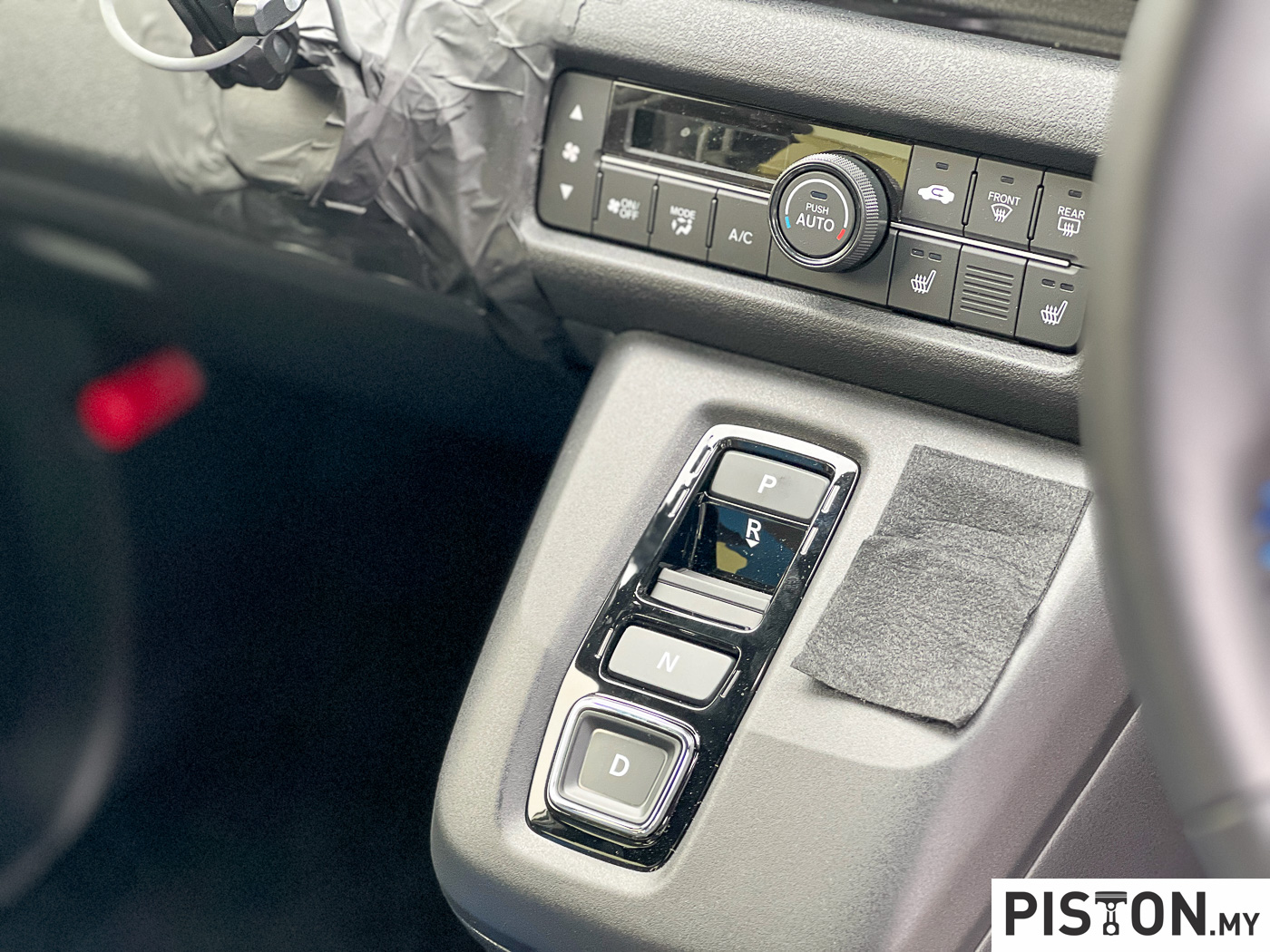
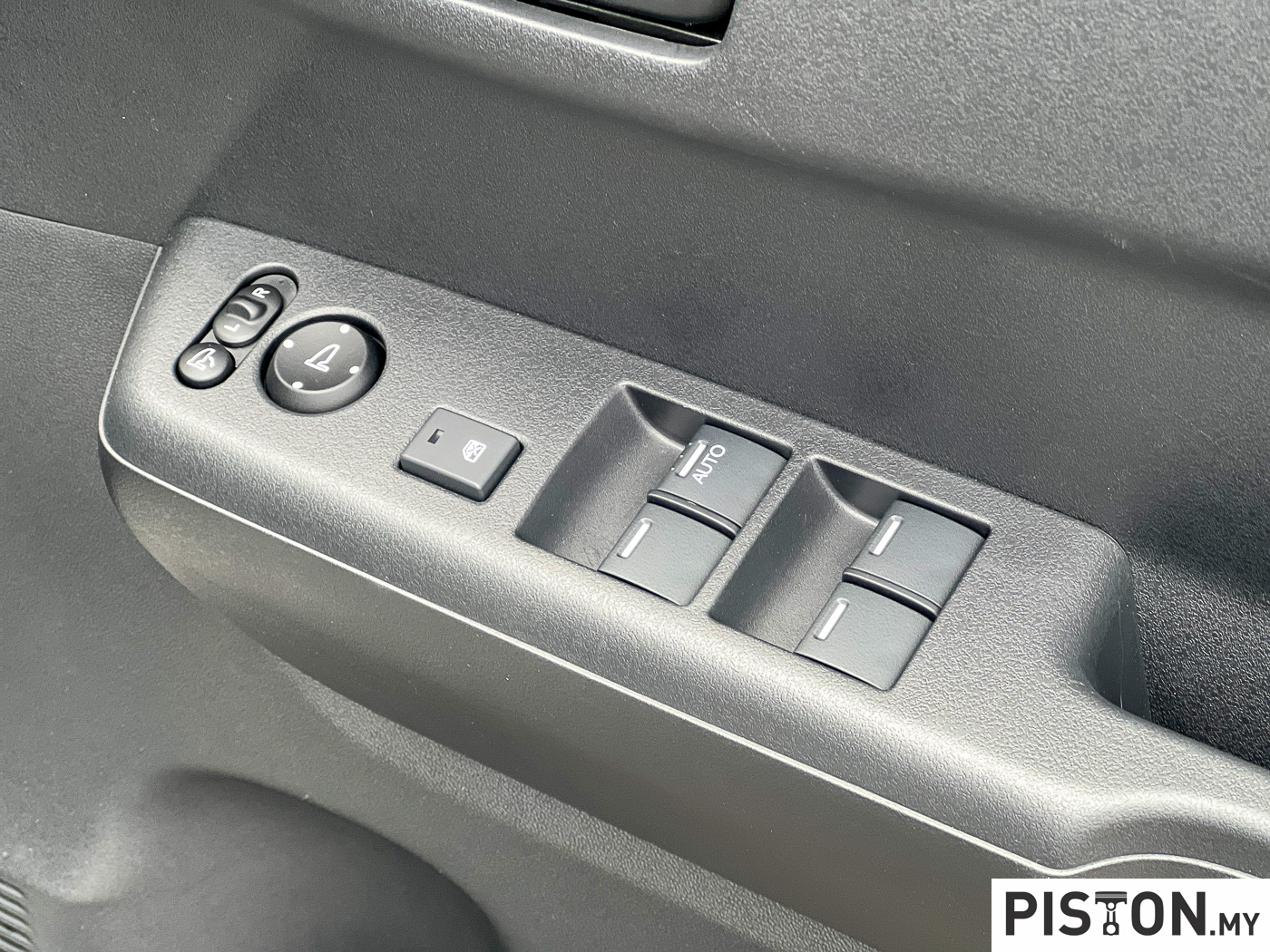
Besides that, all of the controls are from the usual Honda parts bin. The window switches look similar to the Honda City, as does the infotainment system. The gear selector buttons are from the Honda e:N1 but the two spoke wheel will be new territory for Malaysians. The buttons on the wheel? Not so much as they too are lifted from other Honda models.
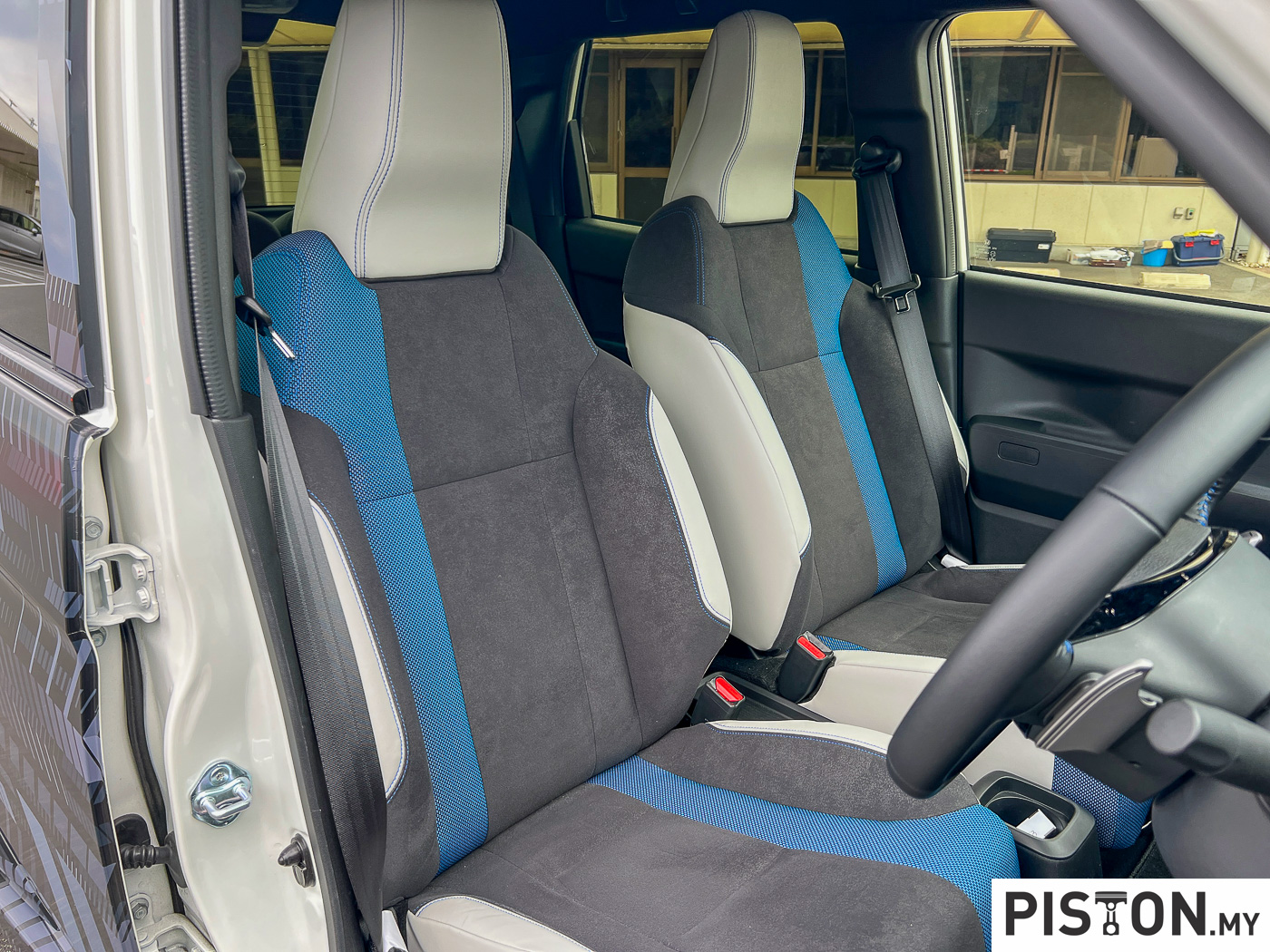
The seats are similar to the ones in the N-One e, but here they are finished in different materials that include something that looks like denim, suede and what I am assuming to be faux leather. All held together by blue stitching.
Honda’s official press materials describe the interior as “a space that heightens anticipation for an excellent driving experience.”
What about tech?
Earlier in this article, I asked that you remember the battery and range of the N-One e, and this is where it is important because Honda is holdings its cards close to its chest with regards to all the tech that underpins the Super-One.
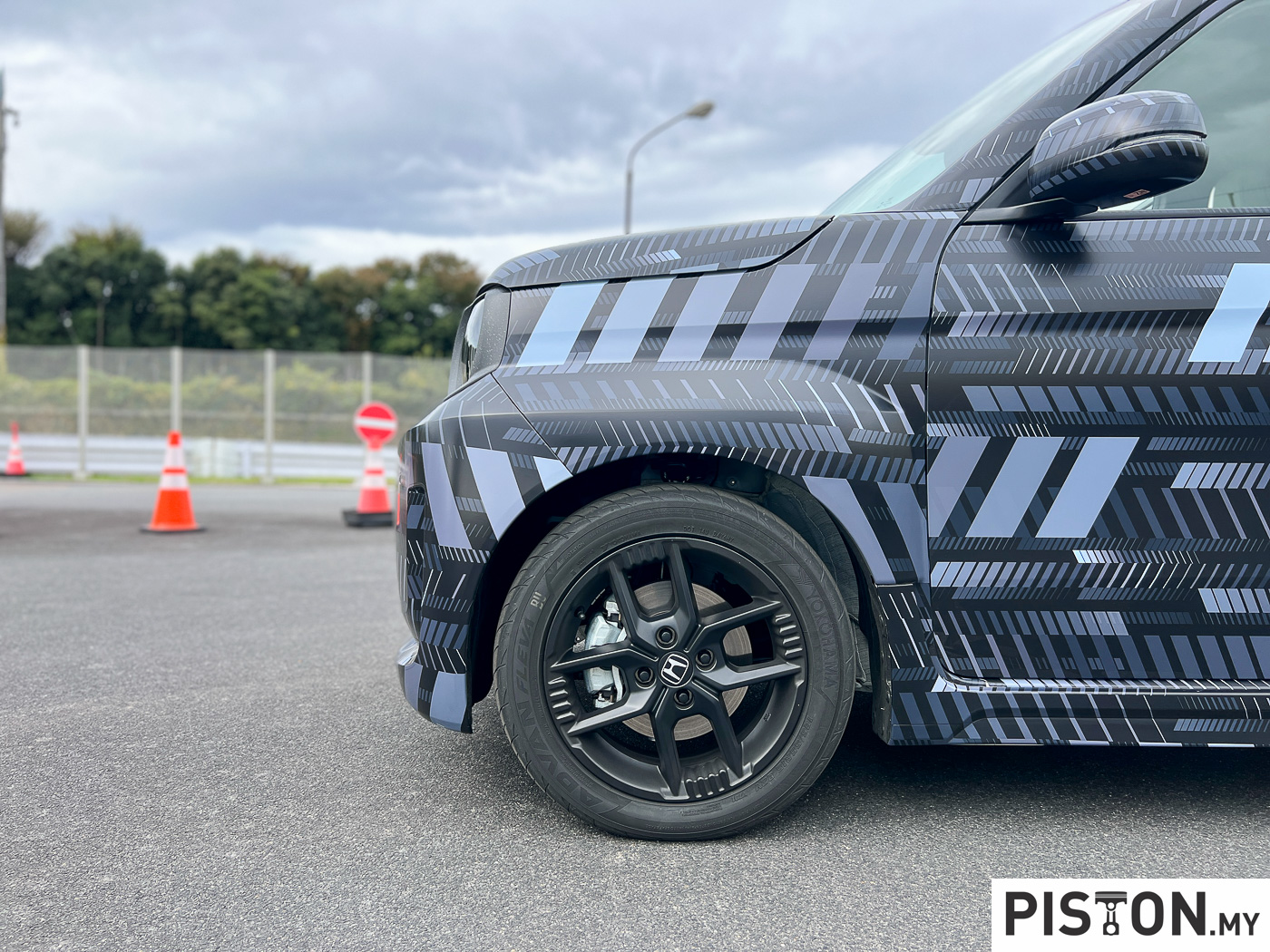
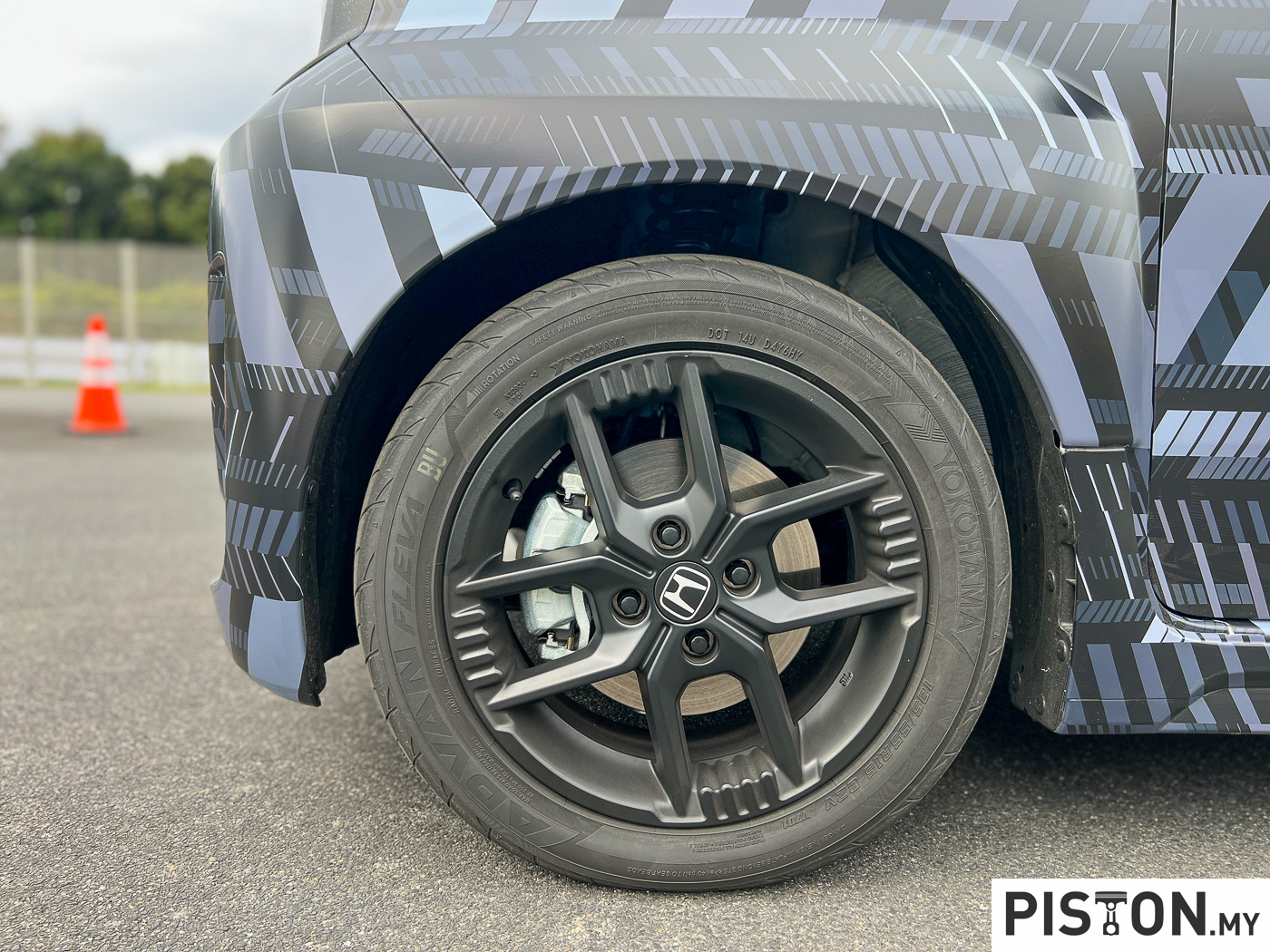
But since both cars are pretty much the same, though the Super-One has flared arches, an angrier stance, and some go fast bits, we can make some correlations.
The N-One e utilises a 29.3kWh battery pack which gives it a 295km WLTP range. In terms of charging, the base car can be recharged using a 6kW AC charger that will take 4.5 hours to fully recharge while a 50kW DC fast-charger will take 30 minutes to reach 80%.
Though there is little to no information regarding the tech underneath the Super-One, the fact that both cars share the same platform means that it would not be too far-fetched to assume that the powertrain is the same as well.
In fact, one could also be forgiven for thinking of the Super-One as the angrier sibling of the N-One e, one designed for a little bit of fun rather than a bland, characterless everyday EV.
Central to the Super-One prototype package is that aforementioned Boost button.
So will we be getting it in Malaysia?
Honda says that its Super-One prototype “has undergone testing on various road surfaces and under diverse climate conditions in Japan, the UK and other countries across Asia to further enhance its driving performance”.
In fact, the Super-One has already been spotted being tested in Malaysia as well. And more importantly, Honda is not a company that will fly a group of journalists to Japan to test drive a car only for the car not to make it to our shores.
The real question is not if it will arrive in Malaysia, but when.
And when it does, keep in mind that the Super-One prototype was also showcased at the iconic Goodwood Festival of speed in the UK. And that itself shows that Honda wants to position it as a “unique car with new possibilities of a new joy of driving unique to Honda EVs.”
After what I experienced with it, I believe that driving enthusiasts will like it as much as I did. Sometimes you don’t have to go fast to have fun.
Specifications: Honda N-One e (base car)
Battery: 29.3kWh
AC charging: 6kW (4.5 hours, 0-100%)
DC charging: 50kW (30 mins, 10-80%)
Range: 295km WLTP
We like: Fun to drive character
We don’t like: Front mounted charging port
BYD has formally introduced the 2026 Seal 06 DM-i, a new mid-size sedan offered in two configurations priced at 96,800 yuan (around RM62,700) and 106,800 yuan (around RM69,200). The model expands BYD’s plug-in hybrid line-up with refreshed styling, updated technology and improved electric driving capability.
Built on the same platform as the Qin L, the Seal 06 DM-i adopts BYD’s latest “Ocean Series” design language. The front end is defined by a closed grille paired with a large lower air intake, giving the sedan a clean and modern appearance. At the rear, a full-width taillight strip is accompanied by water-drop shaped lighting elements on each side, while a darkened lower bumper adds contrast and visual depth.
The interior follows the “Ocean Family” theme, featuring smooth, curved surfaces across the door panels and seating areas. Key equipment includes a full LCD instrument display and a 15.6-inch central touchscreen as the cabin’s main interface. The centre console adopts a circular layout with a compact toggle-style gear selector, framed by neatly arranged physical buttons for essential functions.
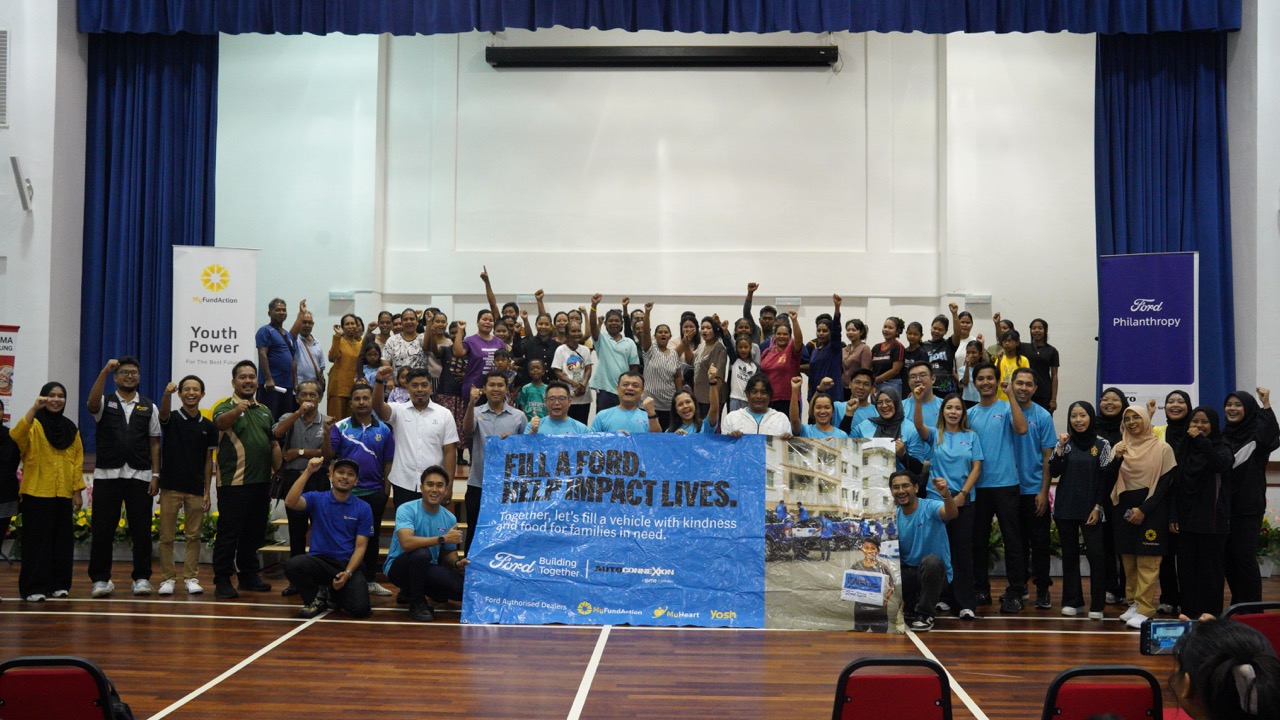
Sime Darby Auto ConneXion-Ford, the sole distributor of Ford vehicles in Malaysia, has launched the Ford Ranger Raptor Sport 3.0, a new addition to the Ranger Raptor family created to celebrate the model’s third anniversary in the Malaysian market. The latest variant builds on the Raptor’s performance-focused reputation with a series of enhancements in power, design, and off-road capability.
At the core of the Ranger Raptor Sport is a 3.0-litre twin-turbo EcoBoost V6 petrol engine, tuned by Ford Performance. The engine produces 397PS at 5,650 rpm and 583 Nm of torque at 3,500 rpm, making it one of the most powerful pickup offerings in its class. Complementing the powertrain are FOX 2.5-inch Live Valve Internal Bypass shock absorbers, which feature race-proven Bottom-Out Control for better composure on rough terrain while maintaining comfort on the road.
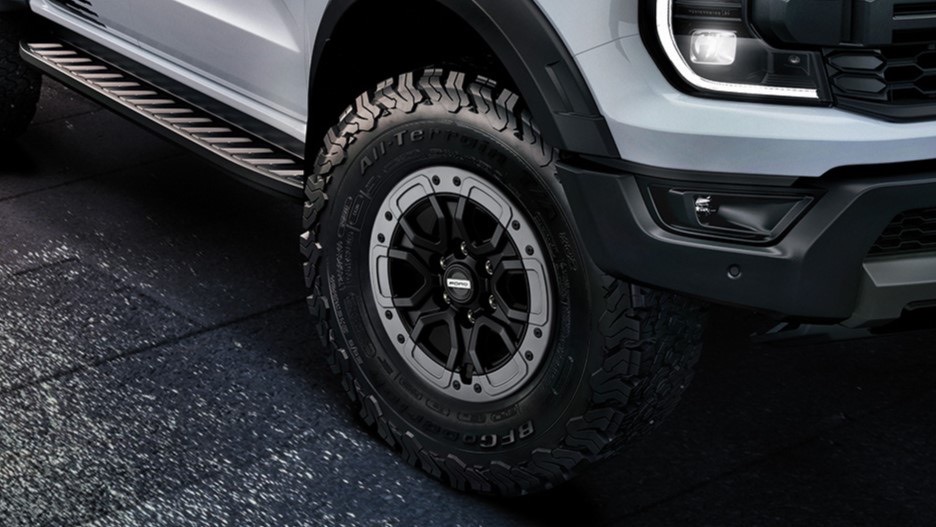
The Raptor Sport rides on beadlock-style wheels that come with threaded holes to support true beadlock rings for serious off-road use. These wheels arrive with stylish “beauty rings” as standard, with owners able to purchase beadlock rings separately if they plan to run low tyre pressures for improved grip during heavy off-road activities.
Visually, the Raptor Sport introduces a new Raptor decal design and a Sport Hoop that reinforces its muscular stance. These styling cues build on the Raptor’s established identity as a performance pickup created for drivers who want capability with a strong visual presence.
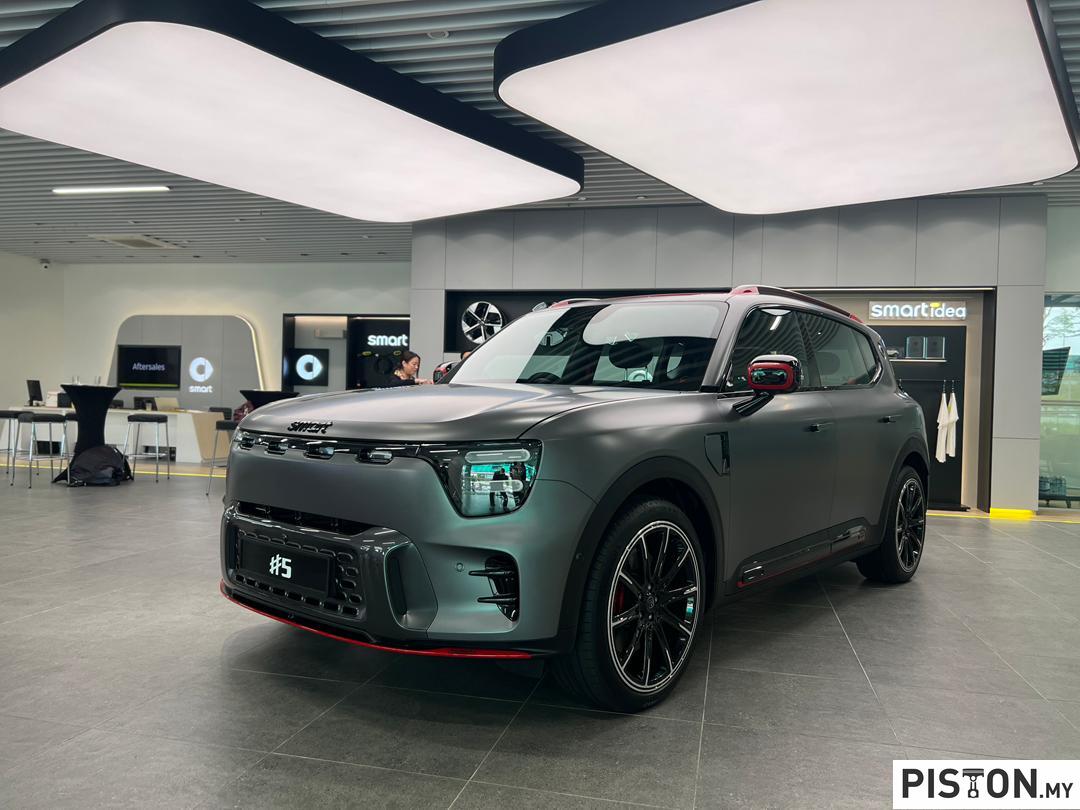
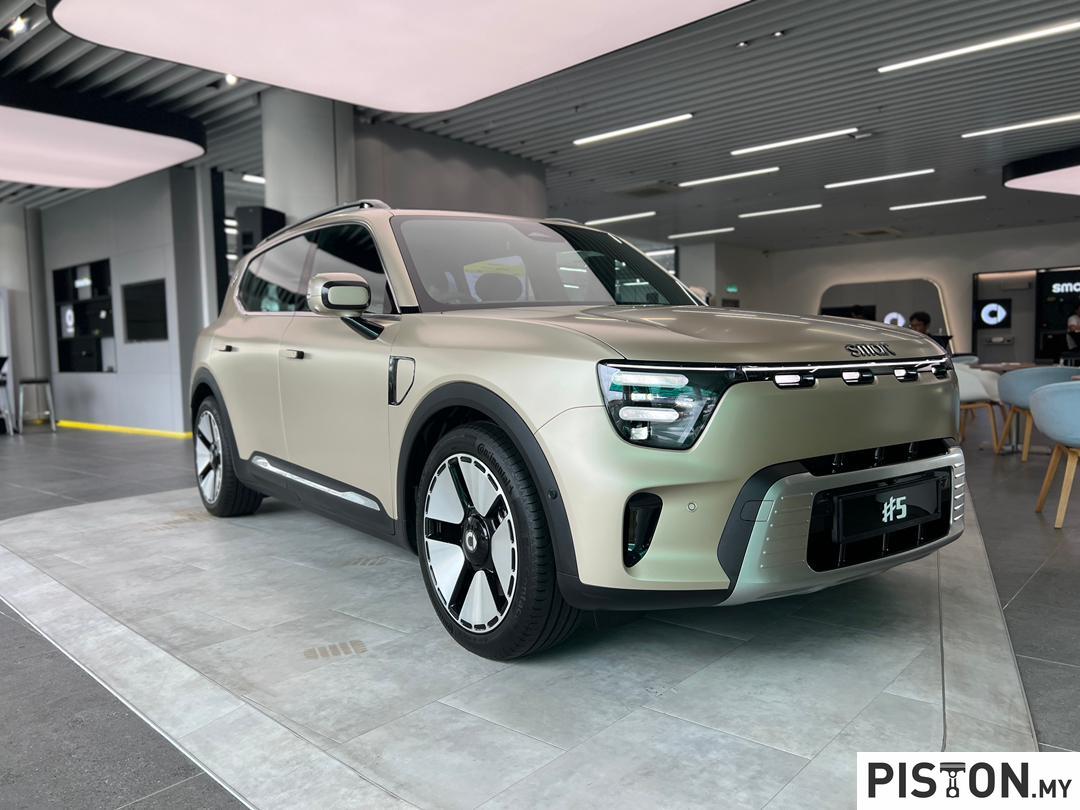
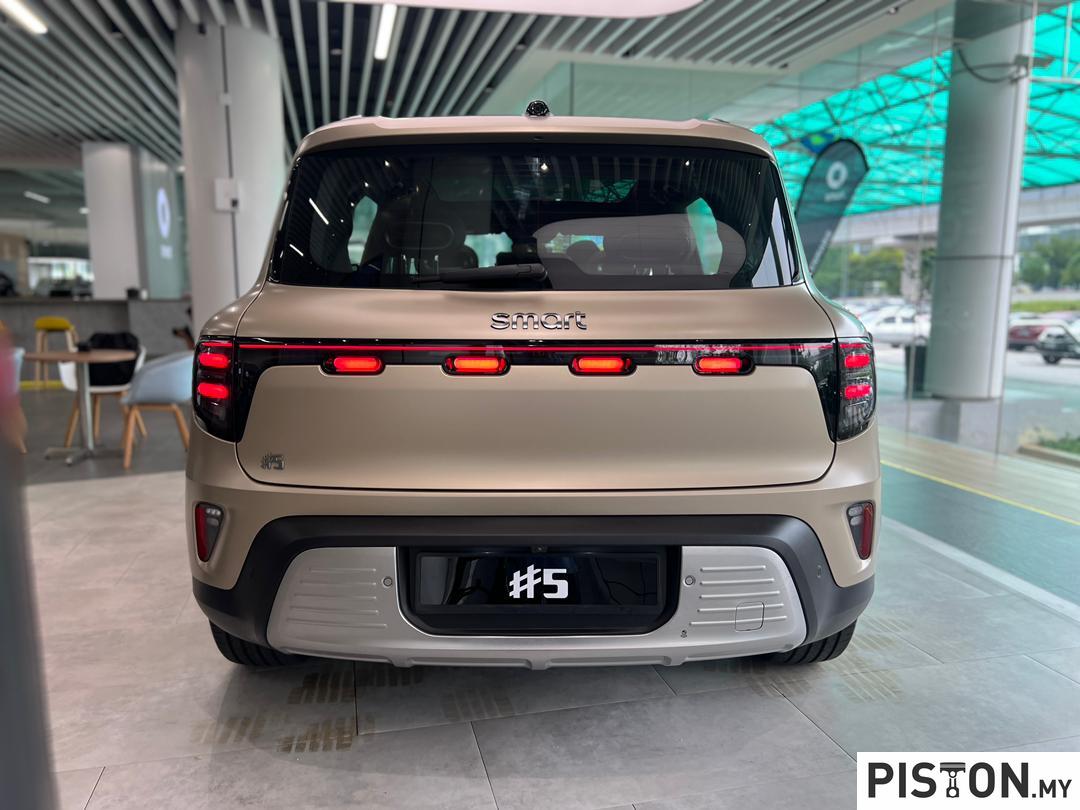
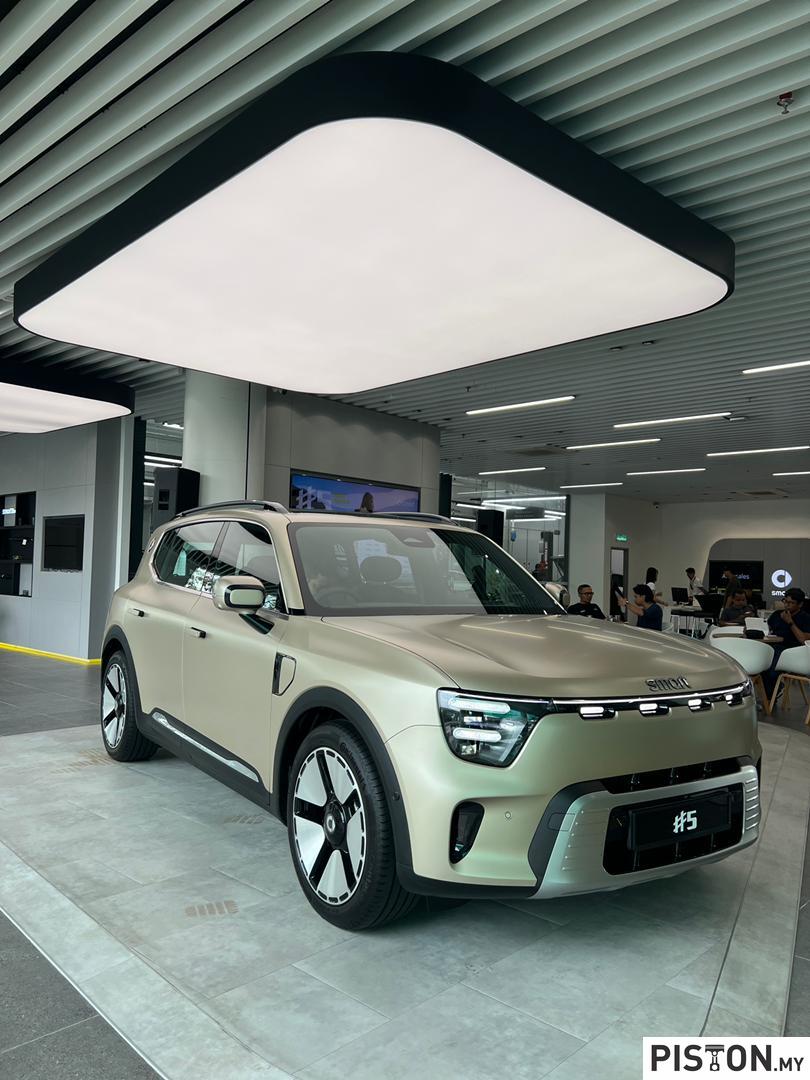
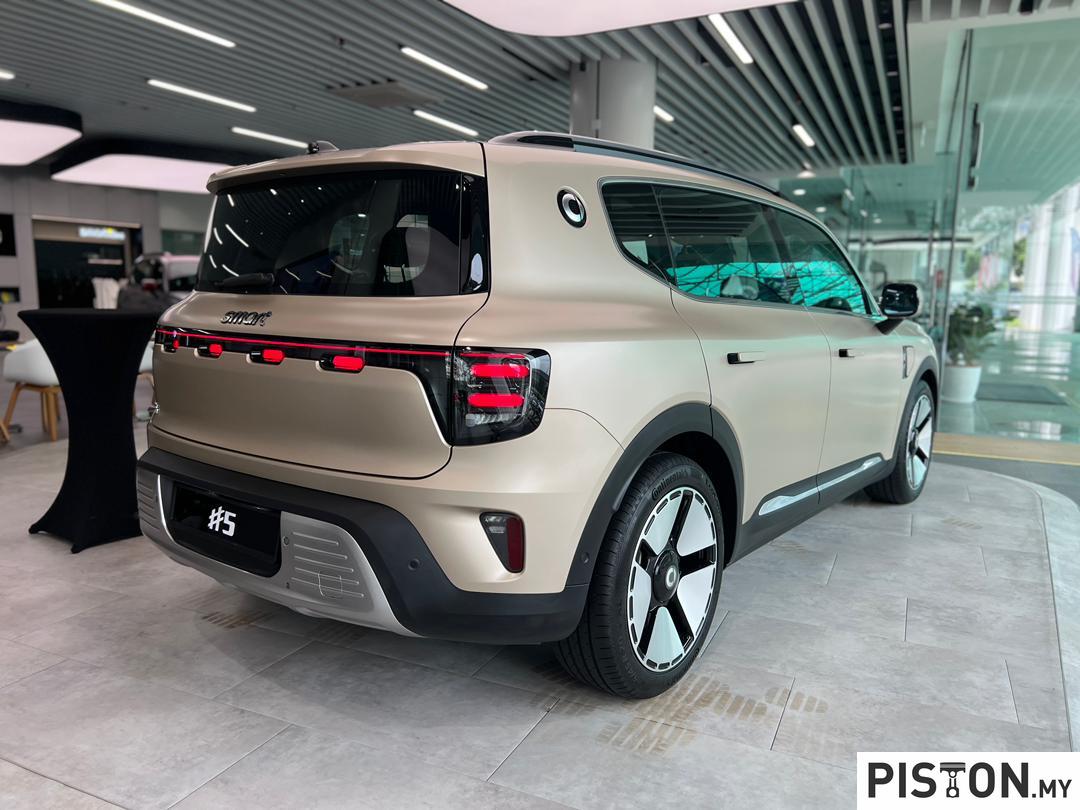
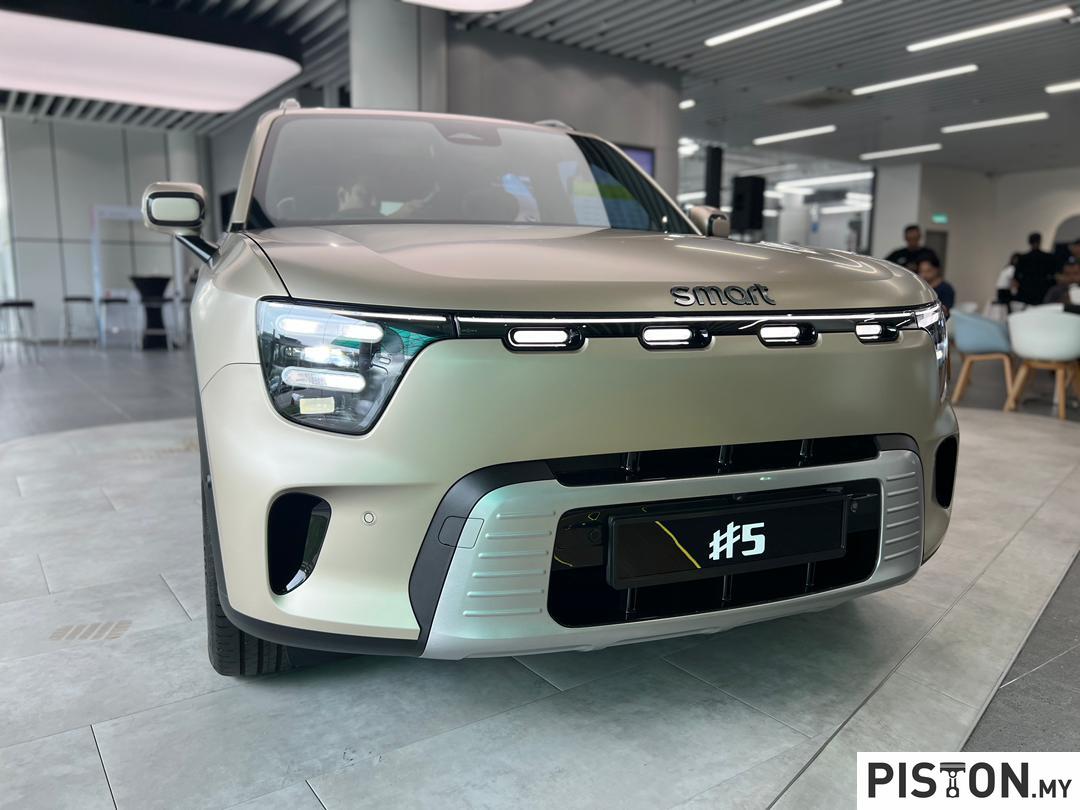
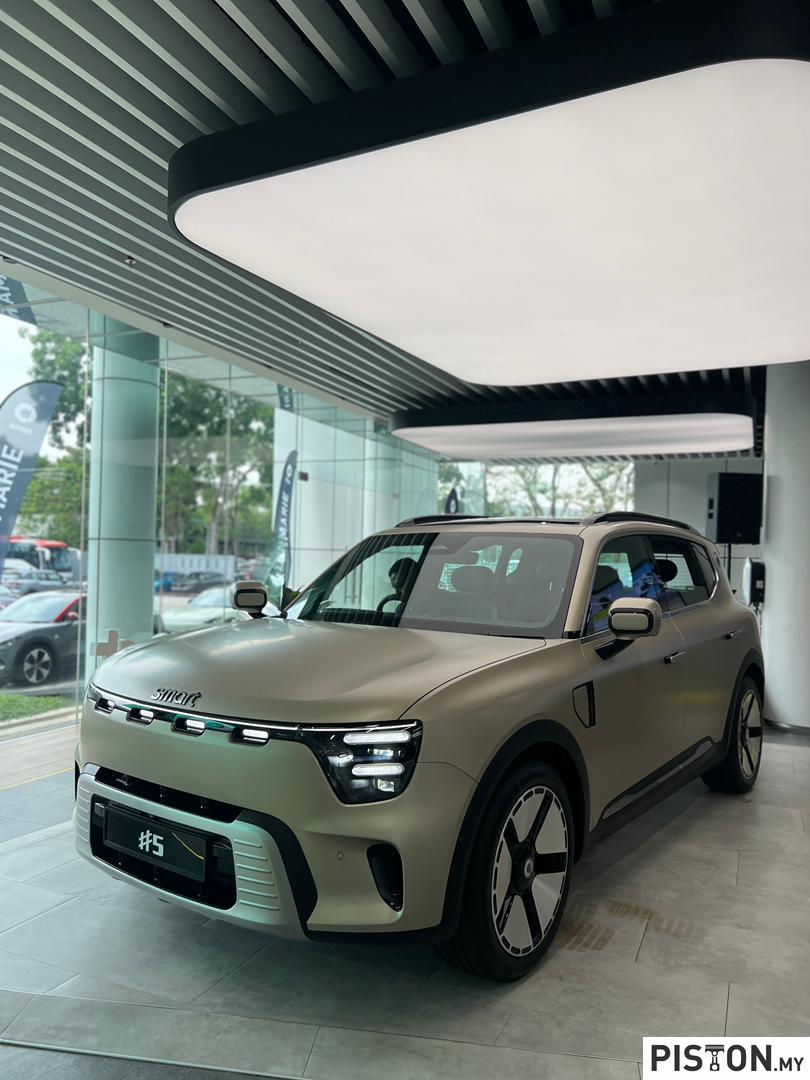
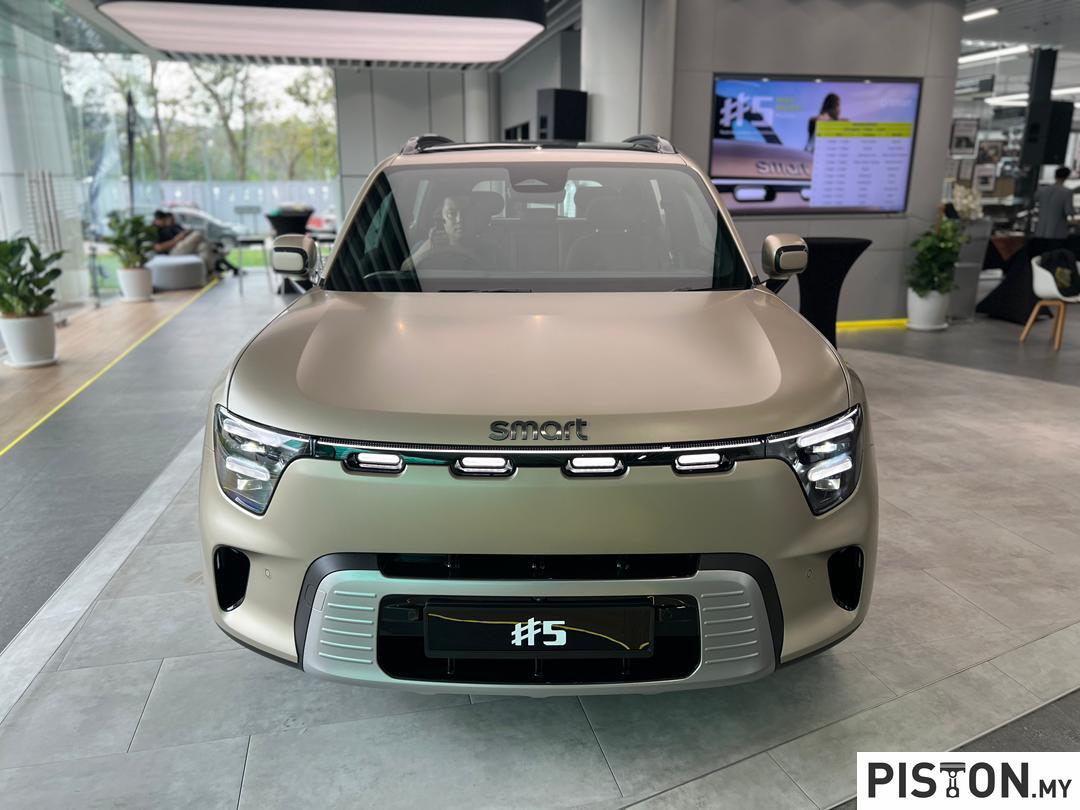
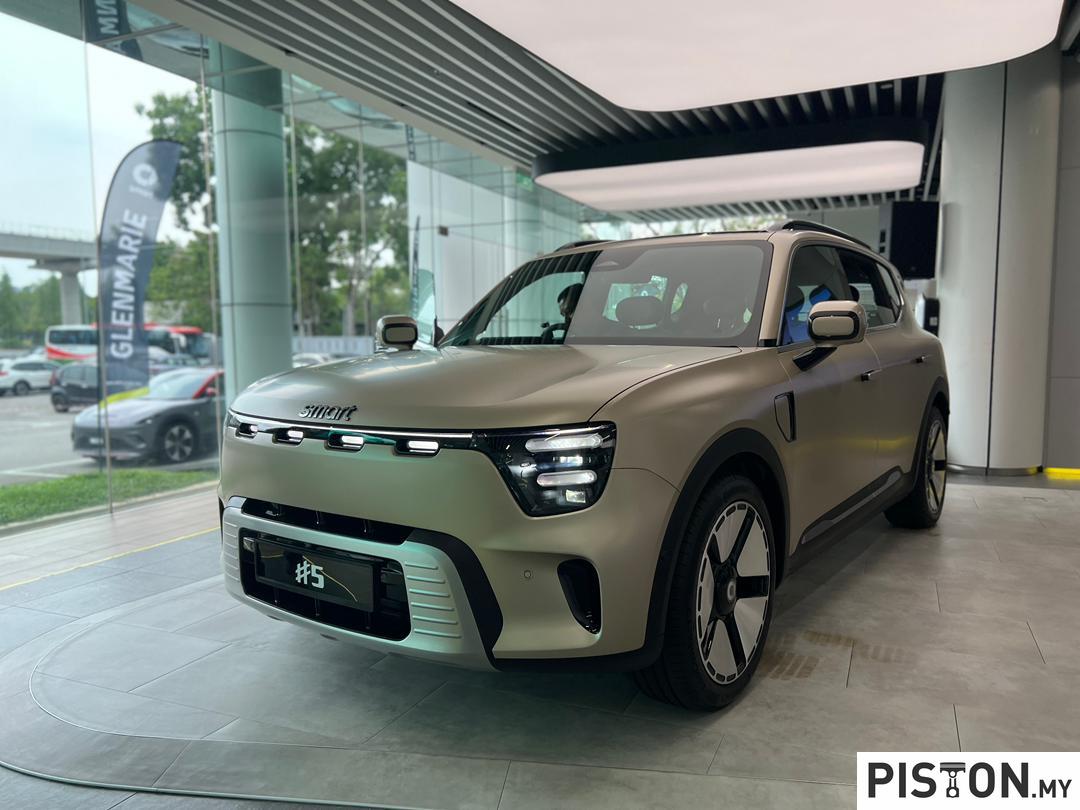
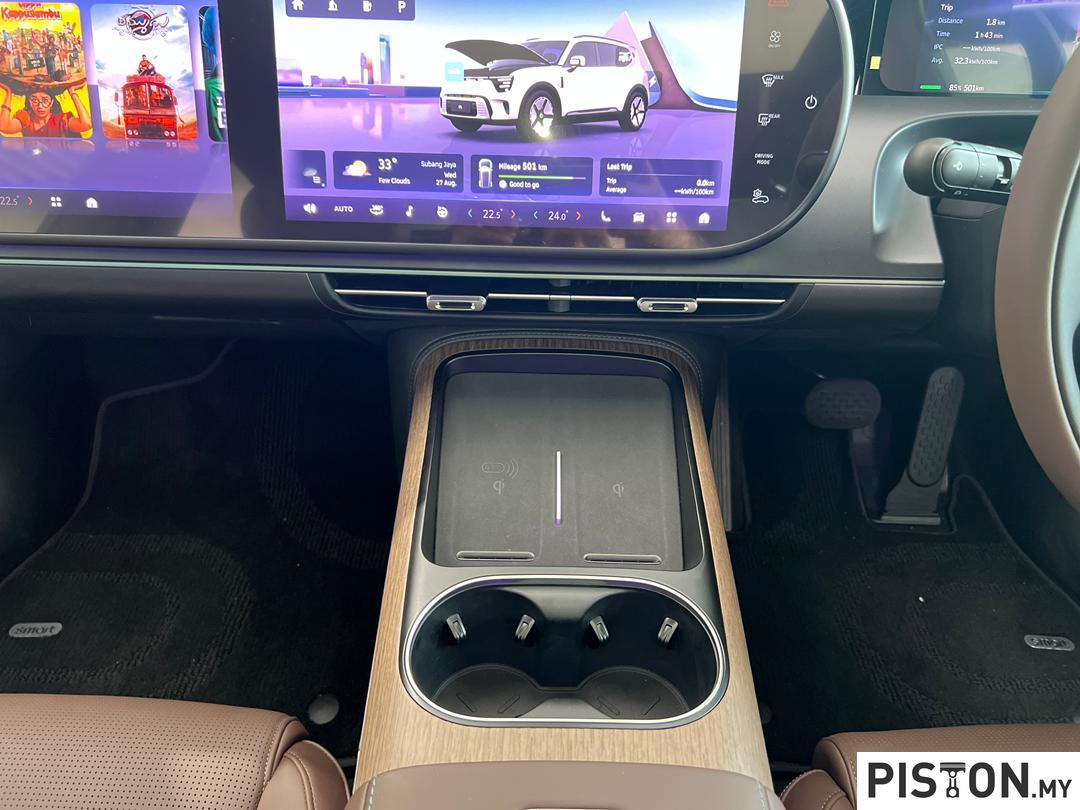
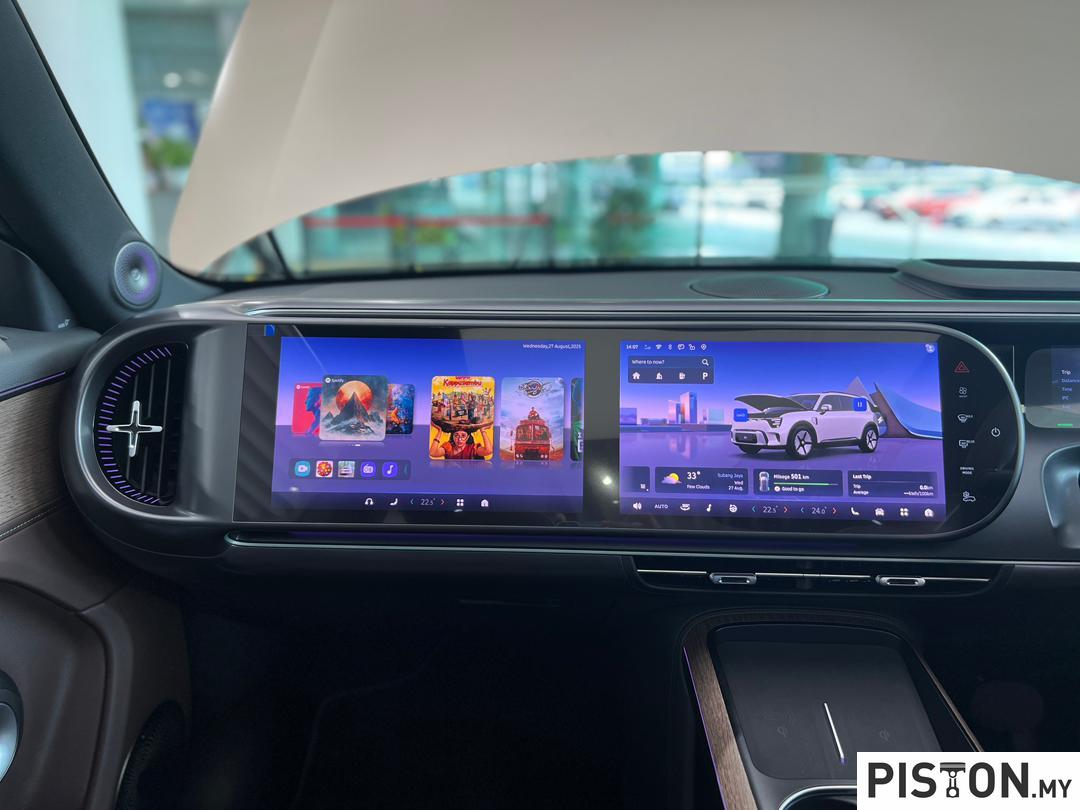
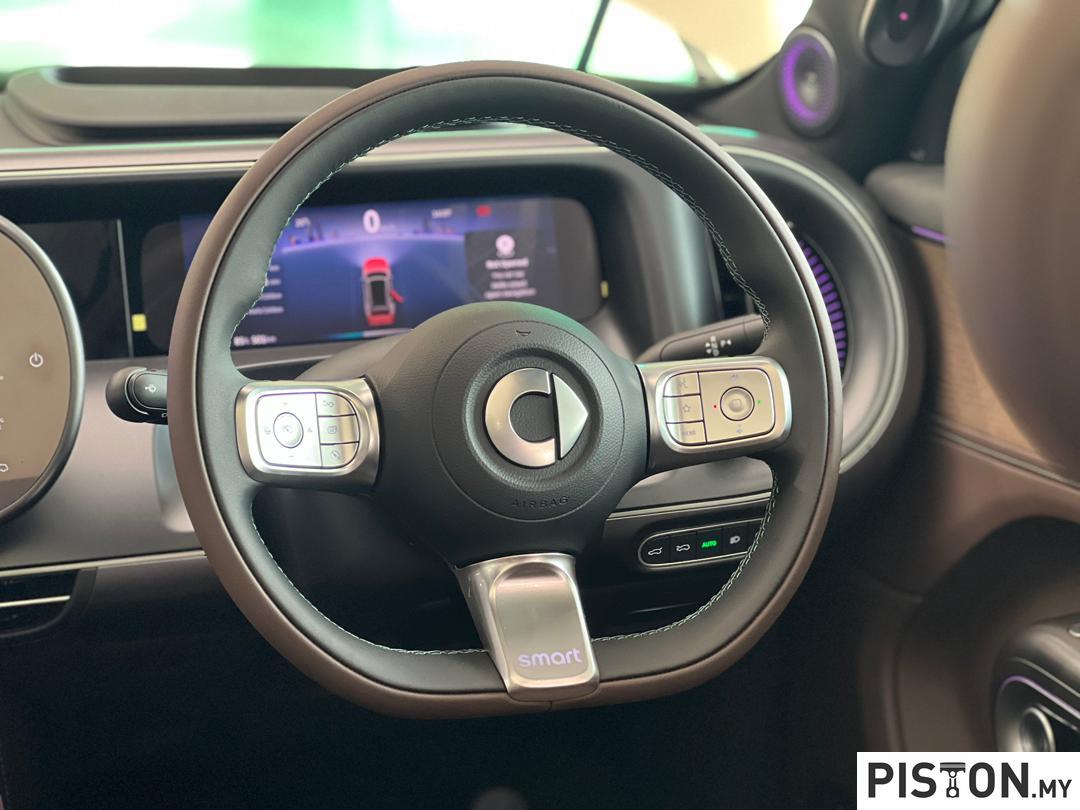
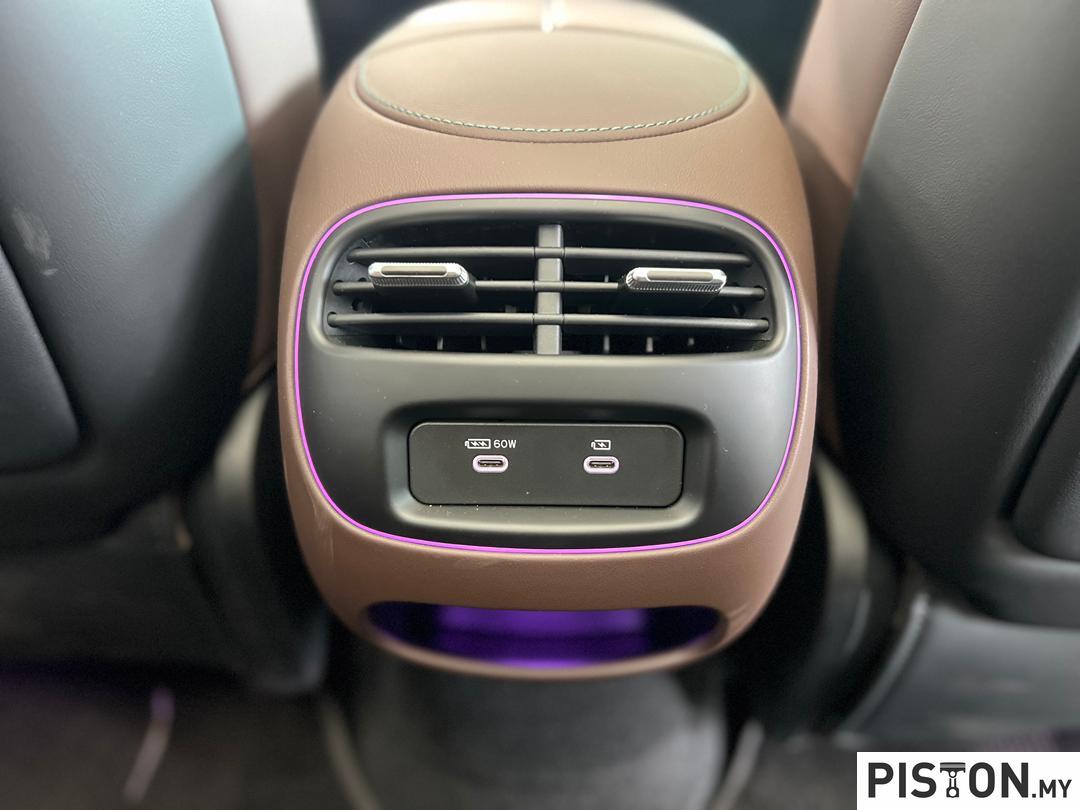
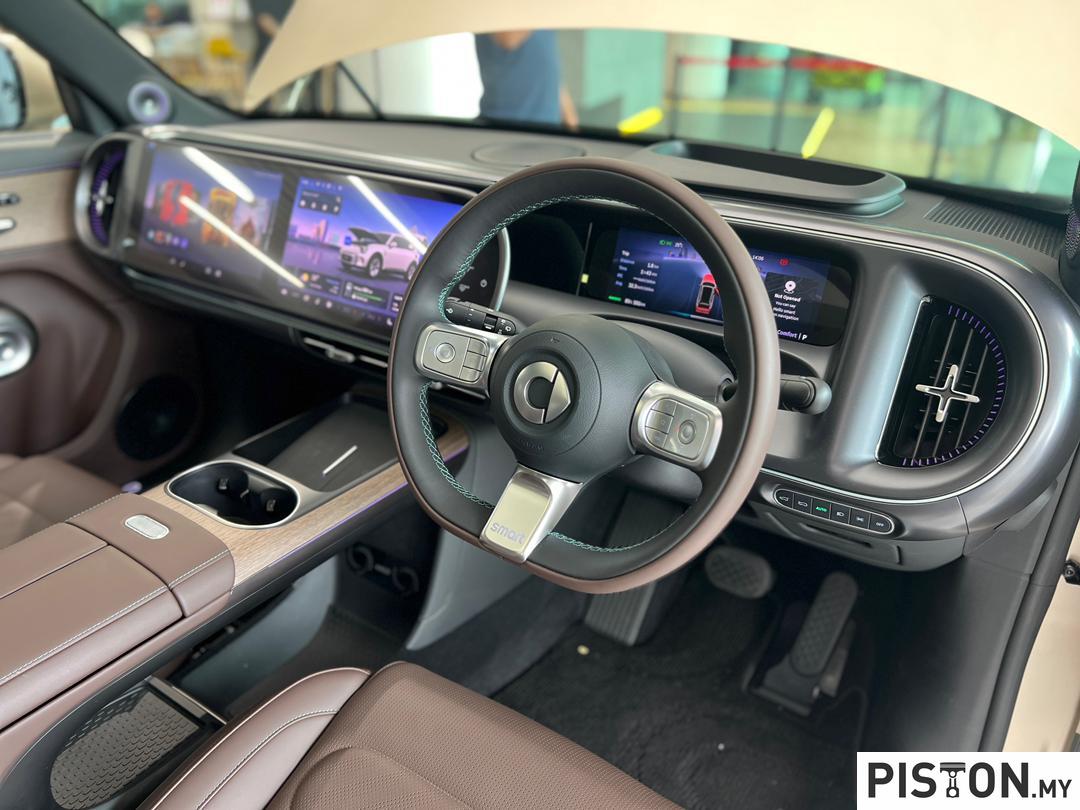
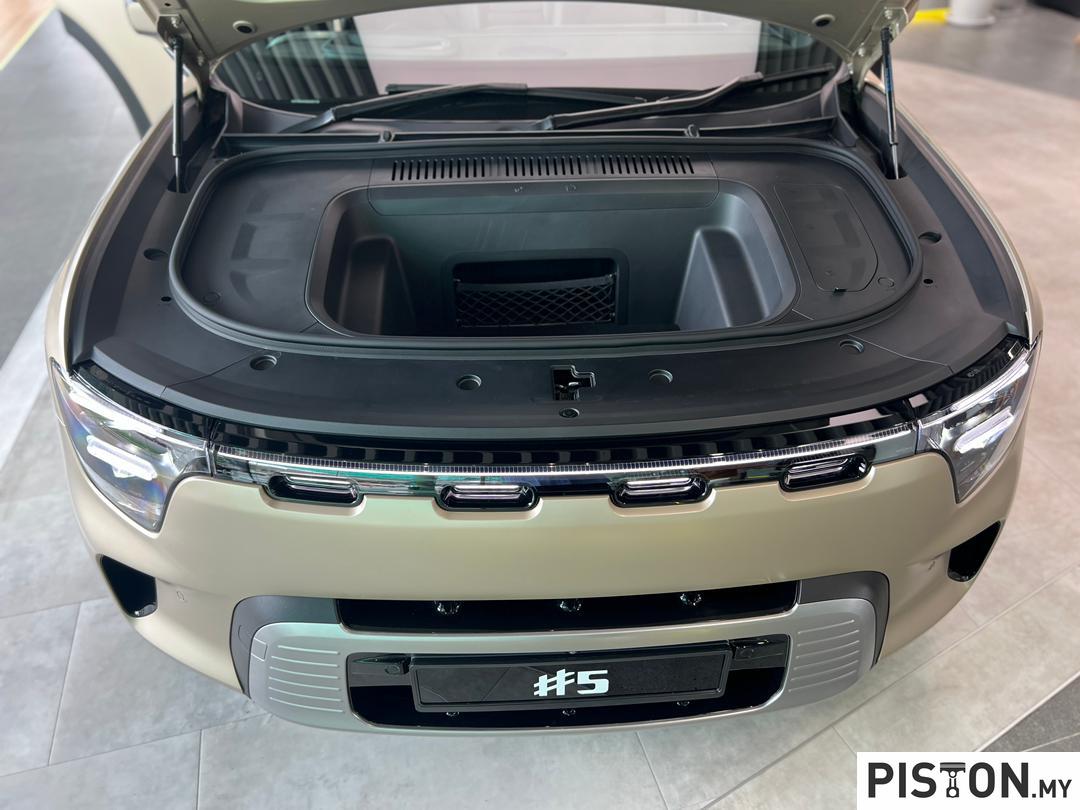
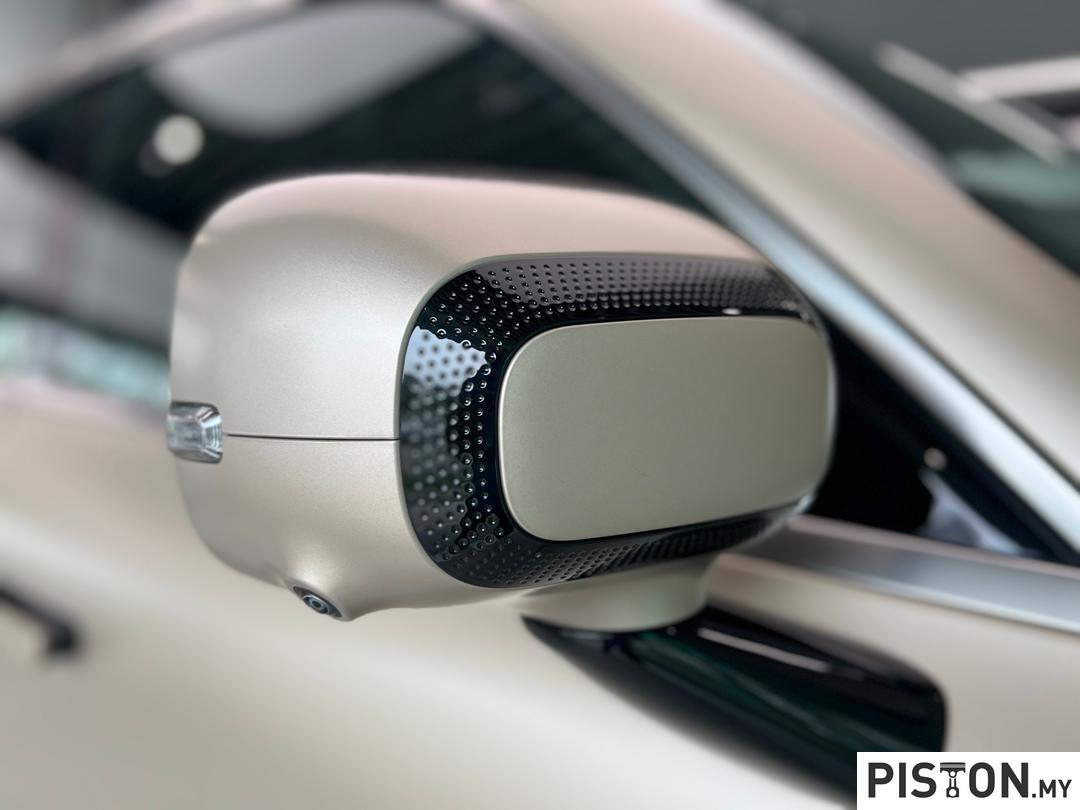
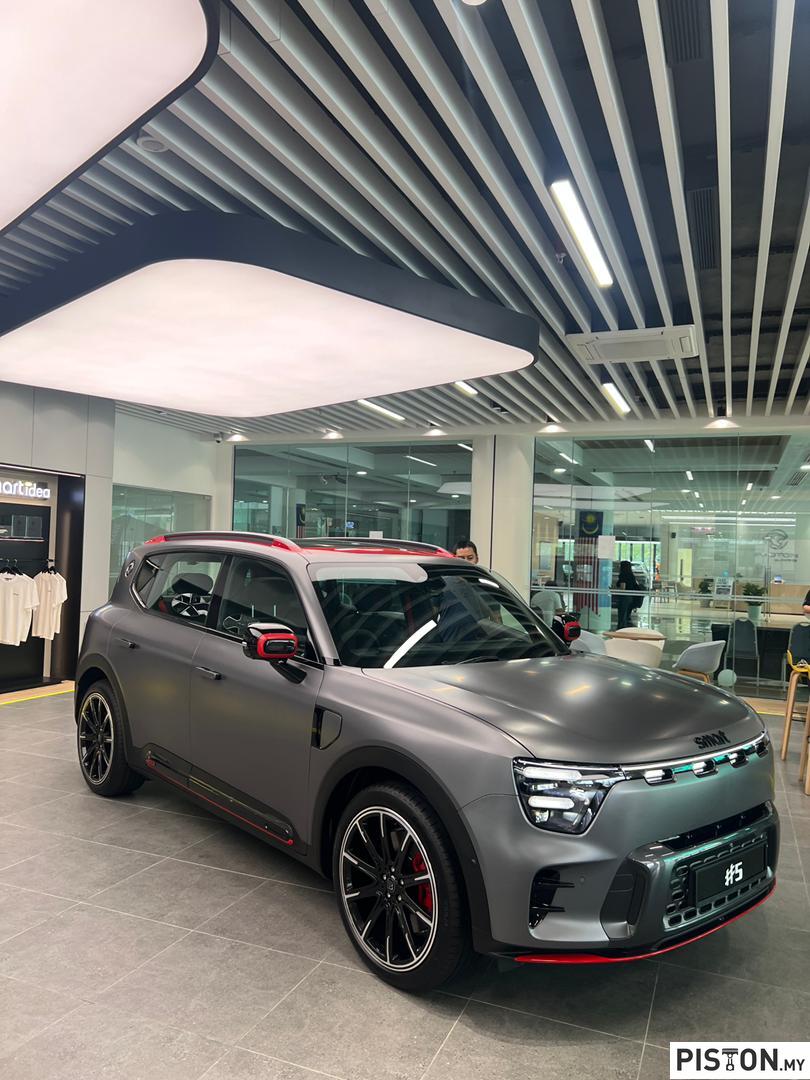
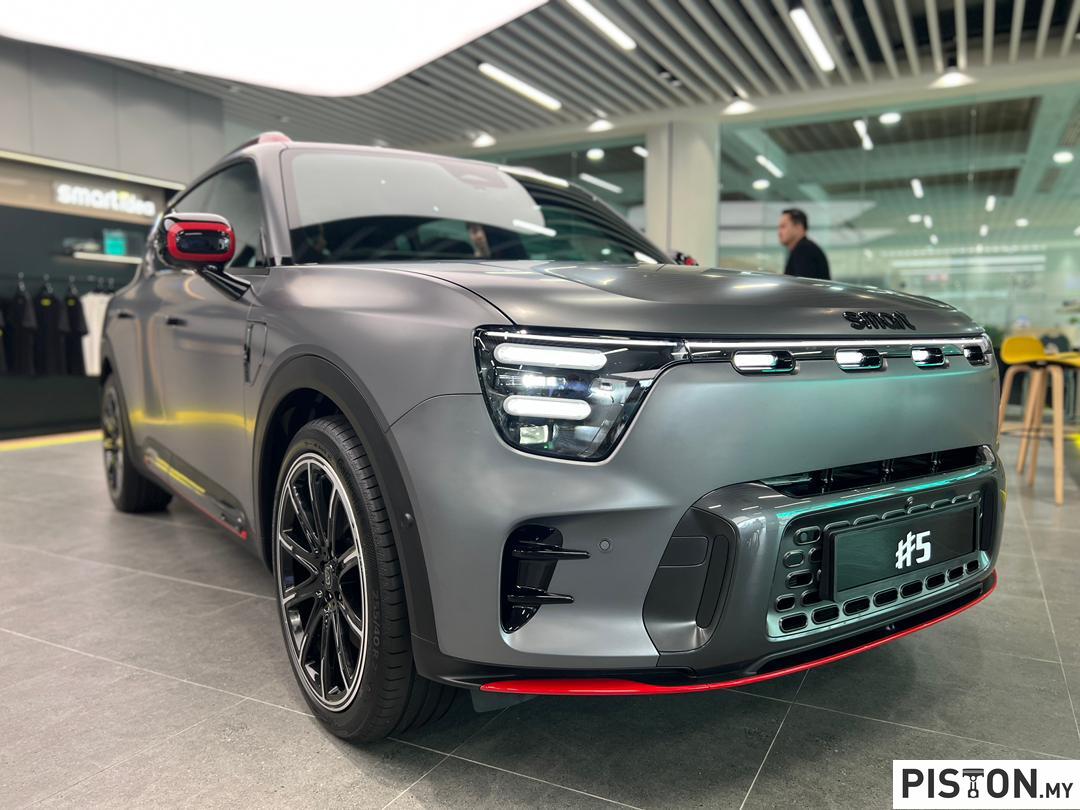
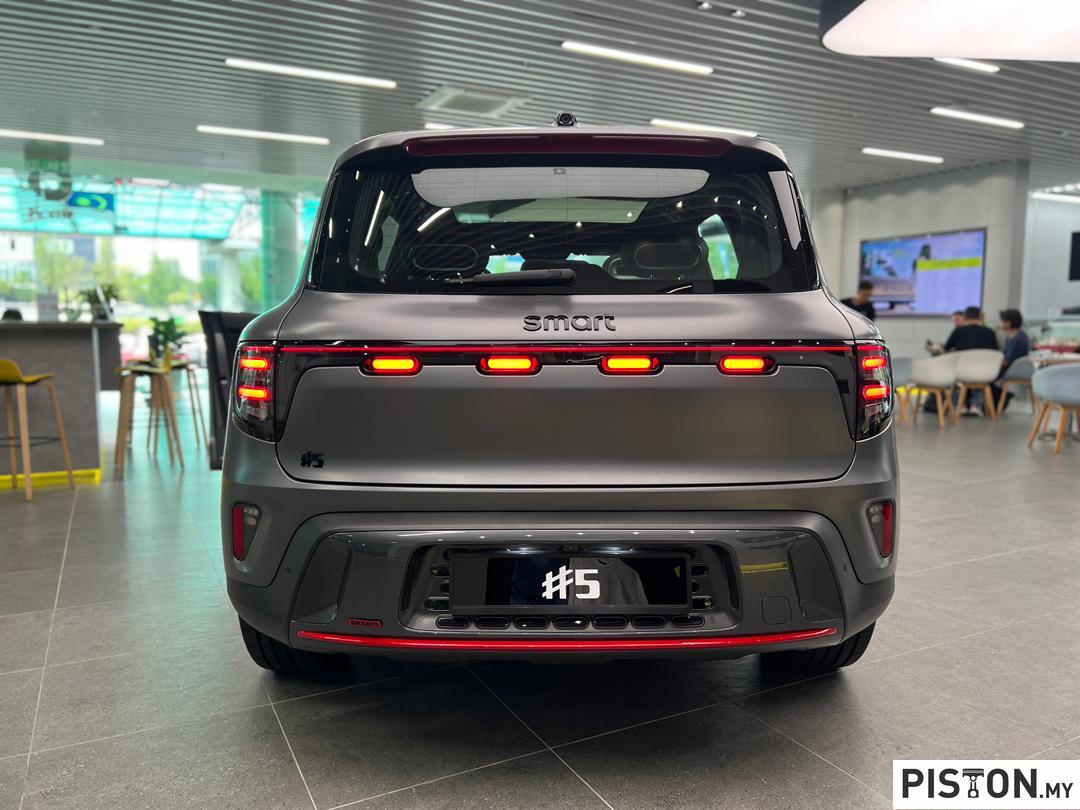
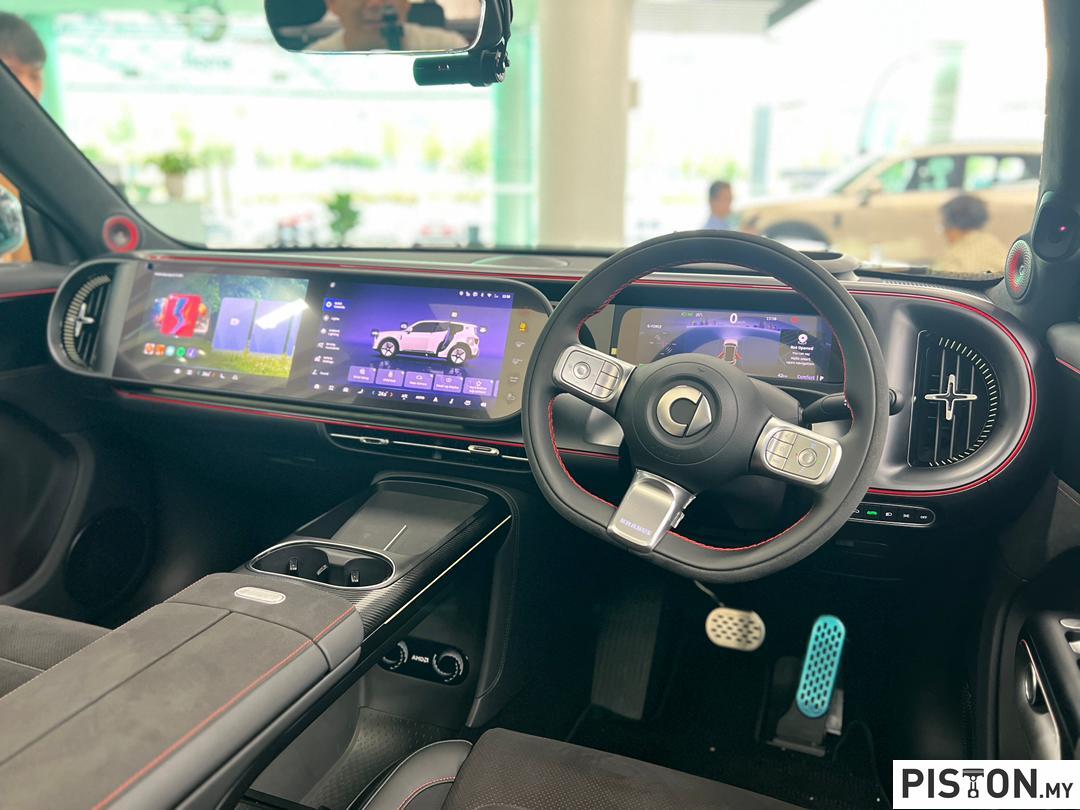
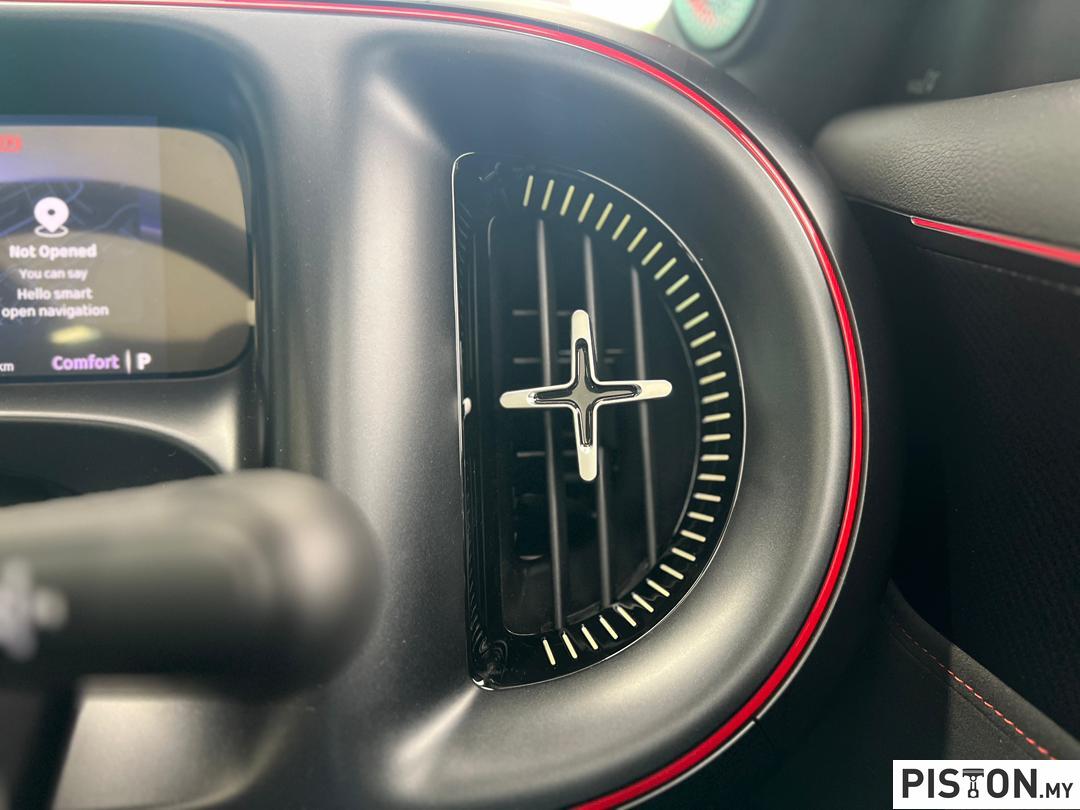
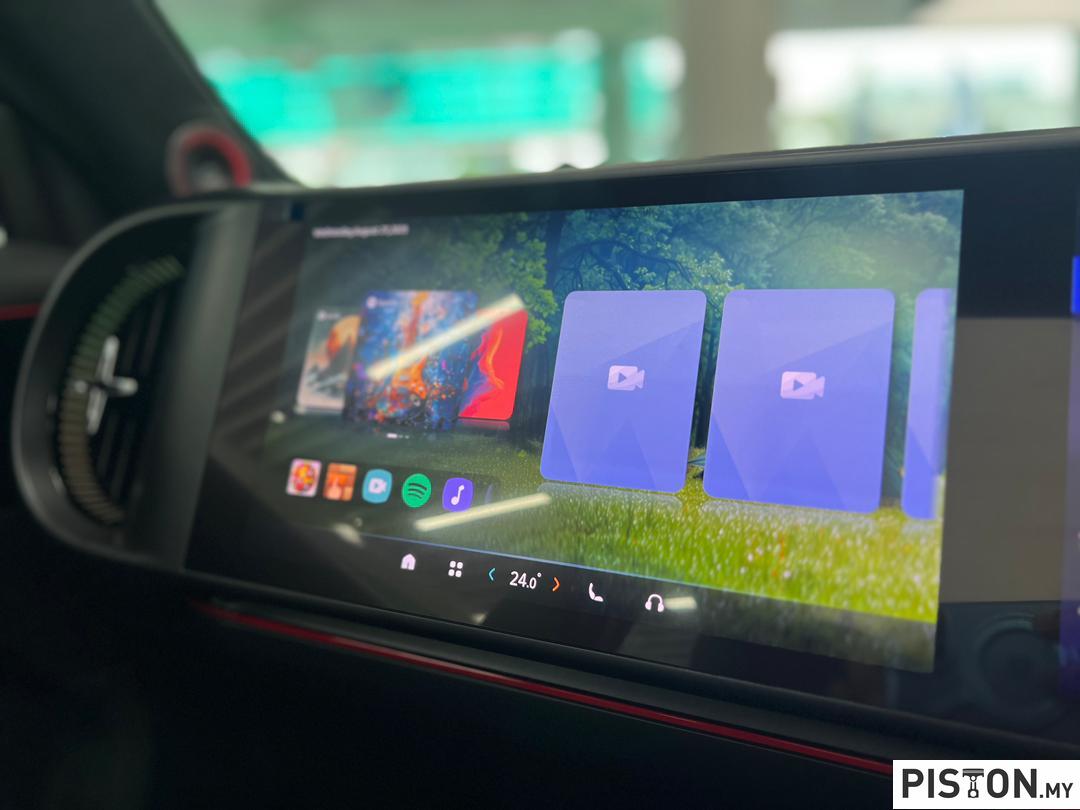
The smart #5 has officially been launched in Malaysia, joining the #1 and #3 but sitting above both as the brand’s largest and most capable model to date. With its focus on space, long-distance travel and performance, the new SUV steps directly into the premium EV battleground.
Two variants make up the local line-up: the Premium, and the high-output BRABUS.
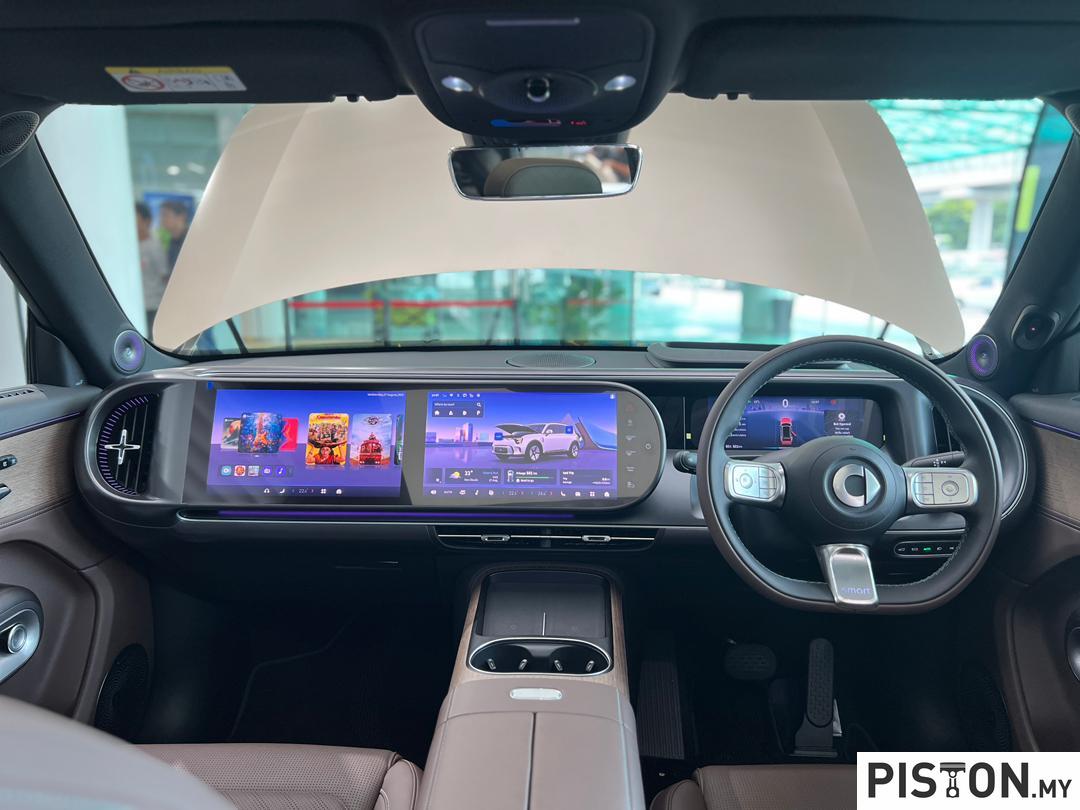
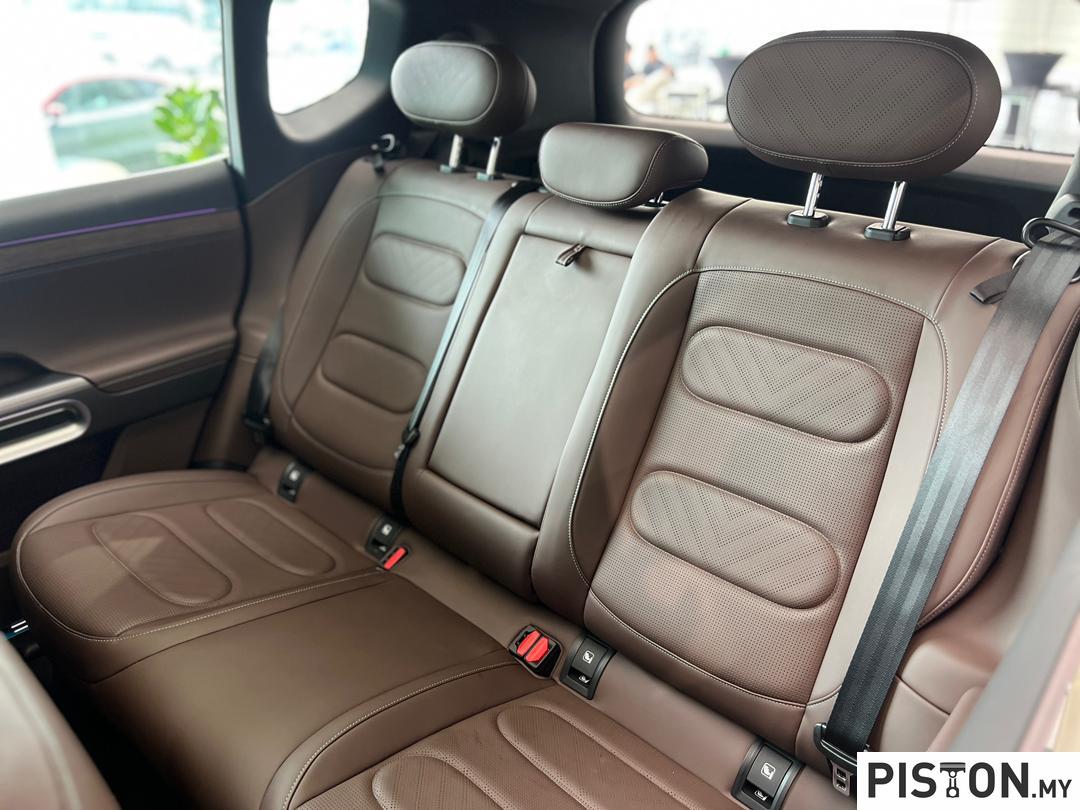
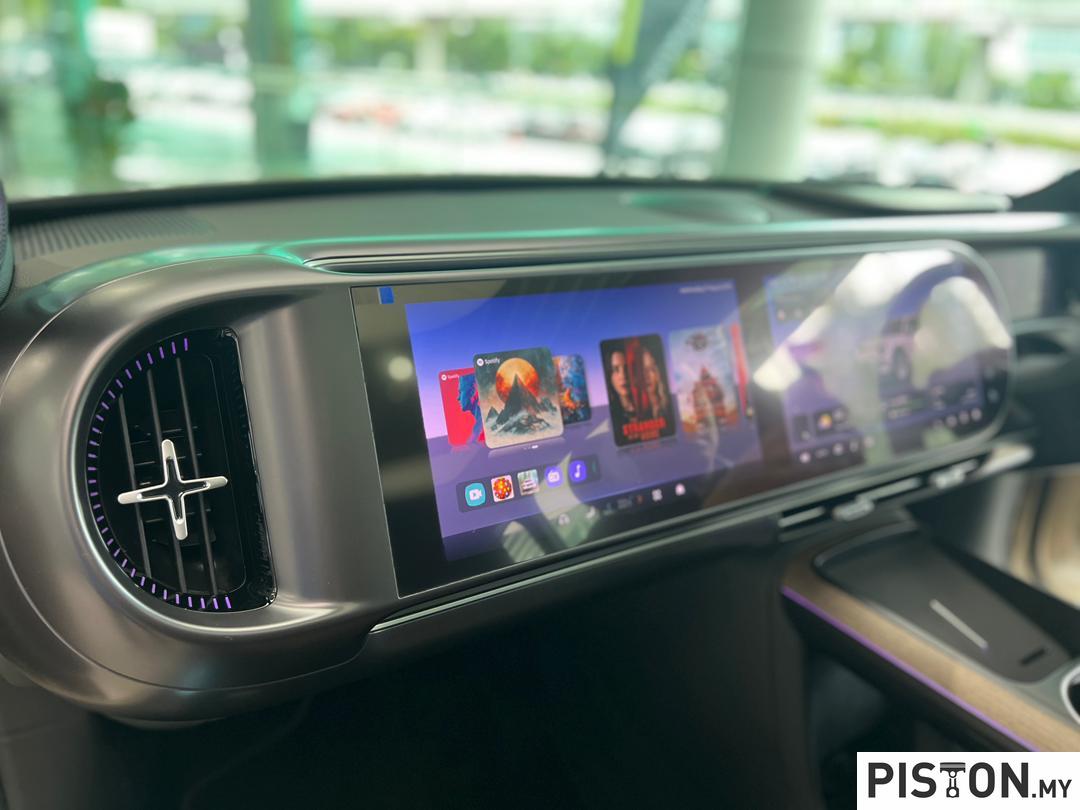
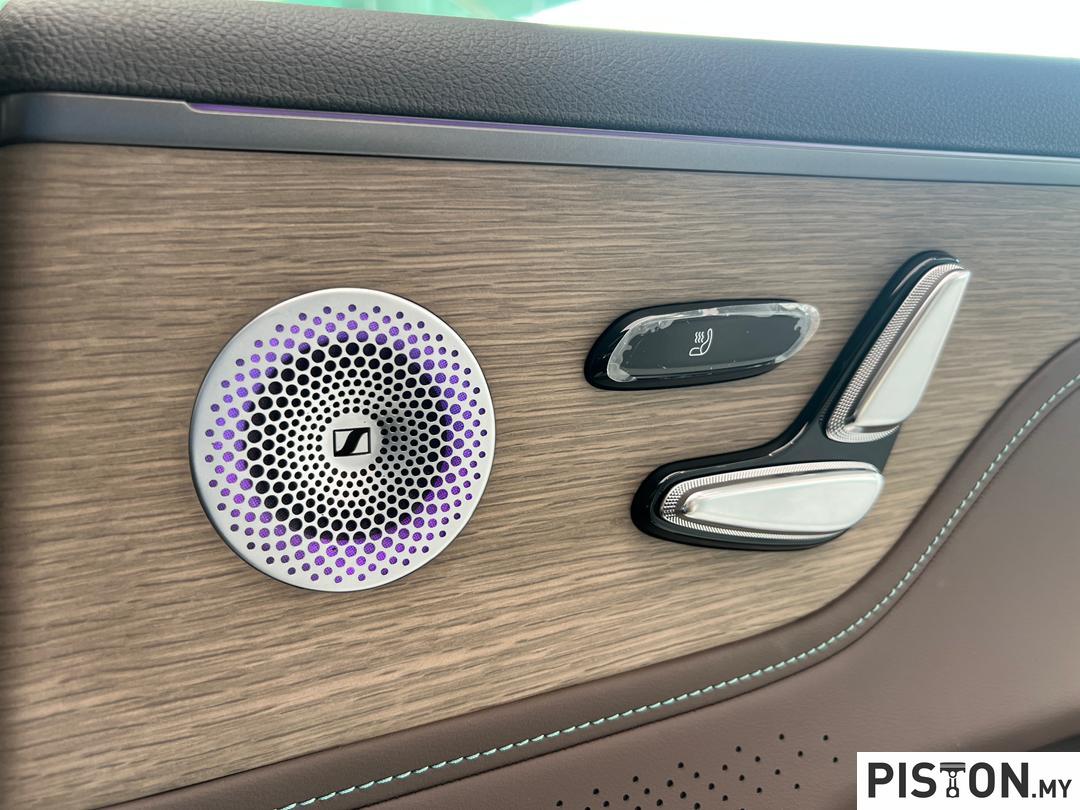
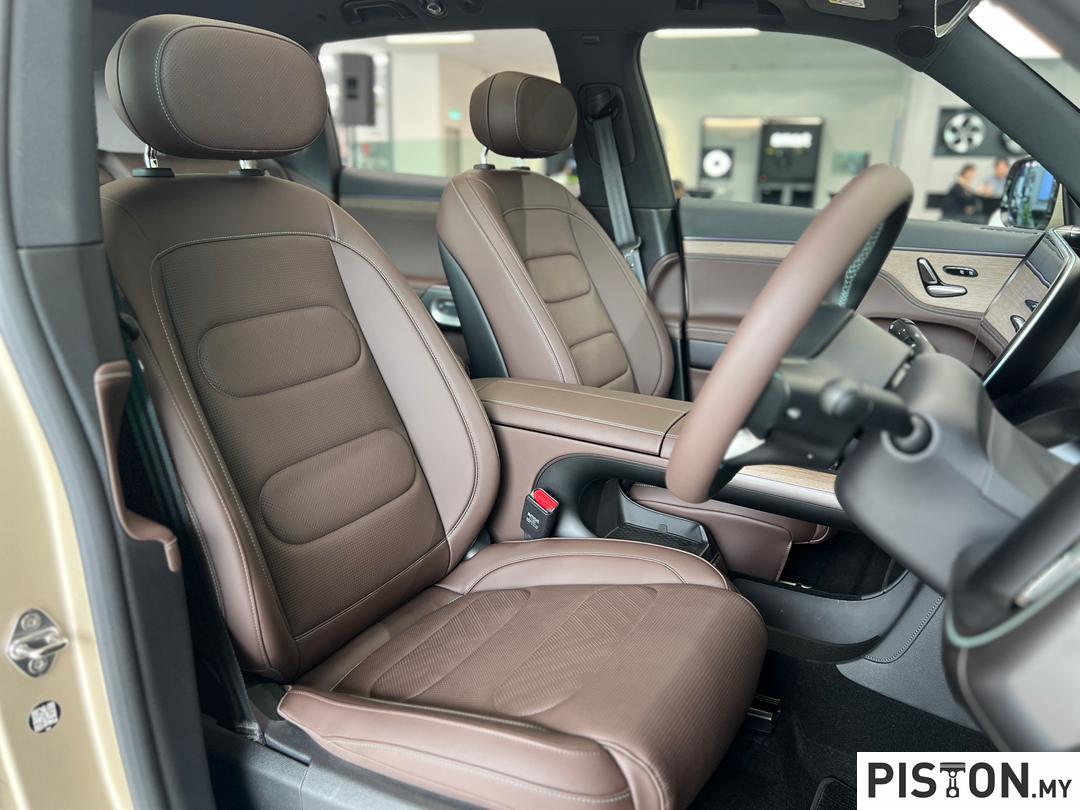
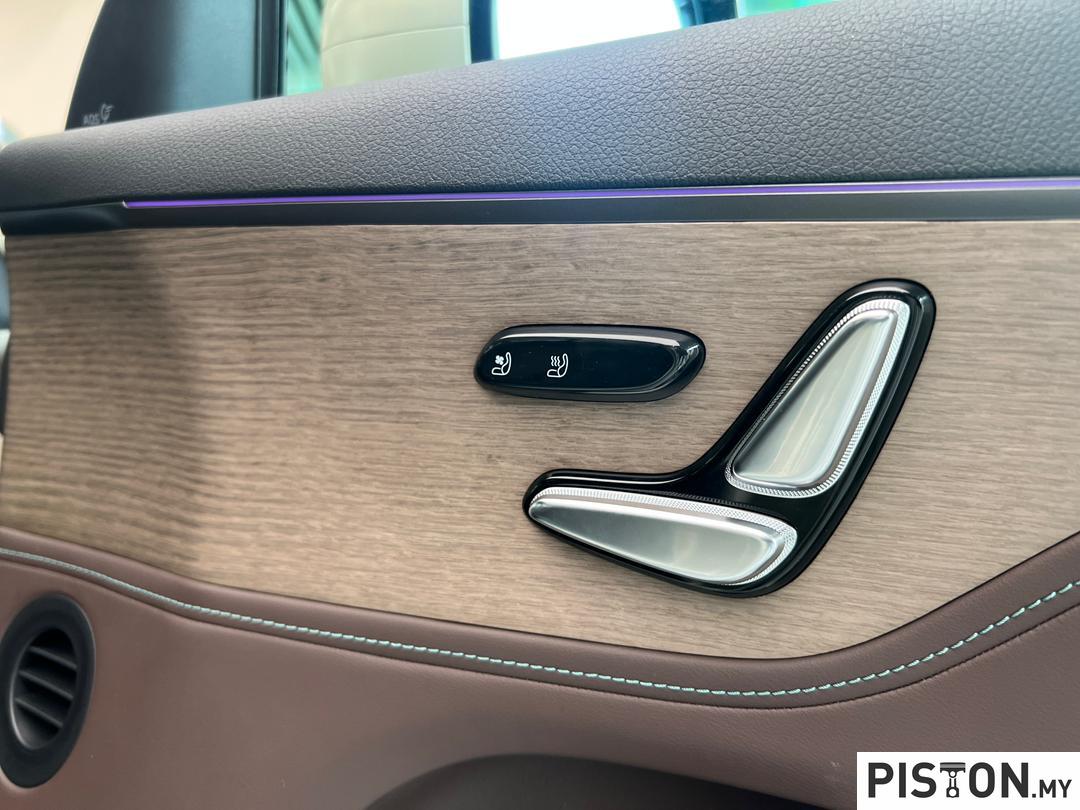
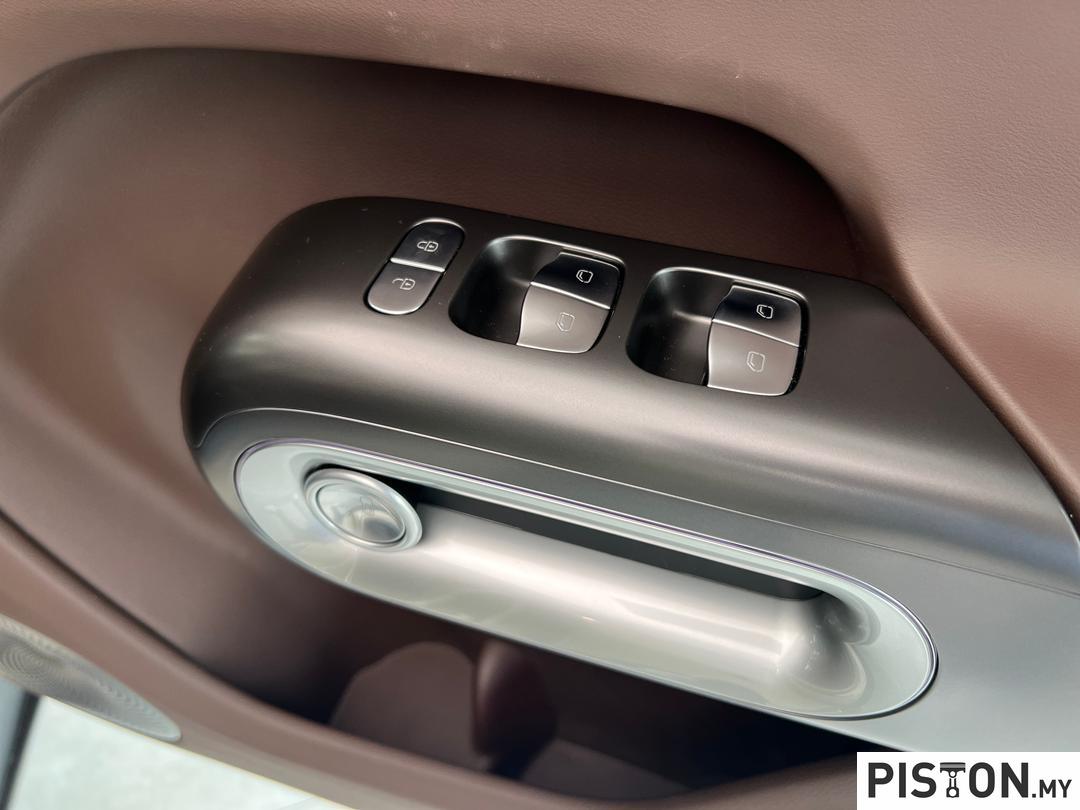
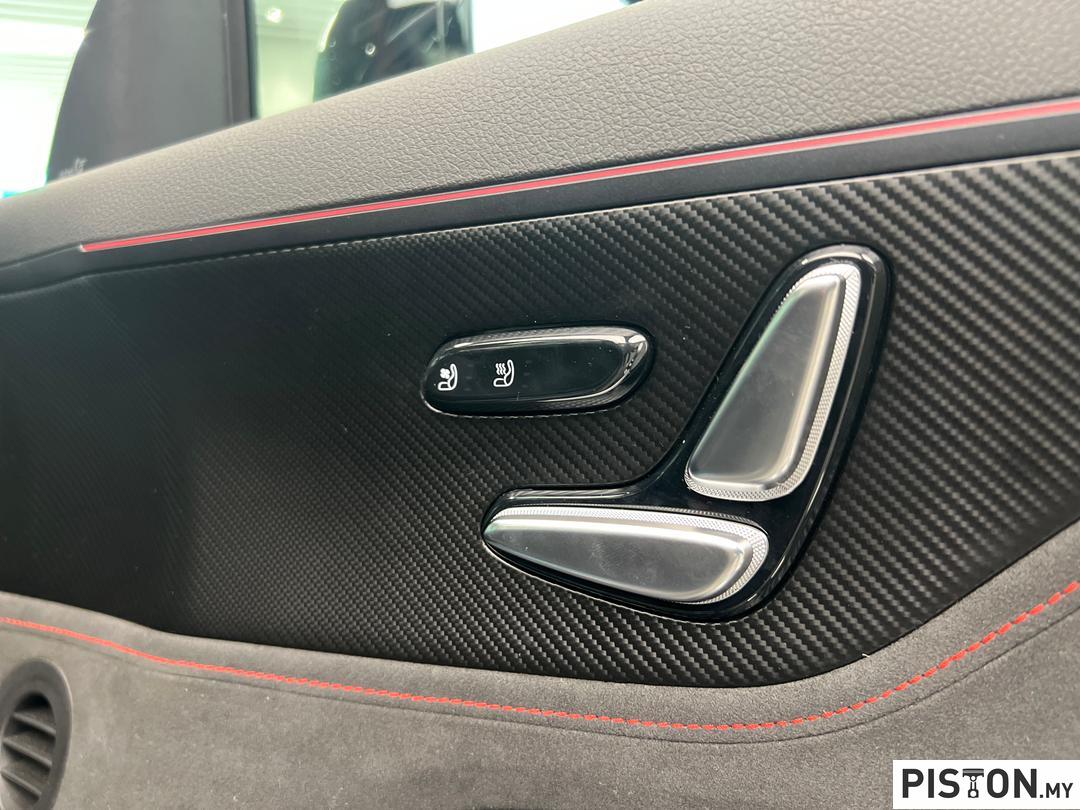
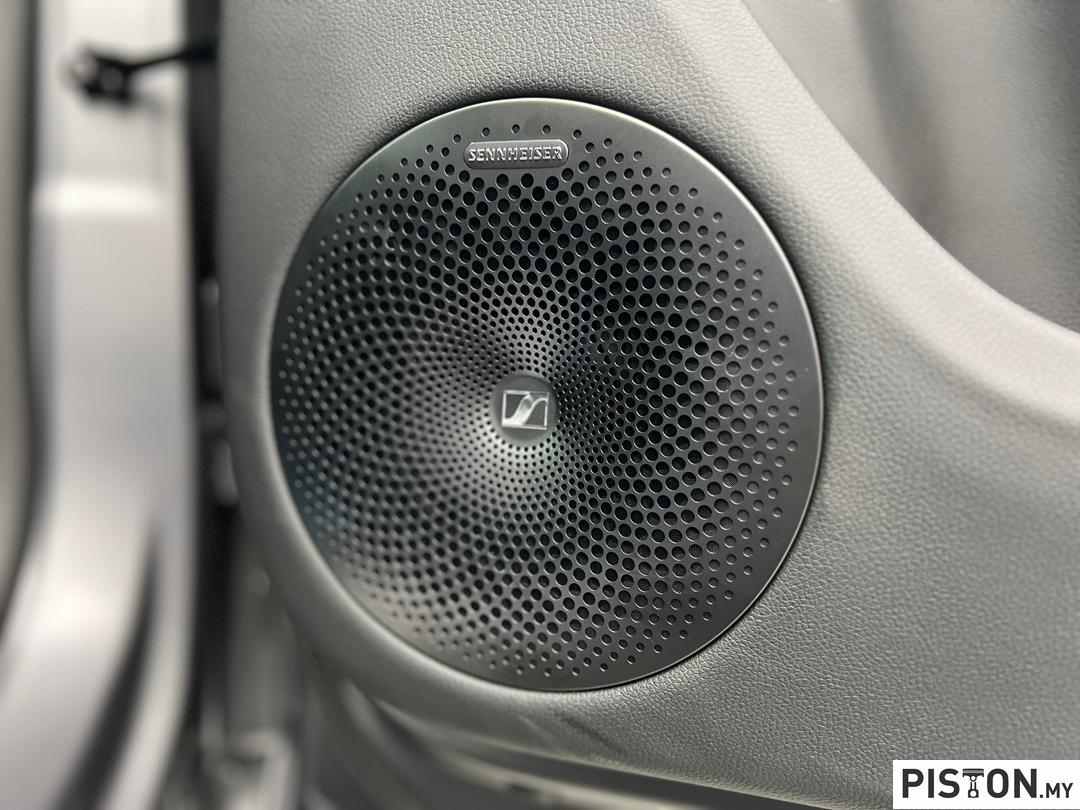
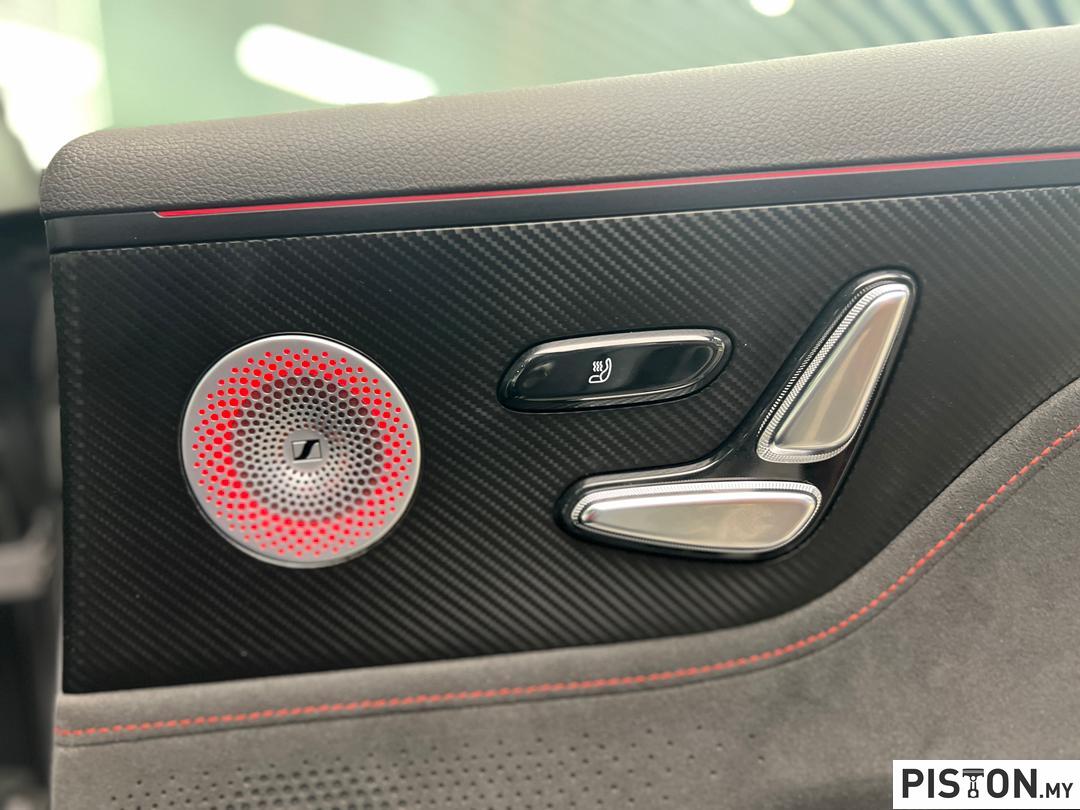
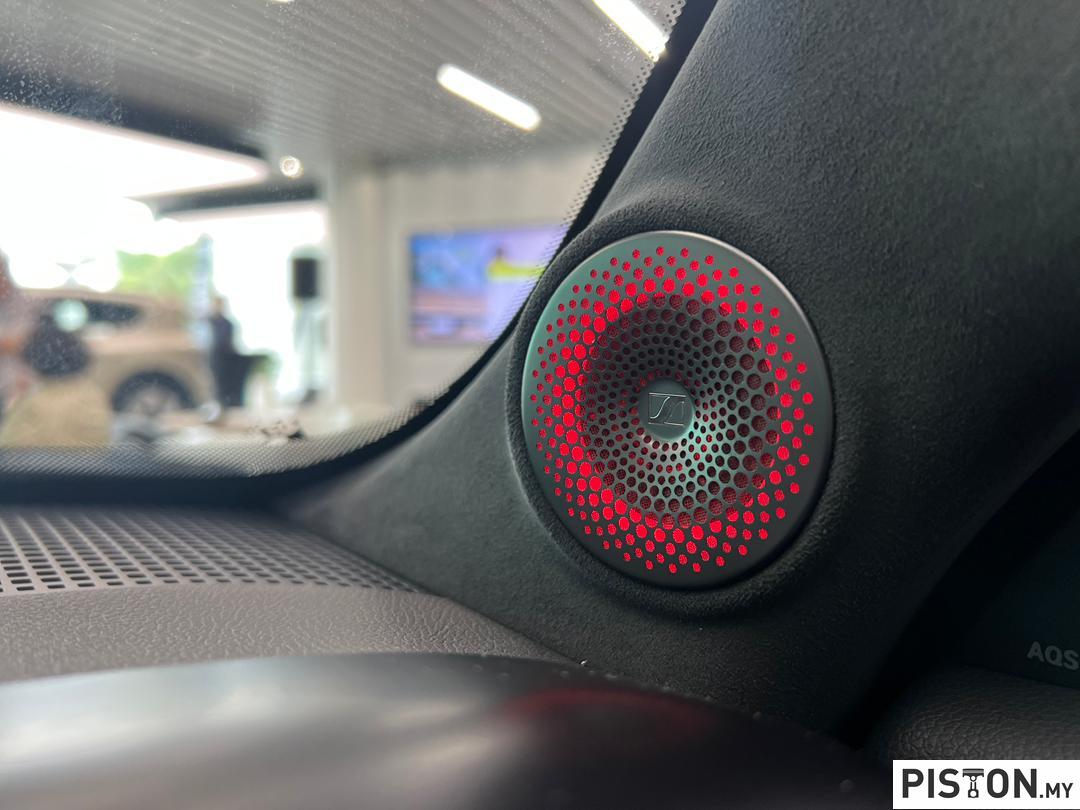
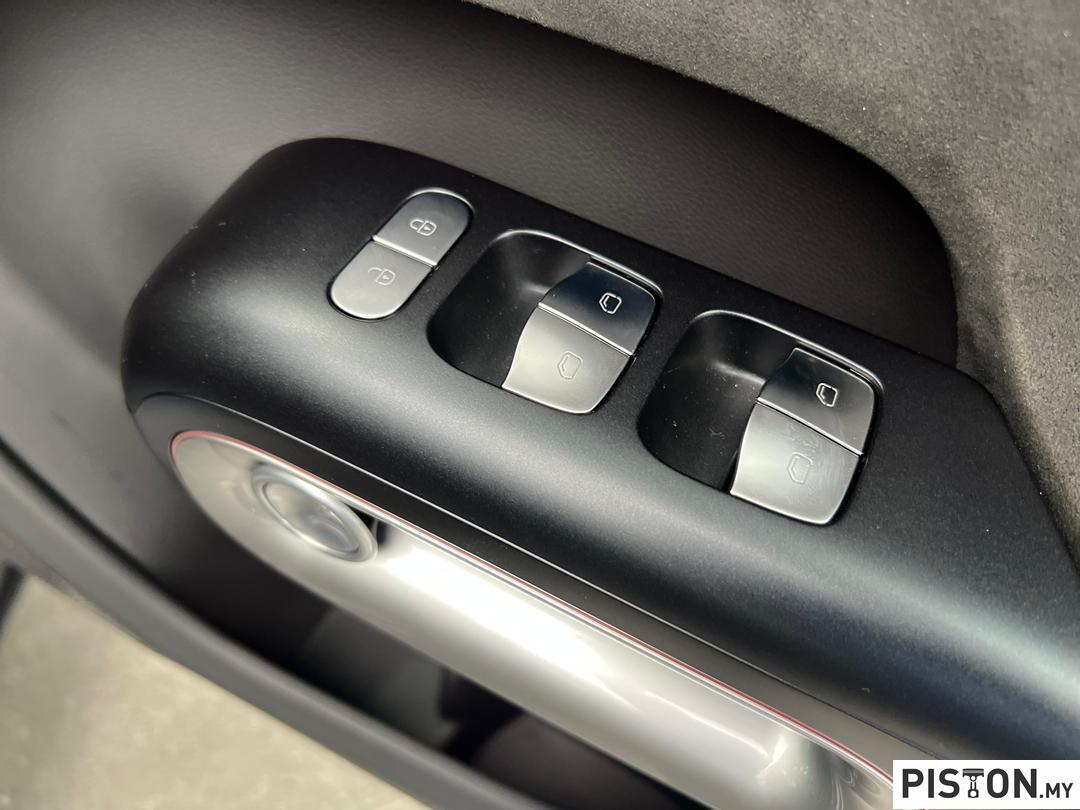
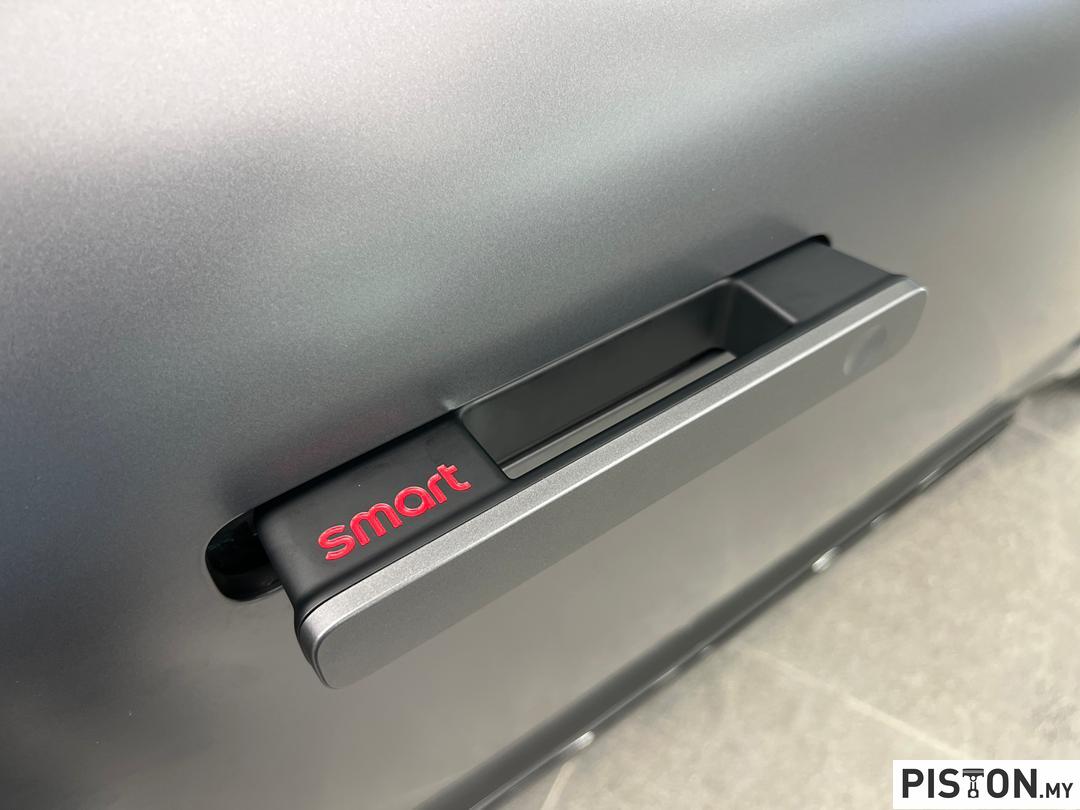
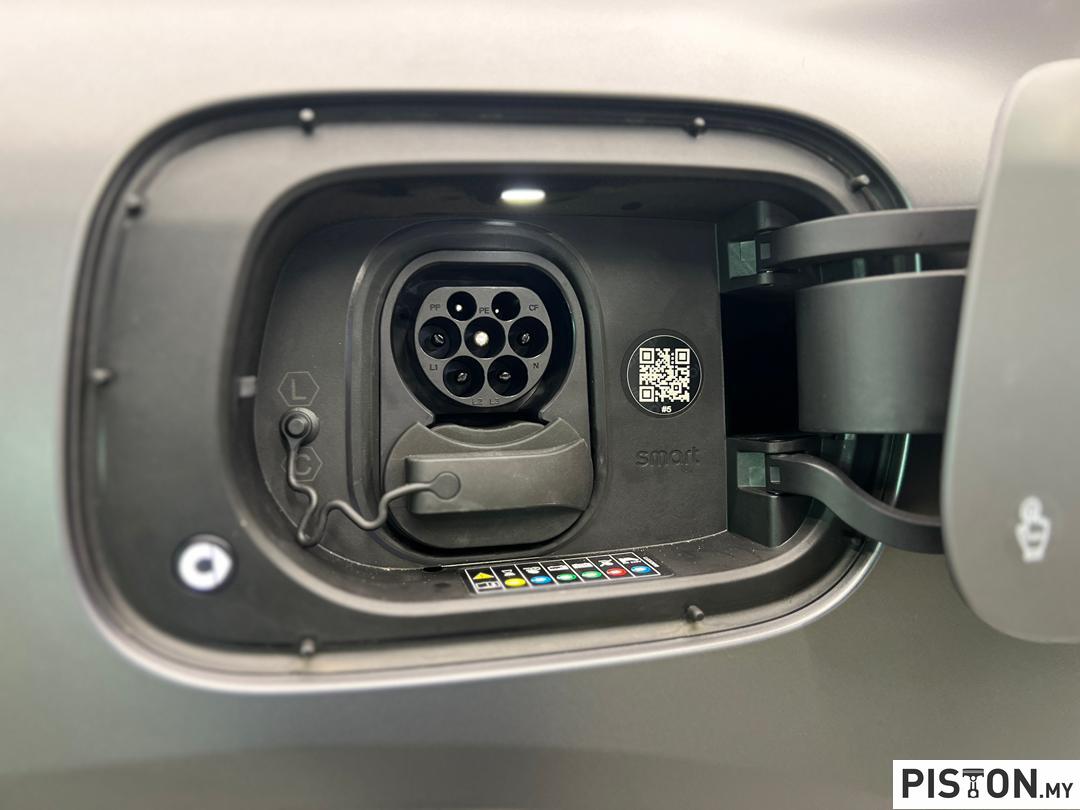
The Premium variant features a 100kWh battery capable of up to 590km on a full charge. Power output is at 358hp, 373Nm of torque and the 0–100 km/h sprint improves to 6.5 seconds. The cabin gets Nappa leather, a 20-speaker Sennheiser system with Dolby Atmos, and an augmented-reality head-up display. It further adds illuminated flush door handles, two wireless charging pads and 22 kW AC charging for quicker top-ups.
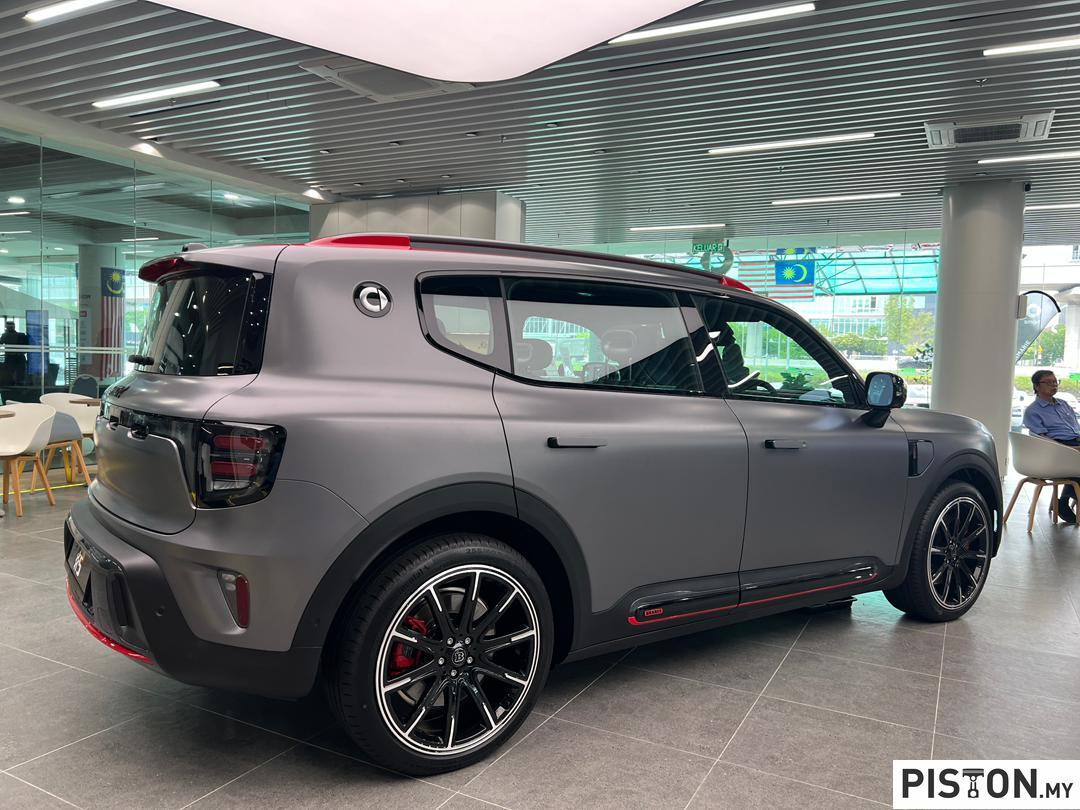
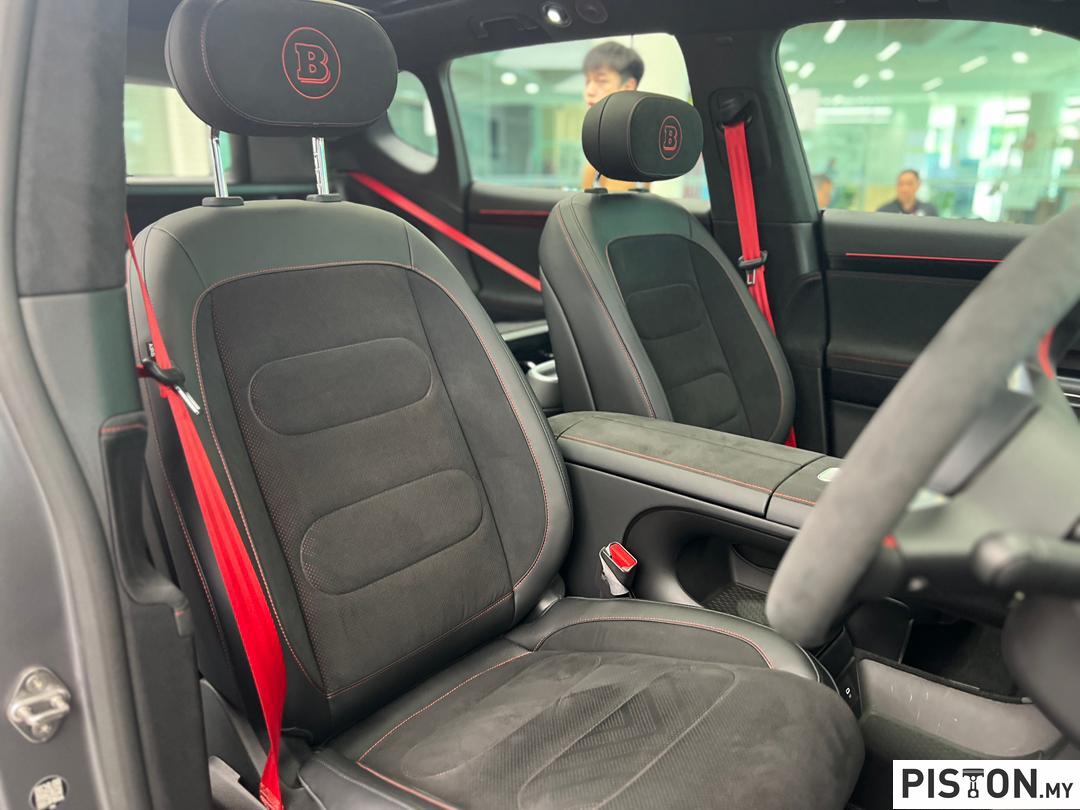
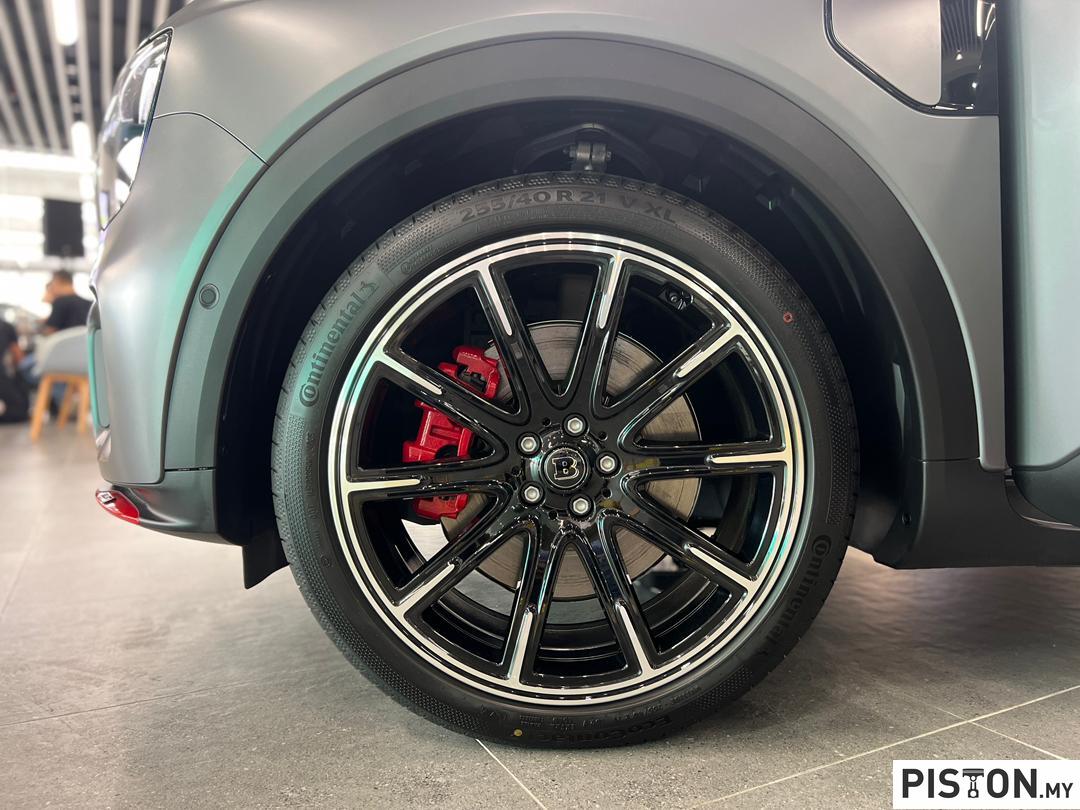
Sitting at the peak of the range is the BRABUS edition, engineered for drivers who want genuine performance. Dual motors generate 636hp and 710Nm, enabling a blistering 3.8-second dash to 100km/h and a top speed of 210km/h.
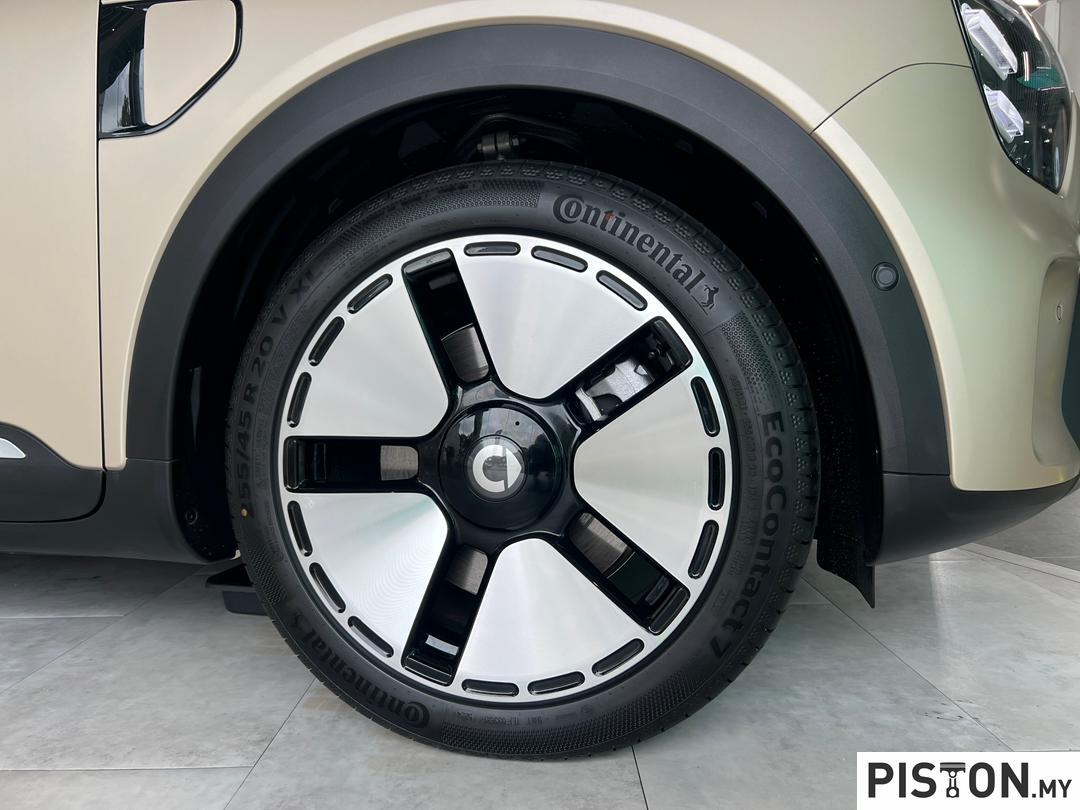
The SUV gains sport-tuned suspension, 21-inch wheels, red brake callipers and even simulated engine sound for added theatre. It also uses an 800-volt architecture, unlocking rapid charging that takes the battery from 10 to 80% in only 15 minutes when paired with a 400 kW DC charger.
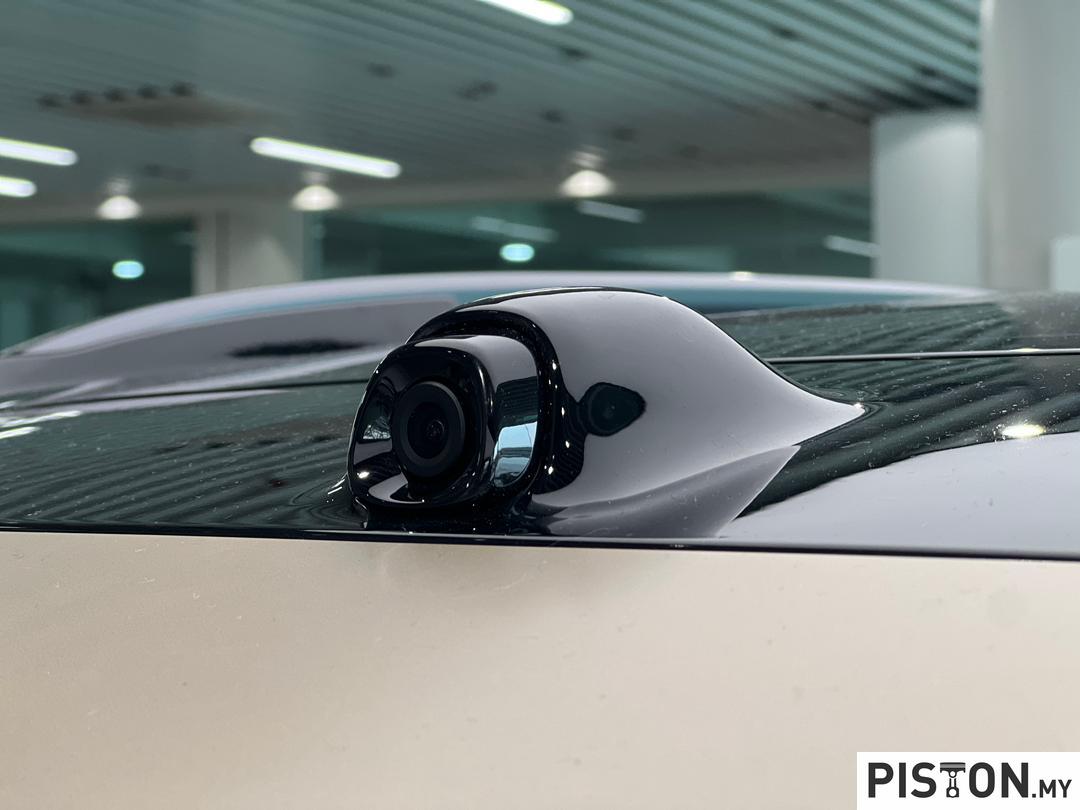
All versions benefit from smart’s latest technology suite, built around 26 sensors—including radars, cameras and ultrasonic units—driven by Nvidia’s OrinX processors. This setup supports L2+ driver assistance features such as Smart Pilot Assist, Auto Lane Change Assist and fully autonomous parking.
Safety has been placed at the forefront, with the body engineered to meet both European and Chinese 5-star NCAP requirements. The structure uses 82% high-strength steel and achieves a torsional rigidity figure of 42,300 Nm/deg, comfortably surpassing typical class standards.
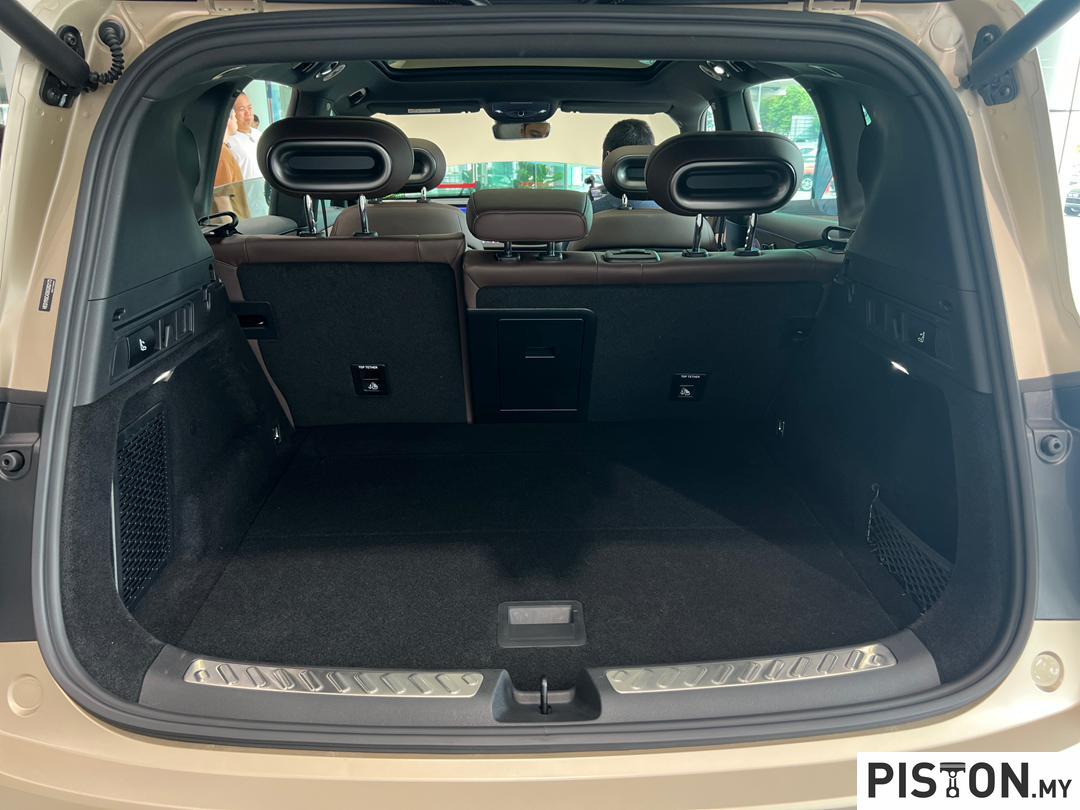
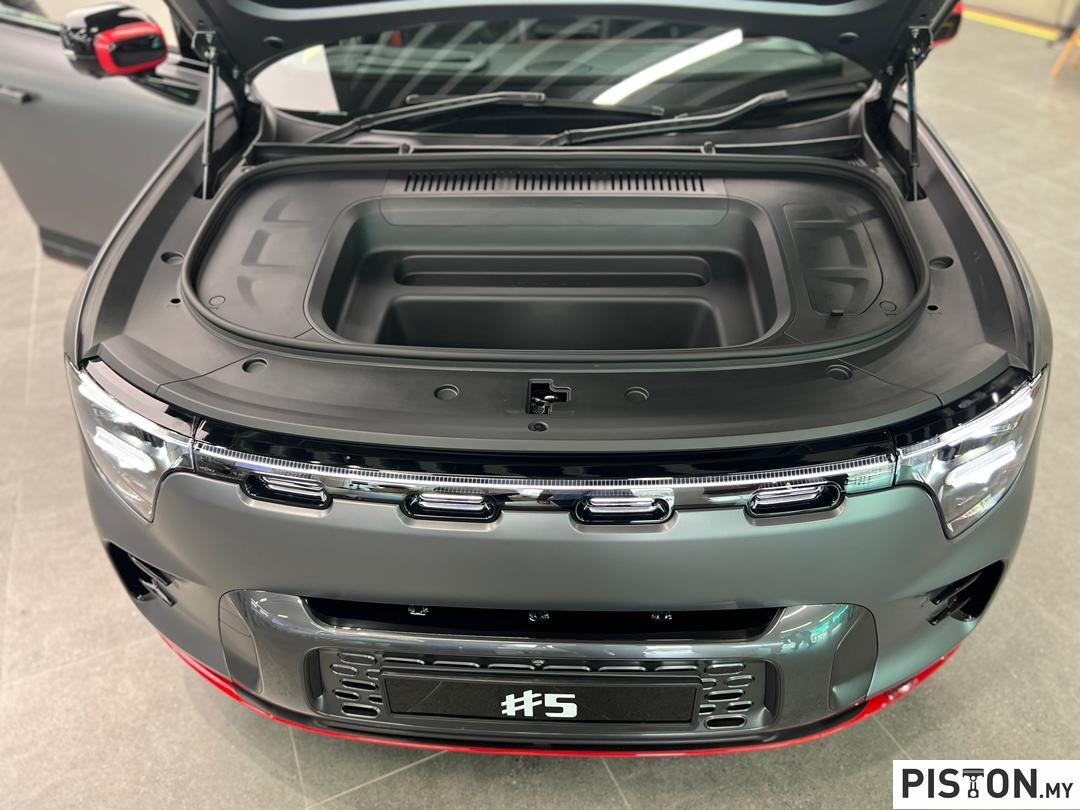
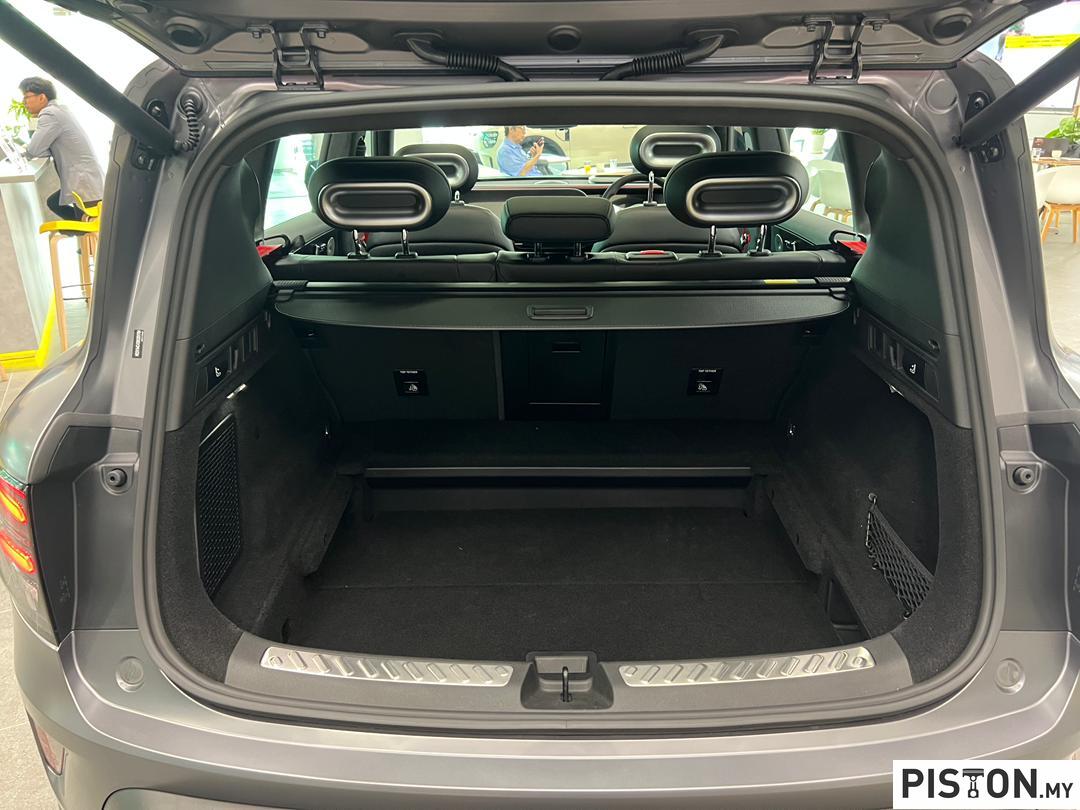
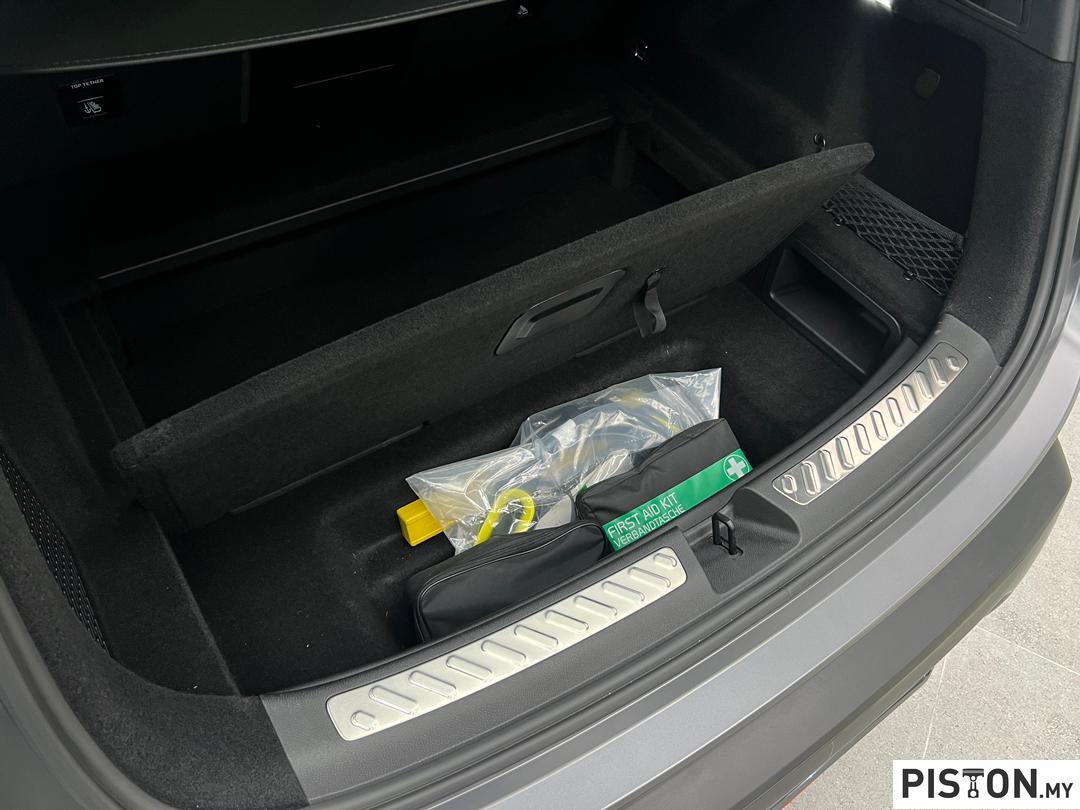
Inside, a 2,900 mm wheelbase ensures ample room for passengers. The rear seats recline and can be configured into nap or bed modes for longer journeys, while luggage capacity remains generous at up to 1,530 litres, supported by an additional 72-litre frunk. Real wood trims, Nappa leather upholstery, laminated glass and a panoramic roof with a powered shade all help create a more premium environment.
The Premium variant is priced at RM199,800 and the Brabus at RM249,800.
The smart all inclusive premium ownership includes a complimentary wallbox charger worth RM3,000, complimentary V2L adaptor worth RM800, complimentary 3-year internet data of 3GB/month (total 108GB) and free accessories package with six items worth RM2,000.
Warranty includes a 8-year or 200,000km high voltage battery warranty, 8-year or 150,000km high voltage component warranty, 4-year unlimited mileage vehicle warranty, 2-year unlimited mileage spare parts warranty and 24/7 roadside service assistance.
With its arrival, the smart #5 enters a highly competitive EV segment in Malaysia. It will go up against the Tesla Model Y, BYD Sealion 7, Zeekr 7X and Xpeng G6, while the BRABUS version eyes buyers considering performance choices such as the BMW iX3 and MINI Countryman SE.
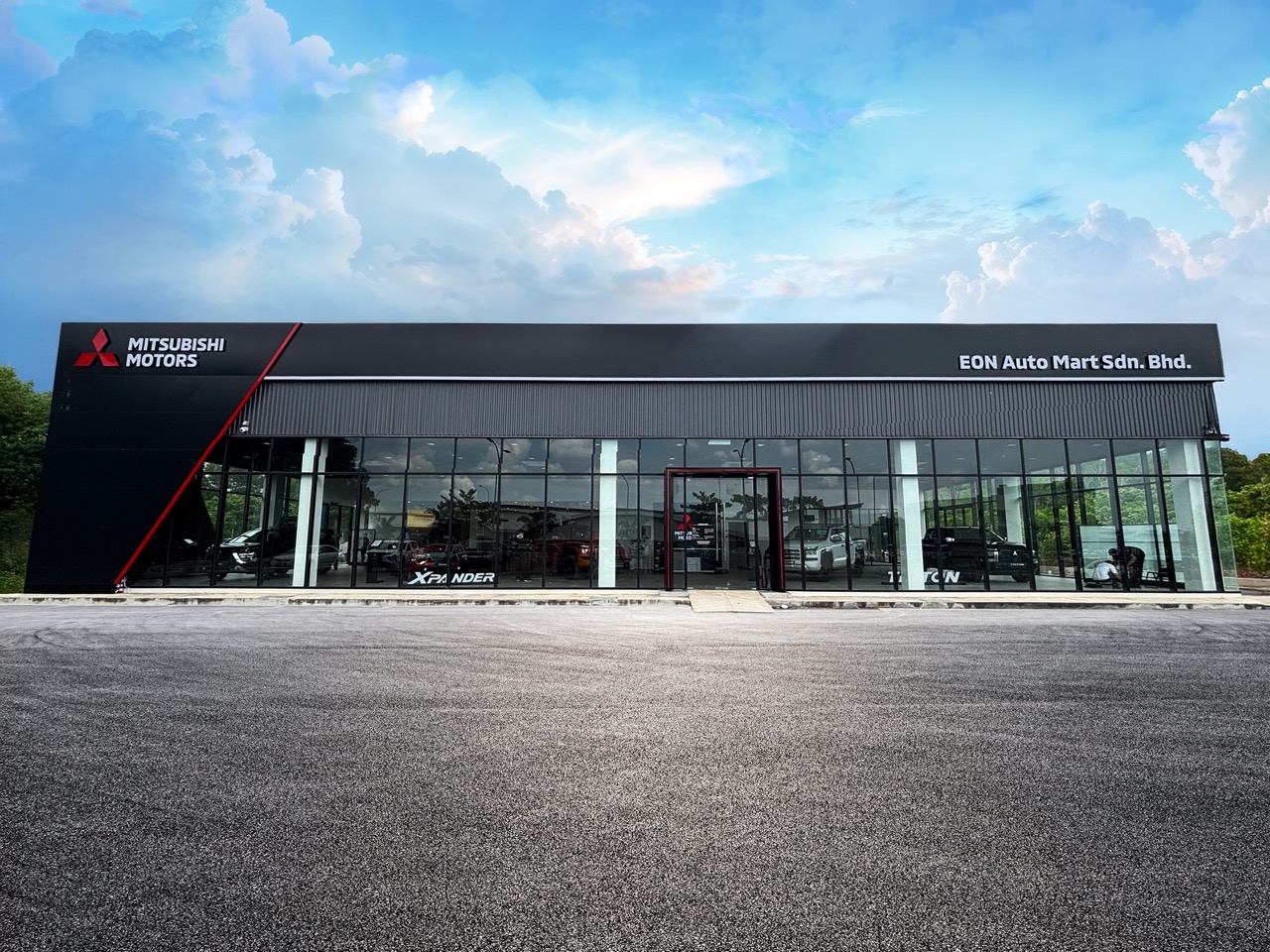
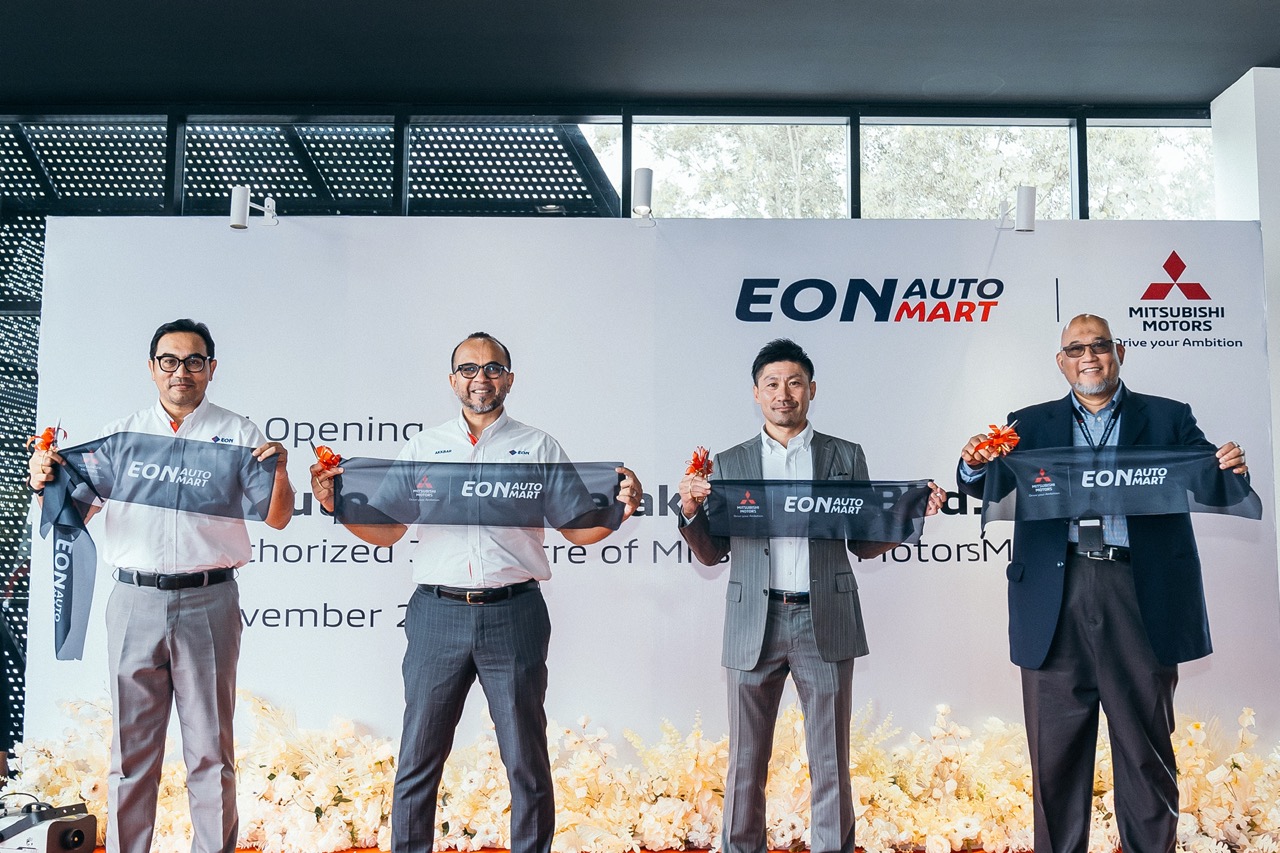
Mitsubishi Motors Malaysia has given its Melaka presence a significant boost with the relocation of the EON Auto Mart outlet to a fully upgraded 3S centre, bringing sales, service and spare parts under one roof. The move marks a major step forward for the long-standing partnership between Mitsubishi Motors Malaysia and EON Auto Mart, which has been part of the brand’s dealer network since 2005.
The Melaka branch itself first opened in 2009 and has now transitioned from a modest 1S+2S setup into a complete and modern facility.
The new showroom is located at No. 1, Jalan Autocity 3, Melaka Autocity, Hang Tuah Jaya, Durian Tunggal, and has been designed to reflect Mitsubishi Motors’ global identity and the “Drive Your Ambition” philosophy. Covering 7,465 square feet, the centre offers a far more spacious environment and can display up to six vehicles at a time.
Customers will also find a dedicated delivery zone, 10 service bays supported by seven hoists, and a selection of customer-friendly amenities including a lounge area, Wi-Fi access and a play space for children.
Subaru has given the BRZ yet another shot of excitement, even five years into its current generation, with the introduction of the STI Sport Type RA. Offered only in Japan and limited to a tiny production run, this special edition sharpens the coupe with a substantial list of mechanical upgrades rather than going all-out as a full STI model.
The familiar 2.4-litre naturally aspirated engine remains at the heart of the car, but Subaru has reworked it using know-how from the BRZ CNF race car that competed in the Super Taikyu Series from 2022 through early 2024. The company explained that the pistons, connecting rods, crankshaft, flywheel and clutch cover have been manufactured with extremely tight tolerances, reducing weight variations and improving rotational balance. Subaru said these changes give the car a more race-car-like character, with noticeably smoother acceleration and reduced vibration.
The enhancements don’t stop with the engine. The STI Sport Type RA sits on 18-inch BBS wheels finished in matte bronze or grey, paired with ZF dampers and Brembo brakes featuring gold callipers. Subaru has also fitted the same rear differential casing used in its race cars, complete with cooling fins for better thermal management during spirited driving.
Honda Malaysia has introduced a special CR-V Dual-Tone Edition, celebrating 25 years of the brand’s presence in Malaysia. Only 300 units of this limited edition SUV will be available nationwide, showing Honda’s appreciation to loyal customers who have supported the brand over the years.
The CR-V is Honda Malaysia’s longest-running model and a key part of its success. This new Dual-Tone Edition is the first CR-V to feature a two-tone design, with a black roof, side pillars, and mirrors that add a sportier and more stylish look. It is available for the E and V variants, both powered by a 1.5L VTEC Turbo engine that delivers strong performance and smooth driving.
Customers can choose between two colours — Ignite Red Metallic and Platinum White Pearl. Prices remain the same as before: RM169,900 for the E variant and RM181,900 for the V variant. This release is part of Honda Malaysia’s “Because of You” 25th Anniversary Campaign, which thanks Malaysians for their long-term trust and support.
The CR-V has been an important model for Honda Malaysia since it first became locally assembled in 2003 at the Melaka plant. So far, about 149,000 units have been sold across the country, proving its popularity as a reliable and versatile SUV.