Piston.my

English

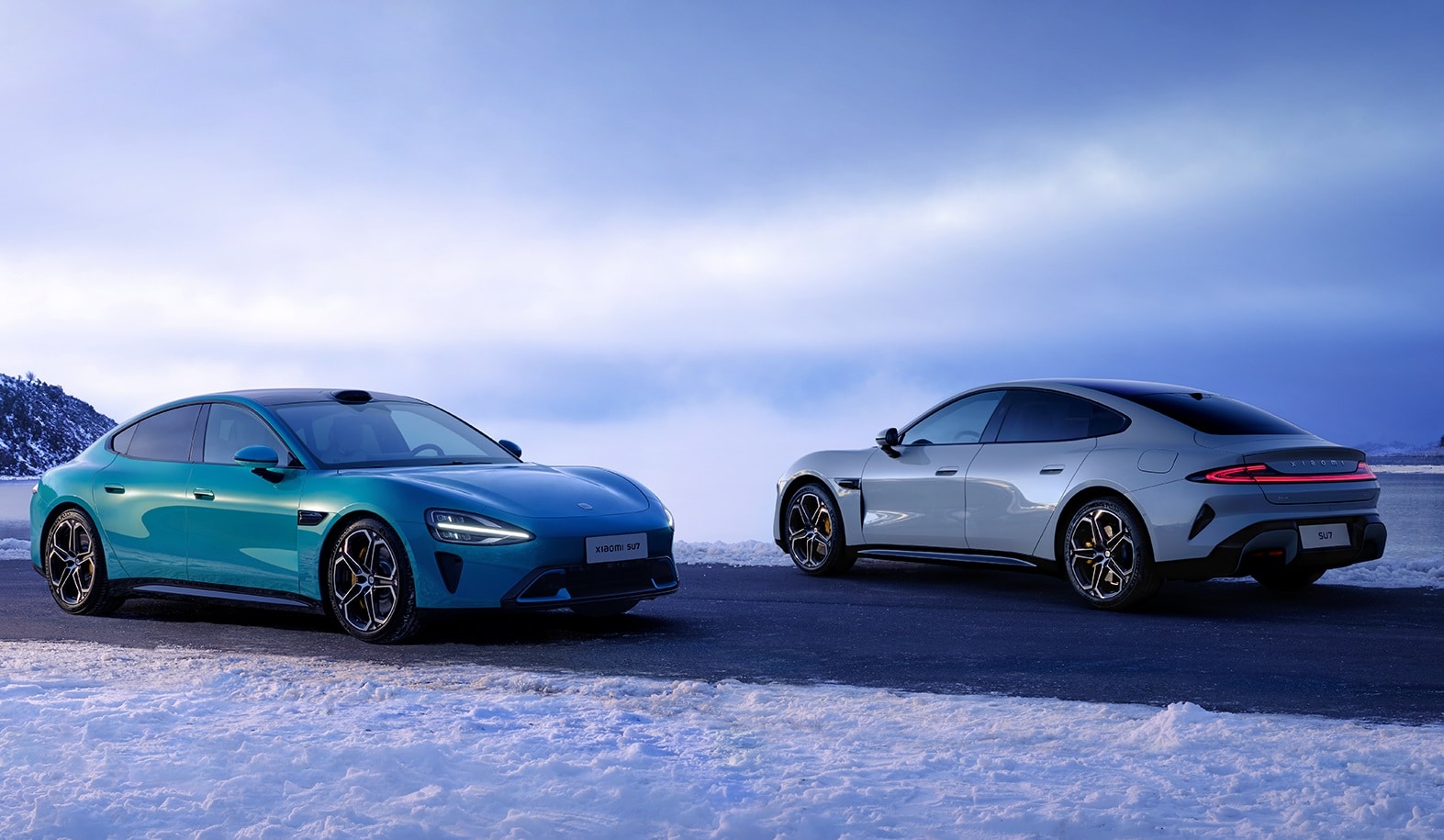
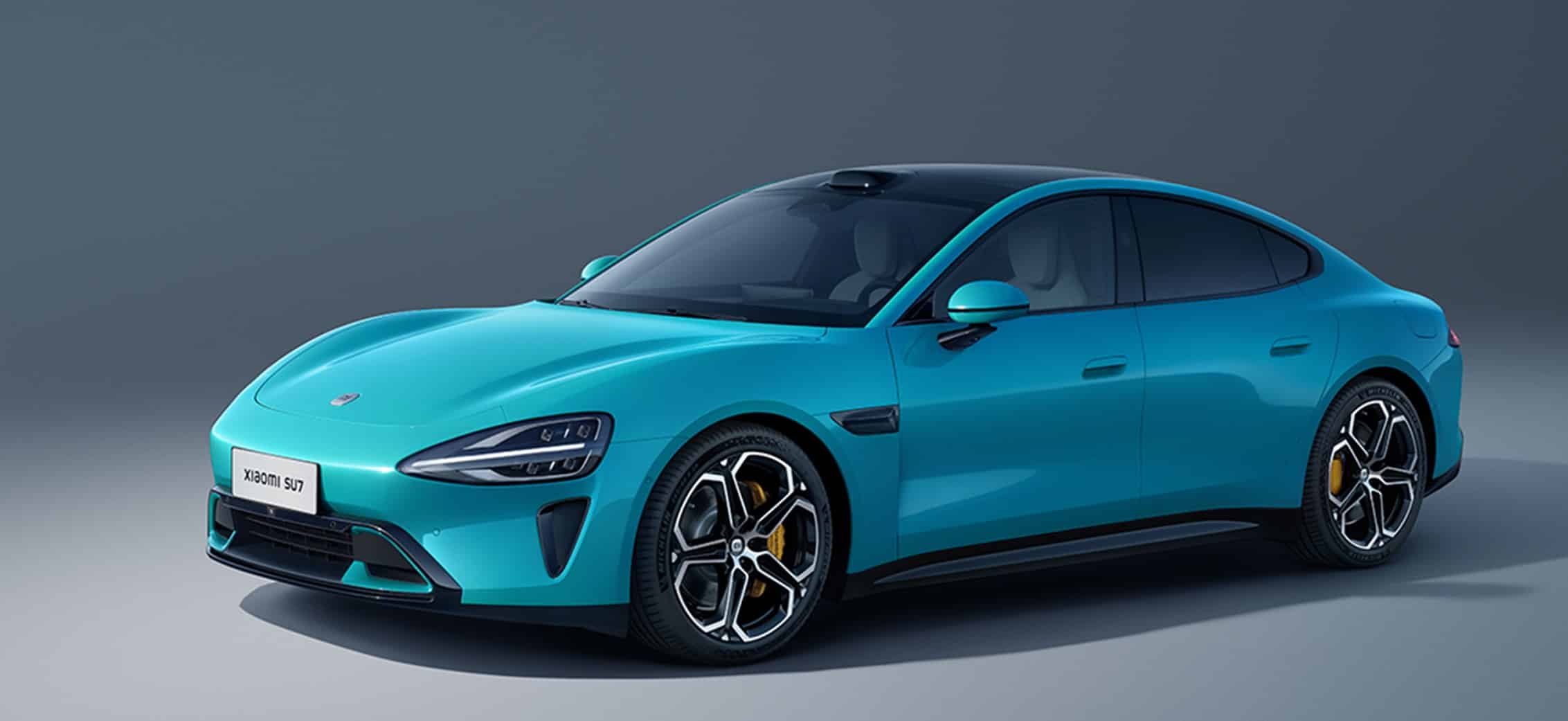
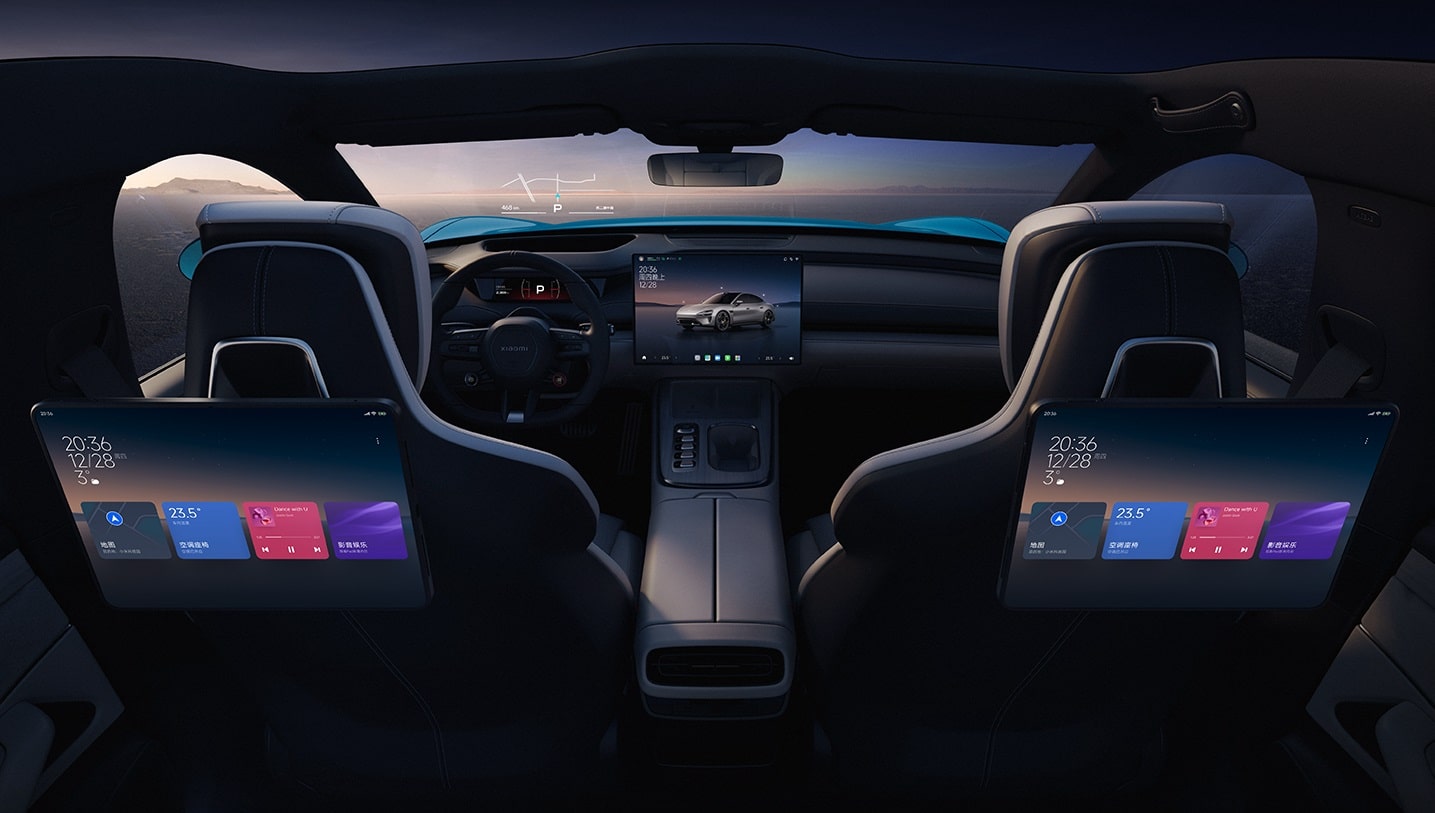
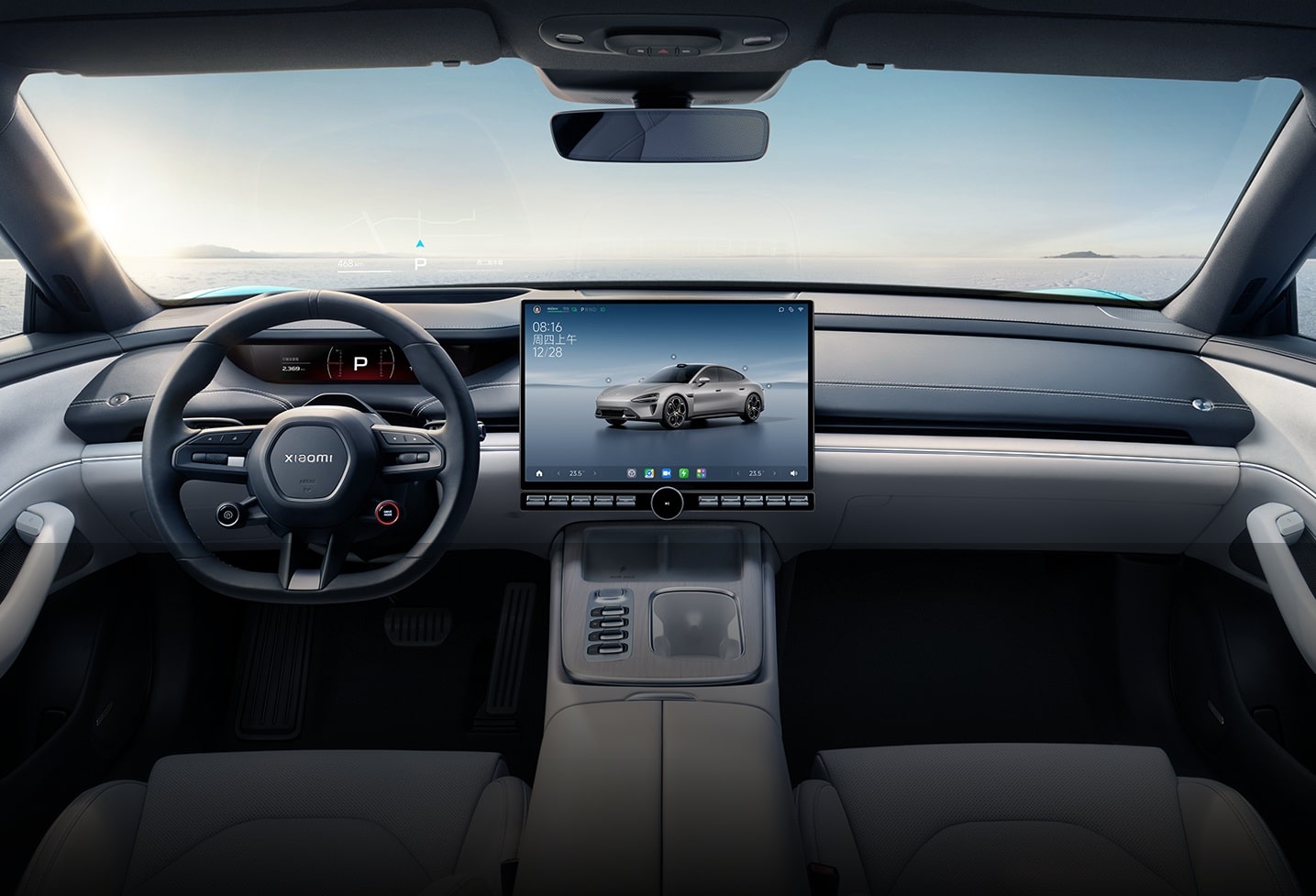
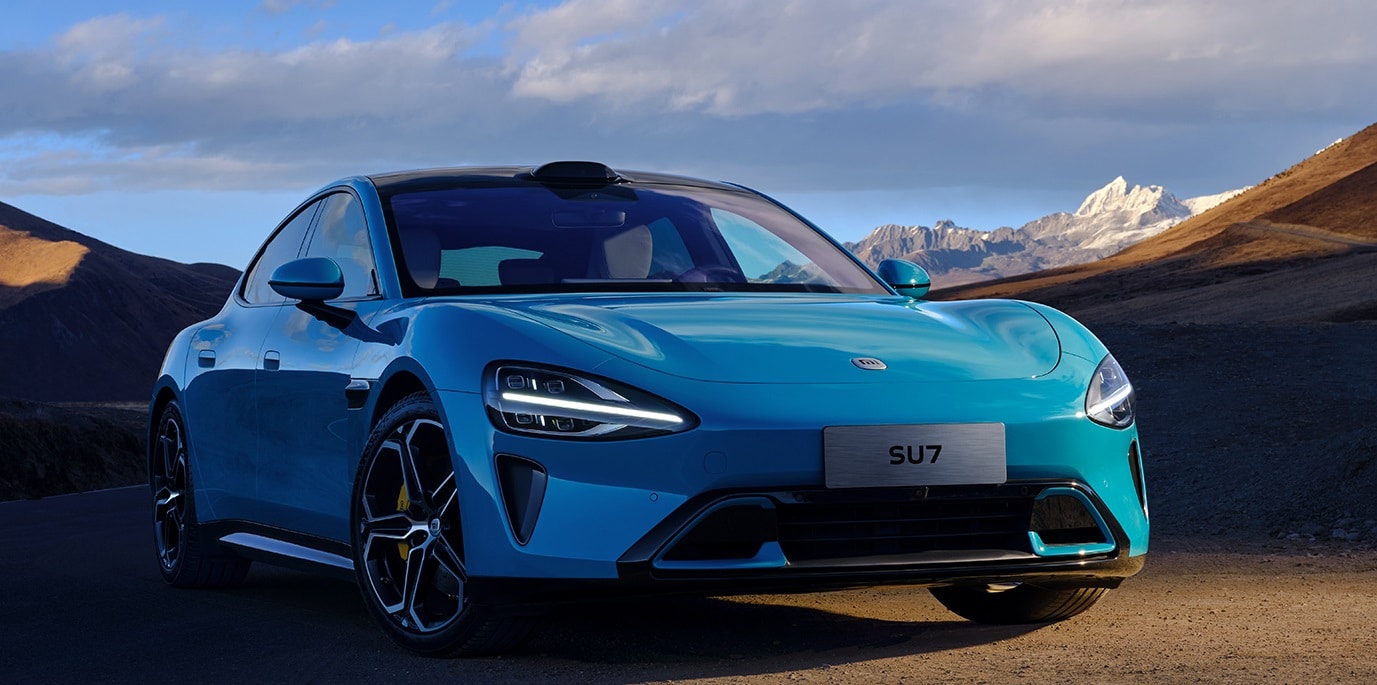
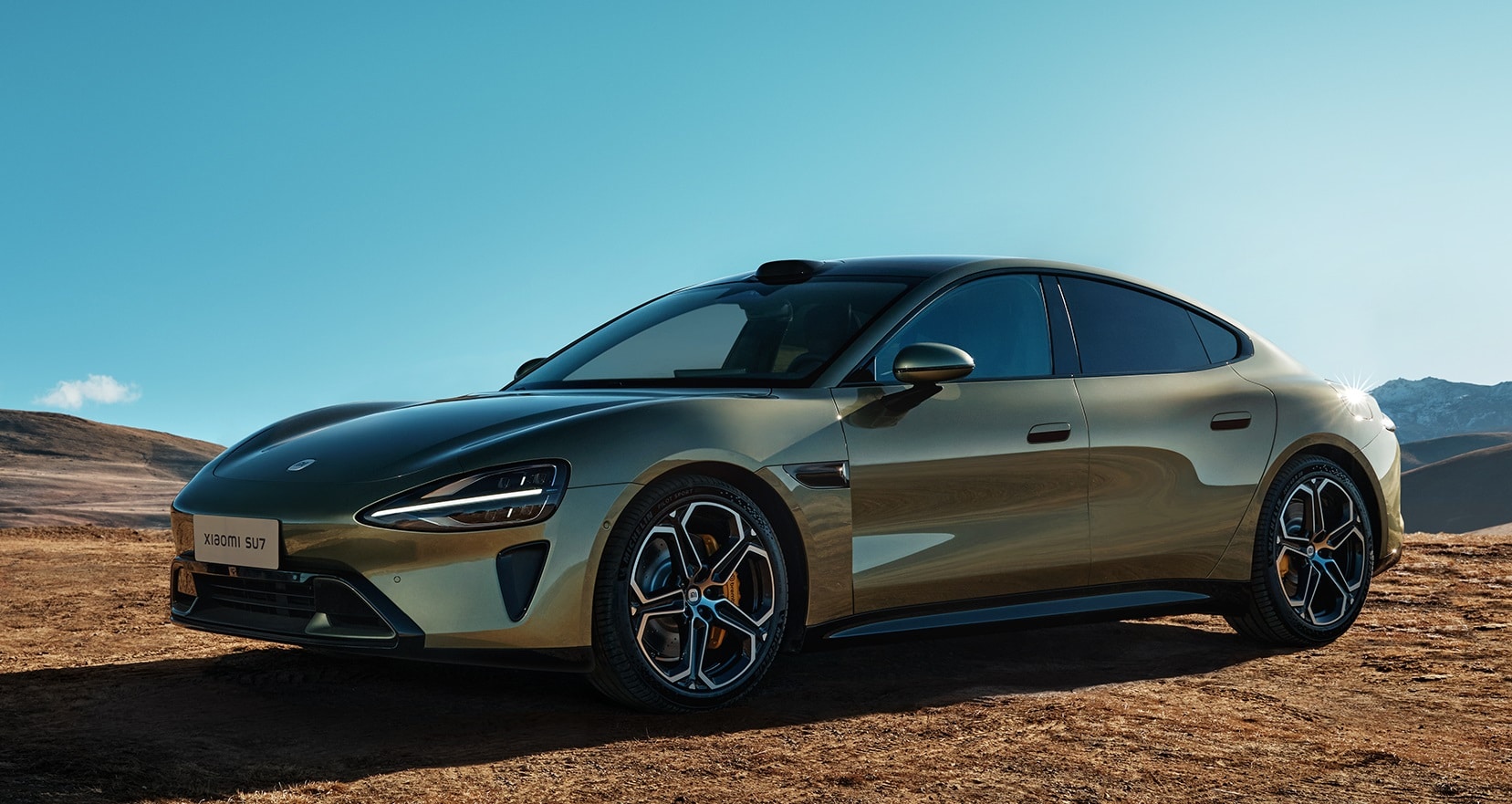
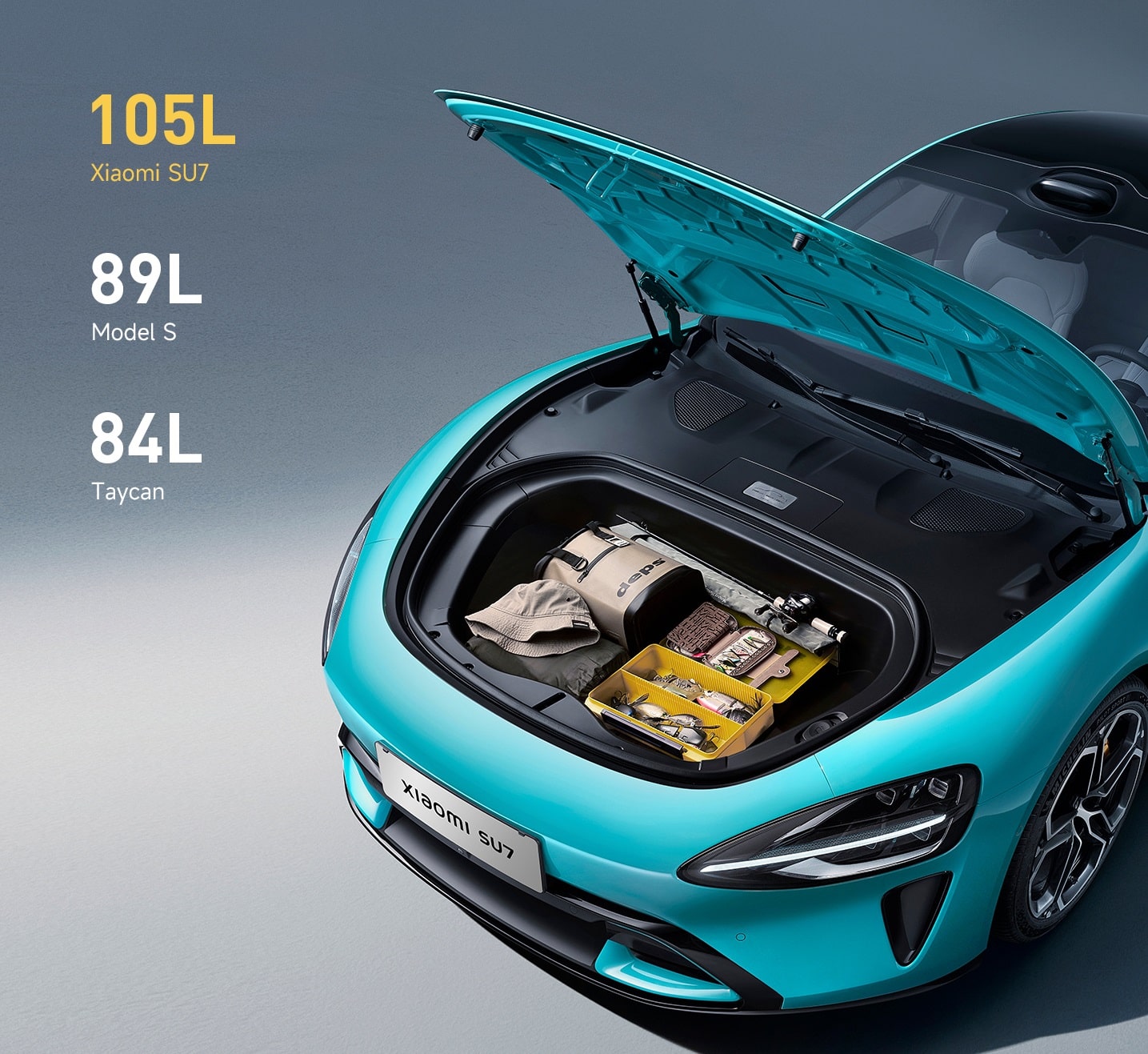
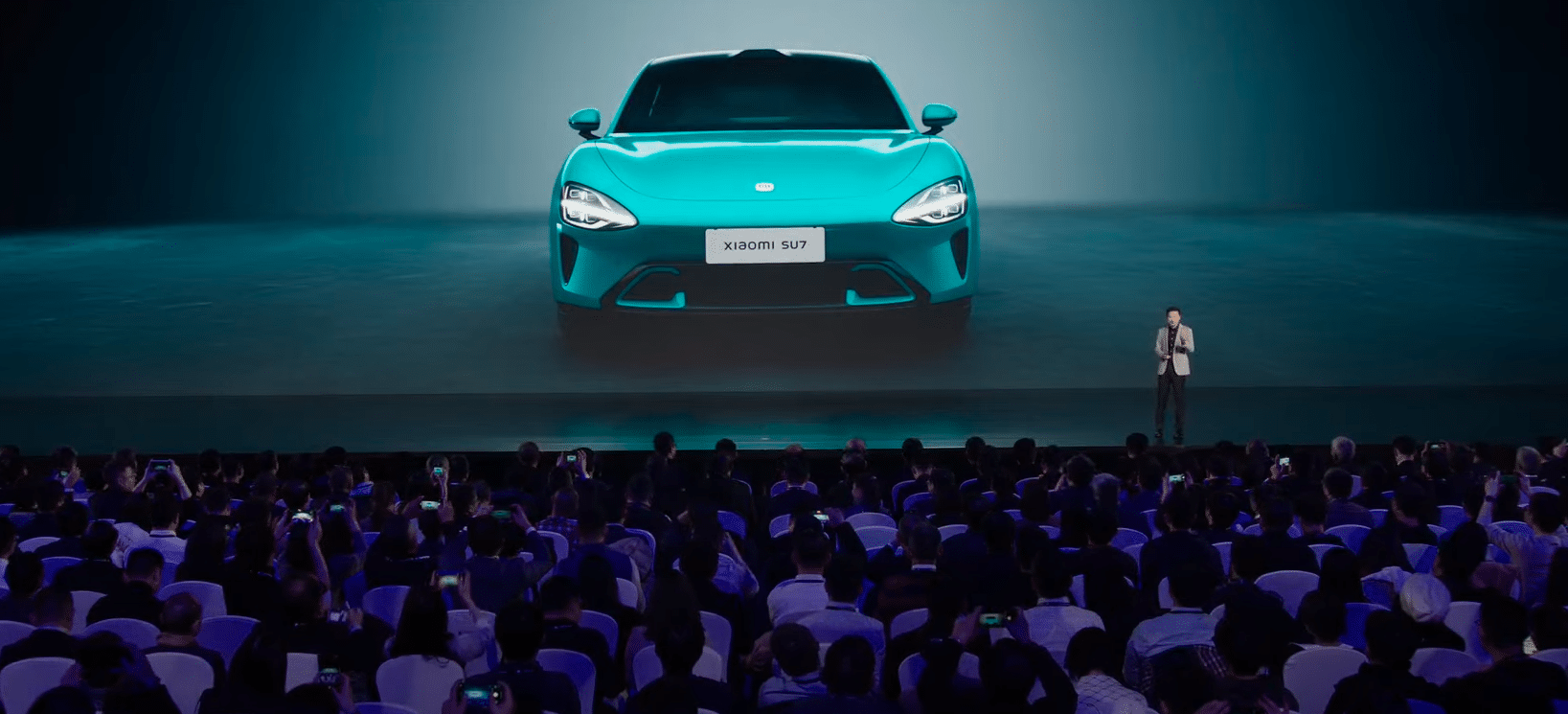
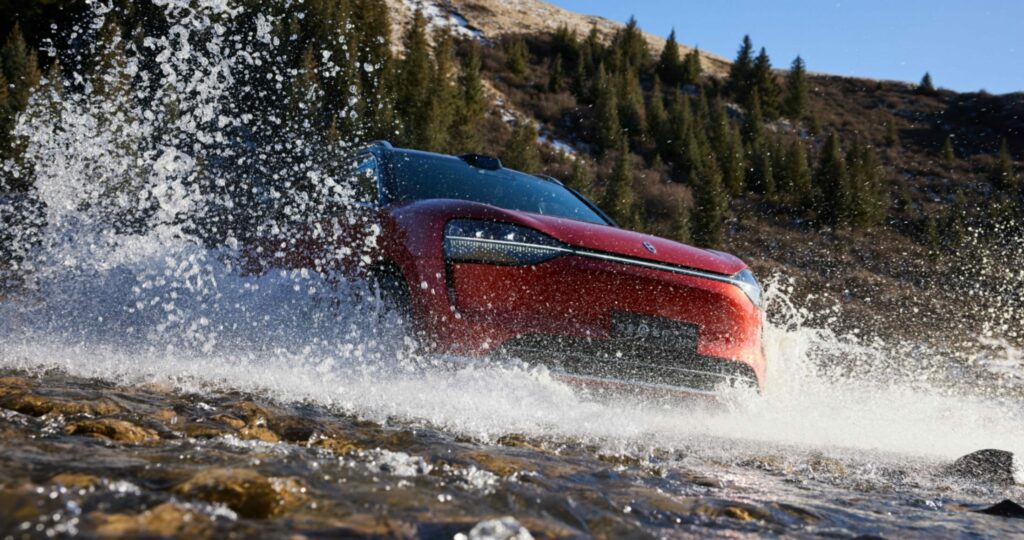
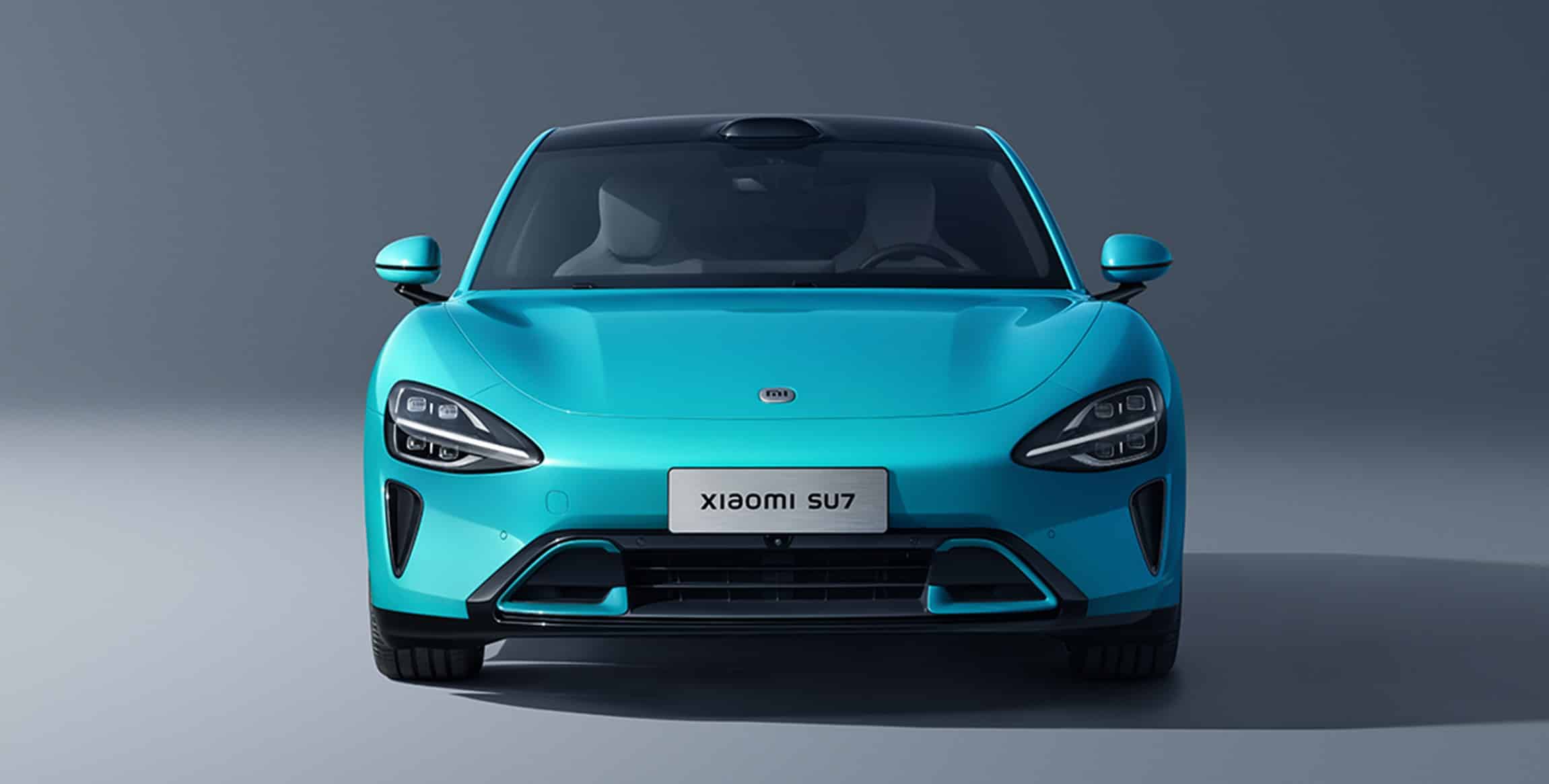
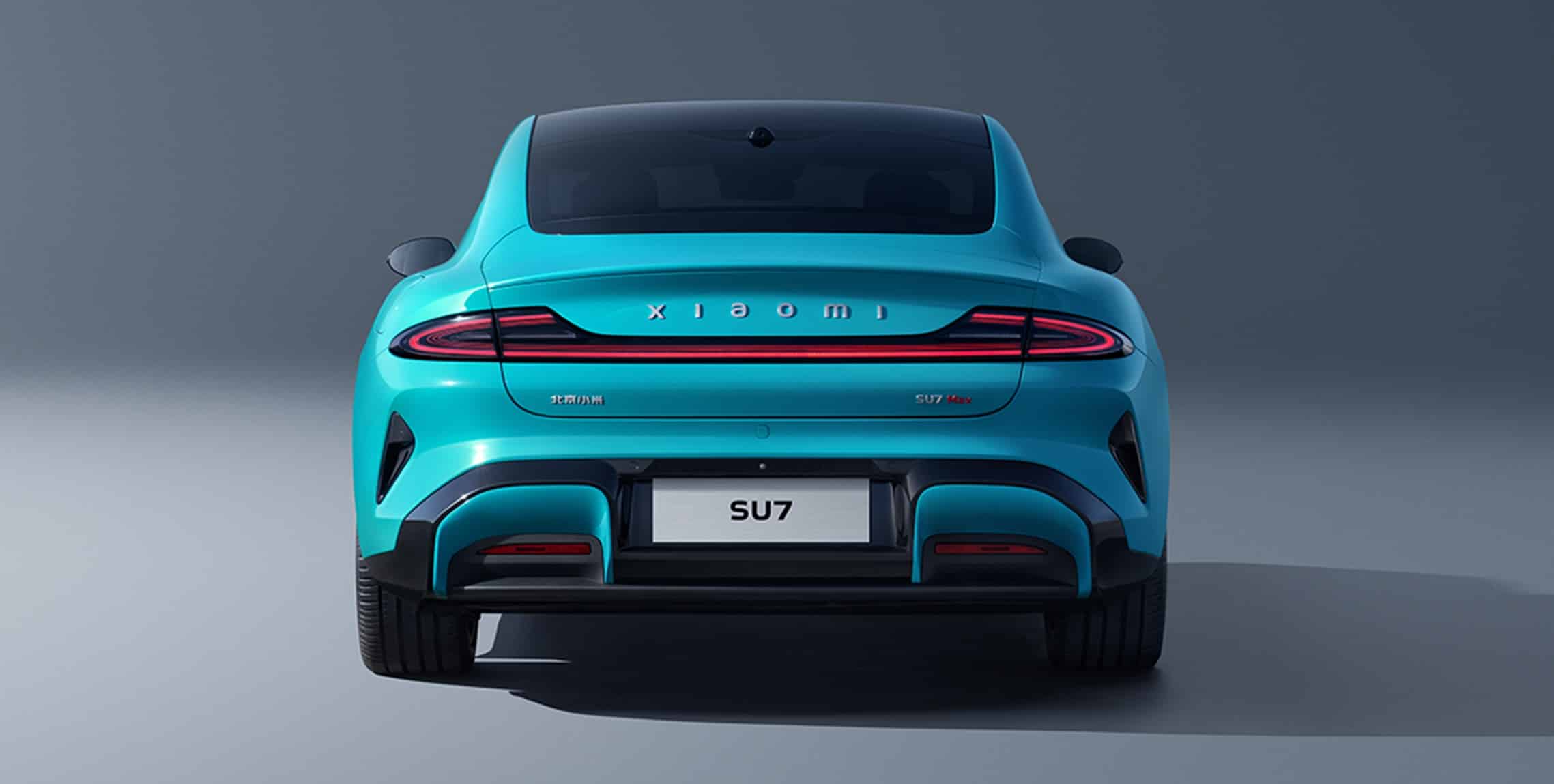
Chinese tech giant Xiaomi has officially stepped into the electric vehicle (EV) market with the launch of its highly anticipated SU7 sedan. It is positioned as a high-performance electric vehicle, boasting features that could potentially challenge competitors like Tesla and Porsche.
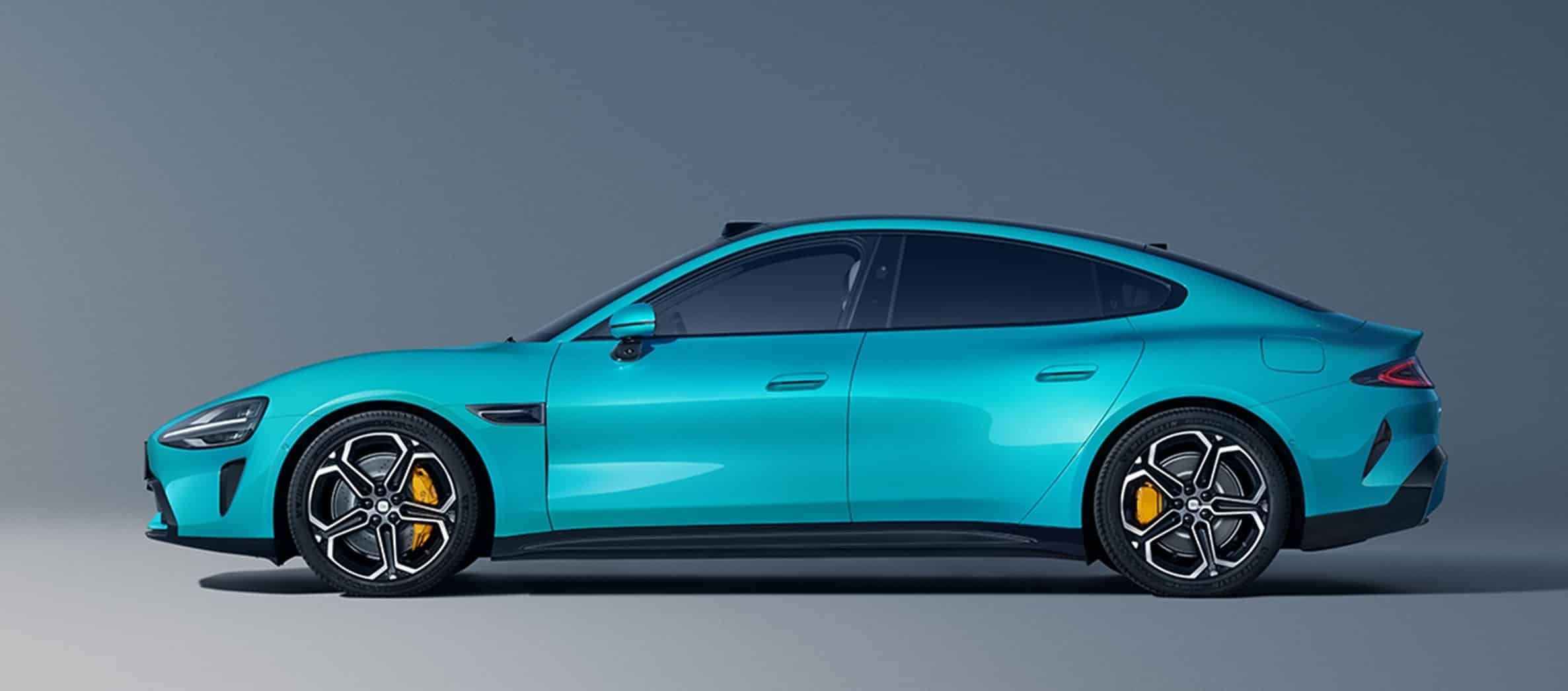
The SU7, short for “Speed Ultra 7,” is available in two variants: a standard rear-wheel-drive model and a Max version equipped with dual-motor all-wheel drive. Xiaomi claims that the vehicle offers acceleration speeds surpassing those of rival EVs. Let’s delve into the key specifications of each version:

Standard Version:

  • Acceleration (0-100km/h): 5.28 seconds
  • Top Speed: 210km/h
  • Horsepower: 200ps
  • Torque: 400Nm
  • Recharge Range: 668km

Max Version:

  • Acceleration (0-100km/h): 2.78 seconds
  • Top Speed: 265km/h
  • Horsepower: 673ps
  • Torque: 838Nm
  • Recharge Range: 800km

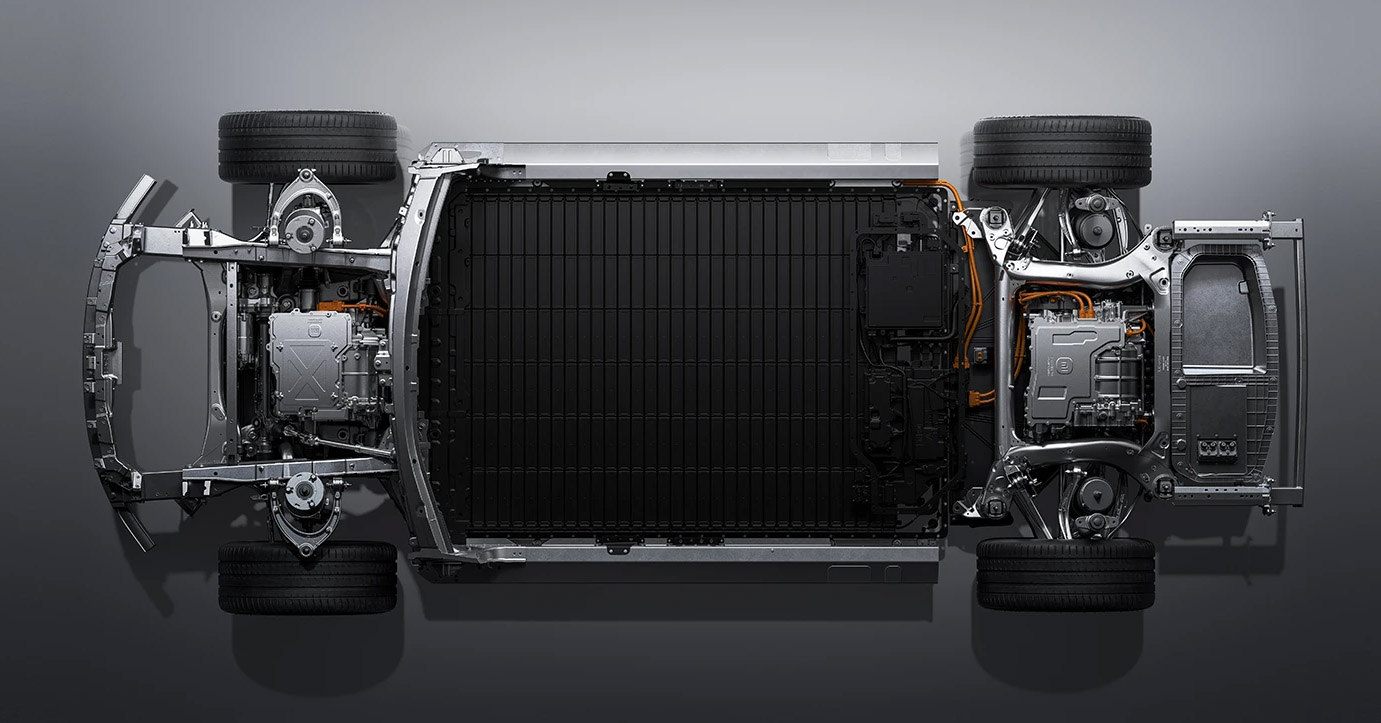
One standout feature of the SU7 is its massive CATL battery, utilising Xiaomi’s proprietary Cell-To-Body (CTB) technology. The battery is integrated into the floor of the car, providing structural rigidity and optimising interior cabin space.
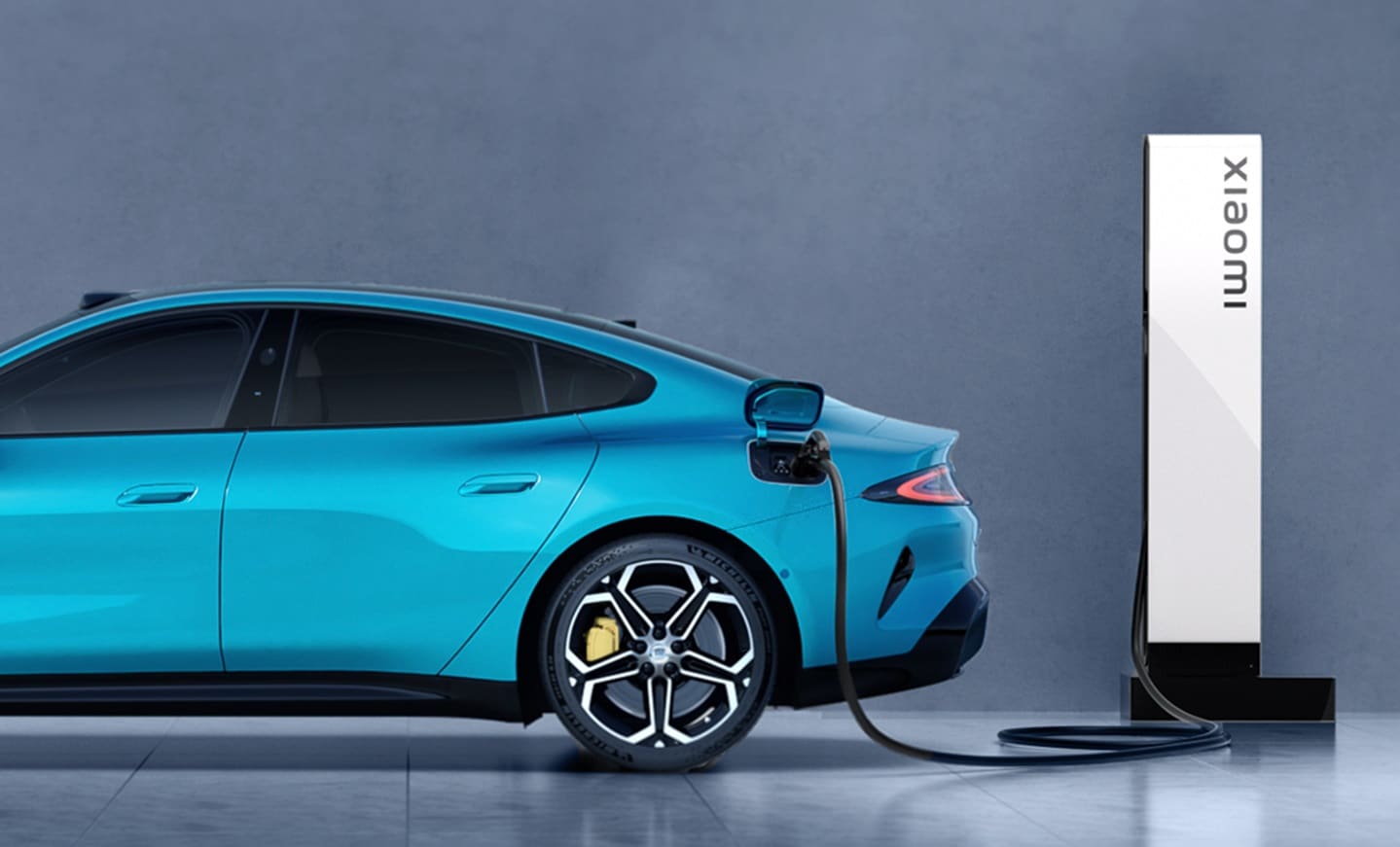
The company claims to have developed advanced technology, including fast-charging capabilities, to mitigate the impact of extreme cold weather on the battery, ensuring sustained performance.
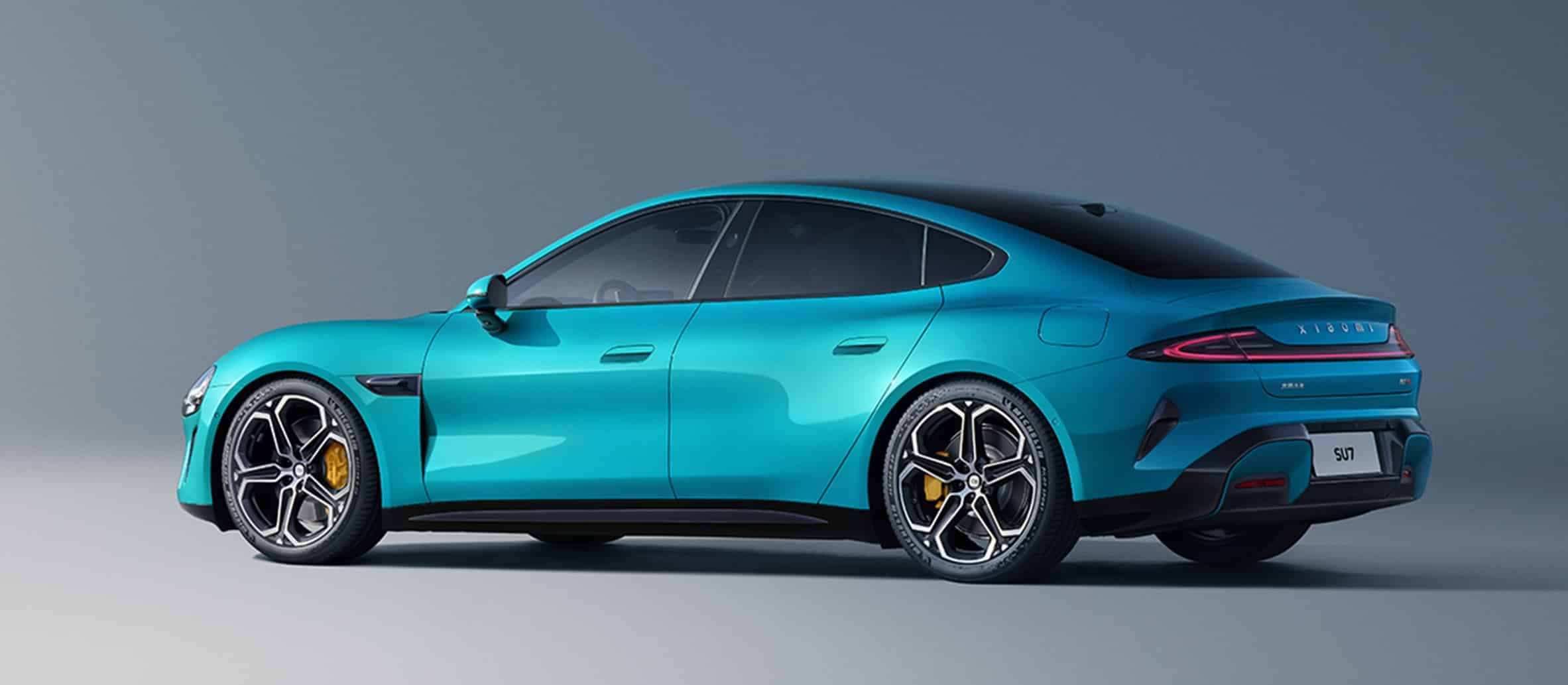
The Xiaomi SU7 is expected to be available for purchase in early 2024, primarily in the Chinese market. The car will be offered in three distinctive colors: Aqua Blue, Mineral Gray, and Verdant Green. Despite the comprehensive unveiling, Xiaomi has not disclosed specific pricing details or detailed plans for international distribution at this time.
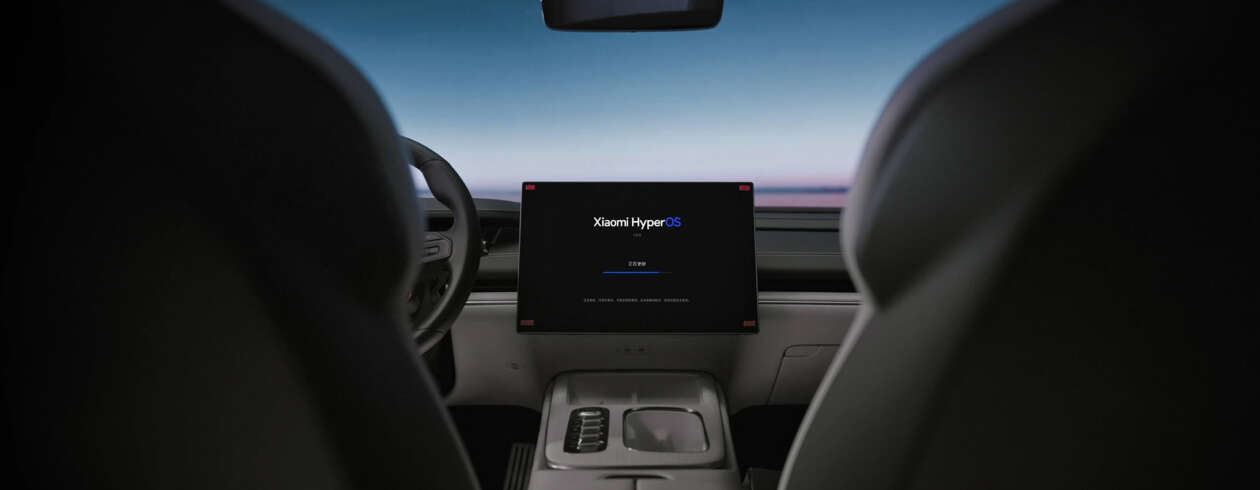
The introduction of the SU7 marks Xiaomi’s entry into the highly competitive electric vehicle landscape, joining the ranks of tech companies venturing into the future of sustainable transportation. As EV adoption continues to grow globally, Xiaomi aims to carve its niche with a high-performance and technologically advanced offering.
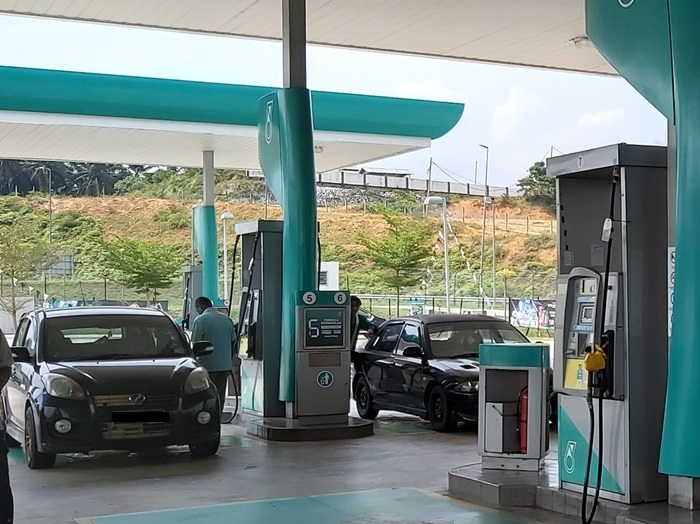
Petronas Dagangan Bhd has announced the full restoration of diesel supply at its stations nationwide within the next two days. The company had earlier disclosed a diesel shortage issue affecting several Petronas stations, with the problem expected to persist until December 31, 2023.

Petronas Dagangan expressed appreciation for customers’ patience and cooperation throughout the disruption, reiterating its commitment to providing uninterrupted service.

The Ministry of Domestic Trade and Consumer Affairs (KPDN) Sarawak reported that it had not received information from Petronas regarding the supply disruption affecting stations in Sarawak and Sabah.

KPDN Sarawak stated that its Enforcement Division is actively conducting inspections and continuous monitoring at all petrol stations.

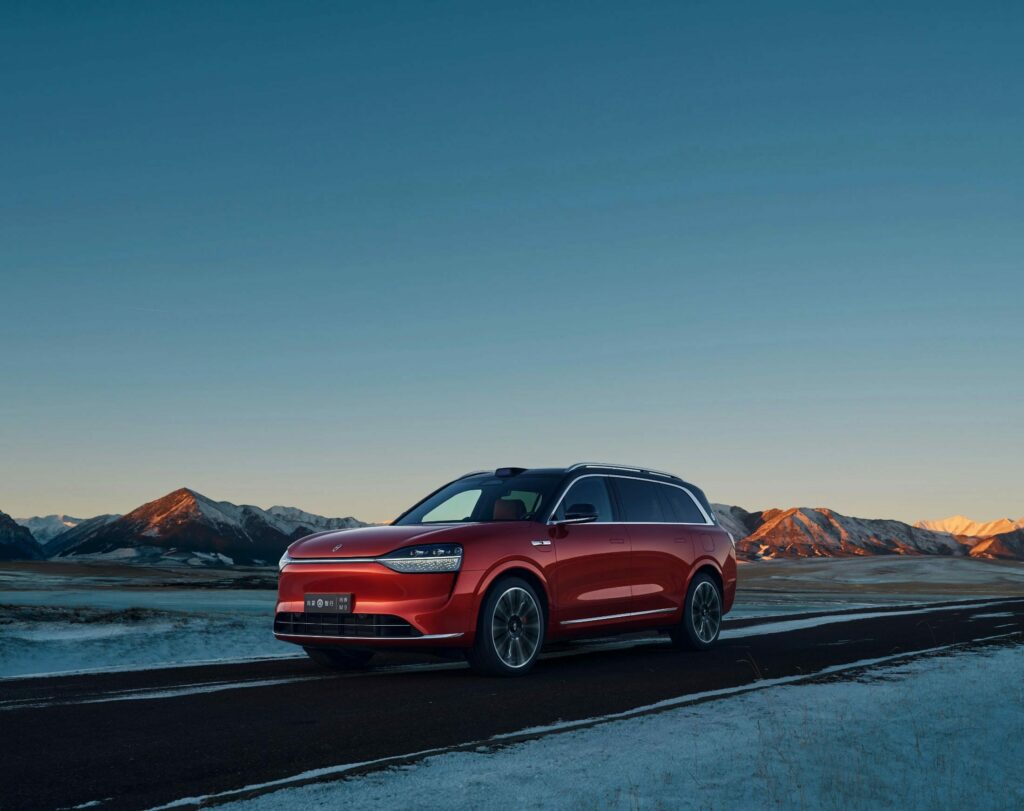
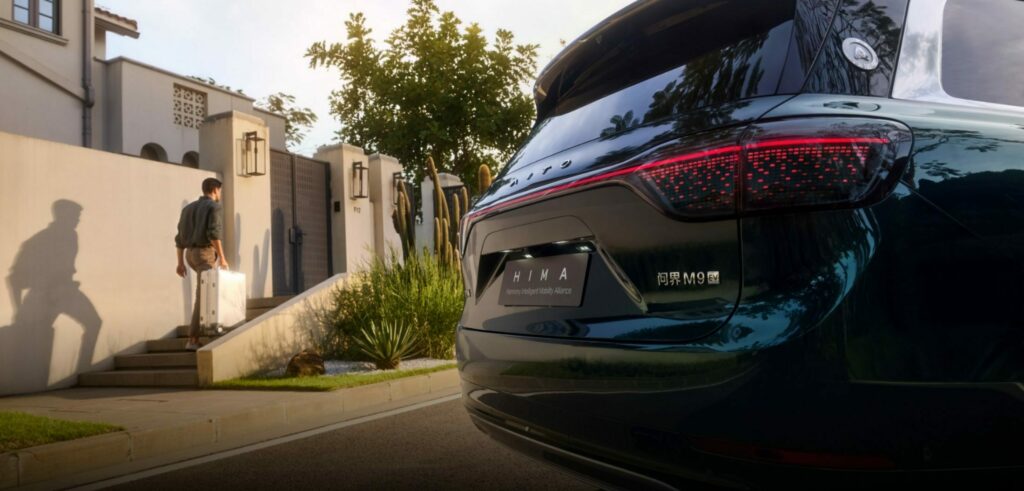
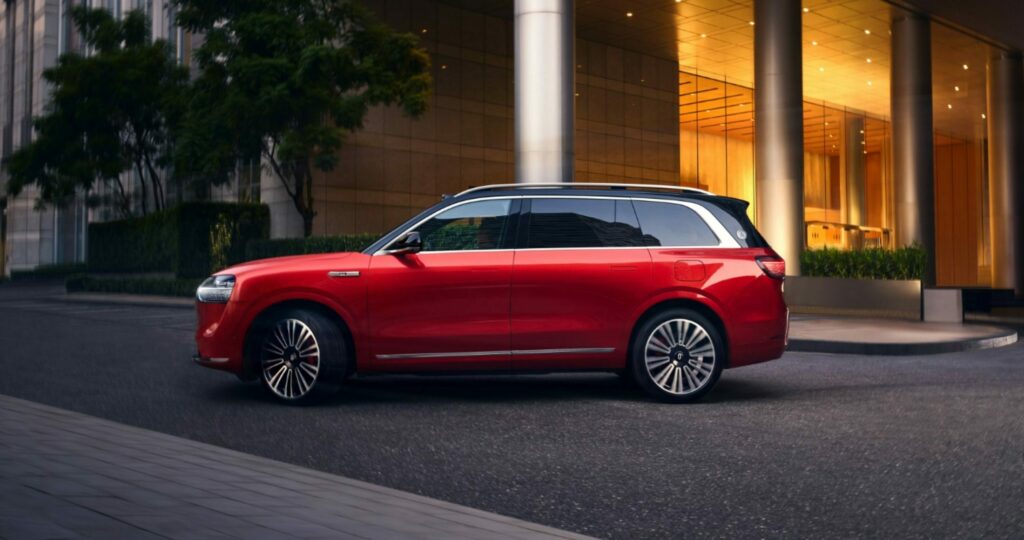
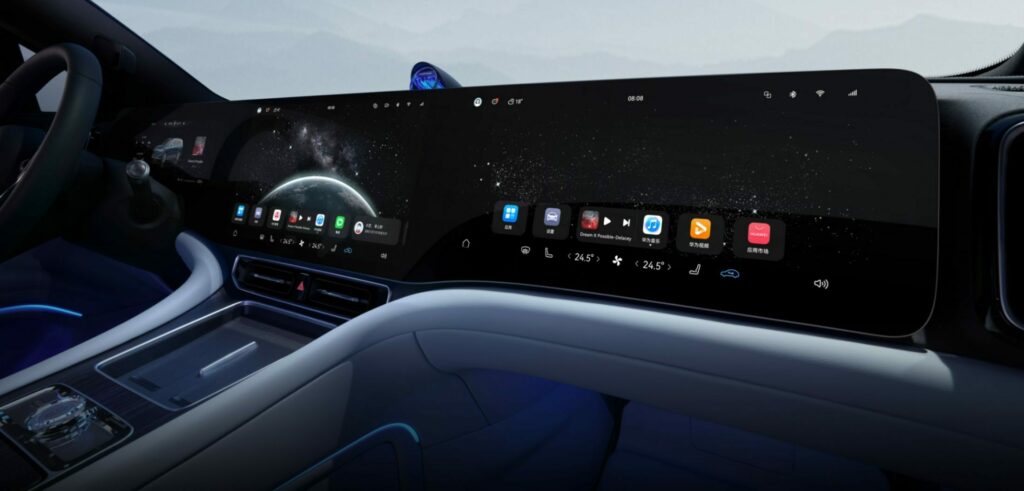
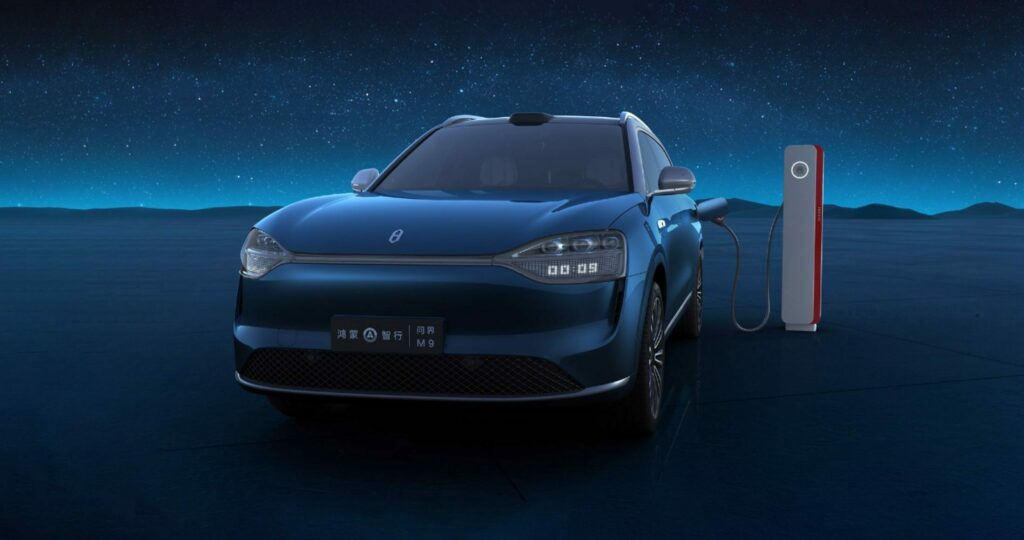
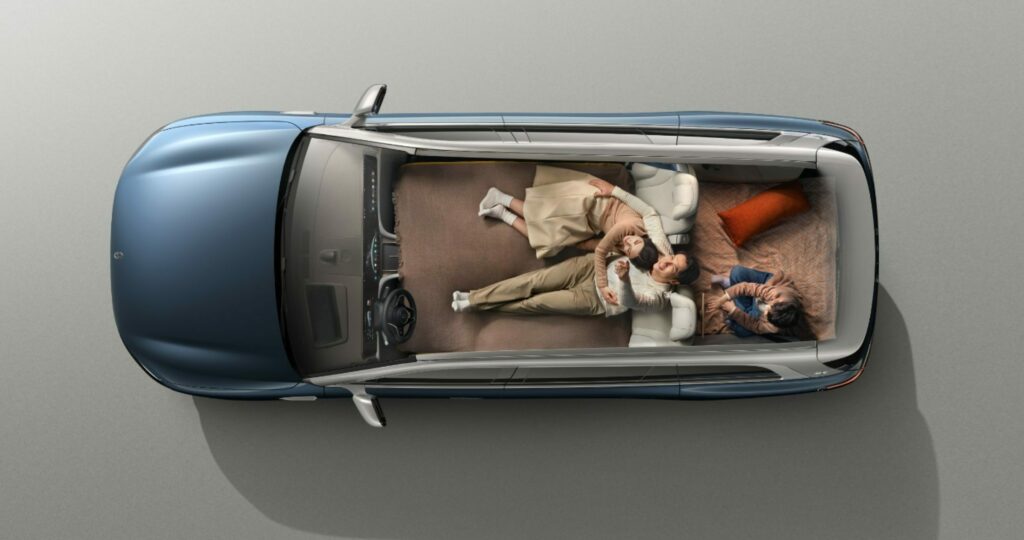
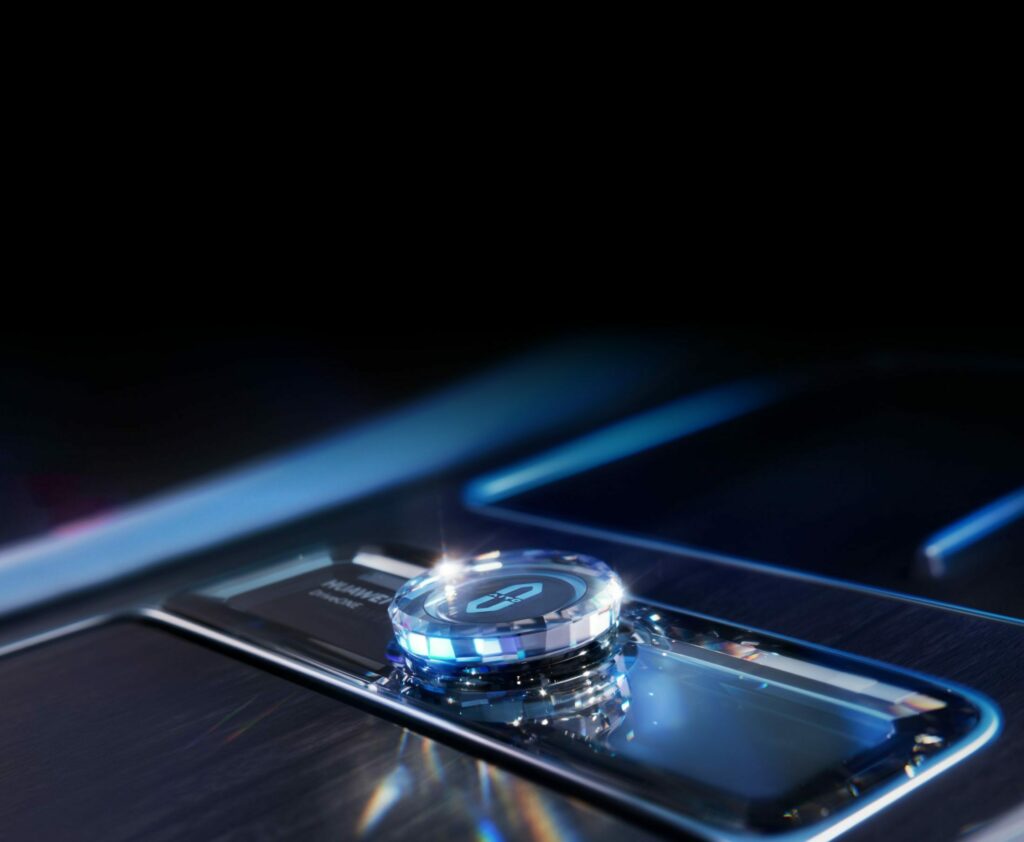
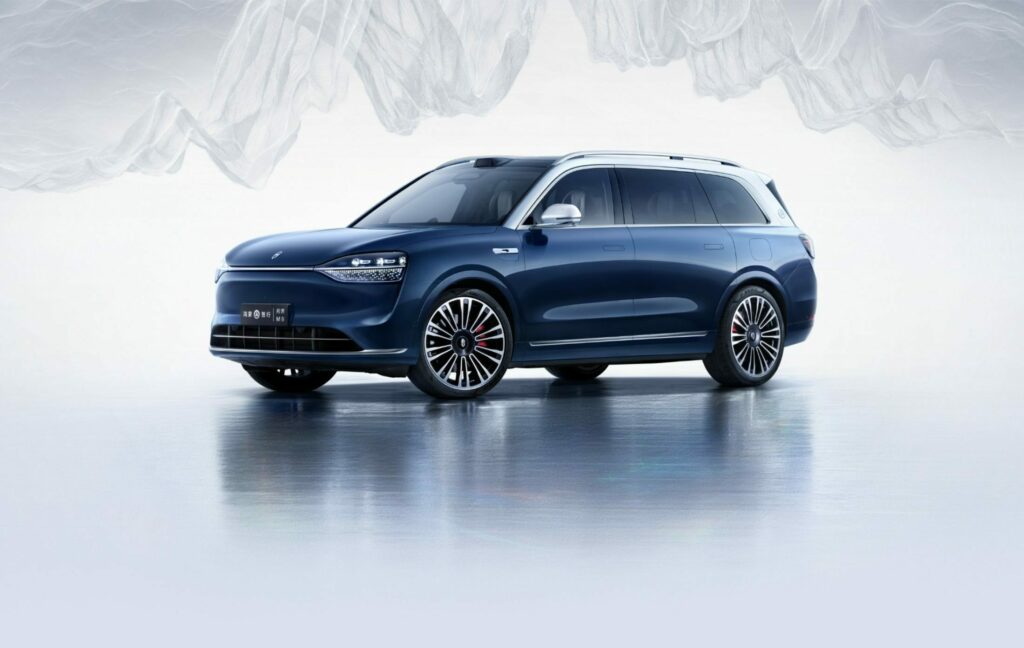
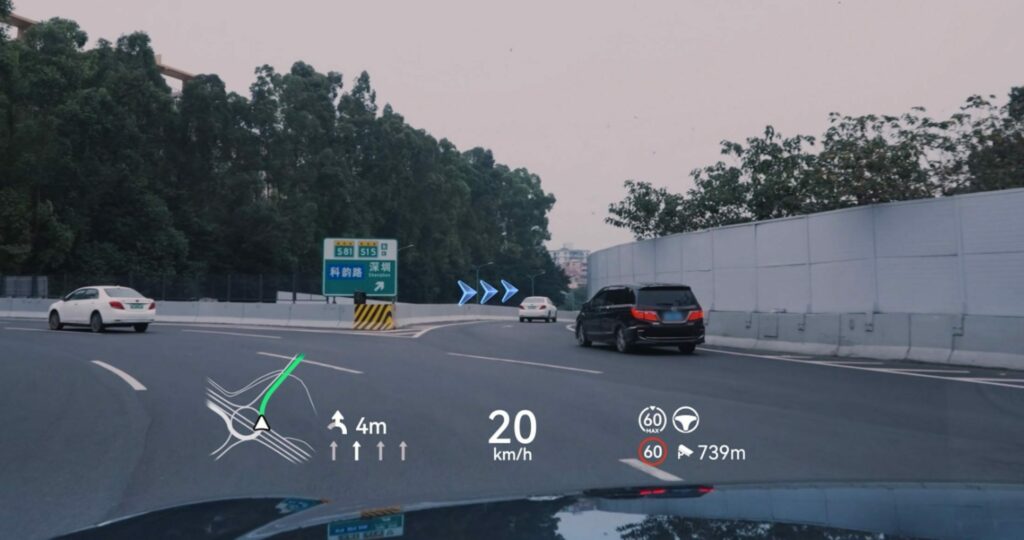
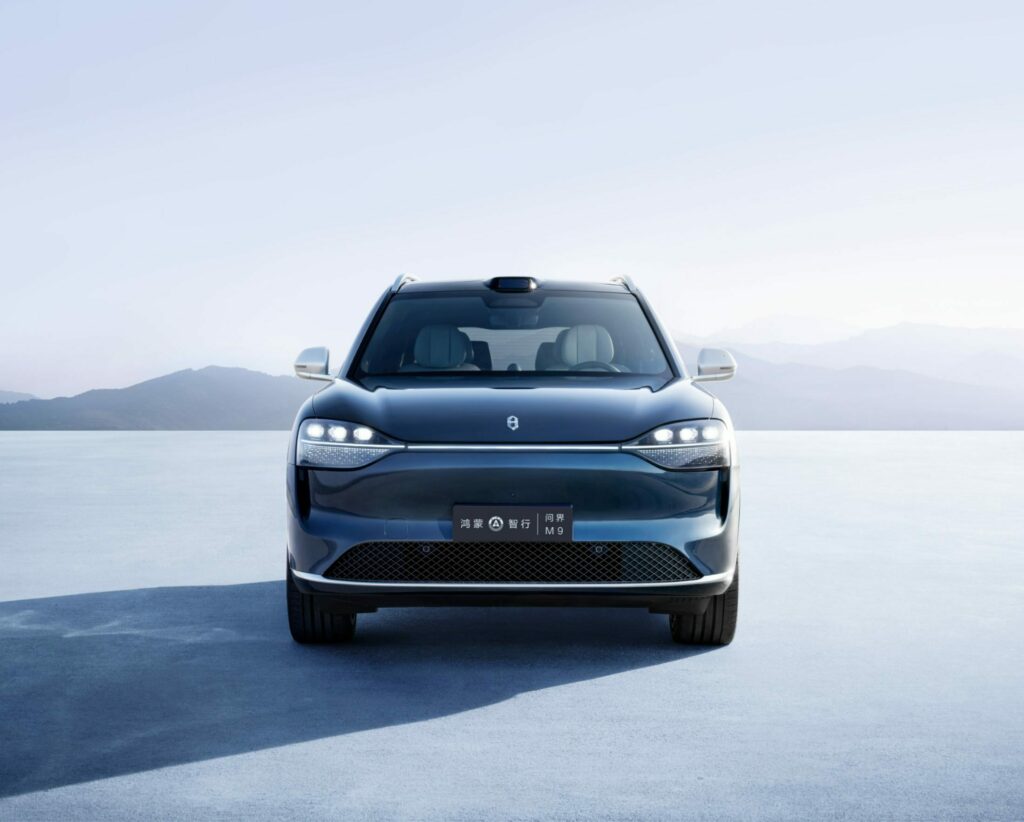
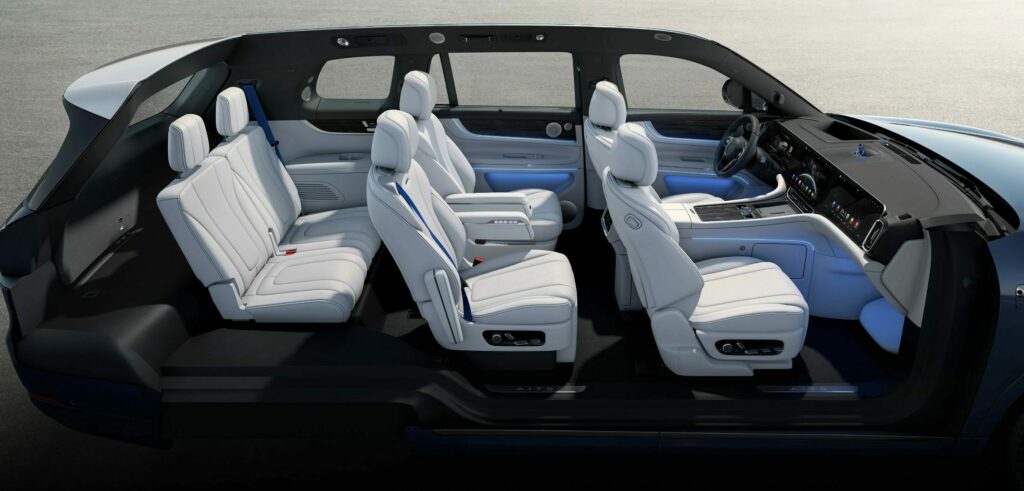
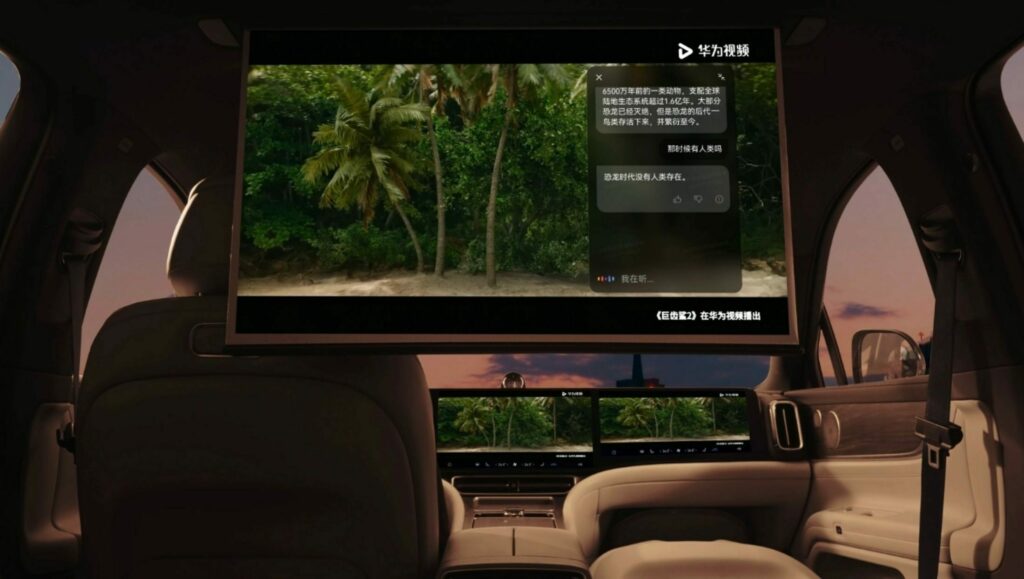
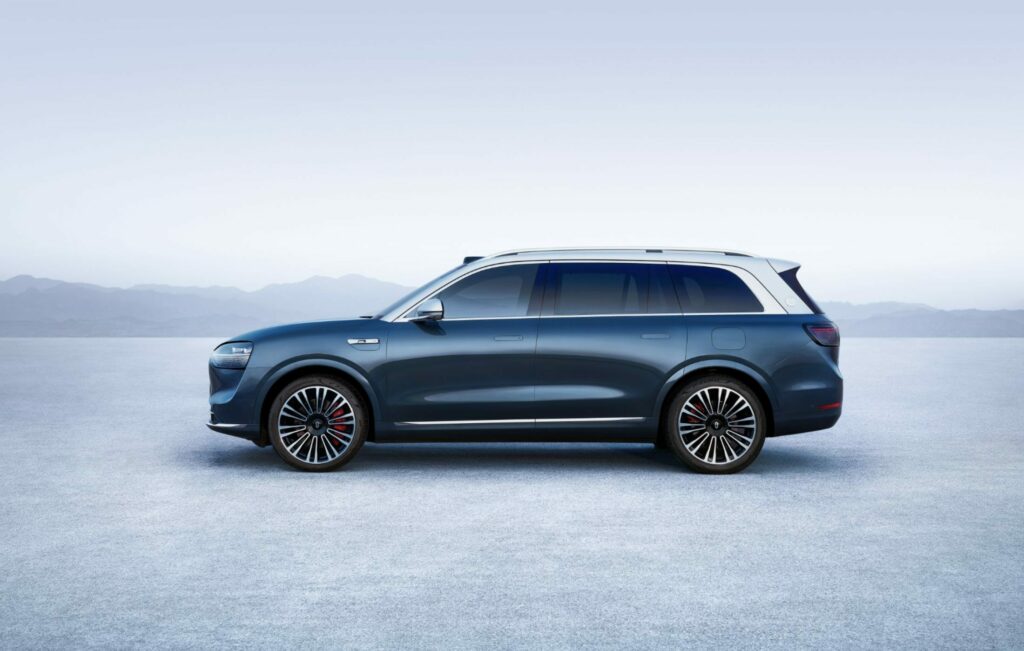
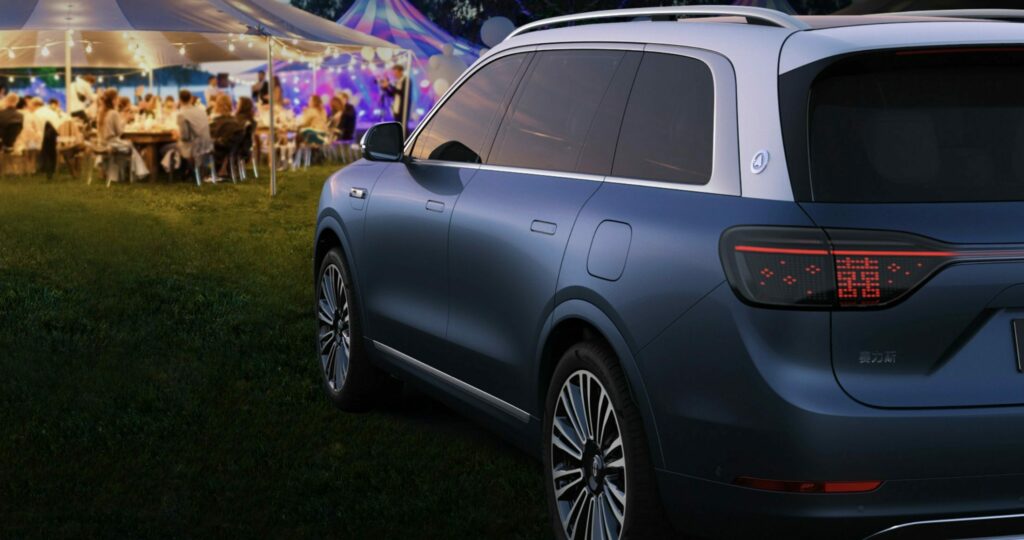
Aito, a joint venture between Huawei and Seres in China, has introduced its flagship SUV, the Aito M9. The large six-seater SUV features modern styling, advanced technology, and entertainment options, showcasing Huawei’s influence.

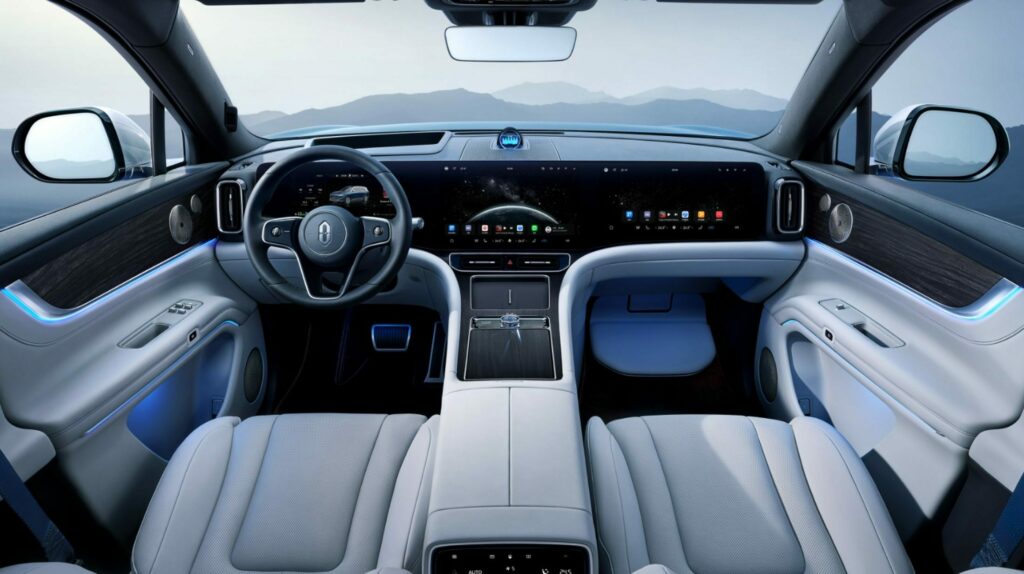
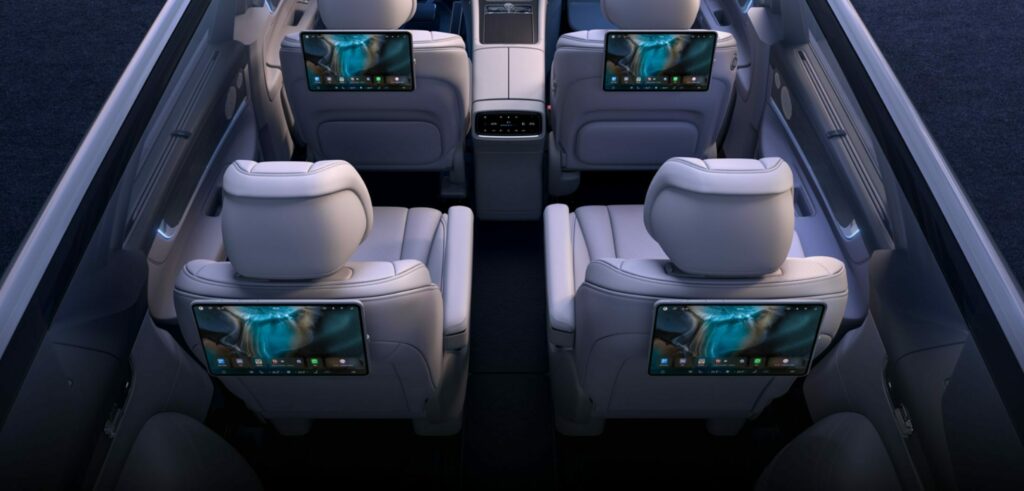
The M9 includes adaptive matrix LED headlights with projectors for cinema experiences both inside and outside the vehicle. Inside, the dashboard houses a 12.3-inch digital instrument cluster, a 15.6-inch central infotainment screen, and a 16-inch front passenger screen, all running on Huawei’s HarmonyOS 4 system. The SUV also features a laser projector and retractable 32-inch panel for rear passengers, providing entertainment options.

The Aito M9’s interior offers a unique configuration, with seats that are electrically operated, providing 14-way adjustment, heating, and ventilating functions. The SUV includes safety features with 27 sensors and the latest Huawei ADS 2.0 system.

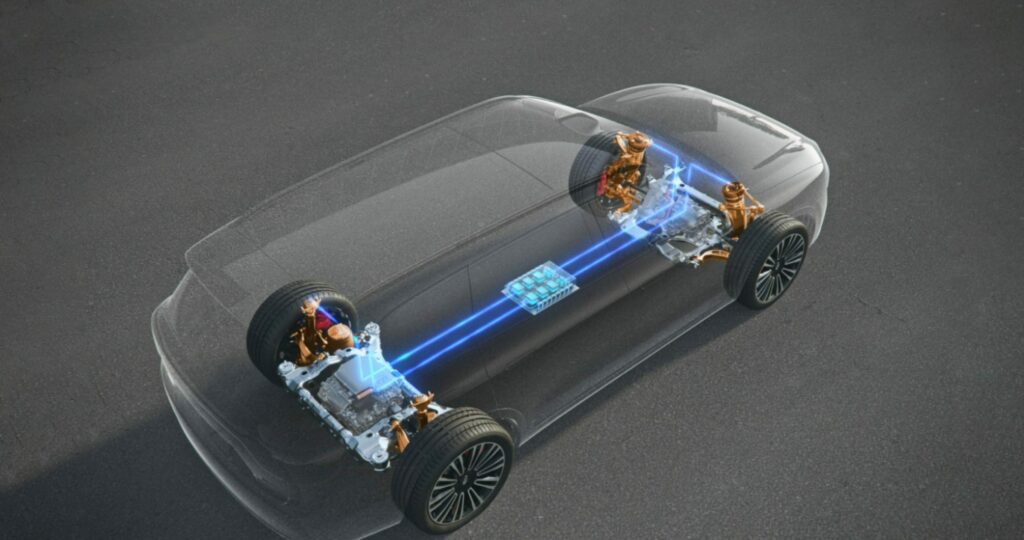
Aito offers two powertrain options for the M9: a fully electric version with dual electric motors, 523hp, and a 97.7 kWh battery pack, providing a claimed range of 630km. The range-extender version combines a turbocharged 1.5-litre engine/generator with dual electric motors and a 42 kWh or 52 kWh battery, offering 490hp a combined range between 1,362-1,402 km.

The Aito M9 is positioned above the existing M5 and M7 SUVs, competing with similarly sized models in the Chinese market, including Li Auto L9, Nio ES8, HiPhi X, and others. The SUV is available for order in China, with deliveries expected in early 2024, priced between 469,800 yuan (RM303,737) and 569,800 yuan (RM368,389).

Daihatsu Motor, a unit of Toyota Motor, is expected to incur losses exceeding 100 billion yen (around RM3.2 billion) due to the safety test scandal that recently surfaced. The estimate includes potential costs from a factory shutdown, compensation to suppliers, and additional expenses related to investigations and safety tests. Daihatsu has temporarily halted production in Japan, and although shipments in Indonesia and Malaysia have resumed, the company faces challenges in negotiating compensation with suppliers and supporting affected dealerships. If the scandal’s impact leads to consolidated losses, it would mark Daihatsu’s first such losses in 30 years.

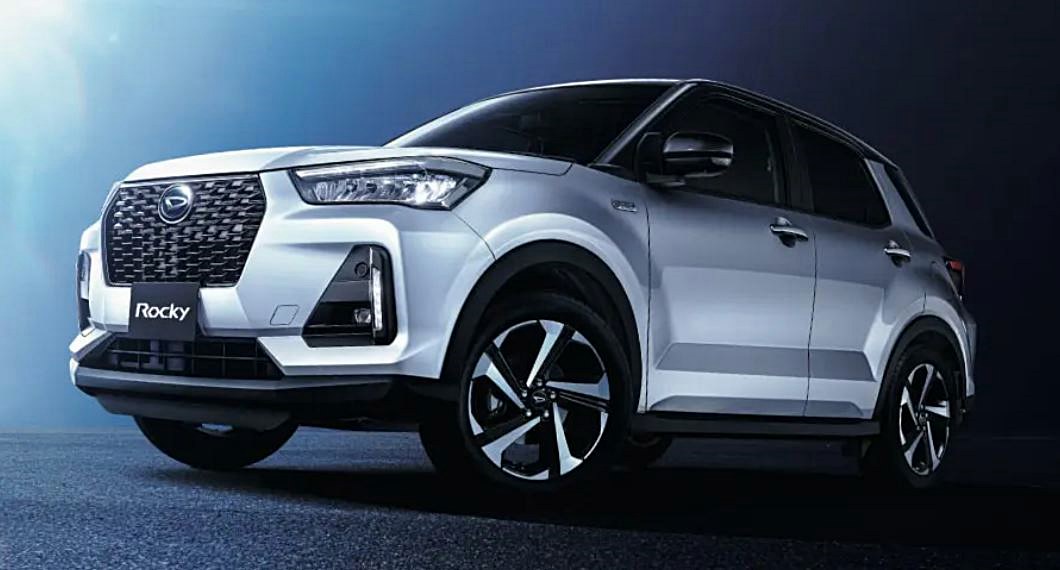
2022 Daihatsu Rocky HYBRID

Japan accounted for about 60% of Daihatsu’s 1.42 million vehicles manufactured in the last fiscal year, playing a crucial role in Toyota’s strategy for minicars in Japan and compacts in emerging markets. Although Daihatsu contributes approximately 3% to Toyota’s total operating profit, a hit of over 100 billion yen could impact Toyota’s earnings. The scandal adds uncertainty to Toyota’s group governance, and Daihatsu may face further penalties, including the revocation of production certifications.

(more…)

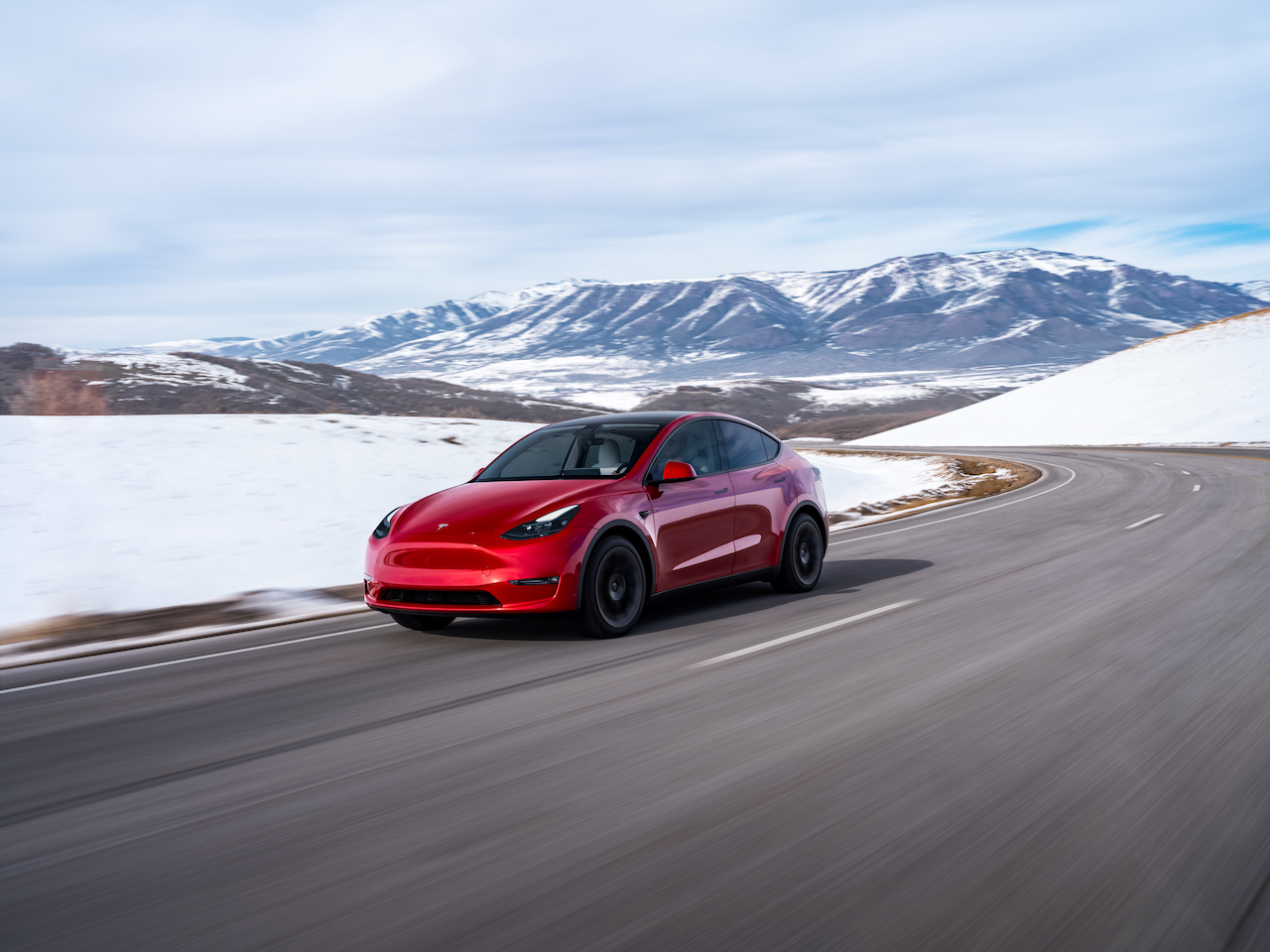
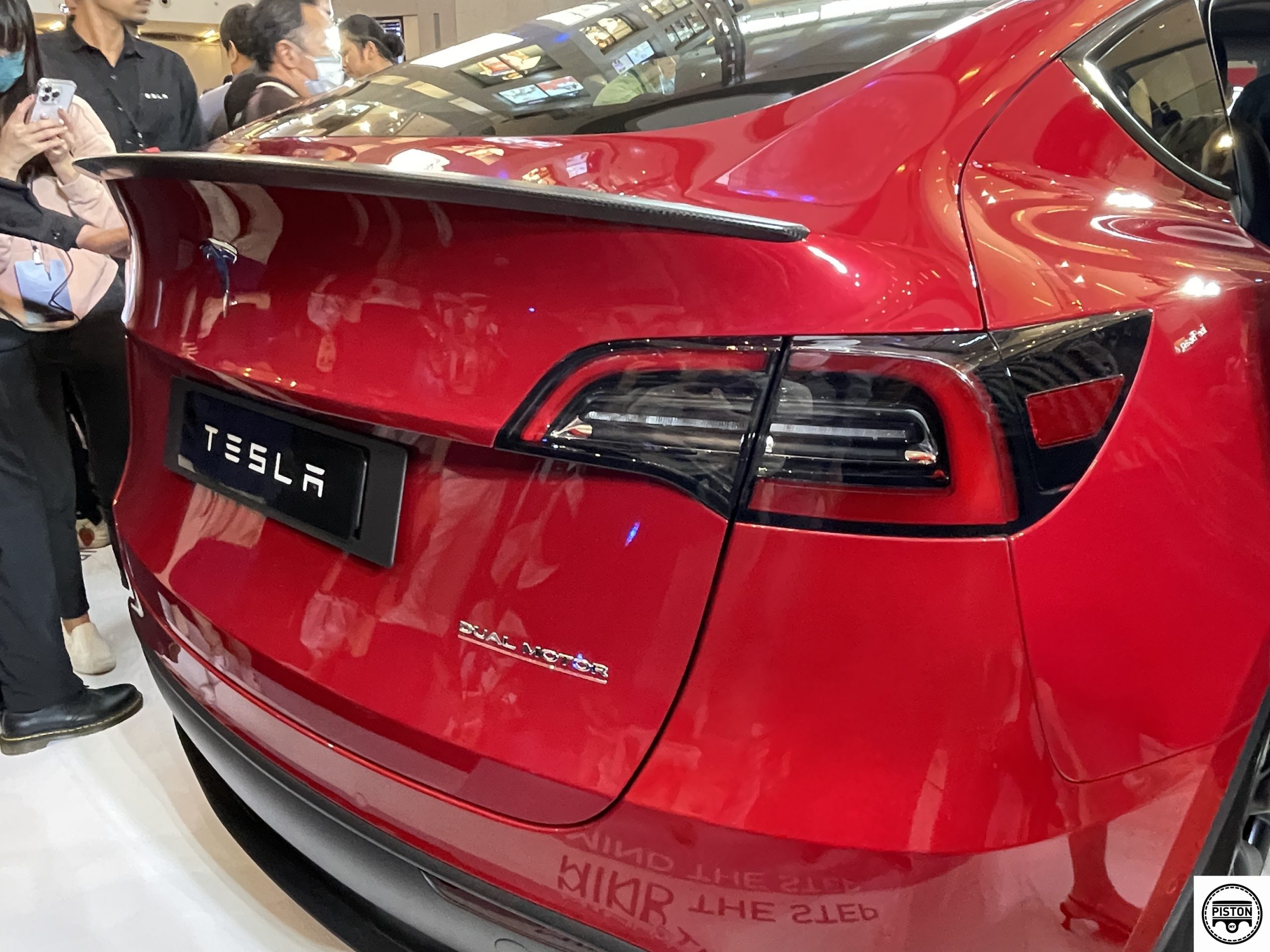
Tesla’s Gigafactory in Shanghai is reportedly gearing up to produce the 2024 refresh of the Model Y, with mass production expected to commence by mid-2024. The new units are set to be manufactured in the upcoming phase of Gigafactory Shanghai, with production temporarily halted for upgrades during the New Year period. Notably, the 2024 Model Y is anticipated to feature substantial changes compared to the October 2023 update, encompassing noticeable alterations to both the exterior and interior. Tesla aims to introduce a fresh wheel design complemented by ambient lighting.

This move aligns with Tesla’s strategy to stay competitive in China’s rapidly evolving electric vehicle market, where rivals such as BYD and Xpeng plan to unveil multiple new models across different segments in 2024. November 2023 witnessed a 40% surge in new energy vehicle sales in China, encompassing pure electric cars and hybrids, according to China’s Passenger Car Association. Despite the intensifying competition, Tesla’s demand in both China and the United States appears robust, with minor price adjustments made leading up to Christmas, suggesting sustained demand.

(more…)

The Petroleum Dealers Association of Malaysia (PDAM) has issued a cautionary statement to consumers, signalling the possibility of diesel supply shortages. According to NST, this comes after Petronas Dagangan revealed that some of its stations might face diesel shortages until Sunday. The issue is attributed to heightened demand, driven by the popularity of low diesel prices, leading to a strain on available supplies. PDAM President Datuk Khairul Annuar Abdul Aziz predicts broader supply challenges for the petroleum industry, affecting more companies from early January 2024.

Petronas Dagangan, in its recent disclosure, cited the exhaustion of the government’s subsidised diesel quota to petroleum companies as a contributing factor to the supply problem. The surge in diesel usage has been unprecedented, prompting concerns about an industry-wide shortage. Government data indicates a 37.7% increase in diesel consumption from 6.1 billion litres in 2019 to 8.4 billion litres in the past year. The number of registered vehicles using only diesel stands at 2.13 million.

(more…)

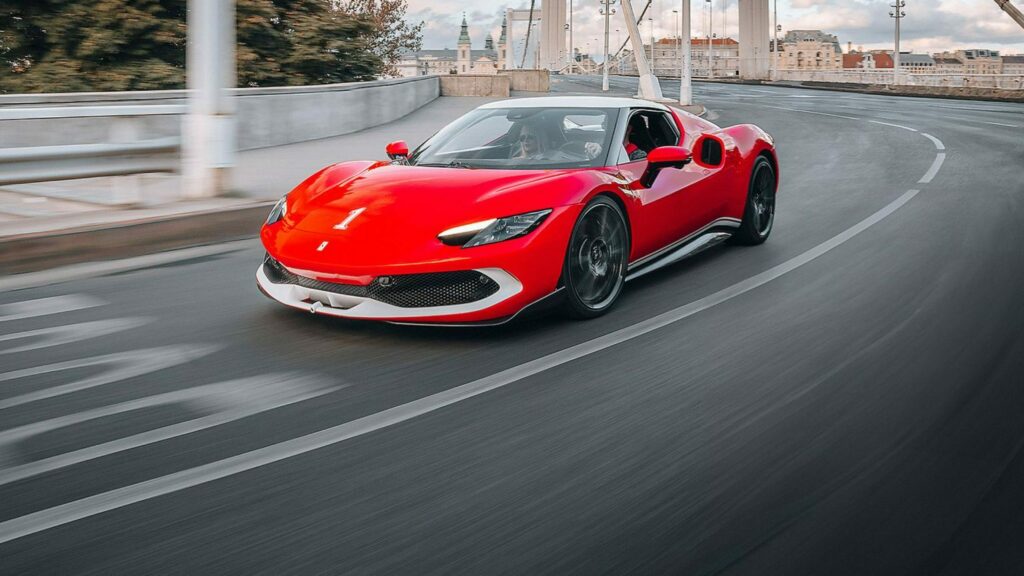
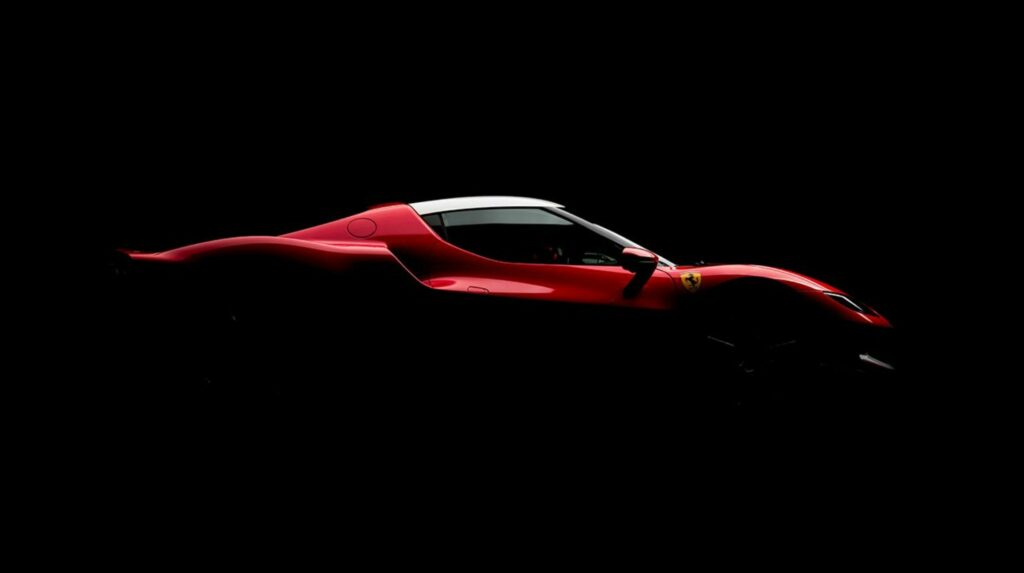
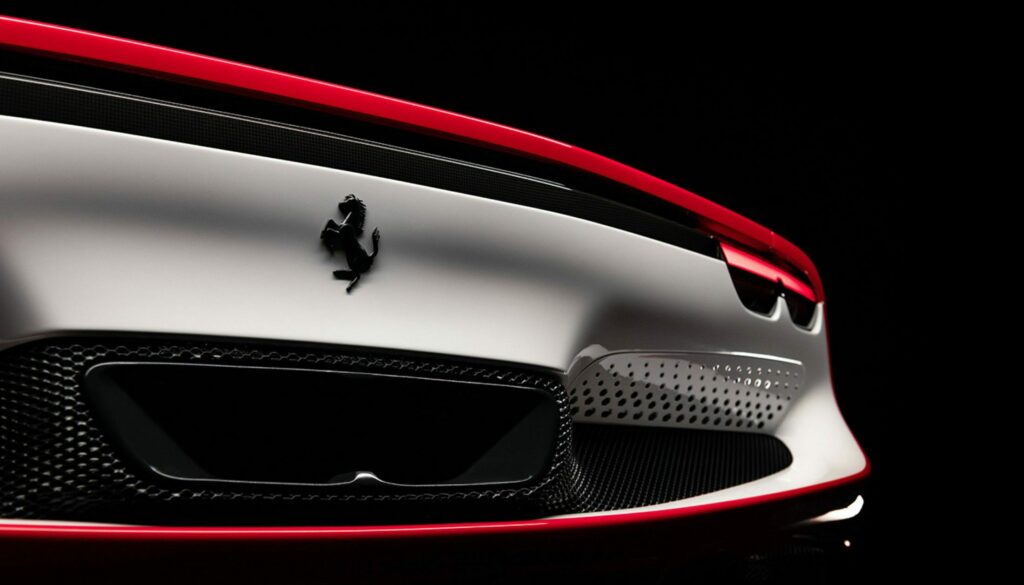
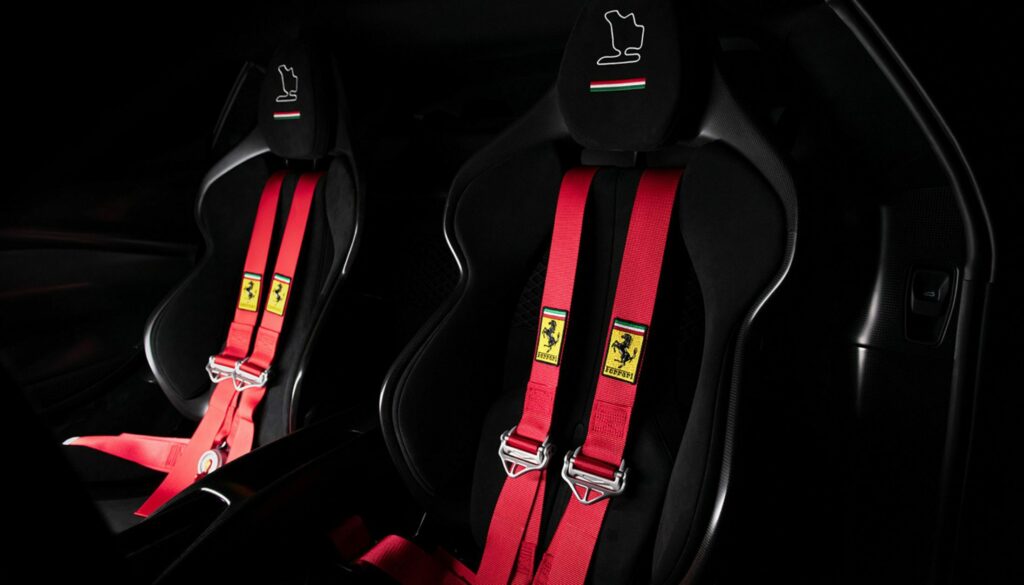
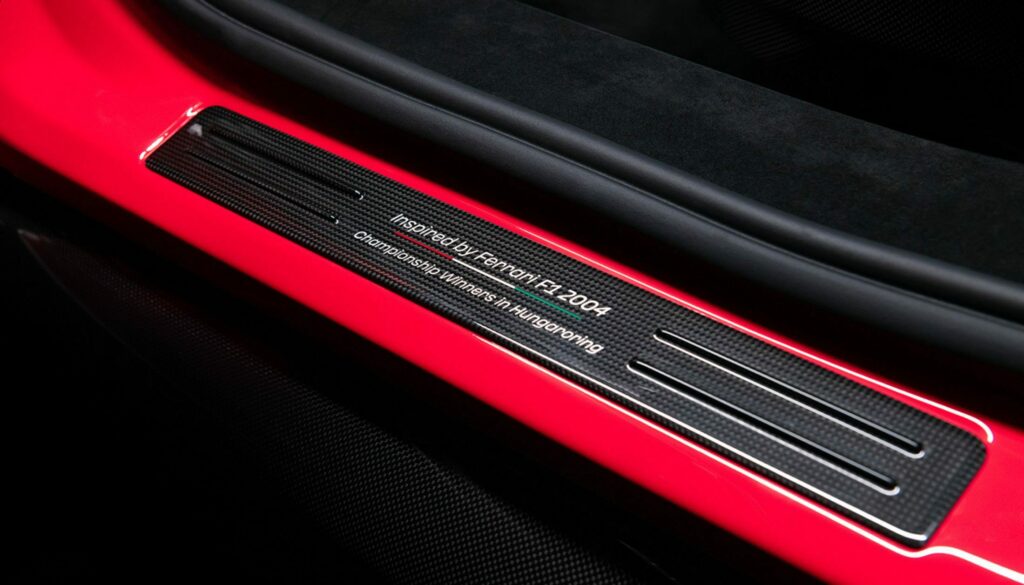
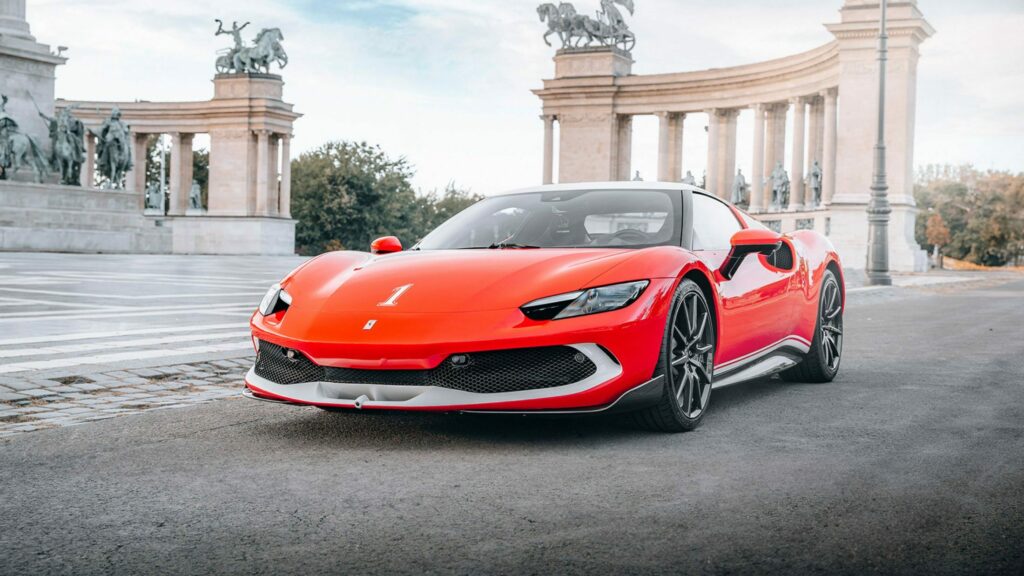
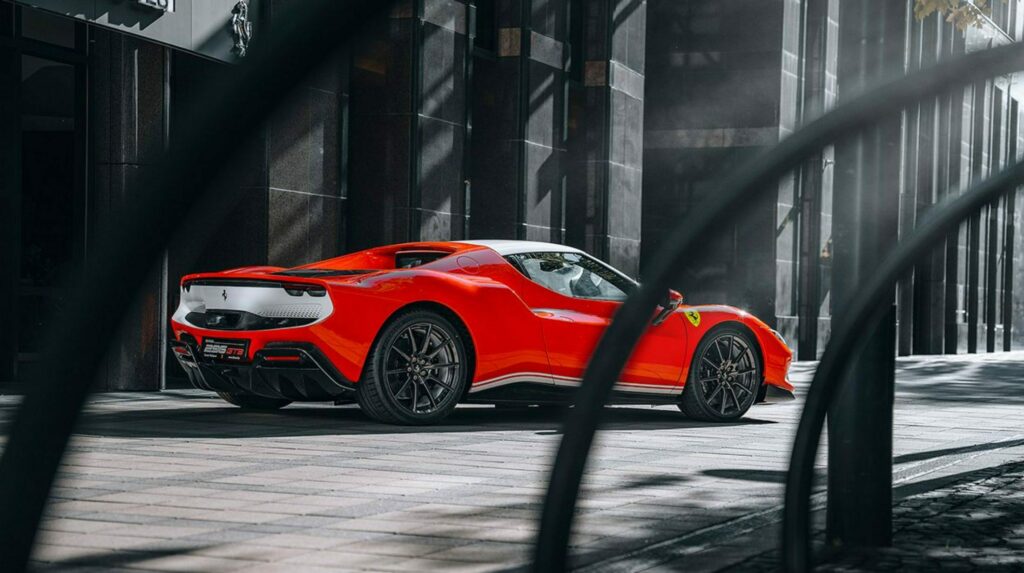
Ferrari Atelier unveils a limited edition of the 296 GTB Assetto Fiorano, paying tribute to Scuderia Ferrari’s 2004 Hungarian Grand Prix victory with the F2004. Limited to just five units, this special edition features a striking livery combining the metallic Rosso F1 shade with Bianco King White accents.

The design includes the iconic number 1 on the bonnet, reminiscent of Ferrari’s dominance in Formula 1 during that era.

Built on the 296 GTB platform with the Assetto Fiorano package, the special edition maintains the electrified powertrain’s formidable performance. The mid-mounted twin-turbo 2.9-litre V6, combined with an electric motor, delivers an impressive 819hp and 740Nm of torque.

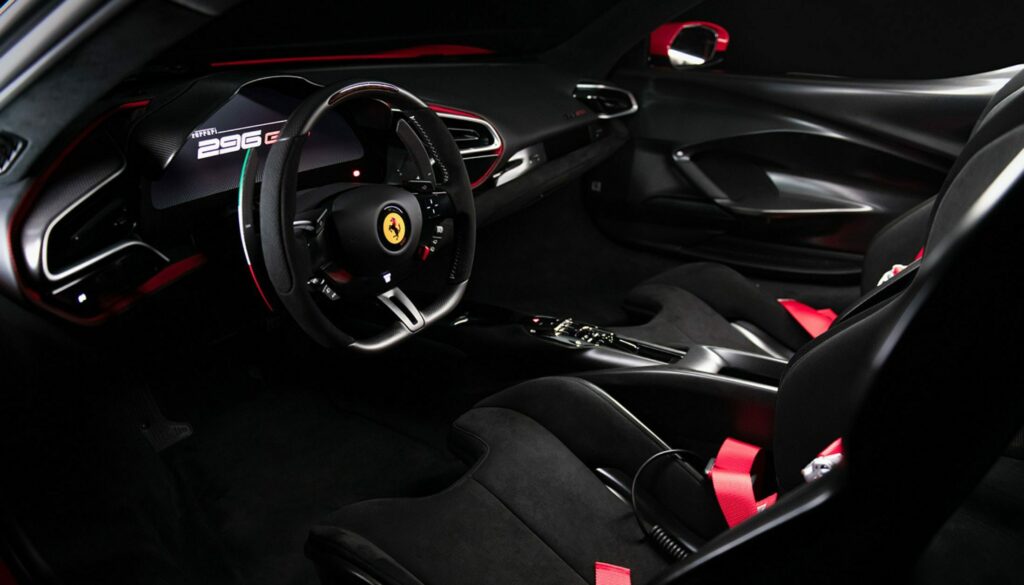
Additional features include carbon fibre elements, Multimatic shock absorbers, optional carbon fibre wheels with Michelin Pilot Sport Cup 2 R tires, and distinctive interior details like embroidered headrests depicting the Hungaroring track and the Hungarian flag.

This limited-edition Ferrari serves as a nostalgic celebration of the brand’s historic achievements in Formula 1, offering an exclusive and visually stunning tribute to the F2004’s triumph.

Ferrari has maintained its tradition of exclusivity, limiting the production to just five units. The Italian automaker confirmed that all five of these special editions have been sold to customers in Hungary but did not reveal the pricing.

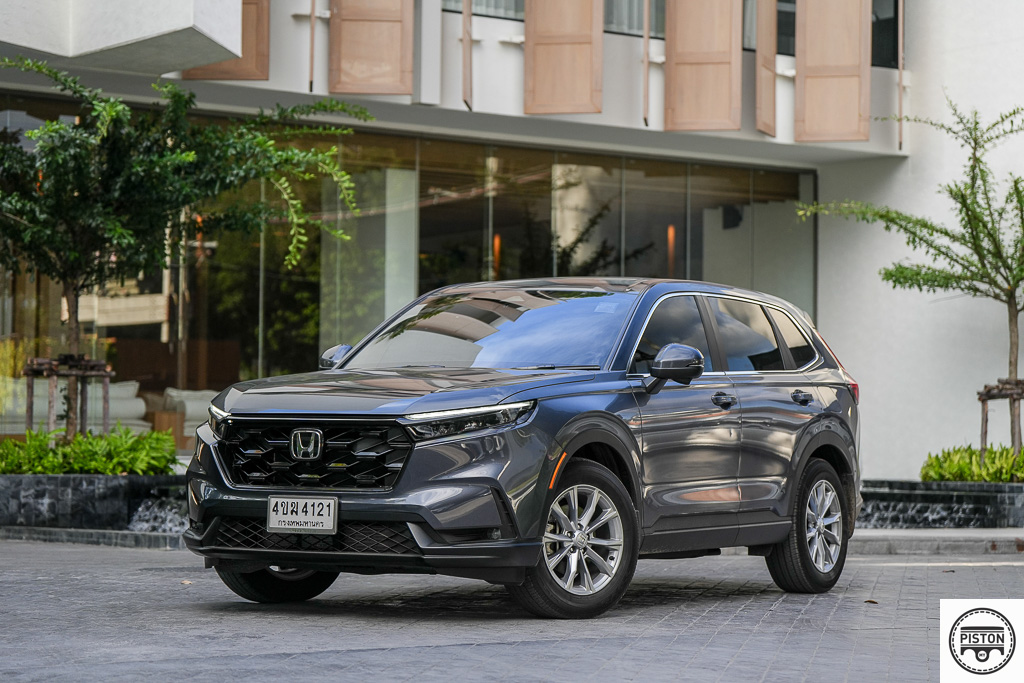
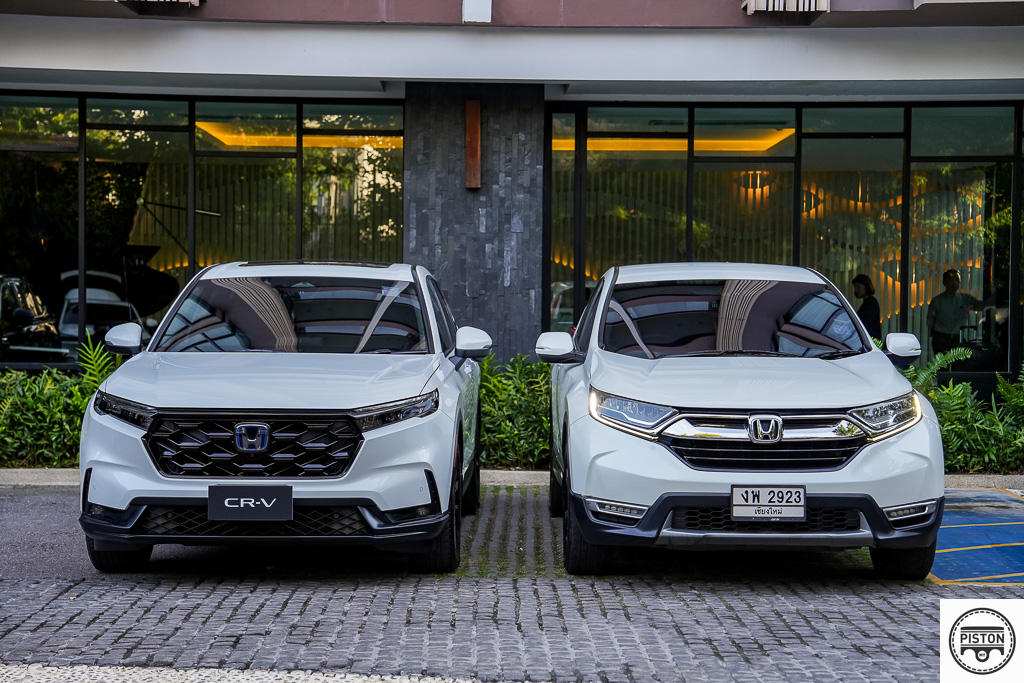
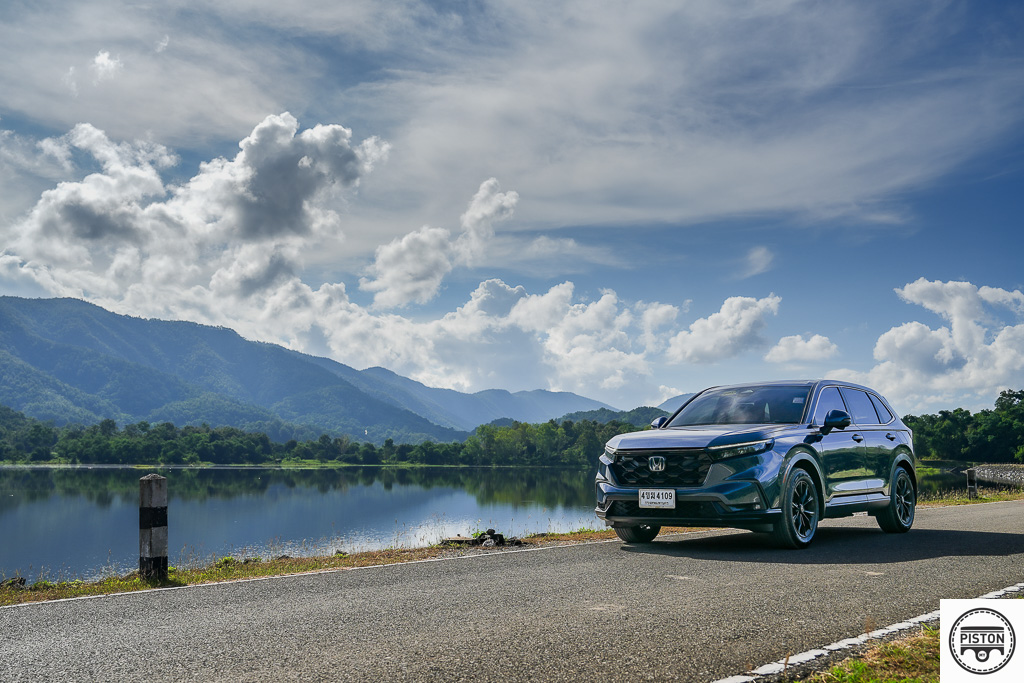
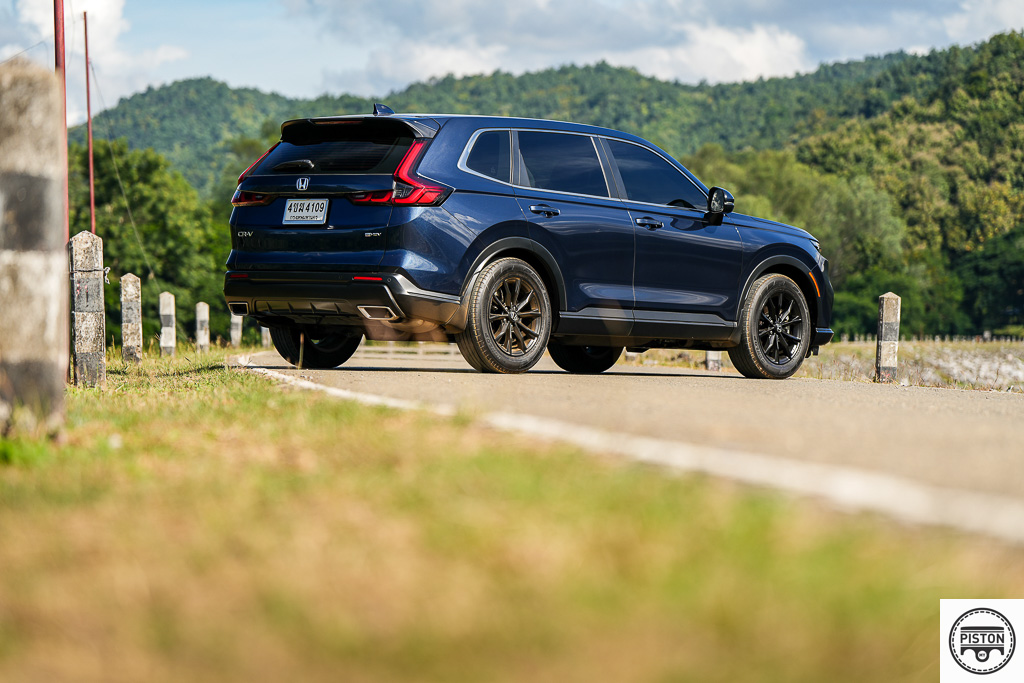
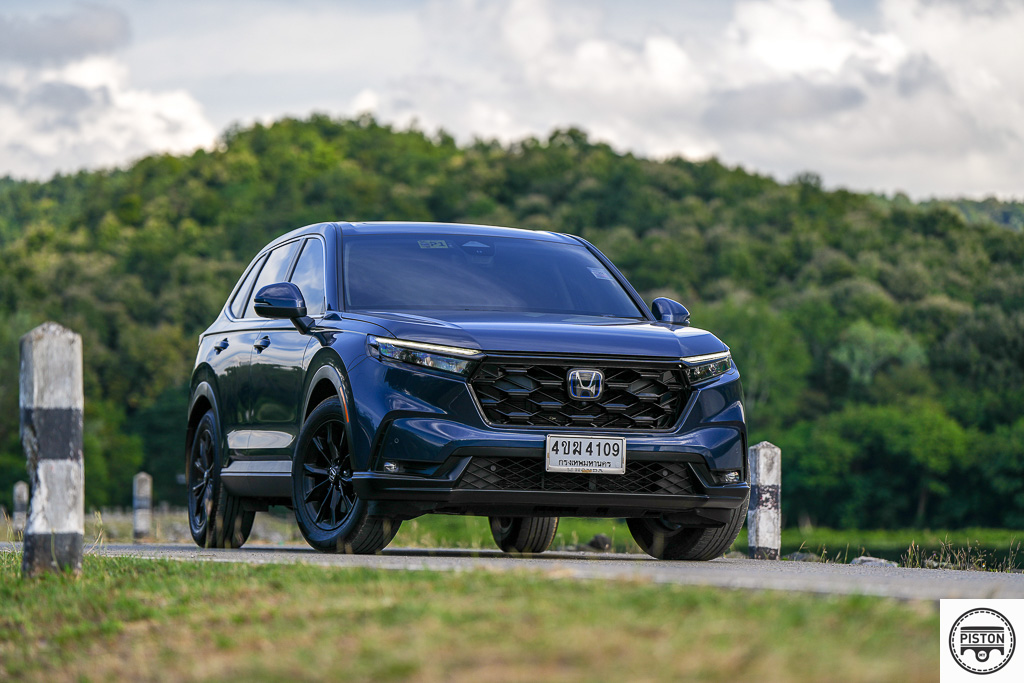
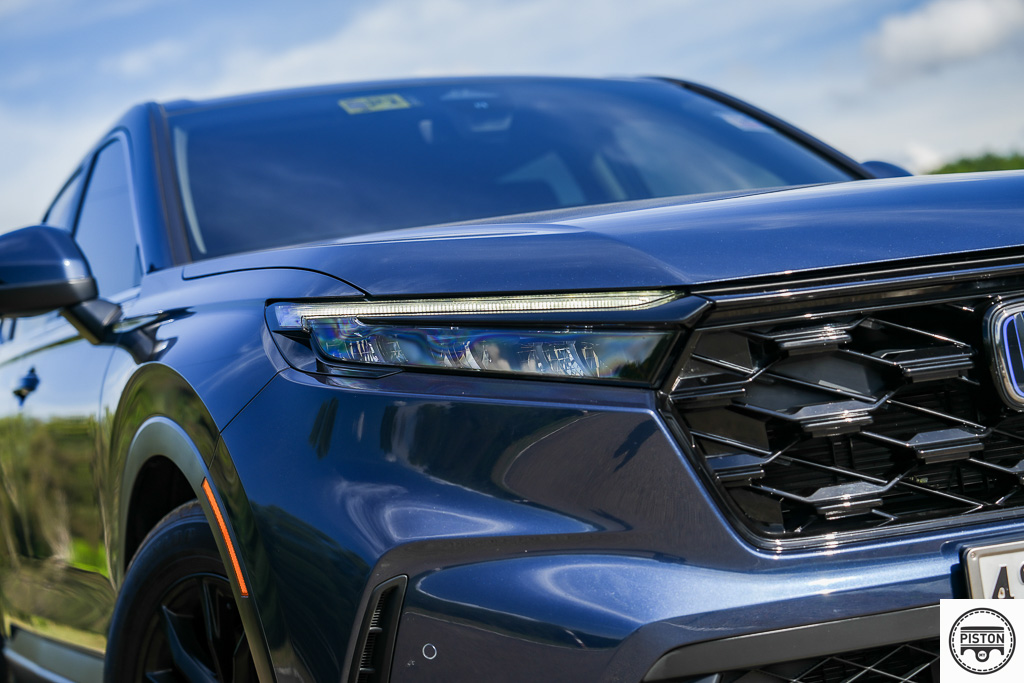
A recent survey by a global consumer think tank placed Honda as one of the top five most reliable brands in the world. And among all the models under the Japanese marque’s wing, the CRV was hailed as one of the most practical on a global level.

There is no surprise there though as the CRV is one of the most popular Honda’s not only on Malaysian roads, but around the world as well.

The Honda CRV has been locally assembled since 2003 and close to 130,000 units have found a home. And with the launch of the sixth-generation model just around the corner, we think more homes will be welcoming the CRV.

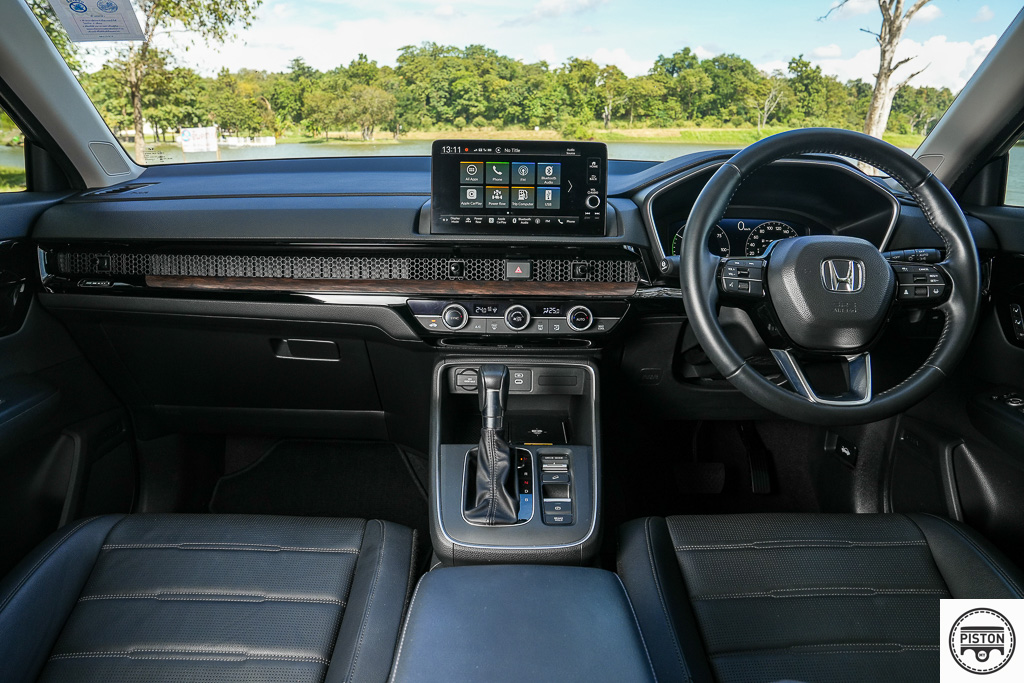
We recently drove the new model prior to its highly anticipated local launch and can say that owners of the current model will not recognize the new CRV except for the badge. Nothing except its practicality has been carried over to the new model.

(more…)

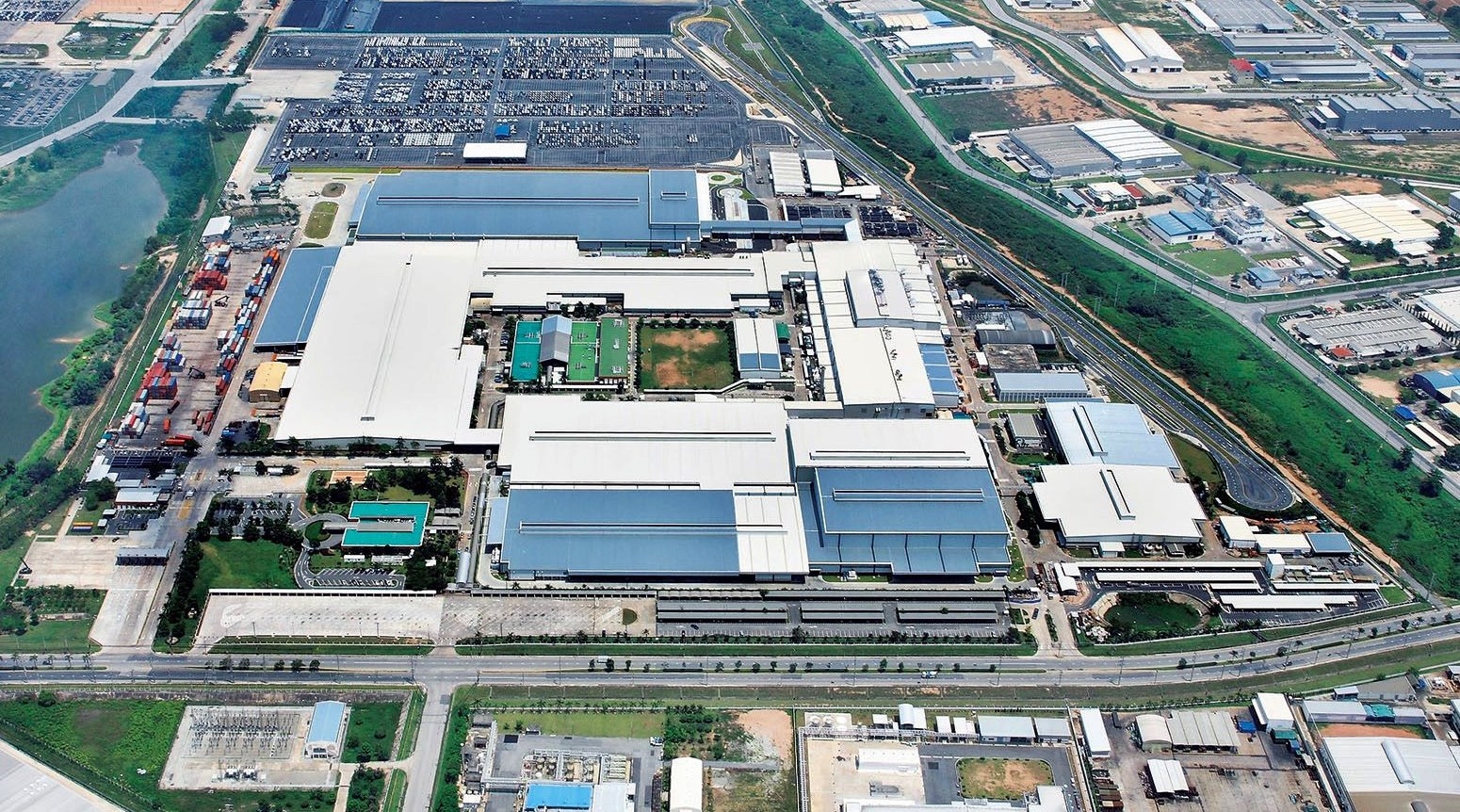
A spokesperson for the Thai government announced recently that major Japanese automakers are set to invest a total of 150 billion baht ($4.34 billion or over RM20 billion) in Thailand over the next five years, bolstering the country’s shift towards electric vehicle (EV) production.

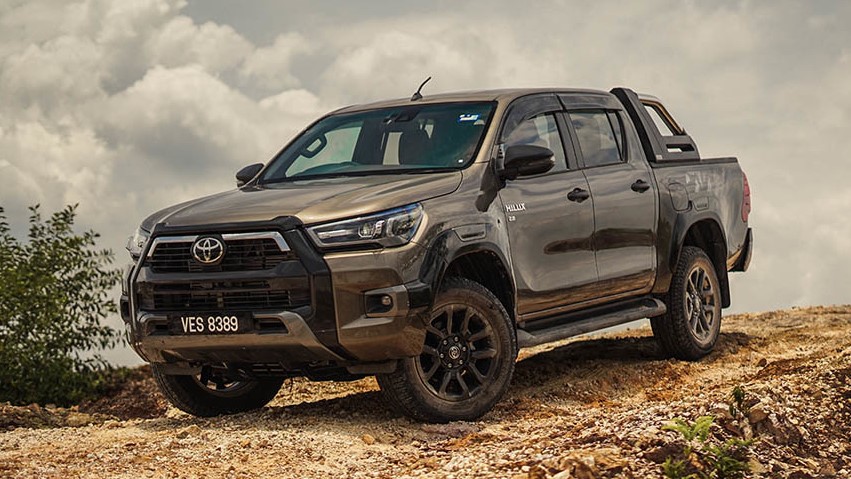
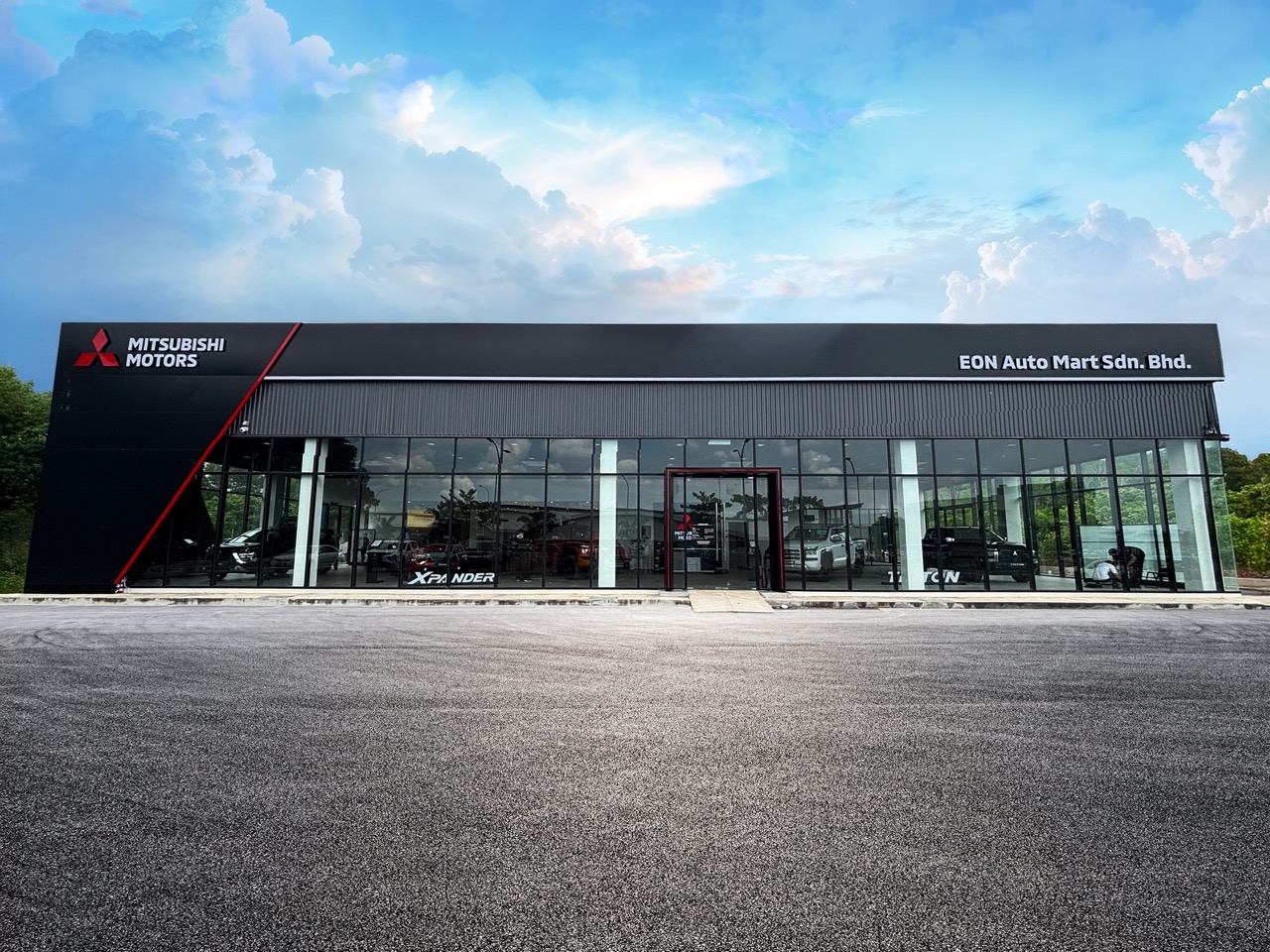
Toyota Motor and Honda Motor are each contributing around 50 billion baht, while Isuzu Motors is investing 30 billion baht, and Mitsubishi Motors is committing 20 billion baht. This investment encompasses the manufacturing of electric pickup trucks.

During a recent trip to Japan by Thailand’s Prime Minister Srettha Thavisin, agreements with these Japanese automakers were solidified. Although Japanese manufacturers have long dominated Thailand’s automotive sector, the rise of Chinese EV makers has introduced new dynamics, with notable investments being made in recent times.

The spokesperson, Chai Wacharoke, highlighted that the Japanese automakers’ investment aligns with the Thai government’s strategy to transition from traditional combustion engine vehicles to electric alternatives.

Despite requests for comment by Reuters, Toyota, Honda, Isuzu, and Mitsubishi had not responded at the time of reporting.

Thailand, Southeast Asia’s second-largest economy, currently holds the position of the region’s leading car producer and exporter. The government aims to convert approximately one-third of its annual vehicle production, totaling 2.5 million units, into electric vehicles by 2030. To facilitate this transition, Thailand is introducing incentives, including tax cuts and subsidies, to attract more investment in EV manufacturing.
This move by Japanese automakers comes at a time when Chinese car manufacturers, such as BYD and Great Wall Motor, have already committed to substantial investments of $1.44 billion in new production facilities in Thailand, attracted by the favorable business environment.

In a noteworthy development, Prime Minister Srettha recently showcased industrial estates in Thailand to executives from the U.S. electric vehicle giant Tesla, signaling the country’s eagerness to attract further investments in the burgeoning EV sector.

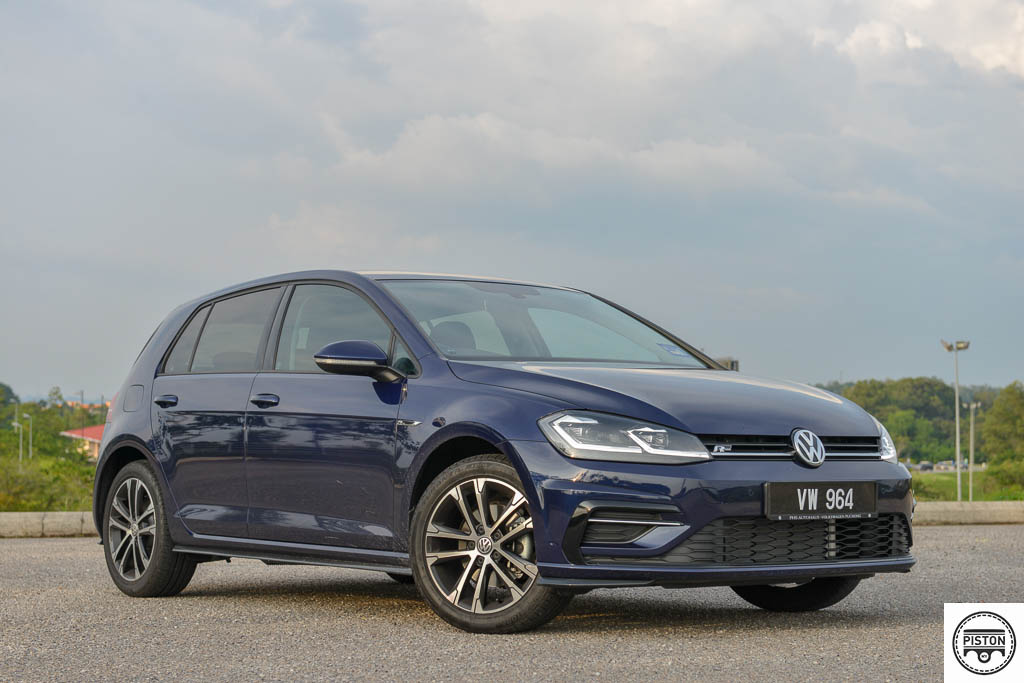
Volkswagen Passenger Cars Malaysia (VPCM) has issued a recall for certain models manufactured between 2010 and 2014, affecting a total of 6,671 vehicles.

The models subject to inspection include the sixth generation Golf GTI, Eos, Passat CC, Polo, Beetle, and Vento. The focus of the recall is on vehicles equipped with a specific driver front airbag gas generator housing.
The concern revolves around the degradation of the front driver airbag housing generator’s propellant. This deterioration is attributed to prolonged exposure to high humidity and temperature fluctuations. The potential consequence is an increased risk of injury to both the driver and passengers.
In response to this issue, VPCM has collaborated with its dealer partners to ensure the availability of necessary parts and to facilitate a smooth and efficient recall process. The nationwide recall will be executed in phases to effectively manage the number of affected cases.

Owners of the identified vehicles will receive notifications through email and WhatsApp, utilizing information from the Volkswagen database. For those who acquired their vehicles from previous owners or used car dealerships, an urgent recommendation is made to contact the nearest Volkswagen authorized dealer for verification.

In the event that parts replacement is required, VPCM assures owners that all labor and replacement parts necessary for the service will be provided at no cost. To check whether their vehicle is subject to the recall, owners can visit the dedicated recall webpage (https://www.volkswagen.com.my/volkswagen-service/repair-and-service/service-action) and enter their 17-digit VIN number, located at the bottom left of the vehicle’s windscreen.

VPCM is committed to prioritizing the safety of its customers and encourages prompt action from all affected vehicle owners to ensure a swift and effective resolution to this recall.

Archive

Follow us on Facebook

Follow us on YouTube