



Piston.my

Latest News

BHPetrol RON95 Euro4M

For those who are shopping for used cars, there are lots of places to go to. Additionally, there are also websites which have advertisements for used vehicles. However, when buying a second-hand product, there is always the question of the condition of the vehicle which is not fully known. Most used car dealers will take in vehicles, clean them up a bit and perhaps fix minor issues and then offer them for sale. Some may offer a ‘limited warranty’ with a verbal agreement that you can bring back the vehicle if problems develop.

Many vehicle distributors and authorised dealer chains also have their own used car business and where these companies are concerned, greater attention is given to ensuring their offerings are in the best condition possible and almost as good as new. They will carry out a thorough inspection and change parts that are deemed too worn out (especially those relating to safety). And as everything is professionally done, they are willing to certify their pre-owned vehicles too, as well as providing a warranty in some cases.
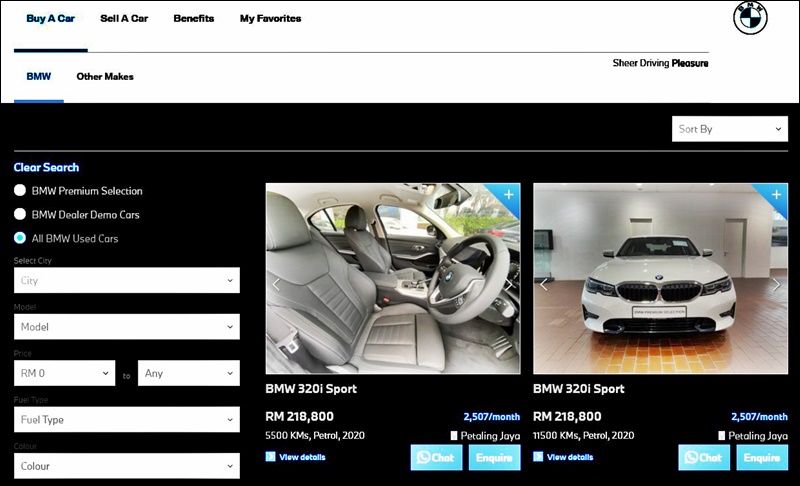
Dedicated BMW/MINI website for pre-owned vehicles
BMW Group Malaysia’s Premium Selection, its pre-owned vehicle business, has introduced what is described as an industry-first initiative – a wide range of vehicles from the BMW and MINI brands will be presented on a dedicated microsite. These vehicles are offered by various authorised BMW and MINI dealerships around the country. and have
gone through a 360° vehicle check, with any necessary repairs done with Original BMW Parts.

At the time of writing, there are over 300 units available for ‘viewing’ from the comfort of home or office via the digital platform, another approach by the BMW Group in digitalising its touchpoints around the world. There is also a facility for trading in vehicles to get those from the Premium Selection, with competitive trade-in values offered.

Premium Ownership Experience as well
There are attractive, limited time and digital platform-only exclusive offers available. Those who purchase vehicles via the microsite are also entitled to enjoy BMW Group Malaysia’s Premium Ownership Experience which includes:
♦ A Minimum of 12 months BMW Premium Selection Warranty (terms and conditions apply);
♦ 360-Degree Technical and Optical Checks of the vehicle;
♦ Availability of Approved Vehicle and Service History;
♦ Exclusive Financing Offers from BMW Financial Services Malaysia; and
♦ BMW Roadside Assistance

Click here to visit the BMW Premium Selection website today.
BMW and MINI owners can now enjoy Door-to-Door Service

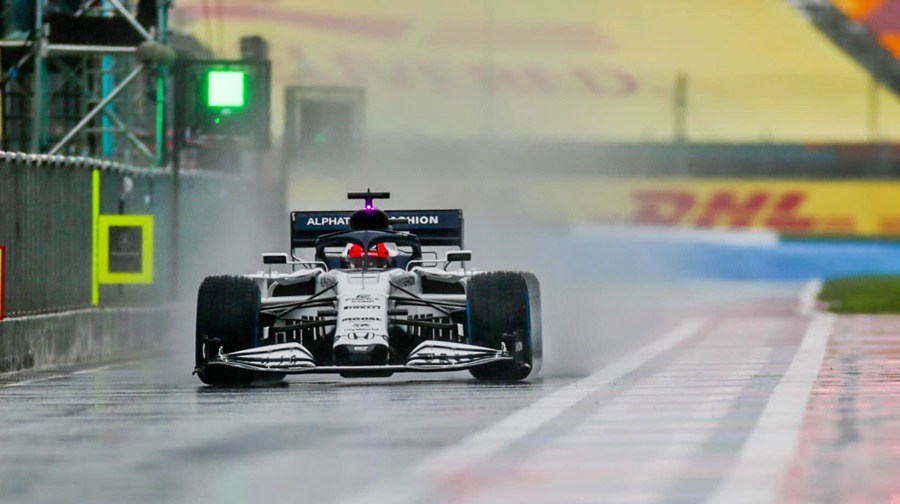
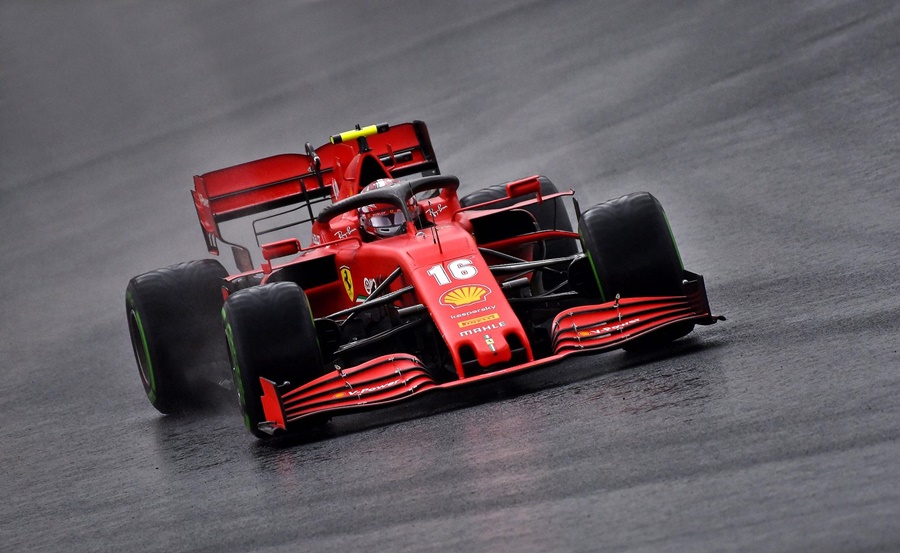
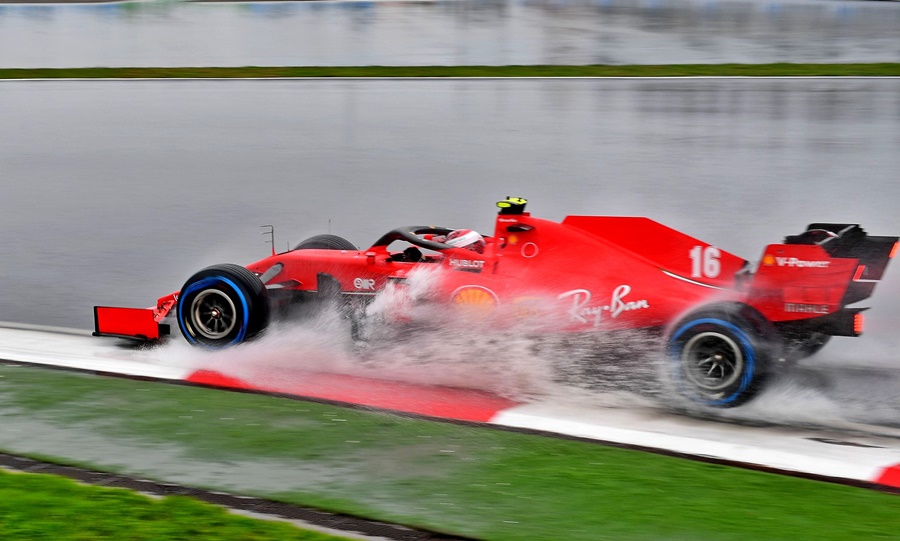
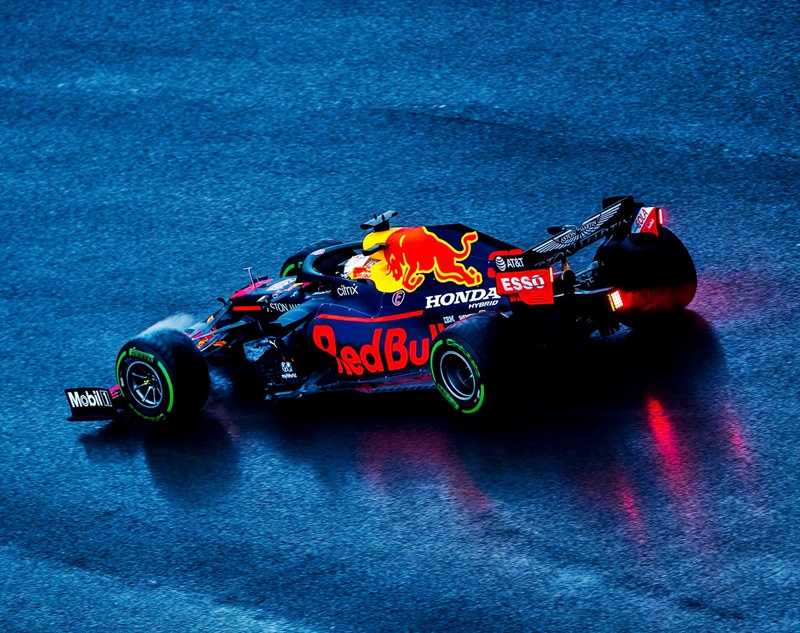
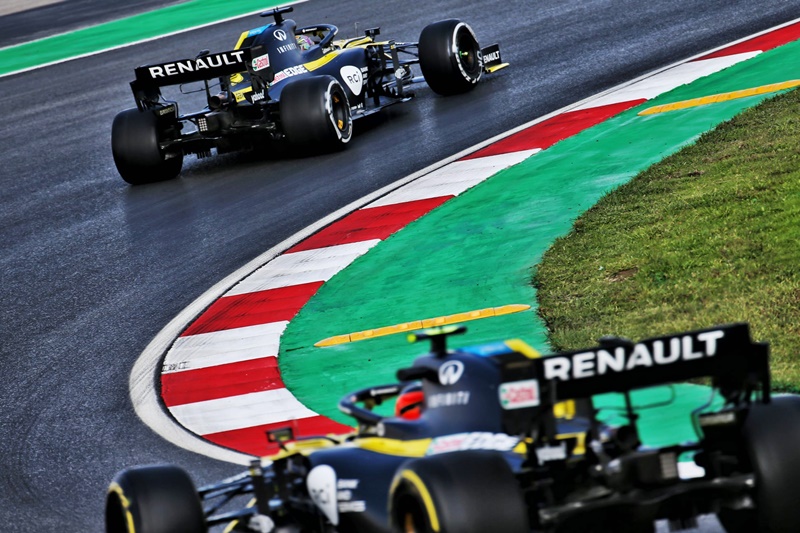
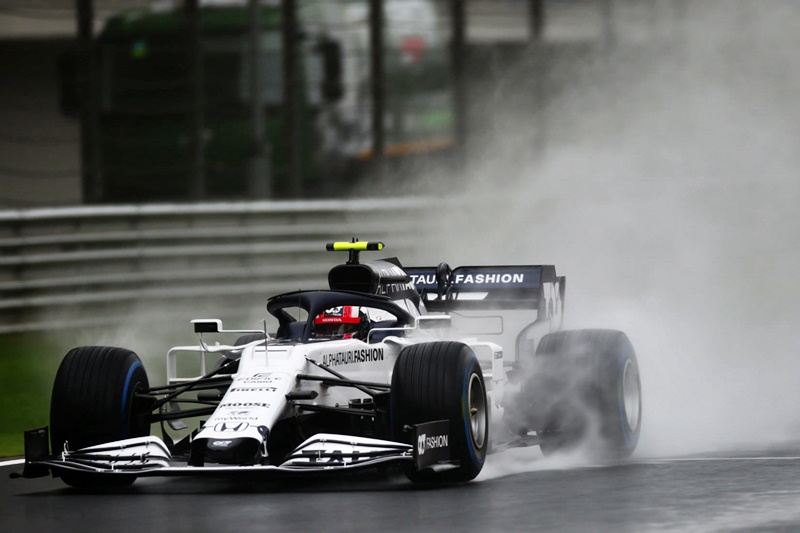
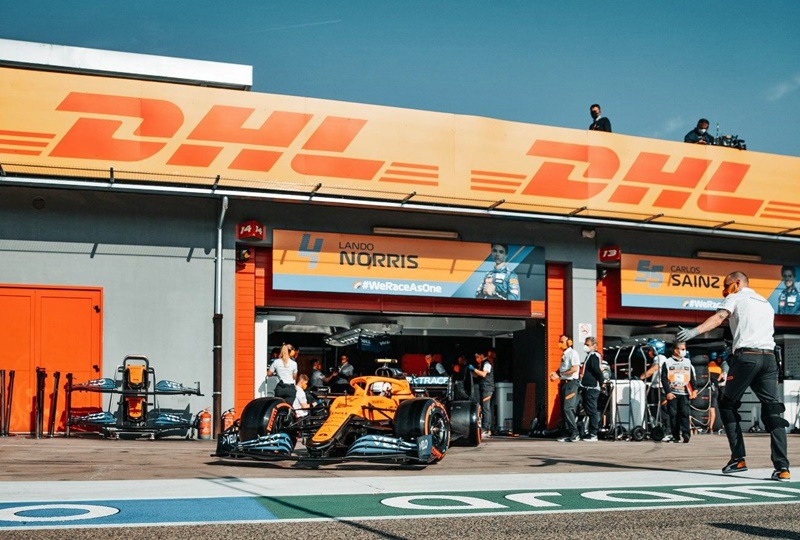
♦ As in the days before, during practices and qualifying, rain came down and the newly resurfaced track was like ice. Even though all cars were on full wet tyres, there were still accidents on the way to the starting grid, and pit crews rushed to fix the damage as fast as they could.

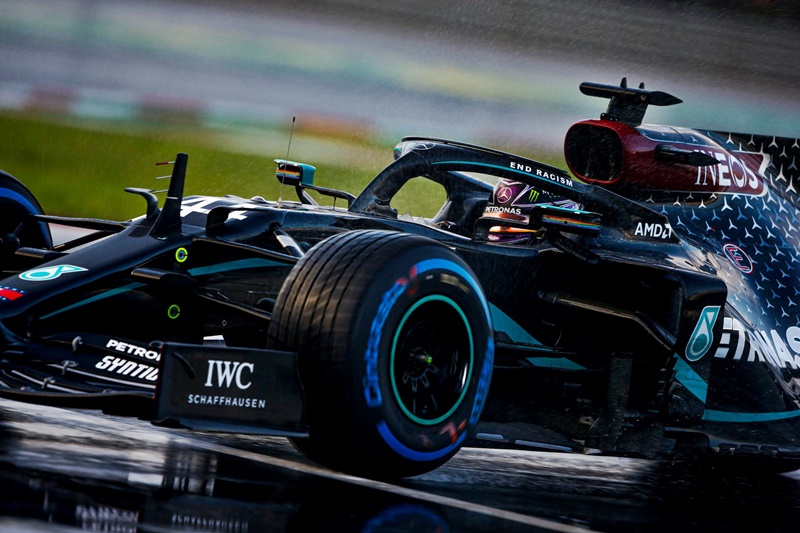
♦ When the lights went green, wheels spun as expected and then, with the different levels of grip for each car, some were able to move forward while some were still or crawled – and that’s when a few collisions occurred. Daniel Ricciardo got bumped slightly by Lewis Hamilton who seemed to have a good start and as a result, the Aussie’s car bumped Esteban Ocon’s into a spin which took in Valtteri Bottas.

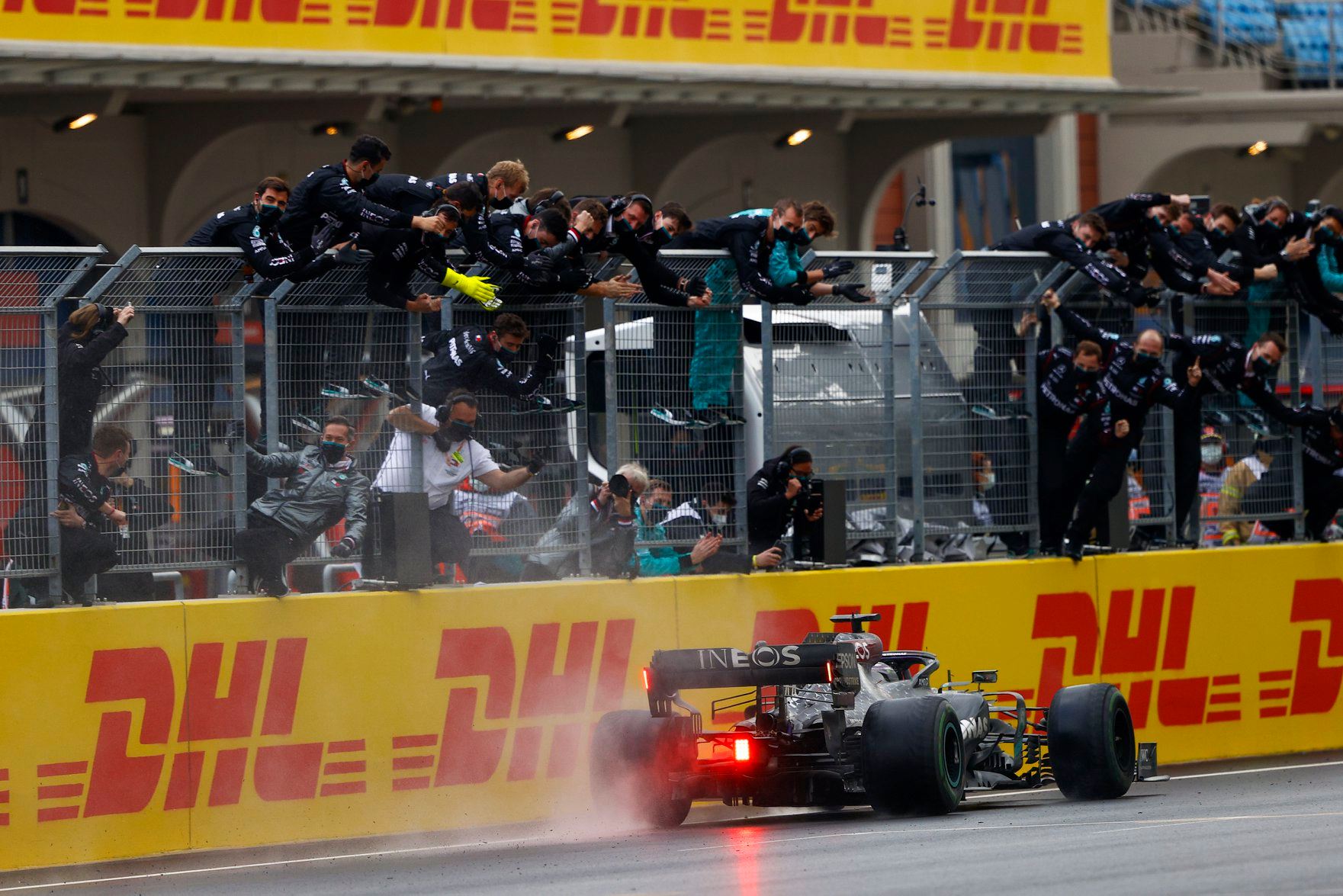
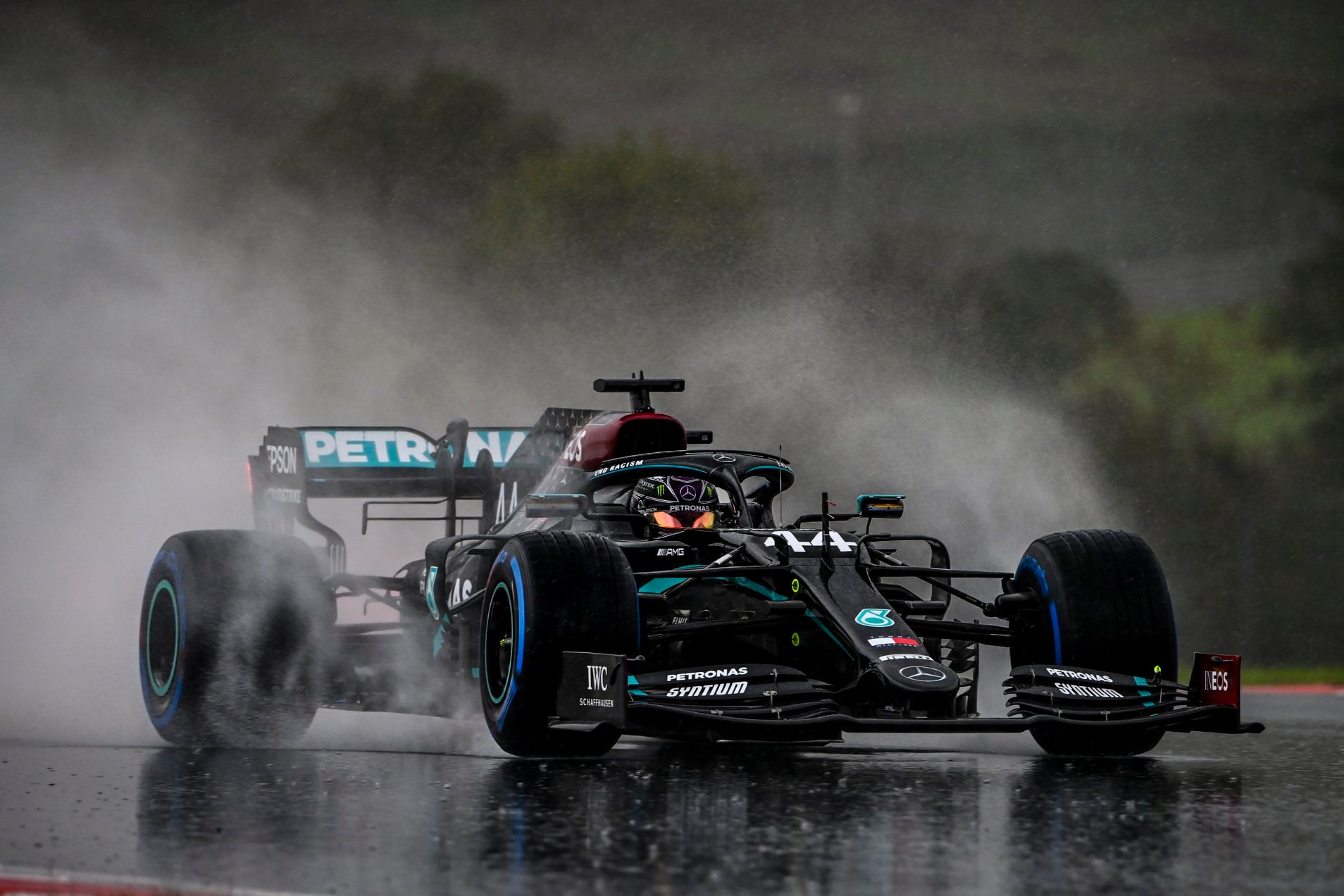
The 2020 Formula 1 World Champion – Lewis Hamilton – passes his team members after taking the chequered flag in Istanbul.

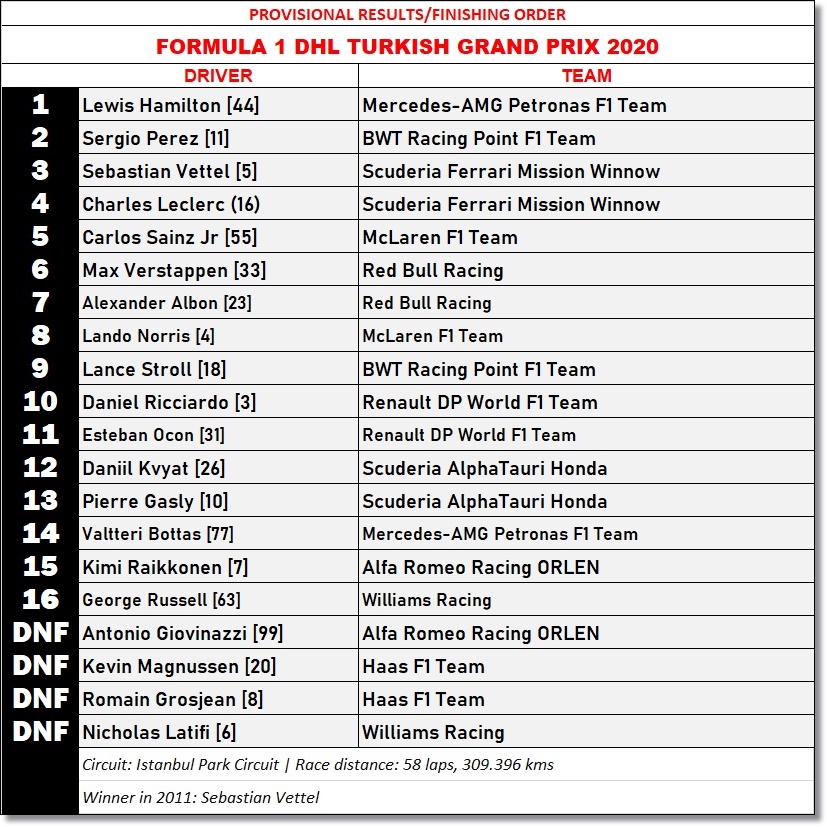
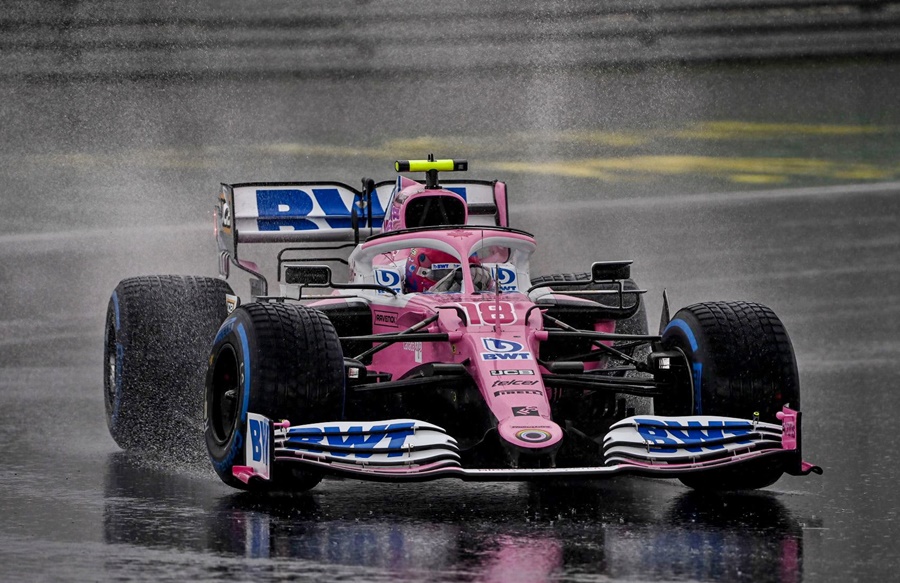
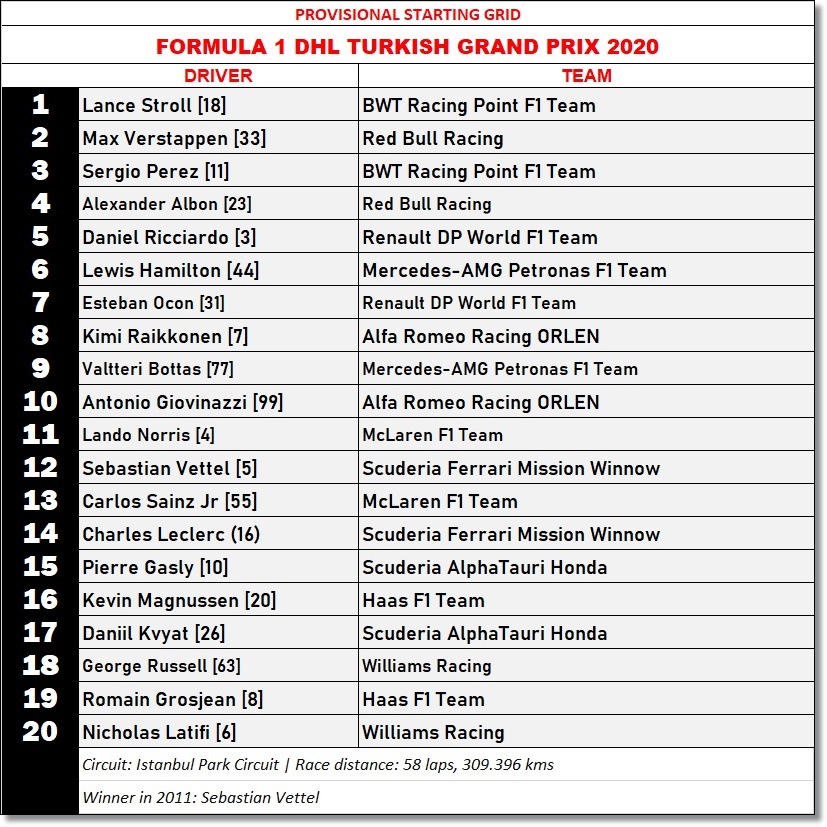
♦ So it was a somewhat chaotic start but Lance Stroll got a good run from pole position and Hamilton moved from sixth to third for a while, although Sebastian Vettel did better with a jump from 12th to 3rd within 5 laps. However, he didn’t manage to stay that high as an aggressive Max Verstappen slipped past with Alexander Albon.

♦ Albon pushed hard enough that he suddenly popped into the lead, surprising everyone and back home, his Thai fans must have been cheering as it was the first time – even for a short while – that a Thai driver was in the lead of a F1 race.

♦ Chasing Albon and looking for a way past Perez, Verstappen lost it and spun a few times along the straight. He was lucky not to go into the barriers but dropped to 6th and had to head into the pits to change the flat-spotted tyres.

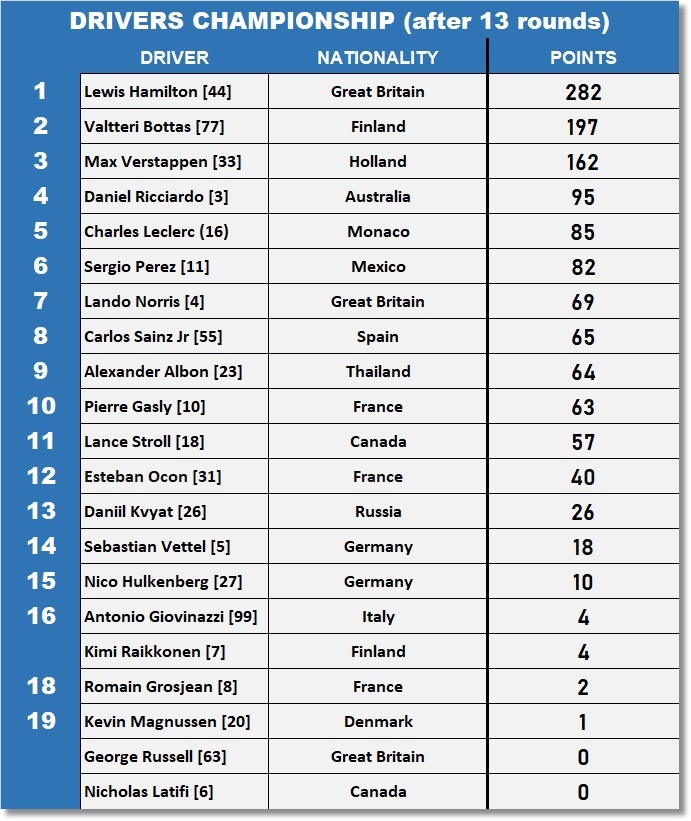
♦ Bottas was way back and trying hard to get to at least 6th place so he could still have a chance at the title. Hamilton was pushing as hard as his tyres allowed him and trying to maintain the fastest lap for that one extra point because every point counted in this unpredictable and slippery race.

BHPetrol RON95 Euro4M

♦ By the halfway mark in the race, the two BWT racing Point cars were leading, with Stroll 4 seconds ahead of Sergio Perez. The closest contender was Albon while Vettel was some 5 seconds behind the Thai driver. Track conditions were still slippery to hold back tyre changes from the intermediates being used.

♦ DRS, which was not enabled earlier, was allowed from lap 30, so things were expected to get interesting as Istanbul Park has good overtaking points.

♦ During the race, it was learnt that Verstappen was under investigation for a potential pitlane infringement (crossing the white line) but the Stewards decided to do so after the race ended.

♦ On lap 37, as Stroll entered the pits for new tyres, Hamilton shot past Perez and snatched the lead. With conditions getting less wet, Hamilton was gaining advantage and could well pull away to keep the leading position over the next 2o laps. Bottas was not having a good day, with a few spins losing him places.

♦ Perhaps too eager to fight back to the front, Stroll rejoined the race and found the new tyres not working well for him, allowing Vettel and Leclerc to get past him. His team mate, Perez, was running second but 11 seconds behind Hamilton.

♦ Despite the slick conditions, only two drivers had damaged their cars enough to have to retire – Antonio Giovinazzi and Nicholas Latifi.

♦ With 10 laps remaining, Hamilton was 20 seconds in the lead and still pulling away. A win in Istanbul would bring his fourth consecutive world championship title to make a total of 7 in all.

♦ Even with 5 laps remaining, there was still uncertainty for Hamilton’s team. His tyres were already 48 laps old and rain looked like it was returning. He had a gap of 25 seconds to slip into the pits and get back out again without losing the lead.

♦ On the 56th lap – with two remaining – Hamilton was told to come in for a precautionary tyre change – and he ignored it, much to the surprise of his team which was waiting! He shot past the pit lane entrance – and took no chances to cross the finish line in one piece. A bit hard for Toto Wolff to bring up the matter of disobeying orders when Hamilton has confirmed his 2020 crown.

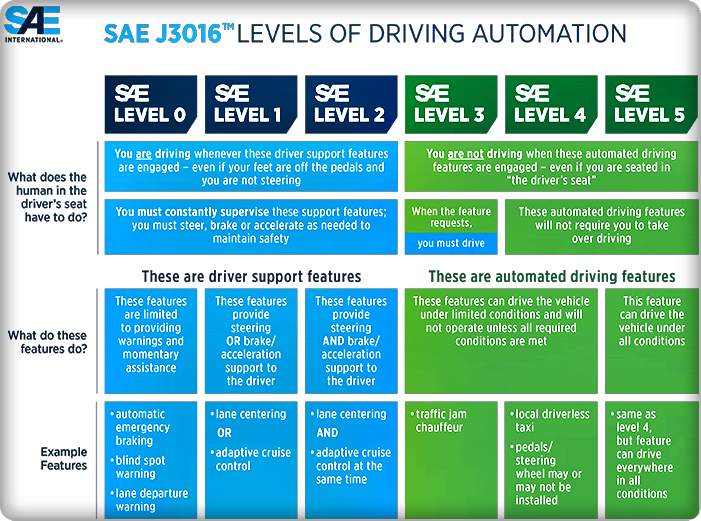
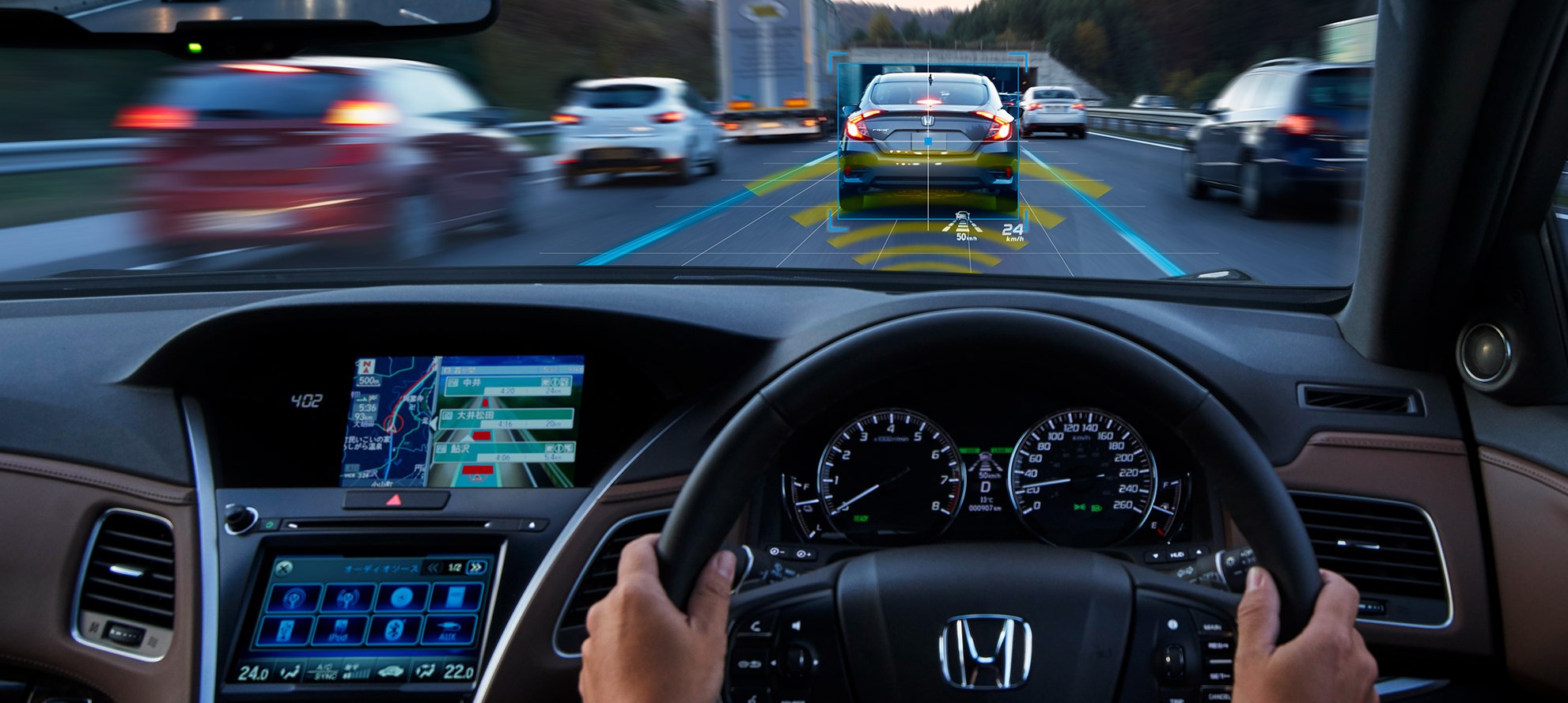
With type approval given by the Japanese authorities, Honda Motor will now proceed to commercialise its automated driving system with Level 3 autonomy classification that was established by the SAE (Society of Automotive Engineers) and adopted by the auto industry as well as government agencies.

Level 3 autonomy means that the on-board system monitors the driving environment surrounding the vehicle and can take over driving operations under certain conditions. When any of operable driving environment conditions become unsatisfactory, the system will issue a warning, and the driver must take over the driving immediately.

Cruise control, for example, is a Level 1 autonomy capability as it will only maintain a set cruising speed and the driver must brake to avoid a collision. However, adaptive cruise control is Level 2 autonomy as the system will monitor the road ahead and adjust the speed to maintain a safe gap. The speed will automatically be reduced from the set speed, and resumed when the road ahead is clear.

An increasing number of vehicles have Level 2 autonomy which encompasses advanced driver assistance systems (ADAS) which will provide corrective action, eg staying in the lane correctly. Honda SENSING, which has Level 2 capability, is available in most Honda models in Malaysia today.
Honda SENSING, already available in many models, provides driver-assistance features which are under the Level 2 autonomy.
More intelligence with Level 3
With Level 3, the computer could also make a decision to overtake if it is safe to do so. This means that the vehicle can travel along a highway and pass other vehicles, a major advancement over adaptive cruise control alone.  However, the driver must remain alert and should there be a hazardous situation like another vehicle suddenly changing lanes, then human intervention will be required.
In order for Honda to obtain the approval, the Japanese Ministry of Land, Infrastructure, Transport and Tourism (MLIT) partially amended a section of the country’s Road Vehicle Act. By this amendment, equipment for Level 3 automated driving was added to the list of motor vehicle equipment, subject to the safety standards defined in the Ministry of Transport Ordinance. Vehicles with Level 3 autonomy will be required to have a sticker on their exterior indicating that they are automated vehicles.

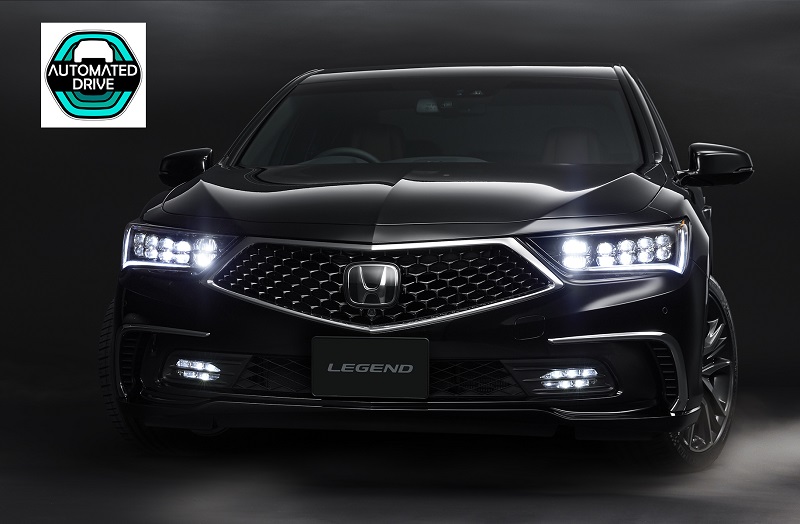
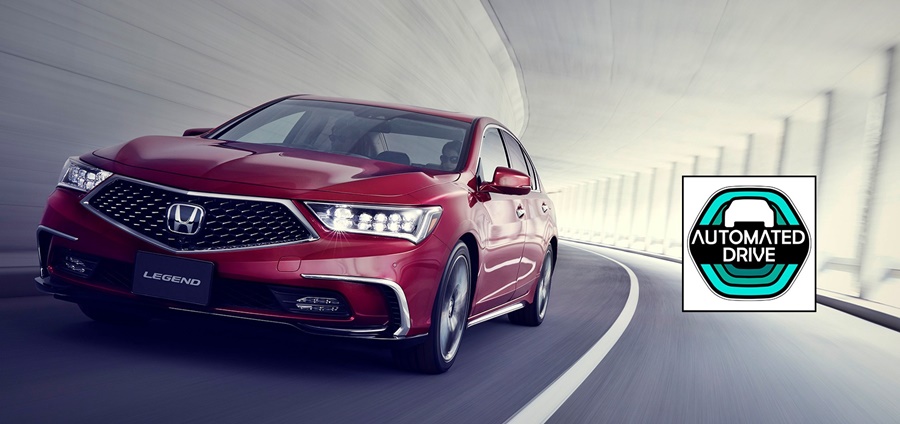
Vehicles with Level 3 autonomous capability must have a sticker (shown on the right) on their bodywork to indicate that they are automated as well.

Honda will offer its Level 3 automated driving system in a version of the Legend model. The system, to be known as ‘Traffic Jam Pilot’, will be available before the end of March 2021. The equipment is required to have cyber security measures to prevent security threats such as unauthorized access. It must also have a device that records data to confirm operating conditions of the automated driving equipment for a 6-month period (or 2,500 times).

BHPetrol RON95 Euro4M

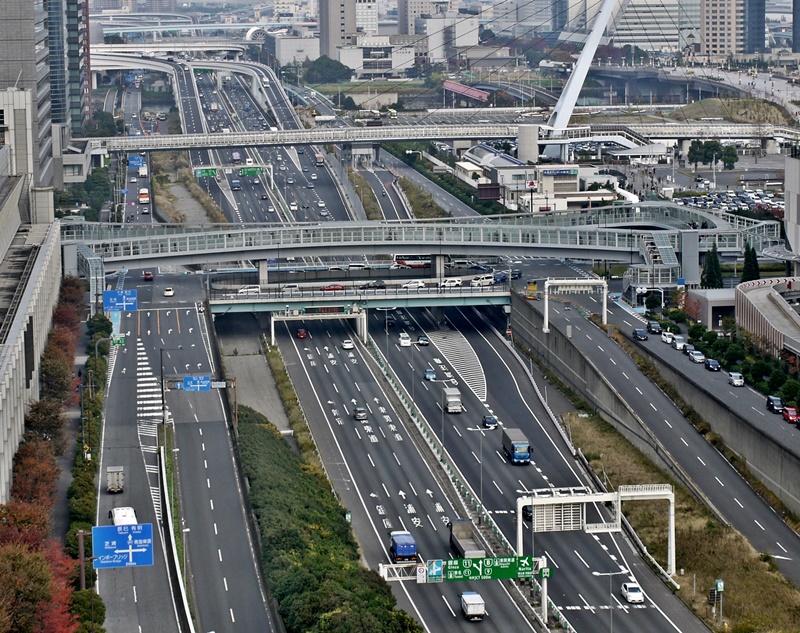
A highway in Tokyo.

Likely to be only for Japan first
It is likely that Honda will offer the Traffic Jam Pilot only in Japan for some time. This is normal practice by the manufacturers with certain new technologies. By keeping it within the domestic market, it will be easier for engineers to investigate any issues that occur so that counter-measures or improvements can be made quickly. Once Honda is satisfied that the system is sufficiently reliable in daily real-world use, then it will start to offer it elsewhere.

But just as in Japan, other countries will also have to amend their regulations to permit such systems to be used in vehicles on public roads. Furthermore, conditions on the roads such as lane markings and signage will have to be of a certain standard to enable the systems to operate properly. This will become an increasingly important matter as greater levels of autonomy are introduced in vehicles.

Visit www.honda.com.my to know more about the models available in Malaysia.

All-new Honda City RS to have Honda Sensing driver-assistance system

COVID-19 Facemask

Race starts at 1:10 pm in Istanbul | 6:10 pm in Malaysia

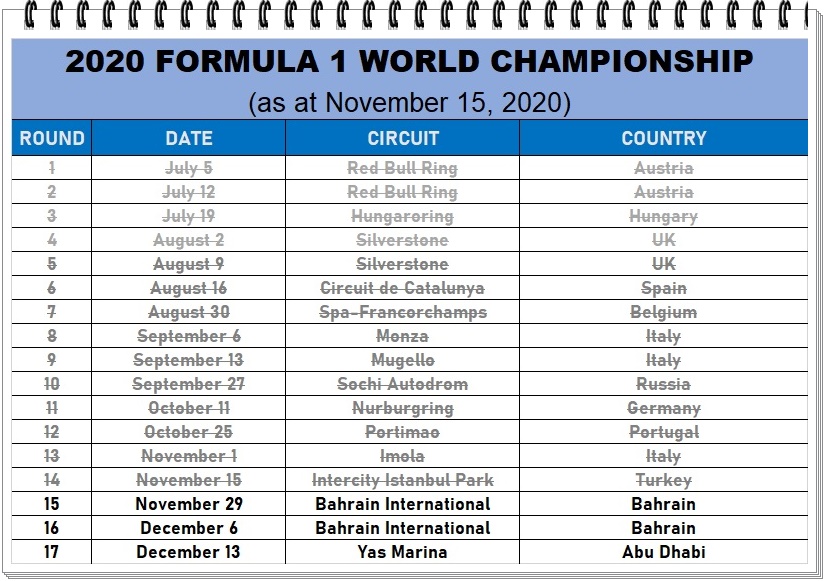
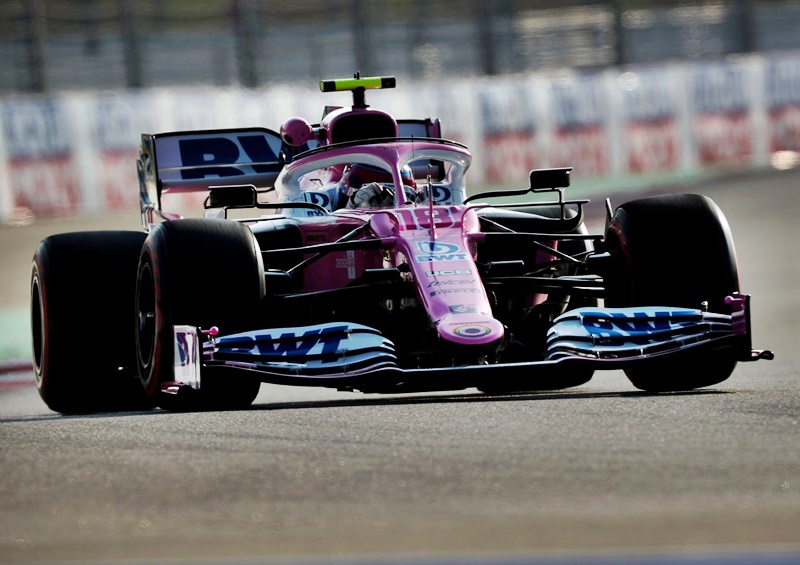
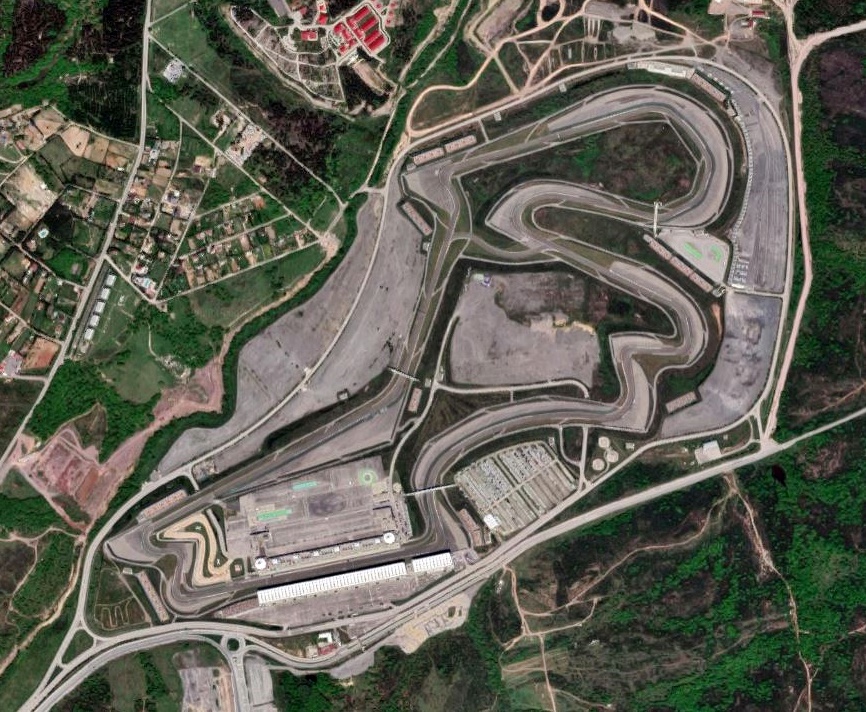
This weekend sees a Formula 1 race taking place in Turkey, the first time since 2011 when the last Turkish F1 Grand Prix was held there. The 14th round of the 2020 championship is being run at the Intercity Istanbul Park or Istanbul Racing Circuit (or initially, Istanbul Otodrom) in the country’s capital city. The track was opened in 2005 and was another project of Hermann Tilke, who has designed many of the modern F1 circuits around the world.

Financial issues are said to have been the reason for the Istanbul circuit being left out of the championship calendar after 2011. Its inclusion this year may have been because it was willing to host a round in the revised calendar that was impacted by the pandemic. Having a circuit that was already properly designed and approved for F1 racing, and presumably maintained in a good condition, would have made it an easy choice for the organisers.

One of the most challenging circuits
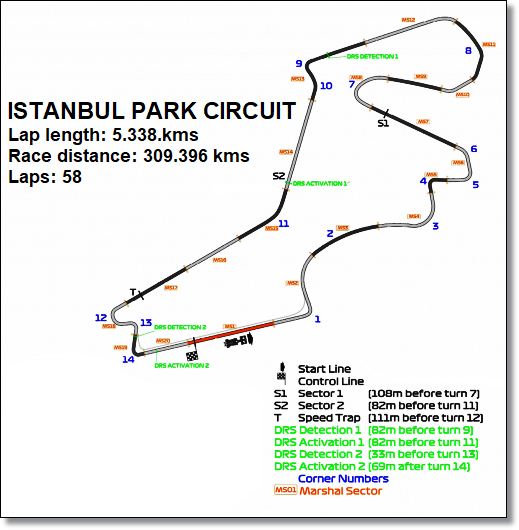
Istanbul Park has often been labelled as one of the most challenging modern circuits in F1. Of the 14 turns, Turn 8 is ‘legendary’ – a fast, high-g 640-metre left-hander with multiple apexes. Though today’s racing cars are better designed to handle the turn compared to 9 years ago, the speed (around 270 km/h) and duration in the turn will still place a lot of loads on the tyres.

“Due to the increased downforce levels, the iconic Turn 8 will be less of a focus than before. It was pretty much flat-out in the 2011 cars, but it will become even less of a challenge in these 2020 machines. So, teams don’t need to compromise the setup so much for it,” said Mercedes-AMG’s Toto Wolff.

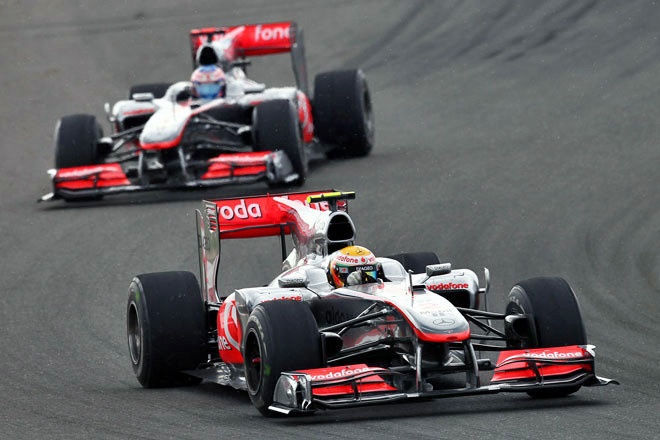
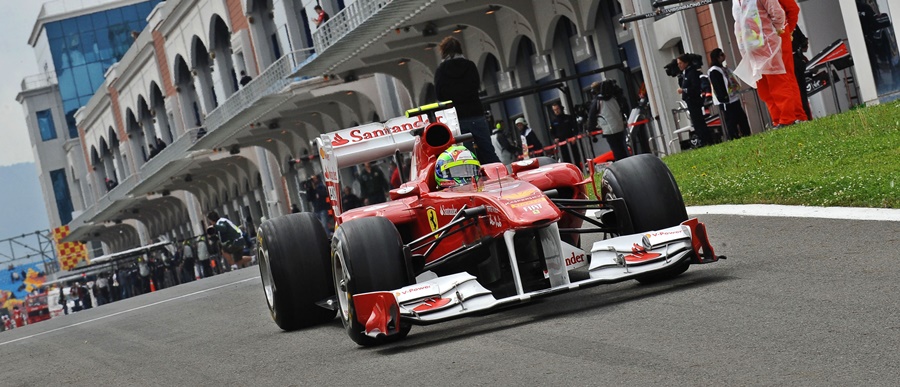
What the racing cars looked like in 2011 (above and below).

Besides Turn 8, there are also other challenges around the 5.338-km long circuit that the drivers will do 58 laps on. It will be tough and technically demanding, with the long back straight that allow DRS to enable overtaking heading into Turn 12. The end of the lap consists of a combination of three low-speed corners where braking stability on entry and traction on exit are important.

Wet conditions make things tricky
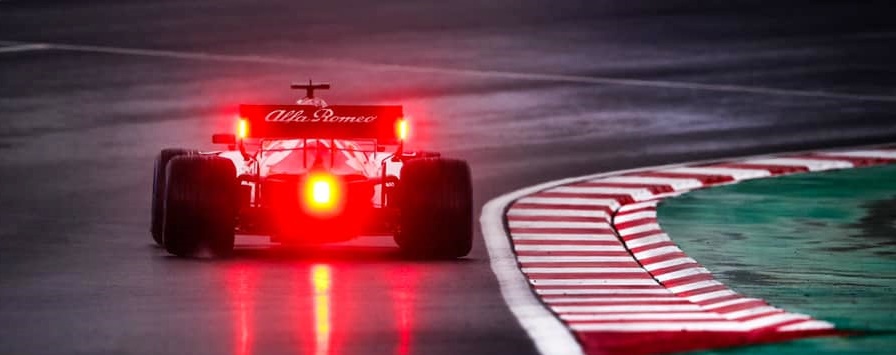
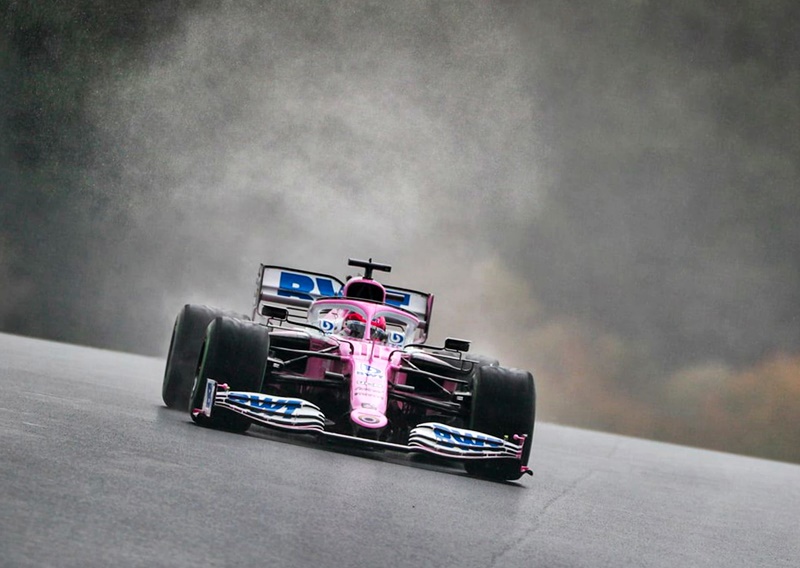
Given the wet conditions experienced lately, things are therefore going to be tricky. And what is worse is that drivers have reported the resurfaced circuit has created conditions like an ice-rink – rain will just make it much tougher. If it does rain during the race, expect dramatic moments.

BHPetrol RON95 Euro4M

Limited value in historical data
“Unlike some of the other unfamiliar races on the 2020 F1 schedule, we do actually have some historical data for the Turkish Grand Prix. However, because the cars have changed so much and the track has recently been resurfaced, the historic data is only useful as a reference,” added Wolff.

A number of the drivers on the starting grid this weekend have raced at Istanbul Park before. Kimi Raikkonen, Lewis Hamilton, Sebastian Vettel have been winners but the one who won the most times was Felipe Massa in 2006, 2007 and 2008, and Jenson Button also won the race in 2009.

BHPetrol RON95 Euro4M

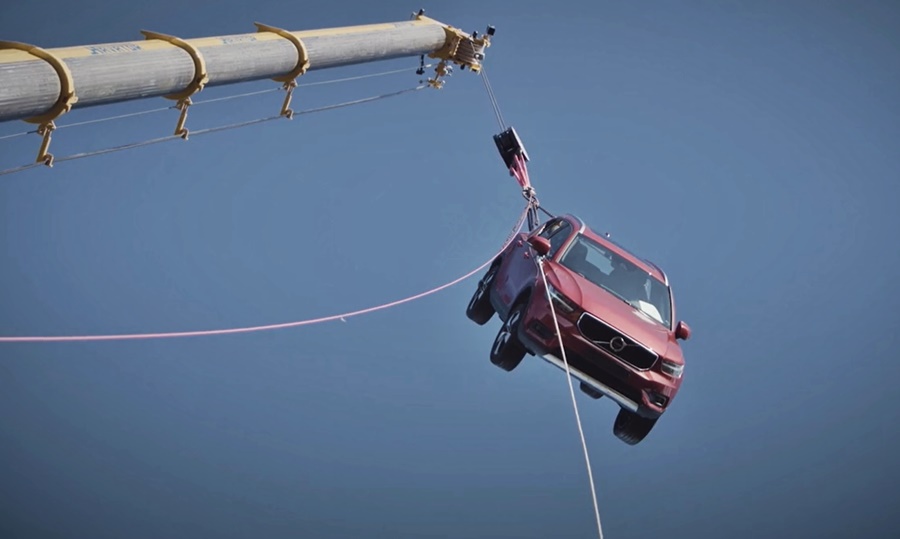
Volvo Cars recently conducted its most extreme crash test ever, and it was not within the advanced Safety Centre but outdoors – with cars dropped from a crane! Ten Volvos, of different models, were dropped several times from a height of 30 metres.

Before the drop, Volvo Cars safety engineers made exact calculations about how much pressure and force each car needed to be exposed to, in order to reach the desired level of damage.

2020 Volvo crane drop

Simulating extreme accidents
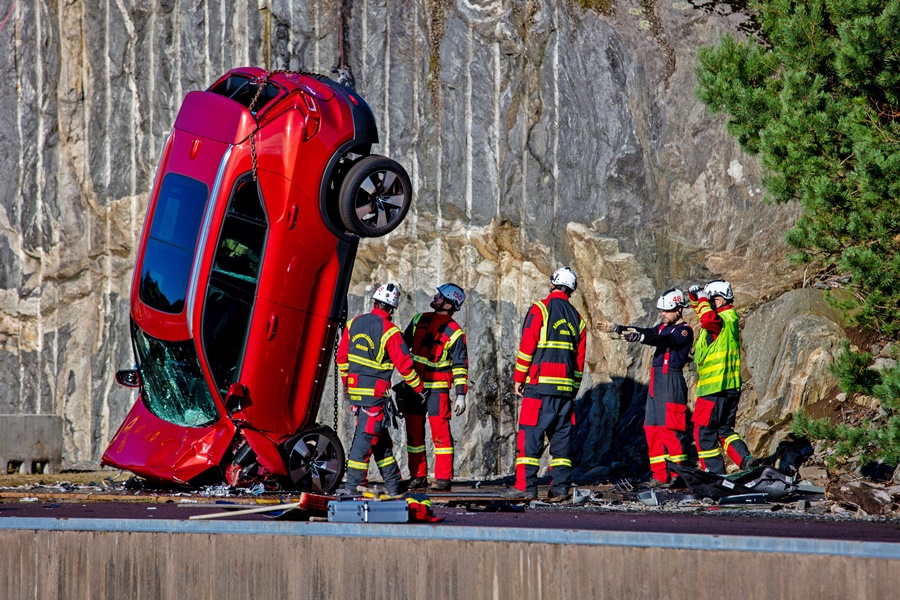
The purpose: to help rescue services to prepare for any possible crash scenario and to simulate the forces that erupt in the most extreme crashes, beyond what can be simulated with ordinary crash testing.

This unusual approach helped create enough damage to adequately simulate the damage found in the most extreme crash scenarios. All findings from the crashes and the resulting extrication work will be collected in an extensive research report. This report will be made available free of use to rescue workers elsewhere, allowing them to benefit from the findings and further develop their life-saving procedures and capabilities

Similar extreme test in 1985
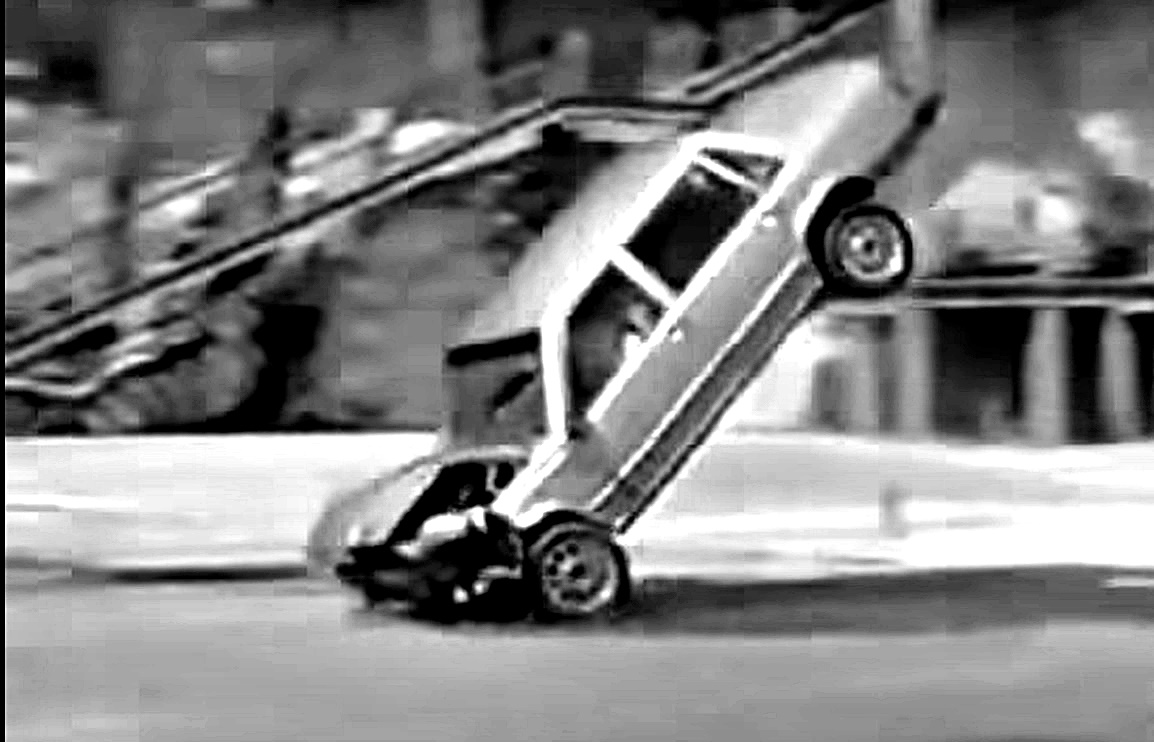
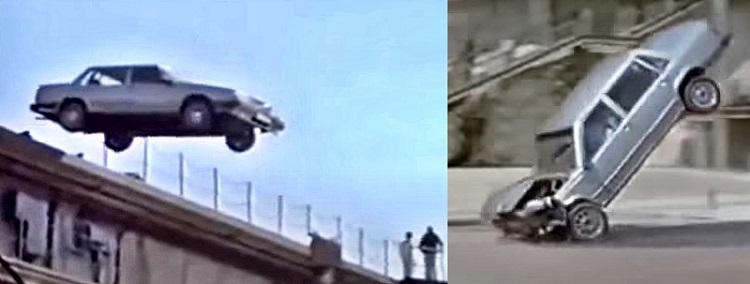
The crash test conducted recently was not really Volvo’s first extreme test: 35 years ago, its American subsidiary had a then-new 760 driven off a building and it fell 14 metres, hitting the ground nose-first. The impact was equivalent to a frontal collision at 50 km/h, the front end crumpling as it was ‘programmed’ to do so in order that the impact energy could be absorbed.

Volvo 760 demo crash test 1985

Back then, there was no GoPro and no drones for recording and conventional video equipment was used. Nevertheless, the resulting video – which was like a scene from an action movie – provided scary views from the seats through the windscreen as the ground rushed up.

At that time, the ‘crash’ was done not for helping rescue workers understand what a severely crashed car is like but more for promoting the safety of Volvos, and particularly the crucial value of using seatbelts.


Today’s cars are stronger
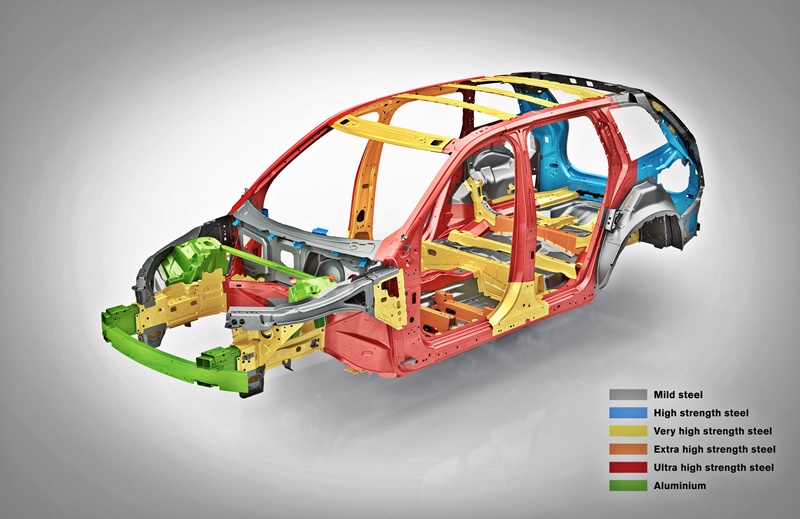
In the 1980s, the construction of most cars was fairly conventional with basically steel and plastic materials that could easily be cut. They were as safe as could be during that era, with Volvos being among the best in occupant protection. However, many of today’s cars use stronger materials, with the latest Volvos made of some of the hardest steel found in modern cars. They have more complex structural designs, and the presence of high-voltage electrical systems and battery packs in hybrid models must also be considered.

Volvo XC90 body structure
The XC90 structure has more extensive use of hot-formed boron steel, which is the strongest type of steel presently used in the car body industry.

Volvo therefore continuously crashes its cars, the recent one being an example, in order to get information on how the structure deforms. This will help rescuers who may use hydraulic rescue tools known in the industry as ‘jaws of life’. Extrication specialists often talk about the golden hour: the time-span they need to get injured occupants out and to the hospital for treatment.

Usually, rescue workers get their training vehicles from scrapyards. But these cars are often up to two decades old. And in terms of steel strength, safety cage construction and overall durability, there is a vast difference between modern cars and those built 15 to 20 years ago – like the 760 in the video.

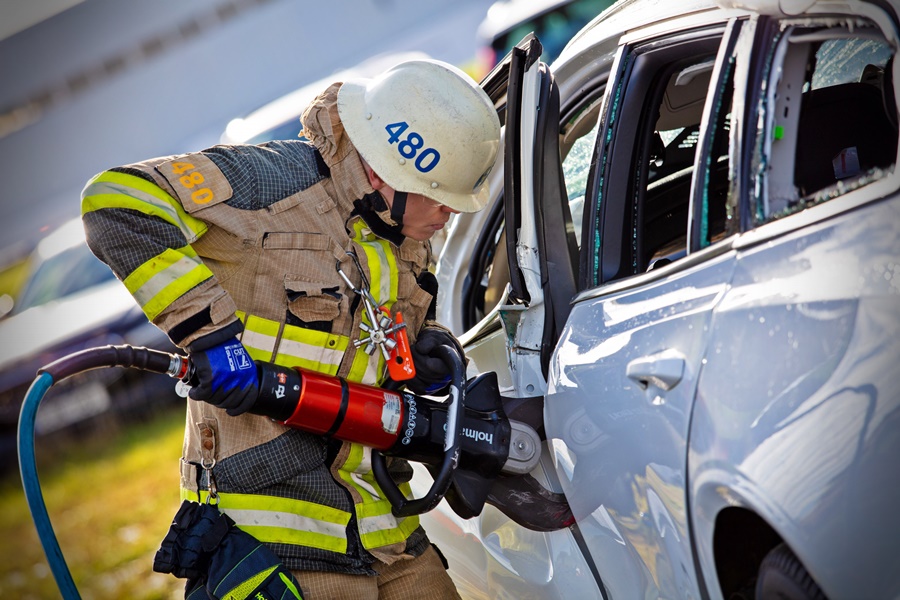
Rescue worker using ‘jaws of life’ to cut body structure if the doors cannot be opened to get the occupants out.

This makes it crucial for rescue workers to constantly update their familiarity with newer car models and review their processes, in order to develop new extrication techniques. In other words, these training sessions can mean the difference between life and death. So at the request of the rescue services, Volvo Cars decided to step things up a notch.

“Normally we only crash cars in the laboratory, but this was the first time we dropped them from a crane,” said Hakan Gustafson, a senior investigator with the Volvo Cars Traffic Accident Research Team. “We knew we would see extreme deformations after the test, and we did this to give the rescue team a real challenge to work with.”

50 years of ‘CSI’ work to make cars safer

Motorists who have been unhappy about the ruling allowing only 2 persons per car – from the same household –  will be pleased to know that the allowance is now increased to 3 persons within CMCO (Conditional Movement Control Order)  areas. This was announced today by Senior Minister Datuk Seri Ismail Sabri Yaakob during the daily briefing.

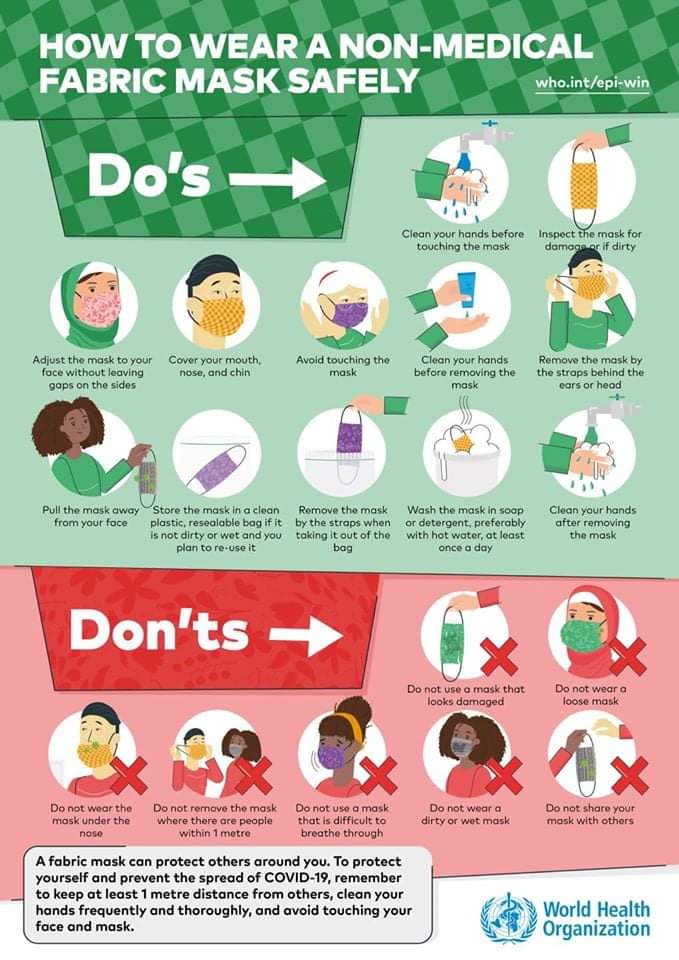
The minister said that the increase was in response to requests from the public, taking into consideration various issues. These include the matter of where passengers sit, and the minister clarified that they need not sit at the back only. Also, it was confirmed earlier that use of a facemask inside the car while driving is not a must. The ruling is with immediate effect.

More possible – up to police to decide
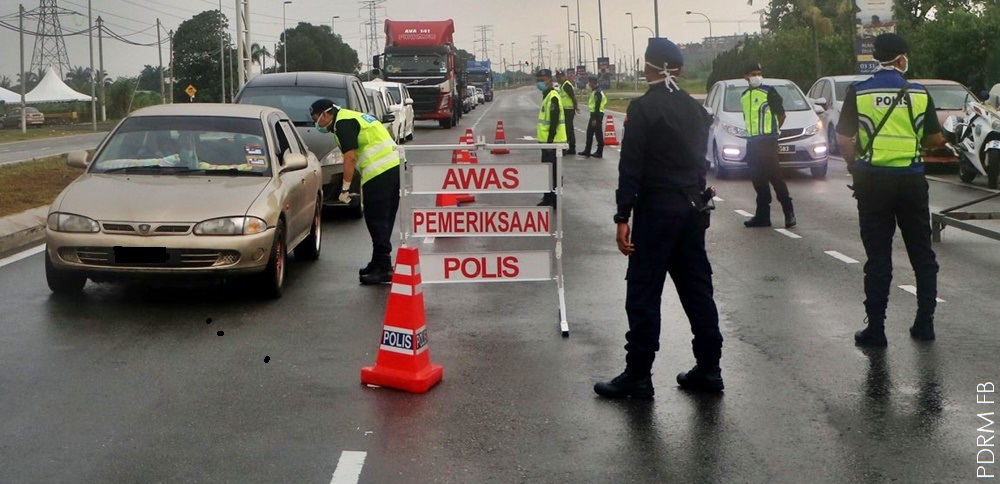
With this revised ruling, motorists should face less issues at roadblocks and the minister added that the police still have the discretion to allow more people to travel together. It will depend on the circumstances, one example being the need for an extra person, besides the driver, accompanying to assist an aged parent who has to go to a hospital or clinic. Another example would be a wife with a small baby having to go to a clinic and she cannot drive, so the husband has to be the driver.

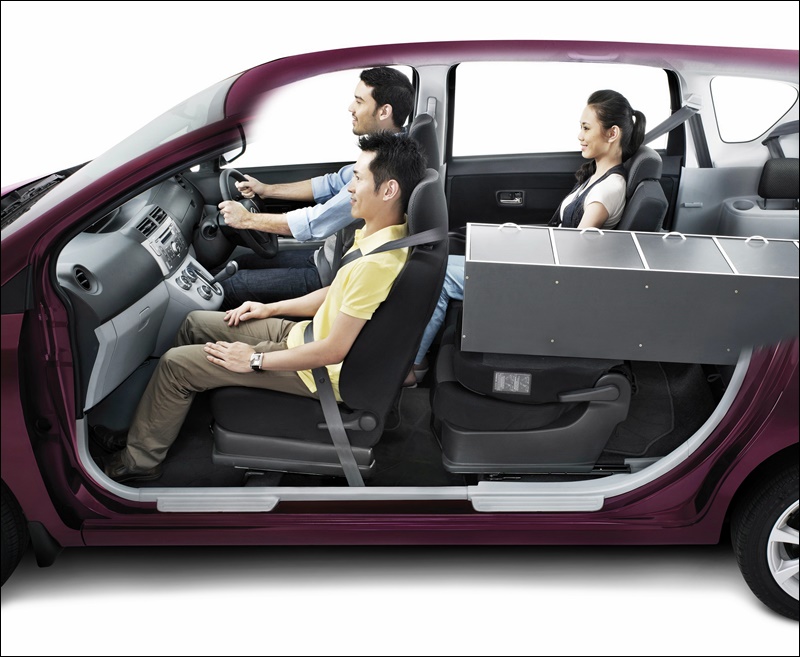
Same occupancy conditions as for taxis and e-hailing vehicles.

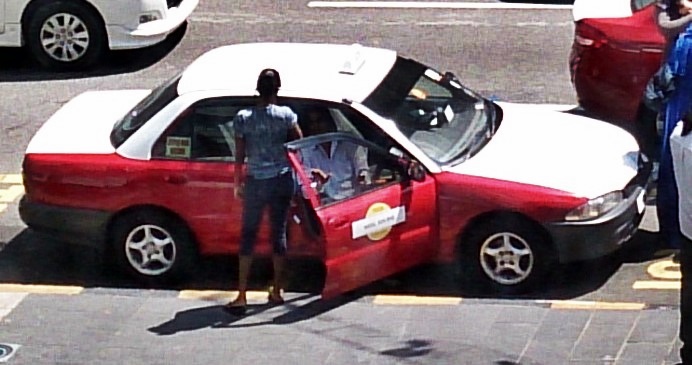
With 3 persons – including the driver – allowed in the vehicle, it would be the same as the ruling for taxis and e-hailing vehicles. Many had questioned why three persons could be allowed in these vehicles but not in private vehicles, especially when those in private vehicles had to be from the same household where they are together.

Of course, there will still be people who argue on that point – that if a big family lives together in the same house, and in close proximity, why should they not be allowed to go out together in the same vehicle (if it is rated for more than 4 or 5 persons, eg a MPV or large SUV)?

ROADBLOCK

Why is there a restriction?
The thing about the CMCO is to limit movement in public as a measure to prevent spread of COVID-19. Actually, people should not be thinking of ‘going out to eat’ and to instead collect food and bring home, or order using a food delivery service. The provision to travel is primarily to get food or other essential items, not for social outings. At least we can do that – in some other countries, the restrictions have been so severe that people were not allowed out at all.

BHPetrol Euro5 Diesel

Remember when only one was allowed
Be glad that the authorities are not as strict as when the MCO was in force in March and just one person from a household could go out. Many husbands had to learn how to shop at the supermarket and for some people like single mothers with small children, it was a difficult time. Then as the threat diminished, two persons were allowed and then more, up to the maximum permissible for the vehicle type.

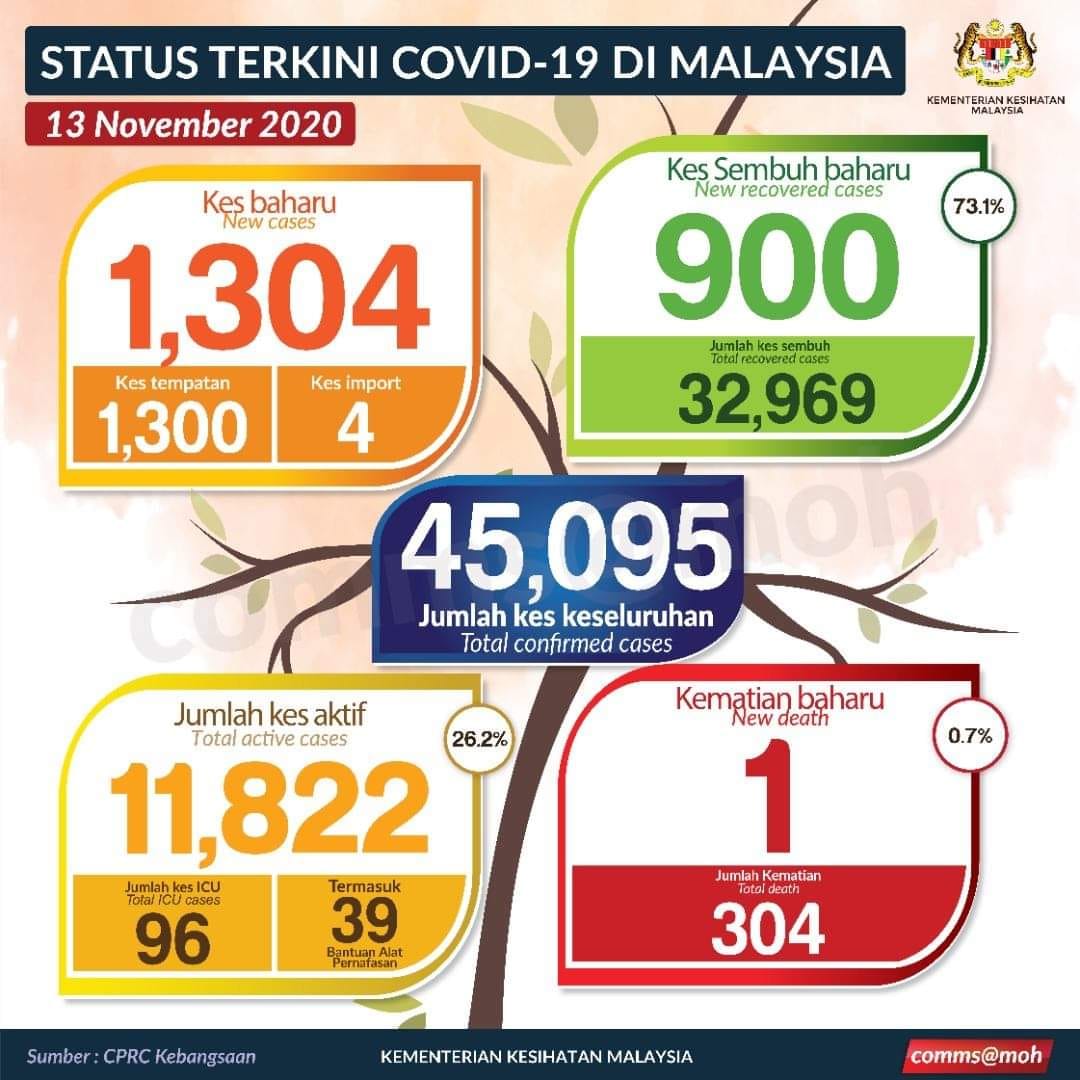
Each of us has to do our part to help to bring the number back down. Today, they are in 4 figures and if we remain indifferent to the situation, things are not going to get better and 2021 will continue to be a struggle for many individuals and businesses.

Archive

Follow us on Facebook

Follow us on YouTube