Honda is one of the most dynamic companies in the market. On one end it builds cars like the Honda CR-V, HR-V, Honda City and City Hatchback for regular people to go about their regular lives.

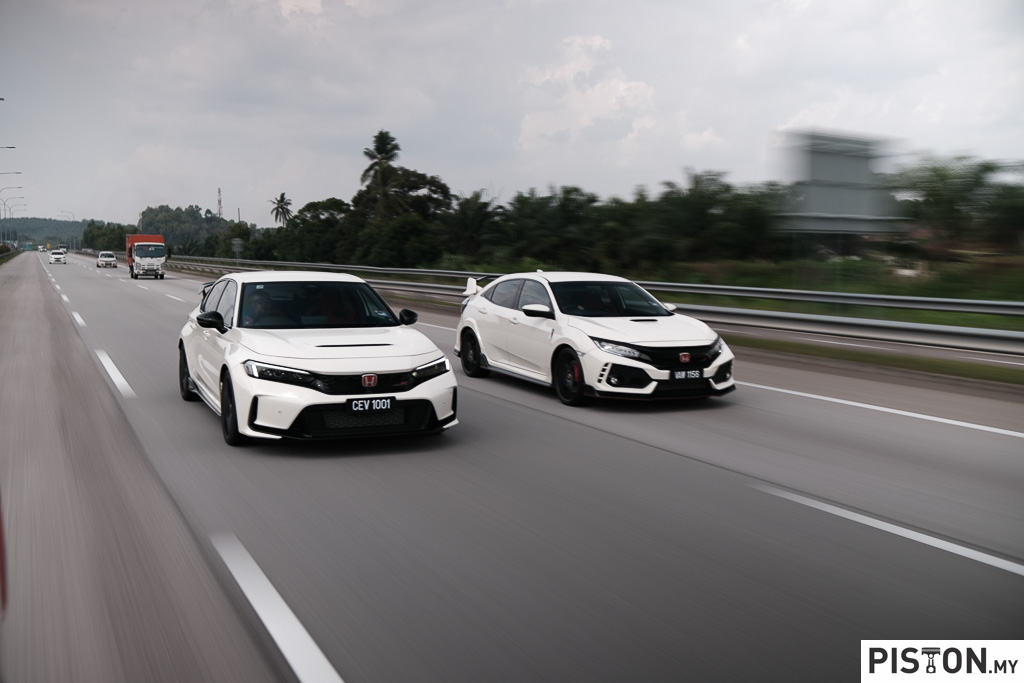
On the other end it builds cars like the Civic Type R and now the Prelude for those who love the joy of driving and want to have fun.
It also builds electric cars such as the e:N1 and the Prologue, the latter available in the North American market only.
In fact, Honda has been building electric cars since 1997, the year it introduced the EV Plus, an exclusively EV only model powered by a nickel-metal hydride battery. Groundbreaking at that time.

Honda is also a firm believer in hybrid technology and has over 25 years of experience in building hybrid powertrains.
On a completely different spectrum, the company builds some of the best motorcycles in the business, marine engines, airplanes, and as of late, has also started delving into reusable rockets to rival that of Elon Musk’s Space X.
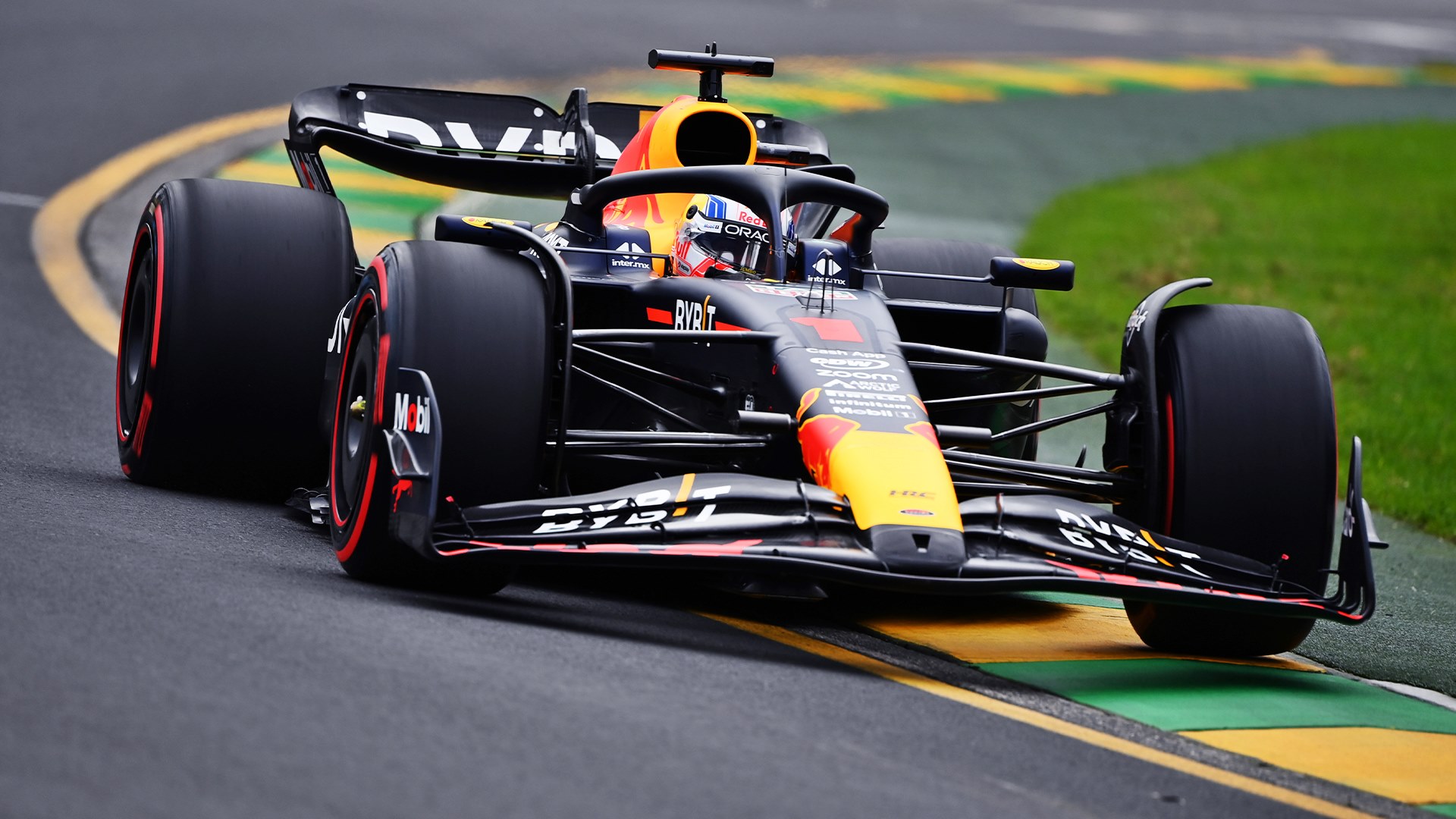
All of that without mentioning the decades of success it has enjoyed in the world of motorsport, particularly Formula 1 and MotoGP.
So, believe me when I say that Honda is one of the most dynamic companies in the business.
So, to be able to sit down for a question-and-answer session with the decision makers of the company is nothing short of impossible.
Except that member of the Malaysian automotive press had that exact opportunity recently at the company’s office in Tokyo.
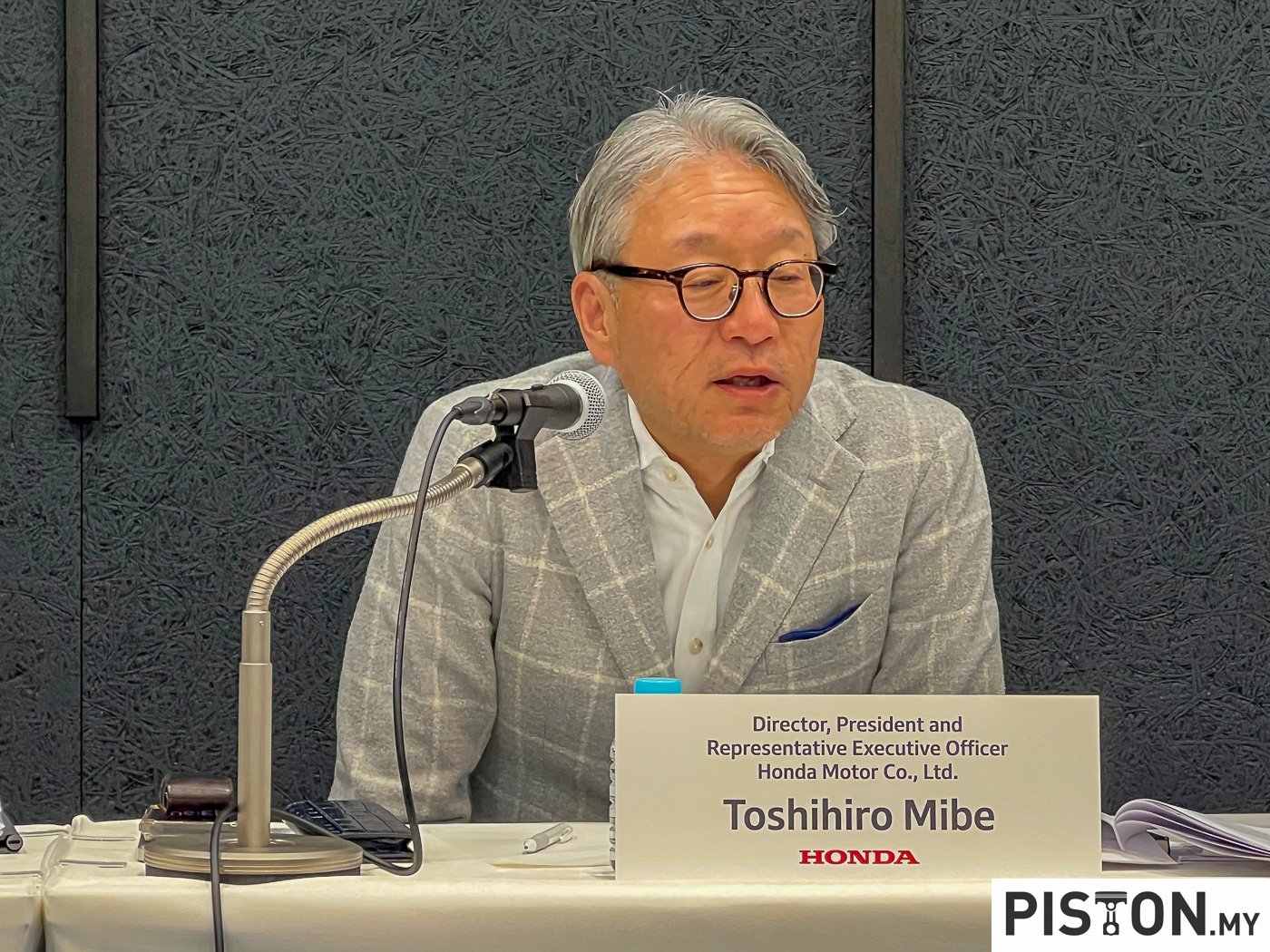
In attendance was the man himself, Toshihiro Mibe, Director, President and Representative Executive Officer of Honda Motor Company, Ltd.
Mibe-san is not your regular executive. He joined Honda in 1987 and began his career in automobile research and development with a focus on engine development.
On Honda’s official press site, Mibe-san is described as a “true engine expert” and has played a key role in the development of some of Honda’s most iconic engines that have powered most of Honda and Acura models for the past two decades.
He was also the President of Honda’s global research and development and has been the driving force in the advancement of Honda’s electrification effort.
So when Mibe-san talks, we listen.
Also in attendance were press members from other countries who asked questions that were specific to their markets, but there were two key takeaways for global markets.
The first being Honda still acknowledges that battery electric vehicle’s play a big role in environmental impact.
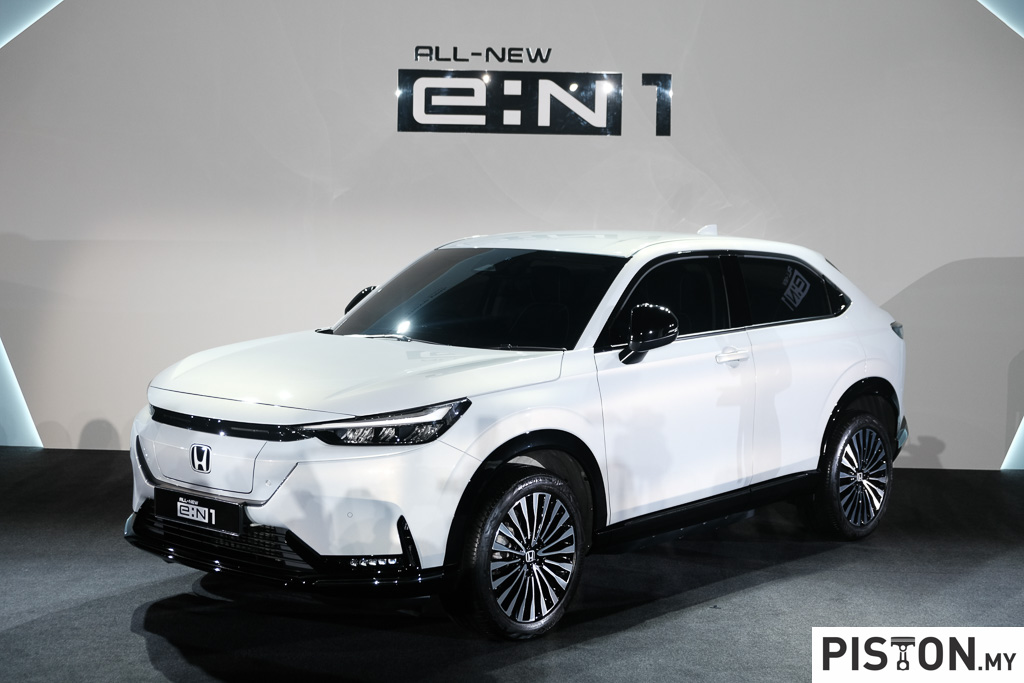
Despite heavily backing hybrid technology as the best way forward, Mibe also reaffirmed Honda’s commitment to BEV’s.
During the interview Mibe said, “it is not true that we are scaling back on our development of full EV’s, but compared to our initial forecast, the volume will have to be lower”.
“As I have said before, when it comes to carbon neutrality for passenger cars, battery EV’s are the optimum solution. That remains unchanged. So, it is not that we are scaling back on EV development, but we are just reviewing and revising our models and their volume, and we will continue to work on that”.
Mibe was also quick to reaffirm Honda’s commitment to hybrids, which the company has been building and refining over many years.
“On the other hand, hybrid vehicles is an area where we have many years of experience, and we have been building hybrids for more than 25 years or so”.
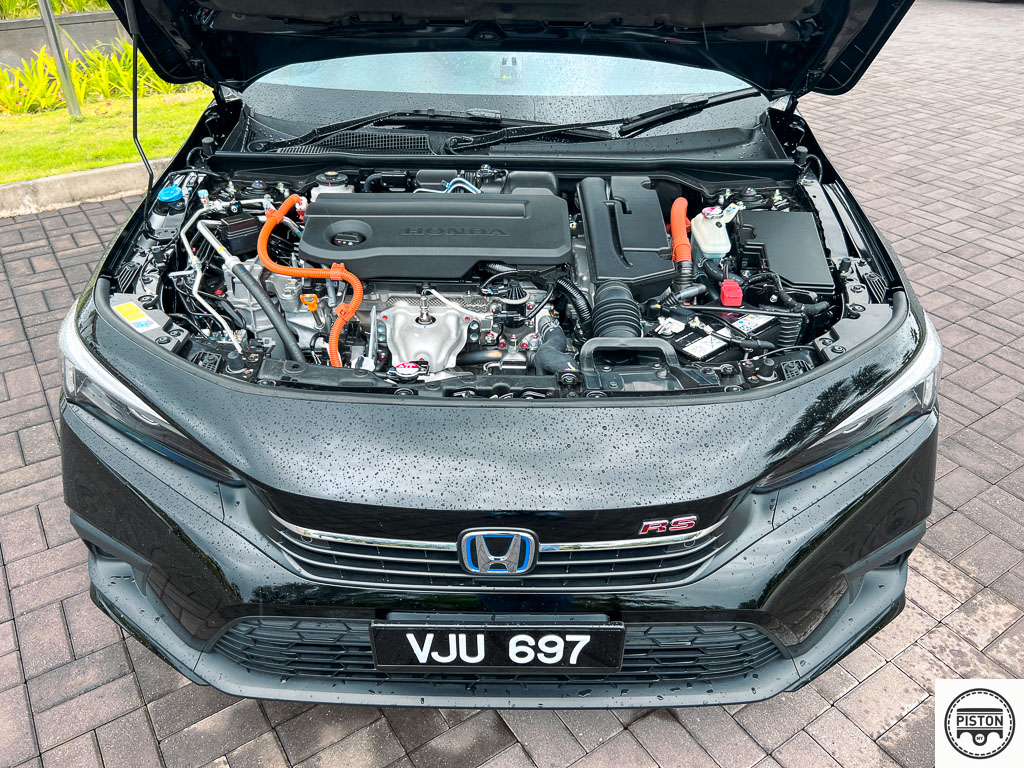
“We have plenty of expertise and know how when it comes to hybrid vehicles, so without spending extraordinary amount on development expenses, we can utilise our expertise, keeping down the investment required and we can develop new models out of those (Honda’s experience). Both EV’s and hybrid will continue to support Honda’s automobile business”.
“We will also increase the volume of our hybrid vehicles, by 2030 we are planning for over two million units of hybrid vehicles. Hybrids will be the main portion of our business (by 2030) and for BEV’s, we will continue with our research and development activities.
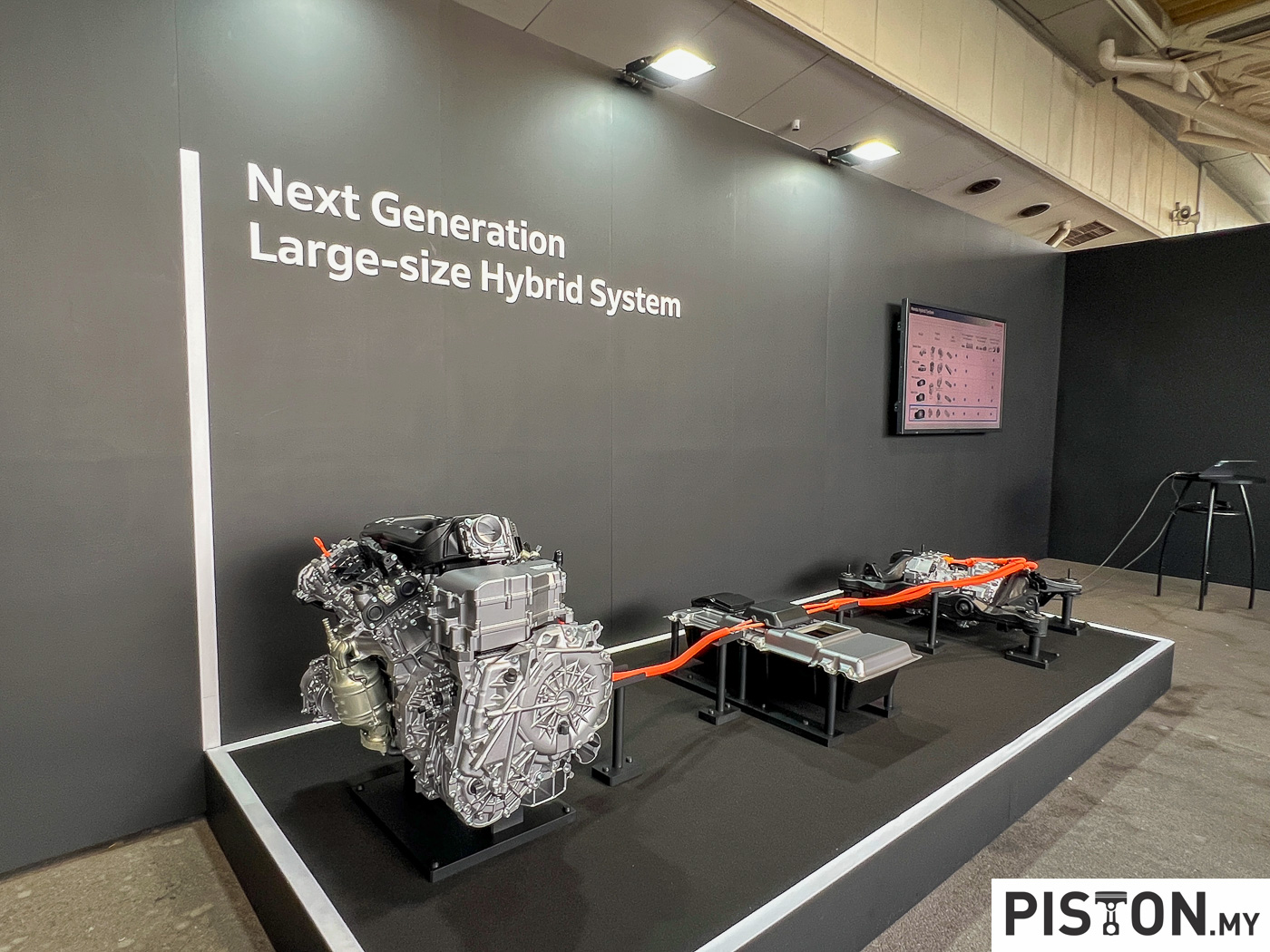
As part of the trip to Japan, I also had a chance to test drive Honda’s future hybrid technologies. Besides the usual emphasis on efficiency and environmental factors, Honda’s engineers also placed a big importance on making the hybrid powertrains feel as close to a regular internal combustion engine as possible, thus improving the ‘feel good’ factor of Honda hybrid cars.
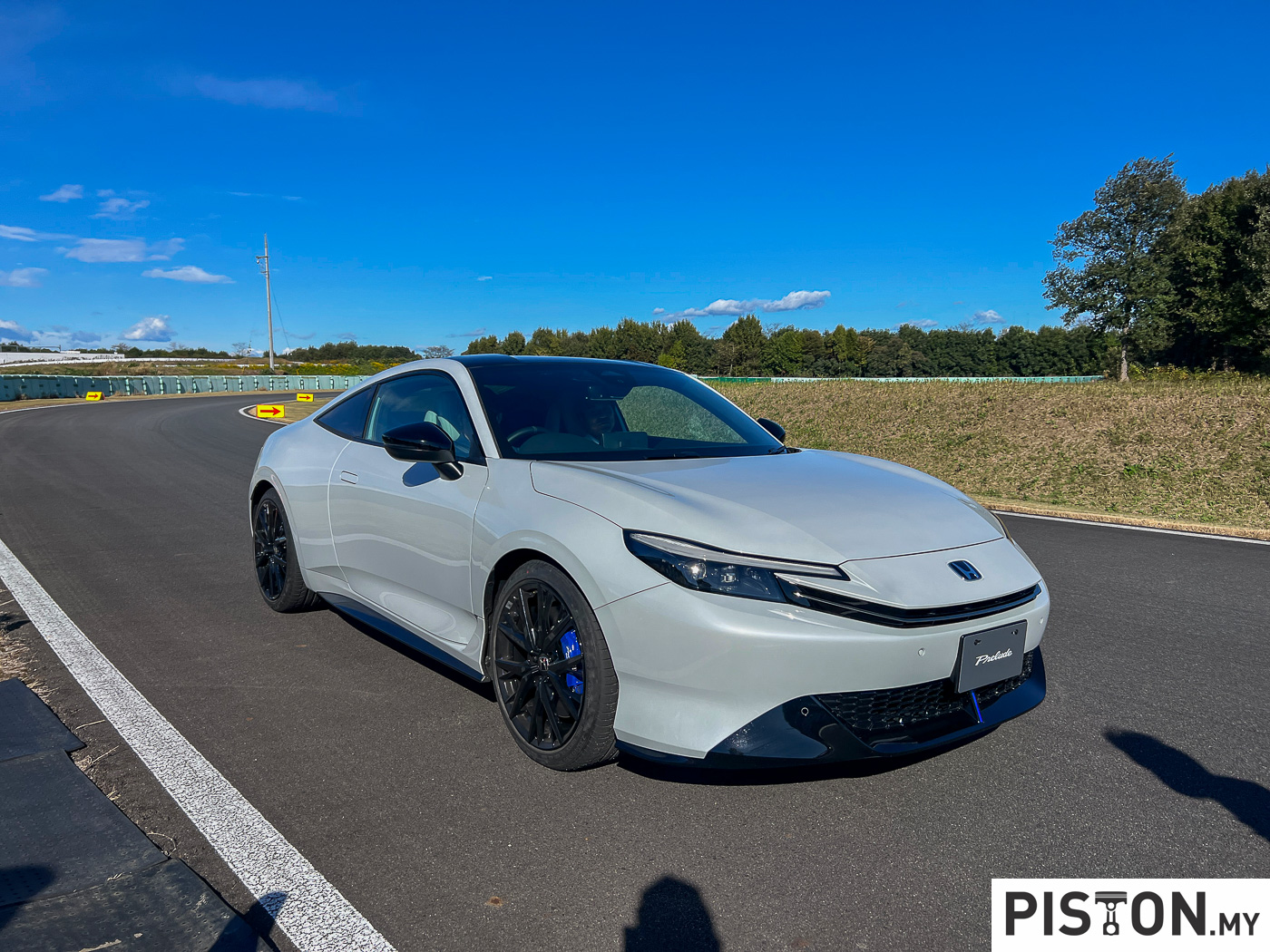
Honda’s hybrid powertrains do not have transmission boxes and rely on electric motors to drive the wheels. But the engineers have figured out a way to simulate engine noise as well as the “feel” of a transmission shifting gears. That requires a different article altogether, but I will say that Honda has done a fantastic job with that because it comes with the accompanying power cuts that we feel in between shifts.
The second takeaway is Honda’s commitment to safety for its four- and two-wheels business. Back in 2021, Honda announced its zero fatalities by 2050 target, and during the recent interview Mibe reaffirmed the company’s commitment to that target.
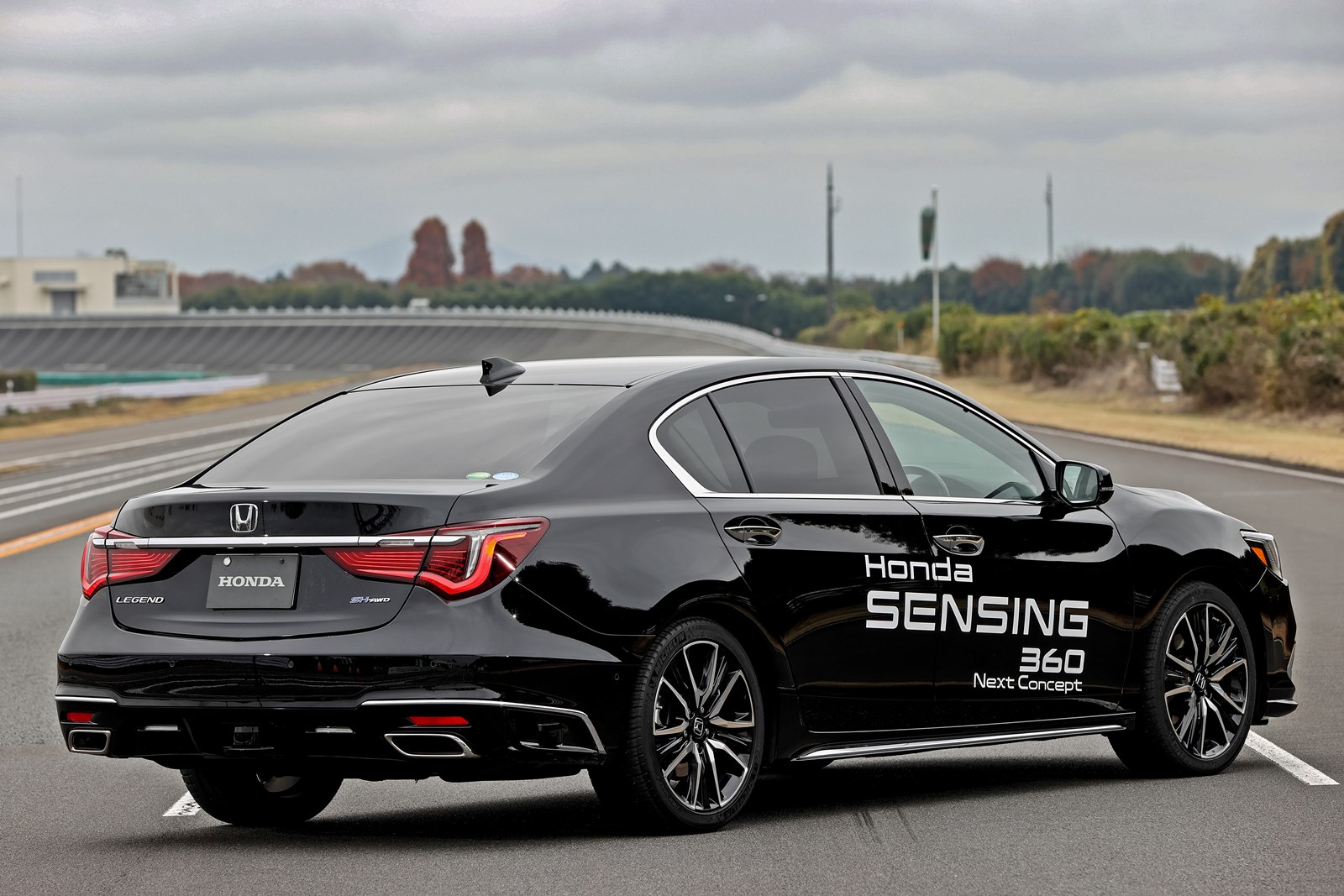
Citing Honda’s SENSING technology (which is Honda lingo for advanced driver aid system) and the progress of artificial intelligence, Honda continues with the target of zero fatalities in just 25 years.
So, you may think that Honda cars are lagging behind its competitors especially those from China, but Honda has survived many challenges, has a clear pathway for its future and judging from what I saw and experienced at Honda’s test facilities, this is a company that dismiss at your own peril.