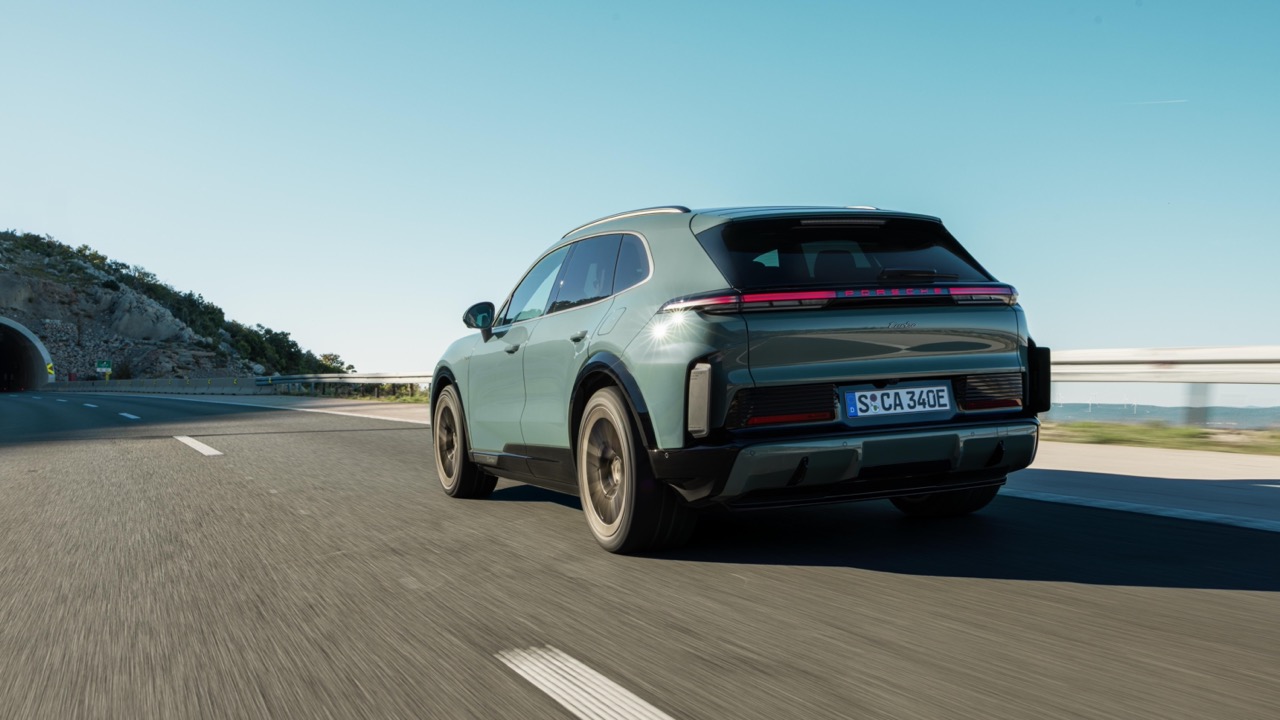
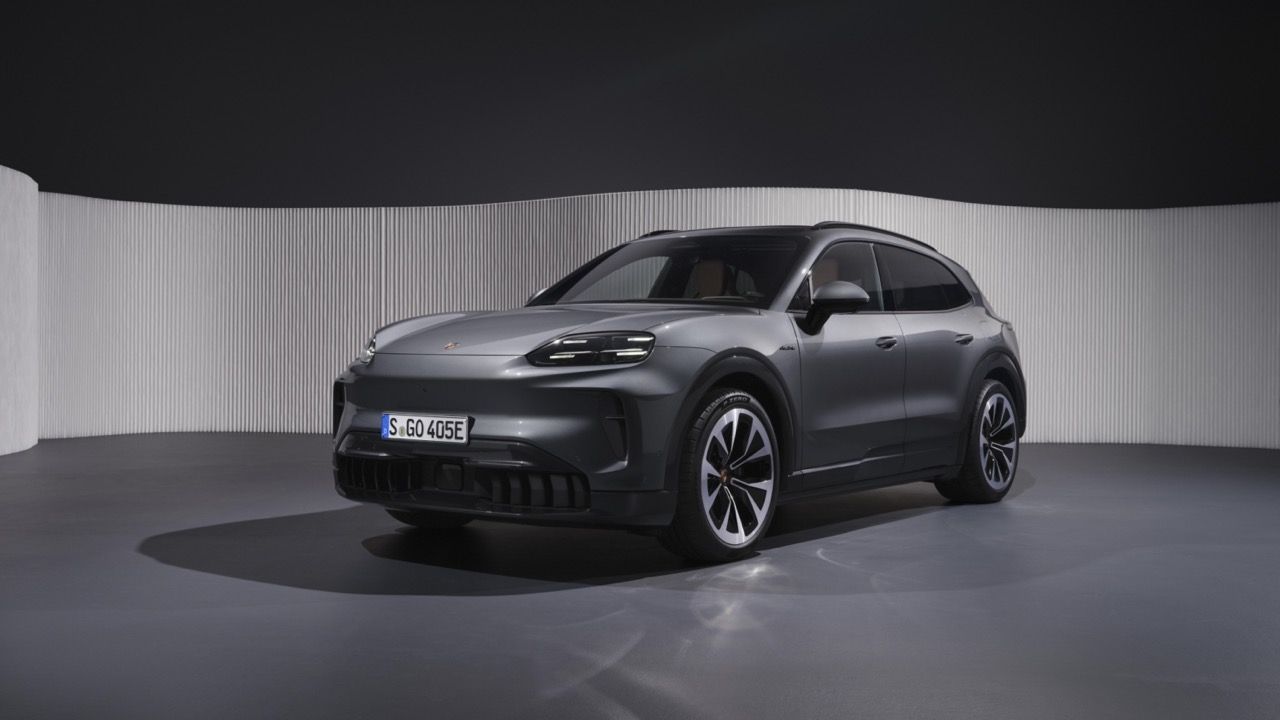
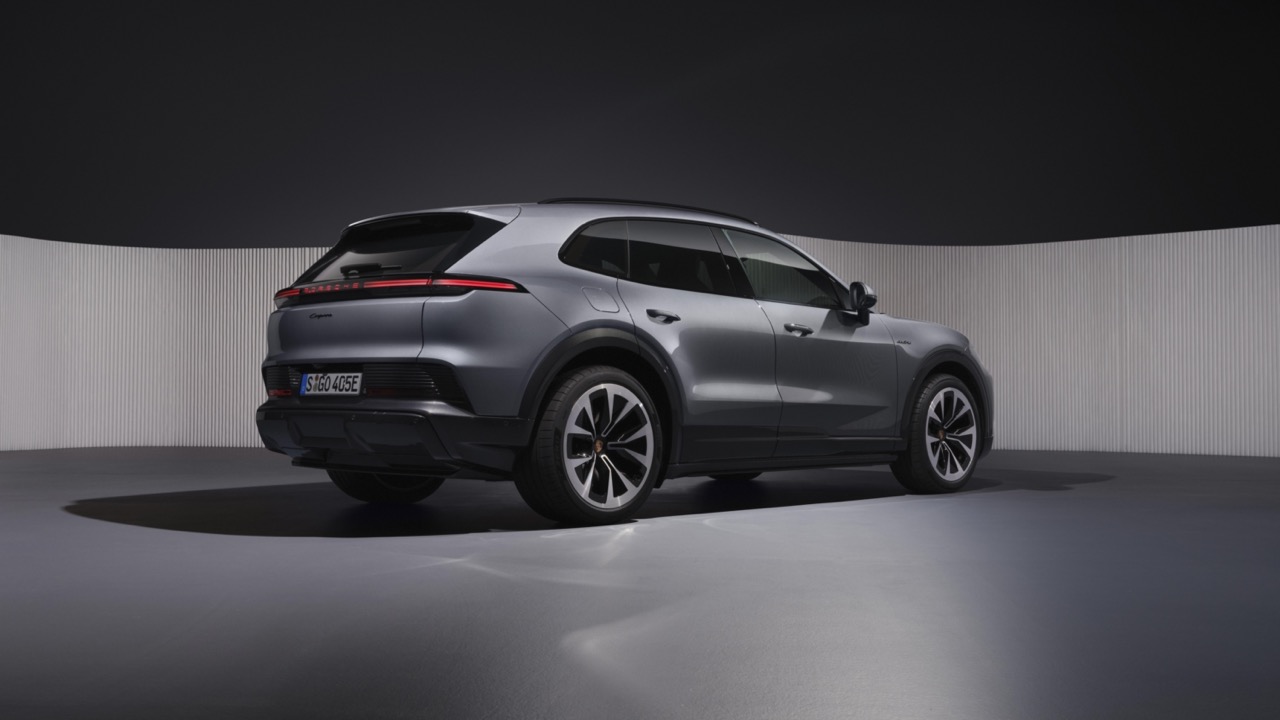
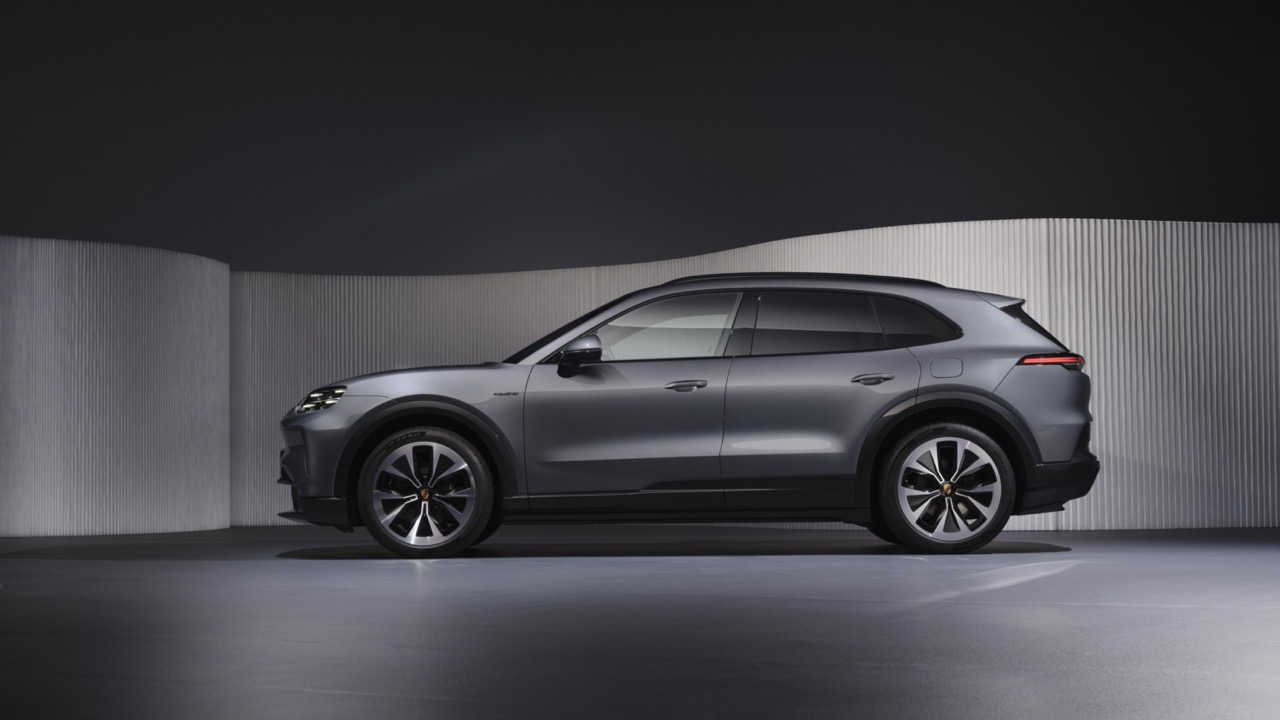
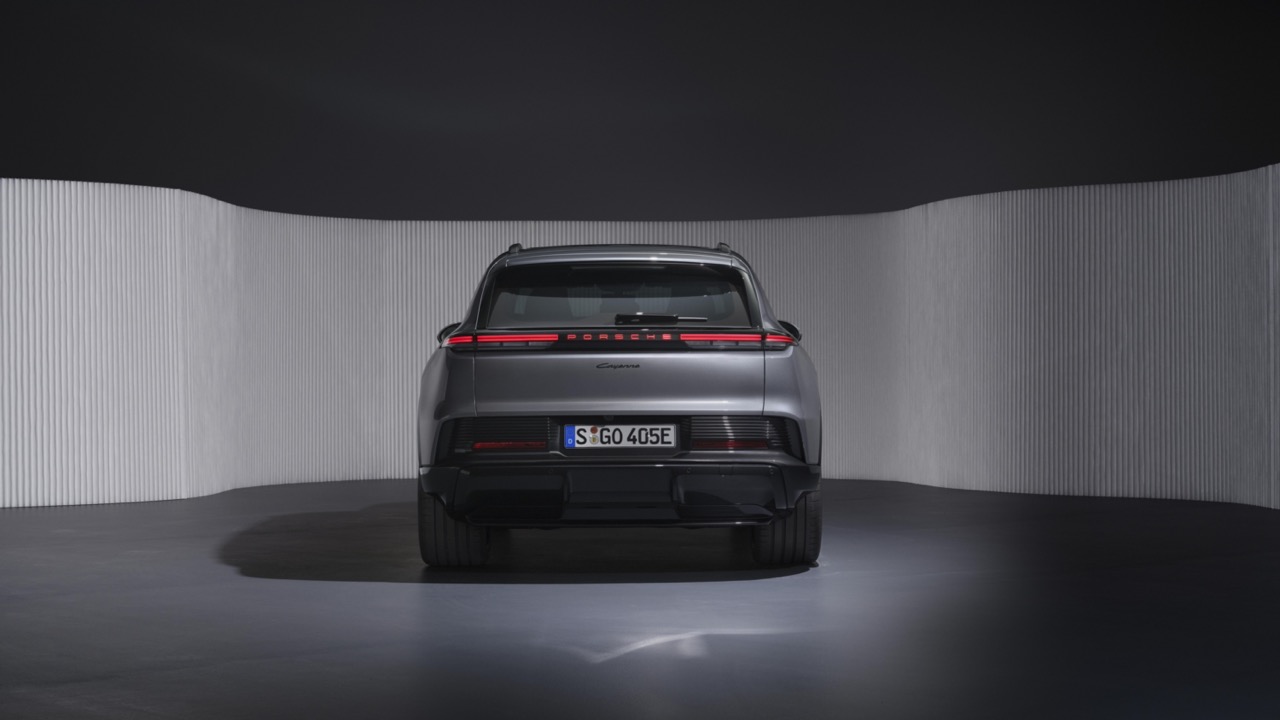
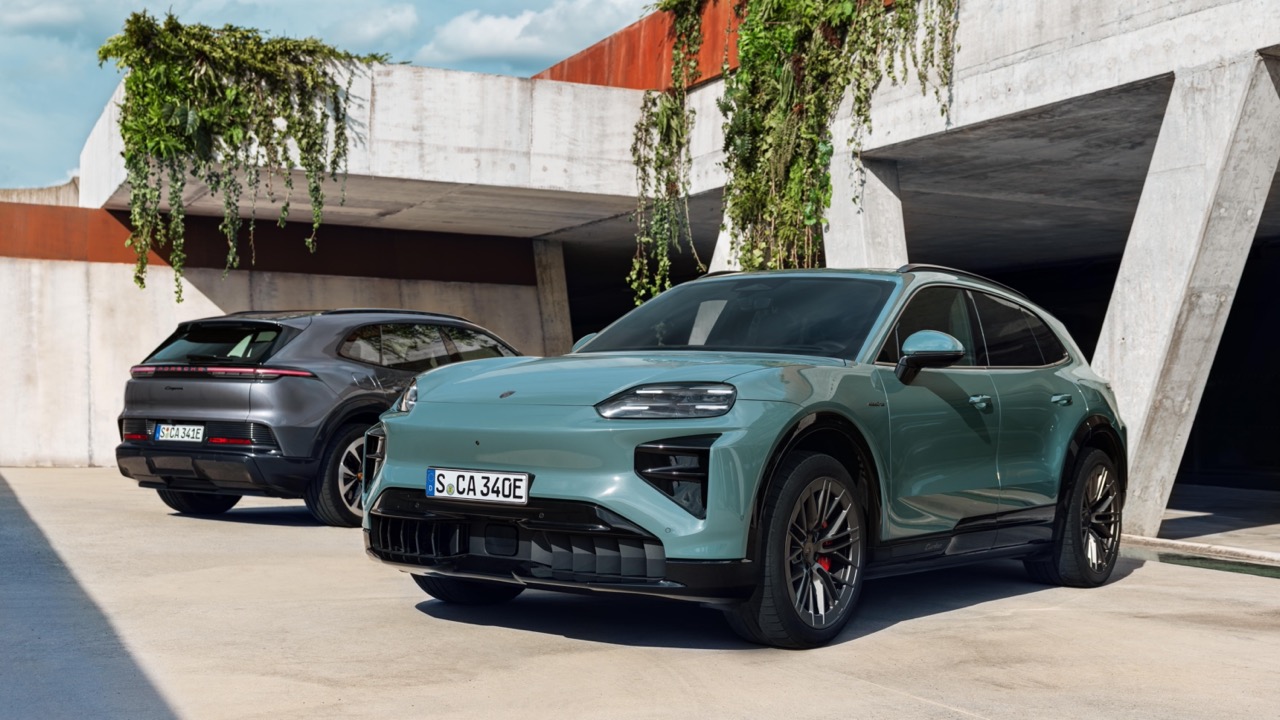
Porsche is preparing to expand its electric portfolio with the arrival of the 2026 Cayenne Electric, the company’s second fully electric SUV. Alongside its debut, Porsche confirms that this new model is now the most powerful production vehicle it has ever built.
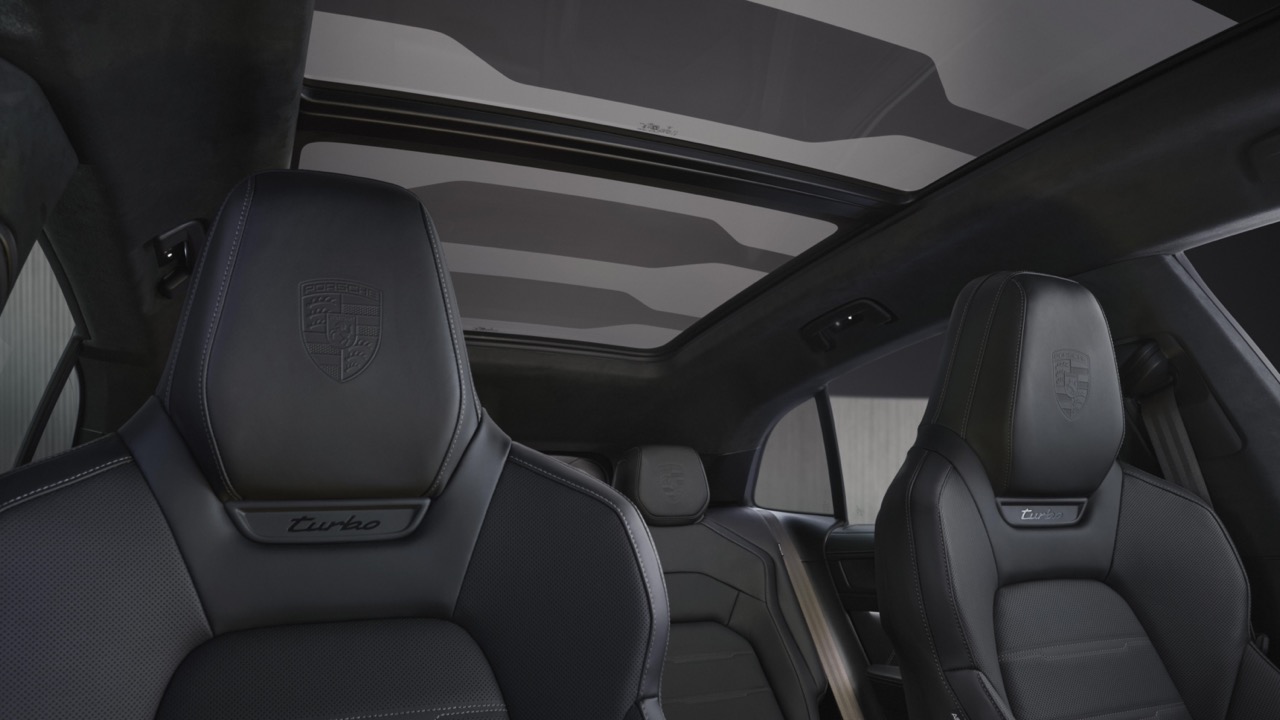
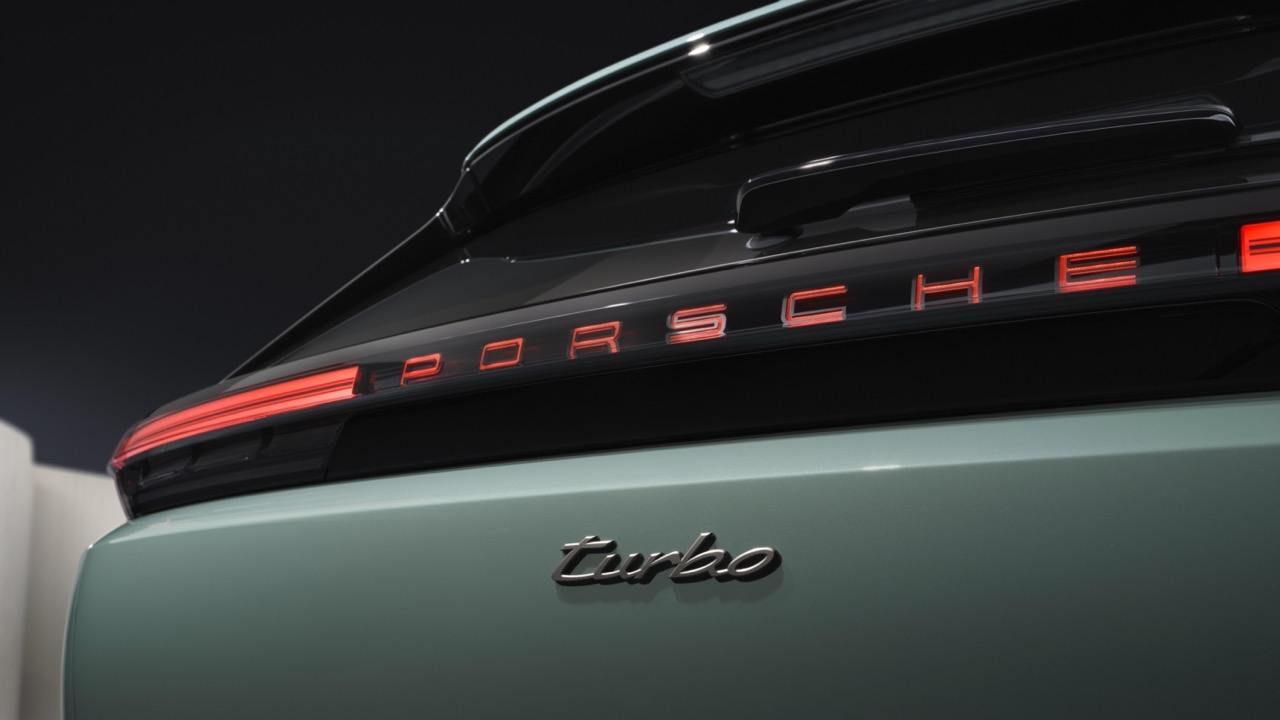
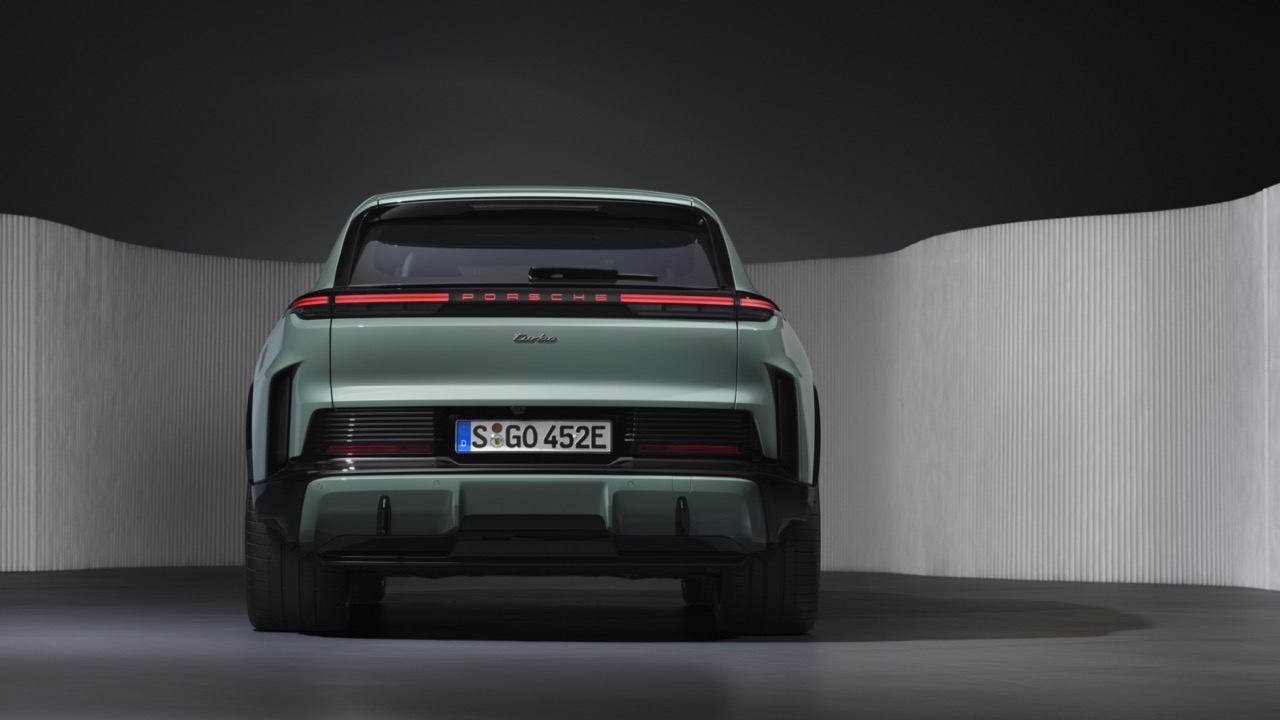
Two variants will be offered at launch: the standard Cayenne Electric and the Cayenne Turbo Electric. Porsche continues to use the “Turbo” label for its high-performance EVs, a naming approach that may raise eyebrows but remains well established within the brand’s identity.
The standard Cayenne Electric produces 402hp during normal driving, with output rising to 435hp and 834Nm of torque in Launch Control mode. Power comes from a dual-motor setup that provides all-wheel drive as standard.
The Cayenne Turbo Electric raises performance to extreme levels. It delivers 844hp in regular driving, while Launch Control mode unleashes 1,139hp and 1,500Nm of torque. Porsche states that this enables a 0–100km/h time of 2.4 seconds.
Stopping performance is equally serious. The Cayenne Electric can regenerate up to 600kW during braking, with Porsche noting that nearly 97 per cent of braking situations can be handled solely by the motors. Ceramic Composite brakes remain an option for those who want a stronger performance emphasis on the Turbo variant.
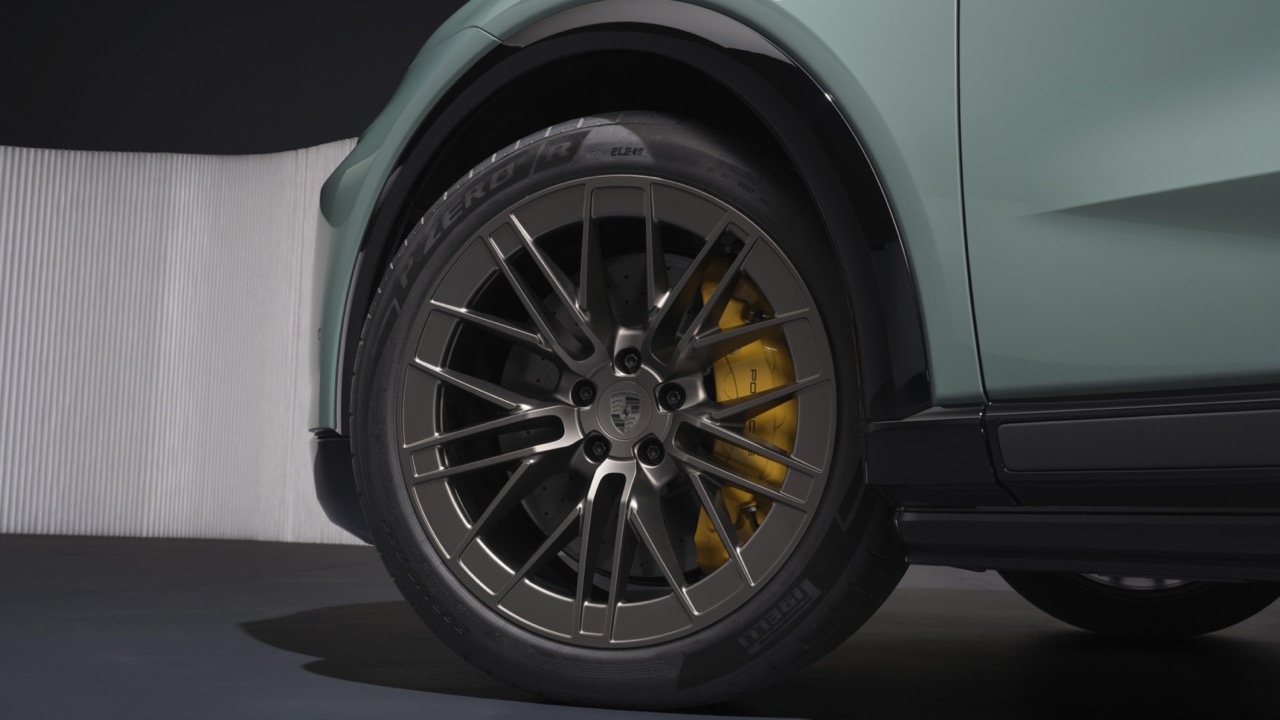
Porsche aims to deliver a familiar driving feel despite the shift to full electrification. Both variants come equipped with Porsche Active Suspension Management as standard. The Turbo version adds Porsche Torque Vectoring Plus, and both models can be optioned with rear-axle steering and the Active Ride suspension system used in the Taycan and Panamera. Active Ride is designed to counter body movement during acceleration, braking, and cornering, creating a more composed and predictable response.
Powering the Cayenne Electric is a 113 kWh battery pack supported by an 800-volt architecture, enabling charging speeds of up to 400 kW. Under ideal conditions, Porsche claims the battery can charge from 10 to 80 percent in as little as 16 minutes. The European WLTP cycle suggests the SUV can achieve up to 644km. An optional inductive charging system is also available, allowing wireless charging at up to 11 kW by parking the vehicle over a floor-mounted pad.
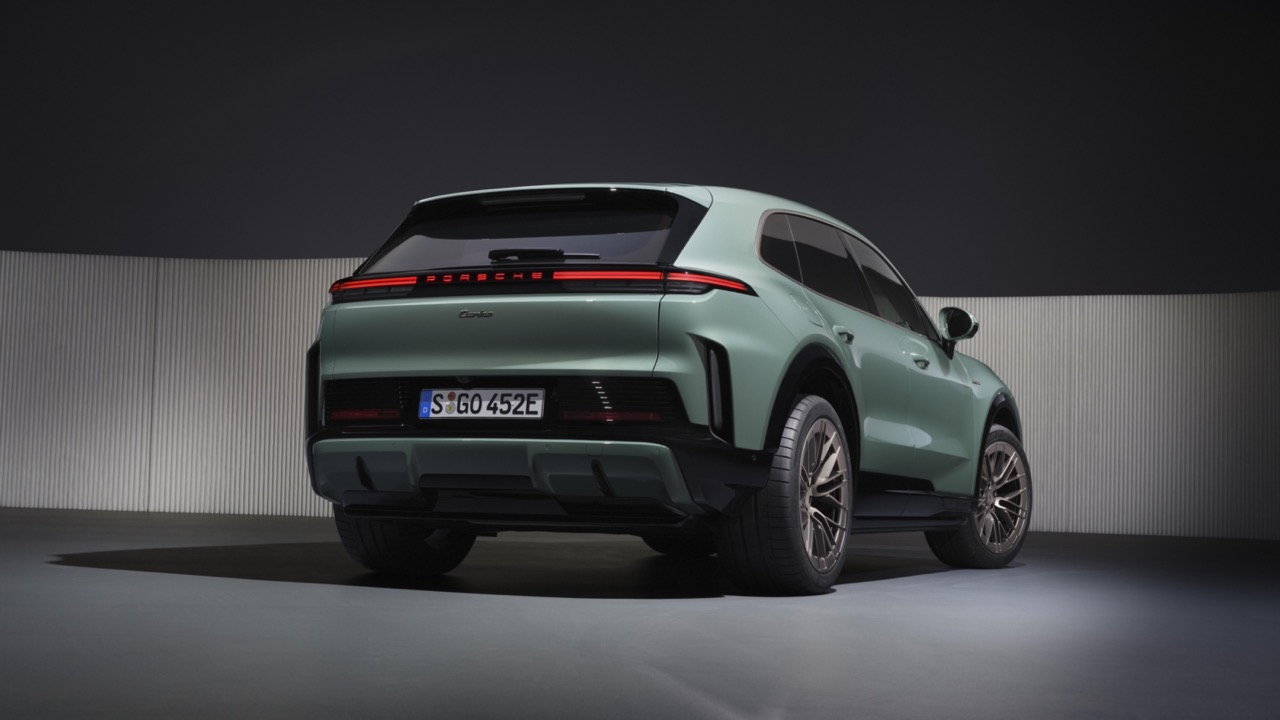
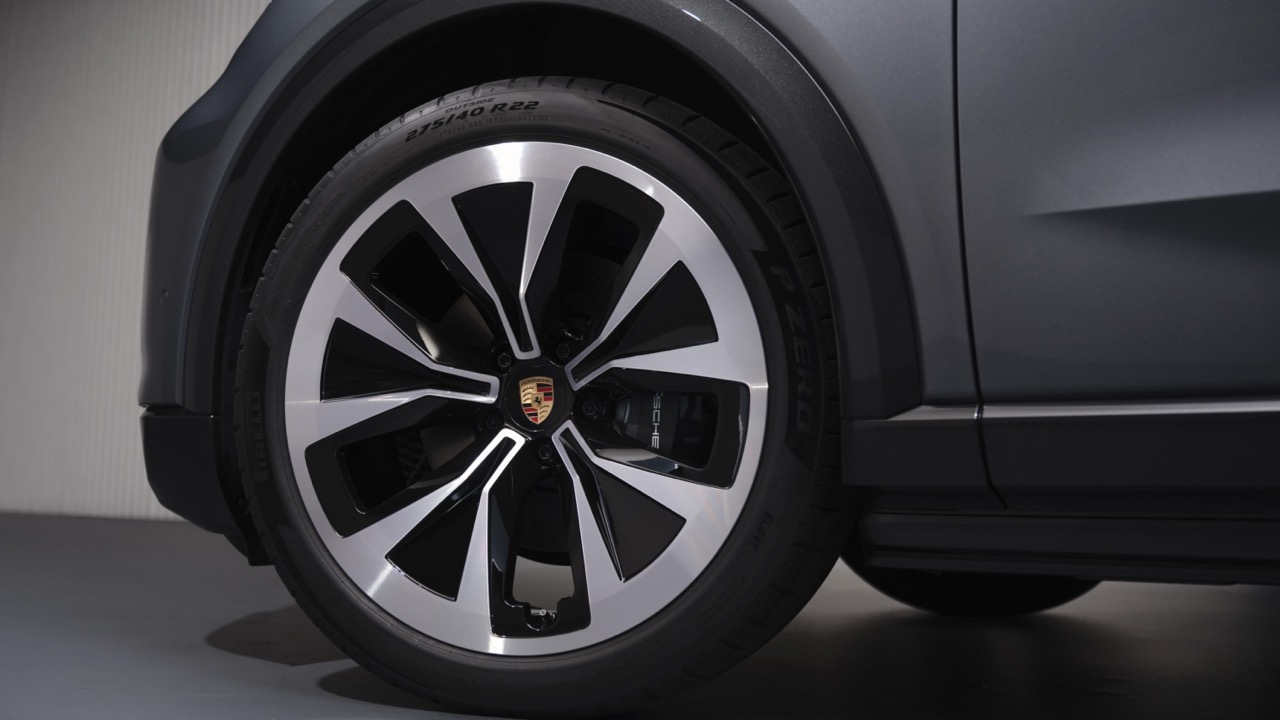
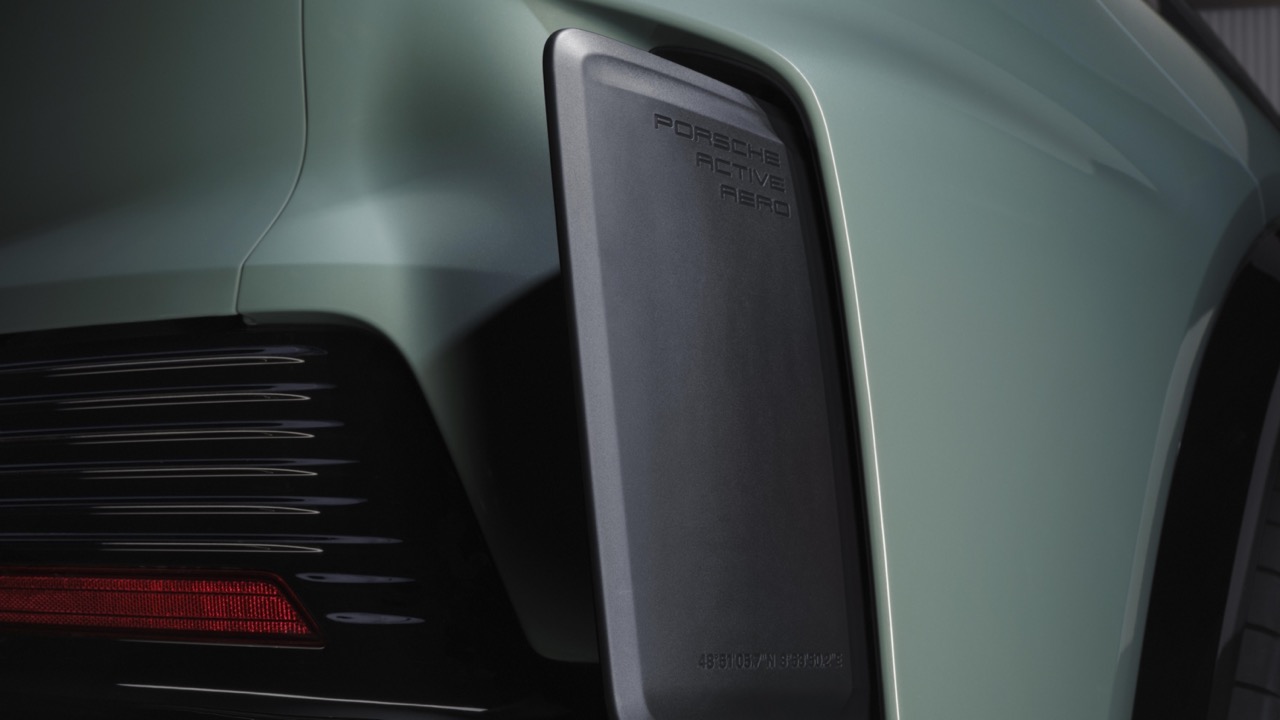
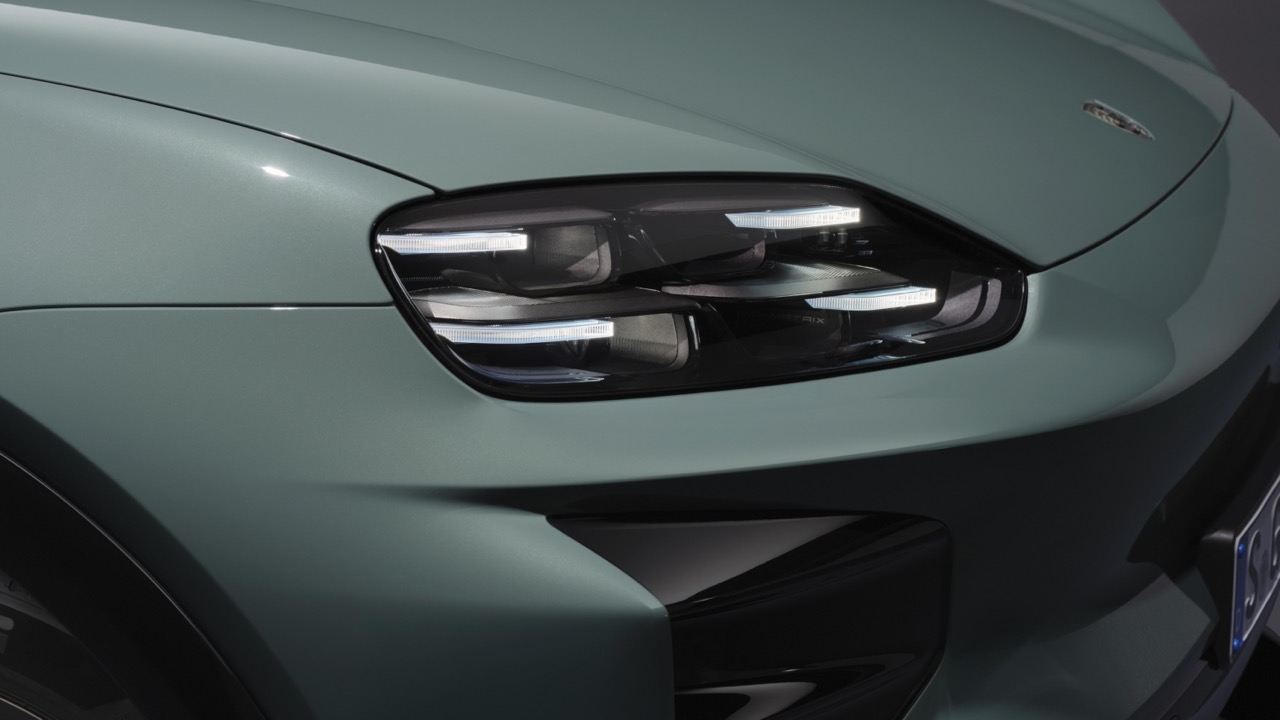
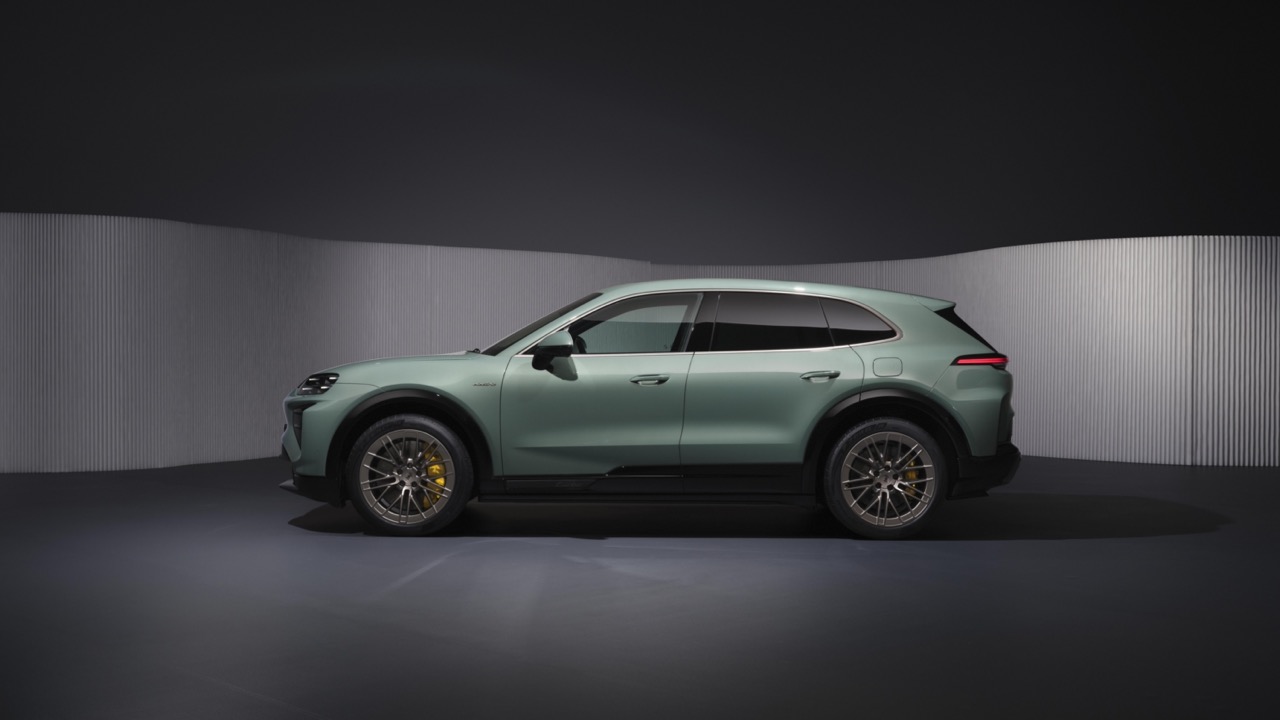
The exterior styling draws heavily from the electric Macan, with rounded rear surfaces and softer front-end contours. The Cayenne Electric retains recognisable Porsche elements, but certain angles give the impression of a more generic modern SUV compared with the sharper definition of the internal combustion Cayenne.
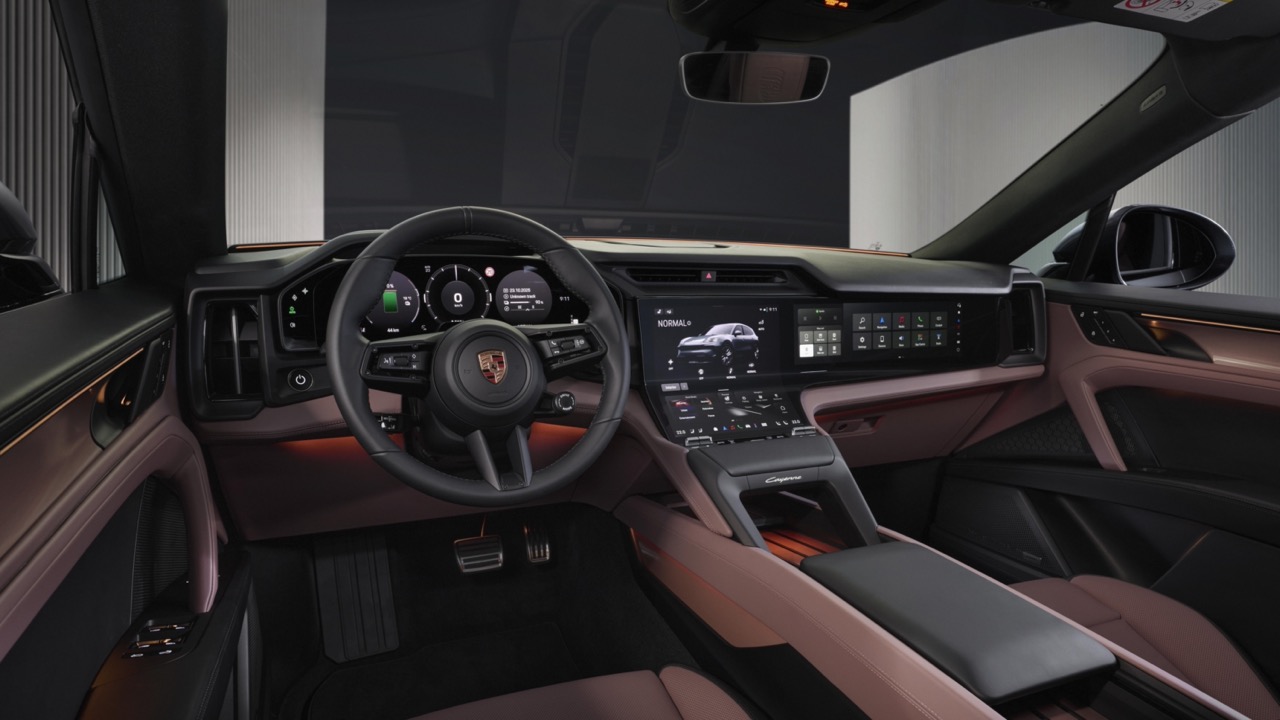
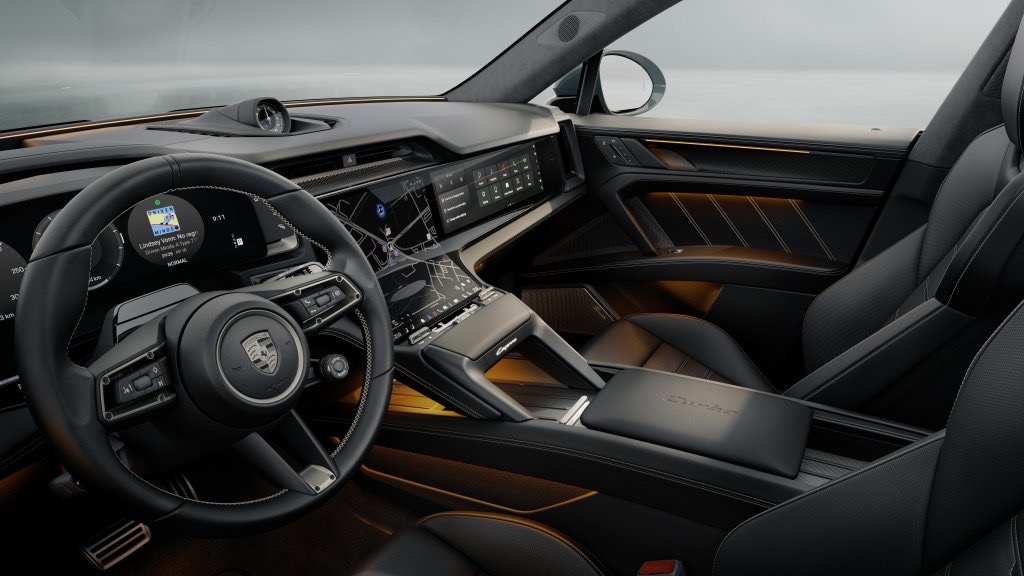
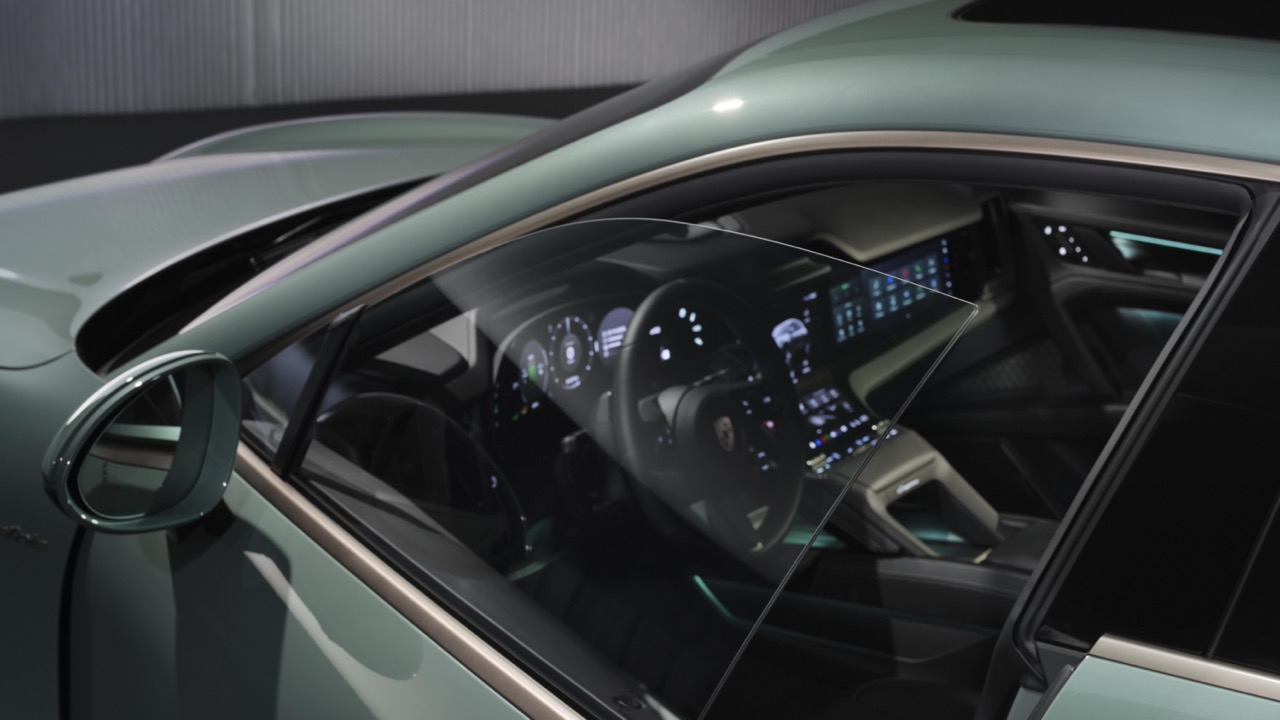
Inside, the Cayenne Electric aligns more closely with Porsche’s traditional design cues. Despite the increased digital presence, the layout remains driver-focused. A 14.3-inch OLED instrument cluster sits ahead of the driver, while a curved central OLED panel combines infotainment and climate controls.
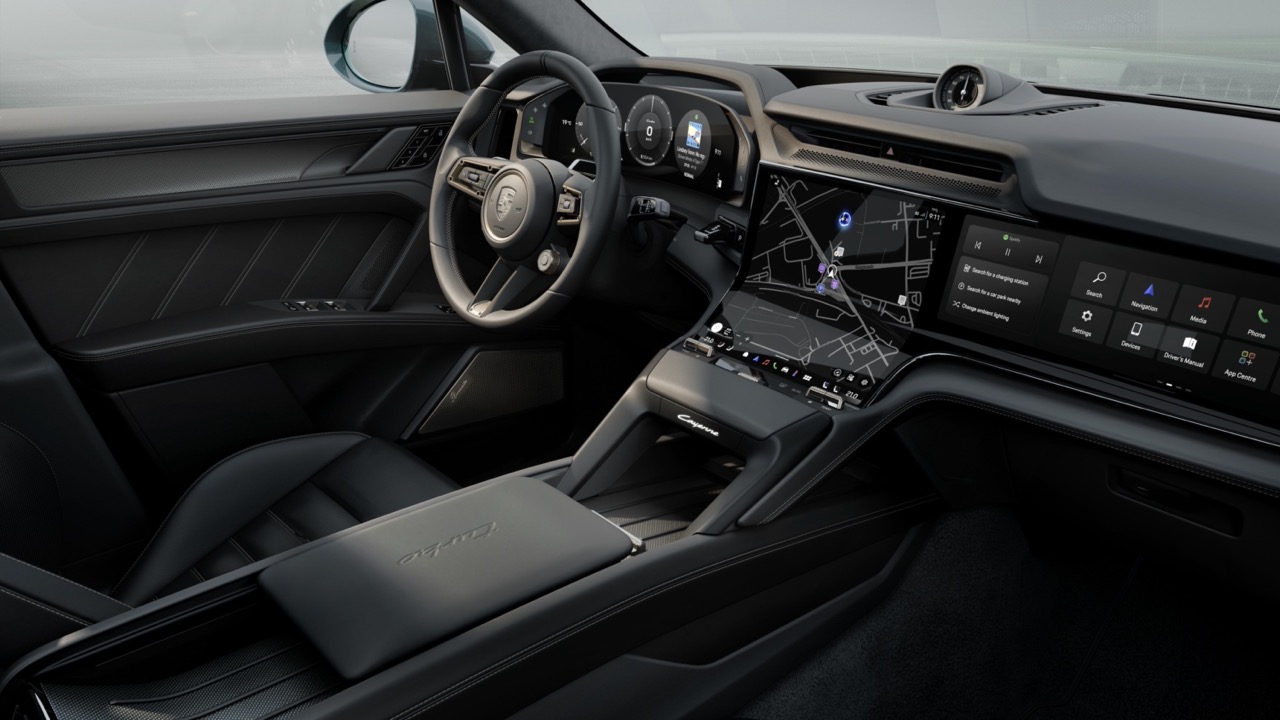
A 14.9-inch passenger display is available as an option. Porsche keeps the air-conditioning and audio volume controls in analogue form, while most other functions move to digital interfaces.
The 2026 Cayenne Electric marks a new chapter for Porsche’s SUV line-up, blending extreme performance with new EV technology while retaining much of the brand’s established driving character.